Library
Browse and search books
2,075 novels found
Confessions (complete Collection)
General Fiction忏悔录(全集)
H
"Confessions" (1781-1788) records Rousseau's life experience for more than fifty years from his birth to his forced departure from the Island of Saint-Pierre in 1766. Rousseau recounted the rough treatment he received when he was a child, the abuse he received after joining the world, and all the darkness and injustice he heard and witnessed. He angrily exposed society's "law of the jungle", "might makes right" and the ugliness and decay of the ruling class. "Confessions" is a very candid autobiography. In the book, Rousseau claimed that "I tell my virtues and my sins with equal frankness... Showing myself exactly as I am."
"Confessions" (1781-1788) records Rousseau's life experience for more than fifty years from his birth to his forced departure from the Island of Saint-Pierre in 1766. Rousseau recounted the rough treatment he received when he was a child, the abuse he received after joining the world, and all the darkness and injustice he heard and witnessed. He angrily exposed society's "law of the jungle", "might makes right" and the ugliness and decay of the ruling class. "Confessions" is a very candid autobiography. In the book, Rousseau claimed that "I tell my virtues and my sins with equal frankness... Showing myself exactly as I am."
Giants
General Fiction巨人传
(french) Rabelais
"The Life of the Giant" illustrates various ideas of humanism by narrating the birth, education and great achievements of Gargantua and Pantagruel; it uses Pantagruel, Baruch and other partners as clues to study marriage problems and travel around the country in search of the bottle of God, showing the broad social picture of the Middle Ages, exposing and criticizing various social ills, and showing the author's unparalleled satirical art and unique charming language style.
"The Life of the Giant" illustrates various ideas of humanism by narrating the birth, education and great achievements of Gargantua and Pantagruel; it uses Pantagruel, Baruch and other partners as clues to study marriage problems and travel around the country in search of the bottle of God, showing the broad social picture of the Middle Ages, exposing and criticizing various social ills, and showing the author's unparalleled satirical art and unique charming language style.

新爱洛漪丝(汉译世界学术名著丛书)
H
"New Love Louise" describes the love story of the 18th-century aristocratic girl Yuli Datangra and her young tutor and civilian intellectual Saint Pluan. Yu Li's father is an aristocrat with a strong sense of feudal hierarchy and firmly opposes the union of this pair of lovers. At first, Yu Xian listened to his own voice and committed himself to Saint Pluan. Later, he succumbed to his father's will and married de Vollmart, a middle-aged man from the aristocratic class who was well-matched to his family. Saint Pu Luan had to leave Yu Li. After Yu Li got married, she confided to her husband her past love affair with Saint-Pluan. De Volmare showed his trust in them and brought Saint-Pluan to his home. The old lovers spent time together day and night, trying their best to suppress their inner feelings, but they felt deeply painful about it. Later, Yu Li's son accidentally fell into the water, and she threw herself into the lake to save him. The mother and son were rescued, but Yu Li died of illness soon after. Before her death, she wrote a suicide note to Saint Pu Luan, saying that she had sacrificed her life at the cost of her life. "New Love Louise" describes the love story of Yu Li, a noble girl in the 18th century, and her young tutor and civilian intellectual Saint Pu Luan. Yu Li's father is an aristocrat with a strong sense of feudal hierarchy and firmly opposes the union of this pair of lovers. At first, Yu Xian listened to his own voice and committed himself to Saint Pluan. Later, he succumbed to his father's will and married de Vollmart, a middle-aged man from the aristocratic class who was well-matched to his family. Saint Pu Luan had to leave Yu Li. After Yu Li got married, she confided to her husband her past love affair with Saint-Pluan. De Volmare showed his trust in them and brought Saint-Pluan to his home. The old lovers spent time together day and night, trying their best to suppress their inner feelings, but they felt deeply painful about it. Later, Yu Li's son accidentally fell into the water, and she threw herself into the lake to save him.
"New Love Louise" describes the love story of the 18th-century aristocratic girl Yuli Datangra and her young tutor and civilian intellectual Saint Pluan. Yu Li's father is an aristocrat with a strong sense of feudal hierarchy and firmly opposes the union of this pair of lovers. At first, Yu Xian listened to his own voice and committed himself to Saint Pluan. Later, he succumbed to his father's will and married de Vollmart, a middle-aged man from the aristocratic class who was well-matched to his family. Saint Pu Luan had to leave Yu Li. After Yu Li got married, she confided to her husband her past love affair with Saint-Pluan. De Volmare showed his trust in them and brought Saint-Pluan to his home. The old lovers spent time together day and night, trying their best to suppress their inner feelings, but they felt deeply painful about it. Later, Yu Li's son accidentally fell into the water, and she threw herself into the lake to save him. The mother and son were rescued, but Yu Li died of illness soon after. Before her death, she wrote a suicide note to Saint Pu Luan, saying that she had sacrificed her life at the cost of her life. "New Love Louise" describes the love story of Yu Li, a noble girl in the 18th century, and her young tutor and civilian intellectual Saint Pu Luan. Yu Li's father is an aristocrat with a strong sense of feudal hierarchy and firmly opposes the union of this pair of lovers. At first, Yu Xian listened to his own voice and committed himself to Saint Pluan. Later, he succumbed to his father's will and married de Vollmart, a middle-aged man from the aristocratic class who was well-matched to his family. Saint Pu Luan had to leave Yu Li. After Yu Li got married, she confided to her husband her past love affair with Saint-Pluan. De Volmare showed his trust in them and brought Saint-Pluan to his home. The old lovers spent time together day and night, trying their best to suppress their inner feelings, but they felt deeply painful about it. Later, Yu Li's son accidentally fell into the water, and she threw herself into the lake to save him.

Childhood·in the World·my University (three Volumes)
General Fiction童年·在人间·我的大学(全三册)
(soviet) Gorky
This book is based on Gorky's real growth experience, and the protagonist Alyosha is the author "I". "Childhood" tells the story of the difficult childhood "I" spent at my grandfather's house since I was 3 years old. "In the World" tells the story of "I"'s ups and downs when I was kicked out of the house by my grandfather when I was 11 years old and had to make a living on my own in society. "My University" tells the story of "I" going to Kazan to study alone at the age of 16 but growing up as an intellectual through many "social universities". The writing style of the whole book is cold and dignified, but it is also humorous. The atmosphere is a bit depressing and sad, but it can make people see the tenacious vitality and immortal hope.
This book is based on Gorky's real growth experience, and the protagonist Alyosha is the author "I". "Childhood" tells the story of the difficult childhood "I" spent at my grandfather's house since I was 3 years old. "In the World" tells the story of "I"'s ups and downs when I was kicked out of the house by my grandfather when I was 11 years old and had to make a living on my own in society. "My University" tells the story of "I" going to Kazan to study alone at the age of 16 but growing up as an intellectual through many "social universities". The writing style of the whole book is cold and dignified, but it is also humorous. The atmosphere is a bit depressing and sad, but it can make people see the tenacious vitality and immortal hope.

How is Steel Made?
General Fiction钢铁是怎样炼成的
(soviet) Ostrovsky
"How Steel Was Tempered" was written in 1933. It is an epic novel with the Soviet Revolution as the background. The author takes himself as the prototype of the protagonist, but it is not an autobiography, and successfully creates the heroic image of the young Bolshevik Paul Korchagin. This is the growth trajectory of a proletarian warrior, the training and growth process of a new generation of young people, and a wonderful story of "a boy growing up to be a man". The novel contains great spiritual power and strong inspirational color, which deeply shocked people and influenced several generations.
"How Steel Was Tempered" was written in 1933. It is an epic novel with the Soviet Revolution as the background. The author takes himself as the prototype of the protagonist, but it is not an autobiography, and successfully creates the heroic image of the young Bolshevik Paul Korchagin. This is the growth trajectory of a proletarian warrior, the training and growth process of a new generation of young people, and a wonderful story of "a boy growing up to be a man". The novel contains great spiritual power and strong inspirational color, which deeply shocked people and influenced several generations.

La Traviata
General Fiction茶花女
J
"La Traviata" is a love novel written by Xiao Dumas based on his own personal experience. The protagonist of the story, Margaret, is a beautiful woman who has fallen into prostitution. "La Traviata" is just her nickname because she carries a bouquet of camellias with her. By chance, she met the young talent Armand and was moved by his sincere love, determined to give up her past luxurious life. Just as the lovers were looking forward to a bright future, Armand's father appeared and asked Margaret to leave Armand. In order to help others, she gave up her love and returned to Vanity Fair. Armand, who did not know the truth, was extremely angry, and because of love and hatred, he repeatedly humiliated Margaret and pushed her completely into the abyss of death.
"La Traviata" is a love novel written by Xiao Dumas based on his own personal experience. The protagonist of the story, Margaret, is a beautiful woman who has fallen into prostitution. "La Traviata" is just her nickname because she carries a bouquet of camellias with her. By chance, she met the young talent Armand and was moved by his sincere love, determined to give up her past luxurious life. Just as the lovers were looking forward to a bright future, Armand's father appeared and asked Margaret to leave Armand. In order to help others, she gave up her love and returned to Vanity Fair. Armand, who did not know the truth, was extremely angry, and because of love and hatred, he repeatedly humiliated Margaret and pushed her completely into the abyss of death.
Shakespeare's Comedies and Tragedies
General Fiction莎士比亚喜剧悲剧集
H
This book is a collection of Shakespeare's classic plays, including the famous "Romeo and Juliet" among Shakespeare's early plays, the representative works "Hamlet" and "King Lear" among the "four major tragedies", and the representative works of his "four major comedies" "A Midsummer Night's Dream" and "The Merchant of Venice".
This book is a collection of Shakespeare's classic plays, including the famous "Romeo and Juliet" among Shakespeare's early plays, the representative works "Hamlet" and "King Lear" among the "four major tragedies", and the representative works of his "four major comedies" "A Midsummer Night's Dream" and "The Merchant of Venice".

P
General Fictionp
I
"Childhood" is the first of Gorky's autobiographical novel trilogy, and it is also a work that Gorky wrote with great devotion and charm. "Childhood" depicts a poetic, colorful and fascinating picture of children's life, vividly reproducing the living conditions of the lower class people in Russia in the 1870s and 1980s. With its unique artistic form and profound ideological content, it occupies an important position in the history of Russian and Soviet literature and even world literature.
"Childhood" is the first of Gorky's autobiographical novel trilogy, and it is also a work that Gorky wrote with great devotion and charm. "Childhood" depicts a poetic, colorful and fascinating picture of children's life, vividly reproducing the living conditions of the lower class people in Russia in the 1870s and 1980s. With its unique artistic form and profound ideological content, it occupies an important position in the history of Russian and Soviet literature and even world literature.

Selected Short Stories by Mark Twain
General Fiction马克·吐温短篇小说选
H
Mark Twain is the founder of American critical realism literature and a world-renowned master of short stories. William Faulkner called him "a truly American writer from whom we all descend." "Mark Twain Short Stories (Hardcover Collection)" collects Mark Twain's famous short stories. These popular short stories are humorous in writing and pungent in language. They sharply satirize and expose the speculation, money worship, and dark social reality that are prevalent in the United States like a plague.
Mark Twain is the founder of American critical realism literature and a world-renowned master of short stories. William Faulkner called him "a truly American writer from whom we all descend." "Mark Twain Short Stories (Hardcover Collection)" collects Mark Twain's famous short stories. These popular short stories are humorous in writing and pungent in language. They sharply satirize and expose the speculation, money worship, and dark social reality that are prevalent in the United States like a plague.

Crime and Punishment (part 1 and 2)
General Fiction罪与罚(上下)
G
"Crime and Punishment" is an excellent social psychological novel and the masterpiece that won Dostoevsky worldwide reputation. The novel takes the protagonist's crime and the punishment of his conscience and morality as the main line, and extensively describes the desperate plight of the poor in Russian cities and the increasingly acute social contradictions. With true sympathy and full of anger, the author mercilessly presents the darkness, abject poverty, despair and filth of the Russian capital in the 1860s to readers.
"Crime and Punishment" is an excellent social psychological novel and the masterpiece that won Dostoevsky worldwide reputation. The novel takes the protagonist's crime and the punishment of his conscience and morality as the main line, and extensively describes the desperate plight of the poor in Russian cities and the increasingly acute social contradictions. With true sympathy and full of anger, the author mercilessly presents the darkness, abject poverty, despair and filth of the Russian capital in the 1860s to readers.
P
General Fictionp
H
"Childhood" tells the story that Alyosha's father died of cholera when he was three years old, and his mother took him to live with his grandfather's house. In this family, fathers and sons, brothers, and husbands and wives often quarrel and fight over property and even over trivial matters. My grandfather was moody and had a bad temper. He beat my grandmother fiercely and beat Alyosha unconscious. My grandmother was very kind to Alyosha, telling him legends, fairy tales and folk stories, and she endured all the pressures of life without complaining. The mother was forced to remarry and died of tuberculosis a few years later. After his grandfather went bankrupt, Alyosha was forced to live in the world and began to make a living independently.
"Childhood" tells the story that Alyosha's father died of cholera when he was three years old, and his mother took him to live with his grandfather's house. In this family, fathers and sons, brothers, and husbands and wives often quarrel and fight over property and even over trivial matters. My grandfather was moody and had a bad temper. He beat my grandmother fiercely and beat Alyosha unconscious. My grandmother was very kind to Alyosha, telling him legends, fairy tales and folk stories, and she endured all the pressures of life without complaining. The mother was forced to remarry and died of tuberculosis a few years later. After his grandfather went bankrupt, Alyosha was forced to live in the world and began to make a living independently.
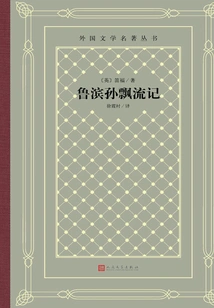
Robinson Crusoe
General Fiction鲁滨孙飘流记
(english) Defoe
"Robinson Crusoe" (1719) is Defoe's masterpiece. It describes the businessman Robinson's unfortunate experience of being shipwrecked and living on a desert island, and his indomitable perseverance to improve the living environment. The novel praises the spirit of labor and the strong will of man to fight against nature, and the protagonist Robinson has therefore become a famous literary image in the history of world literature.
"Robinson Crusoe" (1719) is Defoe's masterpiece. It describes the businessman Robinson's unfortunate experience of being shipwrecked and living on a desert island, and his indomitable perseverance to improve the living environment. The novel praises the spirit of labor and the strong will of man to fight against nature, and the protagonist Robinson has therefore become a famous literary image in the history of world literature.

一个陌生女人的来信:茨威格中短篇小说选
H
This book is a collection of novels by the Austrian writer Zweig, including "Letter from an Unknown Woman" and five other masterpieces. The author's writing style is clear and delicate, with passionate emotion in the silence and pathos in the writing. "Letter from an Unknown Woman" was even evaluated by Gorky as "an astonishing masterpiece".
This book is a collection of novels by the Austrian writer Zweig, including "Letter from an Unknown Woman" and five other masterpieces. The author's writing style is clear and delicate, with passionate emotion in the silence and pathos in the writing. "Letter from an Unknown Woman" was even evaluated by Gorky as "an astonishing masterpiece".
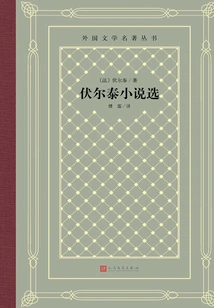
Selected Novels of Voltaire
General Fiction伏尔泰小说选
Voltaire
"Selected Novels of Voltaire" contains four of Voltaire's masterpieces: Zadig, Such a World, Candide and The Innocent. "Zadig" is set in the ancient East, full of mythology and exotic sentiments. Through the protagonist's twists and turns and extraordinary circumstances, it connects many extremely interesting stories together. "Candide" combines a wait-and-see third-person narrative technique and cleverly uses metaphors and symbols to show the ideal country of the Enlightenment thinkers.
"Selected Novels of Voltaire" contains four of Voltaire's masterpieces: Zadig, Such a World, Candide and The Innocent. "Zadig" is set in the ancient East, full of mythology and exotic sentiments. Through the protagonist's twists and turns and extraordinary circumstances, it connects many extremely interesting stories together. "Candide" combines a wait-and-see third-person narrative technique and cleverly uses metaphors and symbols to show the ideal country of the Enlightenment thinkers.
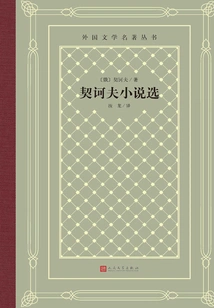
Selected Novels by Chekhov
General Fiction契诃夫小说选
J
Chekhov was a writer with a strong sense of humor. In his novels, he cleverly produced laughter with subtly different emotional colors based on the different natures of the characters and events depicted. Light humor was often intertwined with bitter irony. Chekhov's novels are compact and concise, concise and concise, giving readers room for independent thinking.
Chekhov was a writer with a strong sense of humor. In his novels, he cleverly produced laughter with subtly different emotional colors based on the different natures of the characters and events depicted. Light humor was often intertwined with bitter irony. Chekhov's novels are compact and concise, concise and concise, giving readers room for independent thinking.

Love Education
General Fiction爱的教育
(italy) Edimonto De Amicis
"The Education of Love" is a diary-style novel. The book is told in the voice of the protagonist Enrico, who tells the story of his experiences and ideological activities in and outside the school from the first day of school in October of the fourth grade to July of the following year. It is also interspersed with many admonishing articles written by his parents for him, as well as touching stories that the teacher reads in class every month.
"The Education of Love" is a diary-style novel. The book is told in the voice of the protagonist Enrico, who tells the story of his experiences and ideological activities in and outside the school from the first day of school in October of the fourth grade to July of the following year. It is also interspersed with many admonishing articles written by his parents for him, as well as touching stories that the teacher reads in class every month.

If You Give Me Three Days of Light
General Fiction假如给我三天光明
Helen Keller
In this book, Helen Keller expresses her desire for light, her cherishment and her deep love for life from the perspective of a weak woman with a disability and a strong will. In the book, Helen Keller tells her life experience of how she defeated the disease, how she broke through the darkness and gained light. This book is a book that goes deep into the reader's inner world.
In this book, Helen Keller expresses her desire for light, her cherishment and her deep love for life from the perspective of a weak woman with a disability and a strong will. In the book, Helen Keller tells her life experience of how she defeated the disease, how she broke through the darkness and gained light. This book is a book that goes deep into the reader's inner world.
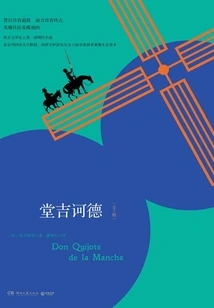
Don Quixote (2 Volumes in Total)
General Fiction堂吉诃德(全2册)
J
"Don Quixote" is the representative work of Spanish writer Cervantes. The little squire Don Quixote of Manca is fascinated by reading chivalric novels. He pieced together a pair of armor and rode a skinny horse in an attempt to imitate the ancient life of a knight errant. On my first trip, I came back injured. The second time, he found his neighbor Sancho as his attendant. He did many ridiculous things and was rescued and returned home. On the third trip, he experienced a series of thrilling encounters, was teased by the duchess, and so on. In the end, Don Quixote was defeated by his neighbor Samson who dressed up as a knight. When he was dying, he had a sudden enlightenment and denounced the chivalric novel.
"Don Quixote" is the representative work of Spanish writer Cervantes. The little squire Don Quixote of Manca is fascinated by reading chivalric novels. He pieced together a pair of armor and rode a skinny horse in an attempt to imitate the ancient life of a knight errant. On my first trip, I came back injured. The second time, he found his neighbor Sancho as his attendant. He did many ridiculous things and was rescued and returned home. On the third trip, he experienced a series of thrilling encounters, was teased by the duchess, and so on. In the end, Don Quixote was defeated by his neighbor Samson who dressed up as a knight. When he was dying, he had a sudden enlightenment and denounced the chivalric novel.
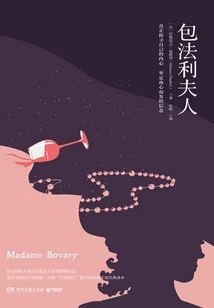
Madame Bovary
General Fiction包法利夫人
J
"Madame Bovary" is an outstanding work that established Gustave Flaubert's literary reputation and status. Emma is the daughter of a wealthy farmer in the French provinces. She was deeply influenced by religion and romantic literature when she was a teenager. When she grew up, she married Bovary, a mediocre and honest doctor. She is not satisfied with family life and fantasizes about pursuing ideal love. She got involved in the upper class society, and her yearning for luxurious life and pursuit of romance led her to the path of depravity. Eventually, she committed suicide by taking poison because she was in debt and unable to escape.
"Madame Bovary" is an outstanding work that established Gustave Flaubert's literary reputation and status. Emma is the daughter of a wealthy farmer in the French provinces. She was deeply influenced by religion and romantic literature when she was a teenager. When she grew up, she married Bovary, a mediocre and honest doctor. She is not satisfied with family life and fantasizes about pursuing ideal love. She got involved in the upper class society, and her yearning for luxurious life and pursuit of romance led her to the path of depravity. Eventually, she committed suicide by taking poison because she was in debt and unable to escape.

World Masterpieces (set of 50 Volumes in Total)
General Fiction世界名著(套装共50册)
(english) William Shakespeare (france) Romain Rolland, Etc.
Best-selling books for adult students, a complete set of 50 world literary masterpieces, including "The Education of Love", "Crime and Punishment", "Dead Souls", "The Last Lesson", "Hamlet", "Fathers and Sons", "Around the World in Eighty Days", "Ball of Suif", "Journey to the Center of the Earth", "Beautiful Friends", "Uncle Bunce" "Uncle Tom's Cabin", "The Imperial Envoy", "Twenty Thousand Leagues Under the Sea", "Disillusionment", "Childhood·In the World·My University", "How Steel Was Tempered", "La Traviata", "The Mysterious Island", "Celebrities", "The Idiot", "The Brothers Karmazov (Part 1 and 2)", "The Legend of Giants (Part 1 and 2)" "The Count of Monte Cristo (Part 1 and 2)", "Anna Karenina (Part 1 and 2)", "Robinson Crusoe", "1984", "Grimm's Fairy Tales", "New Moon and Birds", "The Divine Comedy", "War and Peace (Part 1 and 2)", "Confessions", "Hunter's Notes", "Wuthering Heights" and "Andersen's Fairy Tales" "The Three Musketeers", "Original Goriot", "Jane Eyre", "Oliver Twist", "Aunt Belle", "The Hunchback of Notre Dame", "Eugénie Grandet", "The Wind in the Willows", "Insects", "Gone with the Wind", "The Old Man and the Sea", "A Tale of Two Cities", "The Red and the Black", "The Merchant of Venice", "Les Misérables"
Best-selling books for adult students, a complete set of 50 world literary masterpieces, including "The Education of Love", "Crime and Punishment", "Dead Souls", "The Last Lesson", "Hamlet", "Fathers and Sons", "Around the World in Eighty Days", "Ball of Suif", "Journey to the Center of the Earth", "Beautiful Friends", "Uncle Bunce" "Uncle Tom's Cabin", "The Imperial Envoy", "Twenty Thousand Leagues Under the Sea", "Disillusionment", "Childhood·In the World·My University", "How Steel Was Tempered", "La Traviata", "The Mysterious Island", "Celebrities", "The Idiot", "The Brothers Karmazov (Part 1 and 2)", "The Legend of Giants (Part 1 and 2)" "The Count of Monte Cristo (Part 1 and 2)", "Anna Karenina (Part 1 and 2)", "Robinson Crusoe", "1984", "Grimm's Fairy Tales", "New Moon and Birds", "The Divine Comedy", "War and Peace (Part 1 and 2)", "Confessions", "Hunter's Notes", "Wuthering Heights" and "Andersen's Fairy Tales" "The Three Musketeers", "Original Goriot", "Jane Eyre", "Oliver Twist", "Aunt Belle", "The Hunchback of Notre Dame", "Eugénie Grandet", "The Wind in the Willows", "Insects", "Gone with the Wind", "The Old Man and the Sea", "A Tale of Two Cities", "The Red and the Black", "The Merchant of Venice", "Les Misérables"
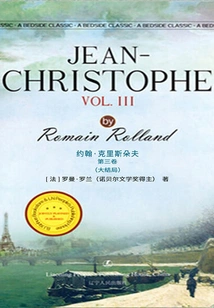
John Christopher Volume 3 Finale Volume
General Fiction约翰·克里斯朵夫·第三卷终结卷
H
Roland began brewing and conceiving in 1890 and completed the last volume in 1912, which took a total of more than twenty years. The novel describes the ups and downs but constant struggle of a talented musician of German descent, John Christoph. Creates a character full of unyielding spirit. This is a hero who belongs to the world, not a certain nation - Christophe constantly resists the decadent art and the vulgar social environment. After hitting the wall, he becomes more and more courageous, and constantly surpasses himself and pursues a higher spiritual realm. This is Beethoven's spirit and Roland's own spirit.
Roland began brewing and conceiving in 1890 and completed the last volume in 1912, which took a total of more than twenty years. The novel describes the ups and downs but constant struggle of a talented musician of German descent, John Christoph. Creates a character full of unyielding spirit. This is a hero who belongs to the world, not a certain nation - Christophe constantly resists the decadent art and the vulgar social environment. After hitting the wall, he becomes more and more courageous, and constantly surpasses himself and pursues a higher spiritual realm. This is Beethoven's spirit and Roland's own spirit.
X
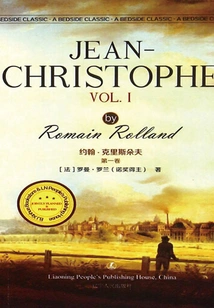
John Christopher Volume 1
General Fiction约翰·克里斯朵夫·第一卷
(france) Romain Rolland
Roland began brewing and conceiving in 1890 and completed the last volume in 1912, which took a total of more than twenty years. The novel describes the ups and downs but constant struggle of a talented musician of German descent, John Christoph. Creates a character full of unyielding spirit. This is a hero who belongs to the world, not a certain nation - Christophe constantly resists the decadent art and the vulgar social environment. After hitting the wall, he becomes more and more courageous, and constantly surpasses himself and pursues a higher spiritual realm. This is Beethoven's spirit and Roland's own spirit.
Roland began brewing and conceiving in 1890 and completed the last volume in 1912, which took a total of more than twenty years. The novel describes the ups and downs but constant struggle of a talented musician of German descent, John Christoph. Creates a character full of unyielding spirit. This is a hero who belongs to the world, not a certain nation - Christophe constantly resists the decadent art and the vulgar social environment. After hitting the wall, he becomes more and more courageous, and constantly surpasses himself and pursues a higher spiritual realm. This is Beethoven's spirit and Roland's own spirit.
U
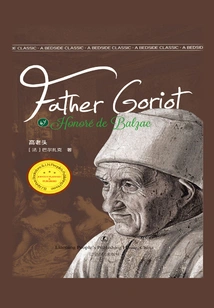
Old Man Tall
General Fiction高老头
(french) Balzac
This book tells the story of the protagonist Goriot, a flour merchant who started his career during the French Revolution. He lost his wife in middle age. He devoted all his love to his two daughters. In order to let them squeeze into the upper class, he gave them a good education since childhood and gave them a dowry of 800,000 francs each when they got married. However, his two daughters lived a dissolute life and spent money like water. His love was easily defeated by the principle of money supremacy.
This book tells the story of the protagonist Goriot, a flour merchant who started his career during the French Revolution. He lost his wife in middle age. He devoted all his love to his two daughters. In order to let them squeeze into the upper class, he gave them a good education since childhood and gave them a dowry of 800,000 francs each when they got married. However, his two daughters lived a dissolute life and spent money like water. His love was easily defeated by the principle of money supremacy.
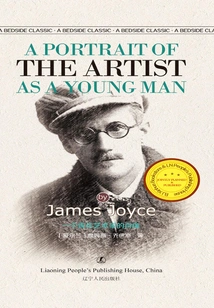
Portrait of a Young Artist
General Fiction一个青年艺术家的肖像
H
In the first chapter of the novel, the young protagonist Stephen appears, but he cannot describe his world with complex vocabulary. He does not care about the causal relationship of the world around him, so the world in front of him presents a chaotic and unorganized situation during his experience. A few years later, Stephen became obsessed with religion. At this time, his thinking ability seemed to have greatly improved, and he was able to think about the world with clearer logical thinking and a more adult way of thinking.
In the first chapter of the novel, the young protagonist Stephen appears, but he cannot describe his world with complex vocabulary. He does not care about the causal relationship of the world around him, so the world in front of him presents a chaotic and unorganized situation during his experience. A few years later, Stephen became obsessed with religion. At this time, his thinking ability seemed to have greatly improved, and he was able to think about the world with clearer logical thinking and a more adult way of thinking.
U
General Fictionu
H
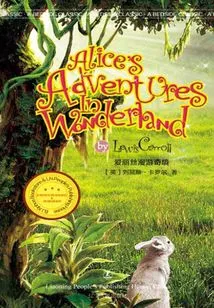
"Alice's Adventures in Wonderland" is a representative work of Lewis Carroll, the most famous British writer in the 19th century. It was first published in the 19th century. The work tells the story of a little girl named Alice who fell into a rabbit hole and entered a world of hallucinations. Although the storyline may sound absurd, it is generally very logical. The author's writing is very smooth to read, and it is a rare English book that is worth enjoying.
"Alice's Adventures in Wonderland" is a representative work of Lewis Carroll, the most famous British writer in the 19th century. It was first published in the 19th century. The work tells the story of a little girl named Alice who fell into a rabbit hole and entered a world of hallucinations. Although the storyline may sound absurd, it is generally very logical. The author's writing is very smooth to read, and it is a rare English book that is worth enjoying.
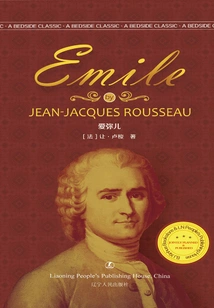
Emile
General Fiction爱弥儿
(france) Jean Rousseau
"Emile" is an important work by Rousseau, a French bourgeois democrat and outstanding Enlightenment thinker. This book is not only Rousseau's monograph on bourgeois education, but also his famous work elucidating bourgeois social and political thoughts. When this book was published, it caused a sensation throughout France and some bourgeois countries in Western Europe, and had a huge influence.
"Emile" is an important work by Rousseau, a French bourgeois democrat and outstanding Enlightenment thinker. This book is not only Rousseau's monograph on bourgeois education, but also his famous work elucidating bourgeois social and political thoughts. When this book was published, it caused a sensation throughout France and some bourgeois countries in Western Europe, and had a huge influence.
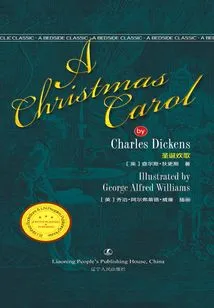
Christmas Carol
General Fiction圣诞欢歌
H
This book mainly tells the story of a miser. A miser had accumulated a lot of money, but he was reluctant to add a piece of coal to the staff's fire. His nephew kindly invited him to attend the Christmas Eve party, but he thought the nephew was refusing to take advantage of him. Social activists asked him to donate some Christmas meals to the poor, but he ruthlessly refused. He returned home at night and saw a ghost face in the night. Is this really a ghost? Or is he an illusion? However, the appearance of ghost caused him to undergo earth-shaking changes.
This book mainly tells the story of a miser. A miser had accumulated a lot of money, but he was reluctant to add a piece of coal to the staff's fire. His nephew kindly invited him to attend the Christmas Eve party, but he thought the nephew was refusing to take advantage of him. Social activists asked him to donate some Christmas meals to the poor, but he ruthlessly refused. He returned home at night and saw a ghost face in the night. Is this really a ghost? Or is he an illusion? However, the appearance of ghost caused him to undergo earth-shaking changes.
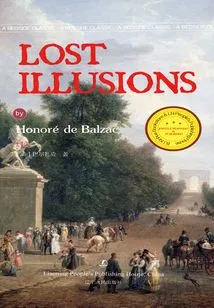
L
General FictionL
H
Through the experiences of two talented and ambitious young people, this book reflects the situation and mental state of an entire generation of young people after the French Revolution. It points out that with the disintegration of the feudal system and the victory of capitalism, there will inevitably be competition between people, which will inevitably produce a poem of struggle and a tragedy of shattered ideals.
Through the experiences of two talented and ambitious young people, this book reflects the situation and mental state of an entire generation of young people after the French Revolution. It points out that with the disintegration of the feudal system and the victory of capitalism, there will inevitably be competition between people, which will inevitably produce a poem of struggle and a tragedy of shattered ideals.
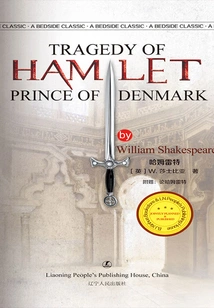
N
General FictionN
G
Hamlet, one of Shakespeare's four most famous tragedies, was created in 1601, when the European Renaissance entered its late stage and two years before the death of Queen Elizabeth of England (1603). Therefore, Hamlet not only embodies the ideology of the Renaissance, but also reflects the various conflicts and conflicts in the transformation period of British society. The tragedy of "Hamlet" contains four main levels: The first level involves the political tragedy of murdering the king, usurping the throne, and then murdering the prince. The second level involves the elements of social tragedy in which positive figures representing the progress of civilization fight against ugliness and sin. The third level involves the tragic element of family destruction caused by blind involvement in political conflicts. The fourth level involves the tragic elements of love in which love is destroyed and exploited.
Hamlet, one of Shakespeare's four most famous tragedies, was created in 1601, when the European Renaissance entered its late stage and two years before the death of Queen Elizabeth of England (1603). Therefore, Hamlet not only embodies the ideology of the Renaissance, but also reflects the various conflicts and conflicts in the transformation period of British society. The tragedy of "Hamlet" contains four main levels: The first level involves the political tragedy of murdering the king, usurping the throne, and then murdering the prince. The second level involves the elements of social tragedy in which positive figures representing the progress of civilization fight against ugliness and sin. The third level involves the tragic element of family destruction caused by blind involvement in political conflicts. The fourth level involves the tragic elements of love in which love is destroyed and exploited.
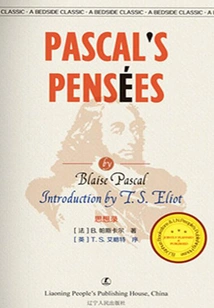
Thoughts
General Fiction思想录
(france) B. Pascal
"Thoughts" is the representative work of Pascal, a famous French philosopher, scientist and religious thinker. The book mainly records his in-depth thinking on major themes such as life and religion, as well as the results of his thinking, one by one, and edited it into a volume for publication. This book is Pascal's masterpiece, and it had a profound influence on many subsequent religious thinkers.
"Thoughts" is the representative work of Pascal, a famous French philosopher, scientist and religious thinker. The book mainly records his in-depth thinking on major themes such as life and religion, as well as the results of his thinking, one by one, and edited it into a volume for publication. This book is Pascal's masterpiece, and it had a profound influence on many subsequent religious thinkers.
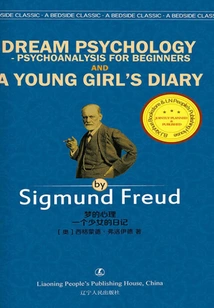
The Psychology of Dreams + a Girl's Diary
General Fiction梦的心理+一个少女的日记
H
Freud was the greatest psychologist of the 20th century. The psychoanalysis he founded influenced the entire Western world in the 20th century and also influenced China at the end of the 20th century. Since his books were introduced to Chinese readers in the 1980s, many people have become loyal fans of Freud. Freud's book is primarily concerned with the analysis of dreams. Of course, he explained dreams in a scientific way, not in a Chinese superstitious way. At the same time, he also conducted a more in-depth analysis of the dream. Among the books published among them is the book "The Psychology of Dreams". The book "The Psychology of Dreams" also has a subtitle (as shown in this manuscript), which is a step-by-step introductory book for people who care about psychoanalysis. In other words, to correctly understand psychoanalysis, you must start with this book. In this book, the interpretation of dreams is already very profound. In addition, since "The Psychology of Dreams" is not very long, the editor has attached another Chinese translation of "The Diary of a Girl" that has been published in China, making it a two-in-one bound edition. In order to enable readers to have a deeper understanding of dream analysis and understanding through the analysis of dreams and subsequent specific cases. This English translation is the most authoritative English translation widely popular in the West.
Freud was the greatest psychologist of the 20th century. The psychoanalysis he founded influenced the entire Western world in the 20th century and also influenced China at the end of the 20th century. Since his books were introduced to Chinese readers in the 1980s, many people have become loyal fans of Freud. Freud's book is primarily concerned with the analysis of dreams. Of course, he explained dreams in a scientific way, not in a Chinese superstitious way. At the same time, he also conducted a more in-depth analysis of the dream. Among the books published among them is the book "The Psychology of Dreams". The book "The Psychology of Dreams" also has a subtitle (as shown in this manuscript), which is a step-by-step introductory book for people who care about psychoanalysis. In other words, to correctly understand psychoanalysis, you must start with this book. In this book, the interpretation of dreams is already very profound. In addition, since "The Psychology of Dreams" is not very long, the editor has attached another Chinese translation of "The Diary of a Girl" that has been published in China, making it a two-in-one bound edition. In order to enable readers to have a deeper understanding of dream analysis and understanding through the analysis of dreams and subsequent specific cases. This English translation is the most authoritative English translation widely popular in the West.
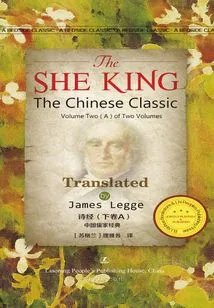
The Book of Songs (volume 2)
General Fiction诗经(下卷)
(scotland) James Legge
The Book of Songs is the earliest collection of poetry in ancient China. It collects poems from the early Western Zhou Dynasty to the middle Spring and Autumn Period (11th century BC to 6th century BC). There are 311 poems in total. Six of them are Sheng poems, that is, they only have titles and no content. They are called the six Sheng poems (Nanmei, Baihua, Huashui, Youkang, Chongwu, and Youyi). They reflect the social outlook of about 500 years from the beginning to the late Zhou Dynasty.
The Book of Songs is the earliest collection of poetry in ancient China. It collects poems from the early Western Zhou Dynasty to the middle Spring and Autumn Period (11th century BC to 6th century BC). There are 311 poems in total. Six of them are Sheng poems, that is, they only have titles and no content. They are called the six Sheng poems (Nanmei, Baihua, Huashui, Youkang, Chongwu, and Youyi). They reflect the social outlook of about 500 years from the beginning to the late Zhou Dynasty.
O
General Fictiono
G
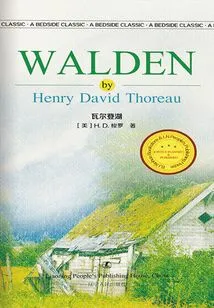
American writer Thoreau's record of living alone by Walden Pond describes what he saw, heard and thought for more than two years. The first feature that distinguishes this work from previous literary works is its detailed description and extension of nature. The changes in scenery caused by the changing of the seasons, as small as the fight between two ants, are all vividly reproduced in Thoreau's wonderful pen, and the descriptions are not superficial, but have the precision of a naturalist. The author meticulously describes the life of living alone by the lake for more than two years, with the purpose of proving to readers through this personal experiment: In fact, you can live well and happily without a lot of money.
American writer Thoreau's record of living alone by Walden Pond describes what he saw, heard and thought for more than two years. The first feature that distinguishes this work from previous literary works is its detailed description and extension of nature. The changes in scenery caused by the changing of the seasons, as small as the fight between two ants, are all vividly reproduced in Thoreau's wonderful pen, and the descriptions are not superficial, but have the precision of a naturalist. The author meticulously describes the life of living alone by the lake for more than two years, with the purpose of proving to readers through this personal experiment: In fact, you can live well and happily without a lot of money.
Study in Scarlet
General Fiction血字研究
H
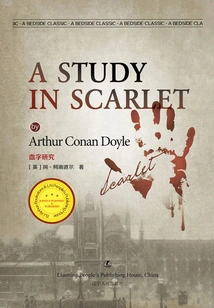
"A Study in Scarlet" is a novella by the famous British detective novelist Conan Doyle. It tells the story of Dr. Watson, who was injured and retired from the battlefield in Afghanistan, and Sherlock Holmes shared an apartment at 221 Baker Street in London. Soon, he discovered that this person had the power of careful observation and extraordinary reasoning and analysis ability beyond ordinary people. At the same time, there were often some mysterious visitors coming in and out of their apartment. Until one day, they were involved in a murder case...
"A Study in Scarlet" is a novella by the famous British detective novelist Conan Doyle. It tells the story of Dr. Watson, who was injured and retired from the battlefield in Afghanistan, and Sherlock Holmes shared an apartment at 221 Baker Street in London. Soon, he discovered that this person had the power of careful observation and extraordinary reasoning and analysis ability beyond ordinary people. At the same time, there were often some mysterious visitors coming in and out of their apartment. Until one day, they were involved in a murder case...
The Complete Novels of Edgar Allan Poe
General Fiction爱伦·坡小说全集
(american) Edgar Allan Poe
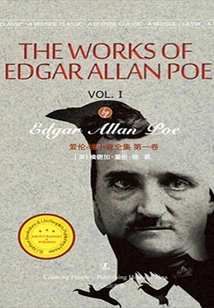
Among Edgar Allan Poe's novels that explore love and hate, The Tell-Tale Heart (see the table of contents of this volume) is the most outstanding and famous. Edgar Allan Poe described these two completely different and even opposing emotions in a psychological sense that penetrated the back of the paper. It is based on this that Freud, the world-famous master of psychological analysis, developed his psychological theory that affects the world: Psychoanalysis. He explained that the so-called love and hate seem to be two different psychological emotions, but in fact they are just emotions intertwined in people's inner world. The two are sometimes inseparable, but the means of expression take different forms. This collection also includes another famous novel by Edgar Allan Poe: The Black Cat. The novel describes a gentle animal lover who eventually turned into an evil cat killer. The transformation process is full of amazing things. Edgar Allan Poe not only used love as the theme of his novels, but also wrote his works with death as an overriding theme. At the same time, with the major theme of death, he often uses some kind of mask as a tool to further develop the plot of his novels. For example, The Cask of Amontillado and The Masque of the Red Death in this series. Edgar Allan Poe's novels are full of ups and downs. Once you read them, you often feel inextricable. You can't concentrate on doing other things until you finish reading the entire novel. Some people say that when reading Edgar Allan Poe, one must be prepared for a serious illness. This is not unreasonable, because Edgar Allan Poe is profound and because of Edgar Allan Poe's grasp of human nature. Poe liked to use symbolic objects to show the world that they might have some meaning. He used Whirlpool to symbolize madness in MS. Foundina Bottle (see the book list of this series); in The Tell-Tale Heart, he used "eyes" to symbolize human nature, and so on. It can be said that Edgar Allan Poe's novels contain a huge amount of information. And all of this requires us to read and feel bit by bit.
Among Edgar Allan Poe's novels that explore love and hate, The Tell-Tale Heart (see the table of contents of this volume) is the most outstanding and famous. Edgar Allan Poe described these two completely different and even opposing emotions in a psychological sense that penetrated the back of the paper. It is based on this that Freud, the world-famous master of psychological analysis, developed his psychological theory that affects the world: Psychoanalysis. He explained that the so-called love and hate seem to be two different psychological emotions, but in fact they are just emotions intertwined in people's inner world. The two are sometimes inseparable, but the means of expression take different forms. This collection also includes another famous novel by Edgar Allan Poe: The Black Cat. The novel describes a gentle animal lover who eventually turned into an evil cat killer. The transformation process is full of amazing things. Edgar Allan Poe not only used love as the theme of his novels, but also wrote his works with death as an overriding theme. At the same time, with the major theme of death, he often uses some kind of mask as a tool to further develop the plot of his novels. For example, The Cask of Amontillado and The Masque of the Red Death in this series. Edgar Allan Poe's novels are full of ups and downs. Once you read them, you often feel inextricable. You can't concentrate on doing other things until you finish reading the entire novel. Some people say that when reading Edgar Allan Poe, one must be prepared for a serious illness. This is not unreasonable, because Edgar Allan Poe is profound and because of Edgar Allan Poe's grasp of human nature. Poe liked to use symbolic objects to show the world that they might have some meaning. He used Whirlpool to symbolize madness in MS. Foundina Bottle (see the book list of this series); in The Tell-Tale Heart, he used "eyes" to symbolize human nature, and so on. It can be said that Edgar Allan Poe's novels contain a huge amount of information. And all of this requires us to read and feel bit by bit.

Don Quixote·volume 1
General Fiction堂吉诃德·上卷
(west) Cervantes
Don Quixote created by Cervantes is one of the most successful artistic images in the history of world literature. Westerners often refer to him as three outstanding models along with Hamlet and Faust ("The Most Classic English Library" has published "Hamlet" and "Faust" in the first five volumes), which shows his far-reaching influence. The main reason why the novel "Don Quixote" has won readers all over the world and has remained popular for more than 400 years is the author's unique portrayal of the character of Don Quixote: this is a man who is divorced from reality and acts blindly, a man full of justice and fond of fighting injustice, a man who makes people laugh and at the same time awe...
Don Quixote created by Cervantes is one of the most successful artistic images in the history of world literature. Westerners often refer to him as three outstanding models along with Hamlet and Faust ("The Most Classic English Library" has published "Hamlet" and "Faust" in the first five volumes), which shows his far-reaching influence. The main reason why the novel "Don Quixote" has won readers all over the world and has remained popular for more than 400 years is the author's unique portrayal of the character of Don Quixote: this is a man who is divorced from reality and acts blindly, a man full of justice and fond of fighting injustice, a man who makes people laugh and at the same time awe...
The Complete Biography of Napoleon·volume 1
General Fiction拿破仑全传·上卷
(france) Louis De Polligne
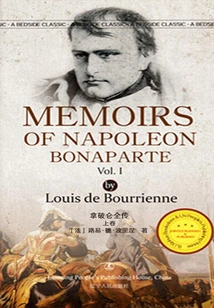
Napoleon Bonaparte, a French bourgeois politician and military strategist, emperor of the First French Empire and the Hundred Days Dynasty, was born into a declining aristocratic family in Corsica. After graduating from the Paris Military School, he became an artillery captain. He joined the revolutionary army during the French bourgeois revolution, won the battle of Toulon in 1793, and was promoted to major general. During the Directory period, he led troops to attack Italy in 1796 and invaded Egypt two years later. In 1799, Napoleon launched the "Brumaire Coup" to form a ruling government and served as the first consul. Subsequently, Napoleon carried out a number of major reforms in military affairs, education, justice, administration, legislation, economy and other aspects, and promulgated the "Napoleonic Code". The Napoleonic Code had a significant impact on the legislation of Western capitalist countries such as Germany, Spain, and Switzerland. This code transplants the rights protection part of the Declaration of Human Rights promulgated during the Great Revolution into the field of civil law, and is an inheritance of the spirit of the Declaration of Human Rights. In 1804, Napoleon proclaimed himself emperor and established the First French Empire. He tried his best to strengthen the centralized military-bureaucratic state institutions and suppress the restoration forces of the royal party. He continued foreign wars, smashed the anti-French alliance many times, and dealt a heavy blow to the feudal forces in Europe. In October 1806, Napoleon led the French army to defeat the Prussian army in Jena. The French soldiers actually plundered the property of the philosopher Hegel, leaving his family with nothing. Fortunately, Hegel basically completed the writing of "Phenomenology of Spirit" before the Battle of Jena. Even so, on October 30, when Napoleon was riding through the street, Hegel saw him from the window of his residence. A few days ago, Hegel had just mailed the manuscript of "Phenomenology of Spirit" and was now worried about whether his manuscript would be destroyed in the war during the mail. An anxious Hegel stared intently at Napoleon and related the Frenchman to his own philosophical concepts. That night, in a letter to a friend, Hegel wrote: "I saw the emperor - the spirit of the world - riding out on horseback to inspect the whole city. I saw such an individual who controlled the world and dominated it, riding on horseback." At the same time, Napoleon also tried his best to compete for hegemony with Britain and Russia, and continued to plunder and expand, which led to the resistance of various oppressed nations and the intensification of domestic conflicts. After the Battle of Jena, Napoleon declared a continental blockade. On February 8, 1806, the French army defeated the Russian army at Hello. After Napoleon returned to the country, he continued to reform the internal affairs, rectify the police and universities, and stipulated that the task of universities was to "use the same mold to cultivate bourgeois youth loyal to the country and the Fourth Dynasty, abolished the bill review committee, the Senate and the Legislative Chamber, and implemented a strict censorship system of newspapers, periodicals and books , even the most important writers at the time, Chateaubriand, Madame de Staal, and Constant, were very hostile to the empire. In 1812, Napoleon went on an expedition to Russia and burned Moscow. After learning of the conspiracy, Napoleon quickly returned home, the French army fled, and the allied forces invaded France, accelerating the collapse of the empire. In 1814, the European anti-French coalition captured Paris, and Napoleon abdicated and was exiled to the Island of Elba. On March 1, 1815, Napoleon returned to France and regained power, but it only lasted 100 days. After the defeat of the Battle of Waterloo, Napoleon abdicated for the second time and was imprisoned by the British. Confined to St. Helena Island, he died of stomach cancer on May 5, 1821. Before his death, this great commander, whom Hegel called "the spirit of the world on horseback," lamented: "I once commanded an army of millions, but now I have no one; I once swept across three continents, but now I have no foothold." Jesus is far better than me. He has not a single soldier, and he has not conquered any land. Yet his kingdom is established in the hearts of all. There are two weapons in the world: spirit and sword. In the long run, the spirit will defeat the sword. "Indeed, today, more than 200 years later, Napoleon's martial supremacy has become a thing of the past, but the "world spirit on horseback", as a symbol of Hegel's philosophy, is known all over the world and has existed for a long time. The author of this book, Louis de Polligne, and Napoleon met in Corsica when they were 8 years old. They met and formed a friendship. As an adult, Napoleon entered the military academy and later joined the army; Polligne studied diplomacy in Vienna and Leipzig. In 1795, Polligne returned to Paris to reunite with Napoleon. At this time, Napoleon was preparing to lead his army to Italy. With the possibility of becoming a great man throughout the ages, Polignac began to consciously record and copy files. After 1797, Polignac followed Napoleon on an expedition to Egypt. After returning to France from Egypt, he assisted Napoleon in launching the "Broken Moon Coup" and participated in the promulgation of the "Napoleonic Code". During Napoleon's campaign, Poligne recorded admiringly Napoleon's methods of seizing power and wealth for himself and his family. In the autumn of 1802, Napoleon began to distance himself from Poligne, and a few weeks later, he fired him without any explanation, and the two became strangers.
Napoleon Bonaparte, a French bourgeois politician and military strategist, emperor of the First French Empire and the Hundred Days Dynasty, was born into a declining aristocratic family in Corsica. After graduating from the Paris Military School, he became an artillery captain. He joined the revolutionary army during the French bourgeois revolution, won the battle of Toulon in 1793, and was promoted to major general. During the Directory period, he led troops to attack Italy in 1796 and invaded Egypt two years later. In 1799, Napoleon launched the "Brumaire Coup" to form a ruling government and served as the first consul. Subsequently, Napoleon carried out a number of major reforms in military affairs, education, justice, administration, legislation, economy and other aspects, and promulgated the "Napoleonic Code". The Napoleonic Code had a significant impact on the legislation of Western capitalist countries such as Germany, Spain, and Switzerland. This code transplants the rights protection part of the Declaration of Human Rights promulgated during the Great Revolution into the field of civil law, and is an inheritance of the spirit of the Declaration of Human Rights. In 1804, Napoleon proclaimed himself emperor and established the First French Empire. He tried his best to strengthen the centralized military-bureaucratic state institutions and suppress the restoration forces of the royal party. He continued foreign wars, smashed the anti-French alliance many times, and dealt a heavy blow to the feudal forces in Europe. In October 1806, Napoleon led the French army to defeat the Prussian army in Jena. The French soldiers actually plundered the property of the philosopher Hegel, leaving his family with nothing. Fortunately, Hegel basically completed the writing of "Phenomenology of Spirit" before the Battle of Jena. Even so, on October 30, when Napoleon was riding through the street, Hegel saw him from the window of his residence. A few days ago, Hegel had just mailed the manuscript of "Phenomenology of Spirit" and was now worried about whether his manuscript would be destroyed in the war during the mail. An anxious Hegel stared intently at Napoleon and related the Frenchman to his own philosophical concepts. That night, in a letter to a friend, Hegel wrote: "I saw the emperor - the spirit of the world - riding out on horseback to inspect the whole city. I saw such an individual who controlled the world and dominated it, riding on horseback." At the same time, Napoleon also tried his best to compete for hegemony with Britain and Russia, and continued to plunder and expand, which led to the resistance of various oppressed nations and the intensification of domestic conflicts. After the Battle of Jena, Napoleon declared a continental blockade. On February 8, 1806, the French army defeated the Russian army at Hello. After Napoleon returned to the country, he continued to reform the internal affairs, rectify the police and universities, and stipulated that the task of universities was to "use the same mold to cultivate bourgeois youth loyal to the country and the Fourth Dynasty, abolished the bill review committee, the Senate and the Legislative Chamber, and implemented a strict censorship system of newspapers, periodicals and books , even the most important writers at the time, Chateaubriand, Madame de Staal, and Constant, were very hostile to the empire. In 1812, Napoleon went on an expedition to Russia and burned Moscow. After learning of the conspiracy, Napoleon quickly returned home, the French army fled, and the allied forces invaded France, accelerating the collapse of the empire. In 1814, the European anti-French coalition captured Paris, and Napoleon abdicated and was exiled to the Island of Elba. On March 1, 1815, Napoleon returned to France and regained power, but it only lasted 100 days. After the defeat of the Battle of Waterloo, Napoleon abdicated for the second time and was imprisoned by the British. Confined to St. Helena Island, he died of stomach cancer on May 5, 1821. Before his death, this great commander, whom Hegel called "the spirit of the world on horseback," lamented: "I once commanded an army of millions, but now I have no one; I once swept across three continents, but now I have no foothold." Jesus is far better than me. He has not a single soldier, and he has not conquered any land. Yet his kingdom is established in the hearts of all. There are two weapons in the world: spirit and sword. In the long run, the spirit will defeat the sword. "Indeed, today, more than 200 years later, Napoleon's martial supremacy has become a thing of the past, but the "world spirit on horseback", as a symbol of Hegel's philosophy, is known all over the world and has existed for a long time. The author of this book, Louis de Polligne, and Napoleon met in Corsica when they were 8 years old. They met and formed a friendship. As an adult, Napoleon entered the military academy and later joined the army; Polligne studied diplomacy in Vienna and Leipzig. In 1795, Polligne returned to Paris to reunite with Napoleon. At this time, Napoleon was preparing to lead his army to Italy. With the possibility of becoming a great man throughout the ages, Polignac began to consciously record and copy files. After 1797, Polignac followed Napoleon on an expedition to Egypt. After returning to France from Egypt, he assisted Napoleon in launching the "Broken Moon Coup" and participated in the promulgation of the "Napoleonic Code". During Napoleon's campaign, Poligne recorded admiringly Napoleon's methods of seizing power and wealth for himself and his family. In the autumn of 1802, Napoleon began to distance himself from Poligne, and a few weeks later, he fired him without any explanation, and the two became strangers.
O
General Fictiono
H
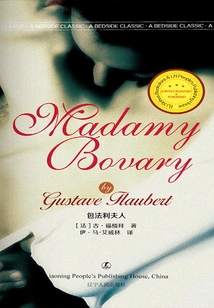
The French literary world in the 19th century was full of bright and colorful stars. There are at least three dazzling stars, all of whom have become masters and whose writing techniques are also unique. The famous literary critic Mr. Li Jianwu summed it up as "Stendhal, profound; Balzac, great; Flaubert, perfect." In the writing of "Madame Bovary", Flaubert completely updated the narrative techniques of the novel, used realism to describe a real world for readers, and showed us a meticulous painting of the intertwining of various characters in French society and industrialized society in the mid-19th century. Therefore, "Madame Bovary" is considered the originator of modern novels. It is worth mentioning that Maupassant, the famous French short story writer known to the world (the works of this writer have been selected in the "The Third Series of the Most Classic English Library"), chose to study under Flaubert. Later, this great disciple also became famous in the world of literature. The theme of the story "Madame Bovary" was not made up by Flaubert out of thin air. The entire storyline is based on real life. Charles Bovary is based on the prototype of Oujie de la Marme, an intern at Flaubert's father's hospital. Emma, a beautiful rural girl with romantic dreams, recites poems about the sea, forests, stars and other natural poems while walking towards a city far away from nature and full of material and desire. In the early days of Emma's marriage to Charles, her heart was full of expectations for a better married life. She tried her best and used all the romantic means she knew: reciting poems, painting, playing the piano and singing. However, her husband, who has neither the appearance of a knight but also is cowardly, mediocre, dull, vulgar in manners, and incomprehensible to romance, has no interest in her, and cannot satisfy her needs in sexual relations. She soon loses her patience with her husband, and her marriage becomes a stagnant water. So, she decided to break out of the "cage" and find the romantic "love" in her mind. Ever since she embarked on the road to pursue love, Emma's tragic fate has been doomed. Emma has experienced three stages in her life: transformation, degradation and destruction. Flaubert's pen is like a scalpel, dissecting all the weaknesses in Emma's humanity... The most important point is that the English translation published this time is the most authoritative version, and it is also the unabridged version.
The French literary world in the 19th century was full of bright and colorful stars. There are at least three dazzling stars, all of whom have become masters and whose writing techniques are also unique. The famous literary critic Mr. Li Jianwu summed it up as "Stendhal, profound; Balzac, great; Flaubert, perfect." In the writing of "Madame Bovary", Flaubert completely updated the narrative techniques of the novel, used realism to describe a real world for readers, and showed us a meticulous painting of the intertwining of various characters in French society and industrialized society in the mid-19th century. Therefore, "Madame Bovary" is considered the originator of modern novels. It is worth mentioning that Maupassant, the famous French short story writer known to the world (the works of this writer have been selected in the "The Third Series of the Most Classic English Library"), chose to study under Flaubert. Later, this great disciple also became famous in the world of literature. The theme of the story "Madame Bovary" was not made up by Flaubert out of thin air. The entire storyline is based on real life. Charles Bovary is based on the prototype of Oujie de la Marme, an intern at Flaubert's father's hospital. Emma, a beautiful rural girl with romantic dreams, recites poems about the sea, forests, stars and other natural poems while walking towards a city far away from nature and full of material and desire. In the early days of Emma's marriage to Charles, her heart was full of expectations for a better married life. She tried her best and used all the romantic means she knew: reciting poems, painting, playing the piano and singing. However, her husband, who has neither the appearance of a knight but also is cowardly, mediocre, dull, vulgar in manners, and incomprehensible to romance, has no interest in her, and cannot satisfy her needs in sexual relations. She soon loses her patience with her husband, and her marriage becomes a stagnant water. So, she decided to break out of the "cage" and find the romantic "love" in her mind. Ever since she embarked on the road to pursue love, Emma's tragic fate has been doomed. Emma has experienced three stages in her life: transformation, degradation and destruction. Flaubert's pen is like a scalpel, dissecting all the weaknesses in Emma's humanity... The most important point is that the English translation published this time is the most authoritative version, and it is also the unabridged version.
N
General Fictionn
H
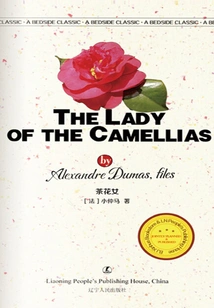
"La Traviata" is a masterpiece by Alexandre Dumas, the son of the famous French writer Alexandre Dumas in the 19th century. More than a hundred years after its publication, it has been recognized as a classic of world literature and has also become a must-have in Western spiritual and cultural life. This version has also become the most classic model version of the English translation. Main content: Story content: The protagonist of the story is a young man who fell in love with the prostitute Margaret. But the young man's father did not agree that this relationship would come to any fruition. So, there was a lot of obstruction. As a result, a touching love story was born. This section covers the big issues in human nature such as hope, love, compassion and forgiveness, and also provides a very perspective analysis and exposure of social classes.
"La Traviata" is a masterpiece by Alexandre Dumas, the son of the famous French writer Alexandre Dumas in the 19th century. More than a hundred years after its publication, it has been recognized as a classic of world literature and has also become a must-have in Western spiritual and cultural life. This version has also become the most classic model version of the English translation. Main content: Story content: The protagonist of the story is a young man who fell in love with the prostitute Margaret. But the young man's father did not agree that this relationship would come to any fruition. So, there was a lot of obstruction. As a result, a touching love story was born. This section covers the big issues in human nature such as hope, love, compassion and forgiveness, and also provides a very perspective analysis and exposure of social classes.
Slaughterhouse
General Fiction屠宰场
O
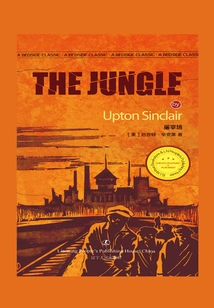
"Slaughterhouse (English Version) \u002F Classic English Library" exposes the poor working conditions in Chicago meat processing plants and describes the tragic experiences of Lithuanian immigrants Jorgis Ludkus and his family after they settled in the United States. Jurgis's father died of illness due to overwork. Jurgis suffered a work injury and lost his job. His wife was raped by the foreman. In revenge, he beat the foreman, but was arrested and imprisoned. After he was released from prison, his wife and son died. He was alone and wandered around. Only with the education and help of some socialists did he see the light.
"Slaughterhouse (English Version) \u002F Classic English Library" exposes the poor working conditions in Chicago meat processing plants and describes the tragic experiences of Lithuanian immigrants Jorgis Ludkus and his family after they settled in the United States. Jurgis's father died of illness due to overwork. Jurgis suffered a work injury and lost his job. His wife was raped by the foreman. In revenge, he beat the foreman, but was arrested and imprisoned. After he was released from prison, his wife and son died. He was alone and wandered around. Only with the education and help of some socialists did he see the light.
M
H
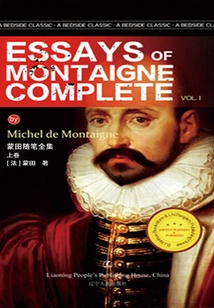
The Complete Essays of Montaigne·volume 1
General Fiction蒙田随笔全集·上卷
H
"The Complete Essays of Montaigne" has a total of 107 chapters and more than 1 million words. It was published in three volumes in France from 1580 to 1588. Since then, the book has never been out of print. "The Complete Essays of Montaigne" is a voluminous volume with extensive quotations, brilliant literary talent and moving eloquence. Together with Bacon's "On Life" and Pascal's "Thoughts" (already included in the "Most Classic English Library"), it is known as the three classics of modern European philosophical prose. Since then, the essay has been established as a literary style. The background of the creation of "The Complete Essays of Montaigne" was during the French Civil War. The cruelty of the religious war deeply hurt Montaigne's heart. The sorrow and pain of the chaos of his family and country ran through the process of writing the essays. However, as a thinker, he tried to maintain a sense of rationality and depth in his creations. He turned his anger into fresh and exciting words. By talking about himself, humanity, and the world, he guided people to understand the true meaning of life contained in the words. The content of Montaigne's essays is complex and roughly focused on three aspects. The first is the author's self-writing and expression. Montaigne advocated pursuing a life of self, and his essays recorded his simple and natural lifestyle, his true appearance, and his personality. In the "Preface", Montaigne made it clear: "Reader, this is a sincere book... I wrote this book purely for my family and myself." "I would rather appear in front of readers in a simple, natural and ordinary manner without making any artificial efforts, because what I depict is myself." Famous "Love Life" is his reflection on the value and meaning of life: "Our life is gifted by nature, and it is extremely superior"; "Seeing that my time in life is limited, the more I want to increase the weight of life." Secondly, the essay records the author's experience and thinking of reading ancient sages, and then questioning human nature. In "On Hermitage", Montaigne explores the true purpose and correct way of hermit life by introducing the poems of Horace, Virgil and others. As a humanist, he emphasizes putting people first and believes that people are the most beautiful existence in the world. He highly admired the wisdom of Socrates and agreed that human wisdom should not be used to destroy oneself. Self-righteousness is the greatest weakness of human beings.
"The Complete Essays of Montaigne" has a total of 107 chapters and more than 1 million words. It was published in three volumes in France from 1580 to 1588. Since then, the book has never been out of print. "The Complete Essays of Montaigne" is a voluminous volume with extensive quotations, brilliant literary talent and moving eloquence. Together with Bacon's "On Life" and Pascal's "Thoughts" (already included in the "Most Classic English Library"), it is known as the three classics of modern European philosophical prose. Since then, the essay has been established as a literary style. The background of the creation of "The Complete Essays of Montaigne" was during the French Civil War. The cruelty of the religious war deeply hurt Montaigne's heart. The sorrow and pain of the chaos of his family and country ran through the process of writing the essays. However, as a thinker, he tried to maintain a sense of rationality and depth in his creations. He turned his anger into fresh and exciting words. By talking about himself, humanity, and the world, he guided people to understand the true meaning of life contained in the words. The content of Montaigne's essays is complex and roughly focused on three aspects. The first is the author's self-writing and expression. Montaigne advocated pursuing a life of self, and his essays recorded his simple and natural lifestyle, his true appearance, and his personality. In the "Preface", Montaigne made it clear: "Reader, this is a sincere book... I wrote this book purely for my family and myself." "I would rather appear in front of readers in a simple, natural and ordinary manner without making any artificial efforts, because what I depict is myself." Famous "Love Life" is his reflection on the value and meaning of life: "Our life is gifted by nature, and it is extremely superior"; "Seeing that my time in life is limited, the more I want to increase the weight of life." Secondly, the essay records the author's experience and thinking of reading ancient sages, and then questioning human nature. In "On Hermitage", Montaigne explores the true purpose and correct way of hermit life by introducing the poems of Horace, Virgil and others. As a humanist, he emphasizes putting people first and believes that people are the most beautiful existence in the world. He highly admired the wisdom of Socrates and agreed that human wisdom should not be used to destroy oneself. Self-righteousness is the greatest weakness of human beings.
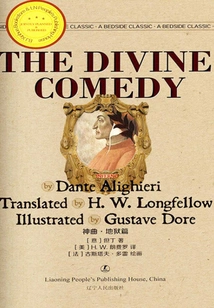
Divine Comedy·hell Chapter
General Fiction神曲·地狱篇
(italian) Dante
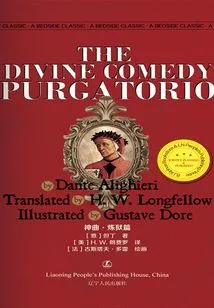
Dante's "Divine Comedy" is the most influential book in the Western world besides the Bible. Dante himself has become one of the three most famous poets in the West, known as the father of the Italian language and one of the three spiritual sources of literature. Recently, Dan Brown, the most influential best-selling author in the United States and the author of "The Da Vinci Code", has released a new book "Inferno", with a first edition of 2 million copies. The book is based on the first part of "Inferno" in Dante's "Divine Comedy" to unfold the plot. The book is expected to be adapted for screen next year (2014), which will usher in an enthusiastic response to "The Divine Comedy". This English translation is the most authoritative translation in the English-speaking world. It was translated by the famous 19th-century American poet Longfellow, and immediately became a classic translation in the English-speaking world after its publication.
Dante's "Divine Comedy" is the most influential book in the Western world besides the Bible. Dante himself has become one of the three most famous poets in the West, known as the father of the Italian language and one of the three spiritual sources of literature. Recently, Dan Brown, the most influential best-selling author in the United States and the author of "The Da Vinci Code", has released a new book "Inferno", with a first edition of 2 million copies. The book is based on the first part of "Inferno" in Dante's "Divine Comedy" to unfold the plot. The book is expected to be adapted for screen next year (2014), which will usher in an enthusiastic response to "The Divine Comedy". This English translation is the most authoritative translation in the English-speaking world. It was translated by the famous 19th-century American poet Longfellow, and immediately became a classic translation in the English-speaking world after its publication.
Q
General FictionQ
H
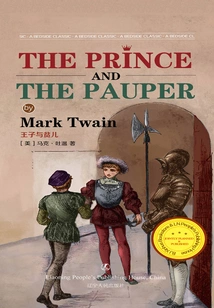
"The Prince and the Pauper (English Edition)/Classic English Library" is a satirical novel. The story is based on the social conditions of England in the 16th century. It describes in the form of a fairy tale that Tom, a poor boy in the slums, dramatically changes his identity with Prince Edward by chance and becomes the King of England. After the kind-hearted Tom became the king, he implemented some benevolent policies, abolished some cruel punishments, and pardoned some innocent prisoners, thus gaining the love and support of the people. The real prince Edward experienced various social conditions under the autocratic rule of the feudal monarchy, which enabled him to witness the suffering and shortcomings of the people with his own eyes, which made him deeply aware of the cruelty of British law and the contradictions of social classes. The writing style of the work is light, but the meaning is profound. Every line reveals the author's dissatisfaction with the rulers and sympathy for the suffering people.
"The Prince and the Pauper (English Edition)/Classic English Library" is a satirical novel. The story is based on the social conditions of England in the 16th century. It describes in the form of a fairy tale that Tom, a poor boy in the slums, dramatically changes his identity with Prince Edward by chance and becomes the King of England. After the kind-hearted Tom became the king, he implemented some benevolent policies, abolished some cruel punishments, and pardoned some innocent prisoners, thus gaining the love and support of the people. The real prince Edward experienced various social conditions under the autocratic rule of the feudal monarchy, which enabled him to witness the suffering and shortcomings of the people with his own eyes, which made him deeply aware of the cruelty of British law and the contradictions of social classes. The writing style of the work is light, but the meaning is profound. Every line reveals the author's dissatisfaction with the rulers and sympathy for the suffering people.
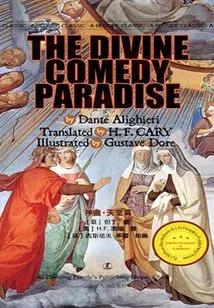
Divine Comedy·paradise
General Fiction神曲·天堂篇
(italian) Dante
The Divine Comedy is a cross-section of the human spiritual structure. From the perspective of Freudian psychology, hell is a world of self-indulgence, where human instincts and desires such as pride, jealousy, anger, laziness, greed for money, lust, and gluttony cannot be controlled; purgatory is where the self gradually purges away its sins and breaks away from the self to be reborn. Process, the seven kinds of sinful souls living in it, although they have sinned but to a lesser extent and have repented, are the self that can control themselves, and can ascend to heaven after repentance; heaven is the paradise of God, angels and good people, the embodiment of truth, goodness and beauty, and the superego that transcends control. From the three sections of human spiritual structure, corresponding to the three realms of the Divine Comedy, we can also see Dante's value orientation and exploration of human nature.
The Divine Comedy is a cross-section of the human spiritual structure. From the perspective of Freudian psychology, hell is a world of self-indulgence, where human instincts and desires such as pride, jealousy, anger, laziness, greed for money, lust, and gluttony cannot be controlled; purgatory is where the self gradually purges away its sins and breaks away from the self to be reborn. Process, the seven kinds of sinful souls living in it, although they have sinned but to a lesser extent and have repented, are the self that can control themselves, and can ascend to heaven after repentance; heaven is the paradise of God, angels and good people, the embodiment of truth, goodness and beauty, and the superego that transcends control. From the three sections of human spiritual structure, corresponding to the three realms of the Divine Comedy, we can also see Dante's value orientation and exploration of human nature.
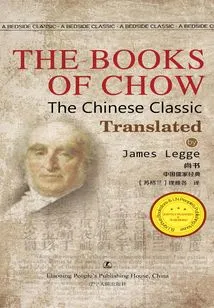
Minister
General Fiction尚书
K
"Shangshu", an early book called "Shu", was written around the fifth century BC. The traditional "Shangshu" (also known as "Jinwen Shangshu") was handed down from Fu Sheng. Legend has it that it is a work left over from the ancient culture "Three Tombs and Five Codes". "Shangshu" is listed as one of the important core Confucian classics. "Shang" means "up", and "Shangshu" is an ancient book. It is a compilation of ancient Chinese historical documents and some works that trace ancient deeds. It is an early collection of historical documents in my country.
"Shangshu", an early book called "Shu", was written around the fifth century BC. The traditional "Shangshu" (also known as "Jinwen Shangshu") was handed down from Fu Sheng. Legend has it that it is a work left over from the ancient culture "Three Tombs and Five Codes". "Shangshu" is listed as one of the important core Confucian classics. "Shang" means "up", and "Shangshu" is an ancient book. It is a compilation of ancient Chinese historical documents and some works that trace ancient deeds. It is an early collection of historical documents in my country.