Library
Browse and search books
4,115 novels found
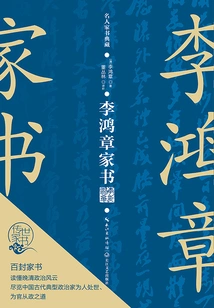
李鸿章家书(名人家书典藏系列)
(qing Dynasty) Written By Li Hongzhang And Analyzed By Dong Conglin
This book collects more than a hundred letters written by Li Hongzhang to his family, and provides interpretation and analysis. The recorded letters are mainly letters written by Li Hongzhang to his brother Li Hanzhang and his son Li Jingfang, and are arranged in chronological order. The content of the letters mainly involves military affairs, political affairs, and family affairs. Through these family letters, we can understand the military and government affairs, court affairs, and officialdom in the late Qing Dynasty. Add "explanation" text after each letter to interpret the main idea of the letter and the important people and events involved. The literature is rigorous and informative, and the interpretation content is rich and credible.
This book collects more than a hundred letters written by Li Hongzhang to his family, and provides interpretation and analysis. The recorded letters are mainly letters written by Li Hongzhang to his brother Li Hanzhang and his son Li Jingfang, and are arranged in chronological order. The content of the letters mainly involves military affairs, political affairs, and family affairs. Through these family letters, we can understand the military and government affairs, court affairs, and officialdom in the late Qing Dynasty. Add "explanation" text after each letter to interpret the main idea of the letter and the important people and events involved. The literature is rigorous and informative, and the interpretation content is rich and credible.
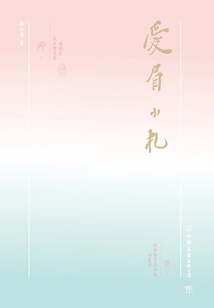
Ai Mei Xiaozha
Literature爱眉小札
Xu Zhimo
"Ai Mei Xiaozha" includes the diary written by Xu Zhimo when he was in love with Lu Xiaoman and the letters exchanged between the two, as well as related texts such as "Xiaoman's Diary" written by Lu Xiaoman and "Mei Xuan Xiaoyu" written by Xu Zhimo, comprehensively recording the romantic history of the two. In 1936, the fifth anniversary of Xu Zhimo's death, Lu Xiaoman compiled and compiled "Love Eyebrows". This is Lu Xiaoman's memorial to his deceased lover, and it is also an eternal confirmation of this unforgettable love, confirming the existence of pure love in the world...
"Ai Mei Xiaozha" includes the diary written by Xu Zhimo when he was in love with Lu Xiaoman and the letters exchanged between the two, as well as related texts such as "Xiaoman's Diary" written by Lu Xiaoman and "Mei Xuan Xiaoyu" written by Xu Zhimo, comprehensively recording the romantic history of the two. In 1936, the fifth anniversary of Xu Zhimo's death, Lu Xiaoman compiled and compiled "Love Eyebrows". This is Lu Xiaoman's memorial to his deceased lover, and it is also an eternal confirmation of this unforgettable love, confirming the existence of pure love in the world...
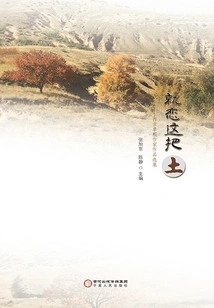
就恋这把土:西吉草根作家作品选集
Editor-in-chief Zhang Xudong Chen Jing
"In Love with the Soil: Selected Works of Xiji Grassroots Writers" is a collection of works by grassroots writers from Xiji, China's "hometown of literature". It contains more than 100 works by 11 authors, including essays, poems, novels and other genres. It records and tells the traces and heartfelt stories of their lives, as well as the stories of their fellow villagers. The language is simple, the feelings are sincere, exudes a strong local flavor, and releases scorching power.
"In Love with the Soil: Selected Works of Xiji Grassroots Writers" is a collection of works by grassroots writers from Xiji, China's "hometown of literature". It contains more than 100 works by 11 authors, including essays, poems, novels and other genres. It records and tells the traces and heartfelt stories of their lives, as well as the stories of their fellow villagers. The language is simple, the feelings are sincere, exudes a strong local flavor, and releases scorching power.
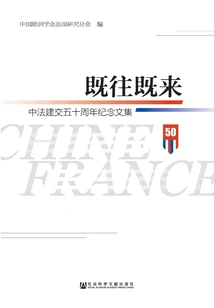
既往既来:中法建交五十周年纪念文集
French Studies Branch Of The Chinese European Society
On January 27, 1964, China and France formally established diplomatic relations, which became an important symbol of the changes in the world structure. Over the past fifty years, many diplomats, practitioners, cultural envoys and scholars have contributed to the continuous expansion and deepening of exchanges and cooperation between China and France from different fields and perspectives. The articles collected in this book are exactly what they thought, said, and sent. Many of the articles discussed the increasingly mature Sino-French relations and analyzed the gradually deepening Sino-French cooperation. They also presented scholars' insights in the field of French studies and witnessed the historical process of Sino-French friendship.
On January 27, 1964, China and France formally established diplomatic relations, which became an important symbol of the changes in the world structure. Over the past fifty years, many diplomats, practitioners, cultural envoys and scholars have contributed to the continuous expansion and deepening of exchanges and cooperation between China and France from different fields and perspectives. The articles collected in this book are exactly what they thought, said, and sent. Many of the articles discussed the increasingly mature Sino-French relations and analyzed the gradually deepening Sino-French cooperation. They also presented scholars' insights in the field of French studies and witnessed the historical process of Sino-French friendship.
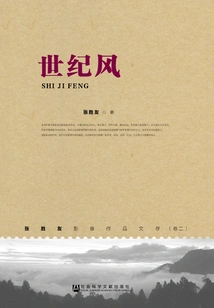
Century Style
Literature世纪风
Zhang Shengyou
This book is a compilation of Zhang Shengyou's film and television political commentary works. Each article is full of discussion, citations, rich information, eloquent and extremely persuasive. The author's literary style often combines poetry and discussion with discussion, turning the discussion into the voice-over of film and television images. This makes all his writing not only have a rational impact, but also have artistic appeal. Reading Zhang Shengyou's works, we not only gain aesthetic feelings, but also gain knowledge in history, politics, economy, society, culture and other aspects.
This book is a compilation of Zhang Shengyou's film and television political commentary works. Each article is full of discussion, citations, rich information, eloquent and extremely persuasive. The author's literary style often combines poetry and discussion with discussion, turning the discussion into the voice-over of film and television images. This makes all his writing not only have a rational impact, but also have artistic appeal. Reading Zhang Shengyou's works, we not only gain aesthetic feelings, but also gain knowledge in history, politics, economy, society, culture and other aspects.
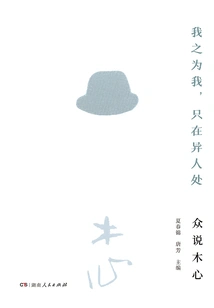
我之为我,只在异人处:众说木心
Xia Chunjin Editor-in-chief Tang Fang
During his lifetime, Mu Xin cared very much about readers' reactions to his works. He valued readers and had high hopes for them. Mu Xin has attracted the attention of readers for his outstanding talents and demeanor. What is gathered here is mainly a group of professional readers, such as Chen Zishan, Sun Yu, Tong Ming, etc. They talked about their views on Mu Xin and his works from their own perspectives, and many of them were quite impressive. In addition, there are articles by Chen Yingde, Chen Danqing and Chen Xianghong, three parties who played important roles in Mu Xin's artistic career in his later years, through which readers can see long-lost encounters and acquaintances. The first volume of this book contains memories and explanations of Mu Xin's life, the second volume contains comprehensive reviews of Mu Xin by Sun Yu, Li Jing and others, the third and fourth volumes contain academic reviews of Mu Xin's specific works, the fifth volume contains analysis of his paintings and music works, and the sixth volume contains articles about Mu Xin Memorial Hall and Art Museum, which are of great help to readers' understanding of Mu Xin.
During his lifetime, Mu Xin cared very much about readers' reactions to his works. He valued readers and had high hopes for them. Mu Xin has attracted the attention of readers for his outstanding talents and demeanor. What is gathered here is mainly a group of professional readers, such as Chen Zishan, Sun Yu, Tong Ming, etc. They talked about their views on Mu Xin and his works from their own perspectives, and many of them were quite impressive. In addition, there are articles by Chen Yingde, Chen Danqing and Chen Xianghong, three parties who played important roles in Mu Xin's artistic career in his later years, through which readers can see long-lost encounters and acquaintances. The first volume of this book contains memories and explanations of Mu Xin's life, the second volume contains comprehensive reviews of Mu Xin by Sun Yu, Li Jing and others, the third and fourth volumes contain academic reviews of Mu Xin's specific works, the fifth volume contains analysis of his paintings and music works, and the sixth volume contains articles about Mu Xin Memorial Hall and Art Museum, which are of great help to readers' understanding of Mu Xin.
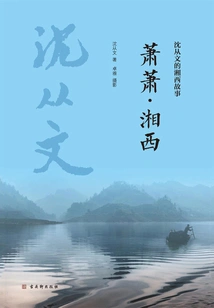
萧萧·湘西(沈从文的湘西故事)
Written By Shen Congwen Zhuoya Photography
This book is one of the series "Shen Congwen's Stories of Western Hunan". This book includes Shen Congwen's short and medium stories such as "Xiao Xiao", "Qiaoxiu and Dongsheng", "Unexpected Legend", "Mountain Ghost", "Wang's Wife" and "Company Commander", as well as prose such as "Changde's Ship", "Yuanling People", "Several Wharfs in the Baihe River Basin" and "Phoenix". The novels among them represent Shen Congwen's transformation from the impressionistic writing of early rural reminiscences to the in-depth depiction of realism, demonstrating the theme of "not going against human nature", that is, complying with natural human nature. The prose works were obtained after he returned to Xiangxi to analyze the current situation and think about it. They show the bright and unsophisticated scenery of Xiangxi and are also full of the author's hidden worries and philosophical thinking about life. This book is accompanied by photos taken by photographer Zhuo Ya over more than 30 years, vividly restoring the characters and story scenes written by Shen Congwen. These images truly represent a world in western Hunan where primitiveness and mystery are intertwined, and brutality and beauty coexist.
This book is one of the series "Shen Congwen's Stories of Western Hunan". This book includes Shen Congwen's short and medium stories such as "Xiao Xiao", "Qiaoxiu and Dongsheng", "Unexpected Legend", "Mountain Ghost", "Wang's Wife" and "Company Commander", as well as prose such as "Changde's Ship", "Yuanling People", "Several Wharfs in the Baihe River Basin" and "Phoenix". The novels among them represent Shen Congwen's transformation from the impressionistic writing of early rural reminiscences to the in-depth depiction of realism, demonstrating the theme of "not going against human nature", that is, complying with natural human nature. The prose works were obtained after he returned to Xiangxi to analyze the current situation and think about it. They show the bright and unsophisticated scenery of Xiangxi and are also full of the author's hidden worries and philosophical thinking about life. This book is accompanied by photos taken by photographer Zhuo Ya over more than 30 years, vividly restoring the characters and story scenes written by Shen Congwen. These images truly represent a world in western Hunan where primitiveness and mystery are intertwined, and brutality and beauty coexist.
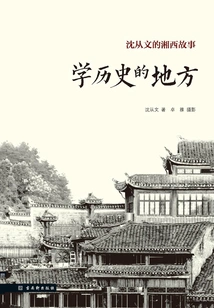
学历史的地方(沈从文的湘西故事)
Written By Shen Congwen Zhuoya Photography
"A Place to Learn History" collects essays and novels related to Shen Congwen's own experiences. Among them, Shen Congwen's prose autobiography narrates Shen Congwen's transformation and growth from childhood to adolescence, including his innocent and curious rural childhood, as well as his ambitious and bumpy youth career. Among them, novels about military life include "The Soldiers" and "The Story of Que Ming", etc. These works were born out of the author's real military travel life in his early years. He incorporated war, poverty, ignorance and other realistic factors into these works, with a more distinctive critical color. Among them are novels and essays about family life in adolescence, including "The Past", "Rose and Nine Sisters", etc. In the short and concise narratives, the author uses the language and warmth to restore life to create the characters' distinctive personalities. This book is accompanied by more than 100 photos carefully taken by photographer Zhuo Ya over more than 30 years. These images are a vivid restoration and portrayal of the customs and people's lives and work in Western Hunan described by Shen Congwen. They are also a true record of the changes and development of Western Hunan's cultural landscape over the past decades.
"A Place to Learn History" collects essays and novels related to Shen Congwen's own experiences. Among them, Shen Congwen's prose autobiography narrates Shen Congwen's transformation and growth from childhood to adolescence, including his innocent and curious rural childhood, as well as his ambitious and bumpy youth career. Among them, novels about military life include "The Soldiers" and "The Story of Que Ming", etc. These works were born out of the author's real military travel life in his early years. He incorporated war, poverty, ignorance and other realistic factors into these works, with a more distinctive critical color. Among them are novels and essays about family life in adolescence, including "The Past", "Rose and Nine Sisters", etc. In the short and concise narratives, the author uses the language and warmth to restore life to create the characters' distinctive personalities. This book is accompanied by more than 100 photos carefully taken by photographer Zhuo Ya over more than 30 years. These images are a vivid restoration and portrayal of the customs and people's lives and work in Western Hunan described by Shen Congwen. They are also a true record of the changes and development of Western Hunan's cultural landscape over the past decades.
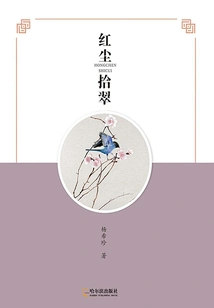
Gathering Green from the Red Dust
Literature红尘拾翠
Yang Xizhen
This collection is divided into two parts: "Gathering Emeralds from the Red Dust" and "Fleeing Emotions". "Collecting Green from the Red Dust" includes flash novels and short novels. These novels approach the theme from different entry points, either focusing on people's livelihood, describing human nature, praising heroes, or remembering family ties. The writing is delicate, short and concise, and natural and smooth. The ending is often written in a way that is "both reasonable and unexpected". "Fleeing Emotions" is divided into modern poetry, ancient poetry and essays. In modern poetry, I transform women's tenderness and emotions into a series of lines of poetry, describing the true meaning of love and the yearning, pursuit and feeling of love, and showing readers a lingering emotional world. In ancient poetry, I approach the theme from different angles, either praising the motherland, singing songs to heroes, paying homage to relatives, describing flowers, plants and trees, or recording wind, frost, rain and snow. Bit by bit, it is refreshing and inspiring.
This collection is divided into two parts: "Gathering Emeralds from the Red Dust" and "Fleeing Emotions". "Collecting Green from the Red Dust" includes flash novels and short novels. These novels approach the theme from different entry points, either focusing on people's livelihood, describing human nature, praising heroes, or remembering family ties. The writing is delicate, short and concise, and natural and smooth. The ending is often written in a way that is "both reasonable and unexpected". "Fleeing Emotions" is divided into modern poetry, ancient poetry and essays. In modern poetry, I transform women's tenderness and emotions into a series of lines of poetry, describing the true meaning of love and the yearning, pursuit and feeling of love, and showing readers a lingering emotional world. In ancient poetry, I approach the theme from different angles, either praising the motherland, singing songs to heroes, paying homage to relatives, describing flowers, plants and trees, or recording wind, frost, rain and snow. Bit by bit, it is refreshing and inspiring.
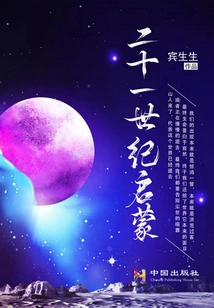
21st Century Enlightenment
Literature二十一世纪启蒙
Bin Shengsheng
The book is composed of three works: the essay collection "Qi Si Lu", the science fiction novel "Desolation" and the script novel "My Knife Through Your White Hair".
The book is composed of three works: the essay collection "Qi Si Lu", the science fiction novel "Desolation" and the script novel "My Knife Through Your White Hair".
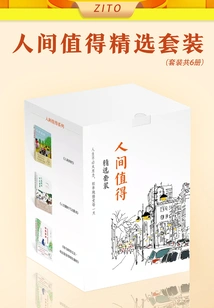
人间值得精选套装(套装共6册)
(japan) Nakamura Tsuneko And Others
"The World Is Worth": 36 insights from the life of 90-year-old psychiatrist Grandma Tsuneko, which provides a positive interpretation of life issues such as work, family, interpersonal relationships, loneliness, and death; "The Beauty of the World": People often see her legendary life: suffering from congenital diseases, accompanied by poverty and disease throughout her life, but the paintings are full of the beauty of the world; "Enjoy This Life": a love letter to life written by the 98-year-old Japanese grandma: don't care about small things, and don't be confused about big things. May you have all the fun in this life and never give up love and freedom; "Life can be repeated at any time": the spiritual inspiration for life written by the 101-year-old late bloomer Grandma Moses; "Whenever I look back on the past, I still feel that the present is the best": 97 years old" "Wisdom Giant" is a life creed for the prodigies, and I hope it is "a little book of life philosophy that you can read early when you are young"; "Life and Taste": a thought-provoking food prose essay by Japan's "national treasure" cook Yoshiko Tatsumi.
"The World Is Worth": 36 insights from the life of 90-year-old psychiatrist Grandma Tsuneko, which provides a positive interpretation of life issues such as work, family, interpersonal relationships, loneliness, and death; "The Beauty of the World": People often see her legendary life: suffering from congenital diseases, accompanied by poverty and disease throughout her life, but the paintings are full of the beauty of the world; "Enjoy This Life": a love letter to life written by the 98-year-old Japanese grandma: don't care about small things, and don't be confused about big things. May you have all the fun in this life and never give up love and freedom; "Life can be repeated at any time": the spiritual inspiration for life written by the 101-year-old late bloomer Grandma Moses; "Whenever I look back on the past, I still feel that the present is the best": 97 years old" "Wisdom Giant" is a life creed for the prodigies, and I hope it is "a little book of life philosophy that you can read early when you are young"; "Life and Taste": a thought-provoking food prose essay by Japan's "national treasure" cook Yoshiko Tatsumi.
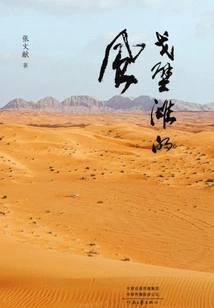
Gobi Desert Wind
Literature戈壁滩的风
Zhang Wenxian
This collection of works includes more than 20 essays such as "Wind in the Gobi Desert", "Prairie Journey" and "Mother's Wisdom", as well as dozens of old-style poems, basically arranged according to genre and the order of publication. More than half of the works have been published in newspapers and periodicals. The language is clean and simple, and the emotions are sincere and profound. Whether it is prose or poetry, they are full of positive energy, reflecting the author's thinking about life and career, his cherishing of family happiness, family and friendship, and has strong artistic appeal.
This collection of works includes more than 20 essays such as "Wind in the Gobi Desert", "Prairie Journey" and "Mother's Wisdom", as well as dozens of old-style poems, basically arranged according to genre and the order of publication. More than half of the works have been published in newspapers and periodicals. The language is clean and simple, and the emotions are sincere and profound. Whether it is prose or poetry, they are full of positive energy, reflecting the author's thinking about life and career, his cherishing of family happiness, family and friendship, and has strong artistic appeal.
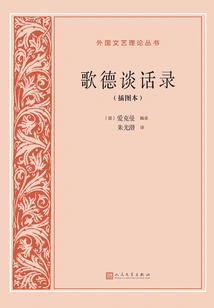
歌德谈话录(插图本)
J
"Goethe's Conversations" is a collection of Goethe's remarks compiled by Goethe's assistant Eckermann. It reflects Goethe's thoughts on literature, art, aesthetics, philosophy, natural science and other aspects, just like "The Analects" reflects the broad thoughts of Confucius. The book has a lot of space on plastic arts. This time, the important art works discussed by Goethe will be displayed in the illustrations, so that readers can more truly understand his literary and artistic thoughts.
"Goethe's Conversations" is a collection of Goethe's remarks compiled by Goethe's assistant Eckermann. It reflects Goethe's thoughts on literature, art, aesthetics, philosophy, natural science and other aspects, just like "The Analects" reflects the broad thoughts of Confucius. The book has a lot of space on plastic arts. This time, the important art works discussed by Goethe will be displayed in the illustrations, so that readers can more truly understand his literary and artistic thoughts.
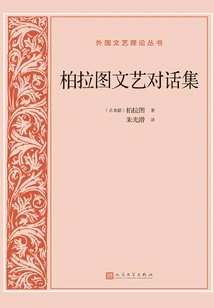
C
LiteratureC
H
The contents of this book include Ian: On the Inspiration of Poetry; The Republic: The Ruler's Literature and Music Education, and the Poets' Crimes; Phaedrus: On Rhetoric; Hippias the Great: On Beauty; The Symposium: On the Love of Beauty and Philosophical Cultivation; Philipbus: On the Sense of Beauty; Law: On Art Education. Finally, there are also content such as explanation of the problem and translation postscript: Plato's aesthetic thoughts.
The contents of this book include Ian: On the Inspiration of Poetry; The Republic: The Ruler's Literature and Music Education, and the Poets' Crimes; Phaedrus: On Rhetoric; Hippias the Great: On Beauty; The Symposium: On the Love of Beauty and Philosophical Cultivation; Philipbus: On the Sense of Beauty; Law: On Art Education. Finally, there are also content such as explanation of the problem and translation postscript: Plato's aesthetic thoughts.
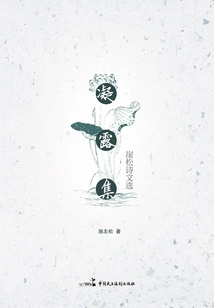
凝露集:崖松诗文选
Shi Yousong
This book is a collection of poems and essays. The author recorded his years of experience and life insights in the form of five-character poems, prose and essays. It is not only a summary of half-life encounters, but also an expression of humanistic feelings. The book is divided into three parts: Fifty Reminiscences of the Past (selected five-character poems), including "Jingchu Field Wind", "Green Hills" and "High Sky and Clouds"; Deep Lake (selected essays), including "Long-term Loving Mother's Love" and "Magnetic Gaze"; Eternal Master (selected essays). The book is rich in style, profound and touching in content, and highly literary and readable.
This book is a collection of poems and essays. The author recorded his years of experience and life insights in the form of five-character poems, prose and essays. It is not only a summary of half-life encounters, but also an expression of humanistic feelings. The book is divided into three parts: Fifty Reminiscences of the Past (selected five-character poems), including "Jingchu Field Wind", "Green Hills" and "High Sky and Clouds"; Deep Lake (selected essays), including "Long-term Loving Mother's Love" and "Magnetic Gaze"; Eternal Master (selected essays). The book is rich in style, profound and touching in content, and highly literary and readable.
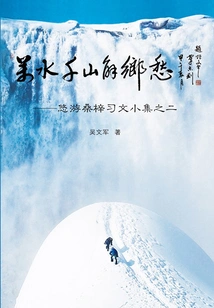
万水千山解乡愁
Wu Wenjun
This anthology collects Wu Wenjun's outstanding poetry, prose, photography and calligraphy works created over more than a year, as well as essays and interviews. The book is divided into five parts, four parts on nostalgia, hometown accent, hometown rhyme, and nostalgia, plus a reporter interview. The chapters closely follow the theme, are interlocking, and are full of fun. They include everything the author has heard, seen, thought, felt, gained and lost over the past year or so. Some are graceful and graceful, some quote from other sources, or some are magnificent, which shows that he uses his heart, brain, and energy!
This anthology collects Wu Wenjun's outstanding poetry, prose, photography and calligraphy works created over more than a year, as well as essays and interviews. The book is divided into five parts, four parts on nostalgia, hometown accent, hometown rhyme, and nostalgia, plus a reporter interview. The chapters closely follow the theme, are interlocking, and are full of fun. They include everything the author has heard, seen, thought, felt, gained and lost over the past year or so. Some are graceful and graceful, some quote from other sources, or some are magnificent, which shows that he uses his heart, brain, and energy!
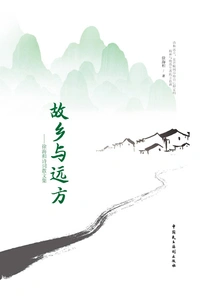
故乡与远方:徐海和诗词散文集
Xu Haihe
Throughout the ages, hometown has been a constant topic of discussion among literati. The trees are thousands of feet high, and the fallen leaves return to their roots. The thoughts of hometown will always be the sincere expression of a wanderer. In their view, their hometown is their spiritual support and emotional sustenance. Hometown is a ray of sunshine, where you can find warmth when you are cold and lonely; hometown is a harbor, where you can anchor and dock when you are lonely. The author is a literature lover and has been writing poetry and prose since his youth. This edited collection describes fragments of his life experience and his life insights spanning more than sixty years, including his rural life in his hometown as a boy, his military career in his youth, and some scenes of work, travel and life after retirement. It expresses the author's attachment to his hometown, homeland and relatives, his best wishes for the vigorous development of the motherland, and his gratitude for the opportunities given by the times. The writing of this book is not only a love for hometown, but also a reflection of the profound connotation of patriotism of the times.
Throughout the ages, hometown has been a constant topic of discussion among literati. The trees are thousands of feet high, and the fallen leaves return to their roots. The thoughts of hometown will always be the sincere expression of a wanderer. In their view, their hometown is their spiritual support and emotional sustenance. Hometown is a ray of sunshine, where you can find warmth when you are cold and lonely; hometown is a harbor, where you can anchor and dock when you are lonely. The author is a literature lover and has been writing poetry and prose since his youth. This edited collection describes fragments of his life experience and his life insights spanning more than sixty years, including his rural life in his hometown as a boy, his military career in his youth, and some scenes of work, travel and life after retirement. It expresses the author's attachment to his hometown, homeland and relatives, his best wishes for the vigorous development of the motherland, and his gratitude for the opportunities given by the times. The writing of this book is not only a love for hometown, but also a reflection of the profound connotation of patriotism of the times.
Dharma-oriented and Childlike Language
Literature尚法稚语
Liancheng
This book is a collection of essays by a high school student, including her award-winning essays, essays, daily diaries and some of her personal insights on the law. The articles cover aspects of daily life, study, music, family relationships, social current affairs, etc. The young author explains his own understanding and ideas based on events or things. Although it is written by a high school student, the language is relatively mature and steady. The article not only reveals the innocent and simple side of a child, but also contains the unique and sharp new era thoughts of a high school student. This is not only the author's record of his high school life, but also a precious life memory.
This book is a collection of essays by a high school student, including her award-winning essays, essays, daily diaries and some of her personal insights on the law. The articles cover aspects of daily life, study, music, family relationships, social current affairs, etc. The young author explains his own understanding and ideas based on events or things. Although it is written by a high school student, the language is relatively mature and steady. The article not only reveals the innocent and simple side of a child, but also contains the unique and sharp new era thoughts of a high school student. This is not only the author's record of his high school life, but also a precious life memory.
佛道文学论集(孙昌武文集)
Sun Changwu
This book is one of the "Collected Works of Sun Changwu". It is a collection of research articles on Buddhism, Taoism and literature written by the author over the years. It includes research papers and collation notes on Buddhist literature. The content covers the relationship between Buddhism, Taoism and ancient Chinese literature. Each of them is divided into chapters, covering the thoughts of literati, Buddhist and Taoist creations, literary theory, document collection, etc. By reading this book, one can get a glimpse of the great influence of Buddhism and Taoism on ancient Chinese literature.
This book is one of the "Collected Works of Sun Changwu". It is a collection of research articles on Buddhism, Taoism and literature written by the author over the years. It includes research papers and collation notes on Buddhist literature. The content covers the relationship between Buddhism, Taoism and ancient Chinese literature. Each of them is divided into chapters, covering the thoughts of literati, Buddhist and Taoist creations, literary theory, document collection, etc. By reading this book, one can get a glimpse of the great influence of Buddhism and Taoism on ancient Chinese literature.
唐代铨选与文学论稿
Wang Xuncheng
The scientific examination and official selection system of the Tang Dynasty has always been a major difficulty in academic research. Professor Wang Xuncheng of Lanzhou University is a famous scholar in this field. His "Quanxuan and Literature of the Tang Dynasty" (first published by Zhonghua Book Company in 2001 and reprinted in 2021) is an early academic monograph that comprehensively discusses the complex and cumbersome official selection system of the Tang Dynasty and related issues, and has great influence in the academic world. In addition, the author also selected some famous poets and writers of the Tang Dynasty, such as Wang Wei, Cen Shen, Wang Changling, Du Fu, Liu Zongyuan, Han Yu, Liu Yuxi, Zhang Jiuling, Bai Juyi, etc., To reveal their lives and official career issues in detail, and solved a large number of difficult problems. This book is a collection of such papers, and includes a total of 27 related articles by the author.
The scientific examination and official selection system of the Tang Dynasty has always been a major difficulty in academic research. Professor Wang Xuncheng of Lanzhou University is a famous scholar in this field. His "Quanxuan and Literature of the Tang Dynasty" (first published by Zhonghua Book Company in 2001 and reprinted in 2021) is an early academic monograph that comprehensively discusses the complex and cumbersome official selection system of the Tang Dynasty and related issues, and has great influence in the academic world. In addition, the author also selected some famous poets and writers of the Tang Dynasty, such as Wang Wei, Cen Shen, Wang Changling, Du Fu, Liu Zongyuan, Han Yu, Liu Yuxi, Zhang Jiuling, Bai Juyi, etc., To reveal their lives and official career issues in detail, and solved a large number of difficult problems. This book is a collection of such papers, and includes a total of 27 related articles by the author.
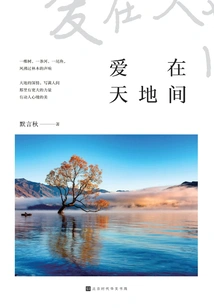
Love between Heaven and Earth
Literature爱在天地间
Silent Autumn
Kahlil Gibran said: "Poetry is the wisdom that enchants the heart, and wisdom is the poetry that sings in the heart." Lao She said: "Prose is processed language." The author drew inspiration from every moment of life and created this collection of poetry + prose. In the author's writing, the October autumn scene is "composed into fragments by a few wild geese feathers grazing the pond\u002F dipped in the setting sun\u002F", the ivy around the trees "each tree understands the silence of a vine\u002F A vine understands the soul of a tree", stones also have chivalrous bones and soft intestines, and childhood echoes with the sweetness of maltose. The language is natural and simple, the emotions are natural and sincere, full of imagination and childishness. You can see the author's open-minded attitude towards life and cherishing and awe of life by enjoying every detail of life.
Kahlil Gibran said: "Poetry is the wisdom that enchants the heart, and wisdom is the poetry that sings in the heart." Lao She said: "Prose is processed language." The author drew inspiration from every moment of life and created this collection of poetry + prose. In the author's writing, the October autumn scene is "composed into fragments by a few wild geese feathers grazing the pond\u002F dipped in the setting sun\u002F", the ivy around the trees "each tree understands the silence of a vine\u002F A vine understands the soul of a tree", stones also have chivalrous bones and soft intestines, and childhood echoes with the sweetness of maltose. The language is natural and simple, the emotions are natural and sincere, full of imagination and childishness. You can see the author's open-minded attitude towards life and cherishing and awe of life by enjoying every detail of life.
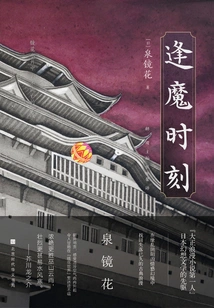
The Devil's Moment
Literature逢魔时刻
I
This book comprehensively collects Izumi Kyoka's classic works in three different genres: dramas, novels and sketches: the drama masterpiece "Tenshu Monogatari", which was first published in Simplified Chinese version and was the peak of her creative career, "Even if the world is full of war, butterflies will still fly, and Nadeshiko and Platycodon will still bloom"; A Cold War A charming fantasy, "Uta no Yue" is a mature work by Kyoka Izumi pursuing "artistic supremacy"; a remarkable work of early conceptual novels, "Surgery Room", a story of pure love that transcends physical pain in the operating room; there are also playful and strange sketches "Yōkai Chronicle" and "The Seven Mysterious Incidents in Kagurazaka". It describes love, entanglements and regrets across the human world and other worlds, dreams and reality. The meticulously crafted magical language builds a "mirror world" like Pandora's box: gorgeous and ghostly, lifelike. He has a flat, three-quarter-length hair, a clean face, and wears thin gold round glasses. He has the appearance of a literary young man. What makes him have the imagination to travel to other worlds and reality? The book includes a "Writer's Anecdotal Column - Izumi Kyoka's Incredible" that profiles Kyoka's phobia, paranoia and collecting addiction, leading readers to add another touch of Kyoka's daily life interest when they are lost in the glorious and bizarre world of Kyoka.
This book comprehensively collects Izumi Kyoka's classic works in three different genres: dramas, novels and sketches: the drama masterpiece "Tenshu Monogatari", which was first published in Simplified Chinese version and was the peak of her creative career, "Even if the world is full of war, butterflies will still fly, and Nadeshiko and Platycodon will still bloom"; A Cold War A charming fantasy, "Uta no Yue" is a mature work by Kyoka Izumi pursuing "artistic supremacy"; a remarkable work of early conceptual novels, "Surgery Room", a story of pure love that transcends physical pain in the operating room; there are also playful and strange sketches "Yōkai Chronicle" and "The Seven Mysterious Incidents in Kagurazaka". It describes love, entanglements and regrets across the human world and other worlds, dreams and reality. The meticulously crafted magical language builds a "mirror world" like Pandora's box: gorgeous and ghostly, lifelike. He has a flat, three-quarter-length hair, a clean face, and wears thin gold round glasses. He has the appearance of a literary young man. What makes him have the imagination to travel to other worlds and reality? The book includes a "Writer's Anecdotal Column - Izumi Kyoka's Incredible" that profiles Kyoka's phobia, paranoia and collecting addiction, leading readers to add another touch of Kyoka's daily life interest when they are lost in the glorious and bizarre world of Kyoka.
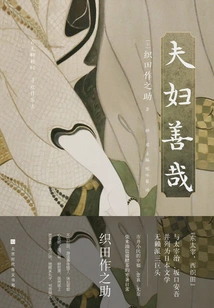
What a Good Couple
Literature夫妇善哉
(japan) Oda Sakunosuke
Oda Sakunosuke is good at describing the life of ordinary people in Osaka in simple dialects. This book collects six of his works, including the novels "Advertising Balloon", "Seamless", "Horse Racing" and "Hair", as well as the essays "Rising Osaka: Aftermath of the War" and "The Possibility of Osaka". These works are full of the customs and people of Osaka half a century ago: Shinsaibashi, Dotonbori, and Shinsekai are vividly displayed on the page; the aroma of rock rice, Uiro mochi, Imagawa yaki, and grilled glutinous rice balls fills the pages. The protagonists of the work were mostly "marginal people" in the society at that time: a wandering paper puppet actor who was once used as a dung-carrying gift, a bad guy who loved raising money for others and even pawned his own clothes for it, a man who forgot his jealousy and hatred because of horse racing and hugged his wife's affair partner tightly. , A 33-year-old man who insists on growing his hair long but still chooses to go bald in line with the current situation... The work exudes a strong sense of world-weariness. On the one hand, it has the intention of resisting authority and secularity; on the other hand, Oda Sananosuke also reflects the daily laughter and tears of ordinary people through self-deprecating and humorous sentences.
Oda Sakunosuke is good at describing the life of ordinary people in Osaka in simple dialects. This book collects six of his works, including the novels "Advertising Balloon", "Seamless", "Horse Racing" and "Hair", as well as the essays "Rising Osaka: Aftermath of the War" and "The Possibility of Osaka". These works are full of the customs and people of Osaka half a century ago: Shinsaibashi, Dotonbori, and Shinsekai are vividly displayed on the page; the aroma of rock rice, Uiro mochi, Imagawa yaki, and grilled glutinous rice balls fills the pages. The protagonists of the work were mostly "marginal people" in the society at that time: a wandering paper puppet actor who was once used as a dung-carrying gift, a bad guy who loved raising money for others and even pawned his own clothes for it, a man who forgot his jealousy and hatred because of horse racing and hugged his wife's affair partner tightly. , A 33-year-old man who insists on growing his hair long but still chooses to go bald in line with the current situation... The work exudes a strong sense of world-weariness. On the one hand, it has the intention of resisting authority and secularity; on the other hand, Oda Sananosuke also reflects the daily laughter and tears of ordinary people through self-deprecating and humorous sentences.
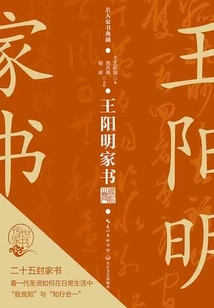
Wang Yangming's Family Letters
Literature王阳明家书
(ming Dynasty) Written By Wang Yangming, Commented By Zhou Yueliang And Cheng Lin
Through the objective presentation and wonderful analysis of Wang Yangming's family letters, this book leads readers closer to a real and cordial Wang Yangming, a Wang Yangming who is inseparable from fireworks, has sage wisdom and heroic sentiments. Some of these family letters talk about the current affairs of the government, some discuss learning and martial arts, and some talk about the shortcomings of parents and the love of their children, but without exception, they all contain the academic principles and true meaning of Wang Yangming's spiritual studies. They are models of "conscience education" and a collection of cases in which Wang Yangming implemented his ideas of "unity of knowledge and action" into concrete life. Among them, the discussion of mental skills such as "determination", "being cautious about independence", "nurturing the heart", "self-denial" and "refining oneness", still have a positive effect on curing the emptiness and anxiety of individuals today.
Through the objective presentation and wonderful analysis of Wang Yangming's family letters, this book leads readers closer to a real and cordial Wang Yangming, a Wang Yangming who is inseparable from fireworks, has sage wisdom and heroic sentiments. Some of these family letters talk about the current affairs of the government, some discuss learning and martial arts, and some talk about the shortcomings of parents and the love of their children, but without exception, they all contain the academic principles and true meaning of Wang Yangming's spiritual studies. They are models of "conscience education" and a collection of cases in which Wang Yangming implemented his ideas of "unity of knowledge and action" into concrete life. Among them, the discussion of mental skills such as "determination", "being cautious about independence", "nurturing the heart", "self-denial" and "refining oneness", still have a positive effect on curing the emptiness and anxiety of individuals today.
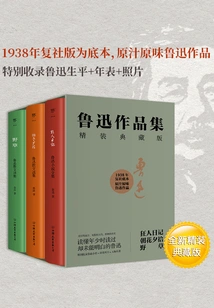
鲁迅作品集:狂人日记+朝花夕拾+野草(全新精装典藏版)
Lu Xun
"Collected Works of Lu Xun" includes three books: "Diary of a Madman", "Picking Up Flowers in the Morning and Evening" and "Weeds". Among them, "Diary of a Madman: The Complete Novels of Lu Xun" contains all of Lu Xun's novels, a total of 33 articles. These novels mostly describe the tragedies of ordinary people at the bottom of society. Lu Xun used his dagger-sharp writing style to criticize the "numb souls of the Chinese people", hoping to alert the world. The themes of Lu Xun's novels are mostly anti-feudal, anti-ethical, anti-tradition, and anti-superstition. He is good at creating typical images and satirizing the dark sides of characters. Most of the stories are set in his hometown. The protagonists of the novel, Ah Q, Sister Xianglin, Kong Yiji, and Runtu, are well known in China.
"Collected Works of Lu Xun" includes three books: "Diary of a Madman", "Picking Up Flowers in the Morning and Evening" and "Weeds". Among them, "Diary of a Madman: The Complete Novels of Lu Xun" contains all of Lu Xun's novels, a total of 33 articles. These novels mostly describe the tragedies of ordinary people at the bottom of society. Lu Xun used his dagger-sharp writing style to criticize the "numb souls of the Chinese people", hoping to alert the world. The themes of Lu Xun's novels are mostly anti-feudal, anti-ethical, anti-tradition, and anti-superstition. He is good at creating typical images and satirizing the dark sides of characters. Most of the stories are set in his hometown. The protagonists of the novel, Ah Q, Sister Xianglin, Kong Yiji, and Runtu, are well known in China.
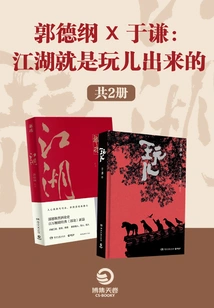
Guo Degang
Literature郭德纲X于谦:江湖就是玩儿出来的(共2册)
Guo Degang Yu Qian
There are 2 volumes in the set, namely "Jianghu" and "Wan'er". "Jianghu": What kind of government, scheming and structure do you need to travel in the Jianghu? Watch Guo Degang discuss history while cooking wine, and Jianghu bosses discuss Jianghu. From official history, anecdotal history and folk stories, he extracts the underlying logic of Chinese-style human society and reveals the mysteries of Jianghu, officialdom, and shopping malls. This book teaches you how to be a good person, guard against others, and control others. "There are waves in the heart and spring in the face, this is the world." "Play": Not only is Brother Qian's spiritual experience based on his lifelong hobby; it is also a testimony of Brother Qian's friendship with his friends. When Brother Qian makes friends, he only talks about common hobbies, regardless of his profession. The "leader", the sixth brother, the third brother, the ninth master... The friends I play with include soldiers, laid-off workers, vagrants, and professional gamers, all with different life situations. The joys and sorrows of the little people are extremely touching. Yu Qian's thinking on life, love for ideals and cherishing friendship can always be seen in the article. You can see your habits from your hobbies; you can see the ways of the world and people from the stories of the people. See the big from the small, full of charm.
There are 2 volumes in the set, namely "Jianghu" and "Wan'er". "Jianghu": What kind of government, scheming and structure do you need to travel in the Jianghu? Watch Guo Degang discuss history while cooking wine, and Jianghu bosses discuss Jianghu. From official history, anecdotal history and folk stories, he extracts the underlying logic of Chinese-style human society and reveals the mysteries of Jianghu, officialdom, and shopping malls. This book teaches you how to be a good person, guard against others, and control others. "There are waves in the heart and spring in the face, this is the world." "Play": Not only is Brother Qian's spiritual experience based on his lifelong hobby; it is also a testimony of Brother Qian's friendship with his friends. When Brother Qian makes friends, he only talks about common hobbies, regardless of his profession. The "leader", the sixth brother, the third brother, the ninth master... The friends I play with include soldiers, laid-off workers, vagrants, and professional gamers, all with different life situations. The joys and sorrows of the little people are extremely touching. Yu Qian's thinking on life, love for ideals and cherishing friendship can always be seen in the article. You can see your habits from your hobbies; you can see the ways of the world and people from the stories of the people. See the big from the small, full of charm.
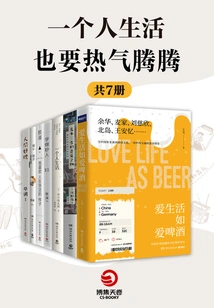
一个人生活也要热气腾腾(共7册)
Wang Jing Cai Lan Et Al.
The set contains 7 volumes, namely "Living Alone", "Maiben Sanbu's Favorite Things", "Loving Life Like Loving Beer", "Live Life as You Want", "I Like the Happy Life", "Learning to Be a Wonderful Person" and "Fun in the World".
The set contains 7 volumes, namely "Living Alone", "Maiben Sanbu's Favorite Things", "Loving Life Like Loving Beer", "Live Life as You Want", "I Like the Happy Life", "Learning to Be a Wonderful Person" and "Fun in the World".
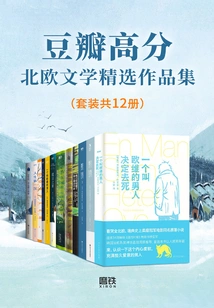
Douban's High-scoring Collection of Selected Works of Nordic Literature (set of 12 Volumes in Total)
Literature豆瓣高分北欧文学精选作品集(套装共12册)
(sweden) Frederic Backman Et Al.
This book is composed of "A Man Called Ove Decides to Die", "Beartown", "Beartown 2", "I'm a Young Man and I'm Not in a Good Mood (20th Anniversary Revised Edition)", "My Life Is Empty and I Want to Do Something Big", "House of Lies" ", "A Man Called Ove", "The Long Way Home", "I Don't Like Humans, I Want to Live in the Forest", "For the First Time in Life", "Nothing is Sweet Without You", all are Nordic literary works with high ratings on Douban.
This book is composed of "A Man Called Ove Decides to Die", "Beartown", "Beartown 2", "I'm a Young Man and I'm Not in a Good Mood (20th Anniversary Revised Edition)", "My Life Is Empty and I Want to Do Something Big", "House of Lies" ", "A Man Called Ove", "The Long Way Home", "I Don't Like Humans, I Want to Live in the Forest", "For the First Time in Life", "Nothing is Sweet Without You", all are Nordic literary works with high ratings on Douban.
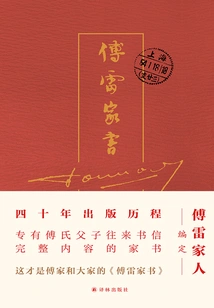
傅雷家书(四十周年纪念精装)
Fu Lei Zhu Meifu Fu Cong
Fu Lei's family compiled a selection of Fu Lei's family letters from 1954 to 1966, including 215 letters. Among them, Fu Cong's and Fu Min's letters have not entered the public edition. What is printed in this collection is not the gossip of an ordinary father and son, but the spiritual dialogue between two special artists. Among them are in-depth discussions between father and son on learning, music, and artistic cultivation, as well as comfort and admonitions on life, emotions, and love, as well as the son's emotional ups and downs and expressions of mood as he grows up. Open this book and feel the spiritual collision and spiritual communication between two generations, and appreciate the deep love between parents and children. The dialogue between father and son reproduces the process of Fu Lei's transformation from a strict father to a friend, and Fu Cong's transformation from youth to maturity. What they jointly present is unrestrained enthusiasm and exciting vitality. If Fu Cong's family letters are like carving unformed jade, Fu Lei's family letters show us the whole process of carving the jade. They are Fu Lei's chapter on teaching his son and Fu Cong's growth book.
Fu Lei's family compiled a selection of Fu Lei's family letters from 1954 to 1966, including 215 letters. Among them, Fu Cong's and Fu Min's letters have not entered the public edition. What is printed in this collection is not the gossip of an ordinary father and son, but the spiritual dialogue between two special artists. Among them are in-depth discussions between father and son on learning, music, and artistic cultivation, as well as comfort and admonitions on life, emotions, and love, as well as the son's emotional ups and downs and expressions of mood as he grows up. Open this book and feel the spiritual collision and spiritual communication between two generations, and appreciate the deep love between parents and children. The dialogue between father and son reproduces the process of Fu Lei's transformation from a strict father to a friend, and Fu Cong's transformation from youth to maturity. What they jointly present is unrestrained enthusiasm and exciting vitality. If Fu Cong's family letters are like carving unformed jade, Fu Lei's family letters show us the whole process of carving the jade. They are Fu Lei's chapter on teaching his son and Fu Cong's growth book.
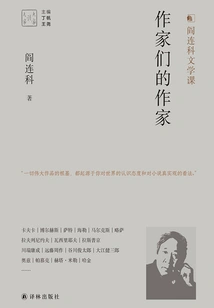
作家们的作家(大家读大家·第四辑)
Yan Lianke
"Writers of Writers" is Yan Lianke's literary reading notes. The book is divided into five volumes and covers many topics such as Latin American literature, Russian and Soviet literature, European and American literature, and Asian and African literature. Among contemporary writers, Yan Lianke's acceptance of foreign literature is quite representative. He constantly draws on experience and forms an independent literary style. In this book, as a reader, he shares with readers the "beauty of classics": "Metamorphosis", "One Hundred Years of Solitude", "The Dawns Here Are Quiet", "The Dancer of Izu", "My Name is Red", "My Michael"... He reviews his reading journey from the perspective of a novelist, explains in simple terms how literary classics are created, interpreted and passed down from generation to generation.
"Writers of Writers" is Yan Lianke's literary reading notes. The book is divided into five volumes and covers many topics such as Latin American literature, Russian and Soviet literature, European and American literature, and Asian and African literature. Among contemporary writers, Yan Lianke's acceptance of foreign literature is quite representative. He constantly draws on experience and forms an independent literary style. In this book, as a reader, he shares with readers the "beauty of classics": "Metamorphosis", "One Hundred Years of Solitude", "The Dawns Here Are Quiet", "The Dancer of Izu", "My Name is Red", "My Michael"... He reviews his reading journey from the perspective of a novelist, explains in simple terms how literary classics are created, interpreted and passed down from generation to generation.
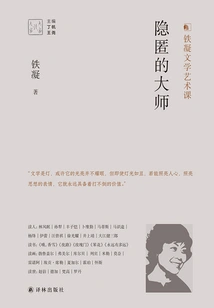
隐匿的大师(大家读大家·第四辑)
Tie Ning
"The Hidden Master" is a collection of Tie Ning's essays on literature and art. It is divided into four volumes: Reading People, Reading Paintings, and Reading the World. "Reading People" describes the author's interactions with predecessors such as Yang Jiang, Sun Li, Ma Shitu, Xu Guangyao, and Oe Kenzaburo with sincerity; the author shares the nourishment of her art and life by famous figures such as Lin Fengmian, Feng Zikai, and Wang Zengqi. "Reading" reviews Tie Ning's own creative experience, covering famous novels such as "Oh, Fragrant Snow", "Stupid Flower" and "How Far Is Forever". It also explores the writer's sense of responsibility, the driving force of creation and other related literary concepts. "Reading Painting" not only fondly recalls the artistic influence of a group of Chinese painters, such as Zhang Deyu, but also provides insightful comments on the masterpieces of Bruegel, Vermeer, Courbet, Repin, Millet, Monet, Renoir, Egon Schiele, Chagall, Hopper, and Wyeth. Appreciation and analysis often have a unique female perspective, which is quite inspiring. "Reading the World" collects the essays written by the author in his early years, which are deeply philosophical, ranging from discussing people to discussing the world. Reading "The Hidden Masters", readers can not only empathize and resonate with these masters, but also deeply understand the meaning of literature and art in lighting up the darkness of life.
"The Hidden Master" is a collection of Tie Ning's essays on literature and art. It is divided into four volumes: Reading People, Reading Paintings, and Reading the World. "Reading People" describes the author's interactions with predecessors such as Yang Jiang, Sun Li, Ma Shitu, Xu Guangyao, and Oe Kenzaburo with sincerity; the author shares the nourishment of her art and life by famous figures such as Lin Fengmian, Feng Zikai, and Wang Zengqi. "Reading" reviews Tie Ning's own creative experience, covering famous novels such as "Oh, Fragrant Snow", "Stupid Flower" and "How Far Is Forever". It also explores the writer's sense of responsibility, the driving force of creation and other related literary concepts. "Reading Painting" not only fondly recalls the artistic influence of a group of Chinese painters, such as Zhang Deyu, but also provides insightful comments on the masterpieces of Bruegel, Vermeer, Courbet, Repin, Millet, Monet, Renoir, Egon Schiele, Chagall, Hopper, and Wyeth. Appreciation and analysis often have a unique female perspective, which is quite inspiring. "Reading the World" collects the essays written by the author in his early years, which are deeply philosophical, ranging from discussing people to discussing the world. Reading "The Hidden Masters", readers can not only empathize and resonate with these masters, but also deeply understand the meaning of literature and art in lighting up the darkness of life.
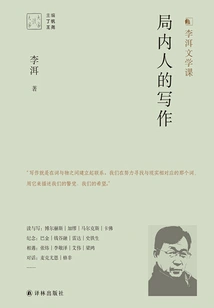
局内人的写作(大家读大家·第四辑)
Li Er
"The Writing of an Insider" is Li Er's literary reading notes. The book is divided into five series: "Reading and Writing" talks about the inspiration of contemporary literature by Borges, Camus, Carver, etc.; "Memorial" recalls the literary achievements of late famous figures such as Ba Jin, Qian Gurong, Radar, and Shi Tiesheng; "Encounter" looks back on Zhang Wei, Ge Fei, Liang Hong and other contemporary writers; "Talking from the Works" starts from typical texts such as "A Dream of Red Mansions" to explore basic issues such as literary artistry, moral sense, and values; "Dialogue" is a record of the author's conversations with scholars, critics, and media reporters. "I talked about some of my views on people and things, literature and the times. It is those views that determine why I wrote those works, and also determined the success or failure of the works." This book is a concentrated presentation of the author's literary and creative views, and is also a high-level classic literature reading class.
"The Writing of an Insider" is Li Er's literary reading notes. The book is divided into five series: "Reading and Writing" talks about the inspiration of contemporary literature by Borges, Camus, Carver, etc.; "Memorial" recalls the literary achievements of late famous figures such as Ba Jin, Qian Gurong, Radar, and Shi Tiesheng; "Encounter" looks back on Zhang Wei, Ge Fei, Liang Hong and other contemporary writers; "Talking from the Works" starts from typical texts such as "A Dream of Red Mansions" to explore basic issues such as literary artistry, moral sense, and values; "Dialogue" is a record of the author's conversations with scholars, critics, and media reporters. "I talked about some of my views on people and things, literature and the times. It is those views that determine why I wrote those works, and also determined the success or failure of the works." This book is a concentrated presentation of the author's literary and creative views, and is also a high-level classic literature reading class.
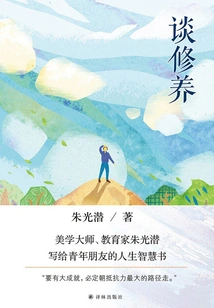
Talk About Self-cultivation
Literature谈修养
Zhu Guangqian
"Talk about Cultivation" is a classic work by Zhu Guangqian, a master of aesthetics, who explains the ways of self-cultivation. In the first half of the 20th century, society was in turmoil and young people were depressed and hesitant. After the publication of "Twelve Letters to Youth", the author has been teaching for many years and has a deeper understanding of youth and life. In the book, the author deeply analyzes the social ills and national character, sincerely encourages the Chinese people to care about the fate of their country and their country, aspire high and not be afraid of difficulties, and clearly answers the immediate confusion of the majority of young people. Nearly eighty years later, it still serves as an excellent guide to the life cultivation of contemporary young people.
"Talk about Cultivation" is a classic work by Zhu Guangqian, a master of aesthetics, who explains the ways of self-cultivation. In the first half of the 20th century, society was in turmoil and young people were depressed and hesitant. After the publication of "Twelve Letters to Youth", the author has been teaching for many years and has a deeper understanding of youth and life. In the book, the author deeply analyzes the social ills and national character, sincerely encourages the Chinese people to care about the fate of their country and their country, aspire high and not be afraid of difficulties, and clearly answers the immediate confusion of the majority of young people. Nearly eighty years later, it still serves as an excellent guide to the life cultivation of contemporary young people.
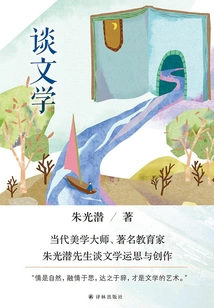
Talk About Literature
Literature谈文学
Zhu Guangqian
The book "Talking about Literature" contains nineteen articles on literature written by Mr. Zhu Guangqian in the late Anti-Japanese War. They are all "the joys and sorrows of learning literature and art" for many years. From literary taste to layout arrangement, from content style to translation skills, it discusses in detail the content, form, expression, genre, style and other issues of literary works. This book is also a literary enlightenment book specially written for teenagers. Using his personal experience as a template, the author easily and naturally leads readers into the wonders of literature, so as to cultivate a pure literary taste, acquire the vision and sympathy of literary masters who experience all kinds of life, and thus "happily discover that our small hearts and great hearts also have something in common."
The book "Talking about Literature" contains nineteen articles on literature written by Mr. Zhu Guangqian in the late Anti-Japanese War. They are all "the joys and sorrows of learning literature and art" for many years. From literary taste to layout arrangement, from content style to translation skills, it discusses in detail the content, form, expression, genre, style and other issues of literary works. This book is also a literary enlightenment book specially written for teenagers. Using his personal experience as a template, the author easily and naturally leads readers into the wonders of literature, so as to cultivate a pure literary taste, acquire the vision and sympathy of literary masters who experience all kinds of life, and thus "happily discover that our small hearts and great hearts also have something in common."
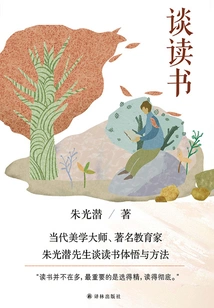
Talk About Reading
Literature谈读书
Zhu Guangqian
This book collects Mr. Zhu Guangqian's articles about reading, covering poetry, scripts, novels, letters, diaries, etc., Involving many writers at home and abroad, both ancient and modern, conveying his pure love and unique insights into book culture. The article is like tasting tea, sharing the joy and realization of reading, and pointing out how to improve one's knowledge system and cultivate aesthetic ability and moral sentiment through reading. Mr. Zhu is well versed in both Chinese and Western knowledge, is approachable, and has a good reputation for teaching young people's reading and growth through words and deeds.
This book collects Mr. Zhu Guangqian's articles about reading, covering poetry, scripts, novels, letters, diaries, etc., Involving many writers at home and abroad, both ancient and modern, conveying his pure love and unique insights into book culture. The article is like tasting tea, sharing the joy and realization of reading, and pointing out how to improve one's knowledge system and cultivate aesthetic ability and moral sentiment through reading. Mr. Zhu is well versed in both Chinese and Western knowledge, is approachable, and has a good reputation for teaching young people's reading and growth through words and deeds.
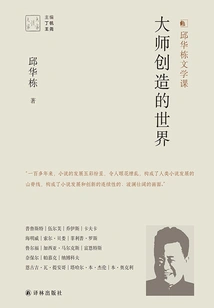
邱华栋文学课:大师创造的世界(大家读大家·第四辑)
Qiu Huadong
"The World Created by Masters" is a collection of reading notes carefully selected by Qiu Huadong, a reading expert and famous writer, who has accumulated over many years. As a contemporary literary master who is deeply nourished by world literature, Qiu Huadong focuses in this book on a dozen people who have had a profound impact on the world literary pattern from the second half of the 19th century to the present: from European modernist novel masters such as Joyce and Kafka to "World War II" writers such as Hemingway and Saul Bellow. "After the giants of American novels, and then to the giants of the "literary explosion" in Latin America such as Rulfo and García Márquez... He relied on his rich and extensive reading to explain the profound things in simple terms. He read the text carefully in a way of peeling off the cocoons, and carefully sorted out the different life paths and remarkable literary achievements of these literary masters. Each article is followed by a detailed reading list of the relevant writers, helping ordinary readers get closer to the masters and enter their literary world.
"The World Created by Masters" is a collection of reading notes carefully selected by Qiu Huadong, a reading expert and famous writer, who has accumulated over many years. As a contemporary literary master who is deeply nourished by world literature, Qiu Huadong focuses in this book on a dozen people who have had a profound impact on the world literary pattern from the second half of the 19th century to the present: from European modernist novel masters such as Joyce and Kafka to "World War II" writers such as Hemingway and Saul Bellow. "After the giants of American novels, and then to the giants of the "literary explosion" in Latin America such as Rulfo and García Márquez... He relied on his rich and extensive reading to explain the profound things in simple terms. He read the text carefully in a way of peeling off the cocoons, and carefully sorted out the different life paths and remarkable literary achievements of these literary masters. Each article is followed by a detailed reading list of the relevant writers, helping ordinary readers get closer to the masters and enter their literary world.
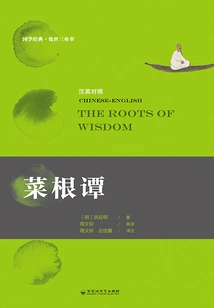
Cai Gen Tan (english-chinese)
Literature菜根谭(英汉对照)
Hong Yingming
This is a collection of short quotations on cultivating one's mind, cultivating one's character, and cultivating one's moral character, collected and compiled by Hong Yingming in the Ming Dynasty. This book is named after "caipeng", which expresses the idea that "everything can be done if you chew the cabbage root", that is, "people can acquire intelligence and cultivation through hard training." The writing is beautiful, the dialogues are neat, short, concise, and thought-provoking. It integrates the thoughts of Confucianism, Taoism, and Buddhism as well as the author's life experience. It contains profound philosophy and is the crystallization of the traditional culture of the Chinese nation. Along with the original works, it is accompanied by Chinese annotations, modern interpretations, English annotations and English translations, making it easier for Chinese and foreign readers of all levels to understand the meaning of the text and experience the exquisiteness of Chinese classical culture.
This is a collection of short quotations on cultivating one's mind, cultivating one's character, and cultivating one's moral character, collected and compiled by Hong Yingming in the Ming Dynasty. This book is named after "caipeng", which expresses the idea that "everything can be done if you chew the cabbage root", that is, "people can acquire intelligence and cultivation through hard training." The writing is beautiful, the dialogues are neat, short, concise, and thought-provoking. It integrates the thoughts of Confucianism, Taoism, and Buddhism as well as the author's life experience. It contains profound philosophy and is the crystallization of the traditional culture of the Chinese nation. Along with the original works, it is accompanied by Chinese annotations, modern interpretations, English annotations and English translations, making it easier for Chinese and foreign readers of all levels to understand the meaning of the text and experience the exquisiteness of Chinese classical culture.
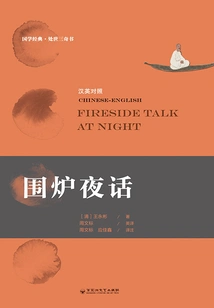
围炉夜话(汉英对照)
Wang Yongbin
This book is a collection of philosophical essays written by Wang Yongbin, a scholar in the Qing Dynasty. It is based on the purpose of "settling down and establishing a career", covering ten aspects such as morality, self-cultivation, reading, educating children, loyalty, filial piety, diligence and thrift. It contains a total of 184 maxims with the theme of self-cultivation, persuasion and inspiration, revealing the inner meaning of life. The form is short and exquisite, the writing style is elegant and elegant, and it has been widely praised since its publication. Along with the original works, it is accompanied by Chinese annotations, modern interpretations, English annotations and English translations, making it easier for Chinese and foreign readers of all levels to understand the meaning of the text and experience the exquisiteness of Chinese classical culture.
This book is a collection of philosophical essays written by Wang Yongbin, a scholar in the Qing Dynasty. It is based on the purpose of "settling down and establishing a career", covering ten aspects such as morality, self-cultivation, reading, educating children, loyalty, filial piety, diligence and thrift. It contains a total of 184 maxims with the theme of self-cultivation, persuasion and inspiration, revealing the inner meaning of life. The form is short and exquisite, the writing style is elegant and elegant, and it has been widely praised since its publication. Along with the original works, it is accompanied by Chinese annotations, modern interpretations, English annotations and English translations, making it easier for Chinese and foreign readers of all levels to understand the meaning of the text and experience the exquisiteness of Chinese classical culture.
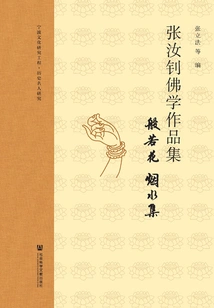
张汝钊佛学作品集
Zhang Lifa Et Al.
Zhang Ruzhao, an outstanding female poet and social activist in modern China, eventually converted to Buddhism and became a famous monk of the Tiantai Sect in modern China. He once became famous in the literary world for publishing "Collection of Poems of Green Tianzhen". He Jianming wrote an article at the end of the 20th century and commented that Zhang Ruzhao "can indeed be regarded as a great scholar in the history of modern Chinese Buddhism." "Prajna Flower" collects Zhang Ruzhao's works on Buddhist thinking from 1928 to 1935; "Yanshui Collection" collects works from 1935 to 1953. The genres of these works are mainly prose and poetry. The editor of this book has added annotations based on the author's original work to explain the characters and nouns involved in the article, which is of reference significance for people to understand Zhang Ruzhao and his thoughts.
Zhang Ruzhao, an outstanding female poet and social activist in modern China, eventually converted to Buddhism and became a famous monk of the Tiantai Sect in modern China. He once became famous in the literary world for publishing "Collection of Poems of Green Tianzhen". He Jianming wrote an article at the end of the 20th century and commented that Zhang Ruzhao "can indeed be regarded as a great scholar in the history of modern Chinese Buddhism." "Prajna Flower" collects Zhang Ruzhao's works on Buddhist thinking from 1928 to 1935; "Yanshui Collection" collects works from 1935 to 1953. The genres of these works are mainly prose and poetry. The editor of this book has added annotations based on the author's original work to explain the characters and nouns involved in the article, which is of reference significance for people to understand Zhang Ruzhao and his thoughts.
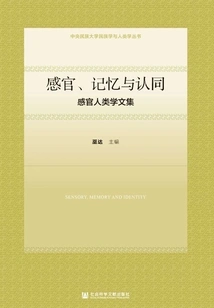
感官、记忆与认同:感官人类学文集
Editor-in-chief Wu Da
Anthropology is a discipline that emphasizes holistic and comparative perspectives. As the name suggests, sensory anthropology studies the relationship between the senses and culture. This book is a selection of conference papers from the "Senses, Memory and Identity" academic seminar held at Minzu University of China on December 1, 2018. From the five perspectives of the senses: smell, hearing, vision, taste, and memory, it discusses the different understandings of these senses by different cultures, that is, the different expressions and presentations of the senses by different nationalities and ethnic groups.
Anthropology is a discipline that emphasizes holistic and comparative perspectives. As the name suggests, sensory anthropology studies the relationship between the senses and culture. This book is a selection of conference papers from the "Senses, Memory and Identity" academic seminar held at Minzu University of China on December 1, 2018. From the five perspectives of the senses: smell, hearing, vision, taste, and memory, it discusses the different understandings of these senses by different cultures, that is, the different expressions and presentations of the senses by different nationalities and ethnic groups.
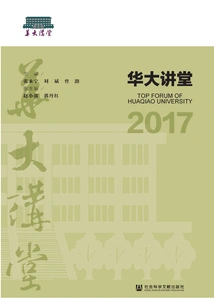
Bgi Lecture Hall (2017)
Literature华大讲堂(2017)
Editor-in-chief Zhang Yongning And Others
This book contains the speeches of Wu Donghan, Zhang Yunling, Jin Bei, Pang Yuanzheng, Yan Shuhan, and Gao Peiyong who were guests at the "BGI Lecture Hall" in 2017. The content covers intellectual property, the "One Belt and One Road" initiative, and supply-side structural reform. , Xi Jinping's governance philosophy and governance strategy, the spirit of the 19th National Congress of the Communist Party of China, the reform of the fiscal and taxation system and other hot and difficult issues. The content is informative, the vision is broad, the analysis is incisive, the explanations are profound, and the explanations are thought-provoking and enlightening. This book also includes interactive Q&A sessions at the lectures, which can stimulate thinking and deepen understanding through zero-distance exchange of wisdom and collision of ideas between experts and the audience. The content of this book is compiled based on expert lecture recordings. The colloquial expression is vivid and vivid, making people feel like they are in the lecture hall.
This book contains the speeches of Wu Donghan, Zhang Yunling, Jin Bei, Pang Yuanzheng, Yan Shuhan, and Gao Peiyong who were guests at the "BGI Lecture Hall" in 2017. The content covers intellectual property, the "One Belt and One Road" initiative, and supply-side structural reform. , Xi Jinping's governance philosophy and governance strategy, the spirit of the 19th National Congress of the Communist Party of China, the reform of the fiscal and taxation system and other hot and difficult issues. The content is informative, the vision is broad, the analysis is incisive, the explanations are profound, and the explanations are thought-provoking and enlightening. This book also includes interactive Q&A sessions at the lectures, which can stimulate thinking and deepen understanding through zero-distance exchange of wisdom and collision of ideas between experts and the audience. The content of this book is compiled based on expert lecture recordings. The colloquial expression is vivid and vivid, making people feel like they are in the lecture hall.
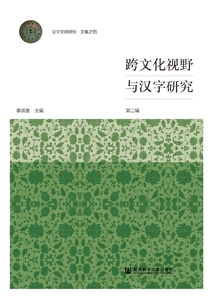
跨文化视野与汉字研究(第二辑)
Editor-in-chief Li Yunfu
This book is a collection of papers from the first international symposium on cross-cultural Chinese characters. The papers mainly include the compilation and interpretation of Japanese and Korean ancient dictionaries and Chinese characters on inscriptions in a cross-cultural context, the study of Chinese characters and documents on Chinese inscriptions, as well as the textual research and interpretation of unearthed and handed down documents, Chinese character theory, and the history of Western Chinese character studies. The study of cross-cultural Chinese characters has attracted the attention and participation of more and more scholars. Some regard "cross-cultural Chinese characters" as the research object, that is, studying Chinese characters in different cultural environments; others regard "cross-culture" as the research method and perspective, that is, studying Chinese characters of one culture in conjunction with external cultural factors.
This book is a collection of papers from the first international symposium on cross-cultural Chinese characters. The papers mainly include the compilation and interpretation of Japanese and Korean ancient dictionaries and Chinese characters on inscriptions in a cross-cultural context, the study of Chinese characters and documents on Chinese inscriptions, as well as the textual research and interpretation of unearthed and handed down documents, Chinese character theory, and the history of Western Chinese character studies. The study of cross-cultural Chinese characters has attracted the attention and participation of more and more scholars. Some regard "cross-cultural Chinese characters" as the research object, that is, studying Chinese characters in different cultural environments; others regard "cross-culture" as the research method and perspective, that is, studying Chinese characters of one culture in conjunction with external cultural factors.
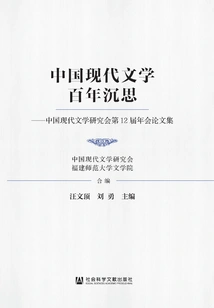
中国现代文学百年沉思:中国现代文学研究会第12届年会论文集
Editor-in-chief Wang Wending Liu Yong
This book is a collection of papers from the 12th Annual Conference of the Chinese Modern Literature Research Association in 2018. It has 28 selected full texts and 180 paper abstracts. It is divided into three parts: "Literary History Research", "Various Literature Research" and "Annual Conference Paper Abstracts". It not only comprehensively displays the unprecedented grandeur and rich content of the academic seminar at this annual conference, but also highlights the hot spots and frontiers of this discipline. Along with the innovative results and development trends of problem research, especially in the re-examination of the history of modern Chinese literature, academic history, various literatures and classic writers, a series of new questions, new ideas and new insights are proposed, showing a broad vision, academic consciousness and disciplinary confidence of a century of reflection, inheritance and development, and have important reference value for modern literature research and teaching.
This book is a collection of papers from the 12th Annual Conference of the Chinese Modern Literature Research Association in 2018. It has 28 selected full texts and 180 paper abstracts. It is divided into three parts: "Literary History Research", "Various Literature Research" and "Annual Conference Paper Abstracts". It not only comprehensively displays the unprecedented grandeur and rich content of the academic seminar at this annual conference, but also highlights the hot spots and frontiers of this discipline. Along with the innovative results and development trends of problem research, especially in the re-examination of the history of modern Chinese literature, academic history, various literatures and classic writers, a series of new questions, new ideas and new insights are proposed, showing a broad vision, academic consciousness and disciplinary confidence of a century of reflection, inheritance and development, and have important reference value for modern literature research and teaching.
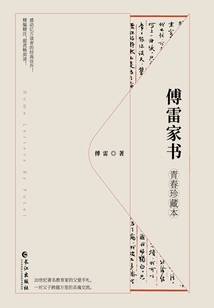
傅雷家书(青春珍藏本)
Fu Lei
This book is compiled from letters written by Mr. Fu Lei to his children from 1954 to 1966. His son Fu Cong was studying and traveling abroad. In that era of underdeveloped communication, Mr. Fu Lei used the brush in his hand to explain art, music, painting, literature and all aspects of life to his son thousands of miles away, imparting experience and guiding life. Mr. Fu Lei not only encourages his son to pursue himself, but also pays attention to his son's changes in thoughts. He is full of warmth when communicating, is serious when solving doubts, and is frank and straightforward when giving advice... He expresses his care and concern for the children in the short and short stories of parents with a warm touch, and gives the children the most profound teachings in every word he chooses. Although these words are more than half a century old, their touching content and educational significance shine with eternal light. In this reprint, the editor has conducted a new review and revision. While respecting the original appearance of the work, he has carefully selected more than a hundred of the essence of Fu Lei's books and included many extended contents in the appendix. Strive to provide current readers with a clearer and smoother reading experience.
This book is compiled from letters written by Mr. Fu Lei to his children from 1954 to 1966. His son Fu Cong was studying and traveling abroad. In that era of underdeveloped communication, Mr. Fu Lei used the brush in his hand to explain art, music, painting, literature and all aspects of life to his son thousands of miles away, imparting experience and guiding life. Mr. Fu Lei not only encourages his son to pursue himself, but also pays attention to his son's changes in thoughts. He is full of warmth when communicating, is serious when solving doubts, and is frank and straightforward when giving advice... He expresses his care and concern for the children in the short and short stories of parents with a warm touch, and gives the children the most profound teachings in every word he chooses. Although these words are more than half a century old, their touching content and educational significance shine with eternal light. In this reprint, the editor has conducted a new review and revision. While respecting the original appearance of the work, he has carefully selected more than a hundred of the essence of Fu Lei's books and included many extended contents in the appendix. Strive to provide current readers with a clearer and smoother reading experience.
West Entrance, North Entrance
Literature西门口,北门口
Editor-in-chief Ouyang Weiqing
This is a collection of works, divided into three parts: novels, prose and poetry. This collection includes a total of 150 works (first pieces) by members of the Pengze County Writers Association, including 36 novels, 67 essays, and 47 poems. The work focuses on the author's life insights and life circumstances, expressing personal feelings, inspiring people, and full of positive energy. Between the lines, the author's inner persistence, pilgrimage to the spiritual world, and pursuit of a better life are revealed. Short stories and novels capture some fragments of life, express various conflicts within a limited time and space, and create vivid and typical characters.
This is a collection of works, divided into three parts: novels, prose and poetry. This collection includes a total of 150 works (first pieces) by members of the Pengze County Writers Association, including 36 novels, 67 essays, and 47 poems. The work focuses on the author's life insights and life circumstances, expressing personal feelings, inspiring people, and full of positive energy. Between the lines, the author's inner persistence, pilgrimage to the spiritual world, and pursuit of a better life are revealed. Short stories and novels capture some fragments of life, express various conflicts within a limited time and space, and create vivid and typical characters.
小窗幽记(汉英对照)
Chen Jiru
This is a collection of aphoristic sketches created by Chen Jiru in the Ming Dynasty. The content includes philosophy of life, art of life, aesthetic taste, etc., With a total of 194 aphorisms. The diction is elegant, short and concise, and the subject matter is rich and wide-ranging. It has the height of a temple and the interest of mountains and forests, and is all-encompassing and colorful. It shows the essence of traditional Chinese culture and the extraordinary inner world of literati, rich in poetry, Zen, wine and painting. Along with the original works, it is accompanied by Chinese annotations, modern interpretations, English annotations and English translations, making it easier for Chinese and foreign readers of all levels to understand the meaning of the text and experience the exquisiteness of Chinese classical culture.
This is a collection of aphoristic sketches created by Chen Jiru in the Ming Dynasty. The content includes philosophy of life, art of life, aesthetic taste, etc., With a total of 194 aphorisms. The diction is elegant, short and concise, and the subject matter is rich and wide-ranging. It has the height of a temple and the interest of mountains and forests, and is all-encompassing and colorful. It shows the essence of traditional Chinese culture and the extraordinary inner world of literati, rich in poetry, Zen, wine and painting. Along with the original works, it is accompanied by Chinese annotations, modern interpretations, English annotations and English translations, making it easier for Chinese and foreign readers of all levels to understand the meaning of the text and experience the exquisiteness of Chinese classical culture.
那本该属于你的诗和远方
Liqin
"The Poems That Should Belong to You and the Distance" is divided into three parts. The poetry chapter collects dozens of modern poems carefully composed by the author himself, with beautiful artistic conception and real emotions. Each poem seems to tell a gripping story; the work reflection chapter expresses the author's full devotion to real work, facing the work with high enthusiasm, and using his life to interpret the mutual support and loyalty between people; the dream chapter tells the author cherishing the life in front of him and never giving up poetry and distant fields. It describes how a poet found the balance between reality and dreams in today's ever-changing world, and gained the poetry and distance that originally belonged to you.
"The Poems That Should Belong to You and the Distance" is divided into three parts. The poetry chapter collects dozens of modern poems carefully composed by the author himself, with beautiful artistic conception and real emotions. Each poem seems to tell a gripping story; the work reflection chapter expresses the author's full devotion to real work, facing the work with high enthusiasm, and using his life to interpret the mutual support and loyalty between people; the dream chapter tells the author cherishing the life in front of him and never giving up poetry and distant fields. It describes how a poet found the balance between reality and dreams in today's ever-changing world, and gained the poetry and distance that originally belonged to you.
How Far is 320?
Literature320的远方有多远
Qiu Xingyi
"How Far Is 320" is a collection of novels and essays by Zhejiang writer Qiu Xingyi, including 12 short stories and 12 essays. These works have been published in important domestic literary publications such as "Jiangnan", "West Lake", and "Mountain Flowers", and have received a certain response. The author uses a relatively solid foundation in novel writing and a poetic and philosophical prose style to gain insight into the world and taste the various aspects of life in rich and colorful stories, presenting a unique writing style of his own. In the novel world and prose genealogy constructed by the author, tracing the inner context of life is the main proposition. The works are relatively independent, but they are inextricably linked, showing the author's extraordinary ability to understand the ontology of life.
"How Far Is 320" is a collection of novels and essays by Zhejiang writer Qiu Xingyi, including 12 short stories and 12 essays. These works have been published in important domestic literary publications such as "Jiangnan", "West Lake", and "Mountain Flowers", and have received a certain response. The author uses a relatively solid foundation in novel writing and a poetic and philosophical prose style to gain insight into the world and taste the various aspects of life in rich and colorful stories, presenting a unique writing style of his own. In the novel world and prose genealogy constructed by the author, tracing the inner context of life is the main proposition. The works are relatively independent, but they are inextricably linked, showing the author's extraordinary ability to understand the ontology of life.
罗达成自选集:将来的日子还很长
Luo Da
This book is a self-selected collection of works by the famous writer Luo Da. It includes 20 essays such as "Contracting with the Sea" and "Searching for the Soul of Poetry on Gulangyu Island", 8 reportages such as "The Days to Come Are Still Long" and "Thirty-Three Years Later, Reminiscing about the Past with Beidao", and 8 prefaces such as "The Lava in the Heart and the Reader's Dream" and "Once a Heroic Hair". Luo Da recalls the past, records life, expresses emotions, and captures wonderful moments that will never be repeated with his highly contagious words.
This book is a self-selected collection of works by the famous writer Luo Da. It includes 20 essays such as "Contracting with the Sea" and "Searching for the Soul of Poetry on Gulangyu Island", 8 reportages such as "The Days to Come Are Still Long" and "Thirty-Three Years Later, Reminiscing about the Past with Beidao", and 8 prefaces such as "The Lava in the Heart and the Reader's Dream" and "Once a Heroic Hair". Luo Da recalls the past, records life, expresses emotions, and captures wonderful moments that will never be repeated with his highly contagious words.