Library
Browse and search books
2,075 novels found
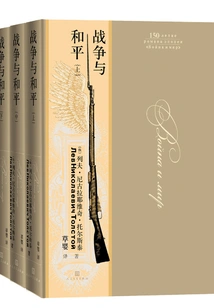
War and Peace (complete Collection)
General Fiction战争与和平(全集)
N
"War and Peace" centers on the Patriotic War of 1812 and reflects major historical events from 1805 to 1820. Taking the experiences of the four nobles Balkans, Bezukhov, Rostov and Kuragin as the main line, it connects numerous events and characters in the alternate description of war and peace, forming a magnificent encyclopedia-style epic.
"War and Peace" centers on the Patriotic War of 1812 and reflects major historical events from 1805 to 1820. Taking the experiences of the four nobles Balkans, Bezukhov, Rostov and Kuragin as the main line, it connects numerous events and characters in the alternate description of war and peace, forming a magnificent encyclopedia-style epic.
Ivanhoe
General Fiction艾凡赫
(english) Walter Scott
"Ivanhoe" (1819) is Scott's most famous novel and one of the best of his historical novels describing medieval life. The story of the novel takes place at the end of the 12th century, around the time when King Richard I, the Lion of England, was imprisoned abroad. King Richard was eager for military success and launched the Crusade in 1191. Due to the internal disintegration of the Christian countries participating in the expedition, he was soon forced to retreat. Encountering a storm on his way back, Richard led a small number of his followers to disguise themselves as civilians and returned to England via Vienna. He was captured by the Duke of Austria and imprisoned in a castle on the Danube for more than a year. After paying a large ransom, he was released and returned to the country in 1194.
"Ivanhoe" (1819) is Scott's most famous novel and one of the best of his historical novels describing medieval life. The story of the novel takes place at the end of the 12th century, around the time when King Richard I, the Lion of England, was imprisoned abroad. King Richard was eager for military success and launched the Crusade in 1191. Due to the internal disintegration of the Christian countries participating in the expedition, he was soon forced to retreat. Encountering a storm on his way back, Richard led a small number of his followers to disguise themselves as civilians and returned to England via Vienna. He was captured by the Duke of Austria and imprisoned in a castle on the Danube for more than a year. After paying a large ransom, he was released and returned to the country in 1194.
U
General Fictionu
I
In the United States in the 1920s, the air was filled with singing and drinking. By chance, the poor clerk Nick breaks into the secret world of the spendthrift tycoon Gatsby. He is surprised to find that the only connection in his heart is the little green light on the opposite bank of the river - in the flickering light, lives his beloved Daisy. However, the cold reality cannot tolerate vague dreams. In the end, the goddess in Gatsby's heart is just a material girl in the earthly world.
In the United States in the 1920s, the air was filled with singing and drinking. By chance, the poor clerk Nick breaks into the secret world of the spendthrift tycoon Gatsby. He is surprised to find that the only connection in his heart is the little green light on the opposite bank of the river - in the flickering light, lives his beloved Daisy. However, the cold reality cannot tolerate vague dreams. In the end, the goddess in Gatsby's heart is just a material girl in the earthly world.
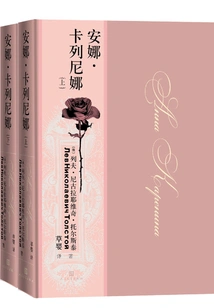
Anna Karenina (complete Works)
General Fiction安娜·卡列尼娜(全集)
(russian) Leo Tolstoy
The novel "Anna Karenina" reflects the relationship between people through Anna's emotional life and a huge character system, and vividly and profoundly describes the period when Russian capitalism was just emerging in the mid-19th century.
The novel "Anna Karenina" reflects the relationship between people through Anna's emotional life and a huge character system, and vividly and profoundly describes the period when Russian capitalism was just emerging in the mid-19th century.
K
General Fictionk
I
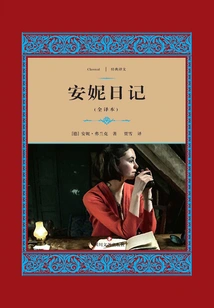
On June 12, 1942, Anne Frank started writing a diary. In 1944, Minister Bockstein, a member of the Dutch government-in-exile, announced that he hoped to collect relevant first-hand information after the war to witness the suffering of the Dutch people under the German occupation. He specifically mentioned letters and diaries. After hearing the news, Anne decided to publish a book based on her diary after the war. So she began to rewrite and revise the diary, polishing the text, deleting passages that were not interesting enough, and adding some content from memory. At the same time, she also kept her original diary. In the academically valuable "The Diary of Anne Frank: An Annotated Edition" (1989), Anne's first, unedited diary is called Version A to distinguish her second, revised diary (Version B).
On June 12, 1942, Anne Frank started writing a diary. In 1944, Minister Bockstein, a member of the Dutch government-in-exile, announced that he hoped to collect relevant first-hand information after the war to witness the suffering of the Dutch people under the German occupation. He specifically mentioned letters and diaries. After hearing the news, Anne decided to publish a book based on her diary after the war. So she began to rewrite and revise the diary, polishing the text, deleting passages that were not interesting enough, and adding some content from memory. At the same time, she also kept her original diary. In the academically valuable "The Diary of Anne Frank: An Annotated Edition" (1989), Anne's first, unedited diary is called Version A to distinguish her second, revised diary (Version B).
Famous Translation: Gulliver's Travels
General Fiction名家名译:格列佛游记
I
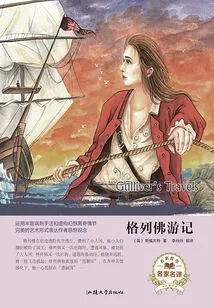
The content of this book includes the travel notes of Lilliput, first arriving in Lilliput, being trusted by the "little people", regaining freedom, resisting foreign enemies, introducing Lilliput, conspiracy and frame-up, escaping from Lilliput, coming to the land of giants, performing in towns, coming to the palace, going on patrol with the king, etc.
The content of this book includes the travel notes of Lilliput, first arriving in Lilliput, being trusted by the "little people", regaining freedom, resisting foreign enemies, introducing Lilliput, conspiracy and frame-up, escaping from Lilliput, coming to the land of giants, performing in towns, coming to the palace, going on patrol with the king, etc.
Famous Name Translation: the Little Prince
General Fiction名家名译:小王子
Saint-exupéry
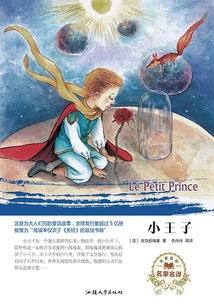
The content of this book includes a hat that eats an elephant, a weird little prince, an alien visitor falling from the sky, a baobab tree that penetrates the planet, forty-three sunsets a day, the little prince is angry and cries, the little prince falls in love with a flower, and cries. The little flower, the king who is in charge of an old mouse, the king who is willing to keep raising his hat, the drunkard who does not want to drink, buying stars with stars, lighting the lamp once a minute, turning off the lamp once, the guidance of the geographer, the lonely lamplighter, the snake who can guess riddles, etc.
The content of this book includes a hat that eats an elephant, a weird little prince, an alien visitor falling from the sky, a baobab tree that penetrates the planet, forty-three sunsets a day, the little prince is angry and cries, the little prince falls in love with a flower, and cries. The little flower, the king who is in charge of an old mouse, the king who is willing to keep raising his hat, the drunkard who does not want to drink, buying stars with stars, lighting the lamp once a minute, turning off the lamp once, the guidance of the geographer, the lonely lamplighter, the snake who can guess riddles, etc.
Famous Translation: Andersen's Fairy Tales
General Fiction名家名译:安徒生童话
(dan) Andersen
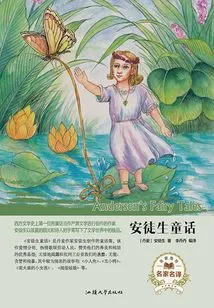
The content of this book includes the little match girl, the strong tin soldier, the older brother and younger brother, the ugly duckling, the phoenix, the rose tree and the little snail, the proud buckwheat, the most beautiful rose, the green aphid, in the far North Pole, a drop of water, the wonderful method, the wow news, the hidden good luck, the small chrysanthemum, the windmill, the picky butterfly, etc.
The content of this book includes the little match girl, the strong tin soldier, the older brother and younger brother, the ugly duckling, the phoenix, the rose tree and the little snail, the proud buckwheat, the most beautiful rose, the green aphid, in the far North Pole, a drop of water, the wonderful method, the wow news, the hidden good luck, the small chrysanthemum, the windmill, the picky butterfly, etc.
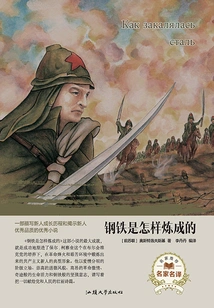
Translation of Famous Names: How Steel is Made
General Fiction名家名译:钢铁是怎样炼成的
(former Soviet Union) Ostrovsky
The content of this book includes the young man in trouble, working at the station, getting a gun, meeting Tonya for the first time, Zhukhlai and Seryosha, Varya, meeting Tonya, rescuing Zhukhlai, Tonya looking for Paul, Paul being imprisoned, returning to Tonya, the liberation of his hometown, a new life, being injured on the battlefield, breaking up with Tonya, fierce battles, etc.
The content of this book includes the young man in trouble, working at the station, getting a gun, meeting Tonya for the first time, Zhukhlai and Seryosha, Varya, meeting Tonya, rescuing Zhukhlai, Tonya looking for Paul, Paul being imprisoned, returning to Tonya, the liberation of his hometown, a new life, being injured on the battlefield, breaking up with Tonya, fierce battles, etc.
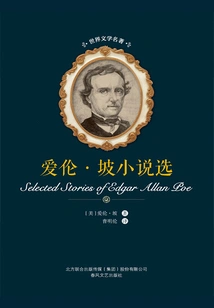
爱伦·坡小说选(世界文学名著)
J
The book selects more than 30 representative works of Edgar Allan Poe, covering his masterpieces in the fields of thrillers, detective novels, science fiction and humorous satirical novels, including "The Murders in the Rue Morgue", "The Black Cat", "The Golden Beetle", "The Tell-Tale Heart", "Manuscript in the Bottle", "Spectacles", "The Rise and Fall of the Moscone Whirlpool" and "A Barrel of Monterey White", which are familiar to readers, and is translated by Cao Minglun, an expert on Poe's works.
The book selects more than 30 representative works of Edgar Allan Poe, covering his masterpieces in the fields of thrillers, detective novels, science fiction and humorous satirical novels, including "The Murders in the Rue Morgue", "The Black Cat", "The Golden Beetle", "The Tell-Tale Heart", "Manuscript in the Bottle", "Spectacles", "The Rise and Fall of the Moscone Whirlpool" and "A Barrel of Monterey White", which are familiar to readers, and is translated by Cao Minglun, an expert on Poe's works.
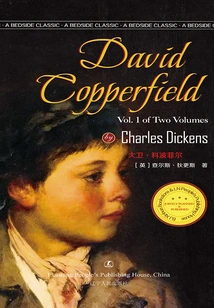
David Copperfield (english Original)
General Fiction大卫?科波菲尔(英文原版)
H
The theme of "David Copperfield" is very clear: the powerful bully the weak and helpless. The powerless also bully the weak and helpless. The author Dickens focused his writing on orphans, women and mentally ill patients in order to deeply explore this profound theme. At that time, Britain was in the so-called "industrial age". Not only did society show no mercy and sympathy to orphans, women and the mentally ill, but it also exploited them as much as possible. Dickens wrote about his tragic childhood experiences to tell readers about the various inhumanities and injustices in society towards child labor. Dickens describes in detail the private prisons set up by creditors to hold debtors. Many characters in the novel have suffered harsh punishments from their creditors, although Dickens sympathetically points out that not all creditors are bad. The most moving part of the novel is the description of the scenes in which innocent people suffer a tragic fate.
The theme of "David Copperfield" is very clear: the powerful bully the weak and helpless. The powerless also bully the weak and helpless. The author Dickens focused his writing on orphans, women and mentally ill patients in order to deeply explore this profound theme. At that time, Britain was in the so-called "industrial age". Not only did society show no mercy and sympathy to orphans, women and the mentally ill, but it also exploited them as much as possible. Dickens wrote about his tragic childhood experiences to tell readers about the various inhumanities and injustices in society towards child labor. Dickens describes in detail the private prisons set up by creditors to hold debtors. Many characters in the novel have suffered harsh punishments from their creditors, although Dickens sympathetically points out that not all creditors are bad. The most moving part of the novel is the description of the scenes in which innocent people suffer a tragic fate.
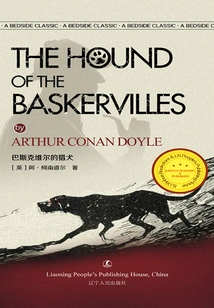
The Hound of the Baskervilles (english Original)
General Fiction巴斯克维尔的猎犬(英文原版)
I
I believe that in this world, no matter whether Chinese or foreign, young or old, male or female, there are very few people who have never heard of the name "Holmes", because in detective novels both at home and abroad, no one can shake Sherlock Holmes's status as "the eternal boss". Needless to say, those who like reasoning and suspense, even those who feel shuddering at texts such as tragedies and murders, once they see the beginning of "Sherlock Holmes", it is difficult not to be attracted and want to read it in one breath, because the strict logic of one link and the tense arrangement of one scene after another are so fascinating and fascinating that people really can't stop.
I believe that in this world, no matter whether Chinese or foreign, young or old, male or female, there are very few people who have never heard of the name "Holmes", because in detective novels both at home and abroad, no one can shake Sherlock Holmes's status as "the eternal boss". Needless to say, those who like reasoning and suspense, even those who feel shuddering at texts such as tragedies and murders, once they see the beginning of "Sherlock Holmes", it is difficult not to be attracted and want to read it in one breath, because the strict logic of one link and the tense arrangement of one scene after another are so fascinating and fascinating that people really can't stop.
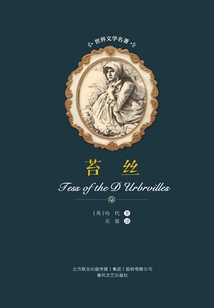
Tess (world Literature Masterpiece)
General Fiction苔丝(世界文学名著)
L
"Tess" is the most famous full-length masterpiece by the British literary giant Thomas Hardy, and it is also one of the "Wessex Series". Tess was born into a poor peasant family. She is pure and beautiful, and is a descendant of an ancient jazz family. Under the arrangement of her parents, Tess, who was inexperienced in the world, went to "get married" for the sake of the family's livelihood. Unexpectedly, she was seduced by her playboy "cousin" Alec d'Urberville. The stubborn Tess did not want to be Alek's mistress and returned home. However, after returning to the village, she was gradually criticized by the whole village, and the child she gave birth to died soon after. The sad Tess chose to leave her hometown and work as a female worker in a strange dairy factory. Here, she met the love of her life, Claire. Claire illuminates her young life like a ray of warm sunshine, but Tess suffers from low self-esteem due to the past. Later, on their wedding night, Tess finally mustered up the courage to confess everything to Claire, but she fell into endless darkness...
"Tess" is the most famous full-length masterpiece by the British literary giant Thomas Hardy, and it is also one of the "Wessex Series". Tess was born into a poor peasant family. She is pure and beautiful, and is a descendant of an ancient jazz family. Under the arrangement of her parents, Tess, who was inexperienced in the world, went to "get married" for the sake of the family's livelihood. Unexpectedly, she was seduced by her playboy "cousin" Alec d'Urberville. The stubborn Tess did not want to be Alek's mistress and returned home. However, after returning to the village, she was gradually criticized by the whole village, and the child she gave birth to died soon after. The sad Tess chose to leave her hometown and work as a female worker in a strange dairy factory. Here, she met the love of her life, Claire. Claire illuminates her young life like a ray of warm sunshine, but Tess suffers from low self-esteem due to the past. Later, on their wedding night, Tess finally mustered up the courage to confess everything to Claire, but she fell into endless darkness...
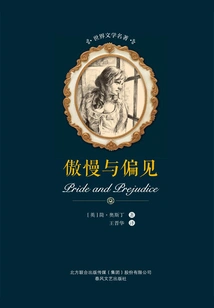
Pride and Prejudice (masterpiece of World Literature)
General Fiction傲慢与偏见(世界文学名著)
H
"Pride and Prejudice" is Jane Austen's most famous masterpiece. Austen once claimed that "Pride and Prejudice" was her "favorite child". It plays a connecting role in the history of British romantic novels. The plot of the novel is tortuous and vivid, and the language is fresh and beautiful, leaving a deep impression on people.
"Pride and Prejudice" is Jane Austen's most famous masterpiece. Austen once claimed that "Pride and Prejudice" was her "favorite child". It plays a connecting role in the history of British romantic novels. The plot of the novel is tortuous and vivid, and the language is fresh and beautiful, leaving a deep impression on people.
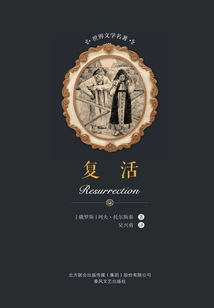
Resurrection (masterpiece of World Literature)
General Fiction复活(世界文学名著)
J
"Resurrection" is one of Leo Tolstoy's most famous masterpieces. The work takes "resurrection" as its theme and describes the process of Nekhludoff and Maslova's spiritual and moral resurrection. Maslova was originally the illegitimate daughter of a serf. When she was sixteen years old, she was innocent and kind-hearted and sincerely fell in love with Nekhludoff, but was abandoned by this noble young master. Maslova, who was pregnant, was kicked out of her home and, after several twists and turns, was forced to become a prostitute. But fate did not favor this poor girl. Misfortunes followed one after another. She was accused of murder and was tried. As a juror, Nekhludoff recognized Maslova in the court, and his conscience was deeply condemned. He tried every means to rescue Maslova and asked to marry her to atone for his sins. Later, the appeal failed, and Nekhludoff accompanied Maslova in exile in Siberia. His behavior finally moved Maslova, but in order not to affect Nekhludoff's reputation and status, Maslova rejected his proposal and married a revolutionary.
"Resurrection" is one of Leo Tolstoy's most famous masterpieces. The work takes "resurrection" as its theme and describes the process of Nekhludoff and Maslova's spiritual and moral resurrection. Maslova was originally the illegitimate daughter of a serf. When she was sixteen years old, she was innocent and kind-hearted and sincerely fell in love with Nekhludoff, but was abandoned by this noble young master. Maslova, who was pregnant, was kicked out of her home and, after several twists and turns, was forced to become a prostitute. But fate did not favor this poor girl. Misfortunes followed one after another. She was accused of murder and was tried. As a juror, Nekhludoff recognized Maslova in the court, and his conscience was deeply condemned. He tried every means to rescue Maslova and asked to marry her to atone for his sins. Later, the appeal failed, and Nekhludoff accompanied Maslova in exile in Siberia. His behavior finally moved Maslova, but in order not to affect Nekhludoff's reputation and status, Maslova rejected his proposal and married a revolutionary.

大卫·科波菲尔(全2册)(世界文学名著)
H
"David Copperfield" is the masterpiece of Dickens, the great British realist writer in the 19th century. The protagonist Copperfield is a posthumous son, and his stepfather abuses him and his mother. His mother died soon, leaving Copperfield an orphan. He found his aunt and started a new life under her guardianship. The world has changed, family and friendship are joyful, and turmoil and pain have tempered people. Copperfield finally became a successful writer and was happily married to his beloved. The work has humorous language, clear love and hate, twists and turns in the plot, and grand pictures, which reflect Dickens's consistent style.
"David Copperfield" is the masterpiece of Dickens, the great British realist writer in the 19th century. The protagonist Copperfield is a posthumous son, and his stepfather abuses him and his mother. His mother died soon, leaving Copperfield an orphan. He found his aunt and started a new life under her guardianship. The world has changed, family and friendship are joyful, and turmoil and pain have tempered people. Copperfield finally became a successful writer and was happily married to his beloved. The work has humorous language, clear love and hate, twists and turns in the plot, and grand pictures, which reflect Dickens's consistent style.
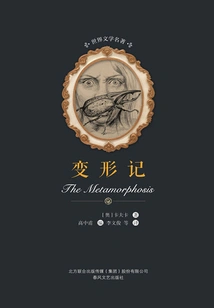
Metamorphosis (masterpiece of World Literature)
General Fiction变形记(世界文学名著)
Kafka
The protagonist Gregor Samsa in "The Metamorphosis" works as a traveling salesman in a company. He travels around for many years and works hard to support the entire family's expenses. When Samsa could still support his unsympathetic family with a meager salary, he was the respected eldest son in the family. His parents praised him and his sister loved him. When one day he turned into a beetle, lost his labor force, and no longer contributed materially to the family, his family changed their previous respect for him and gradually showed a face of indifference, disgust, and hatred. His father beat him viciously with an apple, his mother fainted from fright, and his sister disliked him. Gradually, Samsa moved away from society, and finally died silently and painfully of hunger.
The protagonist Gregor Samsa in "The Metamorphosis" works as a traveling salesman in a company. He travels around for many years and works hard to support the entire family's expenses. When Samsa could still support his unsympathetic family with a meager salary, he was the respected eldest son in the family. His parents praised him and his sister loved him. When one day he turned into a beetle, lost his labor force, and no longer contributed materially to the family, his family changed their previous respect for him and gradually showed a face of indifference, disgust, and hatred. His father beat him viciously with an apple, his mother fainted from fright, and his sister disliked him. Gradually, Samsa moved away from society, and finally died silently and painfully of hunger.
Gadfly (masterpiece of World Literature)
General Fiction牛虻(世界文学名著)
(ireland) Voynich
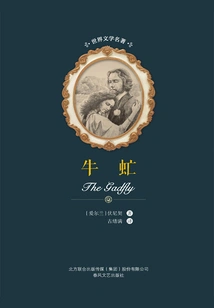
On a hot evening in June, with all the windows open, college student Arthur Bolton was looking through a stack of sermons in the library of the Theological Seminary of Pisa. The Abbot, the Abbe Montanelli, looked at him lovingly. Arthur was born in Italy to the family of a wealthy British businessman named Burton. He was nominally the son of Burton and his second wife, but in fact he was the illegitimate son of his second wife and Montanelli. Arthur has been discriminated against by his half-brothers and sisters-in-law at home since he was a child, and he saw his mother being tortured and insulted by them. He was very unhappy mentally, but he never knew the truth of the matter. Arthur respected Father Montanelli's profound knowledge and regarded him as a good teacher and father. He repaid Montanelli's care for him with a sincere heart. At that time, Italy was being invaded by Austria, and the Young Italy Party's idea of fighting for national independence attracted passionate young people. Arthur decided to dedicate himself to this cause. Montanelli was very disturbed after discovering Arthur's activities and tried every means to dissuade him; but Arthur felt that there was no contradiction between being a devout believer and a person fighting for Italian independence. At a secret gathering, Arthur met his teenage girlfriend Gemma and fell in love with her quietly.
On a hot evening in June, with all the windows open, college student Arthur Bolton was looking through a stack of sermons in the library of the Theological Seminary of Pisa. The Abbot, the Abbe Montanelli, looked at him lovingly. Arthur was born in Italy to the family of a wealthy British businessman named Burton. He was nominally the son of Burton and his second wife, but in fact he was the illegitimate son of his second wife and Montanelli. Arthur has been discriminated against by his half-brothers and sisters-in-law at home since he was a child, and he saw his mother being tortured and insulted by them. He was very unhappy mentally, but he never knew the truth of the matter. Arthur respected Father Montanelli's profound knowledge and regarded him as a good teacher and father. He repaid Montanelli's care for him with a sincere heart. At that time, Italy was being invaded by Austria, and the Young Italy Party's idea of fighting for national independence attracted passionate young people. Arthur decided to dedicate himself to this cause. Montanelli was very disturbed after discovering Arthur's activities and tried every means to dissuade him; but Arthur felt that there was no contradiction between being a devout believer and a person fighting for Italian independence. At a secret gathering, Arthur met his teenage girlfriend Gemma and fell in love with her quietly.
The Scarlet Letter (masterpiece of World Literature)
General Fiction红字(世界文学名著)
I
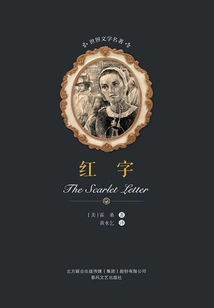
A novel by Hawthorne, an American romantic writer in the 19th century. Published in 1850. "The Scarlet Letter" tells the story of a love tragedy that occurred during the colonial period in North America. The heroine Hester Prynne married the doctor Chillingworth, but there was no love between them. In loneliness, Prynne fell in love with the Reverend Dimmesdale and gave birth to their daughter Pearl. Bai Lan was punished in public and wore a red letter A symbolizing "adultery". However, Bai Lan was unyielding and refused to tell the child's father. The novel usually uses symbolic techniques, and the characters, plots and language are all quite subjective and imaginative. In the description, people's psychological activities and intuition are often given top priority. Therefore, it is not only a representative work of American romantic novels, but also known as the pioneer of American psychoanalytic novels.
A novel by Hawthorne, an American romantic writer in the 19th century. Published in 1850. "The Scarlet Letter" tells the story of a love tragedy that occurred during the colonial period in North America. The heroine Hester Prynne married the doctor Chillingworth, but there was no love between them. In loneliness, Prynne fell in love with the Reverend Dimmesdale and gave birth to their daughter Pearl. Bai Lan was punished in public and wore a red letter A symbolizing "adultery". However, Bai Lan was unyielding and refused to tell the child's father. The novel usually uses symbolic techniques, and the characters, plots and language are all quite subjective and imaginative. In the description, people's psychological activities and intuition are often given top priority. Therefore, it is not only a representative work of American romantic novels, but also known as the pioneer of American psychoanalytic novels.
Madame Bovary (masterpiece of World Literature)
General Fiction包法利夫人(世界文学名著)
I
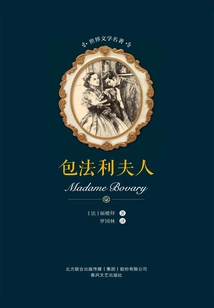
"Madame Bovary" is the masterpiece of the French critical realist novelist Flaubert. It tells the story of Emma, a peasant girl who received an aristocratic education. Emma despises her husband Bovary, a rural doctor, and dreams of a legendary love. However, her two affairs not only failed to bring her happiness, but also made her an object of exploitation by loan sharks. She had accumulated so much debt that she had no choice but to commit suicide by taking poison. With a seemingly indifferent attitude, Flaubert very "objectively" revealed the causes and consequences that led to this tragedy, and stated the responsibility that society cannot shirk.
"Madame Bovary" is the masterpiece of the French critical realist novelist Flaubert. It tells the story of Emma, a peasant girl who received an aristocratic education. Emma despises her husband Bovary, a rural doctor, and dreams of a legendary love. However, her two affairs not only failed to bring her happiness, but also made her an object of exploitation by loan sharks. She had accumulated so much debt that she had no choice but to commit suicide by taking poison. With a seemingly indifferent attitude, Flaubert very "objectively" revealed the causes and consequences that led to this tragedy, and stated the responsibility that society cannot shirk.
The Great Gatsby (masterpiece of World Literature)
General Fiction了不起的盖茨比(世界文学名著)
(us) Fitzgerald
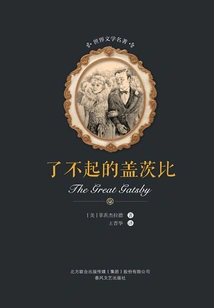
In the spring of 1922, writer Nick left his hometown full of hope and came to the emerging city of New York along with the gold rush. Although jazz was popular here and stocks were soaring, the rich and the poor were polarized and people were indulged in extravagance. In order to pursue the American dream, Nick gave up writing and entered the stock market. He moved to the bay near New York and became a neighbor of the mysterious rich Gatsby. Gatsby was not rich when he was young. He was a major officer. He fell in love with a girl named Daisy, and Daisy also fell in love with him. Later, when the First World War broke out, Gatsby was transferred to Europe. It seemed accidental but inevitable, so Daisy broke up with him and married Tom, a playboy from a wealthy family. Daisy's married life is not happy because Tom has another mistress. The satisfaction of material desires cannot fill Daisy's spiritual emptiness. Gatsby was in great pain. He firmly believed that money made Daisy betray her chastity, so he determined to become a rich man. A few years later, Gatsby finally succeeded. He built a mansion opposite Daisy's mansion. Gatsby spent money like water and played the flute all night long, hoping to attract Daisy's attention and regain his lost love.
In the spring of 1922, writer Nick left his hometown full of hope and came to the emerging city of New York along with the gold rush. Although jazz was popular here and stocks were soaring, the rich and the poor were polarized and people were indulged in extravagance. In order to pursue the American dream, Nick gave up writing and entered the stock market. He moved to the bay near New York and became a neighbor of the mysterious rich Gatsby. Gatsby was not rich when he was young. He was a major officer. He fell in love with a girl named Daisy, and Daisy also fell in love with him. Later, when the First World War broke out, Gatsby was transferred to Europe. It seemed accidental but inevitable, so Daisy broke up with him and married Tom, a playboy from a wealthy family. Daisy's married life is not happy because Tom has another mistress. The satisfaction of material desires cannot fill Daisy's spiritual emptiness. Gatsby was in great pain. He firmly believed that money made Daisy betray her chastity, so he determined to become a rich man. A few years later, Gatsby finally succeeded. He built a mansion opposite Daisy's mansion. Gatsby spent money like water and played the flute all night long, hoping to attract Daisy's attention and regain his lost love.

The Outsider (masterpiece of World Literature)
General Fiction局外人(世界文学名著)
G
"The Stranger" is a famous work by the French writer Camus and one of the outstanding works of existential literature. In an objectively recorded "zero style", the book roughly describes the various absurd things that the protagonist Meursault has experienced in an absurd world, as well as his own absurd experience. From attending his mother's funeral to accidentally becoming a murderer, and then being sentenced to death, Meursault seemed indifferent to everything, existing indifferently, rationally, and irrationally. He was like a symbolic symbol, representing a universal existence, and like a blood-red beacon, highly warning. However, the emergence of the outsider phenomenon is undoubtedly bred by the world itself, and Meursault's existence has its profound external reasons.
"The Stranger" is a famous work by the French writer Camus and one of the outstanding works of existential literature. In an objectively recorded "zero style", the book roughly describes the various absurd things that the protagonist Meursault has experienced in an absurd world, as well as his own absurd experience. From attending his mother's funeral to accidentally becoming a murderer, and then being sentenced to death, Meursault seemed indifferent to everything, existing indifferently, rationally, and irrationally. He was like a symbolic symbol, representing a universal existence, and like a blood-red beacon, highly warning. However, the emergence of the outsider phenomenon is undoubtedly bred by the world itself, and Meursault's existence has its profound external reasons.
Rashomon (masterpiece of World Literature)
General Fiction罗生门(世界文学名著)
H
This book contains a total of 26 Akutagawa's representative works of fiction and prose. "Rashomon" uses a weather-proof layout to push people to the limit of life and death choices, thereby showing the inescapability of "evil" and conveying the author's understanding of people, their helplessness and despair.
This book contains a total of 26 Akutagawa's representative works of fiction and prose. "Rashomon" uses a weather-proof layout to push people to the limit of life and death choices, thereby showing the inescapability of "evil" and conveying the author's understanding of people, their helplessness and despair.
少年维特之烦恼(世界文学名著)
I
"The Sorrows of Young Werther" is a work written by Goethe when he was 25 years old. This epistolary novel describes the story of young Werther who fell in love with Lotte, who had been engaged to someone else for a long time. He was heartbroken after his love was frustrated, and because he was incompatible with feudal society, he finally chose to commit suicide when his future was hopeless. Through Werther's experience and feelings about the despicable German society at that time, the book expresses the author's aversion to the feudal moral hierarchy and his strong demand for individual liberation.
"The Sorrows of Young Werther" is a work written by Goethe when he was 25 years old. This epistolary novel describes the story of young Werther who fell in love with Lotte, who had been engaged to someone else for a long time. He was heartbroken after his love was frustrated, and because he was incompatible with feudal society, he finally chose to commit suicide when his future was hopeless. Through Werther's experience and feelings about the despicable German society at that time, the book expresses the author's aversion to the feudal moral hierarchy and his strong demand for individual liberation.

名利场(全2册)(世界文学名著)
J
The protagonist of this book, Miss Rebecca, comes from a humble background and is discriminated against in society. She uses various strategies and even uses sex to seduce and curry favor with the rich and powerful, and she uses all means to climb up. This character is neither evil nor kind, but very humane and completely a product of the times. The book compares the British capitalist society at that time to a vanity fair. The author describes all kinds of social figures, including aristocrats who live a slutty life, capitalists who regard money as life, vulgar and shameless country squires, cynical playboys, colonial vampires-British colonial officials, etc. The whole Vanity Fair is full of greed, hypocrisy, selfishness, following others and cunning.
The protagonist of this book, Miss Rebecca, comes from a humble background and is discriminated against in society. She uses various strategies and even uses sex to seduce and curry favor with the rich and powerful, and she uses all means to climb up. This character is neither evil nor kind, but very humane and completely a product of the times. The book compares the British capitalist society at that time to a vanity fair. The author describes all kinds of social figures, including aristocrats who live a slutty life, capitalists who regard money as life, vulgar and shameless country squires, cynical playboys, colonial vampires-British colonial officials, etc. The whole Vanity Fair is full of greed, hypocrisy, selfishness, following others and cunning.
Farewell to Arms (masterpiece of World Literature)
General Fiction永别了,武器(世界文学名著)
I
"A Farewell to Arms" is a masterpiece by Hemingway, winner of the Nobel Prize for Literature and the Pulitzer Prize. The hero and heroine of the story met in a small town in northern Italy during the war. An American lieutenant who volunteered to join the Italian camp and a Scottish nurse from the Red Cross fell in love with each other. The war almost destroyed their love, but the injured lieutenant was saved from death after a shelling. The two reunited in a hospital in Milan and spent a rare sweet time together. The lieutenant who returned to the battlefield had doubts about the meaning of the war. During the retreat, he witnessed the annihilation of humanity with his own eyes. He did not hesitate to return to his lover at all costs... This work, written by Hemingway in Paris, is Hemingway's famous "journalistic" writing and Ford Madox Ford, a practical critic of "Iceberg Theory", commented on this work: "Every word hits the heart directly. It's as if pebbles were taken directly from the stream, so vibrant and shiny, staying in their proper place."
"A Farewell to Arms" is a masterpiece by Hemingway, winner of the Nobel Prize for Literature and the Pulitzer Prize. The hero and heroine of the story met in a small town in northern Italy during the war. An American lieutenant who volunteered to join the Italian camp and a Scottish nurse from the Red Cross fell in love with each other. The war almost destroyed their love, but the injured lieutenant was saved from death after a shelling. The two reunited in a hospital in Milan and spent a rare sweet time together. The lieutenant who returned to the battlefield had doubts about the meaning of the war. During the retreat, he witnessed the annihilation of humanity with his own eyes. He did not hesitate to return to his lover at all costs... This work, written by Hemingway in Paris, is Hemingway's famous "journalistic" writing and Ford Madox Ford, a practical critic of "Iceberg Theory", commented on this work: "Every word hits the heart directly. It's as if pebbles were taken directly from the stream, so vibrant and shiny, staying in their proper place."
The Moon and Sixpence (masterpiece of World Literature)
General Fiction月亮与六便士(世界文学名著)
H
A broker of the British Stock Exchange already had a solid career, status, and a happy family, but he became obsessed with painting and felt like he was "possessed by the devil." He suddenly abandoned his home and went to Paris to pursue his ideal of painting. No one could understand his behavior. In a foreign country, he not only suffered physically from poverty and hunger, but also endured mental pain in search of expression techniques. After some bizarre encounters, the protagonist leaves the civilized world after his death and escapes to the isolated island of Tahiti. He finally found peace of soul and an atmosphere suitable for his artistic temperament. He lived with an indigenous woman and created one masterpiece after another that shocked later generations. Before he contracted leprosy and became blind, he painted a great work depicting the Garden of Eden on the fourth wall of his house. But before his death, he ordered the indigenous woman to burn the painting after his death.
A broker of the British Stock Exchange already had a solid career, status, and a happy family, but he became obsessed with painting and felt like he was "possessed by the devil." He suddenly abandoned his home and went to Paris to pursue his ideal of painting. No one could understand his behavior. In a foreign country, he not only suffered physically from poverty and hunger, but also endured mental pain in search of expression techniques. After some bizarre encounters, the protagonist leaves the civilized world after his death and escapes to the isolated island of Tahiti. He finally found peace of soul and an atmosphere suitable for his artistic temperament. He lived with an indigenous woman and created one masterpiece after another that shocked later generations. Before he contracted leprosy and became blind, he painted a great work depicting the Garden of Eden on the fourth wall of his house. But before his death, he ordered the indigenous woman to burn the painting after his death.
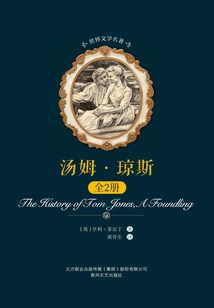
汤姆·琼斯(全2册)(世界文学名著)
J
Fielding's masterpiece "Tom Jones" is a biographical novel that tells the story of an abandoned infant Tom who grew up in abuse, was kicked out of his home, and broke up with his lover Sophia. Each of them went through many hardships and temptations. Finally, the mystery of his life experience was revealed and he was reunited with Sophia. The work is creative and inherits and promotes the tradition of British humorous and satirical literature. It is regarded as a milestone in the development history of British novels.
Fielding's masterpiece "Tom Jones" is a biographical novel that tells the story of an abandoned infant Tom who grew up in abuse, was kicked out of his home, and broke up with his lover Sophia. Each of them went through many hardships and temptations. Finally, the mystery of his life experience was revealed and he was reunited with Sophia. The work is creative and inherits and promotes the tradition of British humorous and satirical literature. It is regarded as a milestone in the development history of British novels.
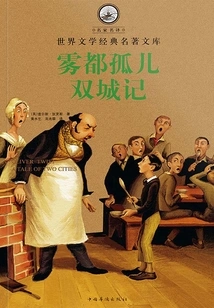
Oliver Twist·a Tale of Two Cities
General Fiction雾都孤儿·双城记
H
Charles Dickens is a great writer comparable to Shakespeare in the history of modern British literature. His works are well-known in the English-speaking world. He is full of deep compassion, advocates the spirit of philanthropy, and his satirical and humorous writing touches all aspects of social life. He is the most outstanding representative of critical realist literature in the 19th century. In the early Victorian era, Dickens was regarded by readers as the conscience and prophet of society, and in later generations was regarded as "a beacon that calls people back to laughter and kindness." Marx praised him and the famous British writers Thackeray of his generation as "a group of outstanding novelists" in Britain.
Charles Dickens is a great writer comparable to Shakespeare in the history of modern British literature. His works are well-known in the English-speaking world. He is full of deep compassion, advocates the spirit of philanthropy, and his satirical and humorous writing touches all aspects of social life. He is the most outstanding representative of critical realist literature in the 19th century. In the early Victorian era, Dickens was regarded by readers as the conscience and prophet of society, and in later generations was regarded as "a beacon that calls people back to laughter and kindness." Marx praised him and the famous British writers Thackeray of his generation as "a group of outstanding novelists" in Britain.
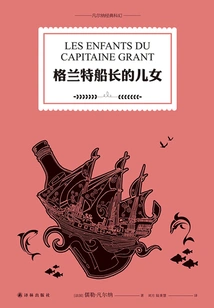
Captain Grant's Children (verne's Classic Science Fiction)
General Fiction格兰特船长的儿女(凡尔纳经典科幻)
G
In 1864, the cruise ship "Duncan" was followed by a shark during its trial voyage. Sir Glenarvan ordered the sailors to catch the shark. As a result, a drift bottle was found in the belly of the fish. There were three documents written in English, German, and French in the bottle. However, some of the writing had been corroded by sea water and became blurred. After speculation, everyone believed that this was a distress letter sent by Captain Grant who was lost at sea two years ago, so they decided to take the captain's daughter Mary and son Robert and others on an adventurous journey to find the captain...
In 1864, the cruise ship "Duncan" was followed by a shark during its trial voyage. Sir Glenarvan ordered the sailors to catch the shark. As a result, a drift bottle was found in the belly of the fish. There were three documents written in English, German, and French in the bottle. However, some of the writing had been corroded by sea water and became blurred. After speculation, everyone believed that this was a distress letter sent by Captain Grant who was lost at sea two years ago, so they decided to take the captain's daughter Mary and son Robert and others on an adventurous journey to find the captain...
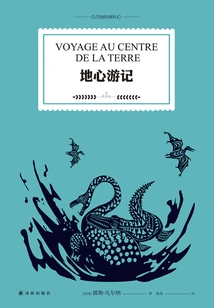
地心游记(凡尔纳经典科幻)
G
Inspired by a coded letter, German scientist Professor Lidenbrock, together with his nephew Axel and guide Hans, embarked on an adventure trip through the center of the earth. They descended from the Snæfellsjökull crater in Iceland and encountered various hardships such as lack of water, getting lost, and storms along the way. Can they return to the ground again?
Inspired by a coded letter, German scientist Professor Lidenbrock, together with his nephew Axel and guide Hans, embarked on an adventure trip through the center of the earth. They descended from the Snæfellsjökull crater in Iceland and encountered various hardships such as lack of water, getting lost, and storms along the way. Can they return to the ground again?
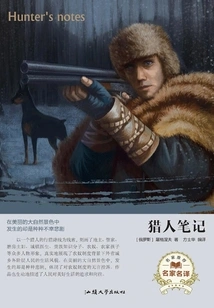
Hunter's Notes
General Fiction猎人笔记
Turgenev
"Hunter's Notes" is Turgenev's first realist work. This collection of short stories with vivid poetic descriptions of the Russian people has entered the treasure house of Russian classical literature and has many readers abroad. With a lyrical style, the work shows the purity of farmers' nature, the dignity of personality, the sacred and noble themes of humanitarianism that the writer strives to elucidate, his love for the people, and his praise for the spiritual power, wisdom and genius contained in the working people, making his works endowed with wise ideas and great artistic appeal.
"Hunter's Notes" is Turgenev's first realist work. This collection of short stories with vivid poetic descriptions of the Russian people has entered the treasure house of Russian classical literature and has many readers abroad. With a lyrical style, the work shows the purity of farmers' nature, the dignity of personality, the sacred and noble themes of humanitarianism that the writer strives to elucidate, his love for the people, and his praise for the spiritual power, wisdom and genius contained in the working people, making his works endowed with wise ideas and great artistic appeal.
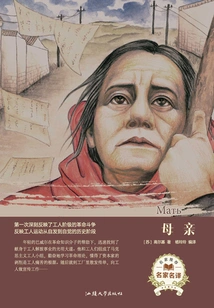
Mother
General Fiction母亲
I
This book marks a new peak for Gorky in exploring positive characters. Since the 1890s, Gorky has been actively exploring the creation of positive characters in his creations. Since the beginning of the 20th century, the booming workers' movement has greatly inspired his creative passion. The 1905 revolution had a decisive impact on Gorky's political thought and literary and artistic creation. He stood at the height of proletarian thought, boldly innovated, and finally created the typical image of Pavel, a plump proletarian hero, and brought the worker and peasant heroes into the field of literature. This book shows Gorky's high artistic talent in portraying proletarian heroes. In this book, Gorky used the creative method of socialist realism for the first time, that is, to describe reality truly, historically and concretely from the actual revolutionary development. This book is the first new literary work written using this creative method. This book creates a new era of proletarian literature with its true description of the new revolutionary reality, its profound summary of the nature of the times, its heroic figures with high ideological and artistic qualities, and its new creative methods.
This book marks a new peak for Gorky in exploring positive characters. Since the 1890s, Gorky has been actively exploring the creation of positive characters in his creations. Since the beginning of the 20th century, the booming workers' movement has greatly inspired his creative passion. The 1905 revolution had a decisive impact on Gorky's political thought and literary and artistic creation. He stood at the height of proletarian thought, boldly innovated, and finally created the typical image of Pavel, a plump proletarian hero, and brought the worker and peasant heroes into the field of literature. This book shows Gorky's high artistic talent in portraying proletarian heroes. In this book, Gorky used the creative method of socialist realism for the first time, that is, to describe reality truly, historically and concretely from the actual revolutionary development. This book is the first new literary work written using this creative method. This book creates a new era of proletarian literature with its true description of the new revolutionary reality, its profound summary of the nature of the times, its heroic figures with high ideological and artistic qualities, and its new creative methods.
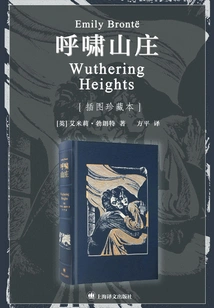
Wuthering Heights (illustrated Collector's Edition)
General Fiction呼啸山庄(插图珍藏本)
H
A world-renowned literary masterpiece, a highly regarded classic translation with stunning illustrations. The earth-shattering love between the hero and heroine, which transcends life and death, is integrated with the wilderness and violent nature. The whole novel is like a long and passionate narrative poem. "Wuthering Heights" is the only novel written by Emily Bronte in her life. It is her most important masterpiece and a shocking "strange novel". Hickory, an abandoned child, and Catherine, the only daughter of the owner of Wuthering Heights, were childhood sweethearts, but eventually parted ways due to the pressure of the world. After Catherine's tragic and premature death, Hickory's affection turned into full of resentment, and he launched a crazy revenge on everyone around him. Finally, he felt Catherine's call, and the lovers were finally reunited after death. The earth-shattering love between the two people, which transcends life and death, is integrated with the wilderness and violent nature. The whole novel is like a long and passionate narrative poem. This book is a highly regarded classic translation by the famous translator Mr. Fang Ping. It contains a complete set of more than 40 classic woodcut illustrations created by the famous German-American illustrator Fritz Eichenberg for the novel, which is of great collection value.
A world-renowned literary masterpiece, a highly regarded classic translation with stunning illustrations. The earth-shattering love between the hero and heroine, which transcends life and death, is integrated with the wilderness and violent nature. The whole novel is like a long and passionate narrative poem. "Wuthering Heights" is the only novel written by Emily Bronte in her life. It is her most important masterpiece and a shocking "strange novel". Hickory, an abandoned child, and Catherine, the only daughter of the owner of Wuthering Heights, were childhood sweethearts, but eventually parted ways due to the pressure of the world. After Catherine's tragic and premature death, Hickory's affection turned into full of resentment, and he launched a crazy revenge on everyone around him. Finally, he felt Catherine's call, and the lovers were finally reunited after death. The earth-shattering love between the two people, which transcends life and death, is integrated with the wilderness and violent nature. The whole novel is like a long and passionate narrative poem. This book is a highly regarded classic translation by the famous translator Mr. Fang Ping. It contains a complete set of more than 40 classic woodcut illustrations created by the famous German-American illustrator Fritz Eichenberg for the novel, which is of great collection value.
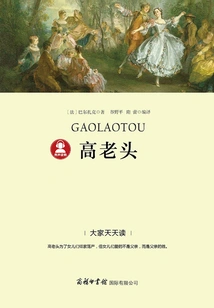
Old Man Tall
General Fiction高老头
(french) Written By Balzac, Compiled By Tan Yeping And Sui Lei
This book is part of the audiobook series "Everyone Reads Every Day". In addition to the wonderful interpretations and guidance from front-line teachers, this series of audio guides for teenagers to read world classics also comes with audio QR codes that readers can scan and listen to. "Petro Goriot" is the foundation work of "Human Comedy". The protagonist of the work, Old Man Gao, devoted all his love to his two daughters. In order to let them squeeze into the upper class, he gave them a good education since childhood and gave them a large dowry when they got married. However, the two daughters were vain and selfish. They only cared about having fun and did not care about their father's life or death. In the end, Goriot died of a stroke, and they did not even attend the funeral. Through the tragedy of Old Man Goriot, the work reveals the loss of personality of the bourgeoisie under the control of money and the naked money relationship between people, and criticizes the social reality of materialism and ugly human nature in the capitalist world.
This book is part of the audiobook series "Everyone Reads Every Day". In addition to the wonderful interpretations and guidance from front-line teachers, this series of audio guides for teenagers to read world classics also comes with audio QR codes that readers can scan and listen to. "Petro Goriot" is the foundation work of "Human Comedy". The protagonist of the work, Old Man Gao, devoted all his love to his two daughters. In order to let them squeeze into the upper class, he gave them a good education since childhood and gave them a large dowry when they got married. However, the two daughters were vain and selfish. They only cared about having fun and did not care about their father's life or death. In the end, Goriot died of a stroke, and they did not even attend the funeral. Through the tragedy of Old Man Goriot, the work reveals the loss of personality of the bourgeoisie under the control of money and the naked money relationship between people, and criticizes the social reality of materialism and ugly human nature in the capitalist world.
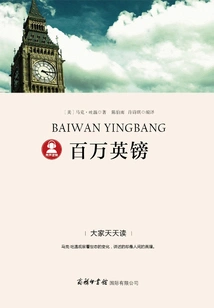
Million Pounds
General Fiction百万英镑
(us) Written By Mark Twain, Compiled By Chen Boyu And Xu Shiqi
This book is part of the audiobook series "Everyone Reads Every Day". In addition to the wonderful interpretations and guidance from front-line teachers, this series of audio guides for teenagers to read world classics also comes with audio QR codes that readers can scan and listen to. This book collects many classic short stories and short stories by Mark Twain, such as "One Million Pounds", "The Famous Jumping Frog of Calaveras County", "Running for Governor", "The Thirty Thousand Dollar Inheritance", etc. Among them, "One Million Pounds" tells the story of the adventures of a poor American young man in London, revealing various absurd and comical social phenomena in Britain where money worship is prevalent, and criticizing the supremacy of money and profit-seeking values in the capitalist system and the naked money relationship between people.
This book is part of the audiobook series "Everyone Reads Every Day". In addition to the wonderful interpretations and guidance from front-line teachers, this series of audio guides for teenagers to read world classics also comes with audio QR codes that readers can scan and listen to. This book collects many classic short stories and short stories by Mark Twain, such as "One Million Pounds", "The Famous Jumping Frog of Calaveras County", "Running for Governor", "The Thirty Thousand Dollar Inheritance", etc. Among them, "One Million Pounds" tells the story of the adventures of a poor American young man in London, revealing various absurd and comical social phenomena in Britain where money worship is prevalent, and criticizing the supremacy of money and profit-seeking values in the capitalist system and the naked money relationship between people.
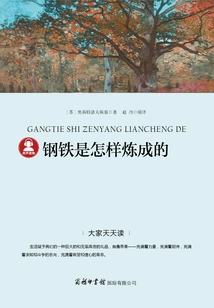
How is Steel Made?
General Fiction钢铁是怎样炼成的
Written By (su) Ostrovsky And Compiled By Zhao Dan
This book is part of the audiobook series "Everyone Reads Every Day". In addition to the wonderful interpretations and guidance from front-line teachers, this series of audio guides for teenagers to read world classics also comes with audio QR codes that readers can scan and listen to. "How the Steel Was Tempered" tells the tortuous journey of the protagonist Paul Korchagin who went through a series of trials and eventually grew into a proletarian revolutionary warrior. It profoundly depicts the vast picture of life in Ukraine before and after the October Revolution, creates a noble heroic image of Paul who is persistent in his beliefs and perseverance, and enthusiastically praises the spiritual outlook of the young generation of the Soviet Union who fought for the country. Paul's revolutionary enthusiasm and his iron-like tenacity deeply shocked people and inspired generations of young people to strive for their ideals.
This book is part of the audiobook series "Everyone Reads Every Day". In addition to the wonderful interpretations and guidance from front-line teachers, this series of audio guides for teenagers to read world classics also comes with audio QR codes that readers can scan and listen to. "How the Steel Was Tempered" tells the tortuous journey of the protagonist Paul Korchagin who went through a series of trials and eventually grew into a proletarian revolutionary warrior. It profoundly depicts the vast picture of life in Ukraine before and after the October Revolution, creates a noble heroic image of Paul who is persistent in his beliefs and perseverance, and enthusiastically praises the spiritual outlook of the young generation of the Soviet Union who fought for the country. Paul's revolutionary enthusiasm and his iron-like tenacity deeply shocked people and inspired generations of young people to strive for their ideals.
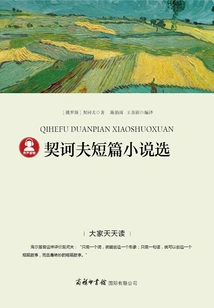
Selected Short Stories by Chekhov
General Fiction契诃夫短篇小说选
(russian) Written By Chekhov, Compiled By Chen Boyu And Wang Chunying
"Selected Short Stories of Chekhov" collects 15 of Chekhov's classic short stories. Chekhov is a writer familiar and loved by Chinese readers, and his works occupy an important position in the history of world literature. This book selects novels written by Chekhov in different periods, showing his creative characteristics from different angles, so that readers can read them in a concentrated and systematic way.
"Selected Short Stories of Chekhov" collects 15 of Chekhov's classic short stories. Chekhov is a writer familiar and loved by Chinese readers, and his works occupy an important position in the history of world literature. This book selects novels written by Chekhov in different periods, showing his creative characteristics from different angles, so that readers can read them in a concentrated and systematic way.

Uncle Tom's Cabin
General Fiction汤姆叔叔的小屋
(us) Written By Mrs. Stowe And Compiled By Zhao Dan
This book is part of the audiobook series "Everyone Reads Every Day". In addition to the wonderful interpretations and guidance from front-line teachers, this series of audio guides for teenagers to read world classics also comes with audio QR codes that readers can scan and listen to. The plot of "Uncle Tom's Cabin" revolves around the tortuous experiences of black slaves Tom and George: Tom believed in Christianity and accepted everything, but finally died tragically at the hands of the slave owner; George and his wife dared to resist and fight, and finally gained freedom and new life. This novel profoundly depicts the cruel nature of the black slave system, promoted the development of the abolition movement in the United States, and had a profound impact on American history and the process of world civilization. It was included in the "16 Books that Changed the World".
This book is part of the audiobook series "Everyone Reads Every Day". In addition to the wonderful interpretations and guidance from front-line teachers, this series of audio guides for teenagers to read world classics also comes with audio QR codes that readers can scan and listen to. The plot of "Uncle Tom's Cabin" revolves around the tortuous experiences of black slaves Tom and George: Tom believed in Christianity and accepted everything, but finally died tragically at the hands of the slave owner; George and his wife dared to resist and fight, and finally gained freedom and new life. This novel profoundly depicts the cruel nature of the black slave system, promoted the development of the abolition movement in the United States, and had a profound impact on American history and the process of world civilization. It was included in the "16 Books that Changed the World".
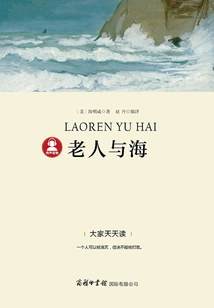
Old Man and Sea
General Fiction老人与海
(u. S.) Hemingway, Compiled By Zhao Dan
This book is part of the audiobook series "Everyone Reads Every Day". In addition to the wonderful interpretations and guidance from front-line teachers, this series of audio guides for teenagers to read world classics also comes with audio QR codes that readers can scan and listen to. "The Old Man and the Sea" is a collection of short stories by Hemingway, which includes four works: "The Old Man and the Sea", "The Snows of Kilimanjaro", "The Brief Happy Life of Francis Macomber" and "Capital of the World". These novels have concise language, vivid plots and vivid characters, influencing and encouraging generations of readers.
This book is part of the audiobook series "Everyone Reads Every Day". In addition to the wonderful interpretations and guidance from front-line teachers, this series of audio guides for teenagers to read world classics also comes with audio QR codes that readers can scan and listen to. "The Old Man and the Sea" is a collection of short stories by Hemingway, which includes four works: "The Old Man and the Sea", "The Snows of Kilimanjaro", "The Brief Happy Life of Francis Macomber" and "Capital of the World". These novels have concise language, vivid plots and vivid characters, influencing and encouraging generations of readers.

Journey to the Center of the Earth
General Fiction地心游记
(french) Jules Verne, Compiled By Zhao Dan
This book is part of the audiobook series "Everyone Reads Every Day". In addition to the wonderful interpretations and guidance from front-line teachers, this series of audio guides for teenagers to read world classics also comes with audio QR codes that readers can scan and listen to. "Journey to the Center of the Earth" tells the story of an exploration trip through the center of the earth conducted by German scientist Professor Lidenbrock, his nephew Axel, and their guide Hans in the mid-19th century. During travel, heat, dizziness, hunger, thirst, darkness, and getting lost all come with you. After going through many difficulties and dangers, just when they were about to reach the center of the earth, the volcano erupted! Coerced by the hot magma, will they be sent to hell or sent back to the world? The plot of the book is ups and downs, the language is humorous, and with its extraordinary scientific imagination and rich and realistic descriptions of scenery, readers are brought into Verne's wonderful fantasy world.
This book is part of the audiobook series "Everyone Reads Every Day". In addition to the wonderful interpretations and guidance from front-line teachers, this series of audio guides for teenagers to read world classics also comes with audio QR codes that readers can scan and listen to. "Journey to the Center of the Earth" tells the story of an exploration trip through the center of the earth conducted by German scientist Professor Lidenbrock, his nephew Axel, and their guide Hans in the mid-19th century. During travel, heat, dizziness, hunger, thirst, darkness, and getting lost all come with you. After going through many difficulties and dangers, just when they were about to reach the center of the earth, the volcano erupted! Coerced by the hot magma, will they be sent to hell or sent back to the world? The plot of the book is ups and downs, the language is humorous, and with its extraordinary scientific imagination and rich and realistic descriptions of scenery, readers are brought into Verne's wonderful fantasy world.
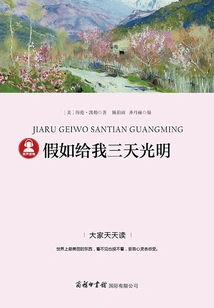
If You Give Me Three Days of Light
General Fiction假如给我三天光明
(us) Written By Helen Keller, Edited By Chen Boyu And Qi Danhe
"If You Give Me Three Days of Sight" is the masterpiece of Helen Keller, a famous contemporary American blind and deaf female writer. The book is divided into three parts: Helen Keller's autobiography, the famous prose "If You Give Me Three Days of Light", and Helen Keller's biography of her teacher Anne Sullivan. These three parts completely and systematically present Helen Keller's rich, vivid, tenacious and great life as well as her multiple perceptions of life, allowing readers to feel her strong, optimistic and kind-hearted qualities.
"If You Give Me Three Days of Sight" is the masterpiece of Helen Keller, a famous contemporary American blind and deaf female writer. The book is divided into three parts: Helen Keller's autobiography, the famous prose "If You Give Me Three Days of Light", and Helen Keller's biography of her teacher Anne Sullivan. These three parts completely and systematically present Helen Keller's rich, vivid, tenacious and great life as well as her multiple perceptions of life, allowing readers to feel her strong, optimistic and kind-hearted qualities.

Childhood
General Fiction童年
Written By (su) Gorky And Compiled By Liu Rong
This book is part of the audiobook series "Everyone Reads Every Day". In addition to the wonderful interpretations and guidance from front-line teachers, this series of audio guides for teenagers to read world classics also comes with audio QR codes that readers can scan and listen to. "Childhood" is the first part of Gorky's autobiographical novel trilogy, which tells the story of Alyosha's childhood life under the shelter of others. Starting from the death of Alyosha's father and his mother joining his grandfather, to the end when his grandfather asked Alyosha to go to the "human world" to make a living, the work vividly reproduces the living conditions of the lower class people in Russia in the 1870s and 1980s. In his grandfather's house, which was filled with cruelty and hatred, young Alyosha experienced the pain and ugliness of the world prematurely.
This book is part of the audiobook series "Everyone Reads Every Day". In addition to the wonderful interpretations and guidance from front-line teachers, this series of audio guides for teenagers to read world classics also comes with audio QR codes that readers can scan and listen to. "Childhood" is the first part of Gorky's autobiographical novel trilogy, which tells the story of Alyosha's childhood life under the shelter of others. Starting from the death of Alyosha's father and his mother joining his grandfather, to the end when his grandfather asked Alyosha to go to the "human world" to make a living, the work vividly reproduces the living conditions of the lower class people in Russia in the 1870s and 1980s. In his grandfather's house, which was filled with cruelty and hatred, young Alyosha experienced the pain and ugliness of the world prematurely.
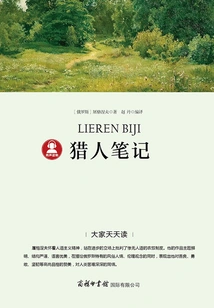
Hunter's Notes
General Fiction猎人笔记
(russia) Written By Turgenev Compiled By Zhao Dan
This book is part of the audiobook series "Everyone Reads Every Day". In addition to the wonderful interpretations and guidance from front-line teachers, this series of audio guides for teenagers to read world classics also comes with audio QR codes that readers can scan and listen to. This book is a collection of essays describing rural life in Russia in the 1840s and 1950s. The book takes a hunter's safari as a clue and depicts many characters such as landlords, doctors, aristocratic intellectuals, and serfs through a series of stories. It exposes the cruelty and hypocrisy of serf owners, the misery and helplessness of serf life, silently satirizes and criticizes the serf system, and expresses the desire and pursuit of a better life.
This book is part of the audiobook series "Everyone Reads Every Day". In addition to the wonderful interpretations and guidance from front-line teachers, this series of audio guides for teenagers to read world classics also comes with audio QR codes that readers can scan and listen to. This book is a collection of essays describing rural life in Russia in the 1840s and 1950s. The book takes a hunter's safari as a clue and depicts many characters such as landlords, doctors, aristocratic intellectuals, and serfs through a series of stories. It exposes the cruelty and hypocrisy of serf owners, the misery and helplessness of serf life, silently satirizes and criticizes the serf system, and expresses the desire and pursuit of a better life.
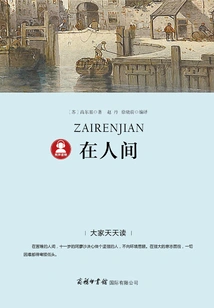
In the World
General Fiction在人间
(su) Gorky, Compiled By Zhao Dan And Xu Xiaowei
This book is part of the audiobook series "Everyone Reads Every Day". In addition to the wonderful interpretations and guidance from front-line teachers, this series of audio guides for teenagers to read world classics also comes with audio QR codes that readers can scan and listen to. "In the World" is the second part of Gorky's autobiographical novel trilogy. It tells the story of eleven-year-old Alyosha's experience of working as an apprentice and handyman in a shoe store, a draftsman's house, a ship, and an icon workshop, and interacting with various people at the bottom of society in order to make a living. The close contact allowed him to see more clearly the good, evil, beauty and ugliness of the world. After getting acquainted with the upright Smoore, he grew wildly like a tenacious grass. He studied hard and inspired his inner pursuit of justice and truth.
This book is part of the audiobook series "Everyone Reads Every Day". In addition to the wonderful interpretations and guidance from front-line teachers, this series of audio guides for teenagers to read world classics also comes with audio QR codes that readers can scan and listen to. "In the World" is the second part of Gorky's autobiographical novel trilogy. It tells the story of eleven-year-old Alyosha's experience of working as an apprentice and handyman in a shoe store, a draftsman's house, a ship, and an icon workshop, and interacting with various people at the bottom of society in order to make a living. The close contact allowed him to see more clearly the good, evil, beauty and ugliness of the world. After getting acquainted with the upright Smoore, he grew wildly like a tenacious grass. He studied hard and inspired his inner pursuit of justice and truth.

How Steel is Tempered (youth Edition)
General Fiction钢铁是怎样炼成的(青少版)
(sue) Ni Ostrovsky
Ostrovsky's novel "How the Steel Was Tempered" is one of the most brilliant masterpieces in Soviet socialist literature and has become a classic in world literature. It was translated and introduced to China and has been popular for more than half a century. It is regarded as a life textbook, a road sign of life and a spiritual tonic, and has been passed down by generations of readers. In a mass voting event held last year for "Fifty Books That Touched the Republic", the book "How Steel Was Tempered" still ranked first. It is rare for a foreign literary work to have such historical penetration in our country.
Ostrovsky's novel "How the Steel Was Tempered" is one of the most brilliant masterpieces in Soviet socialist literature and has become a classic in world literature. It was translated and introduced to China and has been popular for more than half a century. It is regarded as a life textbook, a road sign of life and a spiritual tonic, and has been passed down by generations of readers. In a mass voting event held last year for "Fifty Books That Touched the Republic", the book "How Steel Was Tempered" still ranked first. It is rare for a foreign literary work to have such historical penetration in our country.
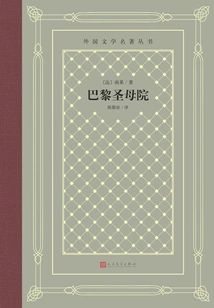
P
General Fictionp
H
"The Hunchback of Notre Dame" is the first full-length romantic novel by French writer Victor Hugo. "Notre Dame de Paris" artistically reproduces the historical reality of the reign of French King Louis XI more than 400 years ago, how the palace and the church colluded to oppress the people, and how the people fought heroically against the two forces. The novel has a strong romantic color and uses contrasting writing techniques. It is an artistic example of applying the contrast principle of romanticism.
"The Hunchback of Notre Dame" is the first full-length romantic novel by French writer Victor Hugo. "Notre Dame de Paris" artistically reproduces the historical reality of the reign of French King Louis XI more than 400 years ago, how the palace and the church colluded to oppress the people, and how the people fought heroically against the two forces. The novel has a strong romantic color and uses contrasting writing techniques. It is an artistic example of applying the contrast principle of romanticism.
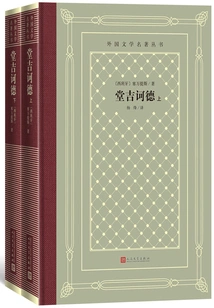
Don Quixote (complete Works)
General Fiction堂吉诃德(全集)
I
"Don Quixote" was created between 1606 and 1615. It is Cervantes' most outstanding work and is also considered the foundation of modern Western novels. Russian critic Belinsky said: "In all European literary works, seriousness and comedy, tragedy and comedy, triviality and vulgarity in life are so seamlessly blended with greatness and beauty... Such an example can only be found in Cervantes' "Don Quixote"."
"Don Quixote" was created between 1606 and 1615. It is Cervantes' most outstanding work and is also considered the foundation of modern Western novels. Russian critic Belinsky said: "In all European literary works, seriousness and comedy, tragedy and comedy, triviality and vulgarity in life are so seamlessly blended with greatness and beauty... Such an example can only be found in Cervantes' "Don Quixote"."
Q
General Fictionq
G
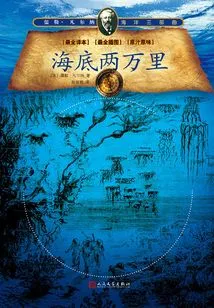
In 1866 a strange thing happened. Many sailing ships discovered a "sea monster" on the sea, and some ships were attacked by the "sea monster". The United States dispatched a warship to chase the "sea monster". French biologist Professor Aronas was invited to participate in the chase. As a result, the battleship chasing the monster was chased by the monster and was ferociously attacked by the "sea monster". Professor Aronas and his two companions fell into the water and were rescued by the "sea monster". Since then, they have followed the "sea monster" around the sea, exploring the secrets of the seabed, and experiencing hardships and risks. Finally, because they couldn't bear the boring life in the underwater world, they managed to escape back to the land.
In 1866 a strange thing happened. Many sailing ships discovered a "sea monster" on the sea, and some ships were attacked by the "sea monster". The United States dispatched a warship to chase the "sea monster". French biologist Professor Aronas was invited to participate in the chase. As a result, the battleship chasing the monster was chased by the monster and was ferociously attacked by the "sea monster". Professor Aronas and his two companions fell into the water and were rescued by the "sea monster". Since then, they have followed the "sea monster" around the sea, exploring the secrets of the seabed, and experiencing hardships and risks. Finally, because they couldn't bear the boring life in the underwater world, they managed to escape back to the land.