Library
Browse and search books
4,115 novels found
清浅斋遗稿影印集:清浅斋毛诗说
Wang Fuhan
"Collection of Photocopies of Qing Qianzhai's Manuscripts" contains 42 types of manuscripts by Mr. Qing Qianzhai (Wang Fuhan), including 3 mature manuscripts, namely "Qing Qianzhai Zhouyi Shuo" that the author plans to publish; 39 types of lecture notes that are basically complete and systematic and can relatively reflect Mr. Qing Qianzhai's academic value; and there are also several charts. According to the contents of the manuscripts and lecture notes, the book is roughly divided into three parts, namely: 16 types of "Qing Qianzhai's theory of Zhouyi"; 9 types of "Qingqianzhai's theory of Mao Shi"; 17 types of "Qingqianzhai's miscellaneous theory", including miscellaneous lectures other than "Zhouyi" and "The Book of Songs", basically arranged in the order of the development context of literary history, with 5 types of "Qunjing Gongzhi" listed at the end.
"Collection of Photocopies of Qing Qianzhai's Manuscripts" contains 42 types of manuscripts by Mr. Qing Qianzhai (Wang Fuhan), including 3 mature manuscripts, namely "Qing Qianzhai Zhouyi Shuo" that the author plans to publish; 39 types of lecture notes that are basically complete and systematic and can relatively reflect Mr. Qing Qianzhai's academic value; and there are also several charts. According to the contents of the manuscripts and lecture notes, the book is roughly divided into three parts, namely: 16 types of "Qing Qianzhai's theory of Zhouyi"; 9 types of "Qingqianzhai's theory of Mao Shi"; 17 types of "Qingqianzhai's miscellaneous theory", including miscellaneous lectures other than "Zhouyi" and "The Book of Songs", basically arranged in the order of the development context of literary history, with 5 types of "Qunjing Gongzhi" listed at the end.
清浅斋遗稿影印集:清浅斋周易说(下)
Wang Fuhan
"Collection of Photocopies of Qing Qianzhai's Manuscripts" contains 42 types of manuscripts by Mr. Qing Qianzhai (Wang Fuhan), including 3 mature manuscripts, namely "Qing Qianzhai Zhouyi Shuo" that the author plans to publish; 39 types of lecture notes that are basically complete and systematic and can relatively reflect Mr. Qing Qianzhai's academic value; and there are also several charts. According to the contents of the manuscripts and lecture notes, the book is roughly divided into three parts, namely: 16 types of "Qing Qianzhai's theory of Zhouyi"; 9 types of "Qingqianzhai's theory of Mao Shi"; 17 types of "Qingqianzhai's miscellaneous theory", including miscellaneous lectures other than "Zhouyi" and "The Book of Songs", basically arranged in the order of the development context of literary history, with 5 types of "Qunjing Gongzhi" listed at the end.
"Collection of Photocopies of Qing Qianzhai's Manuscripts" contains 42 types of manuscripts by Mr. Qing Qianzhai (Wang Fuhan), including 3 mature manuscripts, namely "Qing Qianzhai Zhouyi Shuo" that the author plans to publish; 39 types of lecture notes that are basically complete and systematic and can relatively reflect Mr. Qing Qianzhai's academic value; and there are also several charts. According to the contents of the manuscripts and lecture notes, the book is roughly divided into three parts, namely: 16 types of "Qing Qianzhai's theory of Zhouyi"; 9 types of "Qingqianzhai's theory of Mao Shi"; 17 types of "Qingqianzhai's miscellaneous theory", including miscellaneous lectures other than "Zhouyi" and "The Book of Songs", basically arranged in the order of the development context of literary history, with 5 types of "Qunjing Gongzhi" listed at the end.
清浅斋遗稿影印集:清浅斋杂说
Wang Fuhan
"Collection of Photocopies of Qing Qianzhai's Manuscripts" contains 42 types of manuscripts by Mr. Qing Qianzhai (Wang Fuhan), including 3 mature manuscripts, namely "Qing Qianzhai Zhouyi Shuo" that the author plans to publish; 39 types of lecture notes that are basically complete and systematic and can relatively reflect Mr. Qing Qianzhai's academic value; and there are also several charts. According to the contents of the manuscripts and lecture notes, the book is roughly divided into three parts, namely: 16 types of "Qing Qianzhai's theory of Zhouyi"; 9 types of "Qingqianzhai's theory of Mao Shi"; 17 types of "Qingqianzhai's miscellaneous theory", including miscellaneous lectures other than "Zhouyi" and "The Book of Songs", basically arranged in the order of the development context of literary history, with 5 types of "Qunjing Gongzhi" listed at the end.
"Collection of Photocopies of Qing Qianzhai's Manuscripts" contains 42 types of manuscripts by Mr. Qing Qianzhai (Wang Fuhan), including 3 mature manuscripts, namely "Qing Qianzhai Zhouyi Shuo" that the author plans to publish; 39 types of lecture notes that are basically complete and systematic and can relatively reflect Mr. Qing Qianzhai's academic value; and there are also several charts. According to the contents of the manuscripts and lecture notes, the book is roughly divided into three parts, namely: 16 types of "Qing Qianzhai's theory of Zhouyi"; 9 types of "Qingqianzhai's theory of Mao Shi"; 17 types of "Qingqianzhai's miscellaneous theory", including miscellaneous lectures other than "Zhouyi" and "The Book of Songs", basically arranged in the order of the development context of literary history, with 5 types of "Qunjing Gongzhi" listed at the end.
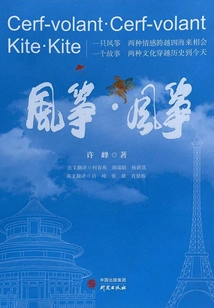
Kite·kite
Literature风筝·风筝
Xu Feng
This book is a publication based on the documentary film "Kite·Kite". The documentary uses "Kite", the first co-produced film in New China and the first color children's film in New China, as a clue to tell the story of the filming of the film 60 years ago. Through the film, the three young actors reunited in Paris and Beijing 60 years later and returned to their old places. The plot of the tour to the filming location of the movie "Kite", as well as the stories of Chinese and French characters related to kites in the new era, looked back at the friendship forged by the people of my country and France through the movie dream, and showed the story of cultural exchanges and people-to-people bonds between our people and the French people. This book uses movie "scenes" as a series to give readers an immersive sense of being there. It not only reviews the scenes shot 60 years ago, but also uses the reunion and gathering of several young actors from those years more than half a century later, as well as several contemporary Chinese and French artists and entrepreneurs who were inspired by the movie "Kite" to engage in exchanges between China and France in various fields. It echoes the theme of "a kite is constantly stringing" and "a kite, two emotions meet across the four seas; a story, two cultures travel through history to today".
This book is a publication based on the documentary film "Kite·Kite". The documentary uses "Kite", the first co-produced film in New China and the first color children's film in New China, as a clue to tell the story of the filming of the film 60 years ago. Through the film, the three young actors reunited in Paris and Beijing 60 years later and returned to their old places. The plot of the tour to the filming location of the movie "Kite", as well as the stories of Chinese and French characters related to kites in the new era, looked back at the friendship forged by the people of my country and France through the movie dream, and showed the story of cultural exchanges and people-to-people bonds between our people and the French people. This book uses movie "scenes" as a series to give readers an immersive sense of being there. It not only reviews the scenes shot 60 years ago, but also uses the reunion and gathering of several young actors from those years more than half a century later, as well as several contemporary Chinese and French artists and entrepreneurs who were inspired by the movie "Kite" to engage in exchanges between China and France in various fields. It echoes the theme of "a kite is constantly stringing" and "a kite, two emotions meet across the four seas; a story, two cultures travel through history to today".
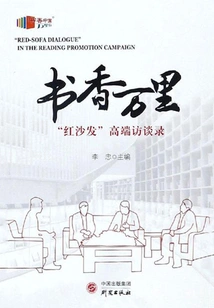
书香万里:“红沙发”高端访谈录
Editor-in-chief Li Zhong
"Books Fragrance Thousands of Miles" is a companion piece to "High Mountains and Vast Waters". This book focuses on recording dozens of "Red Sofa" series of interviews held between 2017 and 2018. As of November 2018, the "Scholarly China Miles Travel" National Reading "Red Sofa" series of interviews, sponsored by China Press and Publication Media Group and China National Reading Media Alliance, has held 27 issues and 135 interviews across the country. This book records the actual records of 53 "Red Sofa" interview activities from the 18th to the 27th period. The content is detailed and the records are vivid. It is a comprehensive review and summary of the "Red Sofa" series of interview activities.
"Books Fragrance Thousands of Miles" is a companion piece to "High Mountains and Vast Waters". This book focuses on recording dozens of "Red Sofa" series of interviews held between 2017 and 2018. As of November 2018, the "Scholarly China Miles Travel" National Reading "Red Sofa" series of interviews, sponsored by China Press and Publication Media Group and China National Reading Media Alliance, has held 27 issues and 135 interviews across the country. This book records the actual records of 53 "Red Sofa" interview activities from the 18th to the 27th period. The content is detailed and the records are vivid. It is a comprehensive review and summary of the "Red Sofa" series of interview activities.
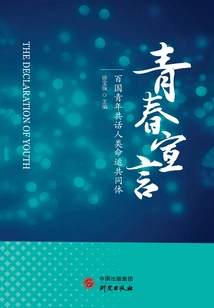
青春宣言:百国青年共话人类命运共同体演讲大赛优秀作品选
Editor-in-chief Xu Baofeng
"Youth Manifesto" is a collection and publication of the speeches of outstanding contestants in the "Tell China's Story Well: Youth from 100 Countries Talk about a Community with a Shared Future for Mankind Speech Contest". This competition is organized by Beijing Language and Culture University and is aimed at international youth who love Chinese culture across the country. A total of outstanding young people from 70 countries have submitted articles to the competition organizing committee to express their views on the "community of a shared future for mankind". Mr. Nie Zhenning, chairman of the Taofen Foundation and a distinguished expert of the "Foreigners Writing on China Project", was hired as a reviewer for the "Tell China Stories: Youth from Hundreds of Countries Talk about a Community with a Shared Future for Mankind Speech Contest" and was pleased to write the preface to this book.
"Youth Manifesto" is a collection and publication of the speeches of outstanding contestants in the "Tell China's Story Well: Youth from 100 Countries Talk about a Community with a Shared Future for Mankind Speech Contest". This competition is organized by Beijing Language and Culture University and is aimed at international youth who love Chinese culture across the country. A total of outstanding young people from 70 countries have submitted articles to the competition organizing committee to express their views on the "community of a shared future for mankind". Mr. Nie Zhenning, chairman of the Taofen Foundation and a distinguished expert of the "Foreigners Writing on China Project", was hired as a reviewer for the "Tell China Stories: Youth from Hundreds of Countries Talk about a Community with a Shared Future for Mankind Speech Contest" and was pleased to write the preface to this book.
清浅斋遗稿影印集:清浅斋周易说(上)
Wang Fuhan
"Collection of Photocopies of Qing Qianzhai's Manuscripts" contains 42 types of manuscripts by Mr. Qing Qianzhai (Wang Fuhan), including 3 mature manuscripts, namely "Qing Qianzhai Zhouyi Shuo" that the author plans to publish; 39 types of lecture notes that are basically complete and systematic and can relatively reflect Mr. Qing Qianzhai's academic value; and there are also several charts. According to the contents of the manuscripts and lecture notes, the book is roughly divided into three parts, namely: 16 types of "Qing Qianzhai's theory of Zhouyi"; 9 types of "Qingqianzhai's theory of Mao Shi"; 17 types of "Qingqianzhai's miscellaneous theory", including miscellaneous lectures other than "Zhouyi" and "The Book of Songs", basically arranged in the order of the development context of literary history, with 5 types of "Qunjing Gongzhi" listed at the end.
"Collection of Photocopies of Qing Qianzhai's Manuscripts" contains 42 types of manuscripts by Mr. Qing Qianzhai (Wang Fuhan), including 3 mature manuscripts, namely "Qing Qianzhai Zhouyi Shuo" that the author plans to publish; 39 types of lecture notes that are basically complete and systematic and can relatively reflect Mr. Qing Qianzhai's academic value; and there are also several charts. According to the contents of the manuscripts and lecture notes, the book is roughly divided into three parts, namely: 16 types of "Qing Qianzhai's theory of Zhouyi"; 9 types of "Qingqianzhai's theory of Mao Shi"; 17 types of "Qingqianzhai's miscellaneous theory", including miscellaneous lectures other than "Zhouyi" and "The Book of Songs", basically arranged in the order of the development context of literary history, with 5 types of "Qunjing Gongzhi" listed at the end.
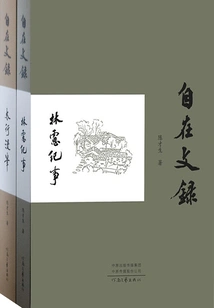
Ziziwenlu
Literature自在文录
Chen Caisheng
"Zi Zai Wen Lu" collects essays, novels, reviews and other works created by the author in recent years. The prose volume mainly describes the customs and customs of the hometown, the relationship between relatives and friends, as well as essay notes, etc. Most of the works are praises of the beauty of Linlushan Taihang and the writing of the beautiful humanity of the hometown; the novel volume focuses on depicting the life style of the people of Linzhou and the society. It reveals and reflects on the problems and phenomena that have emerged in the development of society, enthusiastically praises the spirit of the Red Flag Canal, shows the history and the style of the times from the side, reveals the various aspects of contemporary life, and reflects the tremendous changes in rural areas and farmers in the reform and opening up. The review volume mainly contains the author's comments on contemporary writers and literary theory articles, which has high academic value. The manuscript is highly ideological and artistic and has high publication value.
"Zi Zai Wen Lu" collects essays, novels, reviews and other works created by the author in recent years. The prose volume mainly describes the customs and customs of the hometown, the relationship between relatives and friends, as well as essay notes, etc. Most of the works are praises of the beauty of Linlushan Taihang and the writing of the beautiful humanity of the hometown; the novel volume focuses on depicting the life style of the people of Linzhou and the society. It reveals and reflects on the problems and phenomena that have emerged in the development of society, enthusiastically praises the spirit of the Red Flag Canal, shows the history and the style of the times from the side, reveals the various aspects of contemporary life, and reflects the tremendous changes in rural areas and farmers in the reform and opening up. The review volume mainly contains the author's comments on contemporary writers and literary theory articles, which has high academic value. The manuscript is highly ideological and artistic and has high publication value.
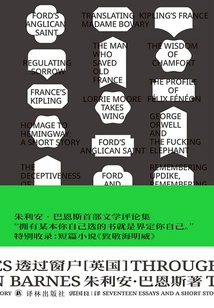
Through the Window
Literature透过窗户
H
"Through the Window" contains seventeen literary reviews and one short story published by the writer Barnes in the New York Review of Books, the London Review of Books, and the Guardian. Critics include Penelope Fitzgerald, Orwell, Kipling, Ford, Merrimee, Houellebecq, Hemingway, Updike and others. As one of the most outstanding contemporary British novelists, Barnes is also an elegant and witty literary critic. In his writing, the image of the writer emerges vividly on the page: How did Orwell's boarding school experience affect his writing? Kipling traveled in France every year by car. What kind of affection did he have for France? Edith Wharton advanced an astronomical $8,000 royalties to Henry James anonymously; Lydia Davis was not very enthusiastic about "Madame Bovary," but her translation was the best... Through these windows of text, we see what is the best novel and the truth about life.
"Through the Window" contains seventeen literary reviews and one short story published by the writer Barnes in the New York Review of Books, the London Review of Books, and the Guardian. Critics include Penelope Fitzgerald, Orwell, Kipling, Ford, Merrimee, Houellebecq, Hemingway, Updike and others. As one of the most outstanding contemporary British novelists, Barnes is also an elegant and witty literary critic. In his writing, the image of the writer emerges vividly on the page: How did Orwell's boarding school experience affect his writing? Kipling traveled in France every year by car. What kind of affection did he have for France? Edith Wharton advanced an astronomical $8,000 royalties to Henry James anonymously; Lydia Davis was not very enthusiastic about "Madame Bovary," but her translation was the best... Through these windows of text, we see what is the best novel and the truth about life.
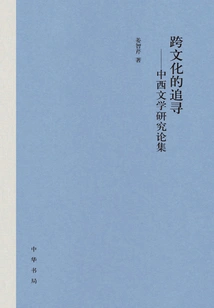
跨文化的追寻:中西文学研究论集
Jiang Zhiqin
This book covers four aspects: the overseas dissemination of Chinese contemporary literature, the image of China in Western literature, foreign literature, and comparative literature research. Discuss the interpretation preferences in the overseas reception of Chinese literature, the overseas communication of Chinese literature and the shaping of China's image, the methods and existing problems in the study of the overseas communication of Chinese literature; analyze how China is literary imagined and culturally utilized in Western literary works at different historical stages, and study the deep social and cultural implications behind the Western image of China ; Analyze the Chinese cultural complex of foreign writers, especially Kafka, and explore the relationship between his career and literary creation, as well as his inheritance of previous writers and his influence on later writers; interpret the works of Zhang Wei and Hemingway, Kafka and Dickens and other writers from a comparative perspective, and explore the mutual understanding, mutual verification, and mutual learning between literatures of different nationalities.
This book covers four aspects: the overseas dissemination of Chinese contemporary literature, the image of China in Western literature, foreign literature, and comparative literature research. Discuss the interpretation preferences in the overseas reception of Chinese literature, the overseas communication of Chinese literature and the shaping of China's image, the methods and existing problems in the study of the overseas communication of Chinese literature; analyze how China is literary imagined and culturally utilized in Western literary works at different historical stages, and study the deep social and cultural implications behind the Western image of China ; Analyze the Chinese cultural complex of foreign writers, especially Kafka, and explore the relationship between his career and literary creation, as well as his inheritance of previous writers and his influence on later writers; interpret the works of Zhang Wei and Hemingway, Kafka and Dickens and other writers from a comparative perspective, and explore the mutual understanding, mutual verification, and mutual learning between literatures of different nationalities.
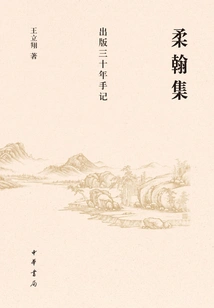
柔翰集:出版三十年手记
Wang Lixiang
After the reform and opening up, China's publishing industry has achieved remarkable results and has become an important part of the great achievements of building socialism with Chinese characteristics. The author joined the publishing house in 1985 and participated in the construction of the publishing industry after my country's reform and opening up. He also witnessed the great changes in the publishing industry as it moved towards the market and the world and promoted contemporary social changes. This book contains more than 30 various articles written by the author about publishing work, including a review and review of the publishing process, an analysis and summary of publishing work, a pursuit and reflection on career and mission, and records and memories of interactions with the author, mentors and friends. The article contains observations and cases, reflecting the author's long-term experience and thinking in publishing work, and presents from some aspects the historical imprint of the development of the publishing industry under the historical torrent of reform and opening up.
After the reform and opening up, China's publishing industry has achieved remarkable results and has become an important part of the great achievements of building socialism with Chinese characteristics. The author joined the publishing house in 1985 and participated in the construction of the publishing industry after my country's reform and opening up. He also witnessed the great changes in the publishing industry as it moved towards the market and the world and promoted contemporary social changes. This book contains more than 30 various articles written by the author about publishing work, including a review and review of the publishing process, an analysis and summary of publishing work, a pursuit and reflection on career and mission, and records and memories of interactions with the author, mentors and friends. The article contains observations and cases, reflecting the author's long-term experience and thinking in publishing work, and presents from some aspects the historical imprint of the development of the publishing industry under the historical torrent of reform and opening up.
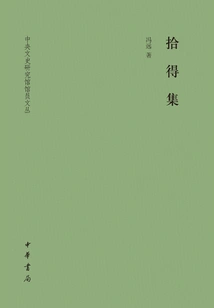
拾得集:中央文史研究馆馆员文丛
Feng Yuan
"Collection of Found Things" is a collection of literary essays, reviews and research articles published by Mr. Feng Yuan in various academic journals, newspapers and magazines in recent years. It contains not only macro thoughts on the development of contemporary Chinese culture, but also some insights from personal artistic creation research. Feng Yuan expresses the times through his paintings, verifying that art should follow the times and the creative era, thereby leading the times, and then confirm his views on the development of contemporary Chinese culture and art in the process of rapid economic growth, and how contemporary Chinese culture and art can occupy an increasingly respected position in the evolution of world civilization.
"Collection of Found Things" is a collection of literary essays, reviews and research articles published by Mr. Feng Yuan in various academic journals, newspapers and magazines in recent years. It contains not only macro thoughts on the development of contemporary Chinese culture, but also some insights from personal artistic creation research. Feng Yuan expresses the times through his paintings, verifying that art should follow the times and the creative era, thereby leading the times, and then confirm his views on the development of contemporary Chinese culture and art in the process of rapid economic growth, and how contemporary Chinese culture and art can occupy an increasingly respected position in the evolution of world civilization.
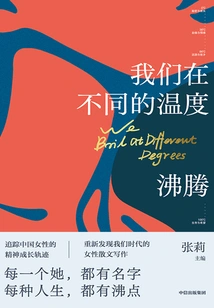
We Boil at Different Temperatures
Literature我们在不同的温度沸腾
Editor-in-chief Zhang Li
At 0°C, under standard atmospheric pressure, ice and water collide here, everything remains fresh here, and life and secrets begin to grow tenaciously from this moment on. At 38℃, we fell into the sea of people with a slightly warm body temperature, feeling the ubiquitous joy of the world, and feeling the gentle pull of family love. At 86°C, at the top of Mount Everest, the water is already boiling, but my heart that flaunts my long journey suddenly looks back at my hometown on the plains. At 100°C, streams also sublimate into gas, and things we take for granted begin to change quietly... This book is edited and introduced by Zhang Li, a literary critic and professor at Beijing Normal University. It takes four major themes: secrets and growth at 0°C, blood and emotions at 38°C, travel and hometown at 86°C, and survival and hope at 100°C. The "20 People in 20 Years and 20 Articles" selection principle selects the best prose works of 20 contemporary Chinese female writers of different generations, including Li Juan, Liang Hong, Zhou Xiaofeng, etc., To present the creative style of contemporary Chinese feminist prose since the 21st century, to observe the times with the pen of "she", and to witness women running and dancing in their respective worlds. Either freezing or burning - they never compromise inside and outside the story, exuding the heat of life at different boiling points.
At 0°C, under standard atmospheric pressure, ice and water collide here, everything remains fresh here, and life and secrets begin to grow tenaciously from this moment on. At 38℃, we fell into the sea of people with a slightly warm body temperature, feeling the ubiquitous joy of the world, and feeling the gentle pull of family love. At 86°C, at the top of Mount Everest, the water is already boiling, but my heart that flaunts my long journey suddenly looks back at my hometown on the plains. At 100°C, streams also sublimate into gas, and things we take for granted begin to change quietly... This book is edited and introduced by Zhang Li, a literary critic and professor at Beijing Normal University. It takes four major themes: secrets and growth at 0°C, blood and emotions at 38°C, travel and hometown at 86°C, and survival and hope at 100°C. The "20 People in 20 Years and 20 Articles" selection principle selects the best prose works of 20 contemporary Chinese female writers of different generations, including Li Juan, Liang Hong, Zhou Xiaofeng, etc., To present the creative style of contemporary Chinese feminist prose since the 21st century, to observe the times with the pen of "she", and to witness women running and dancing in their respective worlds. Either freezing or burning - they never compromise inside and outside the story, exuding the heat of life at different boiling points.
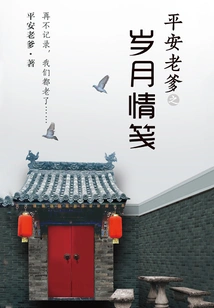
Peaceful Dad's Love Notes of the Years
Literature平安老爹之岁月情笺
Safe Daddy
This is a text written by a middle-aged man to record family, friendship and love. These are some passionate articles derived from personal growth. Compared with the beautiful words written by professional writers, these articles seem a bit rough. However, behind these roughness, there are rare true feelings and feelings. As the author said, sometimes, it is these real powers that can move people's hearts.
This is a text written by a middle-aged man to record family, friendship and love. These are some passionate articles derived from personal growth. Compared with the beautiful words written by professional writers, these articles seem a bit rough. However, behind these roughness, there are rare true feelings and feelings. As the author said, sometimes, it is these real powers that can move people's hearts.
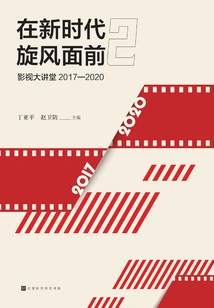
在新时代旋风面前2:影视大讲堂2017—2020
Ding Yaping Chief Editor Zhao Weifang
This book is compiled from the contents of 12 "Film and Television Lectures" held by the Institute of Film and Television Arts of the China Academy of Arts from 2017 to 2020. Its topics cover the hot issues of film and television, the current status of creation and film and television that are currently of great concern to the academic community and industry. All aspects of film and television research and creation including film history research methods. In addition to domestic first-class film and television theoretical critics, the keynote speakers participating in this period include Guo Fan, Zheng Dasheng, Wang Xingdong, Zhao Baohua and other well-known creators, as well as film promotion and marketing experts such as Huang Qunfei.
This book is compiled from the contents of 12 "Film and Television Lectures" held by the Institute of Film and Television Arts of the China Academy of Arts from 2017 to 2020. Its topics cover the hot issues of film and television, the current status of creation and film and television that are currently of great concern to the academic community and industry. All aspects of film and television research and creation including film history research methods. In addition to domestic first-class film and television theoretical critics, the keynote speakers participating in this period include Guo Fan, Zheng Dasheng, Wang Xingdong, Zhao Baohua and other well-known creators, as well as film promotion and marketing experts such as Huang Qunfei.
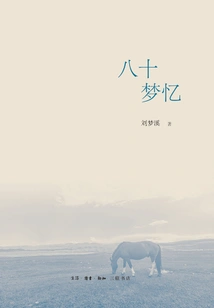
Eighty Dream Memories
Literature八十梦忆
Liu Mengxi
This book is a manuscript by Mr. Liu Mengxi, which summarizes his research on the academic thoughts of sages in the academic world, describes his interactions with celebrities in Chinese and foreign academic circles, comments on the academic views and works of many scholars, and also includes his own academic research process. The manuscript was completed when the author was eighty years old, so it is called "Eighty Years of Dreams". It is worth mentioning that the author personally organized and participated in many important cultural activities (the establishment of the Institute of Chinese Culture, the founding of "Chinese Culture", etc.), Which enabled him to have extensive contact with senior scholars at home and abroad in the fields of Chinese history, archaeology, literature, philosophy, etc., And understand their personal experiences, academic views, and academic achievements. In particular, he has conducted interviews or salons on many scholars. The author's words and deeds are recorded in detail. Through the author's pen, we can see some less well-known aspects of people such as Wang Guowei, Chen Yinke, Ma Yifu, Qian Zhongshu, Zhao Puchu, Ji Xianlin, He Bingdi, Tang Yijie, Yu Yingshi, Li Zehou, Pang Pu, Jin Yaoji, etc. It is the author's portrait of these people. This kind of text has a wide range of readers and has its own publication value.
This book is a manuscript by Mr. Liu Mengxi, which summarizes his research on the academic thoughts of sages in the academic world, describes his interactions with celebrities in Chinese and foreign academic circles, comments on the academic views and works of many scholars, and also includes his own academic research process. The manuscript was completed when the author was eighty years old, so it is called "Eighty Years of Dreams". It is worth mentioning that the author personally organized and participated in many important cultural activities (the establishment of the Institute of Chinese Culture, the founding of "Chinese Culture", etc.), Which enabled him to have extensive contact with senior scholars at home and abroad in the fields of Chinese history, archaeology, literature, philosophy, etc., And understand their personal experiences, academic views, and academic achievements. In particular, he has conducted interviews or salons on many scholars. The author's words and deeds are recorded in detail. Through the author's pen, we can see some less well-known aspects of people such as Wang Guowei, Chen Yinke, Ma Yifu, Qian Zhongshu, Zhao Puchu, Ji Xianlin, He Bingdi, Tang Yijie, Yu Yingshi, Li Zehou, Pang Pu, Jin Yaoji, etc. It is the author's portrait of these people. This kind of text has a wide range of readers and has its own publication value.
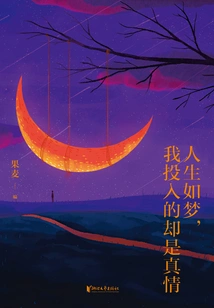
人生如梦,我投入的却是真情
Guomai
A selection of outstanding Chinese prose, a bedtime reading for adults. Select 39 famous people from the Qing Dynasty to contemporary times, each with an article. These authors represent half of my country's prose literature, including Lao She, Zhu Ziqing, Shen Congwen, Sun Li, and Wang Zengqi who have already entered literary history, as well as emerging authors born in the 1970s, such as Li Juan and Before the Storm. Select 5 ancient and modern poems as the opening, transition and ending, as breathing and partition. The prose is sorted from short to long, making it easier for readers to choose and read as appropriate.
A selection of outstanding Chinese prose, a bedtime reading for adults. Select 39 famous people from the Qing Dynasty to contemporary times, each with an article. These authors represent half of my country's prose literature, including Lao She, Zhu Ziqing, Shen Congwen, Sun Li, and Wang Zengqi who have already entered literary history, as well as emerging authors born in the 1970s, such as Li Juan and Before the Storm. Select 5 ancient and modern poems as the opening, transition and ending, as breathing and partition. The prose is sorted from short to long, making it easier for readers to choose and read as appropriate.
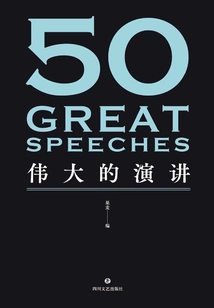
50: Great Speech
Literature50:伟大的演讲
Guomai
"50: Great Speeches" selects 50 speeches that are of special significance to the history of human development. The content involves excellent speeches by wise men and philosophers from different periods, fields, and industries. In the cultural accumulation and historical inheritance, these wonderful speeches inspired people's morale, conveyed the true meaning of truth, goodness and beauty, and recorded a specific mark of the times. In this book, you will see how speakers such as Plato, Albert Einstein, Karl Marx, Andrew Carnegie, Gandhi, George VI, Helen Keller, and Jane Goodall changed the world and influenced others through their speeches.
"50: Great Speeches" selects 50 speeches that are of special significance to the history of human development. The content involves excellent speeches by wise men and philosophers from different periods, fields, and industries. In the cultural accumulation and historical inheritance, these wonderful speeches inspired people's morale, conveyed the true meaning of truth, goodness and beauty, and recorded a specific mark of the times. In this book, you will see how speakers such as Plato, Albert Einstein, Karl Marx, Andrew Carnegie, Gandhi, George VI, Helen Keller, and Jane Goodall changed the world and influenced others through their speeches.
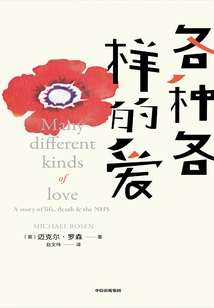
All Kinds of Love
Literature各种各样的爱
(uk) Michael Rosen
In March 2020, 74-year-old Michael Rosen was infected with the new coronavirus and woke up after a long coma. During his stay in intensive care, there was a notebook at the end of his bed, where the nurses and volunteers who cared for him left words of love, encouragement and hope. His wife's steadfast love, the protection of nurses and volunteers, and Grandpa Rosen's own tenacious will took him out of the "valley of the shadow of death", broke through the prison of death and darkness, and embarked on the long road to recovery. The book is divided into 8 chapters, including the grandfather's prose poems, text messages written by his wife Emma, and notes from medical staff. In addition, we specially invited the author Grandpa Rosen to write a letter to Chinese readers. Fear comes from the unknown. In the darkest moments, this little book brings strength and courage to people.
In March 2020, 74-year-old Michael Rosen was infected with the new coronavirus and woke up after a long coma. During his stay in intensive care, there was a notebook at the end of his bed, where the nurses and volunteers who cared for him left words of love, encouragement and hope. His wife's steadfast love, the protection of nurses and volunteers, and Grandpa Rosen's own tenacious will took him out of the "valley of the shadow of death", broke through the prison of death and darkness, and embarked on the long road to recovery. The book is divided into 8 chapters, including the grandfather's prose poems, text messages written by his wife Emma, and notes from medical staff. In addition, we specially invited the author Grandpa Rosen to write a letter to Chinese readers. Fear comes from the unknown. In the darkest moments, this little book brings strength and courage to people.
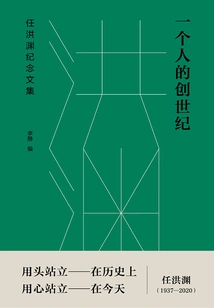
一个人的创世纪:任洪渊纪念文集
Li Jing
In August 2020, the death of poet Ren Hongyuan triggered the grief of countless poets and scholars. We have lost a poet in the classic sense. This commemorative collection of essays to pay tribute to the poet Ren Hongyuan, edited by Li Jing, contains dozens of works by Mr. Ren Hongyuan's friends and students during his lifetime. It integrates prose, poetry, and comments, and presents Mr. Ren Hongyuan's knowledge, personality, and temperament from different angles. Scholars Wu Sijing, Wang Yichuan, Zhao Yong, Li Yi, poets Yi Sha, Houma, Xu Jiang, San Ke, Shen Haobo, etc., All expressed their deep sorrow, respect and memory for Mr. Ren Hongyuan in their own way.
In August 2020, the death of poet Ren Hongyuan triggered the grief of countless poets and scholars. We have lost a poet in the classic sense. This commemorative collection of essays to pay tribute to the poet Ren Hongyuan, edited by Li Jing, contains dozens of works by Mr. Ren Hongyuan's friends and students during his lifetime. It integrates prose, poetry, and comments, and presents Mr. Ren Hongyuan's knowledge, personality, and temperament from different angles. Scholars Wu Sijing, Wang Yichuan, Zhao Yong, Li Yi, poets Yi Sha, Houma, Xu Jiang, San Ke, Shen Haobo, etc., All expressed their deep sorrow, respect and memory for Mr. Ren Hongyuan in their own way.
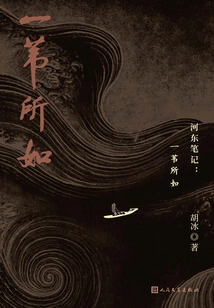
Notes from Hedong: Like a Reed
Literature河东笔记:一苇所如
Hu Bing
This book consists of three parts: old-style poetry, new-style poetry and prose. The contents are basically related to cultural relics, telling the author's understanding and perception of historical heritage, reflecting the author's enthusiasm and dedication to the cause of cultural relics. From another perspective, it is also an image reflection of the leaders of the cultural relics management department performing their duties. Everything written and recorded comes from the heart and emotions. Old-style poems pay attention to rhythm and concise sentences, such as "The clouds are pale and the sky is like washing, and the wind is brighter and the sun is brighter" ("Yannan Flying"), "The stars are colorful in the mountains, the jade belt is clear in water" ("Duxiu Peak"), "The grass is broad and the road is my heart, and the clouds are deep is my home" ("Gegentala"). "("Between Mountains and Seas") "And the word "ritual" is like a boat. It takes tens of thousands of years to ferry from one side to this side. It only takes a moment to be disrespectful." ("Zhou Yuan's Revelations"); The prose is mostly related to official activities at home and abroad. The ideas are broad and the writing is smart. Just like the title of the book, "A single reed is like a vast expanse of confusion." It can be said that this is also the power of cultural relics. It is worth savoring by readers.
This book consists of three parts: old-style poetry, new-style poetry and prose. The contents are basically related to cultural relics, telling the author's understanding and perception of historical heritage, reflecting the author's enthusiasm and dedication to the cause of cultural relics. From another perspective, it is also an image reflection of the leaders of the cultural relics management department performing their duties. Everything written and recorded comes from the heart and emotions. Old-style poems pay attention to rhythm and concise sentences, such as "The clouds are pale and the sky is like washing, and the wind is brighter and the sun is brighter" ("Yannan Flying"), "The stars are colorful in the mountains, the jade belt is clear in water" ("Duxiu Peak"), "The grass is broad and the road is my heart, and the clouds are deep is my home" ("Gegentala"). "("Between Mountains and Seas") "And the word "ritual" is like a boat. It takes tens of thousands of years to ferry from one side to this side. It only takes a moment to be disrespectful." ("Zhou Yuan's Revelations"); The prose is mostly related to official activities at home and abroad. The ideas are broad and the writing is smart. Just like the title of the book, "A single reed is like a vast expanse of confusion." It can be said that this is also the power of cultural relics. It is worth savoring by readers.
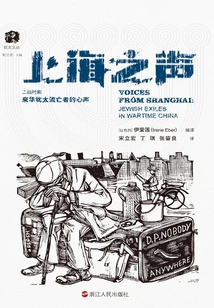
上海之声:二战时期来华犹太流亡者的心声
(israel) Compiled By Elaine
When Hitler came to power and the German army began to sweep across Europe, nearly 20,000 Central European Jewish refugees fled to Shanghai. This book collects letters, diaries, poems and short stories written by Jewish refugees in the years after landing in China, recreating their journey of struggling to make a living across the barriers of language, culture, belief systems and national traditions, and revealing the severe challenges faced by the Shanghai Jewish community due to differences in economic status, belief levels and class origins. The text in this book is taken from archives, private collections, and long-defunct newspapers. It not only enriches and enriches the Nazi Holocaust and exile literature, but also provides irreplaceable original documents for a glimpse into the mental journey of Jewish refugees in Shanghai. As a survivor of the Nazi Holocaust, the editor not only supplements the biographies of these unknown authors, but also gives his own interpretation based on the background of the times. The writing styles in the book are diverse, some are realistic, some are satirical, some are humorous, some are lyrical, some are empathetic, some are inspiring, they are real and thought-provoking.
When Hitler came to power and the German army began to sweep across Europe, nearly 20,000 Central European Jewish refugees fled to Shanghai. This book collects letters, diaries, poems and short stories written by Jewish refugees in the years after landing in China, recreating their journey of struggling to make a living across the barriers of language, culture, belief systems and national traditions, and revealing the severe challenges faced by the Shanghai Jewish community due to differences in economic status, belief levels and class origins. The text in this book is taken from archives, private collections, and long-defunct newspapers. It not only enriches and enriches the Nazi Holocaust and exile literature, but also provides irreplaceable original documents for a glimpse into the mental journey of Jewish refugees in Shanghai. As a survivor of the Nazi Holocaust, the editor not only supplements the biographies of these unknown authors, but also gives his own interpretation based on the background of the times. The writing styles in the book are diverse, some are realistic, some are satirical, some are humorous, some are lyrical, some are empathetic, some are inspiring, they are real and thought-provoking.
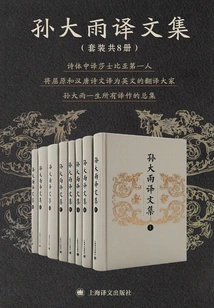
孙大雨译文集(套装共8册)
(english) Shakespeare, Etc.
Mr. Sun Dayu, the first translator to translate Shakespeare into Chinese in poetic style, and also translated Qu Yuan and Han and Tang poems into English. This collection of all translations in his life is of great appreciation value. "Collection of Translations of Sun Dayu" contains all existing translations of Mr. Sun Dayu's English-Chinese and Chinese-English translations, totaling eight volumes and more than two million words. The publication of "Collection of Translations of Sun Dayu" has important demonstration and summary significance in the field of Chinese translation, especially in the fields of Chinese and English translation of poetry.
Mr. Sun Dayu, the first translator to translate Shakespeare into Chinese in poetic style, and also translated Qu Yuan and Han and Tang poems into English. This collection of all translations in his life is of great appreciation value. "Collection of Translations of Sun Dayu" contains all existing translations of Mr. Sun Dayu's English-Chinese and Chinese-English translations, totaling eight volumes and more than two million words. The publication of "Collection of Translations of Sun Dayu" has important demonstration and summary significance in the field of Chinese translation, especially in the fields of Chinese and English translation of poetry.
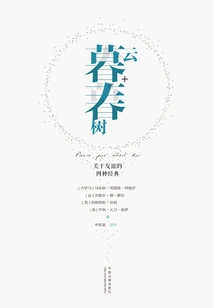
暮云春树:关于友谊的四种经典
(ancient Rome) Marcus Tullius Cicero, Etc.
This is a life guide that teaches you to live with insecurity, adversity, doubt, and denial calmly. This book selects four articles on friendship by Cicero, Montaigne, Bacon and Thoreau from various classic discussions on friendship. These four articles analyze the way you deal with the world, especially the re-understanding and self-reconciliation in the face of uncertainty in interpersonal communication. When you encounter insecurity and adversity, when you doubt and deny yourself again and again, when you want to give up and drift with the crowd, the wise words of life from the four sages can relieve your depression and lighten your soul. Four mentors will face those difficult questions with you, starting from the heart and embracing life.
This is a life guide that teaches you to live with insecurity, adversity, doubt, and denial calmly. This book selects four articles on friendship by Cicero, Montaigne, Bacon and Thoreau from various classic discussions on friendship. These four articles analyze the way you deal with the world, especially the re-understanding and self-reconciliation in the face of uncertainty in interpersonal communication. When you encounter insecurity and adversity, when you doubt and deny yourself again and again, when you want to give up and drift with the crowd, the wise words of life from the four sages can relieve your depression and lighten your soul. Four mentors will face those difficult questions with you, starting from the heart and embracing life.
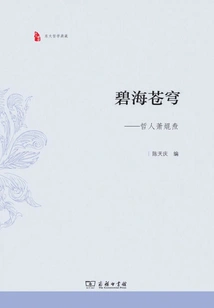
碧海苍穹:哲人萧焜焘
Compiled By Chen Tianqing
This book is a collection of essays commemorating Mr. Xiao Kuntao's philosophical career. It consists of Mr. Xiao's autobiography, articles recalling his teachers, friends and disciples, excerpts from Mr. Xiao's writings, and an "academic chronology". It contains a total of 39 articles. It depicts a three-dimensional and rich image of the philosopher from the perspectives of his works, life, and friends' testimonies. This book is one of the "Contemporary Jiangsu Scholars Series" published by Nanjing University Press in 2000. The total book is about 250,000 words.
This book is a collection of essays commemorating Mr. Xiao Kuntao's philosophical career. It consists of Mr. Xiao's autobiography, articles recalling his teachers, friends and disciples, excerpts from Mr. Xiao's writings, and an "academic chronology". It contains a total of 39 articles. It depicts a three-dimensional and rich image of the philosopher from the perspectives of his works, life, and friends' testimonies. This book is one of the "Contemporary Jiangsu Scholars Series" published by Nanjing University Press in 2000. The total book is about 250,000 words.
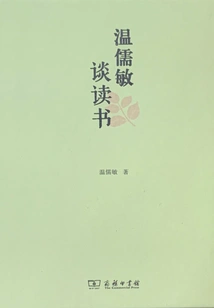
Wen Rumin Talks About Reading
Literature温儒敏谈读书
Wen Rumin
The book collects more than 40 articles by the author on reading and Chinese learning, divided into four parts: 1. Chinese education and reading, talking about Chinese teaching and stimulating interest in reading, learning Chinese well and developing reading habits, classroom teaching and reading methods, Chinese curriculum reform and reading literacy, how to read classics, etc. 2. General education and reading, talking about reading, reading lists and reading literacy in general education. 3. The Internet Age and Classic Reading, analyzing the value of classic reading based on the reading phenomenon in the Internet age. 4. Introduction to famous works by famous writers, including more than ten kinds of famous works, suggesting reading methods and revealing the key to interpretation. Most of the articles selected in the book are short, interesting, informative and practical, and more than ten of them have been widely circulated.
The book collects more than 40 articles by the author on reading and Chinese learning, divided into four parts: 1. Chinese education and reading, talking about Chinese teaching and stimulating interest in reading, learning Chinese well and developing reading habits, classroom teaching and reading methods, Chinese curriculum reform and reading literacy, how to read classics, etc. 2. General education and reading, talking about reading, reading lists and reading literacy in general education. 3. The Internet Age and Classic Reading, analyzing the value of classic reading based on the reading phenomenon in the Internet age. 4. Introduction to famous works by famous writers, including more than ten kinds of famous works, suggesting reading methods and revealing the key to interpretation. Most of the articles selected in the book are short, interesting, informative and practical, and more than ten of them have been widely circulated.
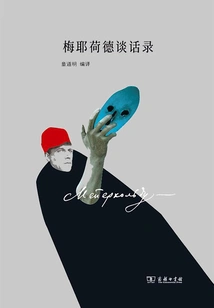
Meyerhold Conversations
Literature梅耶荷德谈话录
Compiled By Tong Daoming
The book "Meyerhold Conversations" is divided into two parts. The first part is Meyerhold's classic quotations, which are translated based on the section "Five Years with Meyerhold" in the Soviet Art Publishing House's "Drama Memoirs". The content mainly contains some of Meyerhold's novel views and ideas on drama directing, actor rehearsal, stage layout, etc. In his daily work. The second part is information about Meyerhold's speeches or conversations scattered in other books and periodicals. In the final appendix are two comments about Meyerhold's achievements. The author states that "Meyerhold is laying the foundation for future dramatic art, and the future will be grateful to him."
The book "Meyerhold Conversations" is divided into two parts. The first part is Meyerhold's classic quotations, which are translated based on the section "Five Years with Meyerhold" in the Soviet Art Publishing House's "Drama Memoirs". The content mainly contains some of Meyerhold's novel views and ideas on drama directing, actor rehearsal, stage layout, etc. In his daily work. The second part is information about Meyerhold's speeches or conversations scattered in other books and periodicals. In the final appendix are two comments about Meyerhold's achievements. The author states that "Meyerhold is laying the foundation for future dramatic art, and the future will be grateful to him."
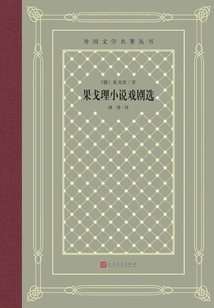
Selected Novels and Plays by Gogol
Literature果戈理小说戏剧选
(russian) Gogol
It includes Gogol's representative works, the novels "Taras Bulba", "Nevsky Prospekt", "Portrait", "The Overcoat" and the drama "The Imperial Envoy". Gogol uses ordinary daily life as the theme to describe the misfortunes of small people, which is permeated by the author's exposure and criticism of the social roots that cause the tragedies of small people. "The Imperial Envoy" is the representative work of the Russian satirist Gogol, which was published in 1836. The story describes a playboy named Khlestakov who lost everything in a bet and was at a loss. He was passing through a city in another province from Petersburg and was mistaken for an "imperial envoy". This caused panic among the local officials and made many jokes.
It includes Gogol's representative works, the novels "Taras Bulba", "Nevsky Prospekt", "Portrait", "The Overcoat" and the drama "The Imperial Envoy". Gogol uses ordinary daily life as the theme to describe the misfortunes of small people, which is permeated by the author's exposure and criticism of the social roots that cause the tragedies of small people. "The Imperial Envoy" is the representative work of the Russian satirist Gogol, which was published in 1836. The story describes a playboy named Khlestakov who lost everything in a bet and was at a loss. He was passing through a city in another province from Petersburg and was mistaken for an "imperial envoy". This caused panic among the local officials and made many jokes.
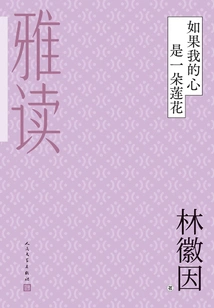
If My Heart Were a Lotus
Literature如果我的心是一朵莲花
Lin Huiyin
This book selects Lin Huiyin's poems and prose, such as the poems "You Are April in the World" and "Willing", the essays "Mourning for Zhimo", "Cobwebs and Plum Blossoms", the short translation "The Nightingale and the Rose" and some novels. Through her classic works, she fully embodies the style and characteristics of a talented literary woman of the Beijing School, highlighting her "elegant" characteristics. This book is based on the 2009 edition of "New Compilation of Lin Huiyin's Works" and the 2014 edition of "Lin Huiyin's Collection" published by People's Literature Publishing House. It meets readers' needs for high-quality literary reading.
This book selects Lin Huiyin's poems and prose, such as the poems "You Are April in the World" and "Willing", the essays "Mourning for Zhimo", "Cobwebs and Plum Blossoms", the short translation "The Nightingale and the Rose" and some novels. Through her classic works, she fully embodies the style and characteristics of a talented literary woman of the Beijing School, highlighting her "elegant" characteristics. This book is based on the 2009 edition of "New Compilation of Lin Huiyin's Works" and the 2014 edition of "Lin Huiyin's Collection" published by People's Literature Publishing House. It meets readers' needs for high-quality literary reading.
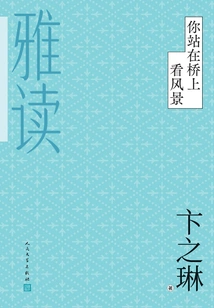
你站在桥上看风景
Bian Zhilin
Bian Zhilin appeared in the poetry world in the 1930s. He had been influenced by the "Crescent School", but he was more fascinated by the French Symbolist School and was good at absorbing nutrients from Chinese classical poetry to form his own unique style. His poems are exquisite and exquisite, with rich associations and strong leaps. He pays special attention to intellectualization, dramatization and philosophy. He is good at discovering the content of poems from daily life and further digging out the profound connotations that ordinary people don't expect. Most of his poems are obscure, profound, strange and thought-provoking. His loving prose is also particularly meaningful. This book mainly focuses on his poems, as well as prose and literary theory. It is a convenient and must-read selection for readers to understand the essence of his works.
Bian Zhilin appeared in the poetry world in the 1930s. He had been influenced by the "Crescent School", but he was more fascinated by the French Symbolist School and was good at absorbing nutrients from Chinese classical poetry to form his own unique style. His poems are exquisite and exquisite, with rich associations and strong leaps. He pays special attention to intellectualization, dramatization and philosophy. He is good at discovering the content of poems from daily life and further digging out the profound connotations that ordinary people don't expect. Most of his poems are obscure, profound, strange and thought-provoking. His loving prose is also particularly meaningful. This book mainly focuses on his poems, as well as prose and literary theory. It is a convenient and must-read selection for readers to understand the essence of his works.
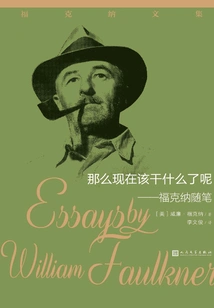
So What Now: Essays on Faulkner
Literature那么现在该干什么了呢:福克纳随笔
H
This book contains all of Faulkner's mature articles, speeches, book reviews, prefaces, and letters intended for publication, many of which reflect his increased sense of responsibility as a public figure after winning the Nobel Prize. From them, we can get a glimpse of all aspects of Faulkner as an artist and as a human being. These pages show us what this intensely passionate, extraordinarily complex, and intensely private writer was willing to reveal to the public during the last forty years of his career, while also allowing us to gain a closer understanding of both his person and his work.
This book contains all of Faulkner's mature articles, speeches, book reviews, prefaces, and letters intended for publication, many of which reflect his increased sense of responsibility as a public figure after winning the Nobel Prize. From them, we can get a glimpse of all aspects of Faulkner as an artist and as a human being. These pages show us what this intensely passionate, extraordinarily complex, and intensely private writer was willing to reveal to the public during the last forty years of his career, while also allowing us to gain a closer understanding of both his person and his work.
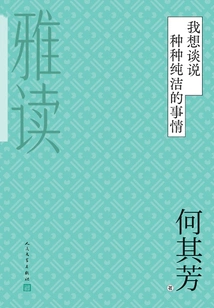
我想谈说种种纯洁的事情
He Qifang
This book selects He Qifang's poems, essays and reviews, such as the poems "Prophecy", "Caring for Someone at the End of the Year", "I Sing for Boys and Girls", the essays "Smoke and Cloud on the Fan", "Quiet Noon", reviews "An Ordinary Story", "Du Fu", etc. The classic works fully reflect the style and characteristics of Beijing-style literati and highlight the characteristics of "elegance". This book is based on the 2000 edition of "Painting Dreams" and the 2009 edition of "New Collection of He Qifang's Works" published by People's Literature Publishing House. It meets readers' needs for high-quality literary reading.
This book selects He Qifang's poems, essays and reviews, such as the poems "Prophecy", "Caring for Someone at the End of the Year", "I Sing for Boys and Girls", the essays "Smoke and Cloud on the Fan", "Quiet Noon", reviews "An Ordinary Story", "Du Fu", etc. The classic works fully reflect the style and characteristics of Beijing-style literati and highlight the characteristics of "elegance". This book is based on the 2000 edition of "Painting Dreams" and the 2009 edition of "New Collection of He Qifang's Works" published by People's Literature Publishing House. It meets readers' needs for high-quality literary reading.
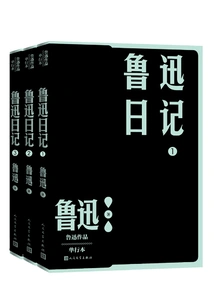
Lu Xun's Diary (three Volumes)
Literature鲁迅日记(全三册)
Lu Xun
Lu Xun's Diary, a total of three volumes, contains the diary written by the author from May 5, 1912 to October 18, 1936. These diaries were not published during the author's lifetime.
Lu Xun's Diary, a total of three volumes, contains the diary written by the author from May 5, 1912 to October 18, 1936. These diaries were not published during the author's lifetime.
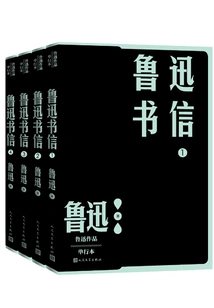
Letters of Lu Xun (four Volumes)
Literature鲁迅书信(全四册)
Lu Xun
The single volume of "The Complete Works of Lu Xun" is a popularized reading version based on the compilation of "The Complete Works of Lu Xun". Our publisher launched 24 categories in 1973, including only novels and essays. In 2006, our company launched a new edition, this time adding diaries and letters, totaling 29 types. There are four volumes of Lu Xun's letters, including the author's diaries written from October 8, 1904 to before his death. These diaries were collected by Lu Xun and published by Xu Guangping as "Lu Xun's Letters".
The single volume of "The Complete Works of Lu Xun" is a popularized reading version based on the compilation of "The Complete Works of Lu Xun". Our publisher launched 24 categories in 1973, including only novels and essays. In 2006, our company launched a new edition, this time adding diaries and letters, totaling 29 types. There are four volumes of Lu Xun's letters, including the author's diaries written from October 8, 1904 to before his death. These diaries were collected by Lu Xun and published by Xu Guangping as "Lu Xun's Letters".
X
Literaturex
I
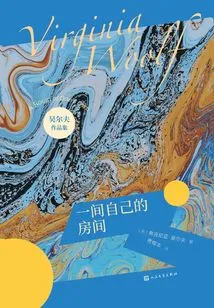
A Room of One's Own: Mr. Bennett and Mrs. Brown and Others is based on two lectures. On October 20 and 26, 1928, Woolf came to the University of Cambridge twice from London, delivering lectures on the topic of women and novels at Newnham Women's College and Gorting Women's College respectively. Afterwards, in March 1929, she combined the two speeches into one article, entitled "Women and Novel", and published it in the American magazine "Forum". Later, she greatly revised and expanded "Women and Novel" and wrote the book "Room".
A Room of One's Own: Mr. Bennett and Mrs. Brown and Others is based on two lectures. On October 20 and 26, 1928, Woolf came to the University of Cambridge twice from London, delivering lectures on the topic of women and novels at Newnham Women's College and Gorting Women's College respectively. Afterwards, in March 1929, she combined the two speeches into one article, entitled "Women and Novel", and published it in the American magazine "Forum". Later, she greatly revised and expanded "Women and Novel" and wrote the book "Room".
Novelist's Holiday
Literature小说家的假期
G
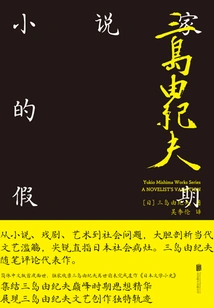
"The Novelist's Holiday" is an essay and commentary written by Mishima Yukio during his creative heyday. In this book, Mishima examines many issues such as contemporary civilization, society, literature, and art with rich and profound sensibility. He dived alone into the complex and ever-changing jungle of modern civilization. With his gorgeous and bold writing style and playful and profound writing style, he discussed the origins of literature and art from multiple angles and pointed pointedly at the ills of the times. This book is the starting point of Mishima's philosophical thinking. It comprehensively displays Mishima's literary outlook, artistic outlook, and values. It is the essence of Mishima's thoughts.
"The Novelist's Holiday" is an essay and commentary written by Mishima Yukio during his creative heyday. In this book, Mishima examines many issues such as contemporary civilization, society, literature, and art with rich and profound sensibility. He dived alone into the complex and ever-changing jungle of modern civilization. With his gorgeous and bold writing style and playful and profound writing style, he discussed the origins of literature and art from multiple angles and pointed pointedly at the ills of the times. This book is the starting point of Mishima's philosophical thinking. It comprehensively displays Mishima's literary outlook, artistic outlook, and values. It is the essence of Mishima's thoughts.
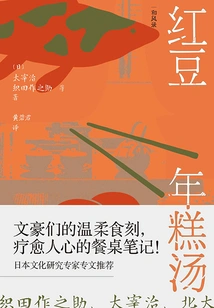
红豆年糕汤:暖胃暖心的餐桌故事
(japan) Dazai Osamu And Others
This book is a collection of Japanese essays and novels with the theme of food, including "Sukiyaki and Duck Dishes-Miscellaneous Thoughts of Western Food" and "Talk about Delicious Tofu" about Kitaoji Rashan's experience in appreciating food; "The Heart of Giving Up Drinking" and "Talk about Giving Up Drinking" by Osamu Dazai, a literary genius who loves and hates alcohol. "Memories of Wine"; the haiku master Masaoka Shiki is seriously ill in bed, but still optimistic about life and wrote an essay "Waiting for Dinner"; the gourmet literature classic "Sushi (Sushi)" showing strong maternal love; dreams and reality intertwined, full of fantasy "Chicken Dishes" A PARODY"; the novel "A Good Couple" shows the atmosphere of life in Osaka and is interspersed with countless food memories. The work does not simply describe the cooking itself or the meal process, but expresses the dining scene, psychological description, and memories through the food, and also conveys Japanese food culture and Japanese aesthetic consciousness.
This book is a collection of Japanese essays and novels with the theme of food, including "Sukiyaki and Duck Dishes-Miscellaneous Thoughts of Western Food" and "Talk about Delicious Tofu" about Kitaoji Rashan's experience in appreciating food; "The Heart of Giving Up Drinking" and "Talk about Giving Up Drinking" by Osamu Dazai, a literary genius who loves and hates alcohol. "Memories of Wine"; the haiku master Masaoka Shiki is seriously ill in bed, but still optimistic about life and wrote an essay "Waiting for Dinner"; the gourmet literature classic "Sushi (Sushi)" showing strong maternal love; dreams and reality intertwined, full of fantasy "Chicken Dishes" A PARODY"; the novel "A Good Couple" shows the atmosphere of life in Osaka and is interspersed with countless food memories. The work does not simply describe the cooking itself or the meal process, but expresses the dining scene, psychological description, and memories through the food, and also conveys Japanese food culture and Japanese aesthetic consciousness.
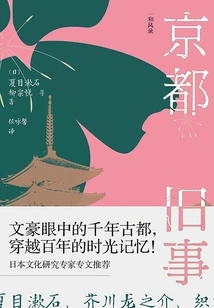
京都旧事:古都尘封的日与夜
(japan) Natsume Soseki, Yanagi Soetsu, Etc.
This book contains 18 works by 13 writers, including Soseki Natsume, Ryunosuke Akutagawa, Sakunosuke Oda, Ango Sakaguchi, Yukichi Fukuzawa, Yuriko Miyamoto, Taro Kinoshita, Hiroshi Kikuchi, Rashanto Kitaoji, Soetsu Yanagi, Tetsuro Watsuji, Shuzo Kuuki, and Matsuzono Uemura. These works are set in the ancient city of Kyoto, recording the new atmosphere brought by the westward wind to the east and the eternal beauty of the ancient capital: the development of new education, the changes in the urban landscape, the charming streets and private houses, the famous Gion cherry blossoms that have not changed for a century, and the incredible bamboo forests of Kyoto. It is full of connection and sentimentality, and has touching words that cannot be found in travel books.
This book contains 18 works by 13 writers, including Soseki Natsume, Ryunosuke Akutagawa, Sakunosuke Oda, Ango Sakaguchi, Yukichi Fukuzawa, Yuriko Miyamoto, Taro Kinoshita, Hiroshi Kikuchi, Rashanto Kitaoji, Soetsu Yanagi, Tetsuro Watsuji, Shuzo Kuuki, and Matsuzono Uemura. These works are set in the ancient city of Kyoto, recording the new atmosphere brought by the westward wind to the east and the eternal beauty of the ancient capital: the development of new education, the changes in the urban landscape, the charming streets and private houses, the famous Gion cherry blossoms that have not changed for a century, and the incredible bamboo forests of Kyoto. It is full of connection and sentimentality, and has touching words that cannot be found in travel books.
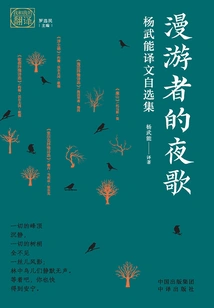
漫游者的夜歌:杨武能译文自选集
Translated By Yang Wuneng
"The Wanderer's Night Song: A Selected Collection of Translations by Yang Wuneng" is a book in the "Me and My Translation" series that embodies the charm of German literature. It contains classic works translated by translator Yang Wuneng, including poetry, prose, short stories, etc. Among them, there are excerpts from Goethe's famous poetic drama "Faust", excerpts from Thomas Mann's great novel "The Magic Mountain", as well as selected lyric poems by Goethe, Heine, Rilke and other writers.
"The Wanderer's Night Song: A Selected Collection of Translations by Yang Wuneng" is a book in the "Me and My Translation" series that embodies the charm of German literature. It contains classic works translated by translator Yang Wuneng, including poetry, prose, short stories, etc. Among them, there are excerpts from Goethe's famous poetic drama "Faust", excerpts from Thomas Mann's great novel "The Magic Mountain", as well as selected lyric poems by Goethe, Heine, Rilke and other writers.
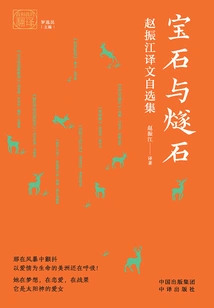
宝石与燧石:赵振江译文自选集
Translated By Zhao Zhenjiang
"Gems and Flints: Selected Translations by Zhao Zhenjiang" includes representative works of seven important writers in the Spanish literary world, including excerpts from the Argentine national epic "Martin Fierro" written by José Hernandez, many poems by the legendary Mexican poet Juana Ines de la Cruz, many poems by Gabriela, the Latin American Nobel Prize winner for literature, and the novel "Gems and Flints" by the famous Peruvian writer Aguedas. The works collected in this book are diverse in genre and rich in content, including poetry, prose, novels and other forms, allowing readers to experience the charm of Spanish literature from all angles.
"Gems and Flints: Selected Translations by Zhao Zhenjiang" includes representative works of seven important writers in the Spanish literary world, including excerpts from the Argentine national epic "Martin Fierro" written by José Hernandez, many poems by the legendary Mexican poet Juana Ines de la Cruz, many poems by Gabriela, the Latin American Nobel Prize winner for literature, and the novel "Gems and Flints" by the famous Peruvian writer Aguedas. The works collected in this book are diverse in genre and rich in content, including poetry, prose, novels and other forms, allowing readers to experience the charm of Spanish literature from all angles.
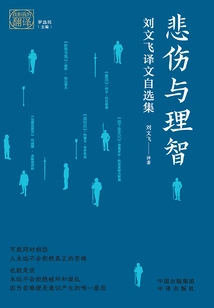
悲伤与理智:刘文飞译文自选集
Translated By Liu Wenfei
"Sorrow and Reason: Selected Translations by Liu Wenfei" is a collection of 11 representative translations selected by translator Liu Wenfei. All of his original works are classics. The works in the book are of various genres, including novels, poems, essays, etc., Including excerpts from Gorky's "Marva", Dostoevsky's "Notes from the Underground", Brodsky's "Spoils of War" and Tolstoy's "Resurrection". Each work is accompanied by a translator's introduction, leading readers to appreciate the ideological power of Russian literature.
"Sorrow and Reason: Selected Translations by Liu Wenfei" is a collection of 11 representative translations selected by translator Liu Wenfei. All of his original works are classics. The works in the book are of various genres, including novels, poems, essays, etc., Including excerpts from Gorky's "Marva", Dostoevsky's "Notes from the Underground", Brodsky's "Spoils of War" and Tolstoy's "Resurrection". Each work is accompanied by a translator's introduction, leading readers to appreciate the ideological power of Russian literature.
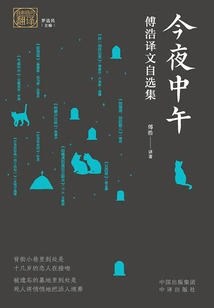
今夜中午:傅浩译文自选集
Translated By Fu Hao
"Tonight at Noon: A Selected Collection of Fu Hao's Translations" is divided into three parts, including "English to Chinese", "Chinese and Japanese to English" and "Other Languages to Chinese", including poetry, prose, novels and scripts. Among them, it not only includes well-known works such as Shakespeare's "May I Compare You to a Summer Day", Pound's "In a Metro Station", Keats's "Ode on a Grecian Urn", but also works that few domestic readers are familiar with, such as excerpts from Eliot's play "The Rock", Yeats's short stories, Xu Zhimo's prose, and many haiku.
"Tonight at Noon: A Selected Collection of Fu Hao's Translations" is divided into three parts, including "English to Chinese", "Chinese and Japanese to English" and "Other Languages to Chinese", including poetry, prose, novels and scripts. Among them, it not only includes well-known works such as Shakespeare's "May I Compare You to a Summer Day", Pound's "In a Metro Station", Keats's "Ode on a Grecian Urn", but also works that few domestic readers are familiar with, such as excerpts from Eliot's play "The Rock", Yeats's short stories, Xu Zhimo's prose, and many haiku.
孔子文化奖学术精粹丛书·汤一介卷
Editor-in-chief Yang Chaoming
The Confucius Culture Award is an international award established by the Ministry of Culture and the Shandong Provincial People's Government. It is selected once a year, and several groups and individuals are selected each time. It mainly rewards groups, individuals and non-governmental organizations that have made outstanding contributions to global Confucian research and the spread of Confucius culture. This award is one of the Ministry of Culture's highest awards. This series of books is a collection of essays by previous individual award winners since the establishment of the first Confucius Culture Award in 2009. It mainly includes six volumes: "Du Weiming Volume" (2009), "Pang Pu Volume" (2010), "Tang Yijie Volume" (2011), "Mou Zhongjian Volume" (2012), "Li Xueqin Volume" and "Anlezhe Volume" (2013). The content of each book is centered on "Confucian Confucianism and Traditional Culture", selecting the award-winner's most academically original views, phrases, concepts, etc., And selecting his most academically influential and academically innovative articles, writings, and academic speeches.
The Confucius Culture Award is an international award established by the Ministry of Culture and the Shandong Provincial People's Government. It is selected once a year, and several groups and individuals are selected each time. It mainly rewards groups, individuals and non-governmental organizations that have made outstanding contributions to global Confucian research and the spread of Confucius culture. This award is one of the Ministry of Culture's highest awards. This series of books is a collection of essays by previous individual award winners since the establishment of the first Confucius Culture Award in 2009. It mainly includes six volumes: "Du Weiming Volume" (2009), "Pang Pu Volume" (2010), "Tang Yijie Volume" (2011), "Mou Zhongjian Volume" (2012), "Li Xueqin Volume" and "Anlezhe Volume" (2013). The content of each book is centered on "Confucian Confucianism and Traditional Culture", selecting the award-winner's most academically original views, phrases, concepts, etc., And selecting his most academically influential and academically innovative articles, writings, and academic speeches.
孔子文化奖学术精粹丛书·李学勤卷
Yang Chaoming
The Confucius Culture Award is an international award established by the Ministry of Culture and the Shandong Provincial People's Government. It is selected once a year, and several groups and individuals are selected each time. It mainly rewards groups, individuals and non-governmental organizations that have made outstanding contributions to global Confucian research and the spread of Confucius culture. This award is one of the Ministry of Culture's highest awards. This series of books is a collection of essays by previous individual award winners since the establishment of the first Confucius Culture Award in 2009. It mainly includes six volumes: "Du Weiming Volume" (2009), "Pang Pu Volume" (2010), "Tang Yijie Volume" (2011), "Mou Zhongjian Volume" (2012), "Li Xueqin Volume" and "Anlezhe Volume" (2013). The content of each book is centered on "Confucian Confucianism and Traditional Culture", selecting the award-winner's most academically original views, phrases, concepts, etc., And selecting his most academically influential and academically innovative articles, writings, and academic speeches.
The Confucius Culture Award is an international award established by the Ministry of Culture and the Shandong Provincial People's Government. It is selected once a year, and several groups and individuals are selected each time. It mainly rewards groups, individuals and non-governmental organizations that have made outstanding contributions to global Confucian research and the spread of Confucius culture. This award is one of the Ministry of Culture's highest awards. This series of books is a collection of essays by previous individual award winners since the establishment of the first Confucius Culture Award in 2009. It mainly includes six volumes: "Du Weiming Volume" (2009), "Pang Pu Volume" (2010), "Tang Yijie Volume" (2011), "Mou Zhongjian Volume" (2012), "Li Xueqin Volume" and "Anlezhe Volume" (2013). The content of each book is centered on "Confucian Confucianism and Traditional Culture", selecting the award-winner's most academically original views, phrases, concepts, etc., And selecting his most academically influential and academically innovative articles, writings, and academic speeches.
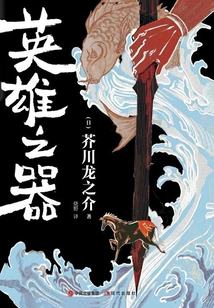
Hero's Weapon
Literature英雄之器
H
This book contains 17 stories written by Akutagawa Ryunosuke with Chinese elements as the background. It not only restores the famous historical allusion of the Chu-Han struggle for hegemony, but also uniquely adapts it based on strange people and strange events in the late Qing Dynasty. It has a unique perspective and far-reaching ideas, and profoundly presents the literary giant's exploration and thinking of human nature. This is China in the eyes of Ryunosuke Akutagawa, and the words reveal a Japanese literary giant's love and admiration for Sinology.
This book contains 17 stories written by Akutagawa Ryunosuke with Chinese elements as the background. It not only restores the famous historical allusion of the Chu-Han struggle for hegemony, but also uniquely adapts it based on strange people and strange events in the late Qing Dynasty. It has a unique perspective and far-reaching ideas, and profoundly presents the literary giant's exploration and thinking of human nature. This is China in the eyes of Ryunosuke Akutagawa, and the words reveal a Japanese literary giant's love and admiration for Sinology.
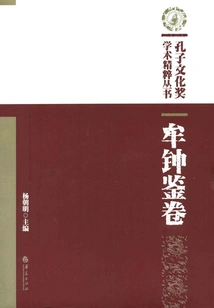
牟钟鉴卷(孔子文化奖学术精粹丛书)
Editor-in-chief Yang Chaoming
The Confucius Culture Award is an international award established by the Ministry of Culture and the Shandong Provincial People's Government. It is selected once a year, and several groups and individuals are selected each time. It mainly rewards groups, individuals and non-governmental organizations that have made outstanding contributions to global Confucian research and the spread of Confucius culture. This award is one of the Ministry of Culture's highest awards. This series of books is a collection of essays by previous individual award winners since the establishment of the first Confucius Culture Award in 2009. It mainly includes six volumes: "Du Weiming Volume" (2009), "Pang Pu Volume" (2010), "Tang Yijie Volume" (2011), "Mou Zhongjian Volume" (2012), "Li Xueqin Volume" and "Anlezhe Volume" (2013). The content of each book is centered on "Confucian Confucianism and Traditional Culture", selecting the award-winner's most academically original views, phrases, concepts, etc., And selecting his most academically influential and academically innovative articles, writings, and academic speeches.
The Confucius Culture Award is an international award established by the Ministry of Culture and the Shandong Provincial People's Government. It is selected once a year, and several groups and individuals are selected each time. It mainly rewards groups, individuals and non-governmental organizations that have made outstanding contributions to global Confucian research and the spread of Confucius culture. This award is one of the Ministry of Culture's highest awards. This series of books is a collection of essays by previous individual award winners since the establishment of the first Confucius Culture Award in 2009. It mainly includes six volumes: "Du Weiming Volume" (2009), "Pang Pu Volume" (2010), "Tang Yijie Volume" (2011), "Mou Zhongjian Volume" (2012), "Li Xueqin Volume" and "Anlezhe Volume" (2013). The content of each book is centered on "Confucian Confucianism and Traditional Culture", selecting the award-winner's most academically original views, phrases, concepts, etc., And selecting his most academically influential and academically innovative articles, writings, and academic speeches.
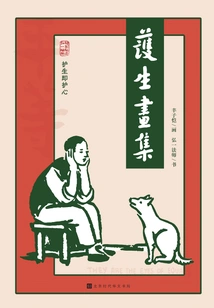
Nursing Student Painting Album
Literature护生画集
Feng Zikai\u002f Painting And Master Hong Yi\u002f Book
"Nursing Painting Collection" is the representative work of Mr. Feng Zikai's comic style. This collection of paintings is all painted by Mr. Feng Zikai, and the poems and poems in the first and second volumes are all written by Master Hongyi. 2022 Coincides with the 80th anniversary of the death of Master Hongyi, so this time only one or two episodes and the additional content "Talking about Master Hongyi for Young People" are selected for special commemoration! "Picture Collection of Nursing Care" has its special artistic status in terms of poems, articles, calligraphy, paintings, etc. The ideas of love, equality and respect for children conveyed in it also have positive significance for real life.
"Nursing Painting Collection" is the representative work of Mr. Feng Zikai's comic style. This collection of paintings is all painted by Mr. Feng Zikai, and the poems and poems in the first and second volumes are all written by Master Hongyi. 2022 Coincides with the 80th anniversary of the death of Master Hongyi, so this time only one or two episodes and the additional content "Talking about Master Hongyi for Young People" are selected for special commemoration! "Picture Collection of Nursing Care" has its special artistic status in terms of poems, articles, calligraphy, paintings, etc. The ideas of love, equality and respect for children conveyed in it also have positive significance for real life.
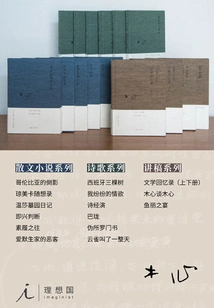
木心全集(典藏套装十六册)
Mu Xin
The Utopia Collector's Edition "The Complete Works of Mu Xin" collects 15 kinds of written works (including lecture notes "Literary Memoirs" and "Mu Xin Talks about Mu Xin"), including the final drafts of Mu Xin's later years, the author's images, creative handwriting, etc., Word for word, the original manuscripts of Mu Xin during his lifetime (and Chen Danqing's lecture notes) are all covered in cloth and hardcover for the first time - [1] 3 types of Mu Xin's lecture notes series "Literary Memoirs" (volumes 1 and 2), "Mu Xin Talks about Mu Xin" and "The Banquet of Fish and Beauty" [2] 6 types of Mu Xin's prose novel series "Reflections of Columbia", "Qiongmeka's Random Notes", "Windsor Cemetery Diary", "Impromptu Judgment", "Original Journey" and "Emerson's Bad Guest" [3] There are 6 kinds of Mu Xin's poetry series: "Three Trees in Spain", "My Lots of Lust", "Book of Songs", "Balong", "Book of Pseudo Solomon", "The Skylark Cryed All Day". Friendly reminder: In addition to the set of "The Complete Works of Mu Xin", there are also 2 volumes of "The Complete Works of Mu Xin" (edited by Tong Ming), one is the poem "Selected Poems of Mu Xin", and the other is the novel "The Leopard Change", such as Gemini, but they are single volumes and do not belong to the "Complete Works of Mu Xin".
The Utopia Collector's Edition "The Complete Works of Mu Xin" collects 15 kinds of written works (including lecture notes "Literary Memoirs" and "Mu Xin Talks about Mu Xin"), including the final drafts of Mu Xin's later years, the author's images, creative handwriting, etc., Word for word, the original manuscripts of Mu Xin during his lifetime (and Chen Danqing's lecture notes) are all covered in cloth and hardcover for the first time - [1] 3 types of Mu Xin's lecture notes series "Literary Memoirs" (volumes 1 and 2), "Mu Xin Talks about Mu Xin" and "The Banquet of Fish and Beauty" [2] 6 types of Mu Xin's prose novel series "Reflections of Columbia", "Qiongmeka's Random Notes", "Windsor Cemetery Diary", "Impromptu Judgment", "Original Journey" and "Emerson's Bad Guest" [3] There are 6 kinds of Mu Xin's poetry series: "Three Trees in Spain", "My Lots of Lust", "Book of Songs", "Balong", "Book of Pseudo Solomon", "The Skylark Cryed All Day". Friendly reminder: In addition to the set of "The Complete Works of Mu Xin", there are also 2 volumes of "The Complete Works of Mu Xin" (edited by Tong Ming), one is the poem "Selected Poems of Mu Xin", and the other is the novel "The Leopard Change", such as Gemini, but they are single volumes and do not belong to the "Complete Works of Mu Xin".
Douban's High-scoring Collection of History and Social Sciences (set of 5 Volumes in Total)
Literature豆瓣高分历史社科精选合集(套装共5册)
(u. S.) Edgar Snow Chen Congzhou Fei Xiaotong Nie Zuoping Shi Nianhai
"Red Star Shines on China" - a book that truly describes Red China scored 8.8 Points. The book not only records a large amount of first-hand information about the Chinese Red Army, the Soviet area, and revolutionary leaders, but also deeply analyzes and explores the reasons for the emergence and development of "Red China", and makes an objective evaluation of the Chinese Communist Party and the Chinese revolution. "Chen Congzhou Talks about Gardens" - Talking about gardens, visiting gardens, garden scenery, and garden interest scored 8.4 Points. From the four dimensions of "talking about the garden", "touring the garden", "garden scenery" and "garden interest", we appreciate garden art and explain the artistic beauty, modeling beauty, cultural beauty and artistic conception beauty of Chinese classical gardens in a simple and easy-to-understand way. "Rural China, Fertility System, and Rural Reconstruction" - a classic book on understanding the nature of Chinese society, with a score of 9.1. The book integrates many disciplines such as anthropology, sociology, political science, economics and culture, and provides a detailed and profound analysis of Chinese society. "1644: The Pain of the Empire" - a historical snapshot of a tragic era, scored 8.8 Points. In 1644 AD, the land of China was full of wars, heroes stood side by side, and everything was devastated... From the fall of Chongzhen to the defeat of Li Zicheng. "Ten Lectures on Historical Geography" - suitable for popularizing the knowledge of the history and geography of the motherland to the public. 8.3 Points. Ten topics are used to clarify some basic issues in historical geography from the aspects of my country's ancient and modern climate, population migration, transportation, urban evolution, and economic center of gravity.
"Red Star Shines on China" - a book that truly describes Red China scored 8.8 Points. The book not only records a large amount of first-hand information about the Chinese Red Army, the Soviet area, and revolutionary leaders, but also deeply analyzes and explores the reasons for the emergence and development of "Red China", and makes an objective evaluation of the Chinese Communist Party and the Chinese revolution. "Chen Congzhou Talks about Gardens" - Talking about gardens, visiting gardens, garden scenery, and garden interest scored 8.4 Points. From the four dimensions of "talking about the garden", "touring the garden", "garden scenery" and "garden interest", we appreciate garden art and explain the artistic beauty, modeling beauty, cultural beauty and artistic conception beauty of Chinese classical gardens in a simple and easy-to-understand way. "Rural China, Fertility System, and Rural Reconstruction" - a classic book on understanding the nature of Chinese society, with a score of 9.1. The book integrates many disciplines such as anthropology, sociology, political science, economics and culture, and provides a detailed and profound analysis of Chinese society. "1644: The Pain of the Empire" - a historical snapshot of a tragic era, scored 8.8 Points. In 1644 AD, the land of China was full of wars, heroes stood side by side, and everything was devastated... From the fall of Chongzhen to the defeat of Li Zicheng. "Ten Lectures on Historical Geography" - suitable for popularizing the knowledge of the history and geography of the motherland to the public. 8.3 Points. Ten topics are used to clarify some basic issues in historical geography from the aspects of my country's ancient and modern climate, population migration, transportation, urban evolution, and economic center of gravity.