Library
Browse and search books
2,472 novels found
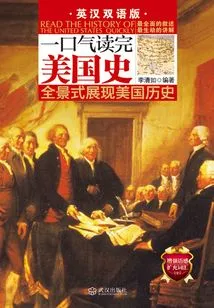
一口气读完美国史
Compiled By Li Qingru
This book divides American history into ten stages. Each stage is based on representative events and important historical facts at that time, and strives to present the style and overview of each historical stage of the United States to readers. This book introduces American history in a combination of Chinese and English. It uses Chinese introduction and background narration to help readers read, thereby making your English learning smoother and smoother. At the same time, there are notes on new words at the end of each introduction, so readers can easily read this book even without a dictionary. This book has well-chosen materials and comprehensively presents the changes of the United States over the years. The substantial content provides readers with a value-for-money reading experience. Readers interested in American history must not miss this book.
This book divides American history into ten stages. Each stage is based on representative events and important historical facts at that time, and strives to present the style and overview of each historical stage of the United States to readers. This book introduces American history in a combination of Chinese and English. It uses Chinese introduction and background narration to help readers read, thereby making your English learning smoother and smoother. At the same time, there are notes on new words at the end of each introduction, so readers can easily read this book even without a dictionary. This book has well-chosen materials and comprehensively presents the changes of the United States over the years. The substantial content provides readers with a value-for-money reading experience. Readers interested in American history must not miss this book.
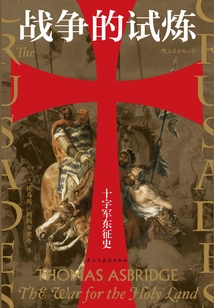
战争的试炼:十字军东征史
Q
In the 11th century, at the call of the Pope, a large Christian army broke into the Islamic world in the eastern Mediterranean and occupied Jerusalem, which is regarded as a holy city by both faiths. For more than 200 years after the First Crusade, the Islamic world and the West fought for control of the Holy Land, with both sides convinced that they were serving their gods. The book not only describes the numerous military details of each Crusade, the author Thomas Asbridge also comprehensively analyzes this conflict that spanned more than two centuries from the perspective of political, social, and religious motivations and characters. In particular, for the first time in any history of the Crusades, he tells the story of this epic struggle from the perspectives of both Christians and Muslims. Under the author's passionate narration, we are brought into a world full of legendary heroes, but he also does not forget to expose the horrifying violent killings that filled that era, and inventory the misuse and abuse of this past event by later generations.
In the 11th century, at the call of the Pope, a large Christian army broke into the Islamic world in the eastern Mediterranean and occupied Jerusalem, which is regarded as a holy city by both faiths. For more than 200 years after the First Crusade, the Islamic world and the West fought for control of the Holy Land, with both sides convinced that they were serving their gods. The book not only describes the numerous military details of each Crusade, the author Thomas Asbridge also comprehensively analyzes this conflict that spanned more than two centuries from the perspective of political, social, and religious motivations and characters. In particular, for the first time in any history of the Crusades, he tells the story of this epic struggle from the perspectives of both Christians and Muslims. Under the author's passionate narration, we are brought into a world full of legendary heroes, but he also does not forget to expose the horrifying violent killings that filled that era, and inventory the misuse and abuse of this past event by later generations.
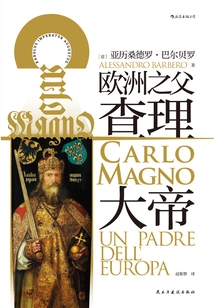
查理大帝:欧洲之父
(italian) Alessandro Barbero
On Christmas Day 800, King Charles of the Franks was crowned Emperor of the Romans. This was an emperor who shaped Europe. Barbero vividly depicts Charlemagne's appearance, tastes, habits, family life, thoughts and behavior. The author also unfolds the overall history of the Frankish Kingdom and the Carolingian Empire, showing Charlemagne's method of ruling the empire, how to ensure justice, and how to organize wars; he also describes the daily life, economic activities, and religious concepts at that time. He analyzes the development of feudalism in the Carolingian Empire and the changing concepts of slavery and freedom, thereby explaining the dramatic changes that the emperor's wars brought to the political and social structure of the empire.
On Christmas Day 800, King Charles of the Franks was crowned Emperor of the Romans. This was an emperor who shaped Europe. Barbero vividly depicts Charlemagne's appearance, tastes, habits, family life, thoughts and behavior. The author also unfolds the overall history of the Frankish Kingdom and the Carolingian Empire, showing Charlemagne's method of ruling the empire, how to ensure justice, and how to organize wars; he also describes the daily life, economic activities, and religious concepts at that time. He analyzes the development of feudalism in the Carolingian Empire and the changing concepts of slavery and freedom, thereby explaining the dramatic changes that the emperor's wars brought to the political and social structure of the empire.
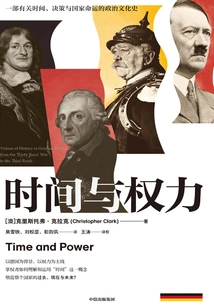
Time and Power
History时间与权力
N
From being devastated by the artillery fire of the Thirty Years' War to trying to control the world during the Third Reich, Germany followed a winding path under different rulers. We cannot help but ask: How do political decision-makers in Germany and around the world understand and use the power in their hands, and under the guidance of what concepts do they make decisions to determine the fate of the country and influence the development process of the world? In order to answer this extraordinary question, German history expert Christopher Clark ingeniously grasped the philosophical incision of "time consciousness" and used four shapers of German history, namely Elector Friedrich Wilhelm, Friedrich II, Bismarck and Hitler as research samples, to conduct a groundbreaking interpretation of the issue of "the relationship between the power of those in power and their time consciousness." Time consciousness relates to a country's past, present and future: drawing lessons and strength from past history, presupposing possible future crises and changes, and guiding current decisions and actions to achieve one's own political goals are the basic thinking logic of national political decision-makers. From a vast sea of historical materials, Clark extracts information such as the personal experiences, historical background, speeches, and political actions of Friedrich Wilhelm, Friedrich II, Bismarck, and Hitler. With thoughtful and passionate writing, Clark reveals the answers to questions such as how decision-makers understand and use the concept of time, the interaction between power and time, and the impact of time consciousness on the internal affairs and diplomacy of major powers.
From being devastated by the artillery fire of the Thirty Years' War to trying to control the world during the Third Reich, Germany followed a winding path under different rulers. We cannot help but ask: How do political decision-makers in Germany and around the world understand and use the power in their hands, and under the guidance of what concepts do they make decisions to determine the fate of the country and influence the development process of the world? In order to answer this extraordinary question, German history expert Christopher Clark ingeniously grasped the philosophical incision of "time consciousness" and used four shapers of German history, namely Elector Friedrich Wilhelm, Friedrich II, Bismarck and Hitler as research samples, to conduct a groundbreaking interpretation of the issue of "the relationship between the power of those in power and their time consciousness." Time consciousness relates to a country's past, present and future: drawing lessons and strength from past history, presupposing possible future crises and changes, and guiding current decisions and actions to achieve one's own political goals are the basic thinking logic of national political decision-makers. From a vast sea of historical materials, Clark extracts information such as the personal experiences, historical background, speeches, and political actions of Friedrich Wilhelm, Friedrich II, Bismarck, and Hitler. With thoughtful and passionate writing, Clark reveals the answers to questions such as how decision-makers understand and use the concept of time, the interaction between power and time, and the impact of time consciousness on the internal affairs and diplomacy of major powers.
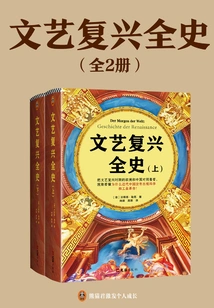
文艺复兴全史(全2册)
(germany) Bernd Luck
[During the Renaissance, China's book production speed lagged far behind Europe] China: The woodblock printing technology has been used for a long time to produce books. The cost is high, the speed is slow, and the types are single. It is almost impossible to find any documents related to science and technology. Europe: After Gutenberg invented the movable lead printing press, more than 20 million books were produced in less than 50 years. Knowledge of modern medicine, astronomy, physics and other subjects spread rapidly through books, laying the knowledge foundation for the scientific and industrial revolutions. [During the Renaissance, far fewer people in China dared to question ancient authority than in Europe] China: Almost no one dared to question ancient authority, and all innovations must follow ancient classics. Europe: Questioning ancient authority has become a trend. A large number of thinkers such as Erasmus and Bruno are violently criticizing ancient authority, which has accelerated Europe's entry into the era of scientific rationality. [During the Renaissance, the number of places where scientific research could be conducted in China was far less than that in Europe] China: Almost all important scientific research was monopolized by the government. The places where scientific research could be conducted were very limited, and the number of participants was extremely small. Europe: Countless universities, colleges, guilds, and museums have cultivated a large number of scientists and craftsmen, promoting the scientific and industrial revolutions. Open this book and truly understand why there was no scientific and industrial revolution in modern China!
[During the Renaissance, China's book production speed lagged far behind Europe] China: The woodblock printing technology has been used for a long time to produce books. The cost is high, the speed is slow, and the types are single. It is almost impossible to find any documents related to science and technology. Europe: After Gutenberg invented the movable lead printing press, more than 20 million books were produced in less than 50 years. Knowledge of modern medicine, astronomy, physics and other subjects spread rapidly through books, laying the knowledge foundation for the scientific and industrial revolutions. [During the Renaissance, far fewer people in China dared to question ancient authority than in Europe] China: Almost no one dared to question ancient authority, and all innovations must follow ancient classics. Europe: Questioning ancient authority has become a trend. A large number of thinkers such as Erasmus and Bruno are violently criticizing ancient authority, which has accelerated Europe's entry into the era of scientific rationality. [During the Renaissance, the number of places where scientific research could be conducted in China was far less than that in Europe] China: Almost all important scientific research was monopolized by the government. The places where scientific research could be conducted were very limited, and the number of participants was extremely small. Europe: Countless universities, colleges, guilds, and museums have cultivated a large number of scientists and craftsmen, promoting the scientific and industrial revolutions. Open this book and truly understand why there was no scientific and industrial revolution in modern China!
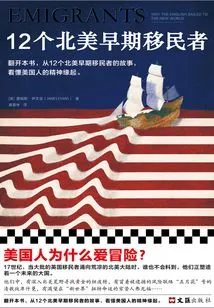
12个北美早期移民者
(uk) James Evans
In the 17th century, groups of British immigrants crossed the Atlantic Ocean and rushed to the North American continent after a long and dangerous voyage. They had different purposes, either pursuing wealth, longing for freedom, being loyal to the king, or wanting to change their destiny... The fanatical Christopher Newport, with a dream of getting rich, frantically searched for gold in the North American wilderness, and strongly encouraged the British people to establish a North American colony. Puritan Robert Cushman risked arrest by contacting the Mayflower, and led a group of Puritans who could not endure religious persecution to cross the ocean to the "New World." The poor Edward Furniford, like many poor British people who hoped to change their destiny, was bewitched by the beautiful legends of America, plucked up the courage, and left his homeland. ...These immigrants are the ancestors of many white Americans today. They established a series of North American colonies and also built the spiritual core of today's Americans. Open this book and learn about the spiritual origins of Americans from the stories of 12 early North American immigrants.
In the 17th century, groups of British immigrants crossed the Atlantic Ocean and rushed to the North American continent after a long and dangerous voyage. They had different purposes, either pursuing wealth, longing for freedom, being loyal to the king, or wanting to change their destiny... The fanatical Christopher Newport, with a dream of getting rich, frantically searched for gold in the North American wilderness, and strongly encouraged the British people to establish a North American colony. Puritan Robert Cushman risked arrest by contacting the Mayflower, and led a group of Puritans who could not endure religious persecution to cross the ocean to the "New World." The poor Edward Furniford, like many poor British people who hoped to change their destiny, was bewitched by the beautiful legends of America, plucked up the courage, and left his homeland. ...These immigrants are the ancestors of many white Americans today. They established a series of North American colonies and also built the spiritual core of today's Americans. Open this book and learn about the spiritual origins of Americans from the stories of 12 early North American immigrants.
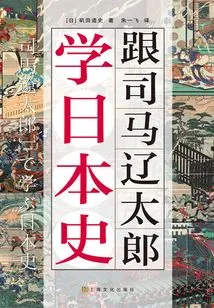
跟司马辽太郎学日本史
(japan) Isoda Road History
Ryotaro Shiba is famous for his historical novels and is known as the "national writer" in Japan. His works have the influence to shape the Japanese people's view of history. This book uses the historical events involved in Ryotaro Shiba's works as an entry point, and re-examines Japanese history and the image of the Japanese in the order of the Warring States Period, the end of the Shogunate, the Meiji Era, and the early Showa Period, and interprets Ryotaro Shiba's historical views one by one, as well as the message he conveys to today's readers.
Ryotaro Shiba is famous for his historical novels and is known as the "national writer" in Japan. His works have the influence to shape the Japanese people's view of history. This book uses the historical events involved in Ryotaro Shiba's works as an entry point, and re-examines Japanese history and the image of the Japanese in the order of the Warring States Period, the end of the Shogunate, the Meiji Era, and the early Showa Period, and interprets Ryotaro Shiba's historical views one by one, as well as the message he conveys to today's readers.
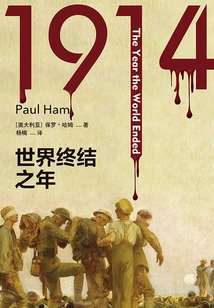
1914:世界终结之年(方尖碑)
(australia)paul Hamm
In 1914, Germany, Austria, Russia, Britain, France and other countries plunged the world into a war that would cause 37 million casualties, destroy the traditional social structure, eradicate the ancient political system, and start a bloody century in human history. The author Paul Hamm tells the story of the outbreak of the First World War objectively and comprehensively from the perspectives of different countries, from the chaos in diplomatic activities to the blood and smoke on the Western Front battlefield, from the intrigues of the upper class to the suffering and sorrow of ordinary people. This book attempts to answer one of the most puzzling questions of the 20th century: why 1914 became "the year the world ended."
In 1914, Germany, Austria, Russia, Britain, France and other countries plunged the world into a war that would cause 37 million casualties, destroy the traditional social structure, eradicate the ancient political system, and start a bloody century in human history. The author Paul Hamm tells the story of the outbreak of the First World War objectively and comprehensively from the perspectives of different countries, from the chaos in diplomatic activities to the blood and smoke on the Western Front battlefield, from the intrigues of the upper class to the suffering and sorrow of ordinary people. This book attempts to answer one of the most puzzling questions of the 20th century: why 1914 became "the year the world ended."
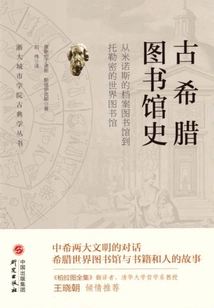
古希腊图书馆史
(greek) Konstantinos Staix
This book mainly discusses the history of ancient Greek civilization, from the library of the Minoan civilization on Crete to the Library of Alexandria (the largest library in the world) during the Ptolemaic Dynasty of Cleopatra in Egypt, including how writing, storage and classification of books, such as papyri and clay tablets, were recorded during this period. Through the description of the establishment and management of libraries and the establishment and collection of books by important historical figures during this period of civilization, the important role of books as a carrier in the spread of Greek civilization is vividly reproduced. This book is about books and people and libraries.
This book mainly discusses the history of ancient Greek civilization, from the library of the Minoan civilization on Crete to the Library of Alexandria (the largest library in the world) during the Ptolemaic Dynasty of Cleopatra in Egypt, including how writing, storage and classification of books, such as papyri and clay tablets, were recorded during this period. Through the description of the establishment and management of libraries and the establishment and collection of books by important historical figures during this period of civilization, the important role of books as a carrier in the spread of Greek civilization is vividly reproduced. This book is about books and people and libraries.
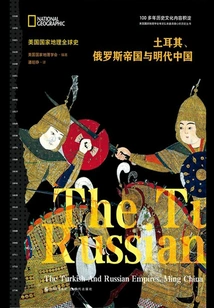
土耳其、俄罗斯帝国与明代中国
Compiled By The National Geographic Society
After the decline of the Mongol Empire, the three great empires of the East began to rise. The Turkish Ottoman Empire was another chapter in the history of the Islamic world opened up by the conversion of Asians to Islam; the Russian Empire inherited both European and Asian political traditions; and the Ming Empire, whose authoritarian political system would determine many of the characteristics of modern China. This book uses a historical perspective that transcends Eurocentrism to conduct a horizontal comparison of these three empires from the 15th to the 17th century. They provide a grand comparative perspective under the governance model of multilingual and multiethnic countries, thereby exploring another dynamic force and variables that shape the modern world.
After the decline of the Mongol Empire, the three great empires of the East began to rise. The Turkish Ottoman Empire was another chapter in the history of the Islamic world opened up by the conversion of Asians to Islam; the Russian Empire inherited both European and Asian political traditions; and the Ming Empire, whose authoritarian political system would determine many of the characteristics of modern China. This book uses a historical perspective that transcends Eurocentrism to conduct a horizontal comparison of these three empires from the 15th to the 17th century. They provide a grand comparative perspective under the governance model of multilingual and multiethnic countries, thereby exploring another dynamic force and variables that shape the modern world.
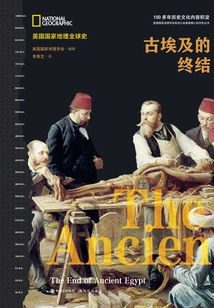
The End of Ancient Egypt
History古埃及的终结
Compiled By The National Geographic Society
This book is the third part of the trilogy "The Rise and Fall of Ancient Egypt" ("The First Pharaoh", "The Egyptian Empire" and "The End of Ancient Egypt") in the National Geographic Global History Series. It presents the history of ancient Egypt after the New Kingdom until the death of Cleopatra VII. During this period, Egypt experienced frequent dynasty changes and suffered from internal strife and foreign invasion. Ancient Egyptian civilization faced collisions and integration with Assyrian civilization, Neo-Babylonian civilization, Jewish civilization, Persian civilization, Greek civilization, and Roman civilization. Based on archaeological discoveries, this book comprehensively uses documentary records, historical relics, unearthed cultural relics, historical maps, restoration drawings, and anatomical drawings to vividly and three-dimensionally reproduce Egypt's political and military, economic and social, ideological and artistic, and religious and cultural conflicts during this period.
This book is the third part of the trilogy "The Rise and Fall of Ancient Egypt" ("The First Pharaoh", "The Egyptian Empire" and "The End of Ancient Egypt") in the National Geographic Global History Series. It presents the history of ancient Egypt after the New Kingdom until the death of Cleopatra VII. During this period, Egypt experienced frequent dynasty changes and suffered from internal strife and foreign invasion. Ancient Egyptian civilization faced collisions and integration with Assyrian civilization, Neo-Babylonian civilization, Jewish civilization, Persian civilization, Greek civilization, and Roman civilization. Based on archaeological discoveries, this book comprehensively uses documentary records, historical relics, unearthed cultural relics, historical maps, restoration drawings, and anatomical drawings to vividly and three-dimensionally reproduce Egypt's political and military, economic and social, ideological and artistic, and religious and cultural conflicts during this period.
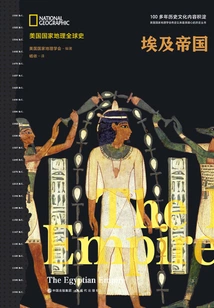
Egyptian Empire
History埃及帝国
Compiled By The National Geographic Society
This book is the second part of the trilogy "The Rise and Fall of Ancient Egypt" ("The First Pharaoh", "The Egyptian Empire" and "The End of Ancient Egypt") in the National Geographic Global History Series. After Egypt expelled the invading Hyksos, Egypt opened a new chapter: the New Kingdom. This book provides a comprehensive look at this heyday of ancient Egyptian history, when Egypt was one of the most powerful countries in the eastern Mediterranean. During this period, a large number of famous pharaohs emerged in history. For example, the famous female pharaoh Hatshepsut, the great conqueror and statesman Amenophis III, Akhenaten who initiated the reform of monotheism, the pharaoh Tutankhamun who is famous for the massive amount of funerary objects and wealth unearthed in his tomb, and the long-lived emperor Ramses II in the history of Egypt. He has also become the most famous pharaoh in the history of Egypt.
This book is the second part of the trilogy "The Rise and Fall of Ancient Egypt" ("The First Pharaoh", "The Egyptian Empire" and "The End of Ancient Egypt") in the National Geographic Global History Series. After Egypt expelled the invading Hyksos, Egypt opened a new chapter: the New Kingdom. This book provides a comprehensive look at this heyday of ancient Egyptian history, when Egypt was one of the most powerful countries in the eastern Mediterranean. During this period, a large number of famous pharaohs emerged in history. For example, the famous female pharaoh Hatshepsut, the great conqueror and statesman Amenophis III, Akhenaten who initiated the reform of monotheism, the pharaoh Tutankhamun who is famous for the massive amount of funerary objects and wealth unearthed in his tomb, and the long-lived emperor Ramses II in the history of Egypt. He has also become the most famous pharaoh in the history of Egypt.
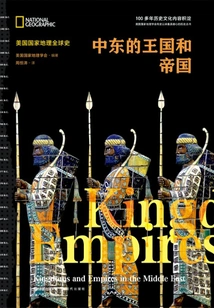
中东的王国和帝国
Compiled By The National Geographic Society
The Middle East is located in the core area of the Asian, African and European continents. It has been a politically fragmented region since ancient times, coveted and controlled by major powers. However, its political weakness has allowed culture to flourish. Its language, culture and religious traditions still have an impact on Western culture. It still plays a vital geopolitical significance today. This book reviews the history of the Middle East from 1200 BC to 300 BC. It tells the historical context and the splendid and magnificent civilization of the Kingdom of Israel, the Kingdom of Judea, the Phoenician city-states, the Kingdom of Aramaic, the Kingdom of Lydia, the Neo-Assyrian Empire, the Neo-Babylonian Empire... And finally the rise of the Persian Empire.
The Middle East is located in the core area of the Asian, African and European continents. It has been a politically fragmented region since ancient times, coveted and controlled by major powers. However, its political weakness has allowed culture to flourish. Its language, culture and religious traditions still have an impact on Western culture. It still plays a vital geopolitical significance today. This book reviews the history of the Middle East from 1200 BC to 300 BC. It tells the historical context and the splendid and magnificent civilization of the Kingdom of Israel, the Kingdom of Judea, the Phoenician city-states, the Kingdom of Aramaic, the Kingdom of Lydia, the Neo-Assyrian Empire, the Neo-Babylonian Empire... And finally the rise of the Persian Empire.
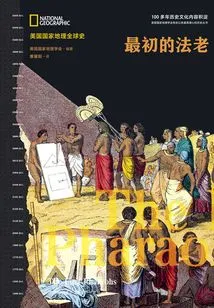
The Original Pharaoh
History最初的法老
Compiled By The National Geographic Society
This book is the first of the trilogy "The Rise and Fall of Ancient Egypt" ("The First Pharaoh", "The Egyptian Empire" and "The End of Ancient Egypt") in the National Geographic Global History Series. This book combs the history of the Early Dynasty, Old Kingdom and Middle Kingdom of ancient Egypt, covering the pharaohs from the 0th Dynasty to the 17th Dynasty of ancient Egypt, the development of the Nile Valley civilization, the changes of dynasties and power changes, and foreign kings, as well as the construction of the pyramids and the making of mummies, the daily life of the ancient Egyptians and the many gods in the Egyptian temples. Based on archaeological discoveries and academic research, it presents the development of ancient Egypt's history in a detailed, rich and clear way and reveals many strange mysteries.
This book is the first of the trilogy "The Rise and Fall of Ancient Egypt" ("The First Pharaoh", "The Egyptian Empire" and "The End of Ancient Egypt") in the National Geographic Global History Series. This book combs the history of the Early Dynasty, Old Kingdom and Middle Kingdom of ancient Egypt, covering the pharaohs from the 0th Dynasty to the 17th Dynasty of ancient Egypt, the development of the Nile Valley civilization, the changes of dynasties and power changes, and foreign kings, as well as the construction of the pyramids and the making of mummies, the daily life of the ancient Egyptians and the many gods in the Egyptian temples. Based on archaeological discoveries and academic research, it presents the development of ancient Egypt's history in a detailed, rich and clear way and reveals many strange mysteries.
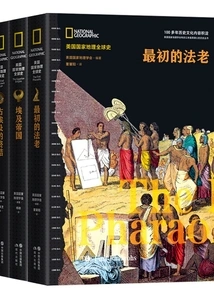
古埃及兴亡史(全三册)
Compiled By The National Geographic Society
"National Geographic Global History" - The Rise and Fall of Ancient Egypt, presents the clues of the historical evolution of ancient Egypt in a panoramic manner, and salvages the strange fragments of ancient Egypt's civilization in detail. "The Original Pharaoh": combs the history of the Early Dynasty, Old Kingdom and Middle Kingdom of ancient Egypt, covering the Pharaohs from the Zeroth Dynasty to the Seventeenth Dynasty of ancient Egypt, the development of the Nile Valley civilization, the changes of dynasties and power changes, and foreign kings. Based on archaeological discoveries and academic research, it presents the development of ancient Egyptian history in a detailed, rich and clear way and reveals many mysteries. "Egyptian Empire": tells the story of the heyday of ancient Egyptian history - the New Kingdom period (18th-20th Dynasty). A group of world-famous pharaohs emerged - the famous female pharaoh Hatshepsut, the great conqueror and outstanding politician Amenophis III, Akhenaten who initiated the reform of monotheism, Pharaoh Tutankhamun who was famous for the burial objects and wealth discovered in his tomb that shocked the world, and the long-lived emperor Ramses II in the history of Egypt. He also became the most famous pharaoh in the history of Egypt. "The End of Ancient Egypt": tells the history of Egypt from the end of the New Dynasty to the end of the Ptolemaic Dynasty. The ancient Egyptian civilization has suffered from internal strife and foreign invasion for thousands of years. The traditional civilization has been challenged by the Assyrian, Neo-Babylonian, Jewish, Persian, Greek and Roman civilizations. Although ancient Egypt has lost its glory, it still has endless charm until the death of Cleopatra VII.
"National Geographic Global History" - The Rise and Fall of Ancient Egypt, presents the clues of the historical evolution of ancient Egypt in a panoramic manner, and salvages the strange fragments of ancient Egypt's civilization in detail. "The Original Pharaoh": combs the history of the Early Dynasty, Old Kingdom and Middle Kingdom of ancient Egypt, covering the Pharaohs from the Zeroth Dynasty to the Seventeenth Dynasty of ancient Egypt, the development of the Nile Valley civilization, the changes of dynasties and power changes, and foreign kings. Based on archaeological discoveries and academic research, it presents the development of ancient Egyptian history in a detailed, rich and clear way and reveals many mysteries. "Egyptian Empire": tells the story of the heyday of ancient Egyptian history - the New Kingdom period (18th-20th Dynasty). A group of world-famous pharaohs emerged - the famous female pharaoh Hatshepsut, the great conqueror and outstanding politician Amenophis III, Akhenaten who initiated the reform of monotheism, Pharaoh Tutankhamun who was famous for the burial objects and wealth discovered in his tomb that shocked the world, and the long-lived emperor Ramses II in the history of Egypt. He also became the most famous pharaoh in the history of Egypt. "The End of Ancient Egypt": tells the history of Egypt from the end of the New Dynasty to the end of the Ptolemaic Dynasty. The ancient Egyptian civilization has suffered from internal strife and foreign invasion for thousands of years. The traditional civilization has been challenged by the Assyrian, Neo-Babylonian, Jewish, Persian, Greek and Roman civilizations. Although ancient Egypt has lost its glory, it still has endless charm until the death of Cleopatra VII.
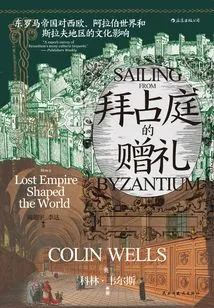
拜占庭的赠礼:东罗马帝国对西欧、阿拉伯世界和斯拉夫地区的文化影响
(uk) Colin Wells
The Byzantine Empire, also known as the Eastern Roman Empire, was a country that was once prosperous and now has long perished. Its capital, Constantinople, occupies the key point of land and water transportation, and has therefore become a center of commerce and trade, gathering wealth from all over the world. But what is less noticed is that the Byzantine Empire was also the center of cultural dissemination. The culture of ancient Greece and Christianity spread outward from Byzantium, deeply affecting Western Europe, Arabia and the Slavic world, and thus shaping the world. Using the personal activities of cultural communicators as clues, the author tells how Byzantine cultural heritage spread outwards and what attitudes the recipients had towards these heritages. The author discusses the process of cultural dissemination against the historical background and presents a vivid historical picture to readers.
The Byzantine Empire, also known as the Eastern Roman Empire, was a country that was once prosperous and now has long perished. Its capital, Constantinople, occupies the key point of land and water transportation, and has therefore become a center of commerce and trade, gathering wealth from all over the world. But what is less noticed is that the Byzantine Empire was also the center of cultural dissemination. The culture of ancient Greece and Christianity spread outward from Byzantium, deeply affecting Western Europe, Arabia and the Slavic world, and thus shaping the world. Using the personal activities of cultural communicators as clues, the author tells how Byzantine cultural heritage spread outwards and what attitudes the recipients had towards these heritages. The author discusses the process of cultural dissemination against the historical background and presents a vivid historical picture to readers.
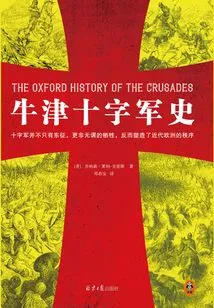
牛津十字军史
(uk)jonathan Riley-smith
For a long time, the Crusades have been described as a "stupid and meaningless sacrifice." However, in fact, the Crusades were not just a short two-hundred-year expedition, nor a meaningless sacrifice. Instead, they deepened the self-identity of Westerners and shaped the formation of modern Europe. It was not just the Crusades: the Crusades were much more than nine wars against Jerusalem, but a long movement spanning six hundred years across Europe, Asia and Africa. In addition to the "Crusades" in the traditional sense, the Teutonic Crusaders in the north accelerated the Christianization process in Eastern Europe; the Crusaders in the Iberian Peninsula started the reconquest movement; the Albigensian Crusade against heretics promoted the completion of French centralization. These deeds together constitute the complete melody of the Crusade movement. Not to mention unnecessary sacrifice: On the surface, the Crusaders lost the entire sphere of influence in the Middle East, including Jerusalem, but in fact, the Crusaders powerfully curbed the expansion of forces from Asia-rescuing the dying Byzantine Empire and disrupting the political order of the Middle East. It was not until the 15th century that the Ottoman Empire, which unified Western Asia, once again posed a threat to Europe. ······
For a long time, the Crusades have been described as a "stupid and meaningless sacrifice." However, in fact, the Crusades were not just a short two-hundred-year expedition, nor a meaningless sacrifice. Instead, they deepened the self-identity of Westerners and shaped the formation of modern Europe. It was not just the Crusades: the Crusades were much more than nine wars against Jerusalem, but a long movement spanning six hundred years across Europe, Asia and Africa. In addition to the "Crusades" in the traditional sense, the Teutonic Crusaders in the north accelerated the Christianization process in Eastern Europe; the Crusaders in the Iberian Peninsula started the reconquest movement; the Albigensian Crusade against heretics promoted the completion of French centralization. These deeds together constitute the complete melody of the Crusade movement. Not to mention unnecessary sacrifice: On the surface, the Crusaders lost the entire sphere of influence in the Middle East, including Jerusalem, but in fact, the Crusaders powerfully curbed the expansion of forces from Asia-rescuing the dying Byzantine Empire and disrupting the political order of the Middle East. It was not until the 15th century that the Ottoman Empire, which unified Western Asia, once again posed a threat to Europe. ······
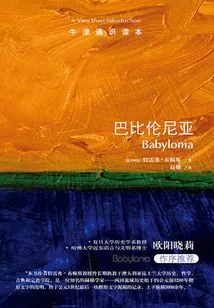
牛津通识读本:巴比伦尼亚(中文版)
(australia)trevor Bryce
The history of ancient Babylonia is a magnificent epic. After the three great empires of Hammurabi, Kassite and Neo-Babylonia, Babylonia was conquered by the Persians. It then surrendered to Alexander the Great, allowing its conqueror to die young and unfulfilled. Due to constant disputes over the succession, Babylonia was later ruled by the Seleucid and Parthian empires. Author Trevor Bryce takes us on a journey through two thousand years of history and civilization, exploring key historical events as well as daily life for the ancient Babylonians, providing readers with a comprehensive guide.
The history of ancient Babylonia is a magnificent epic. After the three great empires of Hammurabi, Kassite and Neo-Babylonia, Babylonia was conquered by the Persians. It then surrendered to Alexander the Great, allowing its conqueror to die young and unfulfilled. Due to constant disputes over the succession, Babylonia was later ruled by the Seleucid and Parthian empires. Author Trevor Bryce takes us on a journey through two thousand years of history and civilization, exploring key historical events as well as daily life for the ancient Babylonians, providing readers with a comprehensive guide.
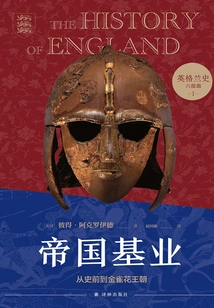
帝国基业:从史前到金雀花王朝(英格兰史六部曲1)
G
"The Six-Part History of England" is the representative work of the historical writer Peter Ackroyd, which includes six volumes: "The Founding of the Empire", "The Tudor Dynasty", "The Age of Rebellion", "The Revolutionary Century", "The King of the World" and "Revolution". It writes the historical process of this legendary country in a magnificent way: how this once closed island country gradually turned into an empire with territories all over the world through religious reform, parliamentary system, technological and ideological revolution, as well as trade and colonial expansion; and how it repositioned itself in the new post-war order as the empire declined today and continued to influence the world. Ackroyd's writing conveys his deep attachment to this country that once stood at the apex of human civilization. It not only creates a history of struggle and innovation for the rise of a great power, but also creates a glorious national epic. "The Founding of an Empire" is the first volume of Ackroyd's "Six Parts of History of England", covering the long historical period from the beginning of British civilization to the fall of the Plantagenet dynasty. This volume not only discusses the political and military history of prehistoric Stonehenge, Roman rule, the invasion and conquest of Anglo, Saxon and Jute tribes, the establishment of the Kingdom of England, the Norman Conquest, the Wars of the Roses and the rule of medieval kings, but also explores the origin of the English nation, religious and spiritual life, the formation of customary law, the creation of parliamentary system and the signing of the Magna Carta and other cultural and institutional history. It was through the people's lives, political events and institutional innovations during this period that the British Empire laid a solid foundation for its prosperity.
"The Six-Part History of England" is the representative work of the historical writer Peter Ackroyd, which includes six volumes: "The Founding of the Empire", "The Tudor Dynasty", "The Age of Rebellion", "The Revolutionary Century", "The King of the World" and "Revolution". It writes the historical process of this legendary country in a magnificent way: how this once closed island country gradually turned into an empire with territories all over the world through religious reform, parliamentary system, technological and ideological revolution, as well as trade and colonial expansion; and how it repositioned itself in the new post-war order as the empire declined today and continued to influence the world. Ackroyd's writing conveys his deep attachment to this country that once stood at the apex of human civilization. It not only creates a history of struggle and innovation for the rise of a great power, but also creates a glorious national epic. "The Founding of an Empire" is the first volume of Ackroyd's "Six Parts of History of England", covering the long historical period from the beginning of British civilization to the fall of the Plantagenet dynasty. This volume not only discusses the political and military history of prehistoric Stonehenge, Roman rule, the invasion and conquest of Anglo, Saxon and Jute tribes, the establishment of the Kingdom of England, the Norman Conquest, the Wars of the Roses and the rule of medieval kings, but also explores the origin of the English nation, religious and spiritual life, the formation of customary law, the creation of parliamentary system and the signing of the Magna Carta and other cultural and institutional history. It was through the people's lives, political events and institutional innovations during this period that the British Empire laid a solid foundation for its prosperity.
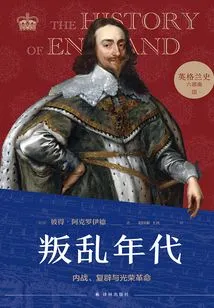
叛乱年代:内战、复辟与光荣革命(英格兰史六部曲3)
G
"The Six-Part History of England" is the representative work of the historical writer Peter Ackroyd, which includes six volumes: "The Founding of the Empire", "The Tudor Dynasty", "The Age of Rebellion", "The Revolutionary Century", "The King of the World" and "Revolution". It writes the historical process of this legendary country in a magnificent way: how this once closed island country gradually turned into an empire with territories all over the world through religious reform, parliamentary system, technological and ideological revolution, as well as trade and colonial expansion; and how it repositioned itself in the new post-war order as the empire declined today and continued to influence the world. Ackroyd's writing conveys his deep attachment to this country that once stood at the apex of human civilization. It not only creates a history of struggle and innovation for the rise of a great power, but also creates a glorious national epic. "The Age of Rebellion" is the third volume of Ackroyd's "Six Parts of History of England". It begins with King James VI of Scotland going south and becoming the first monarch of the Stuart Dynasty, and ends with James II being deposed and going into hasty exile. Brutal civil war marked the Stuart era. James I's attitude towards the English Parliament sowed the seeds of division, and the country was plagued by internal conflicts throughout the reign of his successor, Charles I. The author vividly presents the turbulent 17th century in England, and at the same time depicts the extremely rich cultural and social life of this period, including Shakespeare's later masterpieces, John Milton's poems, etc., Not only tells the story of the British royal family, but also shows the daily status of the British people in the era of rebellion.
"The Six-Part History of England" is the representative work of the historical writer Peter Ackroyd, which includes six volumes: "The Founding of the Empire", "The Tudor Dynasty", "The Age of Rebellion", "The Revolutionary Century", "The King of the World" and "Revolution". It writes the historical process of this legendary country in a magnificent way: how this once closed island country gradually turned into an empire with territories all over the world through religious reform, parliamentary system, technological and ideological revolution, as well as trade and colonial expansion; and how it repositioned itself in the new post-war order as the empire declined today and continued to influence the world. Ackroyd's writing conveys his deep attachment to this country that once stood at the apex of human civilization. It not only creates a history of struggle and innovation for the rise of a great power, but also creates a glorious national epic. "The Age of Rebellion" is the third volume of Ackroyd's "Six Parts of History of England". It begins with King James VI of Scotland going south and becoming the first monarch of the Stuart Dynasty, and ends with James II being deposed and going into hasty exile. Brutal civil war marked the Stuart era. James I's attitude towards the English Parliament sowed the seeds of division, and the country was plagued by internal conflicts throughout the reign of his successor, Charles I. The author vividly presents the turbulent 17th century in England, and at the same time depicts the extremely rich cultural and social life of this period, including Shakespeare's later masterpieces, John Milton's poems, etc., Not only tells the story of the British royal family, but also shows the daily status of the British people in the era of rebellion.
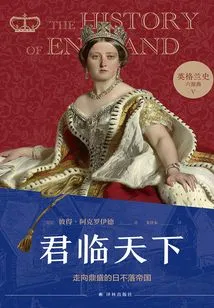
君临天下:走向鼎盛的日不落帝国(英格兰史六部曲5)
G
"The Six-Part History of England" is the representative work of the historical writer Peter Ackroyd, which includes six volumes: "The Founding of the Empire", "The Tudor Dynasty", "The Age of Rebellion", "The Revolutionary Century", "The King of the World" and "Revolution". It writes the historical process of this legendary country in a magnificent way: how this once closed island country gradually turned into an empire with territories all over the world through religious reform, parliamentary system, technological and ideological revolution, as well as trade and colonial expansion; and how it repositioned itself in the new post-war order as the empire declined today and continued to influence the world. Ackroyd's writing conveys his deep attachment to this country that once stood at the apex of human civilization. It not only creates a history of struggle and innovation for the rise of a great power, but also creates a glorious national epic. "Kingdom" is the fifth volume in Ackroyd's "Six Parts of History of England". It begins with the depression after the Battle of Waterloo in 1815 and ends with the death of Queen Victoria in 1901. After the profligate George IV and the mediocre William IV, the 18-year-old Queen Victoria ascended the throne and ushered in an era of tremendous innovation. Technological progress swept the entire country, and excellent inventions emerged in endlessly. The emergence of the middle class changed the social form, the progress of science broke the ancient traditions of the Anglican Church, secular ideas were spread among the people, and a group of outstanding literary giants also emerged. During the Victorian period, Britain relied on the Industrial Revolution and maritime supremacy to reach the top of the world and was known as the "Empire on which the Sun Never Sets."
"The Six-Part History of England" is the representative work of the historical writer Peter Ackroyd, which includes six volumes: "The Founding of the Empire", "The Tudor Dynasty", "The Age of Rebellion", "The Revolutionary Century", "The King of the World" and "Revolution". It writes the historical process of this legendary country in a magnificent way: how this once closed island country gradually turned into an empire with territories all over the world through religious reform, parliamentary system, technological and ideological revolution, as well as trade and colonial expansion; and how it repositioned itself in the new post-war order as the empire declined today and continued to influence the world. Ackroyd's writing conveys his deep attachment to this country that once stood at the apex of human civilization. It not only creates a history of struggle and innovation for the rise of a great power, but also creates a glorious national epic. "Kingdom" is the fifth volume in Ackroyd's "Six Parts of History of England". It begins with the depression after the Battle of Waterloo in 1815 and ends with the death of Queen Victoria in 1901. After the profligate George IV and the mediocre William IV, the 18-year-old Queen Victoria ascended the throne and ushered in an era of tremendous innovation. Technological progress swept the entire country, and excellent inventions emerged in endlessly. The emergence of the middle class changed the social form, the progress of science broke the ancient traditions of the Anglican Church, secular ideas were spread among the people, and a group of outstanding literary giants also emerged. During the Victorian period, Britain relied on the Industrial Revolution and maritime supremacy to reach the top of the world and was known as the "Empire on which the Sun Never Sets."
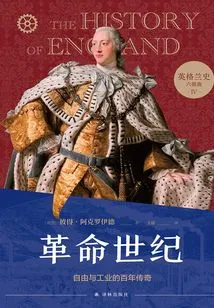
革命世纪:自由与工业的百年传奇(英格兰史六部曲4)
(uk) Peter Ackroyd
"The Six-Part History of England" is the representative work of the historical writer Peter Ackroyd, which includes six volumes: "The Founding of the Empire", "The Tudor Dynasty", "The Age of Rebellion", "The Revolutionary Century", "The King of the World" and "Revolution". It writes the historical process of this legendary country in a magnificent way: how this once closed island country gradually turned into an empire with territories all over the world through religious reform, parliamentary system, technological and ideological revolution, as well as trade and colonial expansion; and how it repositioned itself in the new post-war order as the empire declined today and continued to influence the world. Ackroyd's writing conveys his deep attachment to this country that once stood at the apex of human civilization. It not only creates a history of struggle and innovation for the rise of a great power, but also creates a glorious national epic. "The Revolutionary Century" is the fourth volume of Ackroyd's "Six Parts of History of England", covering the historical period starting from the accession of William of Orange to the endless war between Britain and France and ending with Napoleon's defeat at Waterloo. This volume focuses on the century-old revolutionary saga that fundamentally changed England. During this period, England had banks and stock exchanges, Parliament replaced the king as the real governing body, newspapers and novels began to flourish, and unprecedented industrial and technological innovations irreversibly transformed England into a country full of soot, steel, and coal.
"The Six-Part History of England" is the representative work of the historical writer Peter Ackroyd, which includes six volumes: "The Founding of the Empire", "The Tudor Dynasty", "The Age of Rebellion", "The Revolutionary Century", "The King of the World" and "Revolution". It writes the historical process of this legendary country in a magnificent way: how this once closed island country gradually turned into an empire with territories all over the world through religious reform, parliamentary system, technological and ideological revolution, as well as trade and colonial expansion; and how it repositioned itself in the new post-war order as the empire declined today and continued to influence the world. Ackroyd's writing conveys his deep attachment to this country that once stood at the apex of human civilization. It not only creates a history of struggle and innovation for the rise of a great power, but also creates a glorious national epic. "The Revolutionary Century" is the fourth volume of Ackroyd's "Six Parts of History of England", covering the historical period starting from the accession of William of Orange to the endless war between Britain and France and ending with Napoleon's defeat at Waterloo. This volume focuses on the century-old revolutionary saga that fundamentally changed England. During this period, England had banks and stock exchanges, Parliament replaced the king as the real governing body, newspapers and novels began to flourish, and unprecedented industrial and technological innovations irreversibly transformed England into a country full of soot, steel, and coal.
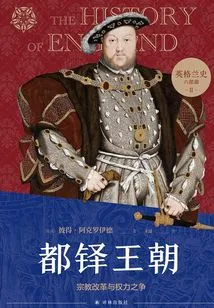
都铎王朝:宗教改革与权力之争(英格兰史六部曲2)
G
"The Six-Part History of England" is the representative work of the historical writer Peter Ackroyd, which includes six volumes: "The Founding of the Empire", "The Tudor Dynasty", "The Age of Rebellion", "The Revolutionary Century", "The King of the World" and "Revolution". It writes the historical process of this legendary country in a magnificent way: how this once closed island country gradually turned into an empire with territories all over the world through religious reform, parliamentary system, technological and ideological revolution, as well as trade and colonial expansion; and how it repositioned itself in the new post-war order as the empire declined today and continued to influence the world. Ackroyd's writing conveys his deep attachment to this country that once stood at the apex of human civilization. It not only creates a history of struggle and innovation for the rise of a great power, but also creates a glorious national epic. "The Tudors" is the second volume of Ackroyd's "Six Parts of History of England", covering the historical period from Henry VIII to Elizabeth I when England was mainly ruled by the Tudor family. This volume mainly discusses the religious reform caused by Henry VIII's break with the Roman Church, and the struggle between the English monarchy and the change of the state religion during this period. Under Ackroyd's fascinating writing, the resolute Henry VIII, the short-lived Edward VI, the "Bloody Mary" who tried to restore Catholicism, and the Elizabeth I who created the "golden age", the magnificent life of the Tudor Dynasty comes to life on the page.
"The Six-Part History of England" is the representative work of the historical writer Peter Ackroyd, which includes six volumes: "The Founding of the Empire", "The Tudor Dynasty", "The Age of Rebellion", "The Revolutionary Century", "The King of the World" and "Revolution". It writes the historical process of this legendary country in a magnificent way: how this once closed island country gradually turned into an empire with territories all over the world through religious reform, parliamentary system, technological and ideological revolution, as well as trade and colonial expansion; and how it repositioned itself in the new post-war order as the empire declined today and continued to influence the world. Ackroyd's writing conveys his deep attachment to this country that once stood at the apex of human civilization. It not only creates a history of struggle and innovation for the rise of a great power, but also creates a glorious national epic. "The Tudors" is the second volume of Ackroyd's "Six Parts of History of England", covering the historical period from Henry VIII to Elizabeth I when England was mainly ruled by the Tudor family. This volume mainly discusses the religious reform caused by Henry VIII's break with the Roman Church, and the struggle between the English monarchy and the change of the state religion during this period. Under Ackroyd's fascinating writing, the resolute Henry VIII, the short-lived Edward VI, the "Bloody Mary" who tried to restore Catholicism, and the Elizabeth I who created the "golden age", the magnificent life of the Tudor Dynasty comes to life on the page.
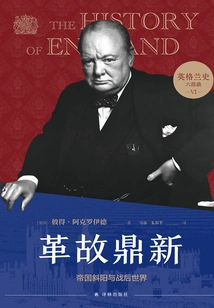
革故鼎新:帝国斜阳与战后世界(英格兰史六部曲6)
G
"The Six-Part History of England" is the representative work of the historical writer Peter Ackroyd, which includes six volumes: "The Founding of the Empire", "The Tudor Dynasty", "The Age of Rebellion", "The Revolutionary Century", "The King of the World" and "Revolution". It writes the historical process of this legendary country in a magnificent way: how this once closed island country gradually turned into an empire with territories all over the world through religious reform, parliamentary system, technological and ideological revolution, as well as trade and colonial expansion; and how it repositioned itself in the new post-war order as the empire declined today and continued to influence the world. Ackroyd's writing conveys his deep attachment to this country that once stood at the apex of human civilization. It not only creates a history of struggle and innovation for the rise of a great power, but also creates a glorious national epic. "Renovation" is the final volume of Ackroyd's "Six Parts of History of England". With the death of Queen Victoria and the tragic situation of the British army in the Second Boer War, the theory of the decline of the British Empire began to become rampant: it paid a heavy price for its strategic mistakes in the two world wars, and lost its colonies in the wave of national independence. The British Empire seemed to be in decline. But as the 20th century progressed, Britain relied on its own strength to complete the rise of the working class, the popularization of women's suffrage, and the construction of the welfare state. It also witnessed the prosperity of the Bloomsbury Group, the popularity of the Beatles, and the influx of colonial people. This ancient country, which has experienced rise and fall, will glow with new vitality in the new order of the 21st century.
"The Six-Part History of England" is the representative work of the historical writer Peter Ackroyd, which includes six volumes: "The Founding of the Empire", "The Tudor Dynasty", "The Age of Rebellion", "The Revolutionary Century", "The King of the World" and "Revolution". It writes the historical process of this legendary country in a magnificent way: how this once closed island country gradually turned into an empire with territories all over the world through religious reform, parliamentary system, technological and ideological revolution, as well as trade and colonial expansion; and how it repositioned itself in the new post-war order as the empire declined today and continued to influence the world. Ackroyd's writing conveys his deep attachment to this country that once stood at the apex of human civilization. It not only creates a history of struggle and innovation for the rise of a great power, but also creates a glorious national epic. "Renovation" is the final volume of Ackroyd's "Six Parts of History of England". With the death of Queen Victoria and the tragic situation of the British army in the Second Boer War, the theory of the decline of the British Empire began to become rampant: it paid a heavy price for its strategic mistakes in the two world wars, and lost its colonies in the wave of national independence. The British Empire seemed to be in decline. But as the 20th century progressed, Britain relied on its own strength to complete the rise of the working class, the popularization of women's suffrage, and the construction of the welfare state. It also witnessed the prosperity of the Bloomsbury Group, the popularity of the Beatles, and the influx of colonial people. This ancient country, which has experienced rise and fall, will glow with new vitality in the new order of the 21st century.
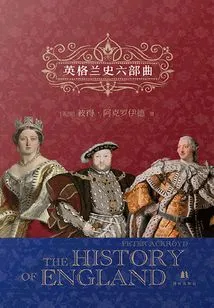
英格兰史六部曲(共6册)
G
"The Six-Part History of England" is the representative work of the historical writer Peter Ackroyd, which includes six volumes: "The Founding of the Empire", "The Tudor Dynasty", "The Age of Rebellion", "The Revolutionary Century", "The King of the World" and "Revolution". It writes the historical process of this legendary country in a magnificent way: how this once closed island country gradually turned into an empire with territories all over the world through religious reform, parliamentary system, technological and ideological revolution, as well as trade and colonial expansion; and how it repositioned itself in the new post-war order as the empire declined today and continued to influence the world. Ackroyd's writing conveys his deep attachment to this country that once stood at the apex of human civilization. It not only creates a history of struggle and innovation for the rise of a great power, but also creates a glorious national epic.
"The Six-Part History of England" is the representative work of the historical writer Peter Ackroyd, which includes six volumes: "The Founding of the Empire", "The Tudor Dynasty", "The Age of Rebellion", "The Revolutionary Century", "The King of the World" and "Revolution". It writes the historical process of this legendary country in a magnificent way: how this once closed island country gradually turned into an empire with territories all over the world through religious reform, parliamentary system, technological and ideological revolution, as well as trade and colonial expansion; and how it repositioned itself in the new post-war order as the empire declined today and continued to influence the world. Ackroyd's writing conveys his deep attachment to this country that once stood at the apex of human civilization. It not only creates a history of struggle and innovation for the rise of a great power, but also creates a glorious national epic.
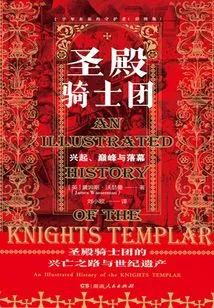
圣殿骑士团:十字军东征的守护者(彩图版)
(uk) James Wasserman
This book contains nearly two hundred historical pictures. It is a history of the rise and fall of the Knights Templar. It objectively and truly restores the mysterious and legendary history of the Knights Templar. It tells the story behind this brave army that was destroyed in the name of pagans hundreds of years ago. It explores its relationship with the other two major knights - the Teutonic Knights and the Knights Hospitaller, as well as the Crusades and the struggle for religious and imperial power in Western Europe, as well as its significant impact on the development of Western European medieval history.
This book contains nearly two hundred historical pictures. It is a history of the rise and fall of the Knights Templar. It objectively and truly restores the mysterious and legendary history of the Knights Templar. It tells the story behind this brave army that was destroyed in the name of pagans hundreds of years ago. It explores its relationship with the other two major knights - the Teutonic Knights and the Knights Hospitaller, as well as the Crusades and the struggle for religious and imperial power in Western Europe, as well as its significant impact on the development of Western European medieval history.
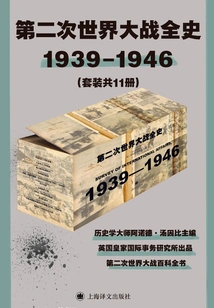
第二次世界大战全史1939-1946(套装共11册)
J
"Historical Research" is edited by Arnold Toynbee, the author and master of history, and produced by the Royal Institute of International Affairs. It can be called an encyclopedia of World War II. The electronic version of all 11 volumes is online for the first time. This book is the wartime edition (1939-1946) of the large-scale modern international relations history series "International Affairs Overview". It is edited by the famous British historian Toynbee and is compiled by topic. It has 11 volumes in total: "The World in March 1939", "The Eve of the War, 1939", "The Initial Victory of the Axis Powers", "Hitler's Europe", " The United States, Britain and Russia: Their Cooperation and Conflict, 1941-1946", "The Wartime Middle East", "The Great War and the Neutral Powers", "The Far East 1942-1946", "The Reorganization of Europe", "The Four-Power Regulation of Germany and Austria, 1945-1946" and "The Middle East 1945-1950". The book not only introduces the military situation, the growth and decline of strength, and the progress of the war between the two major military camps during the Second World War, but also explains in detail the intricate relationships between the major countries during the war, before the war, and after the war. Involving the political, economic, diplomatic, military, social, cultural and other aspects of the world at that time, it can be called an encyclopedia of World War II. The book cites a large number of government documents, meeting minutes, archival materials, personal notes, personal memoirs and other first-hand information about heads of state and important figures, as well as many representative monographs. It is an essential reference book for understanding and studying the history of World War II.
"Historical Research" is edited by Arnold Toynbee, the author and master of history, and produced by the Royal Institute of International Affairs. It can be called an encyclopedia of World War II. The electronic version of all 11 volumes is online for the first time. This book is the wartime edition (1939-1946) of the large-scale modern international relations history series "International Affairs Overview". It is edited by the famous British historian Toynbee and is compiled by topic. It has 11 volumes in total: "The World in March 1939", "The Eve of the War, 1939", "The Initial Victory of the Axis Powers", "Hitler's Europe", " The United States, Britain and Russia: Their Cooperation and Conflict, 1941-1946", "The Wartime Middle East", "The Great War and the Neutral Powers", "The Far East 1942-1946", "The Reorganization of Europe", "The Four-Power Regulation of Germany and Austria, 1945-1946" and "The Middle East 1945-1950". The book not only introduces the military situation, the growth and decline of strength, and the progress of the war between the two major military camps during the Second World War, but also explains in detail the intricate relationships between the major countries during the war, before the war, and after the war. Involving the political, economic, diplomatic, military, social, cultural and other aspects of the world at that time, it can be called an encyclopedia of World War II. The book cites a large number of government documents, meeting minutes, archival materials, personal notes, personal memoirs and other first-hand information about heads of state and important figures, as well as many representative monographs. It is an essential reference book for understanding and studying the history of World War II.
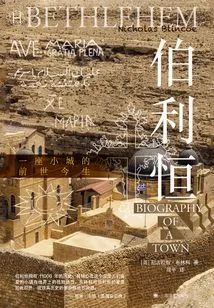
伯利恒:一座小城的前世今生(历史学堂)
(uk) Nicholas Blincoe
There is food, customs, history, reality, the past and present life of a small town in the Bible. From ancient times to today, the most authentic and powerful guide to Bethlehem; starting from the ruins and stories, it combines history and personal memories, archeology, and wonderful explanations of human and geographical landscapes. Bethlehem is an ancient town located on the West Bank of the Jordan River. It is known as the "fulcrum of world history". It carries so much meaning, history, mythology, and religion. It lives vividly in everyone's imagination and is visited by more than 2.5 Million visitors every year. For some, Bethlehem remains a biblical town on the edge of the desert; for others, it is trapped within a wall, surrounded by Israeli settlements and hostile settlers and soldiers. The British writer Nicholas Blincoe has lived in Bethlehem for many years. Based on his inner experience of living there, he tells the past and present life of Bethlehem in thirteen chapters. From the caves and carvings of the ninth century BC to the complex politics of today, he takes readers through its stone streets and desert hollows, monasteries, aqueducts and orchards, showing the city from every angle and era, and inevitably revealing one of the world's most thorny political issues. Bethlehem is a source of pride and wealth, but also a region where despair, poverty and violence have become the norm. It is a beacon of coexistence that can light the way to a better future; if the physical sites there survive but the threads stretching back to ancient history are broken, the chance of ending the Israeli-Palestinian conflict will be lost as well.
There is food, customs, history, reality, the past and present life of a small town in the Bible. From ancient times to today, the most authentic and powerful guide to Bethlehem; starting from the ruins and stories, it combines history and personal memories, archeology, and wonderful explanations of human and geographical landscapes. Bethlehem is an ancient town located on the West Bank of the Jordan River. It is known as the "fulcrum of world history". It carries so much meaning, history, mythology, and religion. It lives vividly in everyone's imagination and is visited by more than 2.5 Million visitors every year. For some, Bethlehem remains a biblical town on the edge of the desert; for others, it is trapped within a wall, surrounded by Israeli settlements and hostile settlers and soldiers. The British writer Nicholas Blincoe has lived in Bethlehem for many years. Based on his inner experience of living there, he tells the past and present life of Bethlehem in thirteen chapters. From the caves and carvings of the ninth century BC to the complex politics of today, he takes readers through its stone streets and desert hollows, monasteries, aqueducts and orchards, showing the city from every angle and era, and inevitably revealing one of the world's most thorny political issues. Bethlehem is a source of pride and wealth, but also a region where despair, poverty and violence have become the norm. It is a beacon of coexistence that can light the way to a better future; if the physical sites there survive but the threads stretching back to ancient history are broken, the chance of ending the Israeli-Palestinian conflict will be lost as well.
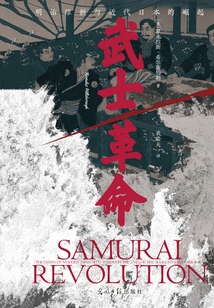
武士革命:明治维新与近代日本的崛起
(u. S.) Romillas Hillsborough
In 1853, the American Perry led a fleet into Edo Bay, and Japan, which had pursued a closed country policy for more than 200 years, opened its doors. After a series of bloody storms, the Edo shogunate collapsed, and the newly established Meiji government promoted a reform that made Japan a modern country, known in history as the "Meiji Restoration." This book focuses on lower-class samurai such as Katsu Kaishu, Sakamoto Ryoma, and Saigo Takamori who played an important role in this process. Through their experiences, this book vividly reproduces the entire process of the Meiji Restoration, brilliantly describes the people and events during this turbulent period, and profoundly analyzes the reasons for the collapse of the shogunate and the success of the Meiji Restoration.
In 1853, the American Perry led a fleet into Edo Bay, and Japan, which had pursued a closed country policy for more than 200 years, opened its doors. After a series of bloody storms, the Edo shogunate collapsed, and the newly established Meiji government promoted a reform that made Japan a modern country, known in history as the "Meiji Restoration." This book focuses on lower-class samurai such as Katsu Kaishu, Sakamoto Ryoma, and Saigo Takamori who played an important role in this process. Through their experiences, this book vividly reproduces the entire process of the Meiji Restoration, brilliantly describes the people and events during this turbulent period, and profoundly analyzes the reasons for the collapse of the shogunate and the success of the Meiji Restoration.
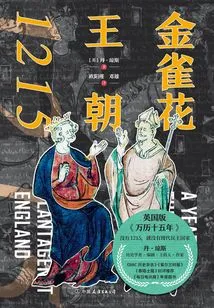
Plantagenets: 1215
History金雀花王朝:1215
I
In 1215, King John was forced to sign the Magna Carta. Today, more than 800 years later, the Magna Carta still plays a role. It contains the core elements of the modern rule of law that are believed in by all countries in the world. The Magna Carta appeared in 1215, but the Magna Carta is far from representative of 1215. Open this book and you will learn: The powerful King John actually loved women's clothing. During his reign, he wore the coronation dress of his grandmother, Queen Matilda, in public on many occasions; people in the Middle Ages also loved to repair horseshoes. Horses at that time were extremely precious and had to be carefully cared for, including changing horse shoes frequently; the church strictly stipulated that servants of God should not kill people, and priests were not allowed to use edged weapons. However, in the "Battle of Bouvines", a bishop was still able to use one A blunt instrument smashed a person's head, and priests all wielded maces and clubs instead of swords; the straightforward nicknames of medieval monarchs carried different honors and fates, and the strict and effective governance of King Richard the Lionheart made the king's power flourish; King Henry of the Short Cloak wore A cloak that is more neatly cut than a traditional cloak; Duke Robert the Socks loved the feeling of the wind blowing against his legs; King John had to endure being called "Landless John" in his youth, and was nicknamed "Soft Sword John" after losing Normandy. As a slice of history, 1215 shows slaughter and loyalty, bravery and deceit. There are intrigues among the royal aristocrats, as well as the mysterious daily life of the people in the Middle Ages. This year condenses the style of medieval England.
In 1215, King John was forced to sign the Magna Carta. Today, more than 800 years later, the Magna Carta still plays a role. It contains the core elements of the modern rule of law that are believed in by all countries in the world. The Magna Carta appeared in 1215, but the Magna Carta is far from representative of 1215. Open this book and you will learn: The powerful King John actually loved women's clothing. During his reign, he wore the coronation dress of his grandmother, Queen Matilda, in public on many occasions; people in the Middle Ages also loved to repair horseshoes. Horses at that time were extremely precious and had to be carefully cared for, including changing horse shoes frequently; the church strictly stipulated that servants of God should not kill people, and priests were not allowed to use edged weapons. However, in the "Battle of Bouvines", a bishop was still able to use one A blunt instrument smashed a person's head, and priests all wielded maces and clubs instead of swords; the straightforward nicknames of medieval monarchs carried different honors and fates, and the strict and effective governance of King Richard the Lionheart made the king's power flourish; King Henry of the Short Cloak wore A cloak that is more neatly cut than a traditional cloak; Duke Robert the Socks loved the feeling of the wind blowing against his legs; King John had to endure being called "Landless John" in his youth, and was nicknamed "Soft Sword John" after losing Normandy. As a slice of history, 1215 shows slaughter and loyalty, bravery and deceit. There are intrigues among the royal aristocrats, as well as the mysterious daily life of the people in the Middle Ages. This year condenses the style of medieval England.
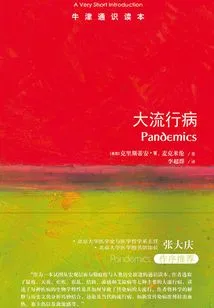
牛津通识读本:大流行病(中文版)
(u. S.) Christian W. Macmillan
Looking back at the course of human history, the shadow of epidemic diseases has always hung over us and lingered. In a sense, the history of human civilization is a history of constant struggle against plague. This book briefly introduces the major pandemics in history - plague, smallpox, malaria, cholera, tuberculosis, influenza and AIDS. It emphasizes the profound impact of epidemics on human society, the process of human understanding of epidemics and the response measures taken, and pays special attention to the rise of public health and the explosive growth of medical research after the pandemic. At the end of the book, Macmillan specifically reminds us that we must learn from past experiences and actively cooperate to prevent any future epidemics.
Looking back at the course of human history, the shadow of epidemic diseases has always hung over us and lingered. In a sense, the history of human civilization is a history of constant struggle against plague. This book briefly introduces the major pandemics in history - plague, smallpox, malaria, cholera, tuberculosis, influenza and AIDS. It emphasizes the profound impact of epidemics on human society, the process of human understanding of epidemics and the response measures taken, and pays special attention to the rise of public health and the explosive growth of medical research after the pandemic. At the end of the book, Macmillan specifically reminds us that we must learn from past experiences and actively cooperate to prevent any future epidemics.
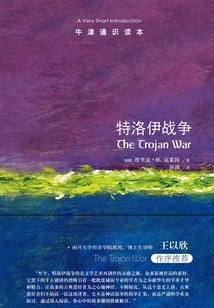
牛津通识读本:特洛伊战争(中文版)
K
Homer's story of Helen and the Trojan War as told in The Iliad and The Odyssey has fascinated people for centuries, spawning countless scholarly articles and books, extensive archaeological excavations, epic films, television documentaries, stage plays and works of art. This book investigates two main questions based on epic poetry, classical literature, and modern archaeological findings: Did the Trojan War really happen? If so, where did it happen? The book conclusively demonstrates that one or more of the battles near Troy may have actually taken place in some way or form during the Late Bronze Age, forming the core of the story that has survived to this day through Homer's epic poem. However, Klein believes that while the Trojan War may have occurred, it was not caused by the legendary kidnapping of Helen; the conflicts had more compelling economic and political motivations more than three thousand years ago.
Homer's story of Helen and the Trojan War as told in The Iliad and The Odyssey has fascinated people for centuries, spawning countless scholarly articles and books, extensive archaeological excavations, epic films, television documentaries, stage plays and works of art. This book investigates two main questions based on epic poetry, classical literature, and modern archaeological findings: Did the Trojan War really happen? If so, where did it happen? The book conclusively demonstrates that one or more of the battles near Troy may have actually taken place in some way or form during the Late Bronze Age, forming the core of the story that has survived to this day through Homer's epic poem. However, Klein believes that while the Trojan War may have occurred, it was not caused by the legendary kidnapping of Helen; the conflicts had more compelling economic and political motivations more than three thousand years ago.
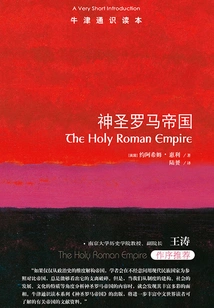
牛津通识读本:神圣罗马帝国(中文版)
(uk) Joachim Whaley
Voltaire once described the Holy Roman Empire as "neither holy nor Roman nor imperial", which has led to the empire's history and significance being largely misunderstood. In this book, Joachim Whaley outlines the fascinating thousand-year history of the Holy Roman Empire. The empire was established in 800, based on the Frankish Kingdom of Charlemagne. Around 1500, the title "Holy Roman Empire of the German Nation" officially appeared. The course and history of the Empire have always been influenced by major developments in Europe, from the Reformation to the Thirty Years' War and the French Revolution until Napoleon's destruction of the Empire in 1806. More than a thousand years of a shared sense of history and the legal traditions of empire-building have shaped the landscape of German-speaking Europe's past. Through this book, Whalley analyzes the important influence and role of the empire in the history of European power and politics, and points out: There has never been a more durable political system in German history.
Voltaire once described the Holy Roman Empire as "neither holy nor Roman nor imperial", which has led to the empire's history and significance being largely misunderstood. In this book, Joachim Whaley outlines the fascinating thousand-year history of the Holy Roman Empire. The empire was established in 800, based on the Frankish Kingdom of Charlemagne. Around 1500, the title "Holy Roman Empire of the German Nation" officially appeared. The course and history of the Empire have always been influenced by major developments in Europe, from the Reformation to the Thirty Years' War and the French Revolution until Napoleon's destruction of the Empire in 1806. More than a thousand years of a shared sense of history and the legal traditions of empire-building have shaped the landscape of German-speaking Europe's past. Through this book, Whalley analyzes the important influence and role of the empire in the history of European power and politics, and points out: There has never been a more durable political system in German history.
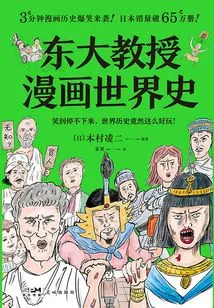
东大教授漫画世界史
(japanese) Compiled By Motomura Reiji
Ashoka, who unified India with his teachings of good deeds, actually killed 99 brothers in order to ascend to the throne? Cleopatra, was not actually a beauty at all? The first king of the Joseon Dynasty, which lasted for more than 500 years, Ri Sung-gye had to stay at home for the rest of his life because his sons fought too hard? Coco Chanel, who used fashion to free women, also helped the Nazis for money? John Lennon, who made the world crazy with rock and roll, specifically used a single to criticize the original band members? Steve Jobs, who made computers a popular commodity, relieves stress by washing his feet in the toilet? Charlemagne, the eternal emperor who dominated Europe, actually loved his daughter as much as she wanted? Queen Elizabeth, who defeated the "Invincible Fleet" and made Britain the best in Europe, wore 1.3 Centimeters of makeup? Was the Sun King Louis XIV, the ancestor of Versailles, a big eater? President Lincoln, who liberated the black slaves, was ruthless to the Indians?
Ashoka, who unified India with his teachings of good deeds, actually killed 99 brothers in order to ascend to the throne? Cleopatra, was not actually a beauty at all? The first king of the Joseon Dynasty, which lasted for more than 500 years, Ri Sung-gye had to stay at home for the rest of his life because his sons fought too hard? Coco Chanel, who used fashion to free women, also helped the Nazis for money? John Lennon, who made the world crazy with rock and roll, specifically used a single to criticize the original band members? Steve Jobs, who made computers a popular commodity, relieves stress by washing his feet in the toilet? Charlemagne, the eternal emperor who dominated Europe, actually loved his daughter as much as she wanted? Queen Elizabeth, who defeated the "Invincible Fleet" and made Britain the best in Europe, wore 1.3 Centimeters of makeup? Was the Sun King Louis XIV, the ancestor of Versailles, a big eater? President Lincoln, who liberated the black slaves, was ruthless to the Indians?
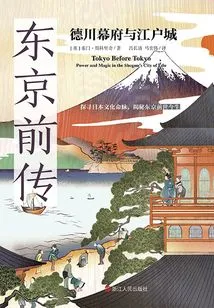
东京前传:德川幕府与江户城
(uk) Timon Skoric
The winning entry of the 27th "Mountain Film and Peach Award". This book tells the story of Tokyo before it became the capital of modern Japan. Before 1868, it was not called Tokyo. At that time, the city was always called Edo. Edo Castle was founded in 1590, and Tokugawa Ieyasu established the Tokugawa Shogunate here, thus beginning its prosperous period. As the center of Japan's trade, economy, and urban civilization, Edo did not evolve into Tokyo until 1868, becoming Japan's modern capital. Why did the Tokugawa Shogunate choose Edo Castle as the center of political power, and what kind of urban layout and planning did it have for Edo Castle? How did Edo establish its status as the capital step by step, and how were those famous landmarks and buildings built? What cultural heritage did the Tokugawa Shogunate have under its jurisdiction over Edo Castle for more than two hundred years? What cultural heritage did it leave to today's Tokyo? This book selects more than a hundred exquisite illustrations and combines diaries, travel guides, woodblock prints and other materials to vividly and in detail tell the origin and growth history of Edo in order to explore the historical genes of Tokyo, a charming city.
The winning entry of the 27th "Mountain Film and Peach Award". This book tells the story of Tokyo before it became the capital of modern Japan. Before 1868, it was not called Tokyo. At that time, the city was always called Edo. Edo Castle was founded in 1590, and Tokugawa Ieyasu established the Tokugawa Shogunate here, thus beginning its prosperous period. As the center of Japan's trade, economy, and urban civilization, Edo did not evolve into Tokyo until 1868, becoming Japan's modern capital. Why did the Tokugawa Shogunate choose Edo Castle as the center of political power, and what kind of urban layout and planning did it have for Edo Castle? How did Edo establish its status as the capital step by step, and how were those famous landmarks and buildings built? What cultural heritage did the Tokugawa Shogunate have under its jurisdiction over Edo Castle for more than two hundred years? What cultural heritage did it leave to today's Tokyo? This book selects more than a hundred exquisite illustrations and combines diaries, travel guides, woodblock prints and other materials to vividly and in detail tell the origin and growth history of Edo in order to explore the historical genes of Tokyo, a charming city.
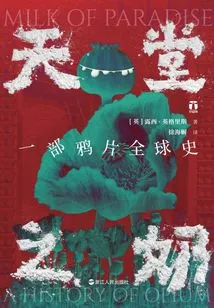
天堂之奶:一部鸦片全球史
(uk) Lucy Inglis
In the process of human beings seeking short-term relief, opium has a special "magic power". Every day, it provides comfort to thousands of people and ensures the normal operation of the medical care system; at the same time, it also makes many people addicted to drugs, exacerbating the bad depravity and exploitation of human society. From ancient times to the present, opium has been an unrivaled commodity, available as a legal or illegal commodity around the world. In this book, the famous cultural historian Lucy Inglis will lead us on an epic journey from Mesopotamia to today's United States, from poppy milk to heroin, from morphine to synthetic opium. She objectively examines opium, a substance of concern, starting with human beings' use of it and the reasons behind it, and showing the history of human interaction with this fascinating substance. A history of opium, half of which is a mockery of human nature by money, and half of which is a tragedy of body and spirit. This is a story about addiction, trade, crime, war, literature, medicine, and especially money. As this sweeping, all-encompassing work profoundly reveals, the history of opium is the history of our species, and it can teach us a lot about who we are.
In the process of human beings seeking short-term relief, opium has a special "magic power". Every day, it provides comfort to thousands of people and ensures the normal operation of the medical care system; at the same time, it also makes many people addicted to drugs, exacerbating the bad depravity and exploitation of human society. From ancient times to the present, opium has been an unrivaled commodity, available as a legal or illegal commodity around the world. In this book, the famous cultural historian Lucy Inglis will lead us on an epic journey from Mesopotamia to today's United States, from poppy milk to heroin, from morphine to synthetic opium. She objectively examines opium, a substance of concern, starting with human beings' use of it and the reasons behind it, and showing the history of human interaction with this fascinating substance. A history of opium, half of which is a mockery of human nature by money, and half of which is a tragedy of body and spirit. This is a story about addiction, trade, crime, war, literature, medicine, and especially money. As this sweeping, all-encompassing work profoundly reveals, the history of opium is the history of our species, and it can teach us a lot about who we are.
必需的遗忘与不容推卸的记忆
(german) Christian Meyer
A central belief of our time is that in order to "cope" with the past, one must continually maintain the memory of it. Christian Meyer, one of Germany's most important historians, scours world history to understand what people once did when they sought reconciliation after a war or civil war. What he discovered was both astonishing and simple: Since the ancient Greeks, the world has relied on forgetfulness. However, Germany's crimes during the Nazi era cannot be forgotten. Their public remembrance is and is indispensable. This book reviews several reconciliations achieved through forgetting in human history. If humans cannot forget, they will not be able to reconcile with the past and enemies, and will fall into permanent chaos. If they choose to completely forget about inhuman atrocities, they may repeat the same mistakes again. This book reveals a long-neglected aspect of history from an angle that few people pay attention to.
A central belief of our time is that in order to "cope" with the past, one must continually maintain the memory of it. Christian Meyer, one of Germany's most important historians, scours world history to understand what people once did when they sought reconciliation after a war or civil war. What he discovered was both astonishing and simple: Since the ancient Greeks, the world has relied on forgetfulness. However, Germany's crimes during the Nazi era cannot be forgotten. Their public remembrance is and is indispensable. This book reviews several reconciliations achieved through forgetting in human history. If humans cannot forget, they will not be able to reconcile with the past and enemies, and will fall into permanent chaos. If they choose to completely forget about inhuman atrocities, they may repeat the same mistakes again. This book reveals a long-neglected aspect of history from an angle that few people pay attention to.
拿破仑战争:一个伟人和他的时代
Bbc History Magazine
The Napoleonic Wars refer to the wars between France under Napoleon's rule and the anti-French allies from 1799 to 1815. The French Revolution broke out in 1789. Faced with the rapid development of the revolutionary situation, the monarchs of various European countries were panicked. In order to contain France, European countries organized seven anti-French alliances from 1793 to 1815, and fought to the death with Napoleon on multiple battlefields. The war prompted major changes in Europe's military system. The scale of the Napoleonic Wars was unprecedented and unprecedented. As a great historical figure, there are many biographies of Napoleon, including many classics. This book takes a different approach, no longer giving a complete account of Napoleon's ups and downs, but starting from the war, focusing on analyzing Napoleon's military career, especially major battles such as the Battle of Trafalgar, the Peninsular War, the invasion of Russia, and Waterloo. These wars had a profound impact on Europe and the world as a whole. Therefore, this book not only focuses on the war itself, but also deeply explores related matters outside the battlefield and how the war affected the world situation. This book was written by a number of experts organized by BBC History Magazine. It includes relevant articles previously published in BBC History Magazine and its sister publication BBC History Revealed Magazine, and also adds some new content.
The Napoleonic Wars refer to the wars between France under Napoleon's rule and the anti-French allies from 1799 to 1815. The French Revolution broke out in 1789. Faced with the rapid development of the revolutionary situation, the monarchs of various European countries were panicked. In order to contain France, European countries organized seven anti-French alliances from 1793 to 1815, and fought to the death with Napoleon on multiple battlefields. The war prompted major changes in Europe's military system. The scale of the Napoleonic Wars was unprecedented and unprecedented. As a great historical figure, there are many biographies of Napoleon, including many classics. This book takes a different approach, no longer giving a complete account of Napoleon's ups and downs, but starting from the war, focusing on analyzing Napoleon's military career, especially major battles such as the Battle of Trafalgar, the Peninsular War, the invasion of Russia, and Waterloo. These wars had a profound impact on Europe and the world as a whole. Therefore, this book not only focuses on the war itself, but also deeply explores related matters outside the battlefield and how the war affected the world situation. This book was written by a number of experts organized by BBC History Magazine. It includes relevant articles previously published in BBC History Magazine and its sister publication BBC History Revealed Magazine, and also adds some new content.
Greco-persian War
History希波战争
N
The Greco-Persian Wars were a collective name for a series of wars that broke out between the Persian Empire and Greek city-states from 499 BC to 449 BC, which lasted for half a century. Although the Greeks were far weaker than the Persian army in terms of military strength, the final victory of the Greeks opened the way for the Greek city-states to develop a unique creativity, independent spirit, and democratic atmosphere, which also affected the future development of Western history. During the long and fierce struggle, famous battles in the history of world wars such as the Battle of Marathon, the Battle of Thermopylae, and the Naval Battle of Salamis occurred successively. The legendary figures who participated in them, including the legendary Persian King Xerxes, the Athenian general Pericles, and the Spartan King Leonidas, left behind popular stories. Due to the long history of the war, whether it is the bias of historical documents, the lack of archaeological materials, or the complex geographical environment of Greece, it has brought considerable difficulties to future generations in studying these wars. The author's descriptions of Persian and Greek strategy are clear and convincing, as are his descriptions of the day-to-day details of the lives of soldiers, politicians, and ordinary citizens. He had first-hand knowledge of Greek geography and a complete command of original documents and modern scholarship. In short, through this book, readers can experience this collision between Eastern and Western civilizations immersively.
The Greco-Persian Wars were a collective name for a series of wars that broke out between the Persian Empire and Greek city-states from 499 BC to 449 BC, which lasted for half a century. Although the Greeks were far weaker than the Persian army in terms of military strength, the final victory of the Greeks opened the way for the Greek city-states to develop a unique creativity, independent spirit, and democratic atmosphere, which also affected the future development of Western history. During the long and fierce struggle, famous battles in the history of world wars such as the Battle of Marathon, the Battle of Thermopylae, and the Naval Battle of Salamis occurred successively. The legendary figures who participated in them, including the legendary Persian King Xerxes, the Athenian general Pericles, and the Spartan King Leonidas, left behind popular stories. Due to the long history of the war, whether it is the bias of historical documents, the lack of archaeological materials, or the complex geographical environment of Greece, it has brought considerable difficulties to future generations in studying these wars. The author's descriptions of Persian and Greek strategy are clear and convincing, as are his descriptions of the day-to-day details of the lives of soldiers, politicians, and ordinary citizens. He had first-hand knowledge of Greek geography and a complete command of original documents and modern scholarship. In short, through this book, readers can experience this collision between Eastern and Western civilizations immersively.
世纪末的维也纳:弗洛伊德、克里姆特、勋伯格和现代主义的诞生
(us) Carl Husk
In Vienna at the turn of the 19th and 20th centuries, amid the crisis of political and social disintegration, many modern artistic and ideological achievements were born. In music and philosophy, economics and architecture, psychoanalysis, and so on, the innovators severed ties with a view of history that was at the heart of the nineteenth-century liberal culture in which they grew up. This book explores the origin of this cultural transformation in a specific historical environment. After the book was published, it generated a strong response among critics and readers in Europe and the United States. It won the Pulitzer Prize for Nonfiction in 1981 and is still valued in the field of European intellectual history.
In Vienna at the turn of the 19th and 20th centuries, amid the crisis of political and social disintegration, many modern artistic and ideological achievements were born. In music and philosophy, economics and architecture, psychoanalysis, and so on, the innovators severed ties with a view of history that was at the heart of the nineteenth-century liberal culture in which they grew up. This book explores the origin of this cultural transformation in a specific historical environment. After the book was published, it generated a strong response among critics and readers in Europe and the United States. It won the Pulitzer Prize for Nonfiction in 1981 and is still valued in the field of European intellectual history.
探险丝绸之路:最古老的经济走廊(套装共三册)
(uk) Peter Hopkirk Wei Hong Et Al.
"Plundering the Silk Road: China's Treasure Hunt from Sven Hedin to Stein" tells the story of the Swedish Sven Hedin, the British Oriel Stein, and the German Albany in the quarter century starting from the end of the 19th century to the beginning of the 20th century. Albert von Lecoq, Paul Pelliot of France, Langdon Warner of the United States, Mitsui Otani and Mizucho Tachibana of Japan, etc., Swept away tons of various murals, manuscripts, scriptures, sculptures, etc. From the ruins of lost cities on the Silk Road. They looted China's precious cultural relics and launched a fierce international battle for antiquities from the Western Regions. The author brings together the historical stories of these adventurous raiders to explore the motivations for their actions. "The History of Silk Road Civilization in Ten Antiquities": The historical Silk Road spanned the three continents of Europe, Asia and Africa, passing through deserts, grasslands, mountains, rivers and lakes, where countless materials and cultures were born, forming the splendid Silk Road civilization. The author selected ten ancient objects and narrated their stories, which not only showed the craftsmanship and shape, theme and decoration of the material, but also told the intricate connection between people and objects: Who created the material? Who carries them across mountains and rivers? Who regards them as treasures and sacred objects? Who abandoned them, and who unearthed them from the layers of loess... Materials and the people and society behind them interact with each other, different cultures collide and blend with each other, and economies, systems, technologies, and ideas continue to develop and evolve in the process of communication. All of this is integrated into a vivid and tangible history of Silk Road civilization. "Maritime Silk Road": In the early 15th century, China's giant ships sailed in Southeast Asia and the Indian Ocean, with voyages as far away as Hormuz, the Gulf of Aden and the coast of East Africa. All routes between East Asia and West Asia are in the hands of Asians. This book reveals the routes known as the "Maritime Silk Road" by later generations during this period, as well as the development history of civilizations along the routes. For a long time, the "Maritime Silk Road" running through Southeast Asia and the Indian Ocean has been overshadowed in people's minds by the Western-dominated Mediterranean and Atlantic routes. And because records are sparse and confusing, people today know very little about the specific locations of various countries along this route in history. Despite this, the understanding and research of this route still has far-reaching significance. This book rigorously analyzes the various factors that affected the changes of ancient sea routes, the reasons for the rise and fall of civilizations along the "Maritime Silk Road", and the connections between them. In addition, the author of this book also introduces in detail the various ancient navigation technologies along the coasts of the Indian and Pacific Oceans as well as the various trade goods circulating on the trade routes. Many contents are intertwined, painting a clear and specific picture for readers.
"Plundering the Silk Road: China's Treasure Hunt from Sven Hedin to Stein" tells the story of the Swedish Sven Hedin, the British Oriel Stein, and the German Albany in the quarter century starting from the end of the 19th century to the beginning of the 20th century. Albert von Lecoq, Paul Pelliot of France, Langdon Warner of the United States, Mitsui Otani and Mizucho Tachibana of Japan, etc., Swept away tons of various murals, manuscripts, scriptures, sculptures, etc. From the ruins of lost cities on the Silk Road. They looted China's precious cultural relics and launched a fierce international battle for antiquities from the Western Regions. The author brings together the historical stories of these adventurous raiders to explore the motivations for their actions. "The History of Silk Road Civilization in Ten Antiquities": The historical Silk Road spanned the three continents of Europe, Asia and Africa, passing through deserts, grasslands, mountains, rivers and lakes, where countless materials and cultures were born, forming the splendid Silk Road civilization. The author selected ten ancient objects and narrated their stories, which not only showed the craftsmanship and shape, theme and decoration of the material, but also told the intricate connection between people and objects: Who created the material? Who carries them across mountains and rivers? Who regards them as treasures and sacred objects? Who abandoned them, and who unearthed them from the layers of loess... Materials and the people and society behind them interact with each other, different cultures collide and blend with each other, and economies, systems, technologies, and ideas continue to develop and evolve in the process of communication. All of this is integrated into a vivid and tangible history of Silk Road civilization. "Maritime Silk Road": In the early 15th century, China's giant ships sailed in Southeast Asia and the Indian Ocean, with voyages as far away as Hormuz, the Gulf of Aden and the coast of East Africa. All routes between East Asia and West Asia are in the hands of Asians. This book reveals the routes known as the "Maritime Silk Road" by later generations during this period, as well as the development history of civilizations along the routes. For a long time, the "Maritime Silk Road" running through Southeast Asia and the Indian Ocean has been overshadowed in people's minds by the Western-dominated Mediterranean and Atlantic routes. And because records are sparse and confusing, people today know very little about the specific locations of various countries along this route in history. Despite this, the understanding and research of this route still has far-reaching significance. This book rigorously analyzes the various factors that affected the changes of ancient sea routes, the reasons for the rise and fall of civilizations along the "Maritime Silk Road", and the connections between them. In addition, the author of this book also introduces in detail the various ancient navigation technologies along the coasts of the Indian and Pacific Oceans as well as the various trade goods circulating on the trade routes. Many contents are intertwined, painting a clear and specific picture for readers.
命运之力:现代意大利史,从拿破仑时代到21世纪
(uk) Christopher Duggan
In 1789, the French Revolution brought modern nationalism to the world. The Italian peninsula, which is close to France, immediately felt this trend. In 1796, in order to deal with Austria's allies in Italy, Napoleon led his army into the peninsula. Since then, the construction of the Italian nation-state has become a priority issue for the Italian intellectual and political elites. In 1802, Napoleon established the Italian Republic in the northern part of the peninsula. But France's real purpose was not to help Italy build a nation, but to plunder Italy's wealth. After the fall of Napoleon in 1815, Italy returned to its fragmented state. However, the restoration of the old forces could not stop the popularity of Italian nationalism. The Italian elite ultimately chose the Kingdom of Piedmont-Sardinia to lead the movement for Italian unification. In 1861, with the help of Napoleon III and after a series of wars, the Kingdom of Italy was proclaimed. However, Italy only achieved political unity, not spiritual unity. After World War II, Italy made an economic leap by joining the European Community. Today, it is a member of the G7 club of developed countries and owns a number of internationally renowned companies such as Fiat. But at the same time, the Mafia is still active in the south, the Northern League, a political party that advocates secession, is gaining momentum, people are beginning to question unification, and Italy is still an unfinished nation-state.
In 1789, the French Revolution brought modern nationalism to the world. The Italian peninsula, which is close to France, immediately felt this trend. In 1796, in order to deal with Austria's allies in Italy, Napoleon led his army into the peninsula. Since then, the construction of the Italian nation-state has become a priority issue for the Italian intellectual and political elites. In 1802, Napoleon established the Italian Republic in the northern part of the peninsula. But France's real purpose was not to help Italy build a nation, but to plunder Italy's wealth. After the fall of Napoleon in 1815, Italy returned to its fragmented state. However, the restoration of the old forces could not stop the popularity of Italian nationalism. The Italian elite ultimately chose the Kingdom of Piedmont-Sardinia to lead the movement for Italian unification. In 1861, with the help of Napoleon III and after a series of wars, the Kingdom of Italy was proclaimed. However, Italy only achieved political unity, not spiritual unity. After World War II, Italy made an economic leap by joining the European Community. Today, it is a member of the G7 club of developed countries and owns a number of internationally renowned companies such as Fiat. But at the same time, the Mafia is still active in the south, the Northern League, a political party that advocates secession, is gaining momentum, people are beginning to question unification, and Italy is still an unfinished nation-state.
气候变迁与文明兴衰
(uk) Brian Fagan Nadia Durrani
The ancient Egyptians, who mastered the annual floods of the Nile River, established a powerful centralized state. The severe drought that began in 2200 BC caused Egypt to fall into the fragmented Middle Kingdom period; the mild climate for more than three hundred years after 200 BC gave birth to the Roman Empire, and the severe drought in the Eurasian steppes summoned the terrifying "Whip of God" Hun warriors, which made the empire unstoppable. The Khmer Dynasty built a perfect irrigation system to take advantage of the abundant rainwater, but excessive reclamation caused severe soil erosion, and the raging floods eventually made the magnificent Angkor Wat forgotten; the "Little Ice Age" seriously set back Spain's colonization of North America, but the Dutch merchant ships took advantage of the stronger east wind at this time, becoming a factor that contributed to the "Dutch Golden Age". The rapid development of paleoclimatology in recent decades has given scientists access to telescopes to peer into the past. Through the study of deep-sea rock cores, polar ice cores, cave sediments, and tree rings, we can infer the environment in which ancient people once lived. Many historical issues have also received new climate explanations. We now know that our species has experienced many periods of climatic instability, struggled to adapt to the environment, and accumulated many brilliant civilization achievements, but some powerful civilizations have been destroyed by plagues, melting glaciers, and droughts caused by climate change. This book is a history of the relationship between climate and civilization. The author skillfully combines the history of climate and the history of civilization development, and integrates knowledge from meteorology, anthropology, archaeology, ecology and other aspects to reconstruct the 30,000-year human history from the Last Glacial Maximum to today's era of globalization. In this long history, mankind has accumulated many experiences and lessons in dealing with climate change. For 200 years, human behavior has been able to have a significant impact on the climate - scientific research has proven that the use of fossil fuels is the main cause of global warming - but the huge threat posed by climate change is still difficult for us to cope with. Although the entire world has undergone tremendous changes during the 30,000 years discussed in this book, this is not a very long period of time since the birth of humankind. We are not much different physically and psychologically from the ancients, so we can still learn from their successes and failures in dealing with climate change. Today, the various disasters brought about by global warming - rising sea levels, severe droughts, extreme high temperatures, frequent floods, etc. - Are huge challenges facing mankind. History tells us that only a society that is fully prepared for rainy days, takes measures tailored to local conditions, and can unite and cooperate can more easily overcome the climate crisis. The fate of mankind in the future will directly depend on the current actions of human society.
The ancient Egyptians, who mastered the annual floods of the Nile River, established a powerful centralized state. The severe drought that began in 2200 BC caused Egypt to fall into the fragmented Middle Kingdom period; the mild climate for more than three hundred years after 200 BC gave birth to the Roman Empire, and the severe drought in the Eurasian steppes summoned the terrifying "Whip of God" Hun warriors, which made the empire unstoppable. The Khmer Dynasty built a perfect irrigation system to take advantage of the abundant rainwater, but excessive reclamation caused severe soil erosion, and the raging floods eventually made the magnificent Angkor Wat forgotten; the "Little Ice Age" seriously set back Spain's colonization of North America, but the Dutch merchant ships took advantage of the stronger east wind at this time, becoming a factor that contributed to the "Dutch Golden Age". The rapid development of paleoclimatology in recent decades has given scientists access to telescopes to peer into the past. Through the study of deep-sea rock cores, polar ice cores, cave sediments, and tree rings, we can infer the environment in which ancient people once lived. Many historical issues have also received new climate explanations. We now know that our species has experienced many periods of climatic instability, struggled to adapt to the environment, and accumulated many brilliant civilization achievements, but some powerful civilizations have been destroyed by plagues, melting glaciers, and droughts caused by climate change. This book is a history of the relationship between climate and civilization. The author skillfully combines the history of climate and the history of civilization development, and integrates knowledge from meteorology, anthropology, archaeology, ecology and other aspects to reconstruct the 30,000-year human history from the Last Glacial Maximum to today's era of globalization. In this long history, mankind has accumulated many experiences and lessons in dealing with climate change. For 200 years, human behavior has been able to have a significant impact on the climate - scientific research has proven that the use of fossil fuels is the main cause of global warming - but the huge threat posed by climate change is still difficult for us to cope with. Although the entire world has undergone tremendous changes during the 30,000 years discussed in this book, this is not a very long period of time since the birth of humankind. We are not much different physically and psychologically from the ancients, so we can still learn from their successes and failures in dealing with climate change. Today, the various disasters brought about by global warming - rising sea levels, severe droughts, extreme high temperatures, frequent floods, etc. - Are huge challenges facing mankind. History tells us that only a society that is fully prepared for rainy days, takes measures tailored to local conditions, and can unite and cooperate can more easily overcome the climate crisis. The fate of mankind in the future will directly depend on the current actions of human society.
BBC世界历史奇妙之旅(全两册)
(uk) "history Revealed" Magazine
Believe me, there are some historical issues that you may have never considered because they are so interesting and trivial that you may not have thought of them at all! Do you know which city was bombed the most in World War I and World War II? Do you know how knights in armor went to the toilet in the Middle Ages? Did you know that rats may live in Rococo wigs? Did Julius Caesar really wear a laurel wreath? Are the Gardens of Babylon really hanging? Is Atlantis real? Was Stonehenge originally built in Wales? Why does the Egyptian Sphinx have no nose? Can you count the famous bears in history? Winnie the Pooh? Paddington Bear? Why is Halloween a scourge on pumpkins? How was ice cream made before there were refrigerators? Who was the first weather forecaster? Who built the first tunnel? ..... This set of books provides readers with all kinds of knowledge about British history and global history. The main author is an experienced historian and researcher. The content is very rigorous. At the same time, combined with a large number of interesting pictures and texts, it tells in a simple and easy-to-understand way the historical knowledge that "you know but do not understand in depth, or you have never known". From social history to military history, from classical to modern, whatever your historical interests are, you'll find it.
Believe me, there are some historical issues that you may have never considered because they are so interesting and trivial that you may not have thought of them at all! Do you know which city was bombed the most in World War I and World War II? Do you know how knights in armor went to the toilet in the Middle Ages? Did you know that rats may live in Rococo wigs? Did Julius Caesar really wear a laurel wreath? Are the Gardens of Babylon really hanging? Is Atlantis real? Was Stonehenge originally built in Wales? Why does the Egyptian Sphinx have no nose? Can you count the famous bears in history? Winnie the Pooh? Paddington Bear? Why is Halloween a scourge on pumpkins? How was ice cream made before there were refrigerators? Who was the first weather forecaster? Who built the first tunnel? ..... This set of books provides readers with all kinds of knowledge about British history and global history. The main author is an experienced historian and researcher. The content is very rigorous. At the same time, combined with a large number of interesting pictures and texts, it tells in a simple and easy-to-understand way the historical knowledge that "you know but do not understand in depth, or you have never known". From social history to military history, from classical to modern, whatever your historical interests are, you'll find it.
二战记忆:暗黑时刻(套装共六册)
(u. S.) Daniel Ford, Etc.
"Flying Tigers: Chennault and His American Volunteers (1941-1942)" is a gripping adventure, a story of courage and daring, a fully revised and updated classic history of the Flying Tigers. The author made extensive reference to the historical archives of the United States and Japan, and used a large number of memoirs and interview materials of the parties involved to clear away the layers of historical fog surrounding the Flying Tigers and strive to restore the true historical scenes and the true colors of historical figures. "East-West Street: The Origins of Genocide and Crimes against Humanity" In the city today known as Lviv, Hirsch Lauterpacht and Raphael Lemkin, two strangers to each other, studied law with the same law professor at the same university. Based on what they saw, heard, personal experiences, and family changes, Lauterpacht Lemkin paid special attention to the protection of individuals and proposed crimes against humanity, introducing it into the Nuremberg Charter, which was ultimately used to convict Nazi leader Hans Frank; Lemkin focused on the protection of groups and proposed the crime of genocide. Both of them and their legal ideas have a great influence on the international judicial system and play a positive role to this day. While telling them, the author also traces the mysterious story of his grandfather, Leon Buchholz, as he traveled through Europe in the face of Nazi atrocities. "Churchill's Ungentlemanly War" Facing the powerful Nazi war machine, Britain had to find ways to weaken the enemy's power. The author of this book, Giles Milton, uses vivid descriptions to describe several wonderful sneak attacks and assassinations carried out by the British army outside the main battlefields of World War II. With the support of Churchill, several typical British gentlemen planned and led these completely ungentlemanly actions, despite the opposition of the old-fashioned people in the army and government who insisted on tradition. They invented new weapons, established schools for training guerrillas, and transported explosives to the resistance organizations in the occupied areas... These secret fighters who did not belong to the conventional army made a huge contribution to the final victory of the war. Ian Kershaw, author of "Decisions of Fate: Ten Decisions That Changed the World from 1940 to 1941," uses ten chapters to examine ten interrelated political decisions with huge military implications made by six major countries including the United Kingdom, the United States, the Soviet Union, Germany, Italy, and Japan during World War II between May 1940 and December 1941. From Britain's decision to persist in fighting Germany, to Germany's decision to declare war on the United States after Pearl Harbor, to Hitler's decision to exterminate the Jews on the European continent, these decisions transformed two separate wars on the Eurasian continent into a truly global conflict. Although at the end of 1941, the war was still in progress for more than three years, the outcome of World War II was already determined at this time. The author of "The Plunder of Europe: The Fate of Western Art Treasures in World War II" uses a large number of interviews and rich archival materials to explain in detail the Nazi looters' plundering of European art treasures before and after World War II, and also shows readers the details of the Allies' efforts to rescue these works of art. This book uses a compact plot to describe the Nazis' purge of "degenerate art", the high-ranking Nazi officials' art buying sprees in occupied countries, and the Nazis' ruthless seizure of Jewish-owned artworks; it also tells the story of museum staff in various European countries when faced with the threat of looting and bombing. The story goes through every possible means to transfer and protect artworks and the preservation of artworks by monuments rescue officers; it tells the process of recovery and return of public and private collections by all parties after the war; it depicts the art competition between Hitler, Goering, and art dealers, as well as the game between Allied rescue officers and people from all parties. "Report from Nazi Hell: Narrative of a Jewish Doctor at Auschwitz" In 1944, Nazi Germany occupied Hungary, and Miklos Nisli's family was deported to Auschwitz concentration camp. Nisli studied medicine in Germany and later became a forensic doctor. During the "screening" in the concentration camp, Nisli was forced to serve as a medical assistant to the "Angel of Death" Mengele and participated in notorious human experiments. Men like Nisli who were forced to cooperate with the Nazis were called "Söderkommando." Although they temporarily escaped the hands of death, they could only survive for three or four months. In "Nazi Hell", Nisli witnessed the persecution of Jews and other innocent people, and also recorded the psychological journey of the victim group that was difficult for outsiders to understand. Reports from Nazi Hell stares into the darkest moments in human history. Since its first publication in 1946, critics and scholars of different eras and nationalities have interpreted the book with varying views, and some of the controversies have even triggered people to rethink the universal dilemma of survival. This account has become the most controversial work of its kind.
"Flying Tigers: Chennault and His American Volunteers (1941-1942)" is a gripping adventure, a story of courage and daring, a fully revised and updated classic history of the Flying Tigers. The author made extensive reference to the historical archives of the United States and Japan, and used a large number of memoirs and interview materials of the parties involved to clear away the layers of historical fog surrounding the Flying Tigers and strive to restore the true historical scenes and the true colors of historical figures. "East-West Street: The Origins of Genocide and Crimes against Humanity" In the city today known as Lviv, Hirsch Lauterpacht and Raphael Lemkin, two strangers to each other, studied law with the same law professor at the same university. Based on what they saw, heard, personal experiences, and family changes, Lauterpacht Lemkin paid special attention to the protection of individuals and proposed crimes against humanity, introducing it into the Nuremberg Charter, which was ultimately used to convict Nazi leader Hans Frank; Lemkin focused on the protection of groups and proposed the crime of genocide. Both of them and their legal ideas have a great influence on the international judicial system and play a positive role to this day. While telling them, the author also traces the mysterious story of his grandfather, Leon Buchholz, as he traveled through Europe in the face of Nazi atrocities. "Churchill's Ungentlemanly War" Facing the powerful Nazi war machine, Britain had to find ways to weaken the enemy's power. The author of this book, Giles Milton, uses vivid descriptions to describe several wonderful sneak attacks and assassinations carried out by the British army outside the main battlefields of World War II. With the support of Churchill, several typical British gentlemen planned and led these completely ungentlemanly actions, despite the opposition of the old-fashioned people in the army and government who insisted on tradition. They invented new weapons, established schools for training guerrillas, and transported explosives to the resistance organizations in the occupied areas... These secret fighters who did not belong to the conventional army made a huge contribution to the final victory of the war. Ian Kershaw, author of "Decisions of Fate: Ten Decisions That Changed the World from 1940 to 1941," uses ten chapters to examine ten interrelated political decisions with huge military implications made by six major countries including the United Kingdom, the United States, the Soviet Union, Germany, Italy, and Japan during World War II between May 1940 and December 1941. From Britain's decision to persist in fighting Germany, to Germany's decision to declare war on the United States after Pearl Harbor, to Hitler's decision to exterminate the Jews on the European continent, these decisions transformed two separate wars on the Eurasian continent into a truly global conflict. Although at the end of 1941, the war was still in progress for more than three years, the outcome of World War II was already determined at this time. The author of "The Plunder of Europe: The Fate of Western Art Treasures in World War II" uses a large number of interviews and rich archival materials to explain in detail the Nazi looters' plundering of European art treasures before and after World War II, and also shows readers the details of the Allies' efforts to rescue these works of art. This book uses a compact plot to describe the Nazis' purge of "degenerate art", the high-ranking Nazi officials' art buying sprees in occupied countries, and the Nazis' ruthless seizure of Jewish-owned artworks; it also tells the story of museum staff in various European countries when faced with the threat of looting and bombing. The story goes through every possible means to transfer and protect artworks and the preservation of artworks by monuments rescue officers; it tells the process of recovery and return of public and private collections by all parties after the war; it depicts the art competition between Hitler, Goering, and art dealers, as well as the game between Allied rescue officers and people from all parties. "Report from Nazi Hell: Narrative of a Jewish Doctor at Auschwitz" In 1944, Nazi Germany occupied Hungary, and Miklos Nisli's family was deported to Auschwitz concentration camp. Nisli studied medicine in Germany and later became a forensic doctor. During the "screening" in the concentration camp, Nisli was forced to serve as a medical assistant to the "Angel of Death" Mengele and participated in notorious human experiments. Men like Nisli who were forced to cooperate with the Nazis were called "Söderkommando." Although they temporarily escaped the hands of death, they could only survive for three or four months. In "Nazi Hell", Nisli witnessed the persecution of Jews and other innocent people, and also recorded the psychological journey of the victim group that was difficult for outsiders to understand. Reports from Nazi Hell stares into the darkest moments in human history. Since its first publication in 1946, critics and scholars of different eras and nationalities have interpreted the book with varying views, and some of the controversies have even triggered people to rethink the universal dilemma of survival. This account has become the most controversial work of its kind.
1917年3月:改变世界的一个月
(uk) Will Englund
Pulitzer Prize-winning author Will Englund's classic historical narrative work shows in wonderful writing: at the critical time in March 1917 when the United States decided to join the "World War I", Russia embraced revolution, and cleverly intertwined the stories of the United States and Russia, revealing the inextricable connections between the two; how leaders, soldiers, pacifists, activists, revolutionaries and reactionaries predicted and made decisions in history, and ultimately changed the two countries, the United States and Russia, and determined the world pattern of the 20th century. The author believes that in complex historical events, people are captured by a naive and hopeful dream. Almost all predictions about war turned out to be wrong. The war did not make the world safe for democracy as Wilson hoped, nor did it lead the world to a new order... Through the writing of this book, he "hopes that the next century will be different from the past because of rational decision-making", which is also profoundly inspiring for today's world. It uses a very dramatic narrative technique and a very literary style to restore historical scenes, making people immersed in the situation; it digs deeply into a large number of newspapers, archives, personal letters, diaries and other materials related to the theme of this book, leading readers into the hearts of people at that time, vividly depicting their thinking, personality and even flaws, reshaping the political changes during the First World War and recreating the social trends of the time.
Pulitzer Prize-winning author Will Englund's classic historical narrative work shows in wonderful writing: at the critical time in March 1917 when the United States decided to join the "World War I", Russia embraced revolution, and cleverly intertwined the stories of the United States and Russia, revealing the inextricable connections between the two; how leaders, soldiers, pacifists, activists, revolutionaries and reactionaries predicted and made decisions in history, and ultimately changed the two countries, the United States and Russia, and determined the world pattern of the 20th century. The author believes that in complex historical events, people are captured by a naive and hopeful dream. Almost all predictions about war turned out to be wrong. The war did not make the world safe for democracy as Wilson hoped, nor did it lead the world to a new order... Through the writing of this book, he "hopes that the next century will be different from the past because of rational decision-making", which is also profoundly inspiring for today's world. It uses a very dramatic narrative technique and a very literary style to restore historical scenes, making people immersed in the situation; it digs deeply into a large number of newspapers, archives, personal letters, diaries and other materials related to the theme of this book, leading readers into the hearts of people at that time, vividly depicting their thinking, personality and even flaws, reshaping the political changes during the First World War and recreating the social trends of the time.
A Brief History of the World
History世界简史
Fanglong
"A Brief History of the World" is one of Fang Long's classic works. It breaks the traditional writing method of listing data in geography books and uses vivid literary language to integrate nature and humanities. He tells how humans living in different geographical environments adapt to the natural environment, and how they try to change the environment to achieve happiness. This is a popular science book that is easy to understand and also a history of the development of different countries and nations. "History is the fourth dimension of geography, which gives geography time and meaning" is reflected in this work, which is the history of human existence with history as the longitude and geography as the latitude.
"A Brief History of the World" is one of Fang Long's classic works. It breaks the traditional writing method of listing data in geography books and uses vivid literary language to integrate nature and humanities. He tells how humans living in different geographical environments adapt to the natural environment, and how they try to change the environment to achieve happiness. This is a popular science book that is easy to understand and also a history of the development of different countries and nations. "History is the fourth dimension of geography, which gives geography time and meaning" is reflected in this work, which is the history of human existence with history as the longitude and geography as the latitude.
韩国研究论丛(第27辑\u002F2014年第1辑)(复旦大学韩国研究丛书)
Fudan University Korean Studies Center
"Korean Studies Series" is a continuous publication organized by the Korean Studies Center of Fudan University. This series is the first in 2014 and the 27th in total. The content of this collection covers theoretical discussions, historical issues, hot issues, literature and art, etc. It basically reflects the latest progress in domestic Korean studies and provides many clues for people who care about related issues.
"Korean Studies Series" is a continuous publication organized by the Korean Studies Center of Fudan University. This series is the first in 2014 and the 27th in total. The content of this collection covers theoretical discussions, historical issues, hot issues, literature and art, etc. It basically reflects the latest progress in domestic Korean studies and provides many clues for people who care about related issues.
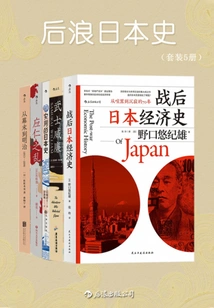
后浪日本史(套装共5册)
(japanese) Yukio Noguchi (english) Giles Milton, Etc.
From the post-war social and economic picture of Japan to the legendary life of the Englishman William Adams (Japanese name: Miura Anzhen), Japanese history is presented in the form of illustrations, covering important events in Japanese history from prehistoric times to the Heisei era, such as the Yamatai Kingdom, the Five Japanese Kings, the reign of Prince Shotoku, the Taika Reform, and the preservation of Japan. Key nodes such as the Yuan Rebellion, the Genpei War, the confrontation between the Southern and Northern Dynasties, the Onin Rebellion, the disputes between the Warring States Period heroes, the Battle of Sekigahara, Edo politics, the Tokugawa changes, and the Meiji Restoration use bright language to explain the development and changes of Japanese history and culture, comprehensively analyze the rich features of Japan, and unveil the mystery of Japan!
From the post-war social and economic picture of Japan to the legendary life of the Englishman William Adams (Japanese name: Miura Anzhen), Japanese history is presented in the form of illustrations, covering important events in Japanese history from prehistoric times to the Heisei era, such as the Yamatai Kingdom, the Five Japanese Kings, the reign of Prince Shotoku, the Taika Reform, and the preservation of Japan. Key nodes such as the Yuan Rebellion, the Genpei War, the confrontation between the Southern and Northern Dynasties, the Onin Rebellion, the disputes between the Warring States Period heroes, the Battle of Sekigahara, Edo politics, the Tokugawa changes, and the Meiji Restoration use bright language to explain the development and changes of Japanese history and culture, comprehensively analyze the rich features of Japan, and unveil the mystery of Japan!