Library
Browse and search books
2,273 novels found
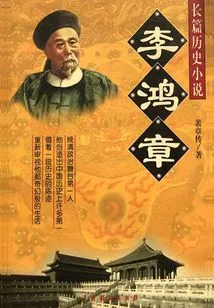
Li Hongzhang
General Fiction李鸿章
Pei Zhang Chuan
Based on a large number of historical materials, this book combines folklore, anecdotes, and unofficial history. It is further refined and processed during the search. The work restores history, puts the characters in a specific historical background, reveals their character and destiny, and interprets the joys and sorrows of the characters.
Based on a large number of historical materials, this book combines folklore, anecdotes, and unofficial history. It is further refined and processed during the search. The work restores history, puts the characters in a specific historical background, reveals their character and destiny, and interprets the joys and sorrows of the characters.
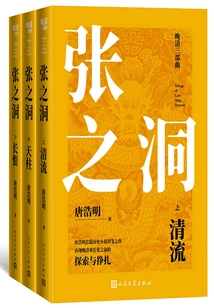
Zhang Zhidong (complete Works)
General Fiction张之洞(全集)
Tang Haoming
Zhang Zhidong, the "Governor of Huguang", was an important minister and academic official in the late Qing Dynasty. He took the imperial examination route and was re-employed by the imperial court. He was a rumor official in Beijing and remained loyal to the emperor and diligent in government when he was abroad. He yearned for Western science and technology and civilization, started an industry, and made the country rich and strong. In an era where the old and the new alternate, old consciousness and new ideas are intricately intertwined in him. His proposition of "Chinese learning as the essence and Western learning as the application" has been often said for more than a hundred years. "Zhang Zhidong" in the "Trilogy of the Late Qing Dynasty" is majestic, detailed and dense. It is a long historical scroll of the vicissitudes of the late Qing Dynasty and the survival of the nation. This book won the 2nd Yao Xueyin Historical Novel Award and the 9th "Five One Project" Selected Works Award of the Central Propaganda Department.
Zhang Zhidong, the "Governor of Huguang", was an important minister and academic official in the late Qing Dynasty. He took the imperial examination route and was re-employed by the imperial court. He was a rumor official in Beijing and remained loyal to the emperor and diligent in government when he was abroad. He yearned for Western science and technology and civilization, started an industry, and made the country rich and strong. In an era where the old and the new alternate, old consciousness and new ideas are intricately intertwined in him. His proposition of "Chinese learning as the essence and Western learning as the application" has been often said for more than a hundred years. "Zhang Zhidong" in the "Trilogy of the Late Qing Dynasty" is majestic, detailed and dense. It is a long historical scroll of the vicissitudes of the late Qing Dynasty and the survival of the nation. This book won the 2nd Yao Xueyin Historical Novel Award and the 9th "Five One Project" Selected Works Award of the Central Propaganda Department.
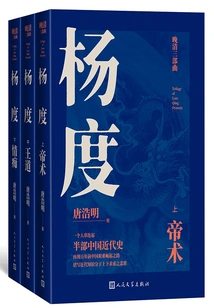
Yang Du (complete Works)
General Fiction杨度(全集)
Tang Haoming
Yang Du is a very colorful figure in the modern history of China. He is talented and ambitious. He once studied the study of emperors with famous Chinese studies teachers, and also traveled east to Japan to inspect the constitutional monarchy. He once participated in a public letter and supported Yuan Shikai's proclaimed emperor. After the collapse of the Hongxian dynasty, he turned to help and joined the Chinese Party in his later years. He embodies the contradictions and confusions of China's modern intellectual class. Yang Du's tragedy is also a microcosm of the difficult rise of modern China. The author uses Yang Du as a lead to connect Yuan Shikai, Cao Kun, Wang Jingwei, Huang Xing, Cai E and many other figures, vividly describing the actions of China's far-sighted people to save the country in the early twentieth century. This book won the China Book Award, the National Book Award, and the National Novel Award.
Yang Du is a very colorful figure in the modern history of China. He is talented and ambitious. He once studied the study of emperors with famous Chinese studies teachers, and also traveled east to Japan to inspect the constitutional monarchy. He once participated in a public letter and supported Yuan Shikai's proclaimed emperor. After the collapse of the Hongxian dynasty, he turned to help and joined the Chinese Party in his later years. He embodies the contradictions and confusions of China's modern intellectual class. Yang Du's tragedy is also a microcosm of the difficult rise of modern China. The author uses Yang Du as a lead to connect Yuan Shikai, Cao Kun, Wang Jingwei, Huang Xing, Cai E and many other figures, vividly describing the actions of China's far-sighted people to save the country in the early twentieth century. This book won the China Book Award, the National Book Award, and the National Novel Award.
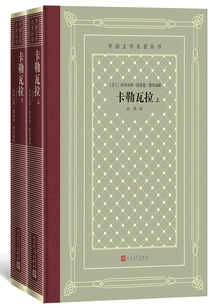
Kalevala (complete Collection)
General Fiction卡勒瓦拉(全集)
(finland) Compiled By Elias Lönrod
The epic narrates the protagonists' struggle to recapture the magical Sambo Mill, which symbolizes happiness and prosperity, from the female overlord in the north and their struggle against the northern country of Pohjola. The epic begins in ancient times and ends with the birth of the King of Karelia by the Holy Virgin Marietta. It shows multiple aspects and levels of Finnish social life in the Middle Ages and eulogizes the heroic and fearless spirit of the ancient Finnish people. The epic myth is rich in color, full of national color and lyrical meaning. At the same time, it records the living customs, family relationships, etc. Of Finnish farm families in detail with realistic descriptions. "Kalevala" is one of the national epics and synonymous with Finnish national literature.
The epic narrates the protagonists' struggle to recapture the magical Sambo Mill, which symbolizes happiness and prosperity, from the female overlord in the north and their struggle against the northern country of Pohjola. The epic begins in ancient times and ends with the birth of the King of Karelia by the Holy Virgin Marietta. It shows multiple aspects and levels of Finnish social life in the Middle Ages and eulogizes the heroic and fearless spirit of the ancient Finnish people. The epic myth is rich in color, full of national color and lyrical meaning. At the same time, it records the living customs, family relationships, etc. Of Finnish farm families in detail with realistic descriptions. "Kalevala" is one of the national epics and synonymous with Finnish national literature.
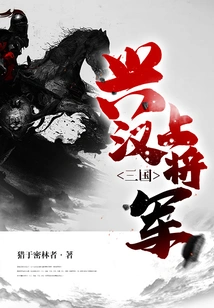
Three Kingdoms: General Xinghan
General Fiction三国:兴汉上将军
Hunter In The Jungle
Zhang Meng, the commander of a small Danqukou Post Pavilion, worked hard and was reused. From then on, he made great plans, surrendered Sima Yi, formed an alliance with the Western Qiang Kingdom, conquered Chang'an, moved the capital to Wei, took over Liangzhou, regained Luoyang... And finally became the most powerful general in the Three Kingdoms. Different time travels, different Three Kingdoms, different stories... All in this book.
Zhang Meng, the commander of a small Danqukou Post Pavilion, worked hard and was reused. From then on, he made great plans, surrendered Sima Yi, formed an alliance with the Western Qiang Kingdom, conquered Chang'an, moved the capital to Wei, took over Liangzhou, regained Luoyang... And finally became the most powerful general in the Three Kingdoms. Different time travels, different Three Kingdoms, different stories... All in this book.
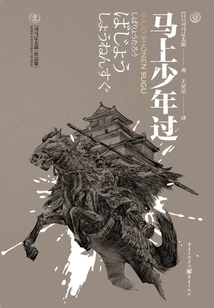
U
General Fictionu
I
He was born in a corner of the Northeast. He lost his right eye due to a serious illness when he was young. He was disliked by his biological mother and hated by his retainers. He single-handedly pacified Auzhou, and when he was about to ride a horse to chase a deer, he was shocked to realize that the world was already in someone else's pocket! Throughout Japan's Warring States Period, probably no daimyo was as aggrieved as Date Masamune. Do heroes lead the times, or do times create heroes? From Satsuma to Oshu, from the Warring States Period to the end of the Tokugawa period, there are endless figures who can be called "heroes". They may have eight talents and five chariots of learning, or they may use the power of wind and thunder to lead the vassal government. However, the torrent of time passed by on its own and never stopped for anyone. When the whirlpool gradually calmed down, the young man's spirit had turned into a nameless melancholy in the passage of time. The events of the remaining half of life have been brewed by time into a mellow wine of memories, for the hero to hold a cup and drink with the spring breeze... You will soon be young, and the world will be peaceful with many gray hairs. God will forgive my broken body. How can I not be happy?
He was born in a corner of the Northeast. He lost his right eye due to a serious illness when he was young. He was disliked by his biological mother and hated by his retainers. He single-handedly pacified Auzhou, and when he was about to ride a horse to chase a deer, he was shocked to realize that the world was already in someone else's pocket! Throughout Japan's Warring States Period, probably no daimyo was as aggrieved as Date Masamune. Do heroes lead the times, or do times create heroes? From Satsuma to Oshu, from the Warring States Period to the end of the Tokugawa period, there are endless figures who can be called "heroes". They may have eight talents and five chariots of learning, or they may use the power of wind and thunder to lead the vassal government. However, the torrent of time passed by on its own and never stopped for anyone. When the whirlpool gradually calmed down, the young man's spirit had turned into a nameless melancholy in the passage of time. The events of the remaining half of life have been brewed by time into a mellow wine of memories, for the hero to hold a cup and drink with the spring breeze... You will soon be young, and the world will be peaceful with many gray hairs. God will forgive my broken body. How can I not be happy?
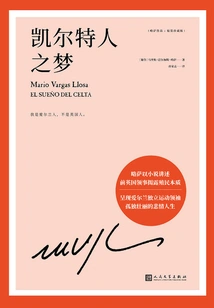
Celtic Dream
General Fiction凯尔特人之梦
(secret)mario Vargas Llosa
In 1900, the Irishman Roger Casement was appointed as the British Consul in Africa to Boma. He investigated the exploitation and atrocities of the indigenous people by Belgian rubber merchants and wrote the "Report on the Congo", which shocked the Western world. He was awarded the St. Michael and Saint Michel by King Edward VII of England. Double Medal of St. George; in 1906, Roger was appointed as the British Consul in Santos, Brazil. He investigated the exploitation and atrocities of the indigenous people by the British Rubber Company and wrote the "Report on Putumayo", which once again shocked the West. He was awarded the title of nobility by King George V. Aboriginal people were whipped, mutilated, raped, and killed, and villages disappeared... Appalling incidents of brutality occurred one after another in the colonies. After hearing and witnessing all this, Roger was overwhelmed by the hellish darkness of the world. At a certain moment, he suddenly realized that his native Ireland was also under British slavery, and its language, culture, and history were gradually forgotten. His deep hatred led him to resign as a diplomat and join the Irish national independence movement. Soon, he was arrested by the British government for "treason". Two famous reports he had published were questioned about the motives of the investigation. After his personal privacy was exposed by the British authorities, it became a scandal that the entire United Kingdom despised... Llosa based on the real life of Roger Casement to write this long biographical novel. There are 15 chapters in the book: odd-numbered chapters describe Roger's years in prison, the last three months of his life; even-numbered chapters tell the story of his life's adventures.
In 1900, the Irishman Roger Casement was appointed as the British Consul in Africa to Boma. He investigated the exploitation and atrocities of the indigenous people by Belgian rubber merchants and wrote the "Report on the Congo", which shocked the Western world. He was awarded the St. Michael and Saint Michel by King Edward VII of England. Double Medal of St. George; in 1906, Roger was appointed as the British Consul in Santos, Brazil. He investigated the exploitation and atrocities of the indigenous people by the British Rubber Company and wrote the "Report on Putumayo", which once again shocked the West. He was awarded the title of nobility by King George V. Aboriginal people were whipped, mutilated, raped, and killed, and villages disappeared... Appalling incidents of brutality occurred one after another in the colonies. After hearing and witnessing all this, Roger was overwhelmed by the hellish darkness of the world. At a certain moment, he suddenly realized that his native Ireland was also under British slavery, and its language, culture, and history were gradually forgotten. His deep hatred led him to resign as a diplomat and join the Irish national independence movement. Soon, he was arrested by the British government for "treason". Two famous reports he had published were questioned about the motives of the investigation. After his personal privacy was exposed by the British authorities, it became a scandal that the entire United Kingdom despised... Llosa based on the real life of Roger Casement to write this long biographical novel. There are 15 chapters in the book: odd-numbered chapters describe Roger's years in prison, the last three months of his life; even-numbered chapters tell the story of his life's adventures.
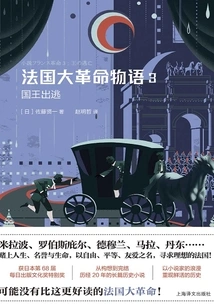
French Revolution Story 3: the King's Escape
General Fiction法国大革命物语3:国王出逃
J
Mirabeau, the "Lion of the Revolution", was terminally ill and his ambition was hard to achieve. On his deathbed, he was thinking about Robespierre, who had parted ways. The two had a last conversation. Mirabeau's last words were like a prophecy... Without Mirabeau, the mediator between him and the Parliament, King Louis XVI felt even more isolated and helpless. The revolution became increasingly radical, and Louis XVI decided to flee France with his family. This dramatic "flight of the king" would have a profound impact on the direction of the French Revolution.
Mirabeau, the "Lion of the Revolution", was terminally ill and his ambition was hard to achieve. On his deathbed, he was thinking about Robespierre, who had parted ways. The two had a last conversation. Mirabeau's last words were like a prophecy... Without Mirabeau, the mediator between him and the Parliament, King Louis XVI felt even more isolated and helpless. The revolution became increasingly radical, and Louis XVI decided to flee France with his family. This dramatic "flight of the king" would have a profound impact on the direction of the French Revolution.
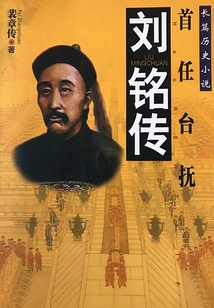
The First Governor of Taiwan: Liu Mingchuan
General Fiction首任台抚:刘铭传
Pei Zhang Chuan
Based on a large number of historical materials, this book combines folklore, anecdotes, and unofficial history. It is further refined and processed during the search. The work restores history, puts the characters in a specific historical background, reveals their character and destiny, and interprets the joys and sorrows of the characters.
Based on a large number of historical materials, this book combines folklore, anecdotes, and unofficial history. It is further refined and processed during the search. The work restores history, puts the characters in a specific historical background, reveals their character and destiny, and interprets the joys and sorrows of the characters.
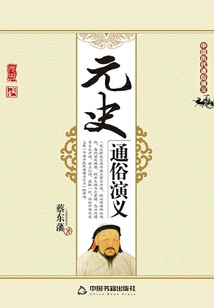
Popular Romance of the Yuan Dynasty
General Fiction元史通俗演义
Cai Dongfan
Mr. Cai Dongfan's "Popular Romance of Chinese Dynasties" was written from the Qin and Han dynasties to the Republic of China. It has more than 1,000 chapters and more than 5 million words, covering nearly 2,200 years of history. "Popular Romance of the Former Han Dynasty" is one of the "Popular Romance of Chinese Past Dynasties". It writes about the history of the heroes vying for the throne at the end of the Qin Dynasty, from Liu Bang's founding of the Han Dynasty to Wang Mang's compilation of the Han Dynasty. This is a masterpiece of romance with official history as its backbone and anecdotes as its weft, with a special style and self-commentary. The writing style of the book is friendly and natural, and easy to understand.
Mr. Cai Dongfan's "Popular Romance of Chinese Dynasties" was written from the Qin and Han dynasties to the Republic of China. It has more than 1,000 chapters and more than 5 million words, covering nearly 2,200 years of history. "Popular Romance of the Former Han Dynasty" is one of the "Popular Romance of Chinese Past Dynasties". It writes about the history of the heroes vying for the throne at the end of the Qin Dynasty, from Liu Bang's founding of the Han Dynasty to Wang Mang's compilation of the Han Dynasty. This is a masterpiece of romance with official history as its backbone and anecdotes as its weft, with a special style and self-commentary. The writing style of the book is friendly and natural, and easy to understand.
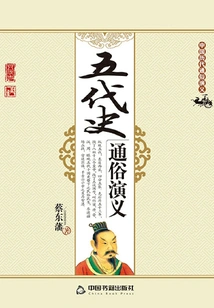
Popular Romance of the Five Dynasties History
General Fiction五代史通俗演义
Cai Dongfan
"Popular Romance of Chinese Dynasties: Popular Romance of Five Dynasties" was written from the Qin and Han Dynasties to the Republic of China. The book has more than a thousand chapters and more than 5 million words, covering nearly 2,200 years of history.
"Popular Romance of Chinese Dynasties: Popular Romance of Five Dynasties" was written from the Qin and Han Dynasties to the Republic of China. The book has more than a thousand chapters and more than 5 million words, covering nearly 2,200 years of history.
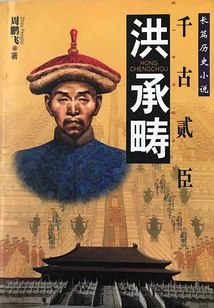
The Second Official Through the Ages: Hong Chengchou
General Fiction千古贰臣:洪承畴
Zhou Pengfei
Based on a large number of historical materials, this book combines folklore, anecdotes, and unofficial history. It is further refined and processed during the search. The work restores history, puts the characters in a specific historical background, reveals their character and destiny, and interprets the joys and sorrows of the characters. Show readers a brand-new "Hong Chengchou"
Based on a large number of historical materials, this book combines folklore, anecdotes, and unofficial history. It is further refined and processed during the search. The work restores history, puts the characters in a specific historical background, reveals their character and destiny, and interprets the joys and sorrows of the characters. Show readers a brand-new "Hong Chengchou"
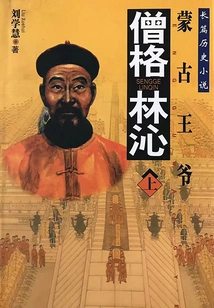
Mongolian Prince: Seng Gelinqin (part 1)
General Fiction蒙古王爷:僧格林沁(上)
Liu Xuehui
Based on a large number of historical materials, this book combines folklore, anecdotes, and unofficial history. It is further refined and processed during the search. The work restores history, puts the characters in a specific historical background, reveals their character and destiny, and interprets the joys and sorrows of the characters. Show readers a brand new Senggelinqin.
Based on a large number of historical materials, this book combines folklore, anecdotes, and unofficial history. It is further refined and processed during the search. The work restores history, puts the characters in a specific historical background, reveals their character and destiny, and interprets the joys and sorrows of the characters. Show readers a brand new Senggelinqin.
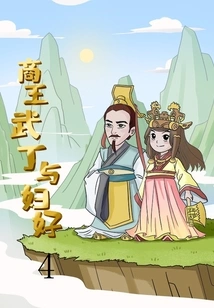
Shang King Wu Ding and His Wife 4
General Fiction商王武丁与妇好4
Yang Shaozi
Wu Hao, the consort of Wu Ding, the 22nd generation monarch of the Shang Dynasty, was the first female protagonist in Chinese history. In everyone's impression, Wu Zetian's position as the first female protagonist belongs to none other than Wu Zetian. Wu Ding and the queen had a good marriage. The great idea of the couple was to revive great merchants. What they wanted to revive was the spirit of business, contract and scholar that the founding sage Chengtang upheld and promoted.
Wu Hao, the consort of Wu Ding, the 22nd generation monarch of the Shang Dynasty, was the first female protagonist in Chinese history. In everyone's impression, Wu Zetian's position as the first female protagonist belongs to none other than Wu Zetian. Wu Ding and the queen had a good marriage. The great idea of the couple was to revive great merchants. What they wanted to revive was the spirit of business, contract and scholar that the founding sage Chengtang upheld and promoted.
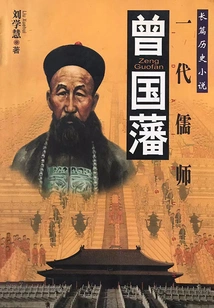
Zeng Guofan: a Confucian Master
General Fiction曾国藩:一代儒师
Liu Xuehui
Based on a large number of historical materials, this book combines folklore, anecdotes, and unofficial history. It is further refined and processed during the search. The work restores history, puts the characters in a specific historical background, reveals their character and destiny, and interprets the joys and sorrows of the characters. Show readers a brand new Zeng Guofan.
Based on a large number of historical materials, this book combines folklore, anecdotes, and unofficial history. It is further refined and processed during the search. The work restores history, puts the characters in a specific historical background, reveals their character and destiny, and interprets the joys and sorrows of the characters. Show readers a brand new Zeng Guofan.
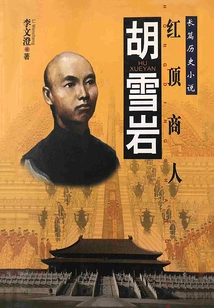
Hu Xueyan: Red-top Businessman
General Fiction胡雪岩:红顶商人
Li Wencheng
Based on a large number of historical materials, this book combines folklore, anecdotes, and unofficial history. It is further refined and processed during the search. The work restores history, puts the characters in a specific historical background, reveals their character and destiny, and interprets the joys and sorrows of the characters. Show readers a brand new Hu Xueyan.
Based on a large number of historical materials, this book combines folklore, anecdotes, and unofficial history. It is further refined and processed during the search. The work restores history, puts the characters in a specific historical background, reveals their character and destiny, and interprets the joys and sorrows of the characters. Show readers a brand new Hu Xueyan.
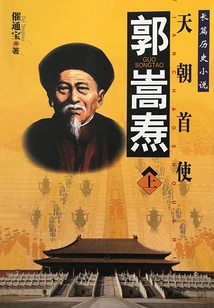
Guo Songtao: Chief Envoy of the Celestial Dynasty
General Fiction郭嵩焘:天朝首使
Cui Tongbao
Based on a large number of historical materials, this book combines folklore, anecdotes, and unofficial history. It is further refined and processed during the search. The work restores history, puts the characters in a specific historical background, reveals their character and destiny, and interprets the joys and sorrows of the characters. Show readers a brand new Guo Songtao.
Based on a large number of historical materials, this book combines folklore, anecdotes, and unofficial history. It is further refined and processed during the search. The work restores history, puts the characters in a specific historical background, reveals their character and destiny, and interprets the joys and sorrows of the characters. Show readers a brand new Guo Songtao.
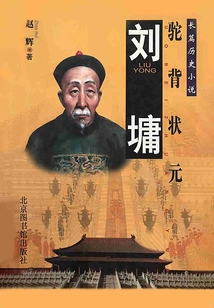
Liu Yong: the Hunchbacked Champion
General Fiction刘墉:驼背状元
Zhao Hui
Based on a large number of historical materials, this book combines folklore, anecdotes, and unofficial history. It is further refined and processed during the search. The work restores history, puts the characters in a specific historical background, reveals their character and destiny, and interprets the joys and sorrows of the characters. Show readers a brand new Liu Yong.
Based on a large number of historical materials, this book combines folklore, anecdotes, and unofficial history. It is further refined and processed during the search. The work restores history, puts the characters in a specific historical background, reveals their character and destiny, and interprets the joys and sorrows of the characters. Show readers a brand new Liu Yong.
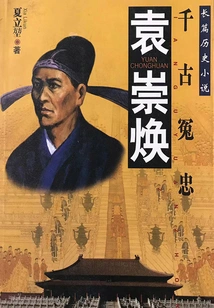
Eternal Injustice: Yuan Chonghuan
General Fiction千古冤忠:袁崇焕
Xia Likun
Based on a large number of historical materials, this book combines folklore, anecdotes, and unofficial history. It is further refined and processed during the search. The work restores history, puts the characters in a specific historical background, reveals their character and destiny, and interprets the joys and sorrows of the characters. Show readers a brand new "Yuan Chonghuan".
Based on a large number of historical materials, this book combines folklore, anecdotes, and unofficial history. It is further refined and processed during the search. The work restores history, puts the characters in a specific historical background, reveals their character and destiny, and interprets the joys and sorrows of the characters. Show readers a brand new "Yuan Chonghuan".
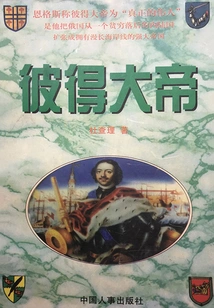
Peter the Great
General Fiction彼得大帝
Ducharle
It is true that Peter contributed to the country by expanding the territory of the empire and exploiting its treasures on a large scale. However, for ordinary people, what they feel is more the price paid for this than the honor brought by meritorious deeds. They preferred to return Livonia to Sweden, thereby alleviating the burden of exorbitant taxes. The canal of Lake Ladoga cannot make them forget the thousands of people who died while building the canal. The appearance of the palace standing on the bank of the Neva River can only be seen with their eyes, and the ground cannot fill their stomachs. For them, Peter the Great meant expensive bread, denunciations, torture, a repressed church and expanded serfdom.
It is true that Peter contributed to the country by expanding the territory of the empire and exploiting its treasures on a large scale. However, for ordinary people, what they feel is more the price paid for this than the honor brought by meritorious deeds. They preferred to return Livonia to Sweden, thereby alleviating the burden of exorbitant taxes. The canal of Lake Ladoga cannot make them forget the thousands of people who died while building the canal. The appearance of the palace standing on the bank of the Neva River can only be seen with their eyes, and the ground cannot fill their stomachs. For them, Peter the Great meant expensive bread, denunciations, torture, a repressed church and expanded serfdom.
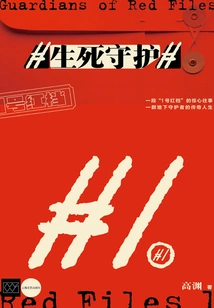
Guard of Life and Death
General Fiction生死守护
Gao Yuan
"Guardian of Life and Death" is a long legendary novel based on real historical materials. The Central Library is the first central-level secret archive of the Communist Party of China, and can be called the "No. 1 Red file" of the early memories of the Communist Party of China. From the establishment of the Central Library in 1927 to the liberation of Shanghai in 1949, during the turbulent years and the smoke of war, "Red File No. 1" Was secretly stored on the Shanghai Bund of Shili Yangchang, hidden under the noses of various forces at home and abroad. For twenty-two years, more than a dozen underground party members guarded "Red File No. 1", And three people paid their lives for it. The organization requires them not to attend branch meetings, mass rallies or marches, distribute leaflets, participate in political activities other than protecting the library, and have less contact with the outside world to avoid exposure. In this sense, they are both guardians of solitude. However, they are not alone in their hearts. They are supported by their comrades, their families, the people, and their firm ideals and beliefs. This can be said that I am not alone in my way.
"Guardian of Life and Death" is a long legendary novel based on real historical materials. The Central Library is the first central-level secret archive of the Communist Party of China, and can be called the "No. 1 Red file" of the early memories of the Communist Party of China. From the establishment of the Central Library in 1927 to the liberation of Shanghai in 1949, during the turbulent years and the smoke of war, "Red File No. 1" Was secretly stored on the Shanghai Bund of Shili Yangchang, hidden under the noses of various forces at home and abroad. For twenty-two years, more than a dozen underground party members guarded "Red File No. 1", And three people paid their lives for it. The organization requires them not to attend branch meetings, mass rallies or marches, distribute leaflets, participate in political activities other than protecting the library, and have less contact with the outside world to avoid exposure. In this sense, they are both guardians of solitude. However, they are not alone in their hearts. They are supported by their comrades, their families, the people, and their firm ideals and beliefs. This can be said that I am not alone in my way.
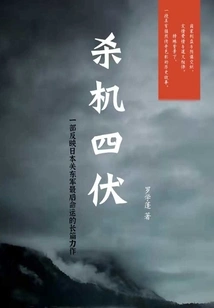
Murderous Intent
General Fiction杀机四伏
Luo Xuepeng
A masterpiece that reflects the final fate of the Japanese Kwantung Army. On August 15, 1945, the Japanese surrendered unconditionally, and Longjiang City, an important northeastern town, fell into a power vacuum for a while. Who is the king and who is the bandit, who will be born and who will be destroyed? Whose world will Longjiang become? An extremely brutal battle began in a bloody rain. The novel is written in a powerful and majestic way, recreating the picturesque and legendary epic of a special era. On August 15, 1945, the Japanese surrendered unconditionally, and Longjiang City, an important northeastern town, fell into a power vacuum for a while. The Soviet Red Army marched straight in, secretly supporting the Chinese Communist Party to take over the city; unwilling to fail, the Kuomintang launched a fierce struggle and actually entangled the desperate Japanese Kwantung Army, White Russian bandits, and puppet Manchukuo armed forces to take advantage of the withdrawal of the Soviet Red Army to plot to launch a riot. Who is the king and who is the bandit, who will be born and who will be destroyed? Whose world will Longjiang become? An extremely brutal battle began in a bloody rain. Three women and one drama. A female intelligence officer of the military command did not hesitate to serve the enemy with her own life in order to rescue her superior. The police chief and department chief fell under the pomegranate skirt one after another; the jewel in the eye of the White Russian general turned out to be the secret lover of the top commander of the Soviet army, and a large number of weapons fell into the hands of the enemy on the eve of the riot; the bloodshed in Longjiang City The debt-ridden former captain of the military police Mizuno, whose daughter Yuriko was once a loyal admirer of her father, truly fell in love with the captain of the guard brigade of the Communist Democratic Alliance. The stubborn Mizuno was finally inspired by her to join the ranks of the storm...
A masterpiece that reflects the final fate of the Japanese Kwantung Army. On August 15, 1945, the Japanese surrendered unconditionally, and Longjiang City, an important northeastern town, fell into a power vacuum for a while. Who is the king and who is the bandit, who will be born and who will be destroyed? Whose world will Longjiang become? An extremely brutal battle began in a bloody rain. The novel is written in a powerful and majestic way, recreating the picturesque and legendary epic of a special era. On August 15, 1945, the Japanese surrendered unconditionally, and Longjiang City, an important northeastern town, fell into a power vacuum for a while. The Soviet Red Army marched straight in, secretly supporting the Chinese Communist Party to take over the city; unwilling to fail, the Kuomintang launched a fierce struggle and actually entangled the desperate Japanese Kwantung Army, White Russian bandits, and puppet Manchukuo armed forces to take advantage of the withdrawal of the Soviet Red Army to plot to launch a riot. Who is the king and who is the bandit, who will be born and who will be destroyed? Whose world will Longjiang become? An extremely brutal battle began in a bloody rain. Three women and one drama. A female intelligence officer of the military command did not hesitate to serve the enemy with her own life in order to rescue her superior. The police chief and department chief fell under the pomegranate skirt one after another; the jewel in the eye of the White Russian general turned out to be the secret lover of the top commander of the Soviet army, and a large number of weapons fell into the hands of the enemy on the eve of the riot; the bloodshed in Longjiang City The debt-ridden former captain of the military police Mizuno, whose daughter Yuriko was once a loyal admirer of her father, truly fell in love with the captain of the guard brigade of the Communist Democratic Alliance. The stubborn Mizuno was finally inspired by her to join the ranks of the storm...
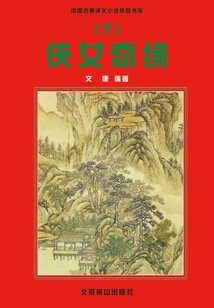
The Romance of the Heroine (part 2)
General Fiction侠女奇缘(下)
Wenkang
"The Romance of Heroes" is a collection of "The Legend of Heroes of Sons and Daughters" and "The Legend of Heroes of Sons and Daughters". "The Legend of Heroes of Sons and Daughters" is also known as "Golden Jade Fate", "The New Book of Japan", and "The Fifty-Three Ginsengs hidden in the True Dharma Eye". The author Wenkang, whose surname is Fei Mo and whose courtesy name is Tiexian, calls himself Yanbei Xianren and is a Manchu Xianghongbanner. The book was written during the Daoguang period of the Qing Dynasty. It originally had fifty-three chapters, but was later lost and lost. At the time of publication, only the first forty chapters remained. The author claims that this book is about "a public case in Kyoto" in the late Kangxi and early Yongzheng years. The novel describes a family with complete five moral ethics and abundant flowers to decorate the "peaceful and prosperous age" of the Qing Dynasty. The heroes and heroines in the novel are the heroes in the author's mind. The story tells that He Yufeng, a famous chivalrous girl in Kyoto, took refuge in the mountains and forests because her father was killed by the powerful Ji Xiantang. She changed her name to Thirteenth Sister, befriended heroes, traveled to the market, and waited for opportunities to take revenge. One day, she met the young master An Ji, who was running to save his father, and was in trouble. The thirteenth sister resolutely rescued An Ji from danger, and said that Zhang Jinfeng, a weak woman who was rescued during the contract, would marry An Ji. Later, An's father was rescued and Ji Xiantang was executed by the court. The thirteenth sister, He Yufeng, immediately married An Ji. Zhang Jinfeng and He Yufeng married An Ji together, and they lived in harmony and were sisters, so this book is also called "Golden Yuan". The book successfully portrays the heroic character and chivalrous qualities of Thirteenth Sister He Yufeng, who is both wise and brave, and hates evil as much as she hates evil. The story has ups and downs, thrilling twists and turns, and the language is lively, delicate and interesting. It is one of the more outstanding classical chivalrous novels.
"The Romance of Heroes" is a collection of "The Legend of Heroes of Sons and Daughters" and "The Legend of Heroes of Sons and Daughters". "The Legend of Heroes of Sons and Daughters" is also known as "Golden Jade Fate", "The New Book of Japan", and "The Fifty-Three Ginsengs hidden in the True Dharma Eye". The author Wenkang, whose surname is Fei Mo and whose courtesy name is Tiexian, calls himself Yanbei Xianren and is a Manchu Xianghongbanner. The book was written during the Daoguang period of the Qing Dynasty. It originally had fifty-three chapters, but was later lost and lost. At the time of publication, only the first forty chapters remained. The author claims that this book is about "a public case in Kyoto" in the late Kangxi and early Yongzheng years. The novel describes a family with complete five moral ethics and abundant flowers to decorate the "peaceful and prosperous age" of the Qing Dynasty. The heroes and heroines in the novel are the heroes in the author's mind. The story tells that He Yufeng, a famous chivalrous girl in Kyoto, took refuge in the mountains and forests because her father was killed by the powerful Ji Xiantang. She changed her name to Thirteenth Sister, befriended heroes, traveled to the market, and waited for opportunities to take revenge. One day, she met the young master An Ji, who was running to save his father, and was in trouble. The thirteenth sister resolutely rescued An Ji from danger, and said that Zhang Jinfeng, a weak woman who was rescued during the contract, would marry An Ji. Later, An's father was rescued and Ji Xiantang was executed by the court. The thirteenth sister, He Yufeng, immediately married An Ji. Zhang Jinfeng and He Yufeng married An Ji together, and they lived in harmony and were sisters, so this book is also called "Golden Yuan". The book successfully portrays the heroic character and chivalrous qualities of Thirteenth Sister He Yufeng, who is both wise and brave, and hates evil as much as she hates evil. The story has ups and downs, thrilling twists and turns, and the language is lively, delicate and interesting. It is one of the more outstanding classical chivalrous novels.
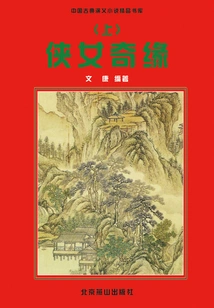
The Romance of the Heroine (part 1)
General Fiction侠女奇缘(上)
Wenkang
"The Romance of Heroes" is a collection of "The Legend of Heroes of Sons and Daughters" and "The Legend of Heroes of Sons and Daughters". "The Legend of Heroes of Sons and Daughters" is also known as "Golden Jade Fate", "The New Book of Japan", and "The Fifty-Three Ginsengs hidden in the True Dharma Eye". The author Wenkang, whose surname is Fei Mo and whose courtesy name is Tiexian, calls himself Yanbei Xianren and is a Manchu Xianghongbanner. The book was written during the Daoguang period of the Qing Dynasty. It originally had fifty-three chapters, but was later lost and lost. At the time of publication, only the first forty chapters remained. The author claims that this book is about "a public case in Kyoto" in the late Kangxi and early Yongzheng years. The novel describes a family with complete five moral ethics and abundant flowers to decorate the "peaceful and prosperous age" of the Qing Dynasty. The heroes and heroines in the novel are the heroes in the author's mind. The story tells that He Yufeng, a famous chivalrous girl in Kyoto, took refuge in the mountains and forests because her father was killed by the powerful Ji Xiantang. She changed her name to Thirteenth Sister, befriended heroes, traveled to the market, and waited for opportunities to take revenge. One day, she met the young master An Ji, who was running to save his father, and was in trouble. The thirteenth sister resolutely rescued An Ji from danger, and said that Zhang Jinfeng, a weak woman who was rescued during the contract, would marry An Ji. Later, An's father was rescued and Ji Xiantang was executed by the court. The thirteenth sister, He Yufeng, immediately married An Ji. Zhang Jinfeng and He Yufeng married An Ji together, and they lived in harmony and were sisters, so this book is also called "Golden Yuan". The book successfully portrays the heroic character and chivalrous qualities of Thirteenth Sister He Yufeng, who is both wise and brave, and hates evil as much as she hates evil. The story has ups and downs, thrilling twists and turns, and the language is lively, delicate and interesting. It is one of the more outstanding classical chivalrous novels.
"The Romance of Heroes" is a collection of "The Legend of Heroes of Sons and Daughters" and "The Legend of Heroes of Sons and Daughters". "The Legend of Heroes of Sons and Daughters" is also known as "Golden Jade Fate", "The New Book of Japan", and "The Fifty-Three Ginsengs hidden in the True Dharma Eye". The author Wenkang, whose surname is Fei Mo and whose courtesy name is Tiexian, calls himself Yanbei Xianren and is a Manchu Xianghongbanner. The book was written during the Daoguang period of the Qing Dynasty. It originally had fifty-three chapters, but was later lost and lost. At the time of publication, only the first forty chapters remained. The author claims that this book is about "a public case in Kyoto" in the late Kangxi and early Yongzheng years. The novel describes a family with complete five moral ethics and abundant flowers to decorate the "peaceful and prosperous age" of the Qing Dynasty. The heroes and heroines in the novel are the heroes in the author's mind. The story tells that He Yufeng, a famous chivalrous girl in Kyoto, took refuge in the mountains and forests because her father was killed by the powerful Ji Xiantang. She changed her name to Thirteenth Sister, befriended heroes, traveled to the market, and waited for opportunities to take revenge. One day, she met the young master An Ji, who was running to save his father, and was in trouble. The thirteenth sister resolutely rescued An Ji from danger, and said that Zhang Jinfeng, a weak woman who was rescued during the contract, would marry An Ji. Later, An's father was rescued and Ji Xiantang was executed by the court. The thirteenth sister, He Yufeng, immediately married An Ji. Zhang Jinfeng and He Yufeng married An Ji together, and they lived in harmony and were sisters, so this book is also called "Golden Yuan". The book successfully portrays the heroic character and chivalrous qualities of Thirteenth Sister He Yufeng, who is both wise and brave, and hates evil as much as she hates evil. The story has ups and downs, thrilling twists and turns, and the language is lively, delicate and interesting. It is one of the more outstanding classical chivalrous novels.
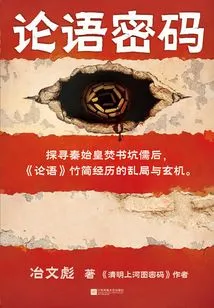
The Analects of Confucius Password
General Fiction论语密码
Ye Wenbiao
The First Emperor of Qin burned books to harass Confucians, and Emperor Wu of the Han Dynasty only respected Confucianism. However, the Analects of Confucius was hidden away, and its custodians were killed one after another... Taishi ordered Sima Qian to notice something fishy and decided to investigate secretly. The closer he got to the truth, the more terrifying he became... On the other side, the gangsters Zhu Anshi accepted the commission and escorted the only descendant of the Kong family who could recite the original version of "The Analects" to Beijing. Faced with two mysterious forces, one light and one dark, the ensuing pursuit and persecution, and the shocking conspiracy of the Tibetan Bureau within the Bureau, the two slowly approached the shocking secret behind "The Analects of Confucius"...
The First Emperor of Qin burned books to harass Confucians, and Emperor Wu of the Han Dynasty only respected Confucianism. However, the Analects of Confucius was hidden away, and its custodians were killed one after another... Taishi ordered Sima Qian to notice something fishy and decided to investigate secretly. The closer he got to the truth, the more terrifying he became... On the other side, the gangsters Zhu Anshi accepted the commission and escorted the only descendant of the Kong family who could recite the original version of "The Analects" to Beijing. Faced with two mysterious forces, one light and one dark, the ensuing pursuit and persecution, and the shocking conspiracy of the Tibetan Bureau within the Bureau, the two slowly approached the shocking secret behind "The Analects of Confucius"...
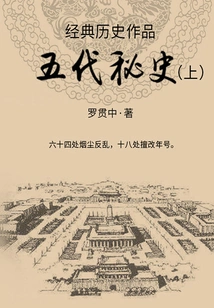
经典历史作品:五代秘史(上)
(ming Dynasty) Luo Guanzhong
"Secret History of the Five Dynasties" is also known as "Five Dynasties and the Residual Tang Dynasty" and "The Romance of the Residual Tang Dynasty and the Five Dynasties History". It can be said to be a classic Chinese classic that has been handed down from generation to generation. It has been widely read and circulated at home and abroad and is worth savoring. This book uses a chronological style to describe the turbulent rise and fall of the period from the Huangchao Uprising to the Chenqiao Mutiny. It is mainly based on the major political and military struggles in the late Tang Dynasty and the Five Dynasties period. It is written based on relevant stories in the new and old "Tang Shu", "History of the Five Dynasties" and folklore. The novel imitates "The Romance of the Three Kingdoms" in its creation, but its achievements are much inferior. Some chapters are written more vividly, such as the stories of Li Cunxiao and Iron Spear Wang Yanzhang, both of which are written with vitality. "The Secret History of the Five Dynasties" is widely circulated among the people and has a certain influence on the creation of novels and dramas in later generations.
"Secret History of the Five Dynasties" is also known as "Five Dynasties and the Residual Tang Dynasty" and "The Romance of the Residual Tang Dynasty and the Five Dynasties History". It can be said to be a classic Chinese classic that has been handed down from generation to generation. It has been widely read and circulated at home and abroad and is worth savoring. This book uses a chronological style to describe the turbulent rise and fall of the period from the Huangchao Uprising to the Chenqiao Mutiny. It is mainly based on the major political and military struggles in the late Tang Dynasty and the Five Dynasties period. It is written based on relevant stories in the new and old "Tang Shu", "History of the Five Dynasties" and folklore. The novel imitates "The Romance of the Three Kingdoms" in its creation, but its achievements are much inferior. Some chapters are written more vividly, such as the stories of Li Cunxiao and Iron Spear Wang Yanzhang, both of which are written with vitality. "The Secret History of the Five Dynasties" is widely circulated among the people and has a certain influence on the creation of novels and dramas in later generations.
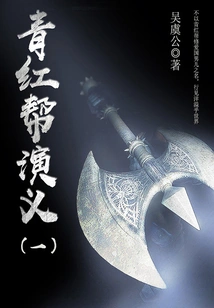
Classic Romance Novel: Romance of the Qinghong Gang (1)
General Fiction经典演义小说:青红帮演义(1)
Wu Yugong
"The Romance of the Qinghong Gang" is a novel that tells the history of the development of the Qinghong Gang. In the Qing Dynasty, there were three major societies that fought against the Qing Dynasty and restored the Ming Dynasty: Hongmen, Qinggang and White Lotus Sect, commonly known as Red Flower, Green Leaf and White Lotus Root. The Green Gang is organized by the Red Gang. The Red Gang was established first and its real name is "Hongmen". The Qing Gang (also known as the Qing Gang) is also known as the "Anqing Gang". At that time, the ethnic conflicts became more and more intense, and the power of gangs gradually increased. The two major gangs, the Qinghong Gang and the Red Gang, were prevalent. They sometimes even joined forces with the government. No one dared to bully them. Their presence in Chinese history can play a certain role in understanding the society at that time. The work was published in 1922 and has a certain degree of oral history value.
"The Romance of the Qinghong Gang" is a novel that tells the history of the development of the Qinghong Gang. In the Qing Dynasty, there were three major societies that fought against the Qing Dynasty and restored the Ming Dynasty: Hongmen, Qinggang and White Lotus Sect, commonly known as Red Flower, Green Leaf and White Lotus Root. The Green Gang is organized by the Red Gang. The Red Gang was established first and its real name is "Hongmen". The Qing Gang (also known as the Qing Gang) is also known as the "Anqing Gang". At that time, the ethnic conflicts became more and more intense, and the power of gangs gradually increased. The two major gangs, the Qinghong Gang and the Red Gang, were prevalent. They sometimes even joined forces with the government. No one dared to bully them. Their presence in Chinese history can play a certain role in understanding the society at that time. The work was published in 1922 and has a certain degree of oral history value.
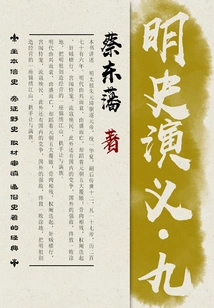
Cai Dongfan's Historical Novels: Romance of Ming Dynasty (9)
General Fiction蔡东藩历史小说:明史演义(9)
Cai Dongfan
"The Romance of the Ming Dynasty" is informative and tells us the history of the Ming Dynasty in a simple and easy-to-understand way. It took 276 years from the founding of the country by the civilian emperor Zhu Yuanzhang to the death of Sizong in the Ming Dynasty. Zhu Yuanzhang rose to the occasion, and within a few years he expelled Emperor Yuan and unified China. He finally drove the foreigners out of China, but he was afraid of constant harassment, so he had to build the Great Wall high and thick. It was only at this time that Zheng He, who made seven voyages to the West, appeared, bringing with him the highest technology at the time and a huge fleet to greatly promote the power of the Ming Empire. Cai Dongfan's book romance emphasizes history over prose. Although it is slightly inferior to literary talent, it provides a vast and popular general history of the Ming Dynasty and made an indelible contribution to the popularization of Chinese historical knowledge. The author Cai Dongfan was a historian and novelist in the late Qing Dynasty and the early Republic of China. When writing this historical romance, Cai Dongfan followed the principle of "taking official history as the basis, striving for conclusiveness, using anecdotes as the basis, and not making false accusations" in historical materials. He paid great attention to the authenticity of history and carefully examined the selection and use of historical materials. The work is highly readable and is a classic that history lovers cannot miss.
"The Romance of the Ming Dynasty" is informative and tells us the history of the Ming Dynasty in a simple and easy-to-understand way. It took 276 years from the founding of the country by the civilian emperor Zhu Yuanzhang to the death of Sizong in the Ming Dynasty. Zhu Yuanzhang rose to the occasion, and within a few years he expelled Emperor Yuan and unified China. He finally drove the foreigners out of China, but he was afraid of constant harassment, so he had to build the Great Wall high and thick. It was only at this time that Zheng He, who made seven voyages to the West, appeared, bringing with him the highest technology at the time and a huge fleet to greatly promote the power of the Ming Empire. Cai Dongfan's book romance emphasizes history over prose. Although it is slightly inferior to literary talent, it provides a vast and popular general history of the Ming Dynasty and made an indelible contribution to the popularization of Chinese historical knowledge. The author Cai Dongfan was a historian and novelist in the late Qing Dynasty and the early Republic of China. When writing this historical romance, Cai Dongfan followed the principle of "taking official history as the basis, striving for conclusiveness, using anecdotes as the basis, and not making false accusations" in historical materials. He paid great attention to the authenticity of history and carefully examined the selection and use of historical materials. The work is highly readable and is a classic that history lovers cannot miss.
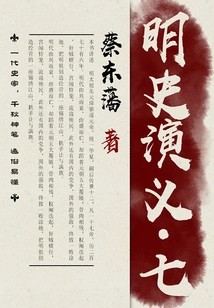
Cai Dongfan's Historical Novels: Romance of Ming Dynasty (7)
General Fiction蔡东藩历史小说:明史演义(7)
Cai Dongfan
"The Romance of the Ming Dynasty" is informative and tells us the history of the Ming Dynasty in a simple and easy-to-understand way. It took 276 years from the founding of the country by the civilian emperor Zhu Yuanzhang to the death of Sizong in the Ming Dynasty. Zhu Yuanzhang rose to the occasion, and within a few years he expelled Emperor Yuan and unified China. He finally drove the foreigners out of China, but he was afraid of constant harassment, so he had to build the Great Wall high and thick. It was only at this time that Zheng He, who made seven voyages to the West, appeared, bringing with him the highest technology at the time and a huge fleet to greatly promote the power of the Ming Empire. Cai Dongfan's book romance emphasizes history over prose. Although it is slightly inferior to literary talent, it provides a vast and popular general history of the Ming Dynasty and made an indelible contribution to the popularization of Chinese historical knowledge. The author Cai Dongfan was a historian and novelist in the late Qing Dynasty and the early Republic of China. When writing this historical romance, Cai Dongfan followed the principle of "taking official history as the basis, striving for conclusiveness, using anecdotes as the basis, and not making false accusations" in historical materials. He paid great attention to the authenticity of history and carefully examined the selection and use of historical materials. The work is highly readable and is a classic that history lovers cannot miss.
"The Romance of the Ming Dynasty" is informative and tells us the history of the Ming Dynasty in a simple and easy-to-understand way. It took 276 years from the founding of the country by the civilian emperor Zhu Yuanzhang to the death of Sizong in the Ming Dynasty. Zhu Yuanzhang rose to the occasion, and within a few years he expelled Emperor Yuan and unified China. He finally drove the foreigners out of China, but he was afraid of constant harassment, so he had to build the Great Wall high and thick. It was only at this time that Zheng He, who made seven voyages to the West, appeared, bringing with him the highest technology at the time and a huge fleet to greatly promote the power of the Ming Empire. Cai Dongfan's book romance emphasizes history over prose. Although it is slightly inferior to literary talent, it provides a vast and popular general history of the Ming Dynasty and made an indelible contribution to the popularization of Chinese historical knowledge. The author Cai Dongfan was a historian and novelist in the late Qing Dynasty and the early Republic of China. When writing this historical romance, Cai Dongfan followed the principle of "taking official history as the basis, striving for conclusiveness, using anecdotes as the basis, and not making false accusations" in historical materials. He paid great attention to the authenticity of history and carefully examined the selection and use of historical materials. The work is highly readable and is a classic that history lovers cannot miss.
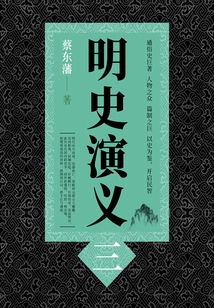
蔡东藩历史小说:明史演义(3)
Cai Dongfan
"The Romance of the Ming Dynasty" is informative and tells us the history of the Ming Dynasty in a simple and easy-to-understand way. It took 276 years from the founding of the country by the civilian emperor Zhu Yuanzhang to the death of Sizong in the Ming Dynasty. Zhu Yuanzhang rose to the occasion, and within a few years he expelled Emperor Yuan and unified China. He finally drove the foreigners out of China, but he was afraid of constant harassment, so he had to build the Great Wall high and thick. It was only at this time that Zheng He, who made seven voyages to the West, appeared, bringing with him the highest technology at the time and a huge fleet to greatly promote the power of the Ming Empire. Cai Dongfan's book romance emphasizes history over prose. Although it is slightly inferior to literary talent, it provides a vast and popular general history of the Ming Dynasty and made an indelible contribution to the popularization of Chinese historical knowledge. The author Cai Dongfan was a historian and novelist in the late Qing Dynasty and the early Republic of China. When writing this historical romance, Cai Dongfan followed the principle of "taking official history as the basis, striving for conclusiveness, using anecdotes as the basis, and not making false accusations" in historical materials. He paid great attention to the authenticity of history and carefully examined the selection and use of historical materials. The work is highly readable and is a classic that history lovers cannot miss.
"The Romance of the Ming Dynasty" is informative and tells us the history of the Ming Dynasty in a simple and easy-to-understand way. It took 276 years from the founding of the country by the civilian emperor Zhu Yuanzhang to the death of Sizong in the Ming Dynasty. Zhu Yuanzhang rose to the occasion, and within a few years he expelled Emperor Yuan and unified China. He finally drove the foreigners out of China, but he was afraid of constant harassment, so he had to build the Great Wall high and thick. It was only at this time that Zheng He, who made seven voyages to the West, appeared, bringing with him the highest technology at the time and a huge fleet to greatly promote the power of the Ming Empire. Cai Dongfan's book romance emphasizes history over prose. Although it is slightly inferior to literary talent, it provides a vast and popular general history of the Ming Dynasty and made an indelible contribution to the popularization of Chinese historical knowledge. The author Cai Dongfan was a historian and novelist in the late Qing Dynasty and the early Republic of China. When writing this historical romance, Cai Dongfan followed the principle of "taking official history as the basis, striving for conclusiveness, using anecdotes as the basis, and not making false accusations" in historical materials. He paid great attention to the authenticity of history and carefully examined the selection and use of historical materials. The work is highly readable and is a classic that history lovers cannot miss.
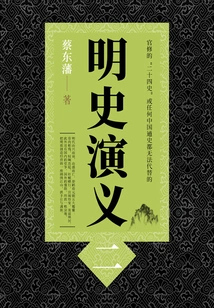
蔡东藩历史小说:明史演义(2)
Cai Dongfan
"The Romance of the Ming Dynasty" is informative and tells us the history of the Ming Dynasty in a simple and easy-to-understand way. It took 276 years from the founding of the country by the civilian emperor Zhu Yuanzhang to the death of Sizong in the Ming Dynasty. Zhu Yuanzhang rose to the occasion, and within a few years he expelled Emperor Yuan and unified China. He finally drove the foreigners out of China, but he was afraid of constant harassment, so he had to build the Great Wall high and thick. It was only at this time that Zheng He, who made seven voyages to the West, appeared, bringing with him the highest technology at the time and a huge fleet to greatly promote the power of the Ming Empire. Cai Dongfan's book romance emphasizes history over prose. Although it is slightly inferior to literary talent, it provides a vast and popular general history of the Ming Dynasty and made an indelible contribution to the popularization of Chinese historical knowledge. The author Cai Dongfan was a historian and novelist in the late Qing Dynasty and the early Republic of China. When writing this historical romance, Cai Dongfan followed the principle of "taking official history as the basis, striving for conclusiveness, using anecdotes as the basis, and not making false accusations" in historical materials. He paid great attention to the authenticity of history and carefully examined the selection and use of historical materials. The work is highly readable and is a classic that history lovers cannot miss.
"The Romance of the Ming Dynasty" is informative and tells us the history of the Ming Dynasty in a simple and easy-to-understand way. It took 276 years from the founding of the country by the civilian emperor Zhu Yuanzhang to the death of Sizong in the Ming Dynasty. Zhu Yuanzhang rose to the occasion, and within a few years he expelled Emperor Yuan and unified China. He finally drove the foreigners out of China, but he was afraid of constant harassment, so he had to build the Great Wall high and thick. It was only at this time that Zheng He, who made seven voyages to the West, appeared, bringing with him the highest technology at the time and a huge fleet to greatly promote the power of the Ming Empire. Cai Dongfan's book romance emphasizes history over prose. Although it is slightly inferior to literary talent, it provides a vast and popular general history of the Ming Dynasty and made an indelible contribution to the popularization of Chinese historical knowledge. The author Cai Dongfan was a historian and novelist in the late Qing Dynasty and the early Republic of China. When writing this historical romance, Cai Dongfan followed the principle of "taking official history as the basis, striving for conclusiveness, using anecdotes as the basis, and not making false accusations" in historical materials. He paid great attention to the authenticity of history and carefully examined the selection and use of historical materials. The work is highly readable and is a classic that history lovers cannot miss.
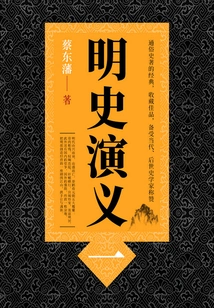
Cai Dongfan's Historical Novels: Romance of Ming Dynasty (1)
General Fiction蔡东藩历史小说:明史演义(1)
Cai Dongfan
"The Romance of the Ming Dynasty" is informative and tells us the history of the Ming Dynasty in a simple and easy-to-understand way. It took 276 years from the founding of the country by the civilian emperor Zhu Yuanzhang to the death of Sizong in the Ming Dynasty. Zhu Yuanzhang rose to the occasion, and within a few years he expelled Emperor Yuan and unified China. He finally drove the foreigners out of China, but he was afraid of constant harassment, so he had to build the Great Wall high and thick. It was only at this time that Zheng He, who made seven voyages to the West, appeared, bringing with him the highest technology at the time and a huge fleet to greatly promote the power of the Ming Empire. Cai Dongfan's book romance emphasizes history over prose. Although it is slightly inferior to literary talent, it provides a vast and popular general history of the Ming Dynasty and made an indelible contribution to the popularization of Chinese historical knowledge. The author Cai Dongfan was a historian and novelist in the late Qing Dynasty and the early Republic of China. When writing this historical romance, Cai Dongfan followed the principle of "taking official history as the basis, striving for conclusiveness, using anecdotes as the basis, and not making false accusations" in historical materials. He paid great attention to the authenticity of history and carefully examined the selection and use of historical materials. The work is highly readable and is a classic that history lovers cannot miss.
"The Romance of the Ming Dynasty" is informative and tells us the history of the Ming Dynasty in a simple and easy-to-understand way. It took 276 years from the founding of the country by the civilian emperor Zhu Yuanzhang to the death of Sizong in the Ming Dynasty. Zhu Yuanzhang rose to the occasion, and within a few years he expelled Emperor Yuan and unified China. He finally drove the foreigners out of China, but he was afraid of constant harassment, so he had to build the Great Wall high and thick. It was only at this time that Zheng He, who made seven voyages to the West, appeared, bringing with him the highest technology at the time and a huge fleet to greatly promote the power of the Ming Empire. Cai Dongfan's book romance emphasizes history over prose. Although it is slightly inferior to literary talent, it provides a vast and popular general history of the Ming Dynasty and made an indelible contribution to the popularization of Chinese historical knowledge. The author Cai Dongfan was a historian and novelist in the late Qing Dynasty and the early Republic of China. When writing this historical romance, Cai Dongfan followed the principle of "taking official history as the basis, striving for conclusiveness, using anecdotes as the basis, and not making false accusations" in historical materials. He paid great attention to the authenticity of history and carefully examined the selection and use of historical materials. The work is highly readable and is a classic that history lovers cannot miss.
Novels of the Late Qing Dynasty and the Republic of China: Romance of the Tang Palace and Twenty Dynasties (12)
General Fiction晚清民国小说:唐宫二十朝演义(12)
I
O
O
Novels of the Late Qing Dynasty and the Republic of China: Romance of the Tang Palace and Twenty Dynasties (11)
General Fiction晚清民国小说:唐宫二十朝演义(11)
H
N
N
Novels of the Late Qing Dynasty and the Republic of China: Romance of the Tang Palace and Twenty Dynasties (10)
General Fiction晚清民国小说:唐宫二十朝演义(10)
H
N
N
Novels of the Late Qing Dynasty and the Republic of China: Romance of the Tang Palace and Twenty Dynasties (9)
General Fiction晚清民国小说:唐宫二十朝演义(9)
H
N
N
Novels of the Late Qing Dynasty and the Republic of China: Romance of the Tang Palace and Twenty Dynasties (8)
General Fiction晚清民国小说:唐宫二十朝演义(8)
H
N
N
Novels of the Late Qing Dynasty and the Republic of China: Romance of the Tang Palace and Twenty Dynasties (7)
General Fiction晚清民国小说:唐宫二十朝演义(7)
H
N
N
Novels of the Late Qing Dynasty and the Republic of China: Romance of the Tang Palace and Twenty Dynasties (6)
General Fiction晚清民国小说:唐宫二十朝演义(6)
(qing Dynasty)xu Xiaotian
"Twenty Dynasties of the Tang Palace" is also known as "The Palace History of the Tang Dynasty", "The Romance of the Palace of the Tang Dynasty" and "The Secret History of the Palace of the Tang Dynasty". This book begins with Emperor Yang of the Sui Dynasty and ends with Zhao Kuangyin ascending the throne to unify the Central Plains. It tells the history of the court of the twenty emperors of the Tang Dynasty. Readers who like history should not miss it. Based on the official history, the writer collected the notes and miscellaneous works of various families, collected details, corrected errors, and made careful decisions. All the secrets of the palace, the relics of the government and the public during this period, as well as the anecdotes of celebrities, beauties, heroes, and heroes were all written in the book. The whole book has a rigorous structure, appropriate spacing and density, and is written in one go. The writing is vivid and rich, and the events, characters, and scenes described are as if they were there, and the images are vivid. The interpretation is done after examination, the encouragement and punishment are included in the conversation and laughter, and the description and rendering are all wonderful. The writing is simple and interesting, with endless aftertaste, making it hard to put down after reading it.
"Twenty Dynasties of the Tang Palace" is also known as "The Palace History of the Tang Dynasty", "The Romance of the Palace of the Tang Dynasty" and "The Secret History of the Palace of the Tang Dynasty". This book begins with Emperor Yang of the Sui Dynasty and ends with Zhao Kuangyin ascending the throne to unify the Central Plains. It tells the history of the court of the twenty emperors of the Tang Dynasty. Readers who like history should not miss it. Based on the official history, the writer collected the notes and miscellaneous works of various families, collected details, corrected errors, and made careful decisions. All the secrets of the palace, the relics of the government and the public during this period, as well as the anecdotes of celebrities, beauties, heroes, and heroes were all written in the book. The whole book has a rigorous structure, appropriate spacing and density, and is written in one go. The writing is vivid and rich, and the events, characters, and scenes described are as if they were there, and the images are vivid. The interpretation is done after examination, the encouragement and punishment are included in the conversation and laughter, and the description and rendering are all wonderful. The writing is simple and interesting, with endless aftertaste, making it hard to put down after reading it.
Novels of the Late Qing Dynasty and the Republic of China: Romance of the Tang Palace and Twenty Dynasties (5)
General Fiction晚清民国小说:唐宫二十朝演义(5)
H
N
N
Novels of the Late Qing Dynasty and the Republic of China: Romance of the Tang Palace and Twenty Dynasties (4)
General Fiction晚清民国小说:唐宫二十朝演义(4)
H
N
N
Novels of the Late Qing Dynasty and the Republic of China: Romance of the Tang Palace and Twenty Dynasties (3)
General Fiction晚清民国小说:唐宫二十朝演义(3)
H
N
N
Novels of the Late Qing Dynasty and the Republic of China: Romance of the Tang Palace and Twenty Dynasties (2)
General Fiction晚清民国小说:唐宫二十朝演义(2)
(qing Dynasty)xu Xiaotian
"Twenty Dynasties of the Tang Palace" is also known as "The Palace History of the Tang Dynasty", "The Romance of the Palace of the Tang Dynasty" and "The Secret History of the Palace of the Tang Dynasty". This book begins with Emperor Yang of the Sui Dynasty and ends with Zhao Kuangyin ascending the throne to unify the Central Plains. It tells the history of the court of the twenty emperors of the Tang Dynasty. Readers who like history should not miss it. Based on the official history, the writer collected the notes and miscellaneous works of various families, collected details, corrected errors, and made careful decisions. All the secrets of the palace, the relics of the government and the public during this period, as well as the anecdotes of celebrities, beauties, heroes, and heroes were all written in the book. The whole book has a rigorous structure, appropriate spacing and density, and is written in one go. The writing is vivid and rich, and the events, characters, and scenes described are as if they were there, and the images are vivid. The interpretation is done after examination, the encouragement and punishment are included in the conversation and laughter, and the description and rendering are all wonderful. The writing is simple and interesting, with endless aftertaste, making it hard to put down after reading it.
"Twenty Dynasties of the Tang Palace" is also known as "The Palace History of the Tang Dynasty", "The Romance of the Palace of the Tang Dynasty" and "The Secret History of the Palace of the Tang Dynasty". This book begins with Emperor Yang of the Sui Dynasty and ends with Zhao Kuangyin ascending the throne to unify the Central Plains. It tells the history of the court of the twenty emperors of the Tang Dynasty. Readers who like history should not miss it. Based on the official history, the writer collected the notes and miscellaneous works of various families, collected details, corrected errors, and made careful decisions. All the secrets of the palace, the relics of the government and the public during this period, as well as the anecdotes of celebrities, beauties, heroes, and heroes were all written in the book. The whole book has a rigorous structure, appropriate spacing and density, and is written in one go. The writing is vivid and rich, and the events, characters, and scenes described are as if they were there, and the images are vivid. The interpretation is done after examination, the encouragement and punishment are included in the conversation and laughter, and the description and rendering are all wonderful. The writing is simple and interesting, with endless aftertaste, making it hard to put down after reading it.
Novels of the Late Qing Dynasty and the Republic of China: Romance of the Tang Palace and Twenty Dynasties (1)
General Fiction晚清民国小说:唐宫二十朝演义(1)
H
N
N
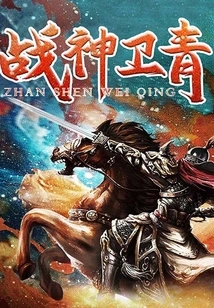
God of War Wei Qing (complete Works)
General Fiction战神卫青(全集)
Yang Yongfeng
From slave to general, his life is legendary. He made a nation raise its eyebrows beyond the Great Wall, and the boundless yellow sand of the desert cannot erase his name. After thousands of years, let us re-enter the Han Dynasty and appreciate the legendary general's wisdom and philosophy of life. Shows the legendary life of Wei Qing, the great hero of the Chinese nation, from slave to general. The famous generals Huo Qubing and Li Guang of the same era in the book also have colorful scenes, showing the ups and downs of ancient court and officialdom struggles, and creating a large number of vivid characters. The war scenes are grand, realistic and gripping, and there is also a believable account of Wei Qing's emotional life. The inspiration of his boyhood, the excitement of his youth, and his tranquility after middle age, Wei Qing's life is vividly displayed on paper.
From slave to general, his life is legendary. He made a nation raise its eyebrows beyond the Great Wall, and the boundless yellow sand of the desert cannot erase his name. After thousands of years, let us re-enter the Han Dynasty and appreciate the legendary general's wisdom and philosophy of life. Shows the legendary life of Wei Qing, the great hero of the Chinese nation, from slave to general. The famous generals Huo Qubing and Li Guang of the same era in the book also have colorful scenes, showing the ups and downs of ancient court and officialdom struggles, and creating a large number of vivid characters. The war scenes are grand, realistic and gripping, and there is also a believable account of Wei Qing's emotional life. The inspiration of his boyhood, the excitement of his youth, and his tranquility after middle age, Wei Qing's life is vividly displayed on paper.
S
U
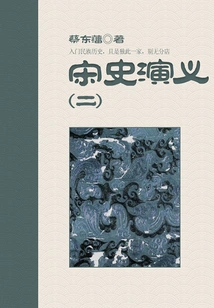
Cai Dongfan's Historical Novels: Romance of Song Dynasty (2)
General Fiction蔡东藩历史小说:宋史演义(2)
Cai Dongfan
This book mainly talks about how after the Five Dynasties and Ten Kingdoms, Zhao Kuangyin wore a yellow robe and used a glass of wine to release his military power and concentrate the power in his own hands. Under the basic national policy of strengthening the branches and strengthening the branches, civilian politics solved the opportunity for the military men of the previous dynasty to usurp the throne, and also created a humanistic empire at the cultural level. It was unable to break through the political chaos, and the political situation was disrupted. This book is structured in chapters, with popular articles and witty comments. It truly reproduces the magnificent historical evolution of Chinese civilization and narrates the rise and fall of the Song Dynasty. The northern part of the Great Wall was surrounded by powerful neighbors and foreign troubles continued, and half of the country was lost in the Jingkang disaster. After Jingkang, Emperor Gaozong and Zhao Gou rebuilt the empire in Suzhou and Hangzhou under heaven, and lost the illusion of returning to China. The author uses his personal history to tell the history of China in the form of a popular novel, hoping to help the Chinese people find a way to save the nation and survive from the enlightenment of history.
This book mainly talks about how after the Five Dynasties and Ten Kingdoms, Zhao Kuangyin wore a yellow robe and used a glass of wine to release his military power and concentrate the power in his own hands. Under the basic national policy of strengthening the branches and strengthening the branches, civilian politics solved the opportunity for the military men of the previous dynasty to usurp the throne, and also created a humanistic empire at the cultural level. It was unable to break through the political chaos, and the political situation was disrupted. This book is structured in chapters, with popular articles and witty comments. It truly reproduces the magnificent historical evolution of Chinese civilization and narrates the rise and fall of the Song Dynasty. The northern part of the Great Wall was surrounded by powerful neighbors and foreign troubles continued, and half of the country was lost in the Jingkang disaster. After Jingkang, Emperor Gaozong and Zhao Gou rebuilt the empire in Suzhou and Hangzhou under heaven, and lost the illusion of returning to China. The author uses his personal history to tell the history of China in the form of a popular novel, hoping to help the Chinese people find a way to save the nation and survive from the enlightenment of history.
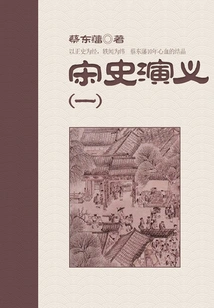
Cai Dongfan's Historical Novels: Romance of Song Dynasty (1)
General Fiction蔡东藩历史小说:宋史演义(1)
Cai Dongfan
This book mainly talks about how after the Five Dynasties and Ten Kingdoms, Zhao Kuangyin wore a yellow robe and used a glass of wine to release his military power and concentrate the power in his own hands. Under the basic national policy of strengthening the branches and strengthening the branches, civilian politics solved the opportunity for the military men of the previous dynasty to usurp the throne, and also created a humanistic empire at the cultural level. It was unable to break through the political chaos, and the political situation was disrupted. This book is structured in chapters, with popular articles and witty comments. It truly reproduces the magnificent historical evolution of Chinese civilization and narrates the rise and fall of the Song Dynasty. The northern part of the Great Wall was surrounded by powerful neighbors and foreign troubles continued, and half of the country was lost in the Jingkang disaster. After Jingkang, Emperor Gaozong and Zhao Gou rebuilt the empire in Suzhou and Hangzhou under heaven, and lost the illusion of returning to China. The author uses his personal history to tell the history of China in the form of a popular novel, hoping to help the Chinese people find a way to save the nation and survive from the enlightenment of history.
This book mainly talks about how after the Five Dynasties and Ten Kingdoms, Zhao Kuangyin wore a yellow robe and used a glass of wine to release his military power and concentrate the power in his own hands. Under the basic national policy of strengthening the branches and strengthening the branches, civilian politics solved the opportunity for the military men of the previous dynasty to usurp the throne, and also created a humanistic empire at the cultural level. It was unable to break through the political chaos, and the political situation was disrupted. This book is structured in chapters, with popular articles and witty comments. It truly reproduces the magnificent historical evolution of Chinese civilization and narrates the rise and fall of the Song Dynasty. The northern part of the Great Wall was surrounded by powerful neighbors and foreign troubles continued, and half of the country was lost in the Jingkang disaster. After Jingkang, Emperor Gaozong and Zhao Gou rebuilt the empire in Suzhou and Hangzhou under heaven, and lost the illusion of returning to China. The author uses his personal history to tell the history of China in the form of a popular novel, hoping to help the Chinese people find a way to save the nation and survive from the enlightenment of history.