Library
Browse and search novels
1,326 novels found
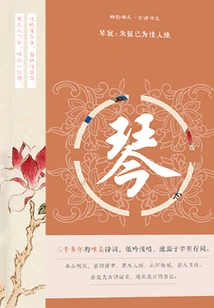
琴寂:朱弦已为佳人绝(幽韵雅集·古诗词选)
Compiled By Tang Tingting
There are eighteen books in this series, which collect ancient poems from eighteen aspects: incense, wine, piano, chess, sword, dust, moon, bamboo, staff, flower, stone, snow, monk, beauty, landscape, calligraphy and history, and epigraphy. The classification idea comes from a sentence in Lu Shaoheng's "Little Window Youji" of the Ming Dynasty: "Fragrance makes people quiet, wine makes people far away, tea makes people refreshed, piano makes people quiet, chess makes people idle, sword makes people chivalrous, staff makes people light, poop makes people elegant, moon makes people clear, bamboo makes people cold, flowers make people feel cold. It is charming, the stone is interesting, the snow is spacious, the futon is wild, the beauties are pity, the mountains and rivers are amazing, the books and history are erudition, the gold, stone, tripod and Yi are ancient. "The beauty of the guqin is as you touch it, the flowers fall, and the moon fills the empty mountain. The melodious and deep sound of the piano can always make people feel relaxed and happy. Since ancient times, Chinese literati and gentlemen have often "played the qin to make friends". In this way, they can learn about the music, master the art of qin, harmonize the five tones, and please their minds. This book selects more than a hundred poems related to the "guqin". Through the poems describing the guqin in this book, readers can enjoy a literati elegance together.
There are eighteen books in this series, which collect ancient poems from eighteen aspects: incense, wine, piano, chess, sword, dust, moon, bamboo, staff, flower, stone, snow, monk, beauty, landscape, calligraphy and history, and epigraphy. The classification idea comes from a sentence in Lu Shaoheng's "Little Window Youji" of the Ming Dynasty: "Fragrance makes people quiet, wine makes people far away, tea makes people refreshed, piano makes people quiet, chess makes people idle, sword makes people chivalrous, staff makes people light, poop makes people elegant, moon makes people clear, bamboo makes people cold, flowers make people feel cold. It is charming, the stone is interesting, the snow is spacious, the futon is wild, the beauties are pity, the mountains and rivers are amazing, the books and history are erudition, the gold, stone, tripod and Yi are ancient. "The beauty of the guqin is as you touch it, the flowers fall, and the moon fills the empty mountain. The melodious and deep sound of the piano can always make people feel relaxed and happy. Since ancient times, Chinese literati and gentlemen have often "played the qin to make friends". In this way, they can learn about the music, master the art of qin, harmonize the five tones, and please their minds. This book selects more than a hundred poems related to the "guqin". Through the poems describing the guqin in this book, readers can enjoy a literati elegance together.
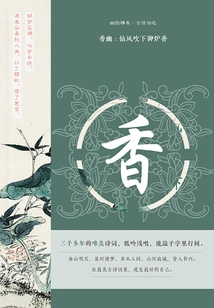
香幽:仙风吹下御炉香(幽韵雅集·古诗词选)
Compiled By Han Yulong
This book tells the story that most Chinese literati love incense. In the numerous classical literary works, we can often see them burning incense at their desks and fragrant their clothes and quilts; when playing the piano and reading scriptures, they burn a stick of incense to clear their hearts; when drinking tea and discussing Taoism, they burn a stick of incense to stir up the mood; when the moon goes down and the night is silent, they light a stick of agarwood to help them sleep. In this small book, we pick up and polish the shells in the sea of smoke and present them to readers.
This book tells the story that most Chinese literati love incense. In the numerous classical literary works, we can often see them burning incense at their desks and fragrant their clothes and quilts; when playing the piano and reading scriptures, they burn a stick of incense to clear their hearts; when drinking tea and discussing Taoism, they burn a stick of incense to stir up the mood; when the moon goes down and the night is silent, they light a stick of agarwood to help them sleep. In this small book, we pick up and polish the shells in the sea of smoke and present them to readers.
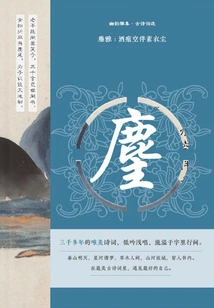
Elegance: Wine Stains and Dust on Plain Clothes (collection of Youyun Ya·selected Ancient Poems)
Literature麈雅:酒痕空伴素衣尘(幽韵雅集·古诗词选)
Compiled By He Wei
"" (this word is wrong, it will work after copying and pasting it out of the system) has a total of eighteen books in this series, which collects ancient poems and poems from eighteen aspects: incense, wine, piano, chess, sword, moon, bamboo, staff, flower, stone, snow, monk, beauty, landscape, calligraphy and history, and epigraphy. The idea of classification comes from a sentence in Lu Shaoheng's "Little Window You Ji" of the Ming Dynasty: "Fragrance makes people quiet, wine makes people far away, tea makes people refreshed, piano makes people quiet, chess makes people idle, sword makes people chivalrous, staff makes people light, poop makes people elegant, moon makes people clear, bamboo makes people feel relaxed. Cold, flowers make people charming, stones make people interesting, snow makes people open, monks make people feel calm, futons make people feel wild, beauties make people pity, mountains and rivers make people wonder, books and history make people knowledgeable, and gold, stone, tripods and Yi people make people think ancient times. Therefore, during the Wei and Jin Dynasties, literati liked to hold a whisk with a whisk in their hand when talking, so the conversation was also called "Talk". With the theme of "Qian", this book has selected more than a hundred poems and vocabulary collections. It not only embodies the aesthetic life of ancient literati, but also expresses the spiritual pursuit and aesthetic taste of literati.
"" (this word is wrong, it will work after copying and pasting it out of the system) has a total of eighteen books in this series, which collects ancient poems and poems from eighteen aspects: incense, wine, piano, chess, sword, moon, bamboo, staff, flower, stone, snow, monk, beauty, landscape, calligraphy and history, and epigraphy. The idea of classification comes from a sentence in Lu Shaoheng's "Little Window You Ji" of the Ming Dynasty: "Fragrance makes people quiet, wine makes people far away, tea makes people refreshed, piano makes people quiet, chess makes people idle, sword makes people chivalrous, staff makes people light, poop makes people elegant, moon makes people clear, bamboo makes people feel relaxed. Cold, flowers make people charming, stones make people interesting, snow makes people open, monks make people feel calm, futons make people feel wild, beauties make people pity, mountains and rivers make people wonder, books and history make people knowledgeable, and gold, stone, tripods and Yi people make people think ancient times. Therefore, during the Wei and Jin Dynasties, literati liked to hold a whisk with a whisk in their hand when talking, so the conversation was also called "Talk". With the theme of "Qian", this book has selected more than a hundred poems and vocabulary collections. It not only embodies the aesthetic life of ancient literati, but also expresses the spiritual pursuit and aesthetic taste of literati.
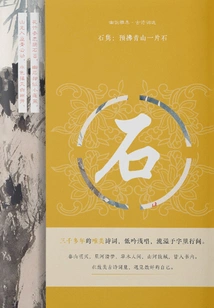
石隽:预拂青山一片石(幽韵雅集·古诗词选)
Compiled By Tang Tingting
There is a book that says: Fragrance makes you quiet, wine makes you distant, tea makes you refreshed, piano makes you quiet, chess makes you idle, sword makes you chivalrous, staff makes you light, zhu makes you elegant, moon makes you clear, bamboo makes you cold, flowers make you rhyme, stones make you sharp, snow makes you open, monks make you light, futon makes you wild, beauties make you pity, mountains and rivers make you wonder, books and history make you knowledgeable, gold, stone, tripod and Yi make you ancient. Based on this, choose incense, wine, tea, piano, chess, sword, staff, pupa, moon, bamboo, and sort them in order from least to most strokes according to the "Chinese Character Radical Table". Tell all the "rhyme" things in the world. Throughout ancient and modern times, stones have entrusted poets with their special emotions, and they integrated this emotion into their poems. Let us feel their special emotions in these "stone" poems.
There is a book that says: Fragrance makes you quiet, wine makes you distant, tea makes you refreshed, piano makes you quiet, chess makes you idle, sword makes you chivalrous, staff makes you light, zhu makes you elegant, moon makes you clear, bamboo makes you cold, flowers make you rhyme, stones make you sharp, snow makes you open, monks make you light, futon makes you wild, beauties make you pity, mountains and rivers make you wonder, books and history make you knowledgeable, gold, stone, tripod and Yi make you ancient. Based on this, choose incense, wine, tea, piano, chess, sword, staff, pupa, moon, bamboo, and sort them in order from least to most strokes according to the "Chinese Character Radical Table". Tell all the "rhyme" things in the world. Throughout ancient and modern times, stones have entrusted poets with their special emotions, and they integrated this emotion into their poems. Let us feel their special emotions in these "stone" poems.
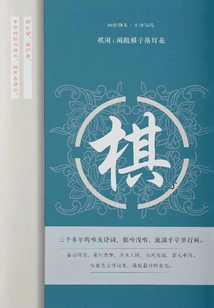
棋闲:闲敲棋子落灯花(幽韵雅集·古诗词选)
Compiled By Meng Xiangjing
This book tells the story of many ancient literati who experienced different realms of life while playing chess. They used Go as the theme to express their thoughts and feelings in their poems. This book selects beautiful poems related to Go from past dynasties, coupled with the editor's interpretation, to present readers with the different brilliance of ancient poems.
This book tells the story of many ancient literati who experienced different realms of life while playing chess. They used Go as the theme to express their thoughts and feelings in their poems. This book selects beautiful poems related to Go from past dynasties, coupled with the editor's interpretation, to present readers with the different brilliance of ancient poems.
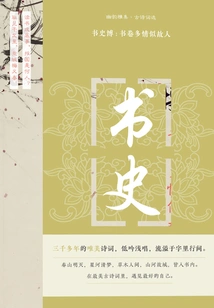
Book History Expo: the Book is as Sentimental as an Old Friend (youyun Yaji·selected Ancient Poems)
Literature书史博:书卷多情似故人(幽韵雅集·古诗词选)
Compiled By He Wei
With the theme of "book history", this book has selected more than a hundred poems and compiled them into a volume. The book history here mostly refers to books such as classics and history. "Book of Song Dynasty" once recorded: "If you dabble in the history of books, you can write articles." Writing "history of books" into poetry is not only a reflection of the aesthetic life of ancient literati, but also a reflection of the lofty ambitions and ideal pursuits of literati.
With the theme of "book history", this book has selected more than a hundred poems and compiled them into a volume. The book history here mostly refers to books such as classics and history. "Book of Song Dynasty" once recorded: "If you dabble in the history of books, you can write articles." Writing "history of books" into poetry is not only a reflection of the aesthetic life of ancient literati, but also a reflection of the lofty ambitions and ideal pursuits of literati.
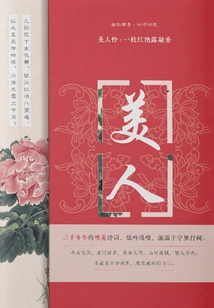
美人怜:一枝红艳露凝香(幽韵雅集·古诗词选)
Compiled By Han Yulong
The selected masterpieces in this book will take you across thousands of years of time and listen to the eternal chants of poets. Indispensable, they have slender waists and curvy hair; they have strong and far-sighted expressions, and their eyebrows are slender; there are also those who don't like red clothes and prefer to be armed, "a sword dance moves all directions". The selected famous poems in this book will take you across thousands of years of time and listen to the eternal chants of poets.
The selected masterpieces in this book will take you across thousands of years of time and listen to the eternal chants of poets. Indispensable, they have slender waists and curvy hair; they have strong and far-sighted expressions, and their eyebrows are slender; there are also those who don't like red clothes and prefer to be armed, "a sword dance moves all directions". The selected famous poems in this book will take you across thousands of years of time and listen to the eternal chants of poets.
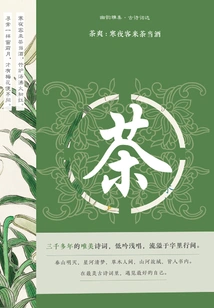
茶爽:寒夜客来茶当酒(幽韵雅集·古诗词选)
Compiled By He Wei
This book tells the story that "tea" in the eyes of the world is always closely related to moral cultivation and other connotations. Writing "tea" into poetry is a reflection of the aestheticization of ancient literati's life. This book takes "tea" as its theme and selects nearly a hundred poems about tea, which not only express the artistic beauty, but also highlight the ideal character of ancient literati.
This book tells the story that "tea" in the eyes of the world is always closely related to moral cultivation and other connotations. Writing "tea" into poetry is a reflection of the aestheticization of ancient literati's life. This book takes "tea" as its theme and selects nearly a hundred poems about tea, which not only express the artistic beauty, but also highlight the ideal character of ancient literati.
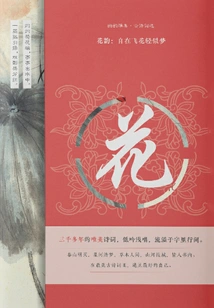
Flower Rhythm: Flying Flowers Are as Light as Dreams (youyunya Collection·selected Ancient Poems)
Literature花韵:自在飞花轻似梦(幽韵雅集·古诗词选)
Compiled By He Wei
This book selects poems related to "flowers" from Chinese classical literature, allowing readers to use "flowers" to appreciate the joys and sorrows of ancient literati.
This book selects poems related to "flowers" from Chinese classical literature, allowing readers to use "flowers" to appreciate the joys and sorrows of ancient literati.
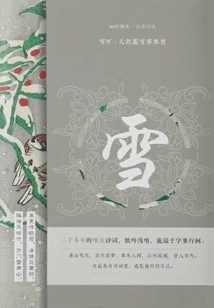
雪旷:天涯霜雪霁寒宵(幽韵雅集·古诗词选)
Compiled By Tang Tingting
This book tells that snow has always been a favorite of literati from ancient times to the present. Passionate poets and lyricists connected snow with plum blossoms. When the snowflakes fell, they walked on the snow to look for plum blossoms. While enjoying the gifts of nature, they also created countless works praising the snow scene. I would like to pick out as many poems as the sea of flowers and enjoy them with you.
This book tells that snow has always been a favorite of literati from ancient times to the present. Passionate poets and lyricists connected snow with plum blossoms. When the snowflakes fell, they walked on the snow to look for plum blossoms. While enjoying the gifts of nature, they also created countless works praising the snow scene. I would like to pick out as many poems as the sea of flowers and enjoy them with you.
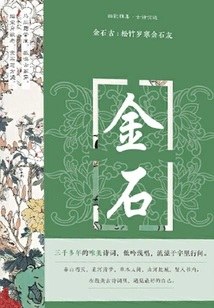
金石古:松竹岁寒金石友(幽韵雅集·古诗词选)
Compiled By Zhang Yichen
There are eighteen books in this series, which collect ancient poems from eighteen aspects: incense, wine, piano, chess, sword, dust, moon, bamboo, staff, flower, stone, snow, monk, beauty, landscape, calligraphy and history, and epigraphy. The classification idea comes from a sentence in Lu Shaoheng's "Little Window You Ji" in the Ming Dynasty: "Fragrance makes people quiet, wine makes people far away, tea makes people refreshed, piano makes people quiet, chess makes people idle, sword makes people chivalrous, staff makes people light, zhu makes people elegant, the moon makes people clear, bamboo makes people cold, flowers make people rhyme, stones make people interesting, snow makes people open, monks make people light, futons make people wild, beauties make people pity, and mountains and rivers make people feel Strange, the history of books is impressive, and the gold, stone, tripod, and Yi people are ancient. "This volume takes poems about gold and stone as its theme, and selects some poems from Chinese classical literature about people at that time describing the gold and stone artifacts collected by themselves or their friends, so as to watch the ancients appreciate the elegance and beauty of old things, and also see the ancients' cherishment of the calligraphy or brushwork of the literati handed down from previous generations.
There are eighteen books in this series, which collect ancient poems from eighteen aspects: incense, wine, piano, chess, sword, dust, moon, bamboo, staff, flower, stone, snow, monk, beauty, landscape, calligraphy and history, and epigraphy. The classification idea comes from a sentence in Lu Shaoheng's "Little Window You Ji" in the Ming Dynasty: "Fragrance makes people quiet, wine makes people far away, tea makes people refreshed, piano makes people quiet, chess makes people idle, sword makes people chivalrous, staff makes people light, zhu makes people elegant, the moon makes people clear, bamboo makes people cold, flowers make people rhyme, stones make people interesting, snow makes people open, monks make people light, futons make people wild, beauties make people pity, and mountains and rivers make people feel Strange, the history of books is impressive, and the gold, stone, tripod, and Yi people are ancient. "This volume takes poems about gold and stone as its theme, and selects some poems from Chinese classical literature about people at that time describing the gold and stone artifacts collected by themselves or their friends, so as to watch the ancients appreciate the elegance and beauty of old things, and also see the ancients' cherishment of the calligraphy or brushwork of the literati handed down from previous generations.
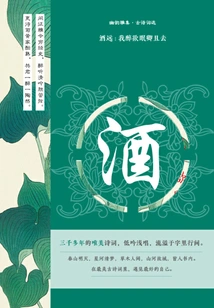
酒远:我醉欲眠卿且去(幽韵雅集·古诗词选)
Han Yulong
There are eighteen books in this series, which collect ancient poems from eighteen aspects: incense, wine, piano, chess, sword, dust, moon, bamboo, staff, flower, stone, snow, monk, beauty, landscape, calligraphy and history, and epigraphy. The classification idea comes from a sentence in Lu Shaoheng's "Little Window You Ji" of the Ming Dynasty: "Fragrance makes people quiet, wine makes people far away, tea makes people refreshed, piano makes people quiet, chess makes people idle, sword makes people chivalrous, staff makes people light, poop makes people elegant, moon makes people clear, bamboo makes people cold, flowers make people cool. People are charming, rocks are interesting, snow is vast, monks are refreshing, futons are wild, beauties are pitiful, mountains and rivers are amazing, books and history are erudition, and gold, stone, tripods and Yi people are ancient. "This volume contains about 150 ancient Chinese classic poems related to wine. Wine is closely linked to the literati's joys, sorrows, joys and sorrows, and their poems about wine have become a unique page in the history of Chinese literature. The selected famous poems in this volume will allow you to appreciate the wildness and timeless beauty of poetry about wine, and feel the elegance and charm of Chinese poetry and wine culture.
There are eighteen books in this series, which collect ancient poems from eighteen aspects: incense, wine, piano, chess, sword, dust, moon, bamboo, staff, flower, stone, snow, monk, beauty, landscape, calligraphy and history, and epigraphy. The classification idea comes from a sentence in Lu Shaoheng's "Little Window You Ji" of the Ming Dynasty: "Fragrance makes people quiet, wine makes people far away, tea makes people refreshed, piano makes people quiet, chess makes people idle, sword makes people chivalrous, staff makes people light, poop makes people elegant, moon makes people clear, bamboo makes people cold, flowers make people cool. People are charming, rocks are interesting, snow is vast, monks are refreshing, futons are wild, beauties are pitiful, mountains and rivers are amazing, books and history are erudition, and gold, stone, tripods and Yi people are ancient. "This volume contains about 150 ancient Chinese classic poems related to wine. Wine is closely linked to the literati's joys, sorrows, joys and sorrows, and their poems about wine have become a unique page in the history of Chinese literature. The selected famous poems in this volume will allow you to appreciate the wildness and timeless beauty of poetry about wine, and feel the elegance and charm of Chinese poetry and wine culture.
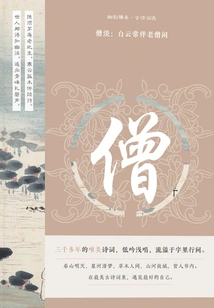
僧淡:白云常伴老僧闲(幽韵雅集·古诗词选)
Compiled By Zhang Yichen
This book tells the story of a book: the fragrance makes people quiet, the wine makes people distant, the tea makes people refreshed, the piano makes people quiet, the chess makes people relaxed, the sword makes people chivalrous, the staff makes people light, the crotch makes people elegant, the moon makes people clear, the bamboo makes people feel cold, the flowers make people rhyme, the stones make people meaningful, the snow makes people open, the monks make people light, the futons make people wild, the beauties make people pity, the mountains and rivers make people wonder, the books and history make people learn, and the gold, stone, tripod and Yi people make people ancient. Based on this, choose incense, wine, tea, piano, chess, sword, staff, pupa, moon, bamboo, and sort them in order from least to most strokes according to the "Chinese Character Radical Table". Tell all the "rhyme" things in the world. Throughout the ages, literati and poets have left many poems with flowers as the theme.
This book tells the story of a book: the fragrance makes people quiet, the wine makes people distant, the tea makes people refreshed, the piano makes people quiet, the chess makes people relaxed, the sword makes people chivalrous, the staff makes people light, the crotch makes people elegant, the moon makes people clear, the bamboo makes people feel cold, the flowers make people rhyme, the stones make people meaningful, the snow makes people open, the monks make people light, the futons make people wild, the beauties make people pity, the mountains and rivers make people wonder, the books and history make people learn, and the gold, stone, tripod and Yi people make people ancient. Based on this, choose incense, wine, tea, piano, chess, sword, staff, pupa, moon, bamboo, and sort them in order from least to most strokes according to the "Chinese Character Radical Table". Tell all the "rhyme" things in the world. Throughout the ages, literati and poets have left many poems with flowers as the theme.
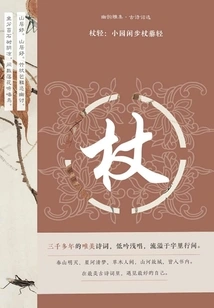
杖轻:小园闲步杖藜轻(幽韵雅集·古诗词选)
Compiled By Meng Xiangjing
The theme of this book is "Leisurely Walking in a Small Garden with a Light Staff". It selects more than 100 beautiful poems related to the "staff" to highlight the leisurely mood and elegant taste. Each poem is followed by a unique emotional experience and affectionate text interpretation, allowing readers to feel the charm of traditional Chinese poetry culture during the process of reading and tasting.
The theme of this book is "Leisurely Walking in a Small Garden with a Light Staff". It selects more than 100 beautiful poems related to the "staff" to highlight the leisurely mood and elegant taste. Each poem is followed by a unique emotional experience and affectionate text interpretation, allowing readers to feel the charm of traditional Chinese poetry culture during the process of reading and tasting.
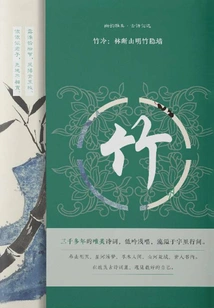
竹冷:林断山明竹隐墙(幽韵雅集·古诗词选)
Compiled By Li Lu
Throughout the ages, bamboo has been deeply loved by literati. They either admire its steadfastness, are impressed by its humility, admire its majestic integrity, or admire its purity and elegance. This book is based on the appreciation of bamboo's poems with beautiful artistic conception, beautiful words and beautiful rhythm. It does not seek complete analysis, but only seeks resonance, in order to achieve the purpose of recording the light elegance and inheriting cultural genes in words.
Throughout the ages, bamboo has been deeply loved by literati. They either admire its steadfastness, are impressed by its humility, admire its majestic integrity, or admire its purity and elegance. This book is based on the appreciation of bamboo's poems with beautiful artistic conception, beautiful words and beautiful rhythm. It does not seek complete analysis, but only seeks resonance, in order to achieve the purpose of recording the light elegance and inheriting cultural genes in words.
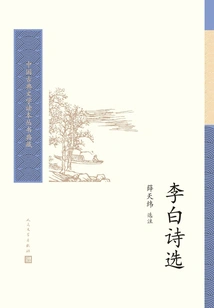
Selected Poems of Li Bai
Literature李白诗选
Selected Notes By Xue Tianwei
Li Bai was the most famous poet in the Tang Dynasty and a representative figure of Chinese classical poetry. People called him "Li Du" together with Du Fu, and also called him "the Immortal of Poetry". This book is based on Wang Qi's "The Complete Works of Li Taibai" from the Qing Dynasty, and selects 343 poems from 289 topics by Li Bai. It better reflects Li Bai's spirit and artistic style, and also relatively completely displays the poet's life experience. This is a better anthology of Li Bai's poems.
Li Bai was the most famous poet in the Tang Dynasty and a representative figure of Chinese classical poetry. People called him "Li Du" together with Du Fu, and also called him "the Immortal of Poetry". This book is based on Wang Qi's "The Complete Works of Li Taibai" from the Qing Dynasty, and selects 343 poems from 289 topics by Li Bai. It better reflects Li Bai's spirit and artistic style, and also relatively completely displays the poet's life experience. This is a better anthology of Li Bai's poems.
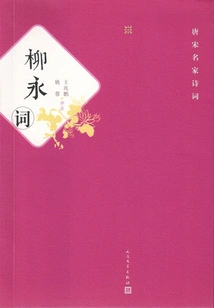
Liu Yong's Ci
Literature柳永词
Commentary By Wang Zhaopeng And Yao Rong
Liu Yong opened up the path of popular literary creation, and pioneered the method of laying out narratives into his lyrics. He focused on the multi-faceted portrayal of the character's mood and psychology, and described the scenes of love events in layers. His lyrics were full of narrative and plot. He also created his own slow lyrics, which expanded the system. It was widely circulated at that time and had a certain influence on the development of Song Ci poetry.
Liu Yong opened up the path of popular literary creation, and pioneered the method of laying out narratives into his lyrics. He focused on the multi-faceted portrayal of the character's mood and psychology, and described the scenes of love events in layers. His lyrics were full of narrative and plot. He also created his own slow lyrics, which expanded the system. It was widely circulated at that time and had a certain influence on the development of Song Ci poetry.
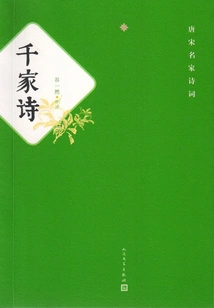
Thousands of Poems
Literature千家诗
Commentary By Gu Yiran
"Qianjia Shi" was the most popular elementary school textbook in the Ming and Qing Dynasties. It played an important role in spreading traditional culture. The works collected in "Qianjia Shi" are all five-character and seven-character quatrains and rhymed poems, and most of them are famous works by poets of the Tang and Song Dynasties. This time, professionals are invited to write a brief annotation on each poem, along with comments. At the end of the book, a brief introduction to the authors of the poems is also given in chronological order, making it easier for readers to read.
"Qianjia Shi" was the most popular elementary school textbook in the Ming and Qing Dynasties. It played an important role in spreading traditional culture. The works collected in "Qianjia Shi" are all five-character and seven-character quatrains and rhymed poems, and most of them are famous works by poets of the Tang and Song Dynasties. This time, professionals are invited to write a brief annotation on each poem, along with comments. At the end of the book, a brief introduction to the authors of the poems is also given in chronological order, making it easier for readers to read.
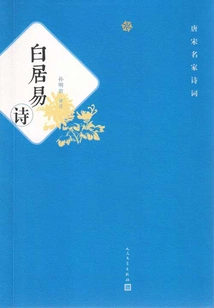
Bai Juyi's Poems
Literature白居易诗
Commentary By Sun Mingjun
Bai Juyi was a great poet in the Tang Dynasty and a rare poet in the history of Chinese poetry. This book is a fine selection of his poems, containing nearly 200 poems, all of which are masterpieces that have been circulated for a long time and represent his creative achievements. The version the work is based on is reliable; the annotations are accurate and concise, and cross-explanations are made where necessary; the "interpretation" section summarizes the gist of the entire text and appreciates the artistic characteristics of the poem. The analysis is delicate and unique, and the language is fluent and fresh. This book allows readers to appreciate the essence of Bai Juyi's creations in a concise length, making it a rare book.
Bai Juyi was a great poet in the Tang Dynasty and a rare poet in the history of Chinese poetry. This book is a fine selection of his poems, containing nearly 200 poems, all of which are masterpieces that have been circulated for a long time and represent his creative achievements. The version the work is based on is reliable; the annotations are accurate and concise, and cross-explanations are made where necessary; the "interpretation" section summarizes the gist of the entire text and appreciates the artistic characteristics of the poem. The analysis is delicate and unique, and the language is fluent and fresh. This book allows readers to appreciate the essence of Bai Juyi's creations in a concise length, making it a rare book.
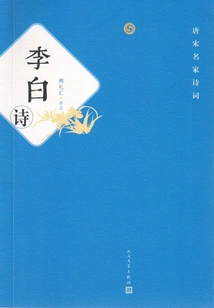
Li Bai's Poems
Literature李白诗
Commentary By Xiong Lihui
This is a selection of poems by the great poet Li Bai of the Tang Dynasty. The author annotates difficult words after each poem and provides additional interpretations of the entire poem. The content is classic, the annotations are concise, and the interpretation is profound and simple. It is a very good ancient poetry reading book.
This is a selection of poems by the great poet Li Bai of the Tang Dynasty. The author annotates difficult words after each poem and provides additional interpretations of the entire poem. The content is classic, the annotations are concise, and the interpretation is profound and simple. It is a very good ancient poetry reading book.
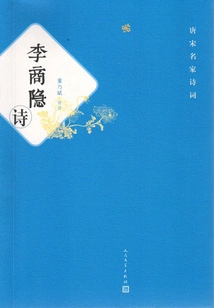
Li Shangyin's Poems
Literature李商隐诗
Commentary By Dong Naibin
Later generations have thousands of interpretations of Li Shangyin's poems, because there are so many wonderful and exciting sentences in his writing: there are thousands of emotional expressions, cold and tortuous satirical chants of history, and even the mysterious and gorgeous "untitled". This book "Poems of Li Shangyin" selects more than one hundred of Li Shangyin's poems and arranges them into categories. The selection is comprehensive and thoughtful, the annotations are clear and easy to understand, and the interpretation is exquisite and detailed. It provides readers with a high-quality selection that can comprehensively grasp the artistic style of Li Shangyin and understand the profound meaning of Li Shangyin's poems.
Later generations have thousands of interpretations of Li Shangyin's poems, because there are so many wonderful and exciting sentences in his writing: there are thousands of emotional expressions, cold and tortuous satirical chants of history, and even the mysterious and gorgeous "untitled". This book "Poems of Li Shangyin" selects more than one hundred of Li Shangyin's poems and arranges them into categories. The selection is comprehensive and thoughtful, the annotations are clear and easy to understand, and the interpretation is exquisite and detailed. It provides readers with a high-quality selection that can comprehensively grasp the artistic style of Li Shangyin and understand the profound meaning of Li Shangyin's poems.
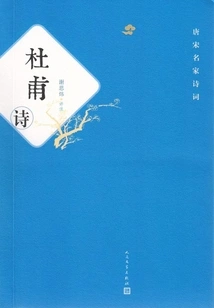
Du Fu's Poems
Literature杜甫诗
Commentary By Xie Siwei
This is a selection of poems by Du Fu, a great poet of the Tang Dynasty. Each poem is followed by annotations of important words and an interpretation of the whole poem. The content is classic, the annotations are concise, and the interpretation is profound and simple. It is a very good ancient poetry reading book.
This is a selection of poems by Du Fu, a great poet of the Tang Dynasty. Each poem is followed by annotations of important words and an interpretation of the whole poem. The content is classic, the annotations are concise, and the interpretation is profound and simple. It is a very good ancient poetry reading book.
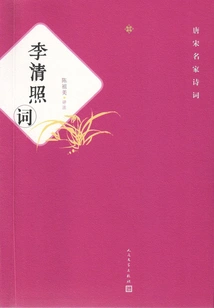
Li Qingzhao's Ci
Literature李清照词
Commentary By Chen Zumei
Li Qingzhao is a well-known female poet in the Song Dynasty, and her works are very popular. This small book is a selection of her works. The author includes notes and interpretations of important words after each poem. The content is classic, the annotations are concise, and the interpretation is profound and simple. It is a very good reader of Li Qingzhao's Ci.
Li Qingzhao is a well-known female poet in the Song Dynasty, and her works are very popular. This small book is a selection of her works. The author includes notes and interpretations of important words after each poem. The content is classic, the annotations are concise, and the interpretation is profound and simple. It is a very good reader of Li Qingzhao's Ci.
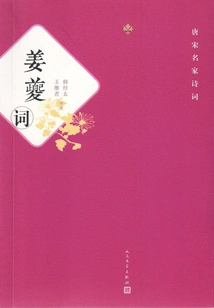
Jiang Kui's Ci
Literature姜夔词
Commentary By Han Jingtai And Wang Weiruo
Jiang Kui was a great lyricist in the Song Dynasty and a rare poet in the history of Chinese poetry. This book is a fine selection of his lyrics, containing more than 60 poems, all of which are masterpieces that have been circulated for a long time and represent his creative achievements. The version the work is based on is reliable; the annotations are accurate and concise, with cross-talk where necessary, and a note for each article to explain the writing background; the "Interpretation" section summarizes the gist of the entire article and analyzes the artistic characteristics of the lyrics in detail. The analysis is delicate and unique, and the language is fluent and fresh. This book allows readers to appreciate the essence of Jiang Kui's poetry creation in a concise length, making it a rare book.
Jiang Kui was a great lyricist in the Song Dynasty and a rare poet in the history of Chinese poetry. This book is a fine selection of his lyrics, containing more than 60 poems, all of which are masterpieces that have been circulated for a long time and represent his creative achievements. The version the work is based on is reliable; the annotations are accurate and concise, with cross-talk where necessary, and a note for each article to explain the writing background; the "Interpretation" section summarizes the gist of the entire article and analyzes the artistic characteristics of the lyrics in detail. The analysis is delicate and unique, and the language is fluent and fresh. This book allows readers to appreciate the essence of Jiang Kui's poetry creation in a concise length, making it a rare book.
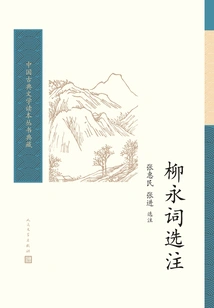
Selected Notes on Liu Yong's Ci
Literature柳永词选注
Zhang Huimin Zhang Jinxuan Note
Liu Yong (about 987-about 1053), whose original name was Sanbian, also named Jingzhuang, later changed his name to Yong, also named Qiqing, ranked seventh, also known as Liu Qi. He was a Jinshi in the Renzong Dynasty of Song Dynasty, and became a tuntian Yuanwailang. In his old life, he was called Liu tuntian. He was a famous poet in the Northern Song Dynasty. He devoted his whole life to writing lyrics. He was said to be "anyone who has well water to drink can sing willow lyrics." He had a great influence on the development of Song poetry.
Liu Yong (about 987-about 1053), whose original name was Sanbian, also named Jingzhuang, later changed his name to Yong, also named Qiqing, ranked seventh, also known as Liu Qi. He was a Jinshi in the Renzong Dynasty of Song Dynasty, and became a tuntian Yuanwailang. In his old life, he was called Liu tuntian. He was a famous poet in the Northern Song Dynasty. He devoted his whole life to writing lyrics. He was said to be "anyone who has well water to drink can sing willow lyrics." He had a great influence on the development of Song poetry.
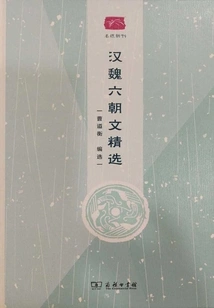
汉魏六朝文精选
Cao Daoheng
This book is a very distinctive one among the selected readings of ancient literature. It breaks through the limitations of traditional views on ancient literature research, and also absorbs the advantages of ancient anthologies since the "Selected Works". It also expands the scope of selected works in ancient anthologies, increasing the proportion of Northern Dynasties literature, parallel literature, etc. It also has biographies, annotations and simple reviews of writers. It is small in length and provides insight into the work, making it very suitable for ancient literature lovers to read.
This book is a very distinctive one among the selected readings of ancient literature. It breaks through the limitations of traditional views on ancient literature research, and also absorbs the advantages of ancient anthologies since the "Selected Works". It also expands the scope of selected works in ancient anthologies, increasing the proportion of Northern Dynasties literature, parallel literature, etc. It also has biographies, annotations and simple reviews of writers. It is small in length and provides insight into the work, making it very suitable for ancient literature lovers to read.
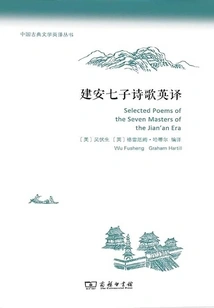
建安七子诗歌英译
Wu Fusheng
The Seven Sons of Jian'an were seven well-known scribes besides the Cao family and his son during the Jian'an period in the late Han Dynasty, namely Kong Rong, Chen Lin, Wang Can, Xu Qian, Ruan Yu, Ying Jun, and Liu Zhen. Their poems are powerful and deep, generous and sad, and are known as "Jian'an Wind" in history. This book is the first Chinese-English bilingual collection of poems by the Seven Sons of Jian'an. It contains the main poems of the Seven Sons and was translated by Chinese-American scholar Wu Fusheng and British poet Graham Hartill. Professor Wu has a profound knowledge of Chinese studies and speaks authentic English, while Graham Hartill is good at poetry creation. The two of them have collaborated in translating Ruan Ji's poems on chanting and chanting, which were selected into the "Greater China Library". The two translators translated ancient Chinese poems in the form of blank verse. The translation was accurate and fluent, which was a useful attempt in the practice of translating ancient poems into English.
The Seven Sons of Jian'an were seven well-known scribes besides the Cao family and his son during the Jian'an period in the late Han Dynasty, namely Kong Rong, Chen Lin, Wang Can, Xu Qian, Ruan Yu, Ying Jun, and Liu Zhen. Their poems are powerful and deep, generous and sad, and are known as "Jian'an Wind" in history. This book is the first Chinese-English bilingual collection of poems by the Seven Sons of Jian'an. It contains the main poems of the Seven Sons and was translated by Chinese-American scholar Wu Fusheng and British poet Graham Hartill. Professor Wu has a profound knowledge of Chinese studies and speaks authentic English, while Graham Hartill is good at poetry creation. The two of them have collaborated in translating Ruan Ji's poems on chanting and chanting, which were selected into the "Greater China Library". The two translators translated ancient Chinese poems in the form of blank verse. The translation was accurate and fluent, which was a useful attempt in the practice of translating ancient poems into English.
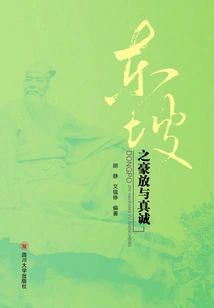
Dongpo's Boldness and Sincerity
Literature东坡之豪放与真诚
Hu Jing Wen Jingzheng
This book collects a total of more than 30 poems, lyrics and articles by Su Dongpo. Su Dongpo's poems, words and literature can highlight Su Dongpo's personality charm. Reading and chewing Su Dongpo's poems, words and literature can cure people's confusion and confusion! The author hopes to let more people understand and learn from Su Dongpo's personality charm, so he wrote this book.
This book collects a total of more than 30 poems, lyrics and articles by Su Dongpo. Su Dongpo's poems, words and literature can highlight Su Dongpo's personality charm. Reading and chewing Su Dongpo's poems, words and literature can cure people's confusion and confusion! The author hopes to let more people understand and learn from Su Dongpo's personality charm, so he wrote this book.
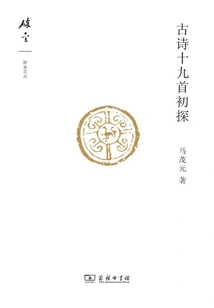
古诗十九首初探
Ma Maoyuan
"Nineteen Ancient Poems" is an excellent representative of my country's five-character ancient poetry. Poetry critics of all ages have spoken highly of it and praised it highly. Mr. Ma Maoyuan devoted himself to studying in his early years and dabbled in various annotations. On this basis, he learned from the best of others, corrected the mistakes of previous annotations, and combined his own feelings to conduct an extremely sophisticated analysis of the art of poetry. This book explains things in simple terms and uses beautiful and fluent language. It is a model work for the study of ancient poetry.
"Nineteen Ancient Poems" is an excellent representative of my country's five-character ancient poetry. Poetry critics of all ages have spoken highly of it and praised it highly. Mr. Ma Maoyuan devoted himself to studying in his early years and dabbled in various annotations. On this basis, he learned from the best of others, corrected the mistakes of previous annotations, and combined his own feelings to conduct an extremely sophisticated analysis of the art of poetry. This book explains things in simple terms and uses beautiful and fluent language. It is a model work for the study of ancient poetry.
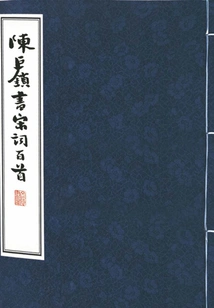
陳巨鎖書宋詞百首
Chen Jusuo
This book is the calligraphy work of Mr. Chen Jusuo, a calligrapher and painter from Shanxi Province. Mr. Chen Jusuo copied part of the contents of "Three Hundred Song Ci Poems", proofread the text, stamped it, compiled the catalog, and counted 46 poets and composed one hundred poems. The binding form of this book is thread binding, which is exquisitely produced and has strong collection value.
This book is the calligraphy work of Mr. Chen Jusuo, a calligrapher and painter from Shanxi Province. Mr. Chen Jusuo copied part of the contents of "Three Hundred Song Ci Poems", proofread the text, stamped it, compiled the catalog, and counted 46 poets and composed one hundred poems. The binding form of this book is thread binding, which is exquisitely produced and has strong collection value.
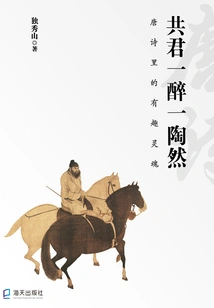
共君一醉一陶然:唐诗里的有趣灵魂
Duxiu Mountain
Taking history and poetry as the main line, it chooses the historical period of the mid-late Tang Dynasty, focusing on historical figures such as Han Yu, Liu Zongyuan, Liu Yuxi, Bai Juyi, Yuan Zhen, Du Mu, and Xue Tao, and tells the story of their comradeship, friendship, grievances, and grudges. Complaints, placed in the historical context of the eunuchs' monopoly, feudal separatism, and partisan strife that emerged during this period, restore and excavate the true details of these cultural figures from a personal perspective, as well as the radiance of humanity they exude.
Taking history and poetry as the main line, it chooses the historical period of the mid-late Tang Dynasty, focusing on historical figures such as Han Yu, Liu Zongyuan, Liu Yuxi, Bai Juyi, Yuan Zhen, Du Mu, and Xue Tao, and tells the story of their comradeship, friendship, grievances, and grudges. Complaints, placed in the historical context of the eunuchs' monopoly, feudal separatism, and partisan strife that emerged during this period, restore and excavate the true details of these cultural figures from a personal perspective, as well as the radiance of humanity they exude.
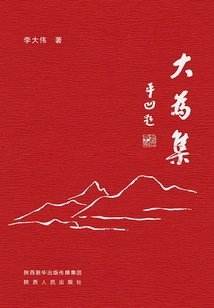
Daweiji
Literature大为集
Li Dawei
This book is a collection of ancient poems, including ninety-nine ancient poems, divided into five parts: describing the past and the present, observing the sky and the earth, observing the sky, thinking about the virtuous people, and understanding the Tao and thinking about changes. The present chapter of the narration of ancient metaphors includes poems such as the Song of Invitation to the Ming Dynasty, reflections on reading "Chen Tingjing, Prime Minister of the Qing Dynasty", admiration for Su Dongpo, dreaming of meeting Su Dongpo, sighing for Zhang Juzheng, intensive reading of Laozi's Tao Te Ching, Dragon Boat Festival, Dragon Boat Festival Recalling Quzi, Poetic Continuation of Diao, Mid-Autumn Waves, Reminiscing about History through History, Reading to Save People, Not Reading Local Chronicles, etc.; Observing the sky and the earth includes climbing to Beitai in Yulin Town to reminisce about the past, and chanting about the sacred tree of hospitality. Sigh, Nostalgia for Yangjia City, Sightseeing in the Ancient Town of Gaojiabao, Notes on a Journey to the Land of Tianfu, Part One, Notes on a Journey to the Country of Tianfu, Part Two, Reflections on Xibaipo Part One, Reflections on Xibaipo Part Two, Reflections on Xibaipo Part Three, Reading Chang'an at Night, Falling Leaves in Chang'an, Reflections on the Northeast, Welcome to the Successful Launch of Tiangong-2, and other poems; Poems about people, Ai Lian Yi, Feelings about the time of heaven, To Yi people, Guan Ju, Reflections on listening to the northern Shaanxi folk song "I still miss you when I fall asleep face to face" and other poems; poems about meeting the wise include feelings about reading "Six Poems of Ci'en Temple" by Jianzhong mentor, "Seven Leisures in the Bamboo Forest" by Jianzhong mentor, reflections about "Birth of Tao Zhugong" by Jianzhong mentor, The war is over, I sincerely thank my mentor Mr. Hao Baoshan, and Encounter with Yan Poems such as Visiting the Forest of Steles with the Elder Brothers, Sending Relatives on Christmas Eve, Part 1 of a Letter from the Red Leaves at the End of the Year, Part 2 of a Letter from the Red Leaves at the End of the Year; poems about Enlightenment and Thoughts on Changes including: Boil Rice Soup to Enlighten the Way, Reflections on the Dream of Red Mansions, Four Sentences of Zen from the Supreme Bodhi, Reflections on Visiting Longquan Temple in Zaozhuang, Enlightenment and Vanity Fair, Life is Like a Play, Common People and Things, Insights on Walking Alone, Public and Private, Knowledge and Action, etc.
This book is a collection of ancient poems, including ninety-nine ancient poems, divided into five parts: describing the past and the present, observing the sky and the earth, observing the sky, thinking about the virtuous people, and understanding the Tao and thinking about changes. The present chapter of the narration of ancient metaphors includes poems such as the Song of Invitation to the Ming Dynasty, reflections on reading "Chen Tingjing, Prime Minister of the Qing Dynasty", admiration for Su Dongpo, dreaming of meeting Su Dongpo, sighing for Zhang Juzheng, intensive reading of Laozi's Tao Te Ching, Dragon Boat Festival, Dragon Boat Festival Recalling Quzi, Poetic Continuation of Diao, Mid-Autumn Waves, Reminiscing about History through History, Reading to Save People, Not Reading Local Chronicles, etc.; Observing the sky and the earth includes climbing to Beitai in Yulin Town to reminisce about the past, and chanting about the sacred tree of hospitality. Sigh, Nostalgia for Yangjia City, Sightseeing in the Ancient Town of Gaojiabao, Notes on a Journey to the Land of Tianfu, Part One, Notes on a Journey to the Country of Tianfu, Part Two, Reflections on Xibaipo Part One, Reflections on Xibaipo Part Two, Reflections on Xibaipo Part Three, Reading Chang'an at Night, Falling Leaves in Chang'an, Reflections on the Northeast, Welcome to the Successful Launch of Tiangong-2, and other poems; Poems about people, Ai Lian Yi, Feelings about the time of heaven, To Yi people, Guan Ju, Reflections on listening to the northern Shaanxi folk song "I still miss you when I fall asleep face to face" and other poems; poems about meeting the wise include feelings about reading "Six Poems of Ci'en Temple" by Jianzhong mentor, "Seven Leisures in the Bamboo Forest" by Jianzhong mentor, reflections about "Birth of Tao Zhugong" by Jianzhong mentor, The war is over, I sincerely thank my mentor Mr. Hao Baoshan, and Encounter with Yan Poems such as Visiting the Forest of Steles with the Elder Brothers, Sending Relatives on Christmas Eve, Part 1 of a Letter from the Red Leaves at the End of the Year, Part 2 of a Letter from the Red Leaves at the End of the Year; poems about Enlightenment and Thoughts on Changes including: Boil Rice Soup to Enlighten the Way, Reflections on the Dream of Red Mansions, Four Sentences of Zen from the Supreme Bodhi, Reflections on Visiting Longquan Temple in Zaozhuang, Enlightenment and Vanity Fair, Life is Like a Play, Common People and Things, Insights on Walking Alone, Public and Private, Knowledge and Action, etc.
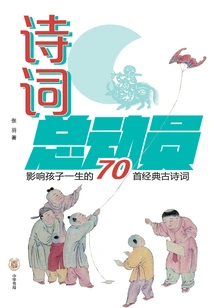
诗词总动员:影响孩子一生的70首经典古诗词
Zhang Yu
This book is a selection of 70 classical poems from the new version of the unified primary school textbook "Chinese Language" for appreciation. It is different from the explanation method of today's poetry appreciation books such as "Tang Poetry Appreciation Dictionary". It is a unique ancient poetry appreciation book that uses prose and interesting stories to interpret classical poetry. Use the language of prose to read classical poetry, and skillfully integrate professional knowledge of classical poetry and difficult documents into the explanation of poetry, so that readers can read it as prose and story books. This can not only attract young people's strong interest in learning classical poetry, but also provide a new way for front-line teachers to teach ancient poetry. The audio of this book has been launched on the Himalaya audio platform.
This book is a selection of 70 classical poems from the new version of the unified primary school textbook "Chinese Language" for appreciation. It is different from the explanation method of today's poetry appreciation books such as "Tang Poetry Appreciation Dictionary". It is a unique ancient poetry appreciation book that uses prose and interesting stories to interpret classical poetry. Use the language of prose to read classical poetry, and skillfully integrate professional knowledge of classical poetry and difficult documents into the explanation of poetry, so that readers can read it as prose and story books. This can not only attract young people's strong interest in learning classical poetry, but also provide a new way for front-line teachers to teach ancient poetry. The audio of this book has been launched on the Himalaya audio platform.
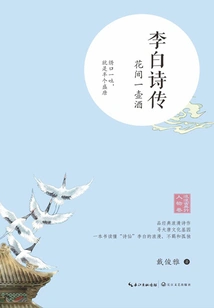
李白诗传:花间一壶酒
Dai Junya
He is a knight who "kills one person in ten steps and leaves no trace in a thousand miles", he is a hermit who "peach blossoms disappear in the running water, and there is no other world than this world". He is a drunkard who "cannot board the ship when the emperor calls him, and claims that he is an immortal in wine". He is a Confucian scholar who "appreciates Yan's talk and seeks the emperor's art". After removing all these masks, he is actually the innocent boy who "sees the bright moon directly and has no intention of guessing"! This biography narrates the life of Li Bai, a romantic poet of the Tang Dynasty, with affectionate and handsome writing style. It uses Li Bai's ups and downs experience as its sutra and Li Bai's classic poems as its weft, showing a full image of a poet full of strong youthful spirit and free and uninhibited temperament, but who encountered obstacles everywhere in the world and struggled endlessly in his official career. At the same time, it is interspersed with background knowledge such as the history, culture, and customs of the prosperous Tang Dynasty, which is affectionate, interesting, and informative.
He is a knight who "kills one person in ten steps and leaves no trace in a thousand miles", he is a hermit who "peach blossoms disappear in the running water, and there is no other world than this world". He is a drunkard who "cannot board the ship when the emperor calls him, and claims that he is an immortal in wine". He is a Confucian scholar who "appreciates Yan's talk and seeks the emperor's art". After removing all these masks, he is actually the innocent boy who "sees the bright moon directly and has no intention of guessing"! This biography narrates the life of Li Bai, a romantic poet of the Tang Dynasty, with affectionate and handsome writing style. It uses Li Bai's ups and downs experience as its sutra and Li Bai's classic poems as its weft, showing a full image of a poet full of strong youthful spirit and free and uninhibited temperament, but who encountered obstacles everywhere in the world and struggled endlessly in his official career. At the same time, it is interspersed with background knowledge such as the history, culture, and customs of the prosperous Tang Dynasty, which is affectionate, interesting, and informative.
Three Hundred Song Poems (part 2)
Literature宋词三百首(中)
Editor-in-chief Chen Hui
This set of books can not only be used as a reference book for primary and secondary school students to learn idioms, but also suitable for readers of different levels to read as stories. It has wide applicability. Therefore, this set of books is very suitable for reading and collection by readers, and is also very suitable for collection and display in libraries at all levels.
This set of books can not only be used as a reference book for primary and secondary school students to learn idioms, but also suitable for readers of different levels to read as stories. It has wide applicability. Therefore, this set of books is very suitable for reading and collection by readers, and is also very suitable for collection and display in libraries at all levels.
Three Hundred Yuan Songs (part 1)
Literature元曲三百首(上)
Editor-in-chief Zhou Lixia
This set of books can not only be used as a reference book for primary and secondary school students to learn idioms, but also suitable for readers of different levels to read as stories. It has wide applicability. Therefore, this set of books is very suitable for reading and collection by readers, and is also very suitable for collection and display in libraries at all levels.
This set of books can not only be used as a reference book for primary and secondary school students to learn idioms, but also suitable for readers of different levels to read as stories. It has wide applicability. Therefore, this set of books is very suitable for reading and collection by readers, and is also very suitable for collection and display in libraries at all levels.
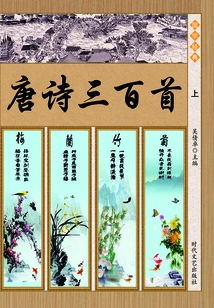
Three Hundred Tang Poems (part 1)
Literature唐诗三百首(上)
Editor-in-chief Wu Qianzhuo
This set of books can not only be used as a reference book for primary and secondary school students to learn idioms, but also suitable for readers of different levels to read as stories. It has wide applicability. Therefore, this set of books is very suitable for reading and collection by readers, and is also very suitable for collection and display in libraries at all levels.
This set of books can not only be used as a reference book for primary and secondary school students to learn idioms, but also suitable for readers of different levels to read as stories. It has wide applicability. Therefore, this set of books is very suitable for reading and collection by readers, and is also very suitable for collection and display in libraries at all levels.
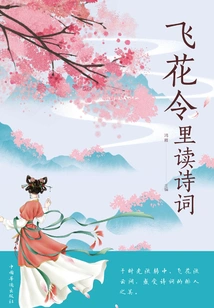
Reading Poetry in Feihua Lingli
Literature飞花令里读诗词
Hongyan
The design of this book focuses on the combination of traditional culture and modern aesthetic concepts, and omits the title behind the word card or song card. Due to space constraints, we only select one of the poems for detailed explanation every time a word is flying, and provide it with precise annotations and beautiful text appreciation, allowing readers to feel the beautiful artistic conception and experience the poetic life.
The design of this book focuses on the combination of traditional culture and modern aesthetic concepts, and omits the title behind the word card or song card. Due to space constraints, we only select one of the poems for detailed explanation every time a word is flying, and provide it with precise annotations and beautiful text appreciation, allowing readers to feel the beautiful artistic conception and experience the poetic life.
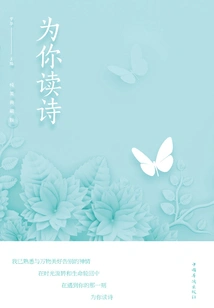
Read Poetry to You
Literature为你读诗
Menghua
The poems included in the book come from ancient and modern times, both at home and abroad, and they all have some common characteristics - thinking about the wisdom of life, the deep pursuit of self, the hope for light and beauty, as broad as the feelings of home and country, as detailed as the trivial world of mortals, as clean as water, as clear as space, as pure as jade, whether moved, obsessed, or enlightened, they are all the poet's real experience, a flower blooming deep in the soul, containing warm warmth.
The poems included in the book come from ancient and modern times, both at home and abroad, and they all have some common characteristics - thinking about the wisdom of life, the deep pursuit of self, the hope for light and beauty, as broad as the feelings of home and country, as detailed as the trivial world of mortals, as clean as water, as clear as space, as pure as jade, whether moved, obsessed, or enlightened, they are all the poet's real experience, a flower blooming deep in the soul, containing warm warmth.
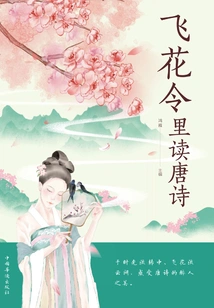
Reading Tang Poems in Feihua Lingli
Literature飞花令里读唐诗
Hongyan
This book adopts the classic style of Fei Hua Ling and selects spring, flower, autumn, moon, wind, cloud, rain, snow, plum, orchid, bamboo, chrysanthemum, red, fragrant, green, willow, mountain, water, grass and wood that often appear in Tang poetry. Thirty-character lines include poems, wine, separation, and sorrow. For each character, one of them is selected for detailed explanation, with precise annotations and beautiful text appreciation, leading readers to understand the connotation of Tang poetry, feel the beautiful artistic conception, and experience the poetic life.
This book adopts the classic style of Fei Hua Ling and selects spring, flower, autumn, moon, wind, cloud, rain, snow, plum, orchid, bamboo, chrysanthemum, red, fragrant, green, willow, mountain, water, grass and wood that often appear in Tang poetry. Thirty-character lines include poems, wine, separation, and sorrow. For each character, one of them is selected for detailed explanation, with precise annotations and beautiful text appreciation, leading readers to understand the connotation of Tang poetry, feel the beautiful artistic conception, and experience the poetic life.
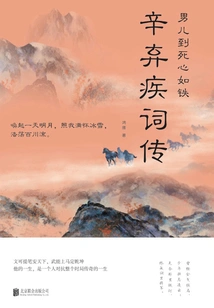
男儿到死心如铁:辛弃疾词传
Hongyan
Based on a large number of historical materials, this book reproduces the legendary life of Xin Qiji, and combines his experiences in different periods to give an emotional interpretation of his words. His life has never been a comma that ends in vain. His persistence flying with his ideals in his mouth, and his majestic and delicate Jiaxuan poems have become exclamation points that astound the world. Today, thousands of years later, the Southern Song Dynasty page in the history books has turned yellow, but the words in Xin Qiji's poems have become increasingly clear.
Based on a large number of historical materials, this book reproduces the legendary life of Xin Qiji, and combines his experiences in different periods to give an emotional interpretation of his words. His life has never been a comma that ends in vain. His persistence flying with his ideals in his mouth, and his majestic and delicate Jiaxuan poems have become exclamation points that astound the world. Today, thousands of years later, the Southern Song Dynasty page in the history books has turned yellow, but the words in Xin Qiji's poems have become increasingly clear.
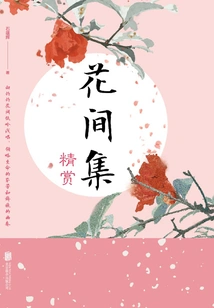
Flower Collection Collection
Literature花间集精赏
Shi Yunhui
This book selects classic lyrics by Wen Tingyun, Wei Zhuang, Xue Zhaoyun, Mao Wenxi, Niu Xiji and others, which are elegant and elegant in style. Gently flipping through the scroll of Huajian Ci, you will find the rustling past of thousands of years ago. Read a poem and have a beautiful dream. Wouldn't it be such a beautiful thing?
This book selects classic lyrics by Wen Tingyun, Wei Zhuang, Xue Zhaoyun, Mao Wenxi, Niu Xiji and others, which are elegant and elegant in style. Gently flipping through the scroll of Huajian Ci, you will find the rustling past of thousands of years ago. Read a poem and have a beautiful dream. Wouldn't it be such a beautiful thing?
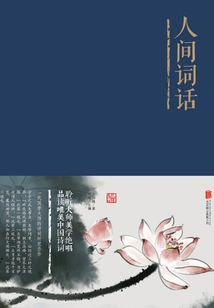
Human Words
Literature人间词话
Wang Guowei Siya
The book is divided into two parts. The first part is composed of 64 items of "Human Words" published in "Journal of Chinese Culture" by Wang Guowei, and the second part is unpublished and deleted manuscripts. Each original text is followed by an appreciation text, which provides appropriate analysis of the original text, explains the main theoretical viewpoints, and further expands the original text. In addition, we have selected more than 100 exquisite illustrations to illustrate the text and help readers understand the artistic conception of the words in an intuitive and vivid way.
The book is divided into two parts. The first part is composed of 64 items of "Human Words" published in "Journal of Chinese Culture" by Wang Guowei, and the second part is unpublished and deleted manuscripts. Each original text is followed by an appreciation text, which provides appropriate analysis of the original text, explains the main theoretical viewpoints, and further expands the original text. In addition, we have selected more than 100 exquisite illustrations to illustrate the text and help readers understand the artistic conception of the words in an intuitive and vivid way.
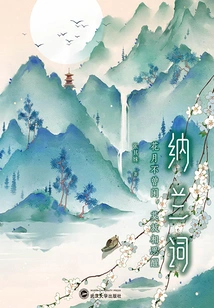
Nalan's Poem: the Flowers and Moon Are Never Idle, Don't Let Your Lovesickness Wake You Up
Literature纳兰词:花月不曾闲,莫放相思醒
Zhang Qishu
"Nalan Ci: The Flowers and Moon Never Rest, Do Not Let Awakenings Awake" is a book with a literary theme. Nalan Rongruo, a prime minister with the most beautiful name. A person who is extremely affectionate and sincere wrote a poem with sincere words. The book uses Nalan's lyrics as clues, covering many aspects such as love, family, friendship, etc., With smooth, accurate, vivid and beautiful translations and appreciations, comprehensively showing the colorful and short life of this passionate talent, and also interpreting the deep affection and exquisiteness of Nalan Rongruo's lyrics for readers, so that readers can read and taste the sweetness and poignancy of love without any obstacles. The poetry and beautiful text interpretation throughout the book complement each other, bringing readers a double visual feast. It is a literary book that is both practical and aesthetic, literary and professional.
"Nalan Ci: The Flowers and Moon Never Rest, Do Not Let Awakenings Awake" is a book with a literary theme. Nalan Rongruo, a prime minister with the most beautiful name. A person who is extremely affectionate and sincere wrote a poem with sincere words. The book uses Nalan's lyrics as clues, covering many aspects such as love, family, friendship, etc., With smooth, accurate, vivid and beautiful translations and appreciations, comprehensively showing the colorful and short life of this passionate talent, and also interpreting the deep affection and exquisiteness of Nalan Rongruo's lyrics for readers, so that readers can read and taste the sweetness and poignancy of love without any obstacles. The poetry and beautiful text interpretation throughout the book complement each other, bringing readers a double visual feast. It is a literary book that is both practical and aesthetic, literary and professional.
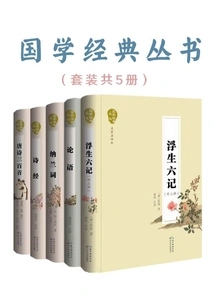
国学经典丛书(套装共5册)
(qing Dynasty) Shen Fu Et Al.
The collection includes: "Six Chapters of a Floating Life", "Nalan Ci", "Three Hundred Tang Poems", "The Book of Songs", "The Analects of Confucius" classic selections, translations and annotations by famous writers, 3. Combining classicity and popularity, authoritativeness and popularity, you can enter the classics of Chinese studies in popular reading.
The collection includes: "Six Chapters of a Floating Life", "Nalan Ci", "Three Hundred Tang Poems", "The Book of Songs", "The Analects of Confucius" classic selections, translations and annotations by famous writers, 3. Combining classicity and popularity, authoritativeness and popularity, you can enter the classics of Chinese studies in popular reading.
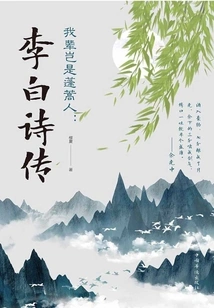
我辈岂是蓬蒿人:李白诗传
Liu Xia
Li Bai, also known as Taibai, also known as Qinglian Jushi, also known as "Dixianren", was a great romantic poet in the Tang Dynasty. He was known as the "Immortal of Poetry" and has "The Collection of Li Taibai" handed down to the world. Li Bai left more than 900 poems to future generations. He had a quick mind and could write poems with his pen, and he could also sing drunkenly. He expressed what he saw, heard, thought and felt in the form of poems, and these poems expressed his mental journey. This book uses poetry as a guide to take you into Li Bai, into the Tang Dynasty, and experience Li Bai's legendary and tragic life in that era.
Li Bai, also known as Taibai, also known as Qinglian Jushi, also known as "Dixianren", was a great romantic poet in the Tang Dynasty. He was known as the "Immortal of Poetry" and has "The Collection of Li Taibai" handed down to the world. Li Bai left more than 900 poems to future generations. He had a quick mind and could write poems with his pen, and he could also sing drunkenly. He expressed what he saw, heard, thought and felt in the form of poems, and these poems expressed his mental journey. This book uses poetry as a guide to take you into Li Bai, into the Tang Dynasty, and experience Li Bai's legendary and tragic life in that era.
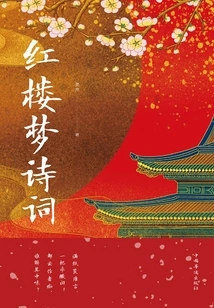
Dream of Red Mansions Poetry
Literature红楼梦诗词
Parsley
This book selects representative poems, lyrics, tunes, fuses, ballads, riddles, drinking orders, couplets, couplets, etc. In "A Dream of Red Mansions" that can fully embody the characters' characteristics or plots, and are rich in connotation and profound meaning. They use the twelve poems such as "never forget", "hate to meet", "cherish the fallen flowers", "sigh at the impermanence", "smart and tired", "good things end", "lifelong mistakes" and "view the world". ""Sense of Convergence" is used as the title of the chapter. It provides a detailed interpretation of each text, including precise and rigorous text interpretation, authentic and credible background introduction, and at the same time, it also provides brilliant and fascinating artistic analysis to help readers better appreciate the beauty and interest of poetry in the novel, and at the same time, they can also more accurately and deeply understand the characters' personality traits and storylines.
This book selects representative poems, lyrics, tunes, fuses, ballads, riddles, drinking orders, couplets, couplets, etc. In "A Dream of Red Mansions" that can fully embody the characters' characteristics or plots, and are rich in connotation and profound meaning. They use the twelve poems such as "never forget", "hate to meet", "cherish the fallen flowers", "sigh at the impermanence", "smart and tired", "good things end", "lifelong mistakes" and "view the world". ""Sense of Convergence" is used as the title of the chapter. It provides a detailed interpretation of each text, including precise and rigorous text interpretation, authentic and credible background introduction, and at the same time, it also provides brilliant and fascinating artistic analysis to help readers better appreciate the beauty and interest of poetry in the novel, and at the same time, they can also more accurately and deeply understand the characters' personality traits and storylines.
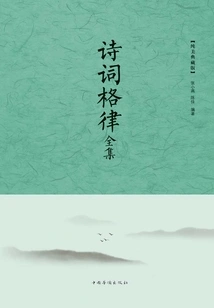
Complete Collection of Poems and Rhythms
Literature诗词格律全集
Zhang Xiaoyan Chen Jia
This book covers all kinds of relevant knowledge about Chinese classical poetry, including the origin of poetry, poetry overview, basic knowledge of poetry, poetry rhythm, poetry types, rhetorical techniques and poetry appreciation. It is suitable for beginners to learn and appreciate, as well as for enthusiasts or professionals to conduct professional research.
This book covers all kinds of relevant knowledge about Chinese classical poetry, including the origin of poetry, poetry overview, basic knowledge of poetry, poetry rhythm, poetry types, rhetorical techniques and poetry appreciation. It is suitable for beginners to learn and appreciate, as well as for enthusiasts or professionals to conduct professional research.
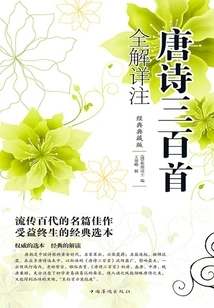
唐诗三百首全解详注
(qing Dynasty) Compiled By Hengtang Retired Scholars And Briefly Explained By Wang Jing
In addition to annotating, translating and appreciating Sun Zhu's selected works, this book also conducts "comparative reading" of many works, either starting from the meter or interpreting them from the meaning, so that readers can not only understand deeply but also expand their reading, so that readers will not be biased when learning poetry.
In addition to annotating, translating and appreciating Sun Zhu's selected works, this book also conducts "comparative reading" of many works, either starting from the meter or interpreting them from the meaning, so that readers can not only understand deeply but also expand their reading, so that readers will not be biased when learning poetry.
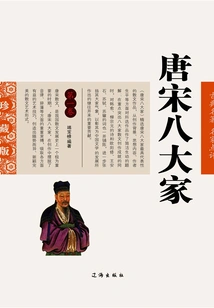
唐宋八大家·第一卷
Jiebaofeng
The Eight Great Masters of Tang and Song Dynasties are the collective name for the eight great poets and prose writers in the Tang and Song Dynasties, namely Han Yu and Liu Zongyuan in the Tang Dynasty, and Su Xun, Su Shi, Su Che (the father and son of Su Xun, Su Shi, and Su Che are called San Su), Ouyang Xiu, Wang Anshi, and Zeng Gong (who once worshiped Ouyang Xiu as their teacher) in the Song Dynasty. The Eight Great Families of the Tang and Song Dynasties were divided into two in the Tang Dynasty and six in the Song Dynasty.
The Eight Great Masters of Tang and Song Dynasties are the collective name for the eight great poets and prose writers in the Tang and Song Dynasties, namely Han Yu and Liu Zongyuan in the Tang Dynasty, and Su Xun, Su Shi, Su Che (the father and son of Su Xun, Su Shi, and Su Che are called San Su), Ouyang Xiu, Wang Anshi, and Zeng Gong (who once worshiped Ouyang Xiu as their teacher) in the Song Dynasty. The Eight Great Families of the Tang and Song Dynasties were divided into two in the Tang Dynasty and six in the Song Dynasty.