Library
Browse and search books
2,472 novels found
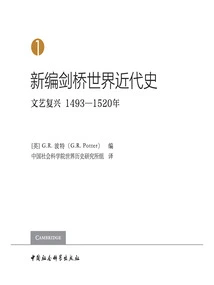
新编剑桥世界近代史(第1卷):文艺复兴(1493—1520年)
(uk) G. R. Porter
The General History of the World published by Cambridge University in the United Kingdom is divided into three parts: ancient history, medieval history, and modern history. Modern History was edited by Lord Acton, with a total of 14 volumes, and was published in the early 20th century. Several decades later, in the 1950s, Cambridge University Press published "The New Cambridge Modern History of the World" edited by Sir Clark. The new edition is still 14 volumes, with a total of about 8 million words, covering more than 400 years of world history from the Renaissance to the end of World War II, that is, from 1493 to 1945. National history, regional history, and thematic history are intertwined and discussed, and are written by famous scholars from English-speaking countries. The new edition reflects their recent research results, contains many new materials, and has more substantial content. It represents the higher academic level of the West and has greater influence.
The General History of the World published by Cambridge University in the United Kingdom is divided into three parts: ancient history, medieval history, and modern history. Modern History was edited by Lord Acton, with a total of 14 volumes, and was published in the early 20th century. Several decades later, in the 1950s, Cambridge University Press published "The New Cambridge Modern History of the World" edited by Sir Clark. The new edition is still 14 volumes, with a total of about 8 million words, covering more than 400 years of world history from the Renaissance to the end of World War II, that is, from 1493 to 1945. National history, regional history, and thematic history are intertwined and discussed, and are written by famous scholars from English-speaking countries. The new edition reflects their recent research results, contains many new materials, and has more substantial content. It represents the higher academic level of the West and has greater influence.
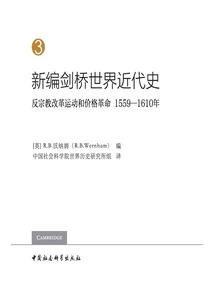
新编剑桥世界近代史(第3卷):反宗教改革运动和价格革命(1559—1610年)
(uk) R. B. Warnham
The General History of the World published by Cambridge University in the United Kingdom is divided into three parts: ancient history, medieval history, and modern history. Modern History was edited by Lord Acton, with a total of 14 volumes, and was published in the early 20th century. Several decades later, in the 1950s, Cambridge University Press published "The New Cambridge Modern History of the World" edited by Sir Clark. The new edition is still 14 volumes, with a total of about 8 million words, covering more than 400 years of world history from the Renaissance to the end of World War II, that is, from 1493 to 1947. National history, regional history, and thematic history are intertwined and discussed, and are written by famous scholars from English-speaking countries. The new edition reflects their recent research results, contains many new materials, and has more substantial content. It represents the higher academic level of the West and has greater influence.
The General History of the World published by Cambridge University in the United Kingdom is divided into three parts: ancient history, medieval history, and modern history. Modern History was edited by Lord Acton, with a total of 14 volumes, and was published in the early 20th century. Several decades later, in the 1950s, Cambridge University Press published "The New Cambridge Modern History of the World" edited by Sir Clark. The new edition is still 14 volumes, with a total of about 8 million words, covering more than 400 years of world history from the Renaissance to the end of World War II, that is, from 1493 to 1947. National history, regional history, and thematic history are intertwined and discussed, and are written by famous scholars from English-speaking countries. The new edition reflects their recent research results, contains many new materials, and has more substantial content. It represents the higher academic level of the West and has greater influence.
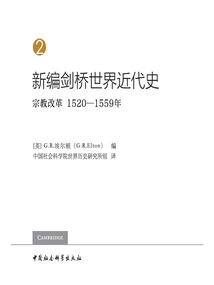
新编剑桥世界近代史(第2卷):宗教改革(1520—1559年)
(uk) G. R. Elton
The General History of the World published by Cambridge University in the United Kingdom is divided into three parts: ancient history, medieval history, and modern history. Modern History was edited by Lord Acton, with a total of 14 volumes, and was published in the early 20th century. Several decades later, in the 1950s, Cambridge University Press published "The New Cambridge Modern History of the World" edited by Sir Clark. The new edition is still 14 volumes, with a total of about 8 million words, covering more than 400 years of world history from the Renaissance to the end of World War II, that is, from 1493 to 1946. National history, regional history, and thematic history are intertwined and discussed, and are written by famous scholars from English-speaking countries. The new edition reflects their recent research results, contains many new materials, and has more substantial content. It represents the higher academic level of the West and has greater influence.
The General History of the World published by Cambridge University in the United Kingdom is divided into three parts: ancient history, medieval history, and modern history. Modern History was edited by Lord Acton, with a total of 14 volumes, and was published in the early 20th century. Several decades later, in the 1950s, Cambridge University Press published "The New Cambridge Modern History of the World" edited by Sir Clark. The new edition is still 14 volumes, with a total of about 8 million words, covering more than 400 years of world history from the Renaissance to the end of World War II, that is, from 1493 to 1946. National history, regional history, and thematic history are intertwined and discussed, and are written by famous scholars from English-speaking countries. The new edition reflects their recent research results, contains many new materials, and has more substantial content. It represents the higher academic level of the West and has greater influence.
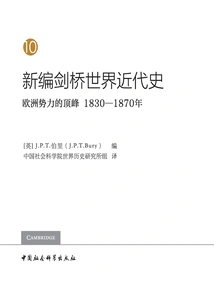
New Cambridge Modern History of the World (volume 10): the Peak of European Power (1830-1870)
History新编剑桥世界近代史(第10卷):欧洲势力的顶峰(1830—1870年)
(english) J. P. T. Bury
The General History of the World published by Cambridge University in the United Kingdom is divided into three parts: ancient history, medieval history, and modern history. Modern History was edited by Lord Acton, with a total of 14 volumes, and was published in the early 20th century. Several decades later, in the 1950s, Cambridge University Press published "The New Cambridge Modern History of the World" edited by Sir Clark. The new edition is still 14 volumes, with a total of about 8 million words, covering more than 400 years of world history from the Renaissance to the end of World War II, that is, from 1493 to 1953. National history, regional history, and thematic history are intertwined and discussed, and are written by famous scholars from English-speaking countries. The new edition reflects their recent research results, contains many new materials, and has more substantial content. It represents the higher academic level of the West and has greater influence.
The General History of the World published by Cambridge University in the United Kingdom is divided into three parts: ancient history, medieval history, and modern history. Modern History was edited by Lord Acton, with a total of 14 volumes, and was published in the early 20th century. Several decades later, in the 1950s, Cambridge University Press published "The New Cambridge Modern History of the World" edited by Sir Clark. The new edition is still 14 volumes, with a total of about 8 million words, covering more than 400 years of world history from the Renaissance to the end of World War II, that is, from 1493 to 1953. National history, regional history, and thematic history are intertwined and discussed, and are written by famous scholars from English-speaking countries. The new edition reflects their recent research results, contains many new materials, and has more substantial content. It represents the higher academic level of the West and has greater influence.
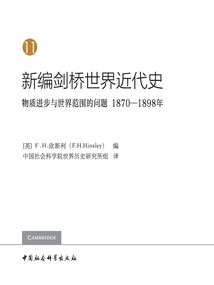
新编剑桥世界近代史(第11卷):物质进步与世界范围的问题(1870—1898年)
(uk) F. H. Hinsley
The General History of the World published by Cambridge University in the United Kingdom is divided into three parts: ancient history, medieval history, and modern history. Modern History was edited by Lord Acton, with a total of 14 volumes, and was published in the early 20th century. Several decades later, in the 1950s, Cambridge University Press published "The New Cambridge Modern History of the World" edited by Sir Clark. The new edition is still 14 volumes, with a total of about 8 million words, covering more than 400 years of world history from the Renaissance to the end of World War II, that is, from 1493 to 1954. National history, regional history, and thematic history are intertwined and discussed, and are written by famous scholars from English-speaking countries. The new edition reflects their recent research results, contains many new materials, and has more substantial content. It represents the higher academic level of the West and has greater influence.
The General History of the World published by Cambridge University in the United Kingdom is divided into three parts: ancient history, medieval history, and modern history. Modern History was edited by Lord Acton, with a total of 14 volumes, and was published in the early 20th century. Several decades later, in the 1950s, Cambridge University Press published "The New Cambridge Modern History of the World" edited by Sir Clark. The new edition is still 14 volumes, with a total of about 8 million words, covering more than 400 years of world history from the Renaissance to the end of World War II, that is, from 1493 to 1954. National history, regional history, and thematic history are intertwined and discussed, and are written by famous scholars from English-speaking countries. The new edition reflects their recent research results, contains many new materials, and has more substantial content. It represents the higher academic level of the West and has greater influence.
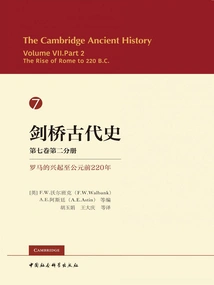
剑桥古代史(第七卷·第二分册):罗马的兴起(至公元前220年)
(uk) F. W. Wallbank Et Al.
This book is the second part of the seventh volume. It covers the period from the rise of Rome to the end of the Second Punic War. The complexity and controversy of this volume are mainly due to the particularity of the historical development during this period. It is mainly written from the social and religious aspects of Rome. The first part deals with the Romans and their history, with a broad examination of the Republic and its place in the Hellenistic world, and the rise of the Empire. The second part, on the culture of the empire, provides insightful analysis of a range of topics - from religious attitudes to the role of women, from trade to war.
This book is the second part of the seventh volume. It covers the period from the rise of Rome to the end of the Second Punic War. The complexity and controversy of this volume are mainly due to the particularity of the historical development during this period. It is mainly written from the social and religious aspects of Rome. The first part deals with the Romans and their history, with a broad examination of the Republic and its place in the Hellenistic world, and the rise of the Empire. The second part, on the culture of the empire, provides insightful analysis of a range of topics - from religious attitudes to the role of women, from trade to war.
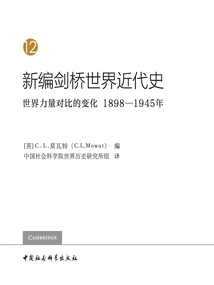
新编剑桥世界近代史(第12卷):世界力量对比的变化(1898—1945年)
(uk) C. L. Mowat
The General History of the World published by Cambridge University in the United Kingdom is divided into three parts: ancient history, medieval history, and modern history. Modern History was edited by Lord Acton, with a total of 14 volumes, and was published in the early 20th century. Several decades later, in the 1950s, Cambridge University Press published "The New Cambridge Modern History of the World" edited by Sir Clark. The new edition is still 14 volumes, with a total of about 8 million words, covering more than 400 years of world history from the Renaissance to the end of World War II, that is, from 1493 to 1955. National history, regional history, and thematic history are intertwined and discussed, and are written by famous scholars from English-speaking countries. The new edition reflects their recent research results, contains many new materials, and has more substantial content. It represents the higher academic level of the West and has greater influence.
The General History of the World published by Cambridge University in the United Kingdom is divided into three parts: ancient history, medieval history, and modern history. Modern History was edited by Lord Acton, with a total of 14 volumes, and was published in the early 20th century. Several decades later, in the 1950s, Cambridge University Press published "The New Cambridge Modern History of the World" edited by Sir Clark. The new edition is still 14 volumes, with a total of about 8 million words, covering more than 400 years of world history from the Renaissance to the end of World War II, that is, from 1493 to 1955. National history, regional history, and thematic history are intertwined and discussed, and are written by famous scholars from English-speaking countries. The new edition reflects their recent research results, contains many new materials, and has more substantial content. It represents the higher academic level of the West and has greater influence.
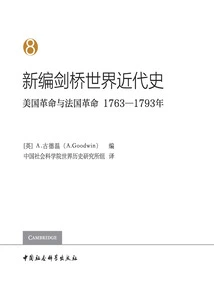
新编剑桥世界近代史(第8卷):美国革命与法国革命(1763—1793年)
(english) A. Goodwin
The General History of the World published by Cambridge University in the United Kingdom is divided into three parts: ancient history, medieval history, and modern history. Modern History was edited by Lord Acton, with a total of 14 volumes, and was published in the early 20th century. Several decades later, in the 1950s, Cambridge University Press published "The New Cambridge Modern History of the World" edited by Sir Clark. The new edition is still 14 volumes, with a total of about 8 million words, covering more than 400 years of world history from the Renaissance to the end of World War II, that is, from 1493 to 1951. National history, regional history, and thematic history are intertwined and discussed, and are written by famous scholars from English-speaking countries. The new edition reflects their recent research results, contains many new materials, and has more substantial content. It represents the higher academic level of the West and has greater influence.
The General History of the World published by Cambridge University in the United Kingdom is divided into three parts: ancient history, medieval history, and modern history. Modern History was edited by Lord Acton, with a total of 14 volumes, and was published in the early 20th century. Several decades later, in the 1950s, Cambridge University Press published "The New Cambridge Modern History of the World" edited by Sir Clark. The new edition is still 14 volumes, with a total of about 8 million words, covering more than 400 years of world history from the Renaissance to the end of World War II, that is, from 1493 to 1951. National history, regional history, and thematic history are intertwined and discussed, and are written by famous scholars from English-speaking countries. The new edition reflects their recent research results, contains many new materials, and has more substantial content. It represents the higher academic level of the West and has greater influence.
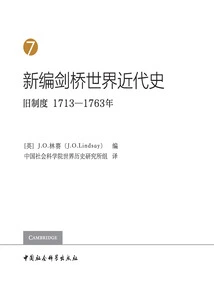
新编剑桥世界近代史(第7卷):旧制度(1713—1763年)
(english) J. O. Lindsay
The General History of the World published by Cambridge University in the United Kingdom is divided into three parts: ancient history, medieval history, and modern history. Modern History was edited by Lord Acton, with a total of 14 volumes, and was published in the early 20th century. Several decades later, in the 1950s, Cambridge University Press published "The New Cambridge Modern History of the World" edited by Sir Clark. The new edition is still 14 volumes, with a total of about 8 million words, covering more than 400 years of world history from the Renaissance to the end of World War II, that is, from 1493 to 1950. National history, regional history, and thematic history are intertwined and discussed, and are written by famous scholars from English-speaking countries. The new edition reflects their recent research results, contains many new materials, and has more substantial content. It represents the higher academic level of the West and has greater influence.
The General History of the World published by Cambridge University in the United Kingdom is divided into three parts: ancient history, medieval history, and modern history. Modern History was edited by Lord Acton, with a total of 14 volumes, and was published in the early 20th century. Several decades later, in the 1950s, Cambridge University Press published "The New Cambridge Modern History of the World" edited by Sir Clark. The new edition is still 14 volumes, with a total of about 8 million words, covering more than 400 years of world history from the Renaissance to the end of World War II, that is, from 1493 to 1950. National history, regional history, and thematic history are intertwined and discussed, and are written by famous scholars from English-speaking countries. The new edition reflects their recent research results, contains many new materials, and has more substantial content. It represents the higher academic level of the West and has greater influence.
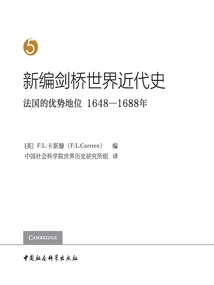
新编剑桥世界近代史(第5卷):法国的优势地位(1648—1688年)
(uk) F. L. Carsten
The General History of the World published by Cambridge University in the United Kingdom is divided into three parts: ancient history, medieval history, and modern history. Modern History was edited by Lord Acton, with a total of 14 volumes, and was published in the early 20th century. Several decades later, in the 1950s, Cambridge University Press published "The New Cambridge Modern History of the World" edited by Sir Clark. The new edition is still 14 volumes, with a total of about 8 million words, covering more than 400 years of world history from the Renaissance to the end of World War II, that is, from 1493 to 1948. National history, regional history, and thematic history are intertwined and discussed, and are written by famous scholars from English-speaking countries. The new edition reflects their recent research results, contains many new materials, and has more substantial content. It represents the higher academic level of the West and has greater influence.
The General History of the World published by Cambridge University in the United Kingdom is divided into three parts: ancient history, medieval history, and modern history. Modern History was edited by Lord Acton, with a total of 14 volumes, and was published in the early 20th century. Several decades later, in the 1950s, Cambridge University Press published "The New Cambridge Modern History of the World" edited by Sir Clark. The new edition is still 14 volumes, with a total of about 8 million words, covering more than 400 years of world history from the Renaissance to the end of World War II, that is, from 1493 to 1948. National history, regional history, and thematic history are intertwined and discussed, and are written by famous scholars from English-speaking countries. The new edition reflects their recent research results, contains many new materials, and has more substantial content. It represents the higher academic level of the West and has greater influence.
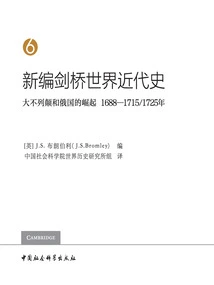
新编剑桥世界近代史(第6卷):大不列颠和俄国的崛起(1688—1715\u002F1725年)
(english) J. S. Brownbury
The General History of the World published by Cambridge University in the United Kingdom is divided into three parts: ancient history, medieval history, and modern history. Modern History was edited by Lord Acton, with a total of 14 volumes, and was published in the early 20th century. Several decades later, in the 1950s, Cambridge University Press published "The New Cambridge Modern History of the World" edited by Sir Clark. The new edition is still 14 volumes with a total of about 8 million words, covering more than 400 years of world history from the Renaissance to the end of World War II, that is, from 1493 to 1949. National history, regional history, and thematic history are intertwined and discussed, and are written by famous scholars from English-speaking countries. The new edition reflects their recent research results, contains many new materials, and has more substantial content. It represents the higher academic level of the West and has greater influence.
The General History of the World published by Cambridge University in the United Kingdom is divided into three parts: ancient history, medieval history, and modern history. Modern History was edited by Lord Acton, with a total of 14 volumes, and was published in the early 20th century. Several decades later, in the 1950s, Cambridge University Press published "The New Cambridge Modern History of the World" edited by Sir Clark. The new edition is still 14 volumes with a total of about 8 million words, covering more than 400 years of world history from the Renaissance to the end of World War II, that is, from 1493 to 1949. National history, regional history, and thematic history are intertwined and discussed, and are written by famous scholars from English-speaking countries. The new edition reflects their recent research results, contains many new materials, and has more substantial content. It represents the higher academic level of the West and has greater influence.
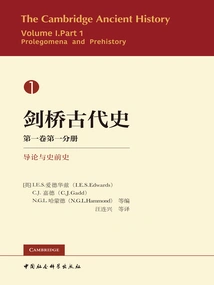
剑桥古代史(第一卷·第一分册):导论与史前史
R
"Cambridge Ancient History" was first published in the early 20th century. Since the 1970s, well-known scholars and experts from the English-speaking world, France, Germany and other countries have been rewriting it for 30 years, expanding from the original 12 volumes to 14 volumes and 19 volumes. The new edition of "Cambridge Ancient History" pushes the lower limit of ancient history from the 3rd century AD in the first edition to around the 7th century AD, and adds a lot of content about ancient Egypt, West Asian civilization, and early Greek history, as well as social and economic history, and cultural history. It has made major breakthroughs in a series of fundamental issues such as the origin of ancient civilization, the general characteristics of ancient economy, the relationship between classical civilization and Eastern civilization, and the transformation of the ancient world. This book is the first part of the first volume, including an introduction and prehistory. This book starts from the formation of the earth, and describes the origin of life, the emergence and evolution of human beings, and the development of humans in the Paleolithic Age, the Neolithic Age, and the Chalcolithic Age. The authors are experts and scholars in geology, anthropology, archaeology, linguistics, history, chronology and other disciplines. They vividly introduce the history of early human development from multiple perspectives. This volume of "Introduction and Prehistory" is one of the components of the complete "Cambridge Ancient History", so the content arrangement can only follow the pattern of the whole book, which is limited to the Mediterranean and surrounding areas, and does not involve East Asia, South Asia, sub-Saharan Africa, and South and North America. This may be a shortcoming for readers who want to understand the prehistory of the entire world.
"Cambridge Ancient History" was first published in the early 20th century. Since the 1970s, well-known scholars and experts from the English-speaking world, France, Germany and other countries have been rewriting it for 30 years, expanding from the original 12 volumes to 14 volumes and 19 volumes. The new edition of "Cambridge Ancient History" pushes the lower limit of ancient history from the 3rd century AD in the first edition to around the 7th century AD, and adds a lot of content about ancient Egypt, West Asian civilization, and early Greek history, as well as social and economic history, and cultural history. It has made major breakthroughs in a series of fundamental issues such as the origin of ancient civilization, the general characteristics of ancient economy, the relationship between classical civilization and Eastern civilization, and the transformation of the ancient world. This book is the first part of the first volume, including an introduction and prehistory. This book starts from the formation of the earth, and describes the origin of life, the emergence and evolution of human beings, and the development of humans in the Paleolithic Age, the Neolithic Age, and the Chalcolithic Age. The authors are experts and scholars in geology, anthropology, archaeology, linguistics, history, chronology and other disciplines. They vividly introduce the history of early human development from multiple perspectives. This volume of "Introduction and Prehistory" is one of the components of the complete "Cambridge Ancient History", so the content arrangement can only follow the pattern of the whole book, which is limited to the Mediterranean and surrounding areas, and does not involve East Asia, South Asia, sub-Saharan Africa, and South and North America. This may be a shortcoming for readers who want to understand the prehistory of the entire world.
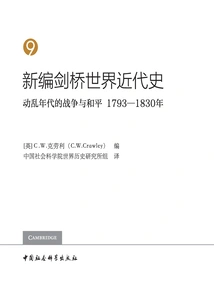
New Cambridge Modern History of the World (volume 9): War and Peace in Troubled Times (1793-1830)
History新编剑桥世界近代史(第9卷):动乱年代的战争与和平(1793—1830年)
(english) C. W. Crowley
The General History of the World published by Cambridge University in the United Kingdom is divided into three parts: ancient history, medieval history, and modern history. Modern History was edited by Lord Acton, with a total of 14 volumes, and was published in the early 20th century. Several decades later, in the 1950s, Cambridge University Press published "The New Cambridge Modern History of the World" edited by Sir Clark. The new edition is still 14 volumes, with a total of about 8 million words, covering more than 400 years of world history from the Renaissance to the end of World War II, that is, from 1493 to 1952. National history, regional history, and thematic history are intertwined and discussed, and are written by famous scholars from English-speaking countries. The new edition reflects their recent research results, contains many new materials, and has more substantial content. It represents the higher academic level of the West and has greater influence.
The General History of the World published by Cambridge University in the United Kingdom is divided into three parts: ancient history, medieval history, and modern history. Modern History was edited by Lord Acton, with a total of 14 volumes, and was published in the early 20th century. Several decades later, in the 1950s, Cambridge University Press published "The New Cambridge Modern History of the World" edited by Sir Clark. The new edition is still 14 volumes, with a total of about 8 million words, covering more than 400 years of world history from the Renaissance to the end of World War II, that is, from 1493 to 1952. National history, regional history, and thematic history are intertwined and discussed, and are written by famous scholars from English-speaking countries. The new edition reflects their recent research results, contains many new materials, and has more substantial content. It represents the higher academic level of the West and has greater influence.
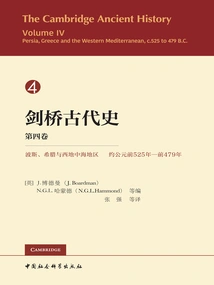
剑桥古代史(第四卷):波斯、希腊与西地中海地区(约公元前525年—前479年)
(uk) J. Boardman Et Al.
This book talks about the transition from the Archaic to the Classical era in the eastern Mediterranean, marked by major events in the conflict between the Persian Achaemenid Empire and the Greek states. These events brought the Greeks' concept of freedom and the aliens' autocracy into the spotlight. But even in the two years of frequent wars - around 480 BC and 479 BC, the conflict did not prevent the two sides from influencing each other.
This book talks about the transition from the Archaic to the Classical era in the eastern Mediterranean, marked by major events in the conflict between the Persian Achaemenid Empire and the Greek states. These events brought the Greeks' concept of freedom and the aliens' autocracy into the spotlight. But even in the two years of frequent wars - around 480 BC and 479 BC, the conflict did not prevent the two sides from influencing each other.
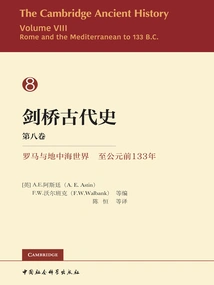
剑桥古代史(第八卷):罗马与地中海世界(至公元前133年)
(uk) A. E. Astin Et Al.
This book discusses Rome's effective political control of the Mediterranean during a relatively short but eventful period. From the Carthaginians in Spain, the Second Punic War, Rome's progressive power was traced through conquests in Gaul in the Alps, Spain and conflicts in west and east Africa with the Macedonians, the Seleucid Empire, and finally the Greeks. Interspersed with these themes are accounts of the Seleucids and the Greeks of Patria and India, internal Roman political life, and the development of Rome's relations with its Italian allies and neighbors.
This book discusses Rome's effective political control of the Mediterranean during a relatively short but eventful period. From the Carthaginians in Spain, the Second Punic War, Rome's progressive power was traced through conquests in Gaul in the Alps, Spain and conflicts in west and east Africa with the Macedonians, the Seleucid Empire, and finally the Greeks. Interspersed with these themes are accounts of the Seleucids and the Greeks of Patria and India, internal Roman political life, and the development of Rome's relations with its Italian allies and neighbors.
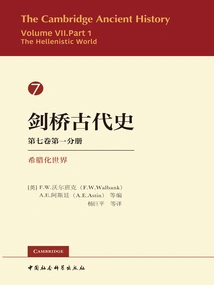
剑桥古代史(第七卷·第一分册):希腊化世界
V
The term "Hellenism" is often used to describe a world in which Greek was the universal language. Greeks moved in droves south and east to establish new colonies, or joined mercenary armies in search of wealth, convinced of their status as members of the new ruling class. Discord and conflict inevitably arose as local people and cultures became involved in this creeping Hellenization. Using extensive primary sources, the author examines political events from the death of Alexander to the incorporation of the Hellenistic world into the Roman Empire. He also examines the world's different social institutions and customs, important developments in literature, science, and technology, and the founding of new religious movements. This book is divided into twelve chapters: historical materials of the Hellenistic period, succession to Alexander, monarchy and monarchical concepts, formation of Hellenistic kingdoms, Ptolemaic Egypt, Syria and the East, Macedonia and Greece. The previous chapters focus on specific areas and aspects of the Hellenistic world and the lives of the people in this world. The following chapters 10 to 12 turn mainly to factual narratives.
The term "Hellenism" is often used to describe a world in which Greek was the universal language. Greeks moved in droves south and east to establish new colonies, or joined mercenary armies in search of wealth, convinced of their status as members of the new ruling class. Discord and conflict inevitably arose as local people and cultures became involved in this creeping Hellenization. Using extensive primary sources, the author examines political events from the death of Alexander to the incorporation of the Hellenistic world into the Roman Empire. He also examines the world's different social institutions and customs, important developments in literature, science, and technology, and the founding of new religious movements. This book is divided into twelve chapters: historical materials of the Hellenistic period, succession to Alexander, monarchy and monarchical concepts, formation of Hellenistic kingdoms, Ptolemaic Egypt, Syria and the East, Macedonia and Greece. The previous chapters focus on specific areas and aspects of the Hellenistic world and the lives of the people in this world. The following chapters 10 to 12 turn mainly to factual narratives.
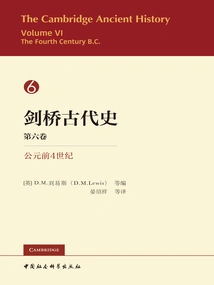
剑桥古代史(第六卷):公元前4世纪
(uk) D. M. Lewis Et Al.
The main contents of this volume include: historical materials and their use; Sparta the victor; Persia; the Corinthian War; society and economy; Greek culture and science; Macedonia and northwest Greece; the establishment of Macedonian hegemony, etc.
The main contents of this volume include: historical materials and their use; Sparta the victor; Persia; the Corinthian War; society and economy; Greek culture and science; Macedonia and northwest Greece; the establishment of Macedonian hegemony, etc.
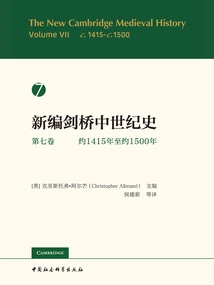
新编剑桥中世纪史(第七卷):约1415年至约1500年
(uk) Editor-in-chief Christopher Armand
"The New Cambridge History of the Middle Ages" has a total of 7 and 8 volumes. Compared with the old version of "Cambridge History of the Middle Ages", it is clearer in writing style and chapter arrangement. It breaks through the old framework of traditional political history and attempts to present a "comprehensive history", including economic, social, spiritual, cultural and other fields within the scope of discussion, and provides a more comprehensive and detailed record of the Middle Ages. It is worth noting that the new series breaks away from the past "Eurocentrism" that regarded Europe as the whole world, and opposes the mechanical piecing together or simple summing up of the histories of European countries. It strives to examine the historical development trajectories and mutual influences of European countries in the Middle Ages as a whole, reflecting the prosperity and progress of Western academic research over the past century. This book is the seventh volume of the Cambridge History of the Middle Ages, covering the period 1415-1500. 1415 Was the year when Henry V of England attacked France again and the Hundred Years War resumed. The first part, "Government," discusses political theory and practice, representative system, the history of political ideas and political institutions such as the Pope and the Curia. The second part, "Economic and Social Development," discusses issues such as nobility, countryside, cities, commerce and trade, war, exploration, and discovery. The third part, "Spiritual, Cultural and Artistic Life", deals with such topics as religious beliefs and practices, schools and universities, humanism, manuscripts and books, printing, architecture and painting, music. The fourth part, "The Development of European Countries," narrates the history of traditional countries and emerging countries in various regions of Europe, and also lists the Latins and Ottoman Turks in Eastern Europe as special chapters. Among these four parts, the first three parts are special studies, and the fourth part is the development history of each country.
"The New Cambridge History of the Middle Ages" has a total of 7 and 8 volumes. Compared with the old version of "Cambridge History of the Middle Ages", it is clearer in writing style and chapter arrangement. It breaks through the old framework of traditional political history and attempts to present a "comprehensive history", including economic, social, spiritual, cultural and other fields within the scope of discussion, and provides a more comprehensive and detailed record of the Middle Ages. It is worth noting that the new series breaks away from the past "Eurocentrism" that regarded Europe as the whole world, and opposes the mechanical piecing together or simple summing up of the histories of European countries. It strives to examine the historical development trajectories and mutual influences of European countries in the Middle Ages as a whole, reflecting the prosperity and progress of Western academic research over the past century. This book is the seventh volume of the Cambridge History of the Middle Ages, covering the period 1415-1500. 1415 Was the year when Henry V of England attacked France again and the Hundred Years War resumed. The first part, "Government," discusses political theory and practice, representative system, the history of political ideas and political institutions such as the Pope and the Curia. The second part, "Economic and Social Development," discusses issues such as nobility, countryside, cities, commerce and trade, war, exploration, and discovery. The third part, "Spiritual, Cultural and Artistic Life", deals with such topics as religious beliefs and practices, schools and universities, humanism, manuscripts and books, printing, architecture and painting, music. The fourth part, "The Development of European Countries," narrates the history of traditional countries and emerging countries in various regions of Europe, and also lists the Latins and Ottoman Turks in Eastern Europe as special chapters. Among these four parts, the first three parts are special studies, and the fourth part is the development history of each country.
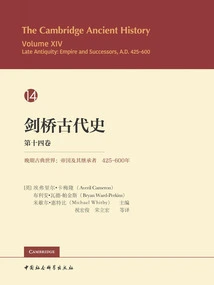
剑桥古代史(第十四卷):晚期古典世界:帝国及其继承者(425—600年)
(uk) Averill Cameron Et Al.
This book is the fourteenth volume of "Cambridge Ancient History". It records the historical theme of the ancient Roman Empire from 425 to 600 in detail, focusing on the birth of the new world. The scope of the book extends to Britain, Northern Europe, Mesopotamia, the interior of Iran, Georgia and other wider areas.
This book is the fourteenth volume of "Cambridge Ancient History". It records the historical theme of the ancient Roman Empire from 425 to 600 in detail, focusing on the birth of the new world. The scope of the book extends to Britain, Northern Europe, Mesopotamia, the interior of Iran, Georgia and other wider areas.
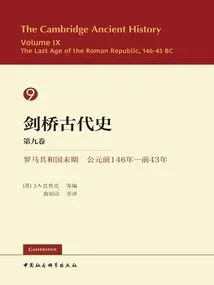
剑桥古代史(第九卷):罗马共和国末期(公元前146年—前43年)
(uk) J. A. Crook Et Al.
This volume expounds the history of the late Roman Republic, introduces its transformation process from a republic to an empire, and shows the rapid development of Rome in politics, military, economy, culture and other aspects at that time, as well as the establishment of its hegemony in the Mediterranean world. Among them, Chapters 1 to 12 mainly describe the development, evolution and social conditions of Rome during the period from 133 BC to the murder of Cicero in 43 BC. Chapters 13-19 examine various aspects of Roman society, institutions, and ideas during this period, and the topics covered include law, economy, provincial management, the development of the city of Rome, and the intellectual and religious life of the Romans.
This volume expounds the history of the late Roman Republic, introduces its transformation process from a republic to an empire, and shows the rapid development of Rome in politics, military, economy, culture and other aspects at that time, as well as the establishment of its hegemony in the Mediterranean world. Among them, Chapters 1 to 12 mainly describe the development, evolution and social conditions of Rome during the period from 133 BC to the murder of Cicero in 43 BC. Chapters 13-19 examine various aspects of Roman society, institutions, and ideas during this period, and the topics covered include law, economy, provincial management, the development of the city of Rome, and the intellectual and religious life of the Romans.
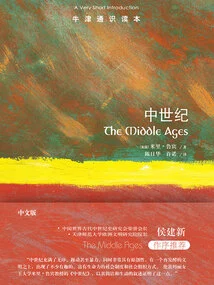
牛津通识读本:中世纪(中文版)
(english) Miri Rubin
The one thousand years between AD 500 and 1500 is called the European Middle Ages, which refers to the "middle age" between the two cultural peaks of ancient Greek and Roman civilization and the Renaissance. This is a slightly embarrassing term. Author Miri Rubin's examination covers the provinces of the Roman Empire that became barbarian kingdoms, as well as the northern and eastern regions that gradually integrated into Europe. By describing the divine kingship, ideological beliefs, lifestyles, lords and knights, nature and environment, conquests and exchanges in the Middle Ages, this book explores the diversity and complexity, change and vitality of this historical period, as well as the legacy left to the modern world by this period, which is of irreplaceable and unique value for understanding the history of European civilization.
The one thousand years between AD 500 and 1500 is called the European Middle Ages, which refers to the "middle age" between the two cultural peaks of ancient Greek and Roman civilization and the Renaissance. This is a slightly embarrassing term. Author Miri Rubin's examination covers the provinces of the Roman Empire that became barbarian kingdoms, as well as the northern and eastern regions that gradually integrated into Europe. By describing the divine kingship, ideological beliefs, lifestyles, lords and knights, nature and environment, conquests and exchanges in the Middle Ages, this book explores the diversity and complexity, change and vitality of this historical period, as well as the legacy left to the modern world by this period, which is of irreplaceable and unique value for understanding the history of European civilization.
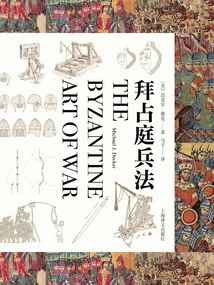
Byzantine Art of War
History拜占庭兵法
(us) Michael Decker
Surrounded by powerful enemies, the building is about to collapse - how can a thousand-year-old empire continue to prosper? A history of a millennium war to survive against the odds, combining macro strategies with specific combat examples, and drawing on the strengths of classic historical materials and contemporary historians; translated by Ma Qian, the translator of "1453: The Fall of Constantinople", the author of "The Complete History of the Knights Hospitaller", and a well-known military history broadcaster. Eleven high-definition and fine historical maps provide an overview of the thousand-year history of changes in the Eastern Roman Empire's mountainous territories, provincial military districts, and urban road networks. More than twenty refined strategic situation maps provide dynamic analysis of famous battles in the history of the empire. With clear logic and flying words, this book tells how the Eastern Roman Empire withstood thousands of years of military hardships, learned, adjusted, and evolved from disasters that could destroy most civilizations, and developed tit-for-tat new tactics against endless new enemies, thus gaining new life again and again. The author of this book, Dr. Michael Decker, an expert on Byzantine history, relies on his solid professional knowledge to introduce the relevant historical background, the organization and leadership, training and equipment of the imperial army, and the main enemies faced by the empire in various periods. He combines macro strategies with specific combat examples, and finally refines and summarizes the war philosophy on which Byzantium depends for its survival. Surprisingly, many of the experience summaries of this Byzantine art of war coincide with Sun Tzu's art of war 2,500 years ago, and can even be seen as expressions of the same idea in different contexts. It can be seen that even in the most extreme and cruel field of war, human wisdom is still the same.
Surrounded by powerful enemies, the building is about to collapse - how can a thousand-year-old empire continue to prosper? A history of a millennium war to survive against the odds, combining macro strategies with specific combat examples, and drawing on the strengths of classic historical materials and contemporary historians; translated by Ma Qian, the translator of "1453: The Fall of Constantinople", the author of "The Complete History of the Knights Hospitaller", and a well-known military history broadcaster. Eleven high-definition and fine historical maps provide an overview of the thousand-year history of changes in the Eastern Roman Empire's mountainous territories, provincial military districts, and urban road networks. More than twenty refined strategic situation maps provide dynamic analysis of famous battles in the history of the empire. With clear logic and flying words, this book tells how the Eastern Roman Empire withstood thousands of years of military hardships, learned, adjusted, and evolved from disasters that could destroy most civilizations, and developed tit-for-tat new tactics against endless new enemies, thus gaining new life again and again. The author of this book, Dr. Michael Decker, an expert on Byzantine history, relies on his solid professional knowledge to introduce the relevant historical background, the organization and leadership, training and equipment of the imperial army, and the main enemies faced by the empire in various periods. He combines macro strategies with specific combat examples, and finally refines and summarizes the war philosophy on which Byzantium depends for its survival. Surprisingly, many of the experience summaries of this Byzantine art of war coincide with Sun Tzu's art of war 2,500 years ago, and can even be seen as expressions of the same idea in different contexts. It can be seen that even in the most extreme and cruel field of war, human wisdom is still the same.
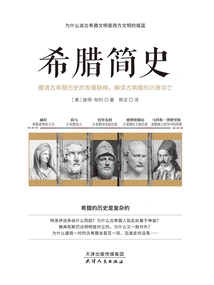
A Brief History of Greece
History希腊简史
(us) Peter Parley
The book "A Brief History of Greece" divides Greek history into five stages, uses Greek mythology and stories as an entry point, introduces famous Greek philosophers, poets, etc. At that time, supplemented by exquisite illustrations, and strives to tell the history of the ancient Greeks in a detailed and interesting way. In the first stage, the author tells a large number of mythological stories, which help us understand Greek culture and even European culture as a whole. In the second to fifth stages, the author gave a relatively comprehensive and objective narrative from the outbreak of the Greco-Persian War, to Sparta's occupation of Athens, to Rome's conquest of Greece. It can be said to be a systematic and complete Greek history book.
The book "A Brief History of Greece" divides Greek history into five stages, uses Greek mythology and stories as an entry point, introduces famous Greek philosophers, poets, etc. At that time, supplemented by exquisite illustrations, and strives to tell the history of the ancient Greeks in a detailed and interesting way. In the first stage, the author tells a large number of mythological stories, which help us understand Greek culture and even European culture as a whole. In the second to fifth stages, the author gave a relatively comprehensive and objective narrative from the outbreak of the Greco-Persian War, to Sparta's occupation of Athens, to Rome's conquest of Greece. It can be said to be a systematic and complete Greek history book.
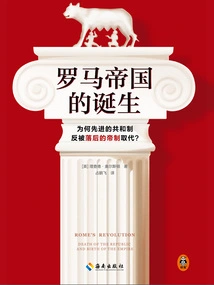
罗马帝国的诞生
(uk) Richard Alston
In 44 BC, Julius Caesar was assassinated during a Senate meeting. The senators who assassinated him believed that this would restore Rome to its republican traditions. In 27 BC, Caesar's adopted son Octavian was awarded the title "Augustus" at a Senate meeting, and the Roman Empire was born. Octavian used rewards to win over soldiers, used food to buy people's hearts, and used violence to purge opponents. The old elite was completely defeated, the old order was swept away, and Rome was no longer what it once was. Why did the assassination attempt to save the Republic directly give birth to the Empire? Why were seemingly advanced republics replaced by backward monarchies? The author of this book is a professor of ancient Roman history at Royal Holloway, University of London. He not only restores various important events in the birth of the Roman Empire, but also explores the various internal factors after this shocking change. Using a new perspective, the characters at the bottom are integrated into the turbulent era.
In 44 BC, Julius Caesar was assassinated during a Senate meeting. The senators who assassinated him believed that this would restore Rome to its republican traditions. In 27 BC, Caesar's adopted son Octavian was awarded the title "Augustus" at a Senate meeting, and the Roman Empire was born. Octavian used rewards to win over soldiers, used food to buy people's hearts, and used violence to purge opponents. The old elite was completely defeated, the old order was swept away, and Rome was no longer what it once was. Why did the assassination attempt to save the Republic directly give birth to the Empire? Why were seemingly advanced republics replaced by backward monarchies? The author of this book is a professor of ancient Roman history at Royal Holloway, University of London. He not only restores various important events in the birth of the Roman Empire, but also explores the various internal factors after this shocking change. Using a new perspective, the characters at the bottom are integrated into the turbulent era.
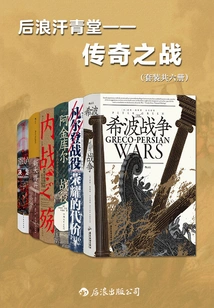
后浪汗青堂:传奇之战(套装共六册)
(uk) Peter Green Et Al.
"The Greco-Persian War" The Greco-Persian War is the collective name for a series of wars that broke out between the Persian Empire and the Greek city-states from 499 BC to 449 BC. Although the Greeks were far weaker than the Persian army in terms of military strength, the final victory of the Greeks opened the way for the Greek city-states to develop a unique creativity, independent spirit, and democratic atmosphere, which also affected the future development of Western history. "The Battle of Verdun: The Price of Glory 1916" gives a panoramic description of this terrible battle, criticizes the arrogance and folly of both warring parties, and provides a profound reflection on the tragic war and the fate of mankind. "The Battle of Agincourt: The Most Legendary Victory in the Hundred Years' War" The Battle of Agincourt is a famous battle between Britain and France in the Hundred Years' War in which a small number defeated a large number. It plays an important role in the world's military history. Since this battle, the British army's advantage has further expanded. The author Juliet Barker opposed the narrative tradition of detailed description of the war itself, expanded the scope of the narrative before and after the outbreak of the Battle of Agincourt, and described the impact of the Battle of Agincourt from the perspective of ordinary people. "The Tragedy of the Civil War: Massacres on the Home Front in the Spanish Civil War" is a book carefully created by the author based on more than ten years of research. It aims to reveal the horrific experiences of the Spanish people in their fierce civil war from 1936 to 1945. They have previously escaped the attention of historians, but now the author provides us with the first comprehensive picture: mass extrajudicial murder of some 200,000 victims, summary trials, torture, systematic abuse of women and children, mass incarceration, and horrific exiles. "The New Great Game: The First World War and the Struggle for Hegemony in Central Asia" The Great Game has just subsided in Central Asia, and a new Great Game has been staged again. This book tells a thrilling story that happened in Central Asia during the First World War. Around the survival of the British Empire, the Allied Powers and the Entente Powers competed to take action, and on the little-known front, the war was ignited again. "Waterloo: Four Days That Decided the Fate of Europe" extensively cites newly discovered historical materials, uses "hours" as a unit of measurement, and meticulously re-evaluates the ancient legend of the Battle of Waterloo. It strives to reveal the true sequence of events in the entire battle in order to correctly consider the various controversies that plagued the Battle of Waterloo.
"The Greco-Persian War" The Greco-Persian War is the collective name for a series of wars that broke out between the Persian Empire and the Greek city-states from 499 BC to 449 BC. Although the Greeks were far weaker than the Persian army in terms of military strength, the final victory of the Greeks opened the way for the Greek city-states to develop a unique creativity, independent spirit, and democratic atmosphere, which also affected the future development of Western history. "The Battle of Verdun: The Price of Glory 1916" gives a panoramic description of this terrible battle, criticizes the arrogance and folly of both warring parties, and provides a profound reflection on the tragic war and the fate of mankind. "The Battle of Agincourt: The Most Legendary Victory in the Hundred Years' War" The Battle of Agincourt is a famous battle between Britain and France in the Hundred Years' War in which a small number defeated a large number. It plays an important role in the world's military history. Since this battle, the British army's advantage has further expanded. The author Juliet Barker opposed the narrative tradition of detailed description of the war itself, expanded the scope of the narrative before and after the outbreak of the Battle of Agincourt, and described the impact of the Battle of Agincourt from the perspective of ordinary people. "The Tragedy of the Civil War: Massacres on the Home Front in the Spanish Civil War" is a book carefully created by the author based on more than ten years of research. It aims to reveal the horrific experiences of the Spanish people in their fierce civil war from 1936 to 1945. They have previously escaped the attention of historians, but now the author provides us with the first comprehensive picture: mass extrajudicial murder of some 200,000 victims, summary trials, torture, systematic abuse of women and children, mass incarceration, and horrific exiles. "The New Great Game: The First World War and the Struggle for Hegemony in Central Asia" The Great Game has just subsided in Central Asia, and a new Great Game has been staged again. This book tells a thrilling story that happened in Central Asia during the First World War. Around the survival of the British Empire, the Allied Powers and the Entente Powers competed to take action, and on the little-known front, the war was ignited again. "Waterloo: Four Days That Decided the Fate of Europe" extensively cites newly discovered historical materials, uses "hours" as a unit of measurement, and meticulously re-evaluates the ancient legend of the Battle of Waterloo. It strives to reveal the true sequence of events in the entire battle in order to correctly consider the various controversies that plagued the Battle of Waterloo.
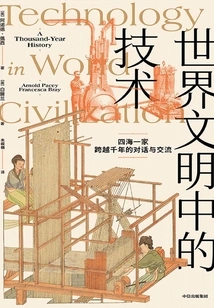
世界文明中的技术
(uk)arnold Pesci Et Al.
This book outlines the history of the development and spread of technology in the world starting from 1000 AD and spanning thousands of years. This discussion revolves around three key concepts: technological dialogue, environmental constraints, and industrial revolution. The author uses the term "technological dialogue" to challenge the top-down concept of "technology transfer", which suggests that after technology is introduced into a place, it is often adapted to local needs and conditions and often leads to further innovation. This book traces these encounters and exchanges over more than a thousand years, examining changes in technology such as agriculture, firearms, printing, electricity, and railroads, and exploring the technological conversations that took place in different parts of the world. In the past, the standard for measuring progress was the speed of technological innovation, the efficiency of creating output and profit improvement; now, the impact of technology on the environment has become a major issue. Therefore, the last few chapters of the book bring the story into the more realistic 21st century, discussing technological developments including petrochemicals, aerospace and digitalization from a global perspective, and proposing what kind of new industrial revolution is needed to meet the challenges of the Anthropocene.
This book outlines the history of the development and spread of technology in the world starting from 1000 AD and spanning thousands of years. This discussion revolves around three key concepts: technological dialogue, environmental constraints, and industrial revolution. The author uses the term "technological dialogue" to challenge the top-down concept of "technology transfer", which suggests that after technology is introduced into a place, it is often adapted to local needs and conditions and often leads to further innovation. This book traces these encounters and exchanges over more than a thousand years, examining changes in technology such as agriculture, firearms, printing, electricity, and railroads, and exploring the technological conversations that took place in different parts of the world. In the past, the standard for measuring progress was the speed of technological innovation, the efficiency of creating output and profit improvement; now, the impact of technology on the environment has become a major issue. Therefore, the last few chapters of the book bring the story into the more realistic 21st century, discussing technological developments including petrochemicals, aerospace and digitalization from a global perspective, and proposing what kind of new industrial revolution is needed to meet the challenges of the Anthropocene.
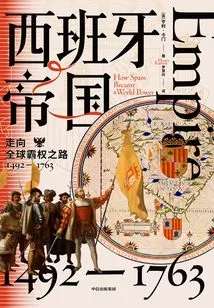
Spanish Empire
History西班牙帝国
(english) Henry Kamen
In 1492, Queen Isabella of Castile and King Ferdinand II of Aragon entered Granada, and the last Islamic state in the Iberian Peninsula fell. In the same year, Columbus, the navigator sponsored by Queen Isabella, landed in the New World. Spain, a kingdom composed of Castile and Aragon located in the southwestern corner of Europe, began to embark on the road to the rise of a great power. In the 16th century, Spain expanded aggressively in both the Old World and the New World. After the 17th century, the empire began to face a series of crises. Dutch and Portuguese independence and Native American resistance tore the empire apart from within. Externally, the rise of France ended Spanish hegemony on the European continent, and the rise of the Netherlands and Britain caused Spain to lose its maritime superiority. After the War of the Spanish Succession, the empire became a vassal of France. After the Seven Years' War, Spain was forced to cede land east of the Mississippi River to Britain. The empire began to retreat in America, and the afterglow of empire was approaching. This book reviews Spain's imperial path from 1492 to 1763, showing us a full picture of a composite maritime commercial empire established through marriage, conquest, trade and missionary work. The book holds a unique anti-Hispanocentric view and believes that the Spanish Empire is a common cause of the Spaniards, Italians, Germans, Belgians, Portuguese, Filipinos, American Indians and even the Chinese. Spain did not create the empire, but the empire created Spain. It is a new interpretation of the Spanish Empire in the 21st century.
In 1492, Queen Isabella of Castile and King Ferdinand II of Aragon entered Granada, and the last Islamic state in the Iberian Peninsula fell. In the same year, Columbus, the navigator sponsored by Queen Isabella, landed in the New World. Spain, a kingdom composed of Castile and Aragon located in the southwestern corner of Europe, began to embark on the road to the rise of a great power. In the 16th century, Spain expanded aggressively in both the Old World and the New World. After the 17th century, the empire began to face a series of crises. Dutch and Portuguese independence and Native American resistance tore the empire apart from within. Externally, the rise of France ended Spanish hegemony on the European continent, and the rise of the Netherlands and Britain caused Spain to lose its maritime superiority. After the War of the Spanish Succession, the empire became a vassal of France. After the Seven Years' War, Spain was forced to cede land east of the Mississippi River to Britain. The empire began to retreat in America, and the afterglow of empire was approaching. This book reviews Spain's imperial path from 1492 to 1763, showing us a full picture of a composite maritime commercial empire established through marriage, conquest, trade and missionary work. The book holds a unique anti-Hispanocentric view and believes that the Spanish Empire is a common cause of the Spaniards, Italians, Germans, Belgians, Portuguese, Filipinos, American Indians and even the Chinese. Spain did not create the empire, but the empire created Spain. It is a new interpretation of the Spanish Empire in the 21st century.
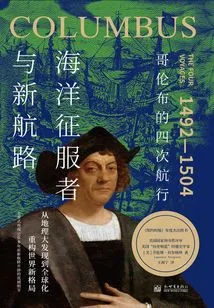
海洋征服者与新航路:哥伦布的四次航行
I
The era of marine civilization is rising, and the prelude to globalization is slowly beginning. Christopher Columbus's voyage across the Atlantic to the Americas and his safe return in 1492 in search of a trade route to the East was a watershed event in world history. It directly promoted world integration. The European trade center moved from the Mediterranean coast to the Atlantic coast, and the world market gradually formed. Columbus made three more voyages between 1493 and 1504, each time to prove that he could sail to China in a matter of weeks. These later voyages were more adventurous and violent. Ocean voyages and conquests brought wealth and glory, but also concealed terror and murderous intent. Columbus's voyage to discover the American continent established a connection between the New World and the Old World, which greatly promoted the development of capitalism. With the rise of Western maritime civilization, globalization began to slowly unfold, and the politics, economy, and culture of the entire world began to undergo earth-shaking changes.
The era of marine civilization is rising, and the prelude to globalization is slowly beginning. Christopher Columbus's voyage across the Atlantic to the Americas and his safe return in 1492 in search of a trade route to the East was a watershed event in world history. It directly promoted world integration. The European trade center moved from the Mediterranean coast to the Atlantic coast, and the world market gradually formed. Columbus made three more voyages between 1493 and 1504, each time to prove that he could sail to China in a matter of weeks. These later voyages were more adventurous and violent. Ocean voyages and conquests brought wealth and glory, but also concealed terror and murderous intent. Columbus's voyage to discover the American continent established a connection between the New World and the Old World, which greatly promoted the development of capitalism. With the rise of Western maritime civilization, globalization began to slowly unfold, and the politics, economy, and culture of the entire world began to undergo earth-shaking changes.
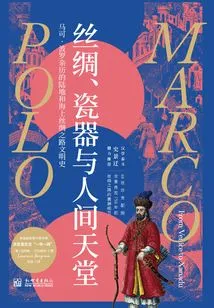
丝绸、瓷器与人间天堂
I
Trade breaks down all geographical, linguistic, religious and political boundaries, allowing Eastern and Western civilizations to meet and integrate, realizing the common ideal of mankind. Marco Polo is the undisputed pioneer of globalization. As the first traveler and merchant in human history to come to China via the land Silk Road and return to Europe via the Maritime Silk Road, Marco Polo opened the door to the mysterious East to the entire Europe. His knowledge aroused Europeans' desire for wealth and curiosity about exotic civilizations, which directly promoted the advent of the Age of Discovery. Columbus carefully carried "Marco Polo's Travels" with him during his four trips to the New World. The author of this book, Lawrence Berglin, carefully studied the hundreds of existing versions of Marco Polo's biography, consulted first-hand historical materials in 6 languages, and personally traced and vividly reproduced Marco Polo's great adventure on the Silk Road, trying to answer people's long-standing questions about Marco Polo and his legendary journey. Within the framework of history, Marco Polo is the only pathfinder in the world who has fully realized the all-round grand tour of the ancient "One Belt, One Road". In his view, what can break through the barriers of cultural differences and conflicts and connect people is a broad and profound driving force, that is, humans' innate impulse and nature to trade.
Trade breaks down all geographical, linguistic, religious and political boundaries, allowing Eastern and Western civilizations to meet and integrate, realizing the common ideal of mankind. Marco Polo is the undisputed pioneer of globalization. As the first traveler and merchant in human history to come to China via the land Silk Road and return to Europe via the Maritime Silk Road, Marco Polo opened the door to the mysterious East to the entire Europe. His knowledge aroused Europeans' desire for wealth and curiosity about exotic civilizations, which directly promoted the advent of the Age of Discovery. Columbus carefully carried "Marco Polo's Travels" with him during his four trips to the New World. The author of this book, Lawrence Berglin, carefully studied the hundreds of existing versions of Marco Polo's biography, consulted first-hand historical materials in 6 languages, and personally traced and vividly reproduced Marco Polo's great adventure on the Silk Road, trying to answer people's long-standing questions about Marco Polo and his legendary journey. Within the framework of history, Marco Polo is the only pathfinder in the world who has fully realized the all-round grand tour of the ancient "One Belt, One Road". In his view, what can break through the barriers of cultural differences and conflicts and connect people is a broad and profound driving force, that is, humans' innate impulse and nature to trade.
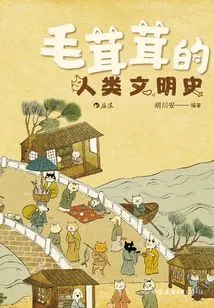
毛茸茸的人类文明史
Compiled By Hu Chuanan
Since the beginning of human civilization, cats and dogs have become human companions and lived together with humans. In different eras and cultures, cats and dogs are sometimes reduced to dinner, killed and abused, sometimes enshrined as gods, and even inadvertently change the fate of mankind. The history of cats and dogs is not only the history of their domestication, but also reflects the diverse and rich cultural scene of a society. This book selects ancient civilizations from China, Egypt, the Maya, Europe, Japan and other regions to observe the attitudes of different groups of people from princes and nobles to common people towards cats and dogs. It also explores the role of cats and dogs in history from multiple dimensions such as religion, art, language and so on. As close companions of human beings, furry dogs and cats have faithfully recorded the evolution of human civilization.
Since the beginning of human civilization, cats and dogs have become human companions and lived together with humans. In different eras and cultures, cats and dogs are sometimes reduced to dinner, killed and abused, sometimes enshrined as gods, and even inadvertently change the fate of mankind. The history of cats and dogs is not only the history of their domestication, but also reflects the diverse and rich cultural scene of a society. This book selects ancient civilizations from China, Egypt, the Maya, Europe, Japan and other regions to observe the attitudes of different groups of people from princes and nobles to common people towards cats and dogs. It also explores the role of cats and dogs in history from multiple dimensions such as religion, art, language and so on. As close companions of human beings, furry dogs and cats have faithfully recorded the evolution of human civilization.
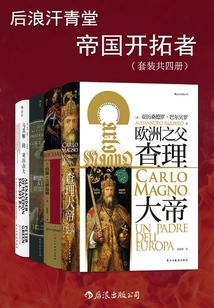
后浪汗青堂·帝国开拓者(套装共四册)
(italian) Alessandro Barbero Et Al.
"Charlemagne: Father of Europe": On Christmas Day 800, King Charles of the Franks was crowned emperor of the Romans. This was an emperor who shaped Europe. Barbero vividly depicts Charlemagne's appearance, tastes, habits, family life, thoughts and behavior. The author also unfolds the overall history of the Frankish Kingdom and the Carolingian Empire, shows Charlemagne's method of ruling the empire, and describes the daily life, economic activities, and religious concepts of the time. He analyzes the development of feudalism in the Carolingian Empire and the changing concepts of slavery and freedom, thereby explaining the dramatic changes that the emperor's wars brought to the political and social structure of the empire. "Richard the Lionheart": Among the many great achievements in world history, Richard I, who was unique and unparalleled among the kings of England, played an active and leading role. No monarch had ever faced the difficult challenges he faced in the Third Crusade. In this authoritative work, Professor John Gillingham examines in detail the reasons for the mixed reviews of Richard and discusses Richard's governance of the country, proposing compelling new perspectives. The book also comes with an updated reference list for the reader's convenience. "King Friedrich the Great: An Enlightened Despot and Prussia's Road to Power" In European history, there are few figures as great as King Friedrich. When he succeeded to the Prussian throne in 1740, he ruled a weak and scattered kingdom; by the end of his reign, Prussia had become one of the great powers of continental Europe. In this book, historian Timothy Braining gives us a comprehensive portrait of the king who dominated the political, military, and cultural life of Europe half a century before Napoleon. Timothy Breining's ambitious biography recounts Friedrich's remarkable life and the sweeping political and cultural transformation of Prussia under his rule. Readers can delve into the mind of this great monarch and better understand Prussia's rise to become a European power. "Alexander of Macedonia": This book is a landmark work among many Alexander biographies. Based on the academic history of Alexander for more than a century, the author Peter Green, on the one hand, made full use of the results of modern archaeology, and on the other hand, made a unique selection and screening of traditional historical materials to vividly describe Alexander's life. In the book, he clears up many of the fogs surrounding Alexander, allowing readers to peer into the complex inner world of this world conqueror, and successfully portrays a figure who combines military genius, dictator and great leader.
"Charlemagne: Father of Europe": On Christmas Day 800, King Charles of the Franks was crowned emperor of the Romans. This was an emperor who shaped Europe. Barbero vividly depicts Charlemagne's appearance, tastes, habits, family life, thoughts and behavior. The author also unfolds the overall history of the Frankish Kingdom and the Carolingian Empire, shows Charlemagne's method of ruling the empire, and describes the daily life, economic activities, and religious concepts of the time. He analyzes the development of feudalism in the Carolingian Empire and the changing concepts of slavery and freedom, thereby explaining the dramatic changes that the emperor's wars brought to the political and social structure of the empire. "Richard the Lionheart": Among the many great achievements in world history, Richard I, who was unique and unparalleled among the kings of England, played an active and leading role. No monarch had ever faced the difficult challenges he faced in the Third Crusade. In this authoritative work, Professor John Gillingham examines in detail the reasons for the mixed reviews of Richard and discusses Richard's governance of the country, proposing compelling new perspectives. The book also comes with an updated reference list for the reader's convenience. "King Friedrich the Great: An Enlightened Despot and Prussia's Road to Power" In European history, there are few figures as great as King Friedrich. When he succeeded to the Prussian throne in 1740, he ruled a weak and scattered kingdom; by the end of his reign, Prussia had become one of the great powers of continental Europe. In this book, historian Timothy Braining gives us a comprehensive portrait of the king who dominated the political, military, and cultural life of Europe half a century before Napoleon. Timothy Breining's ambitious biography recounts Friedrich's remarkable life and the sweeping political and cultural transformation of Prussia under his rule. Readers can delve into the mind of this great monarch and better understand Prussia's rise to become a European power. "Alexander of Macedonia": This book is a landmark work among many Alexander biographies. Based on the academic history of Alexander for more than a century, the author Peter Green, on the one hand, made full use of the results of modern archaeology, and on the other hand, made a unique selection and screening of traditional historical materials to vividly describe Alexander's life. In the book, he clears up many of the fogs surrounding Alexander, allowing readers to peer into the complex inner world of this world conqueror, and successfully portrays a figure who combines military genius, dictator and great leader.
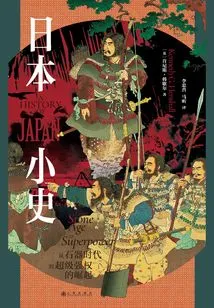
日本小史:从石器时代到超级强权的崛起
(uk)kenneth Henshall
This book tells the important trends and events in Japan's long history from the Stone Age to the present, trying to find out the reasons for Japan's success behind this fascinating and dramatic development process. Beneath the "miracle" appearance, it reflects how Japan responds to changing situations, as well as the values and habits deeply ingrained in Japan's history behind these coping strategies.
This book tells the important trends and events in Japan's long history from the Stone Age to the present, trying to find out the reasons for Japan's success behind this fascinating and dramatic development process. Beneath the "miracle" appearance, it reflects how Japan responds to changing situations, as well as the values and habits deeply ingrained in Japan's history behind these coping strategies.
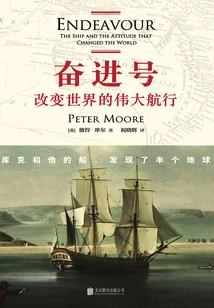
奋进号:改变世界的伟大航行
(uk) Peter Moore
Darwin praised the "Endeavor" for expanding half the world for human civilization. Based on a large amount of research materials, Peter Moore uses his charming writing style to tell people the unknown story behind this great voyage that Darwin praised. From the British coal trade, to the exploration of the South Pacific, to participation in the American Revolutionary War, Peter Moore tells the story of the "Endeavor"'s three-stage voyage from 1764 to 1778, showing Britain's political and social and cultural development since the Seven Years' War, its scientific research and exploration in the South Pacific, and the political games and struggles between the United States and the North American colonies on the eve of the American Revolutionary War. "Endeavour" is not only a successor to the spirit of enlightenment, but also a participant in the world historical process in the second half of the 18th century.
Darwin praised the "Endeavor" for expanding half the world for human civilization. Based on a large amount of research materials, Peter Moore uses his charming writing style to tell people the unknown story behind this great voyage that Darwin praised. From the British coal trade, to the exploration of the South Pacific, to participation in the American Revolutionary War, Peter Moore tells the story of the "Endeavor"'s three-stage voyage from 1764 to 1778, showing Britain's political and social and cultural development since the Seven Years' War, its scientific research and exploration in the South Pacific, and the political games and struggles between the United States and the North American colonies on the eve of the American Revolutionary War. "Endeavour" is not only a successor to the spirit of enlightenment, but also a participant in the world historical process in the second half of the 18th century.
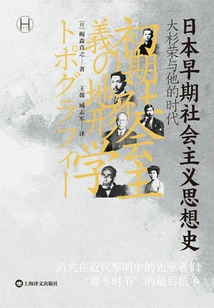
日本早期社会主义思想史:大杉荣与他的时代(历史学堂)
(japan) Mason Naoyuki
The last struggle of the pioneers who disappeared in the dawn of modern times in the "winter season"! Japan is the first country in East Asia to enter the modernization transition. Starting from the Meiji era, a group of intellectuals came into contact with advanced Western ideas and were fascinated by their ideals of establishing an equal and peaceful society. They translated relevant classic works and promoted them to the society. This gave birth to the earliest socialist ideas in Japan. In this process, thinkers with distinctive personalities and different destinies emerged, such as Nakae Zhaomin, Kotoku Shusui, Osugi Ei, and Sakai Toshihiko. Although most of them have fallen into disarray in the course of history in an increasingly dark environment, the exploration footprints left by these pioneers can still provide important inspiration to future generations.
The last struggle of the pioneers who disappeared in the dawn of modern times in the "winter season"! Japan is the first country in East Asia to enter the modernization transition. Starting from the Meiji era, a group of intellectuals came into contact with advanced Western ideas and were fascinated by their ideals of establishing an equal and peaceful society. They translated relevant classic works and promoted them to the society. This gave birth to the earliest socialist ideas in Japan. In this process, thinkers with distinctive personalities and different destinies emerged, such as Nakae Zhaomin, Kotoku Shusui, Osugi Ei, and Sakai Toshihiko. Although most of them have fallen into disarray in the course of history in an increasingly dark environment, the exploration footprints left by these pioneers can still provide important inspiration to future generations.
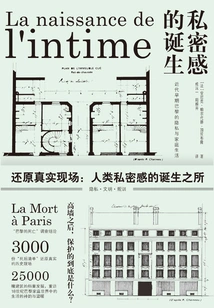
私密感的诞生:近代早期巴黎的隐私与家庭生活
(france) Annick Pardech-garablon
Archival excavations of 25,000 buildings revisit the charm and warmth of life in the domestic world of Paris in the 18th century. Contemporary people generally value privacy and have higher requirements for private space. But this human desire for privacy is not natural and has existed since ancient times. So where does our sense of privacy come from? This book focuses on Paris in the 17th and 18th centuries. Based on the data of 3,000 "death lists", this book explores the emergence and development of concepts such as "sociality", "comfort" and "family life", and thereby examines the issue of privacy. The author believes that during this period, the space allocation and furniture installations in Parisian residences became more and more perfect and organized; rooms changed from being distributed on multiple floors to being concentrated on the same floor; Parisian housewives also experienced a change in behavioral patterns from squatting to standing. With the help of these details, we are able to lift off the roofs of these homes, peek into their interiors, and develop a rich and graphic imagination about the daily lives of ordinary Parisians at that time. From the differences between cramped and crowded rental buildings and aristocratic villas with carriage passages, spacious gardens and courtyards, the author reveals people's emphasis on privacy and family life, and then confirms that the sense of privacy in the modern sense is born from this. This book reveals the birth process of privacy like bamboo shoots, explores the connection between material life and human ideas, and clearly shows a specific scene of the evolution of human civilization.
Archival excavations of 25,000 buildings revisit the charm and warmth of life in the domestic world of Paris in the 18th century. Contemporary people generally value privacy and have higher requirements for private space. But this human desire for privacy is not natural and has existed since ancient times. So where does our sense of privacy come from? This book focuses on Paris in the 17th and 18th centuries. Based on the data of 3,000 "death lists", this book explores the emergence and development of concepts such as "sociality", "comfort" and "family life", and thereby examines the issue of privacy. The author believes that during this period, the space allocation and furniture installations in Parisian residences became more and more perfect and organized; rooms changed from being distributed on multiple floors to being concentrated on the same floor; Parisian housewives also experienced a change in behavioral patterns from squatting to standing. With the help of these details, we are able to lift off the roofs of these homes, peek into their interiors, and develop a rich and graphic imagination about the daily lives of ordinary Parisians at that time. From the differences between cramped and crowded rental buildings and aristocratic villas with carriage passages, spacious gardens and courtyards, the author reveals people's emphasis on privacy and family life, and then confirms that the sense of privacy in the modern sense is born from this. This book reveals the birth process of privacy like bamboo shoots, explores the connection between material life and human ideas, and clearly shows a specific scene of the evolution of human civilization.
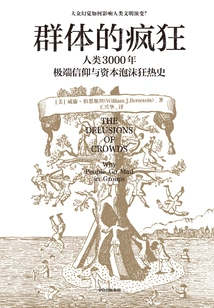
Group Madness
History群体的疯狂
O
The central question this book answers is how group decisions fail, and what happens when group decisions fail. In extreme cases, not only the group will go crazy, but the entire country will go crazy. "The Madness of Crowds" tells us that now we should explore the roots of fanaticism. Why did the Islamic State rise? How do religious beliefs shape human behavior? What influences U. S. Policy in the Middle East? What does doomsdayism have to do with the political polarization of American society? Why would a group of people chase a ridiculously overpriced investment from time to time? Why do people prefer stories to data and facts? Why are new concepts such as Bitcoin and the Metaverse making people crazy again? We can all find answers to the above questions that are closely related to our era in this book. Renowned historian and financial theorist William J. Bernstein combines advances in information technology, finance, and neuroscience to shed new light on the mass illusion. Beginning with the conquest of the Jews and ending with the rise of the Islamic State in the Middle East. In between, the book details various financial and religious fanaticisms over 3,000 years of human history, as well as the development of related neuroscience. Bernstein's chronicle of mass madness is as revealing of human nature as it is of historical significance.
The central question this book answers is how group decisions fail, and what happens when group decisions fail. In extreme cases, not only the group will go crazy, but the entire country will go crazy. "The Madness of Crowds" tells us that now we should explore the roots of fanaticism. Why did the Islamic State rise? How do religious beliefs shape human behavior? What influences U. S. Policy in the Middle East? What does doomsdayism have to do with the political polarization of American society? Why would a group of people chase a ridiculously overpriced investment from time to time? Why do people prefer stories to data and facts? Why are new concepts such as Bitcoin and the Metaverse making people crazy again? We can all find answers to the above questions that are closely related to our era in this book. Renowned historian and financial theorist William J. Bernstein combines advances in information technology, finance, and neuroscience to shed new light on the mass illusion. Beginning with the conquest of the Jews and ending with the rise of the Islamic State in the Middle East. In between, the book details various financial and religious fanaticisms over 3,000 years of human history, as well as the development of related neuroscience. Bernstein's chronicle of mass madness is as revealing of human nature as it is of historical significance.
全球化简史
(us) Jeffrey Sachs
"Globalization" is not a new concept. Since modern humans began to spread from Africa about 70,000 years ago, one species has been globalizing. So far, we have experienced seven eras of globalization. The history of globalization is a history of glorious human achievements, cruelty and self-inflicted harm. It is also a magnificent and complex history of progress in crisis. This book comprehensively explains the seven eras of globalization, explores the role of geography, technology, and institutions in the emergence and evolution of globalization. It also reveals the long-term experience of global interconnectedness and the impact that globalization has had on shaping our humanity and our lives. In addition, the author also proposes how to use globalization trends to innovate and develop in aspects such as sustainable development, social democracy, subsidies and public spheres, and United Nations reform in the 21st century. Throughout history, it is also important to understand the threats posed by globalization such as disease, conquest, war, financial crises, etc. We need to face them and control the negative effects of global interconnections through international cooperation rather than cutting off the benefits of globalization. This requires a new form of global cooperation, which is one of the most important themes of this book.
"Globalization" is not a new concept. Since modern humans began to spread from Africa about 70,000 years ago, one species has been globalizing. So far, we have experienced seven eras of globalization. The history of globalization is a history of glorious human achievements, cruelty and self-inflicted harm. It is also a magnificent and complex history of progress in crisis. This book comprehensively explains the seven eras of globalization, explores the role of geography, technology, and institutions in the emergence and evolution of globalization. It also reveals the long-term experience of global interconnectedness and the impact that globalization has had on shaping our humanity and our lives. In addition, the author also proposes how to use globalization trends to innovate and develop in aspects such as sustainable development, social democracy, subsidies and public spheres, and United Nations reform in the 21st century. Throughout history, it is also important to understand the threats posed by globalization such as disease, conquest, war, financial crises, etc. We need to face them and control the negative effects of global interconnections through international cooperation rather than cutting off the benefits of globalization. This requires a new form of global cooperation, which is one of the most important themes of this book.
全球史评论·第22辑
Liu Xincheng Editor-in-chief Liu Wenming
"Global History Review" was founded in 2008 by the Global History Research Center of Capital Normal University, with Professors Liu Xincheng and Liu Wenming as chief editors. It is committed to promoting the research perspective and methods of global history in the Chinese history academic circle, advocating research on cross-cultural, cross-national, and long-term historical phenomena, focusing on revealing the interaction and exchanges of civilizations in a global perspective, and exploring the globalization process in politics, economy, and culture, and its interaction with local characteristics.
"Global History Review" was founded in 2008 by the Global History Research Center of Capital Normal University, with Professors Liu Xincheng and Liu Wenming as chief editors. It is committed to promoting the research perspective and methods of global history in the Chinese history academic circle, advocating research on cross-cultural, cross-national, and long-term historical phenomena, focusing on revealing the interaction and exchanges of civilizations in a global perspective, and exploring the globalization process in politics, economy, and culture, and its interaction with local characteristics.
伟大的共存:改变人类历史的8个动物伙伴
S
Dogs, horses, cows, pigs, donkeys, goats, sheep, camels, these 8 animals are no stranger to us. They often appear around us, in various works, and even on our dining tables. But did you know that they are not only human food, tools and cute pets, but also have a profound impact on the entire human history. Around 15,000 BC, some wolves that often scavenged for leftovers around human settlements integrated deeply into human society and became the first animals domesticated by humans-dogs. Over the next 10,000 years, pigs, goats, sheep, cattle, donkeys, horses and camels entered human society. But in industrial society, everything changed. Except for dogs, which continue to be favored by humans, donkeys and camels have long been forgotten, horses linger in niche sports, and pigs, cattle, and sheep are only regarded as meat for large-scale production. Living creatures have turned into cold numbers, and the once intimate relationships have become callous, mercenary, and insensitive. This book combines the research results of history, archaeology, anthropology, climatology, biology and other disciplines, breaks the anthropocentric narrative, and presents a grand historical picture of "humans domesticated animals, and animals changed humans".
Dogs, horses, cows, pigs, donkeys, goats, sheep, camels, these 8 animals are no stranger to us. They often appear around us, in various works, and even on our dining tables. But did you know that they are not only human food, tools and cute pets, but also have a profound impact on the entire human history. Around 15,000 BC, some wolves that often scavenged for leftovers around human settlements integrated deeply into human society and became the first animals domesticated by humans-dogs. Over the next 10,000 years, pigs, goats, sheep, cattle, donkeys, horses and camels entered human society. But in industrial society, everything changed. Except for dogs, which continue to be favored by humans, donkeys and camels have long been forgotten, horses linger in niche sports, and pigs, cattle, and sheep are only regarded as meat for large-scale production. Living creatures have turned into cold numbers, and the once intimate relationships have become callous, mercenary, and insensitive. This book combines the research results of history, archaeology, anthropology, climatology, biology and other disciplines, breaks the anthropocentric narrative, and presents a grand historical picture of "humans domesticated animals, and animals changed humans".
珍奇屋中的世界史
(france) Christian Gratalop
From sewing needles to rickshaws, from sweet potatoes to pineapples, you may have never thought that behind insignificant little things there may be long years and vast mountains and rivers. This book contains more than 30 short articles, each of which is a close-up of a large canvas of the world, full of exotic customs, and recording our connection with the world from ancient times to the present. Let us follow the author to his house of curiosities, travel through time and space through small items, and learn about bits and pieces of the history of the world. This is a gift for those who are curious: how sewing needles allowed the earliest humans to appear on the American continent; how humans tamed the horse and relied on it to conquer the world; where is Columbus's body buried; what historical changes did the rickshaw go through in various countries around the world before it became the most common means of transportation in Shanghai... It turns out that what changes the world, creates history, and connects the entire world into a whole is a common thing around us! The threads that connect the world are sometimes thin, sometimes colorful, sometimes tough, sometimes fragile, often full of surprises, yet all within reason. This thread is ourselves.
From sewing needles to rickshaws, from sweet potatoes to pineapples, you may have never thought that behind insignificant little things there may be long years and vast mountains and rivers. This book contains more than 30 short articles, each of which is a close-up of a large canvas of the world, full of exotic customs, and recording our connection with the world from ancient times to the present. Let us follow the author to his house of curiosities, travel through time and space through small items, and learn about bits and pieces of the history of the world. This is a gift for those who are curious: how sewing needles allowed the earliest humans to appear on the American continent; how humans tamed the horse and relied on it to conquer the world; where is Columbus's body buried; what historical changes did the rickshaw go through in various countries around the world before it became the most common means of transportation in Shanghai... It turns out that what changes the world, creates history, and connects the entire world into a whole is a common thing around us! The threads that connect the world are sometimes thin, sometimes colorful, sometimes tough, sometimes fragile, often full of surprises, yet all within reason. This thread is ourselves.
法国大革命的起源
(uk) William Doyle
This book is a classic work on the origins of the French Revolution. William Doyle first summarizes what historians have said since 1939 about the origins of the French Revolution, and then provides his own interpretation. He analyzed how the old empire fell apart: the financial crisis encountered by the French government, the failure of the government governance system, the growth of opposition forces, and the failure of the government's final reform efforts, all of which made France inevitably usher in a new era. Then, the author analyzes the power struggle in the early days of the Revolution, when aristocrats, property owners, peasants, and Paris citizens stepped onto the stage of history. The author thus discusses the catalytic effects of the electoral system, economic crisis, and agrarian revolution on the occurrence of the Great Revolution.
This book is a classic work on the origins of the French Revolution. William Doyle first summarizes what historians have said since 1939 about the origins of the French Revolution, and then provides his own interpretation. He analyzed how the old empire fell apart: the financial crisis encountered by the French government, the failure of the government governance system, the growth of opposition forces, and the failure of the government's final reform efforts, all of which made France inevitably usher in a new era. Then, the author analyzes the power struggle in the early days of the Revolution, when aristocrats, property owners, peasants, and Paris citizens stepped onto the stage of history. The author thus discusses the catalytic effects of the electoral system, economic crisis, and agrarian revolution on the occurrence of the Great Revolution.
12th Century Renaissance
History12世纪文艺复兴
(us) Charles Homer Haskins
The 12th century was a vibrant and dynamic era. Romanesque art reached its peak, Gothic art sprouted, vernacular literature flourished, Latin classics, Latin poetry and Roman law were revived, Greek science and Greek philosophy that absorbed Arab elements were revived, and the first European universities were founded. The book focuses on the twelfth-century Latin classics and their influence, new jurisprudence and more diverse historiography, new knowledge from the Greeks and Arabs and its impact on Western science and philosophy, and the rise of new institutions of scholarly research. We discovered that the Middle Ages were not as dark and static as imagined. The Middle Ages displayed life, color and change, the desire and pursuit of knowledge and beauty, as well as creative achievements in art, literature and social organization.
The 12th century was a vibrant and dynamic era. Romanesque art reached its peak, Gothic art sprouted, vernacular literature flourished, Latin classics, Latin poetry and Roman law were revived, Greek science and Greek philosophy that absorbed Arab elements were revived, and the first European universities were founded. The book focuses on the twelfth-century Latin classics and their influence, new jurisprudence and more diverse historiography, new knowledge from the Greeks and Arabs and its impact on Western science and philosophy, and the rise of new institutions of scholarly research. We discovered that the Middle Ages were not as dark and static as imagined. The Middle Ages displayed life, color and change, the desire and pursuit of knowledge and beauty, as well as creative achievements in art, literature and social organization.
Sanctity of Man
History人之神圣性
(germany) Hans Joas
People today often have deep sympathy for those unfortunate people in difficult situations. The photo of a 3-year-old boy lying dead on a Turkish beach has the power to stir people's hearts! Underpinning this strong sentiment are the human rights concepts of liberty, equality, and fraternity that were highlighted in the French Revolution. So where did the almost sanctified concept of human rights originate? Some say it is a Christian-Jewish heritage, others say it is an invention of the Enlightenment. This book believes that neither answer is accurate. According to Hans Joas, this belief in universal human dignity is the result of a process of sanctification. And this process of sanctification is often connected with violence and watered with blood. It was the bloody dictatorship that broke out during the French Revolution, the tragic American Civil War that broke out due to the abolition of slavery, the countless casualties caused by the two world wars, and the innocent sacrifices of millions of Jews and other tragic events in human history that triggered people's extreme respect and long-term reflection on human dignity. As the author says, human rights are not the result of a simple consensus on a universal principle, but are shaped by many parts of human history.
People today often have deep sympathy for those unfortunate people in difficult situations. The photo of a 3-year-old boy lying dead on a Turkish beach has the power to stir people's hearts! Underpinning this strong sentiment are the human rights concepts of liberty, equality, and fraternity that were highlighted in the French Revolution. So where did the almost sanctified concept of human rights originate? Some say it is a Christian-Jewish heritage, others say it is an invention of the Enlightenment. This book believes that neither answer is accurate. According to Hans Joas, this belief in universal human dignity is the result of a process of sanctification. And this process of sanctification is often connected with violence and watered with blood. It was the bloody dictatorship that broke out during the French Revolution, the tragic American Civil War that broke out due to the abolition of slavery, the countless casualties caused by the two world wars, and the innocent sacrifices of millions of Jews and other tragic events in human history that triggered people's extreme respect and long-term reflection on human dignity. As the author says, human rights are not the result of a simple consensus on a universal principle, but are shaped by many parts of human history.
拜占庭帝国的故事
I
This is a popular history book written by the famous historian Charles Ohman. The author uses a relatively brief space to outline the political history of the Byzantine Empire for more than a thousand years. From the establishment of Byzantine City to the fall of Constantinople in 1453, the major historical events of this thousand years are clearly visible. The author tells readers the historical process of the rise and fall of the Byzantine Empire, making people unable to help but lament the decline of this splendid civilization. The language of this book is relaxed, the clues are clear, the notes are concise and to the point, and there is not much academic content, allowing readers to easily understand the long history of the Byzantine Empire. This book is equipped with a large number of print-style illustrations, allowing readers to experience history more intuitively.
This is a popular history book written by the famous historian Charles Ohman. The author uses a relatively brief space to outline the political history of the Byzantine Empire for more than a thousand years. From the establishment of Byzantine City to the fall of Constantinople in 1453, the major historical events of this thousand years are clearly visible. The author tells readers the historical process of the rise and fall of the Byzantine Empire, making people unable to help but lament the decline of this splendid civilization. The language of this book is relaxed, the clues are clear, the notes are concise and to the point, and there is not much academic content, allowing readers to easily understand the long history of the Byzantine Empire. This book is equipped with a large number of print-style illustrations, allowing readers to experience history more intuitively.
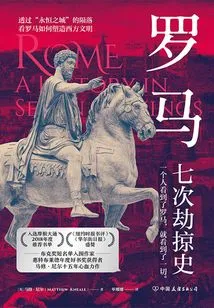
罗马:七次劫掠史
(uk) Matthew Neal
The Romans survived disasters again and again, rose again and again, and built new great monuments again and again. Peace and war, both indispensable, shaped Rome into an extraordinary city. The author has spent fifteen years collecting a large amount of historical materials to reconstruct the important historical stages when the city of Rome suffered seven invasions, and to reveal how the plundering changed the historical course of Rome. This is a narrative Roman history full of humanistic care. There are more than 30 pictures taken by the author on the spot, seven maps, and more than 20 selected famous paintings and illustrations. The panoramic view shows the city of Rome, which has experienced seven catastrophes and several natural disasters in between, and still stands firmly on the historical stage.
The Romans survived disasters again and again, rose again and again, and built new great monuments again and again. Peace and war, both indispensable, shaped Rome into an extraordinary city. The author has spent fifteen years collecting a large amount of historical materials to reconstruct the important historical stages when the city of Rome suffered seven invasions, and to reveal how the plundering changed the historical course of Rome. This is a narrative Roman history full of humanistic care. There are more than 30 pictures taken by the author on the spot, seven maps, and more than 20 selected famous paintings and illustrations. The panoramic view shows the city of Rome, which has experienced seven catastrophes and several natural disasters in between, and still stands firmly on the historical stage.
启蒙运动(美国国家地理全球史)
Compiled By The National Geographic Society
The Enlightenment was a political and cultural movement that aimed at radically reforming the ideological structures of the ancien régime. Thinkers such as Rousseau, Voltaire, and Kant held high the banner of reason and further liberated people's minds. Various new ideas emerged one after another, until the "Declaration of Human Rights" at the end of the century. This book combs the historical clues of the development of the Enlightenment and the theoretical logic of the brilliant thinkers and schools of this period, and observes how they shaped the modern world. In addition, this book explains the profound impact that European expansion had on other parts of the world during this period, such as the American Revolutionary War. The history of Europe in the 18th century is like a world history.
The Enlightenment was a political and cultural movement that aimed at radically reforming the ideological structures of the ancien régime. Thinkers such as Rousseau, Voltaire, and Kant held high the banner of reason and further liberated people's minds. Various new ideas emerged one after another, until the "Declaration of Human Rights" at the end of the century. This book combs the historical clues of the development of the Enlightenment and the theoretical logic of the brilliant thinkers and schools of this period, and observes how they shaped the modern world. In addition, this book explains the profound impact that European expansion had on other parts of the world during this period, such as the American Revolutionary War. The history of Europe in the 18th century is like a world history.
大航海时代(美国国家地理全球史)
Compiled By The National Geographic Society
The Age of Discovery was not only a profound revolution in geographical knowledge and navigation technology, but also a colorful page in the development of natural science. It was also a new era in the history of the development of human society. The explorations carried out by Westerners overturned the world order established by Easterners, making the flow of goods, people, ideas and technology on a global scale unstoppable. This book uses rich historical materials and clearly explains how mankind created an era of great voyages. How the great voyages drove the development of human history and allowed mankind to truly enter the era of globalization. It also analyzes the source of the power of Westerners' expansion.
The Age of Discovery was not only a profound revolution in geographical knowledge and navigation technology, but also a colorful page in the development of natural science. It was also a new era in the history of the development of human society. The explorations carried out by Westerners overturned the world order established by Easterners, making the flow of goods, people, ideas and technology on a global scale unstoppable. This book uses rich historical materials and clearly explains how mankind created an era of great voyages. How the great voyages drove the development of human history and allowed mankind to truly enter the era of globalization. It also analyzes the source of the power of Westerners' expansion.
绝对君权(美国国家地理全球史)
Compiled By The National Geographic Society
The huge historical energy of the Renaissance and the Reformation was rapidly transmitted to the great changes and reshaping of Europe's political system and the balance of power in various countries in the 17th century. The most important feature is the establishment of European absolute monarchy and the formation of European nation-states. Europe has entered a new stage of modern history. The content of this book includes insider interpretations of the Thirty Years' War, the decline of the Holy Roman Empire, the British Glorious Revolution, the rise of the Kingdom of Prussia, and other key events that affected the course of European history, as well as detailed characterizations of figures who shine in the annals of history, such as the Sun King Louis XIV, King Gustavus II of Sweden, and Lord Protector Cromwell.
The huge historical energy of the Renaissance and the Reformation was rapidly transmitted to the great changes and reshaping of Europe's political system and the balance of power in various countries in the 17th century. The most important feature is the establishment of European absolute monarchy and the formation of European nation-states. Europe has entered a new stage of modern history. The content of this book includes insider interpretations of the Thirty Years' War, the decline of the Holy Roman Empire, the British Glorious Revolution, the rise of the Kingdom of Prussia, and other key events that affected the course of European history, as well as detailed characterizations of figures who shine in the annals of history, such as the Sun King Louis XIV, King Gustavus II of Sweden, and Lord Protector Cromwell.
一口气读完欧洲史
Compiled By Li Qingru
"Reading European History in One Sight" divides European history into ten stages. Each stage takes the representative events and important historical facts of the time as the starting point, showing the style and overview of each historical stage in Europe in front of readers, and helping readers to read through stage introductions and background narratives in Chinese.
"Reading European History in One Sight" divides European history into ten stages. Each stage takes the representative events and important historical facts of the time as the starting point, showing the style and overview of each historical stage in Europe in front of readers, and helping readers to read through stage introductions and background narratives in Chinese.