Library
Browse and search books
2,982 novels found
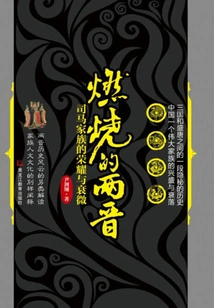
燃烧的两晋:司马家族的荣耀与衰微
Yin Jianxiang
A century-old history has always been in chaos. The once-prominent Sima family completely disappeared from the stage of Chinese history more than a hundred years later. Is this the way of heaven? Or fate? Sima Yi's wisdom, Sima Zhao's heart of passers-by, Sima Yan's founding of the country, and a new history began. However, the subsequent Eight Kings Rebellion completely shattered the dream of a heavenly kingdom. However, the Eastern Jin Dynasty, which was peaceful in a corner, was able to come back to life, glowing with great lethality, and finally won the Battle of Feishui! All this is like an ups and downs drama arranged by God. No one can tell what the ending will be? "The Burning Jin" tells you the rise and fall of China's most mysterious family, and reveals the inevitability and accident of this legendary history in China.
A century-old history has always been in chaos. The once-prominent Sima family completely disappeared from the stage of Chinese history more than a hundred years later. Is this the way of heaven? Or fate? Sima Yi's wisdom, Sima Zhao's heart of passers-by, Sima Yan's founding of the country, and a new history began. However, the subsequent Eight Kings Rebellion completely shattered the dream of a heavenly kingdom. However, the Eastern Jin Dynasty, which was peaceful in a corner, was able to come back to life, glowing with great lethality, and finally won the Battle of Feishui! All this is like an ups and downs drama arranged by God. No one can tell what the ending will be? "The Burning Jin" tells you the rise and fall of China's most mysterious family, and reveals the inevitability and accident of this legendary history in China.
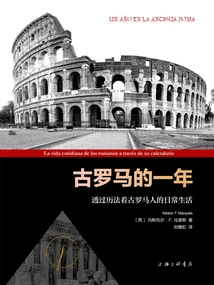
古罗马的一年:透过历法看古罗马人的日常生活
(west) Nestor F. Marquez
This book takes the Roman calendar as its theme and introduces the ancient Roman world in an interesting yet rigorous way. This book is mainly divided into two parts: The first part tells the origin and evolution of the Roman calendar, as well as the elements that make up the calendar, such as years, months, weeks, days, hours, etc., And understands how the ancient Romans understood them. The second part unfolds a complete Roman year, observes ancient Roman society and its festivals, daily life and religious beliefs, and introduces the significance of the Roman calendar to ancient Roman society. This book will take readers on a time travel in the history of ancient Rome to appreciate the charm of the calendar and the wisdom of the ancestors.
This book takes the Roman calendar as its theme and introduces the ancient Roman world in an interesting yet rigorous way. This book is mainly divided into two parts: The first part tells the origin and evolution of the Roman calendar, as well as the elements that make up the calendar, such as years, months, weeks, days, hours, etc., And understands how the ancient Romans understood them. The second part unfolds a complete Roman year, observes ancient Roman society and its festivals, daily life and religious beliefs, and introduces the significance of the Roman calendar to ancient Roman society. This book will take readers on a time travel in the history of ancient Rome to appreciate the charm of the calendar and the wisdom of the ancestors.
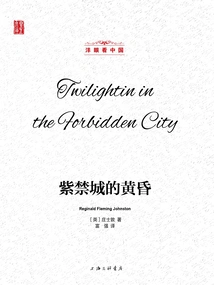
紫禁城的黄昏(洋眼看中国)
K
"Twilight in the Forbidden City" describes Johnston's indissoluble bond with China during the special years from 1919 to 1924 at the peak of his life. In the book, Johnston describes a unique picture of life in the strange and closed world of the Forbidden City. Johnston was well versed in Chinese history and culture, so the rich historical details of that almost forgotten era emerged from his writing like a claw in the mud. In addition, his close relationship with Puyi and his personal familiarity with many important figures of that era made Johnston's comments more lively and interesting.
"Twilight in the Forbidden City" describes Johnston's indissoluble bond with China during the special years from 1919 to 1924 at the peak of his life. In the book, Johnston describes a unique picture of life in the strange and closed world of the Forbidden City. Johnston was well versed in Chinese history and culture, so the rich historical details of that almost forgotten era emerged from his writing like a claw in the mud. In addition, his close relationship with Puyi and his personal familiarity with many important figures of that era made Johnston's comments more lively and interesting.
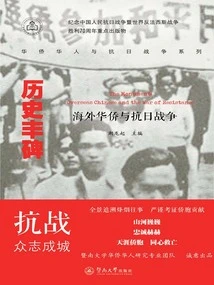
历史丰碑:海外华侨与抗日战争
Editor-in-chief Chao Longqi
This book comprehensively reflects that during the Anti-Japanese War, when the Chinese nation encountered an unprecedented crisis, overseas Chinese around the world shared the same hatred with the people at home and carried forward the tradition of patriotism. Under the organizational leadership of patriotic overseas Chinese leaders and overseas Chinese groups, they vigorously carried out the anti-Japanese and national salvation movement through various forms such as donations and direct participation in the anti-Japanese battlefields of the motherland. The book strives to fully grasp and fully absorb the latest research results of domestic and foreign academic circles, highlight typical examples and typical figures of the overseas Chinese's resistance war, and write a comprehensive and profound new history of the overseas Chinese's resistance war.
This book comprehensively reflects that during the Anti-Japanese War, when the Chinese nation encountered an unprecedented crisis, overseas Chinese around the world shared the same hatred with the people at home and carried forward the tradition of patriotism. Under the organizational leadership of patriotic overseas Chinese leaders and overseas Chinese groups, they vigorously carried out the anti-Japanese and national salvation movement through various forms such as donations and direct participation in the anti-Japanese battlefields of the motherland. The book strives to fully grasp and fully absorb the latest research results of domestic and foreign academic circles, highlight typical examples and typical figures of the overseas Chinese's resistance war, and write a comprehensive and profound new history of the overseas Chinese's resistance war.
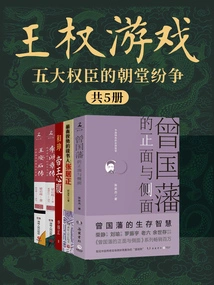
王权游戏:五大权臣的朝堂纷争(共5册)
Zhang Hongjie Et Al.
There are 5 volumes in the set, including "The Front and Side of Zeng Guofan", "The Most Powerful Scholar: Zhang Juzheng", "He Shen: The Emperor's Confidant", "The Biography of Li Hongzhang" and "The Biography of Wang Anshi".
There are 5 volumes in the set, including "The Front and Side of Zeng Guofan", "The Most Powerful Scholar: Zhang Juzheng", "He Shen: The Emperor's Confidant", "The Biography of Li Hongzhang" and "The Biography of Wang Anshi".
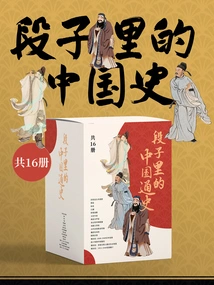
段子里的中国史(共16册)
Teacher Wang Who Talks About History, Guo Degang, Etc.
Use stories to explain history and take a look at the joys, sorrows and sorrows of 5,000 years of Chinese civilization. There are 16 volumes in the set, which are titled "History is So Interesting": from ancient times to medieval times, from clans to nobles, the aristocratic era of Chinese civilization! "The General History of China in Jokes": 96 influential figures in history, 980 interesting classic jokes, a fresh and unique history of China. "Guo Lun" series: History has its ups and downs, and Lao Guo has his stories. Cook tea over a slow fire to understand the worldliness of Chinese society. "The Ancients Were Trendy" series: In a serious yet lighthearted way, the readers will learn about the top-secret archives of ancient celebrities, beauties, internet celebrities, etc. "Micro History" series: Historical figures from various dynasties and generations have come forward to give their own personal accounts. In just one or two hundred words, they have explained in detail the unique and overwhelming wisdom of survival.
Use stories to explain history and take a look at the joys, sorrows and sorrows of 5,000 years of Chinese civilization. There are 16 volumes in the set, which are titled "History is So Interesting": from ancient times to medieval times, from clans to nobles, the aristocratic era of Chinese civilization! "The General History of China in Jokes": 96 influential figures in history, 980 interesting classic jokes, a fresh and unique history of China. "Guo Lun" series: History has its ups and downs, and Lao Guo has his stories. Cook tea over a slow fire to understand the worldliness of Chinese society. "The Ancients Were Trendy" series: In a serious yet lighthearted way, the readers will learn about the top-secret archives of ancient celebrities, beauties, internet celebrities, etc. "Micro History" series: Historical figures from various dynasties and generations have come forward to give their own personal accounts. In just one or two hundred words, they have explained in detail the unique and overwhelming wisdom of survival.
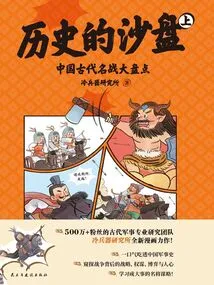
Historical Sandbox (part 1)
History历史的沙盘(上)
Cold Weapon Research Institute
In the Battle of Changping, was Zhao really tricked and killed 450,000 people? Why did the Han Empire, known for its tyranny, decline and enter troubled times? Why did the Battle of Chibi usher in the Three Kingdoms era? The Eastern Jin Dynasty won the glorious victory in the Battle of Feishui, but why did it fail to succeed in the Northern Expedition? This book uses the form of full-color comics to deduce 9 key wars that influenced the direction of Chinese history. From the perspectives of general strategy, military structure, terrain, logistics, etc., It analyzes how a war works and how to win it. It allows us to cut through the fog of history, get a glimpse of the details of success and failure behind the war, and learn the strategies of famous generals that achieve great things!
In the Battle of Changping, was Zhao really tricked and killed 450,000 people? Why did the Han Empire, known for its tyranny, decline and enter troubled times? Why did the Battle of Chibi usher in the Three Kingdoms era? The Eastern Jin Dynasty won the glorious victory in the Battle of Feishui, but why did it fail to succeed in the Northern Expedition? This book uses the form of full-color comics to deduce 9 key wars that influenced the direction of Chinese history. From the perspectives of general strategy, military structure, terrain, logistics, etc., It analyzes how a war works and how to win it. It allows us to cut through the fog of history, get a glimpse of the details of success and failure behind the war, and learn the strategies of famous generals that achieve great things!
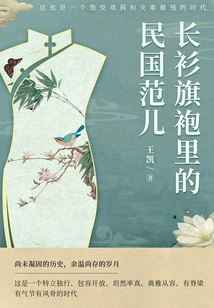
长衫旗袍里的“民国范儿”
Wang Kai
"The Style of the Republic of China in Long Shirts and Cheongsams" tells a history that has not yet solidified, a different Republic of China. This is a colorful era, it is a maverick era, it is an era of tolerance and openness, it is an era of frankness and frankness, it is an era of elegance and calmness, it is an era of backbone, integrity and character, and of course it is also an era ravaged by wars and disasters. In this era, literati have the style of a scholar, warriors have the style of a martial artist, ladies have the style of a socialite, citizens have the style of citizens, artists have the style of entertainers, and politicians have the style of politicians. Various elements appeared one after another, whether fashion, tradition, wisdom, ignorance, nobleness, despicability, light or darkness, forming a diverse Republic of China, a Republic that has now disappeared. With delicate and dexterous writing and warm and concise language, this book resurrects the once vivid characters and details one by one, taking us into the world that has not gone far away, the years that still have the warmth.
"The Style of the Republic of China in Long Shirts and Cheongsams" tells a history that has not yet solidified, a different Republic of China. This is a colorful era, it is a maverick era, it is an era of tolerance and openness, it is an era of frankness and frankness, it is an era of elegance and calmness, it is an era of backbone, integrity and character, and of course it is also an era ravaged by wars and disasters. In this era, literati have the style of a scholar, warriors have the style of a martial artist, ladies have the style of a socialite, citizens have the style of citizens, artists have the style of entertainers, and politicians have the style of politicians. Various elements appeared one after another, whether fashion, tradition, wisdom, ignorance, nobleness, despicability, light or darkness, forming a diverse Republic of China, a Republic that has now disappeared. With delicate and dexterous writing and warm and concise language, this book resurrects the once vivid characters and details one by one, taking us into the world that has not gone far away, the years that still have the warmth.
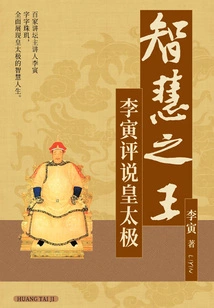
智慧之王:李寅评说皇太极
Li Yin
Huang Taiji, Emperor Taizong of the Qing Dynasty, was a king in the history of the Qing Dynasty who inherited the past and the future. He inherited the great cause of the Khan Nurhachi of the Later Jin Dynasty and won the trust of the Khan with his outstanding wisdom and bravery. Classics record that Huang Taiji is "God-given wisdom." Today, we live in a world with pressure and competition, smooth roads, and adversities. How should we learn from Huang Taiji's never-say-die spirit and strategies beyond ordinary people? Try to borrow some wisdom from him. "King of Wisdom: Li Yin's Comments on Huang Taiji" written by Li Yin is divided into six chapters. It shows a vivid and real Huang Taiji from multiple dimensions in chronological order from Huang Taiji's main achievements, personality, emotional life, political actions and other aspects.
Huang Taiji, Emperor Taizong of the Qing Dynasty, was a king in the history of the Qing Dynasty who inherited the past and the future. He inherited the great cause of the Khan Nurhachi of the Later Jin Dynasty and won the trust of the Khan with his outstanding wisdom and bravery. Classics record that Huang Taiji is "God-given wisdom." Today, we live in a world with pressure and competition, smooth roads, and adversities. How should we learn from Huang Taiji's never-say-die spirit and strategies beyond ordinary people? Try to borrow some wisdom from him. "King of Wisdom: Li Yin's Comments on Huang Taiji" written by Li Yin is divided into six chapters. It shows a vivid and real Huang Taiji from multiple dimensions in chronological order from Huang Taiji's main achievements, personality, emotional life, political actions and other aspects.
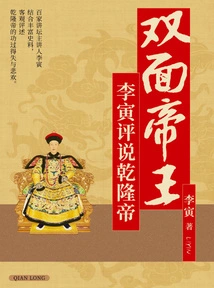
双面帝王:李寅评说乾隆帝
Li Yin
Emperor Qianlong pushed a dynasty to its peak and set two records for Chinese feudal emperors: longevity and long-term power. However, Emperor Qianlong was also plagued by controversy. During his decades of governance, he was both criticized and praised. This book is divided into nine chapters, starting from the successful accession of Emperor Qianlong to the throne and ending with the robbery of his tomb. It focuses on some important events, initiatives and related figures during his reign, such as his efforts to consolidate imperial power in the early years of his reign, combating official corruption, Pingzhun, Dinghui, Anzang, Mulan Qiumi, Dongxun, Journey to the West, Xiajiangnan, the relationship with Heshen, embarrassing incidents in the harem, etc. The whole book is based on history, and the original source is clear, presenting a real Qianlong Emperor to the readers.
Emperor Qianlong pushed a dynasty to its peak and set two records for Chinese feudal emperors: longevity and long-term power. However, Emperor Qianlong was also plagued by controversy. During his decades of governance, he was both criticized and praised. This book is divided into nine chapters, starting from the successful accession of Emperor Qianlong to the throne and ending with the robbery of his tomb. It focuses on some important events, initiatives and related figures during his reign, such as his efforts to consolidate imperial power in the early years of his reign, combating official corruption, Pingzhun, Dinghui, Anzang, Mulan Qiumi, Dongxun, Journey to the West, Xiajiangnan, the relationship with Heshen, embarrassing incidents in the harem, etc. The whole book is based on history, and the original source is clear, presenting a real Qianlong Emperor to the readers.
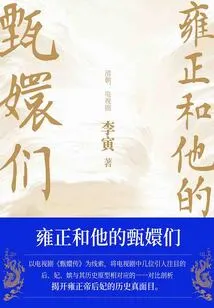
Yongzheng and His Queens
History雍正和他的甄嬛们
Li Yin
"Yong Zheng and His Concubines" takes the hit TV series "The Legend of Zhen Huan" as a clue, and compares and analyzes several eye-catching concubines, concubines, and concubines in the TV series with their historical prototypes one by one, revealing the true historical face of the Yong Zheng Emperor's concubines. In the form of historical facts, it describes in detail the funeral arrangements, coffin making, burials, burials, and their tombs of the emperors and concubines of the Qing Dynasty, uncovering the mystery of the life in the harem of Emperor Yongzheng's concubines.
"Yong Zheng and His Concubines" takes the hit TV series "The Legend of Zhen Huan" as a clue, and compares and analyzes several eye-catching concubines, concubines, and concubines in the TV series with their historical prototypes one by one, revealing the true historical face of the Yong Zheng Emperor's concubines. In the form of historical facts, it describes in detail the funeral arrangements, coffin making, burials, burials, and their tombs of the emperors and concubines of the Qing Dynasty, uncovering the mystery of the life in the harem of Emperor Yongzheng's concubines.
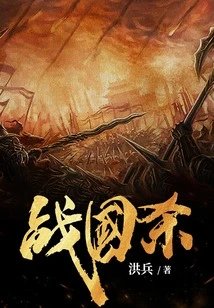
Warring States Period
History战国杀
Hong Bing
An accidental decision led to the "division of the three families into Jin" and officially kicked off the Warring States Period. The seven overlords - the wealthy Qi State, the barbaric and brave Chu State, the peaceful Yan State, the South Korea that survives in the cracks, the Zhao State that is good at fighting, the menacing Wei State, and the late Qin State - started a life and death game. Three hundred years are enough to carry the exciting lives of countless heroes and outline the treacherous fate of one ebb and flow. The Qin State was imprisoned for twenty-five years; the famous Su Qin was actually someone else's "stand-in"; the Qin State went on a killing spree in the Central Plains, but the Qi State "sit tight on the Diaoyutai"; the mysterious relationship between Qin Shihuang and Lu Buwei... Too many questions and confusions are explained in detail in the book, and are waiting for us to listen, experience, feel, and understand a real Warring States Period.
An accidental decision led to the "division of the three families into Jin" and officially kicked off the Warring States Period. The seven overlords - the wealthy Qi State, the barbaric and brave Chu State, the peaceful Yan State, the South Korea that survives in the cracks, the Zhao State that is good at fighting, the menacing Wei State, and the late Qin State - started a life and death game. Three hundred years are enough to carry the exciting lives of countless heroes and outline the treacherous fate of one ebb and flow. The Qin State was imprisoned for twenty-five years; the famous Su Qin was actually someone else's "stand-in"; the Qin State went on a killing spree in the Central Plains, but the Qi State "sit tight on the Diaoyutai"; the mysterious relationship between Qin Shihuang and Lu Buwei... Too many questions and confusions are explained in detail in the book, and are waiting for us to listen, experience, feel, and understand a real Warring States Period.
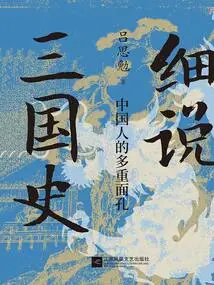
细说三国史:中国人的多重面孔
Lu Simian
Breaking the traditional misunderstandings and restoring the multi-faceted truth of the Three Kingdoms, Mr. Lu Simian, a famous historian, wrote a popular book about the Three Kingdoms for the public, and unearthed the unknown multiple faces of the characters of the Three Kingdoms. Yi Zhongtian talks about the reference sources of the Three Kingdoms and deciphers the unknown secret history of the Three Kingdoms! This is a popular historical work on the history of the Three Kingdoms by Mr. Lu Simian, a leading historian. The writing is friendly and simple, quite colloquial, yet rigorous. It provides an incisive analysis of key historical events, making it easy to understand and fascinating. This book is a popular historical work written by Mr. Lu Simian, a leading historian. It deeply analyzes some of the characters, events, wars, geographical environment, etc. Involved in the history and literature of the Three Kingdoms. It distinguishes the real Three Kingdoms from the Three Kingdoms in the "Romance", tells the history of the Three Kingdoms in simple writing, and restores the history of the Three Kingdoms to its original appearance. For example, how Dong Zhuo disrupted Chao Gang, how Cao Cao's power rose, the truth of the Battle of Chibi, the rise and fall of the Sima clan, etc. Each article has only a few thousand words. The writing is friendly and simple, quite colloquial, yet rigorous. It is truly understandable and fascinating. From it, we can gain the author's unique insights into the history of the Three Kingdoms. In addition, this book is also one of the important reference materials for Yi Zhongtian's evaluation of the Three Kingdoms and has high academic value.
Breaking the traditional misunderstandings and restoring the multi-faceted truth of the Three Kingdoms, Mr. Lu Simian, a famous historian, wrote a popular book about the Three Kingdoms for the public, and unearthed the unknown multiple faces of the characters of the Three Kingdoms. Yi Zhongtian talks about the reference sources of the Three Kingdoms and deciphers the unknown secret history of the Three Kingdoms! This is a popular historical work on the history of the Three Kingdoms by Mr. Lu Simian, a leading historian. The writing is friendly and simple, quite colloquial, yet rigorous. It provides an incisive analysis of key historical events, making it easy to understand and fascinating. This book is a popular historical work written by Mr. Lu Simian, a leading historian. It deeply analyzes some of the characters, events, wars, geographical environment, etc. Involved in the history and literature of the Three Kingdoms. It distinguishes the real Three Kingdoms from the Three Kingdoms in the "Romance", tells the history of the Three Kingdoms in simple writing, and restores the history of the Three Kingdoms to its original appearance. For example, how Dong Zhuo disrupted Chao Gang, how Cao Cao's power rose, the truth of the Battle of Chibi, the rise and fall of the Sima clan, etc. Each article has only a few thousand words. The writing is friendly and simple, quite colloquial, yet rigorous. It is truly understandable and fascinating. From it, we can gain the author's unique insights into the history of the Three Kingdoms. In addition, this book is also one of the important reference materials for Yi Zhongtian's evaluation of the Three Kingdoms and has high academic value.
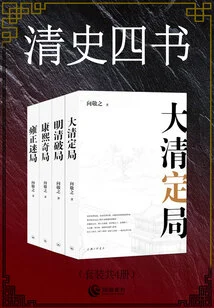
清史四书(套装共4册)
Pay Tribute To Him
"The Settlement of the Qing Dynasty" interprets the history of the founding of the Qing Dynasty during the Ming and Qing Dynasties. It is divided into four chapters: Tianming Khan, Huang Taiji, Dorgon and Emperor Shunzhi. It tells the founding history of the Qing Dynasty from the Jurchen tribe to the unification of the Central Plains. "Breaking the Ming and Qing Dynasties" takes the "Biography of Erchen" compiled since the 41st year of Qianlong's reign as the main research object, focusing on the life choices and historical actions of intellectuals during the Ming and Qing Dynasties. "The Strange Game of Kangxi" focuses on the rights and wrongs of Kangxi's rule for decades. From multiple angles such as "removal of vassals", "powerful ministers", "governing skills", "employing people", "seizing direct descendants" and "passing the throne", it restores Kangxi, a powerful figure who was iron-fisted, arbitrary, enlightened and wise, and reveals the emperor's political intrigues and human desires hidden behind the prosperity of Kangxi's prosperous period. "The Mystery of Yongzheng" tells the history of how Emperor Yongzheng counterattacked from an "idle" prince to a "diligent" emperor. It not only writes about his outstanding political achievements in the thirteen years of his reign, but also writes about his attempts to rectify his name and reform in order to seize the throne and the historical events behind it.
"The Settlement of the Qing Dynasty" interprets the history of the founding of the Qing Dynasty during the Ming and Qing Dynasties. It is divided into four chapters: Tianming Khan, Huang Taiji, Dorgon and Emperor Shunzhi. It tells the founding history of the Qing Dynasty from the Jurchen tribe to the unification of the Central Plains. "Breaking the Ming and Qing Dynasties" takes the "Biography of Erchen" compiled since the 41st year of Qianlong's reign as the main research object, focusing on the life choices and historical actions of intellectuals during the Ming and Qing Dynasties. "The Strange Game of Kangxi" focuses on the rights and wrongs of Kangxi's rule for decades. From multiple angles such as "removal of vassals", "powerful ministers", "governing skills", "employing people", "seizing direct descendants" and "passing the throne", it restores Kangxi, a powerful figure who was iron-fisted, arbitrary, enlightened and wise, and reveals the emperor's political intrigues and human desires hidden behind the prosperity of Kangxi's prosperous period. "The Mystery of Yongzheng" tells the history of how Emperor Yongzheng counterattacked from an "idle" prince to a "diligent" emperor. It not only writes about his outstanding political achievements in the thirteen years of his reign, but also writes about his attempts to rectify his name and reform in order to seize the throne and the historical events behind it.
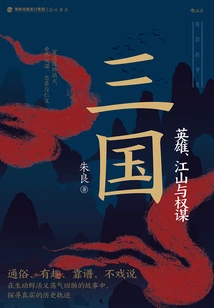
三国:英雄、江山与权谋
Zhu Liang
At the end of the Eastern Han Dynasty, the court was corrupt, natural disasters continued, and the people were in dire straits. The Yellow Turban Uprising kicked off the melee. Heroes from all over the country competed with each other, and the war continued. From the heroic separation to the establishment of the Three Kingdoms and then to the reunification of the Three Kingdoms, a number of star-studded heroes emerged. This book relies on historical facts, takes the rise of power of the figures in the Three Kingdoms as the main clue, and uses witty language to connect the historical events and relationships of the people in the past hundred years from the Yellow Turban Uprising at the end of the Eastern Han Dynasty to the Jin Dynasty's destruction of Dongwu. It is possible to understand the Three Kingdoms era in one book.
At the end of the Eastern Han Dynasty, the court was corrupt, natural disasters continued, and the people were in dire straits. The Yellow Turban Uprising kicked off the melee. Heroes from all over the country competed with each other, and the war continued. From the heroic separation to the establishment of the Three Kingdoms and then to the reunification of the Three Kingdoms, a number of star-studded heroes emerged. This book relies on historical facts, takes the rise of power of the figures in the Three Kingdoms as the main clue, and uses witty language to connect the historical events and relationships of the people in the past hundred years from the Yellow Turban Uprising at the end of the Eastern Han Dynasty to the Jin Dynasty's destruction of Dongwu. It is possible to understand the Three Kingdoms era in one book.
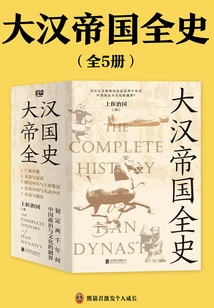
大汉帝国全史(全5册)
Heal The Country
An interesting, informative and rigorous popular reading on the history of the Han Dynasty. The mighty Han Dynasty lasted for 400 years and influenced future generations for 2,000 years! Why was the Han Dynasty able to delimit China's political and cultural boundaries for the next 2,000 years? Promote unification! Grasp the economy! Be open! Pay attention to people's livelihood! Engage in technology! The rule of Wenjing, the Silk Road, papermaking, "Nine Chapters of Arithmetic" and "Historical Records", several firsts! It was previously titled "The Mighty Han: The Age of Heroes" and "The Glory of the Han". This book is a popular reading book on the history of the Han Dynasty, with a total of 5 volumes, namely: 1. The fall of Qin and Chu, 2. Wenjing and Hanwu, 3. Zhaoxuan Zhongxing and Wang Mang usurping Han, 4. The founding of the Eastern Han Dynasty and Guangwu Zhongxing, 5. Eastern Han Dynasty and Shu Han. Starting from "Liu Bang rose from the wilderness" and ending with "Zhuge Liang assisted the Shu Han in its fall", through more than 200 characters including emperors, powerful ministers, generals, literati, concubines, and foreign enemies and hundreds of stories that happened to them, you can understand the 470 years when China's first great empire spanning Asia and Europe went from strength to power.
An interesting, informative and rigorous popular reading on the history of the Han Dynasty. The mighty Han Dynasty lasted for 400 years and influenced future generations for 2,000 years! Why was the Han Dynasty able to delimit China's political and cultural boundaries for the next 2,000 years? Promote unification! Grasp the economy! Be open! Pay attention to people's livelihood! Engage in technology! The rule of Wenjing, the Silk Road, papermaking, "Nine Chapters of Arithmetic" and "Historical Records", several firsts! It was previously titled "The Mighty Han: The Age of Heroes" and "The Glory of the Han". This book is a popular reading book on the history of the Han Dynasty, with a total of 5 volumes, namely: 1. The fall of Qin and Chu, 2. Wenjing and Hanwu, 3. Zhaoxuan Zhongxing and Wang Mang usurping Han, 4. The founding of the Eastern Han Dynasty and Guangwu Zhongxing, 5. Eastern Han Dynasty and Shu Han. Starting from "Liu Bang rose from the wilderness" and ending with "Zhuge Liang assisted the Shu Han in its fall", through more than 200 characters including emperors, powerful ministers, generals, literati, concubines, and foreign enemies and hundreds of stories that happened to them, you can understand the 470 years when China's first great empire spanning Asia and Europe went from strength to power.
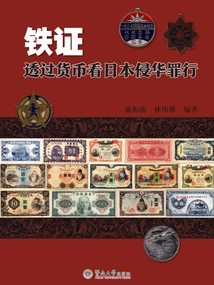
铁证:透过货币看日本侵华罪行
Compiled By Chi Zhennan Et Al.
The author Chi Zhennan has selected some of the historical currencies he has collected to introduce this book. The book is divided into five parts in chronological order, including the Japanese occupation of Northeast China and the establishment of a puppet regime; the gunshots at Marco Polo Bridge, Japan's launch of a full-scale war of aggression against China; the change in Nanjing's character and traitors in power; the trumpet for victory in the Anti-Japanese War, etc.
The author Chi Zhennan has selected some of the historical currencies he has collected to introduce this book. The book is divided into five parts in chronological order, including the Japanese occupation of Northeast China and the establishment of a puppet regime; the gunshots at Marco Polo Bridge, Japan's launch of a full-scale war of aggression against China; the change in Nanjing's character and traitors in power; the trumpet for victory in the Anti-Japanese War, etc.
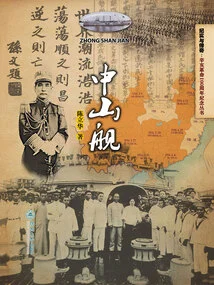
Zhongshan Ship
History中山舰
Chen Lihua
This book tells a series of events and characters about the Zhongshan ship. The ship has gone through historical periods such as the French Defense War, the Northern Expedition, and the Anti-Japanese War. A series of major historical events have occurred around it, such as the Chen Jiongming Rebellion and the Zhongshan Ship Incident. It appeared in the assassination operation at the Gaochangmiao Naval Command in Shanghai, in the artillery battle in the Huangpu waters, and in the anti-Japanese war on the Yangtze River.
This book tells a series of events and characters about the Zhongshan ship. The ship has gone through historical periods such as the French Defense War, the Northern Expedition, and the Anti-Japanese War. A series of major historical events have occurred around it, such as the Chen Jiongming Rebellion and the Zhongshan Ship Incident. It appeared in the assassination operation at the Gaochangmiao Naval Command in Shanghai, in the artillery battle in the Huangpu waters, and in the anti-Japanese war on the Yangtze River.
金戈铁马繁花落:南北朝的动荡年代
Zhang Cheng
The Northern and Southern Dynasties were a chaotic era of great destruction, but also a prosperous era of great integration; it was an iron-blooded era that had been divided for two hundred years, and it was also a glorious time when heroes appeared in large numbers. This book reproduces the history of China from the confrontation between the north and the south, the division between the east and the west, and finally the unification of China in the 5th and 6th centuries. The book contains the rise, decline and demise of the grassland nation Tuoba Xianbei, the metamorphosis of the emperors of the Southern Dynasties who were defeated by power for generations, the hard struggle and frustration of Gao Huan, a soldier at the border, the tenderness of the misty rain in the south of the Yangtze River and the death of his soul in the gentle countryside, and the struggle, confusion and transformation of a nation. This is a tragic song during a critical period of the formation of the Chinese nation, and it is worth revisiting and remembering by every Chinese.
The Northern and Southern Dynasties were a chaotic era of great destruction, but also a prosperous era of great integration; it was an iron-blooded era that had been divided for two hundred years, and it was also a glorious time when heroes appeared in large numbers. This book reproduces the history of China from the confrontation between the north and the south, the division between the east and the west, and finally the unification of China in the 5th and 6th centuries. The book contains the rise, decline and demise of the grassland nation Tuoba Xianbei, the metamorphosis of the emperors of the Southern Dynasties who were defeated by power for generations, the hard struggle and frustration of Gao Huan, a soldier at the border, the tenderness of the misty rain in the south of the Yangtze River and the death of his soul in the gentle countryside, and the struggle, confusion and transformation of a nation. This is a tragic song during a critical period of the formation of the Chinese nation, and it is worth revisiting and remembering by every Chinese.
风流总被雨打风吹去:50个侧面看魏晋
Zhang Cheng
This book examines the history of the Wei and Jin Dynasties from 50 angles, uses 50 special articles to explain historical knowledge in depth, restores the true face of history, and integrates the latest results of current historical research on this period of history, archaeology, anthropology, and sociology. It is a popular history book with a huge amount of information in the form of narrative and discussion.
This book examines the history of the Wei and Jin Dynasties from 50 angles, uses 50 special articles to explain historical knowledge in depth, restores the true face of history, and integrates the latest results of current historical research on this period of history, archaeology, anthropology, and sociology. It is a popular history book with a huge amount of information in the form of narrative and discussion.
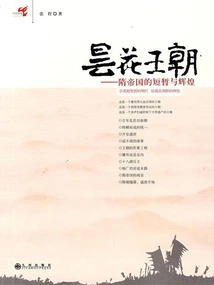
昙花王朝:隋帝国的短暂与辉煌
Zhang Cheng
The Sui Dynasty made a high-profile debut at noon in the Chinese Empire, but ended in a hurry, writing a period of brilliant glory in Chinese history that was as fragile and short-lived as an epiphyllum. This is a dynasty that was overwhelmed by its grand ambitions, a dynasty that continues to ferment controversy, and a dynasty that has been discredited but left a rich legacy. "Ephemeral Epiphyllum: The Transience and Glory of the Sui Empire" contains the struggles of Emperor Wen of Sui Dynasty Yang Jian, the joyful songs of all nations coming to court, the ambition of Emperor Yang Guang of Sui Dynasty, the ups and downs of Prime Minister Yang Su's family, the hesitation of Tang Gong Li Yuan and the appearance of Cheng Yaojin... This is a tragedy of an empire that took on too many historical responsibilities and collapsed.
The Sui Dynasty made a high-profile debut at noon in the Chinese Empire, but ended in a hurry, writing a period of brilliant glory in Chinese history that was as fragile and short-lived as an epiphyllum. This is a dynasty that was overwhelmed by its grand ambitions, a dynasty that continues to ferment controversy, and a dynasty that has been discredited but left a rich legacy. "Ephemeral Epiphyllum: The Transience and Glory of the Sui Empire" contains the struggles of Emperor Wen of Sui Dynasty Yang Jian, the joyful songs of all nations coming to court, the ambition of Emperor Yang Guang of Sui Dynasty, the ups and downs of Prime Minister Yang Su's family, the hesitation of Tang Gong Li Yuan and the appearance of Cheng Yaojin... This is a tragedy of an empire that took on too many historical responsibilities and collapsed.
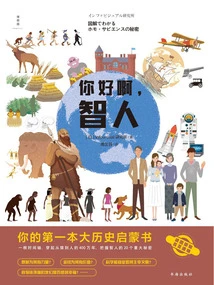
你好啊,智人:你的第一本大历史启蒙书
J
Hundreds of pages of pictures and text show millions of years of human history from Australopithecus to the Space Age, and explain many key points: how modern Homo sapiens was born, how we experienced the cognitive revolution and the agricultural revolution, how we created currency, classes, countries, legal and economic systems with collective imagination, how new technologies led to feats such as geographical discovery and space exploration, and how they led to various tragedies...
Hundreds of pages of pictures and text show millions of years of human history from Australopithecus to the Space Age, and explain many key points: how modern Homo sapiens was born, how we experienced the cognitive revolution and the agricultural revolution, how we created currency, classes, countries, legal and economic systems with collective imagination, how new technologies led to feats such as geographical discovery and space exploration, and how they led to various tragedies...
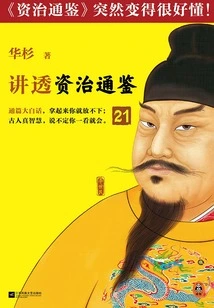
华杉讲透《资治通鉴》21
Huashan
"Zizhi Tongjian" is written from the Warring States Period to the Five Dynasties and Ten Kingdoms, vividly showing the living people and stories in the 1362-year history of 16 dynasties. It can be said to be the "big data" and "super case collection" of China's political and cultural heritage. The author Hua Shan translates the entire "Zi Zhi Tong Jian" in "vernacular Chinese". At the same time, he combines the views of famous masters of the past and his own management experience to explain the wisdom in "Zi Zhi Tong Jian" that is truly useful to ordinary people in the 21st century. In 619 AD, Wang Shichong usurped the position of emperor of the Sui Dynasty and proclaimed himself emperor. He killed him two months later, and the Sui Dynasty was completely destroyed. Li Yuan, Dou Jiande, Wang Shichong and others jointly chased the lost deer of the Sui Dynasty. After decades of struggle, they finally unified. Li Yuan relied on the illustrious military exploits of Li Shimin and other generals to become the founding emperor of the Tang Dynasty. However, conflicts between Li Shimin and other princes also surfaced, and finally the Xuanwumen Revolution broke out in 626 AD. Li Shimin killed his two brothers in a coup and became the second emperor of the Tang Dynasty.
"Zizhi Tongjian" is written from the Warring States Period to the Five Dynasties and Ten Kingdoms, vividly showing the living people and stories in the 1362-year history of 16 dynasties. It can be said to be the "big data" and "super case collection" of China's political and cultural heritage. The author Hua Shan translates the entire "Zi Zhi Tong Jian" in "vernacular Chinese". At the same time, he combines the views of famous masters of the past and his own management experience to explain the wisdom in "Zi Zhi Tong Jian" that is truly useful to ordinary people in the 21st century. In 619 AD, Wang Shichong usurped the position of emperor of the Sui Dynasty and proclaimed himself emperor. He killed him two months later, and the Sui Dynasty was completely destroyed. Li Yuan, Dou Jiande, Wang Shichong and others jointly chased the lost deer of the Sui Dynasty. After decades of struggle, they finally unified. Li Yuan relied on the illustrious military exploits of Li Shimin and other generals to become the founding emperor of the Tang Dynasty. However, conflicts between Li Shimin and other princes also surfaced, and finally the Xuanwumen Revolution broke out in 626 AD. Li Shimin killed his two brothers in a coup and became the second emperor of the Tang Dynasty.
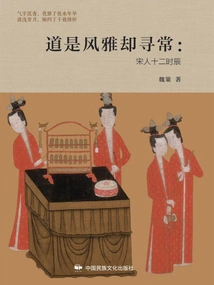
道是风雅却寻常:宋人十二时辰
Wei Ce
If we were to choose a dynasty in the history of China that was the most elegant, knowledgeable, romantic, and elegant, the Song Dynasty would definitely be at the top of the list. The romance and elegance of the Song Dynasty people were infiltrated to their bones. From the princes and nobles to the traffickers and pawns, the charm can be seen in everyone's movements. Some people in the Song Dynasty who are very good at enjoying themselves even spend money to buy ready-made face wash after getting up early, and they don't even start breakfast at home - all the things that can be solved with money are nothing. They play Cuju, Chuiwan, pot throwing, polo, and even women's sumo wrestling. There are also many types of night market snacks: lychee paste, plum ginger, lactose pour, Chengsha dumplings, crystal soap, dripping crystal cake... Just hearing the names is already mouth-watering. Regardless of men, women, old or young, they will put delicate flowers on their temples to show that "happiness is like flowers." So, how did the Song people, who knew how to eat, play, and understand life, spend their day? This book will lead everyone into the "elegance of the Song Dynasty". During the "Twelve Hours", just like the people of the Song Dynasty, they can experience elegant things such as "fragrance balls and quilts", "all hairpins", "playing pairs with fragrance", "potting of elegant songs", "ordering tea and painting soup", "adding fragrance to red sleeves".
If we were to choose a dynasty in the history of China that was the most elegant, knowledgeable, romantic, and elegant, the Song Dynasty would definitely be at the top of the list. The romance and elegance of the Song Dynasty people were infiltrated to their bones. From the princes and nobles to the traffickers and pawns, the charm can be seen in everyone's movements. Some people in the Song Dynasty who are very good at enjoying themselves even spend money to buy ready-made face wash after getting up early, and they don't even start breakfast at home - all the things that can be solved with money are nothing. They play Cuju, Chuiwan, pot throwing, polo, and even women's sumo wrestling. There are also many types of night market snacks: lychee paste, plum ginger, lactose pour, Chengsha dumplings, crystal soap, dripping crystal cake... Just hearing the names is already mouth-watering. Regardless of men, women, old or young, they will put delicate flowers on their temples to show that "happiness is like flowers." So, how did the Song people, who knew how to eat, play, and understand life, spend their day? This book will lead everyone into the "elegance of the Song Dynasty". During the "Twelve Hours", just like the people of the Song Dynasty, they can experience elegant things such as "fragrance balls and quilts", "all hairpins", "playing pairs with fragrance", "potting of elegant songs", "ordering tea and painting soup", "adding fragrance to red sleeves".
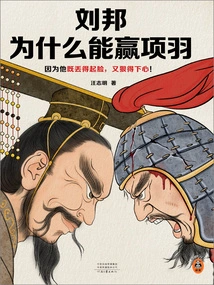
刘邦为什么能赢项羽
Wang Zhiming
In 210 BC, Qin Shihuang collapsed in the sand dunes during his eastward patrol. In order to break the tyranny of the Qin Dynasty, Chen Sheng and Wu Guang rose up, kicking off the world's rebellion against Qin... Liu Bang and Xiang Yu stood out from the various princes and became key figures in the struggle in the Central Plains. One is the Sishui pavilion chief who was born as a local ruffian, and the other is the overlord of Western Chu after the famous general Xiang Yan. How could Liu Bang turn defeat into victory in just five years, defeat Xiang Yu, and become the founding emperor of the Han Dynasty? All this lies in his ability to listen to what is said, to be embarrassed, and to be ruthless!
In 210 BC, Qin Shihuang collapsed in the sand dunes during his eastward patrol. In order to break the tyranny of the Qin Dynasty, Chen Sheng and Wu Guang rose up, kicking off the world's rebellion against Qin... Liu Bang and Xiang Yu stood out from the various princes and became key figures in the struggle in the Central Plains. One is the Sishui pavilion chief who was born as a local ruffian, and the other is the overlord of Western Chu after the famous general Xiang Yan. How could Liu Bang turn defeat into victory in just five years, defeat Xiang Yu, and become the founding emperor of the Han Dynasty? All this lies in his ability to listen to what is said, to be embarrassed, and to be ruthless!
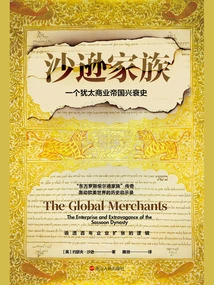
The Sassoons: the Rise and Fall of a Jewish Business Empire (latitudes and Longitudes Series)
History沙逊家族:一个犹太商业帝国的兴衰史(经纬度丛书)
(uk)joseph Sassoon
A family legend of the "Oriental Rothschilds", a historical apocalypse that shocked the European and American world, and a book of ideas that explains the logic of corporate expansion over the past century. If you understand the rise and fall of the Sassoon family, you can gain the supreme wisdom of business management. This book describes the arduous journey of a Jewish refugee family named Sassoon from the 19th to the 20th century as they continued to make progress during their years of exile, traveling across Asia and Europe, and building a huge business empire from nothing. In the book, the author uses the style of a novel and detailed historical materials to reveal the secret past events of several generations of the Sassoon family, and also reveals the important role of the Sassoon family in 150 years of world history: from the American Civil War to the decline of Britain; from the Opium War to the Second World War; from primitive commodity trade to emerging industries, they have been deeply involved in it, influencing the pattern of the entire world. This book takes readers into a fascinating world full of politics, business, war and humanities. It is a rare historical masterpiece.
A family legend of the "Oriental Rothschilds", a historical apocalypse that shocked the European and American world, and a book of ideas that explains the logic of corporate expansion over the past century. If you understand the rise and fall of the Sassoon family, you can gain the supreme wisdom of business management. This book describes the arduous journey of a Jewish refugee family named Sassoon from the 19th to the 20th century as they continued to make progress during their years of exile, traveling across Asia and Europe, and building a huge business empire from nothing. In the book, the author uses the style of a novel and detailed historical materials to reveal the secret past events of several generations of the Sassoon family, and also reveals the important role of the Sassoon family in 150 years of world history: from the American Civil War to the decline of Britain; from the Opium War to the Second World War; from primitive commodity trade to emerging industries, they have been deeply involved in it, influencing the pattern of the entire world. This book takes readers into a fascinating world full of politics, business, war and humanities. It is a rare historical masterpiece.
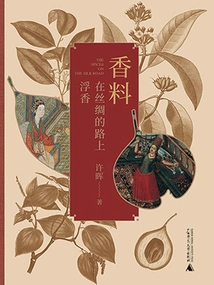
香料在丝绸的路上浮香
Xu Hui
This book selects fourteen spices introduced to China through the Overland Silk Road and Maritime Silk Road - pepper, clove, benzoin, frankincense, agarwood, tulip, styrax, dipterocarp, sandalwood, nutmeg, cinnamon, albizia julibrissin, myrrh, ambergris, for you Read in detail their "travel" footprints, diverse changes, and symbolic meanings in different cultural genealogies; at the same time, you will be taken into famous paintings from the past that compare Chinese and Western styles, and you will be able to see the infinite charm of spices in myths, legends, and historical scenes.
This book selects fourteen spices introduced to China through the Overland Silk Road and Maritime Silk Road - pepper, clove, benzoin, frankincense, agarwood, tulip, styrax, dipterocarp, sandalwood, nutmeg, cinnamon, albizia julibrissin, myrrh, ambergris, for you Read in detail their "travel" footprints, diverse changes, and symbolic meanings in different cultural genealogies; at the same time, you will be taken into famous paintings from the past that compare Chinese and Western styles, and you will be able to see the infinite charm of spices in myths, legends, and historical scenes.
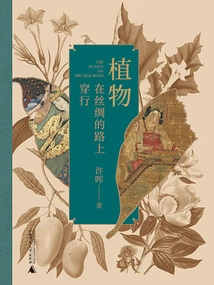
植物在丝绸的路上穿行
Xu Hui
This book selects twelve kinds of plants introduced to China through the Overland Silk Road and Maritime Silk Road - wheat, grapes, pomegranates, datura, cucumber, red and blue flowers, date palms, narcissus, sugar cane, wild rice, garlic, mango, and four plants introduced to the West from China - peach, apricot, Peony and mulberry will give you a detailed explanation of their "travel" footprints, diverse changes, and symbolic meanings in different cultural genealogies; at the same time, it will take you into famous paintings from the past that compare Chinese and Western styles, and you will be able to see the infinite charm of plants in myths, legends, and historical scenes in an inclusive way.
This book selects twelve kinds of plants introduced to China through the Overland Silk Road and Maritime Silk Road - wheat, grapes, pomegranates, datura, cucumber, red and blue flowers, date palms, narcissus, sugar cane, wild rice, garlic, mango, and four plants introduced to the West from China - peach, apricot, Peony and mulberry will give you a detailed explanation of their "travel" footprints, diverse changes, and symbolic meanings in different cultural genealogies; at the same time, it will take you into famous paintings from the past that compare Chinese and Western styles, and you will be able to see the infinite charm of plants in myths, legends, and historical scenes in an inclusive way.
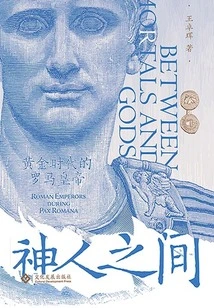
神人之间:黄金时代的罗马皇帝
Wang Zhuohun
This book focuses on the early days of the Roman Empire, that is, the emperors of the Roman Golden Age. These powerful emperors had very different personalities, political pursuits and life interests, and their paths to "becoming a god" were also very different. However, it is precisely because of these touching, ridiculous, absurd, or respectable Augustus that the various Roman Empires were created and a two-hundred-year golden age was created. So how will these emperors influence the future of the empire? How far can they go in the expansion of imperial power? In their oscillation between gods and men, can we see any clues about Rome's transformation from "gold" to "rust"? This book will lead you closer to the "road to godhood" of the Augustus and re-examine and evaluate the "golden age" of the Roman Empire.
This book focuses on the early days of the Roman Empire, that is, the emperors of the Roman Golden Age. These powerful emperors had very different personalities, political pursuits and life interests, and their paths to "becoming a god" were also very different. However, it is precisely because of these touching, ridiculous, absurd, or respectable Augustus that the various Roman Empires were created and a two-hundred-year golden age was created. So how will these emperors influence the future of the empire? How far can they go in the expansion of imperial power? In their oscillation between gods and men, can we see any clues about Rome's transformation from "gold" to "rust"? This book will lead you closer to the "road to godhood" of the Augustus and re-examine and evaluate the "golden age" of the Roman Empire.
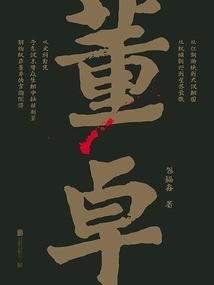
帝王将相系列:董卓
Bao Fuxin
This book tells the story of the rise and fall of the Eastern Han Dynasty for more than 30 years from Emperor Huan of the Han Dynasty to the early years of Emperor Xian of the Han Dynasty. It takes Dong Zhuo's official life as the main line of the story and tells the story of the power disputes between the royal family, relatives, eunuchs, party members, aristocratic families, and soldiers in the late Han Dynasty. The book is divided into four parts. The first part tells the story of the Han Dynasty Emperor Huan's time. Dong Zhuo was recommended as an official in Liangzhou. With his outstanding performance and outstanding military exploits, he continued to be promoted. Finally, he was promoted to Beijing as a Yulin Lang and rose to prominence. The second part tells about the early years of Emperor Ling of the Han Dynasty. Dong Zhuo was first dismissed, and then relied on Duan Jiong to revive him. He fought against the main force of the Yellow Turban Army in Jizhou, but failed and was dismissed. The third part tells about the last years of Emperor Ling of the Han Dynasty and the alternation of Shaoxian. War broke out in the Eastern Han Dynasty. Dong Zhuo stood firm in Guanzhong to resist the rebels and became the most powerful of all the troops stationed abroad. Finally, he took advantage of the chaos and entered Luoyang to seize power and established Liu Xie as Emperor Xian of the Han Dynasty. The fourth part tells the story of the era of Emperor Xian of the Han Dynasty, when the interests of the great clans and Dong Zhuo were in conflict, and the anti-Dong sentiment in the imperial court was growing day by day, triggering the "Eighteen Route Princes to Revolt against Dong"; Dong Zhuo retreated to Guanzhong and was eventually assassinated by the Bingzhou Group.
This book tells the story of the rise and fall of the Eastern Han Dynasty for more than 30 years from Emperor Huan of the Han Dynasty to the early years of Emperor Xian of the Han Dynasty. It takes Dong Zhuo's official life as the main line of the story and tells the story of the power disputes between the royal family, relatives, eunuchs, party members, aristocratic families, and soldiers in the late Han Dynasty. The book is divided into four parts. The first part tells the story of the Han Dynasty Emperor Huan's time. Dong Zhuo was recommended as an official in Liangzhou. With his outstanding performance and outstanding military exploits, he continued to be promoted. Finally, he was promoted to Beijing as a Yulin Lang and rose to prominence. The second part tells about the early years of Emperor Ling of the Han Dynasty. Dong Zhuo was first dismissed, and then relied on Duan Jiong to revive him. He fought against the main force of the Yellow Turban Army in Jizhou, but failed and was dismissed. The third part tells about the last years of Emperor Ling of the Han Dynasty and the alternation of Shaoxian. War broke out in the Eastern Han Dynasty. Dong Zhuo stood firm in Guanzhong to resist the rebels and became the most powerful of all the troops stationed abroad. Finally, he took advantage of the chaos and entered Luoyang to seize power and established Liu Xie as Emperor Xian of the Han Dynasty. The fourth part tells the story of the era of Emperor Xian of the Han Dynasty, when the interests of the great clans and Dong Zhuo were in conflict, and the anti-Dong sentiment in the imperial court was growing day by day, triggering the "Eighteen Route Princes to Revolt against Dong"; Dong Zhuo retreated to Guanzhong and was eventually assassinated by the Bingzhou Group.
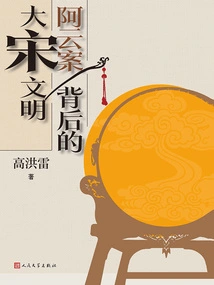
阿云案背后的大宋文明
Gao Honglei
This book is a new book by the author of "The Other Half of Chinese History". He started with the famous Ayun murder case that occurred in Dengzhou, Shandong Province in the fourth year of Emperor Shenzong's reign in the Song Dynasty. He talked about the marriage system, women's status, and judicial system in the Song Dynasty. He tried to explain the legal civilization contained in the Song Dynasty civilization and its limitations, and told the history of the Song Dynasty from a small perspective. The Ayun case is also known as the Ayun prison. This small case actually affected many judges and famous officials (Sima Guang, Wang Anshi, Lu Gongzhu, Fu Bi, Wen Yanbo, Tang Jie). It also caused Song Shenzong to issue four consecutive edicts and debated it for more than ten years. Even today, "Ayun's Prison" is a hot topic in academic circles. Who is right or wrong, Sima Guang or Wang Anshi? Is "Ayun's Prison" a legal battle or a political battle? Should the state enact laws that impose severe or lenient penalties? What aspects of changes include women's status, etc., Are all topics worth thinking about.
This book is a new book by the author of "The Other Half of Chinese History". He started with the famous Ayun murder case that occurred in Dengzhou, Shandong Province in the fourth year of Emperor Shenzong's reign in the Song Dynasty. He talked about the marriage system, women's status, and judicial system in the Song Dynasty. He tried to explain the legal civilization contained in the Song Dynasty civilization and its limitations, and told the history of the Song Dynasty from a small perspective. The Ayun case is also known as the Ayun prison. This small case actually affected many judges and famous officials (Sima Guang, Wang Anshi, Lu Gongzhu, Fu Bi, Wen Yanbo, Tang Jie). It also caused Song Shenzong to issue four consecutive edicts and debated it for more than ten years. Even today, "Ayun's Prison" is a hot topic in academic circles. Who is right or wrong, Sima Guang or Wang Anshi? Is "Ayun's Prison" a legal battle or a political battle? Should the state enact laws that impose severe or lenient penalties? What aspects of changes include women's status, etc., Are all topics worth thinking about.
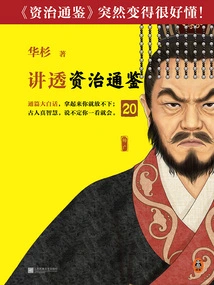
华杉讲透《资治通鉴》20
Huashan
"Zi Zhi Tong Jian" is written from the Warring States Period to the Five Dynasties and Ten Kingdoms, vividly showing the living people and stories in the 1,300-year history of 16 dynasties. It can be said to be the "big data" and "case collection" of China's political and cultural heritage. This volume tells the story of the events between the Sui Dynasty and the Tang Dynasty. In 589 AD, the Sui army went south to defeat the Chen army and captured Chen Shubao, the empress of Chen. Emperor Wen of the Sui Dynasty, Yang Jian, suppressed local rebellions and appeased the Turks at home. In the palace, Jin Wang Yang Guang used a trick to make Yang Jian depose the crown prince Yang Yong, and successfully ascended the throne after Yang Jian died of illness. After Yang Guang ascended the throne, he traveled several times, dug the Yongji Canal, and conquered Goryeo three times, which consumed national power and eventually caused a rebellion. Yang Xuangan, Li Mi, Li Yuan and others successively rebelled against the Sui Dynasty. In the end, Emperor Gong of the Sui Dynasty ascended the throne, and Emperor Gaozu of the Tang Dynasty, Li Yuan, established the Tang Dynasty. Open this book and learn from the historical changes of the Sui Dynasty and the Tang Dynasty how to remain invincible forever!
"Zi Zhi Tong Jian" is written from the Warring States Period to the Five Dynasties and Ten Kingdoms, vividly showing the living people and stories in the 1,300-year history of 16 dynasties. It can be said to be the "big data" and "case collection" of China's political and cultural heritage. This volume tells the story of the events between the Sui Dynasty and the Tang Dynasty. In 589 AD, the Sui army went south to defeat the Chen army and captured Chen Shubao, the empress of Chen. Emperor Wen of the Sui Dynasty, Yang Jian, suppressed local rebellions and appeased the Turks at home. In the palace, Jin Wang Yang Guang used a trick to make Yang Jian depose the crown prince Yang Yong, and successfully ascended the throne after Yang Jian died of illness. After Yang Guang ascended the throne, he traveled several times, dug the Yongji Canal, and conquered Goryeo three times, which consumed national power and eventually caused a rebellion. Yang Xuangan, Li Mi, Li Yuan and others successively rebelled against the Sui Dynasty. In the end, Emperor Gong of the Sui Dynasty ascended the throne, and Emperor Gaozu of the Tang Dynasty, Li Yuan, established the Tang Dynasty. Open this book and learn from the historical changes of the Sui Dynasty and the Tang Dynasty how to remain invincible forever!
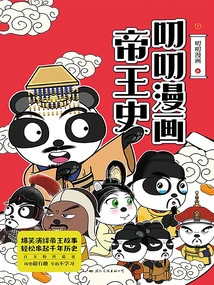
叨叨漫画帝王史(下)
Taotao Comics
A comic history book that you won't be able to put down once you pick it up! Emperor Wen of the Sui Dynasty Yang Jian and Queen Dugu Jialuo were the "husband and wife team" who governed the country; Genghis Khan who lived to conquer; Zhu Di, the founder of the Ming Dynasty who gave away his nephew to the emperor of the Qing Dynasty; Emperor Taizong Li Shimin who was a "cheating" player in the emperor's world; the terminator of troubled times, the Song Dynasty who became the actor first and then the emperor. Taizu Zhao Kuangyin... This book introduces 11 famous emperors in history, including Yang Jian, Li Shimin, Li Longji, Zhao Kuangyin, Zhao Zhen, Genghis Khan, Zhu Yuanzhang, Zhu Di, etc., Allowing readers to understand and learn about the history of ancient China from the Sui Dynasty to the Qing Dynasty for more than 1,300 years through these emperors.
A comic history book that you won't be able to put down once you pick it up! Emperor Wen of the Sui Dynasty Yang Jian and Queen Dugu Jialuo were the "husband and wife team" who governed the country; Genghis Khan who lived to conquer; Zhu Di, the founder of the Ming Dynasty who gave away his nephew to the emperor of the Qing Dynasty; Emperor Taizong Li Shimin who was a "cheating" player in the emperor's world; the terminator of troubled times, the Song Dynasty who became the actor first and then the emperor. Taizu Zhao Kuangyin... This book introduces 11 famous emperors in history, including Yang Jian, Li Shimin, Li Longji, Zhao Kuangyin, Zhao Zhen, Genghis Khan, Zhu Yuanzhang, Zhu Di, etc., Allowing readers to understand and learn about the history of ancient China from the Sui Dynasty to the Qing Dynasty for more than 1,300 years through these emperors.
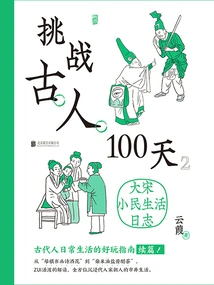
挑战古人100天2:大宋小民生活日志
Yunjia
What was the daily life of ordinary people in the Song Dynasty like? People in the Song Dynasty also rented houses? Are house prices and rents high? Where do you go to take medicine when you are sick? What are the details of weddings and funerals? How to defend your rights if you are involved in a dispute? Food, medicine, prices, marriage customs, imperial examinations, justice... Panoramicly reproduce the all-encompassing people's livelihood and sentiments of the Song Dynasty, set off again and arrive in words.
What was the daily life of ordinary people in the Song Dynasty like? People in the Song Dynasty also rented houses? Are house prices and rents high? Where do you go to take medicine when you are sick? What are the details of weddings and funerals? How to defend your rights if you are involved in a dispute? Food, medicine, prices, marriage customs, imperial examinations, justice... Panoramicly reproduce the all-encompassing people's livelihood and sentiments of the Song Dynasty, set off again and arrive in words.
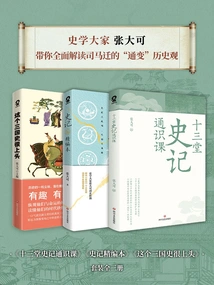
史学大家张大可讲史记(套装全三册)
Zhang Dake Can Wait
This set includes "Thirteen General Courses on Historical Records", "The Comprehensive Edition of Historical Records" and "This is a Top-notch History of the Three Kingdoms". "Thirteen General Courses on Historical Records": A basic book on Chinese studies for everyone. Thirteen special courses from different perspectives. A practical book that condenses the interpersonal relationships and various aspects of life in Chinese society over three thousand years, and comprehensively interprets Sima Qian's "Tongbian" view of history. "Historical Records": the compiled vernacular version of the biographical historical book "Shiji". The selected articles are based on the ten famous articles designated by Liang Qichao, the master of Chinese studies, covering "The Chronicles of Xiang Yu", "The Biography of Lord Xinling", etc. According to Mr. Liang Qichao's prompts, the "Top Ten Famous Chapters" of "Historical Records" will be interpreted, translated and appreciated. "This History of the Three Kingdoms is Top-notch": It takes characters as the main line, inherits the spirit of biographies, selects fifty stories of heroes of the Three Kingdoms, and analyzes the human feelings and human nature under the historical surface. Reading history is also reading people.
This set includes "Thirteen General Courses on Historical Records", "The Comprehensive Edition of Historical Records" and "This is a Top-notch History of the Three Kingdoms". "Thirteen General Courses on Historical Records": A basic book on Chinese studies for everyone. Thirteen special courses from different perspectives. A practical book that condenses the interpersonal relationships and various aspects of life in Chinese society over three thousand years, and comprehensively interprets Sima Qian's "Tongbian" view of history. "Historical Records": the compiled vernacular version of the biographical historical book "Shiji". The selected articles are based on the ten famous articles designated by Liang Qichao, the master of Chinese studies, covering "The Chronicles of Xiang Yu", "The Biography of Lord Xinling", etc. According to Mr. Liang Qichao's prompts, the "Top Ten Famous Chapters" of "Historical Records" will be interpreted, translated and appreciated. "This History of the Three Kingdoms is Top-notch": It takes characters as the main line, inherits the spirit of biographies, selects fifty stories of heroes of the Three Kingdoms, and analyzes the human feelings and human nature under the historical surface. Reading history is also reading people.
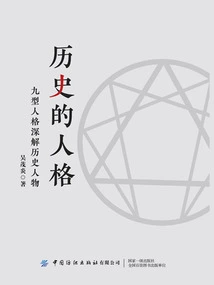
Historical Personality
History历史的人格
Wu Maoyan
This book strictly relies on official historical materials and classic documents, taking eighteen familiar historical figures as main examples, combining their extended and intersecting characters and events, and applying the Enneagram to explore and interpret the characters' personalities, psychology, and behaviors from many angles such as inner motivations, desires, fears, intuition types, focus of attention, and psychological defense mechanisms, thereby gaining a new historical perspective and proposing more logical and reasonable possibilities for some suspense. At the same time, the knowledge system of the Enneagram is organically integrated into the ups and downs of vivid historical events, allowing enthusiasts to gain a more vivid and in-depth understanding.
This book strictly relies on official historical materials and classic documents, taking eighteen familiar historical figures as main examples, combining their extended and intersecting characters and events, and applying the Enneagram to explore and interpret the characters' personalities, psychology, and behaviors from many angles such as inner motivations, desires, fears, intuition types, focus of attention, and psychological defense mechanisms, thereby gaining a new historical perspective and proposing more logical and reasonable possibilities for some suspense. At the same time, the knowledge system of the Enneagram is organically integrated into the ups and downs of vivid historical events, allowing enthusiasts to gain a more vivid and in-depth understanding.
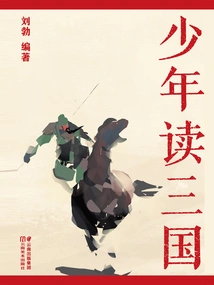
少年读三国
Compiled By Liu Bo
This book is a history of the Three Kingdoms written for teenagers, in chronological order, from the Yellow Turban Uprising to the return of the Three Kingdoms to Jin. The author uses popular writing styles to turn obscure classical Chinese texts into vivid narratives with clear logic and clarity, making it suitable for teenagers to read. The whole book is based on official histories such as "Book of the Later Han", "Three Kingdoms" and "Zi Zhi Tong Jian" to tell you the true history of the Three Kingdoms. In the book, you will see the truth about the Three Kingdoms - Cao Cao may not be a traitor: in "The Romance of the Three Kingdoms", Cao Cao looked like a traitor who bullied the little emperor at the beginning. In fact, the relationship between the two people is much more complicated. For a long time, Cao Cao was indeed regarded by many people as a loyal minister of the Han Dynasty. Dong Zhuo is actually not stupid: in "The Romance of the Three Kingdoms", Dong Zhuo is portrayed as a cruel and stupid clown. Comparing history, it should be admitted that although Dong Zhuo was cruel, he was still very capable, especially how to establish authority in the army and win military morale. He did a good job. The author's subjective intention is contrary to the artistic effect: "The Romance of the Three Kingdoms" beautifies Liu Bei's morality, deletes the restlessness and chivalry in Liu Bei's character, and weakens Liu Bei's heroism; it emphasizes that Cao Cao is a descendant of eunuchs and ignores family support, making it appear that Cao Cao's career was built on his own ability. The author turns obscure classical Chinese texts into vivid narratives and analyzes and deduces details that historians avoid talking about. Historical stories, character legends, institutional thinking... To understand the real Three Kingdoms, just look at this set.
This book is a history of the Three Kingdoms written for teenagers, in chronological order, from the Yellow Turban Uprising to the return of the Three Kingdoms to Jin. The author uses popular writing styles to turn obscure classical Chinese texts into vivid narratives with clear logic and clarity, making it suitable for teenagers to read. The whole book is based on official histories such as "Book of the Later Han", "Three Kingdoms" and "Zi Zhi Tong Jian" to tell you the true history of the Three Kingdoms. In the book, you will see the truth about the Three Kingdoms - Cao Cao may not be a traitor: in "The Romance of the Three Kingdoms", Cao Cao looked like a traitor who bullied the little emperor at the beginning. In fact, the relationship between the two people is much more complicated. For a long time, Cao Cao was indeed regarded by many people as a loyal minister of the Han Dynasty. Dong Zhuo is actually not stupid: in "The Romance of the Three Kingdoms", Dong Zhuo is portrayed as a cruel and stupid clown. Comparing history, it should be admitted that although Dong Zhuo was cruel, he was still very capable, especially how to establish authority in the army and win military morale. He did a good job. The author's subjective intention is contrary to the artistic effect: "The Romance of the Three Kingdoms" beautifies Liu Bei's morality, deletes the restlessness and chivalry in Liu Bei's character, and weakens Liu Bei's heroism; it emphasizes that Cao Cao is a descendant of eunuchs and ignores family support, making it appear that Cao Cao's career was built on his own ability. The author turns obscure classical Chinese texts into vivid narratives and analyzes and deduces details that historians avoid talking about. Historical stories, character legends, institutional thinking... To understand the real Three Kingdoms, just look at this set.
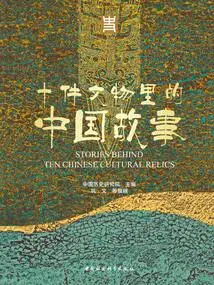
十件文物里的中国故事
Editor-in-chief Of The Chinese Academy Of History
"The Story of China in Ten Cultural Relics" is a popular book about Chinese historical stories told by Chinese archaeologists and historians through national treasure-level cultural relics. There are many cultural relics in China and they are rich in types. They embody the wisdom of Chinese history, reflect the depth of Chinese history, and demonstrate the long-standing, extensive and profound Chinese civilization. Through cultural relics, we can understand historical China, understand civilized China, and appreciate the turbulent years that Chinese archeology has gone through. We have selected ten representative cultural relics, and through the eloquent narrations of experts and scholars, we will present the discovery of the cultural relics, their connotations, and the Chinese concepts, Chinese spirit, and Chinese values contained in the cultural relics in easy-to-understand language. We strive to make cultural relics come alive and display Chinese civilization in a more three-dimensional way. This book is rich in pictures and text, well-organized and simple in language. It is professional and popular. It is a window for readers to get closer to cultural relics and open a window to understand Chinese history.
"The Story of China in Ten Cultural Relics" is a popular book about Chinese historical stories told by Chinese archaeologists and historians through national treasure-level cultural relics. There are many cultural relics in China and they are rich in types. They embody the wisdom of Chinese history, reflect the depth of Chinese history, and demonstrate the long-standing, extensive and profound Chinese civilization. Through cultural relics, we can understand historical China, understand civilized China, and appreciate the turbulent years that Chinese archeology has gone through. We have selected ten representative cultural relics, and through the eloquent narrations of experts and scholars, we will present the discovery of the cultural relics, their connotations, and the Chinese concepts, Chinese spirit, and Chinese values contained in the cultural relics in easy-to-understand language. We strive to make cultural relics come alive and display Chinese civilization in a more three-dimensional way. This book is rich in pictures and text, well-organized and simple in language. It is professional and popular. It is a window for readers to get closer to cultural relics and open a window to understand Chinese history.
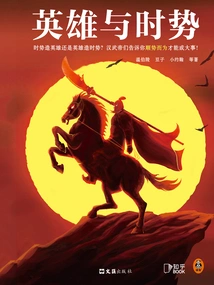
Heroes and Times
History英雄与时势
Wen Boling Douzi Et Al.
"Every time comes, heaven and earth are all united, and heroes are not free." Under the special background of the times, heroes' talents are maximized. Those who seize the current situation can magnify their achievements a thousand times; but once they go against the current situation, even a genius will inevitably end up with a tragic end. Emperor Wu of the Han Dynasty took the initiative to attack the Xiongnu, seizing the opportunity when the Western Region was connected and the country was strong; Sun Ce started with a thousand soldiers and laid the foundation of Soochow, which was inseparable from the melee in the north and the weakness in the south; Wang Xuance alone united with Tubo to conquer Tianzhu, with the Tang Dynasty behind him The empire has far-reaching power; Emperor Wu of the Song Dynasty, Liu Yu, was born as a soldier and won the throne, but he adapted to the situation of the Sima family's decline and the disloyalty of the noble clan... Reading this heroic epic that spans thousands of years, you will find that behind the heroes' great achievements are all the help of the current situation. Articles by John Khan Jr., Wen Boling, Douzi and others are collected together for the first time. From the legendary stories of thirteen heroes, see how the heroes took advantage of the situation and achieved great things!
"Every time comes, heaven and earth are all united, and heroes are not free." Under the special background of the times, heroes' talents are maximized. Those who seize the current situation can magnify their achievements a thousand times; but once they go against the current situation, even a genius will inevitably end up with a tragic end. Emperor Wu of the Han Dynasty took the initiative to attack the Xiongnu, seizing the opportunity when the Western Region was connected and the country was strong; Sun Ce started with a thousand soldiers and laid the foundation of Soochow, which was inseparable from the melee in the north and the weakness in the south; Wang Xuance alone united with Tubo to conquer Tianzhu, with the Tang Dynasty behind him The empire has far-reaching power; Emperor Wu of the Song Dynasty, Liu Yu, was born as a soldier and won the throne, but he adapted to the situation of the Sima family's decline and the disloyalty of the noble clan... Reading this heroic epic that spans thousands of years, you will find that behind the heroes' great achievements are all the help of the current situation. Articles by John Khan Jr., Wen Boling, Douzi and others are collected together for the first time. From the legendary stories of thirteen heroes, see how the heroes took advantage of the situation and achieved great things!
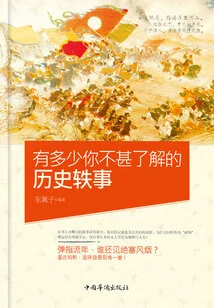
有多少,你不甚了解的历史轶事
Compiled By Dong Lizi
China is a country with a long history and splendid culture. Only by understanding the past of the motherland can we love the present and future of the motherland more. In the long process of historical evolution, our ancestors have performed countless spectacular events. Presenting these historical events and influential figures to readers from different angles can broaden everyone's horizons, improve everyone's historical and cultural literacy, and more importantly, enhance everyone's national pride and patriotic enthusiasm. The surging water of the Yellow River gave birth to Chinese civilization, the rolling water of the Yangtze River nourishes the descendants of China, and the majestic Great Wall carries the vicissitudes of history. Over the past five thousand years, romantic figures have emerged one after another, each of them outstanding. These stories in history are very interesting. Open this book and you will see how those emperors who seem to hold supreme power and wear countless glory gradually escape from danger in the struggle for power and finally rule the world, and how they maintain their great cause and create a prosperous age.
China is a country with a long history and splendid culture. Only by understanding the past of the motherland can we love the present and future of the motherland more. In the long process of historical evolution, our ancestors have performed countless spectacular events. Presenting these historical events and influential figures to readers from different angles can broaden everyone's horizons, improve everyone's historical and cultural literacy, and more importantly, enhance everyone's national pride and patriotic enthusiasm. The surging water of the Yellow River gave birth to Chinese civilization, the rolling water of the Yangtze River nourishes the descendants of China, and the majestic Great Wall carries the vicissitudes of history. Over the past five thousand years, romantic figures have emerged one after another, each of them outstanding. These stories in history are very interesting. Open this book and you will see how those emperors who seem to hold supreme power and wear countless glory gradually escape from danger in the struggle for power and finally rule the world, and how they maintain their great cause and create a prosperous age.
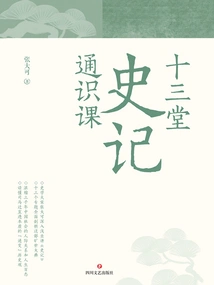
十三堂史记通识课
Zhang Dake
This book is a popular reading book on literature and history, and is the masterpiece of Zhang Dake, a great historian and president of the Chinese "Historical Records" Research Association. The author explains the famous literary and historical work "Historical Records" in a unique style. The content is developed in three directions: literature, history and philosophy. He comments on the contribution of "Historical Records" to Chinese literature and historiography. He selects the deeds of outstanding figures from the pre-Qin Dynasty to Emperor Wu of the Han Dynasty, including emperors, generals, princes of aristocratic families, counselors, educators, warriors, debaters, assassins, etc. It focuses on the fate of the characters, deeply explores human nature, and is highly readable. What's more important is that the writing has a clear context and plentiful references, which help readers gain knowledge and understand things, and enhance their sense of gain from reading. This book is specially created for young readers. It uses clear language and a modern perspective to popularize difficult classics, making the characters and stories vivid, allowing contemporary readers to appreciate the charm of "Historical Records" and read about the wars, human affairs, and hunting flags and flags thousands of years ago.
This book is a popular reading book on literature and history, and is the masterpiece of Zhang Dake, a great historian and president of the Chinese "Historical Records" Research Association. The author explains the famous literary and historical work "Historical Records" in a unique style. The content is developed in three directions: literature, history and philosophy. He comments on the contribution of "Historical Records" to Chinese literature and historiography. He selects the deeds of outstanding figures from the pre-Qin Dynasty to Emperor Wu of the Han Dynasty, including emperors, generals, princes of aristocratic families, counselors, educators, warriors, debaters, assassins, etc. It focuses on the fate of the characters, deeply explores human nature, and is highly readable. What's more important is that the writing has a clear context and plentiful references, which help readers gain knowledge and understand things, and enhance their sense of gain from reading. This book is specially created for young readers. It uses clear language and a modern perspective to popularize difficult classics, making the characters and stories vivid, allowing contemporary readers to appreciate the charm of "Historical Records" and read about the wars, human affairs, and hunting flags and flags thousands of years ago.
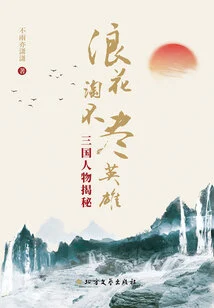
There Are Endless Heroes to Be Found in the Waves: Secrets of the Characters of the Three Kingdoms
History浪花淘不尽英雄:三国人物揭秘
Even If It's Not Raining, It's Still Raining
History is the pride and wealth of our nation. Five thousand years of historical data have also provided the Chinese with rich conversation materials. Among them, the history of the Three Kingdoms selected in this book is always the hottest topic. This book is based on official history, centered on some important figures in the Three Kingdoms period, and divided into three parts: "Shu Han, Cao Wei, and Sun Wu" according to the style of "Three Kingdoms". It then analyzes some major events that affected the historical process, and constructs the context of this period of history concisely and clearly for readers. The Three Kingdoms is the most exciting era of great strife: it is the era of gentlemen and villains; it is the era of powerful people and the era of white men; it is the era of strategy and luck. In a world of great strife, no matter how dangerous it is, there are always people who will bend their backs for such a beautiful country.
History is the pride and wealth of our nation. Five thousand years of historical data have also provided the Chinese with rich conversation materials. Among them, the history of the Three Kingdoms selected in this book is always the hottest topic. This book is based on official history, centered on some important figures in the Three Kingdoms period, and divided into three parts: "Shu Han, Cao Wei, and Sun Wu" according to the style of "Three Kingdoms". It then analyzes some major events that affected the historical process, and constructs the context of this period of history concisely and clearly for readers. The Three Kingdoms is the most exciting era of great strife: it is the era of gentlemen and villains; it is the era of powerful people and the era of white men; it is the era of strategy and luck. In a world of great strife, no matter how dangerous it is, there are always people who will bend their backs for such a beautiful country.
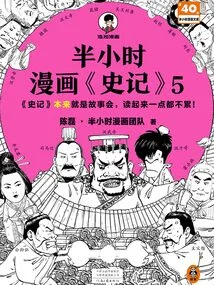
半小时漫画《史记》5
Chen Lei·half Hour Comics Team
The half-hour comic team led by Chen Lei (pen name: Brother Hun) vividly interprets classic characters and stories in historical records through humorous language and hand-drawn comics. How did Emperor Han Wen, a low-key male god, embark on the road to glory? ? What was it like to be a neighbor to Emperor Wu of the Han Dynasty? Who are the weird relatives of Emperor Wu of the Han Dynasty? ... As you read, you will find that the Historical Records are originally story-telling stories, so reading them is not tiring at all! Open this book and read the historical records with laughter!
The half-hour comic team led by Chen Lei (pen name: Brother Hun) vividly interprets classic characters and stories in historical records through humorous language and hand-drawn comics. How did Emperor Han Wen, a low-key male god, embark on the road to glory? ? What was it like to be a neighbor to Emperor Wu of the Han Dynasty? Who are the weird relatives of Emperor Wu of the Han Dynasty? ... As you read, you will find that the Historical Records are originally story-telling stories, so reading them is not tiring at all! Open this book and read the historical records with laughter!
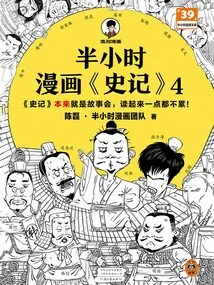
半小时漫画《史记》4
Chen Lei·half Hour Comics Team
The half-hour comic team led by Chen Lei (pen name: Brother Hun) vividly interprets classic characters and stories in historical records through humorous language and hand-drawn comics. Why did Xiang Yu lose to Liu Bang? What was Zhang Liang's fairy-like life like? Why do you say how to save a big man? All thanks to the best bad friends! ... As you read, you will find that the Historical Records are originally story-telling stories, so reading them is not tiring at all! Open this book and read the historical records with laughter!
The half-hour comic team led by Chen Lei (pen name: Brother Hun) vividly interprets classic characters and stories in historical records through humorous language and hand-drawn comics. Why did Xiang Yu lose to Liu Bang? What was Zhang Liang's fairy-like life like? Why do you say how to save a big man? All thanks to the best bad friends! ... As you read, you will find that the Historical Records are originally story-telling stories, so reading them is not tiring at all! Open this book and read the historical records with laughter!
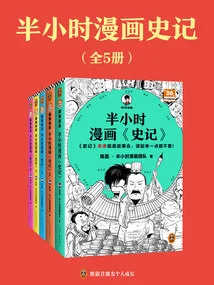
半小时漫画《史记》(全5册)
Chen Lei·half Hour Comics Team
The half-hour comic team led by Chen Lei (pen name: Brother Hun) vividly interprets classic characters and stories in historical records through humorous language and hand-drawn comics. Sima Qian wrote the historical records, and the story behind it turned out to be so exciting! The dispute between Wu and Yue: If you are fine, then it will be okay! Qin: If you want to counterattack, you must persist! How to be a happy neighbor with Emperor Wu of the Han Dynasty? Who are the weird relatives of Emperor Wu of the Han Dynasty? ... As you read, you will find that the Historical Records are originally story-telling stories, so reading them is not tiring at all! Open this book and read the historical records with laughter!
The half-hour comic team led by Chen Lei (pen name: Brother Hun) vividly interprets classic characters and stories in historical records through humorous language and hand-drawn comics. Sima Qian wrote the historical records, and the story behind it turned out to be so exciting! The dispute between Wu and Yue: If you are fine, then it will be okay! Qin: If you want to counterattack, you must persist! How to be a happy neighbor with Emperor Wu of the Han Dynasty? Who are the weird relatives of Emperor Wu of the Han Dynasty? ... As you read, you will find that the Historical Records are originally story-telling stories, so reading them is not tiring at all! Open this book and read the historical records with laughter!
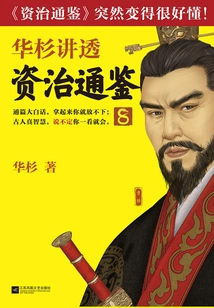
华杉讲透《资治通鉴》8
Huashan
"Zi Zhi Tong Jian" records a total of 1,362 years of history in 16 dynasties and is a "super case collection" of Chinese culture. This book uses "plain language throughout" to allow you to easily understand the story of "Zizhi Tongjian", and uses profound "Hua Shan's thorough" comments to help you understand the ancient wisdom behind history.
"Zi Zhi Tong Jian" records a total of 1,362 years of history in 16 dynasties and is a "super case collection" of Chinese culture. This book uses "plain language throughout" to allow you to easily understand the story of "Zizhi Tongjian", and uses profound "Hua Shan's thorough" comments to help you understand the ancient wisdom behind history.
Death of Yue Fei
History岳飞之死
Gao Tianliuyun
In the seventh year of Shaoxing, Song Gaozong Zhao Gou entrusted Yue Fei with the matter of ZTE. However, just four years later, Yue Fei was suddenly sentenced to death. How did Yue Fei step by step from a trusted general to a serious thorn in his side? The first stage: trust. Faced with the crisis of national subjugation, Yue Fei gradually won the trust of Zhao Gou with his impressive achievements: he regained Jiankang and became a senior general in charge of the local area; he conquered Xianghan and became the youngest festival founder in the Song Dynasty; he suppressed Yang Yao and became the Jiedushi of the two towns in the Jin Dynasty. In the seventh year of Shaoxing, Zhao Gou asked Yue Fei to take over the Huaixi Army, and ordered the generals to "obey Fei's orders and act as if I were personally marching", showing his absolute trust in Yue Fei. The second stage: suspicion. With the end of the crisis of national subjugation, Zhao Gou's attitude towards Yue Fei gradually changed. In the seventh year of Shaoxing, Zhao Gou suddenly refused to hand over the Huaixi Army to Yue Fei for the Northern Expedition, which made Yue Fei resign in anger and went to Lushan without waiting for approval. Zhao Gou was furious about this. The following year, Yue Fei suggested that the emperor establish a prince, which violated the taboo of military commanders not being allowed to interfere in politics, making Zhao Gou secretly suspicious. After that, the more prominent Yue Fei's achievements became and the more he was supported by the army, the less safe Zhao Gou became. The third stage: rupture In April of the eleventh year of Shaoxing, the situation in the Song and Jin Dynasties gradually stabilized. Zhao Gou, who had been planning for a long time, relieved Yue Fei and others from their military power; in July, facing Qin Hui's impeachment, Yue Fei begged the emperor to protect himself, but Zhao Gou ignored him; in September, Yue Fei was falsely accused of treason and thrown into prison; in November, the Jin State made "killing Yue Fei" a condition for peace talks between the two countries. Finally, in the middle of the night on December 29, the eleventh year of Shaoxing, Zhao Gou sentenced Yue Fei to death and set out to destroy all traces of Yue Fei... Open this book and understand the operating logic of imperial power.
In the seventh year of Shaoxing, Song Gaozong Zhao Gou entrusted Yue Fei with the matter of ZTE. However, just four years later, Yue Fei was suddenly sentenced to death. How did Yue Fei step by step from a trusted general to a serious thorn in his side? The first stage: trust. Faced with the crisis of national subjugation, Yue Fei gradually won the trust of Zhao Gou with his impressive achievements: he regained Jiankang and became a senior general in charge of the local area; he conquered Xianghan and became the youngest festival founder in the Song Dynasty; he suppressed Yang Yao and became the Jiedushi of the two towns in the Jin Dynasty. In the seventh year of Shaoxing, Zhao Gou asked Yue Fei to take over the Huaixi Army, and ordered the generals to "obey Fei's orders and act as if I were personally marching", showing his absolute trust in Yue Fei. The second stage: suspicion. With the end of the crisis of national subjugation, Zhao Gou's attitude towards Yue Fei gradually changed. In the seventh year of Shaoxing, Zhao Gou suddenly refused to hand over the Huaixi Army to Yue Fei for the Northern Expedition, which made Yue Fei resign in anger and went to Lushan without waiting for approval. Zhao Gou was furious about this. The following year, Yue Fei suggested that the emperor establish a prince, which violated the taboo of military commanders not being allowed to interfere in politics, making Zhao Gou secretly suspicious. After that, the more prominent Yue Fei's achievements became and the more he was supported by the army, the less safe Zhao Gou became. The third stage: rupture In April of the eleventh year of Shaoxing, the situation in the Song and Jin Dynasties gradually stabilized. Zhao Gou, who had been planning for a long time, relieved Yue Fei and others from their military power; in July, facing Qin Hui's impeachment, Yue Fei begged the emperor to protect himself, but Zhao Gou ignored him; in September, Yue Fei was falsely accused of treason and thrown into prison; in November, the Jin State made "killing Yue Fei" a condition for peace talks between the two countries. Finally, in the middle of the night on December 29, the eleventh year of Shaoxing, Zhao Gou sentenced Yue Fei to death and set out to destroy all traces of Yue Fei... Open this book and understand the operating logic of imperial power.
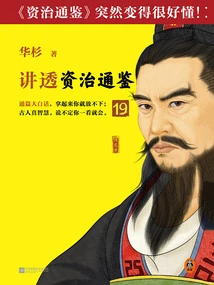
华杉讲透《资治通鉴》19
Huashan
"Zi Zhi Tong Jian" is written from the Warring States Period to the Five Dynasties and Ten Kingdoms, vividly showing the living people and stories in the 1,300-year history of 16 dynasties. It can be said to be the "big data" and "case collection" of China's political and cultural heritage. This book focuses on the history of the Southern Chen, Northern Qi and Northern Three Kingdoms in the late Wei, Jin, Southern and Northern Dynasties. In 557 AD, Emperor Jing of Liang, Xiao Fangzhichan, was located in Chen Baxian. The Liang Kingdom was destroyed and Chen Guoli was established. Later, he defeated the Northern Zhou Dynasty and Hou Liang Dynasty and regained the lost territory. At the same time, the Northern Zhou Dynasty gradually prospered and Yang Jian gradually came to power; the Northern Qi Dynasty gradually perished. In the end, Chen Shubao, the last emperor of the Chen Kingdom, abandoned the government and was destroyed by the Sui lord Yang Jian. Open this book and learn the final management principles from the changes in the Southern Chen, Northern Qi, and Northern Three Kingdoms!
"Zi Zhi Tong Jian" is written from the Warring States Period to the Five Dynasties and Ten Kingdoms, vividly showing the living people and stories in the 1,300-year history of 16 dynasties. It can be said to be the "big data" and "case collection" of China's political and cultural heritage. This book focuses on the history of the Southern Chen, Northern Qi and Northern Three Kingdoms in the late Wei, Jin, Southern and Northern Dynasties. In 557 AD, Emperor Jing of Liang, Xiao Fangzhichan, was located in Chen Baxian. The Liang Kingdom was destroyed and Chen Guoli was established. Later, he defeated the Northern Zhou Dynasty and Hou Liang Dynasty and regained the lost territory. At the same time, the Northern Zhou Dynasty gradually prospered and Yang Jian gradually came to power; the Northern Qi Dynasty gradually perished. In the end, Chen Shubao, the last emperor of the Chen Kingdom, abandoned the government and was destroyed by the Sui lord Yang Jian. Open this book and learn the final management principles from the changes in the Southern Chen, Northern Qi, and Northern Three Kingdoms!
华杉讲透《资治通鉴》(共19册)
Huashan
"Zi Zhi Tong Jian" writes from the Warring States Period to the Five Dynasties and Ten Kingdoms, vividly showing the living people and stories in the 1,362-year history of the 16 dynasties. It can be said to be the "big data" and "case collection" of China's political and cultural heritage. The problems and confusions we encounter today have been encountered and dealt with by our historical predecessors, and they have learned lessons from them. The author Hua Shan translates the entire "Zi Zhi Tong Jian" in "vernacular Chinese", and tries his best to retain the charm of the original text, making people pick it up like reading a novel and not be able to put it down. At the same time, it combines the views of famous experts in the past and my own management experience to explain the wisdom in "Zi Zhi Tong Jian" that is truly useful to ordinary people in the 21st century. Open this book, watch the changes in the situation in the Southern and Northern Dynasties, and learn the necessary good qualities for system managers.
"Zi Zhi Tong Jian" writes from the Warring States Period to the Five Dynasties and Ten Kingdoms, vividly showing the living people and stories in the 1,362-year history of the 16 dynasties. It can be said to be the "big data" and "case collection" of China's political and cultural heritage. The problems and confusions we encounter today have been encountered and dealt with by our historical predecessors, and they have learned lessons from them. The author Hua Shan translates the entire "Zi Zhi Tong Jian" in "vernacular Chinese", and tries his best to retain the charm of the original text, making people pick it up like reading a novel and not be able to put it down. At the same time, it combines the views of famous experts in the past and my own management experience to explain the wisdom in "Zi Zhi Tong Jian" that is truly useful to ordinary people in the 21st century. Open this book, watch the changes in the situation in the Southern and Northern Dynasties, and learn the necessary good qualities for system managers.