Library
Browse and search books
753 novels found
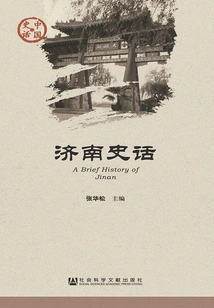
济南史话(中国史话·社会系列)
Editor-in-chief Zhang Huasong
Jinan has a long history and profound culture. It is a national historical and cultural city. "Historical Stories of Jinan" is divided into seven chapters, concise and comprehensive. It comprehensively introduces the history, culture, customs and people of Jinan from an overview of the city situation, organizational history, historical events, celebrity style, local culture, scenic spots, and modern style. It is an encyclopedic book for understanding the history of Jinan.
Jinan has a long history and profound culture. It is a national historical and cultural city. "Historical Stories of Jinan" is divided into seven chapters, concise and comprehensive. It comprehensively introduces the history, culture, customs and people of Jinan from an overview of the city situation, organizational history, historical events, celebrity style, local culture, scenic spots, and modern style. It is an encyclopedic book for understanding the history of Jinan.
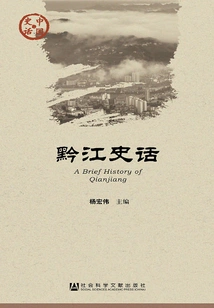
黔江史话(中国史话·社会系列)
Editor-in-chief Yang Hongwei
Qianjiang is a natural treasure with magnificent scenery and rich cultural heritage. The Tujia, Miao and Han people who live and multiply in this land are diligent, intelligent, sensitive and eager to learn. They have created a rich history and culture of Qianjiang and formed simple folk customs. As recorded in "General Chronicles of Sichuan·Yudi·Customs", "the customs of scholars are pure and clean, and the folk customs are simple." The people here are famous for their Confucianism, their official career, their business, and even their witchcraft, medicine and medicine practitioners, all have their own unique skills. "History of Qianjiang" presents many events and unique folk customs that happened in this hot land to readers one by one.
Qianjiang is a natural treasure with magnificent scenery and rich cultural heritage. The Tujia, Miao and Han people who live and multiply in this land are diligent, intelligent, sensitive and eager to learn. They have created a rich history and culture of Qianjiang and formed simple folk customs. As recorded in "General Chronicles of Sichuan·Yudi·Customs", "the customs of scholars are pure and clean, and the folk customs are simple." The people here are famous for their Confucianism, their official career, their business, and even their witchcraft, medicine and medicine practitioners, all have their own unique skills. "History of Qianjiang" presents many events and unique folk customs that happened in this hot land to readers one by one.
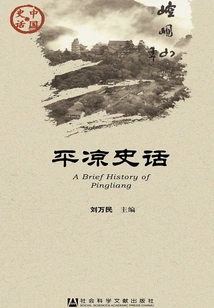
平凉史话(中国史话·社会系列)
Edited By Liu Wanmin
This book was organized by experts and scholars from the Pingliang City Culture, Radio, Film, Television, Press and Publication Bureau, and they revised the draft five times before it was finally completed. This book introduces the famous events and characters in Pingliang's history, Pingliang's scenic spots and natural resources, Pingliang's new modern construction style, etc., And introduces the development history of Pingliang from ancient times to the present in more detail.
This book was organized by experts and scholars from the Pingliang City Culture, Radio, Film, Television, Press and Publication Bureau, and they revised the draft five times before it was finally completed. This book introduces the famous events and characters in Pingliang's history, Pingliang's scenic spots and natural resources, Pingliang's new modern construction style, etc., And introduces the development history of Pingliang from ancient times to the present in more detail.
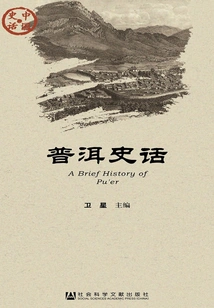
普洱史话(中国史话·社会系列)
Satellite Editor
"Pu'er History" uses historical evolution as a clue, historical events and historical figures as nodes, and narrates the thousands of years of history in Pu'er in a concise and concise form, from the Shang and Zhou Dynasties to modern times, from culture to industry, from nature to landscape, and from legend to reality. There are vivid stories here of God scattering the Garden of Eden on earth, as well as beautiful folk legends; there is the patriotic passion of people of all ethnic groups to fight against foreign aggression, and there is also a strong awareness of protecting the largest oasis on land.
"Pu'er History" uses historical evolution as a clue, historical events and historical figures as nodes, and narrates the thousands of years of history in Pu'er in a concise and concise form, from the Shang and Zhou Dynasties to modern times, from culture to industry, from nature to landscape, and from legend to reality. There are vivid stories here of God scattering the Garden of Eden on earth, as well as beautiful folk legends; there is the patriotic passion of people of all ethnic groups to fight against foreign aggression, and there is also a strong awareness of protecting the largest oasis on land.
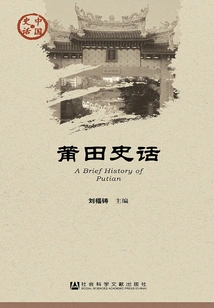
莆田史话(中国史话·社会系列)
Editor-in-chief Liu Fuzhu
Putian is located on the southeast coast, with a long history and prosperous humanities. It is known as "a seaside state with a famous literature". It is also the hometown of Mazu, the world-famous "goddess of peace on the sea". In the form of historical narrative, this book concisely introduces the extraordinary journey of Putian, an ancient new city, and the hot land of "Western Hainan". It panoramically displays Putian's profound historical heritage and all aspects of modern and contemporary economic and social development, especially the great achievements made since the reform and opening up.
Putian is located on the southeast coast, with a long history and prosperous humanities. It is known as "a seaside state with a famous literature". It is also the hometown of Mazu, the world-famous "goddess of peace on the sea". In the form of historical narrative, this book concisely introduces the extraordinary journey of Putian, an ancient new city, and the hot land of "Western Hainan". It panoramically displays Putian's profound historical heritage and all aspects of modern and contemporary economic and social development, especially the great achievements made since the reform and opening up.
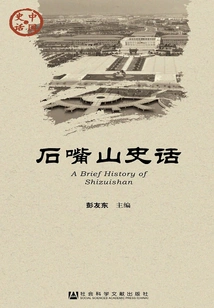
石嘴山史话(中国史话·社会系列)
Editor-in-chief Peng Youdong
Shizuishan is located at the northernmost tip of Ningxia Hui Autonomous Region. It is an industrial city "prosperized by coal". "Historical Stories of Shizuishan" takes time as its warp and events as its latitude. By capturing the major, important and special events that occurred in various historical periods of Shizuishan, it outlines the historical and modern social development of Shizuishan and presents to readers the general trend of social development in the Shizuishan area for more than two thousand years. This book is a good market textbook for people with lofty ideals who love and build Shizuishan. It is a convenient history and reference book for experts and scholars engaged in local history research.
Shizuishan is located at the northernmost tip of Ningxia Hui Autonomous Region. It is an industrial city "prosperized by coal". "Historical Stories of Shizuishan" takes time as its warp and events as its latitude. By capturing the major, important and special events that occurred in various historical periods of Shizuishan, it outlines the historical and modern social development of Shizuishan and presents to readers the general trend of social development in the Shizuishan area for more than two thousand years. This book is a good market textbook for people with lofty ideals who love and build Shizuishan. It is a convenient history and reference book for experts and scholars engaged in local history research.
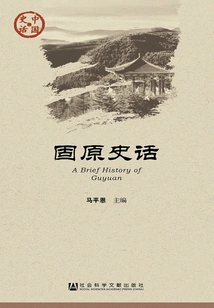
固原史话(中国史话·社会系列)
Editor-in-chief Ma Pingen
Guyuan is the southern gate of Ningxia. It has been known as the "Ancient Xiaoguan", "Great Wall Fortress" and "Guanzhong Barrier" since ancient times. King Zhaoxiang of Qin built the Great Wall, Emperor Wu of the Han Dynasty visited Xiaoguan six times, the Xiongnu leader Helian Bobo Gaoping started a business in the Western Jin Dynasty, Emperor Taizong of the Tang Dynasty came to Wating to watch the horse herding, the King of Xixia fought against Haoshuichuan, the Battle of Shicheng in the Ming Dynasty, Genghis Khan, the "genius", urged horses and whips in Liupan Mountain, Mang Gela built the "Anxi Palace" in Kaicheng, and the People's Liberation Army fought in the Renshan River... They injected pride and vitality into this land. "History of Guyuan" presents this extraordinary period of history and the unique customs and customs of this land to the readers one by one.
Guyuan is the southern gate of Ningxia. It has been known as the "Ancient Xiaoguan", "Great Wall Fortress" and "Guanzhong Barrier" since ancient times. King Zhaoxiang of Qin built the Great Wall, Emperor Wu of the Han Dynasty visited Xiaoguan six times, the Xiongnu leader Helian Bobo Gaoping started a business in the Western Jin Dynasty, Emperor Taizong of the Tang Dynasty came to Wating to watch the horse herding, the King of Xixia fought against Haoshuichuan, the Battle of Shicheng in the Ming Dynasty, Genghis Khan, the "genius", urged horses and whips in Liupan Mountain, Mang Gela built the "Anxi Palace" in Kaicheng, and the People's Liberation Army fought in the Renshan River... They injected pride and vitality into this land. "History of Guyuan" presents this extraordinary period of history and the unique customs and customs of this land to the readers one by one.
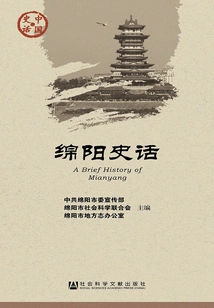
绵阳史话(中国史话·社会系列)
Propaganda Department Of The Mianyang Municipal Committee Of The Communist Party Of China, Mianyang Social Science Federation, Chief Editor Of The Mianyang Local Chronicles Office
Mianyang has a history of more than 2,200 years and has always been the seat of counties, counties and state capitals. Throughout the ages, this land has been home to numerous talents and talents, giving birth to countless outstanding figures such as Li Bai, Ouyang Xiu, Wen Tong, Li Tiaoyuan, Sha Ting, Deng Jiaxian, and Feng Dashi. Sima Xiangru, Yang Xiong, Jiang Wan, Song Zheyuan, Du Fu, Wang Bo, Yang Jiong, and Lu Zhaolin all left important relics or works here. This book reproduces the history and current situation of Mianyang through six aspects: city overview, historical evolution, historical details, local culture, natural and cultural landscapes, and modern style. It shows the splendor and splendor of Mianyang culture to the world and the charm and splendor of this ancient land of Mianyang.
Mianyang has a history of more than 2,200 years and has always been the seat of counties, counties and state capitals. Throughout the ages, this land has been home to numerous talents and talents, giving birth to countless outstanding figures such as Li Bai, Ouyang Xiu, Wen Tong, Li Tiaoyuan, Sha Ting, Deng Jiaxian, and Feng Dashi. Sima Xiangru, Yang Xiong, Jiang Wan, Song Zheyuan, Du Fu, Wang Bo, Yang Jiong, and Lu Zhaolin all left important relics or works here. This book reproduces the history and current situation of Mianyang through six aspects: city overview, historical evolution, historical details, local culture, natural and cultural landscapes, and modern style. It shows the splendor and splendor of Mianyang culture to the world and the charm and splendor of this ancient land of Mianyang.
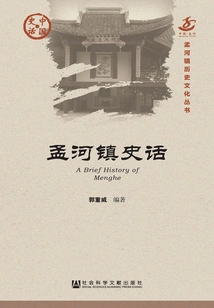
孟河镇史话(中国史话·社会系列)
Compiled By Guo Chongwei
Menghe Town has a long history and is an ancient civilized town with a history of 2,500 years. Menghe Town has a profound cultural heritage and a large number of elites. This is the hometown of Qiliang and the birthplace of Qiliang culture; it is the birthplace of the Menghe School of Medicine, which created a prosperous situation in which "Wuzhong's famous doctors are the best in the world, and Menghe's famous doctors are the best in Wuzhong"; it is also the hometown of revolutionary pioneer Yun Daiying. This book systematically introduces the general situation, history, culture, celebrities, relics and natural scenery of Menghe Town. It also has a special chapter to introduce Menghe's today and tomorrow.
Menghe Town has a long history and is an ancient civilized town with a history of 2,500 years. Menghe Town has a profound cultural heritage and a large number of elites. This is the hometown of Qiliang and the birthplace of Qiliang culture; it is the birthplace of the Menghe School of Medicine, which created a prosperous situation in which "Wuzhong's famous doctors are the best in the world, and Menghe's famous doctors are the best in Wuzhong"; it is also the hometown of revolutionary pioneer Yun Daiying. This book systematically introduces the general situation, history, culture, celebrities, relics and natural scenery of Menghe Town. It also has a special chapter to introduce Menghe's today and tomorrow.
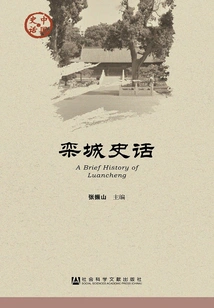
栾城史话(中国史话·社会系列)
Editor-in-chief Zhang Zhenshan
Luancheng, the ancestral home of Sansu, is located in the middle of Hebei Province. In 2014, it was removed from the county and established as a district, and it sits at the south gate of the provincial capital. Luancheng has superior natural conditions and developed ecological tourism and agriculture. It has been awarded the title of National Greening Model County, National Civilized Town, National Garden County and National Sanitary County. Based on historical materials and in chronological order, this book introduces Luan City's organizational history, geographical features, deeds of local sages, etc. It shows the profound historical and cultural heritage of ancient Luan City and also shows the prosperity of new Luan City.
Luancheng, the ancestral home of Sansu, is located in the middle of Hebei Province. In 2014, it was removed from the county and established as a district, and it sits at the south gate of the provincial capital. Luancheng has superior natural conditions and developed ecological tourism and agriculture. It has been awarded the title of National Greening Model County, National Civilized Town, National Garden County and National Sanitary County. Based on historical materials and in chronological order, this book introduces Luan City's organizational history, geographical features, deeds of local sages, etc. It shows the profound historical and cultural heritage of ancient Luan City and also shows the prosperity of new Luan City.
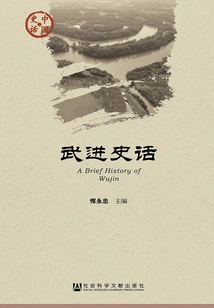
武进史话(中国史话·社会系列)
Editor-in-chief Yun Yongzhong
Wujin is located in the Jiangnan Plain in the lower reaches of the Yangtze River. It borders the Yangtze River, Taihu Lake, and Ganhu Lake. It is like a piece of jasper inlaid between the Yangtze River and Taihu Lake. It has been known as the "Key Assistant between China and Wu" since ancient times. Based on historical facts, this book vividly tells the construction history, major historical events and influential figures in Wujin's thousand-year development, and truly records the ups and downs and glory Wujin has experienced in the long history. At the same time, through a comprehensive introduction to the natural environment, local customs, historical monuments and modern features, it fully demonstrates the Wujin people's inheritance of history, respect for civilization and innovation of culture.
Wujin is located in the Jiangnan Plain in the lower reaches of the Yangtze River. It borders the Yangtze River, Taihu Lake, and Ganhu Lake. It is like a piece of jasper inlaid between the Yangtze River and Taihu Lake. It has been known as the "Key Assistant between China and Wu" since ancient times. Based on historical facts, this book vividly tells the construction history, major historical events and influential figures in Wujin's thousand-year development, and truly records the ups and downs and glory Wujin has experienced in the long history. At the same time, through a comprehensive introduction to the natural environment, local customs, historical monuments and modern features, it fully demonstrates the Wujin people's inheritance of history, respect for civilization and innovation of culture.
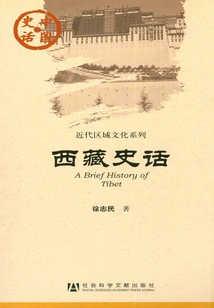
西藏史话(中国史话·近代区域文化系列)
Xu Zhimin
Although this book starts from the ancient history of Tibet, it focuses on the vicissitudes of Tibet's history over the past century. That is, the history of how Tibet in modern China moved from a semi-colony coveted and encroached upon by imperialist powers to one that completely expelled imperialist forces and fully integrated into the big family of the motherland; how it moved from a political system where religion and politics were ruled by gods and Buddhas to a national regional autonomy in which the people are the masters; and how it moved from a dark, cruel, backward feudal serfdom society that lasted for thousands of years to a bright road to a socialist society. History has proven, and will continue to prove, that without the Communist Party of China, there would be no new Tibet with a socialist society and no new happy life for the people of all ethnic groups in Tibet.
Although this book starts from the ancient history of Tibet, it focuses on the vicissitudes of Tibet's history over the past century. That is, the history of how Tibet in modern China moved from a semi-colony coveted and encroached upon by imperialist powers to one that completely expelled imperialist forces and fully integrated into the big family of the motherland; how it moved from a political system where religion and politics were ruled by gods and Buddhas to a national regional autonomy in which the people are the masters; and how it moved from a dark, cruel, backward feudal serfdom society that lasted for thousands of years to a bright road to a socialist society. History has proven, and will continue to prove, that without the Communist Party of China, there would be no new Tibet with a socialist society and no new happy life for the people of all ethnic groups in Tibet.
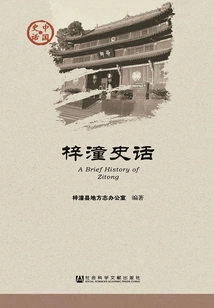
梓潼史话(中国史话·社会系列)
Compiled By Zitong County Local Chronicles Office
Zitong has a long history. It was established as a county in the 22nd year of King Zhaoxiang of Qin Dynasty (285 BC). The Qiqushan Temple, the birthplace of Wenchang culture, Li Yeque in the Han Dynasty, and Tang Dynasty cliff carvings in Wolong Mountain are national cultural relics protection units. The Cuiyun Corridor of Shu Road with "three hundred miles and one hundred thousand trees" passes through it. The former site of the nuclear industry base "China's Two Bomb City" and numerous Red Army ruins have formed a tourist landscape pattern of "two cities, three mountains, and one water" in the county. "History of Zitong" introduces the economic and social development and progress of Zitong to readers, and displays Zitong's unique folk culture, folk culture and cultural relics.
Zitong has a long history. It was established as a county in the 22nd year of King Zhaoxiang of Qin Dynasty (285 BC). The Qiqushan Temple, the birthplace of Wenchang culture, Li Yeque in the Han Dynasty, and Tang Dynasty cliff carvings in Wolong Mountain are national cultural relics protection units. The Cuiyun Corridor of Shu Road with "three hundred miles and one hundred thousand trees" passes through it. The former site of the nuclear industry base "China's Two Bomb City" and numerous Red Army ruins have formed a tourist landscape pattern of "two cities, three mountains, and one water" in the county. "History of Zitong" introduces the economic and social development and progress of Zitong to readers, and displays Zitong's unique folk culture, folk culture and cultural relics.
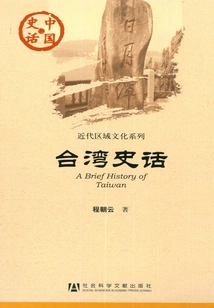
台湾史话(中国史话·近代区域文化系列)
Cheng Chaoyun
This book describes the historical development of Taiwan starting from the archaeological discovery of human life remains to the defeat of the Kuomintang in 1949. It shows the development of Taiwan by the Chinese government since the Three Kingdoms period, Taiwan's political establishment, economic development and trade, the immigration and reclamation of Taiwan by the mainland, the management of Taiwan by the Zheng family and Liu Mingchuan, the Qing government's cession of Taiwan after the Opium War, Japan's occupation and establishment of the colonial system, and the oppression and plunder of the Taiwanese people, the continuous resistance struggle of the Taiwanese people, the recovery of Taiwan after Japan's surrender, the gains and losses of the Nationalist government's policy towards Taiwan, the conflicts between immigrants to Taiwan and Taiwanese indigenous people, etc. After reading, you can have a comprehensive understanding of Taiwan's development and development process from prehistory to the founding of New China, as well as the relationship between Taiwan and the mainland. In today's situation of frequent cross-strait exchanges, it has a high reference value for ordinary readers and related personnel to understand Taiwan's history.
This book describes the historical development of Taiwan starting from the archaeological discovery of human life remains to the defeat of the Kuomintang in 1949. It shows the development of Taiwan by the Chinese government since the Three Kingdoms period, Taiwan's political establishment, economic development and trade, the immigration and reclamation of Taiwan by the mainland, the management of Taiwan by the Zheng family and Liu Mingchuan, the Qing government's cession of Taiwan after the Opium War, Japan's occupation and establishment of the colonial system, and the oppression and plunder of the Taiwanese people, the continuous resistance struggle of the Taiwanese people, the recovery of Taiwan after Japan's surrender, the gains and losses of the Nationalist government's policy towards Taiwan, the conflicts between immigrants to Taiwan and Taiwanese indigenous people, etc. After reading, you can have a comprehensive understanding of Taiwan's development and development process from prehistory to the founding of New China, as well as the relationship between Taiwan and the mainland. In today's situation of frequent cross-strait exchanges, it has a high reference value for ordinary readers and related personnel to understand Taiwan's history.
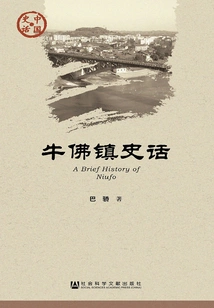
牛佛镇史话(中国史话·社会系列)
Bajiao
Niufo Ancient Town is located on the southern edge of the Sichuan Basin and on the lower reaches of the Tuojiang River. It has always been an important trade town and was prosperous. Niuwang Mountain is like a cow, standing on the bank of Tuojiang River. It is said that it is the seat of the sacred cow that saves all living beings. The ferry at the foot of the mountain is called Niu Fo Ferry, and the town is also named Niu Fo Town. The book "History of Niufozhen", with pictures and texts, vividly and detailedly introduces the customs, customs and development of the ancient town. Reading this book, a thousand-year-old ancient town with a long history, rich culture, and rich humanities can be clearly seen. It is like being in the "Tuojiang Commercial Port, a thousand-year-old ancient town in southern Sichuan", thereby appreciating its unique charm.
Niufo Ancient Town is located on the southern edge of the Sichuan Basin and on the lower reaches of the Tuojiang River. It has always been an important trade town and was prosperous. Niuwang Mountain is like a cow, standing on the bank of Tuojiang River. It is said that it is the seat of the sacred cow that saves all living beings. The ferry at the foot of the mountain is called Niu Fo Ferry, and the town is also named Niu Fo Town. The book "History of Niufozhen", with pictures and texts, vividly and detailedly introduces the customs, customs and development of the ancient town. Reading this book, a thousand-year-old ancient town with a long history, rich culture, and rich humanities can be clearly seen. It is like being in the "Tuojiang Commercial Port, a thousand-year-old ancient town in southern Sichuan", thereby appreciating its unique charm.
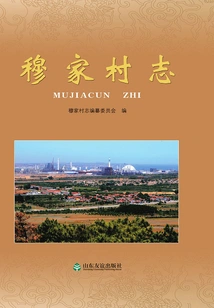
Chronicles of Mu Village
History穆家村志
Mujiacunzhi Compilation Committee
Mujia Village is an administrative village in the Dajijia Subdistrict Office of Yantai Economic and Technological Development Zone with a long history. Xiu Zhi asked to enlighten the future. The Mujia Village Party branch and village committee assessed the situation and organized and compiled the "Mujia Village Chronicle" in a timely manner. They also established a writing group for the "Mujia Village Chronicle" and mobilized the entire village to actively participate in the compilation. After more than three years of hard work, "Mujia Village Chronicles", which comprehensively reflects the geography, nature, political economy, culture, customs, and people of Mujia Village, has finally been released. "Mujia Village Chronicles" is a reference book that records the history of the village. It has the functions of "advising government, preserving history, and educating people." It contains reference value and significance in anthropology, sociology, ethnology, and economic history.
Mujia Village is an administrative village in the Dajijia Subdistrict Office of Yantai Economic and Technological Development Zone with a long history. Xiu Zhi asked to enlighten the future. The Mujia Village Party branch and village committee assessed the situation and organized and compiled the "Mujia Village Chronicle" in a timely manner. They also established a writing group for the "Mujia Village Chronicle" and mobilized the entire village to actively participate in the compilation. After more than three years of hard work, "Mujia Village Chronicles", which comprehensively reflects the geography, nature, political economy, culture, customs, and people of Mujia Village, has finally been released. "Mujia Village Chronicles" is a reference book that records the history of the village. It has the functions of "advising government, preserving history, and educating people." It contains reference value and significance in anthropology, sociology, ethnology, and economic history.
中国路谱·陕西卷
Shaanxi Provincial Department Of Transportation
Transportation development gives rise to historical processes and deposits historical traces. "China Road Book·Shaanxi Volume" is the development history of Shaanxi's road transportation. It records the great achievements and hardships of the past, and also demonstrates today's glory and courage.
Transportation development gives rise to historical processes and deposits historical traces. "China Road Book·Shaanxi Volume" is the development history of Shaanxi's road transportation. It records the great achievements and hardships of the past, and also demonstrates today's glory and courage.
That Village, That Person
History那村,那人
Wang Zhiguo
"That Village, That Person" edited by Wang Zhiguo is a literary work based on Xiayangpu Village, Xinpu Town, Cixi City, Zhejiang Province. It is both a village history and a story derived from village history. It describes what happened in Xiayangpu Village during the 124 years from the time it was inhabited to 2015.
"That Village, That Person" edited by Wang Zhiguo is a literary work based on Xiayangpu Village, Xinpu Town, Cixi City, Zhejiang Province. It is both a village history and a story derived from village history. It describes what happened in Xiayangpu Village during the 124 years from the time it was inhabited to 2015.
北京的深邃:京城模式与象征体系
Zhang Fa
"The Profundity of Beijing" mainly focuses on the basic layout of modern Beijing as the capital of the Republic, looking back at the ancient formation, basic structure, and rich cultural and aesthetic content of the capital in Chinese culture, and revealing its influence on the symbolic system of the modern Chinese capital. At that time, it presented the evolution of the capital model and symbolic system since the reform and opening up. Later, the capital city of China pursued the world city, and the capital city of ancient ethnic minorities caught up with the capital city of China. These dual perspectives provide a cultural and aesthetic reference for the modern capital model and symbolic system of China.
"The Profundity of Beijing" mainly focuses on the basic layout of modern Beijing as the capital of the Republic, looking back at the ancient formation, basic structure, and rich cultural and aesthetic content of the capital in Chinese culture, and revealing its influence on the symbolic system of the modern Chinese capital. At that time, it presented the evolution of the capital model and symbolic system since the reform and opening up. Later, the capital city of China pursued the world city, and the capital city of ancient ethnic minorities caught up with the capital city of China. These dual perspectives provide a cultural and aesthetic reference for the modern capital model and symbolic system of China.
文化视域下的社会变革:云南民族关系演进与文化生产
Liu Tao
Focusing on Yunnan, this book makes full use of existing research results. On the basis of sorting out the evolutionary trends of ethnic relations in Yunnan, it focuses on examining the historical changes in the subject, structure, product content, and production methods of cultural production, and conducts case studies on the correlation between different types of cultural production and the formation and development of ethnic relations, as well as the construction and transformation of political and economic order. The author hopes to obtain typical information on cultural production and the construction of ethnic relations, and provide theoretical and empirical support for the cultural industry and public cultural services to play an active role in constructing equal and harmonious ethnic relations.
Focusing on Yunnan, this book makes full use of existing research results. On the basis of sorting out the evolutionary trends of ethnic relations in Yunnan, it focuses on examining the historical changes in the subject, structure, product content, and production methods of cultural production, and conducts case studies on the correlation between different types of cultural production and the formation and development of ethnic relations, as well as the construction and transformation of political and economic order. The author hopes to obtain typical information on cultural production and the construction of ethnic relations, and provide theoretical and empirical support for the cultural industry and public cultural services to play an active role in constructing equal and harmonious ethnic relations.
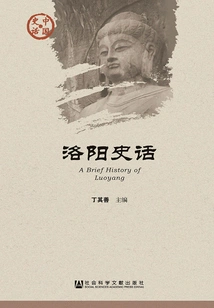
Luoyang History
History洛阳史话
Ding Qishan
During the three thousand years from the Xia to the Song Dynasty, Luoyang, as the imperial capital for a thousand years, had performed scenes of glorious and magnificent historical scenes. At the beginning of the Northern Song Dynasty, as the political center moved eastward, Luoyang, which lost its status as the capital, experienced a silent night for nearly a thousand years. After the founding of the People's Republic of China, Luoyang gradually emerged and has become a famous industrial base and tourist attraction in China. It is also striving towards the goal of becoming the best inhabited city in the Central Plains and an international historical and cultural city. This book describes the history, culture and development of Luoyang from five aspects: "Luoyang was created in heaven", "Evolution of a famous capital", "Science, Education, Literature and Art", "Rise of a famous city" and "Beijing-Luoyang story".
During the three thousand years from the Xia to the Song Dynasty, Luoyang, as the imperial capital for a thousand years, had performed scenes of glorious and magnificent historical scenes. At the beginning of the Northern Song Dynasty, as the political center moved eastward, Luoyang, which lost its status as the capital, experienced a silent night for nearly a thousand years. After the founding of the People's Republic of China, Luoyang gradually emerged and has become a famous industrial base and tourist attraction in China. It is also striving towards the goal of becoming the best inhabited city in the Central Plains and an international historical and cultural city. This book describes the history, culture and development of Luoyang from five aspects: "Luoyang was created in heaven", "Evolution of a famous capital", "Science, Education, Literature and Art", "Rise of a famous city" and "Beijing-Luoyang story".
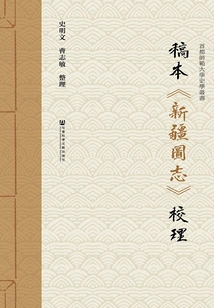
稿本《新疆图志》校理
Shi Mingwen Cao Zhimin
This book is divided into two parts: the first part studies the version, content and value of the manuscript of "Illustrated Records of Xinjiang". It is believed that the manuscript was written by many people, and the content is different from the final version. It is valuable for determining the author of the branch records, exploring the compilation process and text formation of "Illustrated Records", and provides new historical materials for the study of Xinjiang history and geography; the second part punctuates and collates the discovered manuscripts of "Illustrated Records of Xinjiang", and makes brief research with reference to relevant documents, so as to provide readers with correct and comprehensive text information.
This book is divided into two parts: the first part studies the version, content and value of the manuscript of "Illustrated Records of Xinjiang". It is believed that the manuscript was written by many people, and the content is different from the final version. It is valuable for determining the author of the branch records, exploring the compilation process and text formation of "Illustrated Records", and provides new historical materials for the study of Xinjiang history and geography; the second part punctuates and collates the discovered manuscripts of "Illustrated Records of Xinjiang", and makes brief research with reference to relevant documents, so as to provide readers with correct and comprehensive text information.
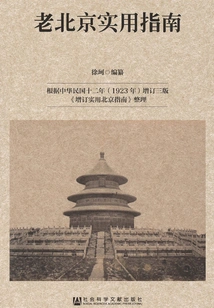
老北京实用指南(全集)
Xu Ke
"A Practical Guide to Old Beijing" was compiled by Xu Ke, editor of "Qingbailei Chao" and a well-known anecdote. It was first published in the ninth year of the Republic of China (1920), and the third revised edition was published in the twelfth year of the Republic of China (1923). The content of the book is divided into ten parts: 1. Geography; 2. Etiquette; 3. Laws and regulations; 4. Public utilities; 5. Transportation; 6. Industry; 7. Food, accommodation and sightseeing; 8. Historical sites and places of interest; 9. Miscellaneous records; 10. Place names. As can be seen from the catalog, this is an encyclopedia that reflects the appearance of old Beijing in the early 20th century.
"A Practical Guide to Old Beijing" was compiled by Xu Ke, editor of "Qingbailei Chao" and a well-known anecdote. It was first published in the ninth year of the Republic of China (1920), and the third revised edition was published in the twelfth year of the Republic of China (1923). The content of the book is divided into ten parts: 1. Geography; 2. Etiquette; 3. Laws and regulations; 4. Public utilities; 5. Transportation; 6. Industry; 7. Food, accommodation and sightseeing; 8. Historical sites and places of interest; 9. Miscellaneous records; 10. Place names. As can be seen from the catalog, this is an encyclopedia that reflects the appearance of old Beijing in the early 20th century.
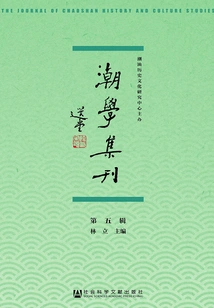
潮学集刊(第5辑)
Lin Li
"Chaoxue Collection" is an academic annual journal sponsored by the Chaoshan Historical and Cultural Research Center, which collects high-level and high-level research results on Chaoshan historical and cultural research. This book is the fifth volume and contains 22 academic papers on Chaozhou studies. The papers cover recent research results in Chaoshan historical and cultural fields such as the Maritime Silk Road and overseas Chinese, cultural heritage, regional and social history, Chaozhou characters, religious beliefs, etc.
"Chaoxue Collection" is an academic annual journal sponsored by the Chaoshan Historical and Cultural Research Center, which collects high-level and high-level research results on Chaoshan historical and cultural research. This book is the fifth volume and contains 22 academic papers on Chaozhou studies. The papers cover recent research results in Chaoshan historical and cultural fields such as the Maritime Silk Road and overseas Chinese, cultural heritage, regional and social history, Chaozhou characters, religious beliefs, etc.
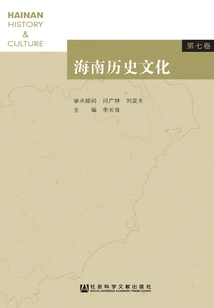
海南历史文化(第7卷)
Li Changqing
The seventh volume of "Hainan History and Culture" discusses the political evolution process and inner essence of Hainan from the late Han Dynasty and the Three Kingdoms to the late Sui and early Tang Dynasty, the non-utilitarian educational values taught by the famous Ming Dynasty minister Wang Hongjie and its practical guiding significance for today's society; it also discusses Hainan historical celebrities Hai Rui, Qiu Jun, Tang Zhou, Madam Xian, He Luguang, Liang Yunlong, Pan Cun , Song Ziwen and others conducted research to enrich the images of these historical figures; studied Su Dongpo's "He Tao Poems" written when he was in Danzhou, Hainan, and the situation of Su Dongpo's life in Hainan reflected in these poems; described Bai Yuchan's literature and Taoism; and wrote about the lives of Ding Wei, Su Shi, Pan Cun, and Peng Guangqin.
The seventh volume of "Hainan History and Culture" discusses the political evolution process and inner essence of Hainan from the late Han Dynasty and the Three Kingdoms to the late Sui and early Tang Dynasty, the non-utilitarian educational values taught by the famous Ming Dynasty minister Wang Hongjie and its practical guiding significance for today's society; it also discusses Hainan historical celebrities Hai Rui, Qiu Jun, Tang Zhou, Madam Xian, He Luguang, Liang Yunlong, Pan Cun , Song Ziwen and others conducted research to enrich the images of these historical figures; studied Su Dongpo's "He Tao Poems" written when he was in Danzhou, Hainan, and the situation of Su Dongpo's life in Hainan reflected in these poems; described Bai Yuchan's literature and Taoism; and wrote about the lives of Ding Wei, Su Shi, Pan Cun, and Peng Guangqin.
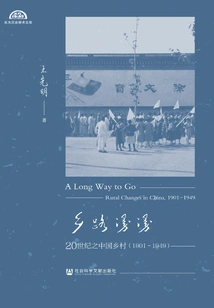
乡路漫漫:20世纪之中国乡村(1901~1949)(全集)
Wang Xianming
This book focuses on the study of the correlation between institutional changes and structural changes in rural society. It not only focuses on the vertical development of historical changes and strives to grasp the basic trajectory and development context of rural social evolution caused by institutional changes in the early 20th century as a whole, but also focuses on the horizontal development from a regional perspective to reveal the role and significance of different social and cultural factors in rural changes. At the same time, in a relatively comparative sense, it strives to reveal the underlying co-trends and universal characteristics through regional differences in society, economy, and culture, and to present the homogeneous significance of the overall historical process through the unevenness of regional evolution.
This book focuses on the study of the correlation between institutional changes and structural changes in rural society. It not only focuses on the vertical development of historical changes and strives to grasp the basic trajectory and development context of rural social evolution caused by institutional changes in the early 20th century as a whole, but also focuses on the horizontal development from a regional perspective to reveal the role and significance of different social and cultural factors in rural changes. At the same time, in a relatively comparative sense, it strives to reveal the underlying co-trends and universal characteristics through regional differences in society, economy, and culture, and to present the homogeneous significance of the overall historical process through the unevenness of regional evolution.
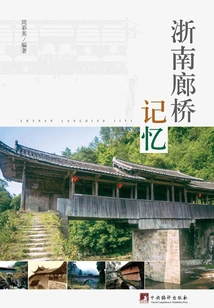
浙南廊桥记忆
Zhou Caiying
"Memory of Covered Bridges in Southern Zhejiang" introduces that there are thousands of existing ancient bridges in the mountainous areas of southern Zhejiang, among which there are more than 200 ancient covered bridges known as "treasures of ancient bridges". Covered bridges are different from ordinary bridges. They are not simply material cultural heritage. The cultural and historical materials and folk culture that accompany covered bridges include calligraphy, celebrity handwriting, bridge records, bridge plaques, couplet bridge poems, legends, and folk activities, making covered bridges a combination of material and culture. These memories of covered bridges that coexist with covered bridges are important carriers of regional folk culture and important materials for the study of covered bridges and folk culture. The process of modernization has damaged the covered bridge culture to a certain extent. It is very important to collect and organize the archives, poems, couplets, legends, inscriptions, folklore phenomena, folk activities and other memories of covered bridges related to covered bridges, so as to leave as many graphic and textual materials as possible for the study of covered bridge culture. "Memory of Covered Bridges in Southern Zhejiang" collects a large amount of existing information on covered bridges in southern Zhejiang, which is of great significance for the protection and research of covered bridge culture.
"Memory of Covered Bridges in Southern Zhejiang" introduces that there are thousands of existing ancient bridges in the mountainous areas of southern Zhejiang, among which there are more than 200 ancient covered bridges known as "treasures of ancient bridges". Covered bridges are different from ordinary bridges. They are not simply material cultural heritage. The cultural and historical materials and folk culture that accompany covered bridges include calligraphy, celebrity handwriting, bridge records, bridge plaques, couplet bridge poems, legends, and folk activities, making covered bridges a combination of material and culture. These memories of covered bridges that coexist with covered bridges are important carriers of regional folk culture and important materials for the study of covered bridges and folk culture. The process of modernization has damaged the covered bridge culture to a certain extent. It is very important to collect and organize the archives, poems, couplets, legends, inscriptions, folklore phenomena, folk activities and other memories of covered bridges related to covered bridges, so as to leave as many graphic and textual materials as possible for the study of covered bridge culture. "Memory of Covered Bridges in Southern Zhejiang" collects a large amount of existing information on covered bridges in southern Zhejiang, which is of great significance for the protection and research of covered bridge culture.
云南通史·第一卷
Li Kunsheng Editor-in-chief Qian Chengrun
"General History of Yunnan" (six volumes) is a historical work that systematically discusses the political, economic, social and cultural development of various ethnic groups in Yunnan in different historical periods from ancient times to 1949. The integration of indigenous peoples and indigenous peoples, and indigenous peoples and Han people, that is, "barbarians become barbarians", "Hans become barbarians", "barbarians become Han", and through integration and common prosperity, they cohere with all Chinese ethnic groups to form a unified and indivisible country. This is a main line throughout this book. This book picks out the best, discards the bad and retains the good, and focuses on innovation. It reveals the laws and highlights of Yunnan's historical development from all aspects. It has important reference value for the study of China's general history, special history, and the history of exchanges between China and Southeast Asia and South Asia.
"General History of Yunnan" (six volumes) is a historical work that systematically discusses the political, economic, social and cultural development of various ethnic groups in Yunnan in different historical periods from ancient times to 1949. The integration of indigenous peoples and indigenous peoples, and indigenous peoples and Han people, that is, "barbarians become barbarians", "Hans become barbarians", "barbarians become Han", and through integration and common prosperity, they cohere with all Chinese ethnic groups to form a unified and indivisible country. This is a main line throughout this book. This book picks out the best, discards the bad and retains the good, and focuses on innovation. It reveals the laws and highlights of Yunnan's historical development from all aspects. It has important reference value for the study of China's general history, special history, and the history of exchanges between China and Southeast Asia and South Asia.
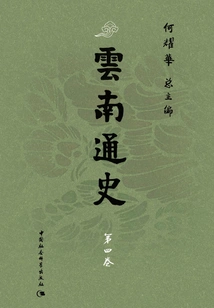
云南通史·第四卷
He Yaohua Editor-in-chief Xia Guangfu
"General History of Yunnan" (six volumes) is a historical work that systematically discusses the political, economic, social and cultural development of various ethnic groups in Yunnan in different historical periods from ancient times to 1949. The integration of indigenous peoples and indigenous peoples, and indigenous peoples and Han people, that is, "barbarians become barbarians", "Hans become barbarians", "barbarians become Han", and through integration and common prosperity, they cohere with all Chinese ethnic groups to form a unified and indivisible country. This is a main line throughout this book. This book picks out the best, discards the bad and retains the good, and focuses on innovation. It reveals the laws and highlights of Yunnan's historical development from all aspects. It has important reference value for the study of China's general history, special history, and the history of exchanges between China and Southeast Asia and South Asia.
"General History of Yunnan" (six volumes) is a historical work that systematically discusses the political, economic, social and cultural development of various ethnic groups in Yunnan in different historical periods from ancient times to 1949. The integration of indigenous peoples and indigenous peoples, and indigenous peoples and Han people, that is, "barbarians become barbarians", "Hans become barbarians", "barbarians become Han", and through integration and common prosperity, they cohere with all Chinese ethnic groups to form a unified and indivisible country. This is a main line throughout this book. This book picks out the best, discards the bad and retains the good, and focuses on innovation. It reveals the laws and highlights of Yunnan's historical development from all aspects. It has important reference value for the study of China's general history, special history, and the history of exchanges between China and Southeast Asia and South Asia.
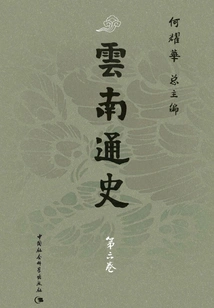
云南通史·第六卷
Niu Hongbin Editor-in-chief Of Xie Shushu
"General History of Yunnan" (six volumes) is a historical work that systematically discusses the political, economic, social and cultural development of various ethnic groups in Yunnan in different historical periods from ancient times to 1949. The integration of indigenous peoples and indigenous peoples, and indigenous peoples and Han people, that is, "barbarians become barbarians", "Hans become barbarians", "barbarians become Han", and through integration and common prosperity, they cohere with all Chinese ethnic groups to form a unified and indivisible country. This is a main line throughout this book. This book picks out the best, discards the bad and retains the good, and focuses on innovation. It reveals the laws and highlights of Yunnan's historical development from all aspects. It has important reference value for the study of China's general history, special history, and the history of exchanges between China and Southeast Asia and South Asia.
"General History of Yunnan" (six volumes) is a historical work that systematically discusses the political, economic, social and cultural development of various ethnic groups in Yunnan in different historical periods from ancient times to 1949. The integration of indigenous peoples and indigenous peoples, and indigenous peoples and Han people, that is, "barbarians become barbarians", "Hans become barbarians", "barbarians become Han", and through integration and common prosperity, they cohere with all Chinese ethnic groups to form a unified and indivisible country. This is a main line throughout this book. This book picks out the best, discards the bad and retains the good, and focuses on innovation. It reveals the laws and highlights of Yunnan's historical development from all aspects. It has important reference value for the study of China's general history, special history, and the history of exchanges between China and Southeast Asia and South Asia.
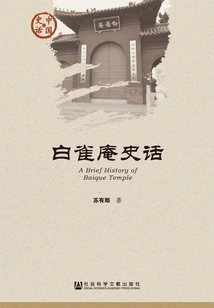
白雀庵史话
Su Youlang
Baique Temple is located in Baifo Village, Nanhe County, Hebei Province. It has a long history and is the largest female monastery in Hebei Province. Based on records from historical archives and local documents, and through local investigations, the author of "History of Baique'an" recorded in detail the historical process of the construction, inheritance, destruction and reconstruction of Baique'an, as well as the religious culture, architectural culture, Buddhist art, etc. Of the reconstructed Baique'an temple. Through this book, readers can have a comprehensive understanding of Baique An, the history of Baique An, the religious culture of Baique An, and the Guanyin culture.
Baique Temple is located in Baifo Village, Nanhe County, Hebei Province. It has a long history and is the largest female monastery in Hebei Province. Based on records from historical archives and local documents, and through local investigations, the author of "History of Baique'an" recorded in detail the historical process of the construction, inheritance, destruction and reconstruction of Baique'an, as well as the religious culture, architectural culture, Buddhist art, etc. Of the reconstructed Baique'an temple. Through this book, readers can have a comprehensive understanding of Baique An, the history of Baique An, the religious culture of Baique An, and the Guanyin culture.
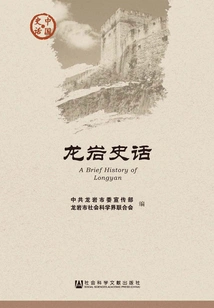
Longyan History
History龙岩史话
Propaganda Department Of The Longyan Municipal Committee Of The Communist Party Of China Longyan Federation Of Social Sciences
Longyan, also known as Western Fujian, is located at the junction of the three provinces of Fujian, Guangdong and Jiangxi. It is the birthplace of the three most important rivers in Fujian - Jiulong River, Tingjiang River and Minjiang River. It was once the ancestral land of the "Qihe Cave People", "Ancient Min People" and "Min Yue People" in ancient times and the central area of the "Nanhai Kingdom". Minnan culture, Hakka culture and indigenous culture merge with each other here. In modern times, Longyan is the core area of China's famous Central Soviet Area. It is the hometown of the Red Army, the cradle of generals, the place where Mao Zedong Thought was initially formed, and one of the starting points of the Central Red Army's Long March. "Longyan History" presents the splendid culture and customs of this magical land to readers one by one.
Longyan, also known as Western Fujian, is located at the junction of the three provinces of Fujian, Guangdong and Jiangxi. It is the birthplace of the three most important rivers in Fujian - Jiulong River, Tingjiang River and Minjiang River. It was once the ancestral land of the "Qihe Cave People", "Ancient Min People" and "Min Yue People" in ancient times and the central area of the "Nanhai Kingdom". Minnan culture, Hakka culture and indigenous culture merge with each other here. In modern times, Longyan is the core area of China's famous Central Soviet Area. It is the hometown of the Red Army, the cradle of generals, the place where Mao Zedong Thought was initially formed, and one of the starting points of the Central Red Army's Long March. "Longyan History" presents the splendid culture and customs of this magical land to readers one by one.
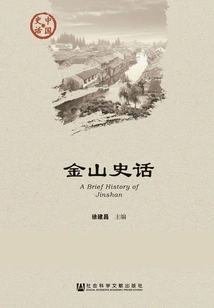
Jinshan History
History金山史话
Xu Jianchang
Jinshan is located in the southwest of Shanghai. It is named after the three Jinshan Islands. It is the earliest land-forming area in Shanghai. The area contains the earliest ancient coastal sites in Shanghai, including Qijiadun, Chashan, Zhaoxianbang and other ancient cultural sites. The long history has left Jinshan with rich cultural relics and legendary cultural landscapes. "Jinshan History" comprehensively explains the development process and local characteristic culture of Jinshan from six aspects: historical evolution, small town stories, historical details, celebrity style, local culture and modern style. The writing is fluent and the pictures and texts are rich, which helps readers to fully understand the history of Jinshan. It also has important reference value for the study of local history in Shanghai.
Jinshan is located in the southwest of Shanghai. It is named after the three Jinshan Islands. It is the earliest land-forming area in Shanghai. The area contains the earliest ancient coastal sites in Shanghai, including Qijiadun, Chashan, Zhaoxianbang and other ancient cultural sites. The long history has left Jinshan with rich cultural relics and legendary cultural landscapes. "Jinshan History" comprehensively explains the development process and local characteristic culture of Jinshan from six aspects: historical evolution, small town stories, historical details, celebrity style, local culture and modern style. The writing is fluent and the pictures and texts are rich, which helps readers to fully understand the history of Jinshan. It also has important reference value for the study of local history in Shanghai.
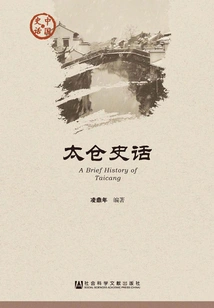
Taicang History
History太仓史话
Ling Dingnian
Taicang is named after King Wu set up a granary here during the Spring and Autumn Period. It is the anchorage of the famous navigator Zheng He's seven voyages to the Western Ocean, the birthplace of Jiangnan silk and bamboo, the birthplace of Loudong culture, and the birthplace of the legend of the Cowherd and the Weaver Girl. The urban spirit of "exquisiteness, harmony, pragmatism, and innovation" was formed in the blend of Loudong culture and Jianghai culture. "History of Taicang" systematically introduces Taicang's characteristic culture, historical evolution and modern style from ancient times to the present, which is helpful for people to fully appreciate Taicang's thousand-year charm.
Taicang is named after King Wu set up a granary here during the Spring and Autumn Period. It is the anchorage of the famous navigator Zheng He's seven voyages to the Western Ocean, the birthplace of Jiangnan silk and bamboo, the birthplace of Loudong culture, and the birthplace of the legend of the Cowherd and the Weaver Girl. The urban spirit of "exquisiteness, harmony, pragmatism, and innovation" was formed in the blend of Loudong culture and Jianghai culture. "History of Taicang" systematically introduces Taicang's characteristic culture, historical evolution and modern style from ancient times to the present, which is helpful for people to fully appreciate Taicang's thousand-year charm.
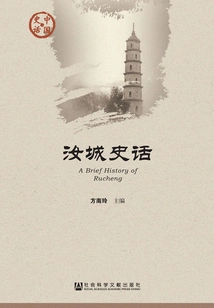
History of Rucheng
History汝城史话
Fang Nanling
Rucheng has prosperous humanities and a long history. "History of Rucheng" systematically presents the development trajectory of Rucheng from ancient times to the present, and outlines the characteristic culture, historical evolution and modern style of the ancient city, which is helpful for people to fully appreciate the cultural charm of the thousand-year-old county.
Rucheng has prosperous humanities and a long history. "History of Rucheng" systematically presents the development trajectory of Rucheng from ancient times to the present, and outlines the characteristic culture, historical evolution and modern style of the ancient city, which is helpful for people to fully appreciate the cultural charm of the thousand-year-old county.
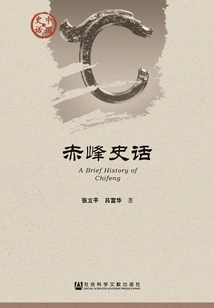
Chifeng History
History赤峰史话
Zhang Liping Lu Fuhua
This book sorts out the glorious history of Chifeng from ancient times to modern times with six chapters: "Ancient Heritage", "Agricultural and Pastoral Symphony", "Grassland Empire", "Monan Xiongfeng", "Modern Times" and "Vicissitudes of Changes". The book explains the important position and role of Chifeng in the diverse and unified cultural pattern of the Chinese nation. It is of great significance for all walks of life to understand Chifeng and to enhance the Chifeng people's awareness, sense of belonging and pride in their hometown.
This book sorts out the glorious history of Chifeng from ancient times to modern times with six chapters: "Ancient Heritage", "Agricultural and Pastoral Symphony", "Grassland Empire", "Monan Xiongfeng", "Modern Times" and "Vicissitudes of Changes". The book explains the important position and role of Chifeng in the diverse and unified cultural pattern of the Chinese nation. It is of great significance for all walks of life to understand Chifeng and to enhance the Chifeng people's awareness, sense of belonging and pride in their hometown.
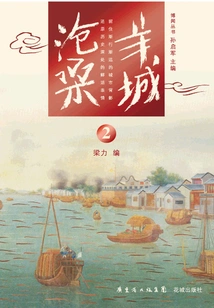
羊城沧桑2
Liang Li
This book is based on the "Yangcheng Vicissitudes" series of special topics in the evening edition of "Yangcheng Evening News". It contains a large number of unknown historical collections, amazing people and events, as well as many past rare world affairs and customs, as well as interesting colloquial sayings in Guangzhou.
This book is based on the "Yangcheng Vicissitudes" series of special topics in the evening edition of "Yangcheng Evening News". It contains a large number of unknown historical collections, amazing people and events, as well as many past rare world affairs and customs, as well as interesting colloquial sayings in Guangzhou.
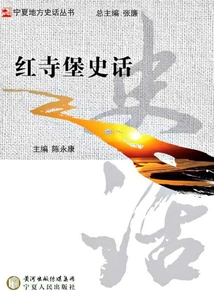
History of Hongsi Fort
History红寺堡史话
Editor-in-chief Chen Yongkang
As part of the "History of Ningxia" series, "History of Hongsibao\u002F Ningxia Local History Series" uses the form of historical narratives to comprehensively introduce the history and culture of Hongsibao, immigration development and construction, and the rise of new immigrant cities in the desert. It is a historical encyclopedia that comprehensively understands the past, present and future of Hongsi Fort.
As part of the "History of Ningxia" series, "History of Hongsibao\u002F Ningxia Local History Series" uses the form of historical narratives to comprehensively introduce the history and culture of Hongsibao, immigration development and construction, and the rise of new immigrant cities in the desert. It is a historical encyclopedia that comprehensively understands the past, present and future of Hongsi Fort.
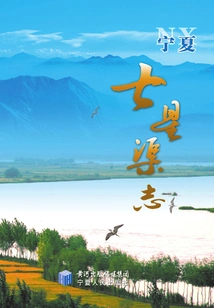
Ningxia Qixingquzhi
History宁夏七星渠志
Compilation Committee Of "ningxia Qixingquzhi"
The Qixing Canal is responsible for the water supply tasks of more than 1.2 Million acres of farmland irrigation and drinking water for humans and animals in three major Yangtou irrigation areas: Shapotou District, Zhongning County, and Qingtongxia City, Zhongwei City, Ningxia, 3 state-owned farms, and Guhai, Hongsibao, and Guhai expansion irrigation areas. It is a key water source project for the economic and social development of the Weining Irrigation Area, and an important water conservancy support for the sustainable development of the central arid zone.
The Qixing Canal is responsible for the water supply tasks of more than 1.2 Million acres of farmland irrigation and drinking water for humans and animals in three major Yangtou irrigation areas: Shapotou District, Zhongning County, and Qingtongxia City, Zhongwei City, Ningxia, 3 state-owned farms, and Guhai, Hongsibao, and Guhai expansion irrigation areas. It is a key water source project for the economic and social development of the Weining Irrigation Area, and an important water conservancy support for the sustainable development of the central arid zone.
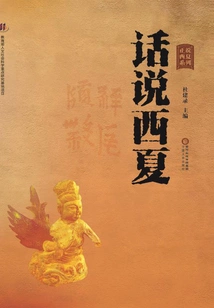
Talking About Xixia
History话说西夏
Du Jianlu
The rich and colorful history and culture of Xixia is not only an important cultural resource of Ningxia, but also an important part of the splendid Chinese culture. Taking history as a mirror, weeding out the old and bringing forth the new, and applying the past to the present are the principles we have always advocated. How to develop and utilize the historical and cultural resources of Xixia so that they can play a role in Ningxia's economic and social construction, and how to make Xixia research results relevant to the times, life, and the public, are issues that Ningxia's academic circles and practical work departments have been thinking about for many years.
The rich and colorful history and culture of Xixia is not only an important cultural resource of Ningxia, but also an important part of the splendid Chinese culture. Taking history as a mirror, weeding out the old and bringing forth the new, and applying the past to the present are the principles we have always advocated. How to develop and utilize the historical and cultural resources of Xixia so that they can play a role in Ningxia's economic and social construction, and how to make Xixia research results relevant to the times, life, and the public, are issues that Ningxia's academic circles and practical work departments have been thinking about for many years.
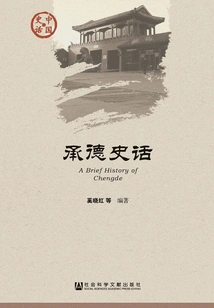
Chengde History
History承德史话
Xi Xiaohong
Chengde was once the second political center of the Qing Dynasty, where royal culture, Buddhist culture, grassland nomadic culture, and national folk culture were perfectly integrated. Chengde is a famous tourist city with beautiful and charming scenery, a collection of historical sites and a favorable climate in all seasons. It is one of the first 24 famous historical and cultural cities in China. It is an excellent tourist city and a national garden city in China. "Chengde History" provides a relatively comprehensive introduction to Chengde's natural, political, economic, cultural, military, ethnic and other history, and systematically displays Chengde's ancient and modern features to the world. It helps us better understand the yesterday, today and tomorrow of this historical and cultural city.
Chengde was once the second political center of the Qing Dynasty, where royal culture, Buddhist culture, grassland nomadic culture, and national folk culture were perfectly integrated. Chengde is a famous tourist city with beautiful and charming scenery, a collection of historical sites and a favorable climate in all seasons. It is one of the first 24 famous historical and cultural cities in China. It is an excellent tourist city and a national garden city in China. "Chengde History" provides a relatively comprehensive introduction to Chengde's natural, political, economic, cultural, military, ethnic and other history, and systematically displays Chengde's ancient and modern features to the world. It helps us better understand the yesterday, today and tomorrow of this historical and cultural city.
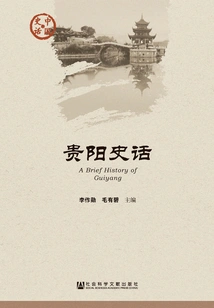
Guiyang History
History贵阳史话
Li Zuoxun Mao Youbi
"History of Guiyang" adopts a classified description method to present the regional history and culture of Guiyang. Among them, "Historical Review" serves as the main thread of the book, organically connecting important historical facts that occurred in various historical periods in the Guiyang region, allowing readers to have an overall understanding of Guiyang's historical development; "Historical Figures" describes in historical chronological order important figures who have had a significant impact on Guiyang's economy, politics, culture, society, etc., Or have a national reputation; "Scenic Spots" describes iconic and representative scenic spots, customs, food, etc. That are iconic and representative of the Guiyang region.
"History of Guiyang" adopts a classified description method to present the regional history and culture of Guiyang. Among them, "Historical Review" serves as the main thread of the book, organically connecting important historical facts that occurred in various historical periods in the Guiyang region, allowing readers to have an overall understanding of Guiyang's historical development; "Historical Figures" describes in historical chronological order important figures who have had a significant impact on Guiyang's economy, politics, culture, society, etc., Or have a national reputation; "Scenic Spots" describes iconic and representative scenic spots, customs, food, etc. That are iconic and representative of the Guiyang region.
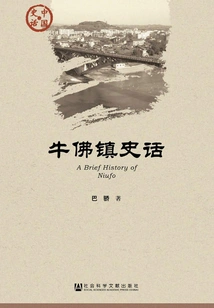
History of Niufozhen
History牛佛镇史话
Bajiao
Niufo Ancient Town is located on the southern edge of the Sichuan Basin and on the lower reaches of the Tuojiang River. It has always been an important trade town and was prosperous. Niuwang Mountain is like a cow, standing on the bank of Tuojiang River. It is said that it is the seat of the sacred cow that saves all living beings. The ferry at the foot of the mountain is called Niu Fo Ferry, and the town is also named Niu Fo Town. The book "History of Niufozhen", with pictures and texts, vividly and detailedly introduces the customs, customs and development of the ancient town. Reading this book, a thousand-year-old ancient town with a long history, rich culture, and rich humanities can be clearly seen. It is like being in the "Tuojiang Commercial Port, a thousand-year-old ancient town in southern Sichuan", thereby appreciating its unique charm.
Niufo Ancient Town is located on the southern edge of the Sichuan Basin and on the lower reaches of the Tuojiang River. It has always been an important trade town and was prosperous. Niuwang Mountain is like a cow, standing on the bank of Tuojiang River. It is said that it is the seat of the sacred cow that saves all living beings. The ferry at the foot of the mountain is called Niu Fo Ferry, and the town is also named Niu Fo Town. The book "History of Niufozhen", with pictures and texts, vividly and detailedly introduces the customs, customs and development of the ancient town. Reading this book, a thousand-year-old ancient town with a long history, rich culture, and rich humanities can be clearly seen. It is like being in the "Tuojiang Commercial Port, a thousand-year-old ancient town in southern Sichuan", thereby appreciating its unique charm.
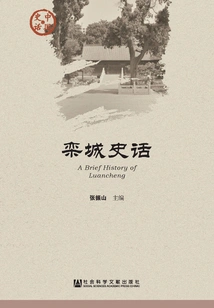
Luancheng History
History栾城史话
Zhang Zhenshan
Luancheng, the ancestral home of Sansu, is located in the middle of Hebei Province. In 2014, it was removed from the county and established as a district, and it sits at the south gate of the provincial capital. Luancheng has superior natural conditions and developed ecological tourism and agriculture. It has been awarded the title of National Greening Model County, National Civilized Town, National Garden County and National Sanitary County. Based on historical materials and in chronological order, this book introduces Luan City's organizational history, geographical features, deeds of local sages, etc. It shows the profound historical and cultural heritage of ancient Luan City and also shows the prosperity of new Luan City.
Luancheng, the ancestral home of Sansu, is located in the middle of Hebei Province. In 2014, it was removed from the county and established as a district, and it sits at the south gate of the provincial capital. Luancheng has superior natural conditions and developed ecological tourism and agriculture. It has been awarded the title of National Greening Model County, National Civilized Town, National Garden County and National Sanitary County. Based on historical materials and in chronological order, this book introduces Luan City's organizational history, geographical features, deeds of local sages, etc. It shows the profound historical and cultural heritage of ancient Luan City and also shows the prosperity of new Luan City.
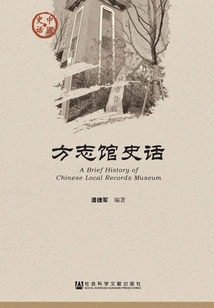
History of Fangzhiguan
History方志馆史话
Pan Jiejun
Local chronicles are a unique traditional cultural form of the Chinese nation. Since ancient times, they have been the "official revision" and "official book" of "official positions and official responsibilities", and various types of local chronicles are fixed places to display this excellent traditional culture. In order of historical development, this book introduces the early official historical chronicle institutions in Chinese history, the establishment of bureaus to compile unified chronicles and the development of local chronicles in the Yuan, Ming and Qing dynasties, the difficult development of local chronicles during the Republic of China, and the contributions of various related institutions to the development of local chronicles. It also focuses on the development of local chronicles since the founding of New China.
Local chronicles are a unique traditional cultural form of the Chinese nation. Since ancient times, they have been the "official revision" and "official book" of "official positions and official responsibilities", and various types of local chronicles are fixed places to display this excellent traditional culture. In order of historical development, this book introduces the early official historical chronicle institutions in Chinese history, the establishment of bureaus to compile unified chronicles and the development of local chronicles in the Yuan, Ming and Qing dynasties, the difficult development of local chronicles during the Republic of China, and the contributions of various related institutions to the development of local chronicles. It also focuses on the development of local chronicles since the founding of New China.
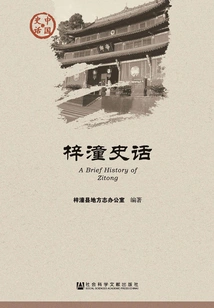
History of Zitong
History梓潼史话
Zitong County Local Chronicle Office
Zitong has a long history. It was established as a county in the 22nd year of King Zhaoxiang of Qin Dynasty (285 BC). The Qiqushan Temple, the birthplace of Wenchang culture, Li Yeque in the Han Dynasty, and Tang Dynasty cliff carvings in Wolong Mountain are national cultural relics protection units. The Cuiyun Corridor of Shu Road with "three hundred miles and one hundred thousand trees" passes through it. The former site of the nuclear industry base "China's Two Bomb City" and numerous Red Army ruins have formed a tourist landscape pattern of "two cities, three mountains, and one water" in the county. "History of Zitong" introduces the economic and social development and progress of Zitong to readers, and displays Zitong's unique folk culture, folk culture and cultural relics.
Zitong has a long history. It was established as a county in the 22nd year of King Zhaoxiang of Qin Dynasty (285 BC). The Qiqushan Temple, the birthplace of Wenchang culture, Li Yeque in the Han Dynasty, and Tang Dynasty cliff carvings in Wolong Mountain are national cultural relics protection units. The Cuiyun Corridor of Shu Road with "three hundred miles and one hundred thousand trees" passes through it. The former site of the nuclear industry base "China's Two Bomb City" and numerous Red Army ruins have formed a tourist landscape pattern of "two cities, three mountains, and one water" in the county. "History of Zitong" introduces the economic and social development and progress of Zitong to readers, and displays Zitong's unique folk culture, folk culture and cultural relics.
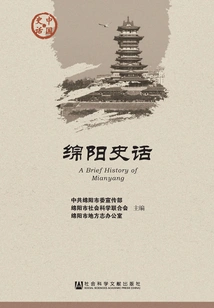
Mianyang History
History绵阳史话
Propaganda Department Of Mianyang Municipal Committee Of The Communist Party Of China, Etc.
Mianyang has a history of more than 2,200 years and has always been the seat of counties, counties and state capitals. Throughout the ages, this land has been home to numerous talents and talents, giving birth to countless outstanding figures such as Li Bai, Ouyang Xiu, Wen Tong, Li Tiaoyuan, Sha Ting, Deng Jiaxian, and Feng Dashi. Sima Xiangru, Yang Xiong, Jiang Wan, Song Zheyuan, Du Fu, Wang Bo, Yang Jiong, and Lu Zhaolin all left important relics or works here. This book reproduces the history and current situation of Mianyang through six aspects: city overview, historical evolution, historical details, local culture, natural and cultural landscapes, and modern style. It shows the splendor and splendor of Mianyang culture to the world and the charm and splendor of this ancient land of Mianyang.
Mianyang has a history of more than 2,200 years and has always been the seat of counties, counties and state capitals. Throughout the ages, this land has been home to numerous talents and talents, giving birth to countless outstanding figures such as Li Bai, Ouyang Xiu, Wen Tong, Li Tiaoyuan, Sha Ting, Deng Jiaxian, and Feng Dashi. Sima Xiangru, Yang Xiong, Jiang Wan, Song Zheyuan, Du Fu, Wang Bo, Yang Jiong, and Lu Zhaolin all left important relics or works here. This book reproduces the history and current situation of Mianyang through six aspects: city overview, historical evolution, historical details, local culture, natural and cultural landscapes, and modern style. It shows the splendor and splendor of Mianyang culture to the world and the charm and splendor of this ancient land of Mianyang.
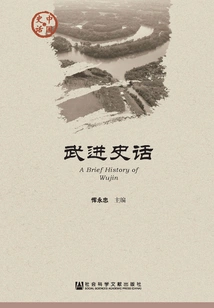
History of Wu Jin
History武进史话
Yun Yongzhong
Wujin is located in the Jiangnan Plain in the lower reaches of the Yangtze River. It borders the Yangtze River, Taihu Lake, and Ganhu Lake. It is like a piece of jasper inlaid between the Yangtze River and Taihu Lake. It has been known as the "Key Assistant between China and Wu" since ancient times. Based on historical facts, this book vividly tells the construction history, major historical events and influential figures in Wujin's thousand-year development, and truly records the ups and downs and glory Wujin has experienced in the long history. At the same time, through a comprehensive introduction to the natural environment, local customs, historical monuments and modern features, it fully demonstrates the Wujin people's inheritance of history, respect for civilization and innovation of culture.
Wujin is located in the Jiangnan Plain in the lower reaches of the Yangtze River. It borders the Yangtze River, Taihu Lake, and Ganhu Lake. It is like a piece of jasper inlaid between the Yangtze River and Taihu Lake. It has been known as the "Key Assistant between China and Wu" since ancient times. Based on historical facts, this book vividly tells the construction history, major historical events and influential figures in Wujin's thousand-year development, and truly records the ups and downs and glory Wujin has experienced in the long history. At the same time, through a comprehensive introduction to the natural environment, local customs, historical monuments and modern features, it fully demonstrates the Wujin people's inheritance of history, respect for civilization and innovation of culture.
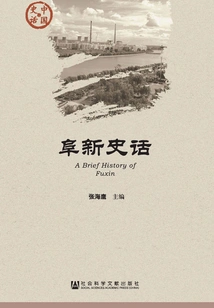
Fuxin History
History阜新史话
Zhang Haiying
Fuxin is a place with outstanding people. It is the hometown of Xiao Guanyin, the poet empress of Liao Dynasty, and Zhang Sanfeng, the founder of Wudang. It is the agate capital of China. Fuxin agate carvings and Mongolian Uliger, Mongolian medicine "blood asthenia treatment" and Fuxin Eastern Mongolian folk songs have been selected. The National Intangible Cultural Heritage Catalog; Chahai Site, Yizhou and Chengzhou Dongtashan Liao Pagodas, Guanshan Liao Tombs, and Fuxin Mass Graves are national key cultural relics protection units; Haitang Mountain, Ruiying Temple, Daqinggou and other tourist attractions are unique. "Fuxin History" presents Fuxin's long history, splendid culture and magical landscape to readers one by one.
Fuxin is a place with outstanding people. It is the hometown of Xiao Guanyin, the poet empress of Liao Dynasty, and Zhang Sanfeng, the founder of Wudang. It is the agate capital of China. Fuxin agate carvings and Mongolian Uliger, Mongolian medicine "blood asthenia treatment" and Fuxin Eastern Mongolian folk songs have been selected. The National Intangible Cultural Heritage Catalog; Chahai Site, Yizhou and Chengzhou Dongtashan Liao Pagodas, Guanshan Liao Tombs, and Fuxin Mass Graves are national key cultural relics protection units; Haitang Mountain, Ruiying Temple, Daqinggou and other tourist attractions are unique. "Fuxin History" presents Fuxin's long history, splendid culture and magical landscape to readers one by one.