Library
Browse and search books
4,115 novels found
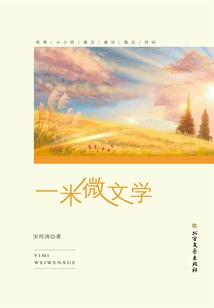
Yimi Micro Literature
Literature一米微文学
Song Chuantao
This book includes short novels, fables, fairy tales, essays and poems. It is the author's sincere effort to create an outstanding and influential original literary work that belongs to the Chinese people. "The Death of the Chinese Sturgeon" emphasizes the impact of environmental changes on the biosphere through the self-narration of a fish, aiming to awaken people's awareness of environmental protection. "Prodigal Son" tells the story of a "habitual thief" who changed his mind and started a new life after an accidental rescue experience. "The Hawker" shows the noble qualities of a small man in the market who enjoys helping others. "About Dog" is an affirmation of the loyal quality of dogs. "The Best Toy" has profound educational significance for children. Parents are the best teachers, and companionship is the best education.
This book includes short novels, fables, fairy tales, essays and poems. It is the author's sincere effort to create an outstanding and influential original literary work that belongs to the Chinese people. "The Death of the Chinese Sturgeon" emphasizes the impact of environmental changes on the biosphere through the self-narration of a fish, aiming to awaken people's awareness of environmental protection. "Prodigal Son" tells the story of a "habitual thief" who changed his mind and started a new life after an accidental rescue experience. "The Hawker" shows the noble qualities of a small man in the market who enjoys helping others. "About Dog" is an affirmation of the loyal quality of dogs. "The Best Toy" has profound educational significance for children. Parents are the best teachers, and companionship is the best education.
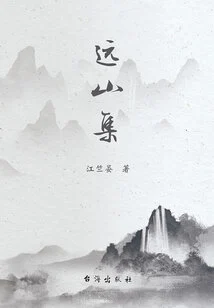
Yuanshan Collection
Literature远山集
Jiang Zhuyan
This collection of essays fully reflects the perseverance and tenacity of contemporary women, and has the courage to provide a reference for other independent women to struggle in this complex and challenging world. Since this article was accumulated during every work break in spring, summer, autumn and winter, it may be fifteen minutes before a meeting, half an hour after arriving home from overtime work late at night, or an hour on a business trip. The more trivial the time, the easier it is to be ignored. But it is this continuous accumulation and introspection of the world and the author himself that make us more intuitively aware of the dual pressures of work and family that contemporary women bear. We can also fully feel the author's endless love for life from the tedious daily things described by the author.
This collection of essays fully reflects the perseverance and tenacity of contemporary women, and has the courage to provide a reference for other independent women to struggle in this complex and challenging world. Since this article was accumulated during every work break in spring, summer, autumn and winter, it may be fifteen minutes before a meeting, half an hour after arriving home from overtime work late at night, or an hour on a business trip. The more trivial the time, the easier it is to be ignored. But it is this continuous accumulation and introspection of the world and the author himself that make us more intuitively aware of the dual pressures of work and family that contemporary women bear. We can also fully feel the author's endless love for life from the tedious daily things described by the author.
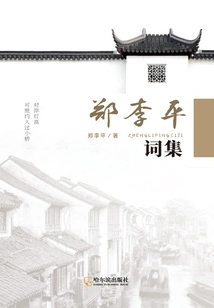
Collection of Zheng Liping's Ci
Literature郑李平词集
Zheng Liping
"Collection of Zheng Liping's Ci" records the author's life experiences and emotions. From Wenzhou in the south, Tianjin in the north, Jiujiang in the west, and Shanghai in the east, the author transformed the people and things he met into words. By reading and appreciating the literary talents of the predecessors, and adopting the styles of the predecessors, the author recorded various moving scenes through the artistic expression of words. The author is full of joy at the rapid development of the times. He has been working diligently for ten years and has compiled the text into chapters that explain his own opinions, hoping to resonate with readers and achieve a touching effect.
"Collection of Zheng Liping's Ci" records the author's life experiences and emotions. From Wenzhou in the south, Tianjin in the north, Jiujiang in the west, and Shanghai in the east, the author transformed the people and things he met into words. By reading and appreciating the literary talents of the predecessors, and adopting the styles of the predecessors, the author recorded various moving scenes through the artistic expression of words. The author is full of joy at the rapid development of the times. He has been working diligently for ten years and has compiled the text into chapters that explain his own opinions, hoping to resonate with readers and achieve a touching effect.
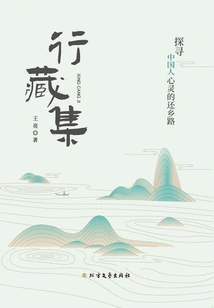
Xingzangji
Literature行藏集
Wang Liang
Most of the articles in this collection were originally published in the "Classics Reading" column of "Xingshi Guoxue". Because readers liked them, they were collected and published together with some essays and literary reviews. In terms of subject matter, there are personalized interpretations of classics, analysis of historical clouds and the emergence of the sun, and more of them show the rich and wonderful inner world of traditional Chinese intellectuals. From "seeing oneself" to "seeing heaven and earth" to "seeing all living beings", until "seeing human hearts" ends. Looking through the snow and mud of history, you will eventually find the power of indifference and calmness that reflects reality.
Most of the articles in this collection were originally published in the "Classics Reading" column of "Xingshi Guoxue". Because readers liked them, they were collected and published together with some essays and literary reviews. In terms of subject matter, there are personalized interpretations of classics, analysis of historical clouds and the emergence of the sun, and more of them show the rich and wonderful inner world of traditional Chinese intellectuals. From "seeing oneself" to "seeing heaven and earth" to "seeing all living beings", until "seeing human hearts" ends. Looking through the snow and mud of history, you will eventually find the power of indifference and calmness that reflects reality.
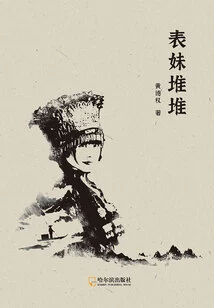
Cousin Dui Dui
Literature表妹堆堆
Huang Dequan
"Cousin Dui Dui" is an epic picture scroll from Wuling Mountain! It is a description of the natural scenery, national customs and construction style of the times in the hinterland of Wuling Mountain. The book contains affectionate praise for the beauty of human nature, such as "A Solitary Old Man and His Five Generations Living Together" and "The Eyes of Hometown"; there are wonderful displays of natural scenery, such as "Picture Scroll of Fishing Creek" and "Chang Xigou"; there are infinite memories of nostalgia such as "A Look at Hulu Bay" and "My Spectator's Hometown"; and there are memories of national customs, such as "My Daughter Will Marry Tomorrow" and "Miao Cloth Shoes". In short, "Cousin Dui Dui" is a picture of rural life that shows the customs and customs of Wuling Mountain, and is a poetic summary of what the author sees, hears and feels on this land. The whole book shines with the brilliance of philosophy and the lyrical style!
"Cousin Dui Dui" is an epic picture scroll from Wuling Mountain! It is a description of the natural scenery, national customs and construction style of the times in the hinterland of Wuling Mountain. The book contains affectionate praise for the beauty of human nature, such as "A Solitary Old Man and His Five Generations Living Together" and "The Eyes of Hometown"; there are wonderful displays of natural scenery, such as "Picture Scroll of Fishing Creek" and "Chang Xigou"; there are infinite memories of nostalgia such as "A Look at Hulu Bay" and "My Spectator's Hometown"; and there are memories of national customs, such as "My Daughter Will Marry Tomorrow" and "Miao Cloth Shoes". In short, "Cousin Dui Dui" is a picture of rural life that shows the customs and customs of Wuling Mountain, and is a poetic summary of what the author sees, hears and feels on this land. The whole book shines with the brilliance of philosophy and the lyrical style!
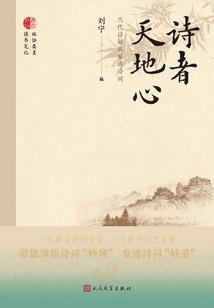
诗者天地心:当代诗词名家讲诗词
Liu Ning
This book is a collection of poetry speeches by famous poets compiled by Liu Ning, a researcher at the Institute of Literature of the Chinese Academy of Social Sciences and a famous scholar. The 10 speakers in the book are all outstanding cutting-edge scholars who have been working in the field of poetry for more than 20 years. They have profound attainments and are good at both research and creation. The speeches they gave did not introduce general knowledge, but always focused on poetic techniques, understanding the heart of poetry, and directly exploring the essence of poetry. They could refine and elaborate on the characteristics of poetic language and creative methods according to the unique needs of contemporary people to understand poetry. It was a concentrated display of cutting-edge thinking in the study of contemporary classical poetry. This book has very important guiding significance for contemporary people to learn poetry, read poetry, and create poetry. I believe it will be well received and loved by the majority of readers.
This book is a collection of poetry speeches by famous poets compiled by Liu Ning, a researcher at the Institute of Literature of the Chinese Academy of Social Sciences and a famous scholar. The 10 speakers in the book are all outstanding cutting-edge scholars who have been working in the field of poetry for more than 20 years. They have profound attainments and are good at both research and creation. The speeches they gave did not introduce general knowledge, but always focused on poetic techniques, understanding the heart of poetry, and directly exploring the essence of poetry. They could refine and elaborate on the characteristics of poetic language and creative methods according to the unique needs of contemporary people to understand poetry. It was a concentrated display of cutting-edge thinking in the study of contemporary classical poetry. This book has very important guiding significance for contemporary people to learn poetry, read poetry, and create poetry. I believe it will be well received and loved by the majority of readers.
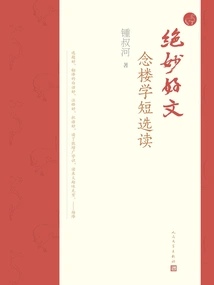
绝妙好文:念楼学短选读
Chung Shu Ho
This book is a collection of short stories written by Chung Shu Ho. It selects the essence of more than 200 short stories from "Nian Lou Xu", which is very literary. Each article consists of three parts: learning from the short, reading from the building, and reading from the building. "Learning from the short" is an ancient text of no more than 100 words, "reading from the building" is the author's unique interpretation of the translation, and "saying from the building" is a commentary on the content of the ancient text. The selected classical Chinese essays are of various types, innovative, short and concise, thoughtful and content, with a light and gentle writing style. The translation part is smooth, smooth and natural, not artificial or stiff, has flexible syntax and is not stereotyped, and can all be written independently. The review part is humorous and sophisticated, with profound charm, leisurely writing, self-sufficient, and yet to the point.
This book is a collection of short stories written by Chung Shu Ho. It selects the essence of more than 200 short stories from "Nian Lou Xu", which is very literary. Each article consists of three parts: learning from the short, reading from the building, and reading from the building. "Learning from the short" is an ancient text of no more than 100 words, "reading from the building" is the author's unique interpretation of the translation, and "saying from the building" is a commentary on the content of the ancient text. The selected classical Chinese essays are of various types, innovative, short and concise, thoughtful and content, with a light and gentle writing style. The translation part is smooth, smooth and natural, not artificial or stiff, has flexible syntax and is not stereotyped, and can all be written independently. The review part is humorous and sophisticated, with profound charm, leisurely writing, self-sufficient, and yet to the point.
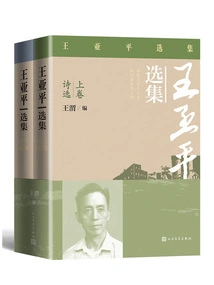
王亚平选集(全2册)
Written By Wang Yaping Edited By Wang Wei
A collection of poems and essays by Wang Yaping, an old poet and leader in literary and artistic work, in two volumes, about 600 pages each. It is currently edited and selected by his son Wang Wei. The author began publishing works in 1932. He is the author of poetry collections such as "Urban Winter", "December Wind", "Song of Petrels", "The Ballad of Life", "Bloody Jacket", etc., Essay collections "From Old Art to New Art", "On Du Fu", scripts "Zhang Yu Boils the Sea", "Hot Metal Flowers", and librettos such as "A Hundred Birds Pay Attendance to the Phoenix" and "Black Girl". The poetry anthology includes both new poetry and a small amount of old-style poetry; the literary anthology includes memoirs, essays, literary theory, etc., And strives to include all Wang Yaping's important and influential poetry and essays. The appendix contains the preface of Zang Ke's family. A small number of original prints are inserted into the poetry volume.
A collection of poems and essays by Wang Yaping, an old poet and leader in literary and artistic work, in two volumes, about 600 pages each. It is currently edited and selected by his son Wang Wei. The author began publishing works in 1932. He is the author of poetry collections such as "Urban Winter", "December Wind", "Song of Petrels", "The Ballad of Life", "Bloody Jacket", etc., Essay collections "From Old Art to New Art", "On Du Fu", scripts "Zhang Yu Boils the Sea", "Hot Metal Flowers", and librettos such as "A Hundred Birds Pay Attendance to the Phoenix" and "Black Girl". The poetry anthology includes both new poetry and a small amount of old-style poetry; the literary anthology includes memoirs, essays, literary theory, etc., And strives to include all Wang Yaping's important and influential poetry and essays. The appendix contains the preface of Zang Ke's family. A small number of original prints are inserted into the poetry volume.
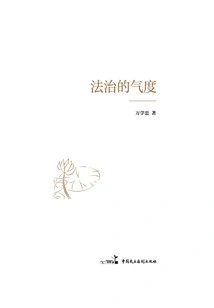
The Rule of Law
Literature法治的气度
Wan Xuezhong
This book is a collection of poems written by Wan Xuezhong from 2018 to 2022. It comprehensively demonstrates the style of a straightforward media person who combines literary ingenuity and legal concerns. This book is divided into five chapters. The first four chapters are mainly based on the seasonal attributes of the poem's content. They are divided into "spring", "summer" and "autumn".
This book is a collection of poems written by Wan Xuezhong from 2018 to 2022. It comprehensively demonstrates the style of a straightforward media person who combines literary ingenuity and legal concerns. This book is divided into five chapters. The first four chapters are mainly based on the seasonal attributes of the poem's content. They are divided into "spring", "summer" and "autumn".
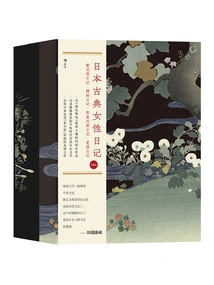
日本古典女性日记(插图版)
Ae
During the Heian period in Japan, the culture of the Tang Dynasty was absorbed, and the palace diary literature written in female characters (kana script) was born, which can be regarded as the origin of Japanese women's literature. These works depict elegant court life, tell elegant and bitter love experiences, and also provide new soil for "The Tale of Genji", which is regarded by later generations as the highest peak of Japanese classical literature. "The Diary of Murasaki Shikibu" adheres to the tradition of the diary of a palace lady, describing the palace life and what Murasaki Shikibu saw and heard when he served Murasaki Shikibu, the author of "The Tale of Genji", when he served Akiko Fujiwara, the middle palace. "Dragonfly Diary" is the pioneer work of female diary literature during the Heian Dynasty. It is divided into three volumes, which reviews the nearly 21 years of marriage to the regent Sekishiro Fujiwara Kaneie. "Izumi Shikibu Diary" is characterized by unrestrained singing style and passionate emotions, and it deeply portrays the true mentality of women in love, where they are swaying and worrying about gains and losses. "Genshiki Diary" is based on personal collections, travel notes and other materials, and describes the bright and bright emotions, thoughts and memories of women influenced by literary works such as "The Story of Genshiki".
During the Heian period in Japan, the culture of the Tang Dynasty was absorbed, and the palace diary literature written in female characters (kana script) was born, which can be regarded as the origin of Japanese women's literature. These works depict elegant court life, tell elegant and bitter love experiences, and also provide new soil for "The Tale of Genji", which is regarded by later generations as the highest peak of Japanese classical literature. "The Diary of Murasaki Shikibu" adheres to the tradition of the diary of a palace lady, describing the palace life and what Murasaki Shikibu saw and heard when he served Murasaki Shikibu, the author of "The Tale of Genji", when he served Akiko Fujiwara, the middle palace. "Dragonfly Diary" is the pioneer work of female diary literature during the Heian Dynasty. It is divided into three volumes, which reviews the nearly 21 years of marriage to the regent Sekishiro Fujiwara Kaneie. "Izumi Shikibu Diary" is characterized by unrestrained singing style and passionate emotions, and it deeply portrays the true mentality of women in love, where they are swaying and worrying about gains and losses. "Genshiki Diary" is based on personal collections, travel notes and other materials, and describes the bright and bright emotions, thoughts and memories of women influenced by literary works such as "The Story of Genshiki".
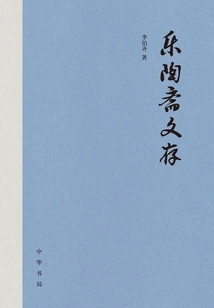
Le Tao Zhai Wen Cuan (three Volumes)
Literature乐陶斋文存(全三册)
Li Boqi
This book is a collection of the author's achievements in ancient literature teaching and ancient book compilation practice. It is divided into five parts, namely literary essays, cultural essays, essays, poetry appreciation selections, and course teaching outlines. There are serious academic papers on ancient literature, appreciation and commentary articles on ancient poetry, and some prefaces and postscripts to book reviews.
This book is a collection of the author's achievements in ancient literature teaching and ancient book compilation practice. It is divided into five parts, namely literary essays, cultural essays, essays, poetry appreciation selections, and course teaching outlines. There are serious academic papers on ancient literature, appreciation and commentary articles on ancient poetry, and some prefaces and postscripts to book reviews.
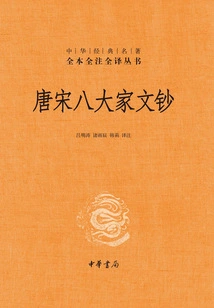
唐宋八大家文钞(全三册)
Translated And Annotated By Lu Mingtao, Zhu Yuchen, And Han Li
The "Eight Great Masters of Tang and Song Dynasty" refers to the eight writers who were very successful in the history of prose creation during the Tang and Song Dynasties. They are Han Yu and Liu Zongyuan in the Tang Dynasty, and Ouyang Xiu, Su Xun, Su Shi, Su Che, Wang Anshi and Zeng Gong in the Song Dynasty. The Eight Great Masters of the Tang and Song Dynasties used their respective creative practices to put prose back on the path of being accessible and reflective of real life, and had a huge impact on later generations. Although the 19-volume "Eight Great Masters of Tang and Song Dynasty" compiled by Zhang Boxing in the Qing Dynasty has the same name as the 164-volume "Eight Great Masters of Tang and Song Dynasty" edited by Mao Kun in the Ming Dynasty, the selection only has 317 articles, which is more suitable in length. This compilation of the three complete editions is based on the edition published by Zhengyi Tang Bookstore in the 8th year of Tongzhi's reign, with reference to the collections of each of the eight famous schools. The original text is preserved as much as possible in the original appearance of the Zhengyi Tang edition. In addition to the main text, the original preface, citations, biographies, and comments that help readers understand and explore in depth are also retained. In addition to drawing on existing research results, the annotation also contains new ideas in terms of textual research on characters and deeds, as well as in the interpretation of the main theme of the article.
The "Eight Great Masters of Tang and Song Dynasty" refers to the eight writers who were very successful in the history of prose creation during the Tang and Song Dynasties. They are Han Yu and Liu Zongyuan in the Tang Dynasty, and Ouyang Xiu, Su Xun, Su Shi, Su Che, Wang Anshi and Zeng Gong in the Song Dynasty. The Eight Great Masters of the Tang and Song Dynasties used their respective creative practices to put prose back on the path of being accessible and reflective of real life, and had a huge impact on later generations. Although the 19-volume "Eight Great Masters of Tang and Song Dynasty" compiled by Zhang Boxing in the Qing Dynasty has the same name as the 164-volume "Eight Great Masters of Tang and Song Dynasty" edited by Mao Kun in the Ming Dynasty, the selection only has 317 articles, which is more suitable in length. This compilation of the three complete editions is based on the edition published by Zhengyi Tang Bookstore in the 8th year of Tongzhi's reign, with reference to the collections of each of the eight famous schools. The original text is preserved as much as possible in the original appearance of the Zhengyi Tang edition. In addition to the main text, the original preface, citations, biographies, and comments that help readers understand and explore in depth are also retained. In addition to drawing on existing research results, the annotation also contains new ideas in terms of textual research on characters and deeds, as well as in the interpretation of the main theme of the article.
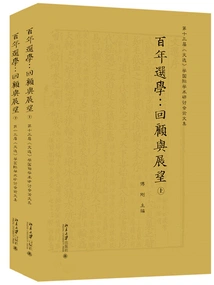
百年选学:回顾与展望(全2册)
Editor-in-chief Fu Gang
This book is a concentrated expression of the research results of "Selected Works" in recent years. It can be seen that the current study of study selection is first of all characterized by internationalization. For example, the achievements of overseas sinologists from Japan, South Korea, and the United States have been gradually introduced, and the exchanges between Chinese scholars and overseas sinologists have become increasingly close. Secondly, the content, scope and methods of research have undergone new changes. The traditional study of "Xuan" is mainly the study of exegesis, annotation, diction, pronunciation and meaning. In the new era, the proportion of theoretical research has greatly increased. In addition, examining "Selected Works" in the context of literary history, academic history, and book history expands the research horizons and expands the academic significance of the study of "Selected Works."
This book is a concentrated expression of the research results of "Selected Works" in recent years. It can be seen that the current study of study selection is first of all characterized by internationalization. For example, the achievements of overseas sinologists from Japan, South Korea, and the United States have been gradually introduced, and the exchanges between Chinese scholars and overseas sinologists have become increasingly close. Secondly, the content, scope and methods of research have undergone new changes. The traditional study of "Xuan" is mainly the study of exegesis, annotation, diction, pronunciation and meaning. In the new era, the proportion of theoretical research has greatly increased. In addition, examining "Selected Works" in the context of literary history, academic history, and book history expands the research horizons and expands the academic significance of the study of "Selected Works."
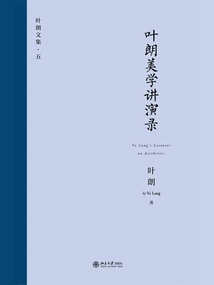
Ye Lang's Lectures on Aesthetics
Literature叶朗美学讲演录
Ye Lang
"Ye Lang's Lectures on Aesthetics" contains 18 articles in recent years by Mr. Ye Lang, senior professor of philosophy and social sciences at Peking University. The content covers four aspects: the basic theory of aesthetics, which mainly discusses the "image" theory of beauty; the spirit of Chinese aesthetics, which mainly starts from classic texts such as "Zhuangzi" and "Dream of Red Mansions" to explore the basic spirit of traditional Chinese aesthetics, highlighting the characteristics of Chinese aesthetics such as attaching great importance to the "sentient world" and attaching importance to ecology; Regarding art education, it mainly highlights the necessity and urgency of aesthetic education and art education in the current society from aspects such as the humanistic education of college students and the connotation of cultural power. The academic experience of engaging in aesthetic research highlights the connection between knowledge and individual life, and reading and writing should take into account both academic and interesting aspects. "Ye Lang's Lectures on Aesthetics" will be included in the "Ye Lang's Collected Works" series.
"Ye Lang's Lectures on Aesthetics" contains 18 articles in recent years by Mr. Ye Lang, senior professor of philosophy and social sciences at Peking University. The content covers four aspects: the basic theory of aesthetics, which mainly discusses the "image" theory of beauty; the spirit of Chinese aesthetics, which mainly starts from classic texts such as "Zhuangzi" and "Dream of Red Mansions" to explore the basic spirit of traditional Chinese aesthetics, highlighting the characteristics of Chinese aesthetics such as attaching great importance to the "sentient world" and attaching importance to ecology; Regarding art education, it mainly highlights the necessity and urgency of aesthetic education and art education in the current society from aspects such as the humanistic education of college students and the connotation of cultural power. The academic experience of engaging in aesthetic research highlights the connection between knowledge and individual life, and reading and writing should take into account both academic and interesting aspects. "Ye Lang's Lectures on Aesthetics" will be included in the "Ye Lang's Collected Works" series.
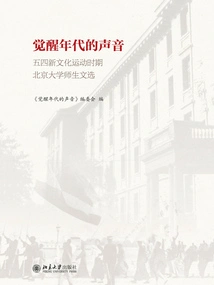
觉醒年代的声音:五四新文化运动时期北京大学师生文选
Editorial Board Of "voices Of The Awakening Age"
In order to commemorate the 100th anniversary of the founding of the Party, promote the implementation of the "Four Histories" education, encourage young people to consciously practice the core socialist values, and cultivate patriotism and the spirit of the times, Peking University organized and compiled "Voices of the Awakening Age: Selected Writings of Peking University Teachers and Students During the May Fourth New Culture Movement" based on sorting out the historical documents related to the May Fourth New Culture Movement by Peking University teachers and students. "Voices of the Awakening Age: Selected Writings of Peking University Teachers and Students During the May 4th New Culture Movement" focuses on the fundamental task of cultivating people morally in colleges and universities, and combines the work practice of teaching and educating people. It selects 52 articles by more than ten teachers and students of Peking University (including Cai Yuanpei, Chen Duxiu, Lu Xun, Hu Shi, Zhou Zuoren, Luo Jialun, Jiang Menglin, Zhang Shenfu, Yang Changji, etc.) During the May 4th New Culture Movement. According to "What is youth? Youth?" What is it?" "Ideological enlightenment, inspiring enlightenment", "reforming the past and leading the times", "transforming culture and molding it through teaching", "new road, beginning of rejuvenation" and other themes are classified and compiled into a book, in order to make hundreds of The voices of famous masters from years ago are full of new vitality today, inspiring students to pass on the legacy, forge ahead, walk the long march of this generation, and embody the responsibilities and responsibilities of young people in the new era. At the same time, "Voices of the Awakening Age: Selected Writings of Peking University Teachers and Students During the May Fourth New Culture Movement" can also provide historical materials for academic researchers in order to deepen May Fourth research, carry forward the spirit of the New Culture Movement, and inherit Chinese culture.
In order to commemorate the 100th anniversary of the founding of the Party, promote the implementation of the "Four Histories" education, encourage young people to consciously practice the core socialist values, and cultivate patriotism and the spirit of the times, Peking University organized and compiled "Voices of the Awakening Age: Selected Writings of Peking University Teachers and Students During the May Fourth New Culture Movement" based on sorting out the historical documents related to the May Fourth New Culture Movement by Peking University teachers and students. "Voices of the Awakening Age: Selected Writings of Peking University Teachers and Students During the May 4th New Culture Movement" focuses on the fundamental task of cultivating people morally in colleges and universities, and combines the work practice of teaching and educating people. It selects 52 articles by more than ten teachers and students of Peking University (including Cai Yuanpei, Chen Duxiu, Lu Xun, Hu Shi, Zhou Zuoren, Luo Jialun, Jiang Menglin, Zhang Shenfu, Yang Changji, etc.) During the May 4th New Culture Movement. According to "What is youth? Youth?" What is it?" "Ideological enlightenment, inspiring enlightenment", "reforming the past and leading the times", "transforming culture and molding it through teaching", "new road, beginning of rejuvenation" and other themes are classified and compiled into a book, in order to make hundreds of The voices of famous masters from years ago are full of new vitality today, inspiring students to pass on the legacy, forge ahead, walk the long march of this generation, and embody the responsibilities and responsibilities of young people in the new era. At the same time, "Voices of the Awakening Age: Selected Writings of Peking University Teachers and Students During the May Fourth New Culture Movement" can also provide historical materials for academic researchers in order to deepen May Fourth research, carry forward the spirit of the New Culture Movement, and inherit Chinese culture.
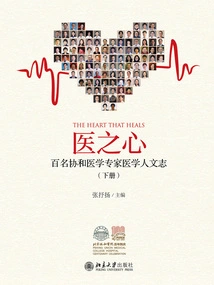
The Heart of Medicine: Medical Humanities Chronicle of One Hundred Union Medical Experts (volume 2)
Literature医之心:百名协和医学专家医学人文志(下册)
Editor-in-chief Zhang Shuyang
This book invites 102 well-known medical experts from 40 departments of Peking Union Medical College Hospital to tell stories about their medical careers. These stories show the special concerns between people, but they all carry the professional responsibility of medical skills and scientific inquiry of medical science, shining with the humanistic light of medicine. The connotation and positioning of this book is to deepen people's understanding of the practical significance of building a doctor-patient community and to uphold the concept of a human health community by presenting the beauty of medical humanities.
This book invites 102 well-known medical experts from 40 departments of Peking Union Medical College Hospital to tell stories about their medical careers. These stories show the special concerns between people, but they all carry the professional responsibility of medical skills and scientific inquiry of medical science, shining with the humanistic light of medicine. The connotation and positioning of this book is to deepen people's understanding of the practical significance of building a doctor-patient community and to uphold the concept of a human health community by presenting the beauty of medical humanities.
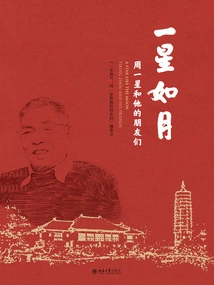
一星如月:周一星和他的朋友们
The Editorial Board Of This Book
This book is a collection of memories written by his students, colleagues, and friends to celebrate the 80th birthday of Mr. Yi Xing, a Chinese urban geographer and professor at the School of Urban and Environmental Studies at Peking University. It contains 60 articles in total. From their own unique perspectives, 60 authors relive the past experiences they had with their husband, from daily moments to lifelong influences, from academic discussions to character and spirit. It is full of fun and warmth, and its richness is far more than a birthday celebration article. Everyone who has read this book is deeply affected and thinks that it is a book full of "warmth" and that it has enlightening significance for today's education methods, especially the relationship between doctoral supervisors, doctoral students, and master's students, as well as teaching methods.
This book is a collection of memories written by his students, colleagues, and friends to celebrate the 80th birthday of Mr. Yi Xing, a Chinese urban geographer and professor at the School of Urban and Environmental Studies at Peking University. It contains 60 articles in total. From their own unique perspectives, 60 authors relive the past experiences they had with their husband, from daily moments to lifelong influences, from academic discussions to character and spirit. It is full of fun and warmth, and its richness is far more than a birthday celebration article. Everyone who has read this book is deeply affected and thinks that it is a book full of "warmth" and that it has enlightening significance for today's education methods, especially the relationship between doctoral supervisors, doctoral students, and master's students, as well as teaching methods.
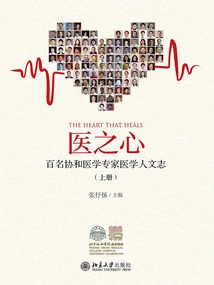
Medical Heart: Medical Humanities Chronicle of One Hundred Union Medical Experts (volume 1)
Literature医之心:百名协和医学专家医学人文志(上册)
Editor-in-chief Zhang Shuyang
This book invites 102 well-known medical experts from 40 departments of Peking Union Medical College Hospital to tell the most impressive stories in their medical careers. These stories show the special concerns between people, but they all carry the professional responsibility of medical skills and scientific inquiry of medical science, shining with the humanistic light of medicine. The connotation and positioning of this book is to deepen people's understanding of the practical significance of building a doctor-patient community and to uphold the concept of a human health community by presenting the beauty of medical humanities.
This book invites 102 well-known medical experts from 40 departments of Peking Union Medical College Hospital to tell the most impressive stories in their medical careers. These stories show the special concerns between people, but they all carry the professional responsibility of medical skills and scientific inquiry of medical science, shining with the humanistic light of medicine. The connotation and positioning of this book is to deepen people's understanding of the practical significance of building a doctor-patient community and to uphold the concept of a human health community by presenting the beauty of medical humanities.
古典诗文心解(全2册)
Ni Qixin
This book is a collection of Mr. Ni Qixin's works and is divided into three parts. The first part is Mr. Ni's representative research articles on classical poetry and prose since his academic studies. It does not involve opera novels. It is also accompanied by three papers on literature. The articles in this part are representative works of Mr. Ni's academic studies for more than 30 years. There are many insights on ancient poetry and literature, which are of great reference for the current research on classical poetry and prose. The second part is about academic research. Mr. Ni is a student of Mr. Lin Geng. He is rigorous in scholarship and knowledgeable. This part chooses Mr. Ni's daily essays and academic insights, which will be of great benefit to our current research on literature and history. The third part is the appreciation of classical masterpieces. These articles were written in the 1980s. During this period, many famous scholars had a special liking for appreciation articles and wrote many popular famous articles. Famous scholars such as Jin Kaicheng, Chu Binjie, Yuan Xingpei and other famous scholars had a large number of appreciation articles. This was also a response to the overwhelming needs of the 1980s and the people's extreme thirst for knowledge. The appreciation of these famous writers not only emphasizes explanations, but also sublimates, explaining profound things in simple terms. From this we can also get a glimpse of the current academic trends.
This book is a collection of Mr. Ni Qixin's works and is divided into three parts. The first part is Mr. Ni's representative research articles on classical poetry and prose since his academic studies. It does not involve opera novels. It is also accompanied by three papers on literature. The articles in this part are representative works of Mr. Ni's academic studies for more than 30 years. There are many insights on ancient poetry and literature, which are of great reference for the current research on classical poetry and prose. The second part is about academic research. Mr. Ni is a student of Mr. Lin Geng. He is rigorous in scholarship and knowledgeable. This part chooses Mr. Ni's daily essays and academic insights, which will be of great benefit to our current research on literature and history. The third part is the appreciation of classical masterpieces. These articles were written in the 1980s. During this period, many famous scholars had a special liking for appreciation articles and wrote many popular famous articles. Famous scholars such as Jin Kaicheng, Chu Binjie, Yuan Xingpei and other famous scholars had a large number of appreciation articles. This was also a response to the overwhelming needs of the 1980s and the people's extreme thirst for knowledge. The appreciation of these famous writers not only emphasizes explanations, but also sublimates, explaining profound things in simple terms. From this we can also get a glimpse of the current academic trends.
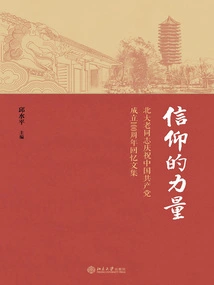
信仰的力量:北大老同志庆祝中国共产党成立100周年回忆文集
Editor-in-chief Qiu Shuiping
2021 is the 100th anniversary. As a front for the study and dissemination of Marxism in China and an important base for the founding of the Communist Party of China, Peking University has a long revolutionary history and glorious red genes. In particular, under the leadership of the party, the old comrades of Peking University have overcome difficulties and made selfless contributions, creating achievements that will shine through the annals of history and are our precious wealth. To celebrate the 100th anniversary, Peking University invited more than 30 old comrades to write memoirs as witnesses and participants of history, express their patriotism and love for the party, sing the main theme of the era of good Communist Party and socialism, and show the history of the older generation of Peking University people walking together with the party and forging ahead with the motherland and the people. It is a tribute to the centenary and provides a vivid study book for the study and education of party history.
2021 is the 100th anniversary. As a front for the study and dissemination of Marxism in China and an important base for the founding of the Communist Party of China, Peking University has a long revolutionary history and glorious red genes. In particular, under the leadership of the party, the old comrades of Peking University have overcome difficulties and made selfless contributions, creating achievements that will shine through the annals of history and are our precious wealth. To celebrate the 100th anniversary, Peking University invited more than 30 old comrades to write memoirs as witnesses and participants of history, express their patriotism and love for the party, sing the main theme of the era of good Communist Party and socialism, and show the history of the older generation of Peking University people walking together with the party and forging ahead with the motherland and the people. It is a tribute to the centenary and provides a vivid study book for the study and education of party history.
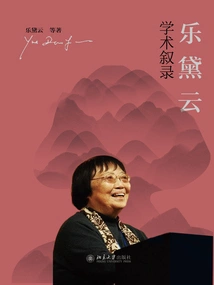
Le Daiyun's Academic Narrative
Literature乐黛云学术叙录
Le Daiyun Et Al.
"Academic Narrative of Le Daiyun" collects important first-hand materials reflecting Professor Le Daiyun's academic career, focusing on displaying her academic achievements in the past 70 years. From the perspective of a representative scholar, it presents the rich and vivid development history of Chinese comparative literature since the reform and opening up. This is a personal academic history, and it is also a unique discipline history of comparative literature. "Academic Narrative of Le Daiyun" includes Professor Le Daiyun's self-statement of his academic history, which mainly highlights the process of the discipline of comparative literature from scratch, from its inception to its growth. It provides academic research and commentary on Professor Le Daiyun's academic history and academic characteristics, and introduces and explores the concerns and challenges of contemporary Chinese comparative literature from another aspect. It selects Professor Le Daiyun's representative papers, especially highlighting her outstanding achievements in literary relationship research, comparative poetics, and cross-cultural research theory. The appendix is "Professor Le Daiyun's Academic Chronology".
"Academic Narrative of Le Daiyun" collects important first-hand materials reflecting Professor Le Daiyun's academic career, focusing on displaying her academic achievements in the past 70 years. From the perspective of a representative scholar, it presents the rich and vivid development history of Chinese comparative literature since the reform and opening up. This is a personal academic history, and it is also a unique discipline history of comparative literature. "Academic Narrative of Le Daiyun" includes Professor Le Daiyun's self-statement of his academic history, which mainly highlights the process of the discipline of comparative literature from scratch, from its inception to its growth. It provides academic research and commentary on Professor Le Daiyun's academic history and academic characteristics, and introduces and explores the concerns and challenges of contemporary Chinese comparative literature from another aspect. It selects Professor Le Daiyun's representative papers, especially highlighting her outstanding achievements in literary relationship research, comparative poetics, and cross-cultural research theory. The appendix is "Professor Le Daiyun's Academic Chronology".
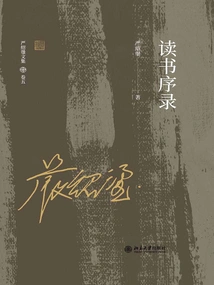
Reading Preface
Literature读书序录
Yan Shaoxuan
This volume is a "Reading Preface", which contains various prefaces and postscripts written by Professor Yan Shaochuan. It is an important first-hand material reflecting his academic career, and shows the author's academic thoughts and academic context from one side. At the same time, it also includes some articles recalling the past and remembering friends in the same industry, from which we can appreciate the author's humanistic care.
This volume is a "Reading Preface", which contains various prefaces and postscripts written by Professor Yan Shaochuan. It is an important first-hand material reflecting his academic career, and shows the author's academic thoughts and academic context from one side. At the same time, it also includes some articles recalling the past and remembering friends in the same industry, from which we can appreciate the author's humanistic care.
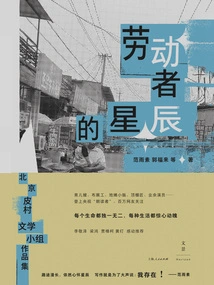
Worker's Star
Literature劳动者的星辰
Fan Yusu Guo Fulai Et Al.
Pi Village workers record the real life and mental journey of workers from the unique perspective of those who have experienced it. They not only reminisce about the past and local memories, but also experience the city and the ups and downs of traveling between urban and rural areas. Fan Yusu's "The Days of the "Beijing Drifters"" tells the story of the creatures seen in the Beijing flea market in the 1990s; Guo Fulai's "Dogs in the Workshed" and "Rat in the Workshed" describe the stories of workers teasing stray dogs and catching mice in the worksheds, recreating the urban life of migrant workers; Shi Hongli "The Past of a Sichuan Confinement Sister" tells the story of her ups and downs while working outside for more than 20 years, with bold and heroic writing style; Xu Keduo's "Matchmaker Duan Gangzui" tells the story of a rural matchmaker who mediates matchmaking for young men and women and promotes a good relationship, which is rich in regional characteristics and life interest. The style of these works is sincere and simple, showing the workers' unique perception of life, showing full emotions and thick texture.
Pi Village workers record the real life and mental journey of workers from the unique perspective of those who have experienced it. They not only reminisce about the past and local memories, but also experience the city and the ups and downs of traveling between urban and rural areas. Fan Yusu's "The Days of the "Beijing Drifters"" tells the story of the creatures seen in the Beijing flea market in the 1990s; Guo Fulai's "Dogs in the Workshed" and "Rat in the Workshed" describe the stories of workers teasing stray dogs and catching mice in the worksheds, recreating the urban life of migrant workers; Shi Hongli "The Past of a Sichuan Confinement Sister" tells the story of her ups and downs while working outside for more than 20 years, with bold and heroic writing style; Xu Keduo's "Matchmaker Duan Gangzui" tells the story of a rural matchmaker who mediates matchmaking for young men and women and promotes a good relationship, which is rich in regional characteristics and life interest. The style of these works is sincere and simple, showing the workers' unique perception of life, showing full emotions and thick texture.
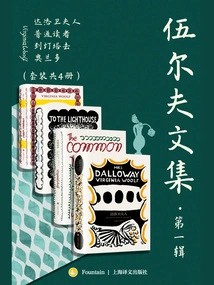
伍尔夫文集·第一辑(套装共4册)
H
"You must have money and a room of your own." Woolf is a world-renowned novelist, essayist, and critic. She has a wide range of genius and a sharp vision, which laid the foundation of modern literature in the twentieth century. The Hogarth Book Company she co-founded with her husband published many avant-garde masterpieces that transcended the times. The most eye-catching among them is her own work. As a dazzling star in the "Bloomsbury literary circle", her talent has been admired by Eliot, Forster, Russell and other famous writers. Her famous line "Have a room of your own" is still a stirring declaration, telling everyone that being yourself is more important than anything else. "Collected Works of Woolf, Volume 1 (Set of 4 volumes)" includes the first four types of the new Shanghai translation of "Collected Works of Woolf": Mrs. Dalloway, the foundational work of stream-of-consciousness novels, "To the Lighthouse", the immortal "Lighthouse" of stream-of-consciousness writing, "Orlando", a shocking work about "The Second Sex" from a literary perspective, and "The Ordinary Reader", a selection of Woolf's literary criticism. This translated version is an authoritative classic and the selection is highly representative. It is the best choice for understanding and reading Woolf.
"You must have money and a room of your own." Woolf is a world-renowned novelist, essayist, and critic. She has a wide range of genius and a sharp vision, which laid the foundation of modern literature in the twentieth century. The Hogarth Book Company she co-founded with her husband published many avant-garde masterpieces that transcended the times. The most eye-catching among them is her own work. As a dazzling star in the "Bloomsbury literary circle", her talent has been admired by Eliot, Forster, Russell and other famous writers. Her famous line "Have a room of your own" is still a stirring declaration, telling everyone that being yourself is more important than anything else. "Collected Works of Woolf, Volume 1 (Set of 4 volumes)" includes the first four types of the new Shanghai translation of "Collected Works of Woolf": Mrs. Dalloway, the foundational work of stream-of-consciousness novels, "To the Lighthouse", the immortal "Lighthouse" of stream-of-consciousness writing, "Orlando", a shocking work about "The Second Sex" from a literary perspective, and "The Ordinary Reader", a selection of Woolf's literary criticism. This translated version is an authoritative classic and the selection is highly representative. It is the best choice for understanding and reading Woolf.
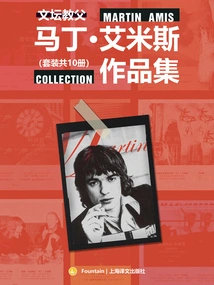
Collection of Works of British "godfather of Literature" Martin Amis (set of 10 Volumes in Total)
Literature英国“文坛教父”马丁·艾米斯作品集(套装共10册)
H
Martin Amis is known as the "godfather of literature" in the UK. This set contains ten volumes of "The Rachel Papers", "Dead Baby", "Money", "London Venue", "Time's Arrow", "Night Train", "Yellow Dog", "Experience", "Pregnant Widow" and "Lionel Asbaugh", covering Amis's His nearly forty-year writing career, starting from his genius debut that shocked the literary world, has included many important masterpieces nominated for the Booker Prize and the Pulitzer Prize, as well as his pioneering experimental memoirs, clearly showing the development of the writer's creation and changes in the style of his works.
Martin Amis is known as the "godfather of literature" in the UK. This set contains ten volumes of "The Rachel Papers", "Dead Baby", "Money", "London Venue", "Time's Arrow", "Night Train", "Yellow Dog", "Experience", "Pregnant Widow" and "Lionel Asbaugh", covering Amis's His nearly forty-year writing career, starting from his genius debut that shocked the literary world, has included many important masterpieces nominated for the Booker Prize and the Pulitzer Prize, as well as his pioneering experimental memoirs, clearly showing the development of the writer's creation and changes in the style of his works.
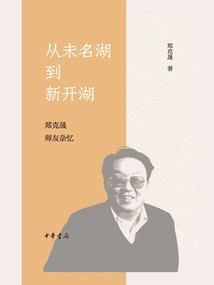
From Unnamed Lake to Xinkai Lake: Miscellaneous Memories of Zheng Kesheng's Teachers and Friends
Literature从未名湖到新开湖:郑克晟师友杂忆
Zheng Kesheng
The author of this book, Professor Zheng Kesheng, comes from a scholarly family. He is the philosophical heir of Mr. Zheng Tianting. He graduated from the History Department of Peking University. He worked successively at the Institute of History of the Chinese Academy of Sciences, the Department of History (Institute) of Nankai University and the Institute of Ancient Books. He personally experienced the major events and ups and downs in the history and education circles after 1949. He also had many contacts with the older generation of scholars. He has extensive contacts, is knowledgeable, and is familiar with the anecdotes of the academy. This book is about the author's memories of Zheng Tianting, Mei Yiqi, Chen Yinke, Liu Bannong, Bai Dizhou, Hu Shi, Fu Sinian, Xia Chengtao, Wei Jiangong, Xiang Da, Luo Yong, Zheng Mian, Lei Haizong, Jian Bozan, Shang Hongkui, Shao Xunzheng, Zhou Yiliang, Wang Yongxing, He Bingdi, Pei Wenzhong, Yu Xun, Bai The life, friendship and academic achievements of teachers and friends such as Shou Yi, Lin Geng, Tan Qixiang, Sun Yutang, Wang Yaquan, Zhang Zhengxang, Wang Zhonghan, Wu Xiaoling, Li Guangbi, Yang Yixiang, Hu Zhongda, Ma Daren, Ma Shouchian, Sa Benren, Deng Rui, Feng Chengbai, as well as the author's experience in studying and studying. This book is richly illustrated and contains about 200 illustrations, including old photos and letters and handwriting of scholars. In addition to the family members and friends of Zheng Tianting and Zheng Kesheng, there are also more than 100 famous scholars in Chinese and foreign literature and history since the 20th century. Many of the photos and letters and handwriting are disclosed for the first time. The author has close contacts with many of the characters he writes about, and cites first-hand materials such as diaries and letters. The content is informative and rich, covering the teaching and research status of Peking University, Southwest Associated University, Institute of History and Philology of Academia Sinica, Institute of History of the Chinese Academy of Sciences, Zhonghua Book Company, and the Department of History of Nankai University since the 1930s, as well as 1949 Some important work in the field of history in the following years, such as the construction of liberal arts textbooks in colleges and universities, the "Twenty-Four Histories" review, the "Dictionary of Chinese History", the first international academic symposium on Ming and Qing history at Nankai University, etc., Will help readers understand the academic ecology of China in the twentieth century and supplement the life stories of some scholars, which are vivid, true and extremely precious.
The author of this book, Professor Zheng Kesheng, comes from a scholarly family. He is the philosophical heir of Mr. Zheng Tianting. He graduated from the History Department of Peking University. He worked successively at the Institute of History of the Chinese Academy of Sciences, the Department of History (Institute) of Nankai University and the Institute of Ancient Books. He personally experienced the major events and ups and downs in the history and education circles after 1949. He also had many contacts with the older generation of scholars. He has extensive contacts, is knowledgeable, and is familiar with the anecdotes of the academy. This book is about the author's memories of Zheng Tianting, Mei Yiqi, Chen Yinke, Liu Bannong, Bai Dizhou, Hu Shi, Fu Sinian, Xia Chengtao, Wei Jiangong, Xiang Da, Luo Yong, Zheng Mian, Lei Haizong, Jian Bozan, Shang Hongkui, Shao Xunzheng, Zhou Yiliang, Wang Yongxing, He Bingdi, Pei Wenzhong, Yu Xun, Bai The life, friendship and academic achievements of teachers and friends such as Shou Yi, Lin Geng, Tan Qixiang, Sun Yutang, Wang Yaquan, Zhang Zhengxang, Wang Zhonghan, Wu Xiaoling, Li Guangbi, Yang Yixiang, Hu Zhongda, Ma Daren, Ma Shouchian, Sa Benren, Deng Rui, Feng Chengbai, as well as the author's experience in studying and studying. This book is richly illustrated and contains about 200 illustrations, including old photos and letters and handwriting of scholars. In addition to the family members and friends of Zheng Tianting and Zheng Kesheng, there are also more than 100 famous scholars in Chinese and foreign literature and history since the 20th century. Many of the photos and letters and handwriting are disclosed for the first time. The author has close contacts with many of the characters he writes about, and cites first-hand materials such as diaries and letters. The content is informative and rich, covering the teaching and research status of Peking University, Southwest Associated University, Institute of History and Philology of Academia Sinica, Institute of History of the Chinese Academy of Sciences, Zhonghua Book Company, and the Department of History of Nankai University since the 1930s, as well as 1949 Some important work in the field of history in the following years, such as the construction of liberal arts textbooks in colleges and universities, the "Twenty-Four Histories" review, the "Dictionary of Chinese History", the first international academic symposium on Ming and Qing history at Nankai University, etc., Will help readers understand the academic ecology of China in the twentieth century and supplement the life stories of some scholars, which are vivid, true and extremely precious.
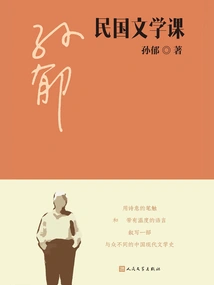
Republic of China Literature Course
Literature民国文学课
Sun Yu
A history of modern Chinese literature that is different from the academic one. Mr. Sun Yu gathered what he had learned, felt and seen over the years to discuss the literary styles and genres of the Republic of China from a unique perspective, and to criticize writers and works. The book is divided into 15 topics, covering the literary ecology of the late Qing Dynasty and the early Republic of China, the starting point of new literature, old school novels, old poetry, new poetry, scholars' notes, Liyuan style of writing, leftist novels, grassroots literature and other historical narratives, as well as the evaluation of many writers such as Lu Xun, Zhou Zuoren, Lao She, Cao Yu, Shen Congwen, Zhang Ailing, Qian Zhongshu, Xiao Hong and their works, which uniquely restores the literary scene of the Republic of China period. It's insightful, beautifully written, and fun to read.
A history of modern Chinese literature that is different from the academic one. Mr. Sun Yu gathered what he had learned, felt and seen over the years to discuss the literary styles and genres of the Republic of China from a unique perspective, and to criticize writers and works. The book is divided into 15 topics, covering the literary ecology of the late Qing Dynasty and the early Republic of China, the starting point of new literature, old school novels, old poetry, new poetry, scholars' notes, Liyuan style of writing, leftist novels, grassroots literature and other historical narratives, as well as the evaluation of many writers such as Lu Xun, Zhou Zuoren, Lao She, Cao Yu, Shen Congwen, Zhang Ailing, Qian Zhongshu, Xiao Hong and their works, which uniquely restores the literary scene of the Republic of China period. It's insightful, beautifully written, and fun to read.
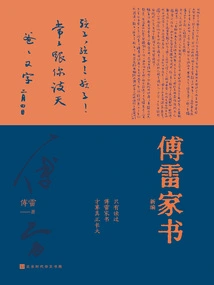
Fu Lei's Family Letters (new Edition)
Literature傅雷家书(新编)
Fu Lei
"Fu Lei's Family Letter" has been a best-seller for 42 years since its first edition. What kind of book is "Fu Lei Family Letter"? Why has it been loved by readers for decades? A home letter of "love and sincerity" written by Fu Lei to his children, a home letter that makes Fu Cong "cry like rain" every time he reads it. A book that Jin Yong praised as "a Chinese gentleman teaching his children to be a true Chinese gentleman", a book that Dong Qing selected as "a book of a lifetime", and a book that Zhang Yixing thought he had read in school but "had a different feeling" as an adult. "Fu Lei's Family Letter" does not just talk about some abstract principles, but it is about understanding the principles and moving them emotionally at the same time. Fu Cong said that reading "Fu Lei's Family Letters" is "a feeling that is warm, quiet, simple, profound, gentle, proud, subtle, and straightforward." Whether as parents, teachers, children, or students, generations of people have been moved by it and benefited a lot. "Fu Lei's Family Letter" is not just a father's earnest instruction to his son, but also a "book of spiritual communication" in which Fu Lei and his son talk about philosophy, religion, literature, painting, study, work, love, ideals, etc. Fu Lei and Fu Cong, just like what Wang Zengqi said, "father and son become brothers after many years", they are both father and son, and they are also like-minded "friends who have been together for many years." Everyone can benefit a lot from reading "Fu Lei's Family Letter"
"Fu Lei's Family Letter" has been a best-seller for 42 years since its first edition. What kind of book is "Fu Lei Family Letter"? Why has it been loved by readers for decades? A home letter of "love and sincerity" written by Fu Lei to his children, a home letter that makes Fu Cong "cry like rain" every time he reads it. A book that Jin Yong praised as "a Chinese gentleman teaching his children to be a true Chinese gentleman", a book that Dong Qing selected as "a book of a lifetime", and a book that Zhang Yixing thought he had read in school but "had a different feeling" as an adult. "Fu Lei's Family Letter" does not just talk about some abstract principles, but it is about understanding the principles and moving them emotionally at the same time. Fu Cong said that reading "Fu Lei's Family Letters" is "a feeling that is warm, quiet, simple, profound, gentle, proud, subtle, and straightforward." Whether as parents, teachers, children, or students, generations of people have been moved by it and benefited a lot. "Fu Lei's Family Letter" is not just a father's earnest instruction to his son, but also a "book of spiritual communication" in which Fu Lei and his son talk about philosophy, religion, literature, painting, study, work, love, ideals, etc. Fu Lei and Fu Cong, just like what Wang Zengqi said, "father and son become brothers after many years", they are both father and son, and they are also like-minded "friends who have been together for many years." Everyone can benefit a lot from reading "Fu Lei's Family Letter"
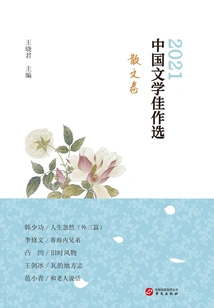
中国文学佳作选·散文卷
Edited By Wang Xiaojun
This book selects prose works published by contemporary Chinese writers in the past two years, with rich themes, natural and beautiful writing styles, and diverse styles. The whole book closely focuses on the main theme of the present, using literary techniques to praise the motherland, chant family affection, and recall the past. The theme is prominent and the thoughts are healthy. The essays by the literary masters selected in the book have been recognized as famous works since they were published. The purpose of collecting and publishing them is to show the fruitful achievements of contemporary Chinese writers in the field of prose in the past two years, to help readers better understand the overall beauty of these beautiful words and the beauty between the lines, and to enable readers to better appreciate the style of contemporary Chinese literature.
This book selects prose works published by contemporary Chinese writers in the past two years, with rich themes, natural and beautiful writing styles, and diverse styles. The whole book closely focuses on the main theme of the present, using literary techniques to praise the motherland, chant family affection, and recall the past. The theme is prominent and the thoughts are healthy. The essays by the literary masters selected in the book have been recognized as famous works since they were published. The purpose of collecting and publishing them is to show the fruitful achievements of contemporary Chinese writers in the field of prose in the past two years, to help readers better understand the overall beauty of these beautiful words and the beauty between the lines, and to enable readers to better appreciate the style of contemporary Chinese literature.
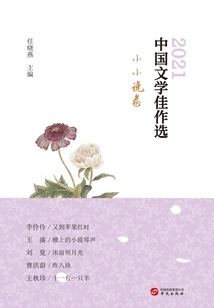
中国文学佳作选·小小说卷
Ren Xiaoyan Chief Editor
This book selects outstanding short novels published by contemporary Chinese writers in the past two years. The whole book closely focuses on the main theme of the present, using literary techniques to praise the motherland, chant family affection, and recall the past. The theme is prominent and the thoughts are healthy. These novels of ours have been recognized as famous works since they were published. We collected and published them in order to better understand these beautiful words and the beauty between the lines as a whole.
This book selects outstanding short novels published by contemporary Chinese writers in the past two years. The whole book closely focuses on the main theme of the present, using literary techniques to praise the motherland, chant family affection, and recall the past. The theme is prominent and the thoughts are healthy. These novels of ours have been recognized as famous works since they were published. We collected and published them in order to better understand these beautiful words and the beauty between the lines as a whole.
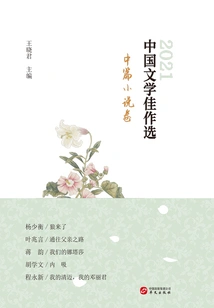
中国文学佳作选·中篇小说卷
Edited By Wang Xiaojun
This book selects outstanding novellas published by China's contemporary first-line writers in the past two years. It follows the style of the same series. The whole book closely focuses on the main theme of the present, using literary techniques to praise the motherland, chant family affection, and recall the past. The theme is prominent and the thoughts are healthy. These novels of ours have been recognized as famous works since they were published. We collected and published them in order to better understand these beautiful words and the beauty between the lines as a whole.
This book selects outstanding novellas published by China's contemporary first-line writers in the past two years. It follows the style of the same series. The whole book closely focuses on the main theme of the present, using literary techniques to praise the motherland, chant family affection, and recall the past. The theme is prominent and the thoughts are healthy. These novels of ours have been recognized as famous works since they were published. We collected and published them in order to better understand these beautiful words and the beauty between the lines as a whole.
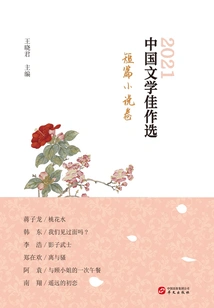
中国文学佳作选·短篇小说卷
Edited By Wang Xiaojun
This book collects excellent works of short and medium-sized novels in recent years. The theme of the works focuses on the observation and understanding of life, providing readers with a window to care about society and explore human nature. The chapters of personal narratives are either beautiful and quiet, or they show the vitality of literature in their clever places, and many are overflowing with philosophical meaning. Some masterpieces are thousands of miles in size, with the broad destiny of the family and country, and have the soul of a grand narrative. There are also many pages that carry cultural content while carrying out literary narratives. They use novels to interpret some cultural factors belonging to China, reflecting the power of cultural inheritance and the current vitality of the cultural spirits that have been integrated into the blood of the Chinese people. The authors of this collection are mainly the backbone of novel writers, such as Nie Xinsen, Yu Debei, Chen Yu, Deng Hongwei, etc. Their works are classic and exemplary.
This book collects excellent works of short and medium-sized novels in recent years. The theme of the works focuses on the observation and understanding of life, providing readers with a window to care about society and explore human nature. The chapters of personal narratives are either beautiful and quiet, or they show the vitality of literature in their clever places, and many are overflowing with philosophical meaning. Some masterpieces are thousands of miles in size, with the broad destiny of the family and country, and have the soul of a grand narrative. There are also many pages that carry cultural content while carrying out literary narratives. They use novels to interpret some cultural factors belonging to China, reflecting the power of cultural inheritance and the current vitality of the cultural spirits that have been integrated into the blood of the Chinese people. The authors of this collection are mainly the backbone of novel writers, such as Nie Xinsen, Yu Debei, Chen Yu, Deng Hongwei, etc. Their works are classic and exemplary.
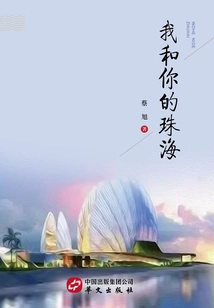
Me and Your Zhuhai
Literature我和你的珠海
Cai Xu
"Zhuhai and Me" is a collection of personal essays by the author Cai Xu. It writes about Zhuhai's history and new appearance, architecture and technology, scenery and humanities from eight aspects in eight volumes. It also narrates the deeds of three revolutionary heroes in the form of a recital play in the ninth volume. The language is fluent and beautiful, vividly showing many aspects of Zhuhai and expressing the author's deep love for Zhuhai. From the book, you can get a glimpse into the rich inner world of an old prose poet, and you can experience Cai Xu's consistent writing style - his method of selecting materials and expression techniques are unique and unique from others. His diligent spirit and extraordinary ability to discover the treasures of life can also move and benefit you. What he shows you is not just prose poems, but sparkling life fragments and scenes, and the rich and colorful poetic life composed of them.
"Zhuhai and Me" is a collection of personal essays by the author Cai Xu. It writes about Zhuhai's history and new appearance, architecture and technology, scenery and humanities from eight aspects in eight volumes. It also narrates the deeds of three revolutionary heroes in the form of a recital play in the ninth volume. The language is fluent and beautiful, vividly showing many aspects of Zhuhai and expressing the author's deep love for Zhuhai. From the book, you can get a glimpse into the rich inner world of an old prose poet, and you can experience Cai Xu's consistent writing style - his method of selecting materials and expression techniques are unique and unique from others. His diligent spirit and extraordinary ability to discover the treasures of life can also move and benefit you. What he shows you is not just prose poems, but sparkling life fragments and scenes, and the rich and colorful poetic life composed of them.
怀春者的信柬:昌耀研究集
Zhang Ying
This book belongs to the second volume of the "Hidden Light of Chinese" series, which is co-edited by Professor Zhang Taozhou, a doctoral supervisor at Capital Normal University and a famous poetry critic, and Associate Professor Wang Dongdong of Shandong University (Weihai). This book collects important research results on the contemporary Chinese poet Chang Yao. It combs and discusses the overview of Chang Yao's works and the changes in the research perspective on Chang Yao and his works from multiple dimensions, aspects and levels. Through this, we can understand Chang Yao's contribution to contemporary Chinese literature and observe many aspects of the development of new Chinese poetry. Changyao (1936-2000), formerly known as Wang Changyao, was a native of Taoyuan, Hunan and a famous poet. He joined the People's Liberation Army in April 1950. In the same year, he went to the battlefield to resist U. S. Aggression and aid Korea, and released his debut novel "Human Bridge". In 1953, he transferred to Hebei Provincial Invalids School and began to officially enter the poetry world. Died due to illness in 2000. His poems are known for publicizing the excitement of life in deep difficulties. His feelings and passion are integrated into solemn and magnificent images, and they form a coordinated whole with his vicissitudes of feelings, the ancient and open western humanistic background, and the broad consciousness of life. The poet's later poems tended to be introspective and quiet, and the language became slightly gentler, with strong intellectual tension, forming a grand poetic personality.
This book belongs to the second volume of the "Hidden Light of Chinese" series, which is co-edited by Professor Zhang Taozhou, a doctoral supervisor at Capital Normal University and a famous poetry critic, and Associate Professor Wang Dongdong of Shandong University (Weihai). This book collects important research results on the contemporary Chinese poet Chang Yao. It combs and discusses the overview of Chang Yao's works and the changes in the research perspective on Chang Yao and his works from multiple dimensions, aspects and levels. Through this, we can understand Chang Yao's contribution to contemporary Chinese literature and observe many aspects of the development of new Chinese poetry. Changyao (1936-2000), formerly known as Wang Changyao, was a native of Taoyuan, Hunan and a famous poet. He joined the People's Liberation Army in April 1950. In the same year, he went to the battlefield to resist U. S. Aggression and aid Korea, and released his debut novel "Human Bridge". In 1953, he transferred to Hebei Provincial Invalids School and began to officially enter the poetry world. Died due to illness in 2000. His poems are known for publicizing the excitement of life in deep difficulties. His feelings and passion are integrated into solemn and magnificent images, and they form a coordinated whole with his vicissitudes of feelings, the ancient and open western humanistic background, and the broad consciousness of life. The poet's later poems tended to be introspective and quiet, and the language became slightly gentler, with strong intellectual tension, forming a grand poetic personality.
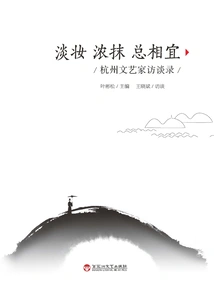
淡妆浓抹总相宜:杭州文艺家访谈录
Interview With Editor-in-chief Ye Binsong And Wang Xiaobin
This book is a high-quality cultural support project of Hangzhou City in 2019. The subject matter is derived from the "Dialogue" column of the "Hangzhou" magazine, the party magazine of the Hangzhou Municipal Party Committee. In order to tell the "Hangzhou Story" well, the editor-in-chief has reorganized and edited the Hangzhou cultural celebrities interviewed in the past two years to make it more precise. Twenty outstanding figures in Hangzhou's cultural circles were selected. They are successful people and leaders in various cultural fields in Hangzhou, covering literature, opera, calligraphy, painting and seal cutting, photography, hosting, intangible inheritance, arts and crafts and other categories. They have outstanding achievements in their respective fields. The work aims to promote excellent national culture and highlight the growth experience, academic achievements and influence of Hangzhou cultural celebrities.
This book is a high-quality cultural support project of Hangzhou City in 2019. The subject matter is derived from the "Dialogue" column of the "Hangzhou" magazine, the party magazine of the Hangzhou Municipal Party Committee. In order to tell the "Hangzhou Story" well, the editor-in-chief has reorganized and edited the Hangzhou cultural celebrities interviewed in the past two years to make it more precise. Twenty outstanding figures in Hangzhou's cultural circles were selected. They are successful people and leaders in various cultural fields in Hangzhou, covering literature, opera, calligraphy, painting and seal cutting, photography, hosting, intangible inheritance, arts and crafts and other categories. They have outstanding achievements in their respective fields. The work aims to promote excellent national culture and highlight the growth experience, academic achievements and influence of Hangzhou cultural celebrities.
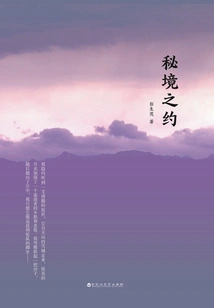
Secret Promise
Literature秘境之约
Peng Shengmao
This is a collection of essays by Peng Shengmao, a writer from Jiangxi. The author traveled to the water towns in the north and south of the Yangtze River to search for memories of his childhood. In the fields, fields, jungles and rivers, the author keeps leaning down, trying to get close to their breathing, trying to establish new trust and order. In order to describe the river, the author rode an electric bicycle borrowed from his father-in-law's house by fellow countryman Song Yinghao, and traveled dozens of kilometers a day to visit his hometown under the scorching sun. The author likes riding bicycles, and the elegant and thoughtful feeling of riding on them. The lotus flowers, fish ponds, ditches and rice fields pass by like an oil painting, which is a feast for the eyes. Perhaps you will also put on headphones and listen to music. In the graceful and brisk melody, the writer has found a subtle entrance to art, where only one person is allowed to stay and think, with a torrential sense of Zen and mystery. The author works hard to build his own world. There the rice has its compassionate appearance, and the river is endowed with wisdom and spirituality. The folks familiar to the author still love the land they live on. Therefore he preferred to write and sing for them. At the same time, the author is also willing to spread his writing to a wider land, listen to and record the noise made by history.
This is a collection of essays by Peng Shengmao, a writer from Jiangxi. The author traveled to the water towns in the north and south of the Yangtze River to search for memories of his childhood. In the fields, fields, jungles and rivers, the author keeps leaning down, trying to get close to their breathing, trying to establish new trust and order. In order to describe the river, the author rode an electric bicycle borrowed from his father-in-law's house by fellow countryman Song Yinghao, and traveled dozens of kilometers a day to visit his hometown under the scorching sun. The author likes riding bicycles, and the elegant and thoughtful feeling of riding on them. The lotus flowers, fish ponds, ditches and rice fields pass by like an oil painting, which is a feast for the eyes. Perhaps you will also put on headphones and listen to music. In the graceful and brisk melody, the writer has found a subtle entrance to art, where only one person is allowed to stay and think, with a torrential sense of Zen and mystery. The author works hard to build his own world. There the rice has its compassionate appearance, and the river is endowed with wisdom and spirituality. The folks familiar to the author still love the land they live on. Therefore he preferred to write and sing for them. At the same time, the author is also willing to spread his writing to a wider land, listen to and record the noise made by history.
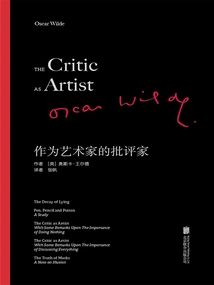
Critic as Artist
Literature作为艺术家的批评家
G
The Artist as Critic is a collection of critical dialogues and essays by Oscar Wilde. It consists of four parts of the conversation, including The Decline of Lies, the Critic as Artist, and the Truth of the Mask; The Decline of Lies: A Critical Conversation between Two Highly Aestheticians; Pen, Pencil, and Poison: An Essay on Thomas Griffiths Wainwright (1794–1847), the English Artist and Serial Poisoner; The Critic as Artist: An Essay on Art Written in the Form of a Philosophical Conversation. It contains Wilde's major aesthetic statement; The Truth of the Mask: An Essay Focusing on Dramatic Theory. As an important collection of Oscar Wilde's literary and artistic criticism, it is also an important collection of Oscar Wilde's aesthetic criticism. This small collection embodies the issues of concern to the British literary and artistic circles in the 19th century. It also focuses on fierce debates about the value of literature and art, and whether art and life are superior or inferior. The author also makes his own assessment of the value of some classic literary and artistic works. It can be said to be a concentrated thinking and exploration of literature, art and aesthetics in the 19th century. From today's perspective, it is still critical and sharp. From drama reviews, biographies, to writing dialogues imitating Plato, Wilde discussed the nature of art and beauty in different ways, proposing that "life imitates art far better than art imitates life." The witty and profound words in the book can also let us appreciate the charm of Wilde as an aesthetic thinker.
The Artist as Critic is a collection of critical dialogues and essays by Oscar Wilde. It consists of four parts of the conversation, including The Decline of Lies, the Critic as Artist, and the Truth of the Mask; The Decline of Lies: A Critical Conversation between Two Highly Aestheticians; Pen, Pencil, and Poison: An Essay on Thomas Griffiths Wainwright (1794–1847), the English Artist and Serial Poisoner; The Critic as Artist: An Essay on Art Written in the Form of a Philosophical Conversation. It contains Wilde's major aesthetic statement; The Truth of the Mask: An Essay Focusing on Dramatic Theory. As an important collection of Oscar Wilde's literary and artistic criticism, it is also an important collection of Oscar Wilde's aesthetic criticism. This small collection embodies the issues of concern to the British literary and artistic circles in the 19th century. It also focuses on fierce debates about the value of literature and art, and whether art and life are superior or inferior. The author also makes his own assessment of the value of some classic literary and artistic works. It can be said to be a concentrated thinking and exploration of literature, art and aesthetics in the 19th century. From today's perspective, it is still critical and sharp. From drama reviews, biographies, to writing dialogues imitating Plato, Wilde discussed the nature of art and beauty in different ways, proposing that "life imitates art far better than art imitates life." The witty and profound words in the book can also let us appreciate the charm of Wilde as an aesthetic thinker.
Hometown Ballad Deep in the Oak Forest
Literature栎林深深故乡谣
Hara Taiji
This book is a collection of essays describing the customs and features of his hometown in Linzhou, Henan. All the words are the crystallization of the author's personal experience and training. They contain infinite true feelings and mixed flavors, and highlight the typical characteristics of local humanities in a mountainous village. They authentically present the life scenes and natural scenes of the lower class from the 1960s to the 1980s, and extol the simple folk customs with affection and affection. They leave some information for future generations to inquire and discuss in their spare time. They can inspire people to think, look forward to, and strive for progress. To make up for the lack of regional literature and connect with local literature and history, Zhang Xian uses a different prose style to express the responsibilities in his heart. It is literary, story-telling, informative and unique.
This book is a collection of essays describing the customs and features of his hometown in Linzhou, Henan. All the words are the crystallization of the author's personal experience and training. They contain infinite true feelings and mixed flavors, and highlight the typical characteristics of local humanities in a mountainous village. They authentically present the life scenes and natural scenes of the lower class from the 1960s to the 1980s, and extol the simple folk customs with affection and affection. They leave some information for future generations to inquire and discuss in their spare time. They can inspire people to think, look forward to, and strive for progress. To make up for the lack of regional literature and connect with local literature and history, Zhang Xian uses a different prose style to express the responsibilities in his heart. It is literary, story-telling, informative and unique.
心灵心语:徐新林时评散文集
Xu Xinlin
This is a collection of personal works, which mainly includes the essays written by the author in recent years and published in newspapers such as "People's Daily", "Economic Daily", "Jiangxi Daily", etc. It has opinions and positions, and makes people think deeply and inspire.
This is a collection of personal works, which mainly includes the essays written by the author in recent years and published in newspapers such as "People's Daily", "Economic Daily", "Jiangxi Daily", etc. It has opinions and positions, and makes people think deeply and inspire.
Looking Back at the Book of Songs
Literature回望诗经
Yongye
"Looking Back at the Book of Songs" is a collection of original prose. The author analyzes the literary, social, and historical codes in the Book of Songs, and interprets the Book of Songs based on his own experience and life experience. One may regard a place in the Book of Songs as the base point of a mineral vein and dig deeply, turning stones into gold; or one may use the lingering rhyme of the Book of Songs as the warp and weft, weaving the sky and the earth into a scorching flower; one may pick up a leaf from the Book of Songs and throw it into the vastness of the human world; or one may pick up a stone from the present moment and throw it into the lake of The Book of Songs. His thoughts have lasted for thousands of years, and his vision spans thousands of miles; his writings are slanted out, and the ocean is unbridled. I have learned a lot from other sources, and I have people to rely on when I talk. Opportunities appear again and again, and it becomes a family story. This book can be said to be "a way to see people, things, thoughts, emotions, righteousness and atmosphere".
"Looking Back at the Book of Songs" is a collection of original prose. The author analyzes the literary, social, and historical codes in the Book of Songs, and interprets the Book of Songs based on his own experience and life experience. One may regard a place in the Book of Songs as the base point of a mineral vein and dig deeply, turning stones into gold; or one may use the lingering rhyme of the Book of Songs as the warp and weft, weaving the sky and the earth into a scorching flower; one may pick up a leaf from the Book of Songs and throw it into the vastness of the human world; or one may pick up a stone from the present moment and throw it into the lake of The Book of Songs. His thoughts have lasted for thousands of years, and his vision spans thousands of miles; his writings are slanted out, and the ocean is unbridled. I have learned a lot from other sources, and I have people to rely on when I talk. Opportunities appear again and again, and it becomes a family story. This book can be said to be "a way to see people, things, thoughts, emotions, righteousness and atmosphere".
青山妩媚:范炜散文集
Editor-in-chief Chen Linsen
This is a collection of original prose, which collects a total of 100 posthumous works by Fan Wei, including 40 published works, 30 blog articles, and some other works. The book is divided into six series: "Landscape Feelings", "Remnants of Past Events", "True Love in the World", "Rhyme of Lin Laiquan", "Miscellaneous Notes on Life" and "Character Sketches". This book includes in the form of an appendix the condolence articles of Fan Wei's relatives and friends, including Fan Jianfeng, Chen Linsen, Hu Zhenpeng, Jing Meiqi, Lin Deyuan, Jing Yuchuan, etc. Their comments on Fan Wei's life and works are highly accurate and artistic, which can help readers better understand Fan Wei and better appreciate the bitterness of life and the special character and character experienced by that generation.
This is a collection of original prose, which collects a total of 100 posthumous works by Fan Wei, including 40 published works, 30 blog articles, and some other works. The book is divided into six series: "Landscape Feelings", "Remnants of Past Events", "True Love in the World", "Rhyme of Lin Laiquan", "Miscellaneous Notes on Life" and "Character Sketches". This book includes in the form of an appendix the condolence articles of Fan Wei's relatives and friends, including Fan Jianfeng, Chen Linsen, Hu Zhenpeng, Jing Meiqi, Lin Deyuan, Jing Yuchuan, etc. Their comments on Fan Wei's life and works are highly accurate and artistic, which can help readers better understand Fan Wei and better appreciate the bitterness of life and the special character and character experienced by that generation.
You Are April in the World
Literature你是人间四月天
Lin Huiyin
"You Are April in the World" is Lin Huiyin's classic collection of essays. A new 3,000-word biography and 17 rare photos have been added to present the real and vivid Lin Huiyin. Complete collection of Lin Huiyin's 58 poems, including "You Are April in the World", "Don't Throw It Away", etc.; 9 Essays, including "Mourning for Zhimo", "But It's Crisp and Tender", etc.; 6 Novels, including "Embarrassment", "Ninety-nine Degrees of Middle", etc.; 7 Letters, including "To Hu Shi", "To Shen Congwen", etc. Each article is the condensation of her smart thoughts and full of talents. Her language is gentle and elegant, like flowing clouds and flowing water, and like the breeze blowing on her face.
"You Are April in the World" is Lin Huiyin's classic collection of essays. A new 3,000-word biography and 17 rare photos have been added to present the real and vivid Lin Huiyin. Complete collection of Lin Huiyin's 58 poems, including "You Are April in the World", "Don't Throw It Away", etc.; 9 Essays, including "Mourning for Zhimo", "But It's Crisp and Tender", etc.; 6 Novels, including "Embarrassment", "Ninety-nine Degrees of Middle", etc.; 7 Letters, including "To Hu Shi", "To Shen Congwen", etc. Each article is the condensation of her smart thoughts and full of talents. Her language is gentle and elegant, like flowing clouds and flowing water, and like the breeze blowing on her face.
Where Does the Wind Come From
Literature风从哪里来
Jiang Sendu
This book is a collection of essays by Jiangsu writer Jiang Sendu. The book is divided into five series, namely "The Taste of Green Vegetables", "Booting Time", "Looking Back at Meijing", "Postage Sentiment" and "Clog Marks Everywhere". The two ordinary words "Mei" and "Jing", when combined together, create beautiful thoughts. Under the fragrance of plum blossoms, there are clear streams and fields, leading to a fascinating place. The author uses his hometown "Meijing" as a sample, picks up the stories of time and fragments of memories, and uses delicate brushwork to show readers the joys and sorrows of the little people living at the bottom. Jiang Sendu, his hands, feet, and breath remember every spring, every farm work, and the different smells. This stroke-by-stroke line drawing and this respectful writing are Jiang Sendu's whispers about his childhood in the Jiangnan countryside, and they are also a tribute to his ancient Jiangnan countryside.
This book is a collection of essays by Jiangsu writer Jiang Sendu. The book is divided into five series, namely "The Taste of Green Vegetables", "Booting Time", "Looking Back at Meijing", "Postage Sentiment" and "Clog Marks Everywhere". The two ordinary words "Mei" and "Jing", when combined together, create beautiful thoughts. Under the fragrance of plum blossoms, there are clear streams and fields, leading to a fascinating place. The author uses his hometown "Meijing" as a sample, picks up the stories of time and fragments of memories, and uses delicate brushwork to show readers the joys and sorrows of the little people living at the bottom. Jiang Sendu, his hands, feet, and breath remember every spring, every farm work, and the different smells. This stroke-by-stroke line drawing and this respectful writing are Jiang Sendu's whispers about his childhood in the Jiangnan countryside, and they are also a tribute to his ancient Jiangnan countryside.
Prize
Literature奖品
Cao Gangqiang
This book collects the award-winning works of Cao Gangqiang, the representative inheritor of "Caolu Folktales" in Shanghai's "Intangible Cultural Heritage" project, over the years, including stories, novels, essays, and folk arts. The collected works are rooted in Shanghai and go deep into the people, deeply reflecting the cityscape of Shanghai and the spiritual outlook of the Shanghai people. The author's writing style is plain and humorous, and he is good at using dialects and colloquial words to reflect local characteristics and create a real market atmosphere.
This book collects the award-winning works of Cao Gangqiang, the representative inheritor of "Caolu Folktales" in Shanghai's "Intangible Cultural Heritage" project, over the years, including stories, novels, essays, and folk arts. The collected works are rooted in Shanghai and go deep into the people, deeply reflecting the cityscape of Shanghai and the spiritual outlook of the Shanghai people. The author's writing style is plain and humorous, and he is good at using dialects and colloquial words to reflect local characteristics and create a real market atmosphere.
Time Flies
Literature流年岁影
Yu Guo
This book contains more than 80 of the author's outstanding works in his life, divided into four chapters: Scenic Scenery, Fragrance of People, Old Haze, Clothes Marks and Clothes Folds. There are travel notes about Zhengzhou, Yangzhou, Chengdu, Luoyang, Hokkaido and other places. There are reflections on the life experiences of ancient figures such as Li Yu, Wu Zixu, Guan Gong, etc., Including exploration of the lives of ancient people, the origin of words such as Guqin and "beauty", memories of relatives such as grandmothers, and memories of the development of the city of Shanghai.
This book contains more than 80 of the author's outstanding works in his life, divided into four chapters: Scenic Scenery, Fragrance of People, Old Haze, Clothes Marks and Clothes Folds. There are travel notes about Zhengzhou, Yangzhou, Chengdu, Luoyang, Hokkaido and other places. There are reflections on the life experiences of ancient figures such as Li Yu, Wu Zixu, Guan Gong, etc., Including exploration of the lives of ancient people, the origin of words such as Guqin and "beauty", memories of relatives such as grandmothers, and memories of the development of the city of Shanghai.
At the Foot of Gele Mountain
Literature歌乐山下
Xiao Shuanghong
The author uses "Gele Mountain" as the meridian to connect the people and things related to Southwest University of Political Science and Law into a necklace of time. He recounted his past life in plain writing, telling how he became associated with Southwest University of Political Science and Law; his college days when he was a classmate at the foot of Gele Mountain; their respective employment choices after graduation, and their reunion and farewell. Time flies by, and when people reach middle age, the author rethinks and understands life at the other end of the tunnel of time.
The author uses "Gele Mountain" as the meridian to connect the people and things related to Southwest University of Political Science and Law into a necklace of time. He recounted his past life in plain writing, telling how he became associated with Southwest University of Political Science and Law; his college days when he was a classmate at the foot of Gele Mountain; their respective employment choices after graduation, and their reunion and farewell. Time flies by, and when people reach middle age, the author rethinks and understands life at the other end of the tunnel of time.
Stones in Body
Literature身体里的石头
Ouyang Guo
"Stones in the Body" is a selection of prose by young writer Ouyang Guo, and was selected into the "Jiangxi 8090·Key Works Creation Support Project". The whole book is divided into three series: "Living towards Death", "Continuous Life" and "The Beauty of Goodness". "Living to Death" takes life and death as the theme, showing the five flavors of life that are in conflict with and in harmony with disease; "Endless Life" gazes affectionately at the homeland and talks about the "philosophy and appropriateness of living" that continues to grow in the blood; "The Beauty of Kindness" understands life in the fireworks of the world and looks for the warmth and light in the ordinary daily life. How to face life and death and how to find light from the inevitable pain are questions that the author explores throughout the book.
"Stones in the Body" is a selection of prose by young writer Ouyang Guo, and was selected into the "Jiangxi 8090·Key Works Creation Support Project". The whole book is divided into three series: "Living towards Death", "Continuous Life" and "The Beauty of Goodness". "Living to Death" takes life and death as the theme, showing the five flavors of life that are in conflict with and in harmony with disease; "Endless Life" gazes affectionately at the homeland and talks about the "philosophy and appropriateness of living" that continues to grow in the blood; "The Beauty of Kindness" understands life in the fireworks of the world and looks for the warmth and light in the ordinary daily life. How to face life and death and how to find light from the inevitable pain are questions that the author explores throughout the book.
True Color
Literature本色
Zhang Huimin
This is a collection of original prose essays, consisting of five volumes: Memories, Galloping, Traveling in America, Yehua, and Porcelain City. The author has written across Beijing, Hong Kong, Boston, Shenzhen, Jingdezhen and other places. In addition to the true character of the porcelain city, the collected chapters also include the individual experiences and journeys of women, showing the author's rich inner world.
This is a collection of original prose essays, consisting of five volumes: Memories, Galloping, Traveling in America, Yehua, and Porcelain City. The author has written across Beijing, Hong Kong, Boston, Shenzhen, Jingdezhen and other places. In addition to the true character of the porcelain city, the collected chapters also include the individual experiences and journeys of women, showing the author's rich inner world.
Narratives of Various Collections of Buddhists in the Past Dynasties (two Volumes in Total)
Literature历代释家别集叙录(全二册)
Yi Sun-shin
"Shi Jia Bie Ji" refers to a collection of poems, essays or lyrics written by Buddhist scholars. It is also the book that best reflects Shi Zi's talents and diction. From the Eastern Jin Dynasty to the end of the Qing Dynasty, there should be more than 2,300 kinds of Buddhist collections published in the form of manuscripts, manuscripts, journals, etc., And about 425 kinds have survived, but most of them are still buried in libraries at all levels. This book narrates the 325 collections of Buddhists from past dynasties that have been reviewed. It draws on the fine traditions of traditional chronicles and records elements such as book titles, authors, and volume numbers in order of time. It particularly highlights the following four aspects: textual research on the author's life. Version overview and dissemination. Summarize the basic contents of the separate collections, and excerpt the preface, postscript, table of contents, main text and appendices of each collection. Summarize the gist of each book and evaluate the pros and cons. The bibliographic summary is the gateway to scholarship. It narrates the Buddhist collections and hopes to provide literature guidance for in-depth study of Buddhist literature.
"Shi Jia Bie Ji" refers to a collection of poems, essays or lyrics written by Buddhist scholars. It is also the book that best reflects Shi Zi's talents and diction. From the Eastern Jin Dynasty to the end of the Qing Dynasty, there should be more than 2,300 kinds of Buddhist collections published in the form of manuscripts, manuscripts, journals, etc., And about 425 kinds have survived, but most of them are still buried in libraries at all levels. This book narrates the 325 collections of Buddhists from past dynasties that have been reviewed. It draws on the fine traditions of traditional chronicles and records elements such as book titles, authors, and volume numbers in order of time. It particularly highlights the following four aspects: textual research on the author's life. Version overview and dissemination. Summarize the basic contents of the separate collections, and excerpt the preface, postscript, table of contents, main text and appendices of each collection. Summarize the gist of each book and evaluate the pros and cons. The bibliographic summary is the gateway to scholarship. It narrates the Buddhist collections and hopes to provide literature guidance for in-depth study of Buddhist literature.