Library
Browse and search books
2,472 novels found
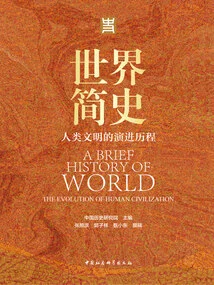
世界简史:人类文明的演进历程
Editor-in-chief Of The Chinese Academy Of History
"A Brief History of the World: The Evolution of Human Civilization" is a popular book that observes world history from the perspective of Chinese scholars and comprehensively displays the Chinese people's view of world history. It uses concise and easy-to-understand words to explain the historical context of mankind from primitive society, slave society, feudal society, capitalist society to socialist society. It also illustrates the evolution of human history from relative isolation to close connection. It uses pictures and texts to show the general development trend of human society from the "Stone Age" to the "Information Age". "A Brief History of the World: The Evolution of Human Civilization" is based on sufficient and objective historical facts, rich and conclusive historical materials, and strives to scientifically present the social development process of various parts of the world, the interconnectedness of different regions, and the contributions made by people of various countries to human civilization, comprehensively display the colorful historical picture of mutual learning between Chinese civilization and other civilizations in the world, and truly reveal the bright future of the people of all countries in the world towards a community with a shared future for mankind.
"A Brief History of the World: The Evolution of Human Civilization" is a popular book that observes world history from the perspective of Chinese scholars and comprehensively displays the Chinese people's view of world history. It uses concise and easy-to-understand words to explain the historical context of mankind from primitive society, slave society, feudal society, capitalist society to socialist society. It also illustrates the evolution of human history from relative isolation to close connection. It uses pictures and texts to show the general development trend of human society from the "Stone Age" to the "Information Age". "A Brief History of the World: The Evolution of Human Civilization" is based on sufficient and objective historical facts, rich and conclusive historical materials, and strives to scientifically present the social development process of various parts of the world, the interconnectedness of different regions, and the contributions made by people of various countries to human civilization, comprehensively display the colorful historical picture of mutual learning between Chinese civilization and other civilizations in the world, and truly reveal the bright future of the people of all countries in the world towards a community with a shared future for mankind.

Fuck the Patriarchy
History去他的父权制
(france) Mathilde Larel
What are women fighting for? Through more than a dozen key nodes in the French women's affirmative movement of more than 200 years, we can see that women have gone through thorns to get to where they are today. Wearing trousers, receiving education and taking exams, choosing a job, obtaining property protection, opening a bank account, applying for divorce, having the right to vote and be elected, and accepting painless childbirth are all obtained by women fighting against the patriarchy again and again in the rapids of the times.
What are women fighting for? Through more than a dozen key nodes in the French women's affirmative movement of more than 200 years, we can see that women have gone through thorns to get to where they are today. Wearing trousers, receiving education and taking exams, choosing a job, obtaining property protection, opening a bank account, applying for divorce, having the right to vote and be elected, and accepting painless childbirth are all obtained by women fighting against the patriarchy again and again in the rapids of the times.
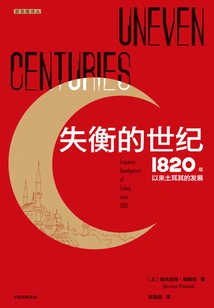
失衡的世纪:1820年以来土耳其的发展
(turkish) Shevket Pamuk
This is a book that provides a panoramic interpretation of the history of Türkiye's economic development. Türkiye is one of the largest developing economies in the world, both in terms of population and economic scale. However, so far, there is no authoritative work that systematically summarizes the history of Türkiye's economic development. The book fills this gap, examining Türkiye's economic growth and human development since 1820. The book examines the history of Turkey's economic development in a global comparative framework, using absolute and relative indicators, through the following four periods: the open economic period of the Ottoman Empire in the 19th century, the transition period from empire to nation-state spanning two world wars and the Great Depression, the period of continued protectionism and import substitution industrialization after World War II, and the period of neoliberalism and economic openness after 1980. Based on these four periods, the author uses sequence data such as per capita GDP, trade, wages, health and education indices to analyze the direct and underlying causes behind Turkey's long-term economic trends, especially emphasizing the profound impact of the interaction between formal and informal systems on Turkey's century-old economic development history. The author believes that among many developing countries, Turkey's economic performance is neither outstanding nor lagging behind, so it is more representative. By analyzing the history of Turkey's economic development, we can not only better understand the driving forces behind Türkiye's development, but also provide important insights into the common growth model of the entire developing world.
This is a book that provides a panoramic interpretation of the history of Türkiye's economic development. Türkiye is one of the largest developing economies in the world, both in terms of population and economic scale. However, so far, there is no authoritative work that systematically summarizes the history of Türkiye's economic development. The book fills this gap, examining Türkiye's economic growth and human development since 1820. The book examines the history of Turkey's economic development in a global comparative framework, using absolute and relative indicators, through the following four periods: the open economic period of the Ottoman Empire in the 19th century, the transition period from empire to nation-state spanning two world wars and the Great Depression, the period of continued protectionism and import substitution industrialization after World War II, and the period of neoliberalism and economic openness after 1980. Based on these four periods, the author uses sequence data such as per capita GDP, trade, wages, health and education indices to analyze the direct and underlying causes behind Turkey's long-term economic trends, especially emphasizing the profound impact of the interaction between formal and informal systems on Turkey's century-old economic development history. The author believes that among many developing countries, Turkey's economic performance is neither outstanding nor lagging behind, so it is more representative. By analyzing the history of Turkey's economic development, we can not only better understand the driving forces behind Türkiye's development, but also provide important insights into the common growth model of the entire developing world.
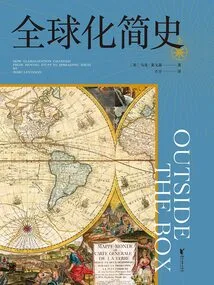
全球化简史
O
The era of rapid growth in trade and investment has come to an end; the butterfly effect of natural and man-made disasters has frequently caused global supply chains to collapse, with widespread consequences; the gap between rich and poor, lack of welfare, and out-of-control taxation are getting worse... We must ponder a question - can globalization continue? This globalization problem that seems unique to the 21st century actually began to emerge when industrial capitalism was born in the 19th century: Britain relied on the dividends of the Industrial Revolution to gain the first-mover advantage of cost reduction and became the dominant manufacturing industry in one fell swoop; steamships reduced transportation costs, and the gold standard system stabilized exchange rates, which strengthened global economic ties; globalization led by European powers has sown the evil consequences of rich countries exploiting poor countries... Only by looking at the past of 200 years of globalization can we understand where the future of globalization will go now.
The era of rapid growth in trade and investment has come to an end; the butterfly effect of natural and man-made disasters has frequently caused global supply chains to collapse, with widespread consequences; the gap between rich and poor, lack of welfare, and out-of-control taxation are getting worse... We must ponder a question - can globalization continue? This globalization problem that seems unique to the 21st century actually began to emerge when industrial capitalism was born in the 19th century: Britain relied on the dividends of the Industrial Revolution to gain the first-mover advantage of cost reduction and became the dominant manufacturing industry in one fell swoop; steamships reduced transportation costs, and the gold standard system stabilized exchange rates, which strengthened global economic ties; globalization led by European powers has sown the evil consequences of rich countries exploiting poor countries... Only by looking at the past of 200 years of globalization can we understand where the future of globalization will go now.
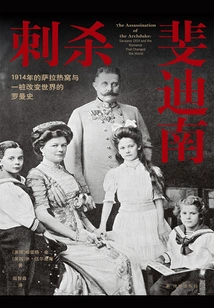
刺杀斐迪南:1914年的萨拉热窝与一桩改变世界的罗曼史
(u. S.) Greg King Et Al.
In the summer of 1914, an unprecedented war swept across Europe and soon spread to the entire world. The causes of World War I were complicated, but its trigger was a love tragedy. Archduke Ferdinand, the crown prince of the Austro-Hungarian Empire, who was not popular with the public, insisted on marrying Sophie, a lower-class noble, against the emperor's wishes. For this reason, they were shamed and shunned by high society throughout the empire. However, on June 28, 1914, two bullets in Sarajevo not only ended their much-criticized love and life, but also caused almost an entire generation of young Europeans to be buried in their honour. "The Assassination of Ferdinand" focuses on this remarkable period of history, unearthing a large number of unpublished letters and rare first-hand information. It uses documentary-style expression techniques to combine the secret history of the royal family, political murder and touching love, depicting the situation in Europe at the end of the 19th century, revealing the shocking truth behind the assassination, and telling the fate of the royal descendants who were displaced after the war.
In the summer of 1914, an unprecedented war swept across Europe and soon spread to the entire world. The causes of World War I were complicated, but its trigger was a love tragedy. Archduke Ferdinand, the crown prince of the Austro-Hungarian Empire, who was not popular with the public, insisted on marrying Sophie, a lower-class noble, against the emperor's wishes. For this reason, they were shamed and shunned by high society throughout the empire. However, on June 28, 1914, two bullets in Sarajevo not only ended their much-criticized love and life, but also caused almost an entire generation of young Europeans to be buried in their honour. "The Assassination of Ferdinand" focuses on this remarkable period of history, unearthing a large number of unpublished letters and rare first-hand information. It uses documentary-style expression techniques to combine the secret history of the royal family, political murder and touching love, depicting the situation in Europe at the end of the 19th century, revealing the shocking truth behind the assassination, and telling the fate of the royal descendants who were displaced after the war.
维京不列颠:劫掠、征服、探索与传奇
(uk) Thomas Williams
For many of us, when we see the word "Viking", the image of brutal bandits coming across the sea in the dark centuries before the "Norman Conquest" in 1066 AD, burning, killing, looting and committing all kinds of evil on the coast of Britain will come to mind. Britain in the Viking Age was indeed turbulent and full of atrocities. Many kings and military lords pursue great fame and shine in the annals of history. Just looking at their names makes people's blood boil and their imaginations boundless: Swayne the Mustache, Edmund the Brave, Ivar the Boneless, Alfred the Great, Eric the Blood Axe, Edgar the Pacifier, and so on. Evidence of these people's cruelty, tyranny, greed, arrogance, perseverance and wisdom are still unearthed from the soil of Britain from time to time. But that's not all. Thomas Williams is the curator of Vikings: Lives and Legends at the British Museum. In this book, drawing on his experience as a curator, he tells the story of the arrival in Britain of the people we call Vikings: not only did they raid and rob, they settled, colonized and ruled. The Viking influence on the islands was profound and lasting, unexpectedly shaping the development of British society, culture and politics over hundreds of years. Indeed, the presence of Scandinavian immigrants can still be felt in British language, literature, place names and folklore, and their distant memories, filtered and reproduced by writers such as J. R. R. Tolkien, William Morris and G. K. Chesterton, have changed the imagination of Westerners. This book is unconventional. It uses the latest results of academic research and the author's many years of research to deeply explore the relics left by the Vikings and their contemporaries in the British Isles and the mountains and terrain they traveled through, including rune stones and ship burials, settlements and battlefields, poems and chronicles, filling in a long-missing historical link. Through this book, readers will re-understand that forgotten world, its impact on British history and its inspiration for today's world.
For many of us, when we see the word "Viking", the image of brutal bandits coming across the sea in the dark centuries before the "Norman Conquest" in 1066 AD, burning, killing, looting and committing all kinds of evil on the coast of Britain will come to mind. Britain in the Viking Age was indeed turbulent and full of atrocities. Many kings and military lords pursue great fame and shine in the annals of history. Just looking at their names makes people's blood boil and their imaginations boundless: Swayne the Mustache, Edmund the Brave, Ivar the Boneless, Alfred the Great, Eric the Blood Axe, Edgar the Pacifier, and so on. Evidence of these people's cruelty, tyranny, greed, arrogance, perseverance and wisdom are still unearthed from the soil of Britain from time to time. But that's not all. Thomas Williams is the curator of Vikings: Lives and Legends at the British Museum. In this book, drawing on his experience as a curator, he tells the story of the arrival in Britain of the people we call Vikings: not only did they raid and rob, they settled, colonized and ruled. The Viking influence on the islands was profound and lasting, unexpectedly shaping the development of British society, culture and politics over hundreds of years. Indeed, the presence of Scandinavian immigrants can still be felt in British language, literature, place names and folklore, and their distant memories, filtered and reproduced by writers such as J. R. R. Tolkien, William Morris and G. K. Chesterton, have changed the imagination of Westerners. This book is unconventional. It uses the latest results of academic research and the author's many years of research to deeply explore the relics left by the Vikings and their contemporaries in the British Isles and the mountains and terrain they traveled through, including rune stones and ship burials, settlements and battlefields, poems and chronicles, filling in a long-missing historical link. Through this book, readers will re-understand that forgotten world, its impact on British history and its inspiration for today's world.
东罗马:帝国的最后千年
(uk) Dionysius Stackopoulos
In the history of the world, the Eastern Roman Empire is impressive. Its rule lasted for 1,100 years. Even after the fall of the Western Rome, the Eastern Rome still inherited the civilization and glory of the former Roman Empire and maintained its strong vitality. Since then, it has also had a profound influence on the culture of European countries. From the establishment of the new capital Constantinople by Constantine I in 330 AD to its conquest by the Ottomans in 1453 AD, the Eastern Roman Empire, later known as the Byzantine Empire, became the "world center" of literature, art, law, and scholarship during that period. In this book, Dionysius shatters the stereotype of Eastern Rome as an unchanging theocracy, using new research to explore its political, economic, social, and cultural history. Combining recent archaeological research and historical documents, and following a clear chronological context, he gave a popular interpretation of key figures in different historical stages and their salient features in politics, economy, culture and other aspects. This book adds to our wonderful collective memory, and its rich legacy remains today, whether it is the gilt bronze horses that once played in the arena, the mosaic illustrations that decorated the walls and ceilings of the churches, or the word "Byzantium" itself, like an immortal story that is still being circulated today. The book is divided into 9 chapters, arranged in chronological order. The first eight chapters describe in detail the internal reforms and external expansion strategies of the empire from the period of the division of Rome and the establishment of the Eastern Roman Empire, to the domination of the Mediterranean and the entry of dynastic rule into the "golden age", to the impact of Western forces, and the ups and downs of the empire's fate of splitting, being conquered, and rebuilding, until it finally fell. The book introduces each chapter. The main events and main characters of this period, as well as the political changes and territorial changes of the Byzantine Empire, and discuss the economic foundation, important architectural and cultural achievements of the empire in each period; Chapter 9 introduces the history after the fall of Constantinople in 1453 AD, and the value of Byzantium in the study of today's world. The thousand-year history of the Eastern Roman Empire is full of twists and turns, but also has strong continuity. It has certain significance for exploring the past, today and the future.
In the history of the world, the Eastern Roman Empire is impressive. Its rule lasted for 1,100 years. Even after the fall of the Western Rome, the Eastern Rome still inherited the civilization and glory of the former Roman Empire and maintained its strong vitality. Since then, it has also had a profound influence on the culture of European countries. From the establishment of the new capital Constantinople by Constantine I in 330 AD to its conquest by the Ottomans in 1453 AD, the Eastern Roman Empire, later known as the Byzantine Empire, became the "world center" of literature, art, law, and scholarship during that period. In this book, Dionysius shatters the stereotype of Eastern Rome as an unchanging theocracy, using new research to explore its political, economic, social, and cultural history. Combining recent archaeological research and historical documents, and following a clear chronological context, he gave a popular interpretation of key figures in different historical stages and their salient features in politics, economy, culture and other aspects. This book adds to our wonderful collective memory, and its rich legacy remains today, whether it is the gilt bronze horses that once played in the arena, the mosaic illustrations that decorated the walls and ceilings of the churches, or the word "Byzantium" itself, like an immortal story that is still being circulated today. The book is divided into 9 chapters, arranged in chronological order. The first eight chapters describe in detail the internal reforms and external expansion strategies of the empire from the period of the division of Rome and the establishment of the Eastern Roman Empire, to the domination of the Mediterranean and the entry of dynastic rule into the "golden age", to the impact of Western forces, and the ups and downs of the empire's fate of splitting, being conquered, and rebuilding, until it finally fell. The book introduces each chapter. The main events and main characters of this period, as well as the political changes and territorial changes of the Byzantine Empire, and discuss the economic foundation, important architectural and cultural achievements of the empire in each period; Chapter 9 introduces the history after the fall of Constantinople in 1453 AD, and the value of Byzantium in the study of today's world. The thousand-year history of the Eastern Roman Empire is full of twists and turns, but also has strong continuity. It has certain significance for exploring the past, today and the future.
至暗与巅峰:维多利亚时代的英国与世界
(us) John D. Wright
The Victorian era was the peak stage of the development of the British Empire, witnessing its prosperity and expansion. It was a time of rapid development in the urban engineering and transportation industries, dramatic social changes - not least due to rapid urbanization and industrialization - the publication of a number of literary masterpieces, and the invention of many sports that are still popular today. But for most, it was also a time of extreme poverty, widespread child labor and prostitution, high levels of crime, and entrenched class differences, including the Potato Famine in Ireland, concentration camps in Britain during the Boer War, and the abolition of slavery in the United States. For the convenience of readers, this book explores empire and conquest, technological innovation, urban life, health and disease, social customs, crime and punishment, etc. In chapter order to help readers understand all aspects of British social life in the 19th century. The book chronicles the lives of legends such as Charles Dickens, Edgar Allen Poe, and the infamous Jack the Ripper, authentically portraying the era that inspired writers to conceive of classic characters such as Frankenstein, Dracula, detective stories, and even Sherlock Holmes. This book is accompanied by 180 photos and paintings, revealing a two-sided world where glory and poverty coexist, disease and hypocrisy are interdependent.
The Victorian era was the peak stage of the development of the British Empire, witnessing its prosperity and expansion. It was a time of rapid development in the urban engineering and transportation industries, dramatic social changes - not least due to rapid urbanization and industrialization - the publication of a number of literary masterpieces, and the invention of many sports that are still popular today. But for most, it was also a time of extreme poverty, widespread child labor and prostitution, high levels of crime, and entrenched class differences, including the Potato Famine in Ireland, concentration camps in Britain during the Boer War, and the abolition of slavery in the United States. For the convenience of readers, this book explores empire and conquest, technological innovation, urban life, health and disease, social customs, crime and punishment, etc. In chapter order to help readers understand all aspects of British social life in the 19th century. The book chronicles the lives of legends such as Charles Dickens, Edgar Allen Poe, and the infamous Jack the Ripper, authentically portraying the era that inspired writers to conceive of classic characters such as Frankenstein, Dracula, detective stories, and even Sherlock Holmes. This book is accompanied by 180 photos and paintings, revealing a two-sided world where glory and poverty coexist, disease and hypocrisy are interdependent.
The Great Separation: the Fate of the Old and New Continents (translator Lin's History of Thought)
History大分离:新旧大陆的命运(译林思想史)
I
From the time when ancient ancestors entered the American continent 15,000 BC to the discovery of the New World by Columbus in 1492 AD, a great unknown experiment occurred in human history. During this period, human ancestors in the New and Old Worlds lived in time and space isolated from each other. Facing different geography, climate, and animal and plant communities, they each developed completely different human natures, ideas, and societies. "The Great Separation" is a cutting-edge work by British intellectual history scholar Peter Watson that explores human history and destiny. Watson draws on recent achievements in anthropology, archaeology, mythology, biology, and ethics to discuss the different potentials of human nature realized in different environments, and also presents a comprehensive picture of the different destinies of human societies in the New and Old Worlds. This book explores many major historical variables that affect human society, and synthesizes a set of evolutionary frameworks for human life, customs, and ideas. Whether it is the structure of the continent and the animal and plant resources available for domestication, or the climate patterns and the abnormal distribution of hallucinogens, they have had a profound impact on human social forms, living customs, religious beliefs, and language structures, forming the ideological foundation of our current society.
From the time when ancient ancestors entered the American continent 15,000 BC to the discovery of the New World by Columbus in 1492 AD, a great unknown experiment occurred in human history. During this period, human ancestors in the New and Old Worlds lived in time and space isolated from each other. Facing different geography, climate, and animal and plant communities, they each developed completely different human natures, ideas, and societies. "The Great Separation" is a cutting-edge work by British intellectual history scholar Peter Watson that explores human history and destiny. Watson draws on recent achievements in anthropology, archaeology, mythology, biology, and ethics to discuss the different potentials of human nature realized in different environments, and also presents a comprehensive picture of the different destinies of human societies in the New and Old Worlds. This book explores many major historical variables that affect human society, and synthesizes a set of evolutionary frameworks for human life, customs, and ideas. Whether it is the structure of the continent and the animal and plant resources available for domestication, or the climate patterns and the abnormal distribution of hallucinogens, they have had a profound impact on human social forms, living customs, religious beliefs, and language structures, forming the ideological foundation of our current society.
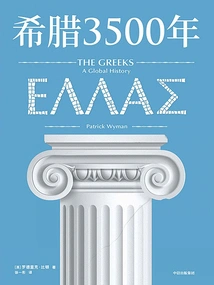
Greece 3500 Years
History希腊3500年
(uk) Roderick Beaton
3,500 years ago, the Mycenaeans, the Greek ancestors who were good at sailing and commerce, entered the historical stage on the islands and peninsulas of the Aegean Sea. Although they experienced a "dark period" of decline, they prospered again after the 9th century BC and developed into Greek city-states led by Athens and Sparta. Alexander's conquests then created the first "globalization" era. In the 2nd century BC, Rome conquered Greece, but the history of Greece did not end with the decline of the ancient Greek city-states. Instead, the Greek civilization further expanded its influence due to the admiration of Rome, laying the foundation for the development of modern science, art, politics, and law. In the Greek-speaking, Christian Byzantine Empire, classical Greek and Roman culture was inherited and developed, and was the envy of the Western world for hundreds of years. Although the fall of Constantinople at the end of the Middle Ages was lamentable, from the Greek merchants of the Ottoman Empire to the Greek Revolution that led the wave of modern national independence, to modern Greece that dominates the merchant shipping industry, the Greeks are still thriving at the intersection of Asia and Europe.
3,500 years ago, the Mycenaeans, the Greek ancestors who were good at sailing and commerce, entered the historical stage on the islands and peninsulas of the Aegean Sea. Although they experienced a "dark period" of decline, they prospered again after the 9th century BC and developed into Greek city-states led by Athens and Sparta. Alexander's conquests then created the first "globalization" era. In the 2nd century BC, Rome conquered Greece, but the history of Greece did not end with the decline of the ancient Greek city-states. Instead, the Greek civilization further expanded its influence due to the admiration of Rome, laying the foundation for the development of modern science, art, politics, and law. In the Greek-speaking, Christian Byzantine Empire, classical Greek and Roman culture was inherited and developed, and was the envy of the Western world for hundreds of years. Although the fall of Constantinople at the end of the Middle Ages was lamentable, from the Greek merchants of the Ottoman Empire to the Greek Revolution that led the wave of modern national independence, to modern Greece that dominates the merchant shipping industry, the Greeks are still thriving at the intersection of Asia and Europe.
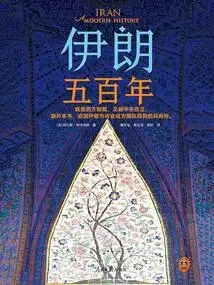
Iran 500 Years
History伊朗五百年
(us) Abbas Amanat
In 1501, Shiite Iran was born and fought against the Sunni Ottoman Empire. In the late 18th century, the divided Iran was reunited, but decades later it became a military training ground for Britain and Russia. In 1908, oil was first discovered in Iran. Soon after, Iranian oil was shipped to Europe, disrupting the battlefield of World War I. During the Cold War, the United States regarded Iran as a regional ally to counterbalance the Soviet Union. In 1979, the Islamic Revolution that shocked the world was successful, and the United States and Iran turned from allies into enemies. In 1980, the Iran-Iraq war broke out, adding more war to the already turbulent Middle East. In 2015, the "Iran Nuclear Agreement" was signed, but the Iranian nuclear issue has not ended and it still affects the nerves of various countries. Religion, geography, oil, war, revolution, who controls Iran's destiny? The replacement of 5 dynasties, at least 3 revolutions, 3 civil wars, 4 foreign occupations, and the establishment of an Islamic Republic... Thoroughly explain why Iran has become a bellwether for the world situation!
In 1501, Shiite Iran was born and fought against the Sunni Ottoman Empire. In the late 18th century, the divided Iran was reunited, but decades later it became a military training ground for Britain and Russia. In 1908, oil was first discovered in Iran. Soon after, Iranian oil was shipped to Europe, disrupting the battlefield of World War I. During the Cold War, the United States regarded Iran as a regional ally to counterbalance the Soviet Union. In 1979, the Islamic Revolution that shocked the world was successful, and the United States and Iran turned from allies into enemies. In 1980, the Iran-Iraq war broke out, adding more war to the already turbulent Middle East. In 2015, the "Iran Nuclear Agreement" was signed, but the Iranian nuclear issue has not ended and it still affects the nerves of various countries. Religion, geography, oil, war, revolution, who controls Iran's destiny? The replacement of 5 dynasties, at least 3 revolutions, 3 civil wars, 4 foreign occupations, and the establishment of an Islamic Republic... Thoroughly explain why Iran has become a bellwether for the world situation!
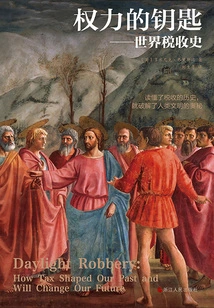
权力的钥匙:世界税收史
(uk) Dominic Frisby
This is a book that popularizes the history of taxation, an important part of the development of human civilization. From the time of the Sumerian city-states to today, from the Mesopotamian plains to the Yellow River Basin. For 7,000 years, taxing people has been the most important way for dynasties and countries around the world to survive. Most wars and changes in power are caused by taxation; every scientific progress and institutional innovation affects the formulation of taxation. Human civilization develops and advances in the battle of wits and courage between the two. In this book, from a brand-new perspective, spanning thousands of years of time and space, from the budding of human civilization to the formation of modern society, the author tells the origin, development and current situation of taxation in humorous language; he uses wonderful stories and cases to analyze the taxation development of various countries in a simple and easy-to-understand way, reflecting the hardships of human progress and the greatness of civilizational development. It is an excellent book that is both informative and interesting.
This is a book that popularizes the history of taxation, an important part of the development of human civilization. From the time of the Sumerian city-states to today, from the Mesopotamian plains to the Yellow River Basin. For 7,000 years, taxing people has been the most important way for dynasties and countries around the world to survive. Most wars and changes in power are caused by taxation; every scientific progress and institutional innovation affects the formulation of taxation. Human civilization develops and advances in the battle of wits and courage between the two. In this book, from a brand-new perspective, spanning thousands of years of time and space, from the budding of human civilization to the formation of modern society, the author tells the origin, development and current situation of taxation in humorous language; he uses wonderful stories and cases to analyze the taxation development of various countries in a simple and easy-to-understand way, reflecting the hardships of human progress and the greatness of civilizational development. It is an excellent book that is both informative and interesting.
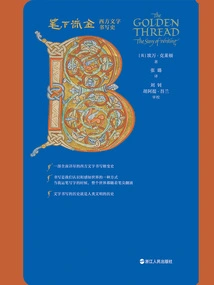
笔下流金:西方文字书写史
(uk) Evan Clayton
This is a history of crafts related to writing, focusing on the development of Roman alphabet writing. The content revolves around the two major aspects of writing and printing fonts, as well as paper and digital files. It also examines text materials and text expression methods. Writing is not only a record of language, it is an ecology of form and content, which plays an important role in the development and inheritance of civilization, personal self-expression and cultivation, and communication between people and the world. Today, new writing tools and text carriers are constantly emerging, and writing is at an important turning point. This transition has occurred only twice in Western history. One occurred in late antiquity, when vellum books replaced ancient hand scrolls; the other occurred in the late 15th century, when Gutenberg's printing changed European book production technology. Therefore, it is necessary for us to explore the past and present of writing, to freely shape the relationship between people and writing, and to promote the development of technology and society. In the book, the author sorts out every step of change and development in the history of writing, as well as the resulting impacts, including: the invention of the alphabet; the conversion of papyrus scrolls into manuscripts in late Rome; the tradition of reading and writing in the Middle Ages; the evolution and development of various calligraphy styles; the development of Gutenberg printing; the industrialization of printing; how modernism affects writing; the development of electronic computers and the digitization of texts; etc.
This is a history of crafts related to writing, focusing on the development of Roman alphabet writing. The content revolves around the two major aspects of writing and printing fonts, as well as paper and digital files. It also examines text materials and text expression methods. Writing is not only a record of language, it is an ecology of form and content, which plays an important role in the development and inheritance of civilization, personal self-expression and cultivation, and communication between people and the world. Today, new writing tools and text carriers are constantly emerging, and writing is at an important turning point. This transition has occurred only twice in Western history. One occurred in late antiquity, when vellum books replaced ancient hand scrolls; the other occurred in the late 15th century, when Gutenberg's printing changed European book production technology. Therefore, it is necessary for us to explore the past and present of writing, to freely shape the relationship between people and writing, and to promote the development of technology and society. In the book, the author sorts out every step of change and development in the history of writing, as well as the resulting impacts, including: the invention of the alphabet; the conversion of papyrus scrolls into manuscripts in late Rome; the tradition of reading and writing in the Middle Ages; the evolution and development of various calligraphy styles; the development of Gutenberg printing; the industrialization of printing; how modernism affects writing; the development of electronic computers and the digitization of texts; etc.
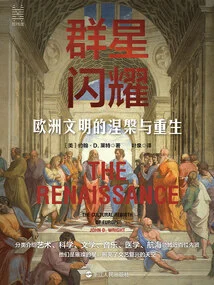
群星闪耀:欧洲文明的涅槃与重生
(us) John D. Wright
This is a book that tells the history of the Renaissance in all aspects. The Renaissance was an ideological and cultural movement initiated by the European bourgeoisie from the 14th to the 16th century, with humanistic ideas at its core. In order to reflect its own interests and demands, the emerging bourgeoisie at that time flaunted the revival of ancient Greek and Roman culture, hence its name. The Renaissance is an era of shining stars in human history. It began in Italy and later expanded to Germany, France, England, the Netherlands and other countries. The book explains the origin, process and far-reaching influence of this ideological emancipation movement, and systematically introduces the brilliant achievements of the Renaissance from the aspects of art and architecture, science and medicine, navigation and discovery, literature and music, politics and religion. Dante, Boccaccio, Petrarch, Leonardo da Vinci, Raphael, Michelangelo Copernicus, Kepler, Galileo, Shakespeare, Cervantes, Machiavelli... This book also provides concise discussions on outstanding figures in various fields, with clear organization, vivid details, and good readability. The book contains a large number of exquisite illustrations, which allow readers to more intuitively feel the charm of the great artworks of the Renaissance and vividly reproduce that great ideological and cultural movement.
This is a book that tells the history of the Renaissance in all aspects. The Renaissance was an ideological and cultural movement initiated by the European bourgeoisie from the 14th to the 16th century, with humanistic ideas at its core. In order to reflect its own interests and demands, the emerging bourgeoisie at that time flaunted the revival of ancient Greek and Roman culture, hence its name. The Renaissance is an era of shining stars in human history. It began in Italy and later expanded to Germany, France, England, the Netherlands and other countries. The book explains the origin, process and far-reaching influence of this ideological emancipation movement, and systematically introduces the brilliant achievements of the Renaissance from the aspects of art and architecture, science and medicine, navigation and discovery, literature and music, politics and religion. Dante, Boccaccio, Petrarch, Leonardo da Vinci, Raphael, Michelangelo Copernicus, Kepler, Galileo, Shakespeare, Cervantes, Machiavelli... This book also provides concise discussions on outstanding figures in various fields, with clear organization, vivid details, and good readability. The book contains a large number of exquisite illustrations, which allow readers to more intuitively feel the charm of the great artworks of the Renaissance and vividly reproduce that great ideological and cultural movement.
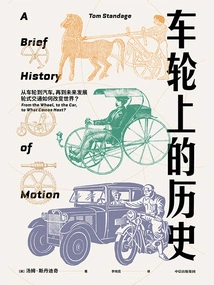
History on Wheels
History车轮上的历史
(uk) Tom Standage
This is an eye-opening road trip through 5,500 years of human history. How has transportation inevitably shaped human civilization? Tom Standage reveals the answer to this question. Beginning with the appearance of the wheel around 3500 B. C., Standage takes us quickly through the eras of horse-drawn carriages, trains, and bicycles, showing how these successive modes of transportation have integrated into our lives, from urban geography to our experience of time to our notions of gender. Standage then delves into the history of the automobile, exploring society's resistance to the automobile and the dramatic changes that occurred as the automobile became widely used. Cars have changed the way the world is governed, how it is laid out and traffic is managed, and how it looks, sounds and smells - and not always in ways we like. Now, after the explosion of shared mobility and years of predictions about self-driving cars, the social changes triggered by the overlap of COVID-19 and climate change create a unique opportunity to critically re-examine our relationship with cars. In History on Wheels, Standage overturns prevailing myths, considers the paths we have not taken, and leads us to see the past in a new light. From this, we can create the future we want to see.
This is an eye-opening road trip through 5,500 years of human history. How has transportation inevitably shaped human civilization? Tom Standage reveals the answer to this question. Beginning with the appearance of the wheel around 3500 B. C., Standage takes us quickly through the eras of horse-drawn carriages, trains, and bicycles, showing how these successive modes of transportation have integrated into our lives, from urban geography to our experience of time to our notions of gender. Standage then delves into the history of the automobile, exploring society's resistance to the automobile and the dramatic changes that occurred as the automobile became widely used. Cars have changed the way the world is governed, how it is laid out and traffic is managed, and how it looks, sounds and smells - and not always in ways we like. Now, after the explosion of shared mobility and years of predictions about self-driving cars, the social changes triggered by the overlap of COVID-19 and climate change create a unique opportunity to critically re-examine our relationship with cars. In History on Wheels, Standage overturns prevailing myths, considers the paths we have not taken, and leads us to see the past in a new light. From this, we can create the future we want to see.
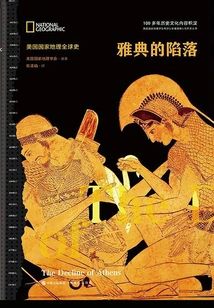
雅典的陷落(美国国家地理全球史)
Compiled By The National Geographic Society
This book focuses on the decline and end of the classical era of ancient Greece. Comprehensive use of written records, historical maps, cultural relics, restored models, and especially the collection of paintings, sculptures and other artworks collected in major museums around the world that reflect the historical style of this period, and using rich and reliable historical materials to vividly reproduce the struggle and replacement of Greek hegemony in the late classical era, especially the Peloponnesian War and the chaos and collapse it brought. The defeat of Athens directly led to the demise of the city-state system and ancient Greek civilization from its heyday. This book also features special topics such as medicine, sculpture art, and civic education in ancient Greece.
This book focuses on the decline and end of the classical era of ancient Greece. Comprehensive use of written records, historical maps, cultural relics, restored models, and especially the collection of paintings, sculptures and other artworks collected in major museums around the world that reflect the historical style of this period, and using rich and reliable historical materials to vividly reproduce the struggle and replacement of Greek hegemony in the late classical era, especially the Peloponnesian War and the chaos and collapse it brought. The defeat of Athens directly led to the demise of the city-state system and ancient Greek civilization from its heyday. This book also features special topics such as medicine, sculpture art, and civic education in ancient Greece.
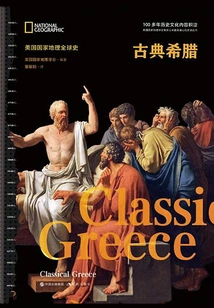
古典希腊(美国国家地理全球史)
Compiled By The National Geographic Society
This book uses rich archaeological discoveries, classical documents, restored pictures... To restore the 5th century BC, a glorious era in the history of ancient Greece with a hundred flowers blooming - the classical Greek period. The principles of classical aesthetics, logic and rational thinking, the social ethics of living together and resolving conflicts, the concept of equality before the law, the ideological foundation of democracy and participatory politics, individualism, humanism, scientific methods and principles, these basic concepts that laid the foundation for Western and even world cultural and political fields were all formed during this period. Even today, when new technologies are in full swing, Westerners are still Greek at heart.
This book uses rich archaeological discoveries, classical documents, restored pictures... To restore the 5th century BC, a glorious era in the history of ancient Greece with a hundred flowers blooming - the classical Greek period. The principles of classical aesthetics, logic and rational thinking, the social ethics of living together and resolving conflicts, the concept of equality before the law, the ideological foundation of democracy and participatory politics, individualism, humanism, scientific methods and principles, these basic concepts that laid the foundation for Western and even world cultural and political fields were all formed during this period. Even today, when new technologies are in full swing, Westerners are still Greek at heart.
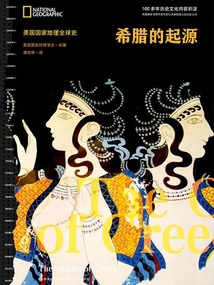
希腊的起源(美国国家地理全球史)
Compiled By The National Geographic Society
For a long time, ancient Greek civilization was full of poetic magnificence and mystery, just like Athena emerging from the head of Zeus fully armed. But with the emergence of the remains of the Cretan and Mycenaean civilizations, the origin of this ancient Western culture has truly become traceable. This book uses a wealth of archaeological discoveries, classical documents, architecture, and various authentic cultural relics, restored drawings, maps, paintings, and sculptures to restore the historical clues of ancient Greek civilization from the Bronze Age to the Archaic Period. It focuses on the ancient city of Troy, the ancient Olympic Games, the genealogy of Greek mythology, and the two overlords of the Greek city-states-Athens and Sparta.
For a long time, ancient Greek civilization was full of poetic magnificence and mystery, just like Athena emerging from the head of Zeus fully armed. But with the emergence of the remains of the Cretan and Mycenaean civilizations, the origin of this ancient Western culture has truly become traceable. This book uses a wealth of archaeological discoveries, classical documents, architecture, and various authentic cultural relics, restored drawings, maps, paintings, and sculptures to restore the historical clues of ancient Greek civilization from the Bronze Age to the Archaic Period. It focuses on the ancient city of Troy, the ancient Olympic Games, the genealogy of Greek mythology, and the two overlords of the Greek city-states-Athens and Sparta.
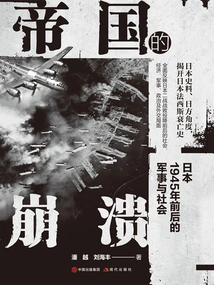
帝国的崩溃:日本1945年前后的军事与社会
Pan Yue Liu Haifeng
The year 1945, when Japan was about to collapse and lose the war, was the most tragic year in Japan's history, and it also contained many unique phenomena in many aspects. Based on historical facts and data, the author of this book comprehensively introduces the social, economic, military, political and diplomatic situation faced by Japan around 1945. Militarily, the Japanese army suffered from a breakdown in military discipline, improper tactics, strategies, and command issues, and even carried out crazy actions such as bombing the United States with balloon bombs. After disastrous defeats in the Battle of Luzon, the Battle of Iwo Jima, and the Battle of Irrawaddy, it ushered in its downfall. Socially and economically, the Imperial Japanese government controlled the clothing, food, occupation, savings, fertility, entertainment, etc. Of its citizens, and used the saved materials for the military. Diplomatically, the Japanese cabinet sought directions for an honorable surrender. The two atomic bombs dropped by the United States on Hiroshima and Nagasaki brought the Japanese Empire to its ultimate demise. Japan in 1945 was a transitional stage between the past and the next. The author's narrative is objective and well-founded, aiming to give readers a clear understanding of the post-war Far East history and a better outlook for the future.
The year 1945, when Japan was about to collapse and lose the war, was the most tragic year in Japan's history, and it also contained many unique phenomena in many aspects. Based on historical facts and data, the author of this book comprehensively introduces the social, economic, military, political and diplomatic situation faced by Japan around 1945. Militarily, the Japanese army suffered from a breakdown in military discipline, improper tactics, strategies, and command issues, and even carried out crazy actions such as bombing the United States with balloon bombs. After disastrous defeats in the Battle of Luzon, the Battle of Iwo Jima, and the Battle of Irrawaddy, it ushered in its downfall. Socially and economically, the Imperial Japanese government controlled the clothing, food, occupation, savings, fertility, entertainment, etc. Of its citizens, and used the saved materials for the military. Diplomatically, the Japanese cabinet sought directions for an honorable surrender. The two atomic bombs dropped by the United States on Hiroshima and Nagasaki brought the Japanese Empire to its ultimate demise. Japan in 1945 was a transitional stage between the past and the next. The author's narrative is objective and well-founded, aiming to give readers a clear understanding of the post-war Far East history and a better outlook for the future.
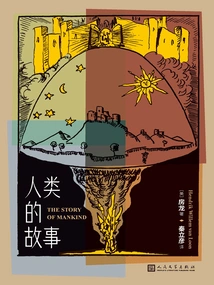
Human Story
History人类的故事
Fanglong
In 1920, Fang Long wrote an enlightenment version of general history "The Story of Mankind" for young readers. After its publication, this book won the first "Newbery" Gold Medal, swept the world, was translated into nearly 30 languages, and sold more than 10 million copies. In 1925, it was quickly translated into Chinese and became a popular enlightenment book on world history in the cultural circles of the Republic of China. From the 1990s to the present, with the publication of a new Chinese translation, this book has become a standard for intellectual youth, inspiring people to re-understand human history from ancient times to the present with a wise and broad vision. "The Story of Mankind" overlooks the entire development process of civilization from a position at the top of history. Unlike ordinary history books, this book does not contain boring historical terms. It is more like an exciting journey of exploration. From the earliest "human-like" ancestors to the decline of the ancient city of Babylon, from the birth of Greek civilization to the rise of the Roman Empire, from religious disputes in the Middle Ages to the First World War, the book not only depicts important nodes in the process of civilization, but also clarifies the key context of world evolution.
In 1920, Fang Long wrote an enlightenment version of general history "The Story of Mankind" for young readers. After its publication, this book won the first "Newbery" Gold Medal, swept the world, was translated into nearly 30 languages, and sold more than 10 million copies. In 1925, it was quickly translated into Chinese and became a popular enlightenment book on world history in the cultural circles of the Republic of China. From the 1990s to the present, with the publication of a new Chinese translation, this book has become a standard for intellectual youth, inspiring people to re-understand human history from ancient times to the present with a wise and broad vision. "The Story of Mankind" overlooks the entire development process of civilization from a position at the top of history. Unlike ordinary history books, this book does not contain boring historical terms. It is more like an exciting journey of exploration. From the earliest "human-like" ancestors to the decline of the ancient city of Babylon, from the birth of Greek civilization to the rise of the Roman Empire, from religious disputes in the Middle Ages to the First World War, the book not only depicts important nodes in the process of civilization, but also clarifies the key context of world evolution.
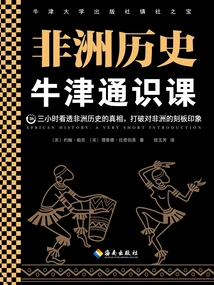
牛津通识课:非洲历史
(uk) John Parker Et Al.
Are all Africans black? No, the racial types in Africa are very complex. Black people only account for about 60% of the total population in Africa. South Africa and the north of the Sahara are dominated by white people. Even in "Black Africa", the degree of "blackness" varies widely in different regions. Do Africans speak "African"? No, there are as many as 1,500 African languages, and there are more than 300 languages in Nigeria alone. There is no unified "African language", but many of the languages and dialects have gradually disappeared. Has the Sahara always been a desert? No, about 10,000 years ago, the African climate entered a period of heavy rainfall. By about 5,000 years ago, lakes, rivers and dense grasslands had formed in the Sahara. But over the next few thousand years, rainfall in the area declined, eventually transforming into the great desert we know today. ... In this short book, two professors, Parker and Rathbone, will start from the concept of Africa and lead us to break the stereotypes of Africa, understand the diversity and unity of Africans, and explore the past and future of Africa.
Are all Africans black? No, the racial types in Africa are very complex. Black people only account for about 60% of the total population in Africa. South Africa and the north of the Sahara are dominated by white people. Even in "Black Africa", the degree of "blackness" varies widely in different regions. Do Africans speak "African"? No, there are as many as 1,500 African languages, and there are more than 300 languages in Nigeria alone. There is no unified "African language", but many of the languages and dialects have gradually disappeared. Has the Sahara always been a desert? No, about 10,000 years ago, the African climate entered a period of heavy rainfall. By about 5,000 years ago, lakes, rivers and dense grasslands had formed in the Sahara. But over the next few thousand years, rainfall in the area declined, eventually transforming into the great desert we know today. ... In this short book, two professors, Parker and Rathbone, will start from the concept of Africa and lead us to break the stereotypes of Africa, understand the diversity and unity of Africans, and explore the past and future of Africa.
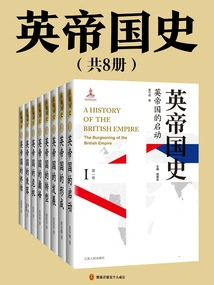
英帝国史(共8册)
Editor-in-chief Qian Chengdan
Among European countries, Britain does not have the advantage of Spain and Portugal in discovering new sea routes, nor does it have a vast territory, a large population and rich resources than France and Russia. However, this small country has risen strongly, and in a few hundred years has established an "empire on which the sun never sets" with a land area that was 125 times that of the mainland at its peak and a population that accounted for a quarter of the world! The rise and collapse of the British Empire profoundly affected the entire world. From the Tudor Dynasty in the mid-to-late 15th century to the disintegration of the British Empire after World War II! Led by Professor Qian Chengdan, an authority on British history, it gathered top domestic experts in British history and spent twenty years writing it. Currently the first and only multi-volume history of the British Empire in China! A Chinese scholar has written a masterpiece on the history of the British Empire. This book provides a complete understanding of the ins and outs of the British Empire.
Among European countries, Britain does not have the advantage of Spain and Portugal in discovering new sea routes, nor does it have a vast territory, a large population and rich resources than France and Russia. However, this small country has risen strongly, and in a few hundred years has established an "empire on which the sun never sets" with a land area that was 125 times that of the mainland at its peak and a population that accounted for a quarter of the world! The rise and collapse of the British Empire profoundly affected the entire world. From the Tudor Dynasty in the mid-to-late 15th century to the disintegration of the British Empire after World War II! Led by Professor Qian Chengdan, an authority on British history, it gathered top domestic experts in British history and spent twenty years writing it. Currently the first and only multi-volume history of the British Empire in China! A Chinese scholar has written a masterpiece on the history of the British Empire. This book provides a complete understanding of the ins and outs of the British Empire.
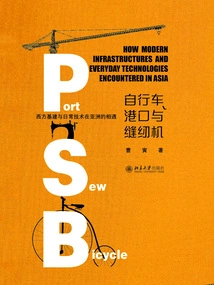
Bicycles, Ports and Sewing Machines: Western Infrastructure and Everyday Technology Meet in Asia
History自行车、港口与缝纫机:西方基建与日常技术在亚洲的相遇
Cao Yin
As a powerful force that changes nature and human society, infrastructure has become an important theme in the field of historical research. This book explores the important role of infrastructure in Asia's modernization process in the 19th and early 20th centuries. In modern times, both Western colonial empires and traditional Asian empires have been modernizing their societies and strengthening their governance through various infrastructures. This book takes the Ottoman Empire, British India, British Ceylon, the Dutch East Indies, the Mekong Delta, and the Philippines as cases, and uses the drinking water projects, port construction, and the promotion of bicycles, sewing machines, engines, and kitchens in these areas as clues to analyze the modernization process of Asian countries in vivid details, showing the social changes brought about by Western infrastructure and the huge changes in ordinary people's daily lives. In this book, the author extends the concept of infrastructure to the field of daily life technology, placing large-scale infrastructure construction and people's daily life equipment in the same field of view, showing the profound changes that infrastructure and modernization have brought to ordinary people's lives. At the same time, he also clarifies that infrastructure is not changing Asia in one direction, but has also been reinterpreted, transformed and utilized locally by Asia, thus demonstrating the complexity and initiative of Asia's modernization process.
As a powerful force that changes nature and human society, infrastructure has become an important theme in the field of historical research. This book explores the important role of infrastructure in Asia's modernization process in the 19th and early 20th centuries. In modern times, both Western colonial empires and traditional Asian empires have been modernizing their societies and strengthening their governance through various infrastructures. This book takes the Ottoman Empire, British India, British Ceylon, the Dutch East Indies, the Mekong Delta, and the Philippines as cases, and uses the drinking water projects, port construction, and the promotion of bicycles, sewing machines, engines, and kitchens in these areas as clues to analyze the modernization process of Asian countries in vivid details, showing the social changes brought about by Western infrastructure and the huge changes in ordinary people's daily lives. In this book, the author extends the concept of infrastructure to the field of daily life technology, placing large-scale infrastructure construction and people's daily life equipment in the same field of view, showing the profound changes that infrastructure and modernization have brought to ordinary people's lives. At the same time, he also clarifies that infrastructure is not changing Asia in one direction, but has also been reinterpreted, transformed and utilized locally by Asia, thus demonstrating the complexity and initiative of Asia's modernization process.
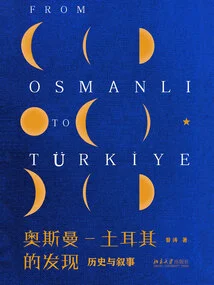
奥斯曼—土耳其的发现:历史与叙事
Zan Tao
How did the Ottoman Empire, which dominated the world, originate? Is it a purely continental empire? What impact does it have on contemporary Türkiye? How did Türkiye's founding father explore the road to modernization? What kind of social debate has the Turkish Nobel Prize winner Pamuk stirred up in his country? Where will Türkiye go in the future? How do China and Türkiye view each other? This book grasps the above key issues and conducts an in-depth discussion of Türkiye's history and present. It is a vivid general history of Turkey that uses historical writing to respond to contemporary hot issues. Through this book, readers can understand the changes in global power in modern times and understand the formation of modern Asia from another perspective.
How did the Ottoman Empire, which dominated the world, originate? Is it a purely continental empire? What impact does it have on contemporary Türkiye? How did Türkiye's founding father explore the road to modernization? What kind of social debate has the Turkish Nobel Prize winner Pamuk stirred up in his country? Where will Türkiye go in the future? How do China and Türkiye view each other? This book grasps the above key issues and conducts an in-depth discussion of Türkiye's history and present. It is a vivid general history of Turkey that uses historical writing to respond to contemporary hot issues. Through this book, readers can understand the changes in global power in modern times and understand the formation of modern Asia from another perspective.
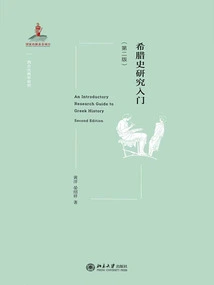
希腊史研究入门(第二版)
Huang Yang Yan Shaoxiang
The main purpose of "Introduction to the Study of Greek History" is to provide introductory guidance for readers who are interested in engaging in or understanding the study of Greek history. It is suitable as a textbook for undergraduate elective courses and postgraduate professional courses in university history. Chapter "Introduction to Greek History Research (Second Edition)" outlines the basic clues and framework of Greek history. Chapter 2 provides a relatively comprehensive introduction to historical materials. Chapter 3 provides an overview of academic history, including foreign and domestic Greek history research and its results. Chapter 4 briefly reviews some research hot spots and key issues. Chapter 5 introduces available academic resources. In addition, basic reading literature is listed at the end of the chapter, and the appendix provides explanations of some terms. The second edition has been revised and supplemented on the basis of the previous edition, and strives to absorb the latest research results.
The main purpose of "Introduction to the Study of Greek History" is to provide introductory guidance for readers who are interested in engaging in or understanding the study of Greek history. It is suitable as a textbook for undergraduate elective courses and postgraduate professional courses in university history. Chapter "Introduction to Greek History Research (Second Edition)" outlines the basic clues and framework of Greek history. Chapter 2 provides a relatively comprehensive introduction to historical materials. Chapter 3 provides an overview of academic history, including foreign and domestic Greek history research and its results. Chapter 4 briefly reviews some research hot spots and key issues. Chapter 5 introduces available academic resources. In addition, basic reading literature is listed at the end of the chapter, and the appendix provides explanations of some terms. The second edition has been revised and supplemented on the basis of the previous edition, and strives to absorb the latest research results.
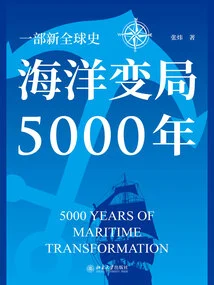
Ocean Changes in 5000 Years
History海洋变局5000年
Zhang Wei
70% of the earth is covered by the ocean. The history of human conquest of the ocean can be traced back to at least 5,000 years. The ocean is not only a channel for trade and exchanges between different nations and civilizations, but also a battlefield for violence and killing. Many countries have prospered and declined because of the ocean. In modern times, the process of world history has been accompanied by the ups and downs of one by one ocean power. So, what forces are controlling the changes in the ocean? Regarding the answer to this question, this book shows two clues: one is the development of science and technology - from wooden oars and sails to steam ships, from large ships and cannons to submarines and aircraft carriers, and from conventional power to nuclear power; the other is the development of sea power - from ancient sea power, modern sea power to modern sea power, which is reflected in the historical process of the rise and fall of great powers and the changes in the ocean. By showing the cross-influence of two clues, this book attempts to reveal how sea power shapes the course of world history, influences the destiny of countries, and affects the global political, economic and military patterns after the emergence of a country, especially after the modern geographical discovery. It is a popular world history book with rich content and a broad perspective.
70% of the earth is covered by the ocean. The history of human conquest of the ocean can be traced back to at least 5,000 years. The ocean is not only a channel for trade and exchanges between different nations and civilizations, but also a battlefield for violence and killing. Many countries have prospered and declined because of the ocean. In modern times, the process of world history has been accompanied by the ups and downs of one by one ocean power. So, what forces are controlling the changes in the ocean? Regarding the answer to this question, this book shows two clues: one is the development of science and technology - from wooden oars and sails to steam ships, from large ships and cannons to submarines and aircraft carriers, and from conventional power to nuclear power; the other is the development of sea power - from ancient sea power, modern sea power to modern sea power, which is reflected in the historical process of the rise and fall of great powers and the changes in the ocean. By showing the cross-influence of two clues, this book attempts to reveal how sea power shapes the course of world history, influences the destiny of countries, and affects the global political, economic and military patterns after the emergence of a country, especially after the modern geographical discovery. It is a popular world history book with rich content and a broad perspective.
罗马史研究入门(第二版)
Liu Jinyu
This book is a comprehensive and systematic research guide to Roman history, including a historical overview, introduction to historical materials, an overview of research history, analysis of key issues, and an introduction to relevant academic resources and reference books. Based on the first edition, the second edition absorbs the research results of Roman history research at home and abroad, providing readers with a path and reference for further understanding and in-depth research on Roman history.
This book is a comprehensive and systematic research guide to Roman history, including a historical overview, introduction to historical materials, an overview of research history, analysis of key issues, and an introduction to relevant academic resources and reference books. Based on the first edition, the second edition absorbs the research results of Roman history research at home and abroad, providing readers with a path and reference for further understanding and in-depth research on Roman history.
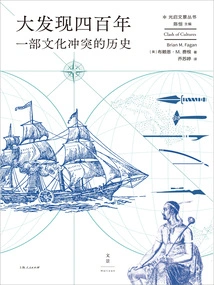
大发现四百年:一部文化冲突的历史
(us) Brian M. Fagan
This book is a fascinating exploration of the Age of Discovery when Western civilization first came into contact and conflict with all other peoples of the world. Drawing on primary sources and multidisciplinary scholarship, internationally renowned archaeologist Brian M. Fagan outlines the tragic effects of European civilization's first contact with non-Western societies, illuminating the resulting racism, ethnocentrism, and growing divisions between industrialized and traditional societies. This groundbreaking work covers a wide range of case studies from a variety of societies, including the Khoikhoi, Aztecs, Tahitians, Hurons, Native Americans, Maoris, and others. The author breaks away from the shackles of Eurocentric thought and reflects on the loss of cultural diversity caused by cultural conflicts. It can be regarded as an excellent research guide for cultural anthropology, world history, historical archaeology, ethnic studies or local studies. It is also an ideal choice for ordinary readers to understand the predecessors of economic globalization.
This book is a fascinating exploration of the Age of Discovery when Western civilization first came into contact and conflict with all other peoples of the world. Drawing on primary sources and multidisciplinary scholarship, internationally renowned archaeologist Brian M. Fagan outlines the tragic effects of European civilization's first contact with non-Western societies, illuminating the resulting racism, ethnocentrism, and growing divisions between industrialized and traditional societies. This groundbreaking work covers a wide range of case studies from a variety of societies, including the Khoikhoi, Aztecs, Tahitians, Hurons, Native Americans, Maoris, and others. The author breaks away from the shackles of Eurocentric thought and reflects on the loss of cultural diversity caused by cultural conflicts. It can be regarded as an excellent research guide for cultural anthropology, world history, historical archaeology, ethnic studies or local studies. It is also an ideal choice for ordinary readers to understand the predecessors of economic globalization.
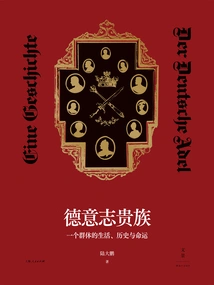
德意志贵族:一个群体的生活、历史与命运
Lu Dapeng
How did the German nobility respond to the Nazis? What is the connection between the Junker aristocracy and Prussian militarism? How did the French Revolution initiate the fate of the German princes to become "subordinates"? This book combines various research, monographs, interviews and other materials from the German and English-speaking worlds, takes the German aristocracy as the main line, and details the past and present life and the ups and downs of life and destiny of this group in the long history. At the same time, the book uses the system mechanism of the aristocratic system as the starting point to describe the evolution of European politics and culture in a simple and easy-to-understand way.
How did the German nobility respond to the Nazis? What is the connection between the Junker aristocracy and Prussian militarism? How did the French Revolution initiate the fate of the German princes to become "subordinates"? This book combines various research, monographs, interviews and other materials from the German and English-speaking worlds, takes the German aristocracy as the main line, and details the past and present life and the ups and downs of life and destiny of this group in the long history. At the same time, the book uses the system mechanism of the aristocratic system as the starting point to describe the evolution of European politics and culture in a simple and easy-to-understand way.
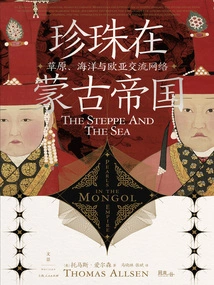
珍珠在蒙古帝国:草原、海洋与欧亚交流网络
N
A well-known historian of the Mongolian Empire and an expert on inland Eurasian history and culture; he compiles historical materials in six languages and uses pearls as a window to link land and sea trade in the Eurasian world; he traces the cross-ecological interaction between the north and the south and reexamines the long-term influence of Mongolian political culture. In 1221, in present-day Turkmenistan, a woman captured by Mongol soldiers claimed to have swallowed her pearls to protect them. She was immediately executed, and in order to find a few pearls, Genghis Khan ordered his soldiers to disembowel those who died on the battlefield. With aesthetic, economic, religious and political value, pearls were the supreme treasure of the ancient world. And Mongolia, the most extensive inland empire in history, is its unrivaled collector, supporter, and transmitter. What kind of new starting point and new challenge will it bring for nomadic people to expand their influence to the ocean area?
A well-known historian of the Mongolian Empire and an expert on inland Eurasian history and culture; he compiles historical materials in six languages and uses pearls as a window to link land and sea trade in the Eurasian world; he traces the cross-ecological interaction between the north and the south and reexamines the long-term influence of Mongolian political culture. In 1221, in present-day Turkmenistan, a woman captured by Mongol soldiers claimed to have swallowed her pearls to protect them. She was immediately executed, and in order to find a few pearls, Genghis Khan ordered his soldiers to disembowel those who died on the battlefield. With aesthetic, economic, religious and political value, pearls were the supreme treasure of the ancient world. And Mongolia, the most extensive inland empire in history, is its unrivaled collector, supporter, and transmitter. What kind of new starting point and new challenge will it bring for nomadic people to expand their influence to the ocean area?
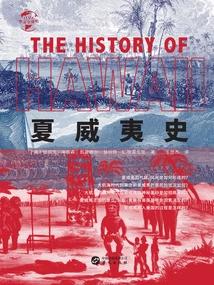
Hawaiian History
History夏威夷史
(u. S.)ralph Simpson Kay Kendall Et Al.
"History of Hawaii" describes the historical process of how Hawaii became what it is today - from the climate characteristics of the Pacific Ocean where the Hawaiian Islands are located, the formation of the islands and the natural environment of the islands, the reproduction and development of the island residents, the changes in the king's rule, until it became an integral part of the United States and became a state with a unique social and economic background. Each chapter revolves around a person, an event, or a clear development path, but does not unduly disrupt the chronological order of events. Other characters and events are centered on the central theme, so that the reader's attention can be focused on outstanding figures, decisive events, and major movements in Hawaiian history. Although "History of Hawaii" is intended primarily for use in schools, it will also serve a broad audience who desire a clear understanding of the major facts of Hawaiian history.
"History of Hawaii" describes the historical process of how Hawaii became what it is today - from the climate characteristics of the Pacific Ocean where the Hawaiian Islands are located, the formation of the islands and the natural environment of the islands, the reproduction and development of the island residents, the changes in the king's rule, until it became an integral part of the United States and became a state with a unique social and economic background. Each chapter revolves around a person, an event, or a clear development path, but does not unduly disrupt the chronological order of events. Other characters and events are centered on the central theme, so that the reader's attention can be focused on outstanding figures, decisive events, and major movements in Hawaiian history. Although "History of Hawaii" is intended primarily for use in schools, it will also serve a broad audience who desire a clear understanding of the major facts of Hawaiian history.
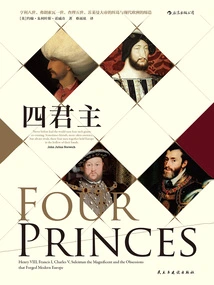
Four Monarchs
History四君主
L
King Henry VIII of England, King Francois I of France, Holy Roman Emperor Charles V and Sultan Suleiman the Magnificent of the Ottoman Empire, these four great monarchs were born in the same decade (1491-1500). They were all important in the history of their respective countries, and in this book, John Julius Norwich zooms in to show how the feud between these four monarchs laid the foundation for modern Europe, against the backdrop of the Renaissance and Reformation. Individually they were different, Henry had six wives and Charles was ascetic; together they dominated the world stage. This book describes the meeting of the Golden Sea that nearly bankrupted France and Britain, tells the story of Suleiman's pile of two thousand enemy heads after the Battle of Mohács, mentions that Anne Boleyn's left hand has six fingers that pious people are afraid of, and mentions the true story of the Maltese Falcon. These stories make "The Four Monarchs" an extremely vivid and interesting historical work.
King Henry VIII of England, King Francois I of France, Holy Roman Emperor Charles V and Sultan Suleiman the Magnificent of the Ottoman Empire, these four great monarchs were born in the same decade (1491-1500). They were all important in the history of their respective countries, and in this book, John Julius Norwich zooms in to show how the feud between these four monarchs laid the foundation for modern Europe, against the backdrop of the Renaissance and Reformation. Individually they were different, Henry had six wives and Charles was ascetic; together they dominated the world stage. This book describes the meeting of the Golden Sea that nearly bankrupted France and Britain, tells the story of Suleiman's pile of two thousand enemy heads after the Battle of Mohács, mentions that Anne Boleyn's left hand has six fingers that pious people are afraid of, and mentions the true story of the Maltese Falcon. These stories make "The Four Monarchs" an extremely vivid and interesting historical work.
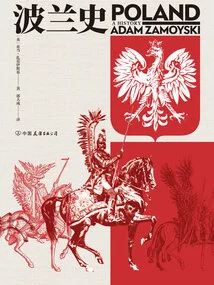
Polish History
History波兰史
(uk) Adam Zamoyski
In the eyes of ordinary people, the country of Poland always seems to be shrouded in tragedy. Whether it is Chopin's "Poland Never Dies" or Roman Polanski's film "The Pianist", they both left a sad and tragic impression on people's hearts. As far as Polish history is concerned, the experience of three brutal partitions and the brutal tyranny of the Nazi German invaders also cast the country as a "loser". But in fact, Poland is a country with a great past and a promising present. This book begins with the founding of the Kingdom of Poland by Mieszko I, and tells the magnificent history of Poland for more than a thousand years. Adam Zamojski, a Polish-British historical writer, unfolds this historical picture in a vivid and passionate way, analyzes and explains many historical facts in Polish history, and discusses them in a broader international context. Afterwards, the author moves into contemporary times and shows readers what challenges the Polish people faced in exploring their own development path after going through many hardships to regain independence and unity.
In the eyes of ordinary people, the country of Poland always seems to be shrouded in tragedy. Whether it is Chopin's "Poland Never Dies" or Roman Polanski's film "The Pianist", they both left a sad and tragic impression on people's hearts. As far as Polish history is concerned, the experience of three brutal partitions and the brutal tyranny of the Nazi German invaders also cast the country as a "loser". But in fact, Poland is a country with a great past and a promising present. This book begins with the founding of the Kingdom of Poland by Mieszko I, and tells the magnificent history of Poland for more than a thousand years. Adam Zamojski, a Polish-British historical writer, unfolds this historical picture in a vivid and passionate way, analyzes and explains many historical facts in Polish history, and discusses them in a broader international context. Afterwards, the author moves into contemporary times and shows readers what challenges the Polish people faced in exploring their own development path after going through many hardships to regain independence and unity.
罗马帝国史:从奥古斯都即位到西罗马帝国灭亡(华文全球史)
(ireland) Thomas Ketterley
This book is as famous as Edward Gibbon's "The History of the Decline and Fall of the Roman Empire" and is recognized as an academic masterpiece of the classical period. It tells a multi-layered, wide-angle and methodical story of the 505-year history from Augustus in 29 BC when Augustus became the "head of state" of the Roman Empire to the demise of the Western Roman Empire due to barbarian invasion in 476 AD. It summarizes the experience and lessons of the rise and fall of the Roman Empire's dynasties with profound thoughts.
This book is as famous as Edward Gibbon's "The History of the Decline and Fall of the Roman Empire" and is recognized as an academic masterpiece of the classical period. It tells a multi-layered, wide-angle and methodical story of the 505-year history from Augustus in 29 BC when Augustus became the "head of state" of the Roman Empire to the demise of the Western Roman Empire due to barbarian invasion in 476 AD. It summarizes the experience and lessons of the rise and fall of the Roman Empire's dynasties with profound thoughts.
从历史到传说:被“定义”的哥特
(uk) David M. Gwen
Gothic civilization is a "lost civilization". The ancient Gothic tribes marched from north to south, conquering the capital of the Roman Empire and beginning the decline and collapse of the Western Roman Empire. The Eastern and Visigothic kings who ruled Italy and Spain dominated the European world in the early Middle Ages. More than a thousand years ago, the Gothic Kingdom was wiped out, and the Goths, as an independent nation, were scattered everywhere. In the following centuries, the Goths, who had disappeared, were regarded as both violent and barbaric destroyers and pioneers in the pursuit of freedom. The history is an intriguing intertwining of real Goths and the Gothic cultural heritage that grew out of them and continues to shape the diversity of the world today. However, there is a gap created by time, space and man-made between the real Goths and the Goths imagined by the public. This book travels through thousands of years, re-examines the relationship between civilization and barbarism, reflects on certain conventional social common sense, considers the balance between public interests and personal freedom, and looks for patterns and connections among many social and cultural phenomena named "Goth". These efforts are of unique and extraordinary significance.
Gothic civilization is a "lost civilization". The ancient Gothic tribes marched from north to south, conquering the capital of the Roman Empire and beginning the decline and collapse of the Western Roman Empire. The Eastern and Visigothic kings who ruled Italy and Spain dominated the European world in the early Middle Ages. More than a thousand years ago, the Gothic Kingdom was wiped out, and the Goths, as an independent nation, were scattered everywhere. In the following centuries, the Goths, who had disappeared, were regarded as both violent and barbaric destroyers and pioneers in the pursuit of freedom. The history is an intriguing intertwining of real Goths and the Gothic cultural heritage that grew out of them and continues to shape the diversity of the world today. However, there is a gap created by time, space and man-made between the real Goths and the Goths imagined by the public. This book travels through thousands of years, re-examines the relationship between civilization and barbarism, reflects on certain conventional social common sense, considers the balance between public interests and personal freedom, and looks for patterns and connections among many social and cultural phenomena named "Goth". These efforts are of unique and extraordinary significance.
携带黄金鱼子酱的居鲁士:波斯帝国及其遗产
(uk) Geoffrey Parker Et Al.
Starting from the 2nd millennium BC, a branch of the Aryans began to migrate from Central Asia to the southern shore of the Caspian Sea, and then took root and developed in the Iranian Plateau, eventually establishing one of the most powerful civilizations in world history: the Persian Empire. In the thousands of years that followed, although the Persian Empire created by Cyrus the Great was lost in the dust of history, other dynasties that emerged on this land were deeply influenced by the Persian Empire. Thanks to revisiting history again and again, Iran stands in a unique position in the turbulent Middle East. The picture presented by the name "Persia" is romance, roses and nightingales in exquisite gardens, carpets with brilliant colors like jewels, poetry and moving music; when it comes to Iran, the picture changes to a frowning religious teacher, black oil, a face under a black veil... Two seemingly contradictory pictures are intertwined on the same land, making Iran (Persia) the most unique existence in the Middle East.
Starting from the 2nd millennium BC, a branch of the Aryans began to migrate from Central Asia to the southern shore of the Caspian Sea, and then took root and developed in the Iranian Plateau, eventually establishing one of the most powerful civilizations in world history: the Persian Empire. In the thousands of years that followed, although the Persian Empire created by Cyrus the Great was lost in the dust of history, other dynasties that emerged on this land were deeply influenced by the Persian Empire. Thanks to revisiting history again and again, Iran stands in a unique position in the turbulent Middle East. The picture presented by the name "Persia" is romance, roses and nightingales in exquisite gardens, carpets with brilliant colors like jewels, poetry and moving music; when it comes to Iran, the picture changes to a frowning religious teacher, black oil, a face under a black veil... Two seemingly contradictory pictures are intertwined on the same land, making Iran (Persia) the most unique existence in the Middle East.
古希腊人:在希腊大陆之外
(uk) Philip Matzak
From the earliest prehistoric Greek colonies on the Black Sea coast to the Greek settlements in southern Italy, from today's India to Spain in Europe, Greek civilization was by no means limited to the classical era centered on Athens, but once crossed the Mediterranean and built cities near the second waterfall of the Nile and in the shadow of the Himalayas. Through the conquests of Alexander the Great and the glory of the Hellenistic era, this book depicts a broader Greek world that is not yet familiar to us, which contains amazing ideological energy, outstanding humanism and wonderful aesthetic taste. In addition, most of the Greek philosophers, scientists, and artists we know are not from the Greek mainland, such as the poetess Sappho of Lesbos, Archimedes of Syracuse, and Herodotus, who was born in Asia Minor and was a citizen of the Persian Empire... The stories of these Greeks from outside the region will provide a new perspective on the ancient Greeks and the significance of their civilization.
From the earliest prehistoric Greek colonies on the Black Sea coast to the Greek settlements in southern Italy, from today's India to Spain in Europe, Greek civilization was by no means limited to the classical era centered on Athens, but once crossed the Mediterranean and built cities near the second waterfall of the Nile and in the shadow of the Himalayas. Through the conquests of Alexander the Great and the glory of the Hellenistic era, this book depicts a broader Greek world that is not yet familiar to us, which contains amazing ideological energy, outstanding humanism and wonderful aesthetic taste. In addition, most of the Greek philosophers, scientists, and artists we know are not from the Greek mainland, such as the poetess Sappho of Lesbos, Archimedes of Syracuse, and Herodotus, who was born in Asia Minor and was a citizen of the Persian Empire... The stories of these Greeks from outside the region will provide a new perspective on the ancient Greeks and the significance of their civilization.
铁血浪漫:中世纪骑士
Ni Shiguang
You may know about the "Round Table Conference" that is popular in the international community today, but you may not necessarily know the relationship between the "Round Table" and the spirit of medieval chivalry; you may know about the Western custom of "ladies first", but you may not necessarily understand the connection between this custom and the medieval knight's concept of love; you may like equestrian, swordsmanship and other modern sports, but you may not be familiar with the origins of such Western "aristocratic sports" and medieval knight competitions... Knights have had a significant impact not only on the Middle Ages, but also on all aspects of modern Western society. The knight's unique code of conduct, values and beliefs, relationship with the church, relationship with the lord, and relationship with the lady all left unlimited room for imagination for later generations of literature, art, and historical narratives. This book uses vivid writing style and rich pictures to display all aspects of the medieval knighthood system. The content covers the knights' daily life, military training, tournaments, battles, spiritual world, emotional life, the evolution of the knighthood and other aspects. It outlines the unique appearance of the European knighthood in the Middle Ages for readers, interprets the spiritual connotation and historical significance of the Western knighthood system, shows the historical context of the knighthood from its rise to decline, and provides readers with a unique perspective on the history of medieval Europe.
You may know about the "Round Table Conference" that is popular in the international community today, but you may not necessarily know the relationship between the "Round Table" and the spirit of medieval chivalry; you may know about the Western custom of "ladies first", but you may not necessarily understand the connection between this custom and the medieval knight's concept of love; you may like equestrian, swordsmanship and other modern sports, but you may not be familiar with the origins of such Western "aristocratic sports" and medieval knight competitions... Knights have had a significant impact not only on the Middle Ages, but also on all aspects of modern Western society. The knight's unique code of conduct, values and beliefs, relationship with the church, relationship with the lord, and relationship with the lady all left unlimited room for imagination for later generations of literature, art, and historical narratives. This book uses vivid writing style and rich pictures to display all aspects of the medieval knighthood system. The content covers the knights' daily life, military training, tournaments, battles, spiritual world, emotional life, the evolution of the knighthood and other aspects. It outlines the unique appearance of the European knighthood in the Middle Ages for readers, interprets the spiritual connotation and historical significance of the Western knighthood system, shows the historical context of the knighthood from its rise to decline, and provides readers with a unique perspective on the history of medieval Europe.
Roman Legion
History罗马军团
Wei Fenglian
On the ancient battlefields of the world where wars were rife, the Roman legions galloped for thousands of years and left countless glorious achievements. Their iron hooves trampled on the white snow of Britain, the green grass of Asia Minor, and the yellow sand of the Arabian Peninsula; they fought fierce battles with many powerful peoples such as the Gauls, Carthaginians, Greeks, Parthians, and Germans, and their military fronts were directed at Central Asia and India; they were the founders of the Roman Empire, a worldwide empire spanning Europe, Asia, and Africa, and a symbol of the perseverance, bravery, and strength of the Roman nation. The history of the Roman legions is the history of the Roman state's continuous expansion and conquest. This book takes the rise and fall of the ancient Roman Empire as the background and records the turbulent and magnificent history of the Roman Legion; it explores many factors such as the formation organization, weapons and equipment, strategies and tactics, and organizational discipline of the Roman Legion, and analyzes the internal and external reasons for its rise, strength, and decline. By reading this book, readers can not only understand the unique historical trajectory of the Roman Legion, an iron-blooded division as famous as the Mongolian cavalry and the Ottoman Turkish army, but can also use it as an incision to understand the historical truth of the ancient Roman country from a special perspective.
On the ancient battlefields of the world where wars were rife, the Roman legions galloped for thousands of years and left countless glorious achievements. Their iron hooves trampled on the white snow of Britain, the green grass of Asia Minor, and the yellow sand of the Arabian Peninsula; they fought fierce battles with many powerful peoples such as the Gauls, Carthaginians, Greeks, Parthians, and Germans, and their military fronts were directed at Central Asia and India; they were the founders of the Roman Empire, a worldwide empire spanning Europe, Asia, and Africa, and a symbol of the perseverance, bravery, and strength of the Roman nation. The history of the Roman legions is the history of the Roman state's continuous expansion and conquest. This book takes the rise and fall of the ancient Roman Empire as the background and records the turbulent and magnificent history of the Roman Legion; it explores many factors such as the formation organization, weapons and equipment, strategies and tactics, and organizational discipline of the Roman Legion, and analyzes the internal and external reasons for its rise, strength, and decline. By reading this book, readers can not only understand the unique historical trajectory of the Roman Legion, an iron-blooded division as famous as the Mongolian cavalry and the Ottoman Turkish army, but can also use it as an incision to understand the historical truth of the ancient Roman country from a special perspective.
Silk Road
History丝绸之路
(uk) Jody Tolle
From snowy mountain passes and forbidding deserts to unpredictable oceans and exotic tropical islands, Silk Road takes you on an incredible journey through wondrous mountains, rivers and oceans, and through the magnificent history of the world's trade networks. With eye-catching exquisite pictures and easy-to-understand text, this book tells the prosperity, decline and revival of the ancient Silk Road, and restores the historical process of Asia, Europe and even the world over a period of time from another perspective.
From snowy mountain passes and forbidding deserts to unpredictable oceans and exotic tropical islands, Silk Road takes you on an incredible journey through wondrous mountains, rivers and oceans, and through the magnificent history of the world's trade networks. With eye-catching exquisite pictures and easy-to-understand text, this book tells the prosperity, decline and revival of the ancient Silk Road, and restores the historical process of Asia, Europe and even the world over a period of time from another perspective.
逐陆记3:美洲文明的毁灭与美利坚的崛起(近代卷)
Qu Fei
The American continent, this ancient, rich and mysterious land, once gave birth to three ancient civilizations: the Aztec civilization, the Inca civilization, and the Mayan civilization. At the end of the 15th century, when the Spanish launched the Age of Discovery and connected the old and new worlds, a thrilling history of conquest of the Americas began. The American continent has since embarked on a rugged road that has lasted for centuries: the blood sacrifice in Mexico, the sunset in the Andes, how could the once brilliant civilization be completely destroyed overnight? Washington, Franklin, and Jefferson, who shouted "Give me liberty or give me death", raised the flag, and led the United States of America from a colony to independence? Various historical factors such as politics, society, and characters drive the prosperity and decline of civilization. In relaxed yet rigorous language, this book lays out the journey of the American continent from discovery to destruction to rebirth over the past three hundred years from 1492 to 1776. It records the difficult choices made by the pioneers at the crossroads of destiny. Behind each "great decision", the giant wheel of the times is rolling forward...
The American continent, this ancient, rich and mysterious land, once gave birth to three ancient civilizations: the Aztec civilization, the Inca civilization, and the Mayan civilization. At the end of the 15th century, when the Spanish launched the Age of Discovery and connected the old and new worlds, a thrilling history of conquest of the Americas began. The American continent has since embarked on a rugged road that has lasted for centuries: the blood sacrifice in Mexico, the sunset in the Andes, how could the once brilliant civilization be completely destroyed overnight? Washington, Franklin, and Jefferson, who shouted "Give me liberty or give me death", raised the flag, and led the United States of America from a colony to independence? Various historical factors such as politics, society, and characters drive the prosperity and decline of civilization. In relaxed yet rigorous language, this book lays out the journey of the American continent from discovery to destruction to rebirth over the past three hundred years from 1492 to 1776. It records the difficult choices made by the pioneers at the crossroads of destiny. Behind each "great decision", the giant wheel of the times is rolling forward...
逐陆记2:十字军东征与蒙古人西征(中古卷)
Qu Fei
From 1095 to 1291, under the call of the Pope, a group of fanatical Christians launched eight expeditions in the past two hundred years in an attempt to regain the Holy Land Jerusalem, which had a profound impact on the Eastern and Western worlds. From 1219 to 1260, the powerful Mongols conducted three large-scale western expeditions in more than 40 years and established an unprecedentedly large empire. This book passionately tells the story of this series of conquest wars that took place in Eurasia in the Middle Ages. Along with the mighty Crusaders and the invincible Mongolian cavalry, legendary figures appeared one by one, including Red Beard, Lionheart King, Saladin, Genghis Khan, Batu, the Old Man of the Mountain... A stormy Eurasian chess game began. In the intertwining of blood and fire, power and desire, dreams and glory, greed and ambition outline a soul-stirring picture of medieval history. What is about to usher in is a new era and order.
From 1095 to 1291, under the call of the Pope, a group of fanatical Christians launched eight expeditions in the past two hundred years in an attempt to regain the Holy Land Jerusalem, which had a profound impact on the Eastern and Western worlds. From 1219 to 1260, the powerful Mongols conducted three large-scale western expeditions in more than 40 years and established an unprecedentedly large empire. This book passionately tells the story of this series of conquest wars that took place in Eurasia in the Middle Ages. Along with the mighty Crusaders and the invincible Mongolian cavalry, legendary figures appeared one by one, including Red Beard, Lionheart King, Saladin, Genghis Khan, Batu, the Old Man of the Mountain... A stormy Eurasian chess game began. In the intertwining of blood and fire, power and desire, dreams and glory, greed and ambition outline a soul-stirring picture of medieval history. What is about to usher in is a new era and order.
逐陆记4:美日太平洋战争与帝国时代的落幕(现代卷)
Qu Fei
This book provides a panoramic description of the Pacific War between the United States and Japan, which is famous in the history of world wars, and vividly restores a fight and destruction of desire. From the attack on Pearl Harbor, the Midway showdown, to the Battle of Leyte Gulf, the bloody battle of Iwo Jima, and the bombing of Hiroshima, all important battles and events in the entire US-Japan Pacific War are included. The author digs deeply into the logic and game behind the war, conducts a thorough analysis of the causes and consequences of the war, and integrates the successes and failures of the United States and Japan in military, political, diplomatic, technological and other aspects into a magnificent epic of the Pacific War. This book combines the writing vision of "big history" with vivid and detailed descriptions, restoring the historical scene that rewrote the world order. In this war-torn ocean, the age of empire has finally come to an end, and the dawn of modern civilization has risen.
This book provides a panoramic description of the Pacific War between the United States and Japan, which is famous in the history of world wars, and vividly restores a fight and destruction of desire. From the attack on Pearl Harbor, the Midway showdown, to the Battle of Leyte Gulf, the bloody battle of Iwo Jima, and the bombing of Hiroshima, all important battles and events in the entire US-Japan Pacific War are included. The author digs deeply into the logic and game behind the war, conducts a thorough analysis of the causes and consequences of the war, and integrates the successes and failures of the United States and Japan in military, political, diplomatic, technological and other aspects into a magnificent epic of the Pacific War. This book combines the writing vision of "big history" with vivid and detailed descriptions, restoring the historical scene that rewrote the world order. In this war-torn ocean, the age of empire has finally come to an end, and the dawn of modern civilization has risen.
逐陆记1:从希波战争到迦太基共和国的兴亡(上古卷)
Qu Fei
Throughout the history of the development of world civilization, the birth and development of civilizations are always accompanied by frequent and fierce wars. The current world structure was born out of thousands of years of long-term games and contests between the East and the West. This book will go back to the beginning of it all, recreate the two-hundred-year-old epic battle between the Persian Empire and the Greek world, write about the rise and fall of the Republic of Carthage, and narrate the collision of civilizations and military confrontations in the three continents of Asia, Europe, and Africa.
Throughout the history of the development of world civilization, the birth and development of civilizations are always accompanied by frequent and fierce wars. The current world structure was born out of thousands of years of long-term games and contests between the East and the West. This book will go back to the beginning of it all, recreate the two-hundred-year-old epic battle between the Persian Empire and the Greek world, write about the rise and fall of the Republic of Carthage, and narrate the collision of civilizations and military confrontations in the three continents of Asia, Europe, and Africa.
逐陆记:世界战争史(套装共4册)
Qu Fei
Throughout the history of the development of world civilization, the birth and development of civilizations are always accompanied by frequent and fierce wars. The current world structure was born out of thousands of years of long-term games and contests between the East and the West. The first volume of this book will go back to the beginning of it all, recreate the two-hundred-year-old epic battle between the Persian Empire and the Greek world, write about the rise and fall of the Republic of Carthage, and narrate the collision of civilizations and military confrontations in the three continents of Asia, Europe, and Africa. From 1095 to 1291, under the call of the Pope, a group of fanatical Christians launched eight expeditions in the past two hundred years in an attempt to regain the Holy Land Jerusalem, which had a profound impact on the Eastern and Western worlds. From 1219 to 1260, the powerful Mongols conducted three large-scale western expeditions in more than 40 years and established an unprecedentedly large empire. The second volume of this book passionately tells the story of this series of conquest wars that took place on the Eurasian continent in the Middle Ages. The American continent, this ancient, rich and mysterious land, once gave birth to three ancient civilizations: the Aztec civilization, the Inca civilization, and the Mayan civilization. At the end of the 15th century, when the Spanish launched the Age of Discovery and connected the old and new worlds, a thrilling history of conquest of the Americas began. The third volume of this book uses relaxed yet rigorous language to lay out the nearly three hundred years of the American continent from 1492 to 1776, from discovery to destruction and then to rebirth, recording the difficult choices made by the pioneers at the crossroads of destiny. Behind each "great decision", the giant wheel of the times is rolling forward... The fourth volume of this book provides a panoramic description of the U. S.-Japanese Pacific War, which is famous in the history of world wars, and vividly restores a fight and destruction of desire. This book combines the writing vision of "big history" with vivid and detailed descriptions, restoring the historical scene that rewrote the world order. In this war-torn ocean, the age of empire has finally come to an end, and the dawn of modern civilization has risen.
Throughout the history of the development of world civilization, the birth and development of civilizations are always accompanied by frequent and fierce wars. The current world structure was born out of thousands of years of long-term games and contests between the East and the West. The first volume of this book will go back to the beginning of it all, recreate the two-hundred-year-old epic battle between the Persian Empire and the Greek world, write about the rise and fall of the Republic of Carthage, and narrate the collision of civilizations and military confrontations in the three continents of Asia, Europe, and Africa. From 1095 to 1291, under the call of the Pope, a group of fanatical Christians launched eight expeditions in the past two hundred years in an attempt to regain the Holy Land Jerusalem, which had a profound impact on the Eastern and Western worlds. From 1219 to 1260, the powerful Mongols conducted three large-scale western expeditions in more than 40 years and established an unprecedentedly large empire. The second volume of this book passionately tells the story of this series of conquest wars that took place on the Eurasian continent in the Middle Ages. The American continent, this ancient, rich and mysterious land, once gave birth to three ancient civilizations: the Aztec civilization, the Inca civilization, and the Mayan civilization. At the end of the 15th century, when the Spanish launched the Age of Discovery and connected the old and new worlds, a thrilling history of conquest of the Americas began. The third volume of this book uses relaxed yet rigorous language to lay out the nearly three hundred years of the American continent from 1492 to 1776, from discovery to destruction and then to rebirth, recording the difficult choices made by the pioneers at the crossroads of destiny. Behind each "great decision", the giant wheel of the times is rolling forward... The fourth volume of this book provides a panoramic description of the U. S.-Japanese Pacific War, which is famous in the history of world wars, and vividly restores a fight and destruction of desire. This book combines the writing vision of "big history" with vivid and detailed descriptions, restoring the historical scene that rewrote the world order. In this war-torn ocean, the age of empire has finally come to an end, and the dawn of modern civilization has risen.
新编剑桥中世纪史(第六卷):约1300年至约1415年
(uk) Editor-in-chief Michael Jones
"The New Cambridge History of the Middle Ages" has a total of 7 and 8 volumes. Compared with the old version of "Cambridge History of the Middle Ages", it is clearer in writing style and chapter arrangement. It breaks through the old framework of traditional political history and attempts to present a "comprehensive history", including economic, social, spiritual, cultural and other fields within the scope of discussion, and provides a more comprehensive and detailed record of the Middle Ages. It is worth noting that the new series breaks away from the past "Eurocentrism" that regarded Europe as the whole world, and opposes the mechanical piecing together or simple summing up of the histories of European countries. It strives to examine the historical development trajectories and mutual influences of European countries in the Middle Ages as a whole, reflecting the prosperity and progress of Western academic research over the past century. This volume is the sixth volume, describing the history from 1300 to 1415 AD. Covers the 14th century, a period dominated by plague, natural disasters, and wars that ended three centuries of economic growth and cultural expansion in Christian Europe. But it was also a period that witnessed important developments in government, emphasis on and attention to changes in religious and intellectual life; it gave greater weight to the voice of the laity and to the rise of new cultural and artistic models, especially indigenous literature. Divided into four parts. The first part is an overview, discussing general topics such as the theory and practice of government, religion, social and economic history, and culture, including discussions of art, architecture, and chivalry; the second part is the national history of Western European countries; the third part discusses the papal period in Avignon and the church during the Great Schism; the fourth part discusses Eastern and Northern Europe, the Byzantine Empire, and the early Ottomans, with special attention to their social and economic relations with Western Europeans, and their relations with other civilizations in the Mediterranean.
"The New Cambridge History of the Middle Ages" has a total of 7 and 8 volumes. Compared with the old version of "Cambridge History of the Middle Ages", it is clearer in writing style and chapter arrangement. It breaks through the old framework of traditional political history and attempts to present a "comprehensive history", including economic, social, spiritual, cultural and other fields within the scope of discussion, and provides a more comprehensive and detailed record of the Middle Ages. It is worth noting that the new series breaks away from the past "Eurocentrism" that regarded Europe as the whole world, and opposes the mechanical piecing together or simple summing up of the histories of European countries. It strives to examine the historical development trajectories and mutual influences of European countries in the Middle Ages as a whole, reflecting the prosperity and progress of Western academic research over the past century. This volume is the sixth volume, describing the history from 1300 to 1415 AD. Covers the 14th century, a period dominated by plague, natural disasters, and wars that ended three centuries of economic growth and cultural expansion in Christian Europe. But it was also a period that witnessed important developments in government, emphasis on and attention to changes in religious and intellectual life; it gave greater weight to the voice of the laity and to the rise of new cultural and artistic models, especially indigenous literature. Divided into four parts. The first part is an overview, discussing general topics such as the theory and practice of government, religion, social and economic history, and culture, including discussions of art, architecture, and chivalry; the second part is the national history of Western European countries; the third part discusses the papal period in Avignon and the church during the Great Schism; the fourth part discusses Eastern and Northern Europe, the Byzantine Empire, and the early Ottomans, with special attention to their social and economic relations with Western Europeans, and their relations with other civilizations in the Mediterranean.
新编剑桥中世纪史(第四卷·第二分册):约1024年至约1198年
(uk) David Luscombe And Other Editors
"The New Cambridge History of the Middle Ages" has a total of 7 and 8 volumes. Compared with the old version of "Cambridge History of the Middle Ages", it is clearer in writing style and chapter arrangement. It breaks through the old framework of traditional political history and attempts to present a "comprehensive history", including economic, social, spiritual, cultural and other fields within the scope of discussion, and provides a more comprehensive and detailed record of the Middle Ages. It is worth noting that the new series breaks away from the past "Eurocentrism" that regarded Europe as the whole world, and opposes the mechanical piecing together or simple summing up of the histories of European countries. It strives to examine the historical development trajectories and mutual influences of European countries in the Middle Ages as a whole, reflecting the prosperity and progress of Western academic research over the past century. This fourth volume is divided into two parts. The second part focuses on the radical reform of the church, the transformation of the papacy, the transformation in the process driven by the decline of the Western and Eastern empires, the rise of the Western Kingdom and the Italian elite, the development of governmental structures, the beginning of Spain's recovery from the Moors, and the establishment of Western settlements in the Eastern Mediterranean after the Crusades.
"The New Cambridge History of the Middle Ages" has a total of 7 and 8 volumes. Compared with the old version of "Cambridge History of the Middle Ages", it is clearer in writing style and chapter arrangement. It breaks through the old framework of traditional political history and attempts to present a "comprehensive history", including economic, social, spiritual, cultural and other fields within the scope of discussion, and provides a more comprehensive and detailed record of the Middle Ages. It is worth noting that the new series breaks away from the past "Eurocentrism" that regarded Europe as the whole world, and opposes the mechanical piecing together or simple summing up of the histories of European countries. It strives to examine the historical development trajectories and mutual influences of European countries in the Middle Ages as a whole, reflecting the prosperity and progress of Western academic research over the past century. This fourth volume is divided into two parts. The second part focuses on the radical reform of the church, the transformation of the papacy, the transformation in the process driven by the decline of the Western and Eastern empires, the rise of the Western Kingdom and the Italian elite, the development of governmental structures, the beginning of Spain's recovery from the Moors, and the establishment of Western settlements in the Eastern Mediterranean after the Crusades.
新编剑桥中世纪史(第一卷):约500年至约700年
(uk) Editor-in-chief Paul Forak
"The New Cambridge History of the Middle Ages" has a total of 7 and 8 volumes. Compared with the old version of "Cambridge History of the Middle Ages", it is clearer in writing style and chapter arrangement. It breaks through the old framework of traditional political history and attempts to present a "comprehensive history", including economic, social, spiritual, cultural and other fields within the scope of discussion, and provides a more comprehensive and detailed record of the Middle Ages. It is worth noting that the new series breaks away from the past "Eurocentrism" that regarded Europe as the whole world, and opposes the mechanical piecing together or simple summing up of the histories of European countries. It strives to examine the historical development trajectories and mutual influences of European countries in the Middle Ages as a whole, reflecting the prosperity and progress of Western academic research over the past century. As the first volume of the New Cambridge History of the Middle Ages, this volume covers the basic historical process of Mediterranean Europe and Northern Europe, Scandinavia and the British Isles from the decline of the Roman Empire (around the 6th century) to the emergence of Western feudal society (around the 8th century).
"The New Cambridge History of the Middle Ages" has a total of 7 and 8 volumes. Compared with the old version of "Cambridge History of the Middle Ages", it is clearer in writing style and chapter arrangement. It breaks through the old framework of traditional political history and attempts to present a "comprehensive history", including economic, social, spiritual, cultural and other fields within the scope of discussion, and provides a more comprehensive and detailed record of the Middle Ages. It is worth noting that the new series breaks away from the past "Eurocentrism" that regarded Europe as the whole world, and opposes the mechanical piecing together or simple summing up of the histories of European countries. It strives to examine the historical development trajectories and mutual influences of European countries in the Middle Ages as a whole, reflecting the prosperity and progress of Western academic research over the past century. As the first volume of the New Cambridge History of the Middle Ages, this volume covers the basic historical process of Mediterranean Europe and Northern Europe, Scandinavia and the British Isles from the decline of the Roman Empire (around the 6th century) to the emergence of Western feudal society (around the 8th century).
新编剑桥中世纪史(第三卷):约900年至约1024年
(uk) Editor-in-chief Timsey Luter
"The New Cambridge History of the Middle Ages" has a total of 7 and 8 volumes. Compared with the old version of "Cambridge History of the Middle Ages", it is clearer in writing style and chapter arrangement. It breaks through the old framework of traditional political history and attempts to present a "comprehensive history", including economic, social, spiritual, cultural and other fields within the scope of discussion, and provides a more comprehensive and detailed record of the Middle Ages. It is worth noting that the new series breaks away from the past "Eurocentrism" that regarded Europe as the whole world, and opposes the mechanical piecing together or simple summing up of the histories of European countries. It strives to examine the historical development trajectories and mutual influences of European countries in the Middle Ages as a whole, reflecting the prosperity and progress of Western academic research over the past century. This volume focuses on the history of Europe in the 10th century. In order to obtain a complete landscape, the volume was written from the 990s to the 1130s (1024), covering nearly a century and a half, so the author describes this stage of history as the "long 10th century". During the translation process, the translator deeply felt the author's academic realm and writing characteristics, and also got to know and understand the "long" history of the 10th century written by the author.
"The New Cambridge History of the Middle Ages" has a total of 7 and 8 volumes. Compared with the old version of "Cambridge History of the Middle Ages", it is clearer in writing style and chapter arrangement. It breaks through the old framework of traditional political history and attempts to present a "comprehensive history", including economic, social, spiritual, cultural and other fields within the scope of discussion, and provides a more comprehensive and detailed record of the Middle Ages. It is worth noting that the new series breaks away from the past "Eurocentrism" that regarded Europe as the whole world, and opposes the mechanical piecing together or simple summing up of the histories of European countries. It strives to examine the historical development trajectories and mutual influences of European countries in the Middle Ages as a whole, reflecting the prosperity and progress of Western academic research over the past century. This volume focuses on the history of Europe in the 10th century. In order to obtain a complete landscape, the volume was written from the 990s to the 1130s (1024), covering nearly a century and a half, so the author describes this stage of history as the "long 10th century". During the translation process, the translator deeply felt the author's academic realm and writing characteristics, and also got to know and understand the "long" history of the 10th century written by the author.