Library
Browse and search books
653 novels found
Henry Iv (part 1 and 2)
Literature亨利四世(上下篇)
H
"Henry IV" is the most successful and popular of Shakespeare's historical dramas, and is regarded as the representative work of Shakespeare's historical dramas. The main content of this work is to reflect the process of Henry IV and his princes' desperate struggle against the rebellious princes and nobles. Shakespeare breaks through the network structure of traditional historical dramas in which multiple clues intertwine and develop, and adopts a structure in which two clues develop in parallel - the clue of court life represented by Henry IV and the clue of city life represented by Falstaff. In the play, the relaxed, mediocre, happy city life full of mischief is in sharp contrast with the tense, complicated palace life full of bloody conspiracies, making the content of the work not only exude a strong flavor of life, but also have a certain historical depth.
"Henry IV" is the most successful and popular of Shakespeare's historical dramas, and is regarded as the representative work of Shakespeare's historical dramas. The main content of this work is to reflect the process of Henry IV and his princes' desperate struggle against the rebellious princes and nobles. Shakespeare breaks through the network structure of traditional historical dramas in which multiple clues intertwine and develop, and adopts a structure in which two clues develop in parallel - the clue of court life represented by Henry IV and the clue of city life represented by Falstaff. In the play, the relaxed, mediocre, happy city life full of mischief is in sharp contrast with the tense, complicated palace life full of bloody conspiracies, making the content of the work not only exude a strong flavor of life, but also have a certain historical depth.
Julius Caesar
Literature居里厄斯·恺撒
(english) Shakespeare
In order to commemorate the 400th anniversary of Shakespeare's death, based on the first poetic version of "Shakespeare's Complete Works" in the Chinese-speaking world edited and translated by Mr. Fang Ping of our publisher, comprehensively considering tragedies, comedies, historical dramas, legendary plays and sonnets, twenty kinds of published single editions were selected, accompanied by a full set of classic illustrations by Sir John Gilbert, to publish the "Poetic Illustrated Collection of Shakespeare's Works".
In order to commemorate the 400th anniversary of Shakespeare's death, based on the first poetic version of "Shakespeare's Complete Works" in the Chinese-speaking world edited and translated by Mr. Fang Ping of our publisher, comprehensively considering tragedies, comedies, historical dramas, legendary plays and sonnets, twenty kinds of published single editions were selected, accompanied by a full set of classic illustrations by Sir John Gilbert, to publish the "Poetic Illustrated Collection of Shakespeare's Works".
Cherry Orchard
Literature樱桃园
Dr. A. C. Fritsch
"The Cherry Orchard" is a classic play by the Russian literary giant Anton Chekhov and an English translation by Dr. A. C. Fritsch. The whole play revolves around the fate of an aristocratic manor with a beautiful cherry orchard. The owner of the cherry orchard, Liu Baofu, returned to Russia from Paris with her daughter and servants. She had already exhausted her property in France, but she has retained the aristocratic lifestyle. Financial difficulties led her to face the fate of her cherry orchard being auctioned off to pay off her debts. Everyone was waiting for its ownership...
"The Cherry Orchard" is a classic play by the Russian literary giant Anton Chekhov and an English translation by Dr. A. C. Fritsch. The whole play revolves around the fate of an aristocratic manor with a beautiful cherry orchard. The owner of the cherry orchard, Liu Baofu, returned to Russia from Paris with her daughter and servants. She had already exhausted her property in France, but she has retained the aristocratic lifestyle. Financial difficulties led her to face the fate of her cherry orchard being auctioned off to pay off her debts. Everyone was waiting for its ownership...
20世纪莎士比亚历史剧的演出与改编研究(谷臻小简·AI导读版)
Li Yanmei
A comprehensive analysis of the meaning and impact of adaptations of Shakespeare's works. This book takes the performances and adaptations of Shakespeare's historical plays since the 20th century as its basis, and takes the politics and characters in Shakespeare's historical plays as its weft. It provides an in-depth and simple analysis of the inheritance and variation of these 10 historical plays in different periods and changes in different eras.
A comprehensive analysis of the meaning and impact of adaptations of Shakespeare's works. This book takes the performances and adaptations of Shakespeare's historical plays since the 20th century as its basis, and takes the politics and characters in Shakespeare's historical plays as its weft. It provides an in-depth and simple analysis of the inheritance and variation of these 10 historical plays in different periods and changes in different eras.
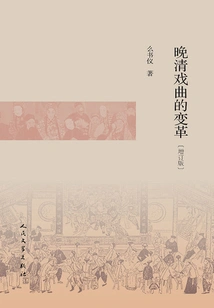
晚清戏曲的变革(增订版)
What Book Instrument
The book discusses the transformation of opera in the late Qing Dynasty from three aspects: court drama, folk drama and the "environment" of opera. The main content includes the transformation of the royal troupe and palace drama in the Qing Dynasty, and the impact of the Hui Troupe's arrival in Beijing on Beijing opera in the late Qing Dynasty. , The rise and fall of male dandies in the history of Ming and Qing dramas, late Qing opera and the "tangzi" in Nancheng, Beijing, late Qing Guan Gong opera performance and the actor's worship of Guan Yu, changes in the social status of actors in the late Qing Dynasty, late Qing opera viewing guides and opera advertisements, etc.
The book discusses the transformation of opera in the late Qing Dynasty from three aspects: court drama, folk drama and the "environment" of opera. The main content includes the transformation of the royal troupe and palace drama in the Qing Dynasty, and the impact of the Hui Troupe's arrival in Beijing on Beijing opera in the late Qing Dynasty. , The rise and fall of male dandies in the history of Ming and Qing dramas, late Qing opera and the "tangzi" in Nancheng, Beijing, late Qing Guan Gong opera performance and the actor's worship of Guan Yu, changes in the social status of actors in the late Qing Dynasty, late Qing opera viewing guides and opera advertisements, etc.
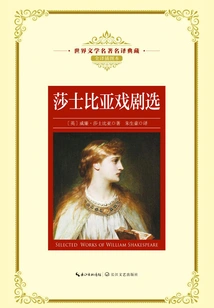
莎士比亚戏剧选(世界文学名著名译典藏)
H
"Selected Plays of Shakespeare" is compiled by Mr. Zhu Shenghao. It includes five classic plays: "The Merchant of Venice", "Twelfth Night", "Romeo and Juliet", "Hamlet" and "King Lear". Basically reflects the creative characteristics of Shakespeare's plays in the early and middle periods. The language of Shakespeare's plays is completely poetic. It is as gentle as flowing water and as turbulent as the waves crashing on the shore. It is endlessly memorable. Shakespeare no longer belongs to a certain country or nation. He is a symbol of human civilization. His plays have been translated into many languages and are loved by readers around the world. Since Shakespeare was introduced to China in the early 20th century, he has been deeply loved by generations of Chinese readers.
"Selected Plays of Shakespeare" is compiled by Mr. Zhu Shenghao. It includes five classic plays: "The Merchant of Venice", "Twelfth Night", "Romeo and Juliet", "Hamlet" and "King Lear". Basically reflects the creative characteristics of Shakespeare's plays in the early and middle periods. The language of Shakespeare's plays is completely poetic. It is as gentle as flowing water and as turbulent as the waves crashing on the shore. It is endlessly memorable. Shakespeare no longer belongs to a certain country or nation. He is a symbol of human civilization. His plays have been translated into many languages and are loved by readers around the world. Since Shakespeare was introduced to China in the early 20th century, he has been deeply loved by generations of Chinese readers.
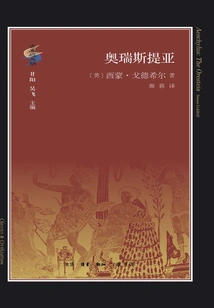
Oresteia
Literature奥瑞斯提亚
(uk)simon Goldhill
Aeschylus's three-series "The Oresteia" is the foundation work of ancient Greek tragedy. From Marx and Nietzsche to modern feminism, this text has always been highly valued by Western intellectual circles and can be called a classic. But Aeschylus's obscure and difficult Greek makes reading and interpretation of the play quite difficult. In this extremely short book, the famous classicist Professor Goldhill focuses on the social background and ideological conditions when "Oresteia" was born, and uses the method of classical philology to carefully explain the complexity and ambiguity of key words in the play. He grasps the core issue of "how do we understand justice, revenge, violence and people's responsibilities to society and each other", and deeply explores the energy contained in the work itself.
Aeschylus's three-series "The Oresteia" is the foundation work of ancient Greek tragedy. From Marx and Nietzsche to modern feminism, this text has always been highly valued by Western intellectual circles and can be called a classic. But Aeschylus's obscure and difficult Greek makes reading and interpretation of the play quite difficult. In this extremely short book, the famous classicist Professor Goldhill focuses on the social background and ideological conditions when "Oresteia" was born, and uses the method of classical philology to carefully explain the complexity and ambiguity of key words in the play. He grasps the core issue of "how do we understand justice, revenge, violence and people's responsibilities to society and each other", and deeply explores the energy contained in the work itself.
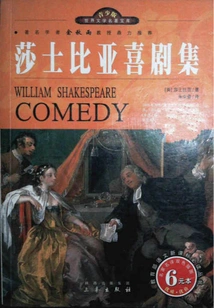
Shakespeare's Comedies
Literature莎士比亚喜剧集
G
This collection includes two of the "Four Comedies" - "A Midsummer Night's Dream", "The Merchant of Venice", "Nothing to Worry" and "As You Like It" - which represent the highest achievement of Shakespeare's comedy creation: "A Midsummer Night's Dream" and "As You Like It". "A Midsummer Night's Dream" is a bizarre and pleasant "dream". In the lush forest in midsummer, fairies dance among the flowers under the soft and romantic moonlight. Hermia and Lysander, Helena and Demetrius both came here because of unsatisfactory marriages and loves. After many twists and turns, they finally got married with the help of the Immortal King. "As You Like It" tells the story of Rosaline, the daughter of an exiled duke, and Orlando, who is abused by his eldest brother Oliver. Orlando repays kindness with kindness and saves his brother, causing him to discover his conscience and fall in love with Celia. In the end, a total of four pairs of lovers got married, and everyone was happy.
This collection includes two of the "Four Comedies" - "A Midsummer Night's Dream", "The Merchant of Venice", "Nothing to Worry" and "As You Like It" - which represent the highest achievement of Shakespeare's comedy creation: "A Midsummer Night's Dream" and "As You Like It". "A Midsummer Night's Dream" is a bizarre and pleasant "dream". In the lush forest in midsummer, fairies dance among the flowers under the soft and romantic moonlight. Hermia and Lysander, Helena and Demetrius both came here because of unsatisfactory marriages and loves. After many twists and turns, they finally got married with the help of the Immortal King. "As You Like It" tells the story of Rosaline, the daughter of an exiled duke, and Orlando, who is abused by his eldest brother Oliver. Orlando repays kindness with kindness and saves his brother, causing him to discover his conscience and fall in love with Celia. In the end, a total of four pairs of lovers got married, and everyone was happy.
F
LiteratureF
G
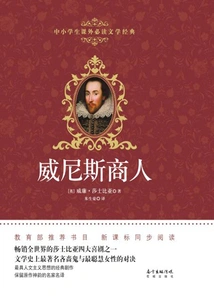
"The Merchant of Venice" is one of Shakespeare's four comedies. Written around 1596. The play describes Bassanio, a penniless aristocratic young man in Venice, who borrows money from his friend Antonio in order to propose to Portia, the heiress of a wealthy family. Since the cargo ship has not yet arrived, Anthony has to borrow money from Shylock, a Jewish loan shark, and is forced to make a covenant: If he does not repay on time, Shylock will cut a pound of flesh from Antonio. Bassanio and Portia fall in love at first sight, but Antonio's cargo ship is in danger and has not returned. When the debt is due, he will be fined with a pound of flesh. Portia resolutely disguises herself as a lawyer and goes to Venice to rescue Antonio. In court, Bao Xi used his amazing intelligence to refute Shylock and win the case.
"The Merchant of Venice" is one of Shakespeare's four comedies. Written around 1596. The play describes Bassanio, a penniless aristocratic young man in Venice, who borrows money from his friend Antonio in order to propose to Portia, the heiress of a wealthy family. Since the cargo ship has not yet arrived, Anthony has to borrow money from Shylock, a Jewish loan shark, and is forced to make a covenant: If he does not repay on time, Shylock will cut a pound of flesh from Antonio. Bassanio and Portia fall in love at first sight, but Antonio's cargo ship is in danger and has not returned. When the debt is due, he will be fined with a pound of flesh. Portia resolutely disguises herself as a lawyer and goes to Venice to rescue Antonio. In court, Bao Xi used his amazing intelligence to refute Shylock and win the case.
Teahouse
Literature茶馆
Lao She
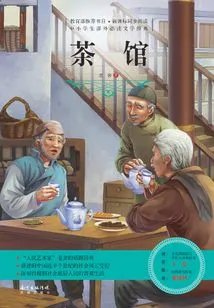
"Teahouse" is one of Mr. Lao She's masterpieces and one of the classic plays of the Beijing People's Art Theatre. The story in the play takes place in a large teahouse called "Yutai" in Beijing. People come and go in the teahouse, and people of all colors and religions gather together. A large teahouse is like a small society. Through the description of the life changes of various characters in the teahouse, the whole play reveals the social outlook in three specific historical periods: the late Qing Dynasty, the early Republic of China, and the victory of the Anti-Japanese War, and reveals the opposition and conflicts between various social strata and several forces at that time. The work expresses the turmoil and dark reality of the semi-colonial and semi-feudal society of old China, and is an elegy for the old society.
"Teahouse" is one of Mr. Lao She's masterpieces and one of the classic plays of the Beijing People's Art Theatre. The story in the play takes place in a large teahouse called "Yutai" in Beijing. People come and go in the teahouse, and people of all colors and religions gather together. A large teahouse is like a small society. Through the description of the life changes of various characters in the teahouse, the whole play reveals the social outlook in three specific historical periods: the late Qing Dynasty, the early Republic of China, and the victory of the Anti-Japanese War, and reveals the opposition and conflicts between various social strata and several forces at that time. The work expresses the turmoil and dark reality of the semi-colonial and semi-feudal society of old China, and is an elegy for the old society.
Blue Butterfly
Literature蓝蝴蝶
Fengqun
This book is a collection of film and literary scripts, including six film scripts written by the author. The author draws on a wide range of materials and is rich in content. History and reality, region and customs. There are complex love affairs in today's bustling cities, as well as the tortuous lives of early movie celebrities. There are the desires of the children of the run-down ancient town in the south of the Yangtze River, and there are also the strange emotions performed by the overseas Chinese in Lingnan during the Republic of China. There are grassland painters who adhere to the principles of life, and there are also weak Huizhou girls who are determined to take revenge. The blue butterfly floats around the ghosts of scholars, and the red watchtower reveals the mystery of human nature. The author's writing skills are skillful, and the script is rich in content and permeated with poetic qualities. At the same time, it is highly literary and readable, and can also be enjoyed as a movie novel. It is very suitable for desk reading for readers of all levels.
This book is a collection of film and literary scripts, including six film scripts written by the author. The author draws on a wide range of materials and is rich in content. History and reality, region and customs. There are complex love affairs in today's bustling cities, as well as the tortuous lives of early movie celebrities. There are the desires of the children of the run-down ancient town in the south of the Yangtze River, and there are also the strange emotions performed by the overseas Chinese in Lingnan during the Republic of China. There are grassland painters who adhere to the principles of life, and there are also weak Huizhou girls who are determined to take revenge. The blue butterfly floats around the ghosts of scholars, and the red watchtower reveals the mystery of human nature. The author's writing skills are skillful, and the script is rich in content and permeated with poetic qualities. At the same time, it is highly literary and readable, and can also be enjoyed as a movie novel. It is very suitable for desk reading for readers of all levels.
垮掉的一代(译文经典)
Jack Kerouac
"The Beat Generation" is a play by Jack Kerouac, the most influential king of "Beat literature" in the United States. It narrates the protagonist Jay Buck, a famous character in Kerouac's literary works and his alter ego. As an entry point, in a seemingly casual dialogue, it radiated the mentality of a large number of young people in the United States in the 1950s. Buck in "The Beat Generation" always wants to seize the real enjoyment of life and only pursue the present. In fact, their thoughts are sublimated in the body of absolute freedom, giving the world the courage to face reality amid the sadness and disappointment of the United States after the war. This was also a typical characteristic of the "Beat Generation" in the United States at that time. This script echoes Jack Kerouac's classic "On the Road" both textually and ideologically.
"The Beat Generation" is a play by Jack Kerouac, the most influential king of "Beat literature" in the United States. It narrates the protagonist Jay Buck, a famous character in Kerouac's literary works and his alter ego. As an entry point, in a seemingly casual dialogue, it radiated the mentality of a large number of young people in the United States in the 1950s. Buck in "The Beat Generation" always wants to seize the real enjoyment of life and only pursue the present. In fact, their thoughts are sublimated in the body of absolute freedom, giving the world the courage to face reality amid the sadness and disappointment of the United States after the war. This was also a typical characteristic of the "Beat Generation" in the United States at that time. This script echoes Jack Kerouac's classic "On the Road" both textually and ideologically.
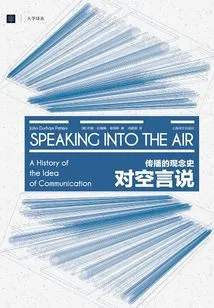
对空言说:传播的观念史
(us) John Peters
The book "Speaking of Empty Words: The Conceptual History of Communication" presents readers with the conceptual history of communication from a broad interdisciplinary humanistic perspective. It not only elaborates on the historical evolution of communication concepts, but also quotes from many sources, discussing the fields of history, philosophy, religion, culture, and even law and technology history, tracing the perspective of communication back to the most fundamental issues in Western thought. It not only embodies the humanistic orientation of communication research, but also stimulates the public's interest in communication in a popular way of expression.
The book "Speaking of Empty Words: The Conceptual History of Communication" presents readers with the conceptual history of communication from a broad interdisciplinary humanistic perspective. It not only elaborates on the historical evolution of communication concepts, but also quotes from many sources, discussing the fields of history, philosophy, religion, culture, and even law and technology history, tracing the perspective of communication back to the most fundamental issues in Western thought. It not only embodies the humanistic orientation of communication research, but also stimulates the public's interest in communication in a popular way of expression.
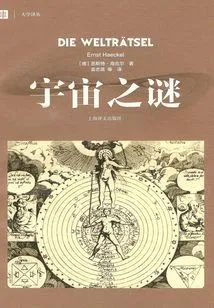
The Mystery of the Universe
Literature宇宙之谜
(german) Ernst Haeckel
Humanity's exploration of the vast universe continues to make new discoveries, resulting in new mysteries. The mysteries of the universe are inexhaustible and profound. "The Mysteries of the Universe \u002F University Translation Series" edited by Ernst Haeckel is an outstanding German biologist Ernst. Haeckel's masterpiece, in this book, the author sorts out and discusses the great achievements of natural science in the 19th century, especially the theory of biological evolution, and explains the origin and development of the universe, the origin and development of the earth, the origin and development of living things, the origin and development of species, the origin and development of human beings, and the origin and development of consciousness based on the highest level of scientific achievements at that time. The book provides new solutions to old mysteries and explains new mysteries in detail about many cosmic phenomena that are of great interest but also profound confusion, which can open people's eyes and enlighten people's minds. As a classical theoretical work, the significance of this book is not only that it can provide ordinary readers with a lot of useful scientific knowledge while criticizing superstition, but also lies in the author's thinking and understanding of ecological and environmental issues.
Humanity's exploration of the vast universe continues to make new discoveries, resulting in new mysteries. The mysteries of the universe are inexhaustible and profound. "The Mysteries of the Universe \u002F University Translation Series" edited by Ernst Haeckel is an outstanding German biologist Ernst. Haeckel's masterpiece, in this book, the author sorts out and discusses the great achievements of natural science in the 19th century, especially the theory of biological evolution, and explains the origin and development of the universe, the origin and development of the earth, the origin and development of living things, the origin and development of species, the origin and development of human beings, and the origin and development of consciousness based on the highest level of scientific achievements at that time. The book provides new solutions to old mysteries and explains new mysteries in detail about many cosmic phenomena that are of great interest but also profound confusion, which can open people's eyes and enlighten people's minds. As a classical theoretical work, the significance of this book is not only that it can provide ordinary readers with a lot of useful scientific knowledge while criticizing superstition, but also lies in the author's thinking and understanding of ecological and environmental issues.
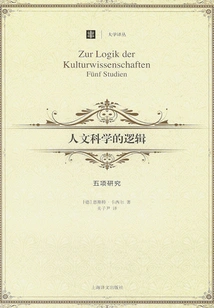
人文科学的逻辑:五项研究
(germany) Ernst Cassirer
"The Logic of the Human Sciences" is an important work by Ernst Cassirer, a famous German philosopher and a representative of the Marburg School of Neo-Kantism. Cassirer once imagined that this book would be the fourth volume of his life's work "The Philosophy of Symbolic Forms". Its main purpose is to explore the humanities, reveal various research objects of the humanities, and explain the human mental activities behind the research; its purpose is to explain the inherent "scientific" characteristics of the humanities through comparative reflection under the strong pressure of the natural sciences, and strive for the dignity and seats it deserves. In this book, the author explores major issues such as the objects of the humanities, the different ways of perceiving nature and humanity, the differences between natural and humanistic concepts, cultural forms, cultural values, and the tragedy of modern culture in five chapters. He aims to answer the basic question of the possibility of humanities and humanities based on his "philosophy of symbolic forms". This book was published in 1942. Together with the later "On Man" (1944), it constitutes the representative result of Cassirer's cultural and philosophical thinking in his later years. It is also a classic of modern Western cultural philosophy.
"The Logic of the Human Sciences" is an important work by Ernst Cassirer, a famous German philosopher and a representative of the Marburg School of Neo-Kantism. Cassirer once imagined that this book would be the fourth volume of his life's work "The Philosophy of Symbolic Forms". Its main purpose is to explore the humanities, reveal various research objects of the humanities, and explain the human mental activities behind the research; its purpose is to explain the inherent "scientific" characteristics of the humanities through comparative reflection under the strong pressure of the natural sciences, and strive for the dignity and seats it deserves. In this book, the author explores major issues such as the objects of the humanities, the different ways of perceiving nature and humanity, the differences between natural and humanistic concepts, cultural forms, cultural values, and the tragedy of modern culture in five chapters. He aims to answer the basic question of the possibility of humanities and humanities based on his "philosophy of symbolic forms". This book was published in 1942. Together with the later "On Man" (1944), it constitutes the representative result of Cassirer's cultural and philosophical thinking in his later years. It is also a classic of modern Western cultural philosophy.
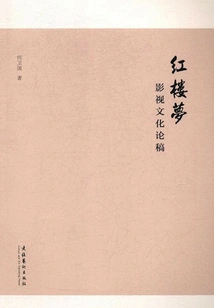
《红楼梦》影视文化论稿
He Weiguo
The whole book is divided into upper and lower parts. The first part discusses the specific issues of the film and television adaptation of Red Mansions from the perspectives of literature and art, starting from version, theme, characters, structure and aesthetic style. From a cultural perspective, the second part starts with regional culture, cultural trends of the times, red studies and talent show culture, respectively, to explore the influence and constraints of cultural factors on the film and television adaptation of Red Mansions. \U003Cbr\u003E This book provides a comprehensive and systematic theoretical review of the phenomenon of film and television adaptation of Dream of Red Mansions, and is its own system. It is the first monograph on the study of film and television culture in Red Mansions, which is different from previous studies on film and television adaptations of Red Mansions (including long doctoral dissertations) that emphasize introduction and case analysis. This book places the film and television adaptation of "A Dream of Red Mansions" in the context of modern and contemporary dissemination and contemporary culture, with a broader vision and a more complete system.
The whole book is divided into upper and lower parts. The first part discusses the specific issues of the film and television adaptation of Red Mansions from the perspectives of literature and art, starting from version, theme, characters, structure and aesthetic style. From a cultural perspective, the second part starts with regional culture, cultural trends of the times, red studies and talent show culture, respectively, to explore the influence and constraints of cultural factors on the film and television adaptation of Red Mansions. \U003Cbr\u003E This book provides a comprehensive and systematic theoretical review of the phenomenon of film and television adaptation of Dream of Red Mansions, and is its own system. It is the first monograph on the study of film and television culture in Red Mansions, which is different from previous studies on film and television adaptations of Red Mansions (including long doctoral dissertations) that emphasize introduction and case analysis. This book places the film and television adaptation of "A Dream of Red Mansions" in the context of modern and contemporary dissemination and contemporary culture, with a broader vision and a more complete system.
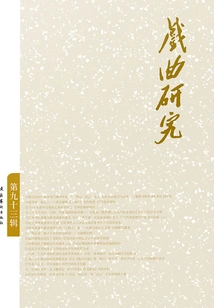
Opera Research (volume 93)
Literature戏曲研究(第93辑)
"drama Research" Editorial Department
"Drama Research" magazine is sponsored by the Institute of Drama Research of the Chinese Academy of Arts. It was founded in 1957 and resumed in 1980. It is the earliest academic magazine in the field of drama in the history of contemporary drama. This journal pays attention to the development of theory and criticism, attaches great importance to current research, and focuses on the inheritance and transformation of opera in the protection of intangible cultural heritage. Since its resumption, it has published 93 series, each with about 300,000 words. It is a collection of source publications for the Chinese Social Sciences Citation Index CSSCI (2014-2015).
"Drama Research" magazine is sponsored by the Institute of Drama Research of the Chinese Academy of Arts. It was founded in 1957 and resumed in 1980. It is the earliest academic magazine in the field of drama in the history of contemporary drama. This journal pays attention to the development of theory and criticism, attaches great importance to current research, and focuses on the inheritance and transformation of opera in the protection of intangible cultural heritage. Since its resumption, it has published 93 series, each with about 300,000 words. It is a collection of source publications for the Chinese Social Sciences Citation Index CSSCI (2014-2015).
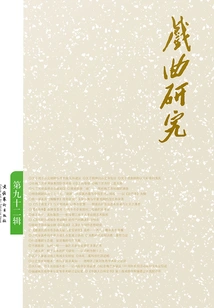
Opera Research (volume 92)
Literature戏曲研究(第92辑)
"drama Research" Editorial Department
This book includes columns such as standards for identification of opera types, commemoration of the 120th anniversary of Mei Lanfang's birth, history of opera, Yingying Opera, modern opera, contemporary opera, etc. The included articles include "Opinions and Suggestions on Establishing Standards for Identifying Opera Types", "Why Mei Lanfang is a Master", "Wood Festival Music and Dance and the Breeding and Breeding of Chinese Drama", "Research on the Survival and Development of Local Operas in the Contemporary Aesthetic Pattern", etc.
This book includes columns such as standards for identification of opera types, commemoration of the 120th anniversary of Mei Lanfang's birth, history of opera, Yingying Opera, modern opera, contemporary opera, etc. The included articles include "Opinions and Suggestions on Establishing Standards for Identifying Opera Types", "Why Mei Lanfang is a Master", "Wood Festival Music and Dance and the Breeding and Breeding of Chinese Drama", "Research on the Survival and Development of Local Operas in the Contemporary Aesthetic Pattern", etc.
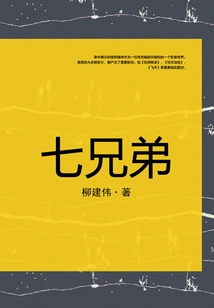
Seven Brothers
Literature七兄弟
Liu Jianwei
This book is the first volume of Liu Jianwei's selected film scripts. It collects the author's major film scripts in recent years. It closely follows the development of the times, reflects and records major events and achievements in national construction, such as "Flying" with the theme of astronauts' dreams of flying into space, and "The Storm" with the background of the 1998 flood fight. The characters in the scripts are full and vivid, and the details are wonderfully processed.
This book is the first volume of Liu Jianwei's selected film scripts. It collects the author's major film scripts in recent years. It closely follows the development of the times, reflects and records major events and achievements in national construction, such as "Flying" with the theme of astronauts' dreams of flying into space, and "The Storm" with the background of the 1998 flood fight. The characters in the scripts are full and vivid, and the details are wonderfully processed.
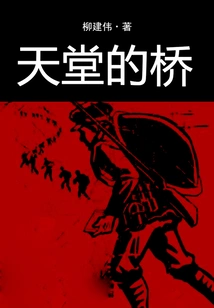
Bridge to Heaven
Literature天堂的桥
Liu Jianwei
This book contains the main movie scripts created by the author in recent years. The themes closely follow the development of the times, reflecting and recording major events in social development and achievements in military construction, such as "Missile Commander" and "Veteran", which reflect military life. The characters are full and vivid, and the details are wonderfully handled. They are worthy of study and study by drama lovers and professionals.
This book contains the main movie scripts created by the author in recent years. The themes closely follow the development of the times, reflecting and recording major events in social development and achievements in military construction, such as "Missile Commander" and "Veteran", which reflect military life. The characters are full and vivid, and the details are wonderfully handled. They are worthy of study and study by drama lovers and professionals.
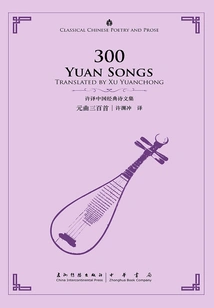
元曲三百首(中英对照)
Xu Yuanchong
Mr. Xu Yuanchong has been engaged in translation work for 70 years. He is known as the only expert in translating Chinese poetry into English and French verse. Through his skillful hands, many classic Chinese poems have been translated into excellent English and French verse. This "Collection of Chinese Classical Poems Translated by Xu" brings together Mr. Xu's most representative English translations, including classics such as The Analects of Confucius and Laozi, as well as opera scripts such as "The Romance of the West Chamber", "The Peony Pavilion", "The Palace of Eternal Life" and "The Peach Blossom Fan". The largest number is anthologies of poetry from all dynasties. These poetry anthologies include poems, lyrics, sanqu and other genres. The selected works date from the Pre-Qin Dynasty to the Qing Dynasty, covering almost the entire history of Chinese classical poetry. By reading and understanding these works, you can fully understand the "source of living water" of Chinese culture.
Mr. Xu Yuanchong has been engaged in translation work for 70 years. He is known as the only expert in translating Chinese poetry into English and French verse. Through his skillful hands, many classic Chinese poems have been translated into excellent English and French verse. This "Collection of Chinese Classical Poems Translated by Xu" brings together Mr. Xu's most representative English translations, including classics such as The Analects of Confucius and Laozi, as well as opera scripts such as "The Romance of the West Chamber", "The Peony Pavilion", "The Palace of Eternal Life" and "The Peach Blossom Fan". The largest number is anthologies of poetry from all dynasties. These poetry anthologies include poems, lyrics, sanqu and other genres. The selected works date from the Pre-Qin Dynasty to the Qing Dynasty, covering almost the entire history of Chinese classical poetry. By reading and understanding these works, you can fully understand the "source of living water" of Chinese culture.
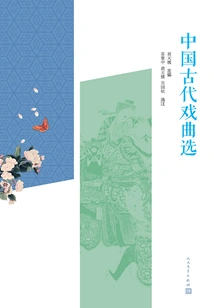
Selections of Ancient Chinese Operas
Literature中国古代戏曲选
Editor-in-chief Huang Tianji
This book is a selection of ancient Chinese opera works. A total of 14 kinds of Yuan Dynasty dramas with a 22% discount, 15 kinds of Ming and Qing legends with 26 performances, and 5 kinds of Qing Dynasty local operas with 6 performances were selected. All famous works in the history of ancient Chinese opera have been selected. The annotators have made accurate annotations and detailed analyzes of the selected works, which is of great help to readers in understanding the occurrence, development, and origins of Chinese opera.
This book is a selection of ancient Chinese opera works. A total of 14 kinds of Yuan Dynasty dramas with a 22% discount, 15 kinds of Ming and Qing legends with 26 performances, and 5 kinds of Qing Dynasty local operas with 6 performances were selected. All famous works in the history of ancient Chinese opera have been selected. The annotators have made accurate annotations and detailed analyzes of the selected works, which is of great help to readers in understanding the occurrence, development, and origins of Chinese opera.
V
LiteratureV
H
"Hamlet" is one of the four great tragedies created by Shakespeare. It tells the story of Hamlet, the Danish prince, who avenges his father: When the young prince was studying in Germany, bad news came from the country. His father died suddenly and tragically. His uncle snatched the throne that originally belonged to him and married his mother. This makes Hamlet deeply ashamed and angry. Late one night, he met his father's ghost to complain, and finally learned that all this was his uncle's conspiracy. So, he decided to avenge his father... The period from 1590 to 1613 was the golden age of Shakespeare's creation. His early plays, mainly comedies and historical dramas, reached their peak of depth and artistry in the late 16th century. By 1608, he was mainly writing tragedies. Shakespeare advocated noble sentiments, and his tragedies often described sacrifice and revenge, including "Othello", "Hamlet", "King Lear" and "Macbeth", which are considered among the best examples in the English language. Towards the end of his life, he began to write tragicomedies, also known as romance plays.
"Hamlet" is one of the four great tragedies created by Shakespeare. It tells the story of Hamlet, the Danish prince, who avenges his father: When the young prince was studying in Germany, bad news came from the country. His father died suddenly and tragically. His uncle snatched the throne that originally belonged to him and married his mother. This makes Hamlet deeply ashamed and angry. Late one night, he met his father's ghost to complain, and finally learned that all this was his uncle's conspiracy. So, he decided to avenge his father... The period from 1590 to 1613 was the golden age of Shakespeare's creation. His early plays, mainly comedies and historical dramas, reached their peak of depth and artistry in the late 16th century. By 1608, he was mainly writing tragedies. Shakespeare advocated noble sentiments, and his tragedies often described sacrifice and revenge, including "Othello", "Hamlet", "King Lear" and "Macbeth", which are considered among the best examples in the English language. Towards the end of his life, he began to write tragicomedies, also known as romance plays.
Macbeth
Literature麦克白
(english) Shakespeare
"Macbeth" is one of Shakespeare's four great tragedies. It tells the story of the Scottish general Macbeth who received a prophecy from three witches that he would become king. Out of ambition and the instigation of his wife, Macbeth assassinated King Duncan and proclaimed himself king. Fear and suspicion make Macbeth more and more evil and cruel. In the end, faced with the siege of Duncan's son and the English reinforcements he invited, Macbeth finally ended up bowing his head. The period from 1590 to 1613 was the golden age of Shakespeare's creation. His early plays, mainly comedies and historical dramas, reached their peak of depth and artistry in the late 16th century. By 1608, he was mainly writing tragedies. Shakespeare advocated noble sentiments, and his tragedies often described sacrifice and revenge, including "Othello", "Hamlet", "King Lear" and "Macbeth", which are considered among the best examples in the English language. Towards the end of his life, he began to write tragicomedies, also known as romance plays.
"Macbeth" is one of Shakespeare's four great tragedies. It tells the story of the Scottish general Macbeth who received a prophecy from three witches that he would become king. Out of ambition and the instigation of his wife, Macbeth assassinated King Duncan and proclaimed himself king. Fear and suspicion make Macbeth more and more evil and cruel. In the end, faced with the siege of Duncan's son and the English reinforcements he invited, Macbeth finally ended up bowing his head. The period from 1590 to 1613 was the golden age of Shakespeare's creation. His early plays, mainly comedies and historical dramas, reached their peak of depth and artistry in the late 16th century. By 1608, he was mainly writing tragedies. Shakespeare advocated noble sentiments, and his tragedies often described sacrifice and revenge, including "Othello", "Hamlet", "King Lear" and "Macbeth", which are considered among the best examples in the English language. Towards the end of his life, he began to write tragicomedies, also known as romance plays.
W
LiteratureW
H
"Romeo and Juliet" is one of Shakespeare's early tragedies. It tells the story of two young men and women with a feud, Romeo and Juliet, who met, got to know each other, and fell in love at a ball, but ended up committing suicide because of their family. The period from 1590 to 1613 was the golden age of Shakespeare's creation. His early plays, mainly comedies and historical dramas, reached their peak of depth and artistry in the late 16th century. By 1608, he was mainly writing tragedies. Shakespeare advocated noble sentiments, and his tragedies often described sacrifice and revenge, including "Othello", "Hamlet", "King Lear" and "Macbeth", which are considered among the best examples in the English language. Towards the end of his life, he began to write tragicomedies, also known as romance plays.
"Romeo and Juliet" is one of Shakespeare's early tragedies. It tells the story of two young men and women with a feud, Romeo and Juliet, who met, got to know each other, and fell in love at a ball, but ended up committing suicide because of their family. The period from 1590 to 1613 was the golden age of Shakespeare's creation. His early plays, mainly comedies and historical dramas, reached their peak of depth and artistry in the late 16th century. By 1608, he was mainly writing tragedies. Shakespeare advocated noble sentiments, and his tragedies often described sacrifice and revenge, including "Othello", "Hamlet", "King Lear" and "Macbeth", which are considered among the best examples in the English language. Towards the end of his life, he began to write tragicomedies, also known as romance plays.
The Two Gentlemen of Verona
Literature维洛那二绅士
(english) Shakespeare
"The Two Gentlemen of Verona" is Shakespeare's first romantic comedy with the theme of love and friendship. It takes the twists and turns of love between two friends as the main story line. In the play, the contrast between Valentine's integrity and simplicity and Proteus's cunning and debauchery is very sharp. Valentine is a decent man, with noble behavior and single-minded love. He was exiled and became the leader of green forest bandits, but he still maintained his gentlemanly demeanor. Proteus is the villain, he likes the new but hates the old, betrays his friends, but regrets it the most and returns to his old self. In the book, the two couples finally get married, and the comedy ends with a reunion. The period from 1590 to 1613 was the golden age of Shakespeare's creation. His early plays, mainly comedies and historical dramas, reached their peak of depth and artistry in the late 16th century. By 1608, he was mainly writing tragedies. Shakespeare advocated noble sentiments, and his tragedies often described sacrifice and revenge, including "Othello", "Hamlet", "King Lear" and "Macbeth", which are considered among the best examples in the English language. Towards the end of his life, he began to write tragicomedies, also known as romance plays.
"The Two Gentlemen of Verona" is Shakespeare's first romantic comedy with the theme of love and friendship. It takes the twists and turns of love between two friends as the main story line. In the play, the contrast between Valentine's integrity and simplicity and Proteus's cunning and debauchery is very sharp. Valentine is a decent man, with noble behavior and single-minded love. He was exiled and became the leader of green forest bandits, but he still maintained his gentlemanly demeanor. Proteus is the villain, he likes the new but hates the old, betrays his friends, but regrets it the most and returns to his old self. In the book, the two couples finally get married, and the comedy ends with a reunion. The period from 1590 to 1613 was the golden age of Shakespeare's creation. His early plays, mainly comedies and historical dramas, reached their peak of depth and artistry in the late 16th century. By 1608, he was mainly writing tragedies. Shakespeare advocated noble sentiments, and his tragedies often described sacrifice and revenge, including "Othello", "Hamlet", "King Lear" and "Macbeth", which are considered among the best examples in the English language. Towards the end of his life, he began to write tragicomedies, also known as romance plays.
W
LiteratureW
H
"As You Like It" is one of Shakespeare's four comedies. It is called Shakespeare's "four comedies" together with "A Midsummer Night's Dream", "The Merchant of Venice" and "Twelfth Night". It tells the story of Rosalind, the daughter of an exiled Duke, who goes to the forest to find her father in the Ardennes Forest, far away from the world, and her love story. The period from 1590 to 1613 was the golden age of Shakespeare's creation. His early plays, mainly comedies and historical dramas, reached their peak of depth and artistry in the late 16th century. By 1608, he was mainly writing tragedies. Shakespeare advocated noble sentiments, and his tragedies often described sacrifice and revenge, including "Othello", "Hamlet", "King Lear" and "Macbeth", which are considered among the best examples in the English language. Towards the end of his life, he began to write tragicomedies, also known as romance plays.
"As You Like It" is one of Shakespeare's four comedies. It is called Shakespeare's "four comedies" together with "A Midsummer Night's Dream", "The Merchant of Venice" and "Twelfth Night". It tells the story of Rosalind, the daughter of an exiled Duke, who goes to the forest to find her father in the Ardennes Forest, far away from the world, and her love story. The period from 1590 to 1613 was the golden age of Shakespeare's creation. His early plays, mainly comedies and historical dramas, reached their peak of depth and artistry in the late 16th century. By 1608, he was mainly writing tragedies. Shakespeare advocated noble sentiments, and his tragedies often described sacrifice and revenge, including "Othello", "Hamlet", "King Lear" and "Macbeth", which are considered among the best examples in the English language. Towards the end of his life, he began to write tragicomedies, also known as romance plays.
Comedy of Errors
Literature错误的喜剧
H
"The Comedy of Errors" tells the ridiculous story of a pair of twin brothers who are very similar in appearance and body. After being separated in a shipwreck at sea, they reappeared together in a foreign city eighteen years later, causing many misunderstandings. The period from 1590 to 1613 was the golden age of Shakespeare's creation. His early plays, mainly comedies and historical dramas, reached their peak of depth and artistry in the late 16th century. By 1608, he was mainly writing tragedies. Shakespeare advocated noble sentiments, and his tragedies often described sacrifice and revenge, including "Othello", "Hamlet", "King Lear" and "Macbeth", which are considered among the best examples in the English language. Towards the end of his life, he began to write tragicomedies, also known as romance plays.
"The Comedy of Errors" tells the ridiculous story of a pair of twin brothers who are very similar in appearance and body. After being separated in a shipwreck at sea, they reappeared together in a foreign city eighteen years later, causing many misunderstandings. The period from 1590 to 1613 was the golden age of Shakespeare's creation. His early plays, mainly comedies and historical dramas, reached their peak of depth and artistry in the late 16th century. By 1608, he was mainly writing tragedies. Shakespeare advocated noble sentiments, and his tragedies often described sacrifice and revenge, including "Othello", "Hamlet", "King Lear" and "Macbeth", which are considered among the best examples in the English language. Towards the end of his life, he began to write tragicomedies, also known as romance plays.
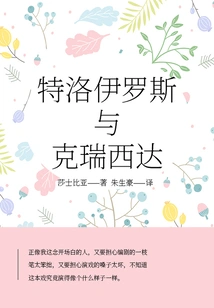
Troilus and Cressida
Literature特洛伊罗斯与克瑞西达
H
"Troilus and Cressida" tells the story of the Trojan War and the love tragedy of Troilus and Cressida during the war. The story takes place in the 8th year of the Trojan War. Troilus, the youngest son of the Trojan King, fell in love with Cressida, the daughter of a Trojan priest who had defected to the Greeks. Because of the war, the Greeks offered to exchange Cressida for the captured Trojan general... 1590 To 1613 was the golden age of Shakespeare's creation. His early plays, mainly comedies and historical dramas, reached their peak of depth and artistry in the late 16th century. By 1608, he was mainly writing tragedies. Shakespeare advocated noble sentiments, and his tragedies often described sacrifice and revenge, including "Othello", "Hamlet", "King Lear" and "Macbeth", which are considered among the best examples in the English language. Towards the end of his life, he began to write tragicomedies, also known as romance plays.
"Troilus and Cressida" tells the story of the Trojan War and the love tragedy of Troilus and Cressida during the war. The story takes place in the 8th year of the Trojan War. Troilus, the youngest son of the Trojan King, fell in love with Cressida, the daughter of a Trojan priest who had defected to the Greeks. Because of the war, the Greeks offered to exchange Cressida for the captured Trojan general... 1590 To 1613 was the golden age of Shakespeare's creation. His early plays, mainly comedies and historical dramas, reached their peak of depth and artistry in the late 16th century. By 1608, he was mainly writing tragedies. Shakespeare advocated noble sentiments, and his tragedies often described sacrifice and revenge, including "Othello", "Hamlet", "King Lear" and "Macbeth", which are considered among the best examples in the English language. Towards the end of his life, he began to write tragicomedies, also known as romance plays.
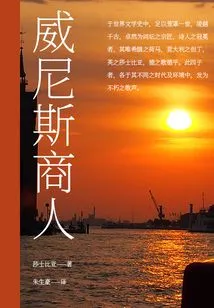
H
LiteratureH
H
"The Merchant of Venice" is one of Shakespeare's plays. It is extremely ironic and creates a typical image of Shylock, a profit-seeking and ruthless loan shark. The main theme is to praise benevolence, friendship and love, reflecting the contradiction between the commercial bourgeoisie and the loan sharks in the early stage of capitalism, showing the social reality at that time, embodying the pursuit of the value of "people" during the European Renaissance, as well as humanistic thoughts on issues such as money and law. The period from 1590 to 1613 was the golden age of Shakespeare's creation. His early plays, mainly comedies and historical dramas, reached their peak of depth and artistry in the late 16th century. By 1608, he was mainly writing tragedies. Shakespeare advocated noble sentiments, and his tragedies often described sacrifice and revenge, including "Othello", "Hamlet", "King Lear" and "Macbeth", which are considered among the best examples in the English language. Towards the end of his life, he began to write tragicomedies, also known as romance plays.
"The Merchant of Venice" is one of Shakespeare's plays. It is extremely ironic and creates a typical image of Shylock, a profit-seeking and ruthless loan shark. The main theme is to praise benevolence, friendship and love, reflecting the contradiction between the commercial bourgeoisie and the loan sharks in the early stage of capitalism, showing the social reality at that time, embodying the pursuit of the value of "people" during the European Renaissance, as well as humanistic thoughts on issues such as money and law. The period from 1590 to 1613 was the golden age of Shakespeare's creation. His early plays, mainly comedies and historical dramas, reached their peak of depth and artistry in the late 16th century. By 1608, he was mainly writing tragedies. Shakespeare advocated noble sentiments, and his tragedies often described sacrifice and revenge, including "Othello", "Hamlet", "King Lear" and "Macbeth", which are considered among the best examples in the English language. Towards the end of his life, he began to write tragicomedies, also known as romance plays.

V
LiteratureV
H
"Othello" is one of Shakespeare's four great tragedies. It was written by Shakespeare around 1603. The protagonist Othello is a dark-skinned Moor who serves as the commander-in-chief of the Venetian army. He listened to the slander from his subordinates and killed his beautiful and loyal wife Desdemona. When the truth came to light, Othello was so filled with regret that he finally committed suicide with a knife and followed his beloved wife into the underworld. It first premiered at Whitehall Palace in London on November 1, 1604. The period from 1590 to 1613 was the golden age of Shakespeare's creation. His early plays, mainly comedies and historical dramas, reached their peak of depth and artistry in the late 16th century. By 1608, he was mainly writing tragedies. Shakespeare advocated noble sentiments, and his tragedies often described sacrifice and revenge, including "Othello", "Hamlet", "King Lear" and "Macbeth", which are considered among the best examples in the English language. Towards the end of his life, he began to write tragicomedies, also known as romance plays.
"Othello" is one of Shakespeare's four great tragedies. It was written by Shakespeare around 1603. The protagonist Othello is a dark-skinned Moor who serves as the commander-in-chief of the Venetian army. He listened to the slander from his subordinates and killed his beautiful and loyal wife Desdemona. When the truth came to light, Othello was so filled with regret that he finally committed suicide with a knife and followed his beloved wife into the underworld. It first premiered at Whitehall Palace in London on November 1, 1604. The period from 1590 to 1613 was the golden age of Shakespeare's creation. His early plays, mainly comedies and historical dramas, reached their peak of depth and artistry in the late 16th century. By 1608, he was mainly writing tragedies. Shakespeare advocated noble sentiments, and his tragedies often described sacrifice and revenge, including "Othello", "Hamlet", "King Lear" and "Macbeth", which are considered among the best examples in the English language. Towards the end of his life, he began to write tragicomedies, also known as romance plays.
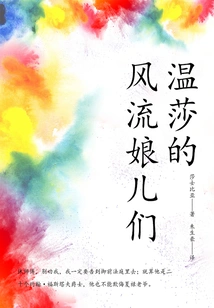
U
LiteratureU
H
"The Merry Wives of Windsor" is a comedy by Shakespeare. It has a strong flavor of life and brings the emerging bourgeois family life to the stage. Engels once pointed out: "The first act of The Merry Wives of Windsor alone contains more flavor of life than all German literature." In the 19th century, the famous composer Otto Nicolai composed it into an opera, and it became one of the most popular and frequently performed operas. The period from 1590 to 1613 was the golden age of Shakespeare's creation. His early plays, mainly comedies and historical dramas, reached their peak of depth and artistry in the late 16th century. By 1608, he was mainly writing tragedies. Shakespeare advocated noble sentiments, and his tragedies often described sacrifice and revenge, including "Othello", "Hamlet", "King Lear" and "Macbeth", which are considered among the best examples in the English language. Towards the end of his life, he began to write tragicomedies, also known as romance plays.
"The Merry Wives of Windsor" is a comedy by Shakespeare. It has a strong flavor of life and brings the emerging bourgeois family life to the stage. Engels once pointed out: "The first act of The Merry Wives of Windsor alone contains more flavor of life than all German literature." In the 19th century, the famous composer Otto Nicolai composed it into an opera, and it became one of the most popular and frequently performed operas. The period from 1590 to 1613 was the golden age of Shakespeare's creation. His early plays, mainly comedies and historical dramas, reached their peak of depth and artistry in the late 16th century. By 1608, he was mainly writing tragedies. Shakespeare advocated noble sentiments, and his tragedies often described sacrifice and revenge, including "Othello", "Hamlet", "King Lear" and "Macbeth", which are considered among the best examples in the English language. Towards the end of his life, he began to write tragicomedies, also known as romance plays.
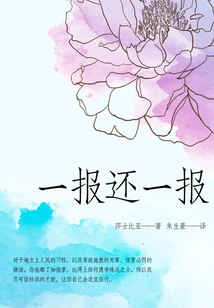
Tit for Tat
Literature一报还一报
(english) Shakespeare
"Tit for Tat" shows people the incompatibility between the legal provisions of adultery and society through the treatment of two adultery crimes and the series of dramatic conflicts caused by them. The period from 1590 to 1613 was the golden age of Shakespeare's creation. His early plays, mainly comedies and historical dramas, reached their peak of depth and artistry in the late 16th century. By 1608, he was mainly writing tragedies. Shakespeare advocated noble sentiments, and his tragedies often described sacrifice and revenge, including "Othello", "Hamlet", "King Lear" and "Macbeth", which are considered among the best examples in the English language. Towards the end of his life, he began to write tragicomedies, also known as romance plays.
"Tit for Tat" shows people the incompatibility between the legal provisions of adultery and society through the treatment of two adultery crimes and the series of dramatic conflicts caused by them. The period from 1590 to 1613 was the golden age of Shakespeare's creation. His early plays, mainly comedies and historical dramas, reached their peak of depth and artistry in the late 16th century. By 1608, he was mainly writing tragedies. Shakespeare advocated noble sentiments, and his tragedies often described sacrifice and revenge, including "Othello", "Hamlet", "King Lear" and "Macbeth", which are considered among the best examples in the English language. Towards the end of his life, he began to write tragicomedies, also known as romance plays.
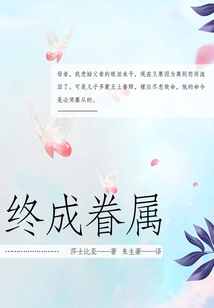
Finally Get Married
Literature终成眷属
H
"We Are Married" is a work written by Shakespeare in the second period. The beautiful and capable heroine tries her best to win the love of a noble-born but arrogant and superficial playboy. The play is full of intrigues and betrayal. The period from 1590 to 1613 was the golden age of Shakespeare's creation. His early plays, mainly comedies and historical dramas, reached their peak of depth and artistry in the late 16th century. By 1608, he was mainly writing tragedies. Shakespeare advocated noble sentiments, and his tragedies often described sacrifice and revenge, including "Othello", "Hamlet", "King Lear" and "Macbeth", which are considered among the best examples in the English language. Towards the end of his life, he began to write tragicomedies, also known as romance plays.
"We Are Married" is a work written by Shakespeare in the second period. The beautiful and capable heroine tries her best to win the love of a noble-born but arrogant and superficial playboy. The play is full of intrigues and betrayal. The period from 1590 to 1613 was the golden age of Shakespeare's creation. His early plays, mainly comedies and historical dramas, reached their peak of depth and artistry in the late 16th century. By 1608, he was mainly writing tragedies. Shakespeare advocated noble sentiments, and his tragedies often described sacrifice and revenge, including "Othello", "Hamlet", "King Lear" and "Macbeth", which are considered among the best examples in the English language. Towards the end of his life, he began to write tragicomedies, also known as romance plays.
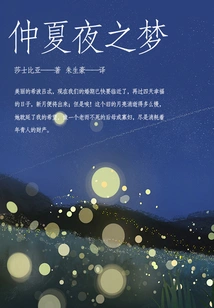
A Midsummer Night's Dream
Literature仲夏夜之梦
(english) Shakespeare
"A Midsummer Night's Dream" is a comedy created by Shakespeare. It tells a series of dramatic conflicts that occur under the influence of magic flower juice, until the conflicts are resolved and the lovers finally get married. This play has a huge influence on the history of world literature, especially the history of drama. The period from 1590 to 1613 was the golden age of Shakespeare's creation. His early plays, mainly comedies and historical dramas, reached their peak of depth and artistry in the late 16th century. By 1608, he was mainly writing tragedies. Shakespeare advocated noble sentiments, and his tragedies often described sacrifice and revenge, including "Othello", "Hamlet", "King Lear" and "Macbeth", which are considered among the best examples in the English language. Towards the end of his life, he began to write tragicomedies, also known as romance plays.
"A Midsummer Night's Dream" is a comedy created by Shakespeare. It tells a series of dramatic conflicts that occur under the influence of magic flower juice, until the conflicts are resolved and the lovers finally get married. This play has a huge influence on the history of world literature, especially the history of drama. The period from 1590 to 1613 was the golden age of Shakespeare's creation. His early plays, mainly comedies and historical dramas, reached their peak of depth and artistry in the late 16th century. By 1608, he was mainly writing tragedies. Shakespeare advocated noble sentiments, and his tragedies often described sacrifice and revenge, including "Othello", "Hamlet", "King Lear" and "Macbeth", which are considered among the best examples in the English language. Towards the end of his life, he began to write tragicomedies, also known as romance plays.
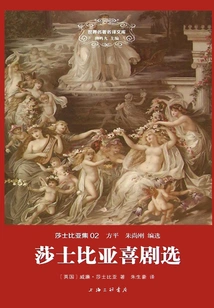
Selected Comedies of Shakespeare
Literature莎士比亚喜剧选
H
This collection of Shakespeare's comedies translated by Zhu Shenghao includes selected plays such as "Twelfth Night", "The Merchant of Venice", "The Merry Wives of Windsor", "The Taming of the Shrew", "As You Like It", "A Midsummer Night's Dream", etc. It revolves around the themes of love, friendship and marriage, but the plots are vivid and rich, with eternal charm.
This collection of Shakespeare's comedies translated by Zhu Shenghao includes selected plays such as "Twelfth Night", "The Merchant of Venice", "The Merry Wives of Windsor", "The Taming of the Shrew", "As You Like It", "A Midsummer Night's Dream", etc. It revolves around the themes of love, friendship and marriage, but the plots are vivid and rich, with eternal charm.
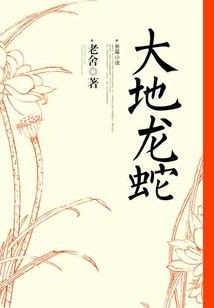
Earth Dragon Snake
Literature大地龙蛇
Lao She
"Dragon and Snake of the Earth" is almost the only one among Lao She's works that has not received serious attention from the research community, but it is the work that best reflects Lao She's cultural thoughts. Its heritage has great potential and necessity to be explored. This article conducts a comprehensive exploration of it from aspects such as conception, conception, and writing. This is a piece of "commissioned literature". Lao She used the Anti-Japanese War to review Chinese culture and express his own cultural ideals. This is an "ideal" rather than "conceptual" work. Lao She harvested the nation's "spiritual crop" and it is still full of enlightenment today. The main characters set up in the play have profound meanings.
"Dragon and Snake of the Earth" is almost the only one among Lao She's works that has not received serious attention from the research community, but it is the work that best reflects Lao She's cultural thoughts. Its heritage has great potential and necessity to be explored. This article conducts a comprehensive exploration of it from aspects such as conception, conception, and writing. This is a piece of "commissioned literature". Lao She used the Anti-Japanese War to review Chinese culture and express his own cultural ideals. This is an "ideal" rather than "conceptual" work. Lao She harvested the nation's "spiritual crop" and it is still full of enlightenment today. The main characters set up in the play have profound meanings.
Willow Well
Literature柳树井
Lao She
This book is a group of old artists represented by Wei Xikui who used the form of folk art to compile some works with dramatic elements. It was originally titled "Quyi Drama". Mr. Lao She found this form very attractive after watching it. He once wrote an article describing this kind of folk art as a mixture of drama, opera, Peking opera, Pingxi opera and folk art, which is a bit "four different things". Later, Lao She wrote the script "Willow Tree Well" for the folk opera. He also suggested that the word "art" should be removed from the opera and simply be named "quju". He also put forward some very pertinent opinions for the development of opera. "Willow Tree Well" is the pioneer work of Beijing Opera.
This book is a group of old artists represented by Wei Xikui who used the form of folk art to compile some works with dramatic elements. It was originally titled "Quyi Drama". Mr. Lao She found this form very attractive after watching it. He once wrote an article describing this kind of folk art as a mixture of drama, opera, Peking opera, Pingxi opera and folk art, which is a bit "four different things". Later, Lao She wrote the script "Willow Tree Well" for the folk opera. He also suggested that the word "art" should be removed from the opera and simply be named "quju". He also put forward some very pertinent opinions for the development of opera. "Willow Tree Well" is the pioneer work of Beijing Opera.
Face Issue
Literature面子问题
Lao She
The main character in the play "The Problem of Face", Secretary Tong Jingming, is worried about "not losing his identity because of the war of resistance" and "not being annoyed to death because of an official matter." He is not doing his job properly and is careless about his work. When he finally lost face and was dismissed from his post after having had "face problems" all his life, what he considered was to ask the doctor for a "respectable" suicide method to save his "face." The "face problems" of other characters in the play are different. Lao She's satire on these characters was not only another criticism of the bad nature of the people, but also a lash against the corrupt style of the Kuomintang bureaucracy during the War of Resistance.
The main character in the play "The Problem of Face", Secretary Tong Jingming, is worried about "not losing his identity because of the war of resistance" and "not being annoyed to death because of an official matter." He is not doing his job properly and is careless about his work. When he finally lost face and was dismissed from his post after having had "face problems" all his life, what he considered was to ask the doctor for a "respectable" suicide method to save his "face." The "face problems" of other characters in the play are different. Lao She's satire on these characters was not only another criticism of the bad nature of the people, but also a lash against the corrupt style of the Kuomintang bureaucracy during the War of Resistance.
Saleswoman
Literature女店员
Lao She
After the founding of New China, Lao She returned to his hometown and witnessed with his own eyes the people's ownership of the country and the earth-shaking changes that had taken place in people's spirit. The expansion of his thoughts and life enabled him to sing praises to the new characters of New China with unprecedented enthusiasm, trying to reveal the practical ways and historical laws of building a modern national spirit, thus creating a series of drama works praising new cultural relics such as "Shop Girl".
After the founding of New China, Lao She returned to his hometown and witnessed with his own eyes the people's ownership of the country and the earth-shaking changes that had taken place in people's spirit. The expansion of his thoughts and life enabled him to sing praises to the new characters of New China with unprecedented enthusiasm, trying to reveal the practical ways and historical laws of building a modern national spirit, thus creating a series of drama works praising new cultural relics such as "Shop Girl".
Prestige on the Train
Literature火车上的威风
Lao She
"The Majesty on the Train" is an adaptation of the old work "Mr. Breeches" is a one-act play and is one of Lao She's complete works.
"The Majesty on the Train" is an adaptation of the old work "Mr. Breeches" is a one-act play and is one of Lao She's complete works.
The Three Qin Brothers
Literature秦氏三兄弟
Lao She
"The Three Qin Brothers" tells the story of the different destinies of the three brothers Qin Boren, Qin Zhongyi, and Qin Shuli who experienced several key periods including the 1898 Coup of 1898, the Revolution of 1911, the Northern Expedition, and the Civil War between the Kuomintang and the Communist Party.
"The Three Qin Brothers" tells the story of the different destinies of the three brothers Qin Boren, Qin Zhongyi, and Qin Shuli who experienced several key periods including the 1898 Coup of 1898, the Revolution of 1911, the Northern Expedition, and the Civil War between the Kuomintang and the Communist Party.
Frog Rider
Literature青蛙骑手
Lao She
"Frog Rider" tells the story of a girl who fell in love with a prince who descended from heaven and wore frog skin. She burned the frog skin, causing the prince to die and she herself turned into a stone in front of the grave. The story is twists and turns, vivid, euphemistic and sad, and full of romance.
"Frog Rider" tells the story of a girl who fell in love with a prince who descended from heaven and wore frog skin. She burned the frog skin, causing the prince to die and she herself turned into a stone in front of the grave. The story is twists and turns, vivid, euphemistic and sad, and full of romance.
Qingxia Danxue
Literature青霞丹雪
Lao She
The historical drama "Qingxia Danxue" was written in 1959. It describes the story of Yan Song and his son's monopoly in the Ming Dynasty. The obedient prospered and the rebellious perished. They appointed Xiaoxiao and persecuted the loyal and good. The title of the play is taken from the names of loyal ministers Feng Qingxia and Feng Danxue.
The historical drama "Qingxia Danxue" was written in 1959. It describes the story of Yan Song and his son's monopoly in the Ming Dynasty. The obedient prospered and the rebellious perished. They appointed Xiaoxiao and persecuted the loyal and good. The title of the play is taken from the names of loyal ministers Feng Qingxia and Feng Danxue.
Treasure Ship
Literature宝船
Lao She
"Treasure Ship" is a fairy tale drama written by Mr. Lao She in the 1960s. The play describes a child named Wang Xiaoer who was industrious and frugal in ancient times. He went up the mountain to cut firewood and got a small paper boat, which later became a treasure boat. The wind and waves surrounding the treasure ship praised Wang Xiaoer's kindness, wit, and bravery.
"Treasure Ship" is a fairy tale drama written by Mr. Lao She in the 1960s. The play describes a child named Wang Xiaoer who was industrious and frugal in ancient times. He went up the mountain to cut firewood and got a small paper boat, which later became a treasure boat. The wind and waves surrounding the treasure ship praised Wang Xiaoer's kindness, wit, and bravery.
Family Portrait
Literature全家福
Lao She
The play revolves around the joys and sorrows of several generations of a family and their neighbors in a Beijing Hutong, showing a picture of secular life.
The play revolves around the joys and sorrows of several generations of a family and their neighbors in a Beijing Hutong, showing a picture of secular life.
Bear Tragedian
Literature熊·悲剧演员
I
This book includes two classic one-act plays by Anton Chekhov, titled "The Bear" and "The Tragedian". The former is a comedy with three main characters, an unexpected dramatic plot and a romantic ending. The latter has two main characters. Although the plot is not as twists and turns as the former, it poses a higher test of acting skills and emotional communication to the actors. It can be regarded as a satire or comedy.
This book includes two classic one-act plays by Anton Chekhov, titled "The Bear" and "The Tragedian". The former is a comedy with three main characters, an unexpected dramatic plot and a romantic ending. The latter has two main characters. Although the plot is not as twists and turns as the former, it poses a higher test of acting skills and emotional communication to the actors. It can be regarded as a satire or comedy.
Who Arrived in Chongqing First?
Literature谁先到了重庆
Lao She
"Who Arrives in Chongqing First" has four scenes. The protagonist Wu Fengming helps his younger brother Feng Yu escape from the occupied areas of Peiping and go to Chongqing to participate in the Anti-Japanese War. He stays in Peiping to assassinate Japanese officers and traitors, and finally dies for his country. Before he died, he said, "I got to Chongqing first." Here, Chongqing has become the center and spiritual symbol of the Anti-Japanese War. The first thing that comes to Chongqing is to devote oneself to the Anti-Japanese War.
"Who Arrives in Chongqing First" has four scenes. The protagonist Wu Fengming helps his younger brother Feng Yu escape from the occupied areas of Peiping and go to Chongqing to participate in the Anti-Japanese War. He stays in Peiping to assassinate Japanese officers and traitors, and finally dies for his country. Before he died, he said, "I got to Chongqing first." Here, Chongqing has become the center and spiritual symbol of the Anti-Japanese War. The first thing that comes to Chongqing is to devote oneself to the Anti-Japanese War.
Spring and Autumn Fruits
Literature春华秋实
Lao She
Chun Hua Qiu Shi, a play written by Lao She in 1953, depicts the struggle against bourgeois wrongdoing.
Chun Hua Qiu Shi, a play written by Lao She in 1953, depicts the struggle against bourgeois wrongdoing.