Library
Browse and search books
2,472 novels found
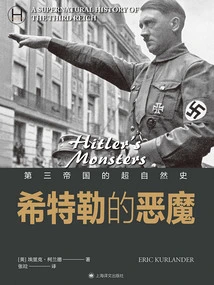
希特勒的恶魔(历史学堂)
(us) Eric Collander
"Captain America", "Hellboy", the "Raiders of the Lost Ark" series, "Devil's Castle", "Wolfenstein", "Hydra", the Werewolf Force... The exploration of the relationship between the Nazi Party and mysticism has a long history in popular culture. In fact, Nazi leaders were obsessed with metaphysics. From the founding of the Nazi Party to the seizure of power, the inseparable relationship between Nazi ideology and supernatural imagination can be seen everywhere. The Kriegsmarine, Himmler's SS, and Goebbels' Propaganda Ministry all employed astrologers and pendulum detectors to obtain military intelligence and wage psychological warfare. Hitler, Himmler and others respectively sponsored fanciful theories such as astrology and cosmobiology, and pursued fringe science, encouraging research on the Holy Grail, witchcraft and medieval devil worship. They even cobbled together a Nazi "werewolf" unit to fight... The Gestapo banned professional whistle-blowers from revealing the secrets behind the "magic", and Goebbels asked the famous horror novelist of the Weimar period to help with important propaganda tasks. In short, the history of the Third Reich cannot be fully understood without understanding the Nazis' relationship to the supernatural imagination. In this first comprehensive history of the Nazis' supernatural imagination, Eric Colander reveals the Third Reich's complex relationship with supernatural thought. Even with such a cool, academic treatment of the subject, every page reveals eye-opening truths stranger than fiction.
"Captain America", "Hellboy", the "Raiders of the Lost Ark" series, "Devil's Castle", "Wolfenstein", "Hydra", the Werewolf Force... The exploration of the relationship between the Nazi Party and mysticism has a long history in popular culture. In fact, Nazi leaders were obsessed with metaphysics. From the founding of the Nazi Party to the seizure of power, the inseparable relationship between Nazi ideology and supernatural imagination can be seen everywhere. The Kriegsmarine, Himmler's SS, and Goebbels' Propaganda Ministry all employed astrologers and pendulum detectors to obtain military intelligence and wage psychological warfare. Hitler, Himmler and others respectively sponsored fanciful theories such as astrology and cosmobiology, and pursued fringe science, encouraging research on the Holy Grail, witchcraft and medieval devil worship. They even cobbled together a Nazi "werewolf" unit to fight... The Gestapo banned professional whistle-blowers from revealing the secrets behind the "magic", and Goebbels asked the famous horror novelist of the Weimar period to help with important propaganda tasks. In short, the history of the Third Reich cannot be fully understood without understanding the Nazis' relationship to the supernatural imagination. In this first comprehensive history of the Nazis' supernatural imagination, Eric Colander reveals the Third Reich's complex relationship with supernatural thought. Even with such a cool, academic treatment of the subject, every page reveals eye-opening truths stranger than fiction.
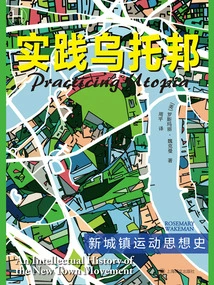
实践乌托邦:新城镇运动思想史(历史学堂)
(usa) Rosemary Wakeman
New towns are the antidote to all urban ills. A historical work that studies the international New Town movement in the 20th century from an architectural and sociological perspective. Typical towns are formed around natural resources such as rivers, oceans, deep harbors, or simply around a large prosperous town. Not so the "new towns", which were created by decree rather than necessity. New town is a label used to express conscious and highly symbolic acts of territorial control and settlement at a specific historical moment. It is a flag planted in the soil, an out-and-out symbol of hegemony. Everything about a new town-how it is designed and laid out, how it is built, how society functions within it, etc.-Is the product of careful planning. Garden cities, fascist new towns, industrial towns, resource towns, socialist steel towns, oil towns, satellite towns... Each town is a brand, an image of the future, a step designed to break the development trend of the past and move towards a new era. These utopian developments revived in the 20th century, and the mid-to-late 20th century was the golden age of new town construction around the world. In Practical Utopia, Rosemary Weickman uses new towns in Europe, the United States, the Middle East, Africa, and Asia as examples to give us a comprehensive perspective on the new town movement as a global phenomenon. It also reveals how residents and planners imagine their ideal urban future, and the role of the new town movement in the 21st century and in the future for the international community.
New towns are the antidote to all urban ills. A historical work that studies the international New Town movement in the 20th century from an architectural and sociological perspective. Typical towns are formed around natural resources such as rivers, oceans, deep harbors, or simply around a large prosperous town. Not so the "new towns", which were created by decree rather than necessity. New town is a label used to express conscious and highly symbolic acts of territorial control and settlement at a specific historical moment. It is a flag planted in the soil, an out-and-out symbol of hegemony. Everything about a new town-how it is designed and laid out, how it is built, how society functions within it, etc.-Is the product of careful planning. Garden cities, fascist new towns, industrial towns, resource towns, socialist steel towns, oil towns, satellite towns... Each town is a brand, an image of the future, a step designed to break the development trend of the past and move towards a new era. These utopian developments revived in the 20th century, and the mid-to-late 20th century was the golden age of new town construction around the world. In Practical Utopia, Rosemary Weickman uses new towns in Europe, the United States, the Middle East, Africa, and Asia as examples to give us a comprehensive perspective on the new town movement as a global phenomenon. It also reveals how residents and planners imagine their ideal urban future, and the role of the new town movement in the 21st century and in the future for the international community.
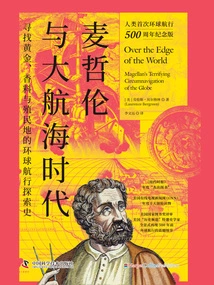
麦哲伦与大航海时代
(u. S.) Lawrence Berglin
The spirit of exploration leads globalization and completely changes the historical trajectory of mankind. In 1519, Magellan led five sailing ships and more than 260 people to set sail from Spain in search of a sea route to the Spice Islands. Their adventures take them from participating in Brazil's grand carnival to experiencing the shocking and bizarre customs of the South Pacific. On the way, Magellan was so ambitious that he did not hesitate to use torture and murder to control the people on board, and also launched several fierce mutinies in the fleet. During the voyage, the fleet members suffered from hunger and disease, and many died. Magellan was not spared either. He was violently killed in a tribal conflict in the Philippines, and his body was missing. Three years later, a ship full of desolation, pain, and weathered weather returned to Spain carrying 18 emaciated crew members. This was a rebellion and murder that spanned the globe, as well as a tragic victory. "Magellan and the Age of Discovery" truly reproduces the complete process of mankind's first voyage around the world. It is a story about the exploration of the entire earth. It refreshed the Western world's understanding of cosmology and geography, subversively changed the way explorers sailed in the ocean, promoted global economic, trade, and cultural exchanges, and expanded the Maritime Silk Road. The Age of Discovery did not have the beauty and romance imagined by later generations. There was indeed wealth and dreams there, but it was also accompanied by rough seas and endless killing. Compared with that era, human exploration of the world has now extended from land and ocean to space. Aerospace engineering, undersea exploration, and geocentric exploration, the next "Great Age of Navigation" is coming.
The spirit of exploration leads globalization and completely changes the historical trajectory of mankind. In 1519, Magellan led five sailing ships and more than 260 people to set sail from Spain in search of a sea route to the Spice Islands. Their adventures take them from participating in Brazil's grand carnival to experiencing the shocking and bizarre customs of the South Pacific. On the way, Magellan was so ambitious that he did not hesitate to use torture and murder to control the people on board, and also launched several fierce mutinies in the fleet. During the voyage, the fleet members suffered from hunger and disease, and many died. Magellan was not spared either. He was violently killed in a tribal conflict in the Philippines, and his body was missing. Three years later, a ship full of desolation, pain, and weathered weather returned to Spain carrying 18 emaciated crew members. This was a rebellion and murder that spanned the globe, as well as a tragic victory. "Magellan and the Age of Discovery" truly reproduces the complete process of mankind's first voyage around the world. It is a story about the exploration of the entire earth. It refreshed the Western world's understanding of cosmology and geography, subversively changed the way explorers sailed in the ocean, promoted global economic, trade, and cultural exchanges, and expanded the Maritime Silk Road. The Age of Discovery did not have the beauty and romance imagined by later generations. There was indeed wealth and dreams there, but it was also accompanied by rough seas and endless killing. Compared with that era, human exploration of the world has now extended from land and ocean to space. Aerospace engineering, undersea exploration, and geocentric exploration, the next "Great Age of Navigation" is coming.
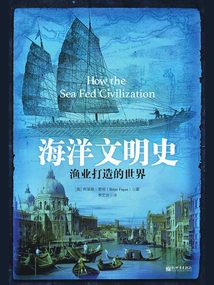
海洋文明史:渔业打造的世界
(us) Brian Fagan
Before prehistoric humans began to grow food, they obtained food through three main methods: hunting, gathering and fishing. Today, hunting and gathering no longer have important economic value, replaced by agriculture and animal husbandry through the domestication of animals and plants. But as the last major way for humans to obtain food from the wild, fisheries have developed into a worldwide industry, and modern humans are more dependent on fisheries than ever before. "History of Marine Civilization" discusses fishery not as a sport, but as a means of human livelihood. The author of this book, the famous archaeologist Brian Fagan, believes that the importance of fishery to human civilization is comparable to that of agriculture. It continues to provide humans with enough food to enable the development of cities and countries, but the form of achieving this goal is different from agriculture. Agriculture requires stability, while fishing requires long distance travel, trade and migration, and the constant search for new and richer fishing grounds. The continuous development of ship-centered fishing technology has promoted people's ocean adventures; after being dried and salted, fish is light, nutritious and easy to preserve, making it an ideal food for merchants, travelers and expeditionary forces. These are characteristics that are different from agriculture. In A History of Maritime Civilizations, Fagan explores archaeological sites around the world and explains how fishing gave birth to the prototypes of cities and empires, and ultimately contributed to the development of modern society.
Before prehistoric humans began to grow food, they obtained food through three main methods: hunting, gathering and fishing. Today, hunting and gathering no longer have important economic value, replaced by agriculture and animal husbandry through the domestication of animals and plants. But as the last major way for humans to obtain food from the wild, fisheries have developed into a worldwide industry, and modern humans are more dependent on fisheries than ever before. "History of Marine Civilization" discusses fishery not as a sport, but as a means of human livelihood. The author of this book, the famous archaeologist Brian Fagan, believes that the importance of fishery to human civilization is comparable to that of agriculture. It continues to provide humans with enough food to enable the development of cities and countries, but the form of achieving this goal is different from agriculture. Agriculture requires stability, while fishing requires long distance travel, trade and migration, and the constant search for new and richer fishing grounds. The continuous development of ship-centered fishing technology has promoted people's ocean adventures; after being dried and salted, fish is light, nutritious and easy to preserve, making it an ideal food for merchants, travelers and expeditionary forces. These are characteristics that are different from agriculture. In A History of Maritime Civilizations, Fagan explores archaeological sites around the world and explains how fishing gave birth to the prototypes of cities and empires, and ultimately contributed to the development of modern society.
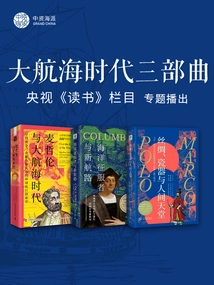
大航海时代三部曲(套装共3册)
I
Panoramicly reproduce the magnificent Age of Discovery and observe how business changes the global pattern and the direction of civilization. "Silk, Porcelain and Heaven on Earth" trade breaks all geographical, linguistic, religious and political boundaries, allowing Eastern and Western civilizations to meet and integrate, realizing the common ideal of mankind. Marco Polo is the undisputed pioneer of globalization. The author of this book, Lawrence Berglin, carefully studied the hundreds of existing versions of Marco Polo's biography, consulted first-hand historical materials in 6 languages, and personally traced and vividly reproduced Marco Polo's great adventure on the Silk Road, trying to answer people's long-standing questions about Marco Polo and his legendary journey. "Ocean Conquerors and New Sea Routes: Columbus's Four Voyages" The era of maritime civilization has emerged, and the prelude to globalization has slowly begun. Christopher Columbus's voyage across the Atlantic to the Americas and his safe return in 1492 in search of a trade route to the East was a watershed event in world history. It directly promoted world integration. The European trade center moved from the Mediterranean coast to the Atlantic coast, and the world market gradually formed. Ocean voyages and conquests brought wealth and glory, but also concealed terror and murderous intent. Columbus's voyage to discover the American continent established a connection between the New World and the Old World, which greatly promoted the development of capitalism. With the rise of Western maritime civilization, globalization began to slowly unfold, and the politics, economy, and culture of the entire world began to undergo earth-shaking changes. The exploration spirit of "Magellan and the Age of Discovery" leads globalization and completely changes the historical trajectory of mankind. It truly reproduces the complete journey of mankind's first voyage around the world. This is a story about the exploration of the entire earth. It refreshed the Western world's understanding of cosmology and geography, subversively changed the way explorers sailed in the ocean, promoted global economic, trade, and cultural exchanges, and expanded the Maritime Silk Road. The Age of Discovery did not have the beauty and romance imagined by later generations. There was indeed wealth and dreams there, but it was also accompanied by rough seas and endless killing. Compared with that era, human exploration of the world has now extended from land and ocean to space. Aerospace engineering, undersea exploration, and geocentric exploration, the next "Great Age of Navigation" is coming.
Panoramicly reproduce the magnificent Age of Discovery and observe how business changes the global pattern and the direction of civilization. "Silk, Porcelain and Heaven on Earth" trade breaks all geographical, linguistic, religious and political boundaries, allowing Eastern and Western civilizations to meet and integrate, realizing the common ideal of mankind. Marco Polo is the undisputed pioneer of globalization. The author of this book, Lawrence Berglin, carefully studied the hundreds of existing versions of Marco Polo's biography, consulted first-hand historical materials in 6 languages, and personally traced and vividly reproduced Marco Polo's great adventure on the Silk Road, trying to answer people's long-standing questions about Marco Polo and his legendary journey. "Ocean Conquerors and New Sea Routes: Columbus's Four Voyages" The era of maritime civilization has emerged, and the prelude to globalization has slowly begun. Christopher Columbus's voyage across the Atlantic to the Americas and his safe return in 1492 in search of a trade route to the East was a watershed event in world history. It directly promoted world integration. The European trade center moved from the Mediterranean coast to the Atlantic coast, and the world market gradually formed. Ocean voyages and conquests brought wealth and glory, but also concealed terror and murderous intent. Columbus's voyage to discover the American continent established a connection between the New World and the Old World, which greatly promoted the development of capitalism. With the rise of Western maritime civilization, globalization began to slowly unfold, and the politics, economy, and culture of the entire world began to undergo earth-shaking changes. The exploration spirit of "Magellan and the Age of Discovery" leads globalization and completely changes the historical trajectory of mankind. It truly reproduces the complete journey of mankind's first voyage around the world. This is a story about the exploration of the entire earth. It refreshed the Western world's understanding of cosmology and geography, subversively changed the way explorers sailed in the ocean, promoted global economic, trade, and cultural exchanges, and expanded the Maritime Silk Road. The Age of Discovery did not have the beauty and romance imagined by later generations. There was indeed wealth and dreams there, but it was also accompanied by rough seas and endless killing. Compared with that era, human exploration of the world has now extended from land and ocean to space. Aerospace engineering, undersea exploration, and geocentric exploration, the next "Great Age of Navigation" is coming.
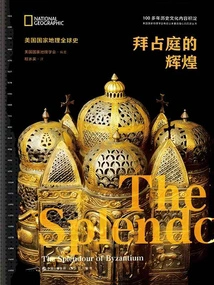
拜占庭的辉煌(美国国家地理全球史)
Compiled By The National Geographic Society
The Western world had a deep-seated prejudice against Byzantium, associating it with decadence, vulgarity, or luxury. But in fact, the Byzantine Empire for a time successfully reconquered Western Europe, fought against the Persians, Slavs, and Ottomans, developed commercial relations with Scandinavia and China, favored extraordinary scientific and artistic advancements, and perpetuated Greco-Latin culture, thereby promoting the Renaissance in Europe. This book strives to use rich archaeological documents, cultural relics, pictures of historical sites and other materials and rigorous research to restore the thousand-year glory of this mysterious empire.
The Western world had a deep-seated prejudice against Byzantium, associating it with decadence, vulgarity, or luxury. But in fact, the Byzantine Empire for a time successfully reconquered Western Europe, fought against the Persians, Slavs, and Ottomans, developed commercial relations with Scandinavia and China, favored extraordinary scientific and artistic advancements, and perpetuated Greco-Latin culture, thereby promoting the Renaissance in Europe. This book strives to use rich archaeological documents, cultural relics, pictures of historical sites and other materials and rigorous research to restore the thousand-year glory of this mysterious empire.
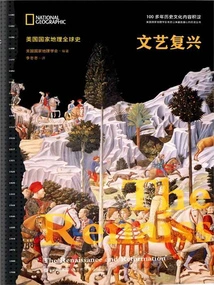
文艺复兴(美国国家地理全球史)
Compiled By The National Geographic Society
This book is one of the "National Geographic Global History of the United States" produced by the National Geographic Society. It focuses on the Renaissance and the Reformation in modern Europe. Comprehensive use of written records, historical maps, historical relics, and paintings and sculptures collected by major museums vividly and three-dimensionally reproduces the background of constant wars, plagues, and famines in Europe in the late Middle Ages. Humanists and church reformers broke through the shackles of disorder and chaos, carried out the Renaissance and the Reformation, creatively destroyed the Middle Ages, created a new European power structure, economic and cultural outlook, and opened the most glorious period in European history.
This book is one of the "National Geographic Global History of the United States" produced by the National Geographic Society. It focuses on the Renaissance and the Reformation in modern Europe. Comprehensive use of written records, historical maps, historical relics, and paintings and sculptures collected by major museums vividly and three-dimensionally reproduces the background of constant wars, plagues, and famines in Europe in the late Middle Ages. Humanists and church reformers broke through the shackles of disorder and chaos, carried out the Renaissance and the Reformation, creatively destroyed the Middle Ages, created a new European power structure, economic and cultural outlook, and opened the most glorious period in European history.
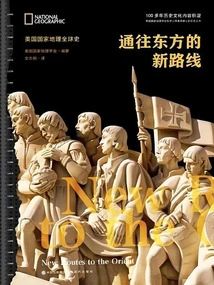
通往东方的新路线(美国国家地理全球史)
Compiled By The National Geographic Society
The mysterious East has always had an irresistible attraction to the West. The encounter between the Far East and Western Europe is not only a historical drama, but also a driving force for historical evolution. The huge imperial order spanning Europe and Asia established by the Mongol Empire once rejuvenated the Silk Road. However, with the rise of the Ottoman Empire, the traditional trade routes between the East and the West were cut off. This stimulated Europeans to find new routes, which contributed to the subsequent geographical discovery and even the Western hegemony of the world. From the perspective of the exploration of Western Europeans to the East and the collision of exchanges between the East and the West, this book restores the extraordinary appearance of the entire world history from the 13th to the 15th century, and tells the historical context of the subversion of the world structure caused by the transformation of trade routes.
The mysterious East has always had an irresistible attraction to the West. The encounter between the Far East and Western Europe is not only a historical drama, but also a driving force for historical evolution. The huge imperial order spanning Europe and Asia established by the Mongol Empire once rejuvenated the Silk Road. However, with the rise of the Ottoman Empire, the traditional trade routes between the East and the West were cut off. This stimulated Europeans to find new routes, which contributed to the subsequent geographical discovery and even the Western hegemony of the world. From the perspective of the exploration of Western Europeans to the East and the collision of exchanges between the East and the West, this book restores the extraordinary appearance of the entire world history from the 13th to the 15th century, and tells the historical context of the subversion of the world structure caused by the transformation of trade routes.
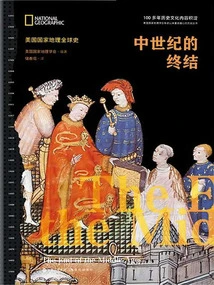
中世纪的终结(美国国家地理全球史)
Compiled By The National Geographic Society
This book uses a wealth of archaeological discoveries, classical documents, historical pictures, maps and other materials to restore the late Middle Ages, a period of transformation of European society. Europe experienced many crises during this period. The Black Death caused a sharp decline in population and put agriculture into crisis; the financial market was turbulent; the Hundred Years War between Britain and France was turbulent; protest movements were prevalent... The crisis also spread to Central and Eastern Europe, and even the Byzantine Empire. At the same time, during this period, the state machinery was strengthened, the royal power became increasingly powerful, the military construction became professional, and trade expanded. Europe gradually emerged from the fog of the Middle Ages, and the seeds of the Renaissance and the Reformation began to sprout.
This book uses a wealth of archaeological discoveries, classical documents, historical pictures, maps and other materials to restore the late Middle Ages, a period of transformation of European society. Europe experienced many crises during this period. The Black Death caused a sharp decline in population and put agriculture into crisis; the financial market was turbulent; the Hundred Years War between Britain and France was turbulent; protest movements were prevalent... The crisis also spread to Central and Eastern Europe, and even the Byzantine Empire. At the same time, during this period, the state machinery was strengthened, the royal power became increasingly powerful, the military construction became professional, and trade expanded. Europe gradually emerged from the fog of the Middle Ages, and the seeds of the Renaissance and the Reformation began to sprout.
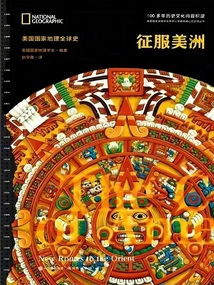
征服美洲(美国国家地理全球史)
Compiled By The National Geographic Society
This book discusses how the discovery and conquest of the Americas by Europeans changed the face of the Americas, Europe, and even the world from a broad historical perspective. Panoramicly restores the European conquest and colonization of American Indians, as well as the collision, collision and genocide of civilizations in the process; restores the disintegration of the economic, social and cultural structures of Native Americans from a sociological perspective and rich historical details. It also fully explains the rise of Spain, the first global colonial empire. At the same time, it comprehensively reproduces the magnificence, fantasy and unsolved mysteries of the Mayan and other American civilizations with rich archaeological discoveries, classical documents, architecture and various authentic cultural relics, restored pictures and maps.
This book discusses how the discovery and conquest of the Americas by Europeans changed the face of the Americas, Europe, and even the world from a broad historical perspective. Panoramicly restores the European conquest and colonization of American Indians, as well as the collision, collision and genocide of civilizations in the process; restores the disintegration of the economic, social and cultural structures of Native Americans from a sociological perspective and rich historical details. It also fully explains the rise of Spain, the first global colonial empire. At the same time, it comprehensively reproduces the magnificence, fantasy and unsolved mysteries of the Mayan and other American civilizations with rich archaeological discoveries, classical documents, architecture and various authentic cultural relics, restored pictures and maps.
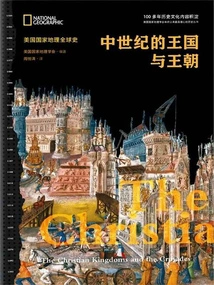
中世纪的王国与王朝(美国国家地理全球史)
Compiled By The National Geographic Society
"Kingdoms and Dynasties in the Middle Ages" combs through the changes in the middle ages and the changes in European kingdoms, including how the outer borders of Europe were determined, the consolidation of the monarchy and the restriction of the power of the feudal nobility, the origin of dynastic states and the continuous emergence of outstanding monarchs in various kingdoms (such as Philip Augustus of France and Saint Louis, England (Henry II of England and Richard the Lion-Hearted, as well as Alfonso VIII and Fernando III of Castile), involving the establishment of comprehensive universities, the prevalence of Romanesque art style, the development of urban life and guilds, etc., Which details and clearly presents the important and profound impact of medieval culture on the development of European kingdoms.
"Kingdoms and Dynasties in the Middle Ages" combs through the changes in the middle ages and the changes in European kingdoms, including how the outer borders of Europe were determined, the consolidation of the monarchy and the restriction of the power of the feudal nobility, the origin of dynastic states and the continuous emergence of outstanding monarchs in various kingdoms (such as Philip Augustus of France and Saint Louis, England (Henry II of England and Richard the Lion-Hearted, as well as Alfonso VIII and Fernando III of Castile), involving the establishment of comprehensive universities, the prevalence of Romanesque art style, the development of urban life and guilds, etc., Which details and clearly presents the important and profound impact of medieval culture on the development of European kingdoms.
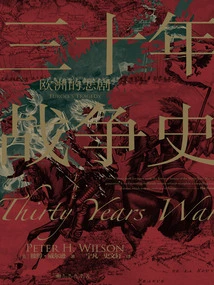
三十年战争史:欧洲的悲剧
N
The Thirty Years' War (1618-1648) was one of the most destructive wars in European history, ravaging all of Central Europe, killing millions, razing towns and villages to the ground, and causing great trauma. In proportion, the human losses caused by the Thirty Years' War even exceeded those of the subsequent World War II. At the same time, the Thirty Years' War had a profound impact on subsequent German history. Peter Wilson's book provides a comprehensive introduction to the war, covering not only the military and political aspects, but also the cultural and social aspects. Wilson analyzed the structure of the Holy Roman Empire at that time, made a detailed analysis of the causes and consequences of the war, described the process of the war in detail, and also analyzed the huge impact of the war on later generations.
The Thirty Years' War (1618-1648) was one of the most destructive wars in European history, ravaging all of Central Europe, killing millions, razing towns and villages to the ground, and causing great trauma. In proportion, the human losses caused by the Thirty Years' War even exceeded those of the subsequent World War II. At the same time, the Thirty Years' War had a profound impact on subsequent German history. Peter Wilson's book provides a comprehensive introduction to the war, covering not only the military and political aspects, but also the cultural and social aspects. Wilson analyzed the structure of the Holy Roman Empire at that time, made a detailed analysis of the causes and consequences of the war, described the process of the war in detail, and also analyzed the huge impact of the war on later generations.
埃及艳后:被艳名掩盖的政治天才
O
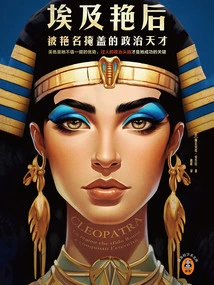
Later generations often attribute all of Cleopatra's success to her beauty, but they don't know that beauty is just a part of her political game, and men are just pawns for her to seize power: she skillfully played with the power in her hands, and the portrait on the coin became the best medium for her to promote her legitimate power; she provided financial support for Caesar's political ambitions in exchange for his backing to govern her country; She provided Antony with a place to have fun at all costs in exchange for the expansion of the territory of ancient Egypt; she was proficient in multiple languages, proficient in speech and communication skills, and was unfavorable in diplomatic negotiations... Compared with the title of Cleopatra, Cleopatra should be remembered as the king of ancient Egypt. With her superhuman political acumen, she led the ancient Egyptian kingdom to complete its unprecedented expansion, bringing unprecedented territory and wealth to this ancient country that was originally struggling to survive. Open this book and see how the political genius Cleopatra ascended to the pinnacle of power!
Later generations often attribute all of Cleopatra's success to her beauty, but they don't know that beauty is just a part of her political game, and men are just pawns for her to seize power: she skillfully played with the power in her hands, and the portrait on the coin became the best medium for her to promote her legitimate power; she provided financial support for Caesar's political ambitions in exchange for his backing to govern her country; She provided Antony with a place to have fun at all costs in exchange for the expansion of the territory of ancient Egypt; she was proficient in multiple languages, proficient in speech and communication skills, and was unfavorable in diplomatic negotiations... Compared with the title of Cleopatra, Cleopatra should be remembered as the king of ancient Egypt. With her superhuman political acumen, she led the ancient Egyptian kingdom to complete its unprecedented expansion, bringing unprecedented territory and wealth to this ancient country that was originally struggling to survive. Open this book and see how the political genius Cleopatra ascended to the pinnacle of power!
写给大家的英国简史
H
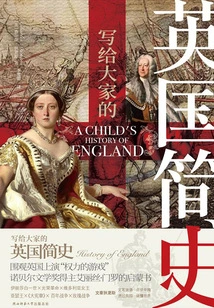
"A Brief History of Britain for Everyone" is written in humorous and easy-to-understand language. It narrates the long history and is both story-telling and literary. The book spans from 50 BC to 1689 AD, telling the story of King Arthur, the Hundred Years' War, the Tudor Dynasty, Bloody Mary, Elizabeth I, Henry VIII and other important eras and figures. Through the rise and fall of dynasties and the ups and downs of monarchs, Dickens conveys profound thoughts on history and inspires readers to think about larger life issues through history.
"A Brief History of Britain for Everyone" is written in humorous and easy-to-understand language. It narrates the long history and is both story-telling and literary. The book spans from 50 BC to 1689 AD, telling the story of King Arthur, the Hundred Years' War, the Tudor Dynasty, Bloody Mary, Elizabeth I, Henry VIII and other important eras and figures. Through the rise and fall of dynasties and the ups and downs of monarchs, Dickens conveys profound thoughts on history and inspires readers to think about larger life issues through history.
中世纪:权力、信仰和现代世界的孕育
Li Jun
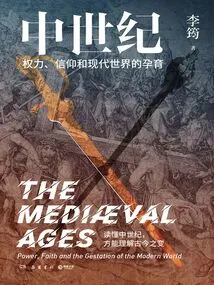
The Middle Ages was not a dark time, but a colorful time. The Middle Ages were a testing ground for ideas to understand the changes between ancient and modern times and the differences between China and the West. Following the "Outline of Western History" and "Outline of Roman History", Li Jun once again changed his writing concepts and techniques, using 20 years of academic skills to carefully build a colorful medieval museum for readers. Entering this novel museum, "Vikings", "Knights", "Witches", "Alchemy" and "The Black Death" hit you face to face. Li Jun uses these typical and interesting medieval topics to help readers establish an initial impression of the Middle Ages. Then, Li Jun used five thematic exhibition rooms of "Empire", "Church", "Kingdom", "University" and "City" to systematically show readers the unique evolution of many contexts in the Middle Ages. He brilliantly presented the spectacular diverse eras in human history, effectively revealed the historical logic of the modern world emerging from the Middle Ages, and at the same time delicately tasted with readers the historical wisdom of finding self-positioning from "chaos".
The Middle Ages was not a dark time, but a colorful time. The Middle Ages were a testing ground for ideas to understand the changes between ancient and modern times and the differences between China and the West. Following the "Outline of Western History" and "Outline of Roman History", Li Jun once again changed his writing concepts and techniques, using 20 years of academic skills to carefully build a colorful medieval museum for readers. Entering this novel museum, "Vikings", "Knights", "Witches", "Alchemy" and "The Black Death" hit you face to face. Li Jun uses these typical and interesting medieval topics to help readers establish an initial impression of the Middle Ages. Then, Li Jun used five thematic exhibition rooms of "Empire", "Church", "Kingdom", "University" and "City" to systematically show readers the unique evolution of many contexts in the Middle Ages. He brilliantly presented the spectacular diverse eras in human history, effectively revealed the historical logic of the modern world emerging from the Middle Ages, and at the same time delicately tasted with readers the historical wisdom of finding self-positioning from "chaos".
日本科技150年:从黑船来航到福岛事故
(japan) Yoshitaka Yamamoto
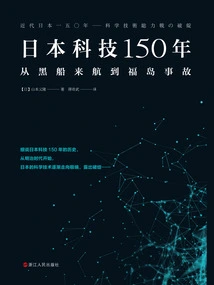
Some people say that modern Japan began with the "arrival of black ships". This is also a topic that the public has been exposed to but does not understand deeply. This book starts from the earth-shaking changes brought to Japan by the "arrival of black ships". The black ships brought about the energy revolution, and Japan began to modernize. Since then, the state-led, scientific and technological revitalization has brought about the goals of "colonial industry and prosperity, enriching the country and strengthening the military", "economic growth, international competition" and other goals, making the general mobilization system of national unity last for 150 years. During this period, why did Japanese science and technology achieve such "blowout" achievements? What heavy price was paid for this? Technology succeeds and technology fails. Since the Meiji Era, Japan's science and technology has gradually become mature and exposed its flaws. This is a book for those who want to understand Japanese technology, and it is also a thought-provoking book.
Some people say that modern Japan began with the "arrival of black ships". This is also a topic that the public has been exposed to but does not understand deeply. This book starts from the earth-shaking changes brought to Japan by the "arrival of black ships". The black ships brought about the energy revolution, and Japan began to modernize. Since then, the state-led, scientific and technological revitalization has brought about the goals of "colonial industry and prosperity, enriching the country and strengthening the military", "economic growth, international competition" and other goals, making the general mobilization system of national unity last for 150 years. During this period, why did Japanese science and technology achieve such "blowout" achievements? What heavy price was paid for this? Technology succeeds and technology fails. Since the Meiji Era, Japan's science and technology has gradually become mature and exposed its flaws. This is a book for those who want to understand Japanese technology, and it is also a thought-provoking book.
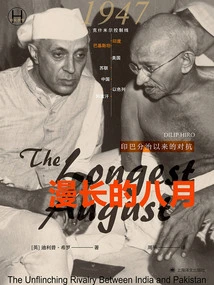
漫长的八月:印巴分治以来的对抗(历史学堂)
(uk) Dilip Hero
The first authoritative history of one of the world's longest and most intractable conflicts, the India-Pakistan conflict. In August 1947, when British India was divided into independent Pakistan and India, there was a massacre of Hindus and Sikhs on one side and Muslims on the other. More than 750,000 people were massacred and 12 million people fled their homes and sought asylum across the new border. However, that August seems not to be over yet. Renowned historian Dilip Hero provides a fascinating account of India-Pakistan relations, tracing the landmark events that led to the partition of the subcontinent and the evolution of contentious relations between Hindus and Muslims. And to this day, it is still difficult to find a reasonable solution to the dispute, and the Line of Control in Kashmir remains the most heavily defended border in the world. Since partition, there have been several serious crises between India and Pakistan, including East Pakistan's declaration of independence in 1971 and the establishment of Bangladesh; and the acquisition of nuclear weapons by both India and Pakistan, leading to almost inevitable confrontations in 1999 and 2002. Shiro documents not only India and Pakistan's relations with the United States and the Soviet Union, but also their relations with China, Israel, and Afghanistan, fully demonstrating the geopolitical importance of the India-Pakistan conflict. These clues are woven into a clear narrative by Hero, filled with colorful leader biographies, vivid descriptions of wars, sensational assassinations, and human rights violations. It is also interspersed with cultural symbols such as cricket matches, movies, and TV series. It is a brave attempt to zoom in on the relationship between India and Pakistan for the first time.
The first authoritative history of one of the world's longest and most intractable conflicts, the India-Pakistan conflict. In August 1947, when British India was divided into independent Pakistan and India, there was a massacre of Hindus and Sikhs on one side and Muslims on the other. More than 750,000 people were massacred and 12 million people fled their homes and sought asylum across the new border. However, that August seems not to be over yet. Renowned historian Dilip Hero provides a fascinating account of India-Pakistan relations, tracing the landmark events that led to the partition of the subcontinent and the evolution of contentious relations between Hindus and Muslims. And to this day, it is still difficult to find a reasonable solution to the dispute, and the Line of Control in Kashmir remains the most heavily defended border in the world. Since partition, there have been several serious crises between India and Pakistan, including East Pakistan's declaration of independence in 1971 and the establishment of Bangladesh; and the acquisition of nuclear weapons by both India and Pakistan, leading to almost inevitable confrontations in 1999 and 2002. Shiro documents not only India and Pakistan's relations with the United States and the Soviet Union, but also their relations with China, Israel, and Afghanistan, fully demonstrating the geopolitical importance of the India-Pakistan conflict. These clues are woven into a clear narrative by Hero, filled with colorful leader biographies, vivid descriptions of wars, sensational assassinations, and human rights violations. It is also interspersed with cultural symbols such as cricket matches, movies, and TV series. It is a brave attempt to zoom in on the relationship between India and Pakistan for the first time.
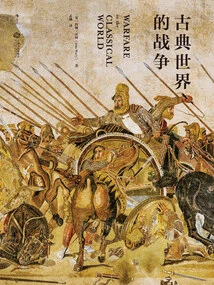
War in the Classical World
History古典世界的战争
(uk) John Worley
This book is an illustrated encyclopedia about the weapons, warriors and wars of ancient Greek and Roman civilizations, tracing the evolution of the art of war in the Greek and Roman worlds from 1600 BC to 800 AD. Through the analysis and combing of a large number of historical documents, and with the help of epics, legends and modern archaeological discoveries, the author strives to restore the true historical scenes. The content covers famous wars such as the Trojan War, the Greco-Persian War, the Peloponnesian War, the Punic War, and barbarian invasions, as well as military wizards such as Alexander the Great, Hannibal, and Caesar. A magnificent historical picture is presented to us.
This book is an illustrated encyclopedia about the weapons, warriors and wars of ancient Greek and Roman civilizations, tracing the evolution of the art of war in the Greek and Roman worlds from 1600 BC to 800 AD. Through the analysis and combing of a large number of historical documents, and with the help of epics, legends and modern archaeological discoveries, the author strives to restore the true historical scenes. The content covers famous wars such as the Trojan War, the Greco-Persian War, the Peloponnesian War, the Punic War, and barbarian invasions, as well as military wizards such as Alexander the Great, Hannibal, and Caesar. A magnificent historical picture is presented to us.
二十世纪德国史
(germany) Andreas Wilschen
"History of Germany in the 20th Century" is a short book about the history of Germany in the 20th century. It describes the German path from a monarchy with authoritarian features to a democracy and welfare republic rooted in the West. Interspersed among these are experiences that have marked the history of Germany and Europe in the 20th century: world wars and the failure of democracy, dictatorship and crime, division and reunification. Andreas Wilshen's description focuses on questioning Germany's "special path", paying special attention to the long-term social development that is often full of contradictions.
"History of Germany in the 20th Century" is a short book about the history of Germany in the 20th century. It describes the German path from a monarchy with authoritarian features to a democracy and welfare republic rooted in the West. Interspersed among these are experiences that have marked the history of Germany and Europe in the 20th century: world wars and the failure of democracy, dictatorship and crime, division and reunification. Andreas Wilshen's description focuses on questioning Germany's "special path", paying special attention to the long-term social development that is often full of contradictions.
古典时代的终结:罗马帝国晚期的历史
(germany) Hartwin Brandt
"The End of Classical Era: A History of the Late Roman Empire" chronicles the history of the late Classical Era from 284 to 565 AD in a concise, in-depth and thought-provoking way. In addition to a concise and clear introduction to historical events, the author also focuses on revealing the practical significance of the classical era to modernity. And this point is even more prominently reflected in the fact that whether it is the contradiction between religious power and imperial power, the compilation of legal codes, the inheritance of classical culture in Germanic countries, or even the survival of urban life in the classical era, they all had a profound impact on medieval and modern Europe.
"The End of Classical Era: A History of the Late Roman Empire" chronicles the history of the late Classical Era from 284 to 565 AD in a concise, in-depth and thought-provoking way. In addition to a concise and clear introduction to historical events, the author also focuses on revealing the practical significance of the classical era to modernity. And this point is even more prominently reflected in the fact that whether it is the contradiction between religious power and imperial power, the compilation of legal codes, the inheritance of classical culture in Germanic countries, or even the survival of urban life in the classical era, they all had a profound impact on medieval and modern Europe.
古希腊罗马军事史
(switzerland) Leonhard Burckhardt
For many scholars both ancient and modern, the ancient Greek and Roman period was an era deeply affected by war and military affairs in many aspects. The history of ancient Greece and Rome is largely annals of war records, and it is undeniable that many literary and plastic arts works of ancient Greece and Rome have the theme of killing, battles and wars. "Military History of Ancient Greece and Rome" is a concise and concise basic introduction to the military history of ancient Greece and Rome. The core content is the structural and social history, strategic tactics and political factors in military history. In the book, the author provides an overview of all important road signs and turning points in military history from the Homeric era to the late period of ancient Greece and Rome.
For many scholars both ancient and modern, the ancient Greek and Roman period was an era deeply affected by war and military affairs in many aspects. The history of ancient Greece and Rome is largely annals of war records, and it is undeniable that many literary and plastic arts works of ancient Greece and Rome have the theme of killing, battles and wars. "Military History of Ancient Greece and Rome" is a concise and concise basic introduction to the military history of ancient Greece and Rome. The core content is the structural and social history, strategic tactics and political factors in military history. In the book, the author provides an overview of all important road signs and turning points in military history from the Homeric era to the late period of ancient Greece and Rome.
古希腊罗马技术史
(german) Helmut Schneider
In "History of Technology in Ancient Greece and Rome", Helmut Schneider provides an overview of the importance and development of technology and craftsmanship in ancient Greece and Rome, and presents it to readers in a clear, easy-to-understand, informative and concise way. After briefly introducing the origins of ancient Greek and Roman technology in Egypt and the ancient Near East, the author advances the focus of the discussion to the elaboration of Greek and Roman civilization. He introduced technological developments in agriculture, agricultural product processing, mining and metallurgy, handicrafts, construction engineering, transportation, infrastructure construction, written communication, mechanics, timing technology and military fields, and explained the theoretical discussions on craftsmanship in relevant professional books and documents at the time.
In "History of Technology in Ancient Greece and Rome", Helmut Schneider provides an overview of the importance and development of technology and craftsmanship in ancient Greece and Rome, and presents it to readers in a clear, easy-to-understand, informative and concise way. After briefly introducing the origins of ancient Greek and Roman technology in Egypt and the ancient Near East, the author advances the focus of the discussion to the elaboration of Greek and Roman civilization. He introduced technological developments in agriculture, agricultural product processing, mining and metallurgy, handicrafts, construction engineering, transportation, infrastructure construction, written communication, mechanics, timing technology and military fields, and explained the theoretical discussions on craftsmanship in relevant professional books and documents at the time.
History of Scotland
History苏格兰史
(germany) Bernhard Meyer
Bernhard Maier, the author of "History of Scotland", uses vivid and vivid language to profoundly reproduce the development history of Scotland from the Stone Age to the present day. This history covers many aspects, including politics, economy, society, language, literature, religion, as well as law, daily life and human thought and spirit. In addition, the book also records the influence of the European continent on Scotland and the spread of Scottish culture in the European continent.
Bernhard Maier, the author of "History of Scotland", uses vivid and vivid language to profoundly reproduce the development history of Scotland from the Stone Age to the present day. This history covers many aspects, including politics, economy, society, language, literature, religion, as well as law, daily life and human thought and spirit. In addition, the book also records the influence of the European continent on Scotland and the spread of Scottish culture in the European continent.
French Revolution
History法国大革命
(germany) Hans-ulrich Tamer
In "The French Revolution", Hans-Ulrich Tamer reviews the ins and outs of this major event in European history, introduces the main participants of the French Revolution and their motivations, explains the important structural features of the French Revolution and the special role of the capital Paris, and presents the revolutionaries' struggle over the constitution and the bloody rule of terror.
In "The French Revolution", Hans-Ulrich Tamer reviews the ins and outs of this major event in European history, introduces the main participants of the French Revolution and their motivations, explains the important structural features of the French Revolution and the special role of the capital Paris, and presents the revolutionaries' struggle over the constitution and the bloody rule of terror.
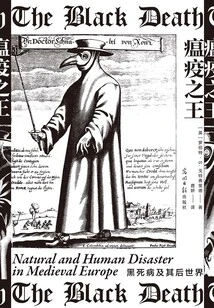
瘟疫之王:黑死病及其后世界
(uk) Robert S. Gottfried
This is a fascinating detective history that traces the causes and far-reaching consequences of the infamous plague outbreak that spread across the European continent from 1347 to 1351. Using sources as diverse as monastic manuscripts and dendrochronological studies (the method of measuring tree rings), historians have shown the ecological horrors wrought by the rodent-, flea-borne bacilli, killing at least one in three Europeans, wiping out countless villages and towns, and shaking the foundations of medieval society and civilization.
This is a fascinating detective history that traces the causes and far-reaching consequences of the infamous plague outbreak that spread across the European continent from 1347 to 1351. Using sources as diverse as monastic manuscripts and dendrochronological studies (the method of measuring tree rings), historians have shown the ecological horrors wrought by the rodent-, flea-borne bacilli, killing at least one in three Europeans, wiping out countless villages and towns, and shaking the foundations of medieval society and civilization.
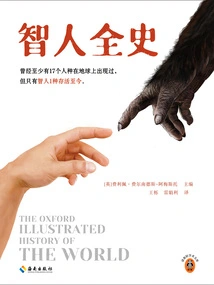
智人全史
(uk) Editor-in-chief Felipe Fernandez-armesto
Neanderthals, Homo heidelbergensis, Denisovans, Homo Flores... There were at least 17 ancient human races on the earth, but most of them became extinct during periods of dramatic climate change. The groups that briefly escaped these disasters also disappeared due to low cognitive abilities. Change never stops, and Homo sapiens can only use the environment and constantly change itself if it wants to survive. Today, Homo sapiens need to face problems such as urban congestion, air pollution, global warming, nuclear weapons, mental illness, etc. That are more harmful, more risky, and more costly to solve. We need to review the long-term trends and major changes in human history to find the future development direction of mankind. Open this book to see how Homo sapiens can break through the siege and become the winner, and how it can continue to improve and deal with future crises.
Neanderthals, Homo heidelbergensis, Denisovans, Homo Flores... There were at least 17 ancient human races on the earth, but most of them became extinct during periods of dramatic climate change. The groups that briefly escaped these disasters also disappeared due to low cognitive abilities. Change never stops, and Homo sapiens can only use the environment and constantly change itself if it wants to survive. Today, Homo sapiens need to face problems such as urban congestion, air pollution, global warming, nuclear weapons, mental illness, etc. That are more harmful, more risky, and more costly to solve. We need to review the long-term trends and major changes in human history to find the future development direction of mankind. Open this book to see how Homo sapiens can break through the siege and become the winner, and how it can continue to improve and deal with future crises.
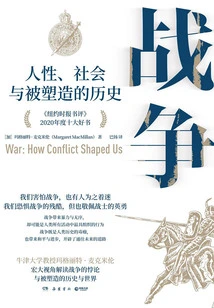
战争:人性、社会与被塑造的历史
L
Is peace an anomaly? Margaret Macmillan, Emeritus Professor of International History at the University of Oxford, through a detailed interpretation of nine chapters, from ancient Greece and Rome to the Hundred Years War, to the American Civil War, to the First and Second World Wars, through reflections on the lessons learned from classic battles in history and current wars, from the perspectives of history, political science, literature, anthropology, biology and other disciplines, explores a profound question: Why are humans so obsessed with large-scale cannibalism, and what price will we pay? At the same time, by analyzing the causes, methods and means of war, the author examines how war has affected human society, and how changes in our political structure, technology and ideology have affected the conduct of war. This book focuses on a number of controversial topics: When did the war begin? Why is war an organized part of human activity? Why are warriors almost always men? Was war ever under our control? The author also shows us the many aspects of war in the book - the languages we speak, the individual memories we have, and the great cultural treasures all reflect the glory and pain that war brings to human society. As a disturbing and challenging topic, Macmillan also reveals through fascinating observations and examples how war vividly embodies the evil and noble sides of human nature.
Is peace an anomaly? Margaret Macmillan, Emeritus Professor of International History at the University of Oxford, through a detailed interpretation of nine chapters, from ancient Greece and Rome to the Hundred Years War, to the American Civil War, to the First and Second World Wars, through reflections on the lessons learned from classic battles in history and current wars, from the perspectives of history, political science, literature, anthropology, biology and other disciplines, explores a profound question: Why are humans so obsessed with large-scale cannibalism, and what price will we pay? At the same time, by analyzing the causes, methods and means of war, the author examines how war has affected human society, and how changes in our political structure, technology and ideology have affected the conduct of war. This book focuses on a number of controversial topics: When did the war begin? Why is war an organized part of human activity? Why are warriors almost always men? Was war ever under our control? The author also shows us the many aspects of war in the book - the languages we speak, the individual memories we have, and the great cultural treasures all reflect the glory and pain that war brings to human society. As a disturbing and challenging topic, Macmillan also reveals through fascinating observations and examples how war vividly embodies the evil and noble sides of human nature.
First World War
History第一次世界大战
(germany) Fulker Beckhann
This book briefly explains the history of the First World War, explores the causes and process of the First World War in more depth, and interprets its decisive impact on the historical process of the 20th century. Today we no longer accept the explanation that the First World War was a natural disaster, but regard it as a major historical event that was caused by humans, promoted by humans, and finally exhausted to its end.
This book briefly explains the history of the First World War, explores the causes and process of the First World War in more depth, and interprets its decisive impact on the historical process of the 20th century. Today we no longer accept the explanation that the First World War was a natural disaster, but regard it as a major historical event that was caused by humans, promoted by humans, and finally exhausted to its end.
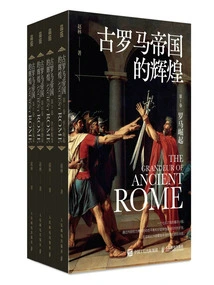
古罗马帝国的辉煌(套装共4册)
Zhao Lin
Goethe once said: "If a man has seen Rome, he has seen everything." As the leading empire in the ancient world, the Romans once incorporated vast areas of Europe, Asia and Africa into their territory. The Romans created a series of political systems, legal norms, management models, and public projects that still influence Western society to this day and have become the never-ending source of living water for modern Western civilization. The legends of kings, the evolution of political systems, triumphal glory, glory of power, and the fall of heroes will all be clearly presented in this magnificent history of the development and evolution of the Roman Empire. Let us get immersed in the wisdom of history, humanities, and philosophy, stir up the virtues and magnificent ideals in our hearts, understand the warm "Eternal City" Rome, and understand today's Western society and world pattern.
Goethe once said: "If a man has seen Rome, he has seen everything." As the leading empire in the ancient world, the Romans once incorporated vast areas of Europe, Asia and Africa into their territory. The Romans created a series of political systems, legal norms, management models, and public projects that still influence Western society to this day and have become the never-ending source of living water for modern Western civilization. The legends of kings, the evolution of political systems, triumphal glory, glory of power, and the fall of heroes will all be clearly presented in this magnificent history of the development and evolution of the Roman Empire. Let us get immersed in the wisdom of history, humanities, and philosophy, stir up the virtues and magnificent ideals in our hearts, understand the warm "Eternal City" Rome, and understand today's Western society and world pattern.
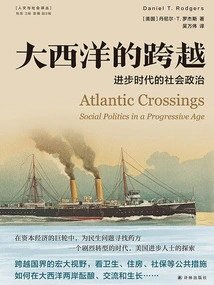
大西洋的跨越:进步时代的社会政治(人文与社会译丛)
(us) Daniel T. Rogers
"Across the Atlantic" focuses on the interconnections, exchanges and competition between the two sides of the Atlantic in social policies, and tells how people strive to make up for the damage caused by over-indulgent capitalism in the process of Western industrialization and urbanization. From the Paris World's Fair in 1900 to the Beveridge Report in London in 1942, from the two world wars to Roosevelt's New Deal, the historical materials are rich and detailed, vividly recording various social policy attempts related to people's livelihood, including social insurance, urban planning, municipal services, rural education and housing reform. The vision not only spans the Atlantic Ocean, but also involves Australia and New Zealand. It always grasps the context of exchanges and interactions between countries and breaks the limitations of inherent ideological boundaries.
"Across the Atlantic" focuses on the interconnections, exchanges and competition between the two sides of the Atlantic in social policies, and tells how people strive to make up for the damage caused by over-indulgent capitalism in the process of Western industrialization and urbanization. From the Paris World's Fair in 1900 to the Beveridge Report in London in 1942, from the two world wars to Roosevelt's New Deal, the historical materials are rich and detailed, vividly recording various social policy attempts related to people's livelihood, including social insurance, urban planning, municipal services, rural education and housing reform. The vision not only spans the Atlantic Ocean, but also involves Australia and New Zealand. It always grasps the context of exchanges and interactions between countries and breaks the limitations of inherent ideological boundaries.
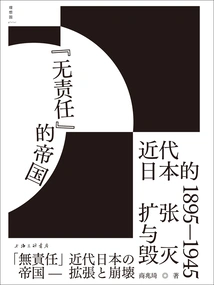
“无责任”的帝国:近代日本的扩张与毁灭1895—1945
Shang Zhaoqi
This book tells the history of Japan's expansion and destruction in modern times, starting from 1895 to 1945. Starting from four clues - internal affairs, diplomacy, war, and historical figures - it reveals the dual historical processes of external expansion and self-destruction, overt and covert, moving forward side by side, and interacting. What is the ideological logic that supports Japan's foreign expansion? What are the institutional roots of self-destruction? What roles did the emperor, politicians, bureaucrats, and the people play? How did the world situation unfold from the late 19th century to the early 20th century? This book aims to reveal the changing trajectory of the formation, development and collapse of the Japanese Empire, analyze the particularities and logical connections behind many historical phenomena, and let the facts speak for themselves.
This book tells the history of Japan's expansion and destruction in modern times, starting from 1895 to 1945. Starting from four clues - internal affairs, diplomacy, war, and historical figures - it reveals the dual historical processes of external expansion and self-destruction, overt and covert, moving forward side by side, and interacting. What is the ideological logic that supports Japan's foreign expansion? What are the institutional roots of self-destruction? What roles did the emperor, politicians, bureaucrats, and the people play? How did the world situation unfold from the late 19th century to the early 20th century? This book aims to reveal the changing trajectory of the formation, development and collapse of the Japanese Empire, analyze the particularities and logical connections behind many historical phenomena, and let the facts speak for themselves.
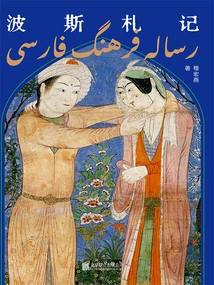
Persian Notes
History波斯札记
Mu Hongyan
In the minds of Chinese readers, Persian culture appears mysterious and lofty. In fact, Chinese civilization and Persian civilization have had close exchanges in history. Pipa, harp, pomegranate and other food and utensils were introduced to China from Persia, and Chinese Tang poetry also influenced Persian poetry. In this book "Persian Notes", Mu Hongyan, a doctoral supervisor at Beijing Foreign Studies University and a scholar specializing in Persian culture, introduces all aspects of Persian culture in clear and concise language: history, society, poetic tradition, aesthetic taste... Persia in the book has a familiar side to us, that is, a side that is connected with Chinese cultural traditions; there is also a strange side, that is, limited by the barriers of language and region, it has been out of the sight of Chinese readers for a long time. The book is easy-to-understand and is equipped with many exquisite illustrations of Persian paintings and utensils. It is an interesting overview of the rich cultural treasure house of Persia.
In the minds of Chinese readers, Persian culture appears mysterious and lofty. In fact, Chinese civilization and Persian civilization have had close exchanges in history. Pipa, harp, pomegranate and other food and utensils were introduced to China from Persia, and Chinese Tang poetry also influenced Persian poetry. In this book "Persian Notes", Mu Hongyan, a doctoral supervisor at Beijing Foreign Studies University and a scholar specializing in Persian culture, introduces all aspects of Persian culture in clear and concise language: history, society, poetic tradition, aesthetic taste... Persia in the book has a familiar side to us, that is, a side that is connected with Chinese cultural traditions; there is also a strange side, that is, limited by the barriers of language and region, it has been out of the sight of Chinese readers for a long time. The book is easy-to-understand and is equipped with many exquisite illustrations of Persian paintings and utensils. It is an interesting overview of the rich cultural treasure house of Persia.
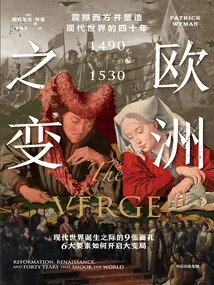
欧洲之变:震撼西方并塑造现代世界的四十年(1490—1530)
(us)patrick Wyman
Why has the West dominated the modern world for nearly 500 years? To answer this question, we need to go back to these crucial 40 years. The 40 years from 1490 to 1530 were a critical turning point in European and world history. During these 40 years, there was Columbus's feat of crossing the Atlantic and the Protestant Reformation started by Martin Luther. A series of rapid social, political, economic, cultural and technological developments in Europe promoted the formation of the modern world: print media shaped a new humanistic view of knowledge, large-scale religious conflicts were about to break out, highly centralized military-financial states emerged, and gunpowder brought military technological changes and large-scale Model War, the West began its barbaric conquest of the world... All these factors interacted to form a unique economic system linked by finance, which in turn established Europe's dominant position on the world stage in the next four centuries, the so-called "Great Divergence" between the West and the rest of the world. This book selects nine characters as narrative clues to connect Europe at that time with the world. It tells the revolutionary changes in politics, military, religion, finance, trade and other aspects of Europe in the past half century, and analyzes the key factors that established the West's dominance and affected the development process of the entire world. The book first tells about three famous figures: explorer Columbus, Spanish Queen Isabella and financier Jacob Fugger.
Why has the West dominated the modern world for nearly 500 years? To answer this question, we need to go back to these crucial 40 years. The 40 years from 1490 to 1530 were a critical turning point in European and world history. During these 40 years, there was Columbus's feat of crossing the Atlantic and the Protestant Reformation started by Martin Luther. A series of rapid social, political, economic, cultural and technological developments in Europe promoted the formation of the modern world: print media shaped a new humanistic view of knowledge, large-scale religious conflicts were about to break out, highly centralized military-financial states emerged, and gunpowder brought military technological changes and large-scale Model War, the West began its barbaric conquest of the world... All these factors interacted to form a unique economic system linked by finance, which in turn established Europe's dominant position on the world stage in the next four centuries, the so-called "Great Divergence" between the West and the rest of the world. This book selects nine characters as narrative clues to connect Europe at that time with the world. It tells the revolutionary changes in politics, military, religion, finance, trade and other aspects of Europe in the past half century, and analyzes the key factors that established the West's dominance and affected the development process of the entire world. The book first tells about three famous figures: explorer Columbus, Spanish Queen Isabella and financier Jacob Fugger.
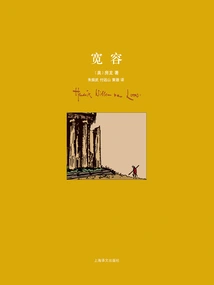
宽容(房龙作品集)
Fanglong
"Tolerance" is a popular history book that has been best-selling for nearly a hundred years. The author Fang Long uses his profound humanistic care and the spirit of advocating freedom of thought to analyze the arduous process that mankind has gone through in seeking the right to think, and outlines a magnificent history of human ideological liberation. With the help of Van Loon's extremely famous "eye of tolerance", let us rediscover and gain a deeper understanding of the tortuous development history of politics, religion, culture, and society over thousands of years and the long process of human beings seeking their own liberation.
"Tolerance" is a popular history book that has been best-selling for nearly a hundred years. The author Fang Long uses his profound humanistic care and the spirit of advocating freedom of thought to analyze the arduous process that mankind has gone through in seeking the right to think, and outlines a magnificent history of human ideological liberation. With the help of Van Loon's extremely famous "eye of tolerance", let us rediscover and gain a deeper understanding of the tortuous development history of politics, religion, culture, and society over thousands of years and the long process of human beings seeking their own liberation.
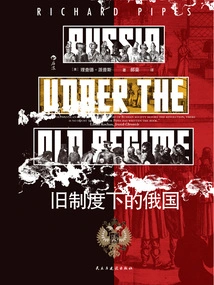
Russia under the Old Regime
History旧制度下的俄国
(us) Richard Pipes
Russia is a region where the development of state power is different from other European countries. Harsh geographical conditions and huge land area make it extremely difficult to establish an effective political power. What emerged in this context was a hereditary regime that regarded the country as the private property of the tsar. This book examines the evolution of the Russian state from the 9th century to the 1880s and discusses its unique role in managing Russian society. "Russia Under the Old Regime" clearly sorts out Russia's past and conducts profound and original analysis. It is an important work that is difficult to bypass in understanding Russia.
Russia is a region where the development of state power is different from other European countries. Harsh geographical conditions and huge land area make it extremely difficult to establish an effective political power. What emerged in this context was a hereditary regime that regarded the country as the private property of the tsar. This book examines the evolution of the Russian state from the 9th century to the 1880s and discusses its unique role in managing Russian society. "Russia Under the Old Regime" clearly sorts out Russia's past and conducts profound and original analysis. It is an important work that is difficult to bypass in understanding Russia.
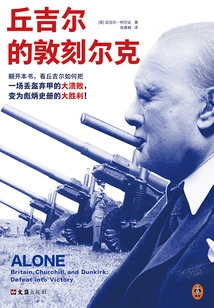
Churchill's Dunkirk
History丘吉尔的敦刻尔克
(uk) Michael Korda
On September 1, 1939, the German army invaded Poland. By 1940, under the iron heel of the Nazis, the Maginot Line was ineffective, and the Netherlands, Luxembourg, and Belgium fell one after another. In May, the fall of Paris was imminent, leaving British troops stranded at Dunkirk. In the same month, Churchill became the British Prime Minister, making Britain, facing diplomatic isolation, suddenly the only country in Europe with the courage and determination to resist Hitler. At this time, the European continent was filled with capitulationism, and only Churchill was still calling for regaining courage and continuing to fight. On June 4, 1940, in nine days, Churchill used various ships and thousands of aircraft sorties to evacuate a total of 338,000 soldiers from Dunkirk to the United Kingdom, creating a miracle in the history of World War II. The miraculous return of the army has awakened people's sense of resistance, and the lives of tens of millions of people will be changed.
On September 1, 1939, the German army invaded Poland. By 1940, under the iron heel of the Nazis, the Maginot Line was ineffective, and the Netherlands, Luxembourg, and Belgium fell one after another. In May, the fall of Paris was imminent, leaving British troops stranded at Dunkirk. In the same month, Churchill became the British Prime Minister, making Britain, facing diplomatic isolation, suddenly the only country in Europe with the courage and determination to resist Hitler. At this time, the European continent was filled with capitulationism, and only Churchill was still calling for regaining courage and continuing to fight. On June 4, 1940, in nine days, Churchill used various ships and thousands of aircraft sorties to evacuate a total of 338,000 soldiers from Dunkirk to the United Kingdom, creating a miracle in the history of World War II. The miraculous return of the army has awakened people's sense of resistance, and the lives of tens of millions of people will be changed.
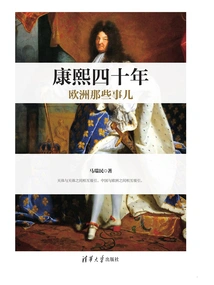
康熙四十年欧洲那些事儿
Ma Ruimin
King Louis XIV of France was good at ballet and built Versailles. French soft power such as clothing, food, literature and art has conquered the world, and speaking French has become fashionable to this day. Russian Czar Peter I regarded backward Russia as a shame and a pain. He personally went to Europe to study the West comprehensively. He worked tirelessly to transform Russia, but he encountered misunderstanding, resistance, and even a military coup. He suppressed opponents with an iron fist, and finally built a medieval agricultural country that was greedy for land into a modern coastal cultural, economic, and military power. Emperor Kangxi of the Qing Dynasty came to the throne at a young age. He eliminated Obai, pacified the three vassals, took over Taiwan, resisted the Russian army, and destroyed Galdan. The Qing Dynasty reached its peak, ushering in the prosperous era of Kangxi, Yongzong and Qianlong. Kangxi developed China's feudal dynasty to its peak and also unveiled the prelude to its decline. Compared with Europe's freedom of thought, scientific and technological development, and the prosperity of the country and the military, Emperor Kangxi did not lay the foundation for a new era. China and Europe passed each other shoulder to shoulder and could no longer catch up.
King Louis XIV of France was good at ballet and built Versailles. French soft power such as clothing, food, literature and art has conquered the world, and speaking French has become fashionable to this day. Russian Czar Peter I regarded backward Russia as a shame and a pain. He personally went to Europe to study the West comprehensively. He worked tirelessly to transform Russia, but he encountered misunderstanding, resistance, and even a military coup. He suppressed opponents with an iron fist, and finally built a medieval agricultural country that was greedy for land into a modern coastal cultural, economic, and military power. Emperor Kangxi of the Qing Dynasty came to the throne at a young age. He eliminated Obai, pacified the three vassals, took over Taiwan, resisted the Russian army, and destroyed Galdan. The Qing Dynasty reached its peak, ushering in the prosperous era of Kangxi, Yongzong and Qianlong. Kangxi developed China's feudal dynasty to its peak and also unveiled the prelude to its decline. Compared with Europe's freedom of thought, scientific and technological development, and the prosperity of the country and the military, Emperor Kangxi did not lay the foundation for a new era. China and Europe passed each other shoulder to shoulder and could no longer catch up.
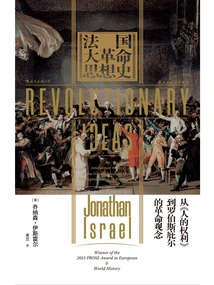
法国大革命思想史:从《人的权利》到罗伯斯庇尔的革命观念
(uk)jonathan Israel
In the history of human thought, perhaps no period is more dazzling than the French Revolution. However, in recent decades, historians who have studied the French Revolution believe that the French Revolution was inspired and shaped by political, economic, cultural and various social forces, ignoring abstract concepts such as freedom and equality. In this book, Jonathan Israel, an important historian of the Enlightenment, uses revolutionary thought as a basis and uses various thoughts and schools during the French Revolution as the basis for explaining and discussing the origin, development, and end of the French Revolution. He shows readers how revolutionary thought emerged from the radical ideological trends of the 18th century and how it divided the leaders of the revolution into fiercely conflicting camps. Jonathan Israel conducted an in-depth analysis of the differences between French political elites who held different revolutionary thoughts. The blending and collision of human thoughts jointly outline the magnificent historical picture of the French Revolution.
In the history of human thought, perhaps no period is more dazzling than the French Revolution. However, in recent decades, historians who have studied the French Revolution believe that the French Revolution was inspired and shaped by political, economic, cultural and various social forces, ignoring abstract concepts such as freedom and equality. In this book, Jonathan Israel, an important historian of the Enlightenment, uses revolutionary thought as a basis and uses various thoughts and schools during the French Revolution as the basis for explaining and discussing the origin, development, and end of the French Revolution. He shows readers how revolutionary thought emerged from the radical ideological trends of the 18th century and how it divided the leaders of the revolution into fiercely conflicting camps. Jonathan Israel conducted an in-depth analysis of the differences between French political elites who held different revolutionary thoughts. The blending and collision of human thoughts jointly outline the magnificent historical picture of the French Revolution.
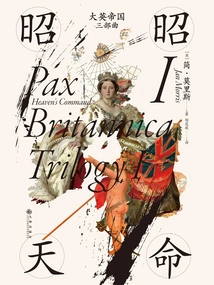
大英帝国三部曲I:昭昭天命
S
"The British Empire Trilogy" narrates the British history from Queen Victoria's accession to the throne to Churchill's death in a huge space. The narrative style is brilliant and vivid, involving different continents, various characters and multiple wars. Supplemented by the author's field trips, it reproduces the long process of the British Empire from its rise to its decline. The first part, "Manifest Destiny" traces the history from Victoria's accession to the British Empire's expansion and aggression in 1897. It records the Kabul rout, the Indian Mutiny, the Zulu War, the Ashanti War, the conflict with the Boers and other wars. It also records the abolition of the slave trade, Australia Major events such as the demise of the indigenous people, the exploration of the Nile, the Great Famine in Ireland, the Universal Exposition, and the Irish Home Rule Movement demonstrate the social changes and technological development in Britain in the second half of the 19th century, as well as the social landscape of different regions in Asia, Africa, America, and Oceania from the perspective of the colonists.
"The British Empire Trilogy" narrates the British history from Queen Victoria's accession to the throne to Churchill's death in a huge space. The narrative style is brilliant and vivid, involving different continents, various characters and multiple wars. Supplemented by the author's field trips, it reproduces the long process of the British Empire from its rise to its decline. The first part, "Manifest Destiny" traces the history from Victoria's accession to the British Empire's expansion and aggression in 1897. It records the Kabul rout, the Indian Mutiny, the Zulu War, the Ashanti War, the conflict with the Boers and other wars. It also records the abolition of the slave trade, Australia Major events such as the demise of the indigenous people, the exploration of the Nile, the Great Famine in Ireland, the Universal Exposition, and the Irish Home Rule Movement demonstrate the social changes and technological development in Britain in the second half of the 19th century, as well as the social landscape of different regions in Asia, Africa, America, and Oceania from the perspective of the colonists.
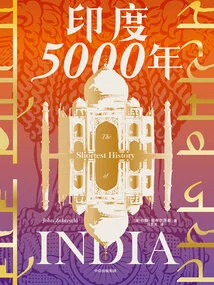
India 5000 Years
History印度5000年
(australia) John Zubuldsky
It is the fulcrum between the east and west parts of Asia and a key node of the Maritime Silk Road; it is one of the four ancient civilizations alongside China and the birthplace of the third and fourth largest religions in the world. Today, its population ranks first in the world, and its influence extends beyond the Indian Ocean to cover the entire globe. It is India, a magical and contradictory country, a South Asian giant elephant living next to the Chinese dragon. Unlike Chinese history, which can be clearly divided into continuous unified dynasties, Indian history presents a sense of rupture and fragmentation. Around 3000 BC, the dawn of civilization appeared in places such as Harappa in the Indus Valley. The civilization once covered an area larger than Egypt and Mesopotamia. Around 1300 BC, a possible major drought ended the Indus Valley Civilization, and waves of Aryans poured into India. From this time until the founding of the Republic of India, the subcontinent witnessed one invasion after another by outside powers. Persians, Greeks, and Islamic forces from the northwest and Kushans and Huns from the east came to India through the Khyber Pass in the northwest of the subcontinent; while the British and French came from the sea. Before the arrival of the British, India never formed a unified nation.
It is the fulcrum between the east and west parts of Asia and a key node of the Maritime Silk Road; it is one of the four ancient civilizations alongside China and the birthplace of the third and fourth largest religions in the world. Today, its population ranks first in the world, and its influence extends beyond the Indian Ocean to cover the entire globe. It is India, a magical and contradictory country, a South Asian giant elephant living next to the Chinese dragon. Unlike Chinese history, which can be clearly divided into continuous unified dynasties, Indian history presents a sense of rupture and fragmentation. Around 3000 BC, the dawn of civilization appeared in places such as Harappa in the Indus Valley. The civilization once covered an area larger than Egypt and Mesopotamia. Around 1300 BC, a possible major drought ended the Indus Valley Civilization, and waves of Aryans poured into India. From this time until the founding of the Republic of India, the subcontinent witnessed one invasion after another by outside powers. Persians, Greeks, and Islamic forces from the northwest and Kushans and Huns from the east came to India through the Khyber Pass in the northwest of the subcontinent; while the British and French came from the sea. Before the arrival of the British, India never formed a unified nation.
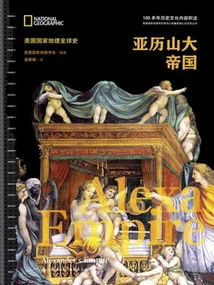
亚历山大帝国(美国国家地理全球史)
Compiled By The National Geographic Society
"Alexander's Empire" accurately reproduces Alexander the Great's life, great historical achievements, and how the empire fell apart during the conquests of his successors through the deeds and achievements of Alexander the Great. It involves the development, changes and power changes during the Alexander Empire and the Hellenistic Kingdom, as well as the achievements created by his successors. The New Kingdom, along with Alexander's education, army, and the city of Alexandria and the Kingdom of Pergamon, meticulously, richly and clearly presents the historical rise and fall of the world empire that spanned Europe, Asia and Africa at that time, and how the rich, turbulent and dramatic era was shaped by great figures who ended in tragedy.
"Alexander's Empire" accurately reproduces Alexander the Great's life, great historical achievements, and how the empire fell apart during the conquests of his successors through the deeds and achievements of Alexander the Great. It involves the development, changes and power changes during the Alexander Empire and the Hellenistic Kingdom, as well as the achievements created by his successors. The New Kingdom, along with Alexander's education, army, and the city of Alexandria and the Kingdom of Pergamon, meticulously, richly and clearly presents the historical rise and fall of the world empire that spanned Europe, Asia and Africa at that time, and how the rich, turbulent and dramatic era was shaped by great figures who ended in tragedy.
R
Q
藏在水里的世界史
(france) Cyril P. Coutense
Humanity was born from the ocean, although we will always forget it. This book presents a human epic hidden in the water: the remains of marine mammals in prehistoric civilization sites are evidence that Homo sapiens depended on the sea for a living; the expeditions of Polynesians and Vikings are proof of the superb navigation skills of our ancestors; the barter exchanges between sea peoples and land communities are the prototype of trade and cultural exchanges. ; The inexhaustible wealth in the sea has created a land empire and triggered great geographical discoveries; the focus of civilization seems to have shifted from the ocean to the land, but the bond between humans and the ocean has never stopped; scientific research, resource development, ecological protection, international cooperation... The future direction is still closely related to the ocean. Starting from the origin of the earth, explore the history of the world as magnificent as the waves.
Humanity was born from the ocean, although we will always forget it. This book presents a human epic hidden in the water: the remains of marine mammals in prehistoric civilization sites are evidence that Homo sapiens depended on the sea for a living; the expeditions of Polynesians and Vikings are proof of the superb navigation skills of our ancestors; the barter exchanges between sea peoples and land communities are the prototype of trade and cultural exchanges. ; The inexhaustible wealth in the sea has created a land empire and triggered great geographical discoveries; the focus of civilization seems to have shifted from the ocean to the land, but the bond between humans and the ocean has never stopped; scientific research, resource development, ecological protection, international cooperation... The future direction is still closely related to the ocean. Starting from the origin of the earth, explore the history of the world as magnificent as the waves.
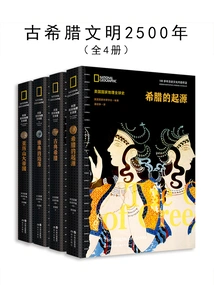
古希腊文明2500年(全4册)
Compiled By The National Geographic Society
It presents the 2,500-year development history of ancient Greek civilization in a panoramic manner, salvages the glorious and mysterious fragments of ancient Greek civilization in detail, and interprets the enlightenment of the rise and fall of ancient Greek civilization. "The Origin of Greece": For a long time, ancient Greek civilization was full of poetic magnificence and mystery, just like Athena emerging from the head of Zeus fully armed. But with the emergence of the remains of the Cretan and Mycenaean civilizations, the origin of this ancient Western culture has truly become traceable. This book restores the historical clues of ancient Greek civilization from the Bronze Age to the Archaic Period. "Classical Greece": The principles of classical aesthetics, logic and rational thinking, the social ethics of living together and resolving conflicts, the concept of equality before the law, the ideological basis of democracy and participatory politics, the methods and principles of individualism, humanism, and science. These ideas that laid the foundation for Western and even world culture, politics, and other fields were all formed in the classical Greek period. Even today, when new technologies are in full swing, Europeans are still Greek at heart. "The Fall of Athens": This book uses rich and reliable historical materials to vividly reproduce the struggle and replacement of Greek hegemony in the late classical era, especially the Peloponnesian War and the chaos and collapse it brought about. The defeat of Athens directly led to the decline of the city-state system and ancient Greek civilization from its peak. "Alexander's Empire": Through the development, changes and power changes during the Alexander Empire and the Hellenistic Kingdom, this book details, richly and clearly presents the historical rise and fall of the world-wide empire across Europe, Asia and Africa at that time, and how the rich, turbulent and dramatic era was influenced by those great figures who ended in tragedy. At the same time, Alexander's expedition not only established a vast empire around the world, but also spread Greek culture to the conquered areas, profoundly changing the style of the ancient world and Greece in the classical period, and causing Greek culture to experience a new golden stage.
It presents the 2,500-year development history of ancient Greek civilization in a panoramic manner, salvages the glorious and mysterious fragments of ancient Greek civilization in detail, and interprets the enlightenment of the rise and fall of ancient Greek civilization. "The Origin of Greece": For a long time, ancient Greek civilization was full of poetic magnificence and mystery, just like Athena emerging from the head of Zeus fully armed. But with the emergence of the remains of the Cretan and Mycenaean civilizations, the origin of this ancient Western culture has truly become traceable. This book restores the historical clues of ancient Greek civilization from the Bronze Age to the Archaic Period. "Classical Greece": The principles of classical aesthetics, logic and rational thinking, the social ethics of living together and resolving conflicts, the concept of equality before the law, the ideological basis of democracy and participatory politics, the methods and principles of individualism, humanism, and science. These ideas that laid the foundation for Western and even world culture, politics, and other fields were all formed in the classical Greek period. Even today, when new technologies are in full swing, Europeans are still Greek at heart. "The Fall of Athens": This book uses rich and reliable historical materials to vividly reproduce the struggle and replacement of Greek hegemony in the late classical era, especially the Peloponnesian War and the chaos and collapse it brought about. The defeat of Athens directly led to the decline of the city-state system and ancient Greek civilization from its peak. "Alexander's Empire": Through the development, changes and power changes during the Alexander Empire and the Hellenistic Kingdom, this book details, richly and clearly presents the historical rise and fall of the world-wide empire across Europe, Asia and Africa at that time, and how the rich, turbulent and dramatic era was influenced by those great figures who ended in tragedy. At the same time, Alexander's expedition not only established a vast empire around the world, but also spread Greek culture to the conquered areas, profoundly changing the style of the ancient world and Greece in the classical period, and causing Greek culture to experience a new golden stage.
培育国家:性别、家庭与埃及的现代化,1805—1923
(us) Lisa Pollard
A well-known work on the history of modern Egypt and a must-read for Middle Eastern studies. From the boudoir to the revolutionary tide, from family reform to national liberation, we examine the dual discourses of the colonizers and the colonized, and re-examine the origins of the Egyptian independence movement and the cultivation of the modern nation. How do urban architecture, residential environment, and lifestyle connect families and social modernization? What kind of national imagination did it inspire, and how did it influence colonial policy? How can Britain beautify the occupation of a polygamous family and a sensual royal family with moral politics? What practices did local elites use to respond to domestication? Women who devoted themselves to the struggle for independence and "browed" the new country could only be trapped in their families again after the revolution. Why did the conceptual welcome of women's liberation eventually turn into abandonment in the political field? This book uses gender and family as perspectives to rethink the origins of Egyptian nationalism and the 1919 revolution by establishing the connection between social changes in class and family structures and British colonial rule.
A well-known work on the history of modern Egypt and a must-read for Middle Eastern studies. From the boudoir to the revolutionary tide, from family reform to national liberation, we examine the dual discourses of the colonizers and the colonized, and re-examine the origins of the Egyptian independence movement and the cultivation of the modern nation. How do urban architecture, residential environment, and lifestyle connect families and social modernization? What kind of national imagination did it inspire, and how did it influence colonial policy? How can Britain beautify the occupation of a polygamous family and a sensual royal family with moral politics? What practices did local elites use to respond to domestication? Women who devoted themselves to the struggle for independence and "browed" the new country could only be trapped in their families again after the revolution. Why did the conceptual welcome of women's liberation eventually turn into abandonment in the political field? This book uses gender and family as perspectives to rethink the origins of Egyptian nationalism and the 1919 revolution by establishing the connection between social changes in class and family structures and British colonial rule.
Ancient Greece and Rome
History古代的希腊和罗马
Wu Yuxi
This book was first published in 1957, with an original volume of 100,000 words. Among the various reading materials on Greek and Roman history, it is indeed a small book, but it is unique. The 2008 triple edition made important expansions to the content of this book. Two important articles by the author on the history of Greece and Rome and a classic translation - Selected Translation of Thucydides' "History of the Peloponnesian War" (Volume 7) have been added, and the whole book has been increased to 180,000 words. This expansion provides readers with extended reading, which helps to deepen and truly understand Greece, Rome and its ancient world. This book has been continuously updated over the past half century since its publication, continuing its life among generations of young readers. The triptych edition specially invited the author's eldest son, Mr. Wu Yu, a world history scholar, to write an article, focusing on the author's academic origins in ancient Greek and Roman history. This 5,000-word "postscript" is rich in content, full of emotions, and lifelike. At the same time, the triptych edition also fulfilled Wu Yu's wish to illustrate and accompany his father's paintings and calligraphy. In 2022, we will once again launch a new edition with a new look, adding a classical and civilized perspective when looking at the world in the 21st century.
This book was first published in 1957, with an original volume of 100,000 words. Among the various reading materials on Greek and Roman history, it is indeed a small book, but it is unique. The 2008 triple edition made important expansions to the content of this book. Two important articles by the author on the history of Greece and Rome and a classic translation - Selected Translation of Thucydides' "History of the Peloponnesian War" (Volume 7) have been added, and the whole book has been increased to 180,000 words. This expansion provides readers with extended reading, which helps to deepen and truly understand Greece, Rome and its ancient world. This book has been continuously updated over the past half century since its publication, continuing its life among generations of young readers. The triptych edition specially invited the author's eldest son, Mr. Wu Yu, a world history scholar, to write an article, focusing on the author's academic origins in ancient Greek and Roman history. This 5,000-word "postscript" is rich in content, full of emotions, and lifelike. At the same time, the triptych edition also fulfilled Wu Yu's wish to illustrate and accompany his father's paintings and calligraphy. In 2022, we will once again launch a new edition with a new look, adding a classical and civilized perspective when looking at the world in the 21st century.
古典学还有未来吗?:从古希腊罗马到现在
I
The original title of this book is Confronting the Classics: Traditions, Adventures, and Innovations, which is literally translated as "Confronting the Classics: Traditions, Adventures and Innovations". The Chinese title comes from her preface "Does Classics Have a Future?" >>. The book includes 31 reviews of works on the study of ancient Greece and Rome. Author Mary Beard believes that although many people believe that classics is in decline, each generation of scholars has put forward its own new views on ancient Greece and Rome. She has always been concerned with these discussions and debates, and in this book she presents to us the academic tradition of classics and its recent reinterpretations and new theories. Throughout the book, she always claims that classics is not only about the ancient Greeks and Romans more than 2,000 years ago, but also about ourselves, as well as the generations of classical scholars, writers, artists, filmmakers, and politicians who quoted or even appropriated ancient Greek and Roman culture. We need to confront this subject head on and join the discussion. The subject remains a site of intense debate, rather than one that has settled and can be consigned to the dustbin.
The original title of this book is Confronting the Classics: Traditions, Adventures, and Innovations, which is literally translated as "Confronting the Classics: Traditions, Adventures and Innovations". The Chinese title comes from her preface "Does Classics Have a Future?" >>. The book includes 31 reviews of works on the study of ancient Greece and Rome. Author Mary Beard believes that although many people believe that classics is in decline, each generation of scholars has put forward its own new views on ancient Greece and Rome. She has always been concerned with these discussions and debates, and in this book she presents to us the academic tradition of classics and its recent reinterpretations and new theories. Throughout the book, she always claims that classics is not only about the ancient Greeks and Romans more than 2,000 years ago, but also about ourselves, as well as the generations of classical scholars, writers, artists, filmmakers, and politicians who quoted or even appropriated ancient Greek and Roman culture. We need to confront this subject head on and join the discussion. The subject remains a site of intense debate, rather than one that has settled and can be consigned to the dustbin.
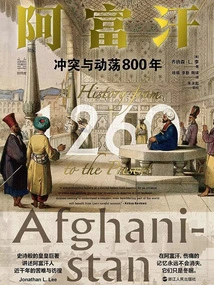
阿富汗:冲突与动荡800年
(english) Jonathan L. Lee
One book can understand the root causes of all conflicts and turmoil in Afghanistan over the past 800 years, completely tell the history of Afghanistan since its founding, and explain all the problems in Afghanistan at once. Through the narration of 800 years of Afghan history, it accurately predicts the chaos that Afghanistan will face after the US withdrawal, and you must read this book to understand the ins and outs of the Taliban and the past and present of the Imperial Cemetery. Located at the intersection of Asia and the Middle East, Afghanistan has been of strategic importance for thousands of years. Modern Afghanistan is a culturally and ethnically diverse country but divided by conflict, political instability and mass displacement of its people. In this authoritative illustrated history, Jonathan L. Lee tells the story of how a small confederation of tribes in a politically and culturally important but volatile region became the modern nation-state. Drawing on more than four decades of painstaking research, Lee places the current conflict facing Afghanistan in its historical context and challenges Western preconceptions about the country. Lee chronicles the region's monarchy and Durrani dynasty, focusing on each of the region's rulers and their efforts to balance tribal, ethnic, regional, and religious factions, examining the struggles for social and constitutional reform and the rise of Islamic and communist factions. He offers new insights into culture and politics by examining Polish history, memoirs of Afghan government officials, British government and Indian office archival documents, newly released CIA reports and WikiLeaks documents. Lee also sheds new light on the country's foreign relations, internal power struggles, and foreign military intervention similar to the "war on terror."
One book can understand the root causes of all conflicts and turmoil in Afghanistan over the past 800 years, completely tell the history of Afghanistan since its founding, and explain all the problems in Afghanistan at once. Through the narration of 800 years of Afghan history, it accurately predicts the chaos that Afghanistan will face after the US withdrawal, and you must read this book to understand the ins and outs of the Taliban and the past and present of the Imperial Cemetery. Located at the intersection of Asia and the Middle East, Afghanistan has been of strategic importance for thousands of years. Modern Afghanistan is a culturally and ethnically diverse country but divided by conflict, political instability and mass displacement of its people. In this authoritative illustrated history, Jonathan L. Lee tells the story of how a small confederation of tribes in a politically and culturally important but volatile region became the modern nation-state. Drawing on more than four decades of painstaking research, Lee places the current conflict facing Afghanistan in its historical context and challenges Western preconceptions about the country. Lee chronicles the region's monarchy and Durrani dynasty, focusing on each of the region's rulers and their efforts to balance tribal, ethnic, regional, and religious factions, examining the struggles for social and constitutional reform and the rise of Islamic and communist factions. He offers new insights into culture and politics by examining Polish history, memoirs of Afghan government officials, British government and Indian office archival documents, newly released CIA reports and WikiLeaks documents. Lee also sheds new light on the country's foreign relations, internal power struggles, and foreign military intervention similar to the "war on terror."