Library
Browse and search books
6,953 novels found
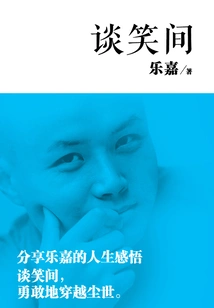
Talking and Laughing Room
Literature谈笑间
Lejia
"Talking and Laughing", Le Jia's new work, laughs and curses. Le Jia uses his keen insight and witty and sharp words to express his unique views on life, love, marriage, family, workplace and other aspects. This book not only helps readers to understand themselves and others, but also shows everyone a 100% Bailejia who is full of wisdom and personality including personality and color. It is the best endorsement product of Bailejia. The book is also equipped with many humorous cartoons, and the relaxed and playful pictures tell philosophical stories.
"Talking and Laughing", Le Jia's new work, laughs and curses. Le Jia uses his keen insight and witty and sharp words to express his unique views on life, love, marriage, family, workplace and other aspects. This book not only helps readers to understand themselves and others, but also shows everyone a 100% Bailejia who is full of wisdom and personality including personality and color. It is the best endorsement product of Bailejia. The book is also equipped with many humorous cartoons, and the relaxed and playful pictures tell philosophical stories.
Love
Literature厚爱
Hu Shizong
This book is compiled by Hu Shizong, a famous contemporary poet in our province. During his nearly 60 years of literary creation, this book contains important commentaries on his literary creation and personality by famous contemporary writers, critics, and his literary friends, as well as interviews with him from Liaoning Radio and Television and other media. In addition, it also includes more than 150 paintings and calligraphy works given to him by friends.
This book is compiled by Hu Shizong, a famous contemporary poet in our province. During his nearly 60 years of literary creation, this book contains important commentaries on his literary creation and personality by famous contemporary writers, critics, and his literary friends, as well as interviews with him from Liaoning Radio and Television and other media. In addition, it also includes more than 150 paintings and calligraphy works given to him by friends.
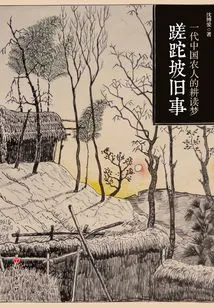
Old Stories About Wasted Time
Literature蹉跎坡旧事
Shen Boai
This book tells us a personal story of a farmer in a great era and tells us what will happen after normal society is lost. At that time, more than 90% of China were farmers, but few people came forward to tell the stories of farmers. The author was very special, and he filled this gap in a rare way. He lives at the bottom of the countryside in Hunan. He has strange talents, a strong memory, is good at writing and painting, pays attention to details, and has an innate sense of history. And his age is exactly the connection between the traditional society destroyed by various turmoils and an important fifty-year history that was submerged by the economic tide. I would think that maybe God deliberately placed him in this position, allowing him to witness and speak for thousands of people whose dreams were shattered and died silently.
This book tells us a personal story of a farmer in a great era and tells us what will happen after normal society is lost. At that time, more than 90% of China were farmers, but few people came forward to tell the stories of farmers. The author was very special, and he filled this gap in a rare way. He lives at the bottom of the countryside in Hunan. He has strange talents, a strong memory, is good at writing and painting, pays attention to details, and has an innate sense of history. And his age is exactly the connection between the traditional society destroyed by various turmoils and an important fifty-year history that was submerged by the economic tide. I would think that maybe God deliberately placed him in this position, allowing him to witness and speak for thousands of people whose dreams were shattered and died silently.
Everything is Possible
Literature一切皆有可能
Dai Jianye
This book is a collection of the author's scattered articles, divided into several columns: academic relationships, educational miscellaneous essays, cultural talks, prefaces and afterwords, preface messages, reviews of books and paintings, and treasures from abroad. It includes the author's prefaces and afterwords on many of his own and other people's works, as well as appreciation of calligraphy and painting works. It includes the author's joy and worry about modern cultural phenomena, such as Weibo, and the author's review and reflections on the relationship between teachers and students, and colleagues in teaching work. The author discovers beauty in ordinary life, conveys beauty, writes beautiful feelings in beautiful words, and gives readers the enjoyment of beauty.
This book is a collection of the author's scattered articles, divided into several columns: academic relationships, educational miscellaneous essays, cultural talks, prefaces and afterwords, preface messages, reviews of books and paintings, and treasures from abroad. It includes the author's prefaces and afterwords on many of his own and other people's works, as well as appreciation of calligraphy and painting works. It includes the author's joy and worry about modern cultural phenomena, such as Weibo, and the author's review and reflections on the relationship between teachers and students, and colleagues in teaching work. The author discovers beauty in ordinary life, conveys beauty, writes beautiful feelings in beautiful words, and gives readers the enjoyment of beauty.
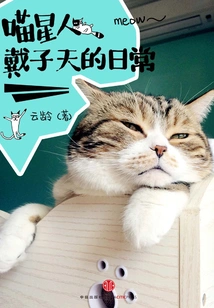
Dai Zitian's Daily Life
Literature喵星人戴子天的日常
Yun Ling
Dai Zitian, said to be of Scottish descent, was born in Shanghai and lived in Hainan, Dalian and Beijing. He has an arranged Sanhua wife (husband's surname: Dai Zimao). One son and four daughters. Several grandchildren and granddaughters. My son was kicked when he reached adulthood, so he no longer had the chance to be a grandfather. Tenderness. Capricious. Beat my wife occasionally. He is often beaten by his wife. Dai Zitian, who turned six this summer and has an older body and look, has begun to like health soup cans and vitamin ointments. Gaze out at the world from the window every day. Watch the birds in the morning. After kindergarten get out of class in the afternoon, I watch the kids. Cats cannot survive these years. Senior shit shovel officer and second sister Dai Zitian wants to ask: "Are you really happy in my house?"
Dai Zitian, said to be of Scottish descent, was born in Shanghai and lived in Hainan, Dalian and Beijing. He has an arranged Sanhua wife (husband's surname: Dai Zimao). One son and four daughters. Several grandchildren and granddaughters. My son was kicked when he reached adulthood, so he no longer had the chance to be a grandfather. Tenderness. Capricious. Beat my wife occasionally. He is often beaten by his wife. Dai Zitian, who turned six this summer and has an older body and look, has begun to like health soup cans and vitamin ointments. Gaze out at the world from the window every day. Watch the birds in the morning. After kindergarten get out of class in the afternoon, I watch the kids. Cats cannot survive these years. Senior shit shovel officer and second sister Dai Zitian wants to ask: "Are you really happy in my house?"
With Kong Yiji
Literature和孔乙己在一起
Na Yingping
Life is short, articles are long. Recalling the origin of writing, the articles published in different publications, winning and not winning, I feel happy and shy at the same time. I have been fond of literature since I was a child and dreamed of being an editor or a professional writer. I had enough atmosphere and time to engage in writing and reading, but I entered the wrong profession and entered the legal profession. I can't let go of my favorite literature, so I intersperse between law enforcement and writing. I like to speak with words, express my heart with words, talk to my own soul, and write my own experience of life and life into words to stick to the little green shade of my soul.
Life is short, articles are long. Recalling the origin of writing, the articles published in different publications, winning and not winning, I feel happy and shy at the same time. I have been fond of literature since I was a child and dreamed of being an editor or a professional writer. I had enough atmosphere and time to engage in writing and reading, but I entered the wrong profession and entered the legal profession. I can't let go of my favorite literature, so I intersperse between law enforcement and writing. I like to speak with words, express my heart with words, talk to my own soul, and write my own experience of life and life into words to stick to the little green shade of my soul.
思语录:云中观世界
In The Clouds
This book is mainly about my observations and thoughts on society and life, covering marriage, parents and children, art, daily life, life, etc. Among them, "Marriage, Men and Women" and "Parents and Children" write new ideas that ordinary people cannot express; "Slavery Marriage" not only provides an important case for Fromm's "For One's Own", but also provides the first profound and realistic analysis of the formation process of this worst marriage and the psychological state of the weak in it; "Art" is about What is art, the factors of artistic behavior, how to evaluate artistic behavior and art fraud are discussed in a few words, but they will help people understand the nature of art; "Spring and Autumn", "Blog" and "Weibo" are my insights and thoughts, and also release some uncontrollable literary impulses, which can be used for entertainment after dinner. This book is the world as I see it. Thinking is my destiny. In the past process, I have always called thinking: exploration. I have been exploring for twenty years because of my love for thinking and my deep sense of responsibility, especially the latter, which I have never been able to give up. There is primitive impulse and wild power in me that scholars do not have. I just want to say to God in my heart: I have tried my best to do what you need me to do.
This book is mainly about my observations and thoughts on society and life, covering marriage, parents and children, art, daily life, life, etc. Among them, "Marriage, Men and Women" and "Parents and Children" write new ideas that ordinary people cannot express; "Slavery Marriage" not only provides an important case for Fromm's "For One's Own", but also provides the first profound and realistic analysis of the formation process of this worst marriage and the psychological state of the weak in it; "Art" is about What is art, the factors of artistic behavior, how to evaluate artistic behavior and art fraud are discussed in a few words, but they will help people understand the nature of art; "Spring and Autumn", "Blog" and "Weibo" are my insights and thoughts, and also release some uncontrollable literary impulses, which can be used for entertainment after dinner. This book is the world as I see it. Thinking is my destiny. In the past process, I have always called thinking: exploration. I have been exploring for twenty years because of my love for thinking and my deep sense of responsibility, especially the latter, which I have never been able to give up. There is primitive impulse and wild power in me that scholars do not have. I just want to say to God in my heart: I have tried my best to do what you need me to do.
Farewell
Literature惜别
Zhi'an
"Farewell" is Zhi'an's experience of life and death condensed from his experience three years after his mother's death. There are six parts in the book, starting from the mother's death and tracing back in fragments. The mother's diaries and letters during her lifetime alternate with the author's memories and thoughts, forming two opposing but interdependent writing states. The handprint left by my mother is full of warm details of the time when relatives get along with each other: the red cabbage soup I made most often, the movie I watched together, the little pudding I ate when I was seriously ill... These things are ordinary and small, but deeply touching. They are tangible marks of our existence.
"Farewell" is Zhi'an's experience of life and death condensed from his experience three years after his mother's death. There are six parts in the book, starting from the mother's death and tracing back in fragments. The mother's diaries and letters during her lifetime alternate with the author's memories and thoughts, forming two opposing but interdependent writing states. The handprint left by my mother is full of warm details of the time when relatives get along with each other: the red cabbage soup I made most often, the movie I watched together, the little pudding I ate when I was seriously ill... These things are ordinary and small, but deeply touching. They are tangible marks of our existence.
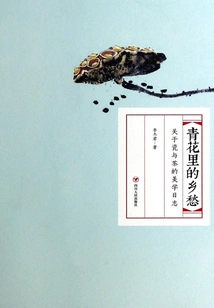
青花里的乡愁:关于瓷与茶的美学日志
Li Dongjun
The author also takes the theme of nostalgia, a seemingly ethereal and perceptual emotion, and materializes it in tangible objects such as spring tea, silk, porcelain, wine, chess, calligraphy and painting, and natural landscapes. He transforms this bitter emotion into elegant and delicate life emotions and states, and experiences the art of life in the combination of the two. The text of the book is fresh and elegant, making it meaningful and profound to read, making people unable to put it down. They can comprehend the philosophy of life in the seemingly idle conversation. There are more than 50 illustrations to match the text. The pictures include landscapes, insects and birds, or pines, bamboos and flowers. They are refreshing, unique and full of fun.
The author also takes the theme of nostalgia, a seemingly ethereal and perceptual emotion, and materializes it in tangible objects such as spring tea, silk, porcelain, wine, chess, calligraphy and painting, and natural landscapes. He transforms this bitter emotion into elegant and delicate life emotions and states, and experiences the art of life in the combination of the two. The text of the book is fresh and elegant, making it meaningful and profound to read, making people unable to put it down. They can comprehend the philosophy of life in the seemingly idle conversation. There are more than 50 illustrations to match the text. The pictures include landscapes, insects and birds, or pines, bamboos and flowers. They are refreshing, unique and full of fun.
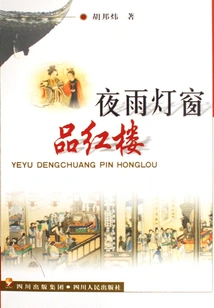
夜雨灯窗品红楼
Hu Bangwei
The whole book will still adopt the popular writing method of narrative and discussion, and the author's profound academic skills will be integrated into the lively and simple text. It will give its own interpretation of some issues in "A Dream of Red Mansions" such as Buddhism and Taoism, myth and reality, truth and falsehood, emotion and desire... Which have not been covered in previous red studies.
The whole book will still adopt the popular writing method of narrative and discussion, and the author's profound academic skills will be integrated into the lively and simple text. It will give its own interpretation of some issues in "A Dream of Red Mansions" such as Buddhism and Taoism, myth and reality, truth and falsehood, emotion and desire... Which have not been covered in previous red studies.
台湾名家经典散文:红唇与领带
Zhou Fenling
This book is a self-selected collection of prose by the author, who is famous for her writing by women, with both perceptual smoothness and delicate embellishments in her words. The collection of essays "Excellent Beauty" published in 1985 is the author's famous work. In the book, the author boldly and generously introduces her own story and her family's story to the readers. It is full of women's perceptions of life, experience of reality or history, and there are many rare masterpieces.
This book is a self-selected collection of prose by the author, who is famous for her writing by women, with both perceptual smoothness and delicate embellishments in her words. The collection of essays "Excellent Beauty" published in 1985 is the author's famous work. In the book, the author boldly and generously introduces her own story and her family's story to the readers. It is full of women's perceptions of life, experience of reality or history, and there are many rare masterpieces.
台湾名家经典散文:四十年半人马
Lin Wenyi
The prose collected in this book is selected by the author from dozens of published prose collections. It is of a high level. The style of his works is unique and full of charm. The works focus on ordinary people in real life and reflect the author's compassion for the suffering life. This book has 5 parts, namely Preface, 1970, 1980, 1990, and 2000. It contains more than 30 classic essays such as "The Rainy Coast", "Butterfly Changes and Others", and "The Book of Bili Yasi".
The prose collected in this book is selected by the author from dozens of published prose collections. It is of a high level. The style of his works is unique and full of charm. The works focus on ordinary people in real life and reflect the author's compassion for the suffering life. This book has 5 parts, namely Preface, 1970, 1980, 1990, and 2000. It contains more than 30 classic essays such as "The Rainy Coast", "Butterfly Changes and Others", and "The Book of Bili Yasi".
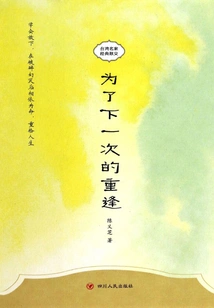
台湾名家经典散文:为了下一次的重逢
Chen Yizhi
The author consciously integrates the reality of the countryside with the classical tradition. The prose works rooted in the hometown of Taiwan show the beauty of caring about the local reality and inheriting the classical rhythm, and also show his identification with cultural China. The author's prose often reveals a sense of China and Taiwan, allowing people to fully appreciate the power of the invisible ties between land and blood. There are many beautiful words in the book, and the whole book is full of a lyrical tone.
The author consciously integrates the reality of the countryside with the classical tradition. The prose works rooted in the hometown of Taiwan show the beauty of caring about the local reality and inheriting the classical rhythm, and also show his identification with cultural China. The author's prose often reveals a sense of China and Taiwan, allowing people to fully appreciate the power of the invisible ties between land and blood. There are many beautiful words in the book, and the whole book is full of a lyrical tone.
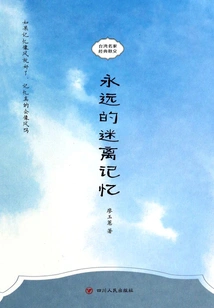
台湾名家经典散文:永远的迷离记忆
Liao Yuhui
Liao Yuhui is a representative female writer in Taiwanese prose writing. She emerged in the Taiwanese literary world in the 1980s. Her works are full of warmth, family affection, and nostalgia. People have commented that she "entrusts her feelings in human things; burning her passion in an indifferent society." This book is the author's self-selected collection, including more than 30 excellent essays written and published by the author over the years.
Liao Yuhui is a representative female writer in Taiwanese prose writing. She emerged in the Taiwanese literary world in the 1980s. Her works are full of warmth, family affection, and nostalgia. People have commented that she "entrusts her feelings in human things; burning her passion in an indifferent society." This book is the author's self-selected collection, including more than 30 excellent essays written and published by the author over the years.
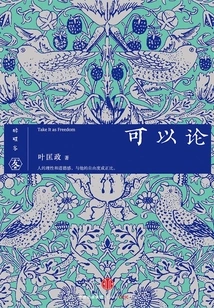
Can Be Discussed
Literature可以论
Ye Kuangzheng
"On Can" is a selection of essays written by the famous scholar Ye Kuangzheng over the past seven years since 2008. He has a broad vision, is wise and rational, and is extremely pioneering. Involves current influential people, topics and events. "Can Talk" is a book of outstanding talent. The accuracy and originality of its language benefit from the poet's unique long-term poetry training and profound insight into world affairs. "Can Lun" explains it in a simple and profound way, absorbs and uses a large number of fresh folk language and hot Internet events, and is a serious reading that can be said to be "pleasant to read". Every word can be read and retracted freely, with ease, and witty words and sentences can be picked at will. "Can be discussed" does not pretend to be profound.
"On Can" is a selection of essays written by the famous scholar Ye Kuangzheng over the past seven years since 2008. He has a broad vision, is wise and rational, and is extremely pioneering. Involves current influential people, topics and events. "Can Talk" is a book of outstanding talent. The accuracy and originality of its language benefit from the poet's unique long-term poetry training and profound insight into world affairs. "Can Lun" explains it in a simple and profound way, absorbs and uses a large number of fresh folk language and hot Internet events, and is a serious reading that can be said to be "pleasant to read". Every word can be read and retracted freely, with ease, and witty words and sentences can be picked at will. "Can be discussed" does not pretend to be profound.
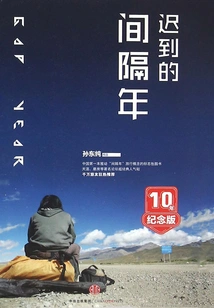
Belated Gap Year
Literature迟到的间隔年
Sun Dongchun
When you are young, choose a long-distance cross-country trip so that you can see the world, get to know yourself, and understand what you really need. This year is called a "gap year". In December 2006, Dongdong left Guangzhou and began his gap year journey alone. The journey begins with hesitation and everything seems so unpredictable... By the end of the journey, he has found a new future, inner peace and his Japanese wife. This ending is reminiscent of the famous American writer E. B. White's "Swan Blowing the Trumpet": "Freedom feels so great! Love feels so good!" Ten years have passed, and the concept of "gap year" is no longer new, and Dongdong, who was the "first person to take a gap year in China" at that time, now has a new understanding: "A gap year is a good thing. Although not everyone needs it, if you decide to go on the road, you must set a goal. There is no need to imitate and follow. Go your own way. The future you will be your current idol."
When you are young, choose a long-distance cross-country trip so that you can see the world, get to know yourself, and understand what you really need. This year is called a "gap year". In December 2006, Dongdong left Guangzhou and began his gap year journey alone. The journey begins with hesitation and everything seems so unpredictable... By the end of the journey, he has found a new future, inner peace and his Japanese wife. This ending is reminiscent of the famous American writer E. B. White's "Swan Blowing the Trumpet": "Freedom feels so great! Love feels so good!" Ten years have passed, and the concept of "gap year" is no longer new, and Dongdong, who was the "first person to take a gap year in China" at that time, now has a new understanding: "A gap year is a good thing. Although not everyone needs it, if you decide to go on the road, you must set a goal. There is no need to imitate and follow. Go your own way. The future you will be your current idol."
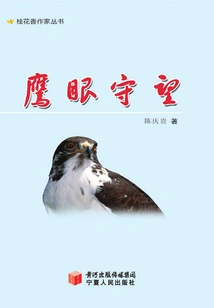
鹰眼守望(桂花香作家丛书)
Chen Furong
This book is the author's second collection of essays and current commentary works. The selected works are all recent works that have been published in newspapers and periodicals. The works contain quite beneficial life and social revelations.
This book is the author's second collection of essays and current commentary works. The selected works are all recent works that have been published in newspapers and periodicals. The works contain quite beneficial life and social revelations.
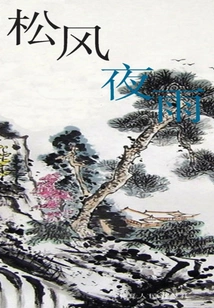
Songfeng Yeyu
Literature松风夜雨
Zhuo Jiegeng
This book is divided into two parts, the first and second parts. It contains lyrical prose about scenes such as "Tall coconut groves and drifting notes", as well as historical excerpts such as "Joking about Amo's haircut, Su Shi and Jingshan".
This book is divided into two parts, the first and second parts. It contains lyrical prose about scenes such as "Tall coconut groves and drifting notes", as well as historical excerpts such as "Joking about Amo's haircut, Su Shi and Jingshan".
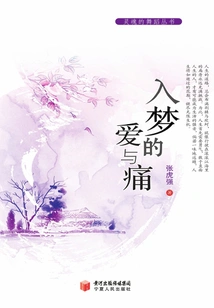
入梦的爱与痛(灵魂的舞蹈丛书)
Zhang Huqiang
This book is a collection of essays. From "a sparrow hiding in an ear" to "tears on a flower" to "through the eyes of history", the author's reflections and feelings are permeated, allowing readers to feel the beauty and true feelings of the world along with the ups and downs of the text.
This book is a collection of essays. From "a sparrow hiding in an ear" to "tears on a flower" to "through the eyes of history", the author's reflections and feelings are permeated, allowing readers to feel the beauty and true feelings of the world along with the ups and downs of the text.

This World is Indispensable Without You
Literature这世界,缺你不可
Wu Dawei
Your lovelorn, your sadness, your frustration, your strength, your cheer, your happiness... Everything you can share with others is your story. Everyone's story is special because you are unique in the world.
Your lovelorn, your sadness, your frustration, your strength, your cheer, your happiness... Everything you can share with others is your story. Everyone's story is special because you are unique in the world.
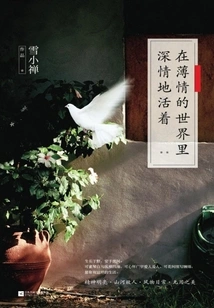
Live Lovingly in a Heartless World
Literature在薄情的世界里深情地活着
Xue Xiaochan
Xue Xiaochan's new collection of essays is the only one in 2015 that returns to the heart. Years, past events, restlessness and tranquility are transformed into the warm daily life after years of precipitation. A person enjoys the bright or cold time alone, with a sense of compassion and sweetness. The affectionate writing records the real-life, full-spirited hypothermic women around me. The best life is to live like a tree, not a flower.
Xue Xiaochan's new collection of essays is the only one in 2015 that returns to the heart. Years, past events, restlessness and tranquility are transformed into the warm daily life after years of precipitation. A person enjoys the bright or cold time alone, with a sense of compassion and sweetness. The affectionate writing records the real-life, full-spirited hypothermic women around me. The best life is to live like a tree, not a flower.
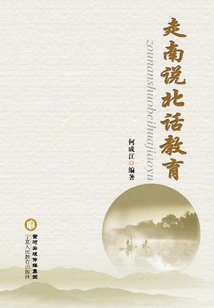
走南说北话教育
He Chengjiang
Cheng Jiang returned from a temporary job in Jiangsu and brought me two gifts. One was a landscape painting, which made my eyes light up. In this cold winter mountain city, I seemed to see the beauty of the south of the Yangtze River. The other was a book manuscript "Education from the South and the North", which made my heart warm. In these short sixty days, I was able to write a book. I was amazed by the speed and efficiency. Looking through the manuscript, it feels like entering a Suzhou garden. He fully expresses what he saw, heard, learned and thought in the "Wandering South" of Jiangsu No. 37 School between the lines, with insights, depth and feelings. "One school, one scene" and "one school, one product" are like a unique landscape.
Cheng Jiang returned from a temporary job in Jiangsu and brought me two gifts. One was a landscape painting, which made my eyes light up. In this cold winter mountain city, I seemed to see the beauty of the south of the Yangtze River. The other was a book manuscript "Education from the South and the North", which made my heart warm. In these short sixty days, I was able to write a book. I was amazed by the speed and efficiency. Looking through the manuscript, it feels like entering a Suzhou garden. He fully expresses what he saw, heard, learned and thought in the "Wandering South" of Jiangsu No. 37 School between the lines, with insights, depth and feelings. "One school, one scene" and "one school, one product" are like a unique landscape.
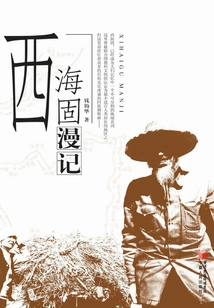
Xihaigumanji
Literature西海固漫记
Qian Junhua
Xihaigu - located in the Loess Plateau area in the southern part of the Ningxia Hui Autonomous Region, including Guyuan, Xiji, Haiyuan, Longde, Jingyuan and other cities and counties. Although Haiyuan was approved by the State Council on December 31, 2003, and was administratively placed under the jurisdiction of Zhongwei City, Xihaigu has become an inseparable regional name in people's memory, and it was once recognized by UNESCO as one of the least suitable areas for human habitation. However, in such a place, there are devout Hui Muslims living. They have been multiplying for generations and taking root in such a desolate and barren yellow land that has been drought for nine years. How do they survive? In April 2004, mainland scholar Qian Junhua came to Xihaigu at his own expense and lived in Laoya Village, Zhengqi Township, an all-Hui village, for nearly a month. Within a month, the author interviewed more than a hundred Muslims, witnessed many strange and wonderful things that shocked him, collected a large amount of first-hand information, and took more than 500 photos.
Xihaigu - located in the Loess Plateau area in the southern part of the Ningxia Hui Autonomous Region, including Guyuan, Xiji, Haiyuan, Longde, Jingyuan and other cities and counties. Although Haiyuan was approved by the State Council on December 31, 2003, and was administratively placed under the jurisdiction of Zhongwei City, Xihaigu has become an inseparable regional name in people's memory, and it was once recognized by UNESCO as one of the least suitable areas for human habitation. However, in such a place, there are devout Hui Muslims living. They have been multiplying for generations and taking root in such a desolate and barren yellow land that has been drought for nine years. How do they survive? In April 2004, mainland scholar Qian Junhua came to Xihaigu at his own expense and lived in Laoya Village, Zhengqi Township, an all-Hui village, for nearly a month. Within a month, the author interviewed more than a hundred Muslims, witnessed many strange and wonderful things that shocked him, collected a large amount of first-hand information, and took more than 500 photos.
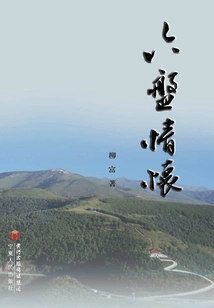
Six Plates of Feelings
Literature六盘情怀
Liu Fu
This book is the author's memoir, recording the author's study, work, various periods and stages of life, and his life after retirement.
This book is the author's memoir, recording the author's study, work, various periods and stages of life, and his life after retirement.
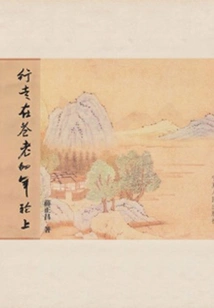
Walking on the Old Rings
Literature行走在苍老的年轮上
Xue Zhengchang
The author of "Walking on the Old Growth Rings" has traveled to many famous mountains and rivers in my country over the past 20 years, and has viewed many historical relics and cultural landscapes. He has left behind his insights after the tour in the book, and demonstrated the enlightening significance of history, culture and landscape culture to life from a cultural and aesthetic perspective.
The author of "Walking on the Old Growth Rings" has traveled to many famous mountains and rivers in my country over the past 20 years, and has viewed many historical relics and cultural landscapes. He has left behind his insights after the tour in the book, and demonstrated the enlightening significance of history, culture and landscape culture to life from a cultural and aesthetic perspective.
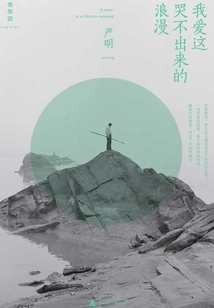
I Love This Romance That Makes Me Cry
Literature我爱这哭不出来的浪漫
Strict
A rare and sincere work, highly recommended by "One", Thinkplus thinks aloud about the hard work of the speaker Han Han and Wang Han's favorite, the famous Chinese photographer Yan Ming. The first collection of essays "I Love This Romance I Can't Cry" is the first collection of image essays by the famous Chinese photographer Yan Ming, who is known as the "poet-photographer", and is also the first creative notebook by a photographer in mainland China. This book collects Yan Ming's representative works since 2008, including the "My Pier" series, the "Great Country" series, etc. (Including some new works that have never been published). The book is divided into four chapters, with the titles of "Decision", "Consideration", "Causation" and "Grace". The images with stories and the stories behind the images are footnotes to each other, extending the photographer's insights into themes such as amateur and professional, body and spirit, part and whole, present and long-term through photography. It is also the author's "premonition that the road is halfway through", "the help and compassion received along the way", and "thousands of mountains and rivers outside the work". With sincerity deep in his heart and poetic images and words, the author shows us the most authentic absurdity and romance in current Chinese society.
A rare and sincere work, highly recommended by "One", Thinkplus thinks aloud about the hard work of the speaker Han Han and Wang Han's favorite, the famous Chinese photographer Yan Ming. The first collection of essays "I Love This Romance I Can't Cry" is the first collection of image essays by the famous Chinese photographer Yan Ming, who is known as the "poet-photographer", and is also the first creative notebook by a photographer in mainland China. This book collects Yan Ming's representative works since 2008, including the "My Pier" series, the "Great Country" series, etc. (Including some new works that have never been published). The book is divided into four chapters, with the titles of "Decision", "Consideration", "Causation" and "Grace". The images with stories and the stories behind the images are footnotes to each other, extending the photographer's insights into themes such as amateur and professional, body and spirit, part and whole, present and long-term through photography. It is also the author's "premonition that the road is halfway through", "the help and compassion received along the way", and "thousands of mountains and rivers outside the work". With sincerity deep in his heart and poetic images and words, the author shows us the most authentic absurdity and romance in current Chinese society.
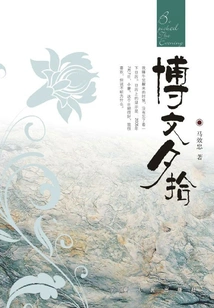
Bowen Twilight
Literature博文夕拾
Ma Zhongzhong
The main content of "Bowen Evening Pickups": As early as April 2006, Mr. Ma Xiaozhong opened a blog in Zhongmu, and posted his essays, reading notes and some prose to the blog to share with netizens. The works of "Bowen Evening Pickups" are all derived from his personal blog. Such as "Ana", "Ma Bufang's Smoking Ban", "Ma Bufang's Teaching Children", "Characteristics of Ma Bufang's Education", etc.
The main content of "Bowen Evening Pickups": As early as April 2006, Mr. Ma Xiaozhong opened a blog in Zhongmu, and posted his essays, reading notes and some prose to the blog to share with netizens. The works of "Bowen Evening Pickups" are all derived from his personal blog. Such as "Ana", "Ma Bufang's Smoking Ban", "Ma Bufang's Teaching Children", "Characteristics of Ma Bufang's Education", etc.
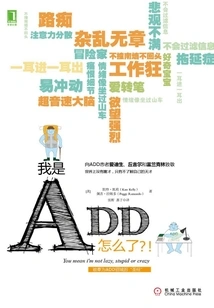
I'm Add, What's Wrong? !
Literature我是ADD,怎么了?!
(u. S.) Kate Kelly Peggy Lamdo
Many people feel like they have been a disappointment throughout their lives, be it their parents, siblings, teachers, friends or even themselves. When we were young, our teachers kept telling us that we should do better; our report cards reminded us that we were not smart kids. Those scores don't lie, they make us define ourselves as lazy kids. But sometimes we are very smart and often create wonderful inventions and novel games; our profound knowledge and innovative ideas often surprise teachers, parents and even ourselves. We don't want to cause trouble; we don't intentionally start the day planning to piss off people; we don't mean to leave the room cluttered and have frantic parents waving their arms. We don't put thumbtacks on the bulletin board just to see the teacher's veins popping out; we don't do all kinds of tricks just to make our classmates laugh; nor do we ask for more toys, more advanced bicycles, and more perfect birthday parties just to make our parents blame themselves.
Many people feel like they have been a disappointment throughout their lives, be it their parents, siblings, teachers, friends or even themselves. When we were young, our teachers kept telling us that we should do better; our report cards reminded us that we were not smart kids. Those scores don't lie, they make us define ourselves as lazy kids. But sometimes we are very smart and often create wonderful inventions and novel games; our profound knowledge and innovative ideas often surprise teachers, parents and even ourselves. We don't want to cause trouble; we don't intentionally start the day planning to piss off people; we don't mean to leave the room cluttered and have frantic parents waving their arms. We don't put thumbtacks on the bulletin board just to see the teacher's veins popping out; we don't do all kinds of tricks just to make our classmates laugh; nor do we ask for more toys, more advanced bicycles, and more perfect birthday parties just to make our parents blame themselves.
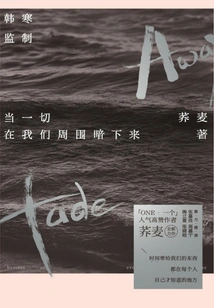
When Everything Darkens Around Us
Literature当一切在我们周围暗下来
Buckwheat
"When Everything Darkens Around Us" - the first collection of essays in ten years by Buckwheat, a popular author of "One" app, records the little emotions brought about by every time. Produced by Han Han and highly recommended by Zhang Jiajia, Zhang Xiaohan, Tao Lixia and Zhou Jianing.
"When Everything Darkens Around Us" - the first collection of essays in ten years by Buckwheat, a popular author of "One" app, records the little emotions brought about by every time. Produced by Han Han and highly recommended by Zhang Jiajia, Zhang Xiaohan, Tao Lixia and Zhou Jianing.
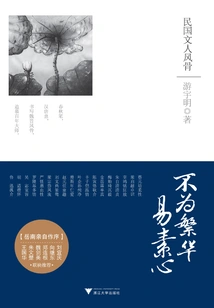
不为繁华易素心:民国文人风骨
You Yuming
The Republic of China was a very special era. On the one hand, the war was raging and the people were in dire straits. On the other hand, the literati and scholars of that era showed their individuality and temperament in the cracks of the times. Gu Hongming's wildness, Jin Yuelin's frankness, Chen Yinke's sincerity Introduction, Feng Zikai's warmth, Ye Qisun's purity, Fu Sinian's benevolence, Liu Wendian's unruliness, Yan Guiyu's bloody nature, Wu Mi's tolerance, Hu Shi's broadmindedness, Fu Lei's introspection, Lu Xun's isolation... Constitute the spiritual height of an era. The author of "Not Concerned with Prosperity: The Character of the Literati of the Republic of China" You Yuming has read many historical materials over the years, trying to highlight the spiritual characteristics of the literati and scholars at that time by describing the details of their lives, and integrating his own understanding of the literati and scholars of the previous generation.
The Republic of China was a very special era. On the one hand, the war was raging and the people were in dire straits. On the other hand, the literati and scholars of that era showed their individuality and temperament in the cracks of the times. Gu Hongming's wildness, Jin Yuelin's frankness, Chen Yinke's sincerity Introduction, Feng Zikai's warmth, Ye Qisun's purity, Fu Sinian's benevolence, Liu Wendian's unruliness, Yan Guiyu's bloody nature, Wu Mi's tolerance, Hu Shi's broadmindedness, Fu Lei's introspection, Lu Xun's isolation... Constitute the spiritual height of an era. The author of "Not Concerned with Prosperity: The Character of the Literati of the Republic of China" You Yuming has read many historical materials over the years, trying to highlight the spiritual characteristics of the literati and scholars at that time by describing the details of their lives, and integrating his own understanding of the literati and scholars of the previous generation.
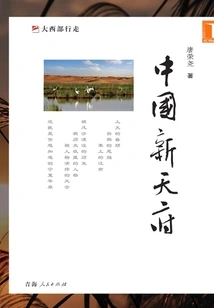
China Xintianfu
Literature中国新天府
Tang Rongyao
Compared with the eastern region of China, the Ningxia Plain is a highland in the natural sense of altitude, but judging from the extent to which Chinese people understand it, it is also a lowland in the humanistic sense. What kind of humanistic connotation does the Ningxia Plain, sandwiched between the "highlands" and the "lowlands", have? The author strives to use history as an entry point in this book, trying to outline a three-dimensional picture of humanities and history on the Ningxia Plain for readers.
Compared with the eastern region of China, the Ningxia Plain is a highland in the natural sense of altitude, but judging from the extent to which Chinese people understand it, it is also a lowland in the humanistic sense. What kind of humanistic connotation does the Ningxia Plain, sandwiched between the "highlands" and the "lowlands", have? The author strives to use history as an entry point in this book, trying to outline a three-dimensional picture of humanities and history on the Ningxia Plain for readers.
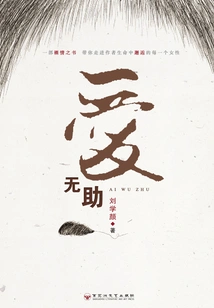
Love is Helpless
Literature爱无助
Liu Xueyan
"Helpless Love" written by Liu Xueyan is a book that looks at women in life from a man's perspective, so the characters written are all "men's significant other"! "Helpless Love" is divided into three parts, including the cry of heaven; the fire of tears; the distant mountain of love; the playfulness of confession; the attachment of grief and loss; the tentacles of broken stems; the modern men's hospital; between sunrise and sunset, etc.
"Helpless Love" written by Liu Xueyan is a book that looks at women in life from a man's perspective, so the characters written are all "men's significant other"! "Helpless Love" is divided into three parts, including the cry of heaven; the fire of tears; the distant mountain of love; the playfulness of confession; the attachment of grief and loss; the tentacles of broken stems; the modern men's hospital; between sunrise and sunset, etc.
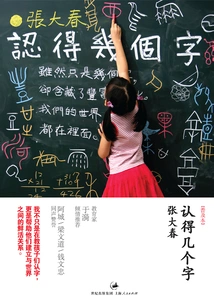
Recognize a Few Words
Literature认得几个字
Zhang Dachun
"Recognize a Few Words" is a warm and funny new work by the famous novelist Zhang Dachun after "Listening to My Father". It is a collection of prose sketches composed of 89 independent short essays. In the article, Zhang Dachun uses a father's tone and perspective to explain Chinese characters to the children in daily interactions with them. Zhang Dachun used simple and lively language to select 89 words that were unfamiliar to children in the most common life situations. From the simple to the deep, he traced back to the source, and finally returned to the children's life situations. Zhang Dachun's profound knowledge of philology and history, as well as his deep humanistic care, as well as the children's innocent childlike speech, all gave these seemingly familiar Chinese characters accurate, vivid, and even unexpected annotations. In the writings of novelist Zhang Dachun, these daily teachings by fathers to their children and the conversations between children and their fathers also generate infinite fun. It can be said to be both an interesting family classroom and a meaningful emotional education.
"Recognize a Few Words" is a warm and funny new work by the famous novelist Zhang Dachun after "Listening to My Father". It is a collection of prose sketches composed of 89 independent short essays. In the article, Zhang Dachun uses a father's tone and perspective to explain Chinese characters to the children in daily interactions with them. Zhang Dachun used simple and lively language to select 89 words that were unfamiliar to children in the most common life situations. From the simple to the deep, he traced back to the source, and finally returned to the children's life situations. Zhang Dachun's profound knowledge of philology and history, as well as his deep humanistic care, as well as the children's innocent childlike speech, all gave these seemingly familiar Chinese characters accurate, vivid, and even unexpected annotations. In the writings of novelist Zhang Dachun, these daily teachings by fathers to their children and the conversations between children and their fathers also generate infinite fun. It can be said to be both an interesting family classroom and a meaningful emotional education.
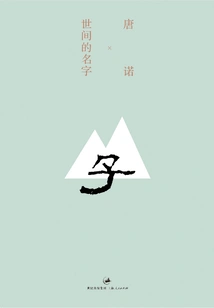
Worldly Name
Literature世间的名字
Tangnuo
"Names in the World" is the latest collection of essays by the famous book lover Tang Nuo. For the first time, it puts aside the categories of book reviews, introductions, and readings, and does not talk about books. It restores Tang Nuo himself as a prose writer. He is as focused as a hedgehog, as understanding as a fox, and his words are both lyrical and eloquent. Gentleness, talking about various appearances - rich man, smoker, liar; talking about various professions - doctor, tennis player, editor; talking about various identities - old man, brother, classmate and family. For Tang Nuo: depth is on the surface, and the name is the reality.
"Names in the World" is the latest collection of essays by the famous book lover Tang Nuo. For the first time, it puts aside the categories of book reviews, introductions, and readings, and does not talk about books. It restores Tang Nuo himself as a prose writer. He is as focused as a hedgehog, as understanding as a fox, and his words are both lyrical and eloquent. Gentleness, talking about various appearances - rich man, smoker, liar; talking about various professions - doctor, tennis player, editor; talking about various identities - old man, brother, classmate and family. For Tang Nuo: depth is on the surface, and the name is the reality.
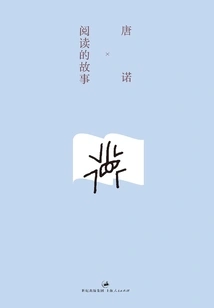
Reading Stories (new Edition)
Literature阅读的故事(新版)
Tangnuo
"Reading Stories" edited by Tang Nuo was originally well-intentioned, but the final result can only be honest. This original kindness is still retained in the title of each chapter, such as what to do if you can't read the book, what to do if you don't have time to read, and so on. The names of these chapters are like the fossilized remains of Jurassic dinosaurs, which proves that it really existed - originally, it not only tried to persuade people to read, but also tried to help people solve common problems that they may encounter during reading in a very practical way. It was a beautiful idea.
"Reading Stories" edited by Tang Nuo was originally well-intentioned, but the final result can only be honest. This original kindness is still retained in the title of each chapter, such as what to do if you can't read the book, what to do if you don't have time to read, and so on. The names of these chapters are like the fossilized remains of Jurassic dinosaurs, which proves that it really existed - originally, it not only tried to persuade people to read, but also tried to help people solve common problems that they may encounter during reading in a very practical way. It was a beautiful idea.
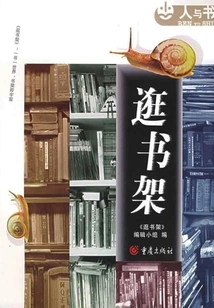
Browse the Bookshelf
Literature逛书架
"wandering The Bookshelf" Editorial Team
Compiling such a book is not just to satisfy the greedy and insatiable desire. I think that staring at the bookshelf actually has another very important meaning - to leave a record of the ever-changing scenery of the bookshelf. I often miss the scene when I had my own room for the first time, with books placed on a humble bookshelf made of hollow bricks and drawer boards. Only a few of those hundreds of books have survived to this day. Naturally, the arrangement and display methods have also been completely changed due to the number of books, the format of the bookshelf, and the shift in the focus of reading. I have always regretted that I did not leave a trace of it. Thanks to my participation in the editing of "Wandering the Bookshelf", I promptly cut down the size of the bookshelf in my old home before moving. In addition to framing the interests of the past ten years for future reflection, it also serves as a souvenir of the previous stage of reading activities. Of course, publishing one's own bookshelf for public and private purposes is not just superficial, but also serves the purpose of attracting others. From the beginning to the end, "Wandering the Bookshelf" has no intention of conducting a book collection competition or decoration display. If you look at my bookshelf, it will be easy to understand.
Compiling such a book is not just to satisfy the greedy and insatiable desire. I think that staring at the bookshelf actually has another very important meaning - to leave a record of the ever-changing scenery of the bookshelf. I often miss the scene when I had my own room for the first time, with books placed on a humble bookshelf made of hollow bricks and drawer boards. Only a few of those hundreds of books have survived to this day. Naturally, the arrangement and display methods have also been completely changed due to the number of books, the format of the bookshelf, and the shift in the focus of reading. I have always regretted that I did not leave a trace of it. Thanks to my participation in the editing of "Wandering the Bookshelf", I promptly cut down the size of the bookshelf in my old home before moving. In addition to framing the interests of the past ten years for future reflection, it also serves as a souvenir of the previous stage of reading activities. Of course, publishing one's own bookshelf for public and private purposes is not just superficial, but also serves the purpose of attracting others. From the beginning to the end, "Wandering the Bookshelf" has no intention of conducting a book collection competition or decoration display. If you look at my bookshelf, it will be easy to understand.
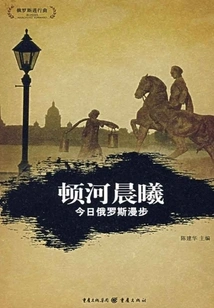
Dawn on the Don: a Walk in Russia Today
Literature顿河晨曦:今日俄罗斯漫步
Editor-in-chief Chen Jianhua
This book is a collection of prose essays. It mainly contains nearly 30 essays and essays written by scholars from the Chinese Academy of Social Sciences and universities in Beijing, Shanghai, Ningrong and other places who are engaged in literature, history, international issues and national defense science (and several students studying in Russia) who have visited Russia since the new century. These articles do not involve discussions of academic issues. They may talk about the author's interactions with Russian friends, or about the author's experiences in Moscow and various parts of Russia, or about the author's views on current Russian society and culture, etc. Although the articles have different perspectives and descriptions, each has its own wonderful features, and many of the stories are quite vivid and full of interest.
This book is a collection of prose essays. It mainly contains nearly 30 essays and essays written by scholars from the Chinese Academy of Social Sciences and universities in Beijing, Shanghai, Ningrong and other places who are engaged in literature, history, international issues and national defense science (and several students studying in Russia) who have visited Russia since the new century. These articles do not involve discussions of academic issues. They may talk about the author's interactions with Russian friends, or about the author's experiences in Moscow and various parts of Russia, or about the author's views on current Russian society and culture, etc. Although the articles have different perspectives and descriptions, each has its own wonderful features, and many of the stories are quite vivid and full of interest.
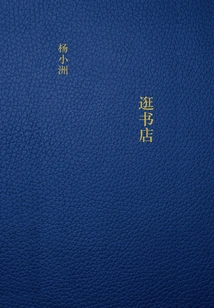
Visit Bookstore
Literature逛书店
Yang Xiaozhou
Yang Xiaozhou, an "all-weather reader", visited many domestic specialty bookstores from 2004 to 2012, and this is a collection of his essays on books. The 29 articles are divided into three series: Beijing bookstores, out-of-town bookstores and art bookstores. Many of the 27 bookstores mentioned in the book have closed down, but from the author's words you can feel the unique sentiments of those disappeared or still existing bookstores. The article also tells the author's leisurely and interesting stories in the process of searching for books, revealing the interest and obsession of book lovers in book hunting. The illustrations in the book are photos taken by the author himself from his private collection of books. He loves books from the inside out, giving them vitality and a touch of fun.
Yang Xiaozhou, an "all-weather reader", visited many domestic specialty bookstores from 2004 to 2012, and this is a collection of his essays on books. The 29 articles are divided into three series: Beijing bookstores, out-of-town bookstores and art bookstores. Many of the 27 bookstores mentioned in the book have closed down, but from the author's words you can feel the unique sentiments of those disappeared or still existing bookstores. The article also tells the author's leisurely and interesting stories in the process of searching for books, revealing the interest and obsession of book lovers in book hunting. The illustrations in the book are photos taken by the author himself from his private collection of books. He loves books from the inside out, giving them vitality and a touch of fun.
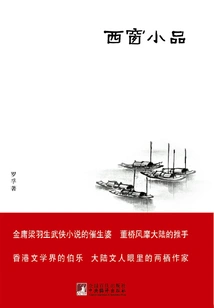
West Window Sketch
Literature西窗小品
Rover
This work mainly writes about the author's praise of nature, nostalgia for his hometown and insights into life. It also records some humorous, interesting and entertaining trivial matters in life. It is very enlightening for us to fully understand the author's creative career and the culture of the spiritual world.
This work mainly writes about the author's praise of nature, nostalgia for his hometown and insights into life. It also records some humorous, interesting and entertaining trivial matters in life. It is very enlightening for us to fully understand the author's creative career and the culture of the spiritual world.
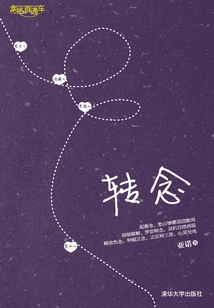
Change Your Mind
Literature转念
Arnold
With one thought, life is completely reversed! Some people have a happy life completely overturned because of a wrong thought; some people finally survive from a desperate situation and usher in the dawn of happiness because of a change of thought! The inability to control and autonomously control one's own thoughts leads to inability to control oneself, making it difficult to sleep, work, and study as desired! Thoughts are generated by the subconscious mind and are often not controlled by the conscious mind. If you deliberately stop them, you will end up with a bloated head or a headache! Only one thought appears in the mind at each moment, and there will never be two thoughts arising at the same time. When the aware mind feels a certain thought, this thought has actually arisen, just like when you see a swallow in the sky, the swallow has already flown above your head. Concentrate on studying the four levels of consciousness of yourself and others, stop your thoughts, and feel free!
With one thought, life is completely reversed! Some people have a happy life completely overturned because of a wrong thought; some people finally survive from a desperate situation and usher in the dawn of happiness because of a change of thought! The inability to control and autonomously control one's own thoughts leads to inability to control oneself, making it difficult to sleep, work, and study as desired! Thoughts are generated by the subconscious mind and are often not controlled by the conscious mind. If you deliberately stop them, you will end up with a bloated head or a headache! Only one thought appears in the mind at each moment, and there will never be two thoughts arising at the same time. When the aware mind feels a certain thought, this thought has actually arisen, just like when you see a swallow in the sky, the swallow has already flown above your head. Concentrate on studying the four levels of consciousness of yourself and others, stop your thoughts, and feel free!
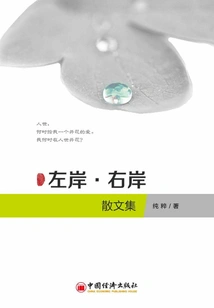
Left Bank·right Bank
Literature左岸·右岸
Purely
This collection of essays summarizes the author's emotional experience and the growth of his outlook on life and values over more than ten years. The writing is sharp and contains both abundant expression of feelings and dialectical thinking on the philosophy of life. The three parts: Left Bank, Right Bank, and Jingsi are expressed from three different emphases. They are organized, layered, and the language is beautiful and fluent.
This collection of essays summarizes the author's emotional experience and the growth of his outlook on life and values over more than ten years. The writing is sharp and contains both abundant expression of feelings and dialectical thinking on the philosophy of life. The three parts: Left Bank, Right Bank, and Jingsi are expressed from three different emphases. They are organized, layered, and the language is beautiful and fluent.
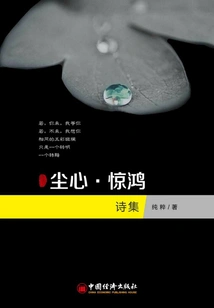
Heart of Dust·jinghong
Literature尘心·惊鸿
Purely
This collection of poems summarizes the author's emotional experience and the growth of his outlook on life and values over more than ten years. The writing is sharp and contains both abundant expression of feelings and dialectical thinking on the philosophy of life. The collection of poems is expressed from three different focuses: the praise and analysis of love, the thinking of life, and the growth of outlook on life. It is particularly organized, layered, and the language is beautiful and fluent.
This collection of poems summarizes the author's emotional experience and the growth of his outlook on life and values over more than ten years. The writing is sharp and contains both abundant expression of feelings and dialectical thinking on the philosophy of life. The collection of poems is expressed from three different focuses: the praise and analysis of love, the thinking of life, and the growth of outlook on life. It is particularly organized, layered, and the language is beautiful and fluent.
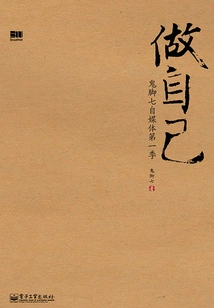
Be Yourself
Literature做自己
Guijiaoqi
As the person in charge of Taobao search, Gui Jiaoqi's interpretation of search rules is very authoritative; he is responsible for over 100 million users of Internet products, and Gui Jiaoqi's understanding of products is worthy of reference for the industry; self-media has a certain reputation and characteristics, and Gui Jiaoqi also has unique insights into the development of new media; more importantly, Gui Jiaoqi's words about life thinking can calm many people. It is the first self-media book. Show readers a real self-media person. Seamlessly integrating e-commerce, the Internet, search and life, readers are unknowingly integrated into the real world of Gui Jiao Qi. The author has 160,000 Weibo fans and 70,000 WeChat fans, making him very influential in the e-commerce circle.
As the person in charge of Taobao search, Gui Jiaoqi's interpretation of search rules is very authoritative; he is responsible for over 100 million users of Internet products, and Gui Jiaoqi's understanding of products is worthy of reference for the industry; self-media has a certain reputation and characteristics, and Gui Jiaoqi also has unique insights into the development of new media; more importantly, Gui Jiaoqi's words about life thinking can calm many people. It is the first self-media book. Show readers a real self-media person. Seamlessly integrating e-commerce, the Internet, search and life, readers are unknowingly integrated into the real world of Gui Jiao Qi. The author has 160,000 Weibo fans and 70,000 WeChat fans, making him very influential in the e-commerce circle.
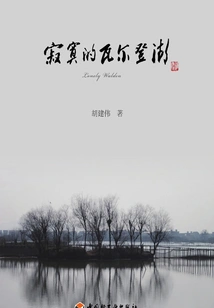
Lonely Walden
Literature寂寞的瓦尔登湖
Hu Jianwei
This book collects a total of 69 essays written by the author, including the joy of reading poetry, Tangqi's bridges, Tangqi's eating, Tangqi's lake, Tangqi's products, Tangqi's geography, Feng Zikai and his "Tangqi", Li Shutong's talent, Zhang Daqian's Tangqi anecdotes, the charm of wetlands, a trip to southern Zhejiang, Ode to Tea, Hemingway's death, etc., Recording the humanistic history and real life of Tangqi.
This book collects a total of 69 essays written by the author, including the joy of reading poetry, Tangqi's bridges, Tangqi's eating, Tangqi's lake, Tangqi's products, Tangqi's geography, Feng Zikai and his "Tangqi", Li Shutong's talent, Zhang Daqian's Tangqi anecdotes, the charm of wetlands, a trip to southern Zhejiang, Ode to Tea, Hemingway's death, etc., Recording the humanistic history and real life of Tangqi.
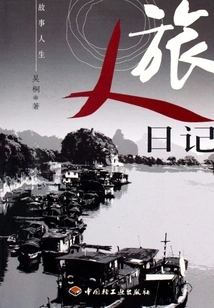
Traveler's Diary
Literature旅人日记
Written By Wu Tong
This book is the author's travel diary. The name "Traveler's Diary" actually refers to the author's inner feelings while traveling or living around the world. As the author writes in the book, he is a wandering traveler, singing melancholy songs along the way, making the sad days more beautiful in the memory of no one...
This book is the author's travel diary. The name "Traveler's Diary" actually refers to the author's inner feelings while traveling or living around the world. As the author writes in the book, he is a wandering traveler, singing melancholy songs along the way, making the sad days more beautiful in the memory of no one...
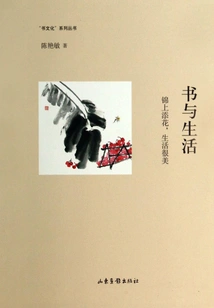
Books and Life
Literature书与生活
Written By Chen Yanmin
This book is one of the reading books in the "Book Culture" series. It is a reading essay centered on "books and life". Through the reading and understanding of daily life books such as cooking tea and rice, growing flowers and grass, it tells about the people and things in home life and the leisurely life of literati, presenting readers with the rich beauty of life and humanity. Chen Yanmin, born in 1970, is the deputy editor-in-chief of China Electronic Newspaper. Graduated from Beijing University of Aeronautics and Astronautics with a Bachelor of Arts and a Master of Management. He is the author of exclusive interview collections "Face to Face with Human Resources Directors of Multinational Companies" and "Face to Face with 21 Sales Directors of Multinational Companies".
This book is one of the reading books in the "Book Culture" series. It is a reading essay centered on "books and life". Through the reading and understanding of daily life books such as cooking tea and rice, growing flowers and grass, it tells about the people and things in home life and the leisurely life of literati, presenting readers with the rich beauty of life and humanity. Chen Yanmin, born in 1970, is the deputy editor-in-chief of China Electronic Newspaper. Graduated from Beijing University of Aeronautics and Astronautics with a Bachelor of Arts and a Master of Management. He is the author of exclusive interview collections "Face to Face with Human Resources Directors of Multinational Companies" and "Face to Face with 21 Sales Directors of Multinational Companies".
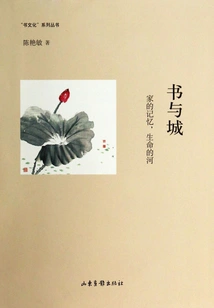
Book and City
Literature书与城
Written By Chen Yanmin
This book is one of the reading books in the "Book Culture" series. It is a reading essay centered on "Books and the City". It is divided into two parts: "Books and the City" and "The City and Me". By extracting the essence of the travel works of many well-known modern and contemporary writers, as well as the author's personal experience of traveling in many cities, it shows the style, characteristics, humanistic scenery and cultural connotation of different cities and different regions. The selected books are mostly modern and contemporary prose classics published by well-known cultural brands such as Sanlian Publishing House and Shandong Pictorial Publishing House. The authors include Shen Congwen, Wang Zengqi, Wang Anyi, Ye Zhaoyan, Mu Xin, Jiang Xun, Shu Guozhi, Qian Liqun, Chen Pingyuan and other famous modern and contemporary writers, scholars and publishers. It contains illustrations, mainly freehand sketches of traditional Chinese paintings, with both pictures and text.
This book is one of the reading books in the "Book Culture" series. It is a reading essay centered on "Books and the City". It is divided into two parts: "Books and the City" and "The City and Me". By extracting the essence of the travel works of many well-known modern and contemporary writers, as well as the author's personal experience of traveling in many cities, it shows the style, characteristics, humanistic scenery and cultural connotation of different cities and different regions. The selected books are mostly modern and contemporary prose classics published by well-known cultural brands such as Sanlian Publishing House and Shandong Pictorial Publishing House. The authors include Shen Congwen, Wang Zengqi, Wang Anyi, Ye Zhaoyan, Mu Xin, Jiang Xun, Shu Guozhi, Qian Liqun, Chen Pingyuan and other famous modern and contemporary writers, scholars and publishers. It contains illustrations, mainly freehand sketches of traditional Chinese paintings, with both pictures and text.
The Fleeting Shadow
Literature流年碎影
Wang Xiangping
This book mainly collects the author's nearly 130 essays and essays published in newspapers and magazines such as Ningxia Daily, Yinchuan Evening News, Yellow River Literature, Yinchuan Radio and Television News, China Nuclear Industry News, and Family Education Weekly over the past 20 years. It is divided into five series according to the content, namely life insights, memories of past events, landscape feelings, tutoring essays, and enlightenment while reading. The book reflects the author's profound observation of all things in the world, his fond memories of life in his hometown, and his in-depth thinking and unique insights into education, reading, film and television works, etc.
This book mainly collects the author's nearly 130 essays and essays published in newspapers and magazines such as Ningxia Daily, Yinchuan Evening News, Yellow River Literature, Yinchuan Radio and Television News, China Nuclear Industry News, and Family Education Weekly over the past 20 years. It is divided into five series according to the content, namely life insights, memories of past events, landscape feelings, tutoring essays, and enlightenment while reading. The book reflects the author's profound observation of all things in the world, his fond memories of life in his hometown, and his in-depth thinking and unique insights into education, reading, film and television works, etc.
守望五千年的魂(散文卷)
Compiled By Wang Hairong
This manuscript is one of eight volumes in the Chinese Qixiang Literature and Art Series. The manuscript catalogs more than ten works related to wolfberry. The work shows the fruitful results of the hard work of the people in the hometown of wolfberry with a rich local flavor, and once again shows the world a wonderful picture of the hometown of wolfberry, expressing the authors' love for Zhongning and wolfberry.
This manuscript is one of eight volumes in the Chinese Qixiang Literature and Art Series. The manuscript catalogs more than ten works related to wolfberry. The work shows the fruitful results of the hard work of the people in the hometown of wolfberry with a rich local flavor, and once again shows the world a wonderful picture of the hometown of wolfberry, expressing the authors' love for Zhongning and wolfberry.