Library
Browse and search books
6,953 novels found
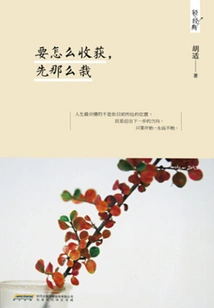
How Do You Want to Harvest? Plant First
Literature要怎么收获,先那么栽
Hu Shi
"How to Harvest, Plant First" collects Hu Shi's fine articles on youth, life, and ideals, including Hu Shi's suggestions and guidance for young people in terms of ideological cultivation, ability improvement, and personality cultivation, as well as how young people can achieve their own lives. As long as you exist in this world, there must be a goal for you to accomplish. No matter how daunting the difficulties you face are, as long as we take persistent actions, we can live a wonderful life. This is an important content of Hu Shi's thought, and it is also the best guide for today's young people when they face confusion in their studies and life. He is passionate and sharp, but full of his sincerity and enthusiasm for life. It is a life attitude that every young person deserves to have.
"How to Harvest, Plant First" collects Hu Shi's fine articles on youth, life, and ideals, including Hu Shi's suggestions and guidance for young people in terms of ideological cultivation, ability improvement, and personality cultivation, as well as how young people can achieve their own lives. As long as you exist in this world, there must be a goal for you to accomplish. No matter how daunting the difficulties you face are, as long as we take persistent actions, we can live a wonderful life. This is an important content of Hu Shi's thought, and it is also the best guide for today's young people when they face confusion in their studies and life. He is passionate and sharp, but full of his sincerity and enthusiasm for life. It is a life attitude that every young person deserves to have.
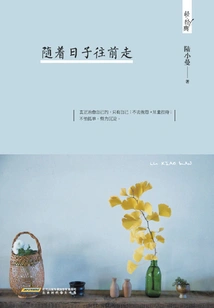
As the Days Move Forward
Literature随着日子往前走
Lu Xiaoman
"As Days Go Forward" contains some classic sketches that reflect Lu Xiaoman's talents, most of which were written in memory of Zhimo. After years of dissipation, the feeling of loneliness is so deep. She has become accustomed to sitting alone in a corner. She likes to draw, read, write sad words, and walk her own path. No matter how many grievances and pains she feels, she understands that she is the one who can heal herself in the end. Only with a truly strong heart can you go through a long life and let your life shine with the most beautiful light.
"As Days Go Forward" contains some classic sketches that reflect Lu Xiaoman's talents, most of which were written in memory of Zhimo. After years of dissipation, the feeling of loneliness is so deep. She has become accustomed to sitting alone in a corner. She likes to draw, read, write sad words, and walk her own path. No matter how many grievances and pains she feels, she understands that she is the one who can heal herself in the end. Only with a truly strong heart can you go through a long life and let your life shine with the most beautiful light.
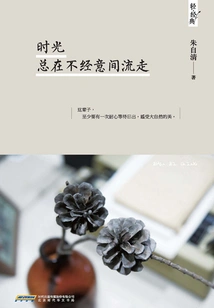
Time Always Passes by Inadvertently
Literature时光总在不经意间流走
Zhu Ziqing
"Time Always Passes by Unconsciously" contains classic works of Zhu Ziqing's prose works. Zhu Ziqing expresses his true feelings through plain narration, which is simple and friendly, and has a moving style when reading; it also makes us understand that no matter how time passes, as long as we cherish the ordinary and real every day, explore the value of life, and compose the most gorgeous chapter of life, life will become meaningful and profound, and become eternal as time goes by.
"Time Always Passes by Unconsciously" contains classic works of Zhu Ziqing's prose works. Zhu Ziqing expresses his true feelings through plain narration, which is simple and friendly, and has a moving style when reading; it also makes us understand that no matter how time passes, as long as we cherish the ordinary and real every day, explore the value of life, and compose the most gorgeous chapter of life, life will become meaningful and profound, and become eternal as time goes by.
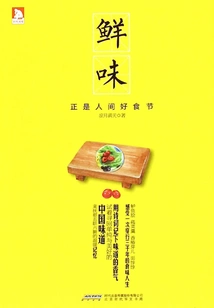
鲜味:正是人间好食节
The Cool Moon Fills The Sky
"Umami. It's the Food Festival in the World" is a collection of essays that combines poetry and food culture. "Xiangwei" is divided into four volumes: vegetables, river fresh food, grains, flowers and fruits, etc., Introducing classic foods that appear in ancient poetry and have been passed down to this day. There are water shields, scallions and other ingredients that are often seen in ancient works but are not familiar to contemporary people; there are ancestors' belief in worshiping grains and their evolution in circulation; there are wines and foods that are favored by literati, officials or traders and footmen. This book has the dual taste of poetry and food, and is a grand feast of cooperation between contemporary readers and ancient ancestors.
"Umami. It's the Food Festival in the World" is a collection of essays that combines poetry and food culture. "Xiangwei" is divided into four volumes: vegetables, river fresh food, grains, flowers and fruits, etc., Introducing classic foods that appear in ancient poetry and have been passed down to this day. There are water shields, scallions and other ingredients that are often seen in ancient works but are not familiar to contemporary people; there are ancestors' belief in worshiping grains and their evolution in circulation; there are wines and foods that are favored by literati, officials or traders and footmen. This book has the dual taste of poetry and food, and is a grand feast of cooperation between contemporary readers and ancient ancestors.
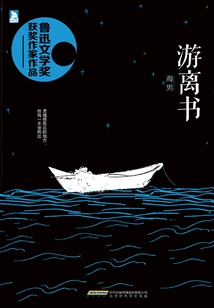
Free Book
Literature游离书
Hainan
"The Free Book" is a collection of the shining thoughts of Hai Nan, winner of the 6th (2014) Lu Xun Literature Prize. Like Hai Nan's "The Biography of Men" back then, it is still difficult to include "The Free Book" into a text bound by some agreement. It was the moment when she was most leisurely, the moment when she was most focused on something, the most sentimental and happiest moment... In the countryside, on the hills, when she raised her head to look up at a floating cloud in the sky... The world was so broken, and God sent her to understand the words. She must bend down, pick up the fragments, and string them into pearls to illuminate and warm people's hearts. When a person focuses on a certain moment, those small events in life collide with her thoughts, and the sparks are like shooting stars in the night sky - they only appear to those who think at night and those who are lost.
"The Free Book" is a collection of the shining thoughts of Hai Nan, winner of the 6th (2014) Lu Xun Literature Prize. Like Hai Nan's "The Biography of Men" back then, it is still difficult to include "The Free Book" into a text bound by some agreement. It was the moment when she was most leisurely, the moment when she was most focused on something, the most sentimental and happiest moment... In the countryside, on the hills, when she raised her head to look up at a floating cloud in the sky... The world was so broken, and God sent her to understand the words. She must bend down, pick up the fragments, and string them into pearls to illuminate and warm people's hearts. When a person focuses on a certain moment, those small events in life collide with her thoughts, and the sparks are like shooting stars in the night sky - they only appear to those who think at night and those who are lost.
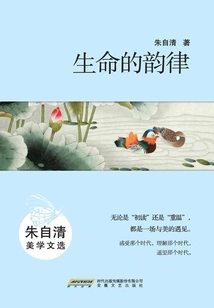
生命的韵律:朱自清美学文选
Zhu Ziqing
Whether it is "first reading" or "re-reading", it is an encounter with beauty. Feel that era, understand that era, and look at that era from a distance. About the author Zhu Ziqing (November 22, 1898 - August 12, 1948) was originally named Zihua, with the courtesy name Peixian and Qiushi. Originally from Shaoxing, Zhejiang, I was born in Donghai, Jiangsu, and grew up in Yangzhou, Jiangsu, so I am called "I am a Yangzhou native". Graduated from Peking University and served as professor and department head of the Chinese Department of Tsinghua University. Chinese modern poet and prose writer. His main works include "Snow Morning", "Traces", "Back View", "Miscellaneous Notes on Travels in Europe", "Teaching Chinese Language", "Miscellaneous Talk about New Poems", "Standards and Measures", and "On Appreciation of Refined and Popular People". His representative works "Back View", "Qinhuai River in the Shadow of Oars and Lights", "Green" and "Moonlight over the Lotus Pond" are even more popular works that blend scenes, are full of poetic and picturesque flavor, and represent the highest achievement of his prose art. On August 12, 1948, he unfortunately passed away due to illness at the age of 50. Introduction: His prose vividly and distinctly reveals his aesthetic ideal, as well as the opposition, waxing and waning, evolution and development of the inner contradictions of the aesthetic ideal. The inner rhythm of this aesthetic ideal is the overall aesthetic style of his creation and the essence of his prose style. His prose is extremely emotional and beautiful, and he is good at integrating scenery description and lyricism to create a poetic artistic conception and lead readers into an artistic realm. In Zagan, which focuses on "integrating reason into emotion", it inherits the "beauty of reason and interest" in Han Liu's miscellany, and forms its own characteristics: there is the beauty of theory in the narrative, and the beauty of lyricism in the theory. Regardless of the description of scenery, narrative, discussion, and lyricism, it can create an extremely moving and harmonious atmosphere and mood for readers, which deeply affects and resonates with readers.
Whether it is "first reading" or "re-reading", it is an encounter with beauty. Feel that era, understand that era, and look at that era from a distance. About the author Zhu Ziqing (November 22, 1898 - August 12, 1948) was originally named Zihua, with the courtesy name Peixian and Qiushi. Originally from Shaoxing, Zhejiang, I was born in Donghai, Jiangsu, and grew up in Yangzhou, Jiangsu, so I am called "I am a Yangzhou native". Graduated from Peking University and served as professor and department head of the Chinese Department of Tsinghua University. Chinese modern poet and prose writer. His main works include "Snow Morning", "Traces", "Back View", "Miscellaneous Notes on Travels in Europe", "Teaching Chinese Language", "Miscellaneous Talk about New Poems", "Standards and Measures", and "On Appreciation of Refined and Popular People". His representative works "Back View", "Qinhuai River in the Shadow of Oars and Lights", "Green" and "Moonlight over the Lotus Pond" are even more popular works that blend scenes, are full of poetic and picturesque flavor, and represent the highest achievement of his prose art. On August 12, 1948, he unfortunately passed away due to illness at the age of 50. Introduction: His prose vividly and distinctly reveals his aesthetic ideal, as well as the opposition, waxing and waning, evolution and development of the inner contradictions of the aesthetic ideal. The inner rhythm of this aesthetic ideal is the overall aesthetic style of his creation and the essence of his prose style. His prose is extremely emotional and beautiful, and he is good at integrating scenery description and lyricism to create a poetic artistic conception and lead readers into an artistic realm. In Zagan, which focuses on "integrating reason into emotion", it inherits the "beauty of reason and interest" in Han Liu's miscellany, and forms its own characteristics: there is the beauty of theory in the narrative, and the beauty of lyricism in the theory. Regardless of the description of scenery, narrative, discussion, and lyricism, it can create an extremely moving and harmonious atmosphere and mood for readers, which deeply affects and resonates with readers.
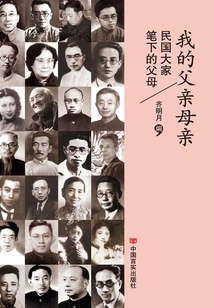
My Father Mother
Literature我的父亲母亲
Qi Mingyue
The content of this book is selected from articles written by literary masters of some periods in recalling their father and mother. Through their simple words and expressions of sincere feelings, we can experience their longing and rumination. This is a story about time. Each of us gradually grows up in the torrent of time. Our lives are watched by our parents, and we will eventually watch our children leave. The purpose of this book is to remind each of us, when it is too late, to look back and see that the love of our parents that we can rely on has always existed solidly there. And we should also repay kindness and pass on love in the inheritance of family affection.
The content of this book is selected from articles written by literary masters of some periods in recalling their father and mother. Through their simple words and expressions of sincere feelings, we can experience their longing and rumination. This is a story about time. Each of us gradually grows up in the torrent of time. Our lives are watched by our parents, and we will eventually watch our children leave. The purpose of this book is to remind each of us, when it is too late, to look back and see that the love of our parents that we can rely on has always existed solidly there. And we should also repay kindness and pass on love in the inheritance of family affection.
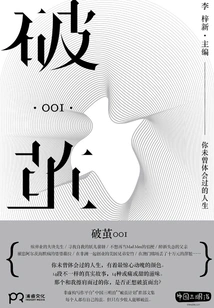
Breaking Out of the Cocoon 001
Literature破茧001
Li Zixin
"Breaking the Cocoon 001" is a collection of non-fiction documentary works produced by the "China Sandwich·Breaking the Cocoon Project" young author training program. The book has five chapters: "Viewing the World", "Cold Memory" and "Entering the World" respectively telling the details of hot social events, unknown industries in the world, and the suffering of people in the family. "Slow Motion" includes two graphic reports, recording the living conditions and mental journeys of ordinary craftsmen in Shanghai and Taiwan's young generation; "Self-Portrait" outlines the image of the participants in the "Cocoon Breaking Project", allowing people to understand the story behind the story and writing. The conflict between modern youth's concepts of marriage and love, law and traditional culture, close-up portraits of practitioners in the funeral industry, real memories of family, stories of starting a business selling mobile phones with white colleagues in Africa, the experience of learning how to make movies at Columbia University, the daily life of a tailor in a Shanghai alley...
"Breaking the Cocoon 001" is a collection of non-fiction documentary works produced by the "China Sandwich·Breaking the Cocoon Project" young author training program. The book has five chapters: "Viewing the World", "Cold Memory" and "Entering the World" respectively telling the details of hot social events, unknown industries in the world, and the suffering of people in the family. "Slow Motion" includes two graphic reports, recording the living conditions and mental journeys of ordinary craftsmen in Shanghai and Taiwan's young generation; "Self-Portrait" outlines the image of the participants in the "Cocoon Breaking Project", allowing people to understand the story behind the story and writing. The conflict between modern youth's concepts of marriage and love, law and traditional culture, close-up portraits of practitioners in the funeral industry, real memories of family, stories of starting a business selling mobile phones with white colleagues in Africa, the experience of learning how to make movies at Columbia University, the daily life of a tailor in a Shanghai alley...
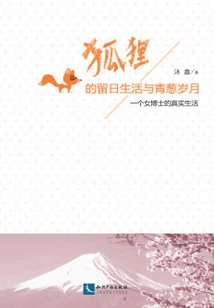
Fox's Life in Japan and His Green Years
Literature狐狸的留日生活与青葱岁月
Mu Xin
This book is divided into three parts. The first part is the author's diary while studying in Japan, recording every detail of his life and study at that time; the second part is some of the author's insights when he first became a mother; the third part is the modern poems written by the author when he was a girl. The author of this book is a sensitive, thoughtful and talented female doctor, but her path to study was bumpy and tortuous. She first entered a vocational school, then passed the Adult College Entrance Examination to enter university, then went to graduate school and studied in Japan. This kind of life experience not only broadened her horizons, but also made her writings more philosophical. The author's warm memories of her life in Japan, her thoughts on family, parent-child relationships, and the poems she wrote when she was a girl can all give people a new understanding of the term "female doctor."
This book is divided into three parts. The first part is the author's diary while studying in Japan, recording every detail of his life and study at that time; the second part is some of the author's insights when he first became a mother; the third part is the modern poems written by the author when he was a girl. The author of this book is a sensitive, thoughtful and talented female doctor, but her path to study was bumpy and tortuous. She first entered a vocational school, then passed the Adult College Entrance Examination to enter university, then went to graduate school and studied in Japan. This kind of life experience not only broadened her horizons, but also made her writings more philosophical. The author's warm memories of her life in Japan, her thoughts on family, parent-child relationships, and the poems she wrote when she was a girl can all give people a new understanding of the term "female doctor."
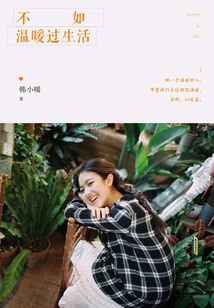
Better to Live Life Warmly
Literature不如温暖过生活
Han Xiaonuan
Life is suffering. Pain and disappointment are daily experiences. It is better to live life warmly. Be a warm person, and may we always believe in warmth, beauty, and love. On this lonely and cold planet, more and more people seem to be living in a hurry and indifference. "It's Better to Live Life Warmly" is a warm story depicted with Xiao Nuan's hands, eyes, ears and feelings. Warm family, dear best friends, travelers met on the road, missed love, and accumulated happy life, send warmth, smiles and sunshine to this world and ordinary days. "It's better to live life warmly" is Xiaonuan's warm world, but it is also the happiness and beauty that every girl longs for. I hope that girls who read this book can get love, be able to love, and live warmer than spring.
Life is suffering. Pain and disappointment are daily experiences. It is better to live life warmly. Be a warm person, and may we always believe in warmth, beauty, and love. On this lonely and cold planet, more and more people seem to be living in a hurry and indifference. "It's Better to Live Life Warmly" is a warm story depicted with Xiao Nuan's hands, eyes, ears and feelings. Warm family, dear best friends, travelers met on the road, missed love, and accumulated happy life, send warmth, smiles and sunshine to this world and ordinary days. "It's better to live life warmly" is Xiaonuan's warm world, but it is also the happiness and beauty that every girl longs for. I hope that girls who read this book can get love, be able to love, and live warmer than spring.
深白:宋扶日自选散文集
Song Fuli
This book is a collection of art essays, which mainly records the author's various experiences during his travels in European countries, northwest China and the south of the Yangtze River. She has an authentic understanding and compassion for the natural scenery and cultural heritage of the East and West that she has personally experienced, which shows the delicacy, softness and critical spirit of the post-80s generation of literary youth.
This book is a collection of art essays, which mainly records the author's various experiences during his travels in European countries, northwest China and the south of the Yangtze River. She has an authentic understanding and compassion for the natural scenery and cultural heritage of the East and West that she has personally experienced, which shows the delicacy, softness and critical spirit of the post-80s generation of literary youth.
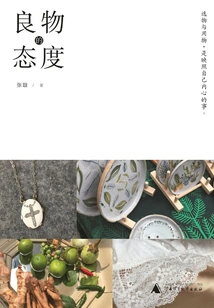
Good Things Attitude
Literature良物的态度
Zhang Xuan
This book focuses on some qualities of good things in life (related to people's psychological and spiritual needs today), and conveys that choosing and using things is also a matter of reflecting one's own heart. A striped shirt, a souvenir in a museum, a meditative tea set, a bathing tool that fits the hand and feels good... How will all of this interact with us? The author, Zhang Xuan, starts from the good things he comes into contact with in life. There are 77 pictures and texts, and finally provides a unique attitude towards life.
This book focuses on some qualities of good things in life (related to people's psychological and spiritual needs today), and conveys that choosing and using things is also a matter of reflecting one's own heart. A striped shirt, a souvenir in a museum, a meditative tea set, a bathing tool that fits the hand and feels good... How will all of this interact with us? The author, Zhang Xuan, starts from the good things he comes into contact with in life. There are 77 pictures and texts, and finally provides a unique attitude towards life.
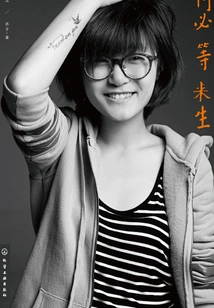
Why Wait for the Next Life
Literature何必等来生
Swallow
In such a big world and a life span of just a few decades, there is nothing that should or should not be done, only what you want to do and whether you want to do it or not. I want to wander around and be at home all over the world; if you want to be single, you will not be lonely; he feels that the most comfortable thing is to never grow old and work hard all your life. In this book, there are many stories about "not waiting". They all live a wonderful life in their own world. They tell you that there are no ifs in life. Do what you want to do now, why wait for the next life.
In such a big world and a life span of just a few decades, there is nothing that should or should not be done, only what you want to do and whether you want to do it or not. I want to wander around and be at home all over the world; if you want to be single, you will not be lonely; he feels that the most comfortable thing is to never grow old and work hard all your life. In this book, there are many stories about "not waiting". They all live a wonderful life in their own world. They tell you that there are no ifs in life. Do what you want to do now, why wait for the next life.
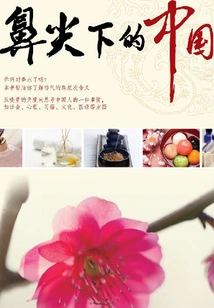
China under the Nose
Literature鼻尖下的中国
Wang Jianxin
Do you use scent? Do you use perfume? Experiments have also proven that the nose's sense of smell accounts for more than 80% of the flavor tasting. Without the help of the nose, many delicacies would be tasteless. What's even more amazing is that aroma is metabolized in our nervous tissue and blood, unlike food that goes through the intestines and goes through the reincarnation of grains, so the aroma will stay in the mind for a long time. This book considers some things about Chinese people from the perspective of smell, such as society, psychology, customs, religion, culture, medical ethics, etc.
Do you use scent? Do you use perfume? Experiments have also proven that the nose's sense of smell accounts for more than 80% of the flavor tasting. Without the help of the nose, many delicacies would be tasteless. What's even more amazing is that aroma is metabolized in our nervous tissue and blood, unlike food that goes through the intestines and goes through the reincarnation of grains, so the aroma will stay in the mind for a long time. This book considers some things about Chinese people from the perspective of smell, such as society, psychology, customs, religion, culture, medical ethics, etc.
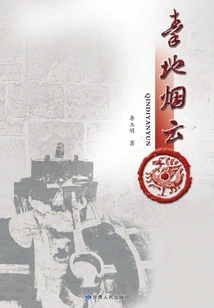
Qin Land Smoke and Clouds
Literature秦地烟云
Li Yuming
"Smoke and Cloud in the Land of Qin" was completed based on Mr. Li Yuming's many years of field investigation, exploration, collection and arrangement of Qin cultural resources. "Smoke and Cloud of Qin Land" aims to comprehensively reveal the historical and cultural relics of Zhangjiachuan Qin Land, relying on the rich aquatic and grass resources in Zhangjiachuan County, the traditional advantages of the people's good breeding of livestock, selling furs, and processing, and the unique resources of Zhangjiachuan Hui Autonomous Halal Food's natural quality and halal character.
"Smoke and Cloud in the Land of Qin" was completed based on Mr. Li Yuming's many years of field investigation, exploration, collection and arrangement of Qin cultural resources. "Smoke and Cloud of Qin Land" aims to comprehensively reveal the historical and cultural relics of Zhangjiachuan Qin Land, relying on the rich aquatic and grass resources in Zhangjiachuan County, the traditional advantages of the people's good breeding of livestock, selling furs, and processing, and the unique resources of Zhangjiachuan Hui Autonomous Halal Food's natural quality and halal character.
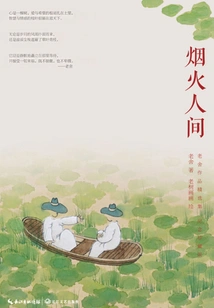
Fireworks World
Literature烟火人间
Lao She Paints Old Trees
This book selects some classic short stories and essays by Mr. Lao She. These works are mostly based on citizens' lives, reflecting common social conflicts through ordinary scenes, and exploring thoughts on people's survival and destiny. These articles may describe the life trajectory of urban civilians, or write interesting anecdotes about the lives of intellectuals, or describe life experiences. The works are full of life interest, meticulous writing style, and run through Mr. Lao She's consistent humorous style, allowing people to appreciate the philosophy of life through lightness and humor. Lao She's creations benefited from the influence of folk literature and art. His works are both elegant and popular in form and content, breaking through the narrow circle of intellectuals. This makes his works popular and popular, and is loved by the general public.
This book selects some classic short stories and essays by Mr. Lao She. These works are mostly based on citizens' lives, reflecting common social conflicts through ordinary scenes, and exploring thoughts on people's survival and destiny. These articles may describe the life trajectory of urban civilians, or write interesting anecdotes about the lives of intellectuals, or describe life experiences. The works are full of life interest, meticulous writing style, and run through Mr. Lao She's consistent humorous style, allowing people to appreciate the philosophy of life through lightness and humor. Lao She's creations benefited from the influence of folk literature and art. His works are both elegant and popular in form and content, breaking through the narrow circle of intellectuals. This makes his works popular and popular, and is loved by the general public.
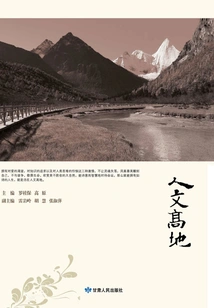
Humanity Highland
Literature人文高地
Luo Guibao Gao Yuan
With these three passions: desire for love, pursuit of knowledge, and compassion for human suffering, do not let your soul lose, carve yourself with truth, goodness, and beauty, do not compete with anyone, revere life, appreciate the beauty of nature, and treat fate poetically and wisely, then you can have a poetic life, which means living in the highland of humanity.
With these three passions: desire for love, pursuit of knowledge, and compassion for human suffering, do not let your soul lose, carve yourself with truth, goodness, and beauty, do not compete with anyone, revere life, appreciate the beauty of nature, and treat fate poetically and wisely, then you can have a poetic life, which means living in the highland of humanity.
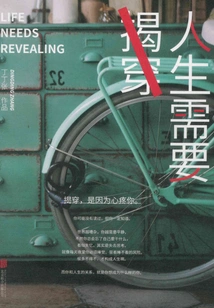
Life Needs to Be Revealed
Literature人生需要揭穿
Ding Ding Zhang
You may not have read it, but you definitely know it. The noisier the world is, the more you need peace, otherwise you will always forget what you want to do. It seems like you have lost your memory, but in fact you have lost your thinking. It's like every night you have to sleep, risking not being able to sleep. There are many things you have to do to make up life. And your relationship with life is what you want to be. I'm glad to meet you in 2016: "Life Needs to Be Revealed" Collector's Edition Ding Dingzhang's first voice in the book, with emotional timbre to expose life; folk musician Mr. Liang Xiaoxue created background music to present a three-dimensional reading experience in an all-round way; newly revised + new story + new quotations; cooperated with domestic first-line designers and photographers, two cover designs, both inside and outside, full-color illustrations of the book, with a strong overall visual sense; Revealed because I feel sorry for you.
You may not have read it, but you definitely know it. The noisier the world is, the more you need peace, otherwise you will always forget what you want to do. It seems like you have lost your memory, but in fact you have lost your thinking. It's like every night you have to sleep, risking not being able to sleep. There are many things you have to do to make up life. And your relationship with life is what you want to be. I'm glad to meet you in 2016: "Life Needs to Be Revealed" Collector's Edition Ding Dingzhang's first voice in the book, with emotional timbre to expose life; folk musician Mr. Liang Xiaoxue created background music to present a three-dimensional reading experience in an all-round way; newly revised + new story + new quotations; cooperated with domestic first-line designers and photographers, two cover designs, both inside and outside, full-color illustrations of the book, with a strong overall visual sense; Revealed because I feel sorry for you.
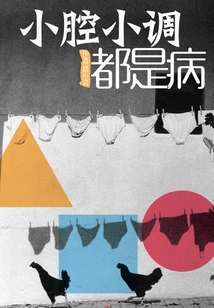
Small Accents Are All Diseases
Literature小腔小调都是病
Zhu Xiaoyan
Record interesting literary and artistic events in life and comment on social gossip. Cross talk, sketches, movies and television; reading, music, poetry recitation and dialogue. Zhu Xiaoyan's writing can bring you pure reading enjoyment. The lines are not only full of wisdom and interest, but also sophisticated, warm and nostalgic. As the author himself commented on this book, "small accents are a disease. If you don't feel sorry for me, I will feel sad."
Record interesting literary and artistic events in life and comment on social gossip. Cross talk, sketches, movies and television; reading, music, poetry recitation and dialogue. Zhu Xiaoyan's writing can bring you pure reading enjoyment. The lines are not only full of wisdom and interest, but also sophisticated, warm and nostalgic. As the author himself commented on this book, "small accents are a disease. If you don't feel sorry for me, I will feel sad."
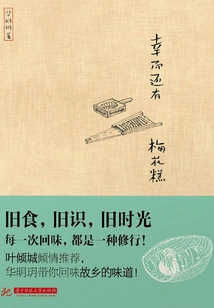
幸而还有梅花糕
Hua Mingyue
This is a book that mainly describes Jiangnan scenery, local food and cultural heritage. The text is elegant and timeless, and the words are eloquently told. Grandma's tea, hometown rice wine, plum blossom cake, pickled fresh food, Duotian taro, rape flowers everywhere, and many Jiangnan scenery, people, and cultural heritage make people feel like they are in a Jiangnan water town, gentle and quiet. It makes wanderers feel homesick.
This is a book that mainly describes Jiangnan scenery, local food and cultural heritage. The text is elegant and timeless, and the words are eloquently told. Grandma's tea, hometown rice wine, plum blossom cake, pickled fresh food, Duotian taro, rape flowers everywhere, and many Jiangnan scenery, people, and cultural heritage make people feel like they are in a Jiangnan water town, gentle and quiet. It makes wanderers feel homesick.
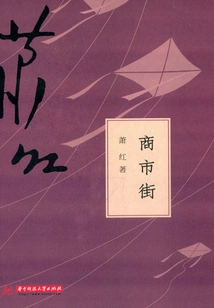
Shopping Street
Literature商市街
Xiao Hong
Xiao Hong is known as the "Literary Goddess of the 1930s". She is the woman with the most tragic fate among the four talented women in the Republic of China, and is also a legendary figure. Xiao Hong was an author highly praised by Lu Xun. Lu Xun and Mao Dun, both literary giants of the generation, respectively wrote prefaces to "The Biography of the Hulan River", which was a seminal work that confirmed Xiao Hong's literary status. Single volumes of his works have been best-selling for decades and are sufficiently classic. There are five volumes in this series of Xiao Hong's complete works. This book is the third part of the series. It is a collection of all Xiao Hong's prose works.
Xiao Hong is known as the "Literary Goddess of the 1930s". She is the woman with the most tragic fate among the four talented women in the Republic of China, and is also a legendary figure. Xiao Hong was an author highly praised by Lu Xun. Lu Xun and Mao Dun, both literary giants of the generation, respectively wrote prefaces to "The Biography of the Hulan River", which was a seminal work that confirmed Xiao Hong's literary status. Single volumes of his works have been best-selling for decades and are sufficiently classic. There are five volumes in this series of Xiao Hong's complete works. This book is the third part of the series. It is a collection of all Xiao Hong's prose works.
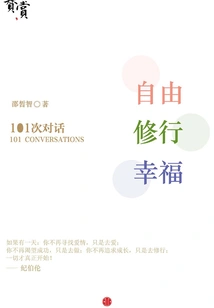
自由、修行、幸福:101次对话
Shao Xizhi
"Freedom·Practice·Happiness-101 Dialogues" is the author's "study and practice diary" of a year and a half from mid-2013 to early 2015, in which he searched for inner peace. Everything recorded in the book is about "people", including family affection, love, responsibility and hope. Every ordinary person has a story, and they all enjoy the best years of their lives with a positive attitude. The author records it truthfully, bringing you not only touching feelings, but also love for life and thoughts about life. Looking back at each story, it is also the presentation of the author's own heart at different stages. She sees a little bit of her own mood changes and psychological growth. I hope that the recorded words can also enter your heart, read other people's stories, listen to the voice deep in your own heart, so that you can feel and think, and finally discover the meaning of this life, and gain inner peace and happiness.
"Freedom·Practice·Happiness-101 Dialogues" is the author's "study and practice diary" of a year and a half from mid-2013 to early 2015, in which he searched for inner peace. Everything recorded in the book is about "people", including family affection, love, responsibility and hope. Every ordinary person has a story, and they all enjoy the best years of their lives with a positive attitude. The author records it truthfully, bringing you not only touching feelings, but also love for life and thoughts about life. Looking back at each story, it is also the presentation of the author's own heart at different stages. She sees a little bit of her own mood changes and psychological growth. I hope that the recorded words can also enter your heart, read other people's stories, listen to the voice deep in your own heart, so that you can feel and think, and finally discover the meaning of this life, and gain inner peace and happiness.
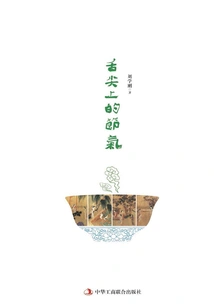
The Solar Term on the Tip of the Tongue
Literature舌尖上的节气
Liu Xuegang
The twenty-four solar terms are the rhythm of nature and the heartbeat of the earth. By eating according to the solar terms, we taste not only seasonal delicacies, but also ancient survival wisdom and the deep relationship between man and the earth. The flavors created by the solar terms and the earth are truly rich and full. This book presents the most delicacies of the twenty-four solar terms in chronological order, leads readers to understand the long-standing food culture with Chinese taste, and advocates a healthy and happy lifestyle with food wisdom. There are solar terms and customs in the book, which record vivid national aesthetics; there are also practical menus where you can find delicious dishes; there are also stories and ancient poems, which have the aroma of years that are very durable; there are also green leaves and red fruits on the earth, which build our emotional coordinates. The Twenty-Four Solar Terms is a poem that recommends spring dishes at the beginning of spring this year, and it will be the same in the Ming Dynasty. It has sonorous music and distinct rhythm, and has the rhythm of the four seasons. Follow the footsteps of the solar terms and enjoy the poetic beauty of life.
The twenty-four solar terms are the rhythm of nature and the heartbeat of the earth. By eating according to the solar terms, we taste not only seasonal delicacies, but also ancient survival wisdom and the deep relationship between man and the earth. The flavors created by the solar terms and the earth are truly rich and full. This book presents the most delicacies of the twenty-four solar terms in chronological order, leads readers to understand the long-standing food culture with Chinese taste, and advocates a healthy and happy lifestyle with food wisdom. There are solar terms and customs in the book, which record vivid national aesthetics; there are also practical menus where you can find delicious dishes; there are also stories and ancient poems, which have the aroma of years that are very durable; there are also green leaves and red fruits on the earth, which build our emotional coordinates. The Twenty-Four Solar Terms is a poem that recommends spring dishes at the beginning of spring this year, and it will be the same in the Ming Dynasty. It has sonorous music and distinct rhythm, and has the rhythm of the four seasons. Follow the footsteps of the solar terms and enjoy the poetic beauty of life.
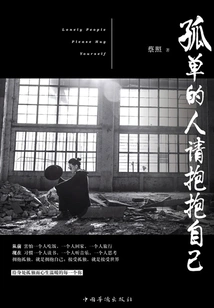
If You Are Lonely, Please Hug Yourself
Literature孤单人的请抱抱自己
Cai Zhao
Everyone is so different, they all have their own stories; everyone is so similar, loneliness is like a shadow, and it will accompany you throughout your life. For me, loneliness is not a derogatory word, it will bring me a strong heart. Time moves forward, and the years are like sand. During the 25 years of living with loneliness, I often think about how to spend every day. Should I strive for the top or just muddle along? Finally, I chose to seize the time and live well. Loneliness has taught me to comfort myself and get used to letting go of others. This is a book suitable for reading before going to bed. The book tells the story of my own personal experience, and captures countless lonely moments, which is the life itself I have experienced. If you feel lonely, don't be sad. Open this book and you will find that I am accompanying you when you are lonely. You don't have to be afraid, because the whole world is with you when you are alone.
Everyone is so different, they all have their own stories; everyone is so similar, loneliness is like a shadow, and it will accompany you throughout your life. For me, loneliness is not a derogatory word, it will bring me a strong heart. Time moves forward, and the years are like sand. During the 25 years of living with loneliness, I often think about how to spend every day. Should I strive for the top or just muddle along? Finally, I chose to seize the time and live well. Loneliness has taught me to comfort myself and get used to letting go of others. This is a book suitable for reading before going to bed. The book tells the story of my own personal experience, and captures countless lonely moments, which is the life itself I have experienced. If you feel lonely, don't be sad. Open this book and you will find that I am accompanying you when you are lonely. You don't have to be afraid, because the whole world is with you when you are alone.
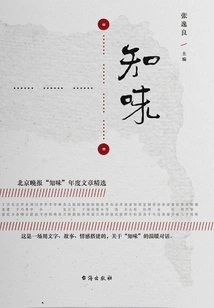
Know the Taste
Literature知味
Zhang Yiliang
"Zhiwei" is a collection of selected articles from the "Zhiwei" supplement of "Beijing Evening News" in 2016. It collects more than 70 articles from many old Evening News writers as well as some writers and readers. Since its inception, the "Zhiwei" supplement has adhered to the publishing idea of "read hundreds of books, know hundreds of flavors", and strives to provide readers with more high-quality and tasteful texts, in order to maintain the literary background and let you appreciate the beauty around you in the fragmented reading era.
"Zhiwei" is a collection of selected articles from the "Zhiwei" supplement of "Beijing Evening News" in 2016. It collects more than 70 articles from many old Evening News writers as well as some writers and readers. Since its inception, the "Zhiwei" supplement has adhered to the publishing idea of "read hundreds of books, know hundreds of flavors", and strives to provide readers with more high-quality and tasteful texts, in order to maintain the literary background and let you appreciate the beauty around you in the fragmented reading era.
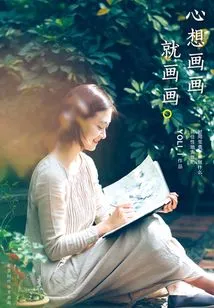
If You Want to Paint, Just Paint
Literature心想画画就画画
Yoli
Many people describe to us what life should be like, but only your own heart knows where to go, that is, dare to be yourself and live your own life. Yoli picked up painting only after she became a mother. She used it to record life and integrate life insights into paintings. Painting has become her own way of life. In watercolor, she saw her own pain, constraint, darkness and imperfection, and also saw her own beauty, love and self-confidence. She cultivated herself and expressed herself through painting, and finally learned to please herself. She did not seek the noise from the outside world, but only felt that her inner world was clear. If you want to paint, you can paint, if you want to sing, you can sing, if you want to wander, you can wander. No matter which path you choose, it is just one of thousands of ways of life. The important thing is to accurately see the light within yourself and go towards it.
Many people describe to us what life should be like, but only your own heart knows where to go, that is, dare to be yourself and live your own life. Yoli picked up painting only after she became a mother. She used it to record life and integrate life insights into paintings. Painting has become her own way of life. In watercolor, she saw her own pain, constraint, darkness and imperfection, and also saw her own beauty, love and self-confidence. She cultivated herself and expressed herself through painting, and finally learned to please herself. She did not seek the noise from the outside world, but only felt that her inner world was clear. If you want to paint, you can paint, if you want to sing, you can sing, if you want to wander, you can wander. No matter which path you choose, it is just one of thousands of ways of life. The important thing is to accurately see the light within yourself and go towards it.
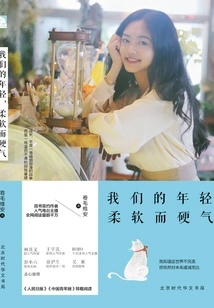
Our Youth is Soft and Hard
Literature我们的年轻,柔软而硬气
Curly Vian
"Our Youth, Soft and Hard" is Curly Vian's first written work. When "post-90s generation entering mid-life crisis" became a hot search on Weibo, she knew that people like you and me were starting to get anxious. This book records the growth of a girl. She used her own experiences and those of her friends to verify a period of time in the past, and witnessed the soft yet hard youth of twenty. We have traveled to many places and met many people. We love this unfair and somewhat cold society, and we also love those things that represent beauty.
"Our Youth, Soft and Hard" is Curly Vian's first written work. When "post-90s generation entering mid-life crisis" became a hot search on Weibo, she knew that people like you and me were starting to get anxious. This book records the growth of a girl. She used her own experiences and those of her friends to verify a period of time in the past, and witnessed the soft yet hard youth of twenty. We have traveled to many places and met many people. We love this unfair and somewhat cold society, and we also love those things that represent beauty.
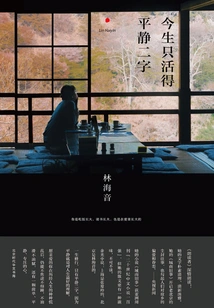
今生只活得平静二字
Lin Haiyin
When you have gone through a lifetime, how should you sum up your life? This book selects 47 essays by Lin Haiyin, covering segments of Lin Haiyin's life in various periods, showing the mental journey of a generation of literary masters. Lin Haiyin is the most affectionate, and Lin Haiyin is the most calm. Reading Lin Haiyin's articles is beneficial to life and work. Some people are noisy about life, while others are indifferent. People who are noisy usually have little experience, while people who are indifferent are usually disappointed with life. But Lin Haiyin is calm about life. Having tasted all the flavors of life and still being warm towards life is nothing more than because Lin Haiyin has a heart full of love. Because of love, he can be tolerant and gentle when looking at people and things.
When you have gone through a lifetime, how should you sum up your life? This book selects 47 essays by Lin Haiyin, covering segments of Lin Haiyin's life in various periods, showing the mental journey of a generation of literary masters. Lin Haiyin is the most affectionate, and Lin Haiyin is the most calm. Reading Lin Haiyin's articles is beneficial to life and work. Some people are noisy about life, while others are indifferent. People who are noisy usually have little experience, while people who are indifferent are usually disappointed with life. But Lin Haiyin is calm about life. Having tasted all the flavors of life and still being warm towards life is nothing more than because Lin Haiyin has a heart full of love. Because of love, he can be tolerant and gentle when looking at people and things.
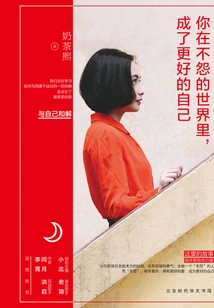
你在不怨的世界里,成了更好的自己
Milk Tea Hee
When you are frustrated, your heart is full of inferiority, loneliness, and frustration, with nowhere to resolve it; when you are broken up, your heart is filled with reluctance, pain, and entanglement, and you cannot let go. Open this book and read these 30 true stories from ordinary people. Perhaps you will find that there are individuals in this world who "resonate" with you. They have similar experiences to you, such as: first heartbeat, passionate love, years of entanglement, cruel betrayal, helpless ending, persistent struggle, lonely progress... They have also loved and hated, fought and resented, and time has finally allowed them to let go.
When you are frustrated, your heart is full of inferiority, loneliness, and frustration, with nowhere to resolve it; when you are broken up, your heart is filled with reluctance, pain, and entanglement, and you cannot let go. Open this book and read these 30 true stories from ordinary people. Perhaps you will find that there are individuals in this world who "resonate" with you. They have similar experiences to you, such as: first heartbeat, passionate love, years of entanglement, cruel betrayal, helpless ending, persistent struggle, lonely progress... They have also loved and hated, fought and resented, and time has finally allowed them to let go.
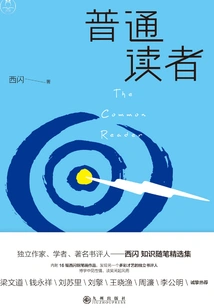
General Readers
Literature普通读者
Western Shem
"The Common Reader" is a collection of essays by the writer west Shem, including columns, book reviews, and art criticism. The author uses a unique method of "heuristics" and uses clear and concise thinking as a catalyst to awaken ordinary readers' awareness of issues and stimulate their sensitivity and interest in many fields such as society, economy, politics, literature, history and philosophy, and then realize what things are shaping them and the impact their choices will have on the world.
"The Common Reader" is a collection of essays by the writer west Shem, including columns, book reviews, and art criticism. The author uses a unique method of "heuristics" and uses clear and concise thinking as a catalyst to awaken ordinary readers' awareness of issues and stimulate their sensitivity and interest in many fields such as society, economy, politics, literature, history and philosophy, and then realize what things are shaping them and the impact their choices will have on the world.
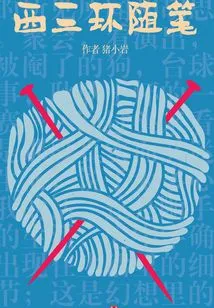
Essays on West Third Ring Road
Literature西三环随笔
Zhu Xiaoyan
This is what I have seen, heard and imagined in the ten years from 2006 to 2016. Parties, watching performances, the neutered dog at home, stories about the billiard hall, a ball game that I hold dear to my heart... Looking back, this was a period of real and confusing life that spoke too much about myself. This is a life recorded casually, and every word of it appears in every detail of life; this is a life in fantasy, and it is just a fleeting cloud in the fleeting time.
This is what I have seen, heard and imagined in the ten years from 2006 to 2016. Parties, watching performances, the neutered dog at home, stories about the billiard hall, a ball game that I hold dear to my heart... Looking back, this was a period of real and confusing life that spoke too much about myself. This is a life recorded casually, and every word of it appears in every detail of life; this is a life in fantasy, and it is just a fleeting cloud in the fleeting time.
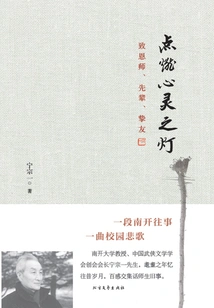
Light the Lamp of the Soul
Literature点燃心灵之灯
Ning Zongyi
This book describes the author's condolences and remembrances of his mentors, ancestors, and close friends, and the words are full of true feelings. It contains not only memories of daily life, but also feelings about the ups and downs of teachers and friends in the context of the times. It reflects the life trajectory of a generation of literary elites, and also contains some of the author's representative academic thoughts, with sincere feelings and profound thoughts.
This book describes the author's condolences and remembrances of his mentors, ancestors, and close friends, and the words are full of true feelings. It contains not only memories of daily life, but also feelings about the ups and downs of teachers and friends in the context of the times. It reflects the life trajectory of a generation of literary elites, and also contains some of the author's representative academic thoughts, with sincere feelings and profound thoughts.
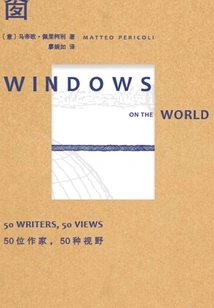
Window: 50 Writers, 50 Perspectives
Literature窗:50位作家,50种视野
(italian) Matteo Pericoli
This book is a collection of essays with the theme of "Window". Each essay is accompanied by the editor's exquisite illustrations. Editor Matteo Pericoli is an illustrator, writer, and architect living in New York. From 2004 to 2008, he successively invited artists from all over the world including Orhan Pamuk, Nishikawa, Ryu Murakami, Nadine Gordimer, etc. 50 Writers, including 50, used words to describe the window views in which they wrote, and created 50 sketches based on them. Since 2010, they have been published in the New York Times and the Paris Daily Review. This book is a collection of the "Window Views of the World" series. This book is written by a world-renowned writer with steady writing style and strong readability. The 50 window views are like 50 observation decks scattered around the world, providing different visions and viewing angles, as well as rich perspectives and ways of thinking.
This book is a collection of essays with the theme of "Window". Each essay is accompanied by the editor's exquisite illustrations. Editor Matteo Pericoli is an illustrator, writer, and architect living in New York. From 2004 to 2008, he successively invited artists from all over the world including Orhan Pamuk, Nishikawa, Ryu Murakami, Nadine Gordimer, etc. 50 Writers, including 50, used words to describe the window views in which they wrote, and created 50 sketches based on them. Since 2010, they have been published in the New York Times and the Paris Daily Review. This book is a collection of the "Window Views of the World" series. This book is written by a world-renowned writer with steady writing style and strong readability. The 50 window views are like 50 observation decks scattered around the world, providing different visions and viewing angles, as well as rich perspectives and ways of thinking.
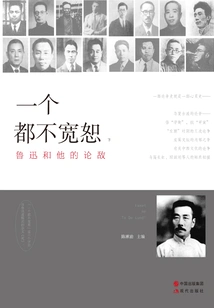
Forgive No One (volume 2)
Literature一个都不宽恕(下册)
Chen Shuyu
This book includes the debates between the Cultural New Army under the banner of Lu Xun and the retrograde school, modern criticism school, "nationalist literature", "revolutionary literature", etc. In the early 20th century. The debaters involved Zhang Shizhao, Wu Mi, Hu Shi, Xu Zhimo, Liang Shiqiu, Guo Moruo, Gu Jiegang, Gao Changhong and others. It provides relatively complete historical materials for the previous debates in which Lu Xun participated, and also provides rich historical materials for studying the history of modern Chinese literary and artistic trends. Lu Xun's argumentative words are thoughtful in thinking, rigorous in logic, vivid in image, pungent in sarcasm, witty in humor, and concise in language. What runs through the whole is his spirit of searching from top to bottom and always enterprising, the spirit of "if you cannot defeat the enemy, you will never stop fighting", the spirit of straightening your spine, never giving up, and being strict with yourself.
This book includes the debates between the Cultural New Army under the banner of Lu Xun and the retrograde school, modern criticism school, "nationalist literature", "revolutionary literature", etc. In the early 20th century. The debaters involved Zhang Shizhao, Wu Mi, Hu Shi, Xu Zhimo, Liang Shiqiu, Guo Moruo, Gu Jiegang, Gao Changhong and others. It provides relatively complete historical materials for the previous debates in which Lu Xun participated, and also provides rich historical materials for studying the history of modern Chinese literary and artistic trends. Lu Xun's argumentative words are thoughtful in thinking, rigorous in logic, vivid in image, pungent in sarcasm, witty in humor, and concise in language. What runs through the whole is his spirit of searching from top to bottom and always enterprising, the spirit of "if you cannot defeat the enemy, you will never stop fighting", the spirit of straightening your spine, never giving up, and being strict with yourself.
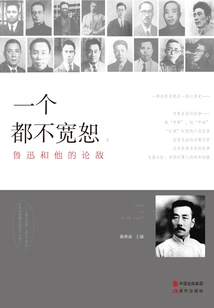
Forgive No One (volume 1)
Literature一个都不宽恕(上册)
Chen Shuyu
This book includes the debates between the Cultural New Army under the banner of Lu Xun and the retrograde school, modern criticism school, "nationalist literature", "revolutionary literature", etc. In the early 20th century. The debaters involved Zhang Shizhao, Wu Mi, Hu Shi, Xu Zhimo, Liang Shiqiu, Guo Moruo, Gu Jiegang, Gao Changhong and others. It provides relatively complete historical materials for the previous debates in which Lu Xun participated, and also provides rich historical materials for studying the history of modern Chinese literary and artistic trends. Lu Xun's argumentative words are thoughtful in thinking, rigorous in logic, vivid in image, pungent in sarcasm, witty in humor, and concise in language. What runs through the whole is his spirit of searching from top to bottom and always enterprising, the spirit of "if you cannot defeat the enemy, you will never stop fighting", the spirit of straightening your spine, never giving up, and being strict with yourself.
This book includes the debates between the Cultural New Army under the banner of Lu Xun and the retrograde school, modern criticism school, "nationalist literature", "revolutionary literature", etc. In the early 20th century. The debaters involved Zhang Shizhao, Wu Mi, Hu Shi, Xu Zhimo, Liang Shiqiu, Guo Moruo, Gu Jiegang, Gao Changhong and others. It provides relatively complete historical materials for the previous debates in which Lu Xun participated, and also provides rich historical materials for studying the history of modern Chinese literary and artistic trends. Lu Xun's argumentative words are thoughtful in thinking, rigorous in logic, vivid in image, pungent in sarcasm, witty in humor, and concise in language. What runs through the whole is his spirit of searching from top to bottom and always enterprising, the spirit of "if you cannot defeat the enemy, you will never stop fighting", the spirit of straightening your spine, never giving up, and being strict with yourself.
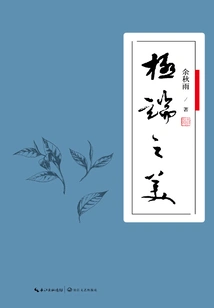
Extreme Beauty
Literature极端之美
Yu Qiuyu
This book mainly selects three cultures that are unique to our country in the world: calligraphy, Kun Opera, and Pu'er tea. The so-called "cultural aesthetics" refer to those specific works that are irreplaceable by other cultures and have reached an excellent level and have always been recognized and shared. Calligraphy, Kun Opera, and Pu'er tea are neither weird nor uncommon, but they cannot be completely grasped by a foreigner from afar. Any culture will have a large number of external declarations and signs, but in the secret places, there are several "fate points" and several "birthmarks" hidden. These three items are the "fate points" and "birthmarks" hidden in Chinese culture.
This book mainly selects three cultures that are unique to our country in the world: calligraphy, Kun Opera, and Pu'er tea. The so-called "cultural aesthetics" refer to those specific works that are irreplaceable by other cultures and have reached an excellent level and have always been recognized and shared. Calligraphy, Kun Opera, and Pu'er tea are neither weird nor uncommon, but they cannot be completely grasped by a foreigner from afar. Any culture will have a large number of external declarations and signs, but in the secret places, there are several "fate points" and several "birthmarks" hidden. These three items are the "fate points" and "birthmarks" hidden in Chinese culture.
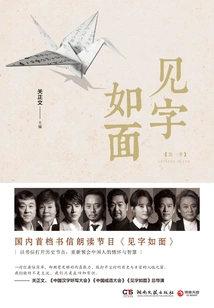
见字如面(第一季)
Guan Zhengwen
At the end of 2016, "Seeing Words as Faces" was quietly born. There is no splendid stage and gorgeous lights. One person, one table and one letter in the Beijing Red Brick Art Museum are her minimalist temperament; there are no overly complicated film clips and sound effects. Under the quiet lights, someone is quietly reading letters, reading about the feelings of family and country, reading about tired feelings, reading about historical choices, and reading about still water running deep. Eight powerful stars including Zhang Guoli, Zhang Hanyu, Lin Gengxin, Wang Yaoqing, Gui Yalei, He Bing, Jiang Qinqin, and Xu Tao participated in the show. The audience called it "the only surprise in 2016" and "a breath of fresh air in the variety show industry." From the vast ocean of letters, 76 letters were selected that best represent Chinese stories and express Chinese emotions.
At the end of 2016, "Seeing Words as Faces" was quietly born. There is no splendid stage and gorgeous lights. One person, one table and one letter in the Beijing Red Brick Art Museum are her minimalist temperament; there are no overly complicated film clips and sound effects. Under the quiet lights, someone is quietly reading letters, reading about the feelings of family and country, reading about tired feelings, reading about historical choices, and reading about still water running deep. Eight powerful stars including Zhang Guoli, Zhang Hanyu, Lin Gengxin, Wang Yaoqing, Gui Yalei, He Bing, Jiang Qinqin, and Xu Tao participated in the show. The audience called it "the only surprise in 2016" and "a breath of fresh air in the variety show industry." From the vast ocean of letters, 76 letters were selected that best represent Chinese stories and express Chinese emotions.
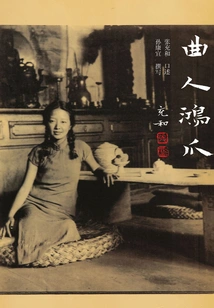
曲人鸿爪:张充和曲人本事
Oralized By Zhang Chonghe And Written By Sun Kangyi
The pleasure of calligraphy, painting and poetry, the lingering charm of a composer's career! Based on the nearly 100-year-old Zhang Chonghe's own dictation, Sun Kangyi recorded the composer's skills, elaborated on the inheritance of performing arts, reproduced many fascinating scenes of the salon at that time, and provided the finishing touch and introduction to the inscriptions and paintings of "Quren Hongzhao". In addition, the appendix includes old photos of the Zhang family, a chronology of Zhang Chonghe's events, and an inventory of his inscriptions. The text, calligraphy and painting in the book complement each other, hoping to preserve the indelible beautiful scenery, enjoyable events, and many homes in Zhang Chonghe's career.
The pleasure of calligraphy, painting and poetry, the lingering charm of a composer's career! Based on the nearly 100-year-old Zhang Chonghe's own dictation, Sun Kangyi recorded the composer's skills, elaborated on the inheritance of performing arts, reproduced many fascinating scenes of the salon at that time, and provided the finishing touch and introduction to the inscriptions and paintings of "Quren Hongzhao". In addition, the appendix includes old photos of the Zhang family, a chronology of Zhang Chonghe's events, and an inventory of his inscriptions. The text, calligraphy and painting in the book complement each other, hoping to preserve the indelible beautiful scenery, enjoyable events, and many homes in Zhang Chonghe's career.
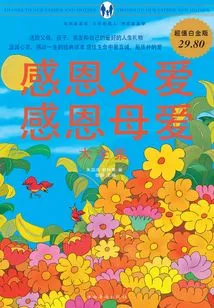
A Complete Collection of Thanksgiving for Father's Love and Thanksgiving for Mother's Love
Literature感恩父爱感恩母爱大全集
Zhu Ziqing Shu Ting Et Al.
Mother's love is like water, father's love is like mountain. Our parents accompany us through the bumpy road of life and protect us in dealing with the joys, sorrows and joys of life. The love of parents is a rich fragrance; the gratitude of children is an elegant fragrance. Every gray hair on my mother's temples and every wrinkle on my father's forehead are witnesses of our growth. Our parents' selfless and regretless love and dedication nourish our fresh lives. The touching of the heart comes from the resonance of love. This is a warm book about love. It has selected more than 300 stories about father's love, mother's love, family affection, friendship, and love that embody the most affectionate and human feelings in the world. The writing is simple and unpretentious, and the emotions are hot and moving. It tells you the warmth of the world and the warmth of family; it tells you that happiness comes from people's hearts and the care between people. In terms of style and arrangement, this book focuses on the organic integration of artistic concepts and cultural heritage. The combination of fresh layout and vivid text creates a comfortable and relaxed reading space for readers. The years pass by inadvertently. Behind every hurried figure, the father's caring eyes are getting farther and farther, and the familiar words of the mother are gradually forgotten. When you are physically and mentally exhausted, stop and read the warm stories in the book, feel the most sincere and simple love in life, gain peace of mind, forget the troubles in life, realize the happy journey of life, and find the most true happiness.
Mother's love is like water, father's love is like mountain. Our parents accompany us through the bumpy road of life and protect us in dealing with the joys, sorrows and joys of life. The love of parents is a rich fragrance; the gratitude of children is an elegant fragrance. Every gray hair on my mother's temples and every wrinkle on my father's forehead are witnesses of our growth. Our parents' selfless and regretless love and dedication nourish our fresh lives. The touching of the heart comes from the resonance of love. This is a warm book about love. It has selected more than 300 stories about father's love, mother's love, family affection, friendship, and love that embody the most affectionate and human feelings in the world. The writing is simple and unpretentious, and the emotions are hot and moving. It tells you the warmth of the world and the warmth of family; it tells you that happiness comes from people's hearts and the care between people. In terms of style and arrangement, this book focuses on the organic integration of artistic concepts and cultural heritage. The combination of fresh layout and vivid text creates a comfortable and relaxed reading space for readers. The years pass by inadvertently. Behind every hurried figure, the father's caring eyes are getting farther and farther, and the familiar words of the mother are gradually forgotten. When you are physically and mentally exhausted, stop and read the warm stories in the book, feel the most sincere and simple love in life, gain peace of mind, forget the troubles in life, realize the happy journey of life, and find the most true happiness.
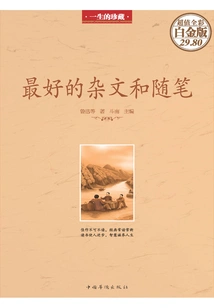
最好的杂文和随笔(彩图精装)
Lu Xun Dounan
"The Best Essays and Essays" is divided into two parts: "Essays" and "Essays". It selects the classic works with the highest achievements, greatest influence, and wide spread. These works are broad and profound, giving people the beauty of thought; touching the heart, giving people the beauty of emotion; and meaningful intentions, giving people the beauty of artistic conception.
"The Best Essays and Essays" is divided into two parts: "Essays" and "Essays". It selects the classic works with the highest achievements, greatest influence, and wide spread. These works are broad and profound, giving people the beauty of thought; touching the heart, giving people the beauty of emotion; and meaningful intentions, giving people the beauty of artistic conception.
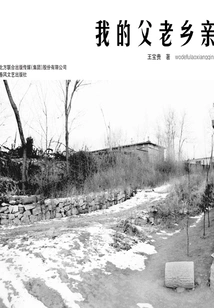
My Fellow Countrymen
Literature我的父老乡亲
Wang Baogui
The book "My Fathers and Folks" is a collection of long essays and photographs by Comrade Wang Baobao in which he misses his hometown and relatives. The book is divided into five chapters: the folks who watched me grow up, the friends who grew up with me, here are my childhood dreams, my beloved relatives, and the seasons and customs that nourish my life. It describes dozens of relatives and neighbors such as my parents, uncles, and uncles, as well as the plants and trees of my childhood hometown. The book has more than 100,000 words, and is accompanied by nearly a hundred photographs of his hometown and relatives. The pictures and texts can express the author's nostalgia for his hometown and the memories of his relatives intuitively, but it is also profound and touching.
The book "My Fathers and Folks" is a collection of long essays and photographs by Comrade Wang Baobao in which he misses his hometown and relatives. The book is divided into five chapters: the folks who watched me grow up, the friends who grew up with me, here are my childhood dreams, my beloved relatives, and the seasons and customs that nourish my life. It describes dozens of relatives and neighbors such as my parents, uncles, and uncles, as well as the plants and trees of my childhood hometown. The book has more than 100,000 words, and is accompanied by nearly a hundred photographs of his hometown and relatives. The pictures and texts can express the author's nostalgia for his hometown and the memories of his relatives intuitively, but it is also profound and touching.
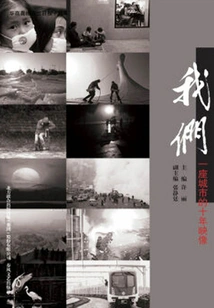
Us: a City's Ten-year Record
Literature我们:一座城市的十年记录
Xu Li
"Huashang Morning News 10th Anniversary Commemorative Series" is a commemorative book organized and compiled by Huashang Morning News to commemorate the 10th anniversary of the newspaper's revision. The book is edited by Xu Li, the current president and editor-in-chief of Huashang Morning News, and is divided into two volumes. The first volume contains this year's important interviews, investigations, and interpretation articles of "Huashang Morning News" as well as a selection of articles from the comment section of Liaoning Province's famous media pages over the past ten years. The second volume contains a selection of original photography works of "Huashang Morning News" over the past ten years.
"Huashang Morning News 10th Anniversary Commemorative Series" is a commemorative book organized and compiled by Huashang Morning News to commemorate the 10th anniversary of the newspaper's revision. The book is edited by Xu Li, the current president and editor-in-chief of Huashang Morning News, and is divided into two volumes. The first volume contains this year's important interviews, investigations, and interpretation articles of "Huashang Morning News" as well as a selection of articles from the comment section of Liaoning Province's famous media pages over the past ten years. The second volume contains a selection of original photography works of "Huashang Morning News" over the past ten years.
My Life Elsewhere
Literature我的别处生活
Yu Shiwang
This collection of essays is divided into two parts. The first part mainly includes the "poetry" written by the author in the 1980s. That era was the initial stage of China's reform and opening up, and it was also an important period for a child to experience youthful budding, confusion, and rebellion from the age of twelve to twenty-two. The second part is a collection of exercises over the past thirty years that have recently been sorted out. Some chapters have been published in local newspapers. It should be noted that most of the articles are marked with the date of creation. The childhood memories series were all written in May and June of 2012.
This collection of essays is divided into two parts. The first part mainly includes the "poetry" written by the author in the 1980s. That era was the initial stage of China's reform and opening up, and it was also an important period for a child to experience youthful budding, confusion, and rebellion from the age of twelve to twenty-two. The second part is a collection of exercises over the past thirty years that have recently been sorted out. Some chapters have been published in local newspapers. It should be noted that most of the articles are marked with the date of creation. The childhood memories series were all written in May and June of 2012.
You Are a Prodigal, Stay Away
Literature你是浪子,别泊岸
Li Muche
Generations of people have traveled away in order to see clearly and hear the tremors deep in their hearts. Every step of the road you take is true, and it will surely shine at a certain moment in your long and trivial life, like gold embedded in your body. This book is a prose essay born "on the road". Divide the process of life into "starting, passing by, stopping, waking up, and returning", and in a Zen-like way, record the life attitudes of various people and tell stories that may change your view of the world. It aims to explore the thousands of choices in life and sincerely measure people's possibilities and limitations. Full of expectations for the unknown is a life worth living. There is nothing in the distance, but there is everything in the distance.
Generations of people have traveled away in order to see clearly and hear the tremors deep in their hearts. Every step of the road you take is true, and it will surely shine at a certain moment in your long and trivial life, like gold embedded in your body. This book is a prose essay born "on the road". Divide the process of life into "starting, passing by, stopping, waking up, and returning", and in a Zen-like way, record the life attitudes of various people and tell stories that may change your view of the world. It aims to explore the thousands of choices in life and sincerely measure people's possibilities and limitations. Full of expectations for the unknown is a life worth living. There is nothing in the distance, but there is everything in the distance.
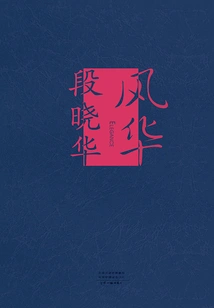
Fenghua
Literature风华
Duan Xiaohua
Xiaohua's prose works have a unique charm and realm. It seems like a "casual love", but in fact it is a far-reaching message. Whether it is a narrative, a chronicle, a relationship, a painting, a sketch, or a time-travel, they are all "careful" works, and they all have a "true spirit" in them. There is no worldly utility here, and there is no morbid groaning; there is no alternative eccentricity, and there is no public noise; there is no illusion of the second dimension, and there is no narcissistic showoff. Her perception of life is delicate, her eulogy of the times is sincere, her self-anatomy is calm, and her pursuit of the future is passionate. No matter how many troubles she has in real life, no matter what kind of "chicken feathers" she encounters, she can always carve out a clear sky for her soul. Reason and passion are harmoniously unified in Duan Xiaohua's works.
Xiaohua's prose works have a unique charm and realm. It seems like a "casual love", but in fact it is a far-reaching message. Whether it is a narrative, a chronicle, a relationship, a painting, a sketch, or a time-travel, they are all "careful" works, and they all have a "true spirit" in them. There is no worldly utility here, and there is no morbid groaning; there is no alternative eccentricity, and there is no public noise; there is no illusion of the second dimension, and there is no narcissistic showoff. Her perception of life is delicate, her eulogy of the times is sincere, her self-anatomy is calm, and her pursuit of the future is passionate. No matter how many troubles she has in real life, no matter what kind of "chicken feathers" she encounters, she can always carve out a clear sky for her soul. Reason and passion are harmoniously unified in Duan Xiaohua's works.
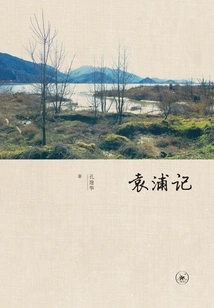
Yuan Puji
Literature袁浦记
Kong Jianhua
In recent years, writing about hometowns, from Liang Hong's "China in Liangzhuang", Wang Leiguang's "Shouting in the Wind: A Doctoral Student's Notes on Returning Home" to Huang Deng's "Relatives on the Earth", all use documentary literature to reproduce the pain of transformation in rural China. Different from these dazzling rural writings, the author uses pure and beautiful words to describe the hometown of his youth in his memory, creating a wonderful rural world like a fairy tale. The text of the manuscript is concise and concise, quite in the style of classical prose; it follows the shape of objects and is full of human emotions and dynamics. This beautiful language brings the beauty of my hometown to life. When people reach middle age, they often look back at their hometown and their youth with gratitude and homesickness. For everyone who has left their hometown, who can deny that they do not have such homesickness or dreams of homesickness?
In recent years, writing about hometowns, from Liang Hong's "China in Liangzhuang", Wang Leiguang's "Shouting in the Wind: A Doctoral Student's Notes on Returning Home" to Huang Deng's "Relatives on the Earth", all use documentary literature to reproduce the pain of transformation in rural China. Different from these dazzling rural writings, the author uses pure and beautiful words to describe the hometown of his youth in his memory, creating a wonderful rural world like a fairy tale. The text of the manuscript is concise and concise, quite in the style of classical prose; it follows the shape of objects and is full of human emotions and dynamics. This beautiful language brings the beauty of my hometown to life. When people reach middle age, they often look back at their hometown and their youth with gratitude and homesickness. For everyone who has left their hometown, who can deny that they do not have such homesickness or dreams of homesickness?
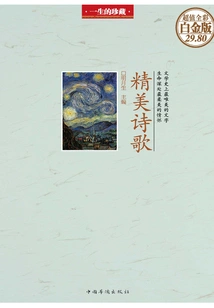
精美诗歌(超值全彩白金版)
Mingyuesheng
In order to increase the content of knowledge and help the author improve reading efficiency, "Exquisite Poetry" adopts a combination of pictures and texts. More than 120 exquisite pictures introduce the poet's poems or reflect the artistic conception of the poem, complementing the text. At the same time, "Exquisite Poetry" also adds "Author Introduction" and "Work Appreciation". "Author Introduction" briefly introduces the author's life experience, creative achievements, etc., So that readers can have a clear and general understanding of the author; "Work Appreciation" provides a precise analysis of the writing background, ideological content, language characteristics, etc. Of each poem in simple and easy-to-understand language, guiding readers to appreciate the poems from different angles; these columns are either vertically in-depth or horizontally extended to help readers accurately grasp the essence of the poem and understand its implications. In addition, the book also selects some pictures that fit the poetic mood, which not only brings visual enjoyment to readers, but also expands their imagination space. It is worth mentioning that in order to respect the author and translator and maintain the style of the original text, we have not made any corresponding changes to some works written or translated in the 1920s and 1930s that are inconsistent with modern Chinese grammar, ensuring the authenticity of the works.
In order to increase the content of knowledge and help the author improve reading efficiency, "Exquisite Poetry" adopts a combination of pictures and texts. More than 120 exquisite pictures introduce the poet's poems or reflect the artistic conception of the poem, complementing the text. At the same time, "Exquisite Poetry" also adds "Author Introduction" and "Work Appreciation". "Author Introduction" briefly introduces the author's life experience, creative achievements, etc., So that readers can have a clear and general understanding of the author; "Work Appreciation" provides a precise analysis of the writing background, ideological content, language characteristics, etc. Of each poem in simple and easy-to-understand language, guiding readers to appreciate the poems from different angles; these columns are either vertically in-depth or horizontally extended to help readers accurately grasp the essence of the poem and understand its implications. In addition, the book also selects some pictures that fit the poetic mood, which not only brings visual enjoyment to readers, but also expands their imagination space. It is worth mentioning that in order to respect the author and translator and maintain the style of the original text, we have not made any corresponding changes to some works written or translated in the 1920s and 1930s that are inconsistent with modern Chinese grammar, ensuring the authenticity of the works.
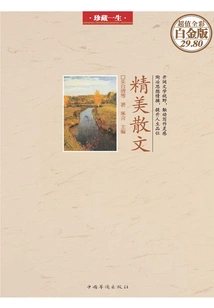
精美散文(彩图精装)
Zhu Ziqing Zhuo Yan
Prose is a literary style that has wide influence and is favored by readers. Literary masters from ancient and modern times, both at home and abroad, have written countless famous prose works of outstanding literary talent and popularity with their penetrating powers of observation, extraordinary temperament, delicate and exciting emotions, and their brilliant pens. These masterpieces of prose that have withstood the test of time have not only enriched the treasure house of world literature, but also infected and influenced tens of thousands of people, touching the hearts of generations and giving people spiritual enjoyment and artistic edification.
Prose is a literary style that has wide influence and is favored by readers. Literary masters from ancient and modern times, both at home and abroad, have written countless famous prose works of outstanding literary talent and popularity with their penetrating powers of observation, extraordinary temperament, delicate and exciting emotions, and their brilliant pens. These masterpieces of prose that have withstood the test of time have not only enriched the treasure house of world literature, but also infected and influenced tens of thousands of people, touching the hearts of generations and giving people spiritual enjoyment and artistic edification.
In Northern Sichuan
Literature在川北
Pengjiahe
In Jiahe's words, we read about the brand new northern Sichuan that has been baptized by his soul, the most charming customs and customs in northern Sichuan, the beauty and kindness, the loss and regret, the sincerity and nostalgia... "In Northern Sichuan" is a charming style painting of northern Sichuan, which is full of fun to read. Dear readers, open "In Northern Sichuan", open a scroll, and the breath of northern Sichuan will hit your face, making you immersed in it, and it is so beautiful.
In Jiahe's words, we read about the brand new northern Sichuan that has been baptized by his soul, the most charming customs and customs in northern Sichuan, the beauty and kindness, the loss and regret, the sincerity and nostalgia... "In Northern Sichuan" is a charming style painting of northern Sichuan, which is full of fun to read. Dear readers, open "In Northern Sichuan", open a scroll, and the breath of northern Sichuan will hit your face, making you immersed in it, and it is so beautiful.