Library
Browse and search books
2,982 novels found
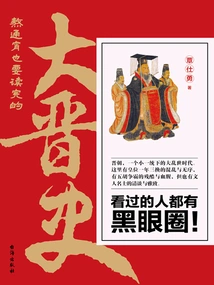
熬通宵也要读完的大晋史
Qin Shiyong
The presence of the Western and Eastern Jin Dynasties in Chinese history is relatively low, especially the Western Jin Dynasty. Although it merged with the three kingdoms of Wei, Shu and Wu, and was known as a unified dynasty, it was full of calculations, and its kingdom was only 51 years old. If it started with the destruction of Dongwu, it would only have been in power for 37 years, which was far from being compared with the Western Han Dynasty. The Kingdom of Zuo in the Eastern Jin Dynasty was a little longer, more than a hundred years old, but it only defended the southern half of the Yangtze River. During the founding of the country, it was in turmoil, with powerful enemies coveting it from outside, and powerful officials inside who were domineering and cowardly. The Eastern Jin Dynasty left a mark in history mainly because of its famous celebrities and the fragrance of calligraphy and painting. In view of this, this book uses heavy ink and color to illustrate the wealth and corruption of the Western Jin Dynasty, and then uses meticulous brushwork to describe the romance and demise of the Eastern Jin Dynasty.
The presence of the Western and Eastern Jin Dynasties in Chinese history is relatively low, especially the Western Jin Dynasty. Although it merged with the three kingdoms of Wei, Shu and Wu, and was known as a unified dynasty, it was full of calculations, and its kingdom was only 51 years old. If it started with the destruction of Dongwu, it would only have been in power for 37 years, which was far from being compared with the Western Han Dynasty. The Kingdom of Zuo in the Eastern Jin Dynasty was a little longer, more than a hundred years old, but it only defended the southern half of the Yangtze River. During the founding of the country, it was in turmoil, with powerful enemies coveting it from outside, and powerful officials inside who were domineering and cowardly. The Eastern Jin Dynasty left a mark in history mainly because of its famous celebrities and the fragrance of calligraphy and painting. In view of this, this book uses heavy ink and color to illustrate the wealth and corruption of the Western Jin Dynasty, and then uses meticulous brushwork to describe the romance and demise of the Eastern Jin Dynasty.
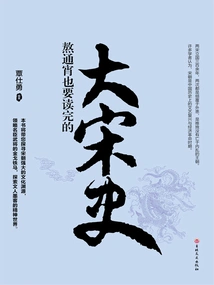
熬通宵也要读完的大宋史
Compiled By Qin Shiyong
Compared with the great unified dynasties such as Qin, Han, Sui, Tang, Ming and Qing, the Song Dynasty can only be regarded as a small unified dynasty. In fact, the Southern Song Dynasty is not even a small unified dynasty. However, the two Song dynasties combined lasted for 319 years, which was far superior to the Tang, Ming and Qing dynasties, and was second only to the two Han dynasties. Moreover, its economic development, cultural prosperity, and ideological prosperity are enough to be praised by future generations. Mr. Chen Yinke, a master of modern history, said with great joy: "The culture of the Chinese nation has evolved over thousands of years and reached its peak in the Tianshui Dynasty." The "Tianshui Dynasty" here refers to the Song Dynasty. So, in the long history of the Song Dynasty and the Song Dynasty, what interesting things happened and what interesting people appeared? This book explains it all for you.
Compared with the great unified dynasties such as Qin, Han, Sui, Tang, Ming and Qing, the Song Dynasty can only be regarded as a small unified dynasty. In fact, the Southern Song Dynasty is not even a small unified dynasty. However, the two Song dynasties combined lasted for 319 years, which was far superior to the Tang, Ming and Qing dynasties, and was second only to the two Han dynasties. Moreover, its economic development, cultural prosperity, and ideological prosperity are enough to be praised by future generations. Mr. Chen Yinke, a master of modern history, said with great joy: "The culture of the Chinese nation has evolved over thousands of years and reached its peak in the Tianshui Dynasty." The "Tianshui Dynasty" here refers to the Song Dynasty. So, in the long history of the Song Dynasty and the Song Dynasty, what interesting things happened and what interesting people appeared? This book explains it all for you.
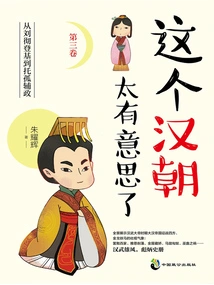
这个汉朝太有意思了(第三卷)
Zhu Yaohui
"This Han Dynasty is So Interesting" begins with Liu Bang, the founder of the Han Dynasty, and continues to the Zen position of Emperor Xian of the Han Dynasty, a total of more than 400 years of history. The complete set of books consists of seven volumes and is published in two parts. The first part includes the first four volumes, starting from the struggle for hegemony between Chu and Han and ending with Wang Mang's replacement of the Han Dynasty; the second part includes the last three volumes, starting from Liu Xiu's rebellion and ending with Cao Pi's usurpation of the Han Dynasty.
"This Han Dynasty is So Interesting" begins with Liu Bang, the founder of the Han Dynasty, and continues to the Zen position of Emperor Xian of the Han Dynasty, a total of more than 400 years of history. The complete set of books consists of seven volumes and is published in two parts. The first part includes the first four volumes, starting from the struggle for hegemony between Chu and Han and ending with Wang Mang's replacement of the Han Dynasty; the second part includes the last three volumes, starting from Liu Xiu's rebellion and ending with Cao Pi's usurpation of the Han Dynasty.
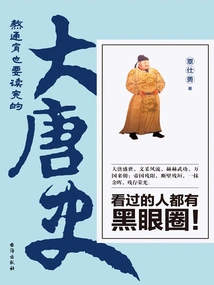
熬通宵也要读完的大唐史
Qin Shiyong
The Tang Dynasty ushered in a prosperous age in Chinese history with its unprecedented splendor and prosperity, with literary talents, illustrious martial arts, and the coming of thousands of nations. However, behind the scenes of the prosperous age was conspiracy and bloodshed, and the prosperity was followed by war and decline. The ruins of the ruins, a glimmer of afterglow, remain of the glory of the prosperous age.
The Tang Dynasty ushered in a prosperous age in Chinese history with its unprecedented splendor and prosperity, with literary talents, illustrious martial arts, and the coming of thousands of nations. However, behind the scenes of the prosperous age was conspiracy and bloodshed, and the prosperity was followed by war and decline. The ruins of the ruins, a glimmer of afterglow, remain of the glory of the prosperous age.
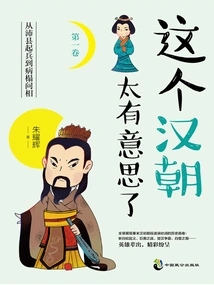
这个汉朝太有意思了(第一卷)
Zhu Yaohui
"This Han Dynasty is So Interesting" begins with Liu Bang, the founder of the Han Dynasty, and continues to the Zen position of Emperor Xian of the Han Dynasty, a total of more than 400 years of history. The complete set of books consists of seven volumes and is published in two parts. The first part includes the first four volumes, starting from the struggle for hegemony between Chu and Han and ending with Wang Mang's replacement of the Han Dynasty; the second part includes the last three volumes, starting from Liu Xiu's rebellion and ending with Cao Pi's usurpation of the Han Dynasty.
"This Han Dynasty is So Interesting" begins with Liu Bang, the founder of the Han Dynasty, and continues to the Zen position of Emperor Xian of the Han Dynasty, a total of more than 400 years of history. The complete set of books consists of seven volumes and is published in two parts. The first part includes the first four volumes, starting from the struggle for hegemony between Chu and Han and ending with Wang Mang's replacement of the Han Dynasty; the second part includes the last three volumes, starting from Liu Xiu's rebellion and ending with Cao Pi's usurpation of the Han Dynasty.
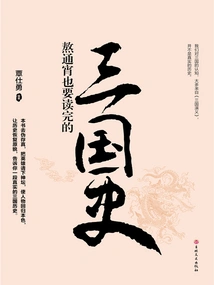
熬通宵也要读完的三国史
Compiled By Qin Shiyong
There were two great dynasties in ancient Chinese history, the Han Dynasty and the Tang Dynasty. However, after the great rule, two great chaos followed. That is, the turbulent times of the Three Kingdoms at the end of the Han Dynasty and the turbulent times of the Ten Kingdoms at the end of the Tang Dynasty and the Five Dynasties. But compared with the chaotic times of the late Tang Dynasty, Five Dynasties and Ten Kingdoms, the chaotic times of the Three Kingdoms at the end of the Han Dynasty were chaotic in terms of standards, levels, brilliance, and art. Many people even believe that the troubled times of the Five Hus and Sixteen Kingdoms in the late Jin Dynasty, which were even more chaotic than these two troubled times, were directly a continuation of the troubled times of the Three Kingdoms. However, people's understanding of the troubled times of the Three Kingdoms is mainly influenced by the romance novel "The Romance of the Three Kingdoms", which contains many falsehoods and fallacies. This book focuses on restoring the romance based on historical facts and strives to show a true history of the Three Kingdoms.
There were two great dynasties in ancient Chinese history, the Han Dynasty and the Tang Dynasty. However, after the great rule, two great chaos followed. That is, the turbulent times of the Three Kingdoms at the end of the Han Dynasty and the turbulent times of the Ten Kingdoms at the end of the Tang Dynasty and the Five Dynasties. But compared with the chaotic times of the late Tang Dynasty, Five Dynasties and Ten Kingdoms, the chaotic times of the Three Kingdoms at the end of the Han Dynasty were chaotic in terms of standards, levels, brilliance, and art. Many people even believe that the troubled times of the Five Hus and Sixteen Kingdoms in the late Jin Dynasty, which were even more chaotic than these two troubled times, were directly a continuation of the troubled times of the Three Kingdoms. However, people's understanding of the troubled times of the Three Kingdoms is mainly influenced by the romance novel "The Romance of the Three Kingdoms", which contains many falsehoods and fallacies. This book focuses on restoring the romance based on historical facts and strives to show a true history of the Three Kingdoms.
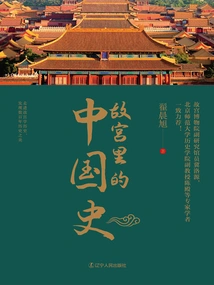
故宫里的中国史
Zhai Chenxu
The first half of "The History of China in the Forbidden City" tells the story: from Kublai Khan's founding of the Yuan Dynasty, to the move of the capital to the Forbidden City in the 18th year of Yongle's reign, and finally to the discovery of Emperor Chongzhen's body at Dongzhimen in the Ming Dynasty. Taking the construction and maturity of the Forbidden City as the axis, it uses humorous and vivid language to write about the joys and sorrows that happened in the palace, as well as many historical events witnessed by the Forbidden City. At the same time, it combines the knowledge of ancient architecture to introduce the construction of the main palaces and the knowledge behind them. The second half is about: starting from the Forbidden City in Shenyang, to the time spent in the Forbidden City during the prosperous ages of Kangxi and Qianlong, and finally to the historical twilight and twists and turns of the Forbidden City's fate in modern history under the smoke of artillery fire. At the same time, it is further clarified that the historical system of the Forbidden City has passed through the Xinyou Coup, the Second Opium War, the Secret Gate Disturbance, the Reform Movement of 1898, etc., Including the buildings of the Summer Palace, Xiyuan, and Summer Resort. At the end of the book, it is supplemented by Wang Guowei's watering in Kunming Lake and the removal of the cultural relics of the Forbidden City during the war, comprehensively showing the rise and fall of the Forbidden City over six hundred years.
The first half of "The History of China in the Forbidden City" tells the story: from Kublai Khan's founding of the Yuan Dynasty, to the move of the capital to the Forbidden City in the 18th year of Yongle's reign, and finally to the discovery of Emperor Chongzhen's body at Dongzhimen in the Ming Dynasty. Taking the construction and maturity of the Forbidden City as the axis, it uses humorous and vivid language to write about the joys and sorrows that happened in the palace, as well as many historical events witnessed by the Forbidden City. At the same time, it combines the knowledge of ancient architecture to introduce the construction of the main palaces and the knowledge behind them. The second half is about: starting from the Forbidden City in Shenyang, to the time spent in the Forbidden City during the prosperous ages of Kangxi and Qianlong, and finally to the historical twilight and twists and turns of the Forbidden City's fate in modern history under the smoke of artillery fire. At the same time, it is further clarified that the historical system of the Forbidden City has passed through the Xinyou Coup, the Second Opium War, the Secret Gate Disturbance, the Reform Movement of 1898, etc., Including the buildings of the Summer Palace, Xiyuan, and Summer Resort. At the end of the book, it is supplemented by Wang Guowei's watering in Kunming Lake and the removal of the cultural relics of the Forbidden City during the war, comprehensively showing the rise and fall of the Forbidden City over six hundred years.
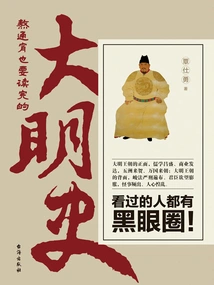
熬通宵也要读完的大明史
Qin Shiyong
This was a dynasty that pushed Confucian civilization to its peak, and it was also a dynasty with highly developed commercial civilization. Five continents came to congratulate, and all the nations came to visit. This was another dynasty with severe laws and severe punishments, and the desires of monarchs and ministers were inflated. In the later period, strange things happened frequently and people were panicked... Finally, it collapsed in 1645 and headed towards the abyss of overturning.
This was a dynasty that pushed Confucian civilization to its peak, and it was also a dynasty with highly developed commercial civilization. Five continents came to congratulate, and all the nations came to visit. This was another dynasty with severe laws and severe punishments, and the desires of monarchs and ministers were inflated. In the later period, strange things happened frequently and people were panicked... Finally, it collapsed in 1645 and headed towards the abyss of overturning.
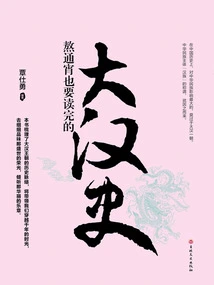
熬通宵也要读完的大汉史
Compiled By Qin Shiyong
The Han Dynasty was one of the most important periods in Chinese history. The Han Dynasty inherited the Qin system, and the Han Dynasty followed the centralized system of the Qin Dynasty, strengthened the power of the central government, and established Confucianism as the orthodox ideology of feudal rule, pushing the national power to a new peak. In the process of governance and prosperity, it resisted the invasion of the Huns and established a great era of Chinese territory. This book provides a vivid and picturesque description of this series of social elites and historical figures who emerged at the historic moment.
The Han Dynasty was one of the most important periods in Chinese history. The Han Dynasty inherited the Qin system, and the Han Dynasty followed the centralized system of the Qin Dynasty, strengthened the power of the central government, and established Confucianism as the orthodox ideology of feudal rule, pushing the national power to a new peak. In the process of governance and prosperity, it resisted the invasion of the Huns and established a great era of Chinese territory. This book provides a vivid and picturesque description of this series of social elites and historical figures who emerged at the historic moment.
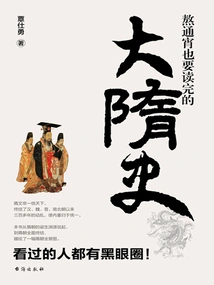
熬通宵也要读完的大隋史
Qin Shiyong
The Sui Dynasty ended the nearly 300-year split since the end of the Western Jin Dynasty, eliminated all kinds of cultural chaos after the Five Husties in China, vigorously promoted Sinicization, and laid a solid foundation for the subsequent development of Tang, Song, and Han culture. When historians govern history, whenever they discuss the culture, economy and various political systems of the Tang Dynasty, they cannot do without the Sui Dynasty. The Sui and Tang Dynasties together are recognized by the world as China's most powerful period. But precisely because the Sui Dynasty was tied to the Tang Dynasty and its own history was too short, it was often ignored by the public. This book starts from the birth and origin of the Sui Dynasty and ends with its complete end. This book uses humorous language to take readers through the majestic prosperity and turmoil of the Sui Dynasty.
The Sui Dynasty ended the nearly 300-year split since the end of the Western Jin Dynasty, eliminated all kinds of cultural chaos after the Five Husties in China, vigorously promoted Sinicization, and laid a solid foundation for the subsequent development of Tang, Song, and Han culture. When historians govern history, whenever they discuss the culture, economy and various political systems of the Tang Dynasty, they cannot do without the Sui Dynasty. The Sui and Tang Dynasties together are recognized by the world as China's most powerful period. But precisely because the Sui Dynasty was tied to the Tang Dynasty and its own history was too short, it was often ignored by the public. This book starts from the birth and origin of the Sui Dynasty and ends with its complete end. This book uses humorous language to take readers through the majestic prosperity and turmoil of the Sui Dynasty.
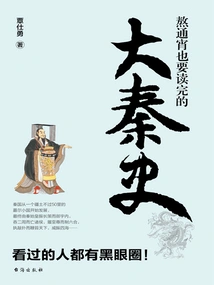
熬通宵也要读完的大秦史
Qin Shiyong
As the first unified dynasty in Chinese history, the Qin Dynasty had a very short history, only fifteen years, but the history of the Qin State was nearly seven hundred years. The Qin State rose up little by little from a small country with a territory of no more than fifty miles. In the end, Qin Shihuang launched a long-term strategy to control the inner world, swallowed up the princes for two weeks, acted as the supreme and controlled the Liuhe, beat and beat the world, and became powerful all over the world. How arduous the process was, and how spectacular the life and death test it experienced! This book starts from the beginning of the Qin Dynasty to the end of the Sui Dynasty, trying to paint a panoramic view of the Qin Dynasty so that everyone can have an overall understanding of the development of the Qin Dynasty.
As the first unified dynasty in Chinese history, the Qin Dynasty had a very short history, only fifteen years, but the history of the Qin State was nearly seven hundred years. The Qin State rose up little by little from a small country with a territory of no more than fifty miles. In the end, Qin Shihuang launched a long-term strategy to control the inner world, swallowed up the princes for two weeks, acted as the supreme and controlled the Liuhe, beat and beat the world, and became powerful all over the world. How arduous the process was, and how spectacular the life and death test it experienced! This book starts from the beginning of the Qin Dynasty to the end of the Sui Dynasty, trying to paint a panoramic view of the Qin Dynasty so that everyone can have an overall understanding of the development of the Qin Dynasty.
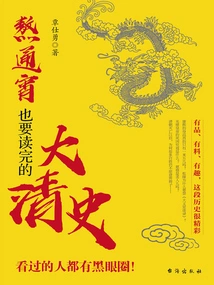
熬通宵也要读完的大清史
Qin Shiyong
Is Kangxi really only a little over 1.5 Meters tall? Why did Qianlong ban "Dayi Mijuelu"? What was the cause of Emperor Guangxu's death? Is Cixi a beauty? After the fall of the Qing Dynasty, why are many people still unwilling to cut their braids... With novel viewpoints and humorous words, the new book by the famous Sina blogger and headliner Qin Shiyong is a hot seller, making you want to stop and stay up all night to read it!
Is Kangxi really only a little over 1.5 Meters tall? Why did Qianlong ban "Dayi Mijuelu"? What was the cause of Emperor Guangxu's death? Is Cixi a beauty? After the fall of the Qing Dynasty, why are many people still unwilling to cut their braids... With novel viewpoints and humorous words, the new book by the famous Sina blogger and headliner Qin Shiyong is a hot seller, making you want to stop and stay up all night to read it!
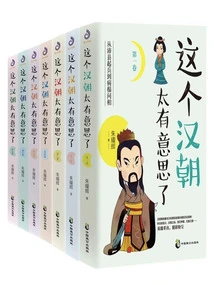
这个汉朝太有意思了(全7卷)
Zhu Yaohui
"This Han Dynasty is So Interesting" begins with Liu Bang, the founder of the Han Dynasty, and continues to the Zen position of Emperor Xian of the Han Dynasty, a total of more than 400 years of history. The complete set of books consists of seven volumes and is published in two parts. The first part includes the first four volumes, starting from the struggle for hegemony between Chu and Han and ending with Wang Mang's replacement of the Han Dynasty; the second part includes the last three volumes, starting from Liu Xiu's rebellion and ending with Cao Pi's usurpation of the Han Dynasty.
"This Han Dynasty is So Interesting" begins with Liu Bang, the founder of the Han Dynasty, and continues to the Zen position of Emperor Xian of the Han Dynasty, a total of more than 400 years of history. The complete set of books consists of seven volumes and is published in two parts. The first part includes the first four volumes, starting from the struggle for hegemony between Chu and Han and ending with Wang Mang's replacement of the Han Dynasty; the second part includes the last three volumes, starting from Liu Xiu's rebellion and ending with Cao Pi's usurpation of the Han Dynasty.
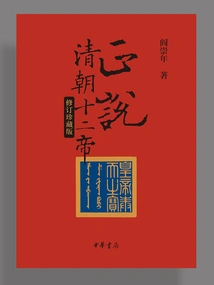
正说清朝十二帝(修订珍藏版)
Yan Chongnian
"The Twelve Emperors of the Qing Dynasty" is revised based on the large-scale lecture series "The Mysterious Case of the Twelve Emperors of the Qing Dynasty" given by Qing history expert Yan Chongnian on CCTV 10. It tells the story of the twelve generations of emperors from Nurhachi to Xuantong in 296 years. From it, we can understand the trajectory of the Ming and Qing dynasties and the reasons for the decline of the Qing Dynasty. It is a good introductory book for understanding Qing history.
"The Twelve Emperors of the Qing Dynasty" is revised based on the large-scale lecture series "The Mysterious Case of the Twelve Emperors of the Qing Dynasty" given by Qing history expert Yan Chongnian on CCTV 10. It tells the story of the twelve generations of emperors from Nurhachi to Xuantong in 296 years. From it, we can understand the trajectory of the Ming and Qing dynasties and the reasons for the decline of the Qing Dynasty. It is a good introductory book for understanding Qing history.
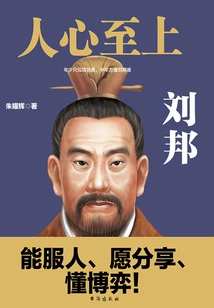
人心至上:刘邦
Zhu Yaohui
If you want to have a smooth career, you must follow the right people, lead the right people, and do the right things. If you want to succeed in the workplace, you must be able to convince others, be willing to share, and understand the game. How can a rogue who does not do his job become a winner in life? This vivid and interesting history book of Chu and Han will lead you to appreciate the flexible wisdom and impressive management skills of Liu Bang, the founder of the empire.
If you want to have a smooth career, you must follow the right people, lead the right people, and do the right things. If you want to succeed in the workplace, you must be able to convince others, be willing to share, and understand the game. How can a rogue who does not do his job become a winner in life? This vivid and interesting history book of Chu and Han will lead you to appreciate the flexible wisdom and impressive management skills of Liu Bang, the founder of the empire.
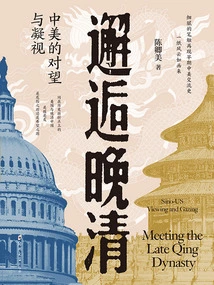
Encountering the Late Qing Dynasty: the Confrontation and Gaze between China and the United States
History邂逅晚清:中美的对望与凝视
Chen Qingmei
The frequent communication and exchanges between China and the United States in the late Qing Dynasty affected not only China's modernization history, but also the rise and growth of the United States. After contact in the 19th century, both China and the United States underwent historic changes. China ended two thousand years of feudal monarchy, and the United States became the world's largest superpower. On the basis of respecting rigorous historical facts, this book restores and takes inventory of major events in Sino-US exchanges in the 19th century, such as the opium trade, the Treaty of Wangxia, Chinese workers in the United States, the Burlingame mission's visit to the United States, Young Children's Study in the United States, Grant's visit to China, Li Hongzhang's visit to the United States, the Eight-Power Allied Forces' invasion of China, the return of the Boxer Indemnity, etc. The book takes time as the main axis, and summarizes similar events in Sino-US interactions into one category and puts them into one chapter. This facilitates reference and comparison. Chinese people look at the United States, and Americans look at China. In the 19th century, the two major powers looked at each other and stared at each other, profoundly changing the world structure.
The frequent communication and exchanges between China and the United States in the late Qing Dynasty affected not only China's modernization history, but also the rise and growth of the United States. After contact in the 19th century, both China and the United States underwent historic changes. China ended two thousand years of feudal monarchy, and the United States became the world's largest superpower. On the basis of respecting rigorous historical facts, this book restores and takes inventory of major events in Sino-US exchanges in the 19th century, such as the opium trade, the Treaty of Wangxia, Chinese workers in the United States, the Burlingame mission's visit to the United States, Young Children's Study in the United States, Grant's visit to China, Li Hongzhang's visit to the United States, the Eight-Power Allied Forces' invasion of China, the return of the Boxer Indemnity, etc. The book takes time as the main axis, and summarizes similar events in Sino-US interactions into one category and puts them into one chapter. This facilitates reference and comparison. Chinese people look at the United States, and Americans look at China. In the 19th century, the two major powers looked at each other and stared at each other, profoundly changing the world structure.
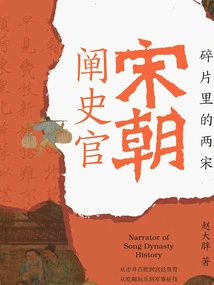
宋朝阐史官:碎片里的两宋
Big Fat Zhao
This book is divided into four chapters with more than 100 articles, mainly telling about princes, generals, celebrities and ordinary people, as well as trivia including mystery, diplomacy, and culture. Starting from the perspective of the lives of people at the bottom, middle and upper classes, the author sorts out the historical fragments scattered in the long river of history to form a complete context and present a three-dimensional Song Dynasty to readers.
This book is divided into four chapters with more than 100 articles, mainly telling about princes, generals, celebrities and ordinary people, as well as trivia including mystery, diplomacy, and culture. Starting from the perspective of the lives of people at the bottom, middle and upper classes, the author sorts out the historical fragments scattered in the long river of history to form a complete context and present a three-dimensional Song Dynasty to readers.
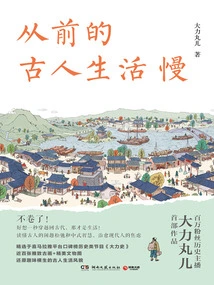
从前的古人生活慢
Daliwaner
If we traveled back to ancient times, how many episodes would we survive? An essential survival guide for traveling through \u002F infinite ancient dungeons! Through this book you can learn: [Speech] In ancient times, what did the ancients say? How to learn Mandarin, dialects, and ancient Chinese? [Dressing] In ancient times, what colors of clothes could we wear? What should we do if we wore the wrong color? [Time] In ancient times when there were no alarm clocks, how could we avoid being late for work? [Money] How much does one tael of silver equal? What can I buy? [Work] Why did you need 996 in ancient times? How can I become a civil servant? If I enter the palace and become a concubine, will I get a salary? MarriageIs it possible to get divorced in ancient times? "Polygamy", don't be envious. EatingWhich dynasty can we travel back in time to have delicious food? Unexpectedly, you can order takeout in ancient times! And... The most concerning question: How did ancient people go to the toilet! ... In fact, the life of ancient people was slow, but it had a sense of ritual. From the "slowed down" life of ancient times, you can feel the leisure and leisure and Chinese wisdom of the ancients, and heal the introverted modern people. Modern life is stressful, I don't dare to fall in love, I can't afford a house, I can't afford to raise a child... I won't do it anymore! Let's go back to ancient times and live a small life! Without high technology, life is very poetic. This is a historical book that truly restores the daily life of ancient people. Readers can learn about the leisure and relaxation and Chinese wisdom of the ancients through 62 life facts from aspects such as food, clothing, housing, transportation, workplace, folk customs, and social anecdotes. There are hundreds of elegant ancient paintings and pictures of exquisite cultural relics nearby, restoring the interesting life style of ancient people. The text is light-hearted and humorous, interesting to read and full of pictures, taking us through thousands of years, back to ancient times, and temporarily escaping from the present.
If we traveled back to ancient times, how many episodes would we survive? An essential survival guide for traveling through \u002F infinite ancient dungeons! Through this book you can learn: [Speech] In ancient times, what did the ancients say? How to learn Mandarin, dialects, and ancient Chinese? [Dressing] In ancient times, what colors of clothes could we wear? What should we do if we wore the wrong color? [Time] In ancient times when there were no alarm clocks, how could we avoid being late for work? [Money] How much does one tael of silver equal? What can I buy? [Work] Why did you need 996 in ancient times? How can I become a civil servant? If I enter the palace and become a concubine, will I get a salary? MarriageIs it possible to get divorced in ancient times? "Polygamy", don't be envious. EatingWhich dynasty can we travel back in time to have delicious food? Unexpectedly, you can order takeout in ancient times! And... The most concerning question: How did ancient people go to the toilet! ... In fact, the life of ancient people was slow, but it had a sense of ritual. From the "slowed down" life of ancient times, you can feel the leisure and leisure and Chinese wisdom of the ancients, and heal the introverted modern people. Modern life is stressful, I don't dare to fall in love, I can't afford a house, I can't afford to raise a child... I won't do it anymore! Let's go back to ancient times and live a small life! Without high technology, life is very poetic. This is a historical book that truly restores the daily life of ancient people. Readers can learn about the leisure and relaxation and Chinese wisdom of the ancients through 62 life facts from aspects such as food, clothing, housing, transportation, workplace, folk customs, and social anecdotes. There are hundreds of elegant ancient paintings and pictures of exquisite cultural relics nearby, restoring the interesting life style of ancient people. The text is light-hearted and humorous, interesting to read and full of pictures, taking us through thousands of years, back to ancient times, and temporarily escaping from the present.
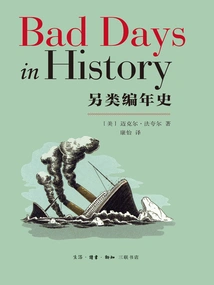
Alternative Chronicles
History另类编年史
(us) Michael Farquhar
History is made of struggle and victory, of determination and discovery, of courage and innovation, including some very disheartening bad days. In this hilarious book, best-selling author Michael Farquhar presents a year-long hodgepodge of famous tragedies, classic examples of bad luck, and disasters and horrors. These 365 wonderful historical fragments are original and uncut, allowing you to have a panoramic view of the bad luck throughout the ages. The emperors, generals, heads of state, tyrannical presidents, idol stars, tyrants and liars who appear in the book have all suffered losses and capsized. A little "little fun" every day for your after-dinner entertainment. Please sit back comfortably and take a hearty journey into the past along with each unfortunate event.
History is made of struggle and victory, of determination and discovery, of courage and innovation, including some very disheartening bad days. In this hilarious book, best-selling author Michael Farquhar presents a year-long hodgepodge of famous tragedies, classic examples of bad luck, and disasters and horrors. These 365 wonderful historical fragments are original and uncut, allowing you to have a panoramic view of the bad luck throughout the ages. The emperors, generals, heads of state, tyrannical presidents, idol stars, tyrants and liars who appear in the book have all suffered losses and capsized. A little "little fun" every day for your after-dinner entertainment. Please sit back comfortably and take a hearty journey into the past along with each unfortunate event.
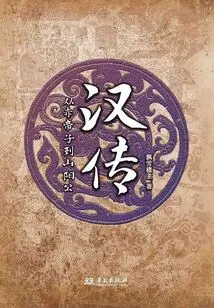
汉传:从赤帝子到山阳公
The Owner Of Piaoxue
The Han Dynasty was divided into the Eastern Han Dynasty and the Western Han Dynasty. It lasted for a total of 405 years and passed through 29 emperors. It created many historical records and its influence still exists today. Since the "Red Emperor's son" Liu Bang established the Han Dynasty through the Chu-Han conflict, major historical events such as the Siege of Baideng, the Zhulu Rebellion, and the Seven Kingdoms Rebellion occurred in the early Han Dynasty. Fortunately, the rule of Wenjing restored the national strength. The powerful Emperor Wu of the Han Dynasty will forever be remembered in history for his attack on the Xiongnu. The two Han Dynasties were full of twists and turns. After Wang Mang usurped the throne, there was also the revival of Guangwu and Mingzhang. However, after experiencing the disputes between officials and officials, the disaster of party imprisonment and the Yellow Turban Uprising, Emperor Xian Liu Xie of the Han Dynasty was deposed as "Shan Yang Gong", and the Han Dynasty perished, leaving endless echoes...
The Han Dynasty was divided into the Eastern Han Dynasty and the Western Han Dynasty. It lasted for a total of 405 years and passed through 29 emperors. It created many historical records and its influence still exists today. Since the "Red Emperor's son" Liu Bang established the Han Dynasty through the Chu-Han conflict, major historical events such as the Siege of Baideng, the Zhulu Rebellion, and the Seven Kingdoms Rebellion occurred in the early Han Dynasty. Fortunately, the rule of Wenjing restored the national strength. The powerful Emperor Wu of the Han Dynasty will forever be remembered in history for his attack on the Xiongnu. The two Han Dynasties were full of twists and turns. After Wang Mang usurped the throne, there was also the revival of Guangwu and Mingzhang. However, after experiencing the disputes between officials and officials, the disaster of party imprisonment and the Yellow Turban Uprising, Emperor Xian Liu Xie of the Han Dynasty was deposed as "Shan Yang Gong", and the Han Dynasty perished, leaving endless echoes...
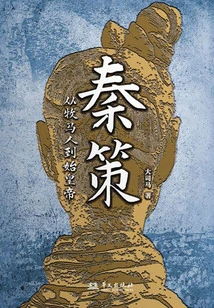
秦策:从牧马人到始皇帝
Da Sima
A small country on the border that was originally inconspicuous suddenly rose up during the Spring and Autumn Period and the Warring States Period. It successively defeated many traditional large and powerful countries, and finally became unified. Qin was originally a remnant force after the destruction of Eastern stock traders. It was inconspicuous in the Zhou Dynasty where the princes were enfeoffed. However, what the world did not expect was that in the chaos of beacon-fire drama among the princes, the Qin people, who had been raising horses on the western frontier for hundreds of years, actually got the opportunity to establish a new vassal state in the Longxing hometown of the Zhou royal family. As a result, the Wrangler transformed into a dominant Guanzhong prince. Until this time, Qin was still a marginal character far away from the center of China. In order to join the mainstream, Qin Mugong racked his brains and recruited talents, and finally ushered in the rise of Qin. Then Shang Yang entered the Qin Dynasty and initiated reforms. After that, the former "Little Qin" exploded and swept across the entire eastern continent, swallowing up the six countries and unifying the world. The first unified feudal dynasty in Chinese history stepped onto the historical stage.
A small country on the border that was originally inconspicuous suddenly rose up during the Spring and Autumn Period and the Warring States Period. It successively defeated many traditional large and powerful countries, and finally became unified. Qin was originally a remnant force after the destruction of Eastern stock traders. It was inconspicuous in the Zhou Dynasty where the princes were enfeoffed. However, what the world did not expect was that in the chaos of beacon-fire drama among the princes, the Qin people, who had been raising horses on the western frontier for hundreds of years, actually got the opportunity to establish a new vassal state in the Longxing hometown of the Zhou royal family. As a result, the Wrangler transformed into a dominant Guanzhong prince. Until this time, Qin was still a marginal character far away from the center of China. In order to join the mainstream, Qin Mugong racked his brains and recruited talents, and finally ushered in the rise of Qin. Then Shang Yang entered the Qin Dynasty and initiated reforms. After that, the former "Little Qin" exploded and swept across the entire eastern continent, swallowing up the six countries and unifying the world. The first unified feudal dynasty in Chinese history stepped onto the historical stage.
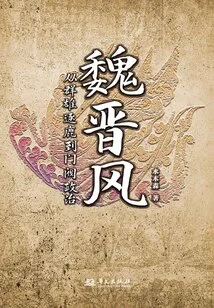
魏晋风:从群雄逐鹿到门阀政治
Shuimusen
This book is an interesting reading of the history of the Wei and Jin Dynasties, outlining the historical context of the Wei and Jin Dynasties in a concise way. The Wei and Jin Dynasties were a historical period in which advancement and decline were intertwined, and ideals and disillusionment alternated. On the one hand, there were endless wars during this period. First, the Three Kingdoms were established, and then three parts returned to the Jin Dynasty. Then the Eight Kings Rebellion occurred in the Jin Dynasty, sixteen kingdoms appeared in the north, and the Eastern Jin Dynasty was established in the south. In the troubled times of war, countless heroes have been leading the way for decades; on the other hand, the aristocratic clans have dominated the political arena. Their luxurious and corrupt lives have seriously squeezed the living space of ordinary people from poor families and blocked the upward channels for ordinary people. However, it has also brought about a trend of metaphysics and free talk. For a time, celebrities appeared in large numbers, creating a free and easy-to-understand, self-promoting style in the Wei and Jin Dynasties. It aims to make people understand history in a relaxed and enjoyable way and gain enlightenment.
This book is an interesting reading of the history of the Wei and Jin Dynasties, outlining the historical context of the Wei and Jin Dynasties in a concise way. The Wei and Jin Dynasties were a historical period in which advancement and decline were intertwined, and ideals and disillusionment alternated. On the one hand, there were endless wars during this period. First, the Three Kingdoms were established, and then three parts returned to the Jin Dynasty. Then the Eight Kings Rebellion occurred in the Jin Dynasty, sixteen kingdoms appeared in the north, and the Eastern Jin Dynasty was established in the south. In the troubled times of war, countless heroes have been leading the way for decades; on the other hand, the aristocratic clans have dominated the political arena. Their luxurious and corrupt lives have seriously squeezed the living space of ordinary people from poor families and blocked the upward channels for ordinary people. However, it has also brought about a trend of metaphysics and free talk. For a time, celebrities appeared in large numbers, creating a free and easy-to-understand, self-promoting style in the Wei and Jin Dynasties. It aims to make people understand history in a relaxed and enjoyable way and gain enlightenment.
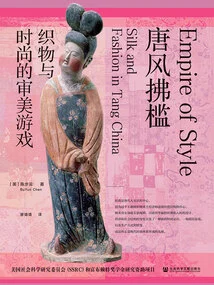
唐风拂槛:织物与时尚的审美游戏
(us) Chen Buyun
The Tang Dynasty was a highly cosmopolitan dynasty. Its capital, Chang'an, was the most populous city in the world at that time. It was connected to important markets and prosperous cultures in Central Asia and the Middle East through the Silk Road. In this book, author Chen Buyun reveals a vibrant Tang dynasty fashion system, examining Tang dynasty fashion styles based on archaeological sources-paintings, sculptures, and silk items-as well as records from almanacs, poetry, tax documents, economic treatises, and legal documents. "The Wind in the Tang Dynasty" is the result of a research project funded by the US Social Science Research Council (SSRC) and the Fulbright Scholarship. Li Hongbin, Li Zhisheng, Valerie Steele, Giorgio Riello and other well-known scholars in related fields are recommended reading by authoritative academic journals such as "Harvard Asian Studies" and "Journal of Chinese History".
The Tang Dynasty was a highly cosmopolitan dynasty. Its capital, Chang'an, was the most populous city in the world at that time. It was connected to important markets and prosperous cultures in Central Asia and the Middle East through the Silk Road. In this book, author Chen Buyun reveals a vibrant Tang dynasty fashion system, examining Tang dynasty fashion styles based on archaeological sources-paintings, sculptures, and silk items-as well as records from almanacs, poetry, tax documents, economic treatises, and legal documents. "The Wind in the Tang Dynasty" is the result of a research project funded by the US Social Science Research Council (SSRC) and the Fulbright Scholarship. Li Hongbin, Li Zhisheng, Valerie Steele, Giorgio Riello and other well-known scholars in related fields are recommended reading by authoritative academic journals such as "Harvard Asian Studies" and "Journal of Chinese History".
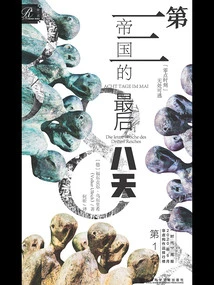
第三帝国的最后八天
(german) Volker Ulrich
The final week of the Third Reich begins. Hitler is dead, but the war is not over. Everything seems to be at a standstill, but yet it's in breathtaking undercurrent. After Dönitz, the successor to the Führer, fled to Flensburg, the Allies continued to advance. Berlin gave up the struggle and Army Group C surrendered in Italy. The famous journalist and biographer Volker Ulrich describes this endless "zero hour" in days, using the historical mosaic of countless witness testimonies to stitch together a panoramic picture, taking us into a world full of drama and hope, but also full of violence and fear.
The final week of the Third Reich begins. Hitler is dead, but the war is not over. Everything seems to be at a standstill, but yet it's in breathtaking undercurrent. After Dönitz, the successor to the Führer, fled to Flensburg, the Allies continued to advance. Berlin gave up the struggle and Army Group C surrendered in Italy. The famous journalist and biographer Volker Ulrich describes this endless "zero hour" in days, using the historical mosaic of countless witness testimonies to stitch together a panoramic picture, taking us into a world full of drama and hope, but also full of violence and fear.
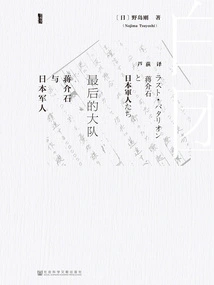
最后的大队:蒋介石与日本军人
J
This book takes "Chiang Kai-shek's Diary" published in recent years as the starting point. The author Gou Nojima perseveres in exploring the huge amount of information scattered in Taiwan, the United States, and Japan, including the never-released "Cao Shicheng Archives", family letters, diaries and other precious historical materials of White League members. At the same time, through Careful interviews with relevant people faithfully depict the most authentic face of "politician Chiang Kai-shek" and the actual activities of the Japanese military advisory group "White Group", showing the more private and more real human side of the White Group under the appearance of "repaying gratitude" and "anti-communism".
This book takes "Chiang Kai-shek's Diary" published in recent years as the starting point. The author Gou Nojima perseveres in exploring the huge amount of information scattered in Taiwan, the United States, and Japan, including the never-released "Cao Shicheng Archives", family letters, diaries and other precious historical materials of White League members. At the same time, through Careful interviews with relevant people faithfully depict the most authentic face of "politician Chiang Kai-shek" and the actual activities of the Japanese military advisory group "White Group", showing the more private and more real human side of the White Group under the appearance of "repaying gratitude" and "anti-communism".
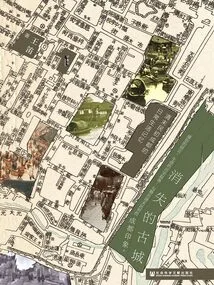
消失的古城:清末民初成都的日常生活记忆
Wang Di
"The Lost Ancient City" provides rich details of people's daily life and tells the story of the city of Chengdu from traditional life to modern times. It carefully depicts for us activities such as listening to operas, teahouses, visiting temple fairs, festivals, street politics, reform and revolution, as well as beggars, coolies, hawkers, craftsmen, water bearers, fortune tellers, barbers and other people with various identities struggling for life in this city. From the perspective of micro history, this book uses popular and vivid language to let us see the changes in Chengdu's history, culture and daily life, and leave us with profound thoughts.
"The Lost Ancient City" provides rich details of people's daily life and tells the story of the city of Chengdu from traditional life to modern times. It carefully depicts for us activities such as listening to operas, teahouses, visiting temple fairs, festivals, street politics, reform and revolution, as well as beggars, coolies, hawkers, craftsmen, water bearers, fortune tellers, barbers and other people with various identities struggling for life in this city. From the perspective of micro history, this book uses popular and vivid language to let us see the changes in Chengdu's history, culture and daily life, and leave us with profound thoughts.
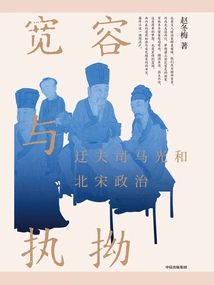
Tolerance and Stubbornness: the Reformer Sima Guang and the Politics of the Northern Song Dynasty
History宽容与执拗:迂夫司马光和北宋政治
Zhao Dongmei
This book takes the growth trajectory, life experience, and social activities of Sima Guang, a historian, politician, and great Confucian of the Northern Song Dynasty, as the core. It tells the historical changes of the five dynasties that his life spanned from Zhenzong, Renzong, Yingzong, Shenzong, and Zhezong, as well as the interactions, grievances, and entanglements of famous officials in the political arena of the Northern Song Dynasty such as Wang Anshi, Fan Zhongyan, Ouyang Xiu, Bao Zheng, and the Su Shi brothers. Professor Zhao Dongmei, an expert on the history of the Song Dynasty at Peking University, relied on years of research on the history of the Song Dynasty. He traced Sima Guang's family origins and narrated in detail his life experiences from his first official career to his rise to prominence, to becoming a high-ranking minister, and even to the high position of prime minister, thus influencing the historical direction of the Song Dynasty. Focusing on key figures, the author pays attention to the large-scale historical context and the spirit of scholar-bureaucrats in small-scale historical writing. He picks up a crucial period of history in the Song Dynasty, and reveals the subtle official ecology, complicated political entanglements, intricate factional disputes, prominent social problems, and even the dilemmas and directions faced by the era and individuals during this period. In the era, the elites tried to find a way out of the strange circle of "dynasty change" , in the process of exploring solutions, resolving conflicts and disputes, and finding a way out for the long-term peace and stability of this dynasty, it unearths the complex human nature and more complicated struggles of interests behind the seemingly pure and moderate beauty. It leads us to see clearly in the changing situation, when individuals make judgments and choices in aspects such as self-cultivation and officialdom, reform and conservatism, governance and prosperity, etc., While also understanding the prosperity and worries, solutions and dilemmas of the Song Dynasty 80 years after the founding of the Song Dynasty.
This book takes the growth trajectory, life experience, and social activities of Sima Guang, a historian, politician, and great Confucian of the Northern Song Dynasty, as the core. It tells the historical changes of the five dynasties that his life spanned from Zhenzong, Renzong, Yingzong, Shenzong, and Zhezong, as well as the interactions, grievances, and entanglements of famous officials in the political arena of the Northern Song Dynasty such as Wang Anshi, Fan Zhongyan, Ouyang Xiu, Bao Zheng, and the Su Shi brothers. Professor Zhao Dongmei, an expert on the history of the Song Dynasty at Peking University, relied on years of research on the history of the Song Dynasty. He traced Sima Guang's family origins and narrated in detail his life experiences from his first official career to his rise to prominence, to becoming a high-ranking minister, and even to the high position of prime minister, thus influencing the historical direction of the Song Dynasty. Focusing on key figures, the author pays attention to the large-scale historical context and the spirit of scholar-bureaucrats in small-scale historical writing. He picks up a crucial period of history in the Song Dynasty, and reveals the subtle official ecology, complicated political entanglements, intricate factional disputes, prominent social problems, and even the dilemmas and directions faced by the era and individuals during this period. In the era, the elites tried to find a way out of the strange circle of "dynasty change" , in the process of exploring solutions, resolving conflicts and disputes, and finding a way out for the long-term peace and stability of this dynasty, it unearths the complex human nature and more complicated struggles of interests behind the seemingly pure and moderate beauty. It leads us to see clearly in the changing situation, when individuals make judgments and choices in aspects such as self-cultivation and officialdom, reform and conservatism, governance and prosperity, etc., While also understanding the prosperity and worries, solutions and dilemmas of the Song Dynasty 80 years after the founding of the Song Dynasty.
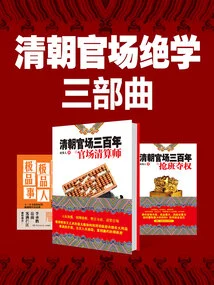
清朝官场绝学三部曲(共3册)
Woodcutter Wu Celi
"The Official Actuary of Three Hundred Years of Qing Dynasty Officialdom": This book takes the history of the Qing Dynasty as the main line. After Huang Taiji succeeded to the throne, he used people skillfully and calculated matters to achieve the goal of monopolizing power - he skillfully used the system to calculate Daishan and Yuetuo's father and son, and weakened Zhenghongqi and Xianghongqi. Strength; design a conspiracy to exclude the dissident brothers Mang Gurtai and Derge and embezzle the assets of Zhenglan Banner; isolate Abate and Dudu, who have good roots and make them into marginal figures; use their character weaknesses to punish Azig and Duduo and make them loyal thugs. Finally, the goal of monopolizing power and being dictatorial was achieved. "Three Hundred Years of Qing Dynasty Officialdom: Seizing Class Power": This book takes the history of the Qing Dynasty as the main line and centers on the struggle for the throne. It tells the story of the fierce internecine struggle between the number one Nurhaci and his brother Shuerhaqi, the number two figure, and his sons Chu Ying, Dai Shan and Huang Taiji. It unearths what kind of qualities and wisdom a successor to the imperial power needs to successfully reach the top, and elucidates profound survival wisdom, sharp psychological insight skills and superb fighting art. "The Best People and Things in the Late Qing Dynasty": These people and things will make you laugh uncontrollably - those revolutionaries who manipulated the human body, the promiscuous women who influenced the reform of ancient China's political system, imperial teachers who looked like gentlemen but were actually double-dealing, representative figures who studied abroad in modern times but were keen on "local diplomas", etc., Will leave deep scratches on your brain.
"The Official Actuary of Three Hundred Years of Qing Dynasty Officialdom": This book takes the history of the Qing Dynasty as the main line. After Huang Taiji succeeded to the throne, he used people skillfully and calculated matters to achieve the goal of monopolizing power - he skillfully used the system to calculate Daishan and Yuetuo's father and son, and weakened Zhenghongqi and Xianghongqi. Strength; design a conspiracy to exclude the dissident brothers Mang Gurtai and Derge and embezzle the assets of Zhenglan Banner; isolate Abate and Dudu, who have good roots and make them into marginal figures; use their character weaknesses to punish Azig and Duduo and make them loyal thugs. Finally, the goal of monopolizing power and being dictatorial was achieved. "Three Hundred Years of Qing Dynasty Officialdom: Seizing Class Power": This book takes the history of the Qing Dynasty as the main line and centers on the struggle for the throne. It tells the story of the fierce internecine struggle between the number one Nurhaci and his brother Shuerhaqi, the number two figure, and his sons Chu Ying, Dai Shan and Huang Taiji. It unearths what kind of qualities and wisdom a successor to the imperial power needs to successfully reach the top, and elucidates profound survival wisdom, sharp psychological insight skills and superb fighting art. "The Best People and Things in the Late Qing Dynasty": These people and things will make you laugh uncontrollably - those revolutionaries who manipulated the human body, the promiscuous women who influenced the reform of ancient China's political system, imperial teachers who looked like gentlemen but were actually double-dealing, representative figures who studied abroad in modern times but were keen on "local diplomas", etc., Will leave deep scratches on your brain.
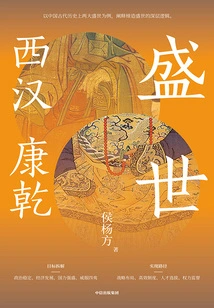
盛世:西汉 康乾
Hou Yangfang
The Western Han Dynasty and the Kangxi and Qianlong Dynasties were two periods that had a profound impact on modern China. The author uses this period of historical development, growth, and decline as the main line to panoramically depict the majesty of emperors, prowess, talents, abundant production, expansion of territory, and potential crises that are unique to the period of social rise. The book not only analyzes human nature and historical events, but also focuses on explaining history from the perspectives of population, economy, and environment, and exploring the deep-seated operating mechanisms of history.
The Western Han Dynasty and the Kangxi and Qianlong Dynasties were two periods that had a profound impact on modern China. The author uses this period of historical development, growth, and decline as the main line to panoramically depict the majesty of emperors, prowess, talents, abundant production, expansion of territory, and potential crises that are unique to the period of social rise. The book not only analyzes human nature and historical events, but also focuses on explaining history from the perspectives of population, economy, and environment, and exploring the deep-seated operating mechanisms of history.
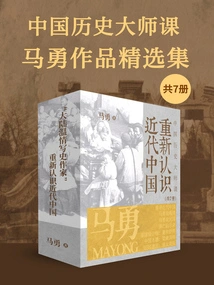
中国历史大师课:马勇作品精选集(共7册)
Ma Yong
A collection of works by the famous modern historian Ma Yong, totaling 7 volumes. They are "Ma Yong on the Late Qing Dynasty", "Ma Yong on the Republic of China", "Rediscovering Modern China", "Apocalypse of the Fall of the Qing Dynasty: A Dynasty Enters History in a Hundred Days of Crisis", "Chinese Holy Heroes: The Biography of Liang Shuming", "Residents of the Republic of China: The Biography of Zhang Taiyan" and "The Imperial Architect: The Biography of Dong Zhongshu".
A collection of works by the famous modern historian Ma Yong, totaling 7 volumes. They are "Ma Yong on the Late Qing Dynasty", "Ma Yong on the Republic of China", "Rediscovering Modern China", "Apocalypse of the Fall of the Qing Dynasty: A Dynasty Enters History in a Hundred Days of Crisis", "Chinese Holy Heroes: The Biography of Liang Shuming", "Residents of the Republic of China: The Biography of Zhang Taiyan" and "The Imperial Architect: The Biography of Dong Zhongshu".
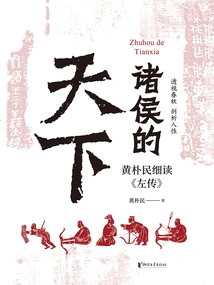
诸侯的天下:黄朴民细读《左传》
Huang Pumin
In the Spring and Autumn Period, the royal family was declining, and heroes were vying for hegemony. The strong survived and the weak perished. In troubled times, how could Duke Huan of Qi and Duke Wen of Jin achieve prestige and hegemony? Why did Hua Du and Nangong Wan commit regicide and kill people? The long-circulated story of the "Zhao Orphans" has long been popular, but is it true to history? The famous scholar Huang Pumin, with thirty years of academic experience, returned to the text of "Zuo Zhuan", reviewed historical materials and anecdotes, and carefully read the history of the Spring and Autumn Period in the subtleties of human nature, taking readers back to the era when "rituals and music were conquered from the princes".
In the Spring and Autumn Period, the royal family was declining, and heroes were vying for hegemony. The strong survived and the weak perished. In troubled times, how could Duke Huan of Qi and Duke Wen of Jin achieve prestige and hegemony? Why did Hua Du and Nangong Wan commit regicide and kill people? The long-circulated story of the "Zhao Orphans" has long been popular, but is it true to history? The famous scholar Huang Pumin, with thirty years of academic experience, returned to the text of "Zuo Zhuan", reviewed historical materials and anecdotes, and carefully read the history of the Spring and Autumn Period in the subtleties of human nature, taking readers back to the era when "rituals and music were conquered from the princes".
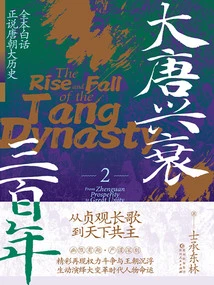
大唐兴衰三百年2:从贞观长歌到天下共主
Shi Chengdonglin
This volume mainly writes about the rule of Zhenguan and the wars between Tang Dynasty, Goguryeo and Japan. After the Xuanwumen Incident, Li Shimin started the Zhenguan rule, and Wei Zheng, Changsun Wuji and other ministers and heroes participated in the great peace event. After the Han Dynasty, the great army of the Tang Dynasty once again marched into the Western Regions of Central Asia, White Mountains and Black Waters. They were commanded by all parties and praised the name of Tian Khan. Later, Tang Gaozong Li Zhi finally pushed the territory of the Tang Empire to the extreme, and the turbulent situation in East Asia since Emperor Yang of the Sui Dynasty finally came to a clear conclusion. Liu Rengui defeated the Japanese and Baekje coalition forces at the Battle of Baijiangkou. The battle established hundreds of years of peace, and Japan, which coveted the Tang Dynasty, became China's most loyal student. Heroes emerge in large numbers, and prosperous times last forever - whether Taiji will be born or not, neither Li Shimin nor Li Longji can determine a lifetime of fame and glory...
This volume mainly writes about the rule of Zhenguan and the wars between Tang Dynasty, Goguryeo and Japan. After the Xuanwumen Incident, Li Shimin started the Zhenguan rule, and Wei Zheng, Changsun Wuji and other ministers and heroes participated in the great peace event. After the Han Dynasty, the great army of the Tang Dynasty once again marched into the Western Regions of Central Asia, White Mountains and Black Waters. They were commanded by all parties and praised the name of Tian Khan. Later, Tang Gaozong Li Zhi finally pushed the territory of the Tang Empire to the extreme, and the turbulent situation in East Asia since Emperor Yang of the Sui Dynasty finally came to a clear conclusion. Liu Rengui defeated the Japanese and Baekje coalition forces at the Battle of Baijiangkou. The battle established hundreds of years of peace, and Japan, which coveted the Tang Dynasty, became China's most loyal student. Heroes emerge in large numbers, and prosperous times last forever - whether Taiji will be born or not, neither Li Shimin nor Li Longji can determine a lifetime of fame and glory...
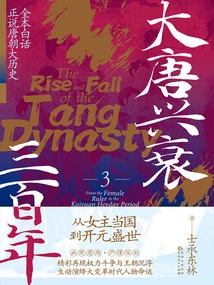
大唐兴衰三百年3:从女主当国到开元盛世
Shi Chengdonglin
This volume takes the entanglement and dispute between Li Tang and Wu Zhou as the core to interpret the legendary fate and wise strategies of the royal figures. Fighting against the prime minister, expelling her relatives, deposing the prince, changing the emperor, defeating the rebel Li Jingye, and appointing cruel officials to lead her ministers, Wu Zetian fought her way through the power struggle. From a humble palace maid who endured humiliation to the queen of the second emperor, she finally became the only empress in Chinese history, ushering in a new era of Wu and Zhou. However, how could the royal family surnamed Li be willing to accept it - Wu and Li fought for heirs, Shenlong coup, and the title of the Tang Dynasty was restored; but unexpectedly, Li Xian died suddenly, and the royal family fell into chaos again. Li Longji, who had been hiding all this time, waited for the opportunity to launch a congenital coup, killed Princess Taiping, appointed virtuous ministers, rectified the system, and finally opened the prosperous Kaiyuan era...
This volume takes the entanglement and dispute between Li Tang and Wu Zhou as the core to interpret the legendary fate and wise strategies of the royal figures. Fighting against the prime minister, expelling her relatives, deposing the prince, changing the emperor, defeating the rebel Li Jingye, and appointing cruel officials to lead her ministers, Wu Zetian fought her way through the power struggle. From a humble palace maid who endured humiliation to the queen of the second emperor, she finally became the only empress in Chinese history, ushering in a new era of Wu and Zhou. However, how could the royal family surnamed Li be willing to accept it - Wu and Li fought for heirs, Shenlong coup, and the title of the Tang Dynasty was restored; but unexpectedly, Li Xian died suddenly, and the royal family fell into chaos again. Li Longji, who had been hiding all this time, waited for the opportunity to launch a congenital coup, killed Princess Taiping, appointed virtuous ministers, rectified the system, and finally opened the prosperous Kaiyuan era...
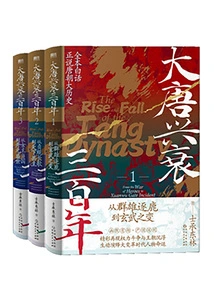
大唐兴衰三百年(套装共3册)
Shi Chengdonglin
Volume 1: The story centers on Li Yuan, the founding emperor of the Tang Dynasty. It tells the story of the rise of heroes at the end of the Sui Dynasty, the battles of various heroes such as Li Miwa Gang Army Group and Dou Jiande Hebei Group. In the end, Li Yuan took advantage of the situation to seize the world. As the main force of the Tang army, King Li Shimin of Qin successively put down separatist forces such as Xue Rengao, Liu Wuzhou, Dou Jiande, Wang Shichong, Liu Heita, etc. During the campaign, he recruited Wei Chigong, Cheng Yaojin and other strange and fierce generals; he also opened a literary museum to attract literary people. Li Yuan took a series of checks and balances against him, such as cutting off Li Shimin's first think tank Liu Wenjing; Prince Li Jiancheng and Qi King Li Yuanji conspired to frame Li Shimin many times. When Li Shimin was dying, he launched the Xuanwu Gate Incident... Volume 2: Mainly writes about the rule of Zhenguan and the wars between Tang, Goguryeo and Japan. After the Xuanwumen Incident, Li Shimin started the Zhenguan rule, and Wei Zheng, Changsun Wuji and other ministers and heroes participated in the great peace event. After the Han Dynasty, the great army of the Tang Dynasty once again marched into the Western Regions of Central Asia, White Mountains and Black Waters. They were commanded by all parties and praised the name of Tian Khan. Later, Tang Gaozong Li Zhi finally pushed the territory of the Tang Empire to the extreme, and the turbulent situation in East Asia since Emperor Yang of the Sui Dynasty finally came to a clear conclusion. Liu Rengui defeated the Japanese and Baekje coalition forces at the Battle of Baijiangkou. The battle established hundreds of years of peace, and Japan, which coveted the Tang Dynasty, became China's most loyal student. Heroes emerge in large numbers and songs flourish in prosperous times - whether Taiji is born or not, neither Li Shimin nor Li Longji is destined to be famous and glorious for a lifetime... Volume 3: Taking the entanglement and dispute between Li Tang and Wu Zhou as the core, it interprets the legendary fate and wise strategies of the royal figures. Fighting against the prime minister, expelling her relatives, deposing the prince, changing the emperor, defeating the rebel Li Jingye, and appointing cruel officials to lead her ministers, Wu Zetian fought her way through the power struggle. From a humble palace maid who endured humiliation to the queen of the second emperor, she finally became the only empress in Chinese history, ushering in a new era of Wu and Zhou. However, how could the royal family surnamed Li be willing to accept it - Wu and Li fought for heirs, Shenlong coup, and the title of the Tang Dynasty was restored; but unexpectedly, Li Xian died suddenly, and the royal family fell into chaos again. Li Longji, who had been hiding all this time, waited for the opportunity to launch a congenital coup, killed Princess Taiping, appointed virtuous ministers, rectified the system, and finally opened the prosperous Kaiyuan era...
Volume 1: The story centers on Li Yuan, the founding emperor of the Tang Dynasty. It tells the story of the rise of heroes at the end of the Sui Dynasty, the battles of various heroes such as Li Miwa Gang Army Group and Dou Jiande Hebei Group. In the end, Li Yuan took advantage of the situation to seize the world. As the main force of the Tang army, King Li Shimin of Qin successively put down separatist forces such as Xue Rengao, Liu Wuzhou, Dou Jiande, Wang Shichong, Liu Heita, etc. During the campaign, he recruited Wei Chigong, Cheng Yaojin and other strange and fierce generals; he also opened a literary museum to attract literary people. Li Yuan took a series of checks and balances against him, such as cutting off Li Shimin's first think tank Liu Wenjing; Prince Li Jiancheng and Qi King Li Yuanji conspired to frame Li Shimin many times. When Li Shimin was dying, he launched the Xuanwu Gate Incident... Volume 2: Mainly writes about the rule of Zhenguan and the wars between Tang, Goguryeo and Japan. After the Xuanwumen Incident, Li Shimin started the Zhenguan rule, and Wei Zheng, Changsun Wuji and other ministers and heroes participated in the great peace event. After the Han Dynasty, the great army of the Tang Dynasty once again marched into the Western Regions of Central Asia, White Mountains and Black Waters. They were commanded by all parties and praised the name of Tian Khan. Later, Tang Gaozong Li Zhi finally pushed the territory of the Tang Empire to the extreme, and the turbulent situation in East Asia since Emperor Yang of the Sui Dynasty finally came to a clear conclusion. Liu Rengui defeated the Japanese and Baekje coalition forces at the Battle of Baijiangkou. The battle established hundreds of years of peace, and Japan, which coveted the Tang Dynasty, became China's most loyal student. Heroes emerge in large numbers and songs flourish in prosperous times - whether Taiji is born or not, neither Li Shimin nor Li Longji is destined to be famous and glorious for a lifetime... Volume 3: Taking the entanglement and dispute between Li Tang and Wu Zhou as the core, it interprets the legendary fate and wise strategies of the royal figures. Fighting against the prime minister, expelling her relatives, deposing the prince, changing the emperor, defeating the rebel Li Jingye, and appointing cruel officials to lead her ministers, Wu Zetian fought her way through the power struggle. From a humble palace maid who endured humiliation to the queen of the second emperor, she finally became the only empress in Chinese history, ushering in a new era of Wu and Zhou. However, how could the royal family surnamed Li be willing to accept it - Wu and Li fought for heirs, Shenlong coup, and the title of the Tang Dynasty was restored; but unexpectedly, Li Xian died suddenly, and the royal family fell into chaos again. Li Longji, who had been hiding all this time, waited for the opportunity to launch a congenital coup, killed Princess Taiping, appointed virtuous ministers, rectified the system, and finally opened the prosperous Kaiyuan era...
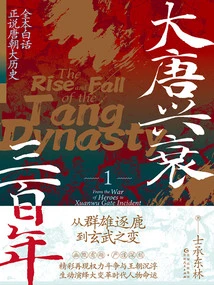
大唐兴衰三百年1:从群雄逐鹿到玄武之变
Shi Chengdonglin
This book is the first volume. The story centers on Li Yuan, the founding emperor of the Tang Dynasty. It tells the story of the rise of heroes at the end of the Sui Dynasty, the battles of various heroes such as Li Mi's Wagang Army Group and Dou Jiande's Hebei Group, and finally Li Yuan took advantage of the situation to seize the world. As the main force of the Tang army, King Li Shimin of Qin successively put down separatist forces such as Xue Rengao, Liu Wuzhou, Dou Jiande, Wang Shichong, Liu Heita, etc. During the campaign, he recruited Wei Chigong, Cheng Yaojin and other strange and fierce generals; he also opened a literary museum to attract literary people. Li Yuan took a series of checks and balances against him, such as eliminating Li Shimin's number one think tank Liu Wenjing; Prince Li Jiancheng and Qi King Li Yuanji conspired to frame Li Shimin many times. When Li Shimin was about to live or die, he launched the Xuanwu Gate Incident...
This book is the first volume. The story centers on Li Yuan, the founding emperor of the Tang Dynasty. It tells the story of the rise of heroes at the end of the Sui Dynasty, the battles of various heroes such as Li Mi's Wagang Army Group and Dou Jiande's Hebei Group, and finally Li Yuan took advantage of the situation to seize the world. As the main force of the Tang army, King Li Shimin of Qin successively put down separatist forces such as Xue Rengao, Liu Wuzhou, Dou Jiande, Wang Shichong, Liu Heita, etc. During the campaign, he recruited Wei Chigong, Cheng Yaojin and other strange and fierce generals; he also opened a literary museum to attract literary people. Li Yuan took a series of checks and balances against him, such as eliminating Li Shimin's number one think tank Liu Wenjing; Prince Li Jiancheng and Qi King Li Yuanji conspired to frame Li Shimin many times. When Li Shimin was about to live or die, he launched the Xuanwu Gate Incident...
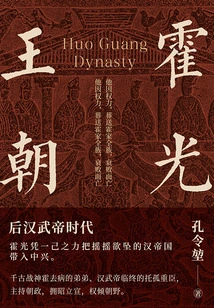
Huo Guang Dynasty
History霍光王朝
Kong Lingkun
This article begins with Huo Guang assisting Emperor Zhao of the Han Dynasty to succeed to the throne, and tells the history of the period until the Huo family was eradicated by Emperor Xuan of the Han Dynasty. It analyzes how Huo Guang single-handedly brought the crumbling Han Empire into resurgence during the era of Emperor Wu of the Later Han Dynasty when the Han Empire was withered. And it was during the process of Huo Guang bringing the Han Empire into the resurgence that he also caused trouble for himself due to his own limitations, which caused the entire Huo family to fall with the resurgence of the Han Empire. Why can't Huo Guang's success and failure serve as a wake-up call for future generations?
This article begins with Huo Guang assisting Emperor Zhao of the Han Dynasty to succeed to the throne, and tells the history of the period until the Huo family was eradicated by Emperor Xuan of the Han Dynasty. It analyzes how Huo Guang single-handedly brought the crumbling Han Empire into resurgence during the era of Emperor Wu of the Later Han Dynasty when the Han Empire was withered. And it was during the process of Huo Guang bringing the Han Empire into the resurgence that he also caused trouble for himself due to his own limitations, which caused the entire Huo family to fall with the resurgence of the Han Empire. Why can't Huo Guang's success and failure serve as a wake-up call for future generations?
华杉讲透《资治通鉴》25
Huashan
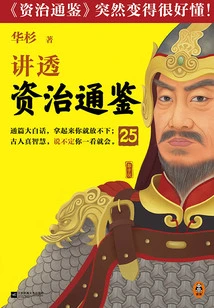
To be a boss, you must be selfless. The pillow book of ancient emperors, the reference book of today's managers! Hua Shan's new masterpiece, Zizhi Tongjian, is suddenly easy to understand! "Zi Zhi Tong Jian" writes from the Warring States Period to the Five Dynasties and Ten Kingdoms, vividly showing the living people and stories in the 1,362-year history of the 16 dynasties. It can be said to be the "big data" and "case collection" of China's political and cultural heritage. This book is the 25th volume in the series "Hua Shan's Talk about Zizhi Tongjian". It mainly tells the history of the nearly thirty years of rule from Suzong to Dezong after the outbreak of the Anshi Rebellion. In the spring of the second year of Baoying, the Anshi Rebellion, which lasted seven years and two months, came to an end. In order to win over the generals who surrendered in Hebei, the Tang Dynasty successively appointed Zhang Zhongzhi as the military envoy of the Chengde Army and named him Li Baochen; Tian Chengsi as the defense envoy of the capital of Weizhou; and Li Huaixian as the military envoy of Lulong in Youzhou. The vassal town in Hebei has become uncontrollably powerful and arrogant since then. In the first year of Jianzhong, Dezong adopted Yang Yan's suggestion and began to implement the two tax law. After Dezong came to the throne, he tried to reduce the vassal status, which caused dissatisfaction among the vassal towns. In the second year of Jianzhong's reign, the Fengtian Rebellion broke out, and Dezong fled to Fengtian. Open this book and you will see the root of the boss's difficulty in understanding the situation from the numerous vassal towns in the Tang Dynasty!
To be a boss, you must be selfless. The pillow book of ancient emperors, the reference book of today's managers! Hua Shan's new masterpiece, Zizhi Tongjian, is suddenly easy to understand! "Zi Zhi Tong Jian" writes from the Warring States Period to the Five Dynasties and Ten Kingdoms, vividly showing the living people and stories in the 1,362-year history of the 16 dynasties. It can be said to be the "big data" and "case collection" of China's political and cultural heritage. This book is the 25th volume in the series "Hua Shan's Talk about Zizhi Tongjian". It mainly tells the history of the nearly thirty years of rule from Suzong to Dezong after the outbreak of the Anshi Rebellion. In the spring of the second year of Baoying, the Anshi Rebellion, which lasted seven years and two months, came to an end. In order to win over the generals who surrendered in Hebei, the Tang Dynasty successively appointed Zhang Zhongzhi as the military envoy of the Chengde Army and named him Li Baochen; Tian Chengsi as the defense envoy of the capital of Weizhou; and Li Huaixian as the military envoy of Lulong in Youzhou. The vassal town in Hebei has become uncontrollably powerful and arrogant since then. In the first year of Jianzhong, Dezong adopted Yang Yan's suggestion and began to implement the two tax law. After Dezong came to the throne, he tried to reduce the vassal status, which caused dissatisfaction among the vassal towns. In the second year of Jianzhong's reign, the Fengtian Rebellion broke out, and Dezong fled to Fengtian. Open this book and you will see the root of the boss's difficulty in understanding the situation from the numerous vassal towns in the Tang Dynasty!
端平元年:1234年宋金蒙三国的战争、命运与政局
Ningnan Zuohou
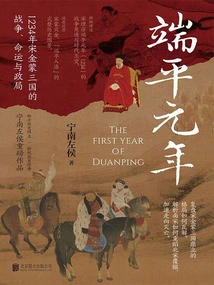
This book is a popular history book about the Song Dynasty, which tells the story of the disputes between the Song, Jin and Mongolia Three Kingdoms that occurred in the first year of Duanping (1234) of Emperor Lizong of the Song Dynasty. In 1234, the Battle of Jinmeng, which lasted for twenty-six years, came to an end. On the tenth day of the first lunar month, Mongolia and the Southern Song Dynasty joined forces to conquer Caizhou City, which was besieged by Jin Aizong, and the Jin Dynasty was destroyed. For Mongolia, they finally avenged the bloody vengeance of Bahai Khan being nailed to a wooden donkey by Jin Xizong. Five years ago, Genghis Khan died on the eve of the fall of Xixia. Ogedei inherited his throne, fulfilled Genghis Khan's last wish to eliminate the wealth, and completed the institutionalization and feudalization of the country at a leaps and bounds. Subsequently, the Mongolian integrated forces prepared to operate the Jin Dynasty's old land, and the remaining Jin Dynasty forces were still entrenched in more than 20 prefectures and prefectures in Shaanxi. The Southern Song Dynasty was finally able to avoid the "shame of Jingkang". The fall of the Jin Dynasty was undoubtedly a great encouragement to the soldiers and civilians of the Southern Song Dynasty, and it also seemed to be an "opportunity for the Central Plains." The Southern Song Dynasty began to prepare for the Northern Expedition. However, the voices within the court were divided as usual, whether it was war or peace, making people confused. The high-spirited Song Lizong made the final decision and decided to send troops to the Northern Expedition to regain the three capitals (Luoyang, Kaifeng, and Yingtian). For the Southern Song Dynasty and Mongolia, the extermination of the Jin Dynasty was not only an act of revenge, but also would bring about drastic changes in the entire East Asian pattern. This must be a critical moment in history that affects the political situation and destiny of the three kingdoms of Song, Jin and Meng.
This book is a popular history book about the Song Dynasty, which tells the story of the disputes between the Song, Jin and Mongolia Three Kingdoms that occurred in the first year of Duanping (1234) of Emperor Lizong of the Song Dynasty. In 1234, the Battle of Jinmeng, which lasted for twenty-six years, came to an end. On the tenth day of the first lunar month, Mongolia and the Southern Song Dynasty joined forces to conquer Caizhou City, which was besieged by Jin Aizong, and the Jin Dynasty was destroyed. For Mongolia, they finally avenged the bloody vengeance of Bahai Khan being nailed to a wooden donkey by Jin Xizong. Five years ago, Genghis Khan died on the eve of the fall of Xixia. Ogedei inherited his throne, fulfilled Genghis Khan's last wish to eliminate the wealth, and completed the institutionalization and feudalization of the country at a leaps and bounds. Subsequently, the Mongolian integrated forces prepared to operate the Jin Dynasty's old land, and the remaining Jin Dynasty forces were still entrenched in more than 20 prefectures and prefectures in Shaanxi. The Southern Song Dynasty was finally able to avoid the "shame of Jingkang". The fall of the Jin Dynasty was undoubtedly a great encouragement to the soldiers and civilians of the Southern Song Dynasty, and it also seemed to be an "opportunity for the Central Plains." The Southern Song Dynasty began to prepare for the Northern Expedition. However, the voices within the court were divided as usual, whether it was war or peace, making people confused. The high-spirited Song Lizong made the final decision and decided to send troops to the Northern Expedition to regain the three capitals (Luoyang, Kaifeng, and Yingtian). For the Southern Song Dynasty and Mongolia, the extermination of the Jin Dynasty was not only an act of revenge, but also would bring about drastic changes in the entire East Asian pattern. This must be a critical moment in history that affects the political situation and destiny of the three kingdoms of Song, Jin and Meng.
弃长安:安史之乱前后的内廷、诗人、政争与叛乱
Zhang Mingyang
This book is a popular work that tells the historical process and the fate of characters during the Anshi Rebellion in the Tang Dynasty. It uses the stories of many key historical figures in the Anshi Rebellion, namely Li Linfu, Yang Guozhong, An Lushan, Yan Gaoqing, Ge Shuhan, Yang Yuhuan, Li Heng, Zhang Xun and others. The experience of "abandoning Chang'an" is used as a clue to focus on the important issues in the process of the Tang Dynasty's transition from prosperity to decline. It uses the experiences of people who experienced the chaos to explain "why the chaos broke out" and "why the prosperous age collapsed", thereby re-creating the complete historical picture of the Anshi Rebellion period.
This book is a popular work that tells the historical process and the fate of characters during the Anshi Rebellion in the Tang Dynasty. It uses the stories of many key historical figures in the Anshi Rebellion, namely Li Linfu, Yang Guozhong, An Lushan, Yan Gaoqing, Ge Shuhan, Yang Yuhuan, Li Heng, Zhang Xun and others. The experience of "abandoning Chang'an" is used as a clue to focus on the important issues in the process of the Tang Dynasty's transition from prosperity to decline. It uses the experiences of people who experienced the chaos to explain "why the chaos broke out" and "why the prosperous age collapsed", thereby re-creating the complete historical picture of the Anshi Rebellion period.
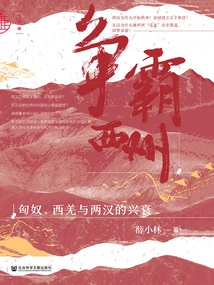
争霸西州:匈奴、西羌与两汉的兴衰
Xue Xiaolin
Based on the grand background of the evolution of the entire Han Dynasty, this book comprehensively presents the military, economic, and social changes of the two Han Dynasties as well as their respective distinctive characteristics. It leads us deep into the history of the Han Dynasty, and then jumps out of the Central Plains to the grasslands, observing the entire historical process from a broader perspective, and seeing the fierce confrontations at the edges of the central dynasty, and how the edges transformed into important forces that affected the central dynasty's national power. The language of this book is fluent, the story is strong, and the content is rich. It is interesting to read, you can gain a wealth of knowledge, and you can also learn about the more exciting history of the Han Dynasty.
Based on the grand background of the evolution of the entire Han Dynasty, this book comprehensively presents the military, economic, and social changes of the two Han Dynasties as well as their respective distinctive characteristics. It leads us deep into the history of the Han Dynasty, and then jumps out of the Central Plains to the grasslands, observing the entire historical process from a broader perspective, and seeing the fierce confrontations at the edges of the central dynasty, and how the edges transformed into important forces that affected the central dynasty's national power. The language of this book is fluent, the story is strong, and the content is rich. It is interesting to read, you can gain a wealth of knowledge, and you can also learn about the more exciting history of the Han Dynasty.
晚清官场镜像:杜凤治日记研究
Qiu Jie
In the late Qing Dynasty, Du Fengzhi, a county magistrate in Guangdong for more than ten years, left a diary with millions of words. The main content is about officialdom in Du Fengzhi's eyes and heart. The diary is like a mirror, reflecting the various aspects of officialdom in the late Qing Dynasty, providing many details on the specific operations of state and county government offices and how states and counties managed rural society with the help of the grassroots power structures of the gentry. The diary of the Nanhai magistrate during his tenure reflects the government's management of big cities in the late Qing Dynasty. Records related to hearings reveal the various considerations that state and county magistrates made when hearing cases, allowing modern people to understand why officials often deviated from the royal law in making judgments. There are many facts in the accounts of prefecture and county tax collection that have not been fully paid attention to by tax researchers in the Qing Dynasty. The descriptions of official interactions, gifts, income and expenditure constitute vivid and credible stories about the "no officials and no corruption" in the officialdom of the late Qing Dynasty.
In the late Qing Dynasty, Du Fengzhi, a county magistrate in Guangdong for more than ten years, left a diary with millions of words. The main content is about officialdom in Du Fengzhi's eyes and heart. The diary is like a mirror, reflecting the various aspects of officialdom in the late Qing Dynasty, providing many details on the specific operations of state and county government offices and how states and counties managed rural society with the help of the grassroots power structures of the gentry. The diary of the Nanhai magistrate during his tenure reflects the government's management of big cities in the late Qing Dynasty. Records related to hearings reveal the various considerations that state and county magistrates made when hearing cases, allowing modern people to understand why officials often deviated from the royal law in making judgments. There are many facts in the accounts of prefecture and county tax collection that have not been fully paid attention to by tax researchers in the Qing Dynasty. The descriptions of official interactions, gifts, income and expenditure constitute vivid and credible stories about the "no officials and no corruption" in the officialdom of the late Qing Dynasty.
听古代考霸一声吼
Master Of Quick Feet
The imperial examination system began in the Sui and Tang Dynasties and ended in the Ming and Qing Dynasties. It lasted for 1,300 years and was an important talent selection system in ancient China. The author has selected dozens of representative historical celebrities, who either became famous through the imperial examinations, or who wasted their youth in the endless imperial examinations. For their ideals, they have worked hard for many years and created many famous works that have been passed down through the ages. From their inspiring life stories, we can understand the profound impact the imperial examination system had on the development of politics, education, literature, art, etc. In ancient China.
The imperial examination system began in the Sui and Tang Dynasties and ended in the Ming and Qing Dynasties. It lasted for 1,300 years and was an important talent selection system in ancient China. The author has selected dozens of representative historical celebrities, who either became famous through the imperial examinations, or who wasted their youth in the endless imperial examinations. For their ideals, they have worked hard for many years and created many famous works that have been passed down through the ages. From their inspiring life stories, we can understand the profound impact the imperial examination system had on the development of politics, education, literature, art, etc. In ancient China.
Cat Tone
History猫咪的腔调
Shi Jihang
One book tells the daily life of ancient cat lovers. Enjoy the healing power of cats. An encyclopedia of ancient cat raising that every cat owner needs. 200 Cool cat names and 100 exclusive cat photos. Cat-raising skills, cat legends, and appreciation of cat poetry. "Chinese Poetry Conference" is a new masterpiece by poetry guru Jiang Hu Yeyu. From rich and detailed historical data, this book extracts many anecdotes, legends, poems, and paintings related to the ancient people raising cats... It is narrated in easy-to-understand language, with reference to ancient and modern times. While ensuring the accuracy and rigor of the quoted materials, it also incorporates the humor and fashion of modern language to achieve an effect that is both solemn and harmonious, and both elegant and popular. In this interesting reading, readers can not only learn about the anecdotes of ancient Chinese people raising and petting cats, as well as the "various ways of cat life" of ancient cats, but also improve their literacy in traditional Chinese culture. For cat lovers, it also provides a way to travel back to the ancient "cloud-sucking cats". The book comes with nearly a hundred high-definition cat paintings from ancient China to modern times, with both pictures and text, which are highly readable and ornamental. The comments are sharp, the insights are unique, and the stories are full of fun and give people a unique feeling.
One book tells the daily life of ancient cat lovers. Enjoy the healing power of cats. An encyclopedia of ancient cat raising that every cat owner needs. 200 Cool cat names and 100 exclusive cat photos. Cat-raising skills, cat legends, and appreciation of cat poetry. "Chinese Poetry Conference" is a new masterpiece by poetry guru Jiang Hu Yeyu. From rich and detailed historical data, this book extracts many anecdotes, legends, poems, and paintings related to the ancient people raising cats... It is narrated in easy-to-understand language, with reference to ancient and modern times. While ensuring the accuracy and rigor of the quoted materials, it also incorporates the humor and fashion of modern language to achieve an effect that is both solemn and harmonious, and both elegant and popular. In this interesting reading, readers can not only learn about the anecdotes of ancient Chinese people raising and petting cats, as well as the "various ways of cat life" of ancient cats, but also improve their literacy in traditional Chinese culture. For cat lovers, it also provides a way to travel back to the ancient "cloud-sucking cats". The book comes with nearly a hundred high-definition cat paintings from ancient China to modern times, with both pictures and text, which are highly readable and ornamental. The comments are sharp, the insights are unique, and the stories are full of fun and give people a unique feeling.
清亡启示录:一个王朝在一百天的危机中走进历史
Ma Yong
"Apocalypse of the Qing Dynasty: A Dynasty Enters History in a Hundred Days of Crisis" tells the story of why a dynasty entered history in a hundred days of crisis. There is no need to regret history, and there is no need to regret it. What has been passed is passed. Just looking back at the Qing Dynasty a hundred years later, especially analyzing why this seemingly powerful dynasty was vulnerable in the face of a crisis, what lessons can be learned from this process? This is the question explored in the book "Apocalypse of the Qing Dynasty: A Dynasty Entering History in One Hundred Days of Crisis". It focuses on describing and analyzing the path that the Qing Dynasty took in the last ten years. From the reform era that began in 1894 to the New Deal in 1901 and the subsequent preparations for the establishment of a constitutional monarchy, the Qing court struggled with reforms in an attempt to save the precarious Qing Empire. Then several mistakes by the Qing court made all efforts in vain, and the Qing Dynasty finally entered history.
"Apocalypse of the Qing Dynasty: A Dynasty Enters History in a Hundred Days of Crisis" tells the story of why a dynasty entered history in a hundred days of crisis. There is no need to regret history, and there is no need to regret it. What has been passed is passed. Just looking back at the Qing Dynasty a hundred years later, especially analyzing why this seemingly powerful dynasty was vulnerable in the face of a crisis, what lessons can be learned from this process? This is the question explored in the book "Apocalypse of the Qing Dynasty: A Dynasty Entering History in One Hundred Days of Crisis". It focuses on describing and analyzing the path that the Qing Dynasty took in the last ten years. From the reform era that began in 1894 to the New Deal in 1901 and the subsequent preparations for the establishment of a constitutional monarchy, the Qing court struggled with reforms in an attempt to save the precarious Qing Empire. Then several mistakes by the Qing court made all efforts in vain, and the Qing Dynasty finally entered history.
过一日古人生活
Little Monster Ulala
In this overly serious world, watch the little monster Ulala talk about serious topics in history in a trendy and interesting way. If you could travel back in time to ancient times, what career would you like to have? If you traveled back to ancient times, how would you make a living? A guide to traveling through the four great dynasties of Qin, Tang, Song and Ming! What did the people who worked in the Qin Dynasty eat? How to convert Qin Dynasty money? In the Qin Dynasty, how did you go to the toilet? Pepper in the Tang Dynasty was very valuable, and a modern meal of kebabs would cost a "huge sum" of money. Would you like to explore Tang Dynasty delicacies together? Is life expensive in the Tang Dynasty? During the prosperous Tang Dynasty, when all nations came to court, could I marry a foreign wife? There were a lot of foodies in the Song Dynasty, so check out the takeout guide! The Song Dynasty valued literature over martial arts, so being an entertainment reporter has a bright future? Did civil servants in the Song Dynasty have a lot of work? I heard that half of the year is on vacation? ! However, officials in the Ming Dynasty only took three days off a year and looked forward to vacation every day! "A Day in the Life of Ancients" transforms obscure and boring historical facts into lively and cute history. It is serious and lively, leading readers to immersively understand the daily lives of ancient people. The long-awaited, little monster Ulala's blockbuster work is here! It makes you look at history very differently.
In this overly serious world, watch the little monster Ulala talk about serious topics in history in a trendy and interesting way. If you could travel back in time to ancient times, what career would you like to have? If you traveled back to ancient times, how would you make a living? A guide to traveling through the four great dynasties of Qin, Tang, Song and Ming! What did the people who worked in the Qin Dynasty eat? How to convert Qin Dynasty money? In the Qin Dynasty, how did you go to the toilet? Pepper in the Tang Dynasty was very valuable, and a modern meal of kebabs would cost a "huge sum" of money. Would you like to explore Tang Dynasty delicacies together? Is life expensive in the Tang Dynasty? During the prosperous Tang Dynasty, when all nations came to court, could I marry a foreign wife? There were a lot of foodies in the Song Dynasty, so check out the takeout guide! The Song Dynasty valued literature over martial arts, so being an entertainment reporter has a bright future? Did civil servants in the Song Dynasty have a lot of work? I heard that half of the year is on vacation? ! However, officials in the Ming Dynasty only took three days off a year and looked forward to vacation every day! "A Day in the Life of Ancients" transforms obscure and boring historical facts into lively and cute history. It is serious and lively, leading readers to immersively understand the daily lives of ancient people. The long-awaited, little monster Ulala's blockbuster work is here! It makes you look at history very differently.
细说史记三千年·吴越争霸(故事篇)
Wang Simin
Everyone says that "Historical Records" is good, but for modern people, reading "Historical Records" in its entirety faces several obstacles, such as the scattered themes of biographies, the unfamiliar and complicated timeline of ancient names of people and places, etc. These obstacles create the regret of not finishing reading "Historical Records". There needs to be a companion book similar to "Three Thousand Years of Historical Records" to guide readers. After reading the detailed series, it would be easier to read "Historical Records" again, and there would be no regrets if you don't read the original version. Chinese people become great masters by reading "Historical Records". The "Three Thousand Years of Historical Records" series is an expanded and upgraded version of the best-selling book "The Soul of Historical Records". The author uses five-dimensional thinking, that is, from the perspective of "academics, stories, strategies, organizations, and details", and spares no effort in ten years to read "Historical Records" carefully. He has taken the trouble to cite widely, and created more than 300 original diagrams to create a bridge and companion reading to "Historical Records" that "more clearly presents the context of "Historical Records" and more comprehensively analyzes Tai Shigong's thoughts." "Telling the Three Thousand Years of Historical Records in 10 Volumes" aims at the pain point of scattered characters and events in biographical historical books, making it difficult to see the whole picture. It uses more than a dozen major topics and dozens of small topics to follow the timeline of three thousand years to tell people in an interesting and three-dimensional way, so that "Historical Records" can be read clearly, completely and thoroughly. After reading the "Historical Records in Detail" series, you can be considered to have read the "Historical Records in detail" and mastered the overall content and spiritual connotation of the "Historical Records".
Everyone says that "Historical Records" is good, but for modern people, reading "Historical Records" in its entirety faces several obstacles, such as the scattered themes of biographies, the unfamiliar and complicated timeline of ancient names of people and places, etc. These obstacles create the regret of not finishing reading "Historical Records". There needs to be a companion book similar to "Three Thousand Years of Historical Records" to guide readers. After reading the detailed series, it would be easier to read "Historical Records" again, and there would be no regrets if you don't read the original version. Chinese people become great masters by reading "Historical Records". The "Three Thousand Years of Historical Records" series is an expanded and upgraded version of the best-selling book "The Soul of Historical Records". The author uses five-dimensional thinking, that is, from the perspective of "academics, stories, strategies, organizations, and details", and spares no effort in ten years to read "Historical Records" carefully. He has taken the trouble to cite widely, and created more than 300 original diagrams to create a bridge and companion reading to "Historical Records" that "more clearly presents the context of "Historical Records" and more comprehensively analyzes Tai Shigong's thoughts." "Telling the Three Thousand Years of Historical Records in 10 Volumes" aims at the pain point of scattered characters and events in biographical historical books, making it difficult to see the whole picture. It uses more than a dozen major topics and dozens of small topics to follow the timeline of three thousand years to tell people in an interesting and three-dimensional way, so that "Historical Records" can be read clearly, completely and thoroughly. After reading the "Historical Records in Detail" series, you can be considered to have read the "Historical Records in detail" and mastered the overall content and spiritual connotation of the "Historical Records".
中国古代文化:薪传篇
Come To Xinxia
This book introduces the development and evolution history of Chinese books. From tying knots to record events to modern book engraving, China's book culture has a long history. The book is divided into two parts. The first part mainly talks about the development of book paper and printing technology, such as bamboo slips, paper books, engraving printing, official and private collections, bibliography, etc.; The second part mainly talks about the compilation, printing and circulation of Chinese classics, focusing on the "Thirteen Classics". The compilation and collection status of large-scale books such as "Twenty-Four Histories", "Hundred Scholars", "Series of Books" and "Local Chronicles" show readers our country's rich book collections and long literary and historical traditions. These are precious treasures left to us by the ancients, which are passed down from generation to generation and continue to sing. The content of this book is relatively specialized, but the author writes it concisely and to the point. It is of great reference and reading value for the general public, book lovers and young students.
This book introduces the development and evolution history of Chinese books. From tying knots to record events to modern book engraving, China's book culture has a long history. The book is divided into two parts. The first part mainly talks about the development of book paper and printing technology, such as bamboo slips, paper books, engraving printing, official and private collections, bibliography, etc.; The second part mainly talks about the compilation, printing and circulation of Chinese classics, focusing on the "Thirteen Classics". The compilation and collection status of large-scale books such as "Twenty-Four Histories", "Hundred Scholars", "Series of Books" and "Local Chronicles" show readers our country's rich book collections and long literary and historical traditions. These are precious treasures left to us by the ancients, which are passed down from generation to generation and continue to sing. The content of this book is relatively specialized, but the author writes it concisely and to the point. It is of great reference and reading value for the general public, book lovers and young students.
细说史记三千年·吴越争霸(技术篇)
Wang Simin
Everyone says that "Historical Records" is good, but for modern people, reading "Historical Records" in its entirety faces several obstacles, such as the scattered themes of biographies, the unfamiliar and complicated timeline of ancient names of people and places, etc. These obstacles create the regret of not finishing reading "Historical Records". There needs to be a companion book similar to "Three Thousand Years of Historical Records" to guide readers. After reading the detailed series, it would be easier to read "Historical Records" again, and there would be no regrets if you don't read the original version. Chinese people become great masters by reading "Historical Records". The "Three Thousand Years of Historical Records" series is an expanded and upgraded version of the best-selling book "The Soul of Historical Records". The author uses five-dimensional thinking, that is, from the perspective of "academics, stories, strategies, organizations, and details", and spares no effort in ten years to read "Historical Records" carefully. He has taken the trouble to cite widely, and created more than 300 original diagrams to create a bridge and companion reading to "Historical Records" that "more clearly presents the context of "Historical Records" and more comprehensively analyzes Tai Shigong's thoughts." "Telling the Three Thousand Years of Historical Records in 10 Volumes" aims at the pain point of scattered characters and events in biographical historical books, making it difficult to see the whole picture. It uses more than a dozen major topics and dozens of small topics to follow the timeline of three thousand years to tell people in an interesting and three-dimensional way, so that "Historical Records" can be read clearly, completely and thoroughly. After reading the "Historical Records in Detail" series, you can be considered to have read the "Historical Records in detail" and mastered the overall content and spiritual connotation of the "Historical Records".
Everyone says that "Historical Records" is good, but for modern people, reading "Historical Records" in its entirety faces several obstacles, such as the scattered themes of biographies, the unfamiliar and complicated timeline of ancient names of people and places, etc. These obstacles create the regret of not finishing reading "Historical Records". There needs to be a companion book similar to "Three Thousand Years of Historical Records" to guide readers. After reading the detailed series, it would be easier to read "Historical Records" again, and there would be no regrets if you don't read the original version. Chinese people become great masters by reading "Historical Records". The "Three Thousand Years of Historical Records" series is an expanded and upgraded version of the best-selling book "The Soul of Historical Records". The author uses five-dimensional thinking, that is, from the perspective of "academics, stories, strategies, organizations, and details", and spares no effort in ten years to read "Historical Records" carefully. He has taken the trouble to cite widely, and created more than 300 original diagrams to create a bridge and companion reading to "Historical Records" that "more clearly presents the context of "Historical Records" and more comprehensively analyzes Tai Shigong's thoughts." "Telling the Three Thousand Years of Historical Records in 10 Volumes" aims at the pain point of scattered characters and events in biographical historical books, making it difficult to see the whole picture. It uses more than a dozen major topics and dozens of small topics to follow the timeline of three thousand years to tell people in an interesting and three-dimensional way, so that "Historical Records" can be read clearly, completely and thoroughly. After reading the "Historical Records in Detail" series, you can be considered to have read the "Historical Records in detail" and mastered the overall content and spiritual connotation of the "Historical Records".
细说史记三千年·楚汉战争
Wang Simin
Everyone says that "Historical Records" is good, but for modern people, reading "Historical Records" in its entirety faces several obstacles, such as the scattered themes of biographies, the unfamiliar and complicated timeline of ancient names of people and places, etc. These obstacles create the regret of not finishing reading "Historical Records". There needs to be a companion book similar to "Three Thousand Years of Historical Records" to guide readers. After reading the detailed series, it would be easier to read "Historical Records" again, and there would be no regrets if you don't read the original version. Chinese people become great masters by reading "Historical Records". The "Three Thousand Years of Historical Records" series is an expanded and upgraded version of the best-selling book "The Soul of Historical Records". The author uses five-dimensional thinking, that is, from the perspective of "academics, stories, strategies, organizations, and details", and spares no effort in ten years to read "Historical Records" carefully. He has taken the trouble to cite widely, and created more than 300 original diagrams to create a bridge and companion reading to "Historical Records" that "more clearly presents the context of "Historical Records" and more comprehensively analyzes Tai Shigong's thoughts." "Telling the Three Thousand Years of Historical Records in 10 Volumes" aims at the pain point of scattered characters and events in biographical historical books, making it difficult to see the whole picture. It uses more than a dozen major topics and dozens of small topics to follow the timeline of three thousand years to tell people in an interesting and three-dimensional way, so that "Historical Records" can be read clearly, completely and thoroughly. After reading the "Historical Records in Detail" series, you can be considered to have read the "Historical Records in detail" and mastered the overall content and spiritual connotation of the "Historical Records".
Everyone says that "Historical Records" is good, but for modern people, reading "Historical Records" in its entirety faces several obstacles, such as the scattered themes of biographies, the unfamiliar and complicated timeline of ancient names of people and places, etc. These obstacles create the regret of not finishing reading "Historical Records". There needs to be a companion book similar to "Three Thousand Years of Historical Records" to guide readers. After reading the detailed series, it would be easier to read "Historical Records" again, and there would be no regrets if you don't read the original version. Chinese people become great masters by reading "Historical Records". The "Three Thousand Years of Historical Records" series is an expanded and upgraded version of the best-selling book "The Soul of Historical Records". The author uses five-dimensional thinking, that is, from the perspective of "academics, stories, strategies, organizations, and details", and spares no effort in ten years to read "Historical Records" carefully. He has taken the trouble to cite widely, and created more than 300 original diagrams to create a bridge and companion reading to "Historical Records" that "more clearly presents the context of "Historical Records" and more comprehensively analyzes Tai Shigong's thoughts." "Telling the Three Thousand Years of Historical Records in 10 Volumes" aims at the pain point of scattered characters and events in biographical historical books, making it difficult to see the whole picture. It uses more than a dozen major topics and dozens of small topics to follow the timeline of three thousand years to tell people in an interesting and three-dimensional way, so that "Historical Records" can be read clearly, completely and thoroughly. After reading the "Historical Records in Detail" series, you can be considered to have read the "Historical Records in detail" and mastered the overall content and spiritual connotation of the "Historical Records".