Library
Browse and search books
2,075 novels found
S
General Fictions
I
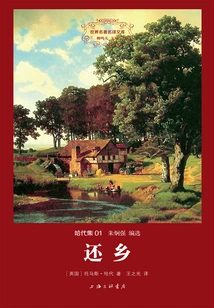
"The Return of the Native" is a representative "novel of character and environment" written by the famous British writer Thomas Hardy. The work is set in the Egtown Wasteland in Wessex, southwest England, and describes the different tragic fates of five young men and women. The heroine Eustacia is one of the most successfully described heroines in contemporary British novels, and Egtown Heath, where the story takes place, is a model of landscape description. It is an important sign that Hardy's novel art begins to mature, and is one of Hardy's important works.
"The Return of the Native" is a representative "novel of character and environment" written by the famous British writer Thomas Hardy. The work is set in the Egtown Wasteland in Wessex, southwest England, and describes the different tragic fates of five young men and women. The heroine Eustacia is one of the most successfully described heroines in contemporary British novels, and Egtown Heath, where the story takes place, is a model of landscape description. It is an important sign that Hardy's novel art begins to mature, and is one of Hardy's important works.
T
General Fictiont
H
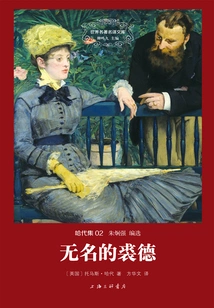
"Jude the Obscure" is Hardy's masterpiece. The novel mainly describes the study experience of a young man named Jude and his short life encounters. It also depicts the customs and folk customs of the British countryside at the end of the 19th century, presenting a picture of secular customs in front of readers.
"Jude the Obscure" is Hardy's masterpiece. The novel mainly describes the study experience of a young man named Jude and his short life encounters. It also depicts the customs and folk customs of the British countryside at the end of the 19th century, presenting a picture of secular customs in front of readers.
Kalman's Love Story
General Fiction卡尔曼情变断魂录
H
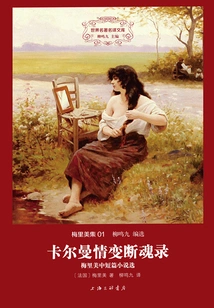
This book is a collection of Mérimée's short stories and short stories. It includes six masterpieces of short stories and short stories that best represent his novel achievements and embody his artistic characteristics, such as "Kalman's Love and Death", "Da Mango's Bloody Story at Sea", "Matteo's Killing of His Son", "Federigo's Resurrection", "A Gamble Lost and Eternal Hate" and "Venus Stuns the City of Illuminati".
This book is a collection of Mérimée's short stories and short stories. It includes six masterpieces of short stories and short stories that best represent his novel achievements and embody his artistic characteristics, such as "Kalman's Love and Death", "Da Mango's Bloody Story at Sea", "Matteo's Killing of His Son", "Federigo's Resurrection", "A Gamble Lost and Eternal Hate" and "Venus Stuns the City of Illuminati".
Y
General Fictiony
H
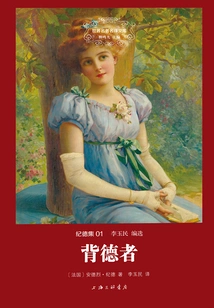
"The Immoral" is a collection of Gide's trilogy of novels, including "The Immoral", "The Narrow Gate" and "Pastoral Symphony". It is called Gide's "moral trilogy" or "love trilogy". "The Immoral" tells the story of the protagonist Michelle, who has married according to her father's order, but does not control her desires and violates ethics. Under the double blow of illness and heart disease, his wife Marceline soon died of depression and passed away in a foreign land. "The Narrow Gate" tells the story of the protagonist Jerome who has been in love with his cousin Alyssa since childhood. Although Alyssa also had the same feelings for Jerome, she abided by the Puritan self-restraint and buried her feelings deeply in her heart. In the end, she became ill and died unfortunately. "Pastoral Symphony" tells the story of a priest who adopts a blind girl and enlightens her culturally. Later, the pastor and the pastor's son fell in love with her at the same time. The blind girl was cured of her eye disease, but after she regained her sight, she discovered the subtle relationship between the three of them. Tortured between love and justice, she finally committed suicide by jumping into a river...
"The Immoral" is a collection of Gide's trilogy of novels, including "The Immoral", "The Narrow Gate" and "Pastoral Symphony". It is called Gide's "moral trilogy" or "love trilogy". "The Immoral" tells the story of the protagonist Michelle, who has married according to her father's order, but does not control her desires and violates ethics. Under the double blow of illness and heart disease, his wife Marceline soon died of depression and passed away in a foreign land. "The Narrow Gate" tells the story of the protagonist Jerome who has been in love with his cousin Alyssa since childhood. Although Alyssa also had the same feelings for Jerome, she abided by the Puritan self-restraint and buried her feelings deeply in her heart. In the end, she became ill and died unfortunately. "Pastoral Symphony" tells the story of a priest who adopts a blind girl and enlightens her culturally. Later, the pastor and the pastor's son fell in love with her at the same time. The blind girl was cured of her eye disease, but after she regained her sight, she discovered the subtle relationship between the three of them. Tortured between love and justice, she finally committed suicide by jumping into a river...
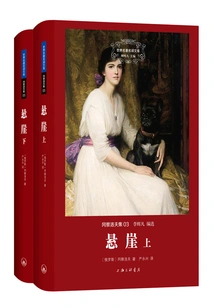
Cliff
General Fiction悬崖
J
"The Cliff" is one of the three famous works by the famous Russian writer Goncharov. It took the author 20 years from conception to completion. By describing the love and spiritual pursuits of Russian aristocratic young men and women, the novel reflects the social life and social changes in Russia from the 1840s to the 1960s. In the story, the aristocratic young man Reisky is smart, studious, and loves art, but he has no will to persevere. From Petersburg he came to Malinovka, a manor on the edge of a cliff, where his two beautiful cousins lived. Raisky first fell in love with the simple and lively Malfinka, but Malfinka fell in love with the young Vikendiyev. So he fell in love with his eldest cousin Vera. Vera was cold, charming, and pursuing freedom, but she only regarded him as her brother and best friend. She fell in love with Mark, an exiled prisoner who was full of new ideas and unruly. But later I discovered that I and Mark QC had different views on love and thoughts, and all Mark's thoughts were fantasy. With the help of her grandmother and Laisky, she stepped back from the brink and chose Tushen, the forest farm owner. Laisky went abroad to study sculpture, wandered in art palaces, and was sublimated physically and mentally. However, he always felt the call of his relatives in his hometown and was determined to return home.
"The Cliff" is one of the three famous works by the famous Russian writer Goncharov. It took the author 20 years from conception to completion. By describing the love and spiritual pursuits of Russian aristocratic young men and women, the novel reflects the social life and social changes in Russia from the 1840s to the 1960s. In the story, the aristocratic young man Reisky is smart, studious, and loves art, but he has no will to persevere. From Petersburg he came to Malinovka, a manor on the edge of a cliff, where his two beautiful cousins lived. Raisky first fell in love with the simple and lively Malfinka, but Malfinka fell in love with the young Vikendiyev. So he fell in love with his eldest cousin Vera. Vera was cold, charming, and pursuing freedom, but she only regarded him as her brother and best friend. She fell in love with Mark, an exiled prisoner who was full of new ideas and unruly. But later I discovered that I and Mark QC had different views on love and thoughts, and all Mark's thoughts were fantasy. With the help of her grandmother and Laisky, she stepped back from the brink and chose Tushen, the forest farm owner. Laisky went abroad to study sculpture, wandered in art palaces, and was sublimated physically and mentally. However, he always felt the call of his relatives in his hometown and was determined to return home.
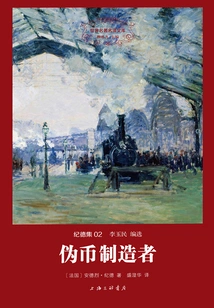
D
General FictionD
I
"The Counterfeiter" is Gide's last novel. It is also a detective novel, a coming-of-age novel, an ethics novel, an adventure novel, and a psychological novel. Through the integration of multiple threads and clues, the social panorama of the time is presented. It describes several children who went astray and committed the crime of using counterfeit money, as well as a group of people who are good at self-deception and are accustomed to finding reasons to deceive themselves and unconsciously settling for self-deception. It begins with Penel Profet's younger brother discovering that he is an illegitimate child and runs away from home. It goes through a series of events, from youth to maturity, and ends with returning to his father's side. It records the confusion, questions and resistance of young people at that time. They were constantly groping in a society with declining morals and lost values, but they were constantly lost.
"The Counterfeiter" is Gide's last novel. It is also a detective novel, a coming-of-age novel, an ethics novel, an adventure novel, and a psychological novel. Through the integration of multiple threads and clues, the social panorama of the time is presented. It describes several children who went astray and committed the crime of using counterfeit money, as well as a group of people who are good at self-deception and are accustomed to finding reasons to deceive themselves and unconsciously settling for self-deception. It begins with Penel Profet's younger brother discovering that he is an illegitimate child and runs away from home. It goes through a series of events, from youth to maturity, and ends with returning to his father's side. It records the confusion, questions and resistance of young people at that time. They were constantly groping in a society with declining morals and lost values, but they were constantly lost.
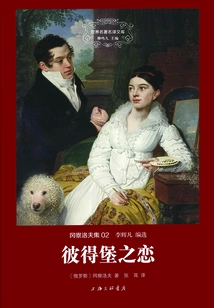
Petersburg Love
General Fiction彼得堡之恋
J
"Love in Petersburg" (originally titled "The Ordinary Story") is Goncharov's first novel in 1844 and was published in "Modern Man" magazine in 1847. The novel describes Alexander, a young man who grew up in a noble manor in the provinces, was inexperienced in the world, and was full of fantasy. After spending 20 years of pampering in the countryside, he became dissatisfied with this kind of life and felt that "the world of family is too small." He crazily yearned for city life, and then came to Petersburg with a head full of pastoral romantic fantasies, and got along with the emerging bourgeois industrialist Uncle Peter. Petersburg's emerging bourgeois culture was incompatible with the traditional aristocratic manor culture and patriarchal lifestyle, and the two worldviews collided fiercely. Alexander lived happily in Petersburg for seven years without achieving anything. After his mother passed away, he came to Petersburg for the second time, determined to open up a new path for himself. He finally agreed with his uncle's philosophy of life and attitude towards life. After a tortuous road, he finally achieved success and became a property owner. By the end of the novel, he is already an imposing sixth-grade civil servant with a big belly and a medal around his neck, and has found a fiancée with a dowry of 300,000 rubles and 500 serfs.
"Love in Petersburg" (originally titled "The Ordinary Story") is Goncharov's first novel in 1844 and was published in "Modern Man" magazine in 1847. The novel describes Alexander, a young man who grew up in a noble manor in the provinces, was inexperienced in the world, and was full of fantasy. After spending 20 years of pampering in the countryside, he became dissatisfied with this kind of life and felt that "the world of family is too small." He crazily yearned for city life, and then came to Petersburg with a head full of pastoral romantic fantasies, and got along with the emerging bourgeois industrialist Uncle Peter. Petersburg's emerging bourgeois culture was incompatible with the traditional aristocratic manor culture and patriarchal lifestyle, and the two worldviews collided fiercely. Alexander lived happily in Petersburg for seven years without achieving anything. After his mother passed away, he came to Petersburg for the second time, determined to open up a new path for himself. He finally agreed with his uncle's philosophy of life and attitude towards life. After a tortuous road, he finally achieved success and became a property owner. By the end of the novel, he is already an imposing sixth-grade civil servant with a big belly and a medal around his neck, and has found a fiancée with a dowry of 300,000 rubles and 500 serfs.
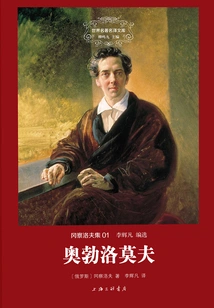
Oblomov
General Fiction奥勃洛莫夫
J
"Oblomov" was created more than a hundred years ago and is Goncharov's masterpiece. The novel creates a typical "Oblomov character" and reveals the profound social and life roots of Oblomov's tragedy of self-destruction. Oblomov was upright, kind, and gentle, but he was lazy, indulged in fantasy, inactive, conservative, and pampered, and regarded labor and public duties as unbearable burdens. Although he envisioned a huge action plan, he was unable to accomplish anything. In the end, he could only lie on the sofa and dawdle, becoming a complete lazy man and waste. The novel delicately describes his spiritual death process and expresses the strong anti-serfdom sentiment and desire for change in society on the eve of serfdom reform. Oblomov is a product of the collapse of serfdom, and his character is the inevitable result of the influence of lifeless manor life on his spiritual life. His image marks the limit of the degeneration of Russia's "superfluous people" in the 19th century. He is a typical example of a declining landlord. This is also the most successful aspect of the novel. This image marked the end of the image of the "superfluous man" in Russian literature in the 19th century.
"Oblomov" was created more than a hundred years ago and is Goncharov's masterpiece. The novel creates a typical "Oblomov character" and reveals the profound social and life roots of Oblomov's tragedy of self-destruction. Oblomov was upright, kind, and gentle, but he was lazy, indulged in fantasy, inactive, conservative, and pampered, and regarded labor and public duties as unbearable burdens. Although he envisioned a huge action plan, he was unable to accomplish anything. In the end, he could only lie on the sofa and dawdle, becoming a complete lazy man and waste. The novel delicately describes his spiritual death process and expresses the strong anti-serfdom sentiment and desire for change in society on the eve of serfdom reform. Oblomov is a product of the collapse of serfdom, and his character is the inevitable result of the influence of lifeless manor life on his spiritual life. His image marks the limit of the degeneration of Russia's "superfluous people" in the 19th century. He is a typical example of a declining landlord. This is also the most successful aspect of the novel. This image marked the end of the image of the "superfluous man" in Russian literature in the 19th century.
T
General Fictiont
H
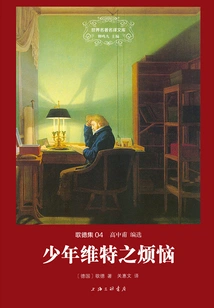
"The Sorrows of Young Werther" is written in diary and letter style. This style is good at revealing the inner world of the protagonist and expressing the depressed psychology and melancholy emotions. Werther came to a small town and met a girl named Lotte at a dance. He fell in love with Lotte. But Lotte is engaged to someone else. Seeing that he could no longer win over Lotte, Werther left resolutely and accepted the position of minister's secretary. The minister's pedantic, bureaucratic habits and intrigues brought great pain to Werther. He resigned from this official position and was invited to the manor of a marquis. However, at the Marquis, Werther found that his talents were still unable to be used. Love was shattered, society abandoned Werther, and Werther also abandoned everything. Finally, in despair, Werther committed suicide. As soon as this novel was published, it made the younger generation crazy. Some people who suffered similar experiences to Werther even committed suicide.
"The Sorrows of Young Werther" is written in diary and letter style. This style is good at revealing the inner world of the protagonist and expressing the depressed psychology and melancholy emotions. Werther came to a small town and met a girl named Lotte at a dance. He fell in love with Lotte. But Lotte is engaged to someone else. Seeing that he could no longer win over Lotte, Werther left resolutely and accepted the position of minister's secretary. The minister's pedantic, bureaucratic habits and intrigues brought great pain to Werther. He resigned from this official position and was invited to the manor of a marquis. However, at the Marquis, Werther found that his talents were still unable to be used. Love was shattered, society abandoned Werther, and Werther also abandoned everything. Finally, in despair, Werther committed suicide. As soon as this novel was published, it made the younger generation crazy. Some people who suffered similar experiences to Werther even committed suicide.

P
General Fictionp
J
"Animal Farm" is an outstanding fable novel that tells the story of an animal revolution led by pigs that took place in Manor Manor, England. Unable to bear the oppression of the manor owner, the animals rebelled angrily and drove away the humans in the manor. Since then, the manor has been renamed "Animal Farm" and animal autonomy has been implemented. Based on the principles of animalism, Animal Farm issued seven commandments. However, the subsequent development of the manor was not as harmonious and shared freedom and equality as the animals expected. The conflict of rights and interests led to serious disagreements and even bloody conflicts among the leaders. One of the pigs was regarded as a traitor and was expelled and framed in various ways; the other pig relied on the vested power and the support of the dog to gradually concentrate power in his own hands. He ruled the animals increasingly harshly, brutally killed protesters, and eventually became a ruler and exploiter no different from humans. The Seven Commandments were abandoned, and Animal Farm was renamed to its original name.
"Animal Farm" is an outstanding fable novel that tells the story of an animal revolution led by pigs that took place in Manor Manor, England. Unable to bear the oppression of the manor owner, the animals rebelled angrily and drove away the humans in the manor. Since then, the manor has been renamed "Animal Farm" and animal autonomy has been implemented. Based on the principles of animalism, Animal Farm issued seven commandments. However, the subsequent development of the manor was not as harmonious and shared freedom and equality as the animals expected. The conflict of rights and interests led to serious disagreements and even bloody conflicts among the leaders. One of the pigs was regarded as a traitor and was expelled and framed in various ways; the other pig relied on the vested power and the support of the dog to gradually concentrate power in his own hands. He ruled the animals increasingly harshly, brutally killed protesters, and eventually became a ruler and exploiter no different from humans. The Seven Commandments were abandoned, and Animal Farm was renamed to its original name.

Animal Farm (chinese-english Bilingual Collector's Edition)
General Fiction动物庄园(中英双语珍藏版)
(uk) George Orwell
A pig in the farm of "Animal Farm" died after proposing the theory that "human beings exploit livestock, and livestock must rebel." A few days later, a rebellion led by pigs broke out in the farm. The original exploiters, the farmers, were driven away. The livestock realized their wish to be "the masters of the country" and tasted the joy of a successful rebellion. The farm was renamed "Animal Farm" and the constitution of the farm, the Seven Commandments, was formulated. But soon, the pigs leading the rebellion split, and one pig was declared an enemy; thereafter, the pigs that gained leadership had more and more power and more and more special treatment, gradually separated from other animals, and eventually transformed into livestock exploiters exactly like humans, and the name Animal Farm was also abandoned.
A pig in the farm of "Animal Farm" died after proposing the theory that "human beings exploit livestock, and livestock must rebel." A few days later, a rebellion led by pigs broke out in the farm. The original exploiters, the farmers, were driven away. The livestock realized their wish to be "the masters of the country" and tasted the joy of a successful rebellion. The farm was renamed "Animal Farm" and the constitution of the farm, the Seven Commandments, was formulated. But soon, the pigs leading the rebellion split, and one pig was declared an enemy; thereafter, the pigs that gained leadership had more and more power and more and more special treatment, gradually separated from other animals, and eventually transformed into livestock exploiters exactly like humans, and the name Animal Farm was also abandoned.
Notre Dame De Paris (top Ten Literary Classics in the World)
General Fiction巴黎圣母院(世界十大文学名著)
H
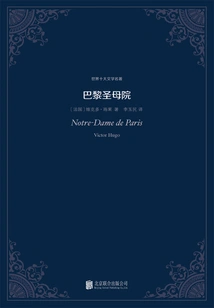
"Notre Dame de Paris" is set in France in 1482. It focuses on the relationship between the gypsy girl Esmeralda and the young and handsome captain of the guard, the sanctimonious archdeacon and the deformed and ugly bell ringer. It describes the entanglement between the fates of Esmeralda, Cassimordo and Frollo and other major characters. Conflict and destruction tells a legendary and tragic story that took place in Paris, France in the 15th century. It artistically reproduces the historical reality of France during the reign of King Louis XI, passionately sings the noble humanity of the gypsy girl and the bell ringer, and deeply lashes out at the hypocrisy and despicability of the captain of the guard and the deputy bishop. The novel embodies Hugo's artistic expression principle of "contrast between beauty and ugliness". Its publication broke the shackles of pseudo-classicism and marked the complete victory of romanticism.
"Notre Dame de Paris" is set in France in 1482. It focuses on the relationship between the gypsy girl Esmeralda and the young and handsome captain of the guard, the sanctimonious archdeacon and the deformed and ugly bell ringer. It describes the entanglement between the fates of Esmeralda, Cassimordo and Frollo and other major characters. Conflict and destruction tells a legendary and tragic story that took place in Paris, France in the 15th century. It artistically reproduces the historical reality of France during the reign of King Louis XI, passionately sings the noble humanity of the gypsy girl and the bell ringer, and deeply lashes out at the hypocrisy and despicability of the captain of the guard and the deputy bishop. The novel embodies Hugo's artistic expression principle of "contrast between beauty and ugliness". Its publication broke the shackles of pseudo-classicism and marked the complete victory of romanticism.
世界名著名译文库:哈代集(全5册)
I
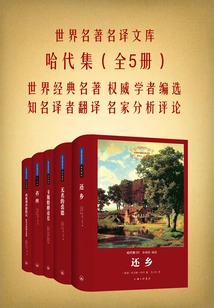
"The Return of the Native" is a representative "novel of character and environment" written by the famous British writer Thomas Hardy. The work is set in the Egtown Wasteland in Wessex, southwest England, and describes the different tragic fates of five young men and women. It is an important sign that Hardy's novel art begins to mature, and is one of Hardy's important works. "Jude the Obscure" is Hardy's masterpiece. The novel mainly describes the study experience of a young man named Jude and his short life encounters. It also depicts the customs and folk customs of the British countryside at the end of the 19th century, presenting a picture of secular customs in front of readers. "The Mayor of Casterbridge" is one of Hardy's masterpieces. The work tells the story of the protagonist Henchal, who was originally a grassroots worker who betrayed his wife and daughter due to drunkenness. He regretted it so much that he stopped drinking and worked hard to get rich. Twenty years later, he became the mayor of Casterbridge. Later, his wife and daughter returned to him, but disasters also followed one after another. Through this tragic description, the author reveals the disasters that capitalist development has brought to the working people and condemns the irrationality of the capitalist system. "Tess" is one of Hardy's important masterpieces. The novel takes the experiences of the heroine Tess as the main line, describing the conflict between the beautiful poetic image and the surrounding gloomy reality. It vividly describes the disintegration of the small-scale peasant economy after capitalism invaded the British countryside at the end of the 19th century and the painful process of individual farmers heading towards poverty and bankruptcy. "The Adventure of Hippoly" is an anthology of Hardy's short stories and short stories, including "The Melancholy Hussars in the German Legion", "The Tragedy of Two Careers", "An Imaginative Woman", "Friends from the Countryside", "Rumors of 1840", "Withered Branches" and "The Adventure of Hippoly".
"The Return of the Native" is a representative "novel of character and environment" written by the famous British writer Thomas Hardy. The work is set in the Egtown Wasteland in Wessex, southwest England, and describes the different tragic fates of five young men and women. It is an important sign that Hardy's novel art begins to mature, and is one of Hardy's important works. "Jude the Obscure" is Hardy's masterpiece. The novel mainly describes the study experience of a young man named Jude and his short life encounters. It also depicts the customs and folk customs of the British countryside at the end of the 19th century, presenting a picture of secular customs in front of readers. "The Mayor of Casterbridge" is one of Hardy's masterpieces. The work tells the story of the protagonist Henchal, who was originally a grassroots worker who betrayed his wife and daughter due to drunkenness. He regretted it so much that he stopped drinking and worked hard to get rich. Twenty years later, he became the mayor of Casterbridge. Later, his wife and daughter returned to him, but disasters also followed one after another. Through this tragic description, the author reveals the disasters that capitalist development has brought to the working people and condemns the irrationality of the capitalist system. "Tess" is one of Hardy's important masterpieces. The novel takes the experiences of the heroine Tess as the main line, describing the conflict between the beautiful poetic image and the surrounding gloomy reality. It vividly describes the disintegration of the small-scale peasant economy after capitalism invaded the British countryside at the end of the 19th century and the painful process of individual farmers heading towards poverty and bankruptcy. "The Adventure of Hippoly" is an anthology of Hardy's short stories and short stories, including "The Melancholy Hussars in the German Legion", "The Tragedy of Two Careers", "An Imaginative Woman", "Friends from the Countryside", "Rumors of 1840", "Withered Branches" and "The Adventure of Hippoly".
世界名著名译文库:托尔斯泰集(全6册)
N
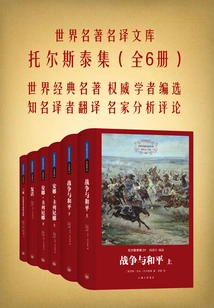
The world's famous translation library: Tolstoy (4 volumes in total) includes: "Tolstoy: War and Peace", "Tolstoy: Anna Karenina", "Tolstoy: Resurrection", "Tolstoy: Three Deaths - Selected Novels and Novels by Tolstoy". Introduction to episode content: "The Collection of Tolstoy: War and Peace" "War and Peace" by the great Russian writer Leo Tolstoy is an immortal masterpiece in the history of world literature. The most outstanding artistic achievement of the novel is its majestic, grand and complex structure and strict and orderly layout. Tolstoy used a genius to navigate between war and peace, psychology and society, history and philosophy, marriage and religion, with clear priorities and unique ingenuity. "The Collection of Tolstoy: Resurrection" is based on a real event. It mainly describes the hero Nekhludoff seducing his aunt's maid Maslova, making her pregnant and driving her out of the house. Later, she became a prostitute and was tried for murder. The hero appeared in court as a juror and was deeply condemned by his conscience when he saw the woman he had seduced in the past. He ran to avenge her and asked to marry her to atone for his sins. After his appeal failed, he accompanied her into exile in Siberia. His behavior touched Maslova and made her fall in love with him again. But in order not to damage his reputation and status, she finally did not marry him and married a revolutionary. "The Collection of Tolstoy: Three Deaths - Selected Novels and Novels by Tolstoy" This book collects nine masterpieces of Leo Tolstoy's short and short stories, including "Sevastopol in May", "The Snowstorm", "Lucerne", "Three Deaths", "Holstromer", "The Death of Ivan Ilych", "Kretzer Sonata", "After the Ball" and "Father Sergei".
The world's famous translation library: Tolstoy (4 volumes in total) includes: "Tolstoy: War and Peace", "Tolstoy: Anna Karenina", "Tolstoy: Resurrection", "Tolstoy: Three Deaths - Selected Novels and Novels by Tolstoy". Introduction to episode content: "The Collection of Tolstoy: War and Peace" "War and Peace" by the great Russian writer Leo Tolstoy is an immortal masterpiece in the history of world literature. The most outstanding artistic achievement of the novel is its majestic, grand and complex structure and strict and orderly layout. Tolstoy used a genius to navigate between war and peace, psychology and society, history and philosophy, marriage and religion, with clear priorities and unique ingenuity. "The Collection of Tolstoy: Resurrection" is based on a real event. It mainly describes the hero Nekhludoff seducing his aunt's maid Maslova, making her pregnant and driving her out of the house. Later, she became a prostitute and was tried for murder. The hero appeared in court as a juror and was deeply condemned by his conscience when he saw the woman he had seduced in the past. He ran to avenge her and asked to marry her to atone for his sins. After his appeal failed, he accompanied her into exile in Siberia. His behavior touched Maslova and made her fall in love with him again. But in order not to damage his reputation and status, she finally did not marry him and married a revolutionary. "The Collection of Tolstoy: Three Deaths - Selected Novels and Novels by Tolstoy" This book collects nine masterpieces of Leo Tolstoy's short and short stories, including "Sevastopol in May", "The Snowstorm", "Lucerne", "Three Deaths", "Holstromer", "The Death of Ivan Ilych", "Kretzer Sonata", "After the Ball" and "Father Sergei".

Out of Africa (bilingual in Chinese and English) (bilingual Translation Lin Yili Library)
General Fiction走出非洲 Out of Africa(中英双语)(双语译林 壹力文库)
I
This book is an autobiographical novel published by Danish female writer Karen Blixen in 1937. The book uses beautiful words to describe the author's life of running a coffee farm in Africa from 1914 to 1931. He fondly recalls the natural scenery, animals and people in Africa, reflecting the author's familiarity and attachment to African customs and customs. The story is touching and exciting. After the book was published, it has been reprinted many times. It is not only a best-seller in East Africa and English-speaking countries, but has also been translated into many languages.
This book is an autobiographical novel published by Danish female writer Karen Blixen in 1937. The book uses beautiful words to describe the author's life of running a coffee farm in Africa from 1914 to 1931. He fondly recalls the natural scenery, animals and people in Africa, reflecting the author's familiarity and attachment to African customs and customs. The story is touching and exciting. After the book was published, it has been reprinted many times. It is not only a best-seller in East Africa and English-speaking countries, but has also been translated into many languages.
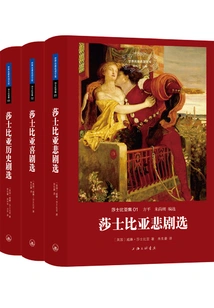
莎士比亚集(套装共3册)(世界名著名译文库)
H
"Selected Tragedies of Shakespeare" includes Shakespeare's four major tragedies "Hamlet", "Othello", "King Lear" and "Macbeth", as well as the well-known love tragedy "Romeo and Juliet". The selected translation is the unedited translation by Zhu Shenghao. The selected plays for "Shakespeare's Comedy Selections" include "Twelfth Night", "The Merchant of Venice", "The Merry Wives of Windsor", "The Taming of the Shrew", "As You Like It", "A Midsummer Night's Dream" and other works. They revolve around the themes of love, friendship and marriage, with humorous and vivid language, vivid, rich, bizarre and interesting plots. The stories have twists and turns and have eternal charm. "Selected Historical Plays of Shakespeare" includes several classic Shakespeare historical plays by the master translator Zhu Shenghao. They are original, interesting and can be chewed over and over again. It also includes "Henry IV" (top and bottom) translated by Mr. Wu Xinghua and "Henry V" translated by Mr. Fang Ping. This book contains a total of seven of Shakespeare's most famous historical plays: "The Tragedy of Richard II" (The Tragedy of Richard II), "Henry IV (Part 1 and 2)", "Henry V", "The Martyrdom of the Queen" (Antony and Cleopatra), "Caesar Meets the Murderer" (Julius Caesar), and "The Heroic Treason" ("Coriolanus").
"Selected Tragedies of Shakespeare" includes Shakespeare's four major tragedies "Hamlet", "Othello", "King Lear" and "Macbeth", as well as the well-known love tragedy "Romeo and Juliet". The selected translation is the unedited translation by Zhu Shenghao. The selected plays for "Shakespeare's Comedy Selections" include "Twelfth Night", "The Merchant of Venice", "The Merry Wives of Windsor", "The Taming of the Shrew", "As You Like It", "A Midsummer Night's Dream" and other works. They revolve around the themes of love, friendship and marriage, with humorous and vivid language, vivid, rich, bizarre and interesting plots. The stories have twists and turns and have eternal charm. "Selected Historical Plays of Shakespeare" includes several classic Shakespeare historical plays by the master translator Zhu Shenghao. They are original, interesting and can be chewed over and over again. It also includes "Henry IV" (top and bottom) translated by Mr. Wu Xinghua and "Henry V" translated by Mr. Fang Ping. This book contains a total of seven of Shakespeare's most famous historical plays: "The Tragedy of Richard II" (The Tragedy of Richard II), "Henry IV (Part 1 and 2)", "Henry V", "The Martyrdom of the Queen" (Antony and Cleopatra), "Caesar Meets the Murderer" (Julius Caesar), and "The Heroic Treason" ("Coriolanus").
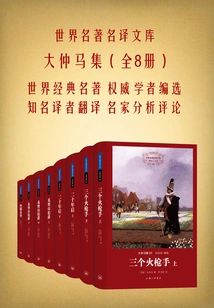
World-famous Translation Library: the Collection of Alexandre Dumas (8 Volumes in Total)
General Fiction世界名著名译文库:大仲马集(全8册)
I
The novel "The Three Musketeers" mainly describes what happened during the period when French Cardinal Richelieu became prime minister in 1624 to when he attacked and occupied La Rochelle, the main base of the Huguenots in 1628. The adventures of d'Artagnan and the three musketeers are vivid and fascinating in Dumas's writing. "Twenty Years Later" is the sequel to Alexandre Dumas's famous work "The Three Musketeers". Together with "The Three Musketeers" and "The Vicomte de Bragelonne", they form the "D'Artagnan Trilogy". In the twists and turns of the story, the whole work gives people a sense of climax after another, which is exciting and soul-stirring. "The Count of Monte Cristo" is a popular historical novel and the representative work of the famous French writer Alexandre Dumas (1802-1870). This book is full of romantic legend, and the chapters are unique, novel and fascinating. "Black Tulip" is based on the fierce political struggle in the Netherlands in the seventeenth century, with the cultivation of black tulips as the main line, and describes the touching love story of a young man and woman.
The novel "The Three Musketeers" mainly describes what happened during the period when French Cardinal Richelieu became prime minister in 1624 to when he attacked and occupied La Rochelle, the main base of the Huguenots in 1628. The adventures of d'Artagnan and the three musketeers are vivid and fascinating in Dumas's writing. "Twenty Years Later" is the sequel to Alexandre Dumas's famous work "The Three Musketeers". Together with "The Three Musketeers" and "The Vicomte de Bragelonne", they form the "D'Artagnan Trilogy". In the twists and turns of the story, the whole work gives people a sense of climax after another, which is exciting and soul-stirring. "The Count of Monte Cristo" is a popular historical novel and the representative work of the famous French writer Alexandre Dumas (1802-1870). This book is full of romantic legend, and the chapters are unique, novel and fascinating. "Black Tulip" is based on the fierce political struggle in the Netherlands in the seventeenth century, with the cultivation of black tulips as the main line, and describes the touching love story of a young man and woman.

世界名著名译文库:陀思妥耶夫斯基集(全9册)
G
"Crime and Punishment" is one of the representative works of the 19th-century Russian writer Fyodor Dostoevsky. The work focuses on the protagonist's mental state of being condemned by his conscience and feeling deeply lonely and fearful after committing the crime. It depicts his psychological changes before and after the crime, and reveals the difficult life of the lower class people in Russia. "The Idiot" is one of Dostoevsky's best works. The plot of this book is tense, tortuous, and has climaxes that are exciting. In particular, the psychological description in it deeply analyzes the multi-facetedness and complexity of human beings, and has a strong artistic appeal. "Demons" is a very controversial work by the great Russian writer Dostoevsky. The work created a portrait of the old liberal intellectuals in the 1840s and the radical youth in the early 1970s. In this world full of evil, there is always some sense of goodness, and a faint light shines brightly or covertly in everyone. "The Brothers Karamazov" is one of Dostoevsky's masterpieces. The novel uses a real patricide case to describe the sharp conflict between the old Karamazov and his three sons, that is, two generations. "The Insulted and Injured" was serialized in issues 1 to 7 of The Times in 1861. Because it is a long series, in order to attract readers, the plot of the novel must be fascinating, with ups and downs, climax after another, and it must be interrupted suddenly when it reaches the climax, so that people can continue to read the next issue. Therefore, this type of novel was called "essay-style novel" at that time, and it was famous for its tense and tortuous plot. This book is the first important work Dostoevsky completed after returning to Petersburg from exile. The novel describes the tragedy of two families caused by the bourgeois adventurer Valkovsky. "Youth" is Dostoevsky's masterpiece that integrates social novels, suspense novels, psychological novels and other types of novels with educational novels. "Notes from the Underground" is a collection of Dostoevsky's novellas, which selects five of Dostoevsky's representative novellas: "The Poor Man", "White Nights", "The Resident of Stepanchikovo", "Notes from the Underground" and "The Crocodile".
"Crime and Punishment" is one of the representative works of the 19th-century Russian writer Fyodor Dostoevsky. The work focuses on the protagonist's mental state of being condemned by his conscience and feeling deeply lonely and fearful after committing the crime. It depicts his psychological changes before and after the crime, and reveals the difficult life of the lower class people in Russia. "The Idiot" is one of Dostoevsky's best works. The plot of this book is tense, tortuous, and has climaxes that are exciting. In particular, the psychological description in it deeply analyzes the multi-facetedness and complexity of human beings, and has a strong artistic appeal. "Demons" is a very controversial work by the great Russian writer Dostoevsky. The work created a portrait of the old liberal intellectuals in the 1840s and the radical youth in the early 1970s. In this world full of evil, there is always some sense of goodness, and a faint light shines brightly or covertly in everyone. "The Brothers Karamazov" is one of Dostoevsky's masterpieces. The novel uses a real patricide case to describe the sharp conflict between the old Karamazov and his three sons, that is, two generations. "The Insulted and Injured" was serialized in issues 1 to 7 of The Times in 1861. Because it is a long series, in order to attract readers, the plot of the novel must be fascinating, with ups and downs, climax after another, and it must be interrupted suddenly when it reaches the climax, so that people can continue to read the next issue. Therefore, this type of novel was called "essay-style novel" at that time, and it was famous for its tense and tortuous plot. This book is the first important work Dostoevsky completed after returning to Petersburg from exile. The novel describes the tragedy of two families caused by the bourgeois adventurer Valkovsky. "Youth" is Dostoevsky's masterpiece that integrates social novels, suspense novels, psychological novels and other types of novels with educational novels. "Notes from the Underground" is a collection of Dostoevsky's novellas, which selects five of Dostoevsky's representative novellas: "The Poor Man", "White Nights", "The Resident of Stepanchikovo", "Notes from the Underground" and "The Crocodile".
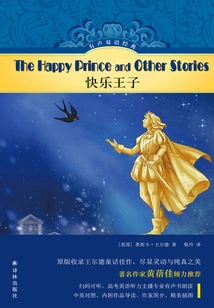
The Happy Prince (audio Bilingual Classic)
General Fiction快乐王子(有声双语经典)
G
The Happy Prince looked down on the city, decked out in gold leaf and decorated with precious gems, but the suffering he saw made him weep and grieve. In order to help the suffering poor, the Happy Prince asked the swallow to become a messenger to deliver the treasure to the people who were in urgent need of money to change their lives. The prince lost his gorgeous clothes and was thrown into the furnace by the city officials. The swallow missed the opportunity to fly south and froze to death at the prince's feet. But their souls were praised and received eternal life.
The Happy Prince looked down on the city, decked out in gold leaf and decorated with precious gems, but the suffering he saw made him weep and grieve. In order to help the suffering poor, the Happy Prince asked the swallow to become a messenger to deliver the treasure to the people who were in urgent need of money to change their lives. The prince lost his gorgeous clothes and was thrown into the furnace by the city officials. The swallow missed the opportunity to fly south and froze to death at the prince's feet. But their souls were praised and received eternal life.

美丽的地下世界(凡尔纳经典科幻)
G
After James, a retired coal mining engineer, received two secret letters with completely contradictory contents, he decided to return to the Aberfoyle Coal Mine, where he had devoted most of his life. This coal mine was exhausted ten years ago, and the old foreman Simon discovered new veins through unremitting efforts. However, when they went deep into the mine to find out what was going on, the way they came was blocked...
After James, a retired coal mining engineer, received two secret letters with completely contradictory contents, he decided to return to the Aberfoyle Coal Mine, where he had devoted most of his life. This coal mine was exhausted ten years ago, and the old foreman Simon discovered new veins through unremitting efforts. However, when they went deep into the mine to find out what was going on, the way they came was blocked...
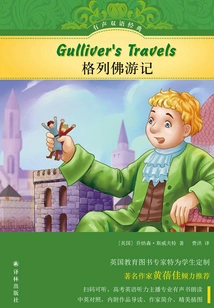
Gulliver's Travels (audio Bilingual Classic)
General Fiction格列佛游记(有声双语经典)
H
"Gulliver's Travels" is an eighteenth-century travel satirical novel. The whole novel is divided into four parts, which respectively tell the adventures of the protagonist Gulliver in the Kingdom of Lilliput, the Kingdom of Adults, the Kingdom of Flying Islands and the Kingdom of Houyhnhnms. The storyline is interesting, fantastic and thrilling. At that time, the British Empire was bathed in the glory of "the sun never sets", and advocating personal adventure and encouraging the pursuit of wealth became the trend and social orientation of the times. "Gulliver's Travels" profoundly reflects such characteristics of the times. Gulliver is tolerant and modest, tolerant, tenacious, and brave. He not only pays attention to the living conditions of the upper class and the lower class people, but also reflects on the essential relationship between science, philosophy, literature, politics, and people's lives. While describing what Gulliver saw and heard, author Jonathan Swift also revealed the ugly nature of the greedy exploiters and cunning power-seekers in British society at that time.
"Gulliver's Travels" is an eighteenth-century travel satirical novel. The whole novel is divided into four parts, which respectively tell the adventures of the protagonist Gulliver in the Kingdom of Lilliput, the Kingdom of Adults, the Kingdom of Flying Islands and the Kingdom of Houyhnhnms. The storyline is interesting, fantastic and thrilling. At that time, the British Empire was bathed in the glory of "the sun never sets", and advocating personal adventure and encouraging the pursuit of wealth became the trend and social orientation of the times. "Gulliver's Travels" profoundly reflects such characteristics of the times. Gulliver is tolerant and modest, tolerant, tenacious, and brave. He not only pays attention to the living conditions of the upper class and the lower class people, but also reflects on the essential relationship between science, philosophy, literature, politics, and people's lives. While describing what Gulliver saw and heard, author Jonathan Swift also revealed the ugly nature of the greedy exploiters and cunning power-seekers in British society at that time.

鲁滨逊漂流记(小译林中小学阅读丛书)
(english) Defoe
"Robinson Crusoe" is the first work of British realist novels and a pioneer of nautical adventure novels. The protagonist of the novel, Robinson Crusoe, was born in a middle-class family and aspired to travel around the world throughout his life. Once when he was sailing to Africa, he encountered a storm and drifted alone to an uninhabited desert island, where he began to live in isolation from the world. With his strong will and unremitting efforts, he survived on the desert island and returned to his hometown after 28 years, 2 months and 19 days.
"Robinson Crusoe" is the first work of British realist novels and a pioneer of nautical adventure novels. The protagonist of the novel, Robinson Crusoe, was born in a middle-class family and aspired to travel around the world throughout his life. Once when he was sailing to Africa, he encountered a storm and drifted alone to an uninhabited desert island, where he began to live in isolation from the world. With his strong will and unremitting efforts, he survived on the desert island and returned to his hometown after 28 years, 2 months and 19 days.
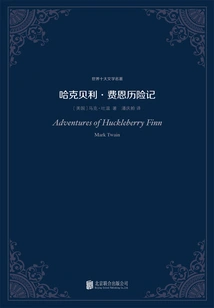
The Adventures of Huckleberry Finn (one of the Top Ten Literary Masterpieces in the World)
General Fiction哈克贝利·费恩历险记(世界十大文学名著)
G
It describes the little urchin Huck meets the little black slave Jim who has escaped from his master. In order to avoid a murderous misunderstanding, the two took a small raft down the Mississippi River and encountered various interesting encounters. One of the most exciting and thrilling scenes is when Huck exposes the scam of the liar "King" to defraud the three sisters of their property. As a result, Huck is pursued by the bad guys. And Huck often had an inner battle over whether he should help the slaves escape, and finally had a happy ending after many twists and turns. "The Adventures of Huckleberry Finn" can be said to be an outstanding picture of American social life. Mark Twain used humorous writing to reproduce what he saw and heard in the South in his early years, and carved the raw gold and jade of his life experience into exquisite literary treasures. What is outstanding about Mark Twain is that he reflected the universal ideological conditions of mankind by describing specific and local people and things.
It describes the little urchin Huck meets the little black slave Jim who has escaped from his master. In order to avoid a murderous misunderstanding, the two took a small raft down the Mississippi River and encountered various interesting encounters. One of the most exciting and thrilling scenes is when Huck exposes the scam of the liar "King" to defraud the three sisters of their property. As a result, Huck is pursued by the bad guys. And Huck often had an inner battle over whether he should help the slaves escape, and finally had a happy ending after many twists and turns. "The Adventures of Huckleberry Finn" can be said to be an outstanding picture of American social life. Mark Twain used humorous writing to reproduce what he saw and heard in the South in his early years, and carved the raw gold and jade of his life experience into exquisite literary treasures. What is outstanding about Mark Twain is that he reflected the universal ideological conditions of mankind by describing specific and local people and things.
War and Peace (part 2)
General Fiction战争与和平(下)
(russian) Leo Tolstoy
The classic translation of the Republic of China period was the first direct translation of the original Russian work into Chinese, which was vivid and fluent and maintained the artistic style of the original work. The translator, Gao Zhi, is a famous writer and translator in my country. He is fluent in English, Japanese, and Russian. He is especially committed to the study of Russian literature and is the author of "On the Works of Leo Tolstoy". He is considered the most authoritative person in my country to translate Tolstoy's works.
The classic translation of the Republic of China period was the first direct translation of the original Russian work into Chinese, which was vivid and fluent and maintained the artistic style of the original work. The translator, Gao Zhi, is a famous writer and translator in my country. He is fluent in English, Japanese, and Russian. He is especially committed to the study of Russian literature and is the author of "On the Works of Leo Tolstoy". He is considered the most authoritative person in my country to translate Tolstoy's works.
War and Peace (part 1)
General Fiction战争与和平(上)
(russian) Leo Tolstoy
The classic translation of the Republic of China period was the first direct translation of the original Russian work into Chinese, which was vivid and fluent and maintained the artistic style of the original work. The translator, Gao Zhi, is a famous writer and translator in my country. He is fluent in English, Japanese, and Russian. He is especially committed to the study of Russian literature and is the author of "On the Works of Leo Tolstoy". He is considered the most authoritative person in my country to translate Tolstoy's works.
The classic translation of the Republic of China period was the first direct translation of the original Russian work into Chinese, which was vivid and fluent and maintained the artistic style of the original work. The translator, Gao Zhi, is a famous writer and translator in my country. He is fluent in English, Japanese, and Russian. He is especially committed to the study of Russian literature and is the author of "On the Works of Leo Tolstoy". He is considered the most authoritative person in my country to translate Tolstoy's works.
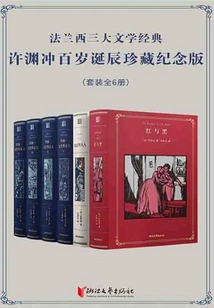
Three Major French Literary Classics·xu Yuanchong's 100th Birthday Collection Commemorative Edition (set of 6 Volumes)
General Fiction法兰西三大文学经典·许渊冲百岁诞辰珍藏纪念版(套装全6册)
(france) Stendhal Flaubert Romain Rolland
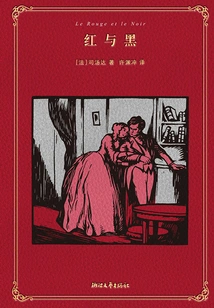
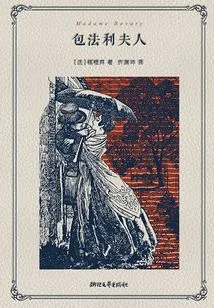
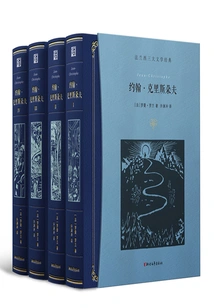
On the occasion of Mr. Xu Yuanchong's 100th birthday, a new commemorative collector's edition of "Three French Literary Classics" is launched, including "The Red and the Black", "Madame Bovary" and "John Christophe". "The Red and the Black" is the representative novel of Stendhal, the French realist writer and "the father of modern novels", and the foundation work of French critical realist literature; "Madame Bovary" is the representative novel of the famous French writer Flaubert and the representative translation of the famous translator Xu Yuanchong. "Madame Bovary" reproduces the social life of France in the mid-19th century; "Johan Christophe" is the masterpiece of the famous French writer Romain Rolland. Romain Rolland won the 1915 Nobel Prize for Literature for this work. It tells the story of a musical genius's struggle with himself, art, and society, and traces the life evolution of a German musician in the process of artistic struggle.
On the occasion of Mr. Xu Yuanchong's 100th birthday, a new commemorative collector's edition of "Three French Literary Classics" is launched, including "The Red and the Black", "Madame Bovary" and "John Christophe". "The Red and the Black" is the representative novel of Stendhal, the French realist writer and "the father of modern novels", and the foundation work of French critical realist literature; "Madame Bovary" is the representative novel of the famous French writer Flaubert and the representative translation of the famous translator Xu Yuanchong. "Madame Bovary" reproduces the social life of France in the mid-19th century; "Johan Christophe" is the masterpiece of the famous French writer Romain Rolland. Romain Rolland won the 1915 Nobel Prize for Literature for this work. It tells the story of a musical genius's struggle with himself, art, and society, and traces the life evolution of a German musician in the process of artistic struggle.
P
General Fictionp
J
On the occasion of Mr. Xu Yuanchong's 100th birthday, a new commemorative collector's edition of "Three French Literary Classics" is launched. Among them, "Red and Black" is the masterpiece of French realist writer and "father of modern novels" Stendhal. It is also the foundation work of French critical realist literature. The protagonist Julien can be called the "ancestor" of a series of heroic figures who rebelled against capitalist society in 19th-century European literature. The protagonist Julien was born in a family of small proprietors. He was obsessed with Napoleon's great achievements. He wanted to get ahead, but he had no choice but to join the army and finally chose the path of the church. Julien was favored by the local mayor and became a tutor. Later, he was recommended by the church and served as the personal secretary for the Marquis de Larmore, a backbone of the royalist party. But a whistleblower letter ruined his career...
On the occasion of Mr. Xu Yuanchong's 100th birthday, a new commemorative collector's edition of "Three French Literary Classics" is launched. Among them, "Red and Black" is the masterpiece of French realist writer and "father of modern novels" Stendhal. It is also the foundation work of French critical realist literature. The protagonist Julien can be called the "ancestor" of a series of heroic figures who rebelled against capitalist society in 19th-century European literature. The protagonist Julien was born in a family of small proprietors. He was obsessed with Napoleon's great achievements. He wanted to get ahead, but he had no choice but to join the army and finally chose the path of the church. Julien was favored by the local mayor and became a tutor. Later, he was recommended by the church and served as the personal secretary for the Marquis de Larmore, a backbone of the royalist party. But a whistleblower letter ruined his career...
P
General Fictionp
I
On the occasion of Mr. Xu Yuanchong's 100th birthday, a new commemorative collector's edition of "Three French Literary Classics" is launched. Among them, "Madame Bovary" is a masterpiece of the novel by the famous French writer Flaubert, and also a representative translation of the famous translator Xu Yuanchong. "Madame Bovary" uses concise and delicate writing to reproduce the social life of France in the mid-19th century through the experience of Emma, a passionate woman. This book incorporates female desire into a literary theme for the first time and is regarded as "the code of new art" and a "perfect novel". It is a writing model for many literary masters. It was selected into the British BBC's "100 Stories that Changed the World" and the British "Guardian" Top 100 Novels. The film of the same name was shortlisted for the 64th Academy Awards.
On the occasion of Mr. Xu Yuanchong's 100th birthday, a new commemorative collector's edition of "Three French Literary Classics" is launched. Among them, "Madame Bovary" is a masterpiece of the novel by the famous French writer Flaubert, and also a representative translation of the famous translator Xu Yuanchong. "Madame Bovary" uses concise and delicate writing to reproduce the social life of France in the mid-19th century through the experience of Emma, a passionate woman. This book incorporates female desire into a literary theme for the first time and is regarded as "the code of new art" and a "perfect novel". It is a writing model for many literary masters. It was selected into the British BBC's "100 Stories that Changed the World" and the British "Guardian" Top 100 Novels. The film of the same name was shortlisted for the 64th Academy Awards.
John Christopher (all 4 Volumes)
General Fiction约翰·克里斯朵夫(全4册)
H
On the occasion of Mr. Xu Yuanchong's 100th birthday, a new commemorative collector's edition of "Three French Literary Classics" is launched. Among them, "Johan Christophe" is the masterpiece of the famous French writer Romain Rolland. Romain Rolland won the 1915 Nobel Prize for Literature for this work. The book consists of ten volumes, divided into four volumes. The novel tells the story of a musical genius's struggle with himself, art, and society. It traces the life evolution of a German musician in the process of artistic struggle. The protagonist John-Christophe left the small town and went to Paris. His works were not understood, his love was repeatedly frustrated, and his life became increasingly difficult. However, with his persistence in music and his optimism about life, he found the tranquility of life in the midst of hardships, just like a river flowing into the vast and deep ocean.
On the occasion of Mr. Xu Yuanchong's 100th birthday, a new commemorative collector's edition of "Three French Literary Classics" is launched. Among them, "Johan Christophe" is the masterpiece of the famous French writer Romain Rolland. Romain Rolland won the 1915 Nobel Prize for Literature for this work. The book consists of ten volumes, divided into four volumes. The novel tells the story of a musical genius's struggle with himself, art, and society. It traces the life evolution of a German musician in the process of artistic struggle. The protagonist John-Christophe left the small town and went to Paris. His works were not understood, his love was repeatedly frustrated, and his life became increasingly difficult. However, with his persistence in music and his optimism about life, he found the tranquility of life in the midst of hardships, just like a river flowing into the vast and deep ocean.
悲惨世界(上中下)(外国文学名著丛书)
H
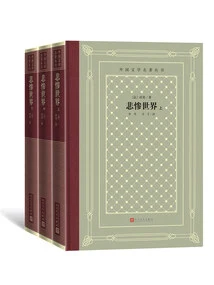
Hugo's life almost experienced the turbulent changes of French society in the 19th century. His creative process lasted for more than sixty years, almost spanning the entire process of French modernization. Hugo wrote a lot in his life. He was born into a family of military officers. Hugo was not born among the working people, and he did not even have any important social relations with the working class. His own experience and path were also far removed from those of the lower class. What was the force that pushed him to write "Les Misérables", a masterpiece about the suffering of the lower class people? We have to admit that this strength and ideological foundation are the humanitarian ideas he has always adhered to. In this novel, Hugo depicts the historical aspect from Napoleon's defeat at Waterloo to the popular uprising against the July Monarchy, and draws a large-scale picture of social and political life. The book describes the tragic experiences of the three central characters: the fugitive Jean Valjean, the woman Fantine living on the street, and her daughter Cosette, and angrily condemns and accuses the reasons for all these unreasonable and unfair phenomena.
Hugo's life almost experienced the turbulent changes of French society in the 19th century. His creative process lasted for more than sixty years, almost spanning the entire process of French modernization. Hugo wrote a lot in his life. He was born into a family of military officers. Hugo was not born among the working people, and he did not even have any important social relations with the working class. His own experience and path were also far removed from those of the lower class. What was the force that pushed him to write "Les Misérables", a masterpiece about the suffering of the lower class people? We have to admit that this strength and ideological foundation are the humanitarian ideas he has always adhered to. In this novel, Hugo depicts the historical aspect from Napoleon's defeat at Waterloo to the popular uprising against the July Monarchy, and draws a large-scale picture of social and political life. The book describes the tragic experiences of the three central characters: the fugitive Jean Valjean, the woman Fantine living on the street, and her daughter Cosette, and angrily condemns and accuses the reasons for all these unreasonable and unfair phenomena.
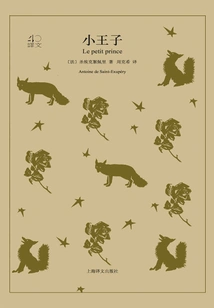
The Little Prince (translation 40)
General Fiction小王子(译文40)
Saint-exupéry
Saint-Exupéry, a famous French writer, wrote many famous novels and also wrote such a fairy tale full of wisdom. "The Little Prince" is a children's literature work and a fairy tale written for adults. The whole novel is full of poetic melancholy and a touch of sadness. The author uses a little prince from a different planet to write a thought-provoking philosophy and touching charm in plain language. Throughout the fairy tale, the writing is clean, even pure, and the form is concise, even simple. Therefore, the translation of this fairy tale should also be as clear as the words.
Saint-Exupéry, a famous French writer, wrote many famous novels and also wrote such a fairy tale full of wisdom. "The Little Prince" is a children's literature work and a fairy tale written for adults. The whole novel is full of poetic melancholy and a touch of sadness. The author uses a little prince from a different planet to write a thought-provoking philosophy and touching charm in plain language. Throughout the fairy tale, the writing is clean, even pure, and the form is concise, even simple. Therefore, the translation of this fairy tale should also be as clear as the words.
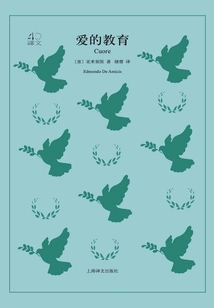
The Education of Love (translation 40)
General Fiction爱的教育(译文40)
(italian) Amicis
"The Education of Love" is the main work of the famous Italian novelist Amicis. This book is a close-up collection describing the life of a teenager. By recording various touching stories around Enrico, a fourth-grade primary school student, this book reflects the poor life and honest, simple and loving character of the middle and lower class people in Italy, and advocates patriotism, kindness, bravery, generosity, selflessness and fraternity. Every chapter and section of the book expresses "love" vividly, from the personal love for the country, society, and nation to the personal love for parents, teachers, and friends. Everywhere is gripping and touching. Education of love is actually quality education, which is the basis for enlightening children on how to behave as a person, and is also the basis for other qualities. "Education of Love" is in the form of a diary, using a child's tone and writing style to write about children's lives and thoughts. It looks real and friendly when read, so it is easier to be accepted by children. Although this is a book mainly written for students aged 9 to 13, it is also a very helpful educational classic for parents, teachers and children. The book has been a best-seller for more than 100 years after its publication, and has been adapted into cartoons, movies, and comic books many times, with readers all over the world.
"The Education of Love" is the main work of the famous Italian novelist Amicis. This book is a close-up collection describing the life of a teenager. By recording various touching stories around Enrico, a fourth-grade primary school student, this book reflects the poor life and honest, simple and loving character of the middle and lower class people in Italy, and advocates patriotism, kindness, bravery, generosity, selflessness and fraternity. Every chapter and section of the book expresses "love" vividly, from the personal love for the country, society, and nation to the personal love for parents, teachers, and friends. Everywhere is gripping and touching. Education of love is actually quality education, which is the basis for enlightening children on how to behave as a person, and is also the basis for other qualities. "Education of Love" is in the form of a diary, using a child's tone and writing style to write about children's lives and thoughts. It looks real and friendly when read, so it is easier to be accepted by children. Although this is a book mainly written for students aged 9 to 13, it is also a very helpful educational classic for parents, teachers and children. The book has been a best-seller for more than 100 years after its publication, and has been adapted into cartoons, movies, and comic books many times, with readers all over the world.
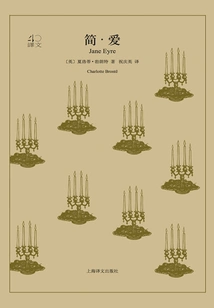
Jane Eyre (translation 40)
General Fiction简·爱(译文40)
Charlotte Brontë
Jane Eyre's parents died when she was young. When she was eighteen years old, she was hired as a tutor at Thornfield House and met her master Rochester. Both of them were attracted by each other's unique temperament and rich emotions, so they fell deeply in love regardless of the disparity in identity and status. During the wedding, Jane Eyre discovered a mad woman hiding in the attic of Rochester's house, who turned out to be Rochester's first wife. Jane Eyre left angrily and later inherited an inheritance from her uncle. But she could not resist her longing for Rochester, so she returned to Rochester, who had lost her wealth and her body was severely damaged by the fire, and resolutely married him. Under the bath of love, Rochester found happiness and health. "Jane Eyre" successfully created the first female image in the history of British literature to adopt an independent and proactive attitude towards love, life, society and religion, and who dared to fight and fight for freedom and equal status, and became a classic in the history of literature.
Jane Eyre's parents died when she was young. When she was eighteen years old, she was hired as a tutor at Thornfield House and met her master Rochester. Both of them were attracted by each other's unique temperament and rich emotions, so they fell deeply in love regardless of the disparity in identity and status. During the wedding, Jane Eyre discovered a mad woman hiding in the attic of Rochester's house, who turned out to be Rochester's first wife. Jane Eyre left angrily and later inherited an inheritance from her uncle. But she could not resist her longing for Rochester, so she returned to Rochester, who had lost her wealth and her body was severely damaged by the fire, and resolutely married him. Under the bath of love, Rochester found happiness and health. "Jane Eyre" successfully created the first female image in the history of British literature to adopt an independent and proactive attitude towards love, life, society and religion, and who dared to fight and fight for freedom and equal status, and became a classic in the history of literature.
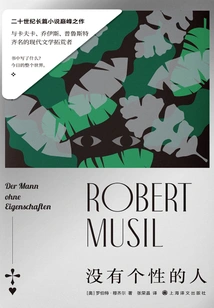
Person Without Personality
General Fiction没有个性的人
I
The pinnacle of novels in the 20th century, a pioneer of modern literature as famous as Kafka, Joyce, and Proust. "Man Without Personality" is the unfinished posthumous work of the Austrian writer Robert Musil. It is a "spiritual novel" and a literary work rich in essayistic thinking. Through the miniature world in the novel, the writer outlines the transition from the upper-class civil society shaped by enlightenment rationality to the modern mass society. It displays a wax museum of the characters of his era and occupies an important position in the modernist literature of the 20th century. The background of the novel is the Austro-Hungarian Empire before 1914. In Vienna, a committee was formed to prepare for the celebrations in 1918 of the seventieth anniversary of the reign of Austrian Emperor Franz Joseph, the same year that Germany would celebrate the thirtieth anniversary of Kaiser Wilhelm II; so the Austrian operation was called a "parallel operation" (however, 1918 would be the year of the fall of both kingdoms, which puts a comically absurd bombshell into the basis of the novel). The protagonist of the novel - Ulrich, the secretary of the Parallel Action Committee - realizes that possibilities are more important to him than the mediocre and rigid reality; he feels that he is a person without personality, because he no longer regards people, but material, as the center of modern reality: "Today... Has produced a world without individuality, a world without the experience of those who experience it." He saw that he was forced to face various problems of the times, and to face various contradictions between reason and soul, scientific faith and cultural pessimism.
The pinnacle of novels in the 20th century, a pioneer of modern literature as famous as Kafka, Joyce, and Proust. "Man Without Personality" is the unfinished posthumous work of the Austrian writer Robert Musil. It is a "spiritual novel" and a literary work rich in essayistic thinking. Through the miniature world in the novel, the writer outlines the transition from the upper-class civil society shaped by enlightenment rationality to the modern mass society. It displays a wax museum of the characters of his era and occupies an important position in the modernist literature of the 20th century. The background of the novel is the Austro-Hungarian Empire before 1914. In Vienna, a committee was formed to prepare for the celebrations in 1918 of the seventieth anniversary of the reign of Austrian Emperor Franz Joseph, the same year that Germany would celebrate the thirtieth anniversary of Kaiser Wilhelm II; so the Austrian operation was called a "parallel operation" (however, 1918 would be the year of the fall of both kingdoms, which puts a comically absurd bombshell into the basis of the novel). The protagonist of the novel - Ulrich, the secretary of the Parallel Action Committee - realizes that possibilities are more important to him than the mediocre and rigid reality; he feels that he is a person without personality, because he no longer regards people, but material, as the center of modern reality: "Today... Has produced a world without individuality, a world without the experience of those who experience it." He saw that he was forced to face various problems of the times, and to face various contradictions between reason and soul, scientific faith and cultural pessimism.

Notre Dame De Paris (translation 40)
General Fiction巴黎圣母院(译文40)
H
"Notre Dame de Paris" is a masterpiece of the novel by the famous French novelist and poet Victor Hugo. The gypsy girl Esmeralda is a street performer, and Froed, the deputy bishop of Notre Dame Church, wants to take possession of her. Later, it was discovered that she had another lover, and she assassinated her lover and framed the blame on her, resulting in her being sentenced to death. Quasimodo, the ugly bell ringer who was full of love and humility for her, rescued her and took refuge in Notre Dame. Froed kidnapped her and forced her to give in to his bestial desires. After being refused, Froude handed her over to the officers and soldiers and watched her being hanged upstairs in Notre Dame. In despair, Quasimodo angrily pushed Froude, who had raised him, off the attic and fell to death. He went to the Eagle Mountain Crypt to hug Esmeralda's body and died with her, completing the "wedding".
"Notre Dame de Paris" is a masterpiece of the novel by the famous French novelist and poet Victor Hugo. The gypsy girl Esmeralda is a street performer, and Froed, the deputy bishop of Notre Dame Church, wants to take possession of her. Later, it was discovered that she had another lover, and she assassinated her lover and framed the blame on her, resulting in her being sentenced to death. Quasimodo, the ugly bell ringer who was full of love and humility for her, rescued her and took refuge in Notre Dame. Froed kidnapped her and forced her to give in to his bestial desires. After being refused, Froude handed her over to the officers and soldiers and watched her being hanged upstairs in Notre Dame. In despair, Quasimodo angrily pushed Froude, who had raised him, off the attic and fell to death. He went to the Eagle Mountain Crypt to hug Esmeralda's body and died with her, completing the "wedding".
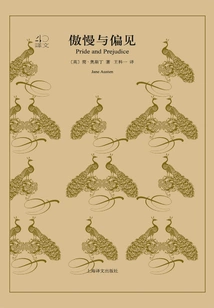
Pride and Prejudice (translation 40)
General Fiction傲慢与偏见(译文40)
G
The great American literary critic Edmund Wilson said: "In the history of British literature for nearly one and a quarter centuries, there have been several revolutions of taste, but only Shakespeare and Jane Austen have endured." This book is one of Austen's most famous works. Mrs. Bennet's lifelong ambition is to marry her five daughters decently, so she always regards the wealthy bachelors nearby as a piece of property that one of her daughters deserves, so there are several young couples who have ups and downs of separation and reunion. In the end, the hero and heroine put aside their pride and prejudice and made their own moral choices. The work fully expresses the author's own views on marriage, emphasizing the impact of economic interests and family status on love and marriage. The more than 50 original illustrations compiled in this book vividly reproduce classic scenes. They were created by the Irish-British painter Hugh Thomson at the end of the 19th century. They are also the most widely circulated and unique set of illustrations of Austen's works.
The great American literary critic Edmund Wilson said: "In the history of British literature for nearly one and a quarter centuries, there have been several revolutions of taste, but only Shakespeare and Jane Austen have endured." This book is one of Austen's most famous works. Mrs. Bennet's lifelong ambition is to marry her five daughters decently, so she always regards the wealthy bachelors nearby as a piece of property that one of her daughters deserves, so there are several young couples who have ups and downs of separation and reunion. In the end, the hero and heroine put aside their pride and prejudice and made their own moral choices. The work fully expresses the author's own views on marriage, emphasizing the impact of economic interests and family status on love and marriage. The more than 50 original illustrations compiled in this book vividly reproduce classic scenes. They were created by the Irish-British painter Hugh Thomson at the end of the 19th century. They are also the most widely circulated and unique set of illustrations of Austen's works.

T
General Fictiont
H
Recommended edition personally written by the President of the Jane Austen Society! Original color illustrations, original picture and text interpretation! If you don't cater to or accommodate yourself, you will definitely meet the right person! "It is a universally recognized truth that a single man with a rich family must marry a wife." Successfully marrying off her five daughters was a major event in Mrs. Bennet's life! Suddenly one day, a single man with a wealthy family moved into the Netherfield Manor next door, and the story of Miss Bennet's search for love began. On this road to marriage, how should they with different personalities meet the "right person" of their own?
Recommended edition personally written by the President of the Jane Austen Society! Original color illustrations, original picture and text interpretation! If you don't cater to or accommodate yourself, you will definitely meet the right person! "It is a universally recognized truth that a single man with a rich family must marry a wife." Successfully marrying off her five daughters was a major event in Mrs. Bennet's life! Suddenly one day, a single man with a wealthy family moved into the Netherfield Manor next door, and the story of Miss Bennet's search for love began. On this road to marriage, how should they with different personalities meet the "right person" of their own?

Hardy's Works (three Volumes)
General Fiction哈代作品集(全三册)
H
The collection of Hardy's works (three volumes in total) includes "Tess of the D'Urbervilles", "The Return of the Native", and "Jude the Obscure". 1. "Tess of the D'Urbervilles" (1891) is one of the last two important novels written by Thomas Hardy. This work has long been loved by readers not only in the author's own country, but also around the world. It has attracted the attention of professional researchers and has been courteously received by artists in the film and theater circles. For more than a hundred years, it has been recognized as Hardy's best representative work and has been included in the classics of world literature. 2. "The Return of the Native" (1878) is Hardy's representative "novel of character and environment" and an important achievement in Hardy's middle period of creation. It is a classic masterpiece of British realist literature. 3. "Jude the Obscure" (1895) is Thomas Hardy's last novel. Since then, Hardy turned to poetry creation, and "Jude" is also considered the "swan song" of his novels.
The collection of Hardy's works (three volumes in total) includes "Tess of the D'Urbervilles", "The Return of the Native", and "Jude the Obscure". 1. "Tess of the D'Urbervilles" (1891) is one of the last two important novels written by Thomas Hardy. This work has long been loved by readers not only in the author's own country, but also around the world. It has attracted the attention of professional researchers and has been courteously received by artists in the film and theater circles. For more than a hundred years, it has been recognized as Hardy's best representative work and has been included in the classics of world literature. 2. "The Return of the Native" (1878) is Hardy's representative "novel of character and environment" and an important achievement in Hardy's middle period of creation. It is a classic masterpiece of British realist literature. 3. "Jude the Obscure" (1895) is Thomas Hardy's last novel. Since then, Hardy turned to poetry creation, and "Jude" is also considered the "swan song" of his novels.

Float
General Fiction飘
(us) Margaret Mitchell
"Gone with the Wind" is a novel narrated against the background of the American Civil War. The author Margaret Mitchell focuses on the experiences and feelings of the women who stayed at home in the rear and suffered from the war, from their reverence for the war and full support for the war at the beginning of the war, to the pain of losing their loved ones due to the war, having to succumb to the fate of failure, and the arduous journey of rebuilding their homes after the war. In the turmoil of the great era, strong individuals face the harsh reality with awe and become strong men who are not afraid of difficulties in life and move forward on the journey of life.
"Gone with the Wind" is a novel narrated against the background of the American Civil War. The author Margaret Mitchell focuses on the experiences and feelings of the women who stayed at home in the rear and suffered from the war, from their reverence for the war and full support for the war at the beginning of the war, to the pain of losing their loved ones due to the war, having to succumb to the fate of failure, and the arduous journey of rebuilding their homes after the war. In the turmoil of the great era, strong individuals face the harsh reality with awe and become strong men who are not afraid of difficulties in life and move forward on the journey of life.
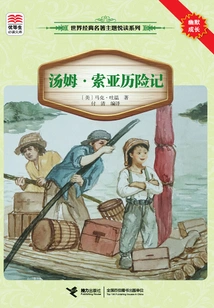
R
General Fictionr
H
The story of the novel takes place in an ordinary town along the Mississippi River in the United States in the first half of the 19th century. The protagonist Tom Sawyer is innocent and lively, daring to explore, and pursues freedom. He cannot bear the boring life that restricts his personality and dreams of doing a heroic career. The novel is set before the Civil War, and although it is written in the small town of St. Petersburg, the town can be said to be a microcosm of American society at that time to some extent. Through the adventures of the protagonist, the novel satirizes and criticizes the hypocritical and vulgar social customs, hypocritical religious rituals and rigid and outdated school education in the United States, and describes the free and lively hearts of young children in a cheerful style.
The story of the novel takes place in an ordinary town along the Mississippi River in the United States in the first half of the 19th century. The protagonist Tom Sawyer is innocent and lively, daring to explore, and pursues freedom. He cannot bear the boring life that restricts his personality and dreams of doing a heroic career. The novel is set before the Civil War, and although it is written in the small town of St. Petersburg, the town can be said to be a microcosm of American society at that time to some extent. Through the adventures of the protagonist, the novel satirizes and criticizes the hypocritical and vulgar social customs, hypocritical religious rituals and rigid and outdated school education in the United States, and describes the free and lively hearts of young children in a cheerful style.
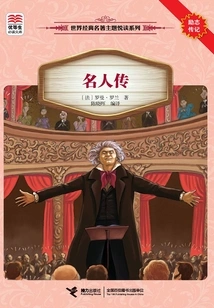
N
General Fictionn
H
"Biographies" is a biographical work created by the famous French critical realist writer Romain Rolland (1866~1944) in the late 19th and early 20th centuries. It includes three biographies: "The Biography of Beethoven" (1903), "The Biography of Michelangelo" (or translated as Michelangelo) (1906), and "The Biography of Tolstoy" (1911). Known as the "Biographies of the Three Great Heroes", it is also known as the "Three Biographies of the Giants". This book also very well confirms an ancient Chinese saying: Those who have achieved great things in ancient and modern times must not only have extraordinary talents, but also must have perseverance. The three people in this biography, one is the German musician Beethoven, the other is the Italian sculptor, painter, and poet Michelangelo, and the other is the Russian writer, thinker, and litterateur Leo Tolstoy. Although they have different careers, different contributions, and live in different times and countries, they are all great geniuses and great men in their respective fields.
"Biographies" is a biographical work created by the famous French critical realist writer Romain Rolland (1866~1944) in the late 19th and early 20th centuries. It includes three biographies: "The Biography of Beethoven" (1903), "The Biography of Michelangelo" (or translated as Michelangelo) (1906), and "The Biography of Tolstoy" (1911). Known as the "Biographies of the Three Great Heroes", it is also known as the "Three Biographies of the Giants". This book also very well confirms an ancient Chinese saying: Those who have achieved great things in ancient and modern times must not only have extraordinary talents, but also must have perseverance. The three people in this biography, one is the German musician Beethoven, the other is the Italian sculptor, painter, and poet Michelangelo, and the other is the Russian writer, thinker, and litterateur Leo Tolstoy. Although they have different careers, different contributions, and live in different times and countries, they are all great geniuses and great men in their respective fields.
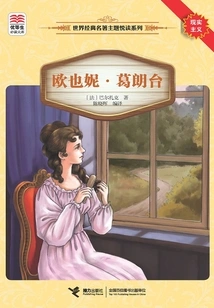
W
General Fictionw
H
"Eugénie Grandet" is a novel written by the French critical realist novelist Balzac, which is included in "The Human Comedy". The novel narrates a story of money destroying human nature and causing family tragedy. It revolves around the central event of Eugenie's love tragedy, and uses three intertwined plot threads to connect the novel: the waves caused by the autocracy within the Grandet family, the open and secret fights between the bankers and notaries outside the family, and the painful life experience of Eugenie's love for Charles Grandet and Charlie's betrayal.
"Eugénie Grandet" is a novel written by the French critical realist novelist Balzac, which is included in "The Human Comedy". The novel narrates a story of money destroying human nature and causing family tragedy. It revolves around the central event of Eugenie's love tragedy, and uses three intertwined plot threads to connect the novel: the waves caused by the autocracy within the Grandet family, the open and secret fights between the bankers and notaries outside the family, and the painful life experience of Eugenie's love for Charles Grandet and Charlie's betrayal.
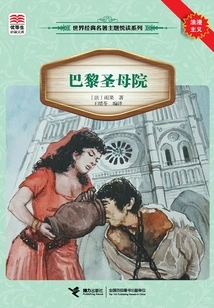
O
General Fictiono
H
"Notre Dame de Paris" is a novel written by the French writer Victor Hugo, first published on January 14, 1831. "Notre Dame de Paris" uses a bizarre and contrasting approach to tell a story that took place in France in the 15th century: Claude, the deputy bishop of Notre Dame de Paris, was sanctimonious and vicious, loving first and then hating, and persecuting the gypsy girl Esmeralda. The ugly but kind-hearted bell ringer Quasimodo sacrifices his life to save the girl. The novel exposes the hypocrisy of religion, declares the bankruptcy of asceticism, praises the kindness, friendship and self-sacrifice of the lower working people, and reflects Hugo's humanitarian thoughts.
"Notre Dame de Paris" is a novel written by the French writer Victor Hugo, first published on January 14, 1831. "Notre Dame de Paris" uses a bizarre and contrasting approach to tell a story that took place in France in the 15th century: Claude, the deputy bishop of Notre Dame de Paris, was sanctimonious and vicious, loving first and then hating, and persecuting the gypsy girl Esmeralda. The ugly but kind-hearted bell ringer Quasimodo sacrifices his life to save the girl. The novel exposes the hypocrisy of religion, declares the bankruptcy of asceticism, praises the kindness, friendship and self-sacrifice of the lower working people, and reflects Hugo's humanitarian thoughts.
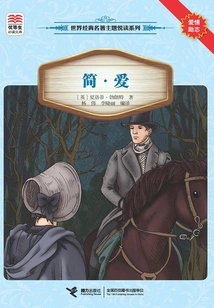
Jane Eyre
General Fiction简·爱
Charlotte Brontë
"Jane Eyre" is a novel written by the British female writer Charlotte Bronte. It is an autobiographical work. The work tells the story of a British woman who was orphaned since childhood and continued to pursue freedom and dignity amidst various hardships, persisted in herself, and finally achieved happiness. The novel fascinatingly shows the ups and downs of the love experience of the hero and heroine, praises the breakaway from all old customs and prejudices, and successfully creates an image of a woman who dares to resist and fight for freedom and equal status.
"Jane Eyre" is a novel written by the British female writer Charlotte Bronte. It is an autobiographical work. The work tells the story of a British woman who was orphaned since childhood and continued to pursue freedom and dignity amidst various hardships, persisted in herself, and finally achieved happiness. The novel fascinatingly shows the ups and downs of the love experience of the hero and heroine, praises the breakaway from all old customs and prejudices, and successfully creates an image of a woman who dares to resist and fight for freedom and equal status.
Around the World in Eighty Days
General Fiction八十天环游地球
(french) Verne
"Around the World in Eighty Days" is a novel written by the French writer Jules Verne and is one of his masterpieces. The whole book was published in Le Temps from November 6, 1872 to December 22 of the same year, and was first published in 1873. The novel originated from a bet that the British gentleman Fogg made with his friends: to travel around the world and return to London in 80 days. Later, he and his servants overcame the difficulties and obstacles on the way, passing through the Mediterranean Sea, the Red Sea, the Indian Ocean, the Pacific Ocean, the Atlantic Ocean, traveling to India, Singapore, Japan, the United States and other places, and finally returned to London. Along the way, Fokker was witty and brave, showing a complete gentlemanly style.
"Around the World in Eighty Days" is a novel written by the French writer Jules Verne and is one of his masterpieces. The whole book was published in Le Temps from November 6, 1872 to December 22 of the same year, and was first published in 1873. The novel originated from a bet that the British gentleman Fogg made with his friends: to travel around the world and return to London in 80 days. Later, he and his servants overcame the difficulties and obstacles on the way, passing through the Mediterranean Sea, the Red Sea, the Indian Ocean, the Pacific Ocean, the Atlantic Ocean, traveling to India, Singapore, Japan, the United States and other places, and finally returned to London. Along the way, Fokker was witty and brave, showing a complete gentlemanly style.
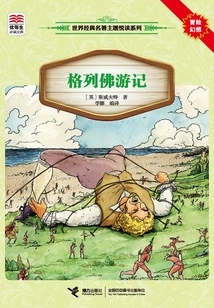
N
General Fictionn
H
"Gulliver's Travels" is a satirical travel novel written by the British writer Jonathan Swift, first published in 1726. The work uses the tone of Captain Rimel Gulliver to narrate his experience of traveling around four countries. Through Gulliver's adventures in Lilliput, Brobdingnag, the Flying Island Kingdom, and the Houyhnhnms Kingdom, it reflects the corruption and sin of the British ruling class in the first half of the 18th century. It also expresses the author's thoughts in a relatively perfect artistic form. The author used rich satire and fictional fantasy to write absurd and bizarre plots, which profoundly reflected the meaningless partisan struggle in the British Parliament at that time, the stupidity, decadence and profit-seeking of the ruling group, and exposed and criticized the cruelty of the colonial war; at the same time, it praised the heroic struggle of the colonial people against the rulers to a certain extent.
"Gulliver's Travels" is a satirical travel novel written by the British writer Jonathan Swift, first published in 1726. The work uses the tone of Captain Rimel Gulliver to narrate his experience of traveling around four countries. Through Gulliver's adventures in Lilliput, Brobdingnag, the Flying Island Kingdom, and the Houyhnhnms Kingdom, it reflects the corruption and sin of the British ruling class in the first half of the 18th century. It also expresses the author's thoughts in a relatively perfect artistic form. The author used rich satire and fictional fantasy to write absurd and bizarre plots, which profoundly reflected the meaningless partisan struggle in the British Parliament at that time, the stupidity, decadence and profit-seeking of the ruling group, and exposed and criticized the cruelty of the colonial war; at the same time, it praised the heroic struggle of the colonial people against the rulers to a certain extent.
Twenty Thousand Miles under the Sea
General Fiction海底两万里
(french) Jules Verne, Li Na, Adapted By Zhao Huicai
"Twenty Thousand Leagues Under the Sea" is a novel written by the French writer Jules Verne. It is the second part of the "Verne Trilogy" (the other two are "Captain Grant's Children" and "The Mysterious Island"). The book consists of 2 volumes and 47 chapters. The novel mainly tells the story of naturalist Aronnax, his servant Conseil and harpooner Ned Land traveling around the seabed with Nemo, captain of the submarine Nautilus.
"Twenty Thousand Leagues Under the Sea" is a novel written by the French writer Jules Verne. It is the second part of the "Verne Trilogy" (the other two are "Captain Grant's Children" and "The Mysterious Island"). The book consists of 2 volumes and 47 chapters. The novel mainly tells the story of naturalist Aronnax, his servant Conseil and harpooner Ned Land traveling around the seabed with Nemo, captain of the submarine Nautilus.

Gadfly (translation 40)
General Fiction牛虻(译文40)
I
"The Gadfly" is the representative work of the Irish female writer Voynich. After being introduced to China in the 1950s, it became very popular and became one of the favorites of young people at that time. Arthur, an Italian young man, was born into a wealthy businessman family, but he resolutely joined the revolution as an adult. Due to negligence, he leaked the secret, which led to the arrest of his comrades in arms, misunderstood his childhood sweetheart girlfriend Gemma, and painfully discovered that he was the illegitimate son of Father Montanelli, whom he had admired for a long time. Under the harsh reality education, he used fake suicide as a cover and ran away angrily. After 13 years of wandering abroad, he became a determined revolutionary under the pseudonym "Gadfly". He returned to his country to organize armed forces, smuggled arms and actively prepared for the uprising. In the end, he was unfortunately arrested. Faced with threats from the military and his biological father's persuasion to surrender, he remained unmoved and died calmly. "Gadfly" also tells the story of the snow-like pure and innocent love between Gadfly and the girl Qinma, as well as the intertwined love and hate for his father. It is very sad to read.
"The Gadfly" is the representative work of the Irish female writer Voynich. After being introduced to China in the 1950s, it became very popular and became one of the favorites of young people at that time. Arthur, an Italian young man, was born into a wealthy businessman family, but he resolutely joined the revolution as an adult. Due to negligence, he leaked the secret, which led to the arrest of his comrades in arms, misunderstood his childhood sweetheart girlfriend Gemma, and painfully discovered that he was the illegitimate son of Father Montanelli, whom he had admired for a long time. Under the harsh reality education, he used fake suicide as a cover and ran away angrily. After 13 years of wandering abroad, he became a determined revolutionary under the pseudonym "Gadfly". He returned to his country to organize armed forces, smuggled arms and actively prepared for the uprising. In the end, he was unfortunately arrested. Faced with threats from the military and his biological father's persuasion to surrender, he remained unmoved and died calmly. "Gadfly" also tells the story of the snow-like pure and innocent love between Gadfly and the girl Qinma, as well as the intertwined love and hate for his father. It is very sad to read.

Crime and Punishment (translation 40)
General Fiction罪与罚(译文40)
G
"Crime and Punishment" is one of the masterpieces of Dostoevsky, the great Russian writer of the 19th century. The novel describes Raskolnikov, a poor college student who wanted to be a Napoleonic figure and believed that he was a superman. He was poisoned by anarchist ideas and forced to make a living. He killed the old landlady who was a loan shark and her innocent sister, and committed a murder that shocked the whole of Russia. After experiencing a painful confession, he finally surrendered under the persuasion of the Christian girl Sonia and was sentenced to exile in Siberia. The work focuses on the protagonist's mental state of being condemned by his conscience and feeling deeply lonely and fearful after committing a crime, and depicts his psychological changes before and after the crime. On the one hand, the novel depicts the miserable life of the lower class people in Russia and exposes the sins of the aristocracy; on the other hand, it also promotes the idea of accepting one's fate and seeking liberation from religion.
"Crime and Punishment" is one of the masterpieces of Dostoevsky, the great Russian writer of the 19th century. The novel describes Raskolnikov, a poor college student who wanted to be a Napoleonic figure and believed that he was a superman. He was poisoned by anarchist ideas and forced to make a living. He killed the old landlady who was a loan shark and her innocent sister, and committed a murder that shocked the whole of Russia. After experiencing a painful confession, he finally surrendered under the persuasion of the Christian girl Sonia and was sentenced to exile in Siberia. The work focuses on the protagonist's mental state of being condemned by his conscience and feeling deeply lonely and fearful after committing a crime, and depicts his psychological changes before and after the crime. On the one hand, the novel depicts the miserable life of the lower class people in Russia and exposes the sins of the aristocracy; on the other hand, it also promotes the idea of accepting one's fate and seeking liberation from religion.