Library
Browse and search books
2,472 novels found
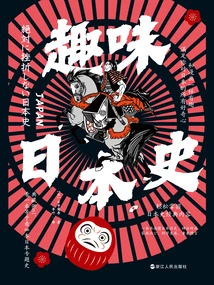
Interesting Japanese History
History趣味日本史
(japan) Furuichi Kenju
The works of the famous Japanese writer Norichi Furuichi are as hilarious as comic books. Easily master 98 classic Japanese history contents and become a master of Japanese history in one hour. This is a history of Japan that can be understood without memorizing any historical events or figures. The book reorganizes Japanese history in eight ways, namely general history, farming history, mythology, land history, human history, future history, war history and historiography, perfectly telling the history of Japan from 30,000 years ago to the end of the 21st century. It's easy to read and understand. You can start from any chapter. You don't have to memorize it and memorize it naturally. You can naturally quote history in life, making your opinions fully convincing.
The works of the famous Japanese writer Norichi Furuichi are as hilarious as comic books. Easily master 98 classic Japanese history contents and become a master of Japanese history in one hour. This is a history of Japan that can be understood without memorizing any historical events or figures. The book reorganizes Japanese history in eight ways, namely general history, farming history, mythology, land history, human history, future history, war history and historiography, perfectly telling the history of Japan from 30,000 years ago to the end of the 21st century. It's easy to read and understand. You can start from any chapter. You don't have to memorize it and memorize it naturally. You can naturally quote history in life, making your opinions fully convincing.
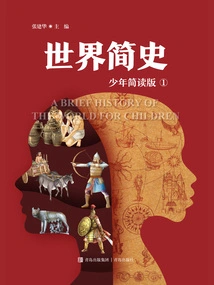
世界简史1(少年简读版)
Editor-in-chief Zhang Jianhua
This is an interesting encyclopedia of world history. Tell them one by one in chronological order from ancient times to the present. Through characters, events, and cases, it shows the changes in the world historical process and weaves a clear world historical context. It's like a condensed version of a documentary.
This is an interesting encyclopedia of world history. Tell them one by one in chronological order from ancient times to the present. Through characters, events, and cases, it shows the changes in the world historical process and weaves a clear world historical context. It's like a condensed version of a documentary.
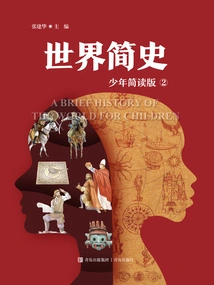
世界简史2(少年简读版)
Editor-in-chief Zhang Jianhua
This is an interesting encyclopedia of world history. Tell them one by one in chronological order from ancient times to the present. Through characters, events, and cases, it shows the changes in the world historical process and weaves a clear world historical context. It's like a condensed version of a documentary.
This is an interesting encyclopedia of world history. Tell them one by one in chronological order from ancient times to the present. Through characters, events, and cases, it shows the changes in the world historical process and weaves a clear world historical context. It's like a condensed version of a documentary.
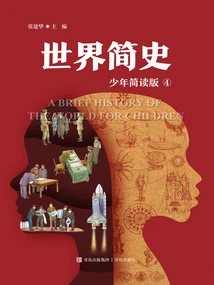
世界简史4(少年简读版)
Editor-in-chief Zhang Jianhua
This is an interesting encyclopedia of world history. Tell them one by one in chronological order from ancient times to the present. Through characters, events, and cases, it shows the changes in the world historical process and weaves a clear world historical context. It's like a condensed version of a documentary.
This is an interesting encyclopedia of world history. Tell them one by one in chronological order from ancient times to the present. Through characters, events, and cases, it shows the changes in the world historical process and weaves a clear world historical context. It's like a condensed version of a documentary.
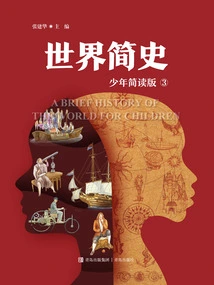
世界简史3(少年简读版)
Editor-in-chief Zhang Jianhua
This is an interesting encyclopedia of world history. Tell them one by one in chronological order from ancient times to the present. Through characters, events, and cases, it shows the changes in the world historical process and weaves a clear world historical context. It's like a condensed version of a documentary.
This is an interesting encyclopedia of world history. Tell them one by one in chronological order from ancient times to the present. Through characters, events, and cases, it shows the changes in the world historical process and weaves a clear world historical context. It's like a condensed version of a documentary.
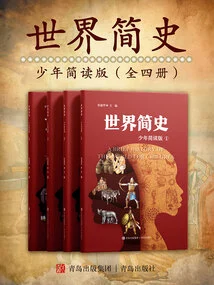
世界简史全四册(少年简读版)
Editor-in-chief Zhang Jianhua
This is an interesting encyclopedia of world history. Tell them one by one in chronological order from ancient times to the present. Through characters, events, and cases, it shows the changes in the world historical process and weaves a clear world historical context. It's like a condensed version of a documentary.
This is an interesting encyclopedia of world history. Tell them one by one in chronological order from ancient times to the present. Through characters, events, and cases, it shows the changes in the world historical process and weaves a clear world historical context. It's like a condensed version of a documentary.
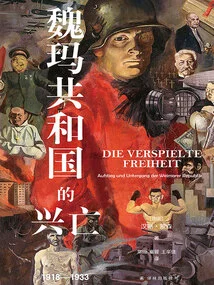
魏玛共和国的兴亡:1918—1933(方尖碑)
(germany) Hans Mommsen
The Weimar Republic was an important period in modern German history. It was born in the shadow of the defeat in World War I. Its founders tried to open up a new path for the German nation from the order of the old world. The German Revolution created Germany's first democratic constitution, but it failed to inject the spirit of democracy into the country. The elite's obsession with the past, the compromising political parties, the economy's major setbacks, and growing populism made it unsustainable for the young country - paving the way for the rise of the Nazi Party and the downfall of the republic. "The Rise and Fall of the Weimar Republic: 1918-1933" tells the history of the political forces within Germany from 1918 to 1933, as they struggled to survive in the face of internal and external troubles.
The Weimar Republic was an important period in modern German history. It was born in the shadow of the defeat in World War I. Its founders tried to open up a new path for the German nation from the order of the old world. The German Revolution created Germany's first democratic constitution, but it failed to inject the spirit of democracy into the country. The elite's obsession with the past, the compromising political parties, the economy's major setbacks, and growing populism made it unsustainable for the young country - paving the way for the rise of the Nazi Party and the downfall of the republic. "The Rise and Fall of the Weimar Republic: 1918-1933" tells the history of the political forces within Germany from 1918 to 1933, as they struggled to survive in the face of internal and external troubles.
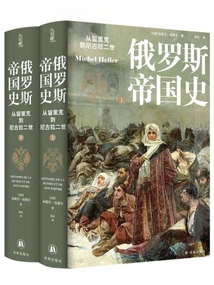
俄罗斯帝国史:从留里克到尼古拉二世全二册(方尖碑)
(france) Michel Heraire
According to the chronological clues, this book tells the thousand-year history of Russia from the Rurik Dynasty to the Romanov Dynasty. It presents the process of Russia's step-by-step development and growth and became a great power spanning Europe and Asia. It quotes a large number of rare Russian ancient chronicles and other first-hand documentary materials to vividly reproduce a series of major events and many aspects of ancient life. This book is the result of more than ten years of creation by the author, and it presents a panoramic view of the rich and great history of Russia.
According to the chronological clues, this book tells the thousand-year history of Russia from the Rurik Dynasty to the Romanov Dynasty. It presents the process of Russia's step-by-step development and growth and became a great power spanning Europe and Asia. It quotes a large number of rare Russian ancient chronicles and other first-hand documentary materials to vividly reproduce a series of major events and many aspects of ancient life. This book is the result of more than ten years of creation by the author, and it presents a panoramic view of the rich and great history of Russia.
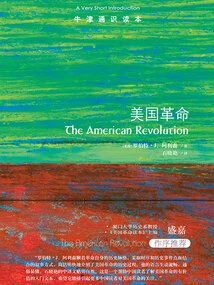
牛津通识读本:美国革命(中文版)
(us) Robert J. Allison
This book briefly narrates the history of the American Revolution and the birth of the new nation from the military, diplomatic, political, social and intellectual levels. It reconstructs the riots that ultimately led to the revolution from the 1860s to the 1870s, as well as the role played by the Boston Tea Party and the "Sons of Liberty" in promoting the process from boycott to full-scale resistance. Allison not only examines how and why Americans changed their government and social concepts so profoundly during those years, but also teases out the main context of how the Revolutionary War continued to develop until it finally won, focusing on the main battles in the revolutionary process and France's military support for the United States. Finally, it focuses on the birth of the new country after the Revolutionary War and the challenges it faced, as well as the subsequent impact of the American Revolution on the series of events that took place in France, Latin America, and Asia to resist oppressive power or colonial rule.
This book briefly narrates the history of the American Revolution and the birth of the new nation from the military, diplomatic, political, social and intellectual levels. It reconstructs the riots that ultimately led to the revolution from the 1860s to the 1870s, as well as the role played by the Boston Tea Party and the "Sons of Liberty" in promoting the process from boycott to full-scale resistance. Allison not only examines how and why Americans changed their government and social concepts so profoundly during those years, but also teases out the main context of how the Revolutionary War continued to develop until it finally won, focusing on the main battles in the revolutionary process and France's military support for the United States. Finally, it focuses on the birth of the new country after the Revolutionary War and the challenges it faced, as well as the subsequent impact of the American Revolution on the series of events that took place in France, Latin America, and Asia to resist oppressive power or colonial rule.
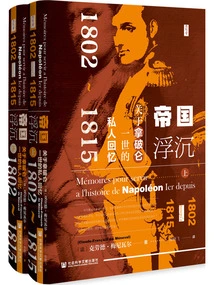
The Rise and Fall of the Empire: Private Memories of Napoleon I, 1802~1815 (2 Volumes in Total)
History帝国浮沉:关于拿破仑一世的私人回忆1802~1815(全2册)
(france) Claude Menilval
This memoir begins with the author's first entry into society and ends when he learns of Napoleon's death. In addition to focusing on the time he and Napoleon experienced together, the book also reproduces Napoleon's heroic life and the entire historical process from the birth to the fall of the First French Empire by quoting the memories of people at the time and excerpting materials from the time. In addition, the author also uses a lot of pen and ink to recall Napoleon's court life, family life, military life and personal character. Napoleon's relationship with his courtiers, his relationship with his wife and children, his friendship with his comrades and soldiers, his genius mind and proud character are all vividly displayed on the page.
This memoir begins with the author's first entry into society and ends when he learns of Napoleon's death. In addition to focusing on the time he and Napoleon experienced together, the book also reproduces Napoleon's heroic life and the entire historical process from the birth to the fall of the First French Empire by quoting the memories of people at the time and excerpting materials from the time. In addition, the author also uses a lot of pen and ink to recall Napoleon's court life, family life, military life and personal character. Napoleon's relationship with his courtiers, his relationship with his wife and children, his friendship with his comrades and soldiers, his genius mind and proud character are all vividly displayed on the page.
中国近现代史纲要模拟试题集
Liang Qin Zhao Ling
This book is a supporting reference book for the outline of modern Chinese history, which is a compulsory ideological and political theory course for all majors in the National Self-study Examination for Higher Education at the undergraduate level. It is written by the author based on the latest outline for candidates taking the adult self-study exam in finance and economics. During the writing process, the author conducted a lot of research on real questions in recent years, and came up with solutions and methods, striving to be focused, comprehensive, targeted, and highly practical. Each question in this book has a detailed explanation, allowing readers to check for gaps and improve their scores. In this reprint, the author has updated the actual test questions in the book, replaced and modified the original test questions, and corrected errors and omissions in the book.
This book is a supporting reference book for the outline of modern Chinese history, which is a compulsory ideological and political theory course for all majors in the National Self-study Examination for Higher Education at the undergraduate level. It is written by the author based on the latest outline for candidates taking the adult self-study exam in finance and economics. During the writing process, the author conducted a lot of research on real questions in recent years, and came up with solutions and methods, striving to be focused, comprehensive, targeted, and highly practical. Each question in this book has a detailed explanation, allowing readers to check for gaps and improve their scores. In this reprint, the author has updated the actual test questions in the book, replaced and modified the original test questions, and corrected errors and omissions in the book.
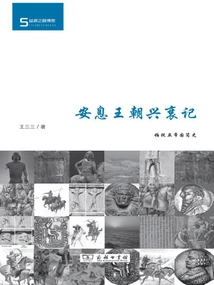
安息王朝兴衰记:帕提亚帝国简史
Wang Sansan
"The Warriors of Iran's Vijay - The Rise and Fall of the Parthian Dynasty" mainly uses Chinese and foreign documents and archaeological materials to introduce the nearly 500-year history of the dynasty active on the Iranian plateau in the most concise way possible. To this end, the book is divided into six parts, namely the origin of the dynasty and its founding, the rise of the dynasty, the interaction between the dynasty and the Han Empire, the contest between the dynasty and Rome, and the relationship between culture, art and the Silk Road. In terms of the overall content, the book strives to focus on two aspects. One is to focus on the vertical development of the empire's own history, and the other is to focus on the relationship with the Silk Road. That is, as far as possible, the Anxi Dynasty is placed within the historical time and space of the entire inland Eurasia in the early days of the Silk Road to examine the horizontal development relationship with neighboring countries and regions.
"The Warriors of Iran's Vijay - The Rise and Fall of the Parthian Dynasty" mainly uses Chinese and foreign documents and archaeological materials to introduce the nearly 500-year history of the dynasty active on the Iranian plateau in the most concise way possible. To this end, the book is divided into six parts, namely the origin of the dynasty and its founding, the rise of the dynasty, the interaction between the dynasty and the Han Empire, the contest between the dynasty and Rome, and the relationship between culture, art and the Silk Road. In terms of the overall content, the book strives to focus on two aspects. One is to focus on the vertical development of the empire's own history, and the other is to focus on the relationship with the Silk Road. That is, as far as possible, the Anxi Dynasty is placed within the historical time and space of the entire inland Eurasia in the early days of the Silk Road to examine the horizontal development relationship with neighboring countries and regions.
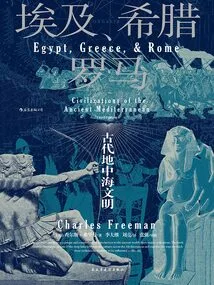
埃及、希腊与罗马:古代地中海文明
(uk) Charles Freeman
This book is a general history of the ancient Mediterranean that tells the rise and fall of ancient Mediterranean civilizations and explores the origin and formation of Western civilization. The author Charles Freeman takes the three most representative ancient Mediterranean civilizations, Egypt, Greece and Rome, as the starting point, leading readers to comprehensively review the ups and downs of the entire Mediterranean world from the rise of ancient Near Eastern civilization in 5000 BC to the end of the classical era in 600 AD. This book transcends the traditional political history framework and strives to comprehensively introduce and explain history through multiple dimensions such as literature, art, philosophy, architecture, and social economy. The author also spends a lot of space reviewing the process of Europeans rediscovering and accepting Greek-Roman civilization in modern times, and reminds readers to be wary of the abuse of history. The book also contains many exquisite illustrations and maps. Although this book is an introductory book on ancient history, it still contains rigorous academic discussions and serious thinking, and uses simple words to present readers with the latest research results and major archaeological discoveries in Western academic circles in recent years.
This book is a general history of the ancient Mediterranean that tells the rise and fall of ancient Mediterranean civilizations and explores the origin and formation of Western civilization. The author Charles Freeman takes the three most representative ancient Mediterranean civilizations, Egypt, Greece and Rome, as the starting point, leading readers to comprehensively review the ups and downs of the entire Mediterranean world from the rise of ancient Near Eastern civilization in 5000 BC to the end of the classical era in 600 AD. This book transcends the traditional political history framework and strives to comprehensively introduce and explain history through multiple dimensions such as literature, art, philosophy, architecture, and social economy. The author also spends a lot of space reviewing the process of Europeans rediscovering and accepting Greek-Roman civilization in modern times, and reminds readers to be wary of the abuse of history. The book also contains many exquisite illustrations and maps. Although this book is an introductory book on ancient history, it still contains rigorous academic discussions and serious thinking, and uses simple words to present readers with the latest research results and major archaeological discoveries in Western academic circles in recent years.
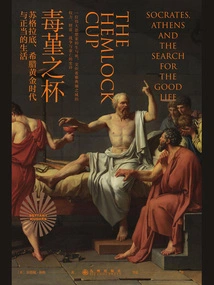
毒堇之杯:苏格拉底、希腊黄金时代与正当的生活
K
Socrates' life was turbulent. He was born in a ghetto but grew up to be a thinker and a fighter. He loved walking around barefoot in the streets of Athens, asking random questions to people and questioning taken-for-granted ideas. He cares about life and truth and what virtue is. However, this great Western thinker has always remained a mystery. In order to restore his life, the author traveled through the archaeological sites in Greece, taking us to the homes, streets, venues, and banquets of ancient Athenians, getting to know politicians, generals, merchants, and craftsmen, visiting the bustling municipal square, experiencing the prosperity and decline of Athenian democracy, and seeing the great power of freedom and wisdom.
Socrates' life was turbulent. He was born in a ghetto but grew up to be a thinker and a fighter. He loved walking around barefoot in the streets of Athens, asking random questions to people and questioning taken-for-granted ideas. He cares about life and truth and what virtue is. However, this great Western thinker has always remained a mystery. In order to restore his life, the author traveled through the archaeological sites in Greece, taking us to the homes, streets, venues, and banquets of ancient Athenians, getting to know politicians, generals, merchants, and craftsmen, visiting the bustling municipal square, experiencing the prosperity and decline of Athenian democracy, and seeing the great power of freedom and wisdom.
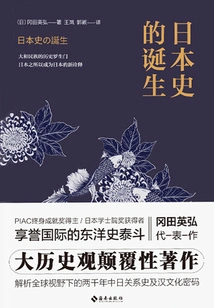
日本史的诞生
M
"The Birth of Japanese History" is the work of the famous Japanese historian Hidehiro Okada. It mainly explains the history of Japan's founding from the perspective of East Asian history. Hidehiro Okada believes that no matter what kind of civilization, the historical framework originally written limits people's consciousness. The ideas in the early Japanese documents "Kojiki" and "Nihon Shoki" permanently determined the character of the Japanese people and were the limitations of Japanese history. Hidehiro Okada also pointed out that the history of Japan formed so far is only the history of Japan as a country and is separated from the rest of the world outside the Japanese archipelago. Therefore, he proposed that the history of Japan should be written in the context of the entire world history. In the book "The Birth of Japanese History", Hidehiro Okada broke the traditional views of Japanese historians, jumped out of the historical distinctions between the Jomon period, the Yayoi period, and the Kofun period, and interpreted ancient Japanese history as part of world history. He pointed out that the founding of Japan was closely related to the changes in the political situation in East Asia in the 7th century. At the same time, he opposed using 660 BC as the year of the founding of Japan. He believed that the origin of the Japanese royal family and the founding of Japan should not be treated equally, let alone that myths should not be regarded as history. In short, Hidehiro Okada's historical thoughts are distinctive and unique, his analytical framework is grand and ambitious, and his views on Japanese history, world history, etc. Deserve people's attention.
"The Birth of Japanese History" is the work of the famous Japanese historian Hidehiro Okada. It mainly explains the history of Japan's founding from the perspective of East Asian history. Hidehiro Okada believes that no matter what kind of civilization, the historical framework originally written limits people's consciousness. The ideas in the early Japanese documents "Kojiki" and "Nihon Shoki" permanently determined the character of the Japanese people and were the limitations of Japanese history. Hidehiro Okada also pointed out that the history of Japan formed so far is only the history of Japan as a country and is separated from the rest of the world outside the Japanese archipelago. Therefore, he proposed that the history of Japan should be written in the context of the entire world history. In the book "The Birth of Japanese History", Hidehiro Okada broke the traditional views of Japanese historians, jumped out of the historical distinctions between the Jomon period, the Yayoi period, and the Kofun period, and interpreted ancient Japanese history as part of world history. He pointed out that the founding of Japan was closely related to the changes in the political situation in East Asia in the 7th century. At the same time, he opposed using 660 BC as the year of the founding of Japan. He believed that the origin of the Japanese royal family and the founding of Japan should not be treated equally, let alone that myths should not be regarded as history. In short, Hidehiro Okada's historical thoughts are distinctive and unique, his analytical framework is grand and ambitious, and his views on Japanese history, world history, etc. Deserve people's attention.
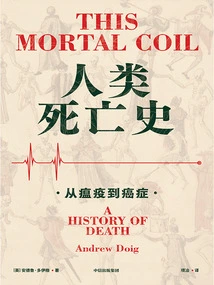
人类死亡史:从瘟疫到癌症
(uk)andrew Doig
In 1347, the Italian city-state Siena was still famous for its wealth and beauty. However, in just a few months, the city's population dropped by three-quarters. The entire city was once littered with corpses and looked like a ghost town. The regime also came to an end in less than ten years. The direct cause of this disaster was the Black Death that swept across Eurasia, but war, famine, the way society functioned, and the limited level of medical knowledge at the time also contributed to this death catastrophe. "The History of Human Death" begins with this period of history in Siena, reviewing and examining the changes in the main causes of human death from multiple angles and levels, as well as related social, medical and scientific topics. Combining rich historical materials and simple and easy-to-understand life science and medical principles, the author Andrew Doig presents readers with a time span of thousands of years and a grand picture of social groups. There are in-depth and thorough analyzes in "The History of Human Death". Death is an innate and unavoidable eternal problem for human beings. In the course of the evolution of human society, the main causes of human death-even the definition of death-have never stopped evolving, and the means of delaying and resisting death have become increasingly abundant. As "The History of Human Death" shows, it is a history of the evolution of human society, a history of changes in the main causes of human death, and a history of progress in resisting death.
In 1347, the Italian city-state Siena was still famous for its wealth and beauty. However, in just a few months, the city's population dropped by three-quarters. The entire city was once littered with corpses and looked like a ghost town. The regime also came to an end in less than ten years. The direct cause of this disaster was the Black Death that swept across Eurasia, but war, famine, the way society functioned, and the limited level of medical knowledge at the time also contributed to this death catastrophe. "The History of Human Death" begins with this period of history in Siena, reviewing and examining the changes in the main causes of human death from multiple angles and levels, as well as related social, medical and scientific topics. Combining rich historical materials and simple and easy-to-understand life science and medical principles, the author Andrew Doig presents readers with a time span of thousands of years and a grand picture of social groups. There are in-depth and thorough analyzes in "The History of Human Death". Death is an innate and unavoidable eternal problem for human beings. In the course of the evolution of human society, the main causes of human death-even the definition of death-have never stopped evolving, and the means of delaying and resisting death have become increasingly abundant. As "The History of Human Death" shows, it is a history of the evolution of human society, a history of changes in the main causes of human death, and a history of progress in resisting death.
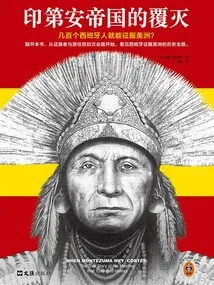
印第安帝国的覆灭
(uk) Matthew Restall
Can a few hundred Spaniards conquer America? Open this book and see the full history of Spain's conquest of America. Did the emperor of the Indian Empire really surrender to his conquerors upon seeing them? Are the Indian warriors really a group of savages who advocate human sacrifice and drink blood from their hair? During the Spanish conquest of the Americas, did the local indigenous people win any battles? Why did the large number of Indians not resist after the emperor was killed? Did the Indian civilization die just because of the Spanish military aggression? Matthew Restall, a well-known historian and former president of the American Ethnographic Society, unearthed unknown historical details from a vast array of materials such as Indian civilization relics, aboriginal manuscripts, and oral records of the conquerors, and interpreted the profound meaning behind each piece of historical data word for word. He wrote this masterpiece that encompasses the essence of American history research throughout the ages. Open this book and see the full history of Spain's conquest of the Americas, starting from the first meeting between the conquistadors and the indigenous people.
Can a few hundred Spaniards conquer America? Open this book and see the full history of Spain's conquest of America. Did the emperor of the Indian Empire really surrender to his conquerors upon seeing them? Are the Indian warriors really a group of savages who advocate human sacrifice and drink blood from their hair? During the Spanish conquest of the Americas, did the local indigenous people win any battles? Why did the large number of Indians not resist after the emperor was killed? Did the Indian civilization die just because of the Spanish military aggression? Matthew Restall, a well-known historian and former president of the American Ethnographic Society, unearthed unknown historical details from a vast array of materials such as Indian civilization relics, aboriginal manuscripts, and oral records of the conquerors, and interpreted the profound meaning behind each piece of historical data word for word. He wrote this masterpiece that encompasses the essence of American history research throughout the ages. Open this book and see the full history of Spain's conquest of the Americas, starting from the first meeting between the conquistadors and the indigenous people.
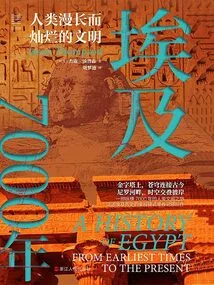
埃及7000年:人类漫长而灿烂的文明(经纬度系列)
(egypt) Jason Thompson
Read the long history of Egypt from the beginning of civilization to the present in one book. From the beginning of human civilization 7,000 years ago, Egyptian civilization was born in northern Africa, and then went through the Pharaonic era, the Greco-Roman era, the Coptic era, the Islamic era, the Ottoman era... There has never been a book that takes readers through the 7,000-year history of Egypt in a panoramic way. Until the appearance of this book, it tells it all in a profound, concise and insightful way. Looking around the world, no country's history can match the antiquity, richness and diversity of Egypt's history. However, because scholars tend to divide Egyptian history into distinct eras-prehistoric, pharaonic, Greco-Roman, Coptic, medieval Islamic, Ottoman, and modern times-so far it has rarely been studied as a panoramic picture. With fluent writing and rigorous and reliable content, this book vividly tells the extensive history of Egypt over thousands of years with unprecedented breadth, leading readers through the long corridor of Egyptian history, from the mysterious pre-dynasty of ancient Egypt to the Arab Republic of Egypt in the 21st century. The author focuses on some core issues, such as how to view Egyptian history from a holistic perspective, and how the West shapes the mainstream image of Egypt through direct contact and academic perspectives.
Read the long history of Egypt from the beginning of civilization to the present in one book. From the beginning of human civilization 7,000 years ago, Egyptian civilization was born in northern Africa, and then went through the Pharaonic era, the Greco-Roman era, the Coptic era, the Islamic era, the Ottoman era... There has never been a book that takes readers through the 7,000-year history of Egypt in a panoramic way. Until the appearance of this book, it tells it all in a profound, concise and insightful way. Looking around the world, no country's history can match the antiquity, richness and diversity of Egypt's history. However, because scholars tend to divide Egyptian history into distinct eras-prehistoric, pharaonic, Greco-Roman, Coptic, medieval Islamic, Ottoman, and modern times-so far it has rarely been studied as a panoramic picture. With fluent writing and rigorous and reliable content, this book vividly tells the extensive history of Egypt over thousands of years with unprecedented breadth, leading readers through the long corridor of Egyptian history, from the mysterious pre-dynasty of ancient Egypt to the Arab Republic of Egypt in the 21st century. The author focuses on some core issues, such as how to view Egyptian history from a holistic perspective, and how the West shapes the mainstream image of Egypt through direct contact and academic perspectives.
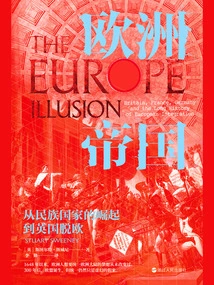
European Empires: from the Rise of the Nation-state to Brexit (latitudes and Longitudes Series)
History欧洲帝国:从民族国家的崛起到英国脱欧(经纬度系列)
(uk) Stuart Sweeney
This book examines Britain's relations with France and Prussian Germany from the Peace of Westphalia in 1648, presenting a timely and far-sighted study. The author believes that European integration evolved from the diplomatic, economic and cultural ties between these three countries; as the war became more destructive and economic expectations continued to rise, these countries began to desperately want to survive. However, these three countries are rarely in harmonious relations at the same time. Although the whole of Europe seems to be a community, in fact, different cultural uniqueness still hinders the integration of European countries to some extent, so European integration has always been a dream. Against this background, Brexit is foreseeable and controllable. After all, these federations whose roots are the Holy Roman Empire are too close, so the European Union is still a powerful institution composed of twenty-seven countries. After Brexit, the UK will play an important role outside the EU, and what the author sees is that such "keeping a distance" will highlight the pragmatism and historical stability of the European center.
This book examines Britain's relations with France and Prussian Germany from the Peace of Westphalia in 1648, presenting a timely and far-sighted study. The author believes that European integration evolved from the diplomatic, economic and cultural ties between these three countries; as the war became more destructive and economic expectations continued to rise, these countries began to desperately want to survive. However, these three countries are rarely in harmonious relations at the same time. Although the whole of Europe seems to be a community, in fact, different cultural uniqueness still hinders the integration of European countries to some extent, so European integration has always been a dream. Against this background, Brexit is foreseeable and controllable. After all, these federations whose roots are the Holy Roman Empire are too close, so the European Union is still a powerful institution composed of twenty-seven countries. After Brexit, the UK will play an important role outside the EU, and what the author sees is that such "keeping a distance" will highlight the pragmatism and historical stability of the European center.
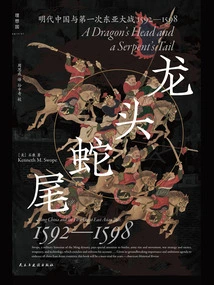
The Dragon's Head and the Snake's Tail: Ming Dynasty China and the First East Asian War (1592-1598)
History龙头蛇尾:明代中国与第一次东亚大战(1592—1598)
(us) Shi Kang
In the spring of 1592, Toyotomi Hideyoshi issued an order to cross the sea and direct his troops towards North Korea. In May, the Japanese army landed in Busan with overwhelming force. North Korea was unable to parry and urgently asked the Ming court for help. A war in East Asia began. The author of this book pays attention to war mobilization, strategy and tactics, military technology, logistical supplies and battlefield environment, analyzes the interaction between domestic affairs, diplomacy and military affairs, and describes the details of siege warfare, mountain warfare and naval battles in a gripping way, giving a three-dimensional account of the ins and outs of this war. The Wanli War to Aid Korea was a decisive war in the history of modern East Asia. It not only changed the historical trend of the Three Kingdoms, but also deeply affected the geopolitical pattern of East Asia today.
In the spring of 1592, Toyotomi Hideyoshi issued an order to cross the sea and direct his troops towards North Korea. In May, the Japanese army landed in Busan with overwhelming force. North Korea was unable to parry and urgently asked the Ming court for help. A war in East Asia began. The author of this book pays attention to war mobilization, strategy and tactics, military technology, logistical supplies and battlefield environment, analyzes the interaction between domestic affairs, diplomacy and military affairs, and describes the details of siege warfare, mountain warfare and naval battles in a gripping way, giving a three-dimensional account of the ins and outs of this war. The Wanli War to Aid Korea was a decisive war in the history of modern East Asia. It not only changed the historical trend of the Three Kingdoms, but also deeply affected the geopolitical pattern of East Asia today.
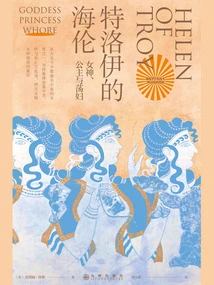
特洛伊的海伦:女神、公主与荡妇
K
For thousands of years, the image of Helen has been the product of male desire projection, and this book attempts to restore a real Helen: a princess from Western prehistoric times who mastered the channel to communicate with gods. She attracted heroes from all over Greece to participate in martial arts competitions to find a bride. After her marriage, she gained immense wealth and power, but she eloped with the Trojan prince. The brutal Ten Years' War broke out soon after. Later, some said she returned to Greece, some said she was killed on an island, and some said she turned into a star in the sky. However, no matter what becomes of her real body, she will always exist as a symbol of love and desire.
For thousands of years, the image of Helen has been the product of male desire projection, and this book attempts to restore a real Helen: a princess from Western prehistoric times who mastered the channel to communicate with gods. She attracted heroes from all over Greece to participate in martial arts competitions to find a bride. After her marriage, she gained immense wealth and power, but she eloped with the Trojan prince. The brutal Ten Years' War broke out soon after. Later, some said she returned to Greece, some said she was killed on an island, and some said she turned into a star in the sky. However, no matter what becomes of her real body, she will always exist as a symbol of love and desire.
牛津通识读本:历史II(共5册)
(australia) Trevor Bryce Et Al.
This set focuses on the theme of the integration of ancient civilizations and selects five Oxford general readers, including: the Mesopotamian civilization, one of the four ancient civilizations - "Babylonia", the Greek civilization spread by Alexander the Great through his conquests - "The Hellenistic Age", mankind's early attempt at a republican government - "The Roman Republic", the pinnacle of the intersection and collision of civilizations - "Byzantium", and the feudal monarchy empire spanning Western and Central Europe - "Holy Roman Empire". Through such thematic reading, readers can understand the conflict and integration of civilizations from history, and then better understand the dilemma of the current collision of world civilizations.
This set focuses on the theme of the integration of ancient civilizations and selects five Oxford general readers, including: the Mesopotamian civilization, one of the four ancient civilizations - "Babylonia", the Greek civilization spread by Alexander the Great through his conquests - "The Hellenistic Age", mankind's early attempt at a republican government - "The Roman Republic", the pinnacle of the intersection and collision of civilizations - "Byzantium", and the feudal monarchy empire spanning Western and Central Europe - "Holy Roman Empire". Through such thematic reading, readers can understand the conflict and integration of civilizations from history, and then better understand the dilemma of the current collision of world civilizations.
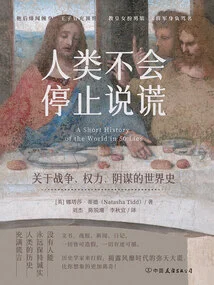
人类不会停止说谎:关于战争、权力、阴谋的世界史
(uk) Natasha Tiede
World history is a vast ocean, and everything related to human beings can be merged into it, and lying is an innate instinct of human beings, either to protect themselves or to achieve their goals. Human nature is the same in ancient and modern times, and there is no difference between China and foreign countries. This book cuts in from a small perspective and examines history from the unique perspective of "lie". From the ancient Persian Empire in the 6th century BC to the Chernobyl disaster in modern times, the vision spans the world and covers a period of more than two thousand years. The cases described by the author include forged documents that triggered conflicts and wars, such as the mysterious Gift of Constantine and the Will of Peter the Great, as well as large-scale media whitewashing, such as the concentration camps during the Boer War in Britain and the Dreyfus Affair in France. Of course, there are also "unjust cases" among these lies, such as the dark legend of the Spanish Inquisition and the demonization of the Chinese Empress Wu Zetian. The author sharply points out that in the process of telling history from generation to generation, many bizarre contents in novels have become "historical facts" instead of the truth, and there are even some lies, which have profoundly affected our lives today. The author intercepts five eras, the ancient world, the Middle Ages, modern times, the 19th century, and the 20th century. He selects mysterious and widely influential historical rumors and mysteries, and dismantles them one by one to reveal how lies have become a powerful force that affects the historical process, and what motives and conspiracies the liars behind them have.
World history is a vast ocean, and everything related to human beings can be merged into it, and lying is an innate instinct of human beings, either to protect themselves or to achieve their goals. Human nature is the same in ancient and modern times, and there is no difference between China and foreign countries. This book cuts in from a small perspective and examines history from the unique perspective of "lie". From the ancient Persian Empire in the 6th century BC to the Chernobyl disaster in modern times, the vision spans the world and covers a period of more than two thousand years. The cases described by the author include forged documents that triggered conflicts and wars, such as the mysterious Gift of Constantine and the Will of Peter the Great, as well as large-scale media whitewashing, such as the concentration camps during the Boer War in Britain and the Dreyfus Affair in France. Of course, there are also "unjust cases" among these lies, such as the dark legend of the Spanish Inquisition and the demonization of the Chinese Empress Wu Zetian. The author sharply points out that in the process of telling history from generation to generation, many bizarre contents in novels have become "historical facts" instead of the truth, and there are even some lies, which have profoundly affected our lives today. The author intercepts five eras, the ancient world, the Middle Ages, modern times, the 19th century, and the 20th century. He selects mysterious and widely influential historical rumors and mysteries, and dismantles them one by one to reveal how lies have become a powerful force that affects the historical process, and what motives and conspiracies the liars behind them have.
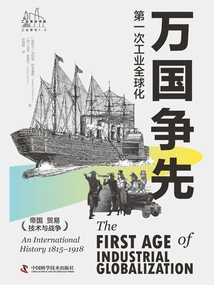
万国争先:第一次工业全球化
(new)mattje Abenjos Et Al.
This book provides an accessible introduction and analysis of the global history of the first era of industrial globalization, which began in the aftermath of the Napoleonic Wars and collapsed in the maelstrom of World War I. By combining industrialization, technological innovation, and the rise and fall of empires, the world's industrializing powers shaped an interconnected global space that left few areas untouched. In ten succinct chapters, this book chronicles the major shifts in global economy and society during this period, outlining the interconnections of global industrial, imperial, and economic transformations with local experiences and identities. Finally, the book reveals the catastrophic impact of the First World War on the global system. This book weaves together histories of industrialization, the world economy, imperialism, international law, diplomacy, and war that historians often view as separate developments and integrates them into a new analysis of an era of fundamental historical change. The author believes that the revolutionary changes in politics, society and international affairs in the 19th century were interconnected developments. This book is essential reading for any scholar of modern global history.
This book provides an accessible introduction and analysis of the global history of the first era of industrial globalization, which began in the aftermath of the Napoleonic Wars and collapsed in the maelstrom of World War I. By combining industrialization, technological innovation, and the rise and fall of empires, the world's industrializing powers shaped an interconnected global space that left few areas untouched. In ten succinct chapters, this book chronicles the major shifts in global economy and society during this period, outlining the interconnections of global industrial, imperial, and economic transformations with local experiences and identities. Finally, the book reveals the catastrophic impact of the First World War on the global system. This book weaves together histories of industrialization, the world economy, imperialism, international law, diplomacy, and war that historians often view as separate developments and integrates them into a new analysis of an era of fundamental historical change. The author believes that the revolutionary changes in politics, society and international affairs in the 19th century were interconnected developments. This book is essential reading for any scholar of modern global history.
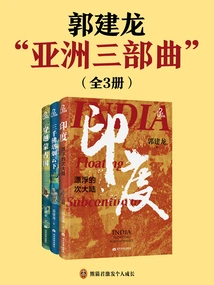
郭建龙“亚洲三部曲”(全3册)
Guo Jianlong
To understand China, you need to understand the culture and history surrounding China. Historical writer Guo Jianlong's field investigation work "Asia Trilogy"! A wild journey through 5,000 years of Indian civilization history! A mysterious and colorful journey through the history of Southeast Asian civilization! A journey through the Mongolian and Yuan Empire spanning eight hundred years! "India: The Floating Subcontinent": 55 days, 70 cities, hundreds of cultural sites, more than 20,000 kilometers... Takes you to experience the distant history and reality of the Indian subcontinent up close! "Under the Smoke of Three Thousand Pagodas": A cultural tour of five Southeast Asian countries: Vietnam, Shupu Village, Thailand, Myanmar, and Laos! More than 4 months, 5 countries, and more than 70 urban cultural sites... The separation and union of Vietnam and the Champa Kingdom; the splendor of the Angkor Dynasty in Cambodia; the prosperity of the Sukhothai Dynasty in Thailand; the glory of the Bagan Dynasty and Konbaung Dynasty in Myanmar; the difficult progress of the Lan Xang Kingdom in Laos; and the suffering and glory of the Indochina Peninsula. After many investigations, countless trips, exchanges and data reviews, Guo Jianlong sorted out the history, development logic and special relationship between this region and China that was both unfamiliar and forced to maintain contact with China. "Crossing Mongolia": One person, one bicycle, 26 days and nights, more than 2,000 kilometers, from Genghis Khan's hometown to the land finally conquered by the Mongols! This is an arduous ride measured with both feet, and it is also the historical journey of Mongolian civilization by "history and culture traveler" Guo Jianlong - this is the Eurasian passage that is broader than the Silk Road. Here are the amazing nomadic peoples in history. Their stormy conquests reshaped the entire world, and also created prosperity and peace within the vast empire.
To understand China, you need to understand the culture and history surrounding China. Historical writer Guo Jianlong's field investigation work "Asia Trilogy"! A wild journey through 5,000 years of Indian civilization history! A mysterious and colorful journey through the history of Southeast Asian civilization! A journey through the Mongolian and Yuan Empire spanning eight hundred years! "India: The Floating Subcontinent": 55 days, 70 cities, hundreds of cultural sites, more than 20,000 kilometers... Takes you to experience the distant history and reality of the Indian subcontinent up close! "Under the Smoke of Three Thousand Pagodas": A cultural tour of five Southeast Asian countries: Vietnam, Shupu Village, Thailand, Myanmar, and Laos! More than 4 months, 5 countries, and more than 70 urban cultural sites... The separation and union of Vietnam and the Champa Kingdom; the splendor of the Angkor Dynasty in Cambodia; the prosperity of the Sukhothai Dynasty in Thailand; the glory of the Bagan Dynasty and Konbaung Dynasty in Myanmar; the difficult progress of the Lan Xang Kingdom in Laos; and the suffering and glory of the Indochina Peninsula. After many investigations, countless trips, exchanges and data reviews, Guo Jianlong sorted out the history, development logic and special relationship between this region and China that was both unfamiliar and forced to maintain contact with China. "Crossing Mongolia": One person, one bicycle, 26 days and nights, more than 2,000 kilometers, from Genghis Khan's hometown to the land finally conquered by the Mongols! This is an arduous ride measured with both feet, and it is also the historical journey of Mongolian civilization by "history and culture traveler" Guo Jianlong - this is the Eurasian passage that is broader than the Silk Road. Here are the amazing nomadic peoples in history. Their stormy conquests reshaped the entire world, and also created prosperity and peace within the vast empire.
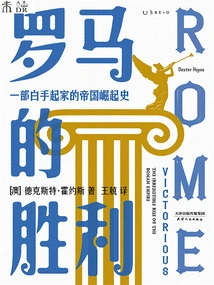
罗马的胜利:一部白手起家的帝国崛起史
(australia) Dexter Hoyos
From the Republic to the Empire, Rome's victory came neither easily nor quickly, and was accompanied by countless defeats; and the Romans themselves were often ruthless in the process of expanding their empire. At the same time, the Romans worked hard to implement moral and legal principles to guide their main institutions, formulating principles of government organization that are still in effect today, and applying them to every corner of the empire. "The Triumph of Rome" looks at how imperial rule was established step by step from the perspective of the city and the people, what form it took, which enabled Rome to gradually unify the entire Apennine Peninsula from a city-state to the entire Mediterranean region, and what impact it had on the people it conquered. This book focuses on analyzing how Rome extended its own political system, laws, and citizenship rights to various provinces in this process, and how each province formed its own culture in the process of accepting influence and resisting exploitation. Rome may have been harsh in its rule, but it was also culturally flexible, allowing local communities to manage their own affairs, speak their own languages, and maintain their own beliefs. It was this cultural gene that created the glory of the Roman Empire and ultimately laid the basic shape of today's European structure.
From the Republic to the Empire, Rome's victory came neither easily nor quickly, and was accompanied by countless defeats; and the Romans themselves were often ruthless in the process of expanding their empire. At the same time, the Romans worked hard to implement moral and legal principles to guide their main institutions, formulating principles of government organization that are still in effect today, and applying them to every corner of the empire. "The Triumph of Rome" looks at how imperial rule was established step by step from the perspective of the city and the people, what form it took, which enabled Rome to gradually unify the entire Apennine Peninsula from a city-state to the entire Mediterranean region, and what impact it had on the people it conquered. This book focuses on analyzing how Rome extended its own political system, laws, and citizenship rights to various provinces in this process, and how each province formed its own culture in the process of accepting influence and resisting exploitation. Rome may have been harsh in its rule, but it was also culturally flexible, allowing local communities to manage their own affairs, speak their own languages, and maintain their own beliefs. It was this cultural gene that created the glory of the Roman Empire and ultimately laid the basic shape of today's European structure.
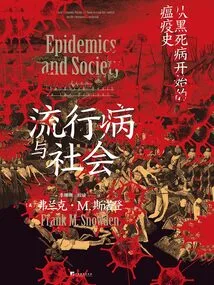
流行病与社会:从黑死病开始的瘟疫史
(u. S.) Frank M. Snowden
"Epidemics and Society" tells the terrifying and shocking history of plagues over the millennium. Deadly threats from microorganisms have approached mankind countless times: plague; smallpox; yellow fever; dysentery; typhus; cholera; tuberculosis; malaria; polio; AIDS; SARS; Ebola virus... In response to these epidemics that have profoundly affected human history, Snowden blended professional and authoritative medical knowledge with magnificent historical narratives. The scope of this book is extremely wide, spanning ancient and modern times, and all over the world. It conducts in-depth multidisciplinary comparative research between medicine and social history, revealing to us the interactive impact of epidemics and society: on the one hand, how diseases promote the development of medical science and public health, and how they shape art, religion, intellectual history, and war patterns; on the other hand, how social factors allow diseases to obtain a suitable environment, spread rapidly, and wreak havoc on mankind.
"Epidemics and Society" tells the terrifying and shocking history of plagues over the millennium. Deadly threats from microorganisms have approached mankind countless times: plague; smallpox; yellow fever; dysentery; typhus; cholera; tuberculosis; malaria; polio; AIDS; SARS; Ebola virus... In response to these epidemics that have profoundly affected human history, Snowden blended professional and authoritative medical knowledge with magnificent historical narratives. The scope of this book is extremely wide, spanning ancient and modern times, and all over the world. It conducts in-depth multidisciplinary comparative research between medicine and social history, revealing to us the interactive impact of epidemics and society: on the one hand, how diseases promote the development of medical science and public health, and how they shape art, religion, intellectual history, and war patterns; on the other hand, how social factors allow diseases to obtain a suitable environment, spread rapidly, and wreak havoc on mankind.
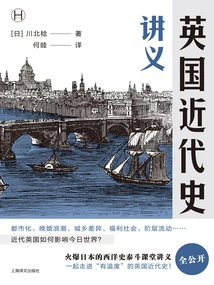
英国近代史讲义(历史学堂)
(japan) Minoru Kawakita
Urbanization, the wave of late marriage, urban-rural differences, welfare society, class mobility... How did modern Britain affect today's world? The lecture notes of the popular Japanese Western history master have been released to the public. Let's walk into the "warm" modern British history together! Why did the world's first industrialization occur in Britain? Why did the once glorious Britain become a country full of strikes and unemployment in the second half of the 20th century? Did Thatcher's reforms bring a new "sunrise" to the "empire on which the sun never sets"? Why did the "British Decline Theory" arise? How does a society with "stagnant development" face the future? This book is an introductory work on modern British history written by Japanese historian Minoru Kawakita. Different from the traditional writing method based on the chronology of events, this book starts from the perspective of people's lives and integrates different perspectives such as sociology, economics, and culture to examine the changes in Britain's modern urban landscape under the ever-expanding world system and its relevance to today's globalized society. While exploring "why the UK succeeded", it also focused on analyzing the issue of "why the UK declined" and compared it with Japan's "lost twenty years" when economic development was stagnant. It pointed out that people's psychological "sense of recession" and the actual "recession" are not the same thing, and re-examined the psychological paranoia behind the obsession with the "economic growth myth".
Urbanization, the wave of late marriage, urban-rural differences, welfare society, class mobility... How did modern Britain affect today's world? The lecture notes of the popular Japanese Western history master have been released to the public. Let's walk into the "warm" modern British history together! Why did the world's first industrialization occur in Britain? Why did the once glorious Britain become a country full of strikes and unemployment in the second half of the 20th century? Did Thatcher's reforms bring a new "sunrise" to the "empire on which the sun never sets"? Why did the "British Decline Theory" arise? How does a society with "stagnant development" face the future? This book is an introductory work on modern British history written by Japanese historian Minoru Kawakita. Different from the traditional writing method based on the chronology of events, this book starts from the perspective of people's lives and integrates different perspectives such as sociology, economics, and culture to examine the changes in Britain's modern urban landscape under the ever-expanding world system and its relevance to today's globalized society. While exploring "why the UK succeeded", it also focused on analyzing the issue of "why the UK declined" and compared it with Japan's "lost twenty years" when economic development was stagnant. It pointed out that people's psychological "sense of recession" and the actual "recession" are not the same thing, and re-examined the psychological paranoia behind the obsession with the "economic growth myth".
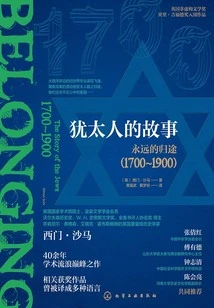
犹太人的故事:永远的归途(1700~1900)
(uk) Simon Schama
The story of the Jews is a history that is relevant to the world and belongs to the world... Since the Spanish expulsion in 1492, the Jews were forced to migrate again and dispersed to various parts of Europe, especially the countries along the Mediterranean Sea, trying to survive in the cracks of material and spiritual persecution. However, it was this expulsion from Spain that forced the Jews to look back at Zion in the face of the desperate reality and become even more attached to the temple in their hearts. "The Story of the Jews: The Eternal Journey (1700-1900)" tells the story of the Jews around the world during this period of exile. This story takes place in the starry mountains of Galilee, the heart of the American West, the French prison of Devil's Island, and takes place in Vienna, Budapest, Paris, and London. On the long road of exile, generations of Jews began to search for their geographical home and spiritual sustenance: the notes of modern music flowed in the rumble of the train from Berlin to Frankfurt, and Calvaro, the dream land of the United States, dreamed of getting rich overnight. Photo by Montreuil, France The image of the Jews who suffered injustice was reproduced on the studio screen, and every stone tablet and bronze inscription in Yemen seemed to be telling the past that had been sleeping for thousands of years... In this book, Schama continues the tortuous history of the Jews in the first two films and continues to tell this fascinating story. He focuses on but is not limited to: rabbis, bankers, soldiers, and Jewish businesswomen; representative figures, including hypocritical market people; the conflict of worldviews among Ashkenazi Jews, Sephardic Jews, and Yemeni Jews. What matters, however, is that these Jews constantly struggled against lies, deceit, hatred, deadly oppression, and exile, often accompanied by dashed hopes. Schama touches the hearts of history buffs with his brilliant stories and clever narratives, as he has done in other works, breaking down very complex, multi-dimensional events into accessible, readable, and moving historical stories. Schama establishes a genuine respect for the subject of "the Jewish story" that remains throughout the book.
The story of the Jews is a history that is relevant to the world and belongs to the world... Since the Spanish expulsion in 1492, the Jews were forced to migrate again and dispersed to various parts of Europe, especially the countries along the Mediterranean Sea, trying to survive in the cracks of material and spiritual persecution. However, it was this expulsion from Spain that forced the Jews to look back at Zion in the face of the desperate reality and become even more attached to the temple in their hearts. "The Story of the Jews: The Eternal Journey (1700-1900)" tells the story of the Jews around the world during this period of exile. This story takes place in the starry mountains of Galilee, the heart of the American West, the French prison of Devil's Island, and takes place in Vienna, Budapest, Paris, and London. On the long road of exile, generations of Jews began to search for their geographical home and spiritual sustenance: the notes of modern music flowed in the rumble of the train from Berlin to Frankfurt, and Calvaro, the dream land of the United States, dreamed of getting rich overnight. Photo by Montreuil, France The image of the Jews who suffered injustice was reproduced on the studio screen, and every stone tablet and bronze inscription in Yemen seemed to be telling the past that had been sleeping for thousands of years... In this book, Schama continues the tortuous history of the Jews in the first two films and continues to tell this fascinating story. He focuses on but is not limited to: rabbis, bankers, soldiers, and Jewish businesswomen; representative figures, including hypocritical market people; the conflict of worldviews among Ashkenazi Jews, Sephardic Jews, and Yemeni Jews. What matters, however, is that these Jews constantly struggled against lies, deceit, hatred, deadly oppression, and exile, often accompanied by dashed hopes. Schama touches the hearts of history buffs with his brilliant stories and clever narratives, as he has done in other works, breaking down very complex, multi-dimensional events into accessible, readable, and moving historical stories. Schama establishes a genuine respect for the subject of "the Jewish story" that remains throughout the book.
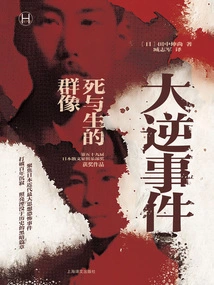
大逆事件:死与生的群像(历史学堂)
(japan) Tanaka Nobuno
The winning work of Japan's 59th Essayists Club Award focuses on Japan's biggest ideological terror event in modern times, breaks a century of silence, and illuminates a dark chapter buried in history. Starting with the bomb-making by the anarchist Taiyoshi Miyashita, twenty-six people including Kotoku Shusui were accused of attempting to assassinate the emperor and were handed over to the court for "gross treason." The Special Criminal Department of the Grand Inquisition did not call any witnesses in a closed trial, and it only took about three weeks to make a verdict on January 18, 1911. Twenty-four people were sentenced to death for "treason" and two others were sentenced to fixed-term imprisonment. Only about a week after the verdict, 12 people including Qiu Shui, who was sentenced to death, were hanged respectively, and the remaining 12 people were commuted to life imprisonment. Known as the "Great Rebellion" in history. Post-war research shows that this was a state crime that stifled freedom of the mind by trying individuals' ideas - liberty, equality, fraternity - as crimes on the basis of frame-up charges. The author of this book, Tanaka Nobuno, began his journey to visit the survivors and surrounding areas of the "Great Rebellion Incident" around 1979. Those who were forcibly joined together opposed war and advocated a lifestyle that did not exploit others. As religious figures, they cared about those who suffered discrimination and thought about how to achieve an equal and free society and how to deal with the relationship between the country, the emperor and individuals. These are issues that every living individual cannot avoid. The problems they discovered under the influence of ideas such as socialism and anarchism were not only topics in literature and thought at that time, but also topics in the media at that time, and they were also issues today.
The winning work of Japan's 59th Essayists Club Award focuses on Japan's biggest ideological terror event in modern times, breaks a century of silence, and illuminates a dark chapter buried in history. Starting with the bomb-making by the anarchist Taiyoshi Miyashita, twenty-six people including Kotoku Shusui were accused of attempting to assassinate the emperor and were handed over to the court for "gross treason." The Special Criminal Department of the Grand Inquisition did not call any witnesses in a closed trial, and it only took about three weeks to make a verdict on January 18, 1911. Twenty-four people were sentenced to death for "treason" and two others were sentenced to fixed-term imprisonment. Only about a week after the verdict, 12 people including Qiu Shui, who was sentenced to death, were hanged respectively, and the remaining 12 people were commuted to life imprisonment. Known as the "Great Rebellion" in history. Post-war research shows that this was a state crime that stifled freedom of the mind by trying individuals' ideas - liberty, equality, fraternity - as crimes on the basis of frame-up charges. The author of this book, Tanaka Nobuno, began his journey to visit the survivors and surrounding areas of the "Great Rebellion Incident" around 1979. Those who were forcibly joined together opposed war and advocated a lifestyle that did not exploit others. As religious figures, they cared about those who suffered discrimination and thought about how to achieve an equal and free society and how to deal with the relationship between the country, the emperor and individuals. These are issues that every living individual cannot avoid. The problems they discovered under the influence of ideas such as socialism and anarchism were not only topics in literature and thought at that time, but also topics in the media at that time, and they were also issues today.
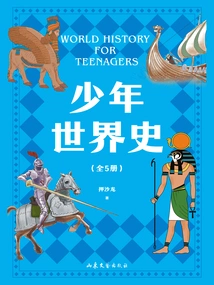
Young World History
History少年世界史
Absalom
This is a set of world history that is easy to read, easy to understand, and warm. Opening it, children will find that world history is not an isolated event, but a complete story that can be followed logically: Why did Rome fall? How did Europe emerge? Why did the world war start? It not only tells historical stories, but also tells the reasons for the change and development of the world, leading readers to explore the nature of history and engage in independent and rational thinking. Let children distinguish what is good and what is evil, how to face rights and desires, how to remain sincere and kind, and how to view the world. "History is not a piece of cold ice, but a burning fire." Absalom said, "I was ignited by this fire when I was a child. Now I hope to hold this fire in front of children, and I believe every child will fall in love with it."
This is a set of world history that is easy to read, easy to understand, and warm. Opening it, children will find that world history is not an isolated event, but a complete story that can be followed logically: Why did Rome fall? How did Europe emerge? Why did the world war start? It not only tells historical stories, but also tells the reasons for the change and development of the world, leading readers to explore the nature of history and engage in independent and rational thinking. Let children distinguish what is good and what is evil, how to face rights and desires, how to remain sincere and kind, and how to view the world. "History is not a piece of cold ice, but a burning fire." Absalom said, "I was ignited by this fire when I was a child. Now I hope to hold this fire in front of children, and I believe every child will fall in love with it."
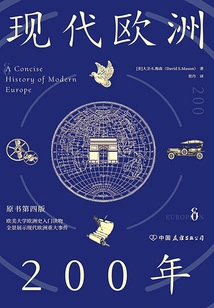
200 Years of Modern Europe
History现代欧洲200年
(us) David S. Mason
This book highlights the major events, important ideas and influential individuals in modern Europe, combs the course of modern Europe from the Enlightenment to the establishment of the European Union, discusses the important impact of modern Europe on the world from the perspectives of politics, economy, military, science, etc., Gives a detailed introduction to the evolution from the era of absolute monarchy and the divine right of kings to the European Union, highlights major events in contemporary European history, and provides a finishing touch on its development and changes.
This book highlights the major events, important ideas and influential individuals in modern Europe, combs the course of modern Europe from the Enlightenment to the establishment of the European Union, discusses the important impact of modern Europe on the world from the perspectives of politics, economy, military, science, etc., Gives a detailed introduction to the evolution from the era of absolute monarchy and the divine right of kings to the European Union, highlights major events in contemporary European history, and provides a finishing touch on its development and changes.
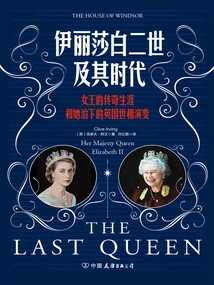
Elizabeth Ii and Her Times
History伊丽莎白二世及其时代
(uk) Clive Owen
Elizabeth II is the longest-reigning queen in British history. From her accession to the throne, from World War II to Britain's departure from Europe, she has experienced various historical stages in the United Kingdom, and has also witnessed the rise and fall of the British Empire in the past century. This book takes the Queen and her family members as the focus of the narrative, analyzes the British royal family from diverse perspectives, and shows the many political problems, family conflicts, and emotional entanglements among the royal members that the Queen has to deal with. How did the Queen's father, George VI, successfully succeed to the throne? What is the subtle relationship between Prince Philip and the Queen? The royal family sought to establish friendly relations with Hitler? How did the Queen get along with Prime Minister Thatcher? These little-known stories bring to life the Queen and the royal family in every detail, and vividly illustrate the many historical figures of the Queen's reign.
Elizabeth II is the longest-reigning queen in British history. From her accession to the throne, from World War II to Britain's departure from Europe, she has experienced various historical stages in the United Kingdom, and has also witnessed the rise and fall of the British Empire in the past century. This book takes the Queen and her family members as the focus of the narrative, analyzes the British royal family from diverse perspectives, and shows the many political problems, family conflicts, and emotional entanglements among the royal members that the Queen has to deal with. How did the Queen's father, George VI, successfully succeed to the throne? What is the subtle relationship between Prince Philip and the Queen? The royal family sought to establish friendly relations with Hitler? How did the Queen get along with Prime Minister Thatcher? These little-known stories bring to life the Queen and the royal family in every detail, and vividly illustrate the many historical figures of the Queen's reign.
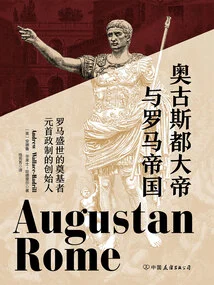
奥古斯都大帝与罗马帝国
(uk) Andrew Wallace-hadrill
Augustus can be called the "Emperor of Emperors". He single-handedly created the splendor and glory of ancient Rome. This book focuses on the city of Rome from 31 BC to 14 BC. It begins with the defeat of rival Antony, followed by the concentration of military and administrative power, the complex power struggle within the family and the Senate, and even the prosperity and strength of ancient Roman society, which has been imitated by countless generations. It can be called an excellent introductory book for understanding the history of ancient Rome and the illustrious life of Augustus.
Augustus can be called the "Emperor of Emperors". He single-handedly created the splendor and glory of ancient Rome. This book focuses on the city of Rome from 31 BC to 14 BC. It begins with the defeat of rival Antony, followed by the concentration of military and administrative power, the complex power struggle within the family and the Senate, and even the prosperity and strength of ancient Roman society, which has been imitated by countless generations. It can be called an excellent introductory book for understanding the history of ancient Rome and the illustrious life of Augustus.
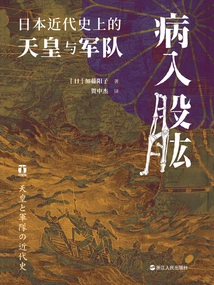
病入股肱:日本近代史上的天皇与军队
K
Japan's modern emperor system is supported by the concept of the emperor personally leading the army, emphasizing the emperor's absolute leadership of the army and the absolute loyalty of soldiers to the emperor. However, after World War I, the emperor's authority as the supreme commander was greatly shaken, and the military, which was regarded as a "gut-armed minister", also underwent a qualitative change. As Pandora's box of military interference in politics was opened, Japan stepped into the abyss of war. This book is the culmination of decades of "war" research by Yoko Kato, the "first person to study Japanese wars" and a professor at the University of Tokyo. It explores the development history of the relationship between the emperor and the military in modern times, traces the historical roots of Japan's founding of the army and constitution in the Meiji period, extends to the issues of disarmament and repatriation of the Japanese army, and covers the entire period of the existence of the "Japanese army". She analyzed the facts with clear logic and bright writing style, put forward a new perspective to capture history, analyzed the characteristics of modern Japanese political-military relations, and elaborated on the background of Japan's national decision-making. By exploring the relationship between the emperor and the military, we answer a long-standing question: "Why didn't the emperor stop the war?"
Japan's modern emperor system is supported by the concept of the emperor personally leading the army, emphasizing the emperor's absolute leadership of the army and the absolute loyalty of soldiers to the emperor. However, after World War I, the emperor's authority as the supreme commander was greatly shaken, and the military, which was regarded as a "gut-armed minister", also underwent a qualitative change. As Pandora's box of military interference in politics was opened, Japan stepped into the abyss of war. This book is the culmination of decades of "war" research by Yoko Kato, the "first person to study Japanese wars" and a professor at the University of Tokyo. It explores the development history of the relationship between the emperor and the military in modern times, traces the historical roots of Japan's founding of the army and constitution in the Meiji period, extends to the issues of disarmament and repatriation of the Japanese army, and covers the entire period of the existence of the "Japanese army". She analyzed the facts with clear logic and bright writing style, put forward a new perspective to capture history, analyzed the characteristics of modern Japanese political-military relations, and elaborated on the background of Japan's national decision-making. By exploring the relationship between the emperor and the military, we answer a long-standing question: "Why didn't the emperor stop the war?"
利比亚史(非洲阿拉伯国家通史)
Han Zhibin Et Al.
"General History of African Arab Countries" is the final result of the National Social Science Fund's major project "Research on the General History of African Arab Countries". It consists of 8 volumes, including: "History of Libya", "History of Egypt", "History of Algeria", "History of Morocco", "History of Tunisia", "History of Sudan", "History of Somalia, Djibouti and Comoros", and "History of Mauritania". This book is the "History of Libya" in the "General History of Arab African Countries". It is the first general history work written by Chinese scholars that comprehensively reflects Libya from ancient times to the present. The book is divided into 8 chapters, covering the historical exchanges of ancient Libyan civilization, the rise and fall of the Karamanli Dynasty, Libya under the occupation of the Ottoman Empire, Libya during the Italian colonial period, the rise and fall of the United Kingdom of Libya, Libya under Gaddafi's governance, Libya in the post-Cold War era, etc., Sorting out the evolution and basic issues of the general history of Libya.
"General History of African Arab Countries" is the final result of the National Social Science Fund's major project "Research on the General History of African Arab Countries". It consists of 8 volumes, including: "History of Libya", "History of Egypt", "History of Algeria", "History of Morocco", "History of Tunisia", "History of Sudan", "History of Somalia, Djibouti and Comoros", and "History of Mauritania". This book is the "History of Libya" in the "General History of Arab African Countries". It is the first general history work written by Chinese scholars that comprehensively reflects Libya from ancient times to the present. The book is divided into 8 chapters, covering the historical exchanges of ancient Libyan civilization, the rise and fall of the Karamanli Dynasty, Libya under the occupation of the Ottoman Empire, Libya during the Italian colonial period, the rise and fall of the United Kingdom of Libya, Libya under Gaddafi's governance, Libya in the post-Cold War era, etc., Sorting out the evolution and basic issues of the general history of Libya.
摩洛哥史(非洲阿拉伯国家通史)
Lin Songye
"A General History of African Arab Countries", compiled by Professor Wang Tiezheng, a famous expert on Middle Eastern history, is the first general history work written by Chinese scholars that comprehensively reflects the history of African Arab countries from ancient times to the present. Among them, "History of Morocco" was written by Lin Songye, associate researcher at the Institute of Middle East Studies at Northwestern University. It is the first relatively complete general history of Morocco written by a Chinese scholar. There are 10 chapters in the book. The author introduces Morocco in ancient times, Morocco in the Middle Ages, the establishment and early rule of the Allawi dynasty, the competition of European powers for modern Morocco, modern Morocco that became a "protectorate" in chronological order from ancient times to the present.
"A General History of African Arab Countries", compiled by Professor Wang Tiezheng, a famous expert on Middle Eastern history, is the first general history work written by Chinese scholars that comprehensively reflects the history of African Arab countries from ancient times to the present. Among them, "History of Morocco" was written by Lin Songye, associate researcher at the Institute of Middle East Studies at Northwestern University. It is the first relatively complete general history of Morocco written by a Chinese scholar. There are 10 chapters in the book. The author introduces Morocco in ancient times, Morocco in the Middle Ages, the establishment and early rule of the Allawi dynasty, the competition of European powers for modern Morocco, modern Morocco that became a "protectorate" in chronological order from ancient times to the present.
毛里塔尼亚史(非洲阿拉伯国家通史)
Zhao Guangcheng Yan Wei Yang Jie
Today's Mauritania is located in northwest Africa. Historically, Mauritania has been marginalized on the world stage, yet in today's world, Mauritania is a country worth paying attention to. This book sorts out the current situation of Mauritania, including its geographical characteristics, humanistic conditions, economic structure, political system and other basic conditions. According to the historical evolution process, it explains Mauritania's prehistoric culture, ancient Berbers and their southward migration, the rise and fall of the Berber Sanhaja Alliance, Mauritania under the Almourabit dynasty, Arab migration, until French colonial rule and Mauritania's autonomy, and the development and twists and turns of the First Republic. Finally, the author analyzes the turbulent situation in Mauritania since the new century and its friendly and cooperative relations with China. This book is one of the "General History of Arab Countries in Africa Series", which is edited by Professor Wang Tiezheng and is a research result of a major project of the National Social Science Foundation.
Today's Mauritania is located in northwest Africa. Historically, Mauritania has been marginalized on the world stage, yet in today's world, Mauritania is a country worth paying attention to. This book sorts out the current situation of Mauritania, including its geographical characteristics, humanistic conditions, economic structure, political system and other basic conditions. According to the historical evolution process, it explains Mauritania's prehistoric culture, ancient Berbers and their southward migration, the rise and fall of the Berber Sanhaja Alliance, Mauritania under the Almourabit dynasty, Arab migration, until French colonial rule and Mauritania's autonomy, and the development and twists and turns of the First Republic. Finally, the author analyzes the turbulent situation in Mauritania since the new century and its friendly and cooperative relations with China. This book is one of the "General History of Arab Countries in Africa Series", which is edited by Professor Wang Tiezheng and is a research result of a major project of the National Social Science Foundation.
苏丹史(非洲阿拉伯国家通史)
Wang Meng Et Al.
"General History of African Arab Countries" is the final result of the National Social Science Fund's major project "Research on the General History of African Arab Countries". It consists of eight volumes, including: "History of Libya", "History of Egypt", "History of Algeria", "History of Morocco", "History of Tunisia", "History of Sudan", "History of Somalia, Djibouti and Comoros", and "History of Mauritania". "A General History of African Arab Countries" is the first general history work written by domestic scholars that comprehensively reflects the history of African Arab countries from ancient times to the present. It adopts the style of a national general history and uses historical narrative to explain the formation of various nations and countries from both vertical and horizontal dimensions from multiple perspectives, and The characteristics and laws of development and evolution in different historical stages objectively demonstrate the historical evolution of African and Arab countries, and put forward academic views and perspectives with Chinese characteristics on the historical development process of each country, filling the gap in the research on the general history of African and Arab countries in my country's academic circles. This book is the "History of Sudan" of "General History of African Arab Countries". It shows the historical evolution of Sudan and the characteristics of its development and evolution in different historical stages. It is the first relatively complete general history of Sudan written by a Chinese scholar.
"General History of African Arab Countries" is the final result of the National Social Science Fund's major project "Research on the General History of African Arab Countries". It consists of eight volumes, including: "History of Libya", "History of Egypt", "History of Algeria", "History of Morocco", "History of Tunisia", "History of Sudan", "History of Somalia, Djibouti and Comoros", and "History of Mauritania". "A General History of African Arab Countries" is the first general history work written by domestic scholars that comprehensively reflects the history of African Arab countries from ancient times to the present. It adopts the style of a national general history and uses historical narrative to explain the formation of various nations and countries from both vertical and horizontal dimensions from multiple perspectives, and The characteristics and laws of development and evolution in different historical stages objectively demonstrate the historical evolution of African and Arab countries, and put forward academic views and perspectives with Chinese characteristics on the historical development process of each country, filling the gap in the research on the general history of African and Arab countries in my country's academic circles. This book is the "History of Sudan" of "General History of African Arab Countries". It shows the historical evolution of Sudan and the characteristics of its development and evolution in different historical stages. It is the first relatively complete general history of Sudan written by a Chinese scholar.
物流改变世界历史
(japan) Tamaki Toshiaki
In recent years, with the rise of mobile Internet, we have personally felt the huge influence of logistics. In fact, the construction of the logistics system has been a major symbol of national capabilities and national enterprising spirit for a long time. This book centers on logistics and reveals the formation of the modern world around the formation of mainstream countries, competition between countries, and the history of product development. The whole book focuses on the people engaged in international trade and the role of the state, giving a clear explanation from the activity of the Phoenicians in the Mediterranean 3,000 years ago to the divergence of the Eurasian economy in the 19th century. The former include the Phoenicians, merchants of the Hanseatic League, the Portuguese, the Jews and their business networks; the latter include the decline of China due to its voluntary abandonment of the sea due to tribute trade; the British and Dutch established the East India Company under state leadership, thereby crowding out the Portuguese's dominant position in the Indian Ocean; the Navigation Law enacted by Cromwell became an important factor in the establishment of the "Peace of Great Britain" by the British; and the United States implemented a neutral policy in the European wars and cleverly developed the maritime industry. A picture of world history centered on logistics comes into view.
In recent years, with the rise of mobile Internet, we have personally felt the huge influence of logistics. In fact, the construction of the logistics system has been a major symbol of national capabilities and national enterprising spirit for a long time. This book centers on logistics and reveals the formation of the modern world around the formation of mainstream countries, competition between countries, and the history of product development. The whole book focuses on the people engaged in international trade and the role of the state, giving a clear explanation from the activity of the Phoenicians in the Mediterranean 3,000 years ago to the divergence of the Eurasian economy in the 19th century. The former include the Phoenicians, merchants of the Hanseatic League, the Portuguese, the Jews and their business networks; the latter include the decline of China due to its voluntary abandonment of the sea due to tribute trade; the British and Dutch established the East India Company under state leadership, thereby crowding out the Portuguese's dominant position in the Indian Ocean; the Navigation Law enacted by Cromwell became an important factor in the establishment of the "Peace of Great Britain" by the British; and the United States implemented a neutral policy in the European wars and cleverly developed the maritime industry. A picture of world history centered on logistics comes into view.
查士丁尼的天灾:史上第一场大瘟疫与罗马帝国的终结
(us) William Rosen
A "Guns, Germs and Steel" of the Roman Empire. Justinian I was the last Eastern Roman emperor to be titled "Emperor" in the late classical era. He and his generation of capable ministers and generals were also called "the last Romans". He was born into a poor peasant family in the border province of Illyria, but he was crowned the supreme ruler of the empire at the age of forty; he enriched the empire's treasury and regained the empire's old capital, Rome; he built the history of human architecture on the ruins of the old church that was burned during the Nika riots. He went to the miraculous Hagia Sophia; he issued a pardon, appointed a group of jurists, and compiled a masterpiece of Roman law - the "Justinian Code", which laid the cornerstone of the civil law system... Any of the above achievements is enough to make an emperor famous in history. Why could such a talented and ambitious emperor not be able to revive the Roman Empire? In fact, there are many reasons. The most shocking one is the Yersinia pestis that originated in Africa. When this seemingly insignificant organism collided with the largest empire in the world at the time, the result was a great plague that swept across the entire Mediterranean world. After paying the price of 25 million corpses, losing one-third of the population, and turning dozens of prosperous and prosperous cities, including Constantinople, into ghost towns, the historical trajectory of Rome, and even the entire world, was irreversibly changed. The ambition, intelligence and dreams of the "last Romans" were so vulnerable to the storms of history and nature.
A "Guns, Germs and Steel" of the Roman Empire. Justinian I was the last Eastern Roman emperor to be titled "Emperor" in the late classical era. He and his generation of capable ministers and generals were also called "the last Romans". He was born into a poor peasant family in the border province of Illyria, but he was crowned the supreme ruler of the empire at the age of forty; he enriched the empire's treasury and regained the empire's old capital, Rome; he built the history of human architecture on the ruins of the old church that was burned during the Nika riots. He went to the miraculous Hagia Sophia; he issued a pardon, appointed a group of jurists, and compiled a masterpiece of Roman law - the "Justinian Code", which laid the cornerstone of the civil law system... Any of the above achievements is enough to make an emperor famous in history. Why could such a talented and ambitious emperor not be able to revive the Roman Empire? In fact, there are many reasons. The most shocking one is the Yersinia pestis that originated in Africa. When this seemingly insignificant organism collided with the largest empire in the world at the time, the result was a great plague that swept across the entire Mediterranean world. After paying the price of 25 million corpses, losing one-third of the population, and turning dozens of prosperous and prosperous cities, including Constantinople, into ghost towns, the historical trajectory of Rome, and even the entire world, was irreversibly changed. The ambition, intelligence and dreams of the "last Romans" were so vulnerable to the storms of history and nature.
钢铁王国:普鲁士的兴衰(1600—1947)
M
This book traces the history of Prussia's participation in religious conflicts and political competition on the European continent: from the destruction of the Thirty Years' War to the disintegration of the Holy Roman Empire, from King Frederick the Great's Enlightenment to Napoleon's devastating conquests, from Bismarck's iron-blooded policy to the establishment of the German Empire in 1871, and the impact of all this on the turbulent 20th century. Prussia was once considered the cause of Europe's two wars in the first half of the 20th century, but Clark shows us how this country made an immeasurable contribution to the fate of Western civilization. People often forget that Prussia was once a model of European humanistic tradition. It had an efficient government, a clean civil service and a tradition of religious tolerance. It was considered to have the mission of leading the unification and prosperity of Germany. "The Iron Kingdom" is an authoritative work on the key role played by Prussia in modern history. Christopher Clark uses delicate writing, rigorous logic, profound thinking and comprehensive examination to tell the fascinating and ups and downs of this country and the Hohenzollern dynasty for more than 300 years.
This book traces the history of Prussia's participation in religious conflicts and political competition on the European continent: from the destruction of the Thirty Years' War to the disintegration of the Holy Roman Empire, from King Frederick the Great's Enlightenment to Napoleon's devastating conquests, from Bismarck's iron-blooded policy to the establishment of the German Empire in 1871, and the impact of all this on the turbulent 20th century. Prussia was once considered the cause of Europe's two wars in the first half of the 20th century, but Clark shows us how this country made an immeasurable contribution to the fate of Western civilization. People often forget that Prussia was once a model of European humanistic tradition. It had an efficient government, a clean civil service and a tradition of religious tolerance. It was considered to have the mission of leading the unification and prosperity of Germany. "The Iron Kingdom" is an authoritative work on the key role played by Prussia in modern history. Christopher Clark uses delicate writing, rigorous logic, profound thinking and comprehensive examination to tell the fascinating and ups and downs of this country and the Hohenzollern dynasty for more than 300 years.
魏玛德国:从共和到纳粹
(germany) Horst Müller
After the end of World War I in 1918, the Weimar Republic was proclaimed in the revolution. From its inception, the Weimar Republic was shrouded in ominous omens. The experience of defeat and the tough terms of the Treaty of Versailles brought huge debts to Germany. Left- and right-wing extremist ideas, inflation and mass unemployment jointly eroded people's trust in the Weimar Republic. In the early 1930s, collective disappointment eventually turned into despair, and the extreme Nazi ideology that spread hope and promised a false way out became increasingly popular. In this all-encompassing tome, Horst Müller vividly depicts the politics, society, economy, culture and socio-cultural ideology of the Weimar Republic.
After the end of World War I in 1918, the Weimar Republic was proclaimed in the revolution. From its inception, the Weimar Republic was shrouded in ominous omens. The experience of defeat and the tough terms of the Treaty of Versailles brought huge debts to Germany. Left- and right-wing extremist ideas, inflation and mass unemployment jointly eroded people's trust in the Weimar Republic. In the early 1930s, collective disappointment eventually turned into despair, and the extreme Nazi ideology that spread hope and promised a false way out became increasingly popular. In this all-encompassing tome, Horst Müller vividly depicts the politics, society, economy, culture and socio-cultural ideology of the Weimar Republic.
统治的技艺:塑造世界历史的5大帝国
(us) Krishan Kumar
A history of human civilization and a history of how humans rule. For much of premodern times, empires were the dominant form of human rule. Since the beginning of modern times, nation-states have been forged in the forges of the American Revolution and the French Revolution. Nationalism seems to have become the universal law of human domination. Empire became synonymous with invaders and colonialism, and was swept into the dustbin of history. However, modern nation-states have not completely solved human governance problems. National conflicts and great-power chauvinism have created war after war. Since the 21st century, with the in-depth development of globalization and multiculturalism, empire has become the object of people's attention again. Different from a large number of anti-imperialist histories written with the ruled as the protagonists, Professor Krishan Kumar takes a different approach and presents to us the rise and fall of the five world empires, the Ottoman, Habsburg, Russian, British and French empires, their governance experience and mission pursuit from the perspective of the imperial rulers and the subject nation.
A history of human civilization and a history of how humans rule. For much of premodern times, empires were the dominant form of human rule. Since the beginning of modern times, nation-states have been forged in the forges of the American Revolution and the French Revolution. Nationalism seems to have become the universal law of human domination. Empire became synonymous with invaders and colonialism, and was swept into the dustbin of history. However, modern nation-states have not completely solved human governance problems. National conflicts and great-power chauvinism have created war after war. Since the 21st century, with the in-depth development of globalization and multiculturalism, empire has become the object of people's attention again. Different from a large number of anti-imperialist histories written with the ruled as the protagonists, Professor Krishan Kumar takes a different approach and presents to us the rise and fall of the five world empires, the Ottoman, Habsburg, Russian, British and French empires, their governance experience and mission pursuit from the perspective of the imperial rulers and the subject nation.

Jewish War
History犹太战争
(ancient Rome) Flavius josephus
"The Jewish Wars" is Josephus's first book, written around AD 75-79. It is mainly based on his memories of the Jewish War of Independence (AD 66-73), the memoirs of the Roman army commander Vespasian, and the letters of the Jewish King Agrippa. The original book is divided into seven volumes, covering the various causes that triggered the Jewish war against the Roman regime, the war conditions in Galilee and other areas, the siege and fall of Jerusalem by the Roman army, the end of the war and its consequences. Limited by the times and circumstances, his book contains many fallacies and even forgeries, but overall, its academic and historical value is irreplaceable, and it provides valuable reference materials for future generations to study Jewish history, Roman history, Christian history, etc. During this period.
"The Jewish Wars" is Josephus's first book, written around AD 75-79. It is mainly based on his memories of the Jewish War of Independence (AD 66-73), the memoirs of the Roman army commander Vespasian, and the letters of the Jewish King Agrippa. The original book is divided into seven volumes, covering the various causes that triggered the Jewish war against the Roman regime, the war conditions in Galilee and other areas, the siege and fall of Jerusalem by the Roman army, the end of the war and its consequences. Limited by the times and circumstances, his book contains many fallacies and even forgeries, but overall, its academic and historical value is irreplaceable, and it provides valuable reference materials for future generations to study Jewish history, Roman history, Christian history, etc. During this period.
The Rise and Fall of Italy
History意大利兴衰史
(english) Compiled By George Holmes
Classical Period: Breeding the Roman Empire In the 2nd century BC, the Romans began to rise from Italy. After three Punic Wars and four Macedonian Wars, Rome annexed Carthage, conquered Greece, and gradually unified the Italian Peninsula and the Po River Plain, becoming a powerful empire spanning Asia, Europe, and Africa. Italy became the core area of the Roman Empire. Middle Ages: The Birth of the Renaissance In the 14th century, when the whole of Europe was still immersed in the Dark Middle Ages, Italian geniuses emerged in large numbers and stars shone: Dante, Petrarch, Boccaccio, Leonardo da Vinci, Michelangelo, and Raphael, breaking through the feudal, conservative, and repressive theocratic thinking of the time. Subsequently, this trend of thought formed a Renaissance movement that was grand, spectacular and influenced Europe. Modern Times: Step by Step towards Decline Since modern times, class contradictions in Italy have gradually intensified and national sentiment has been rising. Under the control of Mussolini, fascism came to power and led Italy on the road to foreign wars. At the same time, Italy is in deep financial crisis, with domestic inflation, soaring prices, financial chaos, fiscal collapse, and high debt... Open this book to restore Italy's entire process from its heyday to its decline.
Classical Period: Breeding the Roman Empire In the 2nd century BC, the Romans began to rise from Italy. After three Punic Wars and four Macedonian Wars, Rome annexed Carthage, conquered Greece, and gradually unified the Italian Peninsula and the Po River Plain, becoming a powerful empire spanning Asia, Europe, and Africa. Italy became the core area of the Roman Empire. Middle Ages: The Birth of the Renaissance In the 14th century, when the whole of Europe was still immersed in the Dark Middle Ages, Italian geniuses emerged in large numbers and stars shone: Dante, Petrarch, Boccaccio, Leonardo da Vinci, Michelangelo, and Raphael, breaking through the feudal, conservative, and repressive theocratic thinking of the time. Subsequently, this trend of thought formed a Renaissance movement that was grand, spectacular and influenced Europe. Modern Times: Step by Step towards Decline Since modern times, class contradictions in Italy have gradually intensified and national sentiment has been rising. Under the control of Mussolini, fascism came to power and led Italy on the road to foreign wars. At the same time, Italy is in deep financial crisis, with domestic inflation, soaring prices, financial chaos, fiscal collapse, and high debt... Open this book to restore Italy's entire process from its heyday to its decline.
无尽沧桑:一纸婚约与一个普通法国家族的浮沉,1700—1900
P
Historian Emma Rothschild combined parish archives, tax records, memoirs and other materials to conduct a panoramic observation of the story of five generations of an ordinary French family, and restored a huge local social network around a prenuptial agreement, thus opening up a boundless historical time and space composed of many ordinary people. It is like a painting by Bruegel, with countless detailed historical contexts buried in it, telling the fear and love, uneasiness and hope of ordinary people of the same generation as Robespierre, Napoleon, Tocqueville, and Balzac, and describing the political, economic and social vicissitudes of France in the past three hundred years.
Historian Emma Rothschild combined parish archives, tax records, memoirs and other materials to conduct a panoramic observation of the story of five generations of an ordinary French family, and restored a huge local social network around a prenuptial agreement, thus opening up a boundless historical time and space composed of many ordinary people. It is like a painting by Bruegel, with countless detailed historical contexts buried in it, telling the fear and love, uneasiness and hope of ordinary people of the same generation as Robespierre, Napoleon, Tocqueville, and Balzac, and describing the political, economic and social vicissitudes of France in the past three hundred years.
何故为敌:1941年一个巴尔干小镇的族群冲突、身份认同与历史记忆
(us)max Bergholz
In the summer of 1941, a series of collective violence broke out in a small town in the Balkans. In particular, within 48 hours, nearly 2,000 men, women, and children were massacred by their former neighbors. The killings reached a climax. The author interviewed those who witnessed it and combined it with first-hand materials to tell the story of this tragedy that occurred under the regime of the Independent State of Croatia in detail, and connected this local history with the causes, mechanisms and effects of global violence. He seeks to answer: What causes intercommunal violence? How does violence between neighbors affect their identities and relationships? Does ethnic conflict cause violence, or does violence create ethnic groups that are hostile to each other?
In the summer of 1941, a series of collective violence broke out in a small town in the Balkans. In particular, within 48 hours, nearly 2,000 men, women, and children were massacred by their former neighbors. The killings reached a climax. The author interviewed those who witnessed it and combined it with first-hand materials to tell the story of this tragedy that occurred under the regime of the Independent State of Croatia in detail, and connected this local history with the causes, mechanisms and effects of global violence. He seeks to answer: What causes intercommunal violence? How does violence between neighbors affect their identities and relationships? Does ethnic conflict cause violence, or does violence create ethnic groups that are hostile to each other?
伦敦的崛起:商人、冒险家与资本打造的大都会
(uk) Stephen Alford
At the beginning of the 16th century, England had not yet integrated into the wider world, and London was just a gloomy and closed medieval city. However, the discovery of the New World and direct sea routes to Asia changed the economic landscape of England during the Tudor Dynasty. These changes made London a new trade center and changed London's status and role in the world from then on. Stephen Alford's engrossing book brings to life London's merchants, dreamers, con men, and sailors who formed a network that changed London forever. England's ships sailed around the world, establishing trade with Russia and the Levant, and exploring Virginia, the Arctic, and the Indian Ocean. And the efforts and ambitions of the people who made it possible-those families, guild members, and speculators who were willing to take huge risks and even sacrifice their lives in pursuit of the rare and exotic-bred a new worldview, ushering in an era of long-term trade and an empire, the results of which are felt today.
At the beginning of the 16th century, England had not yet integrated into the wider world, and London was just a gloomy and closed medieval city. However, the discovery of the New World and direct sea routes to Asia changed the economic landscape of England during the Tudor Dynasty. These changes made London a new trade center and changed London's status and role in the world from then on. Stephen Alford's engrossing book brings to life London's merchants, dreamers, con men, and sailors who formed a network that changed London forever. England's ships sailed around the world, establishing trade with Russia and the Levant, and exploring Virginia, the Arctic, and the Indian Ocean. And the efforts and ambitions of the people who made it possible-those families, guild members, and speculators who were willing to take huge risks and even sacrifice their lives in pursuit of the rare and exotic-bred a new worldview, ushering in an era of long-term trade and an empire, the results of which are felt today.