Library
Browse and search books
2,982 novels found
跟着潇水读《史记》
Zhang Shouchun
The Xia, Shang, Zhou, Qin and Han dynasties were swaying and varied, paving the way for the basic genes of Chinese civilization. The author has been studying history for many years. Using "Historical Records" as the main material and comprehensively supplementing it with historical materials from other ancient books, he wrote this vernacular "Historical Records" that spans more than a thousand years from ancient times, the Spring and Autumn Period and the Warring States to the conflict between Chu and Han to the establishment of the Han Dynasty. Only by seeing through history can we gain insights into human nature and society, and even look forward to the future.
The Xia, Shang, Zhou, Qin and Han dynasties were swaying and varied, paving the way for the basic genes of Chinese civilization. The author has been studying history for many years. Using "Historical Records" as the main material and comprehensively supplementing it with historical materials from other ancient books, he wrote this vernacular "Historical Records" that spans more than a thousand years from ancient times, the Spring and Autumn Period and the Warring States to the conflict between Chu and Han to the establishment of the Han Dynasty. Only by seeing through history can we gain insights into human nature and society, and even look forward to the future.
发动革命:国民革命的起源(1920—1925)
Zhang Sheng
The National Revolution was an important historical event in the 1920s, which greatly affected China's destiny. With the title "The Origin of the National Revolution", this book introduces the historical background of the launch of the National Revolution, vividly describes the basic process of the National Revolution through multiple historical events, and analyzes its ultimate failure. The author believes that the national revolution was jointly created by Soviet Russia, the Communist International, the Chinese Kuomintang, and the Chinese Communist Party. The failure of the national revolution brought the Chinese revolution to a new stage. The book starts from Sun Yat-sen's thoughts on China's development prospects, and covers the Chen Jiongming rebellion from 1920 to 1925, the Guan Yu incident, the Soviet Union and the Chinese Communist Party's guidance of the Kuomintang, the cooperation between the Kuomintang and the Communist Party, the improvement and reorganization of the Kuomintang, and the Kuomintang. Important events and processes such as the convening of the National Congress, the establishment of Huangpu Military Academy, the establishment of the National Revolutionary Army, the reunification of Guangdong and Guangxi, the May 30th Movement, and the Northern Expedition are narrated in detail, and the development context and important nodes of this period of history are clearly described in concise words.
The National Revolution was an important historical event in the 1920s, which greatly affected China's destiny. With the title "The Origin of the National Revolution", this book introduces the historical background of the launch of the National Revolution, vividly describes the basic process of the National Revolution through multiple historical events, and analyzes its ultimate failure. The author believes that the national revolution was jointly created by Soviet Russia, the Communist International, the Chinese Kuomintang, and the Chinese Communist Party. The failure of the national revolution brought the Chinese revolution to a new stage. The book starts from Sun Yat-sen's thoughts on China's development prospects, and covers the Chen Jiongming rebellion from 1920 to 1925, the Guan Yu incident, the Soviet Union and the Chinese Communist Party's guidance of the Kuomintang, the cooperation between the Kuomintang and the Communist Party, the improvement and reorganization of the Kuomintang, and the Kuomintang. Important events and processes such as the convening of the National Congress, the establishment of Huangpu Military Academy, the establishment of the National Revolutionary Army, the reunification of Guangdong and Guangxi, the May 30th Movement, and the Northern Expedition are narrated in detail, and the development context and important nodes of this period of history are clearly described in concise words.
Tang Dynasty Context
History大唐文脉
Li Xudong
This book is a history book with the theme of writers of the Tang Dynasty. Through a comprehensive introduction and in-depth interpretation of many Tang Dynasty writers, supplemented by famous works and rich historical materials, the book connects the glorious history of the Tang Dynasty, tells the rise and fall of Tang Dynasty history, interprets the spiritual character of Tang Dynasty literati, and demonstrates the elegance of Tang Dynasty literature. In the complicated development process of the Tang Dynasty and the turbulent political environment, a clear and powerful cultural context of the Tang Dynasty slowly emerges in the eyes of readers with the touching or humorous words in the book.
This book is a history book with the theme of writers of the Tang Dynasty. Through a comprehensive introduction and in-depth interpretation of many Tang Dynasty writers, supplemented by famous works and rich historical materials, the book connects the glorious history of the Tang Dynasty, tells the rise and fall of Tang Dynasty history, interprets the spiritual character of Tang Dynasty literati, and demonstrates the elegance of Tang Dynasty literature. In the complicated development process of the Tang Dynasty and the turbulent political environment, a clear and powerful cultural context of the Tang Dynasty slowly emerges in the eyes of readers with the touching or humorous words in the book.
Silk Road Ai Picture Book
History丝绸之路AI绘本
Editor-in-chief Zhu Lirong
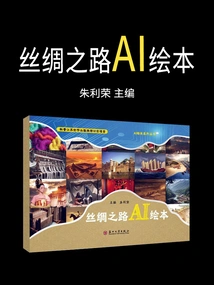
Created with the help of AI technology, this book takes time as the axis and uses "painting text" narrative to provide a panoramic depiction of the entire process from mulberry and silkworm rearing to the construction of the New Silk Road in today's society. It involves more than 80 important figures and more than 70 major events. It aims to spread the world heritage Silk Road to young people across the country. Silk Road knowledge displays the style of the Silk Road, promotes the spirit of the Silk Road, and through popular education of value guidance, cultural cohesion, and spiritual driving force, allows future generations to draw moral nourishment from the traditional virtues of the Chinese nation, feel the moral style from historical figures, and inspire young people to write wonderful lives.
Created with the help of AI technology, this book takes time as the axis and uses "painting text" narrative to provide a panoramic depiction of the entire process from mulberry and silkworm rearing to the construction of the New Silk Road in today's society. It involves more than 80 important figures and more than 70 major events. It aims to spread the world heritage Silk Road to young people across the country. Silk Road knowledge displays the style of the Silk Road, promotes the spirit of the Silk Road, and through popular education of value guidance, cultural cohesion, and spiritual driving force, allows future generations to draw moral nourishment from the traditional virtues of the Chinese nation, feel the moral style from historical figures, and inspire young people to write wonderful lives.
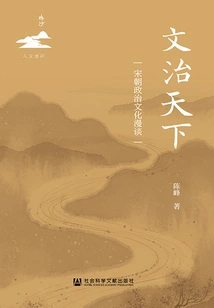
文治天下:宋朝政治文化漫谈
Chen Feng
The Song Dynasty governed the country by literature, and "advocating literature" and "repressing martial arts" were the most distinctive background of this period. This book is an in-depth exploration of the political culture and influence of the Song Dynasty. Through rich historical documents and in-depth research, it shows how the Song Dynasty achieved social stability and cultural prosperity with the support of the civil service system. It also reveals the military and border defense challenges brought about by this policy choice. This book not only combs through the political changes of the Song Dynasty from a traditional historical perspective, revealing the political characteristics of the Song Dynasty that favored literature but suppressed military force, but also unearthed the deep connotation of the political culture of the Song Dynasty and its profound impact on later generations from multiple levels such as culture, society, and psychology. Through the exposition of sixteen articles, this book shows readers the multi-dimensional face of the political culture of the Song Dynasty, provides readers with rich historical knowledge and unique insights, and also provides profound insights and important references for understanding the evolution of ancient Chinese political civilization.
The Song Dynasty governed the country by literature, and "advocating literature" and "repressing martial arts" were the most distinctive background of this period. This book is an in-depth exploration of the political culture and influence of the Song Dynasty. Through rich historical documents and in-depth research, it shows how the Song Dynasty achieved social stability and cultural prosperity with the support of the civil service system. It also reveals the military and border defense challenges brought about by this policy choice. This book not only combs through the political changes of the Song Dynasty from a traditional historical perspective, revealing the political characteristics of the Song Dynasty that favored literature but suppressed military force, but also unearthed the deep connotation of the political culture of the Song Dynasty and its profound impact on later generations from multiple levels such as culture, society, and psychology. Through the exposition of sixteen articles, this book shows readers the multi-dimensional face of the political culture of the Song Dynasty, provides readers with rich historical knowledge and unique insights, and also provides profound insights and important references for understanding the evolution of ancient Chinese political civilization.
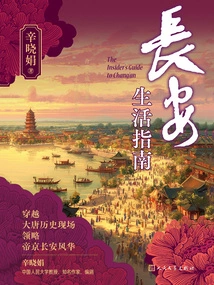
Chang'an Life Guide
History长安生活指南
Xin Xiaojuan
The capital city is a symbol of an era and a link between ancient and modern times. Chang'an, the capital of the Tang Dynasty, was the largest and most developed capital at that time. It typically reflected the grandeur and inclusive spirit of the Tang Dynasty. Chang'an was not only a city, but also a holy place that people of all ethnic groups longed for at that time. It was a symbol of the capital culture of the Tang Dynasty. There were five capitals in the Tang Dynasty. This book "Life Guide to Chang'an" starts with Chang'an and also includes the four capitals of Luoyang, Chengdu, Taiyuan and Fengxiang. The five capitals had different appearances and temperaments, which deeply affected the culture and literature of the Tang Dynasty. There were five capital cities in the Tang Dynasty, four of which are still the first-tier cities in China today. The city's rivers, ponds, gardens, palaces, towers, ruins, and stories and legends are still affecting people in the real world. Therefore, this book looks at these thousand-year-old capitals from the perspective of poets. While constructing a grand historical picture, it also presents the rich life details of the Tang people. This book "discusses the present through the past" uses the close connection between people and the capital as a medium to connect history and the present and answer the questions of the times. As readers visit famous places, they gradually understand "how to live poetically in Tangdu" and then think about "how people should live today". Thereby stimulating common emotions, common memories, common aesthetics, and gaining cultural enjoyment.
The capital city is a symbol of an era and a link between ancient and modern times. Chang'an, the capital of the Tang Dynasty, was the largest and most developed capital at that time. It typically reflected the grandeur and inclusive spirit of the Tang Dynasty. Chang'an was not only a city, but also a holy place that people of all ethnic groups longed for at that time. It was a symbol of the capital culture of the Tang Dynasty. There were five capitals in the Tang Dynasty. This book "Life Guide to Chang'an" starts with Chang'an and also includes the four capitals of Luoyang, Chengdu, Taiyuan and Fengxiang. The five capitals had different appearances and temperaments, which deeply affected the culture and literature of the Tang Dynasty. There were five capital cities in the Tang Dynasty, four of which are still the first-tier cities in China today. The city's rivers, ponds, gardens, palaces, towers, ruins, and stories and legends are still affecting people in the real world. Therefore, this book looks at these thousand-year-old capitals from the perspective of poets. While constructing a grand historical picture, it also presents the rich life details of the Tang people. This book "discusses the present through the past" uses the close connection between people and the capital as a medium to connect history and the present and answer the questions of the times. As readers visit famous places, they gradually understand "how to live poetically in Tangdu" and then think about "how people should live today". Thereby stimulating common emotions, common memories, common aesthetics, and gaining cultural enjoyment.
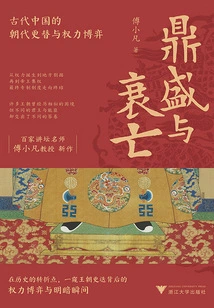
鼎盛与衰亡:古代中国的朝代更替与权力博弈
Fu Xiaofan
A philosopher once said: The essence of Chinese history is that there is no history, only the reincarnation of dynasties. Nothing could be further from the truth. People always say that history keeps repeating itself, so the dynasty rotation that took place in ancient China formed a set of "historical cycle theory." However, from the birth of power, to local separatism, to imperial centralization, and finally the end of the autocratic system, this process does not stand still - systems, rules, theories, and practices have undergone many changes and progress over the course of five thousand years, creating a unique and magnificent historical trajectory. This book uses concise and popular language to sort out Chinese history from the perspective of regime change, from the period of myths and legends to the Ming and Qing Dynasties. It accurately refines the foundation, institutional concepts, reform attempts and reasons for the end of each dynasty, and shares with us the historical evolution reflected in the rise and fall of dynasties point by point.
A philosopher once said: The essence of Chinese history is that there is no history, only the reincarnation of dynasties. Nothing could be further from the truth. People always say that history keeps repeating itself, so the dynasty rotation that took place in ancient China formed a set of "historical cycle theory." However, from the birth of power, to local separatism, to imperial centralization, and finally the end of the autocratic system, this process does not stand still - systems, rules, theories, and practices have undergone many changes and progress over the course of five thousand years, creating a unique and magnificent historical trajectory. This book uses concise and popular language to sort out Chinese history from the perspective of regime change, from the period of myths and legends to the Ming and Qing Dynasties. It accurately refines the foundation, institutional concepts, reform attempts and reasons for the end of each dynasty, and shares with us the historical evolution reflected in the rise and fall of dynasties point by point.
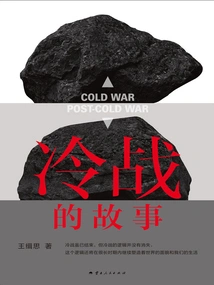
Cold War Story
History冷战的故事
Wang Jisi
This book re-examines the Cold War from the perspective of panoramic global changes. By telling a series of major international events, it analyzes the origin, development and end of the Cold War, as well as how the political, economic and social systems of the major countries in the two camps affected their mutual relations and the final pattern of the Cold War. It breaks out of the stereotypes of the two camps and turns its perspective to third world countries to observe how their development paths and domestic and foreign policies affected the trend of the Cold War. It also explores how the changes in lifestyle, culture, art, science and technology during the Cold War became the basic factors that stirred up the world. Ultimately, this book attempts to go beyond the Cold War itself, to see through the so-called "new Cold War" today, and to trace the roots of today's conflicts that had their seeds planted during the Cold War. As a "peer" of the Cold War, the author's personal experience is closely related to the Cold War. In addition to theory, the author goes deep into the complicated historical facts, turns the Cold War into concrete stories, pays attention to the past and future of millions of ordinary people, and looks forward to an era that eliminates the "new Cold War" from the historical memory rooted in fear and pain.
This book re-examines the Cold War from the perspective of panoramic global changes. By telling a series of major international events, it analyzes the origin, development and end of the Cold War, as well as how the political, economic and social systems of the major countries in the two camps affected their mutual relations and the final pattern of the Cold War. It breaks out of the stereotypes of the two camps and turns its perspective to third world countries to observe how their development paths and domestic and foreign policies affected the trend of the Cold War. It also explores how the changes in lifestyle, culture, art, science and technology during the Cold War became the basic factors that stirred up the world. Ultimately, this book attempts to go beyond the Cold War itself, to see through the so-called "new Cold War" today, and to trace the roots of today's conflicts that had their seeds planted during the Cold War. As a "peer" of the Cold War, the author's personal experience is closely related to the Cold War. In addition to theory, the author goes deep into the complicated historical facts, turns the Cold War into concrete stories, pays attention to the past and future of millions of ordinary people, and looks forward to an era that eliminates the "new Cold War" from the historical memory rooted in fear and pain.
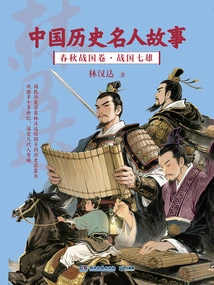
中国历史名人故事:春秋战国卷·战国七雄
Lin Handa
A classic that has sold over 1 million copies for 50 years, this popular history book for children written by the well-known historian Lin Handa has been newly revised and rigorously edited and verified. Written by a master and easy to understand, Lin Handa, a well-known educator and historian, wrote this popular history book for the public. It is written in Beijing vernacular and is suitable for all ages. It has been popular for more than half a century. The book uses 143 celebrity stories to sort out the history of the Spring and Autumn Period and the Warring States Period, assist Chinese language + history learning, and accumulate literary and historical knowledge! This series is a popular history book written for the public by Mr. Lin Handa, a famous educator, linguist, translator and popular writer in my country. The whole series uses 143 stories to tell the stories of historical celebrities in the Spring and Autumn Period and the Warring States Period. In particular, intellectual errors such as names of people, place names and administrative divisions have been corrected, rare words have been phoneticized, and links to ancient books have been added to expand literary knowledge. The book contains many allusions to the origins of idioms, idioms, and catchphrases, such as lips dying and teeth cold, old horses knowing the way, retreating from home, etc., Which are convenient for assisting Chinese learning and accumulating knowledge of literature and history.
A classic that has sold over 1 million copies for 50 years, this popular history book for children written by the well-known historian Lin Handa has been newly revised and rigorously edited and verified. Written by a master and easy to understand, Lin Handa, a well-known educator and historian, wrote this popular history book for the public. It is written in Beijing vernacular and is suitable for all ages. It has been popular for more than half a century. The book uses 143 celebrity stories to sort out the history of the Spring and Autumn Period and the Warring States Period, assist Chinese language + history learning, and accumulate literary and historical knowledge! This series is a popular history book written for the public by Mr. Lin Handa, a famous educator, linguist, translator and popular writer in my country. The whole series uses 143 stories to tell the stories of historical celebrities in the Spring and Autumn Period and the Warring States Period. In particular, intellectual errors such as names of people, place names and administrative divisions have been corrected, rare words have been phoneticized, and links to ancient books have been added to expand literary knowledge. The book contains many allusions to the origins of idioms, idioms, and catchphrases, such as lips dying and teeth cold, old horses knowing the way, retreating from home, etc., Which are convenient for assisting Chinese learning and accumulating knowledge of literature and history.
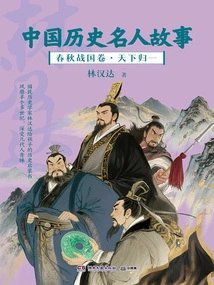
中国历史名人故事:春秋战国卷·天下归一
Lin Handa
A classic that has sold over 1 million copies for 50 years, this popular history book for children written by the well-known historian Lin Handa has been newly revised and rigorously edited and verified. Written by a master and easy to understand, Lin Handa, a well-known educator and historian, wrote this popular history book for the public. It is written in Beijing vernacular and is suitable for all ages. It has been popular for more than half a century. The book uses 143 celebrity stories to sort out the history of the Spring and Autumn Period and the Warring States Period, assist Chinese language + history learning, and accumulate literary and historical knowledge! This series is a popular history book written for the public by Mr. Lin Handa, a famous educator, linguist, translator and popular writer in my country. The whole series uses 143 stories to tell the stories of historical celebrities in the Spring and Autumn Period and the Warring States Period. In particular, intellectual errors such as names of people, place names and administrative divisions have been corrected, rare words have been phoneticized, and links to ancient books have been added to expand literary knowledge. The book contains many allusions to the origins of idioms, idioms, and catchphrases, such as lips dying and teeth cold, old horses knowing the way, retreating from home, etc., Which are convenient for assisting Chinese learning and accumulating knowledge of literature and history.
A classic that has sold over 1 million copies for 50 years, this popular history book for children written by the well-known historian Lin Handa has been newly revised and rigorously edited and verified. Written by a master and easy to understand, Lin Handa, a well-known educator and historian, wrote this popular history book for the public. It is written in Beijing vernacular and is suitable for all ages. It has been popular for more than half a century. The book uses 143 celebrity stories to sort out the history of the Spring and Autumn Period and the Warring States Period, assist Chinese language + history learning, and accumulate literary and historical knowledge! This series is a popular history book written for the public by Mr. Lin Handa, a famous educator, linguist, translator and popular writer in my country. The whole series uses 143 stories to tell the stories of historical celebrities in the Spring and Autumn Period and the Warring States Period. In particular, intellectual errors such as names of people, place names and administrative divisions have been corrected, rare words have been phoneticized, and links to ancient books have been added to expand literary knowledge. The book contains many allusions to the origins of idioms, idioms, and catchphrases, such as lips dying and teeth cold, old horses knowing the way, retreating from home, etc., Which are convenient for assisting Chinese learning and accumulating knowledge of literature and history.
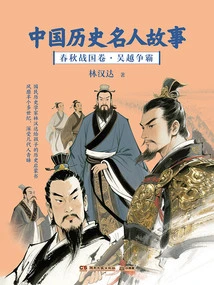
中国历史名人故事:春秋战国卷·吴越争霸
Lin Handa
A classic that has sold over 1 million copies for 50 years, this popular history book for children written by the well-known historian Lin Handa has been newly revised and rigorously edited and verified. Written by a master and easy to understand, Lin Handa, a well-known educator and historian, wrote this popular history book for the public. It is written in Beijing vernacular and is suitable for all ages. It has been popular for more than half a century. The book uses 143 celebrity stories to sort out the history of the Spring and Autumn Period and the Warring States Period, assist Chinese language + history learning, and accumulate literary and historical knowledge! This series is a popular history book written for the public by Mr. Lin Handa, a famous educator, linguist, translator and popular writer in my country. The whole series uses 143 stories to tell the stories of historical celebrities in the Spring and Autumn Period and the Warring States Period. In particular, intellectual errors such as names of people, place names and administrative divisions have been corrected, rare words have been phoneticized, and links to ancient books have been added to expand literary knowledge. The book contains many allusions to the origins of idioms, idioms, and catchphrases, such as lips dying and teeth cold, old horses knowing the way, retreating from home, etc., Which are convenient for assisting Chinese learning and accumulating knowledge of literature and history.
A classic that has sold over 1 million copies for 50 years, this popular history book for children written by the well-known historian Lin Handa has been newly revised and rigorously edited and verified. Written by a master and easy to understand, Lin Handa, a well-known educator and historian, wrote this popular history book for the public. It is written in Beijing vernacular and is suitable for all ages. It has been popular for more than half a century. The book uses 143 celebrity stories to sort out the history of the Spring and Autumn Period and the Warring States Period, assist Chinese language + history learning, and accumulate literary and historical knowledge! This series is a popular history book written for the public by Mr. Lin Handa, a famous educator, linguist, translator and popular writer in my country. The whole series uses 143 stories to tell the stories of historical celebrities in the Spring and Autumn Period and the Warring States Period. In particular, intellectual errors such as names of people, place names and administrative divisions have been corrected, rare words have been phoneticized, and links to ancient books have been added to expand literary knowledge. The book contains many allusions to the origins of idioms, idioms, and catchphrases, such as lips dying and teeth cold, old horses knowing the way, retreating from home, etc., Which are convenient for assisting Chinese learning and accumulating knowledge of literature and history.
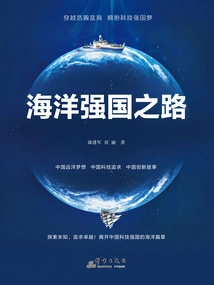
The Road to Maritime Power
History海洋强国之路
Kang Jianjun Et Al.
For more than half a century, China COSCO Group has gradually developed despite difficulties and embarked on a "Deep Blue Road". This book starts from China's "Ocean Dream" and "the glorious period of ancient Chinese navigation", briefly describes the historical facts of the "Great Navigation Age" and "the development of the modern navy", and tells the stories of the Chinese people's "brave men enjoying the sea", "reform and opening up", "port construction", "powerful navy construction" and "marine development". The book has a total of nine topics. It uses "ship shapes" with distinctive Chinese characteristics and uses several key nodes in the process of the People's Navy moving from rivers to coasts, from offshore seas to oceans, and finally to the deep blue. It demonstrates the spirit of Chinese maritime people who brave the wind and waves, cross the ocean, and realize the long-cherished wish of generations of ocean-going people. With easy-to-understand language and rich illustrations and texts, this book popularizes professional knowledge and guides readers to understand and understand the image of China as a "maritime power", thereby stimulating strong patriotism.
For more than half a century, China COSCO Group has gradually developed despite difficulties and embarked on a "Deep Blue Road". This book starts from China's "Ocean Dream" and "the glorious period of ancient Chinese navigation", briefly describes the historical facts of the "Great Navigation Age" and "the development of the modern navy", and tells the stories of the Chinese people's "brave men enjoying the sea", "reform and opening up", "port construction", "powerful navy construction" and "marine development". The book has a total of nine topics. It uses "ship shapes" with distinctive Chinese characteristics and uses several key nodes in the process of the People's Navy moving from rivers to coasts, from offshore seas to oceans, and finally to the deep blue. It demonstrates the spirit of Chinese maritime people who brave the wind and waves, cross the ocean, and realize the long-cherished wish of generations of ocean-going people. With easy-to-understand language and rich illustrations and texts, this book popularizes professional knowledge and guides readers to understand and understand the image of China as a "maritime power", thereby stimulating strong patriotism.
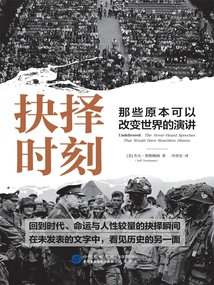
抉择时刻:那些原本可以改变世界的演讲
(us) Jeff Nussbaum
Jeff Nussbaum is an American senior speechwriter, strategic communications expert and best-selling author. Long at the heart of American politics and public discourse, he is a true insider on how language shapes history. Previously, he was a partner at West Wing Writers, one of Washington's most influential strategy and speech firms, and served or co-served as lead writer for the past four Democratic National Conventions. He graduated from Brown University and currently lives in the suburbs of Washington, DC. "Moments of Decision: Speeches That Could Have Changed the World" is the culmination of his thoughts. Once published, it was listed on the New York Times bestseller list and received wide acclaim.
Jeff Nussbaum is an American senior speechwriter, strategic communications expert and best-selling author. Long at the heart of American politics and public discourse, he is a true insider on how language shapes history. Previously, he was a partner at West Wing Writers, one of Washington's most influential strategy and speech firms, and served or co-served as lead writer for the past four Democratic National Conventions. He graduated from Brown University and currently lives in the suburbs of Washington, DC. "Moments of Decision: Speeches That Could Have Changed the World" is the culmination of his thoughts. Once published, it was listed on the New York Times bestseller list and received wide acclaim.
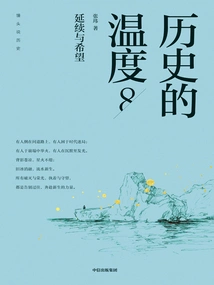
历史的温度8:延续与希望
Zhang Wei
All farewells are for another beginning. And between continuation and hope, history rolls forward. Why was there more than a hundred times the amount of arsenic in Emperor Guangxu's hair? How did the Beiyang Fleet, once "Asia's number one", spend the last fourteen days of its tenacious resistance to the enemy? Why did the six Chinese people on the "Titanic" board this dream ship? What kind of ups and downs did the survivors experience? Why does a small stamp become a totem of wealth, and how does it quietly fade away? History never shows mercy because of status, whether it is an emperor who has lost power, a smart beauty, a genius general, or all living beings. In the gap between times, all struggles are like fists waved against the night and stones thrown into the abyss. But recording dusk is not to ridicule futility. Besides anxiety, hesitation, hesitation and confusion, there is still a flame dancing and shining in my heart. Therefore, don't be afraid of the past, just travel lightly and welcome the light of the new era.
All farewells are for another beginning. And between continuation and hope, history rolls forward. Why was there more than a hundred times the amount of arsenic in Emperor Guangxu's hair? How did the Beiyang Fleet, once "Asia's number one", spend the last fourteen days of its tenacious resistance to the enemy? Why did the six Chinese people on the "Titanic" board this dream ship? What kind of ups and downs did the survivors experience? Why does a small stamp become a totem of wealth, and how does it quietly fade away? History never shows mercy because of status, whether it is an emperor who has lost power, a smart beauty, a genius general, or all living beings. In the gap between times, all struggles are like fists waved against the night and stones thrown into the abyss. But recording dusk is not to ridicule futility. Besides anxiety, hesitation, hesitation and confusion, there is still a flame dancing and shining in my heart. Therefore, don't be afraid of the past, just travel lightly and welcome the light of the new era.
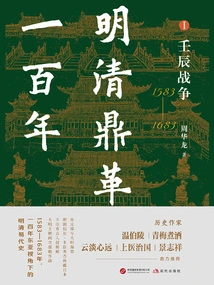
明清鼎革一百年Ⅰ:壬辰战争
Zhou Hualong
It took a hundred years for the Ming and Qing dynasties to reform and reform the old. The series "One Hundred Years of Revolutions between the Ming and Qing Dynasties" is a series of eight popular works about the late Ming and early Qing dynasties. Based on historical materials, with a broad historical perspective and vivid narrative techniques, starting from the Warring States Period in Japan, it comprehensively analyzes the historical puzzle of the past hundred years of the late Ming and early Qing dynasties (1583-1683), as well as the entangled relations between Korea, Japan, Burma, Tsarist Russia, the Netherlands, Portugal and other countries and the Ming and Qing Dynasties. It can be said to be a set of East Asian history from the Ming and Qing perspectives. This book is the first "Imjin War", which mainly tells the story of the Ming Dynasty's maritime ban, Toyotomi Hideyoshi's domination of Japan, the invasion of North Korea, and the Ming Dynasty's two wars to aid Korea.
It took a hundred years for the Ming and Qing dynasties to reform and reform the old. The series "One Hundred Years of Revolutions between the Ming and Qing Dynasties" is a series of eight popular works about the late Ming and early Qing dynasties. Based on historical materials, with a broad historical perspective and vivid narrative techniques, starting from the Warring States Period in Japan, it comprehensively analyzes the historical puzzle of the past hundred years of the late Ming and early Qing dynasties (1583-1683), as well as the entangled relations between Korea, Japan, Burma, Tsarist Russia, the Netherlands, Portugal and other countries and the Ming and Qing Dynasties. It can be said to be a set of East Asian history from the Ming and Qing perspectives. This book is the first "Imjin War", which mainly tells the story of the Ming Dynasty's maritime ban, Toyotomi Hideyoshi's domination of Japan, the invasion of North Korea, and the Ming Dynasty's two wars to aid Korea.
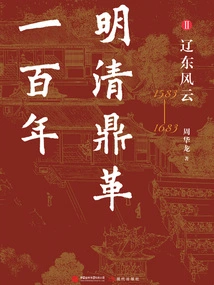
明清鼎革一百年Ⅱ:辽东风云
Zhou Hualong
It took a hundred years for the Ming and Qing dynasties to reform and reform the old. The series "One Hundred Years of Revolutions between the Ming and Qing Dynasties" is a set of eight popular historical works about the late Ming and early Qing dynasties. It is based on historical materials, uses a broad historical perspective, and vivid narrative techniques. Starting from the Warring States Period in Japan, it comprehensively analyzes the historical puzzles of the past century (1583-1683) in the late Ming and early Qing dynasties and the entangled relations between Korea, Japan, Burma, Tsarist Russia, the Netherlands, Portugal and other countries and the Ming and Qing Dynasties. It can be said to be the history of East Asia from the perspective of the Ming and Qing Dynasties. This book is the second volume, "Liaodong Storm", which mainly tells the story of Nurhachi's unification of the Jurchens, the replacement of rulers in the Ming Dynasty, Huang Taiji's inheritance of the Later Jin Dynasty, and the many battles between the Later Jin Dynasty and the Ming Dynasty.
It took a hundred years for the Ming and Qing dynasties to reform and reform the old. The series "One Hundred Years of Revolutions between the Ming and Qing Dynasties" is a set of eight popular historical works about the late Ming and early Qing dynasties. It is based on historical materials, uses a broad historical perspective, and vivid narrative techniques. Starting from the Warring States Period in Japan, it comprehensively analyzes the historical puzzles of the past century (1583-1683) in the late Ming and early Qing dynasties and the entangled relations between Korea, Japan, Burma, Tsarist Russia, the Netherlands, Portugal and other countries and the Ming and Qing Dynasties. It can be said to be the history of East Asia from the perspective of the Ming and Qing Dynasties. This book is the second volume, "Liaodong Storm", which mainly tells the story of Nurhachi's unification of the Jurchens, the replacement of rulers in the Ming Dynasty, Huang Taiji's inheritance of the Later Jin Dynasty, and the many battles between the Later Jin Dynasty and the Ming Dynasty.
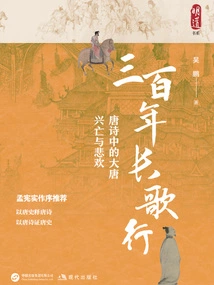
三百年长歌行:唐诗中的大唐兴亡与悲欢
Wu Peng
The Tang Dynasty was the heyday of poetry development. Tang poetry profoundly reflects the core spirit of the Tang Dynasty and has become an important mirror image of historical evolution, reflecting the trajectory of social change. Almost all major historical events in the Tang Dynasty were clearly recorded in official historical documents, and were vividly and artistically presented in poetic texts, which served as "mutual evidence between poetry and history." This book uses 530 Tang poems with wide social recognition as narrative clues. Through in-depth analysis of poetic texts and restoration and reconstruction of historical context, this book systematically sorts out the historical development of the Tang Dynasty in the past 300 years. The book uses poetry to testify to history, showing in sequence the majestic founding of the Tang Dynasty, the glory of Zhenguan rule, the exploration of Emperor Gaozong and Wuzhou, Zhongzong Ruizong's efforts to bring chaos, the heyday of the Kaiyuan era, the changes in the Anshi Rebellion, the chaos of feudal rule, the unfulfilled ambitions of the reform of the two kings and eight Sima, the reappearance of the Yuanhe Zhongxing, the inability to recover from the Ganlu Incident, The ups and downs of the poets in the Niu-Li Party Struggle, the reflection of the ZTE in Huichang, the afterglow of the Dazhong Reign, and the final impact of the Huangchao Uprising are all familiar Tang historical events and the fate of characters.
The Tang Dynasty was the heyday of poetry development. Tang poetry profoundly reflects the core spirit of the Tang Dynasty and has become an important mirror image of historical evolution, reflecting the trajectory of social change. Almost all major historical events in the Tang Dynasty were clearly recorded in official historical documents, and were vividly and artistically presented in poetic texts, which served as "mutual evidence between poetry and history." This book uses 530 Tang poems with wide social recognition as narrative clues. Through in-depth analysis of poetic texts and restoration and reconstruction of historical context, this book systematically sorts out the historical development of the Tang Dynasty in the past 300 years. The book uses poetry to testify to history, showing in sequence the majestic founding of the Tang Dynasty, the glory of Zhenguan rule, the exploration of Emperor Gaozong and Wuzhou, Zhongzong Ruizong's efforts to bring chaos, the heyday of the Kaiyuan era, the changes in the Anshi Rebellion, the chaos of feudal rule, the unfulfilled ambitions of the reform of the two kings and eight Sima, the reappearance of the Yuanhe Zhongxing, the inability to recover from the Ganlu Incident, The ups and downs of the poets in the Niu-Li Party Struggle, the reflection of the ZTE in Huichang, the afterglow of the Dazhong Reign, and the final impact of the Huangchao Uprising are all familiar Tang historical events and the fate of characters.
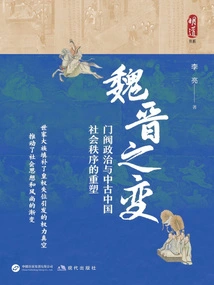
魏晋之变:门阀政治与中古中国社会秩序的重塑
Li Liang
This book is the second chapter of "Rogues, Rich Tribes and Celebrities - The Power Structure in the Three Kingdoms Era". It is an excellent historical work that comprehensively observes the changes from the Three Kingdoms era to the Wei and Jin dynasties from the perspective of history and sociology. The whole book mainly describes the political power structure, ideological and cultural structure, and social and economic structure from the Three Kingdoms period to the Wei and Jin Dynasties, and uses the evolution of these three structures to analyze the underlying logic of social changes in this period. In the book, the author especially deeply discusses the development and evolution of aristocratic families, the development and changes of the monarchy, the evolution of politics and thought, and the development and changes of Confucianism, Buddhism and Taoism, etc., Thereby explaining this period of history to readers from multiple angles and levels.
This book is the second chapter of "Rogues, Rich Tribes and Celebrities - The Power Structure in the Three Kingdoms Era". It is an excellent historical work that comprehensively observes the changes from the Three Kingdoms era to the Wei and Jin dynasties from the perspective of history and sociology. The whole book mainly describes the political power structure, ideological and cultural structure, and social and economic structure from the Three Kingdoms period to the Wei and Jin Dynasties, and uses the evolution of these three structures to analyze the underlying logic of social changes in this period. In the book, the author especially deeply discusses the development and evolution of aristocratic families, the development and changes of the monarchy, the evolution of politics and thought, and the development and changes of Confucianism, Buddhism and Taoism, etc., Thereby explaining this period of history to readers from multiple angles and levels.
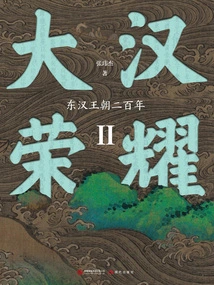
大汉荣耀Ⅱ:东汉王朝二百年
Zhang Weijie
This book is a popular history book that details the nearly two hundred years of the Eastern Han Dynasty. The Eastern Han Dynasty was another unified Central Plains dynasty in Chinese history after the Western Han Dynasty. It lasted for 195 years and was collectively referred to as the Two Han Dynasties together with the Western Han Dynasty. This book begins with the Green Forest Red Eyebrow Uprising that broke out at the end of the Western Han Dynasty. Liu Xiu of the clan took advantage of the situation to eliminate warlords from all over the country, unify the world, establish the Eastern Han Dynasty, and then create the famous Guangwu Zhongxing in Chinese history, until the Eastern Han Dynasty. At the end of the year, Dong Zhuo took Emperor Xian to move the capital to Chang'an, Cao Cao took Emperor Xian to move the capital to Xu County, Cao Pi usurped the Han Dynasty, and the Eastern Han Dynasty fell. It depicts for readers a historical picture of the ups and downs of the Eastern Han Dynasty regime in the past two hundred years.
This book is a popular history book that details the nearly two hundred years of the Eastern Han Dynasty. The Eastern Han Dynasty was another unified Central Plains dynasty in Chinese history after the Western Han Dynasty. It lasted for 195 years and was collectively referred to as the Two Han Dynasties together with the Western Han Dynasty. This book begins with the Green Forest Red Eyebrow Uprising that broke out at the end of the Western Han Dynasty. Liu Xiu of the clan took advantage of the situation to eliminate warlords from all over the country, unify the world, establish the Eastern Han Dynasty, and then create the famous Guangwu Zhongxing in Chinese history, until the Eastern Han Dynasty. At the end of the year, Dong Zhuo took Emperor Xian to move the capital to Chang'an, Cao Cao took Emperor Xian to move the capital to Xu County, Cao Pi usurped the Han Dynasty, and the Eastern Han Dynasty fell. It depicts for readers a historical picture of the ups and downs of the Eastern Han Dynasty regime in the past two hundred years.
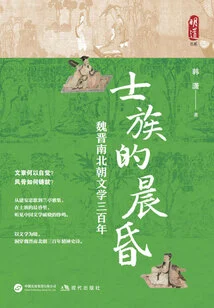
士族的晨昏:魏晋南北朝文学三百年
Han Xiao
In the unique era of "the worst and the best" of the Wei, Jin, Southern and Northern Dynasties, literature truly opened its conscious eyes for the first time. It was no longer a vassal of the classics or a tool for political and religious propaganda, but began to think about the meaning and value of its own existence. With a broad vision, this book positions the three hundred years of literary development in the Wei, Jin, Southern and Northern Dynasties as a crucial "coming-of-age ceremony" for Chinese literature, and leads readers to explore how literature can burst out with strong vitality and vitality under the agitation of historical torrents. This is not only a historical review, but also a profound dialogue about the nature of literature, spiritual growth and its eternal charm.
In the unique era of "the worst and the best" of the Wei, Jin, Southern and Northern Dynasties, literature truly opened its conscious eyes for the first time. It was no longer a vassal of the classics or a tool for political and religious propaganda, but began to think about the meaning and value of its own existence. With a broad vision, this book positions the three hundred years of literary development in the Wei, Jin, Southern and Northern Dynasties as a crucial "coming-of-age ceremony" for Chinese literature, and leads readers to explore how literature can burst out with strong vitality and vitality under the agitation of historical torrents. This is not only a historical review, but also a profound dialogue about the nature of literature, spiritual growth and its eternal charm.
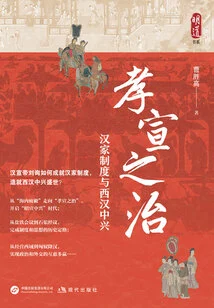
孝宣之治:汉家制度与西汉中兴
Cao Shenggao
This book takes the life experience of Liu Xun, Emperor Xuan of the Han Dynasty, as the basis, and the important historical events in the middle period of the Western Han Dynasty as the weft. It details the "Reign of Xiaoxuan" during the reign of Emperor Xuan Emperor Liu Xun of the Western Han Dynasty, and comprehensively analyzes the causes of the resurgence of the Western Han Dynasty and its key historical events such as Huo Guang's dictatorship, the Salt and Iron Conference, the deposed Liu He, the management of the Western Regions, Qinghai's quelling the rebellion, Xiongnu's surrender to the Han Dynasty, Shiqu Economic Discussion, etc. Provide an in-depth analysis of the relationship between the Han system of "hegemony and mixed rule" and the resurgence of the Western Han Dynasty. It directly presents the economy, administration, academics, military and diplomacy during the resurgence of the Western Han Dynasty, and also reveals the historical operating mechanisms of unified China such as the internal and external court system, national governance concepts, etc.
This book takes the life experience of Liu Xun, Emperor Xuan of the Han Dynasty, as the basis, and the important historical events in the middle period of the Western Han Dynasty as the weft. It details the "Reign of Xiaoxuan" during the reign of Emperor Xuan Emperor Liu Xun of the Western Han Dynasty, and comprehensively analyzes the causes of the resurgence of the Western Han Dynasty and its key historical events such as Huo Guang's dictatorship, the Salt and Iron Conference, the deposed Liu He, the management of the Western Regions, Qinghai's quelling the rebellion, Xiongnu's surrender to the Han Dynasty, Shiqu Economic Discussion, etc. Provide an in-depth analysis of the relationship between the Han system of "hegemony and mixed rule" and the resurgence of the Western Han Dynasty. It directly presents the economy, administration, academics, military and diplomacy during the resurgence of the Western Han Dynasty, and also reveals the historical operating mechanisms of unified China such as the internal and external court system, national governance concepts, etc.
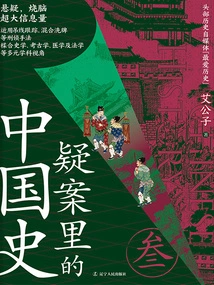
疑案里的中国史3
Ai Gongzi
This book is the third book in the series of "Chinese History in Mysterious Cases" by Ai Gongzi. It continues the writing style of this series of "suspenseful and brain-burning cases and hard-core historical reasoning". It selects 40 independent historical mystery cases and uses a news feature-style writing style to peel off the cocoons and restore the true colors of the cases. Whether it is a mystery of origin, a death mystery, a criminal case, or an academic public case, this book continues to dig deeper than conventional narratives, focusing on the historical logic beneath the surface of the mystery, allowing you to see clearly the operating mechanism of history for thousands of years.
This book is the third book in the series of "Chinese History in Mysterious Cases" by Ai Gongzi. It continues the writing style of this series of "suspenseful and brain-burning cases and hard-core historical reasoning". It selects 40 independent historical mystery cases and uses a news feature-style writing style to peel off the cocoons and restore the true colors of the cases. Whether it is a mystery of origin, a death mystery, a criminal case, or an academic public case, this book continues to dig deeper than conventional narratives, focusing on the historical logic beneath the surface of the mystery, allowing you to see clearly the operating mechanism of history for thousands of years.
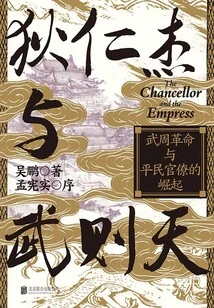
狄仁杰与武则天:武周革命与平民官僚的崛起
Wu Peng
Wu Zetian and Di Renjie were the most legendary pair of monarchs and ministers in the Tang Dynasty and even in ancient China. Their names have transcended history and become symbols of power and wisdom. There have always been different opinions about the relationship between the two - Di Renjie was Wu Zetian's most trusted prime minister, and was also regarded as the mastermind behind her abdication and Li Tang's restoration. The spread of this legend actually reflects the dramatic changes of an era. As the only female emperor in Chinese history, Wu Zetian promoted reforms with extraordinary political courage against the background of numerous abuses in the early Tang Dynasty. She broke the monopoly of the high-ranking aristocrats on political power and social class, and opened a new situation in the rise of civilian bureaucracy. It was in this wave of the times that Di Renjie, who was born in a poor family of a common people, stood out and became a famous prime minister with his outstanding intelligence and foresight. Di Renjie's career is not only the result of personal struggle, but also the epitome of the transformation of social structure. The relationship between him and Wu Zetian is not only political cooperation and checks and balances, but also a true portrayal of the replacement of social classes. The system and class revolution promoted by the two men profoundly changed the trend of ancient Chinese politics and opened a new chapter in history leading to the "Kaiyuan Age".
Wu Zetian and Di Renjie were the most legendary pair of monarchs and ministers in the Tang Dynasty and even in ancient China. Their names have transcended history and become symbols of power and wisdom. There have always been different opinions about the relationship between the two - Di Renjie was Wu Zetian's most trusted prime minister, and was also regarded as the mastermind behind her abdication and Li Tang's restoration. The spread of this legend actually reflects the dramatic changes of an era. As the only female emperor in Chinese history, Wu Zetian promoted reforms with extraordinary political courage against the background of numerous abuses in the early Tang Dynasty. She broke the monopoly of the high-ranking aristocrats on political power and social class, and opened a new situation in the rise of civilian bureaucracy. It was in this wave of the times that Di Renjie, who was born in a poor family of a common people, stood out and became a famous prime minister with his outstanding intelligence and foresight. Di Renjie's career is not only the result of personal struggle, but also the epitome of the transformation of social structure. The relationship between him and Wu Zetian is not only political cooperation and checks and balances, but also a true portrayal of the replacement of social classes. The system and class revolution promoted by the two men profoundly changed the trend of ancient Chinese politics and opened a new chapter in history leading to the "Kaiyuan Age".
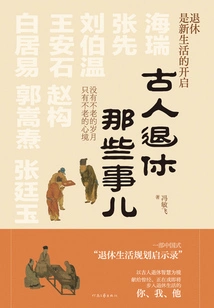
古人退休那些事儿
Feng Minfei
This book takes the "retirement life" of the ancients as its theme and focuses on the later years of eight historical figures from the Tang, Song, Ming and Qing dynasties: Bai Juyi, Zhang Xian, Wang Anshi, and Zhao Gou who enjoyed leisure after retirement; Liu Bowen, Hai Rui, and Guo Songtao who "retired without rest"; and Zhang Tingyu, who was cautious all his life but still trembled and strived for stability after retirement. The whole book focuses on how these historical figures ended their official careers and started a new stage in life. It deeply analyzes their spiritual world and life choices after retirement, outlines their ups and downs and life trajectories, and also writes about the various systems, rules, customs and humanities of ancient society. By presenting the wisdom of the ancients' advancement and retreat, this book also provides contemporary readers with reference and inspiration for observing reality and thinking about life.
This book takes the "retirement life" of the ancients as its theme and focuses on the later years of eight historical figures from the Tang, Song, Ming and Qing dynasties: Bai Juyi, Zhang Xian, Wang Anshi, and Zhao Gou who enjoyed leisure after retirement; Liu Bowen, Hai Rui, and Guo Songtao who "retired without rest"; and Zhang Tingyu, who was cautious all his life but still trembled and strived for stability after retirement. The whole book focuses on how these historical figures ended their official careers and started a new stage in life. It deeply analyzes their spiritual world and life choices after retirement, outlines their ups and downs and life trajectories, and also writes about the various systems, rules, customs and humanities of ancient society. By presenting the wisdom of the ancients' advancement and retreat, this book also provides contemporary readers with reference and inspiration for observing reality and thinking about life.
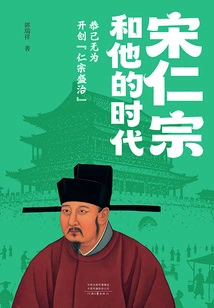
Song Renzong and His Era
History宋仁宗和他的时代
Guo Ruixiang
This book starts from first-hand historical materials and uses time as the axis, from Song Renzong's pro-government to Jiayou's opening of science and Su Shi's examination, to comprehensively display the unparalleled splendor of the Song Dynasty's Renzong Dynasty, and also reveal the disputes and power struggles behind the prosperous age, thereby revealing the political characteristics, temperament of the times and humanistic atmosphere of the Song Dynasty. The author has a novel point of view, trying to break through the inherent one-dimensional impression of characters and events, and also conducts a new excavation and interpretation of historical materials.
This book starts from first-hand historical materials and uses time as the axis, from Song Renzong's pro-government to Jiayou's opening of science and Su Shi's examination, to comprehensively display the unparalleled splendor of the Song Dynasty's Renzong Dynasty, and also reveal the disputes and power struggles behind the prosperous age, thereby revealing the political characteristics, temperament of the times and humanistic atmosphere of the Song Dynasty. The author has a novel point of view, trying to break through the inherent one-dimensional impression of characters and events, and also conducts a new excavation and interpretation of historical materials.
逆史:历史跟我们开的那些大玩笑
Discussing Swords Over Wine
History is never serious, it often makes jokes to us. You know Dayu's ability to control floods, but do you know his faults? You think that the Shang Dynasty fell due to King Zhou's debauchery and cruelty, but is this the truth of history? Do you know that the Three Kingdoms can never stand in harmony? Did you know that the tyrant Emperor Sui Yang was actually wiser than most emperors? Do you know the stain in Li Shimin's life? Do you know Li Bai's official career dream that "the emperor couldn't even get on board the ship"? Do you know the eternal grievances of Pan Renmei and Chen Shimei? Do you know that the weak Southern Song Dynasty is actually the hardest bone in the eyes of Mongolia? Did you know that Hai Rui, who was regarded as an outlier by the corrupt officialdom of the Ming Dynasty, rose through the ranks and died a good death? ... Please read Chinese history again following this book. Regardless of whether you agree with the views in the book, it at least gives you the possibility to break your thinking and find a new perspective on the world in the cracks of history.
History is never serious, it often makes jokes to us. You know Dayu's ability to control floods, but do you know his faults? You think that the Shang Dynasty fell due to King Zhou's debauchery and cruelty, but is this the truth of history? Do you know that the Three Kingdoms can never stand in harmony? Did you know that the tyrant Emperor Sui Yang was actually wiser than most emperors? Do you know the stain in Li Shimin's life? Do you know Li Bai's official career dream that "the emperor couldn't even get on board the ship"? Do you know the eternal grievances of Pan Renmei and Chen Shimei? Do you know that the weak Southern Song Dynasty is actually the hardest bone in the eyes of Mongolia? Did you know that Hai Rui, who was regarded as an outlier by the corrupt officialdom of the Ming Dynasty, rose through the ranks and died a good death? ... Please read Chinese history again following this book. Regardless of whether you agree with the views in the book, it at least gives you the possibility to break your thinking and find a new perspective on the world in the cracks of history.
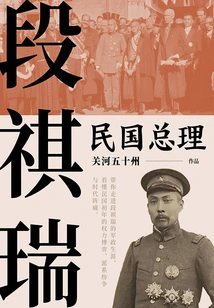
民国总理段祺瑞
Guanhe Fifty States
Guanhe Fifty States is a wonderful introduction to the great figures of the Republic of China! Remove labels and restore a real, credible, flesh-and-blood Prime Minister of the Republic of China. In the early years of the Republic of China, as the internationally recognized Chinese government after the fall of the Qing Dynasty, the period of rule of the Beiyang Government was an important era for modern China to inherit the past and usher in the future. This period was marked by turmoil and chaos as the old and new orders changed, but it was also the beginning of China's ideological emancipation and entry into the international community, and it was also a golden period for the accumulation of capital for the Chinese nation. Duan Qirui, known as the "Tiger of the North", was also a trend-setting figure who dominated Chinese politics during this period. He helped Yuan Shikai train the new Beiyang Army, and then used it to dominate the political arena for fifteen years, single-handedly leading the domestic and foreign affairs of the Beiyang government after Yuan Shikai's death. In the eyes of the revolutionaries, he is a reactionary warlord, but he has made contributions to the country's "three republics"; although he was born in the army, he respects his teachers and ethics; he fights among warlords of various factions to fight for power and profit, but he is honest and honest in government and has a charming personality, known as the "six bad prime ministers"; he attaches great importance to national integrity, and even when he is lonely in the field, he still refuses to be bribed by the Japanese with power. This book vividly describes Duan Qirui's legendary ups and downs in military and political career, faithfully restores the turbulent and paradoxical historical events in the early years of the Republic of China, and also provides a wonderful commentary on the competition and integration of various political forces in the early years of the Republic of China. This is an in-depth interpretation of Duan Qirui, an elite figure in the military and political circles who was influenced by old morality. Under the new order adjustment and the great changes of the times, his human nature, his actions and choices, his vision and limitations were deeply interpreted.
Guanhe Fifty States is a wonderful introduction to the great figures of the Republic of China! Remove labels and restore a real, credible, flesh-and-blood Prime Minister of the Republic of China. In the early years of the Republic of China, as the internationally recognized Chinese government after the fall of the Qing Dynasty, the period of rule of the Beiyang Government was an important era for modern China to inherit the past and usher in the future. This period was marked by turmoil and chaos as the old and new orders changed, but it was also the beginning of China's ideological emancipation and entry into the international community, and it was also a golden period for the accumulation of capital for the Chinese nation. Duan Qirui, known as the "Tiger of the North", was also a trend-setting figure who dominated Chinese politics during this period. He helped Yuan Shikai train the new Beiyang Army, and then used it to dominate the political arena for fifteen years, single-handedly leading the domestic and foreign affairs of the Beiyang government after Yuan Shikai's death. In the eyes of the revolutionaries, he is a reactionary warlord, but he has made contributions to the country's "three republics"; although he was born in the army, he respects his teachers and ethics; he fights among warlords of various factions to fight for power and profit, but he is honest and honest in government and has a charming personality, known as the "six bad prime ministers"; he attaches great importance to national integrity, and even when he is lonely in the field, he still refuses to be bribed by the Japanese with power. This book vividly describes Duan Qirui's legendary ups and downs in military and political career, faithfully restores the turbulent and paradoxical historical events in the early years of the Republic of China, and also provides a wonderful commentary on the competition and integration of various political forces in the early years of the Republic of China. This is an in-depth interpretation of Duan Qirui, an elite figure in the military and political circles who was influenced by old morality. Under the new order adjustment and the great changes of the times, his human nature, his actions and choices, his vision and limitations were deeply interpreted.
清朝官场三百年之抢班夺权
Woodcutter
This book takes the history of the Qing Dynasty as the main line and revolves around the struggle for the throne. It tells the tragic internecine struggle between the number one Nurhaci and his brother Shuerhaqi, the number two figure, and his sons Chu Ying, Dai Shan and Huang Taiji. It unearths what kind of qualities and wisdom a successor to the imperial power needs to successfully reach the top, and elucidates profound survival wisdom, sharp psychological insight skills and superb fighting art. The same starting point, the same goal, but they may not lead to the same destination by different paths, but they are worlds apart! Why are people's destinies so diverse? What is it that secretly manipulates all living beings? Money is like a mountain, beauties are like a cloud, and people are intoxicated... One day, they are laughing and singing, and they are high and high, and then they fall into the abyss in an instant, their body is in a peaceful place, and there is intrigue and blood behind the glamorous appearance. How can you protect yourself in a career where officialdom has always been a reward and a risk? For how to seize greater power, please read "Three Hundred Years of Officialdom in the Qing Dynasty".
This book takes the history of the Qing Dynasty as the main line and revolves around the struggle for the throne. It tells the tragic internecine struggle between the number one Nurhaci and his brother Shuerhaqi, the number two figure, and his sons Chu Ying, Dai Shan and Huang Taiji. It unearths what kind of qualities and wisdom a successor to the imperial power needs to successfully reach the top, and elucidates profound survival wisdom, sharp psychological insight skills and superb fighting art. The same starting point, the same goal, but they may not lead to the same destination by different paths, but they are worlds apart! Why are people's destinies so diverse? What is it that secretly manipulates all living beings? Money is like a mountain, beauties are like a cloud, and people are intoxicated... One day, they are laughing and singing, and they are high and high, and then they fall into the abyss in an instant, their body is in a peaceful place, and there is intrigue and blood behind the glamorous appearance. How can you protect yourself in a career where officialdom has always been a reward and a risk? For how to seize greater power, please read "Three Hundred Years of Officialdom in the Qing Dynasty".
清朝十二帝疑案正解
Li Yin
How many mysteries are there about the twelve emperors of the Qing Dynasty? Emperor Shunzhi vomited blood due to fatigue from reading. How credible is this legend? Why did Kangxi like his younger son? Are the rumors about Yongzheng's patricide and Kangxi's violent death reliable? Emperor Qianlong actually knew five foreign languages. Is this true or false? Why didn't Emperor Tongzhi inherit Cixi's tenacity? Why did Emperor Guangxu die the day before Cixi's death? Li Yin, the speaker of the Baijia Forum and the director of the research office of the Qing Dong Tomb Cultural Relics Management Office, will analyze the joys and sorrows of the emperors at the top of power, help you see through the little-known joys and sorrows behind luxury, and restore a real and vivid Qing Dynasty.
How many mysteries are there about the twelve emperors of the Qing Dynasty? Emperor Shunzhi vomited blood due to fatigue from reading. How credible is this legend? Why did Kangxi like his younger son? Are the rumors about Yongzheng's patricide and Kangxi's violent death reliable? Emperor Qianlong actually knew five foreign languages. Is this true or false? Why didn't Emperor Tongzhi inherit Cixi's tenacity? Why did Emperor Guangxu die the day before Cixi's death? Li Yin, the speaker of the Baijia Forum and the director of the research office of the Qing Dong Tomb Cultural Relics Management Office, will analyze the joys and sorrows of the emperors at the top of power, help you see through the little-known joys and sorrows behind luxury, and restore a real and vivid Qing Dynasty.
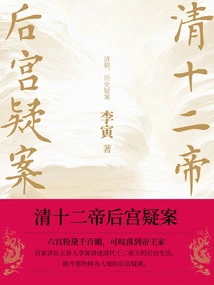
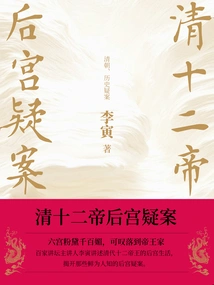
清十二帝后宫疑案
Li Yin
What kind of family life did these emperors of the Qing Dynasty, who were sitting high and high in the court, live with their wives, concubines, and children in the harem? Did the concubines of the Qing palace who were close to power really live a life of "once they were selected into the imperial palace, they were loved by thousands of people"? Li Yin, director of the Research Office of the Cultural Relics Management Office of the Eastern Tombs of the Qing Dynasty, gave lectures at the "Hundred Schools Forum" three times, telling us about the harem life of the twelve emperors of the Qing Dynasty and uncovering some little-known harem mysteries. "The Mysterious Case of the Twelve Emperors of the Qing Dynasty" peeps out the unknown side of the emperors, allowing us to have a more comprehensive and objective understanding of the personalities and aspirations of the Twelve Emperors of the Qing Dynasty, so as to further understand these twelve emperors.
What kind of family life did these emperors of the Qing Dynasty, who were sitting high and high in the court, live with their wives, concubines, and children in the harem? Did the concubines of the Qing palace who were close to power really live a life of "once they were selected into the imperial palace, they were loved by thousands of people"? Li Yin, director of the Research Office of the Cultural Relics Management Office of the Eastern Tombs of the Qing Dynasty, gave lectures at the "Hundred Schools Forum" three times, telling us about the harem life of the twelve emperors of the Qing Dynasty and uncovering some little-known harem mysteries. "The Mysterious Case of the Twelve Emperors of the Qing Dynasty" peeps out the unknown side of the emperors, allowing us to have a more comprehensive and objective understanding of the personalities and aspirations of the Twelve Emperors of the Qing Dynasty, so as to further understand these twelve emperors.
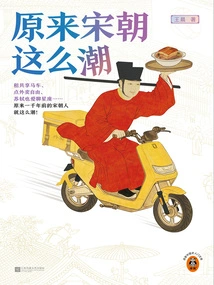
原来宋朝这么潮
Wang Chen
Rent a shared carriage; order takeout freely; Su Shi also liked to talk about horoscopes... It turns out that people in the Song Dynasty a thousand years ago were so fashionable! This book cuts through three major scenes: officialdom, market, and family, and restores the panoramic view of Song Dynasty people's daily life under a microscope: food, clothing, housing, transportation, work and entertainment, reading, weddings and funerals, disease and law... It is interesting, informative and not boring. It is an immersive experience of the trendy life of Song Dynasty people.
Rent a shared carriage; order takeout freely; Su Shi also liked to talk about horoscopes... It turns out that people in the Song Dynasty a thousand years ago were so fashionable! This book cuts through three major scenes: officialdom, market, and family, and restores the panoramic view of Song Dynasty people's daily life under a microscope: food, clothing, housing, transportation, work and entertainment, reading, weddings and funerals, disease and law... It is interesting, informative and not boring. It is an immersive experience of the trendy life of Song Dynasty people.
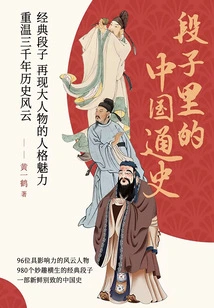
段子里的中国通史
Huang Yihe
Read jokes and learn history. A fresh and unique history of China. The book is rich in content and has a unique perspective, starting from the Spring and Autumn Period and the Warring States Period to the founding of the Republic of China. It narrates the history of the three thousand years from the entrepreneurial stories of emperors, ambitious kings, powerful ministers and traitors who knew how to serve as officials, to the second generation of individual emperors, powerful women, literary and artistic talents, famous generals, powerful eunuchs, wealthy figures and cruel secret agents. It is fascinating.
Read jokes and learn history. A fresh and unique history of China. The book is rich in content and has a unique perspective, starting from the Spring and Autumn Period and the Warring States Period to the founding of the Republic of China. It narrates the history of the three thousand years from the entrepreneurial stories of emperors, ambitious kings, powerful ministers and traitors who knew how to serve as officials, to the second generation of individual emperors, powerful women, literary and artistic talents, famous generals, powerful eunuchs, wealthy figures and cruel secret agents. It is fascinating.
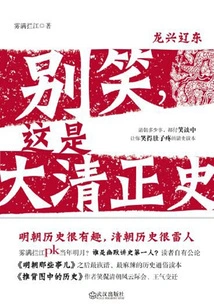
别笑,这是大清正史1
Fog Blocks The River
"Don't laugh, this is the official history of the Qing Dynasty" narrates the 86 years of history from the birth of Nurhachi (559) to the second year of Shunzhi (645) when Shi Kefa was trapped in Yangzhou. This was an extraordinary period of great turmoil and change with the rise of the Qing Dynasty and the demise of the Ming Dynasty. The historical events that occurred were both exciting and bloody. Tragic. The author tells the story eloquently, although he laughs and scolds, but he is joking but not abusive: it seems casual, but in fact it has good intentions; it looks like a novelist's words, but in fact it is based on trusting history. The characters in the book, whether they are the great heroes Xiong Tingbi, Yuan Chonghuan, Nurhaci, Huang Taiji, etc., Or the traitor Wu Sangui, whether they are the tragic Emperor Chongzhen, or the talented and powerful Dorgon, all have changed their past serious and stereotyped faces, and their characters have suddenly become vivid with playful ridicule. Although the book repeatedly describes the tragic scenes of raging wars and thousands of troops fighting, the calm and cold humorous narrative style makes readers feel heavy while laughing, laughing, and ridiculing.
"Don't laugh, this is the official history of the Qing Dynasty" narrates the 86 years of history from the birth of Nurhachi (559) to the second year of Shunzhi (645) when Shi Kefa was trapped in Yangzhou. This was an extraordinary period of great turmoil and change with the rise of the Qing Dynasty and the demise of the Ming Dynasty. The historical events that occurred were both exciting and bloody. Tragic. The author tells the story eloquently, although he laughs and scolds, but he is joking but not abusive: it seems casual, but in fact it has good intentions; it looks like a novelist's words, but in fact it is based on trusting history. The characters in the book, whether they are the great heroes Xiong Tingbi, Yuan Chonghuan, Nurhaci, Huang Taiji, etc., Or the traitor Wu Sangui, whether they are the tragic Emperor Chongzhen, or the talented and powerful Dorgon, all have changed their past serious and stereotyped faces, and their characters have suddenly become vivid with playful ridicule. Although the book repeatedly describes the tragic scenes of raging wars and thousands of troops fighting, the calm and cold humorous narrative style makes readers feel heavy while laughing, laughing, and ridiculing.
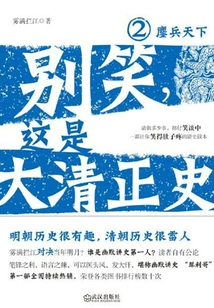
别笑,这是大清正史2
Fog Blocks The River
This book is the second part of the series "Don't laugh, this is the official history of the Qing Dynasty". It depicts the 50-year history from the birth of the demon king Zhang Xianzhong (606 AD) to the fifty-ninth year of Kangxi (70 years) when Yue Zhongqi entered Tibet and defeated the Junggar soldiers. With his sharp writing and pungent words, the author vividly reproduces the rogue bandits wreaking havoc on the world, the struggle and survival of the small court of the Southern Ming Dynasty, the bloody suppression after the Qing troops entered the pass, Zheng Chenggong's increasing frustration and unyielding loyalty, Emperor Shunzhi's crazy and frustrated struggle for love, and Kangxi's "haha" martial arts in capturing Oboi, pacifying San Francisco, and destroying Junggar. In this book, the image of the all-powerful historical figure is completely overturned. The heroic image of the "great traitor" Wu Sangui is more majestic in benevolence and loyalty. The Mingjun Kangxi, the emperor through the ages and widely praised by later generations, was a pervert with twisted psychology, surly personality, and shameless behavior. At first reading, it seems like a thunderous shock, which makes people's hair stand on end and is difficult to accept. But if you think about it carefully, you can find the infinite true meaning in it. Compared with the first part, the text of this book is smoother, the description is more vivid, the research is more detailed, and the views are more insightful. It is indeed written by Lao Wu, and you will gain a lot from reading it.
This book is the second part of the series "Don't laugh, this is the official history of the Qing Dynasty". It depicts the 50-year history from the birth of the demon king Zhang Xianzhong (606 AD) to the fifty-ninth year of Kangxi (70 years) when Yue Zhongqi entered Tibet and defeated the Junggar soldiers. With his sharp writing and pungent words, the author vividly reproduces the rogue bandits wreaking havoc on the world, the struggle and survival of the small court of the Southern Ming Dynasty, the bloody suppression after the Qing troops entered the pass, Zheng Chenggong's increasing frustration and unyielding loyalty, Emperor Shunzhi's crazy and frustrated struggle for love, and Kangxi's "haha" martial arts in capturing Oboi, pacifying San Francisco, and destroying Junggar. In this book, the image of the all-powerful historical figure is completely overturned. The heroic image of the "great traitor" Wu Sangui is more majestic in benevolence and loyalty. The Mingjun Kangxi, the emperor through the ages and widely praised by later generations, was a pervert with twisted psychology, surly personality, and shameless behavior. At first reading, it seems like a thunderous shock, which makes people's hair stand on end and is difficult to accept. But if you think about it carefully, you can find the infinite true meaning in it. Compared with the first part, the text of this book is smoother, the description is more vivid, the research is more detailed, and the views are more insightful. It is indeed written by Lao Wu, and you will gain a lot from reading it.
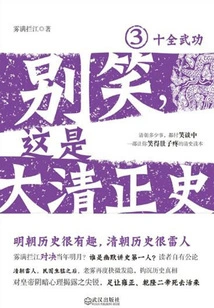
别笑,这是大清正史3
Fog Blocks The River
This book is the third part of the series "Don't laugh, this is the official history of the Qing Dynasty". It describes the history of about 80 years from the struggle of various scholars in the late Kangxi period to the pacification of the White Lotus Sect in the early Jiaqing period. Among them, the political struggles and military expeditions of the Yongzheng and Qianlong dynasties run through the entire article, and the so-called "ten complete martial arts" of Emperor Qianlong is the highlight of the author's full discussion. In the book, Emperor Yongzheng faked his edicts and usurped the throne, killed his brothers, slaughtered heroes, tortured scholars and was mysteriously assassinated. Emperor Qianlong's embarrassing "perfect martial arts" such as the two battles between Junggar, the battle of Jinchuan and Jinchuan, and the battle of Burma, the tragic literary prison and various religious uprisings are all reflected in the best features. The author has a vicious eye and a clear mind, and ruthlessly exposes the lies about the so-called prosperous times of the Kangxi, Yongzheng and Qianlong dynasties, and vividly exposes the darkness and perversion in the hearts of Yongzheng and Qianlong, which is enough to shock and send chills down the spine of readers who have been poisoned by textbooks. The description of the war, especially the achievements of famous generals such as Yue Zhongqi, Zhaohui, and Fukang'an, is very wonderful. Compared with the previous two volumes, "Don't Laugh, This is the Official History of the Qing Dynasty 3: The Complete Martial Arts" has more proficient writing techniques, more sophisticated outlines, more incisive descriptions of characters, more fluent and vivid text, and more detailed and powerful research. After all, Laowu is Laowu, and every time it brings different expectations.
This book is the third part of the series "Don't laugh, this is the official history of the Qing Dynasty". It describes the history of about 80 years from the struggle of various scholars in the late Kangxi period to the pacification of the White Lotus Sect in the early Jiaqing period. Among them, the political struggles and military expeditions of the Yongzheng and Qianlong dynasties run through the entire article, and the so-called "ten complete martial arts" of Emperor Qianlong is the highlight of the author's full discussion. In the book, Emperor Yongzheng faked his edicts and usurped the throne, killed his brothers, slaughtered heroes, tortured scholars and was mysteriously assassinated. Emperor Qianlong's embarrassing "perfect martial arts" such as the two battles between Junggar, the battle of Jinchuan and Jinchuan, and the battle of Burma, the tragic literary prison and various religious uprisings are all reflected in the best features. The author has a vicious eye and a clear mind, and ruthlessly exposes the lies about the so-called prosperous times of the Kangxi, Yongzheng and Qianlong dynasties, and vividly exposes the darkness and perversion in the hearts of Yongzheng and Qianlong, which is enough to shock and send chills down the spine of readers who have been poisoned by textbooks. The description of the war, especially the achievements of famous generals such as Yue Zhongqi, Zhaohui, and Fukang'an, is very wonderful. Compared with the previous two volumes, "Don't Laugh, This is the Official History of the Qing Dynasty 3: The Complete Martial Arts" has more proficient writing techniques, more sophisticated outlines, more incisive descriptions of characters, more fluent and vivid text, and more detailed and powerful research. After all, Laowu is Laowu, and every time it brings different expectations.
比小说还好看的历史书(共15册)
Zhang Hongjie The Fog Filled The River And So On
There are 15 volumes in the set, including the biographies of Fog Man Barrier: Du Yuesheng, "Biographies of Important Figures in the Late Qing Dynasty and the Republic of China", "Biographies of Important Figures in the Late Qing Dynasty and the Republic of China, Zhang Zuolin", "Biographies of Important Figures in the Late Qing Dynasty and the Republic of China - Li Hongzhang", Zhang Hongjie's Chinese history "Qianlong: Politics, Love and Character", "Seven Faces of the Ming Dynasty" and "The Front Side of Zeng Guofan" and Sides", "Bad Rules: Corruption and Anti-Corruption in the Ming and Qing Dynasties", Guo Baoping "The Most Powerful Scholar: Zhang Juzheng", "The Ups and Downs of Chiang Kai-shek's Secret History", "That's Nothing But Being in Power", "Searching for the Throne", Wang Jueren's "The Infernal Affairs of History", "The Tang Dynasty Is Like This", Wang Wei "From Princes to Empire" and "The Code of Power: When History Meets Economics".
There are 15 volumes in the set, including the biographies of Fog Man Barrier: Du Yuesheng, "Biographies of Important Figures in the Late Qing Dynasty and the Republic of China", "Biographies of Important Figures in the Late Qing Dynasty and the Republic of China, Zhang Zuolin", "Biographies of Important Figures in the Late Qing Dynasty and the Republic of China - Li Hongzhang", Zhang Hongjie's Chinese history "Qianlong: Politics, Love and Character", "Seven Faces of the Ming Dynasty" and "The Front Side of Zeng Guofan" and Sides", "Bad Rules: Corruption and Anti-Corruption in the Ming and Qing Dynasties", Guo Baoping "The Most Powerful Scholar: Zhang Juzheng", "The Ups and Downs of Chiang Kai-shek's Secret History", "That's Nothing But Being in Power", "Searching for the Throne", Wang Jueren's "The Infernal Affairs of History", "The Tang Dynasty Is Like This", Wang Wei "From Princes to Empire" and "The Code of Power: When History Meets Economics".
最有权势的读书人:张居正
Guo Baoping
Zhang Juzheng was the most successful scholar in Chinese history; he was also the political master who was most comfortable in governing officialdom. He rose from the bottom of society to the top of power through personal struggle. He maneuvers vertically and horizontally, and in obtaining and exercising power, he can make the most of all the favorable conditions brought by the system, and skillfully transform all the unfavorable conditions brought by the system into favorable conditions for my use. His efforts to govern the country with authoritarianism, trying to activate the old system and return to the state of governance in the early days of the founding of the country, achieved short-term glory. However, his efforts ran counter to the trend of the times, and his political skills repeatedly exceeded the bottom line, so it ended in tragedy. This book sorts out the details along the line of history, points to the depths of human nature, and understands the many mysteries hidden behind each thrilling or commonplace story. It re-examines Zhang Juzheng and his era, explores the secret of Zhang Juzheng's success, and reveals the inevitable and accidental reasons for various tragedies in the officialdom of man-made rule.
Zhang Juzheng was the most successful scholar in Chinese history; he was also the political master who was most comfortable in governing officialdom. He rose from the bottom of society to the top of power through personal struggle. He maneuvers vertically and horizontally, and in obtaining and exercising power, he can make the most of all the favorable conditions brought by the system, and skillfully transform all the unfavorable conditions brought by the system into favorable conditions for my use. His efforts to govern the country with authoritarianism, trying to activate the old system and return to the state of governance in the early days of the founding of the country, achieved short-term glory. However, his efforts ran counter to the trend of the times, and his political skills repeatedly exceeded the bottom line, so it ended in tragedy. This book sorts out the details along the line of history, points to the depths of human nature, and understands the many mysteries hidden behind each thrilling or commonplace story. It re-examines Zhang Juzheng and his era, explores the secret of Zhang Juzheng's success, and reveals the inevitable and accidental reasons for various tragedies in the officialdom of man-made rule.
Yashan
History崖山
Zhang Mingyang
The Battle of Yashan was a famous battle that affected the course of Chinese history. In 1279, the Mongolian army and the Southern Song Dynasty army launched a large-scale naval battle on the sea in Yashan, Xinhui, Guangdong. In the end, the Southern Song Dynasty army was defeated, and Lu Xiufu threw himself into the sea and died for his country in the face of the last emperor Zhao Bing. This book uses twelve place names in history (Caizhou, Diaoyu City, Ezhou, Shangdu, Yidu, Luzhou, Xiangyang, Dadu, Dingjiazhou, Lin'an, Yashan and Lingdingyang) as clues. It starts from the "Duanping Enters Luo" in 1234 and continues to the demise of the Southern Song Dynasty in 1279, which spans nearly fifty years. The book is divided into two main lines. One line explores the demise of the Southern Song Dynasty, and the other line explores the rise of the Yuan Dynasty. At the same time, from multiple perspectives such as politics, diplomacy, culture, and military, it vividly describes the entire process from the Mongolian Song Dynasty's destruction of the Jin Dynasty to the Battle of Yashan, the fierce battle in Xiangyang, the surrender of Lin'an, the demise of the Southern Song Dynasty, and finally Wen Tianxiang's death. The description is magnificent and tragic. The author uses careful and delicate writing to describe the fate and choices of many historical figures such as Kublai Khan, Meng Ge, Wang Wentong, Ahema, Lu Wenhuan, Jia Sidao, Liu Zheng, Wen Tianxiang, etc., Striving to restore a true historical situation. Beyond Yashan lies a larger China.
The Battle of Yashan was a famous battle that affected the course of Chinese history. In 1279, the Mongolian army and the Southern Song Dynasty army launched a large-scale naval battle on the sea in Yashan, Xinhui, Guangdong. In the end, the Southern Song Dynasty army was defeated, and Lu Xiufu threw himself into the sea and died for his country in the face of the last emperor Zhao Bing. This book uses twelve place names in history (Caizhou, Diaoyu City, Ezhou, Shangdu, Yidu, Luzhou, Xiangyang, Dadu, Dingjiazhou, Lin'an, Yashan and Lingdingyang) as clues. It starts from the "Duanping Enters Luo" in 1234 and continues to the demise of the Southern Song Dynasty in 1279, which spans nearly fifty years. The book is divided into two main lines. One line explores the demise of the Southern Song Dynasty, and the other line explores the rise of the Yuan Dynasty. At the same time, from multiple perspectives such as politics, diplomacy, culture, and military, it vividly describes the entire process from the Mongolian Song Dynasty's destruction of the Jin Dynasty to the Battle of Yashan, the fierce battle in Xiangyang, the surrender of Lin'an, the demise of the Southern Song Dynasty, and finally Wen Tianxiang's death. The description is magnificent and tragic. The author uses careful and delicate writing to describe the fate and choices of many historical figures such as Kublai Khan, Meng Ge, Wang Wentong, Ahema, Lu Wenhuan, Jia Sidao, Liu Zheng, Wen Tianxiang, etc., Striving to restore a true historical situation. Beyond Yashan lies a larger China.
民国就是这么生猛(共4册)
Fog Blocks The River
Exclusive historical materials, cutting-edge viewpoints, the Chinese version of WikiLeaks; the "new master of humorous history telling" Wu Manlan Jiang Biao fiercely begins to talk about the history of the Republic of China! The Revolution of 1911 was like a storm; in the early years of the Republic of China, there were great changes. The fierce bloody battles and shocking plots made the history of the Republic of China even more tragic!
Exclusive historical materials, cutting-edge viewpoints, the Chinese version of WikiLeaks; the "new master of humorous history telling" Wu Manlan Jiang Biao fiercely begins to talk about the history of the Republic of China! The Revolution of 1911 was like a storm; in the early years of the Republic of China, there were great changes. The fierce bloody battles and shocking plots made the history of the Republic of China even more tragic!
危机中的变革:清末政治中的激进与保守
Xiao Gongqin
This book is the representative work of the famous scholar Xiao Gongqin. It focuses on China in the late 19th and early 20th centuries and explores how a series of reforms in the late Qing Dynasty failed under the dual pressure of Western challenges and national crises. Why did the empire, which was in a major crisis, devote itself to reform only after nearly 60 years of continuous impact from Western challenges? Why did China not transform into a modern country after the Westernization Movement, and why the Qing government could not avoid the demise of the Qing government after the Reform Movement of 1898 and the New Deal in the late Qing Dynasty? What contradictions and dilemmas will the changes in the era of crisis and the game between radical and conservative encounter? In fact, delayed reforms will inevitably lead to immature revolutions. Although in the eyes of later generations, the Revolution of 1911 had great significance in overthrowing the imperial system, China has since fallen into a "weak state" state that lasted for decades. The subsequent cabinet crisis in the early Republic of China, the second revolution, warlord separatism, and the increasing fragmentation of the unified country can all be explained by the failure of the reforms in the late Qing Dynasty...
This book is the representative work of the famous scholar Xiao Gongqin. It focuses on China in the late 19th and early 20th centuries and explores how a series of reforms in the late Qing Dynasty failed under the dual pressure of Western challenges and national crises. Why did the empire, which was in a major crisis, devote itself to reform only after nearly 60 years of continuous impact from Western challenges? Why did China not transform into a modern country after the Westernization Movement, and why the Qing government could not avoid the demise of the Qing government after the Reform Movement of 1898 and the New Deal in the late Qing Dynasty? What contradictions and dilemmas will the changes in the era of crisis and the game between radical and conservative encounter? In fact, delayed reforms will inevitably lead to immature revolutions. Although in the eyes of later generations, the Revolution of 1911 had great significance in overthrowing the imperial system, China has since fallen into a "weak state" state that lasted for decades. The subsequent cabinet crisis in the early Republic of China, the second revolution, warlord separatism, and the increasing fragmentation of the unified country can all be explained by the failure of the reforms in the late Qing Dynasty...
追索:“慰安妇”朴永心和她的姐妹们
Chen Lifei Su Zhiliang
The "comfort women" system was a sexual slavery system implemented by the Japanese army during the war of aggression against China. Professors Chen Lifei and Su Zhiliang of Shanghai Normal University used Pu Yongxin, a survivor of the "comfort women" system, as a research object to explore the persecution of women by the Japanese invaders during the war. In the long years after the end of World War II, most of this group suffered from diseases, found it difficult to get married, and even could not have children. However, they all hated Japanese imperialism and the atrocities committed by the Japanese invaders. The protagonist of this book, Park Yong-shim, was deceived by the Japanese army from her hometown of Nampo, North Korea, to the Nanjing comfort station when she was 17 years old, and became a sex slave. After that, she traveled to the Songshan battlefield, and was rescued by Chinese soldiers and civilians in 1944, and was photographed by reporters accompanying the army. Telling about Park Young-shim's victimization and war participation process is the best example of exposing the Japanese military's "comfort women" system-the sexual slavery system.
The "comfort women" system was a sexual slavery system implemented by the Japanese army during the war of aggression against China. Professors Chen Lifei and Su Zhiliang of Shanghai Normal University used Pu Yongxin, a survivor of the "comfort women" system, as a research object to explore the persecution of women by the Japanese invaders during the war. In the long years after the end of World War II, most of this group suffered from diseases, found it difficult to get married, and even could not have children. However, they all hated Japanese imperialism and the atrocities committed by the Japanese invaders. The protagonist of this book, Park Yong-shim, was deceived by the Japanese army from her hometown of Nampo, North Korea, to the Nanjing comfort station when she was 17 years old, and became a sex slave. After that, she traveled to the Songshan battlefield, and was rescued by Chinese soldiers and civilians in 1944, and was photographed by reporters accompanying the army. Telling about Park Young-shim's victimization and war participation process is the best example of exposing the Japanese military's "comfort women" system-the sexual slavery system.
纪连海评左宗棠
Ji Lianhai
This book comprehensively analyzes Zuo Zongtang's legendary life from an ordinary peasant boy to an important minister of the country in a simple and profound way. It not only introduces in detail Zuo Zongtang's outstanding contributions in military, political, diplomatic and other aspects, such as his achievements in pacifying the Taiping Heavenly Kingdom and recovering Xinjiang, but also deeply discusses his unique personality. In addition, through a large number of historical materials and vivid narratives, the author demonstrates Zuo Zongtang's firm belief and indomitable spirit in the face of national crisis, as well as his wisdom and courage in handling national affairs. This book not only provides readers with an opportunity to fully understand Zuo Zongtang's life story, but also provides a valuable perspective for us to understand the historical changes in Chinese society during the late Qing Dynasty.
This book comprehensively analyzes Zuo Zongtang's legendary life from an ordinary peasant boy to an important minister of the country in a simple and profound way. It not only introduces in detail Zuo Zongtang's outstanding contributions in military, political, diplomatic and other aspects, such as his achievements in pacifying the Taiping Heavenly Kingdom and recovering Xinjiang, but also deeply discusses his unique personality. In addition, through a large number of historical materials and vivid narratives, the author demonstrates Zuo Zongtang's firm belief and indomitable spirit in the face of national crisis, as well as his wisdom and courage in handling national affairs. This book not only provides readers with an opportunity to fully understand Zuo Zongtang's life story, but also provides a valuable perspective for us to understand the historical changes in Chinese society during the late Qing Dynasty.
纪连海评吴三桂
Ji Lianhai
This book is based on solid historical materials, combined with the turbulent background of the late Ming and early Qing dynasties, and provides an in-depth analysis of Wu Sangui's complicated life trajectory from a famous border guard general to surrendering to the Qing Dynasty and leading troops, and finally establishing himself as emperor. Through cross-comparison of historical materials such as memorials, letters, and archives from the Ming and Qing Dynasties, the author carefully interprets the motivations and dilemmas behind Wu Sangui's every major decision, trying to break away from the narrative convention of "loyalty and traitor dualism" and restore a multi-faceted image struggling between power, family survival, and the tide of the times. The book not only reveals Wu Sangui's psychological game when he was guarding Shanhaiguan, but also shows the inevitability of Wu Sangui gradually falling into a political whirlpool after attracting Qing troops into the Shanhaiguan. It also provides an objective analysis of his ambivalent mentality of coexistence of ambition and helplessness during the "San Francisco Rebellion". Through this typical case, readers can not only get a glimpse of the difficult choices made by military generals at the crossroads of history during the revolution between the Ming and Qing dynasties, but also gain a deep understanding of the tragedy of the intertwining of personal destiny and changes in the country and the country in troubled times.
This book is based on solid historical materials, combined with the turbulent background of the late Ming and early Qing dynasties, and provides an in-depth analysis of Wu Sangui's complicated life trajectory from a famous border guard general to surrendering to the Qing Dynasty and leading troops, and finally establishing himself as emperor. Through cross-comparison of historical materials such as memorials, letters, and archives from the Ming and Qing Dynasties, the author carefully interprets the motivations and dilemmas behind Wu Sangui's every major decision, trying to break away from the narrative convention of "loyalty and traitor dualism" and restore a multi-faceted image struggling between power, family survival, and the tide of the times. The book not only reveals Wu Sangui's psychological game when he was guarding Shanhaiguan, but also shows the inevitability of Wu Sangui gradually falling into a political whirlpool after attracting Qing troops into the Shanhaiguan. It also provides an objective analysis of his ambivalent mentality of coexistence of ambition and helplessness during the "San Francisco Rebellion". Through this typical case, readers can not only get a glimpse of the difficult choices made by military generals at the crossroads of history during the revolution between the Ming and Qing dynasties, but also gain a deep understanding of the tragedy of the intertwining of personal destiny and changes in the country and the country in troubled times.
精讲大明帝国:三百年兴衰全史
Idle Clouds And Wild Cranes
With a clear historical context, it comprehensively analyzes the rise and fall of the Ming Dynasty in the past three hundred years. Starting from the premise of Zhu Yuanzhang's uprising, he details his entire process from his rise to power to his ascension to the throne and proclaimed himself emperor. Then, he deeply interprets the institutional construction after the founding of the Ming Dynasty and the major events during the Hongwu period, setting up a historical framework for the early Ming Dynasty for readers. The discussion of key historical nodes is particularly in-depth, not only sorting out the merits and demerits of the Jianwen Dynasty, restoring the true historical facts of the Jingnan Campaign and the tragic post-war massacre, but also analyzing the impact of this incident on the national destiny of the Ming Dynasty, and making conclusions on two related mysterious cases. It successively presents the major events of Ren and Xuan dynasties, the origin of lectures in the Ming Dynasty, early orthodox politics, as well as important historical events such as the Tumubao Incident, Emperor Jingtai's defensive strategy and governance merits and demerits after he ascended the throne, and the Seizing of the Gate incident. At the same time, it pays attention to the evolution of the political situation in each dynasty, covering the political situation during the Chenghua and Hongzhi years, and the academic development of the Yingzong, Xianzong, and Xiaozong dynasties. It also does not avoid historical phenomena such as Wuzong's lack of morality and the disputes over great etiquette and their influence. It also describes the politics of the Longqing period and the academic situation of the Zhengde, Jiajing, and Longqing dynasties. As for the middle and late Ming Dynasty, the book describes in detail the conditions of the court during Wanli's childhood, the period when he was in ruins, and when he was torn apart, as well as Guangzong's short reign, the family disputes in the early days of the Apocalypse, and the eunuch troubles. Finally, it deeply analyzes the root cause of Chongzhen's fall, corrects Yuan Chonghuan's historical injustice, discusses the employment issues during the Chongzhen period, explains the uprising of Li Zicheng and Zhang Xianzhong and the military affairs of Jianzhou, and also introduces the history of the Hongguang, Longwu, Yongli courts and the supervision of King Lu, presenting a complete historical picture of the Ming Empire.
With a clear historical context, it comprehensively analyzes the rise and fall of the Ming Dynasty in the past three hundred years. Starting from the premise of Zhu Yuanzhang's uprising, he details his entire process from his rise to power to his ascension to the throne and proclaimed himself emperor. Then, he deeply interprets the institutional construction after the founding of the Ming Dynasty and the major events during the Hongwu period, setting up a historical framework for the early Ming Dynasty for readers. The discussion of key historical nodes is particularly in-depth, not only sorting out the merits and demerits of the Jianwen Dynasty, restoring the true historical facts of the Jingnan Campaign and the tragic post-war massacre, but also analyzing the impact of this incident on the national destiny of the Ming Dynasty, and making conclusions on two related mysterious cases. It successively presents the major events of Ren and Xuan dynasties, the origin of lectures in the Ming Dynasty, early orthodox politics, as well as important historical events such as the Tumubao Incident, Emperor Jingtai's defensive strategy and governance merits and demerits after he ascended the throne, and the Seizing of the Gate incident. At the same time, it pays attention to the evolution of the political situation in each dynasty, covering the political situation during the Chenghua and Hongzhi years, and the academic development of the Yingzong, Xianzong, and Xiaozong dynasties. It also does not avoid historical phenomena such as Wuzong's lack of morality and the disputes over great etiquette and their influence. It also describes the politics of the Longqing period and the academic situation of the Zhengde, Jiajing, and Longqing dynasties. As for the middle and late Ming Dynasty, the book describes in detail the conditions of the court during Wanli's childhood, the period when he was in ruins, and when he was torn apart, as well as Guangzong's short reign, the family disputes in the early days of the Apocalypse, and the eunuch troubles. Finally, it deeply analyzes the root cause of Chongzhen's fall, corrects Yuan Chonghuan's historical injustice, discusses the employment issues during the Chongzhen period, explains the uprising of Li Zicheng and Zhang Xianzhong and the military affairs of Jianzhou, and also introduces the history of the Hongguang, Longwu, Yongli courts and the supervision of King Lu, presenting a complete historical picture of the Ming Empire.
刺秦:重新认识秦王朝
Li Kaiyuan
Why did Jing Ke fail to assassinate the King of Qin? If Jing Ke stabbed King Qin to death, how would history evolve? What role did the "Book of Remonstrance and Expulsion" play in the rapid demise of the Qin Dynasty? Why is it said that the lessons of Qin's collapse are included in the experience of Han's rise? At the Hongmen Banquet, why didn't Xiang Yu kill Liu Bang? ..."Assassination of Qin" is a blockbuster new work by Professor Li Kaiyuan, an expert on the history of Qin and Han Dynasties. From the perspective of historical research, it interprets the authenticity of the famous article "Jing Ke's assassination of the King of Qin" in "Historical Records". It invites readers to try to solve the case through historical detectives. It extracts many historical figures and various historical events involved in the incident, and combines it with new materials to re-paint a historical picture of Jing Ke's assassination of the King of Qin. On this basis, Professor Li Kaiyuan makes an unconventional extension, leading readers to experience a fugue like a science fiction world, trying out the possibility of historical assumptions, and then puts forward a new historical interpretation of Li Si, the historical status of his famous work "Remonstrance and Zhuke Shu", and even the rapid demise of the Qin Dynasty.
Why did Jing Ke fail to assassinate the King of Qin? If Jing Ke stabbed King Qin to death, how would history evolve? What role did the "Book of Remonstrance and Expulsion" play in the rapid demise of the Qin Dynasty? Why is it said that the lessons of Qin's collapse are included in the experience of Han's rise? At the Hongmen Banquet, why didn't Xiang Yu kill Liu Bang? ..."Assassination of Qin" is a blockbuster new work by Professor Li Kaiyuan, an expert on the history of Qin and Han Dynasties. From the perspective of historical research, it interprets the authenticity of the famous article "Jing Ke's assassination of the King of Qin" in "Historical Records". It invites readers to try to solve the case through historical detectives. It extracts many historical figures and various historical events involved in the incident, and combines it with new materials to re-paint a historical picture of Jing Ke's assassination of the King of Qin. On this basis, Professor Li Kaiyuan makes an unconventional extension, leading readers to experience a fugue like a science fiction world, trying out the possibility of historical assumptions, and then puts forward a new historical interpretation of Li Si, the historical status of his famous work "Remonstrance and Zhuke Shu", and even the rapid demise of the Qin Dynasty.
秦谜:重新发现秦始皇
Li Kaiyuan
The Qin Dynasty has a history of more than 2,000 years. Most of the historical materials have been lost, and many historical facts cannot be verified. The life of Qin Shihuang is even more mysterious. Professor Li Kaiyuan, known as the "Sherlock Holmes in the field of history", after studying all the historical materials and major works about Qin Shi Huang, was surprised to find that Qin Shi Huang was a seriously misunderstood figure. Not only was he personally misunderstood, but the entire historical background before the establishment and collapse of the Qin Dynasty had been misunderstood. Based on field surveys, unearthed cultural relics and excavations of tombs, Professor Li Kaiyuan returned to the historical sites of the Qin Dynasty to salvage historical fragments. He integrated multi-disciplinary perspectives such as history, archeology, medicine and law, and used criminal investigation techniques such as hanging wire tracking and mixed shuffling. He boldly speculated, carefully verified, and combined with the consideration of people's hearts, wrote this book that restores the history of the Qin Dynasty. It can be called a pioneering work of historical reasoning writing. The book resurrects the history of Qin that has been seriously misunderstood, restores Qin Shihuang who was demonized by history, and makes a comprehensive outline of the life experience, stance, political activities of Qin Shihuang and the people around him, as well as the Qin Dynasty palace political network. "Qin Mystery" has sold hundreds of thousands of copies over the past ten years and has become a model best-seller in the field of literature and history.
The Qin Dynasty has a history of more than 2,000 years. Most of the historical materials have been lost, and many historical facts cannot be verified. The life of Qin Shihuang is even more mysterious. Professor Li Kaiyuan, known as the "Sherlock Holmes in the field of history", after studying all the historical materials and major works about Qin Shi Huang, was surprised to find that Qin Shi Huang was a seriously misunderstood figure. Not only was he personally misunderstood, but the entire historical background before the establishment and collapse of the Qin Dynasty had been misunderstood. Based on field surveys, unearthed cultural relics and excavations of tombs, Professor Li Kaiyuan returned to the historical sites of the Qin Dynasty to salvage historical fragments. He integrated multi-disciplinary perspectives such as history, archeology, medicine and law, and used criminal investigation techniques such as hanging wire tracking and mixed shuffling. He boldly speculated, carefully verified, and combined with the consideration of people's hearts, wrote this book that restores the history of the Qin Dynasty. It can be called a pioneering work of historical reasoning writing. The book resurrects the history of Qin that has been seriously misunderstood, restores Qin Shihuang who was demonized by history, and makes a comprehensive outline of the life experience, stance, political activities of Qin Shihuang and the people around him, as well as the Qin Dynasty palace political network. "Qin Mystery" has sold hundreds of thousands of copies over the past ten years and has become a model best-seller in the field of literature and history.
宋时飞花:宋人的十五种风雅生活
Meng Hui
The beauty pursued by the Song people was the ultimate integration of nature, life and culture. In the Song Dynasty, the gathering of literati who met to drink under flowers was called "Feiyinghui", and the drinking game in which poems containing "flowers" were spoken at the banquet was called "Feihualing". Feiyinghui Feihualing is a corner of the aesthetic spirit of the Song Dynasty people. From the palace to the alleys, from food and daily life to festivals and folk customs, the Song Dynasty had a very high pursuit and love for life. These are fifteen flying flowers that reflect the spring scenery of the Song Dynasty, bringing with them the fireworks of the world eight or nine hundred years ago, the cycle of four seasons, and the thousands of miles of mountains and rivers. Based on historical records, handed down Song paintings, archaeological objects and literary works, Meng Hui recreates the fresh, elegant, leisurely and indifferent "slow life" of the Song Dynasty for us.
The beauty pursued by the Song people was the ultimate integration of nature, life and culture. In the Song Dynasty, the gathering of literati who met to drink under flowers was called "Feiyinghui", and the drinking game in which poems containing "flowers" were spoken at the banquet was called "Feihualing". Feiyinghui Feihualing is a corner of the aesthetic spirit of the Song Dynasty people. From the palace to the alleys, from food and daily life to festivals and folk customs, the Song Dynasty had a very high pursuit and love for life. These are fifteen flying flowers that reflect the spring scenery of the Song Dynasty, bringing with them the fireworks of the world eight or nine hundred years ago, the cycle of four seasons, and the thousands of miles of mountains and rivers. Based on historical records, handed down Song paintings, archaeological objects and literary works, Meng Hui recreates the fresh, elegant, leisurely and indifferent "slow life" of the Song Dynasty for us.
驭人与御人
Zou Jimeng
In the arena of power, what is about is not benevolence and righteousness, but control; not emotion, but calculation. In the world of power, people are never goals, but tools. How to make smart people work for themselves, make loyal people dare not cross the line, let ambitious people check each other, and finally only one center of power is left? How the emperor used "favor" to create dependence and "law" to create fear; how powerful ministers planned alliances under the imperial power and were ready to abandon their sons at any time; how counselors protected themselves between being used and counter-used, and even turned against the guests. "Controlling people" allows him to see hope, but he can never touch the boundaries; "controlling people" makes him fearful, but he can't find an outlet for resistance.
In the arena of power, what is about is not benevolence and righteousness, but control; not emotion, but calculation. In the world of power, people are never goals, but tools. How to make smart people work for themselves, make loyal people dare not cross the line, let ambitious people check each other, and finally only one center of power is left? How the emperor used "favor" to create dependence and "law" to create fear; how powerful ministers planned alliances under the imperial power and were ready to abandon their sons at any time; how counselors protected themselves between being used and counter-used, and even turned against the guests. "Controlling people" allows him to see hope, but he can never touch the boundaries; "controlling people" makes him fearful, but he can't find an outlet for resistance.
历史的明暗
Narrated By Nan Huaijin
History is a big life, life is a small history. "The Light and Darkness of History" in Nan Huaijin's Chinese Wisdom Series talks about the development, management and survival philosophy under the traditional Chinese system from seven dimensions: social system, political strategy, philosophy of life, nature of power, rise and fall of dynasties, establishment of foundations and imperial governance, and reveals the great wisdom of history! To understand the trends of the current era, we must first understand our ancient history, understand how our country got to the present step by step, and observe the success and failure of individuals and organizations in history. This book "The Light and Darkness of History" is compiled from this perspective. Nanjing Normal University believes that any knowledge has two sides, and the same is true for history. The brighter the place, the darker it is. There are often things in the invisible and dark spaces. This book selects the experiences of reading history from Nanjing Normal University, showing the positive and side aspects of history from the eyes of Guoxue University.
History is a big life, life is a small history. "The Light and Darkness of History" in Nan Huaijin's Chinese Wisdom Series talks about the development, management and survival philosophy under the traditional Chinese system from seven dimensions: social system, political strategy, philosophy of life, nature of power, rise and fall of dynasties, establishment of foundations and imperial governance, and reveals the great wisdom of history! To understand the trends of the current era, we must first understand our ancient history, understand how our country got to the present step by step, and observe the success and failure of individuals and organizations in history. This book "The Light and Darkness of History" is compiled from this perspective. Nanjing Normal University believes that any knowledge has two sides, and the same is true for history. The brighter the place, the darker it is. There are often things in the invisible and dark spaces. This book selects the experiences of reading history from Nanjing Normal University, showing the positive and side aspects of history from the eyes of Guoxue University.