Library
Browse and search books
56 novels found
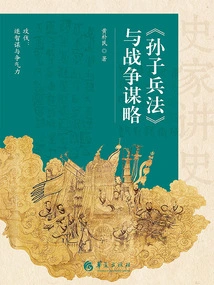
《孙子兵法》与战争谋略(史家讲史)
Huang Pumin
This book is an ancient military work written by Mr. Huang Pumin through his interpretation of the military classic "The Art of War" by Sun Tzu and his analysis and study of the practical experience of warfare in the pre-Qin and Han dynasties. By analyzing many war case stories in ancient China, the author makes a panoramic outline of the general trends, major contexts, and major turning points from Pre-Qin to the unification of Qin and Han Dynasties from the military strategic level, such as "Zhou Gong's Eastern Expedition and the Conflict between Eastern and Western Tribes" and "Spring and Autumn Period" The causes and causes of major events such as the evolution of the geography and strategic pattern of the military forces of various countries, "the Annihilation Conference", "the Wuyue War and the strategic relationship between the countries in the late Spring and Autumn Period", "the geostrategic situation and its evolution during the Warring States Period", "the strategic command of the unification war in the Qin and Han Dynasties" are all involved. At the same time, it communicates with ancient and modern times, both at home and abroad, and at the historical level, it systematically analyzes the changes in the spiritual outlook of Chinese culture from "martial arts" to "advocating literature"; at the horizontal level of world civilization, through comparative studies of the purposes and principles of Chinese and Western military science, it puts forward important thinking that the "similarities" outweigh the "differences" between the two sides.
This book is an ancient military work written by Mr. Huang Pumin through his interpretation of the military classic "The Art of War" by Sun Tzu and his analysis and study of the practical experience of warfare in the pre-Qin and Han dynasties. By analyzing many war case stories in ancient China, the author makes a panoramic outline of the general trends, major contexts, and major turning points from Pre-Qin to the unification of Qin and Han Dynasties from the military strategic level, such as "Zhou Gong's Eastern Expedition and the Conflict between Eastern and Western Tribes" and "Spring and Autumn Period" The causes and causes of major events such as the evolution of the geography and strategic pattern of the military forces of various countries, "the Annihilation Conference", "the Wuyue War and the strategic relationship between the countries in the late Spring and Autumn Period", "the geostrategic situation and its evolution during the Warring States Period", "the strategic command of the unification war in the Qin and Han Dynasties" are all involved. At the same time, it communicates with ancient and modern times, both at home and abroad, and at the historical level, it systematically analyzes the changes in the spiritual outlook of Chinese culture from "martial arts" to "advocating literature"; at the horizontal level of world civilization, through comparative studies of the purposes and principles of Chinese and Western military science, it puts forward important thinking that the "similarities" outweigh the "differences" between the two sides.
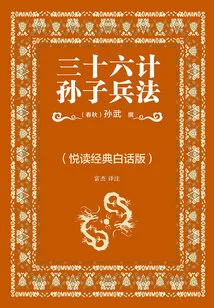
三十六计·孙子兵法(悦读经典白话版)
(spring And Autumn Period) Written By Sun Wu
"Yuedu Classics Vernacular Edition" selects ancient Chinese classics. The selected works have largely removed the classical Chinese color, while maintaining the integrity of the original structure. Annotations are added, which are more independent and detailed than ordinary annotations. It has the characteristics of "expanding reading of knowledge points". The entire series of books modernizes and popularizes classic works, making it understandable and easy for the public readers. "Sun Tzu's Art of War" and "Thirty-Six Strategies" are both known as ancient Chinese military classics. In the former, Sun Wu systematically summarized the laws of war and proposed a "total victory" strategy; in the latter, he summarized thirty-six practical strategies, such as encircling Wei and rescuing Zhao, and claiming the east and attacking the west. The two jointly built a theoretical system of military science, which profoundly affected military, business and other fields, and was known as a treasure house of strategic wisdom.
"Yuedu Classics Vernacular Edition" selects ancient Chinese classics. The selected works have largely removed the classical Chinese color, while maintaining the integrity of the original structure. Annotations are added, which are more independent and detailed than ordinary annotations. It has the characteristics of "expanding reading of knowledge points". The entire series of books modernizes and popularizes classic works, making it understandable and easy for the public readers. "Sun Tzu's Art of War" and "Thirty-Six Strategies" are both known as ancient Chinese military classics. In the former, Sun Wu systematically summarized the laws of war and proposed a "total victory" strategy; in the latter, he summarized thirty-six practical strategies, such as encircling Wei and rescuing Zhao, and claiming the east and attacking the west. The two jointly built a theoretical system of military science, which profoundly affected military, business and other fields, and was known as a treasure house of strategic wisdom.
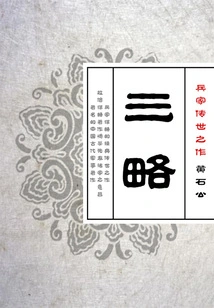
A Masterpiece Passed Down from Generation to Generation by Military Strategists: Three Strategies
Military兵家传世之作:三略
(qin And Han) Huang Shi Gong
"Three Strategies", also known as "Three Strategies of Huang Shi Gong", is a famous military work in ancient China. It is said that it was written by Huang Shi Gong in the early Han Dynasty and was later passed down and carried forward by Zhang Liang. It is a military book that combines the thoughts of various schools of thought and specializes in strategy, especially focusing on political strategy. It is the first monograph dedicated to strategy in ancient my country. It integrates Taoist thought and focuses on clarifying the principles of governing the country and using troops from a political strategy. It occupies an important position in the history of military thought and has a profound impact on the military practice of later generations.
"Three Strategies", also known as "Three Strategies of Huang Shi Gong", is a famous military work in ancient China. It is said that it was written by Huang Shi Gong in the early Han Dynasty and was later passed down and carried forward by Zhang Liang. It is a military book that combines the thoughts of various schools of thought and specializes in strategy, especially focusing on political strategy. It is the first monograph dedicated to strategy in ancient my country. It integrates Taoist thought and focuses on clarifying the principles of governing the country and using troops from a political strategy. It occupies an important position in the history of military thought and has a profound impact on the military practice of later generations.
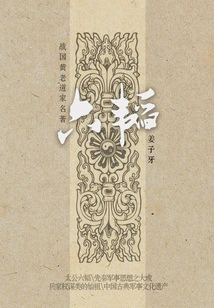
先秦经典:六韬
(western Zhou Dynasty) Jiang Ziya
"Six Tao" is a famous military law book from the pre-Qin period in ancient China. It is said to be written by Lu Wang, Jiang Taigong. However, modern scholars generally believe that this book is a work based on later generations and was written around the Warring States Period. The whole book adopts the form of dialogue between King Wen and King Wu of Zhou and Jiang Taigong, and explores the ideological content of two major aspects: politics and military science. The book not only covers military issues such as strategy, tactics, general selection, and military training, but also integrates the thoughts of Confucianism, Mohism, Taoism, and Legalism. It is an important part of China's classical military cultural heritage. His thoughts are profound and rich, his logic is rigorous and precise, and he has had a profound impact on the development of ancient Chinese military thought.
"Six Tao" is a famous military law book from the pre-Qin period in ancient China. It is said to be written by Lu Wang, Jiang Taigong. However, modern scholars generally believe that this book is a work based on later generations and was written around the Warring States Period. The whole book adopts the form of dialogue between King Wen and King Wu of Zhou and Jiang Taigong, and explores the ideological content of two major aspects: politics and military science. The book not only covers military issues such as strategy, tactics, general selection, and military training, but also integrates the thoughts of Confucianism, Mohism, Taoism, and Legalism. It is an important part of China's classical military cultural heritage. His thoughts are profound and rich, his logic is rigorous and precise, and he has had a profound impact on the development of ancient Chinese military thought.
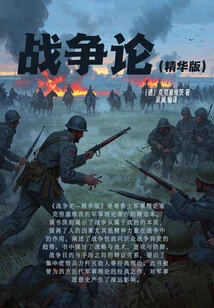
On War (essential Edition)
Military战争论(精华版)
(germany) Clausewitz
"On War" is a selection of the military theoretical works of Prussian military theorist Clausewitz. The book profoundly reveals the nature of war being subordinate to politics, emphasizes the role of human factors, especially spiritual power, in war, and explains the trend of the nature of war changing to a popular war. The book discusses the dialectical relationship between strategy and tactics, offense and defense, and the purpose and means of war, and puts forward classic theories such as concentrating superior forces to annihilate the enemy. This book is hailed as a classic of modern Western military theory and has had a profound impact on the history of military thought.
"On War" is a selection of the military theoretical works of Prussian military theorist Clausewitz. The book profoundly reveals the nature of war being subordinate to politics, emphasizes the role of human factors, especially spiritual power, in war, and explains the trend of the nature of war changing to a popular war. The book discusses the dialectical relationship between strategy and tactics, offense and defense, and the purpose and means of war, and puts forward classic theories such as concentrating superior forces to annihilate the enemy. This book is hailed as a classic of modern Western military theory and has had a profound impact on the history of military thought.
孙子兵法(军事战略著作)
Sun Wu
"The Art of War" is a famous military strategy work in ancient China, written by Sun Wu, a strategist in the Spring and Autumn Period. The book is divided into thirteen chapters, covering many aspects such as war strategy, military organization, combat command, terrain utilization, and troop deployment. With concise language and profound philosophy, Sun Tzu's Art of War systematically expounds the military thought of "using justice and harmony to win by surprise", emphasizing the importance of intelligence and strategy in war. It is not only a military classic, but also widely used in politics, economy, business and other fields. It has become a source of wisdom to guide people to deal with competition and challenges, and has had a profound impact on future generations.
"The Art of War" is a famous military strategy work in ancient China, written by Sun Wu, a strategist in the Spring and Autumn Period. The book is divided into thirteen chapters, covering many aspects such as war strategy, military organization, combat command, terrain utilization, and troop deployment. With concise language and profound philosophy, Sun Tzu's Art of War systematically expounds the military thought of "using justice and harmony to win by surprise", emphasizing the importance of intelligence and strategy in war. It is not only a military classic, but also widely used in politics, economy, business and other fields. It has become a source of wisdom to guide people to deal with competition and challenges, and has had a profound impact on future generations.
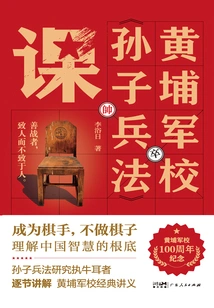
黄埔军校《孙子兵法》课
Li Yuri
In the New Fourth Army Memorial Hall in Maoshan, Jiangsu, there is a display of "New Research on Sun Tzu" that the founding general Su Yu studied during his lifetime. This book is the basis of "Sun Tzu's Art of War Course at Huangpu Military Academy" by Li Yuri, a giant in modern Chinese military science. Li Yuri studied "Sun Tzu's Art of War" throughout his life, not only to inherit the national wisdom, but also because of the urgency of the national crisis. During the Anti-Japanese War, Li Yuri taught "Sun Tzu's Art of War" at the Whampoa Military Academy and the Army University of the Republic of China. He made suggestions and gave speeches on the front lines of the Anti-Japanese War to inspire the courage and confidence of soldiers. Together with Jiang Baili of Zhejiang and Yang Jie of Yunnan, he was one of the three giants of military science. He was recognized as "the first person to study Sun Tzu's art of war" at that time, and he was the leader of the global research on Sun Tzu. Yu Youren praised him as "equally immortal with Sun Tzu."
In the New Fourth Army Memorial Hall in Maoshan, Jiangsu, there is a display of "New Research on Sun Tzu" that the founding general Su Yu studied during his lifetime. This book is the basis of "Sun Tzu's Art of War Course at Huangpu Military Academy" by Li Yuri, a giant in modern Chinese military science. Li Yuri studied "Sun Tzu's Art of War" throughout his life, not only to inherit the national wisdom, but also because of the urgency of the national crisis. During the Anti-Japanese War, Li Yuri taught "Sun Tzu's Art of War" at the Whampoa Military Academy and the Army University of the Republic of China. He made suggestions and gave speeches on the front lines of the Anti-Japanese War to inspire the courage and confidence of soldiers. Together with Jiang Baili of Zhejiang and Yang Jie of Yunnan, he was one of the three giants of military science. He was recognized as "the first person to study Sun Tzu's art of war" at that time, and he was the leader of the global research on Sun Tzu. Yu Youren praised him as "equally immortal with Sun Tzu."
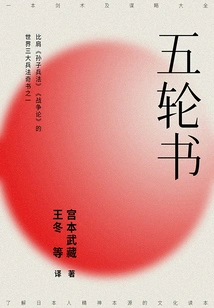
Five Wheels Book
Military五轮书
(japan) Miyamoto Musashi
"The Book of Five Rings" is known as one of the "three major military books in the world". The author Miyamoto Musashi is a recognized swordsman in Japan throughout the ages and a famous swordsman in Japanese history. "The Book of Five Rings" is a summary of his swordsmanship and military skills written before his death. "The Book of Five Rings" is divided into five volumes of earth, water, fire, wind, and air. It introduces in detail Miyamoto Musashi's sword fighting skills and unique tactics of war. This book integrates cultural genes such as Japanese Kendo, Zen Way, and Bushido. It is not only a comprehensive collection of Japanese swordsmanship and strategy, but also a cultural reader that explores the spiritual origin of the Japanese people. "The Book of Five Wheels" is a masterpiece of the world's art of war. It has great guiding significance for business management and personal growth.
"The Book of Five Rings" is known as one of the "three major military books in the world". The author Miyamoto Musashi is a recognized swordsman in Japan throughout the ages and a famous swordsman in Japanese history. "The Book of Five Rings" is a summary of his swordsmanship and military skills written before his death. "The Book of Five Rings" is divided into five volumes of earth, water, fire, wind, and air. It introduces in detail Miyamoto Musashi's sword fighting skills and unique tactics of war. This book integrates cultural genes such as Japanese Kendo, Zen Way, and Bushido. It is not only a comprehensive collection of Japanese swordsmanship and strategy, but also a cultural reader that explores the spiritual origin of the Japanese people. "The Book of Five Wheels" is a masterpiece of the world's art of war. It has great guiding significance for business management and personal growth.
Sun Tzu's Art of War
Military孙子兵法
Sun Wu
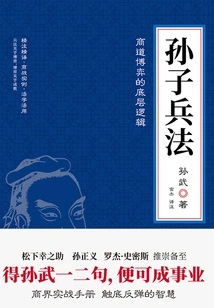
"The Art of War" is the earliest extant military science work in the world, with a total of 13 chapters and more than 6,000 words. It has profound content and profound thoughts. It has a very high status in the history of military science in China and the world. Its influence extends beyond the military field and involves politics, diplomacy, business, management, and even the subtleties of human conduct. It is regarded as a guideline by many people other than military strategists. This book not only provides a precise translation of "The Art of War" by Sun Tzu, but also includes corresponding examples of business warfare to help readers learn and apply Sun Tzu's thoughts.
"The Art of War" is the earliest extant military science work in the world, with a total of 13 chapters and more than 6,000 words. It has profound content and profound thoughts. It has a very high status in the history of military science in China and the world. Its influence extends beyond the military field and involves politics, diplomacy, business, management, and even the subtleties of human conduct. It is regarded as a guideline by many people other than military strategists. This book not only provides a precise translation of "The Art of War" by Sun Tzu, but also includes corresponding examples of business warfare to help readers learn and apply Sun Tzu's thoughts.
On National Defense
Military国防论
Jiang Baili
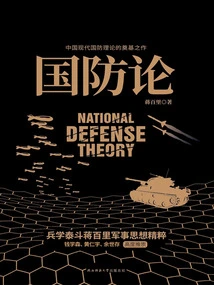
This book is a masterpiece of military science by Jiang Baili, a master of military science, and it is also the foundation work of China's modern national defense theory. The book is divided into seven chapters, providing a theoretical and systematic explanation of China's national defense during the Republic of China from the perspectives of defense economy, world defense theory, traditional Chinese defense thought, and modern culture. Its main argument is: trade space for time, "win or lose, just don't make peace with it"; second, don't be afraid of being swallowed by whales, just afraid of cannibalization, and resist the war in an all-out way; third, start a war in Shanghai, use geographical conditions to weaken the Japanese offensive, prevent the Japanese from reaching the second ridge (Hunan) to form a confrontation, and form a long-term battlefield. His conclusion was: The resistance against Japan must be based on the people and fight a protracted war. In addition to "On National Defense", this book also specifically includes Mr. Jiang Baili's classic works such as "A Brief Commentary on Sun Tzu" and "The Japanese: A Study of a Foreigner".
This book is a masterpiece of military science by Jiang Baili, a master of military science, and it is also the foundation work of China's modern national defense theory. The book is divided into seven chapters, providing a theoretical and systematic explanation of China's national defense during the Republic of China from the perspectives of defense economy, world defense theory, traditional Chinese defense thought, and modern culture. Its main argument is: trade space for time, "win or lose, just don't make peace with it"; second, don't be afraid of being swallowed by whales, just afraid of cannibalization, and resist the war in an all-out way; third, start a war in Shanghai, use geographical conditions to weaken the Japanese offensive, prevent the Japanese from reaching the second ridge (Hunan) to form a confrontation, and form a long-term battlefield. His conclusion was: The resistance against Japan must be based on the people and fight a protracted war. In addition to "On National Defense", this book also specifically includes Mr. Jiang Baili's classic works such as "A Brief Commentary on Sun Tzu" and "The Japanese: A Study of a Foreigner".
On National Defense
Military国防论
Jiang Baili
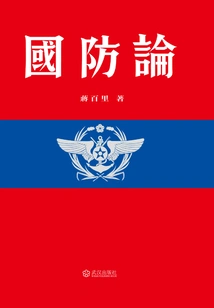
"On National Defense" is a collection of Jiang Baili's military essays, first published by Shanghai Ta Kung Pao in 1937. The first article, "National Defense Economics," emphasizes the establishment of a national defense system that can both feed and fight wars based on China's economic strength. The second part, "Recent World Defense Trends," introduces Douhet's air supremacy thought and Ludendorff's total war thought. The third article, "Historically Explaining the Basic Principles of Defense Economics," strongly advocates the national defense principle of "consistency between living conditions and combat conditions." The fourth chapter, "On National Defense Twenty Years Ago," introduces political and military strategy, the relationship between national power, force and military strength, as well as the contents of the compulsory military conscription system. The fifth article, "On National Defense Fifteen Years Ago," explains the significance of disarmament, military and civilian defense, and a detailed explanation of the compulsory militia system. The sixth chapter, "The Forefather of Chinese National Defense Theory" explains the modern national defense theory by explaining "Sun Tzu·Ji Pian". The seventh article, "The Origin of Modern Culture and the Establishment of a New Outlook on Life," is an essay about the author's trip to Rome. In "On National Defense", Jiang Baili's main arguments are: first, trade space for time, "Whether you win or lose, just don't make peace with it"; second, don't be afraid of being swallowed up, only afraid of cannibalization, and resist the war in an all-out way; third, start a war in Shanghai, use the geographical conditions to weaken the Japanese offensive, prevent the Japanese army from reaching the second ridge (Hunan) to form a confrontation, and form a long-term battlefield. His conclusion was: The resistance against Japan must be based on the people and fight a protracted war.
"On National Defense" is a collection of Jiang Baili's military essays, first published by Shanghai Ta Kung Pao in 1937. The first article, "National Defense Economics," emphasizes the establishment of a national defense system that can both feed and fight wars based on China's economic strength. The second part, "Recent World Defense Trends," introduces Douhet's air supremacy thought and Ludendorff's total war thought. The third article, "Historically Explaining the Basic Principles of Defense Economics," strongly advocates the national defense principle of "consistency between living conditions and combat conditions." The fourth chapter, "On National Defense Twenty Years Ago," introduces political and military strategy, the relationship between national power, force and military strength, as well as the contents of the compulsory military conscription system. The fifth article, "On National Defense Fifteen Years Ago," explains the significance of disarmament, military and civilian defense, and a detailed explanation of the compulsory militia system. The sixth chapter, "The Forefather of Chinese National Defense Theory" explains the modern national defense theory by explaining "Sun Tzu·Ji Pian". The seventh article, "The Origin of Modern Culture and the Establishment of a New Outlook on Life," is an essay about the author's trip to Rome. In "On National Defense", Jiang Baili's main arguments are: first, trade space for time, "Whether you win or lose, just don't make peace with it"; second, don't be afraid of being swallowed up, only afraid of cannibalization, and resist the war in an all-out way; third, start a war in Shanghai, use the geographical conditions to weaken the Japanese offensive, prevent the Japanese army from reaching the second ridge (Hunan) to form a confrontation, and form a long-term battlefield. His conclusion was: The resistance against Japan must be based on the people and fight a protracted war.
Sun Tzu Qian Said
Military孙子浅说
Jiang Baili Liu Bangji
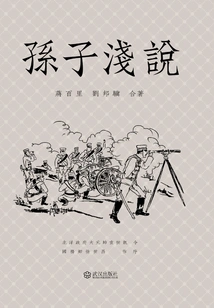
"Sun Tzu's Brief Commentary" is a collation and annotation of "The Art of War" by Jiang Baili and Liu Bangji, the famous military theorists of the Beiyang period. This book breaks through the traditional practice of merely collating and annotating words, introduces a large amount of Western military thought, and focuses on elaborating Sun Tzu's military thinking as a whole. It has a strong modern consciousness and practical function. As a military work, "A Brief Comment on Sun Tzu" not only pioneered the annotation method, but also achieved admirable results in collation. Most of its theories have been used by later generations and have high academic value.
"Sun Tzu's Brief Commentary" is a collation and annotation of "The Art of War" by Jiang Baili and Liu Bangji, the famous military theorists of the Beiyang period. This book breaks through the traditional practice of merely collating and annotating words, introduces a large amount of Western military thought, and focuses on elaborating Sun Tzu's military thinking as a whole. It has a strong modern consciousness and practical function. As a military work, "A Brief Comment on Sun Tzu" not only pioneered the annotation method, but also achieved admirable results in collation. Most of its theories have been used by later generations and have high academic value.
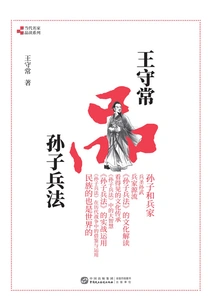
王守常品孙子兵法
Wang Shouchang
He is a scholar of the history of Chinese philosophy, thought and religion. As an early participant and current "head" of the "Chinese Culture Academy", one of the three major groups that influenced the "cultural craze" of the 1980s, he is an advocate and practitioner of "Chinese Studies" education in China's new era. This book expounds the strategies, tactics and wisdom of "Sun Tzu's Art of War" on the application of wisdom in various fields; it derives the analytical thinking of "the Golden Mean"; then it combs and lists multiple authoritative annotators of "Sun Tzu's Art of War", and then organizes and summarizes the translations; finally, it looks at the world and conducts a multi-faceted review and analysis of the research and application of "Sun Tzu's Art of War" in Japan, the United Kingdom, France and the United States, and derives the "universal" wisdom of "Sun Tzu's Art of War". It gives people a unique interpretation and reading, making Chinese studies more down-to-earth.
He is a scholar of the history of Chinese philosophy, thought and religion. As an early participant and current "head" of the "Chinese Culture Academy", one of the three major groups that influenced the "cultural craze" of the 1980s, he is an advocate and practitioner of "Chinese Studies" education in China's new era. This book expounds the strategies, tactics and wisdom of "Sun Tzu's Art of War" on the application of wisdom in various fields; it derives the analytical thinking of "the Golden Mean"; then it combs and lists multiple authoritative annotators of "Sun Tzu's Art of War", and then organizes and summarizes the translations; finally, it looks at the world and conducts a multi-faceted review and analysis of the research and application of "Sun Tzu's Art of War" in Japan, the United Kingdom, France and the United States, and derives the "universal" wisdom of "Sun Tzu's Art of War". It gives people a unique interpretation and reading, making Chinese studies more down-to-earth.
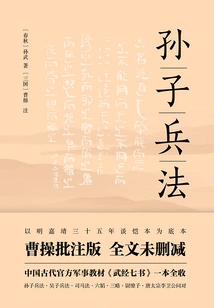
Sun Tzu's Art of War
Military孙子兵法
(spring And Autumn Period) Written By Sun Wu (three Kingdoms) Annotated By Cao Cao
"The Art of War" was written by Sun Wu in the late Spring and Autumn Period. It is also a world-recognized ancient existing military theoretical work. It is known as the "Holy Text of Military Science" and is placed at the top of the "Seven Books of Martial Arts". This book reveals several objective laws of war, has simple materialist and dialectical ideas, and occupies a very high position in the world's military history. It has been translated into many languages such as English, French, German, and Japanese, and has been widely disseminated. There are 13 chapters in the book. The appendix of this book is the remaining six books of the "Seven Books of Martial Arts", namely "Wu Zi's Art of War", "Sima's Art", "Six Tao", "Huang Shi Gong's Three Strategies", "Wei Liao Zi" and "Tang Taizong Li Weigong Questions and Answers".
"The Art of War" was written by Sun Wu in the late Spring and Autumn Period. It is also a world-recognized ancient existing military theoretical work. It is known as the "Holy Text of Military Science" and is placed at the top of the "Seven Books of Martial Arts". This book reveals several objective laws of war, has simple materialist and dialectical ideas, and occupies a very high position in the world's military history. It has been translated into many languages such as English, French, German, and Japanese, and has been widely disseminated. There are 13 chapters in the book. The appendix of this book is the remaining six books of the "Seven Books of Martial Arts", namely "Wu Zi's Art of War", "Sima's Art", "Six Tao", "Huang Shi Gong's Three Strategies", "Wei Liao Zi" and "Tang Taizong Li Weigong Questions and Answers".
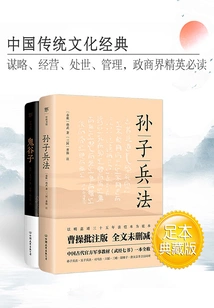
古代兵法:孙子兵法+鬼谷子(足本典藏版)
(spring And Autumn Period) Sun Wu (warring States Period) Guiguzi
"The Art of War" was written by Sun Wu in the late Spring and Autumn Period. It is also a world-recognized ancient existing military theoretical work. It is known as the "Holy Text of Military Science" and is placed at the top of the "Seven Books of Martial Arts". This book reveals several objective laws of war, has simple materialist and dialectical ideas, and occupies a very high position in the world's military history. It has been translated into many languages such as English, French, German, and Japanese, and has been widely disseminated. There are 13 chapters in the book. The appendix of this book is the remaining six books of the "Seven Books of Martial Arts", namely "Wu Zi's Art of War", "Sima's Art", "Six Tao", "Huang Shi Gong's Three Strategies", "Wei Liao Zi" and "Tang Taizong Li Weigong Questions and Answers". "Guiguzi" is a strange book, compiled by later generations based on Mr. Guigu's remarks. Its ideological content is broad and profound, covering philosophy, politics, military, psychology, society, literature, intelligence and other disciplines. It is a classic that can be widely interpreted and is known as "the forbidden fruit of wisdom and a unique book." The principles and techniques of lobbying and strategy contained in the book, such as "coupling, reacting, interfering, flying tongs, disobedience, and speculation," have always been widely studied in political and military circles in China and overseas. Nowadays, it is a must-read book in the business world and has far-reaching influence. The appendix is the vernacular historical novel "The Four Friends of Guigu" written by Yang Jinghui in the Qing Dynasty, in order to bring readers a different reading experience.
"The Art of War" was written by Sun Wu in the late Spring and Autumn Period. It is also a world-recognized ancient existing military theoretical work. It is known as the "Holy Text of Military Science" and is placed at the top of the "Seven Books of Martial Arts". This book reveals several objective laws of war, has simple materialist and dialectical ideas, and occupies a very high position in the world's military history. It has been translated into many languages such as English, French, German, and Japanese, and has been widely disseminated. There are 13 chapters in the book. The appendix of this book is the remaining six books of the "Seven Books of Martial Arts", namely "Wu Zi's Art of War", "Sima's Art", "Six Tao", "Huang Shi Gong's Three Strategies", "Wei Liao Zi" and "Tang Taizong Li Weigong Questions and Answers". "Guiguzi" is a strange book, compiled by later generations based on Mr. Guigu's remarks. Its ideological content is broad and profound, covering philosophy, politics, military, psychology, society, literature, intelligence and other disciplines. It is a classic that can be widely interpreted and is known as "the forbidden fruit of wisdom and a unique book." The principles and techniques of lobbying and strategy contained in the book, such as "coupling, reacting, interfering, flying tongs, disobedience, and speculation," have always been widely studied in political and military circles in China and overseas. Nowadays, it is a must-read book in the business world and has far-reaching influence. The appendix is the vernacular historical novel "The Four Friends of Guigu" written by Yang Jinghui in the Qing Dynasty, in order to bring readers a different reading experience.
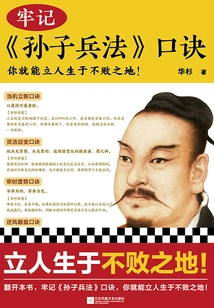
牢记《孙子兵法》口诀
Huashan
This book is written by Hua Shan, the author of the best-selling book "Hua Shan Tells It Through". He selects 99 wise sayings from "The Art of War" and provides an incisive interpretation of each sentence, turning the difficult-to-memorize "Sun Tzu's Art of War" into a portable reading that can be quickly memorized every day. Let you gradually gain invincible boundless wisdom and infinite power through easy reading! While explaining key words, Hua Shan focused on the application of ancient wisdom in modern work and life. The book is wonderful and fluent, and readers can learn something new in every sentence. It also explains the long-term misunderstanding of the views of "The Art of War" by the public readers. For example, "The Art of War" focuses not on "strategy" but on "calculation"; it pursues "decided in one battle" rather than "victory in a hundred battles"; it pursues the confident "defeat the few with more" and "defeat the strong with the weak", but never advocates how to fight the uncertain battles of "defeat the many with less" or "defeat the strong with the weak".
This book is written by Hua Shan, the author of the best-selling book "Hua Shan Tells It Through". He selects 99 wise sayings from "The Art of War" and provides an incisive interpretation of each sentence, turning the difficult-to-memorize "Sun Tzu's Art of War" into a portable reading that can be quickly memorized every day. Let you gradually gain invincible boundless wisdom and infinite power through easy reading! While explaining key words, Hua Shan focused on the application of ancient wisdom in modern work and life. The book is wonderful and fluent, and readers can learn something new in every sentence. It also explains the long-term misunderstanding of the views of "The Art of War" by the public readers. For example, "The Art of War" focuses not on "strategy" but on "calculation"; it pursues "decided in one battle" rather than "victory in a hundred battles"; it pursues the confident "defeat the few with more" and "defeat the strong with the weak", but never advocates how to fight the uncertain battles of "defeat the many with less" or "defeat the strong with the weak".
春秋时期军事著作:司马法
Sima Ranju
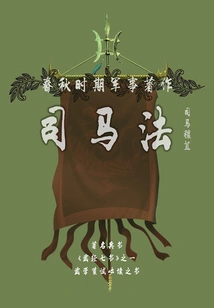
"Sima Fa" has been circulating for more than 2,000 years. As one of the "Seven Books of Martial Arts" authorized by the royal family, it came from the early Western Zhou Dynasty and was probably written in the early Warring States Period. It is the earliest military work that has been handed down. "Sima Fa" stood out from the voluminous military works and became one of the "Seven Books"; in the forty-eighth year of Emperor Kangxi of the Qing Dynasty (1709), the imperial court selected three books from the "Seven Books", known as the "Three Books of Martial Arts". "Sima Fa" was selected among them and became one of the "Three Books". Able to advance into the phalanx of the "Seven Books" and even the "Three Books" designated by the royal family in different periods, "Sima Fa" is a representative of the extremely high level of ancient military science, which is beyond the reach of ordinary military books. "Sima Fa" has three volumes and five chapters in existence, with rich and profound content. It not only contains extensive descriptions of the military rituals of the Zhou Dynasty, which have extremely high historical value, but also vigorously praises the Confucian thoughts of "taking benevolence as the foundation" and "taking rituals as the foundation". It solemnly emphasizes the concept of military culture, and also conducts in-depth research on strategic and tactical categories such as "heavy and heavy" and "outnumbered". It expounds the idea of ruling the army by law and the specific content of military law, which provides a basis for later generations to formulate military law regulations and laws. It is a work with the nature of a military code.
"Sima Fa" has been circulating for more than 2,000 years. As one of the "Seven Books of Martial Arts" authorized by the royal family, it came from the early Western Zhou Dynasty and was probably written in the early Warring States Period. It is the earliest military work that has been handed down. "Sima Fa" stood out from the voluminous military works and became one of the "Seven Books"; in the forty-eighth year of Emperor Kangxi of the Qing Dynasty (1709), the imperial court selected three books from the "Seven Books", known as the "Three Books of Martial Arts". "Sima Fa" was selected among them and became one of the "Three Books". Able to advance into the phalanx of the "Seven Books" and even the "Three Books" designated by the royal family in different periods, "Sima Fa" is a representative of the extremely high level of ancient military science, which is beyond the reach of ordinary military books. "Sima Fa" has three volumes and five chapters in existence, with rich and profound content. It not only contains extensive descriptions of the military rituals of the Zhou Dynasty, which have extremely high historical value, but also vigorously praises the Confucian thoughts of "taking benevolence as the foundation" and "taking rituals as the foundation". It solemnly emphasizes the concept of military culture, and also conducts in-depth research on strategic and tactical categories such as "heavy and heavy" and "outnumbered". It expounds the idea of ruling the army by law and the specific content of military law, which provides a basis for later generations to formulate military law regulations and laws. It is a work with the nature of a military code.
兵学圣典:孙子兵法
Sun Wu
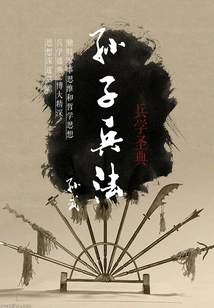
"Sun Tzu's Art of War" is a monograph on military science in my country. It has extensive and profound content, profound thoughts and rigorous logic. It perfectly embodies the essence of ancient Chinese military thought and is known as the "Sacred Text of Military Science". The thirteen chapters of "The Art of War" involve all aspects of military theory and practice. The content is extensive and profound, the thoughts are profound and far-sighted, and the logic is rigorous and rigorous. It is an important part of my country's excellent traditional culture.
"Sun Tzu's Art of War" is a monograph on military science in my country. It has extensive and profound content, profound thoughts and rigorous logic. It perfectly embodies the essence of ancient Chinese military thought and is known as the "Sacred Text of Military Science". The thirteen chapters of "The Art of War" involve all aspects of military theory and practice. The content is extensive and profound, the thoughts are profound and far-sighted, and the logic is rigorous and rigorous. It is an important part of my country's excellent traditional culture.
战国著名军事著作:吴子
Wu Qi
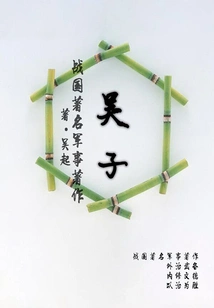
"Wu Zi" is a military work as famous as "Sun Tzu's Art of War". It is said to have been written by Wu Qi, a famous military strategist during the Warring States Period. The book has been compiled and deleted by later generations during its long-term circulation. Some chapters and contents have been lost. Currently, only six chapters including "Making a Map of the Country", "Making Enemies", "Governing the Army", "On Generals" and "Li Shi" remain. It is far from a complete work.
"Wu Zi" is a military work as famous as "Sun Tzu's Art of War". It is said to have been written by Wu Qi, a famous military strategist during the Warring States Period. The book has been compiled and deleted by later generations during its long-term circulation. Some chapters and contents have been lost. Currently, only six chapters including "Making a Map of the Country", "Making Enemies", "Governing the Army", "On Generals" and "Li Shi" remain. It is far from a complete work.
世界经典译丛:战争论
U
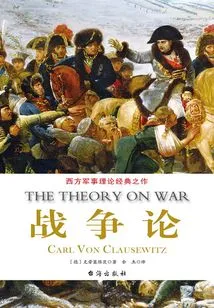
"On War" is a classic work of modern Western military theory and can be called the Western "Sun Tzu's Art of War". This book played a major role in the formation and development of modern Western military thought. In the book, the author discusses his unique insights into the art of war, including research on the relationship between war and policy, the role of "friction" in war, the importance of morale, and views on general strategy.
"On War" is a classic work of modern Western military theory and can be called the Western "Sun Tzu's Art of War". This book played a major role in the formation and development of modern Western military thought. In the book, the author discusses his unique insights into the art of war, including research on the relationship between war and policy, the role of "friction" in war, the importance of morale, and views on general strategy.
Infantry Attack
Military步兵攻击
(germany) Rommel
This book "Infantry Attack" was written by Rommel and translated by Zhang Weineng. The original version of "Infantry Attack" was published in 1937. It was written by the famous German general Rommel during World War II based on his personal experience in World War I. He gave a detailed description of every battle he participated in as a case reflection, and added hand-drawn on-site tactical maps. It can be called a classic of military theory, and it is also a good historical memoir of World War I.
This book "Infantry Attack" was written by Rommel and translated by Zhang Weineng. The original version of "Infantry Attack" was published in 1937. It was written by the famous German general Rommel during World War II based on his personal experience in World War I. He gave a detailed description of every battle he participated in as a case reflection, and added hand-drawn on-site tactical maps. It can be called a classic of military theory, and it is also a good historical memoir of World War I.
F
闪击之王:古德里安回忆录
(germany) Heinz Guderian
"The Blitzkrieg King" Guderian's war memoirs are rare and precious information for studying the Second World War, especially the German Blitzkrieg. The author describes in detail the creation process of the German armored forces and their use in the war based on personal experience. At the same time, he reviews a series of military operations in which he led the armored forces to quickly conquer Austria, Czechoslovakia, and the Sudetenland. He also makes a profound evaluation of the leaders of Nazi Germany and the German military command organization.
"The Blitzkrieg King" Guderian's war memoirs are rare and precious information for studying the Second World War, especially the German Blitzkrieg. The author describes in detail the creation process of the German armored forces and their use in the war based on personal experience. At the same time, he reviews a series of military operations in which he led the armored forces to quickly conquer Austria, Czechoslovakia, and the Sudetenland. He also makes a profound evaluation of the leaders of Nazi Germany and the German military command organization.
Suez Canal
Military苏伊士运河
Liu Meng
This book is a war history book. The Suez Canal War was a military operation launched by Britain and France, in conjunction with Israel, against Egypt on October 29, 1956, in order to gain control of the Suez Canal. The actions of Britain, France and the three countries have been widely criticized by the international community. Both the United States and the Soviet Union intervened in this incident and exerted pressure on the three countries. On November 6, under strong international pressure, Britain and France were forced to accept the ceasefire resolution, and Israel agreed to withdraw from the Sinai Peninsula on November 8. The military adventures of Britain and France ultimately ended in failure, and only Israel achieved its goals to a certain extent. This war also marked the emergence of the two superpowers, the United States and the Soviet Union, as the truly dominant forces in the Middle East and even the world. This book restores the entire war in a panoramic manner and contains a large number of vivid historical details. It is a variety book in the "War Special Edition" series.
This book is a war history book. The Suez Canal War was a military operation launched by Britain and France, in conjunction with Israel, against Egypt on October 29, 1956, in order to gain control of the Suez Canal. The actions of Britain, France and the three countries have been widely criticized by the international community. Both the United States and the Soviet Union intervened in this incident and exerted pressure on the three countries. On November 6, under strong international pressure, Britain and France were forced to accept the ceasefire resolution, and Israel agreed to withdraw from the Sinai Peninsula on November 8. The military adventures of Britain and France ultimately ended in failure, and only Israel achieved its goals to a certain extent. This war also marked the emergence of the two superpowers, the United States and the Soviet Union, as the truly dominant forces in the Middle East and even the world. This book restores the entire war in a panoramic manner and contains a large number of vivid historical details. It is a variety book in the "War Special Edition" series.
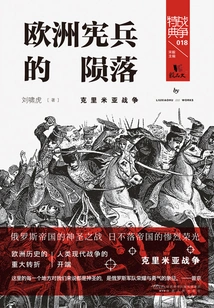
Crimean War
Military克里米亚战争
Liu Xiaohu
This book is the 018th volume in the "War Special Collection" series of Taoshu Ke. The Crimean War was a great-power war that took place in the mid-19th century but had a profound impact on the current world situation. It was a "significant turning point in European history" and the only war in the past century in which almost all European powers participated. This book uses time as the axis to sort out the context of the Crimean War in detail, revealing its historical causes and outbreak background. The book is richly illustrated with vivid historical details, various characters, and a grand observation perspective. This book presents readers with a somewhat comprehensive history of the Crimean War.
This book is the 018th volume in the "War Special Collection" series of Taoshu Ke. The Crimean War was a great-power war that took place in the mid-19th century but had a profound impact on the current world situation. It was a "significant turning point in European history" and the only war in the past century in which almost all European powers participated. This book uses time as the axis to sort out the context of the Crimean War in detail, revealing its historical causes and outbreak background. The book is richly illustrated with vivid historical details, various characters, and a grand observation perspective. This book presents readers with a somewhat comprehensive history of the Crimean War.
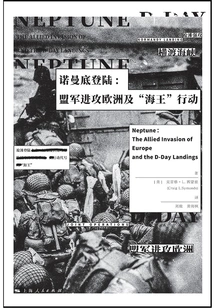
诺曼底登陆:盟军进攻欧洲及“海王”行动
(us)craig L. Simmonds
This book begins with the evacuation from Dunkirk before the Normandy landings. It clearly, comprehensively and completely describes the complete story of the design of transportation, escort, artillery support ships, as well as different strategic views and cultural frictions. The characters described include not only major decision-makers such as Roosevelt, Churchill, Marshall, Eisenhower, and Ramsey, but also junior officers and soldiers.
This book begins with the evacuation from Dunkirk before the Normandy landings. It clearly, comprehensively and completely describes the complete story of the design of transportation, escort, artillery support ships, as well as different strategic views and cultural frictions. The characters described include not only major decision-makers such as Roosevelt, Churchill, Marshall, Eisenhower, and Ramsey, but also junior officers and soldiers.
Sun Tzu Qian Said
Military孙子浅说
Jiang Baili Liu Bangji
This book is a collation and annotation of "The Art of War" by the famous military theorists Jiang Baili and Liu Bangji. It breaks through the traditional practice of collating and annotating only the words. It introduces a large number of Western military thoughts and focuses on elaborating Sun Tzu's military thinking as a whole. It has a strong modern consciousness and practical function.
This book is a collation and annotation of "The Art of War" by the famous military theorists Jiang Baili and Liu Bangji. It breaks through the traditional practice of collating and annotating only the words. It introduces a large number of Western military thoughts and focuses on elaborating Sun Tzu's military thinking as a whole. It has a strong modern consciousness and practical function.
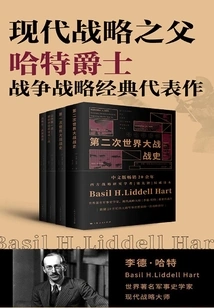
现代战略之父哈特爵士战争战略经典代表作
H
Sir John Hart, the father of modern strategy, has classic masterpieces on war strategy, including "Strategy: The Indirect Route", "Beyond the Mountain: Captured German Generals Talk about World War II", "History of the First World War" and "History of the Second World War". "Strategy: The Indirect Route" occupies a lofty position in the study of Western war history and is a must-read for military theory. Because of this book, Liddell Hart was regarded as the "Pope of Military Theory" by the West. In "Strategy: The Indirect Route", Liddell Hart used his profound research foundation in military theory and war history to analyze 30 wars and more than 280 battles in world history from the Greco-Persian War to the Second World War, and came to a conclusion: the indirect route strategy is the most effective and economical strategic form. The route that seems the furthest and most winding is often the real "shortcut". In any competition, you can only win by defeating your opponent. Before overcoming the opponent's resistance, you should first weaken his resistance. The most effective way is to draw him out of your own defense line. This is the essence of the indirect route strategy. Therefore, the "indirect route" is not only a law of war, but also a philosophical truth. In addition to war, it has extensive applications in all aspects of political and economic activities in human life. "Other Side of the Mountain: Captured German Generals Discuss World War II" is a unique history of World War II. Most of it comes from Liddell Hart's interrogation records of senior German generals in Nuremberg. Liddell Hart comprehensively and impartially collected the conversations with German generals such as Blumentritt, Rundstedt, Thoma, Kleist, Heinrich, Manteuffel, and Student, cutting out the redundant and concise, and interspersed his own analysis and conclusions in the account. He made the German generals the narrators of the course of World War II. This is the so-called "other side of the mountain" - referring to the psychology and military policies of the German army in World War II. This book not only records the most direct evidence of World War II, but readers can also feel the real atmosphere at that time and appreciate the details of the successes and failures of the war from the descriptions of the German generals. This book is quite readable and as exciting as "The History of World War II". "History of the First World War" is one of the important masterpieces of the world-famous military historian and modern strategy master Liddell Hart. It details the entire process of the First World War and the application of the strategies and tactics of all parties. In 1914, a gunshot in Sarajevo detonated the whole world. The European powers have fully mobilized and devoted their national efforts to this unprecedented cruel and bloody battle. Thousands of miles of barbed wire trenches became a wrestling ground for the will of the great powers. Millions of soldiers are trying to usher in the dawn of a new world order on muddy battlefields littered with debris and rivers of blood. War disasters spread across Asia, Europe and Africa, with gunfire and smoke, old empires disintegrated one after another, and the power structure in Europe also changed. However, the result of this war, which was claimed to be the end of all wars, turned out to be the next larger-scale world war... The Second World War of "History of World War II" The World War is the largest war in human history. No other war can compare to it in terms of the areas affected by the war, the countries directly or indirectly involved, the loss of life and property, etc. Its impact and impact are comprehensive and far-reaching, and deserve our attention and reflection. Among the works on the history of World War II, Liddell Hart's book is undoubtedly one of the most comprehensive works. The author relied on his personal military experience, rich information documents, and interview records of the parties involved, and spent 22 years to complete this masterpiece. This book contains detailed descriptions of the major and minor battles in World War II that lasted for six years. In addition, the author provides a calm and objective analysis and reflection on this period of history. People often say that "history is a mirror." This book can enable readers to learn about the past and understand the present. The truth of history still has a warning significance today.
Sir John Hart, the father of modern strategy, has classic masterpieces on war strategy, including "Strategy: The Indirect Route", "Beyond the Mountain: Captured German Generals Talk about World War II", "History of the First World War" and "History of the Second World War". "Strategy: The Indirect Route" occupies a lofty position in the study of Western war history and is a must-read for military theory. Because of this book, Liddell Hart was regarded as the "Pope of Military Theory" by the West. In "Strategy: The Indirect Route", Liddell Hart used his profound research foundation in military theory and war history to analyze 30 wars and more than 280 battles in world history from the Greco-Persian War to the Second World War, and came to a conclusion: the indirect route strategy is the most effective and economical strategic form. The route that seems the furthest and most winding is often the real "shortcut". In any competition, you can only win by defeating your opponent. Before overcoming the opponent's resistance, you should first weaken his resistance. The most effective way is to draw him out of your own defense line. This is the essence of the indirect route strategy. Therefore, the "indirect route" is not only a law of war, but also a philosophical truth. In addition to war, it has extensive applications in all aspects of political and economic activities in human life. "Other Side of the Mountain: Captured German Generals Discuss World War II" is a unique history of World War II. Most of it comes from Liddell Hart's interrogation records of senior German generals in Nuremberg. Liddell Hart comprehensively and impartially collected the conversations with German generals such as Blumentritt, Rundstedt, Thoma, Kleist, Heinrich, Manteuffel, and Student, cutting out the redundant and concise, and interspersed his own analysis and conclusions in the account. He made the German generals the narrators of the course of World War II. This is the so-called "other side of the mountain" - referring to the psychology and military policies of the German army in World War II. This book not only records the most direct evidence of World War II, but readers can also feel the real atmosphere at that time and appreciate the details of the successes and failures of the war from the descriptions of the German generals. This book is quite readable and as exciting as "The History of World War II". "History of the First World War" is one of the important masterpieces of the world-famous military historian and modern strategy master Liddell Hart. It details the entire process of the First World War and the application of the strategies and tactics of all parties. In 1914, a gunshot in Sarajevo detonated the whole world. The European powers have fully mobilized and devoted their national efforts to this unprecedented cruel and bloody battle. Thousands of miles of barbed wire trenches became a wrestling ground for the will of the great powers. Millions of soldiers are trying to usher in the dawn of a new world order on muddy battlefields littered with debris and rivers of blood. War disasters spread across Asia, Europe and Africa, with gunfire and smoke, old empires disintegrated one after another, and the power structure in Europe also changed. However, the result of this war, which was claimed to be the end of all wars, turned out to be the next larger-scale world war... The Second World War of "History of World War II" The World War is the largest war in human history. No other war can compare to it in terms of the areas affected by the war, the countries directly or indirectly involved, the loss of life and property, etc. Its impact and impact are comprehensive and far-reaching, and deserve our attention and reflection. Among the works on the history of World War II, Liddell Hart's book is undoubtedly one of the most comprehensive works. The author relied on his personal military experience, rich information documents, and interview records of the parties involved, and spent 22 years to complete this masterpiece. This book contains detailed descriptions of the major and minor battles in World War II that lasted for six years. In addition, the author provides a calm and objective analysis and reflection on this period of history. People often say that "history is a mirror." This book can enable readers to learn about the past and understand the present. The truth of history still has a warning significance today.
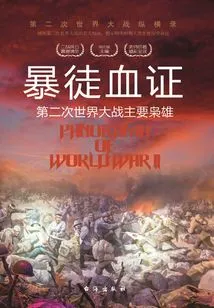
暴徒血证:第二次世界大战主要枭雄
Hu Yuanbin
This book combines the latest research results and the latest declassified information at home and abroad. Under the guidance of relevant departments and experts, the book takes the historical process of World War II as a clue and runs through the main historical periods, major battlefield battles and major military and political figures of World War II, presenting a panoramic view of the magnificent picture of World War II. The book mainly includes war history, battlefields, battles, generals and battles, etc. It spans time and space, is majestic, has detailed historical events, and is rich in pictures and texts. It is highly historical, informative, authoritative and authentic, and is of great reading and collection value.
This book combines the latest research results and the latest declassified information at home and abroad. Under the guidance of relevant departments and experts, the book takes the historical process of World War II as a clue and runs through the main historical periods, major battlefield battles and major military and political figures of World War II, presenting a panoramic view of the magnificent picture of World War II. The book mainly includes war history, battlefields, battles, generals and battles, etc. It spans time and space, is majestic, has detailed historical events, and is rich in pictures and texts. It is highly historical, informative, authoritative and authentic, and is of great reading and collection value.
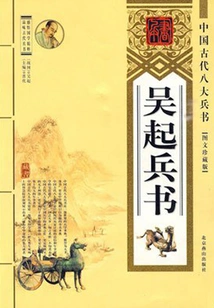
Wu Qi's Book of War
Military吴起兵书
Compiled By Yan Kai
The contents of this book include You, the chapter on charting the country, a summary of this chapter, internal cultivation of literature and virtue, external military preparation, educating the people, being friendly to all people, obeying the laws of nature, being in line with human feelings, teaching them etiquette, encouraging them with righteousness, and dressing them up with righteousness, forcing them to be humble and obedient, recruiting good talents simply to prepare for emergencies, and the wise will be the best. When a person is down, there will be no shortage of sages in the world, and the country will not lack virtuous people. Chapter of Anticipating the Enemy, Summary of this Chapter, The way to secure a country is to first take warning as a treasure, know yourself and the enemy, fight a hundred battles without danger, pick up the flag and capture the generals. There must be capable people who advance when they see what is possible, retreat when they know difficulties, observe the enemy outside, know what is inside, judge the enemy's strength, and be aware of danger, etc.
The contents of this book include You, the chapter on charting the country, a summary of this chapter, internal cultivation of literature and virtue, external military preparation, educating the people, being friendly to all people, obeying the laws of nature, being in line with human feelings, teaching them etiquette, encouraging them with righteousness, and dressing them up with righteousness, forcing them to be humble and obedient, recruiting good talents simply to prepare for emergencies, and the wise will be the best. When a person is down, there will be no shortage of sages in the world, and the country will not lack virtuous people. Chapter of Anticipating the Enemy, Summary of this Chapter, The way to secure a country is to first take warning as a treasure, know yourself and the enemy, fight a hundred battles without danger, pick up the flag and capture the generals. There must be capable people who advance when they see what is possible, retreat when they know difficulties, observe the enemy outside, know what is inside, judge the enemy's strength, and be aware of danger, etc.
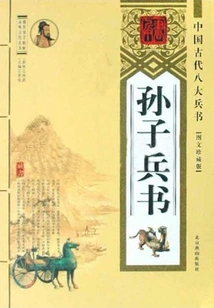
Sun Tzu's Book of War
Military孙子兵书
Compiled By Yan Kai
The content of this book includes the beginning of planning, a summary of this chapter, soldiers, major events of the country, five things to guide them, who has the right way, planning and benefit, and listening to it, which is to support the enemy's external force, soldiers, deceitful ways, luring them with benefits, taking them in disorder, attacking them unprepared, surprising them, and making calculations before the battle. The winner must be counted as many. Combat chapter. Summary of this chapter. He wins with battle. After a long time, he will defeat the enemy and use it for the country. He will kill the enemy because he has food for the enemy. The wise general will provide food for the enemy. Therefore, he is angry. The victory of the army is important. It is not expensive for a long time. Therefore, he knows the general of the army. He is the commander of the people and the master of the country's security.
The content of this book includes the beginning of planning, a summary of this chapter, soldiers, major events of the country, five things to guide them, who has the right way, planning and benefit, and listening to it, which is to support the enemy's external force, soldiers, deceitful ways, luring them with benefits, taking them in disorder, attacking them unprepared, surprising them, and making calculations before the battle. The winner must be counted as many. Combat chapter. Summary of this chapter. He wins with battle. After a long time, he will defeat the enemy and use it for the country. He will kill the enemy because he has food for the enemy. The wise general will provide food for the enemy. Therefore, he is angry. The victory of the army is important. It is not expensive for a long time. Therefore, he knows the general of the army. He is the commander of the people and the master of the country's security.
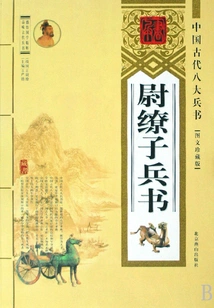
Wei Liaozi's Book of War
Military尉缭子兵书
Compiled By Yan Kai
The content of this book includes Tianguan, military talks, Zhitan, battle power, offensive power, defense of power, twelve tombs, military consultation, general principles, original officials, root cause, war power, severe punishment orders, military system orders, division orders, binding forces orders, military orders, military orders, general orders, heel military orders, military education, military education, military orders, and military orders.
The content of this book includes Tianguan, military talks, Zhitan, battle power, offensive power, defense of power, twelve tombs, military consultation, general principles, original officials, root cause, war power, severe punishment orders, military system orders, division orders, binding forces orders, military orders, military orders, general orders, heel military orders, military education, military education, military orders, and military orders.
Zeng Guofan's Military Book
Military曾国藩兵书
Compiled By Yan Kai
The contents of this book include Zeng Guofan's memorials, letters and thoughts on the art of war, the discussion of the elimination of troops, the lack of finances, the national annual income and the annual expenditure, and the methods of seizing food in an empty name, eliminating redundant troops, simplifying and eliminating them, and eliminating them. , Training methods, military discussions, Zeng Guofan's quotations on military management, respecting talents and entrusting them, respecting talents and corporal officers, knowing people and appointing them well, advocating ambition and benevolence, being brave in innovation, having both ability and political integrity, being able to conquer and fight well, being brave and loyal, respecting peace as the most precious thing, being open-minded and so on.
The contents of this book include Zeng Guofan's memorials, letters and thoughts on the art of war, the discussion of the elimination of troops, the lack of finances, the national annual income and the annual expenditure, and the methods of seizing food in an empty name, eliminating redundant troops, simplifying and eliminating them, and eliminating them. , Training methods, military discussions, Zeng Guofan's quotations on military management, respecting talents and entrusting them, respecting talents and corporal officers, knowing people and appointing them well, advocating ambition and benevolence, being brave in innovation, having both ability and political integrity, being able to conquer and fight well, being brave and loyal, respecting peace as the most precious thing, being open-minded and so on.
Jiang Taigong's Book of War
Military姜太公兵书
Compiled By Yan Kai
The contents of this book include King's Wings, Discussing Generals, Selecting Generals, Establishing Generals, Generals' Power, Energizing the Army, Yin Fu, Yin Shu, Military Situation, Strange Soldiers, Five Tones, Military Expeditions, Farm Tools, Tiger Tao Chapter, Overview of Ben Tao, Military Use, Three Formations, Quick War, Must Go, Military Strategy, Situation, Movement, Golden Drum, Jue Dao, Land Strategy, Fire battle, weak base, Leopard Taoist chapter, Ben Tao summary, material battle, surprise battle, strong enemy, enemy force, Bird cloud mountain soldiers, Bird cloud Zebing soldiers, small numbers, dividing danger, dog Taoist chapter, Ben Tao summary, division and combination, martial front, training, teaching combat, uniform troops, charioteers, martial knights, chariots, battle cavalry, combat steps, etc.
The contents of this book include King's Wings, Discussing Generals, Selecting Generals, Establishing Generals, Generals' Power, Energizing the Army, Yin Fu, Yin Shu, Military Situation, Strange Soldiers, Five Tones, Military Expeditions, Farm Tools, Tiger Tao Chapter, Overview of Ben Tao, Military Use, Three Formations, Quick War, Must Go, Military Strategy, Situation, Movement, Golden Drum, Jue Dao, Land Strategy, Fire battle, weak base, Leopard Taoist chapter, Ben Tao summary, material battle, surprise battle, strong enemy, enemy force, Bird cloud mountain soldiers, Bird cloud Zebing soldiers, small numbers, dividing danger, dog Taoist chapter, Ben Tao summary, division and combination, martial front, training, teaching combat, uniform troops, charioteers, martial knights, chariots, battle cavalry, combat steps, etc.
火线感悟:朝鲜战争赢之密
Mao Wenrong
The War to Resist U. S. Aggression and Aid Korea conducted by the Chinese People's Volunteers is a great and magnificent heroic epic. The combat experience of the 60th Volunteer Army is a tragic and glorious heroic chapter in this epic. In particular, the army's 180th Division was alone in the rear, was surrounded by the enemy, fought out of a desperate situation, and fought a comeback. During the counterattack in the summer of 1953, this army had 3,500 people lurking under the eyes of the enemy day and night, without anyone noticing, which was thrilling and shocking. The author of this book uses his own personal experience, knowledge, and a series of real stories to report on the talents and strategies of our army's senior generals, the wisdom and courage of our commanders and soldiers, and the unimaginable conscious discipline. It reveals the secret of our army's victory when the enemy is strong in military strength and we are weak, and the enemy is superior in equipment and we are inferior in equipment. He gave a clear answer to various rumors about the 180th Division of the Volunteer Army.
The War to Resist U. S. Aggression and Aid Korea conducted by the Chinese People's Volunteers is a great and magnificent heroic epic. The combat experience of the 60th Volunteer Army is a tragic and glorious heroic chapter in this epic. In particular, the army's 180th Division was alone in the rear, was surrounded by the enemy, fought out of a desperate situation, and fought a comeback. During the counterattack in the summer of 1953, this army had 3,500 people lurking under the eyes of the enemy day and night, without anyone noticing, which was thrilling and shocking. The author of this book uses his own personal experience, knowledge, and a series of real stories to report on the talents and strategies of our army's senior generals, the wisdom and courage of our commanders and soldiers, and the unimaginable conscious discipline. It reveals the secret of our army's victory when the enemy is strong in military strength and we are weak, and the enemy is superior in equipment and we are inferior in equipment. He gave a clear answer to various rumors about the 180th Division of the Volunteer Army.
On War (revised Edition)
Military战争论(修订版)
I
"On War (Revised Edition)" is a bourgeois military classic that uses dialectical methods to comprehensively discuss the basic principles of war. For the first time, Western military thought was synthesized into an intrinsically linked theoretical system; it provided a set of scientific methods for strategic decision-making, that is, how national government departments and military commanders should implement correct strategic guidance for future wars, formulate war plans, and ultimately achieve war victory, which greatly promoted the establishment and development of military science. "On War (Revised Edition)" is translated based on the Western version, using a concise and easy-to-understand method to translate "On War (Revised Edition)".
"On War (Revised Edition)" is a bourgeois military classic that uses dialectical methods to comprehensively discuss the basic principles of war. For the first time, Western military thought was synthesized into an intrinsically linked theoretical system; it provided a set of scientific methods for strategic decision-making, that is, how national government departments and military commanders should implement correct strategic guidance for future wars, formulate war plans, and ultimately achieve war victory, which greatly promoted the establishment and development of military science. "On War (Revised Edition)" is translated based on the Western version, using a concise and easy-to-understand method to translate "On War (Revised Edition)".
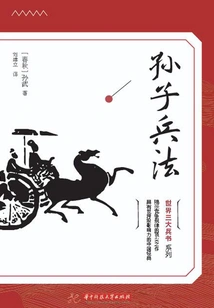
Sun Tzu's Art of War
Military孙子兵法
Sun Wu
"Sun Tzu's Art of War" has thirteen chapters in total and is a great military work. This book constructs a complete and rigorous military ideological system that is coherent from beginning to end, rich in content, and profound. It is also the oldest military book in existence. Therefore, Sun Tzu is also known as "the greatest military strategist of all time" and "the originator of Eastern military science"; at the same time, "Sun Tzu's Art of War" is also known as "the world's first military book", "the holy book of military science" and "the first military classic".
"Sun Tzu's Art of War" has thirteen chapters in total and is a great military work. This book constructs a complete and rigorous military ideological system that is coherent from beginning to end, rich in content, and profound. It is also the oldest military book in existence. Therefore, Sun Tzu is also known as "the greatest military strategist of all time" and "the originator of Eastern military science"; at the same time, "Sun Tzu's Art of War" is also known as "the world's first military book", "the holy book of military science" and "the first military classic".
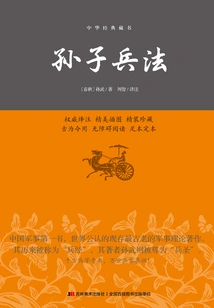
Sun Tzu's Art of War (hardcover)
Military孙子兵法(精装)
Sun Wu
The world's first military work - "Sun Tzu's Art of War" is a brilliant treasure in China's classical military cultural heritage and an important part of China's excellent cultural tradition. Its content is extensive and profound, its thoughts are profound and rich, and its logic is meticulous and rigorous. It is a concentrated expression of the essence of ancient Han military thought.
The world's first military work - "Sun Tzu's Art of War" is a brilliant treasure in China's classical military cultural heritage and an important part of China's excellent cultural tradition. Its content is extensive and profound, its thoughts are profound and rich, and its logic is meticulous and rigorous. It is a concentrated expression of the essence of ancient Han military thought.
不可不知的世界军事名著
Editorial Board Of This Series
This book introduces in detail the types, characteristics, and power of the latest weapons in various countries around the world, providing military enthusiasts and teenagers with knowledge about the current status and use of weapons.
This book introduces in detail the types, characteristics, and power of the latest weapons in various countries around the world, providing military enthusiasts and teenagers with knowledge about the current status and use of weapons.
《孙子兵法》科学使用手册
Han Minghui
The main body of this book is a modern interpretation of Sun Wu's "The Art of War". The author uses his profound knowledge of Chinese culture to explain this classic in an elegant yet practical way. In order to differentiate similar publications in the market, and at the same time maximize the ability of classic works to influence ordinary people, this book plans to introduce the concept of "work diary", so that "The Art of War" can enter the work and life of ordinary people in the form of diary and accompanying text, so that people can take time out from their busy work to read a piece of life wisdom, relax their minds, and understand life, so as to absorb nutrients and gain enlightenment unconsciously. About the author: Ma Chao, born in November 1977, is from Shangqiu City, Henan Province. He currently lives in Hangzhou City, Zhejiang Province. Bachelor of Arts in Chinese, Master of Laws. He once served as a high school Chinese teacher and is now a judge of the People's Court. In his spare time, he enjoys reading and writing, and has published more than 20 articles or won awards.
The main body of this book is a modern interpretation of Sun Wu's "The Art of War". The author uses his profound knowledge of Chinese culture to explain this classic in an elegant yet practical way. In order to differentiate similar publications in the market, and at the same time maximize the ability of classic works to influence ordinary people, this book plans to introduce the concept of "work diary", so that "The Art of War" can enter the work and life of ordinary people in the form of diary and accompanying text, so that people can take time out from their busy work to read a piece of life wisdom, relax their minds, and understand life, so as to absorb nutrients and gain enlightenment unconsciously. About the author: Ma Chao, born in November 1977, is from Shangqiu City, Henan Province. He currently lives in Hangzhou City, Zhejiang Province. Bachelor of Arts in Chinese, Master of Laws. He once served as a high school Chinese teacher and is now a judge of the People's Court. In his spare time, he enjoys reading and writing, and has published more than 20 articles or won awards.
Sun Tzu's Art of War
Military孙子兵法
Sun Wu
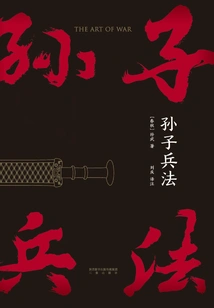
"The Art of War" was written in the late Spring and Autumn Period 2,500 years ago. It is the world's earliest military theory work and the greatest military strategic thought in ancient China. It has been translated into 27 languages including Japanese, French, English, Russian and German, and has been published in thousands of versions around the world. It is one of the most influential and widely circulated ancient Chinese books in the world. Chinese people are all familiar with the famous sayings from "The Art of War": "Victory by surprise", "Survival after death", "Know yourself and the enemy, and victory is not in danger". However, the significance of reading this "sacred book of military science" lies more in learning the strategic wisdom behind its tactics and the far-sighted attitude towards war. Its macro perspective and forward-looking ideas have given it a charm that spans time and technology, and is highly praised by the political, military, business and cultural circles. There are many emperors who regard it as a model, such as Cao Cao, Li Shimin, Napoleon, US Presidents Nixon and Clinton, military strategists Nobuhiro Takeda, Tommy Franks, and the founders of Panasonic, Sony, and Honda Motors. The original text of "Sun Tzu's Art of War" is not long, only more than 6,000 words, divided into thirteen chapters. This book is based on the most complete Southern Song Dynasty's "Eleven Family Notes on Sun Tzu", and was translated and annotated by Liu Qing, a strategic researcher and doctoral supervisor at the Academy of Military Sciences of the Chinese People's Liberation Army. Each chapter first displays the original text of The Art of War, and after a short explanation, proceeds to sentence-by-sentence translation and annotation analysis. I hope to present the elegance of Chinese wisdom in the most concise and clear way.
"The Art of War" was written in the late Spring and Autumn Period 2,500 years ago. It is the world's earliest military theory work and the greatest military strategic thought in ancient China. It has been translated into 27 languages including Japanese, French, English, Russian and German, and has been published in thousands of versions around the world. It is one of the most influential and widely circulated ancient Chinese books in the world. Chinese people are all familiar with the famous sayings from "The Art of War": "Victory by surprise", "Survival after death", "Know yourself and the enemy, and victory is not in danger". However, the significance of reading this "sacred book of military science" lies more in learning the strategic wisdom behind its tactics and the far-sighted attitude towards war. Its macro perspective and forward-looking ideas have given it a charm that spans time and technology, and is highly praised by the political, military, business and cultural circles. There are many emperors who regard it as a model, such as Cao Cao, Li Shimin, Napoleon, US Presidents Nixon and Clinton, military strategists Nobuhiro Takeda, Tommy Franks, and the founders of Panasonic, Sony, and Honda Motors. The original text of "Sun Tzu's Art of War" is not long, only more than 6,000 words, divided into thirteen chapters. This book is based on the most complete Southern Song Dynasty's "Eleven Family Notes on Sun Tzu", and was translated and annotated by Liu Qing, a strategic researcher and doctoral supervisor at the Academy of Military Sciences of the Chinese People's Liberation Army. Each chapter first displays the original text of The Art of War, and after a short explanation, proceeds to sentence-by-sentence translation and annotation analysis. I hope to present the elegance of Chinese wisdom in the most concise and clear way.
精华荟萃的中国兵书(上)
Compiled By Lin Zhiman And Xiao Feng
China is a huge country with a splendid civilization history of five thousand years and full of vitality and vitality. The Chinese nation has long been standing in the east of the world, succeeding one another for a hundred generations. The famous historian of science Bernard once said: "China has been one of the great centers of human civilization and science for many centuries." In the long history of the Chinese nation, it has created countless miracles of civilization.
China is a huge country with a splendid civilization history of five thousand years and full of vitality and vitality. The Chinese nation has long been standing in the east of the world, succeeding one another for a hundred generations. The famous historian of science Bernard once said: "China has been one of the great centers of human civilization and science for many centuries." In the long history of the Chinese nation, it has created countless miracles of civilization.
一本书看懂地缘世界
Wang Wei
The United States, from its founding, rise to hegemony, has gone through a routine like the "hero" in martial arts novels; Europe, once the "martial arts leader", has "receded to the second line"; Russia's geostrategic demands are the same as the double-headed eagle on its national emblem - Zuo Gu Look right; India wants to be a "prominent" big country, but the actual situation is complicated by its unique geographical environment; China has all the conditions to become a "king", but if it wants to truly "come to the top", it must rely on wisdom and courage and work hard!
The United States, from its founding, rise to hegemony, has gone through a routine like the "hero" in martial arts novels; Europe, once the "martial arts leader", has "receded to the second line"; Russia's geostrategic demands are the same as the double-headed eagle on its national emblem - Zuo Gu Look right; India wants to be a "prominent" big country, but the actual situation is complicated by its unique geographical environment; China has all the conditions to become a "king", but if it wants to truly "come to the top", it must rely on wisdom and courage and work hard!
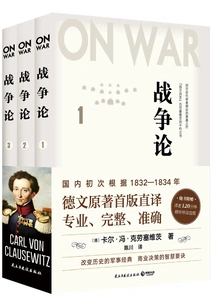
On War (all Three Volumes)
Military战争论(全三册)
Q
"On War" is a masterpiece of modern Western military theory. Through the review and analysis of more than 130 battle cases from 1566 to 1815, and combined with his own experience in several wars, the author Clausewitz conducted profound thinking on issues such as military and politics, war and peacemaking, offense and defense, strategy and tactics, material and spiritual power, standing army war and people's war, and finally completed this classic work. "On War" played a major role in the formation and development of modern Western military thought and has always been a must-read book for military experts and military enthusiasts in Western countries. The strategies and wisdom contained in "On War" have now gone beyond the military scope. Politicians, diplomats, and entrepreneurs from various countries have drawn nourishment from this book. Whether it is business decision-making or personal life, this book still has important practical significance.
"On War" is a masterpiece of modern Western military theory. Through the review and analysis of more than 130 battle cases from 1566 to 1815, and combined with his own experience in several wars, the author Clausewitz conducted profound thinking on issues such as military and politics, war and peacemaking, offense and defense, strategy and tactics, material and spiritual power, standing army war and people's war, and finally completed this classic work. "On War" played a major role in the formation and development of modern Western military thought and has always been a must-read book for military experts and military enthusiasts in Western countries. The strategies and wisdom contained in "On War" have now gone beyond the military scope. Politicians, diplomats, and entrepreneurs from various countries have drawn nourishment from this book. Whether it is business decision-making or personal life, this book still has important practical significance.
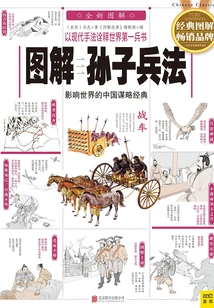
图解孙子兵法(2015版)
(spring And Autumn Period) Editorial Department Of "illustrated Classics" By Sun Wu
The original work "The Art of War" by Sun Tzu is the foundation work of traditional Chinese military science and is known as "the first military book in ancient times in the world". This book introduces in detail the grand background of the creation of "The Art of War by Sun Tzu". It uses diagrams to deconstruct in detail all the military ideological viewpoints of "The Art of War by Sun Tzu" from strategic planning to military logistics, from military affairs to commerce, from use of space to fire attack. The original work "The Art of War" by Sun Tzu is the foundation work of traditional Chinese military science and is known as "the first military book in ancient times in the world". This book introduces in detail the grand background of the creation of "The Art of War by Sun Tzu". It uses diagrams to deconstruct in detail the entire military ideology of "The Art of War" from strategic planning to military logistics, from military affairs to commerce, from use of space to fire attack.
The original work "The Art of War" by Sun Tzu is the foundation work of traditional Chinese military science and is known as "the first military book in ancient times in the world". This book introduces in detail the grand background of the creation of "The Art of War by Sun Tzu". It uses diagrams to deconstruct in detail all the military ideological viewpoints of "The Art of War by Sun Tzu" from strategic planning to military logistics, from military affairs to commerce, from use of space to fire attack. The original work "The Art of War" by Sun Tzu is the foundation work of traditional Chinese military science and is known as "the first military book in ancient times in the world". This book introduces in detail the grand background of the creation of "The Art of War by Sun Tzu". It uses diagrams to deconstruct in detail the entire military ideology of "The Art of War" from strategic planning to military logistics, from military affairs to commerce, from use of space to fire attack.
孙子兵法 三十六计
Li Xingbin, Ma Jiye, And Tong Xigang's Annotated Translation
"Thirty-Six Stratagems" is a famous military strategy work in ancient my country. Although its status as a classic is not as high as that of "The Art of War", its popularity is by no means inferior to "The Art of War", such as "Beauty Trap", "Going to the Top", etc., Which are well-known among women and children. The year and author of "Thirty-Six Stratagems" are a mystery. What future generations can understand is that the "Thirty-six Strategies" were first proposed in the "Book of Southern Qi·Wang Jingze". From this, it can be inferred that the "Thirty-Six Strategies" had been formed at least 1500 years ago, and were later supplemented and improved, and finally finalized in the Ming and Qing Dynasties. The original text of "Thirty-six Strategies" is short and uses many words from the "Book of Changes", which is quite difficult to understand, so "notes" were created to provide evidence by quoting scriptures. It is divided into six sets, listed according to "victorious battle", "enemy battle", "offensive battle", "melee battle", "joint battle" and "defeated battle". One set contains six strategies, sixty-six and thirty-six, completing the whole book. It is not difficult to see that "Thirty-Six Strategies" deeply absorbs the essence of the ancient Chinese "Book of Changes" thought of the mutual transformation of yin and yang and dialectical unity, and is very particular about its layout. "Thirty-Six Strategies" is a collection of the military art and wisdom of the past dynasties. It is not only suitable for implementation in the military field and political struggles, but also has strong applicability to the entire social life, economic diplomacy, and interpersonal interactions.
"Thirty-Six Stratagems" is a famous military strategy work in ancient my country. Although its status as a classic is not as high as that of "The Art of War", its popularity is by no means inferior to "The Art of War", such as "Beauty Trap", "Going to the Top", etc., Which are well-known among women and children. The year and author of "Thirty-Six Stratagems" are a mystery. What future generations can understand is that the "Thirty-six Strategies" were first proposed in the "Book of Southern Qi·Wang Jingze". From this, it can be inferred that the "Thirty-Six Strategies" had been formed at least 1500 years ago, and were later supplemented and improved, and finally finalized in the Ming and Qing Dynasties. The original text of "Thirty-six Strategies" is short and uses many words from the "Book of Changes", which is quite difficult to understand, so "notes" were created to provide evidence by quoting scriptures. It is divided into six sets, listed according to "victorious battle", "enemy battle", "offensive battle", "melee battle", "joint battle" and "defeated battle". One set contains six strategies, sixty-six and thirty-six, completing the whole book. It is not difficult to see that "Thirty-Six Strategies" deeply absorbs the essence of the ancient Chinese "Book of Changes" thought of the mutual transformation of yin and yang and dialectical unity, and is very particular about its layout. "Thirty-Six Strategies" is a collection of the military art and wisdom of the past dynasties. It is not only suitable for implementation in the military field and political struggles, but also has strong applicability to the entire social life, economic diplomacy, and interpersonal interactions.
U. S. Air Force Survival Manual
Military美国空军生存手册
United States Air Force Command
The U. S. Air Force Survival Manual was written for formal U. S. Air Force training, but also provides general readers with a comprehensive and detailed guide to outdoor survival techniques, with expert advice on: first aid for illness and injury; finding your way without a map; finding food and water; using rope and knotting; mountain survival; concealment techniques; distress signals; ocean survival; building shelters; responding to animal attacks; predicting the weather; and more
The U. S. Air Force Survival Manual was written for formal U. S. Air Force training, but also provides general readers with a comprehensive and detailed guide to outdoor survival techniques, with expert advice on: first aid for illness and injury; finding your way without a map; finding food and water; using rope and knotting; mountain survival; concealment techniques; distress signals; ocean survival; building shelters; responding to animal attacks; predicting the weather; and more
古代军事著作合集(全集)
Sima Rangju Et Al.
This set of books includes "Military Works of the Spring and Autumn Period: Sima Fa"; "Sacred Text of Military Science: Sun Tzu's Art of War"; "Famous Military Works of the Warring States Period: Wu Zi"; and "Military Masters' Handwritten Works: Three Strategies" in total. "Sima Fa" has been circulating for more than 2,000 years. As one of the "Seven Books of Martial Arts" authorized by the royal family, it came from the early Western Zhou Dynasty and was probably written in the early Warring States Period. It is the earliest military work that has been handed down. "Sima Fa" stood out from the voluminous military works and became one of the "Seven Books"; in the forty-eighth year of Emperor Kangxi of the Qing Dynasty (1709), the imperial court selected three books from the "Seven Books", known as the "Three Books of Martial Arts". "Sima Fa" was selected among them and became one of the "Three Books". Able to advance into the phalanx of the "Seven Books" and even the "Three Books" designated by the royal family in different periods, "Sima Fa" is a representative of the extremely high level of ancient military science, which is beyond the reach of ordinary military books. "Sun Tzu's Art of War" is a monograph on military science in my country. It has extensive and profound content, profound thoughts and rigorous logic. It perfectly embodies the essence of ancient Chinese military thought and is known as the "Sacred Text of Military Science". "Wu Zi" is a military work as famous as "Sun Tzu's Art of War". It is said to have been written by Wu Qi, a famous military strategist during the Warring States Period. The book has been compiled and deleted by later generations during its long-term circulation. Some chapters and contents have been lost. Currently, only six chapters including "Pictures of the Country", "Making Enemies", "Governing the Army", "On Generals" and "Lishi" remain, which is far from a complete work. "Military Strategies: Three Strategies" is a classic work about military strategy. It was written by Huang Shigong during the Qin Dynasty. It mainly expounds the political strategy of governing a country and rejuvenating the country, uniting the army and controlling the generals. It also involves the specific strategies and methods of using troops to fight. Its ideological system is not limited to one family, but blends the thoughts of various schools, especially Confucianism and Taoism. Therefore, although this book is famous as a military book, it is also regarded as a political strategy work. The article is not long but has far-reaching implications. It is compatible with the ideas of various pre-Qin schools. It has pertinent discussions on hardness and softness, valuing causes, using generals, rewards and punishments, advocating the virtuous, etiquette, and benefiting the people. Many scholars of the past dynasties have annotated and explained it, and it is highly praised. It focuses on clarifying the principles of governing the country and using military force from the perspective of political strategy, which is different from other military books. Chao Gongwu of the Southern Song Dynasty said: "In terms of the ingenuity of military maneuvers and strict decisions, the army can die or survive, and the country can survive or perish." "Historical Records. The Liuhou Family" records: Zhang Liang failed to assassinate Qin Shihuang, but was hunted down and was forced to hide in Xiapi (today's Pi County, Jiangsu Province) incognito. Here he met a man who claimed that the yellow stone at the foot of Gucheng Mountain is me. The old man taught him a copy of "Tai Gong's Art of War" (also said to be "Huang Shi Gong's Three Strategies"). After that, the Duke disappeared from historical records. Zhang Liang obtained the book, devoted himself to research, and later helped Liu Bang conquer the world and establish the Western Han Dynasty. However, according to textual research, the "Three Strategies of Huangshi Gong" should have been written no earlier than the middle of the Western Han Dynasty. It was compiled by later generations in the name of their predecessors, based on absorbing the excellent military ideas of the pre-Qin Dynasty and summarizing the experience of political rule and military management in the early Qin and Han Dynasties. It has many unique features.
This set of books includes "Military Works of the Spring and Autumn Period: Sima Fa"; "Sacred Text of Military Science: Sun Tzu's Art of War"; "Famous Military Works of the Warring States Period: Wu Zi"; and "Military Masters' Handwritten Works: Three Strategies" in total. "Sima Fa" has been circulating for more than 2,000 years. As one of the "Seven Books of Martial Arts" authorized by the royal family, it came from the early Western Zhou Dynasty and was probably written in the early Warring States Period. It is the earliest military work that has been handed down. "Sima Fa" stood out from the voluminous military works and became one of the "Seven Books"; in the forty-eighth year of Emperor Kangxi of the Qing Dynasty (1709), the imperial court selected three books from the "Seven Books", known as the "Three Books of Martial Arts". "Sima Fa" was selected among them and became one of the "Three Books". Able to advance into the phalanx of the "Seven Books" and even the "Three Books" designated by the royal family in different periods, "Sima Fa" is a representative of the extremely high level of ancient military science, which is beyond the reach of ordinary military books. "Sun Tzu's Art of War" is a monograph on military science in my country. It has extensive and profound content, profound thoughts and rigorous logic. It perfectly embodies the essence of ancient Chinese military thought and is known as the "Sacred Text of Military Science". "Wu Zi" is a military work as famous as "Sun Tzu's Art of War". It is said to have been written by Wu Qi, a famous military strategist during the Warring States Period. The book has been compiled and deleted by later generations during its long-term circulation. Some chapters and contents have been lost. Currently, only six chapters including "Pictures of the Country", "Making Enemies", "Governing the Army", "On Generals" and "Lishi" remain, which is far from a complete work. "Military Strategies: Three Strategies" is a classic work about military strategy. It was written by Huang Shigong during the Qin Dynasty. It mainly expounds the political strategy of governing a country and rejuvenating the country, uniting the army and controlling the generals. It also involves the specific strategies and methods of using troops to fight. Its ideological system is not limited to one family, but blends the thoughts of various schools, especially Confucianism and Taoism. Therefore, although this book is famous as a military book, it is also regarded as a political strategy work. The article is not long but has far-reaching implications. It is compatible with the ideas of various pre-Qin schools. It has pertinent discussions on hardness and softness, valuing causes, using generals, rewards and punishments, advocating the virtuous, etiquette, and benefiting the people. Many scholars of the past dynasties have annotated and explained it, and it is highly praised. It focuses on clarifying the principles of governing the country and using military force from the perspective of political strategy, which is different from other military books. Chao Gongwu of the Southern Song Dynasty said: "In terms of the ingenuity of military maneuvers and strict decisions, the army can die or survive, and the country can survive or perish." "Historical Records. The Liuhou Family" records: Zhang Liang failed to assassinate Qin Shihuang, but was hunted down and was forced to hide in Xiapi (today's Pi County, Jiangsu Province) incognito. Here he met a man who claimed that the yellow stone at the foot of Gucheng Mountain is me. The old man taught him a copy of "Tai Gong's Art of War" (also said to be "Huang Shi Gong's Three Strategies"). After that, the Duke disappeared from historical records. Zhang Liang obtained the book, devoted himself to research, and later helped Liu Bang conquer the world and establish the Western Han Dynasty. However, according to textual research, the "Three Strategies of Huangshi Gong" should have been written no earlier than the middle of the Western Han Dynasty. It was compiled by later generations in the name of their predecessors, based on absorbing the excellent military ideas of the pre-Qin Dynasty and summarizing the experience of political rule and military management in the early Qin and Han Dynasties. It has many unique features.
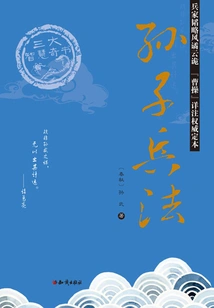
Sun Tzu's Art of War
Military孙子兵法
Sun Wu
The content of "Sun Tzu's Art of War" is broad and profound, its thoughts are profound and rich, and its logic is rigorous and precise. As a classic for military strategists, it provides incisive discussions on war from aspects such as combat, planning an attack, virtual reality, marching, and terrain. The book explores the opposition and transformation of a series of contradictions related to war, such as friend and foe, subject and object, numbers, strength and weakness, offense and defense, victory or defeat, interests, etc., Embodying dialectical thinking.
The content of "Sun Tzu's Art of War" is broad and profound, its thoughts are profound and rich, and its logic is rigorous and precise. As a classic for military strategists, it provides incisive discussions on war from aspects such as combat, planning an attack, virtual reality, marching, and terrain. The book explores the opposition and transformation of a series of contradictions related to war, such as friend and foe, subject and object, numbers, strength and weakness, offense and defense, victory or defeat, interests, etc., Embodying dialectical thinking.