Library
Browse and search books
521 novels found
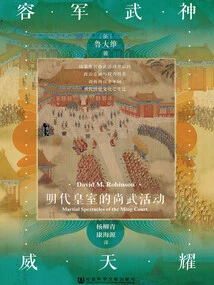
神武军容耀天威:明代皇室的尚武活动
(us) David Lu
Like most empires, the Ming court sponsored grand martial arts events to demonstrate dynastic strength and military might. In the first two hundred years of the Ming Dynasty, royal field hunts, polo matches, archery competitions, equestrian performances, school parades, and royal animal gardens aroused controversy on several occasions, forming a realm full of tension. Around them, the emperor and his ministers engaged in light and dark games and put forward contradictory claims on issues such as the power of the ruler, the relationship between monarch and ministers, and the role of martial elements. Lu Dawei fully excavated the poetry, prose and paintings of the Ming Dynasty. Against the background of the early modern history of the Eurasian continent, he analyzed the changes in the court culture of the Ming Dynasty based on military activities, and revealed the commonalities between the Ming Dynasty and the Timurid Khanate, the Mughal Empire and the Ottoman Empire.
Like most empires, the Ming court sponsored grand martial arts events to demonstrate dynastic strength and military might. In the first two hundred years of the Ming Dynasty, royal field hunts, polo matches, archery competitions, equestrian performances, school parades, and royal animal gardens aroused controversy on several occasions, forming a realm full of tension. Around them, the emperor and his ministers engaged in light and dark games and put forward contradictory claims on issues such as the power of the ruler, the relationship between monarch and ministers, and the role of martial elements. Lu Dawei fully excavated the poetry, prose and paintings of the Ming Dynasty. Against the background of the early modern history of the Eurasian continent, he analyzed the changes in the court culture of the Ming Dynasty based on military activities, and revealed the commonalities between the Ming Dynasty and the Timurid Khanate, the Mughal Empire and the Ottoman Empire.
九一八事变与日本侵华战争
Editor-in-chief Zang Yunhu
This book is a collection of essays commemorating the 90th anniversary of the September 18th Incident. The September 18th Incident was a landmark historical event in the Japanese imperialist war of aggression against China. A comprehensive and in-depth study from the perspective of the history of Japan's invasion of China still has important academic and practical significance. The articles included in this book start from first-hand Japanese archives and discuss Japan's organization and actions in modern times, the war of aggression against China before and after the September 18th Incident, and the launch of the all-out war of aggression against China, as well as the many aspects of the impact of the war of aggression against China on politics, military, economy, society, culture and education.
This book is a collection of essays commemorating the 90th anniversary of the September 18th Incident. The September 18th Incident was a landmark historical event in the Japanese imperialist war of aggression against China. A comprehensive and in-depth study from the perspective of the history of Japan's invasion of China still has important academic and practical significance. The articles included in this book start from first-hand Japanese archives and discuss Japan's organization and actions in modern times, the war of aggression against China before and after the September 18th Incident, and the launch of the all-out war of aggression against China, as well as the many aspects of the impact of the war of aggression against China on politics, military, economy, society, culture and education.
近代中国民间武器(修订本)
Qiu Jie
In modern times, the Chinese people have a large number of weapons ranging from old-fashioned firearms such as shotguns and cannons to machine guns and rifles. The number and types of civilian weapons are related to factors such as the level of economic development in each region, the level of public security, the difficulty of purchasing weapons, and folk customs. There are a huge number of civilian weapons in Guangdong, Northeast China and other regions, and new guns and guns have become the industrial metal products with the largest number of civilian possessions. Vigilante groups and bandits are the two groups with the most weapons besides the military and police. This book discusses the situation and causes of the proliferation of civilian weapons, militia weapons, bandit weapons, the attitudes of various classes and strata towards civilian weapons, the military and political authorities' countermeasures against civilian weapons, foreign factors behind arms trafficking, the relationship between civilian weapons and "state" and "society", etc. It has reference value for the research fields of modern Chinese social history, military history, revolutionary history and other fields.
In modern times, the Chinese people have a large number of weapons ranging from old-fashioned firearms such as shotguns and cannons to machine guns and rifles. The number and types of civilian weapons are related to factors such as the level of economic development in each region, the level of public security, the difficulty of purchasing weapons, and folk customs. There are a huge number of civilian weapons in Guangdong, Northeast China and other regions, and new guns and guns have become the industrial metal products with the largest number of civilian possessions. Vigilante groups and bandits are the two groups with the most weapons besides the military and police. This book discusses the situation and causes of the proliferation of civilian weapons, militia weapons, bandit weapons, the attitudes of various classes and strata towards civilian weapons, the military and political authorities' countermeasures against civilian weapons, foreign factors behind arms trafficking, the relationship between civilian weapons and "state" and "society", etc. It has reference value for the research fields of modern Chinese social history, military history, revolutionary history and other fields.
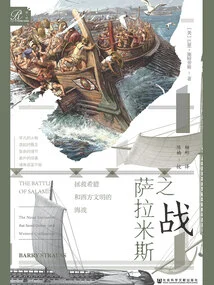
萨拉米斯之战:拯救希腊和西方文明的海战
(us)barry Strauss
One day in late September 480 BC, Greek warships faced the invading Persian fleet in the narrow Strait of Salami. This was the most important naval battle in the ancient world. Despite the huge disparity in power, the disadvantaged Greeks used strategies to deceive their enemies and ultimately won the battle. Even after more than two thousand years, the Battle of Salami remains one of the most tactically intelligent battles. The Greek victory changed the course of Western history, halted the expansion of the Persian Empire, and laid the foundation for the Golden Age of Athens. In a dramatic new account, historian and classicist Barry Strauss brings this landmark battle to life. He introduces us to the unforgettable figures whose decisions changed the course of history: Themistocles, the great leader of Athens (and commander of the Athenian fleet), who devised an ingenious strategy that basically destroyed the Persian navy in a day; "The Battle of Salamis" is an exciting historical work that allows you to truly experience the battle from all aspects of sight, sound and smell.
One day in late September 480 BC, Greek warships faced the invading Persian fleet in the narrow Strait of Salami. This was the most important naval battle in the ancient world. Despite the huge disparity in power, the disadvantaged Greeks used strategies to deceive their enemies and ultimately won the battle. Even after more than two thousand years, the Battle of Salami remains one of the most tactically intelligent battles. The Greek victory changed the course of Western history, halted the expansion of the Persian Empire, and laid the foundation for the Golden Age of Athens. In a dramatic new account, historian and classicist Barry Strauss brings this landmark battle to life. He introduces us to the unforgettable figures whose decisions changed the course of history: Themistocles, the great leader of Athens (and commander of the Athenian fleet), who devised an ingenious strategy that basically destroyed the Persian navy in a day; "The Battle of Salamis" is an exciting historical work that allows you to truly experience the battle from all aspects of sight, sound and smell.
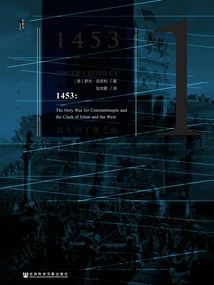
1453: Battle of Constantinople
Military1453:君士坦丁堡之战
J
The book completely reproduces the pre-war preparations of both sides for the offensive and defensive war surrounding Constantinople in 1453 that was endowed with sacred significance, the unfolding of the war process, and the historical trend of the Mediterranean world after the war. The author mobilizes historical ink and paints thick and colorful portraits of the two supreme commanders, the initiator of the war, Sultan Mohammed II, and the Emperor of the Byzantine Empire, Constantine XI. At the same time, Roger Crowley uses line drawings, sketches, or light ink to depict the group portraits of the commanders, chief ministers, religious leaders, and skilled craftsmen of the two armies in the confrontation.
The book completely reproduces the pre-war preparations of both sides for the offensive and defensive war surrounding Constantinople in 1453 that was endowed with sacred significance, the unfolding of the war process, and the historical trend of the Mediterranean world after the war. The author mobilizes historical ink and paints thick and colorful portraits of the two supreme commanders, the initiator of the war, Sultan Mohammed II, and the Emperor of the Byzantine Empire, Constantine XI. At the same time, Roger Crowley uses line drawings, sketches, or light ink to depict the group portraits of the commanders, chief ministers, religious leaders, and skilled craftsmen of the two armies in the confrontation.
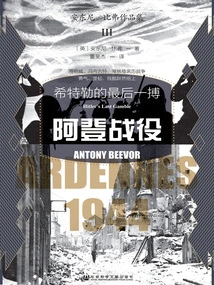
阿登战役:希特勒的最后一搏
L
In June 1944, nearly three million Allied troops landed in Normandy, successfully opening the second battlefield in Europe; in September, although Operation Market Garden, a planned air landing on the Arnhem Bridge, failed, the German army on the Western Front had gradually fallen into despair. On December 16, Hitler launched his "last ditch effort" - concentrating his forces to launch a counterattack in the Ardennes region at the junction of Belgium, Germany, and Luxembourg, in order to seize Antwerp, the main Allied supply port, and attempt to create a second "Dunkirk retreat." The Allied forces, who mistakenly believed that the German army was no longer able to launch a strategic offensive, were caught off guard. Some soldiers were defeated by the German offensive, fled or surrendered, but more soldiers stood bravely and resisted tenaciously, delaying the German attack. Driven by despair and revenge, coupled with the harsh winter climate, the Ardennes Campaign was as brutal as the Battle of Stalingrad on the Eastern Front. Both the Allied and German forces suffered nearly 100,000 casualties in this battle. Anthony Beaver, a famous British military historian, described in great detail this tragic battle that ultimately crushed the German Wehrmacht in terms of days.
In June 1944, nearly three million Allied troops landed in Normandy, successfully opening the second battlefield in Europe; in September, although Operation Market Garden, a planned air landing on the Arnhem Bridge, failed, the German army on the Western Front had gradually fallen into despair. On December 16, Hitler launched his "last ditch effort" - concentrating his forces to launch a counterattack in the Ardennes region at the junction of Belgium, Germany, and Luxembourg, in order to seize Antwerp, the main Allied supply port, and attempt to create a second "Dunkirk retreat." The Allied forces, who mistakenly believed that the German army was no longer able to launch a strategic offensive, were caught off guard. Some soldiers were defeated by the German offensive, fled or surrendered, but more soldiers stood bravely and resisted tenaciously, delaying the German attack. Driven by despair and revenge, coupled with the harsh winter climate, the Ardennes Campaign was as brutal as the Battle of Stalingrad on the Eastern Front. Both the Allied and German forces suffered nearly 100,000 casualties in this battle. Anthony Beaver, a famous British military historian, described in great detail this tragic battle that ultimately crushed the German Wehrmacht in terms of days.
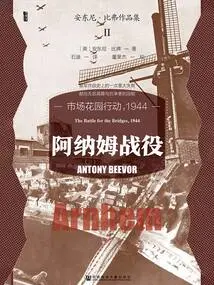
阿纳姆战役:市场花园行动,1944
(uk) Anthony Beaver
The "Market Garden" operation from September 17 to 26, 1944 was another major operation launched by the Allied forces on the Western European battlefield after the Normandy landings in the late World War II. It was the largest airborne combat operation in human history. The Battle of Arnhem eventually became the key battle of this operation. The operation mobilized the Allied 1st Airborne Army, including the U. S. 101St Airborne Division and 82nd Airborne Division, as well as the British 1st Airborne Division and the Polish 1st Independent Parachute Brigade, to participate in the war. The 30th Army of the British 2nd Army conducted ground coordination with the intention of defeating the Germans in one fell swoop and ending the war as soon as possible. Military historian Anthony Beaver starts from the micro level and paints a grand picture of the operation. The optimism permeated by the upper echelons of the Allied forces at that time, the overt and covert struggles among commanders, and the balanced strategy of British and American joint operations made this "gambler-style" military adventure possible. Poor planning and tragic reality brought the operation to a disastrous end, but the courage and perseverance of the Allied soldiers participating in the war and the generosity and fearlessness of the Dutch civilians have been remembered by history.
The "Market Garden" operation from September 17 to 26, 1944 was another major operation launched by the Allied forces on the Western European battlefield after the Normandy landings in the late World War II. It was the largest airborne combat operation in human history. The Battle of Arnhem eventually became the key battle of this operation. The operation mobilized the Allied 1st Airborne Army, including the U. S. 101St Airborne Division and 82nd Airborne Division, as well as the British 1st Airborne Division and the Polish 1st Independent Parachute Brigade, to participate in the war. The 30th Army of the British 2nd Army conducted ground coordination with the intention of defeating the Germans in one fell swoop and ending the war as soon as possible. Military historian Anthony Beaver starts from the micro level and paints a grand picture of the operation. The optimism permeated by the upper echelons of the Allied forces at that time, the overt and covert struggles among commanders, and the balanced strategy of British and American joint operations made this "gambler-style" military adventure possible. Poor planning and tragic reality brought the operation to a disastrous end, but the courage and perseverance of the Allied soldiers participating in the war and the generosity and fearlessness of the Dutch civilians have been remembered by history.
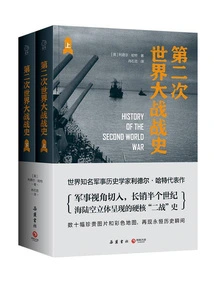
Z
Militaryz
A
Best-selling for half a century, this masterpiece by world-renowned military historian Liddell Hart has been carefully re-translated by scholars from the Academy of Military Science! From the perspective of strategy, battles, tactics and other military perspectives, the hard-core "World War II" history is presented three-dimensionally on land, sea and air! The book contains more than ten color maps, three-dimensionally reflecting the full picture of the battles of World War II; dozens of precious historical photos capture historical moments and allow readers to feel the historical details. The content covers the historical panorama of the "World War II", taking time as the main line, vertically sorting out the development and ups and downs of the world's anti-fascist war, and horizontally describing important battles on major battlefields. This book is a classic work on the history of World War II. It was written by British historian Liddell Hart after many years of hard work, based on his military career, extensive collection of various documents and in-depth interviews with those who witnessed the war. This book uses time as the main line, vertically sorting out the development and ups and downs of the world's anti-fascist war, horizontally describing important battles in Europe, North Africa, Soviet Germany, the Pacific and other major battlefields, and using rigorous pen and ink to depict the historical panorama of "World War II". At the same time, Liddell Hart, from the perspective of a military theorist, gave a thorough explanation and wonderful comments on the strategic decisions and campaign operations of the participating countries. Since its publication, this book has been translated into many languages and has become an inescapable classic for World War II history lovers around the world.
Best-selling for half a century, this masterpiece by world-renowned military historian Liddell Hart has been carefully re-translated by scholars from the Academy of Military Science! From the perspective of strategy, battles, tactics and other military perspectives, the hard-core "World War II" history is presented three-dimensionally on land, sea and air! The book contains more than ten color maps, three-dimensionally reflecting the full picture of the battles of World War II; dozens of precious historical photos capture historical moments and allow readers to feel the historical details. The content covers the historical panorama of the "World War II", taking time as the main line, vertically sorting out the development and ups and downs of the world's anti-fascist war, and horizontally describing important battles on major battlefields. This book is a classic work on the history of World War II. It was written by British historian Liddell Hart after many years of hard work, based on his military career, extensive collection of various documents and in-depth interviews with those who witnessed the war. This book uses time as the main line, vertically sorting out the development and ups and downs of the world's anti-fascist war, horizontally describing important battles in Europe, North Africa, Soviet Germany, the Pacific and other major battlefields, and using rigorous pen and ink to depict the historical panorama of "World War II". At the same time, Liddell Hart, from the perspective of a military theorist, gave a thorough explanation and wonderful comments on the strategic decisions and campaign operations of the participating countries. Since its publication, this book has been translated into many languages and has become an inescapable classic for World War II history lovers around the world.
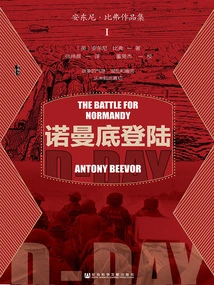
Normandy Landing
Military诺曼底登陆
V
The Normandy landing was the largest sea landing operation in the world so far, which fundamentally changed the strategic situation of World War II. It goes without saying that its scale was huge, but the intensity of the battle that followed was also shocking, with its cruelty comparable to that of the Eastern Front battlefield. As the number of casualties on both sides of the war surged, conflicts among the leadership of the Allies and the Axis powers also intensified, and even the assassination of Hitler by a German officer occurred. Meanwhile, French civilians were either trapped on the battlefield or subjected to heavy Allied bombing, casting a pall over the liberation of Paris. As a historian who "single-handedly changed the reputation of war history", Anthony Beaver visited more than 30 archives in 6 countries and unearthed the oral accounts and letters of those who personally participated in this battle. This is the first historical work to not only describe the wartime experiences of American, British, Canadian, and German soldiers, but also to show the suffering of French civilians caught in the fighting.
The Normandy landing was the largest sea landing operation in the world so far, which fundamentally changed the strategic situation of World War II. It goes without saying that its scale was huge, but the intensity of the battle that followed was also shocking, with its cruelty comparable to that of the Eastern Front battlefield. As the number of casualties on both sides of the war surged, conflicts among the leadership of the Allies and the Axis powers also intensified, and even the assassination of Hitler by a German officer occurred. Meanwhile, French civilians were either trapped on the battlefield or subjected to heavy Allied bombing, casting a pall over the liberation of Paris. As a historian who "single-handedly changed the reputation of war history", Anthony Beaver visited more than 30 archives in 6 countries and unearthed the oral accounts and letters of those who personally participated in this battle. This is the first historical work to not only describe the wartime experiences of American, British, Canadian, and German soldiers, but also to show the suffering of French civilians caught in the fighting.
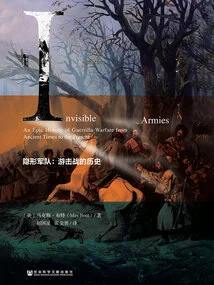
隐形军队:游击战的历史
(us)max Butt
Documenting nearly five thousand years of "non-traditional" military conflict, the author traces the history of guerrilla warfare and terrorism from ancient times to the present day. The author believes that since the first emergence of rebel forces against powerful powers in the classical world - from Alexander the Great to the Roman Empire - people have found that guerrilla armed forces are more difficult to deal with than regular armies. This book leads readers through history while integrating the challenges that may arise from guerrilla warfare and terrorism in the twenty-first century. It can be said to be a key monograph in the field of unconventional warfare and is considered "a must-read book for scholars, military and government officials, as well as interested readers."
Documenting nearly five thousand years of "non-traditional" military conflict, the author traces the history of guerrilla warfare and terrorism from ancient times to the present day. The author believes that since the first emergence of rebel forces against powerful powers in the classical world - from Alexander the Great to the Roman Empire - people have found that guerrilla armed forces are more difficult to deal with than regular armies. This book leads readers through history while integrating the challenges that may arise from guerrilla warfare and terrorism in the twenty-first century. It can be said to be a key monograph in the field of unconventional warfare and is considered "a must-read book for scholars, military and government officials, as well as interested readers."
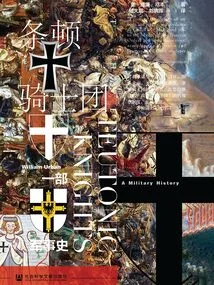
条顿骑士团:一部军事史
(us) William Urban
Scholar William Urban uses detailed quotations and discussions to pierce the fog of modern nationalism and restore a wonderful but little-known chapter in the history of the European Middle Ages. The book combs the history of the Teutonic Knights from its rise to its decline, with dramatic situations occurring one after another, such as the Battle of the Ice Lake in 1242 and the Knights' disastrous defeat at Tannenberg. However, the focus remains on its trajectory of maintaining territorial control year after year, resisting harassment and plunder by small groups of enemies, and launching holy wars against non-Catholic enemies. The lives, creeds and actions of the German Crusaders in the Middle Ages, as well as the 500-year history of the Teutonic Knights, are vividly presented.
Scholar William Urban uses detailed quotations and discussions to pierce the fog of modern nationalism and restore a wonderful but little-known chapter in the history of the European Middle Ages. The book combs the history of the Teutonic Knights from its rise to its decline, with dramatic situations occurring one after another, such as the Battle of the Ice Lake in 1242 and the Knights' disastrous defeat at Tannenberg. However, the focus remains on its trajectory of maintaining territorial control year after year, resisting harassment and plunder by small groups of enemies, and launching holy wars against non-Catholic enemies. The lives, creeds and actions of the German Crusaders in the Middle Ages, as well as the 500-year history of the Teutonic Knights, are vividly presented.
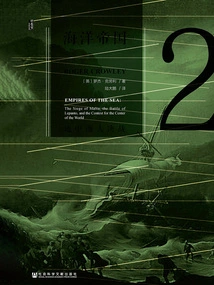
海洋帝国:地中海大决战
K
"Empire of the Sea" mainly describes the famous island offensive and defensive battles and naval decisive battles in the Mediterranean between the Ottoman Empire in the mid-to-late 16th century and the Kingdom of Spain, the Papal State, and the Republic of Venice ruled by the Habsburg family, the Papal State, and the Republic of Venice, in order to compete for the Mediterranean, the center of the old world, including the battles of Rhodes, Malta, Cyprus, and the Battle of Lepanto. Empire of the Sea is a colorful and thrilling story that provides a critical backdrop to the contemporary clash of civilizations.
"Empire of the Sea" mainly describes the famous island offensive and defensive battles and naval decisive battles in the Mediterranean between the Ottoman Empire in the mid-to-late 16th century and the Kingdom of Spain, the Papal State, and the Republic of Venice ruled by the Habsburg family, the Papal State, and the Republic of Venice, in order to compete for the Mediterranean, the center of the old world, including the battles of Rhodes, Malta, Cyprus, and the Battle of Lepanto. Empire of the Sea is a colorful and thrilling story that provides a critical backdrop to the contemporary clash of civilizations.
Liberate Fushun
Military解放抚顺
Lin Keke
On October 31, 1948, the 10th Independent Division of the Northeast Field Army rushed into Fushun at the end of the Liaoshen Campaign. One regiment of the 207th Division of the Kuomintang Youth Army that defended the enemy abandoned the city and fled, and the People's Liberation Army took over the "coal capital" without bloodshed. Asia's largest open-pit coal mine, special steel plant and power plant were completely taken over, and more than 2,000 machine tools and 40 locomotives were seized. This battle cut off the energy lifeline of the national army in Shenyang, and Shenyang was liberated three hours later (14:00 on the same day). The zero-loss transfer of Fushun's industrial system provided core support for ordnance production in the late stages of the Liberation War and laid the foundation for New China's heavy industry.
On October 31, 1948, the 10th Independent Division of the Northeast Field Army rushed into Fushun at the end of the Liaoshen Campaign. One regiment of the 207th Division of the Kuomintang Youth Army that defended the enemy abandoned the city and fled, and the People's Liberation Army took over the "coal capital" without bloodshed. Asia's largest open-pit coal mine, special steel plant and power plant were completely taken over, and more than 2,000 machine tools and 40 locomotives were seized. This battle cut off the energy lifeline of the national army in Shenyang, and Shenyang was liberated three hours later (14:00 on the same day). The zero-loss transfer of Fushun's industrial system provided core support for ordnance production in the late stages of the Liberation War and laid the foundation for New China's heavy industry.
先秦战争与政治地理格局
Song Jie
The book "Wars and Political Geography of Pre-Qin" examines the distribution of economic regions, population, ethnic groups, and political forces in various historical stages of the Pre-Qin period, as well as the topography, hydrology, customs and cultural conditions of each region, and mutual transportation routes. It also focuses on exploring the restrictive effects of these factors on the formation and evolution of combat strategies, that is, the close relationship between regional differences, spatial changes, and military activities. The whole book is divided into "Three Dynasties Chapter", "Spring and Autumn Chapter" and "Warring States Chapter". This book is the doctoral thesis of Professor Song Jie, an expert in military geography. This publication has been carefully revised, and 18 schematic diagrams of war situations have been added, printed in two colors. This book has detailed information and a novel perspective. Look at Chinese history from a different perspective, see clearly the secrets behind the war, and decipher the code of Chinese war.
The book "Wars and Political Geography of Pre-Qin" examines the distribution of economic regions, population, ethnic groups, and political forces in various historical stages of the Pre-Qin period, as well as the topography, hydrology, customs and cultural conditions of each region, and mutual transportation routes. It also focuses on exploring the restrictive effects of these factors on the formation and evolution of combat strategies, that is, the close relationship between regional differences, spatial changes, and military activities. The whole book is divided into "Three Dynasties Chapter", "Spring and Autumn Chapter" and "Warring States Chapter". This book is the doctoral thesis of Professor Song Jie, an expert in military geography. This publication has been carefully revised, and 18 schematic diagrams of war situations have been added, printed in two colors. This book has detailed information and a novel perspective. Look at Chinese history from a different perspective, see clearly the secrets behind the war, and decipher the code of Chinese war.
雀鸟与群狼的对决:扭转战局的兵棋游戏
(uk) Simon Parkin
This book is a historical documentary that tells the untold and wonderful story of the Women's Royal Naval Service during World War II. This group of young women broke through the shackles of prejudice and actively participated in the thrilling Atlantic naval battle. They used their intelligence in the behind-the-scenes combat command room, using frontline battle reports, huge maps, flags and markers to simulate tactical deductions in war chess games to develop a winning strategy for the Allies. They ultimately helped the maritime fleet defeat Nazi Germany's U-boats and reversed the tide of the Atlantic War. At the same time, they profoundly affected the overall trend of World War II and contributed to Germany's defeat. The author of this book uses a vivid narrative, integrating solid historical materials, accurate data and extensive interviews to write this female legend in the history of World War II. With a film-like intense scene arrangement and dramatic characterization, it tells a battle story about courage, perseverance and wisdom.
This book is a historical documentary that tells the untold and wonderful story of the Women's Royal Naval Service during World War II. This group of young women broke through the shackles of prejudice and actively participated in the thrilling Atlantic naval battle. They used their intelligence in the behind-the-scenes combat command room, using frontline battle reports, huge maps, flags and markers to simulate tactical deductions in war chess games to develop a winning strategy for the Allies. They ultimately helped the maritime fleet defeat Nazi Germany's U-boats and reversed the tide of the Atlantic War. At the same time, they profoundly affected the overall trend of World War II and contributed to Germany's defeat. The author of this book uses a vivid narrative, integrating solid historical materials, accurate data and extensive interviews to write this female legend in the history of World War II. With a film-like intense scene arrangement and dramatic characterization, it tells a battle story about courage, perseverance and wisdom.
The Rise and Fall of British Maritime Supremacy ("the Rise and Fall of the Great Powers" Series)
Military英国海上霸权的兴衰(“大国的兴衰”系列)
O
In this book, Professor Paul Kennedy has begun to use the research methods he later used in his book "The Rise and Fall of the Great Powers". He combines historical narrative with strategic analysis to provide an innovative explanation of the rise and fall of British maritime hegemony. He believed that Britain's acquisition of world hegemony not only relied on sea power, but also relied on the combination of sea power and land power. This was the case both in the Elizabethan era and in the Napoleonic era. . He also viewed sea power more rationally, believing that after entering the 20th century, the importance of sea power has begun to decline. Only countries with both land and sea power can become a new generation of hegemonic countries. No country that once held world hegemony can retain its hegemony forever. The sun never sets on an empire that has long since set. But looking back at the ups and downs of British maritime hegemony over more than 400 years may help us gain insight into the accelerated evolution of the current world structure!
In this book, Professor Paul Kennedy has begun to use the research methods he later used in his book "The Rise and Fall of the Great Powers". He combines historical narrative with strategic analysis to provide an innovative explanation of the rise and fall of British maritime hegemony. He believed that Britain's acquisition of world hegemony not only relied on sea power, but also relied on the combination of sea power and land power. This was the case both in the Elizabethan era and in the Napoleonic era. . He also viewed sea power more rationally, believing that after entering the 20th century, the importance of sea power has begun to decline. Only countries with both land and sea power can become a new generation of hegemonic countries. No country that once held world hegemony can retain its hegemony forever. The sun never sets on an empire that has long since set. But looking back at the ups and downs of British maritime hegemony over more than 400 years may help us gain insight into the accelerated evolution of the current world structure!
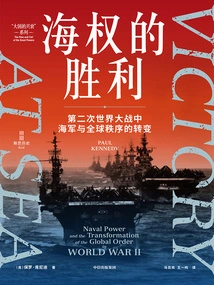
海权的胜利:第二次世界大战中海军与全球秩序的转变(“大国的兴衰”系列)
A
In 1939, before the outbreak of World War II, there were six naval powers in the world - Britain, the United States, Japan, France, Germany and Italy. "The Triumph of Sea Power" writes from the basic appearance of the six major naval powers before World War II to the end of the war. It is a panoramic documentary of the naval battles of World War II. At the same time, Professor Paul Kennedy continued the method in his book "The Rise and Fall of the Great Powers", combining the narration of historical events with strategic analysis. From multiple perspectives such as economy, military, technology, geopolitics, strategic thinking, political decision-making, etc., He took stock of the strengths and weaknesses of the navies of the six countries, and analyzed in detail the reasons for the ups and downs of the navies of the six countries, especially the rapid rise of the U. S. Navy. The naval battles of World War II led to the rise of U. S. Maritime hegemony and established the global order for decades after the war. This new work by Professor Kennedy provides us with a powerful help in understanding this order in depth!
In 1939, before the outbreak of World War II, there were six naval powers in the world - Britain, the United States, Japan, France, Germany and Italy. "The Triumph of Sea Power" writes from the basic appearance of the six major naval powers before World War II to the end of the war. It is a panoramic documentary of the naval battles of World War II. At the same time, Professor Paul Kennedy continued the method in his book "The Rise and Fall of the Great Powers", combining the narration of historical events with strategic analysis. From multiple perspectives such as economy, military, technology, geopolitics, strategic thinking, political decision-making, etc., He took stock of the strengths and weaknesses of the navies of the six countries, and analyzed in detail the reasons for the ups and downs of the navies of the six countries, especially the rapid rise of the U. S. Navy. The naval battles of World War II led to the rise of U. S. Maritime hegemony and established the global order for decades after the war. This new work by Professor Kennedy provides us with a powerful help in understanding this order in depth!
中国兵史:史学宗师解读中国兵史
Lei Haizong
This book can be called a complete reading on China's military history. Readers get a complete reading of Mr. Lei Haizong's research on Chinese military history. There have been many studies on China's military system, but Lei Haizong did not follow the path of traditional military history. He worked from the side and introduced Western social science analysis methods to explore the spirit of soldiers in Chinese culture, that is, the history and loss of martial ethics. During this process, many noteworthy characteristics of Chinese culture were brought out, which in turn gave new insights to Chinese history. Mr. Liang Qichao said: Who is the historian? It records the continuous activities of human society, analyzes its overall results, and finds out its cause and effect relationships, so as to serve as a reference for the activities of ordinary people in modern times.
This book can be called a complete reading on China's military history. Readers get a complete reading of Mr. Lei Haizong's research on Chinese military history. There have been many studies on China's military system, but Lei Haizong did not follow the path of traditional military history. He worked from the side and introduced Western social science analysis methods to explore the spirit of soldiers in Chinese culture, that is, the history and loss of martial ethics. During this process, many noteworthy characteristics of Chinese culture were brought out, which in turn gave new insights to Chinese history. Mr. Liang Qichao said: Who is the historian? It records the continuous activities of human society, analyzes its overall results, and finds out its cause and effect relationships, so as to serve as a reference for the activities of ordinary people in modern times.
两岸共研抗战史论文集
Editor-in-chief Wang Jianlang Huang Binglin
This book contains 40 papers written by experts, scholars and retired generals from both sides of the Taiwan Strait who jointly studied the history of the Anti-Japanese War. These articles are based on the purpose of "sharing historical materials, writing historical books together, and jointly promoting the spirit of the Anti-Japanese War". They carry out in-depth discussions and candid exchanges on issues such as Japan's strategy of invading China and the course of the war, the Kuomintang and the Communist Party's resistance against Japan, and the historical memory and inheritance of the Anti-Japanese War. I believe that these thoughts and research will play a positive role in deepening the understanding of the common historical memory of both sides of the Taiwan Strait and promoting cross-Strait exchanges and integration.
This book contains 40 papers written by experts, scholars and retired generals from both sides of the Taiwan Strait who jointly studied the history of the Anti-Japanese War. These articles are based on the purpose of "sharing historical materials, writing historical books together, and jointly promoting the spirit of the Anti-Japanese War". They carry out in-depth discussions and candid exchanges on issues such as Japan's strategy of invading China and the course of the war, the Kuomintang and the Communist Party's resistance against Japan, and the historical memory and inheritance of the Anti-Japanese War. I believe that these thoughts and research will play a positive role in deepening the understanding of the common historical memory of both sides of the Taiwan Strait and promoting cross-Strait exchanges and integration.
唐代神策军与神策中尉研究
He Xiancheng
The Shence Army was the main component of the Bei Ya Forbidden Army in the middle and late Tang Dynasty and a major armed force directly controlled by the Tang court. It was also an important political force in the political arena in the late Tang Dynasty and had a huge influence on the political situation and historical development of the late Tang Dynasty. This book comprehensively and meticulously examines the origin and evolution of the Shence Army, its sources of troops and organizational system, the nature of the Shence Lieutenants, Shence Town issues, the income of the Shence Army, the functions and tasks of the Shence Army, etc. It then uses the succession of emperors in the middle and late Tang Dynasty as a clue, and takes the Five Dynasties of Wen, Wu, Xuan, Yi, and Zhao as cases to analyze the game between imperial power and eunuch power, aiming to reveal the role of the Shence Lieutenant's command of the Shence Army in the evolution of the political situation in the middle and late Tang Dynasty.
The Shence Army was the main component of the Bei Ya Forbidden Army in the middle and late Tang Dynasty and a major armed force directly controlled by the Tang court. It was also an important political force in the political arena in the late Tang Dynasty and had a huge influence on the political situation and historical development of the late Tang Dynasty. This book comprehensively and meticulously examines the origin and evolution of the Shence Army, its sources of troops and organizational system, the nature of the Shence Lieutenants, Shence Town issues, the income of the Shence Army, the functions and tasks of the Shence Army, etc. It then uses the succession of emperors in the middle and late Tang Dynasty as a clue, and takes the Five Dynasties of Wen, Wu, Xuan, Yi, and Zhao as cases to analyze the game between imperial power and eunuch power, aiming to reveal the role of the Shence Lieutenant's command of the Shence Army in the evolution of the political situation in the middle and late Tang Dynasty.
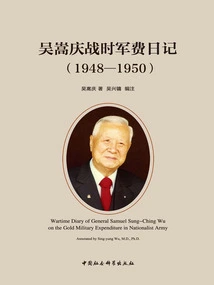
吴嵩庆战时军费日记(1948—1950)
Written By Wu Songqing And Edited By Wu Xingyong
In December 1947, General Wu Songqing became the director of the Finance Department, in charge of the national military expenditures, and was also involved in the "Shanghai Treasury Gold Transfer to Xiamen, Taiwan Incident." In the spring of 1949, gold yuan coupons depreciated greatly, and the Kuomintang army had no choice but to start supplying troops with gold and silver yuan. Wu Songqing won the trust of Chiang Kai-shek and was responsible for the use of gold military expenditures. This diary records the military expenditures of the Kuomintang government from 1948 to 1950. Before August 1948, military expenditures were in legal currency; from then until April 1949, they were gold yuan coupons; from May to the end of 1949, until the Kuomintang army retreated to Taiwan, gold and silver yuan were used for military expenses. During this period, a small amount of silver yuan coupons were also mixed in from July to December; in 1950, gold continued to be used to supplement military expenditures in Taiwan, which contributed greatly to stabilizing Taiwan's finances. Military spending had a huge impact on the Civil War, accounting for more than three-quarters of the government's total budget at the time. After the gold yuan notes were devalued into "waste paper", due to limited gold and silver, the Kuomintang's non-lineage and minor units were unable to obtain the minimum food payment. This may be one of the reasons for their frequent defections before the battle, and one of the main reasons for accelerating the Kuomintang's defeat on the mainland. The diaries of these three years detail the inside story and the government's most confidential military expenditure secrets, especially the historical events in which Chiang Kai-shek controlled gold and silver military expenditures as a subordinate and continued to command the Kuomintang army in operations. The editors and annotators use the latest declassified files to make detailed annotations, providing readers with first-hand information on modern history.
In December 1947, General Wu Songqing became the director of the Finance Department, in charge of the national military expenditures, and was also involved in the "Shanghai Treasury Gold Transfer to Xiamen, Taiwan Incident." In the spring of 1949, gold yuan coupons depreciated greatly, and the Kuomintang army had no choice but to start supplying troops with gold and silver yuan. Wu Songqing won the trust of Chiang Kai-shek and was responsible for the use of gold military expenditures. This diary records the military expenditures of the Kuomintang government from 1948 to 1950. Before August 1948, military expenditures were in legal currency; from then until April 1949, they were gold yuan coupons; from May to the end of 1949, until the Kuomintang army retreated to Taiwan, gold and silver yuan were used for military expenses. During this period, a small amount of silver yuan coupons were also mixed in from July to December; in 1950, gold continued to be used to supplement military expenditures in Taiwan, which contributed greatly to stabilizing Taiwan's finances. Military spending had a huge impact on the Civil War, accounting for more than three-quarters of the government's total budget at the time. After the gold yuan notes were devalued into "waste paper", due to limited gold and silver, the Kuomintang's non-lineage and minor units were unable to obtain the minimum food payment. This may be one of the reasons for their frequent defections before the battle, and one of the main reasons for accelerating the Kuomintang's defeat on the mainland. The diaries of these three years detail the inside story and the government's most confidential military expenditure secrets, especially the historical events in which Chiang Kai-shek controlled gold and silver military expenditures as a subordinate and continued to command the Kuomintang army in operations. The editors and annotators use the latest declassified files to make detailed annotations, providing readers with first-hand information on modern history.
明代卫所制度与贵州地域社会研究
Wu Caimao
The formation of Guizhou's regional society during the Ming and Qing Dynasties was directly and closely related to the Ming Dynasty's health institution system. It was the implementation and changes of the health institution system that created the foundation for the coexistence of diverse cultures in Guizhou. The Shitu Guard Station gradually evolved into a state and county system; the site of the Guard Station gradually transformed from a military function into a town with a political, cultural, economic, and educational center; health education opened up people's wisdom and promoted enlightenment, gradually forming the cultural regional center of Guizhou, and accelerating the formation of custom zoning; the continuous immigration of the Guard Station gradually formed In the long history of historical changes, the military household group not only guarded the border, but also gradually opened up the diverse landscape of Guizhou's regional society together with the ethnic minority groups. Han culture and ethnic minority culture blended with each other, forming a multi-ethnic symbiotic multicultural form of "you among me, and you among me" during the Ming and Qing Dynasties.
The formation of Guizhou's regional society during the Ming and Qing Dynasties was directly and closely related to the Ming Dynasty's health institution system. It was the implementation and changes of the health institution system that created the foundation for the coexistence of diverse cultures in Guizhou. The Shitu Guard Station gradually evolved into a state and county system; the site of the Guard Station gradually transformed from a military function into a town with a political, cultural, economic, and educational center; health education opened up people's wisdom and promoted enlightenment, gradually forming the cultural regional center of Guizhou, and accelerating the formation of custom zoning; the continuous immigration of the Guard Station gradually formed In the long history of historical changes, the military household group not only guarded the border, but also gradually opened up the diverse landscape of Guizhou's regional society together with the ethnic minority groups. Han culture and ethnic minority culture blended with each other, forming a multi-ethnic symbiotic multicultural form of "you among me, and you among me" during the Ming and Qing Dynasties.
明代广东海防指挥体系时空演变研究
Han Hutai
The maritime defense pattern in Guangdong during the Ming Dynasty experienced a relatively complex evolution process, and this evolution was concentrated in the temporal and spatial changes in the coastal defense military command system. Based on the analysis of Guangdong's sea and land distribution pattern, coastal landform types, and coastal defense geographical conditions in the Ming Dynasty, this book discusses the spatiotemporal distribution characteristics of Japanese pirates and pirate invasions along the Guangdong coast in the Ming Dynasty, the spatial deployment of coastal guards, water forts, and coastal defenses, as well as the impact of the opening of Macao on the coastal defense situation in Guangdong. Then, starting from the high-level structures of the military command system in Guangdong in the Ming Dynasty, such as the governor of Guangdong and Guangxi, the commander-in-chief of Guangdong, deputy commander-in-chief, and staff general, through a detailed analysis of the documents, we examined in detail the changes in their establishment, jurisdictions, and garrison locations, as well as the close relationship between this series of evolutions and the land and sea defense pattern of Guangdong.
The maritime defense pattern in Guangdong during the Ming Dynasty experienced a relatively complex evolution process, and this evolution was concentrated in the temporal and spatial changes in the coastal defense military command system. Based on the analysis of Guangdong's sea and land distribution pattern, coastal landform types, and coastal defense geographical conditions in the Ming Dynasty, this book discusses the spatiotemporal distribution characteristics of Japanese pirates and pirate invasions along the Guangdong coast in the Ming Dynasty, the spatial deployment of coastal guards, water forts, and coastal defenses, as well as the impact of the opening of Macao on the coastal defense situation in Guangdong. Then, starting from the high-level structures of the military command system in Guangdong in the Ming Dynasty, such as the governor of Guangdong and Guangxi, the commander-in-chief of Guangdong, deputy commander-in-chief, and staff general, through a detailed analysis of the documents, we examined in detail the changes in their establishment, jurisdictions, and garrison locations, as well as the close relationship between this series of evolutions and the land and sea defense pattern of Guangdong.
抗日战争时期国民政府对日防空研究(1931—1945)
Yuan Chengyi
During the "January 28th" Incident, the Japanese army also carried out multiple air raids on Shanghai and surrounding Hangzhou, Suzhou and other places, causing heavy casualties and property losses. In particular, the damage to Chinese cultural facilities aroused public outrage from all walks of life at the time, and "air defense" became an important topic. In the early days of the Anti-Japanese War, our army achieved a great victory in the "August 14th" air battle. The air defense force effectively blocked the Japanese invasion in the Nanjing air defense battle and shattered the Japanese army's strategic plan of "destroying China in three months." During the Anti-Japanese War, our army effectively cooperated with other arms and the allied air forces to fight against the enemy bravely, making important contributions to the final victory of the Anti-Japanese War. With the development of our country's historiography and the deepening of research on the history of the Republic of China, a large number of research articles and works involving the Nanjing National Government's air defense against Japan have emerged. This book summarizes the research status of this issue to help us comprehensively, objectively and fairly understand and study the history of the anti-Japanese war air defense and the history of the Republic of China.
During the "January 28th" Incident, the Japanese army also carried out multiple air raids on Shanghai and surrounding Hangzhou, Suzhou and other places, causing heavy casualties and property losses. In particular, the damage to Chinese cultural facilities aroused public outrage from all walks of life at the time, and "air defense" became an important topic. In the early days of the Anti-Japanese War, our army achieved a great victory in the "August 14th" air battle. The air defense force effectively blocked the Japanese invasion in the Nanjing air defense battle and shattered the Japanese army's strategic plan of "destroying China in three months." During the Anti-Japanese War, our army effectively cooperated with other arms and the allied air forces to fight against the enemy bravely, making important contributions to the final victory of the Anti-Japanese War. With the development of our country's historiography and the deepening of research on the history of the Republic of China, a large number of research articles and works involving the Nanjing National Government's air defense against Japan have emerged. This book summarizes the research status of this issue to help us comprehensively, objectively and fairly understand and study the history of the anti-Japanese war air defense and the history of the Republic of China.
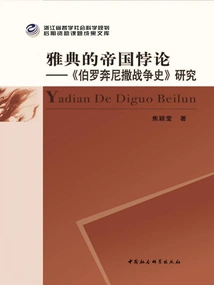
雅典的帝国悖论:《伯罗奔尼撒战争史》研究
Jiao Yingying
This book is based on summarizing relevant domestic research and discusses the hidden political conflicts in the Athenian Empire. The Peloponnesian War was Athens' direct path to the empire, and it was also the last resort for other Greek city-states to defend their independence. The war exposed the shortcomings of democracy: it is not conducive to making war decisions. Athens faced a dilemma: Either shake the foundation of the city-state, sacrifice democracy and even the individuality it caused, and build a formal Greek empire; or maintain democracy, hinder the victory of the war, and the empire would die.
This book is based on summarizing relevant domestic research and discusses the hidden political conflicts in the Athenian Empire. The Peloponnesian War was Athens' direct path to the empire, and it was also the last resort for other Greek city-states to defend their independence. The war exposed the shortcomings of democracy: it is not conducive to making war decisions. Athens faced a dilemma: Either shake the foundation of the city-state, sacrifice democracy and even the individuality it caused, and build a formal Greek empire; or maintain democracy, hinder the victory of the war, and the empire would die.
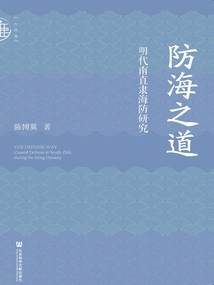
防海之道:明代南直隶海防研究
Chen Boyi
When coastal defense is severely challenged, how does a country respond to defend its political and economic core? This book starts from the challenge of Japanese rebellion to national coastal defense in the Ming Dynasty, and describes the Ming government's specific defensive responses and adjustments in the face of attacks. The whole book studies the institutional operation process of the establishment of officials, cooperation at all levels, and actual command of coastal defense in the Ming Dynasty under the "military and political structure" composed of two aspects: military and military. It reveals the adjustment and change of the coastal defense pattern, deployment, and system in the Ming Dynasty, and shows the exploration and some dilemmas of the early modern state at the institutional operational level. Through the description and analysis of actual coastal defense forms, we can enhance our knowledge and understanding of the operation of the Ming Dynasty state and its organizations, and also provide some ideas for current maritime governance and system construction.
When coastal defense is severely challenged, how does a country respond to defend its political and economic core? This book starts from the challenge of Japanese rebellion to national coastal defense in the Ming Dynasty, and describes the Ming government's specific defensive responses and adjustments in the face of attacks. The whole book studies the institutional operation process of the establishment of officials, cooperation at all levels, and actual command of coastal defense in the Ming Dynasty under the "military and political structure" composed of two aspects: military and military. It reveals the adjustment and change of the coastal defense pattern, deployment, and system in the Ming Dynasty, and shows the exploration and some dilemmas of the early modern state at the institutional operational level. Through the description and analysis of actual coastal defense forms, we can enhance our knowledge and understanding of the operation of the Ming Dynasty state and its organizations, and also provide some ideas for current maritime governance and system construction.

晚清协饷制度研究
Wu Changwen
Since the Qin Dynasty unified the world and implemented the system of prefectures and counties, the dynastic system has continued to develop. By the Qing Dynasty, a national governance structure with linkage between top and bottom and internal and external maintenance was formed. In the Qing Dynasty, fiscal power was mainly exercised by the central government. Whether each province was in financial surplus or in deficit and whether subsidies were needed was entirely decided by the central government. Therefore, a fiscal transfer system-the rates system-was established to determine whether the provinces were in surplus or in deficit. The rates system is documented in memorials and private writings. It was an extremely important institutional arrangement during the Qing Dynasty. The ideas and remnants of this system are still in effect today. The study of the rates system in the late Qing Dynasty can provide us with historical experience and have reference significance for the current reality.
Since the Qin Dynasty unified the world and implemented the system of prefectures and counties, the dynastic system has continued to develop. By the Qing Dynasty, a national governance structure with linkage between top and bottom and internal and external maintenance was formed. In the Qing Dynasty, fiscal power was mainly exercised by the central government. Whether each province was in financial surplus or in deficit and whether subsidies were needed was entirely decided by the central government. Therefore, a fiscal transfer system-the rates system-was established to determine whether the provinces were in surplus or in deficit. The rates system is documented in memorials and private writings. It was an extremely important institutional arrangement during the Qing Dynasty. The ideas and remnants of this system are still in effect today. The study of the rates system in the late Qing Dynasty can provide us with historical experience and have reference significance for the current reality.
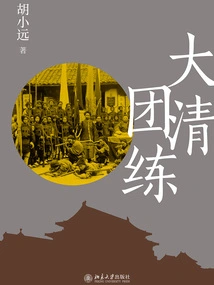
Daqing Group Training
Military大清团练
Hu Xiaoyuan
This book focuses on the history of the Tuanlian movement in the late Qing Dynasty, peeling away the historical fog that shrouded "Tuanlian" and showing the historical destiny and suffering of a special group in a special era. Since the Tang Dynasty, the government has used the armed forces of local civil organizations to guard cities and prevent theft as a "group training". In the late Qing Dynasty, faced with internal and external troubles and the weak combat power of the Eight Banners and the Green Camp Army, the Qing government had to encourage local governments to "organize regiment training" to defend the territory, protect borders, and maintain governance. In the game field between state power and local forces, centralization and local autonomy, the Tuanlian movement, with its unique historical trajectory, changed the local political and social structure and the traditional relationship between local society and state power, thus accelerating the "collapse of the traditional state" and "the beginning of China's modernization."
This book focuses on the history of the Tuanlian movement in the late Qing Dynasty, peeling away the historical fog that shrouded "Tuanlian" and showing the historical destiny and suffering of a special group in a special era. Since the Tang Dynasty, the government has used the armed forces of local civil organizations to guard cities and prevent theft as a "group training". In the late Qing Dynasty, faced with internal and external troubles and the weak combat power of the Eight Banners and the Green Camp Army, the Qing government had to encourage local governments to "organize regiment training" to defend the territory, protect borders, and maintain governance. In the game field between state power and local forces, centralization and local autonomy, the Tuanlian movement, with its unique historical trajectory, changed the local political and social structure and the traditional relationship between local society and state power, thus accelerating the "collapse of the traditional state" and "the beginning of China's modernization."
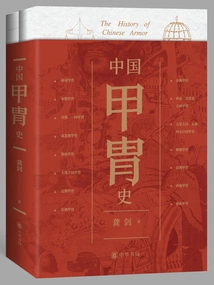
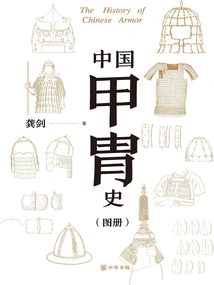
中国甲胄史(套装全两册)
Gong Jian
In the history of human civilization, the war history of every nation is an important part of its national memory. In the continuous battles of mankind, the armament culture, which integrates spirit, wisdom, technology and wealth, has made great progress. The production level of weapons at each stage is the most prominent symbol of the development of social productivity at that time. They have extremely important historical significance and cultural value. Based on events that occurred in different historical periods, the author of this book summarizes the development of ancient Chinese armor spanning more than 3,000 years through repeated research through the study of ancient books and historical materials, as well as related paintings, sculptures, actual armor objects unearthed from past dynasties, and the collections of many collectors, and provides a detailed description and explanation of representative armor equipment.
In the history of human civilization, the war history of every nation is an important part of its national memory. In the continuous battles of mankind, the armament culture, which integrates spirit, wisdom, technology and wealth, has made great progress. The production level of weapons at each stage is the most prominent symbol of the development of social productivity at that time. They have extremely important historical significance and cultural value. Based on events that occurred in different historical periods, the author of this book summarizes the development of ancient Chinese armor spanning more than 3,000 years through repeated research through the study of ancient books and historical materials, as well as related paintings, sculptures, actual armor objects unearthed from past dynasties, and the collections of many collectors, and provides a detailed description and explanation of representative armor equipment.
中国甲胄史(下)
Gong Jian
In the history of human civilization, the war history of every nation is an important part of its national memory. In the continuous battles of mankind, the armament culture, which integrates spirit, wisdom, technology and wealth, has made great progress. The production level of weapons at each stage is the most prominent symbol of the development of social productivity at that time. They have extremely important historical significance and cultural value. Based on events that occurred in different historical periods, the author of this book summarizes the development of ancient Chinese armor spanning more than 3,000 years through repeated research through the study of ancient books and historical materials, as well as related paintings, sculptures, actual armor objects unearthed from past dynasties, and the collections of many collectors, and provides a detailed description and explanation of representative armor equipment.
In the history of human civilization, the war history of every nation is an important part of its national memory. In the continuous battles of mankind, the armament culture, which integrates spirit, wisdom, technology and wealth, has made great progress. The production level of weapons at each stage is the most prominent symbol of the development of social productivity at that time. They have extremely important historical significance and cultural value. Based on events that occurred in different historical periods, the author of this book summarizes the development of ancient Chinese armor spanning more than 3,000 years through repeated research through the study of ancient books and historical materials, as well as related paintings, sculptures, actual armor objects unearthed from past dynasties, and the collections of many collectors, and provides a detailed description and explanation of representative armor equipment.
Sino-japanese War
Military甲午海战
Chen Yue
The Sino-Japanese Sino-Japanese War of 1894-1895 one hundred and thirty years ago was an important turning point in the destiny of modern China. The Sino-Japanese naval battle almost ran through the entire process of the war. It was a prominent symbol of the outbreak, turning point and final outcome of the war. It affected the direction of the entire war situation and had a vital impact on the outcome of both sides. Why did the Qing court fail? Who is responsible? What's the lesson? These issues have triggered reflection by the Chinese people for hundreds of years. To this day, the "revenge of Sino-Japanese War" is still a lingering story among the Chinese people. This book takes the military operations of the Beiyang Navy as the main line, and presents a panoramic view of the entire process of the Sino-Japanese War of 1894-1895 from five parts: the Battle of Fengdao, the Battle of the Yellow Sea, the Battle of Lushun, the fall of Weihaiwei, and the destruction of the Beiyang Fleet. The book uses rare historical materials at home and abroad, underwater archaeological results and historical pictures, combined with rigorous historical narratives, to restore the details of war scenes and vividly reproduce the ever-changing war situation, thrilling naval battle scenes and epic heroic stories. This book also provides a wonderful analysis of the naval strategic and tactical issues of China and Japan, and clearly presents the institutional shortcomings and factional struggles of the late Qing government, as well as the inner activities and choices of the generals who participated in the war. It profoundly reveals the truth about the Beiyang Navy's tragic defeat and the fearless courage to fight hard.
The Sino-Japanese Sino-Japanese War of 1894-1895 one hundred and thirty years ago was an important turning point in the destiny of modern China. The Sino-Japanese naval battle almost ran through the entire process of the war. It was a prominent symbol of the outbreak, turning point and final outcome of the war. It affected the direction of the entire war situation and had a vital impact on the outcome of both sides. Why did the Qing court fail? Who is responsible? What's the lesson? These issues have triggered reflection by the Chinese people for hundreds of years. To this day, the "revenge of Sino-Japanese War" is still a lingering story among the Chinese people. This book takes the military operations of the Beiyang Navy as the main line, and presents a panoramic view of the entire process of the Sino-Japanese War of 1894-1895 from five parts: the Battle of Fengdao, the Battle of the Yellow Sea, the Battle of Lushun, the fall of Weihaiwei, and the destruction of the Beiyang Fleet. The book uses rare historical materials at home and abroad, underwater archaeological results and historical pictures, combined with rigorous historical narratives, to restore the details of war scenes and vividly reproduce the ever-changing war situation, thrilling naval battle scenes and epic heroic stories. This book also provides a wonderful analysis of the naval strategic and tactical issues of China and Japan, and clearly presents the institutional shortcomings and factional struggles of the late Qing government, as well as the inner activities and choices of the generals who participated in the war. It profoundly reveals the truth about the Beiyang Navy's tragic defeat and the fearless courage to fight hard.
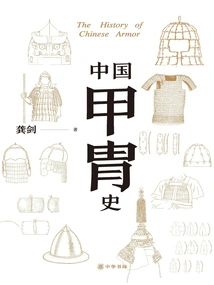
中国甲胄史(上)
Gong Jian
In the history of human civilization, the war history of every nation is an important part of its national memory. In the continuous battles of mankind, the armament culture, which integrates spirit, wisdom, technology and wealth, has made great progress. The production level of weapons at each stage is the most prominent symbol of the development of social productivity at that time. They have extremely important historical significance and cultural value. Based on events that occurred in different historical periods, the author of this book summarizes the development of ancient Chinese armor spanning more than 3,000 years through repeated research through the study of ancient books and historical materials, as well as related paintings, sculptures, actual armor objects unearthed from past dynasties, and the collections of many collectors, and provides a detailed description and explanation of representative armor equipment.
In the history of human civilization, the war history of every nation is an important part of its national memory. In the continuous battles of mankind, the armament culture, which integrates spirit, wisdom, technology and wealth, has made great progress. The production level of weapons at each stage is the most prominent symbol of the development of social productivity at that time. They have extremely important historical significance and cultural value. Based on events that occurred in different historical periods, the author of this book summarizes the development of ancient Chinese armor spanning more than 3,000 years through repeated research through the study of ancient books and historical materials, as well as related paintings, sculptures, actual armor objects unearthed from past dynasties, and the collections of many collectors, and provides a detailed description and explanation of representative armor equipment.
西方三千年战争简史
H
A milestone in the history of military theory and a military history classic that explains the truth of three thousand years of war. "A Brief History of Three Thousand Years of War in the West" is a classic work by the British military theorist Liddell Hart. Liddell Hart conducted a detailed study of more than 280 famous battle cases in Western military history from the Greco-Roman era to World War II, and restored the ingenious strategies involved. Through research, the author summarized the concept of "indirect route" that had a significant impact on modern military theory, and proposed that the indirect route is the most effective military strategic model in modern military theory; on this basis, he also constructed a brand-new strategic theoretical system. In addition, the author was the first to think and study the grand strategy and tactics of guerrilla warfare in the atomic age.
A milestone in the history of military theory and a military history classic that explains the truth of three thousand years of war. "A Brief History of Three Thousand Years of War in the West" is a classic work by the British military theorist Liddell Hart. Liddell Hart conducted a detailed study of more than 280 famous battle cases in Western military history from the Greco-Roman era to World War II, and restored the ingenious strategies involved. Through research, the author summarized the concept of "indirect route" that had a significant impact on modern military theory, and proposed that the indirect route is the most effective military strategic model in modern military theory; on this basis, he also constructed a brand-new strategic theoretical system. In addition, the author was the first to think and study the grand strategy and tactics of guerrilla warfare in the atomic age.
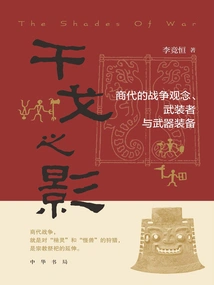
The Shadow of Fighting: War Concepts, Armed Persons, and Weapons and Equipment in the Shang Dynasty
Military干戈之影:商代的战争观念、武装者与武器装备
Li Jingheng
By examining and sorting out ancient documents handed down from ancient times, as well as oracle bone inscriptions, bronze inscriptions, and bamboo slips and silk texts, combined with newly discovered archaeological data, and referring to the war data of other ancient peoples in the world, this book comprehensively restores a three-dimensional picture of the wars from the Stone Age to the Shang Dynasty, revealing the relationship between the wars of the Shang Dynasty and religious beliefs at that time, as well as the historical changes in war between the Shang and Zhou Dynasties.
By examining and sorting out ancient documents handed down from ancient times, as well as oracle bone inscriptions, bronze inscriptions, and bamboo slips and silk texts, combined with newly discovered archaeological data, and referring to the war data of other ancient peoples in the world, this book comprehensively restores a three-dimensional picture of the wars from the Stone Age to the Shang Dynasty, revealing the relationship between the wars of the Shang Dynasty and religious beliefs at that time, as well as the historical changes in war between the Shang and Zhou Dynasties.
战场上的震撼:经典战役的惊心动魄
Huang Shiyi
A work that details famous battles in Chinese history. Through in-depth descriptions of a series of shocking battles such as the Battle of Zhuolu, the Battle of Changping, the Battle of Chibi, and the Battle of Feishui, this book leads readers to explore the splendor and tragedy that left a deep mark on the long history. The book not only details the strategic and tactical layout of major battles, but also provides an in-depth analysis of the battle of wits and courage on the battlefield, and how these battles profoundly affected the course of Chinese history. In the book, readers will witness how generals strategize and win thousands of miles away, and how soldiers fight bravely and defend their homeland with their own flesh and blood. These battles are not only a competition of strength and wisdom, but also a collision of different civilizations and ideas, reflecting the far-reaching influence and endless thinking contained in ancient wars. Whether you are a history buff or a researcher of military strategy, the thrilling classic battle will provide them with a journey of thinking about war and human nature.
A work that details famous battles in Chinese history. Through in-depth descriptions of a series of shocking battles such as the Battle of Zhuolu, the Battle of Changping, the Battle of Chibi, and the Battle of Feishui, this book leads readers to explore the splendor and tragedy that left a deep mark on the long history. The book not only details the strategic and tactical layout of major battles, but also provides an in-depth analysis of the battle of wits and courage on the battlefield, and how these battles profoundly affected the course of Chinese history. In the book, readers will witness how generals strategize and win thousands of miles away, and how soldiers fight bravely and defend their homeland with their own flesh and blood. These battles are not only a competition of strength and wisdom, but also a collision of different civilizations and ideas, reflecting the far-reaching influence and endless thinking contained in ancient wars. Whether you are a history buff or a researcher of military strategy, the thrilling classic battle will provide them with a journey of thinking about war and human nature.
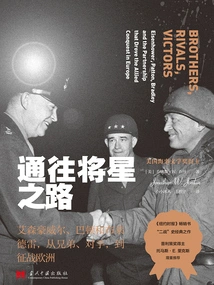
通往将星之路:艾森豪威尔、巴顿和布莱德雷,从兄弟、对手,到征战欧洲
(us)jonathan W. Jordan
From the North African battlefield to the Battle of the Ardennes, it intuitively reproduces the fears, struggles, plans and strategies of the three US military giants in the war. Eisenhower, Patton and Bradley all graduated from West Point Military Academy, and they all pursued victory in the war on the European battlefield with amazing enthusiasm and competed for the general star on the epaulettes. From the hot North Africa to the corpse-strewn beaches of Sicily, from the bloody Normandy landing to the unexpected Battle of the Ardennes, the three generals not only had to compete with the powerful, experienced and cunning Axis forces, but also faced conflicts between combat teams, withstood the test of power struggles among allies, and swallowed the bitter fruits of logistical chaos and military misjudgment. In the brutal war that defeated Nazi Germany, they overcame obstacles and built the U. S. Military in Zinen into a powerful force. The narrative of this book mainly comes from the words and writings of Eisenhower, Patton, and Bradley, as well as the oral and written records of their assistants, staff officers, superiors, secretaries, stenographers, drivers, orderlies, and celebrity acquaintances. By sorting out "Operation Torch", "Operation Overlord", the Battle of Kasserine Pass, the Battle of the Bulge, the Battle of Sicily and the Battle of the Rhineland, this book restores the true appearance of the three generals. Contrary to the familiar images of glory, Eisenhower, Patton, and Bradley brought their own talents, fears, anxieties, and desires to the battlefield. They are not only brothers with a deep friendship, but also opponents who have deceived each other, plotted against each other, and experienced countless disputes and accommodations. At the same time, their interactions and confrontations always reflected the spirit of patriotism and loyalty to the common cause, which were the "secrets" of the Allied victory.
From the North African battlefield to the Battle of the Ardennes, it intuitively reproduces the fears, struggles, plans and strategies of the three US military giants in the war. Eisenhower, Patton and Bradley all graduated from West Point Military Academy, and they all pursued victory in the war on the European battlefield with amazing enthusiasm and competed for the general star on the epaulettes. From the hot North Africa to the corpse-strewn beaches of Sicily, from the bloody Normandy landing to the unexpected Battle of the Ardennes, the three generals not only had to compete with the powerful, experienced and cunning Axis forces, but also faced conflicts between combat teams, withstood the test of power struggles among allies, and swallowed the bitter fruits of logistical chaos and military misjudgment. In the brutal war that defeated Nazi Germany, they overcame obstacles and built the U. S. Military in Zinen into a powerful force. The narrative of this book mainly comes from the words and writings of Eisenhower, Patton, and Bradley, as well as the oral and written records of their assistants, staff officers, superiors, secretaries, stenographers, drivers, orderlies, and celebrity acquaintances. By sorting out "Operation Torch", "Operation Overlord", the Battle of Kasserine Pass, the Battle of the Bulge, the Battle of Sicily and the Battle of the Rhineland, this book restores the true appearance of the three generals. Contrary to the familiar images of glory, Eisenhower, Patton, and Bradley brought their own talents, fears, anxieties, and desires to the battlefield. They are not only brothers with a deep friendship, but also opponents who have deceived each other, plotted against each other, and experienced countless disputes and accommodations. At the same time, their interactions and confrontations always reflected the spirit of patriotism and loyalty to the common cause, which were the "secrets" of the Allied victory.
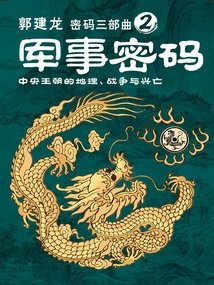
军事密码(郭建龙“密码三部曲”之二)
Guo Jianlong
A history of China based on war and geography, describing the evolution of China's military strategy and its successes and failures over more than two thousand years. The new version comes with a map! The second part of "Code Trilogy" by historical writer Guo Jianlong, also includes "Financial Code" and "Philosophical Code"! Highly recommended by Yu Minhong, Liu Suli, Yu Shicun, Yang Bin, Shi Zhan, Luo Zhenyu and Li Shuo! This book provides a detailed analysis of the military geography of ancient China, analyzing the most critical geographical elements in the wars of past dynasties and how these elements played a role in the wars. Through on-the-spot investigation and citation of historical materials, the author selects the most typical wars and military operations of each era, and explains the movement of strategic locations from Guanzhong to the Yangtze River Basin and border areas, which was also accompanied by the unification, division and expansion of dynasties. He also divided the two thousand years of ancient China from the Spring and Autumn Period and the Warring States Period to the late Qing Dynasty into five evolutionary eras of military strategy, and analyzed the military logic behind major wars and their impact on the rise and fall of previous dynasties.
A history of China based on war and geography, describing the evolution of China's military strategy and its successes and failures over more than two thousand years. The new version comes with a map! The second part of "Code Trilogy" by historical writer Guo Jianlong, also includes "Financial Code" and "Philosophical Code"! Highly recommended by Yu Minhong, Liu Suli, Yu Shicun, Yang Bin, Shi Zhan, Luo Zhenyu and Li Shuo! This book provides a detailed analysis of the military geography of ancient China, analyzing the most critical geographical elements in the wars of past dynasties and how these elements played a role in the wars. Through on-the-spot investigation and citation of historical materials, the author selects the most typical wars and military operations of each era, and explains the movement of strategic locations from Guanzhong to the Yangtze River Basin and border areas, which was also accompanied by the unification, division and expansion of dynasties. He also divided the two thousand years of ancient China from the Spring and Autumn Period and the Warring States Period to the late Qing Dynasty into five evolutionary eras of military strategy, and analyzed the military logic behind major wars and their impact on the rise and fall of previous dynasties.
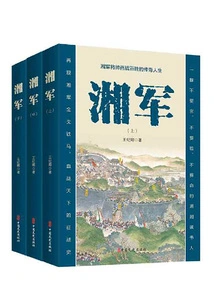
Hunan Army (all 3 Volumes)
Military湘军(全3册)
Wang Jiqing
"Xiang Army" is the name given to the local armed forces in Hunan during the late Qing Dynasty. It was first called "Xiang Yong" and later called "Xiang Army". It was an armed force that commanded both domestic and foreign forces in modern Chinese history. This book is a comprehensive and in-depth general history of the Hunan Army. In the late Qing Dynasty, the peasant movement led by the Taiping Rebellion was raging, and the court was unable to maintain stability. Under the urgent situation, Emperor Xianfeng made an exception and promoted civil servants and generals from the grassroots. As a result, a generation of Hunan scholars emerged from the countryside. Zuo Zongtang, Jiang Zhongyuan, Liu Changyou, Luo Zenan and others joined the battle to defend the imperial court. Zeng Guofan, Zuo Zongtang, Luo Bingzhang, Guo Songtao and other civil and military officials of the previous dynasty would also withstand the baptism of war. This book uses documentary techniques and starts from historical facts to describe the legendary life of the Hunan Army generals who were victorious in every battle. It panoramically reproduces the magnificent history of the Hunan Army's golden war and iron horses. It also shows a major change that profoundly affected the direction of China's modern times.
"Xiang Army" is the name given to the local armed forces in Hunan during the late Qing Dynasty. It was first called "Xiang Yong" and later called "Xiang Army". It was an armed force that commanded both domestic and foreign forces in modern Chinese history. This book is a comprehensive and in-depth general history of the Hunan Army. In the late Qing Dynasty, the peasant movement led by the Taiping Rebellion was raging, and the court was unable to maintain stability. Under the urgent situation, Emperor Xianfeng made an exception and promoted civil servants and generals from the grassroots. As a result, a generation of Hunan scholars emerged from the countryside. Zuo Zongtang, Jiang Zhongyuan, Liu Changyou, Luo Zenan and others joined the battle to defend the imperial court. Zeng Guofan, Zuo Zongtang, Luo Bingzhang, Guo Songtao and other civil and military officials of the previous dynasty would also withstand the baptism of war. This book uses documentary techniques and starts from historical facts to describe the legendary life of the Hunan Army generals who were victorious in every battle. It panoramically reproduces the magnificent history of the Hunan Army's golden war and iron horses. It also shows a major change that profoundly affected the direction of China's modern times.
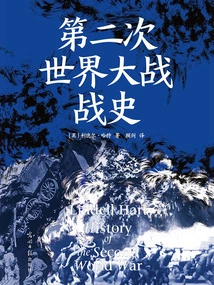
O
Militaryo
P
This World War II historical classic has been best-selling for more than 50 years and has been reprinted more than 40 times around the world. Among the numerous historical works on the Second World War, Liddell Hart's "History of the Second World War" is undoubtedly one of the authoritative works. Relying on his personal military experience, rich documents, interviews with the parties involved, and more than 20 years of hard work, he finally completed this mature masterpiece that is detailed and insightful. This book is not only a narration and presentation of events, but also a realistic research and objective analysis of this tragic history. The author conducts a comprehensive review of the Second World War from the prelude to the end, and objectively analyzes the causes, course of events, and consequences of the war from the perspectives of tactics, strategy, and politics. In particular, the author analyzes the tactical characteristics and strategic details of each battle, bringing a lot of experience and inspiration to readers.
This World War II historical classic has been best-selling for more than 50 years and has been reprinted more than 40 times around the world. Among the numerous historical works on the Second World War, Liddell Hart's "History of the Second World War" is undoubtedly one of the authoritative works. Relying on his personal military experience, rich documents, interviews with the parties involved, and more than 20 years of hard work, he finally completed this mature masterpiece that is detailed and insightful. This book is not only a narration and presentation of events, but also a realistic research and objective analysis of this tragic history. The author conducts a comprehensive review of the Second World War from the prelude to the end, and objectively analyzes the causes, course of events, and consequences of the war from the perspectives of tactics, strategy, and politics. In particular, the author analyzes the tactical characteristics and strategic details of each battle, bringing a lot of experience and inspiration to readers.
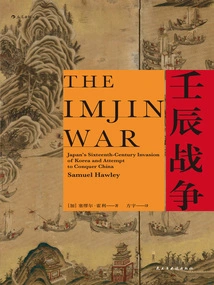
Imjin War
Military壬辰战争
(add)samuel Hawley
The book "The Imjin War" comprehensively uses historical materials from China, Japan, and Korea to comprehensively and objectively describe the Japanese invasion of Korea that took place at the end of the 16th century. In 1592, Toyotomi Hideyoshi, who had just unified Japan, was driven by ambition and mobilized an expeditionary force of 158,800 troops to invade the Korean Peninsula. His ultimate goal is to create a vast empire encompassing the entire world he knows. In the early days of the war, the Japanese army marched straight in. In just over a month, they captured the three North Korean capitals of Seoul, Kaesong, and Pyongyang, and reached the China-North Korea border. At the critical moment, Emperor Wanli of the Ming Dynasty made a decisive decision and decided to send a large army to support North Korea. The Ming army defeated the Japanese army Konishi Yukinacho's troops in Pyongyang, and then recaptured the three capitals in one fell swoop. At the same time, the famous North Korean general Yi Sun-shin repeatedly defeated the Japanese navy in the southern waters of the peninsula; volunteers from all over North Korea began to attack Japanese supply lines everywhere. The Japanese army was unfavorable in the war, with insufficient troops and poor logistics. It fell into an isolated and helpless situation and could only retreat to the southeastern corner of the peninsula. Finally, with the death of Toyotomi Hideyoshi, Japanese troops completely withdrew from the Korean Peninsula, and the Imjin War ended. This war not only brought disaster to the people of East Asia, but also had a profound impact on history. After this war, the old forces declined one after another, while new forces gradually emerged. The geopolitical landscape of East Asia has undergone tremendous changes.
The book "The Imjin War" comprehensively uses historical materials from China, Japan, and Korea to comprehensively and objectively describe the Japanese invasion of Korea that took place at the end of the 16th century. In 1592, Toyotomi Hideyoshi, who had just unified Japan, was driven by ambition and mobilized an expeditionary force of 158,800 troops to invade the Korean Peninsula. His ultimate goal is to create a vast empire encompassing the entire world he knows. In the early days of the war, the Japanese army marched straight in. In just over a month, they captured the three North Korean capitals of Seoul, Kaesong, and Pyongyang, and reached the China-North Korea border. At the critical moment, Emperor Wanli of the Ming Dynasty made a decisive decision and decided to send a large army to support North Korea. The Ming army defeated the Japanese army Konishi Yukinacho's troops in Pyongyang, and then recaptured the three capitals in one fell swoop. At the same time, the famous North Korean general Yi Sun-shin repeatedly defeated the Japanese navy in the southern waters of the peninsula; volunteers from all over North Korea began to attack Japanese supply lines everywhere. The Japanese army was unfavorable in the war, with insufficient troops and poor logistics. It fell into an isolated and helpless situation and could only retreat to the southeastern corner of the peninsula. Finally, with the death of Toyotomi Hideyoshi, Japanese troops completely withdrew from the Korean Peninsula, and the Imjin War ended. This war not only brought disaster to the people of East Asia, but also had a profound impact on history. After this war, the old forces declined one after another, while new forces gradually emerged. The geopolitical landscape of East Asia has undergone tremendous changes.
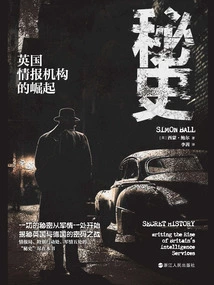
秘史:英国情报机构的崛起
(uk) Simon Ball
A phenomenon-level work that shows the rise of the British intelligence agency in a panoramic view, with first-hand information, internal files, and oral accounts of the parties involved. This is a work describing the evolution of British intelligence agencies from the 1920s to the 1950s. From 1917 to 1955, the British intelligence organization went from weak to strong; from a single department to a large organization; from individual attacks to joint operations. It engaged in countless confrontations with opponents in military, political, and economic aspects, and also affected the pattern of the world. British intelligence agents have become the leaders of intelligence organizations around the world with their professional qualities and outstanding records. This is a hidden front, and everything it records is a history of games hidden behind the evolution of the world structure.
A phenomenon-level work that shows the rise of the British intelligence agency in a panoramic view, with first-hand information, internal files, and oral accounts of the parties involved. This is a work describing the evolution of British intelligence agencies from the 1920s to the 1950s. From 1917 to 1955, the British intelligence organization went from weak to strong; from a single department to a large organization; from individual attacks to joint operations. It engaged in countless confrontations with opponents in military, political, and economic aspects, and also affected the pattern of the world. British intelligence agents have become the leaders of intelligence organizations around the world with their professional qualities and outstanding records. This is a hidden front, and everything it records is a history of games hidden behind the evolution of the world structure.
间谍与叛徒:改变历史的英苏谍战
(uk) Ben Mcintyre
Accidentally locked doors, overly busy airport halls... In the view of Oleg Gordievsky, a senior KGB intelligence cadre, everything in Moscow is hidden in danger. Under the Iron Curtain, why did this natural-born KGB spy come into contact with MI6 and become an important source of information for the British intelligence service within the Soviet Union? In the face of a major crisis in which the superpowers are about to collide, how can he navigate between the two camps of the East and the West to save the world from the fate of a nuclear war? When Gordievsky finally chose to flee the Soviet Union, how did MI6 help him hide his identity under the surveillance of the KGB, and who was the person who ultimately betrayed his identity? Ben McIntyre, the author of "The Ruffian Hero", tells the story of this ace spy's legendary journey between life and death between the Soviet Union and Britain in a writing style that impressed John le Carré.
Accidentally locked doors, overly busy airport halls... In the view of Oleg Gordievsky, a senior KGB intelligence cadre, everything in Moscow is hidden in danger. Under the Iron Curtain, why did this natural-born KGB spy come into contact with MI6 and become an important source of information for the British intelligence service within the Soviet Union? In the face of a major crisis in which the superpowers are about to collide, how can he navigate between the two camps of the East and the West to save the world from the fate of a nuclear war? When Gordievsky finally chose to flee the Soviet Union, how did MI6 help him hide his identity under the surveillance of the KGB, and who was the person who ultimately betrayed his identity? Ben McIntyre, the author of "The Ruffian Hero", tells the story of this ace spy's legendary journey between life and death between the Soviet Union and Britain in a writing style that impressed John le Carré.

南京1937:血战危城
(dan) He Mingsheng
The brutal Nanjing Massacre was a dark shadow that shrouded the history of Asia in the 20th century. It was also one of the most well-known chapters on the Chinese battlefield during World War II. In contrast, the month-long war that preceded this infamous massacre has never been fully told. He Mingsheng's "Nanjing 1937: Bloody Battle in Dangerous City" fills this gap. This book uses shocking words to describe how the Japanese army advanced towards Nanjing after winning the Battle of Songhu, and at the same time proved its barbarity in the process.
The brutal Nanjing Massacre was a dark shadow that shrouded the history of Asia in the 20th century. It was also one of the most well-known chapters on the Chinese battlefield during World War II. In contrast, the month-long war that preceded this infamous massacre has never been fully told. He Mingsheng's "Nanjing 1937: Bloody Battle in Dangerous City" fills this gap. This book uses shocking words to describe how the Japanese army advanced towards Nanjing after winning the Battle of Songhu, and at the same time proved its barbarity in the process.
沸腾的雪:阿登反击战(全两册)
Compiled By Dong Minjie
As the Western proverb goes, don't forget to put a gold coin on the trap. On the Western Front battlefield at the end of 1944, the Allied forces were advancing steadily but were at the end of their strength. The German army was retreating step by step but its elite troops still remained. A very delicate situation appeared on the Western Front battlefield. Although the Allied forces were strong, accidental mistakes would still cause them to capsize in the gutter. For Hitler, who believed that strength lies in offense, if he could seize the opportunity to fight hard, suddenly strike out and punch the Allies in the soft belly, causing the Allies to bleed internally, it might lead to a situation on the Western Front battlefield that was extremely beneficial to Germany. Compared with the confident Hitler, it is difficult for Allied leaders to be optimistic; the battlefield in Italy is stalemate, the combat operations in the Netherlands have fallen into a quagmire after the "Market Garden", the offensive in the north and south of the Ardennes is full of difficulties, and the German army hiding behind the Western Wall is like a curled up hedgehog, leaving people with nowhere to start. If the German forces behind the Western Front could be allowed to move beyond the Western Wall, it would be entirely possible for the Allied forces to disappear in motion as long as they responded promptly, and the door to the homeland would be opened with a bang. It's a bold idea, and a dangerous one-dangerous for both offense and defense. Hitler saw the gold coins. Taking Antwerp or wiping out a large number of Allied forces would put the German army in an advantageous position on the Western Front, but he did not see the huge trap underneath the gold coins, or he thought he could pick up the gold coins before the trap took effect. As a result, a large-scale battle kicked off in the ice and snow of the Ardennes Plateau...
As the Western proverb goes, don't forget to put a gold coin on the trap. On the Western Front battlefield at the end of 1944, the Allied forces were advancing steadily but were at the end of their strength. The German army was retreating step by step but its elite troops still remained. A very delicate situation appeared on the Western Front battlefield. Although the Allied forces were strong, accidental mistakes would still cause them to capsize in the gutter. For Hitler, who believed that strength lies in offense, if he could seize the opportunity to fight hard, suddenly strike out and punch the Allies in the soft belly, causing the Allies to bleed internally, it might lead to a situation on the Western Front battlefield that was extremely beneficial to Germany. Compared with the confident Hitler, it is difficult for Allied leaders to be optimistic; the battlefield in Italy is stalemate, the combat operations in the Netherlands have fallen into a quagmire after the "Market Garden", the offensive in the north and south of the Ardennes is full of difficulties, and the German army hiding behind the Western Wall is like a curled up hedgehog, leaving people with nowhere to start. If the German forces behind the Western Front could be allowed to move beyond the Western Wall, it would be entirely possible for the Allied forces to disappear in motion as long as they responded promptly, and the door to the homeland would be opened with a bang. It's a bold idea, and a dangerous one-dangerous for both offense and defense. Hitler saw the gold coins. Taking Antwerp or wiping out a large number of Allied forces would put the German army in an advantageous position on the Western Front, but he did not see the huge trap underneath the gold coins, or he thought he could pick up the gold coins before the trap took effect. As a result, a large-scale battle kicked off in the ice and snow of the Ardennes Plateau...
天生机密:美国核保密史
(us) Alex Wellerstein
Secrecy has been a constant companion of nuclear weapons since their inception. From scientists self-censoring out of fear that Nazi Germany would obtain information on nuclear weapons development, to diverse political forces in the United States engaging in heated debates over nuclear secrecy and anti-secrecy. This book tells the complete history of the evolution of the U. S. Nuclear secrecy system from the birth of the atomic bomb in the 1940s to today. This book takes the evolution of the nuclear secrecy system as the main line, combines a large number of declassified documents and archives, public information, and the stories of participants and participants in several historical events. It traces in detail the origin of the U. S. Nuclear secrecy system in the context of World War II, the U. S. Atomic energy legislation process in the late World War II and after the end of World War II, the establishment of the nuclear secrecy system during the Cold War, and the various challenges faced by the nuclear secrecy system since the 1960s. It presents the game of diverse political forces in the United States around the issue of nuclear secrecy in different eras, and reveals how the nuclear secrecy system of nearly a century has shaped the national security system of the United States today.
Secrecy has been a constant companion of nuclear weapons since their inception. From scientists self-censoring out of fear that Nazi Germany would obtain information on nuclear weapons development, to diverse political forces in the United States engaging in heated debates over nuclear secrecy and anti-secrecy. This book tells the complete history of the evolution of the U. S. Nuclear secrecy system from the birth of the atomic bomb in the 1940s to today. This book takes the evolution of the nuclear secrecy system as the main line, combines a large number of declassified documents and archives, public information, and the stories of participants and participants in several historical events. It traces in detail the origin of the U. S. Nuclear secrecy system in the context of World War II, the U. S. Atomic energy legislation process in the late World War II and after the end of World War II, the establishment of the nuclear secrecy system during the Cold War, and the various challenges faced by the nuclear secrecy system since the 1960s. It presents the game of diverse political forces in the United States around the issue of nuclear secrecy in different eras, and reveals how the nuclear secrecy system of nearly a century has shaped the national security system of the United States today.
决战长空:中国空军成长史
Li Feng
This book describes the glorious battle history of the People's Air Force from scratch, from small to large, from a captured aircraft during the Red Army period to the world's third largest air force during the War to Resist U. S. Aggression and Aid Korea. With a strong sense of history and magnificent momentum, it presents wonderful air force stories one after another, reflecting the indomitable fighting spirit of the people's army.
This book describes the glorious battle history of the People's Air Force from scratch, from small to large, from a captured aircraft during the Red Army period to the world's third largest air force during the War to Resist U. S. Aggression and Aid Korea. With a strong sense of history and magnificent momentum, it presents wonderful air force stories one after another, reflecting the indomitable fighting spirit of the people's army.
太平洋战争Ⅸ:困兽之斗
Green Plum Wine
The "Pacific War" series tells the panoramic story of the Pacific War in the Pacific, Indian Ocean and East Asia from 1941 to 1945 between Japan, the main member of the Axis Powers, and the United States, Britain and other Allied Powers in World War II. It completely presents the entire process from the rise to the fall of Japanese militarism, in-depth analysis of the causes and consequences of the Pacific War, and displays the military, political, diplomatic and economic struggles between the Axis Powers and the Allies from multiple angles. The author writes fluently, has a clear context, quotes scriptures, restores historical facts, and has insightful insights into events and characters. The war scenes in the book are grand and the process is delicate; the characters are full-bodied and have outstanding personalities; the plot is thrilling and gripping. This book is the ninth volume of the "Pacific War" series, "The Fight of the Trapped Beast", which mainly describes the Yalta Conference, the Battle of Iwo Jima, the bombing of Tokyo, the death of the "Yamato", the Battle of Okinawa, etc.
The "Pacific War" series tells the panoramic story of the Pacific War in the Pacific, Indian Ocean and East Asia from 1941 to 1945 between Japan, the main member of the Axis Powers, and the United States, Britain and other Allied Powers in World War II. It completely presents the entire process from the rise to the fall of Japanese militarism, in-depth analysis of the causes and consequences of the Pacific War, and displays the military, political, diplomatic and economic struggles between the Axis Powers and the Allies from multiple angles. The author writes fluently, has a clear context, quotes scriptures, restores historical facts, and has insightful insights into events and characters. The war scenes in the book are grand and the process is delicate; the characters are full-bodied and have outstanding personalities; the plot is thrilling and gripping. This book is the ninth volume of the "Pacific War" series, "The Fight of the Trapped Beast", which mainly describes the Yalta Conference, the Battle of Iwo Jima, the bombing of Tokyo, the death of the "Yamato", the Battle of Okinawa, etc.
铁血千年:中日历史上的五大战争
Yin Jianxiang
Detailed analysis of the frictions and battles between China and Japan in ancient times, separated by a strip of water, reveals the history of wars between China and Japan that spanned thousands of years in the Tang, Yuan, Ming and Qing dynasties - the Battle of Baijiangkou in the Tang Dynasty, the Yuan Army's Landing War in the Yuan Dynasty, Qi Jiguang's Anti-Japanese War in the Ming Dynasty, the Wanli War to Resist Japan and Aid Korea in the Ming Dynasty, and the Sino-Japanese Sino-Japanese Sino-Japanese War. This book is a documentary work detailing the battles between China and Japan in five specific historical periods.
Detailed analysis of the frictions and battles between China and Japan in ancient times, separated by a strip of water, reveals the history of wars between China and Japan that spanned thousands of years in the Tang, Yuan, Ming and Qing dynasties - the Battle of Baijiangkou in the Tang Dynasty, the Yuan Army's Landing War in the Yuan Dynasty, Qi Jiguang's Anti-Japanese War in the Ming Dynasty, the Wanli War to Resist Japan and Aid Korea in the Ming Dynasty, and the Sino-Japanese Sino-Japanese Sino-Japanese War. This book is a documentary work detailing the battles between China and Japan in five specific historical periods.
Immersive Experience
Military身历其境
(us) William Daniel Leahy
Memoirs of a five-star admiral in the U. S. Navy, an authoritative work on strategic planning and decision-making by the U. S. Military during World War II. William Daniel Leahy, five-star admiral in the United States Navy. After the United States entered World War II, he assumed the newly created position of Presidential Chief of Staff and chaired the U. S. Army's Joint Chiefs of Staff. He was the de facto first Chairman of the Joint Chiefs of Staff and participated in a series of major military decisions of the Allied Forces during World War II. In 1944, he became the first officer in U. S. History to achieve the rank of five-star general. "Being There" is the memoir of General Leahy, compiled and written based on his diary. It is an authoritative work on the strategic planning and decision-making process of the United States during World War II. The book records in great detail Leahy's presiding over the U. S. Army's Joint Chiefs of Staff, the British-U. S. Joint Chiefs of Staff's meeting, and his participation in the highest-level political meetings of the allies, which is of great historical value.
Memoirs of a five-star admiral in the U. S. Navy, an authoritative work on strategic planning and decision-making by the U. S. Military during World War II. William Daniel Leahy, five-star admiral in the United States Navy. After the United States entered World War II, he assumed the newly created position of Presidential Chief of Staff and chaired the U. S. Army's Joint Chiefs of Staff. He was the de facto first Chairman of the Joint Chiefs of Staff and participated in a series of major military decisions of the Allied Forces during World War II. In 1944, he became the first officer in U. S. History to achieve the rank of five-star general. "Being There" is the memoir of General Leahy, compiled and written based on his diary. It is an authoritative work on the strategic planning and decision-making process of the United States during World War II. The book records in great detail Leahy's presiding over the U. S. Army's Joint Chiefs of Staff, the British-U. S. Joint Chiefs of Staff's meeting, and his participation in the highest-level political meetings of the allies, which is of great historical value.