Library
Browse and search books
51,874 novels found
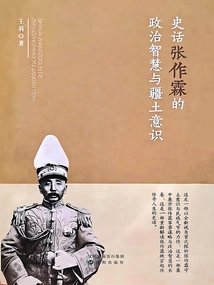
史话张作霖的政治智慧与疆土意识
Wang Li
Zhang Zuolin is a legendary figure in modern Chinese history. Although he was born in a green forest and became a warlord, due to his chivalrous nature and courageous spiritual qualities, he gave in every inch of the land and country under his jurisdiction. When the Japanese and Russian powers continued to invade the Northeast, he also had a clear sense of territorial integrity. This can be seen in his battles and negotiations with Japan and Russia, and can also be seen in his war submissions to the central government. The book "Historical Zhang Zuolin's Political Wisdom and Territorial Consciousness" explores these two aspects, intending to go from the historical level to the ideological and spiritual world of Zhang Zuolin, and show readers Zhang Zuolin's protection of this land as the overlord of one side, the Northeast King.
Zhang Zuolin is a legendary figure in modern Chinese history. Although he was born in a green forest and became a warlord, due to his chivalrous nature and courageous spiritual qualities, he gave in every inch of the land and country under his jurisdiction. When the Japanese and Russian powers continued to invade the Northeast, he also had a clear sense of territorial integrity. This can be seen in his battles and negotiations with Japan and Russia, and can also be seen in his war submissions to the central government. The book "Historical Zhang Zuolin's Political Wisdom and Territorial Consciousness" explores these two aspects, intending to go from the historical level to the ideological and spiritual world of Zhang Zuolin, and show readers Zhang Zuolin's protection of this land as the overlord of one side, the Northeast King.
带着黑贝闯大唐
Writer Pxjisj
Come to China Literature's website to read more of my works!
Come to China Literature's website to read more of my works!
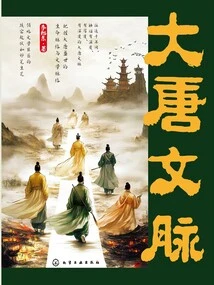
Tang Dynasty Context
History大唐文脉
Li Xudong
This book is a history book with the theme of writers of the Tang Dynasty. Through a comprehensive introduction and in-depth interpretation of many Tang Dynasty writers, supplemented by famous works and rich historical materials, the book connects the glorious history of the Tang Dynasty, tells the rise and fall of Tang Dynasty history, interprets the spiritual character of Tang Dynasty literati, and demonstrates the elegance of Tang Dynasty literature. In the complicated development process of the Tang Dynasty and the turbulent political environment, a clear and powerful cultural context of the Tang Dynasty slowly emerges in the eyes of readers with the touching or humorous words in the book.
This book is a history book with the theme of writers of the Tang Dynasty. Through a comprehensive introduction and in-depth interpretation of many Tang Dynasty writers, supplemented by famous works and rich historical materials, the book connects the glorious history of the Tang Dynasty, tells the rise and fall of Tang Dynasty history, interprets the spiritual character of Tang Dynasty literati, and demonstrates the elegance of Tang Dynasty literature. In the complicated development process of the Tang Dynasty and the turbulent political environment, a clear and powerful cultural context of the Tang Dynasty slowly emerges in the eyes of readers with the touching or humorous words in the book.
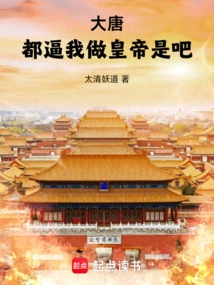
大唐:都逼我做皇帝是吧!
Taiqing Demonic Way
[Sanjiang Wen, a high-end order of 13,000 high-quality historical texts, guaranteed quality] People should not only fight for the long term, but also fight for the day and night. Li Dan, who has a background in crisis public relations, understands this truth best. Especially in his previous life, he was lucky enough to communicate with the legendary corpse collector who returned from the other side of the Pacific. As a result, spiritual vision is widened. ... When Li Dan opened his eyes on the fifth day of February in the first year of Sisheng, he understood that the moment of life and death had arrived. On this day, Li Xian was deposed. Empress Wu and Pei Yan decided to appoint Li Dan as emperor. But at this time, Li Dan had reawakened, and his keen spiritual vision saw his only chance. Li Xiang had just been deposed. As the only legitimate son left by Li Zhi and Empress Wu who could ascend the throne, Li Dan was the most powerful during the period before he ascended the throne. It was also the only window of time that he could use to regain power from Empress Wu. And finally, he took a chance. He became. ... Li Dan lowered his head and looked at the snow-white sword across his neck. He could kill himself on the spot with just a little force. He looked up at Pei Yan and said seriously: "Prime Minister Pei, I can't be the emperor. The throne was passed down from my father to my brother, not to my brother. I can't mess around. So, Prime Minister Pei, don't force me to be the emperor." Pei Yan was stunned!
[Sanjiang Wen, a high-end order of 13,000 high-quality historical texts, guaranteed quality] People should not only fight for the long term, but also fight for the day and night. Li Dan, who has a background in crisis public relations, understands this truth best. Especially in his previous life, he was lucky enough to communicate with the legendary corpse collector who returned from the other side of the Pacific. As a result, spiritual vision is widened. ... When Li Dan opened his eyes on the fifth day of February in the first year of Sisheng, he understood that the moment of life and death had arrived. On this day, Li Xian was deposed. Empress Wu and Pei Yan decided to appoint Li Dan as emperor. But at this time, Li Dan had reawakened, and his keen spiritual vision saw his only chance. Li Xiang had just been deposed. As the only legitimate son left by Li Zhi and Empress Wu who could ascend the throne, Li Dan was the most powerful during the period before he ascended the throne. It was also the only window of time that he could use to regain power from Empress Wu. And finally, he took a chance. He became. ... Li Dan lowered his head and looked at the snow-white sword across his neck. He could kill himself on the spot with just a little force. He looked up at Pei Yan and said seriously: "Prime Minister Pei, I can't be the emperor. The throne was passed down from my father to my brother, not to my brother. I can't mess around. So, Prime Minister Pei, don't force me to be the emperor." Pei Yan was stunned!
穿越元未:我朱文正不做悲情名将
Mengyecang
Traveling through time to become Zhu Yuanzhang's nephew Zhu Wenzheng who must be killed? Don't panic, as long as I'm stubborn enough, strong enough, and sensible enough, my fourth uncle will not only not kill me, but also beg me to defend the southern border of the Ming Dynasty!
Traveling through time to become Zhu Yuanzhang's nephew Zhu Wenzheng who must be killed? Don't panic, as long as I'm stubborn enough, strong enough, and sensible enough, my fourth uncle will not only not kill me, but also beg me to defend the southern border of the Ming Dynasty!
三国:从黄巾渠帅到万界帝皇
Daydreaming Every Day
Come to China Literature's website to read more of my works!
Come to China Literature's website to read more of my works!
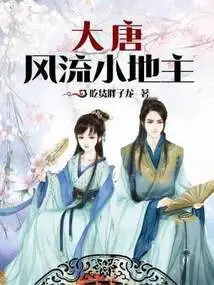
大唐风流小地主
Foodie Fatty Dragon
Li Wangyou died in a car accident, and his soul traveled through the Tang Dynasty and possessed Li Wangyou, a sixteen-year-old disciple from a down-and-out family. The beautiful boss Su Changqing also magically traveled through time. When his family fell into decline, he sold his ancestral property, and his engagement was broken off by a wealthy family member. Li Wangyou started from scratch and managed to run the Tang Dynasty with the help of Su Changqing. Brew fine wine, buy fields, run education, make inventions, and copy poems and songs. Fight against treacherous ministers, clean up the rule of officials, rescue the victims, fight against nobles, and teach the prince. Li Wangyou's life was very exciting, and Li Zhi called him the emperor's master. However, Li Wangyou just wanted to be a romantic little landowner.
Li Wangyou died in a car accident, and his soul traveled through the Tang Dynasty and possessed Li Wangyou, a sixteen-year-old disciple from a down-and-out family. The beautiful boss Su Changqing also magically traveled through time. When his family fell into decline, he sold his ancestral property, and his engagement was broken off by a wealthy family member. Li Wangyou started from scratch and managed to run the Tang Dynasty with the help of Su Changqing. Brew fine wine, buy fields, run education, make inventions, and copy poems and songs. Fight against treacherous ministers, clean up the rule of officials, rescue the victims, fight against nobles, and teach the prince. Li Wangyou's life was very exciting, and Li Zhi called him the emperor's master. However, Li Wangyou just wanted to be a romantic little landowner.
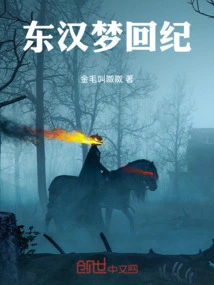
东汉梦回纪
Golden Retriever's Name Is Yaoyao
This is a piece of random graffiti. If you like it, take a look. If you don't like it, don't waste your time. This book is a historical novel. It is my first time writing a book. I apologize for any shortcomings. If you point out the shortcomings, I will not correct them. Mainly I want to tell some of the history I know through novels.
This is a piece of random graffiti. If you like it, take a look. If you don't like it, don't waste your time. This book is a historical novel. It is my first time writing a book. I apologize for any shortcomings. If you point out the shortcomings, I will not correct them. Mainly I want to tell some of the history I know through novels.
三国斩杀讨董诸候之穿越者
Happy Tomatoes
Come to China Literature's website to read more of my works!
Come to China Literature's website to read more of my works!
I Secretly Sold Grain at 60
History我在60偷偷卖粮
Notebook.
Reborn in 60, use space to grow food and build your own market. Saving people, making money, providing food and clothing, selfishness or selflessness are all the real me, an ordinary person with special circumstances.
Reborn in 60, use space to grow food and build your own market. Saving people, making money, providing food and clothing, selfishness or selflessness are all the real me, an ordinary person with special circumstances.
状元旧事
Writer Sk5vub
[Historical Figures + Imperial Examination + Number One Scholar + Fan Jin Passed the Examination + Qianlong + Jiaqing + Bachelor + Shaanxi Hancheng] The male protagonist takes the career path of a famous minister during the Qianlong period of the Qing Dynasty as the main line (similar to Fan Jin's passing the imperial examination). From the perspective of later generations, it describes how he went from being a poor family in the imperial examination to being the top scholar in high school, becoming an official, and finally ranking in the middle court.
[Historical Figures + Imperial Examination + Number One Scholar + Fan Jin Passed the Examination + Qianlong + Jiaqing + Bachelor + Shaanxi Hancheng] The male protagonist takes the career path of a famous minister during the Qianlong period of the Qing Dynasty as the main line (similar to Fan Jin's passing the imperial examination). From the perspective of later generations, it describes how he went from being a poor family in the imperial examination to being the top scholar in high school, becoming an official, and finally ranking in the middle court.
闾山法师在民国
Writer Kjkzta
Come to China Literature's website to read more of my works!
Come to China Literature's website to read more of my works!
皇兄我真不是战神,是他们先动手
Writer Az1mdt
Come to China Literature's website to read more of my works!
Come to China Literature's website to read more of my works!
Ming Dynasty: Wanli New Deal
History大明:万历新政
Moxi Stone
Zhang Du, the ninth grandson of Zhang Juzheng, was pushed by his grandfather to memorize "History of the Ming Dynasty" on the Taishi chair since he was a child. He could tell what happened in the year and month of the Wanli Dynasty silently with his eyes closed. And then he died - the subway was pushed onto the tracks by the crowd after work. Opening his eyes, he was lying on a big bed carved with dragons. Kneeling in front of him was a little eunuch who was about to wipe his neck and be buried. Someone outside the window shouted:
Zhang Du, the ninth grandson of Zhang Juzheng, was pushed by his grandfather to memorize "History of the Ming Dynasty" on the Taishi chair since he was a child. He could tell what happened in the year and month of the Wanli Dynasty silently with his eyes closed. And then he died - the subway was pushed onto the tracks by the crowd after work. Opening his eyes, he was lying on a big bed carved with dragons. Kneeling in front of him was a little eunuch who was about to wipe his neck and be buried. Someone outside the window shouted:
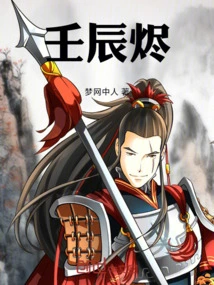
Ren Chenjin
History壬辰烬
Dream Network Man
In 1592, Japan's Sekiba Toyotomi Hideyoshi sent 140,000 troops across the sea to invade Korea. In the Korean court, the factions fought endlessly, and the armaments were weakened. King Seoul fell in the tenth day. From Busan to Yiju, thousands of miles of mountains and rivers turned into scorched earth. Jiang Xian, a member of the declining class, picked up half a burnt volume of the "New Book of Jixiao" among the ruins. The rural scholar who started talking about military affairs on paper was forced to embark on the road of exile and resistance. In the Ming Dynasty, Ji Zhen general Lu Shen followed Li Rusong across the Yalu River. Qi Jiguang's old troops faced not only ferocious enemies on foreign battlefields, but also opposition from their colleagues in the Northern Army and soul torture of "why they were fighting." Yukiko, a fisherman's daughter from Tsushima Island, disguised herself and sneaked into the Japanese army camp. Her father and brother died in the war, but the tip of her knife pointed to a bigger scam. From the bloody battle in Pyongyang to the desperate situation of Byokjeokwan, from the absurd peace to the siege of the isolated city, the fate of the three people was intertwined in the flames of war. And when the fire in the Luliang Strait lit up the night sky red, they finally understood: the war will eventually end, but the embers of memory will last for thousands of years.
In 1592, Japan's Sekiba Toyotomi Hideyoshi sent 140,000 troops across the sea to invade Korea. In the Korean court, the factions fought endlessly, and the armaments were weakened. King Seoul fell in the tenth day. From Busan to Yiju, thousands of miles of mountains and rivers turned into scorched earth. Jiang Xian, a member of the declining class, picked up half a burnt volume of the "New Book of Jixiao" among the ruins. The rural scholar who started talking about military affairs on paper was forced to embark on the road of exile and resistance. In the Ming Dynasty, Ji Zhen general Lu Shen followed Li Rusong across the Yalu River. Qi Jiguang's old troops faced not only ferocious enemies on foreign battlefields, but also opposition from their colleagues in the Northern Army and soul torture of "why they were fighting." Yukiko, a fisherman's daughter from Tsushima Island, disguised herself and sneaked into the Japanese army camp. Her father and brother died in the war, but the tip of her knife pointed to a bigger scam. From the bloody battle in Pyongyang to the desperate situation of Byokjeokwan, from the absurd peace to the siege of the isolated city, the fate of the three people was intertwined in the flames of war. And when the fire in the Luliang Strait lit up the night sky red, they finally understood: the war will eventually end, but the embers of memory will last for thousands of years.
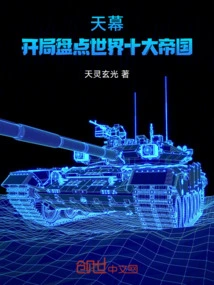
天幕,开局盘点世界十大帝国
Tianlingxuanguang
[Sky Screen Inventory] [World History] [IQ Online]
[Sky Screen Inventory] [World History] [IQ Online]
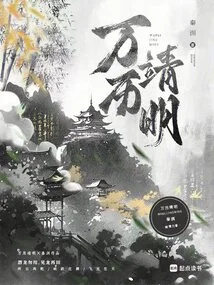
Wanli Jingming
History万历靖明
Qin Lu
In 1572 AD, it was 47 years before the Ming army defeated Sarhu, and 72 years before the Central Plains fell and the Ming Dynasty was destroyed. At this time, the Ming Dynasty had turned from prosperity to decline. Internally, there were corruption in the administration, collapse of the military system, financial deficit, and frequent injustices. Externally, there were intrusions from the Tatars in the northwest, Japanese pirates in the southeast, and the gradual rise of the Jurchens in the northeast. At this time, a soul from a later generation traveled through and became the crown prince Zhu Yijun. After the death of Emperor Longqing, the seemingly happy capital was filled with intense conspiracies and fierce fighting. There is an open and covert struggle between the second assistant to the cabinet, Zhang Juzheng, and the first assistant, Gao Gong, and the life-and-death struggle between Gao Gong and the eunuch Feng Bao. In this struggle between various political forces inside and outside the palace, where should the protagonist go? My name is Zhu Yijun, Emperor of the Ming Dynasty. In this life, I want to save the Zhu Ming Dynasty from collapse, wipe out the accumulated shortcomings, and rebuild China!
In 1572 AD, it was 47 years before the Ming army defeated Sarhu, and 72 years before the Central Plains fell and the Ming Dynasty was destroyed. At this time, the Ming Dynasty had turned from prosperity to decline. Internally, there were corruption in the administration, collapse of the military system, financial deficit, and frequent injustices. Externally, there were intrusions from the Tatars in the northwest, Japanese pirates in the southeast, and the gradual rise of the Jurchens in the northeast. At this time, a soul from a later generation traveled through and became the crown prince Zhu Yijun. After the death of Emperor Longqing, the seemingly happy capital was filled with intense conspiracies and fierce fighting. There is an open and covert struggle between the second assistant to the cabinet, Zhang Juzheng, and the first assistant, Gao Gong, and the life-and-death struggle between Gao Gong and the eunuch Feng Bao. In this struggle between various political forces inside and outside the palace, where should the protagonist go? My name is Zhu Yijun, Emperor of the Ming Dynasty. In this life, I want to save the Zhu Ming Dynasty from collapse, wipe out the accumulated shortcomings, and rebuild China!
Guests from the Red Mansion
History红楼寒门客
Lying Down Alone
Come to China Literature's website to read more of my works!
Come to China Literature's website to read more of my works!
Black Bird Pendant
History玄鸟坠
Three-nine-nine Returns
The mysterious bird of destiny descends and gives birth to Shang. I am the last sorcerer of the Yin Shang Dynasty, and my name is Gui Yin. I have seen black birds circling the altar and flying up to the nine heavens; I have also seen black birds break their wings and fall in front of the formation. I served the Emperor who burned himself on Lutai and refused to kneel to heaven and earth. I assisted the emperor who built an altar to worship heaven and surrendered himself to the fourth emperor. From the Nine-Nine Supreme to the Nine-Five Supreme. The difference is not just four numbers, It was a war, a fire, and the complete burial of an era. From Yindu to Haojing, and then from Haojing to Shu. All my life I have witnessed the fall of one era and the beginning of another. When the last mysterious bird of destiny returned to the dust, I realized that I was the mysterious bird that fell into the dust.
The mysterious bird of destiny descends and gives birth to Shang. I am the last sorcerer of the Yin Shang Dynasty, and my name is Gui Yin. I have seen black birds circling the altar and flying up to the nine heavens; I have also seen black birds break their wings and fall in front of the formation. I served the Emperor who burned himself on Lutai and refused to kneel to heaven and earth. I assisted the emperor who built an altar to worship heaven and surrendered himself to the fourth emperor. From the Nine-Nine Supreme to the Nine-Five Supreme. The difference is not just four numbers, It was a war, a fire, and the complete burial of an era. From Yindu to Haojing, and then from Haojing to Shu. All my life I have witnessed the fall of one era and the beginning of another. When the last mysterious bird of destiny returned to the dust, I realized that I was the mysterious bird that fell into the dust.
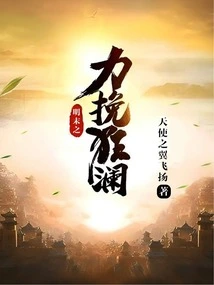
明末之力挽狂澜
Angel Wings Flying
In the southern war zone of Africa, the protagonist was hit by a cannonball in order to save a person during the war. He traveled through the late Ming Dynasty to save the Ming Dynasty. This is a historical strategy SLG game... That's wrong, it is a historical time-travel novel. The protagonist started from a young scholar, and after hard work, he defeated Li Zicheng, Zhang Xianzhong, Dorgon, Huang Taiji and others, and finally turned the tide... An extraordinary story...
In the southern war zone of Africa, the protagonist was hit by a cannonball in order to save a person during the war. He traveled through the late Ming Dynasty to save the Ming Dynasty. This is a historical strategy SLG game... That's wrong, it is a historical time-travel novel. The protagonist started from a young scholar, and after hard work, he defeated Li Zicheng, Zhang Xianzhong, Dorgon, Huang Taiji and others, and finally turned the tide... An extraordinary story...
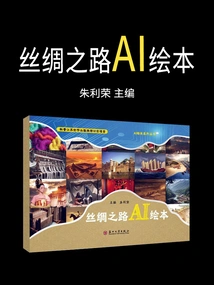
Silk Road Ai Picture Book
History丝绸之路AI绘本
Editor-in-chief Zhu Lirong
Created with the help of AI technology, this book takes time as the axis and uses "painting text" narrative to provide a panoramic depiction of the entire process from mulberry and silkworm rearing to the construction of the New Silk Road in today's society. It involves more than 80 important figures and more than 70 major events. It aims to spread the world heritage Silk Road to young people across the country. Silk Road knowledge displays the style of the Silk Road, promotes the spirit of the Silk Road, and through popular education of value guidance, cultural cohesion, and spiritual driving force, allows future generations to draw moral nourishment from the traditional virtues of the Chinese nation, feel the moral style from historical figures, and inspire young people to write wonderful lives.
Created with the help of AI technology, this book takes time as the axis and uses "painting text" narrative to provide a panoramic depiction of the entire process from mulberry and silkworm rearing to the construction of the New Silk Road in today's society. It involves more than 80 important figures and more than 70 major events. It aims to spread the world heritage Silk Road to young people across the country. Silk Road knowledge displays the style of the Silk Road, promotes the spirit of the Silk Road, and through popular education of value guidance, cultural cohesion, and spiritual driving force, allows future generations to draw moral nourishment from the traditional virtues of the Chinese nation, feel the moral style from historical figures, and inspire young people to write wonderful lives.
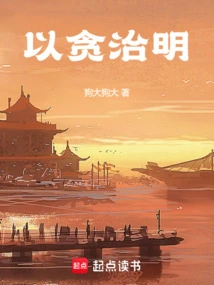
Use Greed to Rule the Wise
History以贪治明
Big Dog Big Dog
I am Li Bin, the best risk control director of Daming Group. Are you saying that my amassing 300 million silver is a disaster for the country and the people? Why don't you say I'm playing Hedge Fund Emperor Edition? Answer me! Laughing at me, the amnesty and redemption system is like cutting leeks? Who will pay the bill for the Jiajing Alchemy Pill without cutting the leeks? When the corrupt civil servants were shouting in the Fengtian Palace that the laws of the ancestors were immutable, I had already used the foreign trade orders from the Shipping Department of Ning, Quan, and Guangfu to transfuse the national treasury. Anyone who accuses me of being greedy has ever checked the secret files of Qianqing Palace? The military expenses for quelling the Japanese rebellion in the southeast, the retouching expenses for copying the Yongle Grand Ceremony... Which amount didn't I dig out from the teeth of the salt merchant? Um? Those censors who wrote twenty essays about the impeachment of Li Bin, didn't they also have the deed of Yangzhou Shouma hidden in the secret room of the study? Answer me! LOOK IN MY EYES! Tell me why? Why? Baby why? I opened a pawnshop and bank to revitalize private capital, but you accused me of competing with the people for profit; I contracted infrastructure construction to Zhejiang businessmen, and you accused me of colluding with government and businessmen... When the bandits from all over the country were causing trouble, I, a huge corrupt man, held the ancestral home overnight in exchange for one million taels for emergency relief. And the model of integrity you tout can only write begging poems!
I am Li Bin, the best risk control director of Daming Group. Are you saying that my amassing 300 million silver is a disaster for the country and the people? Why don't you say I'm playing Hedge Fund Emperor Edition? Answer me! Laughing at me, the amnesty and redemption system is like cutting leeks? Who will pay the bill for the Jiajing Alchemy Pill without cutting the leeks? When the corrupt civil servants were shouting in the Fengtian Palace that the laws of the ancestors were immutable, I had already used the foreign trade orders from the Shipping Department of Ning, Quan, and Guangfu to transfuse the national treasury. Anyone who accuses me of being greedy has ever checked the secret files of Qianqing Palace? The military expenses for quelling the Japanese rebellion in the southeast, the retouching expenses for copying the Yongle Grand Ceremony... Which amount didn't I dig out from the teeth of the salt merchant? Um? Those censors who wrote twenty essays about the impeachment of Li Bin, didn't they also have the deed of Yangzhou Shouma hidden in the secret room of the study? Answer me! LOOK IN MY EYES! Tell me why? Why? Baby why? I opened a pawnshop and bank to revitalize private capital, but you accused me of competing with the people for profit; I contracted infrastructure construction to Zhejiang businessmen, and you accused me of colluding with government and businessmen... When the bandits from all over the country were causing trouble, I, a huge corrupt man, held the ancestral home overnight in exchange for one million taels for emergency relief. And the model of integrity you tout can only write begging poems!
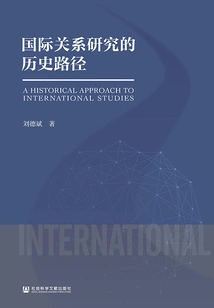
国际关系研究的历史路径
Liu Debin
This book studies and understands international relations issues from a historical perspective, and strives to explore the interaction and integration of history and international relations. Starting from paying attention to the crisis of historiography, then looking at international relations from the perspective of history, then exploring the interpretation framework of the history of international relations, verifying the relationship between history and international relations, and finally proposing the necessity and possibility of the "historical path" of international relations research, the author always discusses how historical research plays a role in the realistic exploration and theoretical construction of international relations.
This book studies and understands international relations issues from a historical perspective, and strives to explore the interaction and integration of history and international relations. Starting from paying attention to the crisis of historiography, then looking at international relations from the perspective of history, then exploring the interpretation framework of the history of international relations, verifying the relationship between history and international relations, and finally proposing the necessity and possibility of the "historical path" of international relations research, the author always discusses how historical research plays a role in the realistic exploration and theoretical construction of international relations.
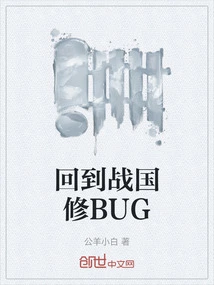
回到战国修BUG
Gong Yang Xiaobai
Qin Xiaobai, a 25-year-old front-end programmer, earns a monthly salary of 10,000 yuan. He works overtime like eating and draws Africans. After staying up all night one night, an APP called "Workers of the Warring States Period" appeared on my phone. Then he fell from the sky - killing a man. At the end of the Warring States Period, the scene of the massacre of the Momen was at the scene. The infiltration of the net, the secret chess game of Confucianism, the backlash of the inner ghost, and the real murderer is hidden behind layers of fog. The system only gives fragments but not answers, allies have their own agendas, and enemies are unclear. What he was fixing was a history bug, but the history system didn't even have a log. From the ruins of Momen to the Confucian Court of Qufu, from the battlefield of Changping to the deep valley of Yunmeng, he repaired mechanisms, broke through undercurrents, fought beacons, solved plots, understood the mind, and glimpsed the secrets of the sky, and finally integrated the strengths of hundreds of schools of thought-- But the more he repaired it, the bigger the bugs got. Because every deviation points to the same truth: time travel is not an accident, it is designed. His roommate traveled through time three years before him and has become a Legalist chess player; the whereabouts of his ex-girlfriend are a mystery; the fourth time traveler may be the chess player himself. When the King of Qin's pursuit of death shattered the world, when Han Fei drank poison and entrusted his dharma to him, when he was forced to cross the sea to Japan for three years - He finally overturned the chess game that had been running for thousands of years. Only then did he realize: What he was fixing was not a historical bug, he was the bug.
Qin Xiaobai, a 25-year-old front-end programmer, earns a monthly salary of 10,000 yuan. He works overtime like eating and draws Africans. After staying up all night one night, an APP called "Workers of the Warring States Period" appeared on my phone. Then he fell from the sky - killing a man. At the end of the Warring States Period, the scene of the massacre of the Momen was at the scene. The infiltration of the net, the secret chess game of Confucianism, the backlash of the inner ghost, and the real murderer is hidden behind layers of fog. The system only gives fragments but not answers, allies have their own agendas, and enemies are unclear. What he was fixing was a history bug, but the history system didn't even have a log. From the ruins of Momen to the Confucian Court of Qufu, from the battlefield of Changping to the deep valley of Yunmeng, he repaired mechanisms, broke through undercurrents, fought beacons, solved plots, understood the mind, and glimpsed the secrets of the sky, and finally integrated the strengths of hundreds of schools of thought-- But the more he repaired it, the bigger the bugs got. Because every deviation points to the same truth: time travel is not an accident, it is designed. His roommate traveled through time three years before him and has become a Legalist chess player; the whereabouts of his ex-girlfriend are a mystery; the fourth time traveler may be the chess player himself. When the King of Qin's pursuit of death shattered the world, when Han Fei drank poison and entrusted his dharma to him, when he was forced to cross the sea to Japan for three years - He finally overturned the chess game that had been running for thousands of years. Only then did he realize: What he was fixing was not a historical bug, he was the bug.
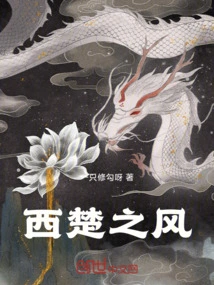
The Style of Western Chu
History西楚之风
Just One Hook
The young Xiu Ran traveled to a parallel time and space in history and unfolded a series of stories.
The young Xiu Ran traveled to a parallel time and space in history and unfolded a series of stories.
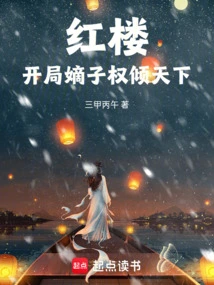
红楼:开局嫡子,权倾天下
Sanjiabingwu
Jia Jue traveled through the Red Mansion and became the legitimate son of the Jia family. I wanted to protect the whole house, save a few unlucky people, and develop in a low-key manner. However, the court is treacherous, alien cavalry, and the general trend of the world are coming. It is our duty to restore the glory of the Jia family! Who would have known that if he were not careful, he would have overwhelming power, unparalleled achievements, and no title...
Jia Jue traveled through the Red Mansion and became the legitimate son of the Jia family. I wanted to protect the whole house, save a few unlucky people, and develop in a low-key manner. However, the court is treacherous, alien cavalry, and the general trend of the world are coming. It is our duty to restore the glory of the Jia family! Who would have known that if he were not careful, he would have overwhelming power, unparalleled achievements, and no title...
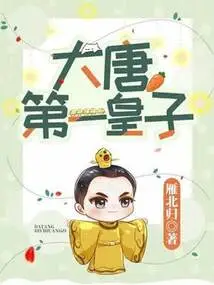
大唐第一皇子
Wild Geese Return To The North
[Datang] + [Farming] + [Zhenguan] + [Prosperity] + [Strength] Li Kuan accidentally traveled to the Tang Dynasty in the ninth year of Wude. At the time when the throne was changing, the Turks moved south. In order to save his family business, Li Kuan decided to teach his father how to seek good fortune and avoid disaster, accumulate tens of millions of wealth, and take off from the same place! "Dad, let's make colored glaze together!" "Dad, Turkic wool is a good thing. We need to buy more of it!" "Dad, let's start papermaking and printing!" "..." Li Shimin looked at his own son on the side, as if he was observing the sky. "My son is so powerful!"
[Datang] + [Farming] + [Zhenguan] + [Prosperity] + [Strength] Li Kuan accidentally traveled to the Tang Dynasty in the ninth year of Wude. At the time when the throne was changing, the Turks moved south. In order to save his family business, Li Kuan decided to teach his father how to seek good fortune and avoid disaster, accumulate tens of millions of wealth, and take off from the same place! "Dad, let's make colored glaze together!" "Dad, Turkic wool is a good thing. We need to buy more of it!" "Dad, let's start papermaking and printing!" "..." Li Shimin looked at his own son on the side, as if he was observing the sky. "My son is so powerful!"
太平洋岛国研究(第6辑)
Editor-in-chief Chen Dezheng
"Pacific Island Countries Studies" is an academic journal sponsored by Liaocheng University. It aims to explore the history and current issues of Pacific Island Countries, focusing on the history and culture, political situation and system, foreign relations, economy, trade and tourism, and regional integration of Pacific Island Countries. This book is the 6th volume. It has columns such as special articles, "One Belt and One Road" and Pacific Island Countries, diseases and epidemics, society and economy, culture and art, essays, book reviews and book news, and conference communications. The author has theoretically analyzed the politics, diplomacy, culture, and education of the Pacific Islands region and Pacific Island Countries from different research perspectives, and has made useful explorations for in-depth research on Pacific Island Countries.
"Pacific Island Countries Studies" is an academic journal sponsored by Liaocheng University. It aims to explore the history and current issues of Pacific Island Countries, focusing on the history and culture, political situation and system, foreign relations, economy, trade and tourism, and regional integration of Pacific Island Countries. This book is the 6th volume. It has columns such as special articles, "One Belt and One Road" and Pacific Island Countries, diseases and epidemics, society and economy, culture and art, essays, book reviews and book news, and conference communications. The author has theoretically analyzed the politics, diplomacy, culture, and education of the Pacific Islands region and Pacific Island Countries from different research perspectives, and has made useful explorations for in-depth research on Pacific Island Countries.
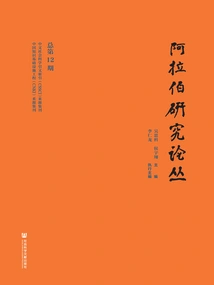
阿拉伯研究论丛(总第12期)
Editor-in-chief Wu Sike Hou Yuxiang
"Arab Studies Series" is a collection of Arab studies sponsored by the Arab Studies Center of Beijing International Studies University, the regional and national research base of the Ministry of Education. The content focuses on the politics, economy, society, culture and diplomacy of Arab countries. Based on the Arab Studies Forum, this journal selects academic papers published by scholars at the forum and compiles them into a volume to benefit the accumulation of domestic Arab studies. This book is the 12th issue and is divided into two columns: country and regional focus, and Arabic language and literature.
"Arab Studies Series" is a collection of Arab studies sponsored by the Arab Studies Center of Beijing International Studies University, the regional and national research base of the Ministry of Education. The content focuses on the politics, economy, society, culture and diplomacy of Arab countries. Based on the Arab Studies Forum, this journal selects academic papers published by scholars at the forum and compiles them into a volume to benefit the accumulation of domestic Arab studies. This book is the 12th issue and is divided into two columns: country and regional focus, and Arabic language and literature.
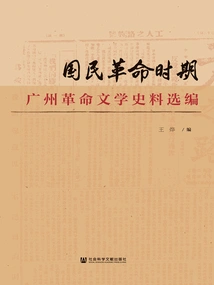
Selected Historical Materials of Guangzhou Revolutionary Literature During the National Revolution
History国民革命时期广州革命文学史料选编
Compiled By Wang Ye
This book is a selection of historical materials on revolutionary literature in Guangzhou, the birthplace of the National Revolution, and is divided into five parts. "Historical Materials on the Revolutionary Literary Movement in Guangzhou" compiles theoretical historical materials on the revolutionary literary movement in Guangzhou; "Historical Materials on Revolutionary Literary Societies in Guangzhou" compiles historical materials on the "Blood Flower Drama Club" of the Whampoa Military Academy and the "Folk Drama Club" of the Women's Department of the Kuomintang; "'Going South' to Guangzhou "New Literary Writers" collects historical materials on the activities of Creation Society writers and Lu Xun in Guangzhou; "Controversy over 'Revolution and Literature'" collects historical materials on literary debates between Guangzhou Youth Literature Research Society, Nanguo Literature Society and Revolutionary Literature Society after the Kuomintang purge; "Discussion on 'Love and Revolution' Issues" collects historical materials on discussions on "love issues" among revolutionary youth in Guangzhou.
This book is a selection of historical materials on revolutionary literature in Guangzhou, the birthplace of the National Revolution, and is divided into five parts. "Historical Materials on the Revolutionary Literary Movement in Guangzhou" compiles theoretical historical materials on the revolutionary literary movement in Guangzhou; "Historical Materials on Revolutionary Literary Societies in Guangzhou" compiles historical materials on the "Blood Flower Drama Club" of the Whampoa Military Academy and the "Folk Drama Club" of the Women's Department of the Kuomintang; "'Going South' to Guangzhou "New Literary Writers" collects historical materials on the activities of Creation Society writers and Lu Xun in Guangzhou; "Controversy over 'Revolution and Literature'" collects historical materials on literary debates between Guangzhou Youth Literature Research Society, Nanguo Literature Society and Revolutionary Literature Society after the Kuomintang purge; "Discussion on 'Love and Revolution' Issues" collects historical materials on discussions on "love issues" among revolutionary youth in Guangzhou.
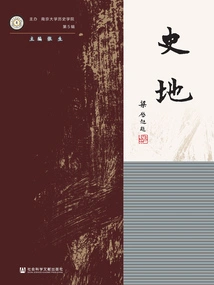
History and Place (Volume 5)
History史地(第5辑)
Editor-in-chief Zhang Sheng
"History and Geography" is a collection sponsored by the School of History of Nanjing University. It inherits the context of the famous academic journal "Journal of History and Geography" of Nanjing University's predecessor, Nanjing Normal School and National Southeast University. It was first published in 2017. "History and Geography" is positioned as a comprehensive study of history and geography across disciplines, times, and regions, focusing on "big articles" that combine theoretical thinking with empirical evidence. The columns include "Historical Preface", "Theoretical Controversy", "History and Human Geography", "Cross-border Nation-State Relations", "Marine History", "Cross-Cultural Research", "Archaeology", "Teaching and Talent Training", "Reading Notes and Academic Book Reviews", etc.
"History and Geography" is a collection sponsored by the School of History of Nanjing University. It inherits the context of the famous academic journal "Journal of History and Geography" of Nanjing University's predecessor, Nanjing Normal School and National Southeast University. It was first published in 2017. "History and Geography" is positioned as a comprehensive study of history and geography across disciplines, times, and regions, focusing on "big articles" that combine theoretical thinking with empirical evidence. The columns include "Historical Preface", "Theoretical Controversy", "History and Human Geography", "Cross-border Nation-State Relations", "Marine History", "Cross-Cultural Research", "Archaeology", "Teaching and Talent Training", "Reading Notes and Academic Book Reviews", etc.
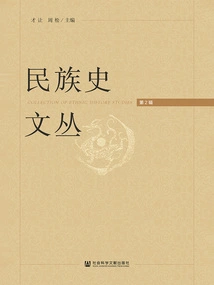
民族史文丛(第2辑)
Zhou Song Cai Rang Chief Editor
The main contents of this book include character research, textual interpretation, analysis of Buddhist images, collection of folk tales, and analysis and restoration of historical events. In terms of character research, the author examines the identity, status and clan affiliation of the master translator Facheng, and briefly describes the main deeds in the life of Shanghe Xin'er, the Prime Minister of Tubo. In terms of textual research and interpretation, the paper takes Uighur contracts and story fragments as examples to discuss the mutual influence of Uighur culture, Han culture and Mongolian culture; in terms of Buddhist image analysis, it discusses the distribution, image origin and evolution of Kalingbinga in China, and supplements and analyzes the content of the story painting of the Sumati girl in Mogao Grottoes in Dunhuang and its relationship with it. The relationship between Buddhist sects; in the collection of folk tales, the classification and interpretation of the Jinhuaxiangu treasure scroll collected on the spot; in the analysis of historical events, including the investigation of the establishment time, responsibilities and functions of Zhuang Lang's military training, the movements of the Chubo clan during the westward journey, the political interaction between the Yuan Dynasty and the Chagatai Khanate, and the identity of the master of Yinan, etc.
The main contents of this book include character research, textual interpretation, analysis of Buddhist images, collection of folk tales, and analysis and restoration of historical events. In terms of character research, the author examines the identity, status and clan affiliation of the master translator Facheng, and briefly describes the main deeds in the life of Shanghe Xin'er, the Prime Minister of Tubo. In terms of textual research and interpretation, the paper takes Uighur contracts and story fragments as examples to discuss the mutual influence of Uighur culture, Han culture and Mongolian culture; in terms of Buddhist image analysis, it discusses the distribution, image origin and evolution of Kalingbinga in China, and supplements and analyzes the content of the story painting of the Sumati girl in Mogao Grottoes in Dunhuang and its relationship with it. The relationship between Buddhist sects; in the collection of folk tales, the classification and interpretation of the Jinhuaxiangu treasure scroll collected on the spot; in the analysis of historical events, including the investigation of the establishment time, responsibilities and functions of Zhuang Lang's military training, the movements of the Chubo clan during the westward journey, the political interaction between the Yuan Dynasty and the Chagatai Khanate, and the identity of the master of Yinan, etc.
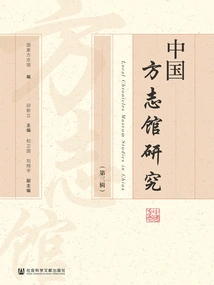
中国方志馆研究(第3辑)
Edited By The National Local Chronicles Editor-in-chief Qiu Xinli
"Research on Chinese Local Chronicles" is a comprehensive social science academic journal sponsored by the National Local Chronicles Institute. It targets local chroniclers, teachers and students in related disciplines, and scientific researchers. It focuses on the combination of theory and practice, the microscopic and the macroscopic, and the combination of exploration and guidance. While strengthening basic theoretical research, it pays more attention to the discussion of practical issues, especially the research on strategic, forward-looking, and major practical guiding issues in the study of local chronicles and the construction of local chronicles. This book is the third volume and has six columns: "Famous Column", "Chronicle Construction", "Information Local Chronicle", "Old Chronicle Research", "Topography Research" and "Local Culture".
"Research on Chinese Local Chronicles" is a comprehensive social science academic journal sponsored by the National Local Chronicles Institute. It targets local chroniclers, teachers and students in related disciplines, and scientific researchers. It focuses on the combination of theory and practice, the microscopic and the macroscopic, and the combination of exploration and guidance. While strengthening basic theoretical research, it pays more attention to the discussion of practical issues, especially the research on strategic, forward-looking, and major practical guiding issues in the study of local chronicles and the construction of local chronicles. This book is the third volume and has six columns: "Famous Column", "Chronicle Construction", "Information Local Chronicle", "Old Chronicle Research", "Topography Research" and "Local Culture".
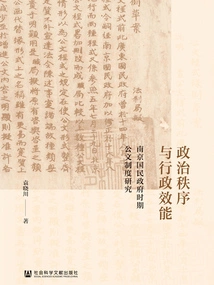
政治秩序与行政效能:南京国民政府时期公文制度研究
Yuan Xiaochuan
Based on an extensive collection of various original documents, this book conducts a relatively detailed examination of the construction and evolution of the official document system during the Nanjing National Government from the perspective of research on the interaction between political order and administrative efficiency. The book is based on a variety of documents such as original archives, newspapers, diaries, memoirs, etc., And comprehensively uses research methods such as literature analysis, case analysis, statistical analysis, and comparative analysis. It takes the evolution of the official document system during the Nanjing National Government period as the main line of research, combines the characteristics of the political system in the Nanjing National Government era, analyzes the status and mechanism of different social forces in the development of the official document system, and explores the intrinsic factors hidden behind the changes in the official document system, thereby profoundly and comprehensively displaying the evolution path and mechanism of the official document system during the Nanjing National Government period.
Based on an extensive collection of various original documents, this book conducts a relatively detailed examination of the construction and evolution of the official document system during the Nanjing National Government from the perspective of research on the interaction between political order and administrative efficiency. The book is based on a variety of documents such as original archives, newspapers, diaries, memoirs, etc., And comprehensively uses research methods such as literature analysis, case analysis, statistical analysis, and comparative analysis. It takes the evolution of the official document system during the Nanjing National Government period as the main line of research, combines the characteristics of the political system in the Nanjing National Government era, analyzes the status and mechanism of different social forces in the development of the official document system, and explores the intrinsic factors hidden behind the changes in the official document system, thereby profoundly and comprehensively displaying the evolution path and mechanism of the official document system during the Nanjing National Government period.
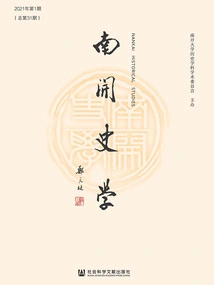
南开史学(2021年第1期\u002F总第31期)
Editor-in-chief Jiang Pei
"Nankai History" was founded by the History Department of Nankai University. It focuses on ancient Chinese history, modern Chinese history, and world history, supplemented by archaeology and cultural relics research. It mainly publishes original and cutting-edge papers, as well as book reviews and historical notes. This journal emphasizes "Nankai history" as its main feature, highlights the research style of "practical learning", and uses a research method that combines social history and intellectual history to drive changes in research fields and topics, which has distinctive Nankai characteristics. This book is the 31st issue in total and has five columns: special articles by famous writers, a column on the history of the Communist Party of China, world history research, cultural and museum research, and new book reviews.
"Nankai History" was founded by the History Department of Nankai University. It focuses on ancient Chinese history, modern Chinese history, and world history, supplemented by archaeology and cultural relics research. It mainly publishes original and cutting-edge papers, as well as book reviews and historical notes. This journal emphasizes "Nankai history" as its main feature, highlights the research style of "practical learning", and uses a research method that combines social history and intellectual history to drive changes in research fields and topics, which has distinctive Nankai characteristics. This book is the 31st issue in total and has five columns: special articles by famous writers, a column on the history of the Communist Party of China, world history research, cultural and museum research, and new book reviews.
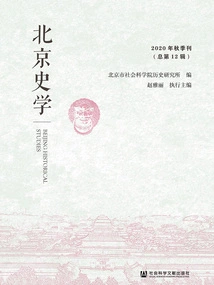
北京史学(2020年秋季刊\u002F总第12辑)
Compiled By The Institute Of History, Beijing Academy Of Social Sciences
"Beijing Historiography" is an academic journal edited by the History Institute of the Beijing Academy of Social Sciences. This collection is divided into 4 columns: General Review of Japan, Research on Historical Relics, Exploration on People's Livelihood, and Exploration on Yan History. It mainly publishes 20 papers on politics and military, economic and social, environmental changes, urban governance, interpretation of the historical and cultural connotation of Beijing's central axis, and the history of the Communist Party of China in Beijing's history. The entire collection combines macroscopic discussion with microscopic interpretation, theoretical discussion and academic practice, striving to expand and deepen special research related to the history of Beijing, demonstrate the contemporary value of the ancient Chinese capital civilization, and embody the responsibilities and obligations of historian researchers in promoting traditional culture.
"Beijing Historiography" is an academic journal edited by the History Institute of the Beijing Academy of Social Sciences. This collection is divided into 4 columns: General Review of Japan, Research on Historical Relics, Exploration on People's Livelihood, and Exploration on Yan History. It mainly publishes 20 papers on politics and military, economic and social, environmental changes, urban governance, interpretation of the historical and cultural connotation of Beijing's central axis, and the history of the Communist Party of China in Beijing's history. The entire collection combines macroscopic discussion with microscopic interpretation, theoretical discussion and academic practice, striving to expand and deepen special research related to the history of Beijing, demonstrate the contemporary value of the ancient Chinese capital civilization, and embody the responsibilities and obligations of historian researchers in promoting traditional culture.
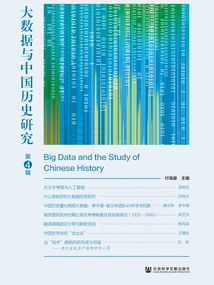
大数据与中国历史研究(第4辑)
Editor-in-chief Fu Haiyan
Since 2013, Central China Normal University and Hong Kong University of Science and Technology have begun to cooperate in big data history research and talent training. In terms of professional curriculum settings, the big data history major has opened many distinctive professional courses. Among them, the "Big Data and Chinese History" lecture series is jointly organized by the Institute for Advanced Study and the School of History and Culture, and 10 people are invited every year. Several senior professors and emerging young scholars with expertise in quantitative historical research and digital humanities research at home and abroad gave special lectures. This manuscript is a collection of the research results and speeches of some scholars. In the future, one volume will be published every year, striving to build the "Big Data and Chinese History Research" series into an academic brand with great influence in China. This is the 4th series.
Since 2013, Central China Normal University and Hong Kong University of Science and Technology have begun to cooperate in big data history research and talent training. In terms of professional curriculum settings, the big data history major has opened many distinctive professional courses. Among them, the "Big Data and Chinese History" lecture series is jointly organized by the Institute for Advanced Study and the School of History and Culture, and 10 people are invited every year. Several senior professors and emerging young scholars with expertise in quantitative historical research and digital humanities research at home and abroad gave special lectures. This manuscript is a collection of the research results and speeches of some scholars. In the future, one volume will be published every year, striving to build the "Big Data and Chinese History Research" series into an academic brand with great influence in China. This is the 4th series.
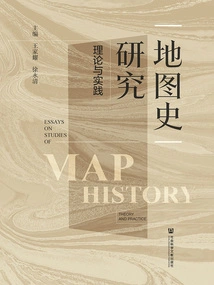
地图史研究:理论与实践
Xu Yongqing Editor-in-chief Wang Jiayao
"Map History Research: Theory and Practice" contains the papers of more than 20 domestic map history and historical geography scholars. It conducts in-depth research and discussion of theoretical and practical issues in map history and historical geography at home and abroad. It focuses on the latest academic achievements in theoretical exploration and discipline construction in the field of map history research in my country in recent years.
"Map History Research: Theory and Practice" contains the papers of more than 20 domestic map history and historical geography scholars. It conducts in-depth research and discussion of theoretical and practical issues in map history and historical geography at home and abroad. It focuses on the latest academic achievements in theoretical exploration and discipline construction in the field of map history research in my country in recent years.
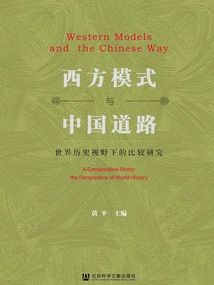
The Western Model and the Chinese Road: a Comparative Study from a World Historical Perspective
History西方模式与中国道路:世界历史视野下的比较研究
Editor-in-chief Huang Ping
The social, political and academic ideological changes in China over the past hundred years have always been inseparable from the issue of how to understand and treat the development path and model dominated by the West. During the late Qing Dynasty and the Republic of China, there was a debate over the "appropriation" of Chinese and Western development models. After the May Fourth Movement, especially after the founding of the Communist Party of China, through continuous exploration of the Chinese path and the practice of building socialism with Chinese characteristics, and on the basis of constantly accommodating the development experience of China and the West and ancient and modern times, a Chinese-style modernization path is being forged. The articles included in this book analyze the historical and institutional differences between Chinese and Western development models from the historical formation and institutional structure of the Chinese path, the historical evolution of the Western model, the crisis and reconstruction of the global order, and the comparative study of Chinese and Western systems.
The social, political and academic ideological changes in China over the past hundred years have always been inseparable from the issue of how to understand and treat the development path and model dominated by the West. During the late Qing Dynasty and the Republic of China, there was a debate over the "appropriation" of Chinese and Western development models. After the May Fourth Movement, especially after the founding of the Communist Party of China, through continuous exploration of the Chinese path and the practice of building socialism with Chinese characteristics, and on the basis of constantly accommodating the development experience of China and the West and ancient and modern times, a Chinese-style modernization path is being forged. The articles included in this book analyze the historical and institutional differences between Chinese and Western development models from the historical formation and institutional structure of the Chinese path, the historical evolution of the Western model, the crisis and reconstruction of the global order, and the comparative study of Chinese and Western systems.
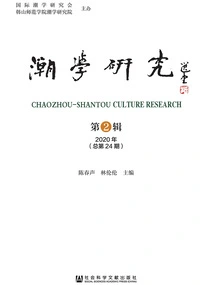
潮学研究(2020年第2辑\u002F总第24期)
Lin Lunlun Editor-in-chief Chen Chunsheng
"Tideology Research" is an academic journal co-sponsored by the International Tideology Research Association and the Tideology Research Institute of Hanshan Normal University. Its main research areas are Chaoshan history and culture, overseas Chinese society, etc. It aims to strengthen academic exchanges among colleagues at home and abroad and promote the continuous development of tideology research. This is the second volume in 2020 (the 24th issue in total). It has 5 columns: "Monograph", "Regional History", "Overseas Chinese", "Chaoshan Dialect" and "Country Literature", and contains a total of 14 articles by domestic and foreign authors.
"Tideology Research" is an academic journal co-sponsored by the International Tideology Research Association and the Tideology Research Institute of Hanshan Normal University. Its main research areas are Chaoshan history and culture, overseas Chinese society, etc. It aims to strengthen academic exchanges among colleagues at home and abroad and promote the continuous development of tideology research. This is the second volume in 2020 (the 24th issue in total). It has 5 columns: "Monograph", "Regional History", "Overseas Chinese", "Chaoshan Dialect" and "Country Literature", and contains a total of 14 articles by domestic and foreign authors.
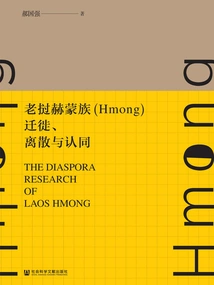
老挝赫蒙族(Hmong)迁徙、离散与认同
Hao Guoqiang
Based on field investigation and literature review, this book restores the historical process of the Miao people's diaspora from China to Laos, and then from Laos to the West. It also describes the current migration trend of the Hmong people within Laos. This book selects three typical villages to discuss the actual situation of the Hmong in Laos, the country where they live, from three perspectives: economic interaction, religious change, and marriage evolution. It reveals the survival strategies of the Hmong in Laos at different stages of development, analyzes their family identity, ethnic identity, and national identity in different scenarios, and explains the dialectical relationship between Hmong cultural separation and identity, ethnic boundaries, and cultural strategies.
Based on field investigation and literature review, this book restores the historical process of the Miao people's diaspora from China to Laos, and then from Laos to the West. It also describes the current migration trend of the Hmong people within Laos. This book selects three typical villages to discuss the actual situation of the Hmong in Laos, the country where they live, from three perspectives: economic interaction, religious change, and marriage evolution. It reveals the survival strategies of the Hmong in Laos at different stages of development, analyzes their family identity, ethnic identity, and national identity in different scenarios, and explains the dialectical relationship between Hmong cultural separation and identity, ethnic boundaries, and cultural strategies.
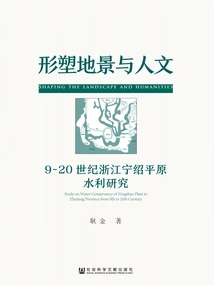
形塑地景与人文:9—20世纪浙江宁绍平原水利研究
Geng Jin
This book takes the evolution of water conservancy projects in the Ningshao region of eastern Zhejiang as the research object, uses historical geography and environmental history as research methods, and explores a relatively new trend in the current research fields of environmental history and historical geography, that is, the intrinsic relationship between landscape history, historical geography, and environmental history. The author focuses on the theme of how the geographical landscape and cultural characteristics of the Ningshao Plain were formed today. In terms of landscape formation, the landscape shaping process and internal driving factors of river network water towns, estuary deltas, river valley plains and coastal highlands were discussed respectively. In the exploration of the relationship between culture and water conservancy in the Ningshao Plain, we try to answer the cultural power (document construction) in the settlement of water conservancy disputes in the Ningshao Plain and the impact of water conservancy in the generation of local myths.
This book takes the evolution of water conservancy projects in the Ningshao region of eastern Zhejiang as the research object, uses historical geography and environmental history as research methods, and explores a relatively new trend in the current research fields of environmental history and historical geography, that is, the intrinsic relationship between landscape history, historical geography, and environmental history. The author focuses on the theme of how the geographical landscape and cultural characteristics of the Ningshao Plain were formed today. In terms of landscape formation, the landscape shaping process and internal driving factors of river network water towns, estuary deltas, river valley plains and coastal highlands were discussed respectively. In the exploration of the relationship between culture and water conservancy in the Ningshao Plain, we try to answer the cultural power (document construction) in the settlement of water conservancy disputes in the Ningshao Plain and the impact of water conservancy in the generation of local myths.
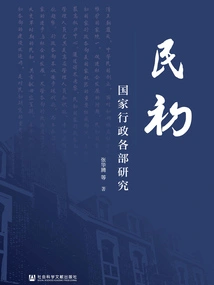
民初国家行政各部研究
Zhang Huateng Et Al.
This book discusses in detail the establishment process, organizational structure, personnel adjustments and development and evolution of various administrative departments under the Yuan Shikai government in the early Republic of China (1912-1916). If necessary, it also covers relevant content of the late Qing government and the end of the Yuan Shikai monarchy. The book studies seven administrative departments including foreign affairs, internal affairs, finance, army, navy, education, and justice. Finally, it discusses the social development in the early Republic of China reflected in the evolution of each administrative department. It believes that the previous academic understanding of Yuan Shikai's rule focused on its negative effects and ignored its positive role in the context of social transformation in the late Qing Dynasty and the early Republic of China.
This book discusses in detail the establishment process, organizational structure, personnel adjustments and development and evolution of various administrative departments under the Yuan Shikai government in the early Republic of China (1912-1916). If necessary, it also covers relevant content of the late Qing government and the end of the Yuan Shikai monarchy. The book studies seven administrative departments including foreign affairs, internal affairs, finance, army, navy, education, and justice. Finally, it discusses the social development in the early Republic of China reflected in the evolution of each administrative department. It believes that the previous academic understanding of Yuan Shikai's rule focused on its negative effects and ignored its positive role in the context of social transformation in the late Qing Dynasty and the early Republic of China.
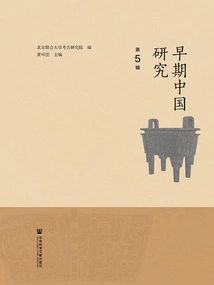
早期中国研究(第5辑)
Editor: Institute Of Archeology, Beijing Union University Editor-in-chief Huang Kejia
This collection is based on archeology and carries out multi-disciplinary collaboration. It mainly focuses on the origin of Chinese civilization, covering Neolithic archeology, Xia and Shang archeology and related articles in historical periods. It introduces the latest research results and perspectives on early China at home and abroad, as well as related content on the origin of civilization in other parts of the world. The publication will be targeted at practitioners in archaeological and cultural institutions. There are still many major issues worth exploring surrounding early China. Solving these issues is naturally based on archeology and also requires multi-disciplinary collaboration. This journal hopes that archaeologists and historians will cooperate, and scholars in anthropology, ethnology, sociology, linguistics, biology, geology and other related natural sciences and technologies will actively participate in order to promote the development of early China studies.
This collection is based on archeology and carries out multi-disciplinary collaboration. It mainly focuses on the origin of Chinese civilization, covering Neolithic archeology, Xia and Shang archeology and related articles in historical periods. It introduces the latest research results and perspectives on early China at home and abroad, as well as related content on the origin of civilization in other parts of the world. The publication will be targeted at practitioners in archaeological and cultural institutions. There are still many major issues worth exploring surrounding early China. Solving these issues is naturally based on archeology and also requires multi-disciplinary collaboration. This journal hopes that archaeologists and historians will cooperate, and scholars in anthropology, ethnology, sociology, linguistics, biology, geology and other related natural sciences and technologies will actively participate in order to promote the development of early China studies.
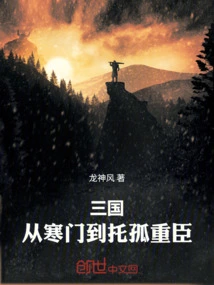
三国:从寒门到托孤重臣
Dragon Kamikaze
In the first year of Zhongping, the Yellow Turban set fire to the prairie fire, and the curtain of troubled times suddenly opened. Chen Ping, a scholar from a poor family, traveled through Yingchuan and awakened the [Light of the Hidden Abyss] system to recognize people and educate saints. With a pair of wise eyes, he could see the fate and shortcomings of everyone in troubled times. Everyone in the world competes for the city, soldiers and horses, but he is the only one who deeply cultivates people's hearts and reverses the fate of generals and stars. He rescued Dian Wei in the midst of a rout, polished the Jieao Pass, and recruited Zhang He and Wei Yan in advance; He defied fate and renewed Guo Jia's life, saved Pang Tong in a desperate situation, and forcibly rewrote the predetermined ending of the Shu Han's destruction. Every time you change your destiny against nature, you pay the price in blood and tears; every time you know someone and do a good job, you have to bear the eternal criticism. From the humble commoners of Yingchuan, to the cornerstone behind the scenes in Xuzhou, to the lonely and important ministers of the Shu Han Dynasty. The king and his ministers are jealous, the undercurrent is surging, the desperate situation is stressful, and the old man is plowing hard. When the All-Stars of the Three Kingdoms gather together, the world will be filled with heroes from the martial arts hall. Chen Ping did not claim to be king or seize power. He only spent half his life to educate a generation of pillars and stabilize the world in troubled times. Those who lurk in the abyss will eventually shine in the world. Live up to the troubled times, live up to the common people, and live up to the original intention.
In the first year of Zhongping, the Yellow Turban set fire to the prairie fire, and the curtain of troubled times suddenly opened. Chen Ping, a scholar from a poor family, traveled through Yingchuan and awakened the [Light of the Hidden Abyss] system to recognize people and educate saints. With a pair of wise eyes, he could see the fate and shortcomings of everyone in troubled times. Everyone in the world competes for the city, soldiers and horses, but he is the only one who deeply cultivates people's hearts and reverses the fate of generals and stars. He rescued Dian Wei in the midst of a rout, polished the Jieao Pass, and recruited Zhang He and Wei Yan in advance; He defied fate and renewed Guo Jia's life, saved Pang Tong in a desperate situation, and forcibly rewrote the predetermined ending of the Shu Han's destruction. Every time you change your destiny against nature, you pay the price in blood and tears; every time you know someone and do a good job, you have to bear the eternal criticism. From the humble commoners of Yingchuan, to the cornerstone behind the scenes in Xuzhou, to the lonely and important ministers of the Shu Han Dynasty. The king and his ministers are jealous, the undercurrent is surging, the desperate situation is stressful, and the old man is plowing hard. When the All-Stars of the Three Kingdoms gather together, the world will be filled with heroes from the martial arts hall. Chen Ping did not claim to be king or seize power. He only spent half his life to educate a generation of pillars and stabilize the world in troubled times. Those who lurk in the abyss will eventually shine in the world. Live up to the troubled times, live up to the common people, and live up to the original intention.
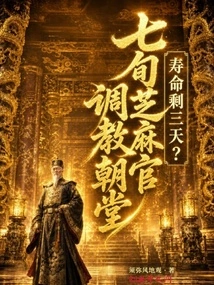
寿命剩三天?七旬芝麻官调教朝堂
Xumi Wind And Earth View
A modern college student dressed as a seventy-year-old man died suddenly because he was hit by a lottery and said "Oh, I got it!" He was so happy that he suddenly became sad. The system's ice-cold prompt: [Host's remaining life span is 3 days. Lu Shouzheng was instantly destroyed. He was going to die anyway, so it was better to have fun! In the morning, the emperor was still late, and all the officials were silent. Lu Shouzheng shouted on the spot: "You stupid fool! You only care about having fun and not caring about government affairs!" The chief assistant was shocked, "Lord Lu, you are really a loyal minister even if you die to remonstrate with me!" Not only did the emperor not get angry, but he sighed with emotion: "My loyal minister is commendable! Come here, give Mr. Lu a seat and a promotion!" Mr. Lu Shouzheng was dumbfounded. Looking at the [loyal minister buff, life span +30 days] suddenly refreshed in the system, he felt like crying without tears: I really want to die and go home quickly! After that, the style of painting in North Korea became wrong-- "Officials rape civilian girls?" Lu Shouzheng slapped him twice in front of everyone! He was sent to Chu Hall to be a duck. "Even at the risk of offending the family, Mr. Lu still wants to make decisions for the people! Not just loyal ministers? It's like a clean slate! Promoted!" "Is there not enough relief food?" Lu Shouzheng kidnapped all the civil and military ministers of the court and threw them all on the street begging for food and money. "Not only is he loyal and clear-minded, he is also an expert in governing the country! He will be promoted!" "..." "Mr. Lu, something is wrong. A minister complained to His Majesty, saying that you beat him!" Lu Shouzheng, who was already a first-rank official at this time, waved his big slap and sneered, "The slap marks on the emperor's face haven't left yet! Does he dare to fart?"
A modern college student dressed as a seventy-year-old man died suddenly because he was hit by a lottery and said "Oh, I got it!" He was so happy that he suddenly became sad. The system's ice-cold prompt: [Host's remaining life span is 3 days. Lu Shouzheng was instantly destroyed. He was going to die anyway, so it was better to have fun! In the morning, the emperor was still late, and all the officials were silent. Lu Shouzheng shouted on the spot: "You stupid fool! You only care about having fun and not caring about government affairs!" The chief assistant was shocked, "Lord Lu, you are really a loyal minister even if you die to remonstrate with me!" Not only did the emperor not get angry, but he sighed with emotion: "My loyal minister is commendable! Come here, give Mr. Lu a seat and a promotion!" Mr. Lu Shouzheng was dumbfounded. Looking at the [loyal minister buff, life span +30 days] suddenly refreshed in the system, he felt like crying without tears: I really want to die and go home quickly! After that, the style of painting in North Korea became wrong-- "Officials rape civilian girls?" Lu Shouzheng slapped him twice in front of everyone! He was sent to Chu Hall to be a duck. "Even at the risk of offending the family, Mr. Lu still wants to make decisions for the people! Not just loyal ministers? It's like a clean slate! Promoted!" "Is there not enough relief food?" Lu Shouzheng kidnapped all the civil and military ministers of the court and threw them all on the street begging for food and money. "Not only is he loyal and clear-minded, he is also an expert in governing the country! He will be promoted!" "..." "Mr. Lu, something is wrong. A minister complained to His Majesty, saying that you beat him!" Lu Shouzheng, who was already a first-rank official at this time, waved his big slap and sneered, "The slap marks on the emperor's face haven't left yet! Does he dare to fart?"
大宋:开局骂哭皇帝
Ji Wushe
Zhao Huan, a graduate of the History Department of Peking University, encountered a heavy rain and mudslide on his way to teach in Daliang Mountain, and traveled to the back garden of the imperial palace in the third year of Jingyou's reign (1036), Emperor Renzong of the Song Dynasty. Temporarily blind due to a head injury, he unknowingly faced someone disguised as
Zhao Huan, a graduate of the History Department of Peking University, encountered a heavy rain and mudslide on his way to teach in Daliang Mountain, and traveled to the back garden of the imperial palace in the third year of Jingyou's reign (1036), Emperor Renzong of the Song Dynasty. Temporarily blind due to a head injury, he unknowingly faced someone disguised as
众贤别传:名人名言不是这样用的
Elios
The scribe of Da Yong's old archives had a natural ability to see where the words fell. With a black cat that can change punctuation, he specializes in investigating ridiculous cases where famous quotes are used indiscriminately.
The scribe of Da Yong's old archives had a natural ability to see where the words fell. With a black cat that can change punctuation, he specializes in investigating ridiculous cases where famous quotes are used indiscriminately.
Big Dream in Troubled Times
History大梦乱世
Jiapu
Come to China Literature's website to read more of my works!
Come to China Literature's website to read more of my works!