Library
Browse and search books
51,874 novels found
水说之穿越古代砍一刀
Writeryvzjif
Come to China Literature's website to read more of my works!
Come to China Literature's website to read more of my works!
大明:这勋贵也太难当了吧
A Loser Who Writes Books
The modern soul traveled through the second year of Hongwu and became Chang Mao, the eldest son of Chang Yuchun, the founding father of the Ming Dynasty. Good news: My father is Chang Yuchun, who has great military exploits. Bad news: Dad received the lunch box as soon as he came online. Even worse news: The boss is Zhu Yuanzhang, who loves to kill heroes the most. On the throne, Zhu Yuanzhang smiled and said: "We want to share the glory and wealth with you." Chang Mao looked at the nobles from Huaixi and silently swallowed: This honor is really not deserved by humans.
The modern soul traveled through the second year of Hongwu and became Chang Mao, the eldest son of Chang Yuchun, the founding father of the Ming Dynasty. Good news: My father is Chang Yuchun, who has great military exploits. Bad news: Dad received the lunch box as soon as he came online. Even worse news: The boss is Zhu Yuanzhang, who loves to kill heroes the most. On the throne, Zhu Yuanzhang smiled and said: "We want to share the glory and wealth with you." Chang Mao looked at the nobles from Huaixi and silently swallowed: This honor is really not deserved by humans.
我在古代努力奔小康
Mr. Buai
[Short daily articles for parents, don't fight for hegemony, warm and oriented, have cute kids] Li Ping'an suffered from terminal illness in his previous life and suffered from severe pain. He died of severe pulmonary hypertension at the age of thirty. He was reincarnated into the ancient times of parallel time and space with his memories. Seeing his hard-working relatives busy in the fields all day long, but still not enough to eat or warm, he decided to work hard and live a good life with enough food and clothing for his family. (The word "well-off" was first used in the Western Zhou Dynasty. There is a sentence in "The Book of Songs Daya Civil Labor" that "the people are tired, but they can be well-off." The "well-off" here means a relatively stable life.)
[Short daily articles for parents, don't fight for hegemony, warm and oriented, have cute kids] Li Ping'an suffered from terminal illness in his previous life and suffered from severe pain. He died of severe pulmonary hypertension at the age of thirty. He was reincarnated into the ancient times of parallel time and space with his memories. Seeing his hard-working relatives busy in the fields all day long, but still not enough to eat or warm, he decided to work hard and live a good life with enough food and clothing for his family. (The word "well-off" was first used in the Western Zhou Dynasty. There is a sentence in "The Book of Songs Daya Civil Labor" that "the people are tired, but they can be well-off." The "well-off" here means a relatively stable life.)
神话明末:龙蛇起陆
Burning Lamps Makes The Days Miserable And The Nights Long
This book is also called "Su Daji's prototype is actually Nurhaci!" "The old slave established a queen just to fulfill his grandfather's last wish of cosplay?" "Tong Tong?" Jiagushi? Thousands of years of wealth, the inheritance of the old slave! ! This is a mythical version of the ancient world. Since the turn of the Qin and Han Dynasties, meteorites have fallen to the ground, and the heaven and earth have undergone changes. There is extraordinary power in this world! In the late Ming Dynasty, the situation in Liaodong was turbulent, the sun and the moon rotated, the water and trees flourished, and China's thousand-year great changes began here. Yuan Chonghuan looks like a small zodiac dog. He holds his arms and talks loudly, which can confuse people's minds. Mao Wenlong picked up the Guandao, turned over and slashed out, the sword energy spread hundreds of feet. Huang Taiji looked back and raised his eyes, his fine eyes discerning people's hearts, like a yellow fox sitting in the main hall. Li Zicheng has millions of troops, and a giant statue looms behind him, like a real warrior coming to the world. Sun Xiangcheng was reincarnated as a pawn in Pi Dao, and was responsible for stirring up changes in the world in Dongjiang Town. Defeated the Manchus, fought against Dashun, and overthrew the decadent Nanming regime... Finally, the world was unified. In the troubled times, he gave birth to dark blue scale claws. Sun Xiangcheng led Han'er to climb Mount Tai to worship heaven and earth, but made a declaration contrary to the First Emperor's: "The journey of the great road, the world is for the common good, I will end the thousand-year cycle, I want everyone in this world to be like a dragon!"
This book is also called "Su Daji's prototype is actually Nurhaci!" "The old slave established a queen just to fulfill his grandfather's last wish of cosplay?" "Tong Tong?" Jiagushi? Thousands of years of wealth, the inheritance of the old slave! ! This is a mythical version of the ancient world. Since the turn of the Qin and Han Dynasties, meteorites have fallen to the ground, and the heaven and earth have undergone changes. There is extraordinary power in this world! In the late Ming Dynasty, the situation in Liaodong was turbulent, the sun and the moon rotated, the water and trees flourished, and China's thousand-year great changes began here. Yuan Chonghuan looks like a small zodiac dog. He holds his arms and talks loudly, which can confuse people's minds. Mao Wenlong picked up the Guandao, turned over and slashed out, the sword energy spread hundreds of feet. Huang Taiji looked back and raised his eyes, his fine eyes discerning people's hearts, like a yellow fox sitting in the main hall. Li Zicheng has millions of troops, and a giant statue looms behind him, like a real warrior coming to the world. Sun Xiangcheng was reincarnated as a pawn in Pi Dao, and was responsible for stirring up changes in the world in Dongjiang Town. Defeated the Manchus, fought against Dashun, and overthrew the decadent Nanming regime... Finally, the world was unified. In the troubled times, he gave birth to dark blue scale claws. Sun Xiangcheng led Han'er to climb Mount Tai to worship heaven and earth, but made a declaration contrary to the First Emperor's: "The journey of the great road, the world is for the common good, I will end the thousand-year cycle, I want everyone in this world to be like a dragon!"
穿越古代娶老婆过上美好日子
Hy Qingxuan
Come to China Literature's website to read more of my works!
Come to China Literature's website to read more of my works!
Carpenter Emperor
History木匠皇帝
Luoshan
At the end of the Ming Dynasty, the protagonist's soul traveled through May of the fifth year of Apocalypse, on the day when Emperor Zhu Youxiao of Apocalypse fell into the water. At this moment, Yang Lian, Zuo Guangdou and other six gentlemen have been imprisoned, and there is only one month left before being persecuted by the eunuchs. Liaodong, under the management of Sun Chengzong, pushed all the way from Shanhaiguan to regain more than 400 miles of lost territory and established the Ningjin Defense Line. He goes up to the Chief of Ceremony, who holds the seal and holds the pen, the Cabinet, and the Six Ministries, and goes down to the Governor and County Magistrate. In a situation where the whole court is full of eunuchs, let's see how the protagonist breaks the blockade of eunuchs and extends his tentacles to the outside world. This was also the best opportunity for the Ming Dynasty. In the past, Sun Chengzong was stationed in Ningyuan to train troops, and later Mao Wenlong was waiting for an opportunity to contain him in Pidao. Should we eradicate the powerful Ming Dynasty from the eunuchs, or should we follow the old path of the Apocalypse Emperor and let the giant ship of the Ming Dynasty sink again? ?
At the end of the Ming Dynasty, the protagonist's soul traveled through May of the fifth year of Apocalypse, on the day when Emperor Zhu Youxiao of Apocalypse fell into the water. At this moment, Yang Lian, Zuo Guangdou and other six gentlemen have been imprisoned, and there is only one month left before being persecuted by the eunuchs. Liaodong, under the management of Sun Chengzong, pushed all the way from Shanhaiguan to regain more than 400 miles of lost territory and established the Ningjin Defense Line. He goes up to the Chief of Ceremony, who holds the seal and holds the pen, the Cabinet, and the Six Ministries, and goes down to the Governor and County Magistrate. In a situation where the whole court is full of eunuchs, let's see how the protagonist breaks the blockade of eunuchs and extends his tentacles to the outside world. This was also the best opportunity for the Ming Dynasty. In the past, Sun Chengzong was stationed in Ningyuan to train troops, and later Mao Wenlong was waiting for an opportunity to contain him in Pidao. Should we eradicate the powerful Ming Dynasty from the eunuchs, or should we follow the old path of the Apocalypse Emperor and let the giant ship of the Ming Dynasty sink again? ?

Song Dynasty Artillery Team
History大宋炮队
Writerpqa2f0
Physics student Wang Dun and his classmates came to the Time Travel Center to play a time travel game. Unexpectedly, they suddenly arrived at the funeral of Wang Lun, the leader of Liangshan in the Song Dynasty, and became Wang Lun's son. With the integration of life and emotions with the Wang family, Wang Dun decided not to return to the present world to study, but to stay to avenge his father's murder and his wife's death. After watching a shadow puppet show "Nazha" in the countryside, he thought of the idea of using contemporary gunpowder technology to make hand cannons and light artillery to attack Liangshan bandits and avenge his father's murder. He found the prototype of the hand cannon in the market. He also studied poetry and books diligently under the guidance of his eldest sister Hu Sanniang. After passing the imperial examination, he went to Beijing to take part in the joint examination. By relying on his close relationship with Cai Jing and Tong Guan, he passed the imperial examination. And he used his hand cannon advantage to win the battle with the Liao army, and finally won the title of Dazhong Dafu of the Song Dynasty and commander of the artillery team of the Song Dynasty. However, after all, it was a traitor who was in charge. Although he severely attacked the invasion of the Jin soldiers, he could not stop the Jingkang disaster from happening. In the end, he had to retreat to Liangshan to support his troops and benefit the people.
Physics student Wang Dun and his classmates came to the Time Travel Center to play a time travel game. Unexpectedly, they suddenly arrived at the funeral of Wang Lun, the leader of Liangshan in the Song Dynasty, and became Wang Lun's son. With the integration of life and emotions with the Wang family, Wang Dun decided not to return to the present world to study, but to stay to avenge his father's murder and his wife's death. After watching a shadow puppet show "Nazha" in the countryside, he thought of the idea of using contemporary gunpowder technology to make hand cannons and light artillery to attack Liangshan bandits and avenge his father's murder. He found the prototype of the hand cannon in the market. He also studied poetry and books diligently under the guidance of his eldest sister Hu Sanniang. After passing the imperial examination, he went to Beijing to take part in the joint examination. By relying on his close relationship with Cai Jing and Tong Guan, he passed the imperial examination. And he used his hand cannon advantage to win the battle with the Liao army, and finally won the title of Dazhong Dafu of the Song Dynasty and commander of the artillery team of the Song Dynasty. However, after all, it was a traitor who was in charge. Although he severely attacked the invasion of the Jin soldiers, he could not stop the Jingkang disaster from happening. In the end, he had to retreat to Liangshan to support his troops and benefit the people.
Legend of Zhu Yuanzhang
History朱元璋传奇
Watakawa Saw The Light
Come to China Literature's website to read more of my works!
Come to China Literature's website to read more of my works!

东汉:我生一个娃,奖励一个苏烈
Big Truck Veteran Driver
Liu Hao traveled through the late Eastern Han Dynasty and became the declining descendant of Changyi King Liu He. Liu Hao originally just wanted to survive in troubled times. Married into Queen He's family, served as the left prisoner of the Yulin Army, took wives and concubines, and had children, all just to survive. It wasn't until the third son's full moon party that Liu Hao suddenly heard a reminder in his head: [The heir's potential value is 71, activate the 'baby explosion Su Lie' system! Every time a child with potential is born, a "Su Lie" level peerless talent will be rewarded! The reward for the first child has arrived: Liu Lie, the younger brother of the clan, came to vote with Su Lie's courage on a starry night. The novice gift pack has suddenly arrived: Li Cunxiao's martial arts inheritance, plus his charismatic charm... Liu Hao looked at the impending chaos outside his house, then looked at the baby in his arms and the house full of wives and concubines. Liu Hao smiled. Yellow scarf? Princes? Emperor? "Don't worry, wait until I have more babies and raise a Sulie army." Starting from Luoyang Yulin Prison, Liu Hao's counterattack of the deposed emperor's line swept the world!
Liu Hao traveled through the late Eastern Han Dynasty and became the declining descendant of Changyi King Liu He. Liu Hao originally just wanted to survive in troubled times. Married into Queen He's family, served as the left prisoner of the Yulin Army, took wives and concubines, and had children, all just to survive. It wasn't until the third son's full moon party that Liu Hao suddenly heard a reminder in his head: [The heir's potential value is 71, activate the 'baby explosion Su Lie' system! Every time a child with potential is born, a "Su Lie" level peerless talent will be rewarded! The reward for the first child has arrived: Liu Lie, the younger brother of the clan, came to vote with Su Lie's courage on a starry night. The novice gift pack has suddenly arrived: Li Cunxiao's martial arts inheritance, plus his charismatic charm... Liu Hao looked at the impending chaos outside his house, then looked at the baby in his arms and the house full of wives and concubines. Liu Hao smiled. Yellow scarf? Princes? Emperor? "Don't worry, wait until I have more babies and raise a Sulie army." Starting from Luoyang Yulin Prison, Liu Hao's counterattack of the deposed emperor's line swept the world!
愿做天地一狂徒
The Waterway Is Not Alone
The way of heaven is to make up for the deficiency when there is excess damage; the way of man is to make up for the deficiency when there is damage. The rise and fall of families and countries are all in it.
The way of heaven is to make up for the deficiency when there is excess damage; the way of man is to make up for the deficiency when there is damage. The rise and fall of families and countries are all in it.
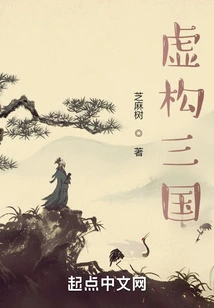
Fictional Three Kingdoms
History虚构三国
Sesame Tree
Ji Shu traveled to the Three Kingdoms but found that he had no golden finger at all. During the Yellow Turban Rebellion, he simply became a refugee and even sold himself into slavery. The situation was changing and the journey was bumpy. Ji Shu could only rely on some incomplete historical knowledge and modern people's vision to get around the troubled times. In the end, he did not choose the heroic Cao Cao and Liu Bei, a model of benevolence and righteousness. Instead, he chose Sun Ce, who left the game early in history, and then embarked on another path.
Ji Shu traveled to the Three Kingdoms but found that he had no golden finger at all. During the Yellow Turban Rebellion, he simply became a refugee and even sold himself into slavery. The situation was changing and the journey was bumpy. Ji Shu could only rely on some incomplete historical knowledge and modern people's vision to get around the troubled times. In the end, he did not choose the heroic Cao Cao and Liu Bei, a model of benevolence and righteousness. Instead, he chose Sun Ce, who left the game early in history, and then embarked on another path.
异界召唤之争霸
Writer 3f6ymk
Come to China Literature's website to read more of my works!
Come to China Literature's website to read more of my works!
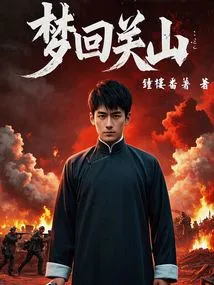
Dreaming Back to Guanshan
History梦回关山
Bell Tower Sweet Potato
(Original title: When Luotuo Xiangzi Met the Nasty CEO) A certain modern otaku, with his "ambition", traveled back in time to the early years of the Republic of China, but was inadvertently involved in a series of historical events. When his home country was in danger, he finally stepped forward and lurked under the iron heel of the Japanese invaders to protect his home and country. The story begins in 1922. [Writing in my spare time, sorry for the slow update speed]
(Original title: When Luotuo Xiangzi Met the Nasty CEO) A certain modern otaku, with his "ambition", traveled back in time to the early years of the Republic of China, but was inadvertently involved in a series of historical events. When his home country was in danger, he finally stepped forward and lurked under the iron heel of the Japanese invaders to protect his home and country. The story begins in 1922. [Writing in my spare time, sorry for the slow update speed]
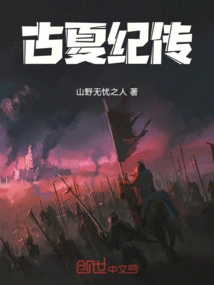
Ancient Xia Chronicles
History古夏纪传
A Carefree Man In The Mountains
Xia Dynasty, the first slavery dynasty in Chinese history!
Xia Dynasty, the first slavery dynasty in Chinese history!
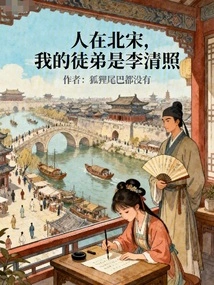
人在北宋,我的徒弟是李清照
There Is No Fox Tail
Traveling through the Northern Song Dynasty, Dongxu was accidentally hit in the waist by a drunken boat in Bianshui River. Drinking, card games, playing, drunk driving, mastering it all! It was actually Li Qingzhao, a talented woman from the Northern Song Dynasty who liked to leave texts for future generations the most. Dongxu was very scratching his head at this, because he was someone who was ready to rebel.
Traveling through the Northern Song Dynasty, Dongxu was accidentally hit in the waist by a drunken boat in Bianshui River. Drinking, card games, playing, drunk driving, mastering it all! It was actually Li Qingzhao, a talented woman from the Northern Song Dynasty who liked to leave texts for future generations the most. Dongxu was very scratching his head at this, because he was someone who was ready to rebel.
中国神秘文化鉴赏大全
Tangxi River
Come to China Literature's website to read more of my works!
Come to China Literature's website to read more of my works!
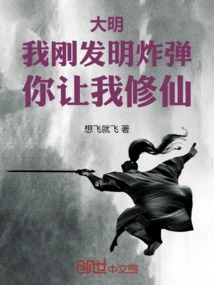
大明:我刚发明炸弹,你让我修仙
Fly If You Want
Travel through the Ming Dynasty. Discovered that he was the grandson of Yongle Emperor Zhu Di. Zhu Zhanzhen obtained the Great Inventor System. [Congratulations to the host for successfully developing the bomb and rewarded with the immortality cultivation technique! What, I just invented the bomb and am preparing to revitalize the Ming Dynasty. Become the world dominator. Brother Tongzi, do you think I can become an immortal? Okay, I have obtained the magic? Why do we want to carry out the industrial revolution? Just do it! So, for the Ming Dynasty. Zhu Zhancheng began to mine a large number of herbal medicines to create immortal weapons. Zhu Di begged Zhu Zhanzhen to take him to cultivate immortality. As a result, Lao Zhu's family officially entered the longevity family of immortals. In the following years, Zhu Di faked his death and abdicated the throne, but in fact began to go on overseas expeditions. Dominate the world. However, at this moment, the emperor Zhu Qizhen shouted because he was captured: "Grandpa, save me!" Zhu Di, who was far away in Jiutian, cursed angrily: "You bastard, our old Zhu family has been completely embarrassed by you." Later, Zhu Di stepped on the flying sword, and the immortal energy floated in. "Who dares to invade our territory of the Ming Dynasty?" "Should I avoid your edge?"
Travel through the Ming Dynasty. Discovered that he was the grandson of Yongle Emperor Zhu Di. Zhu Zhanzhen obtained the Great Inventor System. [Congratulations to the host for successfully developing the bomb and rewarded with the immortality cultivation technique! What, I just invented the bomb and am preparing to revitalize the Ming Dynasty. Become the world dominator. Brother Tongzi, do you think I can become an immortal? Okay, I have obtained the magic? Why do we want to carry out the industrial revolution? Just do it! So, for the Ming Dynasty. Zhu Zhancheng began to mine a large number of herbal medicines to create immortal weapons. Zhu Di begged Zhu Zhanzhen to take him to cultivate immortality. As a result, Lao Zhu's family officially entered the longevity family of immortals. In the following years, Zhu Di faked his death and abdicated the throne, but in fact began to go on overseas expeditions. Dominate the world. However, at this moment, the emperor Zhu Qizhen shouted because he was captured: "Grandpa, save me!" Zhu Di, who was far away in Jiutian, cursed angrily: "You bastard, our old Zhu family has been completely embarrassed by you." Later, Zhu Di stepped on the flying sword, and the immortal energy floated in. "Who dares to invade our territory of the Ming Dynasty?" "Should I avoid your edge?"
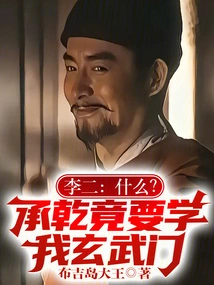
李二:什么?承乾竟要学我玄武门
Phuket King
Li Chengqian, who had returned from rebirth, had just made up his mind to rebel against Li Shimin, but it was exposed by the sky. Li Er: What? Cheng Qian, you actually plan to learn from my Xuanwu Sect? Li Chengqian: Please call your Majesty the Crown Prince! Empress Changsun saw the sky exposed and protected Li Chengqian behind her on the spot. Empress Changsun: Since Your Majesty wants to force my son to death, then he will also abolish me. No matter whether it is three feet of white silk or a pot of poisonous wine, I will have nothing to say! Li Er was dumbfounded: Maid Guanyin... Queen Changsun: Your Majesty, please call me Queen!
Li Chengqian, who had returned from rebirth, had just made up his mind to rebel against Li Shimin, but it was exposed by the sky. Li Er: What? Cheng Qian, you actually plan to learn from my Xuanwu Sect? Li Chengqian: Please call your Majesty the Crown Prince! Empress Changsun saw the sky exposed and protected Li Chengqian behind her on the spot. Empress Changsun: Since Your Majesty wants to force my son to death, then he will also abolish me. No matter whether it is three feet of white silk or a pot of poisonous wine, I will have nothing to say! Li Er was dumbfounded: Maid Guanyin... Queen Changsun: Your Majesty, please call me Queen!
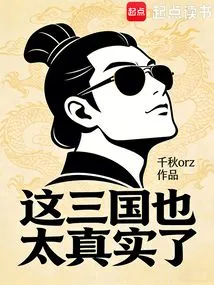
玩家们的游戏三国
Chiaki Orz
[Fourth Natural Disaster] + [Three Kingdoms] + [Travel] + [System] + [Summon Players] + [Hegemony] + [Behind the Scenes] + [Easy] Experience the most realistic Three Kingdoms game in history! Click to make an appointment and the simulator will be delivered to your home in the evening! If you like the pleasure of farming like "build a wall high and become king slowly", you can enjoy this kind of farming, building walls, cooking, and fishing... If you like to charge into battle and participate in the story of the Three Kingdoms, you can also create your own unique avatar of the Three Kingdoms to achieve: Zhao Zilong and I combined to cut down the 800,000-strong army seven times in and seven times out; Grandpa Huang, you are old, I will bear Dudu's cruel tricks for you; Military generals can practice martial arts by stretching their muscles and bones, and players can also build mountains and carry cauldrons, fighting thousands of armies alone! Civil servants can practice their mind power to control the wind and rain, and they also have a better chance to truly govern the people's livelihood in a place! Okay, no more nonsense, His Majesty asked me to move the bricks. His Majesty said that as long as we work hard to build Dahan online, he will be able to open Yanzhou County in Xinjiang next month. Then he will lead us to open a new map and rob Boss Cao! ... Liu Bian, who traveled through time and became the deposed emperor of the same name, found that something was not right about this world. Military generals could conquer mountains and civil servants could call upon the wind and rain, but he picked up the "Book of Taiping": "Whether the host is bound to the system" "How about not tying it up?" "Your Majesty, please drink this wine!" Liu Bian's hand shook. "Drip!" "Congratulations to the host, you have unlocked the player summoning system." From that day on, Yanhan began to prosper, and from that day on, history began to go astray. Also known as "The Three Kingdoms are So Fun", also known as "The Game Version of the Three Kingdoms".
[Fourth Natural Disaster] + [Three Kingdoms] + [Travel] + [System] + [Summon Players] + [Hegemony] + [Behind the Scenes] + [Easy] Experience the most realistic Three Kingdoms game in history! Click to make an appointment and the simulator will be delivered to your home in the evening! If you like the pleasure of farming like "build a wall high and become king slowly", you can enjoy this kind of farming, building walls, cooking, and fishing... If you like to charge into battle and participate in the story of the Three Kingdoms, you can also create your own unique avatar of the Three Kingdoms to achieve: Zhao Zilong and I combined to cut down the 800,000-strong army seven times in and seven times out; Grandpa Huang, you are old, I will bear Dudu's cruel tricks for you; Military generals can practice martial arts by stretching their muscles and bones, and players can also build mountains and carry cauldrons, fighting thousands of armies alone! Civil servants can practice their mind power to control the wind and rain, and they also have a better chance to truly govern the people's livelihood in a place! Okay, no more nonsense, His Majesty asked me to move the bricks. His Majesty said that as long as we work hard to build Dahan online, he will be able to open Yanzhou County in Xinjiang next month. Then he will lead us to open a new map and rob Boss Cao! ... Liu Bian, who traveled through time and became the deposed emperor of the same name, found that something was not right about this world. Military generals could conquer mountains and civil servants could call upon the wind and rain, but he picked up the "Book of Taiping": "Whether the host is bound to the system" "How about not tying it up?" "Your Majesty, please drink this wine!" Liu Bian's hand shook. "Drip!" "Congratulations to the host, you have unlocked the player summoning system." From that day on, Yanhan began to prosper, and from that day on, history began to go astray. Also known as "The Three Kingdoms are So Fun", also known as "The Game Version of the Three Kingdoms".
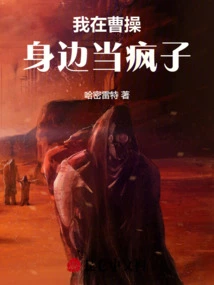
小说,小说网,最新热门小说-QQ阅读_阅文集团旗下网站
Hamlet
Don't be fooled by his "madness"! This is the top wolf killer in the Three Kingdoms! As the scapegoat on the White Gate Tower, Pei Xiao managed to save his life from Cao Cao's sword through a "crazy cry". Since then, he has become the most special person in Cao Ying. Everyone regarded him as a lunatic who talked to himself, which was unlucky and ominous. Little did he know that every crazy word he said was a calculation; every madness was a scam. Using his "crazy name" as his armor and his poor family as his blade, he drove the thousand-year-old family to a dead end step by step. One second he was crying for the homeless people, and the next second he was talking and laughing while planning a deadly plan. Cao Cao regarded him as the sharpest sword, while Liu Bei feared him as an uncontrollable demon. Sima Yi plans people, Zhuge Liang plans heaven, and he - even his own "madness" is part of the plan! When the Valkyrie beyond the Wall is willing to serve as his blade, when the stunning assassin only obeys his orders, when the noble lady who has calculated all the secrets cannot see through the abyss in his eyes... This huge gamble with the world as its bet has already quietly begun. "What kind of benevolence and morality are there in this world of cannibalism?" Pei Xiao grinned with a crazy and cold smile: "Why don't you let me, this 'crazy knife', give you a different way of living?"
Don't be fooled by his "madness"! This is the top wolf killer in the Three Kingdoms! As the scapegoat on the White Gate Tower, Pei Xiao managed to save his life from Cao Cao's sword through a "crazy cry". Since then, he has become the most special person in Cao Ying. Everyone regarded him as a lunatic who talked to himself, which was unlucky and ominous. Little did he know that every crazy word he said was a calculation; every madness was a scam. Using his "crazy name" as his armor and his poor family as his blade, he drove the thousand-year-old family to a dead end step by step. One second he was crying for the homeless people, and the next second he was talking and laughing while planning a deadly plan. Cao Cao regarded him as the sharpest sword, while Liu Bei feared him as an uncontrollable demon. Sima Yi plans people, Zhuge Liang plans heaven, and he - even his own "madness" is part of the plan! When the Valkyrie beyond the Wall is willing to serve as his blade, when the stunning assassin only obeys his orders, when the noble lady who has calculated all the secrets cannot see through the abyss in his eyes... This huge gamble with the world as its bet has already quietly begun. "What kind of benevolence and morality are there in this world of cannibalism?" Pei Xiao grinned with a crazy and cold smile: "Why don't you let me, this 'crazy knife', give you a different way of living?"

穿越:攻略美女,至尊帝皇
Words Of Wind
Li Haotian accidentally traveled to the ancient world and became a wealthy child inheriting family property in a remote area of the Daqian Empire. He was also bound to the beauty strategy system. As long as you capture beauties with a beauty score of 90 or above, you can get a lot of rewards. Their resumes include but are not limited to: military skills, money, power, intelligence, talents such as civil servants and generals, and various soldiers. The system also gave Li Haotian a gift package for newbies, giving Li Haotian the power of the Overlord, three thousand brocade guards, and one hundred thousand snow dragon riders. With the help of the system, Li Haotian conquered beauties one after another, received a large number of rewards, overthrew the decadent Daqian Empire, established the Daxia Empire, and then conquered other countries to complete the unification.
Li Haotian accidentally traveled to the ancient world and became a wealthy child inheriting family property in a remote area of the Daqian Empire. He was also bound to the beauty strategy system. As long as you capture beauties with a beauty score of 90 or above, you can get a lot of rewards. Their resumes include but are not limited to: military skills, money, power, intelligence, talents such as civil servants and generals, and various soldiers. The system also gave Li Haotian a gift package for newbies, giving Li Haotian the power of the Overlord, three thousand brocade guards, and one hundred thousand snow dragon riders. With the help of the system, Li Haotian conquered beauties one after another, received a large number of rewards, overthrew the decadent Daqian Empire, established the Daxia Empire, and then conquered other countries to complete the unification.
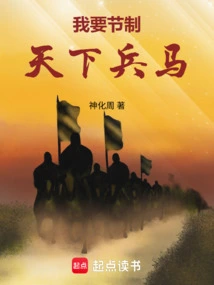
我要节制天下兵马
Deification Week
Su Donglin traveled back to the late Tang Dynasty. At this time, rituals and music in the world have collapsed, people are killing people, and people are eating people. In order not to become someone else's ration, I can only raise the butcher's knife and walk up step by step. "Prince Li Shimin was able to control the world's troops two hundred years ago, and I, Su Donglin, can do the same two hundred years from now!"
Su Donglin traveled back to the late Tang Dynasty. At this time, rituals and music in the world have collapsed, people are killing people, and people are eating people. In order not to become someone else's ration, I can only raise the butcher's knife and walk up step by step. "Prince Li Shimin was able to control the world's troops two hundred years ago, and I, Su Donglin, can do the same two hundred years from now!"
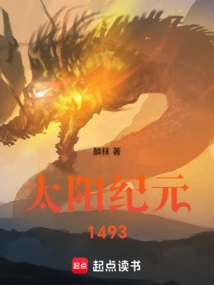
Solar Era: 1493
History太阳纪元:1493
Lin Mo
--When a history graduate student became the Inca emperor, he rewrote the five-hundred-year destiny of the Americas. Detailed introduction: Li Jie, a graduate student in the History Department of the Complutense University of Madrid, suffered a heart attack while studying Spanish colonial archives in the library. He opened his eyes again and became Huayna Capac, the eleventh king of the Inca Empire who had just ascended the throne in 1493. He found that he carried a "health system" that could extend his life as long as the reform was successful and the country was continued. At this time, there were still 39 years before Pizarro destroyed the Incas, and only a dozen years before smallpox swept the Americas. Relying on his accurate memory of history and modern knowledge, Li Jie began a race against time: Create writing, unify weights and measures, and issue currency Establish imperial examinations, promote compulsory education, and develop industry Reform the military, build a fleet, and expand northward From the Andes to the Mexican plateau, from the Pacific coast to the Atlantic estuary, a unified American empire had quietly emerged during Columbus's second voyage. When the Spanish conquistadors finally set foot on this "New World," what awaited them was not scattered indigenous tribes, but a huge empire with firearms, fleets, and bureaucracies. Core highlights: Hard-core system reform: from the creation of hieroglyphics to the unification of weights and measures, a detailed demonstration of the process of civilization upgrading Reasonable military expansion: design conquest paths based on real geography, climate, and ethnic distribution Philosophy of collision of civilizations: When modern souls dominate ancient civilizations, conflicts and integration of values Timeline Butterfly Effect: How the Incas Unified the Americas Changed the Course of World History
--When a history graduate student became the Inca emperor, he rewrote the five-hundred-year destiny of the Americas. Detailed introduction: Li Jie, a graduate student in the History Department of the Complutense University of Madrid, suffered a heart attack while studying Spanish colonial archives in the library. He opened his eyes again and became Huayna Capac, the eleventh king of the Inca Empire who had just ascended the throne in 1493. He found that he carried a "health system" that could extend his life as long as the reform was successful and the country was continued. At this time, there were still 39 years before Pizarro destroyed the Incas, and only a dozen years before smallpox swept the Americas. Relying on his accurate memory of history and modern knowledge, Li Jie began a race against time: Create writing, unify weights and measures, and issue currency Establish imperial examinations, promote compulsory education, and develop industry Reform the military, build a fleet, and expand northward From the Andes to the Mexican plateau, from the Pacific coast to the Atlantic estuary, a unified American empire had quietly emerged during Columbus's second voyage. When the Spanish conquistadors finally set foot on this "New World," what awaited them was not scattered indigenous tribes, but a huge empire with firearms, fleets, and bureaucracies. Core highlights: Hard-core system reform: from the creation of hieroglyphics to the unification of weights and measures, a detailed demonstration of the process of civilization upgrading Reasonable military expansion: design conquest paths based on real geography, climate, and ethnic distribution Philosophy of collision of civilizations: When modern souls dominate ancient civilizations, conflicts and integration of values Timeline Butterfly Effect: How the Incas Unified the Americas Changed the Course of World History
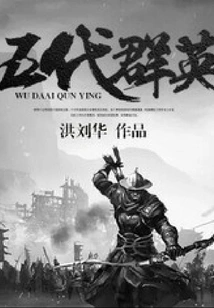
五代群英
Hong Liuhua
Ask the world who is the hero? He is called Taizong of the Tang Dynasty, Taizu of the Ming Dynasty, Emperor Qin and Emperor Wu of the Han Dynasty, and Genghis Khan. . . . . . Actually no! Those who sacrifice their lives and even their reputation for the benefit of the people are the real heroes! Don't judge a hero by his success or failure, but by his motivation. The author's personal opinion, don't criticize if you don't like it.
Ask the world who is the hero? He is called Taizong of the Tang Dynasty, Taizu of the Ming Dynasty, Emperor Qin and Emperor Wu of the Han Dynasty, and Genghis Khan. . . . . . Actually no! Those who sacrifice their lives and even their reputation for the benefit of the people are the real heroes! Don't judge a hero by his success or failure, but by his motivation. The author's personal opinion, don't criticize if you don't like it.
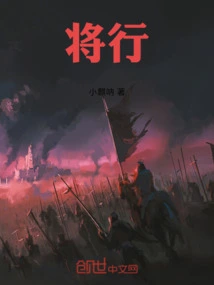
About to Go
History将行
Little Qina
The Lu family, the Duke of Zhenguo, is the sharpest sword and the dazzling nail in the Dashuo court. Seven sons in one sect are all national weapons. When the panic in the north burned the sky red, and the emergency reports of the loss of more than ten cities broke through the palace gate, no one in the civil and military circles of the dynasty dared to respond to the "campaign"! The Lu family was in danger and took orders! The eight men, father and son, once again fought bloody battles on the battlefield. Later history books will only record this miracle that turned the tide. But no one knew that when the trumpet of triumph finally sounded, there was something in the heart of the young man who returned alone with six pieces of broken armor, which had been buried forever under the scorched earth of Suoyun Pass together with his father and brother.
The Lu family, the Duke of Zhenguo, is the sharpest sword and the dazzling nail in the Dashuo court. Seven sons in one sect are all national weapons. When the panic in the north burned the sky red, and the emergency reports of the loss of more than ten cities broke through the palace gate, no one in the civil and military circles of the dynasty dared to respond to the "campaign"! The Lu family was in danger and took orders! The eight men, father and son, once again fought bloody battles on the battlefield. Later history books will only record this miracle that turned the tide. But no one knew that when the trumpet of triumph finally sounded, there was something in the heart of the young man who returned alone with six pieces of broken armor, which had been buried forever under the scorched earth of Suoyun Pass together with his father and brother.
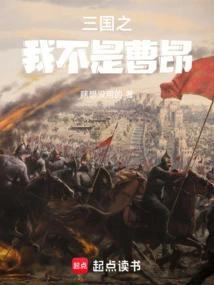
三国之我不是曹昂
It's Useless To Think Blindly
"In the meeting in Xiangyang, Lu, who had no previous master, was like a drowned ghost in Tanxi River. In the case of Zhangxiu, Cao Cao had no absolute shadow, and he was like a turtle in Jijiu River." No one would have thought that the person who noticed Zhang Xiu's rebellion was actually the young master Cao Ang who followed the army because of his filial piety and integrity. This made many generals look disgraceful. And Cao Ang, who has always been considered to have made his fortune thanks to his father, has also shone brightly since Wancheng. He used practical actions to tell the world and ministers that he will definitely be able to sweep the world and unify the mountains and rivers.
"In the meeting in Xiangyang, Lu, who had no previous master, was like a drowned ghost in Tanxi River. In the case of Zhangxiu, Cao Cao had no absolute shadow, and he was like a turtle in Jijiu River." No one would have thought that the person who noticed Zhang Xiu's rebellion was actually the young master Cao Ang who followed the army because of his filial piety and integrity. This made many generals look disgraceful. And Cao Ang, who has always been considered to have made his fortune thanks to his father, has also shone brightly since Wancheng. He used practical actions to tell the world and ministers that he will definitely be able to sweep the world and unify the mountains and rivers.
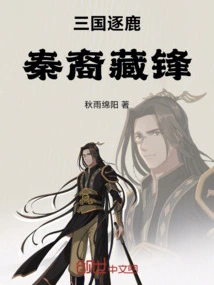
三国逐鹿,秦裔藏锋
Autumn Rain Mianyang
At the end of the Eastern Han Dynasty, wars broke out everywhere, the world fell apart, and nine states competed for the throne. The boy surnamed Ying was born in troubled times, and his life experience was up and down like a duck. He was lost in the grass since he was a child. He didn't know the origin of his blood, and he only relied on his lonely courage to survive in the light of swords. He once followed the refugees, stood side by side with the martyrs, and struggled through the chaos of the separatist rule. He walked step by step through the flames of war in Chibi, the games in Jingzhou, and the fierce battles in Qishan. The iron cavalry crushed the embers of the remnants of the Han Dynasty, and the power of the tripod was first formed. When the clues of his life experience gradually emerged, and the dust-laden past was uncovered layer by layer, he was shocked to realize that what flowed in his own bones and blood was the remnants of the Qin Dynasty that once swept the world and settled the eight wastelands. Zang Feng was born in the troubled times of the Three Kingdoms, and was inherited from the ancient Qin court. He was an ignorant boy in the past, and finally took control of his own destiny in the chess game of competing for the throne. In the name of the Ying family, in the world where the Han Dynasty was destroyed, he found a way to survive for the descendants of Qin, and composed a heroic song of a hero in troubled times.
At the end of the Eastern Han Dynasty, wars broke out everywhere, the world fell apart, and nine states competed for the throne. The boy surnamed Ying was born in troubled times, and his life experience was up and down like a duck. He was lost in the grass since he was a child. He didn't know the origin of his blood, and he only relied on his lonely courage to survive in the light of swords. He once followed the refugees, stood side by side with the martyrs, and struggled through the chaos of the separatist rule. He walked step by step through the flames of war in Chibi, the games in Jingzhou, and the fierce battles in Qishan. The iron cavalry crushed the embers of the remnants of the Han Dynasty, and the power of the tripod was first formed. When the clues of his life experience gradually emerged, and the dust-laden past was uncovered layer by layer, he was shocked to realize that what flowed in his own bones and blood was the remnants of the Qin Dynasty that once swept the world and settled the eight wastelands. Zang Feng was born in the troubled times of the Three Kingdoms, and was inherited from the ancient Qin court. He was an ignorant boy in the past, and finally took control of his own destiny in the chess game of competing for the throne. In the name of the Ying family, in the world where the Han Dynasty was destroyed, he found a way to survive for the descendants of Qin, and composed a heroic song of a hero in troubled times.
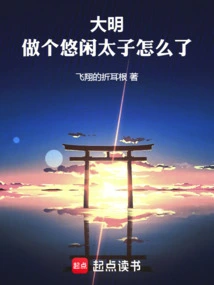
大明:做个悠闲太子怎么了
Flying Folded Ear Root
Once Zhu Gaochi became the crown prince of Yongle in the Ming Dynasty, Zhu Di, the Yongle emperor, disliked him, and Zhu Gaoxu, the golden bean, and Zhu Gaosui, the copper pea, were eyeing him. Zhu Gaochi said he was under a lot of pressure. Instead of forcing yourself, why not let yourself go and enjoy the moment? Life is too short. How can we endure another lifetime of hardships? We must enjoy half of our lives. But gradually, with Zhu Gaochi's change, everything began to change.
Once Zhu Gaochi became the crown prince of Yongle in the Ming Dynasty, Zhu Di, the Yongle emperor, disliked him, and Zhu Gaoxu, the golden bean, and Zhu Gaosui, the copper pea, were eyeing him. Zhu Gaochi said he was under a lot of pressure. Instead of forcing yourself, why not let yourself go and enjoy the moment? Life is too short. How can we endure another lifetime of hardships? We must enjoy half of our lives. But gradually, with Zhu Gaochi's change, everything began to change.
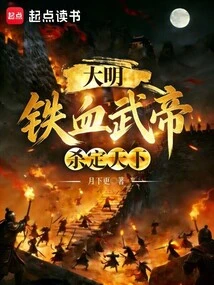
大明:铁血武帝,杀定天下
Update Next Month
[Emperor + super fast pace + decisive killing + invincible cool writing] Time traveled to Zhu Houzhao, who had just ascended the throne. He was only fifteen years old when he ascended the throne. The civil and military officials of the entire dynasty believed that the emperor was young and could steal power and rule as he wished. There are powerful officials in the temple who collude with others inside and outside, and there are knights in the arena who use force to break the law. Civil officials are corrupt, military generals act recklessly, relatives are arrogant, and the harem is rampant. At the same time, the Age of Discovery has arrived, and the pace of colonial expansion has spread to the Ming Dynasty. Just when Zhu Houzhao was helpless and ready to fall into the water at any time, the sign-in system was turned on! "Ding! Sign-in at Qianqing Palace is successful! Reward the emperor with the art of conferring gods, making him invulnerable to swords, guns, and poisons!" "Ding! Obtain Cao Zhengchun, the governor of Dongchang, and the number of Dongchang minions will increase!" "Ding! Obtain the governor of Xichang Yuhuatian, and Xichang's minions will increase!" "Ding! Obtained Shen Lian, the commander of the Jinyi Guards, and the number of Jinyi Guards increased!" "Ding! Obtained four famous arrests from six gates, and the number of arrests from six gates will increase soon!" "..." At this moment, Zhu Houzhao's thoughts suddenly became clear! The factory guards all came out, killing all the civil and military officials until they dared not make a mistake, and killing the martial arts knights until they knelt down and acted like dogs! Slaughter all the landowners and wealthy businessmen, kill all the Jiangnan nobles! The Ming Dynasty's invincible fleet blasted open the gates of all countries and killed all those who did not surrender! Many years later, Zhu Houzhao went to the altar to worship heaven. There is only one country in the whole world, Daming! He is the only emperor in the whole world! Zhu Houzhao sat high on the dragon chair, looking down at the people: "Anyone who disobeys my will will be punished!"
[Emperor + super fast pace + decisive killing + invincible cool writing] Time traveled to Zhu Houzhao, who had just ascended the throne. He was only fifteen years old when he ascended the throne. The civil and military officials of the entire dynasty believed that the emperor was young and could steal power and rule as he wished. There are powerful officials in the temple who collude with others inside and outside, and there are knights in the arena who use force to break the law. Civil officials are corrupt, military generals act recklessly, relatives are arrogant, and the harem is rampant. At the same time, the Age of Discovery has arrived, and the pace of colonial expansion has spread to the Ming Dynasty. Just when Zhu Houzhao was helpless and ready to fall into the water at any time, the sign-in system was turned on! "Ding! Sign-in at Qianqing Palace is successful! Reward the emperor with the art of conferring gods, making him invulnerable to swords, guns, and poisons!" "Ding! Obtain Cao Zhengchun, the governor of Dongchang, and the number of Dongchang minions will increase!" "Ding! Obtain the governor of Xichang Yuhuatian, and Xichang's minions will increase!" "Ding! Obtained Shen Lian, the commander of the Jinyi Guards, and the number of Jinyi Guards increased!" "Ding! Obtained four famous arrests from six gates, and the number of arrests from six gates will increase soon!" "..." At this moment, Zhu Houzhao's thoughts suddenly became clear! The factory guards all came out, killing all the civil and military officials until they dared not make a mistake, and killing the martial arts knights until they knelt down and acted like dogs! Slaughter all the landowners and wealthy businessmen, kill all the Jiangnan nobles! The Ming Dynasty's invincible fleet blasted open the gates of all countries and killed all those who did not surrender! Many years later, Zhu Houzhao went to the altar to worship heaven. There is only one country in the whole world, Daming! He is the only emperor in the whole world! Zhu Houzhao sat high on the dragon chair, looking down at the people: "Anyone who disobeys my will will be punished!"
浙东风云之吴时来
Barefoot Gentleman
Come to China Literature's website to read more of my works!
Come to China Literature's website to read more of my works!
Conquer the World
History攻掠天下
Yu Guanyu
This is a time of great contention. A small pawn starts from humble beginnings, and slowly rises step by step. Until he conquered the world, cleaned up the rivers and mountains, conquered the nine kingdoms and destroyed the princes.
This is a time of great contention. A small pawn starts from humble beginnings, and slowly rises step by step. Until he conquered the world, cleaned up the rivers and mountains, conquered the nine kingdoms and destroyed the princes.
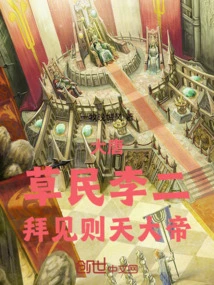
大唐:草民李二,拜见则天大帝
Ichimu Evening City Breeze
Lu Ming obtained the historical merit system and could travel to various time and space. Unexpectedly, the first time he traveled through time, he ran in front of Wu Zetian, who was about to ascend the throne. Because the appearance is better than Pan An's appearance. Unfortunately, he was attracted by Wu Zetian, who wanted to capture him and make him a male favorite. If it were Wu Meiniang when she was young, Lu Ming would have resisted a few times and then given in. But when he saw Wu Zetian, who was 66 years old and old enough to be his grandmother, he had chicken skin and white hair. After leaving a cruel message that I will definitely come back, Lu Ming ended this time travel in shame. The era opened by the second time travel is Zhenguan. When Lu Ming saw Li Er for the first time, he immediately took it into consideration. "Erfeng, do you know how future generations praise you?" "Khan of Heaven? Emperor of the ages? Governor of Asia? The most powerful carbon-based creature in the seventh century?" "Wrong, wrong, wrong!" "Father and son serve the same emperor together, which has been passed down through the ages!" ..... When Li Shimin brought Yuchi Jingde, Qin Qiong, Li Shiji, Cheng Yaojin, Changsun Wuji, Fang Xuanling and other old brothers from the Xuanwu Sect, plus Li Yuan, Li Chengqian, Li Zhi and other members of the Li Tang royal family, they came to Wu Zetian's enthronement ceremony. Suddenly a familiar voice came from outside Yingtian Gate: "Li Er, a common man, brought his father Li Yuan, his wife's eldest grandson, and his son Li Zhi to kowtow to Emperor Zetian!" When Wu Zetian knelt down at the foot of the steps. Lu Ming smiled contemptuously: "Wu Meiniang, I told you, I will definitely come back!"
Lu Ming obtained the historical merit system and could travel to various time and space. Unexpectedly, the first time he traveled through time, he ran in front of Wu Zetian, who was about to ascend the throne. Because the appearance is better than Pan An's appearance. Unfortunately, he was attracted by Wu Zetian, who wanted to capture him and make him a male favorite. If it were Wu Meiniang when she was young, Lu Ming would have resisted a few times and then given in. But when he saw Wu Zetian, who was 66 years old and old enough to be his grandmother, he had chicken skin and white hair. After leaving a cruel message that I will definitely come back, Lu Ming ended this time travel in shame. The era opened by the second time travel is Zhenguan. When Lu Ming saw Li Er for the first time, he immediately took it into consideration. "Erfeng, do you know how future generations praise you?" "Khan of Heaven? Emperor of the ages? Governor of Asia? The most powerful carbon-based creature in the seventh century?" "Wrong, wrong, wrong!" "Father and son serve the same emperor together, which has been passed down through the ages!" ..... When Li Shimin brought Yuchi Jingde, Qin Qiong, Li Shiji, Cheng Yaojin, Changsun Wuji, Fang Xuanling and other old brothers from the Xuanwu Sect, plus Li Yuan, Li Chengqian, Li Zhi and other members of the Li Tang royal family, they came to Wu Zetian's enthronement ceremony. Suddenly a familiar voice came from outside Yingtian Gate: "Li Er, a common man, brought his father Li Yuan, his wife's eldest grandson, and his son Li Zhi to kowtow to Emperor Zetian!" When Wu Zetian knelt down at the foot of the steps. Lu Ming smiled contemptuously: "Wu Meiniang, I told you, I will definitely come back!"

跨时空开发,从宋仁宗偷手机开始
Longdong Taoist
Standing before you is the Lord of Time and Space, the King of Kings: The founder of the Three Kingdoms of the Han Dynasty, the sage emperor Liu Bei of the Han Dynasty was worshiped forever to protect the country; The global Khan, the guide of Tang Taizong Li Shimin, the common protector of the Tang vassal states on all continents; The instructor of Song Shizu Zhao Zhen and the founder of Huangsong Development Company; The best friend of Ming Taizu Zhu Yuanzhang, and the tax recipient of Ming Dynasty's overseas territories; The Godslayer who surrendered to Europe, the pioneer of the golden sea route in America, and the ruler of the Tianzhu subcontinent; The owner of the Nanzhou Iron Mine, the surveyor of the large oil fields in Mesopotamia, the savior of the African natives; The world's richest man in several time and space, the sponsor of large-scale miracle projects, the mastermind behind various time and space resource development and market exclusivity agreements; And it all started when Song Renzong stole his cell phone!
Standing before you is the Lord of Time and Space, the King of Kings: The founder of the Three Kingdoms of the Han Dynasty, the sage emperor Liu Bei of the Han Dynasty was worshiped forever to protect the country; The global Khan, the guide of Tang Taizong Li Shimin, the common protector of the Tang vassal states on all continents; The instructor of Song Shizu Zhao Zhen and the founder of Huangsong Development Company; The best friend of Ming Taizu Zhu Yuanzhang, and the tax recipient of Ming Dynasty's overseas territories; The Godslayer who surrendered to Europe, the pioneer of the golden sea route in America, and the ruler of the Tianzhu subcontinent; The owner of the Nanzhou Iron Mine, the surveyor of the large oil fields in Mesopotamia, the savior of the African natives; The world's richest man in several time and space, the sponsor of large-scale miracle projects, the mastermind behind various time and space resource development and market exclusivity agreements; And it all started when Song Renzong stole his cell phone!
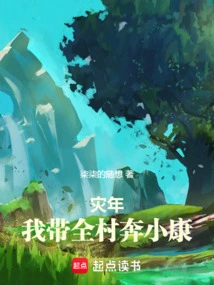
灾年:我带全村奔小康
Qiqi's Random Thoughts
Yang Ming inadvertently traveled to the ancient world during a disaster year and became an Orion. Fortunately, the godmother system was activated. As long as he accepted his godson or goddaughter, he would receive a large gift package. Hunting space, super serum, eagle eye, treasure search device, full-level archery, herbal identification... Thus, Yang Ming embarked on a journey to get married. In this ancient time, life was still colorful!
Yang Ming inadvertently traveled to the ancient world during a disaster year and became an Orion. Fortunately, the godmother system was activated. As long as he accepted his godson or goddaughter, he would receive a large gift package. Hunting space, super serum, eagle eye, treasure search device, full-level archery, herbal identification... Thus, Yang Ming embarked on a journey to get married. In this ancient time, life was still colorful!
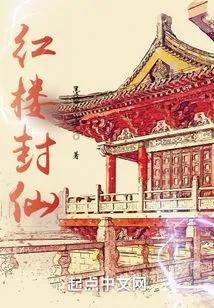
Red Mansion Immortal
History红楼封仙
Ink Stains Dust
Shen Yu entered the world of cultivating immortals, but due to his inability to break through the realm, he traveled around the world One day trip to the foot of Qinggeng Peak, I heard a stubborn stone crying, and listening to its story about that romantic and evil incident made the listener shed tears and feel sad. After hearing this, Shen Yu seemed to be benefiting from a breakthrough in his realm. After thinking for a long time, he said to the stubborn stone, "What's so difficult about this? I'll wait until I play in the world to understand this romantic debt."
Shen Yu entered the world of cultivating immortals, but due to his inability to break through the realm, he traveled around the world One day trip to the foot of Qinggeng Peak, I heard a stubborn stone crying, and listening to its story about that romantic and evil incident made the listener shed tears and feel sad. After hearing this, Shen Yu seemed to be benefiting from a breakthrough in his realm. After thinking for a long time, he said to the stubborn stone, "What's so difficult about this? I'll wait until I play in the world to understand this romantic debt."
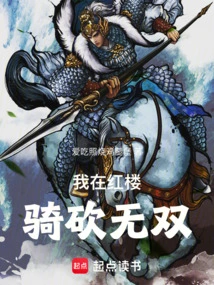
我在红楼骑砍无双
Love Eating Teriyaki Chicken Drumsticks
As a senior closed beta player of "True World of Red Mansions", Lin Jin participated in the open beta of the game immediately after waiting for ten years. But he accidentally entered the world of Red Mansion with the internal test data. This year, the kings of Jin and Qin personally conquered Liaodong, but they suffered a huge defeat. This year, the four princes and eight princes in the capital were so powerful that they were able to influence the selection of the crown prince. This year, a daughter of the Lin family has grown up, and the fate of Jinling's Twelve Hairpins can still be changed. In the same year, Lin Jin descended from the sky to expel the Tartars, destroy the Northern Barbarians in the north, and attack the Japanese pirates in the south... Single-handedly, he turned the world of Red Mansion upside down!
As a senior closed beta player of "True World of Red Mansions", Lin Jin participated in the open beta of the game immediately after waiting for ten years. But he accidentally entered the world of Red Mansion with the internal test data. This year, the kings of Jin and Qin personally conquered Liaodong, but they suffered a huge defeat. This year, the four princes and eight princes in the capital were so powerful that they were able to influence the selection of the crown prince. This year, a daughter of the Lin family has grown up, and the fate of Jinling's Twelve Hairpins can still be changed. In the same year, Lin Jin descended from the sky to expel the Tartars, destroy the Northern Barbarians in the north, and attack the Japanese pirates in the south... Single-handedly, he turned the world of Red Mansion upside down!
万历初年之锦衣天下
General Ma Chao
Come to China Literature's website to read more of my works!
Come to China Literature's website to read more of my works!
天幕:开局刷我太想当皇帝了
Bei Muchen
Xue Yuan traveled to parallel modern times and became a history college student who just entered college. The videos he watched can be seen by ancestors of all eras. Playing "I want to be the emperor so much" made Ying Zheng's mentality explode, and playing the AI short video "Today I was taught by Bian Que, I must have breakfast in the morning" made Bian Que burst into tears. Reading "Zhao Jiu from Shao Song Dynasty will come to save you" will make all ages of Zhao and Song Dynasties cry. Brushing [Five Thousand Years Up and Down] caused countless emperors to be stunned. The brush [flowers bloom and fade and the sky is full of flowers] made the emperors of the Ming Dynasty vomit blood. Xue Yuan took the ancestors of the dynasties to appreciate the prosperity of China in future generations! Ying Zheng: "No, Hu Hai, why are you telling me what the death of the Second Emperor of Qin means?" Liu Che: "From now on, the offense and defense have changed! The enemy can go! I can go too!" Li Shimin: "Wait a minute? What is the Xuanwu Sect Succession Law!!!" Zhao Kuangyin: " King Jin, tell me what the sound of the ax and the shadow of the candle are! "Zhu Yuanzhang: "Old Fourth, what does Ming Chengzu mean?" This is an unorthodox historical science article, just to make everyone laugh and watch it happily. Please don't watch it with your brain.
Xue Yuan traveled to parallel modern times and became a history college student who just entered college. The videos he watched can be seen by ancestors of all eras. Playing "I want to be the emperor so much" made Ying Zheng's mentality explode, and playing the AI short video "Today I was taught by Bian Que, I must have breakfast in the morning" made Bian Que burst into tears. Reading "Zhao Jiu from Shao Song Dynasty will come to save you" will make all ages of Zhao and Song Dynasties cry. Brushing [Five Thousand Years Up and Down] caused countless emperors to be stunned. The brush [flowers bloom and fade and the sky is full of flowers] made the emperors of the Ming Dynasty vomit blood. Xue Yuan took the ancestors of the dynasties to appreciate the prosperity of China in future generations! Ying Zheng: "No, Hu Hai, why are you telling me what the death of the Second Emperor of Qin means?" Liu Che: "From now on, the offense and defense have changed! The enemy can go! I can go too!" Li Shimin: "Wait a minute? What is the Xuanwu Sect Succession Law!!!" Zhao Kuangyin: " King Jin, tell me what the sound of the ax and the shadow of the candle are! "Zhu Yuanzhang: "Old Fourth, what does Ming Chengzu mean?" This is an unorthodox historical science article, just to make everyone laugh and watch it happily. Please don't watch it with your brain.
玄幻三国,从零开始称霸天下
The Wind Is Gentle And The Clouds Are Swaying
As soon as Fang Yu traveled through the fantasy Yanhan, he was affected by party strife and became a criminal. He resolutely resisted, made a big fuss in the criminal camp, established righteous followers, and became rampant in the world. (The fictional background of the Three Kingdoms, a long story, a kind of riding and slashing development, a slow-burning article) Note: Development in the early stage will lead to rebellion in the later stage.
As soon as Fang Yu traveled through the fantasy Yanhan, he was affected by party strife and became a criminal. He resolutely resisted, made a big fuss in the criminal camp, established righteous followers, and became rampant in the world. (The fictional background of the Three Kingdoms, a long story, a kind of riding and slashing development, a slow-burning article) Note: Development in the early stage will lead to rebellion in the later stage.
Good and Evil
History善恶有道
Writerr5gmd5
Come to China Literature's website to read more of my works!
Come to China Literature's website to read more of my works!
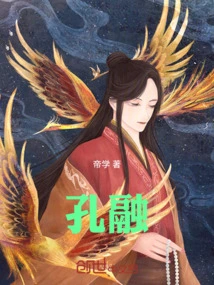
Kong Zhongxing
History孔氏中兴
Imperial Learning
Come to China Literature's website to read more of my works!
Come to China Literature's website to read more of my works!

三国关平续国祚兴汉室
Reading The Mountains And Rivers By Holding A Candle
In 219 AD, the sky in Jingzhou collapsed. The famous general Guan Yu was in a desperate situation, and the wheel of history turned at this moment. Guan Ping, trying to save the sky, Jingzhou saves his father. Holding the sword and heading north, the most magnificent epic Northern Expedition of the Shu Han Dynasty began. The twin swords of the empire are unsheathed: Zhuge Liang marches from Xichuan to Qishan; Guan Yu and his son's sharp sword from Jingzhou came out from the east, pointing directly at the Central Plains. Zilong's spear picked up thousands of troops, and Yide's blood spilled in Chang'an. From the duel between Yongliang cavalry to the final battle of national destiny on the banks of Luoshui River, this is a journey paved with blood and fire. In the winter of the eighth year of Jianxing, Jishui was freezing cold. Guan Ping was stationed in the Central Plains. In front of him was the final madness of Sima Yi's hundreds of thousands of mourning soldiers, and behind him was Li Yan's undercurrent of the grain and grass game. When the ink on Jiangdong's alliance letter was still dry, Lu Xun's sharp blade was quietly pointed at Jiangxia. The iron fist on the eastern front has not yet fallen, but the war on the southern front has already begun. Zhuge Liang rushed to help at night, but what he faced was that half of the defense line collapsed. The blood is still cold under Luoyang City, and the waves of the Yangtze River are raging again. This time, there is no retreat. Guan Ping's hand holding the chess piece paused slightly - was he going back to put out the fire and letting Sima Yi resurface? Or is it a desperate bet that the man's luck can withstand two fatal blows at the same time? The ambush troops in Cuilongyu have set up their nets, and Jiangxia's navy is setting sail. The fate of the Three Kingdoms was shaking violently at this moment. But what everyone doesn't know is that deep in the palace of Yecheng, in the blood coughed up by Cao Rui, there is a third, more deadly knife hidden... Aim for the Central Plains, or lose everything?
In 219 AD, the sky in Jingzhou collapsed. The famous general Guan Yu was in a desperate situation, and the wheel of history turned at this moment. Guan Ping, trying to save the sky, Jingzhou saves his father. Holding the sword and heading north, the most magnificent epic Northern Expedition of the Shu Han Dynasty began. The twin swords of the empire are unsheathed: Zhuge Liang marches from Xichuan to Qishan; Guan Yu and his son's sharp sword from Jingzhou came out from the east, pointing directly at the Central Plains. Zilong's spear picked up thousands of troops, and Yide's blood spilled in Chang'an. From the duel between Yongliang cavalry to the final battle of national destiny on the banks of Luoshui River, this is a journey paved with blood and fire. In the winter of the eighth year of Jianxing, Jishui was freezing cold. Guan Ping was stationed in the Central Plains. In front of him was the final madness of Sima Yi's hundreds of thousands of mourning soldiers, and behind him was Li Yan's undercurrent of the grain and grass game. When the ink on Jiangdong's alliance letter was still dry, Lu Xun's sharp blade was quietly pointed at Jiangxia. The iron fist on the eastern front has not yet fallen, but the war on the southern front has already begun. Zhuge Liang rushed to help at night, but what he faced was that half of the defense line collapsed. The blood is still cold under Luoyang City, and the waves of the Yangtze River are raging again. This time, there is no retreat. Guan Ping's hand holding the chess piece paused slightly - was he going back to put out the fire and letting Sima Yi resurface? Or is it a desperate bet that the man's luck can withstand two fatal blows at the same time? The ambush troops in Cuilongyu have set up their nets, and Jiangxia's navy is setting sail. The fate of the Three Kingdoms was shaking violently at this moment. But what everyone doesn't know is that deep in the palace of Yecheng, in the blood coughed up by Cao Rui, there is a third, more deadly knife hidden... Aim for the Central Plains, or lose everything?
雁门烽火照丹心
Rayza
After the Chanyuan Alliance, the Liao State carefully planned to infiltrate Yanmen Pass and plotted to use weapons again. The three brothers joined forces to defeat spies with wisdom, defeat the enemy with weapons, and defend the country with courage. From Chen Wen's angry battle with the scouts to battlefield command, from Liu Rundong's clever rebellion to benefiting the people, to Dong Tianlei's decisive battle in front of the pass, he finally wiped out the traitors, protected the peace of Song Dynasty, and welcomed the fireworks of peace.
After the Chanyuan Alliance, the Liao State carefully planned to infiltrate Yanmen Pass and plotted to use weapons again. The three brothers joined forces to defeat spies with wisdom, defeat the enemy with weapons, and defend the country with courage. From Chen Wen's angry battle with the scouts to battlefield command, from Liu Rundong's clever rebellion to benefiting the people, to Dong Tianlei's decisive battle in front of the pass, he finally wiped out the traitors, protected the peace of Song Dynasty, and welcomed the fireworks of peace.

Ming Dynasty 1572
History大明王朝1572
Yiran Xiaotuanzi
Following "Da Ming 1566" completed by Liu Heping, a new chapter opens after Jiajing's death; what happened after King Yu Zhu Zaihe ascended the throne? What was the scene like in the Ming Dynasty during the six years of Emperor Longqing's reign? Please read "The Ming Dynasty 1572"; let's fix the time in 1572!
Following "Da Ming 1566" completed by Liu Heping, a new chapter opens after Jiajing's death; what happened after King Yu Zhu Zaihe ascended the throne? What was the scene like in the Ming Dynasty during the six years of Emperor Longqing's reign? Please read "The Ming Dynasty 1572"; let's fix the time in 1572!
穿越大唐带系统?起飞啊!!!
Writerjerz4k
Protagonist of the time traveler: Cheng Xuan, a modern ordinary young man who accidentally traveled to the imaginary era of the early Tang Dynasty. He has an optimistic and open-minded personality, a bit of a poor tongue, and is good at using modern thinking to break problems. He doesn't like tactics, but he understands the ways of the world. Background of the era: Combining the prosperous atmosphere and fictional elements of the Zhenguan period, the Tang Dynasty was strong, the people were open, the royal family and the nobility paid equal attention, the society was full of rising vitality, and there was no fierce political struggle. Gold finger system: lottery + shopping mall system, binding awareness, visual and operable. The mall is divided into four categories - department stores, military martial arts, industry, commerce and agriculture, and special items; the lottery consumes silver. After unlocking, the three categories of goods can be exchanged for unlimited free, and special items can only be obtained through the lottery.
Protagonist of the time traveler: Cheng Xuan, a modern ordinary young man who accidentally traveled to the imaginary era of the early Tang Dynasty. He has an optimistic and open-minded personality, a bit of a poor tongue, and is good at using modern thinking to break problems. He doesn't like tactics, but he understands the ways of the world. Background of the era: Combining the prosperous atmosphere and fictional elements of the Zhenguan period, the Tang Dynasty was strong, the people were open, the royal family and the nobility paid equal attention, the society was full of rising vitality, and there was no fierce political struggle. Gold finger system: lottery + shopping mall system, binding awareness, visual and operable. The mall is divided into four categories - department stores, military martial arts, industry, commerce and agriculture, and special items; the lottery consumes silver. After unlocking, the three categories of goods can be exchanged for unlimited free, and special items can only be obtained through the lottery.
删修近古史谈
Enjoyable
Come to China Literature's website to read more of my works!
Come to China Literature's website to read more of my works!
The Sequel to Water Margin
History水浒传后传
Writer 9qwoe1
Come to China Literature's website to read more of my works!
Come to China Literature's website to read more of my works!
重生之我在古代当状元
Fishman Ninth Brother
Come to China Literature's website to read more of my works!
Come to China Literature's website to read more of my works!
汉末雄主:公孙瓒的逆袭之路
Dancing Pumpkin
Fast paced In AD 153, during the period of Emperor Heng, there were storms, thunder and lightning. Gongsun Zan of Western Liaoning, a generation of heroes, was born and led the development of the entire era. This article prefers historical texts, supplemented by the Romance of the Three Kingdoms. Some locations will be slightly adjusted to meet the needs of the plot.
Fast paced In AD 153, during the period of Emperor Heng, there were storms, thunder and lightning. Gongsun Zan of Western Liaoning, a generation of heroes, was born and led the development of the entire era. This article prefers historical texts, supplemented by the Romance of the Three Kingdoms. Some locations will be slightly adjusted to meet the needs of the plot.