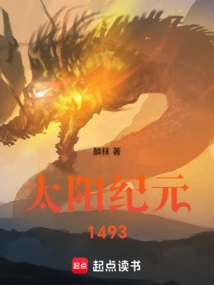
Solar Era: 1493
by Lin Mo
About This Novel
--When a history graduate student became the Inca emperor, he rewrote the five-hundred-year destiny of the Americas. Detailed introduction: Li Jie, a graduate student in the History Department of the Complutense University of Madrid, suffered a heart attack while studying Spanish colonial archives in the library. He opened his eyes again and became Huayna Capac, the eleventh king of the Inca Empire who had just ascended the throne in 1493. He found that he carried a "health system" that could extend his life as long as the reform was successful and the country was continued. At this time, there were still 39 years before Pizarro destroyed the Incas, and only a dozen years before smallpox swept the Americas. Relying on his accurate memory of history and modern knowledge, Li Jie began a race against time: Create writing, unify weights and measures, and issue currency Establish imperial examinations, promote compulsory education, and develop industry Reform the military, build a fleet, and expand northward From the Andes to the Mexican plateau, from the Pacific coast to the Atlantic estuary, a unified American empire had quietly emerged during Columbus's second voyage. When the Spanish conquistadors finally set foot on this "New World," what awaited them was not scattered indigenous tribes, but a huge empire with firearms, fleets, and bureaucracies. Core highlights: Hard-core system reform: from the creation of hieroglyphics to the unification of weights and measures, a detailed demonstration of the process of civilization upgrading Reasonable military expansion: design conquest paths based on real geography, climate, and ethnic distribution Philosophy of collision of civilizations: When modern souls dominate ancient civilizations, conflicts and integration of values Timeline Butterfly Effect: How the Incas Unified the Americas Changed the Course of World History
Official Sources
What Readers Think
Rating
Community(0)
Rating
Community(0)
You Might Also Like
Sword Master of the Tang Dynasty
Believe It Or Not
Emperor of Han Dynasty
The King Is No More Than A Hegemon
Reborn Female General
Qianshan Tea Guest
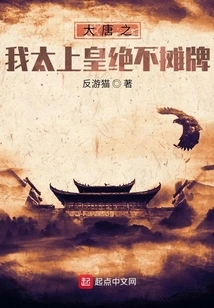
The Emperor of the Tang Dynasty Will Never Show Off His Cards
Anti-travel Cat
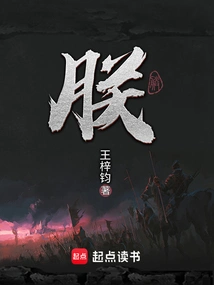
I
Wang Zijun
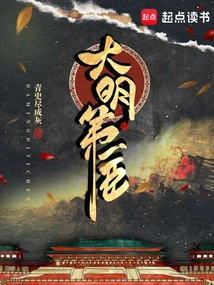
The First Minister of the Ming Dynasty
History Turns To Ashes

Being a Salted Fish in Hongwu
Fiery Red Chicken Fir
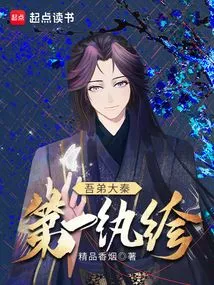
My Brother is the Most Handsome Man in the Qin Dynasty
Premium Cigarettes
The Good Saint Grandson of the First Emperor
It's March
Top Grade Humble Scholar
The Three Idiots Of Thieves