Library
Browse and search books
51,874 novels found
开局杀良冒功?那我就真反了!
Mapleha Uesugi
The world is in ruins, and people are like grass. In the fourteenth year of Chongzhen, the land of Henan was thousands of miles away, and the rogue Li Zicheng swept across the Central Plains. There are hungry people inside who are selling their children everywhere to eat, and there are officers and soldiers outside who are ruthlessly killing good people and taking credit for their merits. Traveling through time to become an auxiliary soldier under the command of Governor Xuan, Xiao Wu originally wanted to save his life. Unexpectedly, the commander-in-chief was defeated in the battle. In order to cover up his guilt, he actually wanted to use the heads of these eight hundred auxiliary soldiers to disguise themselves as the heads of rogue bandits and go to the court to ask for rewards! Faced with the butcher knife that Shangguan borrowed as a reward from the leader, auxiliary Xiao Wu understood a truth: It is better to seek change than to live! Rebellion is worse than re-establishing the rule of law! Compared with Li Zicheng's bandit habits, compared with Chongzhen's indecisiveness, compared with Dorgon's iron hoof trampling. Xiao Wu used the knife in his hand to tell the world what the true destiny is! Abolish water transportation, impose a sea ban, destroy the Eight Banners, and conquer the world! Many years later, when Xiao Wu stood on the imperial steps of Huangji Palace, he looked at the old minister of the court who was prostrate at his feet and said: "I wanted to be an obedient citizen in the prosperous times, but you forced me to do so, and my whole life turned upside down!"
The world is in ruins, and people are like grass. In the fourteenth year of Chongzhen, the land of Henan was thousands of miles away, and the rogue Li Zicheng swept across the Central Plains. There are hungry people inside who are selling their children everywhere to eat, and there are officers and soldiers outside who are ruthlessly killing good people and taking credit for their merits. Traveling through time to become an auxiliary soldier under the command of Governor Xuan, Xiao Wu originally wanted to save his life. Unexpectedly, the commander-in-chief was defeated in the battle. In order to cover up his guilt, he actually wanted to use the heads of these eight hundred auxiliary soldiers to disguise themselves as the heads of rogue bandits and go to the court to ask for rewards! Faced with the butcher knife that Shangguan borrowed as a reward from the leader, auxiliary Xiao Wu understood a truth: It is better to seek change than to live! Rebellion is worse than re-establishing the rule of law! Compared with Li Zicheng's bandit habits, compared with Chongzhen's indecisiveness, compared with Dorgon's iron hoof trampling. Xiao Wu used the knife in his hand to tell the world what the true destiny is! Abolish water transportation, impose a sea ban, destroy the Eight Banners, and conquer the world! Many years later, when Xiao Wu stood on the imperial steps of Huangji Palace, he looked at the old minister of the court who was prostrate at his feet and said: "I wanted to be an obedient citizen in the prosperous times, but you forced me to do so, and my whole life turned upside down!"
南明:我朱由榔誓死北伐建奴
Dongfang Yin
Zhu Lang: "I have traveled through time, and the cow and horse finally turned over. Now I am the prince, the grandson of Wanli; eat and drink..." Fortunately, the quarrel below started again. Eunuch: "His Royal Highness the King of Gui, the braided troops defeated Ganzhou, and the troops were directed towards Guangzhou." Powerful ministers: "Your Highness, I respectfully request you to move to Wuzhou for temporary refuge." Qingliu people: "Your Highness oversees the country and cannot be moved lightly. This is the banner of the imperial court and the hope of the people." ... Zhu Lang said in his heart: "Nima, what is this? Are cattle and horses possessed? They have all come to Nanming, and they still can't stop?" "Pa" Zhu Lang's heart skipped a beat and he slapped the table hard. "The Northern Expedition must be carried out" "Ah" Everyone below had different reactions.
Zhu Lang: "I have traveled through time, and the cow and horse finally turned over. Now I am the prince, the grandson of Wanli; eat and drink..." Fortunately, the quarrel below started again. Eunuch: "His Royal Highness the King of Gui, the braided troops defeated Ganzhou, and the troops were directed towards Guangzhou." Powerful ministers: "Your Highness, I respectfully request you to move to Wuzhou for temporary refuge." Qingliu people: "Your Highness oversees the country and cannot be moved lightly. This is the banner of the imperial court and the hope of the people." ... Zhu Lang said in his heart: "Nima, what is this? Are cattle and horses possessed? They have all come to Nanming, and they still can't stop?" "Pa" Zhu Lang's heart skipped a beat and he slapped the table hard. "The Northern Expedition must be carried out" "Ah" Everyone below had different reactions.
大秦始皇帝寰宇一帝
Watakawa Saw The Light
Come to China Literature's website to read more of my works!
Come to China Literature's website to read more of my works!
穿越三国之谋士无双
Pink Ferrari
What should I do if my father dies at the beginning? Guo Yi traveled through the Three Kingdoms, but he didn't expect to run into Guo Jia as soon as he arrived. The system actually asked him to go to a brothel before he passed the seventh grade of his cheap daddy? "I'm not that kind of person, I just went to have a look, Prime Minister, you believe me." This is a story about a modern man traveling through the Three Kingdoms and relying on the system to fight for hegemony in the world! !
What should I do if my father dies at the beginning? Guo Yi traveled through the Three Kingdoms, but he didn't expect to run into Guo Jia as soon as he arrived. The system actually asked him to go to a brothel before he passed the seventh grade of his cheap daddy? "I'm not that kind of person, I just went to have a look, Prime Minister, you believe me." This is a story about a modern man traveling through the Three Kingdoms and relying on the system to fight for hegemony in the world! !
Kun Xing Ji
History坤兴纪
Writer's Cat Poisoned By Corpse Poison
Come to China Literature's website to read more of my works!
Come to China Literature's website to read more of my works!

女帝养成攻略
Night Witch
After accidentally traveling through time, Lin Xueyan studied hard for ten years and finally entered the court. But I didn't expect that the emperor was actually a fool! In order to ensure the livelihood of the people and create peace for all generations, Lin Xueyan scolded the empress directly in front of the ministers! Empress: Give it to me... Lin Xueyan: I have a plan to calm the refugees in the world, but if I get beaten, I won't remember it! Empress: Give me a seat!
After accidentally traveling through time, Lin Xueyan studied hard for ten years and finally entered the court. But I didn't expect that the emperor was actually a fool! In order to ensure the livelihood of the people and create peace for all generations, Lin Xueyan scolded the empress directly in front of the ministers! Empress: Give it to me... Lin Xueyan: I have a plan to calm the refugees in the world, but if I get beaten, I won't remember it! Empress: Give me a seat!
Chaos in the Song Dynasty
History乱宋
Shangguan
A pee in the cultural scenic spot made Lu Zhen inexplicably travel through time and space to the prosperous Song Dynasty. On the night of the sound of axes and the shadow of candles, Lu Zhen walked directly into the center of the whirlpool of history. Faced with the turbulent killings in the court, Lu Zhen had to take the initiative in order to save his life, use his understanding of history to provoke a fight between various forces, and allocate his own power amidst the light and shadow of swords... Regardless of whether he is a king or a powerful person, he will eventually be just a pawn at the mercy of the young man!
A pee in the cultural scenic spot made Lu Zhen inexplicably travel through time and space to the prosperous Song Dynasty. On the night of the sound of axes and the shadow of candles, Lu Zhen walked directly into the center of the whirlpool of history. Faced with the turbulent killings in the court, Lu Zhen had to take the initiative in order to save his life, use his understanding of history to provoke a fight between various forces, and allocate his own power amidst the light and shadow of swords... Regardless of whether he is a king or a powerful person, he will eventually be just a pawn at the mercy of the young man!
Han Jing Yunyuan
History汉旌云渊
Autumn Rain Mianyang
In the second year of Xingping in the Eastern Han Dynasty (AD 195), wars broke out in the Central Plains. The talented girl Cai Wenji was robbed by the Huns in the chaos. When passing through Hedong, he was rescued by Xiao Yan, a knight who traveled all over the world. Xiao Yan admired her talent and pity her plight, so she traveled thousands of miles to fight, and finally took her away from the disputes and lived in seclusion among the mountains and rivers of Jingzhou. Five years later (AD 200), his son Xiao Yuan was born, named Ruohai; and later he had a daughter named Xiao Youning, expressing the wish for peace and tranquility. In the twenty-fourth year of Jian'an (AD 219), Guan Yu flooded seven armies, shocking China, and the situation soon reversed. The war broke out at home, and nineteen-year-old Xiao Yuan could no longer live in a corner of troubled times. Adhering to the civil and military traditions of his parents, he led a thousand soldiers carefully trained by his father, combined with two thousand elite archers under Wei Lang, his close friend in Northern Xinjiang and the leader of the horse-catching tribe, and resolutely came out of the mountain. The banner refers to the land of Jingxiang where wars are everywhere, the remnant army of Maicheng where the hero has come to an end, and the storm of the late Han Dynasty that swept the world. The young man started from the depths of the clouds and shouldered the weight of his family and country on his shoulders. In this most magnificent and cruel era, he wrote a legend that began with salvation and protection.
In the second year of Xingping in the Eastern Han Dynasty (AD 195), wars broke out in the Central Plains. The talented girl Cai Wenji was robbed by the Huns in the chaos. When passing through Hedong, he was rescued by Xiao Yan, a knight who traveled all over the world. Xiao Yan admired her talent and pity her plight, so she traveled thousands of miles to fight, and finally took her away from the disputes and lived in seclusion among the mountains and rivers of Jingzhou. Five years later (AD 200), his son Xiao Yuan was born, named Ruohai; and later he had a daughter named Xiao Youning, expressing the wish for peace and tranquility. In the twenty-fourth year of Jian'an (AD 219), Guan Yu flooded seven armies, shocking China, and the situation soon reversed. The war broke out at home, and nineteen-year-old Xiao Yuan could no longer live in a corner of troubled times. Adhering to the civil and military traditions of his parents, he led a thousand soldiers carefully trained by his father, combined with two thousand elite archers under Wei Lang, his close friend in Northern Xinjiang and the leader of the horse-catching tribe, and resolutely came out of the mountain. The banner refers to the land of Jingxiang where wars are everywhere, the remnant army of Maicheng where the hero has come to an end, and the storm of the late Han Dynasty that swept the world. The young man started from the depths of the clouds and shouldered the weight of his family and country on his shoulders. In this most magnificent and cruel era, he wrote a legend that began with salvation and protection.
长寿秘典:被遗忘的时光之泉
Retire When You Grow Up
Come to China Literature's website to read more of my works!
Come to China Literature's website to read more of my works!
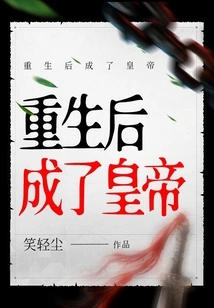
Became Emperor after Rebirth
History重生后成了皇帝
Xiao Qingchen
Ye Tian, a wage earner, traveled through time and woke up to find that he was the king of a country. Being an emperor feels great, and the first thing he has to do is ****. This story is purely fictitious and any similarity is purely coincidental.
Ye Tian, a wage earner, traveled through time and woke up to find that he was the king of a country. Being an emperor feels great, and the first thing he has to do is ****. This story is purely fictitious and any similarity is purely coincidental.
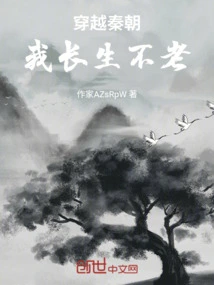
穿越秦朝,我长生不老
An Old Man Who Loves To Eat Dried Beans
A female college student traveled through time and became a gangster in the Qin Dynasty. She was picked up by the slain god Bai Qi when she was about to starve to death. "It's interesting not to die after being hungry for three days." He accepted me as his apprentice and taught me the Thirteen God-killing Spears. Later I discovered that I could not die. He was stabbed through the heart and climbed out of the grave three days later; he was buried in a mass grave and emerged from the ground half a month later. I am the bug in this world, the "one" that escapes from the great road of fifty. Putting on the black iron mask, I became the iron-faced general of Great Qin. After taking off my military uniform, I am a woman in white playing the piano and making tea under the sycamore tree. Nine-year-old Ying Zheng hid in the corner and watched me practice my sword. I gave him a piece of cake and made him a wish: "Come to me on the day you ascend the throne." Twenty-three years later, he used that wish to make me dance a song at the coronation ceremony. The civil and military officials of the entire dynasty were astonished by the "concubine" that Ying Zheng had hidden for twenty-three years. No one knew that this graceful dancing woman in front of them was the iron-faced general who killed many people. He never married and asked for the elixir of immortality. Before he died, he held my hand and asked, "Su He, will you grow old?" He didn't know that I would. It's just that he can never see me old.
A female college student traveled through time and became a gangster in the Qin Dynasty. She was picked up by the slain god Bai Qi when she was about to starve to death. "It's interesting not to die after being hungry for three days." He accepted me as his apprentice and taught me the Thirteen God-killing Spears. Later I discovered that I could not die. He was stabbed through the heart and climbed out of the grave three days later; he was buried in a mass grave and emerged from the ground half a month later. I am the bug in this world, the "one" that escapes from the great road of fifty. Putting on the black iron mask, I became the iron-faced general of Great Qin. After taking off my military uniform, I am a woman in white playing the piano and making tea under the sycamore tree. Nine-year-old Ying Zheng hid in the corner and watched me practice my sword. I gave him a piece of cake and made him a wish: "Come to me on the day you ascend the throne." Twenty-three years later, he used that wish to make me dance a song at the coronation ceremony. The civil and military officials of the entire dynasty were astonished by the "concubine" that Ying Zheng had hidden for twenty-three years. No one knew that this graceful dancing woman in front of them was the iron-faced general who killed many people. He never married and asked for the elixir of immortality. Before he died, he held my hand and asked, "Su He, will you grow old?" He didn't know that I would. It's just that he can never see me old.
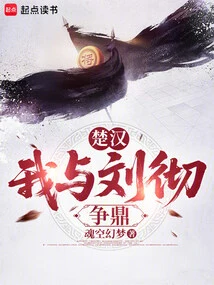
楚汉:我与刘彻争鼎
Empty Soul Dream
A piece of news: The rescue excavation of the tomb of Emperor Wen of Chu, Xiang Jun, has made significant progress. An autobiography of an emperor was unearthed from the tomb, revealing the unknown side of this emperor through the ages - it turns out that he may be the earliest "keyboard warrior" in history. The following content is excerpted from the autobiography of Emperor Wen of Chu, Xiang Jun: "If you ask me what it feels like to be my opponent, you might as well ask Liu Che what it's like to be my opponent." "I'll reiterate again, being a hostage and pretending to be a fool is not a humiliating past. That's where I came from. And Ying Zheng did it too." "What! Do you need to launch a coup to succeed? Duolao, I am the eldest son! In terms of succession." "What does it mean that the prince who will be the emperor for eternity cannot successfully succeed to the throne, but if my prince successfully succeeds to the throne, I cannot be regarded as the emperor for eternity. What about my achievements, have you eaten them up?!!!" ---- Later generations always compared Xiang Jun with Ying Zheng and other emperors of the ages, and there was endless controversy. Until a handwritten autobiography was unearthed from his tomb. He speaks arrogantly and harshly, and can be called an ancient keyboard warrior. At the end, he left a sentence: "Those who question me, after reading my faithful autobiography, do you still question it? Heizi! Speak!!!"
A piece of news: The rescue excavation of the tomb of Emperor Wen of Chu, Xiang Jun, has made significant progress. An autobiography of an emperor was unearthed from the tomb, revealing the unknown side of this emperor through the ages - it turns out that he may be the earliest "keyboard warrior" in history. The following content is excerpted from the autobiography of Emperor Wen of Chu, Xiang Jun: "If you ask me what it feels like to be my opponent, you might as well ask Liu Che what it's like to be my opponent." "I'll reiterate again, being a hostage and pretending to be a fool is not a humiliating past. That's where I came from. And Ying Zheng did it too." "What! Do you need to launch a coup to succeed? Duolao, I am the eldest son! In terms of succession." "What does it mean that the prince who will be the emperor for eternity cannot successfully succeed to the throne, but if my prince successfully succeeds to the throne, I cannot be regarded as the emperor for eternity. What about my achievements, have you eaten them up?!!!" ---- Later generations always compared Xiang Jun with Ying Zheng and other emperors of the ages, and there was endless controversy. Until a handwritten autobiography was unearthed from his tomb. He speaks arrogantly and harshly, and can be called an ancient keyboard warrior. At the end, he left a sentence: "Those who question me, after reading my faithful autobiography, do you still question it? Heizi! Speak!!!"
大道医仙:我在古代收编绝色
Writerwrpvuv
Come to China Literature's website to read more of my works!
Come to China Literature's website to read more of my works!
Come to China Literature's website to read more of my works!
"The Legend of Gao Gong"
During My Years at Dashang
History我在大商那些年
The Word Lingwei
Give to readers It is said that the author is crazy, who can know the bitterness. Once upon a time, a great businessman dreamed of the world, and he traveled for hundreds of years. What I described is all my experience, I hope you will take a closer look at it. Don't think it's a joke, just read my words. The content of the novel is based on the author's "personal" experience (Any similarity is purely coincidental) Diary prose novel
Give to readers It is said that the author is crazy, who can know the bitterness. Once upon a time, a great businessman dreamed of the world, and he traveled for hundreds of years. What I described is all my experience, I hope you will take a closer look at it. Don't think it's a joke, just read my words. The content of the novel is based on the author's "personal" experience (Any similarity is purely coincidental) Diary prose novel
The Wife of the House Will Always Be Happy, and the Mountains and Rivers Will Be Forever Conquered!
History家妻长乐,永镇山河!
Three Percent
Cheng Chusi, a dog from science and engineering, traveled through the prosperous Tang Dynasty and became the second son of Cheng Yaojin, a famous hob-bagger in the Tang Dynasty. I thought I would be a dandy, but I never thought that Turkic troops came to the city and asked to marry Princess Changle to avoid disaster. Cheng Yaojin sacrificed his second son without saying a word, so Cheng Chusi had to become Changle's consort. "Consort, please be more careful. If you keep doing this, I'm afraid you will end up in Saudi Arabia." "Consort, please go home as soon as possible. Her Royal Highness the Princess has issued a death order for you to go back quickly. Your third child must not hit His Majesty in the face again." Cheng Chusi lived a spontaneous life. Unexpectedly, he accidentally became famous all over the world and opened up a new prosperous Tang Dynasty.
Cheng Chusi, a dog from science and engineering, traveled through the prosperous Tang Dynasty and became the second son of Cheng Yaojin, a famous hob-bagger in the Tang Dynasty. I thought I would be a dandy, but I never thought that Turkic troops came to the city and asked to marry Princess Changle to avoid disaster. Cheng Yaojin sacrificed his second son without saying a word, so Cheng Chusi had to become Changle's consort. "Consort, please be more careful. If you keep doing this, I'm afraid you will end up in Saudi Arabia." "Consort, please go home as soon as possible. Her Royal Highness the Princess has issued a death order for you to go back quickly. Your third child must not hit His Majesty in the face again." Cheng Chusi lived a spontaneous life. Unexpectedly, he accidentally became famous all over the world and opened up a new prosperous Tang Dynasty.
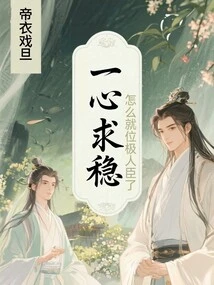
一心求稳,怎么就位极人臣了?
Acting In Imperial Clothes
[Indecent funny + fictional history + refreshing articles + warm daily life] A good news and a bad news. Good news: Yang Qian died suddenly, peacefully and silkily. Bad news: In the feudal society, they have become the second generation of evil rich who do not want to make progress and can only enjoy and inherit huge wealth. God actually used this to test him!
[Indecent funny + fictional history + refreshing articles + warm daily life] A good news and a bad news. Good news: Yang Qian died suddenly, peacefully and silkily. Bad news: In the feudal society, they have become the second generation of evil rich who do not want to make progress and can only enjoy and inherit huge wealth. God actually used this to test him!
小说,小说网,最新热门小说-QQ阅读_阅文集团旗下网站
Tao Is Not Stained By Dust
[Characters throughout history enter the scene + war + scheming + group portraits + farming + struggle for hegemony + decisive killing + summoning] [Peak Contest Summoning System Starts--] [All the heroes of China's five thousand years can join my command! Yu Wen rode his horse across Chengdu, and the power of General Tianbao shocked the northern Xinjiang; Chen Qing's white-robed light cavalry, thousands of troops and horses avoided the edge; Li Siye's sword was like a forest, and he killed all the fearful Hu cavalry. However, the system balance mechanism operates quietly-- Lu Bu Fangtian's painted halberd shone with cold light across the Nine Provinces, and Li Yuanba's double hammer shook the mountains and rivers. Bai Qi versus Han Xin, the eternal showdown between the God of Killing and the Immortal of Soldiers. Zhuge Liang's seven-star lantern extended his life, while Liu Bowen cut off the dragon's veins to end his life. There are also generations of heroes coming to the world: The Yingzheng Great Qin warriors came out, and the Blackwater Dragon Banner pointed at the Central Plains again; Liu Bang and the three heroes of the early Han Dynasty reappeared in their oath to kill the white snake; Emperor Wu of the Han Dynasty, Liu Che, drove out the Xiongnu, and Huo Qubing granted the title of Langjuxu; Zhao Kuangyin wore a yellow robe, and Yue Wumu was furious... A chaotic war in another world, a fight for hegemony at the top This is an era where famous generals are like a cloud and counselors are like a rain. It is a stage where Qin Emperor, Han Wu, Tang Zong and Song Zu compete on the same stage. It is also the ultimate showdown between Chinese heroes across time and space. "Lord of Beirong Wolf? Imperial Power of Daliang? Countries from all over the world?" Emperor Ying stood in the northern border, with a black ink behind him, and his eyes reflected thousands of miles of mountains and rivers. "I want this world."
[Characters throughout history enter the scene + war + scheming + group portraits + farming + struggle for hegemony + decisive killing + summoning] [Peak Contest Summoning System Starts--] [All the heroes of China's five thousand years can join my command! Yu Wen rode his horse across Chengdu, and the power of General Tianbao shocked the northern Xinjiang; Chen Qing's white-robed light cavalry, thousands of troops and horses avoided the edge; Li Siye's sword was like a forest, and he killed all the fearful Hu cavalry. However, the system balance mechanism operates quietly-- Lu Bu Fangtian's painted halberd shone with cold light across the Nine Provinces, and Li Yuanba's double hammer shook the mountains and rivers. Bai Qi versus Han Xin, the eternal showdown between the God of Killing and the Immortal of Soldiers. Zhuge Liang's seven-star lantern extended his life, while Liu Bowen cut off the dragon's veins to end his life. There are also generations of heroes coming to the world: The Yingzheng Great Qin warriors came out, and the Blackwater Dragon Banner pointed at the Central Plains again; Liu Bang and the three heroes of the early Han Dynasty reappeared in their oath to kill the white snake; Emperor Wu of the Han Dynasty, Liu Che, drove out the Xiongnu, and Huo Qubing granted the title of Langjuxu; Zhao Kuangyin wore a yellow robe, and Yue Wumu was furious... A chaotic war in another world, a fight for hegemony at the top This is an era where famous generals are like a cloud and counselors are like a rain. It is a stage where Qin Emperor, Han Wu, Tang Zong and Song Zu compete on the same stage. It is also the ultimate showdown between Chinese heroes across time and space. "Lord of Beirong Wolf? Imperial Power of Daliang? Countries from all over the world?" Emperor Ying stood in the northern border, with a black ink behind him, and his eyes reflected thousands of miles of mountains and rivers. "I want this world."
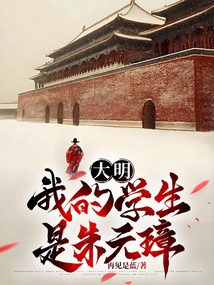
大明:我的学生是朱元璋
Goodbye Is Blue
Ren Yixu accidentally fell off a cliff while traveling, causing him to lose his sight. Unknown to him, he traveled to Hongwu in the Ming Dynasty. After being rescued, Ren Yixu started tutoring the villagers when he was bored! At the same time activate the daily check-in system. What Ren Yixu doesn't know is that his students are not ordinary village children. But it was the Emperor Zhu Yuanzhang of the Ming Dynasty, and the princes of the Ming Dynasty such as Zhu Biao, Zhu Xi, Zhu Fan and Zhu Di! They were in Ren Yixu's class and listened spellbound. At the same time, the Ming Dynasty also began to undergo earth-shaking changes. When his eyes regained their brightness, Ren Yixu found that what he saw was a bit strange. Ren Yixu realized... He had traveled through time!
Ren Yixu accidentally fell off a cliff while traveling, causing him to lose his sight. Unknown to him, he traveled to Hongwu in the Ming Dynasty. After being rescued, Ren Yixu started tutoring the villagers when he was bored! At the same time activate the daily check-in system. What Ren Yixu doesn't know is that his students are not ordinary village children. But it was the Emperor Zhu Yuanzhang of the Ming Dynasty, and the princes of the Ming Dynasty such as Zhu Biao, Zhu Xi, Zhu Fan and Zhu Di! They were in Ren Yixu's class and listened spellbound. At the same time, the Ming Dynasty also began to undergo earth-shaking changes. When his eyes regained their brightness, Ren Yixu found that what he saw was a bit strange. Ren Yixu realized... He had traveled through time!
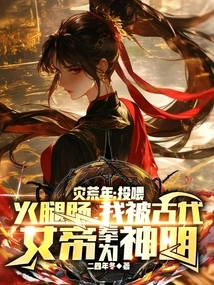
灾荒年:投喂火腿肠,我被古代女帝奉为神明
Winter Of 2024
The small tripod used by Li Yang's family to burn incense can actually connect an ancient country that was in the midst of war and famine. The seventeen-year-old empress went on a personal expedition, but she ran out of ammunition and food and was in a life-or-death situation. After Li Yang learned about it, he decisively dropped a large amount of food and modern weapons on the enemy. Ham sausage, instant noodles, mineral water, machine guns, bulldozers, excavators... Li Yang: "I have a plan. I can set up two heavy machine guns here and two mortars here to prevent the enemy from coming back!" "What? All the war horses have been eaten? Then there is no need for war horses. I have hundreds of bulldozers and excavators that can flatten the enemy's city!"... In this way, the empress unified the continent with the help of Li Yang and regarded Li Yang as a god. And Li Yang discovered that he could absorb the power of faith of the people of the empress's country and become a true god...
The small tripod used by Li Yang's family to burn incense can actually connect an ancient country that was in the midst of war and famine. The seventeen-year-old empress went on a personal expedition, but she ran out of ammunition and food and was in a life-or-death situation. After Li Yang learned about it, he decisively dropped a large amount of food and modern weapons on the enemy. Ham sausage, instant noodles, mineral water, machine guns, bulldozers, excavators... Li Yang: "I have a plan. I can set up two heavy machine guns here and two mortars here to prevent the enemy from coming back!" "What? All the war horses have been eaten? Then there is no need for war horses. I have hundreds of bulldozers and excavators that can flatten the enemy's city!"... In this way, the empress unified the continent with the help of Li Yang and regarded Li Yang as a god. And Li Yang discovered that he could absorb the power of faith of the people of the empress's country and become a true god...
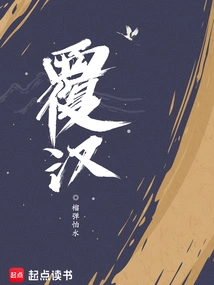
Overthrow the Han Dynasty
History覆汉
Grenades Are Afraid Of Water
Work hard to hear and reach the princes, so that you can survive in troubled times! As a posthumous son, Gongsun Xun received life guidance very early from his mother, who was known as a time traveler. However, as he followed the tide of history year after year, he discovered that something was gradually going wrong! This is the story of a semi-aboriginal man struggling in the great era!
Work hard to hear and reach the princes, so that you can survive in troubled times! As a posthumous son, Gongsun Xun received life guidance very early from his mother, who was known as a time traveler. However, as he followed the tide of history year after year, he discovered that something was gradually going wrong! This is the story of a semi-aboriginal man struggling in the great era!
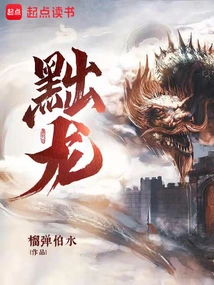
Depose the Dragon
History黜龙
Grenades Are Afraid Of Water
There are dragons in the world here. Dragons come in all kinds of shapes, some swimming in the rivers and seas, some soaring in the mountains, some hiding in the secluded mountains, or soaring among the clouds. Once it rises, it can swallow wind and snow, divert rivers and row rivers, drop thunder and spit out fire, and divide mountains and avoid seas. There are also dragons in the human world here. The dragon among people has great ambitions, a good plan, the opportunity to contain the universe, and the ambition to swallow up the heaven and the earth. When the opportunity arises, it can change the clouds and rain, decide the situation, set the cauldron, and become a dragon. As a lost time-traveler, Zhang Xing also wanted to become a dragon at first, but later, he found that this industry was too complicated, so he decided to change his career and go to dethrone the dragons. It is said that we should go all the way in the world, make heaven and earth accessible everywhere, and dethrone dragons all over the world, so that everyone in the world can become a dragon. This is an old-fashioned time-travel story.
There are dragons in the world here. Dragons come in all kinds of shapes, some swimming in the rivers and seas, some soaring in the mountains, some hiding in the secluded mountains, or soaring among the clouds. Once it rises, it can swallow wind and snow, divert rivers and row rivers, drop thunder and spit out fire, and divide mountains and avoid seas. There are also dragons in the human world here. The dragon among people has great ambitions, a good plan, the opportunity to contain the universe, and the ambition to swallow up the heaven and the earth. When the opportunity arises, it can change the clouds and rain, decide the situation, set the cauldron, and become a dragon. As a lost time-traveler, Zhang Xing also wanted to become a dragon at first, but later, he found that this industry was too complicated, so he decided to change his career and go to dethrone the dragons. It is said that we should go all the way in the world, make heaven and earth accessible everywhere, and dethrone dragons all over the world, so that everyone in the world can become a dragon. This is an old-fashioned time-travel story.
贞观盛世
Watakawa Saw The Light
Come to China Literature's website to read more of my works!
Come to China Literature's website to read more of my works!
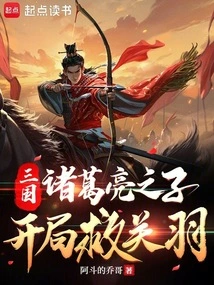
三国:诸葛亮之子,开局救关羽
Brother Qiao From Adou
In the winter of the 24th year of Jian'an, Maicheng was in ruins. Modern Zhuge Qiao traveled through time and became Zhuge Liang's heir. In front of them is the doomed defeat in the history books, and behind them is the shaky national destiny of Shu Han. Since he knew the direction of history and was the son of Wolong, how could he sit back and watch the fall of the Martial Saint and the decline of the Shu Han Dynasty? Guan Yu: "The food and grass in the city are almost exhausted, and the reinforcements have not arrived yet. What can we do?" Zhuge Qiao: "Master, don't panic, my father has left a bag of tips!" From then on, Zhuge Liang's doubts gradually increased. "When did I leave my tips to Qiaoer? And let me hold my brother hostage?" "What? I and Yun Chang Shangyong fought to defeat Cao Zhen's 50,000-strong army?" "'Is this what I said, 'When the enemy advances, we retreat; when the enemy is stationed, we harass; when the enemy is tired, we attack; when the enemy retreats, we pursue'?" ... Starting from the breakout of Maicheng, Zhuge Qiao used the banner of Zhuge Liang to prevent the five tiger generals from falling tragically, so that Jingzhou would no longer change hands easily, so that the clarion call of the Northern Expedition could finally ring through the Central Plains, and let the Han Dynasty continue for thousands of years!
In the winter of the 24th year of Jian'an, Maicheng was in ruins. Modern Zhuge Qiao traveled through time and became Zhuge Liang's heir. In front of them is the doomed defeat in the history books, and behind them is the shaky national destiny of Shu Han. Since he knew the direction of history and was the son of Wolong, how could he sit back and watch the fall of the Martial Saint and the decline of the Shu Han Dynasty? Guan Yu: "The food and grass in the city are almost exhausted, and the reinforcements have not arrived yet. What can we do?" Zhuge Qiao: "Master, don't panic, my father has left a bag of tips!" From then on, Zhuge Liang's doubts gradually increased. "When did I leave my tips to Qiaoer? And let me hold my brother hostage?" "What? I and Yun Chang Shangyong fought to defeat Cao Zhen's 50,000-strong army?" "'Is this what I said, 'When the enemy advances, we retreat; when the enemy is stationed, we harass; when the enemy is tired, we attack; when the enemy retreats, we pursue'?" ... Starting from the breakout of Maicheng, Zhuge Qiao used the banner of Zhuge Liang to prevent the five tiger generals from falling tragically, so that Jingzhou would no longer change hands easily, so that the clarion call of the Northern Expedition could finally ring through the Central Plains, and let the Han Dynasty continue for thousands of years!
汉末神主:从布衣到九霄帝尊
Wen Dao Loves To Draw
Come to China Literature's website to read more of my works!
Come to China Literature's website to read more of my works!
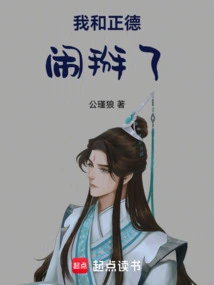
我和正德闹掰了
Gong Jinlang
Weird emperors, ridiculous palaces. The eighth-grade Sesame Official, despised by the civil and military officials of the entire dynasty, stirred up the court and the world.
Weird emperors, ridiculous palaces. The eighth-grade Sesame Official, despised by the civil and military officials of the entire dynasty, stirred up the court and the world.
大唐:我在大唐发展基建
Writer 9oafwu
Come to China Literature's website to read more of my works!
Come to China Literature's website to read more of my works!
异世召唤战英杰
The Wind And Clouds Are Stirring And The Beacon Smoke Is Stirring
Come to China Literature's website to read more of my works!
Come to China Literature's website to read more of my works!
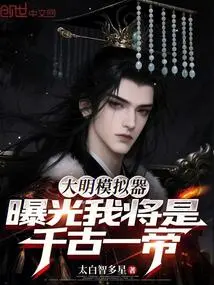
大明模拟器:曝光我将是千古一帝
Taibai Zhiduoxing
[Simulator + cute baby + beating up Zhu Di] Zhu Gaoying traveled through time and became Zhu Di's fourth son. He recently discovered that his grandfather Zhu Yuanzhang loves him more and more! What Zhu Gaoying didn't know was that his grandfather Zhu Yuanzhang actually had the golden finger of a "simulator" that could simulate the lives of all the descendants of the Zhu family! Zhu Yuanzhang imitated Zhu Yunwen and found that Zhu Yunwen had driven his uncles to death, driven them crazy, and imprisoned them. Seeing this scene, Zhu Yuanzhang was furious. Zhu Yuanzhang imitated Zhu Di again and found that Zhu Di actually rebelled! Well, you were forced to rebel, we can forgive you! Wait, what does it mean that in the thirty-fifth year of Hongwu's succession, your temple title is still Chengzu? "Fourth brother, come here, we won't beat you to death!" Zhu Yuanzhang imitated Zhu Gaochi again, huh? Ten months in office? Continue to imitate Zhu Zhanji? Um? Ten years in office? "Fourth! Come here, is this the third generation of the good saint Sun Kewang you said? These three generations only add up to ten years?" Zhu Yuanzhang continued the simulation. This time, he simulated the Ming Dynasty God of War Zhu Qizhen. The battle of Tumubao directly made Zhu Yuanzhang so angry that he vomited blood. "Fourth! Look at your descendants, what the hell! Are you worthy of rebelling? Are you still called Chengzu?" Until Zhu Yuanzhang started to imitate Zhu Gaoyen and shouted in surprise: "Qilinzi! This is the Qilinzi of my Zhu family!" Until one day, Zhu Yuanzhang exposed the "Ming Dynasty Simulator". Looking at the "Simulator" in which Zhu Gaoying led the Ming Dynasty to dominate the world and start the industrial revolution, Zhu Yuanzhang pointed at Zhu Gaoying and shouted: "You! Zhu Gaoyan! You are the real Emperor of Peace in the Ming Dynasty!"
[Simulator + cute baby + beating up Zhu Di] Zhu Gaoying traveled through time and became Zhu Di's fourth son. He recently discovered that his grandfather Zhu Yuanzhang loves him more and more! What Zhu Gaoying didn't know was that his grandfather Zhu Yuanzhang actually had the golden finger of a "simulator" that could simulate the lives of all the descendants of the Zhu family! Zhu Yuanzhang imitated Zhu Yunwen and found that Zhu Yunwen had driven his uncles to death, driven them crazy, and imprisoned them. Seeing this scene, Zhu Yuanzhang was furious. Zhu Yuanzhang imitated Zhu Di again and found that Zhu Di actually rebelled! Well, you were forced to rebel, we can forgive you! Wait, what does it mean that in the thirty-fifth year of Hongwu's succession, your temple title is still Chengzu? "Fourth brother, come here, we won't beat you to death!" Zhu Yuanzhang imitated Zhu Gaochi again, huh? Ten months in office? Continue to imitate Zhu Zhanji? Um? Ten years in office? "Fourth! Come here, is this the third generation of the good saint Sun Kewang you said? These three generations only add up to ten years?" Zhu Yuanzhang continued the simulation. This time, he simulated the Ming Dynasty God of War Zhu Qizhen. The battle of Tumubao directly made Zhu Yuanzhang so angry that he vomited blood. "Fourth! Look at your descendants, what the hell! Are you worthy of rebelling? Are you still called Chengzu?" Until Zhu Yuanzhang started to imitate Zhu Gaoyen and shouted in surprise: "Qilinzi! This is the Qilinzi of my Zhu family!" Until one day, Zhu Yuanzhang exposed the "Ming Dynasty Simulator". Looking at the "Simulator" in which Zhu Gaoying led the Ming Dynasty to dominate the world and start the industrial revolution, Zhu Yuanzhang pointed at Zhu Gaoying and shouted: "You! Zhu Gaoyan! You are the real Emperor of Peace in the Ming Dynasty!"
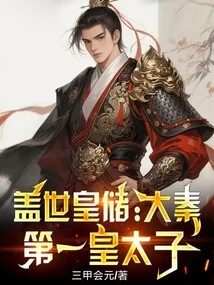
盖世皇储:大秦第一皇太子
Top Three Clubs
Qin Chuan accidentally traveled through time and became the first crown prince of the Qin Dynasty. He originally wanted to be a dandy who could be hugged by both parties, but he did not expect that internal and external troubles forced him to use the wisdom brought by the 21st century, making him able to govern the country well at the top and talented at the bottom. The civil and military officials of the entire dynasty were all shocked; surrounded by foreign enemies, they did not dare to attack! When Qinchuan takes the throne of the Qin Dynasty, when the country is strong, the people are prosperous, and there are hundreds of civil and military officials, no one dares to disobey him; so-called foreign enemies? Isn't that my subject country?
Qin Chuan accidentally traveled through time and became the first crown prince of the Qin Dynasty. He originally wanted to be a dandy who could be hugged by both parties, but he did not expect that internal and external troubles forced him to use the wisdom brought by the 21st century, making him able to govern the country well at the top and talented at the bottom. The civil and military officials of the entire dynasty were all shocked; surrounded by foreign enemies, they did not dare to attack! When Qinchuan takes the throne of the Qin Dynasty, when the country is strong, the people are prosperous, and there are hundreds of civil and military officials, no one dares to disobey him; so-called foreign enemies? Isn't that my subject country?
Song Paper
History宋纸
Early Days
The story of Chen Qing, a scholar who traveled to the Song Dynasty and struggled to survive in poverty and hunger.
The story of Chen Qing, a scholar who traveled to the Song Dynasty and struggled to survive in poverty and hunger.
回到大明做天启皇帝
Writershdrak
Traveling through the late Ming Dynasty, he became the eldest son of the emperor Zhu Youxiao. Before the throne was warm, the cheap father Emperor Taichang suddenly passed away, and the power of the empire was hanging by a thread. In the deep palace, Li Xuan's servants were watching with eager eyes; above the court, the Donglin Party members were pressing closer and closer. There are internal and external troubles, and murderous intent is everywhere. Let's see how the modern soul took charge of the Ming Dynasty, violently broke through the situation with thunderous means, cleaned up the corruption, rebuilt the mountains and rivers, and became the master of ZTE who worked hard to govern.
Traveling through the late Ming Dynasty, he became the eldest son of the emperor Zhu Youxiao. Before the throne was warm, the cheap father Emperor Taichang suddenly passed away, and the power of the empire was hanging by a thread. In the deep palace, Li Xuan's servants were watching with eager eyes; above the court, the Donglin Party members were pressing closer and closer. There are internal and external troubles, and murderous intent is everywhere. Let's see how the modern soul took charge of the Ming Dynasty, violently broke through the situation with thunderous means, cleaned up the corruption, rebuilt the mountains and rivers, and became the master of ZTE who worked hard to govern.
The Prosperous Tang Dynasty
History盛世满唐
Writert1fqz1
Come to China Literature's website to read more of my works!
Come to China Literature's website to read more of my works!
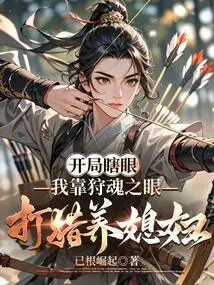
开局瞎眼:我靠狩魂之眼打猎养媳妇
Has Taken Root And Risen
He traveled through time and became a blind man in troubled times, and he also got a beautiful girl as a gift. Lu Qingshan thought that Heavenly Collapse was the beginning and was preparing to restart, but he unexpectedly awakened the [Soul Hunting Eye]. The triangle shows the territory, hunting for treasures, delicacies and game are no longer a problem. However, the ordinary man is not guilty, but he is guilty of carrying the jade. The powerful men in the village were eyeing his wife, and the tax collectors in the county were like locusts crossing the border. When the way to survive was blocked step by step, Lu Qingshan stroked the "Physical Training Art" he had unexpectedly obtained in his arms and pointed the hunting fork at the foot of the mountain. Since the world will not let me live, then I will use these eyes to hunt down all the unjust souls in the world!
He traveled through time and became a blind man in troubled times, and he also got a beautiful girl as a gift. Lu Qingshan thought that Heavenly Collapse was the beginning and was preparing to restart, but he unexpectedly awakened the [Soul Hunting Eye]. The triangle shows the territory, hunting for treasures, delicacies and game are no longer a problem. However, the ordinary man is not guilty, but he is guilty of carrying the jade. The powerful men in the village were eyeing his wife, and the tax collectors in the county were like locusts crossing the border. When the way to survive was blocked step by step, Lu Qingshan stroked the "Physical Training Art" he had unexpectedly obtained in his arms and pointed the hunting fork at the foot of the mountain. Since the world will not let me live, then I will use these eyes to hunt down all the unjust souls in the world!
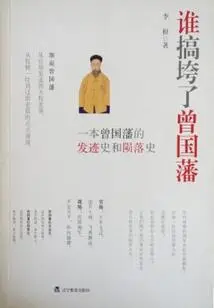
谁搞垮了曾国藩
Li Gen
This book introduces Zeng Guofan's life experience and main deeds in detail. It is based on historical materials, takes the era and specific characters as the main line, and adds the writing style of novels to give a panoramic display of Zeng Guofan's life. This book profoundly analyzes the formation, development, evolution and influence of Zeng Guofan's political and academic thoughts on later generations; it deeply summarizes Zeng Guofan's employment strategy, and outlines the formation, development and differentiation of the political group with Zeng Guofan and his shogunate as the core; at the same time, it realistically evaluates Zeng Guofan's historical merits and demerits and historical role. This book especially focuses on the political intrigues of official circles, military wars, and the emperor's mind. There are also Zeng Guofan's winning military tactics, military administration policies, his unique outlook on life, philosophy of life, etc., All of which are brilliantly reflected in the book. It also focuses on the colorful description of Zeng Guofan's mental journey, and the lines are full of cultural interpretation of Zeng Guofan.
This book introduces Zeng Guofan's life experience and main deeds in detail. It is based on historical materials, takes the era and specific characters as the main line, and adds the writing style of novels to give a panoramic display of Zeng Guofan's life. This book profoundly analyzes the formation, development, evolution and influence of Zeng Guofan's political and academic thoughts on later generations; it deeply summarizes Zeng Guofan's employment strategy, and outlines the formation, development and differentiation of the political group with Zeng Guofan and his shogunate as the core; at the same time, it realistically evaluates Zeng Guofan's historical merits and demerits and historical role. This book especially focuses on the political intrigues of official circles, military wars, and the emperor's mind. There are also Zeng Guofan's winning military tactics, military administration policies, his unique outlook on life, philosophy of life, etc., All of which are brilliantly reflected in the book. It also focuses on the colorful description of Zeng Guofan's mental journey, and the lines are full of cultural interpretation of Zeng Guofan.
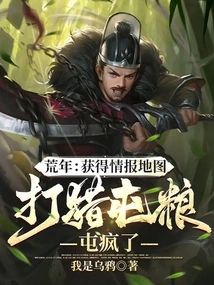
荒年:获得情报地图打猎屯粮屯疯了
I Am A Crow
Su Hao traveled through the famine years of Great Xia and became a rural farmer. At the beginning, his brother disappeared and the family had no food. Fortunately, he got an intelligence map at this time! [Information 1: Under a small mountain col in the south of the mountain forest outside Dahuai Village, there are ten kilograms of corn and a piece of bacon buried by hunters from the neighboring village when they went into the mountains to hunt. Information 2: In the north-central part of the mountain forest outside Dahuai Village, there is a weak wild boar and a litter of piglets that have just given birth. Information 3: In the eastern part of the mountain forest outside Dahuai Village, an injured old tiger broke into yesterday. ...... While others were chewing tree bark and eating Guanyin soil in order to survive, Su Hao was tired of eating meat. What? You said it's hard to survive in lean years? Him: Go ahead and tell me about my full warehouse of grain!
Su Hao traveled through the famine years of Great Xia and became a rural farmer. At the beginning, his brother disappeared and the family had no food. Fortunately, he got an intelligence map at this time! [Information 1: Under a small mountain col in the south of the mountain forest outside Dahuai Village, there are ten kilograms of corn and a piece of bacon buried by hunters from the neighboring village when they went into the mountains to hunt. Information 2: In the north-central part of the mountain forest outside Dahuai Village, there is a weak wild boar and a litter of piglets that have just given birth. Information 3: In the eastern part of the mountain forest outside Dahuai Village, an injured old tiger broke into yesterday. ...... While others were chewing tree bark and eating Guanyin soil in order to survive, Su Hao was tired of eating meat. What? You said it's hard to survive in lean years? Him: Go ahead and tell me about my full warehouse of grain!
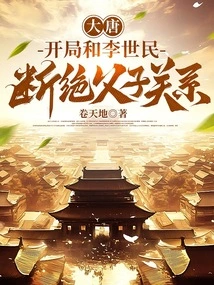
大唐:开局和李世民断绝父子关系
Chaos
Li Ling, a special soldier, traveled through time and became the Ming King of the Tang Dynasty. On his wedding night, he became the scapegoat. He resolutely broke up with Li Shimin and went to the Western Regions! I can take this prince for whoever he likes, but I don't deserve it anyway! Without saying a word, Li Ling took root in the Western Region. Fortunately, the system was close to him, and he started the farming and hegemony mode from then on! Who is Li Shimin? Hey, no matter what, I want to conquer the world. "Your Majesty, you sent King Ming to the Western Regions, and now the entire Western Region has fallen into the hands of King Ming!" "Your Majesty, King Ming's troops have just arrived at the city, and King Tubo surrendered. They plan to attack the Harsha Empire!" "Your Majesty, I heard that King Ming's treatment is good, and I want to go..." In the Tang Palace, Li Shimin had nightmares!
Li Ling, a special soldier, traveled through time and became the Ming King of the Tang Dynasty. On his wedding night, he became the scapegoat. He resolutely broke up with Li Shimin and went to the Western Regions! I can take this prince for whoever he likes, but I don't deserve it anyway! Without saying a word, Li Ling took root in the Western Region. Fortunately, the system was close to him, and he started the farming and hegemony mode from then on! Who is Li Shimin? Hey, no matter what, I want to conquer the world. "Your Majesty, you sent King Ming to the Western Regions, and now the entire Western Region has fallen into the hands of King Ming!" "Your Majesty, King Ming's troops have just arrived at the city, and King Tubo surrendered. They plan to attack the Harsha Empire!" "Your Majesty, I heard that King Ming's treatment is good, and I want to go..." In the Tang Palace, Li Shimin had nightmares!

我在英国当文豪
Manchester City Throne
Many years later... God: "Congratulations, you have become a writer on the top of Mount Olympus of human literature." "What about... Jonathan Rochester?" Shen was stunned for a moment, "No one has called me that for a long time." ... Fatty Qiu: "The most unique thing that Britain is blessed with is the brilliance of literature. A Rochester can guarantee that Britain will never be destroyed." Thomas Carlyle: "Mr. Rochester, I have just witnessed the birth of Shakespeare. I mean, you will be the Zeus on Mount Olympus of human literature in the new century." George Bernard Shaw: "Shakespeare is half Rochester!" Benjamin Disraeli: "If a great country is a country that produces great people, then the reason why Britain is great is because it produced Rochester." Charles Dickens: "Rochester is the person I respect most in my life, and Oliver Twist is my favorite work." Henry Noel Brailsford: "Rochester, you are right, the East is absolutely capable of founding its own modern state." "When God asks who the greatest writer of mankind is, it must be Rochester." The little writer cried and missed the big writer, and the big writer cried and missed Rochester.
Many years later... God: "Congratulations, you have become a writer on the top of Mount Olympus of human literature." "What about... Jonathan Rochester?" Shen was stunned for a moment, "No one has called me that for a long time." ... Fatty Qiu: "The most unique thing that Britain is blessed with is the brilliance of literature. A Rochester can guarantee that Britain will never be destroyed." Thomas Carlyle: "Mr. Rochester, I have just witnessed the birth of Shakespeare. I mean, you will be the Zeus on Mount Olympus of human literature in the new century." George Bernard Shaw: "Shakespeare is half Rochester!" Benjamin Disraeli: "If a great country is a country that produces great people, then the reason why Britain is great is because it produced Rochester." Charles Dickens: "Rochester is the person I respect most in my life, and Oliver Twist is my favorite work." Henry Noel Brailsford: "Rochester, you are right, the East is absolutely capable of founding its own modern state." "When God asks who the greatest writer of mankind is, it must be Rochester." The little writer cried and missed the big writer, and the big writer cried and missed Rochester.
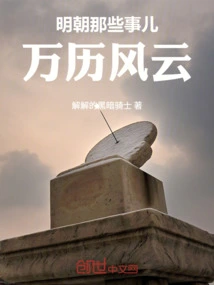
明朝那些事儿:万历风云
The Unsolved Dark Knight
This novel will be strictly based on historical materials such as "History of the Ming Dynasty", "Records of Ming Shenzong" and "Wanli Di Chao", combined with the results of modern historical research, and use literary techniques to reproduce the events of the Wanli Dynasty for 48 years. From Zhang Juzheng's reforms to the struggle for the foundation of the country, from the three great conquests of Wanli to the crisis in Liaodong, we strive to show vivid characters and details in the grand historical narrative. The story begins in the spring of the tenth year of Wanli (1582). At this time, Zhang Juzheng's power reached its peak, and Emperor Wanli began to rule personally. The turning point of the Ming Dynasty quietly arrived. The subsequent chapters will gradually unfold the multi-line narrative of the palace, the court, and the frontier, painting a magnificent picture of the late Ming Dynasty.
This novel will be strictly based on historical materials such as "History of the Ming Dynasty", "Records of Ming Shenzong" and "Wanli Di Chao", combined with the results of modern historical research, and use literary techniques to reproduce the events of the Wanli Dynasty for 48 years. From Zhang Juzheng's reforms to the struggle for the foundation of the country, from the three great conquests of Wanli to the crisis in Liaodong, we strive to show vivid characters and details in the grand historical narrative. The story begins in the spring of the tenth year of Wanli (1582). At this time, Zhang Juzheng's power reached its peak, and Emperor Wanli began to rule personally. The turning point of the Ming Dynasty quietly arrived. The subsequent chapters will gradually unfold the multi-line narrative of the palace, the court, and the frontier, painting a magnificent picture of the late Ming Dynasty.
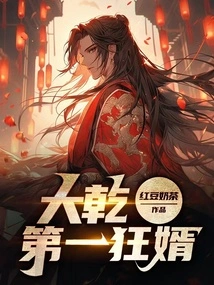
大乾第一狂婿
Red Bean Milk Tea
System + time travel + alternate history + rebirth + cool writing. A doctorate in mechanics and materials science from a top modern polytechnic university, with strong practical ability and rich knowledge reserve. In an experimental accident, his soul traveled to the Daqian Dynasty and became the Su family's son-in-law. With the support of the system and his own knowledge base, he created his own mythical existence in the Daqian Dynasty.
System + time travel + alternate history + rebirth + cool writing. A doctorate in mechanics and materials science from a top modern polytechnic university, with strong practical ability and rich knowledge reserve. In an experimental accident, his soul traveled to the Daqian Dynasty and became the Su family's son-in-law. With the support of the system and his own knowledge base, he created his own mythical existence in the Daqian Dynasty.

大唐:我挑明了,我是长乐公主1
Hotpot 1
Traveling through the Tang Dynasty, Lin Hao became the governor of a border town with a population of less than 20,000 households! In the seventh year of Zhenguan, the talented and beautiful Princess Li Lizhi of Changle was ordered to marry Changsun Chong. However, on her wedding day, she ran away from the wedding! In the early morning of this day, the governor's Yamen welcomed a unique complaining woman. Outside the room, Zhou Cheng knocked on the door and said: "Sir, someone has complained, please go to court." Lin Hao: "I am not the county magistrate, why should I be promoted to court? Don't disturb my sleep." Zhou Cheng continued to knock on the door and said: "She is a woman, very good-looking, and she is from Chang'an." Lin Hao: "Then let her go to the Chang'an order!" As soon as he finished speaking, Lin Hao turned over and continued to sleep! At noon, Li Lizhi, a princess from Chang'an who escaped from marriage, was furious. "I actually slept until noon. Isn't that amazing?"...
Traveling through the Tang Dynasty, Lin Hao became the governor of a border town with a population of less than 20,000 households! In the seventh year of Zhenguan, the talented and beautiful Princess Li Lizhi of Changle was ordered to marry Changsun Chong. However, on her wedding day, she ran away from the wedding! In the early morning of this day, the governor's Yamen welcomed a unique complaining woman. Outside the room, Zhou Cheng knocked on the door and said: "Sir, someone has complained, please go to court." Lin Hao: "I am not the county magistrate, why should I be promoted to court? Don't disturb my sleep." Zhou Cheng continued to knock on the door and said: "She is a woman, very good-looking, and she is from Chang'an." Lin Hao: "Then let her go to the Chang'an order!" As soon as he finished speaking, Lin Hao turned over and continued to sleep! At noon, Li Lizhi, a princess from Chang'an who escaped from marriage, was furious. "I actually slept until noon. Isn't that amazing?"...
Jiu Yi Lan Xi Lu
History九嶷兰晞录
Writerkwbesl
Come to China Literature's website to read more of my works!
Come to China Literature's website to read more of my works!
Meet Xixia Makui
History遇见西夏麻魁
Crazy Growing Dead Vines
The modern male protagonist Lu Xiao encountered workplace bullying at Hengyuan Electric and was silenced when he discovered that the company was smuggling Xixia cultural relics. When he was dying, he touched the gold-plated silver pot and traveled back to the Chongzong period of the Western Xia Dynasty in 1143.
The modern male protagonist Lu Xiao encountered workplace bullying at Hengyuan Electric and was silenced when he discovered that the company was smuggling Xixia cultural relics. When he was dying, he touched the gold-plated silver pot and traveled back to the Chongzong period of the Western Xia Dynasty in 1143.
大明:从奴隶开始逆袭
Rising Stone
In the thirty-fourth year of Wanli, Qin Sheng traveled through Liaodong and was kidnapped to the hinterland of Jianzhou and became a manor slave of the Jurchens. Since then, the road of turning over and counterattack began. Someone said, "If it weren't for him, the Battle of Sarhu and the bloody battle of Hunhe would not have ended like this." Some people also say, "He is the champion of the Ming Dynasty, the real Great Wall of the Ming Dynasty. His army is invincible, and wherever his flag is directed, all enemies are frightened!" Some people even praised him as, "a fierce man born from heaven to save China." "The strictest father of all slaves!" ... But Qin Sheng looked down at the yellow robe on his body, But he just sighed helplessly, "I am a commoner from Liaoyou, how can the world be better than me?" "You are causing me misery!"
In the thirty-fourth year of Wanli, Qin Sheng traveled through Liaodong and was kidnapped to the hinterland of Jianzhou and became a manor slave of the Jurchens. Since then, the road of turning over and counterattack began. Someone said, "If it weren't for him, the Battle of Sarhu and the bloody battle of Hunhe would not have ended like this." Some people also say, "He is the champion of the Ming Dynasty, the real Great Wall of the Ming Dynasty. His army is invincible, and wherever his flag is directed, all enemies are frightened!" Some people even praised him as, "a fierce man born from heaven to save China." "The strictest father of all slaves!" ... But Qin Sheng looked down at the yellow robe on his body, But he just sighed helplessly, "I am a commoner from Liaoyou, how can the world be better than me?" "You are causing me misery!"
天命重构:从流民到女帝
Rayza
When I woke up, I became the most humble refugee in the Zhou Dynasty. His stomach was empty, his clothes were in rags, and he was surrounded by gangsters. [Bite! It is detected that the host is in desperate situation, and the destiny reconstruction system is activated! ] [Novice mission: Survive tonight. Reward: Basic survival kit x1, physical fitness +1. Failure penalty: Random curse. ] I clutched the half piece of hard cake I just received, looked at the value of [Charm: 0] on the system panel, and sneered. In this world, beauty is a life-saving talisman, and wisdom is a life-saving talisman. When refugees, slaves, and daughters of guilty ministers all became legends, the civil and military officials of the Manchu Dynasty finally discovered-- The person they knelt down to worship was never the True Dragon Emperor, but this woman who crawled out of the mud.
When I woke up, I became the most humble refugee in the Zhou Dynasty. His stomach was empty, his clothes were in rags, and he was surrounded by gangsters. [Bite! It is detected that the host is in desperate situation, and the destiny reconstruction system is activated! ] [Novice mission: Survive tonight. Reward: Basic survival kit x1, physical fitness +1. Failure penalty: Random curse. ] I clutched the half piece of hard cake I just received, looked at the value of [Charm: 0] on the system panel, and sneered. In this world, beauty is a life-saving talisman, and wisdom is a life-saving talisman. When refugees, slaves, and daughters of guilty ministers all became legends, the civil and military officials of the Manchu Dynasty finally discovered-- The person they knelt down to worship was never the True Dragon Emperor, but this woman who crawled out of the mud.
Takekari
History武狩
Zhan Xiaohanshan
The strongest military king in modern times, the useless prince whose soul has penetrated Dawu. The crossbow was invented at the Autumn Hunting Ceremony and showed its prowess in killing tigers; winemaking was invented in the deep palace market and perfume was invented to attract people's hearts; cement was invented at the border battlefield and the unbreakable Great Wall was built. He used modern wisdom as a spear and poetry as a shield. In the cruelest power game, he carved a counterattack path from an abandoned son to the nine-five supreme king.
The strongest military king in modern times, the useless prince whose soul has penetrated Dawu. The crossbow was invented at the Autumn Hunting Ceremony and showed its prowess in killing tigers; winemaking was invented in the deep palace market and perfume was invented to attract people's hearts; cement was invented at the border battlefield and the unbreakable Great Wall was built. He used modern wisdom as a spear and poetry as a shield. In the cruelest power game, he carved a counterattack path from an abandoned son to the nine-five supreme king.
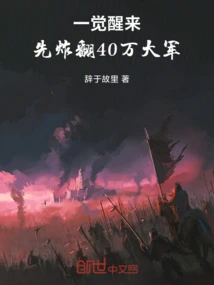
一觉醒来,先炸翻40万大军
Say Goodbye To Hometown
Li Huai, a modern engineering graduate student, woke up and transformed into the most stubborn emperor in history - Liu Xiu. At this time, Wang Mang's 400,000-strong army surrounded Kunyang City with iron barrels, and there were less than 10,000 defenders in the city. Everyone was waiting to die, but when he opened his eyes, his first thought was: "Open the door, I'll blow them up." With a humble body, he goes against the general trend of the world. Use the battle in Kunyang to become a god, and use your wisdom to rule the Central Plains. He will follow the true historical context and step by step from farmer to emperor. Protect beautiful women in troubled times, and keep your original intention in desperate situations. In this life, he is no longer a cold name in history books. But Li Huai, who has flesh and blood, pain and love, is also Liu Xiu. The eternal hegemony begins here!
Li Huai, a modern engineering graduate student, woke up and transformed into the most stubborn emperor in history - Liu Xiu. At this time, Wang Mang's 400,000-strong army surrounded Kunyang City with iron barrels, and there were less than 10,000 defenders in the city. Everyone was waiting to die, but when he opened his eyes, his first thought was: "Open the door, I'll blow them up." With a humble body, he goes against the general trend of the world. Use the battle in Kunyang to become a god, and use your wisdom to rule the Central Plains. He will follow the true historical context and step by step from farmer to emperor. Protect beautiful women in troubled times, and keep your original intention in desperate situations. In this life, he is no longer a cold name in history books. But Li Huai, who has flesh and blood, pain and love, is also Liu Xiu. The eternal hegemony begins here!
Mountains and Rivers Seal
History山河印之
Writer Yhhbnj
Come to China Literature's website to read more of my works!
Come to China Literature's website to read more of my works!