Library
Browse and search books
51,874 novels found
Regret Story
History遗憾故事
Don't Want To Be Bored Anymore
I am the King of Hell, the King of Hell who loves to listen to the stories of the world. But my favorite are the regretful stories of the deceased before their death, because I think those stories can be called stories. Those stories are about what they have worked hard for and struggled for. Most of the time when they are about to succeed, they fall short because of something.
I am the King of Hell, the King of Hell who loves to listen to the stories of the world. But my favorite are the regretful stories of the deceased before their death, because I think those stories can be called stories. Those stories are about what they have worked hard for and struggled for. Most of the time when they are about to succeed, they fall short because of something.
大唐坑王升职记
It Would Be Strange If A Foodie Is Not Fat
Liu Fan, a social animal in the 21st century, was bitten by a silver-ringed viper during a hiking expedition and traveled through time as a ten-year-old child in Kushui Village, Lingnan during the reign of Emperor Gaozong of the Tang Dynasty. After inheriting the memory of the original owner, he found that he had become the poorest in the village\
Liu Fan, a social animal in the 21st century, was bitten by a silver-ringed viper during a hiking expedition and traveled through time as a ten-year-old child in Kushui Village, Lingnan during the reign of Emperor Gaozong of the Tang Dynasty. After inheriting the memory of the original owner, he found that he had become the poorest in the village\
大明救时:我陪宣宗缔盛世
Shouzhou Yunzhongjun
Modern historians traveled through time and became Zhu Zhanji's childhood companion. They relied on foresight to resolve the crisis of his early death, helped create a prosperous age of Chaoren Xuan, and finally ascended to the position of chief assistant.
Modern historians traveled through time and became Zhu Zhanji's childhood companion. They relied on foresight to resolve the crisis of his early death, helped create a prosperous age of Chaoren Xuan, and finally ascended to the position of chief assistant.
小说,小说网,最新热门小说-QQ阅读_阅文集团旗下网站
Are You Hungry Tonight?
Three years ago, Xu Shoucheng, the general of the country, took off his war robe and became a consort, and became a couple in name only with the princess of Northern Qi. Princess: "You should be fighting on the battlefield, but you are here playing chess and chess. Your nondescript style is really annoying." "You make me look down on a grown man who only knows how to wash and cook." "You are so scheming that you want to rely on me to become a dragon and a phoenix. Your behavior makes me sick." .... Three years later, when the border was in crisis and the Northern Qi Dynasty was in trouble, Xu Shoucheng picked up the long-lasting spear. Riding a horse on the battlefield, killing the enemy thousands of miles away, and giving him a prosperous and peaceful life. Seeing the cold corpse returned from the battlefield, the princess collapsed instantly, hugging Xu Shoucheng and crying bitterly, feeling that she would not escape the guilt of death. The Emperor: "If you didn't cherish it when you were alive, what's the use of doing more when you die?" Princess: "Shou Cheng, I was wrong. Come back quickly!" Xu Shoucheng: "I'm sorry, you in my heart have long been drifting with the tide and will never return."
Three years ago, Xu Shoucheng, the general of the country, took off his war robe and became a consort, and became a couple in name only with the princess of Northern Qi. Princess: "You should be fighting on the battlefield, but you are here playing chess and chess. Your nondescript style is really annoying." "You make me look down on a grown man who only knows how to wash and cook." "You are so scheming that you want to rely on me to become a dragon and a phoenix. Your behavior makes me sick." .... Three years later, when the border was in crisis and the Northern Qi Dynasty was in trouble, Xu Shoucheng picked up the long-lasting spear. Riding a horse on the battlefield, killing the enemy thousands of miles away, and giving him a prosperous and peaceful life. Seeing the cold corpse returned from the battlefield, the princess collapsed instantly, hugging Xu Shoucheng and crying bitterly, feeling that she would not escape the guilt of death. The Emperor: "If you didn't cherish it when you were alive, what's the use of doing more when you die?" Princess: "Shou Cheng, I was wrong. Come back quickly!" Xu Shoucheng: "I'm sorry, you in my heart have long been drifting with the tide and will never return."
Shuangque Jinghong
History双阙惊鸿
Jg Linlang
Come to China Literature's website to read more of my works!
Come to China Literature's website to read more of my works!
穿越古代,我脑子里有一座图书馆
The Reign Of The Fish King
Come to China Literature's website to read more of my works!
Come to China Literature's website to read more of my works!
Tribute Rivers and Lakes
History朝贡江湖
Ye Buwen
Come to China Literature's website to read more of my works!
Come to China Literature's website to read more of my works!
人在大唐,从安史之乱开始!
Listen To The Wind And Cook The Rainy Night
In the fourteenth year of Tianbao in the Tang Dynasty, the 70-year-old Li Longji was old, but he was still served by the most beautiful woman in the world, using his old and weak body to greedily taste the sweet taste of power. The vast empire, from emperors and prime ministers to traffickers and pawns, all indulged in the afterglow of Kaiyuan. As everyone knows, in that far north, a catastrophe is brewing. The Hu man who once danced on the Daming Palace to flatter and please the emperor with his funny dance postures is gradually losing his modesty and looking at Chang'an and the center of imperial power with greedy eyes!
In the fourteenth year of Tianbao in the Tang Dynasty, the 70-year-old Li Longji was old, but he was still served by the most beautiful woman in the world, using his old and weak body to greedily taste the sweet taste of power. The vast empire, from emperors and prime ministers to traffickers and pawns, all indulged in the afterglow of Kaiyuan. As everyone knows, in that far north, a catastrophe is brewing. The Hu man who once danced on the Daming Palace to flatter and please the emperor with his funny dance postures is gradually losing his modesty and looking at Chang'an and the center of imperial power with greedy eyes!
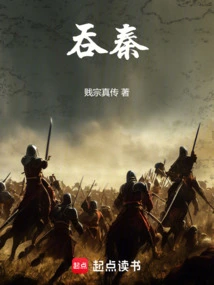
Swallow Qin!
History吞秦!
True Biography Of The Humble Sect
Zhao Zhang, a modern college student who is a descendant of the Zhao Kingdom, time traveled to the body of Zhao Zhang, the eldest son of King Zhao Wuling during the Warring States Period due to an accident. In order to get rid of the fate of being deposed, Zhao Zhang began a journey of cultivating virtues internally and managing military armaments externally. A few years later King Zhao: "I want to tell you where you are located. What do you think?" Zhao Zhang: "Ah, this..." The ministers asked: "Why did your Majesty rebel?" King Zhao: "..." Zhao Zhang: "Ahem, father, how about I say a few words!" . . . . . . Many years later Zhao Zhang stood at the top of Xianyang City, looking at the hurried Qin army in the distance. He thought to himself: "I should be the First Emperor!"
Zhao Zhang, a modern college student who is a descendant of the Zhao Kingdom, time traveled to the body of Zhao Zhang, the eldest son of King Zhao Wuling during the Warring States Period due to an accident. In order to get rid of the fate of being deposed, Zhao Zhang began a journey of cultivating virtues internally and managing military armaments externally. A few years later King Zhao: "I want to tell you where you are located. What do you think?" Zhao Zhang: "Ah, this..." The ministers asked: "Why did your Majesty rebel?" King Zhao: "..." Zhao Zhang: "Ahem, father, how about I say a few words!" . . . . . . Many years later Zhao Zhang stood at the top of Xianyang City, looking at the hurried Qin army in the distance. He thought to himself: "I should be the First Emperor!"
The Wise and Brave Prince
History智勇大皇子
Writergmv7ig
Come to China Literature's website to read more of my works!
Come to China Literature's website to read more of my works!
Come to China Literature's website to read more of my works!
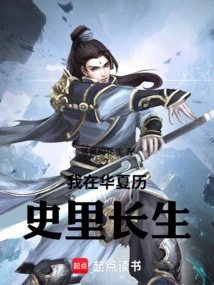
我在华夏历史里长生
Lonely Peanut
Li Fan traveled to ancient times and he could live forever. In Wushan 2.14 Million years ago, he and the earliest humans thought about where to find light. 1.8 Million years ago, in a cave in Xihoudu, Shanxi, he saw that his ancestors had lit the fire. In the long years that followed, from Yuanmou in Yunnan to Lantian in Shanxi, from Tangshan to Xuchang. Together with his ancestors on this land, he cut through thorns and mountains and rivers, and they continued the same lineage, endlessly, and never stopped moving towards civilization, the only one in the world. About 5,000 years ago, when most of the world was in a state of ignorance, a large number of city-states had appeared on this land. In 2677 BC, he joined forces with Emperor Huang and Emperor Yan to defeat Chi You. Xia, Shang, Zhou, Qin, Han, Sui, Tang, Song, Yuan, Ming and Qing dynasties... He has experienced the Eastern Hemisphere, Eastern Asia, all the history of this land. In his long life, he had seen too many emperors say long live, but all the long lives were lost in the long river of history. The prosperity has faded away and the hustle and bustle has faded into the dust. Only this land remains forever. The name of this land is - Huaxia.
Li Fan traveled to ancient times and he could live forever. In Wushan 2.14 Million years ago, he and the earliest humans thought about where to find light. 1.8 Million years ago, in a cave in Xihoudu, Shanxi, he saw that his ancestors had lit the fire. In the long years that followed, from Yuanmou in Yunnan to Lantian in Shanxi, from Tangshan to Xuchang. Together with his ancestors on this land, he cut through thorns and mountains and rivers, and they continued the same lineage, endlessly, and never stopped moving towards civilization, the only one in the world. About 5,000 years ago, when most of the world was in a state of ignorance, a large number of city-states had appeared on this land. In 2677 BC, he joined forces with Emperor Huang and Emperor Yan to defeat Chi You. Xia, Shang, Zhou, Qin, Han, Sui, Tang, Song, Yuan, Ming and Qing dynasties... He has experienced the Eastern Hemisphere, Eastern Asia, all the history of this land. In his long life, he had seen too many emperors say long live, but all the long lives were lost in the long river of history. The prosperity has faded away and the hustle and bustle has faded into the dust. Only this land remains forever. The name of this land is - Huaxia.
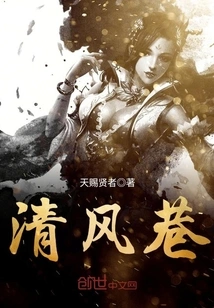
Qingfeng Lane
History清风巷
God-given Wise Man
In the glory of the Tang Dynasty, in the prosperous age of Chang'an, there was a mysterious little teahouse on Zhuque Street - Qingfeng Lane The proprietress of the tea house is even more mysterious. She is not an ordinary person, but a powerful civet cat with thousands of years of experience. Even the king of heaven is very afraid of her. She can walk sideways in these three realms and six realms. Then why did she transform into a young woman, hide her sharp edge, and hide in the crowd? Why did she come to the Tang Dynasty? Is it just to appreciate the prosperity of the Tang Dynasty? Is it to pursue a true love? Guest, welcome to Qingfeng Lane...
In the glory of the Tang Dynasty, in the prosperous age of Chang'an, there was a mysterious little teahouse on Zhuque Street - Qingfeng Lane The proprietress of the tea house is even more mysterious. She is not an ordinary person, but a powerful civet cat with thousands of years of experience. Even the king of heaven is very afraid of her. She can walk sideways in these three realms and six realms. Then why did she transform into a young woman, hide her sharp edge, and hide in the crowd? Why did she come to the Tang Dynasty? Is it just to appreciate the prosperity of the Tang Dynasty? Is it to pursue a true love? Guest, welcome to Qingfeng Lane...
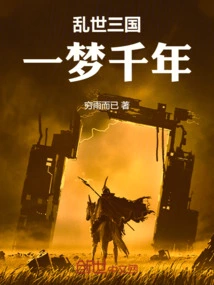
乱世三国一梦千年
Just Poor Rain
A university graduate named Liu Cai, because of his kindness, rescued an old man, which led to an unforeseen disaster. When he woke up, he traveled back in time to the late Eastern Han Dynasty and became Liu Bei. He had a dream for thousands of years. Let's see how he recruits famous generals and counselors, conquers cities and territories, and becomes proud of the Three Kingdoms!
A university graduate named Liu Cai, because of his kindness, rescued an old man, which led to an unforeseen disaster. When he woke up, he traveled back in time to the late Eastern Han Dynasty and became Liu Bei. He had a dream for thousands of years. Let's see how he recruits famous generals and counselors, conquers cities and territories, and becomes proud of the Three Kingdoms!
我在隋末当皇帝
Writerzsdd5t
Yang Ke, a modern water conservancy engineer, was accidentally electrocuted. When he opened his eyes, he became the puppet king on the eve of Sui Yang's sudden death. With the **Emperor Simulator** that can preview history, he found himself standing on the edge of the cliff of the collapse of the dynasty: - Three days countdown to the Jiangdu Palace Change, Yuwen Clan's knife is already on his neck - The cavalry of Wagang Village trampled the canal, and Li's prophecy spread throughout the world - A Turkic wolf rides on the Great Wall and grinds its teeth, while the Japanese send envoys from the Sui Dynasty to hide their poisonous blades **Technology on the left, power on the right**: - Use the method of drying salt to control the lifeblood of the world, but under the salt fields are buried 300,000 souls of the previous dynasty - The god-made arm crossbow wiped out the pirates with blood, and the keel of the salvaged treasure ship was actually engraved with a map of King Zhou Mu's western patrol - Jian Tiance Mansion conquered Qin Qiong and Yu Chigong, but found that their pupils were floating\
Yang Ke, a modern water conservancy engineer, was accidentally electrocuted. When he opened his eyes, he became the puppet king on the eve of Sui Yang's sudden death. With the **Emperor Simulator** that can preview history, he found himself standing on the edge of the cliff of the collapse of the dynasty: - Three days countdown to the Jiangdu Palace Change, Yuwen Clan's knife is already on his neck - The cavalry of Wagang Village trampled the canal, and Li's prophecy spread throughout the world - A Turkic wolf rides on the Great Wall and grinds its teeth, while the Japanese send envoys from the Sui Dynasty to hide their poisonous blades **Technology on the left, power on the right**: - Use the method of drying salt to control the lifeblood of the world, but under the salt fields are buried 300,000 souls of the previous dynasty - The god-made arm crossbow wiped out the pirates with blood, and the keel of the salvaged treasure ship was actually engraved with a map of King Zhou Mu's western patrol - Jian Tiance Mansion conquered Qin Qiong and Yu Chigong, but found that their pupils were floating\
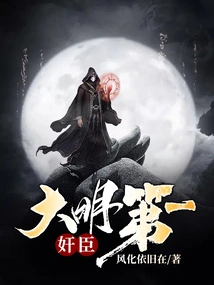
大明第一奸臣
Weathering Is Still There
In the late Ming Dynasty, there were vicious Qing troops, shameless scholar-bureaucrats, and arrogant and domineering military commanders. Loyal ministers and honest officials could not turn the tide, so let me, a treacherous minister, help the building to collapse.
In the late Ming Dynasty, there were vicious Qing troops, shameless scholar-bureaucrats, and arrogant and domineering military commanders. Loyal ministers and honest officials could not turn the tide, so let me, a treacherous minister, help the building to collapse.
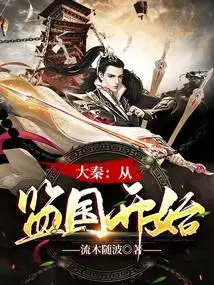
大秦:从监国开始
Flowing Wood Follows The Wave
Traveling through the Great Qin Dynasty and becoming the Fourth Young Master of the Great Qin Dynasty, I originally wanted to be a salty fish and live a free and unrestrained life. However, he was appointed to supervise the country and started the Great Emperor System. From then on, with the goal of the prosperity of the Qin Dynasty, he took charge of the Qin Dynasty and led hundreds of schools. The Fourth Master of the Qin Dynasty was born! He single-handedly suppressed the internal troubles of the Qin Dynasty and wiped out the remnants of the six kingdoms. Convince people with "virtue" and call on hundreds of families to submit. Clean up the noble families of the Qin Dynasty and establish a prosperous and powerful Qin Empire.
Traveling through the Great Qin Dynasty and becoming the Fourth Young Master of the Great Qin Dynasty, I originally wanted to be a salty fish and live a free and unrestrained life. However, he was appointed to supervise the country and started the Great Emperor System. From then on, with the goal of the prosperity of the Qin Dynasty, he took charge of the Qin Dynasty and led hundreds of schools. The Fourth Master of the Qin Dynasty was born! He single-handedly suppressed the internal troubles of the Qin Dynasty and wiped out the remnants of the six kingdoms. Convince people with "virtue" and call on hundreds of families to submit. Clean up the noble families of the Qin Dynasty and establish a prosperous and powerful Qin Empire.
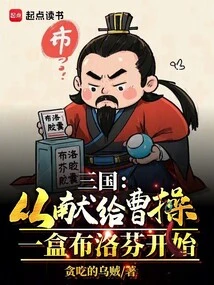
三国:从献给曹操一盒布洛芬开始
Greedy Squid
Emergency doctor Liu Lin traveled to the Three Kingdoms, brought a modern first aid kit, and became Hua Tuo's disciple. On the eve of the Battle of Guandu, facing Yuan Shao's 100,000 troops, Cao Cao was under great pressure and suffered from a headache. He urgently summoned Hua Tuo for treatment. After taking medicine, Hua Tuo didn't see any improvement, so he suggested a craniotomy. Cao Cao immediately ordered the two men to be arrested. At the critical moment, Liu Lin offered an ibuprofen, which relieved Cao Cao's headache. Since then, Liu Lin has gradually gained Cao Cao's attention. The boiling method was used to treat infections in Cao's wounded soldiers, and simple surgeries saved many generals. Improved Artemisia annua Juice Method for the Treatment of Malaria. Methods for purifying alcohol, building battlefield disinfection workshops, etc. He is also a master of gynecology and has visited the boudoirs of ladies and young ladies from major aristocratic families. He established the Medical Department, established a system of medical officers, and cultivated his own power. On behalf of the emperor, he patrolled the epidemic and issued orders for Sikong. Lian Yang took advantage of the situation and fed Sima to wait for the time. Join the clan and replace the Yingchuan sect. After Cao Cao's death, he was one of the Tuogu ministers. Liu Lin: It's time to give the world a strong dose of medicine. Liu Xie: Only Liu Shouzhen can revive the great Han Dynasty.
Emergency doctor Liu Lin traveled to the Three Kingdoms, brought a modern first aid kit, and became Hua Tuo's disciple. On the eve of the Battle of Guandu, facing Yuan Shao's 100,000 troops, Cao Cao was under great pressure and suffered from a headache. He urgently summoned Hua Tuo for treatment. After taking medicine, Hua Tuo didn't see any improvement, so he suggested a craniotomy. Cao Cao immediately ordered the two men to be arrested. At the critical moment, Liu Lin offered an ibuprofen, which relieved Cao Cao's headache. Since then, Liu Lin has gradually gained Cao Cao's attention. The boiling method was used to treat infections in Cao's wounded soldiers, and simple surgeries saved many generals. Improved Artemisia annua Juice Method for the Treatment of Malaria. Methods for purifying alcohol, building battlefield disinfection workshops, etc. He is also a master of gynecology and has visited the boudoirs of ladies and young ladies from major aristocratic families. He established the Medical Department, established a system of medical officers, and cultivated his own power. On behalf of the emperor, he patrolled the epidemic and issued orders for Sikong. Lian Yang took advantage of the situation and fed Sima to wait for the time. Join the clan and replace the Yingchuan sect. After Cao Cao's death, he was one of the Tuogu ministers. Liu Lin: It's time to give the world a strong dose of medicine. Liu Xie: Only Liu Shouzhen can revive the great Han Dynasty.
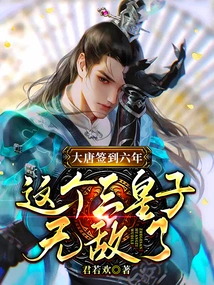
大唐签到六年:这个三皇子无敌了
Jun Ruohuan
Li Ke traveled to the Tang Dynasty and signed for six years to obtain the sect, food and cavalry... When the Turkic army of 300,000 invaded and Li Shimin was unable to do anything, he was secretly wiped out by Li Ke. All the famous families in the Tang Dynasty paid allegiance to Li Ke. Li Shimin: "My son, the third, is a man of extraordinary talent!"
Li Ke traveled to the Tang Dynasty and signed for six years to obtain the sect, food and cavalry... When the Turkic army of 300,000 invaded and Li Shimin was unable to do anything, he was secretly wiped out by Li Ke. All the famous families in the Tang Dynasty paid allegiance to Li Ke. Li Shimin: "My son, the third, is a man of extraordinary talent!"
我比崇祯大一岁
It Hurts To Be Idle
(Huang Yi traveled to the early years of Chongzhen in the Ming Dynasty. There was no system, so it was not soul travel. It's like a modern man suddenly appeared in the vast and sparsely populated prairie. What follows is of course a fight with heaven, earth, and people! I don't know if it's endless fun. Anyway, the bottom line is that Han'er is not a slave! )
(Huang Yi traveled to the early years of Chongzhen in the Ming Dynasty. There was no system, so it was not soul travel. It's like a modern man suddenly appeared in the vast and sparsely populated prairie. What follows is of course a fight with heaven, earth, and people! I don't know if it's endless fun. Anyway, the bottom line is that Han'er is not a slave! )
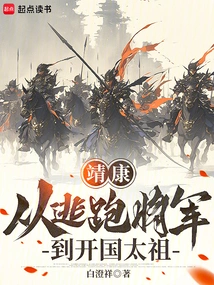
靖康:从逃跑将军到开国太祖
Bai Chengxiang
Liu Zhao, a graduate student in the Department of History, suddenly passed through his soul and became Liu Guangshi, the "escape general" who was one of the four generals of Zhongxing in the Northern Song Dynasty. The start was actually the eve of the countdown to the Jingkang Incident! The expedition against Liao was defeated, Bianjing was defeated, and the emperor was a prisoner. Six years later, the "Jingkang shame" was like a sharp sword hanging on the neck. In this life, he wants to be a runaway general who defies fate and changes his destiny! He ate empty pay, raised elite soldiers, recruited famous generals, cast iron armor, and secretly hoarded capital for troubled times; Will the expedition against Liao be defeated? He fled on horseback, but turned around to gather the remaining troops and separatist forces; Jin army goes south? After he ran out of food, he sold the kings and ministers of Zhao and Song Dynasties to the Jurchens, just to raise the "Han" flag in the ruins! From an abandoned son of the Western Army to a powerful overlord, he smiled and made a name for himself in the world: "Who said running away can't save the country? What I'm escaping from is the decadence of Zhao and Song Dynasties, and what I'm fighting for is the mountains and rivers of the Han family!"
Liu Zhao, a graduate student in the Department of History, suddenly passed through his soul and became Liu Guangshi, the "escape general" who was one of the four generals of Zhongxing in the Northern Song Dynasty. The start was actually the eve of the countdown to the Jingkang Incident! The expedition against Liao was defeated, Bianjing was defeated, and the emperor was a prisoner. Six years later, the "Jingkang shame" was like a sharp sword hanging on the neck. In this life, he wants to be a runaway general who defies fate and changes his destiny! He ate empty pay, raised elite soldiers, recruited famous generals, cast iron armor, and secretly hoarded capital for troubled times; Will the expedition against Liao be defeated? He fled on horseback, but turned around to gather the remaining troops and separatist forces; Jin army goes south? After he ran out of food, he sold the kings and ministers of Zhao and Song Dynasties to the Jurchens, just to raise the "Han" flag in the ruins! From an abandoned son of the Western Army to a powerful overlord, he smiled and made a name for himself in the world: "Who said running away can't save the country? What I'm escaping from is the decadence of Zhao and Song Dynasties, and what I'm fighting for is the mountains and rivers of the Han family!"
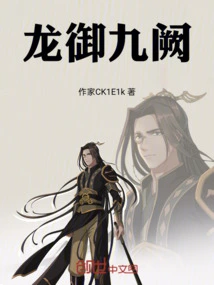
Longyu Jiuque
History龙御九阙
Jun Fenran
This is a turbulent fictional dynasty. See how the young emperor seeks to conquer the world in the whirlpool of powerful ministers, foreign enemies and harem--
This is a turbulent fictional dynasty. See how the young emperor seeks to conquer the world in the whirlpool of powerful ministers, foreign enemies and harem--
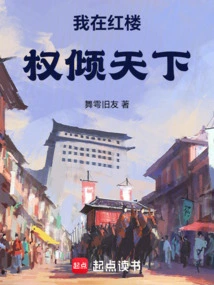
我在红楼权倾天下
Old Friends
Wang You, a social animal who enjoyed blessings in his previous life, was reborn in the world of Red Mansions and became a groom in Ningguo Mansion at the beginning. Before rebirth, I was a migrant worker who signed a contract, and after rebirth, I was a migrant worker who signed a contract to sell myself. I was not reborn in vain. Since they are all working for others, they have to join the largest platform in the world. See how Wang You transformed from a slave of a wealthy family into a powerful figure in the court, and then gradually became a lotus and gained power over the world. Baochai, Daiyu, and the beauties from the Red Chamber, come to the bowl too! Uh, why are you embroidering yellow robes all night long? Oh, it really hurts me!
Wang You, a social animal who enjoyed blessings in his previous life, was reborn in the world of Red Mansions and became a groom in Ningguo Mansion at the beginning. Before rebirth, I was a migrant worker who signed a contract, and after rebirth, I was a migrant worker who signed a contract to sell myself. I was not reborn in vain. Since they are all working for others, they have to join the largest platform in the world. See how Wang You transformed from a slave of a wealthy family into a powerful figure in the court, and then gradually became a lotus and gained power over the world. Baochai, Daiyu, and the beauties from the Red Chamber, come to the bowl too! Uh, why are you embroidering yellow robes all night long? Oh, it really hurts me!
穿越历史者录
Writer 76jnki
The protagonist wakes up every day and travels to different periods to change the current situation. There is a possibility of success or failure in changing the outcome.
The protagonist wakes up every day and travels to different periods to change the current situation. There is a possibility of success or failure in changing the outcome.
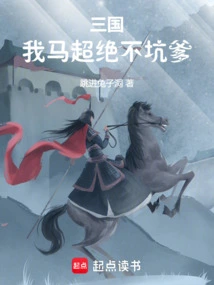
三国:我马超不想灭爸
Jump Down The Rabbit Hole
Ma Chao was reborn in Jian'an for fourteen years and decided not to kill his father! Why would my father go to Xuchang to be an official without me? Can that be called not taking it? That is called cultivation! My father went to Xuchang to serve as a guard. Who would guard the old Ma family's property in Fufeng? Isn't it still me? Han Sui, this old dog, leads troops around our door every day. He has already become unhappy. I heard that the old fox sent Yan Xing to Yecheng to meet my adoptive father, Cao Mengde... Damn it while Yan Yanming is away! This time Ma Chao won't cheat on his father, and we will be a loyal minister of Wei. Ma Chao: If Mr. Cao doesn't give up, I would like to be my adoptive father!
Ma Chao was reborn in Jian'an for fourteen years and decided not to kill his father! Why would my father go to Xuchang to be an official without me? Can that be called not taking it? That is called cultivation! My father went to Xuchang to serve as a guard. Who would guard the old Ma family's property in Fufeng? Isn't it still me? Han Sui, this old dog, leads troops around our door every day. He has already become unhappy. I heard that the old fox sent Yan Xing to Yecheng to meet my adoptive father, Cao Mengde... Damn it while Yan Yanming is away! This time Ma Chao won't cheat on his father, and we will be a loyal minister of Wei. Ma Chao: If Mr. Cao doesn't give up, I would like to be my adoptive father!
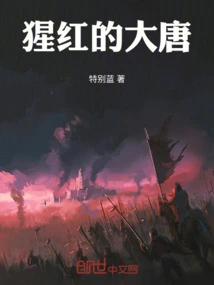
The Scarlet Tang Dynasty
History猩红的大唐
Special Blue
In the fifteenth year of Tianbao, the rebels fell into Tongguan, and the emperor announced that he would personally conquer Not long after the expedition, Li Chu fell from his horse and kicked a wooden plaque. After seeing the three words on the plaque, a strong desire to survive swept over him...
In the fifteenth year of Tianbao, the rebels fell into Tongguan, and the emperor announced that he would personally conquer Not long after the expedition, Li Chu fell from his horse and kicked a wooden plaque. After seeing the three words on the plaque, a strong desire to survive swept over him...
宦海潜龙:穿越假太监的权谋风云
Lyl Kids
Lin Xiao, a top modern agent, accidentally traveled through time and became a fake eunuch of Daqian Guoxi Factory while performing a mission. When he first entered Xichang, he had a low status, but with modern wisdom and machinations, he emerged in the complex power struggle. While traveling through time, Lin Xiao discovered a mysterious system. The origin of this system is unknown. It seems to be the product of connecting different laws of time and space, specifically designed to help it survive and develop in another world. The system can provide all kinds of information, such as the secret history of Daqian Kingdom and the origins of Jianghu sects. It also has a task publishing function. You can get rich rewards for completing tasks, including martial arts secrets, rare treasures and modern knowledge and skill enhancement packages. The court of Daqian State was corrupt, and the power of Xichang was in the hands of both the government and the public, but it made countless enemies, and external barbarians were eyeing it. With the help of the system, Lin Xiao on the one hand purged dissidents, cultivated cronies, and consolidated his position within the West Factory; on the other hand, he formed an alliance with Zhenyuan General Su Zhentian to jointly resist foreign enemies. The chivalrous girl Murong Xue visited the West Factory at night due to a misunderstanding. Later, she and Lin Xiao settled their differences and joined hands to fight against all crises. They discovered that behind the war there was a conspiracy between domestic forces and barbarians, and went through many hardships to defeat the conspiracy. After that, Lin Xiao implemented the New Deal. Although he was blocked by conservative forces, he relied on the strategies given by the system and his own wisdom to resolve problems time and time again, leading the economic, military, cultural and other development of Daqian Country. In this officialdom, Lin Xiao uses the power of the system to continuously climb up and write his own legend of power and intrigue.
Lin Xiao, a top modern agent, accidentally traveled through time and became a fake eunuch of Daqian Guoxi Factory while performing a mission. When he first entered Xichang, he had a low status, but with modern wisdom and machinations, he emerged in the complex power struggle. While traveling through time, Lin Xiao discovered a mysterious system. The origin of this system is unknown. It seems to be the product of connecting different laws of time and space, specifically designed to help it survive and develop in another world. The system can provide all kinds of information, such as the secret history of Daqian Kingdom and the origins of Jianghu sects. It also has a task publishing function. You can get rich rewards for completing tasks, including martial arts secrets, rare treasures and modern knowledge and skill enhancement packages. The court of Daqian State was corrupt, and the power of Xichang was in the hands of both the government and the public, but it made countless enemies, and external barbarians were eyeing it. With the help of the system, Lin Xiao on the one hand purged dissidents, cultivated cronies, and consolidated his position within the West Factory; on the other hand, he formed an alliance with Zhenyuan General Su Zhentian to jointly resist foreign enemies. The chivalrous girl Murong Xue visited the West Factory at night due to a misunderstanding. Later, she and Lin Xiao settled their differences and joined hands to fight against all crises. They discovered that behind the war there was a conspiracy between domestic forces and barbarians, and went through many hardships to defeat the conspiracy. After that, Lin Xiao implemented the New Deal. Although he was blocked by conservative forces, he relied on the strategies given by the system and his own wisdom to resolve problems time and time again, leading the economic, military, cultural and other development of Daqian Country. In this officialdom, Lin Xiao uses the power of the system to continuously climb up and write his own legend of power and intrigue.
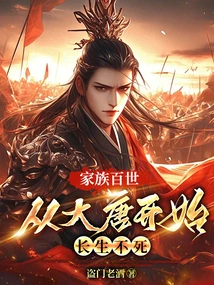
家族百世:从大唐开始长生不死
Stealing Old Wine
Travel through the early years of Zhenguan in the Tang Dynasty. Chen Qian is bound to the family system. As long as the family is stronger, the rewards will be more. Before they could be happy, the family faced a catastrophe unprecedented in a century. According to records in the Tang Dynasty, in the second year of Zhenguan, snowstorms, floods, and locust plagues came one after another, and no place in the entire Tang Dynasty was spared. The little Chen family is about to face the disaster of genocide. In desperation. Chen Qian could only use the names of Yuan Tiangang and Li Chunfeng to persuade his father to stock up on food in advance. [Ding, congratulations to the host for completing the task of saving the family from bankruptcy and being rewarded with rice seeds. [New mission: Increase family assets to 10,000 yuan and be rewarded with movable type printing skills! ... Many years later. The Chen family overcame the five surnames Qi Wang and became the first family in the Tang Dynasty. Chen Qian, who has become famous and has no official title, only feels that life is as lonely as snow. [Ding, congratulations to the host for promoting his family to the ninth level and being rewarded with the elixir of life!
Travel through the early years of Zhenguan in the Tang Dynasty. Chen Qian is bound to the family system. As long as the family is stronger, the rewards will be more. Before they could be happy, the family faced a catastrophe unprecedented in a century. According to records in the Tang Dynasty, in the second year of Zhenguan, snowstorms, floods, and locust plagues came one after another, and no place in the entire Tang Dynasty was spared. The little Chen family is about to face the disaster of genocide. In desperation. Chen Qian could only use the names of Yuan Tiangang and Li Chunfeng to persuade his father to stock up on food in advance. [Ding, congratulations to the host for completing the task of saving the family from bankruptcy and being rewarded with rice seeds. [New mission: Increase family assets to 10,000 yuan and be rewarded with movable type printing skills! ... Many years later. The Chen family overcame the five surnames Qi Wang and became the first family in the Tang Dynasty. Chen Qian, who has become famous and has no official title, only feels that life is as lonely as snow. [Ding, congratulations to the host for promoting his family to the ninth level and being rewarded with the elixir of life!
开局无限汉堡炸鸡,迎娶江东二乔
Writer Pfgfim
Come to China Literature's website to read more of my works!
Come to China Literature's website to read more of my works!
Come to China Literature's website to read more of my works!
穿越大乾,纵横天下成就不凡
Time Flies And I Don't Remember The Years
[Travel + Dynasty + Plot + Group Illustration + Immortal Cultivation + Darkness] Wearing a body, you open your eyes and find yourself turned into a baby? How to break the situation. How can Si Wuqing, who is frustrated in China, survive in this alien dynasty with a cultivation system? Suffering is precious experience, pain is bitter medicine Sympathy is instinct, indifference is the original intention!
[Travel + Dynasty + Plot + Group Illustration + Immortal Cultivation + Darkness] Wearing a body, you open your eyes and find yourself turned into a baby? How to break the situation. How can Si Wuqing, who is frustrated in China, survive in this alien dynasty with a cultivation system? Suffering is precious experience, pain is bitter medicine Sympathy is instinct, indifference is the original intention!
重生三国之袁熙崛起
Writersoxveu
Come to China Literature's website to read more of my works!
Come to China Literature's website to read more of my works!
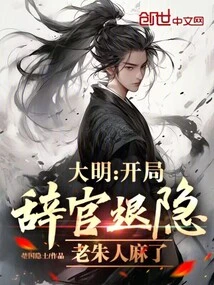
大明:开局辞官退隐,老朱人麻了
Hermit Of Chu State
Long live! When I woke up, I traveled through time and became the last prime minister in history, Hu Weiyong! At this time, Hu Weiyong's heart collapsed. The Hu Weiyong case was the biggest case during the Hongwu period, implicating tens of thousands of people. At this moment, it is estimated that all nine of his clans are milling around at the intersection of Huangquan. Fortunately, the next moment, Hu Weiyong activated the daily leisure system. Just enjoy your daily life and you will be rewarded. So, Hu Weiyong decided that we would not be the prime minister, and anyone who wanted to do it would do it. I want to resign and go into seclusion, just to make money and fish. Immediately afterwards, a piece of resignation was handed to Zhu Yuanzhang's desk. When Zhu Yuanzhang saw that Hu Weiyong was about to resign and retire, he felt numb. We just wanted to praise you and abolish the prime minister system, but you resigned the next second? If you don't become prime minister anymore, who will be the resentful one? The next day. Li Shanchang has something to say: Your Majesty, Hu Weiyong is at home, so he must not be absent from the court for a day! Zhu Yuanzhang: You are right, then you can be the prime minister. .......
Long live! When I woke up, I traveled through time and became the last prime minister in history, Hu Weiyong! At this time, Hu Weiyong's heart collapsed. The Hu Weiyong case was the biggest case during the Hongwu period, implicating tens of thousands of people. At this moment, it is estimated that all nine of his clans are milling around at the intersection of Huangquan. Fortunately, the next moment, Hu Weiyong activated the daily leisure system. Just enjoy your daily life and you will be rewarded. So, Hu Weiyong decided that we would not be the prime minister, and anyone who wanted to do it would do it. I want to resign and go into seclusion, just to make money and fish. Immediately afterwards, a piece of resignation was handed to Zhu Yuanzhang's desk. When Zhu Yuanzhang saw that Hu Weiyong was about to resign and retire, he felt numb. We just wanted to praise you and abolish the prime minister system, but you resigned the next second? If you don't become prime minister anymore, who will be the resentful one? The next day. Li Shanchang has something to say: Your Majesty, Hu Weiyong is at home, so he must not be absent from the court for a day! Zhu Yuanzhang: You are right, then you can be the prime minister. .......
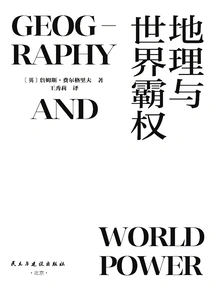
O
Historyo
P
"Geography and World Hegemony" is the career masterpiece of British geographer and geopolitics James Fairgriff. Using interdisciplinary perspectives such as geography, history, politics, and anthropology, the book traces the development of the world from ancient times to the early 20th century, subverting many of the social development questions that people are accustomed to. By introducing concepts such as "geographical conditions," "energy," and "dominance," it sorts out the context of world history with a systematic explanatory framework, provides us with a new thinking perspective for understanding human history, and presents a profound history of the development of human civilization.
"Geography and World Hegemony" is the career masterpiece of British geographer and geopolitics James Fairgriff. Using interdisciplinary perspectives such as geography, history, politics, and anthropology, the book traces the development of the world from ancient times to the early 20th century, subverting many of the social development questions that people are accustomed to. By introducing concepts such as "geographical conditions," "energy," and "dominance," it sorts out the context of world history with a systematic explanatory framework, provides us with a new thinking perspective for understanding human history, and presents a profound history of the development of human civilization.
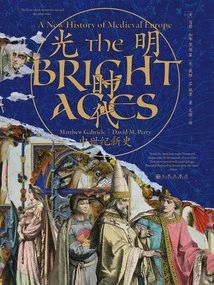
光明时代:中世纪新史
(u. S.) Matthew Gabriele (u. S.) David M. Perry
For a long time, the "Middle Ages" has been a symbol of Western historical narrative, a "dark age" of ignorance and stagnation before modern times. "Age of Light" looks back at the thousand-year history of the Middle Ages from a new perspective, starting from the chapel of Ravenna and ending with the poet Dante, re-examining the fall of Rome, the rise of Byzantium, the rule of Charlemagne, the migration of the Vikings, the expansion of the Arabs, the legend of miracles, and the Black Death Disease, as well as the impact of the Mongols, show us the continuation of Roman culture in the Middle Ages, the flow of people, materials, and culture between different ethnic groups and regions, the coexistence and conflict of different traditions, and rediscover the history of non-centered groups such as women, Arabs, and Jews. This book points out that historical narratives centered on white Western men serve real politics and obscure the true face of the Middle Ages. In fact, the Middle Ages were a "bright age" where material and spirituality continued to flow, and all kinds of beauty and terror coexisted.
For a long time, the "Middle Ages" has been a symbol of Western historical narrative, a "dark age" of ignorance and stagnation before modern times. "Age of Light" looks back at the thousand-year history of the Middle Ages from a new perspective, starting from the chapel of Ravenna and ending with the poet Dante, re-examining the fall of Rome, the rise of Byzantium, the rule of Charlemagne, the migration of the Vikings, the expansion of the Arabs, the legend of miracles, and the Black Death Disease, as well as the impact of the Mongols, show us the continuation of Roman culture in the Middle Ages, the flow of people, materials, and culture between different ethnic groups and regions, the coexistence and conflict of different traditions, and rediscover the history of non-centered groups such as women, Arabs, and Jews. This book points out that historical narratives centered on white Western men serve real politics and obscure the true face of the Middle Ages. In fact, the Middle Ages were a "bright age" where material and spirituality continued to flow, and all kinds of beauty and terror coexisted.
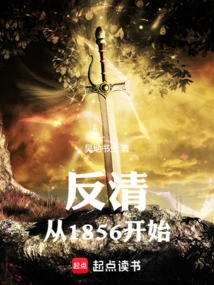
反清从1856开始
Scholar Of Wu Di
In 1856, the Taiping Heavenly Kingdom successively captured the Qing army's Jiangnan and Jiangbei camps, shocking the Qing court. Britain and France also used the "Arrow" and the "Xilin Mission Case" to declare war on the Qing Dynasty respectively and started the "Two Crows". Just when the Qing Dynasty was in turmoil, the Taiping Heavenly Kingdom actually suffered a serious civil strife called the "Tianjing Incident", which caused it to fall into ruin ever since. The protagonist happened to travel before the "Tianjing Incident" and became the younger brother of the female champion Fu Shanxiang, starting his own road to fight against the Qing Dynasty, and at the same time changing the fate of the Kingdom of Heaven...
In 1856, the Taiping Heavenly Kingdom successively captured the Qing army's Jiangnan and Jiangbei camps, shocking the Qing court. Britain and France also used the "Arrow" and the "Xilin Mission Case" to declare war on the Qing Dynasty respectively and started the "Two Crows". Just when the Qing Dynasty was in turmoil, the Taiping Heavenly Kingdom actually suffered a serious civil strife called the "Tianjing Incident", which caused it to fall into ruin ever since. The protagonist happened to travel before the "Tianjing Incident" and became the younger brother of the female champion Fu Shanxiang, starting his own road to fight against the Qing Dynasty, and at the same time changing the fate of the Kingdom of Heaven...
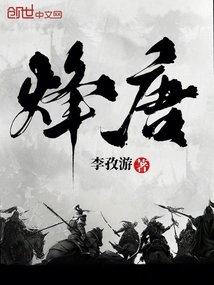
Fengtang
History烽唐
Li Ziyou
A song that breaks the formation, a young man. When the descendants of Li Jiancheng, the hidden prince of the Tang Dynasty, figure out the mystery of his life experience, where will the future of the late Tang Dynasty go? When the smoke and beacons burning on the battlefield intertwined with the swords and swords that overturned the rivers and lakes, the Tang Dynasty began to be a little different. When the chaos was finally settled, Li Congzhao realized with horror: The Tang Hengdao in his hand reflected not only the reflection of Prince Yin crying and unwilling to give up his blood, but also the heroic spirit of Taizong in his battles all over the world... The latitude and longitude of the sky is called Wen, and the control of disasters and chaos is called Wu. When the literary heart and the martial spirit are intertwined, and the temples and rivers and lakes are connected, what is reflected in the astrology chart is not only the chaotic era, but also the plans of countless astrology chartists. When you are in a plot, you should be a pawn crossing the river. The figure of the young man began to follow the "please play, break the formation music" and gradually grew into a chess player. Many years later, he looked at the past and the future and said softly: "The future of any era should be determined by this era." Since then, he has cut off the intertwining of ancient and modern times and has become what all astrologers call a "lone husband." But because of this, he transcended his time.
A song that breaks the formation, a young man. When the descendants of Li Jiancheng, the hidden prince of the Tang Dynasty, figure out the mystery of his life experience, where will the future of the late Tang Dynasty go? When the smoke and beacons burning on the battlefield intertwined with the swords and swords that overturned the rivers and lakes, the Tang Dynasty began to be a little different. When the chaos was finally settled, Li Congzhao realized with horror: The Tang Hengdao in his hand reflected not only the reflection of Prince Yin crying and unwilling to give up his blood, but also the heroic spirit of Taizong in his battles all over the world... The latitude and longitude of the sky is called Wen, and the control of disasters and chaos is called Wu. When the literary heart and the martial spirit are intertwined, and the temples and rivers and lakes are connected, what is reflected in the astrology chart is not only the chaotic era, but also the plans of countless astrology chartists. When you are in a plot, you should be a pawn crossing the river. The figure of the young man began to follow the "please play, break the formation music" and gradually grew into a chess player. Many years later, he looked at the past and the future and said softly: "The future of any era should be determined by this era." Since then, he has cut off the intertwining of ancient and modern times and has become what all astrologers call a "lone husband." But because of this, he transcended his time.
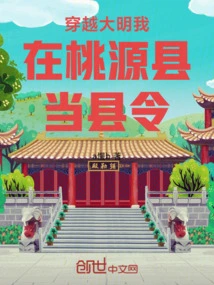
穿越大明我在桃源县当县令
A Slow B
Come to China Literature's website to read more of my works!
Come to China Literature's website to read more of my works!
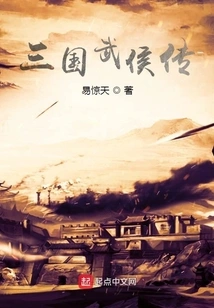
三国武侯传
Yi Jingtian
Zhuge Wuhou, Wen Neng wrote "Shi Shi Biao", which has been passed down through the ages; Wu Neng came out of Qishan six times, which has shaken the present and the past. A legendary life, unparalleled, admired in ancient times, praised today!
Zhuge Wuhou, Wen Neng wrote "Shi Shi Biao", which has been passed down through the ages; Wu Neng came out of Qishan six times, which has shaken the present and the past. A legendary life, unparalleled, admired in ancient times, praised today!
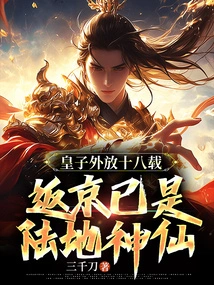
皇子外放十八载,返京已是陆地神仙
Three Thousand Knives
Zhou Yi traveled to the Qian Dynasty and became a member of the royal family. His talent is the sum of two generations and is unique in the world. A master who is unique in a million, he has already achieved success at the age of ten; the extremely talented Martial Emperor, the ninth divine dragon is stuck at the eighth, and he is helpless; Zhou Yi completed the ninth divine dragon ten years ago and transformed into a real dragon. He also deduced that the divine dragon has ten turns, eleven turns... Others lamented that it is not easy to practice and it is difficult to achieve enlightenment; at the age of twenty, he became a land immortal. Looking up in the direction of Kyoto, Zhou Yi said: "It's time to ask Emperor Wu." "Why did you kill my parents and destroy my entire family."
Zhou Yi traveled to the Qian Dynasty and became a member of the royal family. His talent is the sum of two generations and is unique in the world. A master who is unique in a million, he has already achieved success at the age of ten; the extremely talented Martial Emperor, the ninth divine dragon is stuck at the eighth, and he is helpless; Zhou Yi completed the ninth divine dragon ten years ago and transformed into a real dragon. He also deduced that the divine dragon has ten turns, eleven turns... Others lamented that it is not easy to practice and it is difficult to achieve enlightenment; at the age of twenty, he became a land immortal. Looking up in the direction of Kyoto, Zhou Yi said: "It's time to ask Emperor Wu." "Why did you kill my parents and destroy my entire family."
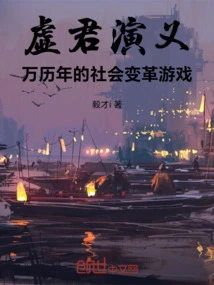
虚君演义:万历年的社会变革游戏
Youhui Lambshi
--When the modern soul collides with the Ming Dynasty, an epic game spans class, power and love! Novel Summary During the Wanli period of the Ming Dynasty, the situation was changing, and an unprecedented reform game quietly began. Young Li Hua was a failed graduate student in his previous life, but in this life he has become the proud son of the Ming Dynasty. At the age of 14, he won the imperial examination and shocked the government and the public, but he was involved in the power whirlpool of the palace and the court. On one side is the young and promising Emperor Wanli, who carries the memory of the 21st century financial elite and is determined to promote capitalist reform; on the other side are the conservatives headed by Han Mingyuan, who are determined to defend the traditional ancestral system to the death. When the reformists and conservatives faced off tit-for-tat, masters and apprentices turned against each other, the north and the south faced off, and foreign enemies surrounded them, the fate of the Ming Dynasty was pushed to the forefront. Can Li Hua use the knowledge of his previous life to push the wheel of history? Can Wanli's reforms break the shackles of feudalism? This is a game about wisdom and courage, ideals and reality, a reform game that travels through time and space, and is about to be staged shockingly! [Characteristics of plot narrative] ? Using a group portrait multi-protagonist narrative based on the single core protagonist Li Hua. ? Male-oriented: historical fictional novels, mainly based on clues such as intrigue, military, love, etc., And revolve around clues such as plot lines, military lines, and emotional fetters of multiple female protagonists. ? Time travel and past lives: In the script, the past lives of Li Hua and Emperor Wanli were both modern people. In the script, they will awaken the memories of their past lives from time to time. Li Hua's previous life was a postgraduate student studying world history, while Emperor Wanli's previous life was a financial elite. ? Double endings: The novel has two endings, so stay tuned.
--When the modern soul collides with the Ming Dynasty, an epic game spans class, power and love! Novel Summary During the Wanli period of the Ming Dynasty, the situation was changing, and an unprecedented reform game quietly began. Young Li Hua was a failed graduate student in his previous life, but in this life he has become the proud son of the Ming Dynasty. At the age of 14, he won the imperial examination and shocked the government and the public, but he was involved in the power whirlpool of the palace and the court. On one side is the young and promising Emperor Wanli, who carries the memory of the 21st century financial elite and is determined to promote capitalist reform; on the other side are the conservatives headed by Han Mingyuan, who are determined to defend the traditional ancestral system to the death. When the reformists and conservatives faced off tit-for-tat, masters and apprentices turned against each other, the north and the south faced off, and foreign enemies surrounded them, the fate of the Ming Dynasty was pushed to the forefront. Can Li Hua use the knowledge of his previous life to push the wheel of history? Can Wanli's reforms break the shackles of feudalism? This is a game about wisdom and courage, ideals and reality, a reform game that travels through time and space, and is about to be staged shockingly! [Characteristics of plot narrative] ? Using a group portrait multi-protagonist narrative based on the single core protagonist Li Hua. ? Male-oriented: historical fictional novels, mainly based on clues such as intrigue, military, love, etc., And revolve around clues such as plot lines, military lines, and emotional fetters of multiple female protagonists. ? Time travel and past lives: In the script, the past lives of Li Hua and Emperor Wanli were both modern people. In the script, they will awaken the memories of their past lives from time to time. Li Hua's previous life was a postgraduate student studying world history, while Emperor Wanli's previous life was a financial elite. ? Double endings: The novel has two endings, so stay tuned.
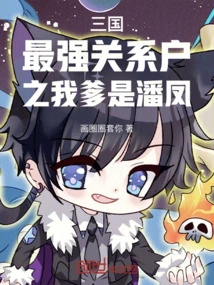
三国最强关系户之我爹是潘凤
Draw A Circle To Trap You
Time travel + system + Three Kingdoms sand sculpture flow, the protagonist relies on the "fighting father system" to win in troubled times, but it turns out that his biological father Pan Feng is actually a hidden boss?
Time travel + system + Three Kingdoms sand sculpture flow, the protagonist relies on the "fighting father system" to win in troubled times, but it turns out that his biological father Pan Feng is actually a hidden boss?
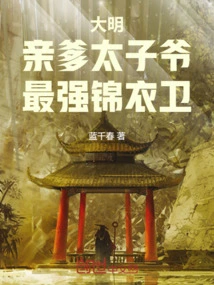
大明:亲爹太子爷,最强锦衣卫!
Lan Qianchun
Traveling through the Ming Dynasty, I found myself becoming a Jinyiwei, the strongest scapegoat in the Ming Dynasty. Ben despaired of his future. But he found that his back was not ordinary. He was the second son of the crown prince of the Zhu family, his biological father, the crown prince, and his grandfather, the emperor. The detective is on the rampage, you ask me if I dare to take care of this matter? ! My father, the prince, my father, the emperor, is there anything I dare not take care of? ! Jin Douzi: The old man is too partial. Is this Shang Fang's sword just a gift? Corrupt Official: The Jin Yiwei we promised was just going through the motions, but you ransacked our house like this? Grassland Agent: Didn't you say that the prime minister is already your biggest backer? Will it lead to collapse?
Traveling through the Ming Dynasty, I found myself becoming a Jinyiwei, the strongest scapegoat in the Ming Dynasty. Ben despaired of his future. But he found that his back was not ordinary. He was the second son of the crown prince of the Zhu family, his biological father, the crown prince, and his grandfather, the emperor. The detective is on the rampage, you ask me if I dare to take care of this matter? ! My father, the prince, my father, the emperor, is there anything I dare not take care of? ! Jin Douzi: The old man is too partial. Is this Shang Fang's sword just a gift? Corrupt Official: The Jin Yiwei we promised was just going through the motions, but you ransacked our house like this? Grassland Agent: Didn't you say that the prime minister is already your biggest backer? Will it lead to collapse?
Ode to the Yangtze River
History咏长江
Haoyu Tianxuan
Come to China Literature's website to read more of my works!
Come to China Literature's website to read more of my works!
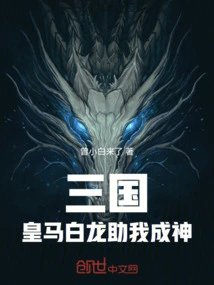
三国:皇马白龙助我成神
Zeng Xiaobai Is Here
Blue Star is broken, and all countries have made best arrangements in advance. The Huaxia Kingdom has used the Pangu Divine Crystal to create three life planets in advance, each of which can allow people to gain supreme power. The iron law that those who fall behind will be beaten remains unchanged. After their rebirth, the Chinese people are frantically searching for ways to become stronger. The Three Kingdoms world where Dong Ling lives has three great gods. They are: God General List, God Strategy List, God Royal List Everyone on the list can get the corresponding temple. When someone gathers the seventy-two people on the three major lists, they can reorganize the heavenly palace and counterattack the great powers. List of twenty-four generals of the Three Kingdoms The First Temple (War Temple) Lu Bu Second Hall (Martial God Hall) Zhao Yun The third hall (Demon Temple) Dianwei The Fourth Hall (Martial Hall) Guan Yu The Fifth Hall (Shenwei Hall) Ma Chao The Sixth Hall (Holy Temple of Fire) Zhang Fei The Seventh Hall (Fire Temple) Huang Zhong The Eighth Hall (Tiger Temple) Xu Chu Ninth Hall (Overlord Hall) Sun Ce The Tenth Hall (Arrow Temple) Taishi Ci Eleventh Hall (Blind Temple) Xiahou Dun Twelve Halls (Mourning Hall) Xia Houyuan Thirteenth Hall (Ghost Temple) Zhang Liao Fourteenth Hall (Spiritual Hall) Zhang He Fifteenth Hall (Wind God Hall) Xu Huang Sixteenth Temple (Temple of Death) Pound Seventeenth Hall (Poseidon Temple) Gan Ning Eighteen Temples (Blood Temple) Zhou Tai Nineteenth Hall (Reverse Temple) Wei Yan Twenty Hall (Gun Temple) Zhang Xiu Twenty-one (Zhongshen Temple) literary appointment Twenty-two (Temple Temple) Yan Liang Twenty-three (Qishen Temple) Deng Ai Twenty-Four (Qi Temple) Jiang Wei
Blue Star is broken, and all countries have made best arrangements in advance. The Huaxia Kingdom has used the Pangu Divine Crystal to create three life planets in advance, each of which can allow people to gain supreme power. The iron law that those who fall behind will be beaten remains unchanged. After their rebirth, the Chinese people are frantically searching for ways to become stronger. The Three Kingdoms world where Dong Ling lives has three great gods. They are: God General List, God Strategy List, God Royal List Everyone on the list can get the corresponding temple. When someone gathers the seventy-two people on the three major lists, they can reorganize the heavenly palace and counterattack the great powers. List of twenty-four generals of the Three Kingdoms The First Temple (War Temple) Lu Bu Second Hall (Martial God Hall) Zhao Yun The third hall (Demon Temple) Dianwei The Fourth Hall (Martial Hall) Guan Yu The Fifth Hall (Shenwei Hall) Ma Chao The Sixth Hall (Holy Temple of Fire) Zhang Fei The Seventh Hall (Fire Temple) Huang Zhong The Eighth Hall (Tiger Temple) Xu Chu Ninth Hall (Overlord Hall) Sun Ce The Tenth Hall (Arrow Temple) Taishi Ci Eleventh Hall (Blind Temple) Xiahou Dun Twelve Halls (Mourning Hall) Xia Houyuan Thirteenth Hall (Ghost Temple) Zhang Liao Fourteenth Hall (Spiritual Hall) Zhang He Fifteenth Hall (Wind God Hall) Xu Huang Sixteenth Temple (Temple of Death) Pound Seventeenth Hall (Poseidon Temple) Gan Ning Eighteen Temples (Blood Temple) Zhou Tai Nineteenth Hall (Reverse Temple) Wei Yan Twenty Hall (Gun Temple) Zhang Xiu Twenty-one (Zhongshen Temple) literary appointment Twenty-two (Temple Temple) Yan Liang Twenty-three (Qishen Temple) Deng Ai Twenty-Four (Qi Temple) Jiang Wei
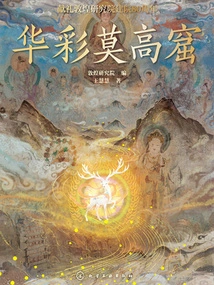
Huacai Mogao Grottoes
History华彩莫高窟
Compiled By Dunhuang Academy And Written By Wang Huihui
Mogao Grottoes, commonly known as "Thousand Buddha Cave", is located on the cliff at the eastern foot of Mingsha Mountain in Dunhuang City. Since the first grotto was dug in 366 AD, it has gone through more than a dozen dynasties for nearly a thousand years, and finally formed the largest and richest grotto group in the world. There are endless mysteries in the Mogao Grottoes. Since the discovery of the Sutra Cave in 1900, this thousand-year-old treasure house that has been dormant for a long time has become famous at home and abroad, attracting countless people to explore. After thousands of years, the Mogao Grottoes have left tens of thousands of square meters of splendid murals, thousands of exquisite painted sculptures, and rich scriptures and documents... The artistic styles of different eras have gathered here to form a colorful landscape. This is a splendid art palace and a miracle of civilization. When you walk into the Mogao Grottoes, you will see exquisite art, colorful folk customs, and feel the accumulation of history and rich culture. Life scenes, clothing, architectural styles, singing and dancing from all eras... All kinds of things in the world are gathered here. This book will lead young readers to visit the Mogao Grottoes, appreciate art, learn knowledge, and appreciate the infinite charm of the Mogao Grottoes through exquisite hand-drawn illustrations and eloquent popular science texts.
Mogao Grottoes, commonly known as "Thousand Buddha Cave", is located on the cliff at the eastern foot of Mingsha Mountain in Dunhuang City. Since the first grotto was dug in 366 AD, it has gone through more than a dozen dynasties for nearly a thousand years, and finally formed the largest and richest grotto group in the world. There are endless mysteries in the Mogao Grottoes. Since the discovery of the Sutra Cave in 1900, this thousand-year-old treasure house that has been dormant for a long time has become famous at home and abroad, attracting countless people to explore. After thousands of years, the Mogao Grottoes have left tens of thousands of square meters of splendid murals, thousands of exquisite painted sculptures, and rich scriptures and documents... The artistic styles of different eras have gathered here to form a colorful landscape. This is a splendid art palace and a miracle of civilization. When you walk into the Mogao Grottoes, you will see exquisite art, colorful folk customs, and feel the accumulation of history and rich culture. Life scenes, clothing, architectural styles, singing and dancing from all eras... All kinds of things in the world are gathered here. This book will lead young readers to visit the Mogao Grottoes, appreciate art, learn knowledge, and appreciate the infinite charm of the Mogao Grottoes through exquisite hand-drawn illustrations and eloquent popular science texts.
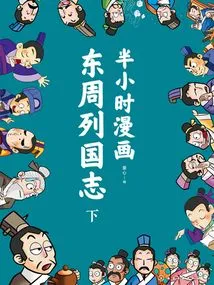
半小时漫画东周列国志(下)
Childlike Innocence
"The Chronicles of the States of the Eastern Zhou Dynasty" is a famous long historical novel. It was originally named "The Chronicles of the States" and was written by Yu Shaoyu during the Jiajing and Longqing years of the Ming Dynasty. Later, Feng Menglong in the late Ming Dynasty adapted it on this basis and changed its name to "Xin Lie". "National Chronicles" has a total of 108 chapters, which is greatly expanded in length compared with the original book. During the Qianlong period of the Qing Dynasty, Cai Yuanfang revised and polished this book, added comments, readings and annotations, and finally became the "National Chronicles of the Eastern Zhou Dynasty" that is circulated today. The book has a total of 108 chapters, starting with the murder of King You of Zhou and ending with the unification of China by Qin Shihuang. The first half focuses on the battles between princes of the "Five Hegemons of the Spring and Autumn Period", and the second half focuses on the annexation wars of the "Seven Hegemons of the Warring States Period", narrating historical stories of more than 500 years during the Spring and Autumn Period and the Warring States Period. This novel is written in ancient vernacular, with simple and natural language and detailed characterization. It is an excellent popular book for understanding the history of the Spring and Autumn Period and the Warring States Period. "Half-hour Comics Chronicles of the Eastern Zhou Dynasties" (divided into two volumes) takes historical development as the context, selects characters and events of great significance and influence, and uses humorous language and relaxed and witty pictures to objectively and truly reproduce it, so that every young reader can understand the historical development context of the Spring and Autumn Period and the Warring States Period in a relaxed reading.
"The Chronicles of the States of the Eastern Zhou Dynasty" is a famous long historical novel. It was originally named "The Chronicles of the States" and was written by Yu Shaoyu during the Jiajing and Longqing years of the Ming Dynasty. Later, Feng Menglong in the late Ming Dynasty adapted it on this basis and changed its name to "Xin Lie". "National Chronicles" has a total of 108 chapters, which is greatly expanded in length compared with the original book. During the Qianlong period of the Qing Dynasty, Cai Yuanfang revised and polished this book, added comments, readings and annotations, and finally became the "National Chronicles of the Eastern Zhou Dynasty" that is circulated today. The book has a total of 108 chapters, starting with the murder of King You of Zhou and ending with the unification of China by Qin Shihuang. The first half focuses on the battles between princes of the "Five Hegemons of the Spring and Autumn Period", and the second half focuses on the annexation wars of the "Seven Hegemons of the Warring States Period", narrating historical stories of more than 500 years during the Spring and Autumn Period and the Warring States Period. This novel is written in ancient vernacular, with simple and natural language and detailed characterization. It is an excellent popular book for understanding the history of the Spring and Autumn Period and the Warring States Period. "Half-hour Comics Chronicles of the Eastern Zhou Dynasties" (divided into two volumes) takes historical development as the context, selects characters and events of great significance and influence, and uses humorous language and relaxed and witty pictures to objectively and truly reproduce it, so that every young reader can understand the historical development context of the Spring and Autumn Period and the Warring States Period in a relaxed reading.
Daming: Start with a Stick
History大明:开局一根棒
There Is No Night
What would you do when you traveled through time and became Zhang Cha in the Assault Case? Waiting to die? This is not Zhang Kuan's style. Let's see how he survives the attack and climbs to the top of the Ming Dynasty officialdom step by step... The introduction is weak, please read the text.
What would you do when you traveled through time and became Zhang Cha in the Assault Case? Waiting to die? This is not Zhang Kuan's style. Let's see how he survives the attack and climbs to the top of the Ming Dynasty officialdom step by step... The introduction is weak, please read the text.
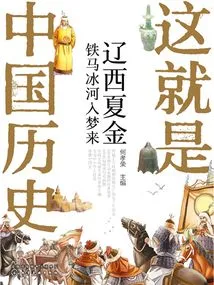
Xia Jin in Western Liaoning: the Iron Horse Glacier Comes into Dreams (this is Chinese History)
History辽西夏金:铁马冰河入梦来(这就是中国历史)
Editor-in-chief He Xiaorong
This series of books records the history from myths and legends: Xia, Shang, Western Zhou - to the end of the Qing Dynasty. It uses a combination of hand-painted style and historical pictures, and selects nearly a thousand color pictures and photos of precious cultural relics. After rigorous research, it uses realistic techniques to express historical events and character costumes, allowing children to be immersed in the scenes, conveying correct historical knowledge, and enriching children's aesthetic experience. This book uses experience and language that children can understand to describe the people, events, times, places, and things that have had a profound impact on Chinese history. It makes the originally abstract and difficult concepts or complex backgrounds lively and interesting, and establishes a clear concept of China's official history for children.
This series of books records the history from myths and legends: Xia, Shang, Western Zhou - to the end of the Qing Dynasty. It uses a combination of hand-painted style and historical pictures, and selects nearly a thousand color pictures and photos of precious cultural relics. After rigorous research, it uses realistic techniques to express historical events and character costumes, allowing children to be immersed in the scenes, conveying correct historical knowledge, and enriching children's aesthetic experience. This book uses experience and language that children can understand to describe the people, events, times, places, and things that have had a profound impact on Chinese history. It makes the originally abstract and difficult concepts or complex backgrounds lively and interesting, and establishes a clear concept of China's official history for children.