Library
Browse and search books
51,874 novels found
The Rhythm of the Canal
History运河之韵
Writerchtjml
Come to China Literature's website to read more of my works!
Come to China Literature's website to read more of my works!
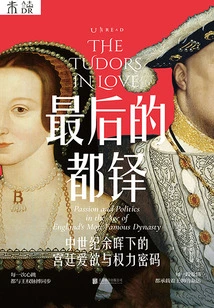
最后的都铎:中世纪余晖下的宫廷爱欲与权力密码
(uk)sarah Gristwood
The Tudor Dynasty was an era of change that led Britain to capitalism. In just 118 years, it created a golden period in the history of British monarchy and became the most exciting and important part of European history. The Tudor dynasty is also the most notorious royal family in British history. Compared with political achievements, the emotional lives of its members are too rich to ignore and arouse curiosity. In this book, Gristwood not only restores this crucial period in British history and even world history, but also reveals how love irreversibly made and destroyed this dynasty. He also deeply explores the concept of "courtly love" and focuses on analyzing the driving force and importance of female characters in the confrontation of power.
The Tudor Dynasty was an era of change that led Britain to capitalism. In just 118 years, it created a golden period in the history of British monarchy and became the most exciting and important part of European history. The Tudor dynasty is also the most notorious royal family in British history. Compared with political achievements, the emotional lives of its members are too rich to ignore and arouse curiosity. In this book, Gristwood not only restores this crucial period in British history and even world history, but also reveals how love irreversibly made and destroyed this dynasty. He also deeply explores the concept of "courtly love" and focuses on analyzing the driving force and importance of female characters in the confrontation of power.
Qian Mo Wushuang
History乾末无双
Magnolia Arborescens
In the last years of the Daqian Dynasty, the once powerful Daqian Dynasty had exhausted its strength, the central authority collapsed, local princes were divided, and careerists emerged. Natural and man-made disasters continued, and the people were in dire straits. In the seventh year of Guangxi's reign, Huangtian's religious leaders decided to launch the "Huangtian Rebellion". Rebel armies from all over the country responded one after another, sweeping across various places, and wars broke out. A reborn person from Blue Star, after studying art in Beihua Mountain, came down the mountain and entered this troubled world...
In the last years of the Daqian Dynasty, the once powerful Daqian Dynasty had exhausted its strength, the central authority collapsed, local princes were divided, and careerists emerged. Natural and man-made disasters continued, and the people were in dire straits. In the seventh year of Guangxi's reign, Huangtian's religious leaders decided to launch the "Huangtian Rebellion". Rebel armies from all over the country responded one after another, sweeping across various places, and wars broke out. A reborn person from Blue Star, after studying art in Beihua Mountain, came down the mountain and entered this troubled world...
暨南史学(第二十辑)
Editor-in-chief Ma Jianchun
This book contains 18 articles, covering ancient economic research, transportation history research, etc. It can be roughly divided into two categories: one is the exposition of historical facts, such as "The "Cai Fa Ma" System in the Ming Dynasty and the Changes of Local Order in Hehuang and Taoma", "The Public and Private Contacts between Guo Songtao and Wade as Ministers", "The Transformation of Social Weather Concepts in Modern China" "Type" and "Studying the Local Concepts of Chaozhou Overseas Chinese in Siam Using Overseas Chinese Batch as Historical Materials"; the second category is historical research, such as "A Study on the Owners of the Mural Tombs in Bayannuo'er, Mongolia", "A Study on the "Separated by the Uighurs" in Xijiasi", "A Study on Sichuan's Literature in the Early Northern Song Dynasty", etc. There is also a special article introducing Mr. Geng Sheng's contribution to the translation of the history of the Western Regions.
This book contains 18 articles, covering ancient economic research, transportation history research, etc. It can be roughly divided into two categories: one is the exposition of historical facts, such as "The "Cai Fa Ma" System in the Ming Dynasty and the Changes of Local Order in Hehuang and Taoma", "The Public and Private Contacts between Guo Songtao and Wade as Ministers", "The Transformation of Social Weather Concepts in Modern China" "Type" and "Studying the Local Concepts of Chaozhou Overseas Chinese in Siam Using Overseas Chinese Batch as Historical Materials"; the second category is historical research, such as "A Study on the Owners of the Mural Tombs in Bayannuo'er, Mongolia", "A Study on the "Separated by the Uighurs" in Xijiasi", "A Study on Sichuan's Literature in the Early Northern Song Dynasty", etc. There is also a special article introducing Mr. Geng Sheng's contribution to the translation of the history of the Western Regions.
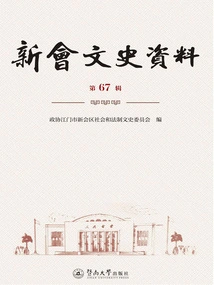
新会文史资料(第67辑)
Compiled By The Cppcc Jiangmen Xinhui District Social And Legal Culture And History Committee
This book was compiled by the CPPCC Jiangmen City Xinhui District Social and Legal Culture and History Committee. It uses various documents, archives and oral materials to select 21 articles. Starting from the two topics of "Red Memory" and "Kuixiang Figures", it explores and collects the experiences, seeing and hearing of the historical parties, and explains the red history and glorious deeds of Jiangmen Xinhui. The whole book is rooted in the local culture of Xinhui, Jiangmen, with a small and micro perspective. It fills in the shortcomings of general historical records to a certain extent and provides evidence of the local history, culture and humanities. At the same time, many articles wrote about people, events, and things in the revolutionary era and the construction era, and they have positive energy.
This book was compiled by the CPPCC Jiangmen City Xinhui District Social and Legal Culture and History Committee. It uses various documents, archives and oral materials to select 21 articles. Starting from the two topics of "Red Memory" and "Kuixiang Figures", it explores and collects the experiences, seeing and hearing of the historical parties, and explains the red history and glorious deeds of Jiangmen Xinhui. The whole book is rooted in the local culture of Xinhui, Jiangmen, with a small and micro perspective. It fills in the shortcomings of general historical records to a certain extent and provides evidence of the local history, culture and humanities. At the same time, many articles wrote about people, events, and things in the revolutionary era and the construction era, and they have positive energy.
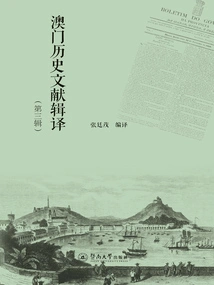
澳门历史文献辑译(第三辑)
Compiled By Zhang Tingmao
"Macao Historical Documents Translated" (Third Series) is the sequel to the information album "Macao's Hong Kong Chinese Laborers Sending Abroad". It collects the local historical documents of Macao's Chinese laborers going abroad from 1872 to 1874 that the translator has seen. The documents are divided into eight parts: the instructions and regulations on the overseas Chinese workers in Macao, the statistical reports on the overseas Chinese workers in Macao, the documents of the Macao Colonial Secretary, the official documents on the repatriation and handover of Chinese workers arriving in Macao, the documents of the Bureau of Supervision of the Chinese Workers in Macao, the documents of the Consulate General of Portugal in Havana, Andres Islands, the documents of the Consulate General of Portugal in Peru, and the documents of the Macao Shipyard. Based on this batch of documents, many aspects of the history of Chinese laborers going abroad in Macau Port can be clarified.
"Macao Historical Documents Translated" (Third Series) is the sequel to the information album "Macao's Hong Kong Chinese Laborers Sending Abroad". It collects the local historical documents of Macao's Chinese laborers going abroad from 1872 to 1874 that the translator has seen. The documents are divided into eight parts: the instructions and regulations on the overseas Chinese workers in Macao, the statistical reports on the overseas Chinese workers in Macao, the documents of the Macao Colonial Secretary, the official documents on the repatriation and handover of Chinese workers arriving in Macao, the documents of the Bureau of Supervision of the Chinese Workers in Macao, the documents of the Consulate General of Portugal in Havana, Andres Islands, the documents of the Consulate General of Portugal in Peru, and the documents of the Macao Shipyard. Based on this batch of documents, many aspects of the history of Chinese laborers going abroad in Macau Port can be clarified.
Qingyue Zongyun
History青岳宗云
Writer Jlnbhi
Come to China Literature's website to read more of my works!
Come to China Literature's website to read more of my works!
Powerful Tang Dynasty
History权谋盛唐
Writer 7l08co
Come to China Literature's website to read more of my works!
Come to China Literature's website to read more of my works!
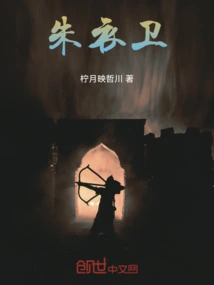
Zhu Yiwei
History朱衣卫
Lemon Moon Reflects Zhechuan
When Zhou Ji woke up, he caught up with a script killing of an internal fight in the palace. It's a pity that the script he took was not the prince's, but the sick prince's. He was treated as an outcast at the beginning, and the scapegoat hat was firmly placed on his head. Fortunately, he relied on the time-travel script and secretly trained his confidants. Zhu Yiwei quietly spread out the network in the dark to cover every corner of the court. No one knows that he, who is weak on the surface, possesses countless secrets. When the party struggle in the court intensifies, Zhu Luan, a fierce woman with full martial arts points, disrupts the situation. "Since you are all fighting for this broken chair," he raised his lips slightly, "why don't we break this game together?" Everyone was surprised, but he just gently put down a chess piece. After ten years of planning, the situation suddenly changed. When he raised his hand, the chessboard flipped over.
When Zhou Ji woke up, he caught up with a script killing of an internal fight in the palace. It's a pity that the script he took was not the prince's, but the sick prince's. He was treated as an outcast at the beginning, and the scapegoat hat was firmly placed on his head. Fortunately, he relied on the time-travel script and secretly trained his confidants. Zhu Yiwei quietly spread out the network in the dark to cover every corner of the court. No one knows that he, who is weak on the surface, possesses countless secrets. When the party struggle in the court intensifies, Zhu Luan, a fierce woman with full martial arts points, disrupts the situation. "Since you are all fighting for this broken chair," he raised his lips slightly, "why don't we break this game together?" Everyone was surprised, but he just gently put down a chess piece. After ten years of planning, the situation suddenly changed. When he raised his hand, the chessboard flipped over.
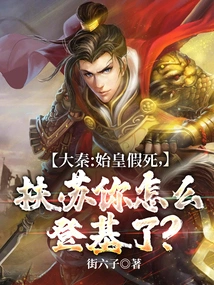
大秦:始皇假死,扶苏你怎么登基了?
Jieliuzi
Travel through time and become Fusu, ascend the throne and proclaim himself emperor at the beginning! There are old Qin aristocrats who reject all reforms and stick to their interests. Outside, there are Chen Sheng, Wu Guangma and Zexiang, Xiang Yu and Liu Bang, and the remnants of the Six Kingdoms are watching with eager eyes. "I have gunpowder, but you are all ants!" Papermaking and movable type printing were born, and people all over the world could read and write. The gunpowder roars, the rebels are wiped out, and the power is in my hands! The Huns invaded the border? Zhuge Liannu and red cannon are arranged! The horse is equipped with saddles, stirrups and firearms, and the Xiongnu Chanyu kneels down to beg for mercy. The Silk Road was opened up, glass and silk were sold to the Western Regions, and Daqin banknotes swept the world! Fusu stood in front of the world map and said proudly: "I not only want to unify the world, but also control the global wealth!" Hundreds of schools of thought contended, and the Great Qin Academy became the world's academic center; gunpowder roared, and the Great Qin cavalry traveled all over the world!
Travel through time and become Fusu, ascend the throne and proclaim himself emperor at the beginning! There are old Qin aristocrats who reject all reforms and stick to their interests. Outside, there are Chen Sheng, Wu Guangma and Zexiang, Xiang Yu and Liu Bang, and the remnants of the Six Kingdoms are watching with eager eyes. "I have gunpowder, but you are all ants!" Papermaking and movable type printing were born, and people all over the world could read and write. The gunpowder roars, the rebels are wiped out, and the power is in my hands! The Huns invaded the border? Zhuge Liannu and red cannon are arranged! The horse is equipped with saddles, stirrups and firearms, and the Xiongnu Chanyu kneels down to beg for mercy. The Silk Road was opened up, glass and silk were sold to the Western Regions, and Daqin banknotes swept the world! Fusu stood in front of the world map and said proudly: "I not only want to unify the world, but also control the global wealth!" Hundreds of schools of thought contended, and the Great Qin Academy became the world's academic center; gunpowder roared, and the Great Qin cavalry traveled all over the world!
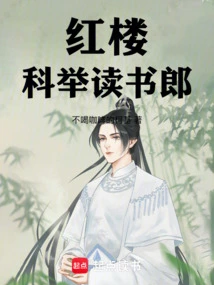
红楼:科举读书郎
Corgi Who Doesn't Drink Coffee
The protagonist Shi Jing travels into the world of Red Mansions. His mother is the nanny of Mrs. Jia in Rongguo Mansion, and his father is a scholar in Mingliang County. After refusing his mother's arrangement and becoming a servant in the Rongguo Mansion, he embarked on the road to the imperial examination. At the beginning of my life, all I thought about was survival. It can be seen that the refugees are filling their stomachs with Guanyin soil, and the tenants are begging the masters of the aristocratic family to give them a mouthful of bran. The people described by the Dukes of Chaotang Gonggun are the foundation of the country, and they are not the people of Guizhou from the beginning to the end. He just realized that the world is sick...
The protagonist Shi Jing travels into the world of Red Mansions. His mother is the nanny of Mrs. Jia in Rongguo Mansion, and his father is a scholar in Mingliang County. After refusing his mother's arrangement and becoming a servant in the Rongguo Mansion, he embarked on the road to the imperial examination. At the beginning of my life, all I thought about was survival. It can be seen that the refugees are filling their stomachs with Guanyin soil, and the tenants are begging the masters of the aristocratic family to give them a mouthful of bran. The people described by the Dukes of Chaotang Gonggun are the foundation of the country, and they are not the people of Guizhou from the beginning to the end. He just realized that the world is sick...
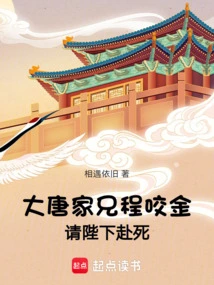
大唐:家兄程咬金,请陛下赴死!
The Afterglow Of The Long Night
The new book "Da Ming: I, Zhu Yunxi, resurrected my grandmother at the beginning" has been released! He traveled through time and became Cheng Yaoyin, Cheng Yaojin's younger brother. When Cheng Yaojin's family was in decline, he was destitute, so he had to go to the market to sell baskets in exchange for some rice to cook. Unexpectedly, he encountered You Junda, a man from Shandong Green Forest Road, who came to collect the "protection fee" in person. The two sides had a disagreement and took action on the spot. You can imagine the outcome... You Junda: I have the final say on my territory! Cheng Yaojin: Everyone says that I, old Cheng, are a big idiot. Today I will show them how to be a devil and a virtuous emperor! Sima Wan'er: Cheng Yaoyin, your boy is quite handsome. Let's stay away from the court, retreat into the mountains and forests, and find a place to have a bunch of babies; Li Shimin: I brought down my Tang Dynasty. Look what kind of chaos you have caused to my Datang Dynasty. Cheng Yaoyin: I want to take back everything that belongs to me, please die! ... Book friend group: 398371521
The new book "Da Ming: I, Zhu Yunxi, resurrected my grandmother at the beginning" has been released! He traveled through time and became Cheng Yaoyin, Cheng Yaojin's younger brother. When Cheng Yaojin's family was in decline, he was destitute, so he had to go to the market to sell baskets in exchange for some rice to cook. Unexpectedly, he encountered You Junda, a man from Shandong Green Forest Road, who came to collect the "protection fee" in person. The two sides had a disagreement and took action on the spot. You can imagine the outcome... You Junda: I have the final say on my territory! Cheng Yaojin: Everyone says that I, old Cheng, are a big idiot. Today I will show them how to be a devil and a virtuous emperor! Sima Wan'er: Cheng Yaoyin, your boy is quite handsome. Let's stay away from the court, retreat into the mountains and forests, and find a place to have a bunch of babies; Li Shimin: I brought down my Tang Dynasty. Look what kind of chaos you have caused to my Datang Dynasty. Cheng Yaoyin: I want to take back everything that belongs to me, please die! ... Book friend group: 398371521
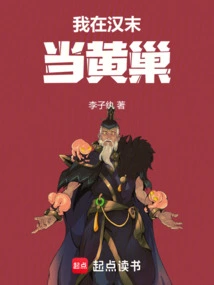
我在汉末当黄巢!
Li Ziwan
Why do opportunities always spread in the blood? Why are resources always occupied by people from aristocratic families? Why, all the rules strictly control the children of the Han family, but open the door wide to the children of the aristocratic family? Why do I, a poor person, have to work so hard to achieve what those from aristocratic families can easily achieve? Why do those people from aristocratic families insist on teaching me to shake my head and beg for my life, to work hard like a human and be obedient like a dog, so they are willing to give me a piece of dog food as a reward? Why do people in the world agree that those children from aristocratic families and poor people like us are two different species, and even the rich and the poor do not intermarry? Aren't we human beings? So what are we? They are masters! What about us? ! What are we! Facing aristocratic families who hold high positions and treat people like crickets, the villagers beg and wag their tails like dogs. Zhao Jun held the sword tightly in his hand and roared sharply. If the world doesn't teach people how to live, then I won't teach you how to live! I will definitely fight my way into Chang'an like Huang Chao! Trampling all over the minister's broken bones!
Why do opportunities always spread in the blood? Why are resources always occupied by people from aristocratic families? Why, all the rules strictly control the children of the Han family, but open the door wide to the children of the aristocratic family? Why do I, a poor person, have to work so hard to achieve what those from aristocratic families can easily achieve? Why do those people from aristocratic families insist on teaching me to shake my head and beg for my life, to work hard like a human and be obedient like a dog, so they are willing to give me a piece of dog food as a reward? Why do people in the world agree that those children from aristocratic families and poor people like us are two different species, and even the rich and the poor do not intermarry? Aren't we human beings? So what are we? They are masters! What about us? ! What are we! Facing aristocratic families who hold high positions and treat people like crickets, the villagers beg and wag their tails like dogs. Zhao Jun held the sword tightly in his hand and roared sharply. If the world doesn't teach people how to live, then I won't teach you how to live! I will definitely fight my way into Chang'an like Huang Chao! Trampling all over the minister's broken bones!
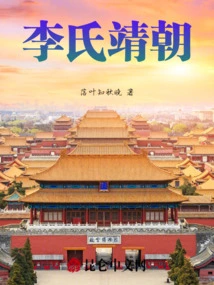
Li's Jing Dynasty
History李氏靖朝
Falling Leaves Know The Evening Of Autumn
Introduction to the work "Records of the Nineteen Emperors of the Jing Dynasty: Li's Mountains and Rivers" This is a family epic that spans five hundred and ninety-six years, starting with a blood-stained dark iron sword and ending with nine unnamed graves. It does not write about the legend of the emperor, but about how a family climbed up from the mud of the blacksmith family on the border, and used the blood and swords of nineteen generations to carve out the story in the troubled times of Emperor Xia\
Introduction to the work "Records of the Nineteen Emperors of the Jing Dynasty: Li's Mountains and Rivers" This is a family epic that spans five hundred and ninety-six years, starting with a blood-stained dark iron sword and ending with nine unnamed graves. It does not write about the legend of the emperor, but about how a family climbed up from the mud of the blacksmith family on the border, and used the blood and swords of nineteen generations to carve out the story in the troubled times of Emperor Xia\
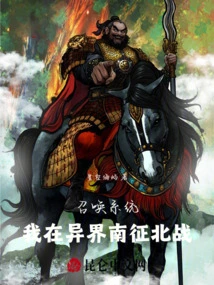
召唤系统,我在异界南征北战
Starry Sky Island
<Fei Shuang Wen> Traveling through another world, how did Qin Ze, who was bound to the general summoning system, conquer the north and south to dominate the world.
<Fei Shuang Wen> Traveling through another world, how did Qin Ze, who was bound to the general summoning system, conquer the north and south to dominate the world.
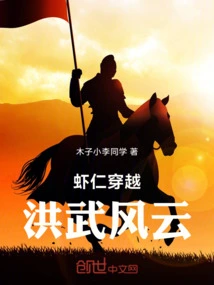
虾仁穿越:洪武风云
Classmate Muzi Xiaoli
Modern chef Yang Mingren (nickname\
Modern chef Yang Mingren (nickname\
明仁宗朱高炽:仁治肇基
Classmate Muzi Xiaoli
Come to China Literature's website to read more of my works!
Come to China Literature's website to read more of my works!
北宋:从宋仁宗的儿子开始
Big
Traveling to the Northern Song Dynasty, he became the second son of Song Renzong, the most popular. The good news is... Finally I can see Fan Zhongyan. The bad news is... I'm only three years old. The good news is... As long as I don't die, this throne will be mine. The bad news is... The Song Dynasty is about to die.
Traveling to the Northern Song Dynasty, he became the second son of Song Renzong, the most popular. The good news is... Finally I can see Fan Zhongyan. The bad news is... I'm only three years old. The good news is... As long as I don't die, this throne will be mine. The bad news is... The Song Dynasty is about to die.
酸秀才舌战八方
Draw A Circle
"Chen Yan gritted his teeth and followed the illegal procedures, and ended up being a sour scholar from ancient times who was so poor that he only had half a tattered book left. No system? Don't be afraid! He has a lot of modern Internet memes: praising people's '666' is regarded as a mysterious code, and urging students to 'dispose' it becomes a life-saving straw for the teacher; no martial arts? It's okay! The proprietress of Zuiyue Tower next door is smiling and handing tea, and she can use the scabbard to knock the troublemakers into pieces Pig head. From working in a restaurant to being treated as a "living treasure", to being a "laughter" in poetry meetings, Chen Yan touched the soy sauce beef stuffed by the proprietress and thought: These ancient days seem to be much more enjoyable than 996? Until that policy paper mixed with physics knowledge and workplace language was handed over to the Jinluan Hall - it turned out that the most outrageous 'outrageous' operation was the one who subverted the stereotype of the weak scholar!"
"Chen Yan gritted his teeth and followed the illegal procedures, and ended up being a sour scholar from ancient times who was so poor that he only had half a tattered book left. No system? Don't be afraid! He has a lot of modern Internet memes: praising people's '666' is regarded as a mysterious code, and urging students to 'dispose' it becomes a life-saving straw for the teacher; no martial arts? It's okay! The proprietress of Zuiyue Tower next door is smiling and handing tea, and she can use the scabbard to knock the troublemakers into pieces Pig head. From working in a restaurant to being treated as a "living treasure", to being a "laughter" in poetry meetings, Chen Yan touched the soy sauce beef stuffed by the proprietress and thought: These ancient days seem to be much more enjoyable than 996? Until that policy paper mixed with physics knowledge and workplace language was handed over to the Jinluan Hall - it turned out that the most outrageous 'outrageous' operation was the one who subverted the stereotype of the weak scholar!"
坐看风云起:日本室町时代史研究
Chen Xiaofa
Sit back and watch the changes in the Muromachi era, and laugh at the successes and failures of historical figures. This book mainly discusses the historical evolution of Japan's Muromachi period, and also covers the Northern and Southern Dynasties era of "two emperors and two capitals" and the Warring States period of "disputes between heroes". The author uses documentary and historical materials from China, Japan, Korea and other countries, and mainly uses text narratives, accompanied by diagrams. From the perspective of a Chinese scholar, he presents a magnificent picture of the history of the Muromachi period in Japan from the perspective of a Chinese scholar in simple and easy-to-understand terms. From the Muromachi period to the Kamakura period, when samurai began to take power, and to the Edo period, when seclusion and even isolation began, they occupy a special place in Japanese history. The history of the Muromachi period is not only an important part of Japanese history, but also an indispensable part of the regional history of East Asia. The "disgraceful" group of Japanese pirates alone passively connected China, Japan, North Korea and other countries, and even affected and changed the political order of East Asia to a certain extent. The "profit-seeking" behavior of exploration and cooperation actively connected goods and people from the above-mentioned countries, forming the phenomenon of East Asian cultural circulation.
Sit back and watch the changes in the Muromachi era, and laugh at the successes and failures of historical figures. This book mainly discusses the historical evolution of Japan's Muromachi period, and also covers the Northern and Southern Dynasties era of "two emperors and two capitals" and the Warring States period of "disputes between heroes". The author uses documentary and historical materials from China, Japan, Korea and other countries, and mainly uses text narratives, accompanied by diagrams. From the perspective of a Chinese scholar, he presents a magnificent picture of the history of the Muromachi period in Japan from the perspective of a Chinese scholar in simple and easy-to-understand terms. From the Muromachi period to the Kamakura period, when samurai began to take power, and to the Edo period, when seclusion and even isolation began, they occupy a special place in Japanese history. The history of the Muromachi period is not only an important part of Japanese history, but also an indispensable part of the regional history of East Asia. The "disgraceful" group of Japanese pirates alone passively connected China, Japan, North Korea and other countries, and even affected and changed the political order of East Asia to a certain extent. The "profit-seeking" behavior of exploration and cooperation actively connected goods and people from the above-mentioned countries, forming the phenomenon of East Asian cultural circulation.
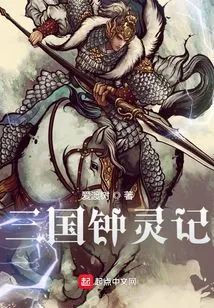
三国钟灵记
Aidu Tree
He was reincarnated into a spear and became Tong Yuan's adopted son and junior brother Zhao Yun. Starting from killing a group of bandits as a ranger, watch me dominate Liaodong, find out the truth about Tong Yuan's disappearance, and join the coalition to fight against Dong... Kuang Fu Han room? Doesn't exist! What I want to do is to rebuild the mountains and rivers and take charge of the world! Hug the beauty back home!
He was reincarnated into a spear and became Tong Yuan's adopted son and junior brother Zhao Yun. Starting from killing a group of bandits as a ranger, watch me dominate Liaodong, find out the truth about Tong Yuan's disappearance, and join the coalition to fight against Dong... Kuang Fu Han room? Doesn't exist! What I want to do is to rebuild the mountains and rivers and take charge of the world! Hug the beauty back home!
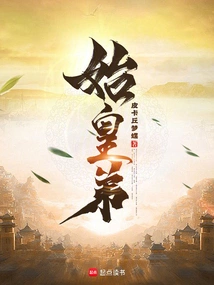
始皇弟
Pikachu Dream Butterfly
My brother's name is Ying Zheng, a radical from the Qin State. Every day he shouted that he would not forget the great wish of his ancestors to unify the world, and frequently launched wars. The six countries called him a tyrant. My name is Ying Chengyu, a conservative from the Qin State. If you know it from birth, the child will become famous and have an excellent reputation at home and abroad. The princes will call Qin Gongzi a virtuous man. We always quarreled over political differences. He said I was not radical. I think he is too conservative. Until he became the First Emperor and I became the First Emperor's younger brother, we still had constant quarrels. Let's just say after the six kingdoms were destroyed. He said that the nobles moved to 120,000 households in Xianyang, gathered all the soldiers in Xianyang, sold Feng Dy, and cast them into twelve golden figures. I said Tianjie would trample all the ministers to death and kill them all. How can there be any good people in aristocratic families? What kind of weapons do you make of gold? No fight now? How can that be done? Future generations will expect you not to learn English! You say, who is right?
My brother's name is Ying Zheng, a radical from the Qin State. Every day he shouted that he would not forget the great wish of his ancestors to unify the world, and frequently launched wars. The six countries called him a tyrant. My name is Ying Chengyu, a conservative from the Qin State. If you know it from birth, the child will become famous and have an excellent reputation at home and abroad. The princes will call Qin Gongzi a virtuous man. We always quarreled over political differences. He said I was not radical. I think he is too conservative. Until he became the First Emperor and I became the First Emperor's younger brother, we still had constant quarrels. Let's just say after the six kingdoms were destroyed. He said that the nobles moved to 120,000 households in Xianyang, gathered all the soldiers in Xianyang, sold Feng Dy, and cast them into twelve golden figures. I said Tianjie would trample all the ministers to death and kill them all. How can there be any good people in aristocratic families? What kind of weapons do you make of gold? No fight now? How can that be done? Future generations will expect you not to learn English! You say, who is right?
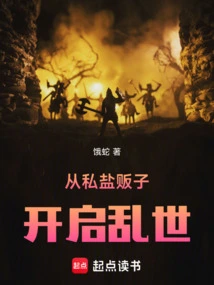
从私盐贩子开启乱世
Hungry Snake
[Valuable comments in the comment area will be refined and pinned to the top, so everyone can discuss them together. ] Lin Qing traveled through the late Tang Dynasty and was rescued by a private salt dealer. He has read the [Barefoot Doctor Manual] [Militia Training Manual] and [Friends of Military and Civilian Talents] thoroughly, and he has great ambitions! Troubled times are about to arise, so accumulate food and slowly become king. When Wang Xianzhi and Huang Chao revolted one after another, he was hoarding grain in Guangzhou. When Zhu Wen overthrew the Tang Dynasty, he was collecting grain... When I look back, I can see that my subordinates have gathered nearly a million people! "I shall take over the Central Plains! Proclaim myself emperor!"
[Valuable comments in the comment area will be refined and pinned to the top, so everyone can discuss them together. ] Lin Qing traveled through the late Tang Dynasty and was rescued by a private salt dealer. He has read the [Barefoot Doctor Manual] [Militia Training Manual] and [Friends of Military and Civilian Talents] thoroughly, and he has great ambitions! Troubled times are about to arise, so accumulate food and slowly become king. When Wang Xianzhi and Huang Chao revolted one after another, he was hoarding grain in Guangzhou. When Zhu Wen overthrew the Tang Dynasty, he was collecting grain... When I look back, I can see that my subordinates have gathered nearly a million people! "I shall take over the Central Plains! Proclaim myself emperor!"
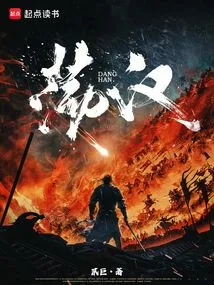
Slut
History荡汉
Two Giants
Can't studying medicine save the country? After Chen Zhuo practiced it, he felt that as long as he was strong enough in the late Eastern Han Dynasty, it would not affect his usurpation of the country! ----------------------- When he woke up, Chen Zhuo found that he had traveled to the end of the Eastern Han Dynasty and slept with Queen He. He was unwilling to bear the blame. In order to be justified, he simply chose to rebel against the Han Dynasty! Book titles: "Records of Youth in the Eastern Han Dynasty", "Returning to the Eastern Han Dynasty to Become a Hero", "They Must Force Me to Proclaim the Emperor"
Can't studying medicine save the country? After Chen Zhuo practiced it, he felt that as long as he was strong enough in the late Eastern Han Dynasty, it would not affect his usurpation of the country! ----------------------- When he woke up, Chen Zhuo found that he had traveled to the end of the Eastern Han Dynasty and slept with Queen He. He was unwilling to bear the blame. In order to be justified, he simply chose to rebel against the Han Dynasty! Book titles: "Records of Youth in the Eastern Han Dynasty", "Returning to the Eastern Han Dynasty to Become a Hero", "They Must Force Me to Proclaim the Emperor"
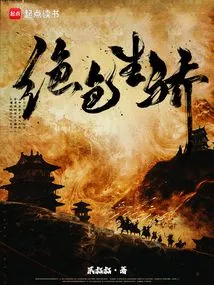
Beautiful and Proud
History绝色生骄
Second Uncle
Do princes and generals like Xiang Ning have the guts? I, Dong Zhuo, not only want to wake up and take over the power of the world, but also want to sleep drunkenly on the knees of beautiful women. Who agrees and who opposes! -------------------------- When Chen Zhuo woke up, he traveled through time and became Dong Zhuo, a young dragon-slaying boy. He is now the most prestigious ranger brother in Liangzhou. There are still 40 years before the fall of the Eastern Han Dynasty. The matter of usurping the Han Dynasty can be planned slowly, but he wants to enjoy the beauty immediately. Book titles: "Records of the Beauties of the Great Han Dynasty", "Memoirs of Dong Zhuo", "I am Dong Zhuo, what's wrong with enjoying it"
Do princes and generals like Xiang Ning have the guts? I, Dong Zhuo, not only want to wake up and take over the power of the world, but also want to sleep drunkenly on the knees of beautiful women. Who agrees and who opposes! -------------------------- When Chen Zhuo woke up, he traveled through time and became Dong Zhuo, a young dragon-slaying boy. He is now the most prestigious ranger brother in Liangzhou. There are still 40 years before the fall of the Eastern Han Dynasty. The matter of usurping the Han Dynasty can be planned slowly, but he wants to enjoy the beauty immediately. Book titles: "Records of the Beauties of the Great Han Dynasty", "Memoirs of Dong Zhuo", "I am Dong Zhuo, what's wrong with enjoying it"
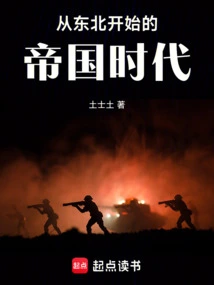
从东北开始的帝国时代
Tu Shi Tu
This is a story about going back in time.
This is a story about going back in time.
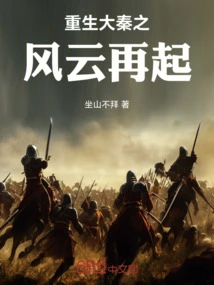
Rebirth of the Qin Dynasty
History重生大秦之风云再起
Sitting On The Mountain Without Worshiping
Come to China Literature's website to read more of my works!
Come to China Literature's website to read more of my works!
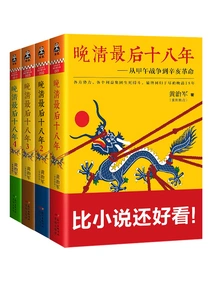
晚清最后十八年(全4册)
Huang Zhijun
Reform is a consensus, the biggest benefit cake of the late Qing Dynasty, and it is also a duel ground for factional politics. Whether it is the Empress Dowager Cixi, the royalists, the Manchu dignitaries, or the pro-Western forces and the Boxer Rebellion, everyone is involved in it and takes turns to appear. In the end, the Eight-Power Allied Forces came to Beijing under the guise of protecting the embassy. The turbulent and chaotic situation of the Qing Dynasty was finally reshuffled, with some people being eliminated and others taking over. When the reform finally had to be pushed onto the fast track, the Manchu royal family and the powerful Yuan Shikai launched a desperate struggle for the leadership of the reform. With a gunshot in Wuchang City, the revolutionaries shouted exciting slogans and stepped into the center of power. A new round of intricate overt and covert struggles between Yuan Shikai, Song Jiaoren and Sun Yat-sen kicked off... Behind the seemingly absurd and strange historical events, there is an extremely clear choice of interests and power game.
Reform is a consensus, the biggest benefit cake of the late Qing Dynasty, and it is also a duel ground for factional politics. Whether it is the Empress Dowager Cixi, the royalists, the Manchu dignitaries, or the pro-Western forces and the Boxer Rebellion, everyone is involved in it and takes turns to appear. In the end, the Eight-Power Allied Forces came to Beijing under the guise of protecting the embassy. The turbulent and chaotic situation of the Qing Dynasty was finally reshuffled, with some people being eliminated and others taking over. When the reform finally had to be pushed onto the fast track, the Manchu royal family and the powerful Yuan Shikai launched a desperate struggle for the leadership of the reform. With a gunshot in Wuchang City, the revolutionaries shouted exciting slogans and stepped into the center of power. A new round of intricate overt and covert struggles between Yuan Shikai, Song Jiaoren and Sun Yat-sen kicked off... Behind the seemingly absurd and strange historical events, there is an extremely clear choice of interests and power game.
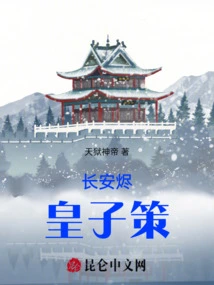
长安烬:皇子策
Heavenly Hell God Emperor
Li Xuan, a graduate student in the Department of Modern History, traveled to Chang'an City in the eleventh year of Tianbao (752 AD) due to an accidental car accident, and passed through the spirit of the prince of the same name. The original person was left out in the cold due to the early death of his biological mother and the weak status of his relatives. However, he was involved in the whirlpool of imperial power due to a "divine prophecy".
Li Xuan, a graduate student in the Department of Modern History, traveled to Chang'an City in the eleventh year of Tianbao (752 AD) due to an accidental car accident, and passed through the spirit of the prince of the same name. The original person was left out in the cold due to the early death of his biological mother and the weak status of his relatives. However, he was involved in the whirlpool of imperial power due to a "divine prophecy".
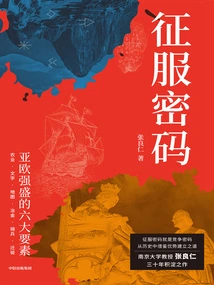
征服密码:亚欧强盛的六大要素
Zhang Liangren
This book starts from archeology and combines the research results of history, linguistics, anthropology and other disciplines to deeply explore the core question raised by Jared Diamond in "Guns, Germs and Steel" - why the civilizations of the Eurasian continent occupy a dominant position in global history. The author re-examines the history of human social development over approximately 10,000 years, focusing on six major elements: agriculture, writing, maps, metallurgy, cavalry, and human migration, and reveals the underlying logic behind the development of civilizations in Eurasia that is stronger than that in other regions. As history evolves, human beings are constantly reflecting, shifting from bloody conquest to peaceful coexistence. The author reviews the evolution of social forms and the rise and fall of empires, and emphasizes the important role of modern international organizations such as the United Nations in maintaining global peace and sustainable development.
This book starts from archeology and combines the research results of history, linguistics, anthropology and other disciplines to deeply explore the core question raised by Jared Diamond in "Guns, Germs and Steel" - why the civilizations of the Eurasian continent occupy a dominant position in global history. The author re-examines the history of human social development over approximately 10,000 years, focusing on six major elements: agriculture, writing, maps, metallurgy, cavalry, and human migration, and reveals the underlying logic behind the development of civilizations in Eurasia that is stronger than that in other regions. As history evolves, human beings are constantly reflecting, shifting from bloody conquest to peaceful coexistence. The author reviews the evolution of social forms and the rise and fall of empires, and emphasizes the important role of modern international organizations such as the United Nations in maintaining global peace and sustainable development.
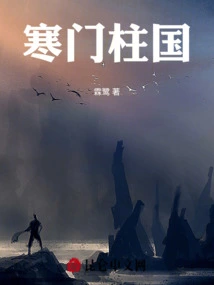
Poor Country
History寒门柱国
Linlu
Traveling back to a troubled world and starving to death, Chen Jin's first meal was rat meat. When he exchanged the poem "Compassion for the Peasants" for porridge, he didn't know that he would crush the prince's head and ascend to heaven; when he performed an autopsy on a prostitute to clear her innocence, he didn't know that he was involved in the deadly situation of arms smuggling; when he refused the princess to marry, he didn't even know that on the Beidi grassland, the shaman's drumming was setting up a god-killing formation for him. "They all say that it is difficult for a poor family to produce a noble son?" He crushed the blood-stained jade pendant and chuckled: "When I kill all the dragons in the world, you will know -" "Commoners can also control the world!"
Traveling back to a troubled world and starving to death, Chen Jin's first meal was rat meat. When he exchanged the poem "Compassion for the Peasants" for porridge, he didn't know that he would crush the prince's head and ascend to heaven; when he performed an autopsy on a prostitute to clear her innocence, he didn't know that he was involved in the deadly situation of arms smuggling; when he refused the princess to marry, he didn't even know that on the Beidi grassland, the shaman's drumming was setting up a god-killing formation for him. "They all say that it is difficult for a poor family to produce a noble son?" He crushed the blood-stained jade pendant and chuckled: "When I kill all the dragons in the world, you will know -" "Commoners can also control the world!"
三国智囊:穿越者的七代传奇
Brother Chen Next Door
Come to China Literature's website to read more of my works!
Come to China Literature's website to read more of my works!
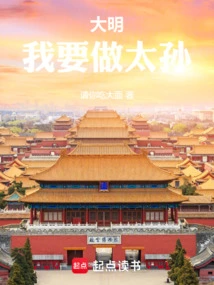
大明:我要做太孙
Treat You To Big Noodles
(New book released, "From Investment Novice to Financial Giant") In the twenty-fifth year of Hongwu, Zhu Biao passed away. If you travel through time and become Zhu Yunxi, you can either live quietly or die standing up. Zhu Yunxi decided to stand up straight and give it a try. He raised his sword and fought out of the palace, then stood in the governor's mansion with his sword inserted. "I want to be a grandson, who objects to that?"
(New book released, "From Investment Novice to Financial Giant") In the twenty-fifth year of Hongwu, Zhu Biao passed away. If you travel through time and become Zhu Yunxi, you can either live quietly or die standing up. Zhu Yunxi decided to stand up straight and give it a try. He raised his sword and fought out of the palace, then stood in the governor's mansion with his sword inserted. "I want to be a grandson, who objects to that?"
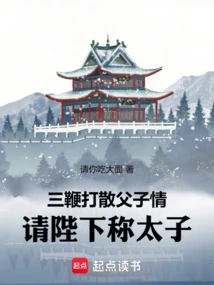
三鞭打散父子情,请陛下称太子
Treat You To Big Noodles
(New book released, "From Investment Novice to Financial Giant") Li Ersan was whipped to break up the relationship between father and son. From now on, father and son only have jobs! "Your Majesty, please call me Prince!" Li Chengqian roared. The prince, the crown prince of the country, the successor of the empire, and the second most powerful figure in the Tang Dynasty, is itself a symbol of power. Li Chengqian stood in front of the stage and exercised the prince's power openly and honestly. Li Er: "Do you really think I dare not destroy you?" Li Chengqian: "As soon as the decree to depose the crown prince comes, I will immediately go to my mother's mausoleum and commit suicide without any hesitation!"
(New book released, "From Investment Novice to Financial Giant") Li Ersan was whipped to break up the relationship between father and son. From now on, father and son only have jobs! "Your Majesty, please call me Prince!" Li Chengqian roared. The prince, the crown prince of the country, the successor of the empire, and the second most powerful figure in the Tang Dynasty, is itself a symbol of power. Li Chengqian stood in front of the stage and exercised the prince's power openly and honestly. Li Er: "Do you really think I dare not destroy you?" Li Chengqian: "As soon as the decree to depose the crown prince comes, I will immediately go to my mother's mausoleum and commit suicide without any hesitation!"
山河永固:四朝风云录
Classmate Muzi Xiaoli
"Mountains and Rivers Are Forever: Records of Four Dynasties" takes 960-1644 as the timeline and tells the legend of Zhao Huan (a modern engineer who traveled through time), a descendant of the Zhao family, the founding general of the Northern Song Dynasty. Relying on his scientific and technological knowledge, he participated in major historical events of the four dynasties. In the process of inheriting "Mountains and Rivers", he promoted the development of science and technology, rewrote the trend of history, and wrote the epic of a thousand-year civilization.
"Mountains and Rivers Are Forever: Records of Four Dynasties" takes 960-1644 as the timeline and tells the legend of Zhao Huan (a modern engineer who traveled through time), a descendant of the Zhao family, the founding general of the Northern Song Dynasty. Relying on his scientific and technological knowledge, he participated in major historical events of the four dynasties. In the process of inheriting "Mountains and Rivers", he promoted the development of science and technology, rewrote the trend of history, and wrote the epic of a thousand-year civilization.
超市连通明末开始
One More Time
Li Honor was brought to the late Ming Dynasty by the system. With the help of the system, he opened a supermarket. For the future of the supermarket, he had to help Chongzhen continue the Ming Dynasty.
Li Honor was brought to the late Ming Dynasty by the system. With the help of the system, he opened a supermarket. For the future of the supermarket, he had to help Chongzhen continue the Ming Dynasty.
Tianzhou Outline
History天洲大纲
A Person With Ideals
Come to China Literature's website to read more of my works!
Come to China Literature's website to read more of my works!
主子与我的阵营之背刺
I Don't Know Much About Writing
Come to China Literature's website to read more of my works!
Come to China Literature's website to read more of my works!
大明:进攻型御史,朱棣崩溃了
A Little Bit Of Ink
Zhu Wu traveled through time! He became the illegitimate son of Duke Cheng Guo and was named censor by Zhu Di. If the censor system is activated, you can get rewards as long as you successfully impeach others. So, the little censor began to stir up the storm. Later, Zhu Wu was either impeaching someone or on the way to impeach someone. All the civil and military officials in the court were trembling. Zhu Yushi, please stop impeaching me. Spare your life!
Zhu Wu traveled through time! He became the illegitimate son of Duke Cheng Guo and was named censor by Zhu Di. If the censor system is activated, you can get rewards as long as you successfully impeach others. So, the little censor began to stir up the storm. Later, Zhu Wu was either impeaching someone or on the way to impeach someone. All the civil and military officials in the court were trembling. Zhu Yushi, please stop impeaching me. Spare your life!
大明:我朱樉给大哥当辅助
Yuehanwanshui
Traveling through Hongwu of the Ming Dynasty, he became the notorious second prince Zhu Xi? Don't panic! Start with peak force value + unpredictable medical skills golden finger! The left hand determines the country: the fist controls the mountains and rivers, the martial arts is the best in the world, and on the battlefield is the invincible God of War! Life and death on the right palm: grab people's lives in the hands of the King of Hell, save the mother and queen, protect the emperor's nephew, and reverse the prince's destiny! Facing the suspicious Zhu Yuanzhang? He insisted on holding his neck and retorted: "Old man, do you want to tire yourself out by staying up late to review memorials?!" Facing the tough and powerful prince eldest brother Zhu Biao? He is willing to be the strongest assistant: "The eldest brother can fly with peace of mind, the second brother will always be with you!" Facing the only true love - Yuan Jiang's sister Guanyin Nu? He transformed into a maniac who dotes on his wife: "There are countless treasures in the Ming Dynasty, but they are not as beautiful as my wife's smile!"
Traveling through Hongwu of the Ming Dynasty, he became the notorious second prince Zhu Xi? Don't panic! Start with peak force value + unpredictable medical skills golden finger! The left hand determines the country: the fist controls the mountains and rivers, the martial arts is the best in the world, and on the battlefield is the invincible God of War! Life and death on the right palm: grab people's lives in the hands of the King of Hell, save the mother and queen, protect the emperor's nephew, and reverse the prince's destiny! Facing the suspicious Zhu Yuanzhang? He insisted on holding his neck and retorted: "Old man, do you want to tire yourself out by staying up late to review memorials?!" Facing the tough and powerful prince eldest brother Zhu Biao? He is willing to be the strongest assistant: "The eldest brother can fly with peace of mind, the second brother will always be with you!" Facing the only true love - Yuan Jiang's sister Guanyin Nu? He transformed into a maniac who dotes on his wife: "There are countless treasures in the Ming Dynasty, but they are not as beautiful as my wife's smile!"
大明从拯救马皇后开始
Show Off With Me
Traveling through the Hongwu Dynasty, Zhao Qinglu originally wanted to live a peaceful life, so he kept what he had learned in his previous life in books and left it in the Hongwu Dynasty to start the Ming Dynasty Industrial Revolution. But he was accidentally involved in the Kongyin case. He had no choice but to pick up the knowledge of traditional Chinese medicine he had learned in his previous life and save Queen Ma's life. But he gradually discovered that saving Queen Ma seemed to provoke more and more people, but he had no choice but to... Zhu Biao suffered a sudden illness? Save! Zhu Di has been ill for a long time? Save! Zhu Biao is not good at his studies? Teach! With the triple amulet added to my body, now I can always write a book well, right? But just when he wanted to write a book in peace, Jin Yiwei came to his door. The next day, he was tied up by Wu Hua Da and brought to the court. When he could see clearly, the voice in his ears was: Li Shanchang: "Mr. Zhao, what is the NAND gate? What is this system structure?" Xu Da: "Shut up, you dead Taoist! Mr. Zhao, what are securities and what are intermediary financial institutions?" Zhu Yuanzhang: "Shut your mouth! Shuzi, tell me first, who is this Carpenter Emperor?" Zhao Qinglu was stunned. A familiar figure in front of him bowed and saluted: Zhu Biao: "Mr. Zhao, I beg you to be the Crown Prince and Tutor, and use your wings to enrich our Ming Dynasty."
Traveling through the Hongwu Dynasty, Zhao Qinglu originally wanted to live a peaceful life, so he kept what he had learned in his previous life in books and left it in the Hongwu Dynasty to start the Ming Dynasty Industrial Revolution. But he was accidentally involved in the Kongyin case. He had no choice but to pick up the knowledge of traditional Chinese medicine he had learned in his previous life and save Queen Ma's life. But he gradually discovered that saving Queen Ma seemed to provoke more and more people, but he had no choice but to... Zhu Biao suffered a sudden illness? Save! Zhu Di has been ill for a long time? Save! Zhu Biao is not good at his studies? Teach! With the triple amulet added to my body, now I can always write a book well, right? But just when he wanted to write a book in peace, Jin Yiwei came to his door. The next day, he was tied up by Wu Hua Da and brought to the court. When he could see clearly, the voice in his ears was: Li Shanchang: "Mr. Zhao, what is the NAND gate? What is this system structure?" Xu Da: "Shut up, you dead Taoist! Mr. Zhao, what are securities and what are intermediary financial institutions?" Zhu Yuanzhang: "Shut your mouth! Shuzi, tell me first, who is this Carpenter Emperor?" Zhao Qinglu was stunned. A familiar figure in front of him bowed and saluted: Zhu Biao: "Mr. Zhao, I beg you to be the Crown Prince and Tutor, and use your wings to enrich our Ming Dynasty."
Chronicles of Chu River
History楚河纪事
Linlu
Come to China Literature's website to read more of my works!
Come to China Literature's website to read more of my works!
历史上的今天与对话
The Breeze Dyes The Bright Moon
Come to China Literature's website to read more of my works!
Come to China Literature's website to read more of my works!
家叔曹贼,开局宛城夜会邹氏
Don't Want To Make A Pot
Cao thief is not a spirit, but my uncle...
Cao thief is not a spirit, but my uncle...
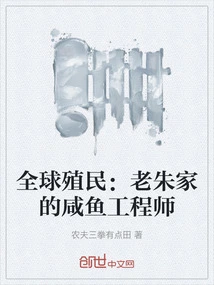
全球殖民:老朱家的咸鱼工程师
The Farmer Has A Little Bit Of Land With Three Punches
The protagonist travels back in time and becomes Zhu Yuanzhang's unpopular prince. He relies on the system to promote the country's technological development and solve domestic problems. Finally, he begins to pull all the country's big families to start global colonization.
The protagonist travels back in time and becomes Zhu Yuanzhang's unpopular prince. He relies on the system to promote the country's technological development and solve domestic problems. Finally, he begins to pull all the country's big families to start global colonization.
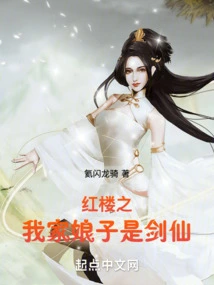
红楼之我家娘子是剑仙
Helium Flash Dragon Rider
Lin Daiyu: There is a daughter in the Lin family who has just grown up and is so powerful that she is unparalleled in the world. Xue Baochai: The golden hairpin will fly when the time comes, and it will transform into a dragon when it encounters a storm. Qin Keqing: Sir, is it okay to choose someone to be a succubus? Jia Xuan: Dear sisters, my wife is here with a fairy sword! Jia Xuan, a World of Warcraft player, took the World of Warcraft career system into the Red Mansion, only to find that it was a bit fairy... Book lovers who like Red Mansions and World of Warcraft come here!
Lin Daiyu: There is a daughter in the Lin family who has just grown up and is so powerful that she is unparalleled in the world. Xue Baochai: The golden hairpin will fly when the time comes, and it will transform into a dragon when it encounters a storm. Qin Keqing: Sir, is it okay to choose someone to be a succubus? Jia Xuan: Dear sisters, my wife is here with a fairy sword! Jia Xuan, a World of Warcraft player, took the World of Warcraft career system into the Red Mansion, only to find that it was a bit fairy... Book lovers who like Red Mansions and World of Warcraft come here!
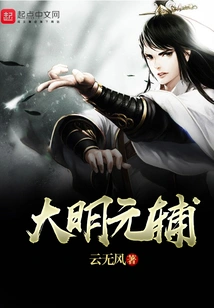
Daming Yuanfu
History大明元辅
Yun Wufeng
Coming from a well-known family, he not only had an uncle as his chief assistant, but also accompanied the prince to study. He was teased by the government and the public about Xiaoge Lao; The leader's gold list carries forward the legacy of Longqing, opens the prosperous era of Wanli, and the world praises Dayuanfu. A small town mayor who was once the secretary of the county party committee traveled through time and became the nephew of Gao Gong, the first minister of Longqing. [The promised free chapter of 1 million words has been completed. The leader has created a Q group for book friends, group number: 691201920. If you have anything you want to discuss, you can join the group to discuss it. I will also go diving in to understand everyone's opinions.
Coming from a well-known family, he not only had an uncle as his chief assistant, but also accompanied the prince to study. He was teased by the government and the public about Xiaoge Lao; The leader's gold list carries forward the legacy of Longqing, opens the prosperous era of Wanli, and the world praises Dayuanfu. A small town mayor who was once the secretary of the county party committee traveled through time and became the nephew of Gao Gong, the first minister of Longqing. [The promised free chapter of 1 million words has been completed. The leader has created a Q group for book friends, group number: 691201920. If you have anything you want to discuss, you can join the group to discuss it. I will also go diving in to understand everyone's opinions.
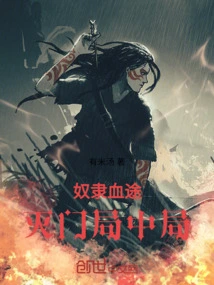
奴隶血途:灭门局中局
There Is Rice Soup
When the bloody setting sun dyed the iron chains of the slave camp rusty red, a young man opened his eyes among the corpses - his name was once engraved on the golden plaque of the noble ancestral hall, but now it has become an animal numbered "Nine-Seven" to be slaughtered. Mo Feiyuan knelt in the mud, his fingernails filled with rotten leaves and blood scabs, and in his ears he could hear the whine of the overseer's whip piercing the air. He remembered that rainy night, when the fire engulfed the entire family and burned away his last trace of trust in the world. From nobleman to slave, he learned to hide his edge with silence and sharpen his blade with humility. The gears of fate have already turned, waiting for him to correct the chaos with his own hands.
When the bloody setting sun dyed the iron chains of the slave camp rusty red, a young man opened his eyes among the corpses - his name was once engraved on the golden plaque of the noble ancestral hall, but now it has become an animal numbered "Nine-Seven" to be slaughtered. Mo Feiyuan knelt in the mud, his fingernails filled with rotten leaves and blood scabs, and in his ears he could hear the whine of the overseer's whip piercing the air. He remembered that rainy night, when the fire engulfed the entire family and burned away his last trace of trust in the world. From nobleman to slave, he learned to hide his edge with silence and sharpen his blade with humility. The gears of fate have already turned, waiting for him to correct the chaos with his own hands.
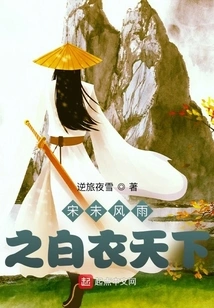
宋末风雨之白衣天下
Traveling Against The Night Snow
Wang Lun, the first head of the Liangshan family, a scholar in white, received the historical inheritance from later generations by chance, and changed his life from then on. There is no unwarranted brotherhood, no taken-for-granted good luck and love, everything can only be accomplished bit by bit by his hands to complete his grand ambition.
Wang Lun, the first head of the Liangshan family, a scholar in white, received the historical inheritance from later generations by chance, and changed his life from then on. There is no unwarranted brotherhood, no taken-for-granted good luck and love, everything can only be accomplished bit by bit by his hands to complete his grand ambition.