Library
Browse and search books
51,874 novels found
隋末烽烟:平阳剑影
Manke 2
Come to China Literature's website to read more of my works!
Come to China Literature's website to read more of my works!
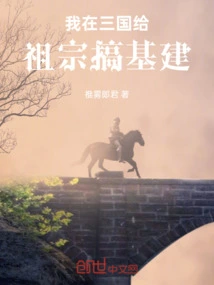
我在三国给祖宗搞基建
Push Fog Man
Gu Yan, a bankrupt mechanical engineer, was bound to a mysterious "ancestor simulator" system at the lowest point in his life. His consciousness could transcend time and space and possess the body of Gu Yan, a tenant farmer from a poor family with the same name and surname in the late Eastern Han Dynasty! [Novice mission: get rid of the identity of a young man! Failure penalty: obliteration! The cold system prompts are like a death knell. In a desperate situation, Gu Yan could only gamble on the engineer's last trump card - shouting at the whip-raising soldier: "I can build a new plow! Save cattle and people, and cultivate ten acres a day!" A faint blue light and shadow from the future, struggling to outline the "curved shaft plow" pattern that subverted the era in the mud, instantly froze the falling whip. Since then, the modern bankrupt society and the poor ancestors of the Eastern Han Dynasty have been forced to be bound on a thorny road to save the nation. Gu Yan controlled the body of his ancestor, started with a curved shaft plow, built workshops, developed water conservancy, smelted steel, and made firearms, creating an industrial fire that spanned thousands of years in troubled times!
Gu Yan, a bankrupt mechanical engineer, was bound to a mysterious "ancestor simulator" system at the lowest point in his life. His consciousness could transcend time and space and possess the body of Gu Yan, a tenant farmer from a poor family with the same name and surname in the late Eastern Han Dynasty! [Novice mission: get rid of the identity of a young man! Failure penalty: obliteration! The cold system prompts are like a death knell. In a desperate situation, Gu Yan could only gamble on the engineer's last trump card - shouting at the whip-raising soldier: "I can build a new plow! Save cattle and people, and cultivate ten acres a day!" A faint blue light and shadow from the future, struggling to outline the "curved shaft plow" pattern that subverted the era in the mud, instantly froze the falling whip. Since then, the modern bankrupt society and the poor ancestors of the Eastern Han Dynasty have been forced to be bound on a thorny road to save the nation. Gu Yan controlled the body of his ancestor, started with a curved shaft plow, built workshops, developed water conservancy, smelted steel, and made firearms, creating an industrial fire that spanned thousands of years in troubled times!
The World is United
History天下归齐
Neijiro
In 549 AD, in August of the seventh year of Wuding in the Eastern Wei Dynasty, Gao Cheng, who had just emerged as a hero, fell under the knife of a cook. In this extremely absurd way, his life of only 29 years old ended hastily, leaving only two words full of regret: "What a pity! What a pity!" At the same time, Taiyuan Gong Gaoyang, who was in Xicheng, appeared in Dongbai Hall in an instant and took over the banner of his father and brother. The most despised King Snot became the founding monarch of Northern Qi. At the same time, Xiao Bodhisattva, who had been fasting and chanting Buddha for forty years, finally joined the Buddha's arms. Hou Jing, who starved to death, gave himself a resounding nickname "General of the Universe" and coveted the throne. It was obvious that Chen Baxian, an unknown person, King Qin came forward to the north; Emperor Wen of the Western Wei Dynasty, Yuan Baoju, who had been cowardly all his life, died, and Yuwen Black Otter honestly supported a new puppet emperor. This tycoon in troubled times did not know that his life would count down together with Guozuo of the Western Wei Dynasty. The world will open a more majestic chapter. In the final chapter of this magnificent and troubled world, everyone will witness the slow unfolding of a new history. At this time, Gao Su, or a more familiar name, Gao Changgong, was standing in Baitang! But he has his own ideas: "Inherit Shenwu's legacy! Clarify Yunei! Unify the nine states! Bring the world together!"
In 549 AD, in August of the seventh year of Wuding in the Eastern Wei Dynasty, Gao Cheng, who had just emerged as a hero, fell under the knife of a cook. In this extremely absurd way, his life of only 29 years old ended hastily, leaving only two words full of regret: "What a pity! What a pity!" At the same time, Taiyuan Gong Gaoyang, who was in Xicheng, appeared in Dongbai Hall in an instant and took over the banner of his father and brother. The most despised King Snot became the founding monarch of Northern Qi. At the same time, Xiao Bodhisattva, who had been fasting and chanting Buddha for forty years, finally joined the Buddha's arms. Hou Jing, who starved to death, gave himself a resounding nickname "General of the Universe" and coveted the throne. It was obvious that Chen Baxian, an unknown person, King Qin came forward to the north; Emperor Wen of the Western Wei Dynasty, Yuan Baoju, who had been cowardly all his life, died, and Yuwen Black Otter honestly supported a new puppet emperor. This tycoon in troubled times did not know that his life would count down together with Guozuo of the Western Wei Dynasty. The world will open a more majestic chapter. In the final chapter of this magnificent and troubled world, everyone will witness the slow unfolding of a new history. At this time, Gao Su, or a more familiar name, Gao Changgong, was standing in Baitang! But he has his own ideas: "Inherit Shenwu's legacy! Clarify Yunei! Unify the nine states! Bring the world together!"
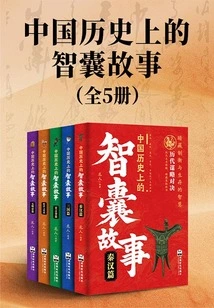
中国历史上的智囊故事(全5册)
Compiled By Dragon Man
This album brings together five masterpieces of think tank stories in Chinese history: "Qin and Han Chapter", "Three Kingdoms Chapter", "Sui, Tang and Five Dynasties Chapter", "Song, Liao and Jin Chapter" and "Yuan, Ming and Qing Chapter". The emperor's mind is unfathomable, the civil servants manage the government as if they are weighing their weight, the generals break the formation and the thunder cracks the sky, the counselors plan as if they are stargazing, and the wisdom of women is often hidden in the cracks of history - who is smarter? Let's look at the ups and downs of the storm.
This album brings together five masterpieces of think tank stories in Chinese history: "Qin and Han Chapter", "Three Kingdoms Chapter", "Sui, Tang and Five Dynasties Chapter", "Song, Liao and Jin Chapter" and "Yuan, Ming and Qing Chapter". The emperor's mind is unfathomable, the civil servants manage the government as if they are weighing their weight, the generals break the formation and the thunder cracks the sky, the counselors plan as if they are stargazing, and the wisdom of women is often hidden in the cracks of history - who is smarter? Let's look at the ups and downs of the storm.
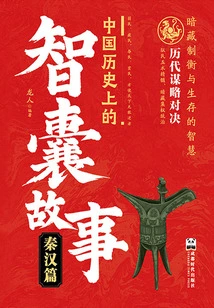
中国历史上的智囊故事:秦汉篇
Compiled By Dragon Man
The Qin and Han Dynasties are the collective name of the two unified dynasties, the Qin Dynasty and the Han Dynasty. From the time when Qin Shihuang unified China to when Emperor Xian of the Han Dynasty was forced to abdicate in Cao Pi, the Qin and Han Dynasties lasted for 421 years. Over the past four hundred years, the situation has been changing, and countless outstanding people have emerged. Qin Shihuang, who had made great contributions to the Three Sovereigns and Five Emperors, the "Three Heroes of the Early Han Dynasty" who assisted Liu Bang in creating the Han Dynasty, Dongfang Shuo, who controlled the emperor with jokes, Ban Chao, who recovered the Western Regions, and Deng Sui, who solved the crisis of the Eastern Han Dynasty... Whether they were emperors, generals or female counselors, they all used their wisdom and strategies to compose an enduring historical legend and inspire future generations.
The Qin and Han Dynasties are the collective name of the two unified dynasties, the Qin Dynasty and the Han Dynasty. From the time when Qin Shihuang unified China to when Emperor Xian of the Han Dynasty was forced to abdicate in Cao Pi, the Qin and Han Dynasties lasted for 421 years. Over the past four hundred years, the situation has been changing, and countless outstanding people have emerged. Qin Shihuang, who had made great contributions to the Three Sovereigns and Five Emperors, the "Three Heroes of the Early Han Dynasty" who assisted Liu Bang in creating the Han Dynasty, Dongfang Shuo, who controlled the emperor with jokes, Ban Chao, who recovered the Western Regions, and Deng Sui, who solved the crisis of the Eastern Han Dynasty... Whether they were emperors, generals or female counselors, they all used their wisdom and strategies to compose an enduring historical legend and inspire future generations.
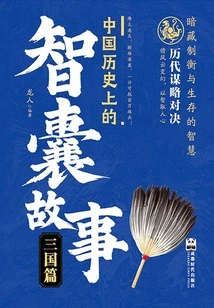
中国历史上的智囊故事:三国篇
Compiled By Dragon Man
"The general trend of the world is that if it divides for a long time, it will unite, and if it unites for a long time, it will divide." The Three Kingdoms, Two Jins, Southern and Northern Dynasties were the era of the most frequent regime changes in Chinese history. In 220 AD, Cao Pi proclaimed himself emperor. In 589 AD, the Sui Dynasty destroyed the Southern Dynasty Chen. In just 369 years, it experienced the Three Kingdoms period, the Western Jin period, the Eastern Jin Dynasty and the Sixteen Kingdoms period, and the Northern and Southern Dynasties period. Only 37 of them were unified. Heroes competed for hegemony, wars raged for years, and more than thirty dynasties, large and small, rose and fell. The culture of the Three Kingdoms, Two Jins, Southern and Northern Dynasties has been marked by division and separatism, but it still shines with dazzling light. From the princes and generals to the heroes and girls, living in the troubled times of the Wei, Jin, Southern and Northern Dynasties, if you want to settle down, you must have a wise man by your side. Their wisdom still shines brightly through the ages.
"The general trend of the world is that if it divides for a long time, it will unite, and if it unites for a long time, it will divide." The Three Kingdoms, Two Jins, Southern and Northern Dynasties were the era of the most frequent regime changes in Chinese history. In 220 AD, Cao Pi proclaimed himself emperor. In 589 AD, the Sui Dynasty destroyed the Southern Dynasty Chen. In just 369 years, it experienced the Three Kingdoms period, the Western Jin period, the Eastern Jin Dynasty and the Sixteen Kingdoms period, and the Northern and Southern Dynasties period. Only 37 of them were unified. Heroes competed for hegemony, wars raged for years, and more than thirty dynasties, large and small, rose and fell. The culture of the Three Kingdoms, Two Jins, Southern and Northern Dynasties has been marked by division and separatism, but it still shines with dazzling light. From the princes and generals to the heroes and girls, living in the troubled times of the Wei, Jin, Southern and Northern Dynasties, if you want to settle down, you must have a wise man by your side. Their wisdom still shines brightly through the ages.
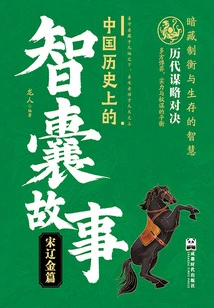
中国历史上的智囊故事:宋辽金篇
Compiled By Dragon Man
The Song, Liao and Jin Dynasties (960-1279) were a period when China's feudal economy turned from prosperity to decline. The feudal production method spread to distant frontiers, and over three hundred years, multiple coexisting national regimes emerged. The Song Dynasty reappeared in the prosperity of the Tang Dynasty, and the Liao Kingdom, the Jin Kingdom, and the Xixia Kingdom were short-lived and perished in the smoke of the war of aggression. The princes and princes determine the world with their great talents and broad strategies, the counselors make plans and travel in the rivers and lakes and temples, the military generals control the treacherous roads to level the four directions, the civil servants use their full knowledge to stabilize the country and benefit the people, and the women come up with good strategies and ingenious plans, all of which shine with the light of wisdom. It is beneficial to open the book, and if you read it carefully, you can also understand your own wisdom in life.
The Song, Liao and Jin Dynasties (960-1279) were a period when China's feudal economy turned from prosperity to decline. The feudal production method spread to distant frontiers, and over three hundred years, multiple coexisting national regimes emerged. The Song Dynasty reappeared in the prosperity of the Tang Dynasty, and the Liao Kingdom, the Jin Kingdom, and the Xixia Kingdom were short-lived and perished in the smoke of the war of aggression. The princes and princes determine the world with their great talents and broad strategies, the counselors make plans and travel in the rivers and lakes and temples, the military generals control the treacherous roads to level the four directions, the civil servants use their full knowledge to stabilize the country and benefit the people, and the women come up with good strategies and ingenious plans, all of which shine with the light of wisdom. It is beneficial to open the book, and if you read it carefully, you can also understand your own wisdom in life.
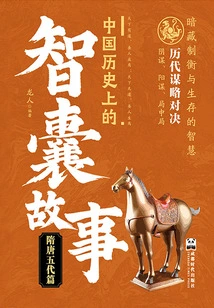
中国历史上的智囊故事:隋唐五代篇
Compiled By Dragon Man
From the establishment of the Sui Dynasty by Yang Jian in 581 AD to the fall of the Tang Dynasty in 907 AD, these 326 years were the famous Sui and Tang Dynasties in the history of our country. The Five Dynasties were the regimes that changed successively from the Later Liang, Later Tang, Later Jin, Later Han, and Later Wu Dynasties established after the fall of the Tang Dynasty in 907 AD until the establishment of the Northern Song Dynasty in 960 AD. The country experienced more than 70 years of turmoil. During these nearly four hundred years, there were times of peace and prosperity, as well as raging wars, and outstanding figures appeared one after another. Yang Jian, who ended the 400-year war, spoke out to remonstrate with Wei Zheng, Li Bi, who was dressed in white as prime minister, Su Dingfang, who destroyed the three kingdoms and opened up new territories, Wu Zetian, who ascended the throne as a woman... In the face of successive crises, they relied on their own wisdom to reverse the situation and contributed one legendary story after another.
From the establishment of the Sui Dynasty by Yang Jian in 581 AD to the fall of the Tang Dynasty in 907 AD, these 326 years were the famous Sui and Tang Dynasties in the history of our country. The Five Dynasties were the regimes that changed successively from the Later Liang, Later Tang, Later Jin, Later Han, and Later Wu Dynasties established after the fall of the Tang Dynasty in 907 AD until the establishment of the Northern Song Dynasty in 960 AD. The country experienced more than 70 years of turmoil. During these nearly four hundred years, there were times of peace and prosperity, as well as raging wars, and outstanding figures appeared one after another. Yang Jian, who ended the 400-year war, spoke out to remonstrate with Wei Zheng, Li Bi, who was dressed in white as prime minister, Su Dingfang, who destroyed the three kingdoms and opened up new territories, Wu Zetian, who ascended the throne as a woman... In the face of successive crises, they relied on their own wisdom to reverse the situation and contributed one legendary story after another.
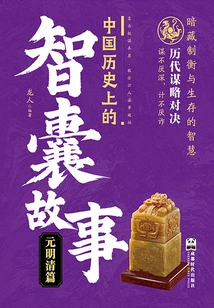
中国历史上的智囊故事:元明清篇
Compiled By Dragon Man
The Yuan Dynasty was the first unified dynasty established by ethnic minorities in Chinese history. In 1271 AD, Kublai Khan named the country Yuan. In 1368 AD, Zhu Yuanzhang established the Ming Dynasty and conquered most of the capital in the Northern Expedition, which lasted 98 years. It took 276 years in the Ming Dynasty from the founding of the Ming Dynasty by Zhu Yuanzhang to Li Zicheng's invasion of Beijing in 1644 and Emperor Chongzhen's suicide. The Qing Dynasty is generally considered to be the last feudal dynasty in China. It lasted for 296 years from the establishment of the Later Jin Dynasty by Nurhaci to the abdication of the last emperor Puyi in 1912 by Yuan Shikai. From the Yuan Dynasty to the Qing Dynasty, all aspects of Chinese society have undergone earth-shaking changes, and countless capable and wise men have stepped onto the stage of history and written their own stories with wisdom.
The Yuan Dynasty was the first unified dynasty established by ethnic minorities in Chinese history. In 1271 AD, Kublai Khan named the country Yuan. In 1368 AD, Zhu Yuanzhang established the Ming Dynasty and conquered most of the capital in the Northern Expedition, which lasted 98 years. It took 276 years in the Ming Dynasty from the founding of the Ming Dynasty by Zhu Yuanzhang to Li Zicheng's invasion of Beijing in 1644 and Emperor Chongzhen's suicide. The Qing Dynasty is generally considered to be the last feudal dynasty in China. It lasted for 296 years from the establishment of the Later Jin Dynasty by Nurhaci to the abdication of the last emperor Puyi in 1912 by Yuan Shikai. From the Yuan Dynasty to the Qing Dynasty, all aspects of Chinese society have undergone earth-shaking changes, and countless capable and wise men have stepped onto the stage of history and written their own stories with wisdom.
1644 Iron-blooded Revival
History1644铁血复兴
Burning Fire
Come to China Literature's website to read more of my works!
Come to China Literature's website to read more of my works!
Biography of the Huns
History匈奴传
Tuoba Wind And Rain
In the long history, the Xiongnu, an ancient nation, has always been full of mystery and legend. Previous records were all from the perspective of the Han people, but this book attempts to reveal the magnificent mystery of the Xiongnu nation from its own perspective. This book starts from the origin of the Xiongnu. On the vast grassland, a nation was quietly conceived. With the desire for survival and the awe of heaven and earth, it started its own journey. The rise of Maodun Chanyu is a significant event in the history of the Xiongnu. With his extraordinary courage and strategy, he made the Xiongnu cavalry powerful in all directions, conquered all the grassland tribes, and established a powerful Xiongnu regime. Since then, the Xiongnu had intricate interactions with the Qin and Han dynasties: there were fierce battles with gold and iron horses, and the flash of swords and swords on the battlefield; there were also helpless marriages, and the married women who married far away carried the hope and helplessness of a nation, and told a different story in history. Then, the consumption of wars and internal disputes led to their failure and two splits as independent regimes, and finally died. However, they did not disappear, but were integrated into the long river of civilization. "The Biography of the Huns" is not only a history of the rise and fall of a nation, but also a hymn to the blending of civilizations. Let us experience the tenacity and wisdom of the Huns from another perspective. If you want to understand a different Huns, then this book is not to be missed! Please come to our website to read more of my works
In the long history, the Xiongnu, an ancient nation, has always been full of mystery and legend. Previous records were all from the perspective of the Han people, but this book attempts to reveal the magnificent mystery of the Xiongnu nation from its own perspective. This book starts from the origin of the Xiongnu. On the vast grassland, a nation was quietly conceived. With the desire for survival and the awe of heaven and earth, it started its own journey. The rise of Maodun Chanyu is a significant event in the history of the Xiongnu. With his extraordinary courage and strategy, he made the Xiongnu cavalry powerful in all directions, conquered all the grassland tribes, and established a powerful Xiongnu regime. Since then, the Xiongnu had intricate interactions with the Qin and Han dynasties: there were fierce battles with gold and iron horses, and the flash of swords and swords on the battlefield; there were also helpless marriages, and the married women who married far away carried the hope and helplessness of a nation, and told a different story in history. Then, the consumption of wars and internal disputes led to their failure and two splits as independent regimes, and finally died. However, they did not disappear, but were integrated into the long river of civilization. "The Biography of the Huns" is not only a history of the rise and fall of a nation, but also a hymn to the blending of civilizations. Let us experience the tenacity and wisdom of the Huns from another perspective. If you want to understand a different Huns, then this book is not to be missed! Please come to our website to read more of my works
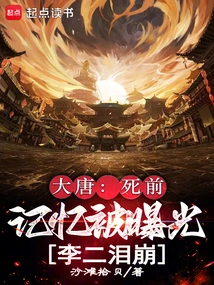
大唐:死前记忆被曝光,李二泪崩
Picking Up Shells On The Beach
Meng Fan traveled through the last years of the Sui Dynasty and the era when the princes came together, and awakened to the golden finger. And the task of this golden finger is also very simple. The death must shock the world, and it must be reasonable. As long as you succeed, you will not only go back to the future, but also get tens of billions of rewards and invincible talents! To this end, Meng Fan started a plan that lasted for more than ten years! Ten years later, he was taken to the execution ground and executed for numerous crimes. But at the critical moment, there was a vision in the sky, and the sky came down, exposing all his memories and past... The so-called crime turned out to be Meng Fan's silent labor and efforts for Datang. "There was a drought in the Tang Dynasty. Master Meng Fan did not hesitate to bear the reputation of being a corrupt man. He only wished that more people could survive!" "What is the so-called collaborating with the enemy and treason! It was clearly Meng Fan who got involved in the situation in exchange for the Tang Dynasty's opportunity to annihilate the Turks!" "The bad guy of the Tang Dynasty turned out to be the hidden sword that Master Meng Fan sharpened for His Majesty!" "..." On the prison stage, Li Er saw that Meng Fan, who had been thinking so hard, was misunderstood by him, and finally couldn't stand it anymore: My dear, I misunderstood you, you are the real unparalleled national scholar!
Meng Fan traveled through the last years of the Sui Dynasty and the era when the princes came together, and awakened to the golden finger. And the task of this golden finger is also very simple. The death must shock the world, and it must be reasonable. As long as you succeed, you will not only go back to the future, but also get tens of billions of rewards and invincible talents! To this end, Meng Fan started a plan that lasted for more than ten years! Ten years later, he was taken to the execution ground and executed for numerous crimes. But at the critical moment, there was a vision in the sky, and the sky came down, exposing all his memories and past... The so-called crime turned out to be Meng Fan's silent labor and efforts for Datang. "There was a drought in the Tang Dynasty. Master Meng Fan did not hesitate to bear the reputation of being a corrupt man. He only wished that more people could survive!" "What is the so-called collaborating with the enemy and treason! It was clearly Meng Fan who got involved in the situation in exchange for the Tang Dynasty's opportunity to annihilate the Turks!" "The bad guy of the Tang Dynasty turned out to be the hidden sword that Master Meng Fan sharpened for His Majesty!" "..." On the prison stage, Li Er saw that Meng Fan, who had been thinking so hard, was misunderstood by him, and finally couldn't stand it anymore: My dear, I misunderstood you, you are the real unparalleled national scholar!
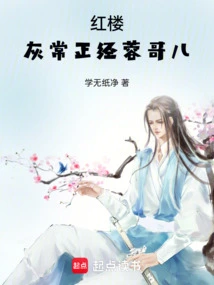
红楼,灰常正经蓉哥儿
Learn Without Paper
Jia Rong: I don't know why or when, everyone calls me "Gou Rong" Lin Daiyu: I don't know why? Don't you know it yourself? Jia Tanchun: I don't know when? Don't you know what you did? Shi Xiangyun: I don't want to be Gou Rong's wife, Ying Ying Ying. Xue Baochai glanced at the three of them disdainfully: What's wrong with Gou Rong? If I can become the mistress of Ningguo Mansion, I'm willing to marry a dog and follow him. Xichun: Tsk, the name Gou Rong was actually given to Brother Rong by me. It comes from "Gou Fugui" Yingchun: Brother Rong, this is my God!
Jia Rong: I don't know why or when, everyone calls me "Gou Rong" Lin Daiyu: I don't know why? Don't you know it yourself? Jia Tanchun: I don't know when? Don't you know what you did? Shi Xiangyun: I don't want to be Gou Rong's wife, Ying Ying Ying. Xue Baochai glanced at the three of them disdainfully: What's wrong with Gou Rong? If I can become the mistress of Ningguo Mansion, I'm willing to marry a dog and follow him. Xichun: Tsk, the name Gou Rong was actually given to Brother Rong by me. It comes from "Gou Fugui" Yingchun: Brother Rong, this is my God!
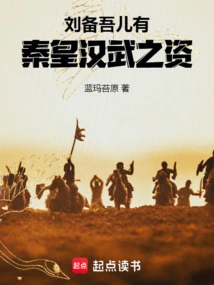
刘备:吾儿有秦皇汉武之资
Lanma Tundra
Liu Dou, an officer of the Republic of China, traveled through Liu Bei's eldest son, rescued Mrs. Gan on Changban Slope, borrowed the east wind from Chibi, and defeated Cao Cao's millions of soldiers... Ji Han fell, and the second and third generations of his descendants, including Guan Ping, Zhang Bao, Guan Xing, Zhuge Zhan, Fu Qian, Zhao Guang, and Zhang Zun, all died in battle. The reason was the lack of a hero. Liu Bei's disciples. Liu Chan is a good man, but a mediocre person. Although Liu Feng was capable, he was not his biological son. Liu Yong and Liu Li are not capable successors. This book is also known as "The Three Kingdoms Begins with the Rescue of Mrs. Gan" and "Ji Han: I am really Liu Adou, but I am not Liu Chan"
Liu Dou, an officer of the Republic of China, traveled through Liu Bei's eldest son, rescued Mrs. Gan on Changban Slope, borrowed the east wind from Chibi, and defeated Cao Cao's millions of soldiers... Ji Han fell, and the second and third generations of his descendants, including Guan Ping, Zhang Bao, Guan Xing, Zhuge Zhan, Fu Qian, Zhao Guang, and Zhang Zun, all died in battle. The reason was the lack of a hero. Liu Bei's disciples. Liu Chan is a good man, but a mediocre person. Although Liu Feng was capable, he was not his biological son. Liu Yong and Liu Li are not capable successors. This book is also known as "The Three Kingdoms Begins with the Rescue of Mrs. Gan" and "Ji Han: I am really Liu Adou, but I am not Liu Chan"
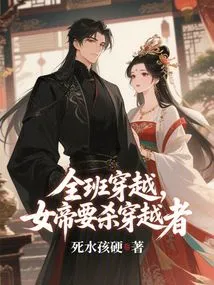
全班穿越,女帝要杀穿越者!
Backwater Boy Is Hard
After the college entrance examination, Ye Feng got drunk at the party, and when he woke up, he traveled through the ancient Daqian Dynasty. And the whole class also traveled through time! I originally thought that I could become famous in this ancient world with the rich knowledge in my mind after just finishing the college entrance examination. As soon as he crossed over, Ye Feng heard that a poetry gathering was going to be held in Daqian Capital. I originally thought that I could flex my muscles with Wen Chao Gong's strength. Unexpectedly, all the poetry gatherings were time travellers! "The Road to Shu is Difficult", "The Wine Will Enter", "Dan Ge Xing" and even "Four Sentences of Hengqu" were all read out. These guys are all time travellers, so the competition is fierce! When all the people in the poetry meeting read out poems that were not of this world. A soldier in golden armor took action and killed all the time travelers! "Anyone who copies poetry for no apparent reason will die!" "Anyone who inexplicably makes soap, gunpowder and other things that don't exist will die!" "Anyone who wakes up from a coma and has a drastic change in personality will die!" "Those who say thirty years to the east of the river and thirty years to the west of the river will die!" ... "Anyone who travels through time will die!" Only then did Ye Feng realize that he had traveled to a world where those who traveled through the world must die! Today's empress has decreed that all those who travel through time must die! Anyone who kills a time traveler will receive a generous reward from the court! In order to survive, Ye Feng can only avoid exposing his identity and stand firm in this different world step by step... Many years later, Ye Feng became the man behind the empress. Facing the empress's imperial edict to kill the time-travelers, Ye Feng leaned close to the empress and whispered: "My dear, do you also want to kill my husband?"
After the college entrance examination, Ye Feng got drunk at the party, and when he woke up, he traveled through the ancient Daqian Dynasty. And the whole class also traveled through time! I originally thought that I could become famous in this ancient world with the rich knowledge in my mind after just finishing the college entrance examination. As soon as he crossed over, Ye Feng heard that a poetry gathering was going to be held in Daqian Capital. I originally thought that I could flex my muscles with Wen Chao Gong's strength. Unexpectedly, all the poetry gatherings were time travellers! "The Road to Shu is Difficult", "The Wine Will Enter", "Dan Ge Xing" and even "Four Sentences of Hengqu" were all read out. These guys are all time travellers, so the competition is fierce! When all the people in the poetry meeting read out poems that were not of this world. A soldier in golden armor took action and killed all the time travelers! "Anyone who copies poetry for no apparent reason will die!" "Anyone who inexplicably makes soap, gunpowder and other things that don't exist will die!" "Anyone who wakes up from a coma and has a drastic change in personality will die!" "Those who say thirty years to the east of the river and thirty years to the west of the river will die!" ... "Anyone who travels through time will die!" Only then did Ye Feng realize that he had traveled to a world where those who traveled through the world must die! Today's empress has decreed that all those who travel through time must die! Anyone who kills a time traveler will receive a generous reward from the court! In order to survive, Ye Feng can only avoid exposing his identity and stand firm in this different world step by step... Many years later, Ye Feng became the man behind the empress. Facing the empress's imperial edict to kill the time-travelers, Ye Feng leaned close to the empress and whispered: "My dear, do you also want to kill my husband?"
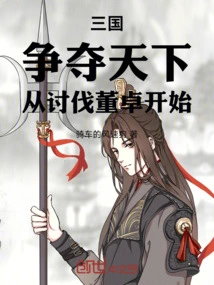
三国:争夺天下,从讨伐董卓开始
Speedy Dog riding A Bike
[Parallel world, fictional history, low martial arts, a combination of romance and history to serve the story. Liu Li traveled through time and became Liu Biao's nephew, also after Liu Yu, King of Lu Gong. Unfortunately, his parents died early, so he lived with Liu Biao since he was a child. Due to the butterfly effect, Wang Rui, the governor of Jingzhou, died early. In order to escape Dong Zhuo's clutches as soon as possible, Liu Li made suggestions to help Liu Biao win the position of governor of Jingzhou. He went south to Jingzhou and secretly protected Liu Biao as he rode down Jingzhou. During this period, he made suggestions and helped Liu Biao successfully occupy Jingzhou and manage Xiangyang in a very short period of time. Liu Biao advised him not to marry into a local aristocratic family, but Liu Biao refused to listen and married Cai. Soon, an appeal to Dong was issued, and all the princes in the world responded, except Liu Biao of Jingzhou who was slow to move, saying that Jingzhou was tired and unable to serve the king. At this moment, Liu Li finally saw through Liu Biao's true nature - a self-defeating thief! If you, Liu Biao, don't go to attack Dong Zhuo, then I will! You, Liu Biao, are afraid of Dong Zhuo, but I am not! After the battle against Dong, Liu Li became famous all over the world. Famous people from all over the world praised him and said: "The one who helps the Han Dynasty is Liu Zifang!" Since you, Liu Biao, like to guard one-third of an acre of land in Jingzhou instead of fighting for the world, then I will fight for it! ... Cao Cao: "I used to think that Liu Jingsheng's nephew was like a pig, but until I met Zifang, I should have a son like Liu Zifang!" Liu Bei: "Zifang, we are all clan members of the Han Dynasty, and we should work together to help the Han Dynasty!" Sun Quan: "I don't know why, but sometimes, I always feel like I'm always living in Liu Zifang's shadow."
[Parallel world, fictional history, low martial arts, a combination of romance and history to serve the story. Liu Li traveled through time and became Liu Biao's nephew, also after Liu Yu, King of Lu Gong. Unfortunately, his parents died early, so he lived with Liu Biao since he was a child. Due to the butterfly effect, Wang Rui, the governor of Jingzhou, died early. In order to escape Dong Zhuo's clutches as soon as possible, Liu Li made suggestions to help Liu Biao win the position of governor of Jingzhou. He went south to Jingzhou and secretly protected Liu Biao as he rode down Jingzhou. During this period, he made suggestions and helped Liu Biao successfully occupy Jingzhou and manage Xiangyang in a very short period of time. Liu Biao advised him not to marry into a local aristocratic family, but Liu Biao refused to listen and married Cai. Soon, an appeal to Dong was issued, and all the princes in the world responded, except Liu Biao of Jingzhou who was slow to move, saying that Jingzhou was tired and unable to serve the king. At this moment, Liu Li finally saw through Liu Biao's true nature - a self-defeating thief! If you, Liu Biao, don't go to attack Dong Zhuo, then I will! You, Liu Biao, are afraid of Dong Zhuo, but I am not! After the battle against Dong, Liu Li became famous all over the world. Famous people from all over the world praised him and said: "The one who helps the Han Dynasty is Liu Zifang!" Since you, Liu Biao, like to guard one-third of an acre of land in Jingzhou instead of fighting for the world, then I will fight for it! ... Cao Cao: "I used to think that Liu Jingsheng's nephew was like a pig, but until I met Zifang, I should have a son like Liu Zifang!" Liu Bei: "Zifang, we are all clan members of the Han Dynasty, and we should work together to help the Han Dynasty!" Sun Quan: "I don't know why, but sometimes, I always feel like I'm always living in Liu Zifang's shadow."
三国:穿越女将神,季汉秦良玉
Far Up The Yellow River
Malang traveled through the Eastern Han Dynasty, starting from Changbanpo in Dangyang in the 13th year of Jian'an, and gradually awakened to the three views and abilities of Qin Liangyu, the Ming Dynasty Valkyrie, in his previous life. From Dangyang - Chibi - Jingxiang - Liangchuan - and then to the whole country, it is not only a difficult road of struggle, but also the cheating life of Ji Han heroine... In the 19th year of Jian'an, Ma Lang took the lead in pacifying Xichuan. After that, he managed the army and gathered grain, and the two rivers became prosperous, and was praised by all the people. In the twenty-fourth year of Jian'an, Malang regained Chang'an, and the world was shocked. In the fourth year of Zhangwu, Ma Lang followed Zhuge Liang to pacify Nanzhong, civilized Nanbang, and brought all the people back to China; In the sixth year of Zhang Wu, Sima Yi led the troops of the Five Hus to resist the Han army; In the tenth year of Zhang Wu's reign, Liu Bei followed Ma Lang's advice and led Zhuge Liang and others to form an alliance with various tribes in the Youzhou region. Since then, the Central Plains has been stable and all ethnic groups have returned home. Liu Bei is over seventy years old and has finally made three great men. ... Liu Bei and hundreds of officials and people praised Ma Lang as "the heroine of the world" In fact, Ma Lang wanted to say: "Sister Qin in the previous life was a heroic woman in ancient and modern times."
Malang traveled through the Eastern Han Dynasty, starting from Changbanpo in Dangyang in the 13th year of Jian'an, and gradually awakened to the three views and abilities of Qin Liangyu, the Ming Dynasty Valkyrie, in his previous life. From Dangyang - Chibi - Jingxiang - Liangchuan - and then to the whole country, it is not only a difficult road of struggle, but also the cheating life of Ji Han heroine... In the 19th year of Jian'an, Ma Lang took the lead in pacifying Xichuan. After that, he managed the army and gathered grain, and the two rivers became prosperous, and was praised by all the people. In the twenty-fourth year of Jian'an, Malang regained Chang'an, and the world was shocked. In the fourth year of Zhangwu, Ma Lang followed Zhuge Liang to pacify Nanzhong, civilized Nanbang, and brought all the people back to China; In the sixth year of Zhang Wu, Sima Yi led the troops of the Five Hus to resist the Han army; In the tenth year of Zhang Wu's reign, Liu Bei followed Ma Lang's advice and led Zhuge Liang and others to form an alliance with various tribes in the Youzhou region. Since then, the Central Plains has been stable and all ethnic groups have returned home. Liu Bei is over seventy years old and has finally made three great men. ... Liu Bei and hundreds of officials and people praised Ma Lang as "the heroine of the world" In fact, Ma Lang wanted to say: "Sister Qin in the previous life was a heroic woman in ancient and modern times."
逆天改命:我嬴政带大秦征伐诸天
Ice Powder And Cold Shrimp
Reborn from the brink of death, sweeping across the world, the mythical Great Qin has descended into the heavens, pointed by the iron cavalry, directed by the soldiers, supreme in the heavens, and eternal calamity; from the desperate situation of the mortal world to the supreme in the heavens, I have won the government, based on the Qin system, with iron and blood as my salary, defying heaven and changing my destiny, I am the destiny of heaven! This journey never ends!
Reborn from the brink of death, sweeping across the world, the mythical Great Qin has descended into the heavens, pointed by the iron cavalry, directed by the soldiers, supreme in the heavens, and eternal calamity; from the desperate situation of the mortal world to the supreme in the heavens, I have won the government, based on the Qin system, with iron and blood as my salary, defying heaven and changing my destiny, I am the destiny of heaven! This journey never ends!
Are You Standing or Falling?
History你是站着还是倒下
Qi Feng In Shu
It's a dragon that flies straight into the sky when it encounters a storm
It's a dragon that flies straight into the sky when it encounters a storm
Prometheus' Choice
History普罗米修斯的抉择
Writernisral
Come to China Literature's website to read more of my works!
Come to China Literature's website to read more of my works!
神穿诸朝,弥补历史的遗憾
Shirakawa 567
Come to China Literature's website to read more of my works!
Come to China Literature's website to read more of my works!
Beacon Fire Jianxinlu
History烽火鉴心录
Yinchuanyu
Type of work: Historical military novel Core context: From Zhang Ru's lonely defense of Dusong Pass to the fall of Lin'an, the final epic of resistance in the Southern Song Dynasty is connected in series. Highlights and famous scenes: ?? Dusongguan fire oil tank trap: Zhang Ru led his army to ambush the Mongolian army with fire oil tanks in bamboo baskets, but was defeated because his general Feng Ji died in battle and he escaped from the battle. ?? Lin'an fireboat destroyed the Yuan army: The improved squatting cannon was combined with the sulfur torch, and the river surface turned into a fire dragon and burned the Yuan army's pontoon. ?? 128 Days of bloody battle in Tanzhou: Defending the city alone, creating the "back Wei army" tactic and burning the Yuan army's grain ships, and finally died with the city History thickness: Presenting the collision of hot and cold weapons: firecrackers\u002FThunderbolt Cannon vs Iron Buddha\u002FReturn to the in-depth portraits of tragic heroes such as Zhang Ru and Yue Rong Historical mysteries such as the Jiangnan Yimei League's secret chamber array looming
Type of work: Historical military novel Core context: From Zhang Ru's lonely defense of Dusong Pass to the fall of Lin'an, the final epic of resistance in the Southern Song Dynasty is connected in series. Highlights and famous scenes: ?? Dusongguan fire oil tank trap: Zhang Ru led his army to ambush the Mongolian army with fire oil tanks in bamboo baskets, but was defeated because his general Feng Ji died in battle and he escaped from the battle. ?? Lin'an fireboat destroyed the Yuan army: The improved squatting cannon was combined with the sulfur torch, and the river surface turned into a fire dragon and burned the Yuan army's pontoon. ?? 128 Days of bloody battle in Tanzhou: Defending the city alone, creating the "back Wei army" tactic and burning the Yuan army's grain ships, and finally died with the city History thickness: Presenting the collision of hot and cold weapons: firecrackers\u002FThunderbolt Cannon vs Iron Buddha\u002FReturn to the in-depth portraits of tragic heroes such as Zhang Ru and Yue Rong Historical mysteries such as the Jiangnan Yimei League's secret chamber array looming
竞对:乱世的法则
Du Ruhui
This is a historical book. This book starts from Chen Shou's "Three Kingdoms", and on the basis of respecting historical materials, interprets the details in "Three Kingdoms" that are not easy to be discovered. The author combines the background of the times to explain Chen Shou's vague expressions in detail and explore the historical details. Competition, that is, rivals, the Three Kingdoms is the beginning of the next three hundred years of chaos. All forces come to power and compete for the world, and the people suffer. But there were also people with lofty ideals in that era who wanted to find a way out for the times. They are rivals and occasionally confidants. It is precisely because of the existence of "them", the existence of rivals and enemies, that this era becomes exciting. A major feature of this book is that it pays great attention to combining historical materials. For every dialogue and story of historical figures, the author will carefully mark the source and content of the original text, ensuring the readability and authoritativeness of the book. This book has a total of fifteen chapters, including famous figures that readers are familiar with, such as Cao Cao, Liu Bei, Sun Quan, Zhuge Liang... There are also relatively "niche" historical stories, such as Chapter 13, "The Flashy Case: Who tried to quietly seize the emperor's power to appoint personnel?" ", Readers can easily become interested in this book and learn new knowledge.
This is a historical book. This book starts from Chen Shou's "Three Kingdoms", and on the basis of respecting historical materials, interprets the details in "Three Kingdoms" that are not easy to be discovered. The author combines the background of the times to explain Chen Shou's vague expressions in detail and explore the historical details. Competition, that is, rivals, the Three Kingdoms is the beginning of the next three hundred years of chaos. All forces come to power and compete for the world, and the people suffer. But there were also people with lofty ideals in that era who wanted to find a way out for the times. They are rivals and occasionally confidants. It is precisely because of the existence of "them", the existence of rivals and enemies, that this era becomes exciting. A major feature of this book is that it pays great attention to combining historical materials. For every dialogue and story of historical figures, the author will carefully mark the source and content of the original text, ensuring the readability and authoritativeness of the book. This book has a total of fifteen chapters, including famous figures that readers are familiar with, such as Cao Cao, Liu Bei, Sun Quan, Zhuge Liang... There are also relatively "niche" historical stories, such as Chapter 13, "The Flashy Case: Who tried to quietly seize the emperor's power to appoint personnel?" ", Readers can easily become interested in this book and learn new knowledge.
我在大梁卖货成为女人爱豆
Nothing Is As Good As Lin Mo
"Serving women is my mission, I was born to serve women." This is the slogan of Phytolacca! Shanglu, a small Internet celebrity on the earth, went to Nuwa Temple to explore the Nuwa Temple in order to let the richest woman on the list use rockets. As a result, he traveled to a world where there were more girls than boys. He was born in a down-and-out merchant family. When he just crossed over, he was poisoned by his aunt, and there were people who coveted his little remaining family property! When I went out, I saw a gangster molesting a beautiful widow. I really couldn't bear it, but my aunt couldn't bear it! In ancient times, it sold horse-faced skirts and yoga clothes, and became the idol of many women! And he also opened a milk tea chain, which became popular in mainland China!
"Serving women is my mission, I was born to serve women." This is the slogan of Phytolacca! Shanglu, a small Internet celebrity on the earth, went to Nuwa Temple to explore the Nuwa Temple in order to let the richest woman on the list use rockets. As a result, he traveled to a world where there were more girls than boys. He was born in a down-and-out merchant family. When he just crossed over, he was poisoned by his aunt, and there were people who coveted his little remaining family property! When I went out, I saw a gangster molesting a beautiful widow. I really couldn't bear it, but my aunt couldn't bear it! In ancient times, it sold horse-faced skirts and yoga clothes, and became the idol of many women! And he also opened a milk tea chain, which became popular in mainland China!
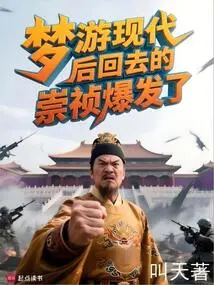
梦游现代后回去的崇祯爆发了
Call The Sky
In the thirteenth year of Chongzhen's reign, Emperor Chongzhen's assistant Xue Guoguan asked for donations from the emperor's relatives and nobles. Then the Nine Lotus Bodhisattva case occurred. The emperor's fifth son died suddenly, and Emperor Chongzhen fell into a dream of great sadness. In his dream, he lived out the rest of his life. Later, he was reincarnated in the 400th generation. With a high degree of self-discipline and hard work, he left the countryside and entered the Army Academy. He studied Ming history as a part-time student and woke up after graduation. Then Emperor Chongzhen stared at his son's body and remembered what happened in his dream...
In the thirteenth year of Chongzhen's reign, Emperor Chongzhen's assistant Xue Guoguan asked for donations from the emperor's relatives and nobles. Then the Nine Lotus Bodhisattva case occurred. The emperor's fifth son died suddenly, and Emperor Chongzhen fell into a dream of great sadness. In his dream, he lived out the rest of his life. Later, he was reincarnated in the 400th generation. With a high degree of self-discipline and hard work, he left the countryside and entered the Army Academy. He studied Ming history as a part-time student and woke up after graduation. Then Emperor Chongzhen stared at his son's body and remembered what happened in his dream...
唐末传奇
Fairy In The Mountains
Come to China Literature's website to read more of my works!
Come to China Literature's website to read more of my works!
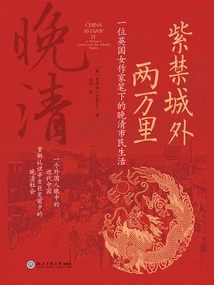
紫禁城外两万里:一位英国女作家笔下的晚清市民生活
(english) Luo Anyi
From 1907 to 1909, a little-known British female writer embarked on a grand tour in China. She recorded the Chinese society and Chinese people at that time from an outsider's perspective, and wrote 19 long letters to introduce her experiences and knowledge in this big Eastern country to friends in the UK. The first stop after landing in Shanghai was to Zhifu, Shandong, and she made full preparations for the next trip to China. Starting from Beijing, her trip officially started, heading to Wuhan via the Beijing-Hankow Railway, heading west to the Sichuan Basin, then to Hebei and Shanxi alone, then south to Nanjing, and returned to Shanghai via Hangzhou. This two-year journey was about 20,000 miles in total. In Luo Anyi's writing, the street vendors, the progressives who led the new trend, and the dignitaries at the time of the collapse of the Qing Dynasty all came to life on the page. On the eve of the Revolution of 1911, the traditional era was quietly disintegrating...
From 1907 to 1909, a little-known British female writer embarked on a grand tour in China. She recorded the Chinese society and Chinese people at that time from an outsider's perspective, and wrote 19 long letters to introduce her experiences and knowledge in this big Eastern country to friends in the UK. The first stop after landing in Shanghai was to Zhifu, Shandong, and she made full preparations for the next trip to China. Starting from Beijing, her trip officially started, heading to Wuhan via the Beijing-Hankow Railway, heading west to the Sichuan Basin, then to Hebei and Shanxi alone, then south to Nanjing, and returned to Shanghai via Hangzhou. This two-year journey was about 20,000 miles in total. In Luo Anyi's writing, the street vendors, the progressives who led the new trend, and the dignitaries at the time of the collapse of the Qing Dynasty all came to life on the page. On the eve of the Revolution of 1911, the traditional era was quietly disintegrating...
大明嘉靖:从长生开始
Kill The Dragon In The River
Traveling through the middle of the Ming Dynasty, he became Emperor Jiajing, awakened the Holy Emperor system, and activated the divine titles of Feiyuan Zhenjun, Zhongxiao Emperor, and Wanshou Emperor. He is in charge of longevity, yin and yang merits and demerits, with Yuanyang in his chest and five thunders in his hands, all monsters and evil spirits in the world can be conquered. Originally, Zhu Houcong just wanted to live a nourished life. Who knows, he couldn't control his steps, and the Ming Dynasty's powerful ships and cannons opened the window to the world. The Ming Empire accidentally punished the entire world, and the entire world will succumb to the majesty of the Ming Dynasty! From then on, the Ming Dynasty traveled across the oceans and continents, and there was also an emperor who would be passed down for generations to come.
Traveling through the middle of the Ming Dynasty, he became Emperor Jiajing, awakened the Holy Emperor system, and activated the divine titles of Feiyuan Zhenjun, Zhongxiao Emperor, and Wanshou Emperor. He is in charge of longevity, yin and yang merits and demerits, with Yuanyang in his chest and five thunders in his hands, all monsters and evil spirits in the world can be conquered. Originally, Zhu Houcong just wanted to live a nourished life. Who knows, he couldn't control his steps, and the Ming Dynasty's powerful ships and cannons opened the window to the world. The Ming Empire accidentally punished the entire world, and the entire world will succumb to the majesty of the Ming Dynasty! From then on, the Ming Dynasty traveled across the oceans and continents, and there was also an emperor who would be passed down for generations to come.
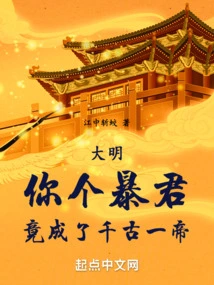
大明:你个暴君,竟成了千古一帝
Kill The Dragon In The River
Travel through the middle of the Ming Dynasty, become Emperor Zhengde, and awaken the invincible tyrant system. "Ding, the gift package for newbies will be distributed to the next level. The rewards are as follows." "Blessed by the fate of the country. Note: Passive skills, the empire will not be destroyed, and the host will not be destroyed." "Guardian of national destiny. Note: Passive skill, the empire will not be destroyed and the host will not die." "Blessing of national luck. Note: Passive skill, the empire will not be destroyed, and the host will not age." "National Luck Punishment. Note, active skill, the host can turn the power of National Luck into natural punishment and control the thunder to punish the enemy." From then on, the Ming Dynasty traveled across the oceans and continents, and there was also an emperor who would be passed on to all generations...
Travel through the middle of the Ming Dynasty, become Emperor Zhengde, and awaken the invincible tyrant system. "Ding, the gift package for newbies will be distributed to the next level. The rewards are as follows." "Blessed by the fate of the country. Note: Passive skills, the empire will not be destroyed, and the host will not be destroyed." "Guardian of national destiny. Note: Passive skill, the empire will not be destroyed and the host will not die." "Blessing of national luck. Note: Passive skill, the empire will not be destroyed, and the host will not age." "National Luck Punishment. Note, active skill, the host can turn the power of National Luck into natural punishment and control the thunder to punish the enemy." From then on, the Ming Dynasty traveled across the oceans and continents, and there was also an emperor who would be passed on to all generations...
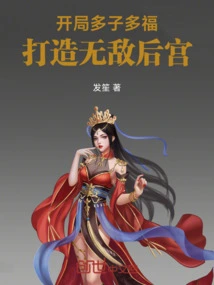
开局多子多福,打造无敌后宫
Killed Four Chickens
Qin Feng, a social animal, traveled through time and became a slave in the Hou Mansion, but was stepped on by the evil young man at the beginning. When he is about to die, he is bound to the system of many children and many blessings, and he will receive random rewards for each additional child. After rescuing his maid who was bullied, he gained a talent for business and secretly accumulated wealth. After passing the imperial examination, he slapped the former villain in the face and made the arrogant and talented girl his confidante. During the turmoil in the world, he rescued the alien princess and gained the inheritance of mysterious martial arts. When the prime minister colluded with foreign enemies to kill him, Qin Feng showed his trump card. Standing behind him were not only business empires and political forces, but also a room full of stunning women. "Ladies, it's time for the enemy to see our methods." That night, the dignitaries in the capital collectively suffered from insomnia.
Qin Feng, a social animal, traveled through time and became a slave in the Hou Mansion, but was stepped on by the evil young man at the beginning. When he is about to die, he is bound to the system of many children and many blessings, and he will receive random rewards for each additional child. After rescuing his maid who was bullied, he gained a talent for business and secretly accumulated wealth. After passing the imperial examination, he slapped the former villain in the face and made the arrogant and talented girl his confidante. During the turmoil in the world, he rescued the alien princess and gained the inheritance of mysterious martial arts. When the prime minister colluded with foreign enemies to kill him, Qin Feng showed his trump card. Standing behind him were not only business empires and political forces, but also a room full of stunning women. "Ladies, it's time for the enemy to see our methods." That night, the dignitaries in the capital collectively suffered from insomnia.
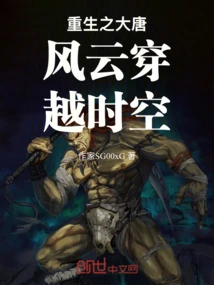
重生之大唐风云穿越时空
Zhou Jindong
Su Ran, a modern historian, traveled to Chang'an in the Tang Dynasty and was reborn as Lin Yu, a down-and-out scholar. After resolving the debt crisis with modern wisdom, he rose to prominence through poetry gatherings and became friends with Mr. Liu, Qin Shuang'er and others. He blended modern business thinking with Tang Dynasty craftsmanship, founded a workshop and met Prime Minister Ye Li. When investigating the cause of death in his previous life, he discovered that his best friend Zhou Xuan had taken refuge in dark forces and colluded with border rebellions in order to overthrow the Tang Dynasty. Lin Yu teamed up with Ye Li (who later betrayed the family to help) and Liu Gongzi (who was seriously injured) to fight against the conspiracy, and obtained key evidence during the pursuit by the palace's mysterious organization to help the court put down the rebellion and eliminate the traitors. After he succeeded, he traveled around the world with Ye Li, but found a mysterious symbolic stone tablet in a remote temple, revealing that his rebirth was secretly related to the founding of the Tang Dynasty. In order to explore the secrets of the ancient sect and the dark power behind the time travel, the three returned to Chang'an to face the counterattack of the remnants of the court, rescued the kidnapped Ye Li, and finally used the power of ancient books to crush the enemy in the decisive battle and protect the peace of the Tang Dynasty.
Su Ran, a modern historian, traveled to Chang'an in the Tang Dynasty and was reborn as Lin Yu, a down-and-out scholar. After resolving the debt crisis with modern wisdom, he rose to prominence through poetry gatherings and became friends with Mr. Liu, Qin Shuang'er and others. He blended modern business thinking with Tang Dynasty craftsmanship, founded a workshop and met Prime Minister Ye Li. When investigating the cause of death in his previous life, he discovered that his best friend Zhou Xuan had taken refuge in dark forces and colluded with border rebellions in order to overthrow the Tang Dynasty. Lin Yu teamed up with Ye Li (who later betrayed the family to help) and Liu Gongzi (who was seriously injured) to fight against the conspiracy, and obtained key evidence during the pursuit by the palace's mysterious organization to help the court put down the rebellion and eliminate the traitors. After he succeeded, he traveled around the world with Ye Li, but found a mysterious symbolic stone tablet in a remote temple, revealing that his rebirth was secretly related to the founding of the Tang Dynasty. In order to explore the secrets of the ancient sect and the dark power behind the time travel, the three returned to Chang'an to face the counterattack of the remnants of the court, rescued the kidnapped Ye Li, and finally used the power of ancient books to crush the enemy in the decisive battle and protect the peace of the Tang Dynasty.
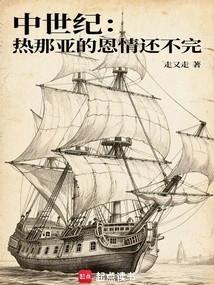
中世纪:热那亚的恩情还不完
Walk And Walk
A hundred years later, people realized that there was only one winner in the Crusades - Genoa. An archaeological explorer traveled through time and became the heir to the Doria family in Genoa - Marco Doria. The year is 1191, during the Third Crusade. Against the Saracens? No, no, no, of course it is to fill up the Port of Pisa and hang the Doge of Venice. We are enemies when we are in the same group. When the Genoese took complete control of Mediterranean trade, they wanted more. Marco looked to the east and said: There must be great navigation, and the age of great navigation will follow. The Guli Kingdom in southern India became the most distant parish. The people of the Southern Song Dynasty discovered that food was no longer the only thing that came from the sea. Mayan priests made a prophecy that a divine messenger would come from the endless sea, and his kindness would never be repaid.
A hundred years later, people realized that there was only one winner in the Crusades - Genoa. An archaeological explorer traveled through time and became the heir to the Doria family in Genoa - Marco Doria. The year is 1191, during the Third Crusade. Against the Saracens? No, no, no, of course it is to fill up the Port of Pisa and hang the Doge of Venice. We are enemies when we are in the same group. When the Genoese took complete control of Mediterranean trade, they wanted more. Marco looked to the east and said: There must be great navigation, and the age of great navigation will follow. The Guli Kingdom in southern India became the most distant parish. The people of the Southern Song Dynasty discovered that food was no longer the only thing that came from the sea. Mayan priests made a prophecy that a divine messenger would come from the endless sea, and his kindness would never be repaid.
烽烟掠才:从截胡开始的霸主路
Picking Up The Light Ji Nan
When the modern history department is Liu Jing, he travels with Liu Jin through Liu Yu's son. I wonder if I can win the world! And solve the problem of chaos in China. Guan Yu: "Although Guan is a martial artist, he also knows the word loyalty and righteousness. As the saying goes, a bird that chooses wood can live in a good tree; a minister who chooses his master can meet his master. Guan's life's wish is enough. From now on, Guan's fate is Brother Liu's life, and Guan's body is Brother Liu's body. But there will be no two minds according to the driving force!" Zhang Fei: "Me too!" ? Guan Yu: "I swear that I will share weal and woe with my brother and stay with him for life, life and death!" Zhang Fei: "Me too!" ? Guan Yu: "If you say this, both heaven and man will kill him!" Zhang Fei: "Me too! Liu Jin, Dian Wei, Zhao Yun... Dian Wei: Third brother, you...
When the modern history department is Liu Jing, he travels with Liu Jin through Liu Yu's son. I wonder if I can win the world! And solve the problem of chaos in China. Guan Yu: "Although Guan is a martial artist, he also knows the word loyalty and righteousness. As the saying goes, a bird that chooses wood can live in a good tree; a minister who chooses his master can meet his master. Guan's life's wish is enough. From now on, Guan's fate is Brother Liu's life, and Guan's body is Brother Liu's body. But there will be no two minds according to the driving force!" Zhang Fei: "Me too!" ? Guan Yu: "I swear that I will share weal and woe with my brother and stay with him for life, life and death!" Zhang Fei: "Me too!" ? Guan Yu: "If you say this, both heaven and man will kill him!" Zhang Fei: "Me too! Liu Jin, Dian Wei, Zhao Yun... Dian Wei: Third brother, you...
盛世农医
Geological Uncle
Come to China Literature's website to read more of my works!
Come to China Literature's website to read more of my works!
我,刘辩,在三国玩召唤
Chong Xiaoqiang
Come to China Literature's website to read more of my works!
Come to China Literature's website to read more of my works!
大唐之逍遥皇子
Northern Royal City
In the 21st century, Wang Mo, a graduate and unemployed young man, traveled to the Tang Dynasty and became a prince who did not exist in history. It remains to be seen how he stirs up the prosperity of the Tang Dynasty!
In the 21st century, Wang Mo, a graduate and unemployed young man, traveled to the Tang Dynasty and became a prince who did not exist in history. It remains to be seen how he stirs up the prosperity of the Tang Dynasty!
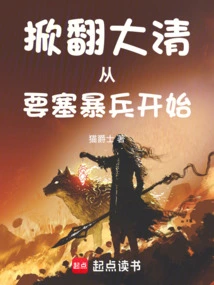
掀翻大清从要塞暴兵开始
Cat Jazz
In the Qing Dynasty, he was a refugee who could starve to death at any time. I thought it was miserable enough, but I didn't expect that what was even worse was that a group of Qing soldiers insisted on treating them as rebels to kill good people and take credit! In a rage, Lin Hao decided to become a real rebel and overthrow the Qing Dynasty that did not give him a way to survive! Summary: This is a story about a time traveler leading a fortress system to overthrow the Qing Dynasty.
In the Qing Dynasty, he was a refugee who could starve to death at any time. I thought it was miserable enough, but I didn't expect that what was even worse was that a group of Qing soldiers insisted on treating them as rebels to kill good people and take credit! In a rage, Lin Hao decided to become a real rebel and overthrow the Qing Dynasty that did not give him a way to survive! Summary: This is a story about a time traveler leading a fortress system to overthrow the Qing Dynasty.
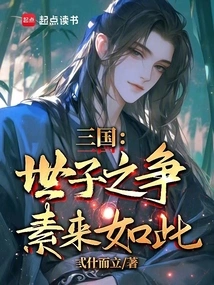
三国:世子之争,素来如此
Stand Evenly
Introduction: In the twelfth year of Jian'an, a poisonous snake ended the life of the prodigy. An accident? Is it a frame-up? A mysterious case kicks off the fight for the throne! When Cao Chong, who was supposed to have died early, came back to life, the struggle for the crown prince undoubtedly became more complicated. The heroic Cao Cao sat on the throne and allowed all the princes to fight openly and secretly. Trying to use the most cruel method to select the heir who suits his heart. The forbearing Cao Pi, the brave Cao Zhang, the talented Cao Zhi, and the extremely intelligent Cao Chong. Conspiracy, conspiracy, trickery, assassination... The battle between the heir apparents has always been like this! In the end, who can win the battle and inherit the Wei Dynasty's legacy? One year later, can the east wind in Chibi still blow out the fire of reunification...
Introduction: In the twelfth year of Jian'an, a poisonous snake ended the life of the prodigy. An accident? Is it a frame-up? A mysterious case kicks off the fight for the throne! When Cao Chong, who was supposed to have died early, came back to life, the struggle for the crown prince undoubtedly became more complicated. The heroic Cao Cao sat on the throne and allowed all the princes to fight openly and secretly. Trying to use the most cruel method to select the heir who suits his heart. The forbearing Cao Pi, the brave Cao Zhang, the talented Cao Zhi, and the extremely intelligent Cao Chong. Conspiracy, conspiracy, trickery, assassination... The battle between the heir apparents has always been like this! In the end, who can win the battle and inherit the Wei Dynasty's legacy? One year later, can the east wind in Chibi still blow out the fire of reunification...
我,汉室宗亲!三造大汉!
The World Is Vast And Confused, As If Lost
Come to China Literature's website to read more of my works!
Come to China Literature's website to read more of my works!
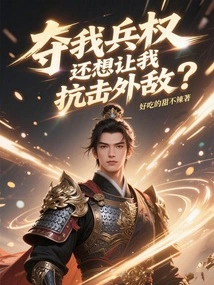
夺我兵权,还想让我抗击外敌?
Delicious, Sweet Or Not Spicy
[Imaginary world + dynasty hegemony + decisive killing + low martial arts + proclaiming emperor] Travel through a world where history and martial arts blend together. In order to express his gratitude to the late emperor for knowing him, Chu Xiao led 150,000 troops to the north to fight against the Hu people. In six years, he made great military exploits and was granted the title of King of Zhenbei by the late emperor! Just when Chu Xiao was about to go all out to drive the Xiongnu out of the pass and restore peace to the northern border. But unexpectedly received news of the death of the late emperor Zheng Jing. In the same year, Emperor Qing Zheng Tai came to power. On the first day after Zheng Tai ascended the throne, he cut off the food and fodder for Chu Xiao's army in northern Xinjiang, and also sent eunuchs to northern Xinjiang with the intention of regaining military power and at the same time giving Chu Xiao death. This time, Chu Xiao was completely angry! Take away my military power and still want me to fight against foreign enemies? I rebelled! So, Chu Xiao tore up the gilded imperial edict on the spot, looked up to the sky and laughed wildly in front of all the eunuchs: "Since Zheng Tai wants military power, then I will give it back to him!" "Without the late Emperor's Dazheng, so what if it is destroyed!" On this day, there was no longer a Zhenbei King in the world. Instead, he was the Martial Emperor Chu Xiao!
[Imaginary world + dynasty hegemony + decisive killing + low martial arts + proclaiming emperor] Travel through a world where history and martial arts blend together. In order to express his gratitude to the late emperor for knowing him, Chu Xiao led 150,000 troops to the north to fight against the Hu people. In six years, he made great military exploits and was granted the title of King of Zhenbei by the late emperor! Just when Chu Xiao was about to go all out to drive the Xiongnu out of the pass and restore peace to the northern border. But unexpectedly received news of the death of the late emperor Zheng Jing. In the same year, Emperor Qing Zheng Tai came to power. On the first day after Zheng Tai ascended the throne, he cut off the food and fodder for Chu Xiao's army in northern Xinjiang, and also sent eunuchs to northern Xinjiang with the intention of regaining military power and at the same time giving Chu Xiao death. This time, Chu Xiao was completely angry! Take away my military power and still want me to fight against foreign enemies? I rebelled! So, Chu Xiao tore up the gilded imperial edict on the spot, looked up to the sky and laughed wildly in front of all the eunuchs: "Since Zheng Tai wants military power, then I will give it back to him!" "Without the late Emperor's Dazheng, so what if it is destroyed!" On this day, there was no longer a Zhenbei King in the world. Instead, he was the Martial Emperor Chu Xiao!
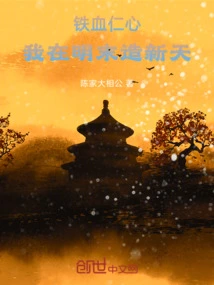
铁血仁心:我在明末造新天
Mr. Chen Family
**In the winter of the eleventh year of Chongzhen, people clearly marked the prices, and their wives and children sold them by the pound. ** \U003E When Li Yun opened his eyes, he was lying in a pile of corpses outside Luoyang City. \U003E As a modern liberal arts student, he can't make a flintlock gun and can't calculate the gunpowder ratio, but he knows better than anyone else that the real end of the Ming Dynasty is not the iron cavalry outside the pass, but the corruption of people's hearts and the collapse of the system!
**In the winter of the eleventh year of Chongzhen, people clearly marked the prices, and their wives and children sold them by the pound. ** \U003E When Li Yun opened his eyes, he was lying in a pile of corpses outside Luoyang City. \U003E As a modern liberal arts student, he can't make a flintlock gun and can't calculate the gunpowder ratio, but he knows better than anyone else that the real end of the Ming Dynasty is not the iron cavalry outside the pass, but the corruption of people's hearts and the collapse of the system!
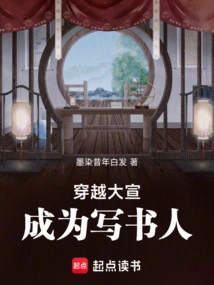
穿越大宣成为写书人
Ink Stains Old Gray Hair
Two experiences, different lives, let's look at the writing life of Lin Xiao, a time traveler majoring in literature. After getting to know many confidantes, Lin Xiao felt that if this was a dream, he hoped he would never wake up.
Two experiences, different lives, let's look at the writing life of Lin Xiao, a time traveler majoring in literature. After getting to know many confidantes, Lin Xiao felt that if this was a dream, he hoped he would never wake up.
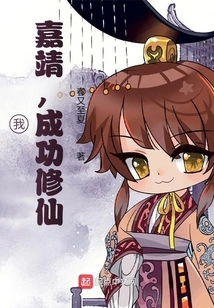
我,嘉靖,成功修仙
Spring Turns To Summer
After training, my body resembles the shape of a crane. Two scriptures are written under a thousand pines. When I come to ask questions, I can't help but say, "The clouds are in the blue sky and the water is in the bottle." When Ji Shi woke up, he found that he had traveled through time and became Emperor Jiajing, who was obsessed with cultivating immortality, and he seemed to have succeeded in cultivating immortality?
After training, my body resembles the shape of a crane. Two scriptures are written under a thousand pines. When I come to ask questions, I can't help but say, "The clouds are in the blue sky and the water is in the bottle." When Ji Shi woke up, he found that he had traveled through time and became Emperor Jiajing, who was obsessed with cultivating immortality, and he seemed to have succeeded in cultivating immortality?
诸天:从帮刘备守住徐州开始
Luffy Picking His Feet 0
In the first year of Jian'an, Liu Bei, Lu Bu and Cao Cao were fighting in Xuzhou, and Yuan Shao was about to face the biggest Waterloo in his life. In the first year of Yonghe, Wang Meng and Fu Jian had not yet met. The beggar army in the north was struggling to survive, and history was still lingering in darkness. On July 18, the 18th year of Shunzhi, the Cursed Water Disaster occurred. One year later, Li Dingguo died of illness, and the dignified China fell into the dust of Nenghu for three hundred years, and all its clothes and etiquette were lost. Xu Sheng, a traveler with the gate of time and space, wants to turn the world upside down, and it will be difficult to defeat him!
In the first year of Jian'an, Liu Bei, Lu Bu and Cao Cao were fighting in Xuzhou, and Yuan Shao was about to face the biggest Waterloo in his life. In the first year of Yonghe, Wang Meng and Fu Jian had not yet met. The beggar army in the north was struggling to survive, and history was still lingering in darkness. On July 18, the 18th year of Shunzhi, the Cursed Water Disaster occurred. One year later, Li Dingguo died of illness, and the dignified China fell into the dust of Nenghu for three hundred years, and all its clothes and etiquette were lost. Xu Sheng, a traveler with the gate of time and space, wants to turn the world upside down, and it will be difficult to defeat him!
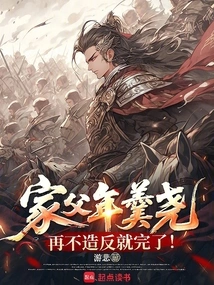
家父年羹尧?再不造反就完了!
Youbei
[A dead end at the beginning? The son of Gengyao traveled through time and experienced this wave of blood loss! Nian Xi was confused as soon as he opened his eyes - his grandfather was Nalan Xingde, yes, the great poet who wrote "If life is just like the first time we met". My grandfather, Nian Xialing, was a high-ranking official in Xinjiang, and my father, Nian Gengyao, was a famous figure in the Kangxi Dynasty. He became a high-ranking official at the age of thirty. Nian Xi, who was supposed to be the youngest son in the capital, calculated with his fingers: It would be less than twenty years before Yongzheng came to power, and the whole family would be finished by then! Looking at the high-spirited General Nian in front of him, Nian Xi was so worried that he gritted his teeth: Now my father talks so much about being loyal and patriotic, who would have thought that more than ten years later, Yongzheng would list ninety-two major sins? What's even more amazing is that the little aunt with the double bun next to her will become Yongzheng's favorite concubine Nian in the future... "Amma, Sichuan is a great place!" Nian Xi hinted crazily, "Back then Liu Bei..." "Shut up!" Nian Gengyao handed back a banning package. Nian Xi, a former chemistry student, silently took out a small notebook: saltpeter + iron ore + sulfur = firearms, Jianmen Pass = natural barrier... What Zhuge Cheng lacked in his youth was not the "Character List", but the periodic table of elements! Nian Xi's rebellion training class quietly started. During the day, he pretends to be a good boy and accompanies his father to meet officials, and at night he brainwashes her like crazy: "Princes, princes, generals, and Xiang Ning are really good at this."
[A dead end at the beginning? The son of Gengyao traveled through time and experienced this wave of blood loss! Nian Xi was confused as soon as he opened his eyes - his grandfather was Nalan Xingde, yes, the great poet who wrote "If life is just like the first time we met". My grandfather, Nian Xialing, was a high-ranking official in Xinjiang, and my father, Nian Gengyao, was a famous figure in the Kangxi Dynasty. He became a high-ranking official at the age of thirty. Nian Xi, who was supposed to be the youngest son in the capital, calculated with his fingers: It would be less than twenty years before Yongzheng came to power, and the whole family would be finished by then! Looking at the high-spirited General Nian in front of him, Nian Xi was so worried that he gritted his teeth: Now my father talks so much about being loyal and patriotic, who would have thought that more than ten years later, Yongzheng would list ninety-two major sins? What's even more amazing is that the little aunt with the double bun next to her will become Yongzheng's favorite concubine Nian in the future... "Amma, Sichuan is a great place!" Nian Xi hinted crazily, "Back then Liu Bei..." "Shut up!" Nian Gengyao handed back a banning package. Nian Xi, a former chemistry student, silently took out a small notebook: saltpeter + iron ore + sulfur = firearms, Jianmen Pass = natural barrier... What Zhuge Cheng lacked in his youth was not the "Character List", but the periodic table of elements! Nian Xi's rebellion training class quietly started. During the day, he pretends to be a good boy and accompanies his father to meet officials, and at night he brainwashes her like crazy: "Princes, princes, generals, and Xiang Ning are really good at this."
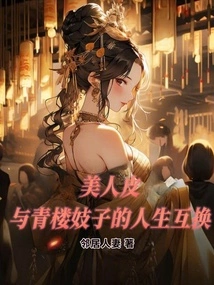
美人皮,与姬子的人生互换
Neighbor Wife
[Leather goods] [Soul exchange] [Fall] [Degeneration] [Micro horror] Jiang Nuo is the legitimate daughter of the Jiang family of the Great Chu Dynasty. As the most prominent family in the Great Chu Dynasty, the Jiang family can be said to be more powerful than tens of thousands of people. Her grandfather Jiang Kaidi is the elder of the three dynasties of the Great Chu Prime Minister in the court. Because of this, Jiang Nuo can be said to have stood at the pinnacle that many people can't reach in their entire lives. As Jiang Nuo grows older, he is tired of this closed life of staying in the boudoir without leaving the door. Therefore, Jiang Nuo is full of curiosity about the outside world. . By chance, she got a piece of extremely charming beauty skin during an outing. When she touched this human skin, she felt an inexplicable sensation that made Jiang Nuo have the urge to wear this skin on her body immediately. As Jiang Nuo became more and more dependent on this beauty's skin, unknowingly, she was no longer her original self...
[Leather goods] [Soul exchange] [Fall] [Degeneration] [Micro horror] Jiang Nuo is the legitimate daughter of the Jiang family of the Great Chu Dynasty. As the most prominent family in the Great Chu Dynasty, the Jiang family can be said to be more powerful than tens of thousands of people. Her grandfather Jiang Kaidi is the elder of the three dynasties of the Great Chu Prime Minister in the court. Because of this, Jiang Nuo can be said to have stood at the pinnacle that many people can't reach in their entire lives. As Jiang Nuo grows older, he is tired of this closed life of staying in the boudoir without leaving the door. Therefore, Jiang Nuo is full of curiosity about the outside world. . By chance, she got a piece of extremely charming beauty skin during an outing. When she touched this human skin, she felt an inexplicable sensation that made Jiang Nuo have the urge to wear this skin on her body immediately. As Jiang Nuo became more and more dependent on this beauty's skin, unknowingly, she was no longer her original self...
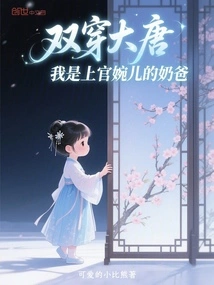
双穿大唐,我是上官婉儿的奶爸
Cute Little Bichon
[Double wear + daily + sweet pet + cute baby] An internet article writer who bought a dilapidated screen from a street stall actually connected the Tang Dynasty to the 21st century. Through this screen, he met Shangguan Wan'er, a heroine in history, but this Shangguan Wan'er was only over three years old. The little poor girl and her mother lived in Yeting Palace and were bullied. Li Changan decided to help them. So in this cold winter, the mother and daughter had thermal underwear, cotton shoes, etc. Until the mother and daughter left Yeting Palace with his help, Li Changan's good days quietly came. ..... "Xiao Langjun is the best person in the world." "Wan'er likes Xiao Langjun the most." ...
[Double wear + daily + sweet pet + cute baby] An internet article writer who bought a dilapidated screen from a street stall actually connected the Tang Dynasty to the 21st century. Through this screen, he met Shangguan Wan'er, a heroine in history, but this Shangguan Wan'er was only over three years old. The little poor girl and her mother lived in Yeting Palace and were bullied. Li Changan decided to help them. So in this cold winter, the mother and daughter had thermal underwear, cotton shoes, etc. Until the mother and daughter left Yeting Palace with his help, Li Changan's good days quietly came. ..... "Xiao Langjun is the best person in the world." "Wan'er likes Xiao Langjun the most." ...
陇右耕策:从荒村到天下共主
The Sanxian Who Failed To Overcome The Tribulation
"Others traveled through time and became princes and generals. He transformed into a plowman in Longyou, and even caught up with Hu Qi and burned the village! There is no system, no magic, only the "Dai Tian Method", "Jian Sheng Ping Zhen" and "Eight Formation Diagrams" that the history department has memorized - using crop rotation to triple the grain of wasteland, using commercial networks to return salt and iron to the people, and using military improvements to bring rural areas back to the countryside. Even better, the Qingmei Zhi Niang was able to clear the books, the distressed princess was able to control the family, the traitorous knight stabbed the enemy leader, and even the Turk princess surrendered with her flying cavalry! See how Chen Mu turned his 'knowledge' into a sword, cut an imperial path out of Qinghe Village, and finally opened up a new dynasty in this troubled world!"
"Others traveled through time and became princes and generals. He transformed into a plowman in Longyou, and even caught up with Hu Qi and burned the village! There is no system, no magic, only the "Dai Tian Method", "Jian Sheng Ping Zhen" and "Eight Formation Diagrams" that the history department has memorized - using crop rotation to triple the grain of wasteland, using commercial networks to return salt and iron to the people, and using military improvements to bring rural areas back to the countryside. Even better, the Qingmei Zhi Niang was able to clear the books, the distressed princess was able to control the family, the traitorous knight stabbed the enemy leader, and even the Turk princess surrendered with her flying cavalry! See how Chen Mu turned his 'knowledge' into a sword, cut an imperial path out of Qinghe Village, and finally opened up a new dynasty in this troubled world!"
三国山贼不好当,开局绑了孙尚香
Luoshui Fish
He who robs one person becomes a thief, and he who robs the whole world becomes an emperor. But the original owner, a bandit, robbed Sun Shangxiang! The allied forces of Sun and Liu have arrived at the foot of the mountain, but my village has only seven or eight brothers and a dozen knives. "Second Master, if we send her back as a young lady, will anyone believe it?" Book club group: 115638017
He who robs one person becomes a thief, and he who robs the whole world becomes an emperor. But the original owner, a bandit, robbed Sun Shangxiang! The allied forces of Sun and Liu have arrived at the foot of the mountain, but my village has only seven or eight brothers and a dozen knives. "Second Master, if we send her back as a young lady, will anyone believe it?" Book club group: 115638017