Library
Browse and search books
51,874 novels found
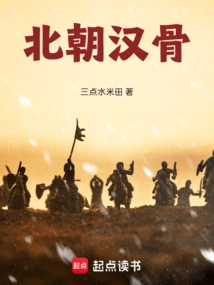
Northern Dynasties Han Bones
History北朝汉骨
Three Points Rice Field
This is the year 523 AD. It inherited the Wuhu Rebellion and initiated the rise of the Tang Dynasty. The little emperor in the north is watching the flies and dogs in the court. Monk Xiao from the south thought of sacrificing himself in the temple for the first time. Beneath their feet, out of sight, the common people began to think about how to change the status quo. To destroy the city and attack the Wei army, the soldiers and civilians of the six towns were the first to give their answers. In this Hu-Han wave, Huo Xian, who came from later generations, took advantage of the situation to rise up, inherit the heroes of his ancestors, and revive the bones of the Han Dynasty. "Yesterday, the world's affairs were up to you, today they are up to me."
This is the year 523 AD. It inherited the Wuhu Rebellion and initiated the rise of the Tang Dynasty. The little emperor in the north is watching the flies and dogs in the court. Monk Xiao from the south thought of sacrificing himself in the temple for the first time. Beneath their feet, out of sight, the common people began to think about how to change the status quo. To destroy the city and attack the Wei army, the soldiers and civilians of the six towns were the first to give their answers. In this Hu-Han wave, Huo Xian, who came from later generations, took advantage of the situation to rise up, inherit the heroes of his ancestors, and revive the bones of the Han Dynasty. "Yesterday, the world's affairs were up to you, today they are up to me."
Regent Piaoyi
History摄政王飘仪
Su Rice
When the late emperor Lin Xuyang died, the only daughter Lin Qi was afraid of the unrest in the government and the public at a young age, but she was also afraid that the hero who had once been crowned a king with a different surname would depose her daughter and establish a new emperor. Following the appointment of Piao Yi, his sworn brother when he was young, as the regent, Piao Yi oppressed the imperial party with the power of power. Lin Qi was unwilling to be humiliated and secretly summoned the imperial party again and again, and fought again and again between the imperial party and the imperial party.
When the late emperor Lin Xuyang died, the only daughter Lin Qi was afraid of the unrest in the government and the public at a young age, but she was also afraid that the hero who had once been crowned a king with a different surname would depose her daughter and establish a new emperor. Following the appointment of Piao Yi, his sworn brother when he was young, as the regent, Piao Yi oppressed the imperial party with the power of power. Lin Qi was unwilling to be humiliated and secretly summoned the imperial party again and again, and fought again and again between the imperial party and the imperial party.

Lin Yu of the Three Kingdoms
History三国之林羽
Everlasting Regret Shui Xingdong
Come to China Literature's website to read more of my works!
Come to China Literature's website to read more of my works!
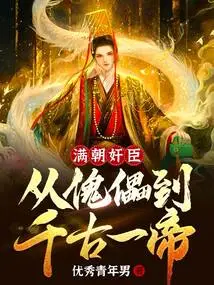
满朝奸臣:从傀儡到千古一帝!
Outstanding Young Man
Xia Ying traveled from the 21st world to the Kyushu Continent where the seven kingdoms coexisted, and became the emperor of the Qin Kingdom. He was proclaimed emperor at the age of nine, but the whole court turned out to be treacherous and sycophantic! For example, the Queen Mother Lu Fei of the East Palace, the Queen Wu Fu, and the noble concubine Bao Si. For example, Wei Wei Zhongxian, the general manager of the palace, and Zhao Gao, the eunuch of the ceremonial department. For example, the five great Tuogu ministers Yuwenhu, Heshen, Aobai, Sima Yi, and Cao Cao! For example, Zhao Kuangyin, the general of the world's soldiers and horses, Dong Zhuo, the governor of Xiliang, Wu Sangui, king of Yunnan, Zhu Di, king of Yan, Anlushan, king of Tang... Everyone wants to harm their lives and seize their thrones! The most terrible thing is! The night before last, the Queen Mother sent someone to deliver a bowl of hot porridge laced with poison. If he hadn't happened to travel through time and live a "second life", the palace would have hung up the white curtains and blown the trumpets. Just then. Hai Dafu, the eunuch in front of the palace, walked in and said with a smile: "Your Majesty, this is the eight-treasure porridge cooked by the Queen Mother herself. You should drink it while it's hot." Xia Ying: "..."
Xia Ying traveled from the 21st world to the Kyushu Continent where the seven kingdoms coexisted, and became the emperor of the Qin Kingdom. He was proclaimed emperor at the age of nine, but the whole court turned out to be treacherous and sycophantic! For example, the Queen Mother Lu Fei of the East Palace, the Queen Wu Fu, and the noble concubine Bao Si. For example, Wei Wei Zhongxian, the general manager of the palace, and Zhao Gao, the eunuch of the ceremonial department. For example, the five great Tuogu ministers Yuwenhu, Heshen, Aobai, Sima Yi, and Cao Cao! For example, Zhao Kuangyin, the general of the world's soldiers and horses, Dong Zhuo, the governor of Xiliang, Wu Sangui, king of Yunnan, Zhu Di, king of Yan, Anlushan, king of Tang... Everyone wants to harm their lives and seize their thrones! The most terrible thing is! The night before last, the Queen Mother sent someone to deliver a bowl of hot porridge laced with poison. If he hadn't happened to travel through time and live a "second life", the palace would have hung up the white curtains and blown the trumpets. Just then. Hai Dafu, the eunuch in front of the palace, walked in and said with a smile: "Your Majesty, this is the eight-treasure porridge cooked by the Queen Mother herself. You should drink it while it's hot." Xia Ying: "..."
我在原始部落开星尘斋
Love To Eat Pork Chop Noodles
\u003EI passed through the primitive tribe and became an autistic mute sacrifice. \U003EMy cruel adoptive father wants to tear out my heart and offer it to God. \U003EWhen I was about to die, I activated the Stardust Studio system in the ancient city. \U003E "Exchange star energy for all things. The more customers you attract, the stronger your power will be." \U003EWhen the first warrior of the tribe brought the animal skin to woo him, the system suddenly prompted: \u003E "Warning! This customer's favorability towards you is -30, and the real purpose is to steal the Stardust Core." \U003EI looked at his fake affectionate smile and pressed my fingerprints on the transaction contract. \U003E "The contract is established, and the thief will be counterattacked by the stardust." \U003E He asked me for a romantic date under the starry sky, but he didn't know that I was using star energy to repair the island's protective shield. \U003E "Hold on for three more minutes, and the natural disaster stardust storm is coming..."
\u003EI passed through the primitive tribe and became an autistic mute sacrifice. \U003EMy cruel adoptive father wants to tear out my heart and offer it to God. \U003EWhen I was about to die, I activated the Stardust Studio system in the ancient city. \U003E "Exchange star energy for all things. The more customers you attract, the stronger your power will be." \U003EWhen the first warrior of the tribe brought the animal skin to woo him, the system suddenly prompted: \u003E "Warning! This customer's favorability towards you is -30, and the real purpose is to steal the Stardust Core." \U003EI looked at his fake affectionate smile and pressed my fingerprints on the transaction contract. \U003E "The contract is established, and the thief will be counterattacked by the stardust." \U003E He asked me for a romantic date under the starry sky, but he didn't know that I was using star energy to repair the island's protective shield. \U003E "Hold on for three more minutes, and the natural disaster stardust storm is coming..."
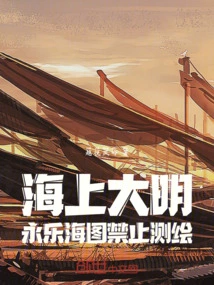
海上大明:永乐海图禁止测绘
Yue Yue Feng Yin
Ming Dynasty at Sea: Yongle Chart prohibits surveying and mapping Lin Shuyue, a modern surveying and mapping expert, disguised herself as the daughter of a guilty minister and disguised herself as a man to sneak into Zheng He's Navigation Department in order to overturn the case. In modern times, when she used the principles of satellite maps to revise the "Zheng He Navigation Chart", she found that the fleet circumnavigated the same sea area seven times - There is the "exiled court of Emperor Jianwen" hidden there, and sitting on the dragon throne is actually "the Qin Tianjian of the Yuan Dynasty who traveled 200 years earlier"! What's even more deadly is that Zheng He handed Zhu Di a secret edict: "Whoever surveys and maps this sea map will have the Nine Tribes punished. " She gritted her teeth and tore up the drawing: "What if I insist on surveying and mapping this 'Dragon Shadow Forbidden Zone'? " At this time, on the mast of the treasure ship in the storm, Zheng He was pointing her GPS mapper at the no-navigation zone...
Ming Dynasty at Sea: Yongle Chart prohibits surveying and mapping Lin Shuyue, a modern surveying and mapping expert, disguised herself as the daughter of a guilty minister and disguised herself as a man to sneak into Zheng He's Navigation Department in order to overturn the case. In modern times, when she used the principles of satellite maps to revise the "Zheng He Navigation Chart", she found that the fleet circumnavigated the same sea area seven times - There is the "exiled court of Emperor Jianwen" hidden there, and sitting on the dragon throne is actually "the Qin Tianjian of the Yuan Dynasty who traveled 200 years earlier"! What's even more deadly is that Zheng He handed Zhu Di a secret edict: "Whoever surveys and maps this sea map will have the Nine Tribes punished. " She gritted her teeth and tore up the drawing: "What if I insist on surveying and mapping this 'Dragon Shadow Forbidden Zone'? " At this time, on the mast of the treasure ship in the storm, Zheng He was pointing her GPS mapper at the no-navigation zone...
我大明战神,加入列祖列宗聊天群
Dragon King's Fang
When he woke up, Zhu Qizhen's sky collapsed. During his summer vacation, he went to see an animation exhibition and became an international student in Wala, Ming Dynasty. Fortunately, he was pulled into the chat group of ancestors of the Ming Dynasty at the critical moment. The group leader is Zhu Yuanzhang, and the deputy group leader is Zhu Di. But why do these ancestors' conversations smell like gunpowder? "Ancestors, please stop arguing, the Ming Dynasty is in danger!" As soon as he joined the group, Zhu Qizhen let out an exclamation. Seeing this, Zhu Di threw him away with a big kick. "You are an unworthy descendant, how can I conquer the world..." But before Zhu Di said yes, Zhu Yuanzhang stared! "Hmph, tell Lao Zhu who is the unworthy descendant!" As the ancestor spoke, he waved his hand. "Where is Chang Yuchun? Go help this kid!" "And you, King Yan Zhu Di, come back too!"
When he woke up, Zhu Qizhen's sky collapsed. During his summer vacation, he went to see an animation exhibition and became an international student in Wala, Ming Dynasty. Fortunately, he was pulled into the chat group of ancestors of the Ming Dynasty at the critical moment. The group leader is Zhu Yuanzhang, and the deputy group leader is Zhu Di. But why do these ancestors' conversations smell like gunpowder? "Ancestors, please stop arguing, the Ming Dynasty is in danger!" As soon as he joined the group, Zhu Qizhen let out an exclamation. Seeing this, Zhu Di threw him away with a big kick. "You are an unworthy descendant, how can I conquer the world..." But before Zhu Di said yes, Zhu Yuanzhang stared! "Hmph, tell Lao Zhu who is the unworthy descendant!" As the ancestor spoke, he waved his hand. "Where is Chang Yuchun? Go help this kid!" "And you, King Yan Zhu Di, come back too!"
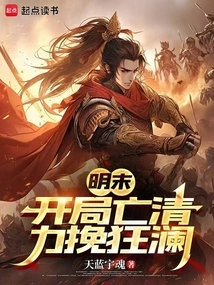
明末:开局亡清,力挽狂澜
Sky Blue Yuhun
During the fifteen years of Chongzhen, the Ming Dynasty was in turmoil, with natural and man-made disasters happening one after another. Li Zicheng was tyrannical in the Central Plains, killed King Fu, besieged Kaifeng, and gradually became a powerful force. The Manchu and Qing Tatars conquered Korea and marched across the grasslands of Mobei, ready to go. Sun Chen traveled here with memories of the imperial era, reclaiming wasteland, expanding farmland, drying sea salt, mining mineral deposits, smelting steel, and recruiting crazy troops without limit. In the Central Plains, who will dominate the world? ... Recruiting hundreds of thousands, millions, or even tens of millions of troops is invincible and unstoppable! Japanese pirates are nothing! Tsarist Russia is also destroyed! Daying is a grandson!
During the fifteen years of Chongzhen, the Ming Dynasty was in turmoil, with natural and man-made disasters happening one after another. Li Zicheng was tyrannical in the Central Plains, killed King Fu, besieged Kaifeng, and gradually became a powerful force. The Manchu and Qing Tatars conquered Korea and marched across the grasslands of Mobei, ready to go. Sun Chen traveled here with memories of the imperial era, reclaiming wasteland, expanding farmland, drying sea salt, mining mineral deposits, smelting steel, and recruiting crazy troops without limit. In the Central Plains, who will dominate the world? ... Recruiting hundreds of thousands, millions, or even tens of millions of troops is invincible and unstoppable! Japanese pirates are nothing! Tsarist Russia is also destroyed! Daying is a grandson!
Tech Tyrant
History科技暴君
Desire And Qitong High School
At the beginning, the protagonist travels through time to face the barbarian army. Foreign enemies are only the real threat in the first level. Inside the court, there are jealous officials, collaborating dignitaries, and a jealous emperor. The story of the protagonist also unfolds...
At the beginning, the protagonist travels through time to face the barbarian army. Foreign enemies are only the real threat in the first level. Inside the court, there are jealous officials, collaborating dignitaries, and a jealous emperor. The story of the protagonist also unfolds...
穿越从王朝末年开始
Writer Wxaxtw
The story of Shen Zhi taking his sister-in-law and child bride to survive in the last years of the dynasty
The story of Shen Zhi taking his sister-in-law and child bride to survive in the last years of the dynasty
水浒:从二龙山开始聚义
Chengshen
Traveled through the Water Margin and became Deng Long, the leader of Erlong Mountain. At the beginning, he took Lu Zhishen, Yang Zhi and Lin Chong, and backhand Hua Rong and Qin Ming. Fire merged with Qingfeng Mountain and bloodbathed Qingzhou City. Chaijiazhuang worshiped Wu Song, and Song Jiangqian stared. Jiangzhou robbed the court, and Song Sanlang was eating shit for nothing. They attacked Zhujiazhuang three times, captured Hu Sanniang, and promptly worked in vain. He captured Zengtou City with blood, rescued Chao Gai and took Lu Junyi into custody, and Hu Baoyi from Shandong Province became an eunuch. Seeing that Deng Long married Cai Jing's daughter, Song Jiang was furious and asked Tong Guan to be his godfather. After recruiting troops, Song Jiang sent troops to attack the Liao Kingdom and failed miserably. Deng Long defeated the Liao army and recaptured the sixteen states of Yanyun. Tian Hu: "Brother, stop fighting. Why don't you surrender if I surrender?" Wang Qing: "I am not afraid of the court, I am only afraid of Deng Long!" Fang La: "I am your father-in-law, and you won't even let me go?" Many years later, Deng Longquan was in power and held the power of the world's military. Song Jiang: "I am also a grassroots bandit. I was recruited by the imperial court and I also served the imperial court. But why do I always live in the shadow of Deng Long?" Song Qinzong: "Who said that I am a puppet of Grand Master Deng? Without Grand Master Deng, I would have died at the hands of the Jin people. Even if Grand Master Deng wanted me to dominate the Song Dynasty, I would not frown!"
Traveled through the Water Margin and became Deng Long, the leader of Erlong Mountain. At the beginning, he took Lu Zhishen, Yang Zhi and Lin Chong, and backhand Hua Rong and Qin Ming. Fire merged with Qingfeng Mountain and bloodbathed Qingzhou City. Chaijiazhuang worshiped Wu Song, and Song Jiangqian stared. Jiangzhou robbed the court, and Song Sanlang was eating shit for nothing. They attacked Zhujiazhuang three times, captured Hu Sanniang, and promptly worked in vain. He captured Zengtou City with blood, rescued Chao Gai and took Lu Junyi into custody, and Hu Baoyi from Shandong Province became an eunuch. Seeing that Deng Long married Cai Jing's daughter, Song Jiang was furious and asked Tong Guan to be his godfather. After recruiting troops, Song Jiang sent troops to attack the Liao Kingdom and failed miserably. Deng Long defeated the Liao army and recaptured the sixteen states of Yanyun. Tian Hu: "Brother, stop fighting. Why don't you surrender if I surrender?" Wang Qing: "I am not afraid of the court, I am only afraid of Deng Long!" Fang La: "I am your father-in-law, and you won't even let me go?" Many years later, Deng Longquan was in power and held the power of the world's military. Song Jiang: "I am also a grassroots bandit. I was recruited by the imperial court and I also served the imperial court. But why do I always live in the shadow of Deng Long?" Song Qinzong: "Who said that I am a puppet of Grand Master Deng? Without Grand Master Deng, I would have died at the hands of the Jin people. Even if Grand Master Deng wanted me to dominate the Song Dynasty, I would not frown!"
铁腕首辅:从现代社畜到权倾大明
Durian Flavored Snail Noodles
In 1572 AD, Emperor Longqing died and Wanli ascended the throne at the age of nine. The Ming Dynasty was beset by crises: Taicang only had more than 2 million taels of silver in stock, frontier troops were short of pay and mutinies occurred frequently, Jiangnan continued to resist taxes, there was Wanda knocking off the pass in the north, and the Japanese invasion in the southeast remained. The historical trajectory seems destined: ten years later, the reformer Zhang Juzheng will have his house confiscated and whipped to death, Wanli will neglect his administration, and the Ming Dynasty will eventually fall. At this moment, a soul with insight into the future traveled through time and became Zhang Juzheng. He was still the second assistant, and he was caught in the whirlpool of the first assistant Gao Gong's open spear, Feng Bao's hidden arrows, Empress Dowager Li's suspicion, and the little emperor's admiration. If he was not careful, he would be killed by the "authority shaking the master". Opening the deficit in the "Wanli Accounting Records", hearing the Jizhou sergeant coughing up blood, and witnessing the Jiangnan children dying of exhaustion - he knew that the empire was dying and calling for help. This was by no means a simple prelude to the "Wanli ZTE". Historical commentary said that Zhang Juzheng "worked hard at seeking the country, but was poor at seeking his own life". This time, he will seek a balance between imperial power and prime ministerial power with wisdom and iron fist that transcends the times, rectify the administration of officials through legal examination, and consolidate border defense with military innovation. Its ambition is not only to turn the tide and create a true renaissance, but also to break the fate of history and find a happy ending for the reformers.
In 1572 AD, Emperor Longqing died and Wanli ascended the throne at the age of nine. The Ming Dynasty was beset by crises: Taicang only had more than 2 million taels of silver in stock, frontier troops were short of pay and mutinies occurred frequently, Jiangnan continued to resist taxes, there was Wanda knocking off the pass in the north, and the Japanese invasion in the southeast remained. The historical trajectory seems destined: ten years later, the reformer Zhang Juzheng will have his house confiscated and whipped to death, Wanli will neglect his administration, and the Ming Dynasty will eventually fall. At this moment, a soul with insight into the future traveled through time and became Zhang Juzheng. He was still the second assistant, and he was caught in the whirlpool of the first assistant Gao Gong's open spear, Feng Bao's hidden arrows, Empress Dowager Li's suspicion, and the little emperor's admiration. If he was not careful, he would be killed by the "authority shaking the master". Opening the deficit in the "Wanli Accounting Records", hearing the Jizhou sergeant coughing up blood, and witnessing the Jiangnan children dying of exhaustion - he knew that the empire was dying and calling for help. This was by no means a simple prelude to the "Wanli ZTE". Historical commentary said that Zhang Juzheng "worked hard at seeking the country, but was poor at seeking his own life". This time, he will seek a balance between imperial power and prime ministerial power with wisdom and iron fist that transcends the times, rectify the administration of officials through legal examination, and consolidate border defense with military innovation. Its ambition is not only to turn the tide and create a true renaissance, but also to break the fate of history and find a happy ending for the reformers.
装傻世子爆改连弩,女帝跪求别灭大乾
Spiritual Dream Catcher
The financial giant who died on the belly of a supermodel on a cruise ship was reborn as the most foolish prince in Daqian. During the day, he was a fool who raped a girl and was jumped by an immortal. At night, he transformed into a business genius who invented distilled liquor. Emperor: This son is stupid and not worth worrying about. Officials: The Yang family's strength has been exhausted until one day - he walked into the Golden Palace with an improved version of Zhuge Liannu. The empress on the dragon throne gritted her silver teeth and said: "I broke off the engagement because I was blind. Do you want the throne or me?"...
The financial giant who died on the belly of a supermodel on a cruise ship was reborn as the most foolish prince in Daqian. During the day, he was a fool who raped a girl and was jumped by an immortal. At night, he transformed into a business genius who invented distilled liquor. Emperor: This son is stupid and not worth worrying about. Officials: The Yang family's strength has been exhausted until one day - he walked into the Golden Palace with an improved version of Zhuge Liannu. The empress on the dragon throne gritted her silver teeth and said: "I broke off the engagement because I was blind. Do you want the throne or me?"...
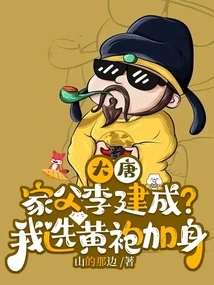
大唐:家父李建成?我选黄袍加身
The Other Side Of The Mountain
Traveling back in time to the ninth year of Wude in the Tang Dynasty, he became the grandson of the emperor. It turned out that his father was Li Jiancheng? The key is, tomorrow is the day when the Xuanwu Gate incident takes place! There was still one day left before the Emperor Taisun's experience. After careful consideration, Li Chengzong decided to wear a yellow robe! "Grandpa Huang, I am now in control of the world's troops. I want something from you. You won't give it to me, right?" "Dad, you are still young. You should focus on being a good prince. Don't always think about seeking the throne. If you take my place instead, you will destroy yourself if you go astray!" "Second Uncle Shimin, don't It's my fault for speaking so bluntly. I'm afraid you can't grasp it, so I'm here!" "Fourth Uncle Yuanji, have you heard of Cao Cao's story?" Li Yuan, Li Jiancheng, Li Shimin, and Li Yuanji were all stunned for a moment when they saw Li Chengzong wearing a yellow robe, sitting on the dragon chair, and receiving congratulations from all nations. ...
Traveling back in time to the ninth year of Wude in the Tang Dynasty, he became the grandson of the emperor. It turned out that his father was Li Jiancheng? The key is, tomorrow is the day when the Xuanwu Gate incident takes place! There was still one day left before the Emperor Taisun's experience. After careful consideration, Li Chengzong decided to wear a yellow robe! "Grandpa Huang, I am now in control of the world's troops. I want something from you. You won't give it to me, right?" "Dad, you are still young. You should focus on being a good prince. Don't always think about seeking the throne. If you take my place instead, you will destroy yourself if you go astray!" "Second Uncle Shimin, don't It's my fault for speaking so bluntly. I'm afraid you can't grasp it, so I'm here!" "Fourth Uncle Yuanji, have you heard of Cao Cao's story?" Li Yuan, Li Jiancheng, Li Shimin, and Li Yuanji were all stunned for a moment when they saw Li Chengzong wearing a yellow robe, sitting on the dragon chair, and receiving congratulations from all nations. ...
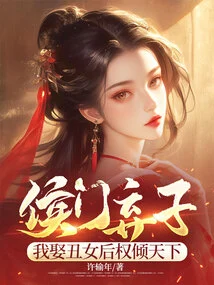
侯门弃子:我娶丑女后权倾天下
Xu Shunian
Once he traveled through time, he became the abandoned son of the Hou family, but he alarmed the prince by teaching! Zhou Ce traveled through time and became a fake young master of the Hou family of the Yu Dynasty. After being framed by the real young master, he was kicked out of the house and became a poor master in a shabby academy. Others laughed at him for being shabby, but he taught a group of amazing students: a farmer's son who couldn't afford to eat turned out to be the emperor's grandson who had hidden his identity; the sick and weak prince listened to his lectures and exclaimed on the spot, "Sir, you are a great talent!" He wanted to keep a low profile and farm, but the prince's family forced him to marry an ugly daughter of the minister's house. However, the so-called ugly girl's appearance is amazing to the world! Zhou Ce sneered: "My student is the future emperor, and my father-in-law is a powerful official in the dynasty. Are you worthy of plotting against me?" "Sir, should this country's surname be Li or Zhou?" Many years later, when the emperor's grandson ascended the throne, he knelt in front of the thatched hut and asked respectfully. Zhou Ce shook his fan and smiled softly: "Remember, in this world, the surnames are the common people."...
Once he traveled through time, he became the abandoned son of the Hou family, but he alarmed the prince by teaching! Zhou Ce traveled through time and became a fake young master of the Hou family of the Yu Dynasty. After being framed by the real young master, he was kicked out of the house and became a poor master in a shabby academy. Others laughed at him for being shabby, but he taught a group of amazing students: a farmer's son who couldn't afford to eat turned out to be the emperor's grandson who had hidden his identity; the sick and weak prince listened to his lectures and exclaimed on the spot, "Sir, you are a great talent!" He wanted to keep a low profile and farm, but the prince's family forced him to marry an ugly daughter of the minister's house. However, the so-called ugly girl's appearance is amazing to the world! Zhou Ce sneered: "My student is the future emperor, and my father-in-law is a powerful official in the dynasty. Are you worthy of plotting against me?" "Sir, should this country's surname be Li or Zhou?" Many years later, when the emperor's grandson ascended the throne, he knelt in front of the thatched hut and asked respectfully. Zhou Ce shook his fan and smiled softly: "Remember, in this world, the surnames are the common people."...
光影铠甲传说
Thousand Feathers Pursuit
More than 2,000 years ago, the most powerful dark force in the universe, the Shadow Emperor, launched a war of aggression against planets rich in life and vitality in the universe. An inconspicuous small planet 150 million kilometers away from the sun also encountered invasion. The Shadow Emperor's men, representing the five elements of metal, wood, water, fire and earth, and five shadow guardians led 55 magic stones to the earth. But where there is darkness, there will be light. At the same time, in order to prevent life from being destroyed by the forces of darkness, the Sun Star, the guardian of the solar system, launched five light and shadow stones to the Aqua Blue Star. These five light and shadow stones can be combined with the five basic elements that build all things in the world to form five sets that can shuttle in light and shadow. Fighting light and shadow armor, and those who can summon these armors are the five major tribes selected by the five light and shadow stones. No matter how the times change, as long as the inherited blood of these tribes is still there, they can use the power of the light and shadow stones to summon the light and shadow armor to carry out fierce battles against supernatural beasts to protect world peace!
More than 2,000 years ago, the most powerful dark force in the universe, the Shadow Emperor, launched a war of aggression against planets rich in life and vitality in the universe. An inconspicuous small planet 150 million kilometers away from the sun also encountered invasion. The Shadow Emperor's men, representing the five elements of metal, wood, water, fire and earth, and five shadow guardians led 55 magic stones to the earth. But where there is darkness, there will be light. At the same time, in order to prevent life from being destroyed by the forces of darkness, the Sun Star, the guardian of the solar system, launched five light and shadow stones to the Aqua Blue Star. These five light and shadow stones can be combined with the five basic elements that build all things in the world to form five sets that can shuttle in light and shadow. Fighting light and shadow armor, and those who can summon these armors are the five major tribes selected by the five light and shadow stones. No matter how the times change, as long as the inherited blood of these tribes is still there, they can use the power of the light and shadow stones to summon the light and shadow armor to carry out fierce battles against supernatural beasts to protect world peace!
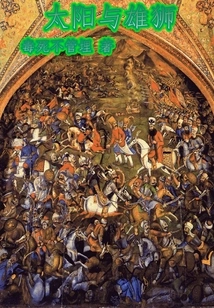
Sun and Lion
History太阳与雄狮
Poison To Death, No Matter Buried
The Timurid Empire fell apart, the Ottomans were struggling to expand, and the Europeans had opened up new routes, and decades had passed since Tumu Fortress. On the Iranian plateau, the former Persian Empire has long since turned into ashes. Now the Aries Dynasty and the relics of Timur have divided the plateau. Earlier, the Mongols, Turks and Saracens either conquered the entire plateau, or divided the plateau with other regimes. But in the mountains of Azerbaijan, in an obscure town of Ardabil, an empire that would rule the entire Greater Persia and even more territories would be born here, playing its own music at the crossroads of the old world.
The Timurid Empire fell apart, the Ottomans were struggling to expand, and the Europeans had opened up new routes, and decades had passed since Tumu Fortress. On the Iranian plateau, the former Persian Empire has long since turned into ashes. Now the Aries Dynasty and the relics of Timur have divided the plateau. Earlier, the Mongols, Turks and Saracens either conquered the entire plateau, or divided the plateau with other regimes. But in the mountains of Azerbaijan, in an obscure town of Ardabil, an empire that would rule the entire Greater Persia and even more territories would be born here, playing its own music at the crossroads of the old world.
穿越之我在帝国收破烂
Three Needle Peak
Come to China Literature's website to read more of my works! Hahahaha thank you
Come to China Literature's website to read more of my works! Hahahaha thank you
互换身体,刘备入扬州的奇幻旅程
Milk Celery
In the third year of Chuping, Pingyuan ordered Liu Bei and the modern Chen Xin to accidentally discover that each other's bodies would be exchanged in a short period of time, and their fantastic journey began.
In the third year of Chuping, Pingyuan ordered Liu Bei and the modern Chen Xin to accidentally discover that each other's bodies would be exchanged in a short period of time, and their fantastic journey began.
天命纪元:征召古今,再造山河
Li Gensheng Who Doesn't Like Jealousy
In the year 1270 of the Great Xia calendar, the Central Plains fell into pieces: There are Jurchen cavalry in the north, party wolf soldiers in the west, Baiyue barbarian kings in the south, and Japanese pirates and bandits in the east; The eunuchs had exclusive power in the court, there were many vassal towns, and the people were in dire straits. At this moment, a meteor pierced the night sky, and the barrier of time and space was torn apart.
In the year 1270 of the Great Xia calendar, the Central Plains fell into pieces: There are Jurchen cavalry in the north, party wolf soldiers in the west, Baiyue barbarian kings in the south, and Japanese pirates and bandits in the east; The eunuchs had exclusive power in the court, there were many vassal towns, and the people were in dire straits. At this moment, a meteor pierced the night sky, and the barrier of time and space was torn apart.
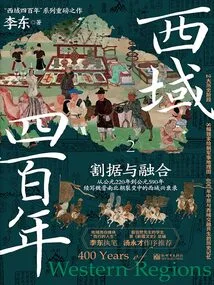
西域四百年2:割据与融合
Li Dong
This book talks about disputes, migration, and separation to trade, culture, and reunification. It reproduces the historical stages of the Wei, Jin, Southern and Northern Dynasties in which turbulence and integration in the Western Regions coexisted, diversity and change were entangled, and literature and art shined. It writes the story of the annual rings of China. We will start from the chaos in the world at the end of the Eastern Han Dynasty to the unification of China by Emperor Wen of the Sui Dynasty, and continue to tell the story of the 400 years of the Wei, Jin, Southern and Northern Dynasties in the Western Regions after the "War between Han and Hungary". (The timeline of this book continues from the author's first book, "Four Hundred Years of the Western Regions: The Battle between Han and Hungary").
This book talks about disputes, migration, and separation to trade, culture, and reunification. It reproduces the historical stages of the Wei, Jin, Southern and Northern Dynasties in which turbulence and integration in the Western Regions coexisted, diversity and change were entangled, and literature and art shined. It writes the story of the annual rings of China. We will start from the chaos in the world at the end of the Eastern Han Dynasty to the unification of China by Emperor Wen of the Sui Dynasty, and continue to tell the story of the 400 years of the Wei, Jin, Southern and Northern Dynasties in the Western Regions after the "War between Han and Hungary". (The timeline of this book continues from the author's first book, "Four Hundred Years of the Western Regions: The Battle between Han and Hungary").
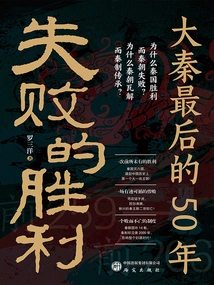
失败的胜利:大秦最后的50年
Luo Sanyang
An unprecedented unification war made the Qin people proud and proud after more than 500 years of struggle, creating a great era with the theme of "great unification". Qin Shihuang was ambitious and carried out drastic measures to eradicate the old and innovate. However, in just the past 14 years, the emerging Qin Dynasty fell into the abyss of national subjugation, and the dream of "one lineage for all generations" was shattered. Why was the Qin State able to defeat the Six Kingdoms, but the Qin Dynasty collapsed in the blink of an eye? Why is the rule of the Qin Dynasty not accepted, but the Qin system can be passed down for thousands of years? The answer lies in the last 50 years of Qin's history.
An unprecedented unification war made the Qin people proud and proud after more than 500 years of struggle, creating a great era with the theme of "great unification". Qin Shihuang was ambitious and carried out drastic measures to eradicate the old and innovate. However, in just the past 14 years, the emerging Qin Dynasty fell into the abyss of national subjugation, and the dream of "one lineage for all generations" was shattered. Why was the Qin State able to defeat the Six Kingdoms, but the Qin Dynasty collapsed in the blink of an eye? Why is the rule of the Qin Dynasty not accepted, but the Qin system can be passed down for thousands of years? The answer lies in the last 50 years of Qin's history.
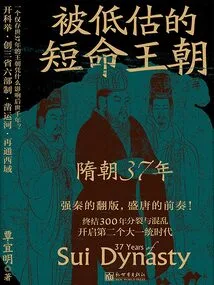
被低估的短命王朝:隋朝37年
Qin Yiming
He unified the north and south, established the imperial examination, and established the system of three provinces and six ministries; he dug canals and reopened the Western Regions, attracting all nations to come to court. After more than 300 years of division and chaos, the Sui Dynasty made a high-profile appearance, ushering in the second era of great unification in Chinese history, and its achievements have benefited thousands of years. Seeing the building rise, everything is full of vitality again. However, in an instant, the building was in danger. The construction of Daxing City, the construction of the Eastern Capital, the northern inspection of the grasslands, three expeditions to the south of the Yangtze River, and three expeditions to Goguryeo... Various measures taken by the Sui Dynasty overwhelmed the people, and the uprising spread rapidly across the country. In the end, the Sui Dynasty only lasted for two generations and came to an end in 37 years, becoming a meteor in Chinese history. Why was a pioneering and forward-looking dynasty overwhelmed by its grand ambitions? And why did a dynasty that only lasted for 37 years influence future generations for thousands of years? This is the question this book seeks to answer.
He unified the north and south, established the imperial examination, and established the system of three provinces and six ministries; he dug canals and reopened the Western Regions, attracting all nations to come to court. After more than 300 years of division and chaos, the Sui Dynasty made a high-profile appearance, ushering in the second era of great unification in Chinese history, and its achievements have benefited thousands of years. Seeing the building rise, everything is full of vitality again. However, in an instant, the building was in danger. The construction of Daxing City, the construction of the Eastern Capital, the northern inspection of the grasslands, three expeditions to the south of the Yangtze River, and three expeditions to Goguryeo... Various measures taken by the Sui Dynasty overwhelmed the people, and the uprising spread rapidly across the country. In the end, the Sui Dynasty only lasted for two generations and came to an end in 37 years, becoming a meteor in Chinese history. Why was a pioneering and forward-looking dynasty overwhelmed by its grand ambitions? And why did a dynasty that only lasted for 37 years influence future generations for thousands of years? This is the question this book seeks to answer.
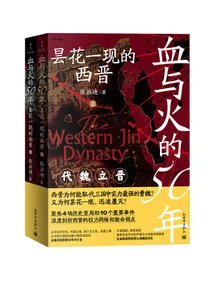
血与火的50年:昙花一现的西晋
Zhang Qidi
The Western Jin Dynasty ended the era of division of the Three Kingdoms and once again achieved national unification. However, the internal power structure of the Western Jin Dynasty was very fragile, and it faced serious external threats. Under internal and external difficulties, the Western Jin Dynasty quickly collapsed, which ushered in nearly three hundred years of chaos and division. Politics, culture, and ideas were all reconstructed and reborn in the collision, which affected the subsequent prosperity of the Sui and Tang Dynasties. This book is divided into two volumes, starting from Wei Ming Emperor Cao Ruituogu, and completely restores the history of the Western Jin Dynasty from the Sima family's rise to power to the establishment of the Wei Dynasty and the establishment of the Jin Dynasty, to the Rebellion of the Eight Kings, and finally the rapid collapse of the Western Jin Dynasty. It analyzes in detail how this fragile dynasty came to its demise step by step from various aspects such as political structure, power struggle, and ethnic migration, and explores the transcendent significance behind the rise and fall of the Western Jin Dynasty, allowing readers to have a deeper understanding of the history of the Western Jin Dynasty.
The Western Jin Dynasty ended the era of division of the Three Kingdoms and once again achieved national unification. However, the internal power structure of the Western Jin Dynasty was very fragile, and it faced serious external threats. Under internal and external difficulties, the Western Jin Dynasty quickly collapsed, which ushered in nearly three hundred years of chaos and division. Politics, culture, and ideas were all reconstructed and reborn in the collision, which affected the subsequent prosperity of the Sui and Tang Dynasties. This book is divided into two volumes, starting from Wei Ming Emperor Cao Ruituogu, and completely restores the history of the Western Jin Dynasty from the Sima family's rise to power to the establishment of the Wei Dynasty and the establishment of the Jin Dynasty, to the Rebellion of the Eight Kings, and finally the rapid collapse of the Western Jin Dynasty. It analyzes in detail how this fragile dynasty came to its demise step by step from various aspects such as political structure, power struggle, and ethnic migration, and explores the transcendent significance behind the rise and fall of the Western Jin Dynasty, allowing readers to have a deeper understanding of the history of the Western Jin Dynasty.
大明:万寿帝君名符其实
Haotian Guqiong
"Three flowers gathering at the top is an illusion, and the clouds flying under your feet are not real either." He is the deepest shadow emperor in the Forbidden City. The green smoke in the alchemy furnace has blackened half of the twenty-four histories. When you read the words "Jiajing Zhongxing" in the history books, the Taoist priest hiding in Xiyuan, refining mercury and burning elixirs, is using his unparalleled strategy of not going to court for 45 years to control the dusk of the entire empire. However, God did not take pity on his Taoist heart. After traveling through the sixteen years of Zhengde, can Zhu Houcong, who has inherited the immortal magic, make up for Jiajing's regrets? "I came to ask Wu Yu said, the clouds are in the blue sky and the water is in the bottle."
"Three flowers gathering at the top is an illusion, and the clouds flying under your feet are not real either." He is the deepest shadow emperor in the Forbidden City. The green smoke in the alchemy furnace has blackened half of the twenty-four histories. When you read the words "Jiajing Zhongxing" in the history books, the Taoist priest hiding in Xiyuan, refining mercury and burning elixirs, is using his unparalleled strategy of not going to court for 45 years to control the dusk of the entire empire. However, God did not take pity on his Taoist heart. After traveling through the sixteen years of Zhengde, can Zhu Houcong, who has inherited the immortal magic, make up for Jiajing's regrets? "I came to ask Wu Yu said, the clouds are in the blue sky and the water is in the bottle."
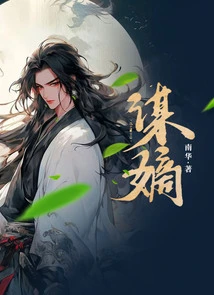
Seek Heir
History谋嫡
Nam Hwa
Lu Zheng, a good young man from the 21st century on earth, traveled through time and became the concubine of the Lu family in the south of the Yangtze River. He was ostracized by his aunt, exiled by his family, living under the influence of others, and suffered all kinds of humiliation. In the face of adversity, let's see how Lu Zheng works hard and takes advantage of the situation to grow. In the end, the bastard counterattacks and stirs up the world.
Lu Zheng, a good young man from the 21st century on earth, traveled through time and became the concubine of the Lu family in the south of the Yangtze River. He was ostracized by his aunt, exiled by his family, living under the influence of others, and suffered all kinds of humiliation. In the face of adversity, let's see how Lu Zheng works hard and takes advantage of the situation to grow. In the end, the bastard counterattacks and stirs up the world.
盛唐烽火郎
Writerjpravt
The story of a modern man who was reborn in the Kaiyuan period of the Tang Dynasty, became a scholar, and finally became a general during the Anshi Rebellion.
The story of a modern man who was reborn in the Kaiyuan period of the Tang Dynasty, became a scholar, and finally became a general during the Anshi Rebellion.
汉末闲传
Why Is It Harmonious
This is a different late Han Dynasty. What interesting things will happen when multiple time-travelers return to the end of Han Dynasty? This is a story where history and the future are intertwined. This is my first time writing, so please forgive me if there are any mistakes.
This is a different late Han Dynasty. What interesting things will happen when multiple time-travelers return to the end of Han Dynasty? This is a story where history and the future are intertwined. This is my first time writing, so please forgive me if there are any mistakes.
我祖父是始皇帝
Bright
The First Emperor was very troubled. He always felt that the eldest son Fusu, who was honest and kind, was not like him. The eldest son was also very distressed. He always felt that the naughty and rude eldest son was not like himself. Therefore, the First Emperor who disliked his son did not look like him, and Ying Bin who disliked his father did not look like him. A pair of grandfather and grandson went in both directions. Many years later... When the remnants of the Six Kingdoms gnashed their teeth and cursed that this was a tiger and wolf king who was more greedy, more cunning, and more violent than the First Emperor. Ying Bin just smiled slightly: I grew up watching my grandfather, and I have three parts of his shadow.
The First Emperor was very troubled. He always felt that the eldest son Fusu, who was honest and kind, was not like him. The eldest son was also very distressed. He always felt that the naughty and rude eldest son was not like himself. Therefore, the First Emperor who disliked his son did not look like him, and Ying Bin who disliked his father did not look like him. A pair of grandfather and grandson went in both directions. Many years later... When the remnants of the Six Kingdoms gnashed their teeth and cursed that this was a tiger and wolf king who was more greedy, more cunning, and more violent than the First Emperor. Ying Bin just smiled slightly: I grew up watching my grandfather, and I have three parts of his shadow.
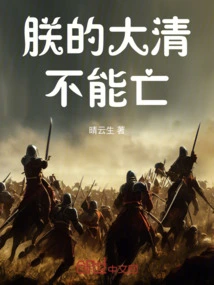
朕的大清不能亡
Mr. Qingyun
Come to China Literature's website to read more of my works!
Come to China Literature's website to read more of my works!
文明与征服帝国
Three Needle Peak
Come to China Literature's website to read more of my works! Hahahahaha
Come to China Literature's website to read more of my works! Hahahahaha
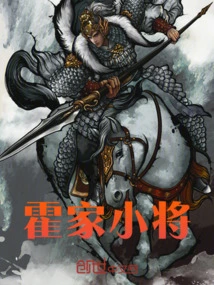
Huo Family Young General
History霍家小将
Jingjing Xiaozhu
Come to China Literature's website to read more of my works!
Come to China Literature's website to read more of my works!
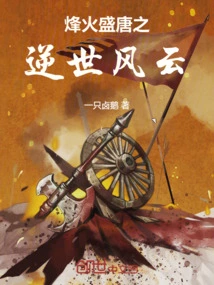
烽火盛唐之逆世风云
A Braised Goose
"The War of the Tang Dynasty" takes the ten years of Tianbao to the fifth year of Dali as the historical stage and tells the ups and downs of Li Yi's legendary life. Li Yi originally came from a famous family, but due to Yang Guozhong's conspiracy, his family was destroyed. In a desperate situation, he joined the Anlushan military camp under a pseudonym and emerged with the help of the fragments of the "Six Tao" military book and the calculation and deduction system. When the Anshi Rebellion broke out, Li Yi dealt with the troubled times, fighting side by side with his brothers and becoming in love with his lover Liu Ruobing. He experienced major historical events such as the fall of Tongguan and Lingwu's proclaimed emperor. He continued to grow in power struggles and wars, and finally eradicated Yang Guozhong's remnant party, defeated An Lushan, avenged his family, and helped the Tang Dynasty move towards stability.
"The War of the Tang Dynasty" takes the ten years of Tianbao to the fifth year of Dali as the historical stage and tells the ups and downs of Li Yi's legendary life. Li Yi originally came from a famous family, but due to Yang Guozhong's conspiracy, his family was destroyed. In a desperate situation, he joined the Anlushan military camp under a pseudonym and emerged with the help of the fragments of the "Six Tao" military book and the calculation and deduction system. When the Anshi Rebellion broke out, Li Yi dealt with the troubled times, fighting side by side with his brothers and becoming in love with his lover Liu Ruobing. He experienced major historical events such as the fall of Tongguan and Lingwu's proclaimed emperor. He continued to grow in power struggles and wars, and finally eradicated Yang Guozhong's remnant party, defeated An Lushan, avenged his family, and helped the Tang Dynasty move towards stability.
云梦秦律再读新说
Mu Xingweng
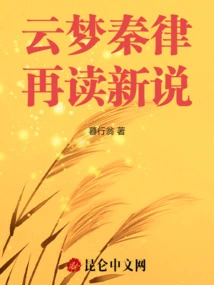
The bamboo slips from the Qin tomb in Yunmengsuihudi, which is what the world calls the Yunmeng Qinlu, were unearthed almost 50 years ago. Some people say it is the Qin Dynasty's system of controlling people and a historical dregs; some say it is the Qin Dynasty's governing law and a "national treasure"... In addition, the ancient text is difficult to understand, so its truth has always been shrouded in mystery. So what kind of historical document is Yunmeng Qinlu? What is the connection and difference between it and today's Chinese legal system? This article will analyze the original text with you and solve the mystery... (Author: Peng Shuhai. Pen name: Mu Xingweng, Xi Nian Shibi)
The bamboo slips from the Qin tomb in Yunmengsuihudi, which is what the world calls the Yunmeng Qinlu, were unearthed almost 50 years ago. Some people say it is the Qin Dynasty's system of controlling people and a historical dregs; some say it is the Qin Dynasty's governing law and a "national treasure"... In addition, the ancient text is difficult to understand, so its truth has always been shrouded in mystery. So what kind of historical document is Yunmeng Qinlu? What is the connection and difference between it and today's Chinese legal system? This article will analyze the original text with you and solve the mystery... (Author: Peng Shuhai. Pen name: Mu Xingweng, Xi Nian Shibi)
战国之下克上
Work Hard Just To Retire
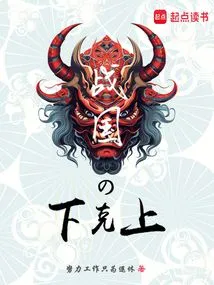
Eleven years of astronomy. Swordsmen are everywhere and fighting continues. The world is full of hunger and death, and the times are becoming more and more abstract: When there is no food to eat, it seems reasonable that the emperor sells calligraphy and painting, and the minister sells his daughter? If we can't talk about ideals, it's not too much for eminent monks to lend usury and block roads to collect money, right? For the sake of a prosperous military career, isn't it natural for generals to sing Noh music and for martial artists to dance to great heights? As for the transformation of a shrine maiden into a wandering girl, and the transformation of a surname into a concubine, such elegant anecdotes are even more trivial... ... At the foot of Inaba Mountain. Nagai Nagamasa looked at the towering mountain city. Come to think of it, Saito Michizan must be familiar with this script of "lower defeating higher", right? Book club group: 1051431613
Eleven years of astronomy. Swordsmen are everywhere and fighting continues. The world is full of hunger and death, and the times are becoming more and more abstract: When there is no food to eat, it seems reasonable that the emperor sells calligraphy and painting, and the minister sells his daughter? If we can't talk about ideals, it's not too much for eminent monks to lend usury and block roads to collect money, right? For the sake of a prosperous military career, isn't it natural for generals to sing Noh music and for martial artists to dance to great heights? As for the transformation of a shrine maiden into a wandering girl, and the transformation of a surname into a concubine, such elegant anecdotes are even more trivial... ... At the foot of Inaba Mountain. Nagai Nagamasa looked at the towering mountain city. Come to think of it, Saito Michizan must be familiar with this script of "lower defeating higher", right? Book club group: 1051431613
大明:从工业系统开始
Hidden Truth
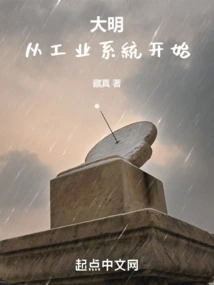
Qi Jiguang said: "Your Majesty, hundreds of Franco (Portuguese) centipede ships loaded with Franco cannons are approaching our coastal area of the Ming Dynasty menacingly!" "What? Please speak louder! I can't hear you!" Zhu Houcong looked behind him. Amid cheers, Ming Dynasty's first satellite rocket was successfully launched. ... From the first sprout of life underwater, from stone tools to steel, from steam to oil, from microelectronics to quantum... You have experienced a lot. Now, you return to the Jiajing period of the Ming Dynasty, use science and technology to reveal the vast natural universe, and change the process of the rise and fall of civilizations...
Qi Jiguang said: "Your Majesty, hundreds of Franco (Portuguese) centipede ships loaded with Franco cannons are approaching our coastal area of the Ming Dynasty menacingly!" "What? Please speak louder! I can't hear you!" Zhu Houcong looked behind him. Amid cheers, Ming Dynasty's first satellite rocket was successfully launched. ... From the first sprout of life underwater, from stone tools to steel, from steam to oil, from microelectronics to quantum... You have experienced a lot. Now, you return to the Jiajing period of the Ming Dynasty, use science and technology to reveal the vast natural universe, and change the process of the rise and fall of civilizations...
唐魂耀世逐鹿天下之途
Writerztkudh
Come to China Literature's website to read more of my works!
Come to China Literature's website to read more of my works!
三国:从徐州开始再造季汉
Xiao Ming Loves Diving
Zhang Heng accidentally traveled to Xuzhou in 194 AD and became a newly recruited strategist from a poor family under Liu Bei. At this time, Cao Cao massacred Xuzhou, Tao Qian was critically ill, and Liu Bei had only a few thousand remaining soldiers. Zhang Heng relied on his foresight of history and strategies for future generations to help Liu Bei break the situation! "Cao Mengde, do you massacre the city to gain hegemony? I, Zhang Heng, will create peace for all ages with benevolent government!" ... Zhuge Liang: Sir, you are a great talent! Liang is willing to work together with Mr. Liang to achieve great things! Cao Cao: If Liu Bei wins this son, he will win a hundred thousand soldiers! Zhou Yu: With one strategy, this man can overcome the natural dangers of the Yangtze River! Sun Quan: If I get Zhang Heng, I am willing to give him half of my country! Sima Yi: There are ten battles of ingenuity in the world, but Zhang Heng dominates eight! ..... A few years later, Cao Cao rushed to Yanzhou at night, Sun Ce surrendered Jiangdong, and Yuan Shao burned the city of Ye with hatred. ..... Many years later, Uncle Liu Huang, who once weaved mats and sold shoes, was already wearing a twelve-chapter-patterned crown. He held his hand and sighed: \
Zhang Heng accidentally traveled to Xuzhou in 194 AD and became a newly recruited strategist from a poor family under Liu Bei. At this time, Cao Cao massacred Xuzhou, Tao Qian was critically ill, and Liu Bei had only a few thousand remaining soldiers. Zhang Heng relied on his foresight of history and strategies for future generations to help Liu Bei break the situation! "Cao Mengde, do you massacre the city to gain hegemony? I, Zhang Heng, will create peace for all ages with benevolent government!" ... Zhuge Liang: Sir, you are a great talent! Liang is willing to work together with Mr. Liang to achieve great things! Cao Cao: If Liu Bei wins this son, he will win a hundred thousand soldiers! Zhou Yu: With one strategy, this man can overcome the natural dangers of the Yangtze River! Sun Quan: If I get Zhang Heng, I am willing to give him half of my country! Sima Yi: There are ten battles of ingenuity in the world, but Zhang Heng dominates eight! ..... A few years later, Cao Cao rushed to Yanzhou at night, Sun Ce surrendered Jiangdong, and Yuan Shao burned the city of Ye with hatred. ..... Many years later, Uncle Liu Huang, who once weaved mats and sold shoes, was already wearing a twelve-chapter-patterned crown. He held his hand and sighed: \
Only I Know the Classics
History只有我知道名著
He Will Definitely Get Rave Reviews
[Your script is: Beginning: After becoming an eunuch, he aspires to be a general who conquers the West. Personality: Cruel, suspicious, with a compassionate heart. Ending: He reaches the position of prime minister and is called King of Wei. Such a compassionate heart, the people of Xuzhou: Is this right? [Your script is: Start: Take a day off and visit West Lake! Personality: Honest, indecisive, kind and gentle. Ending: Jinshan Temple is accompanied by the Qingdeng Ancient Buddha! Ah, this, what a fool! Hero of the bush. ... [Your script is: Beginning: I am the general marshal in charge of 80,000 navy troops in heaven! Personality: Greedy and lustful, lazy to eat, lazy and miss the mark. Ending: enjoy the offerings from the world. The master has been arrested, let's divide our luggage and go home! I went back to Gaolaozhuang. The more similar your character is to the original, the more rewards you will receive.
[Your script is: Beginning: After becoming an eunuch, he aspires to be a general who conquers the West. Personality: Cruel, suspicious, with a compassionate heart. Ending: He reaches the position of prime minister and is called King of Wei. Such a compassionate heart, the people of Xuzhou: Is this right? [Your script is: Start: Take a day off and visit West Lake! Personality: Honest, indecisive, kind and gentle. Ending: Jinshan Temple is accompanied by the Qingdeng Ancient Buddha! Ah, this, what a fool! Hero of the bush. ... [Your script is: Beginning: I am the general marshal in charge of 80,000 navy troops in heaven! Personality: Greedy and lustful, lazy to eat, lazy and miss the mark. Ending: enjoy the offerings from the world. The master has been arrested, let's divide our luggage and go home! I went back to Gaolaozhuang. The more similar your character is to the original, the more rewards you will receive.
三国:吾非蛾贼,但请大汉赴死!
The Southeast Wind Is Coming
"The sky is dead, and the yellow sky should stand! If you are aged for a year, the world will be prosperous!" Since the Zhou Dynasty, kings have regarded themselves as the Son of Heaven, named themselves Heavenly Herdsmen, and governed the country with benevolence and virtue. But Zhang Yang, who traveled to the late Han Dynasty, only felt decay, hunger, cold, humiliation and pain. So if you rebel with fellow Taoists, what will happen? The sky is full of murderous intent, and dragons and snakes rise from the ground. Although the road is dangerous, Zhang Yang doesn't believe that Po Cangtian can't be killed, let alone that the noble king can't be killed. He was determined to reach the top step by step, and let the scholars remember that the brothers Pao Ze, who were once called "moth thieves" with disdain, were by no means "moth thieves"! "Huang Tian Divine Envoy, Zhang Yang is here, but I ask the big man to die!"
"The sky is dead, and the yellow sky should stand! If you are aged for a year, the world will be prosperous!" Since the Zhou Dynasty, kings have regarded themselves as the Son of Heaven, named themselves Heavenly Herdsmen, and governed the country with benevolence and virtue. But Zhang Yang, who traveled to the late Han Dynasty, only felt decay, hunger, cold, humiliation and pain. So if you rebel with fellow Taoists, what will happen? The sky is full of murderous intent, and dragons and snakes rise from the ground. Although the road is dangerous, Zhang Yang doesn't believe that Po Cangtian can't be killed, let alone that the noble king can't be killed. He was determined to reach the top step by step, and let the scholars remember that the brothers Pao Ze, who were once called "moth thieves" with disdain, were by no means "moth thieves"! "Huang Tian Divine Envoy, Zhang Yang is here, but I ask the big man to die!"
朕的日不落帝国
Clear Wind
This book is also called: "Infrastructure Mania from Coal Mountain to New York" The ministers of Donglin knelt on the ground and cried bitterly: Your Majesty, would you like to have some face? Chongzhen: My dear friends, I would like to ask you, what is face? Huang Taiji spurted out a mouthful of old blood: Chongzhen, you child, is despicable and shameless, I will kill him! Chongzhen: I just like to see you hate me but can't kill me. Britain, France, Russia, Spain, Portugal, Italy and Turkey: Emperor of the Ming Dynasty, don't go too far, our Eight-Nation Alliance is not easy to mess with! Chongzhen: I just built a garden called the Old Summer Palace. How about you set it on fire and try it? Cabinet: Your Majesty, this is the plan for the new Great Wall, from the Urals to the Caucasus. Please review it. Chongzhen: I've said it before. It's called the border wall. It should be built stronger with reinforced concrete. Don't let the refugees from Europe climb over the wall.
This book is also called: "Infrastructure Mania from Coal Mountain to New York" The ministers of Donglin knelt on the ground and cried bitterly: Your Majesty, would you like to have some face? Chongzhen: My dear friends, I would like to ask you, what is face? Huang Taiji spurted out a mouthful of old blood: Chongzhen, you child, is despicable and shameless, I will kill him! Chongzhen: I just like to see you hate me but can't kill me. Britain, France, Russia, Spain, Portugal, Italy and Turkey: Emperor of the Ming Dynasty, don't go too far, our Eight-Nation Alliance is not easy to mess with! Chongzhen: I just built a garden called the Old Summer Palace. How about you set it on fire and try it? Cabinet: Your Majesty, this is the plan for the new Great Wall, from the Urals to the Caucasus. Please review it. Chongzhen: I've said it before. It's called the border wall. It should be built stronger with reinforced concrete. Don't let the refugees from Europe climb over the wall.
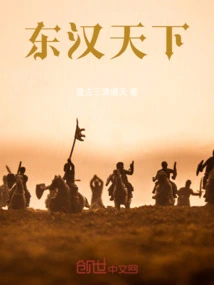
Eastern Han Dynasty
History东汉天下
Pangu Sanqing Tongtian
The protagonist gets one when eating tree bark in the Eastern Han Dynasty
The protagonist gets one when eating tree bark in the Eastern Han Dynasty
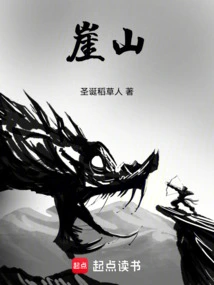
Yashan
History崖山
Christmas Scarecrow
Some people say that there will be no China after Yashan, so let everything stop before Yashan!
Some people say that there will be no China after Yashan, so let everything stop before Yashan!
Border Defense Policy
History边防策
Travel Around The World For Half A Lifetime
Come to China Literature's website to read more of my works!
Come to China Literature's website to read more of my works!
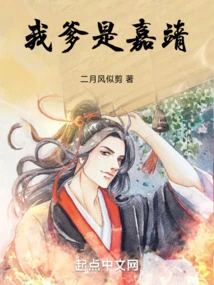
My Father is Jiajing
History我爹是嘉靖
February Is Windy
"Dad, Xiu Xuan can't be stingy. I'll make money to support you!"
"Dad, Xiu Xuan can't be stingy. I'll make money to support you!"
大明:他罪恶滔天,朕杀不得?
Makino Little Blacksmith
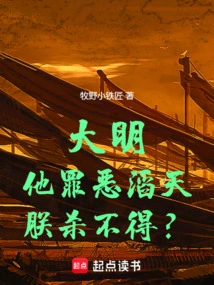
Above the court hall, hundreds of civil and military officials filed out. "Your Majesty, there is a certain Li Ping'an among the people. He forms a clique and gathers tens of thousands of people to form a Japanese-eradicating party!" "Your Majesty, this person also formed a private fleet, developed warships, ignored the sea ban, and wanted to conquer the world!" "Your Majesty, this person also set up a private bank, amassed huge wealth, and issued banknotes to replace treasure banknotes!" "Your Majesty, this person is still..." Li Ping'an's crimes were too numerous to write down. There were hundreds of them, and they were reported to Zhu Yuanzhang one by one by the censors. Zhu Yuanzhang: "This man's crimes are so heinous that I must punish all nine of his clans!" Queen Ma: "Chongba, please don't kill me. He saved my life!" Zhu Biao: "Dad, you can't kill him, he saved my life!" Zhu Di: "Father, I can't kill him. He will be responsible for the disaster caused by the Beibei!" Zhu Yunwen: "Grandpa Huang, if you kill Li Ping'an, who will assist me in the throne in the future?" And on the bank of the Qinhuai River at the feet of the Emperor Ying Tianfu, Li Ping'an held the "Da Ming Code" in his hand and looked carefully to see which crimes he had not committed. "Conspiracy to support King Yan on the throne should be considered treason. I wonder what reward this crime can give me?" Li Ping'an, who was involved in the criminal gangster system, murmured to himself expectantly.
Above the court hall, hundreds of civil and military officials filed out. "Your Majesty, there is a certain Li Ping'an among the people. He forms a clique and gathers tens of thousands of people to form a Japanese-eradicating party!" "Your Majesty, this person also formed a private fleet, developed warships, ignored the sea ban, and wanted to conquer the world!" "Your Majesty, this person also set up a private bank, amassed huge wealth, and issued banknotes to replace treasure banknotes!" "Your Majesty, this person is still..." Li Ping'an's crimes were too numerous to write down. There were hundreds of them, and they were reported to Zhu Yuanzhang one by one by the censors. Zhu Yuanzhang: "This man's crimes are so heinous that I must punish all nine of his clans!" Queen Ma: "Chongba, please don't kill me. He saved my life!" Zhu Biao: "Dad, you can't kill him, he saved my life!" Zhu Di: "Father, I can't kill him. He will be responsible for the disaster caused by the Beibei!" Zhu Yunwen: "Grandpa Huang, if you kill Li Ping'an, who will assist me in the throne in the future?" And on the bank of the Qinhuai River at the feet of the Emperor Ying Tianfu, Li Ping'an held the "Da Ming Code" in his hand and looked carefully to see which crimes he had not committed. "Conspiracy to support King Yan on the throne should be considered treason. I wonder what reward this crime can give me?" Li Ping'an, who was involved in the criminal gangster system, murmured to himself expectantly.
大明:朕真不想做皇帝啊
Laugh In The Bush Again
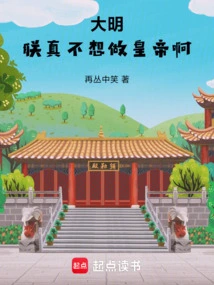
Jingtai Emperor Zhu Qiyu was reborn and returned to orthodoxy for eleven years. Faced with the authoritarian Wang Zhen and the mediocre Ming Dynasty student Zhu Qizhen, he knew that the Ming Dynasty would eventually go into the abyss. ?? In this life, he no longer holds back. ?? Suppress the rebellion, fight for power and change the fate of the country! ?? He wanted to save the Ming Dynasty from the humiliation of the Tumubao Incident, and he also wanted the world to know: "I am the one to whom destiny belongs!"
Jingtai Emperor Zhu Qiyu was reborn and returned to orthodoxy for eleven years. Faced with the authoritarian Wang Zhen and the mediocre Ming Dynasty student Zhu Qizhen, he knew that the Ming Dynasty would eventually go into the abyss. ?? In this life, he no longer holds back. ?? Suppress the rebellion, fight for power and change the fate of the country! ?? He wanted to save the Ming Dynasty from the humiliation of the Tumubao Incident, and he also wanted the world to know: "I am the one to whom destiny belongs!"
双穿大唐:富养小兕子
Phuket King
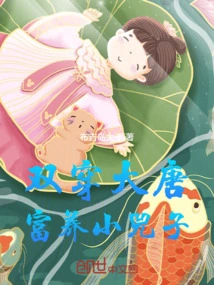
A screen connects the Tang Dynasty thousands of years ago to modern times, starting a journey through time and space for Ye Ze and Princess Jinyang. Ye Ze: Si Zi is so cute, Li Er is too poor, I should raise him! Si Zi: Mr. Xiao Nang, I want this, this, and this... Ye Ze waved his hand and said directly, "Buy it, as long as my Si Zi likes it, I will buy it." Li Er: Xiaolangjun, I also like him very much. Ye Ze said, "I'm sorry. I'm a commoner, but my family is living in poverty. If you want something, you can give me money!"
A screen connects the Tang Dynasty thousands of years ago to modern times, starting a journey through time and space for Ye Ze and Princess Jinyang. Ye Ze: Si Zi is so cute, Li Er is too poor, I should raise him! Si Zi: Mr. Xiao Nang, I want this, this, and this... Ye Ze waved his hand and said directly, "Buy it, as long as my Si Zi likes it, I will buy it." Li Er: Xiaolangjun, I also like him very much. Ye Ze said, "I'm sorry. I'm a commoner, but my family is living in poverty. If you want something, you can give me money!"
My Family is Familiar with Ancient Times: Let Song Renzong Break the Defense at the Beginning
History我家通古代:开局让宋仁宗破防
Plum Vegetables Are Not Steamed
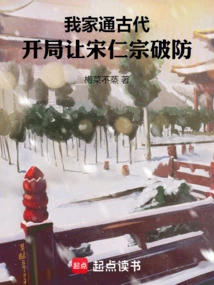
"You dare to speak out treasonous words and slander the late emperor. Aren't you afraid of the death penalty?" A young man pointed angrily at Li Fang and shouted. Li Fang, who was looking at Song Zhenzong's "brilliant" Zen history, was a little confused. After finally sending away the young man who was suspected of being Song Renzong Zhao Zhen, Li Fang found that something seemed wrong. It seems that my family suddenly connected with several dynasties? Looking at the beautiful lady opposite, Li Fang asked in surprise: "You said your name is Ren Hongchang?" Pointing at a young man who was high-spirited and determined, Li Fang asked again: "You are the Emperor of Wei, and your name is Cao Mao?" Then, Xu Miaojin from the Ming Dynasty and Li Zhi from the Tang Dynasty came to Li Fang's home one after another. Five ancients from different dynasties completely disrupted Li Fang's peaceful life. PS: A new book has been released. You can go and collect it. The new book is called "Conquering the Heavens, Starting with Four Great Classics". The author's integrity is guaranteed and he will never be an eunuch!
"You dare to speak out treasonous words and slander the late emperor. Aren't you afraid of the death penalty?" A young man pointed angrily at Li Fang and shouted. Li Fang, who was looking at Song Zhenzong's "brilliant" Zen history, was a little confused. After finally sending away the young man who was suspected of being Song Renzong Zhao Zhen, Li Fang found that something seemed wrong. It seems that my family suddenly connected with several dynasties? Looking at the beautiful lady opposite, Li Fang asked in surprise: "You said your name is Ren Hongchang?" Pointing at a young man who was high-spirited and determined, Li Fang asked again: "You are the Emperor of Wei, and your name is Cao Mao?" Then, Xu Miaojin from the Ming Dynasty and Li Zhi from the Tang Dynasty came to Li Fang's home one after another. Five ancients from different dynasties completely disrupted Li Fang's peaceful life. PS: A new book has been released. You can go and collect it. The new book is called "Conquering the Heavens, Starting with Four Great Classics". The author's integrity is guaranteed and he will never be an eunuch!