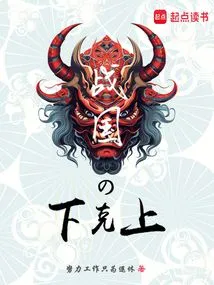
Overcoming the Warring States Period
About This Novel
Eleven years of astronomy. Swordsmen are everywhere and fighting continues. The world is full of hunger and death, and the times are becoming more and more abstract: When there is no food to eat, it seems reasonable that the emperor sells calligraphy and painting, and the minister sells his daughter? If we can't talk about ideals, it's not too much for eminent monks to lend usury and block roads to collect money, right? For the sake of a prosperous military career, isn't it natural for generals to sing Noh music and for martial artists to dance to great heights? As for the transformation of a shrine maiden into a wandering girl, and the transformation of a surname into a concubine, such elegant anecdotes are even more trivial... ... At the foot of Inaba Mountain. Nagai Nagamasa looked at the towering mountain city. Come to think of it, Saito Michizan must be familiar with this script of "lower defeating higher", right? Book club group: 1051431613
Official Sources
What Readers Think
Rating
Community(0)
Official(3)Scraped 1mo ago
Yes, it is a small-time Sengoku novel that is worth reading. However, the early part of the book is too realistic and refreshing, and the Sengoku text in this book is relatively niche. It is difficult to attract people without more exciting and exciting stories. I still recommend it to people who like Nobunaga and Taikaku!
Let the author explain it.
Regarding the protagonist's name, which name does the protagonist use? Let me be clear, if you use the name of your previous life, it makes me feel like you are reading a treacherous novel. If you want to write the kind of mindless and patriotic show of superiority, why write this kind of thing? I hope the protagonist can correct his position. When writing a novel about another country, using a Chinese name makes it stand out. This kind of novels end up showing off a sense of superiority, belittling other countries and exalting oneself.
Still pretty good-looking
I feel that the audience for this type of book is inherently small. Generally speaking, when looking at the Warring States Period in Japan, some are about sword masters (swordsmen), and some are about farming and farming. However, Japan's enfeoffed territories are very confusing. The author's progress is still too slow. After more than 200 chapters, I feel like I am starting to become a leader. There is a lot of foreshadowing for the main (farming) premise, and it feels a bit complicated. Personally, I feel that the early stage should be more about the (sword master) than the trial type, so as to trick some combat-type people who like samurai 1V1 or 1V into reading it, and then trick those who like to watch strategy development. The summary is that it looks good, but is a bit slow (the reason for the slowness is that it feels like things are unattractive)
Rating
Community(0)
Official(3)Scraped 1mo ago
Yes, it is a small-time Sengoku novel that is worth reading. However, the early part of the book is too realistic and refreshing, and the Sengoku text in this book is relatively niche. It is difficult to attract people without more exciting and exciting stories. I still recommend it to people who like Nobunaga and Taikaku!
Let the author explain it.
Regarding the protagonist's name, which name does the protagonist use? Let me be clear, if you use the name of your previous life, it makes me feel like you are reading a treacherous novel. If you want to write the kind of mindless and patriotic show of superiority, why write this kind of thing? I hope the protagonist can correct his position. When writing a novel about another country, using a Chinese name makes it stand out. This kind of novels end up showing off a sense of superiority, belittling other countries and exalting oneself.
Still pretty good-looking
I feel that the audience for this type of book is inherently small. Generally speaking, when looking at the Warring States Period in Japan, some are about sword masters (swordsmen), and some are about farming and farming. However, Japan's enfeoffed territories are very confusing. The author's progress is still too slow. After more than 200 chapters, I feel like I am starting to become a leader. There is a lot of foreshadowing for the main (farming) premise, and it feels a bit complicated. Personally, I feel that the early stage should be more about the (sword master) than the trial type, so as to trick some combat-type people who like samurai 1V1 or 1V into reading it, and then trick those who like to watch strategy development. The summary is that it looks good, but is a bit slow (the reason for the slowness is that it feels like things are unattractive)
You Might Also Like
The Ambitions of the Kyogoku Family
Kira Kami Sosuke
Reborn Female General
Qianshan Tea Guest
King of Ross
Ivan The Terrible
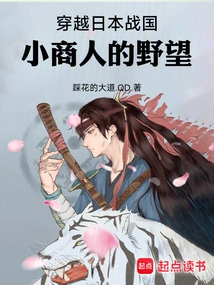
Traveling Through Japan's Warring States Period: the Ambition of a Small Businessman
The Avenue Of Stepping On Flowers. Qd
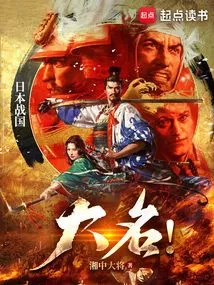
Great Name!
General Of Central Hunan

The Pope Please Ascend the Throne
Generally Cute Caesar
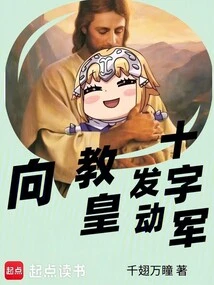
Crusade Against the Pope
Thousands Of Wings And Thousands Of Eyes
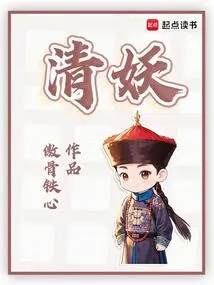
Qingyao
Proud And Iron-hearted
Medieval Times: I Build a Manor in the Mountains
Roe Deer In A Daze

Shu Surrendered Its Generals, but Wei's Underground Emperor
Love To Drink Sweet Chili Sauce