Library
Browse and search books
51,874 novels found
大明第一皇太子
Indifferent As Wind And Rain
Come to China Literature's website to read more of my works!
Come to China Literature's website to read more of my works!
The Burning of Byzantium
History拜占庭焚烬记
Quarter Moon Pd
The Fire of Knowledge for Travelers: The Burning of Byzantium Tang Dynasty Li Mo fell into Byzantium in 941 AD and became a slave. When the Russian fleet besieged Constantinople, he whispered the secret of "oil mixed with quicklime" in the inferno of Greek fire, and was instantly pushed to the front of Emperor Constantine VII. The story of how he was forced to give up the strengthening formula when the city was destroyed
The Fire of Knowledge for Travelers: The Burning of Byzantium Tang Dynasty Li Mo fell into Byzantium in 941 AD and became a slave. When the Russian fleet besieged Constantinople, he whispered the secret of "oil mixed with quicklime" in the inferno of Greek fire, and was instantly pushed to the front of Emperor Constantine VII. The story of how he was forced to give up the strengthening formula when the city was destroyed
大明:本王的藩地大亿点很正常吧
The Wind Is Clear And There Is No Dream
Once in the Yongle period, he became Zhu Gaosui, King Zhao of the Ming Dynasty. Thinking about his future ending, looking at the hypocritical Zhu Gaochi, he kept pulling him to fight against Zhu Gaochi, promising him an equal share of the Ming Dynasty's Zhu Gaojiu, Zhu Gaojiu only felt danger. How tall was the grass on the grave of the last person who believed in dividing the world equally? Zhu Gaosui was confused for a moment. When he arrived, should he continue to fight, or should he become an idle prince? Seeing that Zhu Gaochi had the support of civil servants and scholars, and Zhu Gaoxu had the support of military generals and noble relatives, he looked at himself and thought about his future ending. Being an idle prince might also be a problem, so Zhu Gaosui fell silent. "Since the road in front of you is impassable, then go out and find a way by yourself!" He has become the most powerful prince of the Ming Dynasty, how can he be manipulated by others? Since you can't fight and retreat, then find a distant place to establish a vassal state and build your own power so that no one dares to have any thoughts about you. Free enjoyment without strength will ultimately depend on people's faces, and they will not be able to escape the ending of being imprisoned. Just when the Jiaozhi rebels counterattacked, the Ming army was defeated miserably. Zhu Di wanted Zhang Fu to take command again to put down the rebellion. Zhu Gaosui knew that his opportunity had come. Put down the Jiaozhi rebellion, use Jiaozhi as a vassal territory, develop Jiaozhi, expand to the west to Southeast Asia, to the south to the Nanyang, to the east to expand Japan and Sakhalin, and to conduct expeditions to West Asia, Europe, and America. Many years later, looking at his huge vassal territory, Zhu Gaosui felt very high-spirited. "As King Zhao of the Ming Dynasty, it's normal for me to have over 100 million vassal territories, right?" When the imperial court belatedly looked at Zhu Gaosui's vast territory and powerful strength, everyone fell silent.
Once in the Yongle period, he became Zhu Gaosui, King Zhao of the Ming Dynasty. Thinking about his future ending, looking at the hypocritical Zhu Gaochi, he kept pulling him to fight against Zhu Gaochi, promising him an equal share of the Ming Dynasty's Zhu Gaojiu, Zhu Gaojiu only felt danger. How tall was the grass on the grave of the last person who believed in dividing the world equally? Zhu Gaosui was confused for a moment. When he arrived, should he continue to fight, or should he become an idle prince? Seeing that Zhu Gaochi had the support of civil servants and scholars, and Zhu Gaoxu had the support of military generals and noble relatives, he looked at himself and thought about his future ending. Being an idle prince might also be a problem, so Zhu Gaosui fell silent. "Since the road in front of you is impassable, then go out and find a way by yourself!" He has become the most powerful prince of the Ming Dynasty, how can he be manipulated by others? Since you can't fight and retreat, then find a distant place to establish a vassal state and build your own power so that no one dares to have any thoughts about you. Free enjoyment without strength will ultimately depend on people's faces, and they will not be able to escape the ending of being imprisoned. Just when the Jiaozhi rebels counterattacked, the Ming army was defeated miserably. Zhu Di wanted Zhang Fu to take command again to put down the rebellion. Zhu Gaosui knew that his opportunity had come. Put down the Jiaozhi rebellion, use Jiaozhi as a vassal territory, develop Jiaozhi, expand to the west to Southeast Asia, to the south to the Nanyang, to the east to expand Japan and Sakhalin, and to conduct expeditions to West Asia, Europe, and America. Many years later, looking at his huge vassal territory, Zhu Gaosui felt very high-spirited. "As King Zhao of the Ming Dynasty, it's normal for me to have over 100 million vassal territories, right?" When the imperial court belatedly looked at Zhu Gaosui's vast territory and powerful strength, everyone fell silent.

凤御大夏,摄政凰权录
Spring Lanterns Illuminate The Snow
In her previous life, she was poisoned to death and her whole family was killed. She came back and vowed to be a vengeful ghost; In this life, he turned upside down as a crippled king, spreading intelligence networks all over the world. He served as regent for three years, proclaimed himself emperor once, and changed the name of the country to Daxia. She was his "chess piece", but he was bloody for her; The empress turned black for him, the killer died for him, and he just wanted to hold her hand and rule the world together. Chapter 560: Extreme Machiavellian Strategy + Affection in the Shura Field + Infrastructure in a Prosperous Age. Let's see how the wheelchair-bound God of War uses the country as a job to keep her safe for the rest of her life; See how she conquers the world amidst the competition between three women and the encirclement of four kingdoms. In the end, both husband and wife become Zen masters and hand over thousands of miles of mountains and rivers to their common son-- The Crown Prince of Daxia. --"The world belongs to you, and you belong to me. From now on, only your and my names will be written in the history books."
In her previous life, she was poisoned to death and her whole family was killed. She came back and vowed to be a vengeful ghost; In this life, he turned upside down as a crippled king, spreading intelligence networks all over the world. He served as regent for three years, proclaimed himself emperor once, and changed the name of the country to Daxia. She was his "chess piece", but he was bloody for her; The empress turned black for him, the killer died for him, and he just wanted to hold her hand and rule the world together. Chapter 560: Extreme Machiavellian Strategy + Affection in the Shura Field + Infrastructure in a Prosperous Age. Let's see how the wheelchair-bound God of War uses the country as a job to keep her safe for the rest of her life; See how she conquers the world amidst the competition between three women and the encirclement of four kingdoms. In the end, both husband and wife become Zen masters and hand over thousands of miles of mountains and rivers to their common son-- The Crown Prince of Daxia. --"The world belongs to you, and you belong to me. From now on, only your and my names will be written in the history books."
1848:欧洲革命之年
B
Christopher Clark, the author of this book, evaluates it as: "The only true European revolution in history." This book uses a multi-dimensional perspective and integrates micro narrative and macro analysis to reconstruct the panoramic view of the European Revolution of 1848, placing this turmoil sweeping the European continent within the complex network of social structure, ideology and global change. This book first starts with the underlying social issues and analyzes the deep social crises on the eve of the revolution: class conflicts caused by poverty and famine, and political incompetence caused by the collapse of the old order. The second chapter turns to ideological debates, analyzing the tug-of-war between "order" and "freedom" among various ideological factions, reshaping European political discourse, and providing a spiritual program for subsequent actions. Chapters 3 and 4 restore the process of the outbreak of the revolution and reproduce how the people broke through the shackles of the old system with violence and ideals. However, the joy of victory is fleeting: in chapters five to seven, the revolutionary regime faces paradoxes and challenges, while at the same time, conservative forces have quietly reorganized the power network. Finally, Chapter 8 describes the counter-revolutionary counterattack and the return of the monarchy. But the book does not stop at the "failure" of the revolution. Chapter 9 casts its horizons around the world, revealing how the aftermath of the European Revolution of 1848 continues to reverberate across a wide range. This book is not only a magnificent history of European revolutions, but also a revelation about ideals, power, human nature and historical contingency.
Christopher Clark, the author of this book, evaluates it as: "The only true European revolution in history." This book uses a multi-dimensional perspective and integrates micro narrative and macro analysis to reconstruct the panoramic view of the European Revolution of 1848, placing this turmoil sweeping the European continent within the complex network of social structure, ideology and global change. This book first starts with the underlying social issues and analyzes the deep social crises on the eve of the revolution: class conflicts caused by poverty and famine, and political incompetence caused by the collapse of the old order. The second chapter turns to ideological debates, analyzing the tug-of-war between "order" and "freedom" among various ideological factions, reshaping European political discourse, and providing a spiritual program for subsequent actions. Chapters 3 and 4 restore the process of the outbreak of the revolution and reproduce how the people broke through the shackles of the old system with violence and ideals. However, the joy of victory is fleeting: in chapters five to seven, the revolutionary regime faces paradoxes and challenges, while at the same time, conservative forces have quietly reorganized the power network. Finally, Chapter 8 describes the counter-revolutionary counterattack and the return of the monarchy. But the book does not stop at the "failure" of the revolution. Chapter 9 casts its horizons around the world, revealing how the aftermath of the European Revolution of 1848 continues to reverberate across a wide range. This book is not only a magnificent history of European revolutions, but also a revelation about ideals, power, human nature and historical contingency.
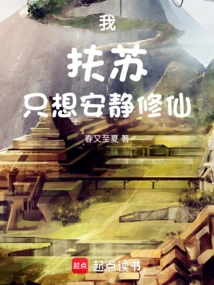
我,扶苏,只想安静修仙
Spring Turns To Summer
Qin unified the six countries and ended the wars that had lasted for more than 500 years since the Spring and Autumn Period. Attack the Xiongnu in the north, conquer the Baiyue in the south, abolish the feudal system, establish counties and counties, write books with the same text, and drive with the same track... Countless achievements that were unimaginable by previous generations were realized one by one in the hands of Qin Shihuang. However, the heart of a single husband is becoming increasingly arrogant, causing the young and old to join the army, and the old and weak to change their salary. The people who live there have nothing to eat, and those who travel have nothing to rely on. Under the flowers and brocade, there is already a burning fire. The seemingly powerful empire is already in danger. On the eve of the burning of books and the entrapment of scholars, a soul from two thousand years later replaced the young master Fusu. He did not have any lofty ideals to turn the tide and support the building that was about to collapse. He just wanted to live well and see the sparks produced when various schools of thought collided, to see the great rivers and mountains, and to see the hardworking and simple people. Then kill all those ungrateful idiots!
Qin unified the six countries and ended the wars that had lasted for more than 500 years since the Spring and Autumn Period. Attack the Xiongnu in the north, conquer the Baiyue in the south, abolish the feudal system, establish counties and counties, write books with the same text, and drive with the same track... Countless achievements that were unimaginable by previous generations were realized one by one in the hands of Qin Shihuang. However, the heart of a single husband is becoming increasingly arrogant, causing the young and old to join the army, and the old and weak to change their salary. The people who live there have nothing to eat, and those who travel have nothing to rely on. Under the flowers and brocade, there is already a burning fire. The seemingly powerful empire is already in danger. On the eve of the burning of books and the entrapment of scholars, a soul from two thousand years later replaced the young master Fusu. He did not have any lofty ideals to turn the tide and support the building that was about to collapse. He just wanted to live well and see the sparks produced when various schools of thought collided, to see the great rivers and mountains, and to see the hardworking and simple people. Then kill all those ungrateful idiots!
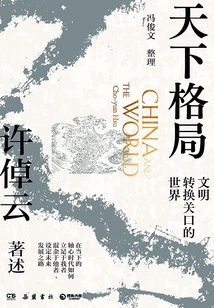
天下格局:文明转换关口的世界
Written By Xu Zhuoyun And Compiled By Feng Junwen
The work that everyone in history Xu Zhuoyun expected! Facing an increasingly chaotic world, a 94-year-old man made an urgent appeal for the present and the ardent expectations of the future world: understand the inseparability of China and the world. The world needs China, and China needs the world. Mr. Xu Zhuoyun uses the macro-historical view of "seeing China from the world, and then seeing the world from China" and uses clear logic and concise language to present three aspects of content to readers: first, China's traditional inward-looking economic form and its connection with the world economy; second, the rise and fall of globalized trade in the modern world and the new world pattern based on it; third, now that "globalization" has reached its trough, the path China should adhere to and the direction of the future world. Mr. Xu believes that over the past two thousand years, Chinese culture and economy have developed a unique temperament through interaction with the world. He also pointed out that the traditional Chinese "people-oriented" thinking and the concept of "world harmony" should become important theoretical resources for building future world development.
The work that everyone in history Xu Zhuoyun expected! Facing an increasingly chaotic world, a 94-year-old man made an urgent appeal for the present and the ardent expectations of the future world: understand the inseparability of China and the world. The world needs China, and China needs the world. Mr. Xu Zhuoyun uses the macro-historical view of "seeing China from the world, and then seeing the world from China" and uses clear logic and concise language to present three aspects of content to readers: first, China's traditional inward-looking economic form and its connection with the world economy; second, the rise and fall of globalized trade in the modern world and the new world pattern based on it; third, now that "globalization" has reached its trough, the path China should adhere to and the direction of the future world. Mr. Xu believes that over the past two thousand years, Chinese culture and economy have developed a unique temperament through interaction with the world. He also pointed out that the traditional Chinese "people-oriented" thinking and the concept of "world harmony" should become important theoretical resources for building future world development.
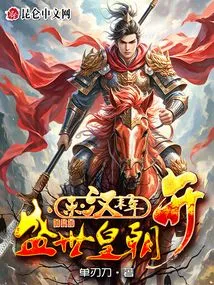
东汉末年开盛世皇朝
Single Edge Knife
Come to China Literature's website to read more of my works!
Come to China Literature's website to read more of my works!
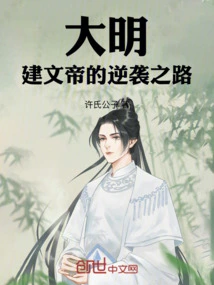
大明:建文帝的逆袭之路
Mr. Xu
[What should I do if I travel through time and become the most miserable grandson in history? ] History teacher Zhu Biao woke up and turned out to be Jianwen Emperor Zhu Yunwen who was about to be overthrown by Zhu Di! It was the twenty-fifth year of Hongwu, and Prince Zhu Biao had just died. Zhu Yuanzhang was devastated, and King Zhu Di of Yan was eyeing him. [Bite! System activation! ] Task 1: Obtain Zhu Yuanzhang's praise within three days (reward: imperial dignity +10) Mission 2: Conquer the future Yan King's henchmen in military training (reward: riding and shooting expertise) Task 3: Form a Jianwen team in advance (reward: choose one of three good strategies for governing the country) The golden finger of the system in the left hand, the historical prophet in the right hand, "Fourth uncle, my nephew's script is different this time!" See how modern teachers play the Ming Dynasty Game of Thrones, Write a new Jianwen legend!
[What should I do if I travel through time and become the most miserable grandson in history? ] History teacher Zhu Biao woke up and turned out to be Jianwen Emperor Zhu Yunwen who was about to be overthrown by Zhu Di! It was the twenty-fifth year of Hongwu, and Prince Zhu Biao had just died. Zhu Yuanzhang was devastated, and King Zhu Di of Yan was eyeing him. [Bite! System activation! ] Task 1: Obtain Zhu Yuanzhang's praise within three days (reward: imperial dignity +10) Mission 2: Conquer the future Yan King's henchmen in military training (reward: riding and shooting expertise) Task 3: Form a Jianwen team in advance (reward: choose one of three good strategies for governing the country) The golden finger of the system in the left hand, the historical prophet in the right hand, "Fourth uncle, my nephew's script is different this time!" See how modern teachers play the Ming Dynasty Game of Thrones, Write a new Jianwen legend!
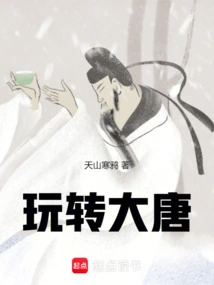
Fun with the Tang Dynasty
History玩转大唐
Tianshan Jackdaw
Zhang Biao traveled through the Tang Dynasty and gradually grew from a small soldier who could only brag to a great shaman who controlled the grassland...
Zhang Biao traveled through the Tang Dynasty and gradually grew from a small soldier who could only brag to a great shaman who controlled the grassland...
三国:医统天下
Nan Shuruo
Traveling through the end of the Eastern Han Dynasty, I lamented how tenacious the people's livelihood was, and set the ambition to bring peace to the people. I lay drunk on the knees of a beautiful woman and laughed at the rising tide. I want the world to speak Chinese
Traveling through the end of the Eastern Han Dynasty, I lamented how tenacious the people's livelihood was, and set the ambition to bring peace to the people. I lay drunk on the knees of a beautiful woman and laughed at the rising tide. I want the world to speak Chinese
Guns and Revolution
History火枪与革命
Gray Bird Logo
A historical novel about war, human nature and the tragedy of time, set against the backdrop of the Napoleonic Wars and the French Revolution.
A historical novel about war, human nature and the tragedy of time, set against the backdrop of the Napoleonic Wars and the French Revolution.
Brother Emperor, Please Die!
History皇兄,请赴死!
Xiaoxiao Mangosteen
Lin Yu, who traveled through time, actually came to a dynasty called Dayu and became the talented second prince. But in his memory, although the second prince was full of talents, he had a very weak character, so he was constantly bullied by the prince and other princes. Emperor: The prince has a violent character, you should encourage him! It was because the emperor said such words to the second prince that the prince became dissatisfied with him and became a little worried about him, so he targeted him everywhere and punished him every step of the way! But this time, it's not the weak second prince who came back, but me, Lin Yu! I don't care about life and death, if you don't accept it, just do it! Big deal Xuanwumen fights against each other, who will win and who will be the crown prince! Xiangji Temple kills each other, who loses and who rebels! Real men never play with succession. Only the living can be emperor. Love you bro~ See you at Xuanwu Gate tomorrow~
Lin Yu, who traveled through time, actually came to a dynasty called Dayu and became the talented second prince. But in his memory, although the second prince was full of talents, he had a very weak character, so he was constantly bullied by the prince and other princes. Emperor: The prince has a violent character, you should encourage him! It was because the emperor said such words to the second prince that the prince became dissatisfied with him and became a little worried about him, so he targeted him everywhere and punished him every step of the way! But this time, it's not the weak second prince who came back, but me, Lin Yu! I don't care about life and death, if you don't accept it, just do it! Big deal Xuanwumen fights against each other, who will win and who will be the crown prince! Xiangji Temple kills each other, who loses and who rebels! Real men never play with succession. Only the living can be emperor. Love you bro~ See you at Xuanwu Gate tomorrow~
小说,小说网,最新热门小说-QQ阅读_阅文集团旗下网站
Why Does Bodhisattva Sit Upside Down?
King Yan proclaimed himself emperor, and the Ming Dynasty was at its peak! After his death, the Ming Dynasty declined! Capture exotic beasts and reverse the decline of the Ming Dynasty! Human desires are rising vertically. Every time a case occurs, it reveals the deepest thoughts in people's hearts...
King Yan proclaimed himself emperor, and the Ming Dynasty was at its peak! After his death, the Ming Dynasty declined! Capture exotic beasts and reverse the decline of the Ming Dynasty! Human desires are rising vertically. Every time a case occurs, it reveals the deepest thoughts in people's hearts...

抽卡续国运:我的皇帝模拟器
Don't Cry Again
Li Che, a modern social beast, suddenly died and his soul was pierced, but he became the puppet emperor of the Zhou Dynasty, which was about to collapse. The Northern Barbarians are approaching the city, and the powerful ministers are about to be forced into the palace. There is only one hour left in the countdown to the country's destruction. In a desperate situation, the [Desperate Situation Lottery System] is activated - the first draw is the seemingly useless [Mouth Escape (Entry)], but it helps him argue with the powerful ministers in the court and initially establish his authority. Immediately afterwards, incomplete trebuchet drawings, broken slingshots and other "junk" props were pulled out one after another. He used modern knowledge to turn decay into magic, used the slingshot principle to transform the trebuchet to repel foreign enemies, used activated carbon to purify snow salt to dismantle the economic monopoly of the clan, and even used "relief for work" to shelter refugees and rebuild the foundation of the empire on the ruins. The system draws throughout, from [Agricultural Bachelor Jiang Wei] to [Secret Guard Commander Ying Qi], from [Expired Penicillin] to [Phoenix Seed (Potato)], every draw sets off a storm that reverses the fate of the country on the edge of life and death. In the struggle for power, he purged the traitors and established the Shenji Camp. He also used the "Da Zhou Bao Chao" as a blade to launch an economic secret war with his old enemy Da Chu. He turned anti-counterfeiting technology into a magic weapon and smashed the conspiracy of millions of counterfeit banknotes. When famine, internal troubles, and foreign invasions came like a tidal wave, Li Che held the double-edged sword of the lottery system and worked step by step in the cracks of history, dragging a dynasty on the verge of destruction to the road of rise. This is an epic of an emperor's counterattack written in a desperate situation with drawing cards as a pen. Let's see how the useless emperor uses his imagination and system to continue the broken national destiny and rebuild the glory of the prosperous age.
Li Che, a modern social beast, suddenly died and his soul was pierced, but he became the puppet emperor of the Zhou Dynasty, which was about to collapse. The Northern Barbarians are approaching the city, and the powerful ministers are about to be forced into the palace. There is only one hour left in the countdown to the country's destruction. In a desperate situation, the [Desperate Situation Lottery System] is activated - the first draw is the seemingly useless [Mouth Escape (Entry)], but it helps him argue with the powerful ministers in the court and initially establish his authority. Immediately afterwards, incomplete trebuchet drawings, broken slingshots and other "junk" props were pulled out one after another. He used modern knowledge to turn decay into magic, used the slingshot principle to transform the trebuchet to repel foreign enemies, used activated carbon to purify snow salt to dismantle the economic monopoly of the clan, and even used "relief for work" to shelter refugees and rebuild the foundation of the empire on the ruins. The system draws throughout, from [Agricultural Bachelor Jiang Wei] to [Secret Guard Commander Ying Qi], from [Expired Penicillin] to [Phoenix Seed (Potato)], every draw sets off a storm that reverses the fate of the country on the edge of life and death. In the struggle for power, he purged the traitors and established the Shenji Camp. He also used the "Da Zhou Bao Chao" as a blade to launch an economic secret war with his old enemy Da Chu. He turned anti-counterfeiting technology into a magic weapon and smashed the conspiracy of millions of counterfeit banknotes. When famine, internal troubles, and foreign invasions came like a tidal wave, Li Che held the double-edged sword of the lottery system and worked step by step in the cracks of history, dragging a dynasty on the verge of destruction to the road of rise. This is an epic of an emperor's counterattack written in a desperate situation with drawing cards as a pen. Let's see how the useless emperor uses his imagination and system to continue the broken national destiny and rebuild the glory of the prosperous age.
我,皇子朱胤,开局逆天改命
Darwin's Blind Box
[History] [Ming Dynasty] [Plot] [System] [Invincible] [Reversal Ending] I, Zhu Yin, single-handedly pushed the dying Ming Dynasty to the top of an unprecedented prosperous age. Eunuchs, powerful ministers, nobles, foreign enemies, all who stand in my way will turn into the dust of history. I am known as the emperor of the ages, who will rebuild China. But when all the nations came to visit and the mountains shouted long live, I suddenly discovered that the thousands of miles of mountains and rivers that I had spent my whole life protecting were actually a bubble of nothingness, a decadent cycle that was not worth saving at all. Once he traveled through time, he became a frail prince who was framed in the late Ming Dynasty. He started in a prison and was executed in three days. At the moment of life and death, the [Historical Deduction System] is activated! Deducing the past and simulating the future, everything in the world has no secrets in my eyes. Therefore, the court became my chessboard, and the enemy became my chess piece. I supported the loyal and uprooted the traitors; I revolutionized the military and swept across the world; I opened up sea trade and made the world rich. Everyone in the world thinks that I am destined to be the reincarnation of an immortal, but they don't know that I am just a chess player who has seen through the script and moves forward alone. This country, this prosperous age, this so-called protection... What is the meaning of it?
[History] [Ming Dynasty] [Plot] [System] [Invincible] [Reversal Ending] I, Zhu Yin, single-handedly pushed the dying Ming Dynasty to the top of an unprecedented prosperous age. Eunuchs, powerful ministers, nobles, foreign enemies, all who stand in my way will turn into the dust of history. I am known as the emperor of the ages, who will rebuild China. But when all the nations came to visit and the mountains shouted long live, I suddenly discovered that the thousands of miles of mountains and rivers that I had spent my whole life protecting were actually a bubble of nothingness, a decadent cycle that was not worth saving at all. Once he traveled through time, he became a frail prince who was framed in the late Ming Dynasty. He started in a prison and was executed in three days. At the moment of life and death, the [Historical Deduction System] is activated! Deducing the past and simulating the future, everything in the world has no secrets in my eyes. Therefore, the court became my chessboard, and the enemy became my chess piece. I supported the loyal and uprooted the traitors; I revolutionized the military and swept across the world; I opened up sea trade and made the world rich. Everyone in the world thinks that I am destined to be the reincarnation of an immortal, but they don't know that I am just a chess player who has seen through the script and moves forward alone. This country, this prosperous age, this so-called protection... What is the meaning of it?
红楼之旁支庶族
Tangerine Peel Is Not A Medicine
Once Jia Qiong traveled through time, he found himself in the world of Red Mansions and became a member of the Jia family in Jinling. Now that he was here, he decided to use his own efforts to change the fate of his family and at the same time control his own destiny.
Once Jia Qiong traveled through time, he found himself in the world of Red Mansions and became a member of the Jia family in Jinling. Now that he was here, he decided to use his own efforts to change the fate of his family and at the same time control his own destiny.
明末一书生白日富家翁夜间当神棍
Soul Travels Through The Past And Present
Born in the late Ming Dynasty, Han Chuang studied hard for decades and passed the imperial examination. However, he died of old age and could not wait for an appointment. This was because in the corrupt and degenerate late Ming Dynasty, selling an official position and getting a title was a basic operation. With reluctance, he continued to take the examination, hoping to make a splash. Unexpectedly, after several years of preparation, he failed twice in a row. Frustrated, Wan Wenyuan gave up the imperial examination and became an official. He went home to find a wife to marry. On the day of the wedding, he unexpectedly got a good match. With the help of the system, he started farming, doing business, hoarding grain, building up his power, and becoming a rich man by day. But once night comes, he transforms into a magic stick, uses natural disasters as a guide, promotes eschatology, divine warnings, dances with gods and other deception methods to win over believers, establish a religion, and benefit Use the martial arts secrets and military supplies obtained from the system to strengthen the sect's power. Later, due to the arrival of the Little Ice Age, he led his clan members and light and dark forces to migrate to the south. In the process, he continued to absorb refugees and strengthened his body. On the eve of Dorgon's entry into the Central Plains, he successfully planned the assassination of Dorgon and changed the direction of history. In order to end the local peasant uprisings in the late Ming Dynasty and the decadent court's desperate struggle, the Nanming Kingdom was founded with the power of the divine religion as its team. It integrated politics and religion, and controlled the Southern Ming Dynasty with the religious teachings. Later, it destroyed the aristocratic families, divided the fields, encouraged the development of industry and commerce internally, encouraged transnational trade externally, resisted the Qing army, and led the people of Nanming to live a prosperous life.
Born in the late Ming Dynasty, Han Chuang studied hard for decades and passed the imperial examination. However, he died of old age and could not wait for an appointment. This was because in the corrupt and degenerate late Ming Dynasty, selling an official position and getting a title was a basic operation. With reluctance, he continued to take the examination, hoping to make a splash. Unexpectedly, after several years of preparation, he failed twice in a row. Frustrated, Wan Wenyuan gave up the imperial examination and became an official. He went home to find a wife to marry. On the day of the wedding, he unexpectedly got a good match. With the help of the system, he started farming, doing business, hoarding grain, building up his power, and becoming a rich man by day. But once night comes, he transforms into a magic stick, uses natural disasters as a guide, promotes eschatology, divine warnings, dances with gods and other deception methods to win over believers, establish a religion, and benefit Use the martial arts secrets and military supplies obtained from the system to strengthen the sect's power. Later, due to the arrival of the Little Ice Age, he led his clan members and light and dark forces to migrate to the south. In the process, he continued to absorb refugees and strengthened his body. On the eve of Dorgon's entry into the Central Plains, he successfully planned the assassination of Dorgon and changed the direction of history. In order to end the local peasant uprisings in the late Ming Dynasty and the decadent court's desperate struggle, the Nanming Kingdom was founded with the power of the divine religion as its team. It integrated politics and religion, and controlled the Southern Ming Dynasty with the religious teachings. Later, it destroyed the aristocratic families, divided the fields, encouraged the development of industry and commerce internally, encouraged transnational trade externally, resisted the Qing army, and led the people of Nanming to live a prosperous life.
血火中的大明
Qinyuan
Come to China Literature's website to read more of my works!
Come to China Literature's website to read more of my works!
明末,从救援扬州开始
Chasing Dreams Thousands Of Miles Away
Facing the crisis in Yangzhou, the time traveler is coming, and of course Liu Xiu will rebel against the Qing Dynasty! He wants to change history!
Facing the crisis in Yangzhou, the time traveler is coming, and of course Liu Xiu will rebel against the Qing Dynasty! He wants to change history!
300 Years of Qing Dynasty
History大清300年
Song Anzhi
The Qing Dynasty spanned two eras, ancient and modern. It had a glorious side as an ancient dynasty, but also had a side that lagged behind the world and was in a state of decay. Its influence on modern China can be described as diverse. By understanding the Qing Dynasty, you can further understand the origins of modern China. This book examines relevant historical materials and uses concise and smooth writing to analyze the emperor's ruling style from the perspective of his own personality, then introduces the characteristics of the entire dynasty's operation in the Qing Dynasty, and explains the nearly 300-year history of the rise, glory and decline of the Qing Dynasty.
The Qing Dynasty spanned two eras, ancient and modern. It had a glorious side as an ancient dynasty, but also had a side that lagged behind the world and was in a state of decay. Its influence on modern China can be described as diverse. By understanding the Qing Dynasty, you can further understand the origins of modern China. This book examines relevant historical materials and uses concise and smooth writing to analyze the emperor's ruling style from the perspective of his own personality, then introduces the characteristics of the entire dynasty's operation in the Qing Dynasty, and explains the nearly 300-year history of the rise, glory and decline of the Qing Dynasty.
If you receive orders from heaven, you will live forever
三侠五义笔记
Weishui Light Dust
Because I was attracted by the martial arts group portraits in "Three Heroes and Five Righteousnesses", but also dissatisfied with some chapters, I made some rewrites of the original work. There are no adaptations of the classic plots because they are exciting enough! This is a story that belongs to me when I was eighteen years old, stepping on the soil on this shore to chase the clouds on the other shore.
Because I was attracted by the martial arts group portraits in "Three Heroes and Five Righteousnesses", but also dissatisfied with some chapters, I made some rewrites of the original work. There are no adaptations of the classic plots because they are exciting enough! This is a story that belongs to me when I was eighteen years old, stepping on the soil on this shore to chase the clouds on the other shore.
赵昚孝宗在南宋的生存之道
Unreliable Fire Dance
Zhao Kui, a doctor of Song Dynasty history from Peking University, traveled back in time to the seven-year-old Song Xiaozong Zhao Xin. When he opened his eyes, it was the 27th year of Shaoxing. The adoptive father Zhao Gou is deeply suspicious, the biological father Zhao Can is eyeing him, and the financial owner Wan Yanliang is sharpening his sword. He clenched his little fists: I want to overturn this dead end! The gunpowder formula was written down on paper, the compass was quietly improved, and the Gewuyuan was built. The old foxes in the court laughed at the children's nonsense until Caishiji's golden soldiers were blown up and their horses were turned upside down, and the city's shipping department's ship returned to Hong Kong loaded with silver. When the Mongolian cavalry marched across Europe and Asia, the steam ironclads of the Song Dynasty were already patrolling the Pacific Ocean: "It's time to redefine the level of civilization.
Zhao Kui, a doctor of Song Dynasty history from Peking University, traveled back in time to the seven-year-old Song Xiaozong Zhao Xin. When he opened his eyes, it was the 27th year of Shaoxing. The adoptive father Zhao Gou is deeply suspicious, the biological father Zhao Can is eyeing him, and the financial owner Wan Yanliang is sharpening his sword. He clenched his little fists: I want to overturn this dead end! The gunpowder formula was written down on paper, the compass was quietly improved, and the Gewuyuan was built. The old foxes in the court laughed at the children's nonsense until Caishiji's golden soldiers were blown up and their horses were turned upside down, and the city's shipping department's ship returned to Hong Kong loaded with silver. When the Mongolian cavalry marched across Europe and Asia, the steam ironclads of the Song Dynasty were already patrolling the Pacific Ocean: "It's time to redefine the level of civilization.
明末:从海商到天子
Want To Drink Mineral Water
In the fifth year of Chongzhen's reign, the north was full of smoke, and Shaanxi, Shanxi and other areas were drought-stricken. The Jiannu led by Huang Taiji outside the Pass were eyeing the war, but there was still a glimmer of peace in the Jiangnan area. Wang Yinglin inexplicably time-traveled into the son of a maritime merchant in Ningbo. He thought that there was still enough time to figure it out before the 17th year of Chongzhen, but he did not expect that his father encountered bandits at sea, and the burden of the family was instantly handed over to him. It was also taking this opportunity to train strong soldiers, pacify the sea bandits, wipe out the bandits, and destroy the Jiannu. When time passed, he looked at the thousands of miles of rivers and mountains, and the gears of fate had already turned quietly. The highest position that was once out of reach was now close at hand...
In the fifth year of Chongzhen's reign, the north was full of smoke, and Shaanxi, Shanxi and other areas were drought-stricken. The Jiannu led by Huang Taiji outside the Pass were eyeing the war, but there was still a glimmer of peace in the Jiangnan area. Wang Yinglin inexplicably time-traveled into the son of a maritime merchant in Ningbo. He thought that there was still enough time to figure it out before the 17th year of Chongzhen, but he did not expect that his father encountered bandits at sea, and the burden of the family was instantly handed over to him. It was also taking this opportunity to train strong soldiers, pacify the sea bandits, wipe out the bandits, and destroy the Jiannu. When time passed, he looked at the thousands of miles of rivers and mountains, and the gears of fate had already turned quietly. The highest position that was once out of reach was now close at hand...
Daming: Save Father Ares!
History大明:拯救战神老爹!
Ten Steps And Nine Songs
The son of the Ming God of War! The savior of the Ming God of War! The first heir to the Ming Dynasty! My Daming, I will protect it!
The son of the Ming God of War! The savior of the Ming God of War! The first heir to the Ming Dynasty! My Daming, I will protect it!
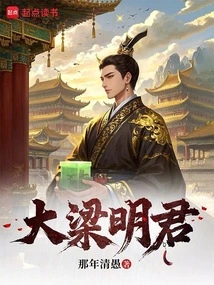
Daliang Mingjun
History大梁明君
That Year I Was Innocent
In the second year of Zhong Datong, AD 547, it was the seventh day of April. Liang Guo, Xiangyang, Beijindu. A building with a pagoda flag hanging on it is faintly visible in the river mist. The corner of Yueyang King Xiao Qi's mouth slightly raised, and he said to the princess beside him: "My good grandfather is going to escape into Buddhism again, and his departure must be a matter of accepting Hou Jing's surrender." He traveled through time and became the first prince of Xiao Liang. He was granted a title in Xiangyang and served as the governor of Yongzhou and the military commander of the five states for three years. Hou Jing's Rebellion, Jiangling's Disaster, Chen Ba's Predecessor Liang... The time traveler - Xiao Wei is at the helm of the ship, and the ambitious hegemony sets sail towards Jiankang.
In the second year of Zhong Datong, AD 547, it was the seventh day of April. Liang Guo, Xiangyang, Beijindu. A building with a pagoda flag hanging on it is faintly visible in the river mist. The corner of Yueyang King Xiao Qi's mouth slightly raised, and he said to the princess beside him: "My good grandfather is going to escape into Buddhism again, and his departure must be a matter of accepting Hou Jing's surrender." He traveled through time and became the first prince of Xiao Liang. He was granted a title in Xiangyang and served as the governor of Yongzhou and the military commander of the five states for three years. Hou Jing's Rebellion, Jiangling's Disaster, Chen Ba's Predecessor Liang... The time traveler - Xiao Wei is at the helm of the ship, and the ambitious hegemony sets sail towards Jiankang.
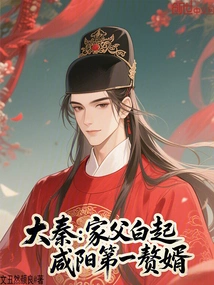
大秦:家父白起,咸阳第一赘婿
Wen Chou But Yan Liang
When Bai Zhong woke up one day, he found that he had become the son of Bai Qi, a famous general of the Qin Dynasty. I originally thought that I had no worries about food and clothing, and wealth was in sight. As a result, the only remaining memory told him that not only did he not inherit any of Bai Qi's military talents, he was also the most famous dandy in Xianyang, unable to do martial arts on a horse and unable to write in the field. He indulges in flowers and wine all day long and hangs out with his friends. In order to prevent Bai Zhong from being exposed in the wild after his own death, Bai Qi knelt down in front of King Qin Zhaoxiang and asked for a marriage for Bai Zhong to join the royal family. However, Bai Zhong was not happy at all when he heard the news. Because downstairs, his fiancée is standing... A few years later, when the young Shihuang returned to Xianyang, he was numb. Before him was: Peerless singer Fei Shuang, Xia Wuji, the peerless medical sage, Wang Jian, the peerless soldier king, The peerless wild god Meng Tian, Legendary investor Ying Huayao... Bai Zhong: Zulong, you can do whatever you want. If you can lose, I will take your surname.
When Bai Zhong woke up one day, he found that he had become the son of Bai Qi, a famous general of the Qin Dynasty. I originally thought that I had no worries about food and clothing, and wealth was in sight. As a result, the only remaining memory told him that not only did he not inherit any of Bai Qi's military talents, he was also the most famous dandy in Xianyang, unable to do martial arts on a horse and unable to write in the field. He indulges in flowers and wine all day long and hangs out with his friends. In order to prevent Bai Zhong from being exposed in the wild after his own death, Bai Qi knelt down in front of King Qin Zhaoxiang and asked for a marriage for Bai Zhong to join the royal family. However, Bai Zhong was not happy at all when he heard the news. Because downstairs, his fiancée is standing... A few years later, when the young Shihuang returned to Xianyang, he was numb. Before him was: Peerless singer Fei Shuang, Xia Wuji, the peerless medical sage, Wang Jian, the peerless soldier king, The peerless wild god Meng Tian, Legendary investor Ying Huayao... Bai Zhong: Zulong, you can do whatever you want. If you can lose, I will take your surname.
Lu Tai Jin
History鹿台烬
Luo Qingyuan
Fengshen·Lutaijin I am a tyrant known to everyone in the world. Wherever I step on my iron hoof, there will be smoke and fire everywhere, and I will be targeted by thousands of people. I am a demon concubine who brings disaster to the country and the people. I am extremely charming in the corners of my eyebrows and eyes, and I have become a crime nailed in the history books. When the Taotie pattern had not rusted on the tripod's ears, when the foundation stone of Lutai only recorded "The tyrant burned himself on Lutai, and the demon concubine followed him." Those unspoken words may be the portrayal of his life. "Daji, look, this kind of world deserves to be called a prosperous age."
Fengshen·Lutaijin I am a tyrant known to everyone in the world. Wherever I step on my iron hoof, there will be smoke and fire everywhere, and I will be targeted by thousands of people. I am a demon concubine who brings disaster to the country and the people. I am extremely charming in the corners of my eyebrows and eyes, and I have become a crime nailed in the history books. When the Taotie pattern had not rusted on the tripod's ears, when the foundation stone of Lutai only recorded "The tyrant burned himself on Lutai, and the demon concubine followed him." Those unspoken words may be the portrayal of his life. "Daji, look, this kind of world deserves to be called a prosperous age."
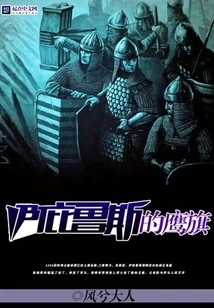
Eagle Flag of Epirus
History伊庇鲁斯的鹰旗
Lord Fengxi
After 1204, the Byzantine Empire had collapsed, but as the only successors, Nicaea, Epirus and Trebizond were still fighting each other, completely forgetting the hatred between the country and the family. The Latin tyrant in Constantinople claimed to be the emperor of the Romans, while in the north the Bulgars were raging and greedily devouring the empire's heritage, and the Turks were also ready to nibble on their flesh and blood, but a potential force in the further east, the Mongols, had also quietly emerged. The collapse of the empire seems to be completely irreversible, and how will Justinian reverse the declining situation and let the revived eagle flag fly again? Welcome to join the group 782168276
After 1204, the Byzantine Empire had collapsed, but as the only successors, Nicaea, Epirus and Trebizond were still fighting each other, completely forgetting the hatred between the country and the family. The Latin tyrant in Constantinople claimed to be the emperor of the Romans, while in the north the Bulgars were raging and greedily devouring the empire's heritage, and the Turks were also ready to nibble on their flesh and blood, but a potential force in the further east, the Mongols, had also quietly emerged. The collapse of the empire seems to be completely irreversible, and how will Justinian reverse the declining situation and let the revived eagle flag fly again? Welcome to join the group 782168276

Beauty in Troubled Times
History乱世红颜
Writerscymxl
Beauties in Troubled Times: Records of Misty Rain in the Southern Tang Dynasty **In the Five Dynasties and Ten Kingdoms, wars continued, and a woman struggled to survive in troubled times, but she was accidentally involved in the torrent of dynasty change... ** In the second year of Qianhua in Houliang (912), the city of Bianliang flowed into a river of blood. Zhu Wen was seriously ill, his disciples seized the throne, and the powerful minister Han Yanhui was executed. Seventeen-year-old Han Weiyu escaped from Bianliang under the escort of Lu Ming at home, but was seriously injured and fell into the water when he was chased by soldiers on the way. The Southern Wu general Xu Zhigao (Li Min) rescued the dying girl during the Northern Expedition. She concealed her identity and claimed to be the daughter of a merchant. However, she was appreciated by Xu Zhigao for her outstanding talent and learning, and served as a clerk in the army. In the troubled times, she witnessed the displacement of the people and the overthrow of the dynasty, while Xu Zhigao had great ambitions and wanted to revive the prosperous Tang Dynasty. The two knew each other and cherished each other amidst the intrigues and wars, but they had to be separated again and again because of their identities and political games. From Bianliang to Guangling, from Shengzhou to Jinling, Han Weiyu experienced the breakdown of his family and country, the entanglement of love and hate, and finally grew from an exiled orphan to a key figure who influenced the founding of the Southern Tang Dynasty. However, when Xu Zhigao ascended the throne and proclaimed himself emperor, she no longer faced her former confidant, but a king weighing the pros and cons... **◆ A beauty in troubled times, seeking a country and making a living** She could have gone with the crowd, but she chose to use her talents to deal with the heroes and win a place for herself in the male-dominated world. **"This world is ultimately a battlefield for men. But I want them to know that women can also play chess without regrets." - Han Weiyu** **"If we can secure the mountains and rivers, we will live up to your heart and this life." - Li Min (Xu Zhigao)**
Beauties in Troubled Times: Records of Misty Rain in the Southern Tang Dynasty **In the Five Dynasties and Ten Kingdoms, wars continued, and a woman struggled to survive in troubled times, but she was accidentally involved in the torrent of dynasty change... ** In the second year of Qianhua in Houliang (912), the city of Bianliang flowed into a river of blood. Zhu Wen was seriously ill, his disciples seized the throne, and the powerful minister Han Yanhui was executed. Seventeen-year-old Han Weiyu escaped from Bianliang under the escort of Lu Ming at home, but was seriously injured and fell into the water when he was chased by soldiers on the way. The Southern Wu general Xu Zhigao (Li Min) rescued the dying girl during the Northern Expedition. She concealed her identity and claimed to be the daughter of a merchant. However, she was appreciated by Xu Zhigao for her outstanding talent and learning, and served as a clerk in the army. In the troubled times, she witnessed the displacement of the people and the overthrow of the dynasty, while Xu Zhigao had great ambitions and wanted to revive the prosperous Tang Dynasty. The two knew each other and cherished each other amidst the intrigues and wars, but they had to be separated again and again because of their identities and political games. From Bianliang to Guangling, from Shengzhou to Jinling, Han Weiyu experienced the breakdown of his family and country, the entanglement of love and hate, and finally grew from an exiled orphan to a key figure who influenced the founding of the Southern Tang Dynasty. However, when Xu Zhigao ascended the throne and proclaimed himself emperor, she no longer faced her former confidant, but a king weighing the pros and cons... **◆ A beauty in troubled times, seeking a country and making a living** She could have gone with the crowd, but she chose to use her talents to deal with the heroes and win a place for herself in the male-dominated world. **"This world is ultimately a battlefield for men. But I want them to know that women can also play chess without regrets." - Han Weiyu** **"If we can secure the mountains and rivers, we will live up to your heart and this life." - Li Min (Xu Zhigao)**
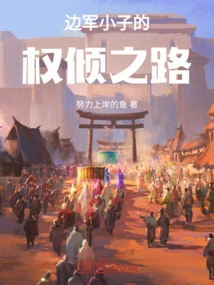
边军小子的权倾之路
Fish Struggling To Land
Come to China Literature's website to read more of my works!
Come to China Literature's website to read more of my works!
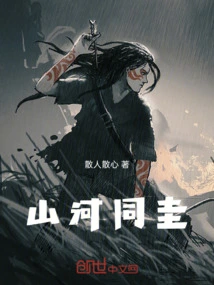
山河同圭
Let People Relax And Relax
In the real world, brave people shine. Already over Already over Already over Already over Already over
In the real world, brave people shine. Already over Already over Already over Already over Already over
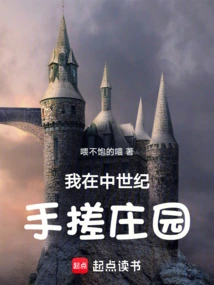
我在中世纪手搓庄园
Meow Who Can't Get Enough To Eat
[No system][Medieval farming][Mounted cutting] Li Ang traveled to the Burgundy region in the Middle Ages. In this world of great strife, how would he step by step from a deserter on the battlefield to become a powerful mountain lord?
[No system][Medieval farming][Mounted cutting] Li Ang traveled to the Burgundy region in the Middle Ages. In this world of great strife, how would he step by step from a deserter on the battlefield to become a powerful mountain lord?
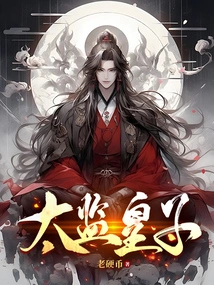
Eunuch Prince
History太监皇子
Old Coins
After traveling through time and becoming the prince of Ning Kingdom, is the emperor unreliable? Go to the border to develop economy, establish diplomacy, accumulate grain and grain, and recruit troops. I have been ordered to rebel, and those who stand in the way will die!
After traveling through time and becoming the prince of Ning Kingdom, is the emperor unreliable? Go to the border to develop economy, establish diplomacy, accumulate grain and grain, and recruit troops. I have been ordered to rebel, and those who stand in the way will die!
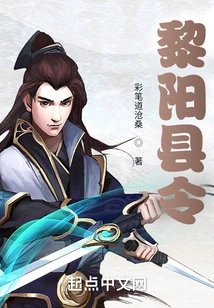
Liyang County Magistrate
History黎阳县令
The Vicissitudes Of Life In Colored Pens
Liyang County is located in the northwest. It is a remote and poor place. It was once known as a ghost prison in the world. It was accepted by the emperor by order of the emperor. All the thirty-eight scholars of Qing Tianbu came here to serve as officials, but they all left and never returned. From now on, no one dares to serve as an official in this dark place. And I was originally an ignorant and ignorant dandy in the 21st century, but one day I traveled through time and became the magistrate of Liyang County??????
Liyang County is located in the northwest. It is a remote and poor place. It was once known as a ghost prison in the world. It was accepted by the emperor by order of the emperor. All the thirty-eight scholars of Qing Tianbu came here to serve as officials, but they all left and never returned. From now on, no one dares to serve as an official in this dark place. And I was originally an ignorant and ignorant dandy in the 21st century, but one day I traveled through time and became the magistrate of Liyang County??????
汉末之争
Writeribt3d0
Come to China Literature's website to read more of my works!
Come to China Literature's website to read more of my works!
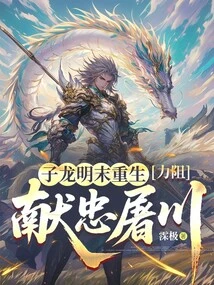
Zilong Was Reborn in the Late Ming Dynasty and Tried to Stop Xianzhong from Slaughtering Chuan
History子龙明末重生,力阻献忠屠川
Jiji
[Late Ming Dynasty + Rebirth + History + Military + Fantasy + Imagination] Season 1: Zilong was depressed after defeating Jigu. He received guidance from a mysterious painter and visited the Yin and Yang Realm. He was reborn and returned to Changbanpo to help Liu Bei unify the Three Kingdoms and make Dayi his capital. His body disappeared. Season 2: Thousands of years later, King Xianzhong of the Western Dynasty massacred Sichuan in the late Ming Dynasty, and Zilong was reborn in Dayi Huguo Temple. When the Daxi Army besieged Chengdu, Zilong bravely broke into the city and joined forces with Long Wenguang, Zeng Ying, Yang Zhan and others to protect Chengdu from being massacred by the Daxi Army. He dealt with the king of Shu, the generals in central Sichuan, the court of the Southern Ming Dynasty, the Daxi bandits, the local armed forces and the Qing army. In the end, the Daxi Army was defeated on the banks of the Dadu River and became a demon due to his loyalty. Shui Dun rushed to Dujiangyan to sacrifice himself, trying to awaken the evil dragon sealed under Dujiangyan, flooding the Chengdu plain, and slaughtering hundreds of millions of people in the river...
[Late Ming Dynasty + Rebirth + History + Military + Fantasy + Imagination] Season 1: Zilong was depressed after defeating Jigu. He received guidance from a mysterious painter and visited the Yin and Yang Realm. He was reborn and returned to Changbanpo to help Liu Bei unify the Three Kingdoms and make Dayi his capital. His body disappeared. Season 2: Thousands of years later, King Xianzhong of the Western Dynasty massacred Sichuan in the late Ming Dynasty, and Zilong was reborn in Dayi Huguo Temple. When the Daxi Army besieged Chengdu, Zilong bravely broke into the city and joined forces with Long Wenguang, Zeng Ying, Yang Zhan and others to protect Chengdu from being massacred by the Daxi Army. He dealt with the king of Shu, the generals in central Sichuan, the court of the Southern Ming Dynasty, the Daxi bandits, the local armed forces and the Qing army. In the end, the Daxi Army was defeated on the banks of the Dadu River and became a demon due to his loyalty. Shui Dun rushed to Dujiangyan to sacrifice himself, trying to awaken the evil dragon sealed under Dujiangyan, flooding the Chengdu plain, and slaughtering hundreds of millions of people in the river...
黑山军,开局奖励五千大雪龙旗
Writer Sbw1m3
Come to China Literature's website to read more of my works!
Come to China Literature's website to read more of my works!
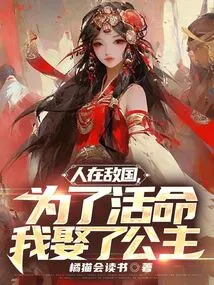
人在敌国,为了活命我娶了公主
Orange Cats Can Read
He is a down-and-out prince who has not been favored by the emperor since he was a child. Sent to the enemy country as hostages. In order to survive, he had to give up his dignity as a man and be willing to condescend to become a knife in the hands of others. Suddenly one day, he met a girl and found that as long as he married her, he could change his life. So, he set a small goal for himself, such as marrying an eldest princess first.
He is a down-and-out prince who has not been favored by the emperor since he was a child. Sent to the enemy country as hostages. In order to survive, he had to give up his dignity as a man and be willing to condescend to become a knife in the hands of others. Suddenly one day, he met a girl and found that as long as he married her, he could change his life. So, he set a small goal for himself, such as marrying an eldest princess first.

中二少年成隐世高人助公主登基!
A Guy Who Loves To Eat.
A middle school boy was sucked into the novel and unexpectedly became a hidden master in the novel. However, the novel was abandoned and only the beginning was written. But at this time, he awakened the system and finally returned to reality by helping the seven down-and-out princesses in the court to ascend the throne. So he used the system to expand his momentum, get to know the powerful, and eliminate all troubles for the seven princesses... Let's see how a middle school boy became the power capital of the Dayan Dynasty and helped a down-and-out princess ascend to the throne. [Alternate History] [Fantasy Machiavellian Strategy] [System Assistance]
A middle school boy was sucked into the novel and unexpectedly became a hidden master in the novel. However, the novel was abandoned and only the beginning was written. But at this time, he awakened the system and finally returned to reality by helping the seven down-and-out princesses in the court to ascend the throne. So he used the system to expand his momentum, get to know the powerful, and eliminate all troubles for the seven princesses... Let's see how a middle school boy became the power capital of the Dayan Dynasty and helped a down-and-out princess ascend to the throne. [Alternate History] [Fantasy Machiavellian Strategy] [System Assistance]
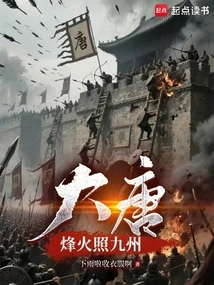
大唐:陛下,这个皇帝您当不明白
It's Raining. Put Away Your Clothes.
In the thirteenth year of Tianbao, one hundred thousand Tang troops spilled their blood on Nanzhao. Huang Zhongsi, who traveled through time and became a defeated soldier, felt deeply helpless in his heart when he looked at the Tang Empire that was about to collapse. In order to gain a foothold in the troubled times, he clung to the powerful and formed a force. When the troubled times came, he performed extraordinary feats and was made a county king, but this also aroused the suspicion of the court. "Your Majesty, you are my king and father." "Then you come to Beijing, I have something to tell you!" "Second brother, it's cold, please put on some clothes!" "What are you doing? Oh, you are really hurting me!"
In the thirteenth year of Tianbao, one hundred thousand Tang troops spilled their blood on Nanzhao. Huang Zhongsi, who traveled through time and became a defeated soldier, felt deeply helpless in his heart when he looked at the Tang Empire that was about to collapse. In order to gain a foothold in the troubled times, he clung to the powerful and formed a force. When the troubled times came, he performed extraordinary feats and was made a county king, but this also aroused the suspicion of the court. "Your Majesty, you are my king and father." "Then you come to Beijing, I have something to tell you!" "Second brother, it's cold, please put on some clothes!" "What are you doing? Oh, you are really hurting me!"

公主,退婚你提的,咋又后悔了?
Haotian Layman
Liu Yi traveled through the Zhou Dynasty, and at the beginning, the princess came to break off the engagement. But when Liu Yi showed his talent that shocked the world, the princess regretted it and wanted to marry Liu Yi. Liu Yi: "Princess, you proposed breaking off the engagement, why do you regret it again?"
Liu Yi traveled through the Zhou Dynasty, and at the beginning, the princess came to break off the engagement. But when Liu Yi showed his talent that shocked the world, the princess regretted it and wanted to marry Liu Yi. Liu Yi: "Princess, you proposed breaking off the engagement, why do you regret it again?"

怎么办呀世子殿下
Writer Vd9t38
A dandy prince eventually became a powerful minister--the regent.
A dandy prince eventually became a powerful minister--the regent.
腐士孤儿,给城主夫人送花圈
Love To Eat Pork Chop Noodles
\u003EI dressed as a scavenger orphan in the rotten soil area, and the system asked me to send a wreath to the city lord's wife. \U003EThe owner of the coffin shop scolded me for being unlucky: "Boy, that's for dead people!" \U003E Carrying a wreath, I stepped into the mourning hall of the city lord's mansion and broke into the affair between the city lord's wife and my brother-in-law. \U003E "Ding! The mission is completed, and the reward is 'Physical Transcendence'." As soon as the system tone fell, the body of the city lord suddenly sat up. Mrs. \U003E screamed and shirks her responsibility: "It was him! It was he who killed the city lord with sorcery!" \U003EWhile the whole city was chasing him, I revealed my final trump card-reciting the "Rebirth Mantra" to the corpse of the city lord. \U003E "Madam, your husband said... He passed away peacefully."
\u003EI dressed as a scavenger orphan in the rotten soil area, and the system asked me to send a wreath to the city lord's wife. \U003EThe owner of the coffin shop scolded me for being unlucky: "Boy, that's for dead people!" \U003E Carrying a wreath, I stepped into the mourning hall of the city lord's mansion and broke into the affair between the city lord's wife and my brother-in-law. \U003E "Ding! The mission is completed, and the reward is 'Physical Transcendence'." As soon as the system tone fell, the body of the city lord suddenly sat up. Mrs. \U003E screamed and shirks her responsibility: "It was him! It was he who killed the city lord with sorcery!" \U003EWhile the whole city was chasing him, I revealed my final trump card-reciting the "Rebirth Mantra" to the corpse of the city lord. \U003E "Madam, your husband said... He passed away peacefully."
我在幕后改写NPC命运
Love To Eat Pork Chop Noodles
\u003E Lu Renjia accidentally obtained the "script editing system", which can rewrite the fate of any NPC in the martial arts world. \U003EHe casually changed the beggar's "Death in three days" label to "Encounter with a hidden master by chance", and received a system reward the next day. \U003EWhen he added the "encountering bandits" plot to the enemy escort agency, he found that the villain AI was tracking his modifications. \U003E In order to save the heroine who was in crisis, he was forced to die personally and spent money to buy the "Invincible Experience Package" to kill the BOSS instantly. \U003E The system prompts: "Congratulations on achieving this achievement - the mastermind behind Zui Gou is forced to open his business!"
\u003E Lu Renjia accidentally obtained the "script editing system", which can rewrite the fate of any NPC in the martial arts world. \U003EHe casually changed the beggar's "Death in three days" label to "Encounter with a hidden master by chance", and received a system reward the next day. \U003EWhen he added the "encountering bandits" plot to the enemy escort agency, he found that the villain AI was tracking his modifications. \U003E In order to save the heroine who was in crisis, he was forced to die personally and spent money to buy the "Invincible Experience Package" to kill the BOSS instantly. \U003E The system prompts: "Congratulations on achieving this achievement - the mastermind behind Zui Gou is forced to open his business!"
The Rise of Beacon Fire
History崛起烽燧
A Student From Gengxintang
The beacons and soldiers raise smoke, and the red sun on the battlefield stains the flags. The slender red dress breaks the embroidery needle, and she returns home in the misty spring rain. It is said that the lonely, the Taoist and the few are all miserable, and the emperor's holy words have no sorrow or anger. The thick ink of the history of Qing Dynasty covers the bright red, and the black and white bones cast thousands of borders. (A historical fictional novel with some flavor)
The beacons and soldiers raise smoke, and the red sun on the battlefield stains the flags. The slender red dress breaks the embroidery needle, and she returns home in the misty spring rain. It is said that the lonely, the Taoist and the few are all miserable, and the emperor's holy words have no sorrow or anger. The thick ink of the history of Qing Dynasty covers the bright red, and the black and white bones cast thousands of borders. (A historical fictional novel with some flavor)
朕这一生铁骨铮铮
Ginseng Vegetable Soup
[Fake prince + Machiavellian + Funny + Ridiculousness] I am a true gentleman who is strong-willed and loyal to myself and my country!
[Fake prince + Machiavellian + Funny + Ridiculousness] I am a true gentleman who is strong-willed and loyal to myself and my country!
新穿越三国
Three Kingdoms Novelist
Come to China Literature's website to read more of my works!
Come to China Literature's website to read more of my works!