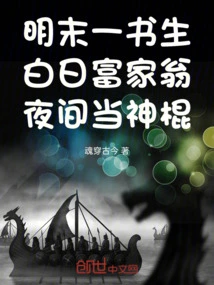
In the Late Ming Dynasty, a Scholar Became a Wealthy Man During the Day and Worked as a Magician at Night
by Soul Travels Through The Past And Present
About This Novel
Born in the late Ming Dynasty, Han Chuang studied hard for decades and passed the imperial examination. However, he died of old age and could not wait for an appointment. This was because in the corrupt and degenerate late Ming Dynasty, selling an official position and getting a title was a basic operation. With reluctance, he continued to take the examination, hoping to make a splash. Unexpectedly, after several years of preparation, he failed twice in a row. Frustrated, Wan Wenyuan gave up the imperial examination and became an official. He went home to find a wife to marry. On the day of the wedding, he unexpectedly got a good match. With the help of the system, he started farming, doing business, hoarding grain, building up his power, and becoming a rich man by day. But once night comes, he transforms into a magic stick, uses natural disasters as a guide, promotes eschatology, divine warnings, dances with gods and other deception methods to win over believers, establish a religion, and benefit Use the martial arts secrets and military supplies obtained from the system to strengthen the sect's power. Later, due to the arrival of the Little Ice Age, he led his clan members and light and dark forces to migrate to the south. In the process, he continued to absorb refugees and strengthened his body. On the eve of Dorgon's entry into the Central Plains, he successfully planned the assassination of Dorgon and changed the direction of history. In order to end the local peasant uprisings in the late Ming Dynasty and the decadent court's desperate struggle, the Nanming Kingdom was founded with the power of the divine religion as its team. It integrated politics and religion, and controlled the Southern Ming Dynasty with the religious teachings. Later, it destroyed the aristocratic families, divided the fields, encouraged the development of industry and commerce internally, encouraged transnational trade externally, resisted the Qing army, and led the people of Nanming to live a prosperous life.
Official Sources
What Readers Think
Rating
Community(0)
Rating
Community(0)
You Might Also Like
Possessed by Lu Bu
The King Is No More Than A Hegemon
Hanxiang
Jie And 2
The Poor Man's Two Thousand Years
Non-player Character
Reborn Female General
Qianshan Tea Guest

Tomorrow
Jie And 2
Shao Song
Grenades Are Afraid Of Water
My Brother-in-law is the Prince
Go Up The Mountain And Hit The Tiger On The Forehead
Qin Gong
When It Rains, I Bring A Knife
The World's Heroes
Gao Yue
The Best Servant
Yuyan