Library
Browse and search books
51,874 novels found
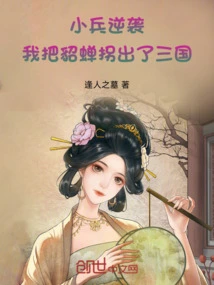
小兵逆袭:我把貂蝉拐出了三国
The Tomb Of Every Person
The strong man was captured and became Lu Bu's soldier. He was clumsy but kept bumping into Diao Chan. Find a way to survive in troubled times, lead her to escape, occupy the mountain and live a good life as the king.
The strong man was captured and became Lu Bu's soldier. He was clumsy but kept bumping into Diao Chan. Find a way to survive in troubled times, lead her to escape, occupy the mountain and live a good life as the king.
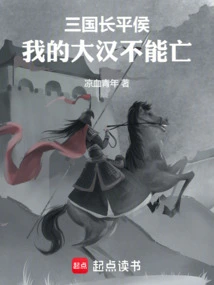
三国:我卫青,让大汉再次伟大
Cool-blooded Young Man
Wei Qing served as general for twenty years, and the Han Dynasty won for twenty years! Now that the Han Dynasty is in chaos, Wei Qing has seen the chaos of the Three Kingdoms and is reborn as a descendant of Emperor Xiaowu. He wants to save the Han Dynasty again, but what kind of enemy will he face? Sun Jian, Lu Bu? But little. Liu Biao, Liu Yan? Pretending to be a clan member. Cao Cao, Yuan Shao? A wealthy family? You are the culprits! Back then, the Huns were killed in Mobei, but today the Han thieves were killed in the Central Plains!
Wei Qing served as general for twenty years, and the Han Dynasty won for twenty years! Now that the Han Dynasty is in chaos, Wei Qing has seen the chaos of the Three Kingdoms and is reborn as a descendant of Emperor Xiaowu. He wants to save the Han Dynasty again, but what kind of enemy will he face? Sun Jian, Lu Bu? But little. Liu Biao, Liu Yan? Pretending to be a clan member. Cao Cao, Yuan Shao? A wealthy family? You are the culprits! Back then, the Huns were killed in Mobei, but today the Han thieves were killed in the Central Plains!
伐清:从太子当流寇开始
Black Coffee Less Sugar
In the 17th year of Chongzhen's reign, Emperor Chongzhen was hanged on a coal mountain. Wu Sangui led Qing soldiers into the pass, and Zhu Cixiang, the prince of the East Palace, escaped. Dorgon was ambitious and wanted to dominate the Central Plains; Li Zicheng, dormant and licking his wounds, made a comeback; Zhu Yousong took advantage of the chaos to ascend the throne and steal the artifact; Zhang Xianzhong, starting a business in Shuzhong, is ready to go; The Ming Dynasty was facing the chaos of five-party conquests, and Zhu Cihong had only one goal: to defeat the Qing Dynasty, defeat the Qing Dynasty, and defeat the Qing Dynasty again.
In the 17th year of Chongzhen's reign, Emperor Chongzhen was hanged on a coal mountain. Wu Sangui led Qing soldiers into the pass, and Zhu Cixiang, the prince of the East Palace, escaped. Dorgon was ambitious and wanted to dominate the Central Plains; Li Zicheng, dormant and licking his wounds, made a comeback; Zhu Yousong took advantage of the chaos to ascend the throne and steal the artifact; Zhang Xianzhong, starting a business in Shuzhong, is ready to go; The Ming Dynasty was facing the chaos of five-party conquests, and Zhu Cihong had only one goal: to defeat the Qing Dynasty, defeat the Qing Dynasty, and defeat the Qing Dynasty again.
冬燕春归
Liangyue Gushanyi
All opportunities are obtained at your own expense. Gains that are not lost are not the characteristics of all living beings or society. I will pay for what I gain, and I will not gain anything for nothing.
All opportunities are obtained at your own expense. Gains that are not lost are not the characteristics of all living beings or society. I will pay for what I gain, and I will not gain anything for nothing.
龙起蜀山:崛起之路
Writerl9qbhm
Come to China Literature's website to read more of my works!
Come to China Literature's website to read more of my works!
The Legend of Yangma Island
History养马岛传奇
I'll Do Whatever I Want
"Ma Island has been raised for thousands of years, and the Qin Dynasty has lived for ten thousand years. Those who refer to deer as horses will ruin the dream of the Ying people." Ren Zhong, a descendant of Ren State, was proficient in horse breeding and was highly used by Qin Emperor Yingzheng. He went up to Kunyu Mountain to find the "Nine Dragon Colt" and mated with Emperor Qin's Qiji, and they gave birth to a child: Mouping, Weihai, Laishan, Zhifu, Fushan... Thousands of outstanding warriors were ordered to be mobilized. They were transferred from the building ship to Fu Port (today's Yantai) to the north to Jieshi Port (today's Qinhuangdao) to assist Mengtian in attacking the Xiongnu. They then went south to Kuaiji Port (today's Shaoxing) to assist Ren Xiao in his campaign against Baiyue. A bloody battle, a great achievement. Ren Zhong, Princess Gui Ruyun of Qi, and Princess Ji Moqin of Ju State, fell in love with each other as the phoenix flew, and their eldest son Ren Qi tasted hundreds of poisons, smelled thousands of poisons, fiercely fought assassins, and loyally protected the Qin Emperor; the second son Ren Kuo used the "Order to Capture Animals" to expel the snakes, defeated Xiyou, found Ju Ren Island in the South China Sea, re-raised Zhan Ji, and guarded the southern gate of Qin. After Emperor Qin Yingzheng died in the sand dunes, Hu Hai usurped the throne and Zhao Gao took power, killing Ren Zhong and Ji Moqin. The next year, the young girl Feng Siqi led tens of thousands of warriors from Yangma Island to join Xiang Yu and Liu Bang's anti-Qin army. Many years later, Feng Siqi became famous and retired to Yangma Island, where he continued to train war horses for the Liu family of the Han Dynasty...
"Ma Island has been raised for thousands of years, and the Qin Dynasty has lived for ten thousand years. Those who refer to deer as horses will ruin the dream of the Ying people." Ren Zhong, a descendant of Ren State, was proficient in horse breeding and was highly used by Qin Emperor Yingzheng. He went up to Kunyu Mountain to find the "Nine Dragon Colt" and mated with Emperor Qin's Qiji, and they gave birth to a child: Mouping, Weihai, Laishan, Zhifu, Fushan... Thousands of outstanding warriors were ordered to be mobilized. They were transferred from the building ship to Fu Port (today's Yantai) to the north to Jieshi Port (today's Qinhuangdao) to assist Mengtian in attacking the Xiongnu. They then went south to Kuaiji Port (today's Shaoxing) to assist Ren Xiao in his campaign against Baiyue. A bloody battle, a great achievement. Ren Zhong, Princess Gui Ruyun of Qi, and Princess Ji Moqin of Ju State, fell in love with each other as the phoenix flew, and their eldest son Ren Qi tasted hundreds of poisons, smelled thousands of poisons, fiercely fought assassins, and loyally protected the Qin Emperor; the second son Ren Kuo used the "Order to Capture Animals" to expel the snakes, defeated Xiyou, found Ju Ren Island in the South China Sea, re-raised Zhan Ji, and guarded the southern gate of Qin. After Emperor Qin Yingzheng died in the sand dunes, Hu Hai usurped the throne and Zhao Gao took power, killing Ren Zhong and Ji Moqin. The next year, the young girl Feng Siqi led tens of thousands of warriors from Yangma Island to join Xiang Yu and Liu Bang's anti-Qin army. Many years later, Feng Siqi became famous and retired to Yangma Island, where he continued to train war horses for the Liu family of the Han Dynasty...
Dusty Road
History尘途
Mu Yinyu
"Dust Road" takes the Republic of China as the background and tells the story of Chen Erleng's miserable life. He once pursued his dream with his wife Cui Er, but the plague took away his wife, causing him to go from being diligent to being decadent. This book combines Lao She's nuanced portrayal of the life of the underclass and Yu Hua's cold face of suffering. In the context of troubled times, and through the experience of Er Leng, he draws a portrait of the underclass in the Republic of China, showing the struggle of human nature amid the uncertainty of fate, and exploring the glimmer of hope in the darkness.
"Dust Road" takes the Republic of China as the background and tells the story of Chen Erleng's miserable life. He once pursued his dream with his wife Cui Er, but the plague took away his wife, causing him to go from being diligent to being decadent. This book combines Lao She's nuanced portrayal of the life of the underclass and Yu Hua's cold face of suffering. In the context of troubled times, and through the experience of Er Leng, he draws a portrait of the underclass in the Republic of China, showing the struggle of human nature amid the uncertainty of fate, and exploring the glimmer of hope in the darkness.
Xiao's World
History萧氏天下
Dugu Zhuoyu
Starting with "rebellion", this is the "effort" made by Xiao Yan, the Prince of Daliao (King of Changsha), for his desire for the world in his heart. In this turbulent story, many characters appeared one by one, each with their own mission to jointly interpret the "Xiao Family". Among them, there are their love and hatred, their ups and downs in officialdom, their feelings for their family and country, their dedication, their ambition, their powerlessness... In this story, none of them is the protagonist, but they are all the masters of their own lives. The emperors of Changnyeong Kingdom all had a common wish, which was to complete the unification of the country. This mission has become synonymous with every emperor, and loyal ministers and good generals are their most reliable guarantee. "Xiao's World" is a "rapid" in the long river of history. On the surface of the turbulent river is a group of heroic "rebels". I once wrote: "Enjoy the ups and downs of an official career, but hurt the loneliness at the end of life." In this book "The World of Xiao", let us witness this sentence together!
Starting with "rebellion", this is the "effort" made by Xiao Yan, the Prince of Daliao (King of Changsha), for his desire for the world in his heart. In this turbulent story, many characters appeared one by one, each with their own mission to jointly interpret the "Xiao Family". Among them, there are their love and hatred, their ups and downs in officialdom, their feelings for their family and country, their dedication, their ambition, their powerlessness... In this story, none of them is the protagonist, but they are all the masters of their own lives. The emperors of Changnyeong Kingdom all had a common wish, which was to complete the unification of the country. This mission has become synonymous with every emperor, and loyal ministers and good generals are their most reliable guarantee. "Xiao's World" is a "rapid" in the long river of history. On the surface of the turbulent river is a group of heroic "rebels". I once wrote: "Enjoy the ups and downs of an official career, but hurt the loneliness at the end of life." In this book "The World of Xiao", let us witness this sentence together!
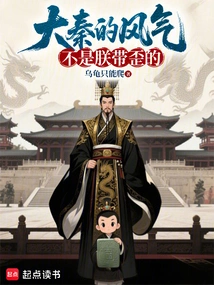
大秦的风气,不是朕带歪的
Turtles Can Only Crawl
Yingfeng accidentally fell into the First Emperor's 30th year and became the Seventeenth Son of the First Emperor that has never been recorded in history books. At the age of 8, he had the ambition to change history. It is said that Zhao Gao will tamper with the imperial edict, Li Si will help Hu Hai ascend the throne, and even the Qin Dynasty will not last ten years! These old foxes only thought he was a kid talking crazy things. Good! If Lao Deng doesn't believe it, just go to Xiaozhi Zaizi's head office! The future of Da Qin still has to start from its infancy!
Yingfeng accidentally fell into the First Emperor's 30th year and became the Seventeenth Son of the First Emperor that has never been recorded in history books. At the age of 8, he had the ambition to change history. It is said that Zhao Gao will tamper with the imperial edict, Li Si will help Hu Hai ascend the throne, and even the Qin Dynasty will not last ten years! These old foxes only thought he was a kid talking crazy things. Good! If Lao Deng doesn't believe it, just go to Xiaozhi Zaizi's head office! The future of Da Qin still has to start from its infancy!
天幕曝光:我是名臣
Flourishing Ink
Come to China Literature's website to read more of my works!
Come to China Literature's website to read more of my works!
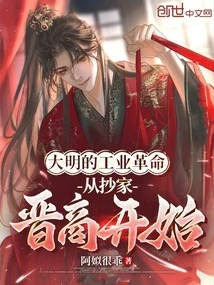
The Industrial Revolution of the Ming Dynasty Began with the Confiscation of Shanxi Merchants' Homes
History大明的工业革命,从抄家晋商开始
Ah Si Is Very Good
[Decisive killing + industrial salvation + tyrant style + cool writing + system] Travel through the late Ming Dynasty and become Emperor Chongzhen Zhu Youjian. He starts on hell difficulty, with an empty treasury, raging natural disasters, captives, and refugees everywhere! Zhu Yan sneered: I have a system. In this life, I will never hang myself on Meishan! Kill Shanxi merchants and confiscate eight million taels of their homes! Collaborating with the enemy and betraying the country? I will banish your nine tribes! Discard the craftsman status, and the craftsman's monthly salary will be doubled! Who said craftsmen are untouchables? I will make them officials! The court was shaken and the officials were silent! Make firearms and the new army will conquer the world! The Fusiliers were first formed, and the prisoners were built? Rogue bandit? Crush them all! In this life, I will personally ignite the fire of the industrial revolution and let the sun, moon, mountains and rivers shine forever!
[Decisive killing + industrial salvation + tyrant style + cool writing + system] Travel through the late Ming Dynasty and become Emperor Chongzhen Zhu Youjian. He starts on hell difficulty, with an empty treasury, raging natural disasters, captives, and refugees everywhere! Zhu Yan sneered: I have a system. In this life, I will never hang myself on Meishan! Kill Shanxi merchants and confiscate eight million taels of their homes! Collaborating with the enemy and betraying the country? I will banish your nine tribes! Discard the craftsman status, and the craftsman's monthly salary will be doubled! Who said craftsmen are untouchables? I will make them officials! The court was shaken and the officials were silent! Make firearms and the new army will conquer the world! The Fusiliers were first formed, and the prisoners were built? Rogue bandit? Crush them all! In this life, I will personally ignite the fire of the industrial revolution and let the sun, moon, mountains and rivers shine forever!
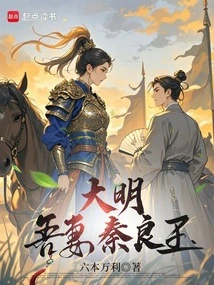
Daming: My Wife Qin Liangyu
History大明:吾妻秦良玉
Six Million Profits
Traveling through the 20th year of Wanli in the Ming Dynasty, he became Ma Qiancheng, the successor of Shili Xuanfusi. When I first arrived, I encountered a major event in my life, marrying that strange woman who would become famous all over the world, Qin Liangyu. At this time, the heavy pressure from the imperial court to mine silver mines put Shi Ding into a desperate situation where the people were exhausted and coveted by powerful neighbors. He was faced with internal and external troubles and was in a precarious situation. Ma Qiancheng secretly strategized, and with the help of Qin Liangyu and his second uncle Ma Doujie, he took the lead step by step and resolved many crises. Ma Qiancheng: My wife, Qin Liangyu, possesses great strategies and talents. I will help her shine in the world. Qin Liangyu: The husband observes the situation and plans, follows the trend and changes. The plan is determined internally, and I should serve myself externally. This is a story about a husband and wife sharing weal and woe in the crisis of the late Ming Dynasty, trying to turn the tide, protecting one party in the cracks, and then benefiting the world at the same time.
Traveling through the 20th year of Wanli in the Ming Dynasty, he became Ma Qiancheng, the successor of Shili Xuanfusi. When I first arrived, I encountered a major event in my life, marrying that strange woman who would become famous all over the world, Qin Liangyu. At this time, the heavy pressure from the imperial court to mine silver mines put Shi Ding into a desperate situation where the people were exhausted and coveted by powerful neighbors. He was faced with internal and external troubles and was in a precarious situation. Ma Qiancheng secretly strategized, and with the help of Qin Liangyu and his second uncle Ma Doujie, he took the lead step by step and resolved many crises. Ma Qiancheng: My wife, Qin Liangyu, possesses great strategies and talents. I will help her shine in the world. Qin Liangyu: The husband observes the situation and plans, follows the trend and changes. The plan is determined internally, and I should serve myself externally. This is a story about a husband and wife sharing weal and woe in the crisis of the late Ming Dynasty, trying to turn the tide, protecting one party in the cracks, and then benefiting the world at the same time.
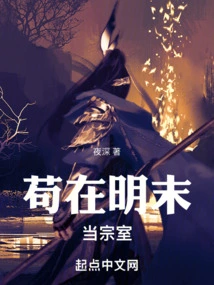
苟在明末当宗室
Late At Night
Zhu Shenzui came to Ming Dynasty and became a clan member The clan is really not easy to get along with. Their salaries are being deducted and they are still in arrears. The family has eaten one meal but not another. What's more, the Saerhu Ming army was defeated, and Wanli didn't have much life left. Troubled times are coming, and lying down means death. You have to give it a try, right?
Zhu Shenzui came to Ming Dynasty and became a clan member The clan is really not easy to get along with. Their salaries are being deducted and they are still in arrears. The family has eaten one meal but not another. What's more, the Saerhu Ming army was defeated, and Wanli didn't have much life left. Troubled times are coming, and lying down means death. You have to give it a try, right?
Power and Fragrance
History权与香
The Spring Breeze Turns Green Again On The North Bank Of The River
Come to China Literature's website to read more of my works!
Come to China Literature's website to read more of my works!
Cao Song
History草宋
Sawano Sennin
In the spring of the eighth year of Zhenghe, Song Cao came to Yanggu County.
In the spring of the eighth year of Zhenghe, Song Cao came to Yanggu County.
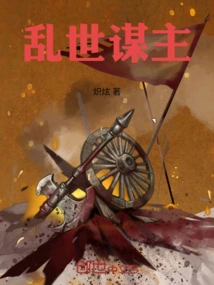
Mastermind in Troubled Times
History乱世谋主
Dazzling
In the troubled times of raging wars and disputes among princes, Lin Yue was born in a humble family and suffered humiliation. By chance, he found bamboo slips recording the general situation of the world in the ruins of an ancient temple. After studying it day and night, he began to maneuver among the countries with his wisdom and eloquence. However, Lin Yue's actions touched the interests of the old aristocrats of various countries. They regarded Lin Yue as a thorn in their side and tried to hinder him at all costs. At the same time, because Lin Yue came from a humble background, in this troubled and hierarchical world, it was difficult to realize his grand ambition of ending the disputes and restoring peace to the people. Moreover, once the secret of the bamboo slips is exposed, all forces will madly hunt him down. In the early days, Lin Yue was weak and suffered repeated setbacks when implementing his strategies. In troubled times, the current situation of divided princes and dispersed resources greatly restricted his ability to integrate forces. Not only that, he was also misunderstood by some people as greedy for power. Faced with many lies and misunderstandings, Lin Yue was in trouble. But Lin Yue did not give up. During the difficult journey, he met like-minded partners, and the protagonist 2 was one of them. The two supported each other. As the situation developed, Lin Yue gradually emerged, but also attracted more enemies. In the process of dealing with the princes of various countries, the princes fought for power and benefit, and defied Lin Yueyang, causing him to fall into a crisis of trust. At this time, wars were raging in troubled times and people were in ruins. Lin Yue knew that he must end the dispute as soon as possible. In the constant struggle and setbacks, Lin Yue and his partners went through numerous hardships and obstacles, and paid a painful price at the sacrifice of many close friends, and finally achieved their goals step by step, ended the troubled times, and restored peace to the world. But behind this bitter victory are countless heartaches and tears.
In the troubled times of raging wars and disputes among princes, Lin Yue was born in a humble family and suffered humiliation. By chance, he found bamboo slips recording the general situation of the world in the ruins of an ancient temple. After studying it day and night, he began to maneuver among the countries with his wisdom and eloquence. However, Lin Yue's actions touched the interests of the old aristocrats of various countries. They regarded Lin Yue as a thorn in their side and tried to hinder him at all costs. At the same time, because Lin Yue came from a humble background, in this troubled and hierarchical world, it was difficult to realize his grand ambition of ending the disputes and restoring peace to the people. Moreover, once the secret of the bamboo slips is exposed, all forces will madly hunt him down. In the early days, Lin Yue was weak and suffered repeated setbacks when implementing his strategies. In troubled times, the current situation of divided princes and dispersed resources greatly restricted his ability to integrate forces. Not only that, he was also misunderstood by some people as greedy for power. Faced with many lies and misunderstandings, Lin Yue was in trouble. But Lin Yue did not give up. During the difficult journey, he met like-minded partners, and the protagonist 2 was one of them. The two supported each other. As the situation developed, Lin Yue gradually emerged, but also attracted more enemies. In the process of dealing with the princes of various countries, the princes fought for power and benefit, and defied Lin Yueyang, causing him to fall into a crisis of trust. At this time, wars were raging in troubled times and people were in ruins. Lin Yue knew that he must end the dispute as soon as possible. In the constant struggle and setbacks, Lin Yue and his partners went through numerous hardships and obstacles, and paid a painful price at the sacrifice of many close friends, and finally achieved their goals step by step, ended the troubled times, and restored peace to the world. But behind this bitter victory are countless heartaches and tears.
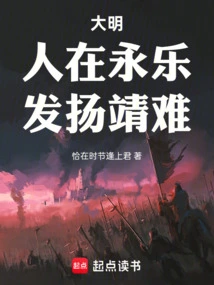
大明:人在永乐,发扬靖难
Meeting You At The Right Time
Four years after arriving in Yongle, he became Zhu Gaoxu, the king of Han Dynasty in the Ming Dynasty. Zhu Gaoxu expressed a little panic. Thinking about how the overall situation was decided now, Zhu Di's use of him, Zhu Gaochi's deception of him, Zhu Gaosui's seemingly inseparable relationship with him, and then the thought that he would be roasted by his eldest nephew in the future, a chill went straight to his forehead. In order to avoid being roasted by charcoal, Zhu Gaoxu decided that he must not sit still and wait to die! At this time, the Ming Dynasty was discussing the use of troops against Annan, and the technology exchange system for great powers was activated. You only need to build a country to activate the system, and you can get rewards by developing technology. Zhu Gaoxu immediately decided that he would go out to build a country and build his own powerful country! Zhu Gaoxu immediately asked for orders to attack Annan, use the land of Annan to establish the Han Dynasty and develop the Han Dynasty. Many years later, Zhu Gaoxu finally smiled with relief when he saw that the territory of his Han Kingdom far exceeded that of the Ming Dynasty. He no longer had to worry about being roasted. However, when the kings and ministers of the Ming Dynasty saw a man who was even more powerful than the Ming Dynasty, they were all stunned. "How come the Han Dynasty of King Han is bigger and stronger than Ming Dynasty?"
Four years after arriving in Yongle, he became Zhu Gaoxu, the king of Han Dynasty in the Ming Dynasty. Zhu Gaoxu expressed a little panic. Thinking about how the overall situation was decided now, Zhu Di's use of him, Zhu Gaochi's deception of him, Zhu Gaosui's seemingly inseparable relationship with him, and then the thought that he would be roasted by his eldest nephew in the future, a chill went straight to his forehead. In order to avoid being roasted by charcoal, Zhu Gaoxu decided that he must not sit still and wait to die! At this time, the Ming Dynasty was discussing the use of troops against Annan, and the technology exchange system for great powers was activated. You only need to build a country to activate the system, and you can get rewards by developing technology. Zhu Gaoxu immediately decided that he would go out to build a country and build his own powerful country! Zhu Gaoxu immediately asked for orders to attack Annan, use the land of Annan to establish the Han Dynasty and develop the Han Dynasty. Many years later, Zhu Gaoxu finally smiled with relief when he saw that the territory of his Han Kingdom far exceeded that of the Ming Dynasty. He no longer had to worry about being roasted. However, when the kings and ministers of the Ming Dynasty saw a man who was even more powerful than the Ming Dynasty, they were all stunned. "How come the Han Dynasty of King Han is bigger and stronger than Ming Dynasty?"
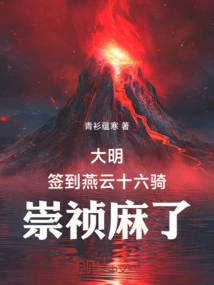
大明:签到燕云十八骑,崇祯麻了
Green Shirt Yunhan
Traveling to the Ming Dynasty, he unexpectedly became the Ming Emperor Zhu Youjian (Chongzhen). Standing on Meishan Mountain, Chongzhen saw the insurgent king Li Zicheng about to attack Beijing, so he awakened the system. "After being ordered by heaven, I also received eternal prosperity!" Chongzhen was unwilling to accept the status quo, so he attacked King Chuang and settled the gold for his queen! Bite! Congratulations on getting the Chu Bawang template] [Ding! Congratulations on getting the Yanyun Eighteen Cavalry] [Ding! Congratulations on gaining the power of Overlord] -- Chongzhen: "Everything illuminated by the sun and the moon is a clear frontier!" Li Zicheng: "Enter Beijing City, eat, drink and have fun!!" Huang Taiji: "so???" Chongzhen: "You are looking for death!!" Zhang Xianzhong: "Why is the plot different?" Dorgon: "What nonsense are you talking about? Look at my spear!". Chongzhen: "Anyone who offends our Ming Dynasty will be punished no matter how far away he is!".
Traveling to the Ming Dynasty, he unexpectedly became the Ming Emperor Zhu Youjian (Chongzhen). Standing on Meishan Mountain, Chongzhen saw the insurgent king Li Zicheng about to attack Beijing, so he awakened the system. "After being ordered by heaven, I also received eternal prosperity!" Chongzhen was unwilling to accept the status quo, so he attacked King Chuang and settled the gold for his queen! Bite! Congratulations on getting the Chu Bawang template] [Ding! Congratulations on getting the Yanyun Eighteen Cavalry] [Ding! Congratulations on gaining the power of Overlord] -- Chongzhen: "Everything illuminated by the sun and the moon is a clear frontier!" Li Zicheng: "Enter Beijing City, eat, drink and have fun!!" Huang Taiji: "so???" Chongzhen: "You are looking for death!!" Zhang Xianzhong: "Why is the plot different?" Dorgon: "What nonsense are you talking about? Look at my spear!". Chongzhen: "Anyone who offends our Ming Dynasty will be punished no matter how far away he is!".
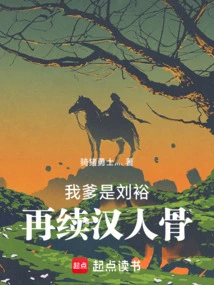
我爹是刘裕,再续汉人骨
Pig Riding Warrior
Dressed as Liu Yifu, Liu Yu's biological son, the start is on hell difficulty! Historical records record: In six years, I will be deposed and killed by powerful ministers! Want to survive? The first step: Tear off the "waste" label and start to seize real power before your father's Northern Expedition! Step two: In this chaotic world of cannibalism, only by protecting the people of the Han family can we save our little life. Six years countdown, either stand up and take power, or wait for death! Fight!
Dressed as Liu Yifu, Liu Yu's biological son, the start is on hell difficulty! Historical records record: In six years, I will be deposed and killed by powerful ministers! Want to survive? The first step: Tear off the "waste" label and start to seize real power before your father's Northern Expedition! Step two: In this chaotic world of cannibalism, only by protecting the people of the Han family can we save our little life. Six years countdown, either stand up and take power, or wait for death! Fight!
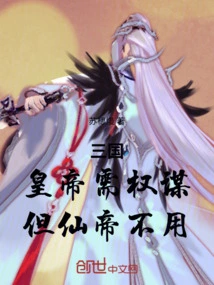
三国:皇帝需权谋,但仙帝不用!
Xingzhaotong
Travel through Cheng Han Xian Emperor Liu Xie and activate [Life Simulator]. Every simulation can bring back skills, cultivation and even the secret of immortality! In this life, I will make all the beauties of the Three Kingdoms under my command, and make all the heroes of the world kneel before the steps! "Situ Wang Yun? Nothing but withered bones in the tomb!" "From now on, I will personally control the government!" "Hey, who is in favor? Who is against?" The twelve-year-old emperor smashed a three-foot-long bronze palace pillar with one palm. Diao Chan: "Your Majesty, I once deceived Lu Bu, now I wish to deceive the Immortal Emperor~" Cai Wenji: "In order to repay the kindness of saving my father, I am willing to sacrifice everything for His Majesty!" Lu Lingqi: "Dad! I am determined to marry this emperor!" Daqiao@: "Bo Fu\u002F Zhongmou, I'm sorry, it's all for Jiangdong..." Zhen Mi: "Yuan Xi? Where did the wild dog come from! I don't know it!" Fu Shou: "Your Majesty, can this kind of person really become an immortal?" Cao Cao knelt down and offered the Seven-Star Sword: "Your Majesty! Use this knife to cut fairy fruits..." Liu Bei took Guan Yu and Zhang Fei's hand: "Second brother, third brother, the great man is about to rise!" Wu Guotai looked excited: "This is the real immortal, the real immortal!"
Travel through Cheng Han Xian Emperor Liu Xie and activate [Life Simulator]. Every simulation can bring back skills, cultivation and even the secret of immortality! In this life, I will make all the beauties of the Three Kingdoms under my command, and make all the heroes of the world kneel before the steps! "Situ Wang Yun? Nothing but withered bones in the tomb!" "From now on, I will personally control the government!" "Hey, who is in favor? Who is against?" The twelve-year-old emperor smashed a three-foot-long bronze palace pillar with one palm. Diao Chan: "Your Majesty, I once deceived Lu Bu, now I wish to deceive the Immortal Emperor~" Cai Wenji: "In order to repay the kindness of saving my father, I am willing to sacrifice everything for His Majesty!" Lu Lingqi: "Dad! I am determined to marry this emperor!" Daqiao@: "Bo Fu\u002F Zhongmou, I'm sorry, it's all for Jiangdong..." Zhen Mi: "Yuan Xi? Where did the wild dog come from! I don't know it!" Fu Shou: "Your Majesty, can this kind of person really become an immortal?" Cao Cao knelt down and offered the Seven-Star Sword: "Your Majesty! Use this knife to cut fairy fruits..." Liu Bei took Guan Yu and Zhang Fei's hand: "Second brother, third brother, the great man is about to rise!" Wu Guotai looked excited: "This is the real immortal, the real immortal!"
天下烽火一碗汤
Myojin's Famous Sword
From the soldiers of the beacon fire to the founder of the country: the troubled times started with a bowl of mutton soup Wei Jiang, a beacon soldier, rescued the mixed-race orphan girl Asu from the whip of a human trafficker. In the cold winter at the frontier, the two of them built a simple restaurant with a bowl of hot mutton soup. Hu merchants flocked to the place, and the restaurant gradually became an intelligence center, but it attracted the border guards to massacre and loot the city. Wei Jiang led the remaining troops to set up an ambush for revenge, and unexpectedly intercepted the secret edict of the last king of the dynasty. He hid the edict and raised the banner of "Qingjun side" when all the heroes came together. When the princes were competing for the imperial seal, he took out his secret edict and sneered: "The jade seal can steal the country, but this blood edict is the weight entrusted to the people." The heroes who rose from the frontier stepped over the bones of the old dynasty, The yellow clay tablets used for keeping accounts of restaurants were built into the base of the Ancestral Temple of the New Dynasty.
From the soldiers of the beacon fire to the founder of the country: the troubled times started with a bowl of mutton soup Wei Jiang, a beacon soldier, rescued the mixed-race orphan girl Asu from the whip of a human trafficker. In the cold winter at the frontier, the two of them built a simple restaurant with a bowl of hot mutton soup. Hu merchants flocked to the place, and the restaurant gradually became an intelligence center, but it attracted the border guards to massacre and loot the city. Wei Jiang led the remaining troops to set up an ambush for revenge, and unexpectedly intercepted the secret edict of the last king of the dynasty. He hid the edict and raised the banner of "Qingjun side" when all the heroes came together. When the princes were competing for the imperial seal, he took out his secret edict and sneered: "The jade seal can steal the country, but this blood edict is the weight entrusted to the people." The heroes who rose from the frontier stepped over the bones of the old dynasty, The yellow clay tablets used for keeping accounts of restaurants were built into the base of the Ancestral Temple of the New Dynasty.
Ming Dynasty
History大明盛世
Buried Deep In The Ground
Xiaren traveled through the Ming Dynasty and became Zhu Yuanzhang's grandson. He accidentally gained the ability to resurrect his relatives. As long as he completed the system task, he could randomly resurrect a dead relative. Lao Zhu wanted to establish Zhu Yunwen, resurrect his grandma Queen Ma, and scold Zhu Chongba! Lu came to the throne as a side concubine, resurrected his mother Crown Princess Chang, and took the throne in the East Palace! Lao Zhu relied on his old age, resurrected Zhu Wusi, and scared Zhu Chongba to call him his father!
Xiaren traveled through the Ming Dynasty and became Zhu Yuanzhang's grandson. He accidentally gained the ability to resurrect his relatives. As long as he completed the system task, he could randomly resurrect a dead relative. Lao Zhu wanted to establish Zhu Yunwen, resurrect his grandma Queen Ma, and scold Zhu Chongba! Lu came to the throne as a side concubine, resurrected his mother Crown Princess Chang, and took the throne in the East Palace! Lao Zhu relied on his old age, resurrected Zhu Wusi, and scared Zhu Chongba to call him his father!
敌友难辨:冷战谍海逸史
Sha Qingqing
The double life of a hilarious spy, a true history that is stranger than fiction. In 1987, a best-selling book called "The Man Who Caught a Spy" was banned by the British government. The reason was that the book was so true that it violated confidentiality requirements; Cambridge University broke away from the "Five" of Soviet spies, and British nobles became the pillars of the KGB; fearing that the exposure of espionage incidents would bring public relations crises, bureaucrats often kept it secret and even deliberately let suspects go; spies accepted it in their later years During the interview, he said that it was only a small part of life. He spent much more time picking up children and doing housework than doing espionage work... When the grassroots team encountered the Cuban missile crisis, the Berlin tunnel, and the crash of a South Korean passenger plane... Uncover the thrilling and oozing truth behind the great power game!
The double life of a hilarious spy, a true history that is stranger than fiction. In 1987, a best-selling book called "The Man Who Caught a Spy" was banned by the British government. The reason was that the book was so true that it violated confidentiality requirements; Cambridge University broke away from the "Five" of Soviet spies, and British nobles became the pillars of the KGB; fearing that the exposure of espionage incidents would bring public relations crises, bureaucrats often kept it secret and even deliberately let suspects go; spies accepted it in their later years During the interview, he said that it was only a small part of life. He spent much more time picking up children and doing housework than doing espionage work... When the grassroots team encountered the Cuban missile crisis, the Berlin tunnel, and the crash of a South Korean passenger plane... Uncover the thrilling and oozing truth behind the great power game!
红楼:从强娶贾迎春开始
Chen Wenhua
On the first day of crossing the Red Mansion, he became Sun Shaozu, abandoned his hereditary military position, and began to take the imperial examination. Within a few years, all the young students and scholars were captured, taking a solid step forward in a world dominated by civil servants. However, he only relied on a few memories from his previous life to get to where he is now. The rural examination is about to take place, and the examiner's name is Jia Yucun. "Huh? Can I go through the back door?" In order to win the election, he forcibly married Jia Yingchun and contacted Jia Yucun through the Jia family. Just when the world thought it was another drama about getting promoted, getting rich, and loving children. "Husband, what's going on between you and the eldest lady?" Jia Yingchun was heartbroken. "I was deceived. I was deceived. A good son-in-law turned into a villain." Jia She, who was tortured and dying, wanted to cry but had no tears. ... Jia Xichun, Jia Yuanchun, Xue Baochai, Lin Daiyu... He spared none. To be a scholar, to be a scholar, to be a scholar, to be promoted and to make a fortune... He never lags a step behind. ... "I am Sun Shaozu, known as Zhongshan Wolf." "I take salt for myself." This book is also called: [The Red Mansion: I am a Zhongshan wolf, destroying the Jia family with one hand and seizing the golden hairpin] [Save the Red Mansion? I buried the Jia family with my own hands] Notes: Step by step, cold-blooded Red Mansion, truth, cruelty - thick and dark red Mansion novel.
On the first day of crossing the Red Mansion, he became Sun Shaozu, abandoned his hereditary military position, and began to take the imperial examination. Within a few years, all the young students and scholars were captured, taking a solid step forward in a world dominated by civil servants. However, he only relied on a few memories from his previous life to get to where he is now. The rural examination is about to take place, and the examiner's name is Jia Yucun. "Huh? Can I go through the back door?" In order to win the election, he forcibly married Jia Yingchun and contacted Jia Yucun through the Jia family. Just when the world thought it was another drama about getting promoted, getting rich, and loving children. "Husband, what's going on between you and the eldest lady?" Jia Yingchun was heartbroken. "I was deceived. I was deceived. A good son-in-law turned into a villain." Jia She, who was tortured and dying, wanted to cry but had no tears. ... Jia Xichun, Jia Yuanchun, Xue Baochai, Lin Daiyu... He spared none. To be a scholar, to be a scholar, to be a scholar, to be promoted and to make a fortune... He never lags a step behind. ... "I am Sun Shaozu, known as Zhongshan Wolf." "I take salt for myself." This book is also called: [The Red Mansion: I am a Zhongshan wolf, destroying the Jia family with one hand and seizing the golden hairpin] [Save the Red Mansion? I buried the Jia family with my own hands] Notes: Step by step, cold-blooded Red Mansion, truth, cruelty - thick and dark red Mansion novel.
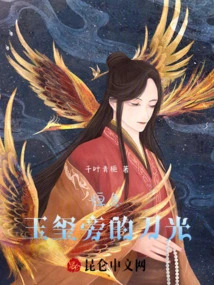
恒急:玉玺旁的刀光
Chiba Green Gardenia
On the Dragon Throne, the new emperor Xiao Che took power for the first time, but found that the secret of the sudden death of the previous emperor was hidden in the gilt lines of the imperial seal. Above the court, a group of old ministers headed by Prime Minister Wei Yuan are pressing closer. In the harem, the Queen Mother Zhao has secretly planted influence. Even the scabbard of Shen Yan, the personal guard, seems to hide an unknown object of allegiance. When Xiao Che tried to uncover the conspiracy behind the jade seal, it triggered a rain of blood across the palace and the rivers and lakes: the border emergency report had hidden traces of forgery, the Ministry of Personnel officials died mysteriously, and even the safety buckle he wore when he was a child fit perfectly with the gap in the jade seal. The sword often flashes across the dragon case in the middle of the night, and the sharpest one is often hidden in the sleeves of the people closest to him - before he becomes a puppet, he must identify who is the chess piece, who is the sword holder, and who is taking advantage of this power struggle to covet the entire country.
On the Dragon Throne, the new emperor Xiao Che took power for the first time, but found that the secret of the sudden death of the previous emperor was hidden in the gilt lines of the imperial seal. Above the court, a group of old ministers headed by Prime Minister Wei Yuan are pressing closer. In the harem, the Queen Mother Zhao has secretly planted influence. Even the scabbard of Shen Yan, the personal guard, seems to hide an unknown object of allegiance. When Xiao Che tried to uncover the conspiracy behind the jade seal, it triggered a rain of blood across the palace and the rivers and lakes: the border emergency report had hidden traces of forgery, the Ministry of Personnel officials died mysteriously, and even the safety buckle he wore when he was a child fit perfectly with the gap in the jade seal. The sword often flashes across the dragon case in the middle of the night, and the sharpest one is often hidden in the sleeves of the people closest to him - before he becomes a puppet, he must identify who is the chess piece, who is the sword holder, and who is taking advantage of this power struggle to covet the entire country.
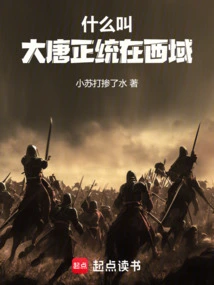
什么叫大唐正统在西域
Baking Soda Mixed With Water
What, the Tang Dynasty is over? The soldiers are still there, but the court is gone. Su Huai was confused, how could this happen? To go home alive, you must first save your life. There is no other choice but to form a new army and establish a base area. Since the orthodoxy is gone, we can only build a new clan. See how an abandoned soldier swept through the Eighteen Kingdoms of the Western Regions.
What, the Tang Dynasty is over? The soldiers are still there, but the court is gone. Su Huai was confused, how could this happen? To go home alive, you must first save your life. There is no other choice but to form a new army and establish a base area. Since the orthodoxy is gone, we can only build a new clan. See how an abandoned soldier swept through the Eighteen Kingdoms of the Western Regions.
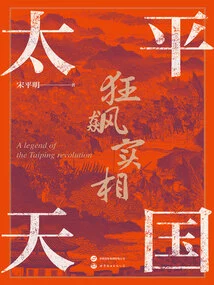
太平天国狂飙实相
Song Pingming
"The Reality of the Taiping Rebellion" not only completely tells the entire process of the Taiping Rebellion from its rise to its collapse, but also analyzes its social background and reasons for its defeat. It also accurately depicts historical figures such as Hong Xiuquan, Yang Xiuqing, Hong Rengan and Zeng Guofan, revealing the mental journeys of historical figures. Cheng integrates this period of history into the great changes in the late Qing Dynasty that have not been seen in thousands of years, integrates the personal destiny of historical figures with the development of the country, and presents the historical details and grand vision in front of readers, so that readers can have a deeper understanding and understanding of the true history of the Taiping Heavenly Kingdom.
"The Reality of the Taiping Rebellion" not only completely tells the entire process of the Taiping Rebellion from its rise to its collapse, but also analyzes its social background and reasons for its defeat. It also accurately depicts historical figures such as Hong Xiuquan, Yang Xiuqing, Hong Rengan and Zeng Guofan, revealing the mental journeys of historical figures. Cheng integrates this period of history into the great changes in the late Qing Dynasty that have not been seen in thousands of years, integrates the personal destiny of historical figures with the development of the country, and presents the historical details and grand vision in front of readers, so that readers can have a deeper understanding and understanding of the true history of the Taiping Heavenly Kingdom.

大唐云养娃:小兕子好可爱
Mars Bunny
[Raising a baby in the cloud will bring you much happiness! Get Cloud Baby Smile Points and get rewards! Lu Yan accidentally triggered a game, and the doll he bound turned out to be Xiao Sizi, Princess Jinyang of the Tang Dynasty! From then on, he began to interact closely with Xiao Sizi. In order to make the baby happier, Lu Yan always tries his best to feed it! Strawberry cake, chocolate, ice cream, Barbie dolls, stuffed bears, princess dresses, glass slippers, go-karts... Delicious, fun, beautiful clothes, all on display! Hey, hey, why did the little princess come out of the game?
[Raising a baby in the cloud will bring you much happiness! Get Cloud Baby Smile Points and get rewards! Lu Yan accidentally triggered a game, and the doll he bound turned out to be Xiao Sizi, Princess Jinyang of the Tang Dynasty! From then on, he began to interact closely with Xiao Sizi. In order to make the baby happier, Lu Yan always tries his best to feed it! Strawberry cake, chocolate, ice cream, Barbie dolls, stuffed bears, princess dresses, glass slippers, go-karts... Delicious, fun, beautiful clothes, all on display! Hey, hey, why did the little princess come out of the game?
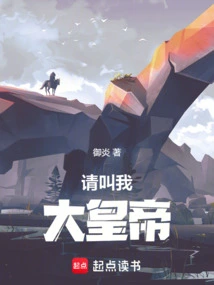
Please Call Me Great Emperor
History请叫我大皇帝
Yuyan
If you have a son, you should be like Sun Zhongmou, who gives away one hundred thousand to Hefei! Every time he thinks about this, Sun Jierui, who has traveled through time and became Sun Quan, sighs. How come we, the lord of Jiangdong and one of the three giants in the late Eastern Han Dynasty who settled the ongoing war in the Southeast, were reduced to the rat race, Jiangdong Jerry, Scum Quan, and Hefei limited edition experience baby? But sigh, sigh, in order to get rid of the very ironic title of Sun Shiwan, today's Sun Quan (Sun Jerry version) is also working hard! Don't call me Sun Shiwan! If you want to call me, please call me the Great Emperor!
If you have a son, you should be like Sun Zhongmou, who gives away one hundred thousand to Hefei! Every time he thinks about this, Sun Jierui, who has traveled through time and became Sun Quan, sighs. How come we, the lord of Jiangdong and one of the three giants in the late Eastern Han Dynasty who settled the ongoing war in the Southeast, were reduced to the rat race, Jiangdong Jerry, Scum Quan, and Hefei limited edition experience baby? But sigh, sigh, in order to get rid of the very ironic title of Sun Shiwan, today's Sun Quan (Sun Jerry version) is also working hard! Don't call me Sun Shiwan! If you want to call me, please call me the Great Emperor!
穿越北宋之扭转乾坤
A Humble And Elegant Scholar
Cheng Dalong, a 30-year-old hotel chef, loves history and military affairs. He is also a hotel manager, handsome and rational. On their way back from participating in a national cooking competition, the two overturned their car due to a lightning strike and traveled back to the late Northern Song Dynasty. At this time, after the maritime alliance between Song and Jin, the Song army failed to attack Yan, showing corruption. A series of subsequent events triggered the Jin state to attack Song. In 1125, the Jin Dynasty divided into two groups and headed south. In 1126, Bianjing was besieged, and the Northern Song Dynasty was in danger. Cheng Dalong and Chang Shi relied on modern scientific knowledge and understanding of the history of the Northern Song Dynasty to try to help the emperor and ministers of the Northern Song Dynasty prevent the demise of the Northern Song Dynasty. However, the Kingdom of Jin, as a villain, constantly hinders their actions. At the same time, the internal conflicts in the Northern Song Dynasty court were complicated, and ministers were full of misunderstandings and suspicions about them, which made it difficult for them to implement the rescue plan. In the process, Cheng Dalong and Chang Shi not only had to deal with the external military pressure from the Jin Kingdom, but also resolved the internal crisis of trust. Their own lack of experience in ancient power struggles also affects their response strategies. The two went from being dissatisfied with each other before the time travel to gradually warming up to each other in the difficult situation, but they also faced many emotional entanglements due to the complicated situation. However, with their perseverance and perseverance, they continued to find ways to break the situation within a limited time, and worked hard to reverse the fate of the Northern Song Dynasty. Amidst numerous difficulties, they gradually achieved the goal of saving the Northern Song Dynasty and protecting the people.
Cheng Dalong, a 30-year-old hotel chef, loves history and military affairs. He is also a hotel manager, handsome and rational. On their way back from participating in a national cooking competition, the two overturned their car due to a lightning strike and traveled back to the late Northern Song Dynasty. At this time, after the maritime alliance between Song and Jin, the Song army failed to attack Yan, showing corruption. A series of subsequent events triggered the Jin state to attack Song. In 1125, the Jin Dynasty divided into two groups and headed south. In 1126, Bianjing was besieged, and the Northern Song Dynasty was in danger. Cheng Dalong and Chang Shi relied on modern scientific knowledge and understanding of the history of the Northern Song Dynasty to try to help the emperor and ministers of the Northern Song Dynasty prevent the demise of the Northern Song Dynasty. However, the Kingdom of Jin, as a villain, constantly hinders their actions. At the same time, the internal conflicts in the Northern Song Dynasty court were complicated, and ministers were full of misunderstandings and suspicions about them, which made it difficult for them to implement the rescue plan. In the process, Cheng Dalong and Chang Shi not only had to deal with the external military pressure from the Jin Kingdom, but also resolved the internal crisis of trust. Their own lack of experience in ancient power struggles also affects their response strategies. The two went from being dissatisfied with each other before the time travel to gradually warming up to each other in the difficult situation, but they also faced many emotional entanglements due to the complicated situation. However, with their perseverance and perseverance, they continued to find ways to break the situation within a limited time, and worked hard to reverse the fate of the Northern Song Dynasty. Amidst numerous difficulties, they gradually achieved the goal of saving the Northern Song Dynasty and protecting the people.
Wonderful Anecdotes
History妙奇异闻录
Xiaoxiang Is In Love
Come to China Literature's website to read more of my works!
Come to China Literature's website to read more of my works!
And Ancient
History与古
Stained With Pen And Ink Love
When Su Ziyuan woke up from a car accident, the world became different. Ancient times and modern times merged together, and the world seemed to be developing rapidly, but also seemed to be stagnant.
When Su Ziyuan woke up from a car accident, the world became different. Ancient times and modern times merged together, and the world seemed to be developing rapidly, but also seemed to be stagnant.
红楼跌宕
The First Year Of Huangchu
Come to China Literature's website to read more of my works!
Come to China Literature's website to read more of my works!
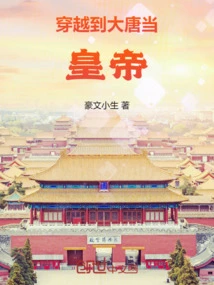
穿越到大唐当皇帝
Rich Literary Niche
Chen Shuang, a high school student, traveled to the Tang Dynasty and possessed emperors such as Emperor Taizong and Xuanzong of the Tang Dynasty successively to experience the flourishing style and imperial demeanor of the Tang Dynasty. '
Chen Shuang, a high school student, traveled to the Tang Dynasty and possessed emperors such as Emperor Taizong and Xuanzong of the Tang Dynasty successively to experience the flourishing style and imperial demeanor of the Tang Dynasty. '
纵观三国两晋风云传奇
Li Yanlin
Telling the history of the Three Kingdoms period
Telling the history of the Three Kingdoms period
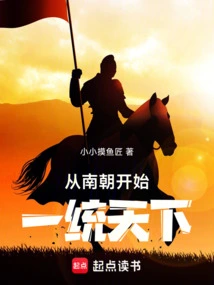
从南朝开始一统天下
Little Fisherman
In 450 AD, Liu Yilong's second Northern Expedition failed. Tuoba Tao, the leader of the Northern Wei Dynasty, drank his horse in the Yangtze River. Liu Dan, Liu Yilong's sixth son and commander of the Western Route Army of the Northern Expedition, was recalled to Beijing to defend Jiankang. Back in Jiankang, Liu Dan, who had not yet accepted the fact of time travel, saw his brothers. The eldest prince, Liu Shao, was the first filial son to seize the throne in the Central Plains Dynasty. The second oldest brother, Liu Jun, was Liu Shao's accomplice. The third child, Liu Jun, was historically known as Emperor Xiaowu of the Song Dynasty. Historically, the original owner was killed by him. The eleventh eldest Liu Yu, known as Emperor Ming of the Song Dynasty in history, was also known as the Pig King. He killed his brothers more ruthlessly than Liu Jun, killing four of his brothers in a row. As for the other princes, things were not much better. Of Liu Yilong's nineteen sons, except for three who died young, five died of illness when they grew up, and the rest were all killed in intraclan strife. There is a family with "a loving father and a filial son, and brothers, friends and brothers are respectful". Outside, the Northern Wei Dynasty is eyeing them. In addition, there are monopolized clans, corrupt officials, empty treasury, and poor people's livelihood... Is this the absurd and beautiful Northern and Southern Dynasties? This is hell on earth! But as soon as he came, it was hell, so he rose from hell, seized the prince, became emperor, and conquered the Northern Wei Dynasty!
In 450 AD, Liu Yilong's second Northern Expedition failed. Tuoba Tao, the leader of the Northern Wei Dynasty, drank his horse in the Yangtze River. Liu Dan, Liu Yilong's sixth son and commander of the Western Route Army of the Northern Expedition, was recalled to Beijing to defend Jiankang. Back in Jiankang, Liu Dan, who had not yet accepted the fact of time travel, saw his brothers. The eldest prince, Liu Shao, was the first filial son to seize the throne in the Central Plains Dynasty. The second oldest brother, Liu Jun, was Liu Shao's accomplice. The third child, Liu Jun, was historically known as Emperor Xiaowu of the Song Dynasty. Historically, the original owner was killed by him. The eleventh eldest Liu Yu, known as Emperor Ming of the Song Dynasty in history, was also known as the Pig King. He killed his brothers more ruthlessly than Liu Jun, killing four of his brothers in a row. As for the other princes, things were not much better. Of Liu Yilong's nineteen sons, except for three who died young, five died of illness when they grew up, and the rest were all killed in intraclan strife. There is a family with "a loving father and a filial son, and brothers, friends and brothers are respectful". Outside, the Northern Wei Dynasty is eyeing them. In addition, there are monopolized clans, corrupt officials, empty treasury, and poor people's livelihood... Is this the absurd and beautiful Northern and Southern Dynasties? This is hell on earth! But as soon as he came, it was hell, so he rose from hell, seized the prince, became emperor, and conquered the Northern Wei Dynasty!

晋阳小公主来我家蹭饭了
Fire Dancing Phoenix Singing
[Double Wear + Daily + Relaxation + Cool Articles] Who said Ben Wu's bleak life was hopeless? Didn't something good happen to Lao Lin who runs the restaurant downstairs? On an ordinary day, Jin Yang, the little princess of the Tang Dynasty, actually visited his small restaurant! Unexpectedly, Lao Lin's poor cooking skills made the picky little princess unable to stop eating! Jiangcheng's special three-fresh shrimp dumplings, crab roe soup dumplings, conch and cucumber dumplings... Fascinated Li Shimin's family! Xiao Sizi: Wo Da, it's all Wo Da! Li Shimin: Move the restaurant to Datang! Thus, the first Michelin restaurant in Datang was born. Reservations are required to dine in the restaurant, and only ten people are accepted per day...
[Double Wear + Daily + Relaxation + Cool Articles] Who said Ben Wu's bleak life was hopeless? Didn't something good happen to Lao Lin who runs the restaurant downstairs? On an ordinary day, Jin Yang, the little princess of the Tang Dynasty, actually visited his small restaurant! Unexpectedly, Lao Lin's poor cooking skills made the picky little princess unable to stop eating! Jiangcheng's special three-fresh shrimp dumplings, crab roe soup dumplings, conch and cucumber dumplings... Fascinated Li Shimin's family! Xiao Sizi: Wo Da, it's all Wo Da! Li Shimin: Move the restaurant to Datang! Thus, the first Michelin restaurant in Datang was born. Reservations are required to dine in the restaurant, and only ten people are accepted per day...

Meditations of Jingkang
History靖康沉思录
Writer Rtt0sc
"Jingkang Meditations" is the second part of the Meditations on Rise and Fall series. The author majored in history at university and majored in Chinese as a graduate student. After working, he studied law by himself and engaged in legal work. Therefore, the greatest feature of this book is to integrate history, literature, and law, sort out the historical context with the logic of the rule of law, and show the rise and fall of empires through literary forms. The characters and events in the book are all derived from real historical documents, insisting that everything must have history and words must be well-founded. The main purpose of the article is to explore how the Jingkang incident happened? Why are Cai Jing and others so good at dancing? What did officials think and do when the regime was in danger? Could the tragedy have been avoided? This book attempts to immerse oneself into history through a contemporary perspective, to interpret history, to see lessons from history, and to hope that one will know what is wrong and not do it again.
"Jingkang Meditations" is the second part of the Meditations on Rise and Fall series. The author majored in history at university and majored in Chinese as a graduate student. After working, he studied law by himself and engaged in legal work. Therefore, the greatest feature of this book is to integrate history, literature, and law, sort out the historical context with the logic of the rule of law, and show the rise and fall of empires through literary forms. The characters and events in the book are all derived from real historical documents, insisting that everything must have history and words must be well-founded. The main purpose of the article is to explore how the Jingkang incident happened? Why are Cai Jing and others so good at dancing? What did officials think and do when the regime was in danger? Could the tragedy have been avoided? This book attempts to immerse oneself into history through a contemporary perspective, to interpret history, to see lessons from history, and to hope that one will know what is wrong and not do it again.

穿越之古代崛起路
Xiaofei Who Loves To Brag
When Wang Lin was about to reach the peak of his life, he wore it. Good news, parents love each other and brothers and sisters live in harmony in this life. The bad news is that the whole family is tightening their belts so that the uncle can study. The family is living in poverty and living on a diet of chaffy vegetables. However, before he could quit the table, his father and mother took the lead in quitting. His mother said: "The school is not run by the big family. Why can they go and our children can't go?" My father said: "No one loves me - no one loves me - I am a little cabbage in the field~" Wang Lin: "Grandpa, when I am admitted as a scholar, even the genealogy of our family will have to be opened on a separate page. You are the first in our village!" Watching the children rolling around, they are both cross and good at drawing cakes. A family of three, my father: "No one cares about me~ I am loved by no one~ I am a little cabbage in the field~" Wang Lin: "Grandpa, when I am admitted as a scholar, even the genealogy of our family will have to be opened on a separate page, and you are the first one in our village. Where's the son?" Seeing the family of three who were rolling around, being wild and good at drawing pancakes, old man Wang wiped his face and reluctantly agreed to send Wang Lin to study. In this case, the roc took off in the wind and soared ninety thousand miles in one day. Fasten your seat belts, he's going to take his parents home!
When Wang Lin was about to reach the peak of his life, he wore it. Good news, parents love each other and brothers and sisters live in harmony in this life. The bad news is that the whole family is tightening their belts so that the uncle can study. The family is living in poverty and living on a diet of chaffy vegetables. However, before he could quit the table, his father and mother took the lead in quitting. His mother said: "The school is not run by the big family. Why can they go and our children can't go?" My father said: "No one loves me - no one loves me - I am a little cabbage in the field~" Wang Lin: "Grandpa, when I am admitted as a scholar, even the genealogy of our family will have to be opened on a separate page. You are the first in our village!" Watching the children rolling around, they are both cross and good at drawing cakes. A family of three, my father: "No one cares about me~ I am loved by no one~ I am a little cabbage in the field~" Wang Lin: "Grandpa, when I am admitted as a scholar, even the genealogy of our family will have to be opened on a separate page, and you are the first one in our village. Where's the son?" Seeing the family of three who were rolling around, being wild and good at drawing pancakes, old man Wang wiped his face and reluctantly agreed to send Wang Lin to study. In this case, the roc took off in the wind and soared ninety thousand miles in one day. Fasten your seat belts, he's going to take his parents home!
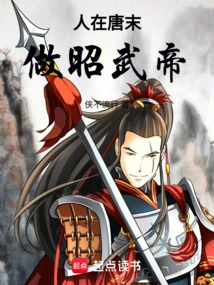
人在唐末,做昭武帝
Xia Is Not Popular
In the fifth year of Qianfu, the world was in rebellion, and the deer of the Tang Dynasty was about to be lost! The vassal towns were divided, the eunuchs were in power, and the aristocratic families were in power. The majesty of the Han and Tang Dynasties turned into peace in the Song and Song Dynasties, and the territory of thousands of miles turned into a blood and tears. Liu Kezhi came to this world just to swallow thousands of miles of anger! After all, the most attractive thing in the world is to connect the rise and fall of the destiny of a nation and country with its own success or failure!
In the fifth year of Qianfu, the world was in rebellion, and the deer of the Tang Dynasty was about to be lost! The vassal towns were divided, the eunuchs were in power, and the aristocratic families were in power. The majesty of the Han and Tang Dynasties turned into peace in the Song and Song Dynasties, and the territory of thousands of miles turned into a blood and tears. Liu Kezhi came to this world just to swallow thousands of miles of anger! After all, the most attractive thing in the world is to connect the rise and fall of the destiny of a nation and country with its own success or failure!
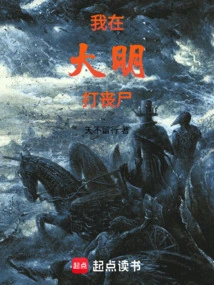
我在大明打丧尸
The Sky Leaves No Trace
In my last life, I did nothing. In this life, I traveled to thousands of households in Liaodong in the 29th year of Wanli. Watch me fight in the north and south, and beat Nurhaci violently! Wait, you said there was a madman biting and rioting at Bangzi next door, and it was still contagious? The Ming Dynasty of North Korea is coming! "Hurry up and set up the blunderbuss for me and hit me hard!" "Where's the Shenwei General Cannon? Shoot it for me!" "How can a mere zombie withstand my cannonballs?! All of them will be blown to smithereens in one shot!"
In my last life, I did nothing. In this life, I traveled to thousands of households in Liaodong in the 29th year of Wanli. Watch me fight in the north and south, and beat Nurhaci violently! Wait, you said there was a madman biting and rioting at Bangzi next door, and it was still contagious? The Ming Dynasty of North Korea is coming! "Hurry up and set up the blunderbuss for me and hit me hard!" "Where's the Shenwei General Cannon? Shoot it for me!" "How can a mere zombie withstand my cannonballs?! All of them will be blown to smithereens in one shot!"
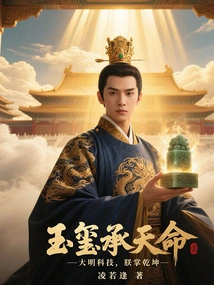
玉玺承天命:大明科技,朕掌乾坤
Ling Ruofeng
Zhu Biao created a jade seal that passed down the country, but accidentally traveled to the Ming Dynasty Prince Zhu Biao, and bound it to the most powerful national luck system. From then on, he led the Ming Dynasty to develop rapidly and enter the technological era ahead of schedule.
Zhu Biao created a jade seal that passed down the country, but accidentally traveled to the Ming Dynasty Prince Zhu Biao, and bound it to the most powerful national luck system. From then on, he led the Ming Dynasty to develop rapidly and enter the technological era ahead of schedule.
The Last Ray of Sunset
History最后那一抹斜阳
Those Who Seek Enlightenment
In the seventeenth year of Chongzhen's reign in the Ming Dynasty, Li Zicheng's cavalry approached Beijing, and the red walls of the Forbidden City trembled in the beacon fire. And I, Zhu Youjian, the last emperor of the Ming Dynasty, sat alone on the dragon chair in the Qianqing Palace, looking at the memorials piled on my desk and the blood-stained military reports, and finally understood that this empire had come to an end.
In the seventeenth year of Chongzhen's reign in the Ming Dynasty, Li Zicheng's cavalry approached Beijing, and the red walls of the Forbidden City trembled in the beacon fire. And I, Zhu Youjian, the last emperor of the Ming Dynasty, sat alone on the dragon chair in the Qianqing Palace, looking at the memorials piled on my desk and the blood-stained military reports, and finally understood that this empire had come to an end.
季汉雄主:从桃园开始谋九州
Tea Foam
When I woke up, I became Liu Bei and Liu Xuande who had just become sworn sworn friends with Guan Zhang in Taoyuan. Before the blood has cooled, a biting chill has already hit my face - not the shortness of breath of the hero in the novel, but the cold ending in history of wandering around and struggling to achieve great ambitions. He has the false reputation of being a "clan member of the Han Dynasty", but he is penniless and surrounded by powerful enemies. Even the county officials dare to come to blackmail him! I will never accept this script! Fortunately, I have a brilliant history of the Three Kingdoms in my mind. Foreknowledge is my trump card. But in these troubled times, just knowing who wins and who loses is not enough. Cao Cao's heroic tactics? Sun Quan's forbearance plan? The intricate connections of aristocratic families? I want to use modern people's thinking to completely dismantle and reconstruct this dead game that uses the world as a chess game and human life as a bargaining chip! "Benevolence and righteousness" is no longer a sign of begging, but the sharpest political blade in my hand. Showing weakness to gain sympathy? No, it is to nail the greedy silverfish to the pillar of shame for "harming the country"! Are we forming an alliance to survive? No, it is to use your strength to devour the most fertile land in the gap between giant crocodiles! The Yellow Turban Rebellion was the springboard for me to seize the first pot of gold and prestige; the Xuzhou situation was the testing ground for my practical political skills; Jingzhou and Yizhou were no longer dependent on others, but the foundation of the king's career step by step and carefully calculated. Guan Yu's sword, Zhang Fei's spear, and Zhuge Liang's wisdom are all for my use, and I must incorporate organizational management and strategic vision that transcend the times. Accept Lu Bu? Destroy Cao Cao? Surrender Sun Quan? Every step is a calculation as precise as a gear. Benevolence is shown to the world, but iron fist is hidden behind the scenes. What I want is not Ji Han, who lives in a corner, but a big man of three kinds!
When I woke up, I became Liu Bei and Liu Xuande who had just become sworn sworn friends with Guan Zhang in Taoyuan. Before the blood has cooled, a biting chill has already hit my face - not the shortness of breath of the hero in the novel, but the cold ending in history of wandering around and struggling to achieve great ambitions. He has the false reputation of being a "clan member of the Han Dynasty", but he is penniless and surrounded by powerful enemies. Even the county officials dare to come to blackmail him! I will never accept this script! Fortunately, I have a brilliant history of the Three Kingdoms in my mind. Foreknowledge is my trump card. But in these troubled times, just knowing who wins and who loses is not enough. Cao Cao's heroic tactics? Sun Quan's forbearance plan? The intricate connections of aristocratic families? I want to use modern people's thinking to completely dismantle and reconstruct this dead game that uses the world as a chess game and human life as a bargaining chip! "Benevolence and righteousness" is no longer a sign of begging, but the sharpest political blade in my hand. Showing weakness to gain sympathy? No, it is to nail the greedy silverfish to the pillar of shame for "harming the country"! Are we forming an alliance to survive? No, it is to use your strength to devour the most fertile land in the gap between giant crocodiles! The Yellow Turban Rebellion was the springboard for me to seize the first pot of gold and prestige; the Xuzhou situation was the testing ground for my practical political skills; Jingzhou and Yizhou were no longer dependent on others, but the foundation of the king's career step by step and carefully calculated. Guan Yu's sword, Zhang Fei's spear, and Zhuge Liang's wisdom are all for my use, and I must incorporate organizational management and strategic vision that transcend the times. Accept Lu Bu? Destroy Cao Cao? Surrender Sun Quan? Every step is a calculation as precise as a gear. Benevolence is shown to the world, but iron fist is hidden behind the scenes. What I want is not Ji Han, who lives in a corner, but a big man of three kinds!
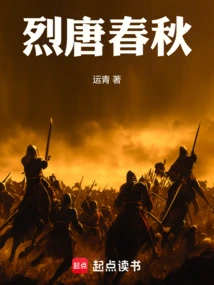
Lie Tang Chunqiu
History烈唐春秋
Yun Qing
Guo Zuo, who had lasted nearly three hundred years in the Tang Dynasty, finally came to an end. In the prosperous age of Zhenguan, the romance of Kaiyuan was finally blown away by the rain and wind. This was a brutal era. This is an era where cannibalism is not just a hobby but a hobby. When betrayal becomes commonplace and loyalty becomes the source of confiscating families and annihilating clans, "the emperor's soldiers should be those who have strong soldiers and horses, and it is better to have seeds" has become an iron rule for those ambitious people. Due to the abnormal movement of butterfly wings fifty years ago, the Li Keyong family no longer appeared, but the Sogdians, who were full of martial virtues, still stood on the stage of history. Their surname is An, and they pursue peace in the world. For this reason, many heroes generously fought for supremacy, and many warriors died on the battlefield, sleeping on the green hills at night. An Cunxiu, who has a modern soul, was reborn in this era. He originally wanted to just stay on the side and be a small prince, waiting for the true dragon emperor to come to the world before joining him. Suddenly, when he looked back, he found that things were out of control. Where should he go?
Guo Zuo, who had lasted nearly three hundred years in the Tang Dynasty, finally came to an end. In the prosperous age of Zhenguan, the romance of Kaiyuan was finally blown away by the rain and wind. This was a brutal era. This is an era where cannibalism is not just a hobby but a hobby. When betrayal becomes commonplace and loyalty becomes the source of confiscating families and annihilating clans, "the emperor's soldiers should be those who have strong soldiers and horses, and it is better to have seeds" has become an iron rule for those ambitious people. Due to the abnormal movement of butterfly wings fifty years ago, the Li Keyong family no longer appeared, but the Sogdians, who were full of martial virtues, still stood on the stage of history. Their surname is An, and they pursue peace in the world. For this reason, many heroes generously fought for supremacy, and many warriors died on the battlefield, sleeping on the green hills at night. An Cunxiu, who has a modern soul, was reborn in this era. He originally wanted to just stay on the side and be a small prince, waiting for the true dragon emperor to come to the world before joining him. Suddenly, when he looked back, he found that things were out of control. Where should he go?
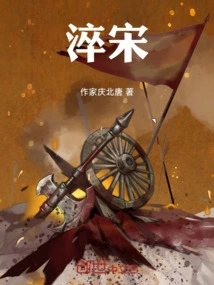
Quenching Song
History淬宋
Writer Gyeongbuktang
Deep within the walls of the Bianliang City Palace, an old woman behind the curtain is still dreaming of an uncrowned queen, and party strife is in full swing in the court. The old party's "Yuanyou Genghua" power has not dissipated, and the new party's "Shaoshu" fire has been vigorously suppressed. And among the distant and cold white mountains and black waters, a tribe called Jurchen is honing its claws to destroy the country in the future. The modern soul Zhao Xu woke up unexpectedly and found that he had become the Song Zhezong who was determined to reform but died young in the history books. He was seriously ill and had less than five years left before his death recorded in the history books - the first year of Jianzhong Jingguo (1101)! Empress Dowager Gao's curtain, the whirlpool of the old and new party struggles, the tigers surrounding the neighbors, the quietly approaching "Jingkang"... One after another overwhelming Mount Tai lies in front of you. Unwilling to be a short-lived king, and even more shameful as a precursor to the country's destruction, he used his weak body to burst out with soaring will: "If I had been born thirty years earlier, why would my descendants have to fall into Jingkang!" He broke the curtain, took back power, and balanced the new laws and old righteousness; The undercurrent is turbulent, and one wrong step will lead to an abyss, but the dormant hidden dragon has already raised its head and wants to rewrite the destiny of the Song Dynasty with iron and blood! When the thunder of history was detonated in advance, a completely different legend of "ZTE" suddenly opened amidst the fierce battles and the imperial court!
Deep within the walls of the Bianliang City Palace, an old woman behind the curtain is still dreaming of an uncrowned queen, and party strife is in full swing in the court. The old party's "Yuanyou Genghua" power has not dissipated, and the new party's "Shaoshu" fire has been vigorously suppressed. And among the distant and cold white mountains and black waters, a tribe called Jurchen is honing its claws to destroy the country in the future. The modern soul Zhao Xu woke up unexpectedly and found that he had become the Song Zhezong who was determined to reform but died young in the history books. He was seriously ill and had less than five years left before his death recorded in the history books - the first year of Jianzhong Jingguo (1101)! Empress Dowager Gao's curtain, the whirlpool of the old and new party struggles, the tigers surrounding the neighbors, the quietly approaching "Jingkang"... One after another overwhelming Mount Tai lies in front of you. Unwilling to be a short-lived king, and even more shameful as a precursor to the country's destruction, he used his weak body to burst out with soaring will: "If I had been born thirty years earlier, why would my descendants have to fall into Jingkang!" He broke the curtain, took back power, and balanced the new laws and old righteousness; The undercurrent is turbulent, and one wrong step will lead to an abyss, but the dormant hidden dragon has already raised its head and wants to rewrite the destiny of the Song Dynasty with iron and blood! When the thunder of history was detonated in advance, a completely different legend of "ZTE" suddenly opened amidst the fierce battles and the imperial court!
万界:我只是想做生意而已!
Jihao
Come to China Literature's website to read more of my works!
Come to China Literature's website to read more of my works!
西出阳关长安夜
Happy Spring Breeze
Come to China Literature's website to read more of my works!
Come to China Literature's website to read more of my works!

Craft Three Kingdoms
History精酿三国
Shi Lu Lu
Try the Three Kingdoms with a different taste and give you a different spirit. In this era of panic and chaos, heroes have emerged, wars are raging, society is in turmoil, and everyone has to protect themselves. The protagonist Qiao Busi uses strategies and strategies to wander among the heroes like a leisurely stroll. With his extremely humorous way of dealing with the world, he brews history into fine wine.
Try the Three Kingdoms with a different taste and give you a different spirit. In this era of panic and chaos, heroes have emerged, wars are raging, society is in turmoil, and everyone has to protect themselves. The protagonist Qiao Busi uses strategies and strategies to wander among the heroes like a leisurely stroll. With his extremely humorous way of dealing with the world, he brews history into fine wine.