Library
Browse and search books
51,874 novels found
Narrating the World
History叙世
Writer Qrhh4m
Come to China Literature's website to read more of my works!
Come to China Literature's website to read more of my works!
大明:正统六年初
Le Fool Donkey
Five years ago, a soul who indulged in drunkenness and dreams of death resurrected through his corpse and became Yu Kang, Yu Qian's adopted son. During his time as governor of Jin and Henan, Yu Kang was influenced by his father and finally reinvented himself. At the beginning of the sixth year of Zhengtong, Yu Qian wrote a memorial. He was jailed and sentenced to death. The opportunity came. As a son of a man, Yu Kang vowed to turn things around and change his father's fate. To this end, he had been planning in secret for five years. Orthodox six years, the beginning of everything...
Five years ago, a soul who indulged in drunkenness and dreams of death resurrected through his corpse and became Yu Kang, Yu Qian's adopted son. During his time as governor of Jin and Henan, Yu Kang was influenced by his father and finally reinvented himself. At the beginning of the sixth year of Zhengtong, Yu Qian wrote a memorial. He was jailed and sentenced to death. The opportunity came. As a son of a man, Yu Kang vowed to turn things around and change his father's fate. To this end, he had been planning in secret for five years. Orthodox six years, the beginning of everything...
Song Xiu
History宋秀
Fisherman
In 960 AD, the Chenqiao rebellion was imminent, and a later generation quietly became Zhao Dexiu, the eldest son of Zhao Kuangyin. Soon a military order spread throughout the army: "The entire army will be stationed at Chenqiaoyi tonight." The heavy picture of history is slowly unfolding in front of Zhao Dexiu. What role will he play in this life? Looking at the gloomy sky, Zhao Dexiu couldn't help but murmured to himself: "It's a bit cold, so let's put on some clothes first!"
In 960 AD, the Chenqiao rebellion was imminent, and a later generation quietly became Zhao Dexiu, the eldest son of Zhao Kuangyin. Soon a military order spread throughout the army: "The entire army will be stationed at Chenqiaoyi tonight." The heavy picture of history is slowly unfolding in front of Zhao Dexiu. What role will he play in this life? Looking at the gloomy sky, Zhao Dexiu couldn't help but murmured to himself: "It's a bit cold, so let's put on some clothes first!"
穿越汉献帝:丞相,朕真不会法术
Daluoluo
Veterinarian Liu Yifu traveled to the end of the Han Dynasty and became Emperor Xian of the Han Dynasty. Facing Cao Cao who was raising his troops to Luo, facing the dying Han Dynasty, and facing the disintegrating world, he spoke out his heartfelt words: Prime Minister Cao, I really don't know magic! I just received the three volumes of the Heavenly Book from Emperor Gao in my dream! Prime Minister Cao, I told you to stay away from the widow, but you didn't listen... Prime Minister Cao, Zhang Ji, Guo Fan, Li Jue, Liu Yao, Yang Feng, Han Xian, Yuan Shu, Sun Ce, Yuan Shao... They were really not killed by my curse. They were destined to be like this, so don't be afraid! Prime Minister Cao, please get up quickly. I really don't know how to bring the dead back to life. Your son, Cao Chong, was not completely dead and was saved by me. I really am not a living god! Kong Ming, Gong Jin, Zhong Da, Shi Yuan... I have all said that I don't know magic and I am not a God Emperor. You should stop worshiping me!
Veterinarian Liu Yifu traveled to the end of the Han Dynasty and became Emperor Xian of the Han Dynasty. Facing Cao Cao who was raising his troops to Luo, facing the dying Han Dynasty, and facing the disintegrating world, he spoke out his heartfelt words: Prime Minister Cao, I really don't know magic! I just received the three volumes of the Heavenly Book from Emperor Gao in my dream! Prime Minister Cao, I told you to stay away from the widow, but you didn't listen... Prime Minister Cao, Zhang Ji, Guo Fan, Li Jue, Liu Yao, Yang Feng, Han Xian, Yuan Shu, Sun Ce, Yuan Shao... They were really not killed by my curse. They were destined to be like this, so don't be afraid! Prime Minister Cao, please get up quickly. I really don't know how to bring the dead back to life. Your son, Cao Chong, was not completely dead and was saved by me. I really am not a living god! Kong Ming, Gong Jin, Zhong Da, Shi Yuan... I have all said that I don't know magic and I am not a God Emperor. You should stop worshiping me!
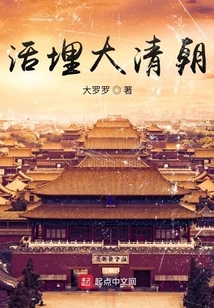
活埋大清朝
Daluoluo
Grandson Zhu San is our mortal enemy of the Qing Dynasty! What a disaster, especially for the three vassals! --After the young British Emperor Kangxi said these words, he wrote Zhu Heji's name on the pillar of the south study room. Grandson Zhu San, you have to resist! The fight against the Qing Dynasty and the Ming Dynasty all depends on you. We, the loyal ministers of the Ming Dynasty, will be behind to cheer you on! --The loyal ministers of the Ming Dynasty Zheng Jing, Chen Jinnan, Da Laohui, and Dao Scarong were waving flags and shouting happily. Grandson Zhu San, do you know? This is the edict given to Wu Sangui by your grandfather, Emperor Chongzhen. It was found in your cottage. It is guaranteed to be genuine! --Yang Qilong, who loves the Ming Dynasty most, is holding the still-undried Chongzhen edict and talking to himself. Grandson of Zhu San, you go up first, I, Wu Sangui, will raise an army to rebel against the Qing Dynasty immediately! --Wu Sangui, the Pingxi King of the Qing Dynasty, said feebly while lying on the hospital bed. I am the grandson of Zhu San, Prince Zhu is my father, and Emperor Chongzhen is my grandfather. But in my heart, I only want the world to be for the common good, and I don't want to serve the emperor. It is only for your glory and wealth that I reluctantly accept the job of emperor. Facing the persuasion of the ministers, Zhu Hesheng, who has a pure and noble soul in the 21st century, said from the bottom of his heart. This book book club group number: 259356238
Grandson Zhu San is our mortal enemy of the Qing Dynasty! What a disaster, especially for the three vassals! --After the young British Emperor Kangxi said these words, he wrote Zhu Heji's name on the pillar of the south study room. Grandson Zhu San, you have to resist! The fight against the Qing Dynasty and the Ming Dynasty all depends on you. We, the loyal ministers of the Ming Dynasty, will be behind to cheer you on! --The loyal ministers of the Ming Dynasty Zheng Jing, Chen Jinnan, Da Laohui, and Dao Scarong were waving flags and shouting happily. Grandson Zhu San, do you know? This is the edict given to Wu Sangui by your grandfather, Emperor Chongzhen. It was found in your cottage. It is guaranteed to be genuine! --Yang Qilong, who loves the Ming Dynasty most, is holding the still-undried Chongzhen edict and talking to himself. Grandson of Zhu San, you go up first, I, Wu Sangui, will raise an army to rebel against the Qing Dynasty immediately! --Wu Sangui, the Pingxi King of the Qing Dynasty, said feebly while lying on the hospital bed. I am the grandson of Zhu San, Prince Zhu is my father, and Emperor Chongzhen is my grandfather. But in my heart, I only want the world to be for the common good, and I don't want to serve the emperor. It is only for your glory and wealth that I reluctantly accept the job of emperor. Facing the persuasion of the ministers, Zhu Hesheng, who has a pure and noble soul in the 21st century, said from the bottom of his heart. This book book club group number: 259356238
Save the Ming Dynasty
History抢救大明朝
Daluoluo
The thief Zhu Cixiang is more treacherous than a traitor, and more deceptive than Li Zicheng! --Chuang King Li Zi founded Mahuya Mountain and looked to the southeast with a lot of emotion. This son of Cixi is disobedient, unfilial, treacherous and cruel. It is like the reincarnation of Cao Cao and the resurrection of Sima, making him the emperor. The traitors, treacherous ministers and unruly people all over the world will definitely miss me! --Emperor Chongzhen of the Ming Dynasty cried bitterly in front of the Xiaoling Mausoleum of the Ming Dynasty. I am wronged! I, Hong Chengchou, am really not an internal agent of the Zhu thief Cihong. I am completely loyal to the Qing Dynasty! --Hong Chengchou, Minister of War of the Qing Dynasty, shouted loudly on the execution ground. Father, don't run away, sons and ministers should be filial! --These are the true words of the Ming Dynasty Prince Zhu Cixiang, who was possessed by the soul of an honest child from the 21st century, holding a sword and chasing Emperor Chongzhen. Book club group: 959444276
The thief Zhu Cixiang is more treacherous than a traitor, and more deceptive than Li Zicheng! --Chuang King Li Zi founded Mahuya Mountain and looked to the southeast with a lot of emotion. This son of Cixi is disobedient, unfilial, treacherous and cruel. It is like the reincarnation of Cao Cao and the resurrection of Sima, making him the emperor. The traitors, treacherous ministers and unruly people all over the world will definitely miss me! --Emperor Chongzhen of the Ming Dynasty cried bitterly in front of the Xiaoling Mausoleum of the Ming Dynasty. I am wronged! I, Hong Chengchou, am really not an internal agent of the Zhu thief Cihong. I am completely loyal to the Qing Dynasty! --Hong Chengchou, Minister of War of the Qing Dynasty, shouted loudly on the execution ground. Father, don't run away, sons and ministers should be filial! --These are the true words of the Ming Dynasty Prince Zhu Cixiang, who was possessed by the soul of an honest child from the 21st century, holding a sword and chasing Emperor Chongzhen. Book club group: 959444276
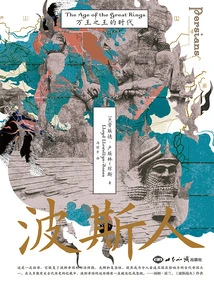
波斯人:万王之王的时代
(uk) Lloyd Llewellyn-jones
This book is a new authoritative work on the Persian Empire, which mainly tells the history from the founding of the Persian Empire by Cyrus to the conquest of the Persian Empire by Alexander of Macedon. This book focuses on some of the reform measures adopted by Darius during his reign, and also explains how he managed a culturally diverse, ethnically diverse and complex empire. From the book, readers can read that Persian kings ruled an empire that stretched from Libya to the Asian steppes and from Ethiopia to Pakistan. The Persian Empire had the legendary palace city of Persepolis, where the Achaemenid monarchs held grand court ceremonies. This book breaks away from the influence of Western historiography and has a rational and objective stance. It has been widely praised since its publication and has far-reaching influence.
This book is a new authoritative work on the Persian Empire, which mainly tells the history from the founding of the Persian Empire by Cyrus to the conquest of the Persian Empire by Alexander of Macedon. This book focuses on some of the reform measures adopted by Darius during his reign, and also explains how he managed a culturally diverse, ethnically diverse and complex empire. From the book, readers can read that Persian kings ruled an empire that stretched from Libya to the Asian steppes and from Ethiopia to Pakistan. The Persian Empire had the legendary palace city of Persepolis, where the Achaemenid monarchs held grand court ceremonies. This book breaks away from the influence of Western historiography and has a rational and objective stance. It has been widely praised since its publication and has far-reaching influence.
大明:天冷了,我穿黄袍很合理
Xiaonanliang
Gu Qing traveled through the sixteenth year of Hongwu in the Ming Dynasty. At the beginning of the game, both parents died. Gu Qing was oppressed by the court and vowed to build a world where everyone is equal. Gu Qing left the capital and went all the way south to Huangshan, Wuyishan, and Fujian. Distribute land to ordinary people along the road to win the hearts and minds of the people. Many years later. When he entered Yingtian, he stood on the tower. In December in Jinling, there is vast white snow. The guard on the side took out a piece of clothing from the box. "Your Majesty, it's getting cold, please put on some clothes!" Ps: The introduction is weak, move to the main text, don't comment if you don't like it, it's a fun historical article. Join the group, Xiaonan shows all the readers her white silk stockings!
Gu Qing traveled through the sixteenth year of Hongwu in the Ming Dynasty. At the beginning of the game, both parents died. Gu Qing was oppressed by the court and vowed to build a world where everyone is equal. Gu Qing left the capital and went all the way south to Huangshan, Wuyishan, and Fujian. Distribute land to ordinary people along the road to win the hearts and minds of the people. Many years later. When he entered Yingtian, he stood on the tower. In December in Jinling, there is vast white snow. The guard on the side took out a piece of clothing from the box. "Your Majesty, it's getting cold, please put on some clothes!" Ps: The introduction is weak, move to the main text, don't comment if you don't like it, it's a fun historical article. Join the group, Xiaonan shows all the readers her white silk stockings!
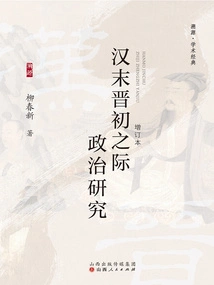
汉末晋初之际政治研究(增订本)
Liu Chunxin
This book is a political history work based on a monograph. It deeply explores the political changes in the approximately one hundred years from Wang Gang's unification of New York at the end of the Han Dynasty to the reunification of the Western Jin Dynasty. The book discusses the development, evolution and struggles of ruling groups such as the Yuan regime, Cao Cao regime, Cao Shuang group, and Sima regime in the late Han Dynasty from the perspectives of macro situation, social atmosphere, political culture, institutional structure, political events, and family cases. It also analyzes the governance policies of rulers at different stages, such as Cao Cao, Emperor Wen of Wei, Emperor Ming of Wei, and Emperor Wu of Jin, as well as their pros and cons. From the chaotic historical events, we stick to the simple and avoid the complex, select major issues related to the political structure at that time and even the characteristics of the entire era, and conduct case studies. Each chapter is independent of each other, but also logically connected and linked to each other, outlining the basic clues and overall appearance of the political evolution of the late Han, Wei, and Jin Dynasties. In this reprint, the organizer has added several articles according to the author's plan during his lifetime, which more comprehensively demonstrates the author's academic achievements in the field of political history of the Wei, Jin, Southern and Northern Dynasties.
This book is a political history work based on a monograph. It deeply explores the political changes in the approximately one hundred years from Wang Gang's unification of New York at the end of the Han Dynasty to the reunification of the Western Jin Dynasty. The book discusses the development, evolution and struggles of ruling groups such as the Yuan regime, Cao Cao regime, Cao Shuang group, and Sima regime in the late Han Dynasty from the perspectives of macro situation, social atmosphere, political culture, institutional structure, political events, and family cases. It also analyzes the governance policies of rulers at different stages, such as Cao Cao, Emperor Wen of Wei, Emperor Ming of Wei, and Emperor Wu of Jin, as well as their pros and cons. From the chaotic historical events, we stick to the simple and avoid the complex, select major issues related to the political structure at that time and even the characteristics of the entire era, and conduct case studies. Each chapter is independent of each other, but also logically connected and linked to each other, outlining the basic clues and overall appearance of the political evolution of the late Han, Wei, and Jin Dynasties. In this reprint, the organizer has added several articles according to the author's plan during his lifetime, which more comprehensively demonstrates the author's academic achievements in the field of political history of the Wei, Jin, Southern and Northern Dynasties.
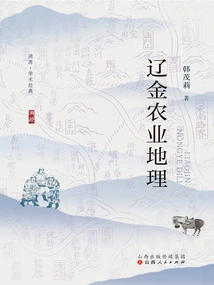
辽金农业地理
Han Maoli
This book is an academic work on the agriculture and geography of the Liao and Jin dynasties. It explores the relationship between man and land during the Liao and Jin dynasties from the perspective of broad agriculture. The Liao and Jin dynasties covered most of northern China, with unique natural geographical units and several important agricultural boundaries that traversed the entire region. Compared with the two Song dynasties, it experienced more drastic changes in politics, economy and even military affairs. The resulting social factors such as population migration continued to promote changes in the regional structure of agricultural production. When comprehensively restoring the agricultural geography of the Liao and Jin dynasties, the author focused on analyzing the environmental characteristics before the formation of grassland farming areas, the characteristics of population mobility after the establishment of the Liao and Jin dynasties, the regional characteristics of agricultural production activities, and the geographical pattern of crop types and planting systems. Based on traditional documents, combined with archaeological excavations and field investigations, the book provides an overall discussion of the regional characteristics and historical processes of agricultural activities in the Liao and Jin dynasties.
This book is an academic work on the agriculture and geography of the Liao and Jin dynasties. It explores the relationship between man and land during the Liao and Jin dynasties from the perspective of broad agriculture. The Liao and Jin dynasties covered most of northern China, with unique natural geographical units and several important agricultural boundaries that traversed the entire region. Compared with the two Song dynasties, it experienced more drastic changes in politics, economy and even military affairs. The resulting social factors such as population migration continued to promote changes in the regional structure of agricultural production. When comprehensively restoring the agricultural geography of the Liao and Jin dynasties, the author focused on analyzing the environmental characteristics before the formation of grassland farming areas, the characteristics of population mobility after the establishment of the Liao and Jin dynasties, the regional characteristics of agricultural production activities, and the geographical pattern of crop types and planting systems. Based on traditional documents, combined with archaeological excavations and field investigations, the book provides an overall discussion of the regional characteristics and historical processes of agricultural activities in the Liao and Jin dynasties.
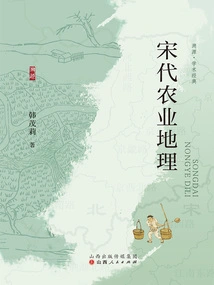
宋代农业地理
Han Maoli
This book is an overall discussion of agricultural development and its geographical distribution in the two Song Dynasties for more than 300 years. The book not only macroscopically points out the importance of agricultural production to the national destiny and people's livelihood in the Song Dynasty, but also based on the regional differences caused by the natural environment and social factors in the Song Dynasty, from the aspects of population, land, crops, water conservancy, agricultural technology, etc., Discusses the agricultural production characteristics of five regions in the Song Dynasty: the middle and lower reaches of the Yellow River, the southeast region, the Jinghu region, the Chuanxia region, and the Lingnan region. It focuses on the relationship between the southward shift of ancient China's economic center of gravity and the two-crop annual rice-wheat rotation system. This book constructs a research paradigm of "agricultural geography", with solid data and rigorous argumentation. It shows the complexity and differences of agricultural complexes in various places in the Song Dynasty, and accurately summarizes the characteristics of Song Dynasty agriculture in the history of Chinese agricultural development as a "connection between past and future". This book helps readers observe the political changes and economic development in the Song Dynasty through the "agricultural perspective", and has high academic reference value.
This book is an overall discussion of agricultural development and its geographical distribution in the two Song Dynasties for more than 300 years. The book not only macroscopically points out the importance of agricultural production to the national destiny and people's livelihood in the Song Dynasty, but also based on the regional differences caused by the natural environment and social factors in the Song Dynasty, from the aspects of population, land, crops, water conservancy, agricultural technology, etc., Discusses the agricultural production characteristics of five regions in the Song Dynasty: the middle and lower reaches of the Yellow River, the southeast region, the Jinghu region, the Chuanxia region, and the Lingnan region. It focuses on the relationship between the southward shift of ancient China's economic center of gravity and the two-crop annual rice-wheat rotation system. This book constructs a research paradigm of "agricultural geography", with solid data and rigorous argumentation. It shows the complexity and differences of agricultural complexes in various places in the Song Dynasty, and accurately summarizes the characteristics of Song Dynasty agriculture in the history of Chinese agricultural development as a "connection between past and future". This book helps readers observe the political changes and economic development in the Song Dynasty through the "agricultural perspective", and has high academic reference value.
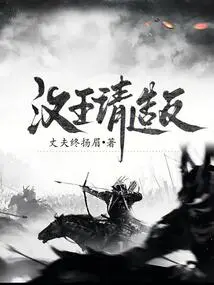
汉王请造反
The Husband Finally Raised His Eyebrows
After traveling to the Ming Dynasty, Zhou Guangmei was confused. Twenty years ago, Emperor Yongle was still able to expedition to Mongolia. Why did the Tumu Fortress change twenty years later? During this period, what were Zhu Zhanji, the hexagonal warrior who created Renxuan's rule, who was praised by many scholars for a while, doing? What! He abandoned Kaiping in the north and Jiaozhi in the south, ignored North Korea's expansion to the north, allowed Oara to flourish, and sat back and watched the rise of Luchuan? And most importantly, he also slandered my whole family to rebel with the King of Han? There's nothing you can do about it. After all, when others say you're rebelling, you'd better actually be rebelling. "That big black fat man Zhu Zhanji is really not good enough. For the sake of the Ming Dynasty, King of Han, please rebel!"
After traveling to the Ming Dynasty, Zhou Guangmei was confused. Twenty years ago, Emperor Yongle was still able to expedition to Mongolia. Why did the Tumu Fortress change twenty years later? During this period, what were Zhu Zhanji, the hexagonal warrior who created Renxuan's rule, who was praised by many scholars for a while, doing? What! He abandoned Kaiping in the north and Jiaozhi in the south, ignored North Korea's expansion to the north, allowed Oara to flourish, and sat back and watched the rise of Luchuan? And most importantly, he also slandered my whole family to rebel with the King of Han? There's nothing you can do about it. After all, when others say you're rebelling, you'd better actually be rebelling. "That big black fat man Zhu Zhanji is really not good enough. For the sake of the Ming Dynasty, King of Han, please rebel!"
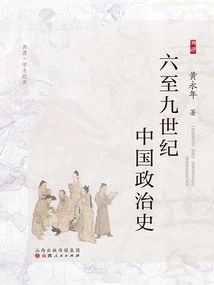
六至九世纪中国政治史
Huang Yongnian
This book is a political history work written by Mr. Huang Yongnian, a famous literary and historical figure, based on a monograph on the history of the Northern Dynasties, Sui and Tang Dynasties. The book is divided into fifteen chapters, which systematically discusses the political development and evolution from the Northern Qi, Northern Zhou to Tang Xianzong. The author starts from the internal conflicts and struggles of the ruling group, examines historical materials, determines the historical truth, and explains political phenomena. The whole book has a clear context, many new meanings, and advances the research on many issues, such as the civil-military disputes within the Northern Qi Dynasty, the truth about the Xuanwu Gate Incident in the early Tang Dynasty, the "Li Wu regime" formed after Wu Zetian came to power, the internal and external disputes during the Xuanzong period, the political nature of the Shence Army, etc. It is very enlightening for us to accurately understand the political evolution from the late Northern Dynasties to the mid-Tang Dynasty. At the same time, the author analyzes old historical records and the views of modern scholars around many important issues, puts forward many opinions, and clarifies some basic historical facts.
This book is a political history work written by Mr. Huang Yongnian, a famous literary and historical figure, based on a monograph on the history of the Northern Dynasties, Sui and Tang Dynasties. The book is divided into fifteen chapters, which systematically discusses the political development and evolution from the Northern Qi, Northern Zhou to Tang Xianzong. The author starts from the internal conflicts and struggles of the ruling group, examines historical materials, determines the historical truth, and explains political phenomena. The whole book has a clear context, many new meanings, and advances the research on many issues, such as the civil-military disputes within the Northern Qi Dynasty, the truth about the Xuanwu Gate Incident in the early Tang Dynasty, the "Li Wu regime" formed after Wu Zetian came to power, the internal and external disputes during the Xuanzong period, the political nature of the Shence Army, etc. It is very enlightening for us to accurately understand the political evolution from the late Northern Dynasties to the mid-Tang Dynasty. At the same time, the author analyzes old historical records and the views of modern scholars around many important issues, puts forward many opinions, and clarifies some basic historical facts.
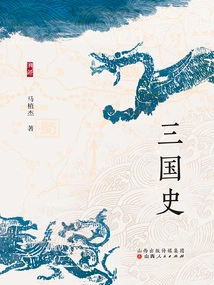
三国史
Ma Zhijie
This book is a chronological history work that tells the story of the Three Kingdoms era in a broad sense, that is, the historical events from the end of the Eastern Han Dynasty to the unification of the Western Jin Dynasty for nearly a hundred years. The book gives a detailed description of the separatist rule at the end of the Han Dynasty and the rise and fall of the Wei, Shu and Wu kingdoms, and analyzes the important figures and historical events. Based on historical records, it corrects some errors in common statements. It also sorts out the institutional changes and innovations, the development of agriculture, industry and commerce, and the achievements of academic culture and literary creation in the Three Kingdoms era, comprehensively showing the appearance of the Three Kingdoms era. This book has solid historical materials, rigorous exposition, and concise and fluent language. It is a chronological history work that is both rich in academic weight and fluent and easy to read. It has high publication value.
This book is a chronological history work that tells the story of the Three Kingdoms era in a broad sense, that is, the historical events from the end of the Eastern Han Dynasty to the unification of the Western Jin Dynasty for nearly a hundred years. The book gives a detailed description of the separatist rule at the end of the Han Dynasty and the rise and fall of the Wei, Shu and Wu kingdoms, and analyzes the important figures and historical events. Based on historical records, it corrects some errors in common statements. It also sorts out the institutional changes and innovations, the development of agriculture, industry and commerce, and the achievements of academic culture and literary creation in the Three Kingdoms era, comprehensively showing the appearance of the Three Kingdoms era. This book has solid historical materials, rigorous exposition, and concise and fluent language. It is a chronological history work that is both rich in academic weight and fluent and easy to read. It has high publication value.
从无名小卒开始名扬战国
Duke Hu Of Qin
Travel through the Warring States Period and become a pawn of the Qin Army. I want to gain military glory and pursue an official career. I want to stir up trouble and become famous all over the world.
Travel through the Warring States Period and become a pawn of the Qin Army. I want to gain military glory and pursue an official career. I want to stir up trouble and become famous all over the world.
残唐扶鼎录
Censor Of Jiangnan Province
During the Tianbao period, the An brothers rebelled, and the rebels swept across the country. The imperial army retreated steadily and was unable to quell the rebellion. The emperor had no choice but to issue an edict to all the princes in the world to be diligent and allow them to recruit their own troops. Troubled times come to everyone unexpectedly. Zhang Luo, a soul from later generations, was secretly happy at first. He traveled through time and became a child of an aristocratic family, and the decadent life seemed to be beckoning in front of him. The Tang Dynasty has its own national conditions, so what's wrong with me enjoying it? Then he realized something was wrong. Why was the great ancestor of the Tang Dynasty called Li Dong? Why is the governor of the state government called the governor? Where did this come from for me? Is this still domestic?
During the Tianbao period, the An brothers rebelled, and the rebels swept across the country. The imperial army retreated steadily and was unable to quell the rebellion. The emperor had no choice but to issue an edict to all the princes in the world to be diligent and allow them to recruit their own troops. Troubled times come to everyone unexpectedly. Zhang Luo, a soul from later generations, was secretly happy at first. He traveled through time and became a child of an aristocratic family, and the decadent life seemed to be beckoning in front of him. The Tang Dynasty has its own national conditions, so what's wrong with me enjoying it? Then he realized something was wrong. Why was the great ancestor of the Tang Dynasty called Li Dong? Why is the governor of the state government called the governor? Where did this come from for me? Is this still domestic?
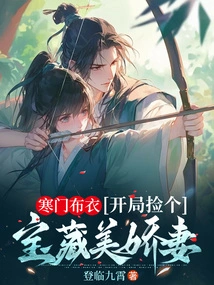
寒门布衣,开局捡个宝藏美娇妻
Ascend To The Sky
Traveling through the Dayu Dynasty, Su Yuan, who was seriously ill, was thrown into the mountains by his uncle's family to fend for himself. Fortunately, he was rescued by the treasure girl Shen Youniang who was also kicked out of the house. Facing the plight of hunger and cold, Su Yuan had no choice but to fight back in order to keep himself and the treasure girl alive. But just as his life was getting better, evil businessmen came to harass him again. The dynasty is corrupt, officials and businessmen collude, and the common people have no choice but to raise the flag of justice angrily, punish corrupt officials, fight against the powerful, and overthrow the dynasty. Wushuang commoners want to find a clear sea, rivers, and peace for the treasure girl and the world.
Traveling through the Dayu Dynasty, Su Yuan, who was seriously ill, was thrown into the mountains by his uncle's family to fend for himself. Fortunately, he was rescued by the treasure girl Shen Youniang who was also kicked out of the house. Facing the plight of hunger and cold, Su Yuan had no choice but to fight back in order to keep himself and the treasure girl alive. But just as his life was getting better, evil businessmen came to harass him again. The dynasty is corrupt, officials and businessmen collude, and the common people have no choice but to raise the flag of justice angrily, punish corrupt officials, fight against the powerful, and overthrow the dynasty. Wushuang commoners want to find a clear sea, rivers, and peace for the treasure girl and the world.
The Wind Blows in Anxi
History风起安西
Lu Xuanzhen
Destiny will make the stars shine brightly, and the scorching sun shines brightly on the cold night. The beacon fire in Anxi quenches the spring rain, and the Turkic iron hooves crack the border. The demon concubine deceives the Lord and disrupts the order of the court, and the powerful and evil concubine harms the country and destroys the loyal. The young man carries the hatred of his family and country on his shoulders, carries a sword and raises his halberd, and defeats the bandits and calms down the country.
Destiny will make the stars shine brightly, and the scorching sun shines brightly on the cold night. The beacon fire in Anxi quenches the spring rain, and the Turkic iron hooves crack the border. The demon concubine deceives the Lord and disrupts the order of the court, and the powerful and evil concubine harms the country and destroys the loyal. The young man carries the hatred of his family and country on his shoulders, carries a sword and raises his halberd, and defeats the bandits and calms down the country.
异世之大汉雄主
Honest Man
Liu Bei, a college student, accidentally traveled to the end of the Han Dynasty. He had great wisdom but could not defy destiny, and the Baidi City was left alone to complete the final chapter. In his third life, he reincarnated again, incarnating as the three princes of Han Dynasty in the Yanxia Continent, and returned with the memories of his two lives - this continent has five empires standing side by side (Han, Da Zhao, Da Jing, Da Yan, Da Qi), surrounded by barbarians from all directions (Donghu, Beihuan, Xiqiang, Nanman), and even the Nanyang and Western countries and the Beisi Empire stand apart from each other. See how he breaks the shackles of fate, and in the new "Han Dynasty" chess game, he takes on the role of prince and seeks the world again.
Liu Bei, a college student, accidentally traveled to the end of the Han Dynasty. He had great wisdom but could not defy destiny, and the Baidi City was left alone to complete the final chapter. In his third life, he reincarnated again, incarnating as the three princes of Han Dynasty in the Yanxia Continent, and returned with the memories of his two lives - this continent has five empires standing side by side (Han, Da Zhao, Da Jing, Da Yan, Da Qi), surrounded by barbarians from all directions (Donghu, Beihuan, Xiqiang, Nanman), and even the Nanyang and Western countries and the Beisi Empire stand apart from each other. See how he breaks the shackles of fate, and in the new "Han Dynasty" chess game, he takes on the role of prince and seeks the world again.
一骑红尘壹人间
Zhuge Jinlong
A senior sister with an unstable soul went down the mountain to survive the tribulation and became Qin Ling, the legitimate daughter of the Prime Minister of the Rites Department of King Huaikang of the Ying Dynasty. She was married to the prince who hated her, but was eventually killed and died with hatred.
A senior sister with an unstable soul went down the mountain to survive the tribulation and became Qin Ling, the legitimate daughter of the Prime Minister of the Rites Department of King Huaikang of the Ying Dynasty. She was married to the prince who hated her, but was eventually killed and died with hatred.
Wealthy Small Farmer
History富贵小农民
Yue Xiaohai
A low-profile, marginalized figure in a construction company's viaduct project, an assistant construction worker who just graduated from university, had a stomachache and pooped wildly in the wilderness, and accidentally fell into an abandoned pile hole and died tragically. Maybe God's favor, maybe fate's reluctance, opened his eyes again, and became a countryman from the Wei Dynasty who was not in history. He had no space, no golden fingers, no grandfather, and no awesome kung fu. He was just an ordinary life like a weed. Let's see how he struggled to survive in the feudal dynasty and wrote his life.
A low-profile, marginalized figure in a construction company's viaduct project, an assistant construction worker who just graduated from university, had a stomachache and pooped wildly in the wilderness, and accidentally fell into an abandoned pile hole and died tragically. Maybe God's favor, maybe fate's reluctance, opened his eyes again, and became a countryman from the Wei Dynasty who was not in history. He had no space, no golden fingers, no grandfather, and no awesome kung fu. He was just an ordinary life like a weed. Let's see how he struggled to survive in the feudal dynasty and wrote his life.
Past Events of Old Luo
History旧罗往事
Coca-cola
The life of the old Luo Dynasty was a great and mysterious life
The life of the old Luo Dynasty was a great and mysterious life
新隋唐英雄
Dai Yuanyuan
It tells the story of the chaos in the world at the end of the Sui Dynasty. Yang Guang was killed by Yu Wenhua and his leaders, and Li Yuan took advantage of the situation to depose Emperor Gong of the Sui Dynasty and establish the Tang Empire.
It tells the story of the chaos in the world at the end of the Sui Dynasty. Yang Guang was killed by Yu Wenhua and his leaders, and Li Yuan took advantage of the situation to depose Emperor Gong of the Sui Dynasty and establish the Tang Empire.
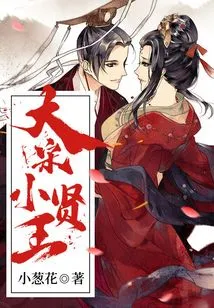
大宋小贤王
Chopped Green Onion
"Da Lang, it's time to drink medicine." When he woke up from time traveling, next to him was the graceful Pan Jinlian.
"Da Lang, it's time to drink medicine." When he woke up from time traveling, next to him was the graceful Pan Jinlian.
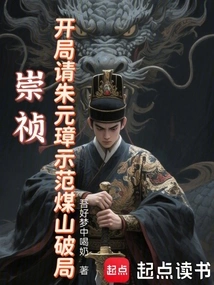
崇祯:开局请朱元璋示范煤山破局
I Drink Milk In My Dream
Chongzhen was hanged but did not die, and unexpectedly received the push-back picture given by Zulong. The future can be deduced and history can be rewritten! What's even more amazing is that you can also ask kings from past dynasties to demonstrate the operation. The former Chongzhen scoffed, but the later Chongzhen studied frame by frame. I saw Zhu Yuanzhang start with a rope, escape to the limit, become a monk again, and survive in death. God's operation allowed Chongzhen to transform into Taizu's fandi. I saw Zhu Di sneer, should I avoid his edge? Eight hundred is eight hundred, watch me pierce through a hundred thousand invaders! The soaring pride made Chongzhen's blood boil. I saw Zhao Gou's donkey cart drifting, crossing the sea to survive, and his skillful maneuvering. He was stunned to extend Nanming's life for a hundred years! Chongzhen's head is full of black lines, Zhao Aixinjueluo Gou, don't get involved, it's too dirty! I saw Kublai Khan entering the pass in the opposite direction and leading his Eight Banners disciples to rebuild the Ming Dynasty. The whole process was so high that Chongzhen's jaw dropped. I saw Li Shimin smiling and saying, I hold a three-eyed gun, Dingguo holds a powerful cannon, and successfully drive an armored ship. No matter how big the world is, where can I go? Chongzhen couldn't wait to find these two powerful generals as soon as possible! ... Chongzhen also gradually grew from a stubborn and suspicious king of subjugation to a hexagonal warrior. It is said in the history books that Emperor Chongzhen, with the remaining warriors of his 16th generation, vibrated the armored ships and controlled the inner world,... He swallowed up the four seas and unified them, creating eternal peace for all generations!
Chongzhen was hanged but did not die, and unexpectedly received the push-back picture given by Zulong. The future can be deduced and history can be rewritten! What's even more amazing is that you can also ask kings from past dynasties to demonstrate the operation. The former Chongzhen scoffed, but the later Chongzhen studied frame by frame. I saw Zhu Yuanzhang start with a rope, escape to the limit, become a monk again, and survive in death. God's operation allowed Chongzhen to transform into Taizu's fandi. I saw Zhu Di sneer, should I avoid his edge? Eight hundred is eight hundred, watch me pierce through a hundred thousand invaders! The soaring pride made Chongzhen's blood boil. I saw Zhao Gou's donkey cart drifting, crossing the sea to survive, and his skillful maneuvering. He was stunned to extend Nanming's life for a hundred years! Chongzhen's head is full of black lines, Zhao Aixinjueluo Gou, don't get involved, it's too dirty! I saw Kublai Khan entering the pass in the opposite direction and leading his Eight Banners disciples to rebuild the Ming Dynasty. The whole process was so high that Chongzhen's jaw dropped. I saw Li Shimin smiling and saying, I hold a three-eyed gun, Dingguo holds a powerful cannon, and successfully drive an armored ship. No matter how big the world is, where can I go? Chongzhen couldn't wait to find these two powerful generals as soon as possible! ... Chongzhen also gradually grew from a stubborn and suspicious king of subjugation to a hexagonal warrior. It is said in the history books that Emperor Chongzhen, with the remaining warriors of his 16th generation, vibrated the armored ships and controlled the inner world,... He swallowed up the four seas and unified them, creating eternal peace for all generations!
大明求生记
Pull Up Sleeves
Zhang Zijun traveled to the Ming Dynasty after the Civil War. With the victory of the defense battle of the capital, he came to the capital for scientific research, which revealed a series of personal fates that he could not control. He originally wanted to escape this chaotic world, find a happy pastoral life, and spend his life stably. He did not want to be overwhelmed by various lifestyles and Confucianism in such a society. He was deeply trapped in such a society ruled by people, with joy, confusion, crisis, and loss. In the end, it was all in vain.
Zhang Zijun traveled to the Ming Dynasty after the Civil War. With the victory of the defense battle of the capital, he came to the capital for scientific research, which revealed a series of personal fates that he could not control. He originally wanted to escape this chaotic world, find a happy pastoral life, and spend his life stably. He did not want to be overwhelmed by various lifestyles and Confucianism in such a society. He was deeply trapped in such a society ruled by people, with joy, confusion, crisis, and loss. In the end, it was all in vain.
北伐!咱朱元璋熟呀
The River Has Not Stopped
In 1644, after the intruders captured Beijing, the Ming Dynasty forces that had retreated to the south of the Yangtze River supported King Fu Zhu Yousong to succeed him to the throne, with the reign name Hongguang. Unexpectedly, on the night of the enthronement ceremony, the Qianqing Palace where Zhu Yousong was located was struck by lightning, causing a raging fire. When the eunuch rescued him, the body was already filled with the real master of the Ming Dynasty - Zhu Yuanzhang! Zhu Yuanzhang mistakenly thought that he had come to the world in a dream, but fortunately, he still had all the memories in the dream. The Qing army only had one year to go south, and the Ming Dynasty was in a state of doom due to internal and external troubles. But expelling the Tartar slaves and restoring the Central Plains? We, Lao Zhu, are quite familiar with this. Besides, I wonder if there is a magic trick for boiling water in the dream... Decades later, the Minister of National Defense of the Ming Dynasty obeyed the decree of Zhu Yousong, Emperor Guangwu of the Ming Dynasty: go to war with England! War on France! War on Russia! War on Spain! War on Portugal! War on the Japanese shogunate! War on the Holy Roman Empire! War on the thirteen states of North America!
In 1644, after the intruders captured Beijing, the Ming Dynasty forces that had retreated to the south of the Yangtze River supported King Fu Zhu Yousong to succeed him to the throne, with the reign name Hongguang. Unexpectedly, on the night of the enthronement ceremony, the Qianqing Palace where Zhu Yousong was located was struck by lightning, causing a raging fire. When the eunuch rescued him, the body was already filled with the real master of the Ming Dynasty - Zhu Yuanzhang! Zhu Yuanzhang mistakenly thought that he had come to the world in a dream, but fortunately, he still had all the memories in the dream. The Qing army only had one year to go south, and the Ming Dynasty was in a state of doom due to internal and external troubles. But expelling the Tartar slaves and restoring the Central Plains? We, Lao Zhu, are quite familiar with this. Besides, I wonder if there is a magic trick for boiling water in the dream... Decades later, the Minister of National Defense of the Ming Dynasty obeyed the decree of Zhu Yousong, Emperor Guangwu of the Ming Dynasty: go to war with England! War on France! War on Russia! War on Spain! War on Portugal! War on the Japanese shogunate! War on the Holy Roman Empire! War on the thirteen states of North America!
我借乾隆造中华
Writer Udk4dq
On October 8, the 13th year of Yongzheng's reign, the most promising emperor of the Qing Dynasty passed away. On his deathbed, he announced that his third son, Hongyun, had ascended the throne and was named Qianlong. History took a turn here. Hongli, who was originally expected by the public, did not inherit the throne. So where will the future of Chinese history go?
On October 8, the 13th year of Yongzheng's reign, the most promising emperor of the Qing Dynasty passed away. On his deathbed, he announced that his third son, Hongyun, had ascended the throne and was named Qianlong. History took a turn here. Hongli, who was originally expected by the public, did not inherit the throne. So where will the future of Chinese history go?
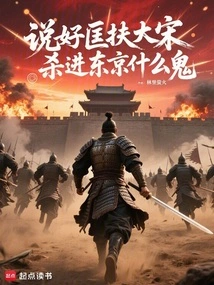
大宋盐枭自救指南
Fireflies In The Forest
"He traveled through the Northern Song Dynasty and became a salt seller. He brought 800 tons of sea salt with him." "What's wrong with Zhao Ji's stupidity? I can't help him?" "Why are you putting the dragon robe on me?" "I heard that the city of Tokyo is impregnable?" "Go talk to my 300,000-strong army!"
"He traveled through the Northern Song Dynasty and became a salt seller. He brought 800 tons of sea salt with him." "What's wrong with Zhao Ji's stupidity? I can't help him?" "Why are you putting the dragon robe on me?" "I heard that the city of Tokyo is impregnable?" "Go talk to my 300,000-strong army!"
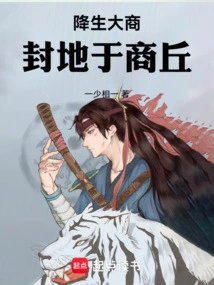
降生大商:封地于商丘
One Young And One Equal
[History of the Shang Dynasty in Oracle Bone Inscriptions + Fantasy Tone] [This is the story of a time traveler who, in the Shang Dynasty full of bloody sacrifices, challenged the power of destiny and believed in prospering the human race] Emperor Yi passed away and Emperor Xin succeeded to the throne. Yin Yang, who held the [Late of the Late King], could not be trusted. Instead, some [villains] got important positions-- Bigan's Northern Expedition·Guifang Yin Ji's envoy·Guzhu Yin Qi Guards·Weidi Yin Yan Governance·Yancheng All parties moved together, and the three monarchs of Western Zhou, Northern Jiu, and Southern Hubei were granted the title of Three Dukes, and Feilian was appointed as their teacher! Everything is just for the Dongyi war! The isolated Yin Yang did not want to be buried with Emperor Xin, so he held the [Foreign King's Last Order] and offered sacrifices at his ancestral land in Shangqiu, and was blessed by his ancestors with the [Xuanniao]. With the eyes of the blackbird, he could see through the signs of the general trend! -- PS1: [Not a cool article] PS2: [Pre-Qin]·[Mythical Shang Dynasty]·[Non-"Fengshen" world view] --
[History of the Shang Dynasty in Oracle Bone Inscriptions + Fantasy Tone] [This is the story of a time traveler who, in the Shang Dynasty full of bloody sacrifices, challenged the power of destiny and believed in prospering the human race] Emperor Yi passed away and Emperor Xin succeeded to the throne. Yin Yang, who held the [Late of the Late King], could not be trusted. Instead, some [villains] got important positions-- Bigan's Northern Expedition·Guifang Yin Ji's envoy·Guzhu Yin Qi Guards·Weidi Yin Yan Governance·Yancheng All parties moved together, and the three monarchs of Western Zhou, Northern Jiu, and Southern Hubei were granted the title of Three Dukes, and Feilian was appointed as their teacher! Everything is just for the Dongyi war! The isolated Yin Yang did not want to be buried with Emperor Xin, so he held the [Foreign King's Last Order] and offered sacrifices at his ancestral land in Shangqiu, and was blessed by his ancestors with the [Xuanniao]. With the eyes of the blackbird, he could see through the signs of the general trend! -- PS1: [Not a cool article] PS2: [Pre-Qin]·[Mythical Shang Dynasty]·[Non-"Fengshen" world view] --
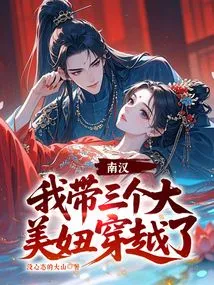
南汉,我带三个大美妞穿越了!
The Heartless Mountain
[Imagination + History + Dominance + Counterattack + Cool Article] Lin Yuwei, a doctor of agriculture, Su Ran, a history expert, and Yan Yaobing, a medical doctor, three beauties traveled together to the darkest period of history - the Five Dynasties and Ten Kingdoms. But just when they were discussing whether to get close to the "sweet boy" Zhao Kuangyin's lap, they were all tied up by me! Although the Southern Han Dynasty was the most absurd regime among the Five Dynasties and Ten Kingdoms. Although I am just a cup cooked by rabbits and dead dogs. But don't say that I tied them up to hide the beauty in the golden house. Ahem... I just want to unify the world as soon as possible and end this troubled world. After all, I am the "virtuous king" praised by everyone in this absurd regime! Moreover, what the three beauties don't know is that I have also traveled through time...
[Imagination + History + Dominance + Counterattack + Cool Article] Lin Yuwei, a doctor of agriculture, Su Ran, a history expert, and Yan Yaobing, a medical doctor, three beauties traveled together to the darkest period of history - the Five Dynasties and Ten Kingdoms. But just when they were discussing whether to get close to the "sweet boy" Zhao Kuangyin's lap, they were all tied up by me! Although the Southern Han Dynasty was the most absurd regime among the Five Dynasties and Ten Kingdoms. Although I am just a cup cooked by rabbits and dead dogs. But don't say that I tied them up to hide the beauty in the golden house. Ahem... I just want to unify the world as soon as possible and end this troubled world. After all, I am the "virtuous king" praised by everyone in this absurd regime! Moreover, what the three beauties don't know is that I have also traveled through time...
灰烬之上:一个反派的自白
Writerflxsis
This is the birth of a villain
This is the birth of a villain
The Legend of Emperor Shenwu
History神武皇帝外传
Kun Ling
Gao Huan, the Shenwu Emperor of the Northern Qi Dynasty, spent his life galloping on the battlefield. Although he failed to completely unify the Northern Dynasty, countless men of letters and heroes regretted it. This article attempts to find clues that have not been proven in official and wild history on the basis of history, and explore how Gao Huan reached the pinnacle of life step by step. Historical fiction, low martial arts and zero magic.
Gao Huan, the Shenwu Emperor of the Northern Qi Dynasty, spent his life galloping on the battlefield. Although he failed to completely unify the Northern Dynasty, countless men of letters and heroes regretted it. This article attempts to find clues that have not been proven in official and wild history on the basis of history, and explore how Gao Huan reached the pinnacle of life step by step. Historical fiction, low martial arts and zero magic.
炎光万里图
Little Maple In The Sky
The Yellow River can stop Hu Qi, but it cannot stop the unpredictable people. Mount Tai can sharpen his sword, but he cannot wear away the wind and frost of troubled times. Jiehu destroyed the city, the Taifu died for his country, and the hidden arrows in the court were more dangerous than the weapons of Hulu. Shen Heng raised his sword towards Luoyang. Behind him were the scattered soldiers and crying children. In front of him were wolf-head flags and unpredictable people. When the Han flag was raised again in the blood and fire, he understood: The most powerful thing in troubled times is not the light of the sword, but the perseverance of the loyal soul.
The Yellow River can stop Hu Qi, but it cannot stop the unpredictable people. Mount Tai can sharpen his sword, but he cannot wear away the wind and frost of troubled times. Jiehu destroyed the city, the Taifu died for his country, and the hidden arrows in the court were more dangerous than the weapons of Hulu. Shen Heng raised his sword towards Luoyang. Behind him were the scattered soldiers and crying children. In front of him were wolf-head flags and unpredictable people. When the Han flag was raised again in the blood and fire, he understood: The most powerful thing in troubled times is not the light of the sword, but the perseverance of the loyal soul.
民国风云录
Looking At The Big Dipper
Come to China Literature's website to read more of my works!
Come to China Literature's website to read more of my works!
Bring Opera to Ming Dynasty
History带着戏曲到大明
Xiguan Blacksmith
After studying opera for many years, I have not yet accomplished anything. Gusu got drunk and fell into a dream, The sun and moon are still changing, the mountains and rivers are changing, The boat took me to Daming. In the eleventh year of Chongzhen, Suzhou. When he woke up, Xu Yun found that he had brought Yue opera, Yu opera, modern opera... Traveled to the Ming Dynasty. From then on, officials one by one began to shout: Your Majesty, the actors will perish the country! However, there are still people who support Xu Yun. Lu Xiangsheng: Xu Yun used his troops like a god, but I can't do it! Song Yingxing: The yield per mu is ten thousand catties, and there are countless living people. Xu Yun is also a living Bodhisattva! Yan Yingyuan: I can rise to the top because of Xu Yun's recommendation! Zhu Youjian: Xu Yun, I support your singing. With you here, the Ming Dynasty will be worry-free! ... At the same time, Chen Yuanyuan, Dong Xiaowan, Gu Hengbo, Li Xiangjun, Kou Baimen, Bian Yujing, Liu Rushi... All rejoiced.
After studying opera for many years, I have not yet accomplished anything. Gusu got drunk and fell into a dream, The sun and moon are still changing, the mountains and rivers are changing, The boat took me to Daming. In the eleventh year of Chongzhen, Suzhou. When he woke up, Xu Yun found that he had brought Yue opera, Yu opera, modern opera... Traveled to the Ming Dynasty. From then on, officials one by one began to shout: Your Majesty, the actors will perish the country! However, there are still people who support Xu Yun. Lu Xiangsheng: Xu Yun used his troops like a god, but I can't do it! Song Yingxing: The yield per mu is ten thousand catties, and there are countless living people. Xu Yun is also a living Bodhisattva! Yan Yingyuan: I can rise to the top because of Xu Yun's recommendation! Zhu Youjian: Xu Yun, I support your singing. With you here, the Ming Dynasty will be worry-free! ... At the same time, Chen Yuanyuan, Dong Xiaowan, Gu Hengbo, Li Xiangjun, Kou Baimen, Bian Yujing, Liu Rushi... All rejoiced.
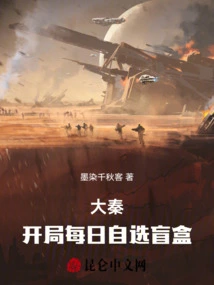
大秦:开局每日自选盲盒
Mo Dye Qianqiuke
Lu Xiaofan traveled to Daqin and brought his own \
Lu Xiaofan traveled to Daqin and brought his own \
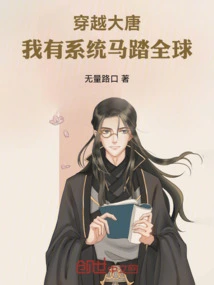
穿越大唐:我有系统马踏全球
Wuliang Intersection
Su Yi, a modern young man, was originally a social animal who was good at games and quick with jokes, but he accidentally traveled to the Tang Dynasty while staying up late playing a game. As soon as I landed, I found that I was bound to the "Almighty God-defying System". As long as I complete various weird tasks, I can obtain magical skills and rare treasures from all over the world. At this time, the Tang Dynasty was in its prime, but undercurrents were surging and forces from all sides were fighting. Su Yi, a "traveler", started to make trouble in the land of Datang with the blessing of the system and a full belly of modern knowledge. He taught Li Bai how to play "Feihua Ling Version 2.0", Which made Shixian exclaim "It's wonderful, I have never seen such a gameplay before"; using modern business acumen, he opened an "Internet celebrity milk tea shop" on the streets of Chang'an, and the business was so booming that even the emperor sent people to inquire about the secret recipe; he also relied on the strategic secrets rewarded by the system to help General Li Jing make plans and repel the invading foreign enemies. Along the way, Su Yi not only gained the admiration of great poets such as Li Bai and Du Fu, but also attracted the favor of beauties such as Princess Pingyang and Wu Meiniang. Faced with the open and secret fights in the court and the bloodshed in the world, Su Yi relied on his system and wisdom to find ways to deal with every move. In this ancient era, he lived a legendary life that was both exciting and funny. Let's see how he used the system to rewrite the history of the Tang Dynasty and create a unique time travel story!
Su Yi, a modern young man, was originally a social animal who was good at games and quick with jokes, but he accidentally traveled to the Tang Dynasty while staying up late playing a game. As soon as I landed, I found that I was bound to the "Almighty God-defying System". As long as I complete various weird tasks, I can obtain magical skills and rare treasures from all over the world. At this time, the Tang Dynasty was in its prime, but undercurrents were surging and forces from all sides were fighting. Su Yi, a "traveler", started to make trouble in the land of Datang with the blessing of the system and a full belly of modern knowledge. He taught Li Bai how to play "Feihua Ling Version 2.0", Which made Shixian exclaim "It's wonderful, I have never seen such a gameplay before"; using modern business acumen, he opened an "Internet celebrity milk tea shop" on the streets of Chang'an, and the business was so booming that even the emperor sent people to inquire about the secret recipe; he also relied on the strategic secrets rewarded by the system to help General Li Jing make plans and repel the invading foreign enemies. Along the way, Su Yi not only gained the admiration of great poets such as Li Bai and Du Fu, but also attracted the favor of beauties such as Princess Pingyang and Wu Meiniang. Faced with the open and secret fights in the court and the bloodshed in the world, Su Yi relied on his system and wisdom to find ways to deal with every move. In this ancient era, he lived a legendary life that was both exciting and funny. Let's see how he used the system to rewrite the history of the Tang Dynasty and create a unique time travel story!
名医李时珍的十个故事
Gusu City Propaganda
Come to China Literature's website to read more of my works!
Come to China Literature's website to read more of my works!
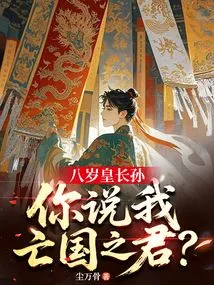
八岁皇长孙,你说我亡国之君?
Dust And Bones
The crab demon is in Daqian. He is only eight years old. He has just become the eldest grandson of the emperor. The system of the king of the country has come twenty years earlier! [At the age of seventeen, you put your father on the throne. At the age of nineteen, you poisoned your own father. At the age of thirty-five, the government is corrupt and social contradictions exist. Your beloved general rebels and the imperial army is defeated. You are about to become the king of the country! Da Qian, at the canonization ceremony, Liu Shao, who was only eight years old and had just become the emperor's eldest grandson, looked at the prompts in front of him, and then glanced at the smiling grandpa Huang who was holding the crown in his hand. And his parents standing not far away were looking at him expectantly. Liu Shao couldn't help but fell into deep thought. Hmm~~This system seems to have come too early. Am I going to poison my own imperial grandfather? And he poisoned his own imperial grandfather? How is this possible? But as the system prompts one task after another, he seems to understand...
The crab demon is in Daqian. He is only eight years old. He has just become the eldest grandson of the emperor. The system of the king of the country has come twenty years earlier! [At the age of seventeen, you put your father on the throne. At the age of nineteen, you poisoned your own father. At the age of thirty-five, the government is corrupt and social contradictions exist. Your beloved general rebels and the imperial army is defeated. You are about to become the king of the country! Da Qian, at the canonization ceremony, Liu Shao, who was only eight years old and had just become the emperor's eldest grandson, looked at the prompts in front of him, and then glanced at the smiling grandpa Huang who was holding the crown in his hand. And his parents standing not far away were looking at him expectantly. Liu Shao couldn't help but fell into deep thought. Hmm~~This system seems to have come too early. Am I going to poison my own imperial grandfather? And he poisoned his own imperial grandfather? How is this possible? But as the system prompts one task after another, he seems to understand...
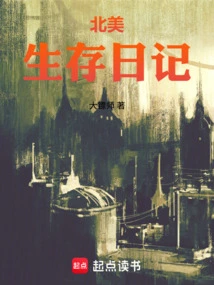
北美生存日记
Escort Master
Rebirth in 1907, Ye Zhu must first survive before he can chase the stars and the sea Heaven is too far, America is too close? Why can't heaven be too far away and Mexico too close? This book is also called: "Rebirth of America as King"
Rebirth in 1907, Ye Zhu must first survive before he can chase the stars and the sea Heaven is too far, America is too close? Why can't heaven be too far away and Mexico too close? This book is also called: "Rebirth of America as King"
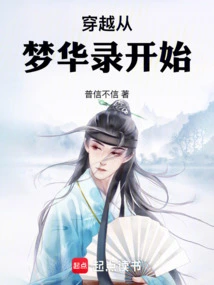
穿越从梦华录开始
Believe It Or Not
Come to China Literature's website to read more of my works!
Come to China Literature's website to read more of my works!
我在刑部当小吏
The Wind Rises In Three Mountains
This is a war-torn era, and it is also an era of rampant power and material desires. And all our Li Huan can do is torture.
This is a war-torn era, and it is also an era of rampant power and material desires. And all our Li Huan can do is torture.
勇闯南北朝
Writer O9w7zg
Emperor Xiaowen of the Northern Wei Dynasty moved the capital to Luoyang and ambitiously promoted Sinicization. The unlucky Xianbei aristocrat Tuoba Yao was deprived of ten years of his life on the spot by the furious emperor because he blurted out a blessing in his native language at the capital relocation ceremony at the beginning! What's even worse is that he was forced to bind a cheating "Chinese KPI system" - failed the mission? Health value reset warning! Xianbei aristocrats wore Hanfu with navel-baring clothes and pheasant feathers, and Han officials were kicked off their horses while riding and hung on trees... The court turns into an intimate affair, the Sweet Tofu Party and the Salty Tofu Party are at odds with each other, and Yuwen Nana overturns the Sweet Tofu stall in the street... In a desperate situation, Tuoba Yao realized the true meaning of life-saving - everything can be rinsed! Everything is adjustable! ?? Red soup Han Xi and white soup Hu Feng, sitting in separate pots to force themselves to calm down, actually led to the magical CP of "sweet on the first day of the lunar month and salty on the 15th day of the lunar month"! ?? The border chain "Zhan Shashabu" hot pot restaurant allows soldiers to take shares and receive dividends, turning the military crisis into business opportunities; ?? Emperor Rap uses classical translation; Buddhism and Taoism rely on trebuchet canyon solo; millions of tuners subdue the crazy king of death heavy metal; and even helped the subjugated king Chen Shubao to hit the charts with "Yushu Backyard Flower"! From "Chairman of the General Administration of Chinese Culture" to "National Policy Advisor of the Sui Dynasty", Tuoba Yao brought his loudspeaker, lightning rod and the all-purpose mandarin duck pot, and staged "The Magic Reform of the Southern and Northern Dynasties on the Tip of the Tongue" in the busy Chinese Shura field. When he finally faced the button to return to modern times, he never forgot to torture his soul: "Your Majesty! Should tofu curd be sweet or salty?!"
Emperor Xiaowen of the Northern Wei Dynasty moved the capital to Luoyang and ambitiously promoted Sinicization. The unlucky Xianbei aristocrat Tuoba Yao was deprived of ten years of his life on the spot by the furious emperor because he blurted out a blessing in his native language at the capital relocation ceremony at the beginning! What's even worse is that he was forced to bind a cheating "Chinese KPI system" - failed the mission? Health value reset warning! Xianbei aristocrats wore Hanfu with navel-baring clothes and pheasant feathers, and Han officials were kicked off their horses while riding and hung on trees... The court turns into an intimate affair, the Sweet Tofu Party and the Salty Tofu Party are at odds with each other, and Yuwen Nana overturns the Sweet Tofu stall in the street... In a desperate situation, Tuoba Yao realized the true meaning of life-saving - everything can be rinsed! Everything is adjustable! ?? Red soup Han Xi and white soup Hu Feng, sitting in separate pots to force themselves to calm down, actually led to the magical CP of "sweet on the first day of the lunar month and salty on the 15th day of the lunar month"! ?? The border chain "Zhan Shashabu" hot pot restaurant allows soldiers to take shares and receive dividends, turning the military crisis into business opportunities; ?? Emperor Rap uses classical translation; Buddhism and Taoism rely on trebuchet canyon solo; millions of tuners subdue the crazy king of death heavy metal; and even helped the subjugated king Chen Shubao to hit the charts with "Yushu Backyard Flower"! From "Chairman of the General Administration of Chinese Culture" to "National Policy Advisor of the Sui Dynasty", Tuoba Yao brought his loudspeaker, lightning rod and the all-purpose mandarin duck pot, and staged "The Magic Reform of the Southern and Northern Dynasties on the Tip of the Tongue" in the busy Chinese Shura field. When he finally faced the button to return to modern times, he never forgot to torture his soul: "Your Majesty! Should tofu curd be sweet or salty?!"
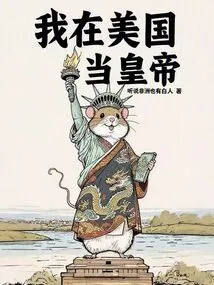
I Am the Emperor in America
History我在美国当皇帝
I Heard That There Are Also White People In Africa
Fang Che traveled through time for Louis XVI. As the de facto founding father of the United States, it is time for the American people to feel his father's deep love. "France is surrounded by powerful enemies outside, and there are rebels and rebellion inside. I, the king, should be uneasy, so I won't wait any longer!" "Then Your Majesty, where are we going?" "I see that America on the other side of the ocean has a vast territory, rich resources, and simple folk customs. It is suitable for me to become an emperor." "But Your Majesty, the United States does not have an emperor, and it has never wanted to establish an emperor!" "The reason why you are so humble is because the people of America have not accepted the king's status and have never received the benefits of the emperor. When I arrive, I will tell you my name and teach Washington to bow down and give me the position of the commander-in-chief of the United States." "Your Majesty has a wonderful plan, a wonderful plan!" The officer guarding the checkpoint saw the two people in ragged clothes on the dilapidated carriage in front of him and couldn't help but sigh: "Another young man is crazy. Let these two poor people pass." Then he turned around and shouted to his soldiers: "Brothers, Louis XVI must not be allowed to escape. Check everyone carefully!"
Fang Che traveled through time for Louis XVI. As the de facto founding father of the United States, it is time for the American people to feel his father's deep love. "France is surrounded by powerful enemies outside, and there are rebels and rebellion inside. I, the king, should be uneasy, so I won't wait any longer!" "Then Your Majesty, where are we going?" "I see that America on the other side of the ocean has a vast territory, rich resources, and simple folk customs. It is suitable for me to become an emperor." "But Your Majesty, the United States does not have an emperor, and it has never wanted to establish an emperor!" "The reason why you are so humble is because the people of America have not accepted the king's status and have never received the benefits of the emperor. When I arrive, I will tell you my name and teach Washington to bow down and give me the position of the commander-in-chief of the United States." "Your Majesty has a wonderful plan, a wonderful plan!" The officer guarding the checkpoint saw the two people in ragged clothes on the dilapidated carriage in front of him and couldn't help but sigh: "Another young man is crazy. Let these two poor people pass." Then he turned around and shouted to his soldiers: "Brothers, Louis XVI must not be allowed to escape. Check everyone carefully!"
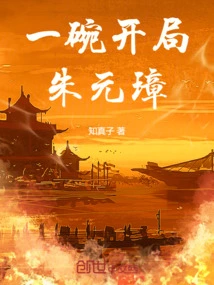
A Bowl of Zhu Yuanzhang
History一碗开局朱元璋
Zhizhenzi
Come to China Literature's website to read more of my works!
Come to China Literature's website to read more of my works!
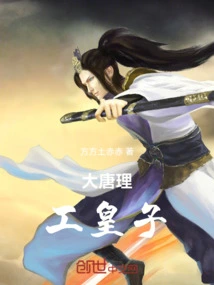
Datang Polytechnic Prince
History大唐理工皇子
Fangfangtuchichi
In a parallel world of the Tang Dynasty that is slightly different from the history we are familiar with, seventeen years after Zhenguan, Li Shimin's health gradually declined in his later years, and undercurrents surged in the court. All forces are ready to move, and the battle for the throne among the princes is becoming increasingly fierce. Although social productivity has developed, there is still much room for improvement, which provides a broad space for a man from modern science and engineering to travel through time and start a farming business as the tenth prince.
In a parallel world of the Tang Dynasty that is slightly different from the history we are familiar with, seventeen years after Zhenguan, Li Shimin's health gradually declined in his later years, and undercurrents surged in the court. All forces are ready to move, and the battle for the throne among the princes is becoming increasingly fierce. Although social productivity has developed, there is still much room for improvement, which provides a broad space for a man from modern science and engineering to travel through time and start a farming business as the tenth prince.
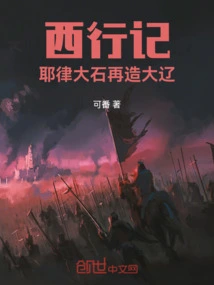
西行记:耶律大石再造大辽
Kefan
A mirror shows the setting sun of Liao Kingdom and the new snow of Central Asia - this is the "Entrepreneurship Notes of Western Liao" written by the travelers using their fate.
A mirror shows the setting sun of Liao Kingdom and the new snow of Central Asia - this is the "Entrepreneurship Notes of Western Liao" written by the travelers using their fate.
Tang Dynasty City Storm
History唐王城风云
Wang Pengfei
Come to China Literature's website to read more of my works!
Come to China Literature's website to read more of my works!