Library
Browse and search books
51,874 novels found
浊浪孤臣
Qibao Xuan
During the Jinglong period, the Jokhang Dynasty was surrounded by gold and jade, but turbid waves and undercurrents surged. Millions of river engineering silver in Hanzhou disappeared, and the torrential floods swept away countless innocent souls. The iron-faced censor Jiang Linyuan, carrying the emperor's secret decree and the great hope of Qingliu, sailed south alone. The rich and powerful in the turbulent times hide their swords in their smiles, the nobles of the aristocratic families are sanctimonious, and murderous intentions follow them everywhere. The moment he stepped into the gate of Hanzhou City, he was destined to become a lonely sword in the turbulent sky, destined to be stained with blood. Underfoot is the mud filled with hunger and death, and above the head is the net of power and lust. And the first poison-quenched cold arrow had torn apart the night rain on the Hanjiang River and penetrated the canopy of the boat behind him.
During the Jinglong period, the Jokhang Dynasty was surrounded by gold and jade, but turbid waves and undercurrents surged. Millions of river engineering silver in Hanzhou disappeared, and the torrential floods swept away countless innocent souls. The iron-faced censor Jiang Linyuan, carrying the emperor's secret decree and the great hope of Qingliu, sailed south alone. The rich and powerful in the turbulent times hide their swords in their smiles, the nobles of the aristocratic families are sanctimonious, and murderous intentions follow them everywhere. The moment he stepped into the gate of Hanzhou City, he was destined to become a lonely sword in the turbulent sky, destined to be stained with blood. Underfoot is the mud filled with hunger and death, and above the head is the net of power and lust. And the first poison-quenched cold arrow had torn apart the night rain on the Hanjiang River and penetrated the canopy of the boat behind him.
东亚世界形成史论(新版)
Han Sheng
This book undoubtedly plays a very important role in helping Chinese readers understand the history of the formation of the East Asian world. It not only outlines the spread of Chinese culture to Japan via the Korean Peninsula, and how the latter two gradually developed their own cultural, economic, political, social and other aspects in the process of receiving cultural dissemination, but also clarifies the basic principles and structure of the ancient East Asian world and clarifies many specious "East Asian knowledge" circulated in the market. The content of the book is based on rigorous research by professional scholars. It has been taught many times by the author in the general courses of Fudan University and has been published twice. It has won good social response and is a serious and high-quality general work that deserves careful reading and efforts to spread.
This book undoubtedly plays a very important role in helping Chinese readers understand the history of the formation of the East Asian world. It not only outlines the spread of Chinese culture to Japan via the Korean Peninsula, and how the latter two gradually developed their own cultural, economic, political, social and other aspects in the process of receiving cultural dissemination, but also clarifies the basic principles and structure of the ancient East Asian world and clarifies many specious "East Asian knowledge" circulated in the market. The content of the book is based on rigorous research by professional scholars. It has been taught many times by the author in the general courses of Fudan University and has been published twice. It has won good social response and is a serious and high-quality general work that deserves careful reading and efforts to spread.
历史讲稿(第三版)
M
This book is a collection of notes and manuscript fragments written by Burckhardt for his lectures at the University of Basel from 1865 to 1885. As an outstanding cultural and art historian in the 19th century, Burckhardt presented and described Western history from ancient times to the Revolutionary era in a highly personal style and aesthetic sense in the form of notes based on his own cultural vision and value standpoint. By deeply reflecting on and criticizing the axioms that pervaded the entire political field in the 19th century - egalitarian mass democracy, unfettered capitalism and its consumerism, materialism, and the welfare state - Burckhardt challenged and even subverted the linear view of historical progress dominated by Enlightenment and rationalism, advocating finding the spiritual strength to deal with the crisis of modern Western culture from the history of Greece, Rome, the Renaissance, and its humanist tradition.
This book is a collection of notes and manuscript fragments written by Burckhardt for his lectures at the University of Basel from 1865 to 1885. As an outstanding cultural and art historian in the 19th century, Burckhardt presented and described Western history from ancient times to the Revolutionary era in a highly personal style and aesthetic sense in the form of notes based on his own cultural vision and value standpoint. By deeply reflecting on and criticizing the axioms that pervaded the entire political field in the 19th century - egalitarian mass democracy, unfettered capitalism and its consumerism, materialism, and the welfare state - Burckhardt challenged and even subverted the linear view of historical progress dominated by Enlightenment and rationalism, advocating finding the spiritual strength to deal with the crisis of modern Western culture from the history of Greece, Rome, the Renaissance, and its humanist tradition.
三国六王临世
The Milky Way And The Fantasy Peak Sea
The timeline of the story is in the Three Kingdoms period, mainly the Romance of the Three Kingdoms. The main reason is: there are five major rebels in history, They were all responsible for the force, but in the end they all unfortunately failed. They were very unwilling, so by chance, a golden light flashed. The five of them traveled through the Romance of the Three Kingdoms and became local princes. When Xiang Yu opened his eyes again, he traveled through time and became Sun Jian. When Liu Yu woke up again, he found that he had become Liu Zhang. When Huang Chao woke up from his dream again, he found that he had become Liu Biao. Ran Min woke up and found that he had traveled through time into another person's body. This person is Gongsun Zan of the Three Kingdoms. Waking up from his dream, Genghis Khan found that he had become the leader of the Huns tribe at this time. So when the five of them arrive, what wonderful story will unfold. (Main warning and reminder: In addition to the above five historical figures, the remaining historical figures are not allowed to appear in the Three Kingdoms period. Including their subordinates, civil servants and generals. Two: Each of them can only develop their own power by relying on their own strength. As the saying goes, the strong eat meat every day, and the weak eat air every day. Three: Make sure that the warning does not allow any historical figures other than the five of them to appear in the Three Kingdoms period. Their own strength and ability to create their own legends are not allowed to be too fantasy. As you write it, it becomes a fantasy novel, which never conforms to the historical setting.
The timeline of the story is in the Three Kingdoms period, mainly the Romance of the Three Kingdoms. The main reason is: there are five major rebels in history, They were all responsible for the force, but in the end they all unfortunately failed. They were very unwilling, so by chance, a golden light flashed. The five of them traveled through the Romance of the Three Kingdoms and became local princes. When Xiang Yu opened his eyes again, he traveled through time and became Sun Jian. When Liu Yu woke up again, he found that he had become Liu Zhang. When Huang Chao woke up from his dream again, he found that he had become Liu Biao. Ran Min woke up and found that he had traveled through time into another person's body. This person is Gongsun Zan of the Three Kingdoms. Waking up from his dream, Genghis Khan found that he had become the leader of the Huns tribe at this time. So when the five of them arrive, what wonderful story will unfold. (Main warning and reminder: In addition to the above five historical figures, the remaining historical figures are not allowed to appear in the Three Kingdoms period. Including their subordinates, civil servants and generals. Two: Each of them can only develop their own power by relying on their own strength. As the saying goes, the strong eat meat every day, and the weak eat air every day. Three: Make sure that the warning does not allow any historical figures other than the five of them to appear in the Three Kingdoms period. Their own strength and ability to create their own legends are not allowed to be too fantasy. As you write it, it becomes a fantasy novel, which never conforms to the historical setting.
大唐之纵横天下
Broken Paintings
Don't laugh at the young man's dream of the world. Who doesn't dream of the world as a young man? Dengping and crossing the water, fighting and fighting, writing brilliantly, and half a step to the end of the world. How many people once made great ambitions when they were young, but when they grow old they lament that they have achieved nothing. Seven points of sadness, three points of laughter were crushed and mixed into drops of ink, and spread on half a foot of rice paper. Three hundred years have witnessed a prosperous legend. Some people ride horses into the arena, some break their swords and retreat from the arena, some risk their lives to protect the country, and some write pens to protect beauties. Traveling through the Tang Dynasty, I witnessed the coming of all the nations of the Tang Dynasty and the Anshi Rebellion. From then on, he saw the pictures on the table, the wine on the table, the incense burning in the incense burner, the pedestrians on the wide street, the ditty on the hook fence, and the sound of drums on the battlefield. These stories created the legend of a dynasty, and a dynasty created these stories.
Don't laugh at the young man's dream of the world. Who doesn't dream of the world as a young man? Dengping and crossing the water, fighting and fighting, writing brilliantly, and half a step to the end of the world. How many people once made great ambitions when they were young, but when they grow old they lament that they have achieved nothing. Seven points of sadness, three points of laughter were crushed and mixed into drops of ink, and spread on half a foot of rice paper. Three hundred years have witnessed a prosperous legend. Some people ride horses into the arena, some break their swords and retreat from the arena, some risk their lives to protect the country, and some write pens to protect beauties. Traveling through the Tang Dynasty, I witnessed the coming of all the nations of the Tang Dynasty and the Anshi Rebellion. From then on, he saw the pictures on the table, the wine on the table, the incense burning in the incense burner, the pedestrians on the wide street, the ditty on the hook fence, and the sound of drums on the battlefield. These stories created the legend of a dynasty, and a dynasty created these stories.
大争之世:论中国文明重建
Sun Haohui
This book is a new collection of historical essays after Sun Haohui's novel "The Qin Empire". The book provides an in-depth analysis of Qin's strategic logic and institutional innovation in destroying six kingdoms, reorganizing Lingnan, and unifying the world. It explores the resilience of Chinese civilization that has endured thousands of years of impact, and reveals how Chinese civilization can break through the current international changes from the dimensions of diplomacy, rule of law, and national integration.
This book is a new collection of historical essays after Sun Haohui's novel "The Qin Empire". The book provides an in-depth analysis of Qin's strategic logic and institutional innovation in destroying six kingdoms, reorganizing Lingnan, and unifying the world. It explores the resilience of Chinese civilization that has endured thousands of years of impact, and reveals how Chinese civilization can break through the current international changes from the dimensions of diplomacy, rule of law, and national integration.
Eternal Qin Feng
History万古秦风
Sun Haohui
This book is a new collection of historical essays focusing on Qin culture after Sun Haohui's novel "The Qin Empire". It is divided into three major themes: historical relics, ancient and modern figures, and culture and art, and deeply explores the core spirit of Qin civilization. The book contains admiration for historical landmarks such as Chang'an, Qinling, and Xianyang, as well as affectionate remembrances of historical figures such as Li Jing and Yang Xiu, as well as the heroic and poetic flavor of Qin Feng and Qin Opera displayed through poetry and wine culture. The whole book integrates history, culture, literary insights and personal walking experience, showing the author's deep thinking on Qin culture for decades, and praising the simplicity and majesty of Qin civilization. As the author of the best-selling historical novel "The Great Qin Empire", Sun Haohui has been paying close attention to Qin culture for a long time. For fans of "The Great Qin Empire", this book is another book for them to get closer to the Qin culture.
This book is a new collection of historical essays focusing on Qin culture after Sun Haohui's novel "The Qin Empire". It is divided into three major themes: historical relics, ancient and modern figures, and culture and art, and deeply explores the core spirit of Qin civilization. The book contains admiration for historical landmarks such as Chang'an, Qinling, and Xianyang, as well as affectionate remembrances of historical figures such as Li Jing and Yang Xiu, as well as the heroic and poetic flavor of Qin Feng and Qin Opera displayed through poetry and wine culture. The whole book integrates history, culture, literary insights and personal walking experience, showing the author's deep thinking on Qin culture for decades, and praising the simplicity and majesty of Qin civilization. As the author of the best-selling historical novel "The Great Qin Empire", Sun Haohui has been paying close attention to Qin culture for a long time. For fans of "The Great Qin Empire", this book is another book for them to get closer to the Qin culture.
Post-star Ember Era
History星烬后时代
Peng Youquan
This is an era in which aura is dead, and it is also an era in which intrigue and capital are at the forefront. What once was about moving mountains and reclaiming seas and enjoying eternal life has long been reduced to a faded legend in ancient books. The Jiuhuan Realm is sinking into the long night of apocalypse after the "collapse of the spiritual tide". The glorious Immortal Sect Holy Land collapsed in the depletion of resources. The high-ranking cultivation giants took off their robes, put on their gorgeous clothes, and turned around to plunge into a more naked and cruel battlefield - the struggle for power in the court and the monopoly of crystal marrow. The "Lingshu Council" they formed controls the lifeline of the "crystal marrow" that replaces spiritual energy and the incomplete technology left over from ancient times. Like an invisible giant hand, strangling the throat of the secular dynasty\t Turn all living beings into ants on the chessboard.
This is an era in which aura is dead, and it is also an era in which intrigue and capital are at the forefront. What once was about moving mountains and reclaiming seas and enjoying eternal life has long been reduced to a faded legend in ancient books. The Jiuhuan Realm is sinking into the long night of apocalypse after the "collapse of the spiritual tide". The glorious Immortal Sect Holy Land collapsed in the depletion of resources. The high-ranking cultivation giants took off their robes, put on their gorgeous clothes, and turned around to plunge into a more naked and cruel battlefield - the struggle for power in the court and the monopoly of crystal marrow. The "Lingshu Council" they formed controls the lifeline of the "crystal marrow" that replaces spiritual energy and the incomplete technology left over from ancient times. Like an invisible giant hand, strangling the throat of the secular dynasty\t Turn all living beings into ants on the chessboard.
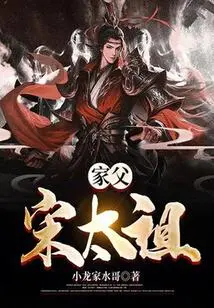
My Father, Song Taizu
History家父宋太祖
Brother Shui From The Xiaolong Family
My name is Zhao Dezhao, my father is Zhao Kuangyin, the prince of the Song Dynasty, well, the most useless prince, until the day my father died, he did not wait to be crowned king or crown prince! The queen died early and the father didn't love her, so what? I love myself! If you don't make a king or establish a heir apparent, so what? Fight for what is yours! This world is destined to belong to me, and no one can take it away from me!
My name is Zhao Dezhao, my father is Zhao Kuangyin, the prince of the Song Dynasty, well, the most useless prince, until the day my father died, he did not wait to be crowned king or crown prince! The queen died early and the father didn't love her, so what? I love myself! If you don't make a king or establish a heir apparent, so what? Fight for what is yours! This world is destined to belong to me, and no one can take it away from me!
宋仁宗赵祯传奇
Run, Hippopotamus
Song Renzong Zhao Zhen was separated from his biological mother since he was a child. This eternal regret did not defeat him. He devoted his life to his work and diligently governed the country, creating a picture of a prosperous country.
Song Renzong Zhao Zhen was separated from his biological mother since he was a child. This eternal regret did not defeat him. He devoted his life to his work and diligently governed the country, creating a picture of a prosperous country.
Judgment of Embers
History余烬律裁
Tong Daofu
The embers of Ocaster's creation condensed into infinite universe fragments, each fragment bearing unique physical laws. The celestial system within the fragments differentiates with the flow of entropy, storms become breath, magnetic storms become nerves, and geological pulses become muscles and bones. Civilization sprouts in the framework of physical constants, and eventually triggers a self-purification mechanism due to breaking through the system threshold. The will of the celestial body reshapes the ecology in a cycle of hundreds of billions of years, until the entropy value of the fragments is saturated and returns to stardust to await rebirth.
The embers of Ocaster's creation condensed into infinite universe fragments, each fragment bearing unique physical laws. The celestial system within the fragments differentiates with the flow of entropy, storms become breath, magnetic storms become nerves, and geological pulses become muscles and bones. Civilization sprouts in the framework of physical constants, and eventually triggers a self-purification mechanism due to breaking through the system threshold. The will of the celestial body reshapes the ecology in a cycle of hundreds of billions of years, until the entropy value of the fragments is saturated and returns to stardust to await rebirth.
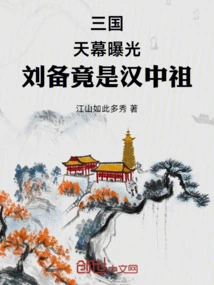
三国:天幕曝光,刘备竟是汉中祖
There Are So Many Beautiful Places In The Country
At the end of the Eastern Han Dynasty, the heroes were divided, and many talented people in the forest were eager to make achievements and create unparalleled achievements. The Langya Zhao family, Zhao Yu (also known as Zhuque), was versatile in both civil and military affairs since childhood, and was proficient in Qimen Dunjia and Sun Tzu's Art of War. Under the arrangement of the family, Zhao Yu held a feather fan and entered Cao Cao's mansion to serve as a counselor. However, there were many talented counselors in Cao Cao's account, so Zhao Yu was naturally not reused. One day, Cao Cao watched the women and children on the street and Zhao Yu spoke. [Cao Cao lost his talent for a young woman] Zhao Yu: "Gong Cao's hobby is that he often looks at it from the public..." Cao Cao: "Hit fifty! Get rid of your official position!". Zhao Yu: "If Duke Cao doesn't recognize Qilin's talents, the world will eventually lose the Sima family!" [Liu Bei is thirsty for talents, Zhao Yu is the Zhang Liang and Xiao He of that year] Liu Bei: "If you get the red bird, why worry about losing the great man!" Guan Yu: "I've heard that military advisors are versatile in both civil and military affairs. I don't know if military advisors can withstand my sword!" Zhang Fei: "Come on, come on, military advisor, I'll have a drink of wine in my cup later!" Zhuge Liang: "In strategizing and decisive victory thousands of miles away, I will be the rear and main town, and Suzaku can be the strategist in front of the formation." [Sun Quan, the rat, tried to seduce Wang Xiao with his beauty! Sun Quan: "If you return to Jiangdong, sir, I would like to be your adopted brother!" Zhou Yu: "Since Xiao is born, why should Yu be born!!". The iron horse glaciers, reorganizing the mountains and rivers, rekindling the Han Dynasty, and chasing the Duke of Zhou! The Duke of Zhou vomited his blessings, and the world returned to its heart. Liu Bei, the Emperor of Han, continued the Han Dynasty! The Wang family of Langya devoted himself to death, Zhuge Wang Xiao, Zhang Xiao of Han Dynasty! Unexpectedly, Zhao Yu was replaced by a time traveler, and the blogger of Tianmu Up came.
At the end of the Eastern Han Dynasty, the heroes were divided, and many talented people in the forest were eager to make achievements and create unparalleled achievements. The Langya Zhao family, Zhao Yu (also known as Zhuque), was versatile in both civil and military affairs since childhood, and was proficient in Qimen Dunjia and Sun Tzu's Art of War. Under the arrangement of the family, Zhao Yu held a feather fan and entered Cao Cao's mansion to serve as a counselor. However, there were many talented counselors in Cao Cao's account, so Zhao Yu was naturally not reused. One day, Cao Cao watched the women and children on the street and Zhao Yu spoke. [Cao Cao lost his talent for a young woman] Zhao Yu: "Gong Cao's hobby is that he often looks at it from the public..." Cao Cao: "Hit fifty! Get rid of your official position!". Zhao Yu: "If Duke Cao doesn't recognize Qilin's talents, the world will eventually lose the Sima family!" [Liu Bei is thirsty for talents, Zhao Yu is the Zhang Liang and Xiao He of that year] Liu Bei: "If you get the red bird, why worry about losing the great man!" Guan Yu: "I've heard that military advisors are versatile in both civil and military affairs. I don't know if military advisors can withstand my sword!" Zhang Fei: "Come on, come on, military advisor, I'll have a drink of wine in my cup later!" Zhuge Liang: "In strategizing and decisive victory thousands of miles away, I will be the rear and main town, and Suzaku can be the strategist in front of the formation." [Sun Quan, the rat, tried to seduce Wang Xiao with his beauty! Sun Quan: "If you return to Jiangdong, sir, I would like to be your adopted brother!" Zhou Yu: "Since Xiao is born, why should Yu be born!!". The iron horse glaciers, reorganizing the mountains and rivers, rekindling the Han Dynasty, and chasing the Duke of Zhou! The Duke of Zhou vomited his blessings, and the world returned to its heart. Liu Bei, the Emperor of Han, continued the Han Dynasty! The Wang family of Langya devoted himself to death, Zhuge Wang Xiao, Zhang Xiao of Han Dynasty! Unexpectedly, Zhao Yu was replaced by a time traveler, and the blogger of Tianmu Up came.
我靠背诗冒充南朝文豪?!
It's Jingchuan
Hu Cheyu, a hard-working coder in the 22nd century, worked hard for thousands of dollars in royalties. His vision went dark, and then he opened his eyes again - the cold white silk was strangled around his neck, and his body was hanging from the rafter! What was carrying it was the recently expired body of Xie Qingyuan, a giant in the literary world of the Southern Dynasties and a master of poetry and swordsmanship! The original owner was involved in the prince's heir apparent, stood on the wrong team, and committed suicide out of fear of guilt. The marks on his neck have not yet disappeared, but the third prince Xiao Yi's reminder has arrived at the door! At the banquet, surrounded by a pack of wolves, with a knife hanging from his neck, the words "improvised poetry" became a life-threatening talisman! In a desperate situation, strong alcohol enters the throat, and the heroic spirit explodes! Hu Cheyu threw the bottle and chanted wildly: "Don't you see the water of the Yellow River coming up from the sky -!" Li Bai's "Jinjinjiu" is groundbreaking! The whole hall collapsed and the literary world was shattered! Just when he thought he could get away with "memorizing poems", a cold whisper sounded like a poisonous snake bite: "Good poem... But aren't you already dead?" Only then did he escape from the tiger's mouth and enter the cage again. The suspicious Xiao Yi imprisoned him in "Tingsong" in a remote mountain villa in the name of compiling "Selected Works of Zhaoming". The servants are as respectful as puppets, and the guards' eyes are as cold as knives. This gorgeous cage is murderous at every step. A deeper darkness follows you like a shadow. The mysterious man in black, with deep hatred and shocking accusations, stepped out of the shadow of hell: "This sword is the interest for the three hundred and twenty-seven innocent souls who died in vain!" The deadly dagger was nailed into the door frame, and the dark dagger was pointed directly at the throat!
Hu Cheyu, a hard-working coder in the 22nd century, worked hard for thousands of dollars in royalties. His vision went dark, and then he opened his eyes again - the cold white silk was strangled around his neck, and his body was hanging from the rafter! What was carrying it was the recently expired body of Xie Qingyuan, a giant in the literary world of the Southern Dynasties and a master of poetry and swordsmanship! The original owner was involved in the prince's heir apparent, stood on the wrong team, and committed suicide out of fear of guilt. The marks on his neck have not yet disappeared, but the third prince Xiao Yi's reminder has arrived at the door! At the banquet, surrounded by a pack of wolves, with a knife hanging from his neck, the words "improvised poetry" became a life-threatening talisman! In a desperate situation, strong alcohol enters the throat, and the heroic spirit explodes! Hu Cheyu threw the bottle and chanted wildly: "Don't you see the water of the Yellow River coming up from the sky -!" Li Bai's "Jinjinjiu" is groundbreaking! The whole hall collapsed and the literary world was shattered! Just when he thought he could get away with "memorizing poems", a cold whisper sounded like a poisonous snake bite: "Good poem... But aren't you already dead?" Only then did he escape from the tiger's mouth and enter the cage again. The suspicious Xiao Yi imprisoned him in "Tingsong" in a remote mountain villa in the name of compiling "Selected Works of Zhaoming". The servants are as respectful as puppets, and the guards' eyes are as cold as knives. This gorgeous cage is murderous at every step. A deeper darkness follows you like a shadow. The mysterious man in black, with deep hatred and shocking accusations, stepped out of the shadow of hell: "This sword is the interest for the three hundred and twenty-seven innocent souls who died in vain!" The deadly dagger was nailed into the door frame, and the dark dagger was pointed directly at the throat!
九合诸侯,一匡天下!
Solitary And Widowed
Confucius said: "Zhangzi is slightly open, and my hair is left unknotted." Bao Shuya's mood is very complicated now. Xiaobai successfully defeated Gongzi Jiu and won the throne of Qi. He also wanted to worship him as a minister and hold the seal of Qi. He knew that he was more than capable of governing Qi, but he would never be able to dominate the country. At present, there are two choices. The first is Guan Yiwu, who is familiar to me. This person is a man of great talent and will make Qi dominate the country. The other one is named Zhang Zhu. This person is more talented than Guan Zhong and may be able to build a lasting foundation for Qi. So, should Guan Zhong be promoted based on personal feelings, or Zhang Zhu should be promoted based on public motives?
Confucius said: "Zhangzi is slightly open, and my hair is left unknotted." Bao Shuya's mood is very complicated now. Xiaobai successfully defeated Gongzi Jiu and won the throne of Qi. He also wanted to worship him as a minister and hold the seal of Qi. He knew that he was more than capable of governing Qi, but he would never be able to dominate the country. At present, there are two choices. The first is Guan Yiwu, who is familiar to me. This person is a man of great talent and will make Qi dominate the country. The other one is named Zhang Zhu. This person is more talented than Guan Zhong and may be able to build a lasting foundation for Qi. So, should Guan Zhong be promoted based on personal feelings, or Zhang Zhu should be promoted based on public motives?
三国,开局先找弟妹
Not Sleeping Water Character
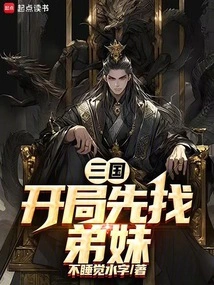
Liu Qi, the eldest son who traveled through time and became Liu Biao, is also a clan member of the Han Dynasty! Liu Qi can also support the Han Dynasty! But before that... Liu Qi had to find out first, whether his brother had hooked up with the Cai family?
Liu Qi, the eldest son who traveled through time and became Liu Biao, is also a clan member of the Han Dynasty! Liu Qi can also support the Han Dynasty! But before that... Liu Qi had to find out first, whether his brother had hooked up with the Cai family?
Yu Jingxing
History逾景行
Shen Nan Huaixu
This is an epic game about power, family affection, fate and redemption. Watch how the abandoned prince manages to break the chess game and join hands with his friends to write his own destiny in the imperial palace.
This is an epic game about power, family affection, fate and redemption. Watch how the abandoned prince manages to break the chess game and join hands with his friends to write his own destiny in the imperial palace.
Border Town Travel Notes
History边城游记
Tianhe Boatman
During the Tianbao period of the Tang Dynasty, there was a legend in Chang'an, the capital, that the old emperor abdicated and ran away from home, which caused a stir in the capital for a while. In fact, it is true that the old emperor abdicated and ran away. It turned out that the Maweipo Incident caused Xuanzong to lose his beloved concubine. After the Anshi Rebellion subsided, Emperor Xuanzong was disheartened and uninterested in state affairs. He took his zen position to Prince Li Heng and lived alone. Suddenly one day, the seventh father-in-law who had disappeared from Maweipo suddenly came to Xuanzong and recounted the Maweipo incident that year. It turns out that the person who was hanged that year was Zhu'er, the imperial concubine's personal maid. The seventh father-in-law and the fifth father-in-law took their concubine and disguised themselves as civilian girls to escape from the military camp. After several twists and turns, they settled in Longbiao County on the border of Hunan and Guizhou, where the great poet Wang Changling was relegated. Ten years have passed. Now, the Seventh Eunuch sneaked into Kyoto with Concubine Yang to meet Emperor Xuanzong secretly. After repeated deliberation, Emperor Xuanzong decided to take Concubine Yang away secretly and began their secluded life...
During the Tianbao period of the Tang Dynasty, there was a legend in Chang'an, the capital, that the old emperor abdicated and ran away from home, which caused a stir in the capital for a while. In fact, it is true that the old emperor abdicated and ran away. It turned out that the Maweipo Incident caused Xuanzong to lose his beloved concubine. After the Anshi Rebellion subsided, Emperor Xuanzong was disheartened and uninterested in state affairs. He took his zen position to Prince Li Heng and lived alone. Suddenly one day, the seventh father-in-law who had disappeared from Maweipo suddenly came to Xuanzong and recounted the Maweipo incident that year. It turns out that the person who was hanged that year was Zhu'er, the imperial concubine's personal maid. The seventh father-in-law and the fifth father-in-law took their concubine and disguised themselves as civilian girls to escape from the military camp. After several twists and turns, they settled in Longbiao County on the border of Hunan and Guizhou, where the great poet Wang Changling was relegated. Ten years have passed. Now, the Seventh Eunuch sneaked into Kyoto with Concubine Yang to meet Emperor Xuanzong secretly. After repeated deliberation, Emperor Xuanzong decided to take Concubine Yang away secretly and began their secluded life...
回到宋朝当闲人
Qingshi Qingsi
Familiar with ancient and modern history, he returned to the late Northern Song Dynasty as promised and was ready to push the wheel of history. However, he found that it was of no use.
Familiar with ancient and modern history, he returned to the late Northern Song Dynasty as promised and was ready to push the wheel of history. However, he found that it was of no use.
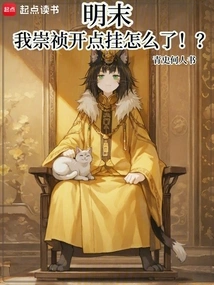
明末:我崇祯开点挂怎么了!?
Who Is The Book Of The Qing Dynasty?
"Dear Yanzu, congratulations on your successful time travel." "Travel time: the sixth day of May in the sixth year of Tianqi (May 30, 1626 AD)." "Place of travel: King Xin's Mansion in the capital of the Ming Dynasty." "Character from Time Travel:? King Mingxin? Zhu Youjian." "Historical events: There was a big explosion in Wang Gong Factory, and the pregnant prince Zhu Cijiong was frightened and became critically ill. In addition, Emperor Tianqi was terminally ill. It took about one year and four months for the host to succeed to the throne of the Ming Dynasty." "The golden finger has been sent, please accept it..." "Golden Finger 1: Map of the Mountains and Rivers, a Map of the World (Shared by Three Corpses)." "Golden Finger Two: A six-character mantra that can understand all human languages and characters (shared by three corpses)." "Three golden fingers: good fortune, longevity gene limit, functional gene limit, immunity to all germs (shared by spouse, children and three corpses)." "Golden Finger Four: The jade disc of good fortune can create three clones of corpses. The three corpses are servants of the soul of the original deity. They are 100% loyal and have independent personalities." "Golden Finger Five: Hetu Luoshu, comes with a large star formation all around the sky, which can instantly transfer people, animals, and supplies around the world between the eyes of the three hundred and sixty-five star flags." "Golden Finger Six: The acquired bag can cultivate all non-human creatures in this world and in future generations." "Golden Finger Seven: Kyushu Cauldron, guarding China's great fortune, you can obtain merit every month to help you activate the above golden fingers in your mortal body." "I wish you good luck in traveling." ...
"Dear Yanzu, congratulations on your successful time travel." "Travel time: the sixth day of May in the sixth year of Tianqi (May 30, 1626 AD)." "Place of travel: King Xin's Mansion in the capital of the Ming Dynasty." "Character from Time Travel:? King Mingxin? Zhu Youjian." "Historical events: There was a big explosion in Wang Gong Factory, and the pregnant prince Zhu Cijiong was frightened and became critically ill. In addition, Emperor Tianqi was terminally ill. It took about one year and four months for the host to succeed to the throne of the Ming Dynasty." "The golden finger has been sent, please accept it..." "Golden Finger 1: Map of the Mountains and Rivers, a Map of the World (Shared by Three Corpses)." "Golden Finger Two: A six-character mantra that can understand all human languages and characters (shared by three corpses)." "Three golden fingers: good fortune, longevity gene limit, functional gene limit, immunity to all germs (shared by spouse, children and three corpses)." "Golden Finger Four: The jade disc of good fortune can create three clones of corpses. The three corpses are servants of the soul of the original deity. They are 100% loyal and have independent personalities." "Golden Finger Five: Hetu Luoshu, comes with a large star formation all around the sky, which can instantly transfer people, animals, and supplies around the world between the eyes of the three hundred and sixty-five star flags." "Golden Finger Six: The acquired bag can cultivate all non-human creatures in this world and in future generations." "Golden Finger Seven: Kyushu Cauldron, guarding China's great fortune, you can obtain merit every month to help you activate the above golden fingers in your mortal body." "I wish you good luck in traveling." ...
The Best Prince
History极品太子爷
Didi
Chengyan hugged Lone Star's waist from behind, looked at the great rivers and mountains, and said, "From now on, let's travel around the world and become a couple of gods and gods, shall we?" Lone Star looked back at him, and the two of them stared at each other affectionately; they smiled at each other, and walked away holding hands. The figures accompanying each other gradually disappeared among the singing and dancing crowd.
Chengyan hugged Lone Star's waist from behind, looked at the great rivers and mountains, and said, "From now on, let's travel around the world and become a couple of gods and gods, shall we?" Lone Star looked back at him, and the two of them stared at each other affectionately; they smiled at each other, and walked away holding hands. The figures accompanying each other gradually disappeared among the singing and dancing crowd.
大唐医途
Zi Momo Silently
Come to China Literature's website to read more of my works!
Come to China Literature's website to read more of my works!
祖龙:不是,你咋成千古一帝了
Writerpcldbk
Ying Zheng always believed that Da Qin had no successor! Fusu was too weak, Hu Hai was too cruel, and as for Yichuan... It doesn't matter if you don't mention it... It doesn't matter if you don't mention it! Until the sky falls and the future is revealed! [The posture of dragon and phoenix, the watch of sun and moon! [Everything in the world is not the king's land, and the shores of the land are not the king's ministers! [He took the lead in completing global unification! Plant the flag of the Qin Empire all over the world! [He single-handedly promoted the development of the entire Great Qin! [After the death of the First Emperor, he single-handedly integrated the entire Qin State, conquered the Qin Dynasty, and conquered the Northern Hemisphere! [He is our Qin Guangwu Emperor Zhao Chuan! Seeing this, Yingzheng was dumbfounded! No, am I still alive to delay this kid from becoming an emperor for eternity?
Ying Zheng always believed that Da Qin had no successor! Fusu was too weak, Hu Hai was too cruel, and as for Yichuan... It doesn't matter if you don't mention it... It doesn't matter if you don't mention it! Until the sky falls and the future is revealed! [The posture of dragon and phoenix, the watch of sun and moon! [Everything in the world is not the king's land, and the shores of the land are not the king's ministers! [He took the lead in completing global unification! Plant the flag of the Qin Empire all over the world! [He single-handedly promoted the development of the entire Great Qin! [After the death of the First Emperor, he single-handedly integrated the entire Qin State, conquered the Qin Dynasty, and conquered the Northern Hemisphere! [He is our Qin Guangwu Emperor Zhao Chuan! Seeing this, Yingzheng was dumbfounded! No, am I still alive to delay this kid from becoming an emperor for eternity?
古代君主全传
Inkstone Sinks
"The Complete Biography of the Emperors of China" was written by Li Hanzhi and published by Beijing Yanshan Publishing House in 2010. It contains about 400 biographies of emperors, ranging from Qin Shi Huang to Pu Yi. The whole book is arranged according to dynasties, and the details are appropriate: famous emperors such as Qin Shi Huang and Emperor Wu of Han, as well as subjugated kings such as Emperor Yang of Sui, are described in detail, while puppet emperors are briefly sketched. The content is based on official history, as well as separate histories, covering each emperor's reasons for ascending to the throne, actions during his reign, life in the harem, personality anecdotes, and causes of death.
"The Complete Biography of the Emperors of China" was written by Li Hanzhi and published by Beijing Yanshan Publishing House in 2010. It contains about 400 biographies of emperors, ranging from Qin Shi Huang to Pu Yi. The whole book is arranged according to dynasties, and the details are appropriate: famous emperors such as Qin Shi Huang and Emperor Wu of Han, as well as subjugated kings such as Emperor Yang of Sui, are described in detail, while puppet emperors are briefly sketched. The content is based on official history, as well as separate histories, covering each emperor's reasons for ascending to the throne, actions during his reign, life in the harem, personality anecdotes, and causes of death.
昏君逆袭:我的改革全靠供需曲线
Writer Uygmre
Dressed as a faint king who was poisoned, Lin Chen faced the hellish beginning of the late Ming Dynasty and the late Tang Dynasty as soon as he opened his eyes: 9,000-year-old Wei Xian controlled the power, the clans monopolized 30% of the land, the vassal kings had soldiers to respect themselves, and they had to pay "dung tax" even when they breathed. As a time traveler with a modern economics brain, he overthrew a poisonous tyrant to protect himself, incognito he rescued Chen Yan, a poor strategist, and used the supply curve theory to subdue future economic traders. The imperial court used the assassination card to overthrow the King of Chu, set up a stall in the palace market to sell salt stamps and smoked roast duck to ignite traffic, and set up a trap to kill Wei Xian, who was wearing a dragon robe: "The material is not as good as my socks!" The introduction of a tiered farm tax cut off the fat of the family, and the distribution of tax-free potato seeds rioted among the tenant farmers. When they ransacked their homes, they sneered: "Does your farm have enough land to tile the Great Wall?" The introduction of the Favor Order 2.0 Caused internal strife among the princes of the vassal, and scolded the contenders: "I give you grace, but you play games?" Is the door valve stocking up on food? He issued food bonds and emptied the bank; threw copper coins to destroy the market? He melted copper and cast cannons: "Thank you for the military expenses!" The imperial examination was changed to application questions, asking the candidates: "How many people in your family should be killed for tax evasion?" When Chen Yan discovered the English formula written by His Majesty, when the sketch of the steam engine surprised the palace, and when the Persian caravans competed for new coins, Lin Chen stepped on the bones of the old forces and chuckled: "It's just using GDP and supply and demand theory to perform minimally invasive surgery on the old world." This is a hilarious and Machiavellian drama in which the poisonous emperor uses modern economics to tear apart the eunuchs and turns his favor orders into scalpels!
Dressed as a faint king who was poisoned, Lin Chen faced the hellish beginning of the late Ming Dynasty and the late Tang Dynasty as soon as he opened his eyes: 9,000-year-old Wei Xian controlled the power, the clans monopolized 30% of the land, the vassal kings had soldiers to respect themselves, and they had to pay "dung tax" even when they breathed. As a time traveler with a modern economics brain, he overthrew a poisonous tyrant to protect himself, incognito he rescued Chen Yan, a poor strategist, and used the supply curve theory to subdue future economic traders. The imperial court used the assassination card to overthrow the King of Chu, set up a stall in the palace market to sell salt stamps and smoked roast duck to ignite traffic, and set up a trap to kill Wei Xian, who was wearing a dragon robe: "The material is not as good as my socks!" The introduction of a tiered farm tax cut off the fat of the family, and the distribution of tax-free potato seeds rioted among the tenant farmers. When they ransacked their homes, they sneered: "Does your farm have enough land to tile the Great Wall?" The introduction of the Favor Order 2.0 Caused internal strife among the princes of the vassal, and scolded the contenders: "I give you grace, but you play games?" Is the door valve stocking up on food? He issued food bonds and emptied the bank; threw copper coins to destroy the market? He melted copper and cast cannons: "Thank you for the military expenses!" The imperial examination was changed to application questions, asking the candidates: "How many people in your family should be killed for tax evasion?" When Chen Yan discovered the English formula written by His Majesty, when the sketch of the steam engine surprised the palace, and when the Persian caravans competed for new coins, Lin Chen stepped on the bones of the old forces and chuckled: "It's just using GDP and supply and demand theory to perform minimally invasive surgery on the old world." This is a hilarious and Machiavellian drama in which the poisonous emperor uses modern economics to tear apart the eunuchs and turns his favor orders into scalpels!
Xianbei Biography
History鲜卑传
Tuoba Wind And Rain
Come to Yuewen's website to read more of my works
Come to Yuewen's website to read more of my works
龙陨群雄策
The Milky Way And The Fantasy Peak Sea
How about the time of this story, at the end of the Yuan Dynasty? At the end of the Yuan Dynasty, all the heroes stood together. In order to increase the difficulty, except Zhu Yuanzhang. A strange phenomenon suddenly appeared in the heaven and earth, so that no one knew that it was the aftermath of the strange phenomenon. Several historical emperors traveled through time and became the leaders of this era. Apart from them, there will be no other people who cannot travel through time without characters. Including those who were not inferior to them, etc., All civil servants have become the dust of history. They will have a brand new component and create a legend of their own with their own abilities. They were founded by Genghis Khan and became the last emperor of the Yuan Dynasty. After the death of Qin Shihuang Ying Zheng, his soul accidentally traveled through this turbulent era and became Chen Youliang. Liu Che, Emperor Wu of the Han Dynasty, started his own business, but found that he had a new identity. He became Zhang Shicheng. Li Shimin, Emperor Taizong of the Tang Dynasty, traveled through time and found that he had become a local prince named Fang Guozhen. They will rely on their own abilities and strength to compete and defeat all opponents, and write their own legends. (It should be noted here that apart from these people, no other historical figures have traveled here. The second point is that they can only rely on their own abilities and strength to create their own legends, without any cheating methods. Including their former civil servants and generals have long since become the dust of history. Third, they don't know that there are several other time-travelers besides themselves. At the same time, due to this reason, Zhu Yuanzhang, the emperor, had a more exciting life.
How about the time of this story, at the end of the Yuan Dynasty? At the end of the Yuan Dynasty, all the heroes stood together. In order to increase the difficulty, except Zhu Yuanzhang. A strange phenomenon suddenly appeared in the heaven and earth, so that no one knew that it was the aftermath of the strange phenomenon. Several historical emperors traveled through time and became the leaders of this era. Apart from them, there will be no other people who cannot travel through time without characters. Including those who were not inferior to them, etc., All civil servants have become the dust of history. They will have a brand new component and create a legend of their own with their own abilities. They were founded by Genghis Khan and became the last emperor of the Yuan Dynasty. After the death of Qin Shihuang Ying Zheng, his soul accidentally traveled through this turbulent era and became Chen Youliang. Liu Che, Emperor Wu of the Han Dynasty, started his own business, but found that he had a new identity. He became Zhang Shicheng. Li Shimin, Emperor Taizong of the Tang Dynasty, traveled through time and found that he had become a local prince named Fang Guozhen. They will rely on their own abilities and strength to compete and defeat all opponents, and write their own legends. (It should be noted here that apart from these people, no other historical figures have traveled here. The second point is that they can only rely on their own abilities and strength to create their own legends, without any cheating methods. Including their former civil servants and generals have long since become the dust of history. Third, they don't know that there are several other time-travelers besides themselves. At the same time, due to this reason, Zhu Yuanzhang, the emperor, had a more exciting life.
穿越万朝成就帝王
The Milky Way And The Fantasy Peak Sea
The protagonist travels to the early Tang Dynasty and becomes the prince Li Jiancheng. It turned out that there were only the last few hours left before the Xuanwumen Incident. Very afraid of death, he decided to call it a day. Just when he was despairing, he suddenly awakened to the golden finger of the time traveler. It is the so-called system, and the name of the system is the official supreme VIP empire system. This system can provide the host with a variety of strategic materials and weapons to return home, including the required civil servants, generals, and various resources. Of course, the civil servants and generals provided cannot be those figures in history. It's a completely new character. (I would like to say here that the system is a very powerful entity. It is powerful enough to shake the world of one party and even change the rules of a world. No one knows of his existence except those who are bound to him. Not even the laws of heaven in this world. He can change the laws of heaven. ) Li Jiancheng, who was originally despairing, suddenly felt a sense of rebirth. The system directly gave him a gift package for newbies: a full 100,000 gold soldiers, plus a few very powerful generals and several powerful counselors. Plus a few military commanders. So Li Jiancheng began his own legendary story of emperor's struggle for hegemony. Li Jiancheng beheaded Li Shimin at Xuanwu Gate, and later beheaded his third brother Li Yuanji. Then use the powerful system to defeat the famous families one after another. ........................................
The protagonist travels to the early Tang Dynasty and becomes the prince Li Jiancheng. It turned out that there were only the last few hours left before the Xuanwumen Incident. Very afraid of death, he decided to call it a day. Just when he was despairing, he suddenly awakened to the golden finger of the time traveler. It is the so-called system, and the name of the system is the official supreme VIP empire system. This system can provide the host with a variety of strategic materials and weapons to return home, including the required civil servants, generals, and various resources. Of course, the civil servants and generals provided cannot be those figures in history. It's a completely new character. (I would like to say here that the system is a very powerful entity. It is powerful enough to shake the world of one party and even change the rules of a world. No one knows of his existence except those who are bound to him. Not even the laws of heaven in this world. He can change the laws of heaven. ) Li Jiancheng, who was originally despairing, suddenly felt a sense of rebirth. The system directly gave him a gift package for newbies: a full 100,000 gold soldiers, plus a few very powerful generals and several powerful counselors. Plus a few military commanders. So Li Jiancheng began his own legendary story of emperor's struggle for hegemony. Li Jiancheng beheaded Li Shimin at Xuanwu Gate, and later beheaded his third brother Li Yuanji. Then use the powerful system to defeat the famous families one after another. ........................................
大燕宫廷之逍遥权宦
Usumulus
By chance, Hua Shan was treated as a eunuch and stayed in the palace. In order to save his life, he had to rack his brains to hide his identity. The situation in the imperial court is changing, and Huashan suddenly emerges! Build the East Factory, form a new army, pacify the feudal town, and get the prince! Looking back, there is no one in the clan, a beauty is in my arms, and power is in my hands.
By chance, Hua Shan was treated as a eunuch and stayed in the palace. In order to save his life, he had to rack his brains to hide his identity. The situation in the imperial court is changing, and Huashan suddenly emerges! Build the East Factory, form a new army, pacify the feudal town, and get the prince! Looking back, there is no one in the clan, a beauty is in my arms, and power is in my hands.
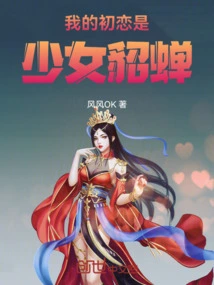
我的初恋是少女貂蝉
Fengfeng Ok
Core setting: Modern useless college student cultural relic restorer x the true soul of Diao Chan (cultural relic spirit\u002F tool spirit form) who came from time to time. It combines elements of urban fantasy, historical romance, light comedy, and suspense adventure. Core idea: In the bizarre modern urban jungle, a legendary soul buried in the dust of history and an ordinary modern youth redeem each other and grow together. Explore the weight of history, the definition of true love (across time, space and form), and the re-understanding of "repair" in the fast-paced era - not just artifacts, but also the human heart and the scars of the past. It emphasizes Diao Chan's awakening and choice as an independent individual, rather than a historical symbol.
Core setting: Modern useless college student cultural relic restorer x the true soul of Diao Chan (cultural relic spirit\u002F tool spirit form) who came from time to time. It combines elements of urban fantasy, historical romance, light comedy, and suspense adventure. Core idea: In the bizarre modern urban jungle, a legendary soul buried in the dust of history and an ordinary modern youth redeem each other and grow together. Explore the weight of history, the definition of true love (across time, space and form), and the re-understanding of "repair" in the fast-paced era - not just artifacts, but also the human heart and the scars of the past. It emphasizes Diao Chan's awakening and choice as an independent individual, rather than a historical symbol.
Jiuye's Technology Tree
History九爷的科技树
Fengfeng Ok
Core settings: 1. Protagonist: Lin Heng, an ordinary social worker in the modern 21st century\u002F Science and engineering man (mechanical engineering or history enthusiast background), accidentally traveled through time. 2. Time travel identity: The ninth son of Kangxi, Aixinjueluo Yinzhen (the "Ninth Master" in history). Reasons for choosing Yinzhen: His status is high enough (prince level), he participated in the seizure of the throne but is not the core heir to the throne (there is room for maneuver), he is historically known for being "good at doing business" and "supporting the Ba Ye Party" (facilitating the transformation of the protagonist), and his ending is tragic (the change of fate is dramatic). 3. Time point: At the beginning of the forty-seventh year of Kangxi (1708), before the first deposed Prince Yinreng. This is an important point at which the conflict over the succession in Kowloon begins to intensify but has not yet completely erupted.
Core settings: 1. Protagonist: Lin Heng, an ordinary social worker in the modern 21st century\u002F Science and engineering man (mechanical engineering or history enthusiast background), accidentally traveled through time. 2. Time travel identity: The ninth son of Kangxi, Aixinjueluo Yinzhen (the "Ninth Master" in history). Reasons for choosing Yinzhen: His status is high enough (prince level), he participated in the seizure of the throne but is not the core heir to the throne (there is room for maneuver), he is historically known for being "good at doing business" and "supporting the Ba Ye Party" (facilitating the transformation of the protagonist), and his ending is tragic (the change of fate is dramatic). 3. Time point: At the beginning of the forty-seventh year of Kangxi (1708), before the first deposed Prince Yinreng. This is an important point at which the conflict over the succession in Kowloon begins to intensify but has not yet completely erupted.
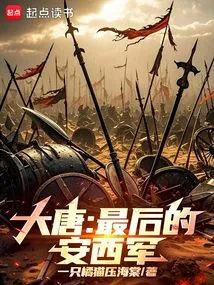
Datang: the Last Anxi Army
History大唐:最后的安西军
An Orange Cat Crushes Begonia
The Hexi Corridor is lost, the road connecting the Central Plains is broken, and it has been left alone for half a century. There are only white-headed soldiers left in the city, but as long as the last Anxi Army is still there, the flag of the Tang Dynasty will never fall!
The Hexi Corridor is lost, the road connecting the Central Plains is broken, and it has been left alone for half a century. There are only white-headed soldiers left in the city, but as long as the last Anxi Army is still there, the flag of the Tang Dynasty will never fall!
天道金榜:开局盘点十大帝王
Sleeping In The Wild
Talented people have emerged from generation to generation, and each has been the "wrong" for hundreds of years. During the live broadcast of [Ten Wrongful Emperors] on Tianmu, the emperors of all dynasties collectively broke their defenses. Let's start with an inventory of Chongzhen, an unlucky man who was tricked to death on a coal mountain by the civil service group. The collective blood pressure of the ancestors of Lao Zhu's family soared. Zhu Yuanzhang: "Biao'er! Help us! Where's our knife? We're going to chop these useless things alive!" Zhu Di: "The capital was moved to Beijing so that you could guard the country, not to hang yourself! Where are my troops to appease the enemy?!" Ying Zheng looked at the decaying dynasty of later generations and silently clenched his fists. Liu Che found that each of the younger emperors was more bizarre than the last, and fell into deep contemplation. Li Shimin launched an anti-corruption campaign in the Tang Dynasty on the spot, which scared the civil and military officials throughout the court to tremble. As a result, the painting style of each time and space completely went off the mark. The emperors reviewed history in front of the sky and magically changed the future. They were all determined to get rid of the "wronged" label, and they were bound to kill everyone!
Talented people have emerged from generation to generation, and each has been the "wrong" for hundreds of years. During the live broadcast of [Ten Wrongful Emperors] on Tianmu, the emperors of all dynasties collectively broke their defenses. Let's start with an inventory of Chongzhen, an unlucky man who was tricked to death on a coal mountain by the civil service group. The collective blood pressure of the ancestors of Lao Zhu's family soared. Zhu Yuanzhang: "Biao'er! Help us! Where's our knife? We're going to chop these useless things alive!" Zhu Di: "The capital was moved to Beijing so that you could guard the country, not to hang yourself! Where are my troops to appease the enemy?!" Ying Zheng looked at the decaying dynasty of later generations and silently clenched his fists. Liu Che found that each of the younger emperors was more bizarre than the last, and fell into deep contemplation. Li Shimin launched an anti-corruption campaign in the Tang Dynasty on the spot, which scared the civil and military officials throughout the court to tremble. As a result, the painting style of each time and space completely went off the mark. The emperors reviewed history in front of the sky and magically changed the future. They were all determined to get rid of the "wronged" label, and they were bound to kill everyone!
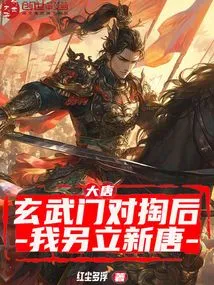
大唐:玄武门对掏后,我另立新唐
Lots Of Worldly Affairs
Traveling through the Tang Dynasty, Li Chengxuan became the posthumous son of the former crown prince Li Jiancheng. He was homeless, had no food to eat, and was hunted down by Li Shimin every day. His life was miserable. Fortunately, he awakened the system and gained the courage of the Overlord at the beginning, as well as historical celebrities such as Zhang Liao, Yue Fei, Zhang Liang, Shen Wansan, and tens of thousands of Wei troops... With these capital, Li Chengxuan destroyed the Turks, retreated from Tibet, annexed Goguryeo, established a prosperous country, and was awarded the title of Fengtian Khan. ... Many years later. Li Chengxuan, who was approaching the city with troops: Li Shimin, some debts must be paid!
Traveling through the Tang Dynasty, Li Chengxuan became the posthumous son of the former crown prince Li Jiancheng. He was homeless, had no food to eat, and was hunted down by Li Shimin every day. His life was miserable. Fortunately, he awakened the system and gained the courage of the Overlord at the beginning, as well as historical celebrities such as Zhang Liao, Yue Fei, Zhang Liang, Shen Wansan, and tens of thousands of Wei troops... With these capital, Li Chengxuan destroyed the Turks, retreated from Tibet, annexed Goguryeo, established a prosperous country, and was awarded the title of Fengtian Khan. ... Many years later. Li Chengxuan, who was approaching the city with troops: Li Shimin, some debts must be paid!
东汉末年创业录
Mr. Che Gong
What would happen if the Han Dynasty continued for several hundred more years? Will dynasties continue to change over and over again? Can Wuhuanhua be avoided? It's a very cliché time travel, but it's a different story. It's not systematic, not stupid, and it doesn't make excuses. A modern soldier unfortunately died while performing a mission, but his consciousness was transmitted by some mysterious power to a young man who was on the verge of death and fled from Guanzhong in the late Eastern Han Dynasty. In a moment of righteous indignation, he attacked and killed the robbers. In order to obtain a legitimate identity, he disguised himself as a messenger and went to Yizhou to fetch reinforcements. He participated in the Battle of Changpingguan, subdued the surrendered soldiers, and earned his first pot of gold. He began to win over Zhang Ren, Pang De, Fazheng and others, who were still unknown, to start a business together. They recognized Ma Chao as their brother-in-law, captured Hanzhong in the south, destroyed rogue warlords such as Li Jue and Guo Si in the north, protected the Han Dynasty and returned to the east, gained political status, and gradually grew up. Finally, they competed with the Kwantung warlords in the Central Plains for hegemony in the world.
What would happen if the Han Dynasty continued for several hundred more years? Will dynasties continue to change over and over again? Can Wuhuanhua be avoided? It's a very cliché time travel, but it's a different story. It's not systematic, not stupid, and it doesn't make excuses. A modern soldier unfortunately died while performing a mission, but his consciousness was transmitted by some mysterious power to a young man who was on the verge of death and fled from Guanzhong in the late Eastern Han Dynasty. In a moment of righteous indignation, he attacked and killed the robbers. In order to obtain a legitimate identity, he disguised himself as a messenger and went to Yizhou to fetch reinforcements. He participated in the Battle of Changpingguan, subdued the surrendered soldiers, and earned his first pot of gold. He began to win over Zhang Ren, Pang De, Fazheng and others, who were still unknown, to start a business together. They recognized Ma Chao as their brother-in-law, captured Hanzhong in the south, destroyed rogue warlords such as Li Jue and Guo Si in the north, protected the Han Dynasty and returned to the east, gained political status, and gradually grew up. Finally, they competed with the Kwantung warlords in the Central Plains for hegemony in the world.
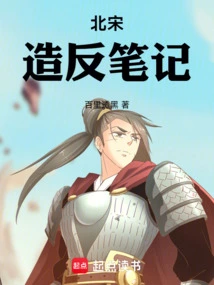
北宋造反笔记
A Hundred Miles Of Darkness
If you want to ask what is far superior to other dynasties in the Song Dynasty, there is no doubt that it is the rebellion, which is far ahead. In the 300th and 20th year of the Song Dynasty, Guo Zuo had a total of 434 rebellions, with an average of three rebellions every two years. Why rebel when you can live? Sorry, this is the Song Dynasty, and rebellion is a business. Chen Tuan's father also wanted to rebel. Not only his father, but also his grandfather, eldest uncle, second uncle, and fourth uncle all wanted to rebel. Chen Tuan suspected that he had traveled to a den of thieves.
If you want to ask what is far superior to other dynasties in the Song Dynasty, there is no doubt that it is the rebellion, which is far ahead. In the 300th and 20th year of the Song Dynasty, Guo Zuo had a total of 434 rebellions, with an average of three rebellions every two years. Why rebel when you can live? Sorry, this is the Song Dynasty, and rebellion is a business. Chen Tuan's father also wanted to rebel. Not only his father, but also his grandfather, eldest uncle, second uncle, and fourth uncle all wanted to rebel. Chen Tuan suspected that he had traveled to a den of thieves.
Beifu Jiangshan
History北府江山
Fish Of The Sky
What happened in the Six Dynasties was just a private plan. Because the king of laughter thanks everyone, climbs high and embraces the distance, he also imitates the heroes and sheds tears. However, the Yangtze River cannot be controlled, and the smell of rivers and lakes is boundless. It's just a long drive, no need to look back, find the oath of the middle stream! During the Battle of Feishui, the Eastern Jin Dynasty did not usher in a renaissance, but a return to glory. However, new vitality would also brew out of decay. Liu Daogui originally wanted to lie down behind his brother Liu Yu, but the troubled times pushed him to the forefront... This book is also known as "Brother Liu Jinu" and "I Really Want to Expedition to the North".
What happened in the Six Dynasties was just a private plan. Because the king of laughter thanks everyone, climbs high and embraces the distance, he also imitates the heroes and sheds tears. However, the Yangtze River cannot be controlled, and the smell of rivers and lakes is boundless. It's just a long drive, no need to look back, find the oath of the middle stream! During the Battle of Feishui, the Eastern Jin Dynasty did not usher in a renaissance, but a return to glory. However, new vitality would also brew out of decay. Liu Daogui originally wanted to lie down behind his brother Liu Yu, but the troubled times pushed him to the forefront... This book is also known as "Brother Liu Jinu" and "I Really Want to Expedition to the North".
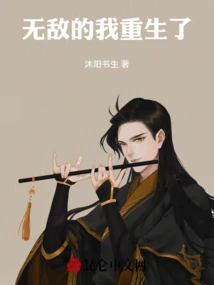
关于重生在太监身上这件事
Muyang Scholar
Lin Feng once traveled through time and became a fake eunuch in Daxia's harem! He wanted to keep a low profile and save his life, but due to his extraordinary medical skills, especially the exquisite acupuncture, he was accidentally involved in the whirlpool at the heart of the empire. The empress Murong Jin is a daughter under the dragon robe, and she is burdened with three fatal dangers. Lin Feng became the only key that could relieve her pain and maintain her life, and was therefore firmly controlled, unable to control herself. During the day, he was the famous empress Lin Eunuch, hanging pots to help the world, and at night... The noble concubine Liu Ruyan, as beautiful as a peach and plum, as poisonous as a snake or a scorpion, was the first to see through the substitute's flaws and laid a dragnet. A bigger storm is coming suddenly! The ambitious Prince Jing, Murong Xuan, colluded with the stupid and cruel Fusang forces, and rebelled brazenly in the name of "Qing Jun Side"! The empress is in a coma, the queen is falsely accused, the morale of the army is shaken, and the capital is in danger. What's even more frightening is that King Jing actually masters the forbidden martial arts "Star Absorbing Technique", which can absorb people's energy, essence and blood, and is extremely powerful. Lin Feng, who was seriously injured and on the verge of death, accidentally opened up Ren Du's two meridians due to the fusion of the Empress Dragon's blood and strange poison in his body, and developed a domineering and strange dark gold energy, which laid a shocking foreshadowing for his future martial arts practice. Can he wake up from the desperate situation and help the empress stabilize the court?
Lin Feng once traveled through time and became a fake eunuch in Daxia's harem! He wanted to keep a low profile and save his life, but due to his extraordinary medical skills, especially the exquisite acupuncture, he was accidentally involved in the whirlpool at the heart of the empire. The empress Murong Jin is a daughter under the dragon robe, and she is burdened with three fatal dangers. Lin Feng became the only key that could relieve her pain and maintain her life, and was therefore firmly controlled, unable to control herself. During the day, he was the famous empress Lin Eunuch, hanging pots to help the world, and at night... The noble concubine Liu Ruyan, as beautiful as a peach and plum, as poisonous as a snake or a scorpion, was the first to see through the substitute's flaws and laid a dragnet. A bigger storm is coming suddenly! The ambitious Prince Jing, Murong Xuan, colluded with the stupid and cruel Fusang forces, and rebelled brazenly in the name of "Qing Jun Side"! The empress is in a coma, the queen is falsely accused, the morale of the army is shaken, and the capital is in danger. What's even more frightening is that King Jing actually masters the forbidden martial arts "Star Absorbing Technique", which can absorb people's energy, essence and blood, and is extremely powerful. Lin Feng, who was seriously injured and on the verge of death, accidentally opened up Ren Du's two meridians due to the fusion of the Empress Dragon's blood and strange poison in his body, and developed a domineering and strange dark gold energy, which laid a shocking foreshadowing for his future martial arts practice. Can he wake up from the desperate situation and help the empress stabilize the court?
North Sea War Chronicles
History北海战纪
West Wind East Wind South Wind
Come to Yuewen's website to read more of my works
Come to Yuewen's website to read more of my works
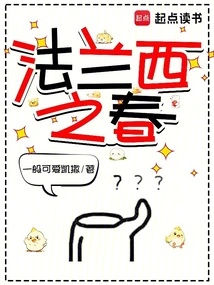
French Spring
History法兰西之春
Generally Cute Caesar
"Failure is rebellion, success is revolution!" - Fontaine Jewell, a young general of the French Ministry of Security, 1793. ... What is the most important thing to do when traveling back to France at the end of the 18th century? First, make sure you have a clear head. Second, climb up at all costs. In the turbulent wave of the times that followed, the ambitious Fang Dan decided to exert his influence. From the execution of the king, to the overthrow of Robespierre, and finally to the overthrow of Napoleon. Punch the European countries, kick the East India Company, and make France great again. Fontaine wants to put all the power in his own hands, and he wants to create a France of his own. He wants to build a Europa of his own. "I don't want to see the National Assembly or the Paris riots again one day, nor do I want to see the European Union and the Anti-French Alliance appear again. Because in that case, many bullets will be fired in vain."
"Failure is rebellion, success is revolution!" - Fontaine Jewell, a young general of the French Ministry of Security, 1793. ... What is the most important thing to do when traveling back to France at the end of the 18th century? First, make sure you have a clear head. Second, climb up at all costs. In the turbulent wave of the times that followed, the ambitious Fang Dan decided to exert his influence. From the execution of the king, to the overthrow of Robespierre, and finally to the overthrow of Napoleon. Punch the European countries, kick the East India Company, and make France great again. Fontaine wants to put all the power in his own hands, and he wants to create a France of his own. He wants to build a Europa of his own. "I don't want to see the National Assembly or the Paris riots again one day, nor do I want to see the European Union and the Anti-French Alliance appear again. Because in that case, many bullets will be fired in vain."
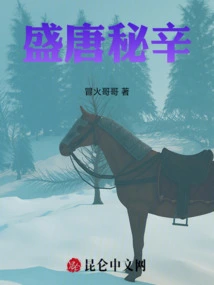
盛唐秘辛
Angry Brother
When peonies were in full bloom in Luoyang, Tang Zhao found half a bloody peony petal in an ancient book. In the moth-eaten fragments,\
When peonies were in full bloom in Luoyang, Tang Zhao found half a bloody peony petal in an ancient book. In the moth-eaten fragments,\
Who says I can't do it?
洪武七王乱世
The Milky Way And The Fantasy Peak Sea
The background of the story is set in ancient times, starting with the Ming Dynasty. In the second year after Zhu Yuanzhang's death, Zhu Yunwen began to cut down the vassals in large quantities. At this moment, a sudden change occurred, Originally, he had already disappeared several characters in the long history. Otherwise, starting a business in this time and space will replace some of the original people. Xiang Yu, the overlord of Western Chu, became Zhu Shu, the king of Qi. Ran Min, the King of Wu Daotian, became Zhu Zhen, King of Chu?, When Liu Yu opened his eyes again, he found that he had traveled through time and became "Liao King Zhu Zhi". A new chapter begins, and the timeline at this time is less than a month away from Zhu Di's victory in Fengtian. What story will happen? What new chapter will open as they travel through time? This is the way imagination creates a book. It can definitely explode. Ning Wang Zhu Quan just asked Zhao Kuangyin to take charge. This idea is really good. Since the five rebels have joined forces, one can directly compete with the Seven Heroes from the Spring and Autumn Period and the Warring States Period. In addition, Li Shimin, Emperor Taizong of the Tang Dynasty, traveled through time and became: Zhu Chun, King of Shu. Cao Cao traveled through time and became: King Qing Zhu Zhuan. In this way, we can get together with the Seven Heroes of the Warring States Period.
The background of the story is set in ancient times, starting with the Ming Dynasty. In the second year after Zhu Yuanzhang's death, Zhu Yunwen began to cut down the vassals in large quantities. At this moment, a sudden change occurred, Originally, he had already disappeared several characters in the long history. Otherwise, starting a business in this time and space will replace some of the original people. Xiang Yu, the overlord of Western Chu, became Zhu Shu, the king of Qi. Ran Min, the King of Wu Daotian, became Zhu Zhen, King of Chu?, When Liu Yu opened his eyes again, he found that he had traveled through time and became "Liao King Zhu Zhi". A new chapter begins, and the timeline at this time is less than a month away from Zhu Di's victory in Fengtian. What story will happen? What new chapter will open as they travel through time? This is the way imagination creates a book. It can definitely explode. Ning Wang Zhu Quan just asked Zhao Kuangyin to take charge. This idea is really good. Since the five rebels have joined forces, one can directly compete with the Seven Heroes from the Spring and Autumn Period and the Warring States Period. In addition, Li Shimin, Emperor Taizong of the Tang Dynasty, traveled through time and became: Zhu Chun, King of Shu. Cao Cao traveled through time and became: King Qing Zhu Zhuan. In this way, we can get together with the Seven Heroes of the Warring States Period.
重生之大明海岛工程师
Guest Of The Creek
When he woke up, engineer Lin Xiao traveled to the Chongzhen period and settled on an unknown island outside the southeastern coastal defense line. The salt fields below were blown to pieces by typhoons, and the remnants of Japanese pirates were entrenched above them. Officials on the shore were urging salt classes, and the sea ban was about to tighten. The islanders were too poor to open the pot. There is no system, no golden fingers, he only has a little bit of engineering and project management in his mind. The production of salt fields has increased, the price of salt has doubled, and the people have turned around. The situation in the DPRK was turbulent, and internal and external troubles were approaching. He used a small island as an anchor, started with a handful of sea salt, spread the construction maps to the sea, turned technology into iron and fire, and turned "living by" into "making a killing in the beginning."
When he woke up, engineer Lin Xiao traveled to the Chongzhen period and settled on an unknown island outside the southeastern coastal defense line. The salt fields below were blown to pieces by typhoons, and the remnants of Japanese pirates were entrenched above them. Officials on the shore were urging salt classes, and the sea ban was about to tighten. The islanders were too poor to open the pot. There is no system, no golden fingers, he only has a little bit of engineering and project management in his mind. The production of salt fields has increased, the price of salt has doubled, and the people have turned around. The situation in the DPRK was turbulent, and internal and external troubles were approaching. He used a small island as an anchor, started with a handful of sea salt, spread the construction maps to the sea, turned technology into iron and fire, and turned "living by" into "making a killing in the beginning."
穿清:家父多尔衮,开局劝他称帝
Yosei Monkey
Ye Chen, a modern man who is familiar with "Manuscripts of Qing History", traveled through the early Qing Dynasty in the parallel world and became the illegitimate son of Dorgon who did not exist in history. From the very beginning, he was falsely accused of poisoning Shunzhi! Rely on chemical knowledge to fight back, crush the powerful in school competitions, seize military power, change black powder, run newspapers, build steam engines... Take control of the court step by step! Trickery? Queen Mother Xiaozhuang wants to kill Dorgon? I saw through it in advance and exposed the Horqin spy! Science and technology? Flintlock muskets, cowpox vaccines, and steam engines crushed the times! Marriage? The Mongolian princess, the talented girl from the south of the Yangtze River, and the Portuguese countess help fight for hegemony! Dorgon refused to proclaim himself emperor until his death, so I had to forge a will and force Shunzhi to become a monk! After ascending to the throne, he reformed the official system and monopolized trade routes... Many years later. "From now on, the "Outline of the Imperial Constitution" is promulgated, and our Qing Dynasty will implement a constitutional monarchy!" "Thank you Lord for your grace!" "Stand up! From now on, kneeling will be abolished!" "I don't want kneeling slaves, I want standing citizens!"
Ye Chen, a modern man who is familiar with "Manuscripts of Qing History", traveled through the early Qing Dynasty in the parallel world and became the illegitimate son of Dorgon who did not exist in history. From the very beginning, he was falsely accused of poisoning Shunzhi! Rely on chemical knowledge to fight back, crush the powerful in school competitions, seize military power, change black powder, run newspapers, build steam engines... Take control of the court step by step! Trickery? Queen Mother Xiaozhuang wants to kill Dorgon? I saw through it in advance and exposed the Horqin spy! Science and technology? Flintlock muskets, cowpox vaccines, and steam engines crushed the times! Marriage? The Mongolian princess, the talented girl from the south of the Yangtze River, and the Portuguese countess help fight for hegemony! Dorgon refused to proclaim himself emperor until his death, so I had to forge a will and force Shunzhi to become a monk! After ascending to the throne, he reformed the official system and monopolized trade routes... Many years later. "From now on, the "Outline of the Imperial Constitution" is promulgated, and our Qing Dynasty will implement a constitutional monarchy!" "Thank you Lord for your grace!" "Stand up! From now on, kneeling will be abolished!" "I don't want kneeling slaves, I want standing citizens!"
我在西伯利亚打地鼠
Catfish Head
The new book "The Emperor's Grandson" has been uploaded and we urgently need your readers' support. Polar bears from Siberia ride the cold current all the way south. Faced with questions from all over the world, George said confidently: I am a barbarian!
The new book "The Emperor's Grandson" has been uploaded and we urgently need your readers' support. Polar bears from Siberia ride the cold current all the way south. Faced with questions from all over the world, George said confidently: I am a barbarian!
完蛋!我养的小妾是女帝?
Noble Grade
Su Mo dares to kill people whom civil servants dare not kill! Su Mo will investigate things that military commanders dare not investigate! Cut it first and then beat it, if you don't accept it then do it!
Su Mo dares to kill people whom civil servants dare not kill! Su Mo will investigate things that military commanders dare not investigate! Cut it first and then beat it, if you don't accept it then do it!
Zhenguan Romantic
History贞观风流
Crazy Folded Ears
The new book "My Father is Happy, My Son is Invincible" has been released. New and old readers are welcome to invest in reading... The bad news is time travel; the good news is Datang. There is also good news. He has become the most powerful second generation of the Tang Dynasty, the biological son of Princess Pingyang Zhao and Huo Guogong Chai Shao, and the biological nephew of Emperor Li Shimin of the Tang Dynasty. He was born in a prosperous family and has a monstrous background. But... Faced with such a ridiculous start, Chai Lingwu initially just wanted to rely on his uncle the emperor and his father, and live a leisurely life as a powerful second generation in a world without human rights. ... Who would have guessed? Looking back, behind him were the bones of his enemies; in front of him was the magnificent Tang Dynasty with boundless wind and moon! So, Chai Ling armed himself and said: "The great river goes east, and the waves are washed away, and there are all the famous people of the ages. To the west of the fortress, there is a human road, the Three Kingdoms Zhou Lang Chibi. The rocks are pierced through the sky, the waves are crashing on the shore, and thousands of piles of snow are rolled up. The country is picturesque, and there are so many heroes..." This book is also known as "Returning to the Tang Dynasty to Become a Duke", "Uncle Li Shimin, I'm Making Trouble in the Tang Dynasty", "This Tang Dynasty Isn't Right"...
The new book "My Father is Happy, My Son is Invincible" has been released. New and old readers are welcome to invest in reading... The bad news is time travel; the good news is Datang. There is also good news. He has become the most powerful second generation of the Tang Dynasty, the biological son of Princess Pingyang Zhao and Huo Guogong Chai Shao, and the biological nephew of Emperor Li Shimin of the Tang Dynasty. He was born in a prosperous family and has a monstrous background. But... Faced with such a ridiculous start, Chai Lingwu initially just wanted to rely on his uncle the emperor and his father, and live a leisurely life as a powerful second generation in a world without human rights. ... Who would have guessed? Looking back, behind him were the bones of his enemies; in front of him was the magnificent Tang Dynasty with boundless wind and moon! So, Chai Ling armed himself and said: "The great river goes east, and the waves are washed away, and there are all the famous people of the ages. To the west of the fortress, there is a human road, the Three Kingdoms Zhou Lang Chibi. The rocks are pierced through the sky, the waves are crashing on the shore, and thousands of piles of snow are rolled up. The country is picturesque, and there are so many heroes..." This book is also known as "Returning to the Tang Dynasty to Become a Duke", "Uncle Li Shimin, I'm Making Trouble in the Tang Dynasty", "This Tang Dynasty Isn't Right"...
踏尽世家门阀,女帝求我娶她?
The Fox Is Sleepy
Chen Huaixin once again missed the gold medal. In order to survive, he could only write letters and poems for others in Chang'an City, and waited for three years to take the examination again, but he had no idea that his future had been noticed by the Empress Chengguo. For the first time in the future, he shouted, "The streets will trample all the bones of the princes, and the inner treasury will be burned to ashes", which turned Dacheng upside down. The next time he came, he shouted, "Officials don't have to be feared, and ordinary people should never be taken lightly." Then Chengguo was covered with yellow scarves. In the third future, he shouted "The world is one family, sharing peace", and then Chengguo changed the world! ... He said in front of the army, "Do you know how much a cooking cake costs?", He roared that the Six Dynasties were just private affairs, and he trampled all the noble families to the ground! ... When another sunrise comes, the future of rebellion has not yet arrived. Empress Ji Qingluo has already found Chen Huaixin, who is still writing letters and poems in Chang'an City. Ji Qingluo: "In order to avoid the future of Chengguo's destruction, please... Marry me!" Chen Huaixin: "???"
Chen Huaixin once again missed the gold medal. In order to survive, he could only write letters and poems for others in Chang'an City, and waited for three years to take the examination again, but he had no idea that his future had been noticed by the Empress Chengguo. For the first time in the future, he shouted, "The streets will trample all the bones of the princes, and the inner treasury will be burned to ashes", which turned Dacheng upside down. The next time he came, he shouted, "Officials don't have to be feared, and ordinary people should never be taken lightly." Then Chengguo was covered with yellow scarves. In the third future, he shouted "The world is one family, sharing peace", and then Chengguo changed the world! ... He said in front of the army, "Do you know how much a cooking cake costs?", He roared that the Six Dynasties were just private affairs, and he trampled all the noble families to the ground! ... When another sunrise comes, the future of rebellion has not yet arrived. Empress Ji Qingluo has already found Chen Huaixin, who is still writing letters and poems in Chang'an City. Ji Qingluo: "In order to avoid the future of Chengguo's destruction, please... Marry me!" Chen Huaixin: "???"
斗罗三国:金龙弑神,玉玺镇山河
A Drop Of Old Wine
Traveling through the Three Kingdoms, he became the unlucky deposed emperor Liu Bian, who was about to be poisoned by Li Ru. Fortunately, he obtained the martial soul awakening system. At the beginning, he awakened the twin super-god martial souls, the Jade Seal of the Kingdom and the Five-clawed Golden Dragon, to kill Li Ru and fight his way out of Luoyang. Recruit famous generals and counselors, awaken the martial soul, use the system to open the door to the two worlds, go to the Douluo world to hunt soul beasts, and obtain soul rings. The Clear Sky Hammer is the best martial spirit in the world? The gentian shines with the silver spear, the red bird with the fire bow is here, who dares to say that it is the first? Ye Lingling is the world's number one healing soul master? I, Hua Tuo, and Zhang Zhongjing are not convinced. The Blue Electric Tyrannosaurus is the best beast in the world? How dare it be called a dragon in front of my five-clawed golden dragon? Ning Rongrong from the Nine Treasure Glazed Tile Pagoda, or Qin Cai Wenji from Jiaowei Tianyin, who is the number one auxiliary soul master in the two realms? Hu Liena or Diao Chan, who is more charming? Liu Bian led the army of awakened ones to sweep across the Three Kingdoms, unify the world, and regain the throne. He also led the Han army to invade Douluo, annihilated Tiandou, stepped on Xingluo, and destroyed Wuhun Palace. Are the Douluo gods coming? I use the jade seal to control the destiny of the country, and use the five-clawed golden dragon to slay the gods. The banner of the Han Dynasty is planted in every corner of the Douluo universe. Tang San collapsed: How could the Han army appear in Douluo Continent? It's unreasonable that everyone has awakened their martial soul.
Traveling through the Three Kingdoms, he became the unlucky deposed emperor Liu Bian, who was about to be poisoned by Li Ru. Fortunately, he obtained the martial soul awakening system. At the beginning, he awakened the twin super-god martial souls, the Jade Seal of the Kingdom and the Five-clawed Golden Dragon, to kill Li Ru and fight his way out of Luoyang. Recruit famous generals and counselors, awaken the martial soul, use the system to open the door to the two worlds, go to the Douluo world to hunt soul beasts, and obtain soul rings. The Clear Sky Hammer is the best martial spirit in the world? The gentian shines with the silver spear, the red bird with the fire bow is here, who dares to say that it is the first? Ye Lingling is the world's number one healing soul master? I, Hua Tuo, and Zhang Zhongjing are not convinced. The Blue Electric Tyrannosaurus is the best beast in the world? How dare it be called a dragon in front of my five-clawed golden dragon? Ning Rongrong from the Nine Treasure Glazed Tile Pagoda, or Qin Cai Wenji from Jiaowei Tianyin, who is the number one auxiliary soul master in the two realms? Hu Liena or Diao Chan, who is more charming? Liu Bian led the army of awakened ones to sweep across the Three Kingdoms, unify the world, and regain the throne. He also led the Han army to invade Douluo, annihilated Tiandou, stepped on Xingluo, and destroyed Wuhun Palace. Are the Douluo gods coming? I use the jade seal to control the destiny of the country, and use the five-clawed golden dragon to slay the gods. The banner of the Han Dynasty is planted in every corner of the Douluo universe. Tang San collapsed: How could the Han army appear in Douluo Continent? It's unreasonable that everyone has awakened their martial soul.