Library
Browse and search books
40,760 novels found

废园天使Ⅰ:悠长假日(世界科幻大师丛书)
(japan) Fei Haolong
This work is the first novel in the "Abandoned Garden Angel" series, telling the story of "Summer Zone Boundary" in "Numerical Coast". Summer Zone is a virtual resort that exists on the server. The residents here are a group of AIs that operate according to established programs but have the same emotions as humans. For more than a thousand years, no human visitors have come, and Xia Zhijie seems like a forgotten paradise. However, a mysterious man led a brigade of incredibly destructive "spiders" to suddenly attack, and overnight, the Xia Zhi District turned into a painful hell. The small town residents who fought back gradually discovered that the scary thing was not the invaders, but the dirty and ulterior secret hidden behind the history and setting of the Summer Zone... This work won honors: 2nd place in Hayakawa Shobo's "Best Science Fiction Japan of the Year" in 2002, and nominated for the 24th Japan Science Fiction Awards.
This work is the first novel in the "Abandoned Garden Angel" series, telling the story of "Summer Zone Boundary" in "Numerical Coast". Summer Zone is a virtual resort that exists on the server. The residents here are a group of AIs that operate according to established programs but have the same emotions as humans. For more than a thousand years, no human visitors have come, and Xia Zhijie seems like a forgotten paradise. However, a mysterious man led a brigade of incredibly destructive "spiders" to suddenly attack, and overnight, the Xia Zhi District turned into a painful hell. The small town residents who fought back gradually discovered that the scary thing was not the invaders, but the dirty and ulterior secret hidden behind the history and setting of the Summer Zone... This work won honors: 2nd place in Hayakawa Shobo's "Best Science Fiction Japan of the Year" in 2002, and nominated for the 24th Japan Science Fiction Awards.

A Paradise Where Everyone Dies
General Fiction所有人都死了的天国
(japan) Gojo Norio
This book is a long suspense novel by an imported Japanese author, telling the following story: I must have been killed. But where is this place? When I noticed, I saw a resort beach and bungalows in front of me. According to the mysterious newspaper received every morning from the invisible deliveryman, it is learned that six people who have died tragically in this world have returned to this paradise mansion with no memory. Who I am? Why was he killed by someone? ? We want to know the truth... This book is a "everyone is dead" mystery novel with a novel setting and novel style. The "Heaven" in the title of the book refers to the "Heaven Mansion" where the events in the book take place, and is also a combination of the names of two key characters.
This book is a long suspense novel by an imported Japanese author, telling the following story: I must have been killed. But where is this place? When I noticed, I saw a resort beach and bungalows in front of me. According to the mysterious newspaper received every morning from the invisible deliveryman, it is learned that six people who have died tragically in this world have returned to this paradise mansion with no memory. Who I am? Why was he killed by someone? ? We want to know the truth... This book is a "everyone is dead" mystery novel with a novel setting and novel style. The "Heaven" in the title of the book refers to the "Heaven Mansion" where the events in the book take place, and is also a combination of the names of two key characters.
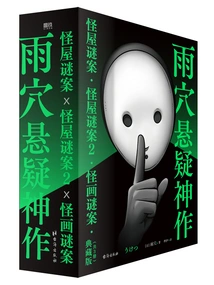
The Suspense Masterpiece of Yu Cai (3 Volumes in Total)
General Fiction雨穴悬疑神作(共3册)
J
"Strange House Mystery": Can you spot a murder from a house plan? "Strange House Mystery 2": Can you tell that this is a house built specifically for killing people? "Strange Painting Mystery": Can you deduce the truth of the murder case based on these paintings? Yuxue writes genre literature in a subversive and innovative way, and his works are often filled with an inexplicable and real eerie atmosphere.
"Strange House Mystery": Can you spot a murder from a house plan? "Strange House Mystery 2": Can you tell that this is a house built specifically for killing people? "Strange Painting Mystery": Can you deduce the truth of the murder case based on these paintings? Yuxue writes genre literature in a subversive and innovative way, and his works are often filled with an inexplicable and real eerie atmosphere.
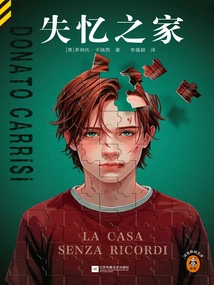
Amnesia House
General Fiction失忆之家
I
Nico, who is only 12 years old, is suspected of being the murderer of his missing mother. But when he was found, he didn't speak or even blink - he had lost his memory. Child hypnotist Gerber finally finds the key to make Nico speak, only to discover that there is another person living in the boy's mind. It turned out that a child hypnotist who was as powerful as Gerber hypnotized Nico and told a dusty past event through the boy's mouth. Like Nico, this anonymous hypnotist was accused of parricide when he was young, but the child hypnotist who treated him at that time - Gerber's father - insisted that the story he told himself to defend himself was a lie. Now, he is using Nico to retell his story to Gerber. Is it to vent his hatred of not being believed as a child, or is he doing it for other reasons...
Nico, who is only 12 years old, is suspected of being the murderer of his missing mother. But when he was found, he didn't speak or even blink - he had lost his memory. Child hypnotist Gerber finally finds the key to make Nico speak, only to discover that there is another person living in the boy's mind. It turned out that a child hypnotist who was as powerful as Gerber hypnotized Nico and told a dusty past event through the boy's mouth. Like Nico, this anonymous hypnotist was accused of parricide when he was young, but the child hypnotist who treated him at that time - Gerber's father - insisted that the story he told himself to defend himself was a lie. Now, he is using Nico to retell his story to Gerber. Is it to vent his hatred of not being believed as a child, or is he doing it for other reasons...
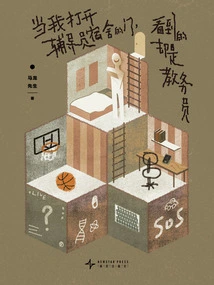
When I Opened the Door to the Counselor's Dormitory, What I Saw Was the Academic Staff
General Fiction当我打开辅导员宿舍的门,看到的却是教务员
Mr. Malone
The first prize winner in the feature section of the 2nd Rising Star International Mystery Literature Award. I was invited to attend a wedding and met many of the students I taught when I was a counselor in college. During the conversation, everyone recalled the past events on campus: the mobile phone that disappeared in the activity room, the high-end car that I ran into on a blind date, the hotly discussed online exposure post, the strange live broadcast on the platform, the biology classroom The damaged teaching aids in the dormitory, the burglary that occurred in the dormitory during the graduation group photo... The daily mysteries that happened on campus in the past have all been answered at the time of the incident. But now when I communicate with the parties again, I find that behind these seemingly unrelated events, there seems to be a pair of invisible hands secretly controlling them. When the beauty of youth fades away from the color of the past. Is the rest helplessness and bitterness, or a turbulent undercurrent? Everything will end at that staggered door of memory.
The first prize winner in the feature section of the 2nd Rising Star International Mystery Literature Award. I was invited to attend a wedding and met many of the students I taught when I was a counselor in college. During the conversation, everyone recalled the past events on campus: the mobile phone that disappeared in the activity room, the high-end car that I ran into on a blind date, the hotly discussed online exposure post, the strange live broadcast on the platform, the biology classroom The damaged teaching aids in the dormitory, the burglary that occurred in the dormitory during the graduation group photo... The daily mysteries that happened on campus in the past have all been answered at the time of the incident. But now when I communicate with the parties again, I find that behind these seemingly unrelated events, there seems to be a pair of invisible hands secretly controlling them. When the beauty of youth fades away from the color of the past. Is the rest helplessness and bitterness, or a turbulent undercurrent? Everything will end at that staggered door of memory.
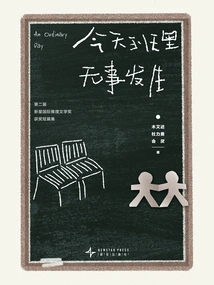
Nothing Happened in Class Today
General Fiction今天班里无事发生
Mu Youchi Du Liyong Epiglottis
"Nothing Happened in the Class Today": Ren Wei wrote her growth experience into a novel, but the ending became a prophecy of her life. Ten years later, this novel was read again as the most suspicious piece of evidence in a murder case. "Cloud and Mist in Xing'an Mountains": One day in late February, heavy fog fell under Xing'an Mountains. Several passers-by gathered at the hotel on the mountain, where an explosion unexpectedly occurred and triggered an avalanche. The four survivors reasoned about the cause of the explosion and discovered the hidden mystery... "Movement About M": the winning work in the short story category of the 2nd Rising Star International Mystery Literature Award. Astronaut Manny made an emergency landing on planet M4 due to a mistake. There is no sunrise or sunset here, and there is no concept of time. There is only a unique set of concepts to maintain civilization. Later, Manny was sentenced to death, and the robot Matthew also died mysteriously. Manny was determined to find out the hidden patterns of Planet M. When daily logic collides with fantasy settings, the murder mystery is reconstructed on a cosmic scale.
"Nothing Happened in the Class Today": Ren Wei wrote her growth experience into a novel, but the ending became a prophecy of her life. Ten years later, this novel was read again as the most suspicious piece of evidence in a murder case. "Cloud and Mist in Xing'an Mountains": One day in late February, heavy fog fell under Xing'an Mountains. Several passers-by gathered at the hotel on the mountain, where an explosion unexpectedly occurred and triggered an avalanche. The four survivors reasoned about the cause of the explosion and discovered the hidden mystery... "Movement About M": the winning work in the short story category of the 2nd Rising Star International Mystery Literature Award. Astronaut Manny made an emergency landing on planet M4 due to a mistake. There is no sunrise or sunset here, and there is no concept of time. There is only a unique set of concepts to maintain civilization. Later, Manny was sentenced to death, and the robot Matthew also died mysteriously. Manny was determined to find out the hidden patterns of Planet M. When daily logic collides with fantasy settings, the murder mystery is reconstructed on a cosmic scale.
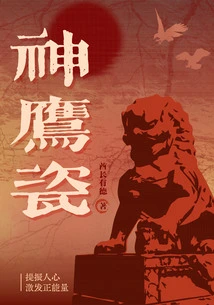
Condor Porcelain
General Fiction神鹰瓷
The Chief Is Virtuous
This book collects thirty-two short stories about myths and legends that the author has published in newspapers and periodicals across the country, including "Condor Porcelain", "Bleeding Teapot Lid", "Savage Racing Camel", etc. The work is written fluently, and through myths and legends, it educates the world and inspires positive energy.
This book collects thirty-two short stories about myths and legends that the author has published in newspapers and periodicals across the country, including "Condor Porcelain", "Bleeding Teapot Lid", "Savage Racing Camel", etc. The work is written fluently, and through myths and legends, it educates the world and inspires positive energy.

Mr. Han, I Heard You Like Me
General Fiction韩先生,听说你喜欢我
King Of Coarse Grains
Xia Xia suddenly returned to China and found out that her aunt Xia Xia was going to marry Han Zhihe. This news made her feel disturbed. Han Zhihe, the man who once made her heartbeat and heartbreak, now appears as her aunt's fiancé, putting Xia Xia in a dilemma. While she has to deal with the power struggle within the family, she also has to deal with her unresolved relationship with Han Zhihe. By chance, she discovered that Han Zhihe seemed to be hiding an unknown secret, and she was gradually involved in a contest about love, family and interests. At the Jingzhe Banquet, Xia Xia unexpectedly meets her old acquaintance Ju Tao, and her appearance adds new variables to the relationship. Where will the future go for Xia Xia and Han Zhihe?
Xia Xia suddenly returned to China and found out that her aunt Xia Xia was going to marry Han Zhihe. This news made her feel disturbed. Han Zhihe, the man who once made her heartbeat and heartbreak, now appears as her aunt's fiancé, putting Xia Xia in a dilemma. While she has to deal with the power struggle within the family, she also has to deal with her unresolved relationship with Han Zhihe. By chance, she discovered that Han Zhihe seemed to be hiding an unknown secret, and she was gradually involved in a contest about love, family and interests. At the Jingzhe Banquet, Xia Xia unexpectedly meets her old acquaintance Ju Tao, and her appearance adds new variables to the relationship. Where will the future go for Xia Xia and Han Zhihe?
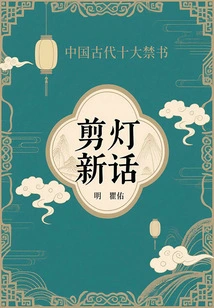
Jian Deng Newspeak (top Ten Banned Books in Ancient China)
General Fiction剪灯新话(中国古代十大禁书)
(ming Dynasty) Qu You
"Jian Deng Xin Hua" is a collection of classical Chinese short stories written by Qu You in the Ming Dynasty. It mainly focuses on smoke powder, ghosts, the underworld, and love stories. Through themes such as unresolved love between humans and ghosts, and mapping of the nether world, it shows fantasy and magnificent imagination and lingering emotions. It contains both a sense of chaos and confusion. It is a profound reflection on the world and an exploration of the complexity of human nature. It also uses the underworld to satirize social injustice and official corruption in the real world, placing its thoughts on karma and retribution. At the same time, it reveals compassion for the deep suffering caused to the people by the war in the late Yuan Dynasty. It has high literary and ideological value. ?
"Jian Deng Xin Hua" is a collection of classical Chinese short stories written by Qu You in the Ming Dynasty. It mainly focuses on smoke powder, ghosts, the underworld, and love stories. Through themes such as unresolved love between humans and ghosts, and mapping of the nether world, it shows fantasy and magnificent imagination and lingering emotions. It contains both a sense of chaos and confusion. It is a profound reflection on the world and an exploration of the complexity of human nature. It also uses the underworld to satirize social injustice and official corruption in the real world, placing its thoughts on karma and retribution. At the same time, it reveals compassion for the deep suffering caused to the people by the war in the late Yuan Dynasty. It has high literary and ideological value. ?
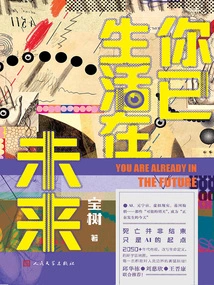
You Already Live in the Future
General Fiction你已生活在未来
Baoshu
This book is a collection of short stories, consisting of a series of stories related to future society, technology, and life. The titles include "Blind Date", "True Love", "Cohabitation in Time and Space", etc. While imagining the possibilities of the future world, the author still focuses on the real problems we may face in our current lives in the novel, including the emotions between people and the conflicts between people and society, which gives these short stories more practical significance. For example, in "Blind Dating", the author discusses the possible discrimination faced by future blind dates due to genetic issues; in "True Love", the author explores the most secret and subtle parts of the intimate relationships and emotional links between people. These contents make the novel more relevant to the emotional experience of people in today's society, giving it more possibilities for interpretation of its meaning. At the same time, it is more attractive because of the innovative nature of its story and setting.
This book is a collection of short stories, consisting of a series of stories related to future society, technology, and life. The titles include "Blind Date", "True Love", "Cohabitation in Time and Space", etc. While imagining the possibilities of the future world, the author still focuses on the real problems we may face in our current lives in the novel, including the emotions between people and the conflicts between people and society, which gives these short stories more practical significance. For example, in "Blind Dating", the author discusses the possible discrimination faced by future blind dates due to genetic issues; in "True Love", the author explores the most secret and subtle parts of the intimate relationships and emotional links between people. These contents make the novel more relevant to the emotional experience of people in today's society, giving it more possibilities for interpretation of its meaning. At the same time, it is more attractive because of the innovative nature of its story and setting.

Liu Ren: the Spy Series (6 Volumes in Total)
General Fiction流人:间谍系列(全6册)
Z
Mick Herron, born in Newcastle, England in 1963, is a master of British spy novels and a famous writer of suspense novels. He graduated from Balliol College, Oxford's oldest and most prestigious college, with a BA in English. Represented as the "Flower" series. The series has been hailed as the best series of spy novels of the millennium. Herron won the 2013 British Crime Writers Association Golden Dagger Award for "Dead Lion", the second book in the "Fugitive" series. He is hailed as the successor of John le Carré and the king of spy novels in the new era. The New York Times, The Sunday Times and other media praised him as the most outstanding living suspense novel writer in the UK. In 2025, Herron received the Diamond Dagger Award, the Lifetime Achievement Award of the British Crime Writers Association, in recognition of his outstanding contribution and continued success in this field.
Mick Herron, born in Newcastle, England in 1963, is a master of British spy novels and a famous writer of suspense novels. He graduated from Balliol College, Oxford's oldest and most prestigious college, with a BA in English. Represented as the "Flower" series. The series has been hailed as the best series of spy novels of the millennium. Herron won the 2013 British Crime Writers Association Golden Dagger Award for "Dead Lion", the second book in the "Fugitive" series. He is hailed as the successor of John le Carré and the king of spy novels in the new era. The New York Times, The Sunday Times and other media praised him as the most outstanding living suspense novel writer in the UK. In 2025, Herron received the Diamond Dagger Award, the Lifetime Achievement Award of the British Crime Writers Association, in recognition of his outstanding contribution and continued success in this field.

Passing Along the Way
General Fiction沿途而过
Zitu
The three generations of Lin Ansheng's ancestors all have several common characteristics: timidity, good health, and outstanding strength. In Lin Ansheng's generation, because his mother is deaf and mute, there is another problem - not good at talking. Lin Ansheng's grandfather once left a saying: "No matter how hard it is for our ancestors, it is nothing more than being a burden to future generations. I don't need you to support me in old age, and you don't need to worry about me in the future. Just bring up the children and don't let our family die." When Lin Ansheng grew up, he left his parents to make a living on his own, relying on the family's wandering curium craftsmanship to make a living. However, in the war years, the industry was declining, and there was no way to support two curium craftsmen within a hundred miles. In order to survive, he traveled on his own life road, during which he met various characters and experienced a different kind of life.
The three generations of Lin Ansheng's ancestors all have several common characteristics: timidity, good health, and outstanding strength. In Lin Ansheng's generation, because his mother is deaf and mute, there is another problem - not good at talking. Lin Ansheng's grandfather once left a saying: "No matter how hard it is for our ancestors, it is nothing more than being a burden to future generations. I don't need you to support me in old age, and you don't need to worry about me in the future. Just bring up the children and don't let our family die." When Lin Ansheng grew up, he left his parents to make a living on his own, relying on the family's wandering curium craftsmanship to make a living. However, in the war years, the industry was declining, and there was no way to support two curium craftsmen within a hundred miles. In order to survive, he traveled on his own life road, during which he met various characters and experienced a different kind of life.
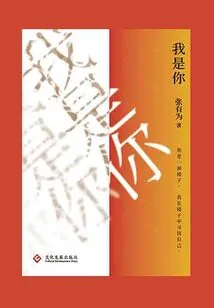
I Am You
General Fiction我是你
Zhang Youwei
The protagonist of the novel joins a high-end private club and gets to know all kinds of representative characters from all walks of life through the work he receives every day - the wealthy club owner Mr. Hu, the loyal social brother Hu, the cunning Manager Xiao, the versatile Lao Yang, the seemingly prosperous but actually depressed rich man, the second son who is a fool but a traitor, Chef Yin who uses animals as metaphors for people, the calculating slicker, the erratic Lao Wang, etc. These people are friends and brothers when they have no interests, but become enemies once interests are involved. The novel uses joking language and tells various stories from a first-person perspective - women cheating, cheating, jumping off buildings to blackmail, plotting against each other, etc., And reveals the complexity and darkness of human nature. After witnessing the prosperity and decline of the club, the protagonist regains his original intention and becomes himself in a last-minute reversal, subverting his outlook on life and re-understanding the world.
The protagonist of the novel joins a high-end private club and gets to know all kinds of representative characters from all walks of life through the work he receives every day - the wealthy club owner Mr. Hu, the loyal social brother Hu, the cunning Manager Xiao, the versatile Lao Yang, the seemingly prosperous but actually depressed rich man, the second son who is a fool but a traitor, Chef Yin who uses animals as metaphors for people, the calculating slicker, the erratic Lao Wang, etc. These people are friends and brothers when they have no interests, but become enemies once interests are involved. The novel uses joking language and tells various stories from a first-person perspective - women cheating, cheating, jumping off buildings to blackmail, plotting against each other, etc., And reveals the complexity and darkness of human nature. After witnessing the prosperity and decline of the club, the protagonist regains his original intention and becomes himself in a last-minute reversal, subverting his outlook on life and re-understanding the world.
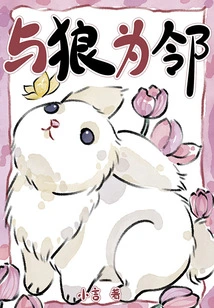
Neighboring with Wolves
General Fiction与狼为邻
Xiaoyan
After being disturbed by the snoring of her neighbor, Uncle Pig, and unable to sleep, the little rabbit Mimi moved, and the people in the new community were all her kind. "People" like them are all transformed from various animals, and to a certain extent are closer to the monsters people call them. But they don't have so-called demon power, but they have longer lifespans and stronger bodies than humans. The wolf living next door went out early and came back late every day, which made Mimi frightened. Until one day, the wolf walked into Mimi's house and said that he fell in love with her at first sight...
After being disturbed by the snoring of her neighbor, Uncle Pig, and unable to sleep, the little rabbit Mimi moved, and the people in the new community were all her kind. "People" like them are all transformed from various animals, and to a certain extent are closer to the monsters people call them. But they don't have so-called demon power, but they have longer lifespans and stronger bodies than humans. The wolf living next door went out early and came back late every day, which made Mimi frightened. Until one day, the wolf walked into Mimi's house and said that he fell in love with her at first sight...
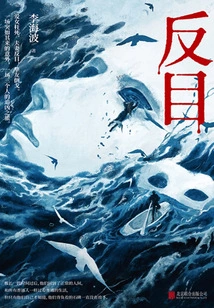
Turn Against One Another
General Fiction反目
Li Haibo
The girl who died young, the couple who broke up, no one knew that they built the plank road openly and spent time secretly. One of them was self-stigmatizing, the other gave up freedom and hunkered down in pain, just to complete their mission.
The girl who died young, the couple who broke up, no one knew that they built the plank road openly and spent time secretly. One of them was self-stigmatizing, the other gave up freedom and hunkered down in pain, just to complete their mission.
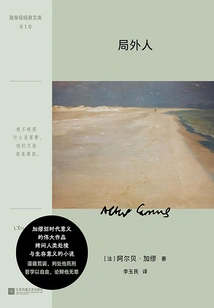
R
General Fictionr
H
This book is a novella. This book centers on the image of Meursault, a small clerk, and tells the absurd story of how he was legally charged with manslaughter, but was sentenced to death for not showing emotion at his mother's funeral. From the perspective of an "outsider" who is incompatible with society, Camus uses objective and calm narrative techniques to profoundly reveal the absurd nature of the world through a moral trial that Meursault experienced in the name of law. At the same time, this book is also a modern literary work, describing the protagonist's various experiences and inner world in daily life. The novel delves into the complexity of interpersonal relationships and an individual's position in society, encouraging readers to understand and accept the world around them with an open mind.
This book is a novella. This book centers on the image of Meursault, a small clerk, and tells the absurd story of how he was legally charged with manslaughter, but was sentenced to death for not showing emotion at his mother's funeral. From the perspective of an "outsider" who is incompatible with society, Camus uses objective and calm narrative techniques to profoundly reveal the absurd nature of the world through a moral trial that Meursault experienced in the name of law. At the same time, this book is also a modern literary work, describing the protagonist's various experiences and inner world in daily life. The novel delves into the complexity of interpersonal relationships and an individual's position in society, encouraging readers to understand and accept the world around them with an open mind.
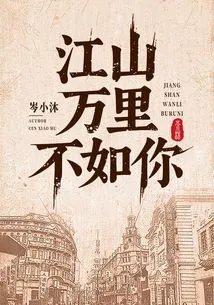
The World is Not as Good as Yours
General Fiction江山万里不如你
Cen Xiaomu
The Republic of China was in turmoil, gangs were fighting, and the country hated the family. Even heroes can't escape the love between sons and daughters, and beauty gates always hide murderous intent. Love is the only answer. He said: "As long as you nod, I will still abandon this country like a piece of grass. I want you to know that I give up this great country just to please you."
The Republic of China was in turmoil, gangs were fighting, and the country hated the family. Even heroes can't escape the love between sons and daughters, and beauty gates always hide murderous intent. Love is the only answer. He said: "As long as you nod, I will still abandon this country like a piece of grass. I want you to know that I give up this great country just to please you."

Little Thief, Please Come In
General Fiction小贼请进门
Su Yishan
It is said that there are two kinds of thieves in this world: one steals to make life rich, and the other steals to define life. Xiang Song has always been addicted to the exciting activity of stealing. And I really enjoy the sense of surprise after opening strange safes one after another. Until one day, when I sneaked into Qiao's house, my mood of washing my hands became stronger and stronger. As a thief, as an undercover thief who sneaked into the Qiao family, I must be cautious in my words and deeds, and hide my interests, abilities and knowledge when necessary.
It is said that there are two kinds of thieves in this world: one steals to make life rich, and the other steals to define life. Xiang Song has always been addicted to the exciting activity of stealing. And I really enjoy the sense of surprise after opening strange safes one after another. Until one day, when I sneaked into Qiao's house, my mood of washing my hands became stronger and stronger. As a thief, as an undercover thief who sneaked into the Qiao family, I must be cautious in my words and deeds, and hide my interests, abilities and knowledge when necessary.
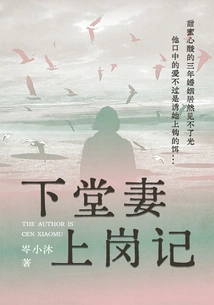
The Story of the Concubine's Wife's Appointment
General Fiction下堂妻上岗记
Cen Xiaomu
"If you continue like this, she will hate you one day." "I know, but what can I do?" The love at first sight in the funeral home turned out to be a deliberate approach, and the sweet and sad three-year marriage never saw the light of day. The love in his mouth was just bait to lure her into taking the bait. "Why did you approach me? Just for this piece of paper? You already have Lu Heng, what else are you dissatisfied with?" He said expressionlessly: "I want more than this." When the truth comes to light, can she return to him?
"If you continue like this, she will hate you one day." "I know, but what can I do?" The love at first sight in the funeral home turned out to be a deliberate approach, and the sweet and sad three-year marriage never saw the light of day. The love in his mouth was just bait to lure her into taking the bait. "Why did you approach me? Just for this piece of paper? You already have Lu Heng, what else are you dissatisfied with?" He said expressionlessly: "I want more than this." When the truth comes to light, can she return to him?

Don't Change Your Mind Towards the Sun
General Fiction不改向阳心
Cen Xiaomu
One of my favorite plants is called sunflower. It has been waiting silently all its life, changing its direction according to the love in its heart. It watches, it waits, it loves, it tolerates, this is actually a gesture of love. He brought all the sunflowers in the city, and the sunshine in the room illuminated her heart, which had been dark for a long time. Such a vigorous confession was enough to show how deep his love was. Lu Senyao hugged the woman in his arms tightly: "Do you know how hard it is for me to wait for you?" Gu Xiaoyang nodded deeply and couldn't help crying in his arms.
One of my favorite plants is called sunflower. It has been waiting silently all its life, changing its direction according to the love in its heart. It watches, it waits, it loves, it tolerates, this is actually a gesture of love. He brought all the sunflowers in the city, and the sunshine in the room illuminated her heart, which had been dark for a long time. Such a vigorous confession was enough to show how deep his love was. Lu Senyao hugged the woman in his arms tightly: "Do you know how hard it is for me to wait for you?" Gu Xiaoyang nodded deeply and couldn't help crying in his arms.
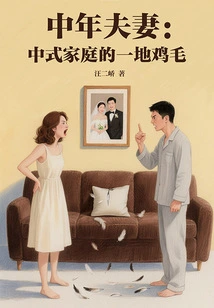
中年夫妻:中式家庭的一地鸡毛
Wang Erqiao
[Realistic Emotions + Parental Trickery + Midlife Crisis] A new work by Wang Erqiao, the author of the popular urban emotional work "I Wish to Always Be Happy"! In order to pursue her ideals, her daughter Hao Sijia quit her job; her mother-in-law Wang Lai suffered from Alzheimer's disease, and her sister-in-law Hao Enshang did not want to take care of her, but her husband Hao Xian wanted to outsource her filial piety; as a full-time housewife, Wang Yali had just raised her daughter and had to take care of her mother-in-law who had Alzheimer's disease. And Hao Enshang has too much to take care of. Her husband Huang Xiaojie is unemployed in middle age, and his son Huang Qingbei has poor academic performance. Just when the two families were worried about what to do, another illegitimate child suddenly appeared in Wang's house... Outsourcing of filial piety, conflicts of pension, full-time housewives, middle-aged unemployment, children's employment... Chinese-style families are all in trouble, and the life of middle-aged couples is difficult! But even if life is like a chicken feather, we must step on the chicken feathers and keep moving forward. Open this book and see how they move from a world of quarrels and complaints to a happy life of understanding and tolerance. Also known as "The Notes on the Bread".
[Realistic Emotions + Parental Trickery + Midlife Crisis] A new work by Wang Erqiao, the author of the popular urban emotional work "I Wish to Always Be Happy"! In order to pursue her ideals, her daughter Hao Sijia quit her job; her mother-in-law Wang Lai suffered from Alzheimer's disease, and her sister-in-law Hao Enshang did not want to take care of her, but her husband Hao Xian wanted to outsource her filial piety; as a full-time housewife, Wang Yali had just raised her daughter and had to take care of her mother-in-law who had Alzheimer's disease. And Hao Enshang has too much to take care of. Her husband Huang Xiaojie is unemployed in middle age, and his son Huang Qingbei has poor academic performance. Just when the two families were worried about what to do, another illegitimate child suddenly appeared in Wang's house... Outsourcing of filial piety, conflicts of pension, full-time housewives, middle-aged unemployment, children's employment... Chinese-style families are all in trouble, and the life of middle-aged couples is difficult! But even if life is like a chicken feather, we must step on the chicken feathers and keep moving forward. Open this book and see how they move from a world of quarrels and complaints to a happy life of understanding and tolerance. Also known as "The Notes on the Bread".
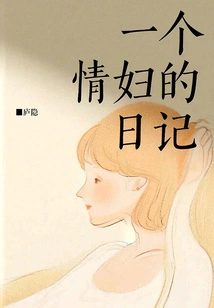
一个情妇的日记(民国才女代表作)
Luyin
"Diary of a Mistress" is Lu Yin's masterpiece, which depicts "my" passionate and desperate love for Zhong Qian with delicate brushstrokes. "I" knew that this relationship was not tolerated by the world, but I was willing to endure hardship and humiliation. The troubles and pains were no less than those of young Werther. Through "I"'s inner monologue and emotional struggle, the novel profoundly reveals women's complex psychology and helpless situation in love. It also reflects the social landscape of the May Fourth period and the difficult process of female consciousness awakening.
"Diary of a Mistress" is Lu Yin's masterpiece, which depicts "my" passionate and desperate love for Zhong Qian with delicate brushstrokes. "I" knew that this relationship was not tolerated by the world, but I was willing to endure hardship and humiliation. The troubles and pains were no less than those of young Werther. Through "I"'s inner monologue and emotional struggle, the novel profoundly reveals women's complex psychology and helpless situation in love. It also reflects the social landscape of the May Fourth period and the difficult process of female consciousness awakening.
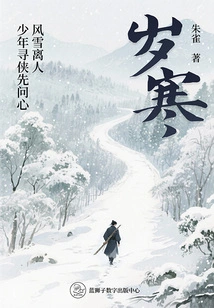
Sui Han
General Fiction岁寒
Suzaku
What is the meaning of the word "xia"? In Afan's heart, a true knight should be invincible in the world. When he entered the arena with this goal, he discovered that a knight cannot only use force. Tongzhou Wu Lei, whether a fledgling can win the crown; Jiangnan floods, how a young ranger can save the affected people; Yangzhou blacksmithing, whether young love can break away from the shackles of the world. Love and justice, how should Afan choose? How should a young man let go of wishes and sorrows? The wind and snow are constant, and the world is far away. Let's see how Afan pursues the chivalry in his heart.
What is the meaning of the word "xia"? In Afan's heart, a true knight should be invincible in the world. When he entered the arena with this goal, he discovered that a knight cannot only use force. Tongzhou Wu Lei, whether a fledgling can win the crown; Jiangnan floods, how a young ranger can save the affected people; Yangzhou blacksmithing, whether young love can break away from the shackles of the world. Love and justice, how should Afan choose? How should a young man let go of wishes and sorrows? The wind and snow are constant, and the world is far away. Let's see how Afan pursues the chivalry in his heart.

Flower Feast: a Dream Blooming in Midsummer
General Fiction花宴:开在盛夏的一朵梦
X. H Ye Yue Du Bu
The cafe is a metaphor and a microcosm of life. Everyone has an ideal paradise in their heart, just like everyone has an ideal cafe. What kind of story will happen in this cafe, which is equivalent to a "peach blossom garden"? What kind of love song will you play?
The cafe is a metaphor and a microcosm of life. Everyone has an ideal paradise in their heart, just like everyone has an ideal cafe. What kind of story will happen in this cafe, which is equivalent to a "peach blossom garden"? What kind of love song will you play?
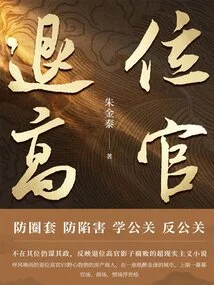
Resign High-ranking Officials
General Fiction退位高官
Zhu Jintai
[Official Novel + Shadow Corruption + Retired Officials + Government-Business Game] In the officialdom, there is a group of people who are respectfully called "old men". These "old men" are retired leading cadres. There are old men at all administrative levels of township, county, city, province and ministry. Because they have a wide range of disciples and deep connections, their influence is like a deep-rooted towering tree that is difficult to shake. Some "old men" still retain huge influence after retirement. Some continue to give orders as behind-the-scenes consultants, while others use their special status to engage in more covert corruption. This phenomenon is called "shadow corruption", and these people are also called-retired senior officials. Niu Zhihua is a real estate developer and a grassroots billionaire who made a fortune by using beautiful women to "human bomb". In order to quickly expand his wealth, he hired Gao Chongshan, the former director of the Provincial Department of Land and Resources, as a company consultant. Gao Zhongshan's son, Gao Shaoye, happened to return to China from the United States due to the financial crisis and joined Niu Zhihua's company, which began to gradually erode Niu Zhihua's property. In order to succeed, Gao Shaoye teamed up with his brother Gao Dameng, deputy director of the Public Security Bureau, to threaten, attack and persecute Niu Zhihua. Niu Zhihua has since fallen into one carefully planned frame-up after another. The novel takes the evolution of the relationship between Niu Zhihua and the Gao family as the main line, from initial cooperation to later suspicion and confrontation, until the final break. The storyline is intricate, the characters are vivid, and the plot development is full of twists and surprises. The work deeply explores the intertwining of officialdom, business, workplace and emotional world. With real estate development as the background, it reveals that retired officials use the resources and connections they accumulated while in office to seek power and rent, as well as the corruption phenomenon in the real estate industry behind the collusion between officials and businessmen. It shows the complexity and cruelty of the struggle between officials and businessmen. In the story, an ambitious real estate businessman, four charming public relations experts, a conceited returning elite, and a group of retired officials who still have huge influence behind the scenes, each with their own evil intentions, staged scenes of complicated officialdom, business, and emotional dramas in this bustling city.
[Official Novel + Shadow Corruption + Retired Officials + Government-Business Game] In the officialdom, there is a group of people who are respectfully called "old men". These "old men" are retired leading cadres. There are old men at all administrative levels of township, county, city, province and ministry. Because they have a wide range of disciples and deep connections, their influence is like a deep-rooted towering tree that is difficult to shake. Some "old men" still retain huge influence after retirement. Some continue to give orders as behind-the-scenes consultants, while others use their special status to engage in more covert corruption. This phenomenon is called "shadow corruption", and these people are also called-retired senior officials. Niu Zhihua is a real estate developer and a grassroots billionaire who made a fortune by using beautiful women to "human bomb". In order to quickly expand his wealth, he hired Gao Chongshan, the former director of the Provincial Department of Land and Resources, as a company consultant. Gao Zhongshan's son, Gao Shaoye, happened to return to China from the United States due to the financial crisis and joined Niu Zhihua's company, which began to gradually erode Niu Zhihua's property. In order to succeed, Gao Shaoye teamed up with his brother Gao Dameng, deputy director of the Public Security Bureau, to threaten, attack and persecute Niu Zhihua. Niu Zhihua has since fallen into one carefully planned frame-up after another. The novel takes the evolution of the relationship between Niu Zhihua and the Gao family as the main line, from initial cooperation to later suspicion and confrontation, until the final break. The storyline is intricate, the characters are vivid, and the plot development is full of twists and surprises. The work deeply explores the intertwining of officialdom, business, workplace and emotional world. With real estate development as the background, it reveals that retired officials use the resources and connections they accumulated while in office to seek power and rent, as well as the corruption phenomenon in the real estate industry behind the collusion between officials and businessmen. It shows the complexity and cruelty of the struggle between officials and businessmen. In the story, an ambitious real estate businessman, four charming public relations experts, a conceited returning elite, and a group of retired officials who still have huge influence behind the scenes, each with their own evil intentions, staged scenes of complicated officialdom, business, and emotional dramas in this bustling city.
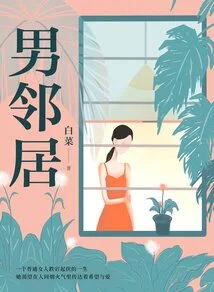
Male Neighbor
General Fiction男邻居
Chinese Cabbage
[Mid-aged love + female growth] Rural girl Qiu Mai's ups and downs experience from new marriage, childbirth, miscarriage to divorce. After 12 years of marriage, the exclusive sweetness of "love" became indifferent due to the husband's disrespect and inaction. All the affection disappeared due to the various evil deeds of the mother-in-law and three aunts, and eventually divorced. The story begins with the male neighbor downstairs listening to the room in the middle of the night. In the welfare room allocated by the work unit at the end of the 20th century, Chen Youfu, the director of the company office on the third floor, often endured the snoring of his wife beside him, while looking forward to using the sound to peek into the lives of the newlyweds upstairs - a "feast" that did not belong to him. This is the story of an ordinary woman's ups and downs, going through the ignorance of newlyweds, experiencing the trivialities of marriage, and finally heading for divorce and a new life. Her growth and changes, encounters and choices bear traces of the times, as well as the awakening of female self-awareness. Her character is very ordinary, just like you and me among all living beings who are struggling for life. Her story is very interesting, conveying hope and love in the smoke and fire of the world.
[Mid-aged love + female growth] Rural girl Qiu Mai's ups and downs experience from new marriage, childbirth, miscarriage to divorce. After 12 years of marriage, the exclusive sweetness of "love" became indifferent due to the husband's disrespect and inaction. All the affection disappeared due to the various evil deeds of the mother-in-law and three aunts, and eventually divorced. The story begins with the male neighbor downstairs listening to the room in the middle of the night. In the welfare room allocated by the work unit at the end of the 20th century, Chen Youfu, the director of the company office on the third floor, often endured the snoring of his wife beside him, while looking forward to using the sound to peek into the lives of the newlyweds upstairs - a "feast" that did not belong to him. This is the story of an ordinary woman's ups and downs, going through the ignorance of newlyweds, experiencing the trivialities of marriage, and finally heading for divorce and a new life. Her growth and changes, encounters and choices bear traces of the times, as well as the awakening of female self-awareness. Her character is very ordinary, just like you and me among all living beings who are struggling for life. Her story is very interesting, conveying hope and love in the smoke and fire of the world.
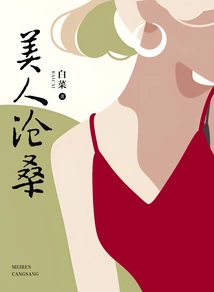
Beauty's Vicissitudes of Life
General Fiction美人沧桑
Chinese Cabbage
[Female Growth + Emotions + Marriage and Love + Family Affairs] Baicai is another masterpiece after "Mid-aged Desire"! This is a woman's growth epic. Twenty-year-old Li Shuang left her hometown with the dream of being a stewardess. She wanted to work as a wild model, walk on the catwalk, and compete in the talent show... She wanted to find a smooth path for her life, but this road was full of temptations and thorns. When she escaped from one love trap after another, some people pushed her into the abyss under the guise of love. They are glamorous, romantic, fate, and calamity. In the past ten years, fate has given her flowers and applause, but also setbacks and blows. She wears armor and lives better and better. "At first, I compared you to the moon in my heart, I compared you to a river carrying a boat,? I compared you to a mountain with support, and I compared you to a big tree wrapped with ivy. But after experiencing countless blood, tears and darkness alone, we find that we are as bright as the bright moon, as broad as the river, as solid as the mountain, and more stable than the big tree." In fact, time never defeats beauty.
[Female Growth + Emotions + Marriage and Love + Family Affairs] Baicai is another masterpiece after "Mid-aged Desire"! This is a woman's growth epic. Twenty-year-old Li Shuang left her hometown with the dream of being a stewardess. She wanted to work as a wild model, walk on the catwalk, and compete in the talent show... She wanted to find a smooth path for her life, but this road was full of temptations and thorns. When she escaped from one love trap after another, some people pushed her into the abyss under the guise of love. They are glamorous, romantic, fate, and calamity. In the past ten years, fate has given her flowers and applause, but also setbacks and blows. She wears armor and lives better and better. "At first, I compared you to the moon in my heart, I compared you to a river carrying a boat,? I compared you to a mountain with support, and I compared you to a big tree wrapped with ivy. But after experiencing countless blood, tears and darkness alone, we find that we are as bright as the bright moon, as broad as the river, as solid as the mountain, and more stable than the big tree." In fact, time never defeats beauty.
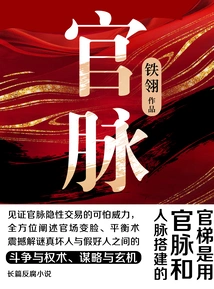
Official Connections
General Fiction官脉
Tie Ling
A long anti-corruption novel, about the struggles, strategies and mysteries in officialdom. The official ladder is built with official connections and personal connections. The long anti-corruption novel "Official Lines" witnesses the invisible transactions and terrifying power of official lines. It comprehensively explains the changing faces and balancing techniques of officialdom, shockingly revealing the struggle and power tactics, strategies and mysteries between the real bad guys and the fake good guys.
A long anti-corruption novel, about the struggles, strategies and mysteries in officialdom. The official ladder is built with official connections and personal connections. The long anti-corruption novel "Official Lines" witnesses the invisible transactions and terrifying power of official lines. It comprehensively explains the changing faces and balancing techniques of officialdom, shockingly revealing the struggle and power tactics, strategies and mysteries between the real bad guys and the fake good guys.
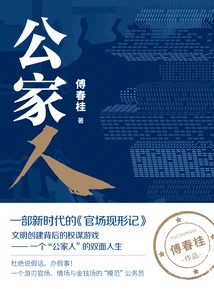
Public Servant
General Fiction公家人
Fu Chungui
Yuexi City is an important place in Pennsylvania's political arena, and the new secretary strives to create a civilized city for his official career. The young and handsome director of the Civilization Office, Ai Bai, has a good figure, knows how to do things, and takes advantage of opportunities to make a fortune. He has a successful career - from director of the Civilization Office to executive deputy director of the Propaganda Department; he also has a good love life, dealing with four beauties; and money is rolling in. Aibo is conscientious at work and sincerely concerned about the people's livelihood, but when it comes to money, he will never miss any opportunity to "make money". Ai Bai is the ancestor who tells lies and does false things, but he is deeply loved by everyone. The people around Aibo shouted: Long live Aibo! Albert said: I am just a public person.
Yuexi City is an important place in Pennsylvania's political arena, and the new secretary strives to create a civilized city for his official career. The young and handsome director of the Civilization Office, Ai Bai, has a good figure, knows how to do things, and takes advantage of opportunities to make a fortune. He has a successful career - from director of the Civilization Office to executive deputy director of the Propaganda Department; he also has a good love life, dealing with four beauties; and money is rolling in. Aibo is conscientious at work and sincerely concerned about the people's livelihood, but when it comes to money, he will never miss any opportunity to "make money". Ai Bai is the ancestor who tells lies and does false things, but he is deeply loved by everyone. The people around Aibo shouted: Long live Aibo! Albert said: I am just a public person.
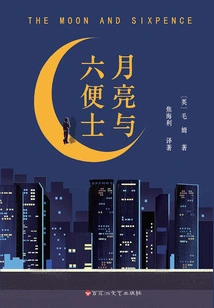
U
General Fictionu
H
This book is a classic literary masterpiece with a high literary status. The novel uses the life of French Impressionist painter Paul as the material. It describes Strickland, an originally ordinary securities broker. From beginning to end, it revolves around the theme of Strickland's strange life and explores what he is pursuing. The story unfolds through the description of such a geek who is obsessed with art and does not understand the world, as well as the characters such as Stroeve, Blanche, and Etta who closely surround him. By narrating this development process, the author deeply explores the contradictions and interactions between life and art, and explores thought-provoking issues such as the relationship between personality and genius, and the contradiction between artists and society.
This book is a classic literary masterpiece with a high literary status. The novel uses the life of French Impressionist painter Paul as the material. It describes Strickland, an originally ordinary securities broker. From beginning to end, it revolves around the theme of Strickland's strange life and explores what he is pursuing. The story unfolds through the description of such a geek who is obsessed with art and does not understand the world, as well as the characters such as Stroeve, Blanche, and Etta who closely surround him. By narrating this development process, the author deeply explores the contradictions and interactions between life and art, and explores thought-provoking issues such as the relationship between personality and genius, and the contradiction between artists and society.

Green Love
General Fiction绿恋
Mao Deyuan
After Xiao Jianshan saw his wife cheating on him with his own eyes, he was so distraught that he returned to his hometown to heal his soul and create. Unexpectedly, his hometown with beautiful mountains and clear waters had changed beyond recognition because the mountains were scarred by tungsten mining companies and the streams were polluted. His cousin Xiao Jianshui wanted to use his wisdom and ability to drive away the polluting mining companies, but Xiao Jianshan thought he was just a passerby and didn't want to meddle in other people's business. However, the persistence of Jiang Xiaoling from the Environmental Protection Bureau moved him, and he gained not only career but also love.
After Xiao Jianshan saw his wife cheating on him with his own eyes, he was so distraught that he returned to his hometown to heal his soul and create. Unexpectedly, his hometown with beautiful mountains and clear waters had changed beyond recognition because the mountains were scarred by tungsten mining companies and the streams were polluted. His cousin Xiao Jianshui wanted to use his wisdom and ability to drive away the polluting mining companies, but Xiao Jianshan thought he was just a passerby and didn't want to meddle in other people's business. However, the persistence of Jiang Xiaoling from the Environmental Protection Bureau moved him, and he gained not only career but also love.
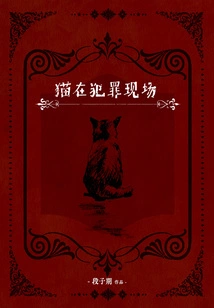
Cat at Crime Scene
General Fiction猫在犯罪现场
Duanzi Period
I'm not a criminal at all, and my cat knows it. But who would believe it? Ai-chan couldn't speak. I could only explain it over and over again, but they didn't listen at all. Well, let me tell you again. My name is Li Weijun, and my cat's name is Ai Jiang. On the day of the incident, this was like this--
I'm not a criminal at all, and my cat knows it. But who would believe it? Ai-chan couldn't speak. I could only explain it over and over again, but they didn't listen at all. Well, let me tell you again. My name is Li Weijun, and my cat's name is Ai Jiang. On the day of the incident, this was like this--
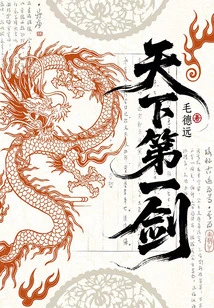
The Best Sword in the World
General Fiction天下第一剑
Mao Deyuan
In order to make a living, Ou Yezi took his daughter and son-in-law to the Kingdom of Wu to forge swords for the cruel Fu Chai. When Gou Jian found out, he sent someone to invite him personally. For the sake of a safe life for the people in the world, Ou Yezi went through all kinds of hardships, including sacrificing his own relatives, and finally forged the world-famous Zhanlu Sword for Gou Jian.
In order to make a living, Ou Yezi took his daughter and son-in-law to the Kingdom of Wu to forge swords for the cruel Fu Chai. When Gou Jian found out, he sent someone to invite him personally. For the sake of a safe life for the people in the world, Ou Yezi went through all kinds of hardships, including sacrificing his own relatives, and finally forged the world-famous Zhanlu Sword for Gou Jian.
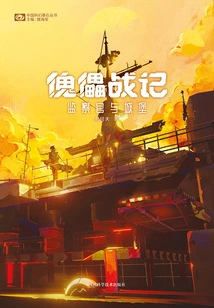
Puppet Wars: the Inspector and the Castle (chinese Science Fiction Cornerstone Series)
General Fiction傀儡战记:监察官与城堡(中国科幻基石丛书)
Sohoov
In the distant future, when the glory of the interstellar colonial era has faded, humans with degraded technology are scattered and struggling on the declining colonial planets. In a colonial world at the edge of the galaxy, the locals who were trying to rebuild civilization were suddenly attacked by a hostile force called the "Puppets" and fell into a long war. In order to complete a seemingly ordinary scientific research mission, volunteer officer Adnan and his team finally came to the underground ruins after going through countless hardships and met the mastermind behind the scenes, but they allowed him to escape at the last moment. After twists and turns, he came to a new stage - Lantan, trying to find clues about the mastermind behind the scenes, but he unexpectedly got involved in a political conspiracy. At the center of the political whirlpool is his client this time - the inspector of Lan Tan. What awaits them will be...
In the distant future, when the glory of the interstellar colonial era has faded, humans with degraded technology are scattered and struggling on the declining colonial planets. In a colonial world at the edge of the galaxy, the locals who were trying to rebuild civilization were suddenly attacked by a hostile force called the "Puppets" and fell into a long war. In order to complete a seemingly ordinary scientific research mission, volunteer officer Adnan and his team finally came to the underground ruins after going through countless hardships and met the mastermind behind the scenes, but they allowed him to escape at the last moment. After twists and turns, he came to a new stage - Lantan, trying to find clues about the mastermind behind the scenes, but he unexpectedly got involved in a political conspiracy. At the center of the political whirlpool is his client this time - the inspector of Lan Tan. What awaits them will be...

Ten Years of Spare Tire
General Fiction十年备胎
Ten Years
The story is based on the ten-year friendship between Yang Yifan and the girl Gu Xiaoxian, who have been good friends for ten years. It tells the story of Yang Yifan's ten years of constant protection. On this day ten years later, the girl will get married, which puts this ten-year friendship in an awkward state. But fortunately, Yang Yifan still promised to protect the girl for the rest of her life. Some people say that possession is the beginning of loss, and a spare tire lasts a lifetime. It's really not easy to meet someone you like so much in a huge crowd. After all, falling in love and staying together is a small probability thing. So no matter what form it takes, I hope to be by the other person's side, provide care and help, and wish him all the best. Youth, how can we call it youth if we don't have unforgettable love? Such a loving picture is so beautiful that it makes people enchanted; but sometimes it makes people laugh, sometimes it makes people sigh...
The story is based on the ten-year friendship between Yang Yifan and the girl Gu Xiaoxian, who have been good friends for ten years. It tells the story of Yang Yifan's ten years of constant protection. On this day ten years later, the girl will get married, which puts this ten-year friendship in an awkward state. But fortunately, Yang Yifan still promised to protect the girl for the rest of her life. Some people say that possession is the beginning of loss, and a spare tire lasts a lifetime. It's really not easy to meet someone you like so much in a huge crowd. After all, falling in love and staying together is a small probability thing. So no matter what form it takes, I hope to be by the other person's side, provide care and help, and wish him all the best. Youth, how can we call it youth if we don't have unforgettable love? Such a loving picture is so beautiful that it makes people enchanted; but sometimes it makes people laugh, sometimes it makes people sigh...
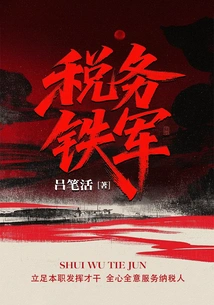
Tax Iron Army
General Fiction税务铁军
Lu Bihuo
At the dawn of the new era, Tang Xingqiang was admitted to the Rongmei County Taxation Bureau of Lianzhou City, Southern Guangdong Province. On the eve of registration, he bravely rescued the drowning man and met Zheng Huihui, the daughter of the drowning man and a cadre of the county local taxation bureau. After reporting for duty, Tang Xingqiang and his colleagues Liu Chaoli, Lu Tianqin and Zheng Huihui, who joined the company together, studied diligently, gave full play to their talents based on their duties, and served taxpayers wholeheartedly. They provided preferential tax policies to enterprises, helped them solve their problems, and composed a symphony of tax convenience for the people, which was well received by enterprises. Afterwards, Zheng Huihui responded to the call and served as the first secretary in the backward villages. She devoted her efforts to rural revitalization and helped the villagers get rid of poverty and become rich. After the expiration of her term, the masses persuaded her to continue her term. Tang Xingqiang and Zheng Huihui both experienced emotional setbacks, talked to each other, and found that they had the same goals, so they became close and gradually became lovers and husband and wife. This novel also writes about the anti-war heroes who served as tax soldiers in the Dongjiang Column and still shined after retirement, the tax leaders who promoted the reform of the tax collection and management system and voluntarily became "deputies", and a group of tax cadres who worked hard and dedicated quietly. They all worked together to contribute to the taxation cause and high-quality development of the local social economy.
At the dawn of the new era, Tang Xingqiang was admitted to the Rongmei County Taxation Bureau of Lianzhou City, Southern Guangdong Province. On the eve of registration, he bravely rescued the drowning man and met Zheng Huihui, the daughter of the drowning man and a cadre of the county local taxation bureau. After reporting for duty, Tang Xingqiang and his colleagues Liu Chaoli, Lu Tianqin and Zheng Huihui, who joined the company together, studied diligently, gave full play to their talents based on their duties, and served taxpayers wholeheartedly. They provided preferential tax policies to enterprises, helped them solve their problems, and composed a symphony of tax convenience for the people, which was well received by enterprises. Afterwards, Zheng Huihui responded to the call and served as the first secretary in the backward villages. She devoted her efforts to rural revitalization and helped the villagers get rid of poverty and become rich. After the expiration of her term, the masses persuaded her to continue her term. Tang Xingqiang and Zheng Huihui both experienced emotional setbacks, talked to each other, and found that they had the same goals, so they became close and gradually became lovers and husband and wife. This novel also writes about the anti-war heroes who served as tax soldiers in the Dongjiang Column and still shined after retirement, the tax leaders who promoted the reform of the tax collection and management system and voluntarily became "deputies", and a group of tax cadres who worked hard and dedicated quietly. They all worked together to contribute to the taxation cause and high-quality development of the local social economy.
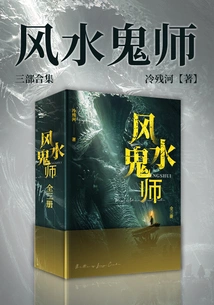
Feng Shui Ghost Master (all Three Volumes)
General Fiction风水鬼师(全三册)
Lengcanhe
Sixty years ago, my great-great-grandfather was a very famous local Feng Shui master. Unfortunately, he died because of bad Feng Shui and got into trouble. As the only descendant of the old man, my grandfather, who was proficient in Feng Shui, chose a place with excellent Feng Shui for him as a blessed place to shelter his descendants, and predicted that a strange person would come out of our Yang family. Unexpectedly, the blessed land my grandpa chose turned out to be a vicious place used by gangsters to raise corpses in their mansions, and I was a freak nurtured by this vicious place. Half a century ago, the fortune teller Li Banxian'er made a divination for my grandfather, predicting that we descendants of the Yang family would have a master-disciple relationship with him. Half a century later, Li Banxian'er was trapped in the Feng Shui Prison of Seven Stars and transformed into a fierce ghost. However, I accidentally opened the Feng Shui Prison and released the evil ghost Li Banxian'er, which has caused trouble ever since. Go deep into the underworld and learn the magic of yin and yang from the fierce ghost Li Banxian'er, break the evil Feng Shui situation, drive away hundreds of ghosts that walk at night, fight against Nanyang's head-dropping monsters, break the century-old zombie formation, and see if the descendants of Feng Shui master Yang Gong use a Feng Shui jujube compass to play with the world, and finally become a generation of Feng Shui ghost masters.
Sixty years ago, my great-great-grandfather was a very famous local Feng Shui master. Unfortunately, he died because of bad Feng Shui and got into trouble. As the only descendant of the old man, my grandfather, who was proficient in Feng Shui, chose a place with excellent Feng Shui for him as a blessed place to shelter his descendants, and predicted that a strange person would come out of our Yang family. Unexpectedly, the blessed land my grandpa chose turned out to be a vicious place used by gangsters to raise corpses in their mansions, and I was a freak nurtured by this vicious place. Half a century ago, the fortune teller Li Banxian'er made a divination for my grandfather, predicting that we descendants of the Yang family would have a master-disciple relationship with him. Half a century later, Li Banxian'er was trapped in the Feng Shui Prison of Seven Stars and transformed into a fierce ghost. However, I accidentally opened the Feng Shui Prison and released the evil ghost Li Banxian'er, which has caused trouble ever since. Go deep into the underworld and learn the magic of yin and yang from the fierce ghost Li Banxian'er, break the evil Feng Shui situation, drive away hundreds of ghosts that walk at night, fight against Nanyang's head-dropping monsters, break the century-old zombie formation, and see if the descendants of Feng Shui master Yang Gong use a Feng Shui jujube compass to play with the world, and finally become a generation of Feng Shui ghost masters.
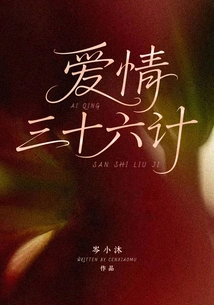
Thirty Six Strategies for Love
General Fiction爱情三十六计
Cen Xiaomu
In order to get close to her favorite Lu Fang, Guan Xingtong carefully planned a series of "strategies", from the first misunderstanding on a blind date, to subsequent workplace confrontations, to every encounter in life... With her unique wisdom and perseverance, she gradually won Lu Fang's heart.
In order to get close to her favorite Lu Fang, Guan Xingtong carefully planned a series of "strategies", from the first misunderstanding on a blind date, to subsequent workplace confrontations, to every encounter in life... With her unique wisdom and perseverance, she gradually won Lu Fang's heart.
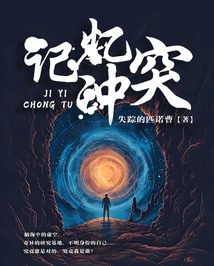
Memory Conflict
General Fiction记忆冲突
Missing Pinocchio
A teenager who lost his father lost his dependent mother on his 18th birthday. At the same time, everything related to him disappeared in the blink of an eye. The sudden appearance of two soldiers, the strange research base, the unknown self, and the void in the mind, the two women who are constantly entangled, the mysterious obstruction, who is right, and who am I?
A teenager who lost his father lost his dependent mother on his 18th birthday. At the same time, everything related to him disappeared in the blink of an eye. The sudden appearance of two soldiers, the strange research base, the unknown self, and the void in the mind, the two women who are constantly entangled, the mysterious obstruction, who is right, and who am I?

A Flash Marriage but Not a Flash Divorce
General Fiction闪婚不闪离
June Lychee
Lin Youran wanted to change her auntie status the day she became popular, but for no apparent reason, she was surrounded by super iceberg men in black at the door of the toilet. He took out a goose egg diamond and proposed: "Miss, I love you, marry me!" "Get out of the way, I need to pee!" "No, unless you accept this ring!" "Just accept it!" From then on, he embarked on the road of no return, and he got married in a flash marriage when he proposed to propose. Let's see how cute Lin You can melt the heart of the sinister Bingshan CEO...
Lin Youran wanted to change her auntie status the day she became popular, but for no apparent reason, she was surrounded by super iceberg men in black at the door of the toilet. He took out a goose egg diamond and proposed: "Miss, I love you, marry me!" "Get out of the way, I need to pee!" "No, unless you accept this ring!" "Just accept it!" From then on, he embarked on the road of no return, and he got married in a flash marriage when he proposed to propose. Let's see how cute Lin You can melt the heart of the sinister Bingshan CEO...
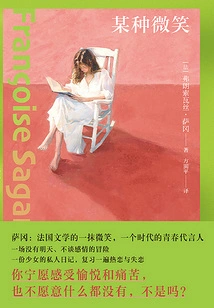
Some Kind of Smile
General Fiction某种微笑
J
Dominique, a 20-year-old female college student, came to Paris alone from the provinces. Her studies and boyfriend were both good, but she couldn't stop the boredom deep inside her heart, until she met her boyfriend's traveler uncle Luc, a depressed smart man, a 40-year-old mature man, a similar person. So little girls like Dominic were inevitably attracted. She fell into the only passion in twenty years and spent two real weeks with Luc in Cannes, but in the end everything was over. The time they spent together only turned into a record, turned into some kind of smile, and the girl's heart grew old in one summer.
Dominique, a 20-year-old female college student, came to Paris alone from the provinces. Her studies and boyfriend were both good, but she couldn't stop the boredom deep inside her heart, until she met her boyfriend's traveler uncle Luc, a depressed smart man, a 40-year-old mature man, a similar person. So little girls like Dominic were inevitably attracted. She fell into the only passion in twenty years and spent two real weeks with Luc in Cannes, but in the end everything was over. The time they spent together only turned into a record, turned into some kind of smile, and the girl's heart grew old in one summer.

Welcome to Hunam-dong Bookstore
General Fiction欢迎光临休南洞书店
(korean) Huang Baolin
This is a long healing novel. In the small and secluded community of Hunam-dong, a humble bookstore has opened. The people who would step into Huonam-dong Bookstore and fall in love with it seem to be people with some holes in their hearts. Because I want happiness and success, I have been running and working hard until I can't breathe. I got a chance to take a break in Hunam-dong Bookstore. Yingzhu and the bookstore guests began to think about what true happiness is, explore the small but important emotions in their hearts, and talk about the difficulties in work and life. They not only found answers in books, but also found ways to start over in their conversations with each other... In this way, Huonandong Bookstore accommodates everyone's joy and sadness, and slowly moves forward with everyone.
This is a long healing novel. In the small and secluded community of Hunam-dong, a humble bookstore has opened. The people who would step into Huonam-dong Bookstore and fall in love with it seem to be people with some holes in their hearts. Because I want happiness and success, I have been running and working hard until I can't breathe. I got a chance to take a break in Hunam-dong Bookstore. Yingzhu and the bookstore guests began to think about what true happiness is, explore the small but important emotions in their hearts, and talk about the difficulties in work and life. They not only found answers in books, but also found ways to start over in their conversations with each other... In this way, Huonandong Bookstore accommodates everyone's joy and sadness, and slowly moves forward with everyone.
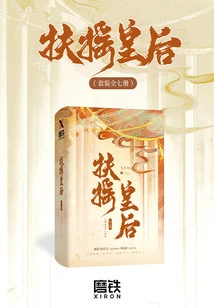
Queen Fuyao (set of Seven Volumes)
General Fiction扶摇皇后(套装全七册)
Return Of The World
[Original novel of the TV series "Fuyao" starring Yang Mi However, fate has changed. Meng Fuyao accidentally obtained the "Broken Nine Heavens" technique from the ancient god, and awakened her bloodline against the sky. From then on, she walked on a bloody journey, collided with the machinations of the royal family, competed with the world's elites, and the Seven Kingdoms and the world's situation were all in her hands! But fate is like a shackle, all her gifts have hidden sharp edges, and every struggle makes the beloved fall into the abyss. She said, all my efforts in life are contrary to true love, is it God's will? Then I will turn this day upside down! The silk was torn three feet, blood was spattered ten feet, the territory expanded thousands of miles, and there were thousands of corpses. Luan and phoenix rise in the same wind in one day, soaring upward ninety thousand miles.
[Original novel of the TV series "Fuyao" starring Yang Mi However, fate has changed. Meng Fuyao accidentally obtained the "Broken Nine Heavens" technique from the ancient god, and awakened her bloodline against the sky. From then on, she walked on a bloody journey, collided with the machinations of the royal family, competed with the world's elites, and the Seven Kingdoms and the world's situation were all in her hands! But fate is like a shackle, all her gifts have hidden sharp edges, and every struggle makes the beloved fall into the abyss. She said, all my efforts in life are contrary to true love, is it God's will? Then I will turn this day upside down! The silk was torn three feet, blood was spattered ten feet, the territory expanded thousands of miles, and there were thousands of corpses. Luan and phoenix rise in the same wind in one day, soaring upward ninety thousand miles.
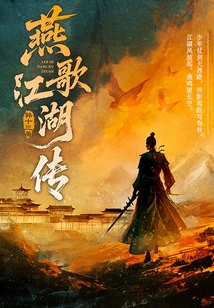
The Legend of Yan Ge Jiang Hu
General Fiction燕歌江湖传
Han Shisan
Young men fight their way through the rivers and lakes, brothers turn against each other and are wounded by swords, love and hate are difficult to balance, and the star map prophesies that after the piano is burned, who is the master of the country? In the twenty-third year of Zhaowen's reign, Dayan suffered internal and external troubles. Before his death, Taoist Master Tingyun of Wuchen Temple ordered his disciples Yan Gexing and Chang Mufeng to escort the guqin, leaving behind a prophecy: "When the qin plays, brothers will kill each other, and the world will change its masters." The mysterious woman Duan Feiyan caused the two brothers to turn against each other, and the leader of the martial arts alliance left. After a strange death, the killers on the thirteenth floor followed one after another. Yan Gexing was pushed to the position of leader of the alliance through some strange combination of circumstances, and was stigmatized as "killing his master to seize power." Chang Mufeng was resentful because of his love, and was controlled by the "Heunsan" on the thirteenth floor and became a revenge puppet. The Red Lotus Sect, the Thirteenth Floor and other forces took advantage of the chaos to stir up the situation, and the conspiracies caused by the secrets of the real and fake princes in the court continued... Each and every incident involved the two brothers into a fatal dilemma, but the jade pendant secret message they carried was the key to uncovering the mystery. Can they uncover the truth and prevent the world from overturning? Everything will be revealed in this story...
Young men fight their way through the rivers and lakes, brothers turn against each other and are wounded by swords, love and hate are difficult to balance, and the star map prophesies that after the piano is burned, who is the master of the country? In the twenty-third year of Zhaowen's reign, Dayan suffered internal and external troubles. Before his death, Taoist Master Tingyun of Wuchen Temple ordered his disciples Yan Gexing and Chang Mufeng to escort the guqin, leaving behind a prophecy: "When the qin plays, brothers will kill each other, and the world will change its masters." The mysterious woman Duan Feiyan caused the two brothers to turn against each other, and the leader of the martial arts alliance left. After a strange death, the killers on the thirteenth floor followed one after another. Yan Gexing was pushed to the position of leader of the alliance through some strange combination of circumstances, and was stigmatized as "killing his master to seize power." Chang Mufeng was resentful because of his love, and was controlled by the "Heunsan" on the thirteenth floor and became a revenge puppet. The Red Lotus Sect, the Thirteenth Floor and other forces took advantage of the chaos to stir up the situation, and the conspiracies caused by the secrets of the real and fake princes in the court continued... Each and every incident involved the two brothers into a fatal dilemma, but the jade pendant secret message they carried was the key to uncovering the mystery. Can they uncover the truth and prevent the world from overturning? Everything will be revealed in this story...
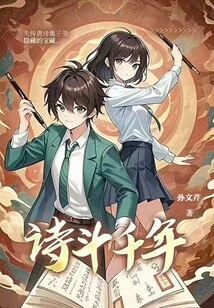
A Thousand Years of Poetry
General Fiction诗斗千年
Sun Wenqin
Today, with the advancement of science and technology, manuscripts of Tang poetry that have been lost for more than a thousand years are still priceless treasures. Du Xiaoyin actually found such a thing stored in her grandma's house. Because he didn't know much about old-style poetry, he lost the "duel" with the strange man and lost the poem volume. After that, Du Xiaoyin resolutely joined the poetry club of Wu Chu University. Encouraged by the president Li Yexin, he accidentally started to learn to write poetry, and participated in the national competition and a series of subsequent "poetry duels"... In these duels, the poetry styles from the Tang Dynasty to the late Qing Dynasty and the Republic of China will be presented one by one. Behind it lies a "poetry world" where talented people have emerged in large numbers. For a thousand years, poetry writing skills representing different dynasties have been competing here. Who will end up with the lost poems in "Jianghu"? What is the hidden story between Du Xiaoyin's ancestors and father's generation? How will the mysteries of "context" and "national destiny" recorded in the legendary poems be deciphered?
Today, with the advancement of science and technology, manuscripts of Tang poetry that have been lost for more than a thousand years are still priceless treasures. Du Xiaoyin actually found such a thing stored in her grandma's house. Because he didn't know much about old-style poetry, he lost the "duel" with the strange man and lost the poem volume. After that, Du Xiaoyin resolutely joined the poetry club of Wu Chu University. Encouraged by the president Li Yexin, he accidentally started to learn to write poetry, and participated in the national competition and a series of subsequent "poetry duels"... In these duels, the poetry styles from the Tang Dynasty to the late Qing Dynasty and the Republic of China will be presented one by one. Behind it lies a "poetry world" where talented people have emerged in large numbers. For a thousand years, poetry writing skills representing different dynasties have been competing here. Who will end up with the lost poems in "Jianghu"? What is the hidden story between Du Xiaoyin's ancestors and father's generation? How will the mysteries of "context" and "national destiny" recorded in the legendary poems be deciphered?

Four Notes on Hunan Love
General Fiction湘情四记
Shi Rui
The story focuses on the growth of Sun Jinsong, Lin Zhuer, Wu Liangsheng, and Shi Xiangmei. It tells the story of their tortuous journey by chance to study under Mr. Sun, who combines medical and martial arts skills, and finally became social elites. From adolescence to adulthood, from the shopping mall to the workplace, the four people have complicated experiences, with ups and downs in their stories, intertwined with love and hatred, which makes people want to stop. At the same time, it also shows a magnificent and colorful picture of life customs in western Hunan and southern Hunan in the past 40 years.
The story focuses on the growth of Sun Jinsong, Lin Zhuer, Wu Liangsheng, and Shi Xiangmei. It tells the story of their tortuous journey by chance to study under Mr. Sun, who combines medical and martial arts skills, and finally became social elites. From adolescence to adulthood, from the shopping mall to the workplace, the four people have complicated experiences, with ups and downs in their stories, intertwined with love and hatred, which makes people want to stop. At the same time, it also shows a magnificent and colorful picture of life customs in western Hunan and southern Hunan in the past 40 years.
Others Are Hell
General Fiction他人即地狱
Liu Shenyin
This book is a crime documentary that records the real cases encountered by trace inspection expert Liu Shenyin in his work and the human nature hidden behind the murder scene. Does the perfect crime really exist? The man committed suicide by burning charcoal indoors, and sealed the doors and windows with tape before his death. Behind this seemingly bizarre case, there was actually a cruel suicide game hidden; a 19-year-old girl waited for 20 years to get revenge on her ex-boyfriend, and every day during these 20 years, she would think about the same thing Things: Returning to him and letting him experience what she had experienced back then, she formulated a revenge plan; the man was bitten to death by a silver snake at the resort. The more Liu Shenyin investigated, the more horrified he became. He concluded that it was a murder, and at the same time, all the clues pointed to his best friend. This book will take you deep into the crime scene. Through the traces left at the murder scene, you can trace the hidden life behind each real case and explore the "hell" in everyone's heart.
This book is a crime documentary that records the real cases encountered by trace inspection expert Liu Shenyin in his work and the human nature hidden behind the murder scene. Does the perfect crime really exist? The man committed suicide by burning charcoal indoors, and sealed the doors and windows with tape before his death. Behind this seemingly bizarre case, there was actually a cruel suicide game hidden; a 19-year-old girl waited for 20 years to get revenge on her ex-boyfriend, and every day during these 20 years, she would think about the same thing Things: Returning to him and letting him experience what she had experienced back then, she formulated a revenge plan; the man was bitten to death by a silver snake at the resort. The more Liu Shenyin investigated, the more horrified he became. He concluded that it was a murder, and at the same time, all the clues pointed to his best friend. This book will take you deep into the crime scene. Through the traces left at the murder scene, you can trace the hidden life behind each real case and explore the "hell" in everyone's heart.
Detective Zhao Gan Goose 3: Revenge of the Inspector
General Fiction大真探赵赶鹅3:复仇探长
Zhao Gange
Serious case detective Zhao Gan'e is the person closest to the crime scene. Facing the scene of a bizarre murder, by tracing the murderer's life trajectory, we not only restore the truth, but also reveal various magical and complex stories in the world. A young police officer was beaten mentally retarded by gangsters on the street. The old police officer lost his dignity and position and plotted a revenge at all costs; the "King of Thieves" wanted across the country fell in love with the girl who resisted him. The little thief, who has followed the "King of Thieves" for many years, is full of grudges against his master's love. However, the King of Thieves forcibly tied the fate of the three people together in a way beyond everyone's expectations. This book comprehensively reproduces the entire criminal investigation process of several bizarre murder cases, taking you back to the scene of the crime to explore the murderer's most secret motive and the unknown story behind the case. These absurd cases explore the dark corners of human nature, confront complex social and emotional relationships, and take us to re-examine the world in which you and I coexist.
Serious case detective Zhao Gan'e is the person closest to the crime scene. Facing the scene of a bizarre murder, by tracing the murderer's life trajectory, we not only restore the truth, but also reveal various magical and complex stories in the world. A young police officer was beaten mentally retarded by gangsters on the street. The old police officer lost his dignity and position and plotted a revenge at all costs; the "King of Thieves" wanted across the country fell in love with the girl who resisted him. The little thief, who has followed the "King of Thieves" for many years, is full of grudges against his master's love. However, the King of Thieves forcibly tied the fate of the three people together in a way beyond everyone's expectations. This book comprehensively reproduces the entire criminal investigation process of several bizarre murder cases, taking you back to the scene of the crime to explore the murderer's most secret motive and the unknown story behind the case. These absurd cases explore the dark corners of human nature, confront complex social and emotional relationships, and take us to re-examine the world in which you and I coexist.
True Detective Zhao Goose 2: Detective Notes of a Criminal Police Officer on Serious Cases
General Fiction大真探赵赶鹅2:重案刑警刑侦手记
Zhao Gange
This book is a real murder case recorded by serious crime police detective Zhao Gan'e. Zhao Gan'e has been a police officer for twelve years and has solved too many bizarre cases. He is the person closest to criminals. After a 9-year-old girl disappeared, her body appeared in a green belt, and a 6-year-old detective could not look her father in the eye; a 19-year-old girl dropped out of college and started a killer agency business; in a child abduction case that spanned thirteen years, the investigating police faced death threats and how to apprehend the real murderer. Each case truly reproduces the process of investigating the scene, tracing physical evidence, and peeling off the cocoons to find out the truth. This is a confrontation between the intelligence and endurance of the police and the murderer, and it also opens up the broken soul through the unknown story hidden behind it. Restoring the truth is never the end. From these cases, we can see more possibilities of human nature and the distance between us and evil.
This book is a real murder case recorded by serious crime police detective Zhao Gan'e. Zhao Gan'e has been a police officer for twelve years and has solved too many bizarre cases. He is the person closest to criminals. After a 9-year-old girl disappeared, her body appeared in a green belt, and a 6-year-old detective could not look her father in the eye; a 19-year-old girl dropped out of college and started a killer agency business; in a child abduction case that spanned thirteen years, the investigating police faced death threats and how to apprehend the real murderer. Each case truly reproduces the process of investigating the scene, tracing physical evidence, and peeling off the cocoons to find out the truth. This is a confrontation between the intelligence and endurance of the police and the murderer, and it also opens up the broken soul through the unknown story hidden behind it. Restoring the truth is never the end. From these cases, we can see more possibilities of human nature and the distance between us and evil.