Library
Browse and search books
40,760 novels found
Classical Legendary Classic: Huifanglu (4)
General Fiction古典传奇经典:绘芳录(四)
Xiling Yeqiao
"Huifang Lu" is a classic historical book in my country and a long vernacular novel about world affairs in the Qing Dynasty. Also known as "The Complete Record of Huifangyuan" and "A Spring Dream of the Red Boudoir", it tells the stories of famous Jinling celebrities and prostitutes such as Zhu Baiqing, Chen Xiaoru, Wang Lan and Jiang Hancha. Although it is a narrow evil novel, it is different from other similar novels whose main content is prostitution. It not only writes about the love between celebrities and famous prostitutes, but also focuses on the celebrities as high-ranking officials in the court. They do not regard prostitution as inferior, nor do they consider marrying prostitutes as humiliation. Instead, they praise the romantic life after marrying prostitutes and retiring into seclusion. Therefore, it is quite unique. The writing style of the novel is smooth, colorful but not dirty. It describes the love tragedy of Zhu Baiqing and Nie Huizhu, which has certain ideological significance. This novel, written in the late Qing Dynasty, mainly describes a group of officials: they were honest and upright officials with a strong sense of justice. They fought tenaciously and strategically against traitors inside and outside the court for a long time, and finally won. The main idea expressed still has certain practical significance when read today. They respect women and treat the people they love sincerely and equally, thus achieving a relatively pure love. At the same time, they cherished friendship very much. After eradicating the traitors in the court, in order to fully enjoy every day of their lives, they lived an unrestrained, free and elegant life, realizing their life ideals with a strong color of Confucianism. Reading it not only has a free and unrestrained side, but also allows you to feel the joy of a happy life.
"Huifang Lu" is a classic historical book in my country and a long vernacular novel about world affairs in the Qing Dynasty. Also known as "The Complete Record of Huifangyuan" and "A Spring Dream of the Red Boudoir", it tells the stories of famous Jinling celebrities and prostitutes such as Zhu Baiqing, Chen Xiaoru, Wang Lan and Jiang Hancha. Although it is a narrow evil novel, it is different from other similar novels whose main content is prostitution. It not only writes about the love between celebrities and famous prostitutes, but also focuses on the celebrities as high-ranking officials in the court. They do not regard prostitution as inferior, nor do they consider marrying prostitutes as humiliation. Instead, they praise the romantic life after marrying prostitutes and retiring into seclusion. Therefore, it is quite unique. The writing style of the novel is smooth, colorful but not dirty. It describes the love tragedy of Zhu Baiqing and Nie Huizhu, which has certain ideological significance. This novel, written in the late Qing Dynasty, mainly describes a group of officials: they were honest and upright officials with a strong sense of justice. They fought tenaciously and strategically against traitors inside and outside the court for a long time, and finally won. The main idea expressed still has certain practical significance when read today. They respect women and treat the people they love sincerely and equally, thus achieving a relatively pure love. At the same time, they cherished friendship very much. After eradicating the traitors in the court, in order to fully enjoy every day of their lives, they lived an unrestrained, free and elegant life, realizing their life ideals with a strong color of Confucianism. Reading it not only has a free and unrestrained side, but also allows you to feel the joy of a happy life.
Classical Legendary Classic: Huifanglu (3)
General Fiction古典传奇经典:绘芳录(三)
Xiling Yeqiao
"Huifang Lu" is a classic historical book in my country and a long vernacular novel about world affairs in the Qing Dynasty. Also known as "The Complete Record of Huifangyuan" and "A Spring Dream of the Red Boudoir", it tells the stories of famous Jinling celebrities and prostitutes such as Zhu Baiqing, Chen Xiaoru, Wang Lan and Jiang Hancha. Although it is a narrow evil novel, it is different from other similar novels whose main content is prostitution. It not only writes about the love between celebrities and famous prostitutes, but also focuses on the celebrities as high-ranking officials in the court. They do not regard prostitution as inferior, nor do they consider marrying prostitutes as humiliation. Instead, they praise the romantic life after marrying prostitutes and retiring into seclusion. Therefore, it is quite unique. The writing style of the novel is smooth, colorful but not dirty. It describes the love tragedy of Zhu Baiqing and Nie Huizhu, which has certain ideological significance. This novel, written in the late Qing Dynasty, mainly describes a group of officials: they were honest and upright officials with a strong sense of justice. They fought tenaciously and strategically against traitors inside and outside the court for a long time, and finally won. The main idea expressed still has certain practical significance when read today. They respect women and treat the people they love sincerely and equally, thus achieving a relatively pure love. At the same time, they cherished friendship very much. After eradicating the traitors in the court, in order to fully enjoy every day of their lives, they lived an unrestrained, free and elegant life, realizing their life ideals with a strong color of Confucianism. Reading it not only has a free and unrestrained side, but also allows you to feel the joy of a happy life.
"Huifang Lu" is a classic historical book in my country and a long vernacular novel about world affairs in the Qing Dynasty. Also known as "The Complete Record of Huifangyuan" and "A Spring Dream of the Red Boudoir", it tells the stories of famous Jinling celebrities and prostitutes such as Zhu Baiqing, Chen Xiaoru, Wang Lan and Jiang Hancha. Although it is a narrow evil novel, it is different from other similar novels whose main content is prostitution. It not only writes about the love between celebrities and famous prostitutes, but also focuses on the celebrities as high-ranking officials in the court. They do not regard prostitution as inferior, nor do they consider marrying prostitutes as humiliation. Instead, they praise the romantic life after marrying prostitutes and retiring into seclusion. Therefore, it is quite unique. The writing style of the novel is smooth, colorful but not dirty. It describes the love tragedy of Zhu Baiqing and Nie Huizhu, which has certain ideological significance. This novel, written in the late Qing Dynasty, mainly describes a group of officials: they were honest and upright officials with a strong sense of justice. They fought tenaciously and strategically against traitors inside and outside the court for a long time, and finally won. The main idea expressed still has certain practical significance when read today. They respect women and treat the people they love sincerely and equally, thus achieving a relatively pure love. At the same time, they cherished friendship very much. After eradicating the traitors in the court, in order to fully enjoy every day of their lives, they lived an unrestrained, free and elegant life, realizing their life ideals with a strong color of Confucianism. Reading it not only has a free and unrestrained side, but also allows you to feel the joy of a happy life.
Classical Legendary Classic: Huifanglu (2)
General Fiction古典传奇经典:绘芳录(二)
Xiling Yeqiao
"Huifang Lu" is a classic historical book in my country and a long vernacular novel about world affairs in the Qing Dynasty. Also known as "The Complete Record of Huifangyuan" and "A Spring Dream of the Red Boudoir", it tells the stories of famous Jinling celebrities and prostitutes such as Zhu Baiqing, Chen Xiaoru, Wang Lan and Jiang Hancha. Although it is a narrow evil novel, it is different from other similar novels whose main content is prostitution. It not only writes about the love between celebrities and famous prostitutes, but also focuses on the celebrities as high-ranking officials in the court. They do not regard prostitution as inferior, nor do they consider marrying prostitutes as humiliation. Instead, they praise the romantic life after marrying prostitutes and retiring into seclusion. Therefore, it is quite unique. The writing style of the novel is smooth, colorful but not dirty. It describes the love tragedy of Zhu Baiqing and Nie Huizhu, which has certain ideological significance. This novel, written in the late Qing Dynasty, mainly describes a group of officials: they were honest and upright officials with a strong sense of justice. They fought tenaciously and strategically against traitors inside and outside the court for a long time, and finally won. The main idea expressed still has certain practical significance when read today. They respect women and treat the people they love sincerely and equally, thus achieving a relatively pure love. At the same time, they cherished friendship very much. After eradicating the traitors in the court, in order to fully enjoy every day of their lives, they lived an unrestrained, free and elegant life, realizing their life ideals with a strong color of Confucianism. Reading it not only has a free and unrestrained side, but also allows you to feel the joy of a happy life.
"Huifang Lu" is a classic historical book in my country and a long vernacular novel about world affairs in the Qing Dynasty. Also known as "The Complete Record of Huifangyuan" and "A Spring Dream of the Red Boudoir", it tells the stories of famous Jinling celebrities and prostitutes such as Zhu Baiqing, Chen Xiaoru, Wang Lan and Jiang Hancha. Although it is a narrow evil novel, it is different from other similar novels whose main content is prostitution. It not only writes about the love between celebrities and famous prostitutes, but also focuses on the celebrities as high-ranking officials in the court. They do not regard prostitution as inferior, nor do they consider marrying prostitutes as humiliation. Instead, they praise the romantic life after marrying prostitutes and retiring into seclusion. Therefore, it is quite unique. The writing style of the novel is smooth, colorful but not dirty. It describes the love tragedy of Zhu Baiqing and Nie Huizhu, which has certain ideological significance. This novel, written in the late Qing Dynasty, mainly describes a group of officials: they were honest and upright officials with a strong sense of justice. They fought tenaciously and strategically against traitors inside and outside the court for a long time, and finally won. The main idea expressed still has certain practical significance when read today. They respect women and treat the people they love sincerely and equally, thus achieving a relatively pure love. At the same time, they cherished friendship very much. After eradicating the traitors in the court, in order to fully enjoy every day of their lives, they lived an unrestrained, free and elegant life, realizing their life ideals with a strong color of Confucianism. Reading it not only has a free and unrestrained side, but also allows you to feel the joy of a happy life.
Classical Legendary Classic: Huifanglu (1)
General Fiction古典传奇经典:绘芳录(一)
Xiling Yeqiao
"Huifang Lu" is a classic historical book in my country and a long vernacular novel about world affairs in the Qing Dynasty. Also known as "The Complete Record of Huifangyuan" and "A Spring Dream of the Red Boudoir", it tells the stories of famous Jinling celebrities and prostitutes such as Zhu Baiqing, Chen Xiaoru, Wang Lan and Jiang Hancha. Although it is a narrow evil novel, it is different from other similar novels whose main content is prostitution. It not only writes about the love between celebrities and famous prostitutes, but also focuses on the celebrities as high-ranking officials in the court. They do not regard prostitution as inferior, nor do they consider marrying prostitutes as humiliation. Instead, they praise the romantic life after marrying prostitutes and retiring into seclusion. Therefore, it is quite unique. The writing style of the novel is smooth, colorful but not dirty. It describes the love tragedy of Zhu Baiqing and Nie Huizhu, which has certain ideological significance. This novel, written in the late Qing Dynasty, mainly describes a group of officials: they were honest and upright officials with a strong sense of justice. They fought tenaciously and strategically against traitors inside and outside the court for a long time, and finally won. The main idea expressed still has certain practical significance when read today. They respect women and treat the people they love sincerely and equally, thus achieving a relatively pure love. At the same time, they cherished friendship very much. After eradicating the traitors in the court, in order to fully enjoy every day of their lives, they lived an unrestrained, free and elegant life, realizing their life ideals with a strong color of Confucianism. Reading it not only has a free and unrestrained side, but also allows you to feel the joy of a happy life.
"Huifang Lu" is a classic historical book in my country and a long vernacular novel about world affairs in the Qing Dynasty. Also known as "The Complete Record of Huifangyuan" and "A Spring Dream of the Red Boudoir", it tells the stories of famous Jinling celebrities and prostitutes such as Zhu Baiqing, Chen Xiaoru, Wang Lan and Jiang Hancha. Although it is a narrow evil novel, it is different from other similar novels whose main content is prostitution. It not only writes about the love between celebrities and famous prostitutes, but also focuses on the celebrities as high-ranking officials in the court. They do not regard prostitution as inferior, nor do they consider marrying prostitutes as humiliation. Instead, they praise the romantic life after marrying prostitutes and retiring into seclusion. Therefore, it is quite unique. The writing style of the novel is smooth, colorful but not dirty. It describes the love tragedy of Zhu Baiqing and Nie Huizhu, which has certain ideological significance. This novel, written in the late Qing Dynasty, mainly describes a group of officials: they were honest and upright officials with a strong sense of justice. They fought tenaciously and strategically against traitors inside and outside the court for a long time, and finally won. The main idea expressed still has certain practical significance when read today. They respect women and treat the people they love sincerely and equally, thus achieving a relatively pure love. At the same time, they cherished friendship very much. After eradicating the traitors in the court, in order to fully enjoy every day of their lives, they lived an unrestrained, free and elegant life, realizing their life ideals with a strong color of Confucianism. Reading it not only has a free and unrestrained side, but also allows you to feel the joy of a happy life.
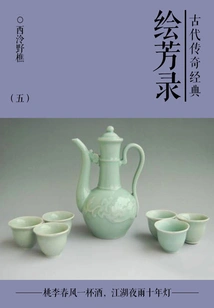
Classical Legendary Classic: Huifanglu (5)
General Fiction古典传奇经典:绘芳录(五)
Xiling Yeqiao
"Huifang Lu" is a classic historical book in my country and a long vernacular novel about world affairs in the Qing Dynasty. Also known as "The Complete Record of Huifangyuan" and "A Spring Dream of the Red Boudoir", it tells the stories of famous Jinling celebrities and prostitutes such as Zhu Baiqing, Chen Xiaoru, Wang Lan and Jiang Hancha. Although it is a narrow evil novel, it is different from other similar novels whose main content is prostitution. It not only writes about the love between celebrities and famous prostitutes, but also focuses on the celebrities as high-ranking officials in the court. They do not regard prostitution as inferior, nor do they consider marrying prostitutes as humiliation. Instead, they praise the romantic life after marrying prostitutes and retiring into seclusion. Therefore, it is quite unique. The writing style of the novel is smooth, colorful but not dirty. It describes the love tragedy of Zhu Baiqing and Nie Huizhu, which has certain ideological significance. This novel, written in the late Qing Dynasty, mainly describes a group of officials: they were honest and upright officials with a strong sense of justice. They fought tenaciously and strategically against traitors inside and outside the court for a long time, and finally won. The main idea expressed still has certain practical significance when read today. They respect women and treat the people they love sincerely and equally, thus achieving a relatively pure love. At the same time, they cherished friendship very much. After eradicating the traitors in the court, in order to fully enjoy every day of their lives, they lived an unrestrained, free and elegant life, realizing their life ideals with a strong color of Confucianism. Reading it not only has a free and unrestrained side, but also allows you to feel the joy of a happy life.
"Huifang Lu" is a classic historical book in my country and a long vernacular novel about world affairs in the Qing Dynasty. Also known as "The Complete Record of Huifangyuan" and "A Spring Dream of the Red Boudoir", it tells the stories of famous Jinling celebrities and prostitutes such as Zhu Baiqing, Chen Xiaoru, Wang Lan and Jiang Hancha. Although it is a narrow evil novel, it is different from other similar novels whose main content is prostitution. It not only writes about the love between celebrities and famous prostitutes, but also focuses on the celebrities as high-ranking officials in the court. They do not regard prostitution as inferior, nor do they consider marrying prostitutes as humiliation. Instead, they praise the romantic life after marrying prostitutes and retiring into seclusion. Therefore, it is quite unique. The writing style of the novel is smooth, colorful but not dirty. It describes the love tragedy of Zhu Baiqing and Nie Huizhu, which has certain ideological significance. This novel, written in the late Qing Dynasty, mainly describes a group of officials: they were honest and upright officials with a strong sense of justice. They fought tenaciously and strategically against traitors inside and outside the court for a long time, and finally won. The main idea expressed still has certain practical significance when read today. They respect women and treat the people they love sincerely and equally, thus achieving a relatively pure love. At the same time, they cherished friendship very much. After eradicating the traitors in the court, in order to fully enjoy every day of their lives, they lived an unrestrained, free and elegant life, realizing their life ideals with a strong color of Confucianism. Reading it not only has a free and unrestrained side, but also allows you to feel the joy of a happy life.
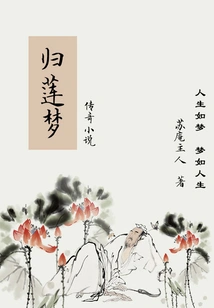
Legendary Novel: Gui Lian Meng
General Fiction传奇小说:归莲梦
Master Su'an
"Gui Lian Meng" is a vernacular long historical novel of gods and monsters edited by Master Su'an in the Qing Dynasty and corrected by layman Bai Xiang. It is based on the armed uprising of farmers of the White Lotus Sect as the background. It was written in the early Qing Dynasty. Readers who like this kind of subject matter may wish to read this book. The work is attributed to the late Ming Dynasty and actually describes the events of the Qing Dynasty. The novel is based on the massive armed uprising of the White Lotus sect that spread across the country. It focuses on the story of the female master Bai Lian'an who came down from the mountain, learned magical powers, helped the hungry, founded the White Lotus sect, occupied Liulinzhai and rebelled, spread across several provinces, and finally failed. The work reflects a fragment of the armed struggle of the White Lotus sect farmers that lasted through the Yuan, Ming and Qing dynasties. The author tries to explore some of the reasons for the failure of the White Lotus Teaching Army with sympathy and lamentation. The plot of the work is rich and the scene descriptions are extremely vivid. It has far-reaching influence and is well received. It is a classic work worth reading. The stories in the book are vivid and the language is concise and popular. The structural arrangement, character creation, and expression of thoughts and plots are all unique and unique. They are highly readable and suitable for recreational reading. The structure of the book is rigorous and dense; the events and characters written are as if they were there and the images are vivid. The writing is simple and interesting, with endless aftertaste, making it hard to put down after reading it.
"Gui Lian Meng" is a vernacular long historical novel of gods and monsters edited by Master Su'an in the Qing Dynasty and corrected by layman Bai Xiang. It is based on the armed uprising of farmers of the White Lotus Sect as the background. It was written in the early Qing Dynasty. Readers who like this kind of subject matter may wish to read this book. The work is attributed to the late Ming Dynasty and actually describes the events of the Qing Dynasty. The novel is based on the massive armed uprising of the White Lotus sect that spread across the country. It focuses on the story of the female master Bai Lian'an who came down from the mountain, learned magical powers, helped the hungry, founded the White Lotus sect, occupied Liulinzhai and rebelled, spread across several provinces, and finally failed. The work reflects a fragment of the armed struggle of the White Lotus sect farmers that lasted through the Yuan, Ming and Qing dynasties. The author tries to explore some of the reasons for the failure of the White Lotus Teaching Army with sympathy and lamentation. The plot of the work is rich and the scene descriptions are extremely vivid. It has far-reaching influence and is well received. It is a classic work worth reading. The stories in the book are vivid and the language is concise and popular. The structural arrangement, character creation, and expression of thoughts and plots are all unique and unique. They are highly readable and suitable for recreational reading. The structure of the book is rigorous and dense; the events and characters written are as if they were there and the images are vivid. The writing is simple and interesting, with endless aftertaste, making it hard to put down after reading it.
Ancient Legend: Pearl Ship (part 2)
General Fiction古代传奇:珍珠舶(下)
Lake Yanshui Sanren
This book is a collection of novels about ancient world affairs, written in the early Qing Dynasty, and its full title is "New Embroidery Like a Pearl Ship". For readers who like ancient popular novels, this book is worth reading. The only remaining Japanese manuscript is in the Dalian Library. Shanghai Ancient Books Publishing House's "Collection of Ancient Novels" photocopied Japanese manuscripts, Jiangsu Ancient Books Publishing House's "Chinese Narrative Series" in 1993, and Huangshan Publishing House's "Selected Collection of Chinese Banned Books of All Dynasties" in 1994. The rare edition shows the value of this book. Private relationships between men and women, hidden dragons in the Zen room, crouching tigers in the boudoir, hidden beauties in the golden house, uncle and sister-in-law's incestuous affairs are all there, watch the strange and beautiful scenes, and laugh at the eternal romance. The themes of the works are diverse, ranging from admonishing people to be cautious in making friends to describing the ups and downs of the world through the fortunes of scholars. It reflects a wider range of social life and contains obvious warning and allegorical meanings. Except for Volume 3, which tells about the marriage between a dead ghost and a living person, which is somewhat absurd, the rest are more serious works. The works describe the plots in an intricate manner, and the descriptions are detailed and vivid. The content is natural and varied, and generally conforms to the development logic of life and characters. The characters are distinctive, full and vivid, making people more and more addicted as they read, unable to stop.
This book is a collection of novels about ancient world affairs, written in the early Qing Dynasty, and its full title is "New Embroidery Like a Pearl Ship". For readers who like ancient popular novels, this book is worth reading. The only remaining Japanese manuscript is in the Dalian Library. Shanghai Ancient Books Publishing House's "Collection of Ancient Novels" photocopied Japanese manuscripts, Jiangsu Ancient Books Publishing House's "Chinese Narrative Series" in 1993, and Huangshan Publishing House's "Selected Collection of Chinese Banned Books of All Dynasties" in 1994. The rare edition shows the value of this book. Private relationships between men and women, hidden dragons in the Zen room, crouching tigers in the boudoir, hidden beauties in the golden house, uncle and sister-in-law's incestuous affairs are all there, watch the strange and beautiful scenes, and laugh at the eternal romance. The themes of the works are diverse, ranging from admonishing people to be cautious in making friends to describing the ups and downs of the world through the fortunes of scholars. It reflects a wider range of social life and contains obvious warning and allegorical meanings. Except for Volume 3, which tells about the marriage between a dead ghost and a living person, which is somewhat absurd, the rest are more serious works. The works describe the plots in an intricate manner, and the descriptions are detailed and vivid. The content is natural and varied, and generally conforms to the development logic of life and characters. The characters are distinctive, full and vivid, making people more and more addicted as they read, unable to stop.
Ancient Legend: Pearl Ship (part 1)
General Fiction古代传奇:珍珠舶(上)
Lake Yanshui Sanren
This book is a collection of novels about ancient world affairs, written in the early Qing Dynasty, and its full title is "New Embroidery Like a Pearl Ship". For readers who like ancient popular novels, this book is worth reading. The only remaining Japanese manuscript is in the Dalian Library. Shanghai Ancient Books Publishing House's "Collection of Ancient Novels" photocopied Japanese manuscripts, Jiangsu Ancient Books Publishing House's "Chinese Narrative Series" in 1993, and Huangshan Publishing House's "Selected Collection of Chinese Banned Books of All Dynasties" in 1994. The rare edition shows the value of this book. Private relationships between men and women, hidden dragons in the Zen room, crouching tigers in the boudoir, hidden beauties in the golden house, uncle and sister-in-law's incestuous affairs are all there, watch the strange and beautiful scenes, and laugh at the eternal romance. The themes of the works are diverse, ranging from admonishing people to be cautious in making friends to describing the ups and downs of the world through the fortunes of scholars. It reflects a wider range of social life and contains obvious warning and allegorical meanings. Except for Volume 3, which tells about the marriage between a dead ghost and a living person, which is somewhat absurd, the rest are more serious works. The works describe the plots in an intricate manner, and the descriptions are detailed and vivid. The content is natural and varied, and generally conforms to the development logic of life and characters. The characters are distinctive, full and vivid, making people more and more addicted as they read, unable to stop.
This book is a collection of novels about ancient world affairs, written in the early Qing Dynasty, and its full title is "New Embroidery Like a Pearl Ship". For readers who like ancient popular novels, this book is worth reading. The only remaining Japanese manuscript is in the Dalian Library. Shanghai Ancient Books Publishing House's "Collection of Ancient Novels" photocopied Japanese manuscripts, Jiangsu Ancient Books Publishing House's "Chinese Narrative Series" in 1993, and Huangshan Publishing House's "Selected Collection of Chinese Banned Books of All Dynasties" in 1994. The rare edition shows the value of this book. Private relationships between men and women, hidden dragons in the Zen room, crouching tigers in the boudoir, hidden beauties in the golden house, uncle and sister-in-law's incestuous affairs are all there, watch the strange and beautiful scenes, and laugh at the eternal romance. The themes of the works are diverse, ranging from admonishing people to be cautious in making friends to describing the ups and downs of the world through the fortunes of scholars. It reflects a wider range of social life and contains obvious warning and allegorical meanings. Except for Volume 3, which tells about the marriage between a dead ghost and a living person, which is somewhat absurd, the rest are more serious works. The works describe the plots in an intricate manner, and the descriptions are detailed and vivid. The content is natural and varied, and generally conforms to the development logic of life and characters. The characters are distinctive, full and vivid, making people more and more addicted as they read, unable to stop.
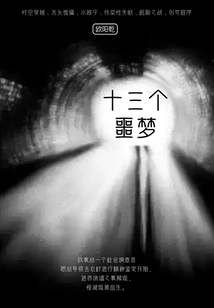
Thirteen Nightmares
General Fiction十三个噩梦
Ouyang Qian
The story begins with a social investigator following his mentor to the countryside to conduct a mental evaluation, and then strange things occur frequently and bizarre phenomena abound. It has experienced mysterious events such as time travel, wooden puppets, water monkeys, infectious insomnia, the Battle of Zhurong, and the creation process, uncovering shocking secrets that span the history of human evolution. Behind the appearance is a huge conspiracy about the human world and the destiny of mankind.
The story begins with a social investigator following his mentor to the countryside to conduct a mental evaluation, and then strange things occur frequently and bizarre phenomena abound. It has experienced mysterious events such as time travel, wooden puppets, water monkeys, infectious insomnia, the Battle of Zhurong, and the creation process, uncovering shocking secrets that span the history of human evolution. Behind the appearance is a huge conspiracy about the human world and the destiny of mankind.
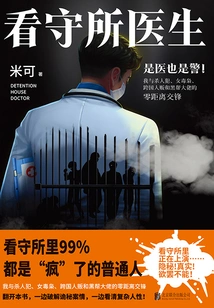
Detention Center Doctor
General Fiction看守所医生
Miko
This book was written after extensive interviews with guards, prisoners, doctors, and armed police in the detention center. It is a true story of police and criminals being played out in the detention center. Murderers, female drug lords, transnational human traffickers, gangsters... The shocking truths they carry will be revealed one by one in this book... The math teacher who killed her husband and lover; the housewife addicted to theft who became the drug lord's "goddess" next door; the "goddess" who is more adaptable to prison life than society; the twin sisters who are struggling to find their trafficker mother; the rapist who can only sleep in a wooden box; the gangster who turned around and voluntarily surrendered to the law...
This book was written after extensive interviews with guards, prisoners, doctors, and armed police in the detention center. It is a true story of police and criminals being played out in the detention center. Murderers, female drug lords, transnational human traffickers, gangsters... The shocking truths they carry will be revealed one by one in this book... The math teacher who killed her husband and lover; the housewife addicted to theft who became the drug lord's "goddess" next door; the "goddess" who is more adaptable to prison life than society; the twin sisters who are struggling to find their trafficker mother; the rapist who can only sleep in a wooden box; the gangster who turned around and voluntarily surrendered to the law...
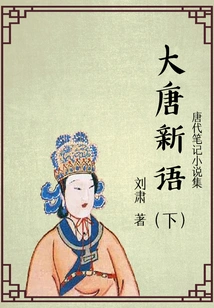
Collection of Notes and Novels of the Tang Dynasty: New Talks of the Tang Dynasty (part 2)
General Fiction唐代笔记小说集:大唐新语(下)
Liu Su
"Datang Xinyu", also known as "Tang Xinyu", "Datang Shishuo Xinyu", "Tang Shishuo Xinyu", "Shishuo", "Datang Xinyu", etc., Is a collection of notes and novels compiled by Liu Su in the Tang Dynasty. The work records the words and deeds of historical figures in the Tang Dynasty, starting from the early Tang Dynasty and ending in the Dali calendar. Readers who are interested in Tang Dynasty stories should not miss this book. "New Accounts of the Tang Dynasty" records stories about the words and deeds of historical figures in the Tang Dynasty, mostly based on works such as "The Chronicles of Chao Ye Qian Zai" and "Jia Hua of the Sui and Tang Dynasties". The content is mostly related to politics and moral education. There is a summary at the end of the work, which shows that the author's intention is to draw lessons from the past. The book also records a lot of materials about poetry, especially the "articles" category, which records many poems written by people in the early Tang and Kaiyuan Dynasties, and describes their abilities. It also contains comments from contemporary people, which will be used by later compilers and researchers of Tang poetry. This book mainly records words, but they are all recorded according to events, that is, it contains both words and deeds. From this, we can get a glimpse of the political events and social customs of the emperor Gaozu to Daizong. Some of the records are better than the two "Tang Shu", and there are some places that can fill in the gaps of the two "Tang Shu".
"Datang Xinyu", also known as "Tang Xinyu", "Datang Shishuo Xinyu", "Tang Shishuo Xinyu", "Shishuo", "Datang Xinyu", etc., Is a collection of notes and novels compiled by Liu Su in the Tang Dynasty. The work records the words and deeds of historical figures in the Tang Dynasty, starting from the early Tang Dynasty and ending in the Dali calendar. Readers who are interested in Tang Dynasty stories should not miss this book. "New Accounts of the Tang Dynasty" records stories about the words and deeds of historical figures in the Tang Dynasty, mostly based on works such as "The Chronicles of Chao Ye Qian Zai" and "Jia Hua of the Sui and Tang Dynasties". The content is mostly related to politics and moral education. There is a summary at the end of the work, which shows that the author's intention is to draw lessons from the past. The book also records a lot of materials about poetry, especially the "articles" category, which records many poems written by people in the early Tang and Kaiyuan Dynasties, and describes their abilities. It also contains comments from contemporary people, which will be used by later compilers and researchers of Tang poetry. This book mainly records words, but they are all recorded according to events, that is, it contains both words and deeds. From this, we can get a glimpse of the political events and social customs of the emperor Gaozu to Daizong. Some of the records are better than the two "Tang Shu", and there are some places that can fill in the gaps of the two "Tang Shu".
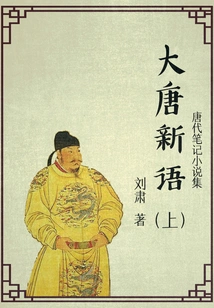
Collection of Notes and Novels of the Tang Dynasty: New Talks of the Tang Dynasty (Part 1)
General Fiction唐代笔记小说集:大唐新语(上)
Liu Su
"Datang Xinyu", also known as "Tang Xinyu", "Datang Shishuo Xinyu", "Tang Shishuo Xinyu", "Shishuo", "Datang Xinyu", etc., Is a collection of notes and novels compiled by Liu Su in the Tang Dynasty. The work records the words and deeds of historical figures in the Tang Dynasty, starting from the early Tang Dynasty and ending in the Dali calendar. Readers who are interested in Tang Dynasty stories should not miss this book. "New Accounts of the Tang Dynasty" records stories about the words and deeds of historical figures in the Tang Dynasty, mostly based on works such as "The Chronicles of Chao Ye Qian Zai" and "Jia Hua of the Sui and Tang Dynasties". The content is mostly related to politics and moral education. There is a summary at the end of the work, which shows that the author's intention is to draw lessons from the past. The book also records a lot of materials about poetry, especially the "articles" category, which records many poems written by people in the early Tang and Kaiyuan Dynasties, and describes their abilities. It also contains comments from contemporary people, which will be used by later compilers and researchers of Tang poetry. This book mainly records words, but they are all recorded according to events, that is, it contains both words and deeds. From this, we can get a glimpse of the political events and social customs of the emperor Gaozu to Daizong. Some of the records are better than the two "Tang Shu", and there are some places that can fill in the gaps of the two "Tang Shu".
"Datang Xinyu", also known as "Tang Xinyu", "Datang Shishuo Xinyu", "Tang Shishuo Xinyu", "Shishuo", "Datang Xinyu", etc., Is a collection of notes and novels compiled by Liu Su in the Tang Dynasty. The work records the words and deeds of historical figures in the Tang Dynasty, starting from the early Tang Dynasty and ending in the Dali calendar. Readers who are interested in Tang Dynasty stories should not miss this book. "New Accounts of the Tang Dynasty" records stories about the words and deeds of historical figures in the Tang Dynasty, mostly based on works such as "The Chronicles of Chao Ye Qian Zai" and "Jia Hua of the Sui and Tang Dynasties". The content is mostly related to politics and moral education. There is a summary at the end of the work, which shows that the author's intention is to draw lessons from the past. The book also records a lot of materials about poetry, especially the "articles" category, which records many poems written by people in the early Tang and Kaiyuan Dynasties, and describes their abilities. It also contains comments from contemporary people, which will be used by later compilers and researchers of Tang poetry. This book mainly records words, but they are all recorded according to events, that is, it contains both words and deeds. From this, we can get a glimpse of the political events and social customs of the emperor Gaozu to Daizong. Some of the records are better than the two "Tang Shu", and there are some places that can fill in the gaps of the two "Tang Shu".
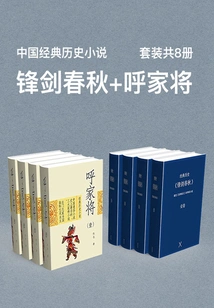
Classic Chinese Historical Novels: Blade of Spring and Autumn + Generals of the Hu Family (set of 8 Volumes in Total)
General Fiction中国经典历史小说:锋剑春秋+呼家将(套装共8册)
Anonymous
This set of books selects ancient literary classics "Jianfeng Chunqiu" and "Hujia Jiang", which is suitable for literature lovers to read. Especially lovers of classical literature will be in for a treat. "Fengjian Chunqiu" is a full-length supernatural novel in the vernacular of the Qing Dynasty. It is roughly similar to "The Romance of the Gods" in that they are both novels that use history to talk about gods and monsters. "Fengjian Chunqiu" draws on the past events of the King of Qin's campaign to conquer the six kingdoms and the six kingdoms' desperate struggle to protect the ancestral temple and the country. It tells the story of two factions of gods setting up battle formations and going down to earth to endure calamities. "The Generals of the Generals of the Hu Family" describes the famous Northern Song Dynasty general Hu Yanzan, whose descendant Hu Yandemo is a hero, and the struggle between the Song Dynasty's relatives and the Pang family in the Song Renzong era. It is a traditional book that promotes patriotism and national spirit and is very popular among the public. Together with "The Generals of the Xue Family" and "The Generals of the Yang Family", it constitutes the famous "Three Great General Novels" in the history of popular novels in my country. It was later changed to storytelling with the same name, and was broadcast by Liu Lanfang. These ancient stories have been passed down to this day, providing people with a lot of creative materials. Therefore, whether it is used as a hobby or as a deliberate study, you can gain something. The plot of the work is vivid and highly readable. The many principles contained in it can also play a role in guiding life for today's readers. The work is extremely readable. The stories and characters told in the book have long been deeply rooted in the hearts of the people, and express the people's emotions and emotions to a certain extent. Their plot structures and narrative methods are also suitable for the masses' appreciation habits. Their content is always exciting.
This set of books selects ancient literary classics "Jianfeng Chunqiu" and "Hujia Jiang", which is suitable for literature lovers to read. Especially lovers of classical literature will be in for a treat. "Fengjian Chunqiu" is a full-length supernatural novel in the vernacular of the Qing Dynasty. It is roughly similar to "The Romance of the Gods" in that they are both novels that use history to talk about gods and monsters. "Fengjian Chunqiu" draws on the past events of the King of Qin's campaign to conquer the six kingdoms and the six kingdoms' desperate struggle to protect the ancestral temple and the country. It tells the story of two factions of gods setting up battle formations and going down to earth to endure calamities. "The Generals of the Generals of the Hu Family" describes the famous Northern Song Dynasty general Hu Yanzan, whose descendant Hu Yandemo is a hero, and the struggle between the Song Dynasty's relatives and the Pang family in the Song Renzong era. It is a traditional book that promotes patriotism and national spirit and is very popular among the public. Together with "The Generals of the Xue Family" and "The Generals of the Yang Family", it constitutes the famous "Three Great General Novels" in the history of popular novels in my country. It was later changed to storytelling with the same name, and was broadcast by Liu Lanfang. These ancient stories have been passed down to this day, providing people with a lot of creative materials. Therefore, whether it is used as a hobby or as a deliberate study, you can gain something. The plot of the work is vivid and highly readable. The many principles contained in it can also play a role in guiding life for today's readers. The work is extremely readable. The stories and characters told in the book have long been deeply rooted in the hearts of the people, and express the people's emotions and emotions to a certain extent. Their plot structures and narrative methods are also suitable for the masses' appreciation habits. Their content is always exciting.
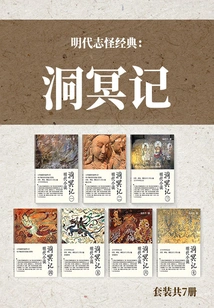
明代志怪经典:洞冥记(套装共7册)
Xianguzi
The full name of "Dong Ming Ji" is "Han Wu Dong Ming Ji", also known as "Han Wu Emperor Dong Ming Ji in Other Countries", "Han Wu Emperor Dong Ming Ji in Other Countries", and "Bie Guo Dong Ming Ji". It is a collection of ancient myths, legends and strange novels. This book is worth reading for readers interested in such topics. The main content of this book is that Emperor Wu of the Han Dynasty sought immortality and paid tribute from foreign lands, and it has a strong Taoist meaning. The "other countries" mentioned mainly refer to the countries in the Western Regions and present-day Central and Western Asia. The tribute objects are rare and strange, have magical effects and are highly imaginative. The anecdotes described can be used to understand the folk customs and legends of these regions and countries. This classical legendary novel has been circulating since the time of Emperor Xiaowu of the Western Han Dynasty. It mainly encourages good and punishes evil, and encourages evil and corrects good. Through the tour of the good altar in Eryuan, Yunnan, I observed the sufferings of each prison in the ten halls, and prepared a description of the principles of life. Even reading it today is still thought-provoking.
The full name of "Dong Ming Ji" is "Han Wu Dong Ming Ji", also known as "Han Wu Emperor Dong Ming Ji in Other Countries", "Han Wu Emperor Dong Ming Ji in Other Countries", and "Bie Guo Dong Ming Ji". It is a collection of ancient myths, legends and strange novels. This book is worth reading for readers interested in such topics. The main content of this book is that Emperor Wu of the Han Dynasty sought immortality and paid tribute from foreign lands, and it has a strong Taoist meaning. The "other countries" mentioned mainly refer to the countries in the Western Regions and present-day Central and Western Asia. The tribute objects are rare and strange, have magical effects and are highly imaginative. The anecdotes described can be used to understand the folk customs and legends of these regions and countries. This classical legendary novel has been circulating since the time of Emperor Xiaowu of the Western Han Dynasty. It mainly encourages good and punishes evil, and encourages evil and corrects good. Through the tour of the good altar in Eryuan, Yunnan, I observed the sufferings of each prison in the ten halls, and prepared a description of the principles of life. Even reading it today is still thought-provoking.
Classical Chinese Tragedy: the Story of Jiao Hong (part 2)
General Fiction中国古典悲剧:娇红记(下)
Meng Chengshun
"Jiaohong Ji" is based on a true story during the Xuanhe period of the Northern Song Dynasty, and adapted from the novel "The Story of Jiaohong" by Song Meidong of the Yuan Dynasty. Written by Meng Chengshun of the Ming Dynasty, it describes the tragedy of Wang Jiaoniang and scholar Shen Chun who died in love because their love was not allowed. The theme of young men and women fighting for the freedom of marriage expressed in "Jiao Hong Ji" has been repeatedly expressed in operas between the Yuan and Ming Dynasties. However, "Jiao Hong Ji" does not stay at the heights reached by its previous love works. No matter in the shaping of characters or the depth of reflecting reality, it has its own characteristics and shines with the brilliance of new ideas. It is listed as one of the top ten tragedies of Chinese classical music. The layout and writing style of the novel inherit the legends of the Tang Dynasty, but the plot is more twists and turns and the mood is more lingering; the scale is also expanded a lot, marking the transition of classical Chinese novels from short stories to medium and long novels. The publication of the novel "Jiao Hong Ji" broke the short pattern of classical Chinese novels in Chinese history. With the tragedy of life and death love, the novella-oriented narrative structure, and the narrative technique of alternating rhyme and prose, it formed a spectacular novella legendary novel genre in the Yuan and Ming dynasties. The writing style of this book is exquisite, and the psychological portrayal is profound; in terms of technology, it also inherits many of its predecessors and goes further. The text of the novel breaks through the rough outlines of the weird novels of the Wei and Jin Dynasties and the concise descriptions of the legends of the Tang and Song Dynasties, forming a slightly longer novella structure that is self-contained and published separately. "Jiao Hong Ji" had a wide-ranging influence on later generations. Most of the novels about the love between men and women in the Ming and Qing dynasties can be seen in the imprint of this book.
"Jiaohong Ji" is based on a true story during the Xuanhe period of the Northern Song Dynasty, and adapted from the novel "The Story of Jiaohong" by Song Meidong of the Yuan Dynasty. Written by Meng Chengshun of the Ming Dynasty, it describes the tragedy of Wang Jiaoniang and scholar Shen Chun who died in love because their love was not allowed. The theme of young men and women fighting for the freedom of marriage expressed in "Jiao Hong Ji" has been repeatedly expressed in operas between the Yuan and Ming Dynasties. However, "Jiao Hong Ji" does not stay at the heights reached by its previous love works. No matter in the shaping of characters or the depth of reflecting reality, it has its own characteristics and shines with the brilliance of new ideas. It is listed as one of the top ten tragedies of Chinese classical music. The layout and writing style of the novel inherit the legends of the Tang Dynasty, but the plot is more twists and turns and the mood is more lingering; the scale is also expanded a lot, marking the transition of classical Chinese novels from short stories to medium and long novels. The publication of the novel "Jiao Hong Ji" broke the short pattern of classical Chinese novels in Chinese history. With the tragedy of life and death love, the novella-oriented narrative structure, and the narrative technique of alternating rhyme and prose, it formed a spectacular novella legendary novel genre in the Yuan and Ming dynasties. The writing style of this book is exquisite, and the psychological portrayal is profound; in terms of technology, it also inherits many of its predecessors and goes further. The text of the novel breaks through the rough outlines of the weird novels of the Wei and Jin Dynasties and the concise descriptions of the legends of the Tang and Song Dynasties, forming a slightly longer novella structure that is self-contained and published separately. "Jiao Hong Ji" had a wide-ranging influence on later generations. Most of the novels about the love between men and women in the Ming and Qing dynasties can be seen in the imprint of this book.
Classical Chinese Tragedy: the Story of Jiao Hong (part 1)
General Fiction中国古典悲剧:娇红记(上)
Meng Chengshun
"Jiaohong Ji" is based on a true story during the Xuanhe period of the Northern Song Dynasty, and adapted from the novel "The Story of Jiaohong" by Song Meidong of the Yuan Dynasty. Written by Meng Chengshun of the Ming Dynasty, it describes the tragedy of Wang Jiaoniang and scholar Shen Chun who died in love because their love was not allowed. The theme of young men and women fighting for the freedom of marriage expressed in "Jiao Hong Ji" has been repeatedly expressed in operas between the Yuan and Ming Dynasties. However, "Jiao Hong Ji" does not stay at the heights reached by its previous love works. No matter in the shaping of characters or the depth of reflecting reality, it has its own characteristics and shines with the brilliance of new ideas. It is listed as one of the top ten tragedies of Chinese classical music. The layout and writing style of the novel inherit the legends of the Tang Dynasty, but the plot is more twists and turns and the mood is more lingering; the scale is also expanded a lot, marking the transition of classical Chinese novels from short stories to medium and long novels. The publication of the novel "Jiao Hong Ji" broke the short pattern of classical Chinese novels in Chinese history. With the tragedy of life and death love, the novella-oriented narrative structure, and the narrative technique of alternating rhyme and prose, it formed a spectacular novella legendary novel genre in the Yuan and Ming dynasties. The writing style of this book is exquisite, and the psychological portrayal is profound; in terms of technology, it also inherits many of its predecessors and goes further. The text of the novel breaks through the rough outlines of the weird novels of the Wei and Jin Dynasties and the concise descriptions of the legends of the Tang and Song Dynasties, forming a slightly longer novella structure that is self-contained and published separately. "Jiao Hong Ji" had a wide-ranging influence on later generations. Most of the novels about the love between men and women in the Ming and Qing dynasties can be seen in the imprint of this book.
"Jiaohong Ji" is based on a true story during the Xuanhe period of the Northern Song Dynasty, and adapted from the novel "The Story of Jiaohong" by Song Meidong of the Yuan Dynasty. Written by Meng Chengshun of the Ming Dynasty, it describes the tragedy of Wang Jiaoniang and scholar Shen Chun who died in love because their love was not allowed. The theme of young men and women fighting for the freedom of marriage expressed in "Jiao Hong Ji" has been repeatedly expressed in operas between the Yuan and Ming Dynasties. However, "Jiao Hong Ji" does not stay at the heights reached by its previous love works. No matter in the shaping of characters or the depth of reflecting reality, it has its own characteristics and shines with the brilliance of new ideas. It is listed as one of the top ten tragedies of Chinese classical music. The layout and writing style of the novel inherit the legends of the Tang Dynasty, but the plot is more twists and turns and the mood is more lingering; the scale is also expanded a lot, marking the transition of classical Chinese novels from short stories to medium and long novels. The publication of the novel "Jiao Hong Ji" broke the short pattern of classical Chinese novels in Chinese history. With the tragedy of life and death love, the novella-oriented narrative structure, and the narrative technique of alternating rhyme and prose, it formed a spectacular novella legendary novel genre in the Yuan and Ming dynasties. The writing style of this book is exquisite, and the psychological portrayal is profound; in terms of technology, it also inherits many of its predecessors and goes further. The text of the novel breaks through the rough outlines of the weird novels of the Wei and Jin Dynasties and the concise descriptions of the legends of the Tang and Song Dynasties, forming a slightly longer novella structure that is self-contained and published separately. "Jiao Hong Ji" had a wide-ranging influence on later generations. Most of the novels about the love between men and women in the Ming and Qing dynasties can be seen in the imprint of this book.
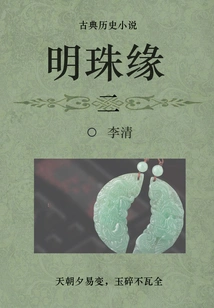
Classical Historical Novel: Pearl Marriage (2)
General Fiction古典历史小说:明珠缘(二)
Li Qing
This book is a novel about Wei Zhongxian, also known as "Yao Zhu Xian Commentary", which was a hot topic in the Chongzhen Dynasty. Readers who like historical novels should not miss it. The work mainly describes the historical story of the Ming Dynasty eunuch Wei Zhongxian and Ming Xizong's wet nurse Yinyue colluding with each other to disrupt government and usurp power. The novel uses Wei Zhongxian's life experience as the main clue, showing a relatively broad historical picture of late Ming society. Although this book was published late, it has been widely circulated. Shanghai Ancient Books Publishing House photocopied this book from the Qing Dynasty edition in 1991 and included it in the Collection of Ancient Novels. People's Literature Publishing House also revised this book based on the Qing edition in 1983 and included it in the "Historical Materials on Chinese Novels" series. The work is highly readable. The author writes historical events but is not completely bound by historical materials and can make up some fiction, making the novel a mixture of fiction and reality. Because of the real historical background, the novel appears to be rich in content, has a strong sense of history, is timely and newsworthy. This book has certain historical value, and has been banned because of its individual descriptions. From this perspective, it can arouse people's desire to read.
This book is a novel about Wei Zhongxian, also known as "Yao Zhu Xian Commentary", which was a hot topic in the Chongzhen Dynasty. Readers who like historical novels should not miss it. The work mainly describes the historical story of the Ming Dynasty eunuch Wei Zhongxian and Ming Xizong's wet nurse Yinyue colluding with each other to disrupt government and usurp power. The novel uses Wei Zhongxian's life experience as the main clue, showing a relatively broad historical picture of late Ming society. Although this book was published late, it has been widely circulated. Shanghai Ancient Books Publishing House photocopied this book from the Qing Dynasty edition in 1991 and included it in the Collection of Ancient Novels. People's Literature Publishing House also revised this book based on the Qing edition in 1983 and included it in the "Historical Materials on Chinese Novels" series. The work is highly readable. The author writes historical events but is not completely bound by historical materials and can make up some fiction, making the novel a mixture of fiction and reality. Because of the real historical background, the novel appears to be rich in content, has a strong sense of history, is timely and newsworthy. This book has certain historical value, and has been banned because of its individual descriptions. From this perspective, it can arouse people's desire to read.
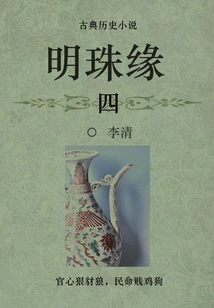
Classical Historical Novel: Pearl Marriage (4)
General Fiction古典历史小说:明珠缘(四)
Li Qing
This book is a novel about Wei Zhongxian, also known as "Yao Zhu Xian Commentary", which was a hot topic in the Chongzhen Dynasty. Readers who like historical novels should not miss it. The work mainly describes the historical story of the Ming Dynasty eunuch Wei Zhongxian and Ming Xizong's wet nurse Yinyue colluding with each other to disrupt government and usurp power. The novel uses Wei Zhongxian's life experience as the main clue, showing a relatively broad historical picture of late Ming society. Although this book was published late, it has been widely circulated. Shanghai Ancient Books Publishing House photocopied this book from the Qing Dynasty edition in 1991 and included it in the Collection of Ancient Novels. People's Literature Publishing House also revised this book based on the Qing edition in 1983 and included it in the "Historical Materials on Chinese Novels" series. The work is highly readable. The author writes historical events but is not completely bound by historical materials and can make up some fiction, making the novel a mixture of fiction and reality. Because of the real historical background, the novel appears to be rich in content, has a strong sense of history, is timely and newsworthy. This book has certain historical value, and has been banned because of its individual descriptions. From this perspective, it can arouse people's desire to read.
This book is a novel about Wei Zhongxian, also known as "Yao Zhu Xian Commentary", which was a hot topic in the Chongzhen Dynasty. Readers who like historical novels should not miss it. The work mainly describes the historical story of the Ming Dynasty eunuch Wei Zhongxian and Ming Xizong's wet nurse Yinyue colluding with each other to disrupt government and usurp power. The novel uses Wei Zhongxian's life experience as the main clue, showing a relatively broad historical picture of late Ming society. Although this book was published late, it has been widely circulated. Shanghai Ancient Books Publishing House photocopied this book from the Qing Dynasty edition in 1991 and included it in the Collection of Ancient Novels. People's Literature Publishing House also revised this book based on the Qing edition in 1983 and included it in the "Historical Materials on Chinese Novels" series. The work is highly readable. The author writes historical events but is not completely bound by historical materials and can make up some fiction, making the novel a mixture of fiction and reality. Because of the real historical background, the novel appears to be rich in content, has a strong sense of history, is timely and newsworthy. This book has certain historical value, and has been banned because of its individual descriptions. From this perspective, it can arouse people's desire to read.
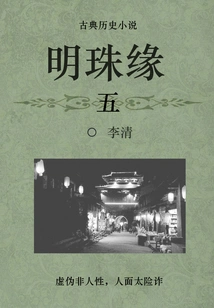
Classical Historical Novel: Pearl Marriage (5)
General Fiction古典历史小说:明珠缘(五)
Li Qing
This book is a novel about Wei Zhongxian, also known as "Yao Zhu Xian Commentary", which was a hot topic in the Chongzhen Dynasty. Readers who like historical novels should not miss it. The work mainly describes the historical story of the Ming Dynasty eunuch Wei Zhongxian and Ming Xizong's wet nurse Yinyue colluding with each other to disrupt government and usurp power. The novel uses Wei Zhongxian's life experience as the main clue, showing a relatively broad historical picture of late Ming society. Although this book was published late, it has been widely circulated. Shanghai Ancient Books Publishing House photocopied this book from the Qing Dynasty edition in 1991 and included it in the Collection of Ancient Novels. People's Literature Publishing House also revised this book based on the Qing edition in 1983 and included it in the "Historical Materials on Chinese Novels" series. The work is highly readable. The author writes historical events but is not completely bound by historical materials and can make up some fiction, making the novel a mixture of fiction and reality. Because of the real historical background, the novel appears to be rich in content, has a strong sense of history, is timely and newsworthy. This book has certain historical value, and has been banned because of its individual descriptions. From this perspective, it can arouse people's desire to read.
This book is a novel about Wei Zhongxian, also known as "Yao Zhu Xian Commentary", which was a hot topic in the Chongzhen Dynasty. Readers who like historical novels should not miss it. The work mainly describes the historical story of the Ming Dynasty eunuch Wei Zhongxian and Ming Xizong's wet nurse Yinyue colluding with each other to disrupt government and usurp power. The novel uses Wei Zhongxian's life experience as the main clue, showing a relatively broad historical picture of late Ming society. Although this book was published late, it has been widely circulated. Shanghai Ancient Books Publishing House photocopied this book from the Qing Dynasty edition in 1991 and included it in the Collection of Ancient Novels. People's Literature Publishing House also revised this book based on the Qing edition in 1983 and included it in the "Historical Materials on Chinese Novels" series. The work is highly readable. The author writes historical events but is not completely bound by historical materials and can make up some fiction, making the novel a mixture of fiction and reality. Because of the real historical background, the novel appears to be rich in content, has a strong sense of history, is timely and newsworthy. This book has certain historical value, and has been banned because of its individual descriptions. From this perspective, it can arouse people's desire to read.
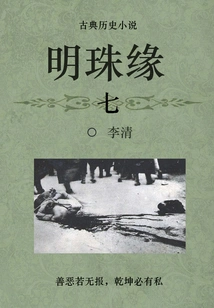
Classical Historical Novel: Pearl's Fate (7)
General Fiction古典历史小说:明珠缘(七)
Li Qing
This book is a novel about Wei Zhongxian, also known as "Yao Zhu Xian Commentary", which was a hot topic in the Chongzhen Dynasty. Readers who like historical novels should not miss it. The work mainly describes the historical story of the Ming Dynasty eunuch Wei Zhongxian and Ming Xizong's wet nurse Yinyue colluding with each other to disrupt government and usurp power. The novel uses Wei Zhongxian's life experience as the main clue, showing a relatively broad historical picture of late Ming society. Although this book was published late, it has been widely circulated. Shanghai Ancient Books Publishing House photocopied this book from the Qing Dynasty edition in 1991 and included it in the Collection of Ancient Novels. People's Literature Publishing House also revised this book based on the Qing edition in 1983 and included it in the "Historical Materials on Chinese Novels" series. The work is highly readable. The author writes historical events but is not completely bound by historical materials and can make up some fiction, making the novel a mixture of fiction and reality. Because of the real historical background, the novel appears to be rich in content, has a strong sense of history, is timely and newsworthy. This book has certain historical value, and has been banned because of its individual descriptions. From this perspective, it can arouse people's desire to read.
This book is a novel about Wei Zhongxian, also known as "Yao Zhu Xian Commentary", which was a hot topic in the Chongzhen Dynasty. Readers who like historical novels should not miss it. The work mainly describes the historical story of the Ming Dynasty eunuch Wei Zhongxian and Ming Xizong's wet nurse Yinyue colluding with each other to disrupt government and usurp power. The novel uses Wei Zhongxian's life experience as the main clue, showing a relatively broad historical picture of late Ming society. Although this book was published late, it has been widely circulated. Shanghai Ancient Books Publishing House photocopied this book from the Qing Dynasty edition in 1991 and included it in the Collection of Ancient Novels. People's Literature Publishing House also revised this book based on the Qing edition in 1983 and included it in the "Historical Materials on Chinese Novels" series. The work is highly readable. The author writes historical events but is not completely bound by historical materials and can make up some fiction, making the novel a mixture of fiction and reality. Because of the real historical background, the novel appears to be rich in content, has a strong sense of history, is timely and newsworthy. This book has certain historical value, and has been banned because of its individual descriptions. From this perspective, it can arouse people's desire to read.
Classical Historical Novel: Pearl's Fate (6)
General Fiction古典历史小说:明珠缘(六)
Li Qing
This book is a novel about Wei Zhongxian, also known as "Yao Zhu Xian Commentary", which was a hot topic in the Chongzhen Dynasty. Readers who like historical novels should not miss it. The work mainly describes the historical story of the Ming Dynasty eunuch Wei Zhongxian and Ming Xizong's wet nurse Yinyue colluding with each other to disrupt government and usurp power. The novel uses Wei Zhongxian's life experience as the main clue, showing a relatively broad historical picture of late Ming society. Although this book was published late, it has been widely circulated. Shanghai Ancient Books Publishing House photocopied this book from the Qing Dynasty edition in 1991 and included it in the Collection of Ancient Novels. People's Literature Publishing House also revised this book based on the Qing edition in 1983 and included it in the "Historical Materials on Chinese Novels" series. The work is highly readable. The author writes historical events but is not completely bound by historical materials and can make up some fiction, making the novel a mixture of fiction and reality. Because of the real historical background, the novel appears to be rich in content, has a strong sense of history, is timely and newsworthy. This book has certain historical value, and has been banned because of its individual descriptions. From this perspective, it can arouse people's desire to read.
This book is a novel about Wei Zhongxian, also known as "Yao Zhu Xian Commentary", which was a hot topic in the Chongzhen Dynasty. Readers who like historical novels should not miss it. The work mainly describes the historical story of the Ming Dynasty eunuch Wei Zhongxian and Ming Xizong's wet nurse Yinyue colluding with each other to disrupt government and usurp power. The novel uses Wei Zhongxian's life experience as the main clue, showing a relatively broad historical picture of late Ming society. Although this book was published late, it has been widely circulated. Shanghai Ancient Books Publishing House photocopied this book from the Qing Dynasty edition in 1991 and included it in the Collection of Ancient Novels. People's Literature Publishing House also revised this book based on the Qing edition in 1983 and included it in the "Historical Materials on Chinese Novels" series. The work is highly readable. The author writes historical events but is not completely bound by historical materials and can make up some fiction, making the novel a mixture of fiction and reality. Because of the real historical background, the novel appears to be rich in content, has a strong sense of history, is timely and newsworthy. This book has certain historical value, and has been banned because of its individual descriptions. From this perspective, it can arouse people's desire to read.
Classical Historical Novel: Pearl Marriage (1)
General Fiction古典历史小说:明珠缘(一)
Li Qing
This book is a novel about Wei Zhongxian, also known as "Yao Zhu Xian Commentary", which was a hot topic in the Chongzhen Dynasty. Readers who like historical novels should not miss it. The work mainly describes the historical story of the Ming Dynasty eunuch Wei Zhongxian and Ming Xizong's wet nurse Yinyue colluding with each other to disrupt government and usurp power. The novel uses Wei Zhongxian's life experience as the main clue, showing a relatively broad historical picture of late Ming society. Although this book was published late, it has been widely circulated. Shanghai Ancient Books Publishing House photocopied this book from the Qing Dynasty edition in 1991 and included it in the Collection of Ancient Novels. People's Literature Publishing House also revised this book based on the Qing edition in 1983 and included it in the "Historical Materials on Chinese Novels" series. The work is highly readable. The author writes historical events but is not completely bound by historical materials and can make up some fiction, making the novel a mixture of fiction and reality. Because of the real historical background, the novel appears to be rich in content, has a strong sense of history, is timely and newsworthy. This book has certain historical value, and has been banned because of its individual descriptions. From this perspective, it can arouse people's desire to read.
This book is a novel about Wei Zhongxian, also known as "Yao Zhu Xian Commentary", which was a hot topic in the Chongzhen Dynasty. Readers who like historical novels should not miss it. The work mainly describes the historical story of the Ming Dynasty eunuch Wei Zhongxian and Ming Xizong's wet nurse Yinyue colluding with each other to disrupt government and usurp power. The novel uses Wei Zhongxian's life experience as the main clue, showing a relatively broad historical picture of late Ming society. Although this book was published late, it has been widely circulated. Shanghai Ancient Books Publishing House photocopied this book from the Qing Dynasty edition in 1991 and included it in the Collection of Ancient Novels. People's Literature Publishing House also revised this book based on the Qing edition in 1983 and included it in the "Historical Materials on Chinese Novels" series. The work is highly readable. The author writes historical events but is not completely bound by historical materials and can make up some fiction, making the novel a mixture of fiction and reality. Because of the real historical background, the novel appears to be rich in content, has a strong sense of history, is timely and newsworthy. This book has certain historical value, and has been banned because of its individual descriptions. From this perspective, it can arouse people's desire to read.
Classical Historical Novel: Pearl Marriage (3)
General Fiction古典历史小说:明珠缘(三)
Li Qing
This book is a novel about Wei Zhongxian, also known as "Yao Zhu Xian Commentary", which was a hot topic in the Chongzhen Dynasty. Readers who like historical novels should not miss it. The work mainly describes the historical story of the Ming Dynasty eunuch Wei Zhongxian and Ming Xizong's wet nurse Yinyue colluding with each other to disrupt government and usurp power. The novel uses Wei Zhongxian's life experience as the main clue, showing a relatively broad historical picture of late Ming society. Although this book was published late, it has been widely circulated. Shanghai Ancient Books Publishing House photocopied this book from the Qing Dynasty edition in 1991 and included it in the Collection of Ancient Novels. People's Literature Publishing House also revised this book based on the Qing edition in 1983 and included it in the "Historical Materials on Chinese Novels" series. The work is highly readable. The author writes historical events but is not completely bound by historical materials and can make up some fiction, making the novel a mixture of fiction and reality. Because of the real historical background, the novel appears to be rich in content, has a strong sense of history, is timely and newsworthy. This book has certain historical value, and has been banned because of its individual descriptions. From this perspective, it can arouse people's desire to read.
This book is a novel about Wei Zhongxian, also known as "Yao Zhu Xian Commentary", which was a hot topic in the Chongzhen Dynasty. Readers who like historical novels should not miss it. The work mainly describes the historical story of the Ming Dynasty eunuch Wei Zhongxian and Ming Xizong's wet nurse Yinyue colluding with each other to disrupt government and usurp power. The novel uses Wei Zhongxian's life experience as the main clue, showing a relatively broad historical picture of late Ming society. Although this book was published late, it has been widely circulated. Shanghai Ancient Books Publishing House photocopied this book from the Qing Dynasty edition in 1991 and included it in the Collection of Ancient Novels. People's Literature Publishing House also revised this book based on the Qing edition in 1983 and included it in the "Historical Materials on Chinese Novels" series. The work is highly readable. The author writes historical events but is not completely bound by historical materials and can make up some fiction, making the novel a mixture of fiction and reality. Because of the real historical background, the novel appears to be rich in content, has a strong sense of history, is timely and newsworthy. This book has certain historical value, and has been banned because of its individual descriptions. From this perspective, it can arouse people's desire to read.
Masterpieces of Chinese Classical Literature: the Complete Biography of Haigong Dahongpao (3)
General Fiction中国古典文学名著:海公大红袍全传(三)
Li Chunfang
"The Complete Biography of Haigong Dahongpao" is a public case novel based on Hai Rui. The plot of the novel is full of twists and turns, ups and downs, and unresolved cases, which is fascinating. It vividly creates the image of an upright and honest official who is not afraid of powerful people, solves cases like a god, and is considerate of the people. Hai Rui in the book is a model of upright officials and a symbol of justice in the history of our country. The story of the case narrated in the book is bizarre, complex, ups and downs, shocking and heart-rending. The work is a representative work of public case novels in the Ming and Qing Dynasties. Most of the contents are folk stories. It has been widely circulated and well received. It is a classic work worth reading. The stories in the book are vivid and interesting, and the language is concise and popular. The structural arrangement, character creation, and expression of thoughts and plots are all unique and unique. They are highly readable and suitable for all types of readers.
"The Complete Biography of Haigong Dahongpao" is a public case novel based on Hai Rui. The plot of the novel is full of twists and turns, ups and downs, and unresolved cases, which is fascinating. It vividly creates the image of an upright and honest official who is not afraid of powerful people, solves cases like a god, and is considerate of the people. Hai Rui in the book is a model of upright officials and a symbol of justice in the history of our country. The story of the case narrated in the book is bizarre, complex, ups and downs, shocking and heart-rending. The work is a representative work of public case novels in the Ming and Qing Dynasties. Most of the contents are folk stories. It has been widely circulated and well received. It is a classic work worth reading. The stories in the book are vivid and interesting, and the language is concise and popular. The structural arrangement, character creation, and expression of thoughts and plots are all unique and unique. They are highly readable and suitable for all types of readers.
Masterpieces of Chinese Classical Literature: the Complete Biography of Haigong Dahongpao (4)
General Fiction中国古典文学名著:海公大红袍全传(四)
Li Chunfang
"The Complete Biography of Haigong Dahongpao" is a public case novel based on Hai Rui. The plot of the novel is full of twists and turns, ups and downs, and unresolved cases, which is fascinating. It vividly creates the image of an upright and honest official who is not afraid of powerful people, solves cases like a god, and is considerate of the people. Hai Rui in the book is a model of upright officials and a symbol of justice in the history of our country. The story of the case narrated in the book is bizarre, complex, ups and downs, shocking and heart-rending. The work is a representative work of public case novels in the Ming and Qing Dynasties. Most of the contents are folk stories. It has been widely circulated and well received. It is a classic work worth reading. The stories in the book are vivid and interesting, and the language is concise and popular. The structural arrangement, character creation, and expression of thoughts and plots are all unique and unique. They are highly readable and suitable for all types of readers.
"The Complete Biography of Haigong Dahongpao" is a public case novel based on Hai Rui. The plot of the novel is full of twists and turns, ups and downs, and unresolved cases, which is fascinating. It vividly creates the image of an upright and honest official who is not afraid of powerful people, solves cases like a god, and is considerate of the people. Hai Rui in the book is a model of upright officials and a symbol of justice in the history of our country. The story of the case narrated in the book is bizarre, complex, ups and downs, shocking and heart-rending. The work is a representative work of public case novels in the Ming and Qing Dynasties. Most of the contents are folk stories. It has been widely circulated and well received. It is a classic work worth reading. The stories in the book are vivid and interesting, and the language is concise and popular. The structural arrangement, character creation, and expression of thoughts and plots are all unique and unique. They are highly readable and suitable for all types of readers.
Masterpieces of Chinese Classical Literature: the Complete Biography of Haigong Dahongpao (2)
General Fiction中国古典文学名著:海公大红袍全传(二)
Li Chunfang
"The Complete Biography of Haigong Dahongpao" is a public case novel based on Hai Rui. The plot of the novel is full of twists and turns, ups and downs, and unresolved cases, which is fascinating. It vividly creates the image of an upright and honest official who is not afraid of powerful people, solves cases like a god, and is considerate of the people. Hai Rui in the book is a model of upright officials and a symbol of justice in the history of our country. The story of the case narrated in the book is bizarre, complex, ups and downs, shocking and heart-rending. The work is a representative work of public case novels in the Ming and Qing Dynasties. Most of the contents are folk stories. It has been widely circulated and well received. It is a classic work worth reading. The stories in the book are vivid and interesting, and the language is concise and popular. The structural arrangement, character creation, and expression of thoughts and plots are all unique and unique. They are highly readable and suitable for all types of readers.
"The Complete Biography of Haigong Dahongpao" is a public case novel based on Hai Rui. The plot of the novel is full of twists and turns, ups and downs, and unresolved cases, which is fascinating. It vividly creates the image of an upright and honest official who is not afraid of powerful people, solves cases like a god, and is considerate of the people. Hai Rui in the book is a model of upright officials and a symbol of justice in the history of our country. The story of the case narrated in the book is bizarre, complex, ups and downs, shocking and heart-rending. The work is a representative work of public case novels in the Ming and Qing Dynasties. Most of the contents are folk stories. It has been widely circulated and well received. It is a classic work worth reading. The stories in the book are vivid and interesting, and the language is concise and popular. The structural arrangement, character creation, and expression of thoughts and plots are all unique and unique. They are highly readable and suitable for all types of readers.
中国古典文学名著:枕上晨钟(上)
Layman Who Does Not Sleep
"Morning Bell on the Pillow" is a long novel about world affairs in the vernacular of the Qing Dynasty. For readers who like classical literature, this book is worth reading. During the Zhengde period of the Ming Dynasty, there was a squire Fu Heng in Dantu County, Zhenjiang Prefecture, Jiangnan Province. He was an imperial censor and had only one daughter. The couple cherished her like a treasure, but because they had no children, they were reluctant to get married. Occasionally, the son of my window friend Zhong Gongsheng was born very handsome and outstanding, with a strange name and a solemn surname. He was of the same gender as the young lady, so he was invited to marry him. Zhuo Ran saw that the rich man was about half a century old and had no sons, so he decided to persuade his father-in-law to take a concubine. The rich man took Jin Gu as his concubine and gave birth to a son - Hexian. Jin Gu, the mother of Crane Fairy, died after giving birth to a child, so the rich man wanted to find a wet nurse for his son. Diao Ren and his wife sold themselves into the government. These two people are not good-natured people, and they plan to drive a wedge between the rich man and his son-in-law Zhuo Ran. After Zhuo Ran left, Diao Ren and his wife became domineering in the house. The rich man was deceived and fooled by the two men, and actually committed corruption, sold his title, and was stolen and lost his seal. Therefore, the powerful traitor Liu Jin sent him to the Guards and Confinement Army in Lanzhou, Shaanxi Province. The content in the book is lively and interesting, and the language is concise and popular. The structural arrangement, character creation, and expression of thoughts and plots are all unique and unique. They are highly readable and suitable for recreational reading.
"Morning Bell on the Pillow" is a long novel about world affairs in the vernacular of the Qing Dynasty. For readers who like classical literature, this book is worth reading. During the Zhengde period of the Ming Dynasty, there was a squire Fu Heng in Dantu County, Zhenjiang Prefecture, Jiangnan Province. He was an imperial censor and had only one daughter. The couple cherished her like a treasure, but because they had no children, they were reluctant to get married. Occasionally, the son of my window friend Zhong Gongsheng was born very handsome and outstanding, with a strange name and a solemn surname. He was of the same gender as the young lady, so he was invited to marry him. Zhuo Ran saw that the rich man was about half a century old and had no sons, so he decided to persuade his father-in-law to take a concubine. The rich man took Jin Gu as his concubine and gave birth to a son - Hexian. Jin Gu, the mother of Crane Fairy, died after giving birth to a child, so the rich man wanted to find a wet nurse for his son. Diao Ren and his wife sold themselves into the government. These two people are not good-natured people, and they plan to drive a wedge between the rich man and his son-in-law Zhuo Ran. After Zhuo Ran left, Diao Ren and his wife became domineering in the house. The rich man was deceived and fooled by the two men, and actually committed corruption, sold his title, and was stolen and lost his seal. Therefore, the powerful traitor Liu Jin sent him to the Guards and Confinement Army in Lanzhou, Shaanxi Province. The content in the book is lively and interesting, and the language is concise and popular. The structural arrangement, character creation, and expression of thoughts and plots are all unique and unique. They are highly readable and suitable for recreational reading.
Masterpieces of Chinese Classical Literature: the Complete Biography of Haigong Xiaohongpao (3)
General Fiction中国古典文学名著:海公小红袍全传(三)
Li Chunfang
"The Complete Biography of Haigong Xiaohongpao" is the sequel to "The Complete Biography of Haigong Dahongpao". It is a historical koan novel that coherently shows Hai Rui's deeds in the second half of his life after he was 72 years old. It mainly describes Hai Rui's political activities in his later years. Hai Rui in the book is a model of upright officials and a symbol of justice in the history of our country. The story of the case narrated in the book is bizarre, complex, ups and downs, shocking and heart-rending. The work is a representative work of public case novels in the Ming and Qing Dynasties. Most of the contents are folk stories. It has been widely circulated and well received. It is a classic work worth reading. The stories in the book are vivid and interesting, and the language is concise and popular. The structural arrangement, character creation, and expression of thoughts and plots are all unique and unique. They are highly readable and suitable for all types of readers.
"The Complete Biography of Haigong Xiaohongpao" is the sequel to "The Complete Biography of Haigong Dahongpao". It is a historical koan novel that coherently shows Hai Rui's deeds in the second half of his life after he was 72 years old. It mainly describes Hai Rui's political activities in his later years. Hai Rui in the book is a model of upright officials and a symbol of justice in the history of our country. The story of the case narrated in the book is bizarre, complex, ups and downs, shocking and heart-rending. The work is a representative work of public case novels in the Ming and Qing Dynasties. Most of the contents are folk stories. It has been widely circulated and well received. It is a classic work worth reading. The stories in the book are vivid and interesting, and the language is concise and popular. The structural arrangement, character creation, and expression of thoughts and plots are all unique and unique. They are highly readable and suitable for all types of readers.
Masterpieces of Chinese Classical Literature: the Morning Bell on the Pillow (part 2)
General Fiction中国古典文学名著:枕上晨钟(下)
Layman Who Does Not Sleep
"Morning Bell on the Pillow" is a long novel about world affairs in the vernacular of the Qing Dynasty. For readers who like classical literature, this book is worth reading. During the Zhengde period of the Ming Dynasty, there was a squire Fu Heng in Dantu County, Zhenjiang Prefecture, Jiangnan Province. He was an imperial censor and had only one daughter. The couple cherished her like a treasure, but because they had no children, they were reluctant to get married. Occasionally, the son of my window friend Zhong Gongsheng was born very handsome and outstanding, with a strange name and a solemn surname. He was of the same gender as the young lady, so he was invited to marry him. Zhuo Ran saw that the rich man was about half a century old and had no sons, so he decided to persuade his father-in-law to take a concubine. The rich man took Jin Gu as his concubine and gave birth to a son - Hexian. Jin Gu, the mother of Crane Fairy, died after giving birth to a child, so the rich man wanted to find a wet nurse for his son. Diao Ren and his wife sold themselves into the government. These two people are not good-natured people, and they plan to drive a wedge between the rich man and his son-in-law Zhuo Ran. After Zhuo Ran left, Diao Ren and his wife became domineering in the house. The rich man was deceived and fooled by the two men, and actually committed corruption, sold his title, and was stolen and lost his seal. Therefore, the powerful traitor Liu Jin sent him to the Guards and Confinement Army in Lanzhou, Shaanxi Province. The content in the book is lively and interesting, and the language is concise and popular. The structural arrangement, character creation, and expression of thoughts and plots are all unique and unique. They are highly readable and suitable for recreational reading.
"Morning Bell on the Pillow" is a long novel about world affairs in the vernacular of the Qing Dynasty. For readers who like classical literature, this book is worth reading. During the Zhengde period of the Ming Dynasty, there was a squire Fu Heng in Dantu County, Zhenjiang Prefecture, Jiangnan Province. He was an imperial censor and had only one daughter. The couple cherished her like a treasure, but because they had no children, they were reluctant to get married. Occasionally, the son of my window friend Zhong Gongsheng was born very handsome and outstanding, with a strange name and a solemn surname. He was of the same gender as the young lady, so he was invited to marry him. Zhuo Ran saw that the rich man was about half a century old and had no sons, so he decided to persuade his father-in-law to take a concubine. The rich man took Jin Gu as his concubine and gave birth to a son - Hexian. Jin Gu, the mother of Crane Fairy, died after giving birth to a child, so the rich man wanted to find a wet nurse for his son. Diao Ren and his wife sold themselves into the government. These two people are not good-natured people, and they plan to drive a wedge between the rich man and his son-in-law Zhuo Ran. After Zhuo Ran left, Diao Ren and his wife became domineering in the house. The rich man was deceived and fooled by the two men, and actually committed corruption, sold his title, and was stolen and lost his seal. Therefore, the powerful traitor Liu Jin sent him to the Guards and Confinement Army in Lanzhou, Shaanxi Province. The content in the book is lively and interesting, and the language is concise and popular. The structural arrangement, character creation, and expression of thoughts and plots are all unique and unique. They are highly readable and suitable for recreational reading.
Masterpieces of Chinese Classical Literature: the Complete Biography of Haigong Xiaohongpao (1)
General Fiction中国古典文学名著:海公小红袍全传(一)
Li Chunfang
"The Complete Biography of Haigong Xiaohongpao" is the sequel to "The Complete Biography of Haigong Dahongpao". It is a historical koan novel that coherently shows Hai Rui's deeds in the second half of his life after he was 72 years old. It mainly describes Hai Rui's political activities in his later years. Hai Rui in the book is a model of upright officials and a symbol of justice in the history of our country. The story of the case narrated in the book is bizarre, complex, ups and downs, shocking and heart-rending. The work is a representative work of public case novels in the Ming and Qing Dynasties. Most of the contents are folk stories. It has been widely circulated and well received. It is a classic work worth reading. The stories in the book are vivid and interesting, and the language is concise and popular. The structural arrangement, character creation, and expression of thoughts and plots are all unique and unique. They are highly readable and suitable for all types of readers.
"The Complete Biography of Haigong Xiaohongpao" is the sequel to "The Complete Biography of Haigong Dahongpao". It is a historical koan novel that coherently shows Hai Rui's deeds in the second half of his life after he was 72 years old. It mainly describes Hai Rui's political activities in his later years. Hai Rui in the book is a model of upright officials and a symbol of justice in the history of our country. The story of the case narrated in the book is bizarre, complex, ups and downs, shocking and heart-rending. The work is a representative work of public case novels in the Ming and Qing Dynasties. Most of the contents are folk stories. It has been widely circulated and well received. It is a classic work worth reading. The stories in the book are vivid and interesting, and the language is concise and popular. The structural arrangement, character creation, and expression of thoughts and plots are all unique and unique. They are highly readable and suitable for all types of readers.
Masterpieces of Chinese Classical Literature: the Complete Biography of Haigong Xiaohongpao (2)
General Fiction中国古典文学名著:海公小红袍全传(二)
Li Chunfang
"The Complete Biography of Haigong Xiaohongpao" is the sequel to "The Complete Biography of Haigong Dahongpao". It is a historical koan novel that coherently shows Hai Rui's deeds in the second half of his life after he was 72 years old. It mainly describes Hai Rui's political activities in his later years. Hai Rui in the book is a model of upright officials and a symbol of justice in the history of our country. The story of the case narrated in the book is bizarre, complex, ups and downs, shocking and heart-rending. The work is a representative work of public case novels in the Ming and Qing Dynasties. Most of the contents are folk stories. It has been widely circulated and well received. It is a classic work worth reading. The stories in the book are vivid and interesting, and the language is concise and popular. The structural arrangement, character creation, and expression of thoughts and plots are all unique and unique. They are highly readable and suitable for all types of readers.
"The Complete Biography of Haigong Xiaohongpao" is the sequel to "The Complete Biography of Haigong Dahongpao". It is a historical koan novel that coherently shows Hai Rui's deeds in the second half of his life after he was 72 years old. It mainly describes Hai Rui's political activities in his later years. Hai Rui in the book is a model of upright officials and a symbol of justice in the history of our country. The story of the case narrated in the book is bizarre, complex, ups and downs, shocking and heart-rending. The work is a representative work of public case novels in the Ming and Qing Dynasties. Most of the contents are folk stories. It has been widely circulated and well received. It is a classic work worth reading. The stories in the book are vivid and interesting, and the language is concise and popular. The structural arrangement, character creation, and expression of thoughts and plots are all unique and unique. They are highly readable and suitable for all types of readers.
经典才子佳人小说:雪月梅(三)
Chen Lang
"Xue Yue Mei" is a vernacular novel about talented scholars and beauties written by Chen Lang in the Qing Dynasty. Its full name is "Xue Yue Mei Biography of Xiaoyi", also known as "Xue Yue Mei Biography". It is also known as "The First Wonderful Book", "The Biography of Sons and Daughters of Love" and "The Biography of the Four Heroes and Beauties". It was written in the 39th year of Qianlong's reign in the Qing Dynasty. This book is worth reading for readers who are interested in ancient novels about talented men and beauties. This book is based on the anti-Japanese struggle during the Jiajing period of the Ming Dynasty. It tells the story of Cen Xiu, an ordinary scholar who went through many hardships and grew into an anti-Japanese hero with both civil and military talents, wisdom and courage, and interspersed with the marriage clues of Ling Xiu, Sister Xue, Wang Yuee, and He Xiaomei. It focuses on the anti-Japanese struggle of heroes and depicts the heroic deeds of Ling Xiu, Jiang Shiqi, Liu Dian, Yin Yong, Hua Qiuying, etc. It has the characteristics of novels about talents and beauties and heroic romance novels. In the second half of the novel, the author also truly describes the pain and disasters brought to the people by the Japanese pirates intrusion in the Ming Dynasty, and vividly reflects the anti-Japanese struggle and their victory spontaneously organized by the government, army and people. This is an early literary work among Ming and Qing novels that expresses the major historical theme of the Chinese nation's resistance to foreign aggression, so its patriotic tendency should also be affirmed. The novel has many clues, many characters, vivid and fluent language, emphasis on image creation, and twists and turns of the plot. Even if I read it today, it still has profound meaning.
"Xue Yue Mei" is a vernacular novel about talented scholars and beauties written by Chen Lang in the Qing Dynasty. Its full name is "Xue Yue Mei Biography of Xiaoyi", also known as "Xue Yue Mei Biography". It is also known as "The First Wonderful Book", "The Biography of Sons and Daughters of Love" and "The Biography of the Four Heroes and Beauties". It was written in the 39th year of Qianlong's reign in the Qing Dynasty. This book is worth reading for readers who are interested in ancient novels about talented men and beauties. This book is based on the anti-Japanese struggle during the Jiajing period of the Ming Dynasty. It tells the story of Cen Xiu, an ordinary scholar who went through many hardships and grew into an anti-Japanese hero with both civil and military talents, wisdom and courage, and interspersed with the marriage clues of Ling Xiu, Sister Xue, Wang Yuee, and He Xiaomei. It focuses on the anti-Japanese struggle of heroes and depicts the heroic deeds of Ling Xiu, Jiang Shiqi, Liu Dian, Yin Yong, Hua Qiuying, etc. It has the characteristics of novels about talents and beauties and heroic romance novels. In the second half of the novel, the author also truly describes the pain and disasters brought to the people by the Japanese pirates intrusion in the Ming Dynasty, and vividly reflects the anti-Japanese struggle and their victory spontaneously organized by the government, army and people. This is an early literary work among Ming and Qing novels that expresses the major historical theme of the Chinese nation's resistance to foreign aggression, so its patriotic tendency should also be affirmed. The novel has many clues, many characters, vivid and fluent language, emphasis on image creation, and twists and turns of the plot. Even if I read it today, it still has profound meaning.
经典才子佳人小说:雪月梅(一)
Chen Lang
"Xue Yue Mei" is a vernacular novel about talented scholars and beauties written by Chen Lang in the Qing Dynasty. Its full name is "Xue Yue Mei Biography of Xiaoyi", also known as "Xue Yue Mei Biography". It is also known as "The First Wonderful Book", "The Biography of Sons and Daughters of Love" and "The Biography of the Four Heroes and Beauties". It was written in the 39th year of Qianlong's reign in the Qing Dynasty. This book is worth reading for readers who are interested in ancient novels about talented men and beauties. This book is based on the anti-Japanese struggle during the Jiajing period of the Ming Dynasty. It tells the story of Cen Xiu, an ordinary scholar who went through many hardships and grew into an anti-Japanese hero with both civil and military talents, wisdom and courage, and interspersed with the marriage clues of Ling Xiu, Sister Xue, Wang Yuee, and He Xiaomei. It focuses on the anti-Japanese struggle of heroes and depicts the heroic deeds of Ling Xiu, Jiang Shiqi, Liu Dian, Yin Yong, Hua Qiuying, etc. It has the characteristics of novels about talents and beauties and heroic romance novels. In the second half of the novel, the author also truly describes the pain and disasters brought to the people by the Japanese pirates intrusion in the Ming Dynasty, and vividly reflects the anti-Japanese struggle and their victory spontaneously organized by the government, army and people. This is an early literary work among Ming and Qing novels that expresses the major historical theme of the Chinese nation's resistance to foreign aggression, so its patriotic tendency should also be affirmed. The novel has many clues, many characters, vivid and fluent language, emphasis on image creation, and twists and turns of the plot. Even if I read it today, it still has profound meaning.
"Xue Yue Mei" is a vernacular novel about talented scholars and beauties written by Chen Lang in the Qing Dynasty. Its full name is "Xue Yue Mei Biography of Xiaoyi", also known as "Xue Yue Mei Biography". It is also known as "The First Wonderful Book", "The Biography of Sons and Daughters of Love" and "The Biography of the Four Heroes and Beauties". It was written in the 39th year of Qianlong's reign in the Qing Dynasty. This book is worth reading for readers who are interested in ancient novels about talented men and beauties. This book is based on the anti-Japanese struggle during the Jiajing period of the Ming Dynasty. It tells the story of Cen Xiu, an ordinary scholar who went through many hardships and grew into an anti-Japanese hero with both civil and military talents, wisdom and courage, and interspersed with the marriage clues of Ling Xiu, Sister Xue, Wang Yuee, and He Xiaomei. It focuses on the anti-Japanese struggle of heroes and depicts the heroic deeds of Ling Xiu, Jiang Shiqi, Liu Dian, Yin Yong, Hua Qiuying, etc. It has the characteristics of novels about talents and beauties and heroic romance novels. In the second half of the novel, the author also truly describes the pain and disasters brought to the people by the Japanese pirates intrusion in the Ming Dynasty, and vividly reflects the anti-Japanese struggle and their victory spontaneously organized by the government, army and people. This is an early literary work among Ming and Qing novels that expresses the major historical theme of the Chinese nation's resistance to foreign aggression, so its patriotic tendency should also be affirmed. The novel has many clues, many characters, vivid and fluent language, emphasis on image creation, and twists and turns of the plot. Even if I read it today, it still has profound meaning.
经典才子佳人小说:雪月梅(五)
Chen Lang
"Xue Yue Mei" is a vernacular novel about talented scholars and beauties written by Chen Lang in the Qing Dynasty. Its full name is "Xue Yue Mei Biography of Xiaoyi", also known as "Xue Yue Mei Biography". It is also known as "The First Wonderful Book", "The Biography of Sons and Daughters of Love" and "The Biography of the Four Heroes and Beauties". It was written in the 39th year of Qianlong's reign in the Qing Dynasty. This book is worth reading for readers who are interested in ancient novels about talented men and beauties. This book is based on the anti-Japanese struggle during the Jiajing period of the Ming Dynasty. It tells the story of Cen Xiu, an ordinary scholar who went through many hardships and grew into an anti-Japanese hero with both civil and military talents, wisdom and courage, and interspersed with the marriage clues of Ling Xiu, Sister Xue, Wang Yuee, and He Xiaomei. It focuses on the anti-Japanese struggle of heroes and depicts the heroic deeds of Ling Xiu, Jiang Shiqi, Liu Dian, Yin Yong, Hua Qiuying, etc. It has the characteristics of novels about talents and beauties and heroic romance novels. In the second half of the novel, the author also truly describes the pain and disasters brought to the people by the Japanese pirates intrusion in the Ming Dynasty, and vividly reflects the anti-Japanese struggle and their victory spontaneously organized by the government, army and people. This is an early literary work among Ming and Qing novels that expresses the major historical theme of the Chinese nation's resistance to foreign aggression, so its patriotic tendency should also be affirmed. The novel has many clues, many characters, vivid and fluent language, emphasis on image creation, and twists and turns of the plot. Even if I read it today, it still has profound meaning.
"Xue Yue Mei" is a vernacular novel about talented scholars and beauties written by Chen Lang in the Qing Dynasty. Its full name is "Xue Yue Mei Biography of Xiaoyi", also known as "Xue Yue Mei Biography". It is also known as "The First Wonderful Book", "The Biography of Sons and Daughters of Love" and "The Biography of the Four Heroes and Beauties". It was written in the 39th year of Qianlong's reign in the Qing Dynasty. This book is worth reading for readers who are interested in ancient novels about talented men and beauties. This book is based on the anti-Japanese struggle during the Jiajing period of the Ming Dynasty. It tells the story of Cen Xiu, an ordinary scholar who went through many hardships and grew into an anti-Japanese hero with both civil and military talents, wisdom and courage, and interspersed with the marriage clues of Ling Xiu, Sister Xue, Wang Yuee, and He Xiaomei. It focuses on the anti-Japanese struggle of heroes and depicts the heroic deeds of Ling Xiu, Jiang Shiqi, Liu Dian, Yin Yong, Hua Qiuying, etc. It has the characteristics of novels about talents and beauties and heroic romance novels. In the second half of the novel, the author also truly describes the pain and disasters brought to the people by the Japanese pirates intrusion in the Ming Dynasty, and vividly reflects the anti-Japanese struggle and their victory spontaneously organized by the government, army and people. This is an early literary work among Ming and Qing novels that expresses the major historical theme of the Chinese nation's resistance to foreign aggression, so its patriotic tendency should also be affirmed. The novel has many clues, many characters, vivid and fluent language, emphasis on image creation, and twists and turns of the plot. Even if I read it today, it still has profound meaning.
经典才子佳人小说:雪月梅(二)
Chen Lang
"Xue Yue Mei" is a vernacular novel about talented scholars and beauties written by Chen Lang in the Qing Dynasty. Its full name is "Xue Yue Mei Biography of Xiaoyi", also known as "Xue Yue Mei Biography". It is also known as "The First Wonderful Book", "The Biography of Sons and Daughters of Love" and "The Biography of the Four Heroes and Beauties". It was written in the 39th year of Qianlong's reign in the Qing Dynasty. This book is worth reading for readers who are interested in ancient novels about talented men and beauties. This book is based on the anti-Japanese struggle during the Jiajing period of the Ming Dynasty. It tells the story of Cen Xiu, an ordinary scholar who went through many hardships and grew into an anti-Japanese hero with both civil and military talents, wisdom and courage, and interspersed with the marriage clues of Ling Xiu, Sister Xue, Wang Yuee, and He Xiaomei. It focuses on the anti-Japanese struggle of heroes and depicts the heroic deeds of Ling Xiu, Jiang Shiqi, Liu Dian, Yin Yong, Hua Qiuying, etc. It has the characteristics of novels about talents and beauties and heroic romance novels. In the second half of the novel, the author also truly describes the pain and disasters brought to the people by the Japanese pirates intrusion in the Ming Dynasty, and vividly reflects the anti-Japanese struggle and their victory spontaneously organized by the government, army and people. This is an early literary work among Ming and Qing novels that expresses the major historical theme of the Chinese nation's resistance to foreign aggression, so its patriotic tendency should also be affirmed. The novel has many clues, many characters, vivid and fluent language, emphasis on image creation, and twists and turns of the plot. Even if I read it today, it still has profound meaning.
"Xue Yue Mei" is a vernacular novel about talented scholars and beauties written by Chen Lang in the Qing Dynasty. Its full name is "Xue Yue Mei Biography of Xiaoyi", also known as "Xue Yue Mei Biography". It is also known as "The First Wonderful Book", "The Biography of Sons and Daughters of Love" and "The Biography of the Four Heroes and Beauties". It was written in the 39th year of Qianlong's reign in the Qing Dynasty. This book is worth reading for readers who are interested in ancient novels about talented men and beauties. This book is based on the anti-Japanese struggle during the Jiajing period of the Ming Dynasty. It tells the story of Cen Xiu, an ordinary scholar who went through many hardships and grew into an anti-Japanese hero with both civil and military talents, wisdom and courage, and interspersed with the marriage clues of Ling Xiu, Sister Xue, Wang Yuee, and He Xiaomei. It focuses on the anti-Japanese struggle of heroes and depicts the heroic deeds of Ling Xiu, Jiang Shiqi, Liu Dian, Yin Yong, Hua Qiuying, etc. It has the characteristics of novels about talents and beauties and heroic romance novels. In the second half of the novel, the author also truly describes the pain and disasters brought to the people by the Japanese pirates intrusion in the Ming Dynasty, and vividly reflects the anti-Japanese struggle and their victory spontaneously organized by the government, army and people. This is an early literary work among Ming and Qing novels that expresses the major historical theme of the Chinese nation's resistance to foreign aggression, so its patriotic tendency should also be affirmed. The novel has many clues, many characters, vivid and fluent language, emphasis on image creation, and twists and turns of the plot. Even if I read it today, it still has profound meaning.
经典才子佳人小说:雪月梅(四)
Chen Lang
"Xue Yue Mei" is a vernacular novel about talented scholars and beauties written by Chen Lang in the Qing Dynasty. Its full name is "Xue Yue Mei Biography of Xiaoyi", also known as "Xue Yue Mei Biography". It is also known as "The First Wonderful Book", "The Biography of Sons and Daughters of Love" and "The Biography of the Four Heroes and Beauties". It was written in the 39th year of Qianlong's reign in the Qing Dynasty. This book is worth reading for readers who are interested in ancient novels about talented men and beauties. This book is based on the anti-Japanese struggle during the Jiajing period of the Ming Dynasty. It tells the story of Cen Xiu, an ordinary scholar who went through many hardships and grew into an anti-Japanese hero with both civil and military talents, wisdom and courage, and interspersed with the marriage clues of Ling Xiu, Sister Xue, Wang Yuee, and He Xiaomei. It focuses on the anti-Japanese struggle of heroes and depicts the heroic deeds of Ling Xiu, Jiang Shiqi, Liu Dian, Yin Yong, Hua Qiuying, etc. It has the characteristics of novels about talents and beauties and heroic romance novels. In the second half of the novel, the author also truly describes the pain and disasters brought to the people by the Japanese pirates intrusion in the Ming Dynasty, and vividly reflects the anti-Japanese struggle and their victory spontaneously organized by the government, army and people. This is an early literary work among Ming and Qing novels that expresses the major historical theme of the Chinese nation's resistance to foreign aggression, so its patriotic tendency should also be affirmed. The novel has many clues, many characters, vivid and fluent language, emphasis on image creation, and twists and turns of the plot. Even if I read it today, it still has profound meaning.
"Xue Yue Mei" is a vernacular novel about talented scholars and beauties written by Chen Lang in the Qing Dynasty. Its full name is "Xue Yue Mei Biography of Xiaoyi", also known as "Xue Yue Mei Biography". It is also known as "The First Wonderful Book", "The Biography of Sons and Daughters of Love" and "The Biography of the Four Heroes and Beauties". It was written in the 39th year of Qianlong's reign in the Qing Dynasty. This book is worth reading for readers who are interested in ancient novels about talented men and beauties. This book is based on the anti-Japanese struggle during the Jiajing period of the Ming Dynasty. It tells the story of Cen Xiu, an ordinary scholar who went through many hardships and grew into an anti-Japanese hero with both civil and military talents, wisdom and courage, and interspersed with the marriage clues of Ling Xiu, Sister Xue, Wang Yuee, and He Xiaomei. It focuses on the anti-Japanese struggle of heroes and depicts the heroic deeds of Ling Xiu, Jiang Shiqi, Liu Dian, Yin Yong, Hua Qiuying, etc. It has the characteristics of novels about talents and beauties and heroic romance novels. In the second half of the novel, the author also truly describes the pain and disasters brought to the people by the Japanese pirates intrusion in the Ming Dynasty, and vividly reflects the anti-Japanese struggle and their victory spontaneously organized by the government, army and people. This is an early literary work among Ming and Qing novels that expresses the major historical theme of the Chinese nation's resistance to foreign aggression, so its patriotic tendency should also be affirmed. The novel has many clues, many characters, vivid and fluent language, emphasis on image creation, and twists and turns of the plot. Even if I read it today, it still has profound meaning.
Yin Ping Mei (part 2)
General Fiction银瓶梅(下)
No Author Mentioned
"The Plum in the Silver Ping" was originally called "The Romance of the Lotus Ping", which tells the story of the knights who eliminated traitors, suppressed rebellions and took revenge during the reign of Emperor Xuanzong of the Tang Dynasty. This book is worth reading for readers interested in such topics. Suzhou Liu Fang's wife, Yan, was beautiful and virtuous. Pei Biao, the son of the Minister of War, took advantage of her and designed to frame Liu Fang for colluding with bandits, causing Liu Fang to die under torture. Yan escaped from home and was forced to take refuge in Erlong Mountain. Liu Fang abandoned her body in the wilderness, but was revived by her friend Chen Sheng with a lotus seed bottle. Pei Biao colluded with the traitors and plotted evil. Liu Fang's grievance finally reached Xuanzong. Liu Fang, Chen Sheng and others were ordered to suppress the traitorous party, and the Pei family, father and son, and party members were all killed. The novel describes the collusion between treacherous ministers and bandits, and the alliance between knights and loyal ministers, linking personal grievances and the safety of the country. The story is widely circulated among the people. The plot of the work is rich and the scene descriptions are extremely vivid. It has far-reaching influence and is well received. It is a classic work worth reading. The stories in the book are vivid and the language is concise and popular. The structural arrangement, character creation, and expression of thoughts and plots are all unique and unique. They are highly readable and suitable for recreational reading. The structure of the book is rigorous and dense; the events and characters written are as if they were there and the images are vivid. The writing is simple and interesting, with endless aftertaste, making it hard to put down after reading it.
"The Plum in the Silver Ping" was originally called "The Romance of the Lotus Ping", which tells the story of the knights who eliminated traitors, suppressed rebellions and took revenge during the reign of Emperor Xuanzong of the Tang Dynasty. This book is worth reading for readers interested in such topics. Suzhou Liu Fang's wife, Yan, was beautiful and virtuous. Pei Biao, the son of the Minister of War, took advantage of her and designed to frame Liu Fang for colluding with bandits, causing Liu Fang to die under torture. Yan escaped from home and was forced to take refuge in Erlong Mountain. Liu Fang abandoned her body in the wilderness, but was revived by her friend Chen Sheng with a lotus seed bottle. Pei Biao colluded with the traitors and plotted evil. Liu Fang's grievance finally reached Xuanzong. Liu Fang, Chen Sheng and others were ordered to suppress the traitorous party, and the Pei family, father and son, and party members were all killed. The novel describes the collusion between treacherous ministers and bandits, and the alliance between knights and loyal ministers, linking personal grievances and the safety of the country. The story is widely circulated among the people. The plot of the work is rich and the scene descriptions are extremely vivid. It has far-reaching influence and is well received. It is a classic work worth reading. The stories in the book are vivid and the language is concise and popular. The structural arrangement, character creation, and expression of thoughts and plots are all unique and unique. They are highly readable and suitable for recreational reading. The structure of the book is rigorous and dense; the events and characters written are as if they were there and the images are vivid. The writing is simple and interesting, with endless aftertaste, making it hard to put down after reading it.
Yin Ping Mei (part 1)
General Fiction银瓶梅(上)
No Author Mentioned
"The Plum in the Silver Ping" was originally called "The Romance of the Lotus Ping", which tells the story of the knights who eliminated traitors, suppressed rebellions and took revenge during the reign of Emperor Xuanzong of the Tang Dynasty. This book is worth reading for readers interested in such topics. Suzhou Liu Fang's wife, Yan, was beautiful and virtuous. Pei Biao, the son of the Minister of War, took advantage of her and designed to frame Liu Fang for colluding with bandits, causing Liu Fang to die under torture. Yan escaped from home and was forced to take refuge in Erlong Mountain. Liu Fang abandoned her body in the wilderness, but was revived by her friend Chen Sheng with a lotus seed bottle. Pei Biao colluded with the traitors and plotted evil. Liu Fang's grievance finally reached Xuanzong. Liu Fang, Chen Sheng and others were ordered to suppress the traitorous party, and the Pei family, father and son, and party members were all killed. The novel describes the collusion between treacherous ministers and bandits, and the alliance between knights and loyal ministers, linking personal grievances and the safety of the country. The story is widely circulated among the people. The plot of the work is rich and the scene descriptions are extremely vivid. It has far-reaching influence and is well received. It is a classic work worth reading. The stories in the book are vivid and the language is concise and popular. The structural arrangement, character creation, and expression of thoughts and plots are all unique and unique. They are highly readable and suitable for recreational reading. The structure of the book is rigorous and dense; the events and characters written are as if they were there and the images are vivid. The writing is simple and interesting, with endless aftertaste, making it hard to put down after reading it.
"The Plum in the Silver Ping" was originally called "The Romance of the Lotus Ping", which tells the story of the knights who eliminated traitors, suppressed rebellions and took revenge during the reign of Emperor Xuanzong of the Tang Dynasty. This book is worth reading for readers interested in such topics. Suzhou Liu Fang's wife, Yan, was beautiful and virtuous. Pei Biao, the son of the Minister of War, took advantage of her and designed to frame Liu Fang for colluding with bandits, causing Liu Fang to die under torture. Yan escaped from home and was forced to take refuge in Erlong Mountain. Liu Fang abandoned her body in the wilderness, but was revived by her friend Chen Sheng with a lotus seed bottle. Pei Biao colluded with the traitors and plotted evil. Liu Fang's grievance finally reached Xuanzong. Liu Fang, Chen Sheng and others were ordered to suppress the traitorous party, and the Pei family, father and son, and party members were all killed. The novel describes the collusion between treacherous ministers and bandits, and the alliance between knights and loyal ministers, linking personal grievances and the safety of the country. The story is widely circulated among the people. The plot of the work is rich and the scene descriptions are extremely vivid. It has far-reaching influence and is well received. It is a classic work worth reading. The stories in the book are vivid and the language is concise and popular. The structural arrangement, character creation, and expression of thoughts and plots are all unique and unique. They are highly readable and suitable for recreational reading. The structure of the book is rigorous and dense; the events and characters written are as if they were there and the images are vivid. The writing is simple and interesting, with endless aftertaste, making it hard to put down after reading it.
Romance of Two Phoenixes (4)
General Fiction双凤奇缘(四)
Snow Woodcutter Master
This book is a classic Qing Dynasty vernacular novel about world affairs. The full name is "The Legend of Zhaojun and Fan Shuangfeng", also known as "The Legend of Zhaojun". It was written during the Jiaqing period of the Qing Dynasty. It is a tragic love story between the King of Han, Zhaojun (Wang Qiang) and Sai Zhaojun. This book is worth reading for readers interested in such topics. Queen Qiang, the prefect of Yuezhou, named Zhaojun, was both talented and beautiful. She dreamed of entering the palace on the night of Mid-Autumn Festival. The King of Han also dreamed of Zhaojun at this time. When he woke up, he ordered Prime Minister Mao Yanshou to go to Yuezhou to visit Zhaojun. Mao was greedy for money and attempted to ask for bribes, so he secretly put a "wounded husband's teardrop mole" on Zhaojun's portrait to make him suspicious of the Han king. As a result, Lu Yuan's daughter, who bribed tens of thousands of yuan, was chosen to choose the West Palace. The treacherous prime minister and Concubine Lu slandered Zhaojun and put him in the cold palace. Zhaojun often used the pipa to express her grievances, and Queen Lin clarified her grievances. She was able to meet the King of Han and punish the traitors, and Zhaojun became the favorite concubine of the West Palace. However, the treacherous Prime Minister Mao Yanshou fled to the country and instigated the Chanyu to launch a large-scale army in the Central Plains, in order to ask Zhaojun to be the "Lan clan" (Queen of the Chanyu). The king of Han was defeated and had no choice but to order Zhaojun and Fan. Sixteen years later, Zhaojun jumped into the river and returned to the Central Plains with his body. The King of Han still missed Zhaojun, and he invited Zhaojun's sister to compete with Zhaojun to continue their romantic relationship. When Shan Yu's resurrected troops invaded, the King of Han conquered them personally. Sai Zhaojun used the martial arts taught by Jiugu Fairy to defeat the Fan soldiers, which not only saved the Han Dynasty, but also avenged Zhaojun's grudge. The plot of the work is rich and the scene descriptions are extremely vivid. The novel begins with Zhaojun's dream and ends with Zhaojun's appearance. It is a romance novel that suits the taste of the public. The stories in the book are vivid and the language is concise and popular. The structural arrangement, character creation, and expression of thoughts and plots are all unique and unique. They are highly readable and suitable for recreational reading. The work was once listed as a banned novel. The events and characters written are as if they were there and the images are alive. The writing is simple and interesting, with endless aftertaste, making it hard to put down after reading it.
This book is a classic Qing Dynasty vernacular novel about world affairs. The full name is "The Legend of Zhaojun and Fan Shuangfeng", also known as "The Legend of Zhaojun". It was written during the Jiaqing period of the Qing Dynasty. It is a tragic love story between the King of Han, Zhaojun (Wang Qiang) and Sai Zhaojun. This book is worth reading for readers interested in such topics. Queen Qiang, the prefect of Yuezhou, named Zhaojun, was both talented and beautiful. She dreamed of entering the palace on the night of Mid-Autumn Festival. The King of Han also dreamed of Zhaojun at this time. When he woke up, he ordered Prime Minister Mao Yanshou to go to Yuezhou to visit Zhaojun. Mao was greedy for money and attempted to ask for bribes, so he secretly put a "wounded husband's teardrop mole" on Zhaojun's portrait to make him suspicious of the Han king. As a result, Lu Yuan's daughter, who bribed tens of thousands of yuan, was chosen to choose the West Palace. The treacherous prime minister and Concubine Lu slandered Zhaojun and put him in the cold palace. Zhaojun often used the pipa to express her grievances, and Queen Lin clarified her grievances. She was able to meet the King of Han and punish the traitors, and Zhaojun became the favorite concubine of the West Palace. However, the treacherous Prime Minister Mao Yanshou fled to the country and instigated the Chanyu to launch a large-scale army in the Central Plains, in order to ask Zhaojun to be the "Lan clan" (Queen of the Chanyu). The king of Han was defeated and had no choice but to order Zhaojun and Fan. Sixteen years later, Zhaojun jumped into the river and returned to the Central Plains with his body. The King of Han still missed Zhaojun, and he invited Zhaojun's sister to compete with Zhaojun to continue their romantic relationship. When Shan Yu's resurrected troops invaded, the King of Han conquered them personally. Sai Zhaojun used the martial arts taught by Jiugu Fairy to defeat the Fan soldiers, which not only saved the Han Dynasty, but also avenged Zhaojun's grudge. The plot of the work is rich and the scene descriptions are extremely vivid. The novel begins with Zhaojun's dream and ends with Zhaojun's appearance. It is a romance novel that suits the taste of the public. The stories in the book are vivid and the language is concise and popular. The structural arrangement, character creation, and expression of thoughts and plots are all unique and unique. They are highly readable and suitable for recreational reading. The work was once listed as a banned novel. The events and characters written are as if they were there and the images are alive. The writing is simple and interesting, with endless aftertaste, making it hard to put down after reading it.
Romance of Two Phoenixes (2)
General Fiction双凤奇缘(二)
Snow Woodcutter Master
This book is a classic Qing Dynasty vernacular novel about world affairs. The full name is "The Legend of Zhaojun and Fan Shuangfeng", also known as "The Legend of Zhaojun". It was written during the Jiaqing period of the Qing Dynasty. It is a tragic love story between the King of Han, Zhaojun (Wang Qiang) and Sai Zhaojun. This book is worth reading for readers interested in such topics. Queen Qiang, the prefect of Yuezhou, named Zhaojun, was both talented and beautiful. She dreamed of entering the palace on the night of Mid-Autumn Festival. The King of Han also dreamed of Zhaojun at this time. When he woke up, he ordered Prime Minister Mao Yanshou to go to Yuezhou to visit Zhaojun. Mao was greedy for money and attempted to ask for bribes, so he secretly put a "wounded husband's teardrop mole" on Zhaojun's portrait to make him suspicious of the Han king. As a result, Lu Yuan's daughter, who bribed tens of thousands of yuan, was chosen to choose the West Palace. The treacherous prime minister and Concubine Lu slandered Zhaojun and put him in the cold palace. Zhaojun often used the pipa to express her grievances, and Queen Lin clarified her grievances. She was able to meet the King of Han and punish the traitors, and Zhaojun became the favorite concubine of the West Palace. However, the treacherous Prime Minister Mao Yanshou fled to the country and instigated the Chanyu to launch a large-scale army in the Central Plains, in order to ask Zhaojun to be the "Lan clan" (Queen of the Chanyu). The king of Han was defeated and had no choice but to order Zhaojun and Fan. Seventeen years later, Zhaojun jumped into the river and returned to the Central Plains with his body. The King of Han still missed Zhaojun, and he invited Zhaojun's sister to compete with Zhaojun to continue their romantic relationship. When Shan Yu's resurrected troops invaded, the King of Han conquered them personally. Sai Zhaojun used the martial arts taught by Jiugu Fairy to defeat the Fan soldiers, which not only saved the Han Dynasty, but also avenged Zhaojun's grudge. The plot of the work is rich and the scene descriptions are extremely vivid. The novel begins with Zhaojun's dream and ends with Zhaojun's appearance. It is a romance novel that suits the taste of the public. The stories in the book are vivid and the language is concise and popular. The structural arrangement, character creation, and expression of thoughts and plots are all unique and unique. They are highly readable and suitable for recreational reading. The work was once listed as a banned novel. The events and characters written are as if they were there and the images are alive. The writing is simple and interesting, with endless aftertaste, making it hard to put down after reading it.
This book is a classic Qing Dynasty vernacular novel about world affairs. The full name is "The Legend of Zhaojun and Fan Shuangfeng", also known as "The Legend of Zhaojun". It was written during the Jiaqing period of the Qing Dynasty. It is a tragic love story between the King of Han, Zhaojun (Wang Qiang) and Sai Zhaojun. This book is worth reading for readers interested in such topics. Queen Qiang, the prefect of Yuezhou, named Zhaojun, was both talented and beautiful. She dreamed of entering the palace on the night of Mid-Autumn Festival. The King of Han also dreamed of Zhaojun at this time. When he woke up, he ordered Prime Minister Mao Yanshou to go to Yuezhou to visit Zhaojun. Mao was greedy for money and attempted to ask for bribes, so he secretly put a "wounded husband's teardrop mole" on Zhaojun's portrait to make him suspicious of the Han king. As a result, Lu Yuan's daughter, who bribed tens of thousands of yuan, was chosen to choose the West Palace. The treacherous prime minister and Concubine Lu slandered Zhaojun and put him in the cold palace. Zhaojun often used the pipa to express her grievances, and Queen Lin clarified her grievances. She was able to meet the King of Han and punish the traitors, and Zhaojun became the favorite concubine of the West Palace. However, the treacherous Prime Minister Mao Yanshou fled to the country and instigated the Chanyu to launch a large-scale army in the Central Plains, in order to ask Zhaojun to be the "Lan clan" (Queen of the Chanyu). The king of Han was defeated and had no choice but to order Zhaojun and Fan. Seventeen years later, Zhaojun jumped into the river and returned to the Central Plains with his body. The King of Han still missed Zhaojun, and he invited Zhaojun's sister to compete with Zhaojun to continue their romantic relationship. When Shan Yu's resurrected troops invaded, the King of Han conquered them personally. Sai Zhaojun used the martial arts taught by Jiugu Fairy to defeat the Fan soldiers, which not only saved the Han Dynasty, but also avenged Zhaojun's grudge. The plot of the work is rich and the scene descriptions are extremely vivid. The novel begins with Zhaojun's dream and ends with Zhaojun's appearance. It is a romance novel that suits the taste of the public. The stories in the book are vivid and the language is concise and popular. The structural arrangement, character creation, and expression of thoughts and plots are all unique and unique. They are highly readable and suitable for recreational reading. The work was once listed as a banned novel. The events and characters written are as if they were there and the images are alive. The writing is simple and interesting, with endless aftertaste, making it hard to put down after reading it.
Romance of Two Phoenixes (1)
General Fiction双凤奇缘(一)
Snow Woodcutter Master
This book is a classic Qing Dynasty vernacular novel about world affairs. The full name is "The Legend of Zhaojun and Fan Shuangfeng", also known as "The Legend of Zhaojun". It was written during the Jiaqing period of the Qing Dynasty. It is a tragic love story between the King of Han, Zhaojun (Wang Qiang) and Sai Zhaojun. This book is worth reading for readers interested in such topics. Queen Qiang, the prefect of Yuezhou, named Zhaojun, was both talented and beautiful. She dreamed of entering the palace on the night of Mid-Autumn Festival. The King of Han also dreamed of Zhaojun at this time. When he woke up, he ordered Prime Minister Mao Yanshou to go to Yuezhou to visit Zhaojun. Mao was greedy for money and attempted to ask for bribes, so he secretly put a "wounded husband's teardrop mole" on Zhaojun's portrait to make him suspicious of the Han king. As a result, Lu Yuan's daughter, who bribed tens of thousands of yuan, was chosen to choose the West Palace. The treacherous prime minister and Concubine Lu slandered Zhaojun and put him in the cold palace. Zhaojun often used the pipa to express her grievances, and Queen Lin clarified her grievances. She was able to meet the King of Han and punish the traitors, and Zhaojun became the favorite concubine of the West Palace. However, the treacherous Prime Minister Mao Yanshou fled to the country and instigated the Chanyu to launch a large-scale army in the Central Plains, in order to ask Zhaojun to be the "Lan clan" (Queen of the Chanyu). The king of Han was defeated and had no choice but to order Zhaojun and Fan. Eighteen years later, Zhaojun jumped into the river and returned to the Central Plains with his body. The King of Han still missed Zhaojun, and he invited Zhaojun's sister to compete with Zhaojun to continue their romantic relationship. When Shan Yu's resurrected troops invaded, the King of Han conquered them personally. Sai Zhaojun used the martial arts taught by Jiugu Fairy to defeat the Fan soldiers, which not only saved the Han Dynasty, but also avenged Zhaojun's grudge. The plot of the work is rich and the scene descriptions are extremely vivid. The novel begins with Zhaojun's dream and ends with Zhaojun's appearance. It is a romance novel that suits the taste of the public. The stories in the book are vivid and the language is concise and popular. The structural arrangement, character creation, and expression of thoughts and plots are all unique and unique. They are highly readable and suitable for recreational reading. The work was once listed as a banned novel. The events and characters written are as if they were there and the images are alive. The writing is simple and interesting, with endless aftertaste, making it hard to put down after reading it.
This book is a classic Qing Dynasty vernacular novel about world affairs. The full name is "The Legend of Zhaojun and Fan Shuangfeng", also known as "The Legend of Zhaojun". It was written during the Jiaqing period of the Qing Dynasty. It is a tragic love story between the King of Han, Zhaojun (Wang Qiang) and Sai Zhaojun. This book is worth reading for readers interested in such topics. Queen Qiang, the prefect of Yuezhou, named Zhaojun, was both talented and beautiful. She dreamed of entering the palace on the night of Mid-Autumn Festival. The King of Han also dreamed of Zhaojun at this time. When he woke up, he ordered Prime Minister Mao Yanshou to go to Yuezhou to visit Zhaojun. Mao was greedy for money and attempted to ask for bribes, so he secretly put a "wounded husband's teardrop mole" on Zhaojun's portrait to make him suspicious of the Han king. As a result, Lu Yuan's daughter, who bribed tens of thousands of yuan, was chosen to choose the West Palace. The treacherous prime minister and Concubine Lu slandered Zhaojun and put him in the cold palace. Zhaojun often used the pipa to express her grievances, and Queen Lin clarified her grievances. She was able to meet the King of Han and punish the traitors, and Zhaojun became the favorite concubine of the West Palace. However, the treacherous Prime Minister Mao Yanshou fled to the country and instigated the Chanyu to launch a large-scale army in the Central Plains, in order to ask Zhaojun to be the "Lan clan" (Queen of the Chanyu). The king of Han was defeated and had no choice but to order Zhaojun and Fan. Eighteen years later, Zhaojun jumped into the river and returned to the Central Plains with his body. The King of Han still missed Zhaojun, and he invited Zhaojun's sister to compete with Zhaojun to continue their romantic relationship. When Shan Yu's resurrected troops invaded, the King of Han conquered them personally. Sai Zhaojun used the martial arts taught by Jiugu Fairy to defeat the Fan soldiers, which not only saved the Han Dynasty, but also avenged Zhaojun's grudge. The plot of the work is rich and the scene descriptions are extremely vivid. The novel begins with Zhaojun's dream and ends with Zhaojun's appearance. It is a romance novel that suits the taste of the public. The stories in the book are vivid and the language is concise and popular. The structural arrangement, character creation, and expression of thoughts and plots are all unique and unique. They are highly readable and suitable for recreational reading. The work was once listed as a banned novel. The events and characters written are as if they were there and the images are alive. The writing is simple and interesting, with endless aftertaste, making it hard to put down after reading it.
The Romance of Two Phoenixes (3)
General Fiction双凤奇缘(三)
Snow Woodcutter Master
This book is a classic Qing Dynasty vernacular novel about world affairs. The full name is "The Legend of Zhaojun and Fan Shuangfeng", also known as "The Legend of Zhaojun". It was written during the Jiaqing period of the Qing Dynasty. It is a tragic love story between the King of Han and Zhaojun (Wang Qiang) and Sai Zhaojun. This book is worth reading for readers interested in such topics. Queen Qiang, the prefect of Yuezhou, named Zhaojun, was both talented and beautiful. She dreamed of entering the palace on the night of Mid-Autumn Festival. The King of Han also dreamed of Zhaojun at this time. When he woke up, he ordered Prime Minister Mao Yanshou to go to Yuezhou to visit Zhaojun. Mao was greedy for money and attempted to ask for bribes, so he secretly put a "wounded husband's teardrop mole" on Zhaojun's portrait to make him suspicious of the Han king. As a result, Lu Yuan's daughter, who bribed tens of thousands of yuan, was chosen to choose the West Palace. The treacherous prime minister and Concubine Lu slandered Zhaojun and put him in the cold palace. Zhaojun often used the pipa to express her grievances, and Queen Lin clarified her grievances. She was able to meet the King of Han and punish the traitors, and Zhaojun became the favorite concubine of the West Palace. However, the treacherous Prime Minister Mao Yanshou fled to the country and instigated the Chanyu to launch a large-scale army in the Central Plains, in order to ask Zhaojun to be the "Lan clan" (Queen of the Chanyu). The king of Han was defeated and had no choice but to order Zhaojun and Fan. Sixteen years later, Zhaojun jumped into the river and returned to the Central Plains with his body. The King of Han still missed Zhaojun, and he invited Zhaojun's sister to compete with Zhaojun to continue their romantic relationship. When Shan Yu's resurrected troops invaded, the King of Han conquered them personally. Sai Zhaojun used the martial arts taught by Jiugu Fairy to defeat the Fan soldiers, which not only saved the Han Dynasty, but also avenged Zhaojun's grudge. The plot of the work is rich and the scene descriptions are extremely vivid. The novel begins with Zhaojun's dream and ends with Zhaojun's appearance. It is a romance novel that suits the taste of the public. The stories in the book are vivid and the language is concise and popular. The structural arrangement, character creation, and expression of thoughts and plots are all unique and unique. They are highly readable and suitable for recreational reading. The work was once listed as a banned novel. The events and characters written are as if they were there and the images are alive. The writing is simple and interesting, with endless aftertaste, making it hard to put down after reading it.
This book is a classic Qing Dynasty vernacular novel about world affairs. The full name is "The Legend of Zhaojun and Fan Shuangfeng", also known as "The Legend of Zhaojun". It was written during the Jiaqing period of the Qing Dynasty. It is a tragic love story between the King of Han and Zhaojun (Wang Qiang) and Sai Zhaojun. This book is worth reading for readers interested in such topics. Queen Qiang, the prefect of Yuezhou, named Zhaojun, was both talented and beautiful. She dreamed of entering the palace on the night of Mid-Autumn Festival. The King of Han also dreamed of Zhaojun at this time. When he woke up, he ordered Prime Minister Mao Yanshou to go to Yuezhou to visit Zhaojun. Mao was greedy for money and attempted to ask for bribes, so he secretly put a "wounded husband's teardrop mole" on Zhaojun's portrait to make him suspicious of the Han king. As a result, Lu Yuan's daughter, who bribed tens of thousands of yuan, was chosen to choose the West Palace. The treacherous prime minister and Concubine Lu slandered Zhaojun and put him in the cold palace. Zhaojun often used the pipa to express her grievances, and Queen Lin clarified her grievances. She was able to meet the King of Han and punish the traitors, and Zhaojun became the favorite concubine of the West Palace. However, the treacherous Prime Minister Mao Yanshou fled to the country and instigated the Chanyu to launch a large-scale army in the Central Plains, in order to ask Zhaojun to be the "Lan clan" (Queen of the Chanyu). The king of Han was defeated and had no choice but to order Zhaojun and Fan. Sixteen years later, Zhaojun jumped into the river and returned to the Central Plains with his body. The King of Han still missed Zhaojun, and he invited Zhaojun's sister to compete with Zhaojun to continue their romantic relationship. When Shan Yu's resurrected troops invaded, the King of Han conquered them personally. Sai Zhaojun used the martial arts taught by Jiugu Fairy to defeat the Fan soldiers, which not only saved the Han Dynasty, but also avenged Zhaojun's grudge. The plot of the work is rich and the scene descriptions are extremely vivid. The novel begins with Zhaojun's dream and ends with Zhaojun's appearance. It is a romance novel that suits the taste of the public. The stories in the book are vivid and the language is concise and popular. The structural arrangement, character creation, and expression of thoughts and plots are all unique and unique. They are highly readable and suitable for recreational reading. The work was once listed as a banned novel. The events and characters written are as if they were there and the images are alive. The writing is simple and interesting, with endless aftertaste, making it hard to put down after reading it.
Venice's Choice
General Fiction威尼斯的抉择
G
There is Greek specialty wine that exudes the scent of pine, and roasted chicken with pearls served on a silver plate decorated with the Medici family coat of arms. There are also studios of artists in the center of Florence in the 16th century, major banks all over Europe, and a dazzling array of shops filled with foreign goods. You will pass by plainly dressed civilian women cooking Egyptian bean soup in a large pot, and you will also have a heated discussion about Machiavelli's prophecies with nobles wearing fine satin and lace. Not only that, the love drama between a handsome man and an elegant geisha, the power struggle between ambitious young people, and the complex relationships between the great powers at that time are all presented in this "Renaissance Novel" series. In the 16th century AD, Marco, a young diplomat of the Republic of Venice, received a secret order asking him to save his homeland from the attack of Spain, which attempted to dominate Europe, and the Ottoman Turkish Empire, which dominated the entire Islamic world. Elvis, a close friend who knew Turkey well and was deeply involved with the court, was supposed to be Marco's help. However, the fate of the world was turned upside down by the dark light shining in his eyes. Elvis commanded the armies of the Ottoman Turkish Empire in battle, and was canonized as Governor of Hungary by Sultan Suleiman I. But then the Ottoman Turkish army was unwilling to obey this commander who was not an Ottoman Turk or a Muslim. Elvis was later beheaded by two farmers. The "Committee of Ten" in Venice also discovered Olympia's true identity as a spy for Charles V, the Holy Roman Emperor and King of Spain, and Marco was suspended.
There is Greek specialty wine that exudes the scent of pine, and roasted chicken with pearls served on a silver plate decorated with the Medici family coat of arms. There are also studios of artists in the center of Florence in the 16th century, major banks all over Europe, and a dazzling array of shops filled with foreign goods. You will pass by plainly dressed civilian women cooking Egyptian bean soup in a large pot, and you will also have a heated discussion about Machiavelli's prophecies with nobles wearing fine satin and lace. Not only that, the love drama between a handsome man and an elegant geisha, the power struggle between ambitious young people, and the complex relationships between the great powers at that time are all presented in this "Renaissance Novel" series. In the 16th century AD, Marco, a young diplomat of the Republic of Venice, received a secret order asking him to save his homeland from the attack of Spain, which attempted to dominate Europe, and the Ottoman Turkish Empire, which dominated the entire Islamic world. Elvis, a close friend who knew Turkey well and was deeply involved with the court, was supposed to be Marco's help. However, the fate of the world was turned upside down by the dark light shining in his eyes. Elvis commanded the armies of the Ottoman Turkish Empire in battle, and was canonized as Governor of Hungary by Sultan Suleiman I. But then the Ottoman Turkish army was unwilling to obey this commander who was not an Ottoman Turk or a Muslim. Elvis was later beheaded by two farmers. The "Committee of Ten" in Venice also discovered Olympia's true identity as a spy for Charles V, the Holy Roman Emperor and King of Spain, and Marco was suspended.
Orwell's Classics: 1984 + Animal Farm (set of 2 Volumes)
General Fiction奥威尔经典:一九八四+动物农场(套装共2册)
(uk) George Orwell
"Orwell Classics" includes two novels, "1984" and "Animal Farm". Among them, "1984" tells the story of an "Oceania" under totalitarian rule. People's thoughts are suppressed. No matter what they are doing or where they are, they are subject to various surveillance: telescreens, thought police, patrols, and the youth team whose thoughts have been completely controlled. Life is always in fear. The protagonist Winston Smith lives in this country. His main job is to tamper with previous history every day in the "Ministry of Truth", working and surviving in lies. "Animal Farm" is known as one of "the best books ever written by mankind". In an exaggerated and absurd form, the work tells the story of animals who have been enslaved on a farm for a long time. In order to achieve freedom and liberation, the work successfully carried out a revolution and established an equal animal society. In the end, the fruits of the revolution were usurped by the animals' leader, the pig, and they returned to their previous miserable lives.
"Orwell Classics" includes two novels, "1984" and "Animal Farm". Among them, "1984" tells the story of an "Oceania" under totalitarian rule. People's thoughts are suppressed. No matter what they are doing or where they are, they are subject to various surveillance: telescreens, thought police, patrols, and the youth team whose thoughts have been completely controlled. Life is always in fear. The protagonist Winston Smith lives in this country. His main job is to tamper with previous history every day in the "Ministry of Truth", working and surviving in lies. "Animal Farm" is known as one of "the best books ever written by mankind". In an exaggerated and absurd form, the work tells the story of animals who have been enslaved on a farm for a long time. In order to achieve freedom and liberation, the work successfully carried out a revolution and established an equal animal society. In the end, the fruits of the revolution were usurped by the animals' leader, the pig, and they returned to their previous miserable lives.
N
General Fictionn
J
"The Master and Margaret" is the representative work of Russian writer Bulgakov. Satan pretended to be a foreign professor, Woland, and visited Moscow in the 1930s. He met Berlioz, the chairman of the Moscow Federation of Literary and Art Circles, and the young poet Ivan. They did not believe in God or the devil. Woland refuted each one and predicted Berlioz's death that day. Ivan suspected that Woland was a foreign spy and pursued him, but was imprisoned in a mental hospital and met the master. The master wrote a novel about Pilate's trial of Jesus. He was not allowed to live in the world and was imprisoned in a mental hospital. Margaret met Satan's followers, obtained rejuvenating oil, and after many strange experiences, finally rescued the master.
"The Master and Margaret" is the representative work of Russian writer Bulgakov. Satan pretended to be a foreign professor, Woland, and visited Moscow in the 1930s. He met Berlioz, the chairman of the Moscow Federation of Literary and Art Circles, and the young poet Ivan. They did not believe in God or the devil. Woland refuted each one and predicted Berlioz's death that day. Ivan suspected that Woland was a foreign spy and pursued him, but was imprisoned in a mental hospital and met the master. The master wrote a novel about Pilate's trial of Jesus. He was not allowed to live in the world and was imprisoned in a mental hospital. Margaret met Satan's followers, obtained rejuvenating oil, and after many strange experiences, finally rescued the master.
X
General Fictionx
H
"Eugenie Grandet" is a novel by Balzac. It tells the story of Eugenie, the only daughter of the miserly and shrewd millionaire Grandet. She falls in love with her bankrupt cousin. For his sake, she does not hesitate to anger her money-loving father and spends all her private savings to help him make his way into the world. At this point, the relationship between father and daughter broke down, and the timid and virtuous mother was so frightened that she fell ill. The girl who lost her parents and her youth in the bitter expectation is waiting for a heartless man who has returned rich.
"Eugenie Grandet" is a novel by Balzac. It tells the story of Eugenie, the only daughter of the miserly and shrewd millionaire Grandet. She falls in love with her bankrupt cousin. For his sake, she does not hesitate to anger her money-loving father and spends all her private savings to help him make his way into the world. At this point, the relationship between father and daughter broke down, and the timid and virtuous mother was so frightened that she fell ill. The girl who lost her parents and her youth in the bitter expectation is waiting for a heartless man who has returned rich.
La Traviata
General Fiction茶花女
(french) Xiao Dumas
"La Traviata" is a French love classic and the famous work of Xiao Dumas. Margaret, a country girl as beautiful as a camellia, came to Paris to make a living, but unfortunately became a prostitute. Armand, the son of a tax collector, loved her sincerely, which deeply moved Margaret, who had always been played with by others, and longed to start a new life through pure love. But Armand's father opposed their love, forcing Margaret to leave Armand. Armand did not know the truth and angrily tortured and humiliated her. Margaret finally died of injustice and illness with hatred.
"La Traviata" is a French love classic and the famous work of Xiao Dumas. Margaret, a country girl as beautiful as a camellia, came to Paris to make a living, but unfortunately became a prostitute. Armand, the son of a tax collector, loved her sincerely, which deeply moved Margaret, who had always been played with by others, and longed to start a new life through pure love. But Armand's father opposed their love, forcing Margaret to leave Armand. Armand did not know the truth and angrily tortured and humiliated her. Margaret finally died of injustice and illness with hatred.
Selections of Osamu Dazai's Novels
General Fiction太宰治小说精选
G
"Selected Novels of Dazai Osamu" includes 16 short and medium-length novels, including "Disqualification in the World", "Setting Sun", "Good Bye" and "Cherry". They are the author's masterpieces from different periods and styles. Read these words, go deep into Dazai Osamu's heart, feel the sadness under the hustle and bustle, and find hope in loneliness. This is the fate of every modern person, and it is also the tolerance and comfort that Dazai Osamu offers to everyone.
"Selected Novels of Dazai Osamu" includes 16 short and medium-length novels, including "Disqualification in the World", "Setting Sun", "Good Bye" and "Cherry". They are the author's masterpieces from different periods and styles. Read these words, go deep into Dazai Osamu's heart, feel the sadness under the hustle and bustle, and find hope in loneliness. This is the fate of every modern person, and it is also the tolerance and comfort that Dazai Osamu offers to everyone.
Selected Short Stories by Chekhov
General Fiction契诃夫短篇小说选
I
"Selected Short Stories of Chekhov" includes 20 famous works of Chekhov's novels, such as "The Chameleon", "The Man in the Trap" and "Death of a Civilian". They are not only Chekhov's masterpieces, but also famous works of Russian literature at the end of the 19th century. The period when Chekhov lived and created was an era of great changes in Russian history. On the one hand, the dark forces of feudalism were rampant and the social atmosphere was suffocating. On the other hand, the Russian workers' revolutionary movement was rising and people's minds were changing. Chekhov's works are the portrayal of this drastic change in social life, and extremely profoundly and truly reflect the life reality of the great changes in Russian society at the end of the 19th century.
"Selected Short Stories of Chekhov" includes 20 famous works of Chekhov's novels, such as "The Chameleon", "The Man in the Trap" and "Death of a Civilian". They are not only Chekhov's masterpieces, but also famous works of Russian literature at the end of the 19th century. The period when Chekhov lived and created was an era of great changes in Russian history. On the one hand, the dark forces of feudalism were rampant and the social atmosphere was suffocating. On the other hand, the Russian workers' revolutionary movement was rising and people's minds were changing. Chekhov's works are the portrayal of this drastic change in social life, and extremely profoundly and truly reflect the life reality of the great changes in Russian society at the end of the 19th century.