Library
Browse and search novels
25,832 novels found
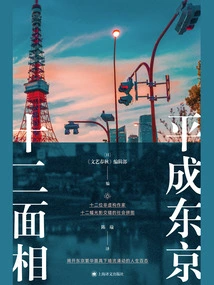
Heisei Tokyo Twelve Faces
Literature平成东京十二面相
(japan) Editorial Department Of "literary Spring And Autumn"
Twelve non-fiction writers and twelve social jigsaw puzzles of intertwined light and shadow reveal the undercurrents of life under the mask of Tokyo's prosperity and interpret the diverse and complex true face of an international metropolis. In May 2019, Japan ended the Heisei era and entered the first year of Reiwa. Since then, the Tokyo Olympics, originally held in 2020, was postponed to 2021 due to the new crown epidemic. Looking back at history, the first Tokyo Olympics was held in 1964. At that time, Japan was riding on the east wind of rapid economic development and was making rapid progress towards the goal of becoming a world power. However, after entering the Heisei era, the prosperity of Showa became a thing of the past, and various social problems began to appear as the economic bubble burst. But at the same time, as the pace of the city gradually slows down, various aspects of life that have been embedded in the background of the times have surfaced in unexpected places, allowing people to re-understand the warm side of this big city. This book is a selection of twelve articles that reflect the changes in "people" in Tokyo - residents' living conditions and changes in personal consciousness - from the "Tokyo Directly in Fifty Years" column that was serialized in the monthly magazine Bungeishunqiu from 2016 to 2019. It was interviewed and written by 12 non-fiction writers (many of whom have won the Otaku Soichi Non-fiction Award) on different topics.
Twelve non-fiction writers and twelve social jigsaw puzzles of intertwined light and shadow reveal the undercurrents of life under the mask of Tokyo's prosperity and interpret the diverse and complex true face of an international metropolis. In May 2019, Japan ended the Heisei era and entered the first year of Reiwa. Since then, the Tokyo Olympics, originally held in 2020, was postponed to 2021 due to the new crown epidemic. Looking back at history, the first Tokyo Olympics was held in 1964. At that time, Japan was riding on the east wind of rapid economic development and was making rapid progress towards the goal of becoming a world power. However, after entering the Heisei era, the prosperity of Showa became a thing of the past, and various social problems began to appear as the economic bubble burst. But at the same time, as the pace of the city gradually slows down, various aspects of life that have been embedded in the background of the times have surfaced in unexpected places, allowing people to re-understand the warm side of this big city. This book is a selection of twelve articles that reflect the changes in "people" in Tokyo - residents' living conditions and changes in personal consciousness - from the "Tokyo Directly in Fifty Years" column that was serialized in the monthly magazine Bungeishunqiu from 2016 to 2019. It was interviewed and written by 12 non-fiction writers (many of whom have won the Otaku Soichi Non-fiction Award) on different topics.
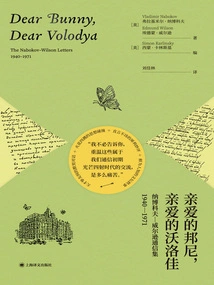
亲爱的邦尼,亲爱的沃洛佳:纳博科夫—威尔逊通信集1940—1971
(u. S.) Vladimir Nabokov And Others
The key to interpreting "Lolita" and the precious letters that reveal Nabokov's life story are published for the first time in China! How do literary masters and pungent critics go from being intimate to parting ways? In-depth communication with tacit understanding + collision of sparking ideas + outspoken and sharp comments + little-known anecdotes in the literary world! This book collects the correspondence between the novelist Nabokov and his close friend, the famous critic Edmund Wilson, from 1940 to 1971. It is an in-depth exchange between the two wise men with a tacit understanding. Sparkling collisions of ideas, outspoken and sharp comments, and little-known anecdotes from the literary world are all in it. As these candid letters will prove, the two men's final estrangement was preceded by a quarter of a century of personal and intellectual intimacy. The mutual stimulating and stimulating interactions between the two writers, as well as the continuous and vital exchange of views, are all importantly reflected in their respective biographies. UC Berkeley professor Simon Kalinsky has expanded and revised the previous version, tracing the complexities of the friendship between the two writers in greater detail.
The key to interpreting "Lolita" and the precious letters that reveal Nabokov's life story are published for the first time in China! How do literary masters and pungent critics go from being intimate to parting ways? In-depth communication with tacit understanding + collision of sparking ideas + outspoken and sharp comments + little-known anecdotes in the literary world! This book collects the correspondence between the novelist Nabokov and his close friend, the famous critic Edmund Wilson, from 1940 to 1971. It is an in-depth exchange between the two wise men with a tacit understanding. Sparkling collisions of ideas, outspoken and sharp comments, and little-known anecdotes from the literary world are all in it. As these candid letters will prove, the two men's final estrangement was preceded by a quarter of a century of personal and intellectual intimacy. The mutual stimulating and stimulating interactions between the two writers, as well as the continuous and vital exchange of views, are all importantly reflected in their respective biographies. UC Berkeley professor Simon Kalinsky has expanded and revised the previous version, tracing the complexities of the friendship between the two writers in greater detail.
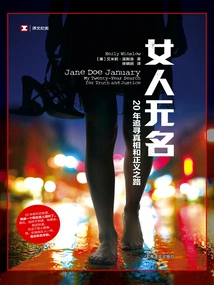
女人无名:20年追寻真相和正义之路(译文纪实)
(us) Emily Winslow
"Twenty years ago, I was sexually assaulted by a strange man. Now I finally know who he is. I also know that in the eyes of this man, I, like other women, have no name." This book is a non-fiction work written by the author based on his personal experience. It is an extraordinary memoir. Recalling the experience of sexual assault requires not only courage, but also wisdom. In 1992, Emily Winslow was raped by a stranger while she was still in college in Pittsburgh. In 2013, when she had established a new life in the UK, was married with two sons, and was embarking on a career as a writer, the man who assaulted her was suddenly arrested after being identified by the police. With extreme curiosity and a determination to uncover the truth, she embarks on a personal investigation based on her experience as a crime writer. "A Nameless Woman: A 20-Year Search for Truth and Justice" is a memoir written by a woman who is constantly being chased by the trauma she has suffered. In it, Winslow vividly describes her long-standing desire for the truth to be brought to light, paving the way for her candid account of how justice unfolded in unexpected ways 20 years later.
"Twenty years ago, I was sexually assaulted by a strange man. Now I finally know who he is. I also know that in the eyes of this man, I, like other women, have no name." This book is a non-fiction work written by the author based on his personal experience. It is an extraordinary memoir. Recalling the experience of sexual assault requires not only courage, but also wisdom. In 1992, Emily Winslow was raped by a stranger while she was still in college in Pittsburgh. In 2013, when she had established a new life in the UK, was married with two sons, and was embarking on a career as a writer, the man who assaulted her was suddenly arrested after being identified by the police. With extreme curiosity and a determination to uncover the truth, she embarks on a personal investigation based on her experience as a crime writer. "A Nameless Woman: A 20-Year Search for Truth and Justice" is a memoir written by a woman who is constantly being chased by the trauma she has suffered. In it, Winslow vividly describes her long-standing desire for the truth to be brought to light, paving the way for her candid account of how justice unfolded in unexpected ways 20 years later.
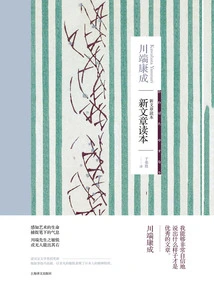
新文章读本(川端康成作品系列)
G
The works of Yasunari Kawabata, the Nobel Prize winner in literature, perceive the life of art and capture the breath of writing. Mr. Kawabata's sensitivity may be unparalleled. "New Articles Reader" is a collection of serials titled "New Articles Lectures" published by Kawabata Yasunari in the magazine "Literary Exchanges" from February 1949 to November 1950. It is a collection of literary criticism by Kawabata Yasunari. Kawabata, who has been familiar with "The Tale of Genji" and "Pillow" since childhood, strongly advocates "living articles" based on his nostalgia. The book is divided into ten chapters, citing articles by Japanese and foreign writers such as Akutagawa Ryunosuke, Ishikawa Jun, Yono Koji, Izumi Kyoka, Nagai Karikaze, Yokomitsu Riichi, Shiga Naoya, Sato Haruo, Kikuchi Hiroshi, Tayama Hanabukuro, Flaubert and other Japanese and foreign writers. It breaks down the entries and analyzes the secrets of masterpieces in language that is easy for ordinary readers to understand. Together with Junichiro Tanizaki and Yukio Mishima's literary review "Article Reader" of the same name, it is the most famous writer's literary review in the history of modern Japanese literature. From it, we can get a glimpse of the author's theory of writers and writing concepts.
The works of Yasunari Kawabata, the Nobel Prize winner in literature, perceive the life of art and capture the breath of writing. Mr. Kawabata's sensitivity may be unparalleled. "New Articles Reader" is a collection of serials titled "New Articles Lectures" published by Kawabata Yasunari in the magazine "Literary Exchanges" from February 1949 to November 1950. It is a collection of literary criticism by Kawabata Yasunari. Kawabata, who has been familiar with "The Tale of Genji" and "Pillow" since childhood, strongly advocates "living articles" based on his nostalgia. The book is divided into ten chapters, citing articles by Japanese and foreign writers such as Akutagawa Ryunosuke, Ishikawa Jun, Yono Koji, Izumi Kyoka, Nagai Karikaze, Yokomitsu Riichi, Shiga Naoya, Sato Haruo, Kikuchi Hiroshi, Tayama Hanabukuro, Flaubert and other Japanese and foreign writers. It breaks down the entries and analyzes the secrets of masterpieces in language that is easy for ordinary readers to understand. Together with Junichiro Tanizaki and Yukio Mishima's literary review "Article Reader" of the same name, it is the most famous writer's literary review in the history of modern Japanese literature. From it, we can get a glimpse of the author's theory of writers and writing concepts.
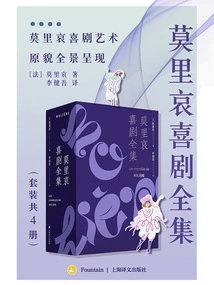
莫里哀喜剧全集(套装共4册)
I
Molière's comic art is presented in its original form. The drama master Molière and the super translator Li Jianwu are a perfect combination and complement each other. It compiles precious materials such as reviews of famous writers of the same era and chronological records of writers. Molière is one of the most important figures in the history of European literature and drama. He adhered to the classic rules of comedy - comedy educates people while entertaining, and elevated comedy to almost the same status as tragedy. In fact, later Western comedy creations followed Molière more than Shakespeare, because the "comedy" of Molière's period can be regarded as "critical and breakthrough." He promoted the advancement of drama throughout his life and exposed the darkness of society in a comic form. His artistic achievements are highly admired by future generations. "The Complete Comedies of Molière" contains a total of 27 comedies translated by Molière by Li Jianwu, including the masterpieces "The Ridiculous Talent", "The School of Wives", "Dardufo or the Liar", "The Scrooge", "The Cynic", etc. It also includes important reference materials such as the translator's preface, the original preface, the author's chronology, and comments by famous contemporary writers.
Molière's comic art is presented in its original form. The drama master Molière and the super translator Li Jianwu are a perfect combination and complement each other. It compiles precious materials such as reviews of famous writers of the same era and chronological records of writers. Molière is one of the most important figures in the history of European literature and drama. He adhered to the classic rules of comedy - comedy educates people while entertaining, and elevated comedy to almost the same status as tragedy. In fact, later Western comedy creations followed Molière more than Shakespeare, because the "comedy" of Molière's period can be regarded as "critical and breakthrough." He promoted the advancement of drama throughout his life and exposed the darkness of society in a comic form. His artistic achievements are highly admired by future generations. "The Complete Comedies of Molière" contains a total of 27 comedies translated by Molière by Li Jianwu, including the masterpieces "The Ridiculous Talent", "The School of Wives", "Dardufo or the Liar", "The Scrooge", "The Cynic", etc. It also includes important reference materials such as the translator's preface, the original preface, the author's chronology, and comments by famous contemporary writers.
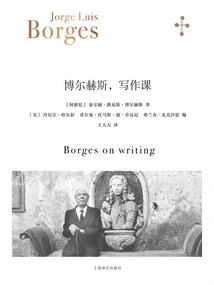
博尔赫斯,写作课(博尔赫斯全集)
H
"Writer's Writer" Borges, transcript of a Columbia University writing class. Talk about novels, poetry, and translation, break the rules of writing, and teach the secrets of becoming a master. Jorge Luis Borges was a world-class writer who knew the rules of writing and knew how and when to break them. He is a magician of language, like all the best jugglers and poets. Once the trick is revealed and the poem comes out, he will make us feel that this has always been there, somewhere in our hearts, but we have not been able to express it. In the spring of 1971, Borges was invited to lecture at a writing class at Columbia University. He analyzed his own work and used examples to help others improve theirs. Each lecture focuses on a theme: talking about writing novels, talking about writing poetry, and talking about translation. Everyone present was given Borges's short story "The Duel (Part Two)" and six of his poems, as well as examples of different translations of Borges's works. Borges commented line by line and explained the creative process in detail. "Borges, Writing Lesson" is based on the audio transcript of the lecture, and has not been edited in order to preserve the originality. The original Spanish text and English translation of the examples given in the class are also attached for comparative reading.
"Writer's Writer" Borges, transcript of a Columbia University writing class. Talk about novels, poetry, and translation, break the rules of writing, and teach the secrets of becoming a master. Jorge Luis Borges was a world-class writer who knew the rules of writing and knew how and when to break them. He is a magician of language, like all the best jugglers and poets. Once the trick is revealed and the poem comes out, he will make us feel that this has always been there, somewhere in our hearts, but we have not been able to express it. In the spring of 1971, Borges was invited to lecture at a writing class at Columbia University. He analyzed his own work and used examples to help others improve theirs. Each lecture focuses on a theme: talking about writing novels, talking about writing poetry, and talking about translation. Everyone present was given Borges's short story "The Duel (Part Two)" and six of his poems, as well as examples of different translations of Borges's works. Borges commented line by line and explained the creative process in detail. "Borges, Writing Lesson" is based on the audio transcript of the lecture, and has not been edited in order to preserve the originality. The original Spanish text and English translation of the examples given in the class are also attached for comparative reading.
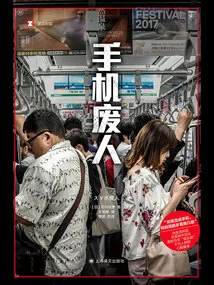
手机废人(译文纪实)
(japan) Ishikawa Yuki
"I have been completely kidnapped by my mobile phone!" "I hope to be my mother's mobile phone!" "I am standing in front of you, but you lower your head and play with your mobile phone!" Overwhelmed by life, forced by work, and kidnapped by technology, analyze the unknown sad stories of Japan's "low-headed people". With the popularization of smart phone applications, mobile phones have become indispensable to everyone today. While they bring great convenience to life, they also produce many unknown disadvantages. The author of this book has interviewed many cases of addiction to mobile phones, ranging from young children to the elderly. For example, many young mothers expose their children to mobile games too early to save time during the parenting stage. Many mothers themselves are heavy mobile phone users, addicted to various APPs and have no time to take into account their children's needs. After entering school, many children struggle to integrate into the social circle established by classmates through chat software and SNS, and it is this social circle that determines the differences in the secret classification of different groups on campus; entering social work, Finally, personal itineraries can also be controlled by leaders due to GPS monitoring; after entering nursing homes, there will be elderly people who are addicted to mobile games such as mahjong, and are even in danger of falling into online fraud... The tool of civilization is like a double-edged sword. Behind the pervasive penetration of mobile phones, individuals lose control of their own lives and fall into alienation without realizing it. This is something that everyone living in modern society needs to be wary of. These warnings put forward in this book also inspire readers to rethink the way they interact with smartphones to avoid becoming a "mobile phone waste".
"I have been completely kidnapped by my mobile phone!" "I hope to be my mother's mobile phone!" "I am standing in front of you, but you lower your head and play with your mobile phone!" Overwhelmed by life, forced by work, and kidnapped by technology, analyze the unknown sad stories of Japan's "low-headed people". With the popularization of smart phone applications, mobile phones have become indispensable to everyone today. While they bring great convenience to life, they also produce many unknown disadvantages. The author of this book has interviewed many cases of addiction to mobile phones, ranging from young children to the elderly. For example, many young mothers expose their children to mobile games too early to save time during the parenting stage. Many mothers themselves are heavy mobile phone users, addicted to various APPs and have no time to take into account their children's needs. After entering school, many children struggle to integrate into the social circle established by classmates through chat software and SNS, and it is this social circle that determines the differences in the secret classification of different groups on campus; entering social work, Finally, personal itineraries can also be controlled by leaders due to GPS monitoring; after entering nursing homes, there will be elderly people who are addicted to mobile games such as mahjong, and are even in danger of falling into online fraud... The tool of civilization is like a double-edged sword. Behind the pervasive penetration of mobile phones, individuals lose control of their own lives and fall into alienation without realizing it. This is something that everyone living in modern society needs to be wary of. These warnings put forward in this book also inspire readers to rethink the way they interact with smartphones to avoid becoming a "mobile phone waste".
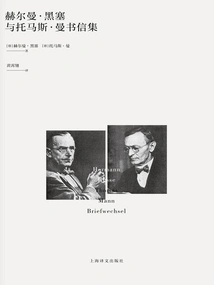
赫尔曼·黑塞与托马斯·曼书信集
K
A dialogue between two Nobel laureates, the first domestic translation of the letters between Hesse and Thomas Mann! Contains many precious historical pictures, with detailed editions annotated by experts. This book collects the correspondence between two German literary giants, Thomas Mann and Hermann Hesse, between 1910 and 1955. Hesse and Thomas Mann had different origins, artistic tastes, and readerships, but their desire to pursue truth was exactly the same. Hesse began to pay attention to the creation of Thomas Mann very early, and the latter called Hesse "the closest person selected early among the writers of his generation." For Thomas Mann, literary creation was a way to realize his ambition to enter the world and establish his personal style; for Hesse, it was a way to repent and heal his soul. They exchange creative inspiration, share reading experiences and daily life through words and pictures. Before and after the two world wars, the two noble writers exchanged many letters with each other on the folly of war, the barbaric behavior of the Nazis, and the domestic and foreign literary scene during the war. They also worried about the future fate of Germany and Europe after the war. They lived in a terrible time, but they never gave in to despair. The two comforted and supported each other through letters, and defended each other when they were slandered by the outside world. This pair of equally matched, firm and independent partners fully and subtly express their differences in origin, temperament and life attitude, but also show the same artistic purpose. This makes their dialogue particularly attractive and provides readers with an extremely rich literary legacy from the perspective of culture and contemporary history.
A dialogue between two Nobel laureates, the first domestic translation of the letters between Hesse and Thomas Mann! Contains many precious historical pictures, with detailed editions annotated by experts. This book collects the correspondence between two German literary giants, Thomas Mann and Hermann Hesse, between 1910 and 1955. Hesse and Thomas Mann had different origins, artistic tastes, and readerships, but their desire to pursue truth was exactly the same. Hesse began to pay attention to the creation of Thomas Mann very early, and the latter called Hesse "the closest person selected early among the writers of his generation." For Thomas Mann, literary creation was a way to realize his ambition to enter the world and establish his personal style; for Hesse, it was a way to repent and heal his soul. They exchange creative inspiration, share reading experiences and daily life through words and pictures. Before and after the two world wars, the two noble writers exchanged many letters with each other on the folly of war, the barbaric behavior of the Nazis, and the domestic and foreign literary scene during the war. They also worried about the future fate of Germany and Europe after the war. They lived in a terrible time, but they never gave in to despair. The two comforted and supported each other through letters, and defended each other when they were slandered by the outside world. This pair of equally matched, firm and independent partners fully and subtly express their differences in origin, temperament and life attitude, but also show the same artistic purpose. This makes their dialogue particularly attractive and provides readers with an extremely rich literary legacy from the perspective of culture and contemporary history.
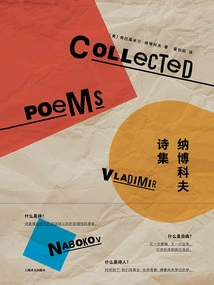
Nabokov's Poems (nabokov's Works Series)
Literature纳博科夫诗集(纳博科夫作品系列)
H
The poetic works of Nabokov, the great stylist of the 20th century, are presented for the first time in the Chinese world, with 90 representative poems covering a 59-year poetry journey. Like Joyce, Nabokov was first and foremost a poet. His obsession with writing poetry began in the summer when he was fifteen, and over the next ten years he wrote thousands of poems. When his first novel, Mary, was published in 1926, Nabokov became one of the great modernists who revolutionized the novel and imbued it with poetry. At the same time, he was still writing poetry, and although the volume was not as good as in his early days, his interest and personality more than made up for it. These poems share the same ideas and themes as his novels and complement each other. "The Collected Poems of Nabokov" contains nearly one hundred poems by Vladimir Nabokov, spanning his fifty-nine years of poetry creation, including Nabokov's earliest surviving work "Music", the long poem "The University Psalms" with a capacity comparable to a short story, and a new translation translated by his son Dmitry for the first time.
The poetic works of Nabokov, the great stylist of the 20th century, are presented for the first time in the Chinese world, with 90 representative poems covering a 59-year poetry journey. Like Joyce, Nabokov was first and foremost a poet. His obsession with writing poetry began in the summer when he was fifteen, and over the next ten years he wrote thousands of poems. When his first novel, Mary, was published in 1926, Nabokov became one of the great modernists who revolutionized the novel and imbued it with poetry. At the same time, he was still writing poetry, and although the volume was not as good as in his early days, his interest and personality more than made up for it. These poems share the same ideas and themes as his novels and complement each other. "The Collected Poems of Nabokov" contains nearly one hundred poems by Vladimir Nabokov, spanning his fifty-nine years of poetry creation, including Nabokov's earliest surviving work "Music", the long poem "The University Psalms" with a capacity comparable to a short story, and a new translation translated by his son Dmitry for the first time.
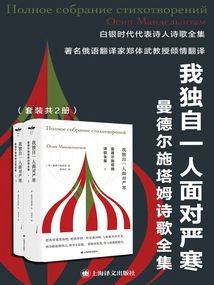
我独自一人面对严寒:曼德尔施塔姆诗歌全集(套装共2册)
(russia) Mandelstam
The complete collection of poems by the representative poets of the Silver Age, translated with great devotion by the famous Russian translator Professor Zheng Tiwu. The original translation refers to multiple similar Russian versions and contains 590 works of the poet throughout his life. It can be called a "well-deserved" complete collection. _X000b_ Mandelstam published his first work in 1910, which received wide acclaim. Later, he self-financed the publication of the collection of poems "Stones", which established his position in the poetry world in one fell swoop. In the following twenty years of literary career, the poet's personal life was not smooth, but he always insisted on creating and demanded excellence, so he did not publish a few collections of poems throughout his life. Although the poet did not leave many works, almost all of them were excellent works, and many of his works aroused widespread discussion within the poet circle at that time. The poet died unjustly in the winter of 1938, and his works could not be seen by readers for a long time. Fortunately, the poet's widow, relatives and friends tried their best to preserve a large number of the poet's manuscripts and manuscripts, and these immortal poems were finally rediscovered. "The Complete Poems of Mandelstam" was compiled and translated by the famous translator Professor Zheng Tiwu with reference to multiple similar Russian versions. The book contains a total of 590 poems written by Mandelstam throughout his life, including several newly discovered lost works and unfinished works. It is a veritable "complete collection".
The complete collection of poems by the representative poets of the Silver Age, translated with great devotion by the famous Russian translator Professor Zheng Tiwu. The original translation refers to multiple similar Russian versions and contains 590 works of the poet throughout his life. It can be called a "well-deserved" complete collection. _X000b_ Mandelstam published his first work in 1910, which received wide acclaim. Later, he self-financed the publication of the collection of poems "Stones", which established his position in the poetry world in one fell swoop. In the following twenty years of literary career, the poet's personal life was not smooth, but he always insisted on creating and demanded excellence, so he did not publish a few collections of poems throughout his life. Although the poet did not leave many works, almost all of them were excellent works, and many of his works aroused widespread discussion within the poet circle at that time. The poet died unjustly in the winter of 1938, and his works could not be seen by readers for a long time. Fortunately, the poet's widow, relatives and friends tried their best to preserve a large number of the poet's manuscripts and manuscripts, and these immortal poems were finally rediscovered. "The Complete Poems of Mandelstam" was compiled and translated by the famous translator Professor Zheng Tiwu with reference to multiple similar Russian versions. The book contains a total of 590 poems written by Mandelstam throughout his life, including several newly discovered lost works and unfinished works. It is a veritable "complete collection".
河岳英灵集研究(傅璇琮文集)
Written By Li Zhenhua And Fu Xuancong
This book is divided into two parts. The first part is about the "Collection of Heyue Yingling" and the comments and textual research by Yin Fan, the editor and selector. The second part is the collation and proofreading of "The Collection of Heyue Yingling". "Heyue Yingling Collection" is a kind of Tang poetry selected by the Tang Dynasty. It has a special status in the history of Chinese poetry and literary theory. It not only preserves a number of poems from the Tang Dynasty, but also has important documentary value. The theories of Xingxiang and Rhythm proposed by it also clearly reflect the creative characteristics and theoretical characteristics of poetry at the peak of the Tang Dynasty. This book explores and studies the value and characteristics of "The Collection of Heroes in Heyue", and sorts it out to restore its original appearance. It also combines several versions circulated in the Ming Dynasty to compile and proofread it, in order to provide a solid material basis for theoretical discussion.
This book is divided into two parts. The first part is about the "Collection of Heyue Yingling" and the comments and textual research by Yin Fan, the editor and selector. The second part is the collation and proofreading of "The Collection of Heyue Yingling". "Heyue Yingling Collection" is a kind of Tang poetry selected by the Tang Dynasty. It has a special status in the history of Chinese poetry and literary theory. It not only preserves a number of poems from the Tang Dynasty, but also has important documentary value. The theories of Xingxiang and Rhythm proposed by it also clearly reflect the creative characteristics and theoretical characteristics of poetry at the peak of the Tang Dynasty. This book explores and studies the value and characteristics of "The Collection of Heroes in Heyue", and sorts it out to restore its original appearance. It also combines several versions circulated in the Ming Dynasty to compile and proofread it, in order to provide a solid material basis for theoretical discussion.
Contemporary Chinese New Poetry Types
Literature当代汉语新诗类型
Zhu Zhoubin
The concept of "Contemporary Chinese New Poetry" is based on the inherent interactive structural relationship between language and historical concepts and spiritual orientations, with language changes as the basis, aesthetics as the core, and history as the background. This book uses a holistic concept to discuss Chinese poetry in the past 40 years represented by a series of generational terms such as "Misty Poetry", "Third Generation Poetry", post-70s, and post-80s, and attempts to outline the appearance and achievements of contemporary Chinese new poetry in the past 40 years. The book divides contemporary Chinese new poetry into four basic types, namely: "Following the trend and coordination: the type of intertwining between contemporary new Chinese poetry and mainstream concepts", "exploration and excavation: the type of reflection and dialogue between contemporary new Chinese poetry and mainstream concepts", "autonomy and independence: the type of contemporary new Chinese poetry returning to individual daily life and spiritual construction", "language games: the type of contemporary new Chinese poetry reshaping the ontology of poetics".
The concept of "Contemporary Chinese New Poetry" is based on the inherent interactive structural relationship between language and historical concepts and spiritual orientations, with language changes as the basis, aesthetics as the core, and history as the background. This book uses a holistic concept to discuss Chinese poetry in the past 40 years represented by a series of generational terms such as "Misty Poetry", "Third Generation Poetry", post-70s, and post-80s, and attempts to outline the appearance and achievements of contemporary Chinese new poetry in the past 40 years. The book divides contemporary Chinese new poetry into four basic types, namely: "Following the trend and coordination: the type of intertwining between contemporary new Chinese poetry and mainstream concepts", "exploration and excavation: the type of reflection and dialogue between contemporary new Chinese poetry and mainstream concepts", "autonomy and independence: the type of contemporary new Chinese poetry returning to individual daily life and spiritual construction", "language games: the type of contemporary new Chinese poetry reshaping the ontology of poetics".
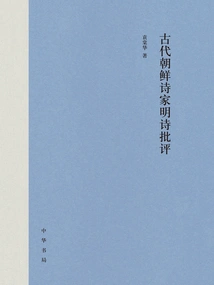
古代朝鲜诗家明诗批评
Yuan Tanghua
The Ming Dynasty was the peak period of friendly exchanges between China and North Korea in ancient times. Ming poetry played an important role in the history of poetry development and cultural exchanges between China and North Korea. After Ming poetry was introduced to North Korea through various channels, it had a great influence on the Korean literary world. When North Korean poets accepted and studied Ming poetry, they criticized Ming poetry based on the actual development of their country's literary world and their own poetic concepts. This book takes ancient Korean poets' acceptance and criticism of Ming poetry and Ming poetic theory as the research object. It uses documents as a basis to find out the reasons why ancient Korean poets criticized Ming poetry, how to accept and interpret Ming poetry, how to develop existing theories of Ming poetry and put forward new insights, and what impact it brought to China, North Korea and the East Asian poetry world. It uses methods such as communication and hermeneutics to conduct research on ancient Korean poets' criticism of Ming poetry's retro, temperament, and style, and summarizes the characteristics, value, and significance of criticism.
The Ming Dynasty was the peak period of friendly exchanges between China and North Korea in ancient times. Ming poetry played an important role in the history of poetry development and cultural exchanges between China and North Korea. After Ming poetry was introduced to North Korea through various channels, it had a great influence on the Korean literary world. When North Korean poets accepted and studied Ming poetry, they criticized Ming poetry based on the actual development of their country's literary world and their own poetic concepts. This book takes ancient Korean poets' acceptance and criticism of Ming poetry and Ming poetic theory as the research object. It uses documents as a basis to find out the reasons why ancient Korean poets criticized Ming poetry, how to accept and interpret Ming poetry, how to develop existing theories of Ming poetry and put forward new insights, and what impact it brought to China, North Korea and the East Asian poetry world. It uses methods such as communication and hermeneutics to conduct research on ancient Korean poets' criticism of Ming poetry's retro, temperament, and style, and summarizes the characteristics, value, and significance of criticism.
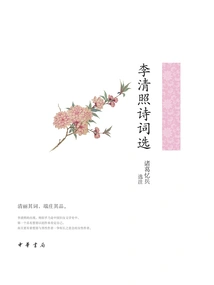
李清照诗词选(中华古典文学选本丛书)
Zhuge Yibing Selected Notes
Li Qingzhao, who calls herself Yi An Jushi, is a native of Jinan and an outstanding female writer in the Song Dynasty. Li Qingzhao lived a comfortable first half of his life, but after the fall of the Northern Song Dynasty, he experienced a miserable second half. Therefore, her creations have also experienced a clear transition: from light and beautiful boudoir works to deep and dignified sighs about life experience. In his lyrics, Li Qingzhao is good at selecting his living environment, actions, and details in his daily life to show his unique inner world. Her language is unique, fresh and elegant, with natural charm. She is especially good at using life-like language to convey subtle psychological activities. This book selects representative works from Li Qingzhao's poetry and assists readers with concise annotations and reviews.
Li Qingzhao, who calls herself Yi An Jushi, is a native of Jinan and an outstanding female writer in the Song Dynasty. Li Qingzhao lived a comfortable first half of his life, but after the fall of the Northern Song Dynasty, he experienced a miserable second half. Therefore, her creations have also experienced a clear transition: from light and beautiful boudoir works to deep and dignified sighs about life experience. In his lyrics, Li Qingzhao is good at selecting his living environment, actions, and details in his daily life to show his unique inner world. Her language is unique, fresh and elegant, with natural charm. She is especially good at using life-like language to convey subtle psychological activities. This book selects representative works from Li Qingzhao's poetry and assists readers with concise annotations and reviews.
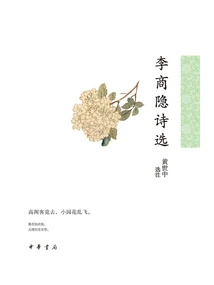
李商隐诗选(中华古典文学选本丛书)
Huang Shizhong's Selected Notes
Li Shangyin, also known as Yishan, also known as Yuxisheng and Fan Nansheng, was one of the most outstanding poets in the late Tang Dynasty. He was also known as "Little Li Du" along with Du Mu. Because he was involved in clique struggles, he spent his life as a subordinate and died in depression. Li Shangyin's poems not only satirize real politics, but also express his own feelings and feelings. Especially his untitled poems have a unique position in the history of literature. Li Shangyin is good at using allusions and images to create a hazy artistic conception to express his inner subtle emotions. This book selects 185 poems by Li Shangyin, especially the seven-character rhyme poems. In the title explanations and annotations, detailed annotations are given on the creative background, words, and allusions of the poems to help readers understand the poetic meaning.
Li Shangyin, also known as Yishan, also known as Yuxisheng and Fan Nansheng, was one of the most outstanding poets in the late Tang Dynasty. He was also known as "Little Li Du" along with Du Mu. Because he was involved in clique struggles, he spent his life as a subordinate and died in depression. Li Shangyin's poems not only satirize real politics, but also express his own feelings and feelings. Especially his untitled poems have a unique position in the history of literature. Li Shangyin is good at using allusions and images to create a hazy artistic conception to express his inner subtle emotions. This book selects 185 poems by Li Shangyin, especially the seven-character rhyme poems. In the title explanations and annotations, detailed annotations are given on the creative background, words, and allusions of the poems to help readers understand the poetic meaning.
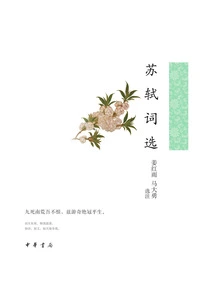
苏轼词选(中华古典文学选本丛书)
Selected Notes By Jiang Hongyu And Ma Dayong
Su Shi is a famous litterateur in my country. His achievements in literature, poetry and Ci are unparalleled. In particular, his Ci not only opened up the creative space of Ci style, making Ci become an elegant literary genre, but also created a bold style of Ci, which was highly praised and imitated by later Ci writers. There are more than 300 poems written by Su Shi. This time, 82 of the best poems are selected, annotated and analyzed, so that readers can have a brief overview of Su Shi's poems and have a better understanding of Su Shi.
Su Shi is a famous litterateur in my country. His achievements in literature, poetry and Ci are unparalleled. In particular, his Ci not only opened up the creative space of Ci style, making Ci become an elegant literary genre, but also created a bold style of Ci, which was highly praised and imitated by later Ci writers. There are more than 300 poems written by Su Shi. This time, 82 of the best poems are selected, annotated and analyzed, so that readers can have a brief overview of Su Shi's poems and have a better understanding of Su Shi.
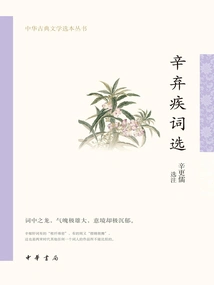
辛弃疾词选(中华古典文学选本丛书)
Selected Notes Of Xin Gengru
Xin Qiji is a famous patriotic poet in the Southern Song Dynasty. His poetry is magnificent, bold in style, full of momentum, rich in content, and catchy. He plays a very important role in the history of Song poetry. Xin Qiji has a large number of preserved poems, and the time span is so large that it can almost be regarded as a footnote to Xin Qiji's personal life. Now, eighty-four poems of Xin Qiji's poems are selected, and necessary annotations and comments are added so that Xin's poems can be better accepted and understood by readers.
Xin Qiji is a famous patriotic poet in the Southern Song Dynasty. His poetry is magnificent, bold in style, full of momentum, rich in content, and catchy. He plays a very important role in the history of Song poetry. Xin Qiji has a large number of preserved poems, and the time span is so large that it can almost be regarded as a footnote to Xin Qiji's personal life. Now, eighty-four poems of Xin Qiji's poems are selected, and necessary annotations and comments are added so that Xin's poems can be better accepted and understood by readers.
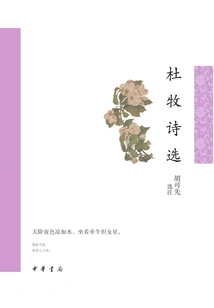
杜牧诗选(中华古典文学选本丛书)
Hu Ke First Selects The Note
Du Mu, also known as Muzhi, is a famous poet in the late Tang Dynasty. He is also known as "Little Li Du" together with Li Shangyin. Du Mu was talented, ambitious, and dedicated to managing the world for practical purposes. His poems are lofty and far-sighted, his writing is powerful, and he can blend elegance and beauty into his handsomeness. Among various themes, Du Mu's nostalgic poems are most praised by future generations, leaving behind many popular works, such as "Red Cliff", "Bo Qinhuai", "Deng Le You Yuan" and so on. Du Mu is good at incorporating a deep sense of history into his expressions of emotion through borrowed scenes, and often uses nostalgia to express his concern for reality. This book selects 185 poems by Du Mu and divides them into two parts: chronological and non-chronological. The creative background, allusions, and words of the poems are explained in the captions and annotations to assist readers in reading.
Du Mu, also known as Muzhi, is a famous poet in the late Tang Dynasty. He is also known as "Little Li Du" together with Li Shangyin. Du Mu was talented, ambitious, and dedicated to managing the world for practical purposes. His poems are lofty and far-sighted, his writing is powerful, and he can blend elegance and beauty into his handsomeness. Among various themes, Du Mu's nostalgic poems are most praised by future generations, leaving behind many popular works, such as "Red Cliff", "Bo Qinhuai", "Deng Le You Yuan" and so on. Du Mu is good at incorporating a deep sense of history into his expressions of emotion through borrowed scenes, and often uses nostalgia to express his concern for reality. This book selects 185 poems by Du Mu and divides them into two parts: chronological and non-chronological. The creative background, allusions, and words of the poems are explained in the captions and annotations to assist readers in reading.
一切都像在拯救:白银时代的爱情诗
(russia) Shay Yesenin Et Al.
The Silver Age was the "second birth" period of Russian literature in the late 19th and early 20th centuries. Amid the turmoil of the current situation and under the influence of modernism, poets introduced novel words rich in multiple connotations into poetry, discovering the beauty of unfamiliarity and complexity, reflecting their concern for the meaning of existence. Yesenin, Tsvetaeva, Blok, Bunin, Akhmatova, Mayakovsky, etc. All left outstanding works during this period. This book selects and translates 201 love poems from 32 poets of the Silver Age.
The Silver Age was the "second birth" period of Russian literature in the late 19th and early 20th centuries. Amid the turmoil of the current situation and under the influence of modernism, poets introduced novel words rich in multiple connotations into poetry, discovering the beauty of unfamiliarity and complexity, reflecting their concern for the meaning of existence. Yesenin, Tsvetaeva, Blok, Bunin, Akhmatova, Mayakovsky, etc. All left outstanding works during this period. This book selects and translates 201 love poems from 32 poets of the Silver Age.
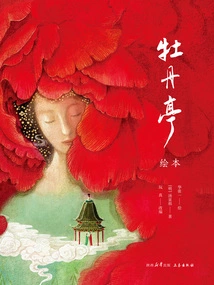
The Peony Pavilion·picture Book
Literature牡丹亭·绘本
(ming Dynasty) Written By Tang Xianzu, Adapted By Wan Zhen And Painted By Hua Zhang
"The Peony Pavilion Picture Book" was carefully painted by the young painter Hua Zhangyi over a period of three years, recreating the fantasy and romantic love story that transcends life and death in the works of Tang Xianzu, a playwright of the Ming Dynasty. During a dream trip to a garden, Du Liniang, a daughter of an official family who had been living in a boudoir for a long time, fell in love at first sight with the scholar Liu Mengmei in her dream. However, she died of grief and turned into a ghost, and fell in love with a human ghost in Liu Sheng. After many twists and turns, Du Liniang came back to life, and the two married themselves without a matchmaker, and they will be together forever. More than 70 master-level paintings in the book are a new interpretation of the pinnacle of Chinese classical drama "The Peony Pavilion". The vernacular text adapted in a storyboard style retains the complete story line, three-dimensional character portrayal and classic lyrics, allowing readers to quickly appreciate the essence of the story of "The Peony Pavilion". This is not only an easy-to-read master-level picture book that depicts the drama classic "The Peony Pavilion", but it is also a work of art with great aesthetic value and collection value.
"The Peony Pavilion Picture Book" was carefully painted by the young painter Hua Zhangyi over a period of three years, recreating the fantasy and romantic love story that transcends life and death in the works of Tang Xianzu, a playwright of the Ming Dynasty. During a dream trip to a garden, Du Liniang, a daughter of an official family who had been living in a boudoir for a long time, fell in love at first sight with the scholar Liu Mengmei in her dream. However, she died of grief and turned into a ghost, and fell in love with a human ghost in Liu Sheng. After many twists and turns, Du Liniang came back to life, and the two married themselves without a matchmaker, and they will be together forever. More than 70 master-level paintings in the book are a new interpretation of the pinnacle of Chinese classical drama "The Peony Pavilion". The vernacular text adapted in a storyboard style retains the complete story line, three-dimensional character portrayal and classic lyrics, allowing readers to quickly appreciate the essence of the story of "The Peony Pavilion". This is not only an easy-to-read master-level picture book that depicts the drama classic "The Peony Pavilion", but it is also a work of art with great aesthetic value and collection value.
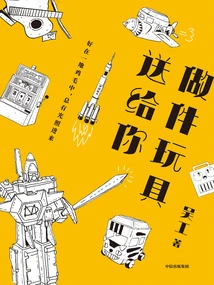
Make a Toy for You
Literature做件玩具送给你
Wu Gong
Wu Gong is not the author's real name. He got his name because he has been an engineer for nearly 20 years and is always called "Wu Gong". He has a lot of worries just like you and me. I'm worried about global warming and the situation in the Middle East; I'm worried about my son's school district housing being far away; I'm worried about how to take care of my parents who are far away from home; I'm worried about when my clients will become more sensible... Fortunately, in the chicken feathers, there is always light coming in. Handmade creations allow Wu Gong to temporarily forget his worries and regain happiness. Build a fairy tale castle for his son, build a miniature version of the Great Wall and move it to the kindergarten, make a unique comb for his mother, make a knife that can cut through the starry sky for himself... These crafts may seem to be in vain, but there are small stories hidden behind them, stringing together happiness and memories, showing their uselessness. The book contains more than 200 hand-drawn illustrations by Wu Gong, explaining the production process in detail. If you want, you can follow the same pattern. Life is always awkward and helpless, but interesting souls cheer people up and make them feel that the world is not that bad.
Wu Gong is not the author's real name. He got his name because he has been an engineer for nearly 20 years and is always called "Wu Gong". He has a lot of worries just like you and me. I'm worried about global warming and the situation in the Middle East; I'm worried about my son's school district housing being far away; I'm worried about how to take care of my parents who are far away from home; I'm worried about when my clients will become more sensible... Fortunately, in the chicken feathers, there is always light coming in. Handmade creations allow Wu Gong to temporarily forget his worries and regain happiness. Build a fairy tale castle for his son, build a miniature version of the Great Wall and move it to the kindergarten, make a unique comb for his mother, make a knife that can cut through the starry sky for himself... These crafts may seem to be in vain, but there are small stories hidden behind them, stringing together happiness and memories, showing their uselessness. The book contains more than 200 hand-drawn illustrations by Wu Gong, explaining the production process in detail. If you want, you can follow the same pattern. Life is always awkward and helpless, but interesting souls cheer people up and make them feel that the world is not that bad.
New Essays on "journey to the West
Literature《西游记》新论集
Hou Chong Editor-in-chief Wang Jianchuan
This book contains many achievements in the research of "Journey to the West". Its main features are new articles, new materials, new perspectives, and new viewpoints. On the basis of clarifying the exact year when "Journey to the West" was written, combined with newly discovered ritual documents related to "Journey to the West", the collected articles conduct an in-depth and novel discussion on the writing process, version, ideological connotation and text interpretation of "Journey to the West", deepening and enriching the research on "Journey to the West". The appendix at the end of the book includes three newly compiled ritual documents related to "Journey to the West".
This book contains many achievements in the research of "Journey to the West". Its main features are new articles, new materials, new perspectives, and new viewpoints. On the basis of clarifying the exact year when "Journey to the West" was written, combined with newly discovered ritual documents related to "Journey to the West", the collected articles conduct an in-depth and novel discussion on the writing process, version, ideological connotation and text interpretation of "Journey to the West", deepening and enriching the research on "Journey to the West". The appendix at the end of the book includes three newly compiled ritual documents related to "Journey to the West".
Nordic Tablets
Literature北欧书简
(uk)mary Wollstonecraft
This book is an epistolary travelogue by Mary Wollstonecraft. In the summer of 1795, in order to save the relationship with her lover Imlay, Voucher embarked on a business trip. She took her newborn daughter to Sweden, Norway and Denmark, and kept in correspondence with Imlay. In these 42 letters (including appendices), Waugh shows his rich feelings and independent views on Nordic culture, nature and customs.
This book is an epistolary travelogue by Mary Wollstonecraft. In the summer of 1795, in order to save the relationship with her lover Imlay, Voucher embarked on a business trip. She took her newborn daughter to Sweden, Norway and Denmark, and kept in correspondence with Imlay. In these 42 letters (including appendices), Waugh shows his rich feelings and independent views on Nordic culture, nature and customs.
Women's Education
Literature女子教育
(uk)mary Wollstonecraft
The book includes Walter's "Daughter's Education", "True Stories" and the appendix "Last Words to Goddaughters". The author inherited and developed John Locke's basic educational philosophy. On the one hand, he criticized the long-standing shortcomings of female education at that time and firmly believed that education is the key to the full development of personal rationality. On the other hand, it also provided the emerging British middle class with a practical guide to educating daughters, which can still be used as a useful reference for parents. The book mainly focuses on moral, character, intellectual and etiquette education. It can be called an early version of the popular self-help guide manual, and its language draws on the nourishment of British literary tradition.
The book includes Walter's "Daughter's Education", "True Stories" and the appendix "Last Words to Goddaughters". The author inherited and developed John Locke's basic educational philosophy. On the one hand, he criticized the long-standing shortcomings of female education at that time and firmly believed that education is the key to the full development of personal rationality. On the other hand, it also provided the emerging British middle class with a practical guide to educating daughters, which can still be used as a useful reference for parents. The book mainly focuses on moral, character, intellectual and etiquette education. It can be called an early version of the popular self-help guide manual, and its language draws on the nourishment of British literary tradition.
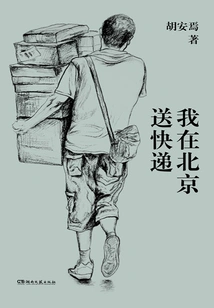
I Deliver Express in Beijing
Literature我在北京送快递
Huan Yan
In the ten years since he entered social work, Huan Yan has traveled extensively in Guangdong, Guangxi, Yunnan, Shanghai, Beijing and other places. He has worked as a courier, night shift picker, convenience store clerk, security guard, bicycle shop salesman, clothing store salesman, gas station refueler... He has turned his daily life and the hardships of work into a sincere self-narration, recording the hard work, selfishness, warmth and integrity of an ordinary person in life. A year of picking goods at night in a logistics company left a deep physiological mark on him: "This job can also make people have bad tempers. Because of long-term late nights and overwork, people's emotional control will significantly decline... I already feel that my brain is not working well, mainly because my reactions have changed." He became sluggish and his memory began to decline." During the two years of delivering express delivery in Beijing, he "viewed himself as a delivery machine earning 30 yuan an hour. He would become angry and frustrated if he could not reach the rated output value"... But he finally realized that a life with resentment is not worth living. These work experiences, written in post-mortem recollections, are permeated with his attitude and reflection on life and the world, and are intended to express an individual's direct confrontation and affirmation of the meaning of life in the limited choices and cramped reality: many ordinary and meaningful moments in life are more decisive in life than all aspects of reality that troubles life.
In the ten years since he entered social work, Huan Yan has traveled extensively in Guangdong, Guangxi, Yunnan, Shanghai, Beijing and other places. He has worked as a courier, night shift picker, convenience store clerk, security guard, bicycle shop salesman, clothing store salesman, gas station refueler... He has turned his daily life and the hardships of work into a sincere self-narration, recording the hard work, selfishness, warmth and integrity of an ordinary person in life. A year of picking goods at night in a logistics company left a deep physiological mark on him: "This job can also make people have bad tempers. Because of long-term late nights and overwork, people's emotional control will significantly decline... I already feel that my brain is not working well, mainly because my reactions have changed." He became sluggish and his memory began to decline." During the two years of delivering express delivery in Beijing, he "viewed himself as a delivery machine earning 30 yuan an hour. He would become angry and frustrated if he could not reach the rated output value"... But he finally realized that a life with resentment is not worth living. These work experiences, written in post-mortem recollections, are permeated with his attitude and reflection on life and the world, and are intended to express an individual's direct confrontation and affirmation of the meaning of life in the limited choices and cramped reality: many ordinary and meaningful moments in life are more decisive in life than all aspects of reality that troubles life.
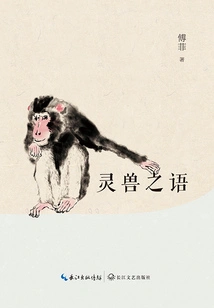
The Language of Spirit Beasts
Literature灵兽之语
Fu Fei
"The Language of Spiritual Beasts" is a new collection of essays by Jiangxi essayist Fu Fei. The book includes several essays about animals written by the author. The author uses monkeys, dogs, deer, horses, black bears, foxes, leopards, and chipmunks as writing objects to explore the interdependent relationship between humans and animals, and thus reflects on the ethical proposition of how humans and nature get along. The author's writing is loyal to reality, has a compassionate heart, and reveals his spiritual appeal calling on mankind to care for nature.
"The Language of Spiritual Beasts" is a new collection of essays by Jiangxi essayist Fu Fei. The book includes several essays about animals written by the author. The author uses monkeys, dogs, deer, horses, black bears, foxes, leopards, and chipmunks as writing objects to explore the interdependent relationship between humans and animals, and thus reflects on the ethical proposition of how humans and nature get along. The author's writing is loyal to reality, has a compassionate heart, and reveals his spiritual appeal calling on mankind to care for nature.
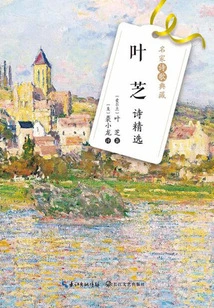
Selected Poems of Yeats
Literature叶芝诗精选
(ireland) Yeats
This collection of poems is an updated collection of translations of Yeats' poetry collections that the translator has polished and published over the years. It features selected poems such as "When You Are Old" and "Leda and the Swan" by Yeats. The language is concise, but the emotions are rich and true. The poet uses hypothetical imagination, contrast and contrast, image emphasis, symbolic sublimation and other techniques to present a wonderful and wonderful world of poetry. The collection of poems shows his early gorgeous style, which is good at creating a dreamlike atmosphere, and his late modernist poetic style.
This collection of poems is an updated collection of translations of Yeats' poetry collections that the translator has polished and published over the years. It features selected poems such as "When You Are Old" and "Leda and the Swan" by Yeats. The language is concise, but the emotions are rich and true. The poet uses hypothetical imagination, contrast and contrast, image emphasis, symbolic sublimation and other techniques to present a wonderful and wonderful world of poetry. The collection of poems shows his early gorgeous style, which is good at creating a dreamlike atmosphere, and his late modernist poetic style.
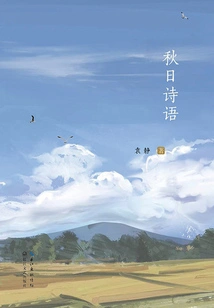
Autumn Poetry
Literature秋日诗语
Yuan Jing
With time as the main line and generally classified according to region and subject matter, the book is divided into six parts: Origin of Jingchu, Love by the Lake, Reminiscing about the Death, To Alice, Autumn Poems, Hubei and Guizhou. Through the description of the natural landscape and the description of human affairs and things, the author's personal feelings and life experience are poured into it.
With time as the main line and generally classified according to region and subject matter, the book is divided into six parts: Origin of Jingchu, Love by the Lake, Reminiscing about the Death, To Alice, Autumn Poems, Hubei and Guizhou. Through the description of the natural landscape and the description of human affairs and things, the author's personal feelings and life experience are poured into it.
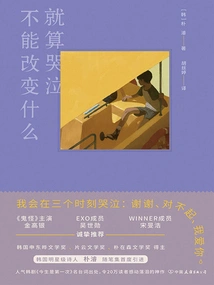
Even Crying Can't Change Anything
Literature就算哭泣不能改变什么
(korean) Park Jun
Living is strange and hard, right? In this world where showing vulnerability is considered a weakness, Park Jun recorded countless moments of vulnerability: he would run away when being coerced by complex interpersonal relationships, he would feel ashamed of his poverty and shortcomings, he would easily fall into the quagmire of regret and self-blame, and he would often be confused about "why I can't like myself." But he calmly accepts all his sensitivities and struggles, and uses the primitive intuition hidden in human nature to lead us to touch the difficult-to-face problems in life - wealth and poverty, joy and sorrow, life and death, and separation. They are no longer about regret and sadness mixed with blood and tears, but about gratitude, apology and love. This is a kind of fragility that makes life more complete, with the frankness and rawness of crying whenever you want. Even if crying can't change anything, crying together may make it less embarrassing and may become a little bit of strength for each other.
Living is strange and hard, right? In this world where showing vulnerability is considered a weakness, Park Jun recorded countless moments of vulnerability: he would run away when being coerced by complex interpersonal relationships, he would feel ashamed of his poverty and shortcomings, he would easily fall into the quagmire of regret and self-blame, and he would often be confused about "why I can't like myself." But he calmly accepts all his sensitivities and struggles, and uses the primitive intuition hidden in human nature to lead us to touch the difficult-to-face problems in life - wealth and poverty, joy and sorrow, life and death, and separation. They are no longer about regret and sadness mixed with blood and tears, but about gratitude, apology and love. This is a kind of fragility that makes life more complete, with the frankness and rawness of crying whenever you want. Even if crying can't change anything, crying together may make it less embarrassing and may become a little bit of strength for each other.
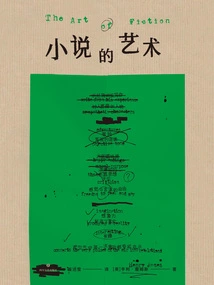
The Art of Fiction
Literature小说的艺术
(english) Henry James
Henry James was a pioneer of modern literature, a teacher of writers, a prodigious bookworm, and a heavy user of paper novels. In this book, he transforms into a diligent reading blogger and generously shares his private reading notes. Analyze the texture of the novel like peeling off cocoons and lead you to find the joy of reading novels. A sharp review of famous works, clearing away all the constraints on characters, plots, and themes in your mind, and getting straight to the truly exciting aspects of a novel. Happy are those who have mastered the art of fiction. As Henry James said: "An outstanding writer is a person who passionately tries to understand everything." After reading this book, you will learn to observe and imagine like a novelist, capture the countless indescribable beauty in life, and turn every subtle moment into a revelation.
Henry James was a pioneer of modern literature, a teacher of writers, a prodigious bookworm, and a heavy user of paper novels. In this book, he transforms into a diligent reading blogger and generously shares his private reading notes. Analyze the texture of the novel like peeling off cocoons and lead you to find the joy of reading novels. A sharp review of famous works, clearing away all the constraints on characters, plots, and themes in your mind, and getting straight to the truly exciting aspects of a novel. Happy are those who have mastered the art of fiction. As Henry James said: "An outstanding writer is a person who passionately tries to understand everything." After reading this book, you will learn to observe and imagine like a novelist, capture the countless indescribable beauty in life, and turn every subtle moment into a revelation.
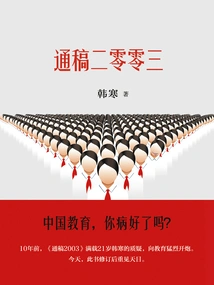
Draft 2003
Literature通稿二零零三
Han Han
"Han Han: Draft 2003" is a collection of essays about the current situation of education in China written by Han Han when he was 21 years old. He used 17 questions to focus on various phenomena that occurred under the current education system. He put forward his own opinions from the perspective of students. His views were clear and sharp, and his writing was humorous and sophisticated. In the revised version of "Han Han: Draft 2003", 10,000 words have been added to the 17 issues in the original book, which provides an intuitive view of Han Han's thinking track on these topics of concern in the past 10 years.
"Han Han: Draft 2003" is a collection of essays about the current situation of education in China written by Han Han when he was 21 years old. He used 17 questions to focus on various phenomena that occurred under the current education system. He put forward his own opinions from the perspective of students. His views were clear and sharp, and his writing was humorous and sophisticated. In the revised version of "Han Han: Draft 2003", 10,000 words have been added to the 17 issues in the original book, which provides an intuitive view of Han Han's thinking track on these topics of concern in the past 10 years.
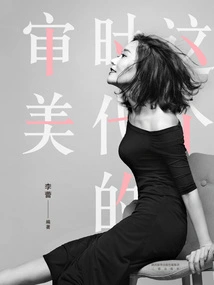
The Aesthetics of This Era
Literature这个时代的审美
Compiled By Li Lei
"Aesthetics of This Era" is first and foremost a documentary about people who define the aesthetics of the era. Li Lei focused on "diversified aesthetic attitudes under the changing times" by interviewing big names in various fields about their views on this era and beauty. These are 13 people from different fields who have a say in aesthetics. That they are seen, remembered, and recorded is the comfort of our time.
"Aesthetics of This Era" is first and foremost a documentary about people who define the aesthetics of the era. Li Lei focused on "diversified aesthetic attitudes under the changing times" by interviewing big names in various fields about their views on this era and beauty. These are 13 people from different fields who have a say in aesthetics. That they are seen, remembered, and recorded is the comfort of our time.
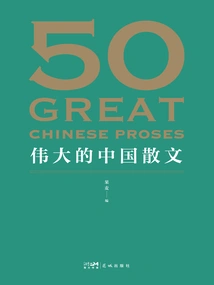
50: Great Chinese Prose
Literature50:伟大的中国散文
Guomai
"50: Great Chinese Prose" contains 47 essays by 43 famous writers, compiled in order of publication time, integrating nearly a hundred years of history into one volume, solid and complete. In addition to the classic works of Lu Xun and Zhou Zuoren, it also includes the representative works of Ba Jin, Yang Shuo, and Yu Qiuyu, the three peaks of Chinese prose, as well as Wang Zengqi, who is known as a "player and writer", integrating literature, art, and education. The classic masterpieces of Feng Zikai, a representative of the new generation, Li Juan, Liu Liangcheng, who is famous for his local philosophy, and famous figures in various literary schools - Zhu Ziqing, Wang Zengqi, Lao She, Shi Tiesheng, etc. Through intensive reading, you can follow the historical context and observe the rise and fall of themes and trends of thought; through leisurely reading, you can also fully appreciate the handwriting of famous figures of each era. The human geography and urban scenery of the north and south of the Yangtze River, the relatives around him and literary friends from far away add a delicate touch to the figure of the writer in the history of literature.
"50: Great Chinese Prose" contains 47 essays by 43 famous writers, compiled in order of publication time, integrating nearly a hundred years of history into one volume, solid and complete. In addition to the classic works of Lu Xun and Zhou Zuoren, it also includes the representative works of Ba Jin, Yang Shuo, and Yu Qiuyu, the three peaks of Chinese prose, as well as Wang Zengqi, who is known as a "player and writer", integrating literature, art, and education. The classic masterpieces of Feng Zikai, a representative of the new generation, Li Juan, Liu Liangcheng, who is famous for his local philosophy, and famous figures in various literary schools - Zhu Ziqing, Wang Zengqi, Lao She, Shi Tiesheng, etc. Through intensive reading, you can follow the historical context and observe the rise and fall of themes and trends of thought; through leisurely reading, you can also fully appreciate the handwriting of famous figures of each era. The human geography and urban scenery of the north and south of the Yangtze River, the relatives around him and literary friends from far away add a delicate touch to the figure of the writer in the history of literature.
Youth
Literature青春
Han Han
Where is the hope for this generation of young people? "Youth" is Han Han's compassion. The 2014 new edition restores five deleted essays to the unabridged version. "Youth" finally gets ready to start again! His classic judgments and sharp words have been widely circulated in various media. Even now, whenever we encounter a public incident, everyone is always used to saying: "Wait a minute, let's hear what Teacher Han thinks first."
Where is the hope for this generation of young people? "Youth" is Han Han's compassion. The 2014 new edition restores five deleted essays to the unabridged version. "Youth" finally gets ready to start again! His classic judgments and sharp words have been widely circulated in various media. Even now, whenever we encounter a public incident, everyone is always used to saying: "Wait a minute, let's hear what Teacher Han thinks first."
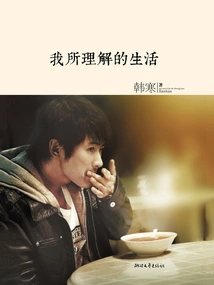
Life as I Understand It
Literature我所理解的生活
Han Han
For the first time, readers are shown the most real Han Han in life. In "Life as I Understand", Han Han discusses democracy and freedom, criticizes current ills, talks about relationships, family, and idols, shares personal growth experiences, and sincerely analyzes himself. It contains three famous Korean articles, "Talk about revolution", "Talk about democracy" and "Want freedom". Of all Han Han's works to date, "Life as I Understand" has the smallest cuts. At the age of thirty, Han Han has had many controversies and achieved more. The sincere work "Life as I Understand" contains everything Han Han wants to say.
For the first time, readers are shown the most real Han Han in life. In "Life as I Understand", Han Han discusses democracy and freedom, criticizes current ills, talks about relationships, family, and idols, shares personal growth experiences, and sincerely analyzes himself. It contains three famous Korean articles, "Talk about revolution", "Talk about democracy" and "Want freedom". Of all Han Han's works to date, "Life as I Understand" has the smallest cuts. At the age of thirty, Han Han has had many controversies and achieved more. The sincere work "Life as I Understand" contains everything Han Han wants to say.
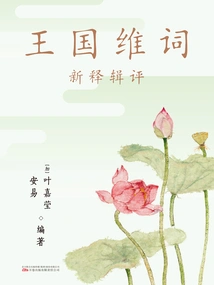
王国维词:新释辑评
(added) Compiled By Ye Jiaying And Others
This book was personally participated and guided by Mr. Ye Jiaying, and co-authored with Ms. An Yi. The book arranges Wang Guowei's poems in the order of publication time, namely: 61 poems in Draft A, 43 poems in Draft B, 3 newly added poems in "Long and Short Sentences" of "Guantang Jilin", and 8 newly added poems in "Tiaohua Ci" of "Guantang Jilin", for a total of 115 poems. Each poem is carefully commented by Mr. Ye Jiaying. In addition, various versions of Wang Guowei's Ci are listed in the appendix at the back of the book. 86 Kinds of articles or monographs about Wang Guowei's Ci by 69 authors are also listed in order of publication time and attached to the back of the book for readers' reference.
This book was personally participated and guided by Mr. Ye Jiaying, and co-authored with Ms. An Yi. The book arranges Wang Guowei's poems in the order of publication time, namely: 61 poems in Draft A, 43 poems in Draft B, 3 newly added poems in "Long and Short Sentences" of "Guantang Jilin", and 8 newly added poems in "Tiaohua Ci" of "Guantang Jilin", for a total of 115 poems. Each poem is carefully commented by Mr. Ye Jiaying. In addition, various versions of Wang Guowei's Ci are listed in the appendix at the back of the book. 86 Kinds of articles or monographs about Wang Guowei's Ci by 69 authors are also listed in order of publication time and attached to the back of the book for readers' reference.
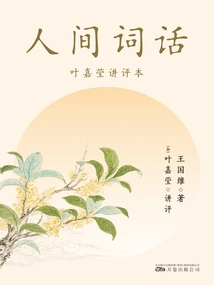
人间词话:叶嘉莹讲评本
Written By Wang Guowei (canada) Commentary By Ye Jiaying
"Human Words" is the representative work of Wang Guowei, a master of modern Chinese studies. In the form of traditional Chinese words, it brings together Western philosophy, literature and aesthetic ideas, and provides a wonderful and unique commentary on traditional Chinese literature. The whole book takes the theory of "realm" as the core, with incisive arguments and a self-contained system. It is a classic work in Chinese classical literary criticism. This book contains 64 final manuscripts and 50 unpublished manuscripts of "Human Words" that Wang Guowei deleted, revised, and revised. Appropriate annotations and textual translations are provided for each article, as well as Mr. Ye Jiaying's interpretation of Wang Guowei's "Human Words", allowing readers to easily understand Wang Guowei's literary and aesthetic thoughts. At the same time, the text is appended with poems, Ci cards, selections from Wang Guowei's "Human Ci", Wang Guowei's life, biography of the poet, etc. The famous painter Lin Xi was invited to draw the cover of this book.
"Human Words" is the representative work of Wang Guowei, a master of modern Chinese studies. In the form of traditional Chinese words, it brings together Western philosophy, literature and aesthetic ideas, and provides a wonderful and unique commentary on traditional Chinese literature. The whole book takes the theory of "realm" as the core, with incisive arguments and a self-contained system. It is a classic work in Chinese classical literary criticism. This book contains 64 final manuscripts and 50 unpublished manuscripts of "Human Words" that Wang Guowei deleted, revised, and revised. Appropriate annotations and textual translations are provided for each article, as well as Mr. Ye Jiaying's interpretation of Wang Guowei's "Human Words", allowing readers to easily understand Wang Guowei's literary and aesthetic thoughts. At the same time, the text is appended with poems, Ci cards, selections from Wang Guowei's "Human Ci", Wang Guowei's life, biography of the poet, etc. The famous painter Lin Xi was invited to draw the cover of this book.
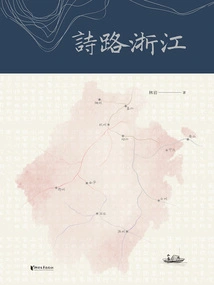
Poetry Road Zhejiang
Literature诗路浙江
Lin Yan
"Poetry Road Zhejiang" takes Qiantang River Poetry Road, Grand Canal Poetry Road, Zhejiang Poetry Road and Oujiang Poetry Road as the main clues, covering 11 prefecture-level cities in Zhejiang, well-known water systems such as Qiantang River, Oujiang River, Grand Canal, and Fuchun River; famous mountains such as Kuaiji Mountain, Tiantai Mountain, and Yandang Mountain; and famous scenic spots such as West Lake, Lingyin Temple, and Yanling Diaoyutai. Select more than 100 classical poems from Chinese history that describe the four poetic paths, such as "Dream Wandering in the Heavenly Mother's Farewell" and "Spring Journey to Qiantang Lake", etc., And appreciate them. At the same time, the book is accompanied by well-known ancient paintings depicting the four poetic paths, such as "Dwelling in the Fuchun Mountains" and "Ten Scenes of the West Lake". It shows the connection between poetry and Zhejiang's landscape, and shows the beauty of Zhejiang's culture, ecology, charm and vitality.
"Poetry Road Zhejiang" takes Qiantang River Poetry Road, Grand Canal Poetry Road, Zhejiang Poetry Road and Oujiang Poetry Road as the main clues, covering 11 prefecture-level cities in Zhejiang, well-known water systems such as Qiantang River, Oujiang River, Grand Canal, and Fuchun River; famous mountains such as Kuaiji Mountain, Tiantai Mountain, and Yandang Mountain; and famous scenic spots such as West Lake, Lingyin Temple, and Yanling Diaoyutai. Select more than 100 classical poems from Chinese history that describe the four poetic paths, such as "Dream Wandering in the Heavenly Mother's Farewell" and "Spring Journey to Qiantang Lake", etc., And appreciate them. At the same time, the book is accompanied by well-known ancient paintings depicting the four poetic paths, such as "Dwelling in the Fuchun Mountains" and "Ten Scenes of the West Lake". It shows the connection between poetry and Zhejiang's landscape, and shows the beauty of Zhejiang's culture, ecology, charm and vitality.
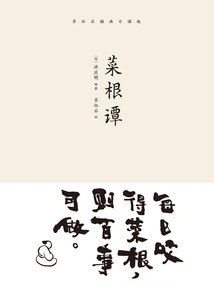
Cai Gentan
Literature菜根谭
(ming Dynasty) Compiled By Hong Yingming And Painted By Qi Baishi
"Cai Gen Tan", also known as "Cultivation of Life", is one of the "Three Wonderful Books on Life". It combines the spiritual connotation of Confucianism, Buddhism and Taoism, summarizes the life experience of predecessors, and imparts philosophical wisdom in all aspects of self-cultivation, life, dealing with others, and dealing with things. It can answer all kinds of confusions and questions in your life: What should you do if you are wronged? What measures should be taken when making friends? How to resolve family conflicts? What does it take to be a good leader? How to make a wise choice at the crossroads of life?
"Cai Gen Tan", also known as "Cultivation of Life", is one of the "Three Wonderful Books on Life". It combines the spiritual connotation of Confucianism, Buddhism and Taoism, summarizes the life experience of predecessors, and imparts philosophical wisdom in all aspects of self-cultivation, life, dealing with others, and dealing with things. It can answer all kinds of confusions and questions in your life: What should you do if you are wronged? What measures should be taken when making friends? How to resolve family conflicts? What does it take to be a good leader? How to make a wise choice at the crossroads of life?
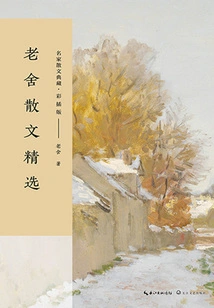
Selected Prose by Lao She
Literature老舍散文精选
Lao She
Lao She is the originator of contemporary Beijing-style literature, and his prose writing also benefits from the influence of folk literature and art. From form to content, both refined and popular people can appreciate it. This book may describe cultural landscapes and natural scenery, or capture the details of daily life and family life, or express condolences and inner emotions for teachers and friends, or introduce his own creative experience and works. It is run through Lao She's consistent humorous style, allowing people to savor life in a light and humorous way.
Lao She is the originator of contemporary Beijing-style literature, and his prose writing also benefits from the influence of folk literature and art. From form to content, both refined and popular people can appreciate it. This book may describe cultural landscapes and natural scenery, or capture the details of daily life and family life, or express condolences and inner emotions for teachers and friends, or introduce his own creative experience and works. It is run through Lao She's consistent humorous style, allowing people to savor life in a light and humorous way.
Selected Poems of Xu Zhimo
Literature徐志摩诗精选
Xu Zhimo
This book is a collection of poems by the famous modern Chinese poet Xu Zhimo. It includes many poems familiar to readers such as "Farewell to Cambridge", "Shayannala", "Accidental", etc. It fully demonstrates this Crescent poet's artistic pursuit of the three beauties of poetry. The poems included in this collection of poems are all fresh in words, harmonious in rhyme, beautiful in artistic conception, neat in form, gorgeous and rich in variety, making them endlessly memorable to read.
This book is a collection of poems by the famous modern Chinese poet Xu Zhimo. It includes many poems familiar to readers such as "Farewell to Cambridge", "Shayannala", "Accidental", etc. It fully demonstrates this Crescent poet's artistic pursuit of the three beauties of poetry. The poems included in this collection of poems are all fresh in words, harmonious in rhyme, beautiful in artistic conception, neat in form, gorgeous and rich in variety, making them endlessly memorable to read.
Freehand Song Ci
Literature宋词写意
Zeng Dong Zhang Shiqun
This book uses aesthetic writing methods to interpret more than 100 must-memorize Song poems selected as middle school Chinese textbooks. It is different from traditional poetry appreciation, but accurately conveys the connotation of Song poetry through rich associations, beautiful language, and expressive emotions, and deeply explores the artistic conception and charm of Song poetry. It can not only help middle school students memorize ancient poems, but also provide classic examples for middle school students to write.
This book uses aesthetic writing methods to interpret more than 100 must-memorize Song poems selected as middle school Chinese textbooks. It is different from traditional poetry appreciation, but accurately conveys the connotation of Song poetry through rich associations, beautiful language, and expressive emotions, and deeply explores the artistic conception and charm of Song poetry. It can not only help middle school students memorize ancient poems, but also provide classic examples for middle school students to write.
Tang Dynasty Poetry Freehand
Literature唐诗写意
Zeng Dong Zhang Shiqun
It is different from traditional poetry appreciation, but accurately conveys the connotation of Tang poetry through rich associations, beautiful language, and expressive emotions, and deeply explores the artistic conception and charm of Tang poetry. It can not only help middle school students learn to memorize ancient poems well, but also provide classic examples for middle school students to write.
It is different from traditional poetry appreciation, but accurately conveys the connotation of Tang poetry through rich associations, beautiful language, and expressive emotions, and deeply explores the artistic conception and charm of Tang poetry. It can not only help middle school students learn to memorize ancient poems well, but also provide classic examples for middle school students to write.
Be Prepared for the Naive Ending
Literature对天真的结局严阵以待
Liang Hongying
"Being Ready for the Ending of Innocence" is the first collection of poems by the famous writer and critic Liang Hongying. It contains more than 90 of his poems, capturing poetic moments in life with delicate and keen synaesthesia. "A Mirror", "Bottle Falling Down", "Endless Fireworks", "Man Still Standing"... These poems explore life and self, face the pain, sorrow and joy of life, and are full of profound thoughts that hit the heart and rich philosophical implications.
"Being Ready for the Ending of Innocence" is the first collection of poems by the famous writer and critic Liang Hongying. It contains more than 90 of his poems, capturing poetic moments in life with delicate and keen synaesthesia. "A Mirror", "Bottle Falling Down", "Endless Fireworks", "Man Still Standing"... These poems explore life and self, face the pain, sorrow and joy of life, and are full of profound thoughts that hit the heart and rich philosophical implications.
海下囚途:豪华游轮底舱打工记
(france) Slimane Kader
Under the sun, in the blue sea, inside the luxury cruise ship there is a group of bottom cabin workers who cannot see the sea. They are the "bottom" scenery of today's cruise tourism industry and even the mass tourism industry, which is poorly hidden by capitalism. This is a world forgotten by tourists and literature. One morning, Slimane Khader decided to work on a luxury cruise ship cruising the Caribbean. He left the high-risk neighborhood in the suburbs of Paris and went straight to Miami. But what awaited him was not clear water, young sand, and towering palms. In this maritime city that carries 8,000 people, 6,000 people are tourists who can see the sea, and 2,000 people are modern slaves below the deck who do not see the light of day, hired to meet the needs of the upper cabins. Chinese people often live in the kitchen, the laundry room is the place of Indians, Mauritians serve dishes, and the cleaners are all Mexican-Americans. Slimane, a French young man of Algerian origin, is even more outstanding: he is the "jack of all trades" who is called upon to put out fires everywhere. Wherever there is a shortage of people, he will go. He's done it all, and now, he tells it all, lifting the fig leaf of mass tourism's underbelly landscape. The significance of this book is not just documentary, it is also a literary act. Slimane Kader uses his lively language and barbed humor to present us with a black comedy that profoundly exposes the reality of the times.
Under the sun, in the blue sea, inside the luxury cruise ship there is a group of bottom cabin workers who cannot see the sea. They are the "bottom" scenery of today's cruise tourism industry and even the mass tourism industry, which is poorly hidden by capitalism. This is a world forgotten by tourists and literature. One morning, Slimane Khader decided to work on a luxury cruise ship cruising the Caribbean. He left the high-risk neighborhood in the suburbs of Paris and went straight to Miami. But what awaited him was not clear water, young sand, and towering palms. In this maritime city that carries 8,000 people, 6,000 people are tourists who can see the sea, and 2,000 people are modern slaves below the deck who do not see the light of day, hired to meet the needs of the upper cabins. Chinese people often live in the kitchen, the laundry room is the place of Indians, Mauritians serve dishes, and the cleaners are all Mexican-Americans. Slimane, a French young man of Algerian origin, is even more outstanding: he is the "jack of all trades" who is called upon to put out fires everywhere. Wherever there is a shortage of people, he will go. He's done it all, and now, he tells it all, lifting the fig leaf of mass tourism's underbelly landscape. The significance of this book is not just documentary, it is also a literary act. Slimane Kader uses his lively language and barbed humor to present us with a black comedy that profoundly exposes the reality of the times.
Marriage in the Wind: on Six Novels
Literature风中结缘:论小说六家
Jin Li
There is a wind coming from the south, carrying new sprouts on its wings. A good literary researcher should be such a "listener" who uses the works of writers as a medium, and the Huang Zhongdalu of the times can hear the hums and chants of people's hearts. Writer theory is Jin Li's personal favorite writing method. "It's like having a long conversation with friends, but it's not deliberately looking for or managing it, just like being transported by all kinds of unexpected winds." On the basis of thorough and careful reading of the text, he studied six writers who are active in the contemporary Chinese literary world, namely Ye Mi, Lu Min, Tian Er, Ge Liang, Zhang Ji, and Zheng Xiaolu, to taste the interest in the writers' words and explore their insights into society and people's hearts.
There is a wind coming from the south, carrying new sprouts on its wings. A good literary researcher should be such a "listener" who uses the works of writers as a medium, and the Huang Zhongdalu of the times can hear the hums and chants of people's hearts. Writer theory is Jin Li's personal favorite writing method. "It's like having a long conversation with friends, but it's not deliberately looking for or managing it, just like being transported by all kinds of unexpected winds." On the basis of thorough and careful reading of the text, he studied six writers who are active in the contemporary Chinese literary world, namely Ye Mi, Lu Min, Tian Er, Ge Liang, Zhang Ji, and Zheng Xiaolu, to taste the interest in the writers' words and explore their insights into society and people's hearts.
Odd Lotus Root Fragrance
Literature藕香零拾
Zhang Xudong
How Chen Yinque and Fu Sinian worked together and contradicted each other, how Gu Jiegang, the standard-bearer of "Ancient History Analysis", transformed himself, as well as Lu Simian, Chen Yuan, Mou Runsun... Using the works and diary letters of modern scholars as materials, this article interestingly tells the scholarship and life of the "masters of the Republic of China". This book is the latest in the "Liuhe Series". This collection is based on characters and contains more than thirty essays on modern intellectuals, including Chen Yinke, Chen Yuan, Fu Sinian, Lu Simian, Gu Jiegang, Yang Jiang, etc. The topics covered, such as how to pronounce the word "ke" in Chen Yinke, the relationship between Chen Yinke and Fu Sinian, and Gu Jiegang's experience in the 1950s and 1960s, are mostly interesting and meaningful. Most of the articles were previously published in newspapers such as "Dushu" and "China Reading News", and some of them were published for the first time.
How Chen Yinque and Fu Sinian worked together and contradicted each other, how Gu Jiegang, the standard-bearer of "Ancient History Analysis", transformed himself, as well as Lu Simian, Chen Yuan, Mou Runsun... Using the works and diary letters of modern scholars as materials, this article interestingly tells the scholarship and life of the "masters of the Republic of China". This book is the latest in the "Liuhe Series". This collection is based on characters and contains more than thirty essays on modern intellectuals, including Chen Yinke, Chen Yuan, Fu Sinian, Lu Simian, Gu Jiegang, Yang Jiang, etc. The topics covered, such as how to pronounce the word "ke" in Chen Yinke, the relationship between Chen Yinke and Fu Sinian, and Gu Jiegang's experience in the 1950s and 1960s, are mostly interesting and meaningful. Most of the articles were previously published in newspapers such as "Dushu" and "China Reading News", and some of them were published for the first time.
One Degree Below Zero
Literature零下一度
Han Han
""One Degree Below Zero" contains some of my childhood works, most of which were written when I was in the second grade of junior high school. Some people say that when I write articles, I rely on a horse to say a thousand words. That would be looking down on me or looking down on the horse." "There are also some articles that I treasure and can't bear to give to others. Some of the articles are a bit cunning; the second part is Some of the critical essays began to become cunning and cunning, and the writing was a little serious; in the third part of the novel, I originally wanted to be serious, but unfortunately I was played by the depth." The new version of "One Degree Below Zero" includes all the famous works of the young Han Han, such as "Peeping People in the Cup", "Bathing in a Cotton Jacket", "Hair", "Bookstore", "Idiot" and "Small Town Life". These articles written more than ten years ago, when read today, can still kill the perfect score in the college entrance examination.
""One Degree Below Zero" contains some of my childhood works, most of which were written when I was in the second grade of junior high school. Some people say that when I write articles, I rely on a horse to say a thousand words. That would be looking down on me or looking down on the horse." "There are also some articles that I treasure and can't bear to give to others. Some of the articles are a bit cunning; the second part is Some of the critical essays began to become cunning and cunning, and the writing was a little serious; in the third part of the novel, I originally wanted to be serious, but unfortunately I was played by the depth." The new version of "One Degree Below Zero" includes all the famous works of the young Han Han, such as "Peeping People in the Cup", "Bathing in a Cotton Jacket", "Hair", "Bookstore", "Idiot" and "Small Town Life". These articles written more than ten years ago, when read today, can still kill the perfect score in the college entrance examination.
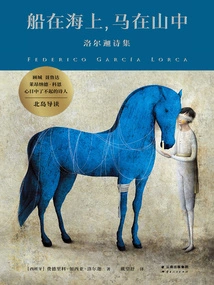
船在海上,马在山中:洛尔迦诗集
I
In the world of poetry, America has Whitman, Chile has Neruda, Britain has Yeats, and Spain has Lorca. For the Spaniards, Lorca is the eternal "Son of Andalusia". With a pure and passionate heart, he sang the praises of Andalusia's clear springs, fragrant orange flowers, vast sea, and brilliant starry sky. His poems contain the soul of Spain. On August 19, 1936, Lorca, who was only 38 years old, was shot dead for opposing fascist rebels. Lorca's death is a wound that is difficult to heal in modern Spanish history.
In the world of poetry, America has Whitman, Chile has Neruda, Britain has Yeats, and Spain has Lorca. For the Spaniards, Lorca is the eternal "Son of Andalusia". With a pure and passionate heart, he sang the praises of Andalusia's clear springs, fragrant orange flowers, vast sea, and brilliant starry sky. His poems contain the soul of Spain. On August 19, 1936, Lorca, who was only 38 years old, was shot dead for opposing fascist rebels. Lorca's death is a wound that is difficult to heal in modern Spanish history.
Cute Scourge
Literature可爱的洪水猛兽
Han Han
2008 is a truly "big year" for China. At such a moment, Han Han's independent and wise voice is particularly outstanding. "Lovely Flood Beast" collects his blog articles in the eventful year of 2008, covering topics ranging from the snowstorm in the south, the Wenchuan earthquake, the Olympics, to the pornographic photos scandal, Songdao Maple, the boycott of Carrefour, odd and even number restrictions... Reading it again now, it has even more extraordinary significance to "keep this in mind".
2008 is a truly "big year" for China. At such a moment, Han Han's independent and wise voice is particularly outstanding. "Lovely Flood Beast" collects his blog articles in the eventful year of 2008, covering topics ranging from the snowstorm in the south, the Wenchuan earthquake, the Olympics, to the pornographic photos scandal, Songdao Maple, the boycott of Carrefour, odd and even number restrictions... Reading it again now, it has even more extraordinary significance to "keep this in mind".