Library
Browse and search novels
26,102 novels found
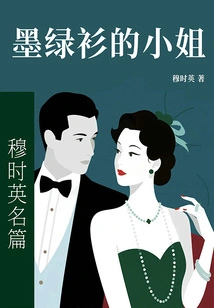
穆时英名篇:墨绿衫的小姐
Mu Shiying
"The Lady in the Dark Green Shirt" uses a modern stream-of-consciousness technique to describe an illusory and sensual love affair between "me" and a mysterious lady wearing a dark green shirt, which took place on a glitzy urban night full of jazz and prosperity. The story combines sounds, colors, and smells to materialize perceptual experiences, and explores the empty spiritual world and desire for romance among young people in modern cities. "The Red Huntress" tells the story of a young woman with rouge-colored roses on her temples who seeks excitement and self-exile in the feasting and feasting. "Smoke" has a similar core, using "smoke" as a metaphor to explore the anxiety and confusion of modern people.
"The Lady in the Dark Green Shirt" uses a modern stream-of-consciousness technique to describe an illusory and sensual love affair between "me" and a mysterious lady wearing a dark green shirt, which took place on a glitzy urban night full of jazz and prosperity. The story combines sounds, colors, and smells to materialize perceptual experiences, and explores the empty spiritual world and desire for romance among young people in modern cities. "The Red Huntress" tells the story of a young woman with rouge-colored roses on her temples who seeks excitement and self-exile in the feasting and feasting. "Smoke" has a similar core, using "smoke" as a metaphor to explore the anxiety and confusion of modern people.
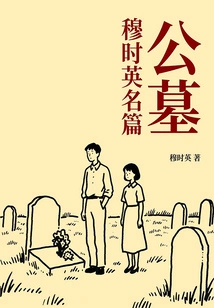
Mu Shiying's Famous Story: Cemetery
Literature穆时英名篇:公墓
Mu Shiying
This book contains three chapters: "Cemetery", "Hundred Days" and "Old House". Among them, "Cemetery" is the most famous and was once listed in the top 50 of the top 100 books of the century. The article writes that "I" go to the cemetery every day to accompany my deceased mother, and get to know Miss Ling, who also comes to sacrifice her mother. The two chat about my mother's past and walk in the countryside. "I" have secret feelings but am always timid and never express them. Ling suffered from lung disease and later died of illness. She was buried next to her mother's tomb. "I" received her belongings and went to the new tomb to pay homage. The novel depicts the regrets of youth's secret love with delicate brushstrokes. The emotions are sincere and moving, and it accurately captures the cowardice and loss in human nature. It is an excellent work that shows the weight of time and emotion. In "Hundred Days", Mrs. Lu raises money to build a dojo for her husband's 100-day celebration, but after all her savings are still not enough, she borrows money and is treated coldly. She thinks of her husband well, but her heart is filled with sadness and embarrassment. In "Old House", "I" receive a letter from my father and recall the joys of childhood in the old house. However, my family fell behind and moved away. When I revisit the old house, I find that things have changed. All three articles are about human despair.
This book contains three chapters: "Cemetery", "Hundred Days" and "Old House". Among them, "Cemetery" is the most famous and was once listed in the top 50 of the top 100 books of the century. The article writes that "I" go to the cemetery every day to accompany my deceased mother, and get to know Miss Ling, who also comes to sacrifice her mother. The two chat about my mother's past and walk in the countryside. "I" have secret feelings but am always timid and never express them. Ling suffered from lung disease and later died of illness. She was buried next to her mother's tomb. "I" received her belongings and went to the new tomb to pay homage. The novel depicts the regrets of youth's secret love with delicate brushstrokes. The emotions are sincere and moving, and it accurately captures the cowardice and loss in human nature. It is an excellent work that shows the weight of time and emotion. In "Hundred Days", Mrs. Lu raises money to build a dojo for her husband's 100-day celebration, but after all her savings are still not enough, she borrows money and is treated coldly. She thinks of her husband well, but her heart is filled with sadness and embarrassment. In "Old House", "I" receive a letter from my father and recall the joys of childhood in the old house. However, my family fell behind and moved away. When I revisit the old house, I find that things have changed. All three articles are about human despair.
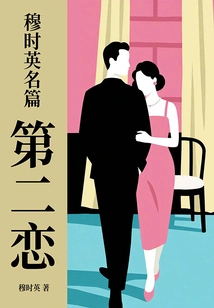
Mu Shiying's Famous Story: Second Love
Literature穆时英名篇:第二恋
Mu Shiying
"Second Love" tells the story of the protagonist "I" returning to Hong Kong after seven years. The core of the novel lies in describing "loss" - lost youth, lost time and unrecoverable love. Seven years later, Zhang Shixuan returned to Hong Kong and found that the city was still blooming with flowers and the scenery was still the same as before. However, he is no longer the young man with orange cheeks and cheerful mood. What is gone is finally gone. Alienation and sentimentality, etherealness and familiar strangers, confusion and loneliness of emotion and identity permeate the lines of the novel.
"Second Love" tells the story of the protagonist "I" returning to Hong Kong after seven years. The core of the novel lies in describing "loss" - lost youth, lost time and unrecoverable love. Seven years later, Zhang Shixuan returned to Hong Kong and found that the city was still blooming with flowers and the scenery was still the same as before. However, he is no longer the young man with orange cheeks and cheerful mood. What is gone is finally gone. Alienation and sentimentality, etherealness and familiar strangers, confusion and loneliness of emotion and identity permeate the lines of the novel.
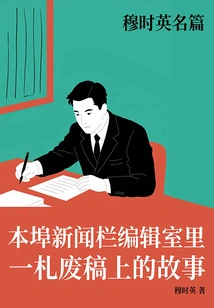
Mu Shiying's Famous Article: a Story from a Pile of Scraps in the Newsroom of the Local News Column
Literature穆时英名篇:本埠新闻栏编辑室里一札废稿上的故事
Mu Shiying
"The Story of a Fold of Wasted Manuscripts in the Newsroom of the Local News Column" unfolds from the unique perspective of a newspaper proofreader. He works in the editing room every night. His greatest pleasure is to look through the scraps in the wastebasket and get a glimpse of the joys and sorrows of ordinary people in Shanghai. He records these ordinary stories that do not qualify as "news" or "fiction." For example, the story of Lin Bamei is a record about a dancing girl that "I" discovered in a scrap manuscript. The article is written in a reporter's style, revealing a scandal that occurred in the "Palace Dance Hall". The other two stories, "Finger", reveal the tragic fate of lower-class workers. In "Street Scene", the author depicts the living beings of different classes in the bustling city, including the leisurely lives of nuns and wealthy men and women, as well as the bitterness of beggars, girls, coolies and other people struggling to survive. The contrast is sharp and full of sadness.
"The Story of a Fold of Wasted Manuscripts in the Newsroom of the Local News Column" unfolds from the unique perspective of a newspaper proofreader. He works in the editing room every night. His greatest pleasure is to look through the scraps in the wastebasket and get a glimpse of the joys and sorrows of ordinary people in Shanghai. He records these ordinary stories that do not qualify as "news" or "fiction." For example, the story of Lin Bamei is a record about a dancing girl that "I" discovered in a scrap manuscript. The article is written in a reporter's style, revealing a scandal that occurred in the "Palace Dance Hall". The other two stories, "Finger", reveal the tragic fate of lower-class workers. In "Street Scene", the author depicts the living beings of different classes in the bustling city, including the leisurely lives of nuns and wealthy men and women, as well as the bitterness of beggars, girls, coolies and other people struggling to survive. The contrast is sharp and full of sadness.
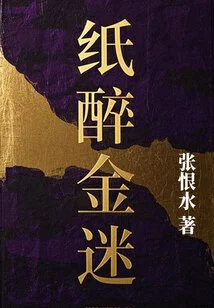
Lively and Luxurious
Literature纸醉金迷
Zhang Henshui
"Intoxication" is a novel written by Zhang Henshui. It is set in Chongqing on the eve of the victory of the Anti-Japanese War. It uses the marriage crisis of a young civil servant Wei Duanben and his wife Tian Peizhi as the main line. It depicts social chaos such as collusion between officials and businessmen, gold speculation, and the degradation of women, and reveals the reality of social moral decay and human alienation in the wartime rear areas. Zhang Henshui used a realistic approach to depict wartime beings, breaking through his romantic style. It is regarded as an important representative work of Zhang Henshui's literary creation transformation. Mao Dun once commented that he "uses popular writing methods to write about the troubled times".
"Intoxication" is a novel written by Zhang Henshui. It is set in Chongqing on the eve of the victory of the Anti-Japanese War. It uses the marriage crisis of a young civil servant Wei Duanben and his wife Tian Peizhi as the main line. It depicts social chaos such as collusion between officials and businessmen, gold speculation, and the degradation of women, and reveals the reality of social moral decay and human alienation in the wartime rear areas. Zhang Henshui used a realistic approach to depict wartime beings, breaking through his romantic style. It is regarded as an important representative work of Zhang Henshui's literary creation transformation. Mao Dun once commented that he "uses popular writing methods to write about the troubled times".
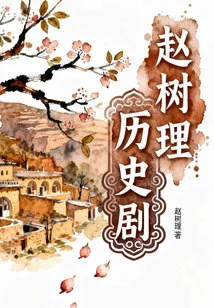
Zhao Shuli Historical Drama
Literature赵树理历史剧
Zhao Shuli
As a dramatist, Zhao Shuli has written many drama scripts. He is deeply involved in local operas such as Shangdang Bangzi, which not only retains the characteristics of traditional opera, but also makes bold breakthroughs. Such as the adaptations of "Three Passes Banquet", "Ye Palace Pictures", "Han Yuniang", etc. "Sanguan Banquet" is adapted from Shangdang Bangzi's traditional play "Loyalty and Filial Piety Festival". It tells the story of the peace negotiation between the Northern Song Dynasty and the Liao Kingdom. Empress Dowager Xiao of the Liao Kingdom went to the Sanguan Banquet in person. The accompanying person turned out to be Yang Yanhui, the fourth son of the Yang family who surrendered to the Liao Kingdom more than ten years ago. Yang Yanhui was frightened in his heart, but his wife Princess Peach Blossom was still willing to deal with it after learning the truth. At the "Three Passes Banquet", Taijun She used the wine cup as a guide to reveal the secret secretly, and Queen Mother Xiao was shocked. This play demonstrates the moral principle of advocating loyalty with its exquisite layout. The script "Picture of Ye Palace" is based on the tyrannical rule of Zhao Tianwang Shihu after the Sixteen Kingdoms period. "Han Yuniang" also has a plot twist: in the early years of the Southern Song Dynasty, a Henan woman named Han Yuniang was captured by the Jin soldiers. She was used as a tool by Zhang Wanfu's subordinate Ma Erhu and forcibly betrothed to Chen Pengju, a scholar who was also captured, in order to win people's hearts. In the bridal chamber, the two complained about the sufferings of their family and country. Yuniang learned that Yue's army was approaching and persuaded Pengju to join the army to serve the country. However, this triggered a series of tragedies. In the end, Han Yuniang died and her husband rushed to the front line. The balance between artistry and rationality, the game of dominance and resistance, and the intensive cultivation of the quintessence of drama give Zhao Shuli's drama a strong spiritual core.
As a dramatist, Zhao Shuli has written many drama scripts. He is deeply involved in local operas such as Shangdang Bangzi, which not only retains the characteristics of traditional opera, but also makes bold breakthroughs. Such as the adaptations of "Three Passes Banquet", "Ye Palace Pictures", "Han Yuniang", etc. "Sanguan Banquet" is adapted from Shangdang Bangzi's traditional play "Loyalty and Filial Piety Festival". It tells the story of the peace negotiation between the Northern Song Dynasty and the Liao Kingdom. Empress Dowager Xiao of the Liao Kingdom went to the Sanguan Banquet in person. The accompanying person turned out to be Yang Yanhui, the fourth son of the Yang family who surrendered to the Liao Kingdom more than ten years ago. Yang Yanhui was frightened in his heart, but his wife Princess Peach Blossom was still willing to deal with it after learning the truth. At the "Three Passes Banquet", Taijun She used the wine cup as a guide to reveal the secret secretly, and Queen Mother Xiao was shocked. This play demonstrates the moral principle of advocating loyalty with its exquisite layout. The script "Picture of Ye Palace" is based on the tyrannical rule of Zhao Tianwang Shihu after the Sixteen Kingdoms period. "Han Yuniang" also has a plot twist: in the early years of the Southern Song Dynasty, a Henan woman named Han Yuniang was captured by the Jin soldiers. She was used as a tool by Zhang Wanfu's subordinate Ma Erhu and forcibly betrothed to Chen Pengju, a scholar who was also captured, in order to win people's hearts. In the bridal chamber, the two complained about the sufferings of their family and country. Yuniang learned that Yue's army was approaching and persuaded Pengju to join the army to serve the country. However, this triggered a series of tragedies. In the end, Han Yuniang died and her husband rushed to the front line. The balance between artistry and rationality, the game of dominance and resistance, and the intensive cultivation of the quintessence of drama give Zhao Shuli's drama a strong spiritual core.
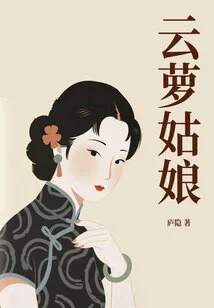
Miss Yunluo
Literature云萝姑娘
Luyin
"Yunluo Girl" and "Lishi's Diary" are two classic works by Lu Yin that profoundly reveal the spiritual plight of young people during the May Fourth Movement. "Yunluo Girl" depicts the tragic emotional tug-of-war between Yunluo and Ling Jun in a delicate way. "Lishi's Diary" opens the spiritual wounds of female awakenings in the form of letters and diaries. Lu Yin writes in a poetic style about the pain of awakening people - when individuals break away from the shackles of traditional ethics, they find it difficult to move forward in the mud of reality.
"Yunluo Girl" and "Lishi's Diary" are two classic works by Lu Yin that profoundly reveal the spiritual plight of young people during the May Fourth Movement. "Yunluo Girl" depicts the tragic emotional tug-of-war between Yunluo and Ling Jun in a delicate way. "Lishi's Diary" opens the spiritual wounds of female awakenings in the form of letters and diaries. Lu Yin writes in a poetic style about the pain of awakening people - when individuals break away from the shackles of traditional ethics, they find it difficult to move forward in the mud of reality.
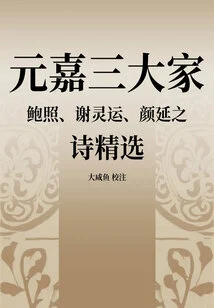
元嘉三大家:鲍照、谢灵运、颜延之诗精选
Big Salted Fish School Notes
The Three Great Masters of Yuanjia are the collective names of the three poets Xie Lingyun, Yan Yanzhi and Bao Zhao who were active in the literary world during the Yuanjia period of Emperor Wen of the Southern Song Dynasty. The three people have different literary styles. They respectively created the landscape poetry school, the temple poetry style and the seven-character song style, and jointly promoted the development of poetry art in the Southern Dynasties. Xie Lingyun was born into a prominent Xie family in the Eastern Jin Dynasty. His landscape poems broke the tradition of metaphysical poetry and focused on the description of natural scenery. Yan Yanzhi was an official until Jin Ziguanglu, and his poetry was famous for its dense use of allusions. He was as famous as Xie Lingyun and was known as "Yan Xie". Bao Zhao came from a poor family. He served as King of Linhai and joined the army. He was good at composing Yuefu poems and innovating the rhyme structure of seven-character poems. He was later killed due to involvement in a rebellion. He was a famous writer and poet with high achievements. This book is a collection of poems by three people.
The Three Great Masters of Yuanjia are the collective names of the three poets Xie Lingyun, Yan Yanzhi and Bao Zhao who were active in the literary world during the Yuanjia period of Emperor Wen of the Southern Song Dynasty. The three people have different literary styles. They respectively created the landscape poetry school, the temple poetry style and the seven-character song style, and jointly promoted the development of poetry art in the Southern Dynasties. Xie Lingyun was born into a prominent Xie family in the Eastern Jin Dynasty. His landscape poems broke the tradition of metaphysical poetry and focused on the description of natural scenery. Yan Yanzhi was an official until Jin Ziguanglu, and his poetry was famous for its dense use of allusions. He was as famous as Xie Lingyun and was known as "Yan Xie". Bao Zhao came from a poor family. He served as King of Linhai and joined the army. He was good at composing Yuefu poems and innovating the rhyme structure of seven-character poems. He was later killed due to involvement in a rebellion. He was a famous writer and poet with high achievements. This book is a collection of poems by three people.
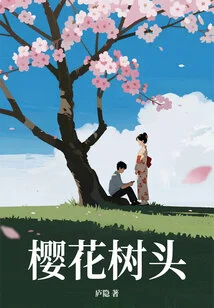
Sakura Tree Head
Literature樱花树头
Luyin
"Sakura Tree Head" takes the emotional entanglement between a young man studying in Japan and a Japanese girl as the starting point, revealing the objectified living conditions of Japanese women after the Meiji Restoration. "Bathing" uses the sensory impact of exotic bathing scenes to compare the differences in body concepts between China and the West, and reflects on the distorted aesthetic alienation under the discipline of ethics; "The Martyr's Wife" uses the tragic life of Huanghuagang's widow as a mirror to interrogate the struggle of human nature under the shackles of "loyalty". The three works constitute a multi-prism of modern women's awakening: there is not only the loss of identity in a cross-cultural context, but also the torn confrontation between traditional ethics and modern consciousness.
"Sakura Tree Head" takes the emotional entanglement between a young man studying in Japan and a Japanese girl as the starting point, revealing the objectified living conditions of Japanese women after the Meiji Restoration. "Bathing" uses the sensory impact of exotic bathing scenes to compare the differences in body concepts between China and the West, and reflects on the distorted aesthetic alienation under the discipline of ethics; "The Martyr's Wife" uses the tragic life of Huanghuagang's widow as a mirror to interrogate the struggle of human nature under the shackles of "loyalty". The three works constitute a multi-prism of modern women's awakening: there is not only the loss of identity in a cross-cultural context, but also the torn confrontation between traditional ethics and modern consciousness.
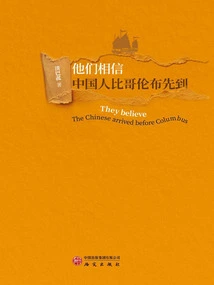
他们相信,中国人比哥伦布先到
Tampa Wild Rice
It interviews many researchers in the United States and records their firm research and reasoning on "the Chinese came to the Americas first". This is a cross-border ideological adventure note that challenges historical conclusions. In early 2020, the author received an invitation from Douglas Preston, chairman of the Writers Guild of America, to go to the United States to interview more than a dozen researchers who firmly believe that "the Chinese arrived (in America) before Columbus" - including historians, archaeologists, geological geographers, architecture professors, NASA engineers, American veterans of World War II, and descendants of missionaries whose ancestors and fathers lived in China. They believe that Columbus, who crossed the Atlantic in 1492 and thought he had reached India, was definitely not the first person to "discover" the American continent. These doubters wrote books or articles based on their own research and reasoning. They firmly believed that in addition to the Chinese with ancient advanced civilization and technology, Polynesians, Phoenicians, Greeks, ancestors from Southeast Asia and South Pacific islands had crossed the sea many times to the Americas thousands of years ago. This book is the author's interview notes with these researchers.
It interviews many researchers in the United States and records their firm research and reasoning on "the Chinese came to the Americas first". This is a cross-border ideological adventure note that challenges historical conclusions. In early 2020, the author received an invitation from Douglas Preston, chairman of the Writers Guild of America, to go to the United States to interview more than a dozen researchers who firmly believe that "the Chinese arrived (in America) before Columbus" - including historians, archaeologists, geological geographers, architecture professors, NASA engineers, American veterans of World War II, and descendants of missionaries whose ancestors and fathers lived in China. They believe that Columbus, who crossed the Atlantic in 1492 and thought he had reached India, was definitely not the first person to "discover" the American continent. These doubters wrote books or articles based on their own research and reasoning. They firmly believed that in addition to the Chinese with ancient advanced civilization and technology, Polynesians, Phoenicians, Greeks, ancestors from Southeast Asia and South Pacific islands had crossed the sea many times to the Americas thousands of years ago. This book is the author's interview notes with these researchers.
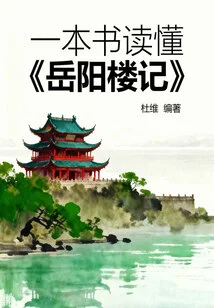
One Book to Understand "yueyang Tower
Literature一本书读懂《岳阳楼记》
Edited By Du Wei
This book takes Fan Zhongyan's eternally famous "Yueyang Tower" as the research object, revealing how this short text of only 368 words transcended the category of literature and became the spiritual totem of the Chinese nation. Focusing on the author's creative background of "having written all about the world without ever climbing the building", the book analyzes the philosophical core of "not to be happy with things, not to be sad with oneself", with special emphasis on the modern inspiration of the text: when contemporary people with abundant material but anxious spirits re-read this article, the proposition of "the heart of ancient benevolent people" provides an anchoring value coordinate system for the fragmented era, and the responsible spirit of "worry first and rejoice later" is still the code of civilization that spans thousands of years. This is not only a structural deconstruction of classic literature, but also an eternal dialogue on how to calm the impetuous mind.
This book takes Fan Zhongyan's eternally famous "Yueyang Tower" as the research object, revealing how this short text of only 368 words transcended the category of literature and became the spiritual totem of the Chinese nation. Focusing on the author's creative background of "having written all about the world without ever climbing the building", the book analyzes the philosophical core of "not to be happy with things, not to be sad with oneself", with special emphasis on the modern inspiration of the text: when contemporary people with abundant material but anxious spirits re-read this article, the proposition of "the heart of ancient benevolent people" provides an anchoring value coordinate system for the fragmented era, and the responsible spirit of "worry first and rejoice later" is still the code of civilization that spans thousands of years. This is not only a structural deconstruction of classic literature, but also an eternal dialogue on how to calm the impetuous mind.
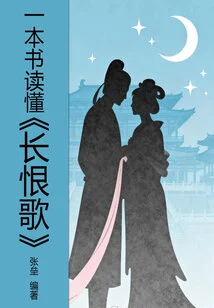
一本书读懂《长恨歌》
Compiled By Zhang Lei
This book takes Bai Juyi's long narrative poem "Song of Everlasting Sorrow" as the research object, revealing how this eternal song has transformed imperial love and the rise and fall of dynasties into cultural symbols that span thousands of years. The text focuses on the ultimate romance between Emperor Xuanzong of the Tang Dynasty and Concubine Yang Guifei from the ultimate romance in Huaqing Pool to the life and death farewell of Maweipo, and analyzes the core of "Eternal Regret" - not only the political tragedy of "the six armies have no choice but to do nothing", but also the eternal longing of "the soul never comes to dream". The book restores the historical context from the prosperous Kaiyuan Dynasty to the Anshi Rebellion, decodes the metaphorical tension of "The fishing sun and the drums startle the neon clothes", and shows how personal emotions have become a footnote to the turning of the times; by contrasting the extravagance of the court with the desolation of exile, it deconstructs the power paradox behind "death before the brows of a moth and a horse". Finally, it was pointed out that the eternal charm of this poem is that it is not only an elegy to the prosperous Tang Dynasty, but also reflects the collective dilemma of human beings in the face of love, power and destiny. When modern people reread "Eternal Life and Sometimes End", they can still touch the resonance and tremor that transcends the times.
This book takes Bai Juyi's long narrative poem "Song of Everlasting Sorrow" as the research object, revealing how this eternal song has transformed imperial love and the rise and fall of dynasties into cultural symbols that span thousands of years. The text focuses on the ultimate romance between Emperor Xuanzong of the Tang Dynasty and Concubine Yang Guifei from the ultimate romance in Huaqing Pool to the life and death farewell of Maweipo, and analyzes the core of "Eternal Regret" - not only the political tragedy of "the six armies have no choice but to do nothing", but also the eternal longing of "the soul never comes to dream". The book restores the historical context from the prosperous Kaiyuan Dynasty to the Anshi Rebellion, decodes the metaphorical tension of "The fishing sun and the drums startle the neon clothes", and shows how personal emotions have become a footnote to the turning of the times; by contrasting the extravagance of the court with the desolation of exile, it deconstructs the power paradox behind "death before the brows of a moth and a horse". Finally, it was pointed out that the eternal charm of this poem is that it is not only an elegy to the prosperous Tang Dynasty, but also reflects the collective dilemma of human beings in the face of love, power and destiny. When modern people reread "Eternal Life and Sometimes End", they can still touch the resonance and tremor that transcends the times.
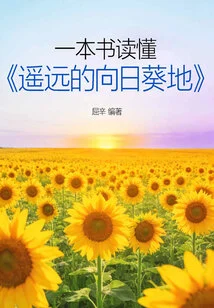
一本书读懂《遥远的向日葵地》
Compiled By Qu Xin
This book provides an in-depth interpretation of "The Distant Sunflower Field", which is Li Juan's affectionate record of the frontier reclamation life. It depicts the hardship and tenacity of her mother in cultivating a sunflower field in the Gobi Desert, as well as the story of three generations of women establishing order and pursuing hope in the wilderness. The author analyzes that Li Juan's simple and sincere language, unique sense of humor and poetry come from life in the Gobi wilderness, interprets the different perspectives of the three generations of mother, grandmother and "me", as well as images of sunflowers, labor, silence, distance, loneliness and other images. He believes that the book not only shows the harshness of nature and the tenacity of life, but also conveys a love and persistence of life, illuminating the reader's deep yearning for beauty and tenacity.
This book provides an in-depth interpretation of "The Distant Sunflower Field", which is Li Juan's affectionate record of the frontier reclamation life. It depicts the hardship and tenacity of her mother in cultivating a sunflower field in the Gobi Desert, as well as the story of three generations of women establishing order and pursuing hope in the wilderness. The author analyzes that Li Juan's simple and sincere language, unique sense of humor and poetry come from life in the Gobi wilderness, interprets the different perspectives of the three generations of mother, grandmother and "me", as well as images of sunflowers, labor, silence, distance, loneliness and other images. He believes that the book not only shows the harshness of nature and the tenacity of life, but also conveys a love and persistence of life, illuminating the reader's deep yearning for beauty and tenacity.
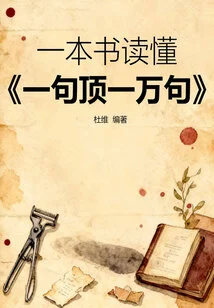
一本书读懂《一句顶一万句》
Edited By Du Wei
This book uses Liu Zhenyun's "One Sentence is Worth Ten Thousand Sentences" as the interpretation object, revealing how this Mao Dun Literature Prize work uses the simple philosophical thinking of "can't say" and "unspeakable" to attack the common dilemma of contemporary people's spiritual loneliness. Focusing on the dual narratives of Yang Baishun and Niu Aiguo spanning hundreds of years, the book analyzes the desire for communication that "one sentence is worth ten thousand" in Chinese interpersonal relationships. Through the micro-China stage of Yanjin, it shows the formidable survival rules in a society of acquaintances; through the fate of small people such as barbers, missionaries, and cheaters, it interprets the compassion for the silent majority behind Liu Zhenyun's "circling" language. It is not only a structured interpretation of classic literature, but also a profound discussion on how to place loneliness in this noisy world.
This book uses Liu Zhenyun's "One Sentence is Worth Ten Thousand Sentences" as the interpretation object, revealing how this Mao Dun Literature Prize work uses the simple philosophical thinking of "can't say" and "unspeakable" to attack the common dilemma of contemporary people's spiritual loneliness. Focusing on the dual narratives of Yang Baishun and Niu Aiguo spanning hundreds of years, the book analyzes the desire for communication that "one sentence is worth ten thousand" in Chinese interpersonal relationships. Through the micro-China stage of Yanjin, it shows the formidable survival rules in a society of acquaintances; through the fate of small people such as barbers, missionaries, and cheaters, it interprets the compassion for the silent majority behind Liu Zhenyun's "circling" language. It is not only a structured interpretation of classic literature, but also a profound discussion on how to place loneliness in this noisy world.
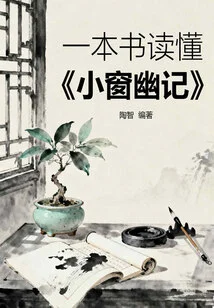
一本书读懂《小窗幽记》
Compiled By Tao Zhi
This book takes the classic clear-language sketch "The Notes of a Small Window" by Chen Jiru, a scholar in the late Ming Dynasty, as the research object, and reveals how this work uses the elegance and wisdom between rulers and tablets to build a spiritual habitat in troubled times. The book provides an in-depth analysis of how scholars in the late Ming Dynasty turned inward amid political corruption and social turmoil, and sublimated daily life into aesthetic resistance against the desolation of the times through elegant activities such as reading, drinking tea, and enjoying games. Through analysis, this book shows how "The Notes of a Little Window" condenses the essence of Confucianism, Buddhism and Taoism in a fragmented and clear form, and provides modern people with a poetic paradigm to heal anxiety: when the external world is out of control, we can still protect our inner character and leisurely mood, like the literati of the late Ming Dynasty, in front of a cup of tea, a book, and a window.
This book takes the classic clear-language sketch "The Notes of a Small Window" by Chen Jiru, a scholar in the late Ming Dynasty, as the research object, and reveals how this work uses the elegance and wisdom between rulers and tablets to build a spiritual habitat in troubled times. The book provides an in-depth analysis of how scholars in the late Ming Dynasty turned inward amid political corruption and social turmoil, and sublimated daily life into aesthetic resistance against the desolation of the times through elegant activities such as reading, drinking tea, and enjoying games. Through analysis, this book shows how "The Notes of a Little Window" condenses the essence of Confucianism, Buddhism and Taoism in a fragmented and clear form, and provides modern people with a poetic paradigm to heal anxiety: when the external world is out of control, we can still protect our inner character and leisurely mood, like the literati of the late Ming Dynasty, in front of a cup of tea, a book, and a window.
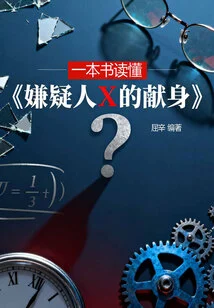
一本书读懂《嫌疑人X的献身》
Compiled By Qu Xin
This book dismantles Keigo Higashino's masterpiece of reasoning, from the subversive narrative structure at the beginning to the mathematical beauty of the core trick, and analyzes the "perfect crime" constructed by Tetsuya Ishigami using logic layer by layer. The manuscript not only explains in detail the subtle techniques of corpse replacement and time shifting, but also focuses on the ethical dilemma of a genius mathematician who sacrifices his life for love. It compares Yukawa Manabu's rational breakthrough and Hanaoka Yasuko's moral struggle, and finally reveals how Higashino Keigo blended original reasoning and socialist concern into the ideological depth and human warmth of this Naoki Award-winning work.
This book dismantles Keigo Higashino's masterpiece of reasoning, from the subversive narrative structure at the beginning to the mathematical beauty of the core trick, and analyzes the "perfect crime" constructed by Tetsuya Ishigami using logic layer by layer. The manuscript not only explains in detail the subtle techniques of corpse replacement and time shifting, but also focuses on the ethical dilemma of a genius mathematician who sacrifices his life for love. It compares Yukawa Manabu's rational breakthrough and Hanaoka Yasuko's moral struggle, and finally reveals how Higashino Keigo blended original reasoning and socialist concern into the ideological depth and human warmth of this Naoki Award-winning work.
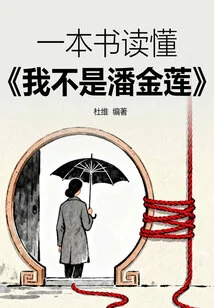
Read "i'm Not Pan Jinlian" in One Book
Literature一本书读懂《我不是潘金莲》
Edited By Du Wei
This book takes Liu Zhenyun's novel "I'm Not Pan Jinlian" as the research object, revealing how this masterpiece of absurd realism uses a "fake divorce" as a prism to reflect the dilemma of the rule of law and the paradox of human nature in the transformation period of Chinese society. Focusing on the fierce collision between "procedural justice" and "local justice," the book provides an in-depth analysis of Li Xuelian's twenty-year history of struggle from marriage disputes to honor battles, as well as the collective anxiety and power alienation of officials at all levels under the logic of maintaining stability. Special attention is paid to Liu Zhenyun's iconic narrative art of the word "" - through layers of nested officialdom rhetoric and a cyclical complaint track, individual tragedies are sublimated into a profound allegory of bureaucracy and cultural violence. The book also explores the symbolic oppression of women by the "Pan Jinlian" stigma, the metaphorical adaptation of the film's circular format, and the changes in women's struggle narratives from Qiu Ju to Li Xuelian. It finally penetrates the absurd appearance and presents the thousand-year-old knot of a nation between a human society and a civilization ruled by law, making Li Xuelian's "One Sentence Lawsuit" an eternal echo of questioning social justice.
This book takes Liu Zhenyun's novel "I'm Not Pan Jinlian" as the research object, revealing how this masterpiece of absurd realism uses a "fake divorce" as a prism to reflect the dilemma of the rule of law and the paradox of human nature in the transformation period of Chinese society. Focusing on the fierce collision between "procedural justice" and "local justice," the book provides an in-depth analysis of Li Xuelian's twenty-year history of struggle from marriage disputes to honor battles, as well as the collective anxiety and power alienation of officials at all levels under the logic of maintaining stability. Special attention is paid to Liu Zhenyun's iconic narrative art of the word "" - through layers of nested officialdom rhetoric and a cyclical complaint track, individual tragedies are sublimated into a profound allegory of bureaucracy and cultural violence. The book also explores the symbolic oppression of women by the "Pan Jinlian" stigma, the metaphorical adaptation of the film's circular format, and the changes in women's struggle narratives from Qiu Ju to Li Xuelian. It finally penetrates the absurd appearance and presents the thousand-year-old knot of a nation between a human society and a civilization ruled by law, making Li Xuelian's "One Sentence Lawsuit" an eternal echo of questioning social justice.
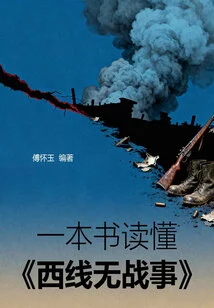
一本书读懂《西线无战事》
Compiled By Fu Huaiyu
This book provides an in-depth interpretation of "All Quiet on the Western Front" and analyzes the connotation of the work from multiple dimensions. In the prologue of the war, Paul and other young men were encouraged by their teachers to join the army, but were disillusioned in the training camp and on the battlefield. It then focused on the brotherhood with Carter as the core in the trenches and the cost of it being destroyed by the war. It then used the "slaughterhouse" as a metaphor to reveal the dual destruction of the body and soul by the war. Through Paul's experience of assassinating a French soldier, this book reflects on the absurdity of war creating "enemies"; it uses Paul's experience of visiting relatives to show the spiritual gap between soldiers and the rear; it uses the contrast between natural images and the destruction of war to construct life irony; it explains the work's portrayal of the mental trauma of the "lost generation"; through the silent death of his comrades and Paul, it highlights the insignificance of the individual in the war machine. I hope that reading this book will enable you to re-see the literary value, historical repercussions and cross-era anti-war significance of this classic in an era of uncertainty.
This book provides an in-depth interpretation of "All Quiet on the Western Front" and analyzes the connotation of the work from multiple dimensions. In the prologue of the war, Paul and other young men were encouraged by their teachers to join the army, but were disillusioned in the training camp and on the battlefield. It then focused on the brotherhood with Carter as the core in the trenches and the cost of it being destroyed by the war. It then used the "slaughterhouse" as a metaphor to reveal the dual destruction of the body and soul by the war. Through Paul's experience of assassinating a French soldier, this book reflects on the absurdity of war creating "enemies"; it uses Paul's experience of visiting relatives to show the spiritual gap between soldiers and the rear; it uses the contrast between natural images and the destruction of war to construct life irony; it explains the work's portrayal of the mental trauma of the "lost generation"; through the silent death of his comrades and Paul, it highlights the insignificance of the individual in the war machine. I hope that reading this book will enable you to re-see the literary value, historical repercussions and cross-era anti-war significance of this classic in an era of uncertainty.
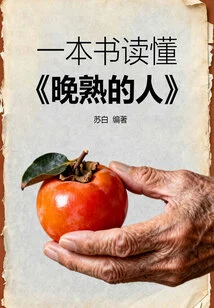
Read "late Bloomers" in One Book
Literature一本书读懂《晚熟的人》
Compiled By Su Bai
This book takes Mo Yan's novel "Late Bloomer" as the research object, revealing how this transformational work after the Nobel Prize uses "late bloomer" as a prism to reflect the spiritual dilemma and survival wisdom of contemporary Chinese society. Focusing on the dual themes of "the burden of fame" and "local changes", the book provides an in-depth analysis of Jiang Xiaotong's survival strategy to combat the anxiety of the times with "slow philosophy", the symbolic dilemma "I" encountered as a Nobel Prize winner, and the allegories of alienation of power and the decline of human nature in stories such as "Crocodile" and "The Poet Jin Xipu". It provides readers with a profound perspective on how individuals can maintain spiritual composure in an era of drastic change, making this work that combines reflexive writing and local fables a literary torch that illuminates the spiritual confusion of contemporary people.
This book takes Mo Yan's novel "Late Bloomer" as the research object, revealing how this transformational work after the Nobel Prize uses "late bloomer" as a prism to reflect the spiritual dilemma and survival wisdom of contemporary Chinese society. Focusing on the dual themes of "the burden of fame" and "local changes", the book provides an in-depth analysis of Jiang Xiaotong's survival strategy to combat the anxiety of the times with "slow philosophy", the symbolic dilemma "I" encountered as a Nobel Prize winner, and the allegories of alienation of power and the decline of human nature in stories such as "Crocodile" and "The Poet Jin Xipu". It provides readers with a profound perspective on how individuals can maintain spiritual composure in an era of drastic change, making this work that combines reflexive writing and local fables a literary torch that illuminates the spiritual confusion of contemporary people.
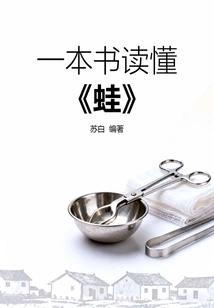
Read "frog" in One Book
Literature一本书读懂《蛙》
Compiled By Su Bai
This book takes Mo Yan's novel "Frog" as the research object, revealing how this Nobel Prize-winning work uses the life trajectory of rural obstetrician and gynecologist Wan Xin as a prism to reflect the bioethical dilemma and human struggle under the fertility policy. Focusing on the dual themes of "reproductive politics" and "soul salvation," the book provides an in-depth analysis of the identity alienation of "aunt" from "child-giving mother" to policy executor, as well as the life worship and historical judgment contained in the image of "frog". Paying special attention to Mo Yan's unique narrative art - from private confessions in letters to dramatic outbursts in drama chapters, the book transforms the local reality and magical symbols of Northeast Gaomi Township into the key to decoding collective memory. In the end, the fierce collision between policy and individuals, in the atonement ceremony of the clay doll, provides readers with a profound perspective on understanding the changes in Chinese society, the complexity of human nature, and the history of literary intervention, making this novel full of echoes of frogs an eternal mirror that interrogates the dignity of life.
This book takes Mo Yan's novel "Frog" as the research object, revealing how this Nobel Prize-winning work uses the life trajectory of rural obstetrician and gynecologist Wan Xin as a prism to reflect the bioethical dilemma and human struggle under the fertility policy. Focusing on the dual themes of "reproductive politics" and "soul salvation," the book provides an in-depth analysis of the identity alienation of "aunt" from "child-giving mother" to policy executor, as well as the life worship and historical judgment contained in the image of "frog". Paying special attention to Mo Yan's unique narrative art - from private confessions in letters to dramatic outbursts in drama chapters, the book transforms the local reality and magical symbols of Northeast Gaomi Township into the key to decoding collective memory. In the end, the fierce collision between policy and individuals, in the atonement ceremony of the clay doll, provides readers with a profound perspective on understanding the changes in Chinese society, the complexity of human nature, and the history of literary intervention, making this novel full of echoes of frogs an eternal mirror that interrogates the dignity of life.
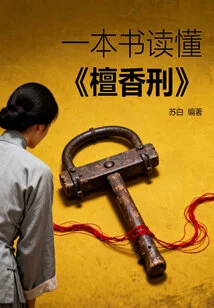
Read "sandalwood Punishment" in One Book
Literature一本书读懂《檀香刑》
Compiled By Su Bai
This book takes Mo Yan's novel "Sandalwood Punishment" as the research object and reveals how this masterpiece, which combines folk narratives and historical reflections, takes Northeast Gaomi Township as the stage to show the fierce collision between individual destiny and national spirit during the changes in the late Qing Dynasty. Focusing on the dual clues of "torture aesthetics" and "cat tune art", the book provides an in-depth analysis of executioner Zhao Jia's power logic of ritualizing violence, Sun Bing's folk spirit of using opera to fight torture, and Sun Meiniang's female wisdom of using her body to navigate the cracks of power. Paying special attention to the multi-vocal narrative structure of the text - from the official career dilemma of the county magistrate Qian Ding to the micro-presentation of the Boxer Rebellion, Mo Yan transforms the Jiaoji Railway incident into a literary specimen that interrogates colonial modernity. Finally, through the bloody execution ground, in the life-and-death confrontation between the sandalwood stake and the cat-voice swan song, it provides readers with a profound perspective on the resilience of China's rural society, the mechanism of power alienation and the complex spectrum of human nature, making this novel full of sound and pain a spiritual key to decoding the nation's collective memory.
This book takes Mo Yan's novel "Sandalwood Punishment" as the research object and reveals how this masterpiece, which combines folk narratives and historical reflections, takes Northeast Gaomi Township as the stage to show the fierce collision between individual destiny and national spirit during the changes in the late Qing Dynasty. Focusing on the dual clues of "torture aesthetics" and "cat tune art", the book provides an in-depth analysis of executioner Zhao Jia's power logic of ritualizing violence, Sun Bing's folk spirit of using opera to fight torture, and Sun Meiniang's female wisdom of using her body to navigate the cracks of power. Paying special attention to the multi-vocal narrative structure of the text - from the official career dilemma of the county magistrate Qian Ding to the micro-presentation of the Boxer Rebellion, Mo Yan transforms the Jiaoji Railway incident into a literary specimen that interrogates colonial modernity. Finally, through the bloody execution ground, in the life-and-death confrontation between the sandalwood stake and the cat-voice swan song, it provides readers with a profound perspective on the resilience of China's rural society, the mechanism of power alienation and the complex spectrum of human nature, making this novel full of sound and pain a spiritual key to decoding the nation's collective memory.
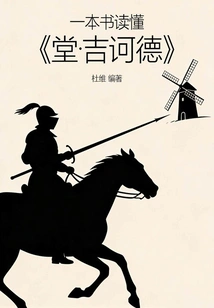
A Book to Understand "don Quixote
Literature一本书读懂《堂·吉诃德》
Edited By Du Wei
"Don Quixote" is a masterpiece handed down from generation to generation by Cervantes. This book provides an in-depth interpretation of this well-known work, showing the collision of idealism and realism. This book analyzes Cervantes's exquisite narrative techniques such as the narrative art of "meta-fiction", the character creation of Don Quixote and Sancho Panza, the recording method of social customs in seventeenth-century Spain, and the creation of a story atmosphere intertwined with tragedy and comedy. At the same time, the interpretation shows that the protagonist Don Quixote pursues the spirit of chivalry through crazy behavior, and perseveres despite repeated setbacks, which embodies mankind's persistent pursuit of beautiful ideals.
"Don Quixote" is a masterpiece handed down from generation to generation by Cervantes. This book provides an in-depth interpretation of this well-known work, showing the collision of idealism and realism. This book analyzes Cervantes's exquisite narrative techniques such as the narrative art of "meta-fiction", the character creation of Don Quixote and Sancho Panza, the recording method of social customs in seventeenth-century Spain, and the creation of a story atmosphere intertwined with tragedy and comedy. At the same time, the interpretation shows that the protagonist Don Quixote pursues the spirit of chivalry through crazy behavior, and perseveres despite repeated setbacks, which embodies mankind's persistent pursuit of beautiful ideals.
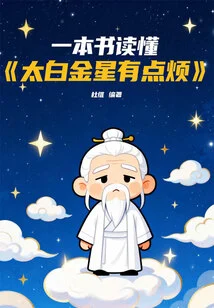
一本书读懂《太白金星有点烦》
Edited By Du Wei
This book interprets the book "Taibaijinxing is a bit annoying", telling a story set in the heavenly workplace. Through the perspective of Taibaijinxing Li Changgeng, it humorously shows the complexity and absurdity of the bureaucracy, cleverly integrates modern workplace dilemmas into mythical stories, and satirizes formalism, power struggles and other phenomena. By analyzing Ma Boyong's "allegorical realism" technique, the principle of "big things are true and small things are not unrealistic", dual-line narrative structure and character relationships, the author believes that Ma Boyong carried out a very subversive and logical "reconstruction of the current perspective" on the classic Journey to the West, making the book a "hit".
This book interprets the book "Taibaijinxing is a bit annoying", telling a story set in the heavenly workplace. Through the perspective of Taibaijinxing Li Changgeng, it humorously shows the complexity and absurdity of the bureaucracy, cleverly integrates modern workplace dilemmas into mythical stories, and satirizes formalism, power struggles and other phenomena. By analyzing Ma Boyong's "allegorical realism" technique, the principle of "big things are true and small things are not unrealistic", dual-line narrative structure and character relationships, the author believes that Ma Boyong carried out a very subversive and logical "reconstruction of the current perspective" on the classic Journey to the West, making the book a "hit".
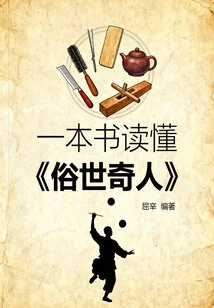
一本书读懂《俗世奇人》
Compiled By Qu Xin
This book takes Feng Jicai's novel "Strange People in the World" as the research object, and reveals how this literary classic uses "strange people and strange things" as a prism to reflect the urban life and craftsman spirit of Tianjin Wei in the late Qing Dynasty and the early Republic of China. Focusing on the core proposition of "seeing wonders in the world", the book deeply analyzes classic cases such as Brush Li's "Black clothes do not dye white", Clay Figurine Zhang's "The Universe in the Sleeve", Su Qikuan's "Seven Rules", etc., Showing the "skills are close to the Tao" state reached by craftsmen in the practice of skills. Paying special attention to the modern enlightenment of the text - from the survival rules of dock culture to the reputation mechanism of teahouses and rivers and lakes, the book transforms Feng's unique language humor and script narrative techniques into the key to interpreting market philosophy. Finally, it travels through a hundred years of time and space, providing contemporary readers with a spiritual reference against the impetuous society.
This book takes Feng Jicai's novel "Strange People in the World" as the research object, and reveals how this literary classic uses "strange people and strange things" as a prism to reflect the urban life and craftsman spirit of Tianjin Wei in the late Qing Dynasty and the early Republic of China. Focusing on the core proposition of "seeing wonders in the world", the book deeply analyzes classic cases such as Brush Li's "Black clothes do not dye white", Clay Figurine Zhang's "The Universe in the Sleeve", Su Qikuan's "Seven Rules", etc., Showing the "skills are close to the Tao" state reached by craftsmen in the practice of skills. Paying special attention to the modern enlightenment of the text - from the survival rules of dock culture to the reputation mechanism of teahouses and rivers and lakes, the book transforms Feng's unique language humor and script narrative techniques into the key to interpreting market philosophy. Finally, it travels through a hundred years of time and space, providing contemporary readers with a spiritual reference against the impetuous society.
Read the Book of Songs with One Book
Literature一本书读懂《诗经》
Compiled By Tao Zhi
This book takes the Chinese literary classic "The Book of Songs" as the research object, revealing how this ancient collection of poems used the multiple structure of "Elegance Ode" to construct the original emotional map and cultural genes of Chinese civilization. Focusing on the core proposition of "poetry expresses ambition", the book deeply analyzes the etiquette and music education of "Guanyong", the memory of farming civilization in "July", and the social criticism of "Shuo Shu", showing the poetic wisdom from folk songs to temple music. Special attention is paid to the modern inspiration of the text - from the eternal pursuit of "Jian Jia Cang Cang" to the emotional paradigm of "holding the child's hand", the book transforms the images of vegetation, birds and beasts, and the technique of Fu Bixing into the key for contemporary people to understand traditional aesthetics. Finally, traveling through three thousand years of time and space, Confucius's interpretation of "simultaneous thinking" guides readers to reconstruct the dialogue with nature, history and one's own soul through the Book of Songs, and realize the cultural awakening of "without learning poetry, there is nothing to express", making this ancient classic a poetic beacon for modern people's spiritual homeland.
This book takes the Chinese literary classic "The Book of Songs" as the research object, revealing how this ancient collection of poems used the multiple structure of "Elegance Ode" to construct the original emotional map and cultural genes of Chinese civilization. Focusing on the core proposition of "poetry expresses ambition", the book deeply analyzes the etiquette and music education of "Guanyong", the memory of farming civilization in "July", and the social criticism of "Shuo Shu", showing the poetic wisdom from folk songs to temple music. Special attention is paid to the modern inspiration of the text - from the eternal pursuit of "Jian Jia Cang Cang" to the emotional paradigm of "holding the child's hand", the book transforms the images of vegetation, birds and beasts, and the technique of Fu Bixing into the key for contemporary people to understand traditional aesthetics. Finally, traveling through three thousand years of time and space, Confucius's interpretation of "simultaneous thinking" guides readers to reconstruct the dialogue with nature, history and one's own soul through the Book of Songs, and realize the cultural awakening of "without learning poetry, there is nothing to express", making this ancient classic a poetic beacon for modern people's spiritual homeland.
Read "satanic Tango" in One Book
Literature一本书读懂《撒旦探戈》
Compiled By Han Chao
This book interprets the 2025 Nobel Prize for Literature masterpiece "Satantango". Using the story of Krasnohorkay as an introduction to explain its source of literary inspiration, it analyzes the narrative structure, symbolic meaning, long lava-like sentences, reading atmosphere, interprets the roles of the main characters such as Ilymiash, the doctor, Ashti, the Schmidts and Futaki, and tells the story of Krasnohorkay. How Lasznohorcaj Laszlo reveals the complexity of human nature and the darkness of society by describing the decline of the Hungarian collective farms, makes people feel a soul-shaking power when reading, and also triggers a deep reflection on human destiny and historical cycles.
This book interprets the 2025 Nobel Prize for Literature masterpiece "Satantango". Using the story of Krasnohorkay as an introduction to explain its source of literary inspiration, it analyzes the narrative structure, symbolic meaning, long lava-like sentences, reading atmosphere, interprets the roles of the main characters such as Ilymiash, the doctor, Ashti, the Schmidts and Futaki, and tells the story of Krasnohorkay. How Lasznohorcaj Laszlo reveals the complexity of human nature and the darkness of society by describing the decline of the Hungarian collective farms, makes people feel a soul-shaking power when reading, and also triggers a deep reflection on human destiny and historical cycles.
A Book to Understand "the Sea of life
Literature一本书读懂《人生海海》
Edited By Du Wei
This book takes Mai's novel "Life in the Sea" as the research object. Through interpretation, it reveals how this work, which combines legendary narrative and historical reflection, uses the ups and downs of the "Colonel's" life as a prism to reflect the trauma of the times and the texture of human nature in twentieth-century China. Focusing on the core narrative driving force of "secret", the book provides an in-depth analysis of the transformation of tattoo symbols from military codes to personality imprints, the disenchantment of the adult world from the perspective of childhood, and the deconstruction of historical truth by multi-voice narratives. Pay special attention to the dissolution and reconstruction of the concept of "hero" in the text, and explore how the Mai family transformed the suspense techniques of spy novels into an exploration of human nature in rural China, providing contemporary readers with a spiritual path to understand historical scars and place traumatic memories.
This book takes Mai's novel "Life in the Sea" as the research object. Through interpretation, it reveals how this work, which combines legendary narrative and historical reflection, uses the ups and downs of the "Colonel's" life as a prism to reflect the trauma of the times and the texture of human nature in twentieth-century China. Focusing on the core narrative driving force of "secret", the book provides an in-depth analysis of the transformation of tattoo symbols from military codes to personality imprints, the disenchantment of the adult world from the perspective of childhood, and the deconstruction of historical truth by multi-voice narratives. Pay special attention to the dissolution and reconstruction of the concept of "hero" in the text, and explore how the Mai family transformed the suspense techniques of spy novels into an exploration of human nature in rural China, providing contemporary readers with a spiritual path to understand historical scars and place traumatic memories.
一本书读懂《屈原列传》
Compiled By Su Bai
This book aims to lead readers into the "Biography of Qu Yuan" written by Sima Qian and explore the legendary life and immortal spirit of this eternal poetic soul. Through a refined interpretation of the original text and an analysis from a modern perspective, this book systematically sorts out Qu Yuan's tragic journey from being trusted by King Huai and determined to reform in the early stage to being slandered and exiled to the south of the Yangtze River in the later stage. The content not only analyzes Qu Yuan's political vision of "uniting Qi to resist Qin" step by step, but also presents his ideal of beautiful politics of "promoting talents and empowering them" in detail. The book will guide readers to taste immortal chapters such as "Li Sao" and "Tianwen", to appreciate his "vanilla beauty" metaphorical technique and romantic writing style, to deeply understand his endless sorrow and resentment of "being trustworthy but being doubted, being loyal but being slandered", and his firm belief that "even though he died nine times, he still has no regrets". This is not only a literary tour, but also an in-depth dialogue with a great soul. It aims to allow readers to appreciate Qu Yuan's feelings about his family and country, his noble personality and his inherited talents in one book.
This book aims to lead readers into the "Biography of Qu Yuan" written by Sima Qian and explore the legendary life and immortal spirit of this eternal poetic soul. Through a refined interpretation of the original text and an analysis from a modern perspective, this book systematically sorts out Qu Yuan's tragic journey from being trusted by King Huai and determined to reform in the early stage to being slandered and exiled to the south of the Yangtze River in the later stage. The content not only analyzes Qu Yuan's political vision of "uniting Qi to resist Qin" step by step, but also presents his ideal of beautiful politics of "promoting talents and empowering them" in detail. The book will guide readers to taste immortal chapters such as "Li Sao" and "Tianwen", to appreciate his "vanilla beauty" metaphorical technique and romantic writing style, to deeply understand his endless sorrow and resentment of "being trustworthy but being doubted, being loyal but being slandered", and his firm belief that "even though he died nine times, he still has no regrets". This is not only a literary tour, but also an in-depth dialogue with a great soul. It aims to allow readers to appreciate Qu Yuan's feelings about his family and country, his noble personality and his inherited talents in one book.
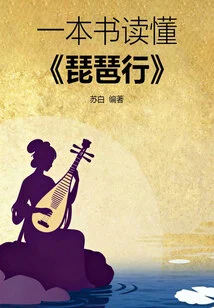
Read "pipa Xing" in One Book
Literature一本书读懂《琵琶行》
Compiled By Su Bai
This book takes Bai Juyi's long-form narrative poem "Pipa Xing" as the research object, and reveals how this eternal masterpiece of "the end of the world" uses the encounter on an autumn night at Huanpukou as an incision to complete the dual reflection of personal destiny and the tragedy of the times. Focusing on the core proposition of "empathy", the book provides an in-depth analysis of Pipa Girl's decline from "young people fighting over heads in Wuling" to "businessmen focusing on profit over separation", and how Bai Juyi's journey from being an outspoken admonisher to being demoted to Jiangzhou Sima achieves soul resonance through music. Special attention is paid to the charm of "synaesthesia" art in the poem - the auditory translation of "big strings are noisy like heavy rain", the emotional explosion of "the silver bottle is broken and water slurry bursts out", showing the unique talent of text reconstruction of music. Finally, traveling through thousands of years of time and space, under the theme of "We are all fallen people at the end of the world", we explore the inspiration of this work to modern society: when material abundance and spiritual loneliness have become the norm, the poem's transcending class understanding, resilience against adversity, and the power of artistic redemption still provide contemporary people with precious emotional resonance and life enlightenment.
This book takes Bai Juyi's long-form narrative poem "Pipa Xing" as the research object, and reveals how this eternal masterpiece of "the end of the world" uses the encounter on an autumn night at Huanpukou as an incision to complete the dual reflection of personal destiny and the tragedy of the times. Focusing on the core proposition of "empathy", the book provides an in-depth analysis of Pipa Girl's decline from "young people fighting over heads in Wuling" to "businessmen focusing on profit over separation", and how Bai Juyi's journey from being an outspoken admonisher to being demoted to Jiangzhou Sima achieves soul resonance through music. Special attention is paid to the charm of "synaesthesia" art in the poem - the auditory translation of "big strings are noisy like heavy rain", the emotional explosion of "the silver bottle is broken and water slurry bursts out", showing the unique talent of text reconstruction of music. Finally, traveling through thousands of years of time and space, under the theme of "We are all fallen people at the end of the world", we explore the inspiration of this work to modern society: when material abundance and spiritual loneliness have become the norm, the poem's transcending class understanding, resilience against adversity, and the power of artistic redemption still provide contemporary people with precious emotional resonance and life enlightenment.
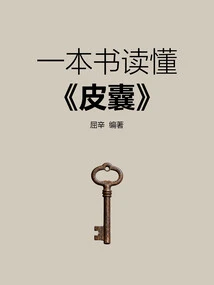
Read "skins" with One Book
Literature一本书读懂《皮囊》
Compiled By Qu Xin
This book uses Cai Chongda's non-fiction work "Skin" as the research object, revealing how this "recognizing heart and person" literary classic uses Dongshi, a small town in southern Fujian, as a slice to show the spiritual map of the Chinese family and the pain of the times. Focusing on the core image of "skin" - both a shackle for the body and a container for the soul, the book provides an in-depth analysis of Atai's survival philosophy of "the body is for use", his mother's obsession with building a house, and the collapse of his father's dignity on the sickbed. It presents the individual's struggle and resilience in the gap between tradition and modernity. Special attention is paid to the narrative power of "taking truth as the edge" of the work: by dissecting the trauma, estrangement and unspoken love in family memories, Tsai Chongda has completed the precise mapping of the emotional structure of rural China, allowing every reader to see their own life folds in characters such as Zhang Meili and Hong Kong Ah Xiao. Finally, through the fog of individual destiny, in the inquiry of "the questions we always have to answer", it shows how this work breaks the boundaries between fiction and non-fiction with rough truth, and becomes the common spiritual autobiography of a generation, providing emotional resonance and existential enlightenment for all people who walk the world with skins.
This book uses Cai Chongda's non-fiction work "Skin" as the research object, revealing how this "recognizing heart and person" literary classic uses Dongshi, a small town in southern Fujian, as a slice to show the spiritual map of the Chinese family and the pain of the times. Focusing on the core image of "skin" - both a shackle for the body and a container for the soul, the book provides an in-depth analysis of Atai's survival philosophy of "the body is for use", his mother's obsession with building a house, and the collapse of his father's dignity on the sickbed. It presents the individual's struggle and resilience in the gap between tradition and modernity. Special attention is paid to the narrative power of "taking truth as the edge" of the work: by dissecting the trauma, estrangement and unspoken love in family memories, Tsai Chongda has completed the precise mapping of the emotional structure of rural China, allowing every reader to see their own life folds in characters such as Zhang Meili and Hong Kong Ah Xiao. Finally, through the fog of individual destiny, in the inquiry of "the questions we always have to answer", it shows how this work breaks the boundaries between fiction and non-fiction with rough truth, and becomes the common spiritual autobiography of a generation, providing emotional resonance and existential enlightenment for all people who walk the world with skins.
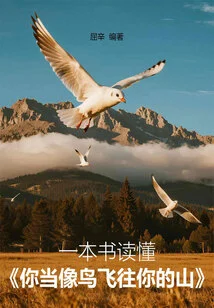
一本书读懂《你当像鸟飞往你的山》
Compiled By Qu Xin
This book takes Tara Westover's coming-of-age epic as the research object, revealing how this memoir uses the extreme survival of the Buck's Peak family as a prism to reflect the subversive power of education on individual liberation. Focusing on the core proposition of "self-reshaping", the book analyzes how the original family built a spiritual cage through doomsday survivalist beliefs, violent discipline and memory manipulation, and how Tara completed the transformation from "father's daughter" to "own authority" through the academic process of self-study for the college entrance examination, enlightenment at Brigham Young University and further study at Cambridge. Special attention is paid to the complexities of family relationships.
This book takes Tara Westover's coming-of-age epic as the research object, revealing how this memoir uses the extreme survival of the Buck's Peak family as a prism to reflect the subversive power of education on individual liberation. Focusing on the core proposition of "self-reshaping", the book analyzes how the original family built a spiritual cage through doomsday survivalist beliefs, violent discipline and memory manipulation, and how Tara completed the transformation from "father's daughter" to "own authority" through the academic process of self-study for the college entrance examination, enlightenment at Brigham Young University and further study at Cambridge. Special attention is paid to the complexities of family relationships.
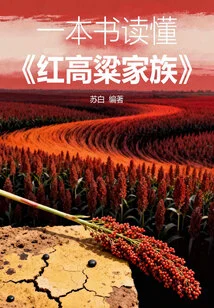
Read "red Sorghum Family" in One Book
Literature一本书读懂《红高粱家族》
Compiled By Su Bai
This book takes Mo Yan's masterpiece "The Red Sorghum Family" as the research object to reveal how this "secret history of the nation" reconstructs historical memory with the wild narrative of Northeast Gaomi Township. Focusing on the core image of "red sorghum" - which is both a totem of primitive vitality and a container of love, struggle and national spirit, the book deeply analyzes the cultural significance of "bandit heroes" such as Yu Zhan'ao and Dai Fenglian in subverting traditional narratives, and shows how Mo Yan used carnival language to sublimate bloody violence into aesthetic expression. Special attention is paid to the novel's deconstruction of official history: through folk memory fragments, multiple perspectives and magical realism techniques, it presents the real and chaotic rural China during the Anti-Japanese War. Finally, through the bloody mist of the sorghum field, I question the dissolution of the blood of the nation by modern civilization in the melancholy of "the degradation of the species", and complete an affectionate review of the memory of the land and the force of life. This book is not only a literary criticism, but also a key to Mo Yan's literary universe.
This book takes Mo Yan's masterpiece "The Red Sorghum Family" as the research object to reveal how this "secret history of the nation" reconstructs historical memory with the wild narrative of Northeast Gaomi Township. Focusing on the core image of "red sorghum" - which is both a totem of primitive vitality and a container of love, struggle and national spirit, the book deeply analyzes the cultural significance of "bandit heroes" such as Yu Zhan'ao and Dai Fenglian in subverting traditional narratives, and shows how Mo Yan used carnival language to sublimate bloody violence into aesthetic expression. Special attention is paid to the novel's deconstruction of official history: through folk memory fragments, multiple perspectives and magical realism techniques, it presents the real and chaotic rural China during the Anti-Japanese War. Finally, through the bloody mist of the sorghum field, I question the dissolution of the blood of the nation by modern civilization in the melancholy of "the degradation of the species", and complete an affectionate review of the memory of the land and the force of life. This book is not only a literary criticism, but also a key to Mo Yan's literary universe.
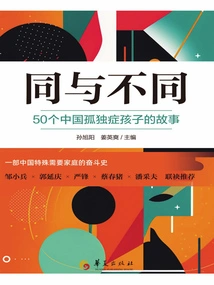
同与不同:50个中国孤独症孩子的故事
Editor-in-chief Sun Xuyang Jiang Yingshuang
This book brings together many real stories of families with autistic children, from early intervention, school integration, to specialty development and social employment. The protagonists in the book find their own light in a challenging journey, explaining the meaning of love, understanding and scientific intervention. This is not only a book about autism, but also a book about growth and seeing, seeing variety and possibility, seeing love and hope. This book uses vivid cases to show us that each child's autism manifestations, defects, strengths, progress and prognosis are different. The heartfelt words made us deeply realize that parents have similar love, expectations and efforts for their children. Parents of autistic children, practitioners in the autism industry, and other interested readers can gain a lot of insights from reading this book, learn rich experiences and lessons, and learn useful methods and techniques.
This book brings together many real stories of families with autistic children, from early intervention, school integration, to specialty development and social employment. The protagonists in the book find their own light in a challenging journey, explaining the meaning of love, understanding and scientific intervention. This is not only a book about autism, but also a book about growth and seeing, seeing variety and possibility, seeing love and hope. This book uses vivid cases to show us that each child's autism manifestations, defects, strengths, progress and prognosis are different. The heartfelt words made us deeply realize that parents have similar love, expectations and efforts for their children. Parents of autistic children, practitioners in the autism industry, and other interested readers can gain a lot of insights from reading this book, learn rich experiences and lessons, and learn useful methods and techniques.
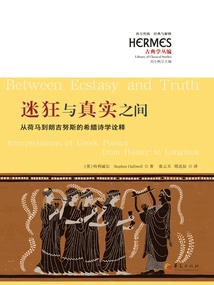
迷狂与真实之间:从荷马到朗吉努斯的希腊诗学诠释
(uk) Halliwell
Ancient Greek culture not only gave birth to one of the most outstanding poetic traditions, but also produced a major tradition of poetic theory and poetry criticism. Halliwell's book provides a series of detailed and challenging readings of many important authors and texts in the history of ancient Greek poetry. Its central focus is on how the Greeks conceptualized poetic experience and debated the value of this poetic experience. The overarching theme of the book is the recurring dialectic in ancient Greek conceptions of poetry: poetry is on the one hand an inherently gripping experience (an ecstasy), and on the other hand it is a medium that conveys truth and thus profoundly affects the reader's worldview.
Ancient Greek culture not only gave birth to one of the most outstanding poetic traditions, but also produced a major tradition of poetic theory and poetry criticism. Halliwell's book provides a series of detailed and challenging readings of many important authors and texts in the history of ancient Greek poetry. Its central focus is on how the Greeks conceptualized poetic experience and debated the value of this poetic experience. The overarching theme of the book is the recurring dialectic in ancient Greek conceptions of poetry: poetry is on the one hand an inherently gripping experience (an ecstasy), and on the other hand it is a medium that conveys truth and thus profoundly affects the reader's worldview.
Read "the Wasted City" in One Book
Literature一本书读懂《废都》
Compiled By Qu Xin
This book takes Jia Pingwa's "The Wasted Capital" as the interpretation object, focuses on this contemporary literary classic that has caused great controversy, and deeply analyzes its historical background, characters and spiritual core. Through systematic analysis, this book not only restores the cultural pain and spiritual dilemma of intellectuals during the social transformation period in the early 1990s, but also reveals how the sinking of Zhuang Zhidie, Tang Wan'er and other characters in the whirlpool of desire became a metaphor for the times. At the same time, we sort out the tortuous fate of the work from being banned to being released, and explore its critical value that transcends the times - when material prosperity encounters a vacuum of faith, the fall and redemption of human nature are always eternal propositions worthy of vigilance. This book is not only a literary criticism, but also an ideological key to the spiritual history of contemporary China.
This book takes Jia Pingwa's "The Wasted Capital" as the interpretation object, focuses on this contemporary literary classic that has caused great controversy, and deeply analyzes its historical background, characters and spiritual core. Through systematic analysis, this book not only restores the cultural pain and spiritual dilemma of intellectuals during the social transformation period in the early 1990s, but also reveals how the sinking of Zhuang Zhidie, Tang Wan'er and other characters in the whirlpool of desire became a metaphor for the times. At the same time, we sort out the tortuous fate of the work from being banned to being released, and explore its critical value that transcends the times - when material prosperity encounters a vacuum of faith, the fall and redemption of human nature are always eternal propositions worthy of vigilance. This book is not only a literary criticism, but also an ideological key to the spiritual history of contemporary China.
一本书读懂《丰乳肥臀》
Compiled By Su Bai
This book uses Mo Yan's masterpiece "Big Breasts and Wide Hips" as the interpretation object, revealing how this "secret history of the nation" reflects the suffering and struggle of China in the 20th century through the century-old fate of the Shangguan family in Northeast Gaomi Township. Focusing on the symbolic meaning of mother Shangguan Lu's "big breasts and wide buttocks" - both a totem for nurturing life and a carrier of historical violence, the book analyzes how Mo Yan used magical brushwork to incorporate grand narratives such as war, famine, and political movements into family epics, showing the survival plight of his mother and eight daughters during historical nodes such as the Japanese invasion of China, the civil war between the Kuomintang and the Communist Party, and the Cultural Revolution. Pay special attention to the deep thinking behind the controversial writing, and finally go through the fog of blood and absurdity, discover the resilience of life beyond suffering in the image of the mother, and complete the mourning for the disappearance of local civilization and the pursuit of the roots of the national spirit.
This book uses Mo Yan's masterpiece "Big Breasts and Wide Hips" as the interpretation object, revealing how this "secret history of the nation" reflects the suffering and struggle of China in the 20th century through the century-old fate of the Shangguan family in Northeast Gaomi Township. Focusing on the symbolic meaning of mother Shangguan Lu's "big breasts and wide buttocks" - both a totem for nurturing life and a carrier of historical violence, the book analyzes how Mo Yan used magical brushwork to incorporate grand narratives such as war, famine, and political movements into family epics, showing the survival plight of his mother and eight daughters during historical nodes such as the Japanese invasion of China, the civil war between the Kuomintang and the Communist Party, and the Cultural Revolution. Pay special attention to the deep thinking behind the controversial writing, and finally go through the fog of blood and absurdity, discover the resilience of life beyond suffering in the image of the mother, and complete the mourning for the disappearance of local civilization and the pursuit of the roots of the national spirit.
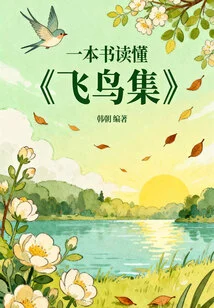
一本书读懂《飞鸟集》
Compiled By Han Chao
This book provides an in-depth interpretation of Rabindranath Tagore's classic collection of poems "The Birds" and unlocks the ideological core and artistic charm of this handed down work. Tracing Tagore's legendary life and era imprint, analyzing the profound origins of his pantheistic thoughts and the Upanishads, and explaining how the philosophy of "Brahma and I are one" is integrated into the lines of poetry. Focusing on the core themes of nature, life, love and freedom in the poetry collection, it interprets the philosophy of classic poems such as "Life is like a summer flower" and "Death is like an autumn leaf", and appreciates the symbolic meaning of images such as "flying birds" and "sky". At the same time, it explores the fusion of the short and concise artistic characteristics of the poetry collection with Eastern and Western aesthetics, and combs its spread in China through Zheng Zhenduo's translation, as well as its profound influence on writers such as Bing Xin and Guo Moruo. It takes readers to penetrate the simple lines of poetry, feel Tagore's humanistic care and cosmopolitan sentiments spanning a century, and appreciate the eternal power of this work to soothe the soul.
This book provides an in-depth interpretation of Rabindranath Tagore's classic collection of poems "The Birds" and unlocks the ideological core and artistic charm of this handed down work. Tracing Tagore's legendary life and era imprint, analyzing the profound origins of his pantheistic thoughts and the Upanishads, and explaining how the philosophy of "Brahma and I are one" is integrated into the lines of poetry. Focusing on the core themes of nature, life, love and freedom in the poetry collection, it interprets the philosophy of classic poems such as "Life is like a summer flower" and "Death is like an autumn leaf", and appreciates the symbolic meaning of images such as "flying birds" and "sky". At the same time, it explores the fusion of the short and concise artistic characteristics of the poetry collection with Eastern and Western aesthetics, and combs its spread in China through Zheng Zhenduo's translation, as well as its profound influence on writers such as Bing Xin and Guo Moruo. It takes readers to penetrate the simple lines of poetry, feel Tagore's humanistic care and cosmopolitan sentiments spanning a century, and appreciate the eternal power of this work to soothe the soul.
Chinese "poetry" in Chinese Characters
Literature汉字中国《诗》
Zhao Yanxi
China is a country of poetry with a long tradition of poetry. The word "poetry" comes from what it refers to - the language art style with a certain rhythm and rhyme - poetry. The word "poetry" is used to refer to the style of "poetry", which is directly related to the understanding in the pre-Qin period that "poems" can "express aspirations". With the continuous development of poetry in my country, the objects and connotations referred to by the word "poetry" are constantly enriched. Initially, "poetry" was only used to refer to the Book of Songs, but later it gradually included Sao style poetry, Yuefu style, and non-musical five-character, seven-character, and miscellaneous styles. Ci poems from the Tang and Song dynasties and Sanqu from the Jin and Yuan dynasties were once excluded from "poetry", but later they were also included in "poetry" due to their refined style. The scope of the Chinese character "poetry" is getting larger and larger, just like a trickling stream. As the tributaries continue to merge, the river becomes wider and louder, and finally develops into a rolling giant stream. Poems use an open embrace to tell old stories and incorporate new ones. The style of poetry is always changing and always new, but poetic thoughts and sentiments have lasted for thousands of years, continuing to nourish the hearts of generations of Chinese people.
China is a country of poetry with a long tradition of poetry. The word "poetry" comes from what it refers to - the language art style with a certain rhythm and rhyme - poetry. The word "poetry" is used to refer to the style of "poetry", which is directly related to the understanding in the pre-Qin period that "poems" can "express aspirations". With the continuous development of poetry in my country, the objects and connotations referred to by the word "poetry" are constantly enriched. Initially, "poetry" was only used to refer to the Book of Songs, but later it gradually included Sao style poetry, Yuefu style, and non-musical five-character, seven-character, and miscellaneous styles. Ci poems from the Tang and Song dynasties and Sanqu from the Jin and Yuan dynasties were once excluded from "poetry", but later they were also included in "poetry" due to their refined style. The scope of the Chinese character "poetry" is getting larger and larger, just like a trickling stream. As the tributaries continue to merge, the river becomes wider and louder, and finally develops into a rolling giant stream. Poems use an open embrace to tell old stories and incorporate new ones. The style of poetry is always changing and always new, but poetic thoughts and sentiments have lasted for thousands of years, continuing to nourish the hearts of generations of Chinese people.
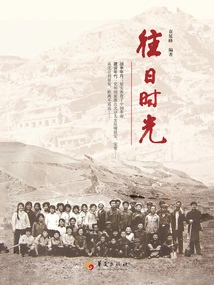
Old Times
Literature往日时光
Compiled By Yuan Yanfeng
This is a book that exudes a strong sense of nostalgia and Beijing, as well as a rich historical atmosphere. The writing style and passion used to describe history show to the times and the world the past time and youthful years that nearly 2,000 Beijing educated youth and Ansai local educated youth have dedicated themselves to in Ansai, the hinterland of the Loess Plateau. Every author in the book is a witness who traveled thousands of miles from Beijing to Yan'an to Ansai to join the team, as well as the local educated youth's training in the team with dreams in mind. These educated youths back then are now in their twilight years. Through their affectionate looks back and digging into their memories, it can be clearly seen from the lines that each of them has a deep hometown complex for the ancient land and hometown of Ansai that will accompany them throughout their lives.
This is a book that exudes a strong sense of nostalgia and Beijing, as well as a rich historical atmosphere. The writing style and passion used to describe history show to the times and the world the past time and youthful years that nearly 2,000 Beijing educated youth and Ansai local educated youth have dedicated themselves to in Ansai, the hinterland of the Loess Plateau. Every author in the book is a witness who traveled thousands of miles from Beijing to Yan'an to Ansai to join the team, as well as the local educated youth's training in the team with dreams in mind. These educated youths back then are now in their twilight years. Through their affectionate looks back and digging into their memories, it can be clearly seen from the lines that each of them has a deep hometown complex for the ancient land and hometown of Ansai that will accompany them throughout their lives.
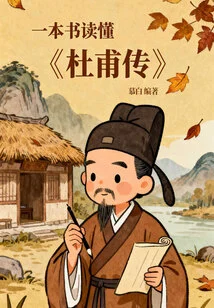
一本书读懂《杜甫传》
Compiled By Mu Bai
This book provides an in-depth interpretation of Feng Zhi's classic biography "The Biography of Du Fu" and unlocks the ideological core and artistic charm of this work. Following Feng Zhi's writing, we trace Du Fu's turbulent life from his youth in Luoyang, his poverty in Chang'an, his exile during the An-Shi Rebellion, and his creative peak in Kuizhou, and analyze his ideal of "dedicating himself to the emperors Yao and Shun" and his compassionate feelings of "the wine and meat of a wealthy family". The book focuses on the narrative art of "witnessing history through poetry", interprets the pain of the times behind famous works such as "Spring Hope" and "Three Officials and Three Farewells", and explains Du Fu's "perseverance and responsibility" spiritual character and the core of "people's character" in Feng Zhi's works. At the same time, it reveals the spiritual resonance between the biographer and the subject that spans thousands of years, presents Du Fu's image-building process from "Poetic Saint" to "People's Poet", demonstrates the dual value of this biography in academic research and spiritual inheritance, and allows readers to understand Du Fu's greatness and Feng Zhi's interpretive wisdom.
This book provides an in-depth interpretation of Feng Zhi's classic biography "The Biography of Du Fu" and unlocks the ideological core and artistic charm of this work. Following Feng Zhi's writing, we trace Du Fu's turbulent life from his youth in Luoyang, his poverty in Chang'an, his exile during the An-Shi Rebellion, and his creative peak in Kuizhou, and analyze his ideal of "dedicating himself to the emperors Yao and Shun" and his compassionate feelings of "the wine and meat of a wealthy family". The book focuses on the narrative art of "witnessing history through poetry", interprets the pain of the times behind famous works such as "Spring Hope" and "Three Officials and Three Farewells", and explains Du Fu's "perseverance and responsibility" spiritual character and the core of "people's character" in Feng Zhi's works. At the same time, it reveals the spiritual resonance between the biographer and the subject that spans thousands of years, presents Du Fu's image-building process from "Poetic Saint" to "People's Poet", demonstrates the dual value of this biography in academic research and spiritual inheritance, and allows readers to understand Du Fu's greatness and Feng Zhi's interpretive wisdom.
Read "the Seventh Day" in One Book
Literature一本书读懂《第七天》
Compiled By Qu Xin
This book provides an in-depth interpretation of Yu Hua's controversial magical realism masterpiece "The Seventh Day" and unlocks the narrative code and spiritual core of this work. Using the protagonist Yang Fei's soul journey seven days after his death as a clue, we analyze the narrative innovation of the "perspective of the undead" and the metaphorical meaning of the "seven-day frame", and interpret the tragedies of the fate of core characters such as Yang Fei, Yang Jinbiao, Li Qing, and Shu Mei. The book focuses on the novel's sharp reflection of social realities such as violent demolitions and the polarization of rich and poor, and explores the literary reconstruction and recording value of the times behind the "news skewering". At the same time, it deeply explains the utopian metaphor of "no place for death", analyzes the pursuit of equality, dignity and humanity under the inverted structure of life and death, clarifies the breakthrough of humanistic care and narrative style that the work continues from "Alive", responds to the literary controversy it caused, and allows readers to penetrate the absurd appearance and touch the suffering and tender undertones deep in the work.
This book provides an in-depth interpretation of Yu Hua's controversial magical realism masterpiece "The Seventh Day" and unlocks the narrative code and spiritual core of this work. Using the protagonist Yang Fei's soul journey seven days after his death as a clue, we analyze the narrative innovation of the "perspective of the undead" and the metaphorical meaning of the "seven-day frame", and interpret the tragedies of the fate of core characters such as Yang Fei, Yang Jinbiao, Li Qing, and Shu Mei. The book focuses on the novel's sharp reflection of social realities such as violent demolitions and the polarization of rich and poor, and explores the literary reconstruction and recording value of the times behind the "news skewering". At the same time, it deeply explains the utopian metaphor of "no place for death", analyzes the pursuit of equality, dignity and humanity under the inverted structure of life and death, clarifies the breakthrough of humanistic care and narrative style that the work continues from "Alive", responds to the literary controversy it caused, and allows readers to penetrate the absurd appearance and touch the suffering and tender undertones deep in the work.
Read "the Qin Empire" in One Book
Literature一本书读懂《大秦帝国》
Compiled By Yu Mu
This book provides an in-depth interpretation of Sun Haohui's 5 million-word epic masterpiece "The Empire of Qin", and presents a panoramic view of the Qin Kingdom's magnificent journey from a weak state in the western frontier to a unified world. From the "black fission" of Duke Xiao of Qin's promulgation of the order to seek talents and Shang Yang's reform, to the diplomatic game of alliances and alliances during the period of King Qin Huiwen; from the iron-blooded expansion of distant relations and close attacks, and bloody battles in Changping during the period of King Zhaoxiang of Qin, to the change of power in which Lü Buwei had rare goods and Yingzheng took power personally, and then to the glory and quick demise of Qin Shihuang's sweeping of Liuhe and the establishment of the empire, we can clearly sort out the struggles of the six generations of Qin kings. The book analyzes the ups and downs of key figures such as Shang Yang, Bai Qi, and Li Si, and interprets the far-reaching impact of institutional reforms such as the system of counties and counties, and the system of books and texts. It not only displays the spiritual core of "the old Qin survived the national calamity together", but also explores the civilizational logic and historical enlightenment behind the rise and fall of the Qin Empire, leading readers to appreciate the iron-blooded character and civilized fission of that era of great strife.
This book provides an in-depth interpretation of Sun Haohui's 5 million-word epic masterpiece "The Empire of Qin", and presents a panoramic view of the Qin Kingdom's magnificent journey from a weak state in the western frontier to a unified world. From the "black fission" of Duke Xiao of Qin's promulgation of the order to seek talents and Shang Yang's reform, to the diplomatic game of alliances and alliances during the period of King Qin Huiwen; from the iron-blooded expansion of distant relations and close attacks, and bloody battles in Changping during the period of King Zhaoxiang of Qin, to the change of power in which Lü Buwei had rare goods and Yingzheng took power personally, and then to the glory and quick demise of Qin Shihuang's sweeping of Liuhe and the establishment of the empire, we can clearly sort out the struggles of the six generations of Qin kings. The book analyzes the ups and downs of key figures such as Shang Yang, Bai Qi, and Li Si, and interprets the far-reaching impact of institutional reforms such as the system of counties and counties, and the system of books and texts. It not only displays the spiritual core of "the old Qin survived the national calamity together", but also explores the civilizational logic and historical enlightenment behind the rise and fall of the Qin Empire, leading readers to appreciate the iron-blooded character and civilized fission of that era of great strife.
一本书读懂《城南旧事》
Edited By Du Wei
This book takes Lin Haiyin's classic work "Old Things in the South of the City" as the core, and deeply dissects the literary charm and spiritual core of this childhood memoir. Following the perspective of the protagonist Yingzi, the book relives the fireworks in the south of Beijing in the 1920s, and connects the encounters and partings with characters such as the crazy girl Xiuzhen, the "thief" on the lawn, Aunt Lan, and Song Ma. Through a detailed interpretation of Yingzi's growth trajectory, and the analysis of vivid characters such as the father's majesty and love, the mother's forbearance and tenderness, it shows the joys and sorrows of the fate of women in the old era. At the same time, this book analyzes the unique tone of the work "a touch of sadness, a deep sense of lovesickness", explains artistic techniques such as children's perspective, detailed description, and beaded structure, and explores the eternal themes of growth, separation, memory, and human nature. It leads readers to appreciate the style of old Beijing and feel the emotional resonance and literary poetry that spans the ages.
This book takes Lin Haiyin's classic work "Old Things in the South of the City" as the core, and deeply dissects the literary charm and spiritual core of this childhood memoir. Following the perspective of the protagonist Yingzi, the book relives the fireworks in the south of Beijing in the 1920s, and connects the encounters and partings with characters such as the crazy girl Xiuzhen, the "thief" on the lawn, Aunt Lan, and Song Ma. Through a detailed interpretation of Yingzi's growth trajectory, and the analysis of vivid characters such as the father's majesty and love, the mother's forbearance and tenderness, it shows the joys and sorrows of the fate of women in the old era. At the same time, this book analyzes the unique tone of the work "a touch of sadness, a deep sense of lovesickness", explains artistic techniques such as children's perspective, detailed description, and beaded structure, and explores the eternal themes of growth, separation, memory, and human nature. It leads readers to appreciate the style of old Beijing and feel the emotional resonance and literary poetry that spans the ages.
一本书读懂《帛书道德经》
Compiled By Tao Zhi
This book is based on the Tao Te Ching, a silk scroll unearthed from the Mawangdui Han Tomb in Changsha in 1973, and reveals how this precious manuscript over 2,000 years ago subverted traditional understanding and showed the most primitive aspects of Laozi's thoughts. Different from the Wang Bi version and the He Shang Gong version that were passed down in later generations, the silk book has a unique structure with "De Jing" in front and "Dao Jing" in the back, which highlights the emphasis of Huang-Lao thought on realistic governance in the Han Dynasty. Its simple words such as "Feihengdaoye" are closer to the dynamic balance of the universe than the handed down version "Feihengdao". The book provides an in-depth analysis of the original philosophy of "Tao follows nature", the political wisdom of "governing by inaction", and the dialectical thinking of "the weak prevails over the strong". Through hundreds of textual differences between the silk script and the handed down version, it restores Laozi's profound criticism of power boundaries, desire restraint, and social alienation. From the ruler's self-cultivation principle of "little selfishness and few desires" to the ideal social picture of "a small country with few people", this ancient wisdom on silk spans time and space, providing modern people with the ideological resources to return to nature in response to ecological crisis, power expansion and spiritual anxiety, completing a double enlightenment from cultural relic archeology to life awakening.
This book is based on the Tao Te Ching, a silk scroll unearthed from the Mawangdui Han Tomb in Changsha in 1973, and reveals how this precious manuscript over 2,000 years ago subverted traditional understanding and showed the most primitive aspects of Laozi's thoughts. Different from the Wang Bi version and the He Shang Gong version that were passed down in later generations, the silk book has a unique structure with "De Jing" in front and "Dao Jing" in the back, which highlights the emphasis of Huang-Lao thought on realistic governance in the Han Dynasty. Its simple words such as "Feihengdaoye" are closer to the dynamic balance of the universe than the handed down version "Feihengdao". The book provides an in-depth analysis of the original philosophy of "Tao follows nature", the political wisdom of "governing by inaction", and the dialectical thinking of "the weak prevails over the strong". Through hundreds of textual differences between the silk script and the handed down version, it restores Laozi's profound criticism of power boundaries, desire restraint, and social alienation. From the ruler's self-cultivation principle of "little selfishness and few desires" to the ideal social picture of "a small country with few people", this ancient wisdom on silk spans time and space, providing modern people with the ideological resources to return to nature in response to ecological crisis, power expansion and spiritual anxiety, completing a double enlightenment from cultural relic archeology to life awakening.
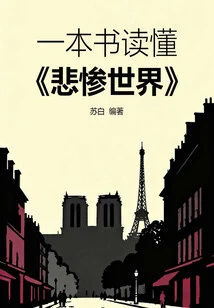
Read "les Miserables" in One Book
Literature一本书读懂《悲惨世界》
Compiled By Su Bai
This book takes Victor Hugo's epic masterpiece "Les Misérables" as the core, and shows the suffering and struggle of the people at the bottom of French society in the 19th century through the redemption of the convict Jean Valjean. From the tragic beginning when he was sentenced to nineteen years in prison for stealing a piece of bread, to the turning point when Bishop Miriam lit his soul with a silver candlestick, Jean Valjean assumed the alias of Mayor Madeleine and did good deeds to help the world, but was always pursued by the iron-faced police officer Javert. The intertwining of the two lines of fate reveals the eternal conflict between law and human nature. The book not only depicts the tragedies of women such as Fantine who is forced to fall, Cosette who suffers abuse, but also depicts the greed and sin of the Thenardiers and the ideal passion of Enjolras, a young man on the barricade, forming a social panorama in which good and evil are intertwined. Hugo used an encyclopedic style to integrate historical events and philosophical thinking into the narrative. Through shocking scenes such as sewer rescue and bloody battles on barricades, he explored the ultimate propositions of poverty, oppression and redemption. This humanitarian Bible ultimately tells us: Only forgiveness and love can illuminate the darkness of the "miserable world" and allow the humblest soul to shine with the brilliance of divinity.
This book takes Victor Hugo's epic masterpiece "Les Misérables" as the core, and shows the suffering and struggle of the people at the bottom of French society in the 19th century through the redemption of the convict Jean Valjean. From the tragic beginning when he was sentenced to nineteen years in prison for stealing a piece of bread, to the turning point when Bishop Miriam lit his soul with a silver candlestick, Jean Valjean assumed the alias of Mayor Madeleine and did good deeds to help the world, but was always pursued by the iron-faced police officer Javert. The intertwining of the two lines of fate reveals the eternal conflict between law and human nature. The book not only depicts the tragedies of women such as Fantine who is forced to fall, Cosette who suffers abuse, but also depicts the greed and sin of the Thenardiers and the ideal passion of Enjolras, a young man on the barricade, forming a social panorama in which good and evil are intertwined. Hugo used an encyclopedic style to integrate historical events and philosophical thinking into the narrative. Through shocking scenes such as sewer rescue and bloody battles on barricades, he explored the ultimate propositions of poverty, oppression and redemption. This humanitarian Bible ultimately tells us: Only forgiveness and love can illuminate the darkness of the "miserable world" and allow the humblest soul to shine with the brilliance of divinity.
P
Literaturep
J
As one of the most "anachronistic" scholars of the nineteenth century, Burckhardt's ideological theme was the diagnosis of European "modernity" and its attendant crisis of civilization. Out of defense of the classical humanistic tradition, he refused to use any modern disciplinary paradigm to systematize his thoughts. Instead, he adopted a subtle way of speaking and integrated his own thinking into his works, lectures, and thousands of letters left during his lifetime. This book selects 181 of Burckhardt's most representative letters, including 9 diaries from his stay in London in 1879, which provides a panoramic view of Burckhardt's life and thinking from the age of 20 to the eve of his death.
As one of the most "anachronistic" scholars of the nineteenth century, Burckhardt's ideological theme was the diagnosis of European "modernity" and its attendant crisis of civilization. Out of defense of the classical humanistic tradition, he refused to use any modern disciplinary paradigm to systematize his thoughts. Instead, he adopted a subtle way of speaking and integrated his own thinking into his works, lectures, and thousands of letters left during his lifetime. This book selects 181 of Burckhardt's most representative letters, including 9 diaries from his stay in London in 1879, which provides a panoramic view of Burckhardt's life and thinking from the age of 20 to the eve of his death.
我无惧声名狼藉:埃德娜·奥布莱恩回忆录
L
When my body decays like a broken piano, I will still remember the many gifts of life. I was born into a declining rural family in Ireland. His father was violent and alcoholic, while his mother was patient and tenacious - like most women of that era. As a child, I loved writing outdoors and escaping with words. Later, I was sent to a monastery, but I longed for a more "sinful" life. After running away from Dublin and moving to London with my husband, I finally found the freedom to write. But my literary ambitions were thwarted by him and not forgiven by my mother. My books were burned, the phantom of love was shattered, my marriage collapsed, I fought for custody, and became a single mother... Along the way, I also met Samuel Beckett, Jacqueline... The world was vast, and I found my voice. This life is full of extreme joy and sorrow, success and failure, fame and killing. I know that this is the secret of writing: it comes from suffering, from times that are torn apart, moments when the heart is cut open. I know that the joy of life is always short. We are all on the road, going somewhere else, spiraling up, up.
When my body decays like a broken piano, I will still remember the many gifts of life. I was born into a declining rural family in Ireland. His father was violent and alcoholic, while his mother was patient and tenacious - like most women of that era. As a child, I loved writing outdoors and escaping with words. Later, I was sent to a monastery, but I longed for a more "sinful" life. After running away from Dublin and moving to London with my husband, I finally found the freedom to write. But my literary ambitions were thwarted by him and not forgiven by my mother. My books were burned, the phantom of love was shattered, my marriage collapsed, I fought for custody, and became a single mother... Along the way, I also met Samuel Beckett, Jacqueline... The world was vast, and I found my voice. This life is full of extreme joy and sorrow, success and failure, fame and killing. I know that this is the secret of writing: it comes from suffering, from times that are torn apart, moments when the heart is cut open. I know that the joy of life is always short. We are all on the road, going somewhere else, spiraling up, up.
Our Hometown is Pluto
Literature我们的故乡都在冥王星
Shen Hao
Poet Shen Hao's life work. A collection of beautiful poems created by the designers of "China's Most Beautiful Books"! On the road of pain, poetry is our only home. Pain evokes within us what it evokes in the universe. For everyone, pain is a strange journey. Walking into it is like walking into the deepest secret of the world. This book is the second collection of poems by poet Shen Hao, which contains nearly two hundred poems he wrote between 2018 and 2020. Over the past three years, Shen Hao returned to his hometown and traveled to places he had imagined countless times, trying to have a dialogue with the pain in his heart and trying to find language for those once broken times. Every line of poetry is a new language. Among the things that are about to be given names, the poet crosses rivers, mountains, streets, and stone walls to rediscover their former existence and the homeland he is familiar with. Once again, he met nature and those touching emotions. Nothing will leap from life to death, nothing will escape time, but there are always some things that are eternal. They are the comfort of our souls and our final hometown.
Poet Shen Hao's life work. A collection of beautiful poems created by the designers of "China's Most Beautiful Books"! On the road of pain, poetry is our only home. Pain evokes within us what it evokes in the universe. For everyone, pain is a strange journey. Walking into it is like walking into the deepest secret of the world. This book is the second collection of poems by poet Shen Hao, which contains nearly two hundred poems he wrote between 2018 and 2020. Over the past three years, Shen Hao returned to his hometown and traveled to places he had imagined countless times, trying to have a dialogue with the pain in his heart and trying to find language for those once broken times. Every line of poetry is a new language. Among the things that are about to be given names, the poet crosses rivers, mountains, streets, and stone walls to rediscover their former existence and the homeland he is familiar with. Once again, he met nature and those touching emotions. Nothing will leap from life to death, nothing will escape time, but there are always some things that are eternal. They are the comfort of our souls and our final hometown.
识骨寻踪:看现代骨尔摩斯如何破解死亡悬案
(uk) Robert Mann Miriam Eric Williamson
The stories you are about to read are true events. Names in some stories have been changed to protect those involved, but the stories themselves are authentic. These stories come from the work experience of a high school dropout who was once an out-and-out hippie, and later accidentally became a forensic anthropologist, and then served as the deputy scientific director of the world-renowned Forensic Skeleton Laboratory (the U. S. Government's central forensic laboratory). This book will lead you on an adventure of identifying bones and tell you how to read a person's life history by observing his bones and teeth. There is conspiracy, suspense, and the heartfelt excitement after the truth is revealed!
The stories you are about to read are true events. Names in some stories have been changed to protect those involved, but the stories themselves are authentic. These stories come from the work experience of a high school dropout who was once an out-and-out hippie, and later accidentally became a forensic anthropologist, and then served as the deputy scientific director of the world-renowned Forensic Skeleton Laboratory (the U. S. Government's central forensic laboratory). This book will lead you on an adventure of identifying bones and tell you how to read a person's life history by observing his bones and teeth. There is conspiracy, suspense, and the heartfelt excitement after the truth is revealed!
Sweet Bird of Youth (tennessee Williams)
Literature甜蜜的青春小鸟(田纳西·威廉斯作品)
H
One of the three greatest American dramatists of the 20th century, a genius playwright; Paul Newman's classic original script for the screen, life is a wild dream; the complex character creation shows the cunning and fragility of human nature, a classic case of the American Film Institute. This book is a three-act play by Tennessee Williams. It was first performed in 1959 and the film version was released in 1962. The work tells the story of Chance Wayne, a young man from the American South whose mind and tongue are accustomed to racing wild horses, and his awakening from a broken dream. For his wild dream, he did not hesitate to get close to an older and outdated female star, trying to use her to knock on the door of destiny and make a name for himself in the entertainment industry, even if his knuckles were bloody. He returned to his hometown with the intention of restarting his old youthful dream, but found that his once pure and flawless youth with a clear conscience would never return. He had spent half his life fighting under the iron curtain of profit, leaving only despairing ambitions and withered laurels.
One of the three greatest American dramatists of the 20th century, a genius playwright; Paul Newman's classic original script for the screen, life is a wild dream; the complex character creation shows the cunning and fragility of human nature, a classic case of the American Film Institute. This book is a three-act play by Tennessee Williams. It was first performed in 1959 and the film version was released in 1962. The work tells the story of Chance Wayne, a young man from the American South whose mind and tongue are accustomed to racing wild horses, and his awakening from a broken dream. For his wild dream, he did not hesitate to get close to an older and outdated female star, trying to use her to knock on the door of destiny and make a name for himself in the entertainment industry, even if his knuckles were bloody. He returned to his hometown with the intention of restarting his old youthful dream, but found that his once pure and flawless youth with a clear conscience would never return. He had spent half his life fighting under the iron curtain of profit, leaving only despairing ambitions and withered laurels.