Library
Browse and search novels
25,832 novels found
On Feng Jiqi's Creation
Literature冯积岐创作论
Wang Zuji Et Al.
Feng Jiqi is a leading figure among the third generation writers in Shaanxi. This book takes Feng Jiqi's novel creation as the research object and comprehensively uses a variety of research methods from the dimensions of biographical research, creative psychology, thematics, narratology, female criticism, influence research and parallel research to comprehensively and in-depth analyze and explain the ideological connotation and artistic characteristics of Feng Jiqi's novels, presenting the unique artistic charm of Feng Jiqi's novels.
Feng Jiqi is a leading figure among the third generation writers in Shaanxi. This book takes Feng Jiqi's novel creation as the research object and comprehensively uses a variety of research methods from the dimensions of biographical research, creative psychology, thematics, narratology, female criticism, influence research and parallel research to comprehensively and in-depth analyze and explain the ideological connotation and artistic characteristics of Feng Jiqi's novels, presenting the unique artistic charm of Feng Jiqi's novels.
Ecofeminist Literary Research
Literature生态女性主义文学研究
Tang Jing Li Jing
This book draws on Western feminist theories and perspectives to analyze the differences in expression forms, development characteristics, spiritual connotations, contents and propositions of Chinese and Western ecofeminism in literary works. The ecological characteristics are first reflected in the "naturalness" of contemporary literature. Nature is "reenchanted" and regains its spirituality. The concept of treating nature as a resource and profit-making tool has been criticized; the core beliefs of ecology such as equality between species, harmonious coexistence between man and nature, obeying the laws of nature, and maintaining natural restraint have also penetrated into contemporary literature. Secondly, the relationship between human nature\u002F sensibility and social nature\u002F rationality has been reorganized. The author believes that the propositions of ecological literature are consistent with the traditional Chinese spirit, and it is possible for Chinese literature to develop ecofeminism with national characteristics.
This book draws on Western feminist theories and perspectives to analyze the differences in expression forms, development characteristics, spiritual connotations, contents and propositions of Chinese and Western ecofeminism in literary works. The ecological characteristics are first reflected in the "naturalness" of contemporary literature. Nature is "reenchanted" and regains its spirituality. The concept of treating nature as a resource and profit-making tool has been criticized; the core beliefs of ecology such as equality between species, harmonious coexistence between man and nature, obeying the laws of nature, and maintaining natural restraint have also penetrated into contemporary literature. Secondly, the relationship between human nature\u002F sensibility and social nature\u002F rationality has been reorganized. The author believes that the propositions of ecological literature are consistent with the traditional Chinese spirit, and it is possible for Chinese literature to develop ecofeminism with national characteristics.
现代化进程中的作家生存危机:乔治·吉辛作品研究
Ying Ying
This is the first research monograph in China on the British writer George Gissing (1857-1903). This book shows that as an indispensable part of the British cultural landscape in the late 19th century, Gissing's novels profoundly pondered the cultural proposition of the "writer's existential crisis" in the process of British modernization. These works not only vividly presented the writer's danger and opportunity in modern mythology, but also dissected the causes of the crisis in rich images. In the reflection and challenge of modernity in British literature in the 19th century, Gissing was unique and carved an indelible mark in the history of British progressive thinking.
This is the first research monograph in China on the British writer George Gissing (1857-1903). This book shows that as an indispensable part of the British cultural landscape in the late 19th century, Gissing's novels profoundly pondered the cultural proposition of the "writer's existential crisis" in the process of British modernization. These works not only vividly presented the writer's danger and opportunity in modern mythology, but also dissected the causes of the crisis in rich images. In the reflection and challenge of modernity in British literature in the 19th century, Gissing was unique and carved an indelible mark in the history of British progressive thinking.
Modernity and Modern Chinese Literature
Literature现代性与中国现代文学
Chen Guoen
In the 21st century, China faces both challenges and opportunities. What basic stance should be determined to understand history, think about the present, and explore the future? The author of this book adheres to the values of modernity and studies some important issues in the development of modern Chinese literature, such as the inherent stipulations of modern Chinese literature, the emergence of cultural conservatism, and the popularity of secularization. He also explores enlightenment modernity and revolutionary modernity from the perspective of the historical evolution of modernity. Relationship and its far-reaching historical influence, emphasizing the historical status of the May 4th literary revolution as the starting point of modern Chinese literary history, and using the perspective of modernity to select new literary journals to examine the spread and acceptance of Russian and Soviet literature in China, and study the ideological exploration and artistic innovation of modern writers such as Lu Xun. Problem-oriented, hot-spot attention, cutting-edge tracking, the combination of rational thinking and aesthetic analysis, you can always see sparks of thought.
In the 21st century, China faces both challenges and opportunities. What basic stance should be determined to understand history, think about the present, and explore the future? The author of this book adheres to the values of modernity and studies some important issues in the development of modern Chinese literature, such as the inherent stipulations of modern Chinese literature, the emergence of cultural conservatism, and the popularity of secularization. He also explores enlightenment modernity and revolutionary modernity from the perspective of the historical evolution of modernity. Relationship and its far-reaching historical influence, emphasizing the historical status of the May 4th literary revolution as the starting point of modern Chinese literary history, and using the perspective of modernity to select new literary journals to examine the spread and acceptance of Russian and Soviet literature in China, and study the ideological exploration and artistic innovation of modern writers such as Lu Xun. Problem-oriented, hot-spot attention, cutting-edge tracking, the combination of rational thinking and aesthetic analysis, you can always see sparks of thought.
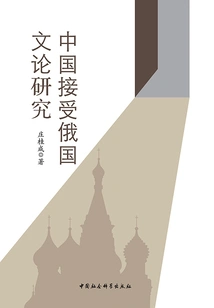
中国接受俄国文论研究
Zhuang Guicheng
This book accurately analyzes the phenomena of copying, misunderstanding, correction, and elaboration that occurred in the process of China's acceptance of Russian literary theory, conducts an in-depth analysis of the causes, and demonstrates the gains and losses of China's acceptance of Russian literary theory. It believes that China's acceptance of Russian literary theory not only promotes the modern transformation of Chinese literary theory, but also encourages the growth of instrumental theory in Chinese literary theory, thus providing experience that can be used as a reference for the current development of Chinese literary theory. At the same time, this book also conducts a detailed combing of the materials on China's acceptance of Russian literary theory and completes the chronology of China's acceptance of Russian literary theory.
This book accurately analyzes the phenomena of copying, misunderstanding, correction, and elaboration that occurred in the process of China's acceptance of Russian literary theory, conducts an in-depth analysis of the causes, and demonstrates the gains and losses of China's acceptance of Russian literary theory. It believes that China's acceptance of Russian literary theory not only promotes the modern transformation of Chinese literary theory, but also encourages the growth of instrumental theory in Chinese literary theory, thus providing experience that can be used as a reference for the current development of Chinese literary theory. At the same time, this book also conducts a detailed combing of the materials on China's acceptance of Russian literary theory and completes the chronology of China's acceptance of Russian literary theory.
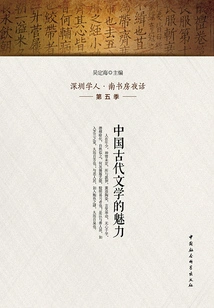
The Charm of Ancient Chinese Literature: Shenzhen Scholar·night Talk Season 5 in Nanshufang
Literature中国古代文学的魅力:深圳学人·南书房夜话第五季
Editor-in-chief Wu Dinghai
This book takes ancient Chinese literature as the entry point, focuses on traditional culture, and interprets the beauty of Chinese thought and literature. The content includes several common cultural themes at home and abroad, such as world, family, emotion, reason, and people. Through the reinterpretation of several ancient literary works such as "The Romance of the West Chamber", "Shuo Yuan", "Records of the Kingdoms of the Eastern Zhou Dynasty", "Yan Family Instructions", "Shishuo Xinyu" and "Jin Ping Mei", we will be guided to have an in-depth appreciation and understanding of them.
This book takes ancient Chinese literature as the entry point, focuses on traditional culture, and interprets the beauty of Chinese thought and literature. The content includes several common cultural themes at home and abroad, such as world, family, emotion, reason, and people. Through the reinterpretation of several ancient literary works such as "The Romance of the West Chamber", "Shuo Yuan", "Records of the Kingdoms of the Eastern Zhou Dynasty", "Yan Family Instructions", "Shishuo Xinyu" and "Jin Ping Mei", we will be guided to have an in-depth appreciation and understanding of them.
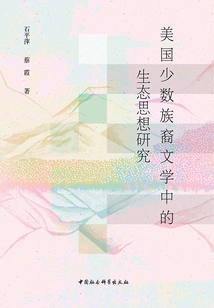
美国少数族裔文学中的生态思想研究
Shi Pingping Cai Xia
This book combs through the first and second waves of American ecocriticism over time, and extracts the basic category of American ethnic minority ecocriticism - "environment". It then constructs an American ethnic minority "environmental text library" with "explicit\u002F implicit environmental texts" in novels, poems, dramas, and non-fiction works. It selects representative writers and works from them to comprehensively and systematically explore ecological ideas in American ethnic minority literature from the dimensions of "environment and place," "environment and gender," and "environment and national boundaries."
This book combs through the first and second waves of American ecocriticism over time, and extracts the basic category of American ethnic minority ecocriticism - "environment". It then constructs an American ethnic minority "environmental text library" with "explicit\u002F implicit environmental texts" in novels, poems, dramas, and non-fiction works. It selects representative writers and works from them to comprehensively and systematically explore ecological ideas in American ethnic minority literature from the dimensions of "environment and place," "environment and gender," and "environment and national boundaries."
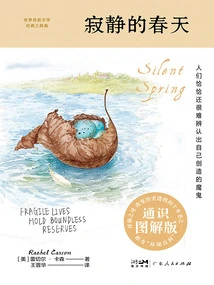
紫图经典文库:寂静的春天(通识图解版)
H
"Silent Spring" is a classic work by biologist and environmental movement pioneer Rachel Carson. With a rigorous and realistic spirit of scientific rationality and poetic language, she analyzed in detail the harm caused by chemical pollution to the ecosystem on which human beings depend. The whole book is full of humanistic sentiments of reverence for life. In 1962, "Silent Spring" was first published, bringing the long-neglected problem of pesticides and insecticide abuse into the spotlight, directly challenging the vested interests of chemical giants. Like a cultural nuclear bomb, it caused huge shocks around the world. The issue of "environmental protection" has thus entered the public eye and become an important force in promoting the progress of civilization. The general illustrated version of "Silent Spring" uses detailed illustrations to intuitively display relevant natural science knowledge. The end of the book specially includes "A Brief History of the Dissemination of "Silent Spring"", revealing the book's important position and far-reaching influence in the global environmental movement.
"Silent Spring" is a classic work by biologist and environmental movement pioneer Rachel Carson. With a rigorous and realistic spirit of scientific rationality and poetic language, she analyzed in detail the harm caused by chemical pollution to the ecosystem on which human beings depend. The whole book is full of humanistic sentiments of reverence for life. In 1962, "Silent Spring" was first published, bringing the long-neglected problem of pesticides and insecticide abuse into the spotlight, directly challenging the vested interests of chemical giants. Like a cultural nuclear bomb, it caused huge shocks around the world. The issue of "environmental protection" has thus entered the public eye and become an important force in promoting the progress of civilization. The general illustrated version of "Silent Spring" uses detailed illustrations to intuitively display relevant natural science knowledge. The end of the book specially includes "A Brief History of the Dissemination of "Silent Spring"", revealing the book's important position and far-reaching influence in the global environmental movement.
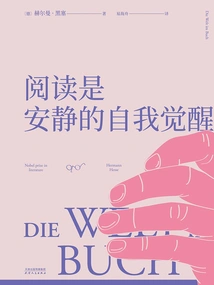
阅读是安静的自我觉醒(果麦经典)
(germany) Hermann Hesse
This book is a collection of reading essays by German writer Hesse. Hesse wrote and loved books, and he knew the charm of books best. He wrote more than 3,000 book reviews in his life, thinking about the purpose and process of reading, the relationship between people and reading, and also shared his favorite readings. He believes that reading must take the path of love, not the path of obligation. The purpose of reading should not be to forget ourselves and our daily lives, but to regain a more confident and mature grasp of our own lives. Hesse emphasized the inner unity of the book and the self. His literary criticism was not an objective analysis, but a "random impression" extracted from the literature after internalization. In this book, he talks about "reading" not from the perspective of a scholar but from the perspective of a reader. Here we can see through how Hesse transformed the world of books into his own world, thereby establishing a bibliography that suits his own temperament.
This book is a collection of reading essays by German writer Hesse. Hesse wrote and loved books, and he knew the charm of books best. He wrote more than 3,000 book reviews in his life, thinking about the purpose and process of reading, the relationship between people and reading, and also shared his favorite readings. He believes that reading must take the path of love, not the path of obligation. The purpose of reading should not be to forget ourselves and our daily lives, but to regain a more confident and mature grasp of our own lives. Hesse emphasized the inner unity of the book and the self. His literary criticism was not an objective analysis, but a "random impression" extracted from the literature after internalization. In this book, he talks about "reading" not from the perspective of a scholar but from the perspective of a reader. Here we can see through how Hesse transformed the world of books into his own world, thereby establishing a bibliography that suits his own temperament.
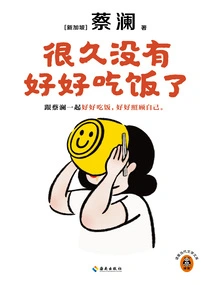
It's Been a Long Time Since I've Had a Good Meal (cai Lam's New Collection of Food Healing Essays)
Literature很久没有好好吃饭了(蔡澜全新美食治愈散文集)
Cai Lam
It's been a long time since I've had a good meal. Eat well with Cai Lan and take good care of yourself! "God of Food" Cai Lam's new collection of food healing essays! One book contains Chua Lam's more than 80 years of food experience and life wisdom. Selected 54 articles by Chua Lam on food experience and 71 articles on ingredients. In the book, Cai Lam talks about his exclusive food experiences, including carbohydrates, eating meat, and drinking alcohol that are closely related to daily life, and talks about delicacies from all over the world, and the best ways to make common ingredients, so that you can learn to eat, fall in love with eating, and rekindle your passion for eating well in a relaxed and pleasant atmosphere. People who love to eat are people who love life, and only if you love life can you be happy. --Cai Lam opens this book and starts eating well today!
It's been a long time since I've had a good meal. Eat well with Cai Lan and take good care of yourself! "God of Food" Cai Lam's new collection of food healing essays! One book contains Chua Lam's more than 80 years of food experience and life wisdom. Selected 54 articles by Chua Lam on food experience and 71 articles on ingredients. In the book, Cai Lam talks about his exclusive food experiences, including carbohydrates, eating meat, and drinking alcohol that are closely related to daily life, and talks about delicacies from all over the world, and the best ways to make common ingredients, so that you can learn to eat, fall in love with eating, and rekindle your passion for eating well in a relaxed and pleasant atmosphere. People who love to eat are people who love life, and only if you love life can you be happy. --Cai Lam opens this book and starts eating well today!
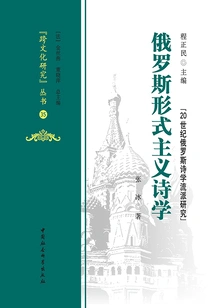
俄罗斯形式主义诗学(“跨文化”研究丛书)
Zhang Bing
This book mainly studies the Russian formalist poetics which has global influence. Russian formalism is considered by Western literary theory to be the beginning of literary theory in the 20th century. This book includes the aesthetic origins of formalist poetics; special studies on the main representatives such as Shklovsky, Eichenbaum, Dignanov and Yakobson; the interpretation of the core concepts of formalism such as "literariness" and "defamiliarization"; the relationship between formalist poetics and other poetics, and its impact on the development of Russian poetics in the 20th century. The author not only affirms the importance of formalist poetics attaching importance to literary characteristics, but also points out its shortcomings of ignoring social, historical and cultural context.
This book mainly studies the Russian formalist poetics which has global influence. Russian formalism is considered by Western literary theory to be the beginning of literary theory in the 20th century. This book includes the aesthetic origins of formalist poetics; special studies on the main representatives such as Shklovsky, Eichenbaum, Dignanov and Yakobson; the interpretation of the core concepts of formalism such as "literariness" and "defamiliarization"; the relationship between formalist poetics and other poetics, and its impact on the development of Russian poetics in the 20th century. The author not only affirms the importance of formalist poetics attaching importance to literary characteristics, but also points out its shortcomings of ignoring social, historical and cultural context.
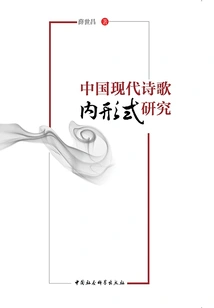
中国现代诗歌内形式研究
Xue Shichang
This book takes inner form in poetic form as its main research object. There are four chapters in the book. The first part introduces the basic concepts of internal form in poetry and the history and current situation of internal form research. The second part introduces the large inner form among the inner forms of poetry, paving the way for the subsequent exploration of the small inner form. The third and fourth articles go deep into the text of modern poetry and observe the characteristics and laws of its internal structure. This book first mentions the poetic concept of "small inner form" (as opposed to "large inner form"), and also mentions the concept of "meaning section" in poetry (opposed to the "syllable" of traditional poetics and the "formal section" formed by mountain divisions). This book believes that the small internal form of poetry is mainly composed of three basic meanings of poetic speech (codenamed A, B, C in the book), which constitute its regular form and variation; an independent "ABC combination" is the process of poetic speech, a surge of poetic thoughts, a three-level progression, and "innovation". , This process forms the "meaning section" of a poem (that is, the meaning section that transcends the "formal section" seen with the eyes and the "syllables" heard by the ear and must be perceived by the mind); the meaning section of the poem, like the "DNA" of the poem, determines the existence of the "poetic meaning" of the poetic text. In modern times, with the great liberation of poetic styles and other major trends, the external form of poetry, as well as rhyme, meter and even "new meter", etc., No longer have the regulatory power of poetic speech. The only universal observance that remains after the art of poetry has been so forged is the small internal form of poetry. The formal construction of Chinese poetry must bid farewell to external formal construction and step into internal formal construction.
This book takes inner form in poetic form as its main research object. There are four chapters in the book. The first part introduces the basic concepts of internal form in poetry and the history and current situation of internal form research. The second part introduces the large inner form among the inner forms of poetry, paving the way for the subsequent exploration of the small inner form. The third and fourth articles go deep into the text of modern poetry and observe the characteristics and laws of its internal structure. This book first mentions the poetic concept of "small inner form" (as opposed to "large inner form"), and also mentions the concept of "meaning section" in poetry (opposed to the "syllable" of traditional poetics and the "formal section" formed by mountain divisions). This book believes that the small internal form of poetry is mainly composed of three basic meanings of poetic speech (codenamed A, B, C in the book), which constitute its regular form and variation; an independent "ABC combination" is the process of poetic speech, a surge of poetic thoughts, a three-level progression, and "innovation". , This process forms the "meaning section" of a poem (that is, the meaning section that transcends the "formal section" seen with the eyes and the "syllables" heard by the ear and must be perceived by the mind); the meaning section of the poem, like the "DNA" of the poem, determines the existence of the "poetic meaning" of the poetic text. In modern times, with the great liberation of poetic styles and other major trends, the external form of poetry, as well as rhyme, meter and even "new meter", etc., No longer have the regulatory power of poetic speech. The only universal observance that remains after the art of poetry has been so forged is the small internal form of poetry. The formal construction of Chinese poetry must bid farewell to external formal construction and step into internal formal construction.
20世纪初中国小说中的西方形象
Zou Xiaojuan
This book mainly studies the image of the West in Chinese novels in the first decade of the 20th century. In the specific historical and cultural context of the collision of Chinese and Western cultures, through the text-based reading of representative works of important writers of the late Qing Dynasty, the Western image and its characteristics in different novels are sorted out and analyzed, as well as the reasons for the formation of the Western image and the internal relationship between the self-image.
This book mainly studies the image of the West in Chinese novels in the first decade of the 20th century. In the specific historical and cultural context of the collision of Chinese and Western cultures, through the text-based reading of representative works of important writers of the late Qing Dynasty, the Western image and its characteristics in different novels are sorted out and analyzed, as well as the reasons for the formation of the Western image and the internal relationship between the self-image.
沃勒·索因卡:后殖民主义文化与写作
Song Zhiming
As Africa's first "Nobel Prize" winner, "Africa's Shakespeare" and "the father of English African drama", Nigerian writer Wole Soyinka's writing has typical post-colonial cultural characteristics. His "black skin, white mask" syndrome manifests itself in the fact that he is both rooted in African cultural resources and fused with European literary traditions since ancient Greece, resisting colonial authority as a "cultural hybrid". Soyinka constructed the "Yoruba mythical world" from the resources of his own national religious mythology, formed his own unique "mythological aesthetics", and creatively created a new form of "ritual drama". Soyinka is also a thinker and political activist who emphasizes the "political intervention" of literature. His works and cultural treatises are of distinct realistic and political nature, and he deeply reflects on the core issues of post-colonial Africa such as colonial history, political tyranny, language integration and independence.
As Africa's first "Nobel Prize" winner, "Africa's Shakespeare" and "the father of English African drama", Nigerian writer Wole Soyinka's writing has typical post-colonial cultural characteristics. His "black skin, white mask" syndrome manifests itself in the fact that he is both rooted in African cultural resources and fused with European literary traditions since ancient Greece, resisting colonial authority as a "cultural hybrid". Soyinka constructed the "Yoruba mythical world" from the resources of his own national religious mythology, formed his own unique "mythological aesthetics", and creatively created a new form of "ritual drama". Soyinka is also a thinker and political activist who emphasizes the "political intervention" of literature. His works and cultural treatises are of distinct realistic and political nature, and he deeply reflects on the core issues of post-colonial Africa such as colonial history, political tyranny, language integration and independence.
Rural Changes in Zhao Shuli's Novels
Literature赵树理小说中的乡村变革
Clever
Since the 1840s, China's modernization process has caused great shocks in the countryside. Rural transformation has immediately faced a series of difficulties. China's backbone figures - the forefathers of rural construction, Liang Shuming, Fei Xiaotong and Lu Zuofu, and leaders of the Communist Party of China have consciously devoted themselves to this process of historical changes. With the general theme of "Where is China going?", They actively explore the way out for China's rural areas. In this context, Zhao Shuli occupies a position that cannot be ignored. What this book will discuss is that although Zhao Shuli's fame mainly comes from his literary achievements, he is also of great significance as a long-lasting concern and participant in China's rural issues. Through Zhao Shuli and his works, we can see the inevitability of the collapse of the old Chinese countryside, and we can also see the substantial changes that the Chinese revolution brought to farmers and villages. What is particularly valuable is that Zhao Shuli's works profoundly touch upon China's rural reform, especially the deep-seated issues in the practice of collectivization. Therefore, re-examining Zhao Shuli's life course and his literary world is still of great reference significance for China's current rural governance and construction.
Since the 1840s, China's modernization process has caused great shocks in the countryside. Rural transformation has immediately faced a series of difficulties. China's backbone figures - the forefathers of rural construction, Liang Shuming, Fei Xiaotong and Lu Zuofu, and leaders of the Communist Party of China have consciously devoted themselves to this process of historical changes. With the general theme of "Where is China going?", They actively explore the way out for China's rural areas. In this context, Zhao Shuli occupies a position that cannot be ignored. What this book will discuss is that although Zhao Shuli's fame mainly comes from his literary achievements, he is also of great significance as a long-lasting concern and participant in China's rural issues. Through Zhao Shuli and his works, we can see the inevitability of the collapse of the old Chinese countryside, and we can also see the substantial changes that the Chinese revolution brought to farmers and villages. What is particularly valuable is that Zhao Shuli's works profoundly touch upon China's rural reform, especially the deep-seated issues in the practice of collectivization. Therefore, re-examining Zhao Shuli's life course and his literary world is still of great reference significance for China's current rural governance and construction.
19世纪英国文学中的趣味焦虑
He Chang
In the context of the growing middle class in Britain in the 19th century, this book focuses on a number of typical novel texts to examine the development trajectory of the concept of "interest" in 19th-century British literature. It pays particular attention to the dialogue between the above-mentioned class anxiety and other social ideologies (such as science, music, aesthetics, etc.) To discover how the middle class gained its own cultural identity during this special period of social transformation and became an integral part of the British cultural outlook in the 19th century. In our country, discussions on "interesting" topics have long become an integral part of public life and are closely related to the construction of public culture. Therefore, in order to grasp the current emotional structure of our society and promote the construction of public culture, it is necessary for us to understand the discussions involving "interest" and its development trajectory in British literature in the 19th century, and use this as a reference.
In the context of the growing middle class in Britain in the 19th century, this book focuses on a number of typical novel texts to examine the development trajectory of the concept of "interest" in 19th-century British literature. It pays particular attention to the dialogue between the above-mentioned class anxiety and other social ideologies (such as science, music, aesthetics, etc.) To discover how the middle class gained its own cultural identity during this special period of social transformation and became an integral part of the British cultural outlook in the 19th century. In our country, discussions on "interesting" topics have long become an integral part of public life and are closely related to the construction of public culture. Therefore, in order to grasp the current emotional structure of our society and promote the construction of public culture, it is necessary for us to understand the discussions involving "interest" and its development trajectory in British literature in the 19th century, and use this as a reference.
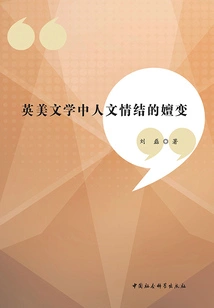
英美文学中人文情结的嬗变
Liu Lei
The development process of British and American literature shows the development and interpretation process of humanistic thought, providing a medium for readers to understand the Western humanist ideological tradition. In British and American literary works, humanistic ideas are widely expressed, deducing humanistic complexes with specific literary forms. This book selects several representative works in British and American literature, and explores the development process of humanistic thought in Western culture by explaining the humanistic complex in these works.
The development process of British and American literature shows the development and interpretation process of humanistic thought, providing a medium for readers to understand the Western humanist ideological tradition. In British and American literary works, humanistic ideas are widely expressed, deducing humanistic complexes with specific literary forms. This book selects several representative works in British and American literature, and explores the development process of humanistic thought in Western culture by explaining the humanistic complex in these works.
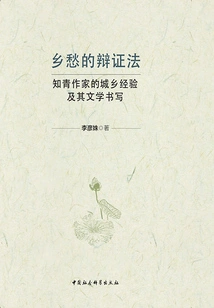
乡愁的辩证法:知青作家的城乡经验及其文学书写
Li Yanshu
What are the new horizons for the study of educated youth literature? This book jumps out from the perspectives of revolution, politics, class, etc. To comprehensively sort out the experience of educated youth working in urban and rural areas. It is based on the examination of the complex relationship between the private experience of educated youth writers and social history and geographical space. It follows the thinking direction of "spatial migration-urban and rural experience-literary writing" to explore the research path of "society-culture-aesthetics" and activates the potential value of educated youth literature from both cultural poetics and aesthetic poetics. By drawing the "time-space" research pedigree of educated youth literature, we solve the dilemma of previous studies on educated youth literature that were too ideologically colored, and propose and demonstrate new propositions such as field studies, nostalgia aesthetics, and intergenerational research in educated youth literature.
What are the new horizons for the study of educated youth literature? This book jumps out from the perspectives of revolution, politics, class, etc. To comprehensively sort out the experience of educated youth working in urban and rural areas. It is based on the examination of the complex relationship between the private experience of educated youth writers and social history and geographical space. It follows the thinking direction of "spatial migration-urban and rural experience-literary writing" to explore the research path of "society-culture-aesthetics" and activates the potential value of educated youth literature from both cultural poetics and aesthetic poetics. By drawing the "time-space" research pedigree of educated youth literature, we solve the dilemma of previous studies on educated youth literature that were too ideologically colored, and propose and demonstrate new propositions such as field studies, nostalgia aesthetics, and intergenerational research in educated youth literature.
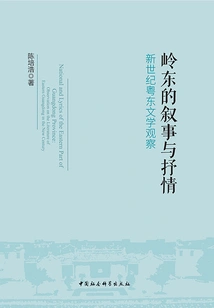
Narrative and Lyricism in Lingdong: Observations on Eastern Guangdong Literature in the New Century
Literature岭东的叙事与抒情:新世纪粤东文学观察
Chen Peihao
This book takes novels and poetry in eastern Guangdong since the new century as its main research object. It not only provides an overall discussion of regional phenomena, but also provides case studies on novelists such as Chen Jiping, Lin Yuanye, Chen Chongzheng, Lin Peiyuan, Wu Chun, and Chen Runting, and poets such as You Zijin, Huang Wan, Ruan Xuefang, Lu Yanjiang, and Xin Qianer. Microscopically witness the spiritual tide of narrative and lyrical fields in eastern Guangdong in recent years.
This book takes novels and poetry in eastern Guangdong since the new century as its main research object. It not only provides an overall discussion of regional phenomena, but also provides case studies on novelists such as Chen Jiping, Lin Yuanye, Chen Chongzheng, Lin Peiyuan, Wu Chun, and Chen Runting, and poets such as You Zijin, Huang Wan, Ruan Xuefang, Lu Yanjiang, and Xin Qianer. Microscopically witness the spiritual tide of narrative and lyrical fields in eastern Guangdong in recent years.
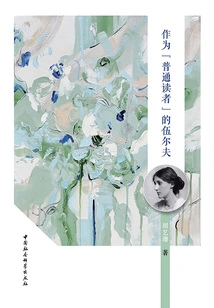
Woolf as a "common Reader
Literature作为“普通读者”的伍尔夫
Hu Yishan
Virginia Woolf was both a stream-of-consciousness novelist and an accomplished prose essayist. Her origins as an intellectual aristocrat, her unique experience, her talent as a writer, and her extraordinary love and defense of reading and writing made Woolf both an "ordinary reader" and a literary critic. Woolf's literary criticism essays include not only critical articles about the writer's works, but also essays explaining literary concepts and related literary topics. This book takes the reading standpoint of an "ordinary reader" as an entry point, and provides an existential and poetic interpretation of Virginia Woolf and her literary criticism essays from four aspects: the growth of the "ordinary reader", the "ordinary reader" from different perspectives, the literary world of the "ordinary reader", and the sexual and emotional discourse in in-depth interpretation.
Virginia Woolf was both a stream-of-consciousness novelist and an accomplished prose essayist. Her origins as an intellectual aristocrat, her unique experience, her talent as a writer, and her extraordinary love and defense of reading and writing made Woolf both an "ordinary reader" and a literary critic. Woolf's literary criticism essays include not only critical articles about the writer's works, but also essays explaining literary concepts and related literary topics. This book takes the reading standpoint of an "ordinary reader" as an entry point, and provides an existential and poetic interpretation of Virginia Woolf and her literary criticism essays from four aspects: the growth of the "ordinary reader", the "ordinary reader" from different perspectives, the literary world of the "ordinary reader", and the sexual and emotional discourse in in-depth interpretation.
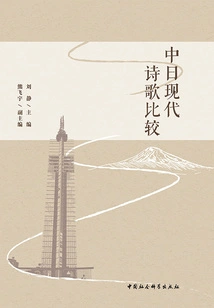
中日现代诗歌比较
Editor-in-chief Liu Jing
Based on the selection of major literary phenomena in the poetry world such as enlightenment poetry, symbolic poetry, left-wing poetry, the aesthetic connection between modern Chinese poems and Japanese haiku, the wave of studying in Japan in the 20th century and the resonance of the artistic image of new Chinese poetry, this book systematically sorts out and discusses the historical facts of the frequent influence and integration of Chinese and Japanese modern poetry, and explores the cultural motivations and variations beneath the surface of the literary phenomena of both sides. Using a variety of effective comparative literature research methods, we examine the poetic landscapes of China and Japan in the synchronic and diachronic cultural contexts, explore the differences between literature and culture, and describe the virtuous cycle of cultural significance formed by literary communication and exchange under the interaction between China and Japan, and promote the development of literature and culture to a farther, higher, and broader space.
Based on the selection of major literary phenomena in the poetry world such as enlightenment poetry, symbolic poetry, left-wing poetry, the aesthetic connection between modern Chinese poems and Japanese haiku, the wave of studying in Japan in the 20th century and the resonance of the artistic image of new Chinese poetry, this book systematically sorts out and discusses the historical facts of the frequent influence and integration of Chinese and Japanese modern poetry, and explores the cultural motivations and variations beneath the surface of the literary phenomena of both sides. Using a variety of effective comparative literature research methods, we examine the poetic landscapes of China and Japan in the synchronic and diachronic cultural contexts, explore the differences between literature and culture, and describe the virtuous cycle of cultural significance formed by literary communication and exchange under the interaction between China and Japan, and promote the development of literature and culture to a farther, higher, and broader space.
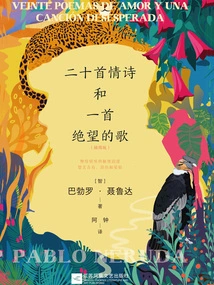
二十首情诗和一首绝望的歌(插图版)
(chile) Pablo Neruda
"Twenty Love Poems and a Song of Despair" is Neruda's masterpiece of love poetry. When it was published in 1924, the poet was 20 years old. In this collection of poems, Neruda wrote classic poems such as: "Love is so short, forgetting is so long", "I like when you are silent, because you seem to be absent", expressing the lingering ultimate romance and praising youth, travel and love. Special appendices include an introduction to the poet's poems, an introduction to the translator, and important events in Neruda's life, allowing readers to experience Neruda's romantic passion.
"Twenty Love Poems and a Song of Despair" is Neruda's masterpiece of love poetry. When it was published in 1924, the poet was 20 years old. In this collection of poems, Neruda wrote classic poems such as: "Love is so short, forgetting is so long", "I like when you are silent, because you seem to be absent", expressing the lingering ultimate romance and praising youth, travel and love. Special appendices include an introduction to the poet's poems, an introduction to the translator, and important events in Neruda's life, allowing readers to experience Neruda's romantic passion.
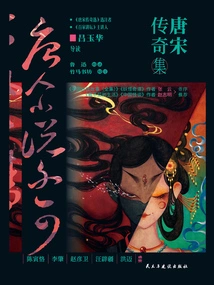
唐宋传奇集
Proofreading By Lu Xun And Proofreading By Zhuma Bookstore
"Collection of Legends of the Tang and Song Dynasties" is a collection of legends compiled by Lu Xun over more than ten years of hard work. Lu Xun divided it into 8 volumes. The first 5 volumes contain 32 legends of the Tang Dynasty, and the last three volumes contain 13 legends of the Song Dynasty. According to works such as "Wenyuan Yinghua", "Taiping Guangji", "Qingsuo Gaoyi" and other works, single legends were selected and compiled into this collection. At the end of the book, there is a volume of "Barnyard Xiaozhu", which provides a textual research explanation of the author, version and story content of each article. This book is compiled with reference to a number of readers published in different years, including "Collection of Legends of the Tang and Song Dynasties" included in the 10th volume of "The Complete Works of Lu Xun" published by Shanghai Beixin Book Company, Shanghai Lianhua Book Company, and People's Literature Publishing House. In addition, the editor extracted several essences from "Tang Dynasty Novels" edited by Wang Pijiang, a famous modern writer, as an appendix to this book, so that readers can appreciate the charm of Tang legends.
"Collection of Legends of the Tang and Song Dynasties" is a collection of legends compiled by Lu Xun over more than ten years of hard work. Lu Xun divided it into 8 volumes. The first 5 volumes contain 32 legends of the Tang Dynasty, and the last three volumes contain 13 legends of the Song Dynasty. According to works such as "Wenyuan Yinghua", "Taiping Guangji", "Qingsuo Gaoyi" and other works, single legends were selected and compiled into this collection. At the end of the book, there is a volume of "Barnyard Xiaozhu", which provides a textual research explanation of the author, version and story content of each article. This book is compiled with reference to a number of readers published in different years, including "Collection of Legends of the Tang and Song Dynasties" included in the 10th volume of "The Complete Works of Lu Xun" published by Shanghai Beixin Book Company, Shanghai Lianhua Book Company, and People's Literature Publishing House. In addition, the editor extracted several essences from "Tang Dynasty Novels" edited by Wang Pijiang, a famous modern writer, as an appendix to this book, so that readers can appreciate the charm of Tang legends.
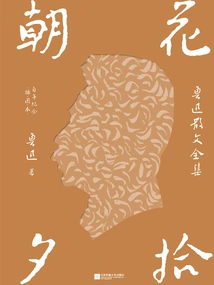
朝花夕拾:鲁迅散文全集
Lu Xun
In order to commemorate the 100th anniversary of the publication of Lu Xun's novel "Blessing", authorized by the Lu Xun Museum in Beijing, this time the "My Silence is Deafening" illustrated series of selected works of Lu Xun (including novels, essays, essays, and biographies) is released, which for the first time includes Lu Xun's collection of woodcut prints, Lu Xun photos and other precious images. "Morning Blossoms Plucked at Dusk: The Complete Works of Lu Xun's Prose" is an illustrated prose book in the "My Silence Is Deafening" series of selected works of Lu Xun. Among them, "Morning Blossoms Plucked at Dusk" (1926) has a total of 10 articles, "Wild Grass" (1927) has a total of 23 articles, and "A Book of Two Places" (1934) has a total of 3 volumes. The selected prose in this book was edited by referring to the 1936 edition of "The Complete Works of Lu Xun" (first edition) and the November 2005 edition of "The Complete Works of Lu Xun" published by People's Literature Publishing House. In order to retain the essence of the original work to the greatest extent, the Tongjia characters and Lu Xun's customary characters throughout the book are still completely retained. Other foreign names, place names, etc. Also retain their original translations without modification. At the same time, in order to facilitate reading, necessary annotations are made on the names of people, places, works, important events, etc. In the book.
In order to commemorate the 100th anniversary of the publication of Lu Xun's novel "Blessing", authorized by the Lu Xun Museum in Beijing, this time the "My Silence is Deafening" illustrated series of selected works of Lu Xun (including novels, essays, essays, and biographies) is released, which for the first time includes Lu Xun's collection of woodcut prints, Lu Xun photos and other precious images. "Morning Blossoms Plucked at Dusk: The Complete Works of Lu Xun's Prose" is an illustrated prose book in the "My Silence Is Deafening" series of selected works of Lu Xun. Among them, "Morning Blossoms Plucked at Dusk" (1926) has a total of 10 articles, "Wild Grass" (1927) has a total of 23 articles, and "A Book of Two Places" (1934) has a total of 3 volumes. The selected prose in this book was edited by referring to the 1936 edition of "The Complete Works of Lu Xun" (first edition) and the November 2005 edition of "The Complete Works of Lu Xun" published by People's Literature Publishing House. In order to retain the essence of the original work to the greatest extent, the Tongjia characters and Lu Xun's customary characters throughout the book are still completely retained. Other foreign names, place names, etc. Also retain their original translations without modification. At the same time, in order to facilitate reading, necessary annotations are made on the names of people, places, works, important events, etc. In the book.
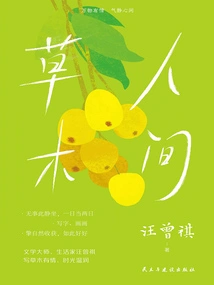
Human Vegetation
Literature人间草木
Wang Zengqi
"Human Grass and Trees" is Mr. Wang Zengqi's classic collection of short essays. He used minimalist pens and very light ink to write about the human touch of vegetation, mountains, rivers, flowers, birds, insects, and fish, as well as the gentle local flavor of nostalgia and folk customs, and ordinary people's trivial things. He wrote about the beauty and agility of the world with a calm and open-minded heart. There is always a series of surprises under the tip of his pen: the white osmanthus with dew in the morning mist, the bright, plump and plump rain in Kunming, the woody fragrance that swells the flower bones, the gardenia enjoying itself, the flowers sold in the alley The soft voices of the Miao women of Yangmei, the unforgettable mentors and friends of the Lianda University, or the "living villagers" like "living Zhuangzi" in the busy city who have no joy or worry, no worries, no desires or pursuits, are naturally indifferent, and sit on their knees watching everything. Mr. Wang Zengqi has devoted his true feelings to life all his life. His water-washed words have the power to wash away all the worldly things, giving his works infinite vitality.
"Human Grass and Trees" is Mr. Wang Zengqi's classic collection of short essays. He used minimalist pens and very light ink to write about the human touch of vegetation, mountains, rivers, flowers, birds, insects, and fish, as well as the gentle local flavor of nostalgia and folk customs, and ordinary people's trivial things. He wrote about the beauty and agility of the world with a calm and open-minded heart. There is always a series of surprises under the tip of his pen: the white osmanthus with dew in the morning mist, the bright, plump and plump rain in Kunming, the woody fragrance that swells the flower bones, the gardenia enjoying itself, the flowers sold in the alley The soft voices of the Miao women of Yangmei, the unforgettable mentors and friends of the Lianda University, or the "living villagers" like "living Zhuangzi" in the busy city who have no joy or worry, no worries, no desires or pursuits, are naturally indifferent, and sit on their knees watching everything. Mr. Wang Zengqi has devoted his true feelings to life all his life. His water-washed words have the power to wash away all the worldly things, giving his works infinite vitality.
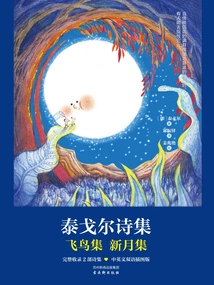
泰戈尔诗集:飞鸟集 新月集
H
"Birds" is one of Rabindranath Tagore's outstanding masterpieces, containing more than 300 beautiful poems. In the work, day and night, streams and oceans, freedom and betrayal are merged into one, expressing a profound philosophy of life in short sentences. Reading these little poems is like opening the window on the morning after the rain in early summer and seeing a world that is indifferent and clear, fresh, beautiful, long-lasting and thought-provoking. "New Moon Collection" is a children's song sung by the poet with a wise and pure heart. With the help of children's eyes, he creates a crystal fairy tale world. Profound philosophy is revealed from childish words and innocent pictures. The mind of a wise man and the innocent childlike innocence have reached a high degree of integration in "New Moon Collection".
"Birds" is one of Rabindranath Tagore's outstanding masterpieces, containing more than 300 beautiful poems. In the work, day and night, streams and oceans, freedom and betrayal are merged into one, expressing a profound philosophy of life in short sentences. Reading these little poems is like opening the window on the morning after the rain in early summer and seeing a world that is indifferent and clear, fresh, beautiful, long-lasting and thought-provoking. "New Moon Collection" is a children's song sung by the poet with a wise and pure heart. With the help of children's eyes, he creates a crystal fairy tale world. Profound philosophy is revealed from childish words and innocent pictures. The mind of a wise man and the innocent childlike innocence have reached a high degree of integration in "New Moon Collection".
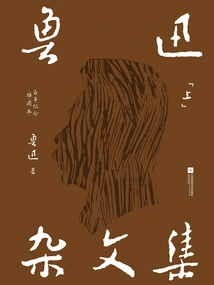
Collected Essays of Lu Xun (part 1)
Literature鲁迅杂文集(上)
Lu Xun
In order to commemorate the 100th anniversary of the publication of Lu Xun's novel "Blessing", authorized by the Lu Xun Museum in Beijing, this time the "My Silence is Deafening" illustrated series of selected works of Lu Xun (including novels, essays, essays, and biographies) is released, which for the first time includes Lu Xun's collection of woodcut prints, Lu Xun photos and other precious images. "Collected Essays of Lu Xun" is an illustrated volume of essays in the "My Silence Is Deafening" series of selected works of Lu Xun. The selected essays in this book are edited by referring to the 1936 edition of "The Complete Works of Lu Xun" (first edition) and the November 2005 edition of "The Complete Works of Lu Xun" published by People's Literature Publishing House. In order to retain the essence of the original work to the greatest extent, the Tongjia characters and Lu Xun's customary characters throughout the book are still completely retained. Other foreign names, place names, etc. Also retain their original translations without modification. At the same time, in order to facilitate reading, necessary annotations are made on the names of people, places, works, important events, etc. In the book.
In order to commemorate the 100th anniversary of the publication of Lu Xun's novel "Blessing", authorized by the Lu Xun Museum in Beijing, this time the "My Silence is Deafening" illustrated series of selected works of Lu Xun (including novels, essays, essays, and biographies) is released, which for the first time includes Lu Xun's collection of woodcut prints, Lu Xun photos and other precious images. "Collected Essays of Lu Xun" is an illustrated volume of essays in the "My Silence Is Deafening" series of selected works of Lu Xun. The selected essays in this book are edited by referring to the 1936 edition of "The Complete Works of Lu Xun" (first edition) and the November 2005 edition of "The Complete Works of Lu Xun" published by People's Literature Publishing House. In order to retain the essence of the original work to the greatest extent, the Tongjia characters and Lu Xun's customary characters throughout the book are still completely retained. Other foreign names, place names, etc. Also retain their original translations without modification. At the same time, in order to facilitate reading, necessary annotations are made on the names of people, places, works, important events, etc. In the book.
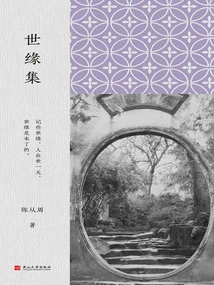
Shiyuanji
Literature世缘集
Chen Congzhou
This book is the fifth collection of essays by Chen Congzhou, a famous Chinese artist of ancient architecture and gardens, a master of Chinese culture, and a celebrity of his generation. It includes Chen Congzhou's essays, letters and sketches from 1989 to 1992. It includes travel notes on inspections of Jiangsu, Zhejiang and other places, as well as records of student military training a century ago, and records Chen Congzhou's friendship with famous masters such as Kun opera artist Liang Guyin, seal engraver Ye Pinsan, and flute king Gu Zhaoqi. Visiting gardens and lakes, renovating historic sites, listening to music and flutes, collecting books and reading, reminiscing about the past... It teaches readers to learn to cherish negative things, cherish things, and cherish feelings in the world.
This book is the fifth collection of essays by Chen Congzhou, a famous Chinese artist of ancient architecture and gardens, a master of Chinese culture, and a celebrity of his generation. It includes Chen Congzhou's essays, letters and sketches from 1989 to 1992. It includes travel notes on inspections of Jiangsu, Zhejiang and other places, as well as records of student military training a century ago, and records Chen Congzhou's friendship with famous masters such as Kun opera artist Liang Guyin, seal engraver Ye Pinsan, and flute king Gu Zhaoqi. Visiting gardens and lakes, renovating historic sites, listening to music and flutes, collecting books and reading, reminiscing about the past... It teaches readers to learn to cherish negative things, cherish things, and cherish feelings in the world.
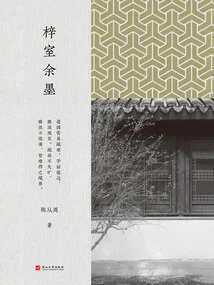
Zishi Yumo
Literature梓室余墨
Chen Congzhou
This book is the last collection of essays compiled by Professor Chen Congzhou during his lifetime. It is the result of the author's twenty years of hard work, combining study textual research and field research. The traditional form of Qianjia Studies is the collection of notes. Each topic is one topic, no matter how long it is, focusing on ancient buildings and gardens, but also on calligraphy and painting, cultural relics, and anecdotes and folk customs. Mr. Chen has a profound academic background and solid skills. Whenever he wants to be relaxed, careful or harmonious, he can write with ease without any sluggishness. His words are clear, elegant and elegant, which can be said to be excellent academic prose.
This book is the last collection of essays compiled by Professor Chen Congzhou during his lifetime. It is the result of the author's twenty years of hard work, combining study textual research and field research. The traditional form of Qianjia Studies is the collection of notes. Each topic is one topic, no matter how long it is, focusing on ancient buildings and gardens, but also on calligraphy and painting, cultural relics, and anecdotes and folk customs. Mr. Chen has a profound academic background and solid skills. Whenever he wants to be relaxed, careful or harmonious, he can write with ease without any sluggishness. His words are clear, elegant and elegant, which can be said to be excellent academic prose.
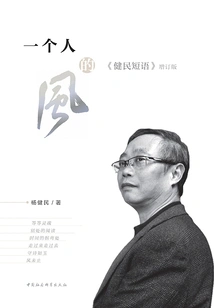
一个人的风:《健民短语》增订版
Yang Jianmin
This book is a collection of academic notes and essays. It reviews some books and works in the form of "jianmin phrases" and also thinks about some life issues. This book is roughly divided into three parts, namely "Sinking into Words", "Viewing Images in Books" and "Glimpses of Poetry". The author strives to read books and observe the world from the perspective of philosophical presence, so as to guard the spiritual home and human heart. The text is rich in texture, the language is unique, and it is full of philosophical meaning. It is a book that is easy to make readers think again.
This book is a collection of academic notes and essays. It reviews some books and works in the form of "jianmin phrases" and also thinks about some life issues. This book is roughly divided into three parts, namely "Sinking into Words", "Viewing Images in Books" and "Glimpses of Poetry". The author strives to read books and observe the world from the perspective of philosophical presence, so as to guard the spiritual home and human heart. The text is rich in texture, the language is unique, and it is full of philosophical meaning. It is a book that is easy to make readers think again.
Toward a "relational Poetics
Literature走向“关系诗学”
Chen Changli
This book uses a comprehensive perspective and systematic method to address the lack of essentialist literary concepts and cultural studies. Starting from the intention of relationship reflection and theoretical construction, through three levels (formal expression, relationship form, and cause explanation), this book makes a relatively comprehensive and in-depth analysis, discussion, and new interpretation of the complex relationship between literary reception, literary form, and ideology under the five most important literary concepts in the history of Western literary theory (imitation theory, pragmatism theory, expression theory, objectivity theory, and acceptance theory), and proposes a series of unique insights. Through analysis, it is pointed out that the core element of the main literary concepts in ancient and modern times is "relationship", and the theoretical proposition of moving towards "relational poetics" is put forward.
This book uses a comprehensive perspective and systematic method to address the lack of essentialist literary concepts and cultural studies. Starting from the intention of relationship reflection and theoretical construction, through three levels (formal expression, relationship form, and cause explanation), this book makes a relatively comprehensive and in-depth analysis, discussion, and new interpretation of the complex relationship between literary reception, literary form, and ideology under the five most important literary concepts in the history of Western literary theory (imitation theory, pragmatism theory, expression theory, objectivity theory, and acceptance theory), and proposes a series of unique insights. Through analysis, it is pointed out that the core element of the main literary concepts in ancient and modern times is "relationship", and the theoretical proposition of moving towards "relational poetics" is put forward.
作家的主体意识和文化重建的镜像:论当代传统形态历史小说创作
Chen Jianxin
The creation of traditional historical novels has been one of the hot topics in the contemporary literary world since the new era. Academic circles call it the third wave of Chinese historical novel creation. The creation of traditional historical novels is full of the writer's deep concern for the nation, the country, and the people, as well as the ambition to reconstruct the national culture after more than a century of great changes like a phoenix nirvana. Excellent works have been produced one after another and have received rave reviews. Because of such creative intentions, traditional historical novels have shown an overall thick, profound, and rich style. Taking the theory of subjectivity as the logical starting point, and from the historical trend of the overall development of Chinese literature in the 20th century, we explore the reasons why contemporary traditional historical novels have become the third wave of Chinese historical novel creation, sort out the cultural thoughts expressed by writers through artistic images, and provide historical examples of artistic efforts for the current and future cultural construction, and then explore a creative paradigm for historical novels that perfectly unifies aesthetics, entertainment, and high ideological quality based on profound cultural heritage under new historical conditions. This is the main goal of writing this book.
The creation of traditional historical novels has been one of the hot topics in the contemporary literary world since the new era. Academic circles call it the third wave of Chinese historical novel creation. The creation of traditional historical novels is full of the writer's deep concern for the nation, the country, and the people, as well as the ambition to reconstruct the national culture after more than a century of great changes like a phoenix nirvana. Excellent works have been produced one after another and have received rave reviews. Because of such creative intentions, traditional historical novels have shown an overall thick, profound, and rich style. Taking the theory of subjectivity as the logical starting point, and from the historical trend of the overall development of Chinese literature in the 20th century, we explore the reasons why contemporary traditional historical novels have become the third wave of Chinese historical novel creation, sort out the cultural thoughts expressed by writers through artistic images, and provide historical examples of artistic efforts for the current and future cultural construction, and then explore a creative paradigm for historical novels that perfectly unifies aesthetics, entertainment, and high ideological quality based on profound cultural heritage under new historical conditions. This is the main goal of writing this book.
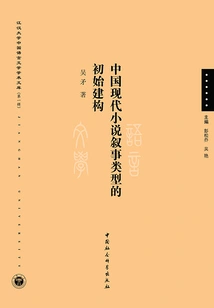
中国现代小说叙事类型的初始建构
Wu Mao
"The Initial Construction of the Narrative Type of Modern Chinese Novels" takes novel representatives of far-reaching modern Chinese classic writers as the interpretation object in a broad historical context, and comprehensively examines the initial construction process and narrative characteristics of the narrative type of modern Chinese novels in stages.
"The Initial Construction of the Narrative Type of Modern Chinese Novels" takes novel representatives of far-reaching modern Chinese classic writers as the interpretation object in a broad historical context, and comprehensively examines the initial construction process and narrative characteristics of the narrative type of modern Chinese novels in stages.
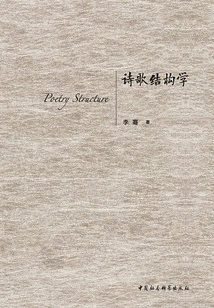
Poetry Structure
Literature诗歌结构学
Li Qian
This book is a systematic study of structuralist poetry. Firstly, it expounds the characteristics of the internal structure and external structure of poetry, and proposes that poetry is a literary category that can adjust itself, has a center, has levels, and is universal and eternal. Secondly, it focuses on analyzing the fourteen forms of poetry structure, and puts forward the view that under the influence of structure, each poem becomes a complete and self-sufficient artistic whole. This book believes that changes in the poet's emotions are the main elements that constitute the internal structure of poetry, because the poet's self-aesthetic emotions serve as a "medium" to convey the aesthetic information of poetic language to readers. In addition, the book classifies various techniques of poetry creation into the external structure of poetry to examine, and believes that various aesthetic techniques of poetry contribute to determining the theme and meaning of poetry. Regardless of whether these techniques are static or dynamic; instantaneous or eternal, they are all integral parts of the structural entity of poetry. This book also uses the method of close text reading to analyze the works of nearly a hundred Chinese and foreign poets as cases, trying to prove the rationality of what is discussed in the book.
This book is a systematic study of structuralist poetry. Firstly, it expounds the characteristics of the internal structure and external structure of poetry, and proposes that poetry is a literary category that can adjust itself, has a center, has levels, and is universal and eternal. Secondly, it focuses on analyzing the fourteen forms of poetry structure, and puts forward the view that under the influence of structure, each poem becomes a complete and self-sufficient artistic whole. This book believes that changes in the poet's emotions are the main elements that constitute the internal structure of poetry, because the poet's self-aesthetic emotions serve as a "medium" to convey the aesthetic information of poetic language to readers. In addition, the book classifies various techniques of poetry creation into the external structure of poetry to examine, and believes that various aesthetic techniques of poetry contribute to determining the theme and meaning of poetry. Regardless of whether these techniques are static or dynamic; instantaneous or eternal, they are all integral parts of the structural entity of poetry. This book also uses the method of close text reading to analyze the works of nearly a hundred Chinese and foreign poets as cases, trying to prove the rationality of what is discussed in the book.
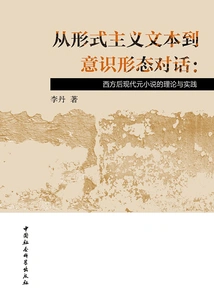
从形式主义文本到意识形态对话:西方后现代元小说的理论与实践
Li Dan
Metafiction is "a novel about a novel, a novel that focuses on the fictional identity of the novel and its creation process." It is a typical style of postmodern literature. The greatest characteristic of metafiction is "reflexivity", that is, it has a clear self-awareness of its own nature as a fictional artifact and exposes its own fiction. In the opinion of many researchers, metafiction thus cuts off the connection between novels and reality, highlights the self-awareness and text form of novels, and carries the formalist tendency and nihilistic color of postmodern literature. But the problem is that formalist texts may not be irrelevant to real politics. Form embodies reality and participates in real-world struggles. Based on the method of combining classical narratology and post-classical narratology, we conduct ideological analysis on the basis of formal analysis, trying to reveal the reflection of the formal experiment of metafiction, a "formalist text", on social ideology and its active intervention in social politics under the cover of "self-reflection".
Metafiction is "a novel about a novel, a novel that focuses on the fictional identity of the novel and its creation process." It is a typical style of postmodern literature. The greatest characteristic of metafiction is "reflexivity", that is, it has a clear self-awareness of its own nature as a fictional artifact and exposes its own fiction. In the opinion of many researchers, metafiction thus cuts off the connection between novels and reality, highlights the self-awareness and text form of novels, and carries the formalist tendency and nihilistic color of postmodern literature. But the problem is that formalist texts may not be irrelevant to real politics. Form embodies reality and participates in real-world struggles. Based on the method of combining classical narratology and post-classical narratology, we conduct ideological analysis on the basis of formal analysis, trying to reveal the reflection of the formal experiment of metafiction, a "formalist text", on social ideology and its active intervention in social politics under the cover of "self-reflection".
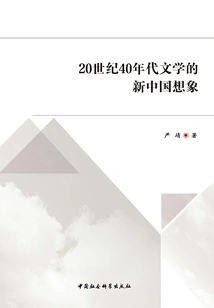
20世纪40年代文学的新中国想象
Yan Jing
The study of national imagination was once the focus of modern Chinese literary research, but there is still room for development and advancement. The special context of the Anti-Japanese War and the Civil War gave birth to new literary ideas and expressions, and also influenced subsequent literary transitions. The 1940s can be called the most important stage of the national imagination in modern literature. This book examines literature in specific historical situations, uses various documents, and uses literary and historical evidence methods to discuss the understanding and conception of New China by different intellectual groups, and carefully examines the intrinsic relationship between literature and politics, thereby revealing the complex features of modern literature and intellectual traditions.
The study of national imagination was once the focus of modern Chinese literary research, but there is still room for development and advancement. The special context of the Anti-Japanese War and the Civil War gave birth to new literary ideas and expressions, and also influenced subsequent literary transitions. The 1940s can be called the most important stage of the national imagination in modern literature. This book examines literature in specific historical situations, uses various documents, and uses literary and historical evidence methods to discuss the understanding and conception of New China by different intellectual groups, and carefully examines the intrinsic relationship between literature and politics, thereby revealing the complex features of modern literature and intellectual traditions.
伪满时期“满洲”朝鲜人文学研究
Xia Yan
The "Manchurian" Korean humanities during the Puppet Manchukuo period have unique significance in the history of Korean literature. It is a precious legacy in the history of Korean and Chinese literature. This book classifies and studies "Manchu" Korean humanities during the Puppet Manchukuo period according to four themes: "leaving home and homesickness, taking root and integration, confrontation and struggle, compromise and escape". It also deeply analyzes the literary themes, structural patterns and artistic techniques of each part, and strives to promote the development of thematic research on literature in this period in an in-depth direction.
The "Manchurian" Korean humanities during the Puppet Manchukuo period have unique significance in the history of Korean literature. It is a precious legacy in the history of Korean and Chinese literature. This book classifies and studies "Manchu" Korean humanities during the Puppet Manchukuo period according to four themes: "leaving home and homesickness, taking root and integration, confrontation and struggle, compromise and escape". It also deeply analyzes the literary themes, structural patterns and artistic techniques of each part, and strives to promote the development of thematic research on literature in this period in an in-depth direction.
20世纪90年代社会文化语境下的文学理论转型
Xiao Minghua
The book focuses on the transformation of literary theory in the social and cultural context of the 1990s. It not only describes it at a macro level, but also examines it in detail. The author believes that literary theory in the 1990s is not a single existence, but consists of some specific and differentiated academic discourses and intellectual events. However, due to the rise of popular culture, reflection on modernity and the prominence of identity politics, contemporary literary theory has shown certain commonalities, leading to transformations in terms of research objects, research methods, value orientations, identity, functional positioning, etc. "Big literary theory" can be used as the intellectual form of literary theory after transformation. Specific theoretical discourses such as theoretical criticism, cultural studies, cultural poetics, postcolonial criticism, and feminist criticism must be placed in this knowledge type to gain practical understanding. The legality and justification of the transformation of "big literary theory" is still a basic issue that requires the attention of the literary theory community. In a certain sense, it will have a lasting impact on the context and direction of current and even future literary theory.
The book focuses on the transformation of literary theory in the social and cultural context of the 1990s. It not only describes it at a macro level, but also examines it in detail. The author believes that literary theory in the 1990s is not a single existence, but consists of some specific and differentiated academic discourses and intellectual events. However, due to the rise of popular culture, reflection on modernity and the prominence of identity politics, contemporary literary theory has shown certain commonalities, leading to transformations in terms of research objects, research methods, value orientations, identity, functional positioning, etc. "Big literary theory" can be used as the intellectual form of literary theory after transformation. Specific theoretical discourses such as theoretical criticism, cultural studies, cultural poetics, postcolonial criticism, and feminist criticism must be placed in this knowledge type to gain practical understanding. The legality and justification of the transformation of "big literary theory" is still a basic issue that requires the attention of the literary theory community. In a certain sense, it will have a lasting impact on the context and direction of current and even future literary theory.
Research on Naipaul's Literary Creation
Literature奈保尔文学创作研究
Shi Haijun
As an Indian-born British writer, Naipaul has won the Booker Prize, Maugham Prize, and the Nobel Prize for Literature. His marginalized status as a native of a Latin American colony created various obstacles for him to enter the mainstream of British literature. This book discusses Naipaul's literary creation from the aspects of ordinary people and writers, history and literature, society and self. Compared with existing research works on Naipaul at home and abroad, this book focuses on the analysis of the relationship between Naipaul and India, showing the author's unique academic vision.
As an Indian-born British writer, Naipaul has won the Booker Prize, Maugham Prize, and the Nobel Prize for Literature. His marginalized status as a native of a Latin American colony created various obstacles for him to enter the mainstream of British literature. This book discusses Naipaul's literary creation from the aspects of ordinary people and writers, history and literature, society and self. Compared with existing research works on Naipaul at home and abroad, this book focuses on the analysis of the relationship between Naipaul and India, showing the author's unique academic vision.
An Exploration of Typical Examples of "artistic Outlets" for Chinese Literature in the 20th Century
Literature20世纪中国文学“艺术出路”典例探微
Luo Keling
The "artistic outlet" of Chinese literature in the 20th century is a huge academic proposition. This thesis attempts to grasp several knots of the huge network of "artistic outlet" for literature, and sort out an exploratory answer that is not exhaustive through the holographic presentation of typical literary cases. The treatise is divided into four chapters, each of which provides an in-depth explanation of four pairs of literary propositional elements, namely "mystery" and "sacred", "tragedy" and "tragedy", "life" and "life", and "misreading" and "correct interpretation" in the direction of criticism through the analysis of rich literary examples. As a guide for "artistic outlet", the author believes that Chinese literature in the 20th century must achieve a connotative and continuous development. Only by moving from "mystery" to "sacred", from "tragedy" to "tragedy", from "life" to "life", and from "misreading" to "correct interpretation" can it be possible to regain the glory of Qinzao and promote the nobility of literature.
The "artistic outlet" of Chinese literature in the 20th century is a huge academic proposition. This thesis attempts to grasp several knots of the huge network of "artistic outlet" for literature, and sort out an exploratory answer that is not exhaustive through the holographic presentation of typical literary cases. The treatise is divided into four chapters, each of which provides an in-depth explanation of four pairs of literary propositional elements, namely "mystery" and "sacred", "tragedy" and "tragedy", "life" and "life", and "misreading" and "correct interpretation" in the direction of criticism through the analysis of rich literary examples. As a guide for "artistic outlet", the author believes that Chinese literature in the 20th century must achieve a connotative and continuous development. Only by moving from "mystery" to "sacred", from "tragedy" to "tragedy", from "life" to "life", and from "misreading" to "correct interpretation" can it be possible to regain the glory of Qinzao and promote the nobility of literature.
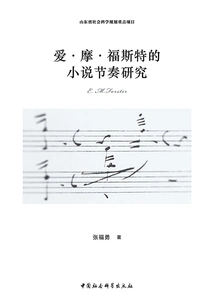
爱·摩·福斯特的小说节奏研究
Zhang Fuyong
E. M. Forster was a famous novelist and novel critic in the Edwardian era in Britain in the 20th century. Not only his novels, such as "A Passage to India", have become classics handed down from generation to generation, but his collection of critical essays "Aspects of the Novel" is also regarded as "the cornerstone of British and American novel criticism." Forster's theory of novel rhythm and its ingenious application in novel creation are recognized as one of his greatest achievements. This book systematically discusses the use of rhythm in Forster's five major novels and the resulting artistic and aesthetic effects. First, based on Forster's theory of simple rhythm and complex rhythm, the subtle use of these two rhythms in his novels and the artistic effects produced are discussed. In addition, as a supplement and improvement to Forster's "dual theory" of novel rhythm, and from the perspective of Genette's theory of narrative movement rhythm and narrative repetition rhythm, this book explores the application of these two narrative rhythms in Forster's novels and their strengthening and improving effects in promoting the evolution of the novel's storyline, integrating thematic ideas, and deepening ideological connotation.
E. M. Forster was a famous novelist and novel critic in the Edwardian era in Britain in the 20th century. Not only his novels, such as "A Passage to India", have become classics handed down from generation to generation, but his collection of critical essays "Aspects of the Novel" is also regarded as "the cornerstone of British and American novel criticism." Forster's theory of novel rhythm and its ingenious application in novel creation are recognized as one of his greatest achievements. This book systematically discusses the use of rhythm in Forster's five major novels and the resulting artistic and aesthetic effects. First, based on Forster's theory of simple rhythm and complex rhythm, the subtle use of these two rhythms in his novels and the artistic effects produced are discussed. In addition, as a supplement and improvement to Forster's "dual theory" of novel rhythm, and from the perspective of Genette's theory of narrative movement rhythm and narrative repetition rhythm, this book explores the application of these two narrative rhythms in Forster's novels and their strengthening and improving effects in promoting the evolution of the novel's storyline, integrating thematic ideas, and deepening ideological connotation.
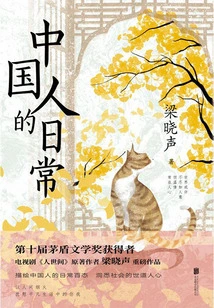
Chinese People's Daily Life
Literature中国人的日常
Liang Xiaosheng
The author of this book, Liang Xiaosheng, uses the vivid writing style of a novelist and the keen thinking of a social observer to record the daily life of various Chinese people and vividly draw their colorful spiritual maps. The splicing and combination of many ordinary people's stories and ordinary people's lives have formed the temperature and temperament of this country. The daily life of Chinese people recorded by the author is full of care for small people, care for human nature, admiration for humanistic sentiments, and is questioning the human nature of the current Chinese society.
The author of this book, Liang Xiaosheng, uses the vivid writing style of a novelist and the keen thinking of a social observer to record the daily life of various Chinese people and vividly draw their colorful spiritual maps. The splicing and combination of many ordinary people's stories and ordinary people's lives have formed the temperature and temperament of this country. The daily life of Chinese people recorded by the author is full of care for small people, care for human nature, admiration for humanistic sentiments, and is questioning the human nature of the current Chinese society.
Secret Garden (2 Volumes in Total)
Literature秘密花园(全2册)
Bai Huiqiao
This book is a collection of poet Bai Huiqiao's poetry creations in the ten years from 2013 to 2023. The author's mental journey is recorded between the lines, and more than 900 poems have been specially selected into a volume. The poem creates a dreamy and romantic atmosphere, reflecting the author's deep inner feelings. The poetic language is characterized by delicate and hazy, and the emotions are sincere and passionate. No matter when and where you hold this book, you can feel the warmth of the poet's soul, and at the same time it can bring comfort and warmth to the reader's soul.
This book is a collection of poet Bai Huiqiao's poetry creations in the ten years from 2013 to 2023. The author's mental journey is recorded between the lines, and more than 900 poems have been specially selected into a volume. The poem creates a dreamy and romantic atmosphere, reflecting the author's deep inner feelings. The poetic language is characterized by delicate and hazy, and the emotions are sincere and passionate. No matter when and where you hold this book, you can feel the warmth of the poet's soul, and at the same time it can bring comfort and warmth to the reader's soul.
华裔美国女性小说研究
Liu Qiuyue
There are five chapters in this book. The first chapter briefly introduces the name, connotation, development process and main writers of Chinese American women's literature. Most Chinese-American women's novels reveal themes by telling stories and reshaping the images of Chinese characters. Therefore, Chapter 2 analyzes the images of Chinese mothers, daughters, and fathers in Chinese-American women's novels. Chapter Three discusses the themes of Chinese-American women's novels. Identity and the "American Dream" are the two major themes. Chapter 4, after analyzing the narrative strategies of "The Joy Luck Club", "The Warrior Girl", "Inspiration Girl" and "Bone", summarizes the most significant narrative features of Chinese women's novels: family narrative and autobiographical narrative. Chapter 5 takes the new works of old writers and representatives of new writers as examples to analyze and summarize the new trends in Chinese American women's novels in the first decade of this century: the combination of ethnicity and universality, inheritance of tradition and personalized writing, and equal emphasis on diversity and literature.
There are five chapters in this book. The first chapter briefly introduces the name, connotation, development process and main writers of Chinese American women's literature. Most Chinese-American women's novels reveal themes by telling stories and reshaping the images of Chinese characters. Therefore, Chapter 2 analyzes the images of Chinese mothers, daughters, and fathers in Chinese-American women's novels. Chapter Three discusses the themes of Chinese-American women's novels. Identity and the "American Dream" are the two major themes. Chapter 4, after analyzing the narrative strategies of "The Joy Luck Club", "The Warrior Girl", "Inspiration Girl" and "Bone", summarizes the most significant narrative features of Chinese women's novels: family narrative and autobiographical narrative. Chapter 5 takes the new works of old writers and representatives of new writers as examples to analyze and summarize the new trends in Chinese American women's novels in the first decade of this century: the combination of ethnicity and universality, inheritance of tradition and personalized writing, and equal emphasis on diversity and literature.
中国当代文学价值评估体系的重建与文学价值论
Wang Weiping Wang Ping Xu Liping
This book is the final result of the National Social Science Fund project. Its main content includes two parts: "Theoretical Discussion" and "Critical Practice", covering the two disciplines of "Literary Studies" and "Contemporary Chinese Literature". In "Theoretical Discussion", on the basis of drawing on previous research results in literature, art and literary criticism, the principles of Marxist values were used to explore the reconstruction of the literary value evaluation system, and a multi-complex "Chinese contemporary literary value evaluation system" and its various constituent elements were proposed; issues such as values, value positions, value scales, value orientations, literariness, literary value, and aesthetic value in literary creation and literary criticism were re-examined. In "Critical Practice", the "Seventeen Years Literature", "Cultural Revolution Literature" and "New Era Literature" in contemporary Chinese literature are re-considered using the reconstructed value evaluation system of contemporary Chinese literature; the value of "new realistic novels" and "new historical novels" are re-evaluated.
This book is the final result of the National Social Science Fund project. Its main content includes two parts: "Theoretical Discussion" and "Critical Practice", covering the two disciplines of "Literary Studies" and "Contemporary Chinese Literature". In "Theoretical Discussion", on the basis of drawing on previous research results in literature, art and literary criticism, the principles of Marxist values were used to explore the reconstruction of the literary value evaluation system, and a multi-complex "Chinese contemporary literary value evaluation system" and its various constituent elements were proposed; issues such as values, value positions, value scales, value orientations, literariness, literary value, and aesthetic value in literary creation and literary criticism were re-examined. In "Critical Practice", the "Seventeen Years Literature", "Cultural Revolution Literature" and "New Era Literature" in contemporary Chinese literature are re-considered using the reconstructed value evaluation system of contemporary Chinese literature; the value of "new realistic novels" and "new historical novels" are re-evaluated.
文学重构与路向选择:中国当代诗歌现象研究(1949—1966)
Wu Hongliang
This book strives to return to the historical hinterland where contemporary poetry grew up, and deeply explores the uniqueness and complexity of the contemporary song phenomenon from aspects such as the selection and reconstruction of poetry resources, the connection between cultural mobilization and poetry reading and dissemination, the reconstruction of poetry debates and writing paradigms, the creation of poetry classics and the transformation of creative subjects. It focuses on presenting the complex process of contemporary poets constructing a "new people's poetry" poetic system and poetry form, promoting the production, dissemination and reading of poetry rich in era and national characteristics, and building "consensus" through poetry debate and canonization, as well as the profound traces this process leaves on the writing subjects.
This book strives to return to the historical hinterland where contemporary poetry grew up, and deeply explores the uniqueness and complexity of the contemporary song phenomenon from aspects such as the selection and reconstruction of poetry resources, the connection between cultural mobilization and poetry reading and dissemination, the reconstruction of poetry debates and writing paradigms, the creation of poetry classics and the transformation of creative subjects. It focuses on presenting the complex process of contemporary poets constructing a "new people's poetry" poetic system and poetry form, promoting the production, dissemination and reading of poetry rich in era and national characteristics, and building "consensus" through poetry debate and canonization, as well as the profound traces this process leaves on the writing subjects.
Literary Terms
Literature文学术语
Guan Guiyun
This book organizes common literary terms in teaching and learning in alphabetical order, and describes them in easy-to-understand language, avoiding the boringness of lengthy articles and satisfying the basic needs of literature lovers. The book received strong support from Northwest University for Nationalities and great assistance from Professor Jim Rogers of Utah State University. However, due to my limited level, errors in the book are inevitable, so please correct me!
This book organizes common literary terms in teaching and learning in alphabetical order, and describes them in easy-to-understand language, avoiding the boringness of lengthy articles and satisfying the basic needs of literature lovers. The book received strong support from Northwest University for Nationalities and great assistance from Professor Jim Rogers of Utah State University. However, due to my limited level, errors in the book are inevitable, so please correct me!
龙虫并雕斋琐语
Wang Li
This book is a collection of Mr. Wang Li's essays. It mainly includes essays written by the author in Kunming during the Anti-Japanese War, as well as some intellectual essays and essays in memory of friends written after the founding of New China. Mr. Wang Li's essays have diverse themes and are close to life. They are written with quotations from classics and carefully crafted language. They seem relaxed and casual, but in fact they contain wit. His intellectual prose is good at explaining the mysteries of the Chinese language in a eloquent way, which is approachable and easy to understand. In this way, the whole book integrates daily life, interest, artistic conception, personality and knowledge, from small to large, with simple language and profound meaning, all-inclusive, as the saying goes, eclectic, "dragon and insect are carved together". Mr. Zhang Shuangdi wrote notes along with the text, making the book clearer and easier to understand. This new edition uses the 1949 edition of the Shanghai Observation Society as the base, and collates it with the 1982 and 1993 editions of the China Social Sciences Press. The differences between each edition are noted. Based on the original, we follow the good ones and correct individual intellectual errors or typos that have been misrepresented for a long time, with a view to improving the accuracy in the future.
This book is a collection of Mr. Wang Li's essays. It mainly includes essays written by the author in Kunming during the Anti-Japanese War, as well as some intellectual essays and essays in memory of friends written after the founding of New China. Mr. Wang Li's essays have diverse themes and are close to life. They are written with quotations from classics and carefully crafted language. They seem relaxed and casual, but in fact they contain wit. His intellectual prose is good at explaining the mysteries of the Chinese language in a eloquent way, which is approachable and easy to understand. In this way, the whole book integrates daily life, interest, artistic conception, personality and knowledge, from small to large, with simple language and profound meaning, all-inclusive, as the saying goes, eclectic, "dragon and insect are carved together". Mr. Zhang Shuangdi wrote notes along with the text, making the book clearer and easier to understand. This new edition uses the 1949 edition of the Shanghai Observation Society as the base, and collates it with the 1982 and 1993 editions of the China Social Sciences Press. The differences between each edition are noted. Based on the original, we follow the good ones and correct individual intellectual errors or typos that have been misrepresented for a long time, with a view to improving the accuracy in the future.
跟着诗词游浙江:瓯江山水诗路
Written By Yang Xiao And Guan Jiayi, Compiled By Zhejiang Provincial Department Of Culture, Radio, Television And Tourism
This book is the "Oujiang Landscape Poetry Road" volume of the "Traveling in Zhejiang with Poetry" book series. The Oujiang Landscape Poetry Road takes Oujiang, Daxi and Longquan Stream as its main lines and covers part of the administrative areas of Wenzhou and Lishui. Yongjia is the birthplace of Chinese landscape poetry. This book takes poetry as the starting point, relies on the road, and uses scenes, stories and scenery as the narrative carrier to record the humanistic charm of Zhejiang contained in the natural scenery, traditional villages, historical relics, intangible cultural heritage and modern living space. In this way, it conveys the quietest scenery and the silent civilization contained in the poetic road of Zhejiang, as well as the unique and distinctive oriental life aesthetics behind them. This book fully considers the actual needs and future plans for the cultural tourism and lifestyle development and utilization of Poetry Road Zhejiang. It will also target young, business and mid-to-high-end consumer groups with study and leisure vacation as their consumption demands. It creatively and functionally presents the points along the route and provides tourist guide points (eating, drinking, traveling, entertainment, entertainment, shopping, accommodation and intangible cultural heritage experience), so as to realize that Poetry Road Zhejiang is not only a Zhejiang in terms of cultural concepts, but also a Zhejiang that can be felt, experienced and consumed.
This book is the "Oujiang Landscape Poetry Road" volume of the "Traveling in Zhejiang with Poetry" book series. The Oujiang Landscape Poetry Road takes Oujiang, Daxi and Longquan Stream as its main lines and covers part of the administrative areas of Wenzhou and Lishui. Yongjia is the birthplace of Chinese landscape poetry. This book takes poetry as the starting point, relies on the road, and uses scenes, stories and scenery as the narrative carrier to record the humanistic charm of Zhejiang contained in the natural scenery, traditional villages, historical relics, intangible cultural heritage and modern living space. In this way, it conveys the quietest scenery and the silent civilization contained in the poetic road of Zhejiang, as well as the unique and distinctive oriental life aesthetics behind them. This book fully considers the actual needs and future plans for the cultural tourism and lifestyle development and utilization of Poetry Road Zhejiang. It will also target young, business and mid-to-high-end consumer groups with study and leisure vacation as their consumption demands. It creatively and functionally presents the points along the route and provides tourist guide points (eating, drinking, traveling, entertainment, entertainment, shopping, accommodation and intangible cultural heritage experience), so as to realize that Poetry Road Zhejiang is not only a Zhejiang in terms of cultural concepts, but also a Zhejiang that can be felt, experienced and consumed.
跟着诗词游浙江:浙东唐诗之路
Written By Yang Xiao And Guan Jiayi, Compiled By Zhejiang Provincial Department Of Culture, Radio, Television And Tourism
This book is the "Road to Tang Poetry in Eastern Zhejiang" volume of the "Traveling in Zhejiang with Poetry" book series. The Tang Poetry Road in Eastern Zhejiang is a poetic road that runs from the Qiantang River through Shaoxing, the Eastern Zhejiang Canal, the Cao'e River to Yanxi, then to Xinchang, and then to Tiantai in Taizhou and Wenzhou. This book takes poetry as the starting point, relies on the road, and uses scenes, stories and scenery as the narrative carrier to record the humanistic charm of Zhejiang contained in the natural scenery, traditional villages, historical relics, intangible cultural heritage and modern living space. In this way, it conveys the quietest scenery and the silent civilization contained in the poetic road of Zhejiang, as well as the unique and distinctive oriental life aesthetics behind them. This book fully considers the actual needs and future plans for the cultural tourism and lifestyle development and utilization of Poetry Road Zhejiang. It will also target young, business and mid-to-high-end consumer groups with study and leisure vacation as their consumption demands. It creatively and functionally presents the points along the route and provides tourist guide points (eating, drinking, traveling, entertainment, entertainment, shopping, accommodation and intangible cultural heritage experience), so as to realize that Poetry Road Zhejiang is not only a Zhejiang in terms of cultural concepts, but also a Zhejiang that can be felt, experienced and consumed.
This book is the "Road to Tang Poetry in Eastern Zhejiang" volume of the "Traveling in Zhejiang with Poetry" book series. The Tang Poetry Road in Eastern Zhejiang is a poetic road that runs from the Qiantang River through Shaoxing, the Eastern Zhejiang Canal, the Cao'e River to Yanxi, then to Xinchang, and then to Tiantai in Taizhou and Wenzhou. This book takes poetry as the starting point, relies on the road, and uses scenes, stories and scenery as the narrative carrier to record the humanistic charm of Zhejiang contained in the natural scenery, traditional villages, historical relics, intangible cultural heritage and modern living space. In this way, it conveys the quietest scenery and the silent civilization contained in the poetic road of Zhejiang, as well as the unique and distinctive oriental life aesthetics behind them. This book fully considers the actual needs and future plans for the cultural tourism and lifestyle development and utilization of Poetry Road Zhejiang. It will also target young, business and mid-to-high-end consumer groups with study and leisure vacation as their consumption demands. It creatively and functionally presents the points along the route and provides tourist guide points (eating, drinking, traveling, entertainment, entertainment, shopping, accommodation and intangible cultural heritage experience), so as to realize that Poetry Road Zhejiang is not only a Zhejiang in terms of cultural concepts, but also a Zhejiang that can be felt, experienced and consumed.