Library
Browse and search novels
25,832 novels found
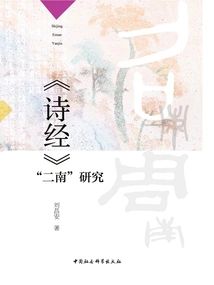
《诗经》“二南”研究
Liu Changan
"Zhou Nan" and "Zhao Nan" (referred to as "Er Nan") in the "Book of Songs" are the most important content of "national style" in the "Book of Songs" and the most controversial part in the study of "The Book of Songs". Although the previous research has achieved some results, it is not macroscopic and systematic enough. Moreover, the data is relatively scattered and requires further in-depth research. This book uses literary geography and literary and historical textual research methods to analyze the name, region and era of "Er South" in the Book of Songs from a multidisciplinary perspective, combined with local literature and historical materials; sort out the content, characteristics and research value of "Er South" research from pre-Qin to modern times; explore the cultural evolution of "Er South" poetry, and analyze the intersection and influence of Chu culture and Zhou Wenhua in the Han River Basin. Combining the specific works of "Er Nan", this paper analyzes the relationship between "Er Nan" and the Han River Basin from the perspective of marriage and love culture, sacrificial culture, animal and plant culture, reveals the regional cultural characteristics of "Er Nan" in the Book of Songs, and analyzes the aesthetic characteristics of "Er Nan" and the poetry of the Han River Basin. This book also combines the content of "The Book of Songs", from folklore to historical relics, and selects Bao Si, Yin Jifu, Zhongshanfu, Zhao Bohu, etc. Who had an important influence in the Han River Basin for research. Explore the hometown of Bao Si, trace the traces of Yin Jifu and the Book of Songs, comment on the historical significance of Zhongshanfu and Zhao Bohu in opening up the southern frontier of the Zhou Dynasty, and analyze the inheritance of folk songs from the Han River Basin to the folk songs of the Book of Songs.
"Zhou Nan" and "Zhao Nan" (referred to as "Er Nan") in the "Book of Songs" are the most important content of "national style" in the "Book of Songs" and the most controversial part in the study of "The Book of Songs". Although the previous research has achieved some results, it is not macroscopic and systematic enough. Moreover, the data is relatively scattered and requires further in-depth research. This book uses literary geography and literary and historical textual research methods to analyze the name, region and era of "Er South" in the Book of Songs from a multidisciplinary perspective, combined with local literature and historical materials; sort out the content, characteristics and research value of "Er South" research from pre-Qin to modern times; explore the cultural evolution of "Er South" poetry, and analyze the intersection and influence of Chu culture and Zhou Wenhua in the Han River Basin. Combining the specific works of "Er Nan", this paper analyzes the relationship between "Er Nan" and the Han River Basin from the perspective of marriage and love culture, sacrificial culture, animal and plant culture, reveals the regional cultural characteristics of "Er Nan" in the Book of Songs, and analyzes the aesthetic characteristics of "Er Nan" and the poetry of the Han River Basin. This book also combines the content of "The Book of Songs", from folklore to historical relics, and selects Bao Si, Yin Jifu, Zhongshanfu, Zhao Bohu, etc. Who had an important influence in the Han River Basin for research. Explore the hometown of Bao Si, trace the traces of Yin Jifu and the Book of Songs, comment on the historical significance of Zhongshanfu and Zhao Bohu in opening up the southern frontier of the Zhou Dynasty, and analyze the inheritance of folk songs from the Han River Basin to the folk songs of the Book of Songs.
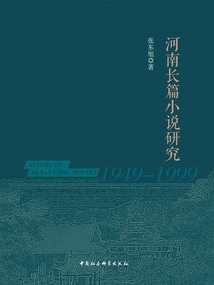
Research on Henan Novels (1949-1999)
Literature河南长篇小说研究(1949—1999)
Zhang Dongxu
Based on the analysis of novel texts and historical materials, this book focuses on sorting out the basic status of novel creation in Henan from the 1950s to the 1990s, and conducts case analysis of representative works of each period. It discovers some relatively prominent creative phenomena and existing problems in Henan's novels, and summarizes certain "features" and "laws" related to the Central Plains region. In terms of research methods, this book tries its best to avoid the advance intervention of concepts and the selection of materials to demonstrate opinions. It tries its best to start from the "site" of the work, discover problems based on reading a large number of texts, and use "problems" as a breakthrough point to seek the basic appearance of Henan's novels.
Based on the analysis of novel texts and historical materials, this book focuses on sorting out the basic status of novel creation in Henan from the 1950s to the 1990s, and conducts case analysis of representative works of each period. It discovers some relatively prominent creative phenomena and existing problems in Henan's novels, and summarizes certain "features" and "laws" related to the Central Plains region. In terms of research methods, this book tries its best to avoid the advance intervention of concepts and the selection of materials to demonstrate opinions. It tries its best to start from the "site" of the work, discover problems based on reading a large number of texts, and use "problems" as a breakthrough point to seek the basic appearance of Henan's novels.
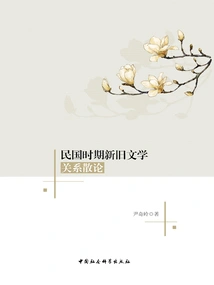
民国时期新旧文学关系散论
Yin Qiling
This book embeds the investigation of the relationship between old and new literature into a three-dimensional social network. Starting from the Enlightenment trend of thought in the late Qing Dynasty and the early Republic of China, it examines the old and new literature, the newspaper and periodical market, and the publication and dissemination of old-style poetry, showing the complexity of the blending and interpenetration of the old and the new in social life. On this basis, the rather complex relationship between classical Chinese and vernacular, new literature and old literature, tradition and modernity is analyzed.
This book embeds the investigation of the relationship between old and new literature into a three-dimensional social network. Starting from the Enlightenment trend of thought in the late Qing Dynasty and the early Republic of China, it examines the old and new literature, the newspaper and periodical market, and the publication and dissemination of old-style poetry, showing the complexity of the blending and interpenetration of the old and the new in social life. On this basis, the rather complex relationship between classical Chinese and vernacular, new literature and old literature, tradition and modernity is analyzed.
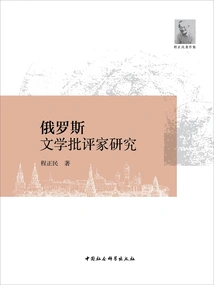
Russian Literary Critics Study
Literature俄罗斯文学批评家研究
Cheng Zhengmin
This collection includes the author's two monographs on Russian and Soviet literary critics. "Lenin's Literary Thoughts and Contemporary Times" is the research result of the "Eighth Five-Year Plan" National Social Science Fund project hosted by the author. It was published by Beijing Normal University Press in 1997. "Modern Interpretation of Lunacharsky's Literary Theory Criticism" is the research result of the "Ninth Five-Year Plan" National Social Science Fund project hosted by the author. It was published by Peking University Press in 2001. Here are selected the author's "Introduction: Lunacharsky the Person", "Part I: Lunacharsky's Literary Thoughts", "Middle Edition: Literary Critic Lunacharsky"
This collection includes the author's two monographs on Russian and Soviet literary critics. "Lenin's Literary Thoughts and Contemporary Times" is the research result of the "Eighth Five-Year Plan" National Social Science Fund project hosted by the author. It was published by Beijing Normal University Press in 1997. "Modern Interpretation of Lunacharsky's Literary Theory Criticism" is the research result of the "Ninth Five-Year Plan" National Social Science Fund project hosted by the author. It was published by Peking University Press in 2001. Here are selected the author's "Introduction: Lunacharsky the Person", "Part I: Lunacharsky's Literary Thoughts", "Middle Edition: Literary Critic Lunacharsky"
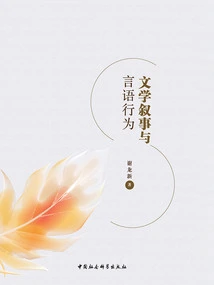
Literary Narrative and Speech Acts
Literature文学叙事与言语行为
Xie Longxin
This book introduces speech act theory into narrative research, treats narrative as a speech act, brings into play Austin's view of language's construction of the world, examines the constructive function of textual discourse on stories and readers, and proposes a basic theoretical framework of narrative performativity. From the perspective of speech act theory, this paper analyzes the role of discourse in constructing stories, explores how discourse constructs the story world from both the elements of the story and the language form of the text, highlighting the difference between the story world within the text and the real world outside the text. Pay close attention to the internal correlation between speech act theory and narrative research, and use the narrative turn as the background to explore the embodiment of narrative performatives in classical narratology and post-classical narratology. The constructivist characteristics of speech act theory and its possible contribution to constructivist narrative research and literary theory are discussed.
This book introduces speech act theory into narrative research, treats narrative as a speech act, brings into play Austin's view of language's construction of the world, examines the constructive function of textual discourse on stories and readers, and proposes a basic theoretical framework of narrative performativity. From the perspective of speech act theory, this paper analyzes the role of discourse in constructing stories, explores how discourse constructs the story world from both the elements of the story and the language form of the text, highlighting the difference between the story world within the text and the real world outside the text. Pay close attention to the internal correlation between speech act theory and narrative research, and use the narrative turn as the background to explore the embodiment of narrative performatives in classical narratology and post-classical narratology. The constructivist characteristics of speech act theory and its possible contribution to constructivist narrative research and literary theory are discussed.
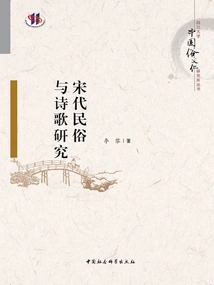
宋代民俗与诗歌研究
Li Li
The development of the imperial examination system in the Song Dynasty promoted the rise of the common people's landlord class, and the status of the common people quietly changed, entering the era of "civilian development". The folk life of ordinary people has received increasing attention, and folk poetry flourished in the Song Dynasty and became a prominent literary phenomenon. In the study of ancient literature, the intersection of literature and folklore is a research perspective with attractive development space. Folklore researchers often use the perspective of folklore to observe the folk phenomena and folk concepts presented in poetry. This book is different from this type of research method, but takes literature as the basis to study the characteristics of folk poetry in the Song Dynasty and how the poets in the Song Dynasty used the folk customs they saw and heard as the key response objects of poetry. It also analyzes the poet's own active observation of folk customs presented in the folk poetry in the Song Dynasty. Focusing on the Southern Song Dynasty, we observe how the poet's secular mentality and strong concern for folk customs affected the changes in poetry subject matter, aesthetics and poetic style during the important period of poetry evolution in the Southern Song Dynasty.
The development of the imperial examination system in the Song Dynasty promoted the rise of the common people's landlord class, and the status of the common people quietly changed, entering the era of "civilian development". The folk life of ordinary people has received increasing attention, and folk poetry flourished in the Song Dynasty and became a prominent literary phenomenon. In the study of ancient literature, the intersection of literature and folklore is a research perspective with attractive development space. Folklore researchers often use the perspective of folklore to observe the folk phenomena and folk concepts presented in poetry. This book is different from this type of research method, but takes literature as the basis to study the characteristics of folk poetry in the Song Dynasty and how the poets in the Song Dynasty used the folk customs they saw and heard as the key response objects of poetry. It also analyzes the poet's own active observation of folk customs presented in the folk poetry in the Song Dynasty. Focusing on the Southern Song Dynasty, we observe how the poet's secular mentality and strong concern for folk customs affected the changes in poetry subject matter, aesthetics and poetic style during the important period of poetry evolution in the Southern Song Dynasty.
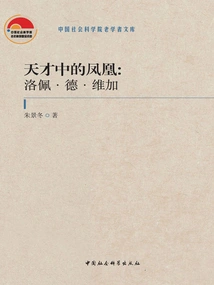
Phoenix Among Geniuses: Lope De Vega
Literature天才中的凤凰:洛佩·德·维加
Zhu Jingdong
This book provides a relatively comprehensive and vivid outline of Lope de Vega's tortuous, romantic and desolate life experience, fully comments on his creative experience, and reviews and analyzes his dramas by category and point by point. He wrote more than 1,800 plays in his lifetime, which were not only huge in number but also of extremely high taste. It can be said that he has made outstanding achievements and is known as the "Father of Spanish Drama". His poetry creation is unique and his achievements are also extraordinary. His fame and status rival those of Cervantes.
This book provides a relatively comprehensive and vivid outline of Lope de Vega's tortuous, romantic and desolate life experience, fully comments on his creative experience, and reviews and analyzes his dramas by category and point by point. He wrote more than 1,800 plays in his lifetime, which were not only huge in number but also of extremely high taste. It can be said that he has made outstanding achievements and is known as the "Father of Spanish Drama". His poetry creation is unique and his achievements are also extraordinary. His fame and status rival those of Cervantes.
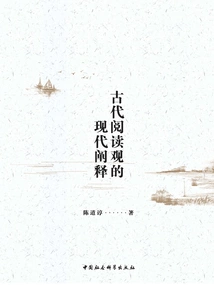
古代阅读观的现代阐释
Chen Daozhen
"Modern Interpretation of Ancient Views on Reading" focuses on an in-depth analysis and study of the reading experiences of Chinese scholars of all ages from the perspective of academic rationality and from a modern perspective. China is a country that attaches great importance to reading. It has an excellent reading tradition and a long history of reading. In China's scientific examination era, there was a very popular saying: "Everything is inferior, but reading is high." For this reason, farming and studying has become a historical and cultural tradition in China. As long as we pay a little attention, we will find that in the vast sea of ancient Chinese books, many readers' experiences about reading have been recorded. In the process of exchange of reading experiences between generations of readers who have influenced each other and inherited them, distinctive reading concepts have emerged as the readers' life experiences, cultural knowledge, and artistic accomplishments have grown. This book academically sorted out the seemingly random reading comments made by readers of all ages, and classified them into categories according to aspects such as "people and reading, reading purposes, reading methods, reading language, interrogating the author, reader choice, and asking for meaning". It then conducted in-depth academic analysis through systematic logical thinking, thus constructing a relatively complete cognitive and cultural system for ancient Chinese reading research.
"Modern Interpretation of Ancient Views on Reading" focuses on an in-depth analysis and study of the reading experiences of Chinese scholars of all ages from the perspective of academic rationality and from a modern perspective. China is a country that attaches great importance to reading. It has an excellent reading tradition and a long history of reading. In China's scientific examination era, there was a very popular saying: "Everything is inferior, but reading is high." For this reason, farming and studying has become a historical and cultural tradition in China. As long as we pay a little attention, we will find that in the vast sea of ancient Chinese books, many readers' experiences about reading have been recorded. In the process of exchange of reading experiences between generations of readers who have influenced each other and inherited them, distinctive reading concepts have emerged as the readers' life experiences, cultural knowledge, and artistic accomplishments have grown. This book academically sorted out the seemingly random reading comments made by readers of all ages, and classified them into categories according to aspects such as "people and reading, reading purposes, reading methods, reading language, interrogating the author, reader choice, and asking for meaning". It then conducted in-depth academic analysis through systematic logical thinking, thus constructing a relatively complete cognitive and cultural system for ancient Chinese reading research.
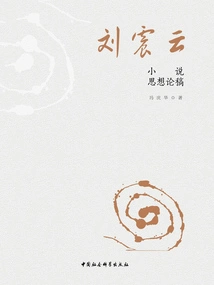
Essay on Liu Zhenyun's Novels
Literature刘震云小说思想论稿
Feng Qinghua
Based on sorting out Liu Zhenyun's creative process, this book summarizes seven key words in Liu Zhenyun's novels: power, ethics, history, hometown, religion, human nature, and existence. The appearance of these seven keywords in his novels has a creative sequence and internal logic, which reflects Liu Zhenyun's in-depth thinking about Chinese reality. This book's overall study of Liu Zhenyun's novels will help readers deeply understand the evolution of the writer's thoughts.
Based on sorting out Liu Zhenyun's creative process, this book summarizes seven key words in Liu Zhenyun's novels: power, ethics, history, hometown, religion, human nature, and existence. The appearance of these seven keywords in his novels has a creative sequence and internal logic, which reflects Liu Zhenyun's in-depth thinking about Chinese reality. This book's overall study of Liu Zhenyun's novels will help readers deeply understand the evolution of the writer's thoughts.
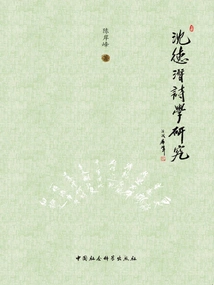
Research on Shen Deqian's Poetry
Literature沈德潜诗学研究
Chen Anfeng
In the poetry world of the late Ming and early Qing dynasties, competing schools of poetry emerged, but in the end they were inseparable from the debate over the Ming Dynasty retro-poetry school. The Gong'an School and Jingling School in the late Ming Dynasty and even the Shen Yun theory in the early Qing Dynasty appeared, either to attack its shortcomings or to form its own theory, and there is no doubt that it is inseparable from the poetic propositions of the Retro Poetry School. Shen Deqian of the Qing Dynasty was the summarizer of the debates in poetry circles in the late Ming and early Qing dynasties. Shen started from refuting Li Panlong's statement that "there were no five-character ancient poems in the Tang Dynasty but had its own ancient poems", advocated "poetic education" as a way to break through the gaps in Tang poetry, and proposed the poetic methodology of "transporting ideas with ideas", aiming to break through the shackles of the retro poetry school on poetic theory and lead the poetry world on the path of creation. On the other hand, Shen proposed a creative transformation of the "style theory", the core poetic concept of the retro poetry school. Shen advocated the mutual complementarity of "gentleness and honesty" and "style theory", and moved these two poetic concepts as the benchmark for his poetic criticism. Shen's more comprehensive response to the poetic debate can be found in his comprehensive anthology. From the analysis of poetic theory to the attitude, principles and orientation of poetry selection, it demonstrates the insight and persistence of a literati scholar with great character.
In the poetry world of the late Ming and early Qing dynasties, competing schools of poetry emerged, but in the end they were inseparable from the debate over the Ming Dynasty retro-poetry school. The Gong'an School and Jingling School in the late Ming Dynasty and even the Shen Yun theory in the early Qing Dynasty appeared, either to attack its shortcomings or to form its own theory, and there is no doubt that it is inseparable from the poetic propositions of the Retro Poetry School. Shen Deqian of the Qing Dynasty was the summarizer of the debates in poetry circles in the late Ming and early Qing dynasties. Shen started from refuting Li Panlong's statement that "there were no five-character ancient poems in the Tang Dynasty but had its own ancient poems", advocated "poetic education" as a way to break through the gaps in Tang poetry, and proposed the poetic methodology of "transporting ideas with ideas", aiming to break through the shackles of the retro poetry school on poetic theory and lead the poetry world on the path of creation. On the other hand, Shen proposed a creative transformation of the "style theory", the core poetic concept of the retro poetry school. Shen advocated the mutual complementarity of "gentleness and honesty" and "style theory", and moved these two poetic concepts as the benchmark for his poetic criticism. Shen's more comprehensive response to the poetic debate can be found in his comprehensive anthology. From the analysis of poetic theory to the attitude, principles and orientation of poetry selection, it demonstrates the insight and persistence of a literati scholar with great character.
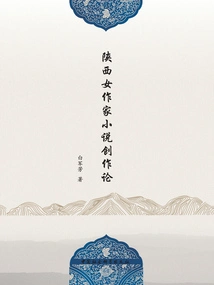
陕西女作家小说创作论
Bai Junfang
The birth, development and growth of Shaanxi female writers are closely related to the development of the times. The magnificent development, influence and creation of Shaanxi female writers in different eras. Some of them lead the literary world, some work quietly, some work steadily, and some have outstanding insights. From the content point of view, some of them attach great importance to urban development and elaborate on the historical turning point of Xi'an; some focus on rural areas and sing in a low voice for the transformation of modern rural areas... Their aesthetic characteristics are based on the development of the times and are elegant and upright. They are a strong note in the Chinese literary world.
The birth, development and growth of Shaanxi female writers are closely related to the development of the times. The magnificent development, influence and creation of Shaanxi female writers in different eras. Some of them lead the literary world, some work quietly, some work steadily, and some have outstanding insights. From the content point of view, some of them attach great importance to urban development and elaborate on the historical turning point of Xi'an; some focus on rural areas and sing in a low voice for the transformation of modern rural areas... Their aesthetic characteristics are based on the development of the times and are elegant and upright. They are a strong note in the Chinese literary world.
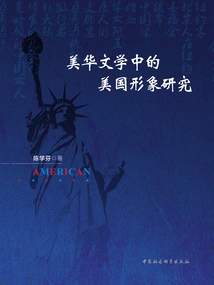
美华文学中的美国形象研究
Chen Xuefen
This book mainly studies the image of the United States in American and Chinese literature, and is composed of two parts: the first is the geographical image of the United States from a spatial perspective, such as the images of ancient tombs and sieges, the small illusions of heaven and hell, the image of the American homeland, etc.; The second is the image of various ethnic groups in the United States from the perspective of ethnic sociology, such as the image of Chinese immigrants, the image of white "saviors", the image of Jews, and the image of black people. With the help of image research methods in comparative literature, this book conducts an in-depth discussion of the complex and ever-changing images of the United States in American-Chinese literature.
This book mainly studies the image of the United States in American and Chinese literature, and is composed of two parts: the first is the geographical image of the United States from a spatial perspective, such as the images of ancient tombs and sieges, the small illusions of heaven and hell, the image of the American homeland, etc.; The second is the image of various ethnic groups in the United States from the perspective of ethnic sociology, such as the image of Chinese immigrants, the image of white "saviors", the image of Jews, and the image of black people. With the help of image research methods in comparative literature, this book conducts an in-depth discussion of the complex and ever-changing images of the United States in American-Chinese literature.
吹过的风:甘肃文学评论集
Wang Yuanzhong
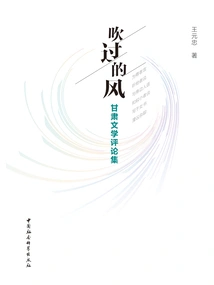
This book takes the "Tianshui literary phenomenon" and the creation of the Tianshui writers group as the main analysis objects, and gives a more systematic review of the performance characteristics, value origins and flaws of Gansu literature from different angles. The book contains a total of forty-seven articles written by the author in different periods, divided into six volumes: "Speaking to the Honorable", "Listening to Others", "Songs of the Contemporaries", "Talk with Brothers", "Written in Nushu" and "Miscellaneous Discussions". Starting from the two levels of analysis of the author's creation and characteristic phenomena, it combines real text reading and rigorous theoretical interpretation, including detailed and sincere case analysis, as well as macro and overall problem research. In the process of writing, the author integrates his perceptual experience of daily literary writing and rational cognition of theoretical teaching, seeks a balance of expression between ideological enlightenment and aesthetic pleasure, and constructs a thoughtful and beautiful literary criticism through his own practice.
This book takes the "Tianshui literary phenomenon" and the creation of the Tianshui writers group as the main analysis objects, and gives a more systematic review of the performance characteristics, value origins and flaws of Gansu literature from different angles. The book contains a total of forty-seven articles written by the author in different periods, divided into six volumes: "Speaking to the Honorable", "Listening to Others", "Songs of the Contemporaries", "Talk with Brothers", "Written in Nushu" and "Miscellaneous Discussions". Starting from the two levels of analysis of the author's creation and characteristic phenomena, it combines real text reading and rigorous theoretical interpretation, including detailed and sincere case analysis, as well as macro and overall problem research. In the process of writing, the author integrates his perceptual experience of daily literary writing and rational cognition of theoretical teaching, seeks a balance of expression between ideological enlightenment and aesthetic pleasure, and constructs a thoughtful and beautiful literary criticism through his own practice.
Research on "anna Karenina
Literature《安娜·卡列宁娜》研究
Yang Zhengxian
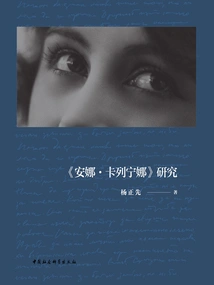
This book is a monograph that conducts a comprehensive and systematic study of Leo Tolstoy's masterpiece "Anna Karenina". For a long time, Chinese scholars have made numerous achievements in studying this famous work. However, these achievements are mostly presented in the form of single papers, which are scattered studies. However, the study of "Anna Karenina" in a holistic and systematic way appears weak. This book carries out a panoramic study from the creative process, ideological content, tragedy consciousness, death consciousness, character image system, scene description, eye description, psychological description, stream of consciousness, structure, character image comparison and other aspects of "Anna Karenina". This book can be used as a reference for professional researchers and is also inspiring for general readers who love "Anna Karenina" and Tolstoy's novels.
This book is a monograph that conducts a comprehensive and systematic study of Leo Tolstoy's masterpiece "Anna Karenina". For a long time, Chinese scholars have made numerous achievements in studying this famous work. However, these achievements are mostly presented in the form of single papers, which are scattered studies. However, the study of "Anna Karenina" in a holistic and systematic way appears weak. This book carries out a panoramic study from the creative process, ideological content, tragedy consciousness, death consciousness, character image system, scene description, eye description, psychological description, stream of consciousness, structure, character image comparison and other aspects of "Anna Karenina". This book can be used as a reference for professional researchers and is also inspiring for general readers who love "Anna Karenina" and Tolstoy's novels.
Modern Lyricism and Lyrical Modernity: a Study of Modern Chinese Prose Art and Its Media Context
Literature现代抒情与抒情的现代性:中国现代散文艺术及其传媒语境研究
Wang Jinsheng
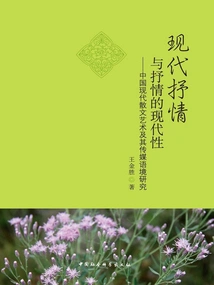
This book uses the ontology, evolution theory and media theory of modern Chinese prose art as the exposition framework, uses the theories and methods of historicism and modern media, and provides a reasonable and effective analysis and interpretation of the characteristics, formation and construction of modern Chinese prose art from the aspects of modern artistic style, style structure, aesthetic characteristics, etc. From the perspective of connecting ancient and modern times, integrating Chinese and Western things, and comparing and examining. Based on the restoration of the historical construction of modern prose with the help of original documents, this book focuses on the introduction of modern media theory into the study of prose art. It conducts a detailed exploration and examination of the deep and complex internal connections between modern media and modern prose art, as well as the different impacts of different eras and types of typical literary newspapers on the construction of prose art, and comprehensively explores the modernity, history, nationality and local character of modern Chinese prose art.
This book uses the ontology, evolution theory and media theory of modern Chinese prose art as the exposition framework, uses the theories and methods of historicism and modern media, and provides a reasonable and effective analysis and interpretation of the characteristics, formation and construction of modern Chinese prose art from the aspects of modern artistic style, style structure, aesthetic characteristics, etc. From the perspective of connecting ancient and modern times, integrating Chinese and Western things, and comparing and examining. Based on the restoration of the historical construction of modern prose with the help of original documents, this book focuses on the introduction of modern media theory into the study of prose art. It conducts a detailed exploration and examination of the deep and complex internal connections between modern media and modern prose art, as well as the different impacts of different eras and types of typical literary newspapers on the construction of prose art, and comprehensively explores the modernity, history, nationality and local character of modern Chinese prose art.
文化、现代性与审美救赎:齐美尔与法兰克福学派
Yang Xiangrong
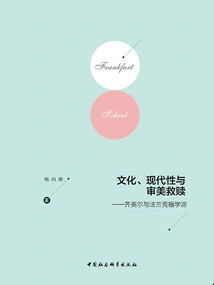
Academic circles generally believe that the literary aesthetics of the Frankfurt School is the continuation and development of the classic Marxist literary aesthetics. However, in the history of the development of the Frankfurt School, Simmel's name cannot be ignored. Simmel's influence enabled thinkers of the Frankfurt School to extend Marx's critique of capitalist political economy to the fields of sociology, aesthetics, culture and art. Based on the perspective of multi-disciplinary integration of literary theory, sociology, aesthetics, art theory, etc., This book conducts a systematic, comprehensive and in-depth study of the ideological connection between Simmel and the Frankfurt School from the perspective of cultural diagnosis, fragments of modernity, image of modern people, the aesthetic dimension of modern art and aesthetic redemption. This book focuses on exploring the connection between Simmel's literary theory and the Frankfurt School's literary theory from the perspective of multidisciplinary integration, and strives to establish the ideological connection between Simmel and the Frankfurt School in the fields of literary theory, aesthetics, art theory and other fields.
Academic circles generally believe that the literary aesthetics of the Frankfurt School is the continuation and development of the classic Marxist literary aesthetics. However, in the history of the development of the Frankfurt School, Simmel's name cannot be ignored. Simmel's influence enabled thinkers of the Frankfurt School to extend Marx's critique of capitalist political economy to the fields of sociology, aesthetics, culture and art. Based on the perspective of multi-disciplinary integration of literary theory, sociology, aesthetics, art theory, etc., This book conducts a systematic, comprehensive and in-depth study of the ideological connection between Simmel and the Frankfurt School from the perspective of cultural diagnosis, fragments of modernity, image of modern people, the aesthetic dimension of modern art and aesthetic redemption. This book focuses on exploring the connection between Simmel's literary theory and the Frankfurt School's literary theory from the perspective of multidisciplinary integration, and strives to establish the ideological connection between Simmel and the Frankfurt School in the fields of literary theory, aesthetics, art theory and other fields.
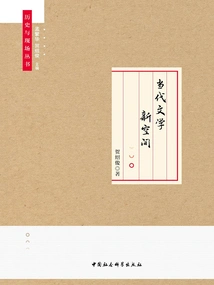
New Space for Contemporary Literature
Literature当代文学新空间
He Shaojun
"New Space of Contemporary Literature" is a collection of literary theory and critical articles written by literary critic He Shaojun in recent years. He Shaojun emphasized the theorization and systematization of criticism. He believed that an important task of literary criticism is to discover new elements in literary practice with the keenest vision and to theoretically summarize these new elements, thereby providing theoretical support for expanding new spaces in literature. In this collection of essays, He Shaojun explains some of his literary discoveries through the textual interpretation of some literary works, such as the vision of world literature in new century literature, new political novels, new market novels, critical ethical issues in literary criticism, the revolutionary nature and postmodernity of online literature, etc. This is a collection of critical essays with a simple style and full of innovative ideas.
"New Space of Contemporary Literature" is a collection of literary theory and critical articles written by literary critic He Shaojun in recent years. He Shaojun emphasized the theorization and systematization of criticism. He believed that an important task of literary criticism is to discover new elements in literary practice with the keenest vision and to theoretically summarize these new elements, thereby providing theoretical support for expanding new spaces in literature. In this collection of essays, He Shaojun explains some of his literary discoveries through the textual interpretation of some literary works, such as the vision of world literature in new century literature, new political novels, new market novels, critical ethical issues in literary criticism, the revolutionary nature and postmodernity of online literature, etc. This is a collection of critical essays with a simple style and full of innovative ideas.
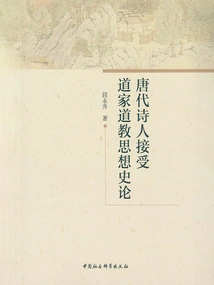
唐代诗人接受道家道教思想史论
Duan Yongsheng
This work mainly studies the poets of the Tang Dynasty who accepted Taoist Taoist ideas and their poetic works. First, it briefly combs the reception history of poetry before the Tang Dynasty, and analyzes the core concepts of Taoism, Taoism, and Taoism. Secondly, it analyzes the social and cultural background and reasons why poets in the Tang Dynasty accepted Taoist thought. Thirdly, it deeply analyzes the form and core issues of the Tang Dynasty poets' acceptance of Taoist thought. Finally, it summarizes the rules by which poets in the Tang Dynasty accepted Taoist thought, and summarizes the new style of Tang poetry after accepting Taoist thought.
This work mainly studies the poets of the Tang Dynasty who accepted Taoist Taoist ideas and their poetic works. First, it briefly combs the reception history of poetry before the Tang Dynasty, and analyzes the core concepts of Taoism, Taoism, and Taoism. Secondly, it analyzes the social and cultural background and reasons why poets in the Tang Dynasty accepted Taoist thought. Thirdly, it deeply analyzes the form and core issues of the Tang Dynasty poets' acceptance of Taoist thought. Finally, it summarizes the rules by which poets in the Tang Dynasty accepted Taoist thought, and summarizes the new style of Tang poetry after accepting Taoist thought.
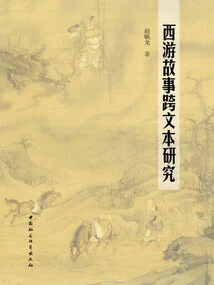
西游故事跨文本研究
Zhao Yulong
This book attempts to get rid of the "hundred-episode-based" thinking in the field of "Journey to the West", pulls the focus away from the hundred-episode novels, and further restores the research object from "novel" to "story". From a cross-textual perspective, using the evolution and dissemination process of "Journey to the West" as clues, the three text systems of novels, operas, and raps are placed on the same plane for investigation, and their general rules and individual characteristics in the process of retelling and reproducing the story are studied. The book is divided into two parts: the first part is a historical description. Through the macroscopic grasp and microscopic examination of the "initiation period", "convergence period", "finalization period", "continuation period" and other evolutionary stages, especially through the key analysis and interpretation of opera and rap texts in the "post-hundred chapters period", the coordinate matrix of the entire historical trajectory is improved to restore the true ecology of the formation and development of the story community as much as possible. The second part is case analysis, taking "The Story of Monk Jiangliu" and "The Story of Liu Quan Jingu" as cases, advancing the lens to specific unit stories, and conducting a more in-depth and detailed sorting and comparison of the novels, operas, and rap texts surrounding them. On the one hand, it explores the logical connections between texts of different eras and genres, describing the story's origin trajectory and evolution process; on the other hand, it uses it as a model to more prominently present the impact of "cross-text" interpretive behavior on the shape of the story.
This book attempts to get rid of the "hundred-episode-based" thinking in the field of "Journey to the West", pulls the focus away from the hundred-episode novels, and further restores the research object from "novel" to "story". From a cross-textual perspective, using the evolution and dissemination process of "Journey to the West" as clues, the three text systems of novels, operas, and raps are placed on the same plane for investigation, and their general rules and individual characteristics in the process of retelling and reproducing the story are studied. The book is divided into two parts: the first part is a historical description. Through the macroscopic grasp and microscopic examination of the "initiation period", "convergence period", "finalization period", "continuation period" and other evolutionary stages, especially through the key analysis and interpretation of opera and rap texts in the "post-hundred chapters period", the coordinate matrix of the entire historical trajectory is improved to restore the true ecology of the formation and development of the story community as much as possible. The second part is case analysis, taking "The Story of Monk Jiangliu" and "The Story of Liu Quan Jingu" as cases, advancing the lens to specific unit stories, and conducting a more in-depth and detailed sorting and comparison of the novels, operas, and rap texts surrounding them. On the one hand, it explores the logical connections between texts of different eras and genres, describing the story's origin trajectory and evolution process; on the other hand, it uses it as a model to more prominently present the impact of "cross-text" interpretive behavior on the shape of the story.
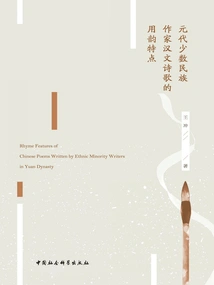
元代少数民族作家汉文诗歌的用韵特点
Wang Chong
There were a large number of ethnic minority writers in the Yuan Dynasty, mainly involving Mongolian, Khitan, Jurchen, Hui, Uighur and other ethnic minorities. Their Chinese poems were very large. However, so far, many of these writers and their works have not been further verified and sorted out. The data on these poems need to be systematized and improved. This book studies the rhyme used in Chinese poetry of ethnic minorities in the Yuan Dynasty. An important step is to collect and organize all relevant poets and poetry materials of this period. Therefore, collecting, organizing and researching rare books of poetry and prose of ethnic minorities in the Yuan Dynasty will help protect and inherit the traditional literature and culture of ethnic minorities in the Yuan Dynasty.
There were a large number of ethnic minority writers in the Yuan Dynasty, mainly involving Mongolian, Khitan, Jurchen, Hui, Uighur and other ethnic minorities. Their Chinese poems were very large. However, so far, many of these writers and their works have not been further verified and sorted out. The data on these poems need to be systematized and improved. This book studies the rhyme used in Chinese poetry of ethnic minorities in the Yuan Dynasty. An important step is to collect and organize all relevant poets and poetry materials of this period. Therefore, collecting, organizing and researching rare books of poetry and prose of ethnic minorities in the Yuan Dynasty will help protect and inherit the traditional literature and culture of ethnic minorities in the Yuan Dynasty.
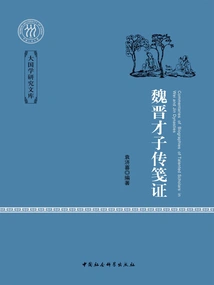
魏晋才子传笺证
Compiled By Yuan Jixi
This book is a biography of a famous literary figure in the Wei and Jin Dynasties. The book brings together nearly seventy literary figures and draws on the model of "The Biography of Talented Scholars of the Tang Dynasty" written by Xin Wenfang of the Yuan Dynasty to provide evidence and research on each figure's life and works. This book is based on official historical records such as "Book of the Later Han", "Chronicles of the Three Kingdoms", "Book of Jin", and "Zi Zhi Tong Jian", and integrates the research results of modern scholars, plus the author's views, to form the main body of the notes. At the same time, it also adds information from literature and research for easy retrieval. Each important figure is followed by relevant references. On the basis of "The Biography of Talented Scholars of the Tang Dynasty", the late famous literary historian Mr. Fu Xuancong continued to add details and compiled "The Biography of the Talented Scholars of the Tang Dynasty" and "The Biographies of the Talented Scholars of the Song Dynasty", which gained recognition from the academic community. This book was written at the initiative of Mr. Fu. It is also the first work at home and abroad to use the Jian Zheng style to study the literature of the Wei and Jin Dynasties.
This book is a biography of a famous literary figure in the Wei and Jin Dynasties. The book brings together nearly seventy literary figures and draws on the model of "The Biography of Talented Scholars of the Tang Dynasty" written by Xin Wenfang of the Yuan Dynasty to provide evidence and research on each figure's life and works. This book is based on official historical records such as "Book of the Later Han", "Chronicles of the Three Kingdoms", "Book of Jin", and "Zi Zhi Tong Jian", and integrates the research results of modern scholars, plus the author's views, to form the main body of the notes. At the same time, it also adds information from literature and research for easy retrieval. Each important figure is followed by relevant references. On the basis of "The Biography of Talented Scholars of the Tang Dynasty", the late famous literary historian Mr. Fu Xuancong continued to add details and compiled "The Biography of the Talented Scholars of the Tang Dynasty" and "The Biographies of the Talented Scholars of the Song Dynasty", which gained recognition from the academic community. This book was written at the initiative of Mr. Fu. It is also the first work at home and abroad to use the Jian Zheng style to study the literature of the Wei and Jin Dynasties.
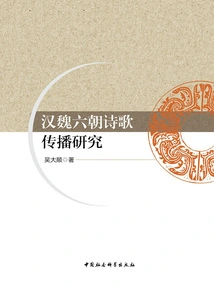
汉魏六朝诗歌传播研究
Wu Dashun
The main goal of this book is to examine the process of symbiosis and separation of poetry and music in the historical context of the parallel, intersection and mutual transformation of poetry and music communication and text communication in the Han, Wei and Six Dynasties, as well as the internal connection between the various communication methods of poetry and the evolution of poetry literature: Chapters 1 and 2 systematically sort out the major oral communication methods and their history of poetry in the Han, Wei and Six Dynasties, such as soundtrack singing, solo singing, and recitation, and clarify the early forms of several major methods of poetry text communication such as stone carvings, wall inscriptions, copying, and collections during this period. And communication characteristics; the third chapter discusses the creation mechanism of Han soul poetry and the cross-communication form of poetry, music, and text; the fourth and fifth chapters provide a communication interpretation of two important phenomena in the history of poetry in the Han, Wei and Six Dynasties: "Jian'an style" and "official poetry"; the sixth chapter discusses the relationship between the invention and use of paper in the Han, Wei and Six Dynasties and the dissemination of poetic texts, and the significance of the popularization of poetry text dissemination to the formation of the poetic outlook of disciples in the Han, Wei and Six Dynasties; the seventh chapter discusses the development and changes of the postal system in the Han, Wei and Six Dynasties and the relationship between the dissemination of poetry in other places.
The main goal of this book is to examine the process of symbiosis and separation of poetry and music in the historical context of the parallel, intersection and mutual transformation of poetry and music communication and text communication in the Han, Wei and Six Dynasties, as well as the internal connection between the various communication methods of poetry and the evolution of poetry literature: Chapters 1 and 2 systematically sort out the major oral communication methods and their history of poetry in the Han, Wei and Six Dynasties, such as soundtrack singing, solo singing, and recitation, and clarify the early forms of several major methods of poetry text communication such as stone carvings, wall inscriptions, copying, and collections during this period. And communication characteristics; the third chapter discusses the creation mechanism of Han soul poetry and the cross-communication form of poetry, music, and text; the fourth and fifth chapters provide a communication interpretation of two important phenomena in the history of poetry in the Han, Wei and Six Dynasties: "Jian'an style" and "official poetry"; the sixth chapter discusses the relationship between the invention and use of paper in the Han, Wei and Six Dynasties and the dissemination of poetic texts, and the significance of the popularization of poetry text dissemination to the formation of the poetic outlook of disciples in the Han, Wei and Six Dynasties; the seventh chapter discusses the development and changes of the postal system in the Han, Wei and Six Dynasties and the relationship between the dissemination of poetry in other places.
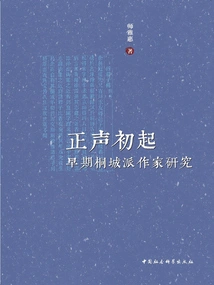
正声初起:早期桐城派作家研究
Shi Yahui
It is generally believed that the real establishment of the Tongcheng School in the Qing Dynasty began with Yao Nai's intentional shaping of the "Tongcheng Cultural Tradition" during the Qianlong period. So what was the history of the "Tongcheng School" before Yao? The author believes that from the time when Dai Mingshi, Zhu Shu and others brought tribute to the Imperial Academy in the 25th year of Kangxi to the 50th year of Kangxi when the case of Dai Mingshi's "Nanshan Collection" occurred, there was a group of Jiangnan scholars in the literary world with Dai Mingshi and Fang Bao as the core. Similar origins, similar aspirations, overlapping experiences, and deep friendships make them an influential and inheriting group of writers. The whole book describes the literary activities of this group from three aspects: era background, stylistic theory, and author theory, fully demonstrating their motivation and practice of striving to "correct their voice" at a time when "the world is full of miscellaneous articles for pleasure".
It is generally believed that the real establishment of the Tongcheng School in the Qing Dynasty began with Yao Nai's intentional shaping of the "Tongcheng Cultural Tradition" during the Qianlong period. So what was the history of the "Tongcheng School" before Yao? The author believes that from the time when Dai Mingshi, Zhu Shu and others brought tribute to the Imperial Academy in the 25th year of Kangxi to the 50th year of Kangxi when the case of Dai Mingshi's "Nanshan Collection" occurred, there was a group of Jiangnan scholars in the literary world with Dai Mingshi and Fang Bao as the core. Similar origins, similar aspirations, overlapping experiences, and deep friendships make them an influential and inheriting group of writers. The whole book describes the literary activities of this group from three aspects: era background, stylistic theory, and author theory, fully demonstrating their motivation and practice of striving to "correct their voice" at a time when "the world is full of miscellaneous articles for pleasure".
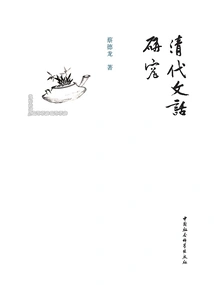
清代文话研究
Cai Delong
The literature of the Qing Dynasty, which is in the period of academic summary and transformation, shows the distinctive characteristics of integrating the achievements of previous dynasties without lacking new innovations, and is the final glory of Chinese classical literature. This book is based on a general survey of Wenhua literature in the Qing Dynasty, combined with the unique academic atmosphere and ideological trends of the times in the Qing Dynasty, and studies the Wenhua in the Qing Dynasty from both macro and micro levels. Macroscopic theoretical research is based on the refining and summarization of specific literary documents, and strives to contain micro within the macro; micro special book research aims to examine the relationship between important literary individuals and relevant theories or styles, hoping to reveal macro within micro.
The literature of the Qing Dynasty, which is in the period of academic summary and transformation, shows the distinctive characteristics of integrating the achievements of previous dynasties without lacking new innovations, and is the final glory of Chinese classical literature. This book is based on a general survey of Wenhua literature in the Qing Dynasty, combined with the unique academic atmosphere and ideological trends of the times in the Qing Dynasty, and studies the Wenhua in the Qing Dynasty from both macro and micro levels. Macroscopic theoretical research is based on the refining and summarization of specific literary documents, and strives to contain micro within the macro; micro special book research aims to examine the relationship between important literary individuals and relevant theories or styles, hoping to reveal macro within micro.
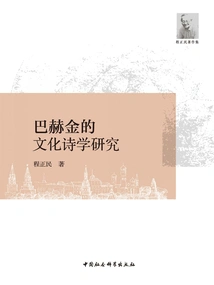
Research on Bakhtin's Cultural Poetics
Literature巴赫金的文化诗学研究
Cheng Zhengmin
This collection contains two parts of the author's research on Bakhtin's poetics. The "Bakhtin's Cultural Poetics" section was published by Beijing Normal University Press in 2001. The "Bakhtin's Poetics" section is an expansion and in-depth study of cultural poetics, including the author's papers on Bakhtin's overall poetics, linguistic poetics, genre poetics, novel poetics, historical poetics, sociological poetics, etc.
This collection contains two parts of the author's research on Bakhtin's poetics. The "Bakhtin's Cultural Poetics" section was published by Beijing Normal University Press in 2001. The "Bakhtin's Poetics" section is an expansion and in-depth study of cultural poetics, including the author's papers on Bakhtin's overall poetics, linguistic poetics, genre poetics, novel poetics, historical poetics, sociological poetics, etc.
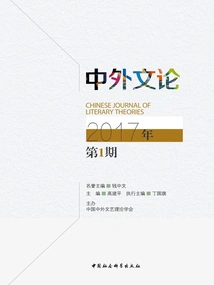
中外文论(2017年第1期)
Editor-in-chief Gao Jianping
"Chinese and Foreign Literary Theory (Issue 2017)" is divided into six columns. "Research on Famous Artists' Theories" focuses on the research on literary and artistic theories of famous modern and contemporary Chinese literary and artistic theorists. The articles in this issue mainly focus on the four theorists Chen Duxiu, Fang Dongmei, Liang Zongdai and Zhu Guangqian, covering issues such as their literary theory, poetic theory and cultural personality. The "Basic Theory of Literary and Art" column mainly focuses on the multi-perspective display of important issues in contemporary literary theory, mainly involving the generalization of typical theory, the discussion of the keyword "change" in literary theory, and the study of autobiographical narrative models. "Research on Ancient Literary Theory" continues its consistent focus: first, discussion centered on propositions, such as the modern reinterpretation of the proposition "Poetry Expresses Chi"; second, research centered on historical issues of criticism; third, analysis of theoretical forms based on characters; fourth, discussion at the methodological level. The "Research on Western Literary Theory" column focuses equally on: first, thematic research on characters; second, the review of issues in the history of literary theory. The third is a review of literary theory research. This issue publishes two reviews of the current status of Western decadent research and Abrams research. "Film Studies" focuses on current focus issues in film aesthetics, such as the intellectual significance of film, "technical" issues in film aesthetics, postmodern ideas in VR film and television narratives, etc. The "Literature Reading" column continues the mode of text reading and appreciation.
"Chinese and Foreign Literary Theory (Issue 2017)" is divided into six columns. "Research on Famous Artists' Theories" focuses on the research on literary and artistic theories of famous modern and contemporary Chinese literary and artistic theorists. The articles in this issue mainly focus on the four theorists Chen Duxiu, Fang Dongmei, Liang Zongdai and Zhu Guangqian, covering issues such as their literary theory, poetic theory and cultural personality. The "Basic Theory of Literary and Art" column mainly focuses on the multi-perspective display of important issues in contemporary literary theory, mainly involving the generalization of typical theory, the discussion of the keyword "change" in literary theory, and the study of autobiographical narrative models. "Research on Ancient Literary Theory" continues its consistent focus: first, discussion centered on propositions, such as the modern reinterpretation of the proposition "Poetry Expresses Chi"; second, research centered on historical issues of criticism; third, analysis of theoretical forms based on characters; fourth, discussion at the methodological level. The "Research on Western Literary Theory" column focuses equally on: first, thematic research on characters; second, the review of issues in the history of literary theory. The third is a review of literary theory research. This issue publishes two reviews of the current status of Western decadent research and Abrams research. "Film Studies" focuses on current focus issues in film aesthetics, such as the intellectual significance of film, "technical" issues in film aesthetics, postmodern ideas in VR film and television narratives, etc. The "Literature Reading" column continues the mode of text reading and appreciation.
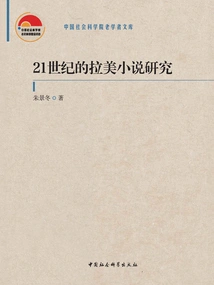
21世纪的拉美小说研究
Zhu Jingdong
This book focuses on Latin American novels in the new century from the perspective of academic research, and relatively systematically introduces and reviews the achievements of representative writers in this period in novel creation, including the ideological content and artistic features of their important works. The book is divided into chapters: the new achievements of the writers of the literary "explosion" generation in the new century, the new contributions made by the post-literary "explosion" generation of writers, the creations of the Burst and McCondo writers, the literary achievements of the new generation that have suddenly emerged and cannot be underestimated, and the novel creations of other writers. In terms of style, this book is similar to a history of Latin American novels in the new century. The material it contains is rich, informative, and fresh. It is both academic and readable. It is a very useful read for both professional workers, teaching staff in colleges and universities, and general readers.
This book focuses on Latin American novels in the new century from the perspective of academic research, and relatively systematically introduces and reviews the achievements of representative writers in this period in novel creation, including the ideological content and artistic features of their important works. The book is divided into chapters: the new achievements of the writers of the literary "explosion" generation in the new century, the new contributions made by the post-literary "explosion" generation of writers, the creations of the Burst and McCondo writers, the literary achievements of the new generation that have suddenly emerged and cannot be underestimated, and the novel creations of other writers. In terms of style, this book is similar to a history of Latin American novels in the new century. The material it contains is rich, informative, and fresh. It is both academic and readable. It is a very useful read for both professional workers, teaching staff in colleges and universities, and general readers.
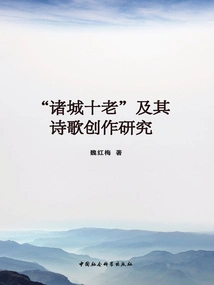
“诸城十老”及其诗歌创作研究
Wei Hongmei
The formation of the poetry creation tendencies, poetry themes, and poetry creation styles of the "Ten Elders from Zhucheng" are closely related to the environment of the times, their different temperaments, different life experiences, and life experiences. In other words, the life circumstances of the "Ten Elders of Zhucheng" had a broad impact on their poetry creation. With the same social and regional environment, they have many common themes in their poetry creations, which mainly describe the natural scenery and humanistic customs of their hometowns; however, the differences in the themes of their poetry creations are related to whether they become officials. Those who became officials wrote more about the difficulties in their imperial examinations and official careers, and expressed their grievances, while those who did not become officials wrote more about pastoral scenery and expressed their leisure feelings. The different life situations of the "Ten Elders of Zhucheng" not only gave them different emphasis in creative tendencies, but also gave their own unique styles of poetry creation.
The formation of the poetry creation tendencies, poetry themes, and poetry creation styles of the "Ten Elders from Zhucheng" are closely related to the environment of the times, their different temperaments, different life experiences, and life experiences. In other words, the life circumstances of the "Ten Elders of Zhucheng" had a broad impact on their poetry creation. With the same social and regional environment, they have many common themes in their poetry creations, which mainly describe the natural scenery and humanistic customs of their hometowns; however, the differences in the themes of their poetry creations are related to whether they become officials. Those who became officials wrote more about the difficulties in their imperial examinations and official careers, and expressed their grievances, while those who did not become officials wrote more about pastoral scenery and expressed their leisure feelings. The different life situations of the "Ten Elders of Zhucheng" not only gave them different emphasis in creative tendencies, but also gave their own unique styles of poetry creation.
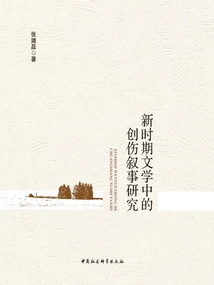
新时期文学中的创伤叙事研究
Zhang Jinglei
Along with the transformation of Chinese society, politics, and literature, narrative literary works that reproduce and express historical traumatic memories constitute the traumatic narrative landscape in literature in the new era. Based on trauma theory, this book selects trauma narrative works in the new era from 1976 to 1989 as the research object. It studies the expression of trauma themes, psychological descriptions of trauma, and trauma narrative forms from the perspective of trauma narrative, examines the construction process of literary trauma narratives in the new era, grasps the types and characteristics, continuations, and variations of literary trauma narratives in the new era, and deepens the understanding of literary trends and works in the new era.
Along with the transformation of Chinese society, politics, and literature, narrative literary works that reproduce and express historical traumatic memories constitute the traumatic narrative landscape in literature in the new era. Based on trauma theory, this book selects trauma narrative works in the new era from 1976 to 1989 as the research object. It studies the expression of trauma themes, psychological descriptions of trauma, and trauma narrative forms from the perspective of trauma narrative, examines the construction process of literary trauma narratives in the new era, grasps the types and characteristics, continuations, and variations of literary trauma narratives in the new era, and deepens the understanding of literary trends and works in the new era.
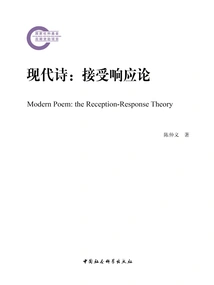
Modern Poetry: Reception-response Theory
Literature现代诗:接受响应论
Chen Zhongyi
Digest some reasonable core of Western reception aesthetics and reader response theory, sort out the dilemma and difficulty of the reception of modern poetry; grasp the specificity, openness, and boundedness of the reception of modern poetry, and develop your own response. On the basis of the convergence and parallelism of Chinese and Western reception, review the differences in reception of ancient and modern poetry; discuss the cracks and limitations of the recipients of modern poetry; question the characteristics, difficulties, bottlenecks, influencing factors, special paths, effectiveness and canonization in reception; analyze the acceptance premise of the "interpretive community", The acceptance psychological mechanism of "Xinyiyiyi" and the acceptance trend centered on fun; the "dumbbell model" of acceptance, the "four movements" schema dominated by the heartbeat, the establishment of coordinates for the interaction between formal structure and acceptance responsiveness, and the exploration of the acceptance scale of modern poetry and the "grade" series of good poetry. In the modern and contemporary part of poetry reception, we strive to have a theory of our own.
Digest some reasonable core of Western reception aesthetics and reader response theory, sort out the dilemma and difficulty of the reception of modern poetry; grasp the specificity, openness, and boundedness of the reception of modern poetry, and develop your own response. On the basis of the convergence and parallelism of Chinese and Western reception, review the differences in reception of ancient and modern poetry; discuss the cracks and limitations of the recipients of modern poetry; question the characteristics, difficulties, bottlenecks, influencing factors, special paths, effectiveness and canonization in reception; analyze the acceptance premise of the "interpretive community", The acceptance psychological mechanism of "Xinyiyiyi" and the acceptance trend centered on fun; the "dumbbell model" of acceptance, the "four movements" schema dominated by the heartbeat, the establishment of coordinates for the interaction between formal structure and acceptance responsiveness, and the exploration of the acceptance scale of modern poetry and the "grade" series of good poetry. In the modern and contemporary part of poetry reception, we strive to have a theory of our own.
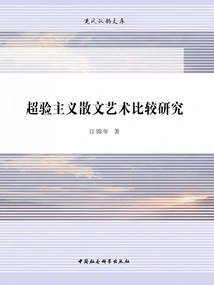
超验主义散文艺术比较研究
Jiang Jinnian
Transcendentalism was both a literary movement and an ideological emancipation movement from the beginning. It was a huge driving force and dominant force in the American Renaissance and represented the pinnacle of its development. The most outstanding literary achievement of transcendentalism is reflected in the creation of prose. This book places American Transcendentalist prose in the perspective of world literature, mainly using ancient Greek prose and Chinese Ming and Qing Dynasty prose as a reference for comparative research. It provides a new way of understanding for us to comprehensively examine the spiritual outlook, cultural and artistic character of Transcendentalist prose, and provides a platform for equal dialogue for cross-cultural comparative research on prose art.
Transcendentalism was both a literary movement and an ideological emancipation movement from the beginning. It was a huge driving force and dominant force in the American Renaissance and represented the pinnacle of its development. The most outstanding literary achievement of transcendentalism is reflected in the creation of prose. This book places American Transcendentalist prose in the perspective of world literature, mainly using ancient Greek prose and Chinese Ming and Qing Dynasty prose as a reference for comparative research. It provides a new way of understanding for us to comprehensively examine the spiritual outlook, cultural and artistic character of Transcendentalist prose, and provides a platform for equal dialogue for cross-cultural comparative research on prose art.
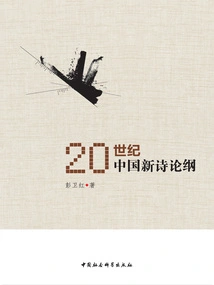
20世纪中国新诗论纲
Peng Weihong
This book outlines the entire development process of Chinese new poetry in the 20th century in the form of a history theory, and conducts a relatively comprehensive and detailed review of the major poetry groups, schools and representative poets since the birth of new poetry. This book not only attaches great importance to exploring the relationship between major transformations of social thoughts and the evolution of new poetry trends from a macro perspective, but also attaches great importance to the careful reading and interpretation of classic and heterogeneous texts. It rediscovers some neglected and obscured phenomena and poems in the history of poetry, and puts forward its own unique insights into some important poetic topics in the development of new poetry. It is a dedicated work to study the development process of Chinese new poetry and the evolution of the spirit of poetry.
This book outlines the entire development process of Chinese new poetry in the 20th century in the form of a history theory, and conducts a relatively comprehensive and detailed review of the major poetry groups, schools and representative poets since the birth of new poetry. This book not only attaches great importance to exploring the relationship between major transformations of social thoughts and the evolution of new poetry trends from a macro perspective, but also attaches great importance to the careful reading and interpretation of classic and heterogeneous texts. It rediscovers some neglected and obscured phenomena and poems in the history of poetry, and puts forward its own unique insights into some important poetic topics in the development of new poetry. It is a dedicated work to study the development process of Chinese new poetry and the evolution of the spirit of poetry.
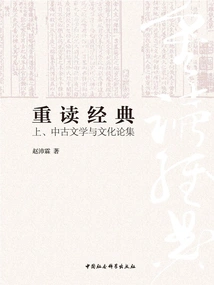
重读经典:上、中古文学与文化论集
Zhao Peilin
This collection of essays collects 45 papers by the author, two-thirds of which were written after retirement: 1999-2014. This collection of essays has the following characteristics: 1. Prominent characteristics of the times: changes in literary concepts since the new era have greatly broadened and deepened the research space on ancient literature. Based on the focus on revealing people's emotional world and mental journey, multi-level, multi-angle and multi-method research is carried out, giving these papers a completely new look. 2. Prominent innovative features: Some papers put forward some new ideas with high academic value, some papers break the long-term thinking patterns and explore new paths for the research of related issues, and some papers do not adopt the long-term usual perspective, but change to a new perspective, thus making new discoveries. Some papers are not only new perspectives and new viewpoints, but also new topics that have not been studied or systematically studied before. 3. The academic coverage is wide, the content is rich, and it involves many issues. 4. Pay attention to the summary of methodology. 5. Relevant parties have a great response to the paper.
This collection of essays collects 45 papers by the author, two-thirds of which were written after retirement: 1999-2014. This collection of essays has the following characteristics: 1. Prominent characteristics of the times: changes in literary concepts since the new era have greatly broadened and deepened the research space on ancient literature. Based on the focus on revealing people's emotional world and mental journey, multi-level, multi-angle and multi-method research is carried out, giving these papers a completely new look. 2. Prominent innovative features: Some papers put forward some new ideas with high academic value, some papers break the long-term thinking patterns and explore new paths for the research of related issues, and some papers do not adopt the long-term usual perspective, but change to a new perspective, thus making new discoveries. Some papers are not only new perspectives and new viewpoints, but also new topics that have not been studied or systematically studied before. 3. The academic coverage is wide, the content is rich, and it involves many issues. 4. Pay attention to the summary of methodology. 5. Relevant parties have a great response to the paper.
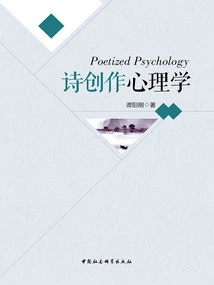
Psychology of Poetry Creation
Literature诗创作心理学
Tan Yanggang
This book studies the basic psychological characteristics and laws of the poet's creative process. The psychology of poetry creation is an interdisciplinary subject of psychology and poetics, and it is a branch of psychology. The psychology of poetry creation belongs to the category of modern psychology and is a branch of modern applied psychology. Its research object is to use the research results of modern psychological science to reveal and explore the psychological development rules of poets in the process of poetry creation.
This book studies the basic psychological characteristics and laws of the poet's creative process. The psychology of poetry creation is an interdisciplinary subject of psychology and poetics, and it is a branch of psychology. The psychology of poetry creation belongs to the category of modern psychology and is a branch of modern applied psychology. Its research object is to use the research results of modern psychological science to reveal and explore the psychological development rules of poets in the process of poetry creation.
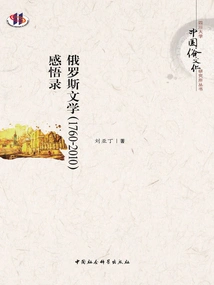
俄罗斯文学(1760—2010)感悟录
Liu Yading
This book contains the author's papers published in publications such as "Foreign Literature Review", "Foreign Literature Research", "Russian Literature and Art", "Russian Language Teaching in China", "Russian Studies", "Foreign Social Sciences", and "Bёшенский Bестник". Its research objects include the major Russian literary centers from the 18th to the 21st century (from Lomonosov, Pushkin, Dostoyevsky, and Tolstoy to the 20th century red literature, Sholokhov, Solzhenitsyn, and Putin as a producer of literary images and cultural texts), and Sino-Russian literature and cultural exchanges. Taking care of literature through dialogue is the basic research method that the author strives to adhere to. When discussing Russian literature in the 18th and 19th centuries, the relationship between Russian culture and Western European culture is the focus; in 20th century literature, the dialogue between central literature and peripheral literature reflects a variety of literary phenomena; the image of Confucius and the Russian translation of the "Book of Songs" are interpreted as the carrier of Sino-Russian cultural dialogue.
This book contains the author's papers published in publications such as "Foreign Literature Review", "Foreign Literature Research", "Russian Literature and Art", "Russian Language Teaching in China", "Russian Studies", "Foreign Social Sciences", and "Bёшенский Bестник". Its research objects include the major Russian literary centers from the 18th to the 21st century (from Lomonosov, Pushkin, Dostoyevsky, and Tolstoy to the 20th century red literature, Sholokhov, Solzhenitsyn, and Putin as a producer of literary images and cultural texts), and Sino-Russian literature and cultural exchanges. Taking care of literature through dialogue is the basic research method that the author strives to adhere to. When discussing Russian literature in the 18th and 19th centuries, the relationship between Russian culture and Western European culture is the focus; in 20th century literature, the dialogue between central literature and peripheral literature reflects a variety of literary phenomena; the image of Confucius and the Russian translation of the "Book of Songs" are interpreted as the carrier of Sino-Russian cultural dialogue.
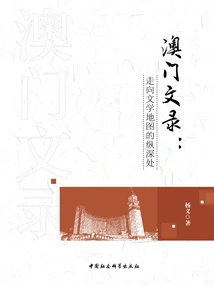
澳门文录:走向文学地图的纵深处
Yang Yi
This book is a collection of Mr. Yang Yi's essays, including "Redrawing the Historical Map of Chinese Literature" that Mr. Yang Yi told ministerial-level cadres and new manuscripts on "The Analects", Zhuzi, Li Du, and Su Shi. It is a deepening and development of the concept of redrawing the map of Chinese literature that Mr. Yang Yi has always advocated.
This book is a collection of Mr. Yang Yi's essays, including "Redrawing the Historical Map of Chinese Literature" that Mr. Yang Yi told ministerial-level cadres and new manuscripts on "The Analects", Zhuzi, Li Du, and Su Shi. It is a deepening and development of the concept of redrawing the map of Chinese literature that Mr. Yang Yi has always advocated.
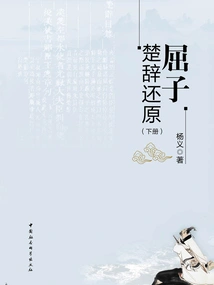
屈子楚辞还原(下册)
Yang Yi
To understand Qu Zi's "Chu Ci", there are two key points that must be kept in mind: First, the first sentence of "Li Sao": "The Miao descendants of Emperor Gaoyang are here, and my emperor is called Boyong." The so-called "Bo Yong" is the eldest son of King Wu of Chu, who was granted the title of Kui Zi. The pronunciation (entering tone) of the character Kui is "Qu" or "Jia". Boyong's eldest son Qu Xia got his surname from this and became the ancestor of the Qu family. Second, Qu Zi's "Chu Ci" has been completely preserved through two channels, the north and the south. The northern route was when the Qu, Jing, and Zhao tribes who migrated to Chu State and the Tian family of Qi State enriched Guanzhong in the ninth year of Emperor Gaozu of the Han Dynasty. Qu Zi's "Chu Ci" was introduced to Guanzhong by the Qu family as an heirloom, and was seen by Jia Yi. The route to the south was Shouchun, the capital of King Qingxiang of Chu, and his literary attendants Song Yu and Tang Le accompanied him. Therefore, Qu Zi's "Chu Ci" was also passed down as a precious heritage. For this reason, this book is divided into four parts, the inner part, the outer part, the chronicle interludes, and the poetics part, which display the complete three-dimensional style of Qu Zi's "Chu Ci" at multiple levels. The internal editor is dedicated to the notes and evidence of "Historical Records: Biography of Qu Yuan Jia Sheng", "Historical Records: Chu Family (Xuanwei Huaixiang)", as well as the ancestry and branch lineage of the Qu family, and Qu Yuan's historical and cultural awareness. The external editor is devoted to the collection and discussion of "Li Sao", "Tian Wen", "Nine Songs", "Nine Chapters", "Yuan Yu", "Divination" and "The Fisherman". The Chronicle Interlude is dedicated to the chronology of all chapters of Qu Yuan's "Chu Ci". The poetics chapter is dedicated to interpreting Qu Song's poems and poems as real poems. Such restoration research can lead people to deepen the exquisite cultural life connotation of Qu Zi's "Chu Ci".
To understand Qu Zi's "Chu Ci", there are two key points that must be kept in mind: First, the first sentence of "Li Sao": "The Miao descendants of Emperor Gaoyang are here, and my emperor is called Boyong." The so-called "Bo Yong" is the eldest son of King Wu of Chu, who was granted the title of Kui Zi. The pronunciation (entering tone) of the character Kui is "Qu" or "Jia". Boyong's eldest son Qu Xia got his surname from this and became the ancestor of the Qu family. Second, Qu Zi's "Chu Ci" has been completely preserved through two channels, the north and the south. The northern route was when the Qu, Jing, and Zhao tribes who migrated to Chu State and the Tian family of Qi State enriched Guanzhong in the ninth year of Emperor Gaozu of the Han Dynasty. Qu Zi's "Chu Ci" was introduced to Guanzhong by the Qu family as an heirloom, and was seen by Jia Yi. The route to the south was Shouchun, the capital of King Qingxiang of Chu, and his literary attendants Song Yu and Tang Le accompanied him. Therefore, Qu Zi's "Chu Ci" was also passed down as a precious heritage. For this reason, this book is divided into four parts, the inner part, the outer part, the chronicle interludes, and the poetics part, which display the complete three-dimensional style of Qu Zi's "Chu Ci" at multiple levels. The internal editor is dedicated to the notes and evidence of "Historical Records: Biography of Qu Yuan Jia Sheng", "Historical Records: Chu Family (Xuanwei Huaixiang)", as well as the ancestry and branch lineage of the Qu family, and Qu Yuan's historical and cultural awareness. The external editor is devoted to the collection and discussion of "Li Sao", "Tian Wen", "Nine Songs", "Nine Chapters", "Yuan Yu", "Divination" and "The Fisherman". The Chronicle Interlude is dedicated to the chronology of all chapters of Qu Yuan's "Chu Ci". The poetics chapter is dedicated to interpreting Qu Song's poems and poems as real poems. Such restoration research can lead people to deepen the exquisite cultural life connotation of Qu Zi's "Chu Ci".
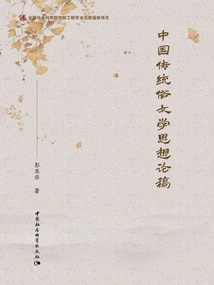
中国传统俗文学思想论稿
Peng Yafei
This book pays special attention to and tries its best to explore the unique literary consciousness with cultural heterogeneity and theoretical universality in the Chinese popular literary tradition. It uses the method of combining fact reduction, problem characterization and theoretical elaboration to focus on the study of "China's elegant and popular cultural tradition and traditional Chinese narrative literary thought". Important issues include the "outside history" view and the inward view of aesthetic pursuit, the formation of fictional and creative consciousnesses such as "performance" and "meaning", the "interpretation" theory and the "self-oriented" consciousness in the literary acceptance view, the "power and education" view in the value concept of popular literature, and the expression and deconstruction of alternative ideologies in popular literature.
This book pays special attention to and tries its best to explore the unique literary consciousness with cultural heterogeneity and theoretical universality in the Chinese popular literary tradition. It uses the method of combining fact reduction, problem characterization and theoretical elaboration to focus on the study of "China's elegant and popular cultural tradition and traditional Chinese narrative literary thought". Important issues include the "outside history" view and the inward view of aesthetic pursuit, the formation of fictional and creative consciousnesses such as "performance" and "meaning", the "interpretation" theory and the "self-oriented" consciousness in the literary acceptance view, the "power and education" view in the value concept of popular literature, and the expression and deconstruction of alternative ideologies in popular literature.
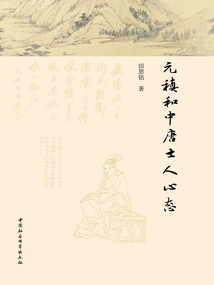
元稹和中唐士人心态
Tian Enming
The content of this book is divided into three parts: The first part is the study of literary groups in the Yuan and Mid-Tang Dynasties, focusing mainly on the literary activities of the Yuan Dynasty, scholarly conduct, relegated life, and the relationship with political events. The second part is a review of meta-literary exchanges, which mainly focuses on sorting out the space of meta-literary exchanges and examines the research on the history of literary reception. The last part explores the correlation between Yuan Shao's image of a writer and the image of a scholar from the perspective of literary reception history. According to the reception status, we examine the relationship between Yuan Shao Yuefu poems and Yuan Bai, as well as the advantages and disadvantages of Yuan Bai, and then focus on the dissemination and reception of Yuan's image.
The content of this book is divided into three parts: The first part is the study of literary groups in the Yuan and Mid-Tang Dynasties, focusing mainly on the literary activities of the Yuan Dynasty, scholarly conduct, relegated life, and the relationship with political events. The second part is a review of meta-literary exchanges, which mainly focuses on sorting out the space of meta-literary exchanges and examines the research on the history of literary reception. The last part explores the correlation between Yuan Shao's image of a writer and the image of a scholar from the perspective of literary reception history. According to the reception status, we examine the relationship between Yuan Shao Yuefu poems and Yuan Bai, as well as the advantages and disadvantages of Yuan Bai, and then focus on the dissemination and reception of Yuan's image.
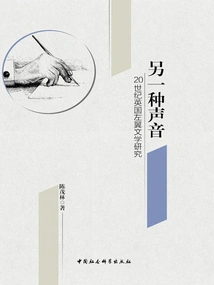
另一种声音:20世纪英国左翼文学研究
Chen Maolin
This book is the final result of the National Social Science Fund project "Research on British Left-wing Literature in the 20th Century". It is divided into three parts: a survey of British left-wing literature in the 20th century, a study of the main idea of British left-wing literature in the 20th century, and an exploration of the artistic characteristics of British left-wing literature in the 20th century. It discusses the economy, politics, history, and culture of various stages of British left-wing literature in the 20th century. The background and main features outline the development stages and evolution of British left-wing literature in the 20th century as a whole; it explains the ideological connotation of British left-wing literature in the 20th century, summarizing and refining eight major subjects; it explores the artistic characteristics of British left-wing literature in the 20th century, and outlines its development and evolution from realism to modernism to postmodernism. This book is of great reference significance for re-understanding British left-wing literature, and thus for a more comprehensive understanding of the development, evolution, ideological significance and artistic value of British literature in the 20th century.
This book is the final result of the National Social Science Fund project "Research on British Left-wing Literature in the 20th Century". It is divided into three parts: a survey of British left-wing literature in the 20th century, a study of the main idea of British left-wing literature in the 20th century, and an exploration of the artistic characteristics of British left-wing literature in the 20th century. It discusses the economy, politics, history, and culture of various stages of British left-wing literature in the 20th century. The background and main features outline the development stages and evolution of British left-wing literature in the 20th century as a whole; it explains the ideological connotation of British left-wing literature in the 20th century, summarizing and refining eight major subjects; it explores the artistic characteristics of British left-wing literature in the 20th century, and outlines its development and evolution from realism to modernism to postmodernism. This book is of great reference significance for re-understanding British left-wing literature, and thus for a more comprehensive understanding of the development, evolution, ideological significance and artistic value of British literature in the 20th century.
On the Culture of Mo Huaiqi's Novels
Literature莫怀戚小说文化论
Zhang Yuren
Mo Huaiqi is an excellent novelist with the attributes of a "cultural landmark" and an intellectual who has made creative contributions to regional cultural construction. As a university professor and as a civilian writer, he engaged in writing in a free sense, making him and his novels a unique cultural landscape in Chongqing and even the west. The author of this book has been engaged in the research of Mo Huaiqi's novels for a long time as a colleague and close friend. He has also conducted in-depth and extensive cultural explorations with Mo Huaiqi on many important issues related to the novels, and has recorded and accumulated a large amount of unique research materials. On this basis, a multi-level, multi-perspective and multi-faceted systematic interpretation of Mo Huaiqi's rural novels, detective mystery novels, urban romance novels and chivalrous novels is carried out. The book explores and reveals the regional cultural characteristics and artistic aesthetic characteristics of his novels, the construction of narrative ethics and the choice of narrative strategies in the novels, the awakening of historical consciousness, and the highlighting of Chongqing's cultural character in historical narratives. Such spiritual changes and cultural hidden meanings are explored and revealed in a unique and enlightening way. It is believed that not only The spiritual trend embodies the novelist's distinctive personal "growth" characteristics, and also reflects the cultural personality and evolution trajectory of Chongqing people's "growth". In particular, the chivalrous spirit that dares to resist the loss of poetry and the degradation of human nature as a regional cultural feature has been fully developed and interestingly performed in the world of Mo Huaiqi's novels.
Mo Huaiqi is an excellent novelist with the attributes of a "cultural landmark" and an intellectual who has made creative contributions to regional cultural construction. As a university professor and as a civilian writer, he engaged in writing in a free sense, making him and his novels a unique cultural landscape in Chongqing and even the west. The author of this book has been engaged in the research of Mo Huaiqi's novels for a long time as a colleague and close friend. He has also conducted in-depth and extensive cultural explorations with Mo Huaiqi on many important issues related to the novels, and has recorded and accumulated a large amount of unique research materials. On this basis, a multi-level, multi-perspective and multi-faceted systematic interpretation of Mo Huaiqi's rural novels, detective mystery novels, urban romance novels and chivalrous novels is carried out. The book explores and reveals the regional cultural characteristics and artistic aesthetic characteristics of his novels, the construction of narrative ethics and the choice of narrative strategies in the novels, the awakening of historical consciousness, and the highlighting of Chongqing's cultural character in historical narratives. Such spiritual changes and cultural hidden meanings are explored and revealed in a unique and enlightening way. It is believed that not only The spiritual trend embodies the novelist's distinctive personal "growth" characteristics, and also reflects the cultural personality and evolution trajectory of Chongqing people's "growth". In particular, the chivalrous spirit that dares to resist the loss of poetry and the degradation of human nature as a regional cultural feature has been fully developed and interestingly performed in the world of Mo Huaiqi's novels.
新中国外国戏剧的翻译与研究
He Huibin
Drama occupies an extremely important position in foreign literature, especially in Western literature. Although in the 20th century, drama has been on the decline, in general, drama belongs to the essence of literature and the crown of art in Western history. After the founding of New China, the country attached great importance to the translation, performance and research of foreign dramas.
Drama occupies an extremely important position in foreign literature, especially in Western literature. Although in the 20th century, drama has been on the decline, in general, drama belongs to the essence of literature and the crown of art in Western history. After the founding of New China, the country attached great importance to the translation, performance and research of foreign dramas.
细节激活历史:包明德文艺评论选
Bao Mingde
This collection of literary criticism selects more than 70 literary papers, articles and short reviews written and published by Mr. Bao Mingde in recent years. These articles are basically published in national-level literary and art newspapers. Combining many years of teaching, research and theoretical experience, the author has explained in many articles the nationality and globality of literature and art, a century-old topic of literary creation and criticism, and correctly interpreted the discussions on nationality and globality in classic works. Adhering to the critical spirit of realist literature, the author has clarified in many reviews the importance of the truth of details in portraying characters, embodying the spirit of the times and historical consciousness; and in the review articles, he elaborates on how to adhere to the Marxist outlook on life and the standards of Marxist literary criticism in the diverse and multi-context overlapping literary trends and aesthetic patterns, thereby presenting a macroscopic, dialectical, comprehensive and innovative theoretical perspective on literature and art.
This collection of literary criticism selects more than 70 literary papers, articles and short reviews written and published by Mr. Bao Mingde in recent years. These articles are basically published in national-level literary and art newspapers. Combining many years of teaching, research and theoretical experience, the author has explained in many articles the nationality and globality of literature and art, a century-old topic of literary creation and criticism, and correctly interpreted the discussions on nationality and globality in classic works. Adhering to the critical spirit of realist literature, the author has clarified in many reviews the importance of the truth of details in portraying characters, embodying the spirit of the times and historical consciousness; and in the review articles, he elaborates on how to adhere to the Marxist outlook on life and the standards of Marxist literary criticism in the diverse and multi-context overlapping literary trends and aesthetic patterns, thereby presenting a macroscopic, dialectical, comprehensive and innovative theoretical perspective on literature and art.
俄罗斯文学批评史研究
Cheng Zhengmin
This collection contains the author's research results on the history of Russian and Soviet literary criticism. The first part, "Between History and Form-A Perspective for Examining Russian Literary Theory in the 19th and 20th Centuries," is selected from some chapters of the author's different monographs and papers published in journals, but the overall concept is new and is subject to the new concept. A new "General Introduction" and five new chapters are also written, and five related papers are attached. The second part, "The Development of Russian Marxist Literary Theory in the 20th Century," is selected from the "General Introduction: The Development and Characteristics of Russian Marxist Literary Theory in the 20th Century" written by the author of the book "Research on Russian Marxist Literary Theory in the 20th Century," an overview of each era (the rise of the late 19th and early 20th centuries, the establishment and internal dialogue in the 1920s and 1930s, reflection and expansion in the 1950s and 1960s, and new trends in the 1970s and 1980s), and selected two related papers. The third part, "New Progress in Contemporary Soviet Literature and Art," is selected from "Russian-Soviet Literary Theory in the 20th Century."
This collection contains the author's research results on the history of Russian and Soviet literary criticism. The first part, "Between History and Form-A Perspective for Examining Russian Literary Theory in the 19th and 20th Centuries," is selected from some chapters of the author's different monographs and papers published in journals, but the overall concept is new and is subject to the new concept. A new "General Introduction" and five new chapters are also written, and five related papers are attached. The second part, "The Development of Russian Marxist Literary Theory in the 20th Century," is selected from the "General Introduction: The Development and Characteristics of Russian Marxist Literary Theory in the 20th Century" written by the author of the book "Research on Russian Marxist Literary Theory in the 20th Century," an overview of each era (the rise of the late 19th and early 20th centuries, the establishment and internal dialogue in the 1920s and 1930s, reflection and expansion in the 1950s and 1960s, and new trends in the 1970s and 1980s), and selected two related papers. The third part, "New Progress in Contemporary Soviet Literature and Art," is selected from "Russian-Soviet Literary Theory in the 20th Century."
明清江西诗学与文论
Wu Zhongsheng
People in Jiangxi during the Ming and Qing Dynasties read the "Four Books and Five Classics" very diligently, but their achievements in literary creation were not high, and their ideas were even a bit pedantic. The dawn of Jiangxi poetics and literary theory in the Ming Dynasty was brought about by Yangming's philosophy of mind. Tang Xianzu's "emphasis on emotion" literary thought is closely related to Yangming's philosophy of mind. Jiangxi poetics in the Qing Dynasty paid attention to the calligraphy, syntax, and composition of poetry. The literary inquisition had a certain impact on Jiangxi literati. For example, Xie Qikun, a native of Nankang, failed to investigate and deal with the literary inquisition during his tenure, which affected his life-long creation and scholarly direction. In the late Qing Dynasty, the awareness of worry became the main theme of modern literary criticism. The works of Wen Tingshi, Wei Yuankuang and others who were worried about times and chaos are reflections of the trend of this era. During this period, there were many compilations summarizing regional literary theory and thought, such as Guo Zizhang's "Yuzhang Poetry" and Qiu Junhong's "Xijiang Poetry" in twelve volumes, etc., Which have important reference value for us to write the history of regional literature and literary thought today.
People in Jiangxi during the Ming and Qing Dynasties read the "Four Books and Five Classics" very diligently, but their achievements in literary creation were not high, and their ideas were even a bit pedantic. The dawn of Jiangxi poetics and literary theory in the Ming Dynasty was brought about by Yangming's philosophy of mind. Tang Xianzu's "emphasis on emotion" literary thought is closely related to Yangming's philosophy of mind. Jiangxi poetics in the Qing Dynasty paid attention to the calligraphy, syntax, and composition of poetry. The literary inquisition had a certain impact on Jiangxi literati. For example, Xie Qikun, a native of Nankang, failed to investigate and deal with the literary inquisition during his tenure, which affected his life-long creation and scholarly direction. In the late Qing Dynasty, the awareness of worry became the main theme of modern literary criticism. The works of Wen Tingshi, Wei Yuankuang and others who were worried about times and chaos are reflections of the trend of this era. During this period, there were many compilations summarizing regional literary theory and thought, such as Guo Zizhang's "Yuzhang Poetry" and Qiu Junhong's "Xijiang Poetry" in twelve volumes, etc., Which have important reference value for us to write the history of regional literature and literary thought today.
A Study of Adverbs in "the Wizard of Oz
Literature《绿野仙踪》副词研究
Wang Sugai
The famous vernacular novel "The Wizard of Oz" in the middle of the Qing Dynasty has achieved outstanding literary achievements. Mr. Zheng Zhenduo ranked it as the three major novels in the middle of the Qing Dynasty along with "A Dream of Red Mansions" and "The Scholars". He considered it "all unprecedented works" and praised it as "covering a wider scope than The Scholars, describing the dark side of society more profoundly than The Scholars, and its skills and writing power are also more vigorous." Li Baichuan, the author of "The Wizard of Oz", mainly lived in Henan, Shaanxi and other places, and his language fully reflected the overall appearance of the Central Plains region at that time. As the most numerous type of function words, adverbs are internally unbalanced and have stronger individuality than commonality. Therefore, they need to be studied as a whole as well as individually. This book makes horizontal and vertical comparisons based on a comprehensive description and analysis of the adverbs in "The Wizard of Oz": In terms of horizontal comparison, it is compared with three contemporary vernacular works, "The Scholars", "A Dream of Red Mansions" and "The Heroes of Sons and Daughters".
The famous vernacular novel "The Wizard of Oz" in the middle of the Qing Dynasty has achieved outstanding literary achievements. Mr. Zheng Zhenduo ranked it as the three major novels in the middle of the Qing Dynasty along with "A Dream of Red Mansions" and "The Scholars". He considered it "all unprecedented works" and praised it as "covering a wider scope than The Scholars, describing the dark side of society more profoundly than The Scholars, and its skills and writing power are also more vigorous." Li Baichuan, the author of "The Wizard of Oz", mainly lived in Henan, Shaanxi and other places, and his language fully reflected the overall appearance of the Central Plains region at that time. As the most numerous type of function words, adverbs are internally unbalanced and have stronger individuality than commonality. Therefore, they need to be studied as a whole as well as individually. This book makes horizontal and vertical comparisons based on a comprehensive description and analysis of the adverbs in "The Wizard of Oz": In terms of horizontal comparison, it is compared with three contemporary vernacular works, "The Scholars", "A Dream of Red Mansions" and "The Heroes of Sons and Daughters".
心灵与历史互动的奥秘
Ji Hongzhen
"Interpreting the Mystery of the Interaction between Mind and History" is Ji Hongzhen's painstaking research work over the past five years. It includes her exploration of Xiao Hong's research, her academic practice of integrating contemporary literary phenomena into the time process of China's long culture, and her detailed interpretation of Chinese and foreign new century literature. It shows a methodological exploration that integrates a lifetime of academic experience.
"Interpreting the Mystery of the Interaction between Mind and History" is Ji Hongzhen's painstaking research work over the past five years. It includes her exploration of Xiao Hong's research, her academic practice of integrating contemporary literary phenomena into the time process of China's long culture, and her detailed interpretation of Chinese and foreign new century literature. It shows a methodological exploration that integrates a lifetime of academic experience.
大岳清游:武当山游记辑录
Compiled By Song Jing
This book is carefully selected according to the basic characteristics of travel notes, and contains a total of 98 travel notes. They are arranged in the chronological order of the author's creation of the travel notes, and are assigned to different generations. From the Yuan Dynasty to the present, these travel notes use a brisk style and vivid descriptions to record the experiences of the Wudang Mountains and express the author's feelings, allowing people to see the basic appearance of the Taoist culture of the Wudang Mountains in history.
This book is carefully selected according to the basic characteristics of travel notes, and contains a total of 98 travel notes. They are arranged in the chronological order of the author's creation of the travel notes, and are assigned to different generations. From the Yuan Dynasty to the present, these travel notes use a brisk style and vivid descriptions to record the experiences of the Wudang Mountains and express the author's feelings, allowing people to see the basic appearance of the Taoist culture of the Wudang Mountains in history.
高地情韵与绝域之音:中国当代西部散文论
Wang Guilu
Based on the macroscopic vision of the history of contemporary Chinese literature, this paper systematically sorts out the development and evolution of Western prose since the 1940s, pointing out that "cultural imagination," "Western spirit" and "awareness of family and country" constitute the inner spiritual structure of Western prose. This spiritual structure not only enables Western prose to show different characteristics and atmosphere in the Chinese contemporary literary landscape, but also continuously stirs up moving charisma in its dialogue with the spirit of the times. As the final result of the National Social Science Fund project, the book strives to summarize creative experiences of more universal significance through the study of contemporary Western Chinese prose, and the elucidation of "creative models" and "local imagination" is a concentrated expression of this goal. This book also takes the western prose creation of Zhou Tao and Ma Lihua as examples to analyze the cultural stance, personality spirit and aesthetic pursuit of western writers in order to gain an in-depth understanding of China's contemporary western prose.
Based on the macroscopic vision of the history of contemporary Chinese literature, this paper systematically sorts out the development and evolution of Western prose since the 1940s, pointing out that "cultural imagination," "Western spirit" and "awareness of family and country" constitute the inner spiritual structure of Western prose. This spiritual structure not only enables Western prose to show different characteristics and atmosphere in the Chinese contemporary literary landscape, but also continuously stirs up moving charisma in its dialogue with the spirit of the times. As the final result of the National Social Science Fund project, the book strives to summarize creative experiences of more universal significance through the study of contemporary Western Chinese prose, and the elucidation of "creative models" and "local imagination" is a concentrated expression of this goal. This book also takes the western prose creation of Zhou Tao and Ma Lihua as examples to analyze the cultural stance, personality spirit and aesthetic pursuit of western writers in order to gain an in-depth understanding of China's contemporary western prose.
Transcendentalism in Contemporary Poetry
Literature当代诗歌超验论
Dong Yingchun
Transcendence, in the author's view, is both an aesthetic attitude and a philosophical thinking. The exploration of "transcendental" poetics aims to effectively unify the aesthetic and philosophical cognition of poetry and construct a symbolic poetics that integrates the ontology (language) and totality (poetry) of literature and art. In response to "non-poetic" writing trends such as universal assimilation and homogeneity, this book focuses on exploring the discourse characteristics and expressive possibilities of transcendental writing in poetry. , In order to provide reference for the development of contemporary poetry. By analyzing the works of poets such as Haizi, Changyao, Luofu, Xichuan, and Tan Yantong, the rationale and possibility of "transcendental" poetry writing are outlined, thereby presenting the literary attitudes and theoretical interests advocated by the author at the level of language ontology consciousness, as well as "transcendental" writing that integrates poetry, spirituality, and divinity.
Transcendence, in the author's view, is both an aesthetic attitude and a philosophical thinking. The exploration of "transcendental" poetics aims to effectively unify the aesthetic and philosophical cognition of poetry and construct a symbolic poetics that integrates the ontology (language) and totality (poetry) of literature and art. In response to "non-poetic" writing trends such as universal assimilation and homogeneity, this book focuses on exploring the discourse characteristics and expressive possibilities of transcendental writing in poetry. , In order to provide reference for the development of contemporary poetry. By analyzing the works of poets such as Haizi, Changyao, Luofu, Xichuan, and Tan Yantong, the rationale and possibility of "transcendental" poetry writing are outlined, thereby presenting the literary attitudes and theoretical interests advocated by the author at the level of language ontology consciousness, as well as "transcendental" writing that integrates poetry, spirituality, and divinity.