Library
Browse and search novels
25,955 novels found
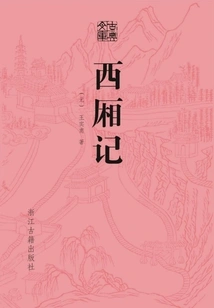
西厢记(古典文库)
(yuan) Wang Shifu
This book is a classic opera masterpiece based on the love story of Cui Yingying and Zhang Junrui. There are five books in total with 20% off. Wang Shifu's "The Romance of the West Chamber" was re-created on the basis of absorbing nutrients from previous literary and artistic works, especially "Dong Xixiang". In terms of the theme, characters, and plot of the story, it basically follows "Dong Xixiang". However, the theme of praising the love-based union of Zhang Sheng and Cui Yingying and praising their rebellious spirit that impacted the feudal ethics and feudal marriage system is more focused and prominent. The characters are more vivid and full, the plot structure is more compact and unified, and the details are meticulously described. In particular, its lyrics are gorgeous and colorful, so it surpasses the former in terms of artistic achievements.
This book is a classic opera masterpiece based on the love story of Cui Yingying and Zhang Junrui. There are five books in total with 20% off. Wang Shifu's "The Romance of the West Chamber" was re-created on the basis of absorbing nutrients from previous literary and artistic works, especially "Dong Xixiang". In terms of the theme, characters, and plot of the story, it basically follows "Dong Xixiang". However, the theme of praising the love-based union of Zhang Sheng and Cui Yingying and praising their rebellious spirit that impacted the feudal ethics and feudal marriage system is more focused and prominent. The characters are more vivid and full, the plot structure is more compact and unified, and the details are meticulously described. In particular, its lyrics are gorgeous and colorful, so it surpasses the former in terms of artistic achievements.
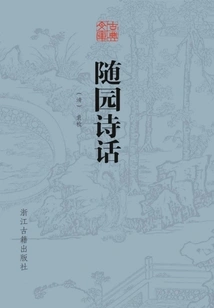
Suiyuan Poems (classical Library)
Literature随园诗话(古典文库)
G
"Suiyuan Poetry Talk" is Yuan Mei's main work on poetry, which embodies Yuan Mei's idea of emphasizing spirituality in poetry. The "spiritual nature" he advocates is that poetry should express one's feelings and speak naturally, without paying too much attention to the size of the realm and the level of style.
"Suiyuan Poetry Talk" is Yuan Mei's main work on poetry, which embodies Yuan Mei's idea of emphasizing spirituality in poetry. The "spiritual nature" he advocates is that poetry should express one's feelings and speak naturally, without paying too much attention to the size of the realm and the level of style.
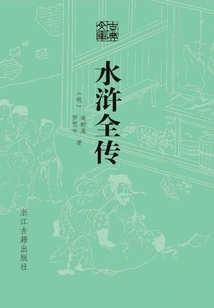
水浒全传(古典文库)
H
This book is based on the "New Edition of Li's Collection of Zhongyi Water Margin" published by Yuan Wuya in the Ming Dynasty, and is divided into punctuated sections. In terms of editing, the main manuscripts reviewed were "Mr. Li Zhuowu's Criticism of the Loyalty and Justice Water Margin" published by Ming Rong and Tang. In addition, I also used the complete version of "Water Margin" published by People's Literature Publishing House to compile the complete version of 120 chapters.
This book is based on the "New Edition of Li's Collection of Zhongyi Water Margin" published by Yuan Wuya in the Ming Dynasty, and is divided into punctuated sections. In terms of editing, the main manuscripts reviewed were "Mr. Li Zhuowu's Criticism of the Loyalty and Justice Water Margin" published by Ming Rong and Tang. In addition, I also used the complete version of "Water Margin" published by People's Literature Publishing House to compile the complete version of 120 chapters.
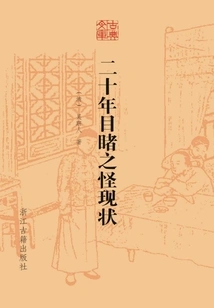
二十年目睹之怪现状(古典文库)
H
"The Strange Current Situation Witnessed in Twenty Years" is one of the four major condemnation novels of the late Qing Dynasty. The work observes the world from the eyes of a fledgling simple scholar, understands real life from his interactions with the world, and peels off the truth hidden under the disguise layer by layer. The author focuses on moral criticism and attacks the shortcomings of officialdom. His purpose is to touch people's souls and analyze the root causes of mental breakdown and its morbid status.
"The Strange Current Situation Witnessed in Twenty Years" is one of the four major condemnation novels of the late Qing Dynasty. The work observes the world from the eyes of a fledgling simple scholar, understands real life from his interactions with the world, and peels off the truth hidden under the disguise layer by layer. The author focuses on moral criticism and attacks the shortcomings of officialdom. His purpose is to touch people's souls and analyze the root causes of mental breakdown and its morbid status.
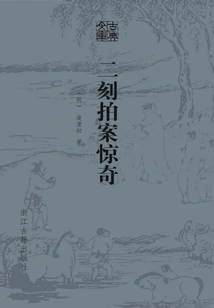
二刻拍案惊奇(古典文库)
H
"The Surprise on the Case at the Second Moment" is a collection of novels written in a Chinese script. It is collectively known as the "Er Pai" together with the author's previous work "The Surprise at the First Moment". It is also commonly referred to as the "Three Words and Two Pai" together with Feng Menglong's "Three Words", that is, "Ming Yan", "Words to Warn the World" and "Everlasting Words to Awaken the World". They are both the most famous collection of short stories in the vernacular in ancient my country. The author claims that "the puppet show is based on one or two odd situations that have been heard in ancient and modern times and can be recorded." Most of the themes are taken from the predecessors. The ideological content of the book is relatively complex, but overall, it reflects the ideas of the emerging citizen class to a certain extent.
"The Surprise on the Case at the Second Moment" is a collection of novels written in a Chinese script. It is collectively known as the "Er Pai" together with the author's previous work "The Surprise at the First Moment". It is also commonly referred to as the "Three Words and Two Pai" together with Feng Menglong's "Three Words", that is, "Ming Yan", "Words to Warn the World" and "Everlasting Words to Awaken the World". They are both the most famous collection of short stories in the vernacular in ancient my country. The author claims that "the puppet show is based on one or two odd situations that have been heard in ancient and modern times and can be recorded." Most of the themes are taken from the predecessors. The ideological content of the book is relatively complex, but overall, it reflects the ideas of the emerging citizen class to a certain extent.
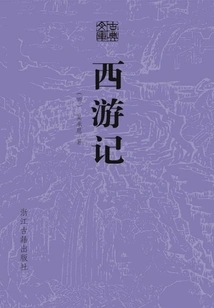
Journey to the West (classical Library)
Literature西游记(古典文库)
I
This book "Journey to the West" written by Wu Cheng'en is based on "Mr. Li Zhuowu's Criticism of Journey to the West" photocopied by Zhongzhou Painting and Calligraphy Society. It is based on the Shidetang version. Based on this, a few typos in the original version have been corrected and individual missing words in the original version have been filled in. None of the Ming editions have the story of Tang Monk's birth in the current version (only Zhu Dingchen's original version has a simple explanation), so the ninth chapter of Zhang Shushen's "New Journey to the West" of the Qing Dynasty, "Chen Guangrui's Revenge of the Monk in the River when He Was in Disaster", was moved as an appendix and placed after the eighth chapter for readers' reference.
This book "Journey to the West" written by Wu Cheng'en is based on "Mr. Li Zhuowu's Criticism of Journey to the West" photocopied by Zhongzhou Painting and Calligraphy Society. It is based on the Shidetang version. Based on this, a few typos in the original version have been corrected and individual missing words in the original version have been filled in. None of the Ming editions have the story of Tang Monk's birth in the current version (only Zhu Dingchen's original version has a simple explanation), so the ninth chapter of Zhang Shushen's "New Journey to the West" of the Qing Dynasty, "Chen Guangrui's Revenge of the Monk in the River when He Was in Disaster", was moved as an appendix and placed after the eighth chapter for readers' reference.
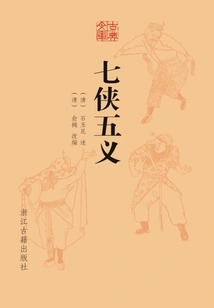
七侠五义(古典文库)
(qing Dynasty) Shi Yukunshu, Adapted By Yu Yue
Adapted from the Qing Dynasty classic "Three Heroes and Five Righteousness". Yu Yue, a modern scholar, believed that the story of "the civet cat exchanged for the prince" in the first chapter of "Three Heroes and Five Righteousnesses" was "unexpected", so he rewrote the first chapter "according to historical biographies and revising popular theories". The three heroes, namely, the Southern Hero Yumao Zhan Zhaozhan Xiong Fei, the Northern Hero Purple Beard Bo Ouyang Chun, and the Double Hero Ding Zhaolan and Ding Zhaohui were combined into one knight, which was actually the Four Heroes; the Xiaoxia Ai Hu, the Black Demon Fox Zhihua, and the Xiao Zhuge Shen Zhongyuan were added to form the Seven Heroes; the original five heroes The rats are Lu Fang, the rat that penetrates the sky, Han Zhang, the rat that penetrates the earth, Xu Qing, the rat that travels through the mountains, Jiang Ping, the rat that climbs the river, and Bai Yutang, the golden-haired rat. They are still the five righteous men. The book was renamed "Seven Heroes and Five Righteousnesses". The book has 120 chapters and was published with a preface in the 15th year of Guangxu. It is one of the many versions of the classic "Three Heroes and Five Righteousnesses".
Adapted from the Qing Dynasty classic "Three Heroes and Five Righteousness". Yu Yue, a modern scholar, believed that the story of "the civet cat exchanged for the prince" in the first chapter of "Three Heroes and Five Righteousnesses" was "unexpected", so he rewrote the first chapter "according to historical biographies and revising popular theories". The three heroes, namely, the Southern Hero Yumao Zhan Zhaozhan Xiong Fei, the Northern Hero Purple Beard Bo Ouyang Chun, and the Double Hero Ding Zhaolan and Ding Zhaohui were combined into one knight, which was actually the Four Heroes; the Xiaoxia Ai Hu, the Black Demon Fox Zhihua, and the Xiao Zhuge Shen Zhongyuan were added to form the Seven Heroes; the original five heroes The rats are Lu Fang, the rat that penetrates the sky, Han Zhang, the rat that penetrates the earth, Xu Qing, the rat that travels through the mountains, Jiang Ping, the rat that climbs the river, and Bai Yutang, the golden-haired rat. They are still the five righteous men. The book was renamed "Seven Heroes and Five Righteousnesses". The book has 120 chapters and was published with a preface in the 15th year of Guangxu. It is one of the many versions of the classic "Three Heroes and Five Righteousnesses".
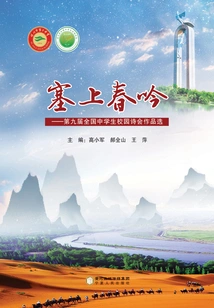
Spring Songs on the Wall: Selected Works from the Ninth National Middle School Poetry Competition
Literature塞上春吟:第九届全国中学生校园诗会作品选
Editor-in-chief Gao Xiaojun Hao Quanshan Wang Ping
This book selects outstanding poems from the 9th National Middle School Poetry Competition, divided into three chapters: You Feng Lai Yi, Sai Shang Chun Yin, and Helan Song. It aims to promote the poetry culture, praise spring, praise the enterprising new era, nourish students' souls, pursue poetic life, use beautiful poems to illuminate the spiritual world of teenagers, and cultivate students' healthy growth.
This book selects outstanding poems from the 9th National Middle School Poetry Competition, divided into three chapters: You Feng Lai Yi, Sai Shang Chun Yin, and Helan Song. It aims to promote the poetry culture, praise spring, praise the enterprising new era, nourish students' souls, pursue poetic life, use beautiful poems to illuminate the spiritual world of teenagers, and cultivate students' healthy growth.
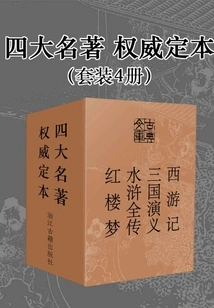
四大名著·权威定本(套装4册)(古典文库)
(ming) Wu Chengen, Shi Naian, Luo Guanzhong (qing) Cao Xueqin, Gao E
The set includes: "Journey to the West", "Water Margin", "Romance of the Three Kingdoms", and "A Dream of Red Mansions".
The set includes: "Journey to the West", "Water Margin", "Romance of the Three Kingdoms", and "A Dream of Red Mansions".
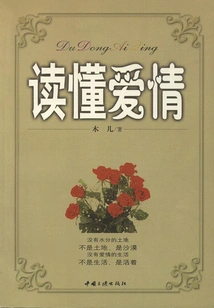
Understand Love
Literature读懂爱情
Mu'er
The contents of this book include: Flexible Love, Elopement Princess, Final Tragedy, Simple Wish, Always Saying Goodbye, Brave Heart, Singing on Thorns, etc.
The contents of this book include: Flexible Love, Elopement Princess, Final Tragedy, Simple Wish, Always Saying Goodbye, Brave Heart, Singing on Thorns, etc.
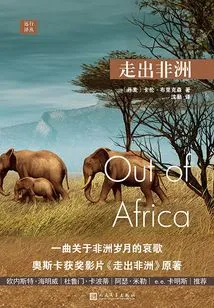
Travel Translation Series: Out of Africa
Literature远行译丛:走出非洲
(dan) Karen Blixen
The original work of the Oscar-winning film "Out of Africa" tells the story of the endless charm of Africa. Recommended by Ernest Hemingway, Truman Capote, Arthur Miller, and E. E. Cummings!
The original work of the Oscar-winning film "Out of Africa" tells the story of the endless charm of Africa. Recommended by Ernest Hemingway, Truman Capote, Arthur Miller, and E. E. Cummings!
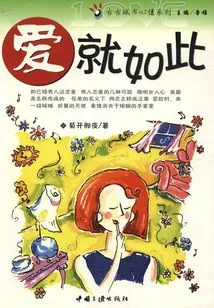
Love is Like This
Literature爱就如此
The Night The Chrysanthemum Bloomed
This book includes articles such as "Falling in Love with a Married Man", "The Taste of a Man", "The Heart of a Smart Woman", "You Love Him That Way", "When Taking Risks, Have a Fall", "Only Love a Little", etc.
This book includes articles such as "Falling in Love with a Married Man", "The Taste of a Man", "The Heart of a Smart Woman", "You Love Him That Way", "When Taking Risks, Have a Fall", "Only Love a Little", etc.
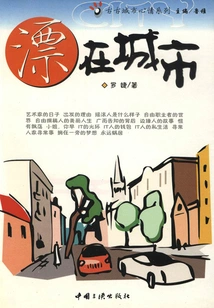
Floating in the City
Literature漂在城市
Luo Jie
This book includes essays such as "The Reason to Start", "What a Rock Man Is Like", "Behind the Wide Advertising", "Marginal People Create the World", "The Private Life of IT People", and "Simple Happiness".
This book includes essays such as "The Reason to Start", "What a Rock Man Is Like", "Behind the Wide Advertising", "Marginal People Create the World", "The Private Life of IT People", and "Simple Happiness".
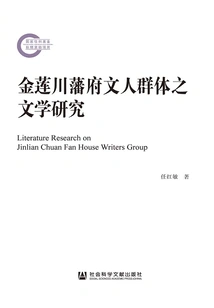
金莲川藩府文人群体之文学研究
Ren Hongmin
For the first time, this book brings the literary creations of the Jinlianchuan feudal literati in the Yuan Dynasty into the research field, and considers them to be a distinctive part of the development of Chinese literature. Most of the literati in Jinlianchuan Domain were elites in the fields of Confucianism and literature from Shandong, Shanxi, Shaanxi, Hebei and other places in the late Jin Dynasty. In addition to integrating northern and southern academics and concentrating on the study of classics and history, they also dabbled in practical knowledge such as farming, medicine, divination, and ephemeris to benefit the world. Their academic, cultural and literary opinions directly affected the cultural policies of the Yuan Dynasty. The literary research of Jinlianchuan feudal literati is very helpful to the still weak research on the poetry and prose of the Yuan Dynasty, and also provides a solid research foundation for in-depth discussions on the pattern and development trend of the literary world in the Yuan Dynasty.
For the first time, this book brings the literary creations of the Jinlianchuan feudal literati in the Yuan Dynasty into the research field, and considers them to be a distinctive part of the development of Chinese literature. Most of the literati in Jinlianchuan Domain were elites in the fields of Confucianism and literature from Shandong, Shanxi, Shaanxi, Hebei and other places in the late Jin Dynasty. In addition to integrating northern and southern academics and concentrating on the study of classics and history, they also dabbled in practical knowledge such as farming, medicine, divination, and ephemeris to benefit the world. Their academic, cultural and literary opinions directly affected the cultural policies of the Yuan Dynasty. The literary research of Jinlianchuan feudal literati is very helpful to the still weak research on the poetry and prose of the Yuan Dynasty, and also provides a solid research foundation for in-depth discussions on the pattern and development trend of the literary world in the Yuan Dynasty.
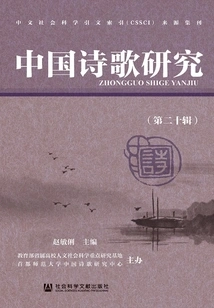
中国诗歌研究(第二十辑)
Editor-in-chief Zhao Minli
"Chinese Poetry Research" is an academic journal sponsored by the Chinese Poetry Research Center of Capital Normal University, covering the study of poetry at home and abroad in ancient and modern times. The columns include research on ancient Chinese poetry, research on modern and contemporary Chinese poetry, research on Chinese poetry theory, research on Chinese ethnic minority poetry, research on contemporary overseas Chinese poetry, research on Chinese and Western comparative poetry, research on the history of poetics and poetic literature, and youth forums. It has a good reputation in academic circles at home and abroad and is an important reference book for poetry lovers and teachers and students.
"Chinese Poetry Research" is an academic journal sponsored by the Chinese Poetry Research Center of Capital Normal University, covering the study of poetry at home and abroad in ancient and modern times. The columns include research on ancient Chinese poetry, research on modern and contemporary Chinese poetry, research on Chinese poetry theory, research on Chinese ethnic minority poetry, research on contemporary overseas Chinese poetry, research on Chinese and Western comparative poetry, research on the history of poetics and poetic literature, and youth forums. It has a good reputation in academic circles at home and abroad and is an important reference book for poetry lovers and teachers and students.
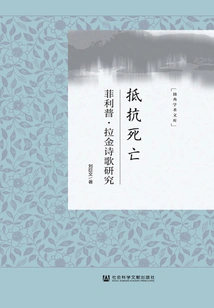
抵抗死亡:菲利普·拉金诗歌研究
Liu Juwen
Philip Larkin (1922-1985) was one of Britain's greatest poets after the Second World War. His observation and writing of daily life established his position in the history of British poetry. This book explores "resistance to death" and clarifies that death is the core driving force of Larkin's poetry writing, and it fundamentally shapes Larkin's daily life poetry writing and the relationship between the poet and readers.
Philip Larkin (1922-1985) was one of Britain's greatest poets after the Second World War. His observation and writing of daily life established his position in the history of British poetry. This book explores "resistance to death" and clarifies that death is the core driving force of Larkin's poetry writing, and it fundamentally shapes Larkin's daily life poetry writing and the relationship between the poet and readers.
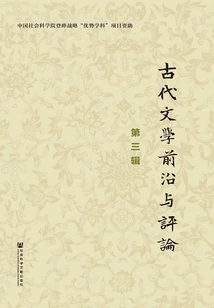
古代文学前沿与评论(第三辑)
Ancient Literature Discipline, Institute Of Literature, Chinese Academy Of Social Sciences Liu Yuejin
"Ancient Literature Frontiers and Commentary" is a professional academic journal sponsored by the ancient literature dominant discipline of the Institute of Literature, Chinese Academy of Social Sciences. It aims to reflect the research status of ancient Chinese literature and its cutting-edge developments. It has columns such as special articles, written talks, book reviews, interviews, special comments, cutting-edge reviews, meeting minutes, project developments, argument collections, new materials, and special collections of documents. This book is the third volume and is divided into five topics: special articles, literary memories, frontier observations, Ming and Qing literature series, and data index.
"Ancient Literature Frontiers and Commentary" is a professional academic journal sponsored by the ancient literature dominant discipline of the Institute of Literature, Chinese Academy of Social Sciences. It aims to reflect the research status of ancient Chinese literature and its cutting-edge developments. It has columns such as special articles, written talks, book reviews, interviews, special comments, cutting-edge reviews, meeting minutes, project developments, argument collections, new materials, and special collections of documents. This book is the third volume and is divided into five topics: special articles, literary memories, frontier observations, Ming and Qing literature series, and data index.
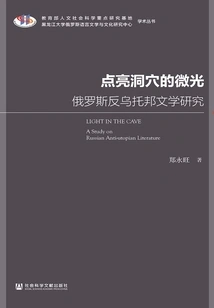
点亮洞穴的微光:俄罗斯反乌托邦文学研究
Zheng Yongwang
The introduction of this book introduces the intellectual history attributes of dystopian literature, the relationship between utopia and dystopia, the past and present of dystopian themes, and the three sources of Russian utopian literature. Chapters 1 to 4 introduce the development of Russian dystopian literature in four time periods, as well as the characteristics and representative works of each period. Chapters 5 to 12 introduce Russian dystopian literature in eight themes, with an in-depth analysis of a work under each theme.
The introduction of this book introduces the intellectual history attributes of dystopian literature, the relationship between utopia and dystopia, the past and present of dystopian themes, and the three sources of Russian utopian literature. Chapters 1 to 4 introduce the development of Russian dystopian literature in four time periods, as well as the characteristics and representative works of each period. Chapters 5 to 12 introduce Russian dystopian literature in eight themes, with an in-depth analysis of a work under each theme.
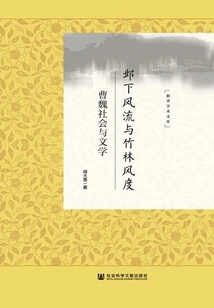
邺下风流与竹林风度:曹魏社会与文学
Hu Dalei
"Yexia style" and "Bamboo forest style" are reflected not only in the life experiences of the Seven Sons of Jian'an and the Seven Sages of the Bamboo Forest, but also in their literary writings. People have explored a lot about the reasons for the "Five Characters Teng Yu" in the Jian'an period, and also explored the characteristics of Zhengshi poetry. This book is a historical description of these two literary groups, and explores the reasons and motivations for the prosperity of Jian'an and Zhengshi literature, as well as the resulting new historical appearance. It has high academic value.
"Yexia style" and "Bamboo forest style" are reflected not only in the life experiences of the Seven Sons of Jian'an and the Seven Sages of the Bamboo Forest, but also in their literary writings. People have explored a lot about the reasons for the "Five Characters Teng Yu" in the Jian'an period, and also explored the characteristics of Zhengshi poetry. This book is a historical description of these two literary groups, and explores the reasons and motivations for the prosperity of Jian'an and Zhengshi literature, as well as the resulting new historical appearance. It has high academic value.
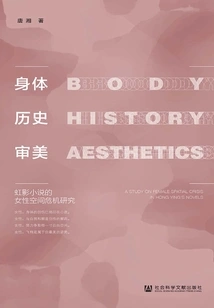
身体·历史·审美:虹影小说的女性空间危机研究
Tang Xiang
This book takes Hong Ying's ten novels as the research object, and explores the "space crisis" that traumatizes women from three perspectives: body, history and aesthetics. As a contemporary new immigrant writer in China, Hong Ying focuses on her own experience of large space and cross-cultural hardships. She interprets the great changes of the times from the perspective of female trauma. She asks why women are burdened with heavier historical shackles every time they strive for space liberation, and explores ways for women to redeem themselves from space crises. Under her concise and slightly tough writing style, there is a difficult journey of women overcoming trauma, self-repentance, tolerance of "others" and aesthetic reconstruction. It is a kind of sting and a kind of recovery.
This book takes Hong Ying's ten novels as the research object, and explores the "space crisis" that traumatizes women from three perspectives: body, history and aesthetics. As a contemporary new immigrant writer in China, Hong Ying focuses on her own experience of large space and cross-cultural hardships. She interprets the great changes of the times from the perspective of female trauma. She asks why women are burdened with heavier historical shackles every time they strive for space liberation, and explores ways for women to redeem themselves from space crises. Under her concise and slightly tough writing style, there is a difficult journey of women overcoming trauma, self-repentance, tolerance of "others" and aesthetic reconstruction. It is a kind of sting and a kind of recovery.
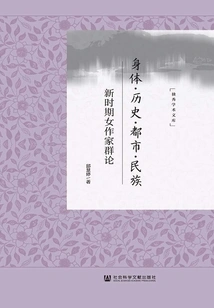
身体·历史·都市·民族:新时期女作家群论
Qiu Huiting
This book is a presentation of the meaning of "body". On the basis of gender, it also focuses on the fields of "history" and "ethnicity", highlighting the unique value of a female perspective in exploring and solving these problems. It provides useful reference and reference for women's literature research and related history and ethnic studies. It has high academic value and is an excellent research work on women's literature.
This book is a presentation of the meaning of "body". On the basis of gender, it also focuses on the fields of "history" and "ethnicity", highlighting the unique value of a female perspective in exploring and solving these problems. It provides useful reference and reference for women's literature research and related history and ethnic studies. It has high academic value and is an excellent research work on women's literature.
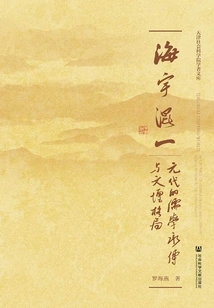
海宇混一:元代的儒学承传与文坛格局
Luo Haiyan
This book explores the interactive relationship between the Confucian school and poetry schools in the Yuan Dynasty. The book is divided into two parts. The first part is the general part. It provides a macro-level discussion of the academic changes and faction differentiation, the linkage between academia and poetry, the inheritance of Neo-Confucianism and the formation of poetry schools in the Southern Song, Jin and Yuan Dynasties. It also focuses on the Confucian inheritance and literary creation of Xu Heng and the Zhongzhou Literary School of the Yuan Dynasty, Liu Yin and the Northern Literary School of the Yuan Dynasty, Xu Qian and the Jinhua Literary School of the Yuan Dynasty, Li Qixian and the Goryeo Literary School of the Yuan Dynasty. The lower part is the textual research part, which compiles the research materials of Li Qixian, a Korean scholar in the Yuan Dynasty, and compiles the "Chronology of Literary Activities in China, Korea, Vietnam and Japan in the Yuan Dynasty".
This book explores the interactive relationship between the Confucian school and poetry schools in the Yuan Dynasty. The book is divided into two parts. The first part is the general part. It provides a macro-level discussion of the academic changes and faction differentiation, the linkage between academia and poetry, the inheritance of Neo-Confucianism and the formation of poetry schools in the Southern Song, Jin and Yuan Dynasties. It also focuses on the Confucian inheritance and literary creation of Xu Heng and the Zhongzhou Literary School of the Yuan Dynasty, Liu Yin and the Northern Literary School of the Yuan Dynasty, Xu Qian and the Jinhua Literary School of the Yuan Dynasty, Li Qixian and the Goryeo Literary School of the Yuan Dynasty. The lower part is the textual research part, which compiles the research materials of Li Qixian, a Korean scholar in the Yuan Dynasty, and compiles the "Chronology of Literary Activities in China, Korea, Vietnam and Japan in the Yuan Dynasty".
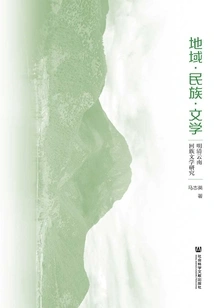
地域·民族·文学:明清云南回族文学研究
Ma Zhiying
The Ming and Qing Dynasties were a period when the Hui people continued to grow and develop, and it was also a period when Hui literature gradually prospered. During the Ming and Qing Dynasties, a considerable number of Hui writers emerged in Yunnan, and they showed the geographical distribution characteristics of "large dispersion" and "small settlement", which is consistent with the geographical distribution pattern of the Hui people in my country. Against this background, this book takes ancient Hui literature as the research object, takes regional culture as the perspective, uses literary geography, ethnology and other academic theories, and is based on case studies to observe and interpret the relationship between regional culture and ancient Hui literature, in order to enrich the research on minority literature.
The Ming and Qing Dynasties were a period when the Hui people continued to grow and develop, and it was also a period when Hui literature gradually prospered. During the Ming and Qing Dynasties, a considerable number of Hui writers emerged in Yunnan, and they showed the geographical distribution characteristics of "large dispersion" and "small settlement", which is consistent with the geographical distribution pattern of the Hui people in my country. Against this background, this book takes ancient Hui literature as the research object, takes regional culture as the perspective, uses literary geography, ethnology and other academic theories, and is based on case studies to observe and interpret the relationship between regional culture and ancient Hui literature, in order to enrich the research on minority literature.
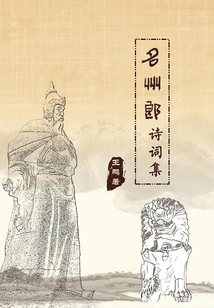
Selected Poems of Mingzhoulang
Literature名州郎诗词选
Wang Peng
"Collected Poems of Mingzhou Lang" is a collection of creative writings mainly composed of poems, which records the author's reflections on every detail of life. The content of this book is exquisitely conceived and full of pictures. There are a large number of interesting "acrostic poems" expressing feelings and praising the things around you that are worth recording and praising. The language of the manuscript alternates between ancient and new rhymes, reflecting modernity and fully expressing the feelings of family and country. Among them, the love and longing for hometown and family, the understanding and praise of work and colleagues all express a strong meaning. The lines of the manuscript are full of the author's righteousness and positive attitude towards life. They are catchy, full of passion and reveal positive energy.
"Collected Poems of Mingzhou Lang" is a collection of creative writings mainly composed of poems, which records the author's reflections on every detail of life. The content of this book is exquisitely conceived and full of pictures. There are a large number of interesting "acrostic poems" expressing feelings and praising the things around you that are worth recording and praising. The language of the manuscript alternates between ancient and new rhymes, reflecting modernity and fully expressing the feelings of family and country. Among them, the love and longing for hometown and family, the understanding and praise of work and colleagues all express a strong meaning. The lines of the manuscript are full of the author's righteousness and positive attitude towards life. They are catchy, full of passion and reveal positive energy.
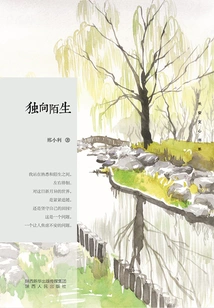
Alone and Strange
Literature独向陌生
Xing Xiaoli
Xing Xiaoli began publishing works in 1983 and joined the Chinese Writers Association in 2000. As we all know, he has made great achievements in the field of literary criticism, and his prose writing also has its own characteristics. He has published essay collections such as "Lonely with the Scenery", "How Long is the Way Home" and "Planting Beans in Nanshan". Among them, "How Long is the Way Home" won the Shaanxi Double Five Literary Award. The essays included in the "Chang'an Literary Heart" series cover a span of 30 years. Those things, those people, those feelings, and those thoughts can't help but make people sigh with emotion. The spring has passed and the world has changed. With these words, readers seem to follow the author into the old years again, with vague thoughts.
Xing Xiaoli began publishing works in 1983 and joined the Chinese Writers Association in 2000. As we all know, he has made great achievements in the field of literary criticism, and his prose writing also has its own characteristics. He has published essay collections such as "Lonely with the Scenery", "How Long is the Way Home" and "Planting Beans in Nanshan". Among them, "How Long is the Way Home" won the Shaanxi Double Five Literary Award. The essays included in the "Chang'an Literary Heart" series cover a span of 30 years. Those things, those people, those feelings, and those thoughts can't help but make people sigh with emotion. The spring has passed and the world has changed. With these words, readers seem to follow the author into the old years again, with vague thoughts.
和谷文集(卷三 散文)
Watani
This book is a collection of works by Mr. He Gu, a national first-class writer, with a total of 14 volumes. It contains the author's important works published in different periods and is divided into several volumes of prose, poetry, documentary, biography, novel, play and literary theory. These include "The Wilderness Collection", "Mayor Zhang Tiemin", "Selected Poems of Hegu", "1983 Ankang Flood" originally published by Shaanxi People's Publishing House, "The Biography of Liu Gongquan" and "Returning Hometown" by Writers Publishing House, "The Traveler's Monologue" and "National Style" by People's Literature Publishing House, "Worry-Free Tree" by Shanghai Literature and Art Publishing House, "Wild Land" by Baihua Literature and Art Publishing House, etc., Reflecting the author's achievements in literary writing in more than forty years.
This book is a collection of works by Mr. He Gu, a national first-class writer, with a total of 14 volumes. It contains the author's important works published in different periods and is divided into several volumes of prose, poetry, documentary, biography, novel, play and literary theory. These include "The Wilderness Collection", "Mayor Zhang Tiemin", "Selected Poems of Hegu", "1983 Ankang Flood" originally published by Shaanxi People's Publishing House, "The Biography of Liu Gongquan" and "Returning Hometown" by Writers Publishing House, "The Traveler's Monologue" and "National Style" by People's Literature Publishing House, "Worry-Free Tree" by Shanghai Literature and Art Publishing House, "Wild Land" by Baihua Literature and Art Publishing House, etc., Reflecting the author's achievements in literary writing in more than forty years.
和谷文集(卷十四 文论)
Watani
This book is a collection of works by Mr. He Gu, a national first-class writer, with a total of 14 volumes. It contains the author's important works published in different periods and is divided into several volumes of prose, poetry, documentary, biography, novel, play and literary theory. These include "The Wilderness Collection", "Mayor Zhang Tiemin", "Selected Poems of Hegu", "1983 Ankang Flood" originally published by Shaanxi People's Publishing House, "The Biography of Liu Gongquan" and "Returning Hometown" by Writers Publishing House, "The Traveler's Monologue" and "National Style" by People's Literature Publishing House, "Worry-Free Tree" by Shanghai Literature and Art Publishing House, "Wild Land" by Baihua Literature and Art Publishing House, etc., Reflecting the author's achievements in literary writing in more than forty years.
This book is a collection of works by Mr. He Gu, a national first-class writer, with a total of 14 volumes. It contains the author's important works published in different periods and is divided into several volumes of prose, poetry, documentary, biography, novel, play and literary theory. These include "The Wilderness Collection", "Mayor Zhang Tiemin", "Selected Poems of Hegu", "1983 Ankang Flood" originally published by Shaanxi People's Publishing House, "The Biography of Liu Gongquan" and "Returning Hometown" by Writers Publishing House, "The Traveler's Monologue" and "National Style" by People's Literature Publishing House, "Worry-Free Tree" by Shanghai Literature and Art Publishing House, "Wild Land" by Baihua Literature and Art Publishing House, etc., Reflecting the author's achievements in literary writing in more than forty years.
和谷文集(卷十三 文论)
Watani
This book is a collection of works by Mr. He Gu, a national first-class writer, with a total of 14 volumes. It contains the author's important works published in different periods and is divided into several volumes of prose, poetry, documentary, biography, novel, play and literary theory. These include "The Wilderness Collection", "Mayor Zhang Tiemin", "Selected Poems of Hegu", "1983 Ankang Flood" originally published by Shaanxi People's Publishing House, "The Biography of Liu Gongquan" and "Returning Hometown" by Writers Publishing House, "The Traveler's Monologue" and "National Style" by People's Literature Publishing House, "Worry-Free Tree" by Shanghai Literature and Art Publishing House, "Wild Land" by Baihua Literature and Art Publishing House, etc., Reflecting the author's achievements in literary writing in more than forty years.
This book is a collection of works by Mr. He Gu, a national first-class writer, with a total of 14 volumes. It contains the author's important works published in different periods and is divided into several volumes of prose, poetry, documentary, biography, novel, play and literary theory. These include "The Wilderness Collection", "Mayor Zhang Tiemin", "Selected Poems of Hegu", "1983 Ankang Flood" originally published by Shaanxi People's Publishing House, "The Biography of Liu Gongquan" and "Returning Hometown" by Writers Publishing House, "The Traveler's Monologue" and "National Style" by People's Literature Publishing House, "Worry-Free Tree" by Shanghai Literature and Art Publishing House, "Wild Land" by Baihua Literature and Art Publishing House, etc., Reflecting the author's achievements in literary writing in more than forty years.
和谷文集(卷九 纪实文学)
Watani
This book is a collection of works by Mr. He Gu, a national first-class writer, with a total of 14 volumes. It contains the author's important works published in different periods and is divided into several volumes of prose, poetry, documentary, biography, novel, play and literary theory. These include "The Wilderness Collection", "Mayor Zhang Tiemin", "Selected Poems of Hegu", "1983 Ankang Flood" originally published by Shaanxi People's Publishing House, "The Biography of Liu Gongquan" and "Returning Hometown" by Writers Publishing House, "The Traveler's Monologue" and "National Style" by People's Literature Publishing House, "Worry-Free Tree" by Shanghai Literature and Art Publishing House, "Wild Land" by Baihua Literature and Art Publishing House, etc., Reflecting the author's achievements in literary writing in more than forty years.
This book is a collection of works by Mr. He Gu, a national first-class writer, with a total of 14 volumes. It contains the author's important works published in different periods and is divided into several volumes of prose, poetry, documentary, biography, novel, play and literary theory. These include "The Wilderness Collection", "Mayor Zhang Tiemin", "Selected Poems of Hegu", "1983 Ankang Flood" originally published by Shaanxi People's Publishing House, "The Biography of Liu Gongquan" and "Returning Hometown" by Writers Publishing House, "The Traveler's Monologue" and "National Style" by People's Literature Publishing House, "Worry-Free Tree" by Shanghai Literature and Art Publishing House, "Wild Land" by Baihua Literature and Art Publishing House, etc., Reflecting the author's achievements in literary writing in more than forty years.
和谷文集(卷八 报告文学)
Watani
This book is a collection of works by Mr. He Gu, a national first-class writer, with a total of 14 volumes. It contains the author's important works published in different periods and is divided into several volumes of prose, poetry, documentary, biography, novel, play and literary theory. These include "The Wilderness Collection", "Mayor Zhang Tiemin", "Selected Poems of Hegu", "1983 Ankang Flood" originally published by Shaanxi People's Publishing House, "The Biography of Liu Gongquan" and "Returning Hometown" by Writers Publishing House, "The Traveler's Monologue" and "National Style" by People's Literature Publishing House, "Worry-Free Tree" by Shanghai Literature and Art Publishing House, "Wild Land" by Baihua Literature and Art Publishing House, etc., Reflecting the author's achievements in literary writing in more than forty years.
This book is a collection of works by Mr. He Gu, a national first-class writer, with a total of 14 volumes. It contains the author's important works published in different periods and is divided into several volumes of prose, poetry, documentary, biography, novel, play and literary theory. These include "The Wilderness Collection", "Mayor Zhang Tiemin", "Selected Poems of Hegu", "1983 Ankang Flood" originally published by Shaanxi People's Publishing House, "The Biography of Liu Gongquan" and "Returning Hometown" by Writers Publishing House, "The Traveler's Monologue" and "National Style" by People's Literature Publishing House, "Worry-Free Tree" by Shanghai Literature and Art Publishing House, "Wild Land" by Baihua Literature and Art Publishing House, etc., Reflecting the author's achievements in literary writing in more than forty years.
和谷文集(卷六 散文)
Watani
This book is a collection of works by Mr. He Gu, a national first-class writer, with a total of 14 volumes. It contains the author's important works published in different periods and is divided into several volumes of prose, poetry, documentary, biography, novel, play and literary theory. These include "The Wilderness Collection", "Mayor Zhang Tiemin", "Selected Poems of Hegu", "1983 Ankang Flood" originally published by Shaanxi People's Publishing House, "The Biography of Liu Gongquan" and "Returning Hometown" by Writers Publishing House, "The Traveler's Monologue" and "National Style" by People's Literature Publishing House, "Worry-Free Tree" by Shanghai Literature and Art Publishing House, "Wild Land" by Baihua Literature and Art Publishing House, etc., Reflecting the author's achievements in literary writing in more than forty years.
This book is a collection of works by Mr. He Gu, a national first-class writer, with a total of 14 volumes. It contains the author's important works published in different periods and is divided into several volumes of prose, poetry, documentary, biography, novel, play and literary theory. These include "The Wilderness Collection", "Mayor Zhang Tiemin", "Selected Poems of Hegu", "1983 Ankang Flood" originally published by Shaanxi People's Publishing House, "The Biography of Liu Gongquan" and "Returning Hometown" by Writers Publishing House, "The Traveler's Monologue" and "National Style" by People's Literature Publishing House, "Worry-Free Tree" by Shanghai Literature and Art Publishing House, "Wild Land" by Baihua Literature and Art Publishing House, etc., Reflecting the author's achievements in literary writing in more than forty years.
Cai Gentan
Literature菜根谭
Hong Yingming
"Cai Gen Tan", "Night Talk around the Fireplace" and "Xiao Chuang You Ji" are also known as "the three great books on life". "Cai Gen Tan" talks about how to treat people, do things, cultivate your mind, conduct yourself in the world, and accept things. The word "quiet" connects the whole book. A book that allows you to be calm and calm in the busy world. Regarding treating others: It is better to be silent than impatient, and to be clumsy rather than cunning. It's not appropriate to get angry, and it's not appropriate to give up lightly. When making friends, you need to be chivalrous, and when you are a person, you need to be honest. Regarding doing things: Where the wind is slanting and the rain is urgent, you must stand firm. Where the flowers are thick and the willows are bright, you must have a high eye. The road is dangerous and dangerous, so you have to turn back early. You should have a busy mind when you are free, and you should have leisurely fun when you are busy. Regarding cultivating the mind: The heart is pure and white, and the fragrance is pure and fragrant for generations. The secret of heaven is clear and the breasts are exquisite. Don't be surprised by favor or disgrace, just watch the flowers blooming and falling in front of the court; you have no intention of leaving or leaving, just follow the clouds rolling and relaxing in the sky. Regarding life: It is better to be simple than sophisticated. Rather than being cautious, it is better to be careless and wild. When things come, the mind begins to appear; when things go, the mind becomes empty. Regarding receiving things: The atmosphere should be high and open, but not too wild. The mind must be careful and not trivial. Interest should be diluted, not boring. Conduct must be strict but not violent. After reading "Cai Gen Tan", I hope you can live a more comfortable and pure life.
"Cai Gen Tan", "Night Talk around the Fireplace" and "Xiao Chuang You Ji" are also known as "the three great books on life". "Cai Gen Tan" talks about how to treat people, do things, cultivate your mind, conduct yourself in the world, and accept things. The word "quiet" connects the whole book. A book that allows you to be calm and calm in the busy world. Regarding treating others: It is better to be silent than impatient, and to be clumsy rather than cunning. It's not appropriate to get angry, and it's not appropriate to give up lightly. When making friends, you need to be chivalrous, and when you are a person, you need to be honest. Regarding doing things: Where the wind is slanting and the rain is urgent, you must stand firm. Where the flowers are thick and the willows are bright, you must have a high eye. The road is dangerous and dangerous, so you have to turn back early. You should have a busy mind when you are free, and you should have leisurely fun when you are busy. Regarding cultivating the mind: The heart is pure and white, and the fragrance is pure and fragrant for generations. The secret of heaven is clear and the breasts are exquisite. Don't be surprised by favor or disgrace, just watch the flowers blooming and falling in front of the court; you have no intention of leaving or leaving, just follow the clouds rolling and relaxing in the sky. Regarding life: It is better to be simple than sophisticated. Rather than being cautious, it is better to be careless and wild. When things come, the mind begins to appear; when things go, the mind becomes empty. Regarding receiving things: The atmosphere should be high and open, but not too wild. The mind must be careful and not trivial. Interest should be diluted, not boring. Conduct must be strict but not violent. After reading "Cai Gen Tan", I hope you can live a more comfortable and pure life.
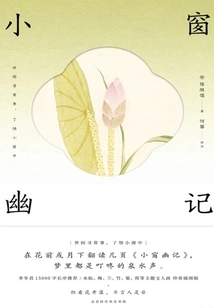
Notes on the Small Window
Literature小窗幽记
(ming Dynasty) Chen Jiru, Translated And Annotated By He Pan
"The Secret of Small Window", "Evening Talk Around the Fireplace" and "Cai Gen Tan" are also known as "the three great books on life". "Cai Gen Tan" is better for its profoundness, "Night Talk around the Fireplace" is better for its plainness, and "The Story of a Small Window" is better for its colorfulness. The whole book is divided into twelve chapters: "awake, emotion, steepness, spirit, element, scenery, rhyme, wonder, beauty, heroism, law, beauty". He writes down the scene in front of his eyes and the emotions in his heart, including the way of life that "makes people happy at first acquaintance, rather than the boredom that lasts forever", the leisurely attitude of "how happy life has been since ancient times", and the charming and wonderful thoughts about singing birds, famous flowers, clear springs and white rocks. The language is sharp and beautiful, every word is precious, looking for happiness and true meaning in the seemingly useless leisure, describing all kinds of interests in life, and the taste is far-reaching. Imagine making yourself a pot of good tea in the lazy afternoon, sitting in front of the flowers and trees with dappled light and shadow, or reading a few pages of "The Secret of the Small Window" under the moonlight, and dreaming of the sound of the spring water.
"The Secret of Small Window", "Evening Talk Around the Fireplace" and "Cai Gen Tan" are also known as "the three great books on life". "Cai Gen Tan" is better for its profoundness, "Night Talk around the Fireplace" is better for its plainness, and "The Story of a Small Window" is better for its colorfulness. The whole book is divided into twelve chapters: "awake, emotion, steepness, spirit, element, scenery, rhyme, wonder, beauty, heroism, law, beauty". He writes down the scene in front of his eyes and the emotions in his heart, including the way of life that "makes people happy at first acquaintance, rather than the boredom that lasts forever", the leisurely attitude of "how happy life has been since ancient times", and the charming and wonderful thoughts about singing birds, famous flowers, clear springs and white rocks. The language is sharp and beautiful, every word is precious, looking for happiness and true meaning in the seemingly useless leisure, describing all kinds of interests in life, and the taste is far-reaching. Imagine making yourself a pot of good tea in the lazy afternoon, sitting in front of the flowers and trees with dappled light and shadow, or reading a few pages of "The Secret of the Small Window" under the moonlight, and dreaming of the sound of the spring water.
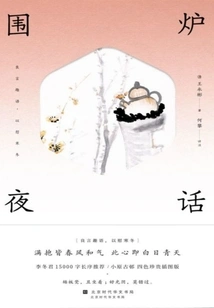
Night Talk Around the Fire
Literature围炉夜话
(qing Dynasty) Translated And Annotated By Wang Yongbin And He Pan
"Night Talk around the Lu", "Xiao Chuang You Ji" and "Cai Gen Tan" are also known as the "Three Wonderful Books on Life". The book is divided into 221 chapters, which elaborate on the theme of settling down and establishing a life in the form of essays, covering many aspects of life, such as cultivating one's moral character, conducting oneself in society, maintaining oneself and establishing one's career, studying and making determination, cherishing time and making friends, etc. Hidden in the short aphorisms is infinite wisdom in life, just like an elder and a younger generation chatting around the fire in winter, teaching you the philosophy of life accumulated over the years. A beautiful book is worth reading over and over again. Every time you read a few sentences, you have to close the book and meditate for a long time. This book encourages readers to regain the common principles that have been forgotten between busyness and laziness, cultivate their moral character, and become a person with a calm mind and wisdom.
"Night Talk around the Lu", "Xiao Chuang You Ji" and "Cai Gen Tan" are also known as the "Three Wonderful Books on Life". The book is divided into 221 chapters, which elaborate on the theme of settling down and establishing a life in the form of essays, covering many aspects of life, such as cultivating one's moral character, conducting oneself in society, maintaining oneself and establishing one's career, studying and making determination, cherishing time and making friends, etc. Hidden in the short aphorisms is infinite wisdom in life, just like an elder and a younger generation chatting around the fire in winter, teaching you the philosophy of life accumulated over the years. A beautiful book is worth reading over and over again. Every time you read a few sentences, you have to close the book and meditate for a long time. This book encourages readers to regain the common principles that have been forgotten between busyness and laziness, cultivate their moral character, and become a person with a calm mind and wisdom.
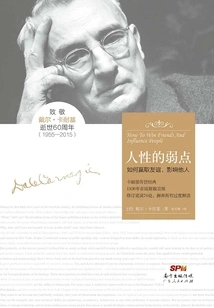
Human Weakness
Literature人性的弱点
(us) Dale Carnegie
"Human Weakness", Dale Carnegie's masterpiece during his lifetime, the greatest spiritual teacher of the 20th century, is a best-selling tutorial on interpersonal relationships, communication and social interaction around the world. After the book was published in 1936, it immediately became popular all over the world. It has been translated into 58 languages and has sold more than 100 million copies in total. Over the past 80 years, "Human Weakness" has changed the destinies of thousands of people, including many business and political figures, and even several U. S. Presidents. U. S. President John F. Kennedy, investment tycoon Warren Buffett, oil tycoon Rockefeller, Disney, the father of Mickey Mouse, hotel tycoon Hilton, business wizard Jack Ma and other top figures in the world have read, benefited from and highly recommended this book.
"Human Weakness", Dale Carnegie's masterpiece during his lifetime, the greatest spiritual teacher of the 20th century, is a best-selling tutorial on interpersonal relationships, communication and social interaction around the world. After the book was published in 1936, it immediately became popular all over the world. It has been translated into 58 languages and has sold more than 100 million copies in total. Over the past 80 years, "Human Weakness" has changed the destinies of thousands of people, including many business and political figures, and even several U. S. Presidents. U. S. President John F. Kennedy, investment tycoon Warren Buffett, oil tycoon Rockefeller, Disney, the father of Mickey Mouse, hotel tycoon Hilton, business wizard Jack Ma and other top figures in the world have read, benefited from and highly recommended this book.
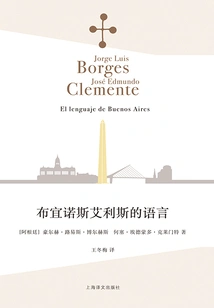
布宜诺斯艾利斯的语言(博尔赫斯全集)
(argentina) Jorge Luis Borges Jose Edmundo Clemente
The Language of Buenos Aires is a collaboration between Borges and José Edmundo Clemente. It contains a series of articles written by the two of them that explore the characteristics of the Argentinian language. From the fresh and natural market language to the poet's moving words and phrases, from Yangchun Baixue's articles to the slang and jargon of the Lower Riba people. There is a common spirit between them: the emotional projection of the market. Local language is the root, which goes deep into the soil, absorbs the juice and nourishes the mother tongue. The author opposes the rigid and inflexible discussion of language institutes and emphasizes that language is action and life. It rings in our ears every day and is our emotion, our home, our trust and the friendship that comes from conversation.
The Language of Buenos Aires is a collaboration between Borges and José Edmundo Clemente. It contains a series of articles written by the two of them that explore the characteristics of the Argentinian language. From the fresh and natural market language to the poet's moving words and phrases, from Yangchun Baixue's articles to the slang and jargon of the Lower Riba people. There is a common spirit between them: the emotional projection of the market. Local language is the root, which goes deep into the soil, absorbs the juice and nourishes the mother tongue. The author opposes the rigid and inflexible discussion of language institutes and emphasizes that language is action and life. It rings in our ears every day and is our emotion, our home, our trust and the friendship that comes from conversation.
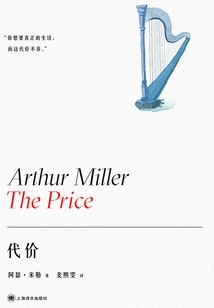
The Price (arthur Miller Works Series)
Literature代价(阿瑟·米勒作品系列)
(us) Arthur Miller
"You want a real life, and it's expensive." "The conscience of American drama" Arthur Miller is comparable to the late masterpiece "Death of a Salesman", winner of four Emmy Awards, nominated for two Tony Awards, a modern version of the "Cain" and "Abel" dispute. "The Price" is a two-act play written by Arthur Miller in 1967. It is a family game that penetrates from the pricing allocation of old furniture to the price people pay for their own life choices. After the Great Depression, Victor Franz interrupted his college studies to become a policeman in order to support his father who was crushed by the stock market crash. The two of them lived in the attic of his uncle's house with the remnants of their past wealthy life. More than 30 years later, the old house will be demolished, and Victor comes back to sell his parents' inheritance. His wife Esther, brother Walter, and savvy furniture businessman Solomon each have their own plans. The two brothers uncover stories from each other's past that they don't want to admit, and in the end, Victor must face his own sacrifice. Since its premiere on Broad Street in 1968, "The Price" has been revived several times and received two Tony Award nominations; the TV adaptation received four Emmy Award nominations and won two of them.
"You want a real life, and it's expensive." "The conscience of American drama" Arthur Miller is comparable to the late masterpiece "Death of a Salesman", winner of four Emmy Awards, nominated for two Tony Awards, a modern version of the "Cain" and "Abel" dispute. "The Price" is a two-act play written by Arthur Miller in 1967. It is a family game that penetrates from the pricing allocation of old furniture to the price people pay for their own life choices. After the Great Depression, Victor Franz interrupted his college studies to become a policeman in order to support his father who was crushed by the stock market crash. The two of them lived in the attic of his uncle's house with the remnants of their past wealthy life. More than 30 years later, the old house will be demolished, and Victor comes back to sell his parents' inheritance. His wife Esther, brother Walter, and savvy furniture businessman Solomon each have their own plans. The two brothers uncover stories from each other's past that they don't want to admit, and in the end, Victor must face his own sacrifice. Since its premiere on Broad Street in 1968, "The Price" has been revived several times and received two Tony Award nominations; the TV adaptation received four Emmy Award nominations and won two of them.
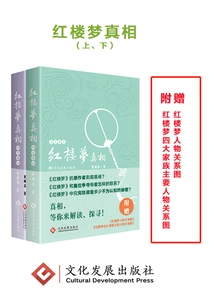
The Truth About "dream of Red Mansions
Literature《红楼梦》真相
Dong Yaochang
"A paper full of absurd words, a handful of bitter tears. It is said that the author is crazy, who can understand the meaning?" This is the first title poem of "Dream of Red Mansions". Although the title poem written by Cao Xueqin has only twenty words, it is placed as the first title poem in the book, which shows the good intentions of the author and editor and the importance of this poem. Here, the author has clarified six questions from this poem, and invites everyone to analyze and discuss them together: First, is this poem written by Cao Xueqin addressed to himself, to "Stone", or to the readers? Secondly, why do you have to use "paper full of absurd words" when writing a book? What exactly is absurd about "absurd words"? Third, since it is a "ridiculous statement", why do you still shed "a handful of bitter tears"? Who shed these tears? Fourthly, are these "a handful of bitter tears" shed for love? If they were shed for love, how could Zhi Yanzhai call them "tears of blood"? Fifth, who is this "crazy author" who is said to be a "crazy author"? What is he obsessed with? Sixth, what is the "flavor" of "who can understand the flavor"? Who tasted this flavor first? In order to solve these six mysteries, the author spent ten chapters on research and verification, and wanted to answer these questions. This was the author's original intention in writing "The Truth". Studying "Dream of Red Mansions" is full of hardships in research. Due to the age and lack of data, some flaws are inevitable. "The Truth" is just one family's opinion. We sincerely invite criticism and advice from teachers and readers.
"A paper full of absurd words, a handful of bitter tears. It is said that the author is crazy, who can understand the meaning?" This is the first title poem of "Dream of Red Mansions". Although the title poem written by Cao Xueqin has only twenty words, it is placed as the first title poem in the book, which shows the good intentions of the author and editor and the importance of this poem. Here, the author has clarified six questions from this poem, and invites everyone to analyze and discuss them together: First, is this poem written by Cao Xueqin addressed to himself, to "Stone", or to the readers? Secondly, why do you have to use "paper full of absurd words" when writing a book? What exactly is absurd about "absurd words"? Third, since it is a "ridiculous statement", why do you still shed "a handful of bitter tears"? Who shed these tears? Fourthly, are these "a handful of bitter tears" shed for love? If they were shed for love, how could Zhi Yanzhai call them "tears of blood"? Fifth, who is this "crazy author" who is said to be a "crazy author"? What is he obsessed with? Sixth, what is the "flavor" of "who can understand the flavor"? Who tasted this flavor first? In order to solve these six mysteries, the author spent ten chapters on research and verification, and wanted to answer these questions. This was the author's original intention in writing "The Truth". Studying "Dream of Red Mansions" is full of hardships in research. Due to the age and lack of data, some flaws are inevitable. "The Truth" is just one family's opinion. We sincerely invite criticism and advice from teachers and readers.
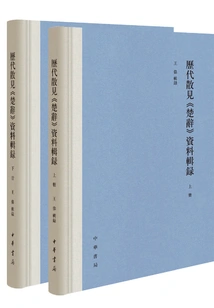
A Compilation of Scattered Materials on "the Songs of Chu" Through the Ages (two Volumes in Total)
Literature历代散见《楚辞》资料辑录(全二册)
Compiled By Wang Wei
Wang Wei's "Compilation of Scattered Materials on the Songs of Chu in the Past Dynasties" is divided into three parts. It compiles comments and annotations on the Songs of Chu in the past dynasties from hundreds of classics such as Confucian classics, history books, Leishu, primary school books, notes, etc. It is a comprehensive collection of comments in addition to research monographs and collations on the Songs of Chu. The collected works are sorted in chronological order, and the sources are marked with the page numbers of the original text and the current edition of the works for easy review. The complete sentences of the words and phrases related to Chu Ci are also listed to facilitate readers' comparison and correction.
Wang Wei's "Compilation of Scattered Materials on the Songs of Chu in the Past Dynasties" is divided into three parts. It compiles comments and annotations on the Songs of Chu in the past dynasties from hundreds of classics such as Confucian classics, history books, Leishu, primary school books, notes, etc. It is a comprehensive collection of comments in addition to research monographs and collations on the Songs of Chu. The collected works are sorted in chronological order, and the sources are marked with the page numbers of the original text and the current edition of the works for easy review. The complete sentences of the words and phrases related to Chu Ci are also listed to facilitate readers' comparison and correction.
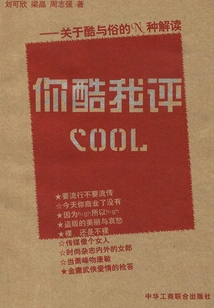
I Comment on Your Coolness
Literature你酷我评
Liu Kexin Liang Jing Zhou Zhiqiang
This book includes articles such as "Lower Riba Joy", "Love Me Tenderly", "Forever Baby", "Are You Still Rocking?"
This book includes articles such as "Lower Riba Joy", "Love Me Tenderly", "Forever Baby", "Are You Still Rocking?"
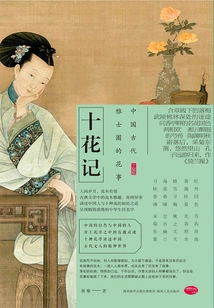
Ten Flowers
Literature十花记
Yan Li
"The Story of Ten Flowers" is a literary and artistic prose book that explores the beautiful flowers and plants in ancient classics and the beauty of contemporary women's hearts. This book will start with flowers, based on the Qing Dynasty ancient book "Ancient and Modern Books Collection Museum Collection". Based on the style arrangement and content structure of the Classic of Grass and Trees, ten kinds of flowers that are most familiar to modern people are selected, and the more comprehensive classifications in the classics are followed (i. E., Name explanations, art and literature, sentence selections, and chronicles) to restore the ancients' understanding of each of them in a targeted manner. Collect the names, emotions, thoughts, images and related anecdotes of flowers and make original comments on them, bridging the gap between ancient and modern flowers and trees, poems and books, and the grass and trees around people, and presenting the ancient people's grass and trees to modern people.
"The Story of Ten Flowers" is a literary and artistic prose book that explores the beautiful flowers and plants in ancient classics and the beauty of contemporary women's hearts. This book will start with flowers, based on the Qing Dynasty ancient book "Ancient and Modern Books Collection Museum Collection". Based on the style arrangement and content structure of the Classic of Grass and Trees, ten kinds of flowers that are most familiar to modern people are selected, and the more comprehensive classifications in the classics are followed (i. E., Name explanations, art and literature, sentence selections, and chronicles) to restore the ancients' understanding of each of them in a targeted manner. Collect the names, emotions, thoughts, images and related anecdotes of flowers and make original comments on them, bridging the gap between ancient and modern flowers and trees, poems and books, and the grass and trees around people, and presenting the ancient people's grass and trees to modern people.
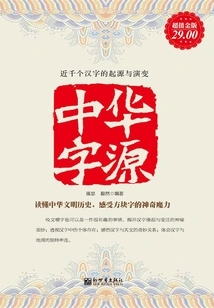
Chinese Etymology
Literature中华字源
Edited By Yaser Yiran
A history of Chinese characters is a history of changes in Chinese culture, even though the external form has changed. But the inner spirit continues to this day. The unique art forms of Chinese characters, such as literature, calligraphy and couplets, benefit from the philosophy contained in Chinese characters as well as the pronunciation and structure of Chinese characters. Chinese characters are so broad that an interesting story can happen even between each stroke. "Chinese Character Source (Super Value Gold Edition)" strives to introduce the origin and evolution of 1,000 Chinese characters in detail, allowing readers to understand Chinese characters in a language full of fun and wisdom, and to use this language with the oldest history and the largest number of speakers in the world more accurately, flexibly and skillfully.
A history of Chinese characters is a history of changes in Chinese culture, even though the external form has changed. But the inner spirit continues to this day. The unique art forms of Chinese characters, such as literature, calligraphy and couplets, benefit from the philosophy contained in Chinese characters as well as the pronunciation and structure of Chinese characters. Chinese characters are so broad that an interesting story can happen even between each stroke. "Chinese Character Source (Super Value Gold Edition)" strives to introduce the origin and evolution of 1,000 Chinese characters in detail, allowing readers to understand Chinese characters in a language full of fun and wisdom, and to use this language with the oldest history and the largest number of speakers in the world more accurately, flexibly and skillfully.
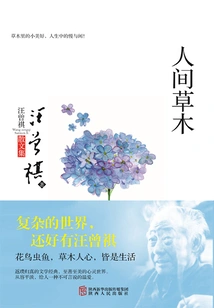
人间草木(汪曾祺散文集)
Wang Zengqi
His works are unique in style, innocent and timeless, free and elegant, and his writing style is simple and natural, like flowing clouds and flowing water, deeply capturing the interest of nature. He creates a true realm, conveys true feelings, and brings the beauty of tranquility in the spiritual world to readers. "Plants and Plants in the World" is a classic collection of essays by Wang Zengqi about his travels, local customs, flowers, birds, insects, and fish. The lines fully reveal his deep attachment to local names and customs and his nostalgia for old life scenes. It has a strong local flavor and shows Shen Congwen's inheritance. It can be called a classic of contemporary sketches. Through the selection of many classic prose works by Wang Zengqi, readers can appreciate the elegance of the works of a generation of prose masters without leaving home.
His works are unique in style, innocent and timeless, free and elegant, and his writing style is simple and natural, like flowing clouds and flowing water, deeply capturing the interest of nature. He creates a true realm, conveys true feelings, and brings the beauty of tranquility in the spiritual world to readers. "Plants and Plants in the World" is a classic collection of essays by Wang Zengqi about his travels, local customs, flowers, birds, insects, and fish. The lines fully reveal his deep attachment to local names and customs and his nostalgia for old life scenes. It has a strong local flavor and shows Shen Congwen's inheritance. It can be called a classic of contemporary sketches. Through the selection of many classic prose works by Wang Zengqi, readers can appreciate the elegance of the works of a generation of prose masters without leaving home.
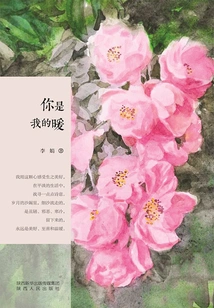
You Are My Warmth
Literature你是我的暖
Li Juan
Li Juan is a contracted writer for the magazines "Reader", "Maxim" and "Wenyuan". Her works have been frequently selected into the annual Chinese prose anthology, 23 kinds of middle school teaching aids, and more than 30 kinds of Chinese test questions and Chinese simulation test questions for the college entrance examination and high school entrance examination. This selection contains all of her influential prose works. The writings include writers Shen Congwen, Zhang Ailing, Yang Jiang, Zhang Chonghe, Huang Yongyu, and painters Qi Baishi, Miller, Feng Zikai, Zhang Zhen, etc. In her writing, the master is like a neighbor. She talks about art and people, narrates and cherishes people, all at her fingertips, and every word is fragrant. She writes about life with fireworks, using emotions as broad as a river, sensual and calm, clear and elegant. He writes about the scenery of the four seasons and travel notes about mountains and rivers in a casual and relaxed manner. Every word is exquisite, and the beauty of human feelings and art are revealed between the lines, and the writer's warmth and affection for art and life flow.
Li Juan is a contracted writer for the magazines "Reader", "Maxim" and "Wenyuan". Her works have been frequently selected into the annual Chinese prose anthology, 23 kinds of middle school teaching aids, and more than 30 kinds of Chinese test questions and Chinese simulation test questions for the college entrance examination and high school entrance examination. This selection contains all of her influential prose works. The writings include writers Shen Congwen, Zhang Ailing, Yang Jiang, Zhang Chonghe, Huang Yongyu, and painters Qi Baishi, Miller, Feng Zikai, Zhang Zhen, etc. In her writing, the master is like a neighbor. She talks about art and people, narrates and cherishes people, all at her fingertips, and every word is fragrant. She writes about life with fireworks, using emotions as broad as a river, sensual and calm, clear and elegant. He writes about the scenery of the four seasons and travel notes about mountains and rivers in a casual and relaxed manner. Every word is exquisite, and the beauty of human feelings and art are revealed between the lines, and the writer's warmth and affection for art and life flow.
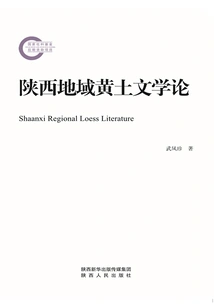
Shaanxi Regional Loess Literature Theory
Literature陕西地域黄土文学论
Wu Fengzhen
"Research on Shaanxi Regional Loess Literature" is a late-stage project funded by the National Social Science Fund. This book first proposes the loess literature genre in Shaanxi regional literature. It starts from Shaanxi regional culture and takes the Shaanxi army active on the loess as the research object. It selects the representative writers of Shaanxi loess literature: Liu Qing, Lu Yao, and Chen Zhongshi. The characteristics of loess literature in Shaanxi region are discussed and discussed in terms of earth complex, artistic life, rural themes, epic pursuit, creative techniques, and artistic opinions. The similar regional cultural influence of the three writers' works with different characteristics is analyzed layer by layer. The comparative research method used is unique and has high academic value.
"Research on Shaanxi Regional Loess Literature" is a late-stage project funded by the National Social Science Fund. This book first proposes the loess literature genre in Shaanxi regional literature. It starts from Shaanxi regional culture and takes the Shaanxi army active on the loess as the research object. It selects the representative writers of Shaanxi loess literature: Liu Qing, Lu Yao, and Chen Zhongshi. The characteristics of loess literature in Shaanxi region are discussed and discussed in terms of earth complex, artistic life, rural themes, epic pursuit, creative techniques, and artistic opinions. The similar regional cultural influence of the three writers' works with different characteristics is analyzed layer by layer. The comparative research method used is unique and has high academic value.
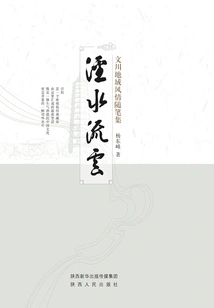
Jingshui Liuyun
Literature泾水流云
Wenchuan
This book is an anthology of the author's personal prose, with a total of 62 prose works, all of which are essays about local customs and customs related to Jingyang written by the author in recent years. Among them, 47 articles were published in the "Jingyang News" special issue of "Xixian People's Life News", and more than 10 articles were published in newspapers and magazines such as "Xianyang Daily" and "China Discipline Inspection and Supervision News". The book is divided into five albums: "Country Sketches" describes the mountains, rivers and local specialties of Jingyang; "Township Customs" tells the origin of the names and folk customs of the thirteen towns under the jurisdiction of Jingyang County; "Gazing at the Stars" looks back at the time when Jingyang was famous in history "Long-lasting Humanities" displays the long-standing humanistic spirit and cultural heritage of Jingyang, and "Hearsay" collects and compiles stories and legends that are widely circulated among Jingyang people. The author's love for his hometown is expressed in every line of the text.
This book is an anthology of the author's personal prose, with a total of 62 prose works, all of which are essays about local customs and customs related to Jingyang written by the author in recent years. Among them, 47 articles were published in the "Jingyang News" special issue of "Xixian People's Life News", and more than 10 articles were published in newspapers and magazines such as "Xianyang Daily" and "China Discipline Inspection and Supervision News". The book is divided into five albums: "Country Sketches" describes the mountains, rivers and local specialties of Jingyang; "Township Customs" tells the origin of the names and folk customs of the thirteen towns under the jurisdiction of Jingyang County; "Gazing at the Stars" looks back at the time when Jingyang was famous in history "Long-lasting Humanities" displays the long-standing humanistic spirit and cultural heritage of Jingyang, and "Hearsay" collects and compiles stories and legends that are widely circulated among Jingyang people. The author's love for his hometown is expressed in every line of the text.
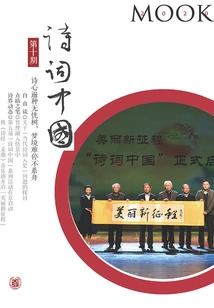
Poetry in China" Issue 10
Literature《诗词中国 》第10期
Poetry China Series Editorial Department
"Poetry China·MOOK" is co-sponsored by Zhonghua Book Company and the Chinese Poetry Research Institute and is published and distributed to the whole society. It aims to "collect the most moving contemporary poetry, collect the most authoritative poetic techniques, and share the most interesting poetic words." It mainly focuses on discussing writing skills, exchanging writing experiences, and appreciating pictures, texts, and poems, and strives to become a spiritual home for experts to communicate. This issue is a regular offseason column. This issue summarizes the opinions of consultants and judges and revise the column. The "Ancient Poetry Appreciation" and "Viewpoint" columns were deleted, and the "Finding Touch", "Meeting Friends with Poetry" and "Poetic Picks" were added, and the "Famous Poetry Notes" were changed to "Famous Poetry Notes". The main content is as follows: [Free Talk] The theme is "Contemporary Poetry Entering History", and Zhou Xiaotian, Zhong Zhenzhen, Qian Zhixi, etc. Were invited to discuss it. [Famous Masters Say Poems] includes Lin Xiu's "Good Poems on Wall Graffiti" and Xing Han's "Three Don'ts in Poetry Creation". [The finishing touch] includes Tao Wenpeng's "Philosophy Integrated into Situations". [Famous Poetry Notes] contains Feng Zikai's poetry works. Newsletters related to the launch of the fifth competition and call for submissions will be added to the second cover, third cover or [Poetry News] column, to be added.
"Poetry China·MOOK" is co-sponsored by Zhonghua Book Company and the Chinese Poetry Research Institute and is published and distributed to the whole society. It aims to "collect the most moving contemporary poetry, collect the most authoritative poetic techniques, and share the most interesting poetic words." It mainly focuses on discussing writing skills, exchanging writing experiences, and appreciating pictures, texts, and poems, and strives to become a spiritual home for experts to communicate. This issue is a regular offseason column. This issue summarizes the opinions of consultants and judges and revise the column. The "Ancient Poetry Appreciation" and "Viewpoint" columns were deleted, and the "Finding Touch", "Meeting Friends with Poetry" and "Poetic Picks" were added, and the "Famous Poetry Notes" were changed to "Famous Poetry Notes". The main content is as follows: [Free Talk] The theme is "Contemporary Poetry Entering History", and Zhou Xiaotian, Zhong Zhenzhen, Qian Zhixi, etc. Were invited to discuss it. [Famous Masters Say Poems] includes Lin Xiu's "Good Poems on Wall Graffiti" and Xing Han's "Three Don'ts in Poetry Creation". [The finishing touch] includes Tao Wenpeng's "Philosophy Integrated into Situations". [Famous Poetry Notes] contains Feng Zikai's poetry works. Newsletters related to the launch of the fifth competition and call for submissions will be added to the second cover, third cover or [Poetry News] column, to be added.
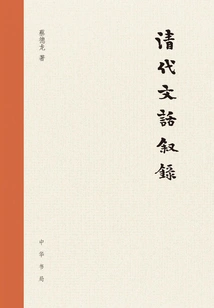
Qing Dynasty Literary Narratives
Literature清代文话叙录
Cai Delong
This book is Professor Cai Delong's comprehensive survey and narration of literary works of the Qing Dynasty, as well as a philological work that reveals the theory of essays and determines their value. The author has counted more than 250 kinds of literary works in the Qing Dynasty, divided into two parts. The upper part records the surviving works, and the lower part records those that have no books. In order of chronology, the author's information, volume, and version information are recorded in detail, focusing on elucidating the concept, value, era, etc. Of article studies, revealing the prosperity of article theory and literary writing in the Qing Dynasty, providing a documentary basis for research on article studies in the Qing Dynasty, with a view to building a discourse system of article studies with local and national characteristics. Part of the text is accompanied by book and photo for reference.
This book is Professor Cai Delong's comprehensive survey and narration of literary works of the Qing Dynasty, as well as a philological work that reveals the theory of essays and determines their value. The author has counted more than 250 kinds of literary works in the Qing Dynasty, divided into two parts. The upper part records the surviving works, and the lower part records those that have no books. In order of chronology, the author's information, volume, and version information are recorded in detail, focusing on elucidating the concept, value, era, etc. Of article studies, revealing the prosperity of article theory and literary writing in the Qing Dynasty, providing a documentary basis for research on article studies in the Qing Dynasty, with a view to building a discourse system of article studies with local and national characteristics. Part of the text is accompanied by book and photo for reference.
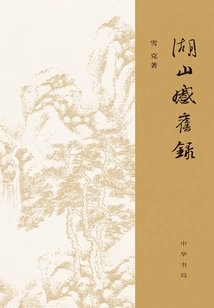
A Sense of Lakes and Mountains
Literature湖山感旧录
Shake
The author has been engaged in the compilation and research of ancient documents at the former Hangzhou University for a long time. When he was an octogenarian, he wrote a series of scholarly records, either in memory of his teachers and friends or in reminiscing about the past. They are simple and profound, reflecting the style and style of famous scholars such as Ren Mingshan, Yan Qun, Dai Jiaxiang, Hu Shiying, Wang Huanbiao, Jiang Lihong, Shen Wenzhuo, Qian Nanyang, Zhu Jihai, etc., And revealing many details of the times.
The author has been engaged in the compilation and research of ancient documents at the former Hangzhou University for a long time. When he was an octogenarian, he wrote a series of scholarly records, either in memory of his teachers and friends or in reminiscing about the past. They are simple and profound, reflecting the style and style of famous scholars such as Ren Mingshan, Yan Qun, Dai Jiaxiang, Hu Shiying, Wang Huanbiao, Jiang Lihong, Shen Wenzhuo, Qian Nanyang, Zhu Jihai, etc., And revealing many details of the times.
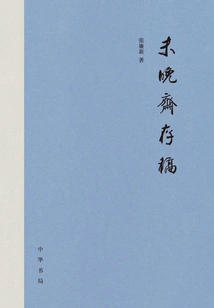
未晚斋存稿
Zhang Lianxin
"Wei Wan Zhai Cun Manu" is divided into four parts. The first part mainly systematically explains the ancient Chinese writing theory, which is a relatively systematic explanation of writing theory in China. The second part is about the appreciation of ancient works, mainly interpreting famous ancient works. The third part is a collection of the author's single articles. The fourth part is about the creation practice of ancient poetry, mainly under the guidance of theory.
"Wei Wan Zhai Cun Manu" is divided into four parts. The first part mainly systematically explains the ancient Chinese writing theory, which is a relatively systematic explanation of writing theory in China. The second part is about the appreciation of ancient works, mainly interpreting famous ancient works. The third part is a collection of the author's single articles. The fourth part is about the creation practice of ancient poetry, mainly under the guidance of theory.