Library
Browse and search novels
25,955 novels found
Countryside Gossip
Literature乡风呓语
Yang Yeqiong
This book contains essays such as "Historical Stories of the Imperial Monument", "Su Shi and Taibai Mountain", "Historical Stories of the Qianlong Ancient Stele in Mei County", "Qinghua Food Tuotuo Noodles", "Historical Stories of Lingxutai in East Lake", "Historical Stories of the Ancient Kangxi Stele in Mei County".
This book contains essays such as "Historical Stories of the Imperial Monument", "Su Shi and Taibai Mountain", "Historical Stories of the Qianlong Ancient Stele in Mei County", "Qinghua Food Tuotuo Noodles", "Historical Stories of Lingxutai in East Lake", "Historical Stories of the Ancient Kangxi Stele in Mei County".
The Wind Comes from Zhou Yuan
Literature风从周原来
Tang Zhiqiang
This book includes essays such as "The Shadow of the Phoenix on Feifeng Mountain", "Xuanji's Feelings", "The Elegy of the Seven-tone Monument", "A Man Standing in Beihe Square", "The Lonely Emperor's Mausoleum", "The Wind from Zhou Yuan" and "The Dust of the Village".
This book includes essays such as "The Shadow of the Phoenix on Feifeng Mountain", "Xuanji's Feelings", "The Elegy of the Seven-tone Monument", "A Man Standing in Beihe Square", "The Lonely Emperor's Mausoleum", "The Wind from Zhou Yuan" and "The Dust of the Village".
Stay up All Night Talking
Literature挑灯夜话
Zhang Zhanqin
This book contains essays such as "Mother Sells Newspapers", "Missing Father", "Grateful to Alma Mater", "Unforgettable 8204", "Witness at Disaster Disaster Temple", "A Like for Qin Shihuang" and "Looking for Zhou Yuan".
This book contains essays such as "Mother Sells Newspapers", "Missing Father", "Grateful to Alma Mater", "Unforgettable 8204", "Witness at Disaster Disaster Temple", "A Like for Qin Shihuang" and "Looking for Zhou Yuan".
Asakusa Collection
Literature浅草集
Huang Dezhang
"Poems express aspirations, songs speak forever, sounds last forever, and rhythms are harmonious." This is a classic for reading, writing, and discussing poetry that goes hand in hand with Fengya Ode and Fu Bixing. Reading "Asakusa Shu" is just to follow his aspirations and observe his atmosphere.
"Poems express aspirations, songs speak forever, sounds last forever, and rhythms are harmonious." This is a classic for reading, writing, and discussing poetry that goes hand in hand with Fengya Ode and Fu Bixing. Reading "Asakusa Shu" is just to follow his aspirations and observe his atmosphere.
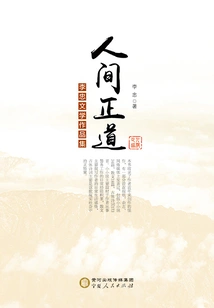
人间正道(李忠文学作品集)
Li Zhong
"The Righteous Way in the World - Li Zhong's Literary Works Collection" is a record of Li Zhong's personal mental journey, a record of historical vicissitudes, and a record of the tremendous changes in the public security team.
"The Righteous Way in the World - Li Zhong's Literary Works Collection" is a record of Li Zhong's personal mental journey, a record of historical vicissitudes, and a record of the tremendous changes in the public security team.
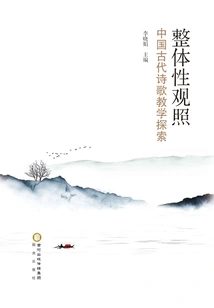
整体性观照:中国古代诗歌教学探索
Editor-in-chief Li Xiaojuan
This manuscript is an academic monograph and the result of the research project "Exploration of the Teaching Practice of Ancient Chinese Poetry". This manuscript focuses on exploring how to achieve "holistic observation" in ancient poetry teaching in junior middle schools, and then achieve the purpose of teaching ancient poetry. The whole manuscript is composed of three parts: "Reading Poems and Understanding People" with a holistic view, "Appreciating Poems and Understanding the Tao" with a holistic view, and "Reciting Poems and Seeking Beauty" with a holistic view. It analyzes many problems, elements and implementation paths in the teaching of ancient poetry. The language is fluent, the cases are rich, and the operability is strong. It is a teaching theory book with novel views and quite inspiring.
This manuscript is an academic monograph and the result of the research project "Exploration of the Teaching Practice of Ancient Chinese Poetry". This manuscript focuses on exploring how to achieve "holistic observation" in ancient poetry teaching in junior middle schools, and then achieve the purpose of teaching ancient poetry. The whole manuscript is composed of three parts: "Reading Poems and Understanding People" with a holistic view, "Appreciating Poems and Understanding the Tao" with a holistic view, and "Reciting Poems and Seeking Beauty" with a holistic view. It analyzes many problems, elements and implementation paths in the teaching of ancient poetry. The language is fluent, the cases are rich, and the operability is strong. It is a teaching theory book with novel views and quite inspiring.
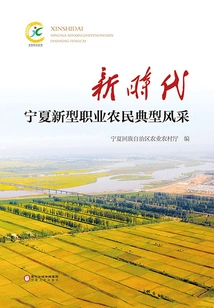
新时代宁夏新型职业农民典型风采
Department Of Agriculture And Rural Affairs Of Ningxia Hui Autonomous Region
This book collects the typical deeds of 100 new professional farmers who started their own businesses and led farmers to get rid of poverty and become rich. By narrating their success stories and role as benchmarks, it hopes to mobilize the enthusiasm of farmers to participate in training, develop modern agriculture, and promote rural revitalization, and encourage more "farmers" to grow into new professional farmers who "love agriculture, understand technology, and are good at management" to achieve the goals of strong agriculture, beautiful rural areas, and rich farmers.
This book collects the typical deeds of 100 new professional farmers who started their own businesses and led farmers to get rid of poverty and become rich. By narrating their success stories and role as benchmarks, it hopes to mobilize the enthusiasm of farmers to participate in training, develop modern agriculture, and promote rural revitalization, and encourage more "farmers" to grow into new professional farmers who "love agriculture, understand technology, and are good at management" to achieve the goals of strong agriculture, beautiful rural areas, and rich farmers.
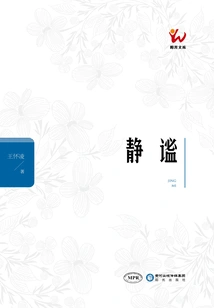
Quiet
Literature静谧
Wang Huailing
The works collected in this book mainly include: Silence, Making a Fire, The Man in the Sheepskin Coat Backward, Mother Taking a Mid-Day Break on the Sofa, Tears, Noise, I Can Only Point to You the Milky Way - To My Daughter, Farewell, I Always Spend My Time Here, I Can't Tell You How Much Pain I Am, etc.
The works collected in this book mainly include: Silence, Making a Fire, The Man in the Sheepskin Coat Backward, Mother Taking a Mid-Day Break on the Sofa, Tears, Noise, I Can Only Point to You the Milky Way - To My Daughter, Farewell, I Always Spend My Time Here, I Can't Tell You How Much Pain I Am, etc.
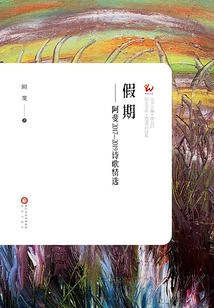
假期:阿斐2017—2019诗歌精选
A Fei
In the current development of contemporary Chinese poetry, the naming of genres and literary history of groups of emerging poets has always been an interesting poetic phenomenon. Since the genre naming of the "Misty Poetry" group has gained conventional recognition and spread in the poetry world, the genre and generational naming of poetry groups such as "Third Generation Poets", "Post-Misty Poetry Group", "Intellectual Poet", "Folk Poet", "Post-60s Poets" (also often called "Middle Generation Poets"), "Post-70s Poets", "Post-80s Poets", "Post-90s Poets" and other poetry groups have successively appeared in people's field of vision. If we delve a little deeper, it is not difficult to find that behind the naming of these poetry genres and generations, it reflects the attempts of later poets to get rid of the "anxiety of influence" mentality of the predecessor poets, and to a greater extent, their desire to enter literary history.
In the current development of contemporary Chinese poetry, the naming of genres and literary history of groups of emerging poets has always been an interesting poetic phenomenon. Since the genre naming of the "Misty Poetry" group has gained conventional recognition and spread in the poetry world, the genre and generational naming of poetry groups such as "Third Generation Poets", "Post-Misty Poetry Group", "Intellectual Poet", "Folk Poet", "Post-60s Poets" (also often called "Middle Generation Poets"), "Post-70s Poets", "Post-80s Poets", "Post-90s Poets" and other poetry groups have successively appeared in people's field of vision. If we delve a little deeper, it is not difficult to find that behind the naming of these poetry genres and generations, it reflects the attempts of later poets to get rid of the "anxiety of influence" mentality of the predecessor poets, and to a greater extent, their desire to enter literary history.
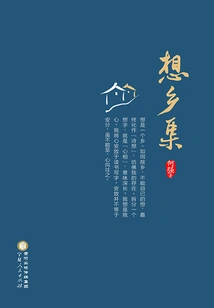
Homesickness Collection
Literature想乡集
He Qiang
"Iron shoulders carry moral principles, and skillful hands write articles." The poem I read when I was young has now become a chant that I will never forget. After adding many so-called life experiences, every night in silence, I get rid of the clutter and impetuosity, and read the book silently over and over again, tears filling my eyes.
"Iron shoulders carry moral principles, and skillful hands write articles." The poem I read when I was young has now become a chant that I will never forget. After adding many so-called life experiences, every night in silence, I get rid of the clutter and impetuosity, and read the book silently over and over again, tears filling my eyes.
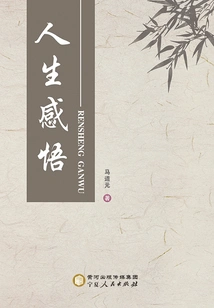
Life Insights
Literature人生感悟
Ma Daoyuan
Although this book is named "Life Insights", in essence it should be said to be a very excellent family motto. The words are filled with the meaning of cultivation and education, and also express the author's pursuit of life and understanding of life. Undoubtedly, it will become a spiritual guiding light for future generations and will benefit them throughout their lives. From this point of view, this book is of great significance in inheriting family tradition. I think this is the author's motivation for writing this book, so this book also embodies the author's blessings and expectations for future generations. It is worth mentioning that in this work, travelogue articles also account for a large amount of space, but this is not a travelogue in the general sense. Viewing the mountains will make you full of emotions, and watching the sea will overflow with meaning. The author expresses his admiration and praise of nature and humanity while elaborating on his thoughts and perceptions about life, which will also bring enlightenment to us.
Although this book is named "Life Insights", in essence it should be said to be a very excellent family motto. The words are filled with the meaning of cultivation and education, and also express the author's pursuit of life and understanding of life. Undoubtedly, it will become a spiritual guiding light for future generations and will benefit them throughout their lives. From this point of view, this book is of great significance in inheriting family tradition. I think this is the author's motivation for writing this book, so this book also embodies the author's blessings and expectations for future generations. It is worth mentioning that in this work, travelogue articles also account for a large amount of space, but this is not a travelogue in the general sense. Viewing the mountains will make you full of emotions, and watching the sea will overflow with meaning. The author expresses his admiration and praise of nature and humanity while elaborating on his thoughts and perceptions about life, which will also bring enlightenment to us.
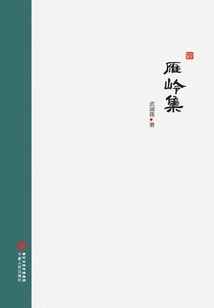
Yanlingji
Literature雁岭集
Wu Shulian
This book mainly includes: close reading of Lu Xun, literary therapy, writers' clicks, Ningxia literary world, poetic interpretation, vernacular writing, the dimension of criticism, humanistic focus, etc.
This book mainly includes: close reading of Lu Xun, literary therapy, writers' clicks, Ningxia literary world, poetic interpretation, vernacular writing, the dimension of criticism, humanistic focus, etc.
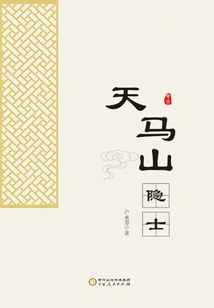
Hermit of Tianma Mountain
Literature天马山隐士
Lu Yongfang
"The Hermit of Tianma Mountain" is a collection of modern poetry published by Ningxia People's Publishing House.
"The Hermit of Tianma Mountain" is a collection of modern poetry published by Ningxia People's Publishing House.
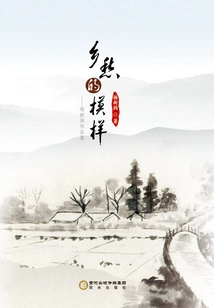
Nostalgic Look
Literature乡愁的模样
Yang Xinrun
"The Look of Nostalgia" is another collection of prose and poetry by Mr. Yang Xinrun. When the collection of essays was published, my husband asked me to write a preface. A collection of more than 200,000 words and more than 200 poems and essays, all with the theme of "nostalgia", is naturally full of the layers of Mr. Yang's life journey.
"The Look of Nostalgia" is another collection of prose and poetry by Mr. Yang Xinrun. When the collection of essays was published, my husband asked me to write a preface. A collection of more than 200,000 words and more than 200 poems and essays, all with the theme of "nostalgia", is naturally full of the layers of Mr. Yang's life journey.
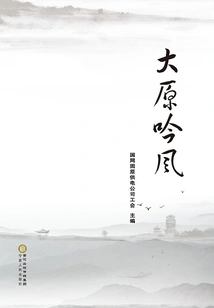
Ohara Ginfeng
Literature大原吟风
Chief Editor Of The Labor Union Of State Grid Guyuan Power Supply Company
This book is a collection of poetry works, which has selected 176 poems by employees, including 158 modern poems and 18 ancient poems. It is one of the important achievements of employee cultural creation of State Grid Guyuan Power Supply Company in recent years. The manuscript mainly eulogizes the love and dedication of front-line power workers who are not afraid of hardships and fight on the front line, and uses poetic language to give it a romantic color. There are also some poems that express love for country and family, which are catchy to read. The content of the manuscript is healthy and does not comply with publishing regulations.
This book is a collection of poetry works, which has selected 176 poems by employees, including 158 modern poems and 18 ancient poems. It is one of the important achievements of employee cultural creation of State Grid Guyuan Power Supply Company in recent years. The manuscript mainly eulogizes the love and dedication of front-line power workers who are not afraid of hardships and fight on the front line, and uses poetic language to give it a romantic color. There are also some poems that express love for country and family, which are catchy to read. The content of the manuscript is healthy and does not comply with publishing regulations.
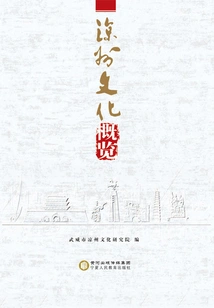
Liangzhou Culture Overview
Literature凉州文化概览
Wuwei Liangzhou Cultural Research Institute
"An Overview of Liangzhou Culture" integrates historical data, knowledge, popularization and interest, with an emphasis on popularity and readability. It strives to be close to reality, life and the masses, with pictures and texts, and is easy to understand. It strives to become a popular book that tells the story of Wuwei and spreads the voice of Wuwei, so that the general public can understand Liangzhou culture, feel Liangzhou culture, enhance the sense of cultural acquisition, participation and happiness, and create a good atmosphere for promoting Liangzhou culture.
"An Overview of Liangzhou Culture" integrates historical data, knowledge, popularization and interest, with an emphasis on popularity and readability. It strives to be close to reality, life and the masses, with pictures and texts, and is easy to understand. It strives to become a popular book that tells the story of Wuwei and spreads the voice of Wuwei, so that the general public can understand Liangzhou culture, feel Liangzhou culture, enhance the sense of cultural acquisition, participation and happiness, and create a good atmosphere for promoting Liangzhou culture.
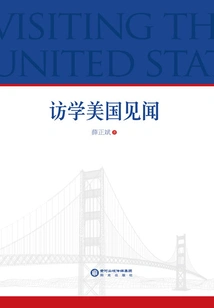
Studying in the United States
Literature访学美国见闻
Xue Zhengbin
This manuscript comprehensively introduces what the author saw and heard during his study tour in the United States, including four aspects: natural ecology, social culture, humanistic qualities, and school culture. It uses delicate and vivid writing to show the United States in the author's eyes. As an educator, the author pays special attention to American education and culture, focusing on university education and the management related to it.
This manuscript comprehensively introduces what the author saw and heard during his study tour in the United States, including four aspects: natural ecology, social culture, humanistic qualities, and school culture. It uses delicate and vivid writing to show the United States in the author's eyes. As an educator, the author pays special attention to American education and culture, focusing on university education and the management related to it.
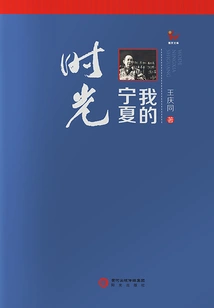
My Ningxia Time
Literature我的宁夏时光
Wang Qingtong
"My Time in Ningxia" is Professor Wang Qingtong's account of the 60 years he lived in Ningxia from 1958 to 2018 (22 to 82 years old). He experienced Ningxia newspaper editor and reporter, a "supervisory laborer" in Youfangliang, a deserted village outside Yanchi (outside the ancient Great Wall), a laborer in Shahai, and a production officer in Qingshan Commune in the middle of Yanchi. , Clerk, member and deputy director of the commune party committee, deputy director of the Propaganda Department of the Yanchi County Committee of the Communist Party of China, secretary of the Communist Party of China Department of Ningxia University (first term), director of the Journalism Teaching and Research Office of the Chinese Department (11 and a half years), lecturer, associate professor, professor of journalism and communication, retired cadre of Ningxia University (24 years) and other changes in identity.
"My Time in Ningxia" is Professor Wang Qingtong's account of the 60 years he lived in Ningxia from 1958 to 2018 (22 to 82 years old). He experienced Ningxia newspaper editor and reporter, a "supervisory laborer" in Youfangliang, a deserted village outside Yanchi (outside the ancient Great Wall), a laborer in Shahai, and a production officer in Qingshan Commune in the middle of Yanchi. , Clerk, member and deputy director of the commune party committee, deputy director of the Propaganda Department of the Yanchi County Committee of the Communist Party of China, secretary of the Communist Party of China Department of Ningxia University (first term), director of the Journalism Teaching and Research Office of the Chinese Department (11 and a half years), lecturer, associate professor, professor of journalism and communication, retired cadre of Ningxia University (24 years) and other changes in identity.
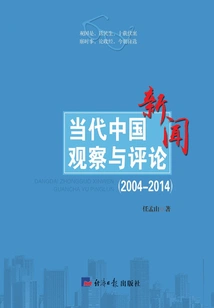
当代中国新闻观察与评论:2004~2014
Ren Mengshan
The front of the book is out of order and seems to be missing something, so I still have to explain a few words. I originally wanted to ask someone to write it, but then I thought about it and decided not to do it. This is a self-selected collection for my own entertainment, so I better not bother others.
The front of the book is out of order and seems to be missing something, so I still have to explain a few words. I originally wanted to ask someone to write it, but then I thought about it and decided not to do it. This is a self-selected collection for my own entertainment, so I better not bother others.
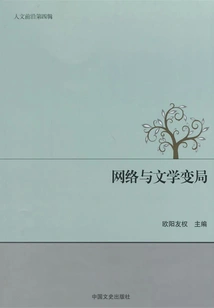
网络与文学变局
Ouyang Youquan
The most profound impact of online literature on the development of Chinese literary theory lies in the technological rewriting or quiet replacement of the literary institutional pedigree accumulated over thousands of years. The outstanding manifestations are as follows: from the perspective of subject identity, the production of online literature uses "grassroots" to usurp the literary discourse power of intellectual elites; in terms of creative paradigm, free writing is used to subvert the existing literary order; in terms of literary pattern, literary classics are obscured by a stock of works as numerous as sand in the Ganges; in terms of value recognition, the commercial orientation of the media market is used to fight against the height of literature; and in terms of conceptual inheritance, "technology is paramount" and the logical origin of traditional literature is shelved. The resulting game between the regulation of traditional literary theory and the dominance of media technology has pushed the contemporary proposition of the turn and transformation of literary theory to the forefront of today's literary theory construction from the academic ontology of institutional genealogy.
The most profound impact of online literature on the development of Chinese literary theory lies in the technological rewriting or quiet replacement of the literary institutional pedigree accumulated over thousands of years. The outstanding manifestations are as follows: from the perspective of subject identity, the production of online literature uses "grassroots" to usurp the literary discourse power of intellectual elites; in terms of creative paradigm, free writing is used to subvert the existing literary order; in terms of literary pattern, literary classics are obscured by a stock of works as numerous as sand in the Ganges; in terms of value recognition, the commercial orientation of the media market is used to fight against the height of literature; and in terms of conceptual inheritance, "technology is paramount" and the logical origin of traditional literature is shelved. The resulting game between the regulation of traditional literary theory and the dominance of media technology has pushed the contemporary proposition of the turn and transformation of literary theory to the forefront of today's literary theory construction from the academic ontology of institutional genealogy.
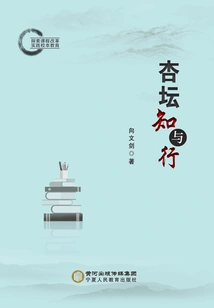
Xingtan Knowledge and Practice
Literature杏坛知与行
Xiang Wenjian
This book is divided into four parts: Curriculum Reform Practice, Chinese Teaching, Moral Development, and Organizational Management. It includes articles such as "My Understanding and Thoughts on School-Based Curriculum Development", "The Significance and Current Development Status of School-Based Curriculum Development of Longdong Local Culture", and "The Significance of Strengthening Local Cultural Education in the Basic Education Stage".
This book is divided into four parts: Curriculum Reform Practice, Chinese Teaching, Moral Development, and Organizational Management. It includes articles such as "My Understanding and Thoughts on School-Based Curriculum Development", "The Significance and Current Development Status of School-Based Curriculum Development of Longdong Local Culture", and "The Significance of Strengthening Local Cultural Education in the Basic Education Stage".
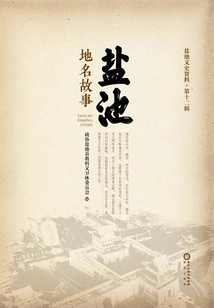
The Story of Yanchi Place Name
Literature盐池地名故事
Cppcc Yanchi County Education, Science, Culture, Health And Sports Committee
This manuscript mainly tells the origin of place names, administrative divisions, geographical locations and major events that have occurred in Yanchi County of more than 50 villages located in the eastern part of the Ningxia Hui Autonomous Region, the famous Ningxia Tan sheep production area, and historically the border area between Chinese farming people and nomadic peoples. It mainly focuses on textual research, narration, and description, integrating history and reality, highlighting cultural inheritance, and letting more people understand and love Yanchi. The cover must be marked "Yanchi Cultural and Historical Materials Volume 12".
This manuscript mainly tells the origin of place names, administrative divisions, geographical locations and major events that have occurred in Yanchi County of more than 50 villages located in the eastern part of the Ningxia Hui Autonomous Region, the famous Ningxia Tan sheep production area, and historically the border area between Chinese farming people and nomadic peoples. It mainly focuses on textual research, narration, and description, integrating history and reality, highlighting cultural inheritance, and letting more people understand and love Yanchi. The cover must be marked "Yanchi Cultural and Historical Materials Volume 12".
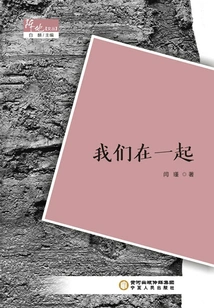
We Are Together
Literature我们在一起
Yan Jin
This book contains essays such as "The Wheat Fields Are Green in March", "The Breath of Spring", "March Whispers", "Tasting Spring", "Spring Reveries", "Exploring Spring", and "Essays on Beishuling Ruins".
This book contains essays such as "The Wheat Fields Are Green in March", "The Breath of Spring", "March Whispers", "Tasting Spring", "Spring Reveries", "Exploring Spring", and "Essays on Beishuling Ruins".
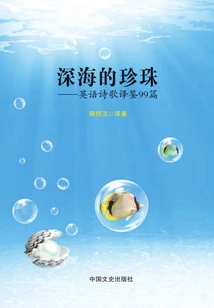
深海的珍珠:英语诗歌译鉴99篇
Chen Henghan
When talking about poetry translation, we must first talk about the definition of poetry. As a literary form, poetry has rules to follow. For example, line division and rhyme were once important signs that distinguish poetry from other literary forms. For poetry, different eras, schools, poets and readers will have different definitions. There are different opinions at home and abroad in ancient and modern times, and it is difficult to reach a consensus. In fact, the same answer is not necessary, but one thing is unmistakable: poetry must have "poetic flavor", which is the crystallization of human language wisdom, ideological creativity and literary imagination.
When talking about poetry translation, we must first talk about the definition of poetry. As a literary form, poetry has rules to follow. For example, line division and rhyme were once important signs that distinguish poetry from other literary forms. For poetry, different eras, schools, poets and readers will have different definitions. There are different opinions at home and abroad in ancient and modern times, and it is difficult to reach a consensus. In fact, the same answer is not necessary, but one thing is unmistakable: poetry must have "poetic flavor", which is the crystallization of human language wisdom, ideological creativity and literary imagination.
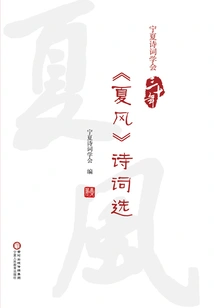
Selected Poems from "summer Wind" Published by Ningxia Poetry Society over the Past 30 Years
Literature宁夏诗词学会三十年《夏风》诗词选
Ningxia Poetry Society
This book includes: Flying Geese on a Rainy Night, Sentimental Teacher Yorita on a Cold Night, Dancing Yangko on the Streets of Beijing, Peach Blossoms in March, Replying to Old Classmates, Suiye City, the birthplace of Li Bai in Kyrgyzstan, Returning to Sanqing Mountain, Happy Lahu Tribe, Feeling the Success of my country's First Manned Space Flight, Visiting the Poverty Alleviation and Huanghuang Project, and Looking at General Taibao Monument to the Red Army Reunion, praising the anti-Japanese hero Ma Benzhai, visiting Fuxi Temple, returning to Pingluo Yuhuang Pavilion, small trees, chanting in the Plum Bookstore, lotus chant collection, Mother's Day to commemorate the fifth anniversary of the mother's death, a sentimental poem for being named "Outstanding Retired Cadre and Party Member in the District", Qinyuan Chun·Ode to Nanjing, etc.
This book includes: Flying Geese on a Rainy Night, Sentimental Teacher Yorita on a Cold Night, Dancing Yangko on the Streets of Beijing, Peach Blossoms in March, Replying to Old Classmates, Suiye City, the birthplace of Li Bai in Kyrgyzstan, Returning to Sanqing Mountain, Happy Lahu Tribe, Feeling the Success of my country's First Manned Space Flight, Visiting the Poverty Alleviation and Huanghuang Project, and Looking at General Taibao Monument to the Red Army Reunion, praising the anti-Japanese hero Ma Benzhai, visiting Fuxi Temple, returning to Pingluo Yuhuang Pavilion, small trees, chanting in the Plum Bookstore, lotus chant collection, Mother's Day to commemorate the fifth anniversary of the mother's death, a sentimental poem for being named "Outstanding Retired Cadre and Party Member in the District", Qinyuan Chun·Ode to Nanjing, etc.
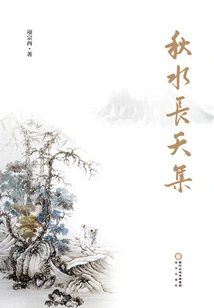
Autumn Waters and Long Sky Collection
Literature秋水长天集
Xiang Zongxi
The contents of this book include: General Secretary Xi's deployment of troops on the battlefield; Tongcheng Liuchi Alley; Ode to the Osmanthus; Epiphyllum blooming at night; Spring on the Canal; Praise for the South China Sea Navy Exercise; Mother-in-law's tattoo; Congratulations on the Fourth Congress of the Chinese Poetry Society; New Year's gifts to classmates and friends, etc.
The contents of this book include: General Secretary Xi's deployment of troops on the battlefield; Tongcheng Liuchi Alley; Ode to the Osmanthus; Epiphyllum blooming at night; Spring on the Canal; Praise for the South China Sea Navy Exercise; Mother-in-law's tattoo; Congratulations on the Fourth Congress of the Chinese Poetry Society; New Year's gifts to classmates and friends, etc.
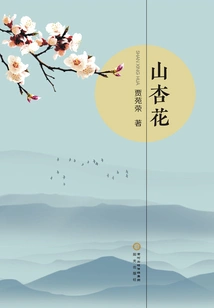
Almond Flower
Literature山杏花
Jia Yuanrong
"Mountain Apricot Blossom" is a personal collection of works by a retired Chinese teacher. It consists of four parts: novels, prose, poetry and essays. It involves rural themes, miners' themes and teachers' themes. Most of the content is novels and poems written by the author while he is engaged in Chinese teaching. Among them, the novel "Mountain Apricot Blossom" is Some of the material comes from the author's experience as a miner. The language of the work is simple, the writing is delicate, and the emotions are sincere. It eulogizes the coal miners who stick to the depths of the mountains like apricot flowers, and expresses the joys, sorrows, sorrows and joys of ordinary people. It has a strong appeal and inspires people to be positive and work hard.
"Mountain Apricot Blossom" is a personal collection of works by a retired Chinese teacher. It consists of four parts: novels, prose, poetry and essays. It involves rural themes, miners' themes and teachers' themes. Most of the content is novels and poems written by the author while he is engaged in Chinese teaching. Among them, the novel "Mountain Apricot Blossom" is Some of the material comes from the author's experience as a miner. The language of the work is simple, the writing is delicate, and the emotions are sincere. It eulogizes the coal miners who stick to the depths of the mountains like apricot flowers, and expresses the joys, sorrows, sorrows and joys of ordinary people. It has a strong appeal and inspires people to be positive and work hard.
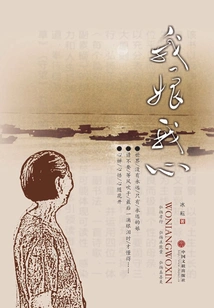
My Mother and My Heart
Literature我娘我心
Bingyun
Mother, as the name suggests, is the kindest woman in the world; mother, a simple word, is a string of endless stories and an endless song.
Mother, as the name suggests, is the kindest woman in the world; mother, a simple word, is a string of endless stories and an endless song.
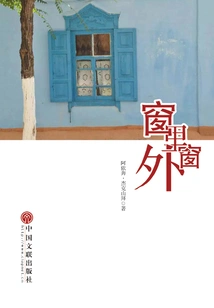
Outside the Window
Literature窗里窗外
Ayiben Jackshanbai
That was a long time ago, and the little sparrows in Qiaoerpan still shuttled back and forth playfully among the whirling treetops, stirring up the shadows of the trees falling on the ground, happily enjoying the dusk. The air, which has been burned by the scorching sun all day, is now full of exhaustion, lying lazily on this beautiful golden field, close to covering it. Every blade of grass is as proud as the harvested wheat grains, holding its proud head high and dressing itself up as a noble lady with the beautiful golden color of dusk, each of them giving their best to the glory and brilliance of life. At this moment, the little shepherd boy Abai is lying among the fat and tender weeds, staring at the sky. This is a rare free time after he has settled the sheep and cut the grass. At this time when the golden autumn is about to pass, in addition to feeding the sheep in the fields, he also has to beat two bales of grass every day. Only through accumulation over time can we ensure that the livestock will not lack forage in the severe winter that will come in the future. This ancient wisdom has not been interrupted by the passage of time and space, even in Cholpan Village, which is far away from the grassland, the eternal spiritual home of the Kazakh people. Lying next to him was his good friend Moen. Moen did not herd sheep, and their family was not engaged in animal husbandry. They only used to feed a few sheep at home when he was very young. The two brothers were inseparable. In the past, Moen would accompany Abai to cut grass, and then play together in the fields for a while.
That was a long time ago, and the little sparrows in Qiaoerpan still shuttled back and forth playfully among the whirling treetops, stirring up the shadows of the trees falling on the ground, happily enjoying the dusk. The air, which has been burned by the scorching sun all day, is now full of exhaustion, lying lazily on this beautiful golden field, close to covering it. Every blade of grass is as proud as the harvested wheat grains, holding its proud head high and dressing itself up as a noble lady with the beautiful golden color of dusk, each of them giving their best to the glory and brilliance of life. At this moment, the little shepherd boy Abai is lying among the fat and tender weeds, staring at the sky. This is a rare free time after he has settled the sheep and cut the grass. At this time when the golden autumn is about to pass, in addition to feeding the sheep in the fields, he also has to beat two bales of grass every day. Only through accumulation over time can we ensure that the livestock will not lack forage in the severe winter that will come in the future. This ancient wisdom has not been interrupted by the passage of time and space, even in Cholpan Village, which is far away from the grassland, the eternal spiritual home of the Kazakh people. Lying next to him was his good friend Moen. Moen did not herd sheep, and their family was not engaged in animal husbandry. They only used to feed a few sheep at home when he was very young. The two brothers were inseparable. In the past, Moen would accompany Abai to cut grass, and then play together in the fields for a while.
你不来我也等:热情与梦幻的独白
Lu Zhi
This book includes four parts: Dating in Dreams, Romantic Experience, River of Reason, and Perfect Life.
This book includes four parts: Dating in Dreams, Romantic Experience, River of Reason, and Perfect Life.
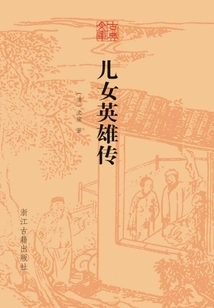
儿女英雄传(古典文库)
Wenkang
"The Legend of Heroes of Sons and Daughters" was originally called "Golden Jade Fate" and was written by Wen Kang in the Qing Dynasty. Later, people made up for the shortcomings and renamed "The Legend of Heroes of Sons and Daughters". It describes the story of the Qing Dynasty deputy general He Qi who was framed by Ji Xiantang and died in prison. His daughter He Yufeng changed her name to Thirteenth Sister and traveled around the world, determined to avenge her father. An Xuehai, the magistrate of Huaiyin County, was convicted, and his son An Ji raised a thousand taels of silver to go to the rescue. An Ji and Zhang Jinfeng, a civilian girl, were in danger at Nengren Temple. Fortunately, Yufeng rescued them in time and escaped from danger. Afterwards, Yufeng acted as a matchmaker and betrothed Zhang Jinfeng to An Ji. She donated money and borrowed bows to fight off the bandits, so that An Ji and his party arrived in Huaiyin safely. Later, Ji Xiantang was killed by the imperial court. Seeing that his revenge had been avenged, Yufeng planned to become a monk, but was dissuaded and married An Ji. Golden Phoenix and Yufeng get along as close as sisters. This is the reason why it was originally named "Golden Jade Fate".
"The Legend of Heroes of Sons and Daughters" was originally called "Golden Jade Fate" and was written by Wen Kang in the Qing Dynasty. Later, people made up for the shortcomings and renamed "The Legend of Heroes of Sons and Daughters". It describes the story of the Qing Dynasty deputy general He Qi who was framed by Ji Xiantang and died in prison. His daughter He Yufeng changed her name to Thirteenth Sister and traveled around the world, determined to avenge her father. An Xuehai, the magistrate of Huaiyin County, was convicted, and his son An Ji raised a thousand taels of silver to go to the rescue. An Ji and Zhang Jinfeng, a civilian girl, were in danger at Nengren Temple. Fortunately, Yufeng rescued them in time and escaped from danger. Afterwards, Yufeng acted as a matchmaker and betrothed Zhang Jinfeng to An Ji. She donated money and borrowed bows to fight off the bandits, so that An Ji and his party arrived in Huaiyin safely. Later, Ji Xiantang was killed by the imperial court. Seeing that his revenge had been avenged, Yufeng planned to become a monk, but was dissuaded and married An Ji. Golden Phoenix and Yufeng get along as close as sisters. This is the reason why it was originally named "Golden Jade Fate".
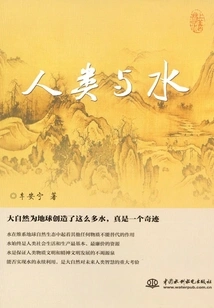
Humans and Water
Literature人类与水
Che An Ning
This is a popular science book that uses water as the theme to provide a comprehensive introduction and discussion of related knowledge. The author discusses the relationship between humans and water from a macro perspective, showing readers the charm of water knowledge, water culture, and water science from multiple perspectives and different levels. The scope of discussion spans the two major fields of natural science and social science, involving history, economics, literature, politics, culture, folklore, geology, astronomy, geography, physics, chemistry, disasters, water conservancy, ecology and many other disciplines. It not only describes the formation, distribution and classification of water from a modern scientific perspective, but also quotes a large number of ancient classics and allusions to describe traditional water culture and its evolution, and extends to today's water conservancy construction, water conservation and environmental protection. The book emphasizes both science and culture, and interweaves knowledge and interest. At the same time, the book also contains comments and suggestions on some current social hot issues. It is a useful attempt by the author to create new contemporary popular science books.
This is a popular science book that uses water as the theme to provide a comprehensive introduction and discussion of related knowledge. The author discusses the relationship between humans and water from a macro perspective, showing readers the charm of water knowledge, water culture, and water science from multiple perspectives and different levels. The scope of discussion spans the two major fields of natural science and social science, involving history, economics, literature, politics, culture, folklore, geology, astronomy, geography, physics, chemistry, disasters, water conservancy, ecology and many other disciplines. It not only describes the formation, distribution and classification of water from a modern scientific perspective, but also quotes a large number of ancient classics and allusions to describe traditional water culture and its evolution, and extends to today's water conservancy construction, water conservation and environmental protection. The book emphasizes both science and culture, and interweaves knowledge and interest. At the same time, the book also contains comments and suggestions on some current social hot issues. It is a useful attempt by the author to create new contemporary popular science books.
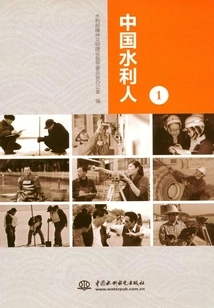
Chinese Water Conservancy People (1)
Literature中国水利人(1)
Office Of The Spiritual Civilization Construction Steering Committee Of The Ministry Of Water Resources
The electronic publication "Chinese Water Conservancy People (1)" is based on the book "Chinese Water Conservancy People (1)". It selects water conservancy figures reported by newspapers, periodicals, the Internet and other mainstream media across the country in recent years, especially since the 18th National Congress of the Communist Party of China. It complies with the reading habits of current readers and combines audio multimedia This popular carrier, in the form of audio reading, expresses the simple feelings of water conservancy people who are determined to water conservancy, rooted in the grassroots, hard-working, dedicated and dedicated, and their deep love for the motherland, the people, the society and their families. It better embodies the water conservancy spirit of "dedication, responsibility and truth-seeking".
The electronic publication "Chinese Water Conservancy People (1)" is based on the book "Chinese Water Conservancy People (1)". It selects water conservancy figures reported by newspapers, periodicals, the Internet and other mainstream media across the country in recent years, especially since the 18th National Congress of the Communist Party of China. It complies with the reading habits of current readers and combines audio multimedia This popular carrier, in the form of audio reading, expresses the simple feelings of water conservancy people who are determined to water conservancy, rooted in the grassroots, hard-working, dedicated and dedicated, and their deep love for the motherland, the people, the society and their families. It better embodies the water conservancy spirit of "dedication, responsibility and truth-seeking".
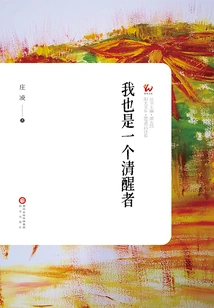
I Am Also a Sober Person
Literature我也是一个清醒者
Zhuang Ling
In the current development of contemporary Chinese poetry, the naming of genres and literary history of groups of emerging poets has always been an interesting poetic phenomenon. Since the genre naming of the "Misty Poetry" group has gained conventional recognition and spread in the poetry world, the genre and generational naming of poetry groups such as "Third Generation Poets", "Post-Misty Poetry Group", "Intellectual Poet", "Folk Poet", "Post-60s Poets" (also often called "Middle Generation Poets"), "Post-70s Poets", "Post-80s Poets", "Post-90s Poets" and other poetry groups have successively appeared in people's field of vision. If we delve a little deeper, it is not difficult to find that behind the naming of these poetry genres and generations, it reflects the attempts of later poets to get rid of the "anxiety of influence" mentality of the predecessor poets, and to a greater extent, their desire to enter literary history.
In the current development of contemporary Chinese poetry, the naming of genres and literary history of groups of emerging poets has always been an interesting poetic phenomenon. Since the genre naming of the "Misty Poetry" group has gained conventional recognition and spread in the poetry world, the genre and generational naming of poetry groups such as "Third Generation Poets", "Post-Misty Poetry Group", "Intellectual Poet", "Folk Poet", "Post-60s Poets" (also often called "Middle Generation Poets"), "Post-70s Poets", "Post-80s Poets", "Post-90s Poets" and other poetry groups have successively appeared in people's field of vision. If we delve a little deeper, it is not difficult to find that behind the naming of these poetry genres and generations, it reflects the attempts of later poets to get rid of the "anxiety of influence" mentality of the predecessor poets, and to a greater extent, their desire to enter literary history.
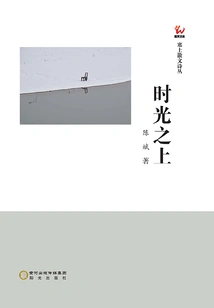
Above Time
Literature时光之上
Chen Bin
Ningxia is located in the northwest corner of the motherland, with Helan Mountain to the north, Liupan Mountain to the south, and the Yellow River passing through it. It has a unique geographical location, a long history, and profound cultural heritage. It is known as the "Fortress of Jiangnan". In the 1980s, with the pace of reform and opening up, my country's literature and art ushered in a new spring, and Ningxia's literary career also entered the "fast lane" of prosperity and development. Among them, the creation of prose poetry is in the ascendant, and a number of energetic prose poetry writers have emerged. The 1990s was a fruitful period for the creation of prose poetry in Ningxia, and the Ningxia Prose Poetry Society was established at the right time. Entering a new era, especially with the centenary celebration of Chinese prose poetry as a node, Ningxia prose poetry has ushered in another boom.
Ningxia is located in the northwest corner of the motherland, with Helan Mountain to the north, Liupan Mountain to the south, and the Yellow River passing through it. It has a unique geographical location, a long history, and profound cultural heritage. It is known as the "Fortress of Jiangnan". In the 1980s, with the pace of reform and opening up, my country's literature and art ushered in a new spring, and Ningxia's literary career also entered the "fast lane" of prosperity and development. Among them, the creation of prose poetry is in the ascendant, and a number of energetic prose poetry writers have emerged. The 1990s was a fruitful period for the creation of prose poetry in Ningxia, and the Ningxia Prose Poetry Society was established at the right time. Entering a new era, especially with the centenary celebration of Chinese prose poetry as a node, Ningxia prose poetry has ushered in another boom.
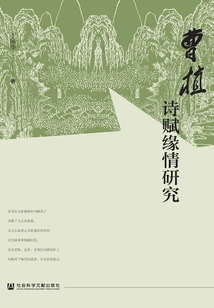
曹植诗赋缘情研究
Yu Guohua
This book sorts out emotional poems on love, family, friendship, etc. From the Pre-Qin Dynasty to the Han and Wei dynasties, and believes that Hongdu sects, character criticism, the gradual application of paper, the Three Orders for Talents, and Cao Pi's advocacy of equality are the direct reasons for the expansion of Cao Zhi's emotional world and the era foundation for the development of poems and poems. This book reproduces Cao Zhi's family world with the focus on "capturing the clan", and discusses the characteristics of Cao Zhi's family expression from four aspects: the construction of the family world, the combination of virtual and real, metaphorical characteristics, and genre selection. At the same time, this book conducts an in-depth analysis of Cao Zhi's world of friendship, the emotional characteristics of friendship poems, and the emotional characteristics of Cao Zhi's poems.
This book sorts out emotional poems on love, family, friendship, etc. From the Pre-Qin Dynasty to the Han and Wei dynasties, and believes that Hongdu sects, character criticism, the gradual application of paper, the Three Orders for Talents, and Cao Pi's advocacy of equality are the direct reasons for the expansion of Cao Zhi's emotional world and the era foundation for the development of poems and poems. This book reproduces Cao Zhi's family world with the focus on "capturing the clan", and discusses the characteristics of Cao Zhi's family expression from four aspects: the construction of the family world, the combination of virtual and real, metaphorical characteristics, and genre selection. At the same time, this book conducts an in-depth analysis of Cao Zhi's world of friendship, the emotional characteristics of friendship poems, and the emotional characteristics of Cao Zhi's poems.
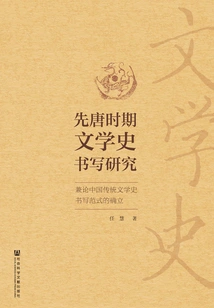
先唐时期文学史书写研究:兼论中国传统文学史书写范式的确立
Ren Hui
The study of traditional Chinese literary history writing is a research field that has unique value and significance but has not been fully cultivated. This book takes the pre-Tang Dynasty as the time limit and selects the two most representative paradigms in traditional literary history writing as the focus of research: first, periodization, as a content-oriented time-level selection paradigm; second, compilation method, as a content-oriented spatial level construction paradigm. By analyzing a large number of examples of writing practices, we derive the paradigmatic experiences formed by the writings of several generations of literary historians, with the intention of guiding society to face up to the foundation of traditional Chinese literary history writing, and create masterpieces of literary history that are both in line with Chinese academic traditions and have the perspective of the times.
The study of traditional Chinese literary history writing is a research field that has unique value and significance but has not been fully cultivated. This book takes the pre-Tang Dynasty as the time limit and selects the two most representative paradigms in traditional literary history writing as the focus of research: first, periodization, as a content-oriented time-level selection paradigm; second, compilation method, as a content-oriented spatial level construction paradigm. By analyzing a large number of examples of writing practices, we derive the paradigmatic experiences formed by the writings of several generations of literary historians, with the intention of guiding society to face up to the foundation of traditional Chinese literary history writing, and create masterpieces of literary history that are both in line with Chinese academic traditions and have the perspective of the times.
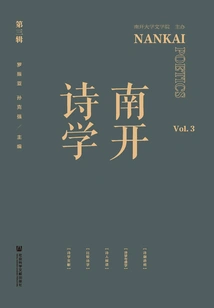
Nankai Poetics (3rd Series)
Literature南开诗学(第3辑)
Luo Zhenya Editor-in-chief Sun Keqiang
This book is the third volume of "Nankai Poetics". It is divided into five columns: "Perspective on Poetry Trends", "Poetics and Buddhism", "Poet's Interpretation", "Comparative Poetics" and "Poetic Literature". The topics cover many aspects such as the evolution of new poetry over the past century, ancient Chinese poetics, comparison of Chinese and Western poetics, and the connection between poetics and Buddhism. It not only explores the connection between Chinese avant-garde poetry in the 20th century and the marginalized living conditions, but also discusses its related characteristics in depth at the poetry scene. It not only elaborates on the poetic pursuit of "emotional nature" and the interoperability of Zen mind and poetic thinking, but also focuses on the comparison of Chinese and British romantic poetics and the acceptance of symbolism by modern poets.
This book is the third volume of "Nankai Poetics". It is divided into five columns: "Perspective on Poetry Trends", "Poetics and Buddhism", "Poet's Interpretation", "Comparative Poetics" and "Poetic Literature". The topics cover many aspects such as the evolution of new poetry over the past century, ancient Chinese poetics, comparison of Chinese and Western poetics, and the connection between poetics and Buddhism. It not only explores the connection between Chinese avant-garde poetry in the 20th century and the marginalized living conditions, but also discusses its related characteristics in depth at the poetry scene. It not only elaborates on the poetic pursuit of "emotional nature" and the interoperability of Zen mind and poetic thinking, but also focuses on the comparison of Chinese and British romantic poetics and the acceptance of symbolism by modern poets.
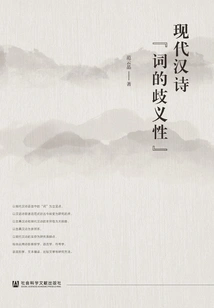
现代汉诗“词的歧义性”
Fan Yunjing
The research focus of this book is the issue of "ambiguity of words" in modern Chinese poetry. Taking the "word" in the language of modern Chinese poetry as the foothold, taking the ancient and modern changes in the discourse paradigm of Chinese poetry as the starting point for research, taking the differences between classical Chinese poetry and modern Chinese poetry as the major premise, taking classical Chinese poetry as the frame of reference, taking the existence of modern Chinese poetry as the research foothold, and based on the combination of the elaboration of poetic concepts and the close reading of poetic texts. Starting from the "word" of modern Chinese poetry, it systematically discusses the connotation, characteristics, functions, necessity and rationality of existence, reasons for generation, operating mechanism, expression strategies, meaning and influence of "ambiguity of words" from two dimensions: vertical (history and changes) and horizontal (specific poetic texts), macro and micro dimensions.
The research focus of this book is the issue of "ambiguity of words" in modern Chinese poetry. Taking the "word" in the language of modern Chinese poetry as the foothold, taking the ancient and modern changes in the discourse paradigm of Chinese poetry as the starting point for research, taking the differences between classical Chinese poetry and modern Chinese poetry as the major premise, taking classical Chinese poetry as the frame of reference, taking the existence of modern Chinese poetry as the research foothold, and based on the combination of the elaboration of poetic concepts and the close reading of poetic texts. Starting from the "word" of modern Chinese poetry, it systematically discusses the connotation, characteristics, functions, necessity and rationality of existence, reasons for generation, operating mechanism, expression strategies, meaning and influence of "ambiguity of words" from two dimensions: vertical (history and changes) and horizontal (specific poetic texts), macro and micro dimensions.
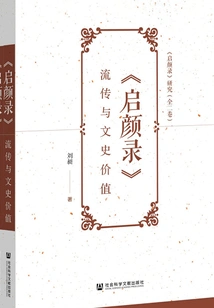
《启颜录》研究(全2卷)
Liu Chang
This book is divided into two volumes. "Qi Yan Lu's Spread and Literary and Historical Value" studies "Qi Yan Lu" from its creation, author and circulation, analyzes the joke types, joke characters and the joke world it constructs in "Qi Yan Lu". It takes "Qi Yan Lu"'s joke themes, joke structure patterns and other aspects as the starting point to discuss the role, value and influence of "Qi Yan Lu" in the inheritance of jokes. "Analysis of the Version Origin and Type of Each Content of "Qi Yan Lu"" combs through the collection and version origin of each content of "Qi Yan Lu", sorting out all 141 contents, clearly comparing the differences between the various versions in the form of a table, and providing annotations and interpretations of the reasons. From this, we can clearly see the preference of literati in various dynasties for language and writing.
This book is divided into two volumes. "Qi Yan Lu's Spread and Literary and Historical Value" studies "Qi Yan Lu" from its creation, author and circulation, analyzes the joke types, joke characters and the joke world it constructs in "Qi Yan Lu". It takes "Qi Yan Lu"'s joke themes, joke structure patterns and other aspects as the starting point to discuss the role, value and influence of "Qi Yan Lu" in the inheritance of jokes. "Analysis of the Version Origin and Type of Each Content of "Qi Yan Lu"" combs through the collection and version origin of each content of "Qi Yan Lu", sorting out all 141 contents, clearly comparing the differences between the various versions in the form of a table, and providing annotations and interpretations of the reasons. From this, we can clearly see the preference of literati in various dynasties for language and writing.
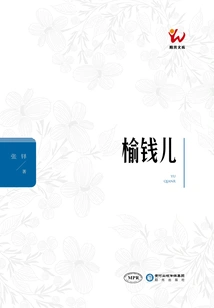
Yu Qian'er
Literature榆钱儿
Zhang Duo
This manuscript is a collection of poetry works, one of the series "Sunshine Library". The works included in the manuscript are the author's outstanding works in recent years, most of which are relatively short, and are divided into four parts: Part 1, Songs on the Wall; Part 2, The Rhythm of Life; Part 3, Rain in the Countryside; Part 4, Dew in the World. These works are like strings of elm money, simple and honest, even a little rustic, but when chewed, they are fresh and natural, with sincere emotions and full of philosophical thoughts. It makes people imagine the author's true emotional journey, candid attitude towards life and serious thinking about life.
This manuscript is a collection of poetry works, one of the series "Sunshine Library". The works included in the manuscript are the author's outstanding works in recent years, most of which are relatively short, and are divided into four parts: Part 1, Songs on the Wall; Part 2, The Rhythm of Life; Part 3, Rain in the Countryside; Part 4, Dew in the World. These works are like strings of elm money, simple and honest, even a little rustic, but when chewed, they are fresh and natural, with sincere emotions and full of philosophical thoughts. It makes people imagine the author's true emotional journey, candid attitude towards life and serious thinking about life.
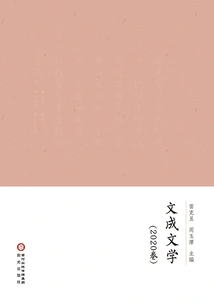
Wencheng Literature (volume 2020)
Literature文成文学(2020卷)
Lei Kechou Editor-in-chief Zhou Yutan
"Wencheng Literature (Volume 2020)" contains literary works published by 40 Wencheng authors in journals and newspapers at the provincial level and above, including 6 novels, 18 essays, 31 modern poems, and 28 ancient poems. It is a comprehensive literary collection rich in Wencheng regional characteristics. It is an in-depth study of the history and culture of Wencheng by a local author. It contains not only the innocent love for the quiet beauty of the countryside, but also the praise of the kindness and hard work of the villagers; it not only looks back on the memory of the countryside, but also longs for a better future. It is a new display of "Wencheng Literature" and a new display of the Wencheng Literature team.
"Wencheng Literature (Volume 2020)" contains literary works published by 40 Wencheng authors in journals and newspapers at the provincial level and above, including 6 novels, 18 essays, 31 modern poems, and 28 ancient poems. It is a comprehensive literary collection rich in Wencheng regional characteristics. It is an in-depth study of the history and culture of Wencheng by a local author. It contains not only the innocent love for the quiet beauty of the countryside, but also the praise of the kindness and hard work of the villagers; it not only looks back on the memory of the countryside, but also longs for a better future. It is a new display of "Wencheng Literature" and a new display of the Wencheng Literature team.
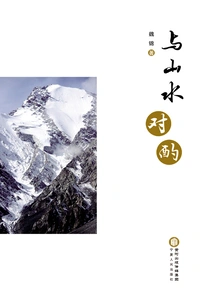
Drinking with the Landscape
Literature与山水对酌
Wei Jin
This book is a collection of essays. It is divided into the following series: Red Bean Born in the South, Strong Winds in the Western Regions, Strong Love in the Northeast, Rhythm of the Roaring Yellow River, Watching the Five Continents in the Beacon Smoke, and Photographing the Idle Clouds on the Railing. The author has collected and sorted out the scenery he has traveled to various places and countries in recent years, including scenery from the north and south, and foreign experiences. The content is extensive, the writing is beautiful, and it is vivid and touching.
This book is a collection of essays. It is divided into the following series: Red Bean Born in the South, Strong Winds in the Western Regions, Strong Love in the Northeast, Rhythm of the Roaring Yellow River, Watching the Five Continents in the Beacon Smoke, and Photographing the Idle Clouds on the Railing. The author has collected and sorted out the scenery he has traveled to various places and countries in recent years, including scenery from the north and south, and foreign experiences. The content is extensive, the writing is beautiful, and it is vivid and touching.
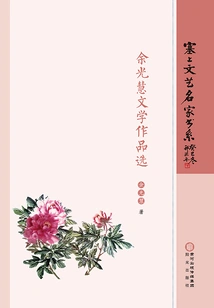
Selected Literary Works of Yu Guanghui
Literature余光慧文学作品选
Yu Guanghui
"Selected Literary Works of Yu Guanghui" is divided into four volumes: casual notes, character memories, factual notes, and comments. Each volume selects some representative works created by the author that have a wide spread and good response. These works have a wide range of content and a large time span, reflecting the style of the times, expressing the author's love for her motherland and hometown, and her deep feelings for the people and things around her. The author's language is simple, his writing is fluent, his feelings are sincere, and he has a good literary and artistic flavor.
"Selected Literary Works of Yu Guanghui" is divided into four volumes: casual notes, character memories, factual notes, and comments. Each volume selects some representative works created by the author that have a wide spread and good response. These works have a wide range of content and a large time span, reflecting the style of the times, expressing the author's love for her motherland and hometown, and her deep feelings for the people and things around her. The author's language is simple, his writing is fluent, his feelings are sincere, and he has a good literary and artistic flavor.
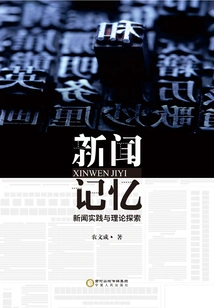
新闻记忆:新闻实践与理论探索
Nong Wencheng
This is a collection of works that compiles editorials, newsletters, interviews, literary criticism, poetry, prose and other types of articles written by the author at work. It is divided into a journalism theory chapter, a news commentary chapter, a news correspondence chapter, a newspaper supplement chapter and a fifth appendix to show readers the author's thoughts and actions on the news front over the years. Through the text, the author can see the author's profound thinking on some social phenomena.
This is a collection of works that compiles editorials, newsletters, interviews, literary criticism, poetry, prose and other types of articles written by the author at work. It is divided into a journalism theory chapter, a news commentary chapter, a news correspondence chapter, a newspaper supplement chapter and a fifth appendix to show readers the author's thoughts and actions on the news front over the years. Through the text, the author can see the author's profound thinking on some social phenomena.
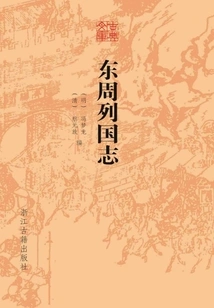
东周列国志(古典文库)
(ming) Feng Menglong (qing) Cai Yuanfang
This book is a long historical novel in chapter form. It is also the most widely circulated and influential vernacular historical romance novel besides "The Romance of the Three Kingdoms". The book begins in the 39th year of King Xuan of Zhou Dynasty (789 BC) in the Western Zhou Dynasty. It narrates that King You favored his concubine and caused rebellion, which led to the destruction of the Western Zhou Dynasty.
This book is a long historical novel in chapter form. It is also the most widely circulated and influential vernacular historical romance novel besides "The Romance of the Three Kingdoms". The book begins in the 39th year of King Xuan of Zhou Dynasty (789 BC) in the Western Zhou Dynasty. It narrates that King You favored his concubine and caused rebellion, which led to the destruction of the Western Zhou Dynasty.
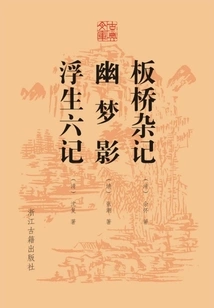
Banqiao Miscellaneous Notes, Youmengying and Six Notes of a Floating Life (classical Library)
Literature板桥杂记 幽梦影 浮生六记(古典文库)
(qing Dynasty) Yu Huai Zhang Chao Shen Fu
This book is a collection of "Banqiao Miscellaneous Notes", "Youmengying" and "Six Notes of a Floating Life". "Banqiao Miscellaneous Notes" is Yu Huai's most widely circulated and influential work. It describes the famous prostitutes along the Qinhuai River in Nanjing in the late Ming Dynasty and related experiences, expressing the sorrow of Shuili and the longing for the motherland. "Youmengying" uses the writing method of sketches to express the author's unique personal opinions, which is a brand-new style. Each article contains a philosophy and is endlessly memorable to read. "Six Notes of a Floating Life" is an autobiographical prose, with six original notes: "Records of Joy in the Boudoir", "Records of Leisure Interests", "Records of Sorrows in Ups and Downs", "Records of Wandering Travels", "Records of Zhongshan Calendar" and "Records of Health Care". The first four records are preserved today. The author uses simple writing to describe his joy and sorrow, life and death, and the painful experience of separation for most of his life. It is a rare work in the history of ancient Chinese literature that records the family life between husband and wife, with sincere and touching emotions.
This book is a collection of "Banqiao Miscellaneous Notes", "Youmengying" and "Six Notes of a Floating Life". "Banqiao Miscellaneous Notes" is Yu Huai's most widely circulated and influential work. It describes the famous prostitutes along the Qinhuai River in Nanjing in the late Ming Dynasty and related experiences, expressing the sorrow of Shuili and the longing for the motherland. "Youmengying" uses the writing method of sketches to express the author's unique personal opinions, which is a brand-new style. Each article contains a philosophy and is endlessly memorable to read. "Six Notes of a Floating Life" is an autobiographical prose, with six original notes: "Records of Joy in the Boudoir", "Records of Leisure Interests", "Records of Sorrows in Ups and Downs", "Records of Wandering Travels", "Records of Zhongshan Calendar" and "Records of Health Care". The first four records are preserved today. The author uses simple writing to describe his joy and sorrow, life and death, and the painful experience of separation for most of his life. It is a rare work in the history of ancient Chinese literature that records the family life between husband and wife, with sincere and touching emotions.
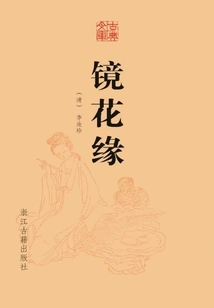
镜花缘(古典文库)
H
This book is one of the most peculiar contents among my country's classical novels. Contemporary scholars call it a "miscellaneous novel". The author describes the images of 100 extremely intelligent women, embodying the progressive thoughts of demanding equality between men and women and opposing the oppression of women. The book also uses his imagination to describe various customs and customs in overseas countries. The book is humorous and full of wonderful ideas. Various anecdotes are popular and have been circulated for a long time.
This book is one of the most peculiar contents among my country's classical novels. Contemporary scholars call it a "miscellaneous novel". The author describes the images of 100 extremely intelligent women, embodying the progressive thoughts of demanding equality between men and women and opposing the oppression of women. The book also uses his imagination to describe various customs and customs in overseas countries. The book is humorous and full of wonderful ideas. Various anecdotes are popular and have been circulated for a long time.
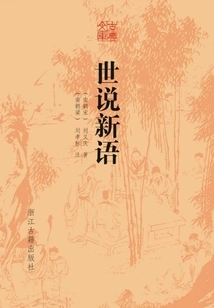
Shishuoxinyu (classical Library)
Literature世说新语(古典文库)
(southern Song Dynasty) Liu Yiqing (southern Dynasty Liang) Liu Xiaobiao
This book is a representative work of "novel about aspirants" during the Wei, Jin, Southern and Northern Dynasties in my country. It is a short story in the form of talks and anecdotes. It was compiled by Liu Yiqing of the Song Dynasty in the Southern Dynasty. It reflects the thoughts, words and deeds of the literati in the Wei and Jin Dynasties and the life of the upper class. It was called "a textbook of celebrities" by Mr. Lu Xun. The records in this book are quite rich and true, which helps readers understand the conditions of the times and the political and social environment of the scholars at that time, and also allows future generations to clearly see the style of the so-called "Wei and Jin Qing Tan".
This book is a representative work of "novel about aspirants" during the Wei, Jin, Southern and Northern Dynasties in my country. It is a short story in the form of talks and anecdotes. It was compiled by Liu Yiqing of the Song Dynasty in the Southern Dynasty. It reflects the thoughts, words and deeds of the literati in the Wei and Jin Dynasties and the life of the upper class. It was called "a textbook of celebrities" by Mr. Lu Xun. The records in this book are quite rich and true, which helps readers understand the conditions of the times and the political and social environment of the scholars at that time, and also allows future generations to clearly see the style of the so-called "Wei and Jin Qing Tan".
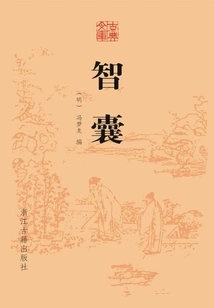
Think Tank (classical Library)
Literature智囊(古典文库)
G
This book contains a total of more than 1,200 wisdom stories from the pre-Qin Dynasty to the Ming Dynasty. The book contains not only grand strategies in politics, military affairs, and diplomacy, but also miraculous wisdom in the daily lives of soldiers, drifters, servants, monks, farmers, painters and other small figures. The classics involved in the book cover almost all official history before the Ming Dynasty and a large number of notes and unofficial histories. Therefore, this book about wisdom and strategy has important data and collation value. In addition, the general narration and sub-narration before each section in the book, the comments after each chapter, and the comments in the text are all written by Feng Menglong. They express Feng Menglong's political attitude, life values, love and hate in the most direct and concentrated manner, and are first-hand materials for studying Feng Menglong's thoughts.
This book contains a total of more than 1,200 wisdom stories from the pre-Qin Dynasty to the Ming Dynasty. The book contains not only grand strategies in politics, military affairs, and diplomacy, but also miraculous wisdom in the daily lives of soldiers, drifters, servants, monks, farmers, painters and other small figures. The classics involved in the book cover almost all official history before the Ming Dynasty and a large number of notes and unofficial histories. Therefore, this book about wisdom and strategy has important data and collation value. In addition, the general narration and sub-narration before each section in the book, the comments after each chapter, and the comments in the text are all written by Feng Menglong. They express Feng Menglong's political attitude, life values, love and hate in the most direct and concentrated manner, and are first-hand materials for studying Feng Menglong's thoughts.