Library
Browse and search novels
25,955 novels found
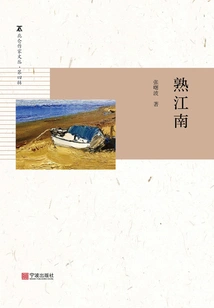
Familiar with Jiangnan
Literature熟江南
Zhang Shubo
This is a collection of essays that records the author's travels in eastern Zhejiang and Jiangnan. The book is divided into four volumes. The first volume of "Old Stove" contains 20 articles, which are about the scenery during the solar terms and the taste of Jiangnan during the time. They are about the author's childhood play time in his hometown and the food feast in his memory, as well as his longing for his mother and grandmother. The second series "Going to Jiangnan" contains 14 articles, in which the author records walking fragments in Jiangnan, eastern Zhejiang. The third volume "The Taste of Time in Books" contains 16 articles, recording the author's reading and feelings. The fourth volume "Meeting in the Same Time" contains 14 articles, which are the author's tribute to the people around him. This book covers a wide range of topics, from daily life records to life insights, from reading experience to the portrayal of the characters around you. The writing is exquisite and the emotions are deep. It can integrate every bit of life and life experience, showing the author's exquisite control of lyrical expression.
This is a collection of essays that records the author's travels in eastern Zhejiang and Jiangnan. The book is divided into four volumes. The first volume of "Old Stove" contains 20 articles, which are about the scenery during the solar terms and the taste of Jiangnan during the time. They are about the author's childhood play time in his hometown and the food feast in his memory, as well as his longing for his mother and grandmother. The second series "Going to Jiangnan" contains 14 articles, in which the author records walking fragments in Jiangnan, eastern Zhejiang. The third volume "The Taste of Time in Books" contains 16 articles, recording the author's reading and feelings. The fourth volume "Meeting in the Same Time" contains 14 articles, which are the author's tribute to the people around him. This book covers a wide range of topics, from daily life records to life insights, from reading experience to the portrayal of the characters around you. The writing is exquisite and the emotions are deep. It can integrate every bit of life and life experience, showing the author's exquisite control of lyrical expression.
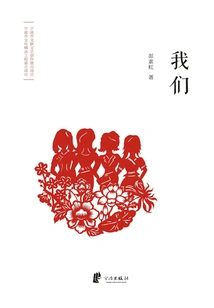
Us
Literature我们
Peng Suhong
This is a documentary literary work. The author uses his own experience as the creative background to tell the story of migrant workers working and living in Ningbo. The article selects four migrant families, Liu Ying, Du Juan, Oriole and Bai Ling (me). They all left their hometowns and came to Ningbo from a foreign land to work hard. They started from rented shantytowns, starting from the most basic positions, and moved towards their dreams step by step. Some of them finally left Ningbo due to setbacks and the blow of life; some experienced changes in work and life, and fell back to the place where their dreams began; some broke out of their own world from migrant workers to union representatives... The author not only depicts different families represented by four women with different personalities, but also describes the group portraits of migrant workers. These characters and stories are like silhouettes, reflecting the lives and development trajectories of migrant families, and also reflecting the rooting process of migrant families.
This is a documentary literary work. The author uses his own experience as the creative background to tell the story of migrant workers working and living in Ningbo. The article selects four migrant families, Liu Ying, Du Juan, Oriole and Bai Ling (me). They all left their hometowns and came to Ningbo from a foreign land to work hard. They started from rented shantytowns, starting from the most basic positions, and moved towards their dreams step by step. Some of them finally left Ningbo due to setbacks and the blow of life; some experienced changes in work and life, and fell back to the place where their dreams began; some broke out of their own world from migrant workers to union representatives... The author not only depicts different families represented by four women with different personalities, but also describes the group portraits of migrant workers. These characters and stories are like silhouettes, reflecting the lives and development trajectories of migrant families, and also reflecting the rooting process of migrant families.
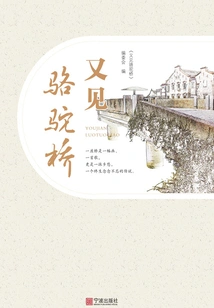
See Camel Bridge Again
Literature又见骆驼桥
Editorial Board Of "seeing Camel Bridge Again"
Luotuo Street, Zhenhai District, Ningbo City, is named after Luotuo Bridge. The Camel Bridge was built in the first year of Jianlong of the Northern Song Dynasty (AD 960) and is the spiritual bond and emotional landmark of the Camel people. The administrative divisions of Luotuo Street have been adjusted several times, but the culture of Luotuo Bridge, Luotuo Old Street and Luotuo Merchant Gang has remained timeless and has been passed down from generation to generation. After the founding of New China, the development of Luotuo Street has turned a new page. Inheriting history and praising hometown have become the common aspiration and spiritual needs of the people of Lao Cai in the new era. To this end, the street held an essay competition with the theme of "Humanities, History and Urban Development" to express history and development achievements in the form of poetry and prose. This book collects the best works to show the profound camel culture to readers and pay tribute to the 70th birthday of the motherland.
Luotuo Street, Zhenhai District, Ningbo City, is named after Luotuo Bridge. The Camel Bridge was built in the first year of Jianlong of the Northern Song Dynasty (AD 960) and is the spiritual bond and emotional landmark of the Camel people. The administrative divisions of Luotuo Street have been adjusted several times, but the culture of Luotuo Bridge, Luotuo Old Street and Luotuo Merchant Gang has remained timeless and has been passed down from generation to generation. After the founding of New China, the development of Luotuo Street has turned a new page. Inheriting history and praising hometown have become the common aspiration and spiritual needs of the people of Lao Cai in the new era. To this end, the street held an essay competition with the theme of "Humanities, History and Urban Development" to express history and development achievements in the form of poetry and prose. This book collects the best works to show the profound camel culture to readers and pay tribute to the 70th birthday of the motherland.
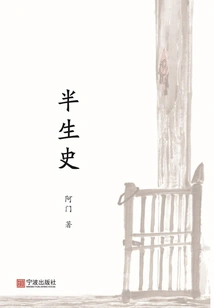
Half Life History
Literature半生史
Amen
This is an anthology of poems. The whole book is divided into two parts. The first part is "Notes", which collects the author's new poems. The second part is "Zhe", which collects the author's excellent previous works. The poems collected in this book are free-style, free and indulgent in form, but rhythmic, and the organization and cutting of the poems have certain rules, which are both traditional and modern. This book uses events as its sutra, emotions as its latitude, and words as its heartfelt voice. It shows the complex "middle-aged thoughts" of some contemporary people who are in a process of transformation. It attempts to give a reminder to society. It is also worth reading by poetry lovers and poet writers.
This is an anthology of poems. The whole book is divided into two parts. The first part is "Notes", which collects the author's new poems. The second part is "Zhe", which collects the author's excellent previous works. The poems collected in this book are free-style, free and indulgent in form, but rhythmic, and the organization and cutting of the poems have certain rules, which are both traditional and modern. This book uses events as its sutra, emotions as its latitude, and words as its heartfelt voice. It shows the complex "middle-aged thoughts" of some contemporary people who are in a process of transformation. It attempts to give a reminder to society. It is also worth reading by poetry lovers and poet writers.
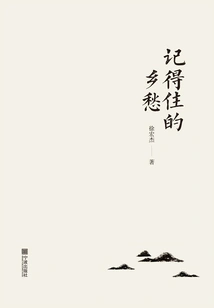
Remember the Nostalgia
Literature记得住的乡愁
Xu Hongjie
This book is a collection of the author's works created between 2013 and 2019. It is the author's thoughts, thoughts, and realizations during these seven years. The book is divided into three parts. The first part "Yingzhou Finance" is the main part of the book. It is a collection of financial comments created by the author when he was the editor-in-chief of "Zhoushang" magazine. The second part, "New History," is a historical essay created by the author. The background of the work spans from the Western Han Dynasty to modern times. It draws lessons from the past and provides thoughts for today's society. The third part, "Business Stories", is a collection of current affairs essays created by the author. Compared with the previous category, it is more popular and down-to-earth.
This book is a collection of the author's works created between 2013 and 2019. It is the author's thoughts, thoughts, and realizations during these seven years. The book is divided into three parts. The first part "Yingzhou Finance" is the main part of the book. It is a collection of financial comments created by the author when he was the editor-in-chief of "Zhoushang" magazine. The second part, "New History," is a historical essay created by the author. The background of the work spans from the Western Han Dynasty to modern times. It draws lessons from the past and provides thoughts for today's society. The third part, "Business Stories", is a collection of current affairs essays created by the author. Compared with the previous category, it is more popular and down-to-earth.
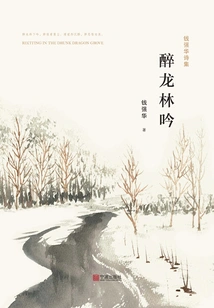
钱强华诗集:醉龙林吟
Qian Qianghua
This book is a collection of personal poems, including more than 500 works written by the author after traveling to the United States. It is divided into two volumes: the modern poem "Green Grass on the Road" and the metrical poem "The Song of the Drunken Dragon in the Forest", arranged according to the time of creation. Modern poetry strives to be easy to understand and express true feelings; metrical poetry is based on "Pingshui Rhyme" and follows the Chinese Poetry Society's principle of "advocating the present and understanding the past, running two tracks in parallel; the present is not as good as the past, and lenient is not hindering strictness", and uses Chinese new rhyme or common rhyme for creation.
This book is a collection of personal poems, including more than 500 works written by the author after traveling to the United States. It is divided into two volumes: the modern poem "Green Grass on the Road" and the metrical poem "The Song of the Drunken Dragon in the Forest", arranged according to the time of creation. Modern poetry strives to be easy to understand and express true feelings; metrical poetry is based on "Pingshui Rhyme" and follows the Chinese Poetry Society's principle of "advocating the present and understanding the past, running two tracks in parallel; the present is not as good as the past, and lenient is not hindering strictness", and uses Chinese new rhyme or common rhyme for creation.
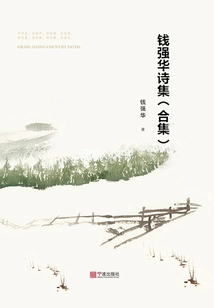
钱强华诗集(合集)
Qian Qianghua
This book is a collection of personal poems, including more than 500 works written by the author after traveling to the United States. It is divided into two volumes: the modern poem "Green Grass on the Road" and the metrical poem "The Song of the Drunken Dragon in the Forest", arranged according to the time of creation. Modern poetry strives to be easy to understand and express true feelings; metrical poetry is based on "Pingshui Rhyme" and follows the Chinese Poetry Society's principle of "advocating the present and understanding the past, running two tracks in parallel; the present is not as good as the past, and lenient is not hindering strictness", and uses Chinese new rhyme or common rhyme for creation.
This book is a collection of personal poems, including more than 500 works written by the author after traveling to the United States. It is divided into two volumes: the modern poem "Green Grass on the Road" and the metrical poem "The Song of the Drunken Dragon in the Forest", arranged according to the time of creation. Modern poetry strives to be easy to understand and express true feelings; metrical poetry is based on "Pingshui Rhyme" and follows the Chinese Poetry Society's principle of "advocating the present and understanding the past, running two tracks in parallel; the present is not as good as the past, and lenient is not hindering strictness", and uses Chinese new rhyme or common rhyme for creation.
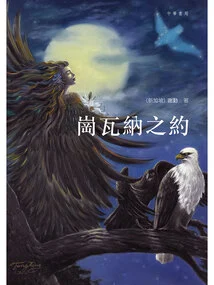
Gondwana's Appointment
Literature岗瓦纳之约
(singapore) Thank You
This book transcends reality through the development history of mankind and the earth; it uses fantasy and fictional plots to travel through the wild and experience the cruelty of survival, the sorrow of life, fear and repair, pampering and nightmares, joy and happiness.
This book transcends reality through the development history of mankind and the earth; it uses fantasy and fictional plots to travel through the wild and experience the cruelty of survival, the sorrow of life, fear and repair, pampering and nightmares, joy and happiness.
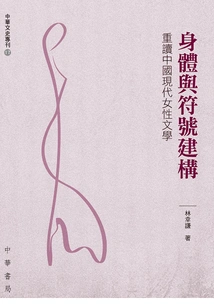
身体与符号建构:重读中国现代女性文学
Lin Xingqian
In the turbulent transitional era of old and new, the group of female writers since the May Fourth period have engraved topics such as love and marriage, historical missions, political concerns, cultural reflections, social inscriptions, and even reflections on philosophical life and inner deep psychological emotions of male and female characters in social changes. Xiao Hong, Zhang Ailing, Ling Shuhua, Lu Yin, Shi Pingmei and others discussed in this book each used their different female narratives and body writing to strike a distant and sad cultural and historical echo for modern Chinese literature, leaving a far-reaching narrative literary legacy for the changing new era, which is worthy of reconsideration by contemporary academic circles.
In the turbulent transitional era of old and new, the group of female writers since the May Fourth period have engraved topics such as love and marriage, historical missions, political concerns, cultural reflections, social inscriptions, and even reflections on philosophical life and inner deep psychological emotions of male and female characters in social changes. Xiao Hong, Zhang Ailing, Ling Shuhua, Lu Yin, Shi Pingmei and others discussed in this book each used their different female narratives and body writing to strike a distant and sad cultural and historical echo for modern Chinese literature, leaving a far-reaching narrative literary legacy for the changing new era, which is worthy of reconsideration by contemporary academic circles.
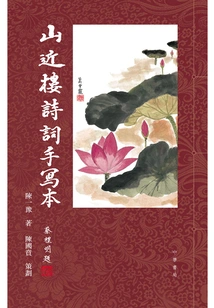
Shan Jinlou's Handwritten Poems
Literature山近楼诗词手写本
Chen Yiyu
This book contains a total of 120 poems and 2 lyrics. The content of the poems revolves around the author's life experiences, what he sees, hears and feels in life, as well as some descriptions of the scenery near his home. The text is in the author's handwriting. Each stroke shows the author's decades of study in calligraphy. The author's calligraphy attainments are highly praised by scholars from all walks of life. The author's "Poetry Manuscript of the Mountain Near the Tower" published in 2007 was very popular and was listed as a research topic by the poetry research class of Baptist University.
This book contains a total of 120 poems and 2 lyrics. The content of the poems revolves around the author's life experiences, what he sees, hears and feels in life, as well as some descriptions of the scenery near his home. The text is in the author's handwriting. Each stroke shows the author's decades of study in calligraphy. The author's calligraphy attainments are highly praised by scholars from all walks of life. The author's "Poetry Manuscript of the Mountain Near the Tower" published in 2007 was very popular and was listed as a research topic by the poetry research class of Baptist University.
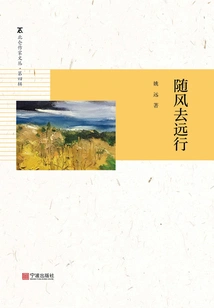
Follow the Wind and Travel Far
Literature随风去远行
Yao Yuan
This is a collection of essays, divided into four series, with a total of 53 articles. The first series of "First Meeting" contains 13 articles, which are travel prose written by the author while traveling in various parts of the motherland. The second volume of "Xin Yue" contains 13 articles, which describe the author's leisurely state of mind feeling the beauty of life through flowers, plants and trees. The third series of "Most Reminiscences" has 17 chapters. The most reminiscing thing is my hometown. The long and quiet Xiaopan River has nurtured the people along its banks. Among the songs in so many words, one is always dedicated to my hometown. The fourth series of "Watching" has 10 articles, and what is watching is cultural nostalgia. The Zhenhu Thatched Cottage and Tianyi Pavilion on the edge of Yuehu Lake are symbols and symbols of Ningbo culture. Everyone who loves culture will have such nostalgia. The author uses elegant words and quotes from classics to express his love for his hometown and his thoughts on life, which reflects the author's high literary accomplishment.
This is a collection of essays, divided into four series, with a total of 53 articles. The first series of "First Meeting" contains 13 articles, which are travel prose written by the author while traveling in various parts of the motherland. The second volume of "Xin Yue" contains 13 articles, which describe the author's leisurely state of mind feeling the beauty of life through flowers, plants and trees. The third series of "Most Reminiscences" has 17 chapters. The most reminiscing thing is my hometown. The long and quiet Xiaopan River has nurtured the people along its banks. Among the songs in so many words, one is always dedicated to my hometown. The fourth series of "Watching" has 10 articles, and what is watching is cultural nostalgia. The Zhenhu Thatched Cottage and Tianyi Pavilion on the edge of Yuehu Lake are symbols and symbols of Ningbo culture. Everyone who loves culture will have such nostalgia. The author uses elegant words and quotes from classics to express his love for his hometown and his thoughts on life, which reflects the author's high literary accomplishment.
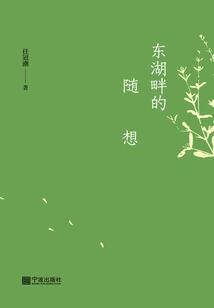
Random Thoughts by the East Lake
Literature东湖畔的随想
Ren Guanchao
This is a collection of personal works written by high school students, recording the inspiration and insights the author gained from life, travel, reading, and imagination. The book is a new exploration and imagination of the world from the perspective of a high school student, and the language is beautiful, smooth and childlike. At the same time, the book also contains a number of micro-novels with realistic and science fiction themes. The text is relaxed and pleasant, and the rhythm of the storyline is relatively compact and appropriate. The words reveal health and sunshine. Reading them makes people feel like returning to the youthful campus. This book has certain significance in stimulating primary and secondary school students' enthusiasm for writing and creativity and pursuing a positive value orientation.
This is a collection of personal works written by high school students, recording the inspiration and insights the author gained from life, travel, reading, and imagination. The book is a new exploration and imagination of the world from the perspective of a high school student, and the language is beautiful, smooth and childlike. At the same time, the book also contains a number of micro-novels with realistic and science fiction themes. The text is relaxed and pleasant, and the rhythm of the storyline is relatively compact and appropriate. The words reveal health and sunshine. Reading them makes people feel like returning to the youthful campus. This book has certain significance in stimulating primary and secondary school students' enthusiasm for writing and creativity and pursuing a positive value orientation.
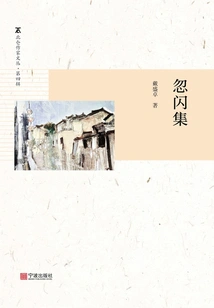
Flash Set
Literature忽闪集
Dai Shengzhuo
This book is a collection of essays that narrates the author's complicated life and business experiences. From these real parts of life, it shows the shining light of ordinary life. The author focuses his perspective on real life scenes, keeping close to the huge life itself. By writing various scenes and experiences, and using real characters living in the actual scenes, he begins to review himself. The author always keeps the words relevant to himself, to the depths of the times, to the living scenes, and to real events. The whole book is divided into three series: "Unconventional Life", "Priceless Memories" and "Gifts of Time". From the words written by the author, we can see the appearance and state of the original life scene, which is not only about hardship and survival, but also contains a huge amount of on-site information and perceptions of all this: survival, life, life, emotion, era, and economy.
This book is a collection of essays that narrates the author's complicated life and business experiences. From these real parts of life, it shows the shining light of ordinary life. The author focuses his perspective on real life scenes, keeping close to the huge life itself. By writing various scenes and experiences, and using real characters living in the actual scenes, he begins to review himself. The author always keeps the words relevant to himself, to the depths of the times, to the living scenes, and to real events. The whole book is divided into three series: "Unconventional Life", "Priceless Memories" and "Gifts of Time". From the words written by the author, we can see the appearance and state of the original life scene, which is not only about hardship and survival, but also contains a huge amount of on-site information and perceptions of all this: survival, life, life, emotion, era, and economy.
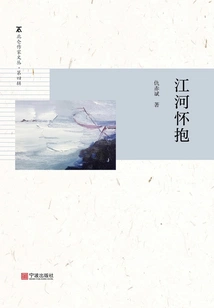
Embraced by Rivers
Literature江河怀抱
Qiu Chibin
This book is a collection of essays. The book is divided into three volumes: "Footprints on the Land", "Rivers, Lakes and Seas" and "Mirror World". From different perspectives, the author collects the scenery of Jiangnan, reviews his childhood life, and describes the mirror image of life. In the book, the solar terms of the south of the Yangtze River are often represented: the flowers of the Waking of Insects and the fruits of the Beginning of Summer. The book also records the characters living in this land. You can meet the author's grandfather, father, uncle, etc., And understand the author's childhood, youth, and youth. Although they are ordinary people and everything, they are all unique memories. The author's language is straightforward, his narration is steady, and his emotions are rich. He expresses his enthusiasm for his hometown and his love for life. These are not only the author's personal growth history, but also the history of rural development; they are both the vast and majestic real fields and the author's spiritual home.
This book is a collection of essays. The book is divided into three volumes: "Footprints on the Land", "Rivers, Lakes and Seas" and "Mirror World". From different perspectives, the author collects the scenery of Jiangnan, reviews his childhood life, and describes the mirror image of life. In the book, the solar terms of the south of the Yangtze River are often represented: the flowers of the Waking of Insects and the fruits of the Beginning of Summer. The book also records the characters living in this land. You can meet the author's grandfather, father, uncle, etc., And understand the author's childhood, youth, and youth. Although they are ordinary people and everything, they are all unique memories. The author's language is straightforward, his narration is steady, and his emotions are rich. He expresses his enthusiasm for his hometown and his love for life. These are not only the author's personal growth history, but also the history of rural development; they are both the vast and majestic real fields and the author's spiritual home.
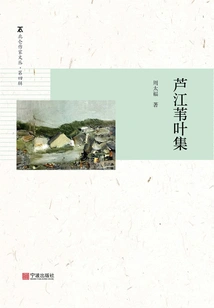
Collection of Reed Leaves in Lujiang
Literature芦江苇叶集
Zhou Taifu
This book is a collection of essays. There are three parts in total. The first part, "The Rhythm of Lujiang", contains 15 articles about the scenery of Lujiang, from the wild chrysanthemums and camphor trees on the banks of the Lujiang River to the love songs on the Lujiang River, which express the author's deep love for Lujiang. The second part, "Childhood in Lujiang", contains 21 articles, including eating red bayberries and fishing in the river. The shrimps, the wild fruits he has eaten, and the games he has played all describe the author's nostalgia for the joy of childhood; the 15 articles in the third part, "The Sonorous Years," write about relatives, friends, teachers, the suffering years, and the ordinary life, expressing the author's thinking about life and his acceptance of life. The author uses his personal experiences and witnesses in his life to describe romantic childhood, magnificent youth, passionate years and beautiful mountains and rivers in a plain tone. The lines reveal his deep attachment and nostalgia for his hometown, homeland and old friends.
This book is a collection of essays. There are three parts in total. The first part, "The Rhythm of Lujiang", contains 15 articles about the scenery of Lujiang, from the wild chrysanthemums and camphor trees on the banks of the Lujiang River to the love songs on the Lujiang River, which express the author's deep love for Lujiang. The second part, "Childhood in Lujiang", contains 21 articles, including eating red bayberries and fishing in the river. The shrimps, the wild fruits he has eaten, and the games he has played all describe the author's nostalgia for the joy of childhood; the 15 articles in the third part, "The Sonorous Years," write about relatives, friends, teachers, the suffering years, and the ordinary life, expressing the author's thinking about life and his acceptance of life. The author uses his personal experiences and witnesses in his life to describe romantic childhood, magnificent youth, passionate years and beautiful mountains and rivers in a plain tone. The lines reveal his deep attachment and nostalgia for his hometown, homeland and old friends.
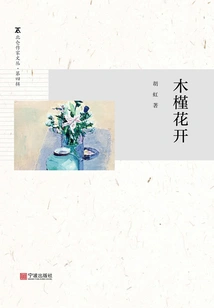
Hibiscus Blossoms
Literature木槿花开
Hu Hong
This book is a collection of essays, divided into four series: "Time Mark", "Scenery Glimpses", "Life Record" and "Character Portraits". In "Time Mark", the author remembers the people and things in the past years through affectionate memories of a series of past events; "Scenery Scenery" In "Character Portraits", through the detailed portrayal of a series of characters in his hometown, each of the characters with distinctive personalities is vivid and vivid on the paper.
This book is a collection of essays, divided into four series: "Time Mark", "Scenery Glimpses", "Life Record" and "Character Portraits". In "Time Mark", the author remembers the people and things in the past years through affectionate memories of a series of past events; "Scenery Scenery" In "Character Portraits", through the detailed portrayal of a series of characters in his hometown, each of the characters with distinctive personalities is vivid and vivid on the paper.
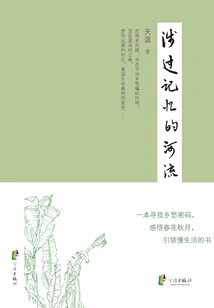
Wading Through the River of Memory
Literature涉过记忆的河流
Tianya
This book is divided into three volumes. The first volume, "Jindi·Traces", mainly writes about the people, things and things of the king on the land of Yinzhou, and writes about the nostalgia for the past rural life and a deep nostalgia; the second volume, "Daily Seals", mainly contains the feelings and realizations in daily life, showing a positive and optimistic attitude towards life and warm and tolerant humanistic feelings; the third volume, "Jianghu·Traces", is a set of travel notes. With a gentle and delicate style and easy-to-read text, the book expresses the author's nostalgia for the old rural life and his praise for the new life in the new countryside.
This book is divided into three volumes. The first volume, "Jindi·Traces", mainly writes about the people, things and things of the king on the land of Yinzhou, and writes about the nostalgia for the past rural life and a deep nostalgia; the second volume, "Daily Seals", mainly contains the feelings and realizations in daily life, showing a positive and optimistic attitude towards life and warm and tolerant humanistic feelings; the third volume, "Jianghu·Traces", is a set of travel notes. With a gentle and delicate style and easy-to-read text, the book expresses the author's nostalgia for the old rural life and his praise for the new life in the new countryside.
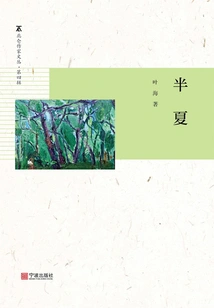
Pinellia Ternata
Literature半夏
Ye Hai
This book is Ye Hai's first poetry collection, which contains 182 poems written by the author since 2017. It is divided into four series, including the first series of 38 poems "Pinellia", the second series of 74 poems of "Thinking", the third series of 32 poems of "Closer Happiness", and the fourth series of 38 poems of "So You Understand Me". The author comprehensively displays his life and emotions, trying to use poetic expression to depict the common scenes and constant things he sees every day, through poetic expression, in order to confront another Jiangnan that is speeding in the modern economy, and against himself who is rushing in life. These poems incorporate rich Beilun geography and scenery elements, which also enhance their regional color and have strong humanistic characteristics.
This book is Ye Hai's first poetry collection, which contains 182 poems written by the author since 2017. It is divided into four series, including the first series of 38 poems "Pinellia", the second series of 74 poems of "Thinking", the third series of 32 poems of "Closer Happiness", and the fourth series of 38 poems of "So You Understand Me". The author comprehensively displays his life and emotions, trying to use poetic expression to depict the common scenes and constant things he sees every day, through poetic expression, in order to confront another Jiangnan that is speeding in the modern economy, and against himself who is rushing in life. These poems incorporate rich Beilun geography and scenery elements, which also enhance their regional color and have strong humanistic characteristics.
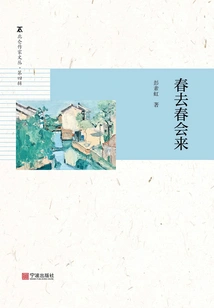
Spring is Gone and Spring Will Come
Literature春去春会来
Peng Suhong
This is a collection of essays, divided into four series: "Fleeting Encounter", "Fennel Blossoms", "Searching for Dreams in Jiuzhaigou" and "Those Times". The author interprets the theme and cultural connotation of "spring is gone and spring will come again" from the aspects of life experience, reading experience, travel experience and life insights. Looking at life from a woman's rigorous perspective, letting the warmth of humanity break through the noise of reality, playing a series of true and passionate life movements. The author's language is smooth and natural, his perspective is close to life, he is good at grasping details to see the big from the small, and seeing the depth in the details. When narrating the story, the author is able to grasp the degree of control, remain calm and unobtrusive, and achieve the effect in the natural flow of the text. The feelings are sincere and natural, and the writing style is fresh and smooth.
This is a collection of essays, divided into four series: "Fleeting Encounter", "Fennel Blossoms", "Searching for Dreams in Jiuzhaigou" and "Those Times". The author interprets the theme and cultural connotation of "spring is gone and spring will come again" from the aspects of life experience, reading experience, travel experience and life insights. Looking at life from a woman's rigorous perspective, letting the warmth of humanity break through the noise of reality, playing a series of true and passionate life movements. The author's language is smooth and natural, his perspective is close to life, he is good at grasping details to see the big from the small, and seeing the depth in the details. When narrating the story, the author is able to grasp the degree of control, remain calm and unobtrusive, and achieve the effect in the natural flow of the text. The feelings are sincere and natural, and the writing style is fresh and smooth.
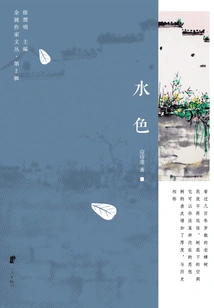
Water Color
Literature水色
Ying Shiqian
This is a collection of personal poems, divided into two volumes: Long Hair to the Waist and Beginning of Summer.
This is a collection of personal poems, divided into two volumes: Long Hair to the Waist and Beginning of Summer.
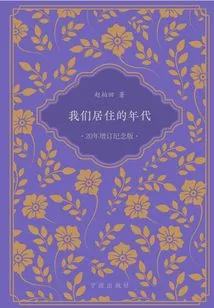
The Era We Live In
Literature我们居住的年代
Zhao Baitian
This book is a revised version of the first book by the famous writer Zhao Botian. The book discusses reading, writing and life in the 1990s, which in a sense is the origin of the author's literary career. The book is divided into eight parts: "The Dance of Reading", "One Page and Beyond", "Shadows Follow the Lamp", "Life in Our Times", "Summer Quarry", "Fragments of the World", "The Book of Fatherhood" and "Continuous Wandering". It records the author's thoughts on books, language, reading, writing and the life that carries them all in the form of notes. It is called by the author a record and testimony of spiritual adventure, reflecting the real world in which the secular and the divine are in harmony.
This book is a revised version of the first book by the famous writer Zhao Botian. The book discusses reading, writing and life in the 1990s, which in a sense is the origin of the author's literary career. The book is divided into eight parts: "The Dance of Reading", "One Page and Beyond", "Shadows Follow the Lamp", "Life in Our Times", "Summer Quarry", "Fragments of the World", "The Book of Fatherhood" and "Continuous Wandering". It records the author's thoughts on books, language, reading, writing and the life that carries them all in the form of notes. It is called by the author a record and testimony of spiritual adventure, reflecting the real world in which the secular and the divine are in harmony.
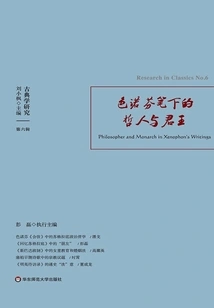
古典学研究:色诺芬笔下的哲人与君王
Liu Xiaofeng Editor-in-chief Peng Lei
"Classics Research" is sponsored by the Classics Professional Committee of the Chinese Society of Comparative Literature. It is dedicated to the study and interpretation of classics handed down from classical civilization. It aims to establish a classics academic field in the Chinese academic community and promote the Chinese academic community's re-understanding of Chinese and Western classics and other traditional classics. Based on the modern situation of Chinese civilization, from a cross-cultural and interdisciplinary perspective, this journal strives to integrate literature, philosophy, history and classical philology, starting from specific texts, to study, interpret and interpret the classics of Western, Hebrew, Arabic and other classical civilizations.
"Classics Research" is sponsored by the Classics Professional Committee of the Chinese Society of Comparative Literature. It is dedicated to the study and interpretation of classics handed down from classical civilization. It aims to establish a classics academic field in the Chinese academic community and promote the Chinese academic community's re-understanding of Chinese and Western classics and other traditional classics. Based on the modern situation of Chinese civilization, from a cross-cultural and interdisciplinary perspective, this journal strives to integrate literature, philosophy, history and classical philology, starting from specific texts, to study, interpret and interpret the classics of Western, Hebrew, Arabic and other classical civilizations.
Sentence Movement
Literature句本运动
Zhang Er
Zhang Er's poems maintain a valuable sense of reality, avoid the aesthetic shortcomings caused by easy illusion and romanticization, and deeply absorb and reflect on past poetry creation experiences. On the one hand, the poet is highly alert to the confusion of reality, but does not become too cheap. On the other hand, while alienating reality, his poems strongly demonstrate an inner truth and language self-esteem, becoming a rare poetic text that describes and presents the contemporary social and emotional world.
Zhang Er's poems maintain a valuable sense of reality, avoid the aesthetic shortcomings caused by easy illusion and romanticization, and deeply absorb and reflect on past poetry creation experiences. On the one hand, the poet is highly alert to the confusion of reality, but does not become too cheap. On the other hand, while alienating reality, his poems strongly demonstrate an inner truth and language self-esteem, becoming a rare poetic text that describes and presents the contemporary social and emotional world.
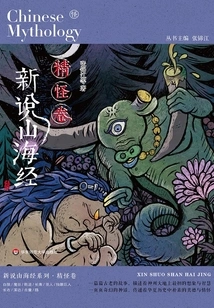
新说山海经:精怪卷
Zhang Jinjiang Et Al.
The "New Theory of Classics of Mountains and Seas" series is created in a spirit of textual research that respects the original records in "The Classic of Mountains and Seas". The authors of this series combine the scattered story materials in "The Classic of Mountains and Seas" and use their reasonable and rich imagination to create wonderful stories with ups and downs. Professor Zhang Jinjiang once pointed out that "The Classic of Mountains and Seas" was written in the pre-Qin period. It covers the geography of mountains and seas, ancient wars, heroic fantasy, encyclopedias of gods and monsters, etc. It can be called a strange book. Although the mythological stories in "The Classic of Mountains and Seas" are not complete, they provide themes for mythological novels about gods, immortals, demons, beasts, and strange people, things, and objects in the mythical realm. It can be said that what is presented in "The Classic of Mountains and Seas" is the backbone of the story, and the authors of "New Theory of the Classic of Mountains and Seas" added branches and leaves to these backbones of the story, and contained modern values and concepts, writing a coherent story with twists and turns, creating three-dimensional and full-bodied characters, making traditional culture more vital, and sowing the seeds of truth, goodness and beauty in the hearts of children.
The "New Theory of Classics of Mountains and Seas" series is created in a spirit of textual research that respects the original records in "The Classic of Mountains and Seas". The authors of this series combine the scattered story materials in "The Classic of Mountains and Seas" and use their reasonable and rich imagination to create wonderful stories with ups and downs. Professor Zhang Jinjiang once pointed out that "The Classic of Mountains and Seas" was written in the pre-Qin period. It covers the geography of mountains and seas, ancient wars, heroic fantasy, encyclopedias of gods and monsters, etc. It can be called a strange book. Although the mythological stories in "The Classic of Mountains and Seas" are not complete, they provide themes for mythological novels about gods, immortals, demons, beasts, and strange people, things, and objects in the mythical realm. It can be said that what is presented in "The Classic of Mountains and Seas" is the backbone of the story, and the authors of "New Theory of the Classic of Mountains and Seas" added branches and leaves to these backbones of the story, and contained modern values and concepts, writing a coherent story with twists and turns, creating three-dimensional and full-bodied characters, making traditional culture more vital, and sowing the seeds of truth, goodness and beauty in the hearts of children.
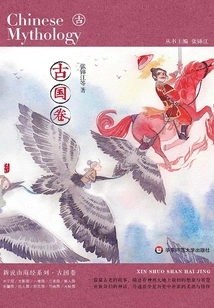
新说山海经:古国卷
Zhang Jinjiang Et Al.
The "New Theory of Classics of Mountains and Seas" series is created in a spirit of textual research that respects the original records in "The Classic of Mountains and Seas". The authors of this series combine the scattered story materials in "The Classic of Mountains and Seas" and use their reasonable and rich imagination to create wonderful stories with ups and downs. Professor Zhang Jinjiang once pointed out that "The Classic of Mountains and Seas" was written in the pre-Qin period. It covers the geography of mountains and seas, ancient wars, heroic fantasy, encyclopedias of gods and monsters, etc. It can be called a strange book. Although the mythological stories in "The Classic of Mountains and Seas" are not complete, they provide themes for mythological novels about gods, immortals, demons, beasts, and strange people, things, and objects in the mythical realm. It can be said that what is presented in "The Classic of Mountains and Seas" is the backbone of the story, and the authors of "New Theory of the Classic of Mountains and Seas" added branches and leaves to these backbones of the story, and contained modern values and concepts, writing a coherent story with twists and turns, creating three-dimensional and full-bodied characters, making traditional culture more vital, and sowing the seeds of truth, goodness and beauty in the hearts of children.
The "New Theory of Classics of Mountains and Seas" series is created in a spirit of textual research that respects the original records in "The Classic of Mountains and Seas". The authors of this series combine the scattered story materials in "The Classic of Mountains and Seas" and use their reasonable and rich imagination to create wonderful stories with ups and downs. Professor Zhang Jinjiang once pointed out that "The Classic of Mountains and Seas" was written in the pre-Qin period. It covers the geography of mountains and seas, ancient wars, heroic fantasy, encyclopedias of gods and monsters, etc. It can be called a strange book. Although the mythological stories in "The Classic of Mountains and Seas" are not complete, they provide themes for mythological novels about gods, immortals, demons, beasts, and strange people, things, and objects in the mythical realm. It can be said that what is presented in "The Classic of Mountains and Seas" is the backbone of the story, and the authors of "New Theory of the Classic of Mountains and Seas" added branches and leaves to these backbones of the story, and contained modern values and concepts, writing a coherent story with twists and turns, creating three-dimensional and full-bodied characters, making traditional culture more vital, and sowing the seeds of truth, goodness and beauty in the hearts of children.
Culture and Poetics: Literary Archeology
Literature文化与诗学:文学考古学
Li Qingqing Editor-in-chief Zhao Yong
This series of journals is a collection of Chinese Social Sciences Citation Index (CSSCI) source journals, and is also a journal included in the CNKI Chinese Journals Full-text Database. This journal mainly covers related fields such as cultural studies, literary theory and criticism, and intellectual history. The editorial board members of the series are famous foreign and domestic scholars.
This series of journals is a collection of Chinese Social Sciences Citation Index (CSSCI) source journals, and is also a journal included in the CNKI Chinese Journals Full-text Database. This journal mainly covers related fields such as cultural studies, literary theory and criticism, and intellectual history. The editorial board members of the series are famous foreign and domestic scholars.
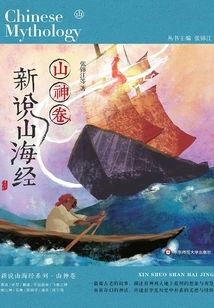
新说山海经:山神卷
Zhang Jinjiang Et Al.
The "New Theory of Classics of Mountains and Seas" series is created in a spirit of textual research that respects the original records in "The Classic of Mountains and Seas". The authors of this series combine the scattered story materials in "The Classic of Mountains and Seas" and use their reasonable and rich imagination to create wonderful stories with ups and downs. Professor Zhang Jinjiang once pointed out that "The Classic of Mountains and Seas" was written in the pre-Qin period. It covers the geography of mountains and seas, ancient wars, heroic fantasy, encyclopedias of gods and monsters, etc. It can be called a strange book. Although the mythological stories in "The Classic of Mountains and Seas" are not complete, they provide themes for mythological novels about gods, immortals, demons, beasts, and strange people, things, and objects in the mythical realm. It can be said that what is presented in "The Classic of Mountains and Seas" is the backbone of the story, and the authors of "New Theory of the Classic of Mountains and Seas" added branches and leaves to these backbones of the story, and contained modern values and concepts, writing a coherent story with twists and turns, creating three-dimensional and full-bodied characters, making traditional culture more vital, and sowing the seeds of truth, goodness and beauty in the hearts of children.
The "New Theory of Classics of Mountains and Seas" series is created in a spirit of textual research that respects the original records in "The Classic of Mountains and Seas". The authors of this series combine the scattered story materials in "The Classic of Mountains and Seas" and use their reasonable and rich imagination to create wonderful stories with ups and downs. Professor Zhang Jinjiang once pointed out that "The Classic of Mountains and Seas" was written in the pre-Qin period. It covers the geography of mountains and seas, ancient wars, heroic fantasy, encyclopedias of gods and monsters, etc. It can be called a strange book. Although the mythological stories in "The Classic of Mountains and Seas" are not complete, they provide themes for mythological novels about gods, immortals, demons, beasts, and strange people, things, and objects in the mythical realm. It can be said that what is presented in "The Classic of Mountains and Seas" is the backbone of the story, and the authors of "New Theory of the Classic of Mountains and Seas" added branches and leaves to these backbones of the story, and contained modern values and concepts, writing a coherent story with twists and turns, creating three-dimensional and full-bodied characters, making traditional culture more vital, and sowing the seeds of truth, goodness and beauty in the hearts of children.
There is Ample Time
Literature来日方长
Zhang Cun
The collection of essays "The Days Are Long" captures the beauty of those moments from familiar life and interprets them through words. Those vivid memories appear in words and merge into a colorful life. The author expresses his views on the world through affectionate writing. Things change, things change, birth, old age, illness and death, and the waxing and waning of clouds and clouds are the normal state of things, and there is no need to feel sad or melancholy. People we have loved, talked to, and interacted with in life, no matter how time erodes people's memories, no matter whether they really grow old, in our hearts, they are still the same as when we first met.
The collection of essays "The Days Are Long" captures the beauty of those moments from familiar life and interprets them through words. Those vivid memories appear in words and merge into a colorful life. The author expresses his views on the world through affectionate writing. Things change, things change, birth, old age, illness and death, and the waxing and waning of clouds and clouds are the normal state of things, and there is no need to feel sad or melancholy. People we have loved, talked to, and interacted with in life, no matter how time erodes people's memories, no matter whether they really grow old, in our hearts, they are still the same as when we first met.
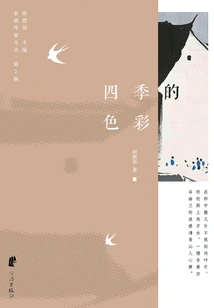
The Colors of the Four Seasons
Literature四季的色彩
Hu Yanhua
This book is a collection of essays in the second volume of the Yuyao Writers Collection. It contains more than one hundred essays written by the young writer Hu Yanhua. It is divided into four parts: "Colorful Spring", "Bright Summer", "Colorful Autumn" and "Pure Winter". They are all works that describe the four seasons in eastern Zhejiang and are rich in literary connotations.
This book is a collection of essays in the second volume of the Yuyao Writers Collection. It contains more than one hundred essays written by the young writer Hu Yanhua. It is divided into four parts: "Colorful Spring", "Bright Summer", "Colorful Autumn" and "Pure Winter". They are all works that describe the four seasons in eastern Zhejiang and are rich in literary connotations.
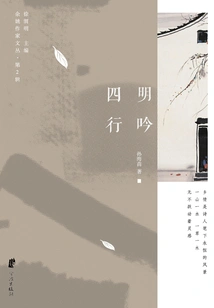
Siming Xingyin
Literature四明行吟
Sun Haimiao
This book is a collection of poems in the second volume of the Yuyao Writers Collection, which includes more than 80 poems written by journalist Sun Haimiao over a long period of time.
This book is a collection of poems in the second volume of the Yuyao Writers Collection, which includes more than 80 poems written by journalist Sun Haimiao over a long period of time.
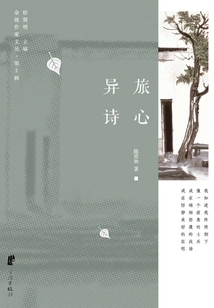
Poetry on a Foreign Journey
Literature异旅诗心
Chen Yonglin
This book is a collection of poems that integrates the author's thoughts and emotions.
This book is a collection of poems that integrates the author's thoughts and emotions.
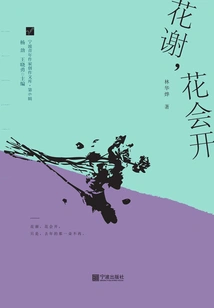
Flowers Fade, Flowers Bloom
Literature花谢,花会开
Lin Huaye
The work revolves around the theme of "pursuing truth, goodness and beauty". The book is divided into four series: "Paper is short but love is long", "Peaches and plums are spring breeze", "Heart is warm and flowers are blooming", and "Landscape and Water Charm", with nearly 100 articles and about 150,000 words. The writer uses women's keen observation and delicate emotions to write true stories of personal experience in candid words. Here there is heartfelt gratitude for family, friendship and true love in the world, selfless love for education and children, persistent pursuit of life, praise for famous mountains and rivers, and deep feelings for society, life and the truth, goodness and beauty in life. The simple words are indifferent, quiet, rich and full, jumping out of the small joys and sorrows around them, and blending seamlessly into the hope for a better life.
The work revolves around the theme of "pursuing truth, goodness and beauty". The book is divided into four series: "Paper is short but love is long", "Peaches and plums are spring breeze", "Heart is warm and flowers are blooming", and "Landscape and Water Charm", with nearly 100 articles and about 150,000 words. The writer uses women's keen observation and delicate emotions to write true stories of personal experience in candid words. Here there is heartfelt gratitude for family, friendship and true love in the world, selfless love for education and children, persistent pursuit of life, praise for famous mountains and rivers, and deep feelings for society, life and the truth, goodness and beauty in life. The simple words are indifferent, quiet, rich and full, jumping out of the small joys and sorrows around them, and blending seamlessly into the hope for a better life.
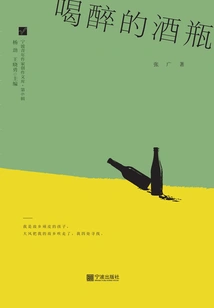
Drunk Wine Bottle
Literature喝醉的酒瓶
Zhang Guang
The poetry collection "Drunk Bottle" contains 130 poems written by the author from 2016 to the present. The book is divided into five parts: lines about hometown, verses about tears, function words in dreams, account books about family affection, and stories about time. "The Yao Ci of Hometown" mainly expresses the nostalgia for the hometown and the reflection on the urbanization process; "The Scriptures of Tears" mainly focuses on personal interpretations of nature, society, laws, etc.; "Function Words in Dreams" mainly explores some texts related to dreams; "The Account Book of Family Love" mainly expresses the respect for elders and the use of children's childish words; "The Story of Time" mainly focuses on a brief explanation of an object, season, symbol, etc.
The poetry collection "Drunk Bottle" contains 130 poems written by the author from 2016 to the present. The book is divided into five parts: lines about hometown, verses about tears, function words in dreams, account books about family affection, and stories about time. "The Yao Ci of Hometown" mainly expresses the nostalgia for the hometown and the reflection on the urbanization process; "The Scriptures of Tears" mainly focuses on personal interpretations of nature, society, laws, etc.; "Function Words in Dreams" mainly explores some texts related to dreams; "The Account Book of Family Love" mainly expresses the respect for elders and the use of children's childish words; "The Story of Time" mainly focuses on a brief explanation of an object, season, symbol, etc.
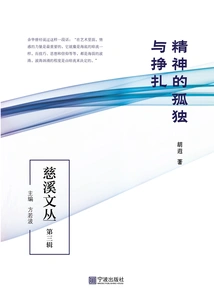
Spiritual Loneliness and Struggle
Literature精神的孤独与挣扎
Hu Xia
This is a Cixi literary series, divided into five parts: novellas, short novels, modern poetry, classical poetry and critical literature. The novella part "Uncle is here" consists of four novellas: "My Sister", "Uncle is here", "Lao Hai" and "This Newspaper News". The short novel section "What do you want me to say before you believe it" contains several short stories, which are short and thoughtful. The modern poetry section "Moonlight Ballads" includes many modern poems such as "Hometown" and "Walking in the South of the Yangtze River". The classical poetry section "Mirror Shadow Collection" is a selection of old-style poetry works created by the author in the past ten years. The critical literature section "Spiritual Loneliness and Struggle" includes the latest critical works created by the author in recent years, mainly reviewing the works of local writers. This set of books is a concentrated display of the works of several writers in Cixi, and is the enrichment and continuation of the "Cixi Literature Series".
This is a Cixi literary series, divided into five parts: novellas, short novels, modern poetry, classical poetry and critical literature. The novella part "Uncle is here" consists of four novellas: "My Sister", "Uncle is here", "Lao Hai" and "This Newspaper News". The short novel section "What do you want me to say before you believe it" contains several short stories, which are short and thoughtful. The modern poetry section "Moonlight Ballads" includes many modern poems such as "Hometown" and "Walking in the South of the Yangtze River". The classical poetry section "Mirror Shadow Collection" is a selection of old-style poetry works created by the author in the past ten years. The critical literature section "Spiritual Loneliness and Struggle" includes the latest critical works created by the author in recent years, mainly reviewing the works of local writers. This set of books is a concentrated display of the works of several writers in Cixi, and is the enrichment and continuation of the "Cixi Literature Series".
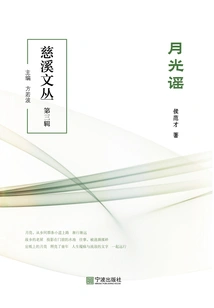
Moonlight Ballad
Literature月光谣
Hou Fancai
This is a Cixi literary series, divided into five parts: novellas, short novels, modern poetry, classical poetry and critical literature. The novella part "Uncle is here" consists of four novellas: "My Sister", "Uncle is here", "Lao Hai" and "This Newspaper News". The short novel section "What do you want me to say before you believe it" contains several short stories, which are short and thoughtful. The modern poetry section "Moonlight Ballads" includes many modern poems such as "Hometown" and "Walking in the South of the Yangtze River". The classical poetry section "Mirror Shadow Collection" is a selection of old-style poetry works created by the author in the past ten years. The critical literature section "Spiritual Loneliness and Struggle" includes the latest critical works created by the author in recent years, mainly reviewing the works of local writers. This set of books is a concentrated display of the works of several writers in Cixi, and is the enrichment and continuation of the "Cixi Literature Series".
This is a Cixi literary series, divided into five parts: novellas, short novels, modern poetry, classical poetry and critical literature. The novella part "Uncle is here" consists of four novellas: "My Sister", "Uncle is here", "Lao Hai" and "This Newspaper News". The short novel section "What do you want me to say before you believe it" contains several short stories, which are short and thoughtful. The modern poetry section "Moonlight Ballads" includes many modern poems such as "Hometown" and "Walking in the South of the Yangtze River". The classical poetry section "Mirror Shadow Collection" is a selection of old-style poetry works created by the author in the past ten years. The critical literature section "Spiritual Loneliness and Struggle" includes the latest critical works created by the author in recent years, mainly reviewing the works of local writers. This set of books is a concentrated display of the works of several writers in Cixi, and is the enrichment and continuation of the "Cixi Literature Series".
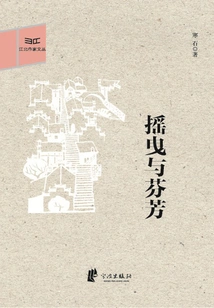
Swaying and Fragrance
Literature摇曳与芬芳
Cold Stone
This book is a collection of prose essays from the Jiangbei Writers Collection. It contains more than fifty recently written essays and is divided into five parts: "Homeland Geography", "Fragrant Four Seasons", "Songs of Time", "Poetic Labor" and "Local Taste". The author uses simple writing to describe the customs and customs of Ningbo, expressing his love for this land.
This book is a collection of prose essays from the Jiangbei Writers Collection. It contains more than fifty recently written essays and is divided into five parts: "Homeland Geography", "Fragrant Four Seasons", "Songs of Time", "Poetic Labor" and "Local Taste". The author uses simple writing to describe the customs and customs of Ningbo, expressing his love for this land.
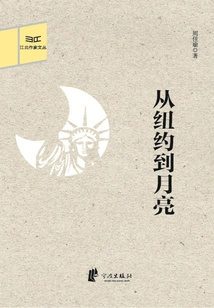
From New York to the Moon
Literature从纽约到月亮
Zhou Jiayu
This book is a self-selected collection of essays from the Jiangbei Writers Collection. The book mainly includes four parts: "Always in the Heart", "My Hands Are My Heart", "Silk Bamboo Streaming" and "Dreams as Horses". It writes about the author's longing for relatives and friends, his perception of life, comments on movies and books, and the growth of his children.
This book is a self-selected collection of essays from the Jiangbei Writers Collection. The book mainly includes four parts: "Always in the Heart", "My Hands Are My Heart", "Silk Bamboo Streaming" and "Dreams as Horses". It writes about the author's longing for relatives and friends, his perception of life, comments on movies and books, and the growth of his children.
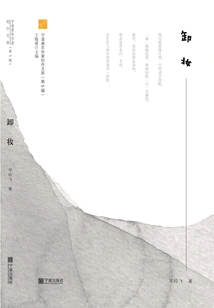
Makeup Remover
Literature卸妆
Cen Lingfei
This book is a collection of essays in the "Ningbo Young Writers' Creation Library (Volume 5)". It is the author's record of life and is divided into four volumes: "The Romance of Opera", "Animal Stories", "The Golden Years" and "The Hundred Faces of All Living Beings". The author uses delicate and smooth writing to describe what he sees, hears, knows and feels in his life, expressing his love for traditional art, love for small animals, memories and nostalgia for his hometown and local accent, as well as his feelings for relatives and affection. Although the starting point of each article is small, it is the real life experienced by the author. The full text is sincere, simple and ordinary, and brings together every bit of life at the tip of the pen to inspire and enlighten people.
This book is a collection of essays in the "Ningbo Young Writers' Creation Library (Volume 5)". It is the author's record of life and is divided into four volumes: "The Romance of Opera", "Animal Stories", "The Golden Years" and "The Hundred Faces of All Living Beings". The author uses delicate and smooth writing to describe what he sees, hears, knows and feels in his life, expressing his love for traditional art, love for small animals, memories and nostalgia for his hometown and local accent, as well as his feelings for relatives and affection. Although the starting point of each article is small, it is the real life experienced by the author. The full text is sincere, simple and ordinary, and brings together every bit of life at the tip of the pen to inspire and enlighten people.
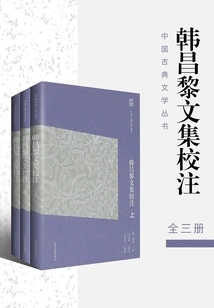
Annotations and Proofreading of Han Changli's Collected Works (simplified Version) (three Volumes)
Literature韩昌黎文集校注(简体版)(全三册)
(tang Dynasty) Written By Han Yu, Edited By Ma Qichang, Compiled By Ma Maoyuan
This book is based on Wanli Dongyatang's "Mr. Changli's Collection", with the poems removed and the essays preserved. It consists of eight volumes of collected works, two volumes of extra-text collections, one volume of posthumous works, three appendices of foreign texts, and one volume of collected biographies. Tongcheng Ma's collection of articles is comprehensive and complete, and the editing is profound. This "simplified Chinese version" maintains the reading content of various notes and punctuation of proper names in the traditional version, and hopes to use the simplified horizontal format that is easier to read, so that more readers can come into contact with the orthodox interpretation of traditional culture and appreciate the high-quality essence.
This book is based on Wanli Dongyatang's "Mr. Changli's Collection", with the poems removed and the essays preserved. It consists of eight volumes of collected works, two volumes of extra-text collections, one volume of posthumous works, three appendices of foreign texts, and one volume of collected biographies. Tongcheng Ma's collection of articles is comprehensive and complete, and the editing is profound. This "simplified Chinese version" maintains the reading content of various notes and punctuation of proper names in the traditional version, and hopes to use the simplified horizontal format that is easier to read, so that more readers can come into contact with the orthodox interpretation of traditional culture and appreciate the high-quality essence.
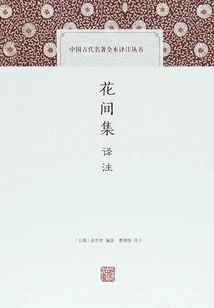
花间集译注
(later Shu) Collection Edited By Zhao Chongzuo And Translated And Annotated By Cao Minggang
"Huajian Ji" is the first comprehensive collection of literati's poetry in the history of Chinese poetry, and has always been regarded as the originator and model of Yisheng poetry. Edited by Zhao Chongzuo of Houshu, it includes representative works of 18 poets of the Huajian Ci School, including Wen Tingyun and Wei Zhuang. Each poem has annotations and rhyme translations, making it a masterpiece of popular reading in "The Collection of Flowers".
"Huajian Ji" is the first comprehensive collection of literati's poetry in the history of Chinese poetry, and has always been regarded as the originator and model of Yisheng poetry. Edited by Zhao Chongzuo of Houshu, it includes representative works of 18 poets of the Huajian Ci School, including Wen Tingyun and Wei Zhuang. Each poem has annotations and rhyme translations, making it a masterpiece of popular reading in "The Collection of Flowers".
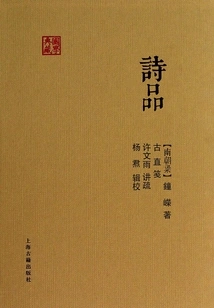
Poetry
Literature诗品
(liang Dynasty In The Southern Dynasties) Written By Zhong Rong, Ancient Notes, Commentary By Xu Wenyu, Edited By Yang Yan
Zhong Rong's "Shipin" has attracted much attention since modern times, and there have been some important annotations, and many achievements have been made in terms of text textual research, allusion tracing, and literary interpretation. Among them, Gu Zhi's "Zhongjishi Poetry Notes" and Xu Wenyu's "Zhong Rong's Poems Notes" are the most important. This compilation combines Gu Zhi's "Zhongjishi Poetry Notes" and Xu Wenyu's "Zhong Rong's Poetry Notes" into one volume.
Zhong Rong's "Shipin" has attracted much attention since modern times, and there have been some important annotations, and many achievements have been made in terms of text textual research, allusion tracing, and literary interpretation. Among them, Gu Zhi's "Zhongjishi Poetry Notes" and Xu Wenyu's "Zhong Rong's Poems Notes" are the most important. This compilation combines Gu Zhi's "Zhongjishi Poetry Notes" and Xu Wenyu's "Zhong Rong's Poetry Notes" into one volume.
AT
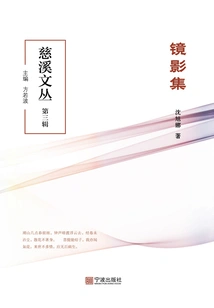
Mirror Collection
Literature镜影集
Shen Xuna
This is a Cixi literary series, divided into five parts: novellas, short novels, modern poetry, classical poetry and critical literature. The novella part "Uncle is here" consists of four novellas: "My Sister", "Uncle is here", "Lao Hai" and "This Newspaper News". The short novel section "What do you want me to say before you believe it" contains several short stories, which are short and thoughtful. The modern poetry section "Moonlight Ballads" includes many modern poems such as "Hometown" and "Walking in the South of the Yangtze River". The classical poetry section "Mirror Shadow Collection" is a selection of old-style poetry works created by the author in the past ten years. The critical literature section "Spiritual Loneliness and Struggle" includes the latest critical works created by the author in recent years, mainly reviewing the works of local writers. This set of books is a concentrated display of the works of several writers in Cixi, and is the enrichment and continuation of the "Cixi Literature Series".
This is a Cixi literary series, divided into five parts: novellas, short novels, modern poetry, classical poetry and critical literature. The novella part "Uncle is here" consists of four novellas: "My Sister", "Uncle is here", "Lao Hai" and "This Newspaper News". The short novel section "What do you want me to say before you believe it" contains several short stories, which are short and thoughtful. The modern poetry section "Moonlight Ballads" includes many modern poems such as "Hometown" and "Walking in the South of the Yangtze River". The classical poetry section "Mirror Shadow Collection" is a selection of old-style poetry works created by the author in the past ten years. The critical literature section "Spiritual Loneliness and Struggle" includes the latest critical works created by the author in recent years, mainly reviewing the works of local writers. This set of books is a concentrated display of the works of several writers in Cixi, and is the enrichment and continuation of the "Cixi Literature Series".
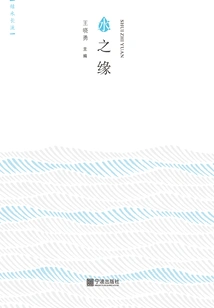
The Edge of Water
Literature水之缘
Editor-in-chief Wang Xiaoyong
Ningbo is a famous water town. Following the joint management of five waters, Ningbo has further promoted the action of "eliminating inferior V-type water" to create green mountains and green waters in this city. The book series "Green Water Flows" focuses on this. Ningbo writers use their unique literary sensitivity to feel the changes brought by the water control project to the city and the lives of residents in this city. This book is a collection of poems in the series. It includes not only the works of Ningbo local poets, but also poetry manuscripts from all over the country. Together, they eulogized the charm of water in Ningbo's rivers, lakes, white-capped seas, etc., The beautiful vision of the harmonious development of man and water, and the new changes in the city brought about by water control actions in the style of poetry. There are both passionate and high-spirited songs, as well as delicate and low-pitched lyrics, which are positive and convey the positive energy of society.
Ningbo is a famous water town. Following the joint management of five waters, Ningbo has further promoted the action of "eliminating inferior V-type water" to create green mountains and green waters in this city. The book series "Green Water Flows" focuses on this. Ningbo writers use their unique literary sensitivity to feel the changes brought by the water control project to the city and the lives of residents in this city. This book is a collection of poems in the series. It includes not only the works of Ningbo local poets, but also poetry manuscripts from all over the country. Together, they eulogized the charm of water in Ningbo's rivers, lakes, white-capped seas, etc., The beautiful vision of the harmonious development of man and water, and the new changes in the city brought about by water control actions in the style of poetry. There are both passionate and high-spirited songs, as well as delicate and low-pitched lyrics, which are positive and convey the positive energy of society.
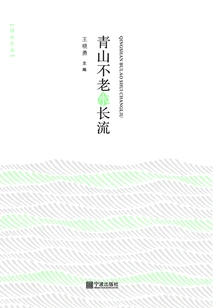
Green Hills and Everlasting Waters
Literature青山不老水长流
Editor-in-chief Wang Xiaoyong
Ningbo is a famous water town. Following the joint management of five waters, Ningbo has further promoted the action of "eliminating inferior V-type water" to create green mountains and green waters in this city. The book series "Green Water Flows" focuses on this. Ningbo writers use their unique literary sensitivity to feel the changes brought by the water control project to the city and the lives of residents in this city. This volume is a collection of essays in the series. The writers use their own writing to enthusiastically praise the city's efforts and achievements in water resource protection from different aspects: the investment and dedication of the water control workers fighting on the front line, the feelings of ordinary people when they encounter clear springs in their lives, the city's old appearance and the new look, and the blue sky and white clouds giving this Jiangnan water city the charm.
Ningbo is a famous water town. Following the joint management of five waters, Ningbo has further promoted the action of "eliminating inferior V-type water" to create green mountains and green waters in this city. The book series "Green Water Flows" focuses on this. Ningbo writers use their unique literary sensitivity to feel the changes brought by the water control project to the city and the lives of residents in this city. This volume is a collection of essays in the series. The writers use their own writing to enthusiastically praise the city's efforts and achievements in water resource protection from different aspects: the investment and dedication of the water control workers fighting on the front line, the feelings of ordinary people when they encounter clear springs in their lives, the city's old appearance and the new look, and the blue sky and white clouds giving this Jiangnan water city the charm.
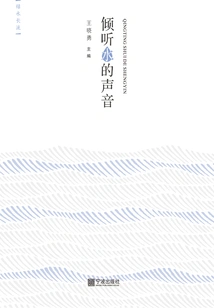
Listen to the Sound of Water
Literature倾听水的声音
Editor-in-chief Wang Xiaoyong
Ningbo is a famous water town. Following the joint management of five waters, Ningbo has further promoted the action of "eliminating inferior V-type water" to create green mountains and green waters in this city. The book series "Green Water Flows" focuses on this. Ningbo writers use their unique literary sensitivity to feel the changes brought by the water control project to the city and the lives of residents in this city. This book is a collection of reportage in the series. The writers went deep into the water control operations and even participated in the water control site. They used their own writing to record the specific measures taken by the city and its surrounding counties to control the water environment. They also recorded the achievements of each water control work and recorded the work attitude of each water control person in the ups and downs, as well as the courage and courage, determination and perseverance they showed.
Ningbo is a famous water town. Following the joint management of five waters, Ningbo has further promoted the action of "eliminating inferior V-type water" to create green mountains and green waters in this city. The book series "Green Water Flows" focuses on this. Ningbo writers use their unique literary sensitivity to feel the changes brought by the water control project to the city and the lives of residents in this city. This book is a collection of reportage in the series. The writers went deep into the water control operations and even participated in the water control site. They used their own writing to record the specific measures taken by the city and its surrounding counties to control the water environment. They also recorded the achievements of each water control work and recorded the work attitude of each water control person in the ups and downs, as well as the courage and courage, determination and perseverance they showed.
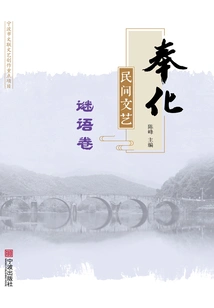
奉化民间文艺·谜语卷
Editor-in-chief Chen Feng
This set of books is divided into three volumes: a volume of riddles, a volume of ballads, and a volume of place-name stories. They all come from Fenghua folk. They are folk literature with strong local characteristics created collectively by the working people in Fenghua area. The whole book is clearly organized: the riddle volume is divided into five parts according to the answers: nature, human body, life, culture, word puzzles, etc.; The place name story volume is divided into five parts: rural place names, caves, ponds and weirs, mountain bridges, temples and nunneries, pavilions and pavilions; the song volume is divided into children's songs, moon songs, life songs, ritual songs, etc. Folk language is lively, humorous, philosophical, contains the beauty of human nature, and shines with the collective wisdom of the working people of Fenghua.
This set of books is divided into three volumes: a volume of riddles, a volume of ballads, and a volume of place-name stories. They all come from Fenghua folk. They are folk literature with strong local characteristics created collectively by the working people in Fenghua area. The whole book is clearly organized: the riddle volume is divided into five parts according to the answers: nature, human body, life, culture, word puzzles, etc.; The place name story volume is divided into five parts: rural place names, caves, ponds and weirs, mountain bridges, temples and nunneries, pavilions and pavilions; the song volume is divided into children's songs, moon songs, life songs, ritual songs, etc. Folk language is lively, humorous, philosophical, contains the beauty of human nature, and shines with the collective wisdom of the working people of Fenghua.
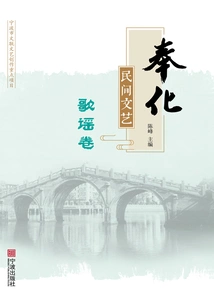
奉化民间文艺·歌谣卷
Editor-in-chief Chen Feng
This set of books is divided into three volumes: a volume of riddles, a volume of ballads, and a volume of place-name stories. They all come from Fenghua folk. They are folk literature with strong local characteristics created collectively by the working people in Fenghua area. The whole book is clearly organized: the riddle volume is divided into five parts according to the answers: nature, human body, life, culture, word puzzles, etc.; The place name story volume is divided into five parts: rural place names, caves, ponds and weirs, mountain bridges, temples and nunneries, pavilions and pavilions; the song volume is divided into children's songs, moon songs, life songs, ritual songs, etc. Folk language is lively, humorous, philosophical, contains the beauty of human nature, and shines with the collective wisdom of the working people of Fenghua.
This set of books is divided into three volumes: a volume of riddles, a volume of ballads, and a volume of place-name stories. They all come from Fenghua folk. They are folk literature with strong local characteristics created collectively by the working people in Fenghua area. The whole book is clearly organized: the riddle volume is divided into five parts according to the answers: nature, human body, life, culture, word puzzles, etc.; The place name story volume is divided into five parts: rural place names, caves, ponds and weirs, mountain bridges, temples and nunneries, pavilions and pavilions; the song volume is divided into children's songs, moon songs, life songs, ritual songs, etc. Folk language is lively, humorous, philosophical, contains the beauty of human nature, and shines with the collective wisdom of the working people of Fenghua.
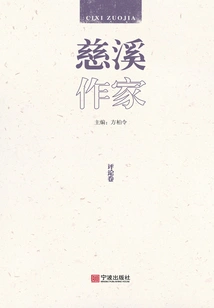
Cixi Writer·review Volume
Literature慈溪作家·评论卷
Editor-in-chief Fang Boling
This book is a collection of works created by members of the Cixi Writers Association in the past five years. It is divided into four volumes of novels, essays, poems, and reviews. It comprehensively reflects the overall level of literary creation in Cixi City and reflects the prosperity and development of regional literary and artistic creation. The review volume contains nearly 80 works, divided into three parts: "Novel Review", "Prose Review" and "Poetry Review". It includes not only comments and appreciation of famous works, but also a detailed reading of the works of local writers, and the latter accounts for a heavier weight. All of them are meaningful and the interpretation is precise. Based on the understanding of local writers and their creative background, comments on their works can be more in-depth, which is an effective boost to the prosperity of regional literature.
This book is a collection of works created by members of the Cixi Writers Association in the past five years. It is divided into four volumes of novels, essays, poems, and reviews. It comprehensively reflects the overall level of literary creation in Cixi City and reflects the prosperity and development of regional literary and artistic creation. The review volume contains nearly 80 works, divided into three parts: "Novel Review", "Prose Review" and "Poetry Review". It includes not only comments and appreciation of famous works, but also a detailed reading of the works of local writers, and the latter accounts for a heavier weight. All of them are meaningful and the interpretation is precise. Based on the understanding of local writers and their creative background, comments on their works can be more in-depth, which is an effective boost to the prosperity of regional literature.
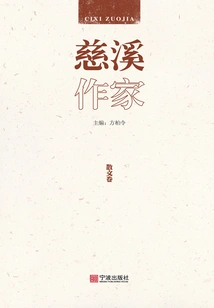
Cixi Writer·prose Volume
Literature慈溪作家·散文卷
Editor-in-chief Fang Boling
This book is a collection of works created by members of the Cixi Writers Association in the past five years. It is divided into four volumes of novels, essays, poems, and reviews. It comprehensively reflects the overall level of literary creation in Cixi City and reflects the prosperity and development of regional literary and artistic creation. The prose volume contains more than 70 works, divided according to the theme into five volumes: "The West Wind Blows the Cold Chang'an Moon" about various characters, "A River Catches the Slow Train of Time" about the years and related insights, "Mount Quewanglei is Hometown" about scenery and travel notes, "Time Flows in the Eslite" about life insights, and "Here is the bridgehead at the hometown gate" about nostalgia. The overall writing level of prose is relatively good, and most of the works are sincere and touching.
This book is a collection of works created by members of the Cixi Writers Association in the past five years. It is divided into four volumes of novels, essays, poems, and reviews. It comprehensively reflects the overall level of literary creation in Cixi City and reflects the prosperity and development of regional literary and artistic creation. The prose volume contains more than 70 works, divided according to the theme into five volumes: "The West Wind Blows the Cold Chang'an Moon" about various characters, "A River Catches the Slow Train of Time" about the years and related insights, "Mount Quewanglei is Hometown" about scenery and travel notes, "Time Flows in the Eslite" about life insights, and "Here is the bridgehead at the hometown gate" about nostalgia. The overall writing level of prose is relatively good, and most of the works are sincere and touching.