Library
Browse and search novels
26,210 novels found
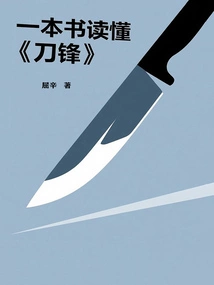
Read "blade" with One Book
Literature一本书读懂《刀锋》
Qu Xin
When Somerset Maugham's "Blade" encounters the existential dilemma of the cyber era, this book uses a "spiritual scalpel" to dissect the contemporary value of this classic. From workplace burnout to social masks, from criticism of consumerism to existential anxiety under the impact of AI, the author builds a time-space tunnel between the secret realm of literature and the desert of reality: you will see Larry's hard study in the Chicago library and the "paid fishing" of contemporary workers as mirror images of each other. Eliot's aristocratic dream is transformed into the exquisite characters of Little Red Book, and the ultimate question that ChatGPT cannot answer is still faintly echoing in the coal mine lanes. The book not only provides a scalpel-like analysis of the details of the text, but also melts philosophical speculation into a survival strategy to fight against alienation - in today's era dominated by algorithms, how can one maintain "uncalculated sobriety" like Larry? This self-help guide for the confused makes classic literature a magic mirror that reflects on the illnesses of the times, and a sharp blade that cuts through the fog of life.
When Somerset Maugham's "Blade" encounters the existential dilemma of the cyber era, this book uses a "spiritual scalpel" to dissect the contemporary value of this classic. From workplace burnout to social masks, from criticism of consumerism to existential anxiety under the impact of AI, the author builds a time-space tunnel between the secret realm of literature and the desert of reality: you will see Larry's hard study in the Chicago library and the "paid fishing" of contemporary workers as mirror images of each other. Eliot's aristocratic dream is transformed into the exquisite characters of Little Red Book, and the ultimate question that ChatGPT cannot answer is still faintly echoing in the coal mine lanes. The book not only provides a scalpel-like analysis of the details of the text, but also melts philosophical speculation into a survival strategy to fight against alienation - in today's era dominated by algorithms, how can one maintain "uncalculated sobriety" like Larry? This self-help guide for the confused makes classic literature a magic mirror that reflects on the illnesses of the times, and a sharp blade that cuts through the fog of life.
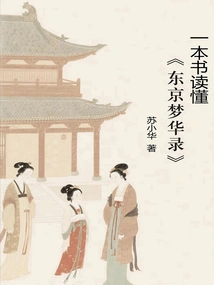
One Book to Understand "tokyo Dreams
Literature一本书读懂《东京梦华录》
Su Xiaohua
"A Book to Understand "Tokyo Menghua Lu"" deconstructs the life epic of the Song Dynasty in seven dimensions, leading readers to travel through thousands of years and touch the warmth of Bianjing's civilization. This book breaks the traditional interpretation mode of ancient books and activates the urban memory of the Northern Song Dynasty from a modern perspective: from the planning wisdom of Yujie CBD to the business genes of Zhouqiao Night Market, from the catering revolution on the tip of the tongue to the round-the-clock citizen theater, the author uses "Tokyo Menghualu" as the time and space coordinates and unearths amazing modernity in the gaps in the literature - 21st century urban propositions such as the prototype of take-out service, night-time economic system, global trade network, etc., Were previewed in the Chinese capital in the 12th century. The book not only immerses the sound of the city in Wasegoulan, but also reveals the time code in the festival rituals. Through a cross-media dialogue with "Along the River During the Qingming Festival", it shows the civilization map jointly constructed by words and images. Each chapter has a special "Ancient and Modern Reflection" column, allowing Hu spicy soup to communicate with Meituan takeout from a distance, connecting the Daxiangguo temple with the modern commercial complex, and making sleeping ancient books glow with current vitality. This is a key to decoding the genes of Chinese cities and an immersive book to understand the continuity of Chinese civilization.
"A Book to Understand "Tokyo Menghua Lu"" deconstructs the life epic of the Song Dynasty in seven dimensions, leading readers to travel through thousands of years and touch the warmth of Bianjing's civilization. This book breaks the traditional interpretation mode of ancient books and activates the urban memory of the Northern Song Dynasty from a modern perspective: from the planning wisdom of Yujie CBD to the business genes of Zhouqiao Night Market, from the catering revolution on the tip of the tongue to the round-the-clock citizen theater, the author uses "Tokyo Menghualu" as the time and space coordinates and unearths amazing modernity in the gaps in the literature - 21st century urban propositions such as the prototype of take-out service, night-time economic system, global trade network, etc., Were previewed in the Chinese capital in the 12th century. The book not only immerses the sound of the city in Wasegoulan, but also reveals the time code in the festival rituals. Through a cross-media dialogue with "Along the River During the Qingming Festival", it shows the civilization map jointly constructed by words and images. Each chapter has a special "Ancient and Modern Reflection" column, allowing Hu spicy soup to communicate with Meituan takeout from a distance, connecting the Daxiangguo temple with the modern commercial complex, and making sleeping ancient books glow with current vitality. This is a key to decoding the genes of Chinese cities and an immersive book to understand the continuity of Chinese civilization.
一本书读懂《人性的枷锁》
Su Xiaohua
"The Shackles of Humanity" is a soul confession that Maugham has tempered for half his life, and this book will lead readers through a hundred years of time and resonate with Philip Carey in the contemporary survival dilemma. Through a deconstructive perspective, from religious discipline, morbid attachment to middle-class disillusionment, the secular preset life script is peeled off layer by layer - when idealists burn paintings, securities upstarts fall into the slums, and doctors resurrect art under the scalpel, every "failure" reshapes the boundaries of freedom. The book creates an original "Apocalypse Now" section, which grafts literary classics onto real-life pain points such as PUA in the workplace, anxiety about paying for knowledge, and the 35-year-old crisis. It uses Philip's lameness to crush the success learning filter and allows the "flaw philosophy" of the Persian carpet to cure the obsessive-compulsive disorder of perfection in the era of involution. This is not an introduction, but an invitation: in the ashes of meaning, rewrite the algorithm of your life.
"The Shackles of Humanity" is a soul confession that Maugham has tempered for half his life, and this book will lead readers through a hundred years of time and resonate with Philip Carey in the contemporary survival dilemma. Through a deconstructive perspective, from religious discipline, morbid attachment to middle-class disillusionment, the secular preset life script is peeled off layer by layer - when idealists burn paintings, securities upstarts fall into the slums, and doctors resurrect art under the scalpel, every "failure" reshapes the boundaries of freedom. The book creates an original "Apocalypse Now" section, which grafts literary classics onto real-life pain points such as PUA in the workplace, anxiety about paying for knowledge, and the 35-year-old crisis. It uses Philip's lameness to crush the success learning filter and allows the "flaw philosophy" of the Persian carpet to cure the obsessive-compulsive disorder of perfection in the era of involution. This is not an introduction, but an invitation: in the ashes of meaning, rewrite the algorithm of your life.
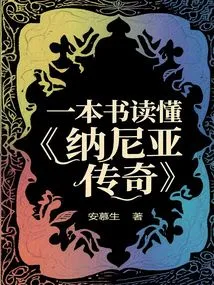
一本书读懂《纳尼亚传奇》
An Musheng
"Reading "The Chronicles of Narnia" in One Book" dismantles C. S. Lewis's fantasy universe and lays out for readers a literary star map that interweaves theology, philosophy and contemporary technology. From the creation code of the Wardrobe to the quantum theology in the Lion's mane, from the dopamine trap of Turkish delight to the human game in the cracks of the stone table, this book uses the precision of an archaeologist and the imagination of a poet to reveal the hard-core truth beneath the surface of children's literature. Analyze the eternal temptation of the white witch from an existential perspective, use psychological models to decode the transformation rules of a "naughty child" into a king, and trace how the trench trauma and unfinished love in Louis' private life were forged into a totem of a different world. The book also implants ancient prophecies into a modern context: Susan's bow and arrow become an antidote to workplace anxiety, believers in the Metaverse encounter a moral AI trial in a virtual ice field, and brain-computer interface technology actually replicates the rosin therapy in a beaver cabin. This is not a traditional work analysis, but a witness record of a cultural nuclear explosion - in the past 70 years, Narnia has evolved from a paper fairy tale to a super-media life form that devours reality, and has been constantly reborn amidst controversy in film history, fan rebellion and technological fantasies. When you open this book, you will get not only a guide to re-reading classics, but also a license to survive in the gap between fantasy and reality.
"Reading "The Chronicles of Narnia" in One Book" dismantles C. S. Lewis's fantasy universe and lays out for readers a literary star map that interweaves theology, philosophy and contemporary technology. From the creation code of the Wardrobe to the quantum theology in the Lion's mane, from the dopamine trap of Turkish delight to the human game in the cracks of the stone table, this book uses the precision of an archaeologist and the imagination of a poet to reveal the hard-core truth beneath the surface of children's literature. Analyze the eternal temptation of the white witch from an existential perspective, use psychological models to decode the transformation rules of a "naughty child" into a king, and trace how the trench trauma and unfinished love in Louis' private life were forged into a totem of a different world. The book also implants ancient prophecies into a modern context: Susan's bow and arrow become an antidote to workplace anxiety, believers in the Metaverse encounter a moral AI trial in a virtual ice field, and brain-computer interface technology actually replicates the rosin therapy in a beaver cabin. This is not a traditional work analysis, but a witness record of a cultural nuclear explosion - in the past 70 years, Narnia has evolved from a paper fairy tale to a super-media life form that devours reality, and has been constantly reborn amidst controversy in film history, fan rebellion and technological fantasies. When you open this book, you will get not only a guide to re-reading classics, but also a license to survive in the gap between fantasy and reality.
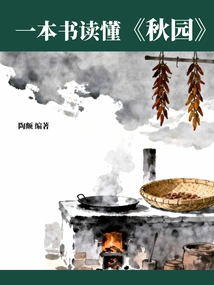
Read "autumn Garden" with One Book
Literature一本书读懂《秋园》
Compiled By Tao Po
This book is an in-depth interpretation of the original work "Autumn Garden" by Yang Benfen, analyzing the literary value and emotional core of this civilian epic. The manuscript starts from the creative background to reveal the legendary birth process of the work written in the kitchen; uses geographical migration as a clue to restore Qiuyuan's wandering life; through the perspective of family, it shows the survival plight of ordinary people under the torrent of the times, with a special focus on the tenacity and sacrifice of the female group. The manuscript not only analyzes the majestic power contained in simple words, but also extends the exploration of the relationship between the female trilogy composed of "Driftwood" and "My Fragrance", completely presenting this literary classic that writes life with life.
This book is an in-depth interpretation of the original work "Autumn Garden" by Yang Benfen, analyzing the literary value and emotional core of this civilian epic. The manuscript starts from the creative background to reveal the legendary birth process of the work written in the kitchen; uses geographical migration as a clue to restore Qiuyuan's wandering life; through the perspective of family, it shows the survival plight of ordinary people under the torrent of the times, with a special focus on the tenacity and sacrifice of the female group. The manuscript not only analyzes the majestic power contained in simple words, but also extends the exploration of the relationship between the female trilogy composed of "Driftwood" and "My Fragrance", completely presenting this literary classic that writes life with life.
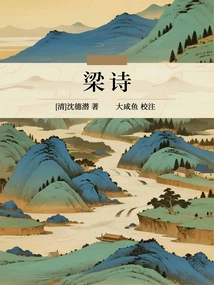
Liang Shi
Literature梁诗
H
The poetry of the Liang Dynasty is beautiful and diverse. The prosperity of the palace style poetry, the new changes in frontier fortresses and landscapes, the criticism of ethical priorities, and the beauty of form all constitute the specific historical status of the poetry of the Liang Dynasty. Usually, Qi and Liang poems are reviewed together. Shen Deqian integrated the style, rhythm, and poetry into a unified system by selecting and commenting on Qi and Liang poems: affirming the innovation of rhythm and criticizing Qi Mi's style of writing; he praised Xie Tiao and He Xun's "Qing Qi" and denounced Xiao Gang and Xu Ling's "obscene beauty", thus constructing a "retrospective Ming Dao" poetic path. Qi and Liang poems were also preserved in the long history due to Shen Deqian's selection, and there are no more scattered anecdotes. It has been passed down to this day and has become a precious historical material.
The poetry of the Liang Dynasty is beautiful and diverse. The prosperity of the palace style poetry, the new changes in frontier fortresses and landscapes, the criticism of ethical priorities, and the beauty of form all constitute the specific historical status of the poetry of the Liang Dynasty. Usually, Qi and Liang poems are reviewed together. Shen Deqian integrated the style, rhythm, and poetry into a unified system by selecting and commenting on Qi and Liang poems: affirming the innovation of rhythm and criticizing Qi Mi's style of writing; he praised Xie Tiao and He Xun's "Qing Qi" and denounced Xiao Gang and Xu Ling's "obscene beauty", thus constructing a "retrospective Ming Dao" poetic path. Qi and Liang poems were also preserved in the long history due to Shen Deqian's selection, and there are no more scattered anecdotes. It has been passed down to this day and has become a precious historical material.
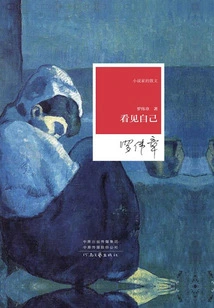
Seeing Myself (novelist's Prose)
Literature看见自己(小说家的散文)
Luo Weizhang
Novelist Luo Weizhang has attracted attention due to his active writing in recent years. His novels and series of non-fiction works have demonstrated his true strength. He is a thoughtful and insightful writer. This book contains his latest prose, which blends the historical changes and era scenes of Shu with the world's human conditions and daily fireworks. The writing is simple and gentle, and the views are straightforward and profound, reflecting the thinking of an intelligent writer. This is one of the series "Novelist's Essays".
Novelist Luo Weizhang has attracted attention due to his active writing in recent years. His novels and series of non-fiction works have demonstrated his true strength. He is a thoughtful and insightful writer. This book contains his latest prose, which blends the historical changes and era scenes of Shu with the world's human conditions and daily fireworks. The writing is simple and gentle, and the views are straightforward and profound, reflecting the thinking of an intelligent writer. This is one of the series "Novelist's Essays".
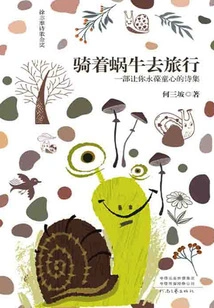
Travel on a Snail
Literature骑着蜗牛去旅行
He Sanpo
This book "Traveling on a Snail" is a collection of poems full of childlike interest, dedicated to everyone who has a childlike heart. The collection of poems is full of wonderful imagination, diverse images, and the consistent true temperament of the poet He Sanpo. It is the product of communication, connection, and mutual responses between the author and nature. The collection of poems includes seventy-four poems, including "The Ballad of Yanshan Mountain", "Sparrow", "Falling Leaves", "Swan", "Fruit Tree", "Ants in Winter" and "Gray Magpie". In the mountains, you can watch the bright moon and interact with birds and animals. A thoughtful work full of spirituality and childlike innocence.
This book "Traveling on a Snail" is a collection of poems full of childlike interest, dedicated to everyone who has a childlike heart. The collection of poems is full of wonderful imagination, diverse images, and the consistent true temperament of the poet He Sanpo. It is the product of communication, connection, and mutual responses between the author and nature. The collection of poems includes seventy-four poems, including "The Ballad of Yanshan Mountain", "Sparrow", "Falling Leaves", "Swan", "Fruit Tree", "Ants in Winter" and "Gray Magpie". In the mountains, you can watch the bright moon and interact with birds and animals. A thoughtful work full of spirituality and childlike innocence.
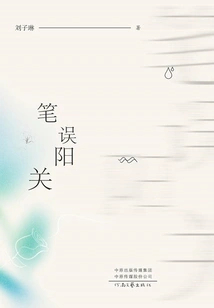
Written by Mistake Yangguan
Literature笔误阳关
Liu Zilin
This book is a collection of poems. The author is a young poet born in 1995. He depicts Luoyang with realism and expresses the city's humanity and history through lyrical narrative. The work is divided into four series: "A Corner of the Divine Capital", "Tripod Food", "The Meaning of Writing Poems" and "The Sound of the Moon". With the help of geographical symbols such as Yangguanqu, Tianjin Bridge and Danxinyue, a poetic language is constructed in the process of tracing the cultural context. The subtle description shows the poet's sensitivity and nature, and tells the fantasy thoughts in the light, soft and relaxed poetic language.
This book is a collection of poems. The author is a young poet born in 1995. He depicts Luoyang with realism and expresses the city's humanity and history through lyrical narrative. The work is divided into four series: "A Corner of the Divine Capital", "Tripod Food", "The Meaning of Writing Poems" and "The Sound of the Moon". With the help of geographical symbols such as Yangguanqu, Tianjin Bridge and Danxinyue, a poetic language is constructed in the process of tracing the cultural context. The subtle description shows the poet's sensitivity and nature, and tells the fantasy thoughts in the light, soft and relaxed poetic language.
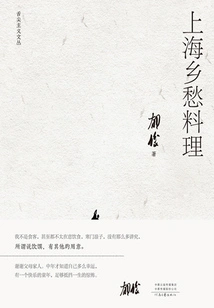
Shanghai Nostalgia Cuisine
Literature上海乡愁料理
Yu Jun
"Shanghai Nostalgic Cuisine" is a collection of Yu Jun's columns talking about Shanghai's food culture. The author has lived in Shanghai for a long time and integrates his personal experience into the theme of food. What he writes is "nostalgia on the tip of the tongue". From childhood memories in the countryside of Chongming Island to the hustle and bustle of the metropolis, and also touching on the current rural feelings, it is full of fashion elements and childhood complex. Most of the articles included in the book are ostensibly about food and contain special emotions. In fact, they use food as the starting point to write about people and events, which can arouse resonance from the perspectives of nostalgia and family affection. The writing is light and lively, with a long aftertaste.
"Shanghai Nostalgic Cuisine" is a collection of Yu Jun's columns talking about Shanghai's food culture. The author has lived in Shanghai for a long time and integrates his personal experience into the theme of food. What he writes is "nostalgia on the tip of the tongue". From childhood memories in the countryside of Chongming Island to the hustle and bustle of the metropolis, and also touching on the current rural feelings, it is full of fashion elements and childhood complex. Most of the articles included in the book are ostensibly about food and contain special emotions. In fact, they use food as the starting point to write about people and events, which can arouse resonance from the perspectives of nostalgia and family affection. The writing is light and lively, with a long aftertaste.
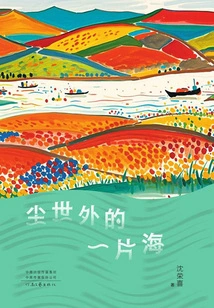
A Sea Outside the World
Literature尘世外的一片海
Shen Rongxi
This book is a collection of essays, divided into four series: "Gentle Landscapes", "Inherent Heart of Plants and Trees", "Strings of Memory" and "Sangma on the Road". When reading the article, what you see is the gentle scenery in the author's heart; every plant and tree around you shows the heart and fragrance of plants; every string and every song is an immutable imprint of the years; the streets, mulberry trees and hemp are all the local accents that linger in the hometown. The author has a clear, pure, unpretentious heart, and a soft, lingering, compassionate and cautious temperament. It is this character that makes the author's writing unsophisticated. Both the selection of materials and the writing are within the rules. The narration is calm and objective, the description respects the authenticity of things, and the emotional expression is implicit and reserved, adhering to a simple writing style.
This book is a collection of essays, divided into four series: "Gentle Landscapes", "Inherent Heart of Plants and Trees", "Strings of Memory" and "Sangma on the Road". When reading the article, what you see is the gentle scenery in the author's heart; every plant and tree around you shows the heart and fragrance of plants; every string and every song is an immutable imprint of the years; the streets, mulberry trees and hemp are all the local accents that linger in the hometown. The author has a clear, pure, unpretentious heart, and a soft, lingering, compassionate and cautious temperament. It is this character that makes the author's writing unsophisticated. Both the selection of materials and the writing are within the rules. The narration is calm and objective, the description respects the authenticity of things, and the emotional expression is implicit and reserved, adhering to a simple writing style.
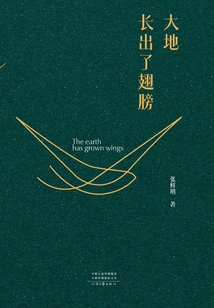
The Earth Grew Wings
Literature大地长出了翅膀
Zhang Xianming
This book is a collection of poems, with a total of seventy news poems, divided into themes such as "Motherland and Awakening from Dreams", "Festivals and Mother", and "Heroes and the Earth". These poems are a powerful presentation of the living conditions of Chinese people during the period of transformation. Their perspective is inward and their tone is profound. With extraordinary imagination and profound philosophical thinking, the poems make daily news and life scenes appear in strong colors, shocking people's soul.
This book is a collection of poems, with a total of seventy news poems, divided into themes such as "Motherland and Awakening from Dreams", "Festivals and Mother", and "Heroes and the Earth". These poems are a powerful presentation of the living conditions of Chinese people during the period of transformation. Their perspective is inward and their tone is profound. With extraordinary imagination and profound philosophical thinking, the poems make daily news and life scenes appear in strong colors, shocking people's soul.
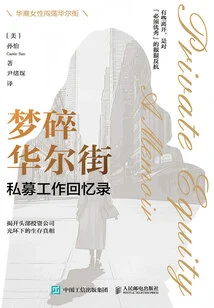
梦碎华尔街:私募工作回忆录
(us) Sun Yi
This book is based on the author's real experience in the Wall Street private equity industry, and meticulously restores his unique career growth trajectory and mentality changes. The author stood out from the fierce competition of more than a hundred people and joined the world's top investment companies as the founder's assistant. The book provides an in-depth look at the daily high-pressure workplace of this position: it not only records thoughts on career direction under high-intensity work, but also summarizes the communication skills and project coordination experience accumulated when assisting management teams and connecting various departments. It also presents the real work scenarios of practitioners in the financial industry through a large number of work details and interpersonal interactions. In addition, by reviewing the impact of family environment on personal growth, the author clearly combs out the process from confusion in the workplace to clear dreams, choices and self-worth, and conveys rational thinking on career development and self-awareness. The book is based on real experiences, the language is plain and sincere, and it is both readable and practical. It is suitable for readers who are interested in workplace life, personal growth and the ecology of the financial industry.
This book is based on the author's real experience in the Wall Street private equity industry, and meticulously restores his unique career growth trajectory and mentality changes. The author stood out from the fierce competition of more than a hundred people and joined the world's top investment companies as the founder's assistant. The book provides an in-depth look at the daily high-pressure workplace of this position: it not only records thoughts on career direction under high-intensity work, but also summarizes the communication skills and project coordination experience accumulated when assisting management teams and connecting various departments. It also presents the real work scenarios of practitioners in the financial industry through a large number of work details and interpersonal interactions. In addition, by reviewing the impact of family environment on personal growth, the author clearly combs out the process from confusion in the workplace to clear dreams, choices and self-worth, and conveys rational thinking on career development and self-awareness. The book is based on real experiences, the language is plain and sincere, and it is both readable and practical. It is suitable for readers who are interested in workplace life, personal growth and the ecology of the financial industry.
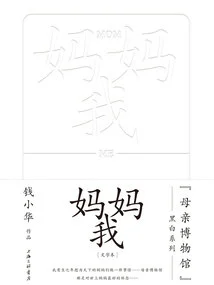
妈妈,我(“母亲博物馆”黑白系列)
Qian Xiaohua
What is the best memory of my mother? "Ten years ago, I had a small wish to build a simple museum for mothers who suffered in the world. It was also to commemorate my mother who suffered and died. She left me very early." "In order to collect materials, I traveled to many villages in China, so I faithfully recorded many There are many real images of ordinary mothers. "Only by bending down and being humble can I take pictures of them. I will never forget this. It is really an honor for me." Ten years later, the journey of searching for love and answers has become the "Mother's Museum" black and white series on paper, and two books are presented together. "Mom, Me" is a collection of essays written about the memories of my mother who died young. "Mother Collection" is a photography collection with more than 400 black and white portraits. The author of these two books is the Son of Man on Earth, Qian Xiaohua.
What is the best memory of my mother? "Ten years ago, I had a small wish to build a simple museum for mothers who suffered in the world. It was also to commemorate my mother who suffered and died. She left me very early." "In order to collect materials, I traveled to many villages in China, so I faithfully recorded many There are many real images of ordinary mothers. "Only by bending down and being humble can I take pictures of them. I will never forget this. It is really an honor for me." Ten years later, the journey of searching for love and answers has become the "Mother's Museum" black and white series on paper, and two books are presented together. "Mom, Me" is a collection of essays written about the memories of my mother who died young. "Mother Collection" is a photography collection with more than 400 black and white portraits. The author of these two books is the Son of Man on Earth, Qian Xiaohua.
许子东文集07:许子东现代文学课(增订本)
Xu Zidong
This book originates from Xu Zidong's classic classroom records at the Chinese Department of Lingnan University in Hong Kong. It incorporates decades of accumulation and can be expanded into a relatively complete brief history of modern Chinese literature in the future. The golden sentences and magical strokes recorded in the classroom are turned into small characters and side comments, about 160 of them, large and small, contrasting with the main text. In addition, 11 advanced book lists listed by Xu Zidong, creative talks by 10 literary giants, a timeline of modern Chinese literature, and more than 260 detailed notes are added to help open up the literary map of the Republic of China period, open up more knowledge connections, and update cognitive horizons.
This book originates from Xu Zidong's classic classroom records at the Chinese Department of Lingnan University in Hong Kong. It incorporates decades of accumulation and can be expanded into a relatively complete brief history of modern Chinese literature in the future. The golden sentences and magical strokes recorded in the classroom are turned into small characters and side comments, about 160 of them, large and small, contrasting with the main text. In addition, 11 advanced book lists listed by Xu Zidong, creative talks by 10 literary giants, a timeline of modern Chinese literature, and more than 260 detailed notes are added to help open up the literary map of the Republic of China period, open up more knowledge connections, and update cognitive horizons.
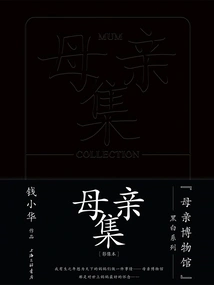
母亲集(“母亲博物馆”黑白系列)
Qian Xiaohua
What is the best memory of my mother? "Ten years ago, I had a small wish to build a simple museum for mothers who suffered in the world. It was also to commemorate my mother who suffered and died. She left me very early." "In order to collect materials, I traveled to many villages in China, so I faithfully recorded many There are many real images of ordinary mothers. "Only by bending down and being humble can I take pictures of them. I will never forget this. It is really an honor for me." Ten years later, the journey of searching for love and answers has become the "Mother's Museum" black and white series on paper, and two books are presented together. "Mom, Me" is a collection of essays written about the memories of my mother who died young. "Mother Collection" is a photography collection with more than 400 black and white portraits. The author of these two books is the Son of Man on Earth, Qian Xiaohua.
What is the best memory of my mother? "Ten years ago, I had a small wish to build a simple museum for mothers who suffered in the world. It was also to commemorate my mother who suffered and died. She left me very early." "In order to collect materials, I traveled to many villages in China, so I faithfully recorded many There are many real images of ordinary mothers. "Only by bending down and being humble can I take pictures of them. I will never forget this. It is really an honor for me." Ten years later, the journey of searching for love and answers has become the "Mother's Museum" black and white series on paper, and two books are presented together. "Mom, Me" is a collection of essays written about the memories of my mother who died young. "Mother Collection" is a photography collection with more than 400 black and white portraits. The author of these two books is the Son of Man on Earth, Qian Xiaohua.
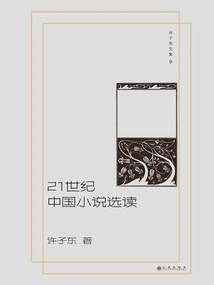
许子东文集09:21世纪中国小说选读
Xu Zidong
With his keen academic vision and vivid critical perspective, Xu Zidong selects the important works of 25 well-known contemporary writers, and sets his sights on the "ongoing" literary scene that has not yet been determined - the magical countryside of "Life and Death Fatigue", the cosmic allegory of "The Three-Body Problem", and the fate of "Wencheng" Narrative, the urban epic of "Flowers"... From Alai to Jin Yucheng's regional writing, from Mo Yan to Yan Lianke's award-winning success, from Yu Hua to Liu Cixin's national bestseller, through close reading of the text, we examine how novels study history, especially the reality and history of China in the past 20 years. This is not only a vivid review of the novel, but also a literary memo to the future - recording how we use novels to understand China. This time it is newly launched as part of the "Collected Works of Xu Zidong" series, continuing the context of "Rereading 20th Century Chinese Novels". The book is bound by the well-known designer Xihe, and the cover is blackened by master illustrator Beardsley's exquisite prints, and printed in "Future Orange" Pantone color. Open it and witness a literary era taking place.
With his keen academic vision and vivid critical perspective, Xu Zidong selects the important works of 25 well-known contemporary writers, and sets his sights on the "ongoing" literary scene that has not yet been determined - the magical countryside of "Life and Death Fatigue", the cosmic allegory of "The Three-Body Problem", and the fate of "Wencheng" Narrative, the urban epic of "Flowers"... From Alai to Jin Yucheng's regional writing, from Mo Yan to Yan Lianke's award-winning success, from Yu Hua to Liu Cixin's national bestseller, through close reading of the text, we examine how novels study history, especially the reality and history of China in the past 20 years. This is not only a vivid review of the novel, but also a literary memo to the future - recording how we use novels to understand China. This time it is newly launched as part of the "Collected Works of Xu Zidong" series, continuing the context of "Rereading 20th Century Chinese Novels". The book is bound by the well-known designer Xihe, and the cover is blackened by master illustrator Beardsley's exquisite prints, and printed in "Future Orange" Pantone color. Open it and witness a literary era taking place.
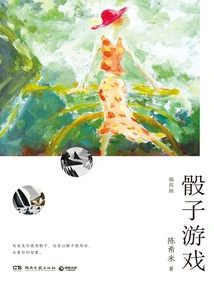
Dice Game (illustrated Version)
Literature骰子游戏(插图版)
Chen Ximi
Chen Ximi's new work after "Let "Death" Live", revised and new edition. Is there an insurmountable boundary between irresistible destiny and self-choice? This collection of essays spanning philosophy and art is a continuation of Chen Ximi's thoughts and reflections in "Let "Death" Live". She continued to pursue and ask questions while reading, watching movies, and traveling. 14 Articles explored topics such as fate, life and death, the meaning of existence, and writing in the form of essays and novels. The content covers a variety of art forms: dance, performance art, novels, paintings, films, sculptures, etc. The language is extremely precise and the emotions are delicate and deep, showing the continuous growth of the spirit and the increasing appreciation of life.
Chen Ximi's new work after "Let "Death" Live", revised and new edition. Is there an insurmountable boundary between irresistible destiny and self-choice? This collection of essays spanning philosophy and art is a continuation of Chen Ximi's thoughts and reflections in "Let "Death" Live". She continued to pursue and ask questions while reading, watching movies, and traveling. 14 Articles explored topics such as fate, life and death, the meaning of existence, and writing in the form of essays and novels. The content covers a variety of art forms: dance, performance art, novels, paintings, films, sculptures, etc. The language is extremely precise and the emotions are delicate and deep, showing the continuous growth of the spirit and the increasing appreciation of life.
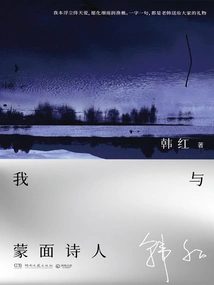
Me and the Masked Poet
Literature我与蒙面诗人
Han Hong
This book is a collection of poems and essays by Han Hong, a famous Chinese singer and philanthropist. The book is divided into four chapters: "Embracing the Autumn Moon and Sipping the Mountain Spring", "Flowers Falling in Spring, Autumn and Summer", "Fireworks in the World", and "Singing to the Evening Wind and the Starry River". Either in the form of poetry or prose, it records the author's thoughts, feelings and thoughts over the past decades: from the time when he was nine years old, he boarded the train from Chengdu to Beijing alone, and the panic and panic during the three-day and three-night journey. From the ups and downs, to the military spirit of twenty-seven years without regrets, to the beloved pets, friends, and every detail on the road to charity... This is the unique and true mental journey of a singer and philanthropist. Throughout, is the author's serious understanding of life, respect for life, and sincere love for human fireworks. In addition to the text, this book is also equipped with nearly a hundred photos taken by the author over the years, with both pictures and text, making it highly readable.
This book is a collection of poems and essays by Han Hong, a famous Chinese singer and philanthropist. The book is divided into four chapters: "Embracing the Autumn Moon and Sipping the Mountain Spring", "Flowers Falling in Spring, Autumn and Summer", "Fireworks in the World", and "Singing to the Evening Wind and the Starry River". Either in the form of poetry or prose, it records the author's thoughts, feelings and thoughts over the past decades: from the time when he was nine years old, he boarded the train from Chengdu to Beijing alone, and the panic and panic during the three-day and three-night journey. From the ups and downs, to the military spirit of twenty-seven years without regrets, to the beloved pets, friends, and every detail on the road to charity... This is the unique and true mental journey of a singer and philanthropist. Throughout, is the author's serious understanding of life, respect for life, and sincere love for human fireworks. In addition to the text, this book is also equipped with nearly a hundred photos taken by the author over the years, with both pictures and text, making it highly readable.
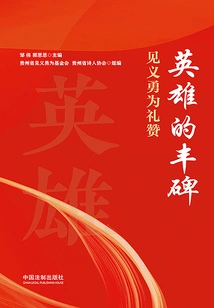
Monument to Heroes: Praise for Bravery
Literature英雄的丰碑:见义勇为礼赞
Zou Wei Editor-in-chief Guo Sisi
This book is the result of a series of creations by hundreds of writers and poets organized by the Guizhou Provincial Poets Association and the Guizhou Provincial Volunteer Foundation. It consists of works in poetry, prose, reportage and other genres. Through the excellent works created by poets and writers who went deep into life and took root in the people, this book expresses the great love of generations of heroic role models who sacrifice their lives for righteousness, and embodies the fearless spirit of heroes. This book can help readers understand the deeds of heroic model figures. They acted bravely, helped others, and made selfless contributions. These virtues bring inspiration and enterprising spirit to readers, and these heroes have become life models for young people.
This book is the result of a series of creations by hundreds of writers and poets organized by the Guizhou Provincial Poets Association and the Guizhou Provincial Volunteer Foundation. It consists of works in poetry, prose, reportage and other genres. Through the excellent works created by poets and writers who went deep into life and took root in the people, this book expresses the great love of generations of heroic role models who sacrifice their lives for righteousness, and embodies the fearless spirit of heroes. This book can help readers understand the deeds of heroic model figures. They acted bravely, helped others, and made selfless contributions. These virtues bring inspiration and enterprising spirit to readers, and these heroes have become life models for young people.
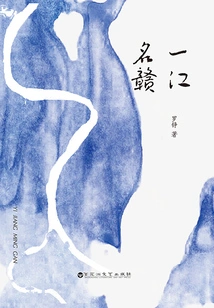
A River Named Gan
Literature一江名赣
Luo Zheng
"One River Names Gan" is a collection of the author's prose creations in recent years. The content includes four aspects: "looking back at the hometown", "natural ecology", "singing while walking" and "historical feelings". More than 40 works describe local affairs, pay attention to ecological and environmental protection, remember historical figures, or describe personal thoughts. From them, we can see the image of a young writer who is sensitive to perception, diligent in writing, and willing to reflect. We can feel the author's strong local feelings, strong awareness of environmental protection, rich cultural heritage, and unique qualities of being good at thinking. The author can always use simple words to carve out a space for thought in the noisy present. He opens himself to the world, follows the most genuine feelings in his memory, and continues to reflect, constantly looking for unique perspectives and new directions to observe the world.
"One River Names Gan" is a collection of the author's prose creations in recent years. The content includes four aspects: "looking back at the hometown", "natural ecology", "singing while walking" and "historical feelings". More than 40 works describe local affairs, pay attention to ecological and environmental protection, remember historical figures, or describe personal thoughts. From them, we can see the image of a young writer who is sensitive to perception, diligent in writing, and willing to reflect. We can feel the author's strong local feelings, strong awareness of environmental protection, rich cultural heritage, and unique qualities of being good at thinking. The author can always use simple words to carve out a space for thought in the noisy present. He opens himself to the world, follows the most genuine feelings in his memory, and continues to reflect, constantly looking for unique perspectives and new directions to observe the world.
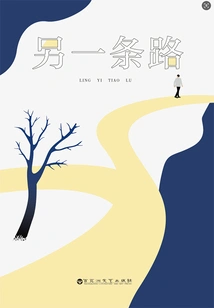
Another Way
Literature另一条路
Wen Tansheng
The collection of essays "Another Road" takes Ningdu as its starting place, the times as the background, personal experience as the main line, and southern Jiangxi as the geographical coordinates to express the feelings of family and country and the love for the homeland. The delicate and majestic writing style recalls the new people, new things and new scenes that emerged from this ancient and red land in multiple dimensions, highlighting the author's attachment to the countryside, nostalgia and nostalgia, and the unyielding blood of the Hakka people and people in the old areas. The whole book has a strong flavor of life and profound humanistic heritage, from which one can read a kind of strength and effort.
The collection of essays "Another Road" takes Ningdu as its starting place, the times as the background, personal experience as the main line, and southern Jiangxi as the geographical coordinates to express the feelings of family and country and the love for the homeland. The delicate and majestic writing style recalls the new people, new things and new scenes that emerged from this ancient and red land in multiple dimensions, highlighting the author's attachment to the countryside, nostalgia and nostalgia, and the unyielding blood of the Hakka people and people in the old areas. The whole book has a strong flavor of life and profound humanistic heritage, from which one can read a kind of strength and effort.
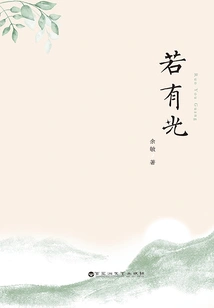
If There is Light
Literature若有光
Yu Min
"If There Is Light" is a collection of personally selected essays, which includes the author Yu Min's representative works in recent years. The core of the ideological content of his selected works is the word "truth". With sincere emotions, the author records real experiences, describes real scenery, writes real feelings, and writes real discussions. In terms of subject matter, there are not only interactions with relatives and friends, trivial family matters, and life interests in ordinary life, but also records, thoughts and insights of daily work. The plain and simple style of writing reveals the sincerity of the soul. The language of the work is clear, concise, simple and unpretentious, conveying the tranquility, stability, charm and sincerity accumulated over the years in the narration.
"If There Is Light" is a collection of personally selected essays, which includes the author Yu Min's representative works in recent years. The core of the ideological content of his selected works is the word "truth". With sincere emotions, the author records real experiences, describes real scenery, writes real feelings, and writes real discussions. In terms of subject matter, there are not only interactions with relatives and friends, trivial family matters, and life interests in ordinary life, but also records, thoughts and insights of daily work. The plain and simple style of writing reveals the sincerity of the soul. The language of the work is clear, concise, simple and unpretentious, conveying the tranquility, stability, charm and sincerity accumulated over the years in the narration.
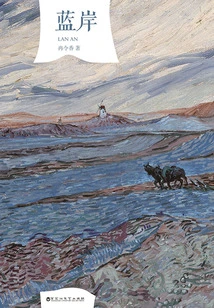
Blue Coast
Literature蓝岸
Ran Lingxiang
"Blue Bank" is a collection of essays, most of which describe the customs and customs in the hills of southwest Mount Tai. The author adheres to the concept of "writing is a kind of intervention" and extends his care to cats, dogs, squirrels, plants and mountains and fields, hoping to use his own writing to stir up some common things. In other words, the author focuses on the rocky and water-scarce reality of the southwestern hilly areas of Mount Tai, and the customs and customs of the central Shandong mountainous area thus established.
"Blue Bank" is a collection of essays, most of which describe the customs and customs in the hills of southwest Mount Tai. The author adheres to the concept of "writing is a kind of intervention" and extends his care to cats, dogs, squirrels, plants and mountains and fields, hoping to use his own writing to stir up some common things. In other words, the author focuses on the rocky and water-scarce reality of the southwestern hilly areas of Mount Tai, and the customs and customs of the central Shandong mountainous area thus established.
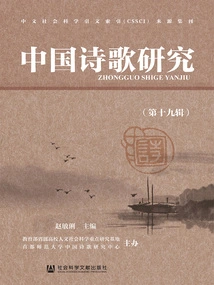
Research on Chinese Poetry (volume 19)
Literature中国诗歌研究(第19辑)
Editor-in-chief Zhao Minli
"Chinese Poetry Research" is an academic journal sponsored by the Chinese Poetry Research Center of Capital Normal University, covering the study of poetry at home and abroad in ancient and modern times. The columns include research on ancient Chinese poetry, research on modern and contemporary Chinese poetry, research on Chinese poetry theory, research on Chinese ethnic minority poetry, research on contemporary overseas Chinese poetry, research on Chinese and Western comparative poetry, research on the history of poetics and poetic literature, and youth forums. It has a good reputation in academic circles at home and abroad and is an important reference book for poetry lovers and teachers and students.
"Chinese Poetry Research" is an academic journal sponsored by the Chinese Poetry Research Center of Capital Normal University, covering the study of poetry at home and abroad in ancient and modern times. The columns include research on ancient Chinese poetry, research on modern and contemporary Chinese poetry, research on Chinese poetry theory, research on Chinese ethnic minority poetry, research on contemporary overseas Chinese poetry, research on Chinese and Western comparative poetry, research on the history of poetics and poetic literature, and youth forums. It has a good reputation in academic circles at home and abroad and is an important reference book for poetry lovers and teachers and students.
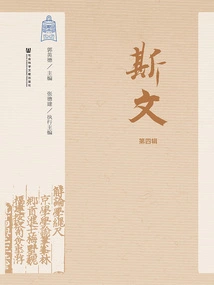
Sven (4th Series)
Literature斯文(第4辑)
Editor-in-chief Guo Yingde
This collection is divided into eight columns, with stylistic research as the focus. It is divided into stylistic origin research, stylistic evolution research, and stylistic research starting from a close reading of the works. It not only leads us into classical literature and understands the ancients' way of thinking, expression, rhetorical means, and aesthetic taste, but also leads us into ancient social thought, culture, and To recognize the evolution of prose in the context of institutional changes; "Mr. Nie Shiqiao's Academic Commemorative Issue" highlights and commemorates Mr. Nie's academic achievements and noble character; "Overseas Prose Research" focuses on the results and progress of the compilation and research of overseas Chinese documents; "Review of Prose Research" provides timely and effective information for the study of ancient prose.
This collection is divided into eight columns, with stylistic research as the focus. It is divided into stylistic origin research, stylistic evolution research, and stylistic research starting from a close reading of the works. It not only leads us into classical literature and understands the ancients' way of thinking, expression, rhetorical means, and aesthetic taste, but also leads us into ancient social thought, culture, and To recognize the evolution of prose in the context of institutional changes; "Mr. Nie Shiqiao's Academic Commemorative Issue" highlights and commemorates Mr. Nie's academic achievements and noble character; "Overseas Prose Research" focuses on the results and progress of the compilation and research of overseas Chinese documents; "Review of Prose Research" provides timely and effective information for the study of ancient prose.
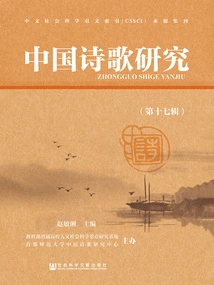
Research on Chinese Poetry (volume 17)
Literature中国诗歌研究(第17辑)
Editor-in-chief Zhao Minli
"Chinese Poetry Research" is an academic journal sponsored by the Chinese Poetry Research Center of Capital Normal University, covering the study of poetry at home and abroad in ancient and modern times. The columns include research on ancient Chinese poetry, research on modern and contemporary Chinese poetry, research on Chinese poetry theory, research on Chinese ethnic minority poetry, research on contemporary overseas Chinese poetry, research on Chinese and Western comparative poetry, research on the history of poetics and poetic literature, and youth forums. It has a good reputation in academic circles at home and abroad and is an important reference book for poetry lovers and teachers and students.
"Chinese Poetry Research" is an academic journal sponsored by the Chinese Poetry Research Center of Capital Normal University, covering the study of poetry at home and abroad in ancient and modern times. The columns include research on ancient Chinese poetry, research on modern and contemporary Chinese poetry, research on Chinese poetry theory, research on Chinese ethnic minority poetry, research on contemporary overseas Chinese poetry, research on Chinese and Western comparative poetry, research on the history of poetics and poetic literature, and youth forums. It has a good reputation in academic circles at home and abroad and is an important reference book for poetry lovers and teachers and students.
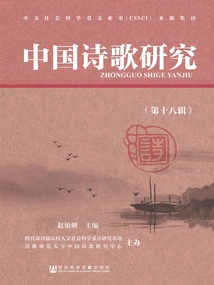
Research on Chinese Poetry (volume 18)
Literature中国诗歌研究(第18辑)
Editor-in-chief Zhao Minli
"Chinese Poetry Research" is an academic journal sponsored by the Chinese Poetry Research Center of Capital Normal University, covering the study of poetry at home and abroad in ancient and modern times. The columns include research on ancient Chinese poetry, research on modern and contemporary Chinese poetry, research on Chinese poetry theory, research on Chinese ethnic minority poetry, research on contemporary overseas Chinese poetry, research on Chinese and Western comparative poetry, research on the history of poetics and poetic literature, and youth forums. It has a good reputation in academic circles at home and abroad and is an important reference book for poetry lovers and teachers and students.
"Chinese Poetry Research" is an academic journal sponsored by the Chinese Poetry Research Center of Capital Normal University, covering the study of poetry at home and abroad in ancient and modern times. The columns include research on ancient Chinese poetry, research on modern and contemporary Chinese poetry, research on Chinese poetry theory, research on Chinese ethnic minority poetry, research on contemporary overseas Chinese poetry, research on Chinese and Western comparative poetry, research on the history of poetics and poetic literature, and youth forums. It has a good reputation in academic circles at home and abroad and is an important reference book for poetry lovers and teachers and students.
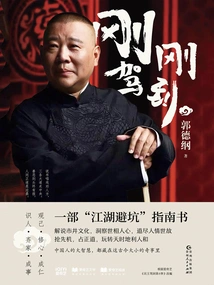
Just Arrived
Literature刚刚驾到
Guo Degang
Guo Degang vividly depicts the various aspects of China's secular world by telling stories that happened in the marketplace, and humorously tells the ups and downs of the world. Praising the true and praising the beautiful, stabbing at the greed and stabbing at the cruelty are all penetrating into the wood. The story tells truth, human nature, and knowledge, and also has the Guo-style joking style that the common people love to hear. The laughter and curses are all turned into articles, which can educate and entertain. The readers can get a relaxing and enjoyable reading experience, and at the same time, they also gain insight into human affairs.
Guo Degang vividly depicts the various aspects of China's secular world by telling stories that happened in the marketplace, and humorously tells the ups and downs of the world. Praising the true and praising the beautiful, stabbing at the greed and stabbing at the cruelty are all penetrating into the wood. The story tells truth, human nature, and knowledge, and also has the Guo-style joking style that the common people love to hear. The laughter and curses are all turned into articles, which can educate and entertain. The readers can get a relaxing and enjoyable reading experience, and at the same time, they also gain insight into human affairs.
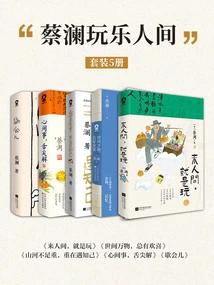
蔡澜玩乐人间(套装5册)
Cai Lam
"Cai Lam Eats, Drinks, and Plays in the World Collection Set of 5 Volumes": "Coming to the World Just to Play" is the life-interesting aesthetics of the eighty-year-old urchin Cai Lam. "Things in the Heart, Explained by the Tip of the Tongue" is a masterpiece of gourmet healing by the God of Cookery Chua Lam. "Mountains and Rivers Are Not Important, What's Important is Meeting a Confidant" Cai Lan personally taught the art of making friends and recounted interesting stories about his interactions with Jin Yong and other friends. "There is always joy in everything in the world" is the life guide of Cai Lan, a naughty boy in his eighties. "Have a Break" is a slow life essay by the famous writer Cai Lan. The world is busy, but you can slow down. Take a break and have fun. Slow down life, speed up happiness! We have plenty of time, live life slowly!
"Cai Lam Eats, Drinks, and Plays in the World Collection Set of 5 Volumes": "Coming to the World Just to Play" is the life-interesting aesthetics of the eighty-year-old urchin Cai Lam. "Things in the Heart, Explained by the Tip of the Tongue" is a masterpiece of gourmet healing by the God of Cookery Chua Lam. "Mountains and Rivers Are Not Important, What's Important is Meeting a Confidant" Cai Lan personally taught the art of making friends and recounted interesting stories about his interactions with Jin Yong and other friends. "There is always joy in everything in the world" is the life guide of Cai Lan, a naughty boy in his eighties. "Have a Break" is a slow life essay by the famous writer Cai Lan. The world is busy, but you can slow down. Take a break and have fun. Slow down life, speed up happiness! We have plenty of time, live life slowly!
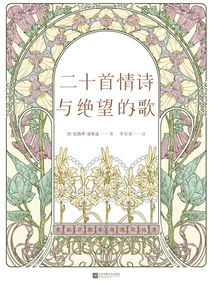
Twenty Love Poems and Songs of Despair
Literature二十首情诗与绝望的歌
(intellect) Pablo Neruda
This book includes the classic love poems of Neruda, the great poet of the 20th century and winner of the Nobel Prize for Literature, as well as the postscript "Love is the tenderest riot" by translator Li Zongrong. Neruda used an ingenious structure, interspersed with representative natural images of the empty and lonely night, to write about his experiences and thoughts about love, which aroused infinite resonance among the world. Translator Li Zongrong has a thorough understanding of Neruda's love poems. He pours his emotions into the tip of his pen and uses highly empathetic words to deliver a love letter that spans time and space to readers.
This book includes the classic love poems of Neruda, the great poet of the 20th century and winner of the Nobel Prize for Literature, as well as the postscript "Love is the tenderest riot" by translator Li Zongrong. Neruda used an ingenious structure, interspersed with representative natural images of the empty and lonely night, to write about his experiences and thoughts about love, which aroused infinite resonance among the world. Translator Li Zongrong has a thorough understanding of Neruda's love poems. He pours his emotions into the tip of his pen and uses highly empathetic words to deliver a love letter that spans time and space to readers.
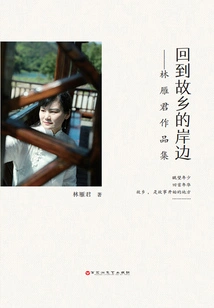
回到故乡的岸边:林雁君作品集
Lin Yanjun
"Returning to the Shore of Hometown: Collection of Works of Lin Yanjun" is a collection of personal works, including 38 essays, 4 short stories and 14 poems by the author Lin Yanjun. The author uses real life, experience, emotion, and thinking as the source of creation to sing about the beauty of life. The prose "Doudou", "To Lao Ma", "Gain and Loss", etc. Use delicate writing to describe the most touching and tear-jerking experiences in life. The novel "May Begonia" tells the story of the heroine's self-reliance in a difficult situation, her self-reliance after an accident, and her emotional neither humbleness nor arrogance. Her personality charm enables her to finally gain love; "North Shore Azalea" is set in the southern coastal countryside and tells the story of villagers Wu Dazhu and Wu Dakui and their children. The two generations work hard and watch for happiness. Poems such as "I See" and "You Are the Scenery" express the voices of disabled friends pursuing a better life.
"Returning to the Shore of Hometown: Collection of Works of Lin Yanjun" is a collection of personal works, including 38 essays, 4 short stories and 14 poems by the author Lin Yanjun. The author uses real life, experience, emotion, and thinking as the source of creation to sing about the beauty of life. The prose "Doudou", "To Lao Ma", "Gain and Loss", etc. Use delicate writing to describe the most touching and tear-jerking experiences in life. The novel "May Begonia" tells the story of the heroine's self-reliance in a difficult situation, her self-reliance after an accident, and her emotional neither humbleness nor arrogance. Her personality charm enables her to finally gain love; "North Shore Azalea" is set in the southern coastal countryside and tells the story of villagers Wu Dazhu and Wu Dakui and their children. The two generations work hard and watch for happiness. Poems such as "I See" and "You Are the Scenery" express the voices of disabled friends pursuing a better life.
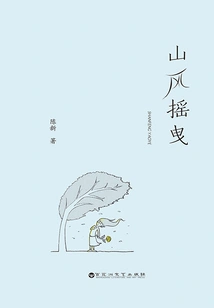
Mountain Breeze Swaying
Literature山风摇曳
Chen Xin
"Mountain Breeze Swaying" is a collection of poems created by Hunan writer Chen Xin to appreciate the interest of nature and appreciate every detail of life. The book is divided into six chapters: "Spring Song", "Summer Rhyme", "Autumn Ode", "Winter Song", "Story" and "Heartfelt Voice". The first four chapters are prefaced by the four seasons, describing the fragrance of flowers and willows in spring, the chirping of insects in the evening rain; the morning fun of shepherd boys and the crows of cicadas and frogs in summer; the moonlight in the mountains in autumn, the fallen leaves and frost; and the mist of winter's dawn and the stirring of crickets. As the words dance, the natural scenery of mountains, waters, birds, animals, insects, and fish appear vividly on the page. The decay and prosperity of all things follow the changes in time, and we can more truly understand the interest of nature in the emotion of the passage of time. The last two chapters, "Stories", describe the lovesickness of the mountains and the freehand brushwork of the wind, while the "Voices of the Heart" chapter describe the bonds of family ties and the aspirations of the nation. They record the poetry and picturesqueness of life and the infinite emotions in life in bits and pieces, providing emotional guidance and spiritual comfort. In short, the collection of poems "Mountain Breeze Swaying" depicts natural scenery and talks about the interests of life. It is infinitely emotional to read. It is a book worth reading again and again.
"Mountain Breeze Swaying" is a collection of poems created by Hunan writer Chen Xin to appreciate the interest of nature and appreciate every detail of life. The book is divided into six chapters: "Spring Song", "Summer Rhyme", "Autumn Ode", "Winter Song", "Story" and "Heartfelt Voice". The first four chapters are prefaced by the four seasons, describing the fragrance of flowers and willows in spring, the chirping of insects in the evening rain; the morning fun of shepherd boys and the crows of cicadas and frogs in summer; the moonlight in the mountains in autumn, the fallen leaves and frost; and the mist of winter's dawn and the stirring of crickets. As the words dance, the natural scenery of mountains, waters, birds, animals, insects, and fish appear vividly on the page. The decay and prosperity of all things follow the changes in time, and we can more truly understand the interest of nature in the emotion of the passage of time. The last two chapters, "Stories", describe the lovesickness of the mountains and the freehand brushwork of the wind, while the "Voices of the Heart" chapter describe the bonds of family ties and the aspirations of the nation. They record the poetry and picturesqueness of life and the infinite emotions in life in bits and pieces, providing emotional guidance and spiritual comfort. In short, the collection of poems "Mountain Breeze Swaying" depicts natural scenery and talks about the interests of life. It is infinitely emotional to read. It is a book worth reading again and again.
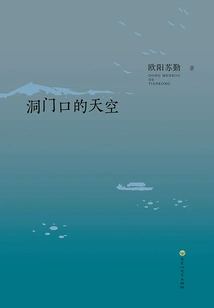
The Sky at the Entrance of the Cave
Literature洞门口的天空
Ouyang Suqin
"The Sky at the Entrance of the Cave" is a collection of personal essays. Most of the content is about memories of my hometown. It is divided into seven parts: small town notes, photos from the past, traces of youthful dreams, collection of folk customs, feelings about hometown, lingering sounds of ancient temples, and singing while walking. The scenery described in the painting is majestic and beautiful, and the thoughts are deeply penetrating. The author is based on the earth, soaked in history, and uses the mountains, rivers and scenery of his hometown to seek cultural secrets. He embodies humanistic feelings and historical ultimate questioning in his narrative and speculation, showing a clear cultural awareness and rational thinking.
"The Sky at the Entrance of the Cave" is a collection of personal essays. Most of the content is about memories of my hometown. It is divided into seven parts: small town notes, photos from the past, traces of youthful dreams, collection of folk customs, feelings about hometown, lingering sounds of ancient temples, and singing while walking. The scenery described in the painting is majestic and beautiful, and the thoughts are deeply penetrating. The author is based on the earth, soaked in history, and uses the mountains, rivers and scenery of his hometown to seek cultural secrets. He embodies humanistic feelings and historical ultimate questioning in his narrative and speculation, showing a clear cultural awareness and rational thinking.
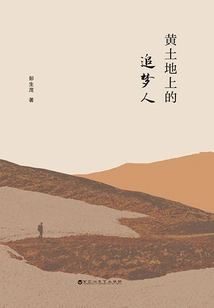
Dream Chasers on the Yellow Earth
Literature黄土地上的追梦人
Peng Shengmao
"Dream Chasers on the Yellow Earth" is a newsletter written by the author on the front lines of news in recent years, mainly young and middle-aged entrepreneurs and well-known artists. The interviewees were all born on the shores of Poyang Lake. They play an active role in solving employment problems, nurturing society, and revitalizing rural areas, and have become a positive force in contemporary society. With thick writing and keen vision, the book reveals a group of self-employed rural youth who have the courage to assume social responsibilities in the wave-like market competition, and then complete primitive accumulation and move towards a higher industrial peak.
"Dream Chasers on the Yellow Earth" is a newsletter written by the author on the front lines of news in recent years, mainly young and middle-aged entrepreneurs and well-known artists. The interviewees were all born on the shores of Poyang Lake. They play an active role in solving employment problems, nurturing society, and revitalizing rural areas, and have become a positive force in contemporary society. With thick writing and keen vision, the book reveals a group of self-employed rural youth who have the courage to assume social responsibilities in the wave-like market competition, and then complete primitive accumulation and move towards a higher industrial peak.
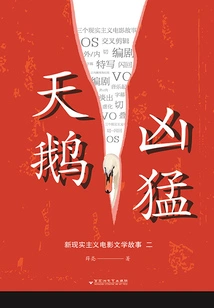
天鹅凶猛:新现实主义电影文学故事(二)
Xue Liang
"The Ferocious Swan: Neorealist Film and Literature Stories (2)" consists of two independent film and literary scripts: "The Ferocious Swan" and "Old Bean of Bauhinia". "The Fierce Swan" is based on real people and true stories. It tells a touching story of an ordinary farmer who participated in the protection of migratory birds and launched a fierce struggle against illegal poachers. The character prototype won the Touching China Award. "Redbud Old Bean" tells the story of misunderstanding and reconciliation between a policeman and his adolescent son. It is full of true feelings.
"The Ferocious Swan: Neorealist Film and Literature Stories (2)" consists of two independent film and literary scripts: "The Ferocious Swan" and "Old Bean of Bauhinia". "The Fierce Swan" is based on real people and true stories. It tells a touching story of an ordinary farmer who participated in the protection of migratory birds and launched a fierce struggle against illegal poachers. The character prototype won the Touching China Award. "Redbud Old Bean" tells the story of misunderstanding and reconciliation between a policeman and his adolescent son. It is full of true feelings.
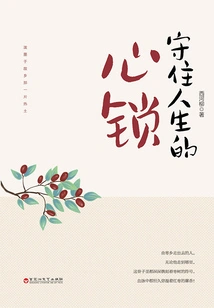
Keep the Heart Lock of Life
Literature守住人生的心锁
Xiheliu
"Keeping the Heart Lock of Life" is a collection of essays, divided into six series: Xianhui Pulse, Family Fist, Willow Colors, Flowers Yiyi, Zao Lin Deep, Lotus Leaves Fields. Xingtang is an ancient county town in central Hebei Province. It leans on the towering Taihang Mountains to the west and the vast North China Plain to the east. It is divided into three parts: mountains, hills and plains. The four rivers of Gao, Sha, Ci and Qu run through the entire territory. The author is rooted in the hot land of Xingtang, and describes the natural features of Xingtang's mountains and rivers with affectionate brushstrokes, profoundly reproducing its rich historical splendor.
"Keeping the Heart Lock of Life" is a collection of essays, divided into six series: Xianhui Pulse, Family Fist, Willow Colors, Flowers Yiyi, Zao Lin Deep, Lotus Leaves Fields. Xingtang is an ancient county town in central Hebei Province. It leans on the towering Taihang Mountains to the west and the vast North China Plain to the east. It is divided into three parts: mountains, hills and plains. The four rivers of Gao, Sha, Ci and Qu run through the entire territory. The author is rooted in the hot land of Xingtang, and describes the natural features of Xingtang's mountains and rivers with affectionate brushstrokes, profoundly reproducing its rich historical splendor.
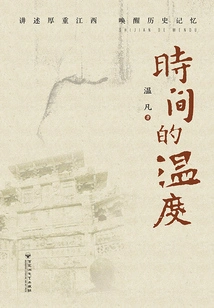
Temperature of Time
Literature时间的温度
Wen Fan
"The Temperature of Time" is a collection of essays and a collection of journalistic works with cultural depth. A total of more than 40 works by the author published in newspapers such as "Jiangxi Daily" have been collected to deeply explore the stories behind Jiangxi's historical and cultural figures and historical traditional buildings. Using narrative techniques of interweaving history and reality, combining historical facts with reality, and interweaving Chinese and Western regions, it tells the past stories of Jiangxi's many historical figures such as Wang Anshi, Wang Yangming, Tang Xianzu, Zeng Gong, and Lu Xiangshan, as well as the cultural significance of many historical buildings such as the ancient city wall of Ganzhou and Wenchangli in Fuzhou. From a news perspective and through literary narrative methods, the author interprets Jiangxi's historical and cultural landscape more deeply. Using the form, vision and vision of news, and taking the historical humanities as the entry point, we interpret the rich history and culture of Ganpo.
"The Temperature of Time" is a collection of essays and a collection of journalistic works with cultural depth. A total of more than 40 works by the author published in newspapers such as "Jiangxi Daily" have been collected to deeply explore the stories behind Jiangxi's historical and cultural figures and historical traditional buildings. Using narrative techniques of interweaving history and reality, combining historical facts with reality, and interweaving Chinese and Western regions, it tells the past stories of Jiangxi's many historical figures such as Wang Anshi, Wang Yangming, Tang Xianzu, Zeng Gong, and Lu Xiangshan, as well as the cultural significance of many historical buildings such as the ancient city wall of Ganzhou and Wenchangli in Fuzhou. From a news perspective and through literary narrative methods, the author interprets Jiangxi's historical and cultural landscape more deeply. Using the form, vision and vision of news, and taking the historical humanities as the entry point, we interpret the rich history and culture of Ganpo.
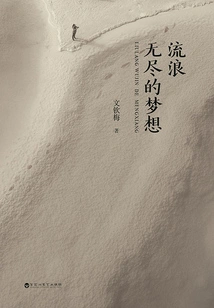
Wandering: Endless Dreams
Literature流浪:无尽的梦想
Wen Qinmei
The collection of essays "Wandering: Endless Dreams" consists of more than a hundred short essays. The author blends his own life experience and understanding of life through short essays from the perspectives of humanities, nature, speculation, daily life, and history. The author's literary thoughts originate from the inner connotations of life and are inherited from the literary thoughts of past dynasties. Reading the book makes one feel as if they are in the world of traditional wisdom and feel at ease. The article is full of philosophical truths. The author pursues full image in the text, and can create a scene and give people a sense of beauty.
The collection of essays "Wandering: Endless Dreams" consists of more than a hundred short essays. The author blends his own life experience and understanding of life through short essays from the perspectives of humanities, nature, speculation, daily life, and history. The author's literary thoughts originate from the inner connotations of life and are inherited from the literary thoughts of past dynasties. Reading the book makes one feel as if they are in the world of traditional wisdom and feel at ease. The article is full of philosophical truths. The author pursues full image in the text, and can create a scene and give people a sense of beauty.
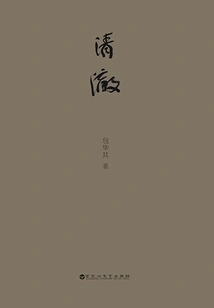
Clear
Literature清澈
Bao Huaqi
"Clarity" is a collection of poems by the young poet Bao Huaqi. This collection of poems was written when the author was working in Pingxiang for several years. It is a collection of poems that records the mountains and rivers of Pingxiang, Jiangxi. The author observes the city of Pingxiang from a foreigner's perspective and creates a biography of the city. These words not only describe Pingxiang's long and splendid culture, but also reflect Pingxiang's new look and rapid development. It contains not only the observation and three-dimensional presentation of the land and water, but also the praise and recording of the people living in it.
"Clarity" is a collection of poems by the young poet Bao Huaqi. This collection of poems was written when the author was working in Pingxiang for several years. It is a collection of poems that records the mountains and rivers of Pingxiang, Jiangxi. The author observes the city of Pingxiang from a foreigner's perspective and creates a biography of the city. These words not only describe Pingxiang's long and splendid culture, but also reflect Pingxiang's new look and rapid development. It contains not only the observation and three-dimensional presentation of the land and water, but also the praise and recording of the people living in it.
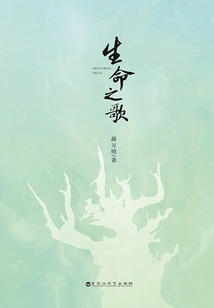
Song of Life
Literature生命之歌
Hao Wanming
"Song of Life" is a collection of poems written by Hao Wanming, a writer from Yueyang, Hunan, that sings about life and expresses feelings about life. The work takes "love and life", "people and nature" and "life and art" as its themes, and uses narrative and lyrical writing techniques to analyze and interpret the deep connotation of life. Some of these works are about the plants and trees in nature, some are about every detail in life, some are about unforgettable memories, and some are about the auspicious light in dreams. The poem unfolds a long scroll about life for us with simple and unpretentious writing style. It is full of love, affection and laughter. The words are beautiful, the meaning is beautiful, and the artistic conception is beautiful. Go through the mountains and hills of life and experience the different scenery of life. "Song of Life" has a profound understanding of life and love. Let people directly access the true nature of life through the image of fertility.
"Song of Life" is a collection of poems written by Hao Wanming, a writer from Yueyang, Hunan, that sings about life and expresses feelings about life. The work takes "love and life", "people and nature" and "life and art" as its themes, and uses narrative and lyrical writing techniques to analyze and interpret the deep connotation of life. Some of these works are about the plants and trees in nature, some are about every detail in life, some are about unforgettable memories, and some are about the auspicious light in dreams. The poem unfolds a long scroll about life for us with simple and unpretentious writing style. It is full of love, affection and laughter. The words are beautiful, the meaning is beautiful, and the artistic conception is beautiful. Go through the mountains and hills of life and experience the different scenery of life. "Song of Life" has a profound understanding of life and love. Let people directly access the true nature of life through the image of fertility.
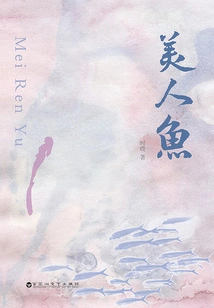
Mermaid
Literature美人鱼
Shi Xiao
"Mermaid" is a collection of poetry that collects most of the author's poetry works from 2019 to 2022. It records the author's growth in poetry writing. The author has multiple identities such as housewife, mother, daughter, and white-collar worker. It is conceivable that the flavor of life in her works must be mellow. The pursuit, understanding, aftertaste and chewing of love is another theme of the author's poems. The delicate emotions, clear cognition, compassion, and broad vision in the poem all demonstrate the author's unrelenting broad-mindedness and pursuit of helping the world. From the many individual sentences in the poem that insist on self-judgment, self-thinking, and self-expression, we can see the openness of the author's heart, and that he does not follow the trend or be pretentious. This work is not only a summary of the author's poetry creation in the past three years, but also a commemoration of his life and emotions in the past three years.
"Mermaid" is a collection of poetry that collects most of the author's poetry works from 2019 to 2022. It records the author's growth in poetry writing. The author has multiple identities such as housewife, mother, daughter, and white-collar worker. It is conceivable that the flavor of life in her works must be mellow. The pursuit, understanding, aftertaste and chewing of love is another theme of the author's poems. The delicate emotions, clear cognition, compassion, and broad vision in the poem all demonstrate the author's unrelenting broad-mindedness and pursuit of helping the world. From the many individual sentences in the poem that insist on self-judgment, self-thinking, and self-expression, we can see the openness of the author's heart, and that he does not follow the trend or be pretentious. This work is not only a summary of the author's poetry creation in the past three years, but also a commemoration of his life and emotions in the past three years.
唐代文学研究(第20辑)
Editor-in-chief Li Hao
"Research on Tang Dynasty Literature" is the journal of the Chinese Tang Dynasty Literature Society, a national first-level society, and is co-sponsored by the China Tang Dynasty Literature Society and the School of Literature of Northwest University. This journal mainly publishes academic papers on the study of literature in the Tang Dynasty, covering the study of literary creation and writers in the Tang Dynasty (in addition to the overall comprehensive study, including research on various types of literature and writers such as poems, poems, poems, prose, parallel prose, novels, and popular literature), research on literary documents and historical materials of the Tang Dynasty, research on literary theory and criticism of the Tang Dynasty, interdisciplinary research between Tang Dynasty literature and other disciplines, research on the reception and dissemination history of Tang Dynasty literature, research on Tang Dynasty literature and documents outside the country, etc.
"Research on Tang Dynasty Literature" is the journal of the Chinese Tang Dynasty Literature Society, a national first-level society, and is co-sponsored by the China Tang Dynasty Literature Society and the School of Literature of Northwest University. This journal mainly publishes academic papers on the study of literature in the Tang Dynasty, covering the study of literary creation and writers in the Tang Dynasty (in addition to the overall comprehensive study, including research on various types of literature and writers such as poems, poems, poems, prose, parallel prose, novels, and popular literature), research on literary documents and historical materials of the Tang Dynasty, research on literary theory and criticism of the Tang Dynasty, interdisciplinary research between Tang Dynasty literature and other disciplines, research on the reception and dissemination history of Tang Dynasty literature, research on Tang Dynasty literature and documents outside the country, etc.
现代中国比较文学研究
Ji Jianxun
"Modern Chinese comparative literature research" refers to the broad sense of comparative literature research that has emerged in my country since the 20th century. This book contains both case studies and overall reviews of comparative literature; it contains both questions and responses to hot issues in comparative literature, as well as criticism and construction of methodological issues. The study of this book not only involves the early classics of comparative literature in my country since the late Qing Dynasty and the early Republic of China, but also takes the rapid development period of comparative literature in my country after the founding of the People's Republic of China, especially since the reform and opening up, as the main object of investigation. Then, on this basis, we will make an overall observation and reflection on the occurrence, development and existing problems of comparative literature in my country, so as to help our country's comparative literature move towards a better future.
"Modern Chinese comparative literature research" refers to the broad sense of comparative literature research that has emerged in my country since the 20th century. This book contains both case studies and overall reviews of comparative literature; it contains both questions and responses to hot issues in comparative literature, as well as criticism and construction of methodological issues. The study of this book not only involves the early classics of comparative literature in my country since the late Qing Dynasty and the early Republic of China, but also takes the rapid development period of comparative literature in my country after the founding of the People's Republic of China, especially since the reform and opening up, as the main object of investigation. Then, on this basis, we will make an overall observation and reflection on the occurrence, development and existing problems of comparative literature in my country, so as to help our country's comparative literature move towards a better future.
Compilation and Research of Chinese Literary History in the Early 20th Century (1900~1910)
Literature20世纪初期中国文学史编纂研究(1900~1910)
Wen Qingxin
This book attempts to place the history of Chinese literature compiled in the early 20th century, such as Huang Ren's "History of Chinese Literature", Lin Chuanjia's "History of Chinese Literature", and Lai Yuxun's "Manuscript of the History of Chinese Literature", into the context of the cultural governance at that time. It examines how the compilation of Chinese literary history in the early 20th century used the "literary history" framework to sort out the evolution of literature in the past, and how to seek effective connections between the compilation of Chinese literary history and traditional academic and Western knowledge. In particular, it focuses on the relationship between the compilation of Chinese literary history in the early 20th century and the reform of the modern academic system, the general trend of academic changes, the tradition of classical bibliography and Western ideological trends, as well as the many individual compilation purposes brought about by the changes in the knowledge structure and mentality of the compilers at that time.
This book attempts to place the history of Chinese literature compiled in the early 20th century, such as Huang Ren's "History of Chinese Literature", Lin Chuanjia's "History of Chinese Literature", and Lai Yuxun's "Manuscript of the History of Chinese Literature", into the context of the cultural governance at that time. It examines how the compilation of Chinese literary history in the early 20th century used the "literary history" framework to sort out the evolution of literature in the past, and how to seek effective connections between the compilation of Chinese literary history and traditional academic and Western knowledge. In particular, it focuses on the relationship between the compilation of Chinese literary history in the early 20th century and the reform of the modern academic system, the general trend of academic changes, the tradition of classical bibliography and Western ideological trends, as well as the many individual compilation purposes brought about by the changes in the knowledge structure and mentality of the compilers at that time.
Translation, Concepts and Economy: a Study of Yan Fu's Translation of the Wealth of Nations
Literature翻译、概念与经济:严复译《国富论》研究
Liu Jinyu
This book starts from the basic context and historical facts of the history of translation and cultural exchange between China and the West. It takes Yan Fu's translation of Smith's masterpiece "The Wealth of Nations" as the main research object, and combines the English originals, manuscripts, scripts, revised versions of the translation and diaries and other peripheral first-hand materials to explore the translation issues highlighted in the early contact between Chinese and Western ideas. The book focuses on the analysis of Yan Fu's personal reading experience and translation thinking during the translation process. Through his selection and consideration of Western economic ideas, he achieved the purpose of reflecting on and promoting traditional Chinese culture, reflecting his protection and persistence of Chinese culture. The research emphasizes using new discoveries and new interpretations of data as breakthroughs to restore the diversity, continuity and integrity of history. The research path and research value return to the development context of Chinese culture and are reinterpreted from the perspective of contemporary academic thinking.
This book starts from the basic context and historical facts of the history of translation and cultural exchange between China and the West. It takes Yan Fu's translation of Smith's masterpiece "The Wealth of Nations" as the main research object, and combines the English originals, manuscripts, scripts, revised versions of the translation and diaries and other peripheral first-hand materials to explore the translation issues highlighted in the early contact between Chinese and Western ideas. The book focuses on the analysis of Yan Fu's personal reading experience and translation thinking during the translation process. Through his selection and consideration of Western economic ideas, he achieved the purpose of reflecting on and promoting traditional Chinese culture, reflecting his protection and persistence of Chinese culture. The research emphasizes using new discoveries and new interpretations of data as breakthroughs to restore the diversity, continuity and integrity of history. The research path and research value return to the development context of Chinese culture and are reinterpreted from the perspective of contemporary academic thinking.
戏曲与俗文学研究(第7辑)
Edited By Huang Shizhong
This book provides a platform for the textual research of Chinese popular literature. The book takes the study of ancient operas and popular literature as its main object, features empirical research, attaches great importance to the discovery and utilization of first-hand documentary materials, and emphasizes the investigation, cataloging, and textual research of basic literature. It especially emphasizes the research of textual research on literature and materials, that is, it focuses on author research, important event research, edition literature research, collection of catalogs for collectors at home and abroad, research on rare documents, and collection and interpretation of new literature materials. Opera, popular literature, literature, and empirical evidence are the key words that distinguish this book from other similar publications.
This book provides a platform for the textual research of Chinese popular literature. The book takes the study of ancient operas and popular literature as its main object, features empirical research, attaches great importance to the discovery and utilization of first-hand documentary materials, and emphasizes the investigation, cataloging, and textual research of basic literature. It especially emphasizes the research of textual research on literature and materials, that is, it focuses on author research, important event research, edition literature research, collection of catalogs for collectors at home and abroad, research on rare documents, and collection and interpretation of new literature materials. Opera, popular literature, literature, and empirical evidence are the key words that distinguish this book from other similar publications.
The Steps of Floating Life: Looking for the "eight Great Masters of the Tang and Song Dynasties
Literature浮生次第:寻迹“唐宋八大家”
By Xingbo Et Al.
The "Eight Great Masters of the Tang and Song Dynasties" are extremely well-known in the minds of contemporary Chinese people. They not only set an example for future generations in literature, but also shine in the annals of history and shine through the ages in terms of political activities, personal life, ideological realm, and artistic creation. The "Internal Chapter" of this book starts with the writer's life, experience, and thoughts, and comprehensively presents the life, thoughts, and creative aspects of the "Eight Great Masters of the Tang and Song Dynasties" so that readers can have a deeper understanding of the writer's overall picture. Many of the articles in the "Eight Great Masters of the Tang and Song Dynasties" are familiar to readers. They are classics of ancient prose and models for prose writing. The "external chapter" of this book is a selection of famous prose works by the "Eight Great Masters of the Tang and Song Dynasties", which are carefully analyzed to enable readers to understand the works of the "Eight Great Masters" more accurately and profoundly, to appreciate the beauty of the writing and the profundity of their thoughts.
The "Eight Great Masters of the Tang and Song Dynasties" are extremely well-known in the minds of contemporary Chinese people. They not only set an example for future generations in literature, but also shine in the annals of history and shine through the ages in terms of political activities, personal life, ideological realm, and artistic creation. The "Internal Chapter" of this book starts with the writer's life, experience, and thoughts, and comprehensively presents the life, thoughts, and creative aspects of the "Eight Great Masters of the Tang and Song Dynasties" so that readers can have a deeper understanding of the writer's overall picture. Many of the articles in the "Eight Great Masters of the Tang and Song Dynasties" are familiar to readers. They are classics of ancient prose and models for prose writing. The "external chapter" of this book is a selection of famous prose works by the "Eight Great Masters of the Tang and Song Dynasties", which are carefully analyzed to enable readers to understand the works of the "Eight Great Masters" more accurately and profoundly, to appreciate the beauty of the writing and the profundity of their thoughts.
戏曲与俗文学研究(第8辑)
Edited By Huang Shizhong
This book provides a platform for the textual research of Chinese popular literature. The book takes the study of ancient operas and popular literature as its main object, features empirical research, attaches great importance to the discovery and utilization of first-hand documentary materials, and emphasizes the investigation, cataloging, and textual research of basic literature. It especially emphasizes the research of textual research on literature and materials, that is, it focuses on author research, important event research, edition literature research, collection of catalogs for collectors at home and abroad, research on rare documents, and collection and interpretation of new literature materials. Opera, popular literature, literature, and empirical evidence are the key words that distinguish this book from other similar publications.
This book provides a platform for the textual research of Chinese popular literature. The book takes the study of ancient operas and popular literature as its main object, features empirical research, attaches great importance to the discovery and utilization of first-hand documentary materials, and emphasizes the investigation, cataloging, and textual research of basic literature. It especially emphasizes the research of textual research on literature and materials, that is, it focuses on author research, important event research, edition literature research, collection of catalogs for collectors at home and abroad, research on rare documents, and collection and interpretation of new literature materials. Opera, popular literature, literature, and empirical evidence are the key words that distinguish this book from other similar publications.
从祖先记忆到地方传说:湘西白帝天王叙事的形成与变迁
Dragon Saint
Through literature review and field investigation, this book explores how people told the story of the White Emperor in different historical periods, why they told it in this way, and the resulting narrative evolution. This book believes that the story of the White Emperor and the Heavenly King originated from the ancestral memory of the "Northern Heavenly King" of the Yang family in Jingzhou during the Song Dynasty. Later, it was introduced to the local area as some Yang family members migrated to today's western Hunan area. It spread through the further development of local society in the Yuan, Ming and Qing dynasties, forming increasingly diverse versions of the story. The evolution of the narrative of the White Emperor and Heavenly King from "ancestral memories" to "local legends" is a historical microcosm of the increasing integration of Western Hunan society into a dynastic state since the Song Dynasty.
Through literature review and field investigation, this book explores how people told the story of the White Emperor in different historical periods, why they told it in this way, and the resulting narrative evolution. This book believes that the story of the White Emperor and the Heavenly King originated from the ancestral memory of the "Northern Heavenly King" of the Yang family in Jingzhou during the Song Dynasty. Later, it was introduced to the local area as some Yang family members migrated to today's western Hunan area. It spread through the further development of local society in the Yuan, Ming and Qing dynasties, forming increasingly diverse versions of the story. The evolution of the narrative of the White Emperor and Heavenly King from "ancestral memories" to "local legends" is a historical microcosm of the increasing integration of Western Hunan society into a dynastic state since the Song Dynasty.