Library
Browse and search novels
25,915 novels found
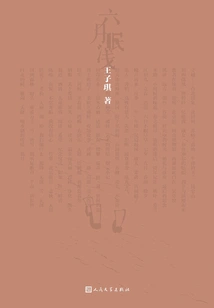
Sleepless in June
Literature六月眠浅
Wang Ziqi
"Light Sleep in June" is the author's first collection of poems, which selects 147 poems. The themes are mainly based on the feelings of natural scenery and reflection on life and growth. The author uses concise and concise language and line drawing techniques to pursue poetic imagery, and pursues aftertaste and aftertaste in the rhythm of language. He is good at building a poetic world in simple scenes and subtle details. The works have a classical style but are not limited to traditional themes. They avoid obscure language and use direct language to outline the images of winding paths and express ever-changing emotions. The work is full of imagination and warmth. It tells in small details that it contains continuous and tenacious power, conveying immortal hope and endless vitality. It can arouse readers' neglected warmth in modern life, trigger weak and long thoughts about ordinary things, and examine the poetry contained in life.
"Light Sleep in June" is the author's first collection of poems, which selects 147 poems. The themes are mainly based on the feelings of natural scenery and reflection on life and growth. The author uses concise and concise language and line drawing techniques to pursue poetic imagery, and pursues aftertaste and aftertaste in the rhythm of language. He is good at building a poetic world in simple scenes and subtle details. The works have a classical style but are not limited to traditional themes. They avoid obscure language and use direct language to outline the images of winding paths and express ever-changing emotions. The work is full of imagination and warmth. It tells in small details that it contains continuous and tenacious power, conveying immortal hope and endless vitality. It can arouse readers' neglected warmth in modern life, trigger weak and long thoughts about ordinary things, and examine the poetry contained in life.
Feng Zikai's Prose
Literature丰子恺散文
Feng Zikai
Mr. Feng Zikai is a famous modern writer, cartoonist, translator and art educator. His prose, whether written in the early 20th century or written in the 1920s, 1930s and later years, is all about "the big in the small, and the lingering sound beyond the strings". Feng Zikai's prose subjects are very broad. Some express his thoughts on life from ordinary trivial matters and write insights rich in the philosophy of life, such as "Jianwang" and "Gradual"; some reflect the truth, goodness and beauty of the world, such as "The Big Account Book" and "Ananda"; some describe the innocent and childlike life of children, such as "Children", "Inspiration from Children" and "Hua Zhan's Diary". Feng Zikai is a rich mine in modern literature. As time goes by, the artistic value of his works has become more and more evident.
Mr. Feng Zikai is a famous modern writer, cartoonist, translator and art educator. His prose, whether written in the early 20th century or written in the 1920s, 1930s and later years, is all about "the big in the small, and the lingering sound beyond the strings". Feng Zikai's prose subjects are very broad. Some express his thoughts on life from ordinary trivial matters and write insights rich in the philosophy of life, such as "Jianwang" and "Gradual"; some reflect the truth, goodness and beauty of the world, such as "The Big Account Book" and "Ananda"; some describe the innocent and childlike life of children, such as "Children", "Inspiration from Children" and "Hua Zhan's Diary". Feng Zikai is a rich mine in modern literature. As time goes by, the artistic value of his works has become more and more evident.
Qin Mu's Prose
Literature秦牧散文
Qin Mu
Qin Mu is a famous prose writer in the field of contemporary Chinese literature. He was born in Hong Kong in 1919 and lived in Singapore. He moved to Guangdong and Guangxi in the 1930s and 1940s, engaged in teaching and writing, and participated in anti-Japanese propaganda activities. Qin Mu's main creative activity was after the founding of New China. He published dozens of novels and essay collections, as well as children's literature collections. But he is most famous for his prose creation, and he was once a representative writer in the field of prose. He has published "Shell Collection", "Long River Waves Collection", "Flower City", "Art Sea Collecting Shells" and so on. Qin Mu's prose is rich in knowledge, far-reaching and profound, and has a unique style. Qin Mu is good at digging deeply into life phenomena and elucidating profound philosophy from ordinary things. His prose has strong philosophical implications. Qin Mu is a straightforward person who likes to use aphorisms and humorous metaphors to make his articles hit the nail on the head. This style was even more displayed in his essay writing that exposed social darkness and attacked current ills.
Qin Mu is a famous prose writer in the field of contemporary Chinese literature. He was born in Hong Kong in 1919 and lived in Singapore. He moved to Guangdong and Guangxi in the 1930s and 1940s, engaged in teaching and writing, and participated in anti-Japanese propaganda activities. Qin Mu's main creative activity was after the founding of New China. He published dozens of novels and essay collections, as well as children's literature collections. But he is most famous for his prose creation, and he was once a representative writer in the field of prose. He has published "Shell Collection", "Long River Waves Collection", "Flower City", "Art Sea Collecting Shells" and so on. Qin Mu's prose is rich in knowledge, far-reaching and profound, and has a unique style. Qin Mu is good at digging deeply into life phenomena and elucidating profound philosophy from ordinary things. His prose has strong philosophical implications. Qin Mu is a straightforward person who likes to use aphorisms and humorous metaphors to make his articles hit the nail on the head. This style was even more displayed in his essay writing that exposed social darkness and attacked current ills.
Zhu Ziqing's Prose (2nd Edition)
Literature朱自清散文(第2版)
Zhu Ziqing
"Zhu Ziqing's Prose" was re-edited by Wu Xiaodong, a famous professor at the School of Liberal Arts of Peking University. It is planned to include famous chapters and important chapters of Zhu Ziqing's prose, such as "Back View", "Moonlight over the Lotus Pond", "Spring", "Hurry", "Qinhuai River in the Shadow of Oars and Lights", etc. The book will also be structurally adjusted and an "Introduction" will be added to better display Zhu Ziqing's creative characteristics and achievements. Zhu Ziqing is a well-known prose writer in the history of modern literature. His prose has clear words, elegant content, profound knowledge of ancient prose, and traditional Chinese beauty. He uses modern vernacular to integrate daily feelings into his writing, bringing readers neither far nor near, with just the right aesthetic experience.
"Zhu Ziqing's Prose" was re-edited by Wu Xiaodong, a famous professor at the School of Liberal Arts of Peking University. It is planned to include famous chapters and important chapters of Zhu Ziqing's prose, such as "Back View", "Moonlight over the Lotus Pond", "Spring", "Hurry", "Qinhuai River in the Shadow of Oars and Lights", etc. The book will also be structurally adjusted and an "Introduction" will be added to better display Zhu Ziqing's creative characteristics and achievements. Zhu Ziqing is a well-known prose writer in the history of modern literature. His prose has clear words, elegant content, profound knowledge of ancient prose, and traditional Chinese beauty. He uses modern vernacular to integrate daily feelings into his writing, bringing readers neither far nor near, with just the right aesthetic experience.
Sun Li's Prose
Literature孙犁散文
Sun Li
Sun Li is a writer who spans two periods of modern and contemporary times, and whose creative value is still underestimated. The waves wash away the sand, and with the passage of time, the prose creation started in 1939. As an artistic banner, it has traveled through history but its luster remains. Just as Tie Ning once said: "The unique value of Sun Li's works will become more and more apparent in the years to come." Sun Li's prose does not have magnificent and overwhelming scenes, but more of the trivial matters in the author's life: his father. The duty and kindness of the mother, the diligence and optimism of the wife, the quiet patience of the wife, the perseverance of the country woman, the poverty and kindness of the landlord in Fuping, the enthusiasm and vigor of the mountain girl, and the unfailing spirit of the poor elders are all in Sun Li's writings, showing the beauty of simplicity and nature, the beauty of simplicity and depth. They are precious harvests of modern and contemporary prose and have influenced a large number of young writers. They are worthy of inclusion in this series. This edition invited Sun Li research expert Liu Zongwu to re-edit and select nearly half of the articles, including "Childhood Memories", "Father's Memory", "Mother's Memory", "Anecdotes of the Dead", "Newspaper Stories", "Old News from the Countryside", "Youth Dreams", "Travel in 1956", "Illness Experience", etc. The introduction is written by Liu Yunfeng, School of Liberal Arts, Nankai University.
Sun Li is a writer who spans two periods of modern and contemporary times, and whose creative value is still underestimated. The waves wash away the sand, and with the passage of time, the prose creation started in 1939. As an artistic banner, it has traveled through history but its luster remains. Just as Tie Ning once said: "The unique value of Sun Li's works will become more and more apparent in the years to come." Sun Li's prose does not have magnificent and overwhelming scenes, but more of the trivial matters in the author's life: his father. The duty and kindness of the mother, the diligence and optimism of the wife, the quiet patience of the wife, the perseverance of the country woman, the poverty and kindness of the landlord in Fuping, the enthusiasm and vigor of the mountain girl, and the unfailing spirit of the poor elders are all in Sun Li's writings, showing the beauty of simplicity and nature, the beauty of simplicity and depth. They are precious harvests of modern and contemporary prose and have influenced a large number of young writers. They are worthy of inclusion in this series. This edition invited Sun Li research expert Liu Zongwu to re-edit and select nearly half of the articles, including "Childhood Memories", "Father's Memory", "Mother's Memory", "Anecdotes of the Dead", "Newspaper Stories", "Old News from the Countryside", "Youth Dreams", "Travel in 1956", "Illness Experience", etc. The introduction is written by Liu Yunfeng, School of Liberal Arts, Nankai University.
Wang Zengqi's Prose
Literature汪曾祺散文
Wang Zengqi
Wang Zengqi is recognized by the world as a famous contemporary Chinese prose writer. His prose has a profound and warm humanistic spirit, elegant taste and knowledge, poetic and implicit expressions, plain and simple, eloquent, and homely, and is deeply loved by readers. Especially since the 1980s, his books have become more and more respected by readers, and there are many selected copies in the book market. The selection of this book of our company is well-chosen. It not only collects famous classics, but also takes into account the ancient and modern, miscellaneous studies, nostalgia, recollection of the past, vegetation, mountains and rivers, food, etc. In terms of subject matter. It can be called a classic selection of Wang Zengqi's prose.
Wang Zengqi is recognized by the world as a famous contemporary Chinese prose writer. His prose has a profound and warm humanistic spirit, elegant taste and knowledge, poetic and implicit expressions, plain and simple, eloquent, and homely, and is deeply loved by readers. Especially since the 1980s, his books have become more and more respected by readers, and there are many selected copies in the book market. The selection of this book of our company is well-chosen. It not only collects famous classics, but also takes into account the ancient and modern, miscellaneous studies, nostalgia, recollection of the past, vegetation, mountains and rivers, food, etc. In terms of subject matter. It can be called a classic selection of Wang Zengqi's prose.
Feng Jicai's Prose
Literature冯骥才散文
Feng Jicai
As a famous contemporary writer, painter, social activist, and ancient village protection worker, Feng Jicai's multiple social identities and social roles destined his prose creations to be rich in content, broad in vision, and diverse in subject matter. Among them, there are not only the writer's life insights, but also artistic excursions; there are also overseas travels, ancient village protection notes, etc. The interesting writing style, the reasoning that blends the situation and the theory, and the eloquent explanation are profound and deeply loved by readers. This book selects more than 60 essays by the author, including "The Coming Spring", "Music of Autumn", "The Past is Like Smoke", "The Anecdote of the Nose", "The Days Without Books", "My Calligraphy Life", "Viewing Paintings at Tianyige", "Eternal Shock", "The Man Who Left the Yangtze River", "The Latin Quarter, Our Little Street", "Three Pictures of Spring in Vienna", etc. It is accompanied by 15 photos of the author from different periods, with both pictures and texts, giving readers a new reading experience.
As a famous contemporary writer, painter, social activist, and ancient village protection worker, Feng Jicai's multiple social identities and social roles destined his prose creations to be rich in content, broad in vision, and diverse in subject matter. Among them, there are not only the writer's life insights, but also artistic excursions; there are also overseas travels, ancient village protection notes, etc. The interesting writing style, the reasoning that blends the situation and the theory, and the eloquent explanation are profound and deeply loved by readers. This book selects more than 60 essays by the author, including "The Coming Spring", "Music of Autumn", "The Past is Like Smoke", "The Anecdote of the Nose", "The Days Without Books", "My Calligraphy Life", "Viewing Paintings at Tianyige", "Eternal Shock", "The Man Who Left the Yangtze River", "The Latin Quarter, Our Little Street", "Three Pictures of Spring in Vienna", etc. It is accompanied by 15 photos of the author from different periods, with both pictures and texts, giving readers a new reading experience.
Wang Anyi's Prose
Literature王安忆散文
Wang Anyi
Chinese prose has a long history. Thousands of years of prose creation, whether lyrical, expressing aspirations, describing scenes, or expressing feelings about people... All reflect the changes of the times and people's thoughts and emotions. These fine traditions of Chinese prose have not only been fully inherited in the new literature since the 20th century, but have also continued to innovate and develop. Wang Anyi is a unique and rich existence in contemporary Chinese literature. She always writes about her life experience, spiritual adventure and life yearning with a tenacious attitude. Wang Anyi's prose is delicate and gentle, and is widely cited. Even the characters and stories in foreign literary works are closely related to the lives and thoughts of each of us. Reading these beautiful and timeless words is in itself a dialogue with our hearts...
Chinese prose has a long history. Thousands of years of prose creation, whether lyrical, expressing aspirations, describing scenes, or expressing feelings about people... All reflect the changes of the times and people's thoughts and emotions. These fine traditions of Chinese prose have not only been fully inherited in the new literature since the 20th century, but have also continued to innovate and develop. Wang Anyi is a unique and rich existence in contemporary Chinese literature. She always writes about her life experience, spiritual adventure and life yearning with a tenacious attitude. Wang Anyi's prose is delicate and gentle, and is widely cited. Even the characters and stories in foreign literary works are closely related to the lives and thoughts of each of us. Reading these beautiful and timeless words is in itself a dialogue with our hearts...
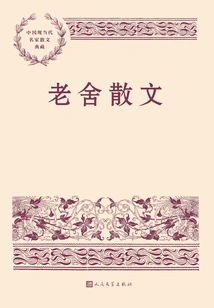
Lao She's Prose
Literature老舍散文
Lao She
This book selects 72 pieces of Lao She's prose, covering the author's diverse prose works describing scenery, scenery, characters, and human feelings. His prose may be based on citizens' life, reflect common social conflicts through ordinary scenes, and explore his thoughts on the survival and destiny of the people of old China; or describe the interesting life stories of intellectuals and the interactions of literati; or describe the scenery, customs and customs of various places at home and abroad, with meticulous details and extremely exaggerated strokes. The works are full of the interest of life and run through Lao She's consistent humorous style, allowing people to taste the severity and heaviness of life through lightness and humor. Lao She's creations benefited from the influence of folk literature and art. His prose, from form to content, is both elegant and popular. This makes his works popular, popular, and rich in national color, and is accepted and loved by the general public. Lao She is the originator of contemporary Beijing-style literature. His prose is also full of strong Beijing local color. The language comes from Beijing spoken language, which is catchy and can be recited aloud. From these works, we can see Lao She's mastery of language. Starting from modern spoken language, he evolved modern vernacular that can easily reflect modern life and express modern people's psychological activities. As a generation of language masters, Lao She has made great contributions to the development of modern Chinese vernacular.
This book selects 72 pieces of Lao She's prose, covering the author's diverse prose works describing scenery, scenery, characters, and human feelings. His prose may be based on citizens' life, reflect common social conflicts through ordinary scenes, and explore his thoughts on the survival and destiny of the people of old China; or describe the interesting life stories of intellectuals and the interactions of literati; or describe the scenery, customs and customs of various places at home and abroad, with meticulous details and extremely exaggerated strokes. The works are full of the interest of life and run through Lao She's consistent humorous style, allowing people to taste the severity and heaviness of life through lightness and humor. Lao She's creations benefited from the influence of folk literature and art. His prose, from form to content, is both elegant and popular. This makes his works popular, popular, and rich in national color, and is accepted and loved by the general public. Lao She is the originator of contemporary Beijing-style literature. His prose is also full of strong Beijing local color. The language comes from Beijing spoken language, which is catchy and can be recited aloud. From these works, we can see Lao She's mastery of language. Starting from modern spoken language, he evolved modern vernacular that can easily reflect modern life and express modern people's psychological activities. As a generation of language masters, Lao She has made great contributions to the development of modern Chinese vernacular.
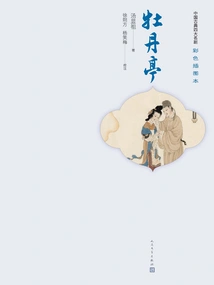
Peony Pavilion
Literature牡丹亭
(ming Dynasty) Written By Tang Xianzu, Edited By Xu Shuofang And Edited By Yang Xiaomei
"The Peony Pavilion" is a representative work by Tang Xianzu, a playwright of the Ming Dynasty. It tells the story of Du Liniang, a daughter of an official, who fell in love with Liu Mengmei, a scholar in her dream, and died of grief. "The Peony Pavilion" is famous for its beautiful diction, its lyrics are organic and interesting, and its music and lyrics take advantage of both the vigorous and turbulent Northern music and the subtle and elegant Southern poetry. Lu Tiancheng of the Ming Dynasty called it "thrilling, ingenious and endlessly new, truly worthy of the ages!" The author Tang Xianzu praised the true love of "the living can die, and the dead can live", which is lingering, beautiful and deeply touching. "The Peony Pavilion" is a masterpiece with the highest artistic achievement and greatest influence among ancient love dramas after "The Romance of the West Chamber".
"The Peony Pavilion" is a representative work by Tang Xianzu, a playwright of the Ming Dynasty. It tells the story of Du Liniang, a daughter of an official, who fell in love with Liu Mengmei, a scholar in her dream, and died of grief. "The Peony Pavilion" is famous for its beautiful diction, its lyrics are organic and interesting, and its music and lyrics take advantage of both the vigorous and turbulent Northern music and the subtle and elegant Southern poetry. Lu Tiancheng of the Ming Dynasty called it "thrilling, ingenious and endlessly new, truly worthy of the ages!" The author Tang Xianzu praised the true love of "the living can die, and the dead can live", which is lingering, beautiful and deeply touching. "The Peony Pavilion" is a masterpiece with the highest artistic achievement and greatest influence among ancient love dramas after "The Romance of the West Chamber".
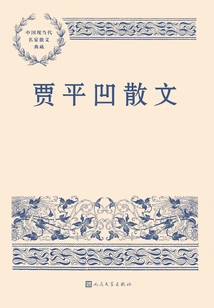
Jia Pingwa's Prose
Literature贾平凹散文
Jia Pingwa
Jia Pingwa's prose creation began in the 1980s. His prose is rooted in life, close to reality, with friendly and lively language, and rich and colorful content. It not only contains profound observations of the land under his feet, but also personal inner spiritual exploration, as well as insights and philosophical thoughts on social life. It has a strong regional color and a highly recognizable unique style. It is unique in the field of prose creation in the new era and is deeply loved by readers. This book selects 80 pieces of Jia Pingwa's prose, including the author's early masterpieces such as "The Ugly Stone", "Jingxu Village", "Reading to Show Little Sister's Birthday Letter", etc., As well as "Crying for San Mao", "Sacrifice to the Father", "Sun Li Lun", etc. In memory of teachers, friends and relatives, as well as excellent works describing life in the northwest. "Shangzhou Youlu", "Tongwei Renjia", etc., As well as "Speaking of Sickness", "Speaking of Willingness", "Fifty Great Stories", "Friendship" and so on, which reflect life, can cover the entirety of the author's prose creation, and are accompanied by 15 illustrations, both pictures and texts, giving readers a new reading experience.
Jia Pingwa's prose creation began in the 1980s. His prose is rooted in life, close to reality, with friendly and lively language, and rich and colorful content. It not only contains profound observations of the land under his feet, but also personal inner spiritual exploration, as well as insights and philosophical thoughts on social life. It has a strong regional color and a highly recognizable unique style. It is unique in the field of prose creation in the new era and is deeply loved by readers. This book selects 80 pieces of Jia Pingwa's prose, including the author's early masterpieces such as "The Ugly Stone", "Jingxu Village", "Reading to Show Little Sister's Birthday Letter", etc., As well as "Crying for San Mao", "Sacrifice to the Father", "Sun Li Lun", etc. In memory of teachers, friends and relatives, as well as excellent works describing life in the northwest. "Shangzhou Youlu", "Tongwei Renjia", etc., As well as "Speaking of Sickness", "Speaking of Willingness", "Fifty Great Stories", "Friendship" and so on, which reflect life, can cover the entirety of the author's prose creation, and are accompanied by 15 illustrations, both pictures and texts, giving readers a new reading experience.
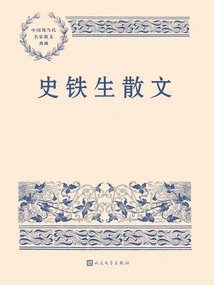
Shi Tiesheng's Prose
Literature史铁生散文
Shi Tiesheng
In the late 1970s, Shi Tiesheng embarked on the road of literature. Initially he focused on novel writing, but since the 1990s, he gradually shifted his focus to prose writing. In his long wheelchair career, he went from pessimism and disappointment to the most powerful, transcending his own ordinaryness and troubles, traveling through the dark forest in his life, reaching the essence of life, establishing a unique literary peak, and providing spiritual enlightenment and guidance to countless readers. This edition is based on the January 2021 edition and is carefully selected. After confirmation by family members and experts, there is no need to add or delete pictures and texts, including masterpieces such as "Autumn Memories", "Me and the Temple of Earth", "Good Luck Design", "Thirteen Essays", "Love Problems", "Broken Pens Between Sickness", "Walk Softly and Come Softly", "Dead Bells", "Memories of the Temple", "Old Begonia Tree", "Like Rock and Writing", "Missing the Temple of Earth". Gu Lin, a young Shi Tiesheng researcher at Ludong University, was invited to write an introduction. Gu Lin has been studying Shi Tiesheng from the perspective of intellectual history for a long time and has published a monograph. Her introductory text is plain and simple, and her analysis is comprehensive.
In the late 1970s, Shi Tiesheng embarked on the road of literature. Initially he focused on novel writing, but since the 1990s, he gradually shifted his focus to prose writing. In his long wheelchair career, he went from pessimism and disappointment to the most powerful, transcending his own ordinaryness and troubles, traveling through the dark forest in his life, reaching the essence of life, establishing a unique literary peak, and providing spiritual enlightenment and guidance to countless readers. This edition is based on the January 2021 edition and is carefully selected. After confirmation by family members and experts, there is no need to add or delete pictures and texts, including masterpieces such as "Autumn Memories", "Me and the Temple of Earth", "Good Luck Design", "Thirteen Essays", "Love Problems", "Broken Pens Between Sickness", "Walk Softly and Come Softly", "Dead Bells", "Memories of the Temple", "Old Begonia Tree", "Like Rock and Writing", "Missing the Temple of Earth". Gu Lin, a young Shi Tiesheng researcher at Ludong University, was invited to write an introduction. Gu Lin has been studying Shi Tiesheng from the perspective of intellectual history for a long time and has published a monograph. Her introductory text is plain and simple, and her analysis is comprehensive.
Zhang Zhongxing's Prose
Literature张中行散文
Zhang Zhongxing
Zhang Zhongxing's prose writing began in the early 1980s. At that time, the author had already entered his seventies. A series of collections of essays recalling the past, such as "The Trivial Words of Negative Xuan", "Continued Words of Negative Xuan", "Three Words of Negative Xuan" and "Fleeting Shadows", introduced readers to this cultural old man with profound academic foundation and extensive humanistic knowledge. The "Negative Xuan" series of prose uses the writing style of "poetry" and "history" to convey a leisurely and warm interest. The knowledge and "stories" about various people and events in the writings are all readily available, and the writing becomes interesting, and the comments on people and events reveal rationality and elegant taste. This book selects 57 essays by Zhang Zhongxing, including the series of "Memories of the Red Mansion", a famous piece about old times, and famous works about Zhang Taiyan, Xiong Shili, Liu Bannong, Yu Pingbo, Zhu Ziqing, Ye Shengtao, etc.; The chapter on life insights " "Life", "Rich and Poverty", "Prosperity", etc.; Life essays "Cool Breeze and Bright Moon", "Pengshan Distance and Nearness", "Desktop Confession", etc., Accompanied by 15 photos of the author from different periods, with pictures and texts, giving readers a new reading experience.
Zhang Zhongxing's prose writing began in the early 1980s. At that time, the author had already entered his seventies. A series of collections of essays recalling the past, such as "The Trivial Words of Negative Xuan", "Continued Words of Negative Xuan", "Three Words of Negative Xuan" and "Fleeting Shadows", introduced readers to this cultural old man with profound academic foundation and extensive humanistic knowledge. The "Negative Xuan" series of prose uses the writing style of "poetry" and "history" to convey a leisurely and warm interest. The knowledge and "stories" about various people and events in the writings are all readily available, and the writing becomes interesting, and the comments on people and events reveal rationality and elegant taste. This book selects 57 essays by Zhang Zhongxing, including the series of "Memories of the Red Mansion", a famous piece about old times, and famous works about Zhang Taiyan, Xiong Shili, Liu Bannong, Yu Pingbo, Zhu Ziqing, Ye Shengtao, etc.; The chapter on life insights " "Life", "Rich and Poverty", "Prosperity", etc.; Life essays "Cool Breeze and Bright Moon", "Pengshan Distance and Nearness", "Desktop Confession", etc., Accompanied by 15 photos of the author from different periods, with pictures and texts, giving readers a new reading experience.
Prose by Liang Yuchun
Literature梁遇春散文
Liang Yuchun
In 1926, the author began to publish his works in such publications as "Threads", "Rush", "Camel Grass" and "Crescent". In 1930, Shanghai Beixin Bookstore published his first collection of essays, "Spring Mash Collection", and in 1934, Shanghai Kaiming Bookstore published his second collection of essays, "Tears and Laughter." Liang Yuchun talked about reading, knowledge, love, friends, and quotations from classics, without being pedantic or nagging. It was the talk of a literati. Fei Ming said: "His literary thoughts are like stars in the sky, fleeting." This edition of "Liang Yuchun Prose" contains about 200,000 words of prose selected by the author, divided into two volumes: Spring Mash and Laughter and Tears. It has become a variety in the collection of prose by famous modern and contemporary Chinese writers and provides readers with a different prose writing paradigm.
In 1926, the author began to publish his works in such publications as "Threads", "Rush", "Camel Grass" and "Crescent". In 1930, Shanghai Beixin Bookstore published his first collection of essays, "Spring Mash Collection", and in 1934, Shanghai Kaiming Bookstore published his second collection of essays, "Tears and Laughter." Liang Yuchun talked about reading, knowledge, love, friends, and quotations from classics, without being pedantic or nagging. It was the talk of a literati. Fei Ming said: "His literary thoughts are like stars in the sky, fleeting." This edition of "Liang Yuchun Prose" contains about 200,000 words of prose selected by the author, divided into two volumes: Spring Mash and Laughter and Tears. It has become a variety in the collection of prose by famous modern and contemporary Chinese writers and provides readers with a different prose writing paradigm.
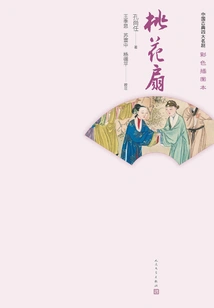
Peach Blossom Fan
Literature桃花扇
(qing Dynasty) Written By Kong Shangren And Edited By Wang Jisi And Others
The legend "The Peach Blossom Fan" created by Kong Shangren in the Qing Dynasty "borrows the feelings of separation and reunion to describe the feelings of rise and fall." It expresses the history of the fall of the Southern Ming Dynasty through the love story of Hou Fangyu and Li Xiangjun. "The Peach Blossom Fan" also has an outstanding artistic feature, that is, it uses a large amount of fiction to create historical dramas based on real people and real events with evidence. Among them, "Coaxing", "Detective Play", "Noisy", "Welcoming the Driver", "Facing the Seat" and "The Cursing Banquet" are all good plays that can show the author's flexible and creative thinking. The characters in the play are well-characterized, both physically and spiritually, and have a high level of artistic achievement.
The legend "The Peach Blossom Fan" created by Kong Shangren in the Qing Dynasty "borrows the feelings of separation and reunion to describe the feelings of rise and fall." It expresses the history of the fall of the Southern Ming Dynasty through the love story of Hou Fangyu and Li Xiangjun. "The Peach Blossom Fan" also has an outstanding artistic feature, that is, it uses a large amount of fiction to create historical dramas based on real people and real events with evidence. Among them, "Coaxing", "Detective Play", "Noisy", "Welcoming the Driver", "Facing the Seat" and "The Cursing Banquet" are all good plays that can show the author's flexible and creative thinking. The characters in the play are well-characterized, both physically and spiritually, and have a high level of artistic achievement.
Chen Zhongshi's Prose
Literature陈忠实散文
Chen Zhongshi
The "Chinese Modern and Contemporary Prose Collection" series brings together famous works by famous writers in the history of Chinese prose since the 20th century. Experts and scholars are invited to compile and select them, and an "introduction" is added before each book to introduce the writer, his prose creation characteristics and literary value. It is not only one of the most complete collections of Chinese modern and contemporary prose, but also has important significance in guiding the aesthetics of prose and promoting beautiful reading. "Chen Zhongshi Prose" is one of them. Our company has published "Collected Works of Chen Zhongshi" (enhanced edition) in 10 volumes, which fully presents the literary creation path and achievements of a generation of literary masters. This prose compilation and selection is based on the "Collected Works of Chen Zhongshi". The hardcover Chen Zhongshi's prose totals 200,000 words and is sorted and organized according to the writing time. At the same time, the famous critic Bai Ye was invited to write an introduction to the characteristics and value of Chen Zhongshi's prose creation, which is a complete and authoritative review of Chen Zhongshi's prose creation.
The "Chinese Modern and Contemporary Prose Collection" series brings together famous works by famous writers in the history of Chinese prose since the 20th century. Experts and scholars are invited to compile and select them, and an "introduction" is added before each book to introduce the writer, his prose creation characteristics and literary value. It is not only one of the most complete collections of Chinese modern and contemporary prose, but also has important significance in guiding the aesthetics of prose and promoting beautiful reading. "Chen Zhongshi Prose" is one of them. Our company has published "Collected Works of Chen Zhongshi" (enhanced edition) in 10 volumes, which fully presents the literary creation path and achievements of a generation of literary masters. This prose compilation and selection is based on the "Collected Works of Chen Zhongshi". The hardcover Chen Zhongshi's prose totals 200,000 words and is sorted and organized according to the writing time. At the same time, the famous critic Bai Ye was invited to write an introduction to the characteristics and value of Chen Zhongshi's prose creation, which is a complete and authoritative review of Chen Zhongshi's prose creation.
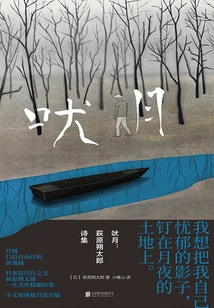
吠月:萩原朔太郎诗集
(japan) Hagiwara Sakutaro
This book selects more than a hundred poems from Hagiwara Sakutaro's representative poetry collections such as "Barking Moon", "Blue Cat", "Collection of Innocence" and "Iceland" to provide readers with a comprehensive presentation of the poetry and life of this talented poet.
This book selects more than a hundred poems from Hagiwara Sakutaro's representative poetry collections such as "Barking Moon", "Blue Cat", "Collection of Innocence" and "Iceland" to provide readers with a comprehensive presentation of the poetry and life of this talented poet.
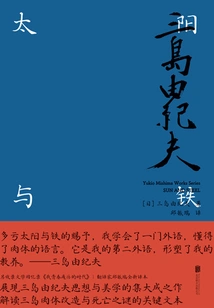
Sun and Iron
Literature太阳与铁
(japan) Mishima Yukio
"The Sun and Iron" is a long prose written by Mishima Yukio in his late period, and it is also a rare autobiographical work in his creative career. In this book, Mishima uses poetic language full of symbolism to elaborate on inner contradictions and conflicts from various angles. He condensed his own beliefs into the sun, and the sun was the external glory of the muscle shape, reflecting the muscles. Iron is the form of the inner strength of muscles. Only after experiencing the training of the sun and iron can the body maintain its eternal glory and bear all value. "The Sun and Iron" is an important work in which Mishima Yukio reveals his inner thoughts and aesthetics. It is also a key text in interpreting the mystery of his death.
"The Sun and Iron" is a long prose written by Mishima Yukio in his late period, and it is also a rare autobiographical work in his creative career. In this book, Mishima uses poetic language full of symbolism to elaborate on inner contradictions and conflicts from various angles. He condensed his own beliefs into the sun, and the sun was the external glory of the muscle shape, reflecting the muscles. Iron is the form of the inner strength of muscles. Only after experiencing the training of the sun and iron can the body maintain its eternal glory and bear all value. "The Sun and Iron" is an important work in which Mishima Yukio reveals his inner thoughts and aesthetics. It is also a key text in interpreting the mystery of his death.
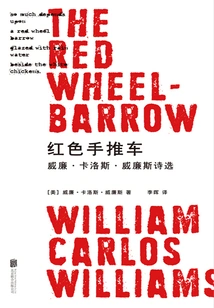
红色手推车:威廉·卡洛斯·威廉斯诗选
(us) William Carlos Williams
This book selects more than 120 handed down works from William Carlos Williams' lifetime creations and collects them into a volume. It includes not only the most widely praised masterpieces such as "The Red Trolley", "Note" and "A Song", but also other representative works of the poet in different creative periods to fully display the creative aspects of this great poet.
This book selects more than 120 handed down works from William Carlos Williams' lifetime creations and collects them into a volume. It includes not only the most widely praised masterpieces such as "The Red Trolley", "Note" and "A Song", but also other representative works of the poet in different creative periods to fully display the creative aspects of this great poet.
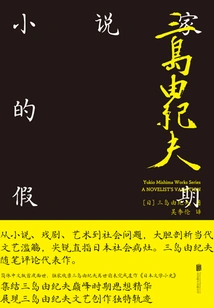
Novelist's Holiday
Literature小说家的假期
G
"The Novelist's Holiday" is an essay and commentary written by Mishima Yukio during his creative heyday. In this book, Mishima examines many issues such as contemporary civilization, society, literature, and art with rich and profound sensibility. He dived alone into the complex and ever-changing jungle of modern civilization. With his gorgeous and bold writing style and playful and profound writing style, he discussed the origins of literature and art from multiple angles and pointed pointedly at the ills of the times. This book is the starting point of Mishima's philosophical thinking. It comprehensively displays Mishima's literary outlook, artistic outlook, and values. It is the essence of Mishima's thoughts.
"The Novelist's Holiday" is an essay and commentary written by Mishima Yukio during his creative heyday. In this book, Mishima examines many issues such as contemporary civilization, society, literature, and art with rich and profound sensibility. He dived alone into the complex and ever-changing jungle of modern civilization. With his gorgeous and bold writing style and playful and profound writing style, he discussed the origins of literature and art from multiple angles and pointed pointedly at the ills of the times. This book is the starting point of Mishima's philosophical thinking. It comprehensively displays Mishima's literary outlook, artistic outlook, and values. It is the essence of Mishima's thoughts.
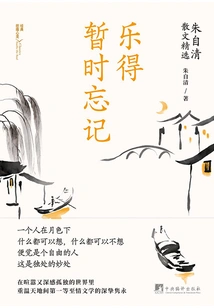
乐得暂时忘记:朱自清散文精选
Zhu Ziqing
As a master of prose who created a model of beautiful vernacular prose, Zhu Ziqing has nourished generations of readers with his deep and simple emotional undertones. One of his prose creations is narrative and lyrical, depicting the details of life, with a graceful and timeless charm; the other is realistic discussion, which allows his thoughts to fly, and has a profound and far-reaching flavor. This book revolves around the two major themes of narrative lyricism and realistic discussion, and is divided into five series: in the first series, the sights seen and the roads traveled are all in the heart; in the second series, the most beautiful dream in the world is family reunion; in the third series, what cannot be forgotten in this life are those wonderful people; in the fourth series, a person cannot live entirely by lies; in the fifth series, no matter how busy you are, there is always the joy of chatting in life. Select 50 prose works by Zhu Ziqing, allowing readers to read all of Zhu Ziqing's most classic prose works in one book. Zhu Ziqing's prose is full of poetic flavor, full of simplicity and affection, and his writing style is delicate and timeless. He creates a unique style of beauty of interest, artistic conception, and true beauty. He is known as "a model of beautiful vernacular prose" and "the first-class emotional literature in the world." Re-reading Zhu Ziqing is not only to find the purest and fullest emotions in the classics, but also to use our own life experiences and life insights to dialogue with the classics, so as to regain the strength and peace of the soul in a noisy and lonely world.
As a master of prose who created a model of beautiful vernacular prose, Zhu Ziqing has nourished generations of readers with his deep and simple emotional undertones. One of his prose creations is narrative and lyrical, depicting the details of life, with a graceful and timeless charm; the other is realistic discussion, which allows his thoughts to fly, and has a profound and far-reaching flavor. This book revolves around the two major themes of narrative lyricism and realistic discussion, and is divided into five series: in the first series, the sights seen and the roads traveled are all in the heart; in the second series, the most beautiful dream in the world is family reunion; in the third series, what cannot be forgotten in this life are those wonderful people; in the fourth series, a person cannot live entirely by lies; in the fifth series, no matter how busy you are, there is always the joy of chatting in life. Select 50 prose works by Zhu Ziqing, allowing readers to read all of Zhu Ziqing's most classic prose works in one book. Zhu Ziqing's prose is full of poetic flavor, full of simplicity and affection, and his writing style is delicate and timeless. He creates a unique style of beauty of interest, artistic conception, and true beauty. He is known as "a model of beautiful vernacular prose" and "the first-class emotional literature in the world." Re-reading Zhu Ziqing is not only to find the purest and fullest emotions in the classics, but also to use our own life experiences and life insights to dialogue with the classics, so as to regain the strength and peace of the soul in a noisy and lonely world.
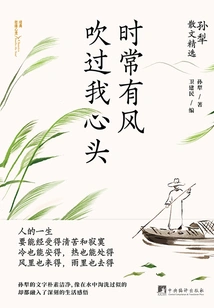
The Wind Often Blows Through My Heart
Literature时常有风吹过我心头
Sun Li
Sun Li is a famous contemporary writer, and his novels are best known. His short story "Lotus Lake", the novel "The Prequel of Ironwood", and the novel "The Early Chronicles of Storm" have already established his solid position in the history of modern literature. His representative short story "Lotus Lake" is widely circulated, and the literary circle regards it as the symbol of a style of modern literature, known as the "Lotus Lake School". In addition to novels, Sun Li also wrote a large number of prose works. His prose, especially his creations in his later years, are called his "decline reform" and have received high praise. Sun Li's prose is another peak of Sun Li's creation and a classic among contemporary prose. Some commentators said: "Sun Li's prose pays attention to emotional restraint, is subtle and subtle, simple and clean, as if it has been washed in water. It is a kind of "great beauty" that is extremely gorgeous but also dull... Whether it is remembering people, thinking about hometown, recalling childhood and war years, or chanting things, it is all integrated with profound life insights. Mr. Sun Li does not like officialdom, stays away from the excitement, and is willing to be lonely. It is precisely because of this rare taste. Only by maintaining a peaceful mind for a long time can one enter a grand and profound artistic realm that is difficult for ordinary people to achieve." The famous writer Jia Pingwa commented: "Sun Li is not an epic writer, but his works touch the soul. In his later years, his articles became more and more sophisticated and few people can match him." This book is composed of Sun Li's later prose works, and was edited and selected by Wei Jianmin, a cultural scholar and Sun Li researcher. The editor has studied Sun Li for a long time and is very familiar with Sun Li's works. He also has a deep understanding of the value of Sun Li's works. He can be said to be the best choice for editing and selecting Sun Li's works. This anthology can also be said to be the best reading to understand Sun Li's classic prose. The book is divided into seven volumes, covering various works of the author, including descriptions of objects and scenes, memories of childhood and hometown, memories of old times, discussions of creation, as well as long or short words written by the author on the book cover. Each article is the author's careful work. Taken together, readers can feel Sun Li's style and thoughts.
Sun Li is a famous contemporary writer, and his novels are best known. His short story "Lotus Lake", the novel "The Prequel of Ironwood", and the novel "The Early Chronicles of Storm" have already established his solid position in the history of modern literature. His representative short story "Lotus Lake" is widely circulated, and the literary circle regards it as the symbol of a style of modern literature, known as the "Lotus Lake School". In addition to novels, Sun Li also wrote a large number of prose works. His prose, especially his creations in his later years, are called his "decline reform" and have received high praise. Sun Li's prose is another peak of Sun Li's creation and a classic among contemporary prose. Some commentators said: "Sun Li's prose pays attention to emotional restraint, is subtle and subtle, simple and clean, as if it has been washed in water. It is a kind of "great beauty" that is extremely gorgeous but also dull... Whether it is remembering people, thinking about hometown, recalling childhood and war years, or chanting things, it is all integrated with profound life insights. Mr. Sun Li does not like officialdom, stays away from the excitement, and is willing to be lonely. It is precisely because of this rare taste. Only by maintaining a peaceful mind for a long time can one enter a grand and profound artistic realm that is difficult for ordinary people to achieve." The famous writer Jia Pingwa commented: "Sun Li is not an epic writer, but his works touch the soul. In his later years, his articles became more and more sophisticated and few people can match him." This book is composed of Sun Li's later prose works, and was edited and selected by Wei Jianmin, a cultural scholar and Sun Li researcher. The editor has studied Sun Li for a long time and is very familiar with Sun Li's works. He also has a deep understanding of the value of Sun Li's works. He can be said to be the best choice for editing and selecting Sun Li's works. This anthology can also be said to be the best reading to understand Sun Li's classic prose. The book is divided into seven volumes, covering various works of the author, including descriptions of objects and scenes, memories of childhood and hometown, memories of old times, discussions of creation, as well as long or short words written by the author on the book cover. Each article is the author's careful work. Taken together, readers can feel Sun Li's style and thoughts.
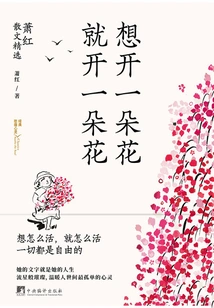
想开一朵花 就开一朵花:萧红散文精选
Xiao Hong
This book collects 62 classic essays by Xiao Hong, divided into four series: the first series: The flowers are blooming, let's go to the back garden; the second series, The Days of Black Lieba and White Salt; the third series, Freedom and Leisure, My Golden Age; the fourth series, the night you left, the sky was filled with stars. The content covers four periods: childhood memories, early wandering, golden age and escape career. She writes with talent and keen artistic feelings. Her words are fresh, natural, delicate and straightforward, with genius-like poetry and child-like innocence. Xiao Hong's prose focuses on expressing strong personal life experiences and has a distinct autobiographical color. It is an excellent way to understand the real Xiao Hong and that magnificent era. Re-reading Xiao Hong is not only to relive the brilliance of humanity and poetry in her words, but also to gain warmth and strength from her meteor-like life of bold pursuit of freedom, love and literary dreams.
This book collects 62 classic essays by Xiao Hong, divided into four series: the first series: The flowers are blooming, let's go to the back garden; the second series, The Days of Black Lieba and White Salt; the third series, Freedom and Leisure, My Golden Age; the fourth series, the night you left, the sky was filled with stars. The content covers four periods: childhood memories, early wandering, golden age and escape career. She writes with talent and keen artistic feelings. Her words are fresh, natural, delicate and straightforward, with genius-like poetry and child-like innocence. Xiao Hong's prose focuses on expressing strong personal life experiences and has a distinct autobiographical color. It is an excellent way to understand the real Xiao Hong and that magnificent era. Re-reading Xiao Hong is not only to relive the brilliance of humanity and poetry in her words, but also to gain warmth and strength from her meteor-like life of bold pursuit of freedom, love and literary dreams.
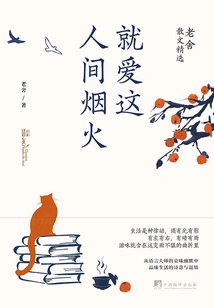
就爱这人间烟火:老舍散文精选
Lao She
Thanks to Lao She in this world, we are able to find a place where our body and mind can settle down. Lao She's writing is warm, humorous, simple, full of Beijing flavor, and has unique language charm. In his writings, planting flowers and raising cats, writing and making friends, everything in ordinary life has its own interest. In his eyes, life is a kind of rhythm, with light and shadow, left and right, sunny and rainy; the taste is contained in these twists and turns that change but are not violent. This book mainly revolves around life and writing, and is divided into six volumes: Volume 1: Traveling to Some Places; Volume 2: Life is a Rhythm; Volume 3: A Born Humorist; Volume 4: Because She Sees Me Like That; Volume 5: Literature and Carpenters; Volume 6: My Ideal Family. This book selects 61 essays, covering almost Lao She's most classic prose works. It is the best book to understand Lao She's life attitude and literary creation philosophy. Re-reading Lao She is not only reading the classics, but also reading ourselves and the era we live in. In the hustle and bustle of today, I hope more people can gain peace of mind and power of life from classics.
Thanks to Lao She in this world, we are able to find a place where our body and mind can settle down. Lao She's writing is warm, humorous, simple, full of Beijing flavor, and has unique language charm. In his writings, planting flowers and raising cats, writing and making friends, everything in ordinary life has its own interest. In his eyes, life is a kind of rhythm, with light and shadow, left and right, sunny and rainy; the taste is contained in these twists and turns that change but are not violent. This book mainly revolves around life and writing, and is divided into six volumes: Volume 1: Traveling to Some Places; Volume 2: Life is a Rhythm; Volume 3: A Born Humorist; Volume 4: Because She Sees Me Like That; Volume 5: Literature and Carpenters; Volume 6: My Ideal Family. This book selects 61 essays, covering almost Lao She's most classic prose works. It is the best book to understand Lao She's life attitude and literary creation philosophy. Re-reading Lao She is not only reading the classics, but also reading ourselves and the era we live in. In the hustle and bustle of today, I hope more people can gain peace of mind and power of life from classics.
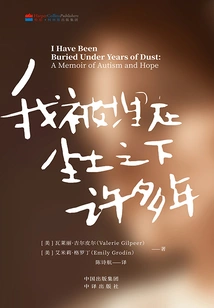
我被埋在尘土之下许多年
(u. S.) Valerie Gilpierre Emily Grodin
This is an extraordinary memoir, telling the emotional test a young couple faced while raising an autistic child. It is of great social value and has special care for the domestic autistic community. "I have been buried under the dust for many years, and now I have a lot to say." This is what 25-year-old Emily wrote. She was born with non-verbal autism. For a quarter of a century, her only way of communication was one-word reactions or body movements. After unremitting efforts, Emily was finally able to express her heart in words. Through insights, stories and poems, she depicts the extraordinary spiritual world of people with autism in a highly personal way.
This is an extraordinary memoir, telling the emotional test a young couple faced while raising an autistic child. It is of great social value and has special care for the domestic autistic community. "I have been buried under the dust for many years, and now I have a lot to say." This is what 25-year-old Emily wrote. She was born with non-verbal autism. For a quarter of a century, her only way of communication was one-word reactions or body movements. After unremitting efforts, Emily was finally able to express her heart in words. Through insights, stories and poems, she depicts the extraordinary spiritual world of people with autism in a highly personal way.
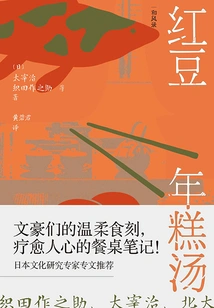
红豆年糕汤:暖胃暖心的餐桌故事
(japan) Dazai Osamu And Others
This book is a collection of Japanese essays and novels with the theme of food, including "Sukiyaki and Duck Dishes-Miscellaneous Thoughts of Western Food" and "Talk about Delicious Tofu" about Kitaoji Rashan's experience in appreciating food; "The Heart of Giving Up Drinking" and "Talk about Giving Up Drinking" by Osamu Dazai, a literary genius who loves and hates alcohol. "Memories of Wine"; the haiku master Masaoka Shiki is seriously ill in bed, but still optimistic about life and wrote an essay "Waiting for Dinner"; the gourmet literature classic "Sushi (Sushi)" showing strong maternal love; dreams and reality intertwined, full of fantasy "Chicken Dishes" A PARODY"; the novel "A Good Couple" shows the atmosphere of life in Osaka and is interspersed with countless food memories. The work does not simply describe the cooking itself or the meal process, but expresses the dining scene, psychological description, and memories through the food, and also conveys Japanese food culture and Japanese aesthetic consciousness.
This book is a collection of Japanese essays and novels with the theme of food, including "Sukiyaki and Duck Dishes-Miscellaneous Thoughts of Western Food" and "Talk about Delicious Tofu" about Kitaoji Rashan's experience in appreciating food; "The Heart of Giving Up Drinking" and "Talk about Giving Up Drinking" by Osamu Dazai, a literary genius who loves and hates alcohol. "Memories of Wine"; the haiku master Masaoka Shiki is seriously ill in bed, but still optimistic about life and wrote an essay "Waiting for Dinner"; the gourmet literature classic "Sushi (Sushi)" showing strong maternal love; dreams and reality intertwined, full of fantasy "Chicken Dishes" A PARODY"; the novel "A Good Couple" shows the atmosphere of life in Osaka and is interspersed with countless food memories. The work does not simply describe the cooking itself or the meal process, but expresses the dining scene, psychological description, and memories through the food, and also conveys Japanese food culture and Japanese aesthetic consciousness.
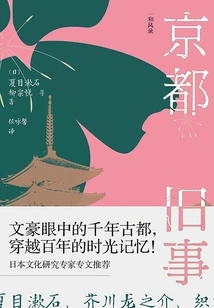
京都旧事:古都尘封的日与夜
(japan) Natsume Soseki, Yanagi Soetsu, Etc.
This book contains 18 works by 13 writers, including Soseki Natsume, Ryunosuke Akutagawa, Sakunosuke Oda, Ango Sakaguchi, Yukichi Fukuzawa, Yuriko Miyamoto, Taro Kinoshita, Hiroshi Kikuchi, Rashanto Kitaoji, Soetsu Yanagi, Tetsuro Watsuji, Shuzo Kuuki, and Matsuzono Uemura. These works are set in the ancient city of Kyoto, recording the new atmosphere brought by the westward wind to the east and the eternal beauty of the ancient capital: the development of new education, the changes in the urban landscape, the charming streets and private houses, the famous Gion cherry blossoms that have not changed for a century, and the incredible bamboo forests of Kyoto. It is full of connection and sentimentality, and has touching words that cannot be found in travel books.
This book contains 18 works by 13 writers, including Soseki Natsume, Ryunosuke Akutagawa, Sakunosuke Oda, Ango Sakaguchi, Yukichi Fukuzawa, Yuriko Miyamoto, Taro Kinoshita, Hiroshi Kikuchi, Rashanto Kitaoji, Soetsu Yanagi, Tetsuro Watsuji, Shuzo Kuuki, and Matsuzono Uemura. These works are set in the ancient city of Kyoto, recording the new atmosphere brought by the westward wind to the east and the eternal beauty of the ancient capital: the development of new education, the changes in the urban landscape, the charming streets and private houses, the famous Gion cherry blossoms that have not changed for a century, and the incredible bamboo forests of Kyoto. It is full of connection and sentimentality, and has touching words that cannot be found in travel books.
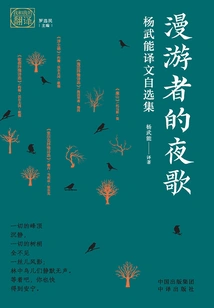
漫游者的夜歌:杨武能译文自选集
Translated By Yang Wuneng
"The Wanderer's Night Song: A Selected Collection of Translations by Yang Wuneng" is a book in the "Me and My Translation" series that embodies the charm of German literature. It contains classic works translated by translator Yang Wuneng, including poetry, prose, short stories, etc. Among them, there are excerpts from Goethe's famous poetic drama "Faust", excerpts from Thomas Mann's great novel "The Magic Mountain", as well as selected lyric poems by Goethe, Heine, Rilke and other writers.
"The Wanderer's Night Song: A Selected Collection of Translations by Yang Wuneng" is a book in the "Me and My Translation" series that embodies the charm of German literature. It contains classic works translated by translator Yang Wuneng, including poetry, prose, short stories, etc. Among them, there are excerpts from Goethe's famous poetic drama "Faust", excerpts from Thomas Mann's great novel "The Magic Mountain", as well as selected lyric poems by Goethe, Heine, Rilke and other writers.
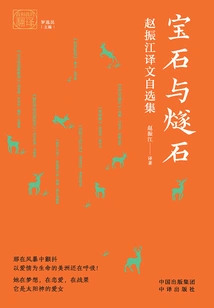
宝石与燧石:赵振江译文自选集
Translated By Zhao Zhenjiang
"Gems and Flints: Selected Translations by Zhao Zhenjiang" includes representative works of seven important writers in the Spanish literary world, including excerpts from the Argentine national epic "Martin Fierro" written by José Hernandez, many poems by the legendary Mexican poet Juana Ines de la Cruz, many poems by Gabriela, the Latin American Nobel Prize winner for literature, and the novel "Gems and Flints" by the famous Peruvian writer Aguedas. The works collected in this book are diverse in genre and rich in content, including poetry, prose, novels and other forms, allowing readers to experience the charm of Spanish literature from all angles.
"Gems and Flints: Selected Translations by Zhao Zhenjiang" includes representative works of seven important writers in the Spanish literary world, including excerpts from the Argentine national epic "Martin Fierro" written by José Hernandez, many poems by the legendary Mexican poet Juana Ines de la Cruz, many poems by Gabriela, the Latin American Nobel Prize winner for literature, and the novel "Gems and Flints" by the famous Peruvian writer Aguedas. The works collected in this book are diverse in genre and rich in content, including poetry, prose, novels and other forms, allowing readers to experience the charm of Spanish literature from all angles.
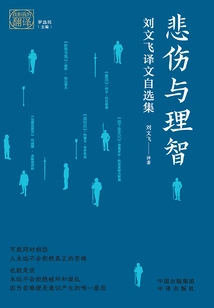
悲伤与理智:刘文飞译文自选集
Translated By Liu Wenfei
"Sorrow and Reason: Selected Translations by Liu Wenfei" is a collection of 11 representative translations selected by translator Liu Wenfei. All of his original works are classics. The works in the book are of various genres, including novels, poems, essays, etc., Including excerpts from Gorky's "Marva", Dostoevsky's "Notes from the Underground", Brodsky's "Spoils of War" and Tolstoy's "Resurrection". Each work is accompanied by a translator's introduction, leading readers to appreciate the ideological power of Russian literature.
"Sorrow and Reason: Selected Translations by Liu Wenfei" is a collection of 11 representative translations selected by translator Liu Wenfei. All of his original works are classics. The works in the book are of various genres, including novels, poems, essays, etc., Including excerpts from Gorky's "Marva", Dostoevsky's "Notes from the Underground", Brodsky's "Spoils of War" and Tolstoy's "Resurrection". Each work is accompanied by a translator's introduction, leading readers to appreciate the ideological power of Russian literature.
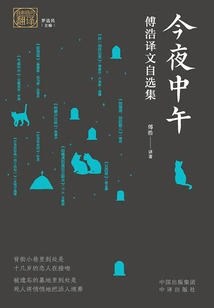
今夜中午:傅浩译文自选集
Translated By Fu Hao
"Tonight at Noon: A Selected Collection of Fu Hao's Translations" is divided into three parts, including "English to Chinese", "Chinese and Japanese to English" and "Other Languages to Chinese", including poetry, prose, novels and scripts. Among them, it not only includes well-known works such as Shakespeare's "May I Compare You to a Summer Day", Pound's "In a Metro Station", Keats's "Ode on a Grecian Urn", but also works that few domestic readers are familiar with, such as excerpts from Eliot's play "The Rock", Yeats's short stories, Xu Zhimo's prose, and many haiku.
"Tonight at Noon: A Selected Collection of Fu Hao's Translations" is divided into three parts, including "English to Chinese", "Chinese and Japanese to English" and "Other Languages to Chinese", including poetry, prose, novels and scripts. Among them, it not only includes well-known works such as Shakespeare's "May I Compare You to a Summer Day", Pound's "In a Metro Station", Keats's "Ode on a Grecian Urn", but also works that few domestic readers are familiar with, such as excerpts from Eliot's play "The Rock", Yeats's short stories, Xu Zhimo's prose, and many haiku.
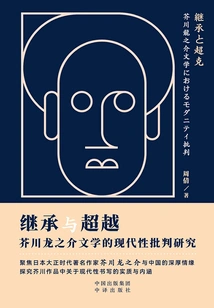
Inheritance and Transcendence: a Critical Study of Modernity in Ryunosuke Akutagawa's Literature
Literature继承与超越:芥川龙之介文学的现代性批判研究
Zhou Qian
"Modernity" has various meanings, and it is still one of the hot topics in politics, literature, economics and other fields. The creations of Ryuyuki Akutagawa, a representative writer of the Japanese New Thought Movement around the 1920s, involve multiple perspectives such as space construction, body writing, and civilization criticism. They also contain two narrative dimensions, Chinese and Japanese, and provide a textual reference for us to understand the multiple aspects of "modernity." This book takes the modern Chinese-themed novels written by Akutagawa before and after his trip to China in 1921 as the main line, and uses the "Gendaimono" that describes Japan's Meiji period as a reference. It explores the essence and connotation of "modernity" writing in Akutagawa's literature from multiple dimensions, clarifies his reflection and criticism of Japan's modernization process, and opens a new horizon for re-examining the characteristics of Akutagawa's literature.
"Modernity" has various meanings, and it is still one of the hot topics in politics, literature, economics and other fields. The creations of Ryuyuki Akutagawa, a representative writer of the Japanese New Thought Movement around the 1920s, involve multiple perspectives such as space construction, body writing, and civilization criticism. They also contain two narrative dimensions, Chinese and Japanese, and provide a textual reference for us to understand the multiple aspects of "modernity." This book takes the modern Chinese-themed novels written by Akutagawa before and after his trip to China in 1921 as the main line, and uses the "Gendaimono" that describes Japan's Meiji period as a reference. It explores the essence and connotation of "modernity" writing in Akutagawa's literature from multiple dimensions, clarifies his reflection and criticism of Japan's modernization process, and opens a new horizon for re-examining the characteristics of Akutagawa's literature.
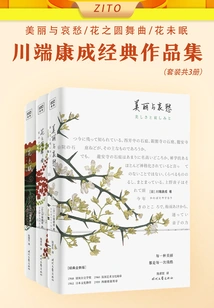
川端康成经典作品集(套装共3册)
G
The beauty of Japan is popular all over the world, and Yasu Kawabata is indispensable for its success. He regards beauty as his "belief" and uses beautiful words to expand the realm of aesthetics. His thoughts gradually matured and were scattered in many essays, making it difficult for ordinary readers to get a full picture. Mr. Chen Dewen, a famous translator and scholar, has studied Kawabata Yasunari for decades, carefully sorted out, integrated and translated this book, which completely and accurately presents Kawabata's aesthetic ideological system and presents the essence of Japanese oriental aesthetics in a textbook style. People with high emotional intelligence, simply put, have strong empathy. The first thing is to have a keen sense of perception and be able to distinguish between beauty and ugliness. Reading Kawabata's prose is like communicating with Kawabata Yasumimoto himself, listening directly to the gentle words of this Eastern soul known as "the most sensitive and most understanding of beauty", and understanding the mystery of the beauty of Japan and the East.
The beauty of Japan is popular all over the world, and Yasu Kawabata is indispensable for its success. He regards beauty as his "belief" and uses beautiful words to expand the realm of aesthetics. His thoughts gradually matured and were scattered in many essays, making it difficult for ordinary readers to get a full picture. Mr. Chen Dewen, a famous translator and scholar, has studied Kawabata Yasunari for decades, carefully sorted out, integrated and translated this book, which completely and accurately presents Kawabata's aesthetic ideological system and presents the essence of Japanese oriental aesthetics in a textbook style. People with high emotional intelligence, simply put, have strong empathy. The first thing is to have a keen sense of perception and be able to distinguish between beauty and ugliness. Reading Kawabata's prose is like communicating with Kawabata Yasumimoto himself, listening directly to the gentle words of this Eastern soul known as "the most sensitive and most understanding of beauty", and understanding the mystery of the beauty of Japan and the East.
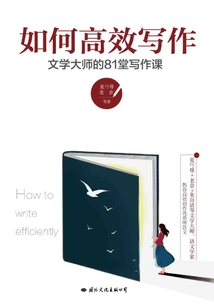
如何高效写作:文学大师的81堂写作课
Xia Chuzun Lao She Et Al.
I want to get high marks for my essays, but have little success; I want to make a living by writing, but I have racked my brains but can't find a way; I want to improve my writing level, but I have been thinking hard but I can't get started... "How to Write Efficiently: 81 Writing Lessons from Literary Masters" extracts many literary works such as Xia Zunzun, Lao She, Zhu Ziqing, Lu Xun, etc. The lifelong writing experience of giants, language masters, and philologists can break the "curse" of your creativity, ignite your "small universe" of creativity, cultivate your creative "inspiration", and improve your writing ability and level, so that your thoughts can flow like a fountain, your writing can feel like a spirit, get high scores in your essays, and attract fans like crazy! "How to Write Efficiently: 81 Writing Lessons from Literary Masters" is divided into 81 lectures, covering various articles and literary genres such as narratives, expository essays, argumentative essays, essays, essays, poetry, novels, dramas, etc., And analyzes various writing methods and techniques in a simple and easy-to-understand manner. The author is authoritative and elegant without being exaggerated, the content is popular and informative without being preachy, and the methods are practical, efficient and timeless. Whether you are a student who wants to improve your writing score, a teacher who wants to improve your writing teaching level, or an editor, reporter, writer, or young artist who works with words all day long, as long as you use this book seriously and practice diligently, you will definitely gain unexpected benefits.
I want to get high marks for my essays, but have little success; I want to make a living by writing, but I have racked my brains but can't find a way; I want to improve my writing level, but I have been thinking hard but I can't get started... "How to Write Efficiently: 81 Writing Lessons from Literary Masters" extracts many literary works such as Xia Zunzun, Lao She, Zhu Ziqing, Lu Xun, etc. The lifelong writing experience of giants, language masters, and philologists can break the "curse" of your creativity, ignite your "small universe" of creativity, cultivate your creative "inspiration", and improve your writing ability and level, so that your thoughts can flow like a fountain, your writing can feel like a spirit, get high scores in your essays, and attract fans like crazy! "How to Write Efficiently: 81 Writing Lessons from Literary Masters" is divided into 81 lectures, covering various articles and literary genres such as narratives, expository essays, argumentative essays, essays, essays, poetry, novels, dramas, etc., And analyzes various writing methods and techniques in a simple and easy-to-understand manner. The author is authoritative and elegant without being exaggerated, the content is popular and informative without being preachy, and the methods are practical, efficient and timeless. Whether you are a student who wants to improve your writing score, a teacher who wants to improve your writing teaching level, or an editor, reporter, writer, or young artist who works with words all day long, as long as you use this book seriously and practice diligently, you will definitely gain unexpected benefits.
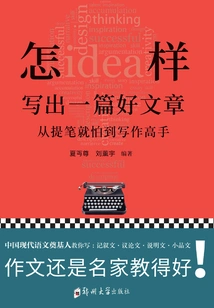
How to Write a Good Article
Literature怎样写出一篇好文章
Compiled By Xia Chuzun And Liu Xunyu
Since the early years of the Republic of China, Mr. Xia Gaizun has lectured at the First Normal School of Hunan Province and Baima Lake Chunhui Middle School. Later, the courseware was revised and edited into a book by the educator Mr. Liu Xunyu based on his own teaching practice. The book summarizes the specific writing methods of narrative essays (narrative essays and narrative essays), expository essays, argumentative essays and other genres. In particular, it provides detailed answers to practical questions such as the practice of essays and how to quickly improve writing skills through the practice of essays. The book also contains concise comments on the masterpieces of Lu Xun, Bing Xin and other famous writers, and also provides us with methods and guidance to solve common problems in writing. In addition to the above content, this edition has newly added 11 exquisite prose examples written by Xia Chuzun for readers to appreciate and learn from.
Since the early years of the Republic of China, Mr. Xia Gaizun has lectured at the First Normal School of Hunan Province and Baima Lake Chunhui Middle School. Later, the courseware was revised and edited into a book by the educator Mr. Liu Xunyu based on his own teaching practice. The book summarizes the specific writing methods of narrative essays (narrative essays and narrative essays), expository essays, argumentative essays and other genres. In particular, it provides detailed answers to practical questions such as the practice of essays and how to quickly improve writing skills through the practice of essays. The book also contains concise comments on the masterpieces of Lu Xun, Bing Xin and other famous writers, and also provides us with methods and guidance to solve common problems in writing. In addition to the above content, this edition has newly added 11 exquisite prose examples written by Xia Chuzun for readers to appreciate and learn from.
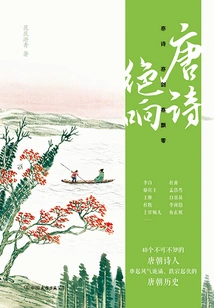
亦诗 亦剑 亦飘零:唐诗绝响
Bruises On Flower Base
"Poems, Swords, and Floats: The Unparalleled Sound of Tang Poems" is a book about the Qingming Riverside Scene by poets of the Tang Dynasty. The 40 poets of the Tang Dynasty are arranged according to the arrangement of 4 periods and 10 poets in each period. Starting from the poems, real historical events and the poet's life experience are used as clues, and relevant allusions are interspersed to present the poet's personal spirit and life story. The characteristic of this book is that it closely combines poetry with feelings, insights, actions, conversations and discussions with friends, and comments on worldly events and allusions, etc., To restore the real and perceptible life of the poet, covering many aspects such as self-cultivation, life, dealing with people, and things. It allows you to observe the great wisdom in a small way, and to see the true knowledge through humor.
"Poems, Swords, and Floats: The Unparalleled Sound of Tang Poems" is a book about the Qingming Riverside Scene by poets of the Tang Dynasty. The 40 poets of the Tang Dynasty are arranged according to the arrangement of 4 periods and 10 poets in each period. Starting from the poems, real historical events and the poet's life experience are used as clues, and relevant allusions are interspersed to present the poet's personal spirit and life story. The characteristic of this book is that it closely combines poetry with feelings, insights, actions, conversations and discussions with friends, and comments on worldly events and allusions, etc., To restore the real and perceptible life of the poet, covering many aspects such as self-cultivation, life, dealing with people, and things. It allows you to observe the great wisdom in a small way, and to see the true knowledge through humor.
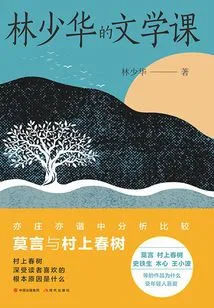
Lin Shaohua's Literature Class
Literature林少华的文学课
Lin Shaohua
This book is a compilation of lectures and speeches given by the author Lin Shaohua in universities, publishing and cultural departments across the country for decades. The author is a university professor, but he has made great achievements in translating Japanese literary works. He has translated and published more than 90 works in total, which is rare in the translation world. On the whole, the manuscript mainly talks about Haruki Murakami, and also touches on Mo Yan, Wang Xiaobo, Mu Xin, Shi Tiesheng, etc. Among them, the comparative analysis of Haruki Murakami and Mo Yan is very interesting. The author's words are very simple, vivid and sincere, and are very stimulating and motivating to young students. This book is a collection of lectures. It is an introduction to the academic experience of the older generation of scholars to young students. It is also the life insights of the older generation of intellectuals. The whole book is full of positive energy.
This book is a compilation of lectures and speeches given by the author Lin Shaohua in universities, publishing and cultural departments across the country for decades. The author is a university professor, but he has made great achievements in translating Japanese literary works. He has translated and published more than 90 works in total, which is rare in the translation world. On the whole, the manuscript mainly talks about Haruki Murakami, and also touches on Mo Yan, Wang Xiaobo, Mu Xin, Shi Tiesheng, etc. Among them, the comparative analysis of Haruki Murakami and Mo Yan is very interesting. The author's words are very simple, vivid and sincere, and are very stimulating and motivating to young students. This book is a collection of lectures. It is an introduction to the academic experience of the older generation of scholars to young students. It is also the life insights of the older generation of intellectuals. The whole book is full of positive energy.
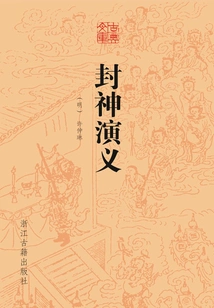
封神演义(古典文库)
Xu Zhonglin
This book is a famous novel about gods and demons in ancient China. The novel tells the historical story of the political chaos at the end of the Shang Dynasty and King Wu's conquest of the Shang Dynasty. The author transforms historical events into gods and demons, and attaches them to folk religions and myths and legends. Therefore, most of them are descriptions of stories about immortals and Buddhas fighting each other. The novel ends with Jiang Ziya conferring the title of god and King Wu of Zhou enfeoffing the princes. As Mr. Lu Xun said: "Sealing a country is to repay the meritorious officials, and conferring gods to reward the ghosts, while the death of humans and gods is entrusted to misfortune... It is based on the views of alchemists." ("A Brief History of Chinese Novels")
This book is a famous novel about gods and demons in ancient China. The novel tells the historical story of the political chaos at the end of the Shang Dynasty and King Wu's conquest of the Shang Dynasty. The author transforms historical events into gods and demons, and attaches them to folk religions and myths and legends. Therefore, most of them are descriptions of stories about immortals and Buddhas fighting each other. The novel ends with Jiang Ziya conferring the title of god and King Wu of Zhou enfeoffing the princes. As Mr. Lu Xun said: "Sealing a country is to repay the meritorious officials, and conferring gods to reward the ghosts, while the death of humans and gods is entrusted to misfortune... It is based on the views of alchemists." ("A Brief History of Chinese Novels")
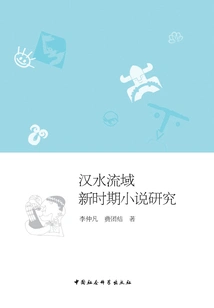
汉水流域新时期小说研究
Li Zhongfan Fei Tuanjie
The research object of "Research on Novels of the New Period in the Han River Basin" is the novels in the new period of the Han River Basin. Based on the brief description of novel creation in the three major areas of southern Shaanxi, Nanyang and Wuhan, representative novelists such as Jia Pingwa, Yao Xueyin, Zhou Daxin, Qiao Dianyun, Chi Li, Fang Fang, etc. Are selected to conduct a detailed interpretation of their important works from the aspects of text narrative method, character image, language style, literary prototype, etc. In terms of research methods, we focus on the perspective of regional culture, paying special attention to unique cultural phenomena such as dialects, folk customs, and folk literature and art in the novels of the Han River Basin in the new period. The literary geography perspective of "Research on Novels of the Han River Basin in the New Period" highlights the unique status and value of Han River Basin literature in the Chinese literary landscape.
The research object of "Research on Novels of the New Period in the Han River Basin" is the novels in the new period of the Han River Basin. Based on the brief description of novel creation in the three major areas of southern Shaanxi, Nanyang and Wuhan, representative novelists such as Jia Pingwa, Yao Xueyin, Zhou Daxin, Qiao Dianyun, Chi Li, Fang Fang, etc. Are selected to conduct a detailed interpretation of their important works from the aspects of text narrative method, character image, language style, literary prototype, etc. In terms of research methods, we focus on the perspective of regional culture, paying special attention to unique cultural phenomena such as dialects, folk customs, and folk literature and art in the novels of the Han River Basin in the new period. The literary geography perspective of "Research on Novels of the Han River Basin in the New Period" highlights the unique status and value of Han River Basin literature in the Chinese literary landscape.
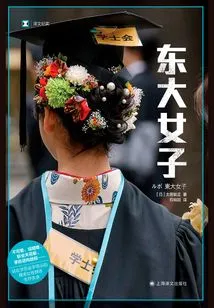
Dongda Women (Translated Documentary)
Literature东大女子(译文纪实)
(japan) Toshimasa Ohta
The University of Tokyo is the Asian school with the highest university ranking in the world and the highest institution of higher education in Japan. It is recognized as a famous school among famous schools. However, among the 3,000 freshmen admitted to Tokyo University each year, only about 600 are women. "Todai women" is a label with special meaning in Japanese society. On the one hand, it means that these elite women with Japan's highest academic qualifications are outstanding in terms of IQ and ability. On the other hand, it also means that they have a solid image of being aloof, tough, and lacking in female charm. It implies that they have deviated from the traditional path of Japanese women to care for their husbands and raise children, and they have to pay a heavy price for breaking into a male-dominated society. This book will reveal the true dilemmas faced by these highly educated female elites in their studies, work, life and family in a society dominated by men.
The University of Tokyo is the Asian school with the highest university ranking in the world and the highest institution of higher education in Japan. It is recognized as a famous school among famous schools. However, among the 3,000 freshmen admitted to Tokyo University each year, only about 600 are women. "Todai women" is a label with special meaning in Japanese society. On the one hand, it means that these elite women with Japan's highest academic qualifications are outstanding in terms of IQ and ability. On the other hand, it also means that they have a solid image of being aloof, tough, and lacking in female charm. It implies that they have deviated from the traditional path of Japanese women to care for their husbands and raise children, and they have to pay a heavy price for breaking into a male-dominated society. This book will reveal the true dilemmas faced by these highly educated female elites in their studies, work, life and family in a society dominated by men.
The Last Southwest Associated University
Literature最后的西南联大
Ding Yuanyuan
The legendary Southwest Associated University has trained 2 Nobel Prize winners, 8 winners of the "Two Bombs and One Satellite" merit medals, more than 100 humanities masters, and more than 170 academicians. Starting in 2014, the author of this book, the famous journalist Ding Yuanyuan, used an almost detective method to find 20 living alumni through news reports, historical archives, alumni records of the United Nations University, etc., And conducted rescue interviews. Zhao Zhongxing, a participant in the development of the first atomic bomb and a graduate of the Department of Chemical Engineering of the United Nations University; Chen Zhijing, a key member of Chiang Ching-kuo's iron-blooded salvation of the Congress and a graduate of the Department of Politics of the United Nations University... The large number of classroom details they personally told allowed the author to touch the essence of the elite education of the United Nations University: general education, workshop-style teaching, debureaucratization, etc., And preserved a precious reference for contemporary higher education. In the process of interviewing and writing this book, these last batch of Lianda University students are still passing away. This makes this book almost the last precious document that preserves the details of education at the General Assembly in the form of collective oral accounts from those who have experienced it. It also adds a lot of fresh historical materials on the Anti-Japanese War and the Civil War between the Kuomintang and the Communist Party.
The legendary Southwest Associated University has trained 2 Nobel Prize winners, 8 winners of the "Two Bombs and One Satellite" merit medals, more than 100 humanities masters, and more than 170 academicians. Starting in 2014, the author of this book, the famous journalist Ding Yuanyuan, used an almost detective method to find 20 living alumni through news reports, historical archives, alumni records of the United Nations University, etc., And conducted rescue interviews. Zhao Zhongxing, a participant in the development of the first atomic bomb and a graduate of the Department of Chemical Engineering of the United Nations University; Chen Zhijing, a key member of Chiang Ching-kuo's iron-blooded salvation of the Congress and a graduate of the Department of Politics of the United Nations University... The large number of classroom details they personally told allowed the author to touch the essence of the elite education of the United Nations University: general education, workshop-style teaching, debureaucratization, etc., And preserved a precious reference for contemporary higher education. In the process of interviewing and writing this book, these last batch of Lianda University students are still passing away. This makes this book almost the last precious document that preserves the details of education at the General Assembly in the form of collective oral accounts from those who have experienced it. It also adds a lot of fresh historical materials on the Anti-Japanese War and the Civil War between the Kuomintang and the Communist Party.
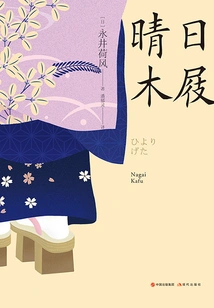
Sunny Clogs
Literature晴日木屐
Nagai Kafeng
"Clothes of a Clear Sun" is a collection of prose essays by the representative Japanese aesthetic writer Karika Nagai, including Zhou Zuoren's favorite special collection "Cloths of a Clear Sun", as well as 17 excellent prose essays such as "Snowy Day", "Bells" and "Plum Rain Clear". As the "Preface" says, "The recorded image of Japan today" presents the emotion of "the abyss of yesterday has become a shoal today, and everything in the world is unpredictable." Nagai Hefeng's life, aspirations, literary and artistic views, creative views, etc. Are all included in this excellent prose. The written words are like vivid "Edo period" ukiyo-e paintings. When you walk among them, you can see familiar remnants and remnants of past civilization everywhere. "Sunny Geta" describes a story about a 100-year-old man wearing Sunny Geta and holding a bat umbrella in the streets and alleys of Tokyo and its suburbs. He recounts his experiences and thoughts in detail, especially recording the traditional Japanese culture and ancient relics that have been severely damaged under the impact of modern civilized society. It expresses the aftertaste, yearning and nostalgia for the secular life in Edo in a sad and sad mood, highlighting the cultural critical vision of a traditional literati in a period of social transformation. He poured his nostalgia for the scenery of the past into his writing, constructing an aesthetic space that is different from that of contemporary cities, and showing the Dutch-style literati taste and tranquil and comfortable life. Karika Nagai is a sentimental nostalgist. His words are full of passionate and simple nostalgia for the Meiji period. He disdains the society after Taisho that is full of suspicion and resentment. He feels that Japan's modern life and Japanese people's temperament are completely different from the elegance of Japanese scenery. "In those days, the falling snow on the street could always evoke the sadness in people's hearts just like the timbre of the shamisen." "What is irreversible in this world are not just short-lived dreams." These emotions are particularly strong in works such as "Geta on a Sunny Day", "Snowy Day", "Hometown Now and Then" and "Concubine's House". Like his novels, Hefeng's prose essays reflected his high sensitivity to the tide of modernization in Japan at that time. He used literature to criticize current ills and face social problems directly. He also conveyed his firm belief that "the deep valleys of moral corruption are not without true and kind feelings." This was the fulcrum of his nostalgia for Edo. As the saying goes, "Knowing people and judging the world", the best way to interpret Nagai Hefeng is to read his essays. It is said that literature is like people, and this is especially true for him.
"Clothes of a Clear Sun" is a collection of prose essays by the representative Japanese aesthetic writer Karika Nagai, including Zhou Zuoren's favorite special collection "Cloths of a Clear Sun", as well as 17 excellent prose essays such as "Snowy Day", "Bells" and "Plum Rain Clear". As the "Preface" says, "The recorded image of Japan today" presents the emotion of "the abyss of yesterday has become a shoal today, and everything in the world is unpredictable." Nagai Hefeng's life, aspirations, literary and artistic views, creative views, etc. Are all included in this excellent prose. The written words are like vivid "Edo period" ukiyo-e paintings. When you walk among them, you can see familiar remnants and remnants of past civilization everywhere. "Sunny Geta" describes a story about a 100-year-old man wearing Sunny Geta and holding a bat umbrella in the streets and alleys of Tokyo and its suburbs. He recounts his experiences and thoughts in detail, especially recording the traditional Japanese culture and ancient relics that have been severely damaged under the impact of modern civilized society. It expresses the aftertaste, yearning and nostalgia for the secular life in Edo in a sad and sad mood, highlighting the cultural critical vision of a traditional literati in a period of social transformation. He poured his nostalgia for the scenery of the past into his writing, constructing an aesthetic space that is different from that of contemporary cities, and showing the Dutch-style literati taste and tranquil and comfortable life. Karika Nagai is a sentimental nostalgist. His words are full of passionate and simple nostalgia for the Meiji period. He disdains the society after Taisho that is full of suspicion and resentment. He feels that Japan's modern life and Japanese people's temperament are completely different from the elegance of Japanese scenery. "In those days, the falling snow on the street could always evoke the sadness in people's hearts just like the timbre of the shamisen." "What is irreversible in this world are not just short-lived dreams." These emotions are particularly strong in works such as "Geta on a Sunny Day", "Snowy Day", "Hometown Now and Then" and "Concubine's House". Like his novels, Hefeng's prose essays reflected his high sensitivity to the tide of modernization in Japan at that time. He used literature to criticize current ills and face social problems directly. He also conveyed his firm belief that "the deep valleys of moral corruption are not without true and kind feelings." This was the fulcrum of his nostalgia for Edo. As the saying goes, "Knowing people and judging the world", the best way to interpret Nagai Hefeng is to read his essays. It is said that literature is like people, and this is especially true for him.
《作家文摘》名家散文系列:活在身体里的故乡
Edited By Ji Xianlin, Shi Tiesheng, Yu Hua Et Al. "writer's Digest"
This book is the second volume of the "Writer's Digest·Prose by Famous Writers" series. It is divided into five series based on themes such as hometown, family ties, and life insights. Selected prose works by Yang Jiang, Ji Xianlin, Zong Pu, Yu Hua, Shi Tiesheng, Jia Pingwa, Yu Guangzhong, Xi Murong, Zhou Guoping, Mai Jia and other famous literary figures. The articles use simple and emotional writing to record the review and perception of hometown, family love and life, and write the wisdom of life to every soul trapped in the present, to appreciate the changes in the world and the warmth and warmth of human beings.
This book is the second volume of the "Writer's Digest·Prose by Famous Writers" series. It is divided into five series based on themes such as hometown, family ties, and life insights. Selected prose works by Yang Jiang, Ji Xianlin, Zong Pu, Yu Hua, Shi Tiesheng, Jia Pingwa, Yu Guangzhong, Xi Murong, Zhou Guoping, Mai Jia and other famous literary figures. The articles use simple and emotional writing to record the review and perception of hometown, family love and life, and write the wisdom of life to every soul trapped in the present, to appreciate the changes in the world and the warmth and warmth of human beings.
《作家文摘》名家忆文系列:大家风骨
Editor Of "writer's Digest"
This book selects the true and wonderful articles published by "Writer's Digest" in the past 30 years since its inception, about celebrities from all walks of life in modern Chinese history, such as Qian Xuesen, Yang Zhenning, Wu Qingyuan, Lin Huiyin, Hua Luogeng, Wu Guanzhong, Jin Yuelin, Shen Congwen, Qian Zhongshu, Wang Zengqi, Huang Yongyu, Bai Xianyong, etc., On their pursuit of ideals and conduct in life. Reveal the details of the lives of famous people from multiple angles, restore their spiritual pursuits, personality qualities, life interests, and vivid lives of flesh and blood.
This book selects the true and wonderful articles published by "Writer's Digest" in the past 30 years since its inception, about celebrities from all walks of life in modern Chinese history, such as Qian Xuesen, Yang Zhenning, Wu Qingyuan, Lin Huiyin, Hua Luogeng, Wu Guanzhong, Jin Yuelin, Shen Congwen, Qian Zhongshu, Wang Zengqi, Huang Yongyu, Bai Xianyong, etc., On their pursuit of ideals and conduct in life. Reveal the details of the lives of famous people from multiple angles, restore their spiritual pursuits, personality qualities, life interests, and vivid lives of flesh and blood.
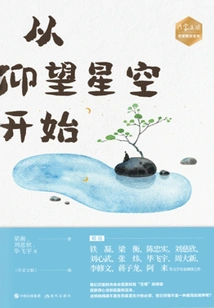
《作家文摘》名家散文系列:从仰望星空开始
Liang Heng, Liu Cixin, Bi Feiyu, Etc. Editors Of "writer's Digest"
This book is the third volume of the "Writer's Digest·Prose by Famous Writers" series. It is divided into five series based on themes such as reading, art, nature, and travel. It selects prose works by famous literary figures such as Tie Ning, Liang Heng, Chen Zhongshi, Liu Cixin, Liu Xinwu, Zhang Wei, Bi Feiyu, Zhou Daxin, Li Xiuwen, Jiang Zilong, Alai, etc., And shares the author's thinking and understanding of literature, art, and nature one by one. Following the guidance of these words, it is like transcending the shackles of the world, coming to the clouds, reflecting on life and soul, breaking a certain spiritual knot, and being endowed with calmness and strength of body and mind.
This book is the third volume of the "Writer's Digest·Prose by Famous Writers" series. It is divided into five series based on themes such as reading, art, nature, and travel. It selects prose works by famous literary figures such as Tie Ning, Liang Heng, Chen Zhongshi, Liu Cixin, Liu Xinwu, Zhang Wei, Bi Feiyu, Zhou Daxin, Li Xiuwen, Jiang Zilong, Alai, etc., And shares the author's thinking and understanding of literature, art, and nature one by one. Following the guidance of these words, it is like transcending the shackles of the world, coming to the clouds, reflecting on life and soul, breaking a certain spiritual knot, and being endowed with calmness and strength of body and mind.
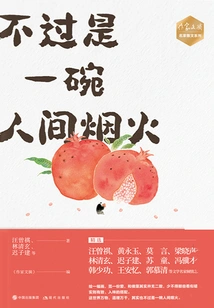
《作家文摘》名家散文系列:不过是一碗人间烟火
Wang Zengqi, Lin Qingxuan, Chi Zijian, Etc. Compiled By "writer's Digest"
This book is the first volume of the "Writer's Digest·Prose by Famous Writers" series, which is divided into six volumes based on themes such as food, daily chores, love, and pets. Selected prose works by famous literary figures such as Wang Zengqi, Huang Yongyu, Mo Yan, Liang Xiaosheng, Lin Qingxuan, Chi Zijian, Su Tong, Feng Jicai, Han Shaogong, Wang Anyi, Guo Muqing, etc., Convey the passion for life and life to the world through delicate writing - life is beautiful and people are poetic. In ordinary life, discover the fun and beauty of the world, and live a passionate, interesting and interesting life every day.
This book is the first volume of the "Writer's Digest·Prose by Famous Writers" series, which is divided into six volumes based on themes such as food, daily chores, love, and pets. Selected prose works by famous literary figures such as Wang Zengqi, Huang Yongyu, Mo Yan, Liang Xiaosheng, Lin Qingxuan, Chi Zijian, Su Tong, Feng Jicai, Han Shaogong, Wang Anyi, Guo Muqing, etc., Convey the passion for life and life to the world through delicate writing - life is beautiful and people are poetic. In ordinary life, discover the fun and beauty of the world, and live a passionate, interesting and interesting life every day.
文赋诗品译注
(jin) Lu Ji (liang) Zhong Rong, Translated And Annotated By Yang Ming
Lu Ji's "Wen Fu" and Zhong Rong's "Shi Pin" occupy an important position in the history of Chinese literary criticism. "Wen Fu" depicts the entire process of literary creation in the form of Fu; "Shipin" is my country's first monograph on poetry theory and literary criticism. The two books are combined into one volume, with detailed annotations and vernacular translation.
Lu Ji's "Wen Fu" and Zhong Rong's "Shi Pin" occupy an important position in the history of Chinese literary criticism. "Wen Fu" depicts the entire process of literary creation in the form of Fu; "Shipin" is my country's first monograph on poetry theory and literary criticism. The two books are combined into one volume, with detailed annotations and vernacular translation.
李清照集笺注(简体版)
(song) Written By Li Qingzhao Annotated By Xu Peijun
This book is famous for its complete collection, well-documented notes and rich information, which greatly facilitates readers. This time, the "Simplified Chinese Edition" of the "Chinese Classical Literature Series" is launched. On the basis of maintaining the reading content of various notes and punctuation of proper names in the traditional version, it is hoped that more readers will be exposed to the orthodox interpretation of traditional culture and appreciate the high-quality essence in the simplified horizontal format that is easier to read.
This book is famous for its complete collection, well-documented notes and rich information, which greatly facilitates readers. This time, the "Simplified Chinese Edition" of the "Chinese Classical Literature Series" is launched. On the basis of maintaining the reading content of various notes and punctuation of proper names in the traditional version, it is hoped that more readers will be exposed to the orthodox interpretation of traditional culture and appreciate the high-quality essence in the simplified horizontal format that is easier to read.
You Are an Angel
Literature你是天使
Stony Ground
Love is such a strange combination of circumstances. The person you think is sincere will suddenly leave you one day, but the person you think is playing love is silently holding a flag and waiting persistently on the shore... Half lying on the big bed, Xia Jin She spread her slender fingers, looked at the sparkling diamond ring on her ring finger, looked left and right, and then glanced at Lin Wanjin, who was lying beside her like a Buddha, she flicked off the high heels on her toes, giggled and sat in his arms. In fact, Xia Jindan was not born a materialist. She also loved selflessly and fearlessly. Zheng Enhe, a man who grew up in the mountains, stayed in the city after graduating from college. Xia Jinguang fell madly in love with him the first time she saw him.
Love is such a strange combination of circumstances. The person you think is sincere will suddenly leave you one day, but the person you think is playing love is silently holding a flag and waiting persistently on the shore... Half lying on the big bed, Xia Jin She spread her slender fingers, looked at the sparkling diamond ring on her ring finger, looked left and right, and then glanced at Lin Wanjin, who was lying beside her like a Buddha, she flicked off the high heels on her toes, giggled and sat in his arms. In fact, Xia Jindan was not born a materialist. She also loved selflessly and fearlessly. Zheng Enhe, a man who grew up in the mountains, stayed in the city after graduating from college. Xia Jinguang fell madly in love with him the first time she saw him.
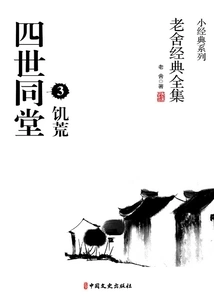
四世同堂3:饥荒(老舍经典全集)
Lao She
This is a classic Chinese modern novel and one of Mr. Lao She's masterpieces. Against the background of the outbreak of the Marco Polo Bridge Incident and the fall of Peking, the novel takes the life of four generations of the Qi family as the main line, and vividly and vividly depicts the ups and downs, life and death of people from all walks of life and all kinds of people represented by the residents of Xiaoyangquan Hutong. The work describes the tragic experience of the vast number of civilians under the iron heel of the Japanese invaders in the abnormal state of the world after the fall of Peiping. The uneasiness, confusion and shock after the ancient and peaceful life was shattered. It lashes out the ugly souls of the perpetrators who attached themselves to the enemy, exposes the brutal crimes of Japanese militarism, and reflects the common people. The heroic and fearless resistance in the face of a powerful enemy eulogized and promoted the great patriotism and steadfast and noble national integrity of the Chinese people. It epically demonstrated the outstanding contributions made by the Chinese people to the world anti-fascist war during the Second World War. It was magnificent and evocative. Mr. Lao She used his profound and exquisite artistic skills and superb novel skills to depict a series of vivid artistic images such as Qi LaoRen, Rui Xuan, Da Chibao, Guan Xiaohe, etc., Showing a rich picture of life in Peiping, which has been widely read to this day and remains fresh for a long time...
This is a classic Chinese modern novel and one of Mr. Lao She's masterpieces. Against the background of the outbreak of the Marco Polo Bridge Incident and the fall of Peking, the novel takes the life of four generations of the Qi family as the main line, and vividly and vividly depicts the ups and downs, life and death of people from all walks of life and all kinds of people represented by the residents of Xiaoyangquan Hutong. The work describes the tragic experience of the vast number of civilians under the iron heel of the Japanese invaders in the abnormal state of the world after the fall of Peiping. The uneasiness, confusion and shock after the ancient and peaceful life was shattered. It lashes out the ugly souls of the perpetrators who attached themselves to the enemy, exposes the brutal crimes of Japanese militarism, and reflects the common people. The heroic and fearless resistance in the face of a powerful enemy eulogized and promoted the great patriotism and steadfast and noble national integrity of the Chinese people. It epically demonstrated the outstanding contributions made by the Chinese people to the world anti-fascist war during the Second World War. It was magnificent and evocative. Mr. Lao She used his profound and exquisite artistic skills and superb novel skills to depict a series of vivid artistic images such as Qi LaoRen, Rui Xuan, Da Chibao, Guan Xiaohe, etc., Showing a rich picture of life in Peiping, which has been widely read to this day and remains fresh for a long time...