Library
Browse and search novels
25,914 novels found
Yang Jiang's Prose
Literature杨绛散文
Yang Jiang
Yang Jiang is a famous translator and literary critic, as well as a famous essayist. "Yang Jiang's Prose" contains a total of 18 representative prose works and literary essays by Yang Jiang. Yang Jiang's prose mostly uses line drawing to recall past events or describe the life experiences of relatives, friends, and individuals. They are fresh, timeless, expressive, and profound in meaning. Readers can further understand the writer's inner world and the unique features of the historical era she has experienced through the creation of Yang Jiang's prose. The "Yang Jiang Prose" published this time is a version confirmed and approved by Yang Jiang during his lifetime. It has a certain degree of authority and is also a rare selection of Yang Jiang's prose.
Yang Jiang is a famous translator and literary critic, as well as a famous essayist. "Yang Jiang's Prose" contains a total of 18 representative prose works and literary essays by Yang Jiang. Yang Jiang's prose mostly uses line drawing to recall past events or describe the life experiences of relatives, friends, and individuals. They are fresh, timeless, expressive, and profound in meaning. Readers can further understand the writer's inner world and the unique features of the historical era she has experienced through the creation of Yang Jiang's prose. The "Yang Jiang Prose" published this time is a version confirmed and approved by Yang Jiang during his lifetime. It has a certain degree of authority and is also a rare selection of Yang Jiang's prose.
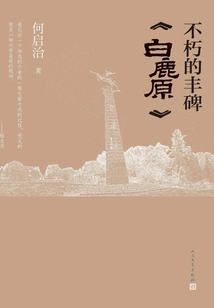
Immortal Monument: "white Deer Plain
Literature不朽的丰碑:《白鹿原》
He Qizhi
Chen Zhongshi's novel "White Deer Plain" has become a classic of contemporary Chinese literature. The birth and promotion of this novel are closely related to He Qizhi of People's Literature Publishing House. He is the editor, responsible editor and final review editor of "White Deer Plain". He Qizhi had been dating Chen Zhongshi for decades. In the late 1970s, he asked Chen Zhongshi to write a novel, which led to the creation of "White Deer Plain". This book contains He Qizhi's articles recalling Chen Zhongshi and the birth of "White Deer Plain", as well as the review comments of "White Deer Plain", as well as the controversy and discussion caused after its publication. It has important historical value for studying the history of contemporary Chinese literature. Based on the first edition, the second edition adds 23 precious letters written by Mr. Chen Zhongshi to the author discovered by the author, as well as a conversation between a disabled writer Zhao Kai and the author about "White Deer Plain".
Chen Zhongshi's novel "White Deer Plain" has become a classic of contemporary Chinese literature. The birth and promotion of this novel are closely related to He Qizhi of People's Literature Publishing House. He is the editor, responsible editor and final review editor of "White Deer Plain". He Qizhi had been dating Chen Zhongshi for decades. In the late 1970s, he asked Chen Zhongshi to write a novel, which led to the creation of "White Deer Plain". This book contains He Qizhi's articles recalling Chen Zhongshi and the birth of "White Deer Plain", as well as the review comments of "White Deer Plain", as well as the controversy and discussion caused after its publication. It has important historical value for studying the history of contemporary Chinese literature. Based on the first edition, the second edition adds 23 precious letters written by Mr. Chen Zhongshi to the author discovered by the author, as well as a conversation between a disabled writer Zhao Kai and the author about "White Deer Plain".
Ye Zhaoyan's Prose
Literature叶兆言散文
Ye Zhaoyan
Ye Zhaoyan is a famous contemporary novelist and one of the representatives of scholarly prose. With his continuous writing, he has successively published more than 40 collections of essays, such as "Wandering Night", "Old Shadows of Qinhuai", "Ye Zhaoyan's Wonderful Essays", "Ye Zhaoyan's Prose", "Miscellaneous Peanut Trees" and "Old Characters". They are unique for their distinctive light and gentle narrative style, rich and complex themes, and concise and plain language. For this compilation and selection, Ye Wei, associate professor of the School of Liberal Arts of Zhejiang University of Communication, was specially invited to compile the selection and write an introduction. It is a complete and authoritative review of Ye Zhaoyan's prose creation.
Ye Zhaoyan is a famous contemporary novelist and one of the representatives of scholarly prose. With his continuous writing, he has successively published more than 40 collections of essays, such as "Wandering Night", "Old Shadows of Qinhuai", "Ye Zhaoyan's Wonderful Essays", "Ye Zhaoyan's Prose", "Miscellaneous Peanut Trees" and "Old Characters". They are unique for their distinctive light and gentle narrative style, rich and complex themes, and concise and plain language. For this compilation and selection, Ye Wei, associate professor of the School of Liberal Arts of Zhejiang University of Communication, was specially invited to compile the selection and write an introduction. It is a complete and authoritative review of Ye Zhaoyan's prose creation.
Wei Wei's Prose
Literature魏巍散文
Wei Wei
This book is one of the series of "Prose Collection of Modern and Contemporary Chinese Famous Writers". It contains the author Weiwei's classic prose works, which were personally edited and selected by the author's family, and experts were invited to write introductions, including famous works such as "Who is the Loveliest Person", "In the Wind and Snow", "Days and Nights on the South Bank of the Han River". Most of Wei Wei's essays are a series of works written after the author visited the front line during the Korean War. With affectionate and poetic writing, the author enthusiastically praised the noble moral character of the volunteer soldiers and their spirit of sacrifice for the country, as well as the flesh-and-blood friendship between the people of China and North Korea. Once these works were published at the time, they immediately aroused a strong response and still have certain educational significance for the younger generation.
This book is one of the series of "Prose Collection of Modern and Contemporary Chinese Famous Writers". It contains the author Weiwei's classic prose works, which were personally edited and selected by the author's family, and experts were invited to write introductions, including famous works such as "Who is the Loveliest Person", "In the Wind and Snow", "Days and Nights on the South Bank of the Han River". Most of Wei Wei's essays are a series of works written after the author visited the front line during the Korean War. With affectionate and poetic writing, the author enthusiastically praised the noble moral character of the volunteer soldiers and their spirit of sacrifice for the country, as well as the flesh-and-blood friendship between the people of China and North Korea. Once these works were published at the time, they immediately aroused a strong response and still have certain educational significance for the younger generation.
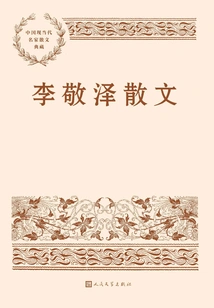
Li Jingze's Prose
Literature李敬泽散文
Li Jingze
This book contains 31 essays written by Li Jingze from 1996 to 2020. The book is divided into five chapters. From the chilly shores of the Yellow River to the exotic Xishuangbanna, Li Jingze traveled across China, expressing his feelings about the mountains and rivers, recording his thoughts and feelings at this time and place. He discovers poetry in daily life and turns life into literature with sentences, allowing people to read the freshness and fullness of nature. More than just traveling around mountains and rivers and daily life, this book is also a master of literary criticism and literary criticism. Ancient and modern things, roaming freely. Quote from classics and integrate them thoroughly. The interesting talk turns the world into a huge book, allowing readers to read it in an interesting and beneficial way.
This book contains 31 essays written by Li Jingze from 1996 to 2020. The book is divided into five chapters. From the chilly shores of the Yellow River to the exotic Xishuangbanna, Li Jingze traveled across China, expressing his feelings about the mountains and rivers, recording his thoughts and feelings at this time and place. He discovers poetry in daily life and turns life into literature with sentences, allowing people to read the freshness and fullness of nature. More than just traveling around mountains and rivers and daily life, this book is also a master of literary criticism and literary criticism. Ancient and modern things, roaming freely. Quote from classics and integrate them thoroughly. The interesting talk turns the world into a huge book, allowing readers to read it in an interesting and beneficial way.
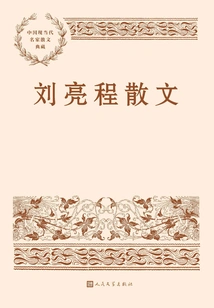
Liu Liangcheng's Prose
Literature刘亮程散文
Liu Liangcheng
Liu Liangcheng is a prose writer who entered the literary world in the 1990s. Through his unique rural writing of reconstructing his own village in his memories, he launched the essay collection "A Village of One Person", which caused an uproar in the literary world at that time. Liu Liangcheng's prose is permeated with nature and spirituality, reflecting thoughts on loneliness and eternity. He is known as "China's last essayist in the 20th century" and "rural philosopher". This book selects Liu Liangcheng's early masterpieces from the village series "The Runaway Horse", "A Dog's Life", "The Cold Wind Blows Through", "How Far is Spring", etc.; As well as the Xinjiang customs series "The Last Blacksmith", "Night in Ag Village", "Morning in Restan Lane", etc.; Mature works such as "Life Under a Leaf" and "The Thief in the Moonlight". , Accompanied by 15 photos of the author from different periods, with both pictures and text, giving readers a new reading experience.
Liu Liangcheng is a prose writer who entered the literary world in the 1990s. Through his unique rural writing of reconstructing his own village in his memories, he launched the essay collection "A Village of One Person", which caused an uproar in the literary world at that time. Liu Liangcheng's prose is permeated with nature and spirituality, reflecting thoughts on loneliness and eternity. He is known as "China's last essayist in the 20th century" and "rural philosopher". This book selects Liu Liangcheng's early masterpieces from the village series "The Runaway Horse", "A Dog's Life", "The Cold Wind Blows Through", "How Far is Spring", etc.; As well as the Xinjiang customs series "The Last Blacksmith", "Night in Ag Village", "Morning in Restan Lane", etc.; Mature works such as "Life Under a Leaf" and "The Thief in the Moonlight". , Accompanied by 15 photos of the author from different periods, with both pictures and text, giving readers a new reading experience.
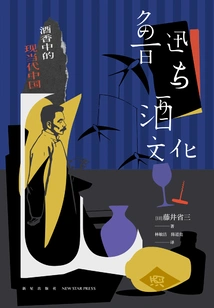
鲁迅与酒文化:酒香中的现当代中国
(japan) Fujii Shozo
This book is a collection of essays where you can smell the aroma of wine between the lines. Following "Lu Xun's Urban Odyssey", Shozo Fujii took a different approach, using wine as the key word to conduct a detailed investigation of modern and contemporary China. From Erguotou and Yanjing Beer in Beijing to Shanghai Beer, Shaoxing Wine, Shandong Sorghum Wine and Sake in Taiwan, etc., Wine is used as a clue to reconnect modern and contemporary literature and film and television works, reflecting the changes in Chinese culture and economic life, such as Paramount in Shanghai Ballroom Legend has it that the changes in China's economic system before and after reform and opening up, as well as the changes in the landscape of "public banquets" and "private banquets" brought about by the anti-corruption campaign in the past decade or so... The author is also a witness to the changes. The changes in the Chinese cultural circle since the reform and opening up are perfectly integrated with the author's study abroad experience.
This book is a collection of essays where you can smell the aroma of wine between the lines. Following "Lu Xun's Urban Odyssey", Shozo Fujii took a different approach, using wine as the key word to conduct a detailed investigation of modern and contemporary China. From Erguotou and Yanjing Beer in Beijing to Shanghai Beer, Shaoxing Wine, Shandong Sorghum Wine and Sake in Taiwan, etc., Wine is used as a clue to reconnect modern and contemporary literature and film and television works, reflecting the changes in Chinese culture and economic life, such as Paramount in Shanghai Ballroom Legend has it that the changes in China's economic system before and after reform and opening up, as well as the changes in the landscape of "public banquets" and "private banquets" brought about by the anti-corruption campaign in the past decade or so... The author is also a witness to the changes. The changes in the Chinese cultural circle since the reform and opening up are perfectly integrated with the author's study abroad experience.
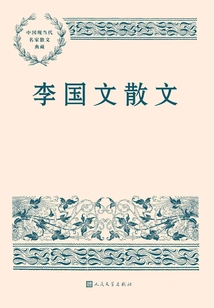
Li Guowen's Prose
Literature李国文散文
Li Guowen
Li Guowen is an evergreen tree among contemporary writers. In 1957, he published the novel "Reselection". His novel "Spring in Winter" won the Mao Dun Literary Award in 1982, and was later selected into the collection of 70 novels in the 70 years of New China. In his later years, he tended to write prose. His writing was free and sophisticated, showing both his cultivation and his temperament. He had keen observation ability to understand worldly affairs and a transcendent and free heart. His collections of prose essays include "The Art of Swearing", "Talk about Love Outside the Building", "Abnormal Death of Chinese Literati", etc. "Li Guowen's Prose" selects his representative prose works.
Li Guowen is an evergreen tree among contemporary writers. In 1957, he published the novel "Reselection". His novel "Spring in Winter" won the Mao Dun Literary Award in 1982, and was later selected into the collection of 70 novels in the 70 years of New China. In his later years, he tended to write prose. His writing was free and sophisticated, showing both his cultivation and his temperament. He had keen observation ability to understand worldly affairs and a transcendent and free heart. His collections of prose essays include "The Art of Swearing", "Talk about Love Outside the Building", "Abnormal Death of Chinese Literati", etc. "Li Guowen's Prose" selects his representative prose works.
Su Qing's Prose
Literature苏青散文
Su Qing
"Su Qing's Prose" is a collection of essays by Su Qing, a talented woman of the Republic of China, which includes more than 50 essays such as "Bean Candy", "On Women", "On Divorce", "Can Women Live on", "Moving" and "Mother's Hope". These works recall past events in a tactful and touching way; they remember characters vividly; they describe men and women in a bold and forthright way; and they discuss the world situation in a sharp and to the point way. Su Qing's writing is more open-minded and vigorous. She dares to challenge the golden rules that everyone admires. She still has great artistic charm and ideological sparkle. Her thoughts on women's marriage and child-rearing are still not considered outdated. Zhang Ailing has a review of Su Qing, namely "I Look at Su Qing", which can be used as an introduction to this book. Professor Fang Ming from Anhui University can serve as the editor of this book.
"Su Qing's Prose" is a collection of essays by Su Qing, a talented woman of the Republic of China, which includes more than 50 essays such as "Bean Candy", "On Women", "On Divorce", "Can Women Live on", "Moving" and "Mother's Hope". These works recall past events in a tactful and touching way; they remember characters vividly; they describe men and women in a bold and forthright way; and they discuss the world situation in a sharp and to the point way. Su Qing's writing is more open-minded and vigorous. She dares to challenge the golden rules that everyone admires. She still has great artistic charm and ideological sparkle. Her thoughts on women's marriage and child-rearing are still not considered outdated. Zhang Ailing has a review of Su Qing, namely "I Look at Su Qing", which can be used as an introduction to this book. Professor Fang Ming from Anhui University can serve as the editor of this book.
Niuhan Prose
Literature牛汉散文
Niuhan
This book selects 66 essays by Niu Han, including the childhood masterpieces "Mianmiantu", "Jujube Season", "Haiqin", etc.; The romantic masterpieces "An Immortal Poetry Star", "Thorns and Blood", etc., As well as the prose talks "Poetry and Prose Are My Life", "Talk About My Rustic", etc. It is accompanied by 15 photos of the author from different periods, with both pictures and text, giving readers a new reading experience. Niu Han's prose, with its pure state, preserved a corner of the Hutuo River in China in the first half of the 20th century in the history of prose. Worth getting into this book series.
This book selects 66 essays by Niu Han, including the childhood masterpieces "Mianmiantu", "Jujube Season", "Haiqin", etc.; The romantic masterpieces "An Immortal Poetry Star", "Thorns and Blood", etc., As well as the prose talks "Poetry and Prose Are My Life", "Talk About My Rustic", etc. It is accompanied by 15 photos of the author from different periods, with both pictures and text, giving readers a new reading experience. Niu Han's prose, with its pure state, preserved a corner of the Hutuo River in China in the first half of the 20th century in the history of prose. Worth getting into this book series.
Fei Ming Prose
Literature废名散文
Waste Name
The collections published by Fei Ming during his lifetime include "The Collection of Zhao Yin", "Talking to Youth about Lu Xun", "Talking about New Poems", etc. Later, various versions of prose anthologies were published. Feiming's articles have the atmosphere of ancient poetry, with simple and profound diction and a Zen feel. Fei Ming writes that "there are paintings within poems, and poems within paintings." The landscape paintings he depicts with words are not only a portrayal of nature, but also a freehand impression of his mood. His work "Ling Dang" was selected into the "Chinese New Literature Series" (a collection of essays). This edition of "Fei Ming Prose" will include about 200,000 words of Fei Ming's selected prose, which is planned to be divided into four parts: reading, poetry, talking about Lu Xun, and calling for hermits. Fei Ming's works have been published in public, but his works are of high quality, sophisticated words and sentences, and the content is suitable for contemporary people to read, so they still have publication value.
The collections published by Fei Ming during his lifetime include "The Collection of Zhao Yin", "Talking to Youth about Lu Xun", "Talking about New Poems", etc. Later, various versions of prose anthologies were published. Feiming's articles have the atmosphere of ancient poetry, with simple and profound diction and a Zen feel. Fei Ming writes that "there are paintings within poems, and poems within paintings." The landscape paintings he depicts with words are not only a portrayal of nature, but also a freehand impression of his mood. His work "Ling Dang" was selected into the "Chinese New Literature Series" (a collection of essays). This edition of "Fei Ming Prose" will include about 200,000 words of Fei Ming's selected prose, which is planned to be divided into four parts: reading, poetry, talking about Lu Xun, and calling for hermits. Fei Ming's works have been published in public, but his works are of high quality, sophisticated words and sentences, and the content is suitable for contemporary people to read, so they still have publication value.
Zhang Henshui's Prose
Literature张恨水散文
Zhang Henshui
This book is a collection of Zhang Henshui's essays, divided into five series: "Growing Up Memories", "Reminiscing about the Past in Lakes and Mountains", "Reminiscing about the Past", "Reminiscing about Two Capitals" and "Mountain Window Essays". Zhang Henshui is honored as the first "master of chapter novels" and "master of popular literature" in the history of modern literature. The proportion of prose sketches in Zhang's writings cannot be ignored. The characters are smart and graceful, the taste is lively and jumping, the writing style is fresh and humorous, the brushwork is delicate and graceful, and the taste is rich and mellow. Compared with novels, art The achievement is also very high. This book selects many of Zhang Henshui's essays, taking you into the literary and inner world of Zhang Henshui, known as the "Chinese Alexandre Dumas", and feeling his deep feelings about the vicissitudes of his family and country in the ordinary alleys of the old city.
This book is a collection of Zhang Henshui's essays, divided into five series: "Growing Up Memories", "Reminiscing about the Past in Lakes and Mountains", "Reminiscing about the Past", "Reminiscing about Two Capitals" and "Mountain Window Essays". Zhang Henshui is honored as the first "master of chapter novels" and "master of popular literature" in the history of modern literature. The proportion of prose sketches in Zhang's writings cannot be ignored. The characters are smart and graceful, the taste is lively and jumping, the writing style is fresh and humorous, the brushwork is delicate and graceful, and the taste is rich and mellow. Compared with novels, art The achievement is also very high. This book selects many of Zhang Henshui's essays, taking you into the literary and inner world of Zhang Henshui, known as the "Chinese Alexandre Dumas", and feeling his deep feelings about the vicissitudes of his family and country in the ordinary alleys of the old city.
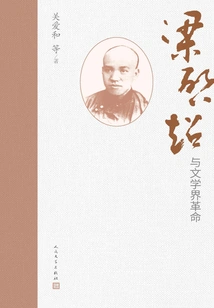
Liang Qichao and the Literary Revolution
Literature梁启超与文学界革命
Care And Wait
In the early 20th century, the figure with the most outstanding achievements and influence in Chinese intellectual and literary history must be Liang Qichao. In January 1929, this all-powerful cultural master in modern Chinese history passed away. Domestic cultural celebrities recalled his life of supporting the reform and experiencing successes and failures. The most highly praised was Liang's contribution to saving the country as a scholar and reviving the people through literature. Liang Qichao was the leader of China's ideological enlightenment movement in the early 20th century and the instigator of the revolution in the literary world. This book contains six chapters: "Liang Qichao's Theory and Practice of Literary Revolution", "Literary Revolution and New Styles", "Poetry Revolution and New Poetry", "Novel Revolution and New Novels", "Drama Revolution and Reformed New Drama", "Liang Qichao and the Translation of Late Qing Literature", "Literary Revolution and the 'May Fourth' New Literature'", etc., Which comprehensively presents Liang Qichao and the development and transformation of Chinese literature in the 20th century.
In the early 20th century, the figure with the most outstanding achievements and influence in Chinese intellectual and literary history must be Liang Qichao. In January 1929, this all-powerful cultural master in modern Chinese history passed away. Domestic cultural celebrities recalled his life of supporting the reform and experiencing successes and failures. The most highly praised was Liang's contribution to saving the country as a scholar and reviving the people through literature. Liang Qichao was the leader of China's ideological enlightenment movement in the early 20th century and the instigator of the revolution in the literary world. This book contains six chapters: "Liang Qichao's Theory and Practice of Literary Revolution", "Literary Revolution and New Styles", "Poetry Revolution and New Poetry", "Novel Revolution and New Novels", "Drama Revolution and Reformed New Drama", "Liang Qichao and the Translation of Late Qing Literature", "Literary Revolution and the 'May Fourth' New Literature'", etc., Which comprehensively presents Liang Qichao and the development and transformation of Chinese literature in the 20th century.
Jin Kemu's Prose
Literature金克木散文
Jin Kemu
Jin Kemu, poet, essayist, translator and scholar. He has deep research on Sanskrit and Indian culture. Together with Ji Xianlin, Zhang Zhongxing and Deng Guangming, they were once known as the "Four Elders of Yanyuan". He wrote many books throughout his life, such as the academic works "History of Sanskrit Literature", "Collection of Indian Culture", "Collection of Old Learning and New Knowledge", translated works such as "Gaul-German Customs", "Selected Ancient Poems of India", "Three Hundred Verses to Hari", poetry collections "Bat Collection", "Rain and Snow Collection", novel collections "Old Nest Traces", "Unforgettable Shadow", essay collections "Old Things in Tianzhu", "Collecting Mud from Swallow's Mouth", "Bookstore Monologues" and so on. This book is a selected collection of Jin Kemu's prose, and is included in the Prose Collection Series of Modern and Contemporary Chinese Famous Masters. Xie Mian, professor of the Chinese Department of Peking University, once commented: "It is generally appropriate to say that the style of Jin Kemu's prose is a reflection of his personal style. ... Wisdom, humor and calmness. Reading Jin Kemu makes people feel calm and have a kind of enlightenment. But it is not far away from the world..."
Jin Kemu, poet, essayist, translator and scholar. He has deep research on Sanskrit and Indian culture. Together with Ji Xianlin, Zhang Zhongxing and Deng Guangming, they were once known as the "Four Elders of Yanyuan". He wrote many books throughout his life, such as the academic works "History of Sanskrit Literature", "Collection of Indian Culture", "Collection of Old Learning and New Knowledge", translated works such as "Gaul-German Customs", "Selected Ancient Poems of India", "Three Hundred Verses to Hari", poetry collections "Bat Collection", "Rain and Snow Collection", novel collections "Old Nest Traces", "Unforgettable Shadow", essay collections "Old Things in Tianzhu", "Collecting Mud from Swallow's Mouth", "Bookstore Monologues" and so on. This book is a selected collection of Jin Kemu's prose, and is included in the Prose Collection Series of Modern and Contemporary Chinese Famous Masters. Xie Mian, professor of the Chinese Department of Peking University, once commented: "It is generally appropriate to say that the style of Jin Kemu's prose is a reflection of his personal style. ... Wisdom, humor and calmness. Reading Jin Kemu makes people feel calm and have a kind of enlightenment. But it is not far away from the world..."
明诗选(修订版)
Selected Notes By Du Guichen
The Ming Dynasty was an important period for the development of Chinese classical poetry. In the past three hundred years, Ming Dynasty poetry experienced many changes. Among them, the theoretical proposition of learning Tang poetry was particularly prominent. The "Seven Sons" even put forward the slogan "Poetry must flourish in the Tang Dynasty". However, due to being too rigid, their creative achievements fell into the mold of the Tang people, and their achievements were not outstanding. By the late Ming Dynasty, poetry creation showed a diversified landscape, which was a reflection on retro thought. The above is an overall evaluation from the perspective of literary history, but in terms of specific works, there are still many excellent works of poetry in the Ming Dynasty. "Selected Poems of the Ming Dynasty" selects 199 people from the Ming Dynasty, 562 titles, and 590 poems. The book not only presents the style of Ming poetry and the artistic achievements of Ming poetry in a relatively complete manner, but also selects and annotates the classics, which is extremely beneficial to expanding readers' reading horizons.
The Ming Dynasty was an important period for the development of Chinese classical poetry. In the past three hundred years, Ming Dynasty poetry experienced many changes. Among them, the theoretical proposition of learning Tang poetry was particularly prominent. The "Seven Sons" even put forward the slogan "Poetry must flourish in the Tang Dynasty". However, due to being too rigid, their creative achievements fell into the mold of the Tang people, and their achievements were not outstanding. By the late Ming Dynasty, poetry creation showed a diversified landscape, which was a reflection on retro thought. The above is an overall evaluation from the perspective of literary history, but in terms of specific works, there are still many excellent works of poetry in the Ming Dynasty. "Selected Poems of the Ming Dynasty" selects 199 people from the Ming Dynasty, 562 titles, and 590 poems. The book not only presents the style of Ming poetry and the artistic achievements of Ming poetry in a relatively complete manner, but also selects and annotates the classics, which is extremely beneficial to expanding readers' reading horizons.
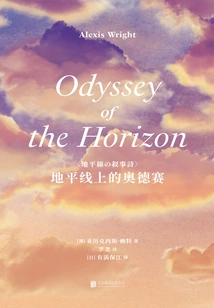
Odyssey on the Horizon
Literature地平线上的奥德赛
(australia) Alexis Wright
The narrator stands as a spokesman for an indigenous nation that has been overrun and abused by imperialist colonizers. He recalls the deep beauty of his homeland in a lyrical and stream-of-consciousness way, and accuses imperialists and chauvinists, mainly in the Western world, of exploiting and alienating the simple creatures of this nation. When the indigenous civilization met the Western civilization, under the strong impact of the economy, military, technology and civilization of the Western industrial civilization, the indigenous civilization retreated and died. People were forced to leave their homeland, their familiar production methods and daily routines, and go to the Western civilized world to earn wages and make a living. While describing this change, the author also brings up a global dilemma we are facing today: forced migration.
The narrator stands as a spokesman for an indigenous nation that has been overrun and abused by imperialist colonizers. He recalls the deep beauty of his homeland in a lyrical and stream-of-consciousness way, and accuses imperialists and chauvinists, mainly in the Western world, of exploiting and alienating the simple creatures of this nation. When the indigenous civilization met the Western civilization, under the strong impact of the economy, military, technology and civilization of the Western industrial civilization, the indigenous civilization retreated and died. People were forced to leave their homeland, their familiar production methods and daily routines, and go to the Western civilized world to earn wages and make a living. While describing this change, the author also brings up a global dilemma we are facing today: forced migration.
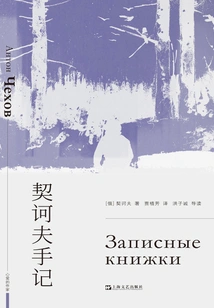
Chekhov's Notes
Literature契诃夫手记
I
Chekhov had many notebooks, which contained momentary feelings he jotted down in his life, rough drafts, sketches of future works, reading experiences, and best practices copied from other writers' books. The notes are not only a memorandum of his literary creation, but also an index of his mature works. Ten years after his death, his wife Knibil made the "Chekhov's Notes" after rigorous selection and organization and made it public. Woolf's husband Leonard once co-translated "Notes" into English and published it. The Chinese translation was first released in 1953. With the fate of the translator Jia Zhifang, it was buried in the library for nearly thirty years until it was reprinted in 1982. In his words, the fate of this translation was also the fate of his life.
Chekhov had many notebooks, which contained momentary feelings he jotted down in his life, rough drafts, sketches of future works, reading experiences, and best practices copied from other writers' books. The notes are not only a memorandum of his literary creation, but also an index of his mature works. Ten years after his death, his wife Knibil made the "Chekhov's Notes" after rigorous selection and organization and made it public. Woolf's husband Leonard once co-translated "Notes" into English and published it. The Chinese translation was first released in 1953. With the fate of the translator Jia Zhifang, it was buried in the library for nearly thirty years until it was reprinted in 1982. In his words, the fate of this translation was also the fate of his life.
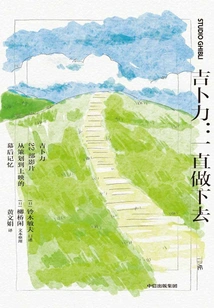
Ghibli: Keep Doing It
Literature吉卜力:一直做下去
(japanese) Oral Narration By Toshio Suzuki And Edited By Yanagi Hashi
If Hayao Miyazaki and Isao Takahata each hold up half of Ghibli's sky, then the one who is familiar with the whole sky must be their mutual friend and producer, Toshio Suzuki. As the first president and current chairman producer of Ghibli after its independence, Toshio Suzuki has been responsible for the production of most Ghibli works such as "Spirited Away", "A Fairytale of Time", "Porco Rosso", "Howl's Moving Castle" and "The Wind Rises". He also personally writes copywriting and leads publicity, carrying countless behind-the-scenes memories of Ghibli. In this book, he uses the year as a track to tell the behind-the-scenes memories of a total of 22 Ghibli theatrical animations in the past 30 years. From "Nausicaa of the Valley of the Wind" to "The Red Turtle", you can not only understand how they were born, but also how they came to you through promotion and distribution.
If Hayao Miyazaki and Isao Takahata each hold up half of Ghibli's sky, then the one who is familiar with the whole sky must be their mutual friend and producer, Toshio Suzuki. As the first president and current chairman producer of Ghibli after its independence, Toshio Suzuki has been responsible for the production of most Ghibli works such as "Spirited Away", "A Fairytale of Time", "Porco Rosso", "Howl's Moving Castle" and "The Wind Rises". He also personally writes copywriting and leads publicity, carrying countless behind-the-scenes memories of Ghibli. In this book, he uses the year as a track to tell the behind-the-scenes memories of a total of 22 Ghibli theatrical animations in the past 30 years. From "Nausicaa of the Valley of the Wind" to "The Red Turtle", you can not only understand how they were born, but also how they came to you through promotion and distribution.
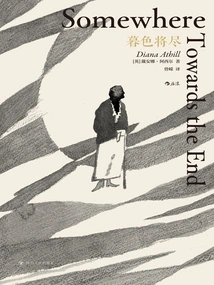
Dusk is Coming to an End
Literature暮色将尽
(british) Diana Acier
"Twilight" is Diana Asier's masterpiece. It has won many awards such as the Costa Biography Award and the National Book Critics Circle Award. It is an essay about her old life written when she was approaching 90 years old. It is frank, open-minded and interesting. She talked about the various changes in old age, mixed with memories of her past life. She generously recalled several of her love histories, confessed her indifference to missing her motherhood, and honestly faced the pain of old age. However, she still talked passionately about the new experiences gained in gardening, painting, reading, writing, etc. Overall, Asir shows us a very unique female sample, allowing us to see how an ordinary intellectual woman maintains her independent self in dealing with the world, and finally faces aging and the end of life calmly.
"Twilight" is Diana Asier's masterpiece. It has won many awards such as the Costa Biography Award and the National Book Critics Circle Award. It is an essay about her old life written when she was approaching 90 years old. It is frank, open-minded and interesting. She talked about the various changes in old age, mixed with memories of her past life. She generously recalled several of her love histories, confessed her indifference to missing her motherhood, and honestly faced the pain of old age. However, she still talked passionately about the new experiences gained in gardening, painting, reading, writing, etc. Overall, Asir shows us a very unique female sample, allowing us to see how an ordinary intellectual woman maintains her independent self in dealing with the world, and finally faces aging and the end of life calmly.
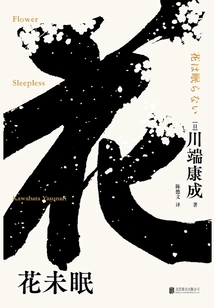
R
LiteratureR
G
"Flowers Never Sleep" selects Kawabata Yasunari's fine prose, including "Flowers Never Sleep", "Sorrow", "The Beauty of Japanese Literature", etc. Kawabata Yasunari's delicate sensitivity is reflected in his observation of life details, and his aesthetic thoughts are also hidden in many essays. This collection of essays presents Kawabata's aesthetic thoughts and the essence of oriental Japanese aesthetics.
"Flowers Never Sleep" selects Kawabata Yasunari's fine prose, including "Flowers Never Sleep", "Sorrow", "The Beauty of Japanese Literature", etc. Kawabata Yasunari's delicate sensitivity is reflected in his observation of life details, and his aesthetic thoughts are also hidden in many essays. This collection of essays presents Kawabata's aesthetic thoughts and the essence of oriental Japanese aesthetics.
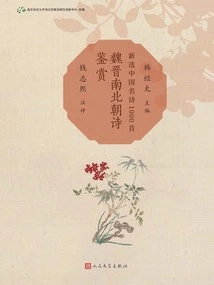
魏晋南北朝诗鉴赏
Editor-in-chief Han Jingtai Commentary By Qian Zhixi
The "1000 Newly Selected Chinese Famous Poems" series is edited by Han Jingtai, a distinguished professor at Beijing Language and Culture University, and written by famous contemporary scholars Zhao Minli, Qian Zhixi, Ge Xiaoyin, Mo Lizhen, Zhang Jing, Zuo Dongling, Jiang Yin, and Zhang Fugui , the author uses dynasties as the basic unit, selects 1,000 famous poems from the vast history of Chinese poetry, and provides detailed annotations and wonderful appreciation to help readers appreciate the ideological connotation and artistic characteristics of Chinese poetry. "Appreciation of Poems of the Wei, Jin, Southern and Northern Dynasties" was compiled and annotated by Mr. Qian Zhixi, a famous professor of the Chinese Department of Peking University. This book contains 100 selected poems, covering the essence of poetry in this historical period. The author's brief analysis is particularly wonderful, which can well guide ordinary readers to appreciate the artistic style of five-character poems, Yuefu poems and other works in the medieval period.
The "1000 Newly Selected Chinese Famous Poems" series is edited by Han Jingtai, a distinguished professor at Beijing Language and Culture University, and written by famous contemporary scholars Zhao Minli, Qian Zhixi, Ge Xiaoyin, Mo Lizhen, Zhang Jing, Zuo Dongling, Jiang Yin, and Zhang Fugui , the author uses dynasties as the basic unit, selects 1,000 famous poems from the vast history of Chinese poetry, and provides detailed annotations and wonderful appreciation to help readers appreciate the ideological connotation and artistic characteristics of Chinese poetry. "Appreciation of Poems of the Wei, Jin, Southern and Northern Dynasties" was compiled and annotated by Mr. Qian Zhixi, a famous professor of the Chinese Department of Peking University. This book contains 100 selected poems, covering the essence of poetry in this historical period. The author's brief analysis is particularly wonderful, which can well guide ordinary readers to appreciate the artistic style of five-character poems, Yuefu poems and other works in the medieval period.
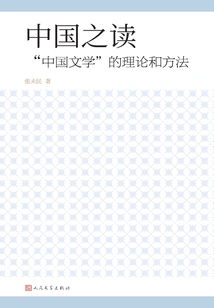
中国之读:“中国文学”的理论和方法
Zhang Weimin
This book is a selection of the author's literary research and literary criticism papers in recent years. Focusing on the construction and exploration of "Chinese discourse" in literary theory and criticism, starting from exploring the connotation of the concept of "China", it made an enlightening preliminary exploration of the theory, structure and methods of "Chinese literature" itself, and proposed the idea of establishing "Chinese literature" at the combination of Chinese literary history and literary theory; exploring China The ideological and historical connotation of the concept of "life" in context has launched a preliminary explanation and discussion of the "life theory of literary aesthetics" in the new century; in terms of macro research and criticism of literature in the new century, the theoretical perspective of China's "new modernity" has been adopted to initially sort out the development characteristics, main trends of thought and context of Chinese literature since the new century. The academic vision is broad, close to the reality of Chinese literature, rich in content and useful inspiration.
This book is a selection of the author's literary research and literary criticism papers in recent years. Focusing on the construction and exploration of "Chinese discourse" in literary theory and criticism, starting from exploring the connotation of the concept of "China", it made an enlightening preliminary exploration of the theory, structure and methods of "Chinese literature" itself, and proposed the idea of establishing "Chinese literature" at the combination of Chinese literary history and literary theory; exploring China The ideological and historical connotation of the concept of "life" in context has launched a preliminary explanation and discussion of the "life theory of literary aesthetics" in the new century; in terms of macro research and criticism of literature in the new century, the theoretical perspective of China's "new modernity" has been adopted to initially sort out the development characteristics, main trends of thought and context of Chinese literature since the new century. The academic vision is broad, close to the reality of Chinese literature, rich in content and useful inspiration.
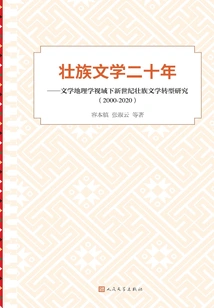
壮族文学二十年:文学地理学视域下新世纪壮族文学转型研究(2000-2020)
Rong Benzhen Et Al.
This book mainly studies and interprets the occurrence and development of Zhuang writers' creations from the perspective of literary geography, and deeply explores the distinctive magnanimity, style and characteristics of contemporary Zhuang literature in the literary environment of Guangxi and even China. Using literary geography as the theoretical background, this paper examines the birthplace, study tours, residences and their relationship with creation of Zhuang writers, examines the cultural causes of the convergence, formation, and development of the Zhuang writers group, explores the cultural motivation for Zhuang literature to shine in the new century, and examines Zhuang writers within the historical and cultural background and tradition of Chinese literary research. It explores how Zhuang writers established their own subjectivity, nationality, and contributions to national literature, cultural construction, and Chinese literary history through transformational creation in the new century.
This book mainly studies and interprets the occurrence and development of Zhuang writers' creations from the perspective of literary geography, and deeply explores the distinctive magnanimity, style and characteristics of contemporary Zhuang literature in the literary environment of Guangxi and even China. Using literary geography as the theoretical background, this paper examines the birthplace, study tours, residences and their relationship with creation of Zhuang writers, examines the cultural causes of the convergence, formation, and development of the Zhuang writers group, explores the cultural motivation for Zhuang literature to shine in the new century, and examines Zhuang writers within the historical and cultural background and tradition of Chinese literary research. It explores how Zhuang writers established their own subjectivity, nationality, and contributions to national literature, cultural construction, and Chinese literary history through transformational creation in the new century.
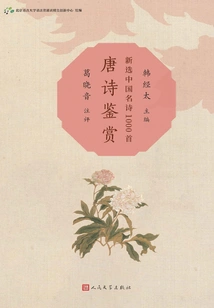
Appreciation of Tang Poetry
Literature唐诗鉴赏
Editor-in-chief Han Jingtai With Commentary By Ge Xiaoyin
The "Newly Selected 1,000 Famous Chinese Poems" series is edited by Han Jingtai, a distinguished professor at Beijing Language and Culture University, and written by famous contemporary scholars Zhao Minli, Qian Zhixi, Ge Xiaoyin, Mo Lizhen, Zhang Jing, Zuo Dongling, Jiang Yin, and Zhang Fugui. It selects 1,000 famous poems from the vast history of Chinese poetry, provides detailed annotations and wonderful appreciation, and helps readers appreciate the ideological connotation and artistic characteristics of Chinese poetry. The Tang Dynasty part was written by Ge Xiaoyin, a famous professor in the Chinese Department of Peking University.
The "Newly Selected 1,000 Famous Chinese Poems" series is edited by Han Jingtai, a distinguished professor at Beijing Language and Culture University, and written by famous contemporary scholars Zhao Minli, Qian Zhixi, Ge Xiaoyin, Mo Lizhen, Zhang Jing, Zuo Dongling, Jiang Yin, and Zhang Fugui. It selects 1,000 famous poems from the vast history of Chinese poetry, provides detailed annotations and wonderful appreciation, and helps readers appreciate the ideological connotation and artistic characteristics of Chinese poetry. The Tang Dynasty part was written by Ge Xiaoyin, a famous professor in the Chinese Department of Peking University.
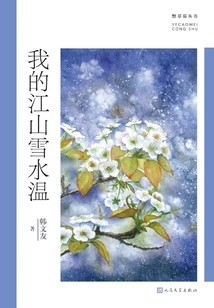
我的江山雪水温
Korean Friends
In the collection of essays by writer Han Wenyou, in the warmth of "my" mountains, rivers, snow and water, nostalgia is like the heart of the sky and the bright moon pointing directly at people's hearts. The clock turns slowly, and memories appear through forgetfulness, past stories that confirm the existence of life. Hometown enters the text before meaning, and the Korean writer's writing is full of emotions to the point of overload. The details are trivial but abundant, and hometown is equal to poetry. Everything is beautiful, and I am in the center. The writer's love for the warmth of snow and water is like the moonlight in his palm, which is deplorable. He went further and further on his way back home. On the way to defend simplicity and authenticity, he ran towards prosperity and vanity. The only thing that this vast landscape can do is to comfort a stranger coming towards you, how to coexist with loneliness in the afternoon, even if it is surrounded by thin cold, your heart is like grass and trees, growing towards warmth.
In the collection of essays by writer Han Wenyou, in the warmth of "my" mountains, rivers, snow and water, nostalgia is like the heart of the sky and the bright moon pointing directly at people's hearts. The clock turns slowly, and memories appear through forgetfulness, past stories that confirm the existence of life. Hometown enters the text before meaning, and the Korean writer's writing is full of emotions to the point of overload. The details are trivial but abundant, and hometown is equal to poetry. Everything is beautiful, and I am in the center. The writer's love for the warmth of snow and water is like the moonlight in his palm, which is deplorable. He went further and further on his way back home. On the way to defend simplicity and authenticity, he ran towards prosperity and vanity. The only thing that this vast landscape can do is to comfort a stranger coming towards you, how to coexist with loneliness in the afternoon, even if it is surrounded by thin cold, your heart is like grass and trees, growing towards warmth.
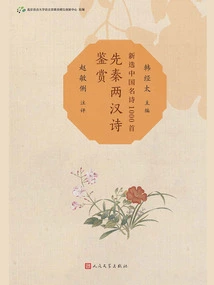
先秦两汉诗鉴赏
Editor-in-chief Han Jingtai Commentary By Zhao Minli
The "Newly Selected 1,000 Famous Chinese Poems" series is edited by Han Jingtai, a distinguished professor at Beijing Language and Culture University, and written by famous contemporary scholars Zhao Minli, Qian Zhixi, Ge Xiaoyin, Mo Lizhen, Zhang Jing, Zuo Dongling, Jiang Yin, and Zhang Fugui. It selects 1,000 famous poems from the vast sea of Chinese poetry, provides detailed annotations and wonderful appreciation, and helps readers appreciate the ideological connotation and artistic characteristics of Chinese poetry. The part about Pre-Qin and Han Dynasties was written by Zhao Minli, a professor at Capital Normal University. The book contains 100 selected poems, including six parts: ancient ballads, "The Book of Songs", "Chu Ci", Yuefu poems of the Han Dynasty, literati poems of the Han Dynasty, and unknown poems of the Han Dynasty. The author selects representative early Chinese poetry works and provides refined annotations and appreciations. Sometimes he adds some simple cultural knowledge introductions so that readers can deepen their understanding of these poems from a historical and cultural perspective.
The "Newly Selected 1,000 Famous Chinese Poems" series is edited by Han Jingtai, a distinguished professor at Beijing Language and Culture University, and written by famous contemporary scholars Zhao Minli, Qian Zhixi, Ge Xiaoyin, Mo Lizhen, Zhang Jing, Zuo Dongling, Jiang Yin, and Zhang Fugui. It selects 1,000 famous poems from the vast sea of Chinese poetry, provides detailed annotations and wonderful appreciation, and helps readers appreciate the ideological connotation and artistic characteristics of Chinese poetry. The part about Pre-Qin and Han Dynasties was written by Zhao Minli, a professor at Capital Normal University. The book contains 100 selected poems, including six parts: ancient ballads, "The Book of Songs", "Chu Ci", Yuefu poems of the Han Dynasty, literati poems of the Han Dynasty, and unknown poems of the Han Dynasty. The author selects representative early Chinese poetry works and provides refined annotations and appreciations. Sometimes he adds some simple cultural knowledge introductions so that readers can deepen their understanding of these poems from a historical and cultural perspective.
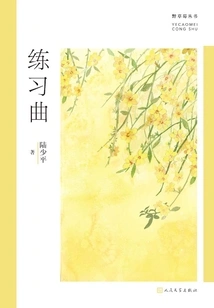
Etude
Literature练习曲
Lu Shaoping
"Etudes" is the fourth collection of poems by female poet Lu Shaoping. The collection of poems includes nearly a hundred of her recent works, such as "Glassware", "Perfume", "Smiling Day", "The Snow Finally Falls", "Autumn Meditation", "Mobile Phone", etc. These poems use daily life as the grand narrative and lyrical background, and give ordinary life a touch of color and poetry with their fresh, magnificent, clean and ethereal poems with far-reaching artistic conception, just like those flowers in the garden that bloom at the touch of a finger, and are surrounded by fragrance on the road passing by. The poems are rich in content and delicate in expression, and always maintain the poet's consistent pure, sincere, simple and restrained artistic style. Many of his poems have been rated as outstanding works of the year.
"Etudes" is the fourth collection of poems by female poet Lu Shaoping. The collection of poems includes nearly a hundred of her recent works, such as "Glassware", "Perfume", "Smiling Day", "The Snow Finally Falls", "Autumn Meditation", "Mobile Phone", etc. These poems use daily life as the grand narrative and lyrical background, and give ordinary life a touch of color and poetry with their fresh, magnificent, clean and ethereal poems with far-reaching artistic conception, just like those flowers in the garden that bloom at the touch of a finger, and are surrounded by fragrance on the road passing by. The poems are rich in content and delicate in expression, and always maintain the poet's consistent pure, sincere, simple and restrained artistic style. Many of his poems have been rated as outstanding works of the year.
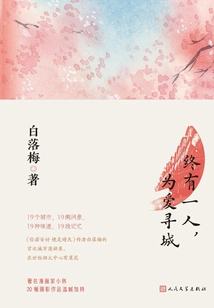
终有一人,为爱寻城
Bai Luomei
This book is a new book by best-selling author Bai Luomei. She uses beautiful writing to record the scenery, people, food, beauty, history and culture of the nineteen cities she has traveled to. These cities include Hangzhou, Suzhou, Yangzhou, Wuhan, Chengdu, Luoyang, Xi'an, etc., Making people feel like they are there and smell the fragrance. These cities are no strangers to readers, which further tests the author's writing skills. She strives to create an atmosphere in the city where ancient and modern times meet, where prosperity and loneliness intertwine, and permeates a kind of ancient literati-style values that are free and casual, optimistic and indifferent, and gives cultural travel notes new historical and contemporary connotations. Readers can follow her pen to visit familiar scenery and discover fresh information.
This book is a new book by best-selling author Bai Luomei. She uses beautiful writing to record the scenery, people, food, beauty, history and culture of the nineteen cities she has traveled to. These cities include Hangzhou, Suzhou, Yangzhou, Wuhan, Chengdu, Luoyang, Xi'an, etc., Making people feel like they are there and smell the fragrance. These cities are no strangers to readers, which further tests the author's writing skills. She strives to create an atmosphere in the city where ancient and modern times meet, where prosperity and loneliness intertwine, and permeates a kind of ancient literati-style values that are free and casual, optimistic and indifferent, and gives cultural travel notes new historical and contemporary connotations. Readers can follow her pen to visit familiar scenery and discover fresh information.
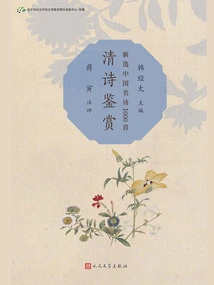
Appreciation of Qing Dynasty Poetry
Literature清诗鉴赏
Editor-in-chief Han Jingtai With Comments By Jiang Yin
The "Newly Selected 1,000 Famous Chinese Poems" series is edited by Han Jingtai, a distinguished professor at Beijing Language and Culture University, and written by famous contemporary scholars Zhao Minli, Qian Zhixi, Ge Xiaoyin, Mo Lizhen, Zhang Jing, Zuo Dongling, Jiang Yin, and Zhang Fugui. It selects 1,000 famous poems from the vast history of Chinese poetry, provides detailed annotations and wonderful appreciation, and helps readers appreciate the ideological connotation and artistic characteristics of Chinese poetry. The Qing Dynasty part was written by Jiang Yin, a famous professor at South China Normal University. Mr. Jiang Yin enjoys a high reputation in the field of Qing poetry research and has published many important works on Qing poetry.
The "Newly Selected 1,000 Famous Chinese Poems" series is edited by Han Jingtai, a distinguished professor at Beijing Language and Culture University, and written by famous contemporary scholars Zhao Minli, Qian Zhixi, Ge Xiaoyin, Mo Lizhen, Zhang Jing, Zuo Dongling, Jiang Yin, and Zhang Fugui. It selects 1,000 famous poems from the vast history of Chinese poetry, provides detailed annotations and wonderful appreciation, and helps readers appreciate the ideological connotation and artistic characteristics of Chinese poetry. The Qing Dynasty part was written by Jiang Yin, a famous professor at South China Normal University. Mr. Jiang Yin enjoys a high reputation in the field of Qing poetry research and has published many important works on Qing poetry.
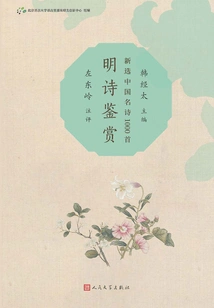
Appreciation of Ming Poetry
Literature明诗鉴赏
Editor-in-chief Han Jingtai Commentary By Zuo Dongling
The "Newly Selected 1,000 Famous Chinese Poems" series is edited by Han Jingtai, a distinguished professor at Beijing Language and Culture University, and written by famous contemporary scholars Zhao Minli, Qian Zhixi, Ge Xiaoyin, Mo Lizhen, Zhang Jing, Zuo Dongling, Jiang Yin, and Zhang Fugui. It selects 1,000 famous poems from the vast history of Chinese poetry, provides detailed annotations and wonderful appreciation, and helps readers appreciate the ideological connotation and artistic characteristics of Chinese poetry. The Ming Dynasty part was written by Zuo Dongling, a famous professor at the School of Liberal Arts of Capital Normal University. Mr. Zuo Dongling has been deeply engaged in the field of Ming Dynasty literature research for many years and has published many important works on Ming Dynasty literature.
The "Newly Selected 1,000 Famous Chinese Poems" series is edited by Han Jingtai, a distinguished professor at Beijing Language and Culture University, and written by famous contemporary scholars Zhao Minli, Qian Zhixi, Ge Xiaoyin, Mo Lizhen, Zhang Jing, Zuo Dongling, Jiang Yin, and Zhang Fugui. It selects 1,000 famous poems from the vast history of Chinese poetry, provides detailed annotations and wonderful appreciation, and helps readers appreciate the ideological connotation and artistic characteristics of Chinese poetry. The Ming Dynasty part was written by Zuo Dongling, a famous professor at the School of Liberal Arts of Capital Normal University. Mr. Zuo Dongling has been deeply engaged in the field of Ming Dynasty literature research for many years and has published many important works on Ming Dynasty literature.
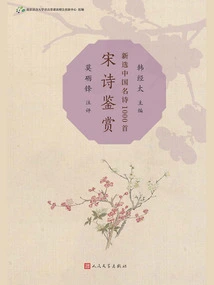
Appreciation of Song Poetry
Literature宋诗鉴赏
Editor-in-chief Han Jingtai Commentary By Mo Lifeng
The "Newly Selected 1,000 Famous Chinese Poems" series is edited by Han Jingtai, a distinguished professor at Beijing Language and Culture University, and written by famous contemporary scholars Zhao Minli, Qian Zhixi, Ge Xiaoyin, Mo Lizhen, Zhang Jing, Zuo Dongling, Jiang Yin, and Zhang Fugui. It selects 1,000 famous poems from the vast history of Chinese poetry, provides detailed annotations and wonderful appreciation, and helps readers appreciate the ideological connotation and artistic characteristics of Chinese poetry. The Song Dynasty part was written by Mo Lifeng, a senior professor of liberal arts at Nanjing University.
The "Newly Selected 1,000 Famous Chinese Poems" series is edited by Han Jingtai, a distinguished professor at Beijing Language and Culture University, and written by famous contemporary scholars Zhao Minli, Qian Zhixi, Ge Xiaoyin, Mo Lizhen, Zhang Jing, Zuo Dongling, Jiang Yin, and Zhang Fugui. It selects 1,000 famous poems from the vast history of Chinese poetry, provides detailed annotations and wonderful appreciation, and helps readers appreciate the ideological connotation and artistic characteristics of Chinese poetry. The Song Dynasty part was written by Mo Lifeng, a senior professor of liberal arts at Nanjing University.
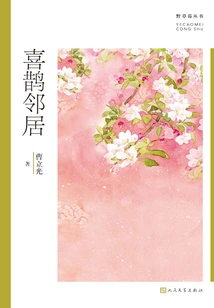
Magpie Neighbor
Literature喜鹊邻居
Cao Liguang
"Magpie Neighbors" is Cao Liguang's third collection of poems. The collection includes urban-themed poems published by the poet in professional poetry magazines and literary journals at all levels such as "Poetry Magazine", "Stars", "Thatched Cottage", "Poem Forest", "Poetry Tide", "Green Wind", "Yangtze River", "Chinese Poets", "Chinese Poetry" and other professional poetry magazines and literary journals at all levels. The poet takes his residence - Daqing, a new industrial city that was born and prospered because of oil and was founded just over 40 years ago as the main line of his creation. With keen observation, unique vision and perspective, the poet placed himself at the scene of the poem and wrote about the social style and humanistic sentiments of the era in which this immigrant city lived from different levels. The language of the poem is soothing, thick, and simple, and the poet's compassion, care, conscience, responsibility, perseverance, yearning, and awe are reflected between the lines. It better grasps the pulse of the times and demonstrates the poet's infinite love for life.
"Magpie Neighbors" is Cao Liguang's third collection of poems. The collection includes urban-themed poems published by the poet in professional poetry magazines and literary journals at all levels such as "Poetry Magazine", "Stars", "Thatched Cottage", "Poem Forest", "Poetry Tide", "Green Wind", "Yangtze River", "Chinese Poets", "Chinese Poetry" and other professional poetry magazines and literary journals at all levels. The poet takes his residence - Daqing, a new industrial city that was born and prospered because of oil and was founded just over 40 years ago as the main line of his creation. With keen observation, unique vision and perspective, the poet placed himself at the scene of the poem and wrote about the social style and humanistic sentiments of the era in which this immigrant city lived from different levels. The language of the poem is soothing, thick, and simple, and the poet's compassion, care, conscience, responsibility, perseverance, yearning, and awe are reflected between the lines. It better grasps the pulse of the times and demonstrates the poet's infinite love for life.
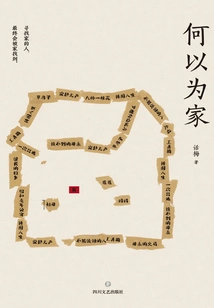
Why Call Home
Literature何以为家
Hua Mei
This book collects 12 non-fiction stories by Hua Mei, which faithfully records an atypical family that embodies today's rural areas in many aspects: a weak but honest father, a mother bought for 600 yuan, and an adopted abandoned baby daughter, "I". The father was weak, never received maternal love in his life, and suffered the hardships of failure, but he insisted that "girls must also study" and changed "my" destiny; the mother was timid and was "sold" three times in her life. The time she succeeded in escaping, she voluntarily returned for "me", a daughter who was not her biological daughter; fate was cruel, but the village in the novel is still beautiful. The home they pieced together eventually fell apart, but the word "home" has been reinterpreted by them. After reading it, the question of "what to call home" is left in people's minds.
This book collects 12 non-fiction stories by Hua Mei, which faithfully records an atypical family that embodies today's rural areas in many aspects: a weak but honest father, a mother bought for 600 yuan, and an adopted abandoned baby daughter, "I". The father was weak, never received maternal love in his life, and suffered the hardships of failure, but he insisted that "girls must also study" and changed "my" destiny; the mother was timid and was "sold" three times in her life. The time she succeeded in escaping, she voluntarily returned for "me", a daughter who was not her biological daughter; fate was cruel, but the village in the novel is still beautiful. The home they pieced together eventually fell apart, but the word "home" has been reinterpreted by them. After reading it, the question of "what to call home" is left in people's minds.
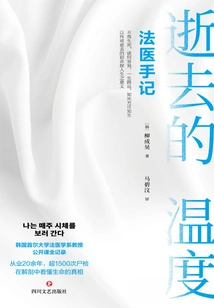
Passing Temperature: Forensic Notes
Literature逝去的温度:法医手记
(korean) Yoo Seong-ho
"The Passing Temperature: Forensic Notes" is a complete record of the forensic career of Yoo Seong-ho, a professor at the Department of Forensic Medicine at Seoul National University in South Korea, who has been practicing for more than 20 years. The author has conducted more than 1,500 autopsies and understood the truth of life during the autopsy, and has unique thoughts and insights on death and the meaning of life. In this book, the author talks about forensic science from the perspective of humanistic care, introduces basic forensic science knowledge, and discusses many issues about death and life, including euthanasia, death with dignity, life-extending medical treatment, brain death, the possibility of artificial termination of life, the psychology that leads to suicide, and many other sharp issues. Many bizarre cases in the book are also particularly thought-provoking. Corpses do not lie, and forensic doctors unearth the truth buried in lies. This is the "book of life" that everyone must read, and it is also an adult version of a death education book. This book guides readers to think deeply - everyone is mortal, and how do we live towards death.
"The Passing Temperature: Forensic Notes" is a complete record of the forensic career of Yoo Seong-ho, a professor at the Department of Forensic Medicine at Seoul National University in South Korea, who has been practicing for more than 20 years. The author has conducted more than 1,500 autopsies and understood the truth of life during the autopsy, and has unique thoughts and insights on death and the meaning of life. In this book, the author talks about forensic science from the perspective of humanistic care, introduces basic forensic science knowledge, and discusses many issues about death and life, including euthanasia, death with dignity, life-extending medical treatment, brain death, the possibility of artificial termination of life, the psychology that leads to suicide, and many other sharp issues. Many bizarre cases in the book are also particularly thought-provoking. Corpses do not lie, and forensic doctors unearth the truth buried in lies. This is the "book of life" that everyone must read, and it is also an adult version of a death education book. This book guides readers to think deeply - everyone is mortal, and how do we live towards death.
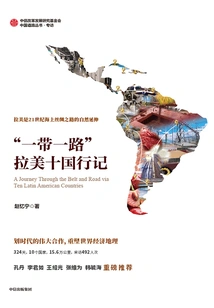
“一带一路”拉美十国行记
Zhao Yining
This is a very special documentary work in the form of a diary. Latin America and the Caribbean are included in the layout of major-country diplomacy with Chinese characteristics in the new era and are an important part of China's efforts to build a global circle of friends and cooperation network in the historical process of realizing the great rejuvenation of the Chinese nation. This book begins with the "Research Report on the Extension of the "One Belt and One Road" to Latin America", which provides a high-level summary of important issues such as how the "One Belt and One Road" extends to Latin America and how the "One Belt and One Road" reshapes the world's economic geography. The author traveled 156,000 kilometers from Tijuana, Mexico, at the northern end of Latin America and the Caribbean, to the Perito Moreno Glacier in Argentina at the southern end. During the 324 days of investigation in Latin America, the author went deep into the front lines of 130 Chinese investment, mergers and acquisitions, construction and operation projects in ten Latin American countries, and conducted face-to-face interviews with 492 people, including the presidents of the host countries, senior government officials, project investors, and even ordinary people. The author vividly and concretely presented the epoch-making great cooperation and win-win situation between China and Latin America in the form of a diary with pictures and texts.
This is a very special documentary work in the form of a diary. Latin America and the Caribbean are included in the layout of major-country diplomacy with Chinese characteristics in the new era and are an important part of China's efforts to build a global circle of friends and cooperation network in the historical process of realizing the great rejuvenation of the Chinese nation. This book begins with the "Research Report on the Extension of the "One Belt and One Road" to Latin America", which provides a high-level summary of important issues such as how the "One Belt and One Road" extends to Latin America and how the "One Belt and One Road" reshapes the world's economic geography. The author traveled 156,000 kilometers from Tijuana, Mexico, at the northern end of Latin America and the Caribbean, to the Perito Moreno Glacier in Argentina at the southern end. During the 324 days of investigation in Latin America, the author went deep into the front lines of 130 Chinese investment, mergers and acquisitions, construction and operation projects in ten Latin American countries, and conducted face-to-face interviews with 492 people, including the presidents of the host countries, senior government officials, project investors, and even ordinary people. The author vividly and concretely presented the epoch-making great cooperation and win-win situation between China and Latin America in the form of a diary with pictures and texts.
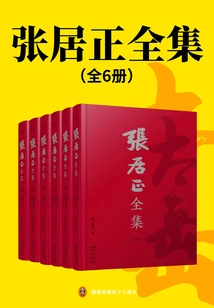
张居正全集(全6册)
Zhang Juzheng
"The Complete Works of Zhang Juzheng" contains a total of 6 kinds of Zhang Juzheng's writings, 2 kinds of doubtful works signed by Zhang Juzheng in the appendix, and an appendix of selected materials of Zhang Juzheng. This publication has carried out new punctuation and collation, and classified it according to the classics and history subsets. For the first time, almost all the existing texts of Zhang Juzheng have been organized and compiled. It is of great value to the study of Zhang Juzheng himself, the history of the Ming Dynasty and even the history of China.
"The Complete Works of Zhang Juzheng" contains a total of 6 kinds of Zhang Juzheng's writings, 2 kinds of doubtful works signed by Zhang Juzheng in the appendix, and an appendix of selected materials of Zhang Juzheng. This publication has carried out new punctuation and collation, and classified it according to the classics and history subsets. For the first time, almost all the existing texts of Zhang Juzheng have been organized and compiled. It is of great value to the study of Zhang Juzheng himself, the history of the Ming Dynasty and even the history of China.
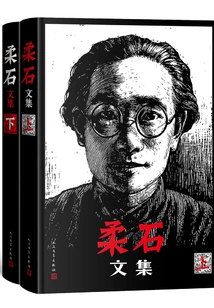
Collected Works of Rou Shi (two Volumes)
Literature柔石文集(全二册)
Soft Stone
Rou Shi was a famous writer in my country in the 1930s and one of the five martyrs of the "Left-Left Alliance". His works reflect the awakening of progressive youth after the "May Fourth Movement" and are an important part of modern literature. The "Collected Works of Rou Shi" published this time systematically organizes his works. The novel volume selects his representative works "February", "Mother of a Slave", "Three Sisters", etc. The volume of letters and diaries mainly selects the nearly 100,000-word calendar he left behind, as well as some correspondence with friends and family. These works of Rou Shi are a concentrated expression of the inner growth of a generation of young people. They are not only helpful for understanding Rou Shi's life and creation, but also for understanding the spiritual outlook of young intellectuals in the 1930s. They are of very valuable historical value.
Rou Shi was a famous writer in my country in the 1930s and one of the five martyrs of the "Left-Left Alliance". His works reflect the awakening of progressive youth after the "May Fourth Movement" and are an important part of modern literature. The "Collected Works of Rou Shi" published this time systematically organizes his works. The novel volume selects his representative works "February", "Mother of a Slave", "Three Sisters", etc. The volume of letters and diaries mainly selects the nearly 100,000-word calendar he left behind, as well as some correspondence with friends and family. These works of Rou Shi are a concentrated expression of the inner growth of a generation of young people. They are not only helpful for understanding Rou Shi's life and creation, but also for understanding the spiritual outlook of young intellectuals in the 1930s. They are of very valuable historical value.
Selected Works of Yan Fu
Literature严复选集
Selected Notes By Zhou Zhenfu
Yan Fu (1854-1921), whose original name was Zongguang and whose courtesy name was Youling, was later changed to Fu and whose courtesy name was Jidao. He was a Houguan native of Fujian. A highly influential Enlightenment thinker, famous translator, and educator in modern times, he occupies an important position in the history of modern culture. Wu Rulun praised him for his profound attainments and outstanding achievements in prose creation. Wu Rulun praised him as "the knowledge of his writings is as long as tens of thousands of miles from east to west" and "his writings are full of pauses and frustrations, which are particularly profound and beautiful to recite." His poetic language is simple and his narrative is lyrical and sincere, which also has a relatively important influence. This book selects 17 Yanhu essays and 31 poems, with detailed annotations and in-depth analysis. The thorough explanation of the background of the work and the exquisite annotation of historical events have been deeply recognized by the academic community and loved by the public.
Yan Fu (1854-1921), whose original name was Zongguang and whose courtesy name was Youling, was later changed to Fu and whose courtesy name was Jidao. He was a Houguan native of Fujian. A highly influential Enlightenment thinker, famous translator, and educator in modern times, he occupies an important position in the history of modern culture. Wu Rulun praised him for his profound attainments and outstanding achievements in prose creation. Wu Rulun praised him as "the knowledge of his writings is as long as tens of thousands of miles from east to west" and "his writings are full of pauses and frustrations, which are particularly profound and beautiful to recite." His poetic language is simple and his narrative is lyrical and sincere, which also has a relatively important influence. This book selects 17 Yanhu essays and 31 poems, with detailed annotations and in-depth analysis. The thorough explanation of the background of the work and the exquisite annotation of historical events have been deeply recognized by the academic community and loved by the public.
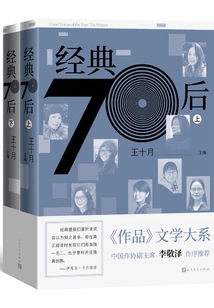
经典70后(全二册)
Editor-in-chief Wang Shiyue
This book is a compilation of works, relying on the classic comments of the post-70s generation published in "Works" magazine. It includes a short story by a representative writer of the post-70s generation and a writer's theory (20,000-40,000 words). The writers currently identified include Xu Zechen, Yi Zhou, A Yi, Li Hao, Tian Er, Zhang Chu, Qiao Ye, Lu Min, Liang Hong, Siren, Huang Deng, Wei Wei, Sheng Ke, Lu Yiping and Fu Xiuying. The writers of the writer's theory are all young scholars. They break away from the traditional academic style of the writer's theory and sort out the creative pulse of the writer with a scattered cultural and considerate interpretation. The whole book is similar in style to Wang Dewei's "20 Contemporary Novels". The book aims to present the strength of writers born in the 1970s and show the achievements, possibilities and future of literary backbones.
This book is a compilation of works, relying on the classic comments of the post-70s generation published in "Works" magazine. It includes a short story by a representative writer of the post-70s generation and a writer's theory (20,000-40,000 words). The writers currently identified include Xu Zechen, Yi Zhou, A Yi, Li Hao, Tian Er, Zhang Chu, Qiao Ye, Lu Min, Liang Hong, Siren, Huang Deng, Wei Wei, Sheng Ke, Lu Yiping and Fu Xiuying. The writers of the writer's theory are all young scholars. They break away from the traditional academic style of the writer's theory and sort out the creative pulse of the writer with a scattered cultural and considerate interpretation. The whole book is similar in style to Wang Dewei's "20 Contemporary Novels". The book aims to present the strength of writers born in the 1970s and show the achievements, possibilities and future of literary backbones.
金元诗选
Selected Notes By Deng Shaoji
During the Jin and Yuan Dynasties, outstanding poets such as Yuan Haowen emerged, especially "the author Yunxing was born in the Yuan Dynasty" (General Catalog of the Complete Collection of Four Libraries). There were the so-called "Four Great Masters of Yuan Poetry" (Yu Ji, Yang Zai, Fan Zhen, Jiexisi), and many ethnic minority writers who were good at poetry and prose appeared (Guanyunshi, Sadula, Ma Zuchang, Ding Henian, etc.). The poetry of this period had a great influence on the poetry of the Ming Dynasty, and is also an integral part that cannot be ignored in the development history of ancient Chinese literature. This book selects nearly 100 poems from the Jin Dynasty and nearly 300 poems from the Yuan Dynasty, and provides detailed annotations. The author has a detailed biography, which is of great benefit to readers in learning and appreciating the poetry creation of the Jin and Yuan Dynasties.
During the Jin and Yuan Dynasties, outstanding poets such as Yuan Haowen emerged, especially "the author Yunxing was born in the Yuan Dynasty" (General Catalog of the Complete Collection of Four Libraries). There were the so-called "Four Great Masters of Yuan Poetry" (Yu Ji, Yang Zai, Fan Zhen, Jiexisi), and many ethnic minority writers who were good at poetry and prose appeared (Guanyunshi, Sadula, Ma Zuchang, Ding Henian, etc.). The poetry of this period had a great influence on the poetry of the Ming Dynasty, and is also an integral part that cannot be ignored in the development history of ancient Chinese literature. This book selects nearly 100 poems from the Jin Dynasty and nearly 300 poems from the Yuan Dynasty, and provides detailed annotations. The author has a detailed biography, which is of great benefit to readers in learning and appreciating the poetry creation of the Jin and Yuan Dynasties.
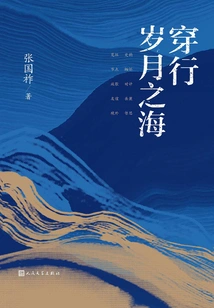
Traveling Through the Sea of time
Literature穿行岁月之海
Zhang Guozuo
This book is the second collection of poems published by Mr. Zhang Guozuo after "The Sound of Vicissitudes of Life". This collection of poems collects the author's rich life experiences as he travels through the years, appreciates the magnificent scenery, thinks about life, expresses his affection for his country, remembers the ancestors, sings about the times, recalls friendship, comprehends philosophy, and inspires young people; following the years, traveling, sightseeing, historical rhymes, nodes, and famous names This poetry collection is divided into 13 topics, including people, remembrance, singing, current commentary, friendship, Yuelu, overseas, and philosophical thinking. This collection of poems is divided into 13 topics, which fully demonstrates the author's creative concept of "poetry expresses ambition, poetry narrative, poetry lyricism, poetry praises beauty, poetry virtues, poetry connects friends, and poetry embodies logic". The poems in this collection cover a wide range of topics, are profound in connotation, rich in philosophy, enlightening wisdom, full of vitality, full of passion, smooth language, clear direction, inspiring, full of positive energy, full of sense of the times, catchy to read, and suitable for readers of all ages.
This book is the second collection of poems published by Mr. Zhang Guozuo after "The Sound of Vicissitudes of Life". This collection of poems collects the author's rich life experiences as he travels through the years, appreciates the magnificent scenery, thinks about life, expresses his affection for his country, remembers the ancestors, sings about the times, recalls friendship, comprehends philosophy, and inspires young people; following the years, traveling, sightseeing, historical rhymes, nodes, and famous names This poetry collection is divided into 13 topics, including people, remembrance, singing, current commentary, friendship, Yuelu, overseas, and philosophical thinking. This collection of poems is divided into 13 topics, which fully demonstrates the author's creative concept of "poetry expresses ambition, poetry narrative, poetry lyricism, poetry praises beauty, poetry virtues, poetry connects friends, and poetry embodies logic". The poems in this collection cover a wide range of topics, are profound in connotation, rich in philosophy, enlightening wisdom, full of vitality, full of passion, smooth language, clear direction, inspiring, full of positive energy, full of sense of the times, catchy to read, and suitable for readers of all ages.
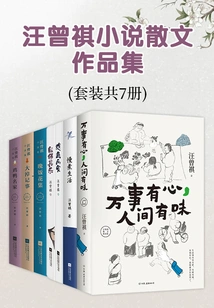
汪曾祺小说散文作品集(套装共7册)
Wang Zengqi
"Everything has a heart, the world has a taste" Mr. Wang writes, draws, and cooks, making ordinary daily life affectionate, interesting, and flavorful, and conveys his love for life to the world through every word - life is beautiful, and people are poetic. Through Wang Zengqi's unique perspective, every small and ordinary thing in life becomes beautiful and brilliant. "Be at peace with the situation" Mr. Wang, who has experienced twists and turns in the years, has created for us a beautiful world of being at peace with the situation, tranquil and leisurely with his pen. Through these words, we can explore the most true and good side of human nature, use warmth and purity to wash away the depression, melancholy and confusion of this world, and live freely. "Self-Happiness" Wang Lao writes about grass, flowers, fish, birds, and trivial matters in life. He can always find worldly happiness from simple life. As Mr. Wang said, "No matter where you go, you have to have some fun and find some solutions. Why are you always looking sad?" Life in "It's a Wonderful Life" is really hard, but he adds a layer of sugar-coating to life, looking for fun and beauty in the ordinary. Mr. Wang writes about trivial matters in life and the people around him. He is humorous, optimistic and positive. It makes people laugh when reading, as if everyone is cute and everything is interesting. "Flowers for Dinner" is a collection of famous novels based on folk customs and customs. These essays, which show the purest and most beautiful human nature in light and agile writing style, are lyric poems created collectively by a nation. They reflect the people's love for life and the joy they feel in being alive. Observe human life with a beautiful eye and say whatever is necessary. "Chicken and Duck Masters" is a collection of famous novels based on small characters. There are more living beings than there are chickens on the face of the earth. Their life and death are rich and noble, and their fortunes and misfortunes are unpredictable. In Wang Zengqi's works, they gather into the appearance of Chinese little people. He has an indescribable tender love for people and a lyrical sympathy. "Da Nao Chronicles" is a collection of famous novels based on Shui Yun's hometown. These stories with a strong market atmosphere were written down by Wang Zengqi with great interest. A trivial incident became a legend after he added some historical and cultural background. It contains the love of life and life, and is a joyful song filled with humanity and human feelings.
"Everything has a heart, the world has a taste" Mr. Wang writes, draws, and cooks, making ordinary daily life affectionate, interesting, and flavorful, and conveys his love for life to the world through every word - life is beautiful, and people are poetic. Through Wang Zengqi's unique perspective, every small and ordinary thing in life becomes beautiful and brilliant. "Be at peace with the situation" Mr. Wang, who has experienced twists and turns in the years, has created for us a beautiful world of being at peace with the situation, tranquil and leisurely with his pen. Through these words, we can explore the most true and good side of human nature, use warmth and purity to wash away the depression, melancholy and confusion of this world, and live freely. "Self-Happiness" Wang Lao writes about grass, flowers, fish, birds, and trivial matters in life. He can always find worldly happiness from simple life. As Mr. Wang said, "No matter where you go, you have to have some fun and find some solutions. Why are you always looking sad?" Life in "It's a Wonderful Life" is really hard, but he adds a layer of sugar-coating to life, looking for fun and beauty in the ordinary. Mr. Wang writes about trivial matters in life and the people around him. He is humorous, optimistic and positive. It makes people laugh when reading, as if everyone is cute and everything is interesting. "Flowers for Dinner" is a collection of famous novels based on folk customs and customs. These essays, which show the purest and most beautiful human nature in light and agile writing style, are lyric poems created collectively by a nation. They reflect the people's love for life and the joy they feel in being alive. Observe human life with a beautiful eye and say whatever is necessary. "Chicken and Duck Masters" is a collection of famous novels based on small characters. There are more living beings than there are chickens on the face of the earth. Their life and death are rich and noble, and their fortunes and misfortunes are unpredictable. In Wang Zengqi's works, they gather into the appearance of Chinese little people. He has an indescribable tender love for people and a lyrical sympathy. "Da Nao Chronicles" is a collection of famous novels based on Shui Yun's hometown. These stories with a strong market atmosphere were written down by Wang Zengqi with great interest. A trivial incident became a legend after he added some historical and cultural background. It contains the love of life and life, and is a joyful song filled with humanity and human feelings.
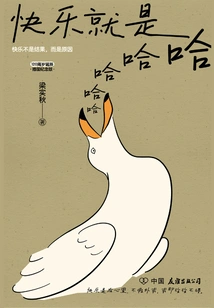
Happiness is Hahahahaha
Literature快乐就是哈哈哈哈哈
Liang Shiqiu
How to find happiness in this world? The wise enjoy the water, the benevolent enjoy the mountains. There is something interesting about rain, and there is something wonderful about sunshine. Birds are jumping and pecking, cats and dogs are well-fed and sleeping soundly. What doesn't make people feel happy when they see them? As Liang Shiqiu said: "Good times, beautiful scenery, and enjoyable things are everywhere." The happiness we seek is not simple happiness, but the joy that comes from the heart. Selected 38 Liang Shiqiu's life wisdom essays, including famous articles such as "Leisure", "Travel", "The Art of Swearing", "Life and Taking Medicine", as well as precious articles such as "Mosquitoes and Flies", "Old Man Watching Dancing", "It's Hot", "Parents' Love", etc., Which details the spiritual world and life interests of Liang Shiqiu, a generation of life writer: Knowing the cold and warmth: a vivid person, he has joy and sorrow. Be at ease: Life is to live lively. Love the world: Life is very lovely after all. Have attitude: I have many opinions about life. Happiness is in the heart, not elsewhere. It is a positive and optimistic attitude towards life. Starting from happiness, by mobilizing positive emotions and facing life in a more optimistic way, happiness and satisfaction will arise!
How to find happiness in this world? The wise enjoy the water, the benevolent enjoy the mountains. There is something interesting about rain, and there is something wonderful about sunshine. Birds are jumping and pecking, cats and dogs are well-fed and sleeping soundly. What doesn't make people feel happy when they see them? As Liang Shiqiu said: "Good times, beautiful scenery, and enjoyable things are everywhere." The happiness we seek is not simple happiness, but the joy that comes from the heart. Selected 38 Liang Shiqiu's life wisdom essays, including famous articles such as "Leisure", "Travel", "The Art of Swearing", "Life and Taking Medicine", as well as precious articles such as "Mosquitoes and Flies", "Old Man Watching Dancing", "It's Hot", "Parents' Love", etc., Which details the spiritual world and life interests of Liang Shiqiu, a generation of life writer: Knowing the cold and warmth: a vivid person, he has joy and sorrow. Be at ease: Life is to live lively. Love the world: Life is very lovely after all. Have attitude: I have many opinions about life. Happiness is in the heart, not elsewhere. It is a positive and optimistic attitude towards life. Starting from happiness, by mobilizing positive emotions and facing life in a more optimistic way, happiness and satisfaction will arise!
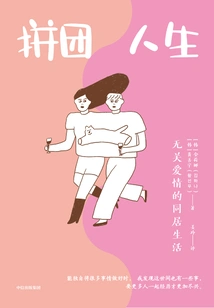
拼团人生:无关爱情的同居生活
(korean) Kim Ha Neul Hwang Sun Woo
Does being single, unmarried, and living alone mean that you will die alone? They refuse to follow formulas in life! Friends Kim Ha Neul and Hwang Sun Woo, who have lived alone for more than 20 years, are gradually getting tired of the loneliness and uneasiness of living alone. They accidentally fell in love with a house and decided to buy it together and start living together. After living together, the two friends truly saw the huge differences between each other - hoarding vs. Minimalism, cooking idiot vs. Cooking genius. As they quarreled, worked together, and complemented each other's strengths and weaknesses, they gradually understood themselves better through their differences with each other. They eat together, exercise together, drink together, and be cat slaves together. They don't have to support each other's parents or become someone's daughter-in-law. They take care of each other when they are sick and help each other in difficulties... They have found the lightness of being single and the warmth of being with someone, and the beauty of being able to coexist at the same time.
Does being single, unmarried, and living alone mean that you will die alone? They refuse to follow formulas in life! Friends Kim Ha Neul and Hwang Sun Woo, who have lived alone for more than 20 years, are gradually getting tired of the loneliness and uneasiness of living alone. They accidentally fell in love with a house and decided to buy it together and start living together. After living together, the two friends truly saw the huge differences between each other - hoarding vs. Minimalism, cooking idiot vs. Cooking genius. As they quarreled, worked together, and complemented each other's strengths and weaknesses, they gradually understood themselves better through their differences with each other. They eat together, exercise together, drink together, and be cat slaves together. They don't have to support each other's parents or become someone's daughter-in-law. They take care of each other when they are sick and help each other in difficulties... They have found the lightness of being single and the warmth of being with someone, and the beauty of being able to coexist at the same time.
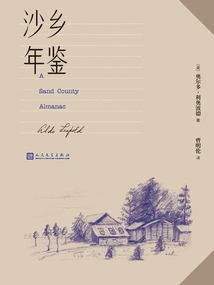
Shaxiang Yearbook
Literature沙乡年鉴
(u. S.) Aldo Leopold
"Sand Country Almanack" is a collection of essays by Aldo Leopold, the "father of ecological ethics". Among them, "The Return of the Wild Geese" and "Thinking Like a Mountain" were selected into middle school Chinese textbooks. The book is divided into four series. The first series is divided into 12 chapters according to the 12 months of the year, collectively called "Sand Country Almanac". The second series is called "Sketches from Four Directions" and takes Wisconsin and other places as the writing object. The third series is "Rural Reveries", and the fourth series is the conclusion. This book is the crystallization of the author's lifelong observation, experience and thinking. The book not only expresses the recollection of the harmonious life on the farm in Wisconsin's sandy countryside, but also records the lessons and pain experienced in pursuing a scientific ecological view. It also discusses the relationship between man and nature, man and land, and attempts to reawaken people's love and respect for nature. Translator Cao Minglun's translation highlights the charm of nature and beauty.
"Sand Country Almanack" is a collection of essays by Aldo Leopold, the "father of ecological ethics". Among them, "The Return of the Wild Geese" and "Thinking Like a Mountain" were selected into middle school Chinese textbooks. The book is divided into four series. The first series is divided into 12 chapters according to the 12 months of the year, collectively called "Sand Country Almanac". The second series is called "Sketches from Four Directions" and takes Wisconsin and other places as the writing object. The third series is "Rural Reveries", and the fourth series is the conclusion. This book is the crystallization of the author's lifelong observation, experience and thinking. The book not only expresses the recollection of the harmonious life on the farm in Wisconsin's sandy countryside, but also records the lessons and pain experienced in pursuing a scientific ecological view. It also discusses the relationship between man and nature, man and land, and attempts to reawaken people's love and respect for nature. Translator Cao Minglun's translation highlights the charm of nature and beauty.
The Most Beautiful Snow
Literature最美的雪
Cheng Luye
The author Luye is from Anhui and was born in the 1970s. A member of the Writers Association, he began to publish works in major newspapers and periodicals such as People's Literature, Chinese Writers, Poetry Magazine, Selected Poems, Writers, Yangtze River, and Stars in 1996. In 2016, he founded "Tongcheng Poetry Academy". Published works include prose poetry collections "Rose on Fingerprints", "Dreams Within and Beyond Dreams", poetry collection "Encounter", etc. This book is her new collection of prose poems. She writes about seasons, rain and snow, natural scenery, and daily life, reflecting the richness of life experience and emotional dimensions, showing a purified beauty, and her language is rich in music.
The author Luye is from Anhui and was born in the 1970s. A member of the Writers Association, he began to publish works in major newspapers and periodicals such as People's Literature, Chinese Writers, Poetry Magazine, Selected Poems, Writers, Yangtze River, and Stars in 1996. In 2016, he founded "Tongcheng Poetry Academy". Published works include prose poetry collections "Rose on Fingerprints", "Dreams Within and Beyond Dreams", poetry collection "Encounter", etc. This book is her new collection of prose poems. She writes about seasons, rain and snow, natural scenery, and daily life, reflecting the richness of life experience and emotional dimensions, showing a purified beauty, and her language is rich in music.
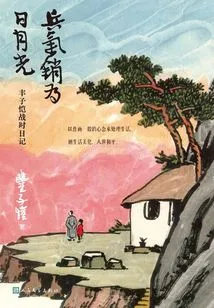
兵气销为日月光:丰子恺战时日记
Feng Zikai
After the outbreak of the Anti-Japanese War, Feng Zikai left his spiritual habitat "Yuanyuan Hall" and began to escape from the war. He wandered successively in Hunan, Sichuan, Guangxi and other places, which he called "artistic escape". This book collects Feng Zikai's diaries from 1938 to 1939 during the Anti-Japanese War. From each diary, readers can reconstruct how Feng Zikai persisted in saving the country through art in exile during the Anti-Japanese War, adhered to a true, good and beautiful attitude towards life, and insisted on using cartoons to depict national disaster and national humiliation in the form of comics under difficult conditions, inspiring the people to resist the war. The accompanying book contains dozens of cartoons created by Feng Zikai, which comprehensively presents to us the life and spirit of the Chinese people during the war.
After the outbreak of the Anti-Japanese War, Feng Zikai left his spiritual habitat "Yuanyuan Hall" and began to escape from the war. He wandered successively in Hunan, Sichuan, Guangxi and other places, which he called "artistic escape". This book collects Feng Zikai's diaries from 1938 to 1939 during the Anti-Japanese War. From each diary, readers can reconstruct how Feng Zikai persisted in saving the country through art in exile during the Anti-Japanese War, adhered to a true, good and beautiful attitude towards life, and insisted on using cartoons to depict national disaster and national humiliation in the form of comics under difficult conditions, inspiring the people to resist the war. The accompanying book contains dozens of cartoons created by Feng Zikai, which comprehensively presents to us the life and spirit of the Chinese people during the war.
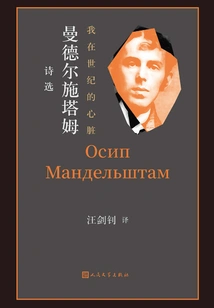
我在世纪的心脏:曼德尔施塔姆诗选
Ai
Mandelstam was an outstanding talented poet in the Russian Silver Age and a representative figure of the Acme School. It also enjoys a high reputation in the world. His early works were influenced by French Symbolism, and later turned to neoclassicism, and gradually formed his own unique style of poetry: rigorous form, strict meter, and elegant classical charm full of strong historical civilization and profound moral awareness, and with a strong sense of tragedy. Therefore, poetry critics call his poems "poems within poems". This "Selected Poems of Mandelstam" was translated by Professor Wang Jianzhao from Beijing Foreign Studies University. Our publisher has published Wang Jianzhao's translation of the complete collection of Mandelstam's poems "Gold Dances in the Sky", and this selection is a selection of the best among the best, selecting the poet's important representative works, and then revised by the translator and compiled into a volume.
Mandelstam was an outstanding talented poet in the Russian Silver Age and a representative figure of the Acme School. It also enjoys a high reputation in the world. His early works were influenced by French Symbolism, and later turned to neoclassicism, and gradually formed his own unique style of poetry: rigorous form, strict meter, and elegant classical charm full of strong historical civilization and profound moral awareness, and with a strong sense of tragedy. Therefore, poetry critics call his poems "poems within poems". This "Selected Poems of Mandelstam" was translated by Professor Wang Jianzhao from Beijing Foreign Studies University. Our publisher has published Wang Jianzhao's translation of the complete collection of Mandelstam's poems "Gold Dances in the Sky", and this selection is a selection of the best among the best, selecting the poet's important representative works, and then revised by the translator and compiled into a volume.
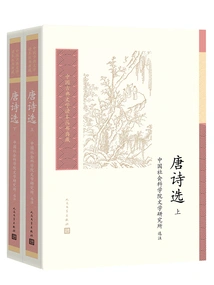
唐诗选(全两册)
Annotated By The Institute Of Literature, Chinese Academy Of Social Sciences
The Tang Dynasty was the peak of the development of Chinese classical poetry. A large number of outstanding poets emerged, such as Li Bai, Du Fu, Wang Wei, Meng Haoran, Gao Shi, Cen Shen, Bai Juyi, Han Yu, Du Mu, Li Shangyin, etc. There are about 50,000 Tang poems in existence today, and there are many anthologies of Tang poems both ancient and modern. The representative work among them is "Three Hundred Tang Poems" compiled by Hengtang retired scholars of the Qing Dynasty. Although the selections are all the best, the book is small in size and cannot well show the style of Tang poetry. "Selected Tang Poems", collectively annotated by experts from the Institute of Literature of the Chinese Academy of Social Sciences, contains more than 630 works from more than 130 authors, which is about twice as many as "Three Hundred Tang Poems" (77 companies, 310 poems). The book not only contains classics of Tang poetry, but also better reflects the development of Tang poetry. In addition, the annotators have made wonderful annotations on the selected Tang poetry works. This book is not only a classic anthology of Tang poetry, but also a model for writing anthologies of contemporary classical literature.
The Tang Dynasty was the peak of the development of Chinese classical poetry. A large number of outstanding poets emerged, such as Li Bai, Du Fu, Wang Wei, Meng Haoran, Gao Shi, Cen Shen, Bai Juyi, Han Yu, Du Mu, Li Shangyin, etc. There are about 50,000 Tang poems in existence today, and there are many anthologies of Tang poems both ancient and modern. The representative work among them is "Three Hundred Tang Poems" compiled by Hengtang retired scholars of the Qing Dynasty. Although the selections are all the best, the book is small in size and cannot well show the style of Tang poetry. "Selected Tang Poems", collectively annotated by experts from the Institute of Literature of the Chinese Academy of Social Sciences, contains more than 630 works from more than 130 authors, which is about twice as many as "Three Hundred Tang Poems" (77 companies, 310 poems). The book not only contains classics of Tang poetry, but also better reflects the development of Tang poetry. In addition, the annotators have made wonderful annotations on the selected Tang poetry works. This book is not only a classic anthology of Tang poetry, but also a model for writing anthologies of contemporary classical literature.
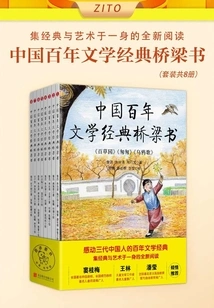
中国百年文学经典桥梁书(套装共8册)
Lu Xun Waiting, Painted By Chen Xi Waiting
"The Bridge Book of Chinese Centenary Literature Classics (8 volumes in total)" is a masterpiece that combines classic literature with original Chinese paintings. This set of books selects a total of 21 works by nine modern Chinese literary masters, including the works "From Baicao Garden to Sanwei Bookstore", "Hometown", "Social Opera" and "Kite" by the Chinese writer, thinker and revolutionary Mr. Lu Xun; Modern writer, essayist and scholar Mr. Zhu Ziqing's "Spring", "Hurry", "Moonlight over the Lotus Pond" and "Back"; modern educator Mr. Ye Shengtao's "Scarecrow", "Stone Statues of Ancient Heroes" and other famous works by many masters.
"The Bridge Book of Chinese Centenary Literature Classics (8 volumes in total)" is a masterpiece that combines classic literature with original Chinese paintings. This set of books selects a total of 21 works by nine modern Chinese literary masters, including the works "From Baicao Garden to Sanwei Bookstore", "Hometown", "Social Opera" and "Kite" by the Chinese writer, thinker and revolutionary Mr. Lu Xun; Modern writer, essayist and scholar Mr. Zhu Ziqing's "Spring", "Hurry", "Moonlight over the Lotus Pond" and "Back"; modern educator Mr. Ye Shengtao's "Scarecrow", "Stone Statues of Ancient Heroes" and other famous works by many masters.