Library
Browse and search books
3,533 novels found
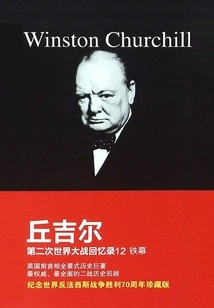
丘吉尔第二次世界大战回忆录12:铁幕
H
"Churchill's Memoirs of World War II 12: The Iron Curtain" records the magnificent history before the Allied forces were about to achieve total victory in the late World War II: the successful convening of the Yalta Conference, the Soviet Red Army's march to Berlin, the defeat and surrender of German fascism, the friction between the United States, Britain and the Soviet Union, the United States dropping two atomic bombs on Japan and the impact of the Potsdam Proclamation. At the same time, it also shows the complex and subtle relationships within the Allies. Although a series of international conferences established a new order, the barriers and contradictions between the Western world and the Soviet Union have never been eliminated. The world was ruthlessly divided into two halves by the "Iron Curtain".
"Churchill's Memoirs of World War II 12: The Iron Curtain" records the magnificent history before the Allied forces were about to achieve total victory in the late World War II: the successful convening of the Yalta Conference, the Soviet Red Army's march to Berlin, the defeat and surrender of German fascism, the friction between the United States, Britain and the Soviet Union, the United States dropping two atomic bombs on Japan and the impact of the Potsdam Proclamation. At the same time, it also shows the complex and subtle relationships within the Allies. Although a series of international conferences established a new order, the barriers and contradictions between the Western world and the Soviet Union have never been eliminated. The world was ruthlessly divided into two halves by the "Iron Curtain".
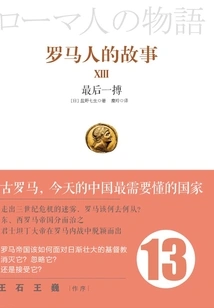
罗马人的故事13:最后一搏
H
It is a must-read for business elites and politicians in Japan and South Korea, and a must-read for education! Wang Shi and Wang Wei wrote the preface, and Wu Xiaobo, Qin Shuo, and Wu Bofan jointly recommended it. An immortal empire is coming to an end, the imperial period is coming to an end, and out of the fog of the crisis of the third century, where should Rome go? Until Constantine won and became the only emperor of Rome. The Roman Empire entered a critical moment, when authority must be created to continue the empire, and power shifted from humans to God. Faced with Christianity, should the Romans eliminate it or accept it? Is this the last attempt by the Roman Empire to continue its national destiny?
It is a must-read for business elites and politicians in Japan and South Korea, and a must-read for education! Wang Shi and Wang Wei wrote the preface, and Wu Xiaobo, Qin Shuo, and Wu Bofan jointly recommended it. An immortal empire is coming to an end, the imperial period is coming to an end, and out of the fog of the crisis of the third century, where should Rome go? Until Constantine won and became the only emperor of Rome. The Roman Empire entered a critical moment, when authority must be created to continue the empire, and power shifted from humans to God. Faced with Christianity, should the Romans eliminate it or accept it? Is this the last attempt by the Roman Empire to continue its national destiny?
\
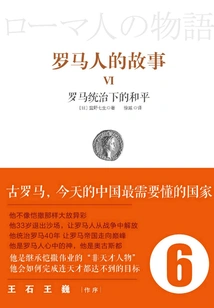
罗马人的故事6:罗马统治下的和平
H
Since the "Era of Caesar", in 29 BC, the temple dedicated to the God of War was finally closed, symbolizing Rome's escape from war. Octavian began to use outstanding political skills, announced his return to the republican government, was awarded the honorific title "Augustus", and established the "Pax Romana" in which multi-ethnic, multi-religious, multi-cultural and multi-lingual coexistence.
Since the "Era of Caesar", in 29 BC, the temple dedicated to the God of War was finally closed, symbolizing Rome's escape from war. Octavian began to use outstanding political skills, announced his return to the republican government, was awarded the honorific title "Augustus", and established the "Pax Romana" in which multi-ethnic, multi-religious, multi-cultural and multi-lingual coexistence.
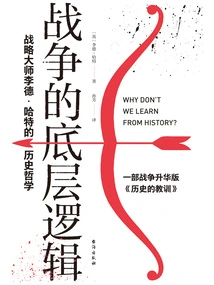
战争的底层逻辑:战略大师李德·哈特的历史哲学
H
This is a masterpiece in his later years with the master of history Liddell Hart. It highly summarizes the author's research results on the history of war and strategy theory, and refined his own philosophy of history with his lifelong efforts. From the macro perspective of a strategist, the author moves from history through the present to the future, exploring why humans make the same mistakes again and again in the fields of war, politics, and society, sounding a wake-up call for mankind. With the rigor and objectivity of a historian, combined with first-hand investigation data, the author provides a detailed and thorough analysis of the underlying logical issues why mankind has repeatedly fallen into the quagmire of war from the political system, social environment, public opinion, decision-making process and other aspects. The content of this book is short and concise, and the views are profound and sharp. It is worth reading and understanding again and again by readers of any era.
This is a masterpiece in his later years with the master of history Liddell Hart. It highly summarizes the author's research results on the history of war and strategy theory, and refined his own philosophy of history with his lifelong efforts. From the macro perspective of a strategist, the author moves from history through the present to the future, exploring why humans make the same mistakes again and again in the fields of war, politics, and society, sounding a wake-up call for mankind. With the rigor and objectivity of a historian, combined with first-hand investigation data, the author provides a detailed and thorough analysis of the underlying logical issues why mankind has repeatedly fallen into the quagmire of war from the political system, social environment, public opinion, decision-making process and other aspects. The content of this book is short and concise, and the views are profound and sharp. It is worth reading and understanding again and again by readers of any era.
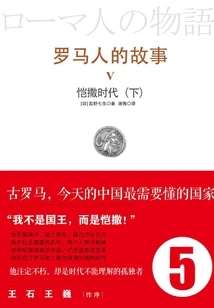
罗马人的故事5:恺撒时代(下)
H
In 49 BC, Caesar crossed the Rubicon River and quickly controlled the entire Italian peninsula within two months. He then attacked Marseilles, attacked Spain, and pacified the western Mediterranean. Then he moved to Macedonia and pursued Pompey. Finally, he completely surrendered the Senate faction headed by Pompey on the North African front and carried out comprehensive reforms to transform the Roman Empire. This volume fully demonstrates Caesar's rationality and keen political insight; from a modern perspective, it reinterprets the love and love relationship between Caesar and the Egyptian Queen Cleopatra and Cicero, and vividly depicts Caesar's story-telling life. Caesar's consistent spirit of tolerating the defeated was the most touching legacy in the history of Rome.
In 49 BC, Caesar crossed the Rubicon River and quickly controlled the entire Italian peninsula within two months. He then attacked Marseilles, attacked Spain, and pacified the western Mediterranean. Then he moved to Macedonia and pursued Pompey. Finally, he completely surrendered the Senate faction headed by Pompey on the North African front and carried out comprehensive reforms to transform the Roman Empire. This volume fully demonstrates Caesar's rationality and keen political insight; from a modern perspective, it reinterprets the love and love relationship between Caesar and the Egyptian Queen Cleopatra and Cicero, and vividly depicts Caesar's story-telling life. Caesar's consistent spirit of tolerating the defeated was the most touching legacy in the history of Rome.
P
HistoryP
H
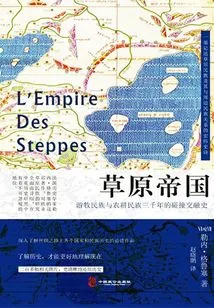
"Grassland Empire" not only records the magnificent history of the Xiongnu, Turks, Mongols and other grassland peoples, but also describes the bravery and talents of grassland people such as Attila, Genghis Khan, Timur and other children. They broke into developed historical and civilized areas, clashed with farming peoples, destroyed farming civilization, and gradually formed their own rich and diverse culture. Of course, there is also their impact on the entire world civilization, pattern, order and historical process.
"Grassland Empire" not only records the magnificent history of the Xiongnu, Turks, Mongols and other grassland peoples, but also describes the bravery and talents of grassland people such as Attila, Genghis Khan, Timur and other children. They broke into developed historical and civilized areas, clashed with farming peoples, destroyed farming civilization, and gradually formed their own rich and diverse culture. Of course, there is also their impact on the entire world civilization, pattern, order and historical process.
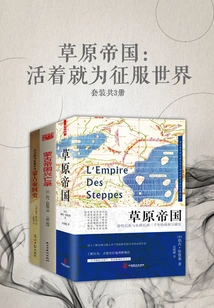
草原帝国:活着就为征服世界(套装共3册)
H
A magnificent epic describing the grassland peoples and their relations with surrounding peoples. A history of three thousand years of collision and integration between nomadic peoples and agricultural peoples. This set includes: "Steppe Empire", "The Rise and Fall of the Mongol Empire", and "Live to Conquer the World: A History of the Mongol Empire".
A magnificent epic describing the grassland peoples and their relations with surrounding peoples. A history of three thousand years of collision and integration between nomadic peoples and agricultural peoples. This set includes: "Steppe Empire", "The Rise and Fall of the Mongol Empire", and "Live to Conquer the World: A History of the Mongol Empire".
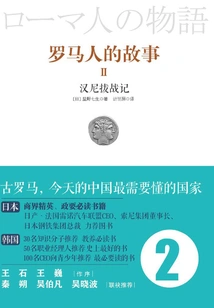
罗马人的故事2:汉尼拔战记
H
This volume takes war as its theme and describes the 130-year history of Rome's domination of the Mediterranean. From 218 BC to 202 BC, the world-famous general Hannibal led his army from Spain and led his elephant team across the Alps to attack the Italian mainland. The war lasted for 16 years, and the two sides fought eight rounds of battles, which were indistinguishable. For 16 years, Hannibal kept Rome stretched and without peace. In the end, Xiapi defeated the famous general Hannibal. The thrilling war scenes and the wonderful plot of reversal of victory are thought-provoking. War people reflect the way the class thinks and behaves. Why did the Greeks with superior knowledge and the Carthaginians with strong military power eventually lose to the Romans?
This volume takes war as its theme and describes the 130-year history of Rome's domination of the Mediterranean. From 218 BC to 202 BC, the world-famous general Hannibal led his army from Spain and led his elephant team across the Alps to attack the Italian mainland. The war lasted for 16 years, and the two sides fought eight rounds of battles, which were indistinguishable. For 16 years, Hannibal kept Rome stretched and without peace. In the end, Xiapi defeated the famous general Hannibal. The thrilling war scenes and the wonderful plot of reversal of victory are thought-provoking. War people reflect the way the class thinks and behaves. Why did the Greeks with superior knowledge and the Carthaginians with strong military power eventually lose to the Romans?
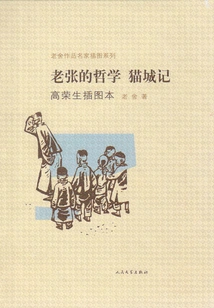
Lao Zhang's Philosophy Cat City Chronicles
General Fiction老张的哲学 猫城记
H
"A Scoundrel's Self-cultivation" is a masterpiece of Lao She's humorous style, in which he appreciates the ugliness of human nature in a tearful smile. "Lao She's Works by Famous Illustrations Series: Lao Zhang's Philosophy·Cat City" uses dialects freely in the language and characters, and has a comic style in character creation. Mr. Lao She's status in modern Chinese literature is undeniable; after time has passed, his works exude an irresistible mellow appeal like fine wine.
"A Scoundrel's Self-cultivation" is a masterpiece of Lao She's humorous style, in which he appreciates the ugliness of human nature in a tearful smile. "Lao She's Works by Famous Illustrations Series: Lao Zhang's Philosophy·Cat City" uses dialects freely in the language and characters, and has a comic style in character creation. Mr. Lao She's status in modern Chinese literature is undeniable; after time has passed, his works exude an irresistible mellow appeal like fine wine.
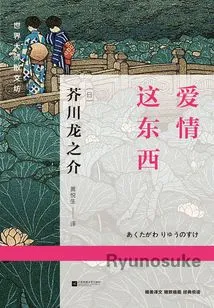
Love This Thing
Literature爱情这东西
H
"This Thing of Love" is a collection of prose essays by the famous Japanese writer Akutagawa Ryunosuke. It includes the author's most famous essay "The Rumblings of a Dwarf" and his representative travel book "Travel Notes on China". It records Akutagawa Ryunosuke's travels to Shanghai, Suzhou, Hangzhou, Beijing, Tianjin and other places, and the scenic spots, customs and habits he saw, which comprehensively demonstrates the superb literary talent and aesthetic standards of this literary giant.
"This Thing of Love" is a collection of prose essays by the famous Japanese writer Akutagawa Ryunosuke. It includes the author's most famous essay "The Rumblings of a Dwarf" and his representative travel book "Travel Notes on China". It records Akutagawa Ryunosuke's travels to Shanghai, Suzhou, Hangzhou, Beijing, Tianjin and other places, and the scenic spots, customs and habits he saw, which comprehensively demonstrates the superb literary talent and aesthetic standards of this literary giant.
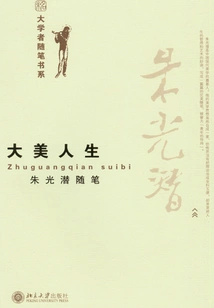
大美人生:朱光潜随笔(大学者随笔书系)
H
Zhu Guangqian won a wide reputation for his outstanding contributions to aesthetics. However, he was a generalist. He not only made groundbreaking achievements in the field of aesthetics, but also wrote popular popular books, especially the intellectual essays he began writing in the 1920s. They combined philosophy and literary talent, with bright, simple, clear characteristics and strong spiritual appeal. Zhu Guangqian has been immersed in traditional culture since he was a child, and has studied in the West for many years, forming his own aesthetic system. His essays are based on the deep foundation of Chinese and Western culture, and they swim in the ocean of knowledge at home and abroad, both ancient and modern. They are both physical and spiritual, full of rationality and interest, and have reached the highest level of essay writing. The combination of beauty and life makes his essays unique. With his extensive knowledge and superb language skills, he expounds highly practical insights.
Zhu Guangqian won a wide reputation for his outstanding contributions to aesthetics. However, he was a generalist. He not only made groundbreaking achievements in the field of aesthetics, but also wrote popular popular books, especially the intellectual essays he began writing in the 1920s. They combined philosophy and literary talent, with bright, simple, clear characteristics and strong spiritual appeal. Zhu Guangqian has been immersed in traditional culture since he was a child, and has studied in the West for many years, forming his own aesthetic system. His essays are based on the deep foundation of Chinese and Western culture, and they swim in the ocean of knowledge at home and abroad, both ancient and modern. They are both physical and spiritual, full of rationality and interest, and have reached the highest level of essay writing. The combination of beauty and life makes his essays unique. With his extensive knowledge and superb language skills, he expounds highly practical insights.
牛津版莎士比亚:威尼斯商人
H
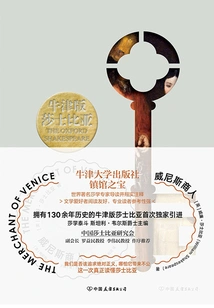
The righteous judgment caused by a pound of flesh and the moral dilemma of human law. In order to help his friend woo, Antonio borrows money from the Jew Shylock overdue, but the Jew insists on killing him by cutting off his flesh as agreed. The judge allowed him to cut off a pound of flesh as promised, but he could not shed a drop of blood, otherwise he would lose the money he borrowed, be sentenced to death, and have his property confiscated. Who can bear justice without mercy?
The righteous judgment caused by a pound of flesh and the moral dilemma of human law. In order to help his friend woo, Antonio borrows money from the Jew Shylock overdue, but the Jew insists on killing him by cutting off his flesh as agreed. The judge allowed him to cut off a pound of flesh as promised, but he could not shed a drop of blood, otherwise he would lose the money he borrowed, be sentenced to death, and have his property confiscated. Who can bear justice without mercy?
仲夏夜之梦(世界文学名著)
H
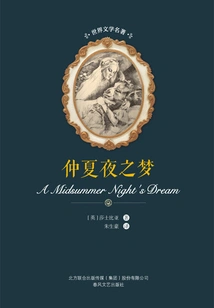
"A Midsummer Night's Dream" is a comedy work written by the British playwright Shakespeare in his youth. The story tells the story of emotional conflicts caused by magical "flower juice" and how the conflicts are finally resolved and the lovers finally get married. Lysander and Demetrius, two young men in the city of Athens, fell in love with the young woman Hermia at the same time. Hermia loved Lysander deeply. In order to oppose her father's arranged marriage, she eloped with Lysander and fled into the forest. Demetrius, who loved Hermia deeply, and Helena, who was obsessed with Demetrius, also rushed to the forest. In order to help lovers get married, the fairy king in the forest ordered the elf to drop magical flower juice on Demetrius' eyes and face while he was sleeping. Unexpectedly, Puck got the wrong target, causing a series of conflicts.
"A Midsummer Night's Dream" is a comedy work written by the British playwright Shakespeare in his youth. The story tells the story of emotional conflicts caused by magical "flower juice" and how the conflicts are finally resolved and the lovers finally get married. Lysander and Demetrius, two young men in the city of Athens, fell in love with the young woman Hermia at the same time. Hermia loved Lysander deeply. In order to oppose her father's arranged marriage, she eloped with Lysander and fled into the forest. Demetrius, who loved Hermia deeply, and Helena, who was obsessed with Demetrius, also rushed to the forest. In order to help lovers get married, the fairy king in the forest ordered the elf to drop magical flower juice on Demetrius' eyes and face while he was sleeping. Unexpectedly, Puck got the wrong target, causing a series of conflicts.
Comedy of Errors
Literature错误的喜剧
H
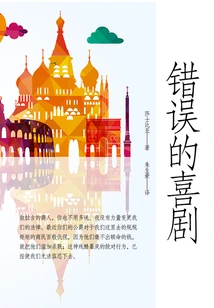
"The Comedy of Errors" tells the ridiculous story of a pair of twin brothers who are very similar in appearance and body. After being separated in a shipwreck at sea, they reappeared together in a foreign city eighteen years later, causing many misunderstandings. The period from 1590 to 1613 was the golden age of Shakespeare's creation. His early plays, mainly comedies and historical dramas, reached their peak of depth and artistry in the late 16th century. By 1608, he was mainly writing tragedies. Shakespeare advocated noble sentiments, and his tragedies often described sacrifice and revenge, including "Othello", "Hamlet", "King Lear" and "Macbeth", which are considered among the best examples in the English language. Towards the end of his life, he began to write tragicomedies, also known as romance plays.
"The Comedy of Errors" tells the ridiculous story of a pair of twin brothers who are very similar in appearance and body. After being separated in a shipwreck at sea, they reappeared together in a foreign city eighteen years later, causing many misunderstandings. The period from 1590 to 1613 was the golden age of Shakespeare's creation. His early plays, mainly comedies and historical dramas, reached their peak of depth and artistry in the late 16th century. By 1608, he was mainly writing tragedies. Shakespeare advocated noble sentiments, and his tragedies often described sacrifice and revenge, including "Othello", "Hamlet", "King Lear" and "Macbeth", which are considered among the best examples in the English language. Towards the end of his life, he began to write tragicomedies, also known as romance plays.

V
LiteratureV
H
"Othello" is one of Shakespeare's four great tragedies. It was written by Shakespeare around 1603. The protagonist Othello is a dark-skinned Moor who serves as the commander-in-chief of the Venetian army. He listened to the slander from his subordinates and killed his beautiful and loyal wife Desdemona. When the truth came to light, Othello was so filled with regret that he finally committed suicide with a knife and followed his beloved wife into the underworld. It first premiered at Whitehall Palace in London on November 1, 1604. The period from 1590 to 1613 was the golden age of Shakespeare's creation. His early plays, mainly comedies and historical dramas, reached their peak of depth and artistry in the late 16th century. By 1608, he was mainly writing tragedies. Shakespeare advocated noble sentiments, and his tragedies often described sacrifice and revenge, including "Othello", "Hamlet", "King Lear" and "Macbeth", which are considered among the best examples in the English language. Towards the end of his life, he began to write tragicomedies, also known as romance plays.
"Othello" is one of Shakespeare's four great tragedies. It was written by Shakespeare around 1603. The protagonist Othello is a dark-skinned Moor who serves as the commander-in-chief of the Venetian army. He listened to the slander from his subordinates and killed his beautiful and loyal wife Desdemona. When the truth came to light, Othello was so filled with regret that he finally committed suicide with a knife and followed his beloved wife into the underworld. It first premiered at Whitehall Palace in London on November 1, 1604. The period from 1590 to 1613 was the golden age of Shakespeare's creation. His early plays, mainly comedies and historical dramas, reached their peak of depth and artistry in the late 16th century. By 1608, he was mainly writing tragedies. Shakespeare advocated noble sentiments, and his tragedies often described sacrifice and revenge, including "Othello", "Hamlet", "King Lear" and "Macbeth", which are considered among the best examples in the English language. Towards the end of his life, he began to write tragicomedies, also known as romance plays.
牛津版莎士比亚:仲夏夜之梦
H
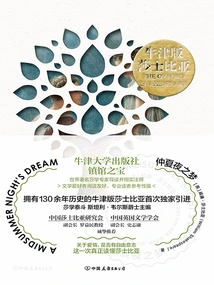
"A Midsummer Night's Dream" is one of Shakespeare's most popular works. This is a romantic comedy that depicts a series of stories centered on the wedding of the Grand Duke of Athens. The naughty elf Puck ordered the wrong love flower juice, triggering a love farce in which the fairy king and queen in the forest, four Athenian lovers and six amateur actors were involved. The lovers who were originally in love suddenly broke their vows and fell in love with someone else. The noble fairy queen actually fell in love with a mortal wearing a donkey head hood. Fortunately, in the end, the lovers finally got married. The introduction and annotations of this book are compiled by Professor Peter Holland, President of the International Shakespeare Society. It comprehensively interprets the dramatic connotation of the play from the perspectives of dream theory, female characters' resistance to patriarchal principles, etc., And deeply dissects this dream story suitable for all ages.
"A Midsummer Night's Dream" is one of Shakespeare's most popular works. This is a romantic comedy that depicts a series of stories centered on the wedding of the Grand Duke of Athens. The naughty elf Puck ordered the wrong love flower juice, triggering a love farce in which the fairy king and queen in the forest, four Athenian lovers and six amateur actors were involved. The lovers who were originally in love suddenly broke their vows and fell in love with someone else. The noble fairy queen actually fell in love with a mortal wearing a donkey head hood. Fortunately, in the end, the lovers finally got married. The introduction and annotations of this book are compiled by Professor Peter Holland, President of the International Shakespeare Society. It comprehensively interprets the dramatic connotation of the play from the perspectives of dream theory, female characters' resistance to patriarchal principles, etc., And deeply dissects this dream story suitable for all ages.
N
罗密欧与朱丽叶(世界文学名著)
H
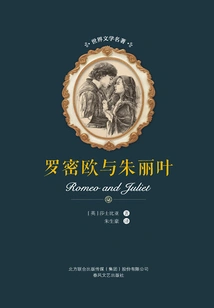
In Verona, Italy, there are two families who are hostile to each other. They are the Capulet family, headed by Juliet's father, and the Monte family, headed by Romeo's father. Romeo attends a masquerade party held by the Cappelles. However, the opposite happened. Juliet met Romeo at the ball, and they fell in love at first sight. After the ball, Romeo sneaked into the Caplet's backyard to meet Juliet. With the help of the priest, the two got married secretly. The priest hopes to resolve the long-standing hatred between the two families. Juliet's cousin Taihua found Romeo and asked for a duel with him, but Romeo refused. Taihua killed Mojiu Tuo. Tragedy happened. The angry Romeo killed Taihua and was punished by being expelled. Romeo meets Juliet at night and leaves, but at this time Juliet's father wants to marry Juliet to a young man she does not love. Under the priest's planning, Juliet pretended to commit suicide by taking poison, but the priest's letter failed to reach Romeo's hands. After receiving the bad news, Romeo rushed to the church. When Juliet woke up, Romeo had drunk the poison, and Juliet shot herself. The feud between the two families led to the love tragedy of the younger generation.
In Verona, Italy, there are two families who are hostile to each other. They are the Capulet family, headed by Juliet's father, and the Monte family, headed by Romeo's father. Romeo attends a masquerade party held by the Cappelles. However, the opposite happened. Juliet met Romeo at the ball, and they fell in love at first sight. After the ball, Romeo sneaked into the Caplet's backyard to meet Juliet. With the help of the priest, the two got married secretly. The priest hopes to resolve the long-standing hatred between the two families. Juliet's cousin Taihua found Romeo and asked for a duel with him, but Romeo refused. Taihua killed Mojiu Tuo. Tragedy happened. The angry Romeo killed Taihua and was punished by being expelled. Romeo meets Juliet at night and leaves, but at this time Juliet's father wants to marry Juliet to a young man she does not love. Under the priest's planning, Juliet pretended to commit suicide by taking poison, but the priest's letter failed to reach Romeo's hands. After receiving the bad news, Romeo rushed to the church. When Juliet woke up, Romeo had drunk the poison, and Juliet shot herself. The feud between the two families led to the love tragedy of the younger generation.
欲望号街车(译文经典)
H
Tennessee Williams, the controversial genius playwright of the 20th century, is the most influential play in the United States. He won three major drama awards including the Pulitzer Prize, the New York Drama Award, and the Donaldson Award. "A Streetcar Named Desire" is Williams' masterpiece. The heroine Blanche is a typical southern lady. After her family fell into decline, she refused to give up her old way of life and gradually became corrupted. Later, she had to seek refuge with her sister Stella. However, he was incompatible with his brother-in-law Stanley's rough lifestyle, and was raped by his brother-in-law, and was eventually sent to a lunatic asylum. The brutal and cruel forces in modern society mercilessly ravage the gentle and elegant weak. "A Streetcar Named Desire" undoubtedly sent a deafening scream to the society - who drove Blanche crazy! The play was a huge success after being staged in New York in 1947, winning three American drama awards: the Pulitzer Prize, the New York Drama Award and the Donaldson Award. Arthur Miller said, "The premiere of A Streetcar Named Desire is equivalent to planting a flag of beauty in the land of commercial drama."
Tennessee Williams, the controversial genius playwright of the 20th century, is the most influential play in the United States. He won three major drama awards including the Pulitzer Prize, the New York Drama Award, and the Donaldson Award. "A Streetcar Named Desire" is Williams' masterpiece. The heroine Blanche is a typical southern lady. After her family fell into decline, she refused to give up her old way of life and gradually became corrupted. Later, she had to seek refuge with her sister Stella. However, he was incompatible with his brother-in-law Stanley's rough lifestyle, and was raped by his brother-in-law, and was eventually sent to a lunatic asylum. The brutal and cruel forces in modern society mercilessly ravage the gentle and elegant weak. "A Streetcar Named Desire" undoubtedly sent a deafening scream to the society - who drove Blanche crazy! The play was a huge success after being staged in New York in 1947, winning three American drama awards: the Pulitzer Prize, the New York Drama Award and the Donaldson Award. Arthur Miller said, "The premiere of A Streetcar Named Desire is equivalent to planting a flag of beauty in the land of commercial drama."
莎士比亚喜剧 威尼斯商人 The Merchant of Venice(双语译林)
H
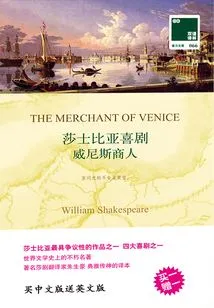
"The Merchant of Venice" was written around 1596-1597. It is an important early work of Shakespeare. It is a highly satirical comedy and one of Shakespeare's four major comedies. The script unfolds through three clues. The main line is the "pound of flesh" contract dispute caused by the Venetian merchant Antonio borrowing 3,000 gold coins from the Jewish loan shark Shylock in order to help Bassanio get married. Its theme is to celebrate benevolence, friendship and love, while also expressing humanistic thoughts on issues such as money, law and religion. An important literary achievement of this play is the creation of the typical image of Shylock, a loan shark. Since its publication in 1600, it has been adapted into movies and TV series many times, the most famous of which is the 2004 movie starring Al Pacino.
"The Merchant of Venice" was written around 1596-1597. It is an important early work of Shakespeare. It is a highly satirical comedy and one of Shakespeare's four major comedies. The script unfolds through three clues. The main line is the "pound of flesh" contract dispute caused by the Venetian merchant Antonio borrowing 3,000 gold coins from the Jewish loan shark Shylock in order to help Bassanio get married. Its theme is to celebrate benevolence, friendship and love, while also expressing humanistic thoughts on issues such as money, law and religion. An important literary achievement of this play is the creation of the typical image of Shylock, a loan shark. Since its publication in 1600, it has been adapted into movies and TV series many times, the most famous of which is the 2004 movie starring Al Pacino.
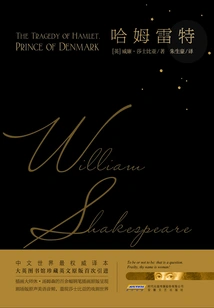
Hamlet (shakespeare Play Collection)
Literature哈姆雷特(莎士比亚戏剧典藏)
H
This book is one of the Shakespeare drama collection series. This series is a bilingual version (English is the original British novel). The book is equipped with pen illustrations by the master illustrator Hugh Thomson. It also comes with a theater version audiobook with pure American pronunciation. "Hamlet" is a representative work of Shakespeare's tragedies. This work was written in 1602. It has reached unprecedented depth and breadth in ideological content, profoundly revealing the sins and essential characteristics of late feudal society. Among them, plots such as the father being killed by an evil uncle, the throne being usurped, the mother marrying the murderer in incest, the crown prince trying to take revenge and pretending to be crazy, etc., Can all be found in ancient Nordic legends. "To survive or not to perish, this is a question worth considering." He raised this question as a basic proposition of philosophy.
This book is one of the Shakespeare drama collection series. This series is a bilingual version (English is the original British novel). The book is equipped with pen illustrations by the master illustrator Hugh Thomson. It also comes with a theater version audiobook with pure American pronunciation. "Hamlet" is a representative work of Shakespeare's tragedies. This work was written in 1602. It has reached unprecedented depth and breadth in ideological content, profoundly revealing the sins and essential characteristics of late feudal society. Among them, plots such as the father being killed by an evil uncle, the throne being usurped, the mother marrying the murderer in incest, the crown prince trying to take revenge and pretending to be crazy, etc., Can all be found in ancient Nordic legends. "To survive or not to perish, this is a question worth considering." He raised this question as a basic proposition of philosophy.
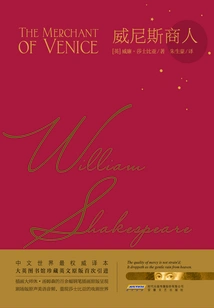
威尼斯商人(莎士比亚戏剧典藏)
H
"The Merchant of Venice" is Shakespeare's important early work and a highly satirical comedy. It mainly tells the story of Antonio, a Venetian businessman, who borrowed three thousand gold coins from the Jewish loan shark Shylock in order to help his friend Bassanio get married. Because Antonio lent money to others without interest, which affected his business and insulted him, Shylock took the opportunity to retaliate and joked in the loan agreement that if the money was not paid after three months, he would cut off a pound of Antonio's flesh to pay off the debt. Antonio was unable to repay the money as scheduled due to a shipwreck, so Shylock sued Antonio to fulfill the loan agreement. In order to save Antonio's life, Bassanio's fiancée Portia pretends to be a lawyer and uses her wisdom to cleverly prevent Shylock from executing the cut of a pound of flesh and lose the lawsuit.
"The Merchant of Venice" is Shakespeare's important early work and a highly satirical comedy. It mainly tells the story of Antonio, a Venetian businessman, who borrowed three thousand gold coins from the Jewish loan shark Shylock in order to help his friend Bassanio get married. Because Antonio lent money to others without interest, which affected his business and insulted him, Shylock took the opportunity to retaliate and joked in the loan agreement that if the money was not paid after three months, he would cut off a pound of Antonio's flesh to pay off the debt. Antonio was unable to repay the money as scheduled due to a shipwreck, so Shylock sued Antonio to fulfill the loan agreement. In order to save Antonio's life, Bassanio's fiancée Portia pretends to be a lawyer and uses her wisdom to cleverly prevent Shylock from executing the cut of a pound of flesh and lose the lawsuit.
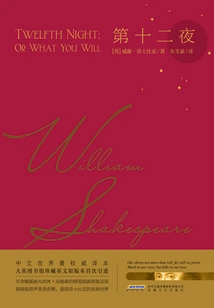
第十二夜(莎士比亚戏剧典藏)
H
This book is one of the Shakespeare drama collection series. This series is a bilingual version (English is the original British novel). The book is equipped with pen illustrations by the master illustrator Hugh Thomson. It also comes with a theater version audiobook with pure American pronunciation. This book is one of Shakespeare's four comedies and is considered one of Shakespeare's best comedies. The play mainly narrates the love story of Viola, Duke Orsino, Olivia, and Sebastian. It has an interesting plot and a lyrical style. It has been adapted to the big screen many times.
This book is one of the Shakespeare drama collection series. This series is a bilingual version (English is the original British novel). The book is equipped with pen illustrations by the master illustrator Hugh Thomson. It also comes with a theater version audiobook with pure American pronunciation. This book is one of Shakespeare's four comedies and is considered one of Shakespeare's best comedies. The play mainly narrates the love story of Viola, Duke Orsino, Olivia, and Sebastian. It has an interesting plot and a lyrical style. It has been adapted to the big screen many times.
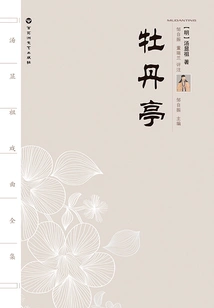
牡丹亭(汤显祖戏曲全集)
H
Du Liniang, the only daughter of Du Zichong, the prefect of Nan'an during the Southern Song Dynasty, was smart and beautiful and studied calligraphy and painting since she was a child. One day while visiting the garden, I dreamed of marrying a scholar holding a willow branch in one hand. When I woke up, I missed my love all day long. Finally, I died of an illness and was buried in the Plum Blossom Temple...
Du Liniang, the only daughter of Du Zichong, the prefect of Nan'an during the Southern Song Dynasty, was smart and beautiful and studied calligraphy and painting since she was a child. One day while visiting the garden, I dreamed of marrying a scholar holding a willow branch in one hand. When I woke up, I missed my love all day long. Finally, I died of an illness and was buried in the Plum Blossom Temple...
V
LiteratureV
H
"Hamlet" is one of the four great tragedies created by Shakespeare. It tells the story of Hamlet, the Danish prince, who avenges his father: When the young prince was studying in Germany, bad news came from the country. His father died suddenly and tragically. His uncle snatched the throne that originally belonged to him and married his mother. This makes Hamlet deeply ashamed and angry. Late one night, he met his father's ghost to complain, and finally learned that all this was his uncle's conspiracy. So, he decided to avenge his father... The period from 1590 to 1613 was the golden age of Shakespeare's creation. His early plays, mainly comedies and historical dramas, reached their peak of depth and artistry in the late 16th century. By 1608, he was mainly writing tragedies. Shakespeare advocated noble sentiments, and his tragedies often described sacrifice and revenge, including "Othello", "Hamlet", "King Lear" and "Macbeth", which are considered among the best examples in the English language. Towards the end of his life, he began to write tragicomedies, also known as romance plays.
"Hamlet" is one of the four great tragedies created by Shakespeare. It tells the story of Hamlet, the Danish prince, who avenges his father: When the young prince was studying in Germany, bad news came from the country. His father died suddenly and tragically. His uncle snatched the throne that originally belonged to him and married his mother. This makes Hamlet deeply ashamed and angry. Late one night, he met his father's ghost to complain, and finally learned that all this was his uncle's conspiracy. So, he decided to avenge his father... The period from 1590 to 1613 was the golden age of Shakespeare's creation. His early plays, mainly comedies and historical dramas, reached their peak of depth and artistry in the late 16th century. By 1608, he was mainly writing tragedies. Shakespeare advocated noble sentiments, and his tragedies often described sacrifice and revenge, including "Othello", "Hamlet", "King Lear" and "Macbeth", which are considered among the best examples in the English language. Towards the end of his life, he began to write tragicomedies, also known as romance plays.
U
LiteratureU
H
"As You Like It" is one of the "Four Comedies" created by Shakespeare. The story mainly takes place in the forest of Arden, far away from the world. Created approximately between 1598-1600. "As You Like It" is based on the pastoral legend "Rosaline" written in the prose style of the 16th-century British writer Thomas Roach. This kind of paradise-style pastoral literature that sings about the pure and infinite love of shepherds is a long-standing artistic tradition in Europe. After the interruption of the pastoral legend in the Middle Ages, it flourished again in the Renaissance era.
"As You Like It" is one of the "Four Comedies" created by Shakespeare. The story mainly takes place in the forest of Arden, far away from the world. Created approximately between 1598-1600. "As You Like It" is based on the pastoral legend "Rosaline" written in the prose style of the 16th-century British writer Thomas Roach. This kind of paradise-style pastoral literature that sings about the pure and infinite love of shepherds is a long-standing artistic tradition in Europe. After the interruption of the pastoral legend in the Middle Ages, it flourished again in the Renaissance era.
萨德侯爵夫人(三岛由纪夫作品系列)
H
Yukio Mishima's drama masterpiece, published in Chinese for the first time, is a dramatic demonstration of the mysterious madness of "normal" men and women. The more despicable, cruel, immoral, and filthy human affairs are, the more they need to be described in elegant language. After Sade was imprisoned, the Marquise de Sade remained chaste throughout her life and ran to rescue her husband from prison. In old age, when Sade was free, she suddenly broke up with him. Hidden within this mystery is something real and incomprehensible about human nature. With Madame de Sade as the center, the six female characters in the play respectively represent chastity, morality, God, sensuality, innocence, and the people. They move intertwinedly like planets, and the conflict of ideas forms the climax of the drama.
Yukio Mishima's drama masterpiece, published in Chinese for the first time, is a dramatic demonstration of the mysterious madness of "normal" men and women. The more despicable, cruel, immoral, and filthy human affairs are, the more they need to be described in elegant language. After Sade was imprisoned, the Marquise de Sade remained chaste throughout her life and ran to rescue her husband from prison. In old age, when Sade was free, she suddenly broke up with him. Hidden within this mystery is something real and incomprehensible about human nature. With Madame de Sade as the center, the six female characters in the play respectively represent chastity, morality, God, sensuality, innocence, and the people. They move intertwinedly like planets, and the conflict of ideas forms the climax of the drama.
Storm
Literature暴风雨
H
"The Tempest" is William Shakespeare's last complete masterpiece. The play celebrates pure love, friendship and good relationships between people.
"The Tempest" is William Shakespeare's last complete masterpiece. The play celebrates pure love, friendship and good relationships between people.
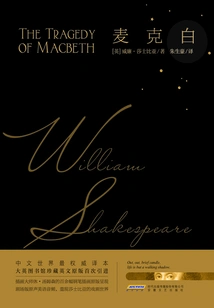
Macbeth (shakespeare Drama Collection)
Literature麦克白(莎士比亚戏剧典藏)
H
This book is one of the Shakespeare drama collection series. This series is a bilingual version (English is the original British novel). The book is equipped with pen illustrations by the master illustrator Hugh Thomson. It also comes with a theater version audiobook with pure American pronunciation. This book is one of Shakespeare's four great tragedies. General Macbeth, cousin of King Duncan of Scotland, returned from serving the king in countering rebellion and resisting invasion. Driven by ambition, he murdered Duncan and became king. In order to cover up others' eyes and prevent others from seizing the throne, he gradually killed Duncan's guards, Banquo, and the wife and children of the noble Macduff. Fear and suspicion make Macbeth more and more evil and cruel. Lady Macbeth went insane and committed suicide, which was also a great stimulus to him. With all the rebels and relatives separated, Macbeth faced the siege of Duncan's son and the English reinforcements he invited, and ended up bowing his head.
This book is one of the Shakespeare drama collection series. This series is a bilingual version (English is the original British novel). The book is equipped with pen illustrations by the master illustrator Hugh Thomson. It also comes with a theater version audiobook with pure American pronunciation. This book is one of Shakespeare's four great tragedies. General Macbeth, cousin of King Duncan of Scotland, returned from serving the king in countering rebellion and resisting invasion. Driven by ambition, he murdered Duncan and became king. In order to cover up others' eyes and prevent others from seizing the throne, he gradually killed Duncan's guards, Banquo, and the wife and children of the noble Macduff. Fear and suspicion make Macbeth more and more evil and cruel. Lady Macbeth went insane and committed suicide, which was also a great stimulus to him. With all the rebels and relatives separated, Macbeth faced the siege of Duncan's son and the English reinforcements he invited, and ended up bowing his head.
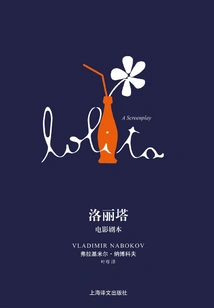
Lolita: Screenplay
Literature洛丽塔:电影剧本
H
The most controversial work "Lolita" by the stylist Nabokov inspired two directors to put it on the big screen twice, and also prompted Nabokov to try to write his only film script. The protagonist, a European immigrant who has received higher education but whose behavior exceeds the moral scope, becomes obsessed with a cute but dangerous and ruthless adolescent girl and begins a crazy love affair. In the book, Nabokov breaks the fixed expression patterns of sex, morality and beauty, and blends the structural and narrative language of the film to form a mischievous fantasy.
The most controversial work "Lolita" by the stylist Nabokov inspired two directors to put it on the big screen twice, and also prompted Nabokov to try to write his only film script. The protagonist, a European immigrant who has received higher education but whose behavior exceeds the moral scope, becomes obsessed with a cute but dangerous and ruthless adolescent girl and begins a crazy love affair. In the book, Nabokov breaks the fixed expression patterns of sex, morality and beauty, and blends the structural and narrative language of the film to form a mischievous fantasy.
Y
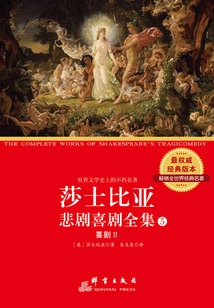
莎士比亚悲剧喜剧全集5:喜剧Ⅱ
H
This book is the fifth volume, and this set of books is divided into six volumes. The three volumes of tragedies and three volumes of comedies include 11 tragedies such as "Hamlet", "Othello", "King Lear" and "Macbeth" and 12 comedies such as "The Merchant of Venice", "A Midsummer Night's Dream", "As You Like It", "Twelfth Night" and "The Merry Wives of Windsor", all arranged in order of Shakespeare's writing time. This set of books is translated by Mr. Zhu Shenghao. It has been tested for a long time and is worth reading and collecting by readers!
This book is the fifth volume, and this set of books is divided into six volumes. The three volumes of tragedies and three volumes of comedies include 11 tragedies such as "Hamlet", "Othello", "King Lear" and "Macbeth" and 12 comedies such as "The Merchant of Venice", "A Midsummer Night's Dream", "As You Like It", "Twelfth Night" and "The Merry Wives of Windsor", all arranged in order of Shakespeare's writing time. This set of books is translated by Mr. Zhu Shenghao. It has been tested for a long time and is worth reading and collecting by readers!
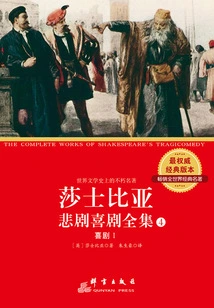
莎士比亚悲剧喜剧全集4:喜剧Ⅰ
H
This book is the fourth volume, and this set of books is divided into six volumes. The three volumes of tragedies and three volumes of comedies include 11 tragedies such as "Hamlet", "Othello", "King Lear" and "Macbeth" and 12 comedies such as "The Merchant of Venice", "A Midsummer Night's Dream", "As You Like It", "Twelfth Night" and "The Merry Wives of Windsor", all arranged in order of Shakespeare's writing time. This set of books is translated by Mr. Zhu Shenghao. It has been tested for a long time and is worth reading and collecting by readers!
This book is the fourth volume, and this set of books is divided into six volumes. The three volumes of tragedies and three volumes of comedies include 11 tragedies such as "Hamlet", "Othello", "King Lear" and "Macbeth" and 12 comedies such as "The Merchant of Venice", "A Midsummer Night's Dream", "As You Like It", "Twelfth Night" and "The Merry Wives of Windsor", all arranged in order of Shakespeare's writing time. This set of books is translated by Mr. Zhu Shenghao. It has been tested for a long time and is worth reading and collecting by readers!
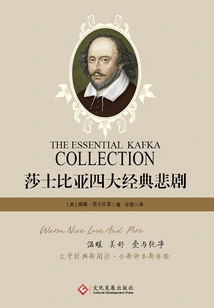
Shakespeare's Four Classic Tragedies
Literature莎士比亚四大经典悲剧
H
"Hamlet", "Othello", "King Lear" and "Macbeth" are recognized as Shakespeare's "four great tragedies". The stories are all taken from European historical legends. The four tragedies express the tragic conflict between humanistic ideals and the evil forces of real society and the disillusionment of ideals. "Hamlet" was written between 1599 and 1602. It tells the story of Hamlet's uncle Claudius who murdered Hamlet's father, usurped the throne, and married the king's widow Gertrude; Prince Hamlet therefore avenges his father on his uncle. "Othello" was written around 1603. It tells the story of a jealous Moor who killed his innocent wife because he believed his subordinates' slander. "King Lear" tells the story of the elderly King Lear who abdicated and was driven into the wilderness by his eldest and second daughters. The third daughter, who became the Queen of France, led an army to save her father, but was killed. King Lear died sadly beside her. "Macbeth" was written in 1606. It tells the story of the greed for power of the greedy king and queen and their final overthrow.
"Hamlet", "Othello", "King Lear" and "Macbeth" are recognized as Shakespeare's "four great tragedies". The stories are all taken from European historical legends. The four tragedies express the tragic conflict between humanistic ideals and the evil forces of real society and the disillusionment of ideals. "Hamlet" was written between 1599 and 1602. It tells the story of Hamlet's uncle Claudius who murdered Hamlet's father, usurped the throne, and married the king's widow Gertrude; Prince Hamlet therefore avenges his father on his uncle. "Othello" was written around 1603. It tells the story of a jealous Moor who killed his innocent wife because he believed his subordinates' slander. "King Lear" tells the story of the elderly King Lear who abdicated and was driven into the wilderness by his eldest and second daughters. The third daughter, who became the Queen of France, led an army to save her father, but was killed. King Lear died sadly beside her. "Macbeth" was written in 1606. It tells the story of the greed for power of the greedy king and queen and their final overthrow.
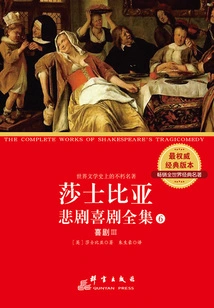
莎士比亚悲剧喜剧全集6:喜剧Ⅲ
H
This book is the sixth volume, and this set of books is divided into six volumes. The three volumes of tragedies and three volumes of comedies include 11 tragedies such as "Hamlet", "Othello", "King Lear" and "Macbeth" and 12 comedies such as "The Merchant of Venice", "A Midsummer Night's Dream", "As You Like It", "Twelfth Night" and "The Merry Wives of Windsor", all arranged in order of Shakespeare's writing time. This set of books is translated by Mr. Zhu Shenghao. It has been tested for a long time and is worth reading and collecting by readers!
This book is the sixth volume, and this set of books is divided into six volumes. The three volumes of tragedies and three volumes of comedies include 11 tragedies such as "Hamlet", "Othello", "King Lear" and "Macbeth" and 12 comedies such as "The Merchant of Venice", "A Midsummer Night's Dream", "As You Like It", "Twelfth Night" and "The Merry Wives of Windsor", all arranged in order of Shakespeare's writing time. This set of books is translated by Mr. Zhu Shenghao. It has been tested for a long time and is worth reading and collecting by readers!
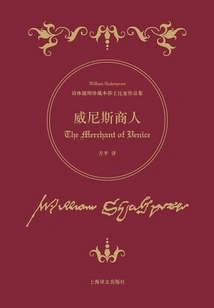
H
LiteratureH
H
"The Merchant of Venice" is Shakespeare's important early work and a highly satirical comedy. It was made around 1596-1597. The theme of the script is to praise benevolence, friendship and love. It also reflects the contradiction between the commercial bourgeoisie and the loan sharks in the early stage of capitalism, and expresses the author's humanistic thoughts on issues such as money, law and religion in bourgeois society. An important literary achievement of this play is to create the typical image of Shylock, a profit-seeking, ruthless loan shark.
"The Merchant of Venice" is Shakespeare's important early work and a highly satirical comedy. It was made around 1596-1597. The theme of the script is to praise benevolence, friendship and love. It also reflects the contradiction between the commercial bourgeoisie and the loan sharks in the early stage of capitalism, and expresses the author's humanistic thoughts on issues such as money, law and religion in bourgeois society. An important literary achievement of this play is to create the typical image of Shylock, a profit-seeking, ruthless loan shark.
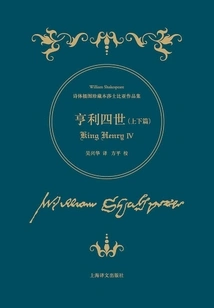
Henry Iv (part 1 and 2)
Literature亨利四世(上下篇)
H
"Henry IV" is the most successful and popular of Shakespeare's historical dramas, and is regarded as the representative work of Shakespeare's historical dramas. The main content of this work is to reflect the process of Henry IV and his princes' desperate struggle against the rebellious princes and nobles. Shakespeare breaks through the network structure of traditional historical dramas in which multiple clues intertwine and develop, and adopts a structure in which two clues develop in parallel - the clue of court life represented by Henry IV and the clue of city life represented by Falstaff. In the play, the relaxed, mediocre, happy city life full of mischief is in sharp contrast with the tense, complicated palace life full of bloody conspiracies, making the content of the work not only exude a strong flavor of life, but also have a certain historical depth.
"Henry IV" is the most successful and popular of Shakespeare's historical dramas, and is regarded as the representative work of Shakespeare's historical dramas. The main content of this work is to reflect the process of Henry IV and his princes' desperate struggle against the rebellious princes and nobles. Shakespeare breaks through the network structure of traditional historical dramas in which multiple clues intertwine and develop, and adopts a structure in which two clues develop in parallel - the clue of court life represented by Henry IV and the clue of city life represented by Falstaff. In the play, the relaxed, mediocre, happy city life full of mischief is in sharp contrast with the tense, complicated palace life full of bloody conspiracies, making the content of the work not only exude a strong flavor of life, but also have a certain historical depth.
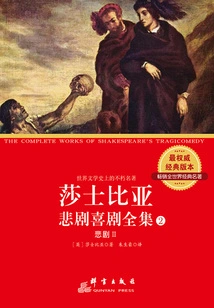
莎士比亚悲剧喜剧全集2:悲剧Ⅱ
H
This book is the second volume, and this set of books is divided into six volumes. The three volumes of tragedies and three volumes of comedies include 11 tragedies such as "Hamlet", "Othello", "King Lear" and "Macbeth" and 12 comedies such as "The Merchant of Venice", "A Midsummer Night's Dream", "As You Like It", "Twelfth Night" and "The Merry Wives of Windsor", all arranged in order of Shakespeare's writing time. This set of books is translated by Mr. Zhu Shenghao. It has been tested for a long time and is worth reading and collecting by readers!
This book is the second volume, and this set of books is divided into six volumes. The three volumes of tragedies and three volumes of comedies include 11 tragedies such as "Hamlet", "Othello", "King Lear" and "Macbeth" and 12 comedies such as "The Merchant of Venice", "A Midsummer Night's Dream", "As You Like It", "Twelfth Night" and "The Merry Wives of Windsor", all arranged in order of Shakespeare's writing time. This set of books is translated by Mr. Zhu Shenghao. It has been tested for a long time and is worth reading and collecting by readers!
N
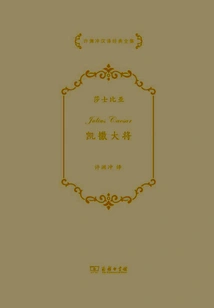
Caesar
Literature凯撒大将
H
"Julius Caesar" (also translated as "Julius Caesar") is one of the "Complete Chinese Translation Classics by Xu Yuanchong" and one of Shakespeare's masterpieces. The plot tells that in the play, Caesar is the representative of the dictatorship. He has high achievements and strives to expand his own power, so it is inevitable to wear the imperial robe; while the republicans headed by Cassius and others oppose personal dictatorship and attempt to eradicate Caesar's power, but they are weak, so they instigate the highly respected Bruda to participate in their actions. Led by Bruda, the Republicans assassinated Caesar. Afterwards, Caesar's confidant Antony incited the Roman people with passionate speeches, causing them to change their original intentions and turn against Bruda, and expelled Bruda and others from the city of Rome. Finally, under siege by the soldiers of Antony and others, Bruda committed suicide and the republic was destroyed.
"Julius Caesar" (also translated as "Julius Caesar") is one of the "Complete Chinese Translation Classics by Xu Yuanchong" and one of Shakespeare's masterpieces. The plot tells that in the play, Caesar is the representative of the dictatorship. He has high achievements and strives to expand his own power, so it is inevitable to wear the imperial robe; while the republicans headed by Cassius and others oppose personal dictatorship and attempt to eradicate Caesar's power, but they are weak, so they instigate the highly respected Bruda to participate in their actions. Led by Bruda, the Republicans assassinated Caesar. Afterwards, Caesar's confidant Antony incited the Roman people with passionate speeches, causing them to change their original intentions and turn against Bruda, and expelled Bruda and others from the city of Rome. Finally, under siege by the soldiers of Antony and others, Bruda committed suicide and the republic was destroyed.
N
Ac
Literatureac
H
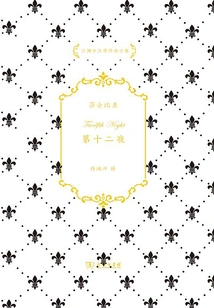
"Twelfth Night" is one of the "Complete Chinese Translation Classics by Xu Yuanchong" and one of Shakespeare's famous comedies. Plot: Sebadian and Weihenna, twin brothers and sisters, were unfortunately killed during a sea voyage. They each escaped by chance and lived in Ilia. Weihenna disguises herself as a man and works as a page for Duke Orsino. She secretly loves the Duke, but the Duke loves a Countess Olivia. But Olivia didn't love him. Instead, she fell in love with Weihenna, who wooed her on the Duke's behalf. After some interesting twists and turns, Weihenna and Orsino, Olivia and Sebadian both formed a happy marriage. Although Olivia's original love was not Sebadian, his face was exactly the same as Weihena's, which fulfilled her wish.
"Twelfth Night" is one of the "Complete Chinese Translation Classics by Xu Yuanchong" and one of Shakespeare's famous comedies. Plot: Sebadian and Weihenna, twin brothers and sisters, were unfortunately killed during a sea voyage. They each escaped by chance and lived in Ilia. Weihenna disguises herself as a man and works as a page for Duke Orsino. She secretly loves the Duke, but the Duke loves a Countess Olivia. But Olivia didn't love him. Instead, she fell in love with Weihenna, who wooed her on the Duke's behalf. After some interesting twists and turns, Weihenna and Orsino, Olivia and Sebadian both formed a happy marriage. Although Olivia's original love was not Sebadian, his face was exactly the same as Weihena's, which fulfilled her wish.
牛津版莎士比亚:罗密欧与朱丽叶
H
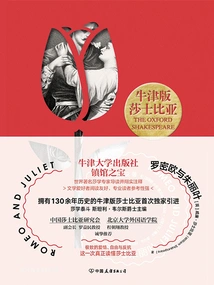
Montague's son Romeo and Capulet's daughter Juliet fell in love at first sight. They recognized each other in a novel and touching dialogue, discovered themselves, and developed a passionate love. However, they could not get married due to family feud. As a famous love tragedy in the history of literature, "Romeo and Juliet" shows the ultimate love and pain, explores the opposition between love and husband's power, individual and social structure, and demonstrates a strong humanistic color. Its passionate language and magnificent imagination deepen the aesthetic connotation, making the play still glow with enduring romantic vitality a hundred years later. The introduction and annotations of this book are compiled by Professor Jill Levenson, Honorary Vice President of the International Shakespeare Society. It analyzes this Shakespeare classic love tragedy from multiple perspectives such as the mythological origin of the story, the violence in patriarchal society, the use of word games and rhetorical techniques, and the history of script performance.
Montague's son Romeo and Capulet's daughter Juliet fell in love at first sight. They recognized each other in a novel and touching dialogue, discovered themselves, and developed a passionate love. However, they could not get married due to family feud. As a famous love tragedy in the history of literature, "Romeo and Juliet" shows the ultimate love and pain, explores the opposition between love and husband's power, individual and social structure, and demonstrates a strong humanistic color. Its passionate language and magnificent imagination deepen the aesthetic connotation, making the play still glow with enduring romantic vitality a hundred years later. The introduction and annotations of this book are compiled by Professor Jill Levenson, Honorary Vice President of the International Shakespeare Society. It analyzes this Shakespeare classic love tragedy from multiple perspectives such as the mythological origin of the story, the violence in patriarchal society, the use of word games and rhetorical techniques, and the history of script performance.
没有父亲的人(契诃夫戏剧全集6)
H
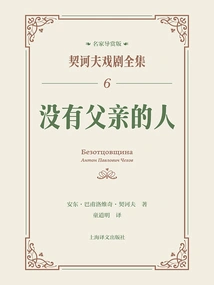
"The Man Without a Father", also known as "Platonov", is a work written by the great dramatist Anton Chekhov when he was studying at the age of 19. Although he was a little immature, he already showed his amazing creative talent. The translator, Mr. Tong Daoming, is a famous drama critic and an industry-recognized expert on Chekhov. The script describes the decline of provincial aristocratic estates and depicts the image of a group of intellectuals, represented by the protagonist Platonov, who have nothing to do and spend their days in melancholy. It is the precursor of a series of "superfluous people" characters at the end of the century created in Chekhov's later works. As the book's introduction author and well-known director Wang Xiaoying said, "Platonov's excellence and sensitivity make him like the nerve endings of the organic whole of human beings. He feels and bears the spiritual distress that belongs to us all before us and is stronger than us... Is Platonov noble or despicable? Tragic or tragic? Is it comic? Will it make people cry or laugh? Should we sympathize with him or despise him? ... The 19-year-old Chekhov leaves today's people at a loss, and the modernity of "The Man Without a Father" may lie in this. "This book is the sixth volume of the "Famous Guide Edition" of "The Complete Works of Chekhov's Plays", with audio interpretations of famous scenes from Chekhov's plays. I would like to commemorate the 120th anniversary of Chekhov's death - his stage contains all the pain and expectations of this era.
"The Man Without a Father", also known as "Platonov", is a work written by the great dramatist Anton Chekhov when he was studying at the age of 19. Although he was a little immature, he already showed his amazing creative talent. The translator, Mr. Tong Daoming, is a famous drama critic and an industry-recognized expert on Chekhov. The script describes the decline of provincial aristocratic estates and depicts the image of a group of intellectuals, represented by the protagonist Platonov, who have nothing to do and spend their days in melancholy. It is the precursor of a series of "superfluous people" characters at the end of the century created in Chekhov's later works. As the book's introduction author and well-known director Wang Xiaoying said, "Platonov's excellence and sensitivity make him like the nerve endings of the organic whole of human beings. He feels and bears the spiritual distress that belongs to us all before us and is stronger than us... Is Platonov noble or despicable? Tragic or tragic? Is it comic? Will it make people cry or laugh? Should we sympathize with him or despise him? ... The 19-year-old Chekhov leaves today's people at a loss, and the modernity of "The Man Without a Father" may lie in this. "This book is the sixth volume of the "Famous Guide Edition" of "The Complete Works of Chekhov's Plays", with audio interpretations of famous scenes from Chekhov's plays. I would like to commemorate the 120th anniversary of Chekhov's death - his stage contains all the pain and expectations of this era.
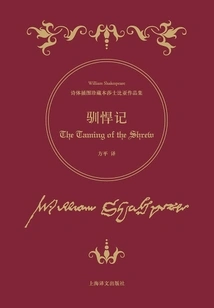
Taming of the Shrew
Literature驯悍记
H
"The Taming of the Shrew" is Shakespeare's early comedy work with a funny and interesting plot. It tells the story of a smart man who used ingenious strategies to successfully transform a grumpy rich girl into a gentle and virtuous wife. In the story, the characters' distinctive personalities and vivid dialogues are impressive.
"The Taming of the Shrew" is Shakespeare's early comedy work with a funny and interesting plot. It tells the story of a smart man who used ingenious strategies to successfully transform a grumpy rich girl into a gentle and virtuous wife. In the story, the characters' distinctive personalities and vivid dialogues are impressive.

南柯记(汤显祖戏曲全集)
H
This book tells the story of the protagonist Chun Yufen who lost his official position and returned home. One day he was drunk and lying under the ancient locust tree in front of the court. He fell into a deep dream. In his dream, he imagined that he entered the country of ants "Huai'an Kingdom" and was summoned by King Huai'an as his consort...
This book tells the story of the protagonist Chun Yufen who lost his official position and returned home. One day he was drunk and lying under the ancient locust tree in front of the court. He fell into a deep dream. In his dream, he imagined that he entered the country of ants "Huai'an Kingdom" and was summoned by King Huai'an as his consort...
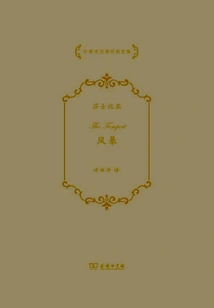
Storm
Literature风暴
H
"The Tempest" (also translated as "The Tempest") is one of the "Complete Chinese Translation Classics of Xu Yuanchong" and one of Shakespeare's masterpieces. The plot tells the story of Duke Probe of Milan, whose title was usurped by his younger brother Antonius. He fled to a desert island with his infant daughter Miranda and relied on magic to become the owner of the island. Later, he created a storm and brought the ships of the nearby King of Naples, Prince Ferdinand and accompanying Antonius to the desert island. He also used magic to facilitate the marriage between the prince and Miranda. The ending is that Probet restored his title, forgave his enemies, and returned home.
"The Tempest" (also translated as "The Tempest") is one of the "Complete Chinese Translation Classics of Xu Yuanchong" and one of Shakespeare's masterpieces. The plot tells the story of Duke Probe of Milan, whose title was usurped by his younger brother Antonius. He fled to a desert island with his infant daughter Miranda and relied on magic to become the owner of the island. Later, he created a storm and brought the ships of the nearby King of Naples, Prince Ferdinand and accompanying Antonius to the desert island. He also used magic to facilitate the marriage between the prince and Miranda. The ending is that Probet restored his title, forgave his enemies, and returned home.
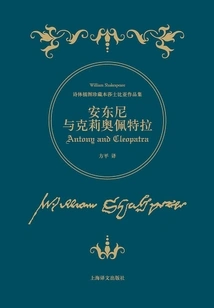
Antony and Cleopatra
Literature安东尼与克莉奥佩特拉
H
"Antony and Cleopatra" is a Roman tragedy written by Shakespeare around 1607. It is derived from "Lives of the Greeks and Romans" written by the ancient Roman historian Plutarch.
"Antony and Cleopatra" is a Roman tragedy written by Shakespeare around 1607. It is derived from "Lives of the Greeks and Romans" written by the ancient Roman historian Plutarch.