Library
Browse and search books
13,360 novels found

Cuckoo Eggs
General Fiction布谷鸟的蛋
I
Keigo Higashino's long suspenseful masterpiece is about dreams, family love and protection. Did you know? Cuckoos lay their eggs in other birds' nests and let other birds raise them on their behalf. --I found out that my daughter Fengmei was someone else's child, but I allowed her to be added to my household registration. I felt guilty. Perhaps my wife and I had distorted her life. I won't let this kid suffer any punishment. If punishment comes, I will risk my life. One day, a man named Kamijou found me. He seemed to have come prepared.
Keigo Higashino's long suspenseful masterpiece is about dreams, family love and protection. Did you know? Cuckoos lay their eggs in other birds' nests and let other birds raise them on their behalf. --I found out that my daughter Fengmei was someone else's child, but I allowed her to be added to my household registration. I felt guilty. Perhaps my wife and I had distorted her life. I won't let this kid suffer any punishment. If punishment comes, I will risk my life. One day, a man named Kamijou found me. He seemed to have come prepared.

Eyewitness
General Fiction目击者
J
Whenever he rode his bicycle to the slope next to Wuzoji Temple, Kyouta felt a sense of relief. When he came out of the store across from the station, the milk bottles on the school bag rack made him bend down, forcing him to push his feet as hard as he could. At this time, the cold morning air gradually blended into the atmosphere of the eastern sunrise, making Kyouta feel relieved that today's work was coming to an end. Kyouta is not bored with the job of delivering milk every morning. However, he is a third-grade elementary school student after all. His body is sluggish and thin. Riding a bicycle on the bumpy gravel road and carrying a bag with milk bottles up to the fourth floor is indeed a very hard job.
Whenever he rode his bicycle to the slope next to Wuzoji Temple, Kyouta felt a sense of relief. When he came out of the store across from the station, the milk bottles on the school bag rack made him bend down, forcing him to push his feet as hard as he could. At this time, the cold morning air gradually blended into the atmosphere of the eastern sunrise, making Kyouta feel relieved that today's work was coming to an end. Kyouta is not bored with the job of delivering milk every morning. However, he is a third-grade elementary school student after all. His body is sluggish and thin. Riding a bicycle on the bumpy gravel road and carrying a bag with milk bottles up to the fourth floor is indeed a very hard job.
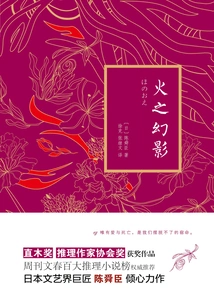
Phantom of Fire
General Fiction火之幻影
I
This book is the most proud mystery novel by the famous Japanese writer Chen Shunchen. The protagonist Shogo Hamura's adoptive mother dies mysteriously. Everyone present has perfect alibi. Who is the murderer? As the investigation continues to unfold, larger conspiracies are slowly emerging.
This book is the most proud mystery novel by the famous Japanese writer Chen Shunchen. The protagonist Shogo Hamura's adoptive mother dies mysteriously. Everyone present has perfect alibi. Who is the murderer? As the investigation continues to unfold, larger conspiracies are slowly emerging.
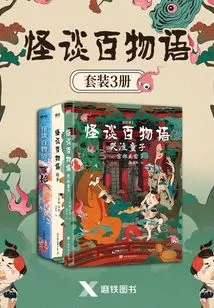
Ghost Stories (set of 3 Volumes)
General Fiction怪谈百物语(套装3册)
J
This set includes: "Kaitan Hyakumonogatari: The Crying Boy", "Kaitan Hyakumonogatari: The Dark Beast" and "Kaitan Hyakumonogatari: The Beginning of the Affair". "Kaitan Hyakumonogatari: The Crying Boy" is about: Mishimaya in Kanda, Edo, where you can tell your unknown secrets. No need to tell me your name, just words and ears to listen. All stories will be forever sealed in my heart, I promise you. As a result, unexpected visitors came one after another.
This set includes: "Kaitan Hyakumonogatari: The Crying Boy", "Kaitan Hyakumonogatari: The Dark Beast" and "Kaitan Hyakumonogatari: The Beginning of the Affair". "Kaitan Hyakumonogatari: The Crying Boy" is about: Mishimaya in Kanda, Edo, where you can tell your unknown secrets. No need to tell me your name, just words and ears to listen. All stories will be forever sealed in my heart, I promise you. As a result, unexpected visitors came one after another.

Jack, Just the Ripper? (2)
General Fiction杰克,只是开膛手?(2)
Cold
Before Paul Mankel was arrested on August 7, 2012, the public had various speculations about him. Because he used the "Jack the Ripper" method of committing crimes, people generally thought that he was a tall, strong and fierce man. However, when Edward escorted him out of the hotel room where he was hiding, the media was in an uproar. He is short and thin, only 1.60 Meters tall, and has a lewd gaze. When he raises his eyes to look at people, people always think of a timid mouse and want to slap him. However, it was he who continued the cruel methods of "Jack the Ripper" and killed four women who were all taller than him. Today, sitting in front of Edward and Duncan in the visiting room, Paul Mankel was as wretched as ever, although he had some wrinkles.
Before Paul Mankel was arrested on August 7, 2012, the public had various speculations about him. Because he used the "Jack the Ripper" method of committing crimes, people generally thought that he was a tall, strong and fierce man. However, when Edward escorted him out of the hotel room where he was hiding, the media was in an uproar. He is short and thin, only 1.60 Meters tall, and has a lewd gaze. When he raises his eyes to look at people, people always think of a timid mouse and want to slap him. However, it was he who continued the cruel methods of "Jack the Ripper" and killed four women who were all taller than him. Today, sitting in front of Edward and Duncan in the visiting room, Paul Mankel was as wretched as ever, although he had some wrinkles.
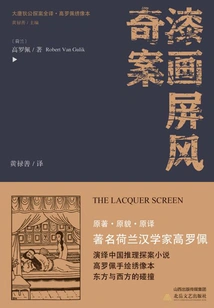
The Complete Translation of Detective Di Gong of the Tang Dynasty: the Strange Case of the Lacquer Painted Screen
General Fiction大唐狄公探案全译:漆画屏风奇案
I
This book is one of the "Comprehensive Translation of Detective Di Gong of the Tang Dynasty: Gao Luopei's Embroidered Portrait Edition". The abnormal death of a local official leads to a major case of transnational gold smuggling and disrupting the social and economic order. There are suspense and thrills everywhere in the book. The seemingly independent cases are both scattered and intertwined with the main clues. Disappearance cases, murder cases, arms cases, collusion cases; Buddhist disciples, wealthy businessmen, fireworks women, and solitary virgins, who has no hidden secrets? The most surprising thing is that the book also contains a character with a similar genetic mutation, who seems to have come out of the ancient "Book of Mountains and Seas" - he has a long history and is eye-catching. There is also the ghost of the unjust dead man, wandering inside and outside the county government hall... When Judge Dee reveals the mystery and makes the readers excited, the author turns his pen and the mystery once again shows a strange smile.
This book is one of the "Comprehensive Translation of Detective Di Gong of the Tang Dynasty: Gao Luopei's Embroidered Portrait Edition". The abnormal death of a local official leads to a major case of transnational gold smuggling and disrupting the social and economic order. There are suspense and thrills everywhere in the book. The seemingly independent cases are both scattered and intertwined with the main clues. Disappearance cases, murder cases, arms cases, collusion cases; Buddhist disciples, wealthy businessmen, fireworks women, and solitary virgins, who has no hidden secrets? The most surprising thing is that the book also contains a character with a similar genetic mutation, who seems to have come out of the ancient "Book of Mountains and Seas" - he has a long history and is eye-catching. There is also the ghost of the unjust dead man, wandering inside and outside the county government hall... When Judge Dee reveals the mystery and makes the readers excited, the author turns his pen and the mystery once again shows a strange smile.
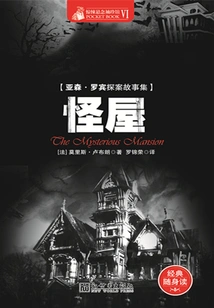
Strange House
General Fiction怪屋
I
It tells the story of Robin's process of solving a mysterious diamond theft case. The plot of the story is twists and turns, full of suspense, thrilling and exciting, making you unable to put it down.
It tells the story of Robin's process of solving a mysterious diamond theft case. The plot of the story is twists and turns, full of suspense, thrilling and exciting, making you unable to put it down.
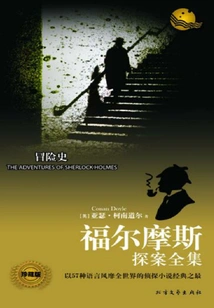
Adventure History (the Complete Works of Sherlock Holmes)
General Fiction冒险史(福尔摩斯探案全集)
J
Conan Doyle's first collection of short stories with the detective Sherlock Holmes as the protagonist. The twelve short stories included in the book are wonderful and unique. For example, "A Scandal in Botswana" depicts a beautiful and intelligent heroine who uses meticulous thinking and astute responses. The ability to change makes the opponent Holmes defeated; "The Red-Headed Club" tells the story of an incredible bank theft case, with a strange plot and clever conception; "The Case of the Spotted Belt" describes a human tragedy in which a father and his daughter were driven to kill each other by the desire for profit. They are all famous stories that Sherlock Holmes fans talk about. During the investigation of these cases, Dr. Watson and Holmes were not afraid of risks and confronted criminals head-on. The two formed a deep friendship of life and death. Holmes's investigative talent and outstanding talent were also fully demonstrated in these cases.
Conan Doyle's first collection of short stories with the detective Sherlock Holmes as the protagonist. The twelve short stories included in the book are wonderful and unique. For example, "A Scandal in Botswana" depicts a beautiful and intelligent heroine who uses meticulous thinking and astute responses. The ability to change makes the opponent Holmes defeated; "The Red-Headed Club" tells the story of an incredible bank theft case, with a strange plot and clever conception; "The Case of the Spotted Belt" describes a human tragedy in which a father and his daughter were driven to kill each other by the desire for profit. They are all famous stories that Sherlock Holmes fans talk about. During the investigation of these cases, Dr. Watson and Holmes were not afraid of risks and confronted criminals head-on. The two formed a deep friendship of life and death. Holmes's investigative talent and outstanding talent were also fully demonstrated in these cases.
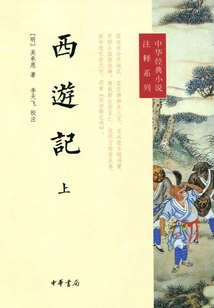
西游记·上(中华经典小说注释系列)
N
As one of the four great classics, "Journey to the West" has been studied and compiled by many people since it was written. This review of "Journey to the West" is based on the Shidetang edition, and the collated editions are Yang Minzhai's edition, Zhu Dingchen's edition, Li Zhuowu's commentary, Tang Monk's Journey to the West, Tang Sanzang's complete biography, Journey to the West Zhengdao Shu, and Xinshuo Journey to the West, etc. Detailed annotations were made on the ideas, famous objects, classics, cultural phenomena, etc.; Errors in the reference books and old annotations were corrected; various methods were used to interpret the difficult points in the novel using knowledge from different disciplines; full use was made of the research results of past dynasties, as much as possible collected and sorted out, and the best ones were chosen; and the religious content was explored in as much detail as possible. This latest annotation could have given modern readers a deeper understanding of Journey to the West, a vivid novel of gods and demons.
As one of the four great classics, "Journey to the West" has been studied and compiled by many people since it was written. This review of "Journey to the West" is based on the Shidetang edition, and the collated editions are Yang Minzhai's edition, Zhu Dingchen's edition, Li Zhuowu's commentary, Tang Monk's Journey to the West, Tang Sanzang's complete biography, Journey to the West Zhengdao Shu, and Xinshuo Journey to the West, etc. Detailed annotations were made on the ideas, famous objects, classics, cultural phenomena, etc.; Errors in the reference books and old annotations were corrected; various methods were used to interpret the difficult points in the novel using knowledge from different disciplines; full use was made of the research results of past dynasties, as much as possible collected and sorted out, and the best ones were chosen; and the religious content was explored in as much detail as possible. This latest annotation could have given modern readers a deeper understanding of Journey to the West, a vivid novel of gods and demons.
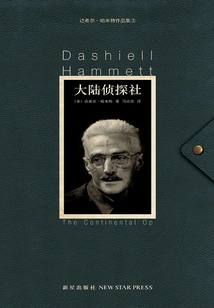
Mainland Detective Agency
General Fiction大陆侦探社
H
A wealthy businessman was injured to death by a heavy object in a car. The murder weapon turned out to be a typewriter. Nine important clues were discovered at the scene, but none of them led to the right direction. A detective who was conducting a routine investigation on Turkey Street met an amiable old couple and was warmly invited into their home for tea. Unexpectedly, he stepped into a trap of intrigue and cannibalism. A colonel who swore revenge took a black manservant who was good at witchcraft to settle near the enemy's house and played various scams. Is he pretending to be a ghost, or does he really believe that the power of ghosts and gods will avenge him? In the whirlpool of money, beauties, gangsters, and ghosts, this middle-aged, fat, and nameless detective from a mainland detective agency calmly dealt with the situation and survived every desperate situation.
A wealthy businessman was injured to death by a heavy object in a car. The murder weapon turned out to be a typewriter. Nine important clues were discovered at the scene, but none of them led to the right direction. A detective who was conducting a routine investigation on Turkey Street met an amiable old couple and was warmly invited into their home for tea. Unexpectedly, he stepped into a trap of intrigue and cannibalism. A colonel who swore revenge took a black manservant who was good at witchcraft to settle near the enemy's house and played various scams. Is he pretending to be a ghost, or does he really believe that the power of ghosts and gods will avenge him? In the whirlpool of money, beauties, gangsters, and ghosts, this middle-aged, fat, and nameless detective from a mainland detective agency calmly dealt with the situation and survived every desperate situation.
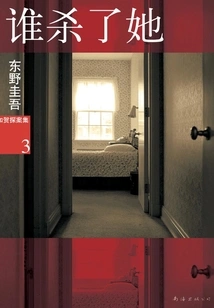
Who Killed Her
General Fiction谁杀了她
H
Worried about his depressed sister, traffic policeman Kang Zheng rushed to Tokyo, but what greeted him was his sister's body. The suicide scene that seemed unmistakable at first glance was full of flaws in Kang Zheng's eyes. He covered up the flaws and wanted the police to close the case with suicide so that he could personally find the murderer and take revenge. As expected, the police fell into the trap, and Kang Zheng's investigation was also carried out secretly. Only Interpol Kaga was full of doubts about this. However, no matter how hard Kaga pressed, Kang Zheng was determined to make a desperate move. The two slowly came closer to the truth during the contest... Who killed her?
Worried about his depressed sister, traffic policeman Kang Zheng rushed to Tokyo, but what greeted him was his sister's body. The suicide scene that seemed unmistakable at first glance was full of flaws in Kang Zheng's eyes. He covered up the flaws and wanted the police to close the case with suicide so that he could personally find the murderer and take revenge. As expected, the police fell into the trap, and Kang Zheng's investigation was also carried out secretly. Only Interpol Kaga was full of doubts about this. However, no matter how hard Kaga pressed, Kang Zheng was determined to make a desperate move. The two slowly came closer to the truth during the contest... Who killed her?
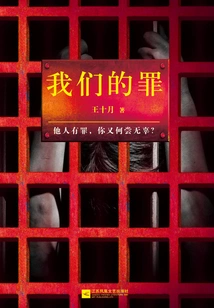
Our Sin
General Fiction我们的罪
J
Wearing a robe, justice is my judge, facing the hawker with the same name who was killed in anger, the moral defense line that had been in disrepair collapsed in an instant. A new grave with decayed grass, might the old evils be buried together? The business world is also a biological chain. Big fish eat small fish, and small fish eat shrimps. Everyone feels good, as if they can afford something to eat and live in. Only when disaster strikes, it suddenly becomes clear that it is all an illusion; full of the urge to return to their roots after falling leaves, dragging their tired and sick bodies, they dream of their hometown. The clouds can heal the pain of wandering around the world, but everyone knows that no matter the city or hometown, you and I are just a few strangers on the earth... The collection of short and medium stories "Our Sins" is a collection of "Human Sins" series of novels by the well-known writer Wang Shiyue, winner of the Lu Xun Literature Award. It includes five works: "Human Crime", "Nine Links", "National Order", "Root-seeking Group" and "White Zebra". Wang Shiyue's novels are written for little people and for crimes that are not crimes. Like a scalpel, they cut into the complex relationships between people and between people and the world, embodying the author's questioning and profound introspection about the real society.
Wearing a robe, justice is my judge, facing the hawker with the same name who was killed in anger, the moral defense line that had been in disrepair collapsed in an instant. A new grave with decayed grass, might the old evils be buried together? The business world is also a biological chain. Big fish eat small fish, and small fish eat shrimps. Everyone feels good, as if they can afford something to eat and live in. Only when disaster strikes, it suddenly becomes clear that it is all an illusion; full of the urge to return to their roots after falling leaves, dragging their tired and sick bodies, they dream of their hometown. The clouds can heal the pain of wandering around the world, but everyone knows that no matter the city or hometown, you and I are just a few strangers on the earth... The collection of short and medium stories "Our Sins" is a collection of "Human Sins" series of novels by the well-known writer Wang Shiyue, winner of the Lu Xun Literature Award. It includes five works: "Human Crime", "Nine Links", "National Order", "Root-seeking Group" and "White Zebra". Wang Shiyue's novels are written for little people and for crimes that are not crimes. Like a scalpel, they cut into the complex relationships between people and between people and the world, embodying the author's questioning and profound introspection about the real society.
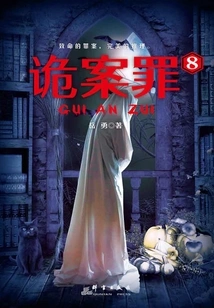
Crime of Mystery 8
General Fiction诡案罪8
J
The 8th part of the "Crime" series. The protagonist "I" enters the public security system after graduating from the police academy. My ideal was to be a criminal police officer, but my boss assigned me to work in the archives department. In order to work, I began to look through the dusty files on the file shelf. This is a small town called Qingyang. In the process of looking through the archives and county annals, the bizarre and unsolved cases that have occurred here from ancient times to the present are revealed one by one. Let "I" tell readers one by one these detective stories that are both alarming and thought-provoking.
The 8th part of the "Crime" series. The protagonist "I" enters the public security system after graduating from the police academy. My ideal was to be a criminal police officer, but my boss assigned me to work in the archives department. In order to work, I began to look through the dusty files on the file shelf. This is a small town called Qingyang. In the process of looking through the archives and county annals, the bizarre and unsolved cases that have occurred here from ancient times to the present are revealed one by one. Let "I" tell readers one by one these detective stories that are both alarming and thought-provoking.
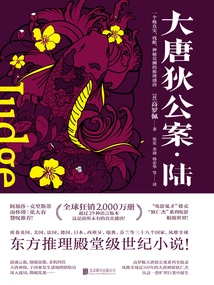
The Case of Di Gong in the Tang Dynasty·lu
General Fiction大唐狄公案·陆
H
"The Strange Case of the Iron Needle": The case of a headless naked corpse suddenly occurred in Beizhou, which has been quiet for a long time. Is this related to the disappearance of the daughter of a wealthy businessman? How could a respectable and upright boxer with great martial arts skills die in a bathhouse? Is the scent of jasmine tea a clue to the murderer? "The Strange Case of Liuyuan Pictures": Plague is rampant in the capital. It used to be a prosperous capital, but now it is a dead city. Only corpse collectors dressed in black walked the streets. There is a folk song in the market: "Mei, Hu, and Ye are three generations of nobles. Wealth does not last long..." The Mei and Ye clans suffered disasters one after another. Will the Hu clan follow the popular rumors and come to the end of the road? How does any of this relate to a juggler? "Guangzhou Strange Case": An important member of the imperial court disappeared in Guangzhou with his identity concealed. Is it related to the rumor that the Arabs are inciting a rebellion? Judge Di, who is a master in solving cases, was ordered to come to investigate secretly. The only clue was a cricket, but the blind girl who captured the cricket also disappeared...
"The Strange Case of the Iron Needle": The case of a headless naked corpse suddenly occurred in Beizhou, which has been quiet for a long time. Is this related to the disappearance of the daughter of a wealthy businessman? How could a respectable and upright boxer with great martial arts skills die in a bathhouse? Is the scent of jasmine tea a clue to the murderer? "The Strange Case of Liuyuan Pictures": Plague is rampant in the capital. It used to be a prosperous capital, but now it is a dead city. Only corpse collectors dressed in black walked the streets. There is a folk song in the market: "Mei, Hu, and Ye are three generations of nobles. Wealth does not last long..." The Mei and Ye clans suffered disasters one after another. Will the Hu clan follow the popular rumors and come to the end of the road? How does any of this relate to a juggler? "Guangzhou Strange Case": An important member of the imperial court disappeared in Guangzhou with his identity concealed. Is it related to the rumor that the Arabs are inciting a rebellion? Judge Di, who is a master in solving cases, was ordered to come to investigate secretly. The only clue was a cricket, but the blind girl who captured the cricket also disappeared...
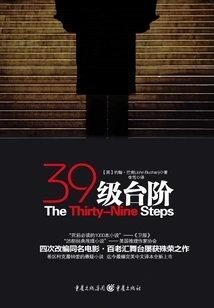
The Thirty-nine Steps (original Movie of the Same Name)
General Fiction三十九级台阶(同名电影原著)
K
It was selected as one of the 25 classic mystery novels selected by the American Mystery Writers Association; it was selected as one of the 1,000 novels you must read before you die by the British "Guardian"; it has been adapted into a movie of the same name four times, and the Hitchcock version is one of the most classic suspense movies in history; it was adapted into a play in 2005, successfully landed on Broadway, and won the Laurence Olivier Award and the Tony Award. The excitement-hungry British engineer Richard Hannay returns to London from impoverished Africa, but within a few months he is also bored with urban life. At this moment, the American Scudder entrusted him with a huge secret: German spies attempted to assassinate the leaders of friendly countries. Once accomplished, the world would be in danger. Later, Scudder was killed, and Hannay was ordered to hunt down, escape, refit, and disguise himself. The police and spies split into two groups and formed a huge net that covered the sky. Hannay's sharp eyes saw through the traps time and time again, and he cleverly escaped from the clutches of the devil. The day of assassination is imminent, and Scudder's notebook contains only the only clue - the thirty-nine steps. Where are the thirty-nine steps? Where do the thirty-nine steps lead to? With danger and death at stake, can Hannei find the thirty-nine steps and destroy the enemy's conspiracy?
It was selected as one of the 25 classic mystery novels selected by the American Mystery Writers Association; it was selected as one of the 1,000 novels you must read before you die by the British "Guardian"; it has been adapted into a movie of the same name four times, and the Hitchcock version is one of the most classic suspense movies in history; it was adapted into a play in 2005, successfully landed on Broadway, and won the Laurence Olivier Award and the Tony Award. The excitement-hungry British engineer Richard Hannay returns to London from impoverished Africa, but within a few months he is also bored with urban life. At this moment, the American Scudder entrusted him with a huge secret: German spies attempted to assassinate the leaders of friendly countries. Once accomplished, the world would be in danger. Later, Scudder was killed, and Hannay was ordered to hunt down, escape, refit, and disguise himself. The police and spies split into two groups and formed a huge net that covered the sky. Hannay's sharp eyes saw through the traps time and time again, and he cleverly escaped from the clutches of the devil. The day of assassination is imminent, and Scudder's notebook contains only the only clue - the thirty-nine steps. Where are the thirty-nine steps? Where do the thirty-nine steps lead to? With danger and death at stake, can Hannei find the thirty-nine steps and destroy the enemy's conspiracy?
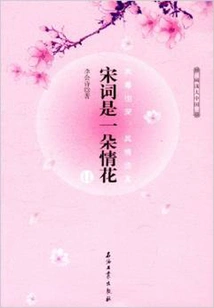
Song Ci is a Love Flower Ⅱ
Literature宋词是一朵情花Ⅱ
L
The moon waxes and wanes, people have joys and sorrows, flowers bloom and fall, and poems have joy, anger, sorrow, and joy. Love and hate are always similar through the ages, the only difference is the changing "protagonist" in the story. Probably everyone has had a love flower blooming in their heart, for a person or a love. Every little thought, every trace of tenderness is engraved on the fluttering love flower in the world. The hollow ones are petals, and the full ones are deep feelings. Life is full of love and obsession, and lingering is bound to be a passionate place. People today love Song poetry and love flowers, probably because they cannot escape the word "love". She encompasses all things, and produces all kinds of impermanence in all things. Song Ci is the gorgeous flower of love that blooms in the valley of despair, and we have all been poisoned by it.
The moon waxes and wanes, people have joys and sorrows, flowers bloom and fall, and poems have joy, anger, sorrow, and joy. Love and hate are always similar through the ages, the only difference is the changing "protagonist" in the story. Probably everyone has had a love flower blooming in their heart, for a person or a love. Every little thought, every trace of tenderness is engraved on the fluttering love flower in the world. The hollow ones are petals, and the full ones are deep feelings. Life is full of love and obsession, and lingering is bound to be a passionate place. People today love Song poetry and love flowers, probably because they cannot escape the word "love". She encompasses all things, and produces all kinds of impermanence in all things. Song Ci is the gorgeous flower of love that blooms in the valley of despair, and we have all been poisoned by it.
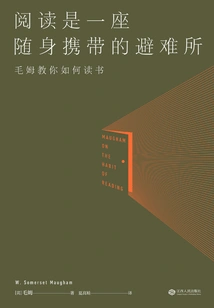
Reading is a Portable Refuge
Literature阅读是一座随身携带的避难所
H
Regarding Maugham's style, readers may first think of his venomous tongue, humor, absurdity and even meanness, but they ignore his sincerity and frankness underneath it all, as well as his intentional or unintentional emphasis on fun or interest. In this book, whether the topic discussed is the art of novels or thoughts on philosophy, art and the value of life, Maugham's insistence on fun can be seen everywhere. His language is clever, sophisticated, fluent and concise, but he neither pretends to be sophisticated nor self-congratulatory. Reading is like sitting across from you, listening to him talk with his genius sense of humor, teaching you how to read, the joy of reading, gossips about famous people, complaints about famous works, and his own feelings and thoughts caught between disgust and love for people and things.
Regarding Maugham's style, readers may first think of his venomous tongue, humor, absurdity and even meanness, but they ignore his sincerity and frankness underneath it all, as well as his intentional or unintentional emphasis on fun or interest. In this book, whether the topic discussed is the art of novels or thoughts on philosophy, art and the value of life, Maugham's insistence on fun can be seen everywhere. His language is clever, sophisticated, fluent and concise, but he neither pretends to be sophisticated nor self-congratulatory. Reading is like sitting across from you, listening to him talk with his genius sense of humor, teaching you how to read, the joy of reading, gossips about famous people, complaints about famous works, and his own feelings and thoughts caught between disgust and love for people and things.
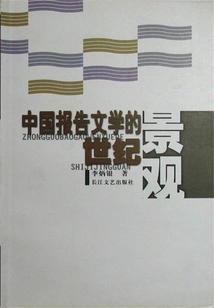
中国报告文学的世纪景观
R
This book contains a series of articles written by the author on the study of reportage from 1996 to 2000. It is the author's tracking, observation and reflection on the development of reportage during the turn of the century. It includes macroscopic reportage theory, development changes, and creative trends, as well as analysis and comments on current reportage creation, and even microscopic reportage writers and works. As a participant in the literature of the new era, the author of this book has been at the forefront of reportage creation and research for a long time. Therefore, these articles show profound theoretical literacy, and some of them enrich, develop and supplement the theoretical construction of reportage. At the same time, these research articles also convey a large amount of information to readers and are quite documentary. It can be said that this book is not only a phased research result of the author, but also a phased achievement of the reportage theory circle in recent years.
This book contains a series of articles written by the author on the study of reportage from 1996 to 2000. It is the author's tracking, observation and reflection on the development of reportage during the turn of the century. It includes macroscopic reportage theory, development changes, and creative trends, as well as analysis and comments on current reportage creation, and even microscopic reportage writers and works. As a participant in the literature of the new era, the author of this book has been at the forefront of reportage creation and research for a long time. Therefore, these articles show profound theoretical literacy, and some of them enrich, develop and supplement the theoretical construction of reportage. At the same time, these research articles also convey a large amount of information to readers and are quite documentary. It can be said that this book is not only a phased research result of the author, but also a phased achievement of the reportage theory circle in recent years.
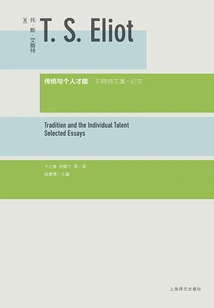
传统与个人才能:艾略特文集·论文
I
This book contains a total of 18 critical articles and speeches written by Eliot from 1919 to 1936. With his profound literary connotation and calm and keen insight, this outstanding critic conducted a continuous examination of the representative poets of great importance in the history of British literature. At the same time, he also expressed his unique insights into the meaning and techniques of literary criticism.
This book contains a total of 18 critical articles and speeches written by Eliot from 1919 to 1936. With his profound literary connotation and calm and keen insight, this outstanding critic conducted a continuous examination of the representative poets of great importance in the history of British literature. At the same time, he also expressed his unique insights into the meaning and techniques of literary criticism.
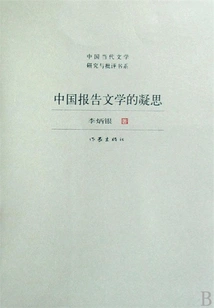
Meditations on Chinese Reportage
Literature中国报告文学的凝思
O
The historical role and significance of "social issue reportage", the journalistic characteristics and variations of reportage, the proliferation of fallacies - the pursuit of "documentary literature", realistic literature: an intensifying trend, "historical reportage - a new form of reportage, reportage should show rigid character, reportage's character of the times, etc.
The historical role and significance of "social issue reportage", the journalistic characteristics and variations of reportage, the proliferation of fallacies - the pursuit of "documentary literature", realistic literature: an intensifying trend, "historical reportage - a new form of reportage, reportage should show rigid character, reportage's character of the times, etc.
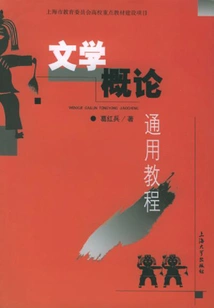
文学概论通用教程
J
This book was written on the basis of six consecutive rounds of introduction to literature classes I gave to students in the Chinese Department. After 6 rounds of classes, I have tried three popular textbooks. I feel that each textbook has its own advantages and can be used for reference. However, is there a textbook that explains the truth in simple terms without being theoretical? This book was rewritten on the basis of the lecture notes of several students, and basically retains my oral teaching style in class. The format of "text + appendix" is to improve the systematic knowledge of the book without compromising my own conceptual system, and to guide students to read the original work.
This book was written on the basis of six consecutive rounds of introduction to literature classes I gave to students in the Chinese Department. After 6 rounds of classes, I have tried three popular textbooks. I feel that each textbook has its own advantages and can be used for reference. However, is there a textbook that explains the truth in simple terms without being theoretical? This book was rewritten on the basis of the lecture notes of several students, and basically retains my oral teaching style in class. The format of "text + appendix" is to improve the systematic knowledge of the book without compromising my own conceptual system, and to guide students to read the original work.
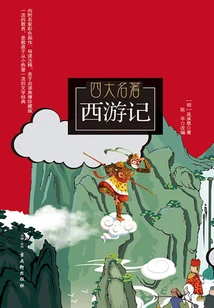
西游记·下(中华经典小说注释系列)
I
As one of the four great classics, "Journey to the West" has been studied and compiled by many people since it was written. This review of "Journey to the West" is based on the Shidetang edition, and the collated editions are Yang Minzhai's edition, Zhu Dingchen's edition, Li Zhuowu's commentary, Tang Monk's Journey to the West, Tang Sanzang's complete biography, Journey to the West Zhengdao Shu, and Xinshuo Journey to the West, etc. Detailed annotations were made on the ideas, famous objects, classics, cultural phenomena, etc.; Errors in the reference books and old annotations were corrected; various methods were used to interpret the difficult points in the novel using knowledge from different disciplines; full use was made of the research results of past dynasties, as much as possible collected and sorted out, and the best ones were chosen; and the religious content was explored in as much detail as possible. This latest annotation could have given modern readers a deeper understanding of Journey to the West, a vivid novel of gods and demons.
As one of the four great classics, "Journey to the West" has been studied and compiled by many people since it was written. This review of "Journey to the West" is based on the Shidetang edition, and the collated editions are Yang Minzhai's edition, Zhu Dingchen's edition, Li Zhuowu's commentary, Tang Monk's Journey to the West, Tang Sanzang's complete biography, Journey to the West Zhengdao Shu, and Xinshuo Journey to the West, etc. Detailed annotations were made on the ideas, famous objects, classics, cultural phenomena, etc.; Errors in the reference books and old annotations were corrected; various methods were used to interpret the difficult points in the novel using knowledge from different disciplines; full use was made of the research results of past dynasties, as much as possible collected and sorted out, and the best ones were chosen; and the religious content was explored in as much detail as possible. This latest annotation could have given modern readers a deeper understanding of Journey to the West, a vivid novel of gods and demons.
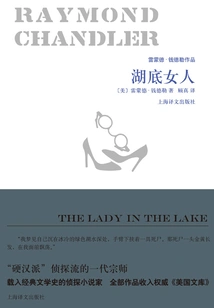
Z
General Fictionz
I
Los Angeles detective Philip Marlowe is involved in an embarrassing family matter. Mr. Kingsley, a glamorous and airy perfume company executive, wears a cuckold. His beautiful, willful and wealthy blond wife sent a message, announcing that she and her pretty boyfriend would go to Mexico to cut off their shackles and form a new relationship. However, a month passed and there was no news from Mrs. Kingsley. What is even more strange is that her true love boyfriend also claimed that he had never seen Mrs. Kingsley at all. As the investigation continues, Marlowe discovers that another mysterious blonde woman disappeared on the same day as Mrs. Kingsley. And when a horrifically bloated body of a blond woman was fished out from the bottom of the lake where Mrs. Kingsley stayed at the resort, things went far beyond the script of an elopement incident. Who is the murderer? Who are the victims? The police officer who tried every means to obstruct Marlowe's investigation was covering up some untouchable secret.
Los Angeles detective Philip Marlowe is involved in an embarrassing family matter. Mr. Kingsley, a glamorous and airy perfume company executive, wears a cuckold. His beautiful, willful and wealthy blond wife sent a message, announcing that she and her pretty boyfriend would go to Mexico to cut off their shackles and form a new relationship. However, a month passed and there was no news from Mrs. Kingsley. What is even more strange is that her true love boyfriend also claimed that he had never seen Mrs. Kingsley at all. As the investigation continues, Marlowe discovers that another mysterious blonde woman disappeared on the same day as Mrs. Kingsley. And when a horrifically bloated body of a blond woman was fished out from the bottom of the lake where Mrs. Kingsley stayed at the resort, things went far beyond the script of an elopement incident. Who is the murderer? Who are the victims? The police officer who tried every means to obstruct Marlowe's investigation was covering up some untouchable secret.
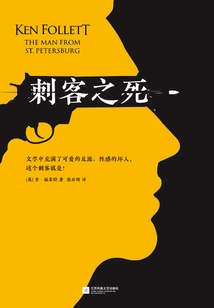
Death of an Assassin
General Fiction刺客之死
I
Readers from all over the world spend an average of one night reading it! The suspenseful masterpiece by Ken Follett, the author of "Fall of Giants" and master of all-night novels. Literature is full of lovable villains and sexy bad guys, and this assassin is it! This book once again pushes the tension to its peak, which is more exciting than drinking a strong drink in one gulp! He was a desperate assassin who fled abroad. In order to prevent Russia from being involved in World War I, he came to London alone to assassinate the Russian envoy. Churchill and the entire London police force were closing in on him, making the assassination difficult. At this time, the appearance of a woman brought a turning point to the assassination, but also led to a secret that had been hidden for 19 years...
Readers from all over the world spend an average of one night reading it! The suspenseful masterpiece by Ken Follett, the author of "Fall of Giants" and master of all-night novels. Literature is full of lovable villains and sexy bad guys, and this assassin is it! This book once again pushes the tension to its peak, which is more exciting than drinking a strong drink in one gulp! He was a desperate assassin who fled abroad. In order to prevent Russia from being involved in World War I, he came to London alone to assassinate the Russian envoy. Churchill and the entire London police force were closing in on him, making the assassination difficult. At this time, the appearance of a woman brought a turning point to the assassination, but also led to a secret that had been hidden for 19 years...
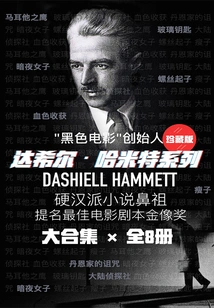
Dashiell Hammett Series (8 Volumes in Total)
General Fiction达希尔·哈米特系列(共8册)
I
"The Maltese Falcon" is a masterpiece of hard-boiled detective novels in Europe and the United States. It was adapted into a noir film of the same name. The image of Sam Spade is almost a household name in Europe and the United States. "Glass Key" During the general election in a certain city in the United States, the son of a senator was brutally murdered. The arrow points to vendetta and election conspiracy. Everyone from all sides wants to take advantage of the opportunity to profit. The police and the suspect's relatives and friends received strange anonymous letters, the contents of which were all negative insinuations about the suspect. Seeing that the suspect has become estranged from his family and even admitted the crime himself, his good friend and subordinate who has always had confidence in him still takes risks in an attempt to turn the tide...
"The Maltese Falcon" is a masterpiece of hard-boiled detective novels in Europe and the United States. It was adapted into a noir film of the same name. The image of Sam Spade is almost a household name in Europe and the United States. "Glass Key" During the general election in a certain city in the United States, the son of a senator was brutally murdered. The arrow points to vendetta and election conspiracy. Everyone from all sides wants to take advantage of the opportunity to profit. The police and the suspect's relatives and friends received strange anonymous letters, the contents of which were all negative insinuations about the suspect. Seeing that the suspect has become estranged from his family and even admitted the crime himself, his good friend and subordinate who has always had confidence in him still takes risks in an attempt to turn the tide...
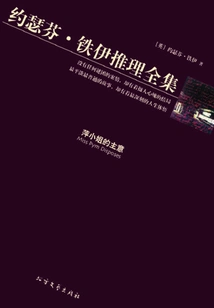
萍小姐的主意(约瑟芬·铁伊推理全集)
I
"Miss Ping's Idea" Miss Lucy Ping, who studies psychology, established a deep friendship with a group of students with different personalities during her short stay in a girls' school. The sudden "accidental" death of a girl broke the tranquility of the entire school, and Miss Ping's inadvertent discovery also made her fall into a rational and emotional decision: What should I do? Can I really make the so-called "right" decision? ... There was a long queue in front of the Dayton Theater. A man who was queuing up to buy tickets to watch the musical was found dead in the queue with a shiny and evil silver dagger stuck in his back. What is strange is that the people in front and behind the deceased did not know when the deceased was killed, and there was nothing on the deceased that could identify him.
"Miss Ping's Idea" Miss Lucy Ping, who studies psychology, established a deep friendship with a group of students with different personalities during her short stay in a girls' school. The sudden "accidental" death of a girl broke the tranquility of the entire school, and Miss Ping's inadvertent discovery also made her fall into a rational and emotional decision: What should I do? Can I really make the so-called "right" decision? ... There was a long queue in front of the Dayton Theater. A man who was queuing up to buy tickets to watch the musical was found dead in the queue with a shiny and evil silver dagger stuck in his back. What is strange is that the people in front and behind the deceased did not know when the deceased was killed, and there was nothing on the deceased that could identify him.
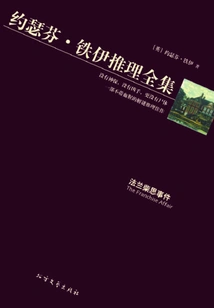
法兰柴思事件(约瑟芬·铁伊推理全集)
I
"The Faxing Chase Incident" A 16-year-old school girl who has been missing for nearly a month alleged that she was abducted by the owners of the Franchise mansion, a mother and daughter, and forced her to work as a maid, and was subsequently placed under house arrest in Franchise. But when the police brought the girl to Franchise for identification, the mother and daughter claimed that they neither knew nor had seen the girl, but she could accurately describe the layout of the room, the furnishings, and even the daily necessities of the mother and daughter. A lie runs throughout the story, but in the end it makes us feel the power of "public opinion killing".
"The Faxing Chase Incident" A 16-year-old school girl who has been missing for nearly a month alleged that she was abducted by the owners of the Franchise mansion, a mother and daughter, and forced her to work as a maid, and was subsequently placed under house arrest in Franchise. But when the police brought the girl to Franchise for identification, the mother and daughter claimed that they neither knew nor had seen the girl, but she could accurately describe the layout of the room, the furnishings, and even the daily necessities of the mother and daughter. A lie runs throughout the story, but in the end it makes us feel the power of "public opinion killing".
R
General Fictionr
H
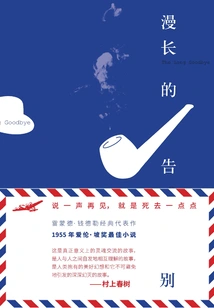
It won the 1955 Edgar Allan Poe Award for Best Novel and was ranked 13th among the "100 Best Mystery Novels in History" by the American Mystery Association. A classic novel that Haruki Murakami has read over and over again, calling it a "flawless masterpiece." Private detective Marlowe encounters Terry Lennox, a drunk stranger, outside the terrace of a dance club and takes him home. Terry has white hair and scars on half of his face. Despite his downcast appearance, Terry still behaves elegantly. Marlowe and Terry became friends who drank together occasionally. However, early one morning, Terry came to the door, claiming that he was in huge trouble and needed Marlowe's help. Marlowe put Terry on a flight to Mexico and said goodbye to him, but then got into a series of troubles. This is the story of a true exchange of souls, of spontaneous mutual understanding between people, of the beautiful illusions held by humans and the deep disillusionment they inevitably cause.
It won the 1955 Edgar Allan Poe Award for Best Novel and was ranked 13th among the "100 Best Mystery Novels in History" by the American Mystery Association. A classic novel that Haruki Murakami has read over and over again, calling it a "flawless masterpiece." Private detective Marlowe encounters Terry Lennox, a drunk stranger, outside the terrace of a dance club and takes him home. Terry has white hair and scars on half of his face. Despite his downcast appearance, Terry still behaves elegantly. Marlowe and Terry became friends who drank together occasionally. However, early one morning, Terry came to the door, claiming that he was in huge trouble and needed Marlowe's help. Marlowe put Terry on a flight to Mexico and said goodbye to him, but then got into a series of troubles. This is the story of a true exchange of souls, of spontaneous mutual understanding between people, of the beautiful illusions held by humans and the deep disillusionment they inevitably cause.
The Case of Di Gong in the Tang Dynasty (third Series Set)
General Fiction大唐狄公案(第三辑套装)
H
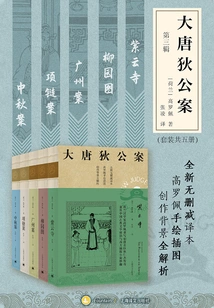
Dutch sinologist Roberto Gorope rewrites the legend of Di Renjie, a famous official in the early Tang Dynasty, combining the elegance of Chinese classical literature with the fun of Western detective novels. Brand new unabridged translation. Gao Luopei's hand-drawn illustrations and a full analysis of his creative background. The translator has studied Gao Luopei for many years and is responsible for the translation alone to ensure a unified writing style. "The Case of Di Gong of the Tang Dynasty" successfully created "China's Sherlock Holmes" and was translated into and published in many foreign languages, leaving a significant mark in the history of cultural exchanges between China and the world. Fifteen versions of the translated version of "The Case of Di Gong of the Tang Dynasty" are planned to be published. Zhang Ling, who has studied Gao Luopei for many years, is responsible for the translation and writes annotations and postscripts that are both academic and readable. It is currently the only version on the market that has been independently translated by one person. The third volume of "The Case of Di Gong of the Tang Dynasty" includes "Purple Cloud Temple", "Liu Garden Picture", "Guangzhou Case", "Necklace Case" and "Mid-Autumn Festival Case". Each volume is equipped with illustrations created by Gao Luopei himself, full of ancient charm and pleasing to the eye.
Dutch sinologist Roberto Gorope rewrites the legend of Di Renjie, a famous official in the early Tang Dynasty, combining the elegance of Chinese classical literature with the fun of Western detective novels. Brand new unabridged translation. Gao Luopei's hand-drawn illustrations and a full analysis of his creative background. The translator has studied Gao Luopei for many years and is responsible for the translation alone to ensure a unified writing style. "The Case of Di Gong of the Tang Dynasty" successfully created "China's Sherlock Holmes" and was translated into and published in many foreign languages, leaving a significant mark in the history of cultural exchanges between China and the world. Fifteen versions of the translated version of "The Case of Di Gong of the Tang Dynasty" are planned to be published. Zhang Ling, who has studied Gao Luopei for many years, is responsible for the translation and writes annotations and postscripts that are both academic and readable. It is currently the only version on the market that has been independently translated by one person. The third volume of "The Case of Di Gong of the Tang Dynasty" includes "Purple Cloud Temple", "Liu Garden Picture", "Guangzhou Case", "Necklace Case" and "Mid-Autumn Festival Case". Each volume is equipped with illustrations created by Gao Luopei himself, full of ancient charm and pleasing to the eye.
Murder in the Clouds
General Fiction云中命案
G
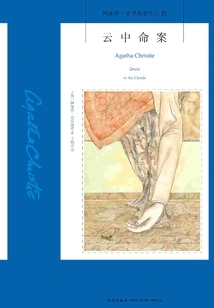
On the Prometheus flight to Paris, Poirot was worried about airsickness. A beautiful girl was enamored of the handsome young man sitting opposite, a doctor was playing the flute, two archaeologists were discussing academic issues enthusiastically, and a countess was chatting with herself. Their love rivals exchanged false greetings... However, no one noticed that the elderly French woman in the second seat had been unknowingly taken away by a mysterious hand, and a poisonous needle that only appeared in novels fell at her feet...
On the Prometheus flight to Paris, Poirot was worried about airsickness. A beautiful girl was enamored of the handsome young man sitting opposite, a doctor was playing the flute, two archaeologists were discussing academic issues enthusiastically, and a countess was chatting with herself. Their love rivals exchanged false greetings... However, no one noticed that the elderly French woman in the second seat had been unknowingly taken away by a mysterious hand, and a poisonous needle that only appeared in novels fell at her feet...
N
General Fictionn
H
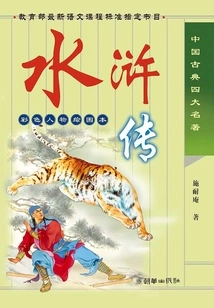
"Water Margin" describes the story of the 108 heroes led by Song Jiang in the Liangshan uprising in the late Northern Song Dynasty, and the story of their recruitment and war after Juyi. It has vividly portrayed Liangshan heroes such as Song Jiang, Wu Yong, Li Kui, Wu Song, Lin Chong, and Lu Zhishen. It depicts the entire process of the peasant uprising from occurrence, development to failure, profoundly reveals the social roots of the uprising, enthusiastically praises the resistance struggle of the uprising heroes and their social ideals, and also specifically reveals the internal historical reasons for the failure of the uprising. "Water Margin" is one of the earliest chapter novels written in vernacular Chinese in Chinese history.
"Water Margin" describes the story of the 108 heroes led by Song Jiang in the Liangshan uprising in the late Northern Song Dynasty, and the story of their recruitment and war after Juyi. It has vividly portrayed Liangshan heroes such as Song Jiang, Wu Yong, Li Kui, Wu Song, Lin Chong, and Lu Zhishen. It depicts the entire process of the peasant uprising from occurrence, development to failure, profoundly reveals the social roots of the uprising, enthusiastically praises the resistance struggle of the uprising heroes and their social ideals, and also specifically reveals the internal historical reasons for the failure of the uprising. "Water Margin" is one of the earliest chapter novels written in vernacular Chinese in Chinese history.
三国演义(青少版名著)
K
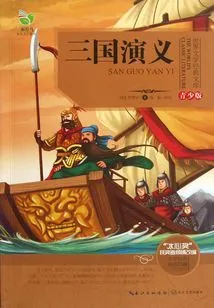
The full name of "Romance of the Three Kingdoms" is "Popular Romance of the Three Kingdoms", written by Luo Guanzhong, a novelist in the late Yuan and early Ming Dynasties. It is China's first full-length retrospective historical romance novel, one of the four classic Chinese classics, and a classic of historical romance novels. [1] The novel is based on history, based on Confucianism, and emphasizes "loyalty"; it focuses on describing wars, telling the history of more than a hundred years from the Yellow Turban Rebellion at the end of the Han Dynasty to the establishment of the Wei, Shu Han and Wu Kingdoms, and the unification of the Western Jin Dynasty, and depicts numerous heroes. The book's narrative is "according to official history, collecting novels, proving the diction, and understanding the art." The combination of fiction and reality makes the song as wonderful as it can be. This book is an abbreviated version of the original work and is suitable for teenagers to read.
The full name of "Romance of the Three Kingdoms" is "Popular Romance of the Three Kingdoms", written by Luo Guanzhong, a novelist in the late Yuan and early Ming Dynasties. It is China's first full-length retrospective historical romance novel, one of the four classic Chinese classics, and a classic of historical romance novels. [1] The novel is based on history, based on Confucianism, and emphasizes "loyalty"; it focuses on describing wars, telling the history of more than a hundred years from the Yellow Turban Rebellion at the end of the Han Dynasty to the establishment of the Wei, Shu Han and Wu Kingdoms, and the unification of the Western Jin Dynasty, and depicts numerous heroes. The book's narrative is "according to official history, collecting novels, proving the diction, and understanding the art." The combination of fiction and reality makes the song as wonderful as it can be. This book is an abbreviated version of the original work and is suitable for teenagers to read.
Q
General Fictionq
H
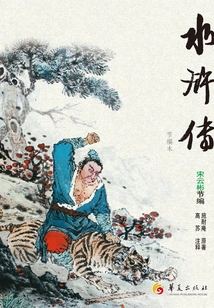
"Water Margin", also known as "Water Margin of Loyalty and Righteousness", generally referred to as "Water Margin", was written in the late Yuan and early Ming dynasties and is one of China's four great classics. The whole book describes the story of 108 people led by Song Jiang who gathered in Liangshan in the late Northern Song Dynasty, and how they accepted recruitment and fought in various places after gathering. Written by Shi Naian and edited by Luo Guanzhong, Shi Naian's ancestral home is said to be Suzhou[1] and Xinghua, present-day Jiangsu. "Water Margin" is also one of the most epic works in Chinese literature. It is one of the earliest chapter novels written in vernacular Chinese in Chinese history. There are many versions, it is widely circulated and popular among the people. It has a profound influence on narrative literature in China and even East Asia.
"Water Margin", also known as "Water Margin of Loyalty and Righteousness", generally referred to as "Water Margin", was written in the late Yuan and early Ming dynasties and is one of China's four great classics. The whole book describes the story of 108 people led by Song Jiang who gathered in Liangshan in the late Northern Song Dynasty, and how they accepted recruitment and fought in various places after gathering. Written by Shi Naian and edited by Luo Guanzhong, Shi Naian's ancestral home is said to be Suzhou[1] and Xinghua, present-day Jiangsu. "Water Margin" is also one of the most epic works in Chinese literature. It is one of the earliest chapter novels written in vernacular Chinese in Chinese history. There are many versions, it is widely circulated and popular among the people. It has a profound influence on narrative literature in China and even East Asia.
The Last 139 Steps
General Fiction最后的139步
J
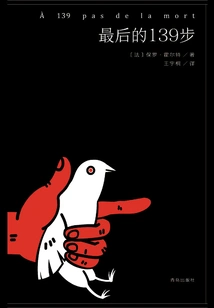
A villa in Pitchfort Village has been abandoned for five years. The previous owner of the villa stipulated in his will that his heirs could not freely dispose of the villa until five years after his death. However, recently, someone heard some strange noises when passing by his cemetery. The surrounding soil seemed to have been disturbed not long ago. Dr. Twist and Detective Burns entered the villa together and found the body of the former owner on a chair in the living room! All the doors and windows in the villa were locked, and there was a thick layer of dust on the ground without any traces. There were more than a thousand pairs of old shoes of various kinds scattered on the ground...
A villa in Pitchfort Village has been abandoned for five years. The previous owner of the villa stipulated in his will that his heirs could not freely dispose of the villa until five years after his death. However, recently, someone heard some strange noises when passing by his cemetery. The surrounding soil seemed to have been disturbed not long ago. Dr. Twist and Detective Burns entered the villa together and found the body of the former owner on a chair in the living room! All the doors and windows in the villa were locked, and there was a thick layer of dust on the ground without any traces. There were more than a thousand pairs of old shoes of various kinds scattered on the ground...
Macbeth
Literature马克白
H
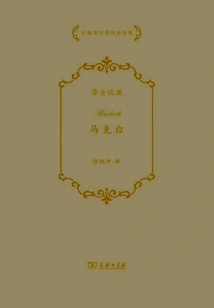
"Macbeth" (also translated as "Macbeth") is one of the "Complete Chinese Translation Classics by Xu Yuanchong" and one of Shakespeare's famous tragedies. The plot tells the story of Macbeth, the cousin of King Duncan of Scotland. After serving the king in quelling the rebellion and resisting the invasion of foreign enemies, he became ambitious and wanted to regicide and usurp the throne. Stimulated by the witches' prophecies and with the support of Lady Macbeth, Macbeth succeeded in usurping the throne and massacred the generals and subordinates who threatened him. In the end, Lady Macbeth went mad and died, and Macbeth also fell under the sword of the Avengers.
"Macbeth" (also translated as "Macbeth") is one of the "Complete Chinese Translation Classics by Xu Yuanchong" and one of Shakespeare's famous tragedies. The plot tells the story of Macbeth, the cousin of King Duncan of Scotland. After serving the king in quelling the rebellion and resisting the invasion of foreign enemies, he became ambitious and wanted to regicide and usurp the throne. Stimulated by the witches' prophecies and with the support of Lady Macbeth, Macbeth succeeded in usurping the throne and massacred the generals and subordinates who threatened him. In the end, Lady Macbeth went mad and died, and Macbeth also fell under the sword of the Avengers.
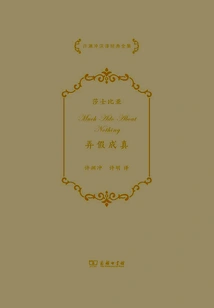
Make False Come True
Literature弄假成真
H
"Make Fake True" (also translated as "Much Ado About Nothing") is one of the "Complete Chinese Translation Classics of Xu Yuanchong" and one of Shakespeare's masterpieces. The plot tells two types of love stories of that era: one is Ciro and Croud, who follow social norms and family status concepts and represent a traditional union; the other is Benleti and Bellis, who mock each other and refuse to give in at first, but finally fall in love with each other and achieve a perfect union. In this comedy, Shakespeare explores issues such as self-awareness, sincerity and mutual respect between men and women, and social order.
"Make Fake True" (also translated as "Much Ado About Nothing") is one of the "Complete Chinese Translation Classics of Xu Yuanchong" and one of Shakespeare's masterpieces. The plot tells two types of love stories of that era: one is Ciro and Croud, who follow social norms and family status concepts and represent a traditional union; the other is Benleti and Bellis, who mock each other and refuse to give in at first, but finally fall in love with each other and achieve a perfect union. In this comedy, Shakespeare explores issues such as self-awareness, sincerity and mutual respect between men and women, and social order.
N
O
Literatureo
P
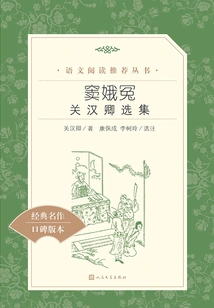
Guan Hanqing is one of the greatest dramatists and writers in my country, and one of the four great masters of Yuan opera. The most famous of his works is "The Injustice of Dou E", which describes the injustice suffered by an ordinary woman: the young widow Dou E was innocently sentenced to death by the government. Wang Guowei said that "The Injustice of Dou E" "is worthy of being listed among the world's great tragedies." This book includes a total of eight dramas and several sanqu selected from Guan Hanqing's extant works. There are two main criteria for selection: first, it can be confirmed to be Guan's work; second, it is artistically distinctive and has a greater impact. Notes should be kept concise and the original text should not be quoted. Some important words are highlighted for the convenience of readers.
Guan Hanqing is one of the greatest dramatists and writers in my country, and one of the four great masters of Yuan opera. The most famous of his works is "The Injustice of Dou E", which describes the injustice suffered by an ordinary woman: the young widow Dou E was innocently sentenced to death by the government. Wang Guowei said that "The Injustice of Dou E" "is worthy of being listed among the world's great tragedies." This book includes a total of eight dramas and several sanqu selected from Guan Hanqing's extant works. There are two main criteria for selection: first, it can be confirmed to be Guan's work; second, it is artistically distinctive and has a greater impact. Notes should be kept concise and the original text should not be quoted. Some important words are highlighted for the convenience of readers.
N
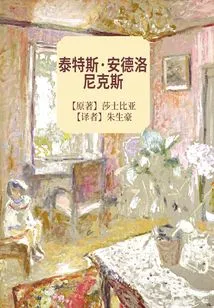
Titus Andronicus
Literature泰特斯·安德洛尼克斯
G
"Titus Andronicus" is a tragedy written by the English playwright William Shakespeare, first published in 1594. The play tells the story of Lavinia, a beautiful lady from a well-known family who was brutally tortured. Her father Titus retaliates in kind, leading to an equally horrifying feast of human flesh. The play tells a truth: Heaven is not indifferent to the sins in the world. This play is Shakespeare's early work. The play has a profound description of the psychological and physical pain suffered by political prisoners, and also depicts the cruel scenes of brutal massacres in detail.
"Titus Andronicus" is a tragedy written by the English playwright William Shakespeare, first published in 1594. The play tells the story of Lavinia, a beautiful lady from a well-known family who was brutally tortured. Her father Titus retaliates in kind, leading to an equally horrifying feast of human flesh. The play tells a truth: Heaven is not indifferent to the sins in the world. This play is Shakespeare's early work. The play has a profound description of the psychological and physical pain suffered by political prisoners, and also depicts the cruel scenes of brutal massacres in detail.
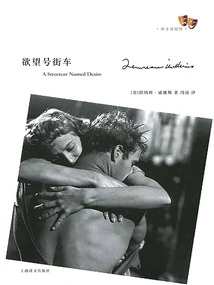
欲望号街车(译文戏剧馆)
H
Who drove Blanche crazy? "A Streetcar Named Desire" undoubtedly sent a deafening scream to the society. "A Streetcar Named Desire" is undoubtedly the masterpiece among Williams' many works. The heroine Blanche is a typical southern lady. After her family fell into decline, she refused to give up her old way of life and gradually became corrupted. Later, she had to seek refuge with her sister Stella. However, he was incompatible with his brother-in-law Stanley's rough lifestyle, and was raped by his brother-in-law, and was eventually sent to a lunatic asylum. The brutal and cruel forces in modern society mercilessly ravage the gentle and elegant weak. "A Streetcar Named Desire" undoubtedly sent a deafening scream to the society - who drove Blanche crazy! The play was a huge success after being staged in New York in 1947, winning three American drama awards: the Pulitzer Prize, the New York Drama Award and the Donaldson Award. The film adaptation of the same name is the number one work in the American theater and film circles, starring Marlon Brando and Vivien Leigh.
Who drove Blanche crazy? "A Streetcar Named Desire" undoubtedly sent a deafening scream to the society. "A Streetcar Named Desire" is undoubtedly the masterpiece among Williams' many works. The heroine Blanche is a typical southern lady. After her family fell into decline, she refused to give up her old way of life and gradually became corrupted. Later, she had to seek refuge with her sister Stella. However, he was incompatible with his brother-in-law Stanley's rough lifestyle, and was raped by his brother-in-law, and was eventually sent to a lunatic asylum. The brutal and cruel forces in modern society mercilessly ravage the gentle and elegant weak. "A Streetcar Named Desire" undoubtedly sent a deafening scream to the society - who drove Blanche crazy! The play was a huge success after being staged in New York in 1947, winning three American drama awards: the Pulitzer Prize, the New York Drama Award and the Donaldson Award. The film adaptation of the same name is the number one work in the American theater and film circles, starring Marlon Brando and Vivien Leigh.
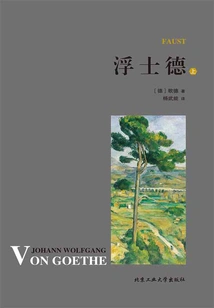
Faust (part 1)
Literature浮士德(上)
F
"Faust" is a long poetic tragedy that Goethe based on folklore and created with sixty years of hard work. It is called the crowning work of Enlightenment literature. It is also called the four major European classical literary masterpieces along with "Homer's Epic", "The Divine Comedy" and "Hamlet". In the book, in order to explore the meaning of life, Faust signed a contract with the devil Mephisto and exchanged his soul for youth. He pursued knowledge, love, beauty, and achievements, and finally realized that only those who strive for freedom and survival every day are worthy of enjoying freedom and survival.
"Faust" is a long poetic tragedy that Goethe based on folklore and created with sixty years of hard work. It is called the crowning work of Enlightenment literature. It is also called the four major European classical literary masterpieces along with "Homer's Epic", "The Divine Comedy" and "Hamlet". In the book, in order to explore the meaning of life, Faust signed a contract with the devil Mephisto and exchanged his soul for youth. He pursued knowledge, love, beauty, and achievements, and finally realized that only those who strive for freedom and survival every day are worthy of enjoying freedom and survival.
L
LiteratureL
H
"Othello" is one of the "Complete Chinese Translation Classics by Xu Yuanchong" and one of Shakespeare's famous tragedies. The plot tells the story of Othello, a Moorish commander employed by the Venetian city-state, who fell in love with Desdemona, the daughter of the senator Brabantio, and secretly married. Othello's general Iago is cunning and cunning. Out of jealousy and dissatisfaction, he uses means to sow discord between Othello and Desdemona. Othello suspects that Desdemona is unfaithful to him and strangles her to death with his own hands. Othello himself regretted and committed suicide after learning the truth.
"Othello" is one of the "Complete Chinese Translation Classics by Xu Yuanchong" and one of Shakespeare's famous tragedies. The plot tells the story of Othello, a Moorish commander employed by the Venetian city-state, who fell in love with Desdemona, the daughter of the senator Brabantio, and secretly married. Othello's general Iago is cunning and cunning. Out of jealousy and dissatisfaction, he uses means to sow discord between Othello and Desdemona. Othello suspects that Desdemona is unfaithful to him and strangles her to death with his own hands. Othello himself regretted and committed suicide after learning the truth.
S
Literatures
T
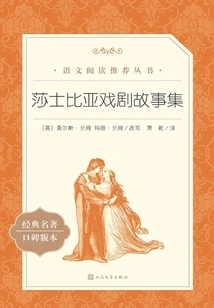
This collection of stories was published in two volumes in London in 1807, with the subtitle "Especially for Young People". It is recognized around the world as an excellent juvenile book. Over the past two centuries, many outstanding Shakespeare scholars, famous Shakespearean actors, and millions of readers who love Shakespeare's plays first got started through this enlightening work. It is indeed a valuable bridge between the study of Shakespeare's dramas and the vast number of readers.
This collection of stories was published in two volumes in London in 1807, with the subtitle "Especially for Young People". It is recognized around the world as an excellent juvenile book. Over the past two centuries, many outstanding Shakespeare scholars, famous Shakespearean actors, and millions of readers who love Shakespeare's plays first got started through this enlightening work. It is indeed a valuable bridge between the study of Shakespeare's dramas and the vast number of readers.
Brain Birth
Literature大脑产儿
I
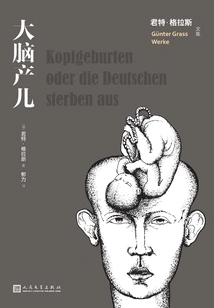
In 1979, Günter Grass and his wife traveled to Asian countries. During and around the trip, the author conceived a movie script that had never been made into a film: Hamm and Dot, a middle school teacher couple from North Germany, embarked on a trip to Asia. However, whether in Bangkok, Mumbai, or Bali, although the images of the third world came one after another, the lingering German question lingered in their minds, and they were wavering on whether they should have children. Their worries are: What will the future look like? Will there be nuclear power plants? Will Strauss take the stage? Will people shoulder the burden of pensions? Will Germans die out due to declining birth rates? These issues are also of concern to the author himself and he joins the discussion from time to time. The work is a collection of essays, novels and movie scripts that have not been made into films, and the writing is humorous.
In 1979, Günter Grass and his wife traveled to Asian countries. During and around the trip, the author conceived a movie script that had never been made into a film: Hamm and Dot, a middle school teacher couple from North Germany, embarked on a trip to Asia. However, whether in Bangkok, Mumbai, or Bali, although the images of the third world came one after another, the lingering German question lingered in their minds, and they were wavering on whether they should have children. Their worries are: What will the future look like? Will there be nuclear power plants? Will Strauss take the stage? Will people shoulder the burden of pensions? Will Germans die out due to declining birth rates? These issues are also of concern to the author himself and he joins the discussion from time to time. The work is a collection of essays, novels and movie scripts that have not been made into films, and the writing is humorous.
Julius Caesar
Literature裘力斯·凯撒
G
"Julius Caesar" (also translated as Julius Caesar, Julius Caesar) is a drama written by the British playwright Shakespeare. The plot of "Julius Caesar" revolves around the struggle between two political parties in ancient Rome. In the play, Caesar is the representative of the autocratic faction. He has great achievements and strives to expand his own power, so it is inevitable to wear the imperial robe. However, the republicans headed by Cassius and others oppose personal dictatorship and attempt to eradicate Caesar's power. However, they are weak and weak, so they enlist the highly respected Brutus to participate in their actions. Led by Brutus, the Republicans assassinated Caesar. Afterwards, Caesar's confidant Antony incited the Roman people with passionate speeches, causing them to change their original intentions and turn against Brutus, and expelled Brutus and others from the city of Rome. Finally, under siege by the soldiers of Antony and others, Brutus committed suicide and the republic was destroyed.
"Julius Caesar" (also translated as Julius Caesar, Julius Caesar) is a drama written by the British playwright Shakespeare. The plot of "Julius Caesar" revolves around the struggle between two political parties in ancient Rome. In the play, Caesar is the representative of the autocratic faction. He has great achievements and strives to expand his own power, so it is inevitable to wear the imperial robe. However, the republicans headed by Cassius and others oppose personal dictatorship and attempt to eradicate Caesar's power. However, they are weak and weak, so they enlist the highly respected Brutus to participate in their actions. Led by Brutus, the Republicans assassinated Caesar. Afterwards, Caesar's confidant Antony incited the Roman people with passionate speeches, causing them to change their original intentions and turn against Brutus, and expelled Brutus and others from the city of Rome. Finally, under siege by the soldiers of Antony and others, Brutus committed suicide and the republic was destroyed.
Oxford Edition of Shakespeare: Macbeth
Literature牛津版莎士比亚:麦克白
H
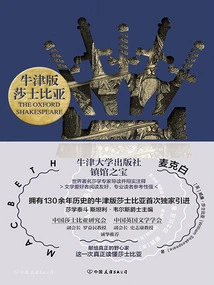
Scottish general Macbeth learns from the three fateful sisters that he is about to become the new king. On the night when the old king Duncan stayed overnight, Macbeth was encouraged by his wife to kill Duncan with a knife. When the prophecy finally came true, Macbeth was backlashed by ambition and sin, became suspicious and insane, and was eventually beheaded by his rebellious subordinates. "Macbeth" is one of the works with the strongest dramatic conflict among Shakespeare's plays. It is the smallest in size, but has multiple climaxes and layered reversals, and is as complex as the protagonist Macbeth in Hamlet. The subtlety of this play lies in its exploration and exposure of the deepest parts of the human heart. In Macbeth's long monologue, we get a glimpse of the intertwining and confrontation between ambition and conscience, desire and cowardice, and good and evil in the individual soul. Many illusions wander around, adding to the romanticism. The introduction and annotations of this book are compiled by Professor Nicholas Brooke of the University of East Anglia. It analyzes this Shakespeare classic tragedy from novel perspectives such as diverse dramatic illusions, outstanding language effects, Baroque aesthetics of "Macbeth", and more than 400 years of performance history.
Scottish general Macbeth learns from the three fateful sisters that he is about to become the new king. On the night when the old king Duncan stayed overnight, Macbeth was encouraged by his wife to kill Duncan with a knife. When the prophecy finally came true, Macbeth was backlashed by ambition and sin, became suspicious and insane, and was eventually beheaded by his rebellious subordinates. "Macbeth" is one of the works with the strongest dramatic conflict among Shakespeare's plays. It is the smallest in size, but has multiple climaxes and layered reversals, and is as complex as the protagonist Macbeth in Hamlet. The subtlety of this play lies in its exploration and exposure of the deepest parts of the human heart. In Macbeth's long monologue, we get a glimpse of the intertwining and confrontation between ambition and conscience, desire and cowardice, and good and evil in the individual soul. Many illusions wander around, adding to the romanticism. The introduction and annotations of this book are compiled by Professor Nicholas Brooke of the University of East Anglia. It analyzes this Shakespeare classic tragedy from novel perspectives such as diverse dramatic illusions, outstanding language effects, Baroque aesthetics of "Macbeth", and more than 400 years of performance history.
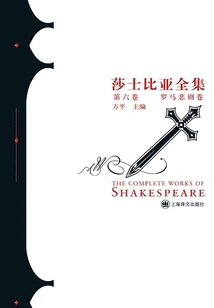
罗马悲剧卷(莎士比亚全集·第六卷)
H
This set of books is the first complete work of Shakespeare in verse in the Chinese-speaking world. The original form of Shakespeare's drama is a verse drama, which is a verse drama with blank verse as its basic form. Translating poetry into verse, trying to make the translation closer to the original appearance of Shakespeare's drama in terms of tone and language rhythm, is the ultimate appeal of this version. The "Roman Tragedies Volume" contains four historical tragedies written by Shakespeare. "Titus Andronicus" is Shakespeare's first tragedy. Full of passion and vendetta, this story is a model of English drama and one of Shakespeare's most successful works. "Cius Caesar" is one of Shakespeare's tragedies. The brilliant Caesar was assassinated, and the opposition was not strong enough to replace him in terms of prestige or political talent. As a result, there was a vacuum in Rome's political power, and the two rival parties immediately fought against each other. After the Brutus faction fell, an internal struggle began between Antony and Octavian, who had seized power... "Antony and Cleopatra" can be called Shakespeare's fifth greatest tragedy, written in 1607. "Coriolanna" is a Roman historical tragedy written by Shakespeare in his later years. It tells the tragedy of Marcellus (known as Coriolanna), a hero of the Roman Republic, who was expelled from Rome because of his suspicious character and bad temper, which offended the public.
This set of books is the first complete work of Shakespeare in verse in the Chinese-speaking world. The original form of Shakespeare's drama is a verse drama, which is a verse drama with blank verse as its basic form. Translating poetry into verse, trying to make the translation closer to the original appearance of Shakespeare's drama in terms of tone and language rhythm, is the ultimate appeal of this version. The "Roman Tragedies Volume" contains four historical tragedies written by Shakespeare. "Titus Andronicus" is Shakespeare's first tragedy. Full of passion and vendetta, this story is a model of English drama and one of Shakespeare's most successful works. "Cius Caesar" is one of Shakespeare's tragedies. The brilliant Caesar was assassinated, and the opposition was not strong enough to replace him in terms of prestige or political talent. As a result, there was a vacuum in Rome's political power, and the two rival parties immediately fought against each other. After the Brutus faction fell, an internal struggle began between Antony and Octavian, who had seized power... "Antony and Cleopatra" can be called Shakespeare's fifth greatest tragedy, written in 1607. "Coriolanna" is a Roman historical tragedy written by Shakespeare in his later years. It tells the tragedy of Marcellus (known as Coriolanna), a hero of the Roman Republic, who was expelled from Rome because of his suspicious character and bad temper, which offended the public.
Y
LiteratureY
G
"Antony and Cleopatra" is a Roman tragedy written by Shakespeare around 1607. It is derived from "Lives of the Greeks and Romans" written by the ancient Roman historian Plutarch. The play tells the story of one of the three chief leaders of Rome at that time: Antony was obsessed with the beauty of Queen Cleopatra of Egypt and had no time to attend to national affairs. He spent all day hanging out with her in Egypt, drunkenly and dreamily. Later, Rome suffered from the rebellion of Sextus Pompeii, the invasion of pirates, the invasion of the Eastern Parthians, and the news that Antony's wife died because of his failure to challenge Caesar. Finally, he cheered up and returned to Rome resolutely to serve his motherland. Antony then reconciled with Octavian because of the situation and married his sister to consolidate their political relationship. This also made Cleopatra sad and angry. Finally, after all the wars were reconciled and subsided, Anthony couldn't wait to return to the Queen of Egypt. Later, Pompey was killed and his colleague Lepides was deposed, which led to the final confrontation between Antony and Octavian. In the battle at sea, Antony unwisely followed the Queen of Egypt to escape and was defeated, and eventually committed suicide in grief. Cleopatra finally saw Octavian's true face and committed suicide.
"Antony and Cleopatra" is a Roman tragedy written by Shakespeare around 1607. It is derived from "Lives of the Greeks and Romans" written by the ancient Roman historian Plutarch. The play tells the story of one of the three chief leaders of Rome at that time: Antony was obsessed with the beauty of Queen Cleopatra of Egypt and had no time to attend to national affairs. He spent all day hanging out with her in Egypt, drunkenly and dreamily. Later, Rome suffered from the rebellion of Sextus Pompeii, the invasion of pirates, the invasion of the Eastern Parthians, and the news that Antony's wife died because of his failure to challenge Caesar. Finally, he cheered up and returned to Rome resolutely to serve his motherland. Antony then reconciled with Octavian because of the situation and married his sister to consolidate their political relationship. This also made Cleopatra sad and angry. Finally, after all the wars were reconciled and subsided, Anthony couldn't wait to return to the Queen of Egypt. Later, Pompey was killed and his colleague Lepides was deposed, which led to the final confrontation between Antony and Octavian. In the battle at sea, Antony unwisely followed the Queen of Egypt to escape and was defeated, and eventually committed suicide in grief. Cleopatra finally saw Octavian's true face and committed suicide.